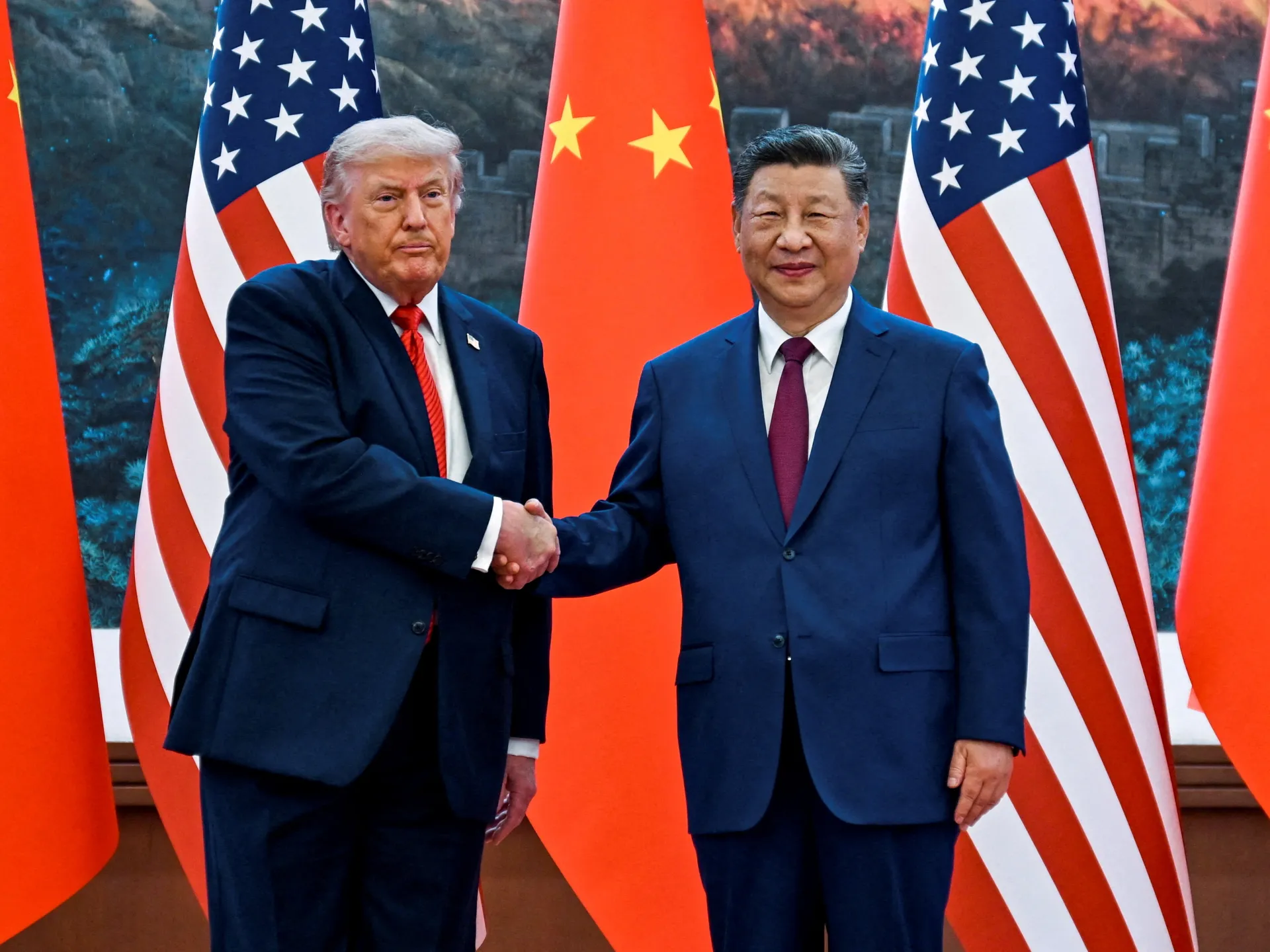
The United States has signaled a readiness to engage with Havana regarding political transition, even as the administration maintains a hardline stance marked by severe economic sanctions.
The geopolitical landscape in the Caribbean is currently defined led economic blockade and increasingly bellicose rhetoric. The potential for diplomatic engagement, while technically open, remains tethered to a rigid demand for fundamental political transition within Cuba. This development carries significant weight, as it signals a shift from purely isolationist policies toward a strategy of coercive diplomacy. For the international community, the situation represents a precarious balance; the US administration is leveraging severe economic distress—including fuel shortages and persistent blackouts—to force the hand of a government that has remained deeply entrenched since 1959. Whether this approach precipitates a genuine political evolution or further exacerbates the humanitarian challenges facing the Cuban population remains the central question of this diplomatic offensive.
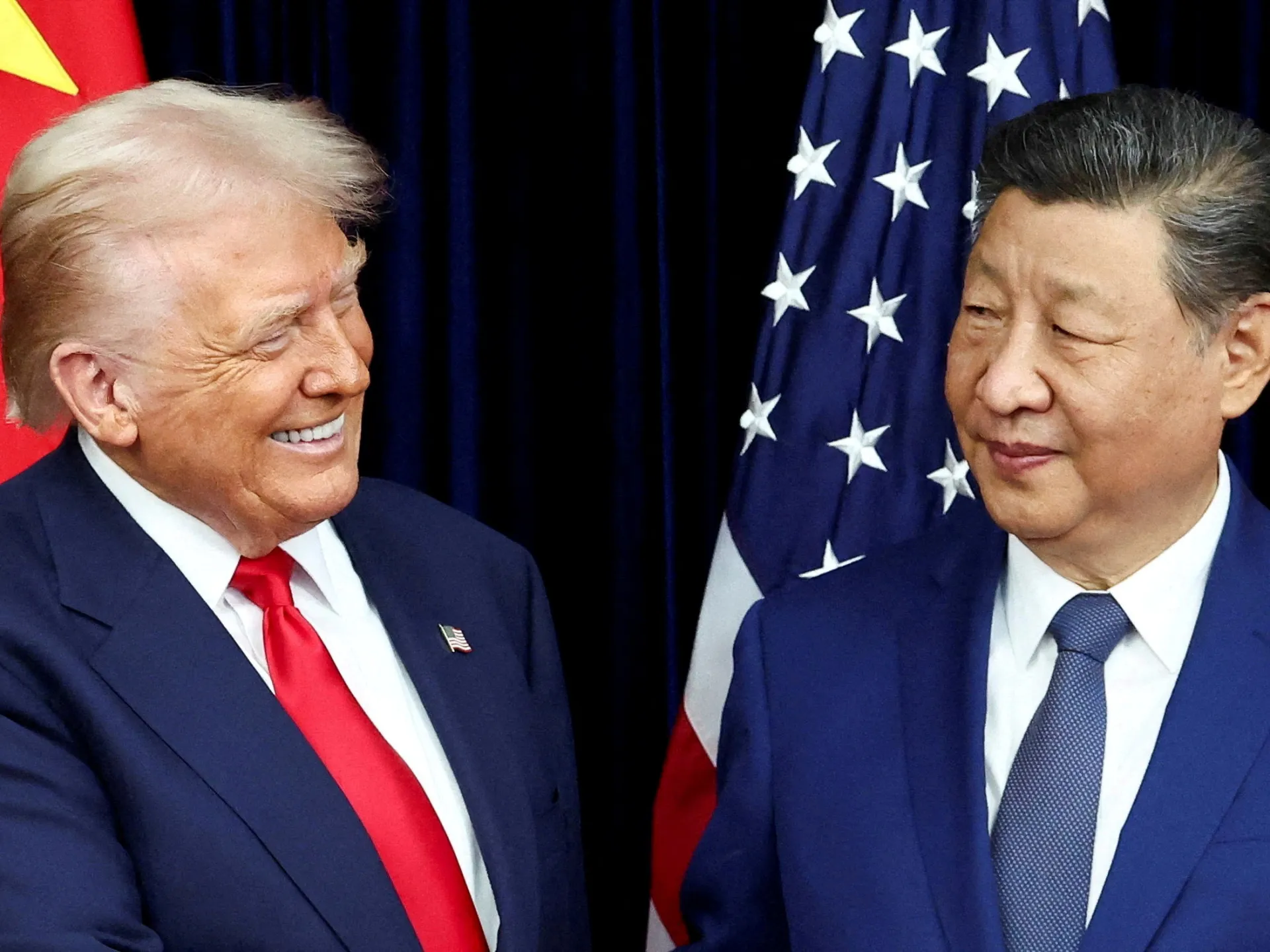
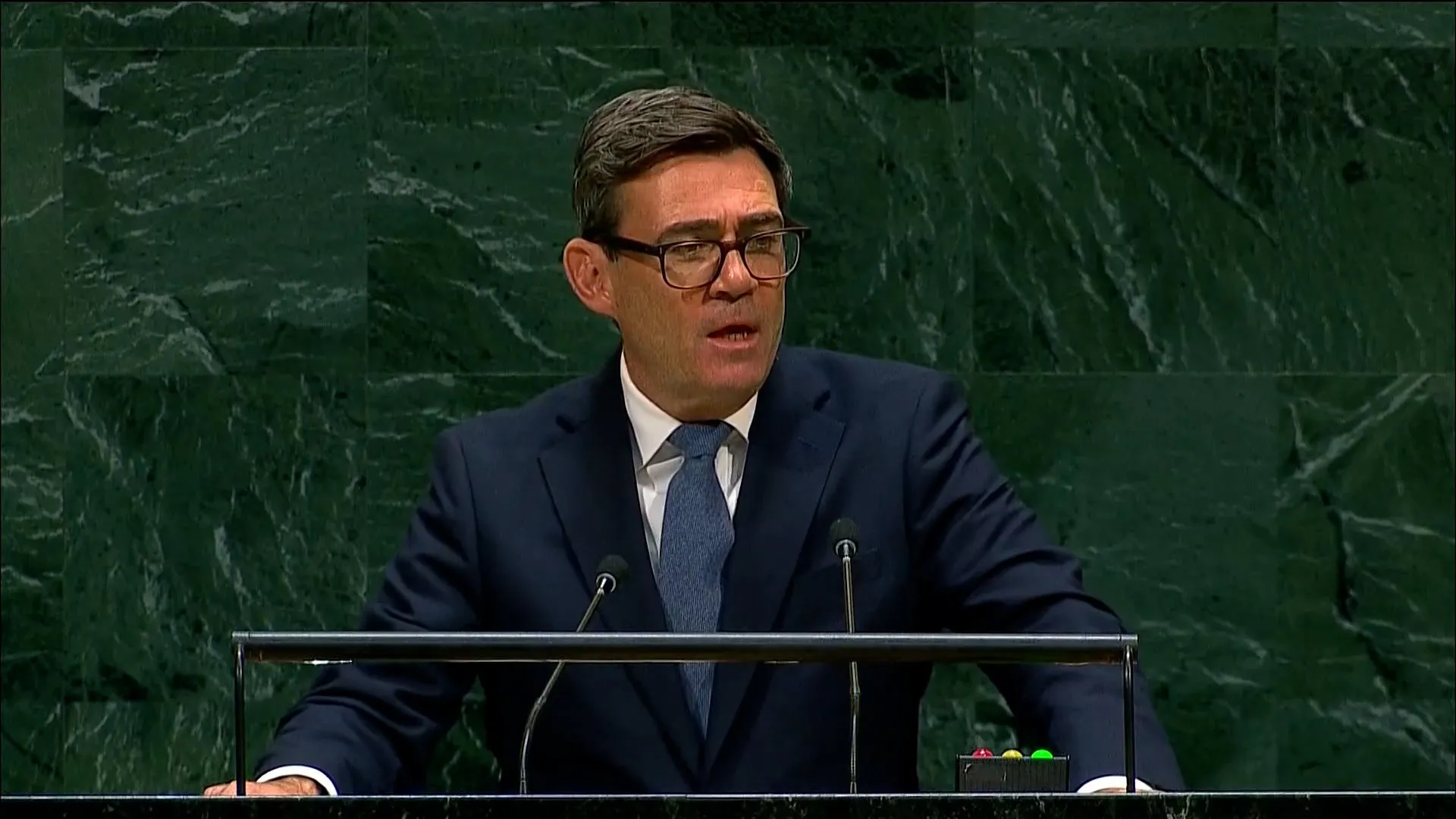
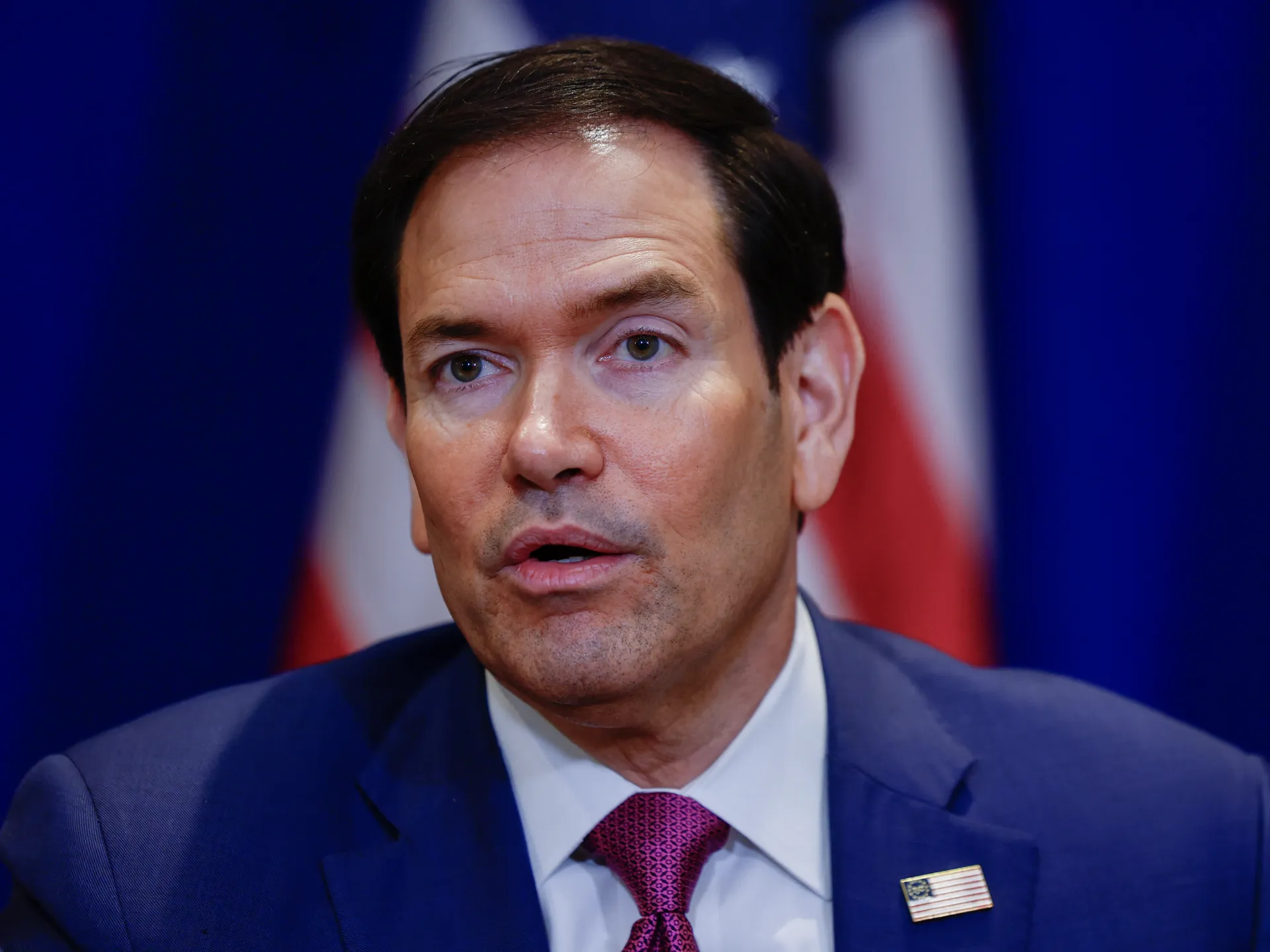
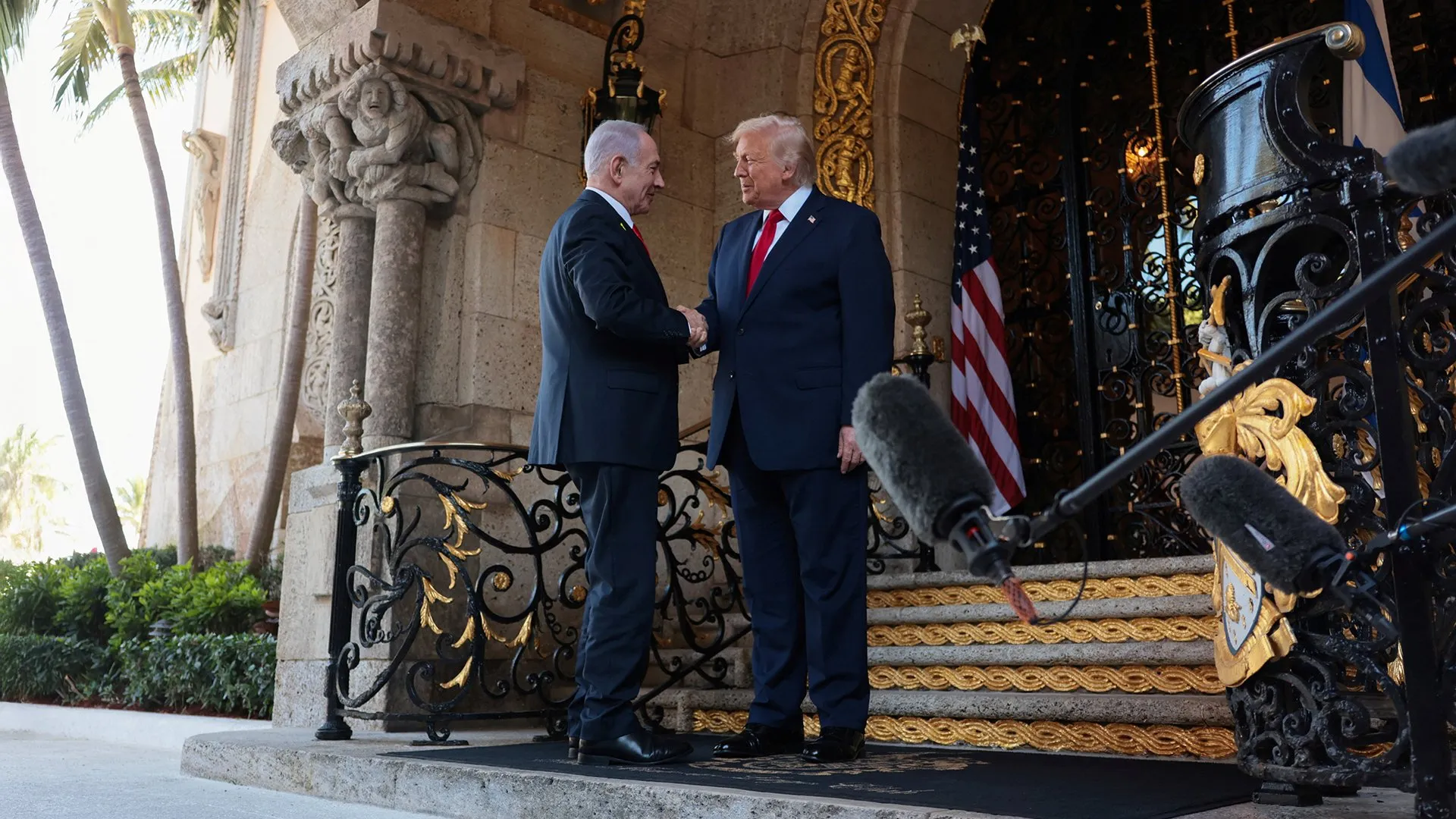
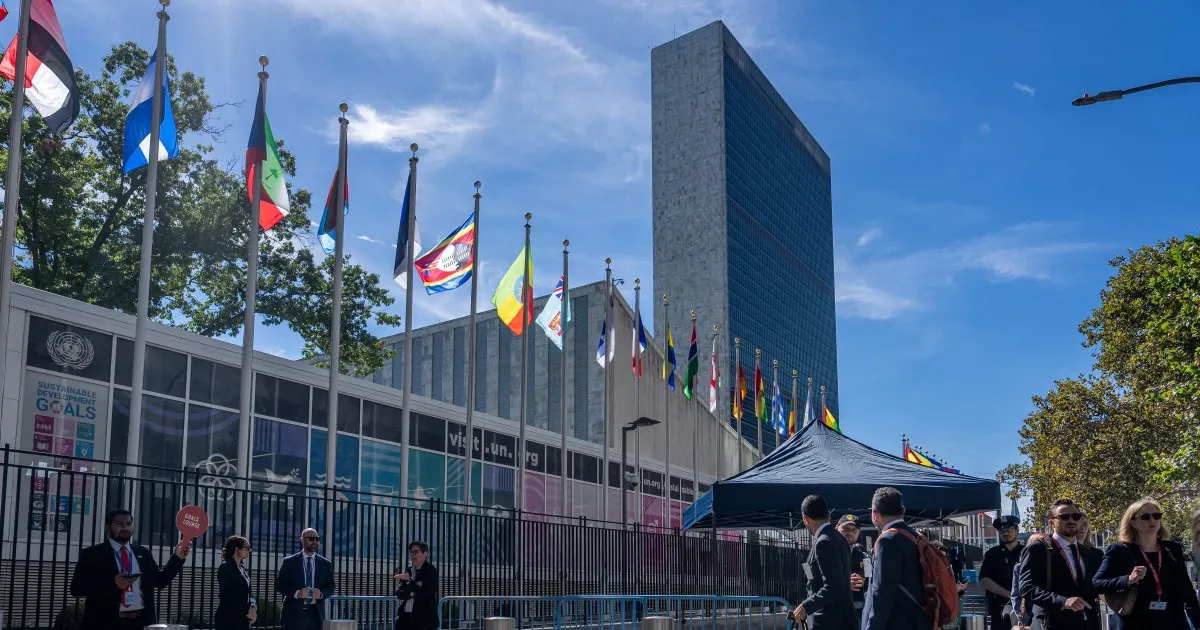
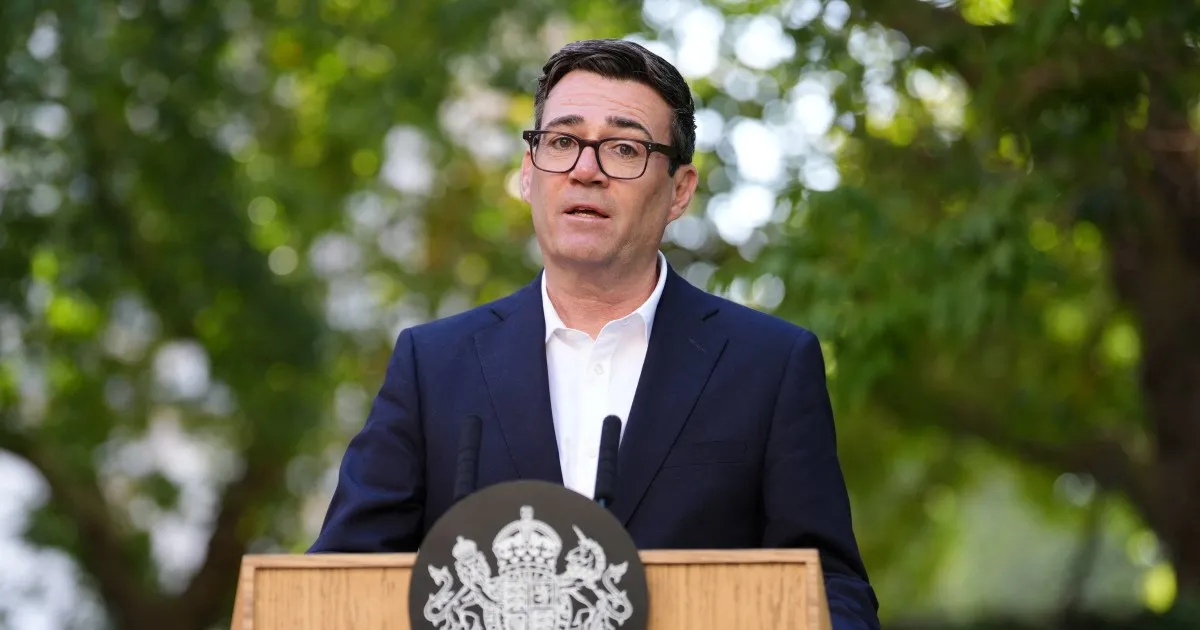
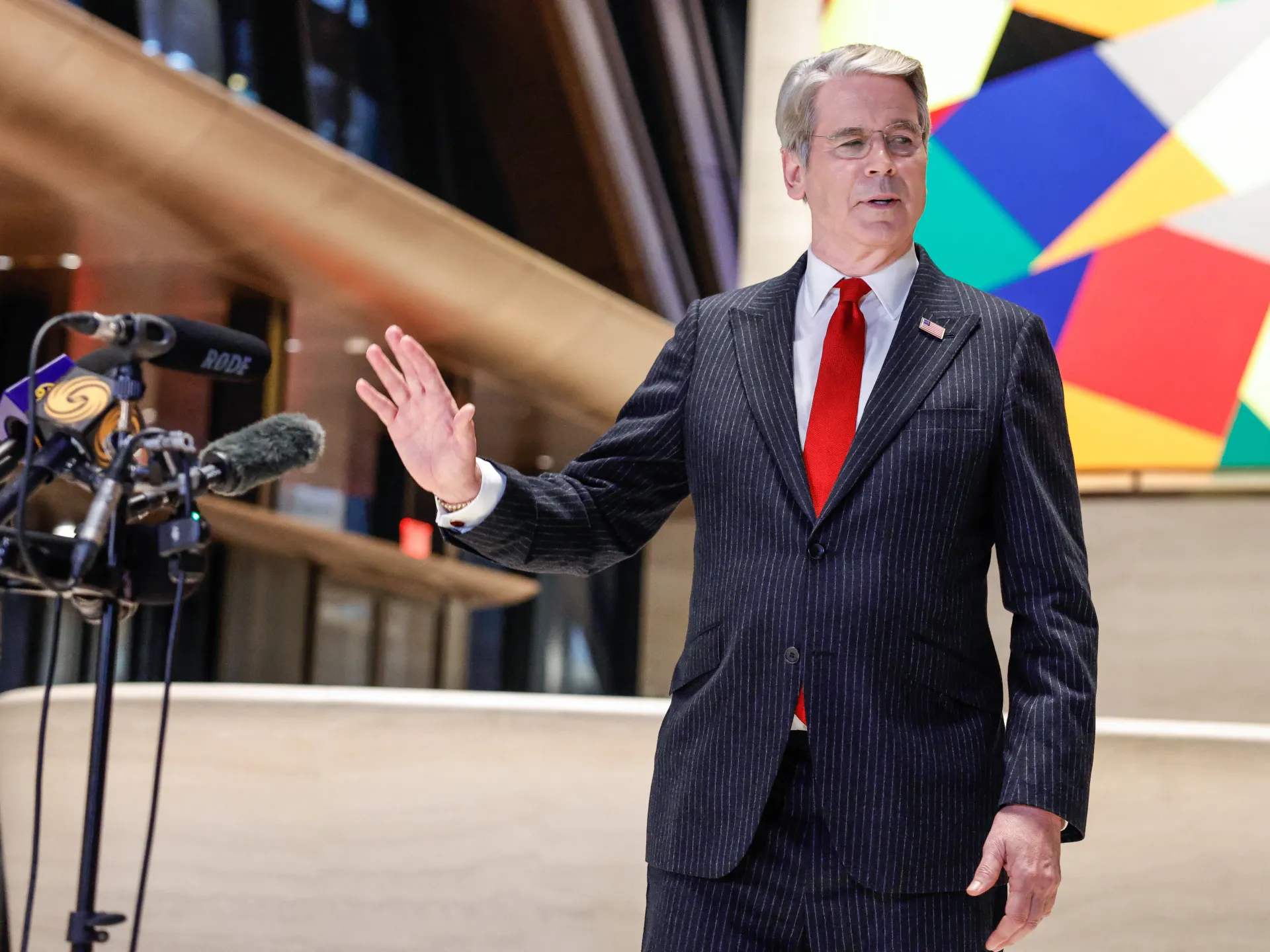
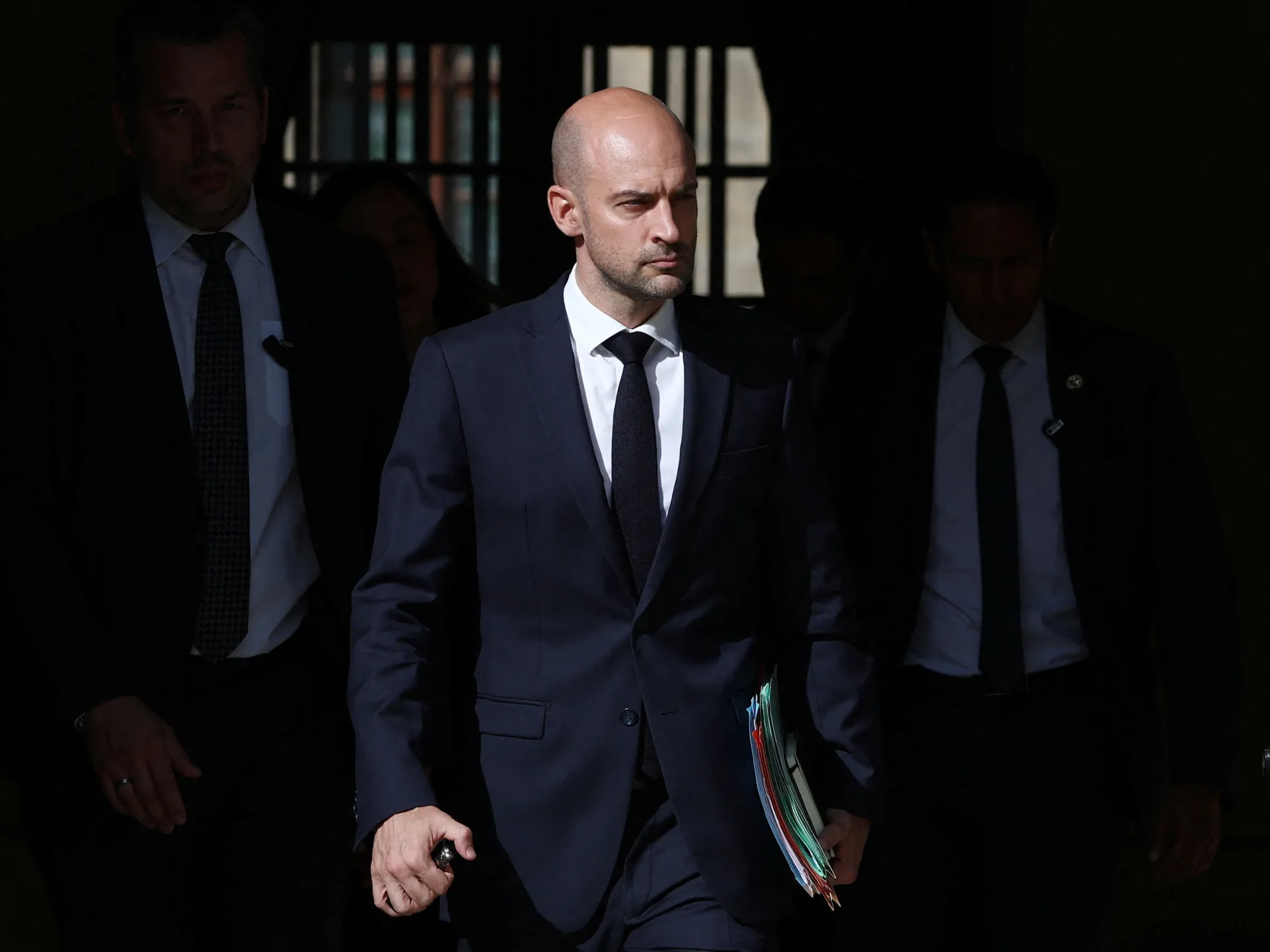
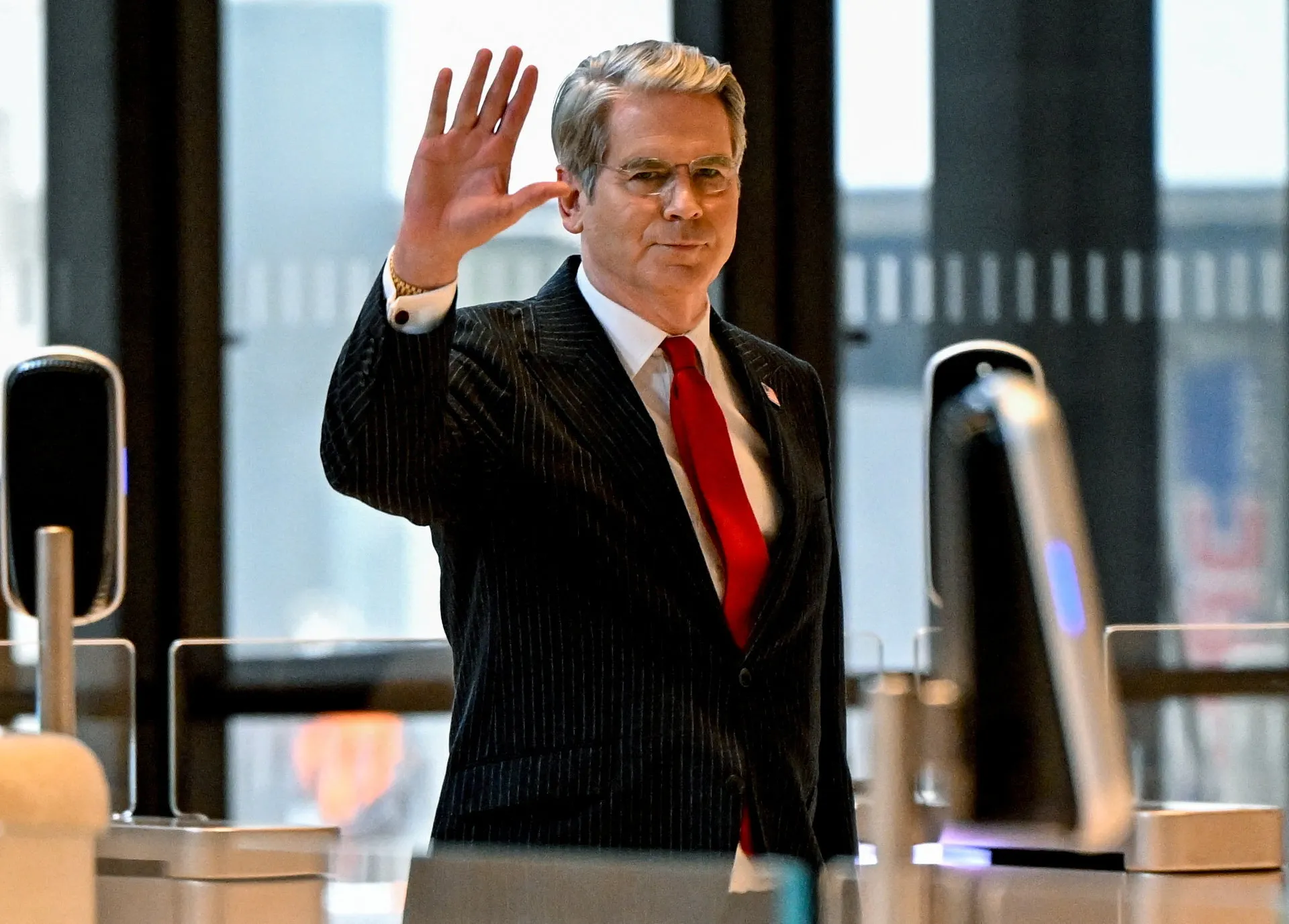
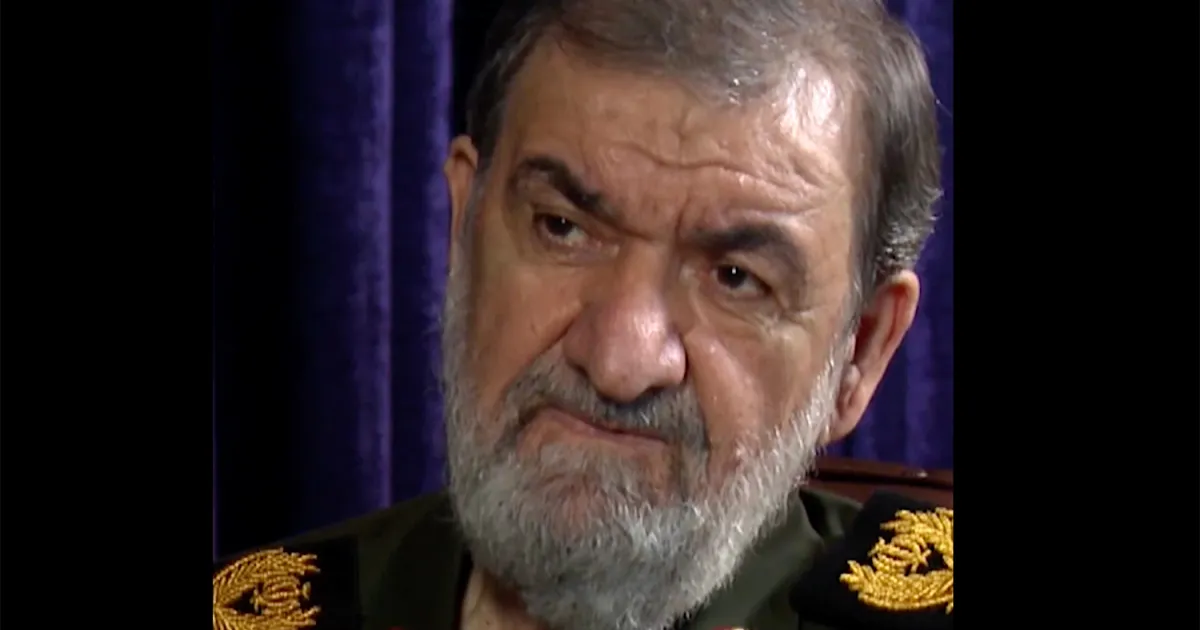
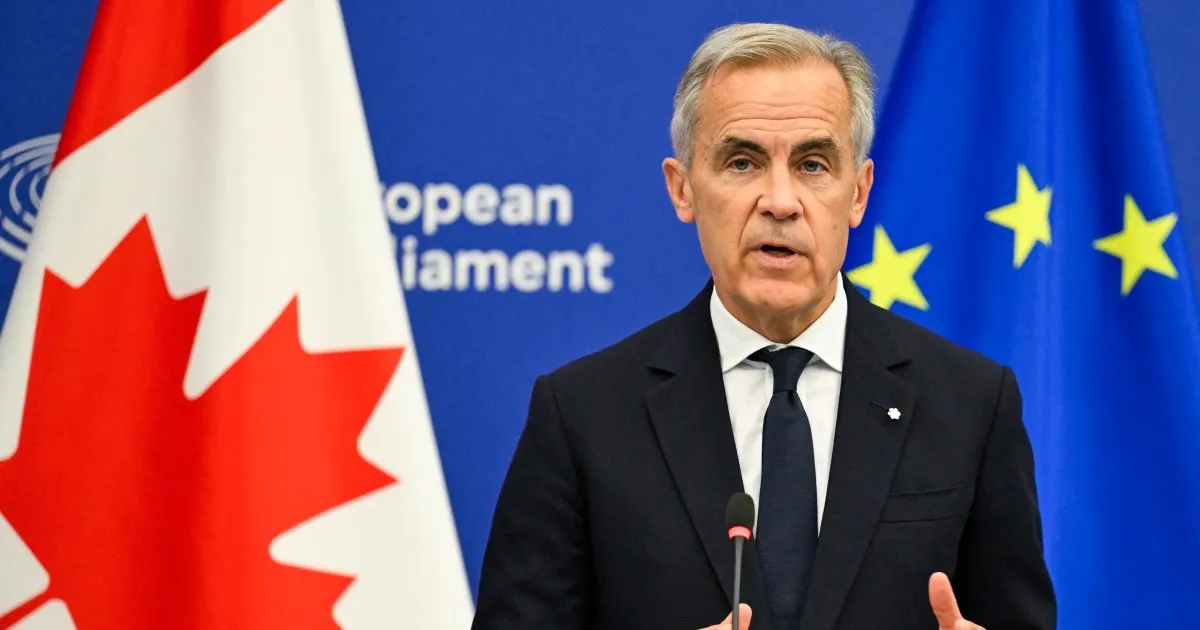
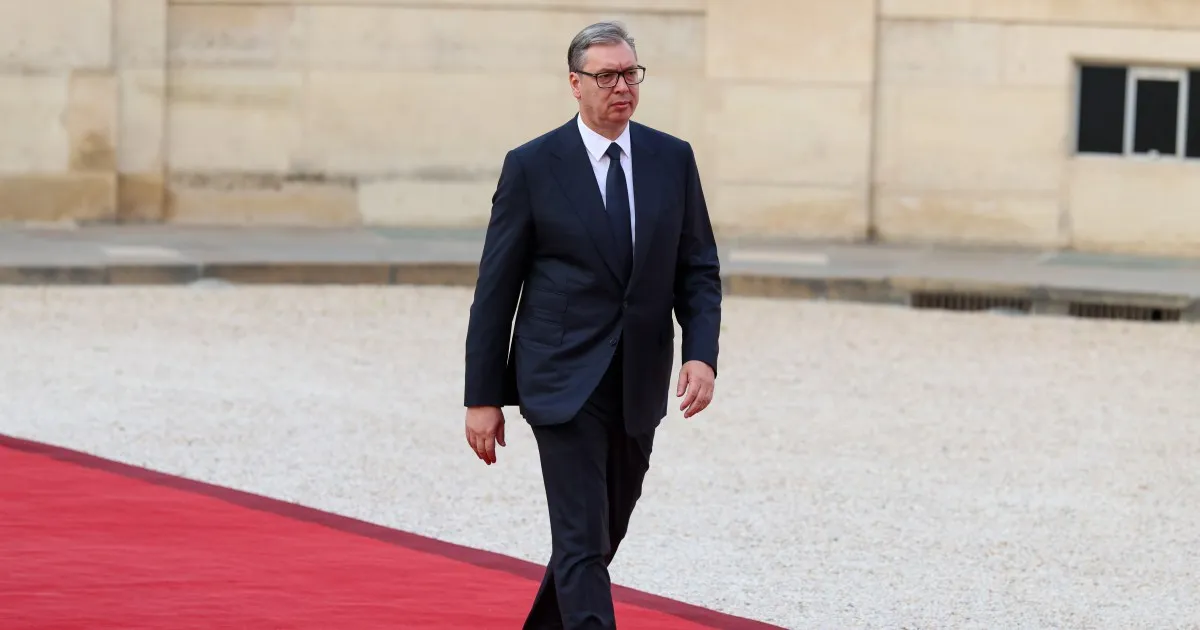
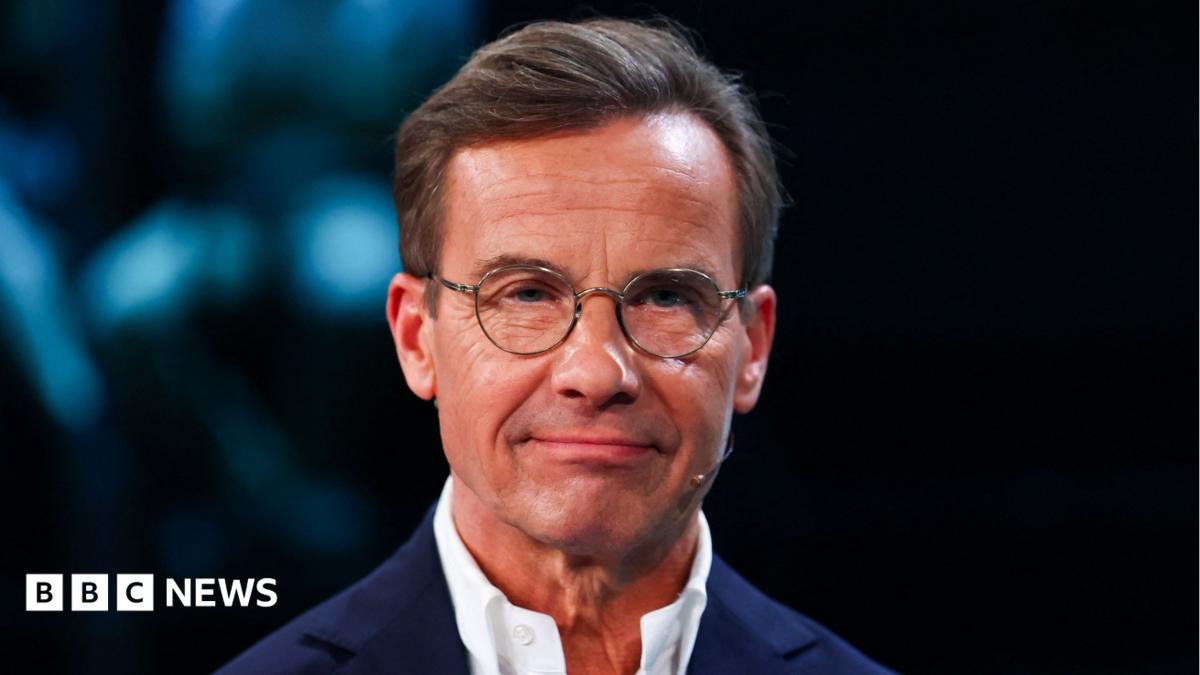
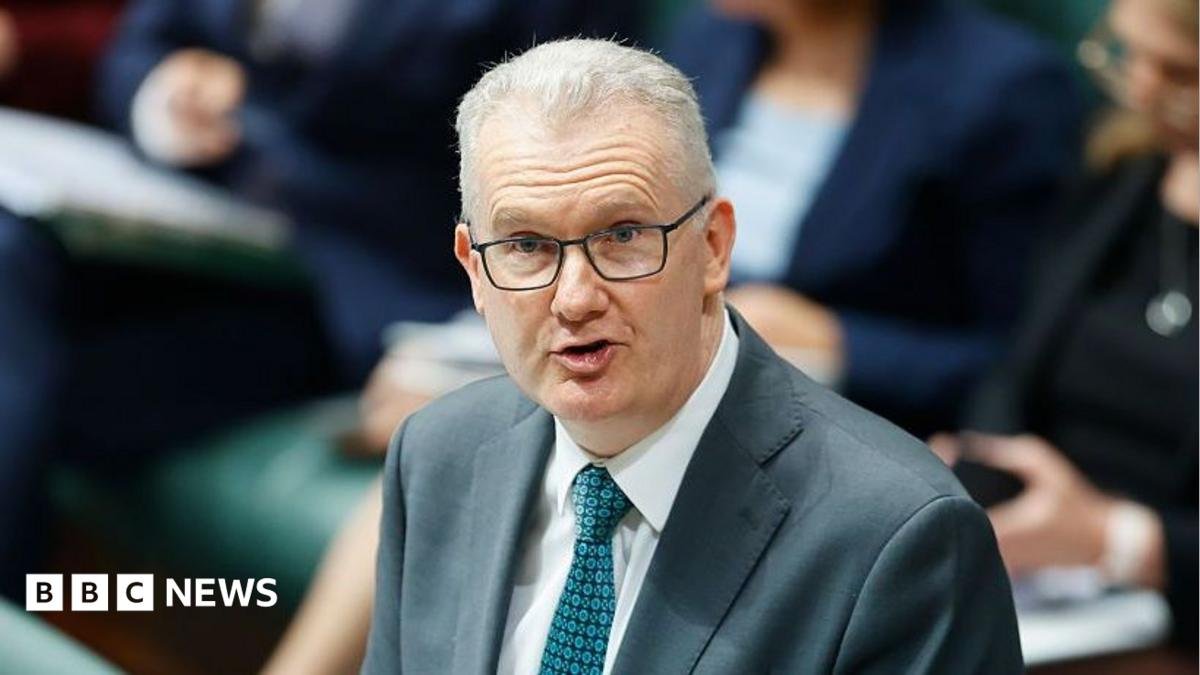
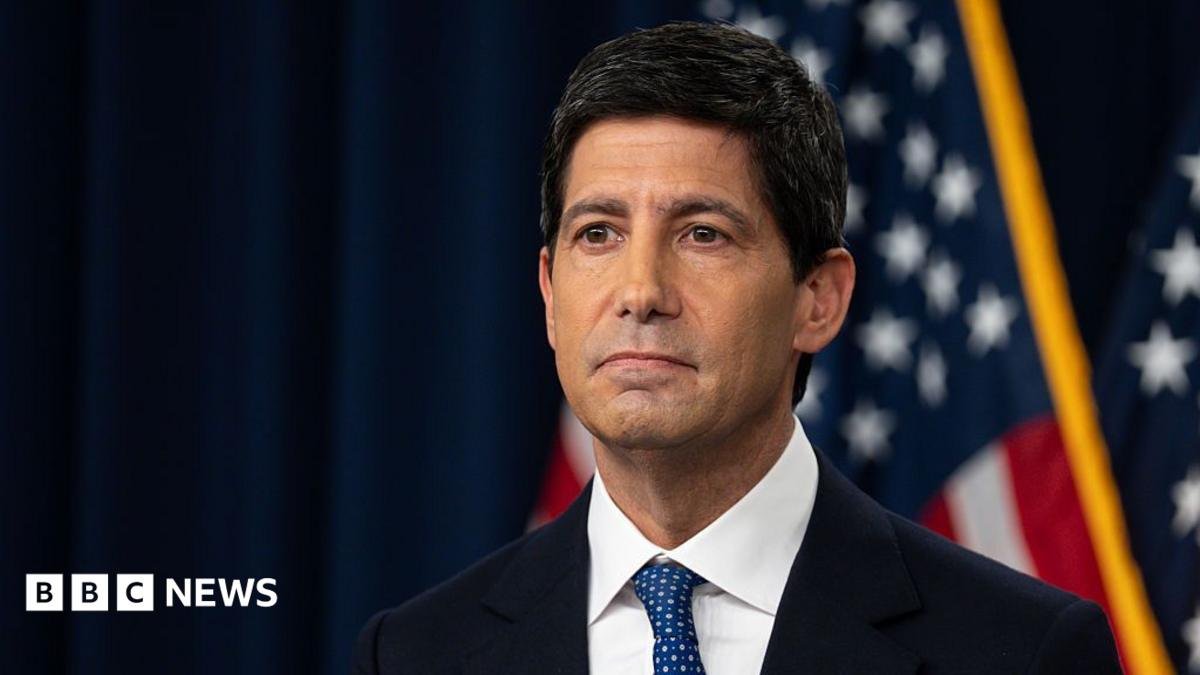
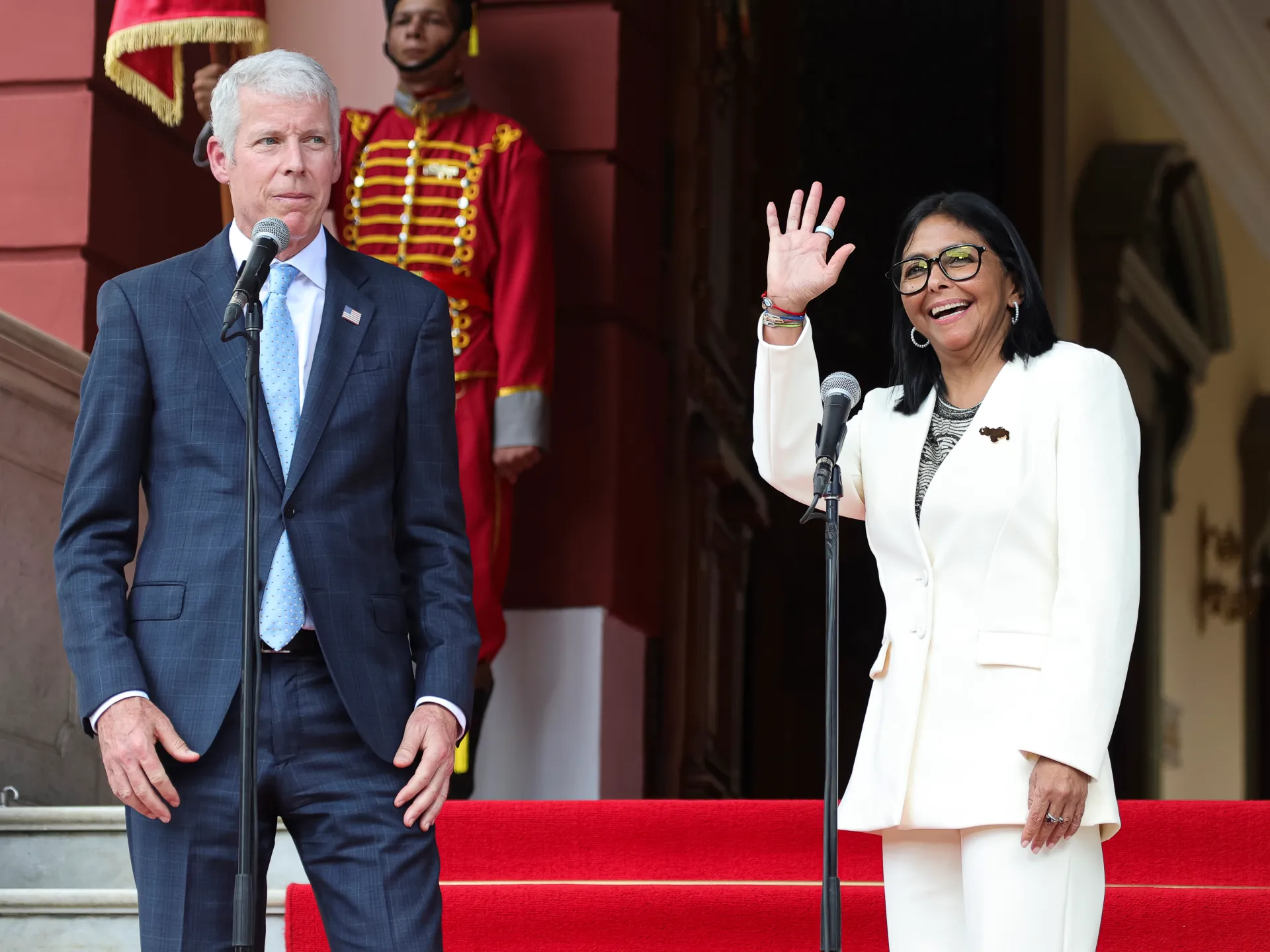
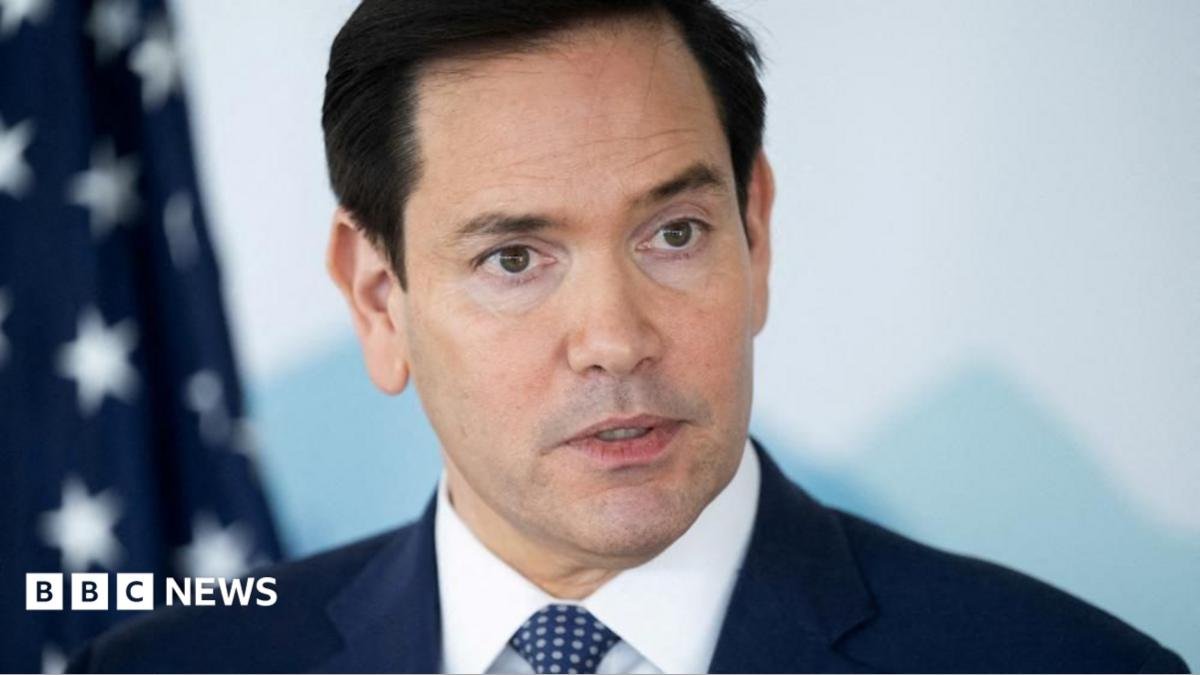
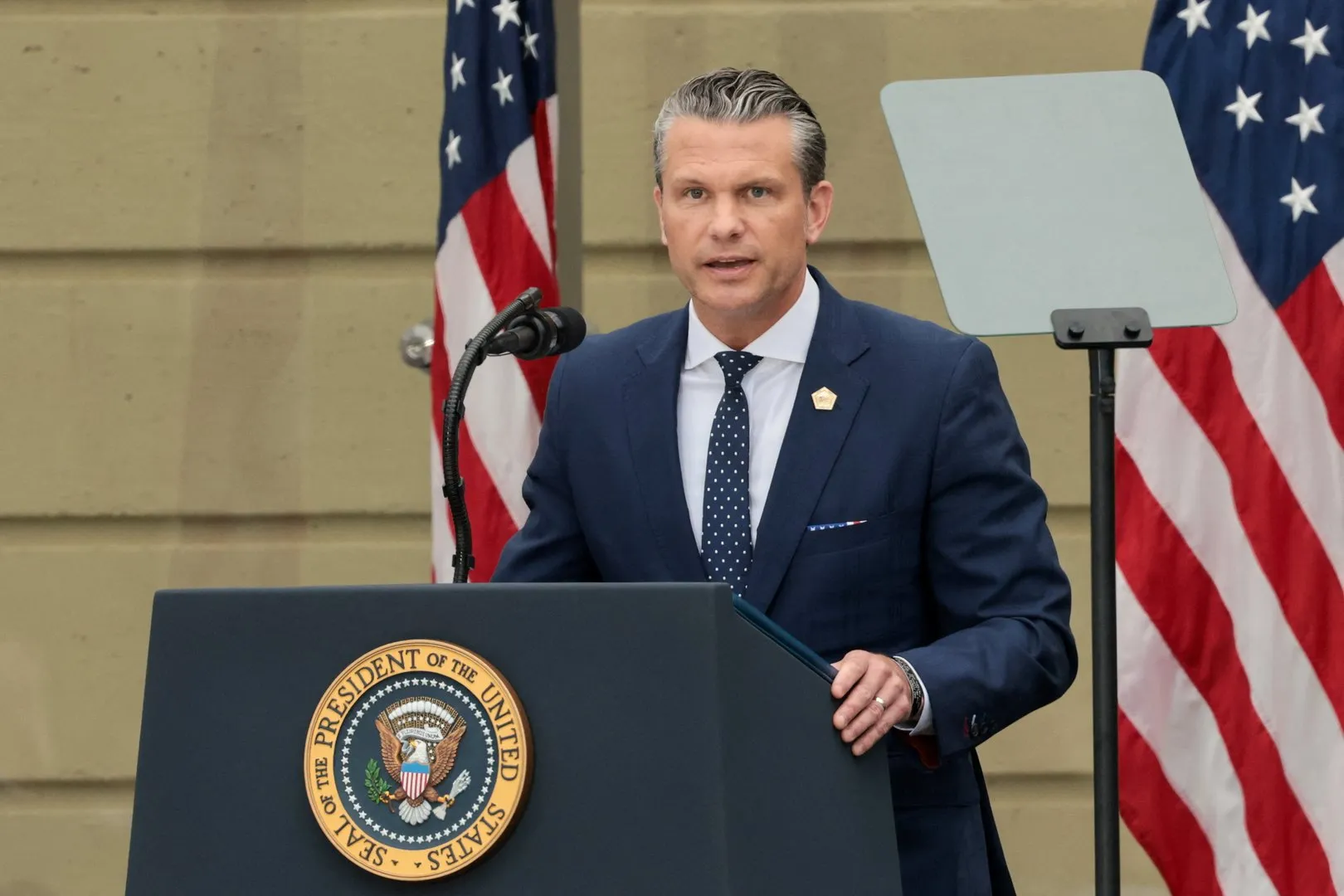
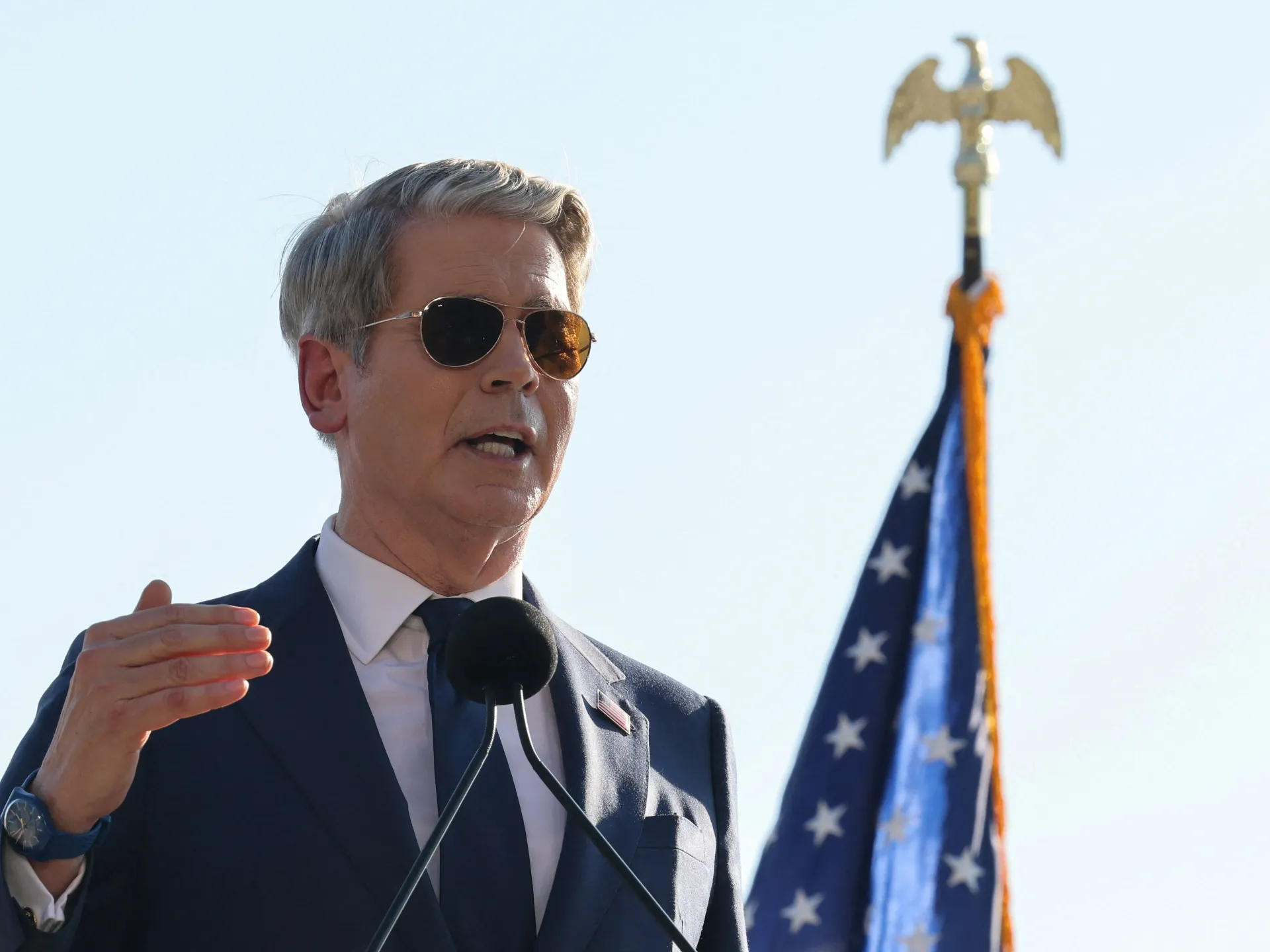
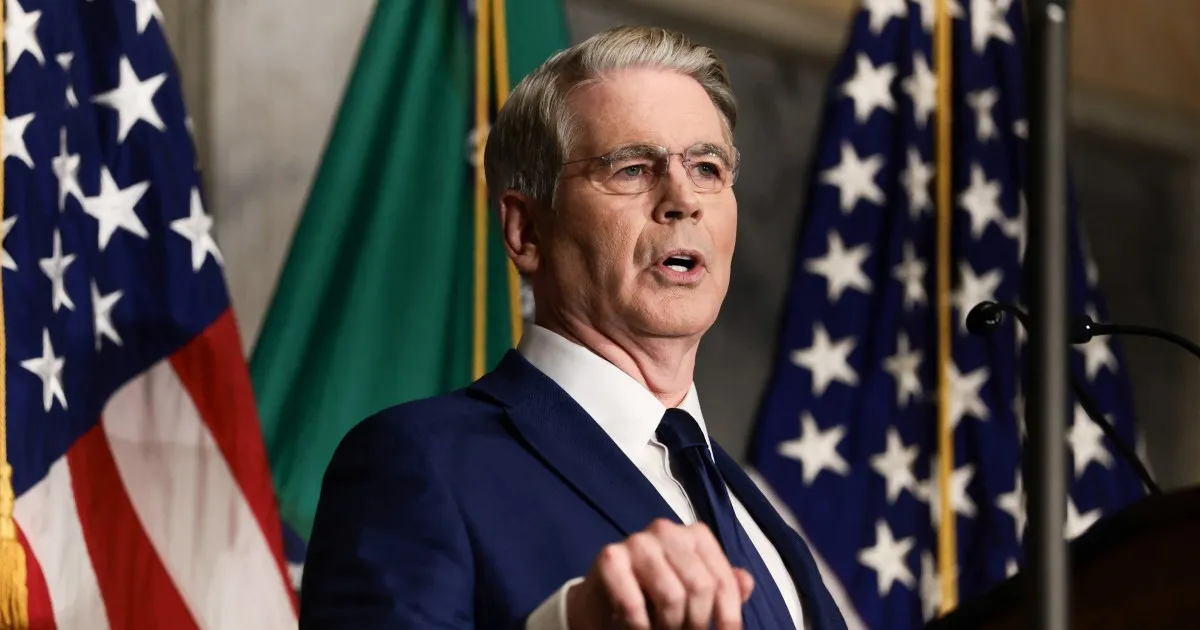
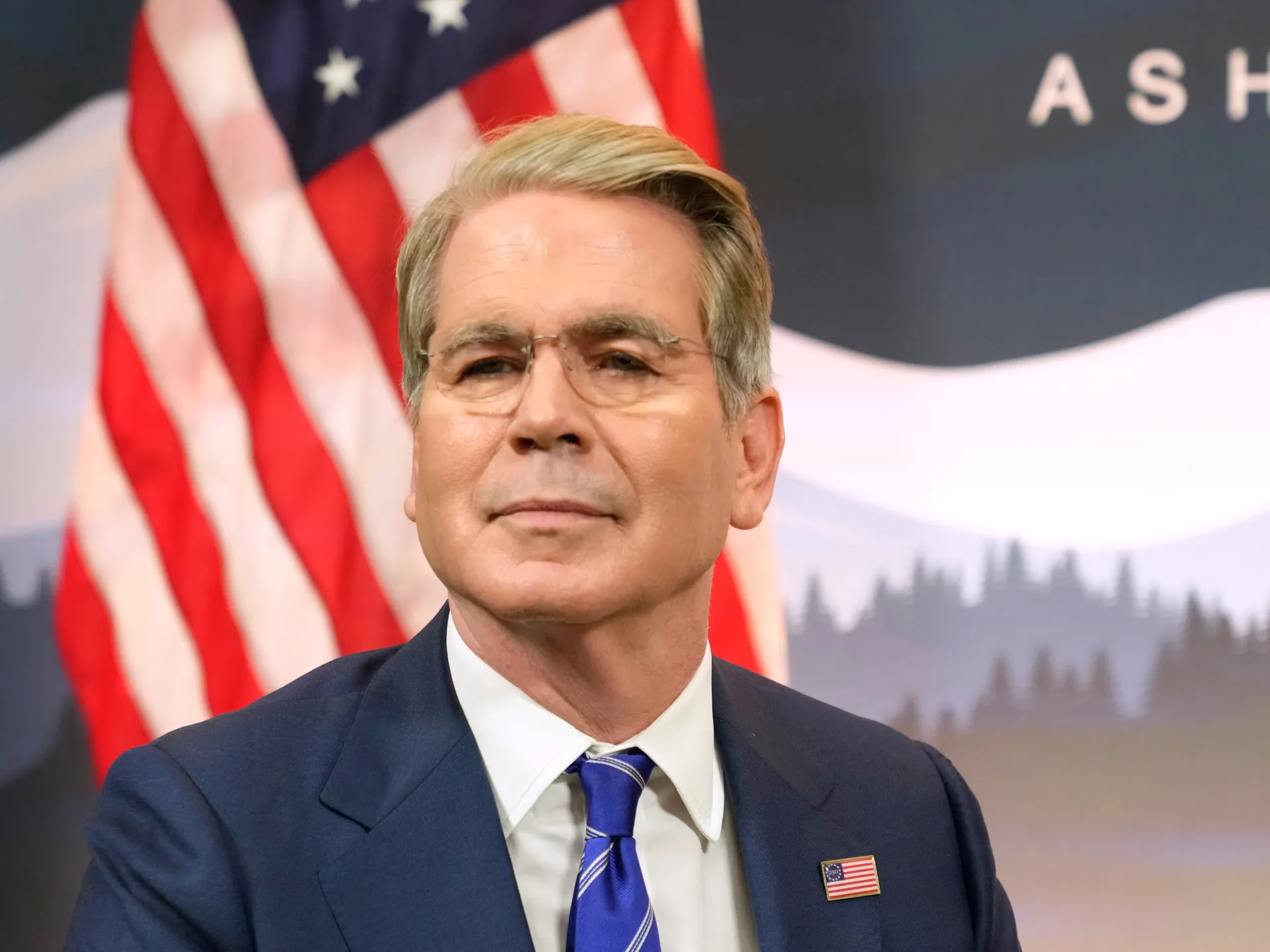
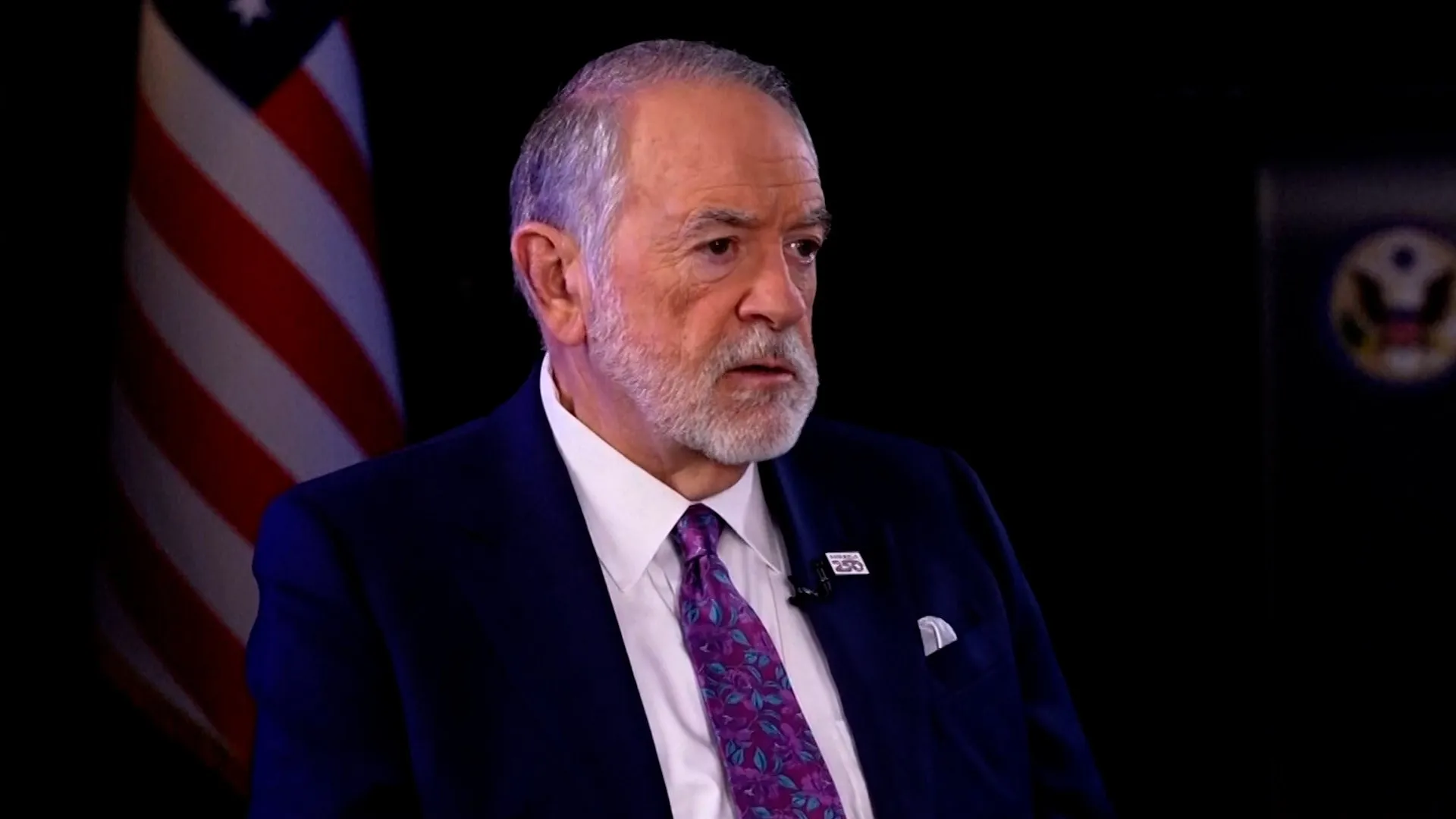
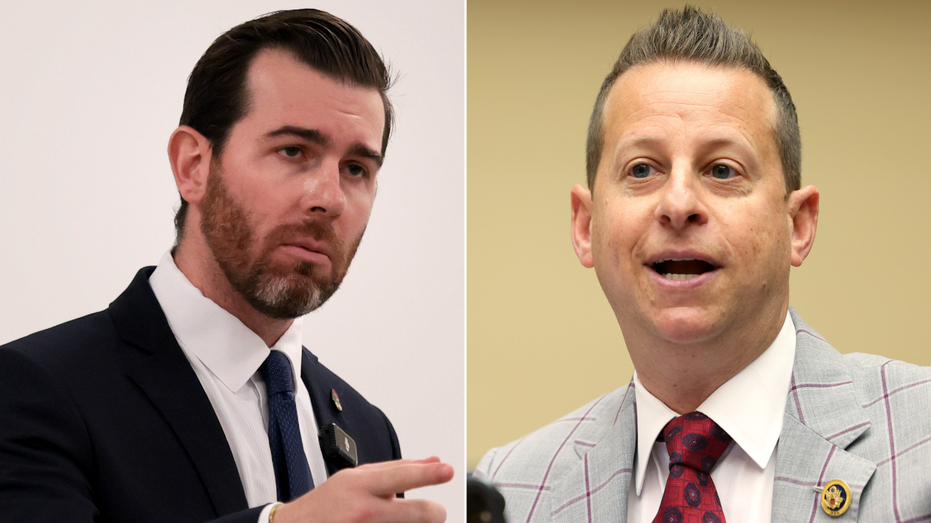
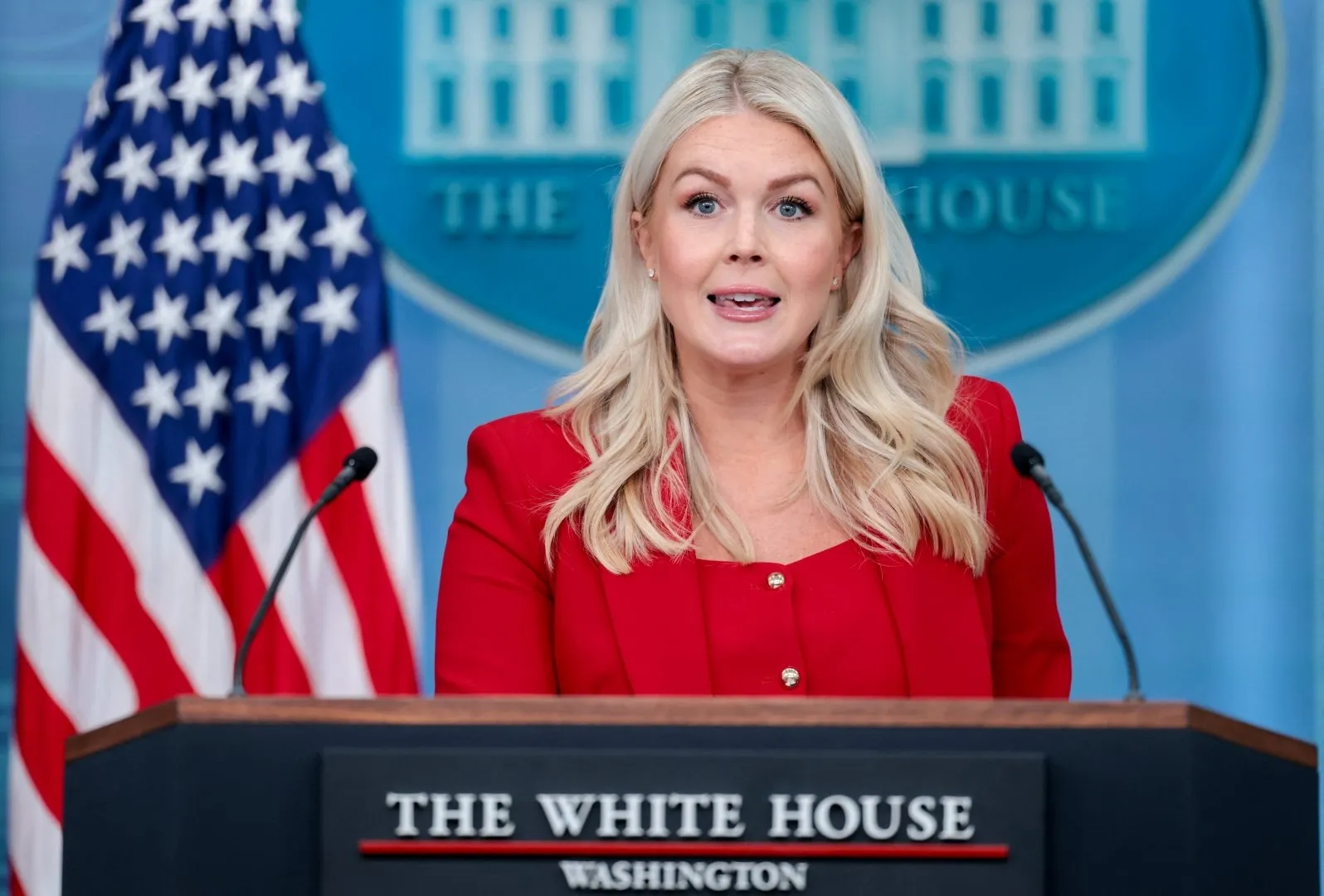
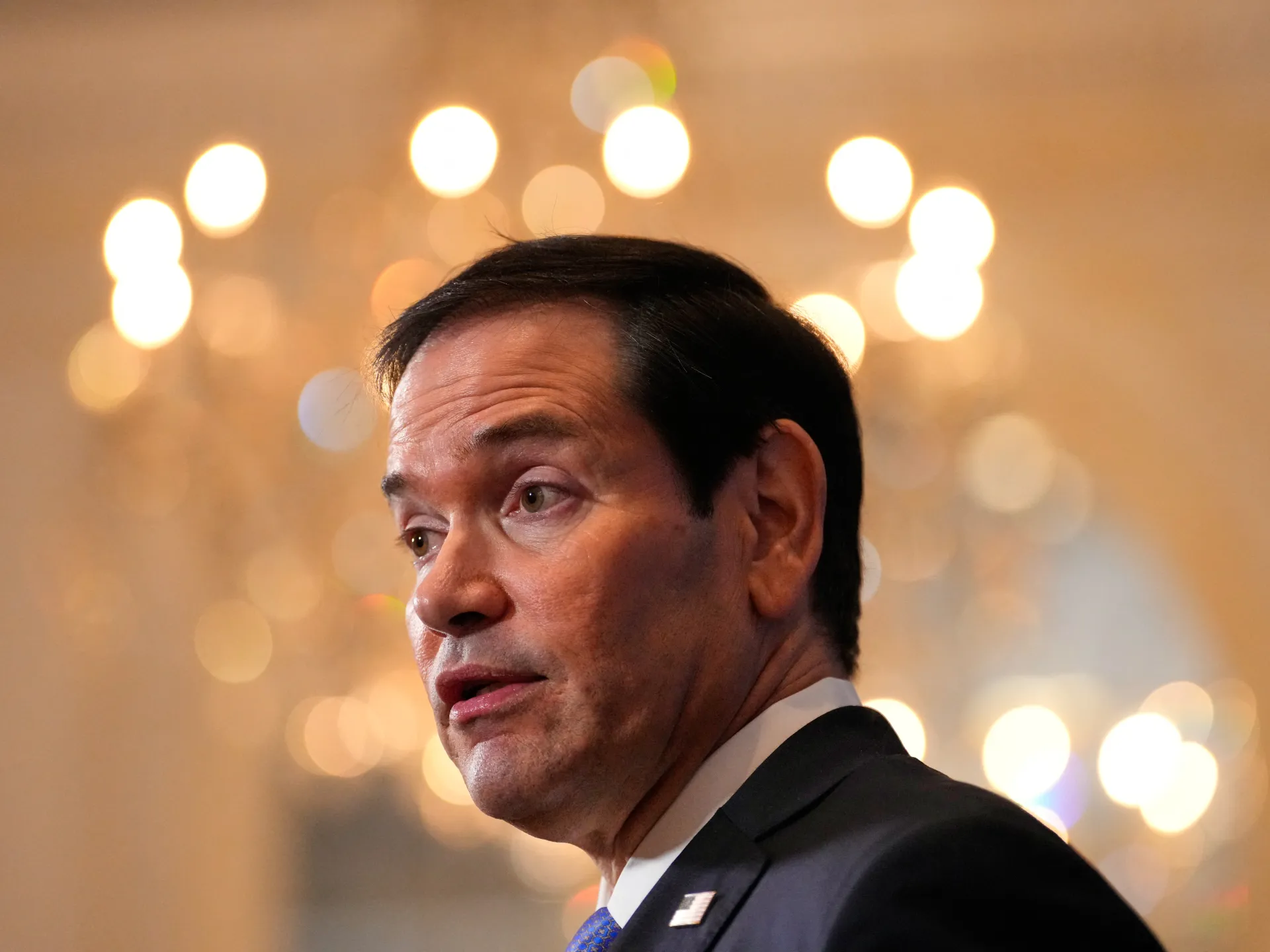
US Secretary of State Marco Rubio recently articulated a willingness to engage with the Cuban government regarding a potential transition toward new leadership. Speaking in New York City, Rubio emphasized that Washington is prepared to facilitate a path toward a “better future” for the island nation, provided Havana is willing to initiate meaningful political reforms. Rubio explicitly noted that the US is prepared to cooperate with Cuban officials whose hands are “not stained with blood,” though he acknowledged that significant portions of the current leadership remain publicly recalcitrant. According to the Secretary of State, the US business sector and members of the Cuban diaspora stand ready to assist in an economic transition, provided there is a verifiable move toward governance change.
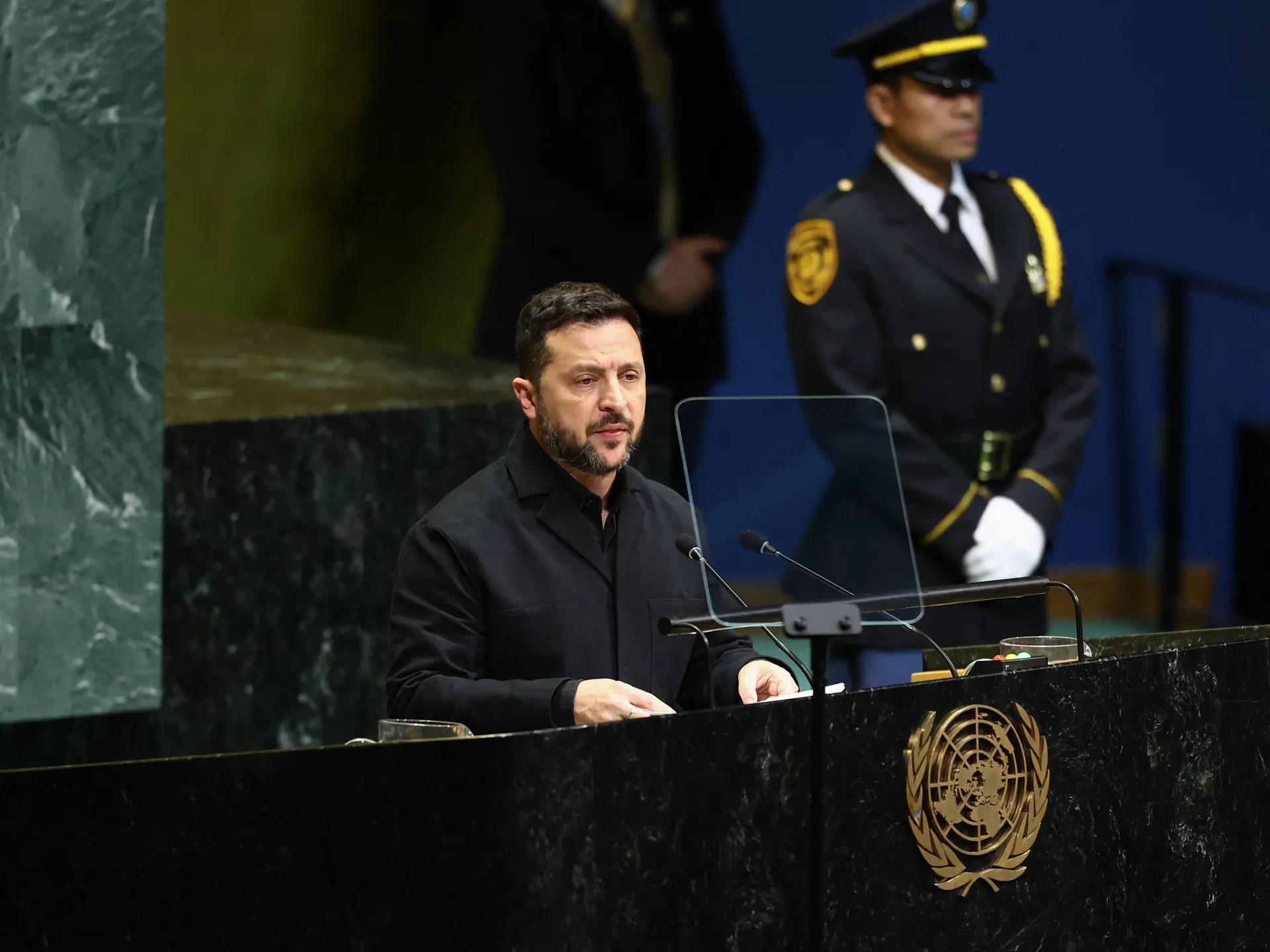
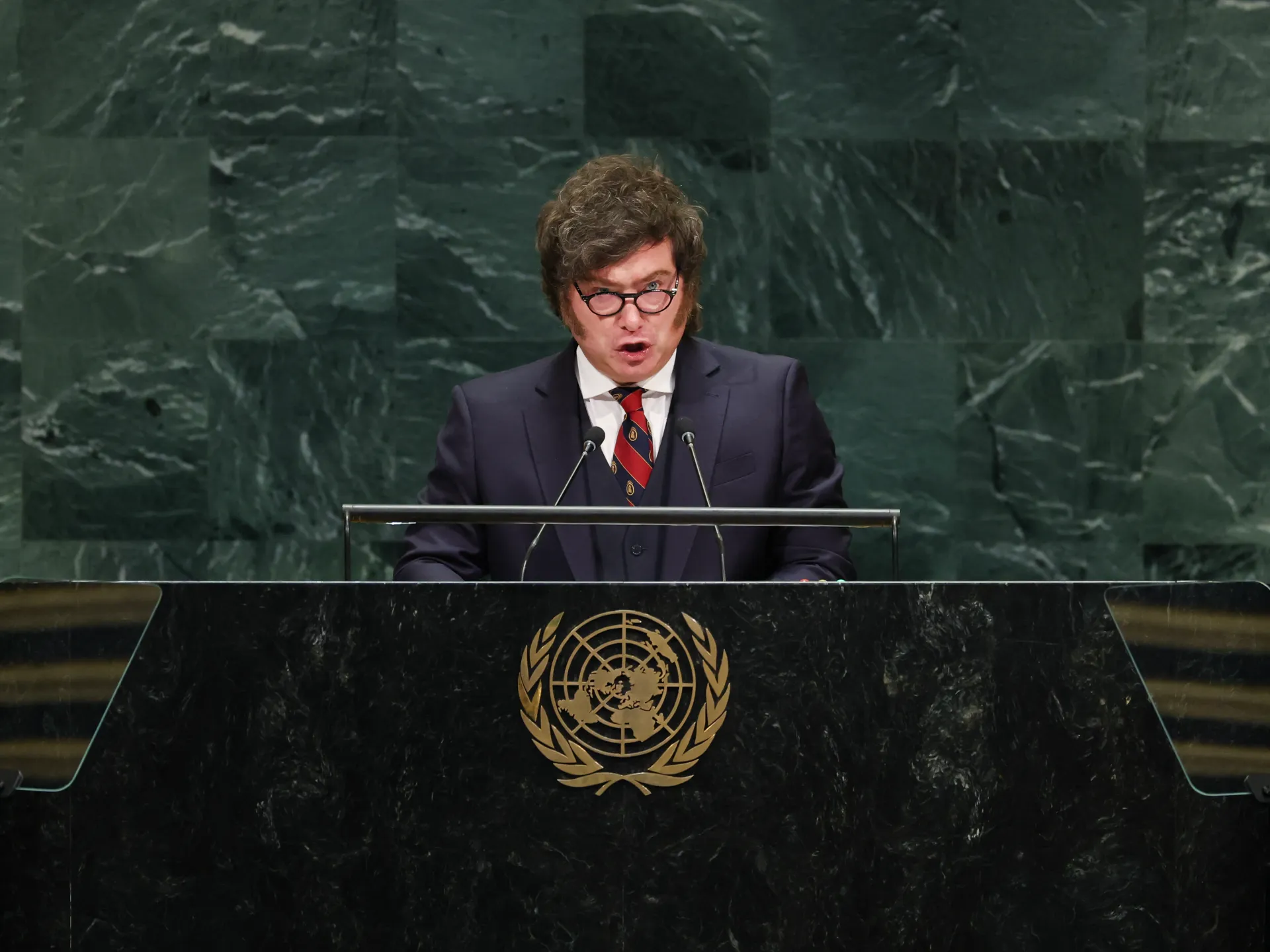
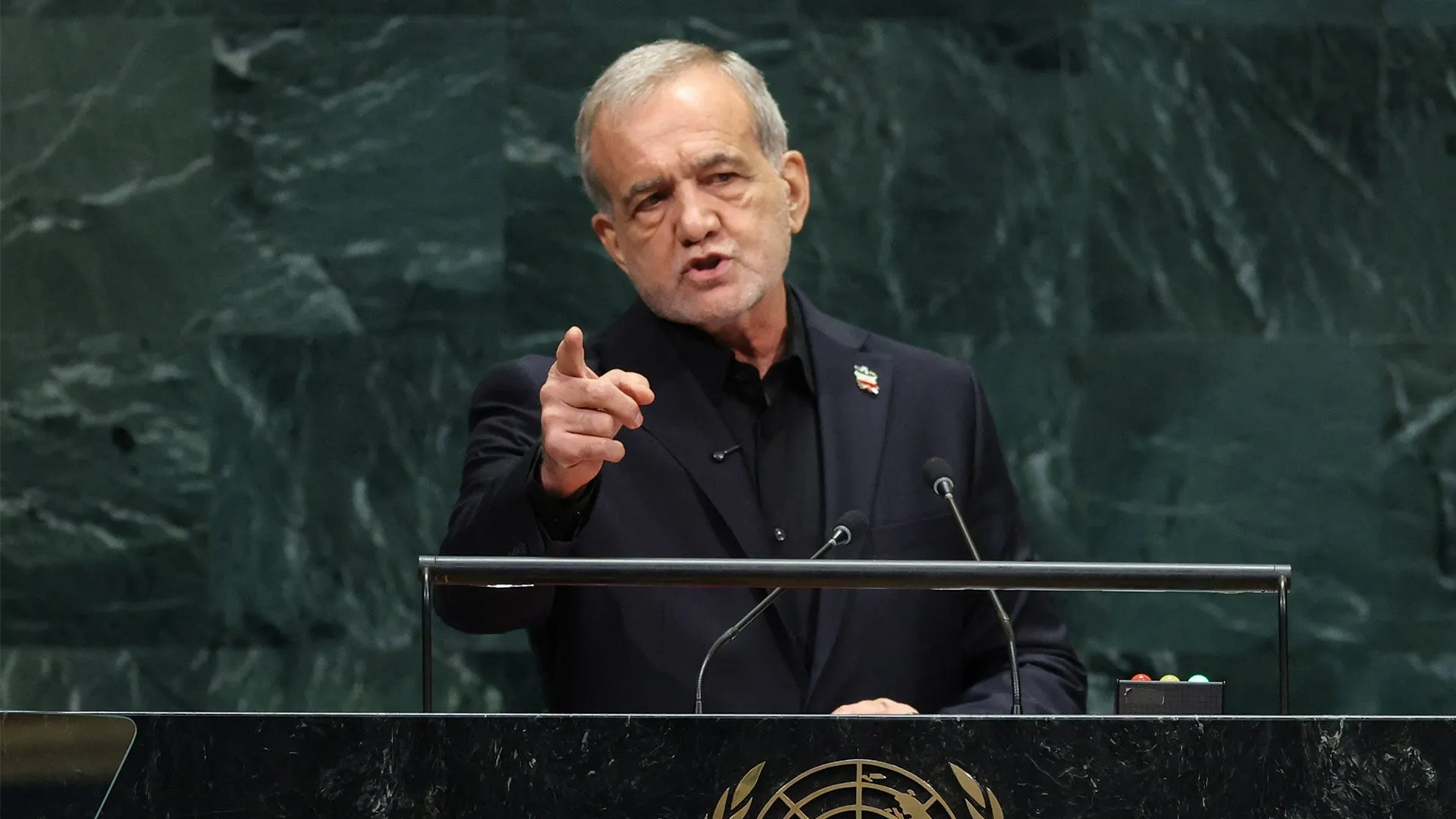
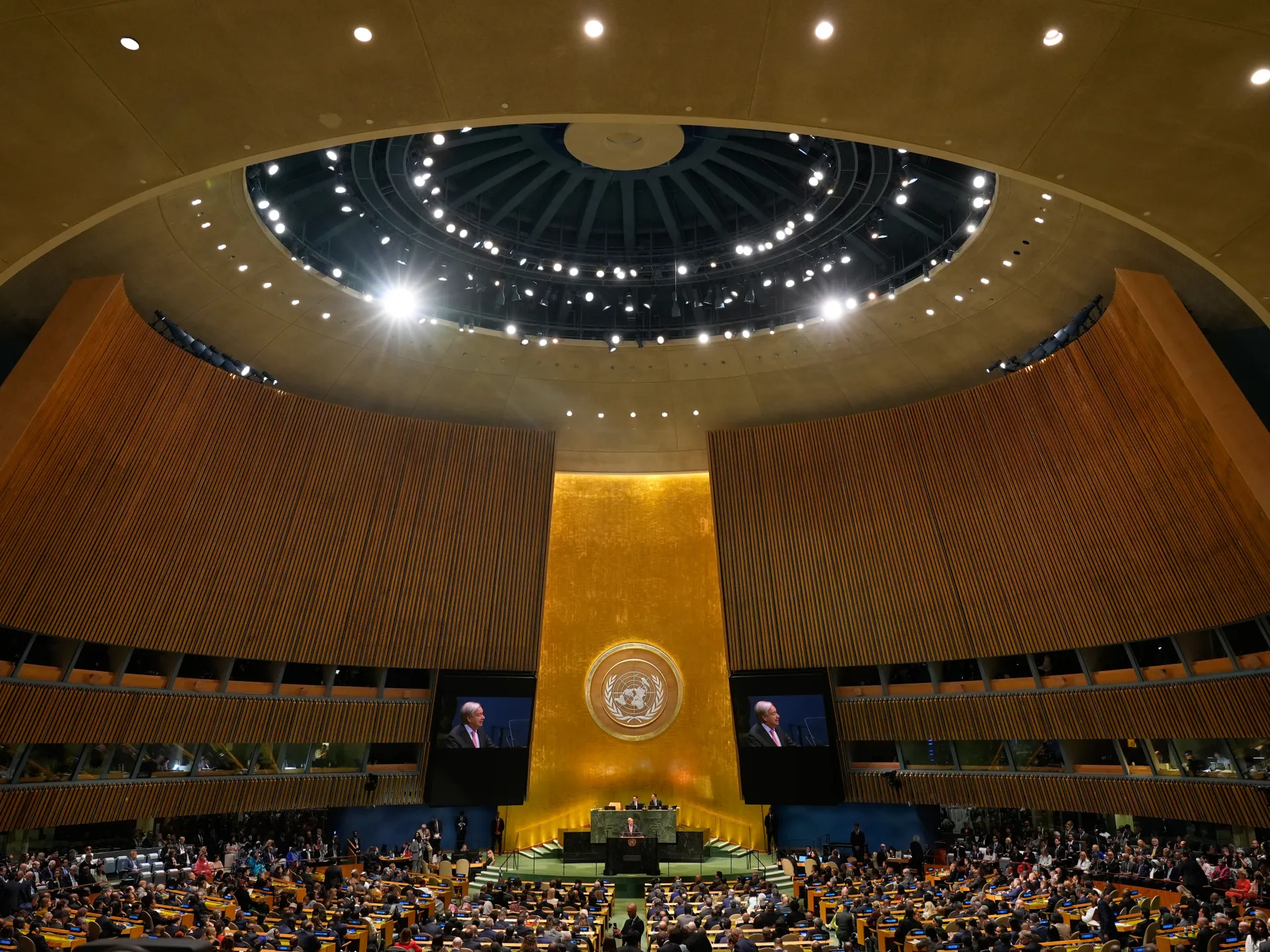
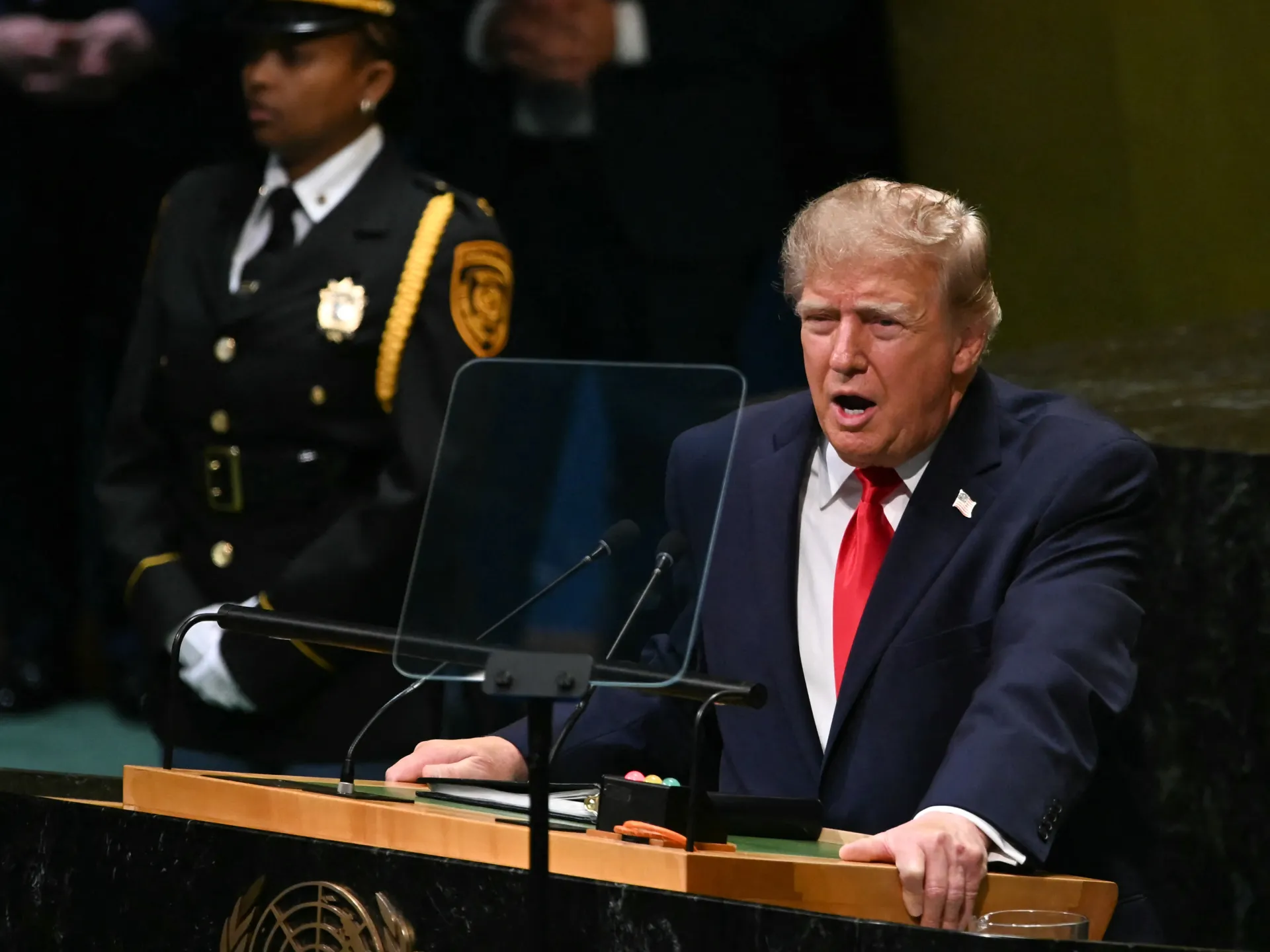
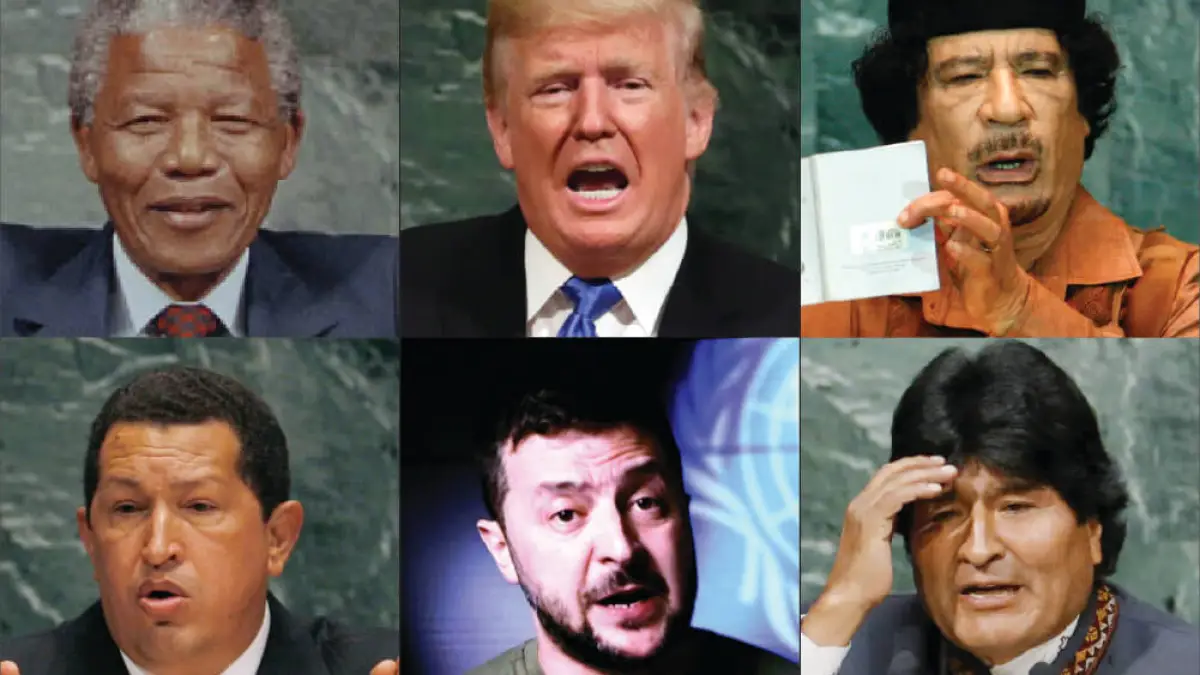
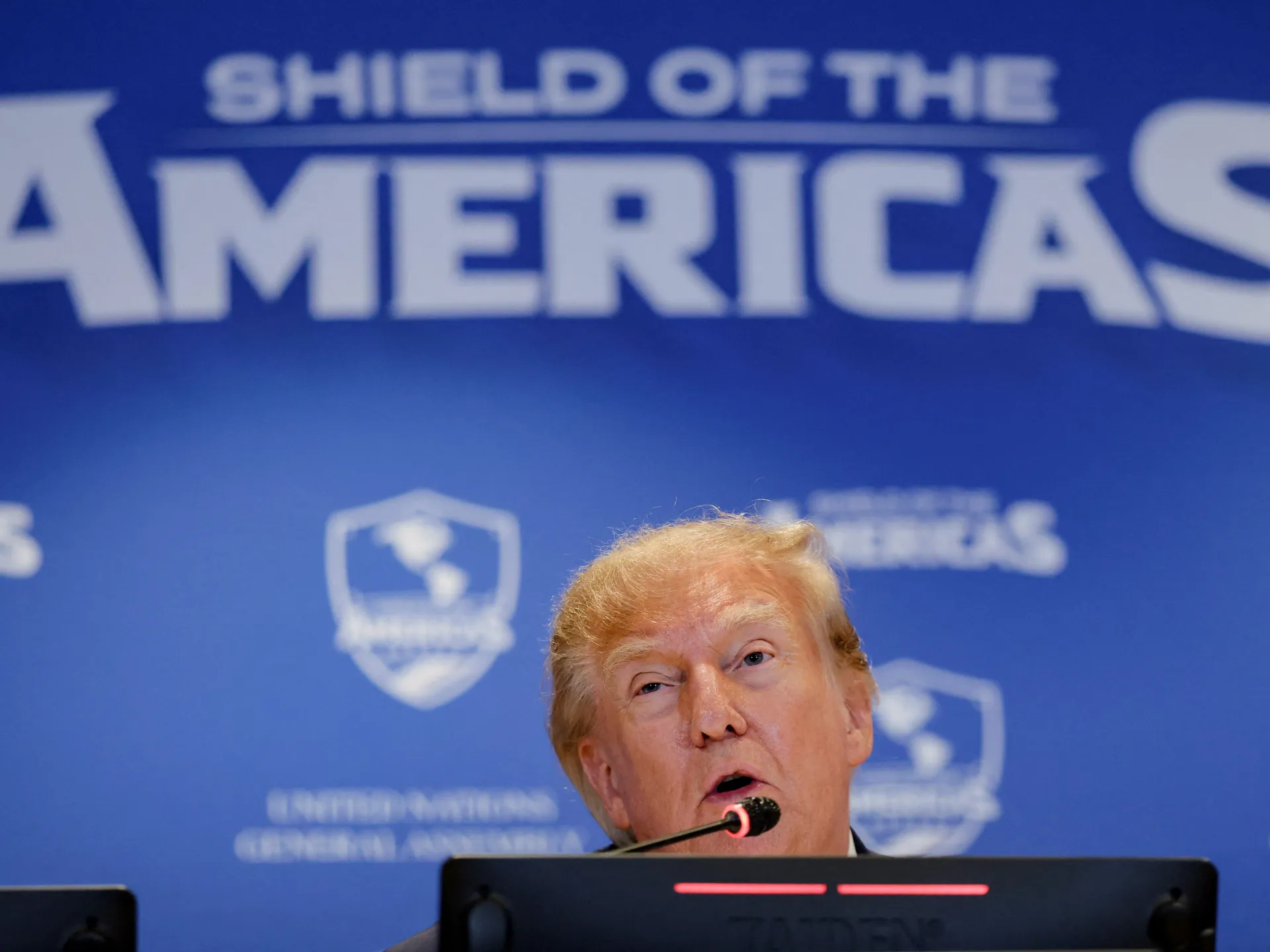
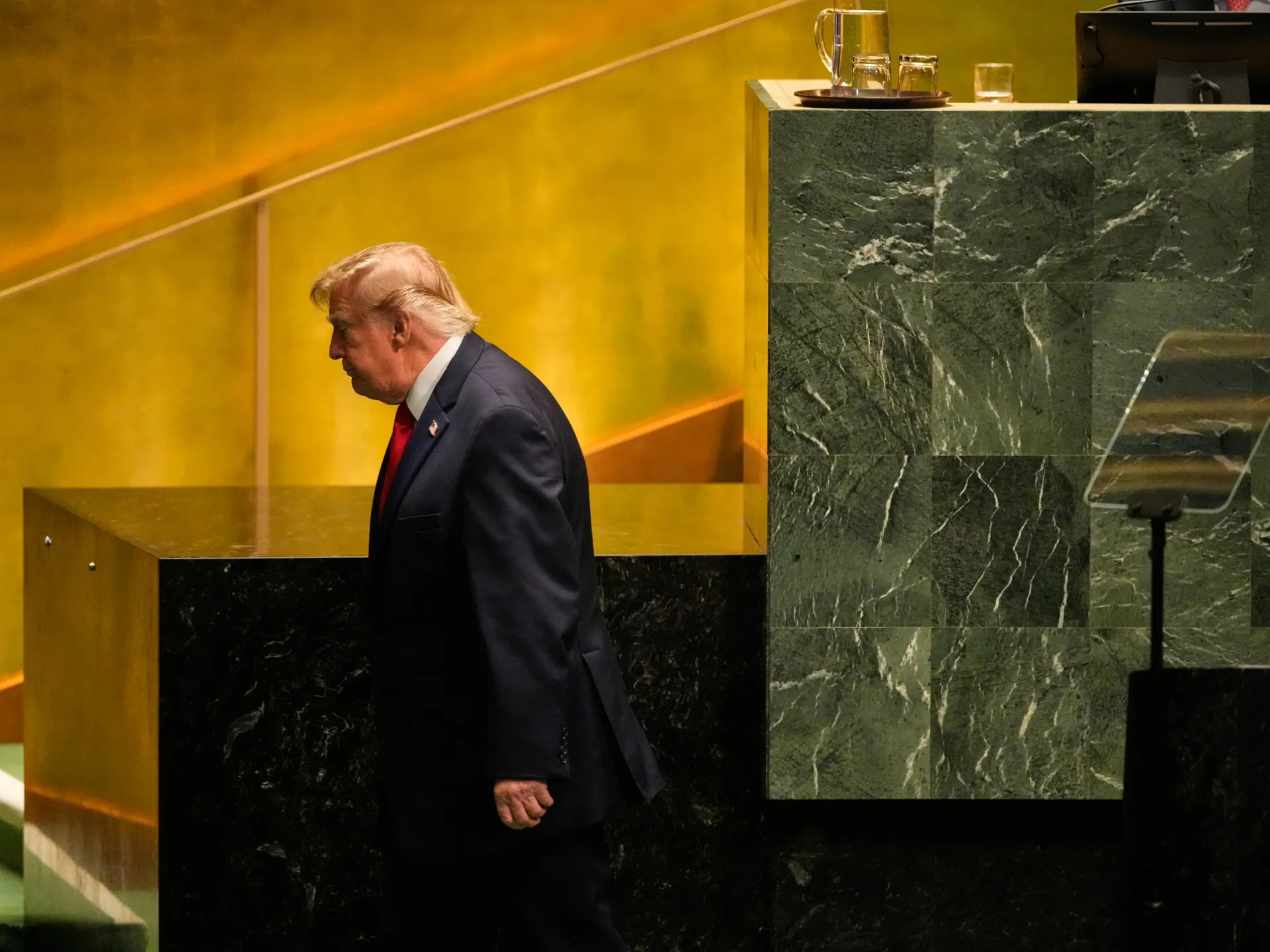
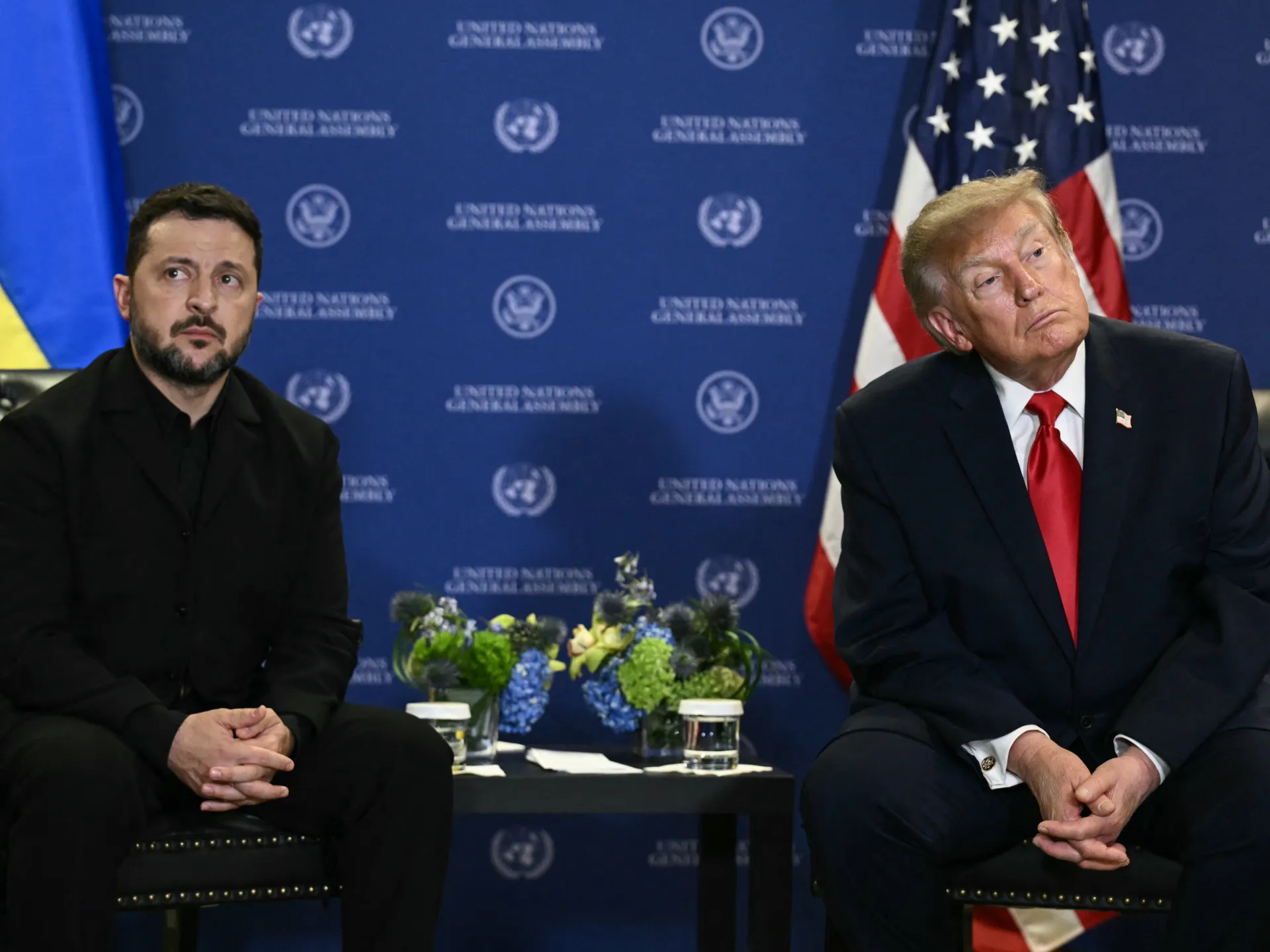
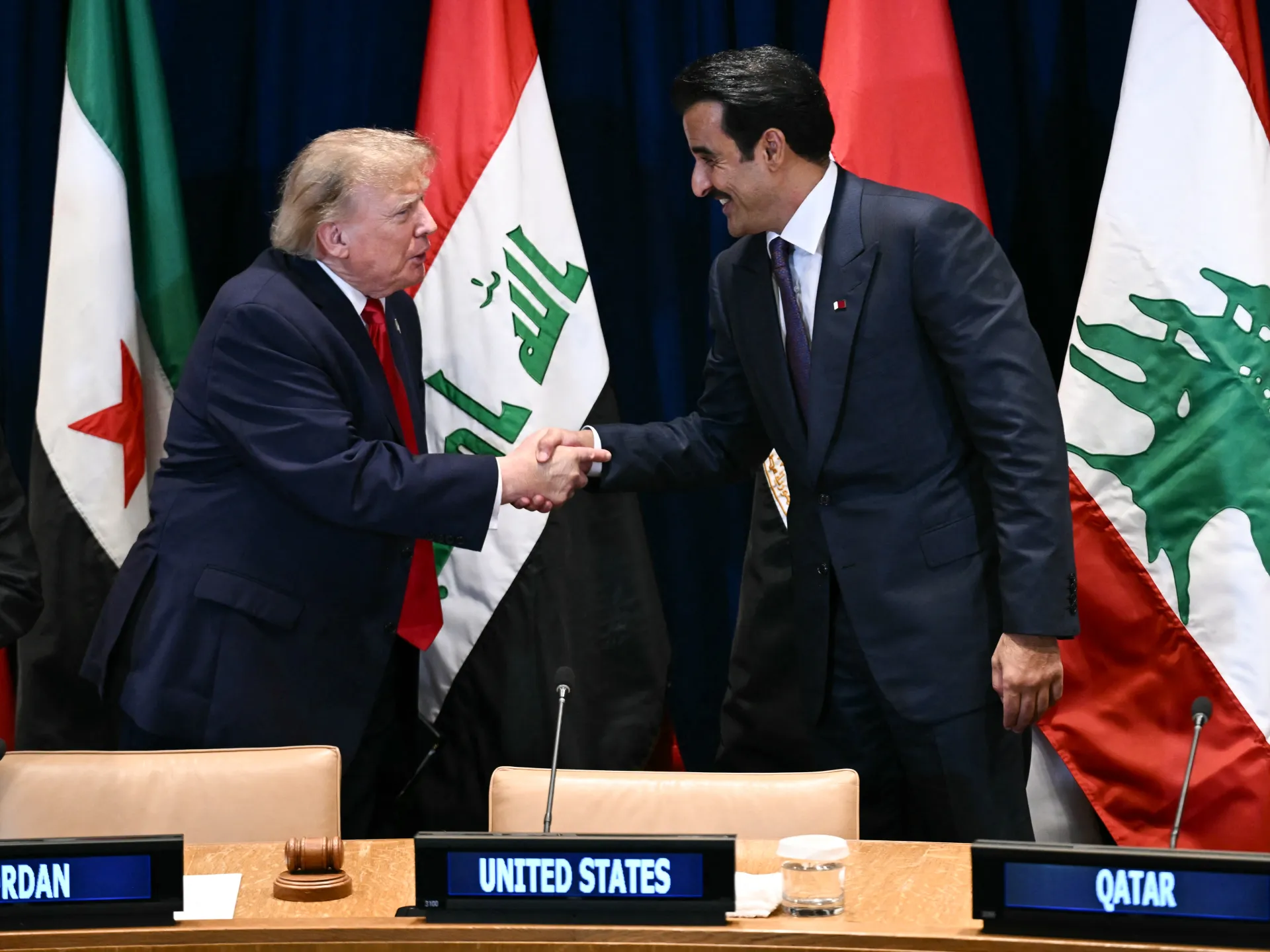
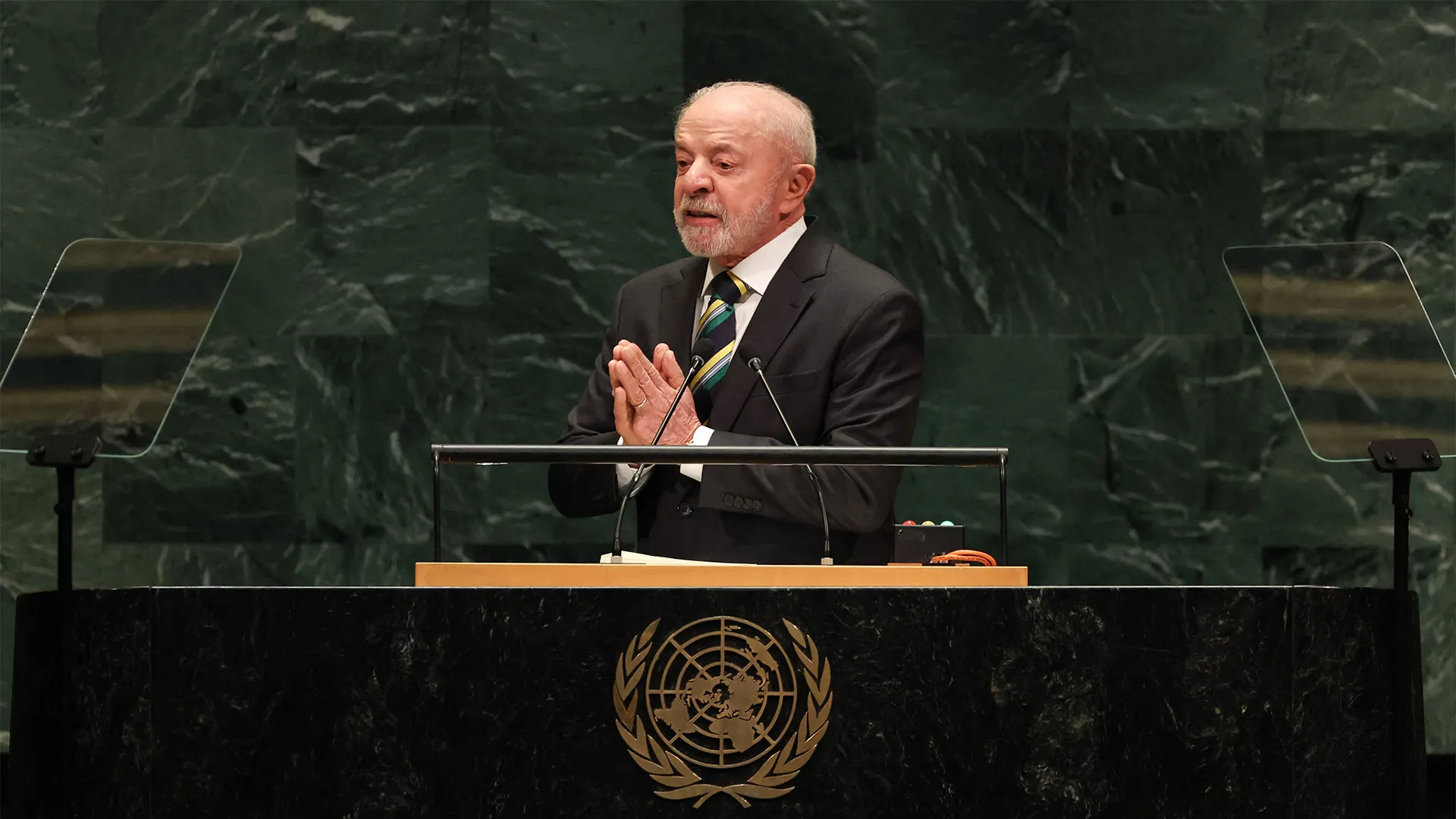
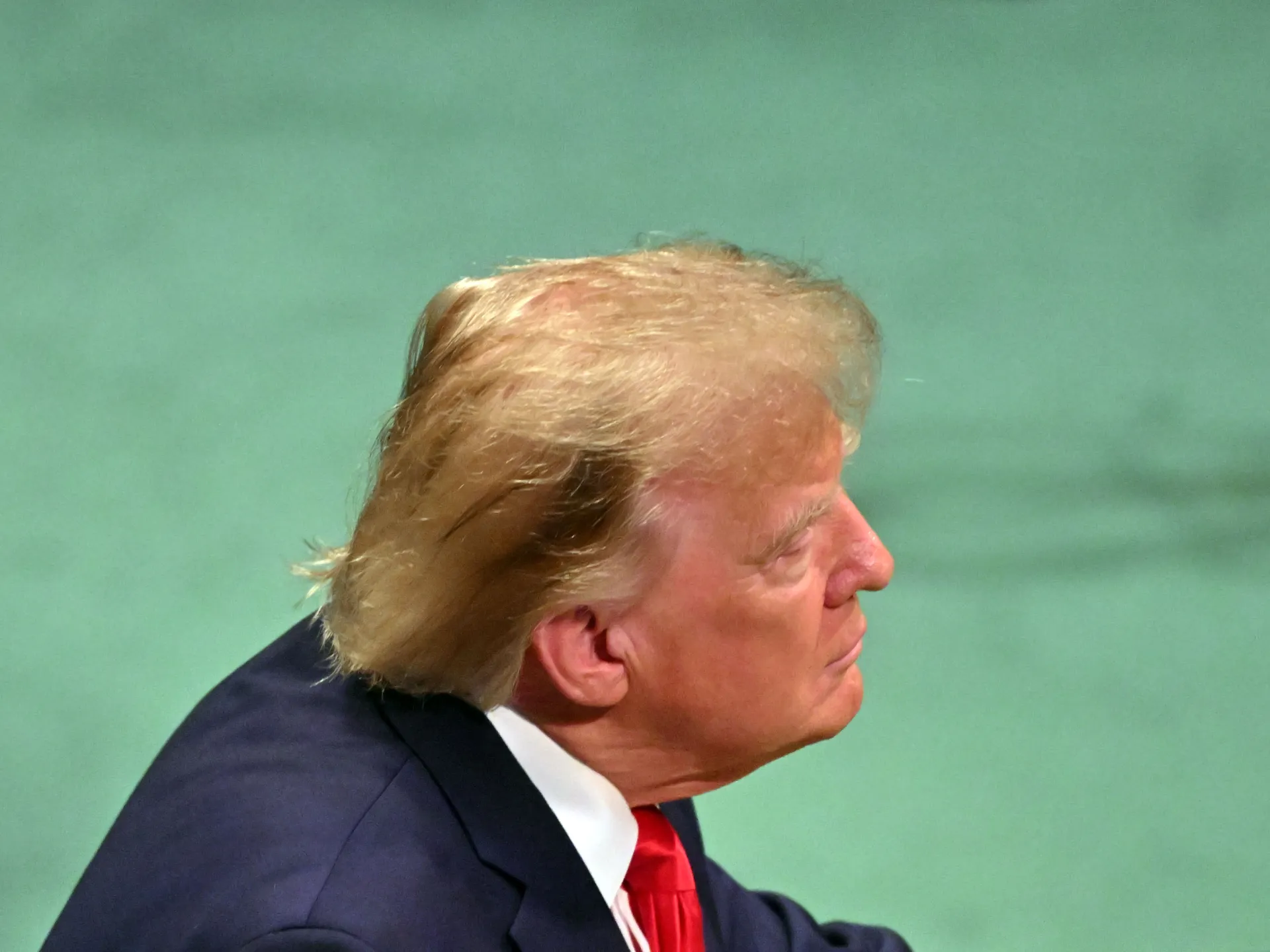
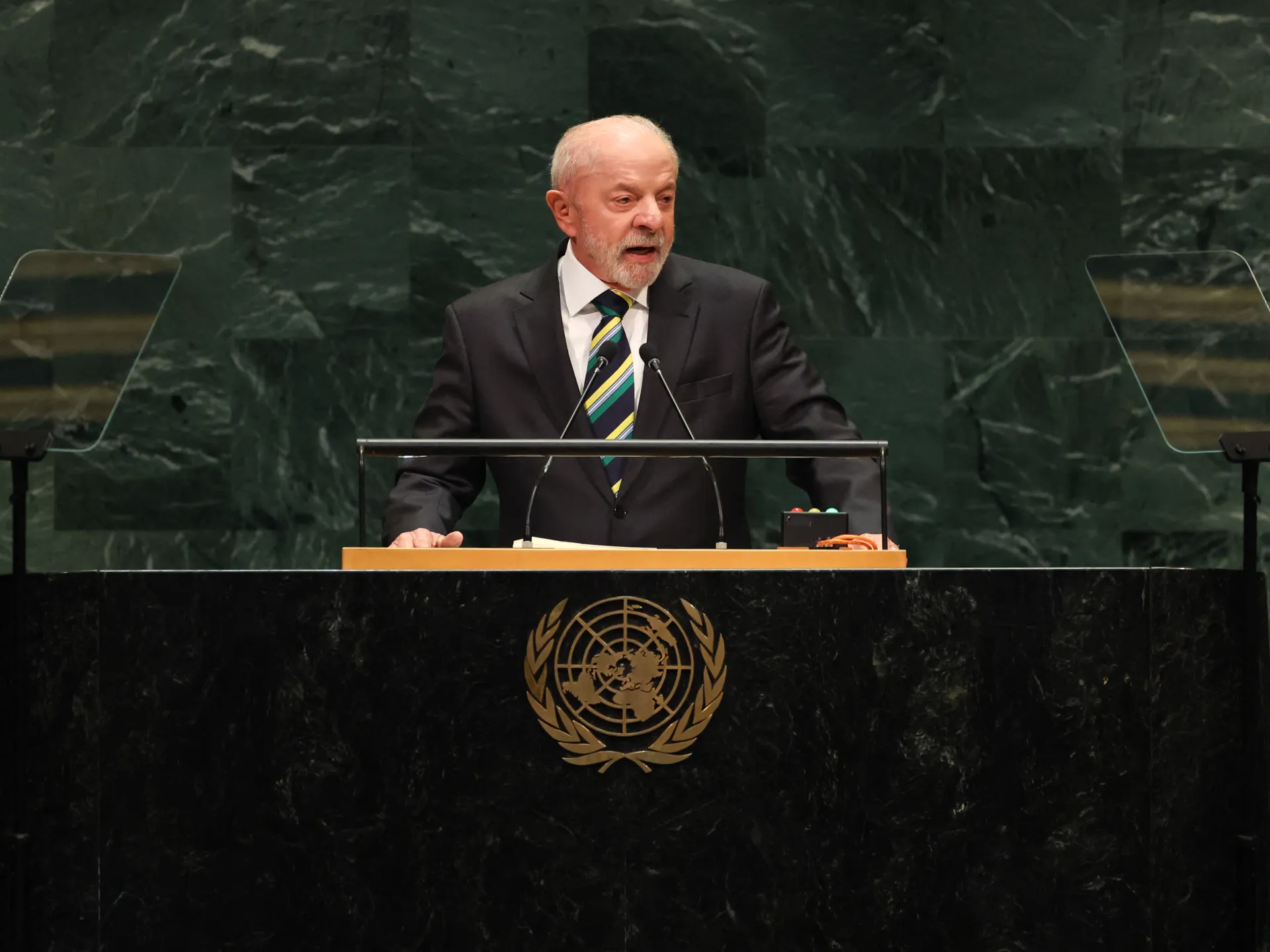
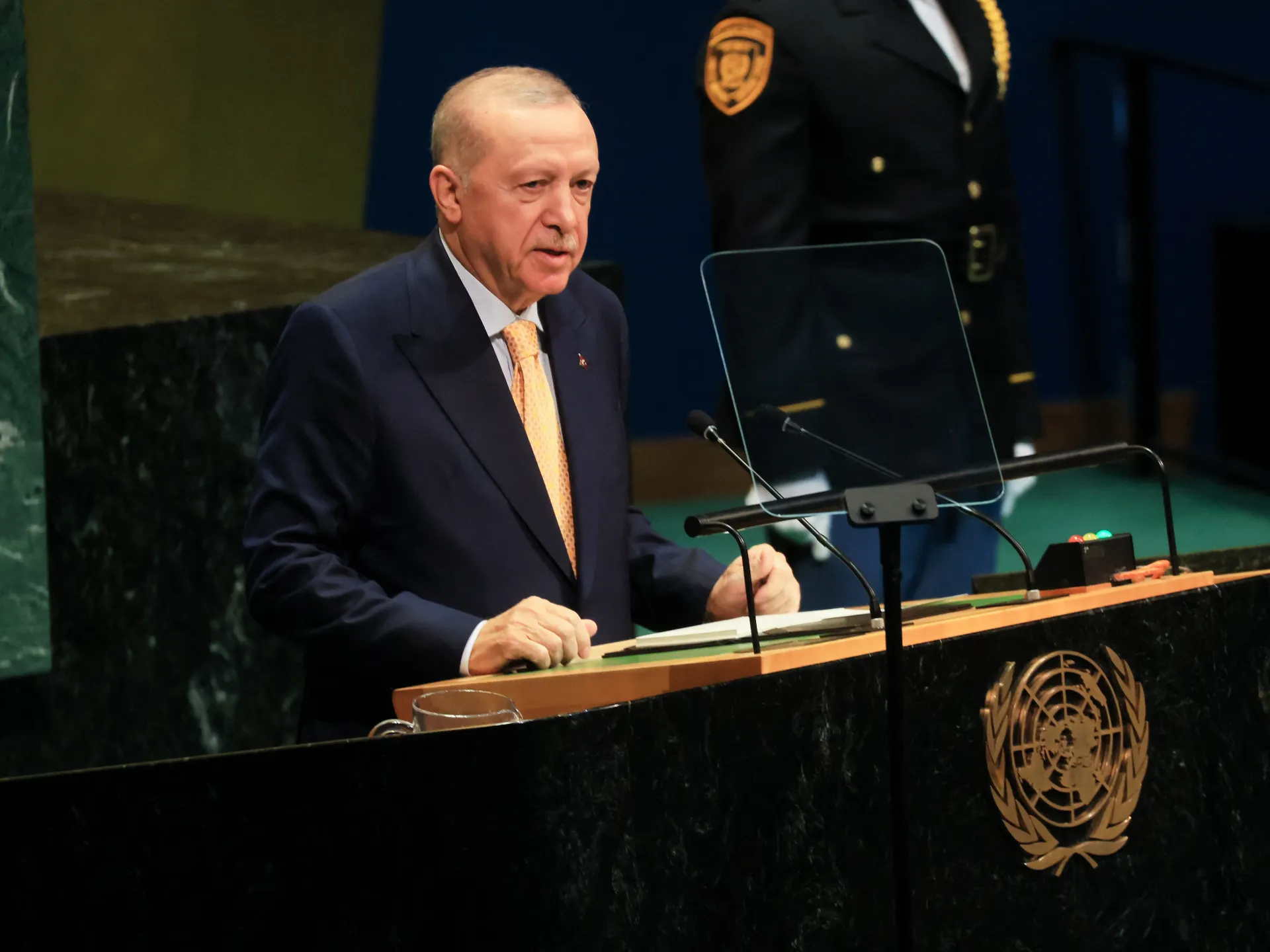
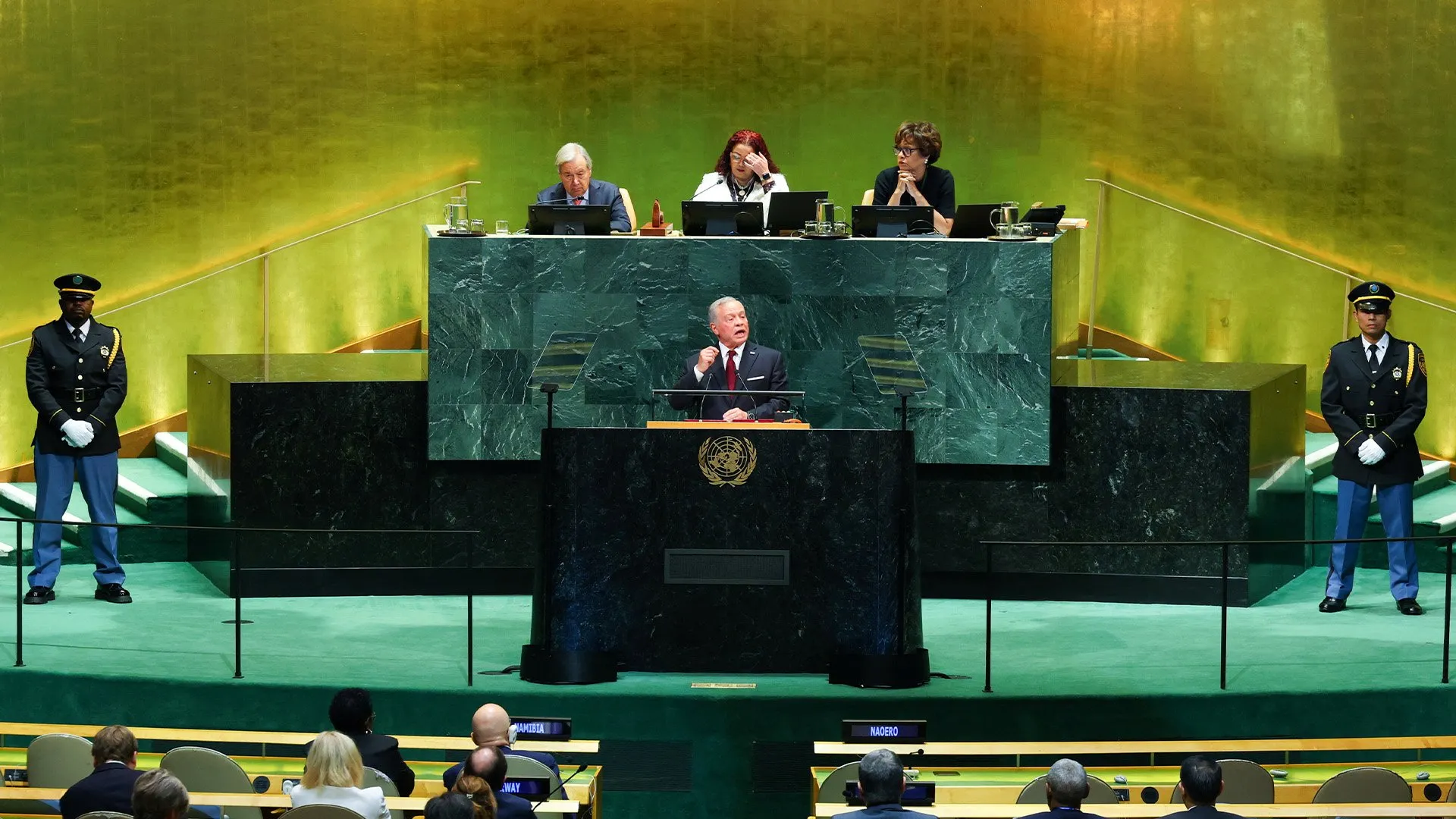
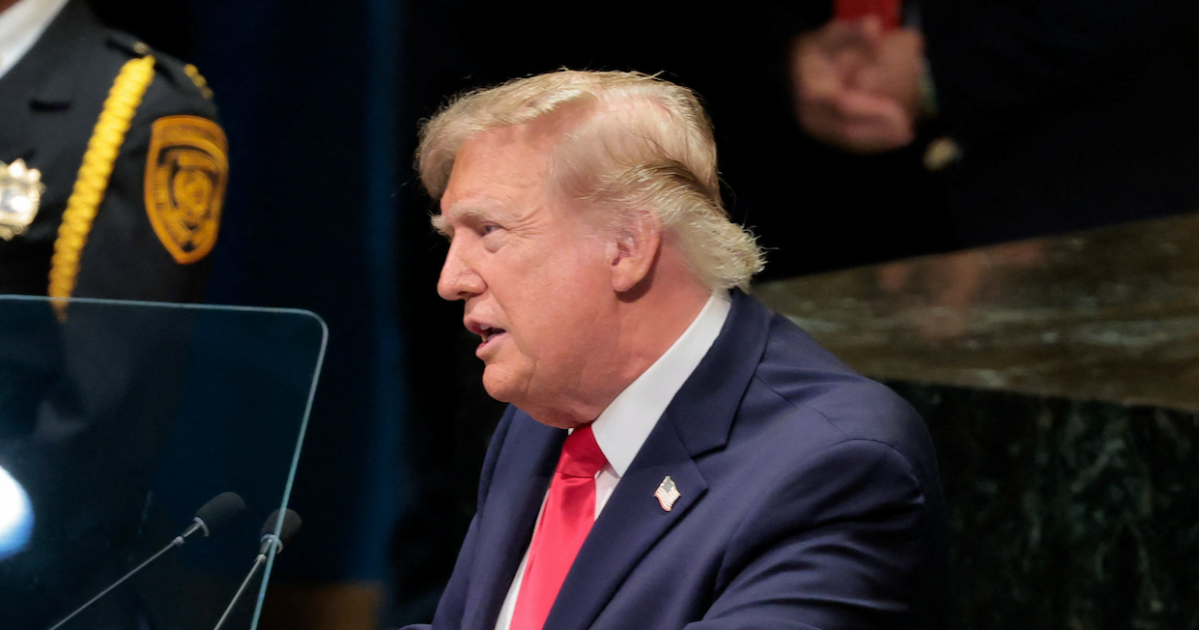
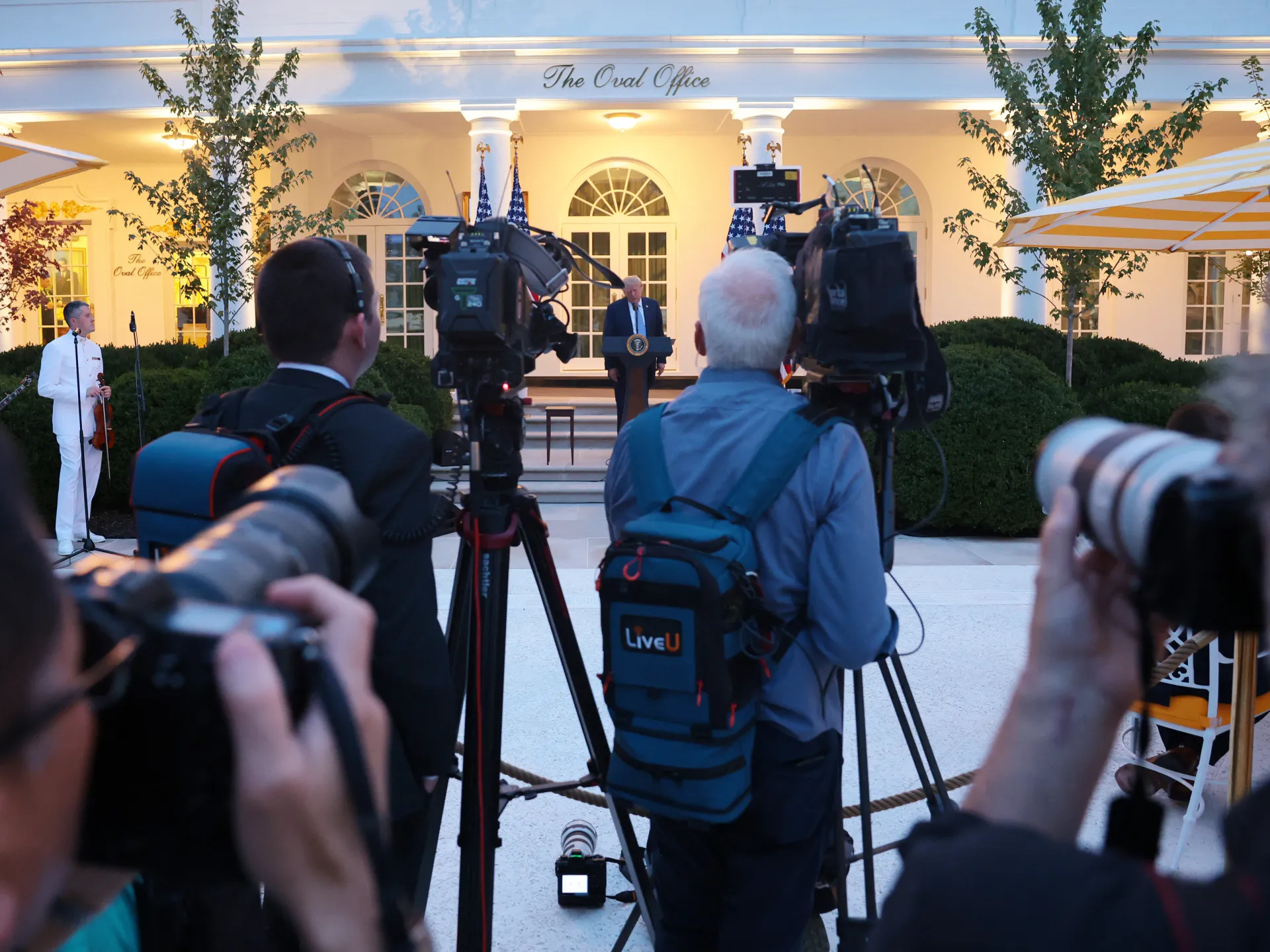
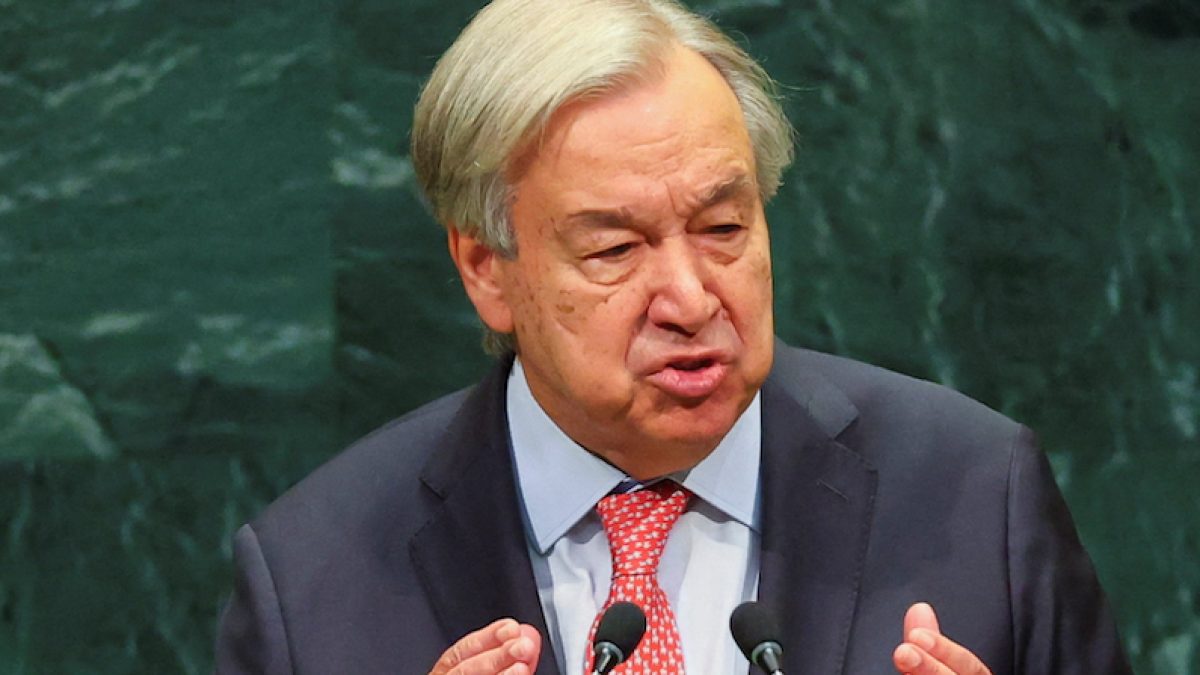
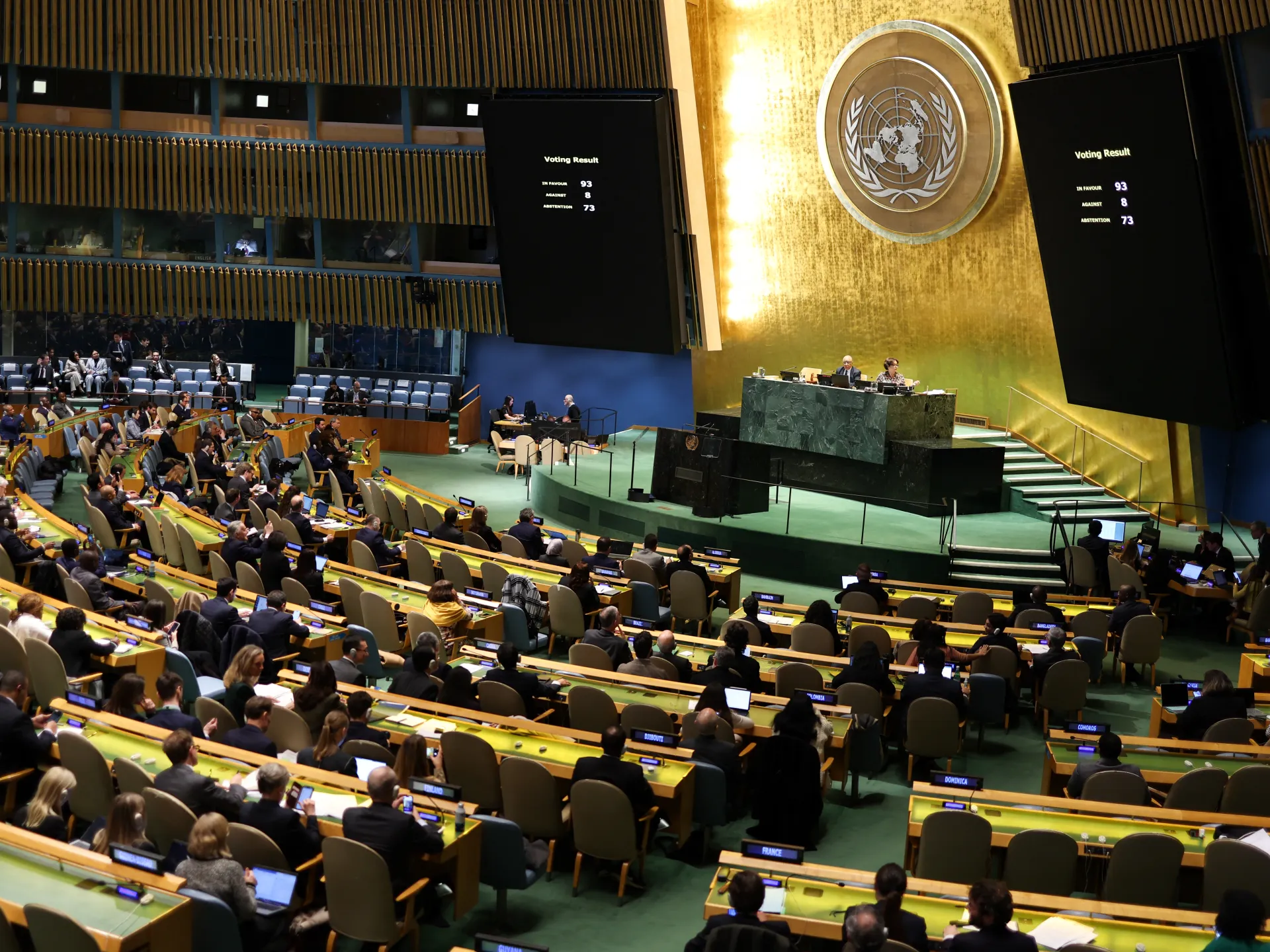
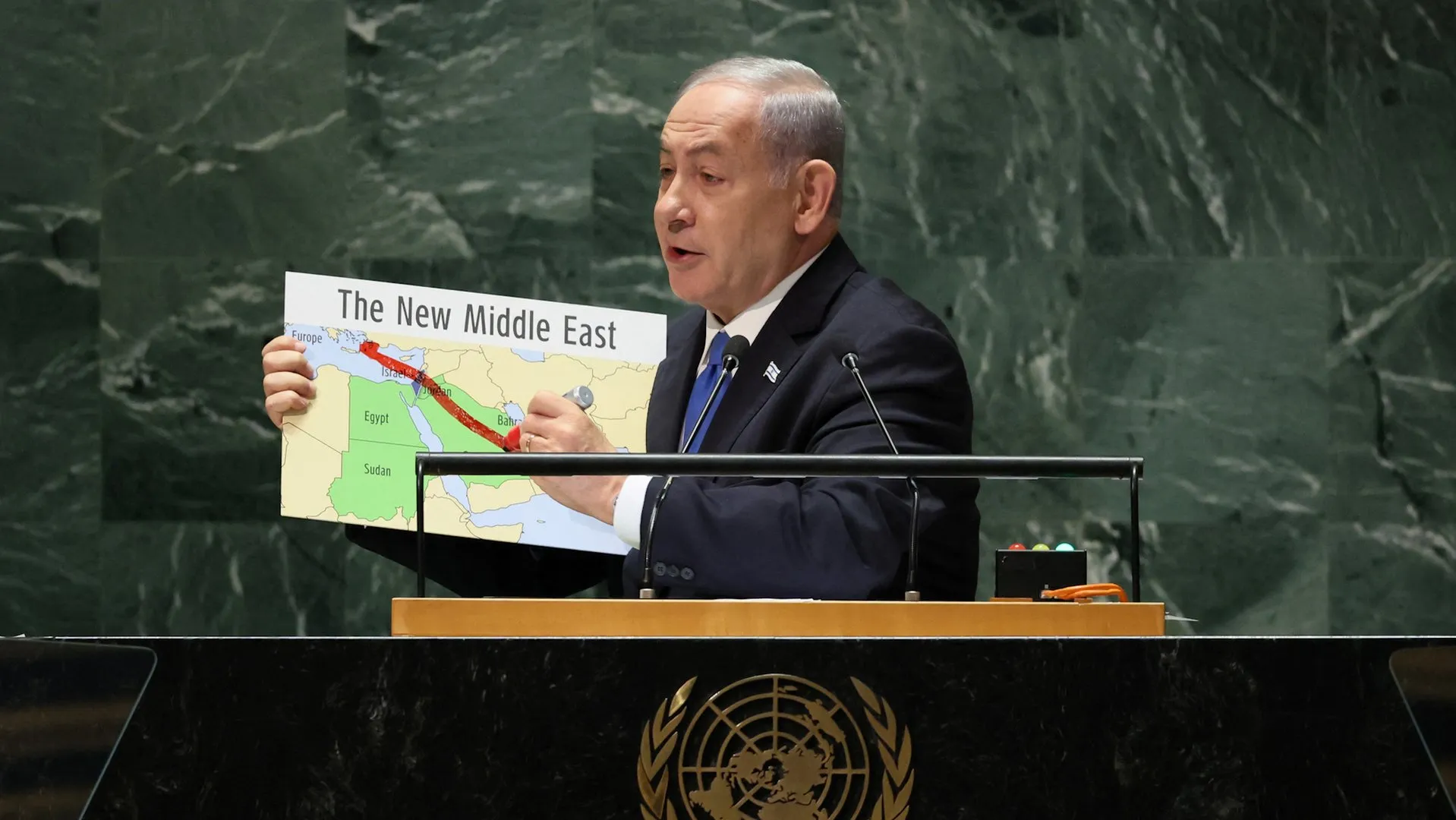
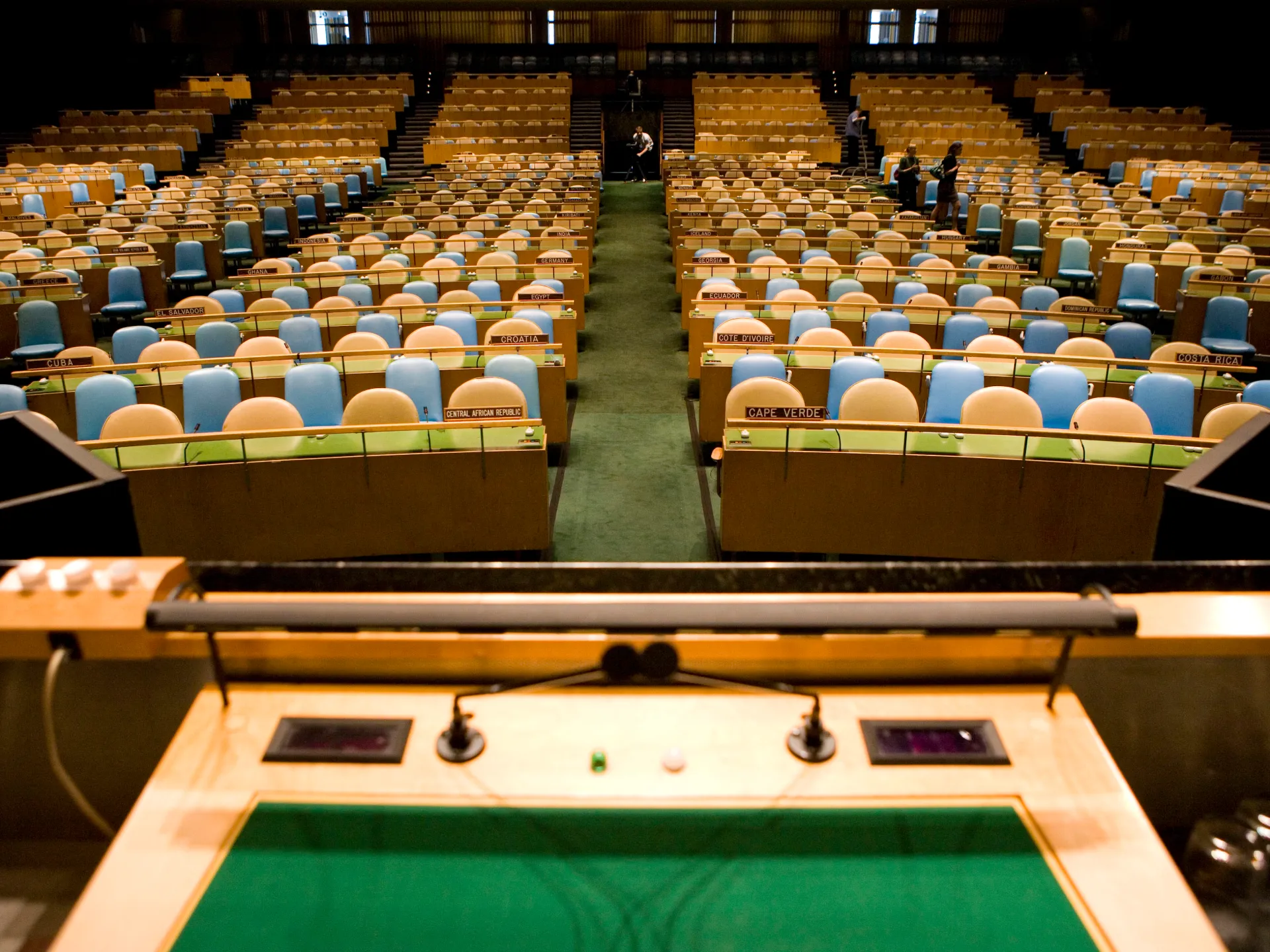
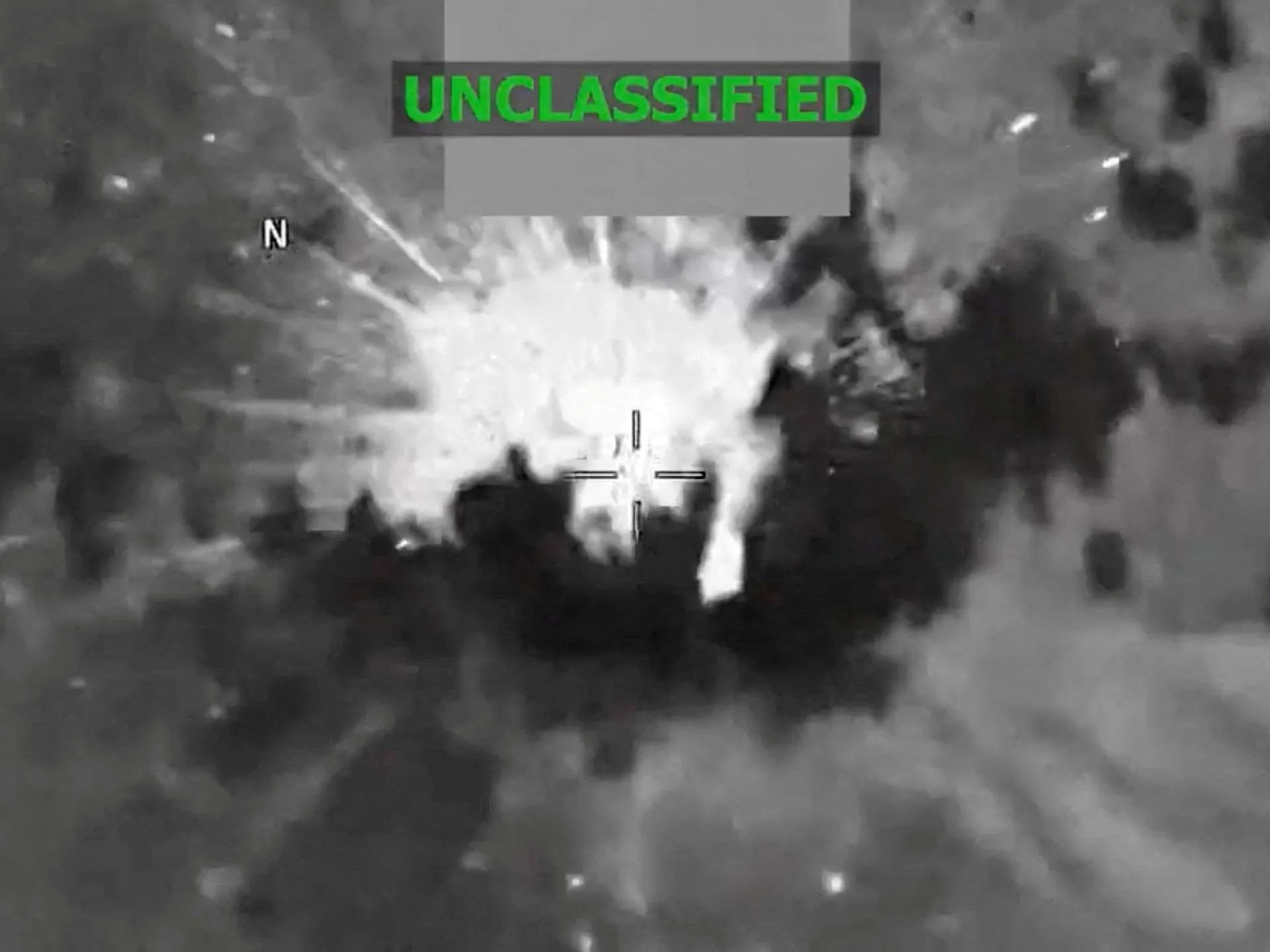
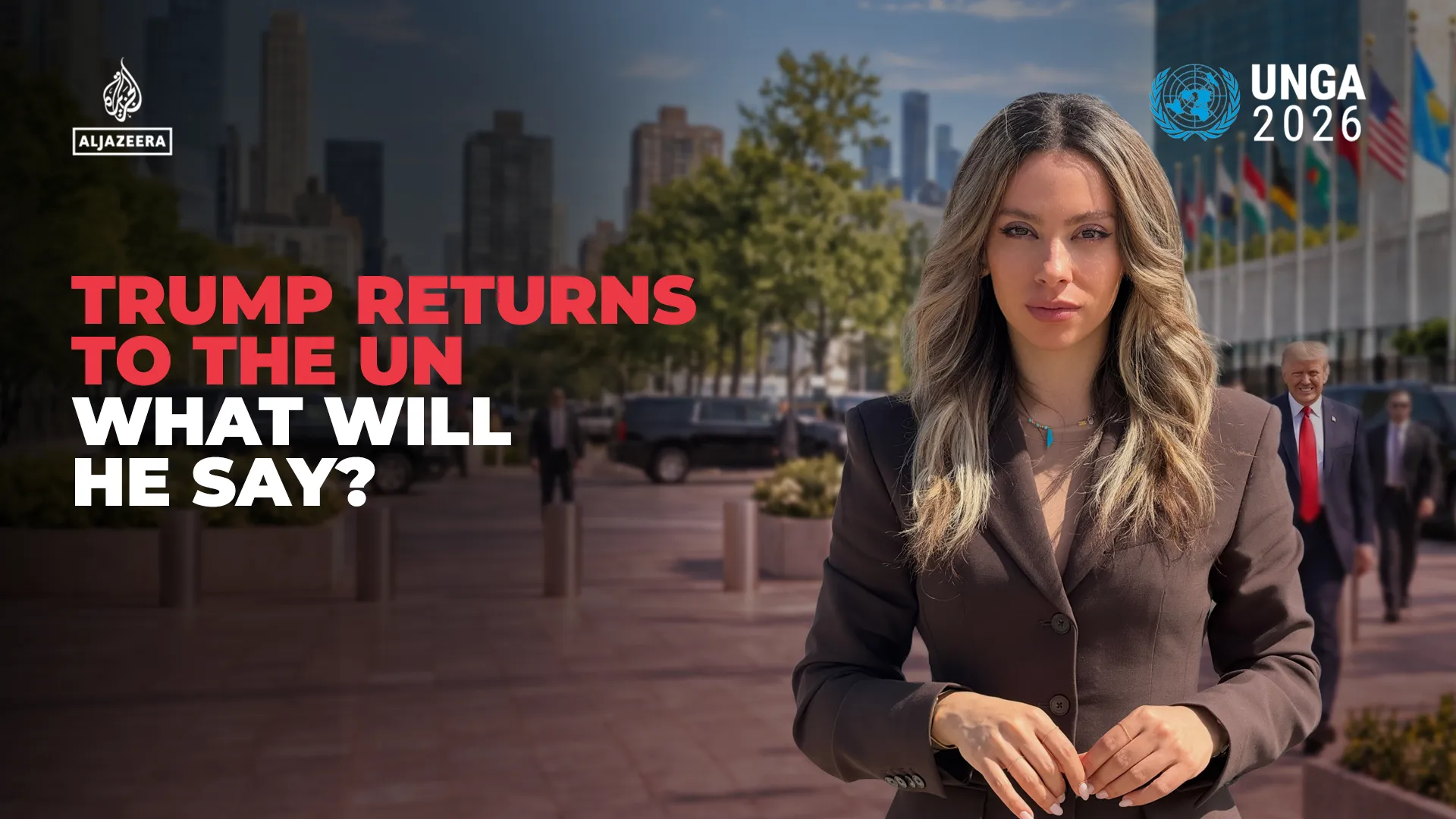
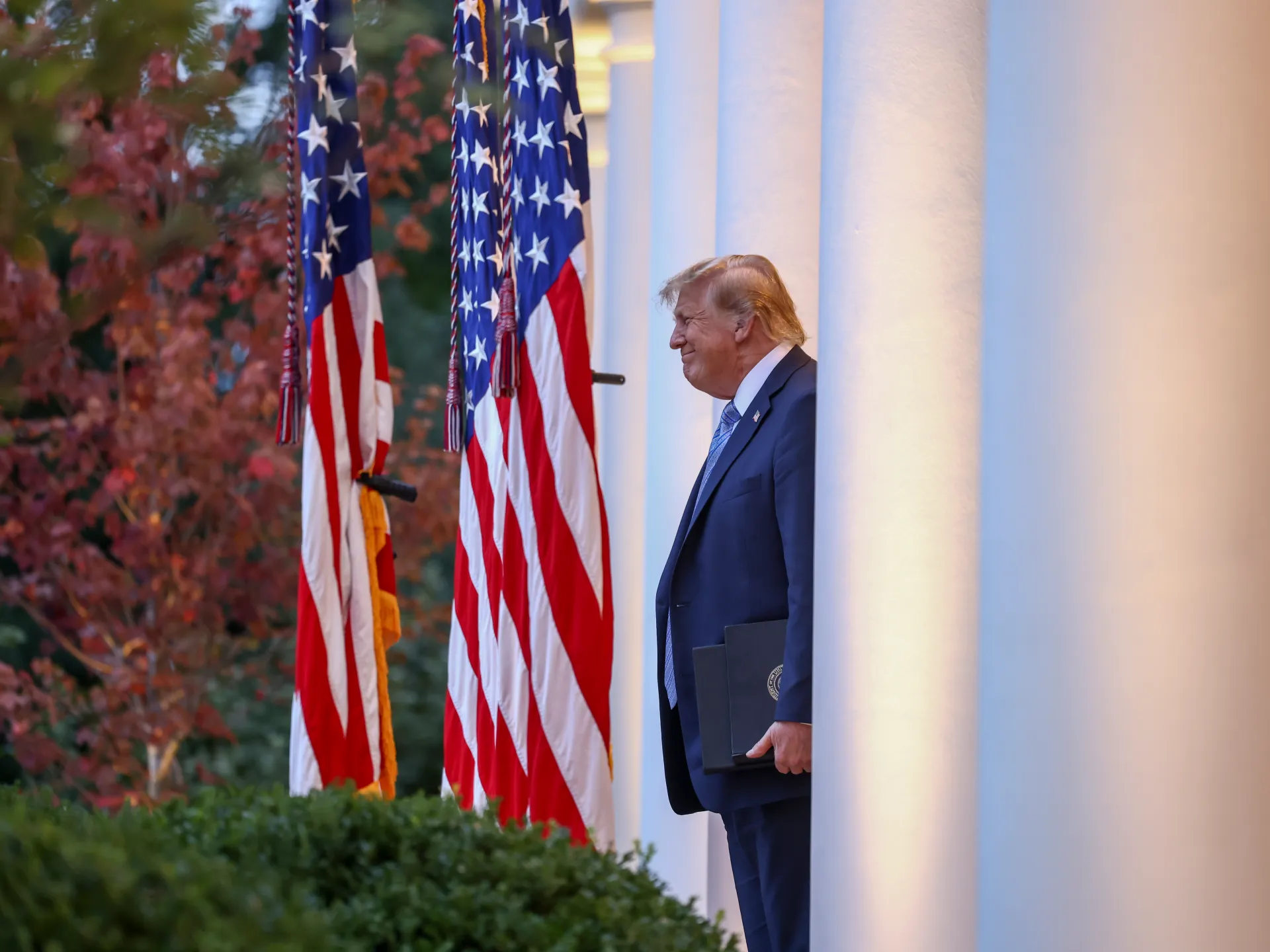
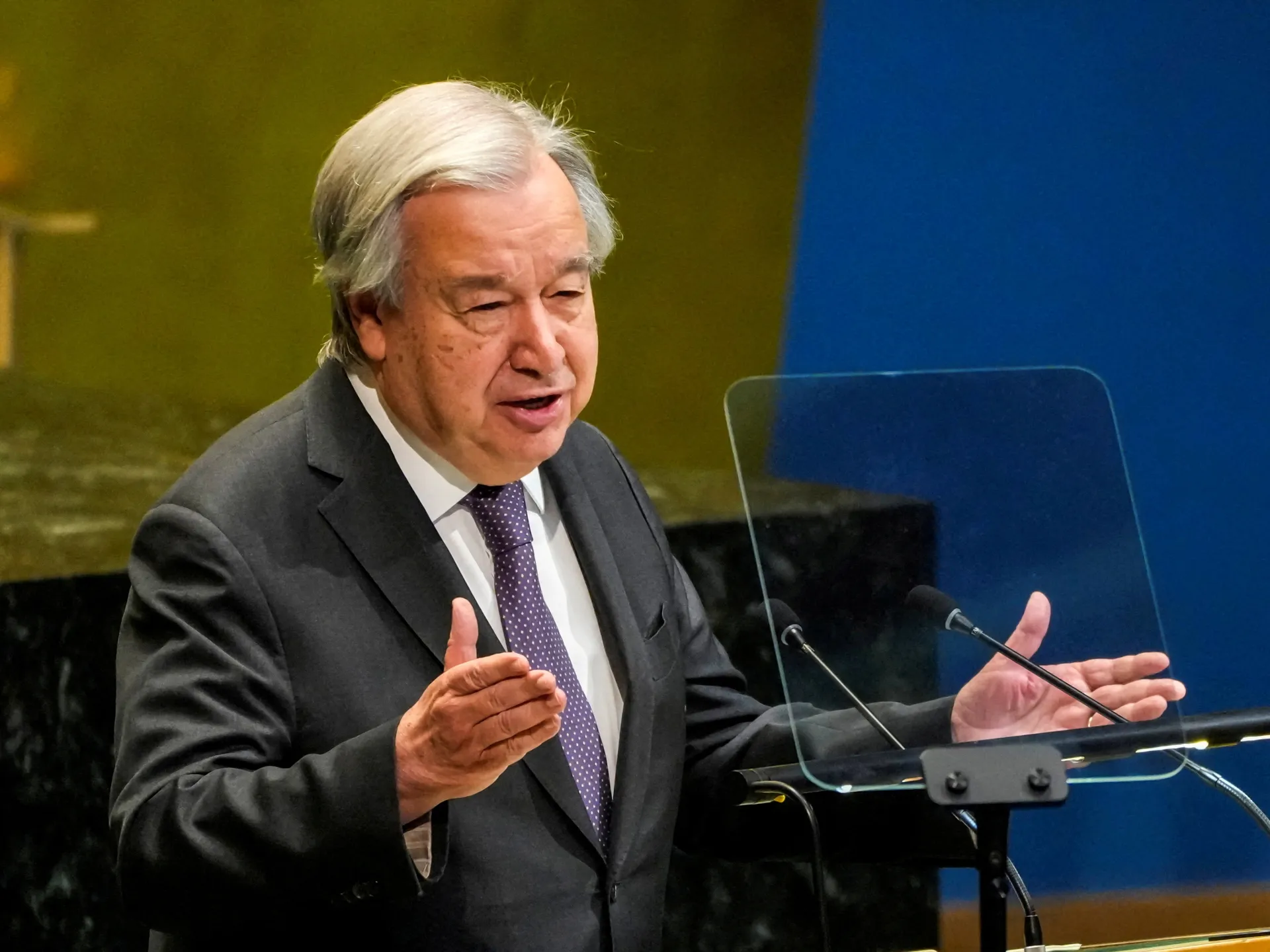
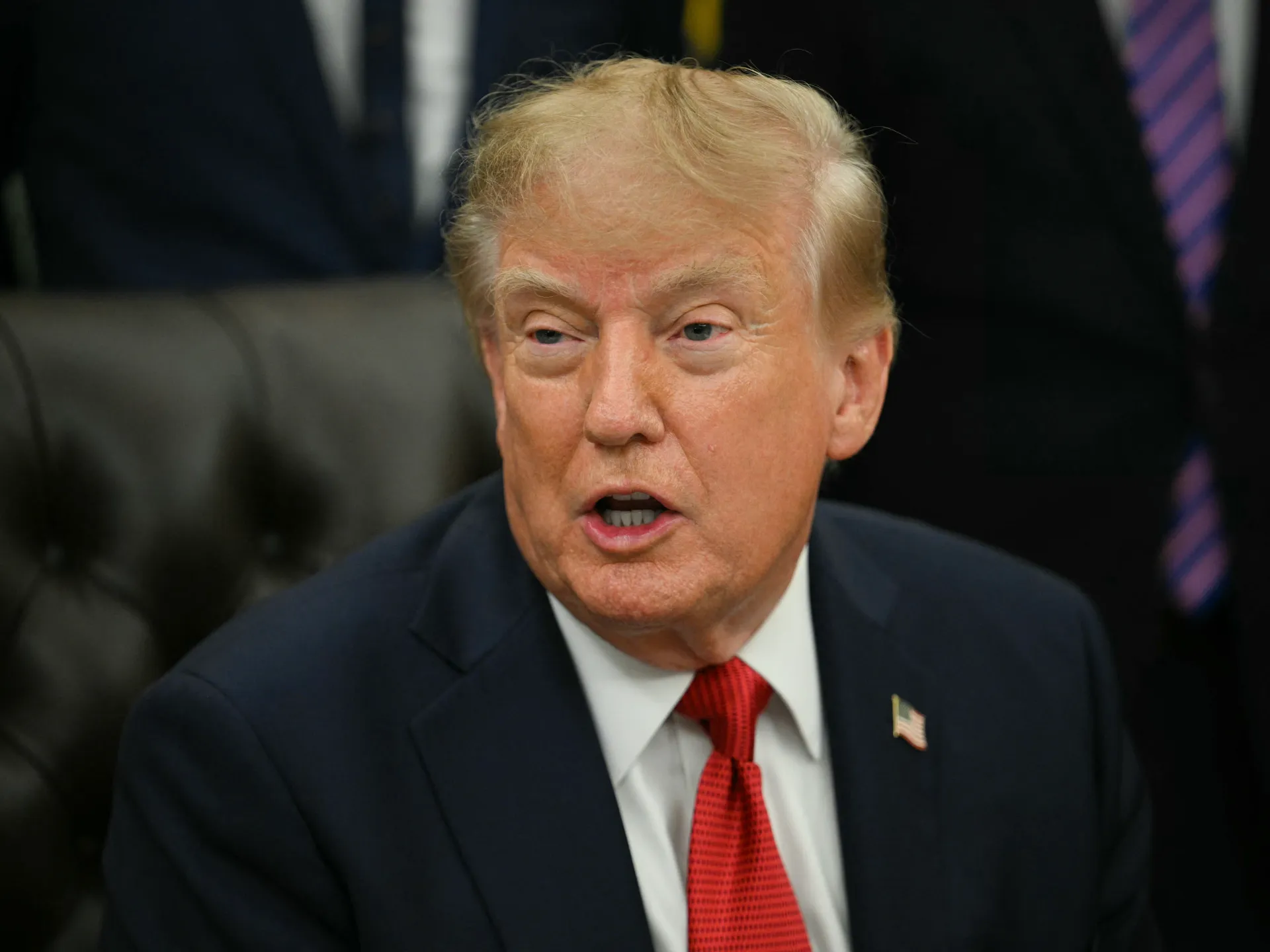
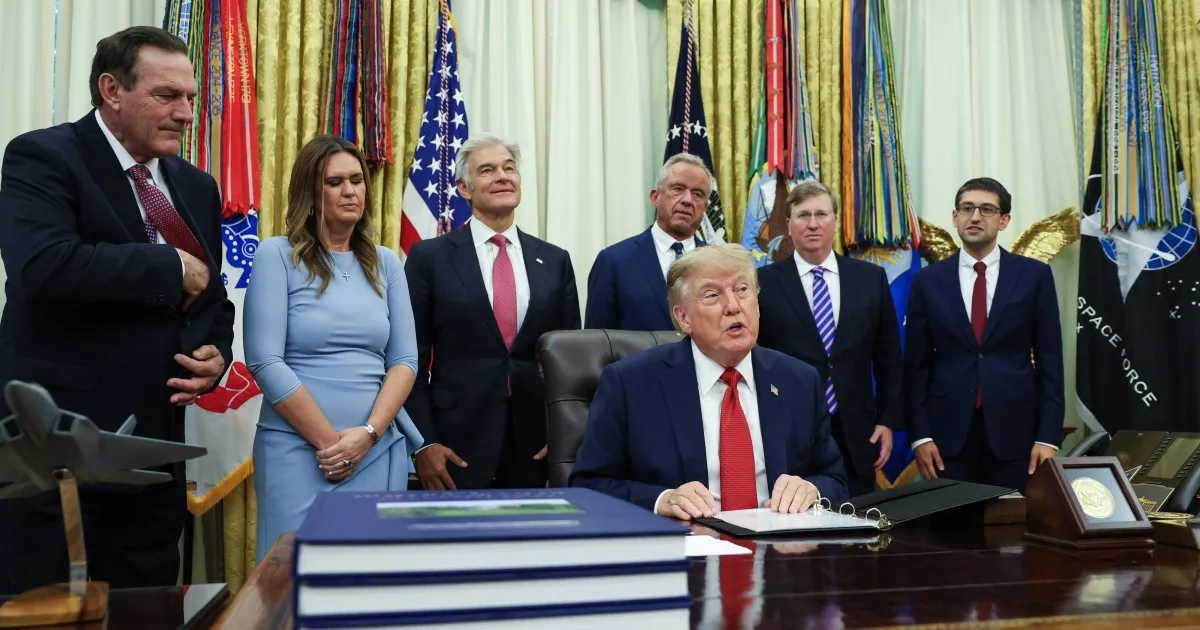
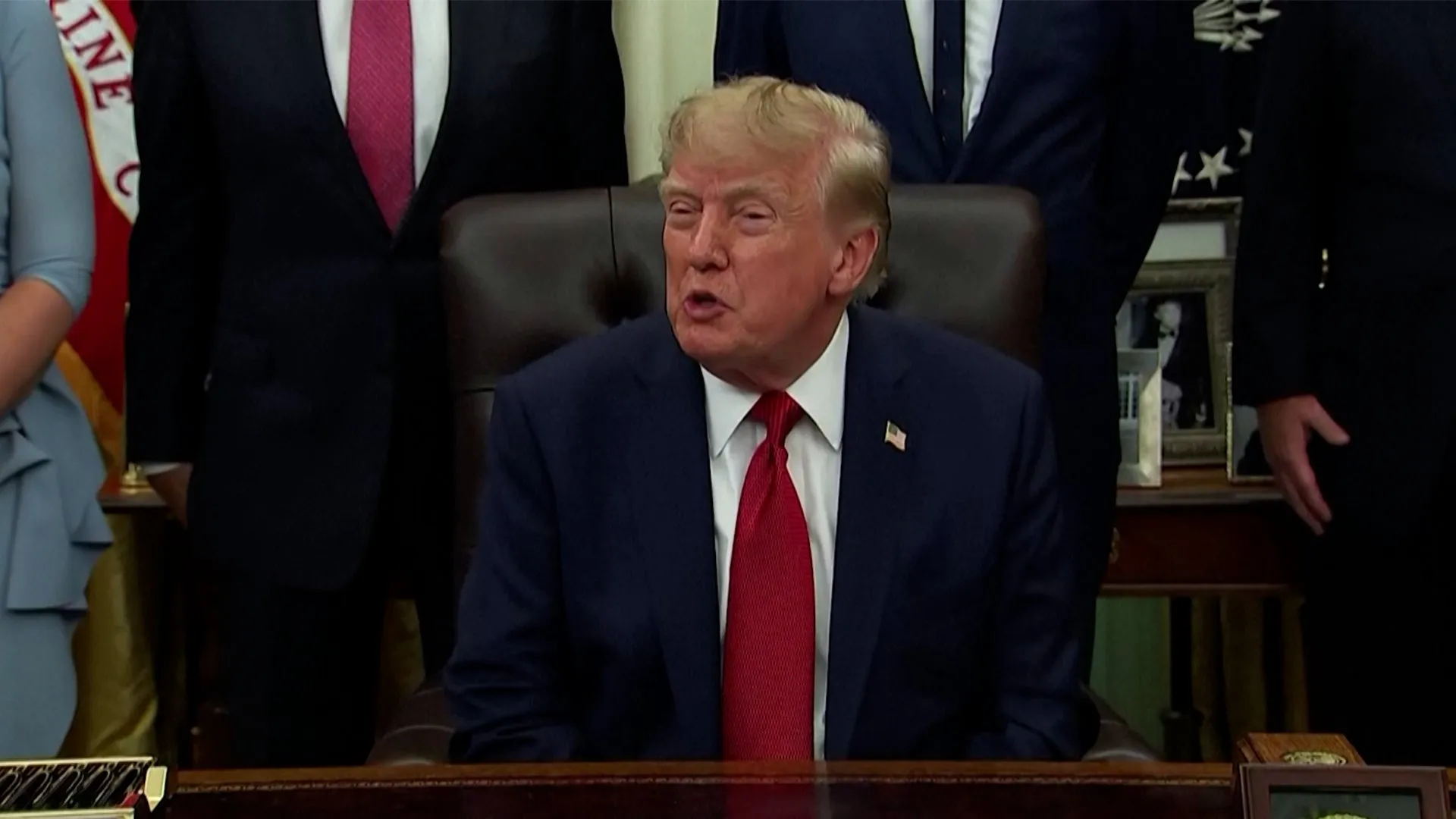
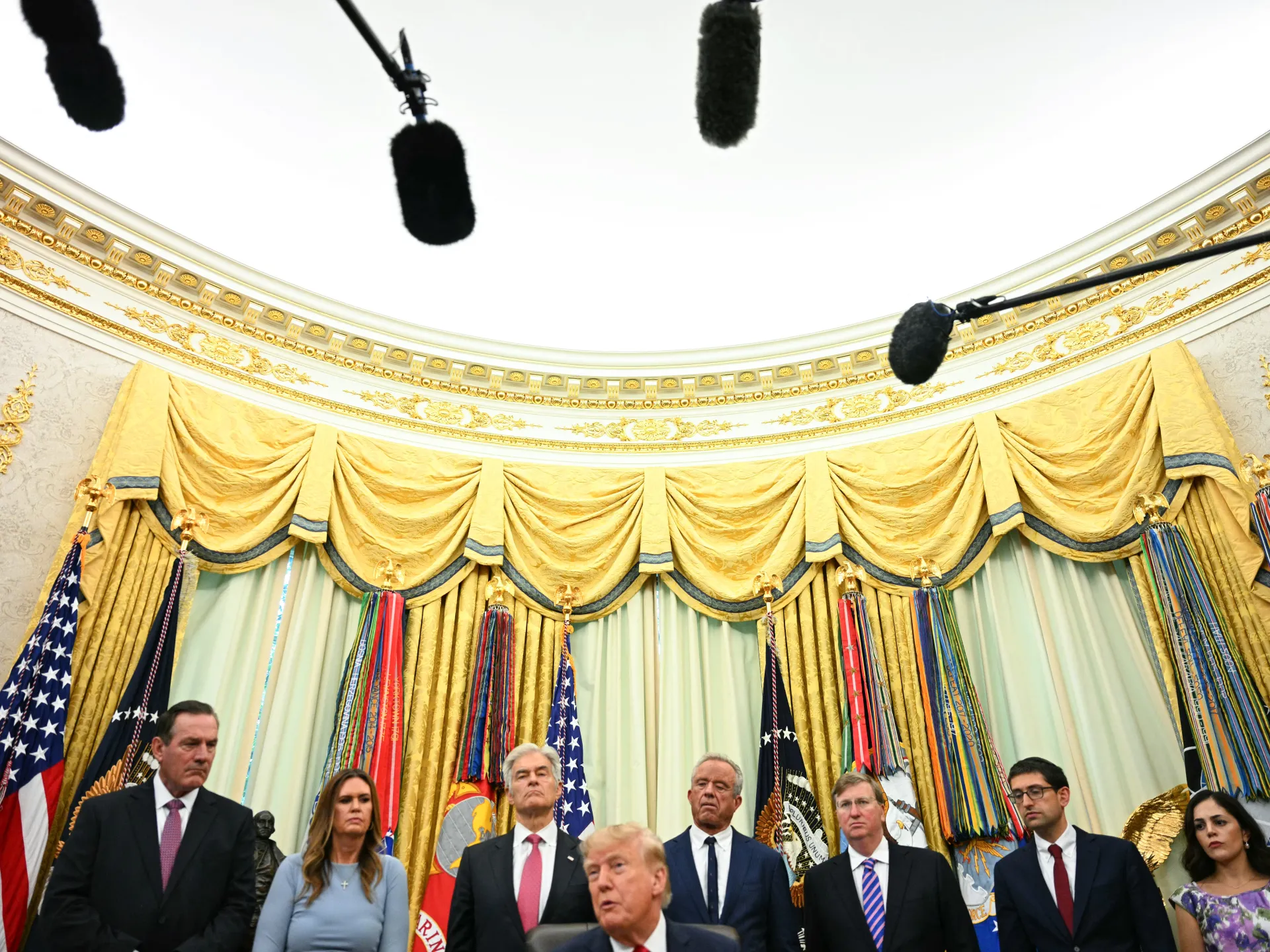
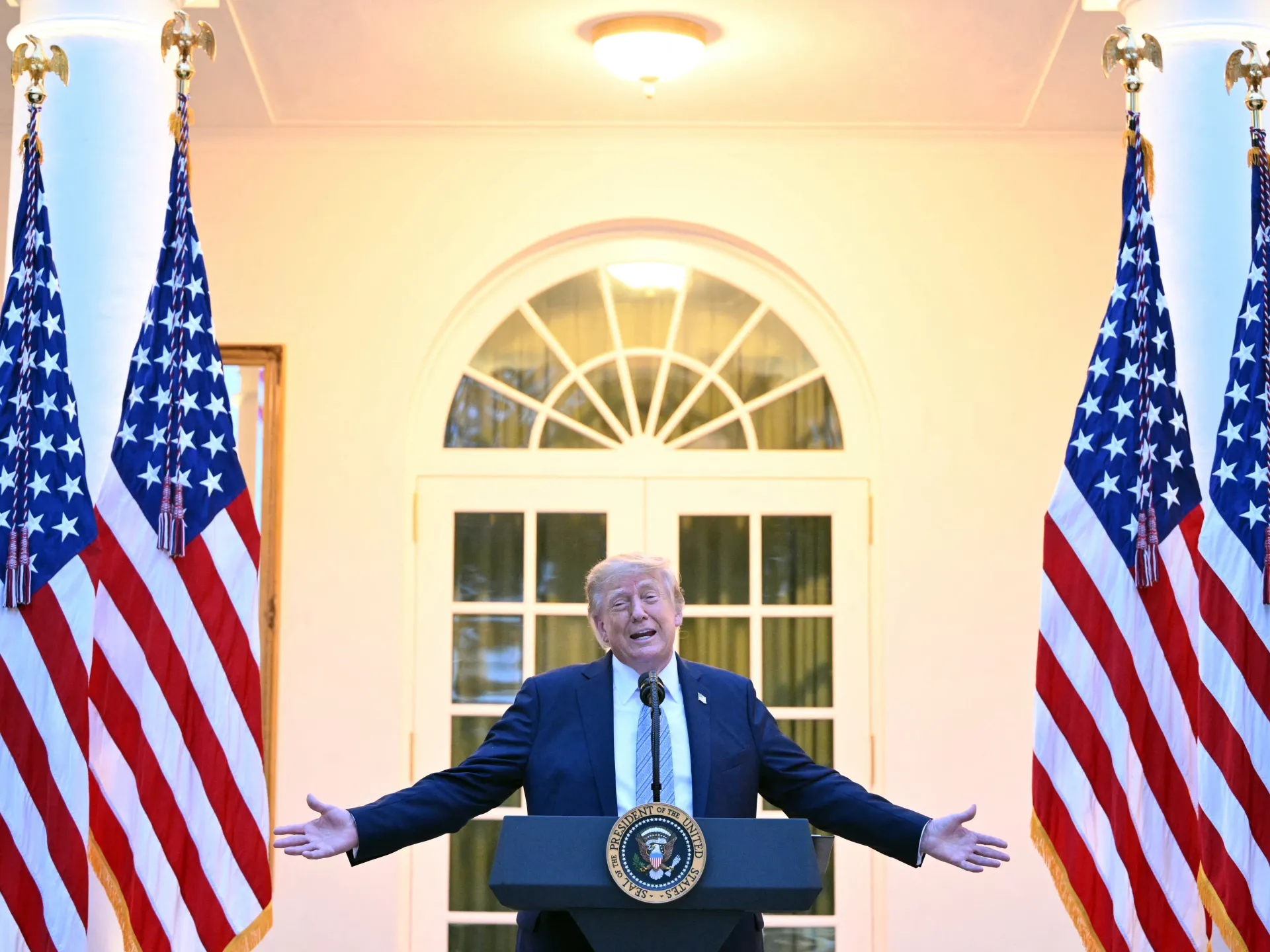
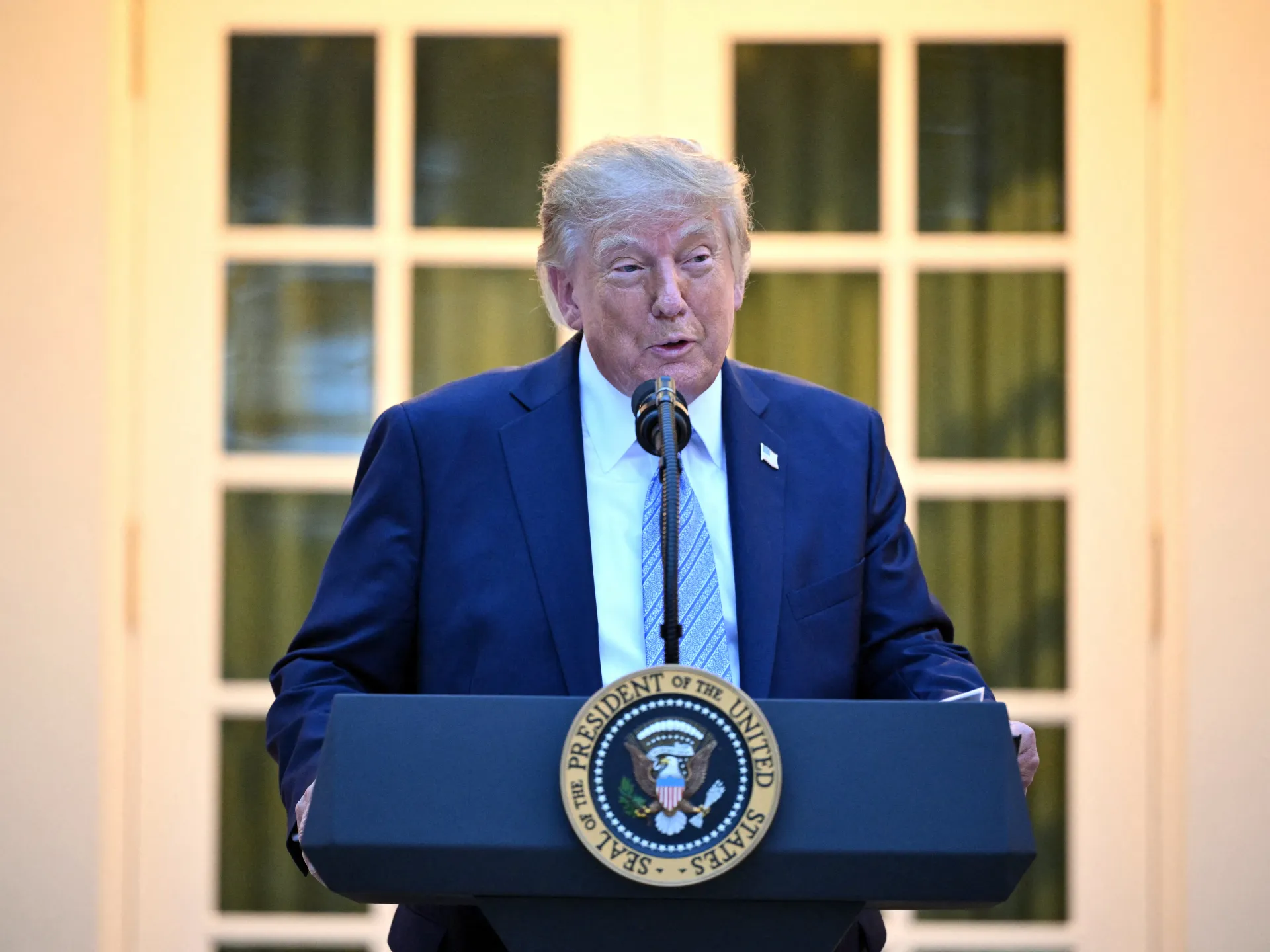
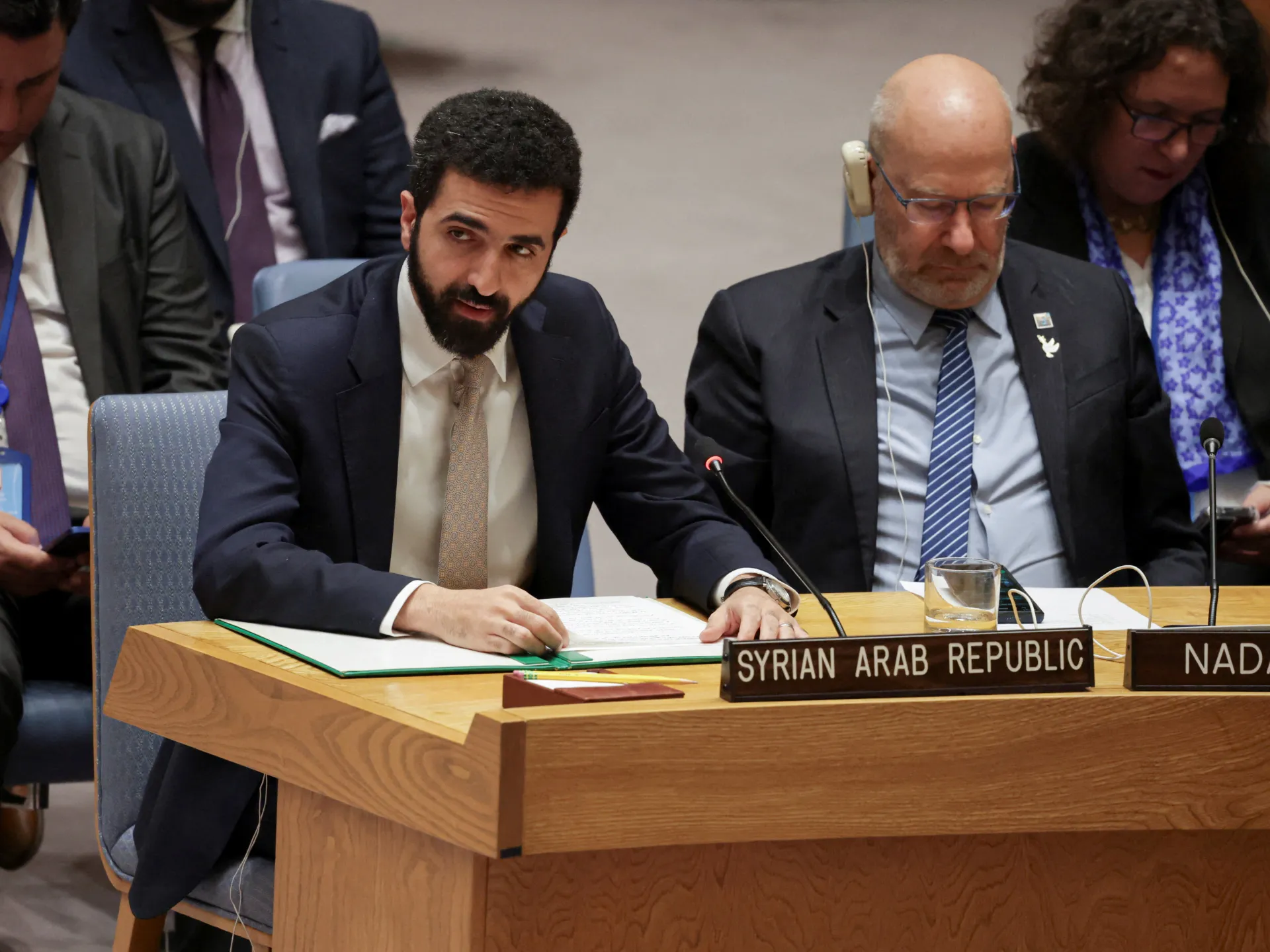
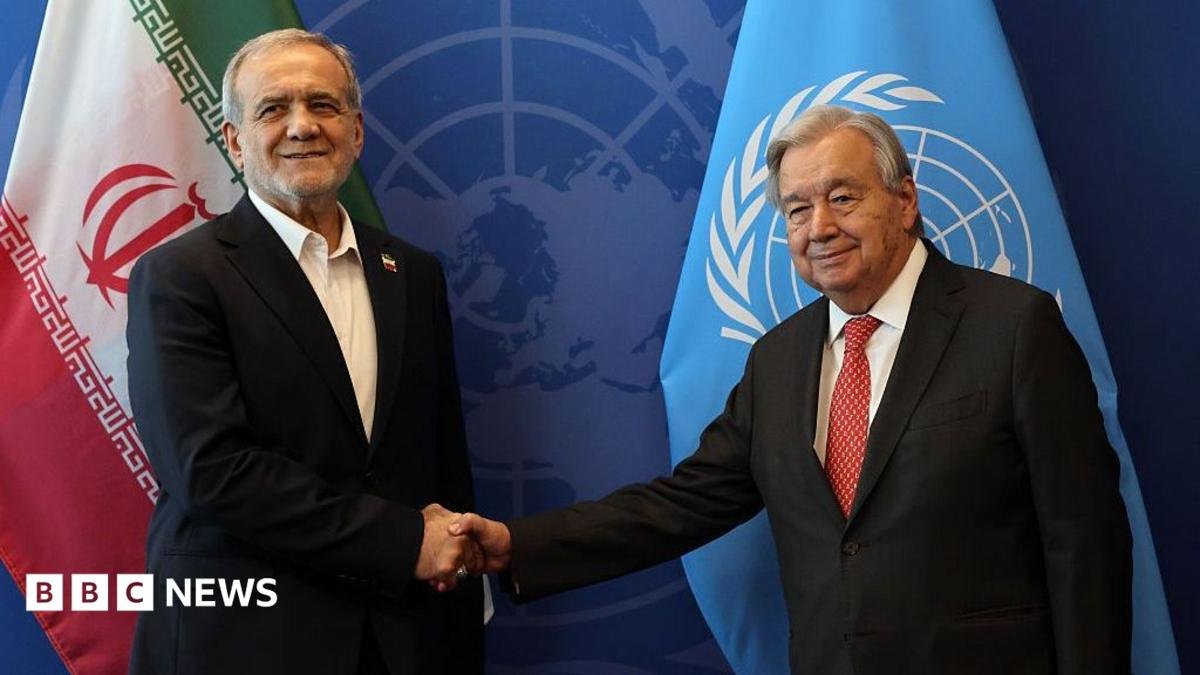
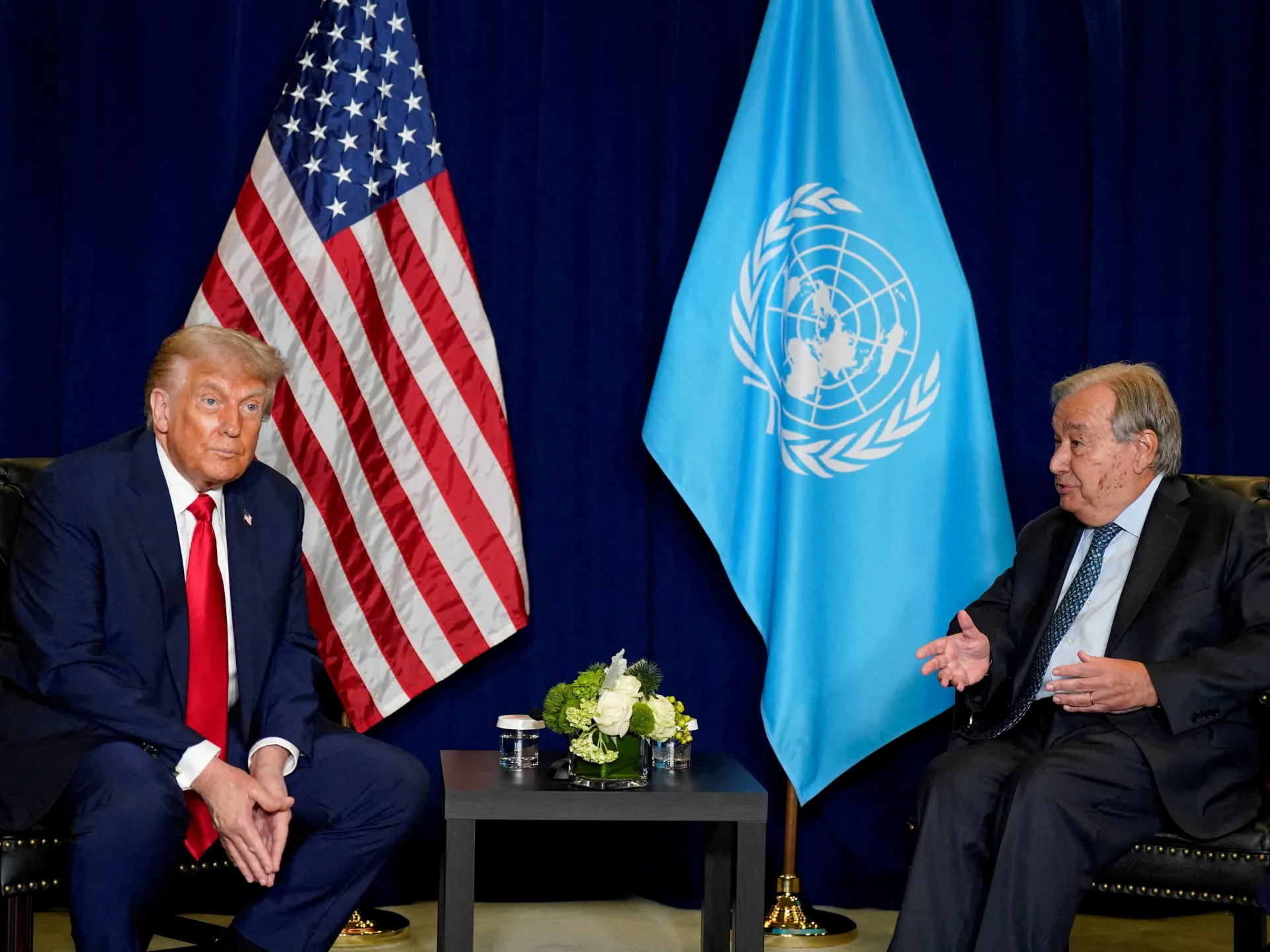
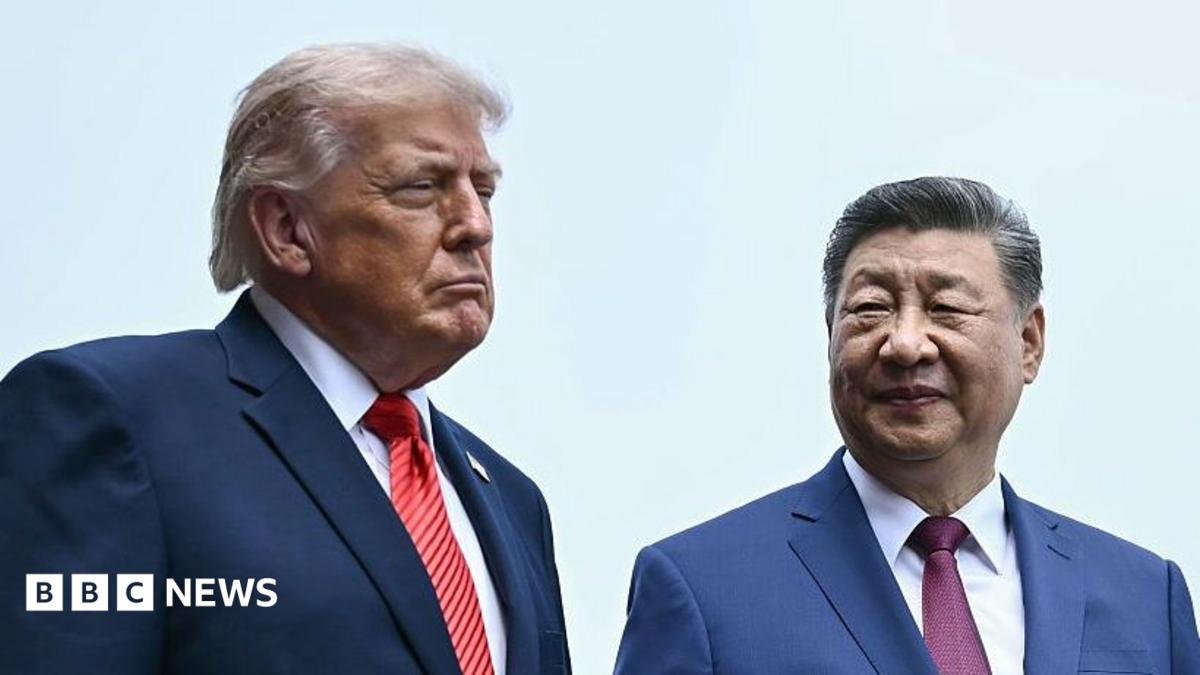
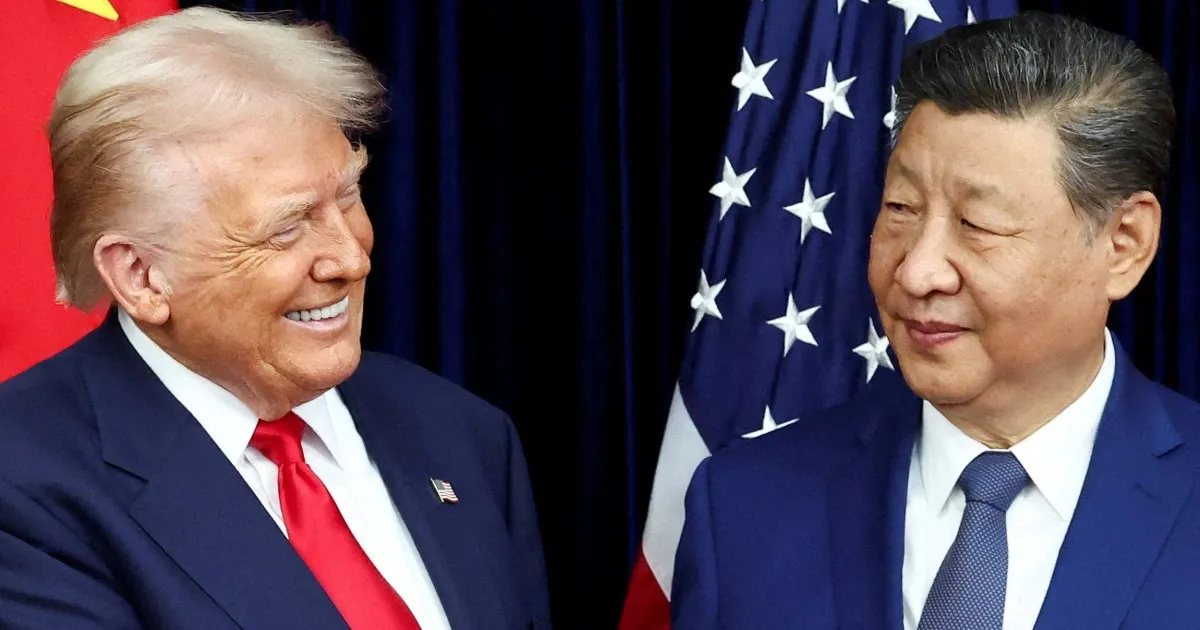
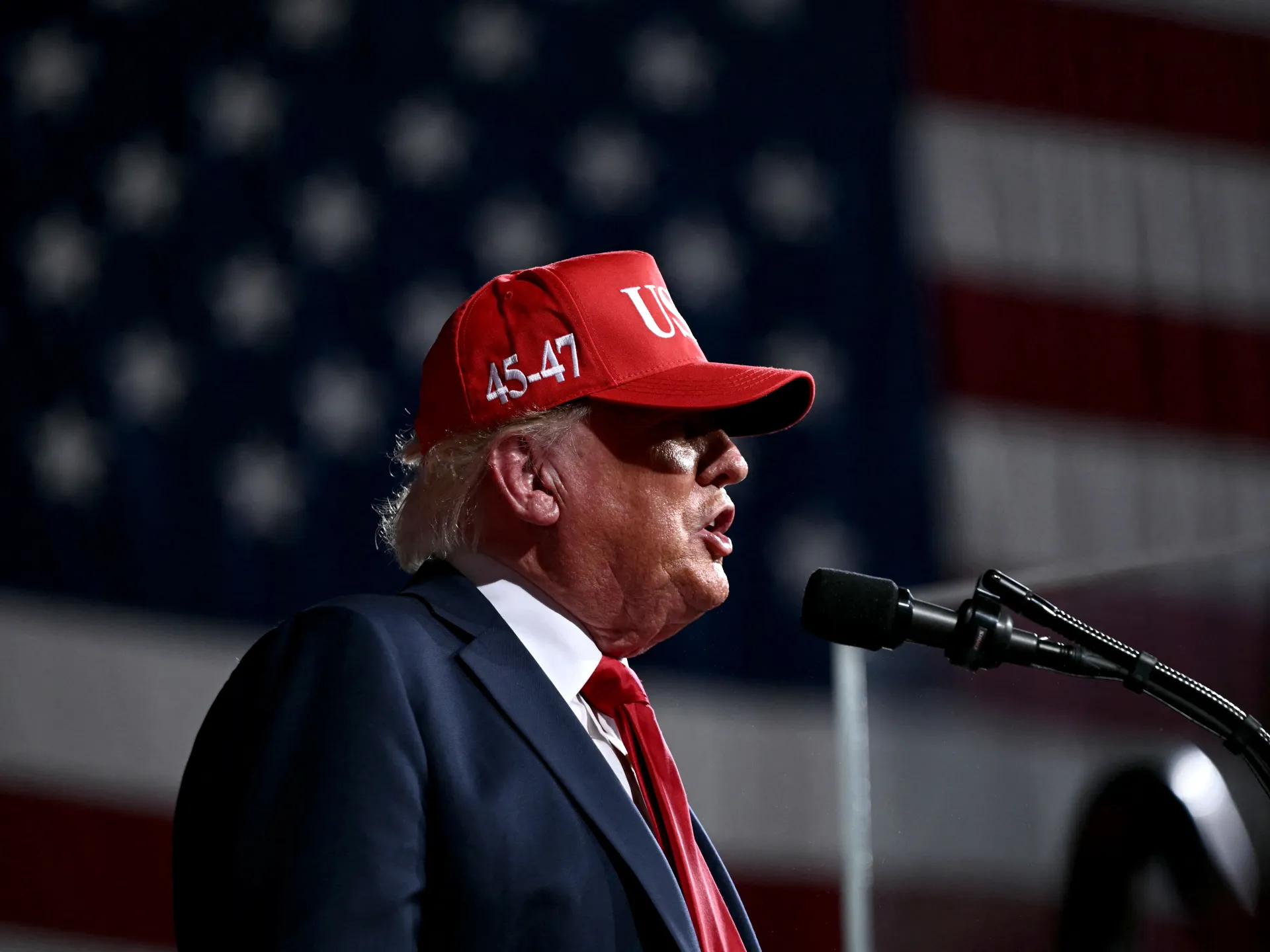
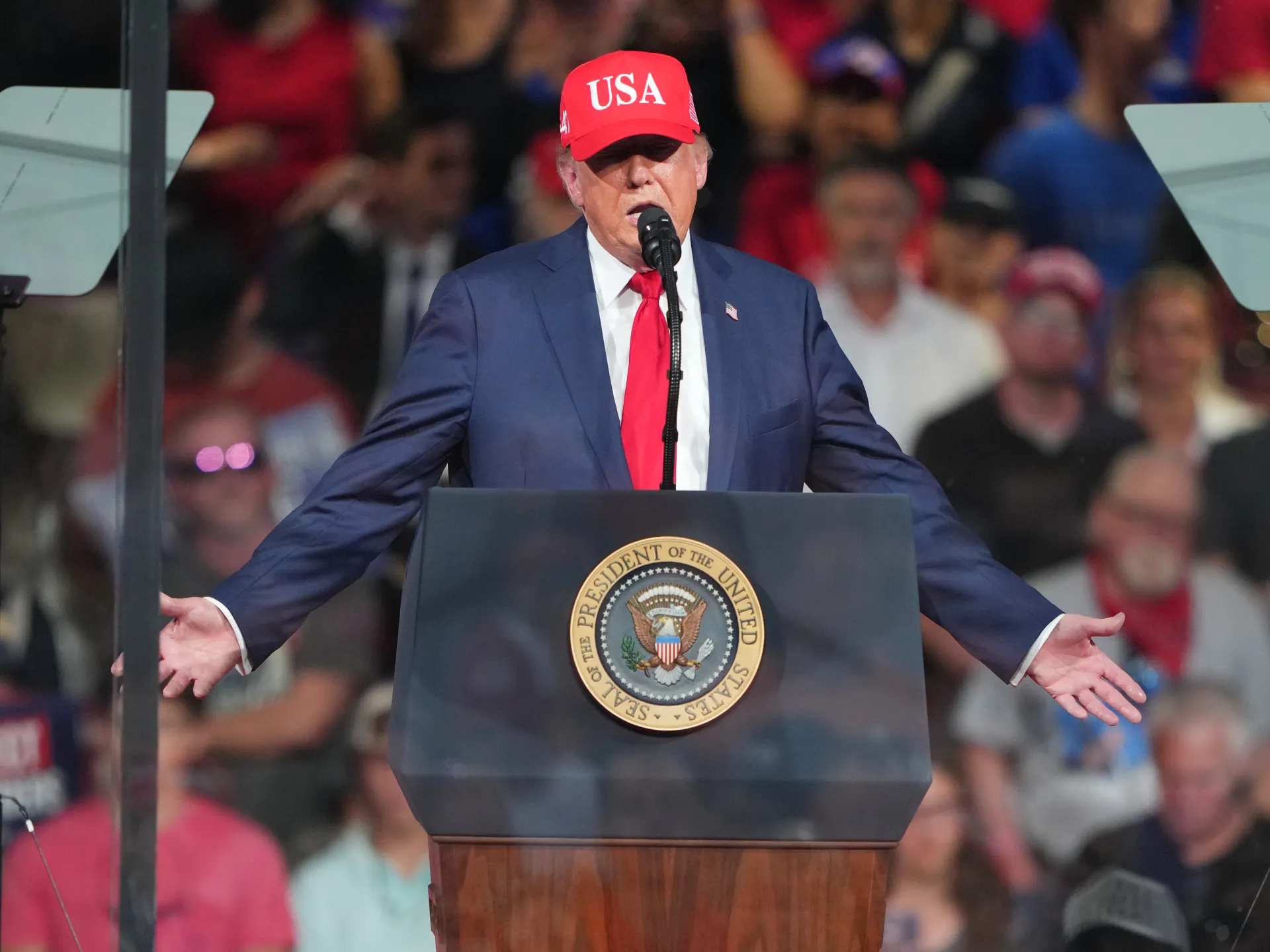
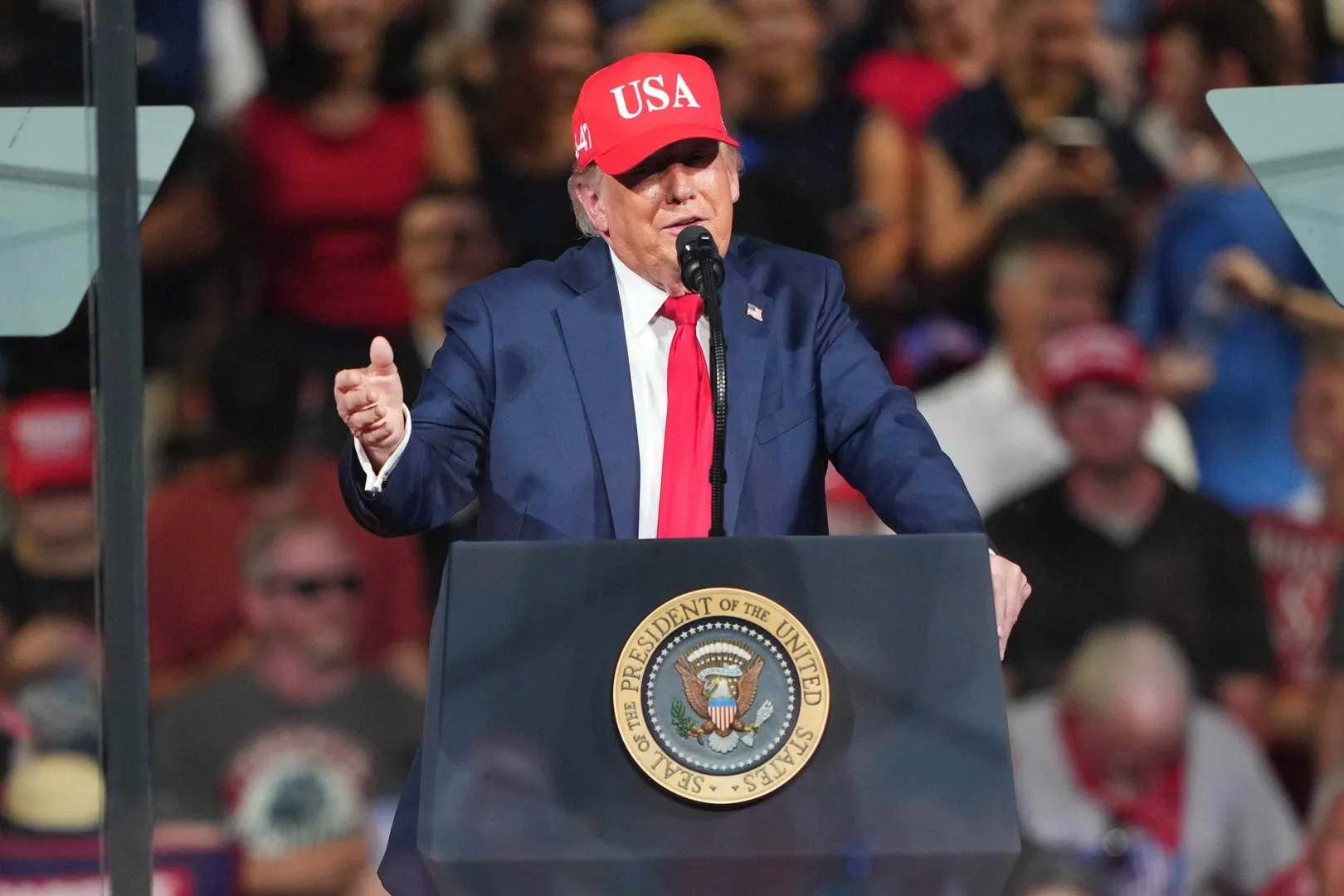
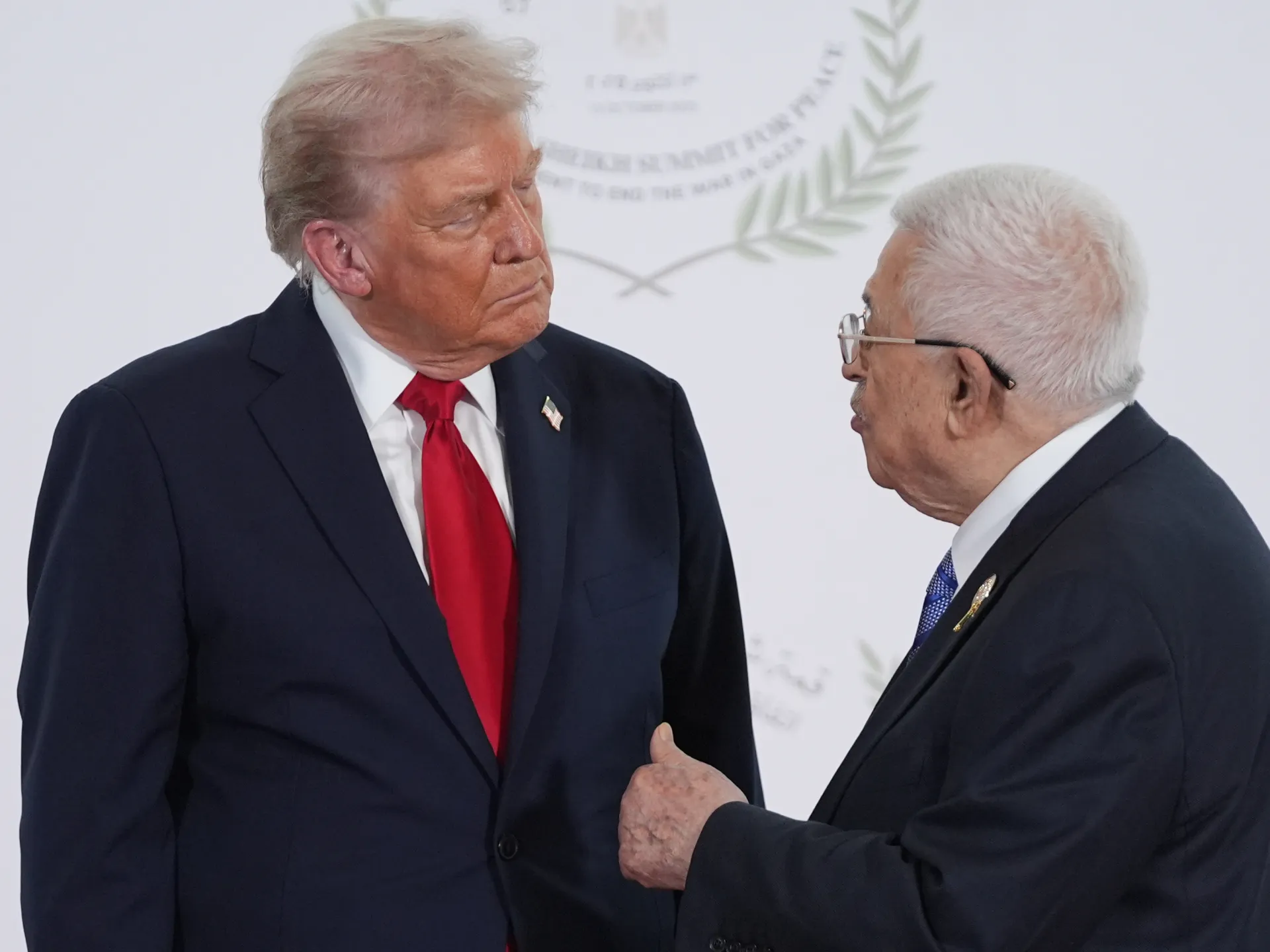
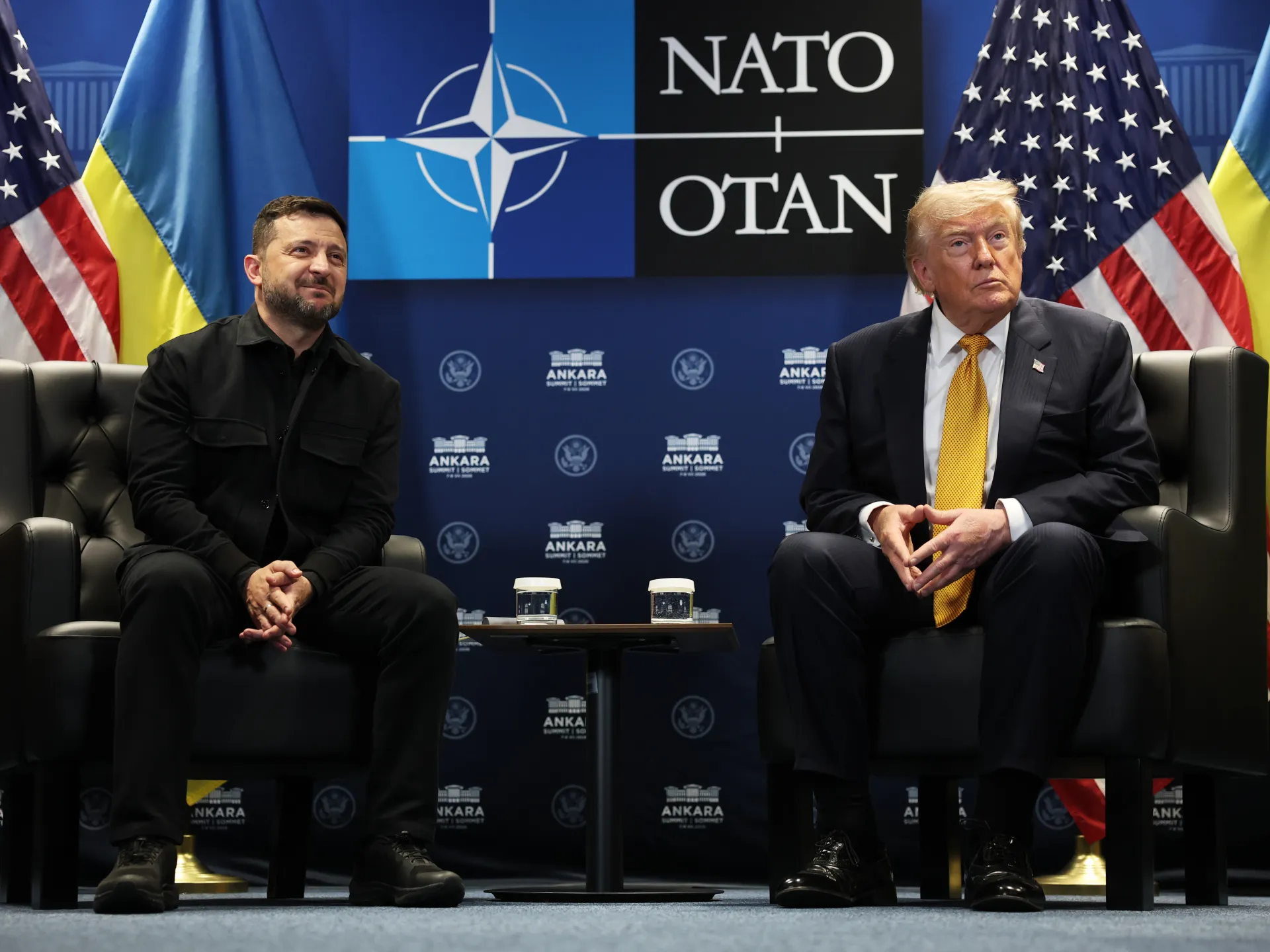
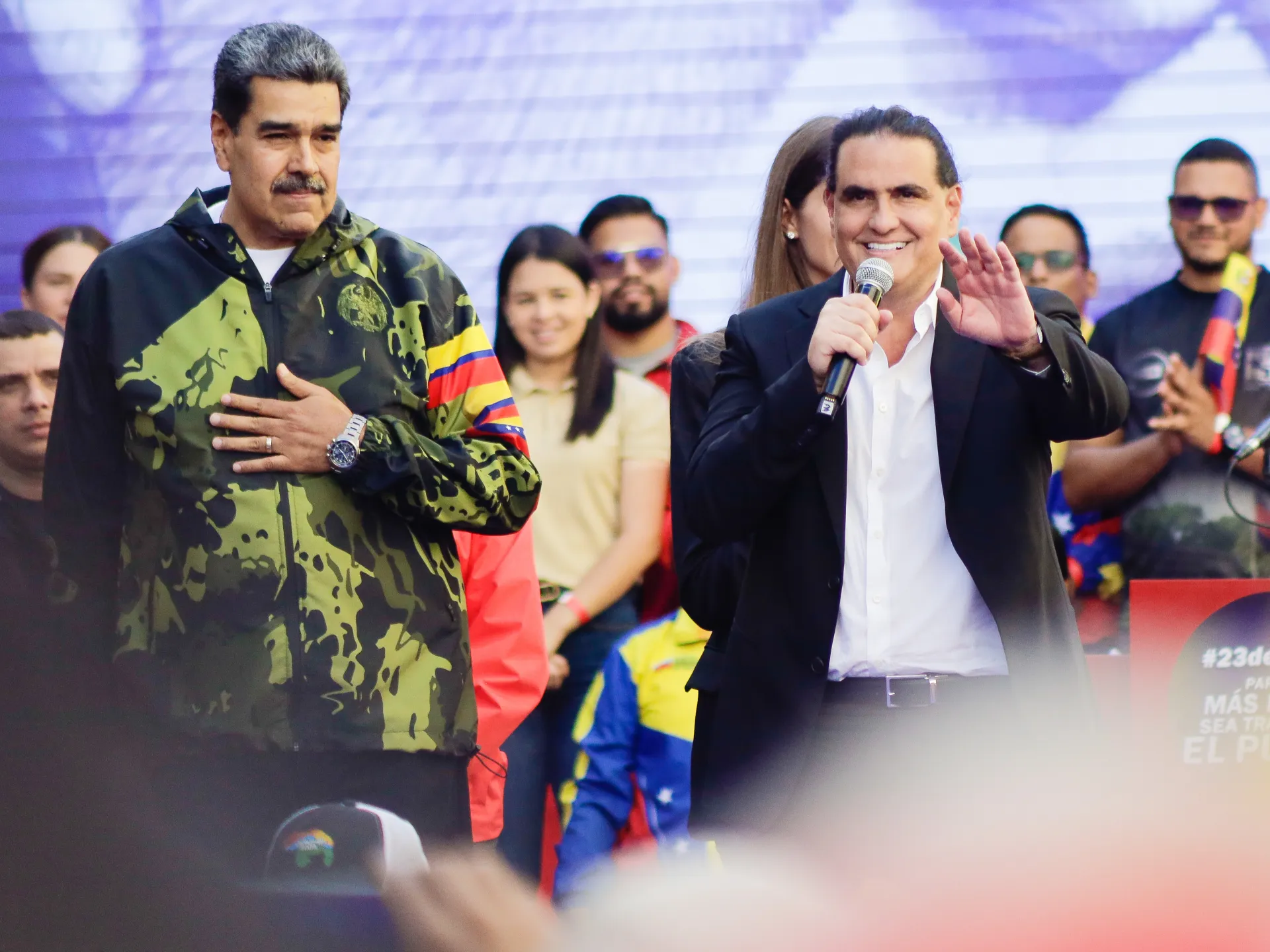
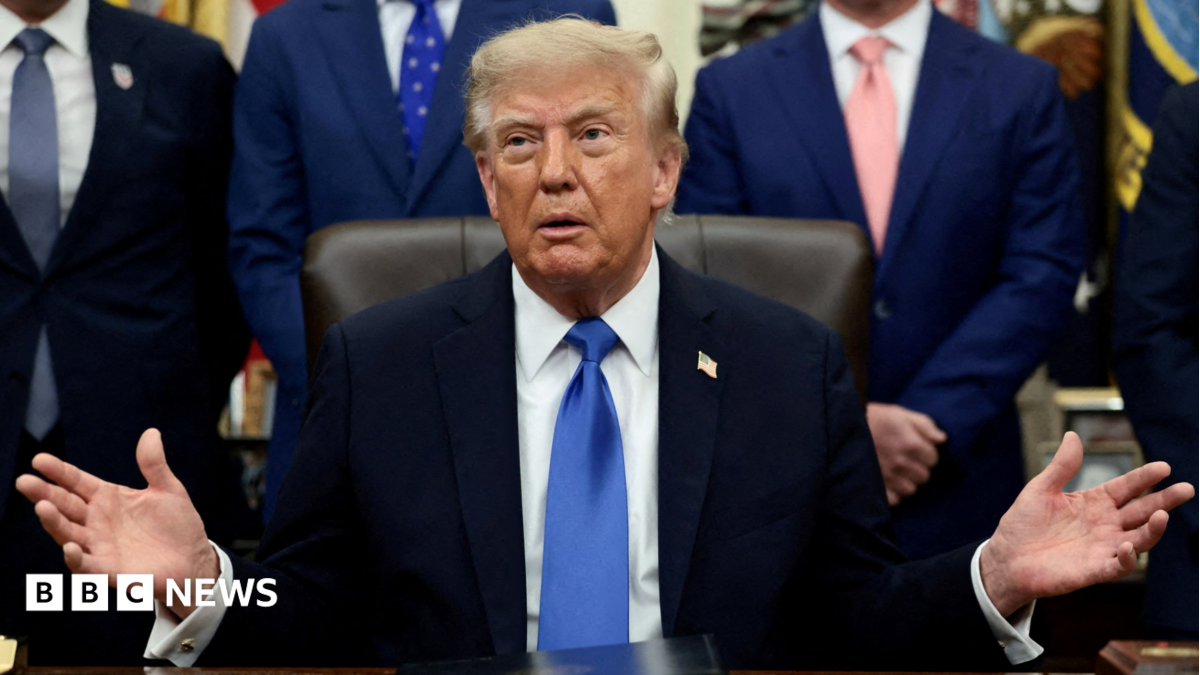
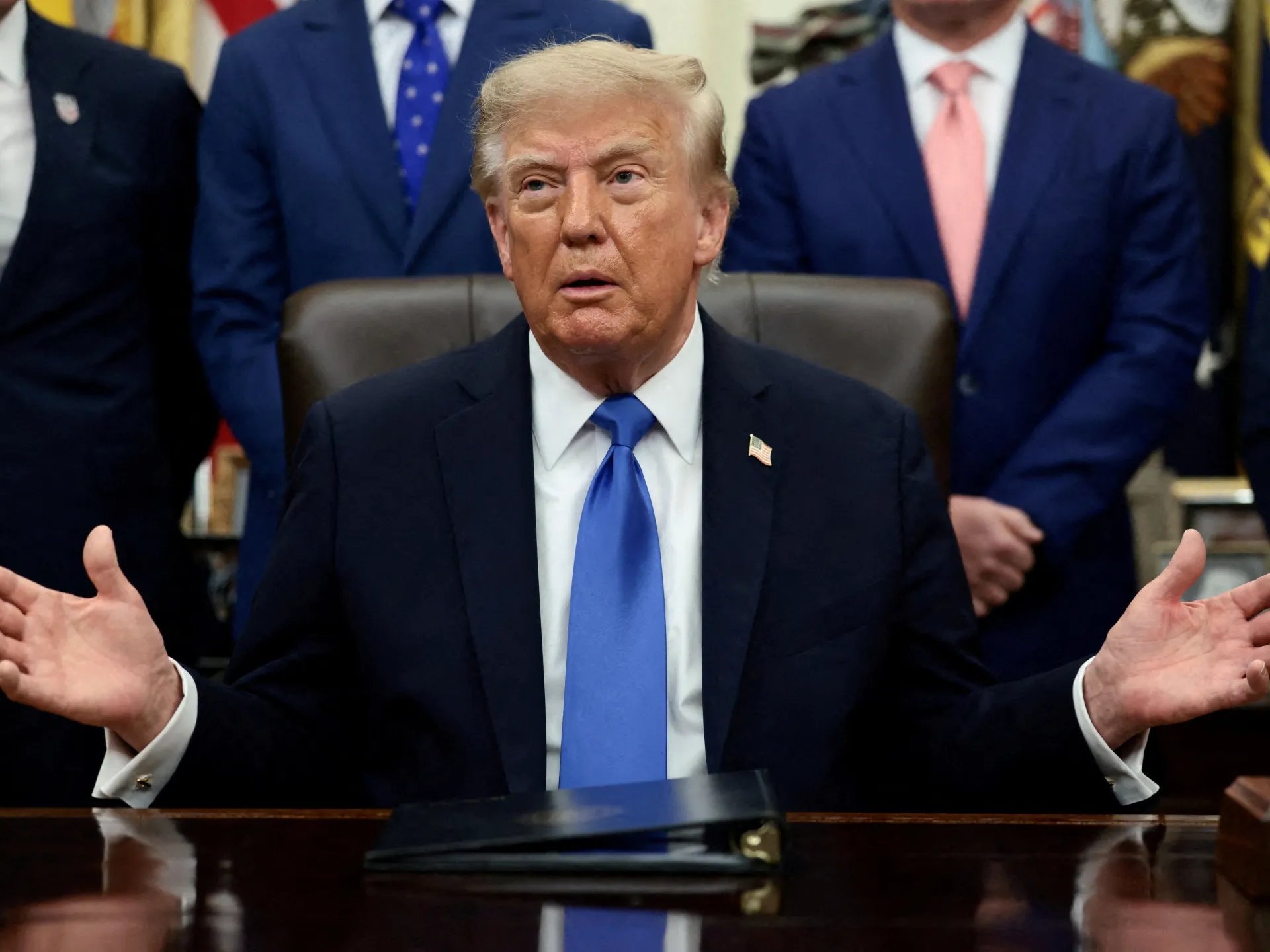
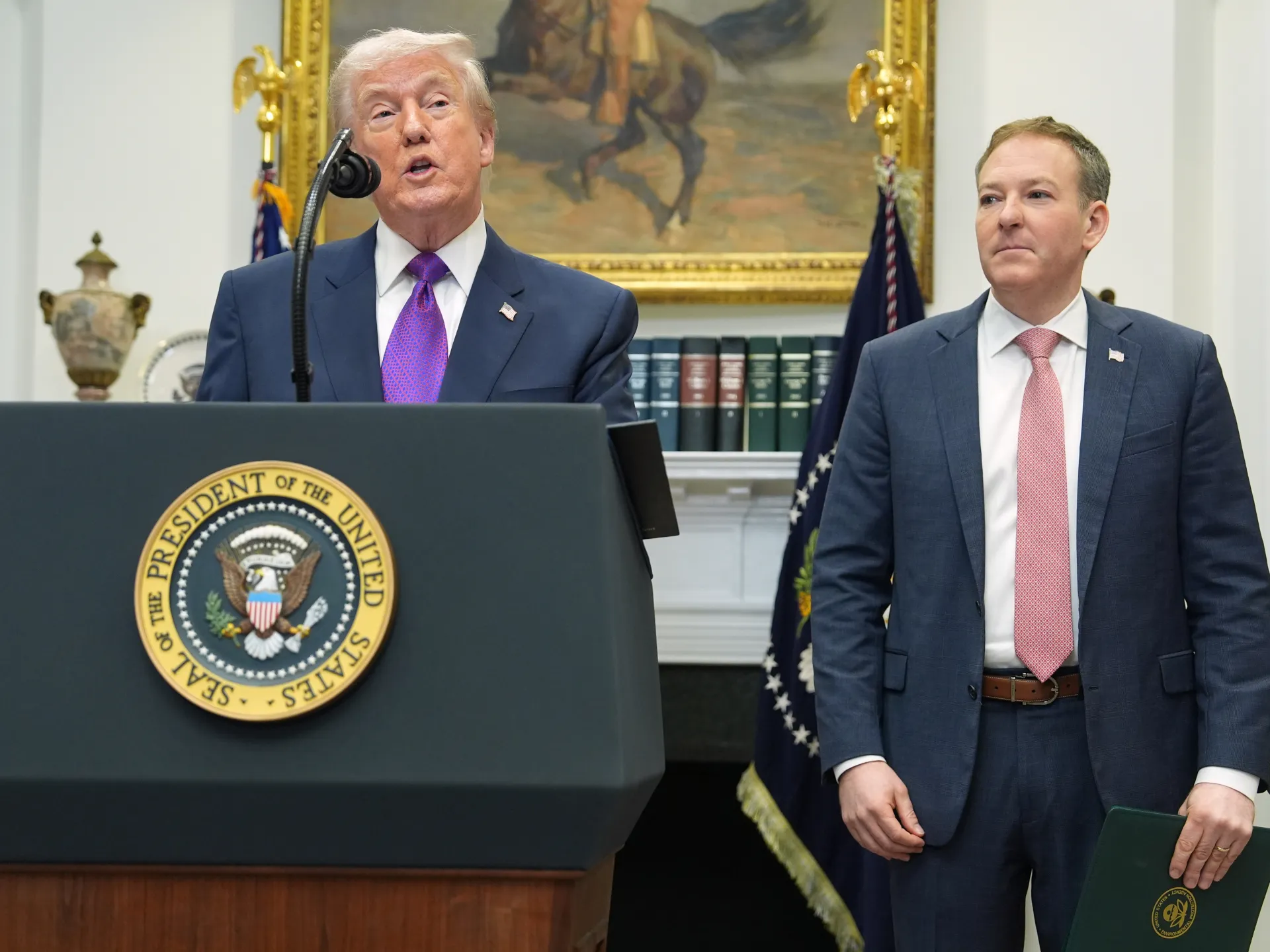
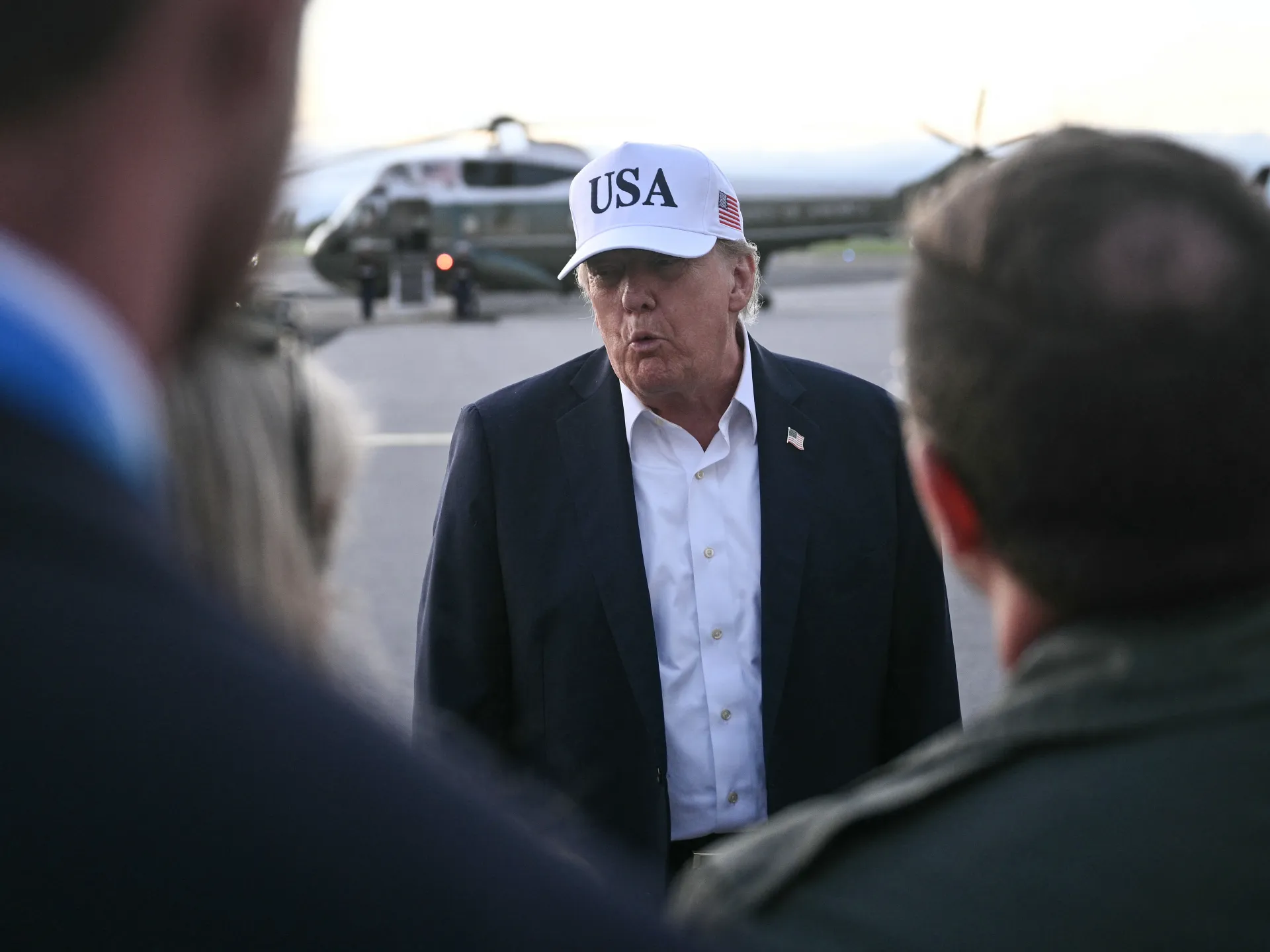
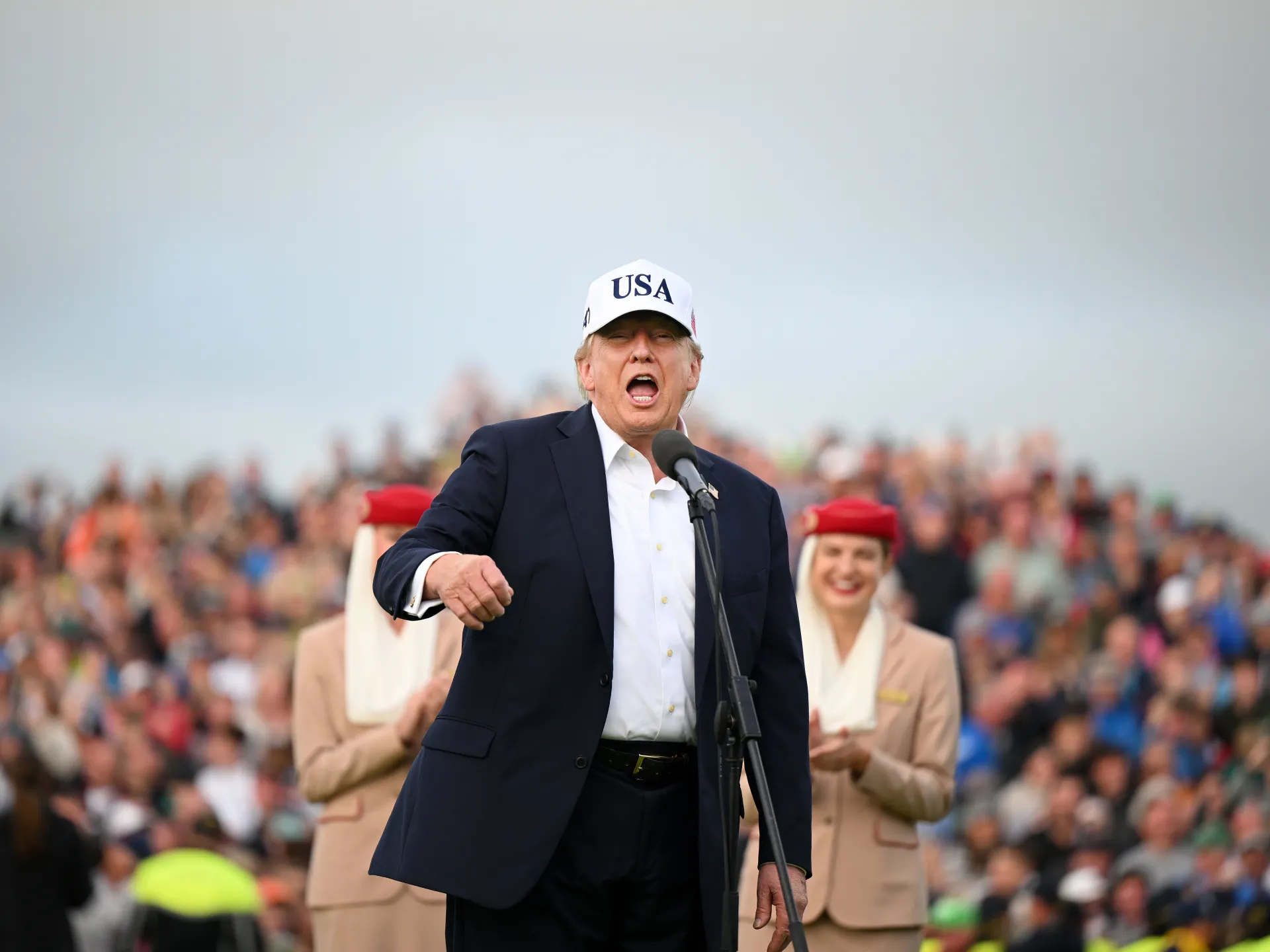
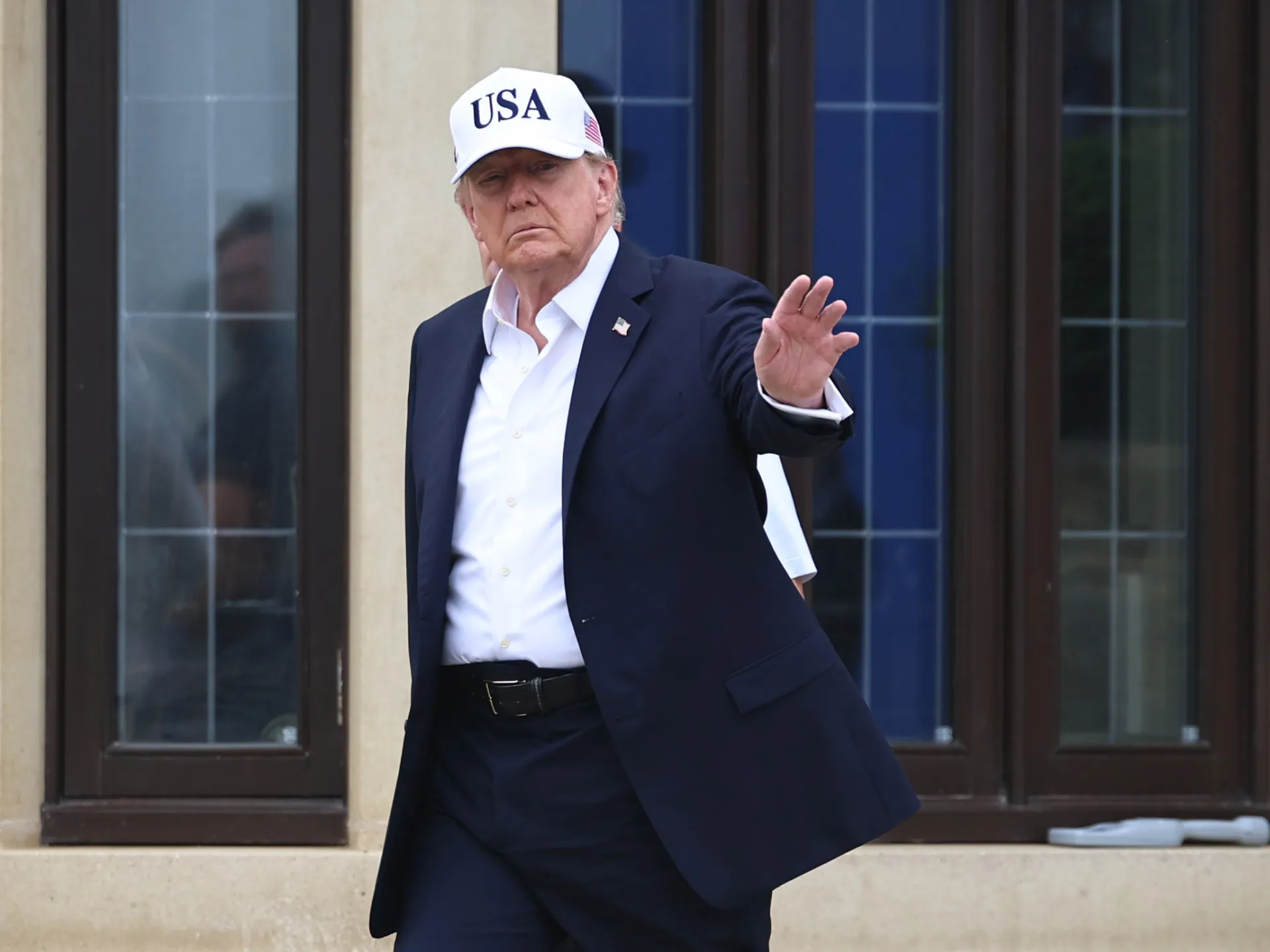
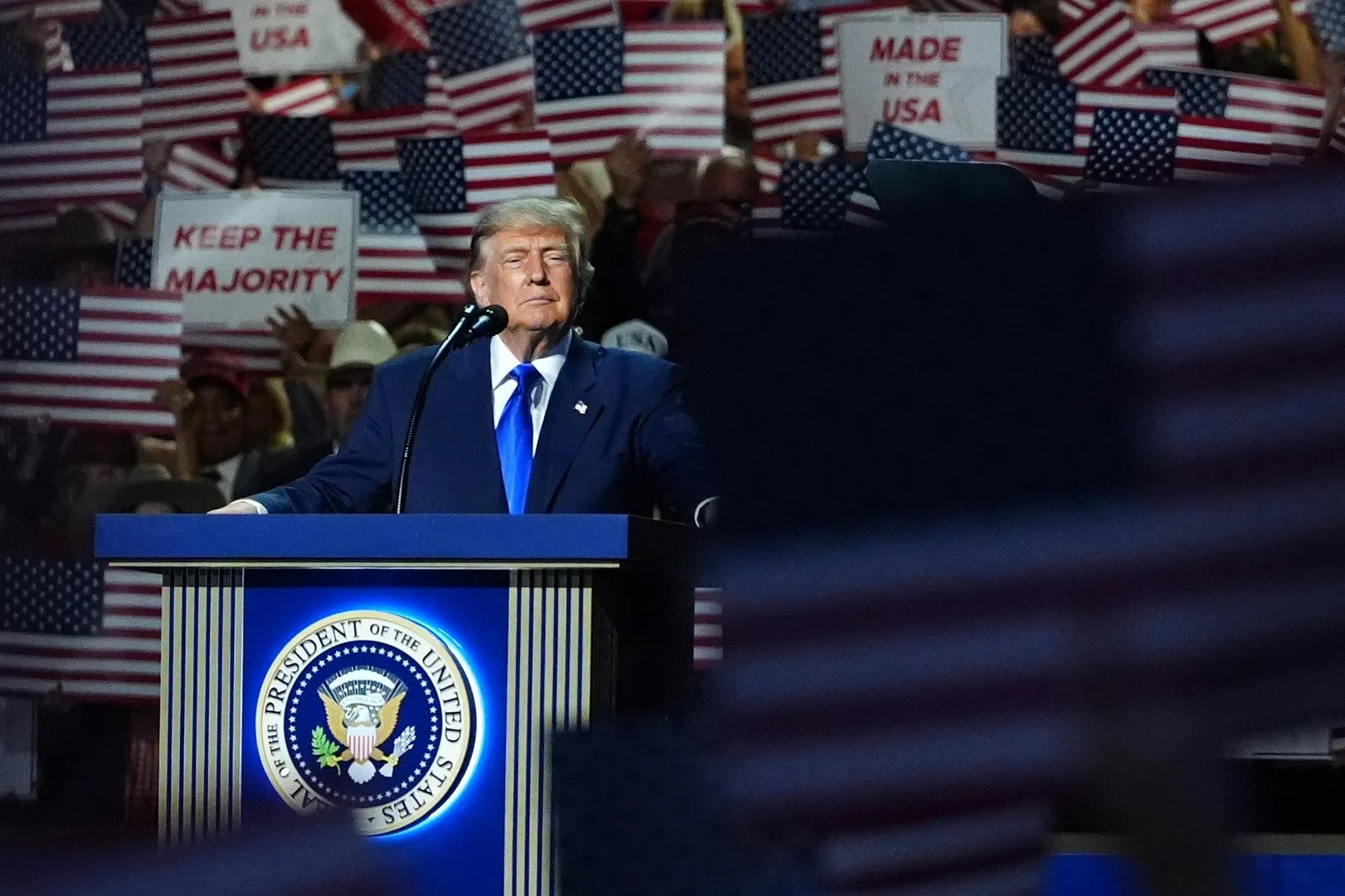
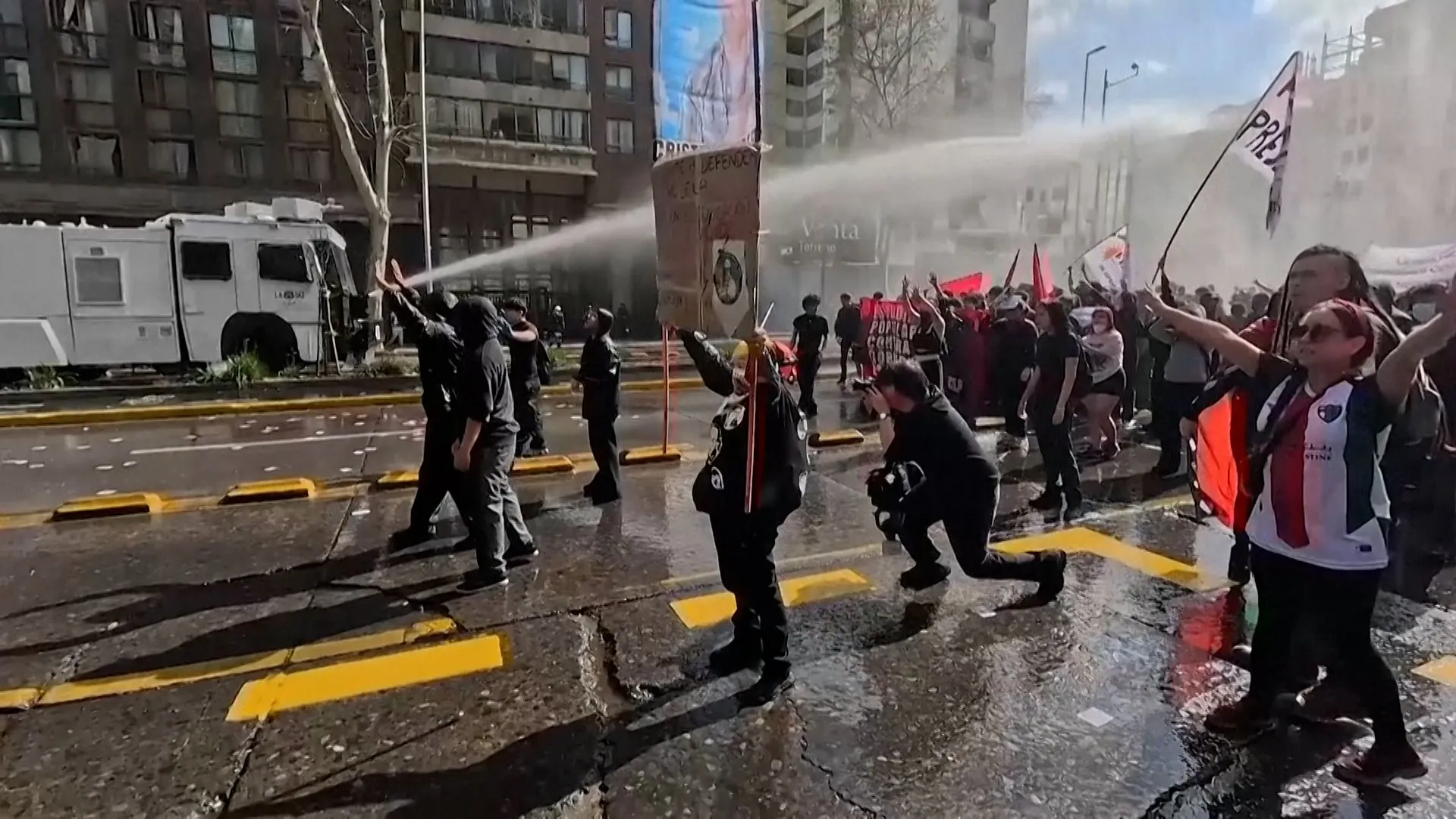
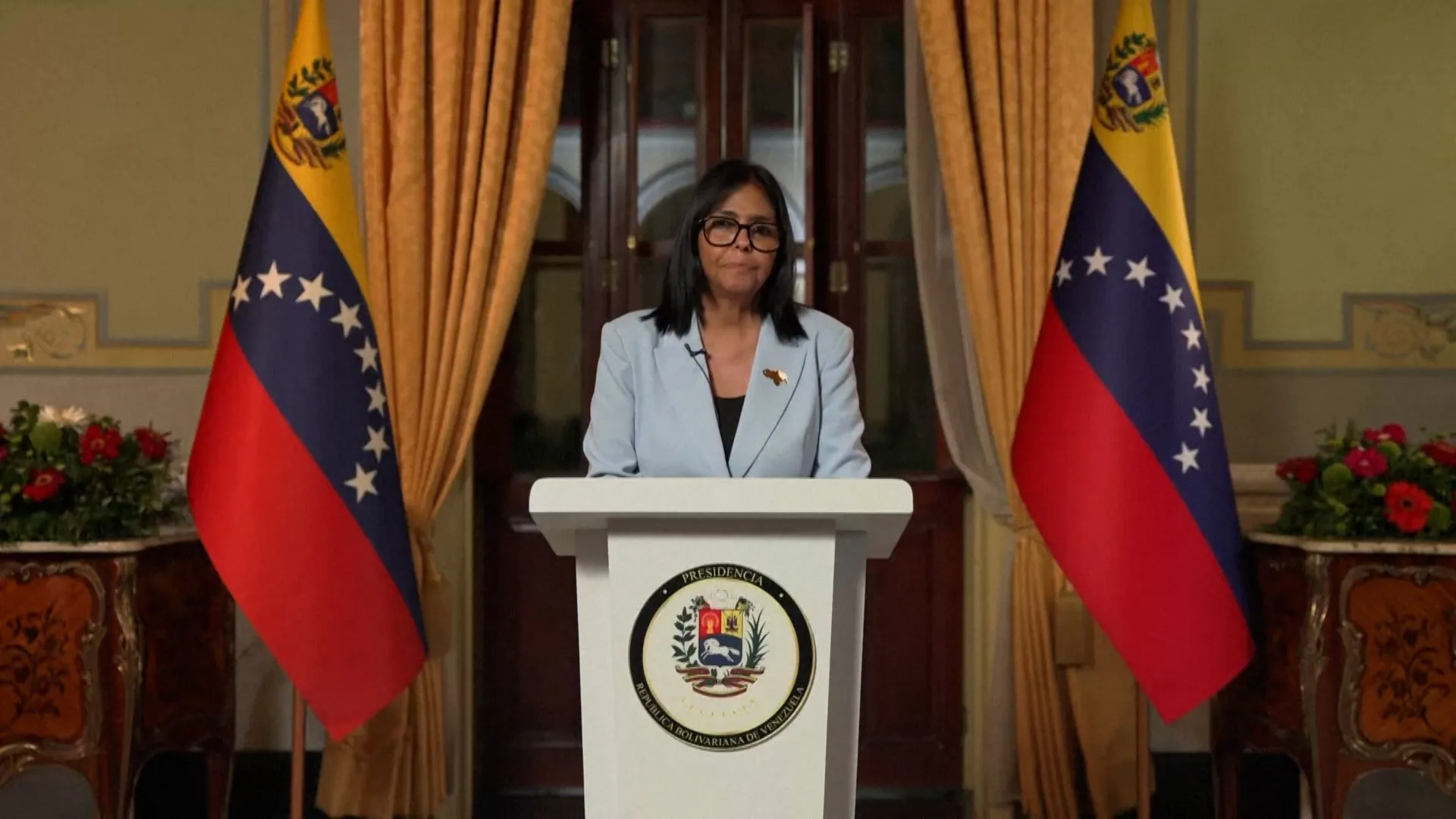
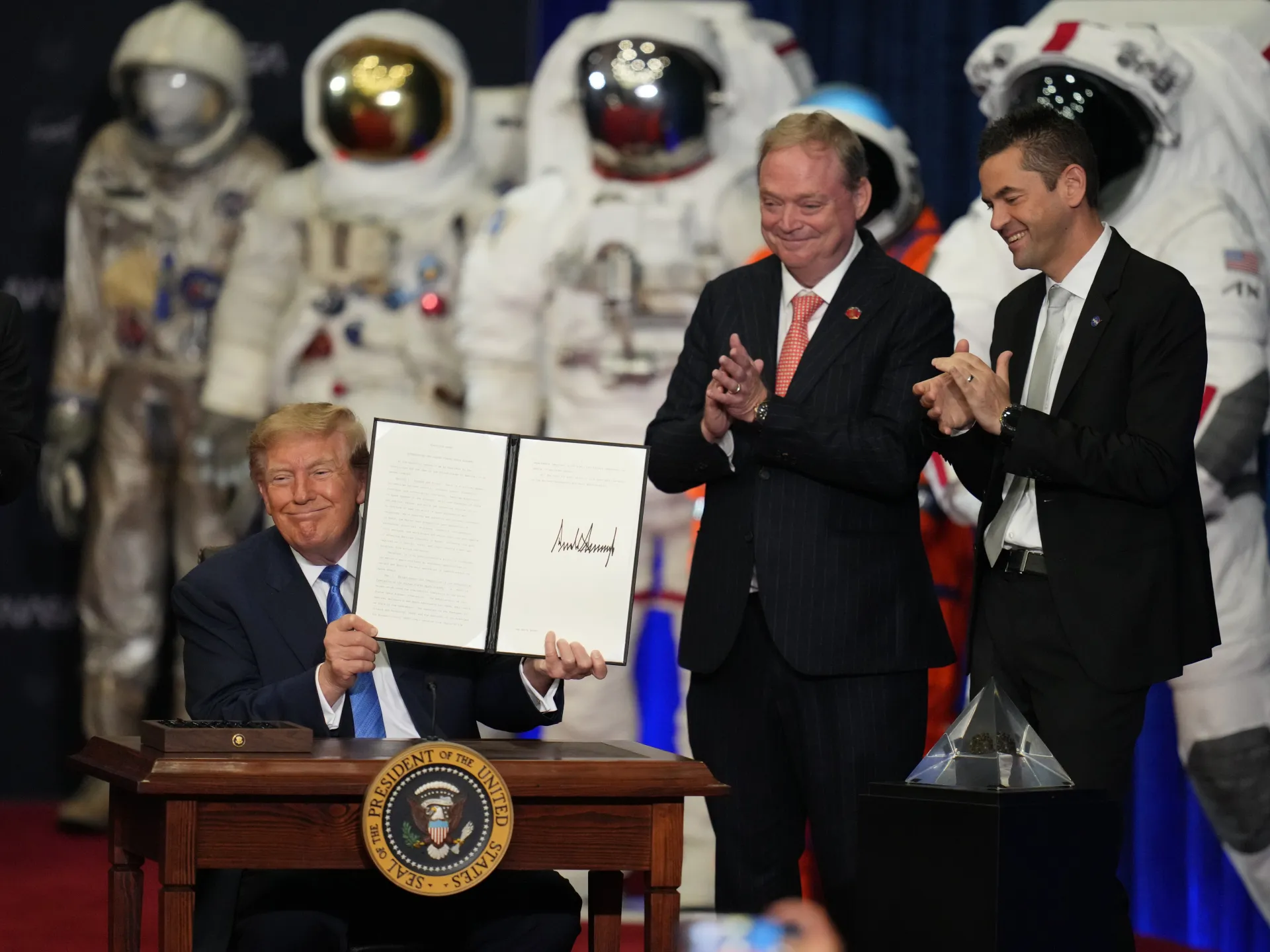
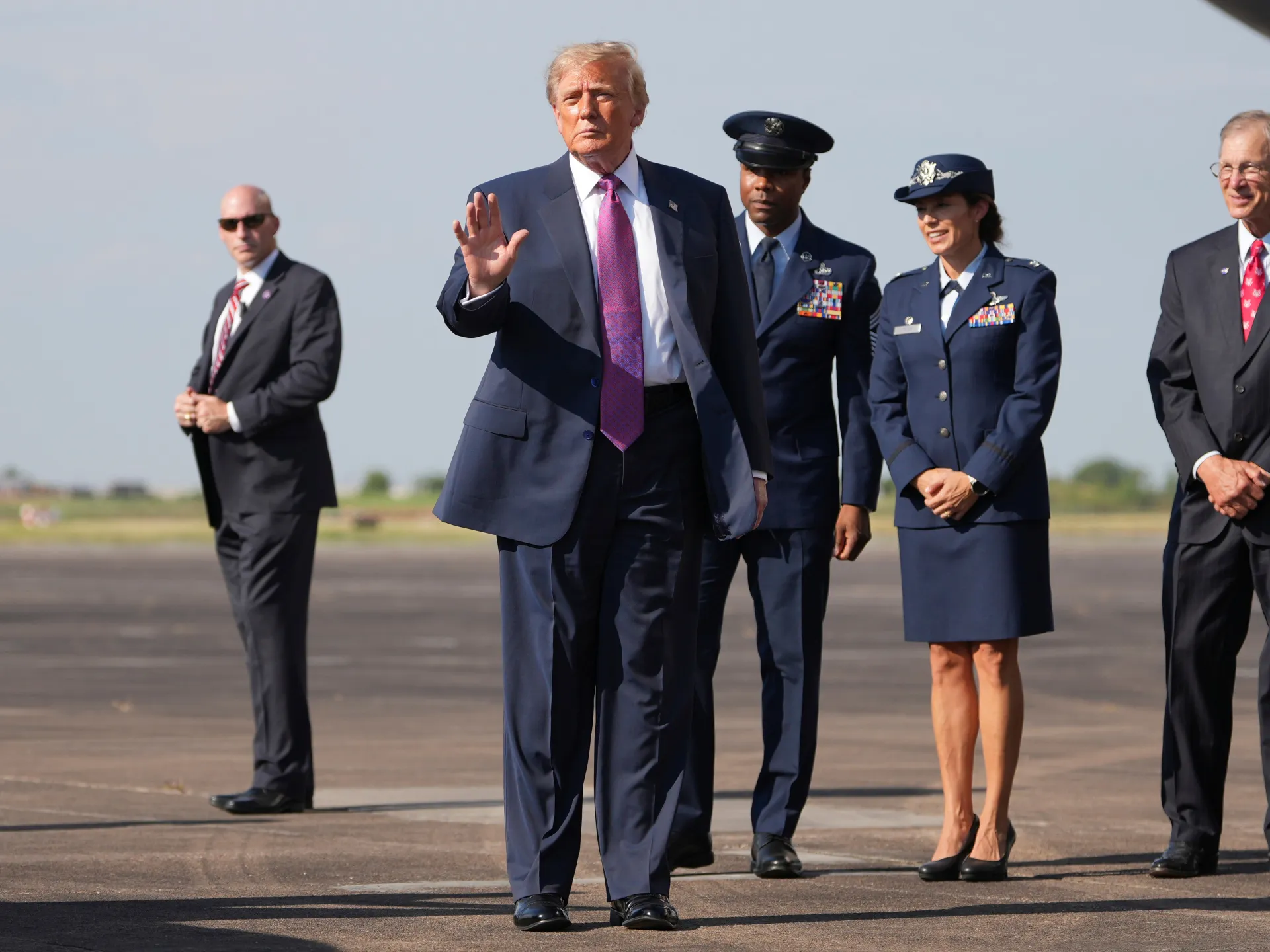
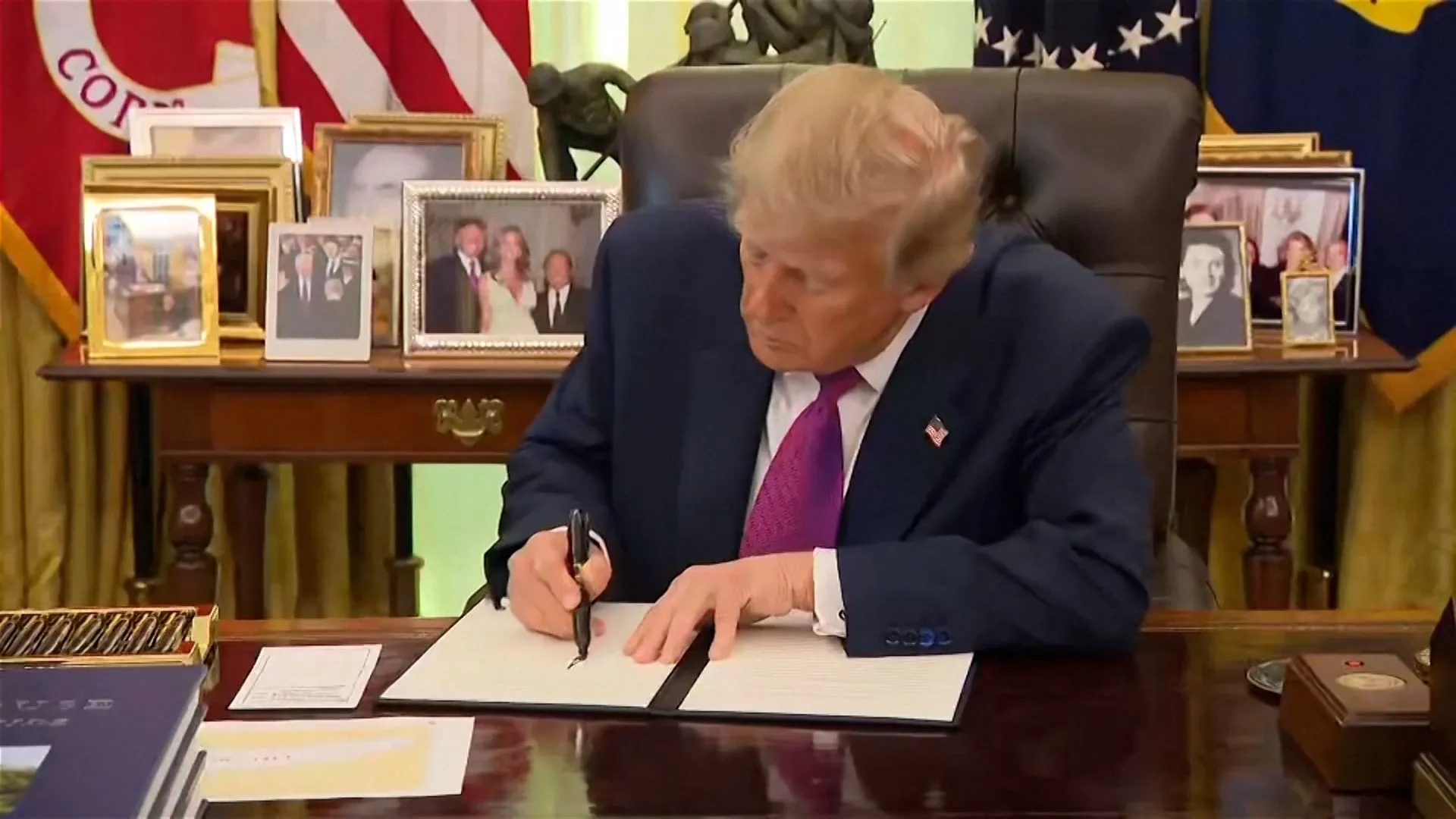
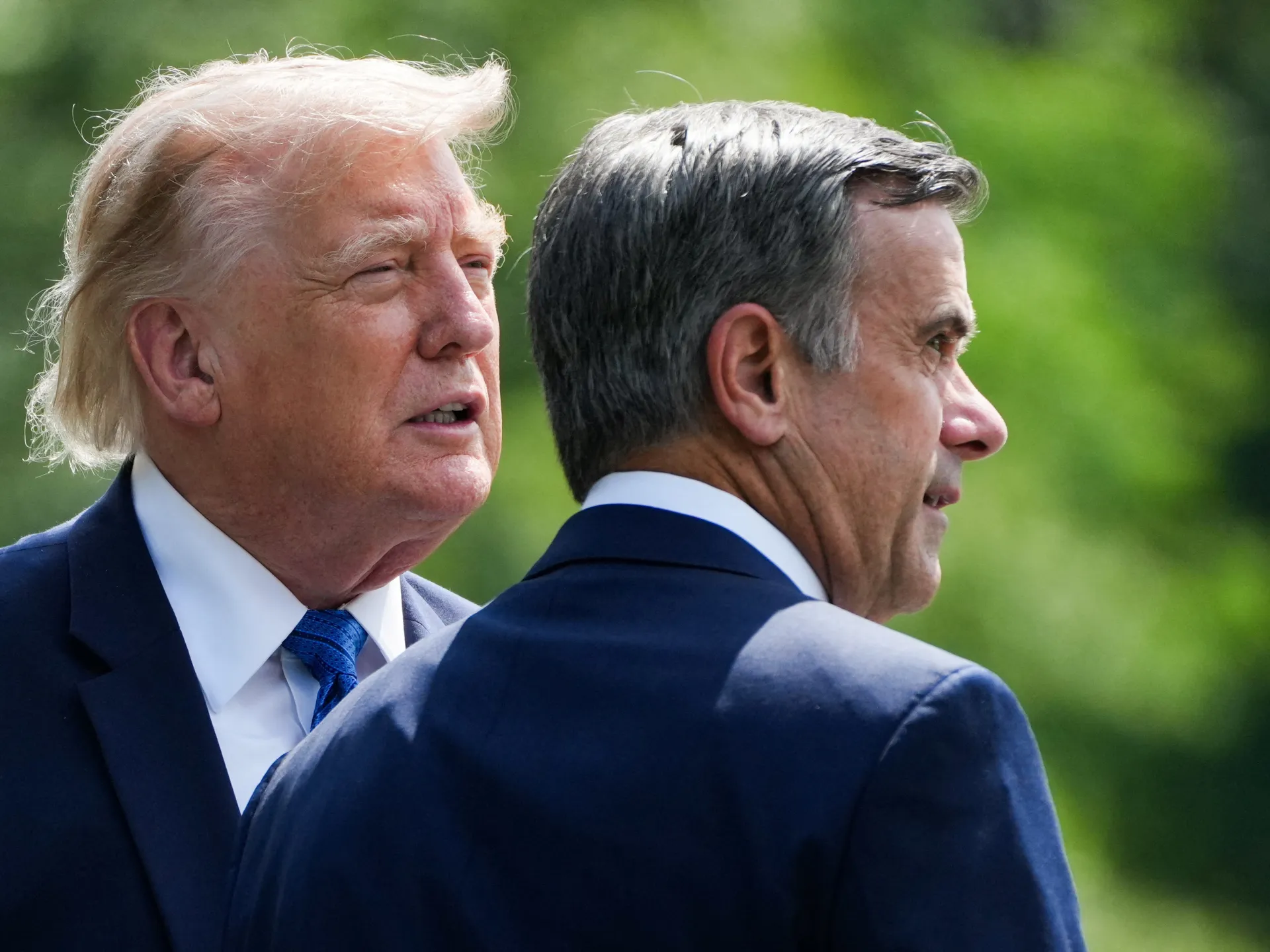
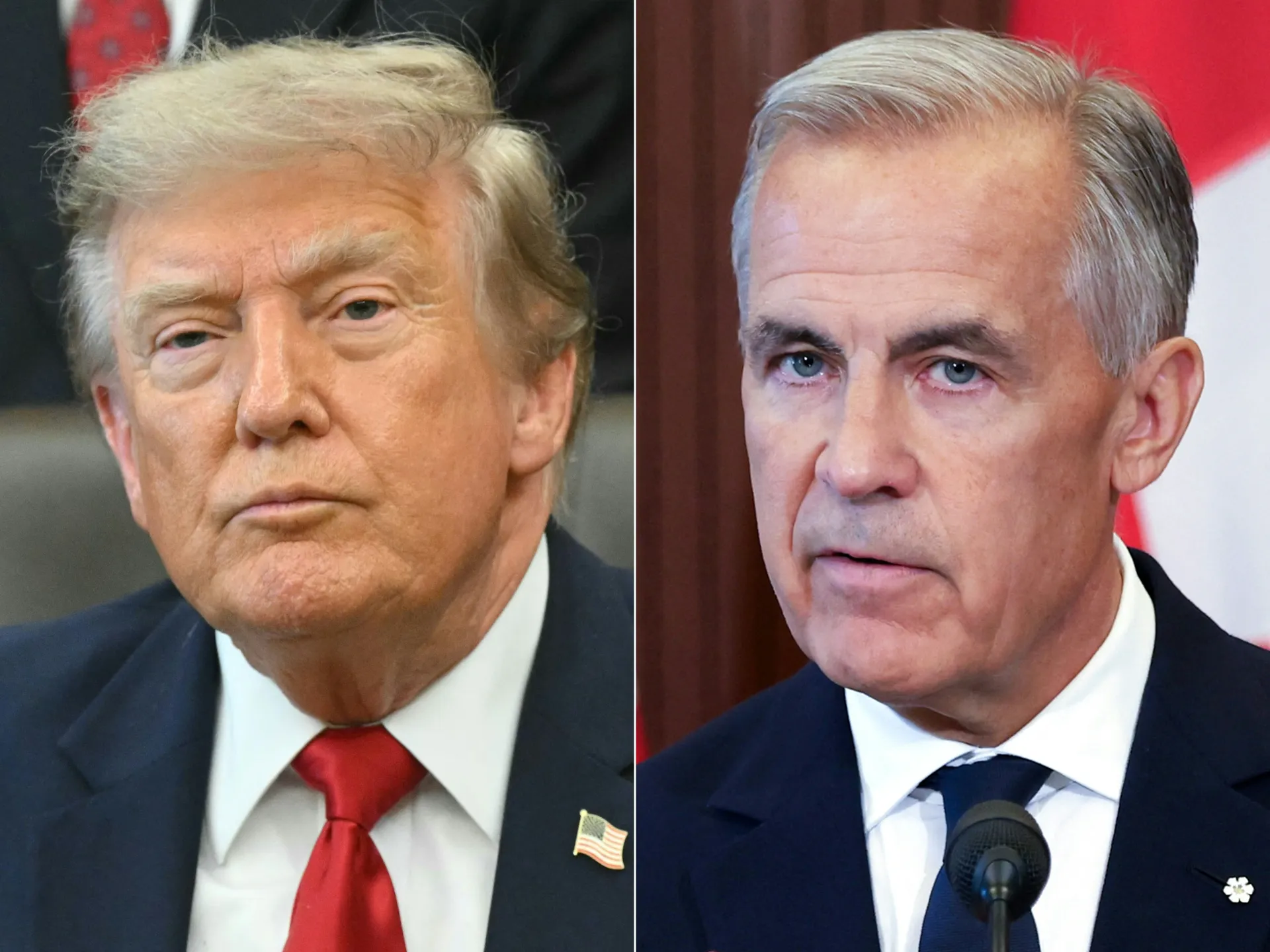
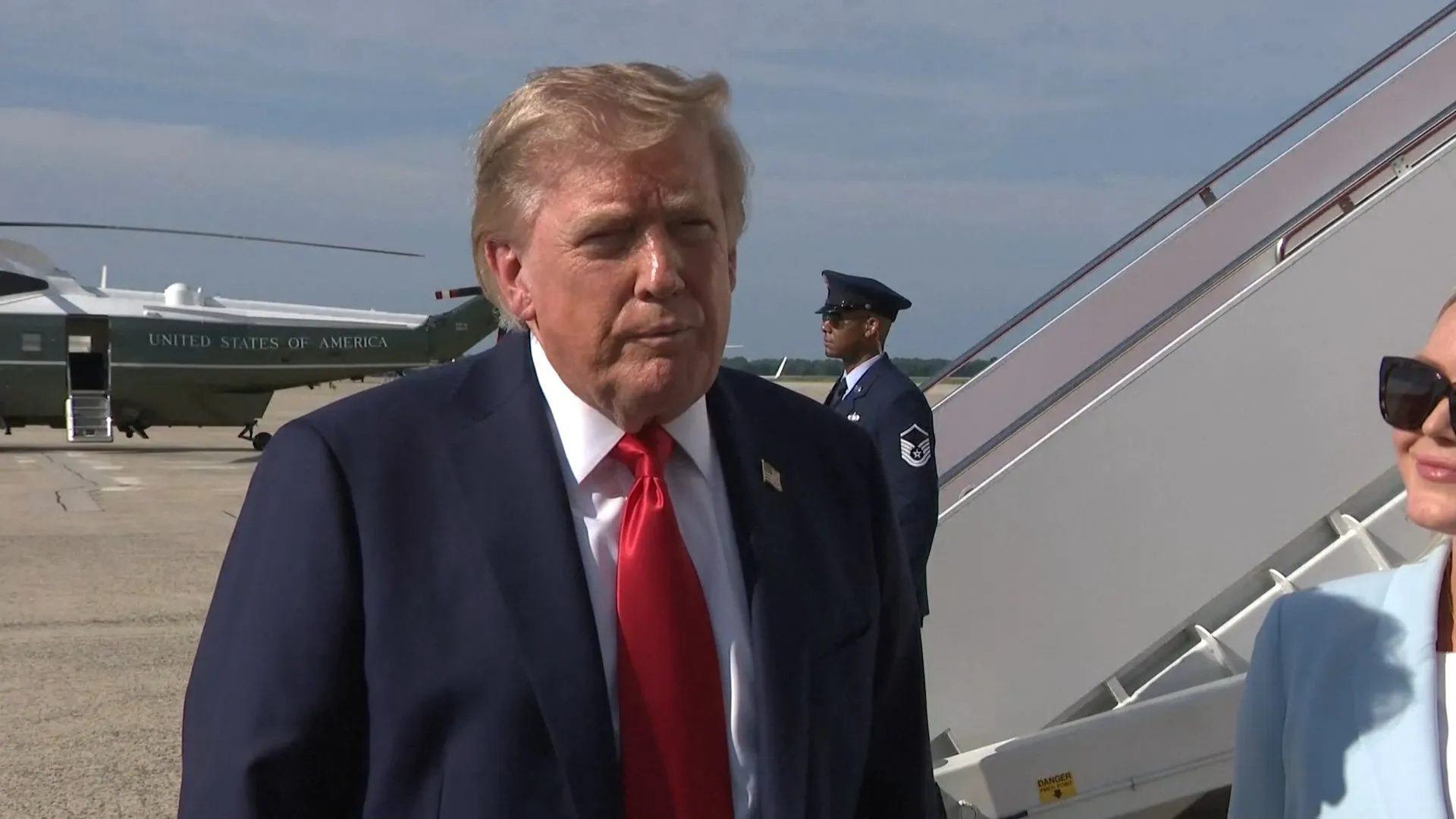
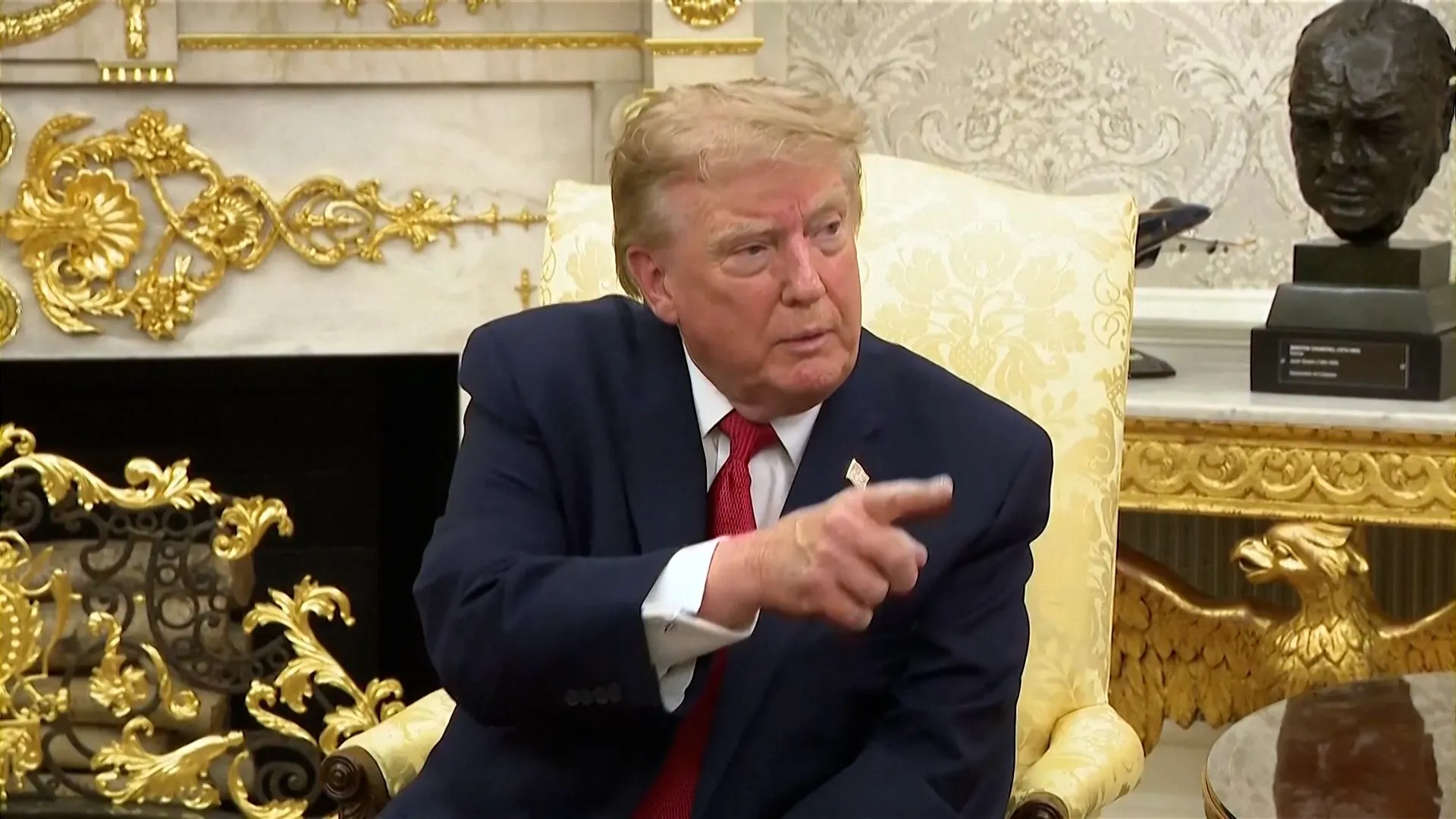
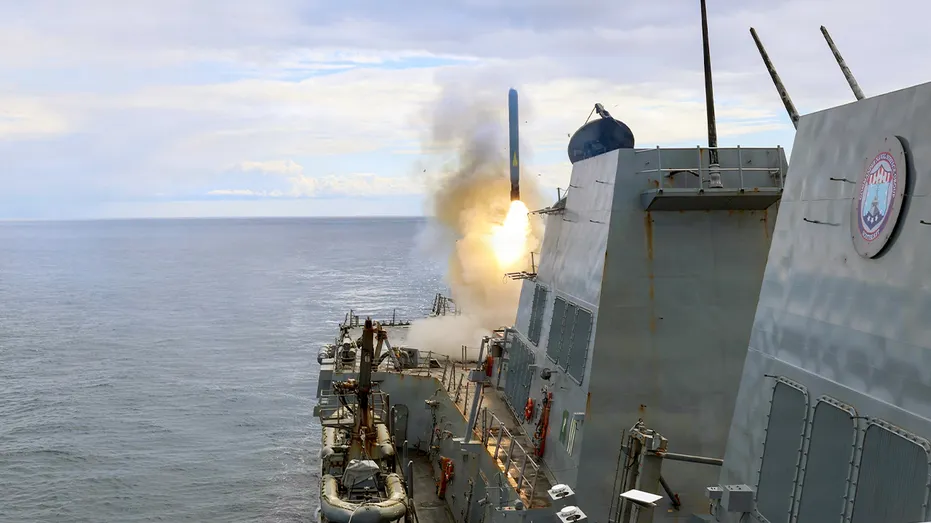
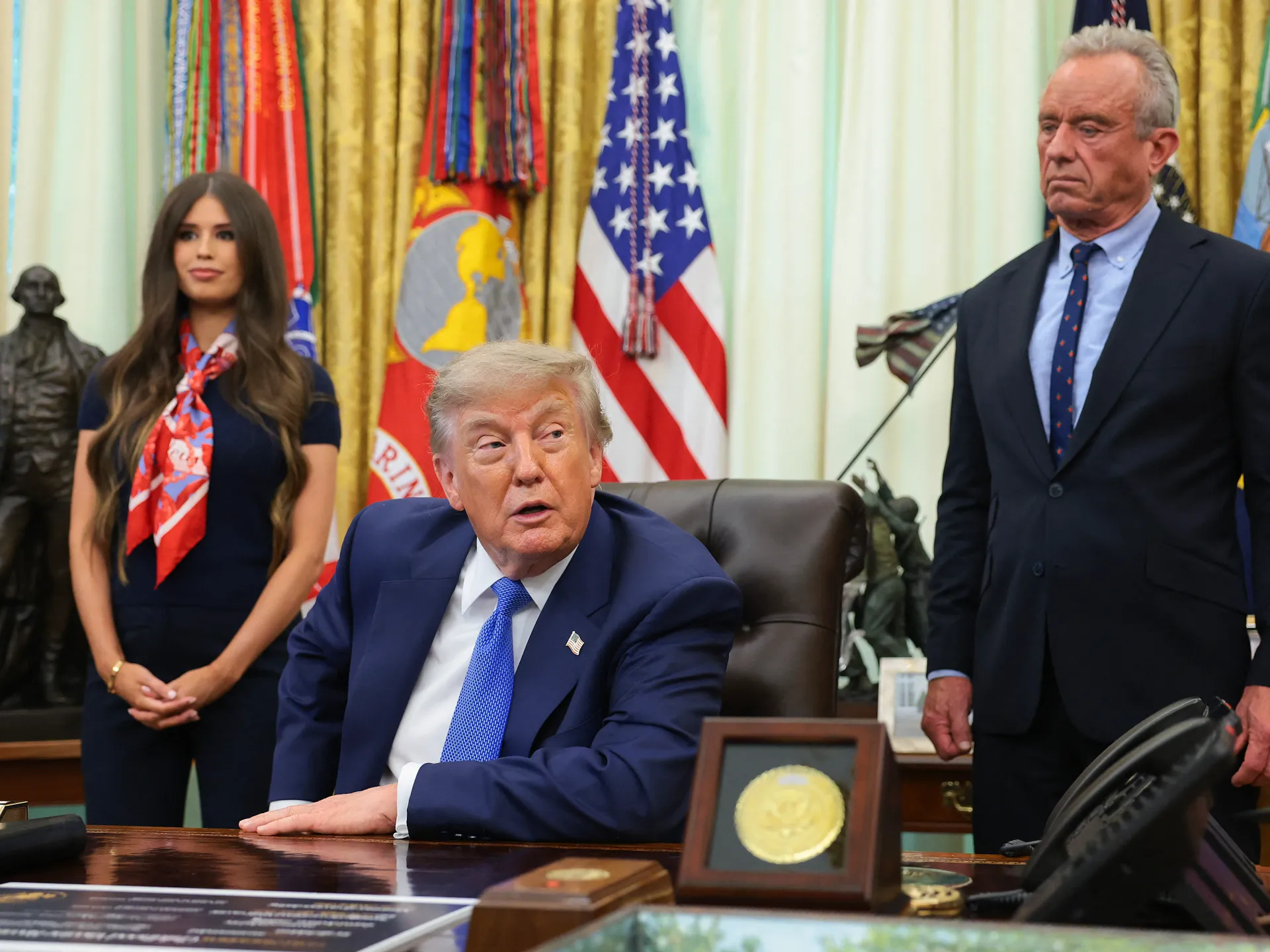
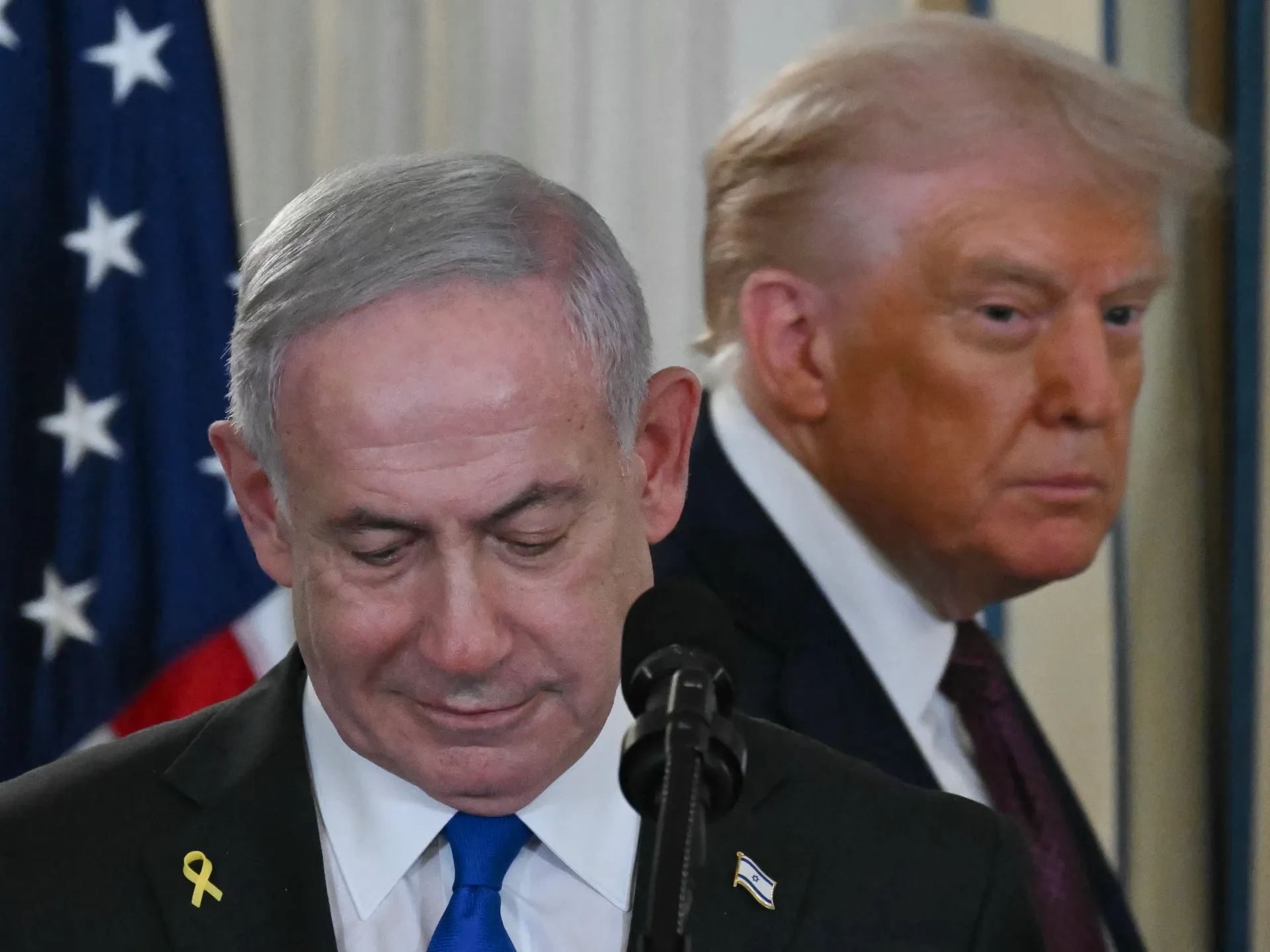
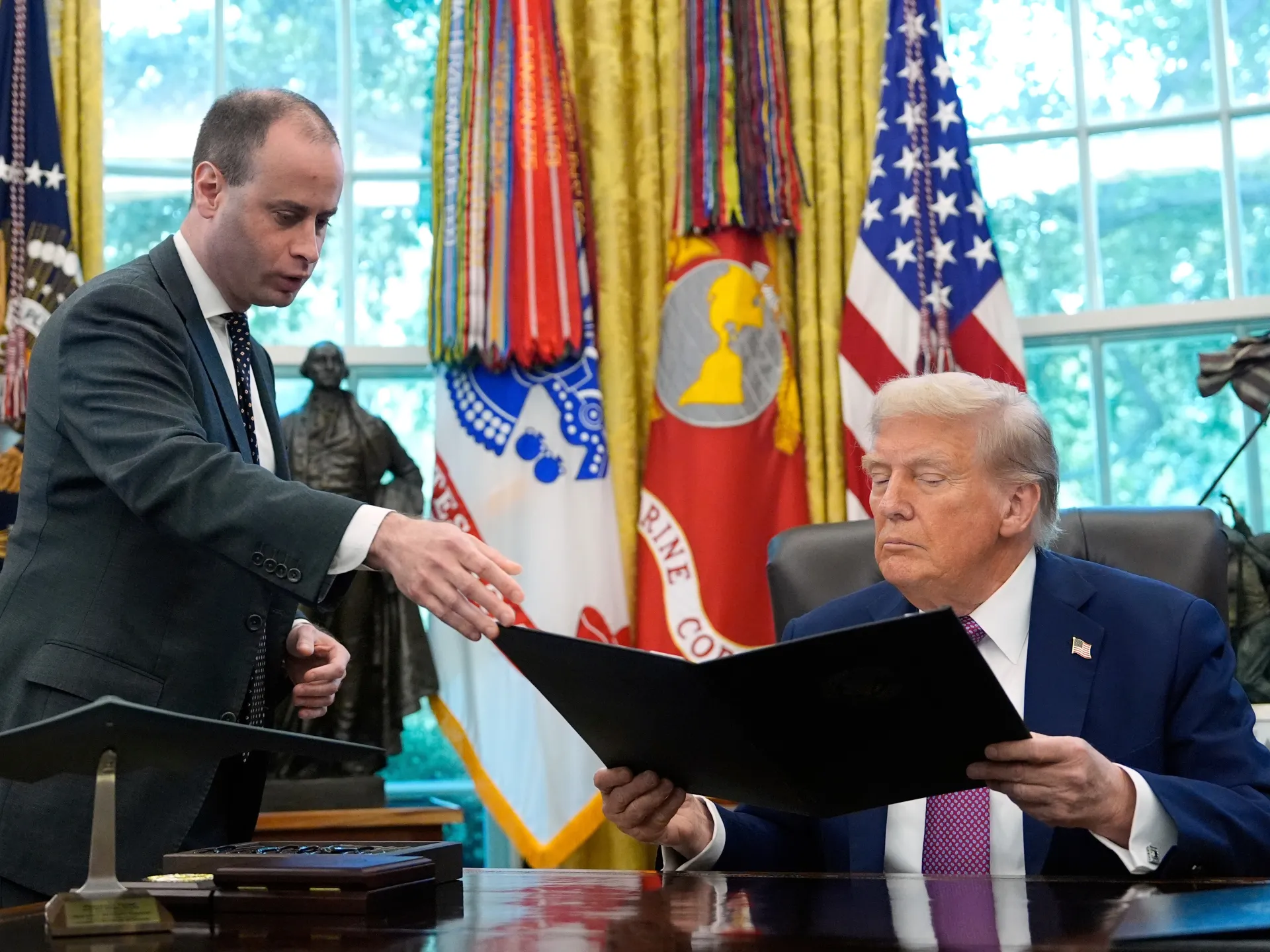
The diplomatic overture follows a series of aggressive statements from President Donald Trump, who addressed the United Nations General Assembly his administration is prepared to utilize military force if necessary to protect US interests in the region. This aggressive stance, which includes the recent high-profile abduction of Venezuelan President Nicolas Maduro, has heightened tensions and prompted a walkout ied that any back-channel talks are currently occurring, with Foreign Minister Bruno Rodríguez characterizing the US policy as one of “economic asphyxiation.”
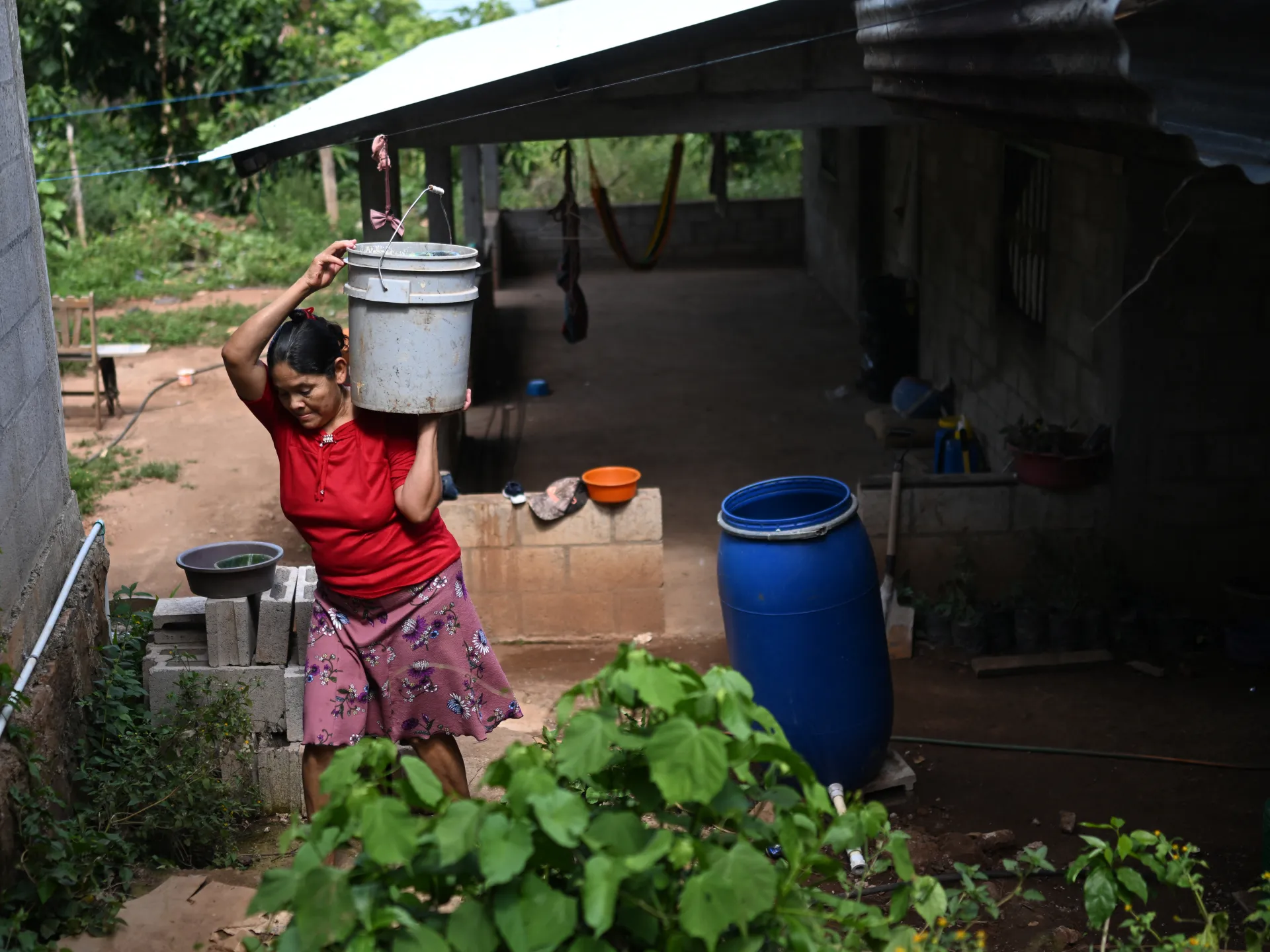
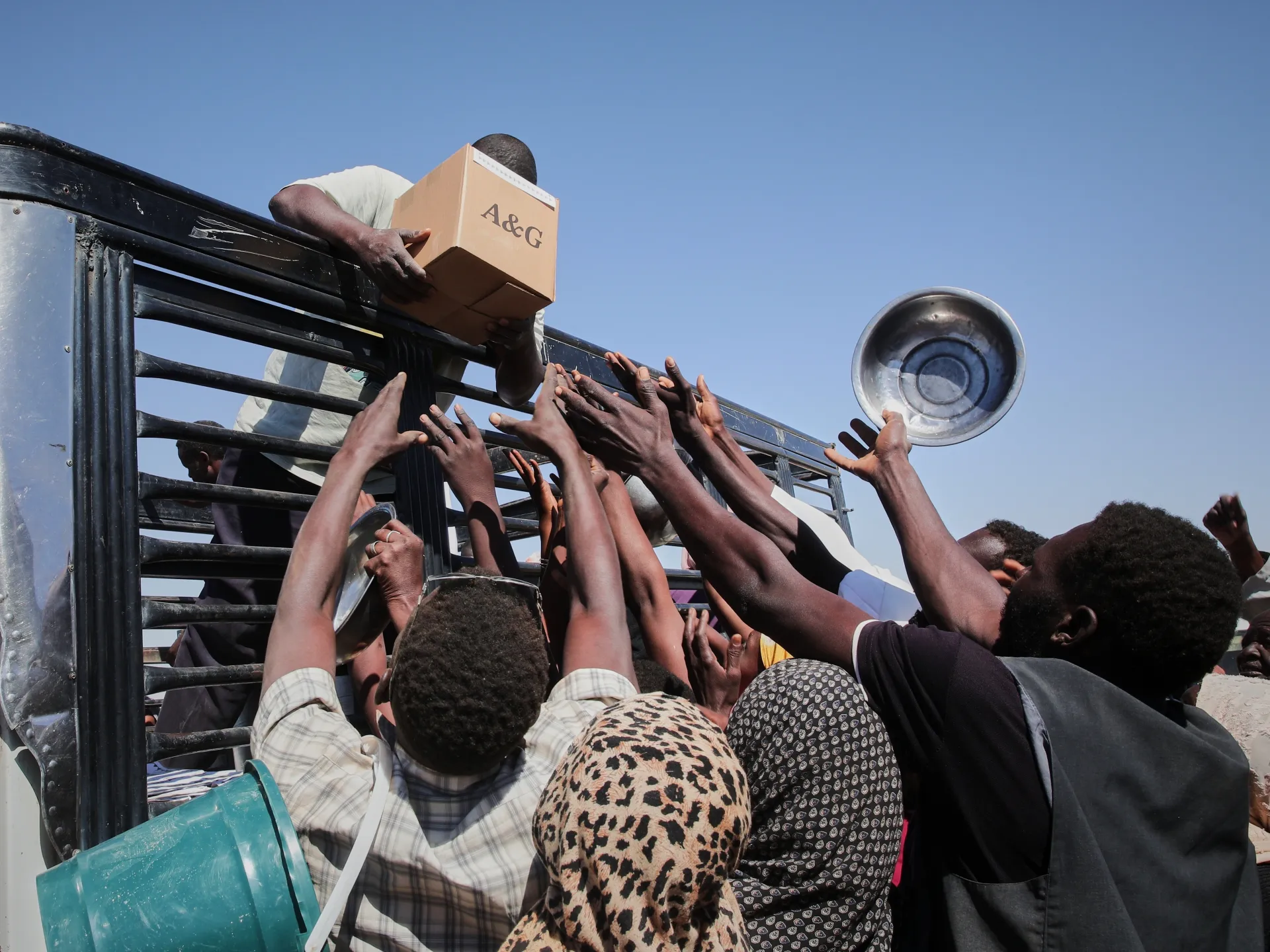
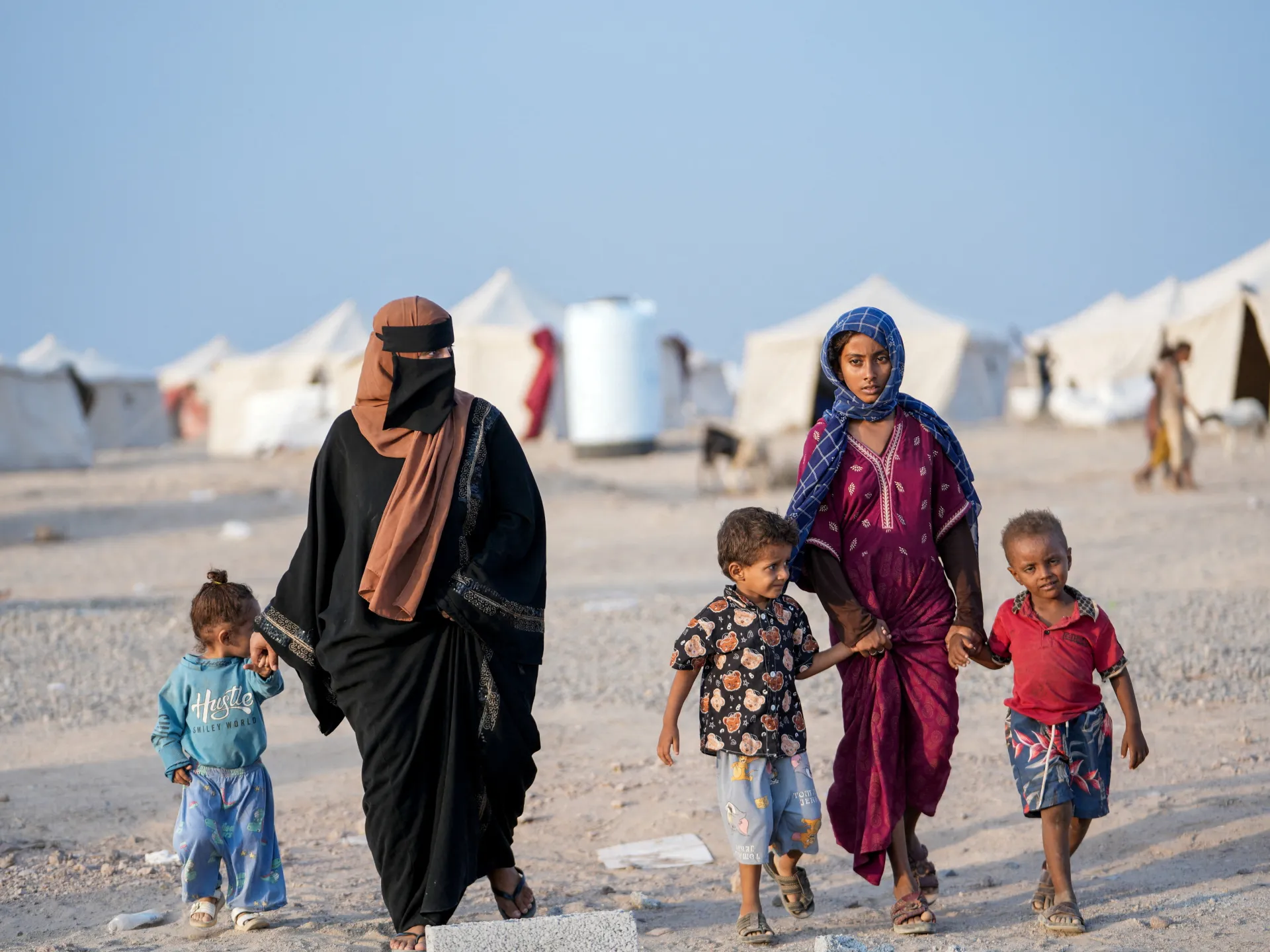
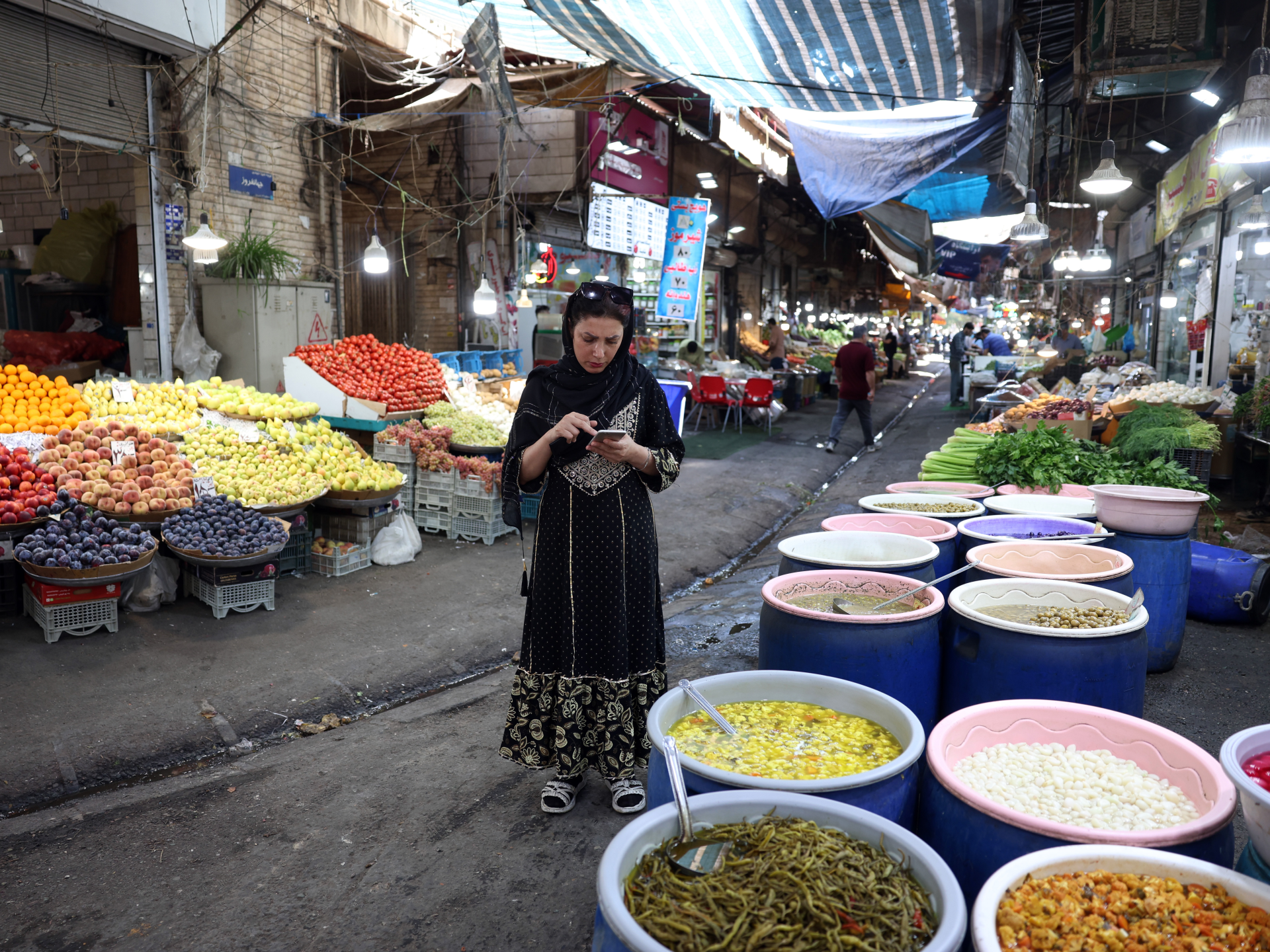
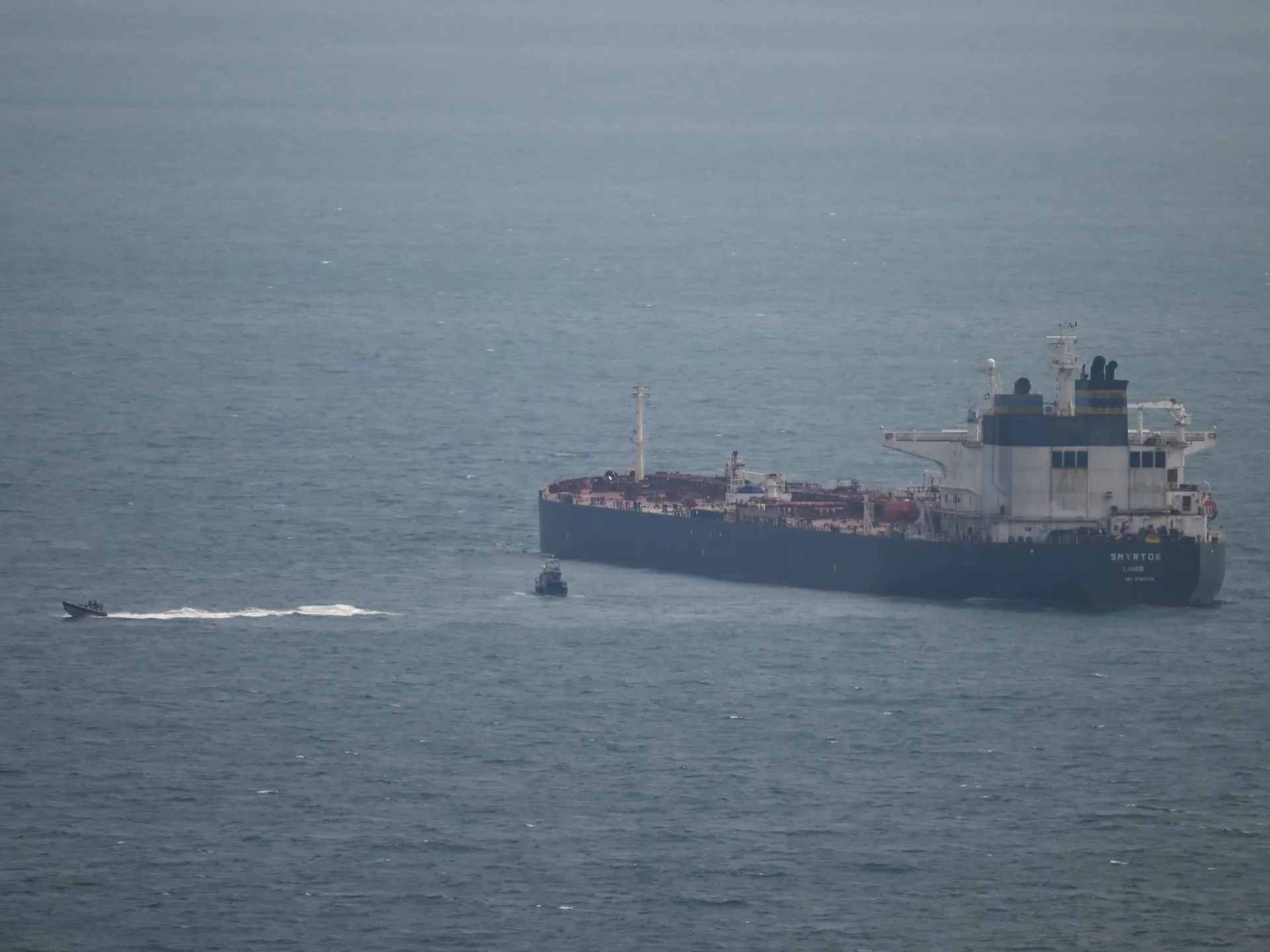
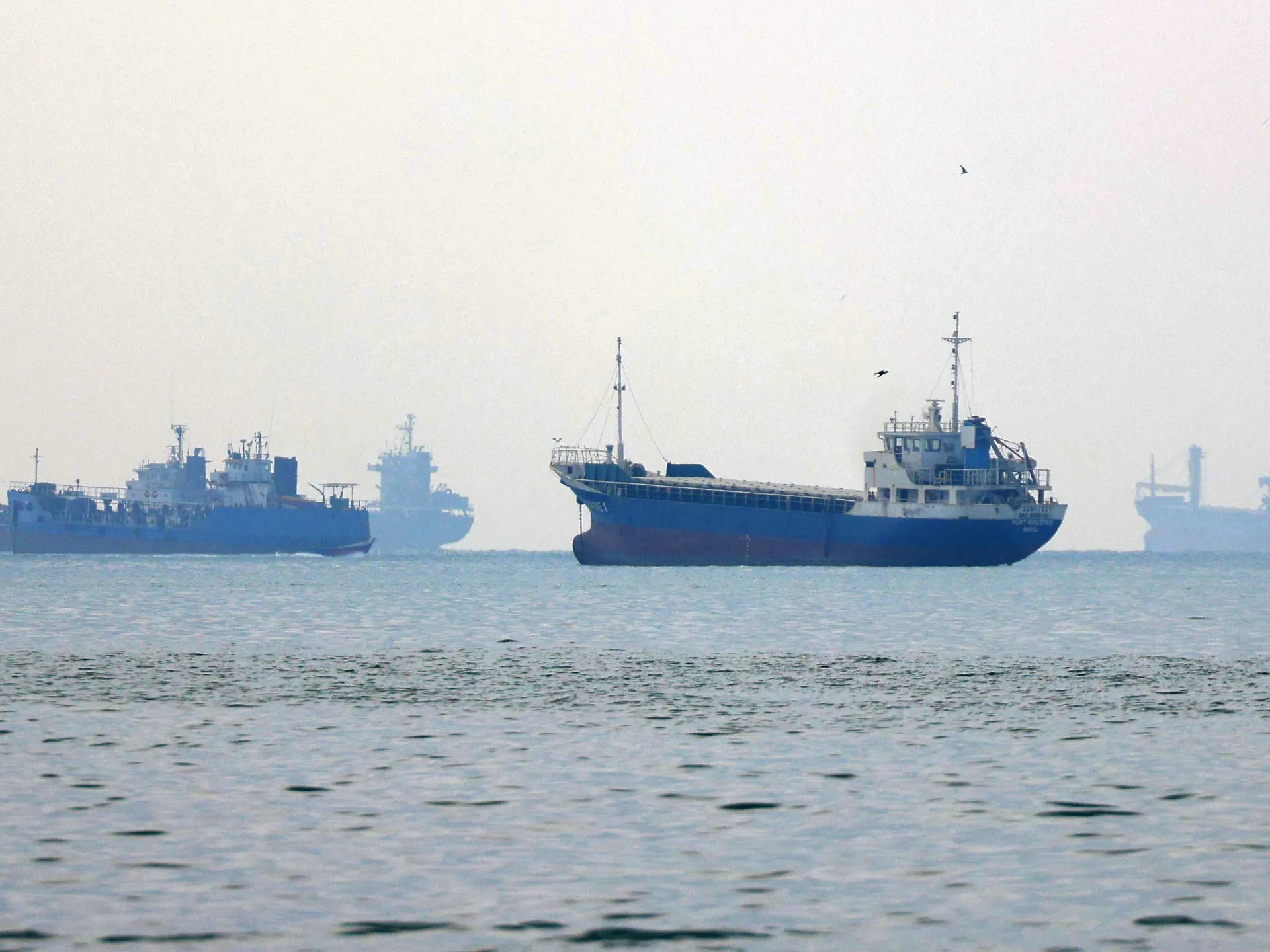
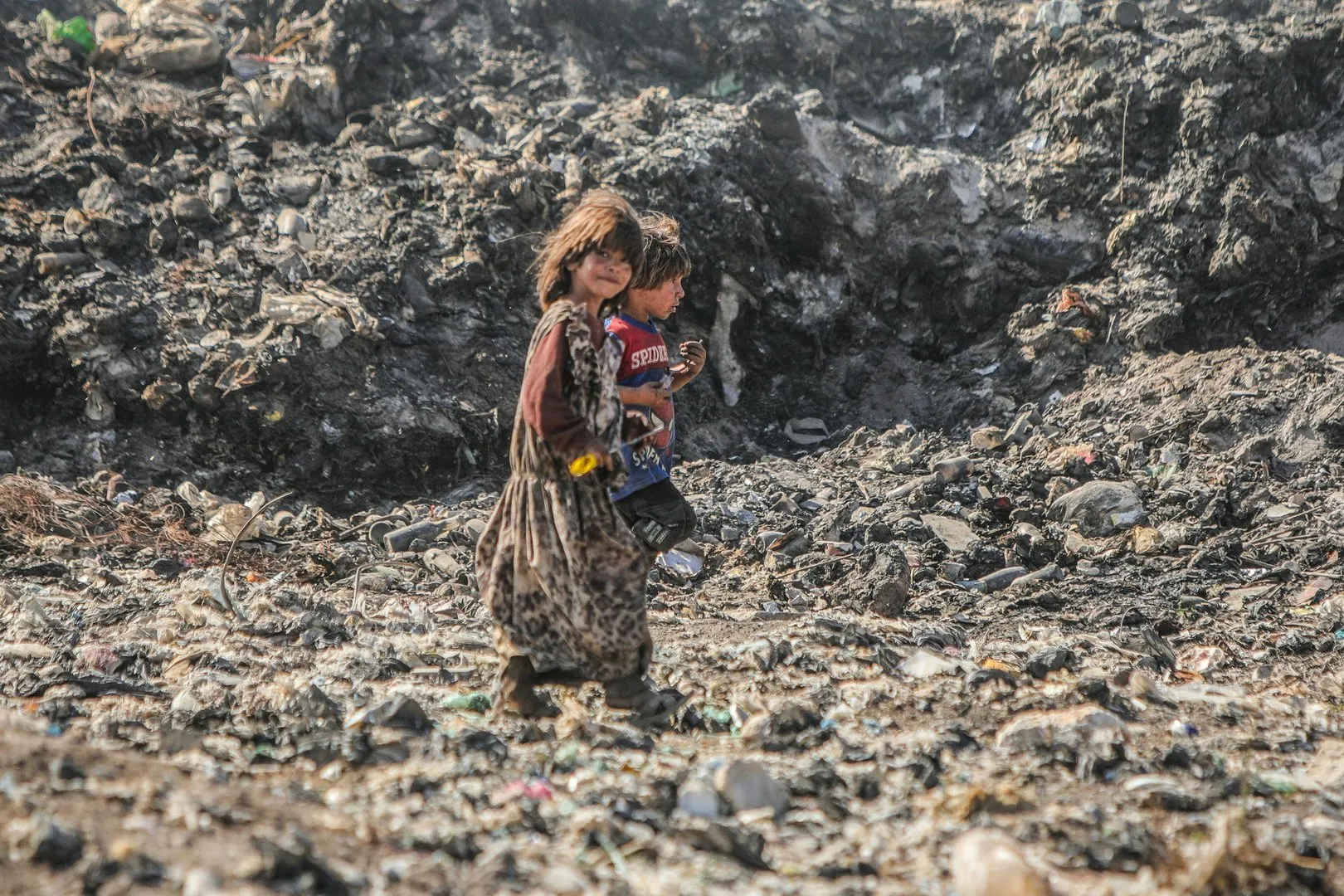
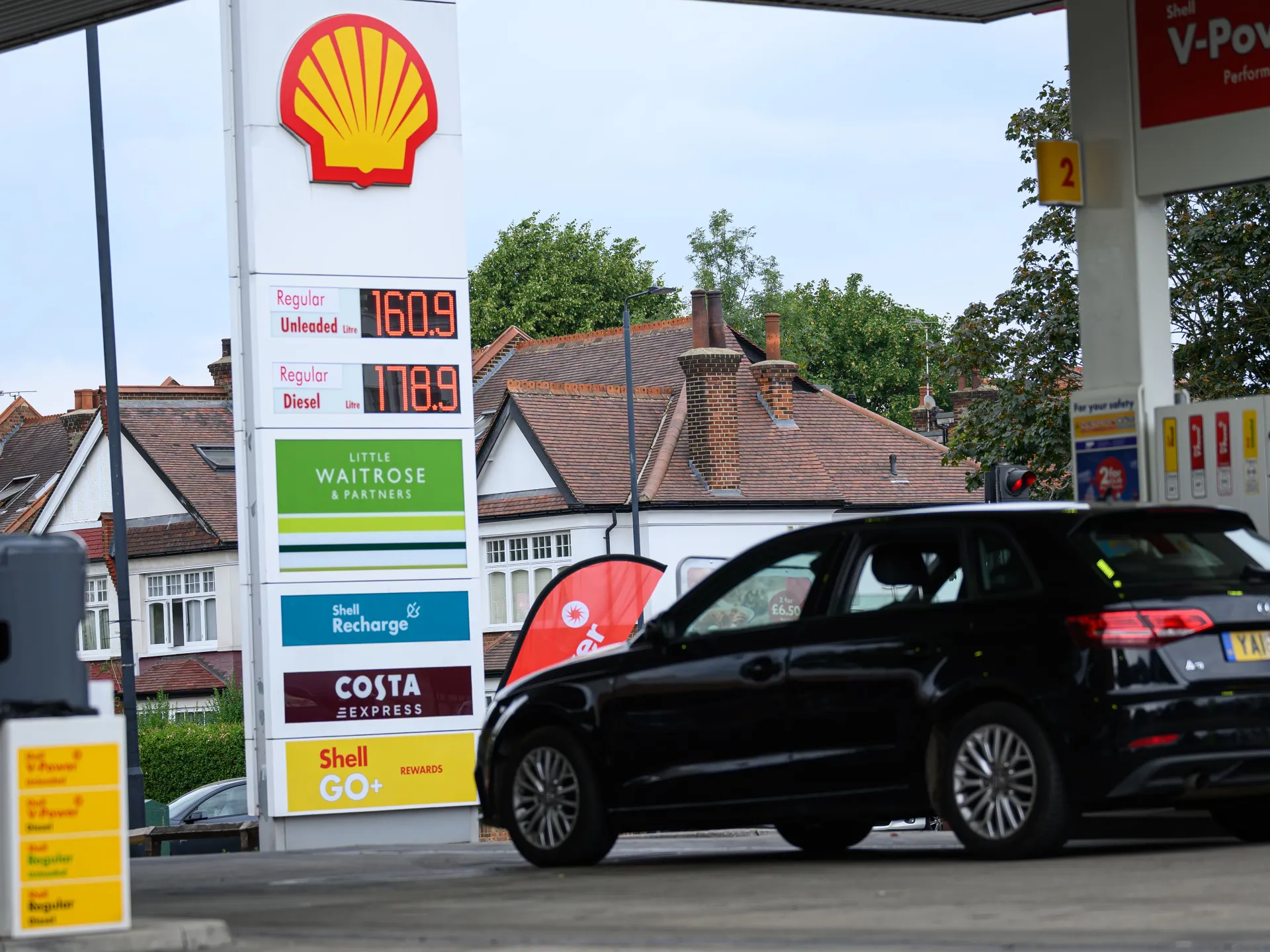
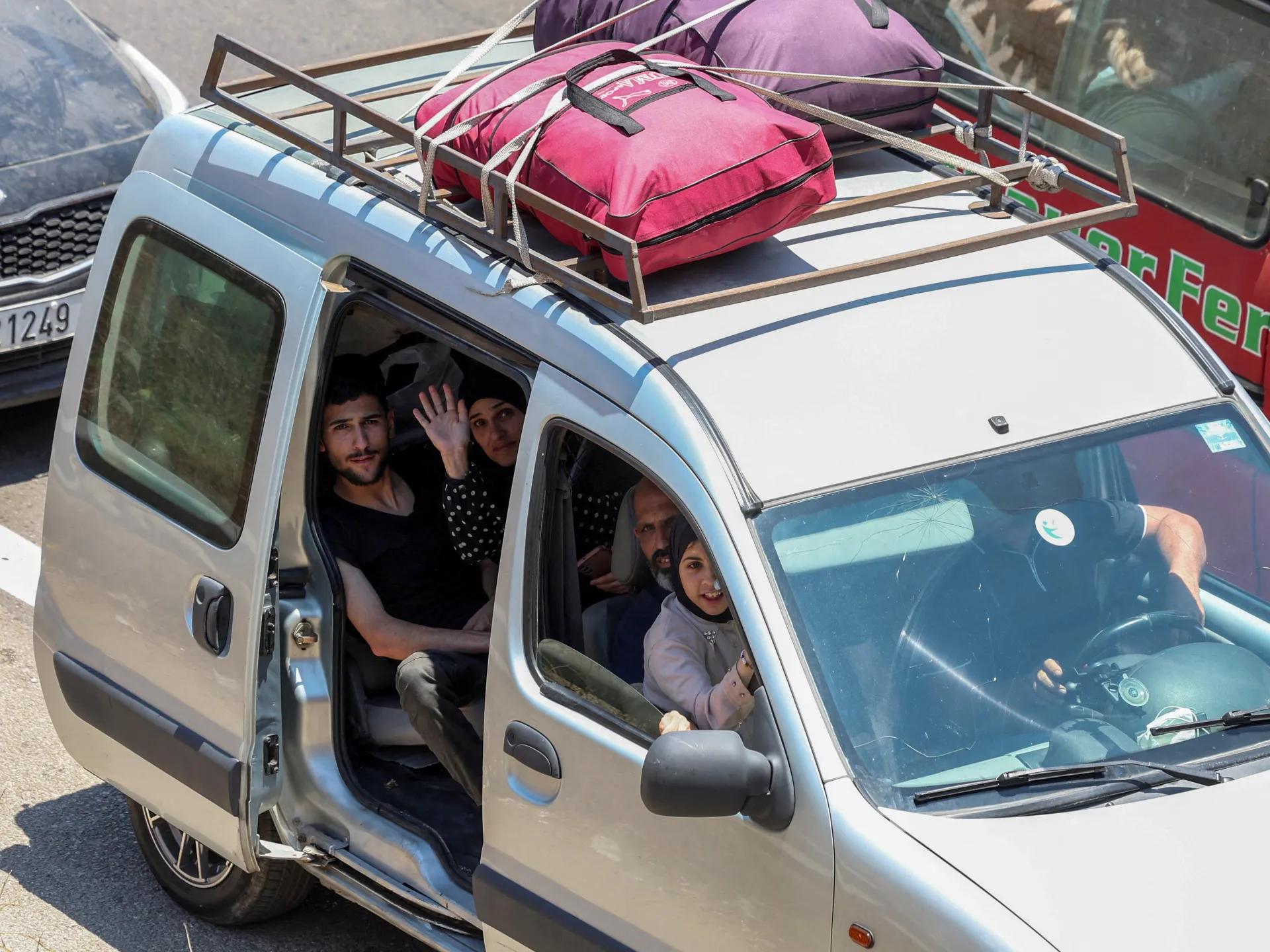
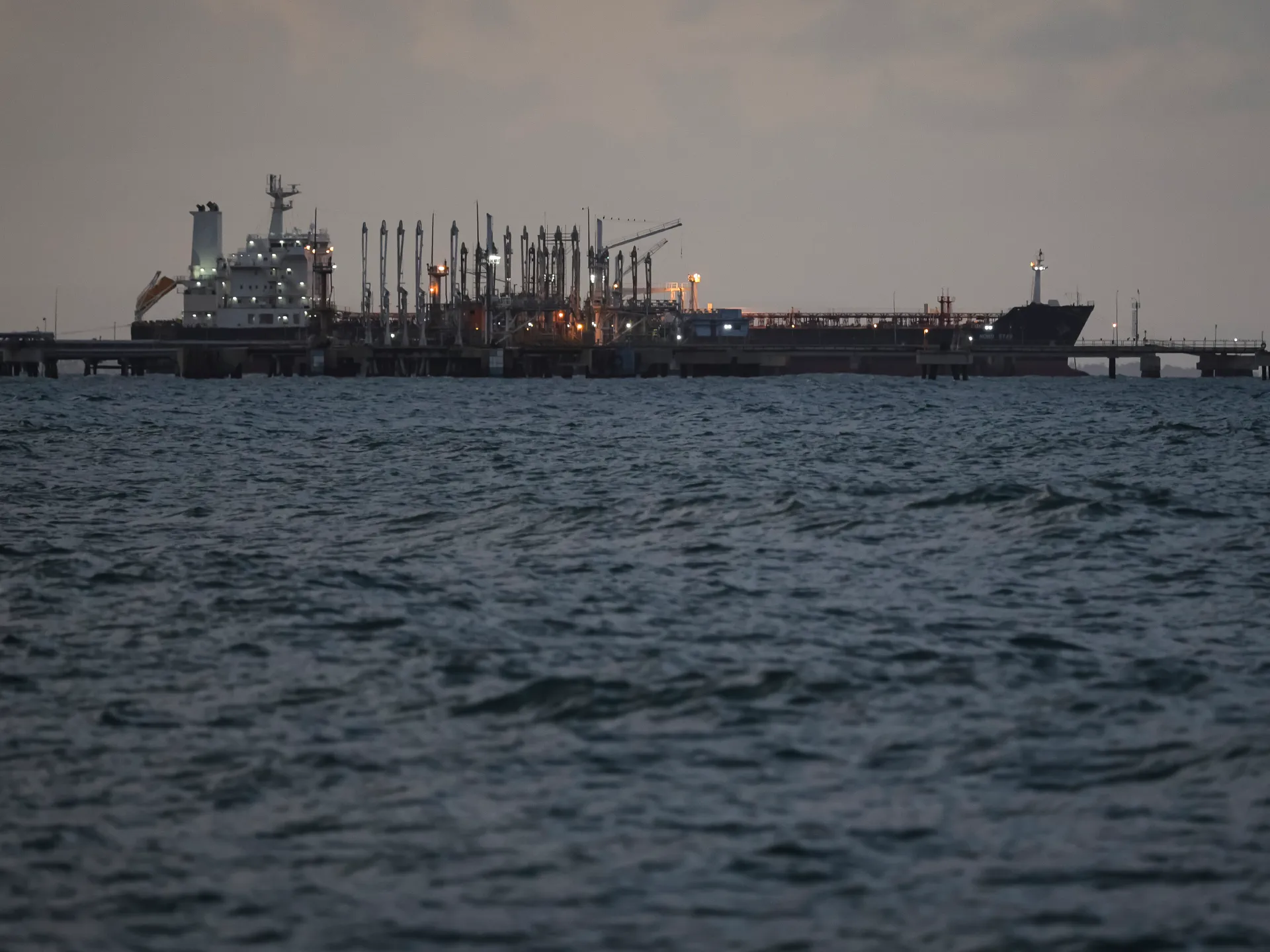
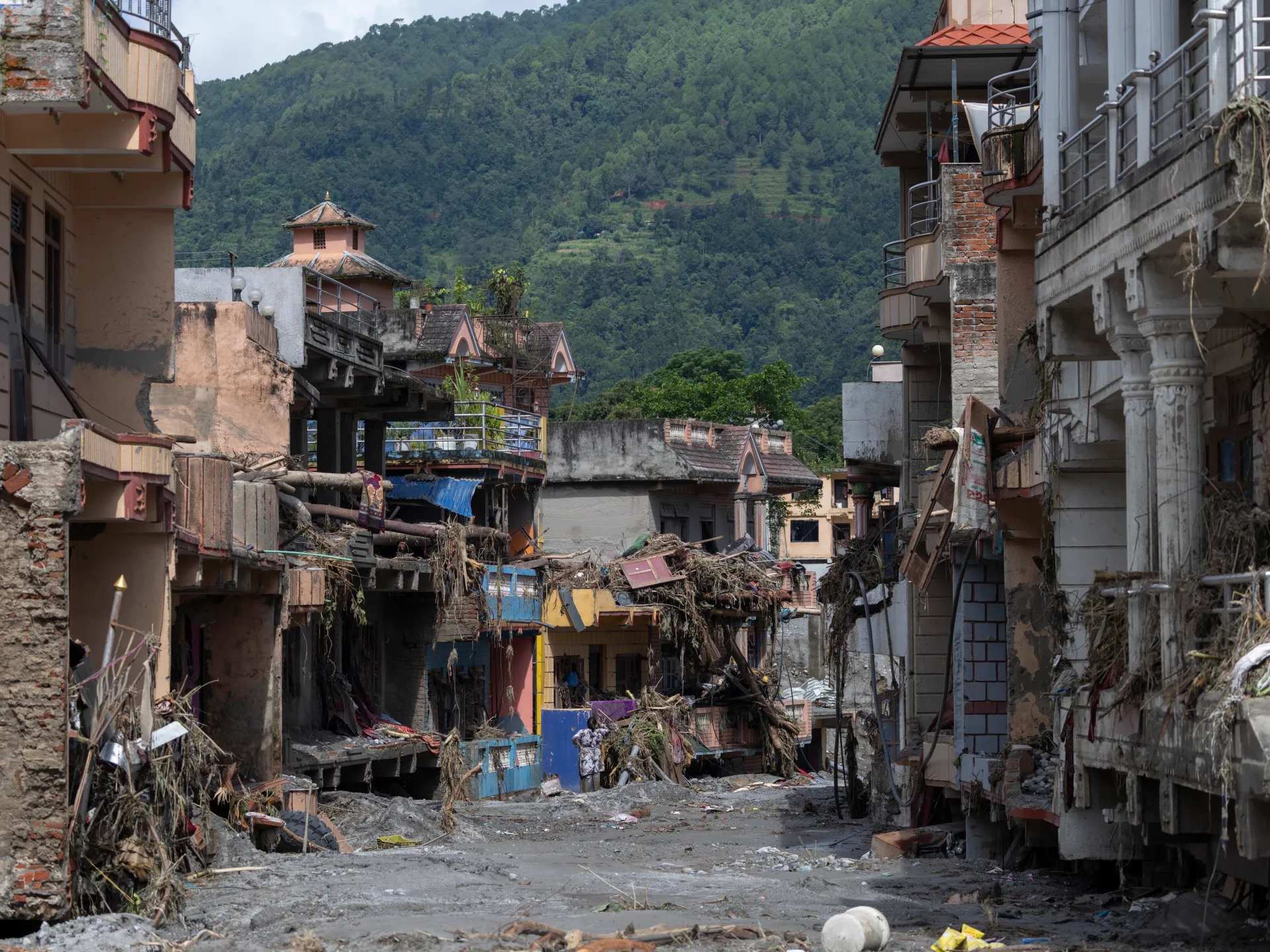
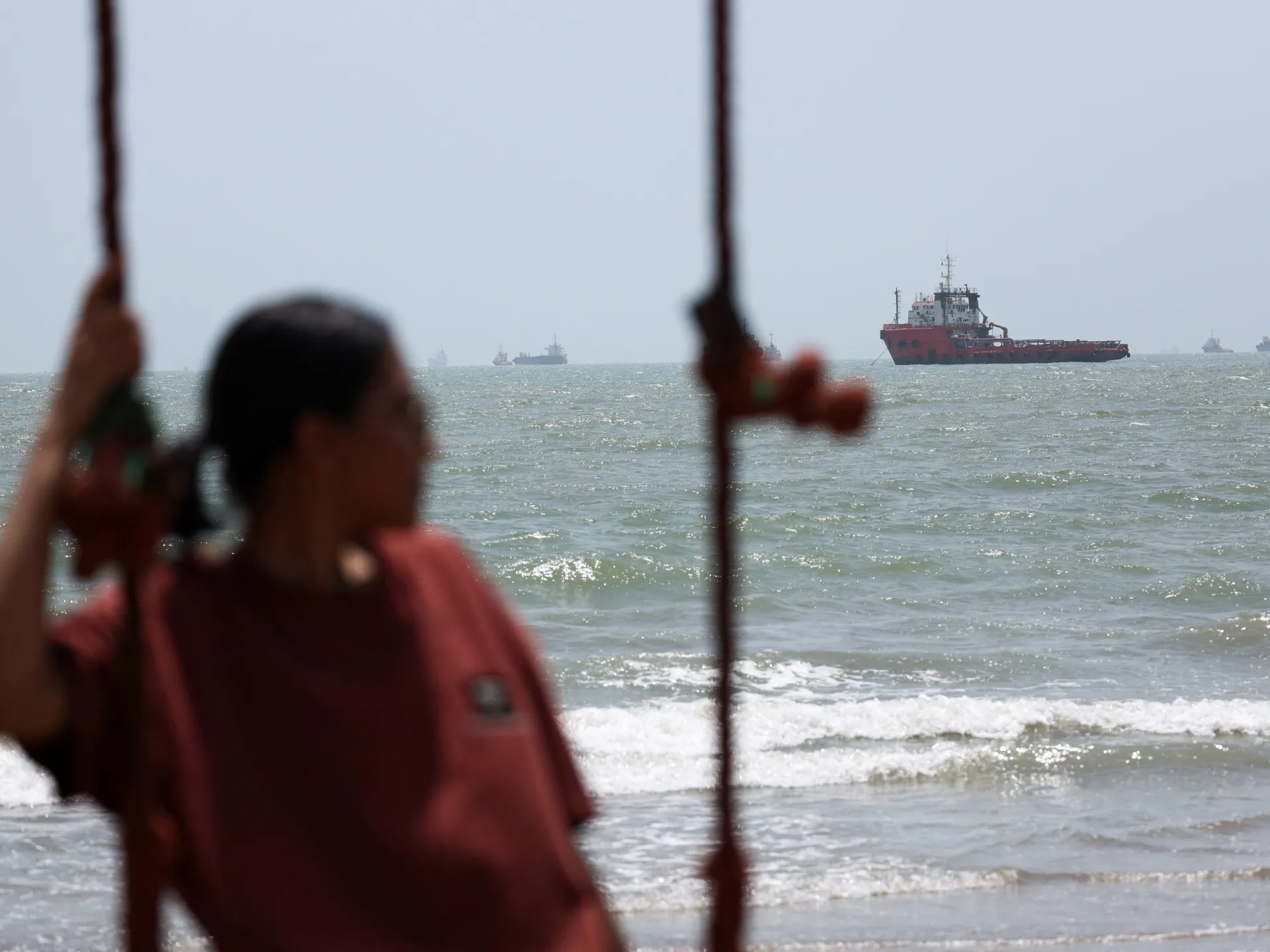
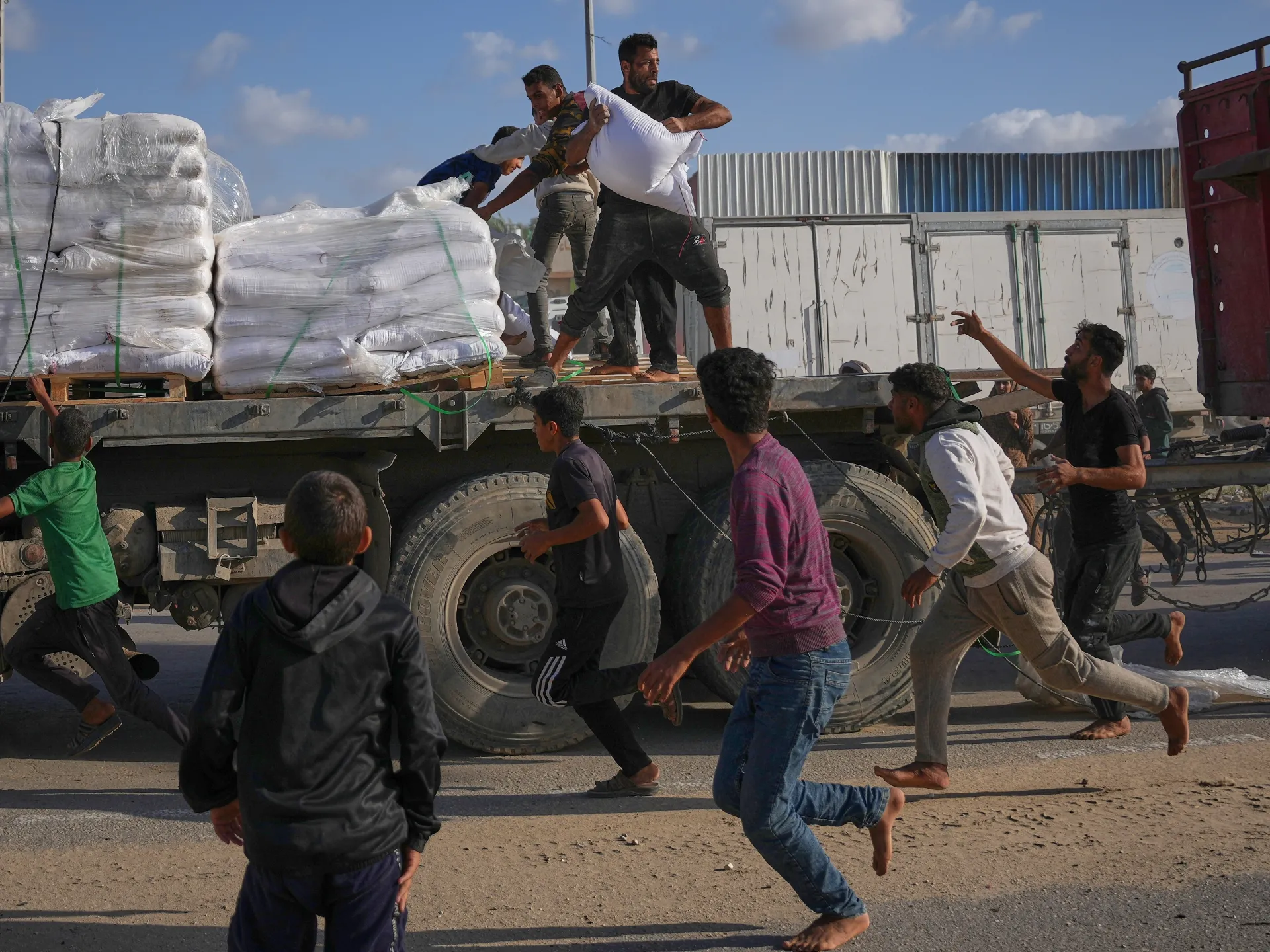
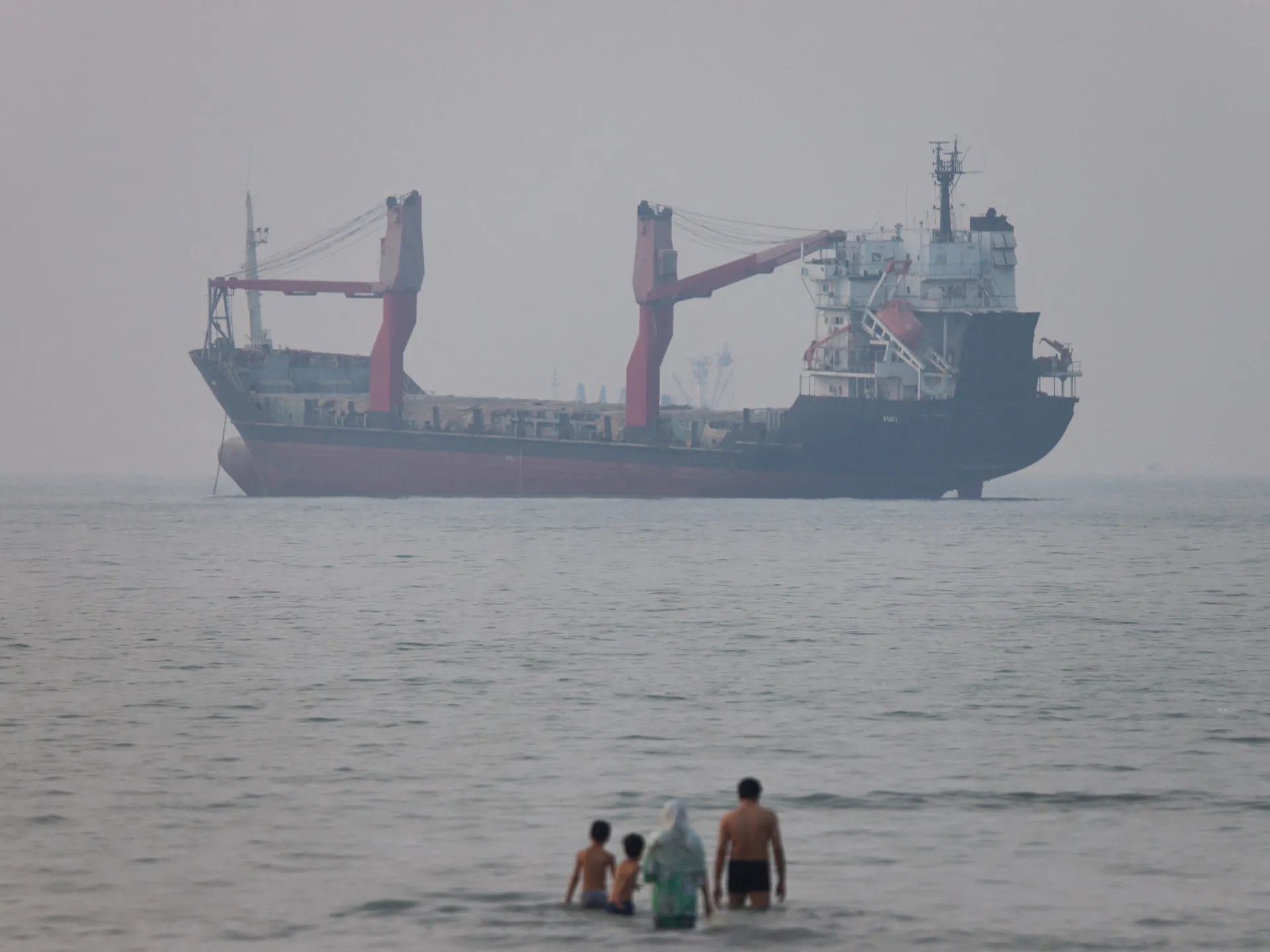
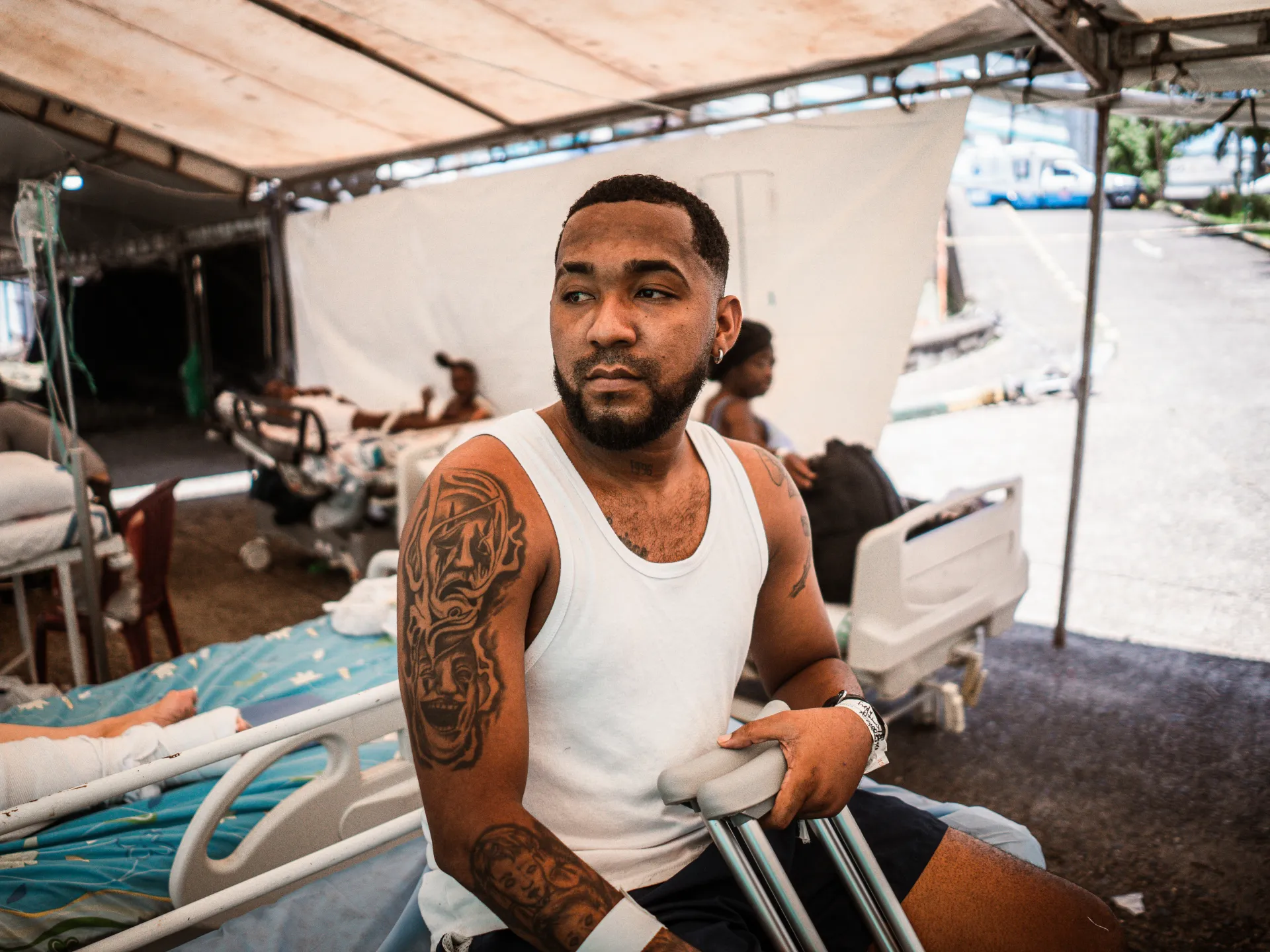
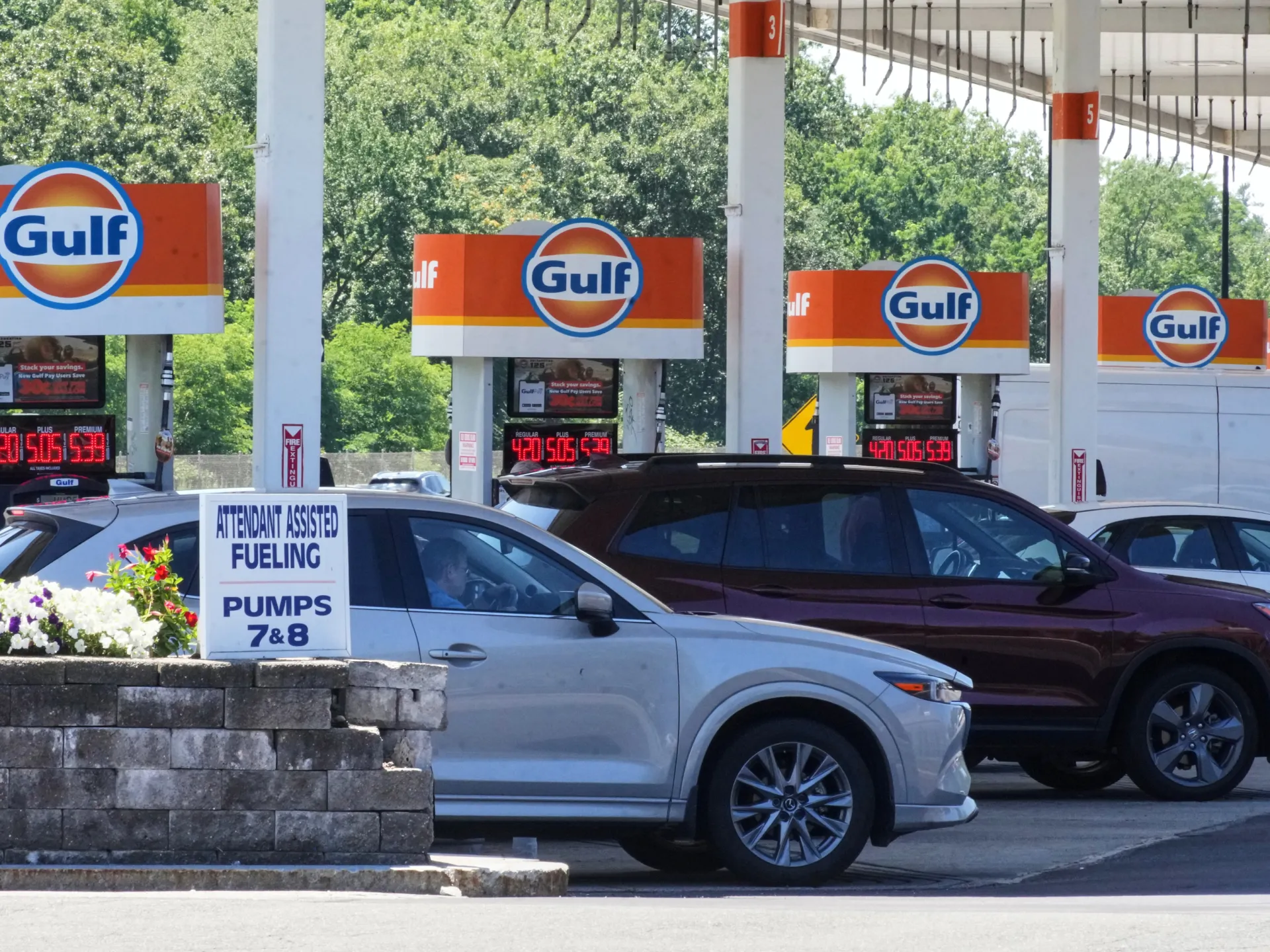
The economic reality for Cuba has become increasingly dire under the current administration’s pressure campaign. Following the implementation of an oil blockade earlier this year, the island has faced acute fuel shortages and rolling blackouts that have crippled local industry and basic services. Cuban authorities report that the US embargo cost the national economy $8 billion between March 2025 and February 2026. This figure represents a 7 percent increase over the previous reporting period and is described o not account for the additional layers of sanctions recently imposed luding food and medical supplies.
Given the current trajectory, it is highly unlikely that a formal diplomatic breakthrough will occur in the immediate future. The fundamental disconnect between the US insistence on regime change and the Cuban government's firm rejection of external interference creates a significant barrier to negotiation. Observers should look for further escalation in US sanctions, as the current administration continues to view economic pressure as the primary lever for forcing a change in Havana’s governance. Conversely, Cuba is expected to continue its efforts to frame the US policy as a humanitarian crisis on the global stage, likely seeking to build international support to mitigate the impact of the ongoing blockade. As both sides remain entrenched in their respective positions, the risk of miscalculation or further regional instability remains elevated.