High-stakes legal rulings in the US and UK are defining the boundaries of executive power and the limits of political speech.
The convergence of high-profile legal rulings in both the United Kingdom and the United States highlights a growing tension between executive authority, judicial independence, and the boundaries of political expression. In London, the acquittal of a student accused of supporting a proscribed organization tests the legal threshold of political speech in the context of international conflict. Simultaneously, the U.S. Supreme Court’s intervention in federal election administration underscores the judiciary's role as a final arbiter when presidential policy conflicts with established state-led voting procedures. Both cases serve as critical bellwethers for how democratic institutions manage polarized political climates.
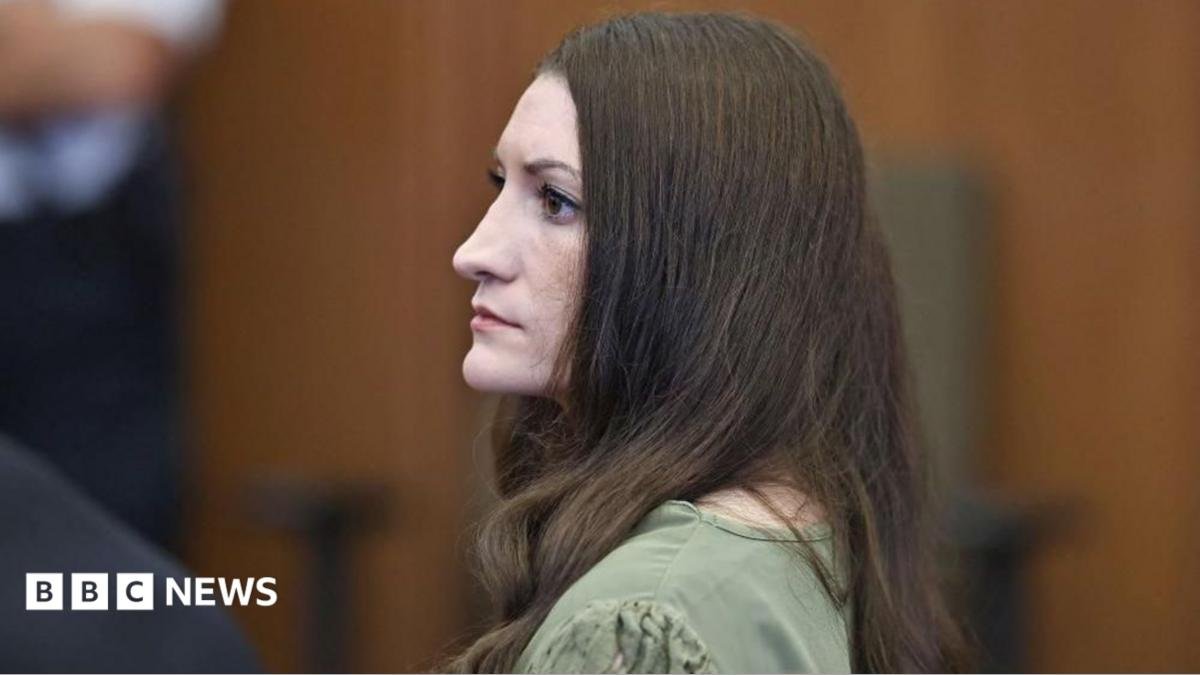
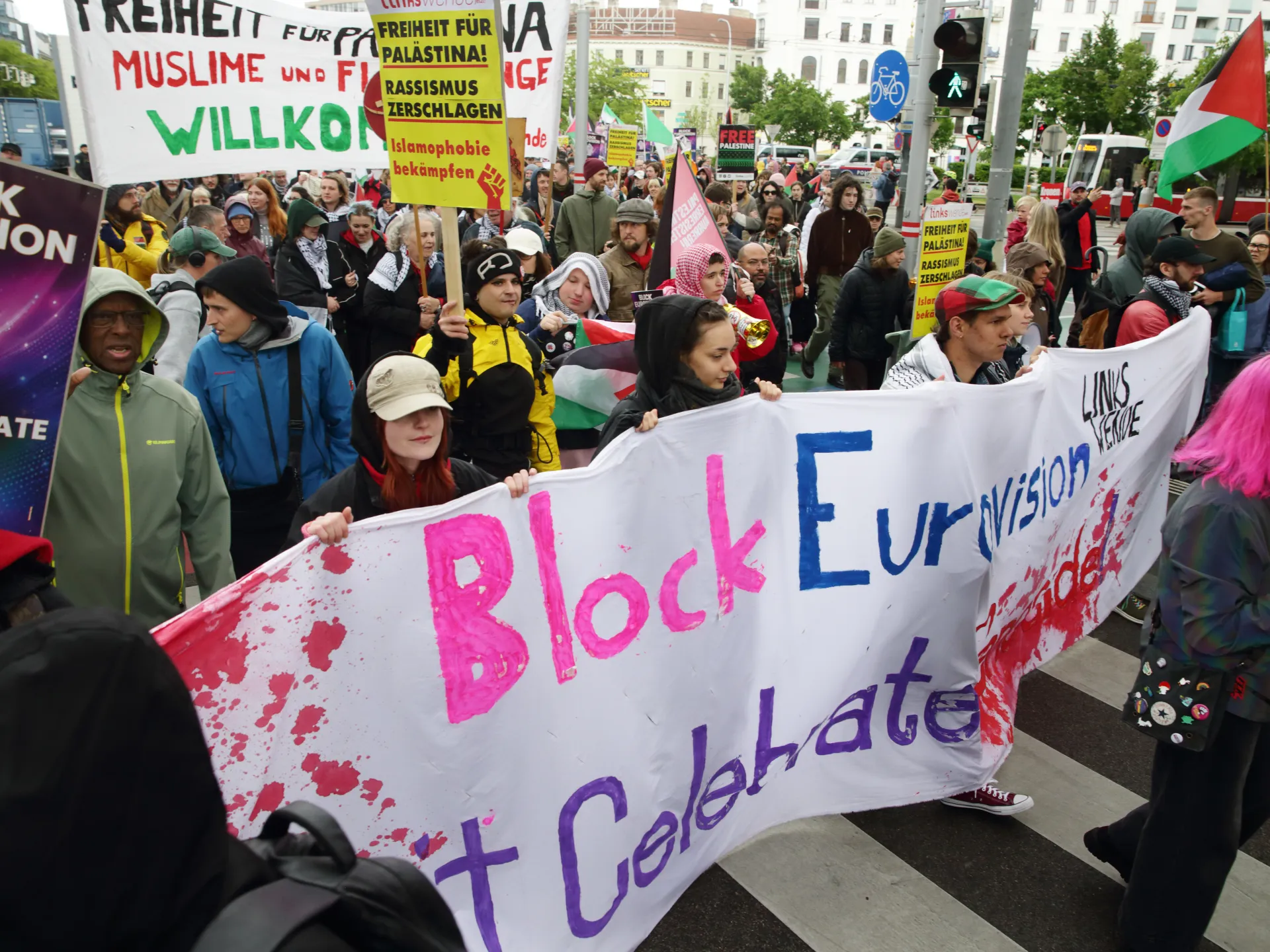
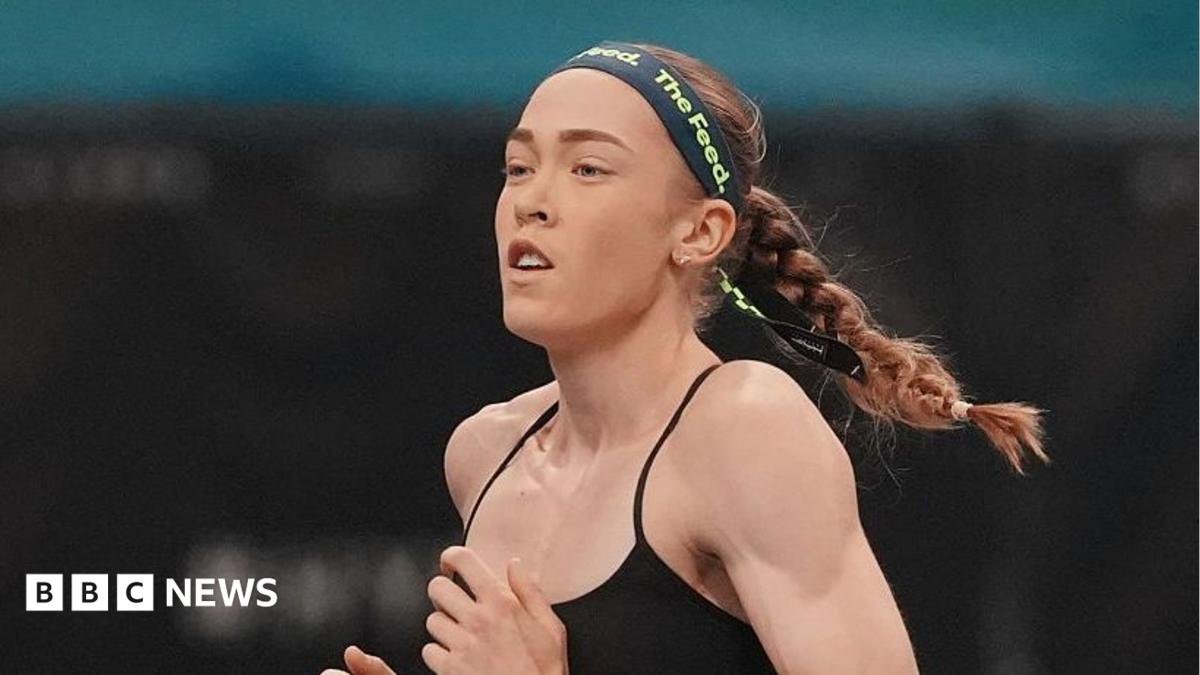
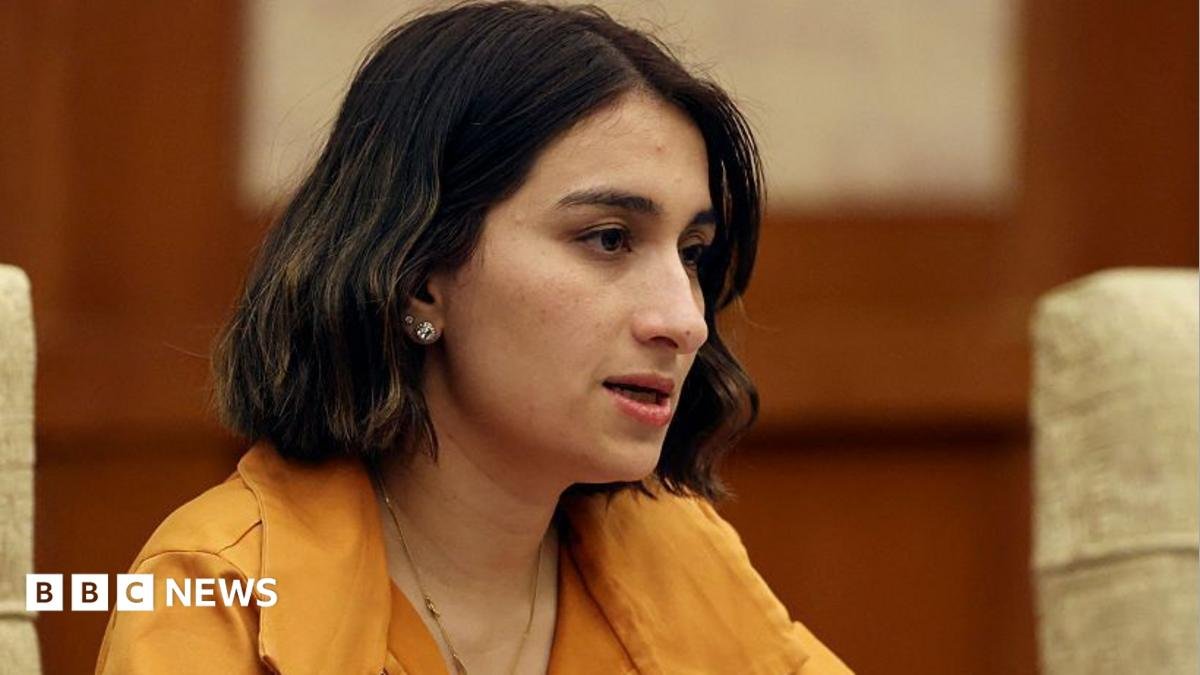
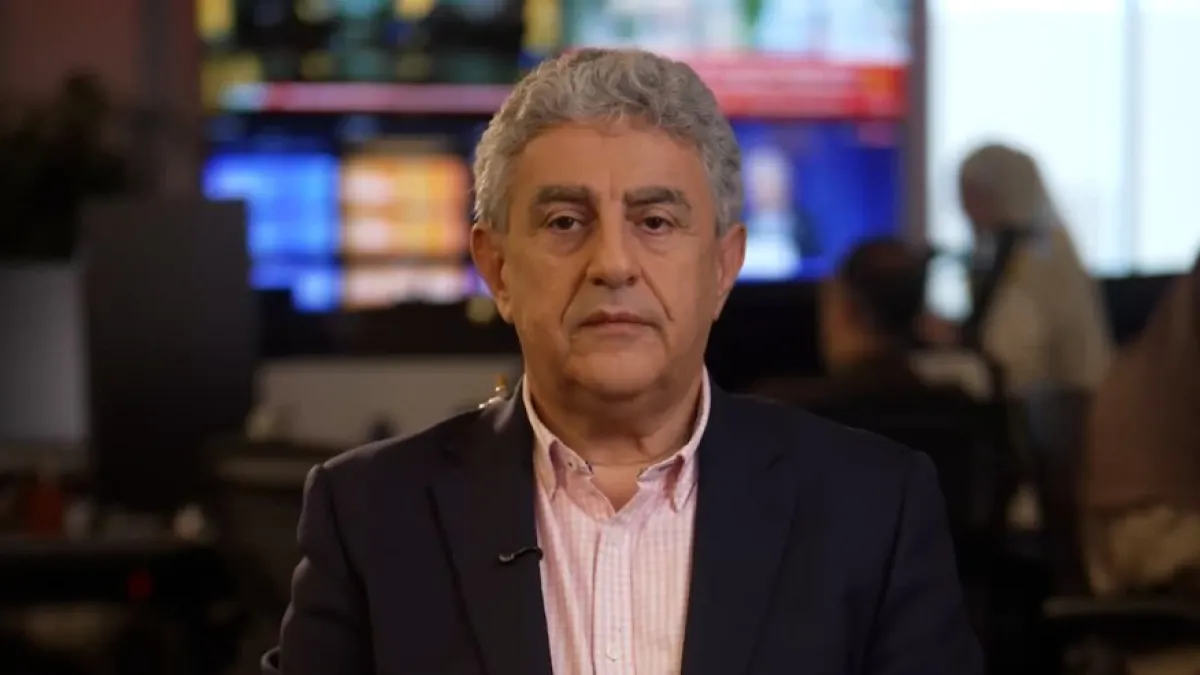
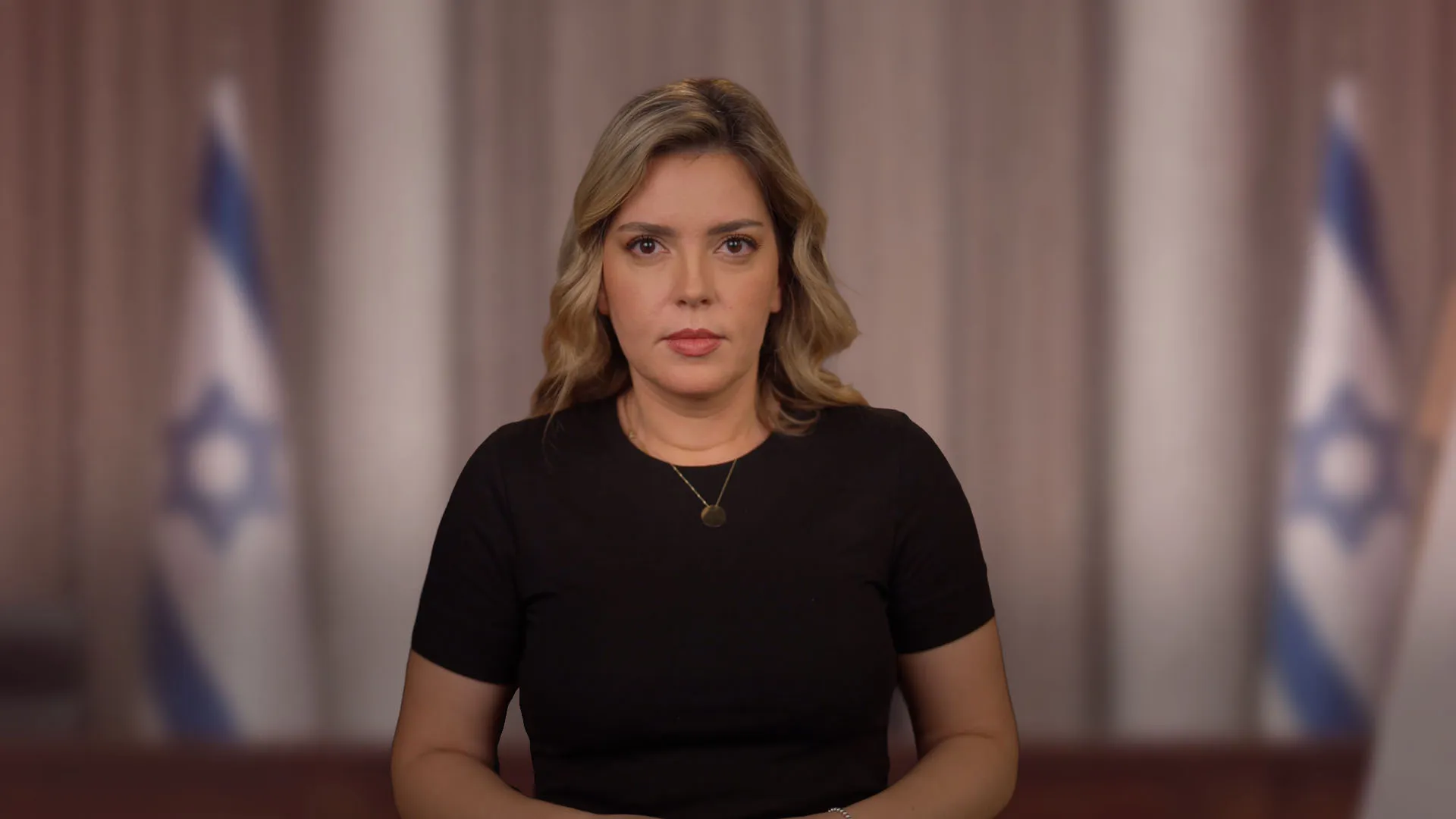
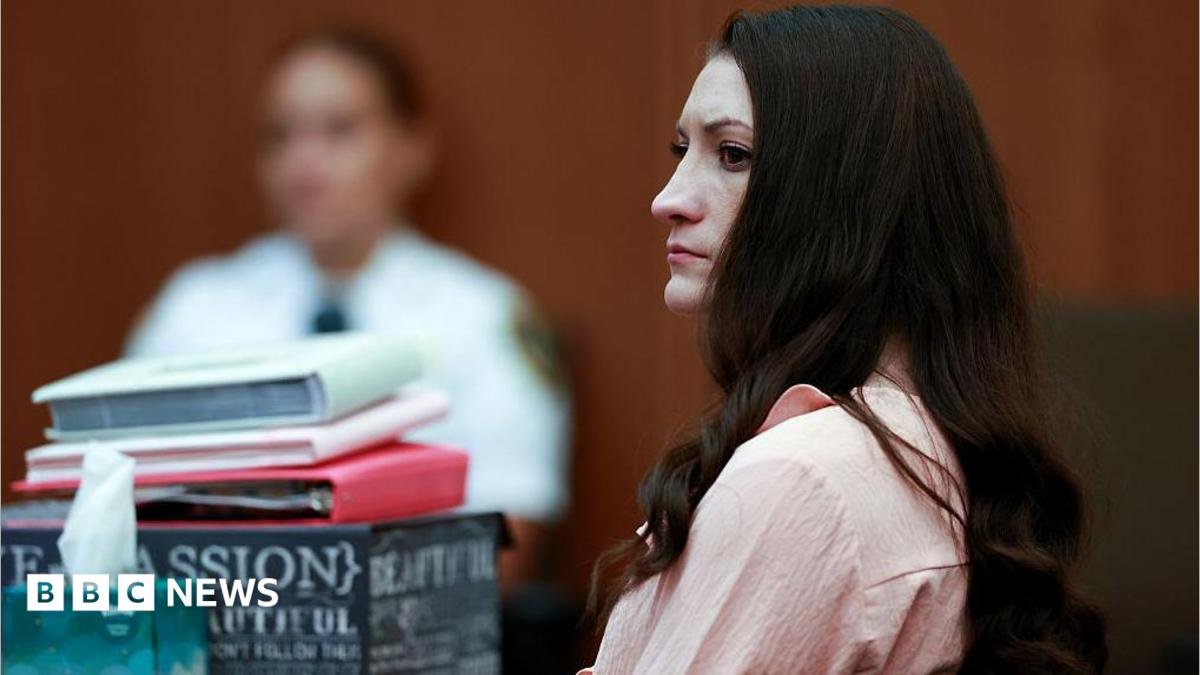
A London jury at the Old Bailey has acquitted 22-year-old Sarah Cotte of charges related to expressing support for Hamas during a 2023 speech. Prosecutors had sought to link Cotte’s call for “unconditional solidarity” with the “Palestinian resistance” to the Hamas organization, which is designated as a terrorist group under British law. The trial centered on whether broad declarations of support for resistance movements constitute material support for a proscribed entity.
During the week-long trial, Cotte maintained that she was advocating for the right of Palestinians to resist occupation rather than endorsing the actions of Hamas. While she acknowledged the October 7 attacks, she argued that the killing of civilians is a tragedy distinct from the broader struggle. The acquittal is expected to embolden activists who claim that current government rhetoric around “Zionism” has created a chilling effect on free speech regarding the Palestinian cause.
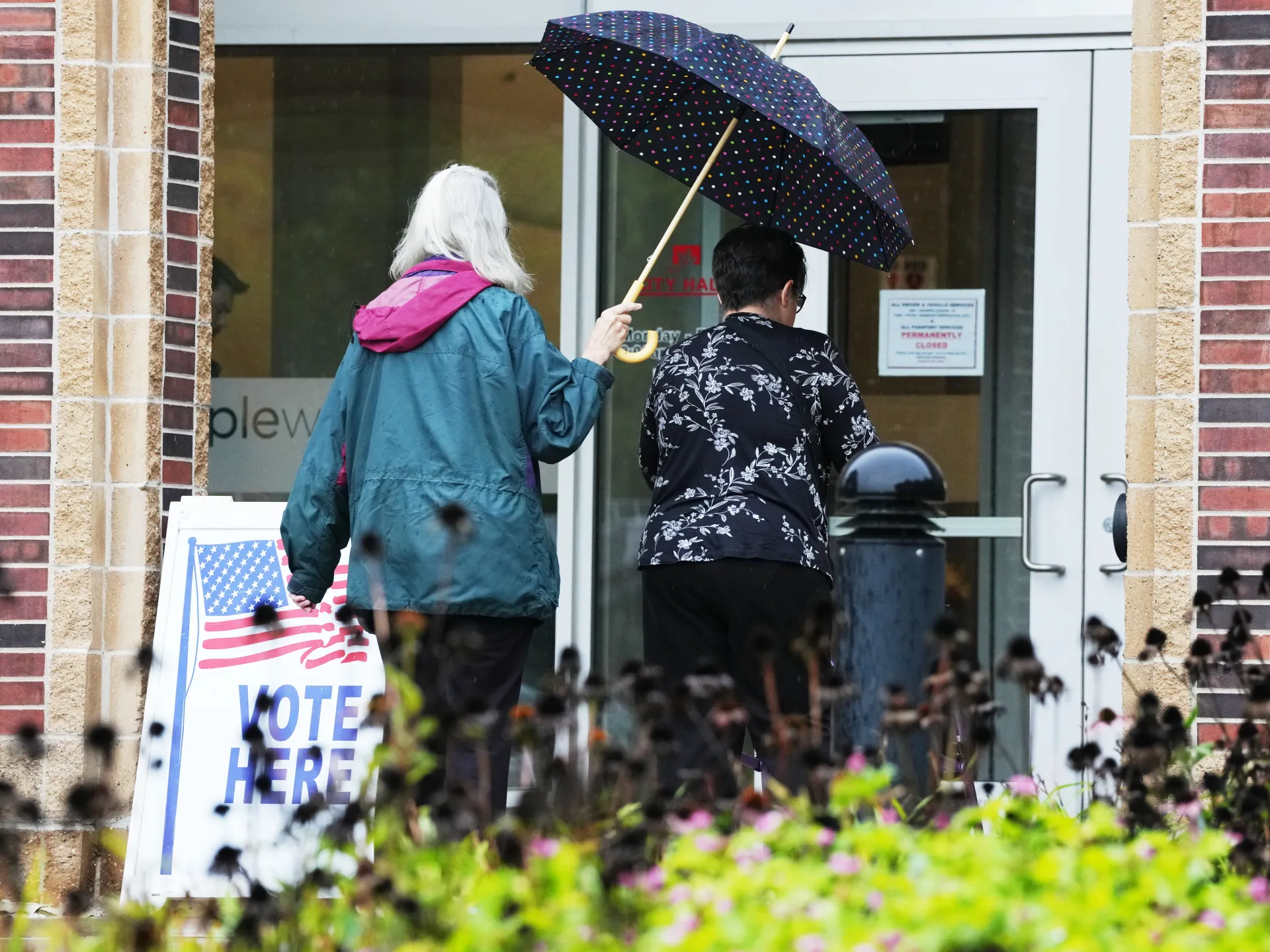
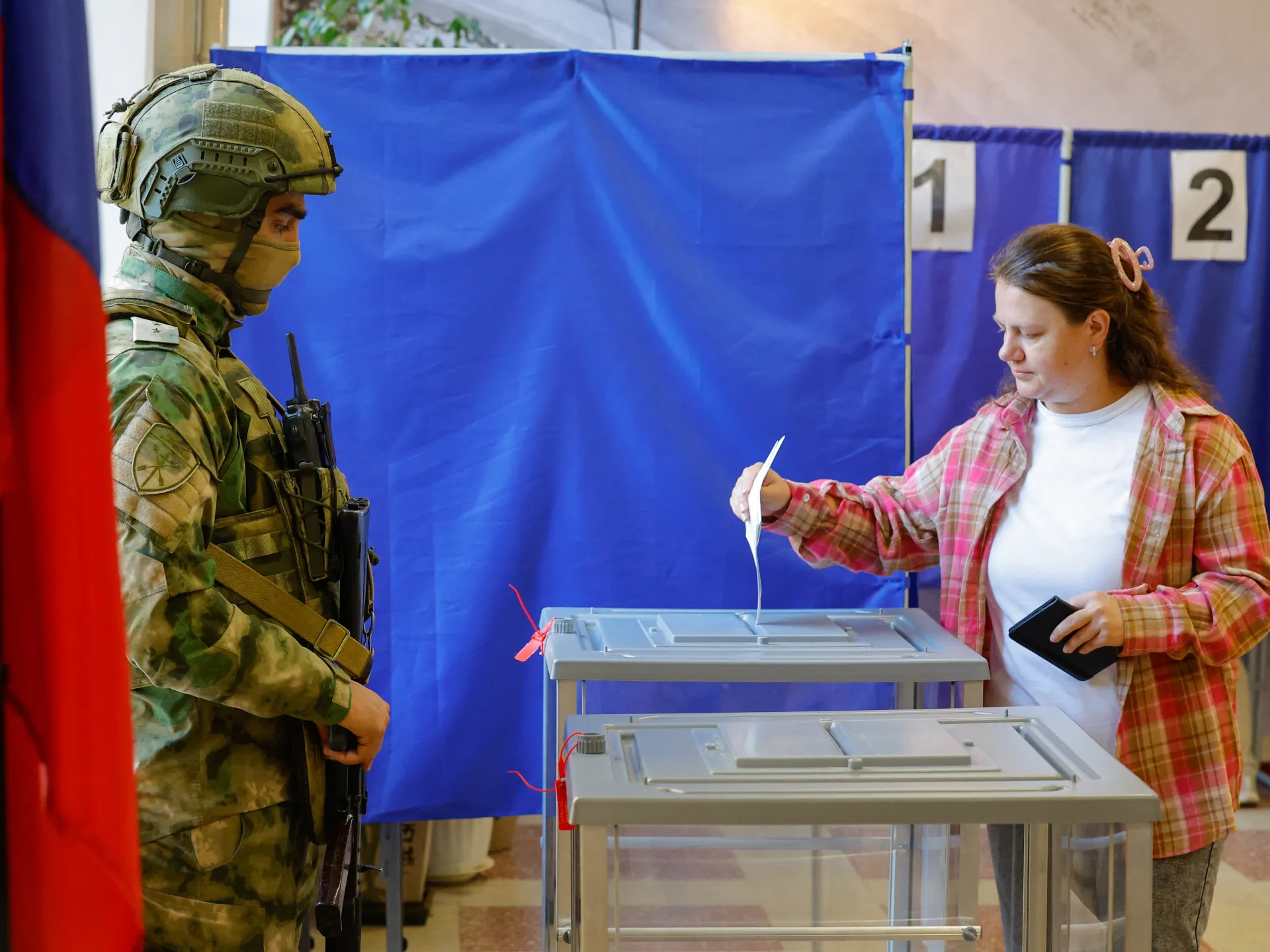
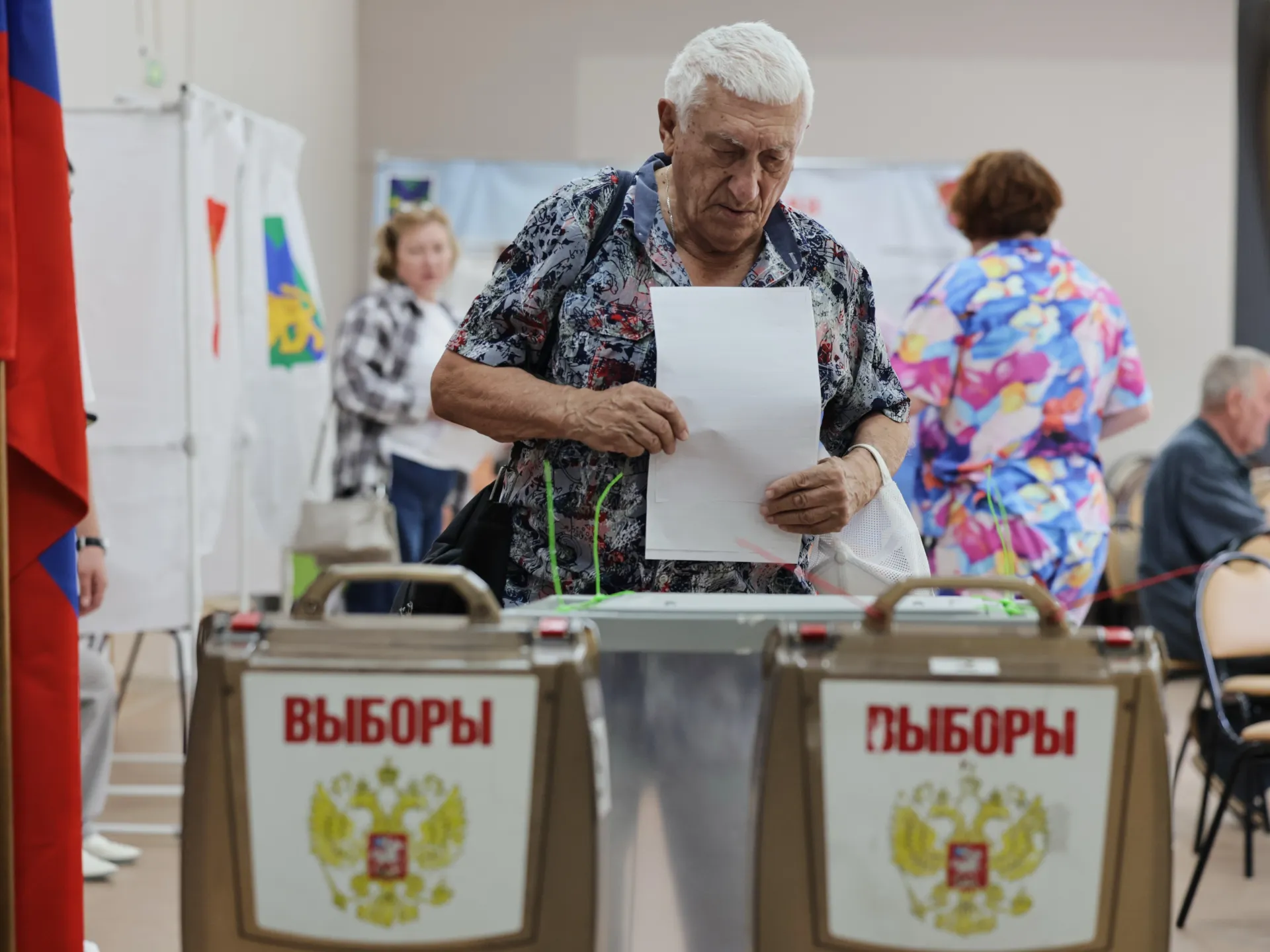
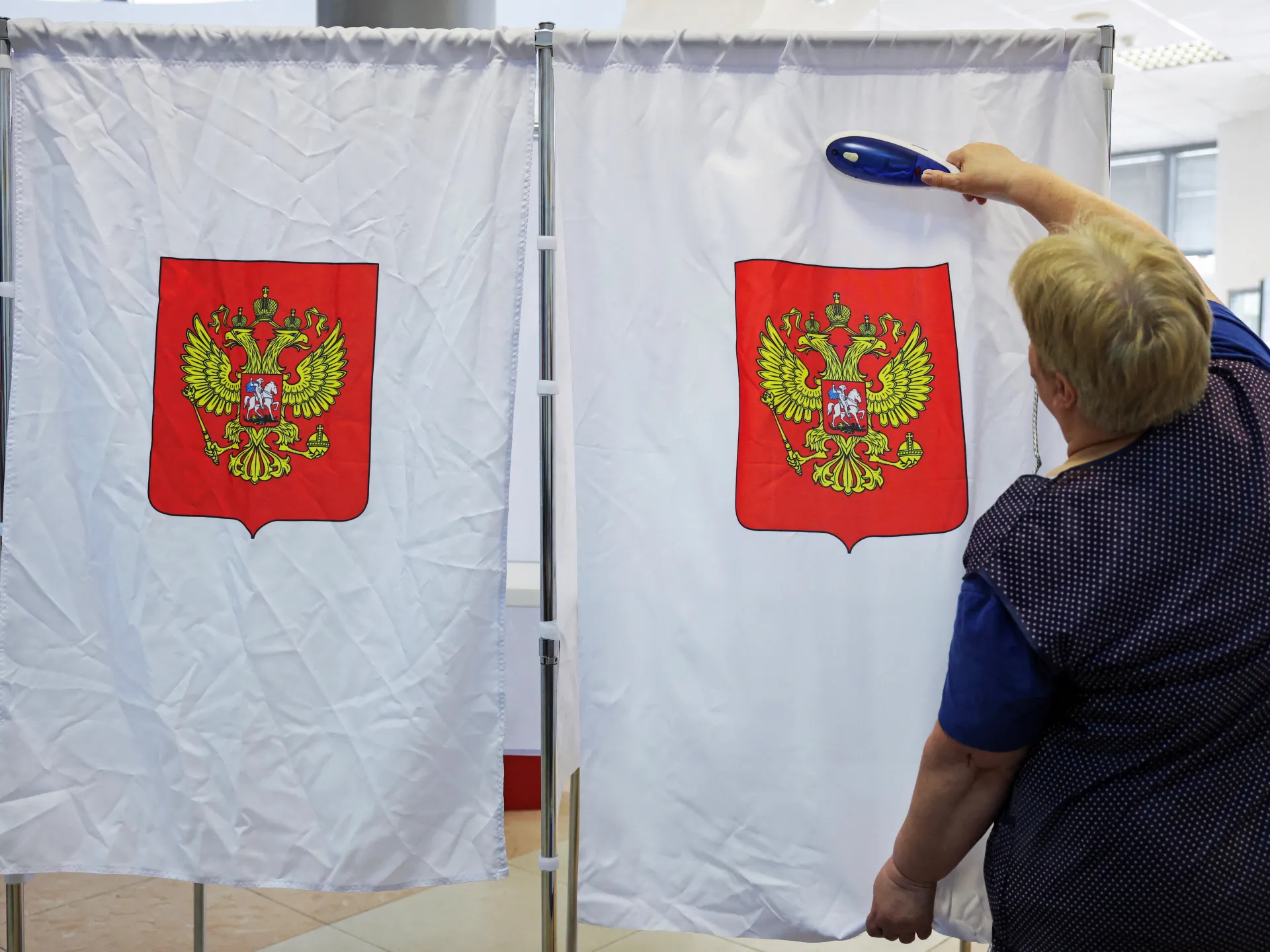
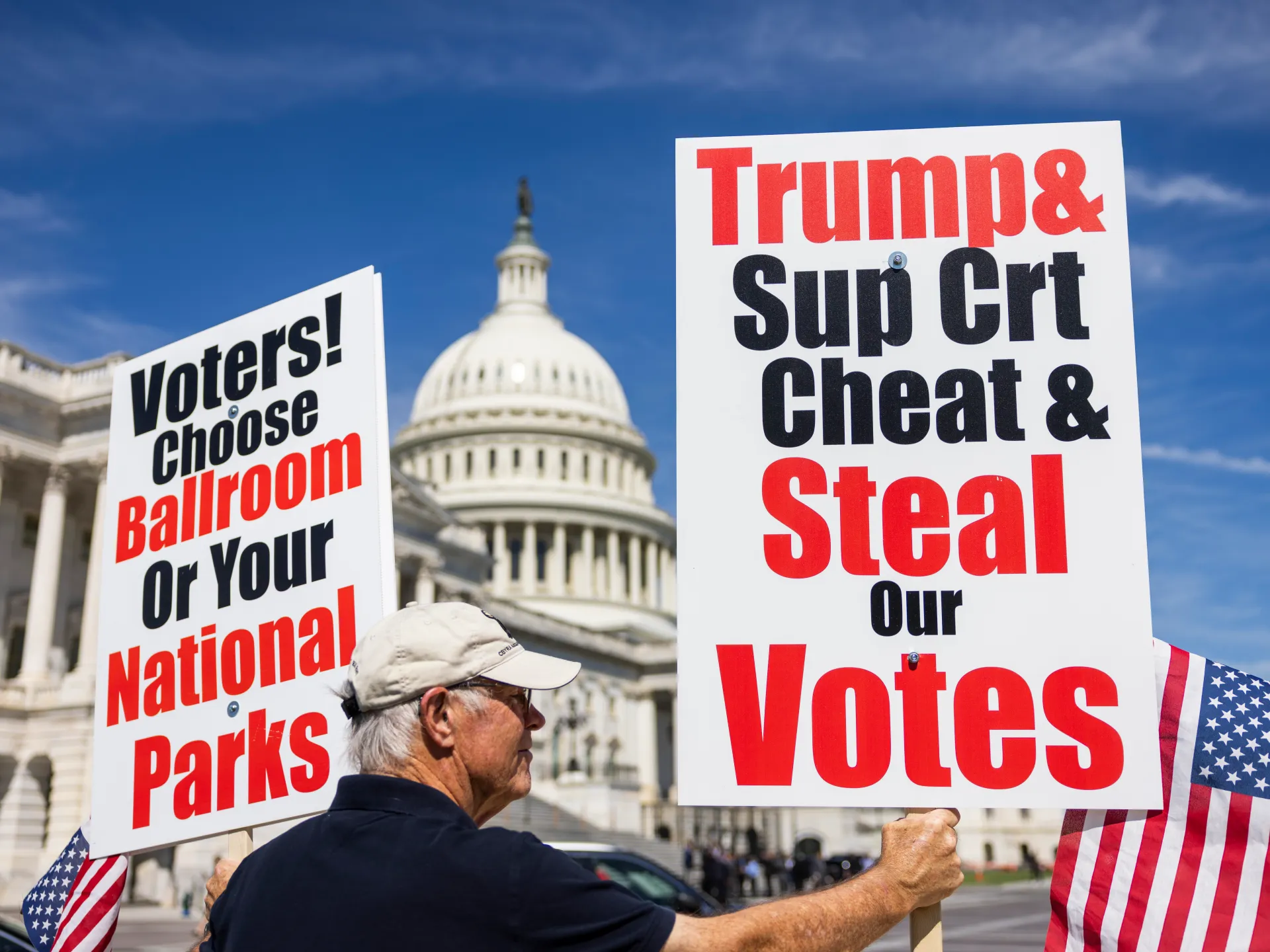
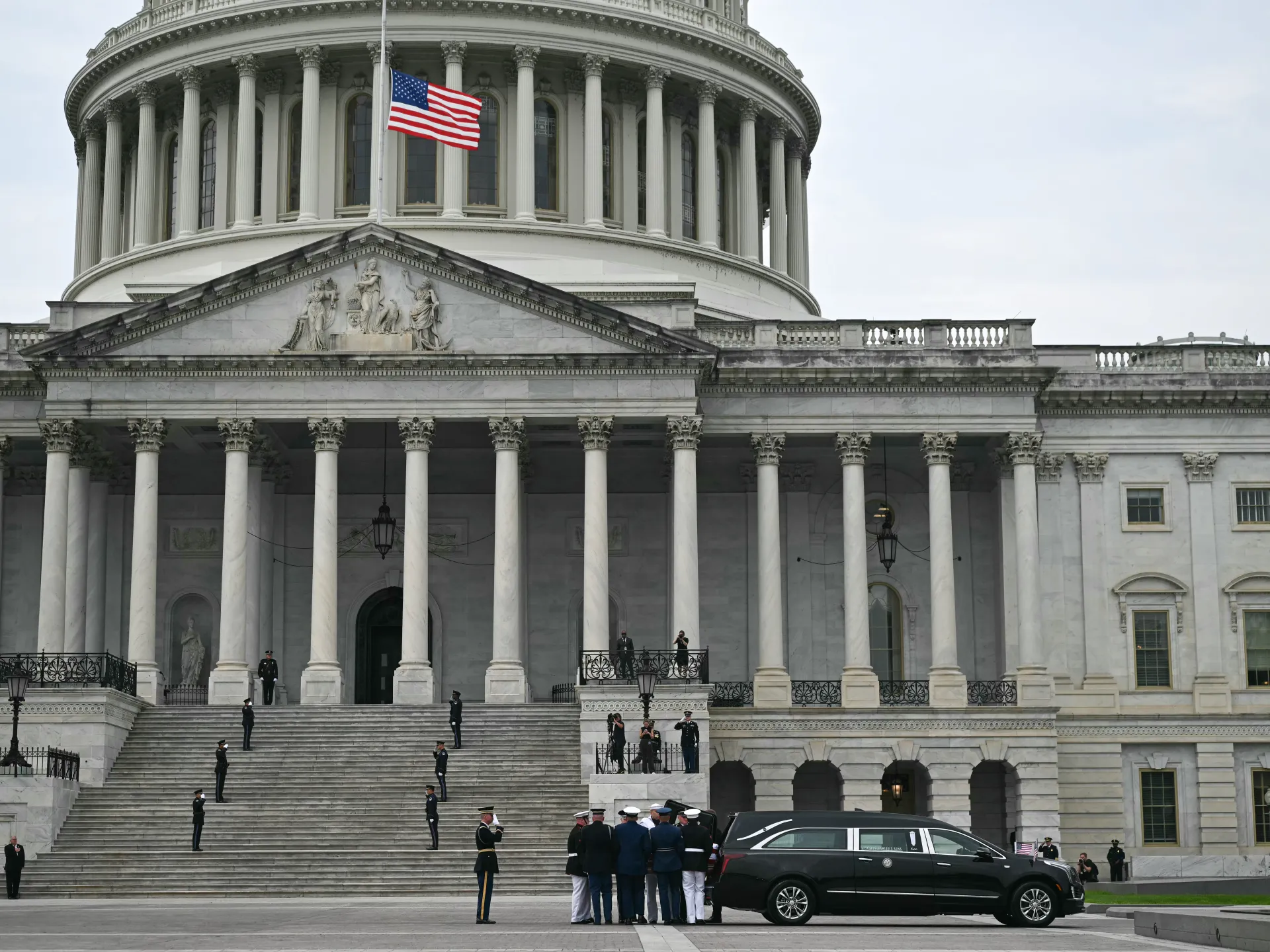
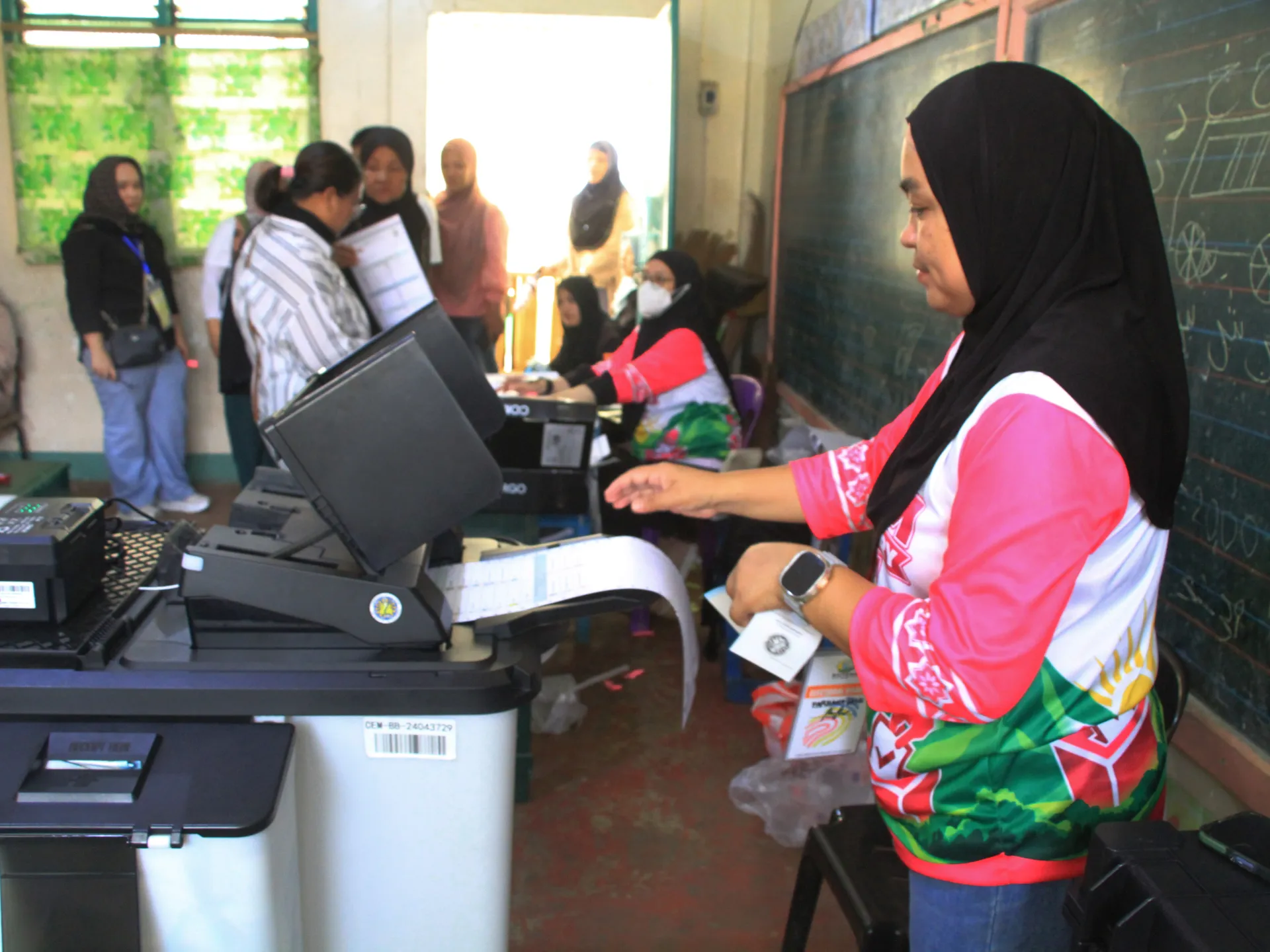
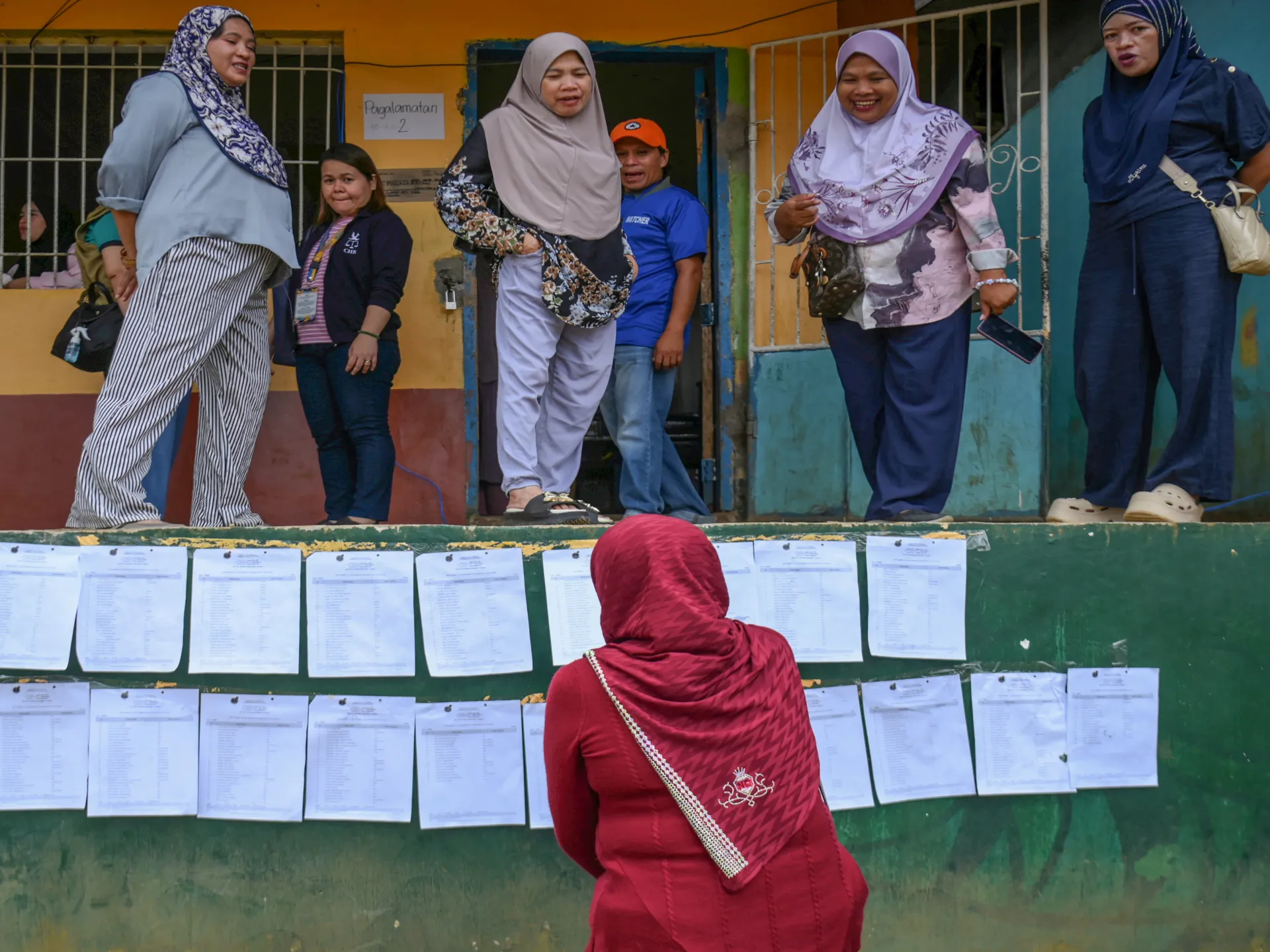
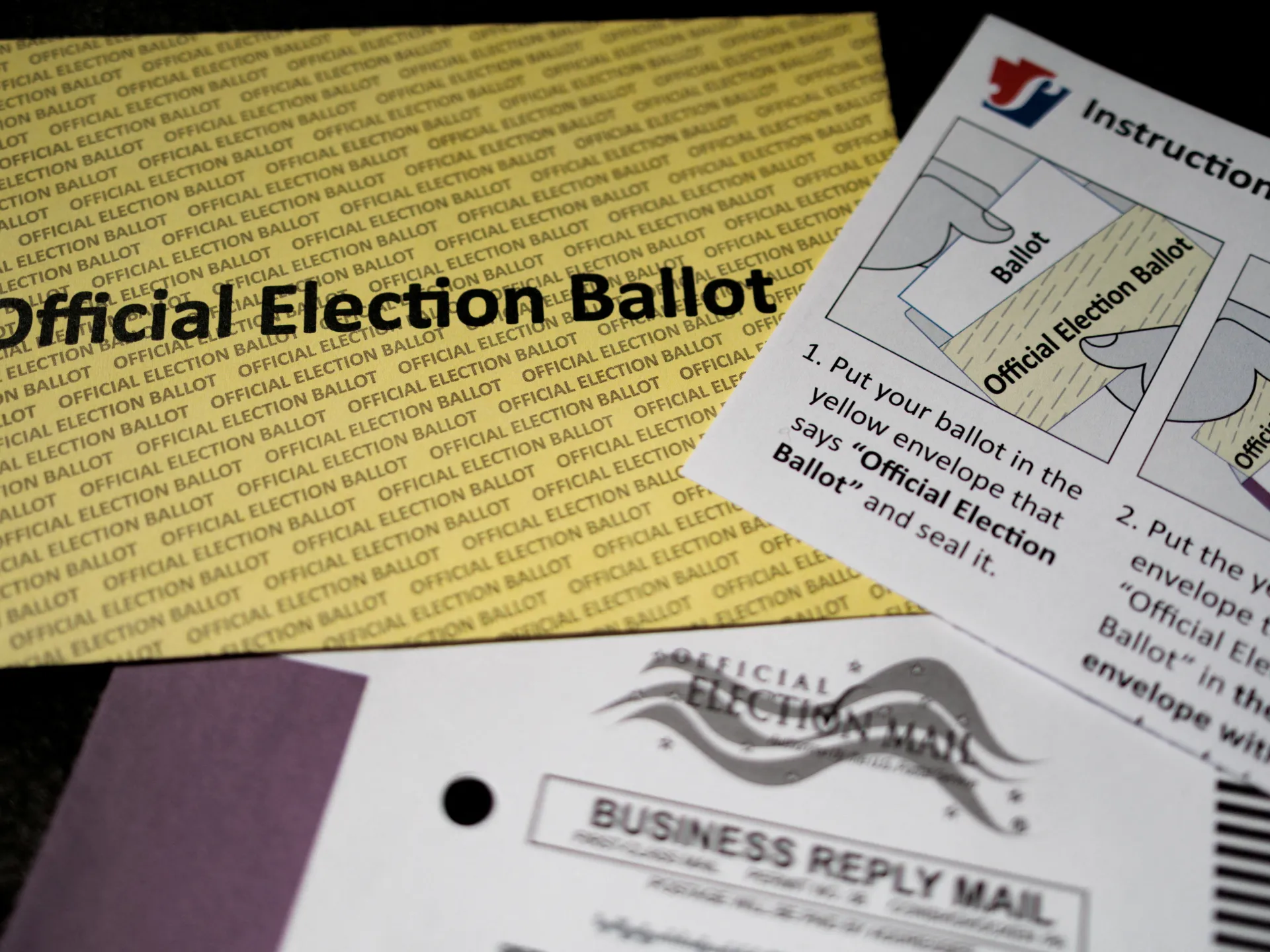
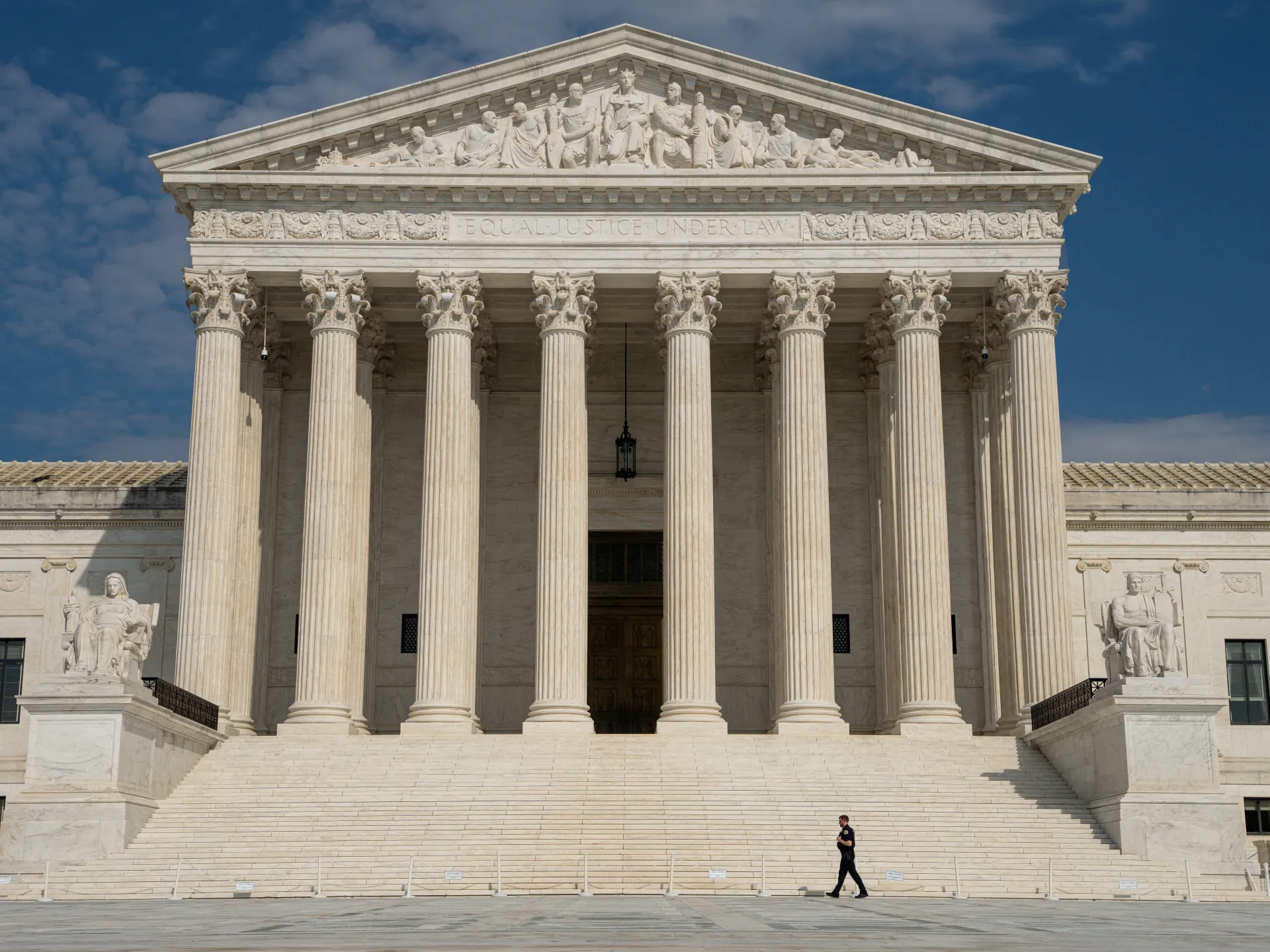
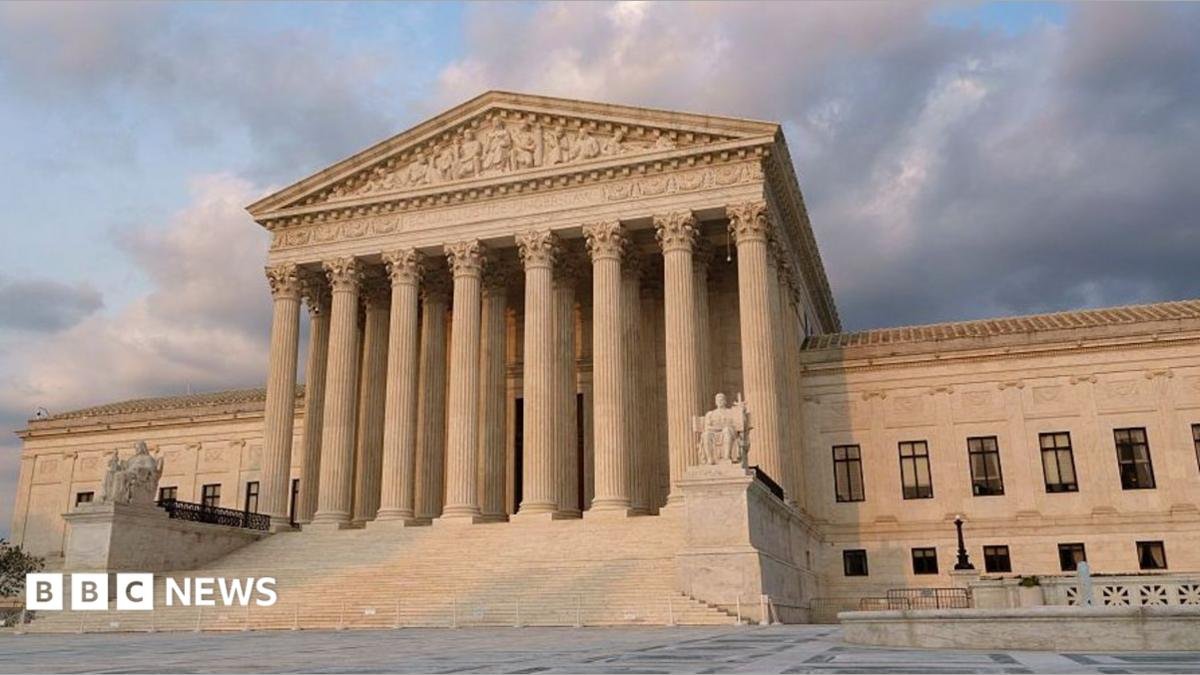
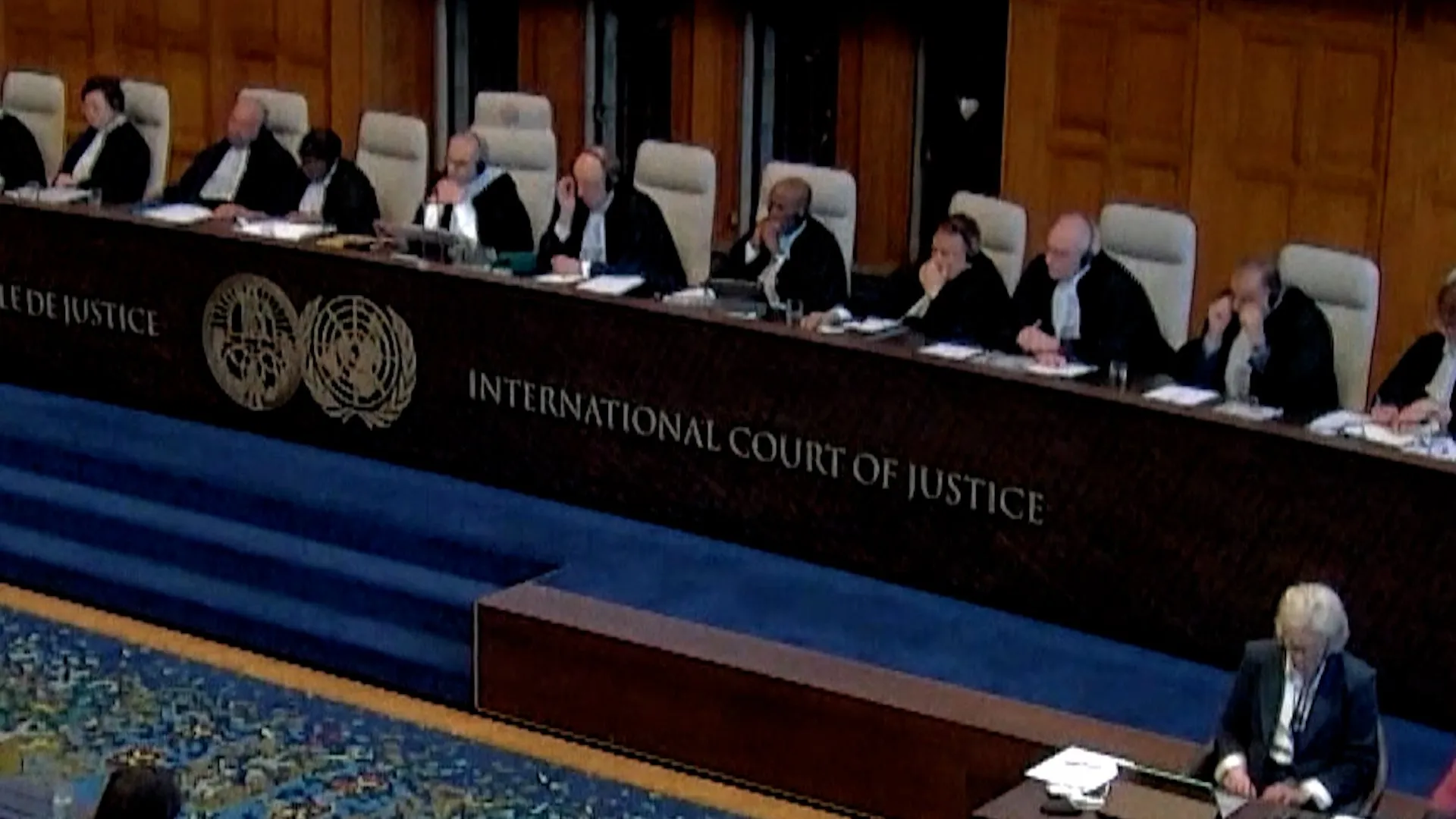
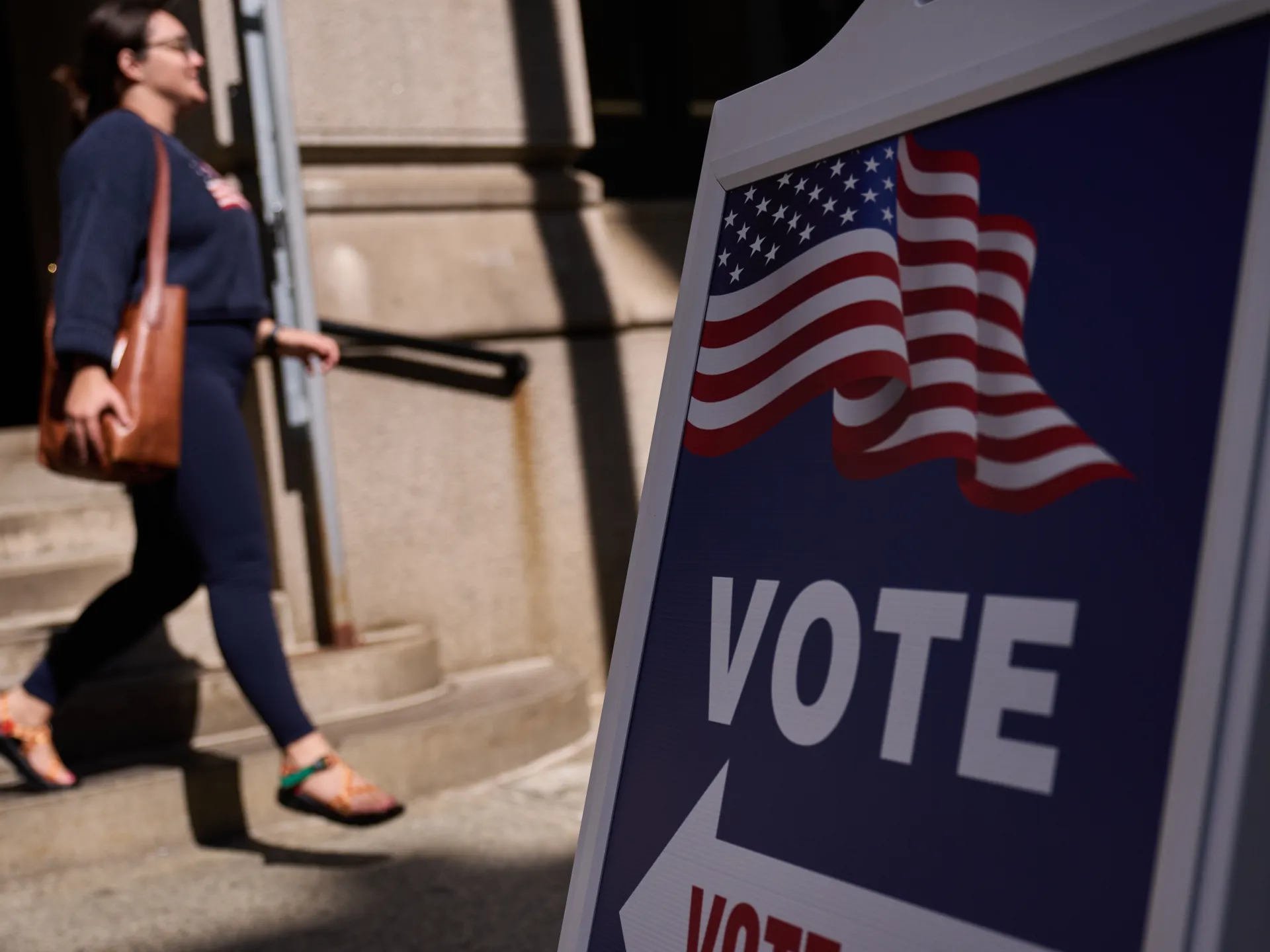
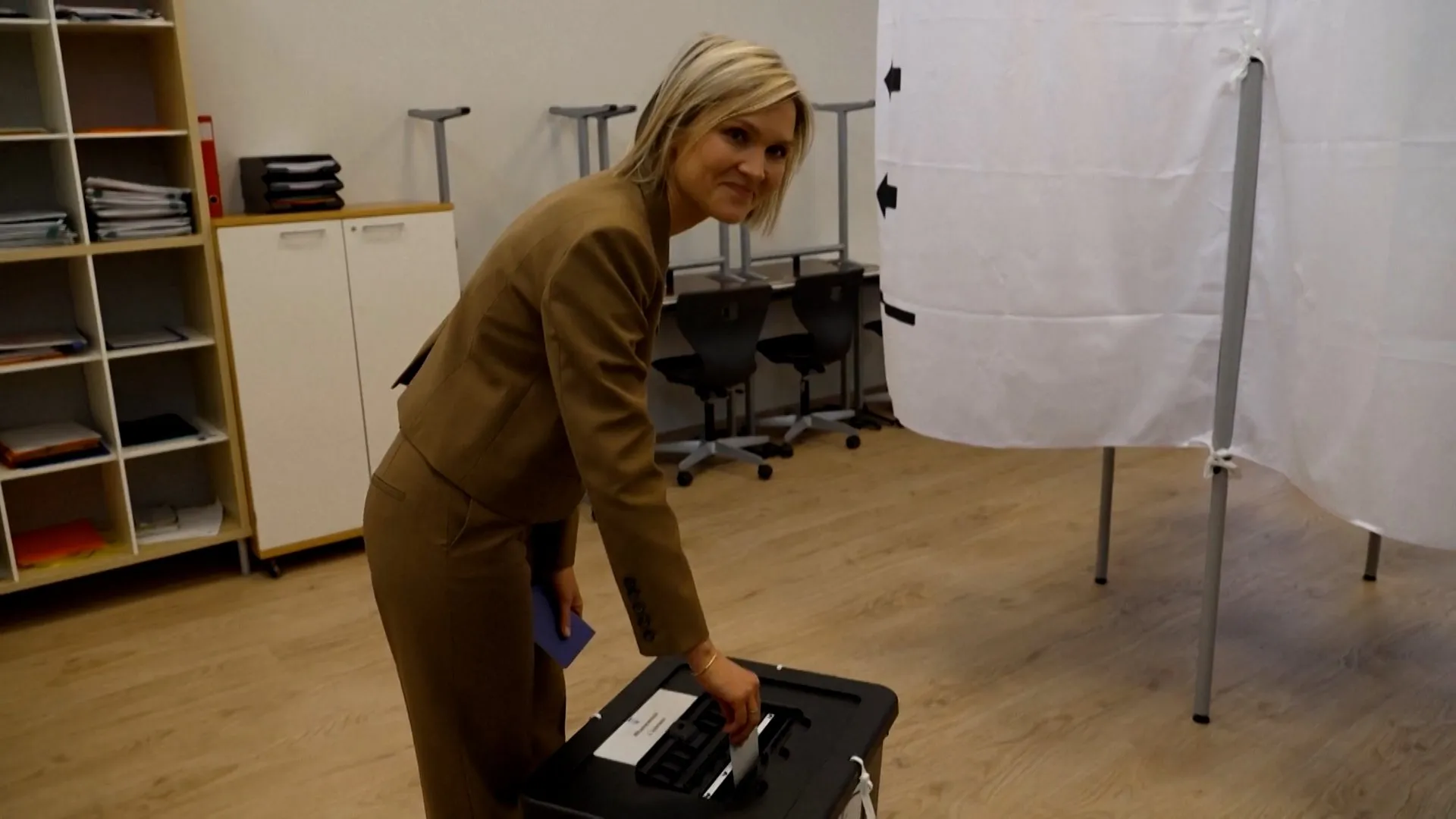
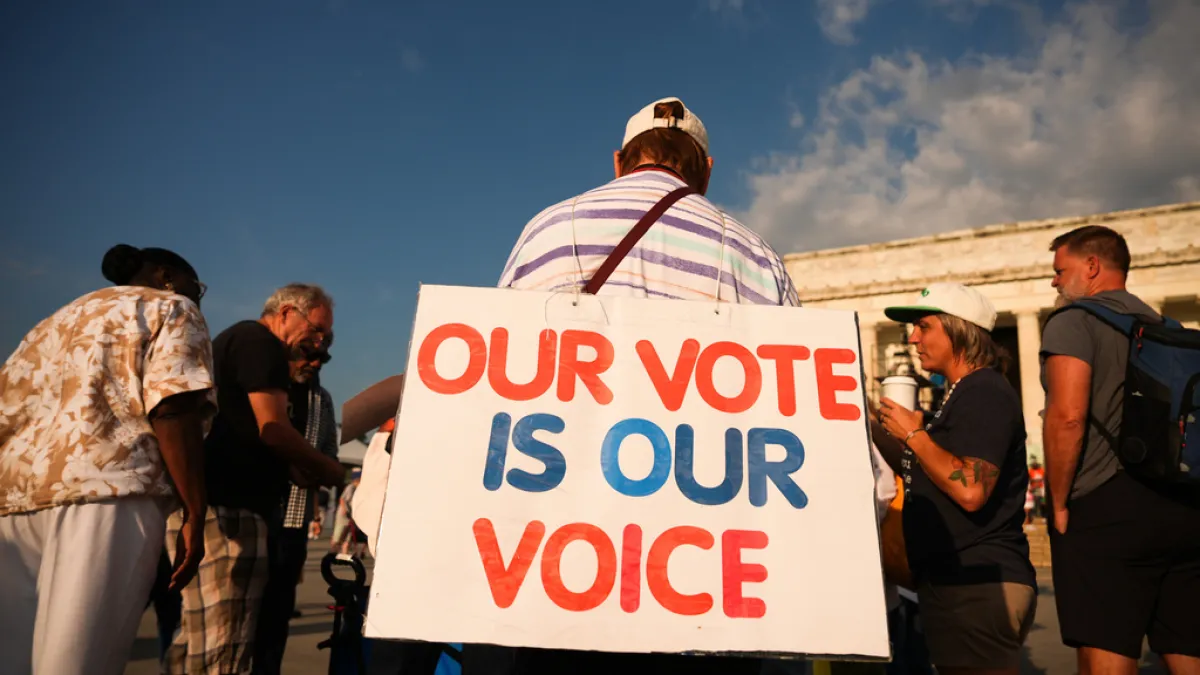
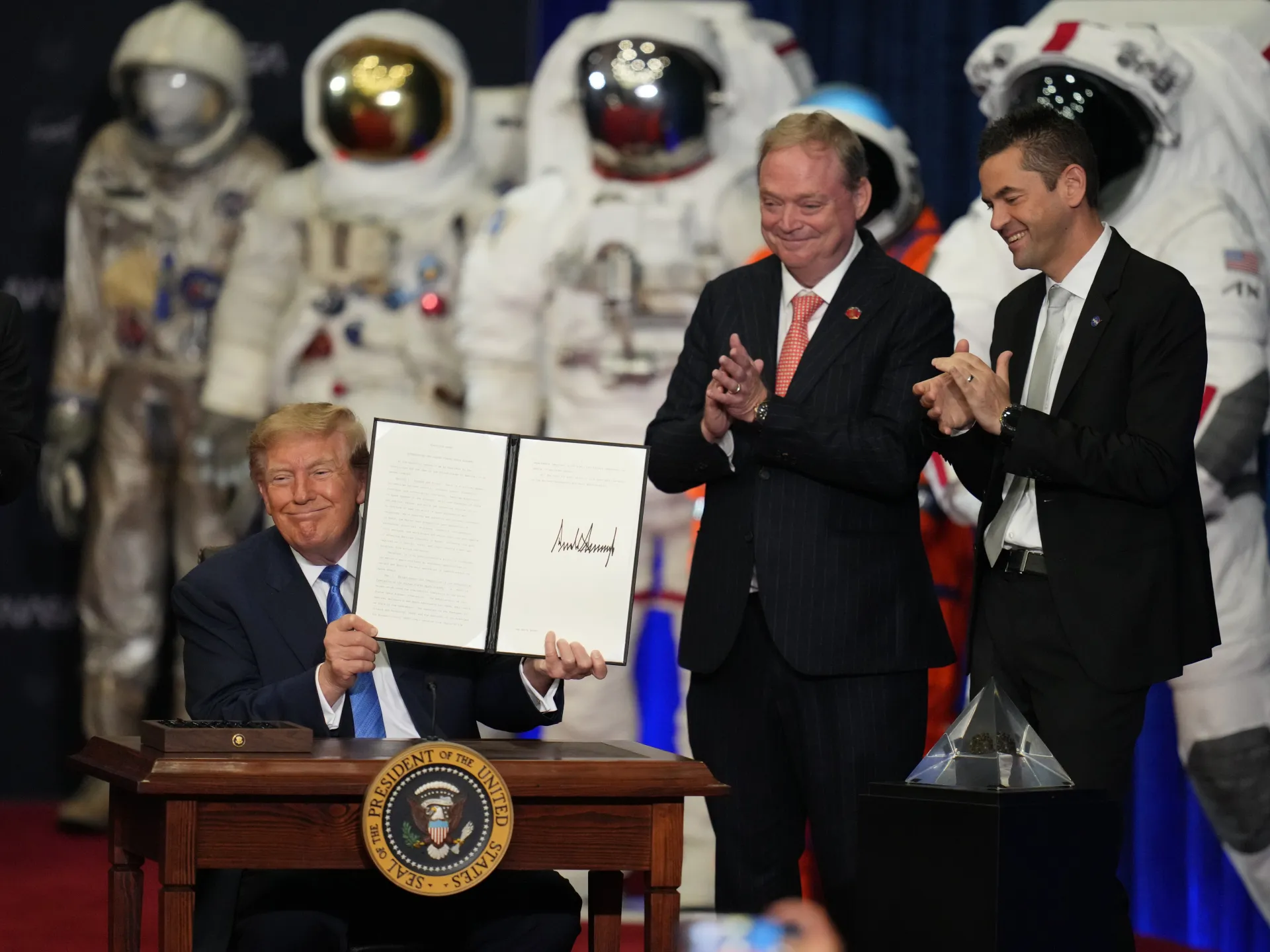
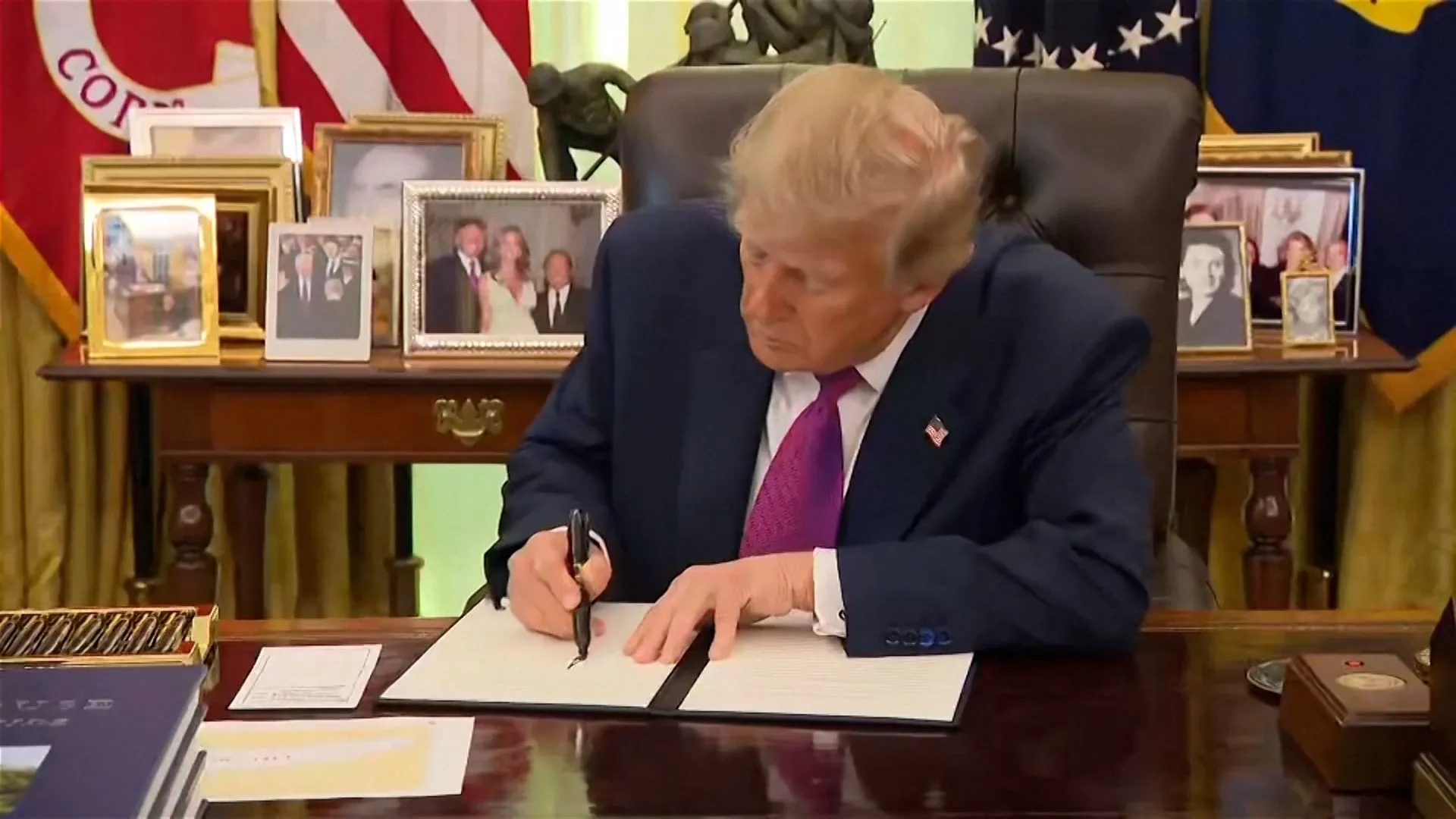
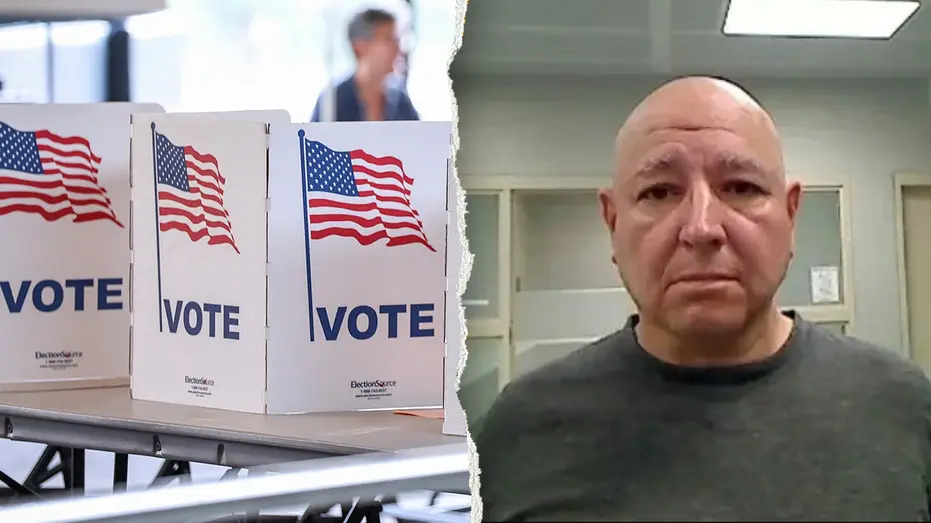
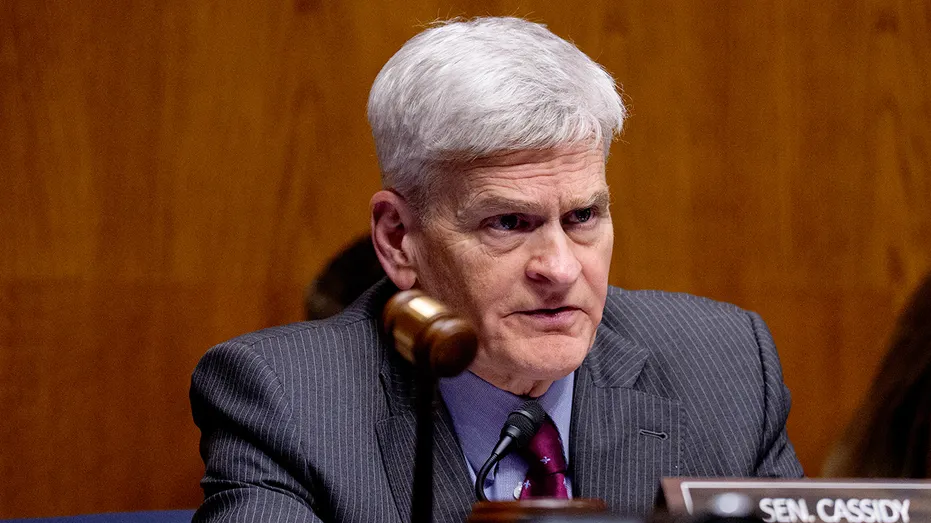
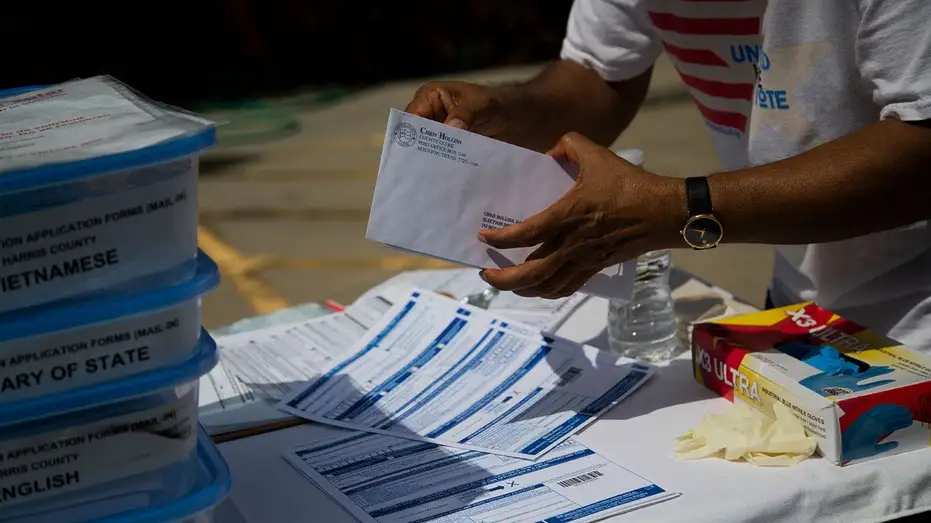
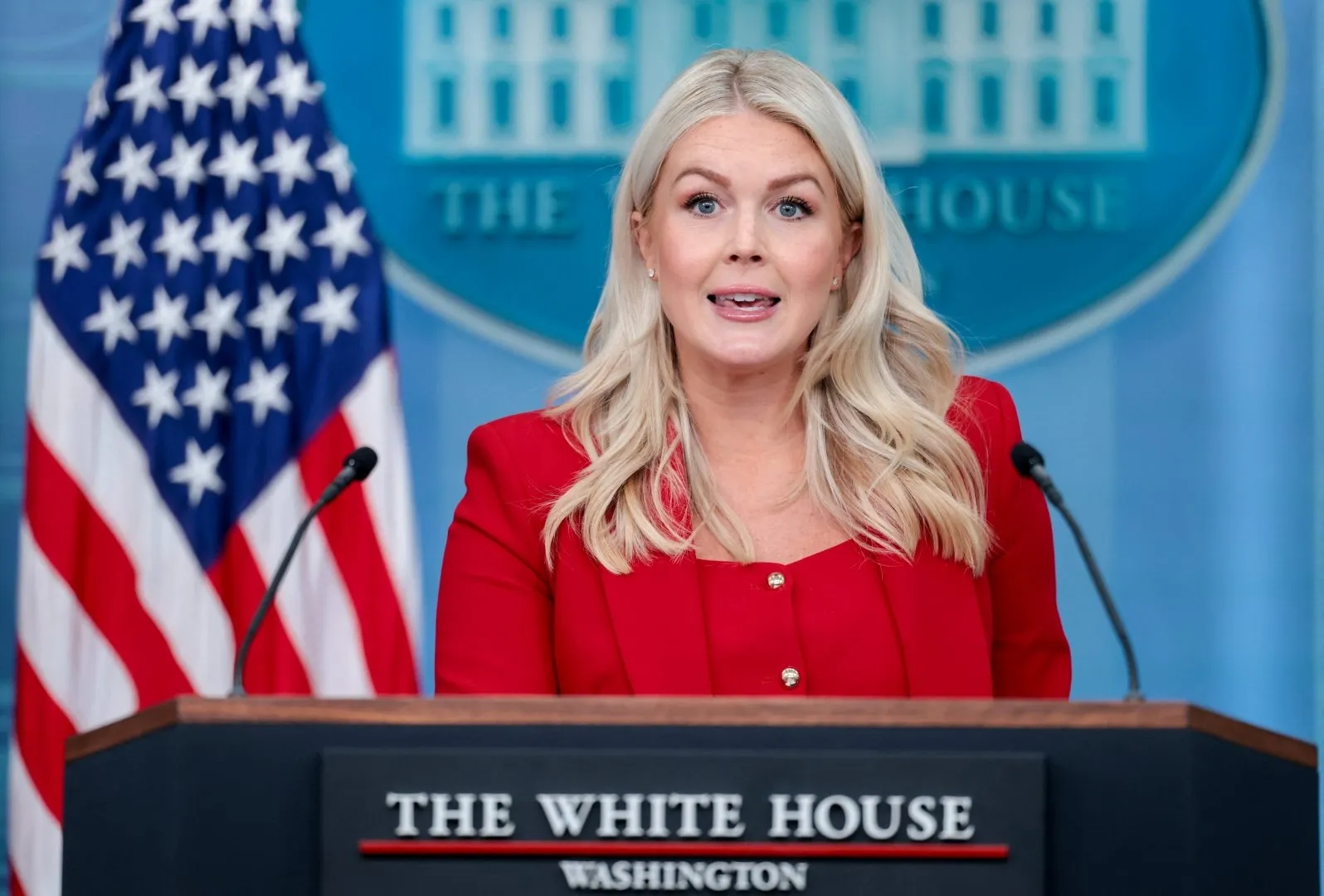
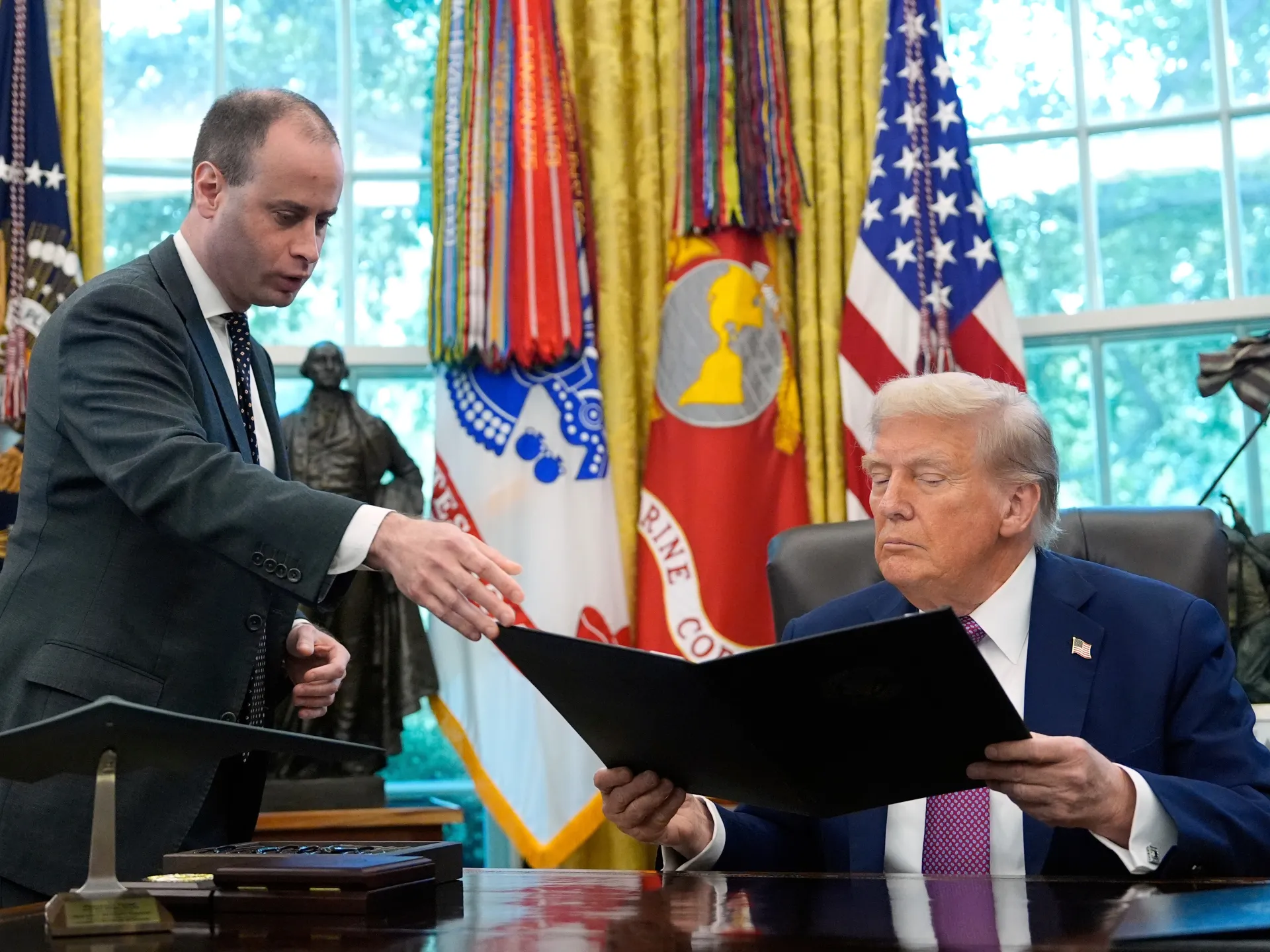
In Washington, the U.S. Supreme Court delivered a significant procedural blow to the White House s block on new requirements for the U.S. Postal Service (USPS) that would have restricted ballot delivery to voters on specific citizenship lists. The ruling prevents the implementation of changes that state officials warned could have disenfranchised voters during the upcoming midterm elections.
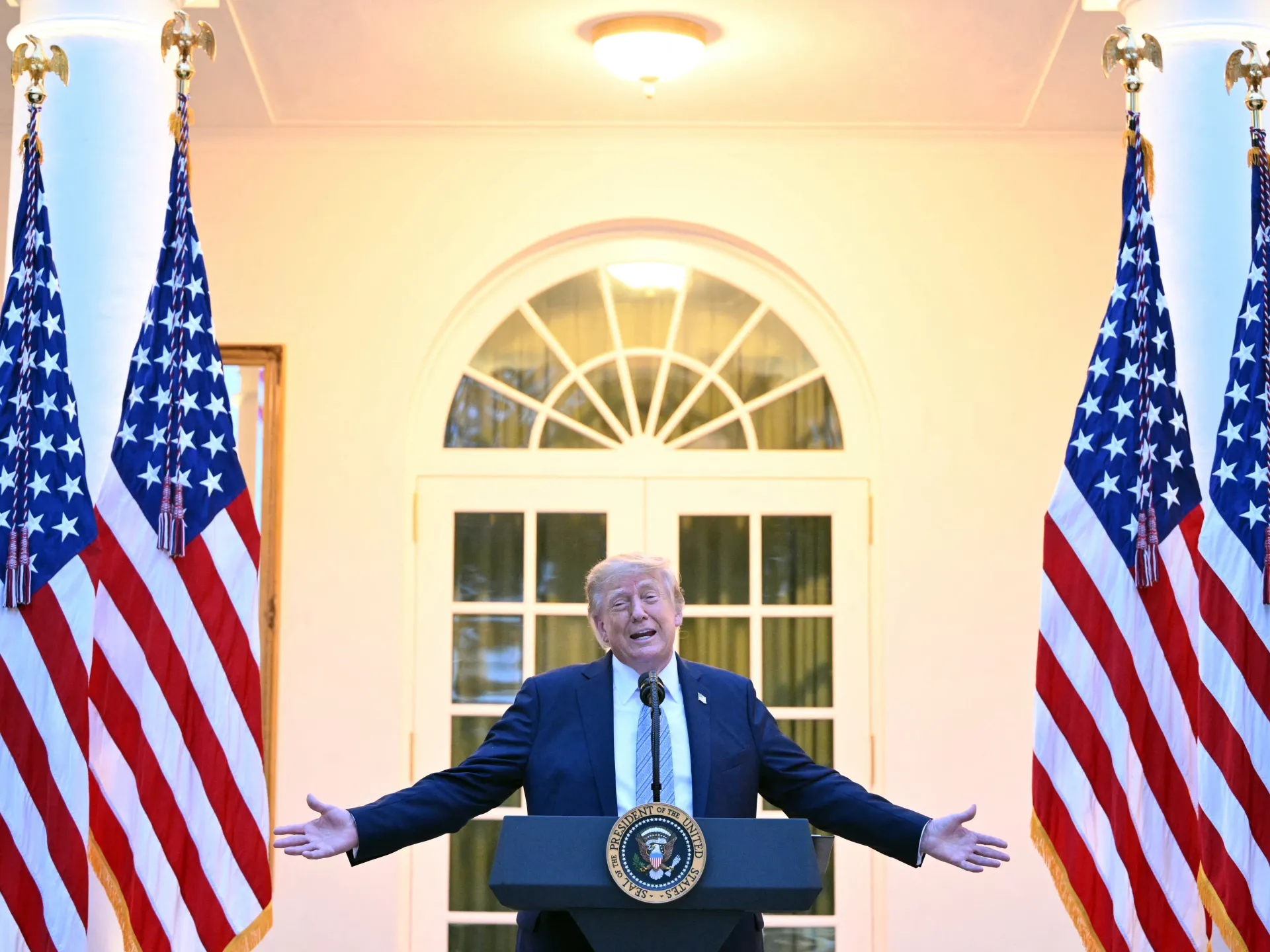
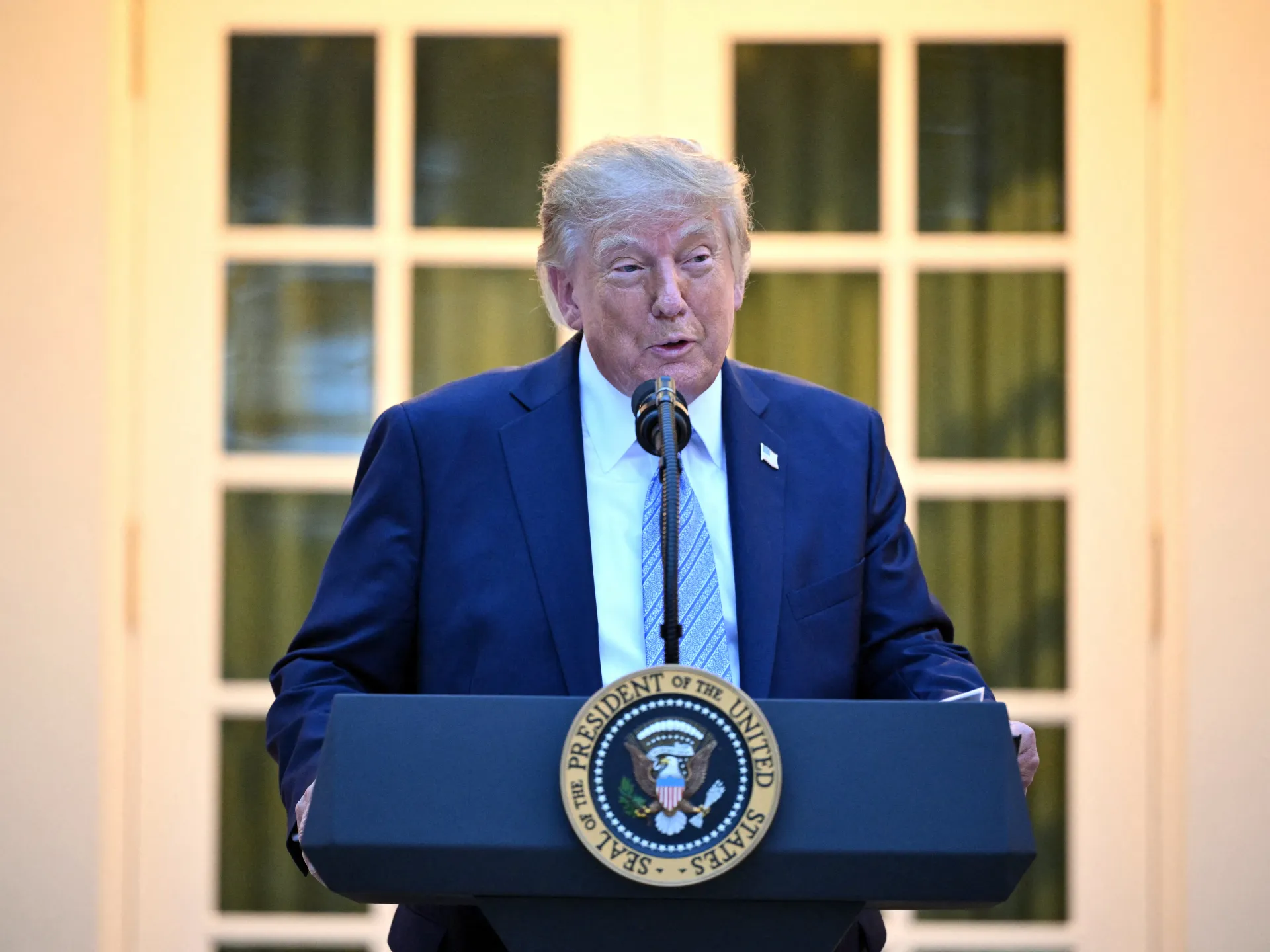
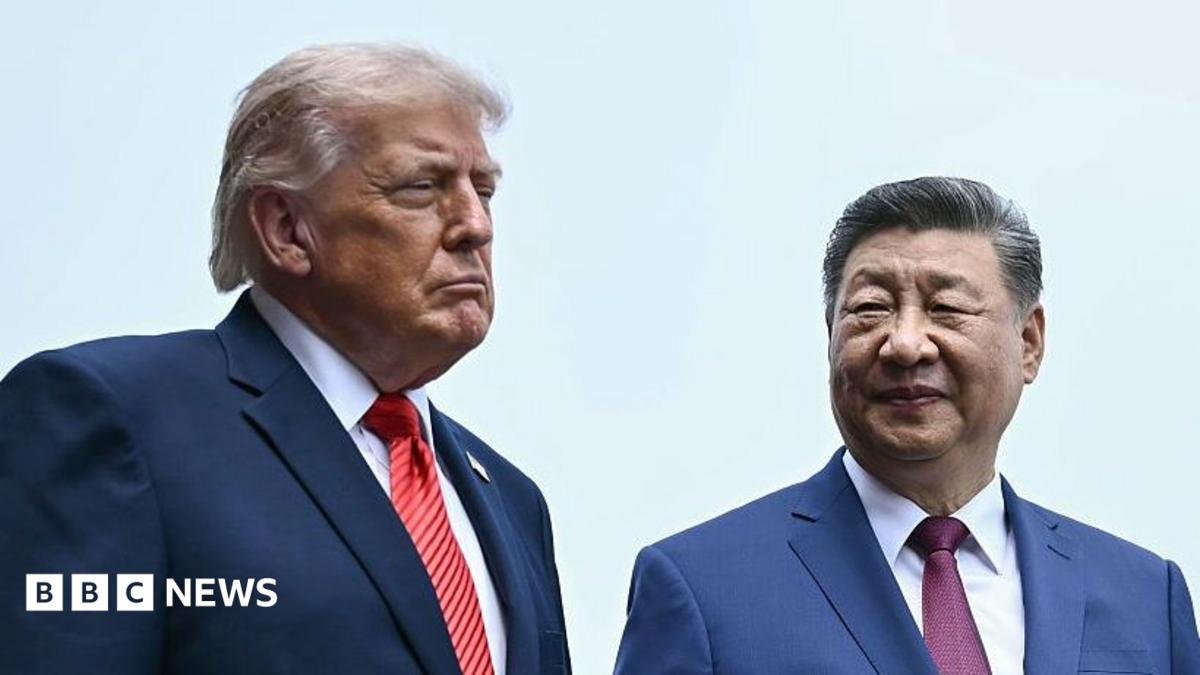
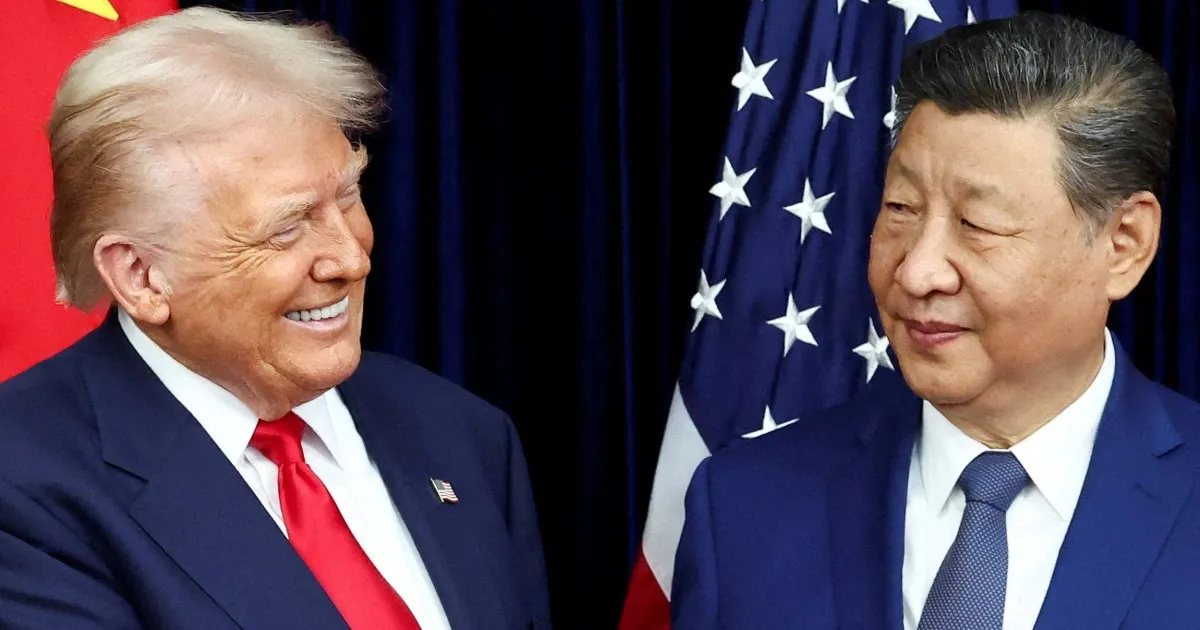
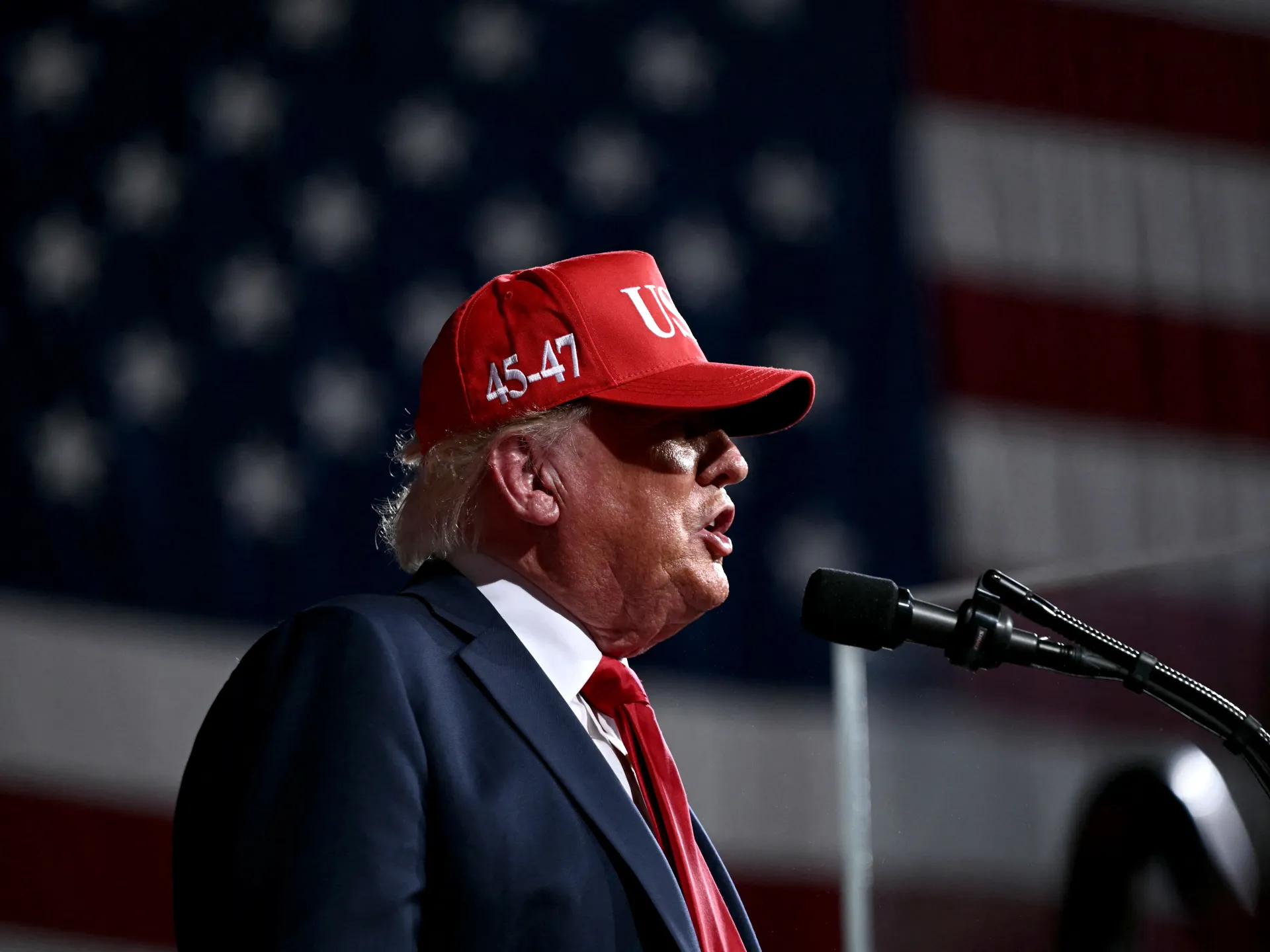
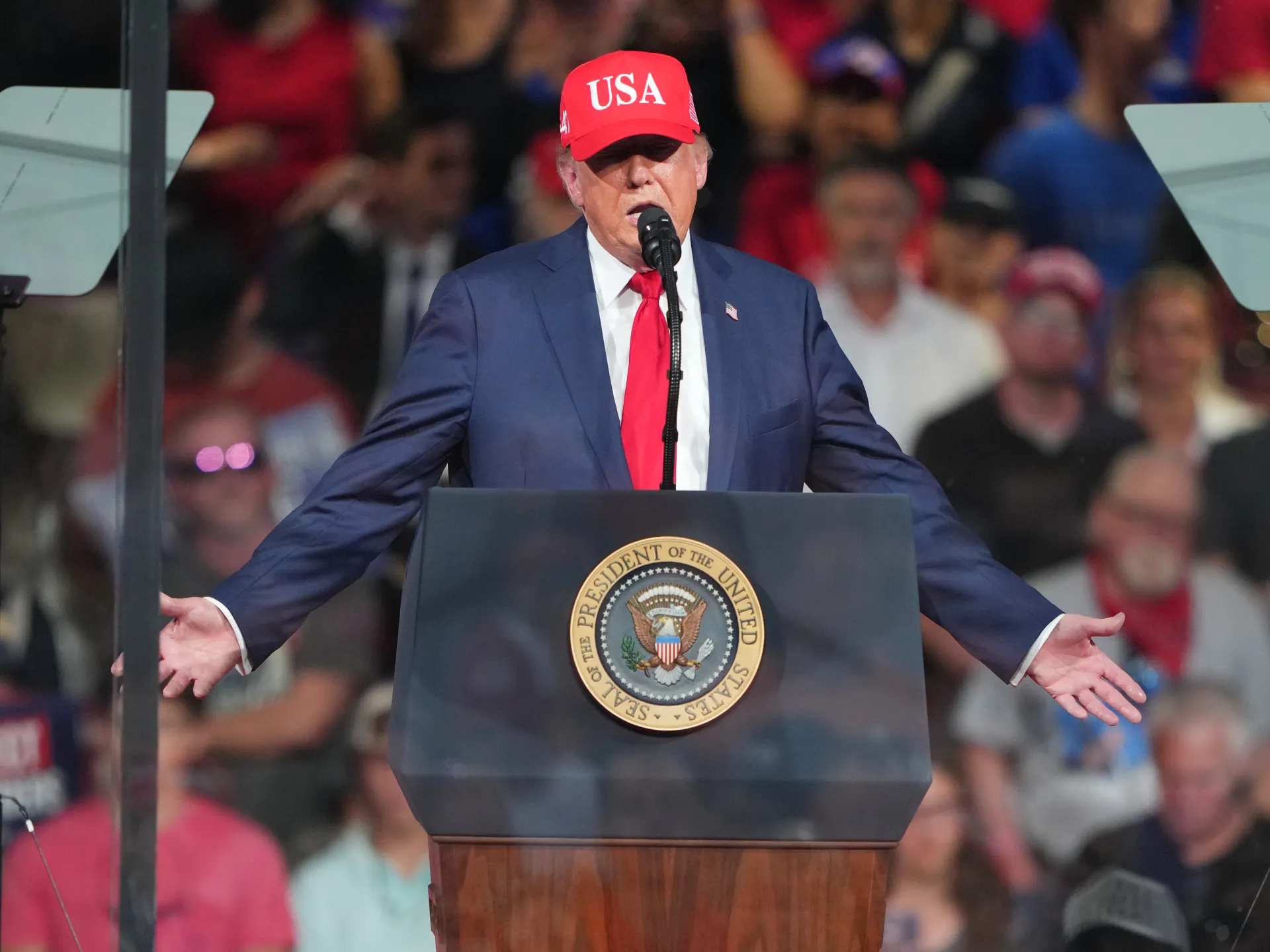
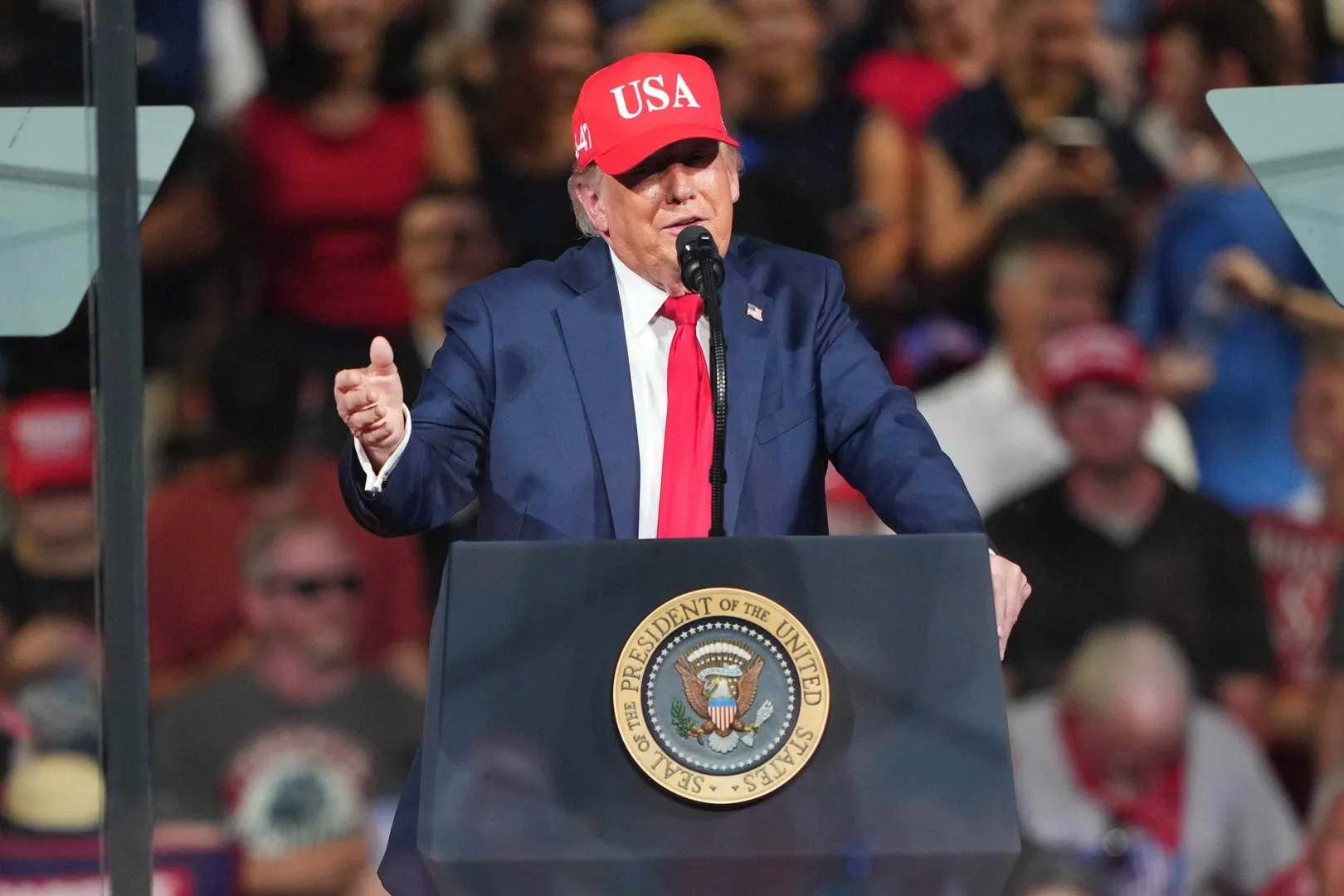
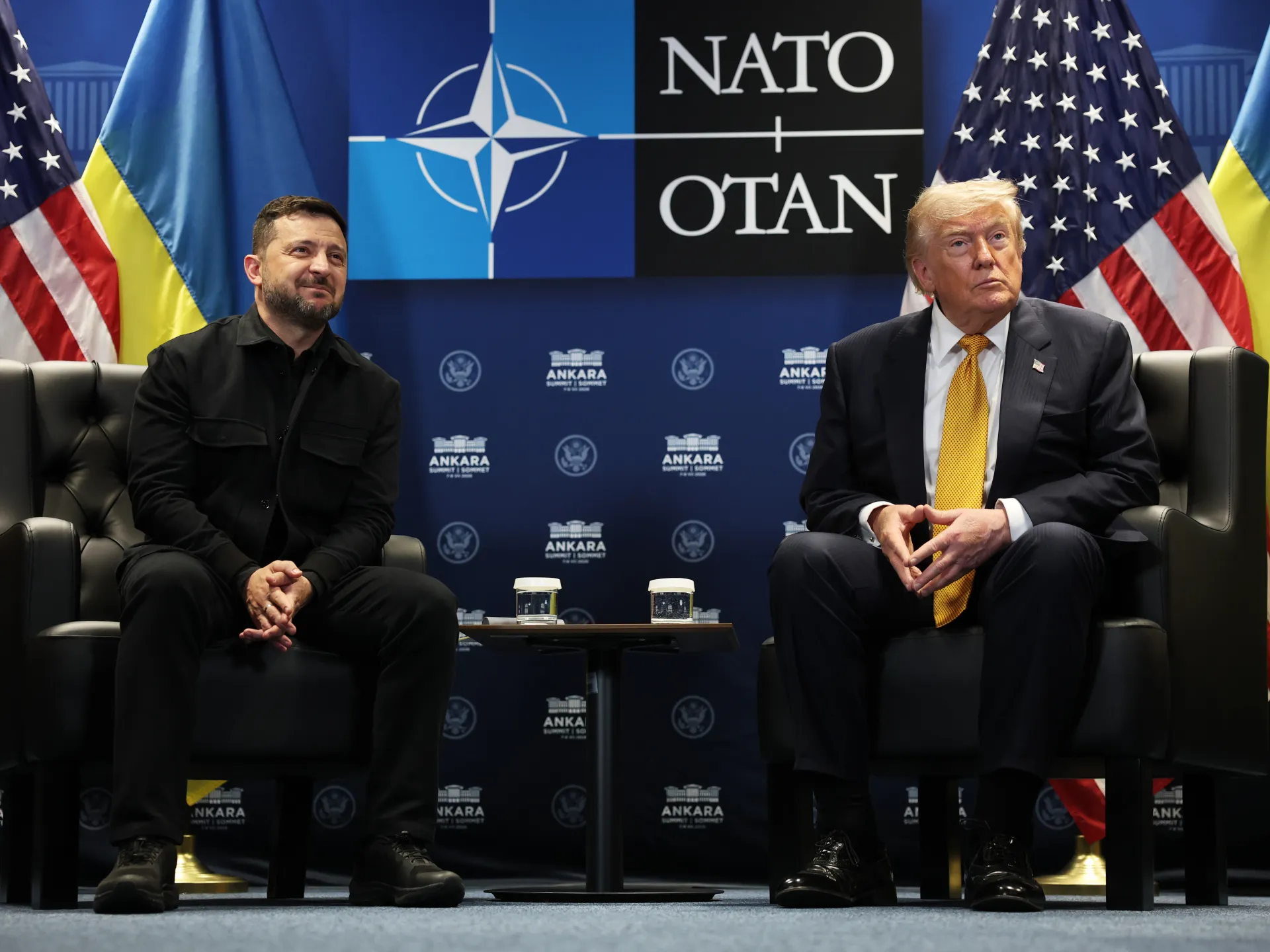
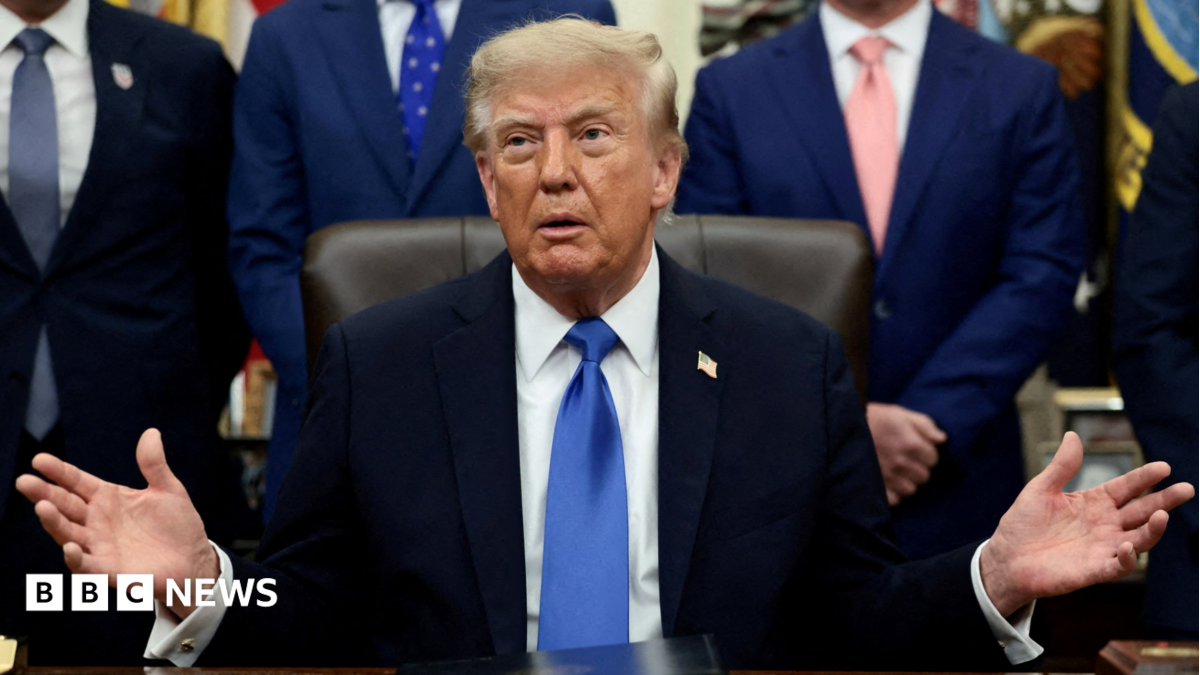
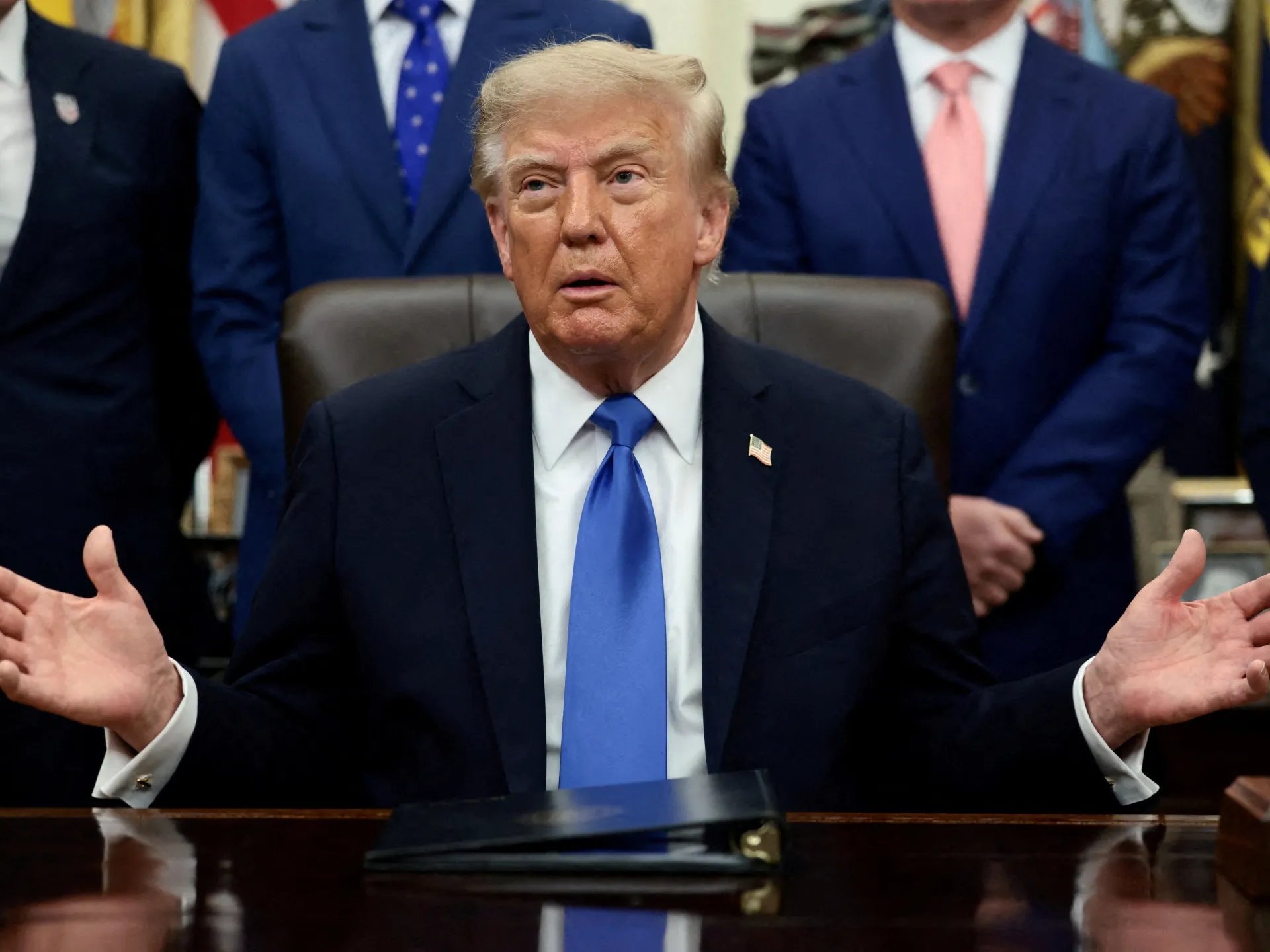
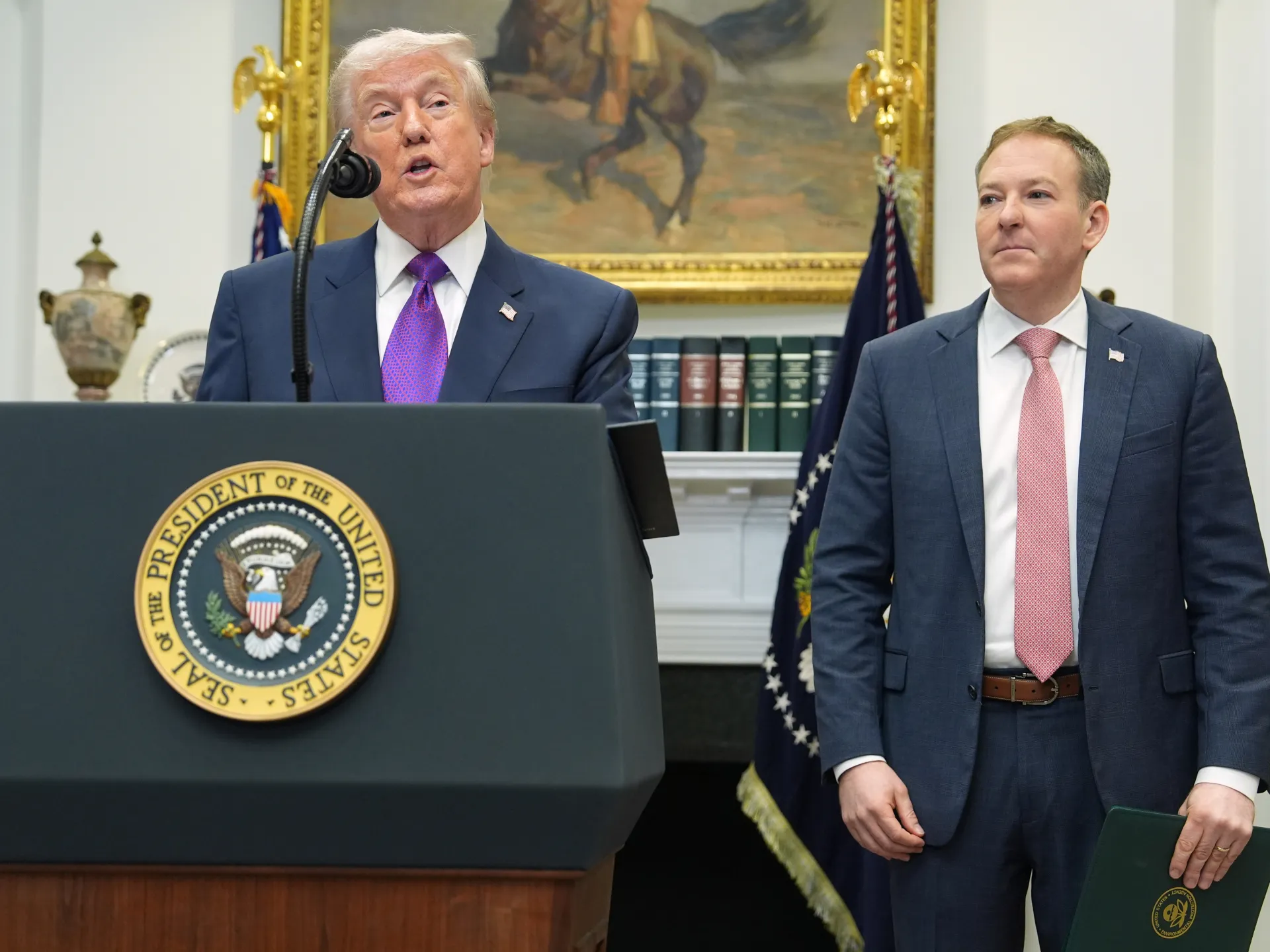
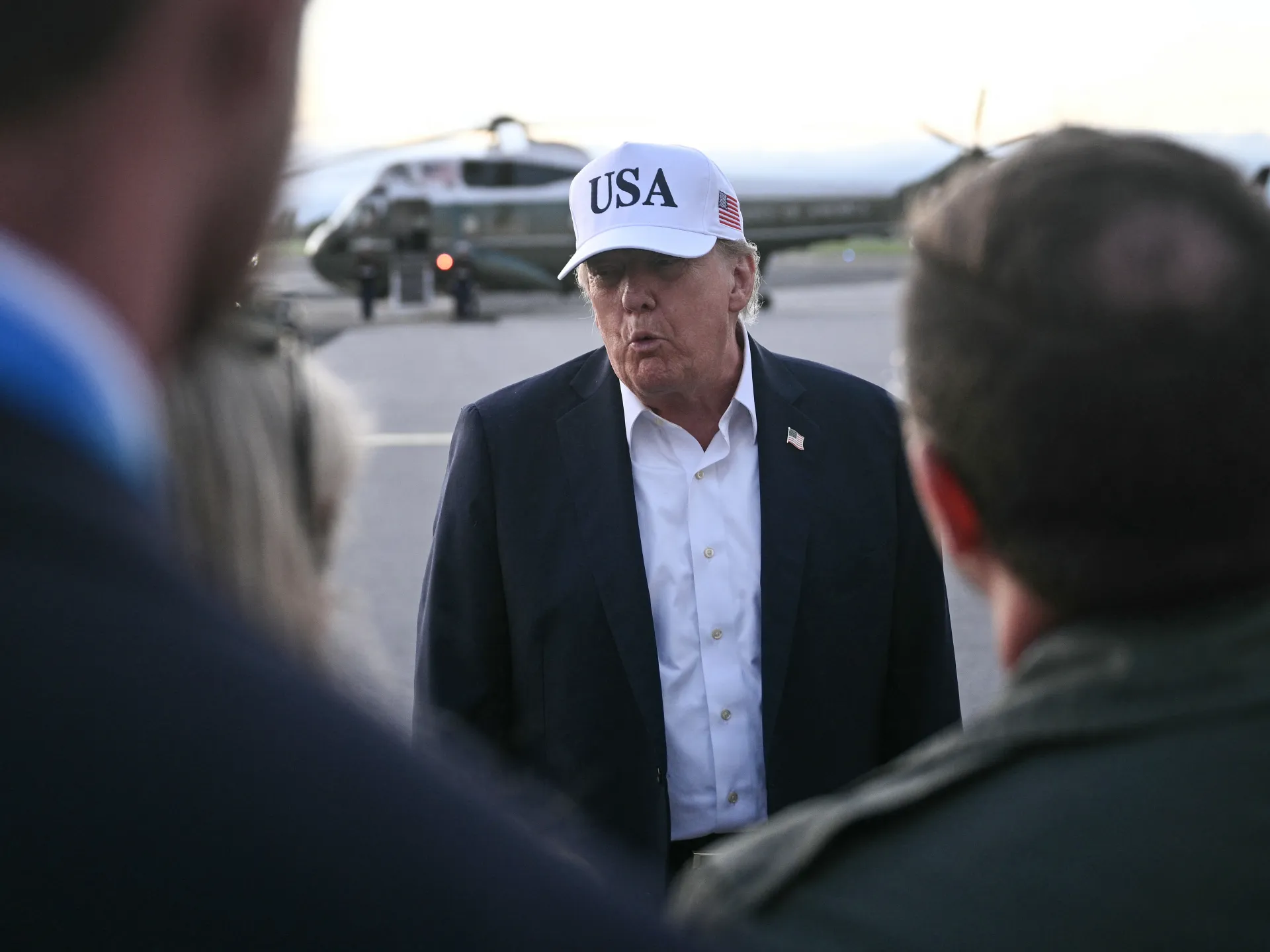
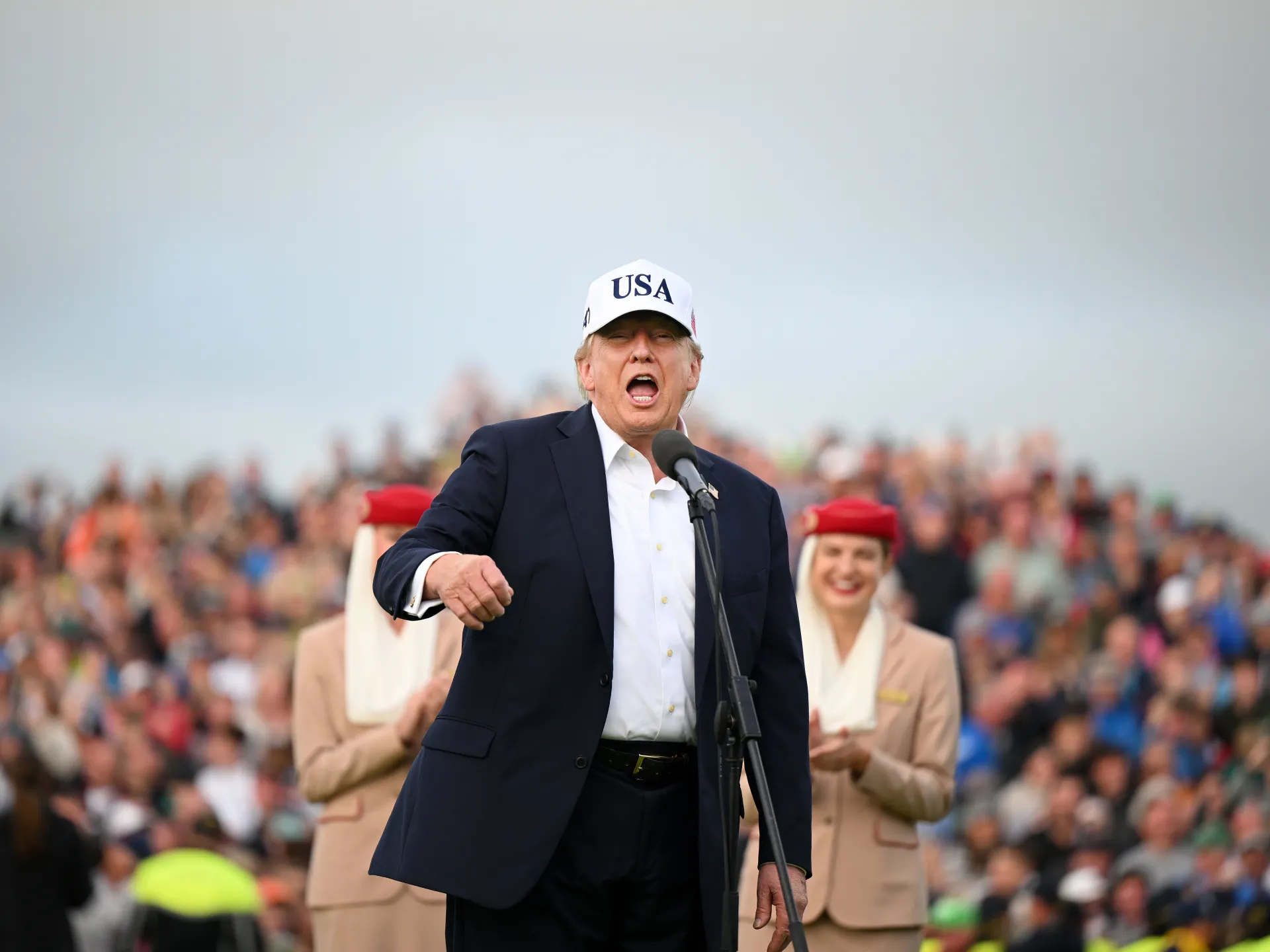
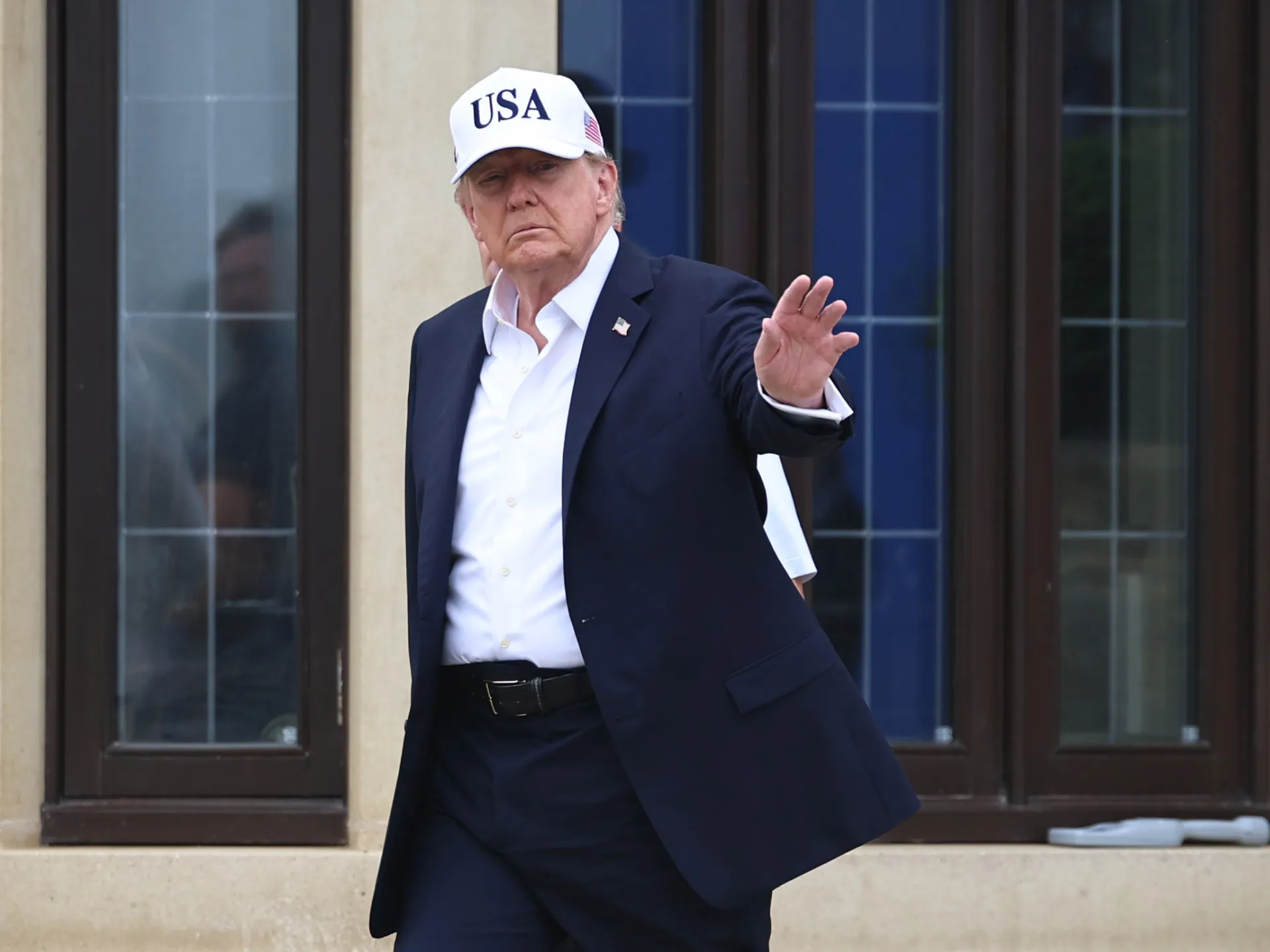
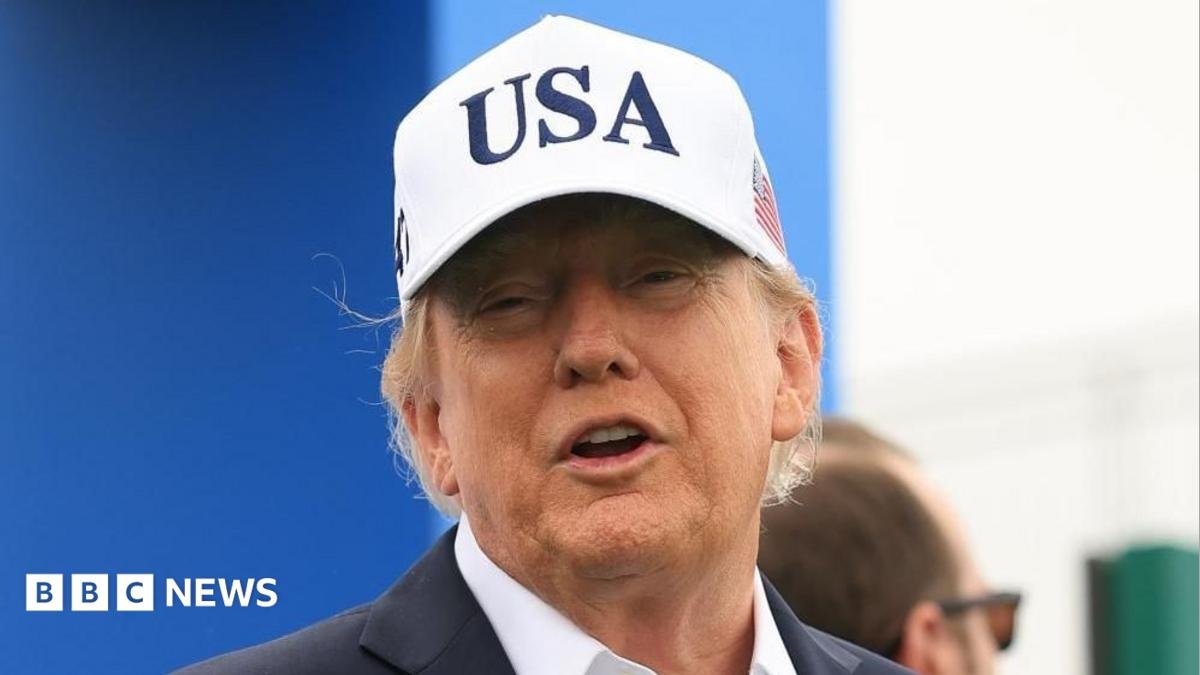
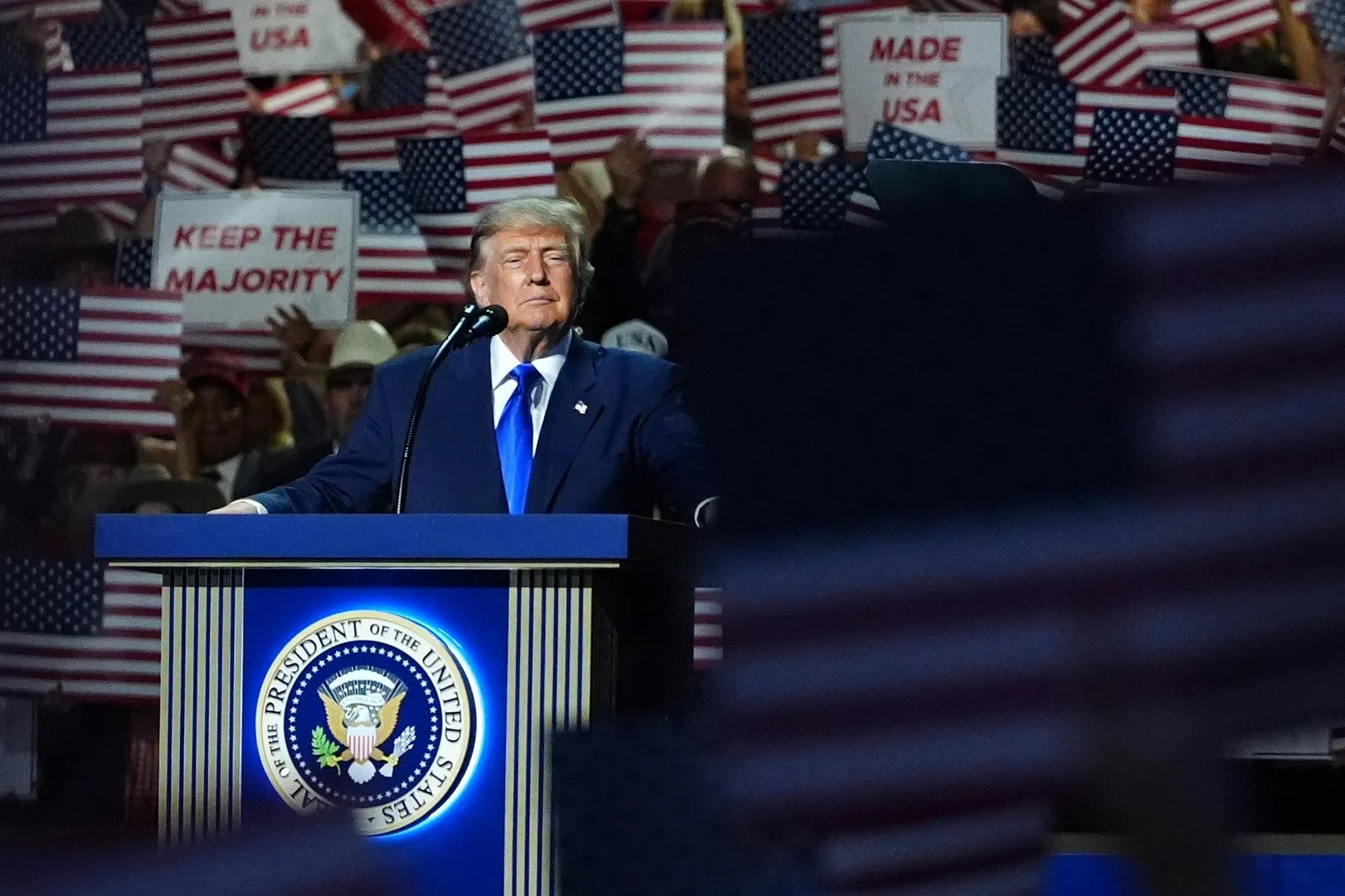
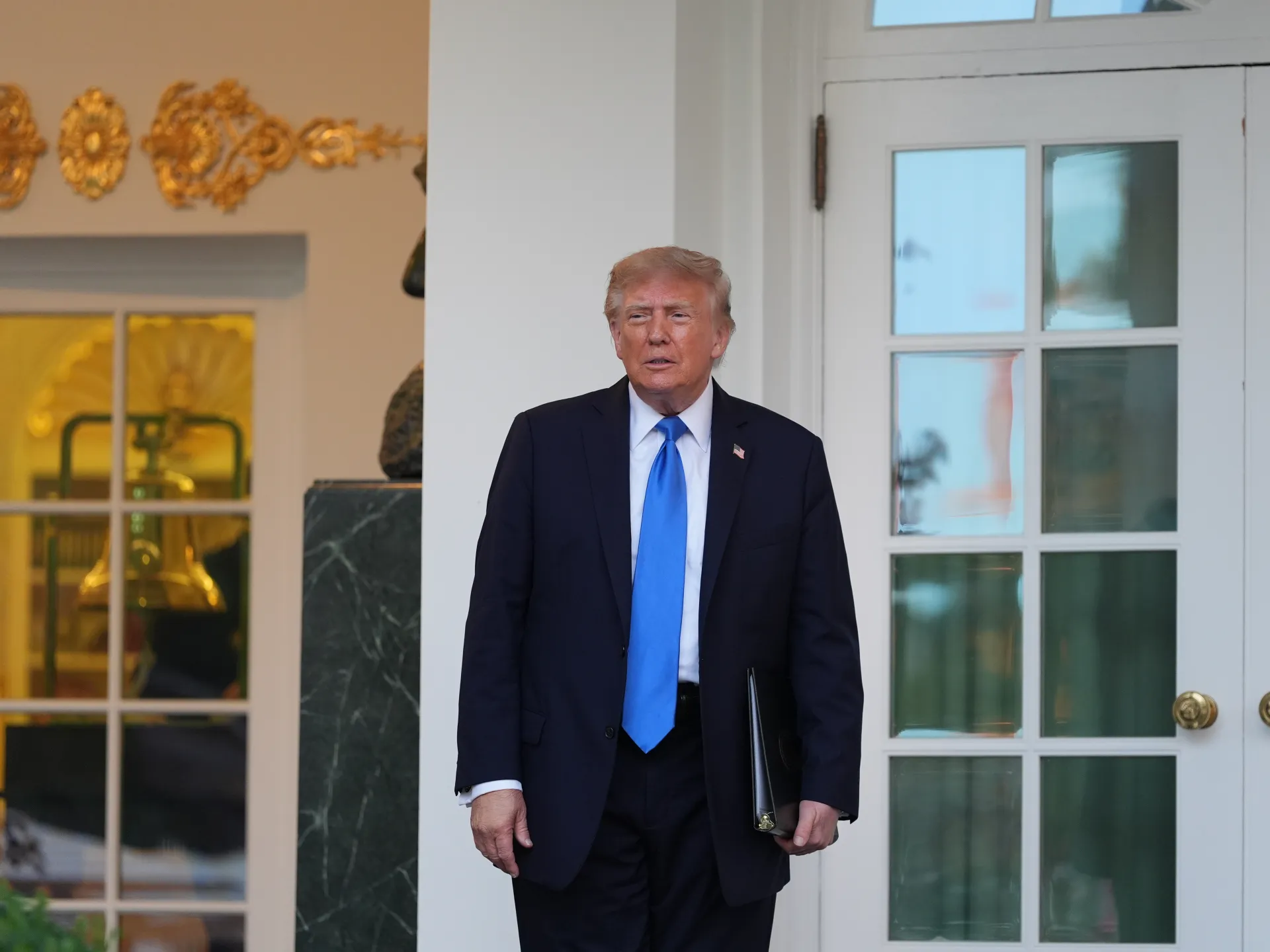
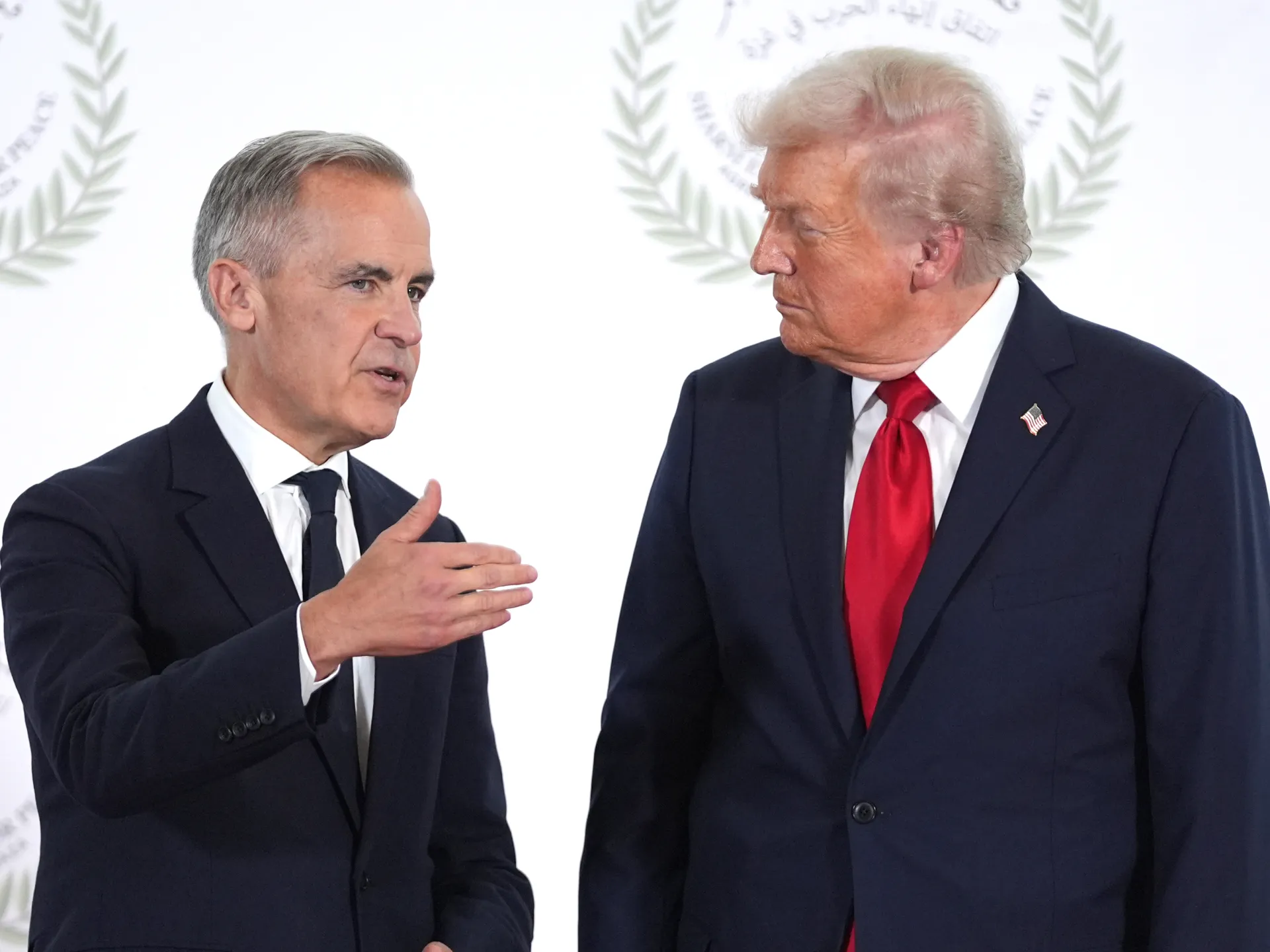
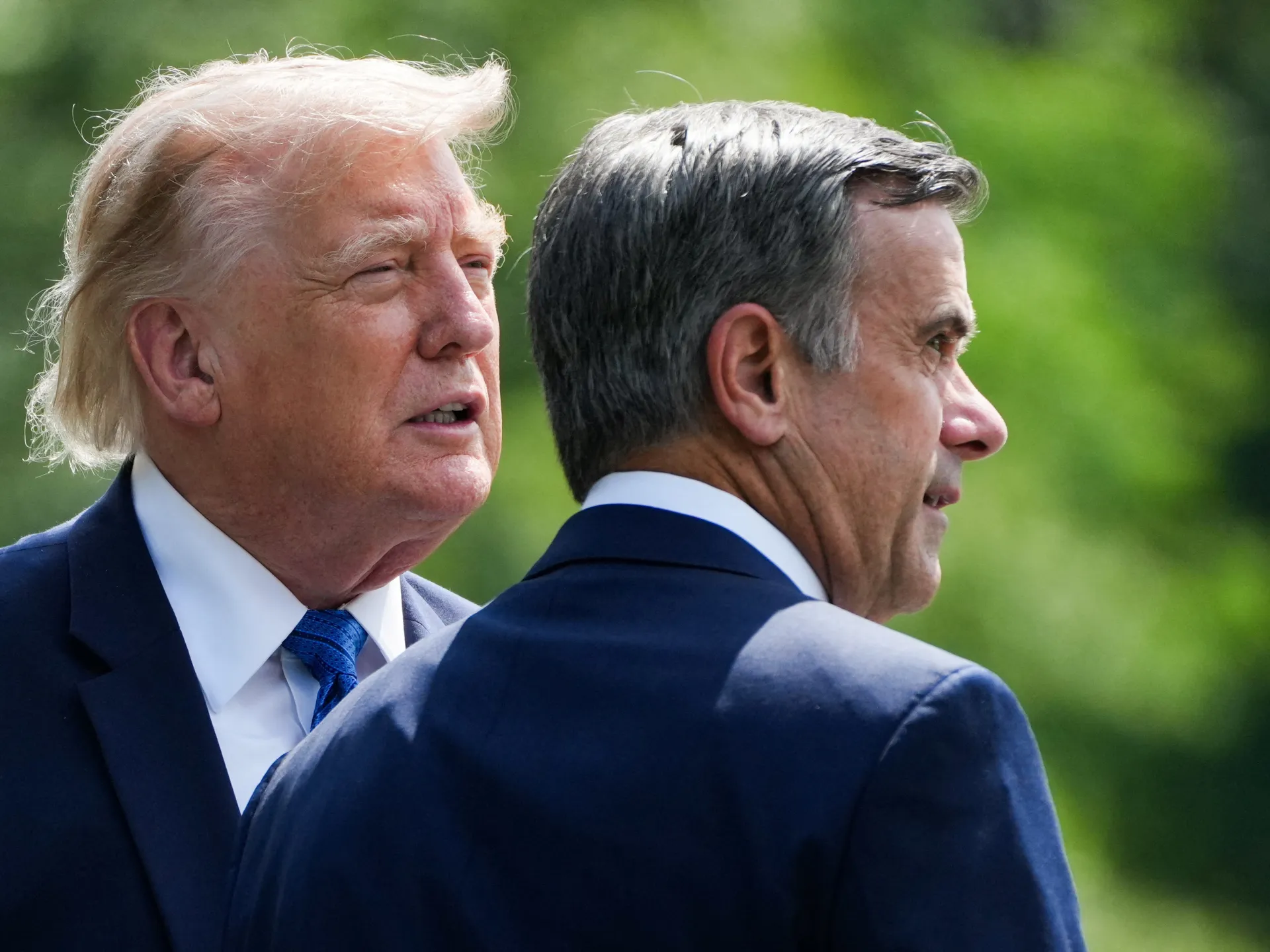
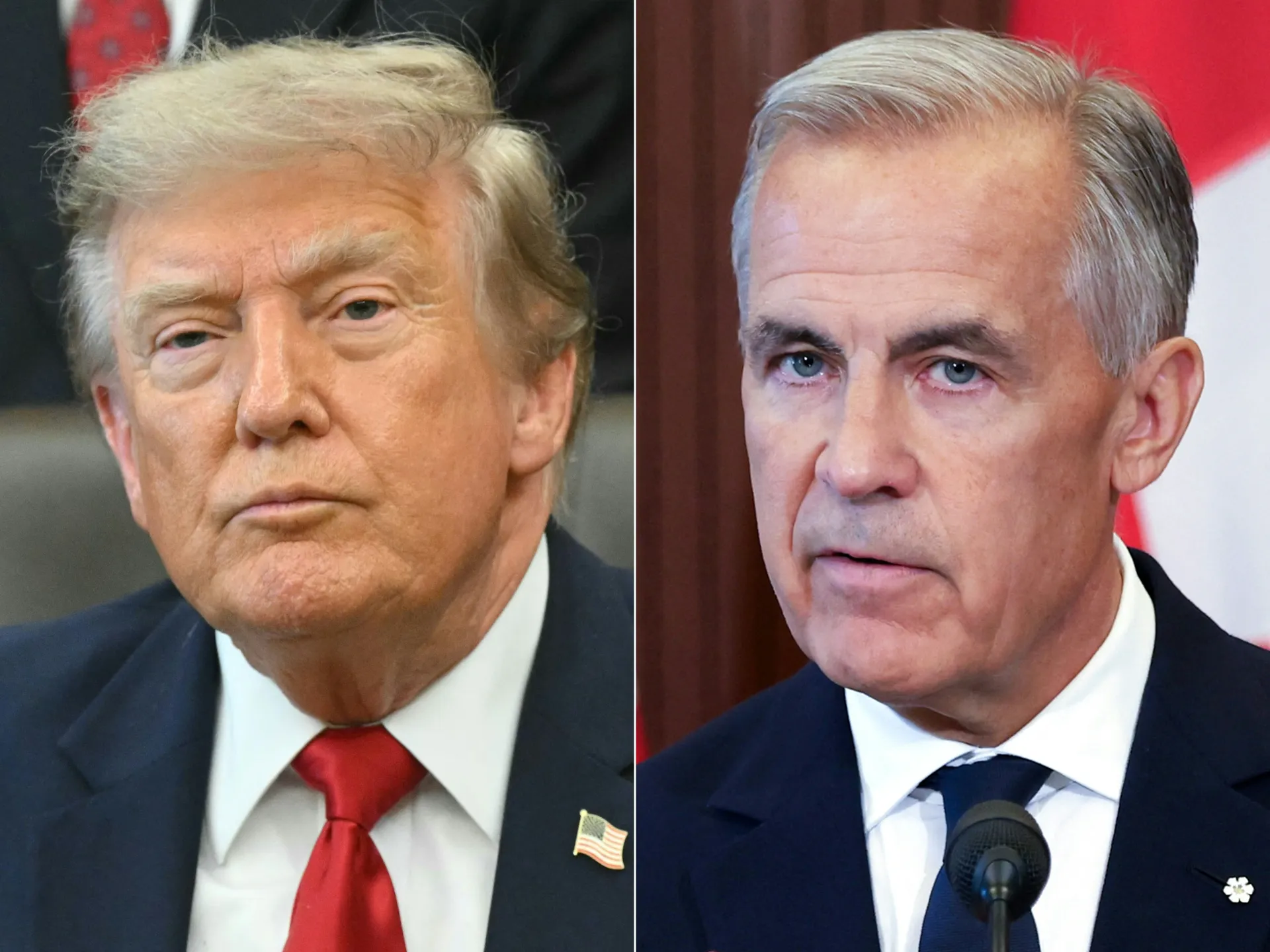
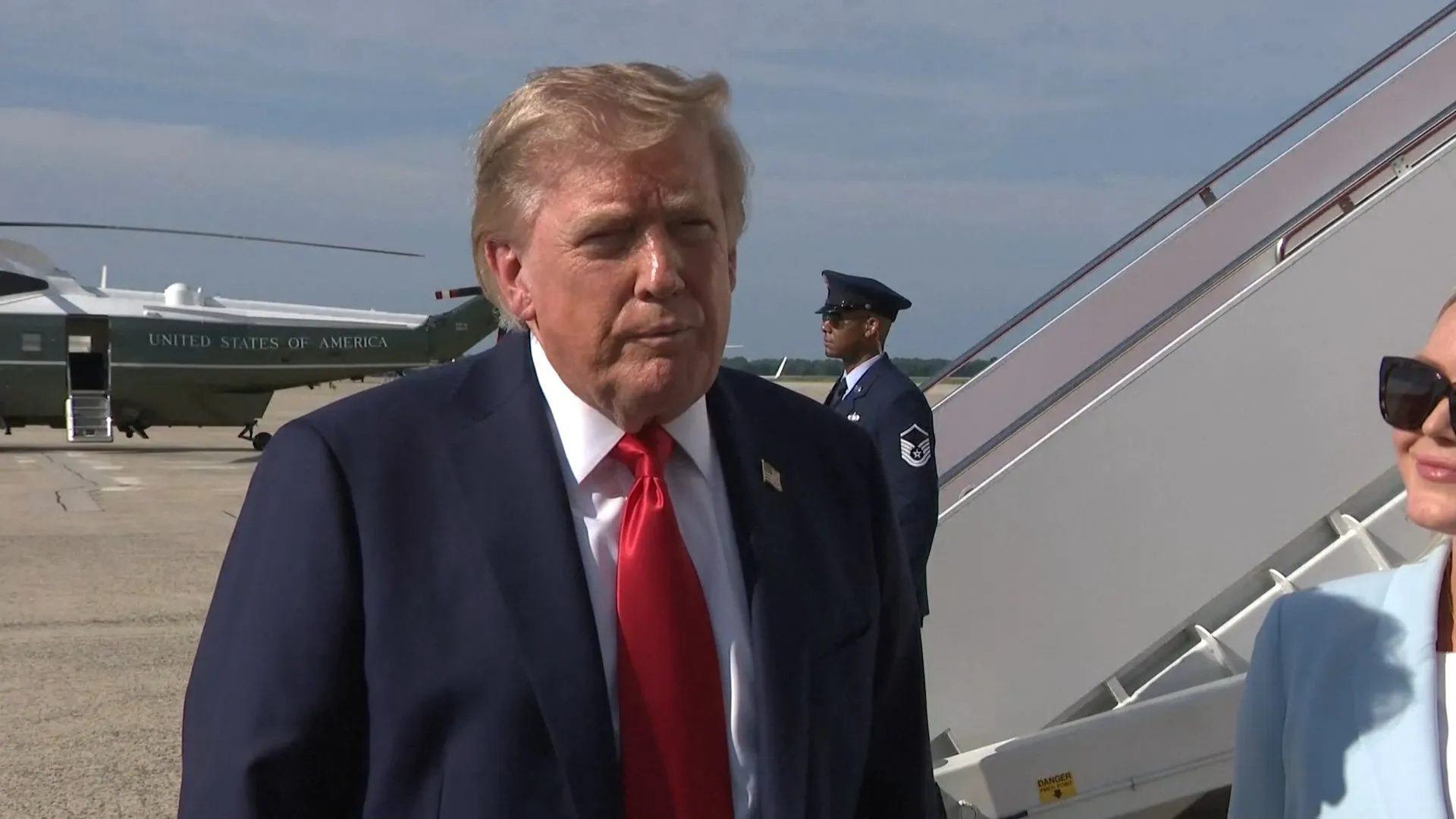
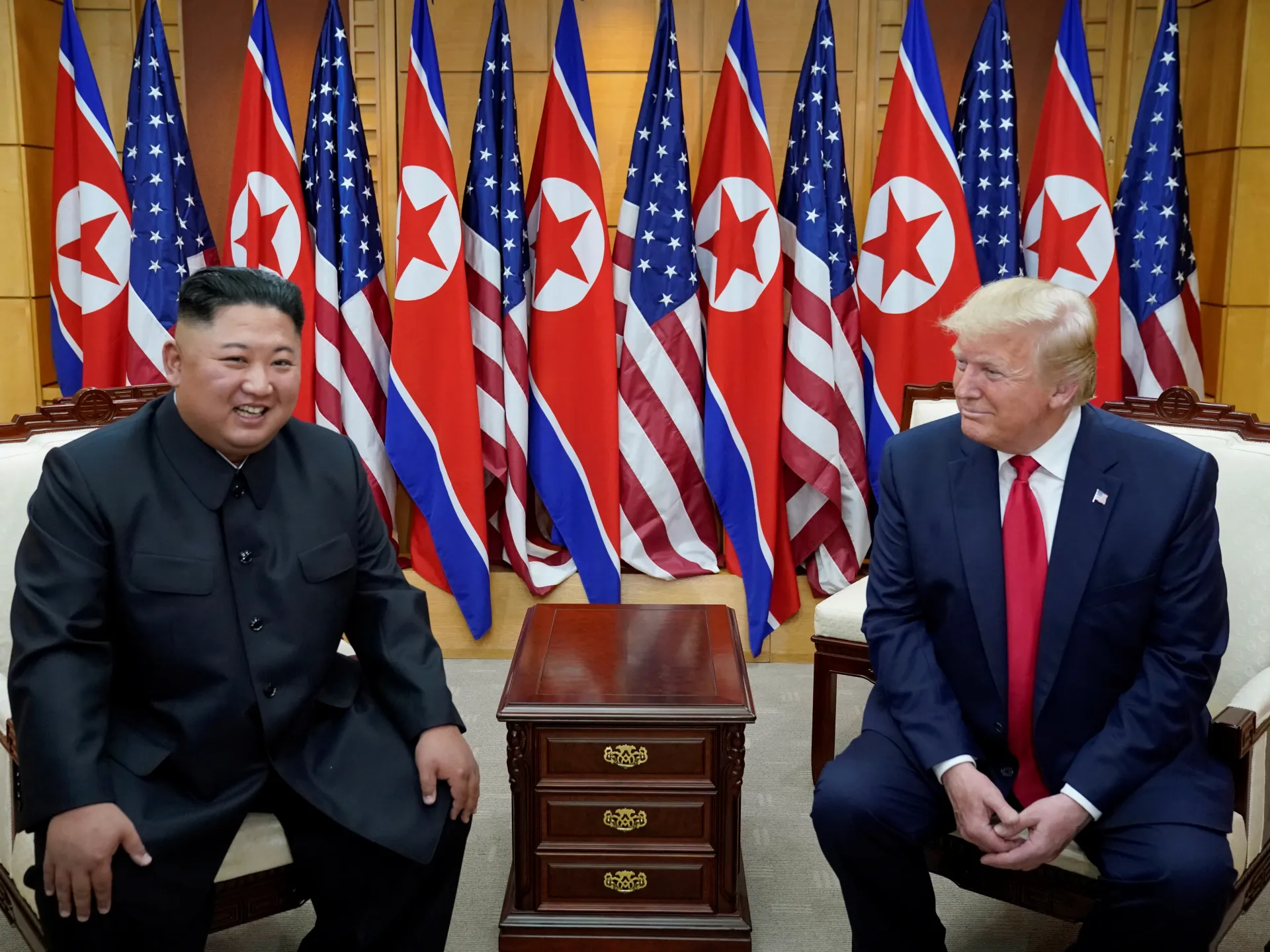
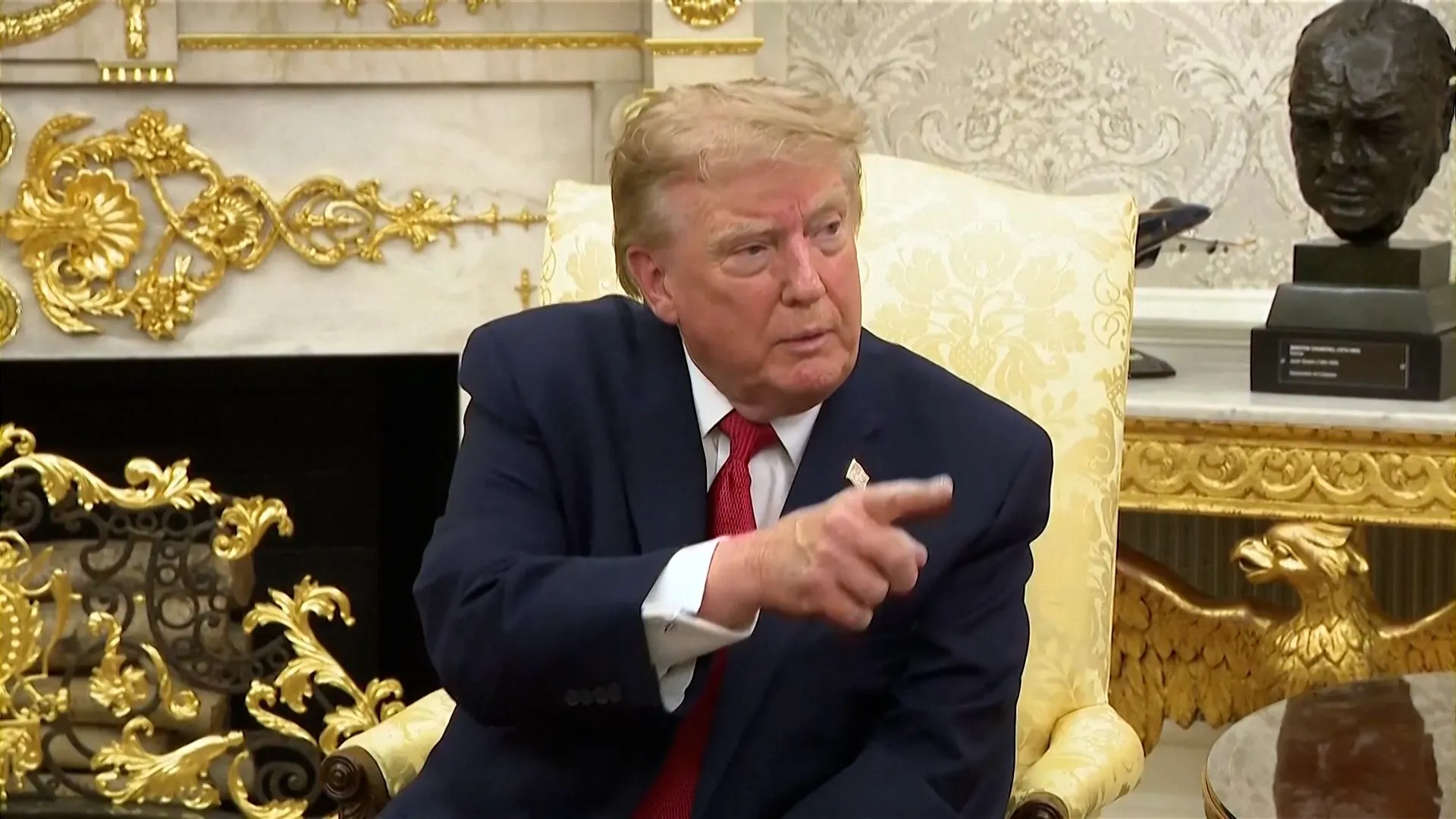
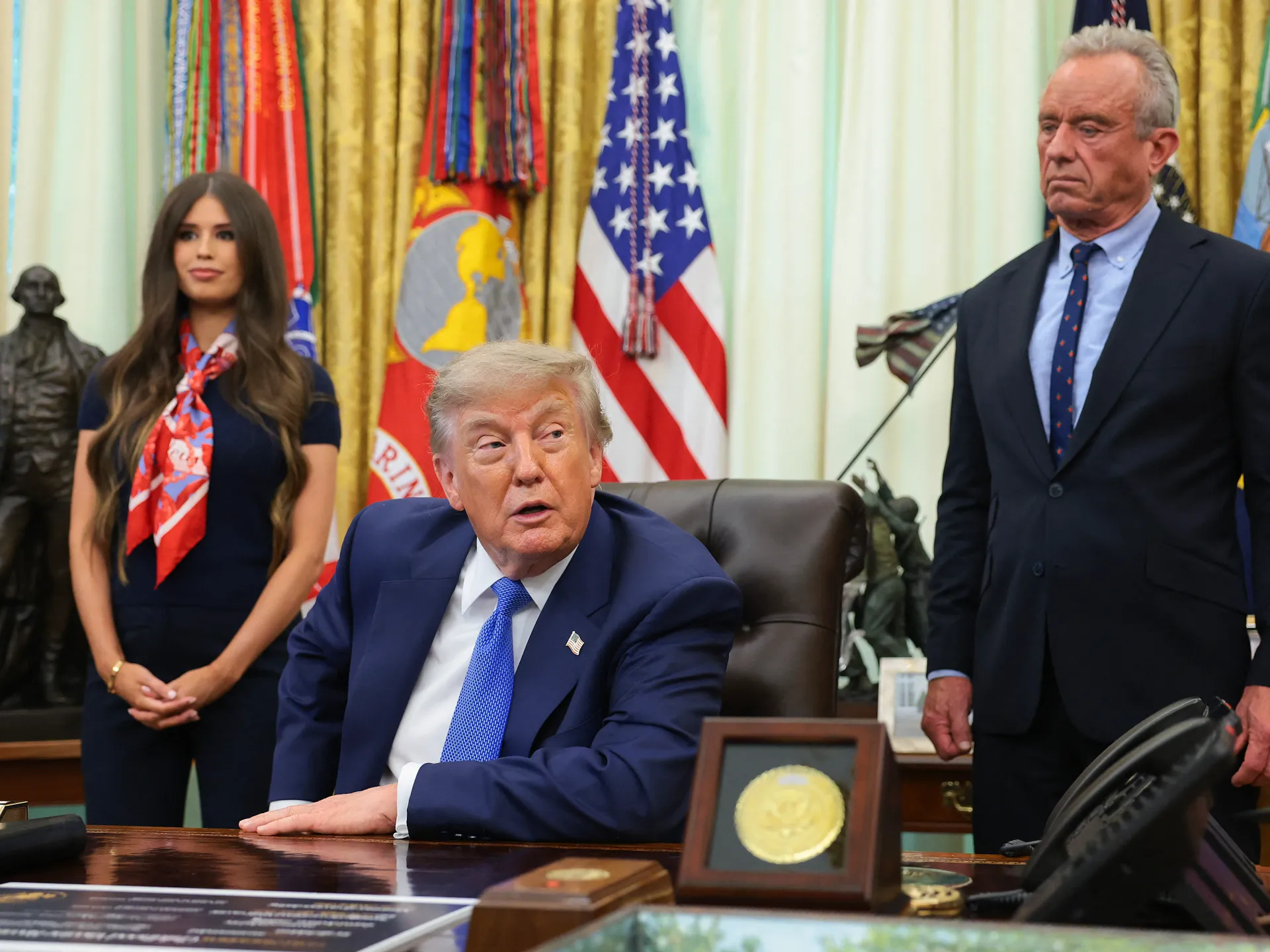
President Trump, who advocated for these changes as a necessary measure to combat electoral fraud, publicly criticized the court’s decision. His reaction reflects a growing dissatisfaction with the judiciary, particularly regarding appointments he previously championed. While Justice Brett Kavanaugh signaled that the administration’s underlying policy might eventually be found within the agency’s statutory authority, the court determined that enforcing such sweeping changes immediately before an election would be “arbitrary and capricious.”
The U.S. Supreme Court’s decision is unlikely to mark the end of the conflict over postal voting. Justice Kavanaugh’s concurring opinion suggests that the court remains open to re-evaluating the Postal Service’s statutory authority in future litigation, meaning the legal battle over mail-in ballot procedures will likely continue well beyond the 2026 midterms. Meanwhile, in the UK, the acquittal of Sarah Cotte may influence how the Crown Prosecution Service approaches future “support” cases, potentially leading to a more cautious application of anti-terrorism laws regarding public demonstrations and political discourse on university campuses.