

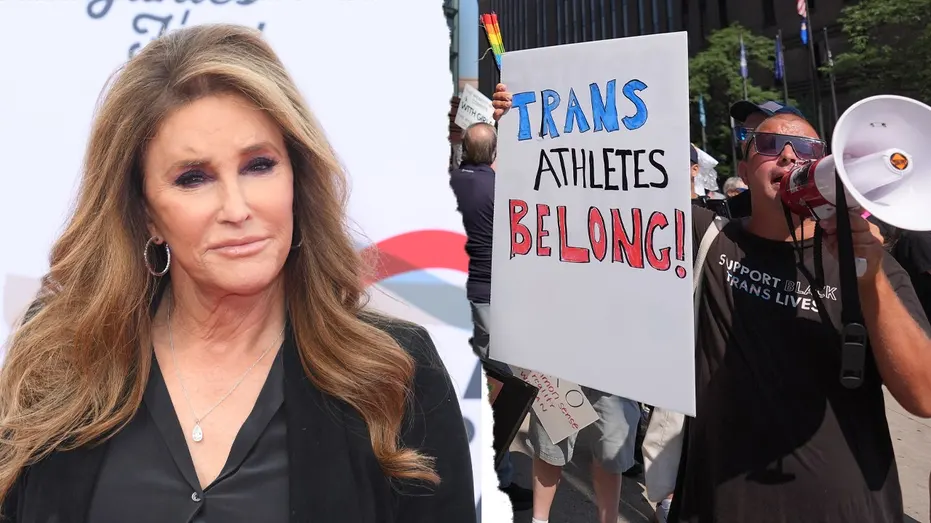
Caitlyn Jenner has offered a direct solution to the ongoing debate surrounding transgender athlete eligibility in the WNBA, calling for clearer definitions within the league's governing policies.
The conversation regarding athlete eligibility within the WNBA has recently intensified, drawing commentary from high-profile figures, including Caitlyn Jenner. At the heart of the debate is the league's current stance on transgender participation, a topic that has left many observers seeking clearer guidelines. As the league navigates these complex social and athletic issues, questions regarding biological definitions and the fundamental structure of professional sports have come to the forefront.
The WNBA's existing collective bargaining agreement explicitly states that only individuals identified as women are eligible to compete in the league. However, critics point out that the 409-page document fails to provide a formal, legal definition for the terms "woman" or "women." Furthermore, the current agreement does not contain references to gender identity or transgender status, creating a void that some believe necessitates urgent clarification from league leadership.
The discourse gained additional momentum when former NBA players Enes Kanter Freedom and Royce White expressed intentions to join the WNBA. These public bids were framed interprets its own governing documents. t the practical application of the league's "women only" policy.
Caitlyn Jenner, speaking on this development, suggested that the actions of these former players serve to underscore the perceived ambiguity currently present within the league's operational framework. According to Jenner, the ongoing discussions held e advocated for a binary approach to eligibility, suggesting that biological sex markers should be the primary factor in determining who is permitted to compete in the professional women's basketball circuit.
A central pillar of the argument for restrictive eligibility criteria is the preservation of Title IX, the landmark legislation that has historically expanded opportunities for women in athletics. Advocates for this position argue that the intent of Title IX was to provide a protected space for biological women to compete on a level playing field. Any shift in this interpretation, they contend, could undermine the progress made for female athletes over the past several decades.
Jenner emphasized that her perspective is rooted in a desire to safeguard women's sports from what she describes as a lack of clarity in policy. they are upholding the original spirit of equality that allowed women's sports to thrive as a distinct and competitive domain. The debate continues to balance these traditional views against evolving cultural norms and inclusivity initiatives.
In response to the growing public pressure, WNBA officials have confirmed that they are engaged in ongoing internal discussions regarding transgender participation and the broader climate surrounding the league. A spokesperson for the organization noted that these meetings cover a wide range of topics, including the challenges players face regarding online vitriol and public discourse. The league has stated its commitment to fostering an environment that rejects bad-faith efforts to marginalize individuals.
Moving forward, the WNBA faces the difficult task of addressing these concerns while maintaining its position as a premier professional sports organization. The need for a clearly defined policy is becoming increasingly apparent to fans, players, and stakeholders alike. Whether the league will amend its collective bargaining agreement to include specific definitions remains a point of significant speculation, as the organization balances its stated values of inclusivity with the practical realities of maintaining competitive sports integrity.