

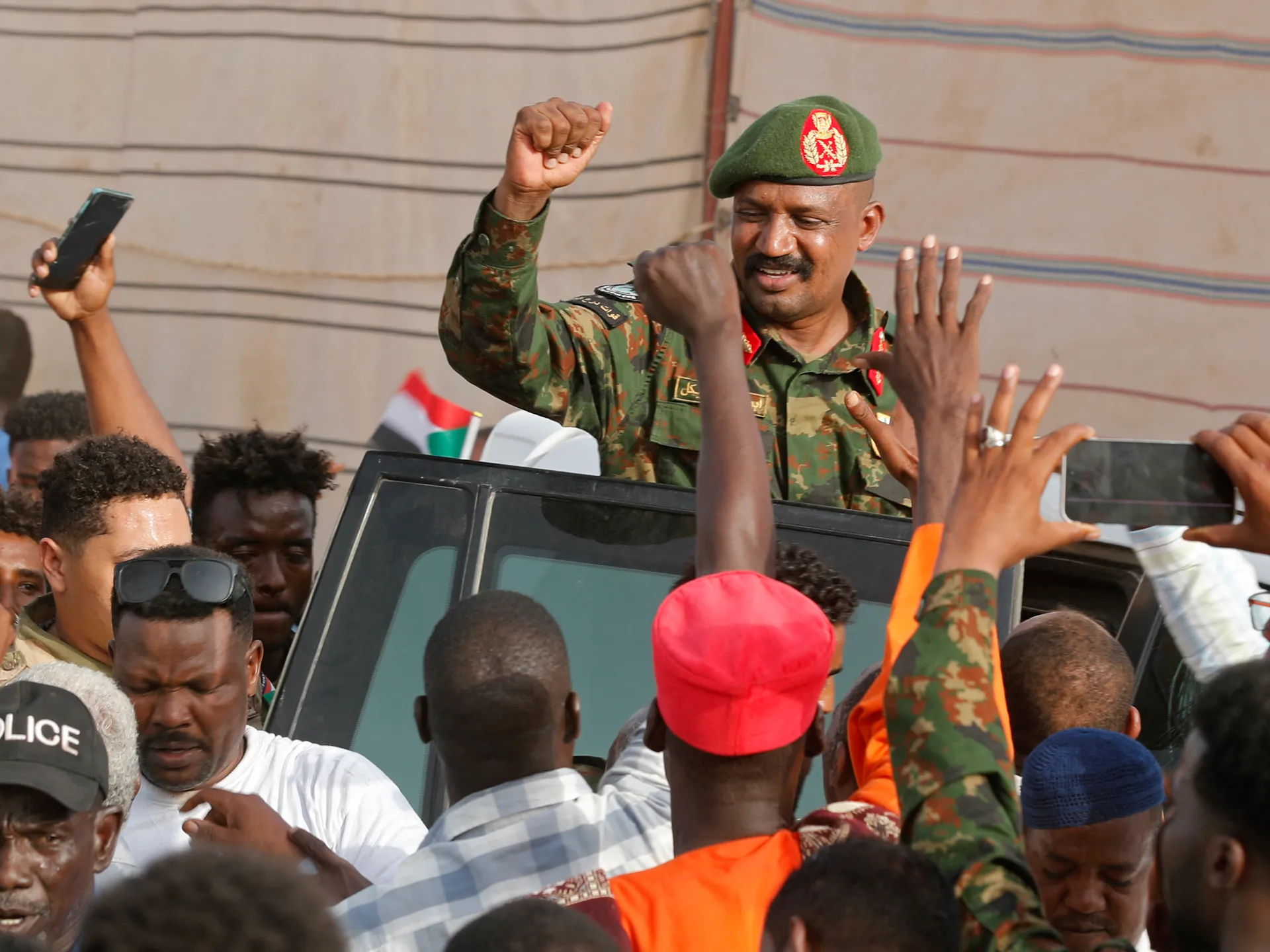
Government-aligned forces have secured key territory in West Darfur, significantly weakening the RSF's position and supply lines ahead of a potential final battle for el-Geneina.
The Sudanese military, supported e volatile Darfur region. A coordinated counteroffensive has effectively pushed back the Rapid Support Forces (RSF), the paramilitary group that has held sway over much of the area for an extended period. Government-aligned forces successfully repelled multiple assaults near el-Geneina, the capital of West Darfur and the final major stronghold for the RSF in that part of the country.
These military maneuvers are centered on the strategic Bir Saliba region, which serves as a vital junction for local infrastructure. trol over crucial road networks that connect the state capital to northwestern territories, including the Jebel Moon and Kulbus regions. According to regional officials, controlling these supply lines is essential for tightening the net around remaining RSF positions as the conflict enters a new, potentially decisive phase.
The recent clashes have dealt a severe blow to the RSF’s organizational capacity in the west. Reports indicate that Major General Mahdi Adam, a prominent field commander for the paramilitary group, was killed during intense fighting. While the RSF has not issued a formal confirmation, analysts suggest that his death creates a significant leadership vacuum that will likely hinder the group’s ability to coordinate large-scale defensive operations in the region.
The success of the government-aligned forces is largely attributed to the Joint Force of the Armed Struggle Movements. This coalition, composed of former rebel groups that signed the 2020 Juba Peace Agreement, has been instrumental in thwarting RSF attempts to break through defensive perimeters. During recent engagements, the Joint Force reportedly destroyed dozens of combat vehicles and seized additional equipment, forcing RSF fighters to retreat while abandoning their positions and casualties.
Beyond direct combat, the Sudanese military is actively isolating the RSF order have effectively severed a key supply route, further complicating the paramilitary group's ability to reinforce its ranks or resupply its frontline units. Military advisers suggest that these efforts are part of a broader strategy to move away from territory-holding maneuvers toward a more aggressive, decisive engagement aimed at reclaiming el-Geneina.
The impact of this pressure is being felt in other regions as well. In North Kordofan, the RSF has been forced to rely heavily on drone technology to compensate for the loss of critical supply arteries, such as the route between Omdurman and el-Obeid. Observers argue that this increased reliance on drones is a clear indicator of the group's inability to sustain direct, conventional confrontations against the Sudanese armed forces and their partners on the ground.
While the military situation evolves, the impact on the civilian population remains a critical concern. Recent escalations in the Sirba region have triggered new waves of displacement, with thousands of residents forced to flee their homes in search of safety. These individuals join a staggering number of people already uprooted ntinue to track the displacement, highlighting the catastrophic scale of the crisis.
The political landscape in Sudan remains deeply fractured, with the RSF and its affiliates maintaining a rival administration known as the Tasis government. This political standoff continues to mirror the military divisions on the ground, complicating any potential path toward a resolution. As the military continues its push toward el-Geneina, the future of both the region’s governance and the safety of its displaced inhabitants remains uncertain.