The Israeli government has launched a formal investigation into the documentary 'Naza,' with officials threatening treason charges against filmmakers over allegations of military misconduct in Gaza.
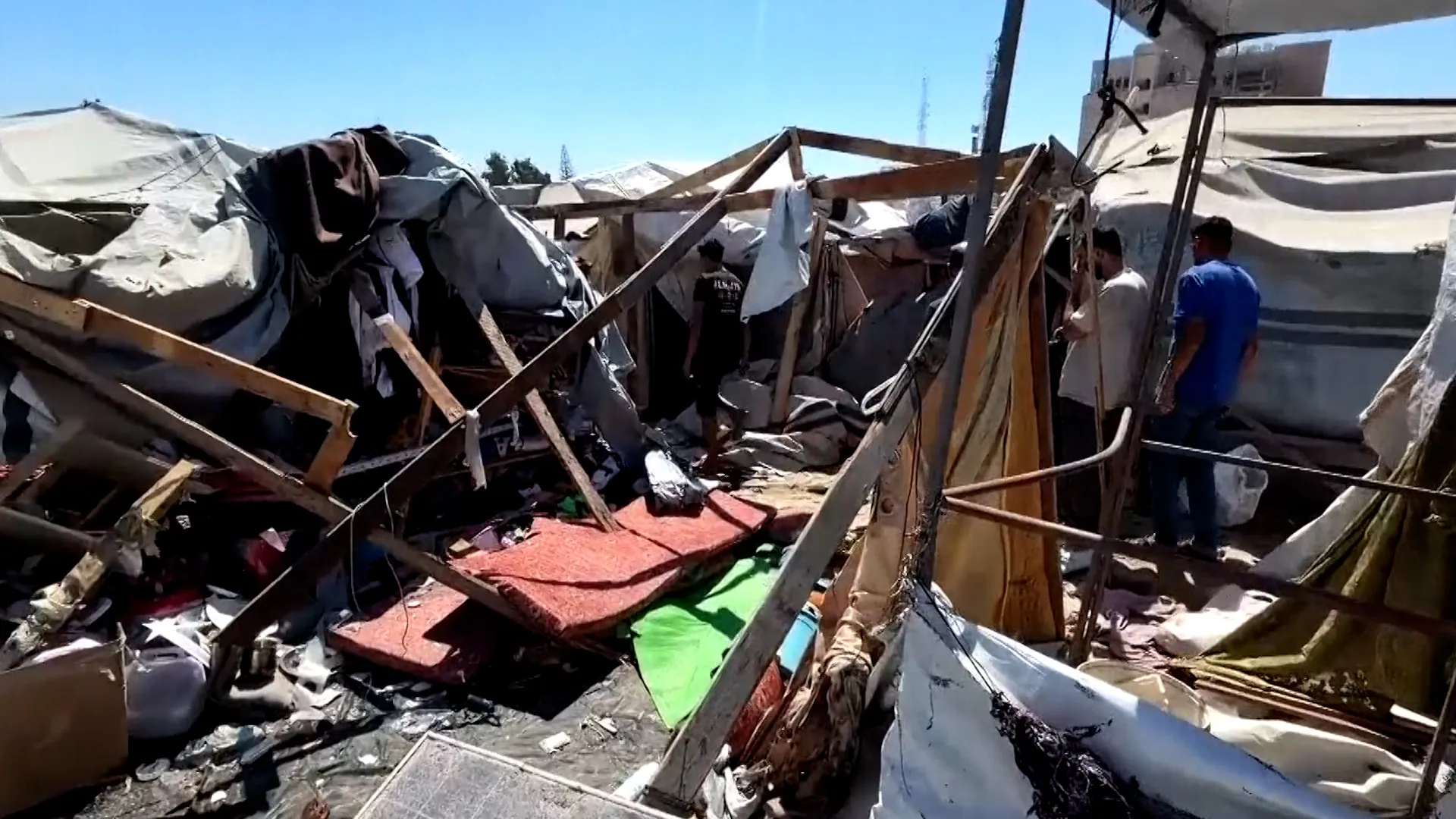
The Israeli government has initiated a formal legal inquiry into a newly released documentary that examines the military’s operational conduct during the ongoing conflict in the Gaza Strip. The film, titled Naza, has sparked a firestorm of controversy among top government officials, who have characterized the project as a malicious effort to undermine the state. Prime Minister Benjamin Netanyahu issued a strong condemnation of the documentary, describing its content as a "shocking" manifestation of internal anti-Semitism and a direct assault on the integrity of the Israel Defense Forces (IDF).
The documentary recently gained international attention after receiving the Special Jury Prize at the Venice Film Festival. Following its screening, which reportedly garnered a significant standing ovation, the film’s narrative—that civilian casualties were a systemic and calculated component of military targeting strategies—has faced intense scrutiny. Government leaders have explicitly rejected these claims, labeling the production a collection of "blood libels" and deliberate distortions of reality aimed at damaging Israel's reputation on the global stage.
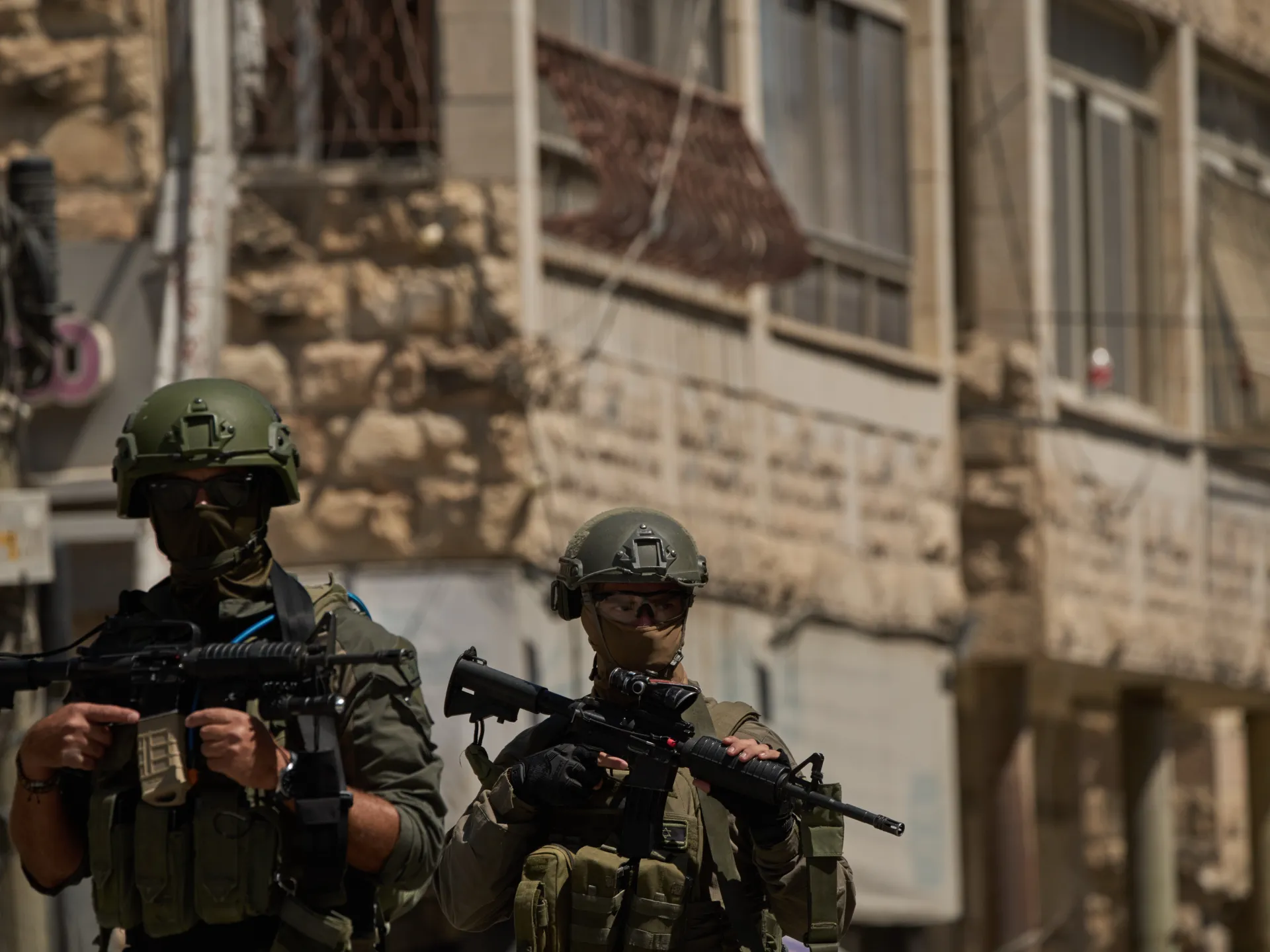
The repercussions for those involved in the production of Naza are escalating rapidly. Military Chief Eyal Zamir has ordered the Military Advocate General to explore all possible legal avenues against the filmmakers and their sources. The investigation is primarily focused on identifying the intelligence officers and military personnel who participated in the film under the guise of anonymity. Authorities are seeking to uncover how classified information was accessed and disseminated, viewing the leak as a severe breach of national security protocols.
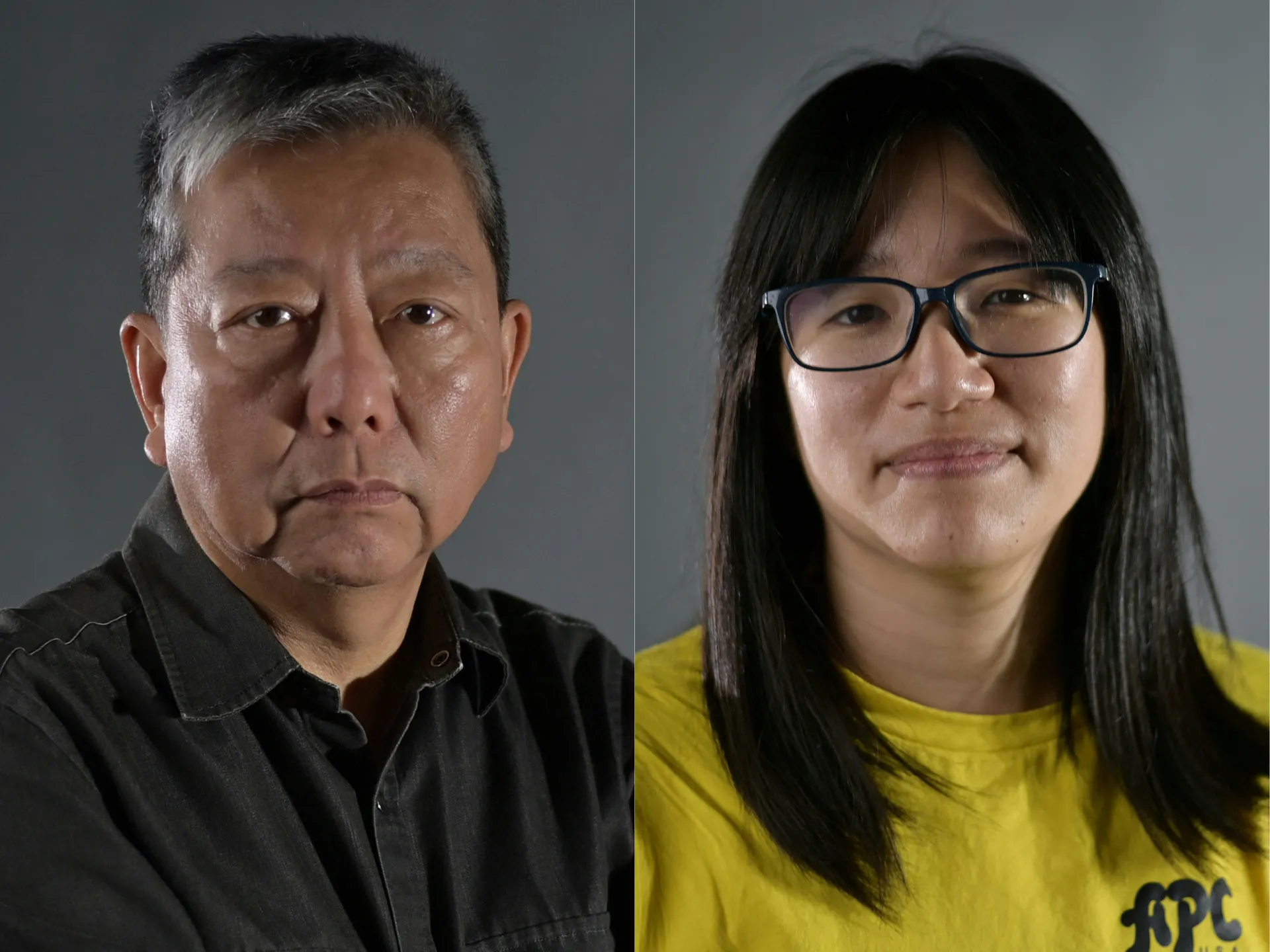
The government's rhetoric has moved beyond mere criticism, with Culture Minister Miki Zohar advocating for severe punitive measures. Zohar has requested that authorities examine whether the process of gathering and broadcasting the film's materials constitutes "aiding the enemy" during a period of active warfare. Furthermore, the minister has publicly called for the Interior Ministry to evaluate the possibility of revoking the citizenship of the two directors behind the film, citing potential charges of treason. These developments suggest a widening divide between the state's official narrative and the testimonies presented
The title of the documentary, Naza, refers to a specific military term utilized rations. ers who were directly involved in the selection of targets, the filmmakers aim to provide an insider perspective on how the war in Gaza is prosecuted. These interviewees allege that the high number of civilian deaths was not merely an unfortunate byproduct of war, but a factor integrated into the decision-making process at high levels of command.
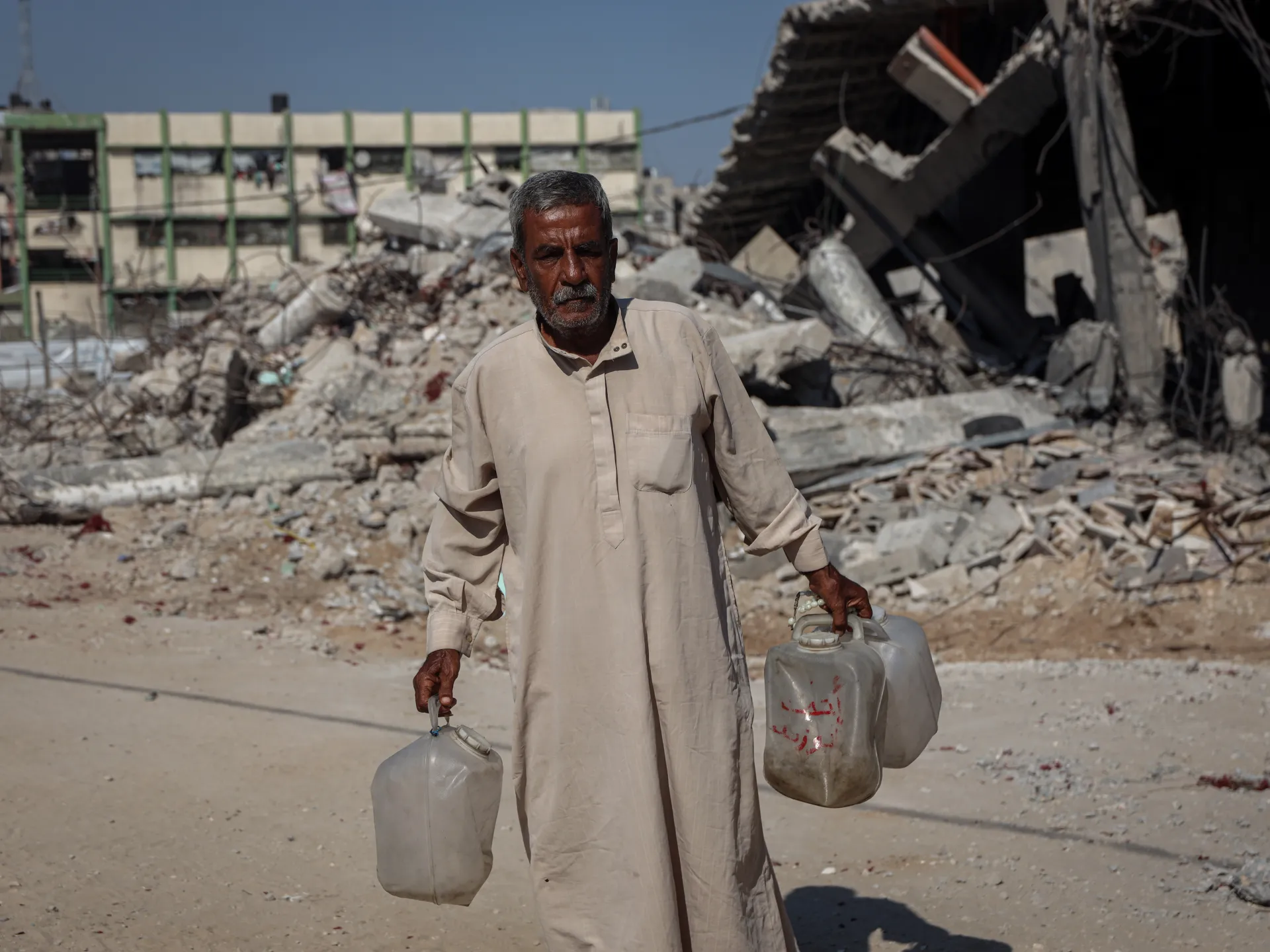
In their acceptance speech at the Venice Film Festival, the filmmakers emphasized their intent to challenge what they view as a culture of denial regarding the impact of the war. They argued that acknowledging these actions is essential for accountability, particularly for an Israeli audience. With official figures from Gaza health authorities indicating that the death toll has surpassed 73,700, the film’s release has arrived at a moment of extreme tension. As the military continues its investigation into the sources, the documentary remains a focal point in the debate over freedom of expression, state security, and the ethics of warfare.