Board of Peace envoy Nickolay Mladenov warns that the fragile Gaza ceasefire faces a critical breaking point as diplomatic efforts to secure disarmament stall.
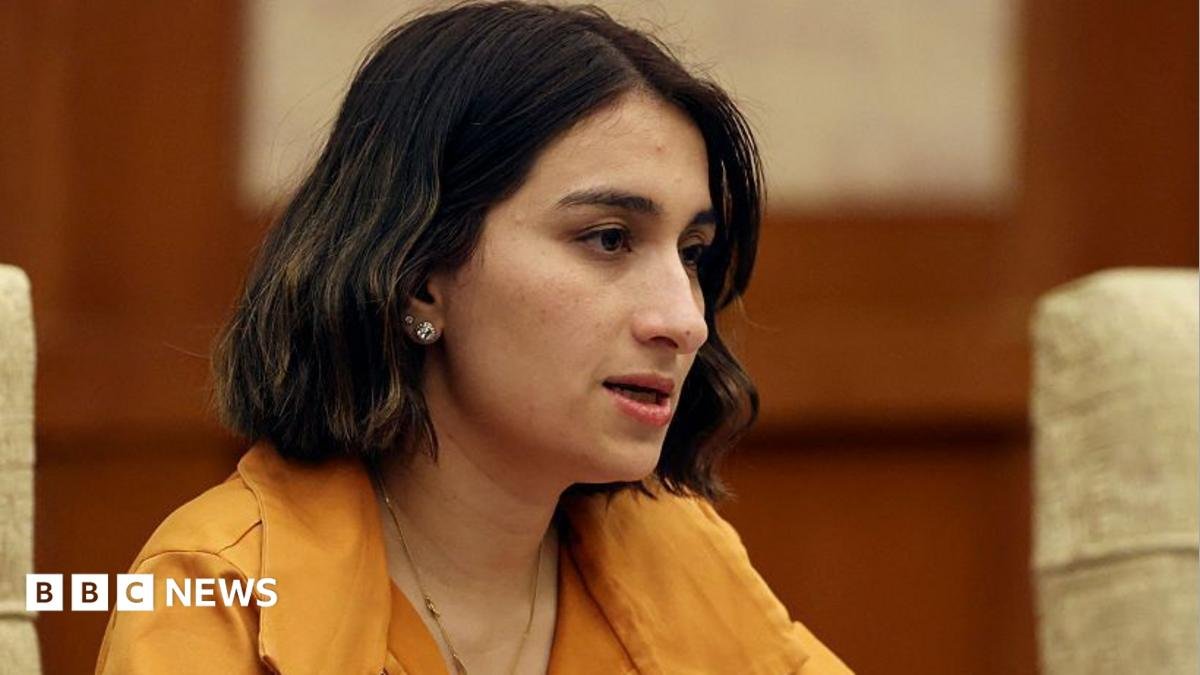
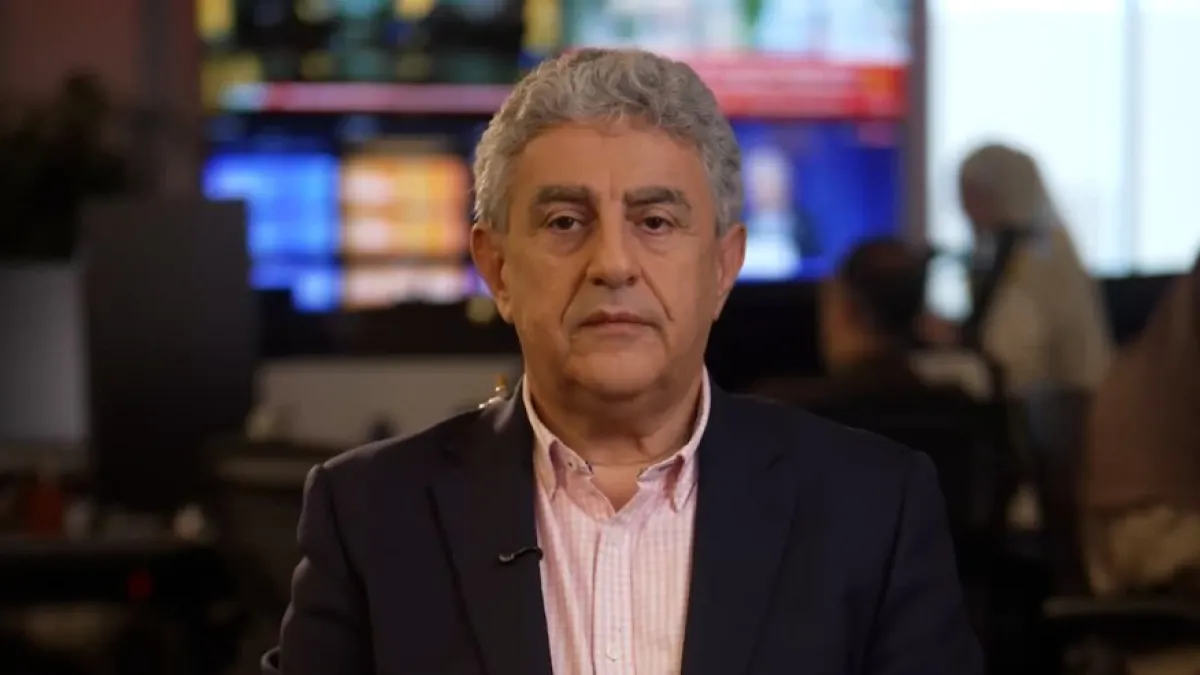
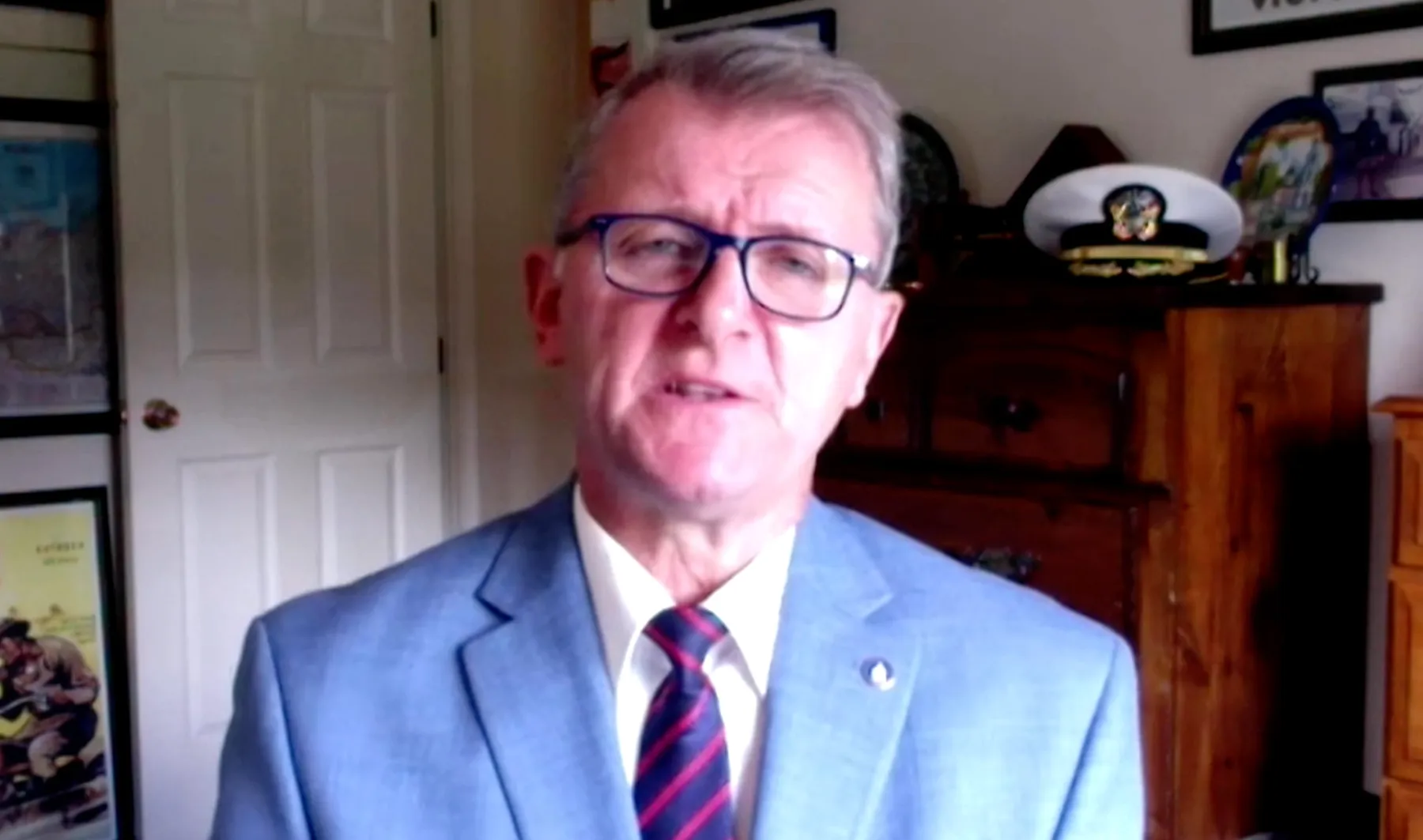
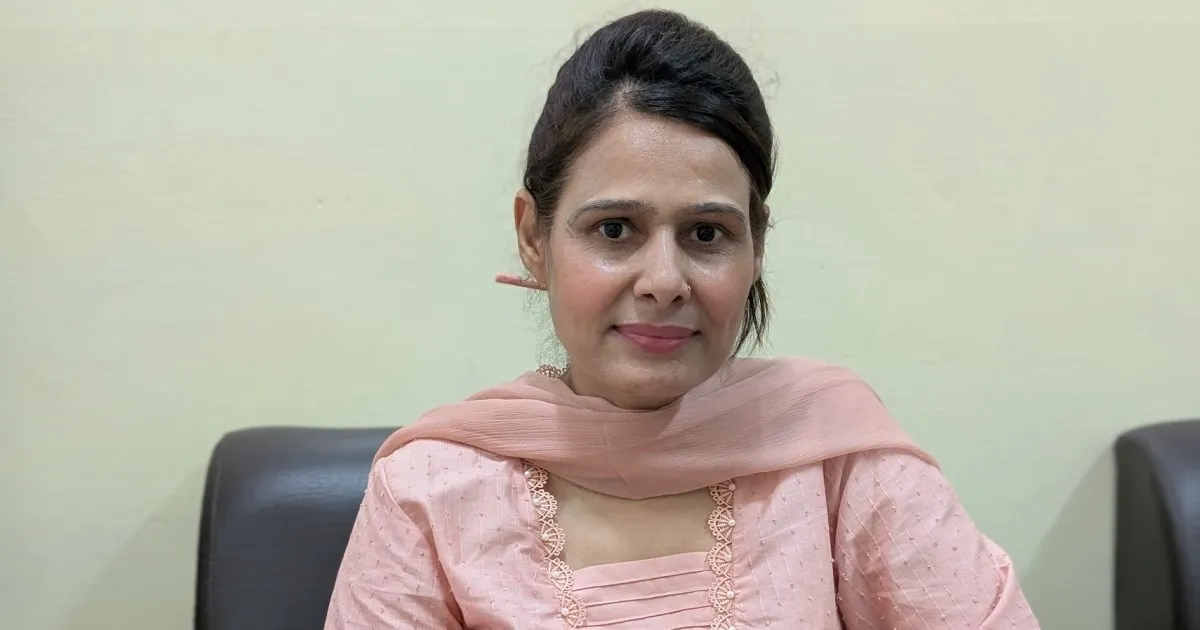
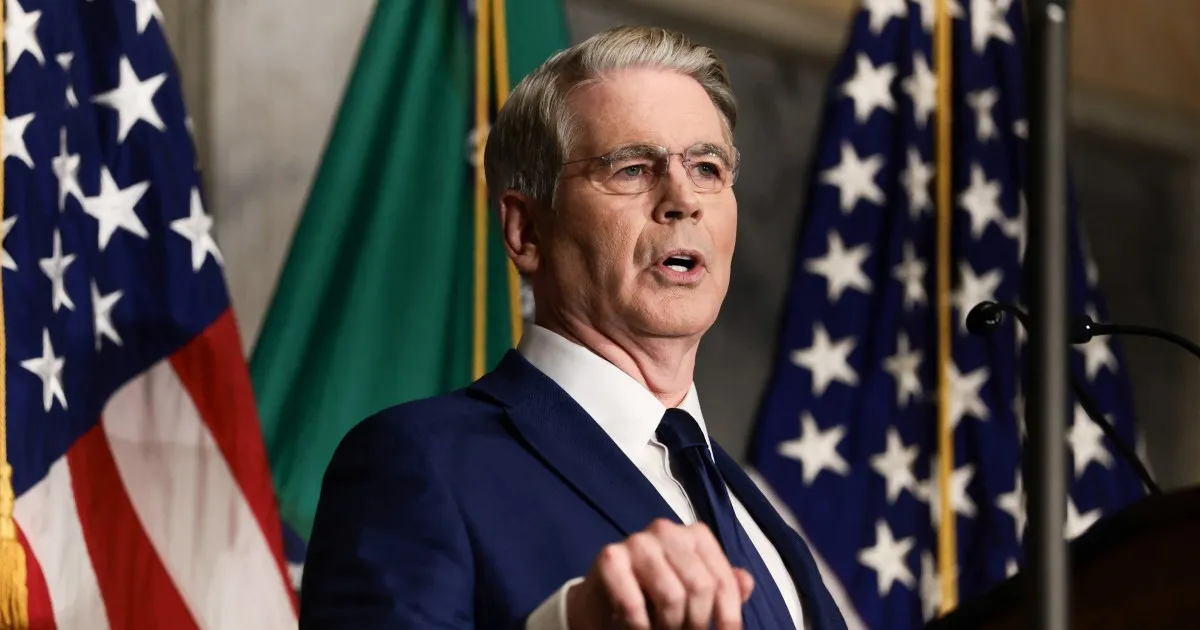
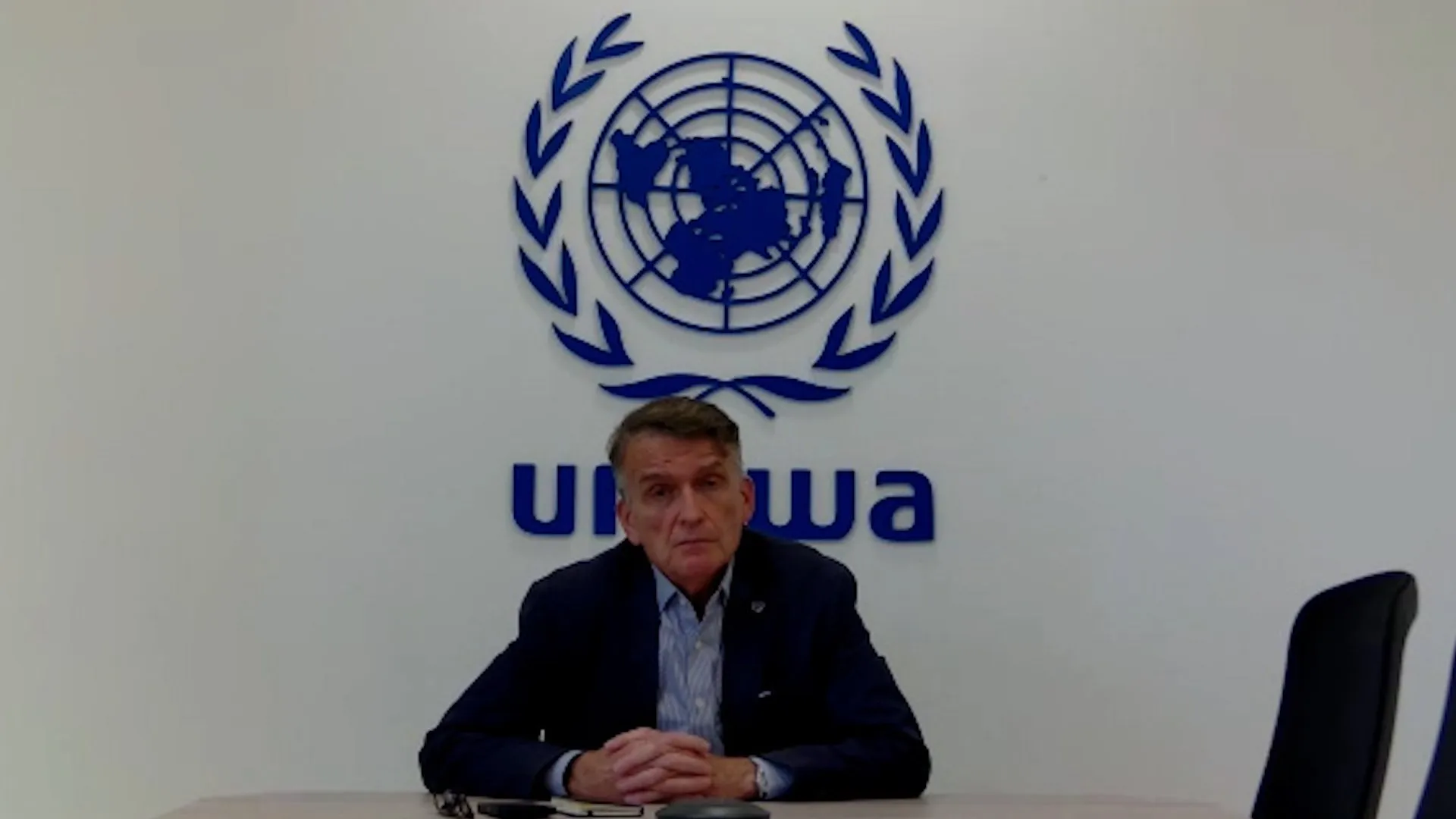
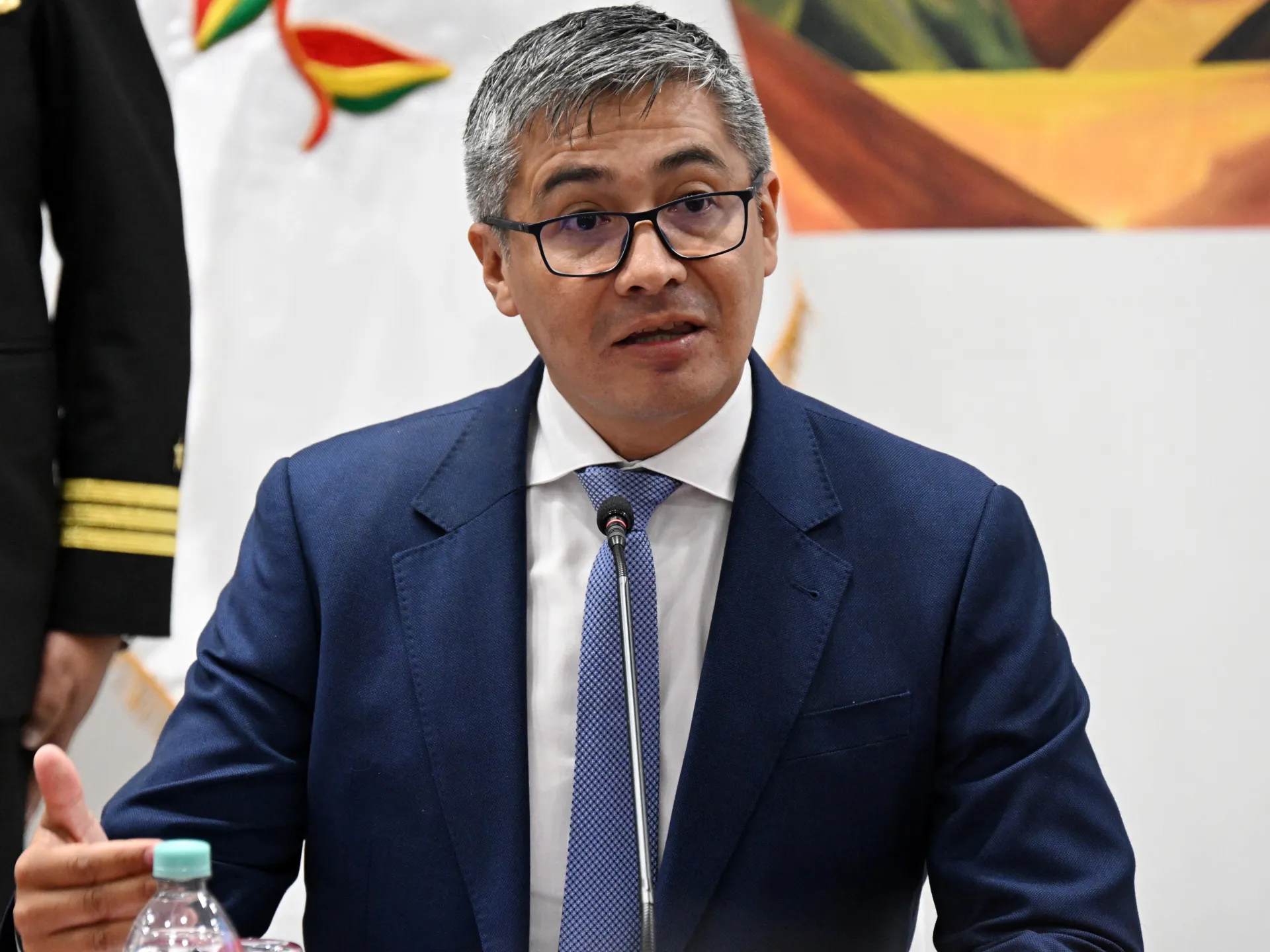
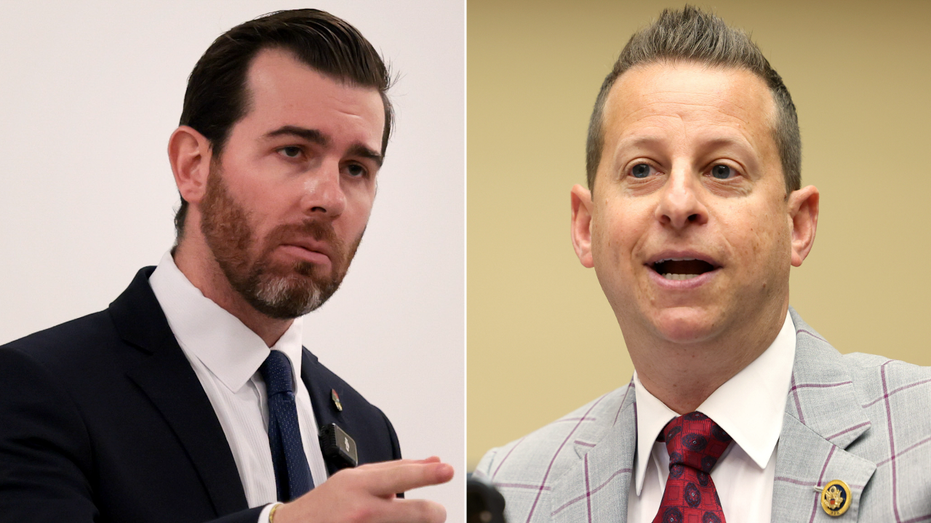
Nickolay Mladenov, a high-ranking official serving on the Board of Peace established the ongoing ceasefire in Gaza. Addressing the United Nations Security Council, Mladenov emphasized that the current situation remains precarious, describing the potential collapse of the October agreement as a definitive "point of no return" for the region. His comments highlight the friction between international diplomatic efforts and the reality on the ground, where the cessation of hostilities remains incomplete.
The current diplomatic framework, which outlines a 15-point roadmap for the disarmament of Hamas, has encountered significant resistance. While Hamas has signaled a willingness to surrender its weaponry in exchange for a phased withdrawal of Israeli forces, the Israeli government maintains a more rigid stance. Israel insists that total disarmament must be completed before any meaningful troop withdrawal can occur, creating a deadlock that complicates the implementation of the peace plan.
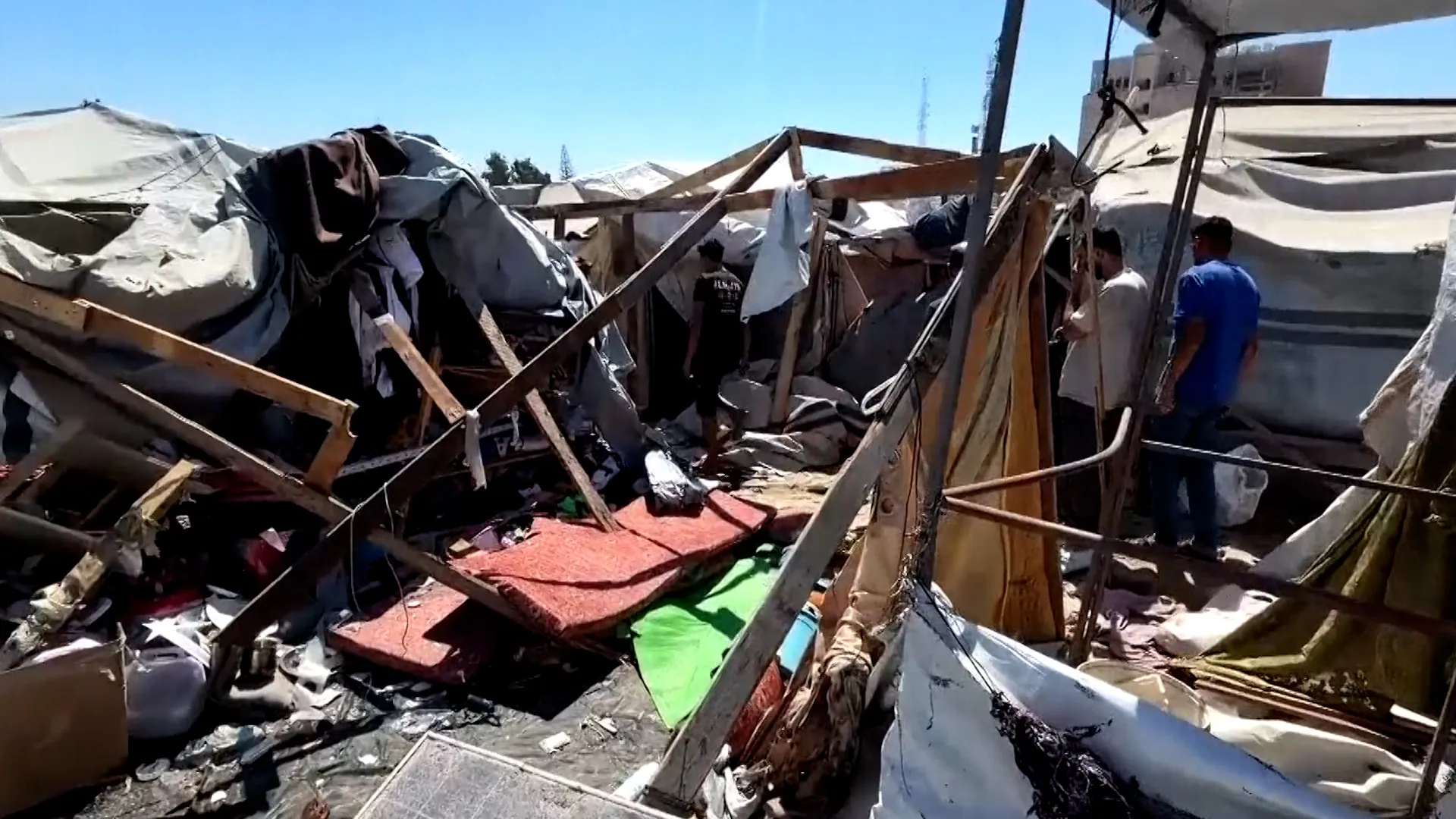
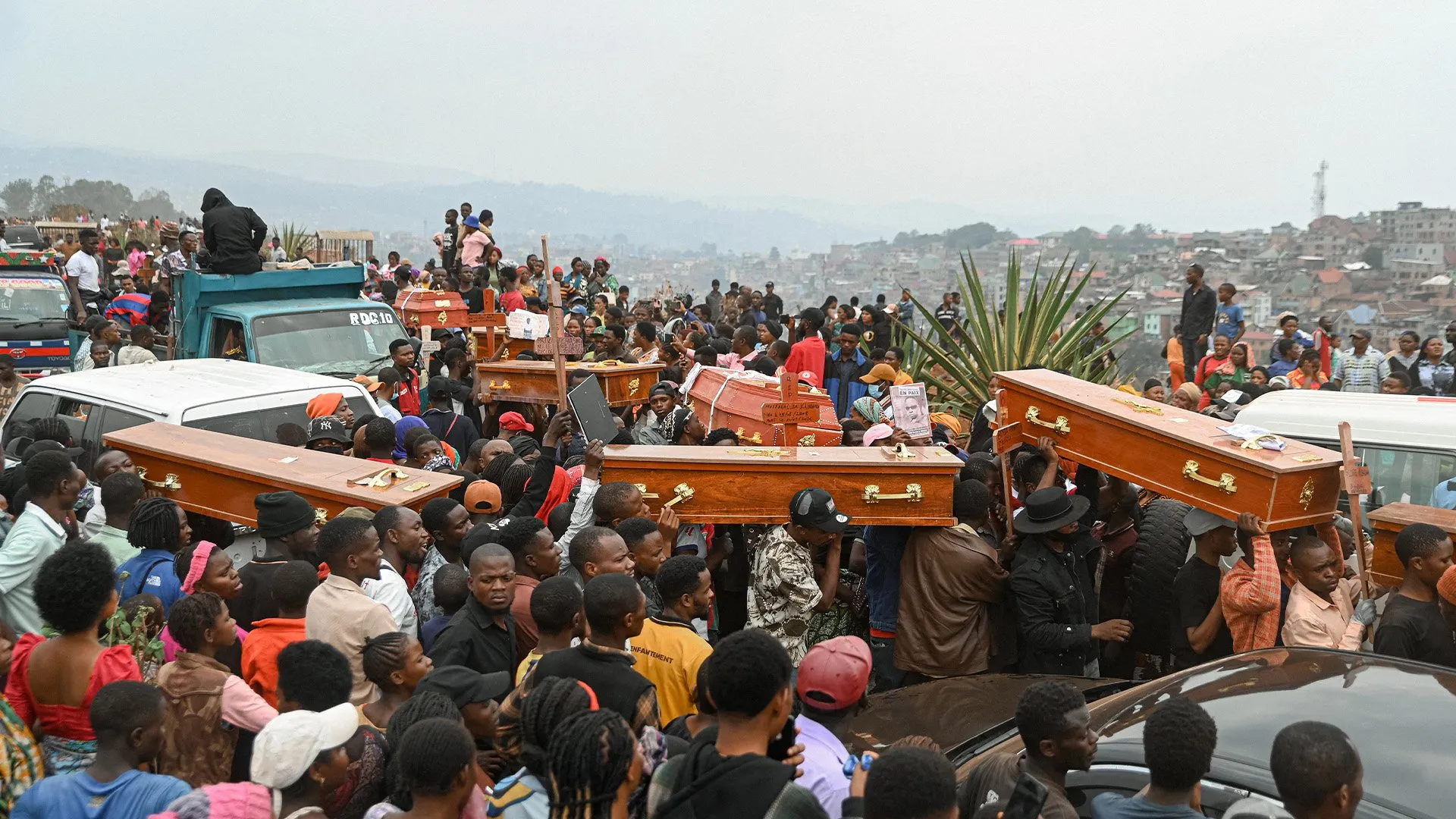
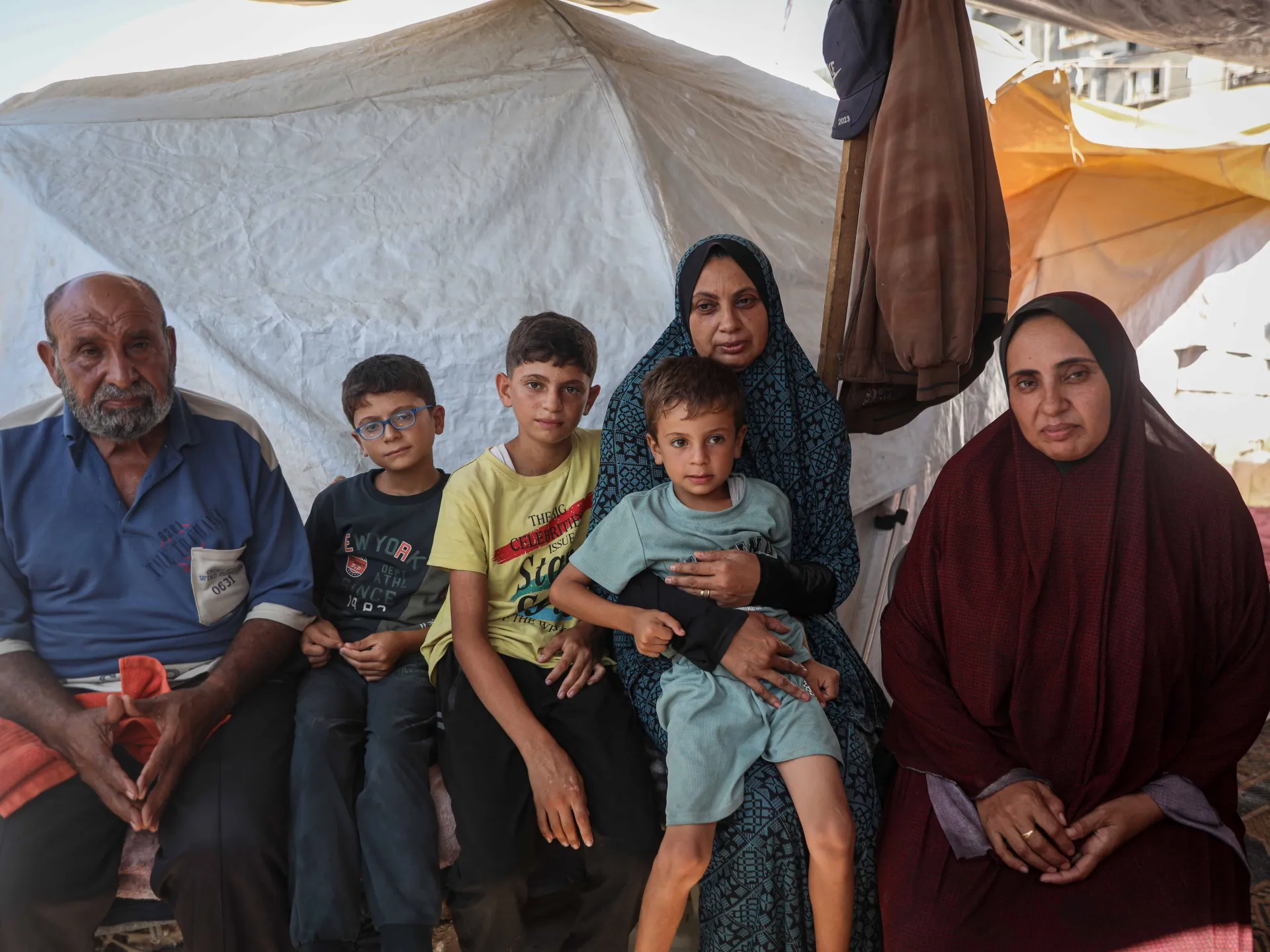
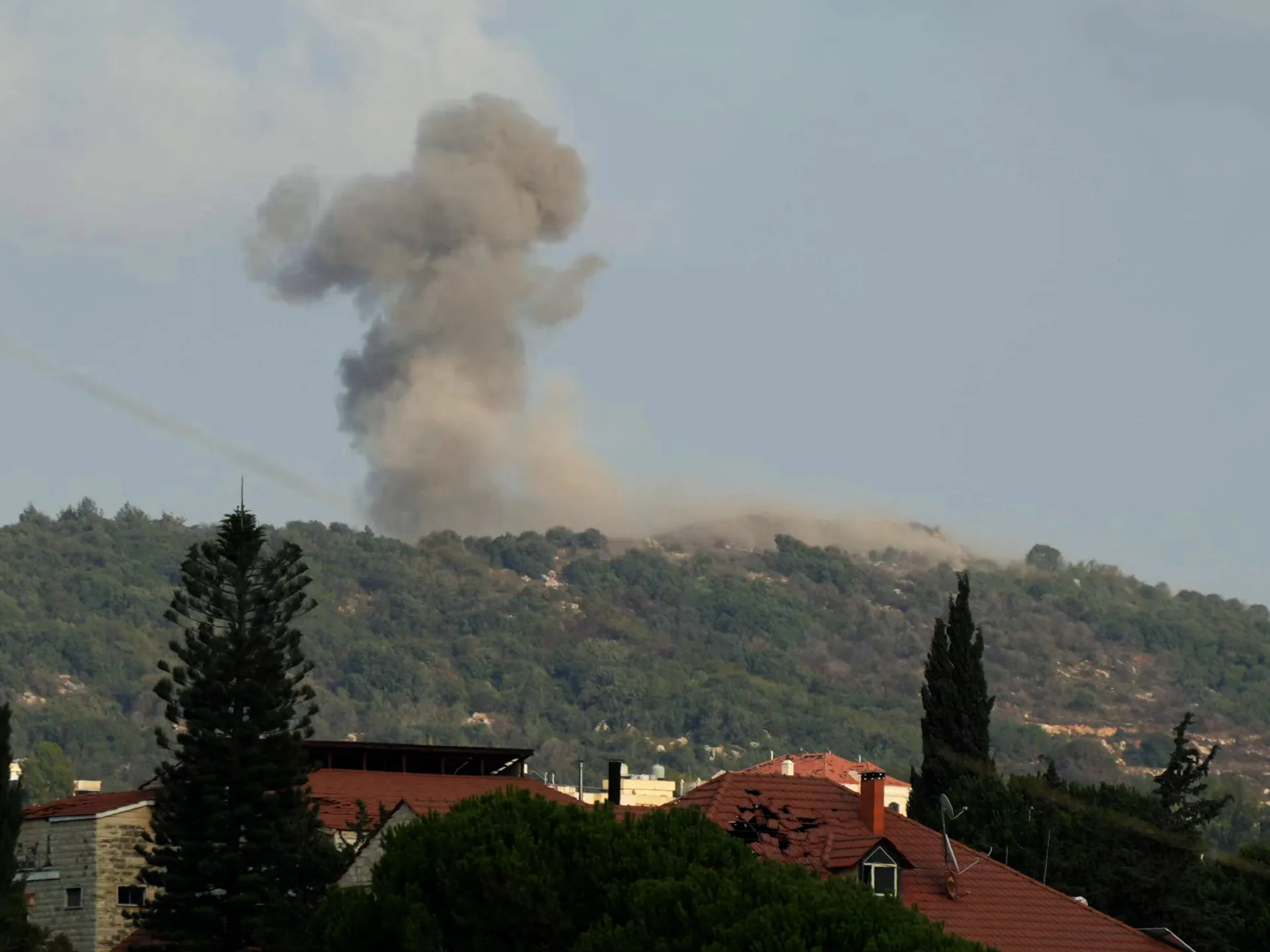
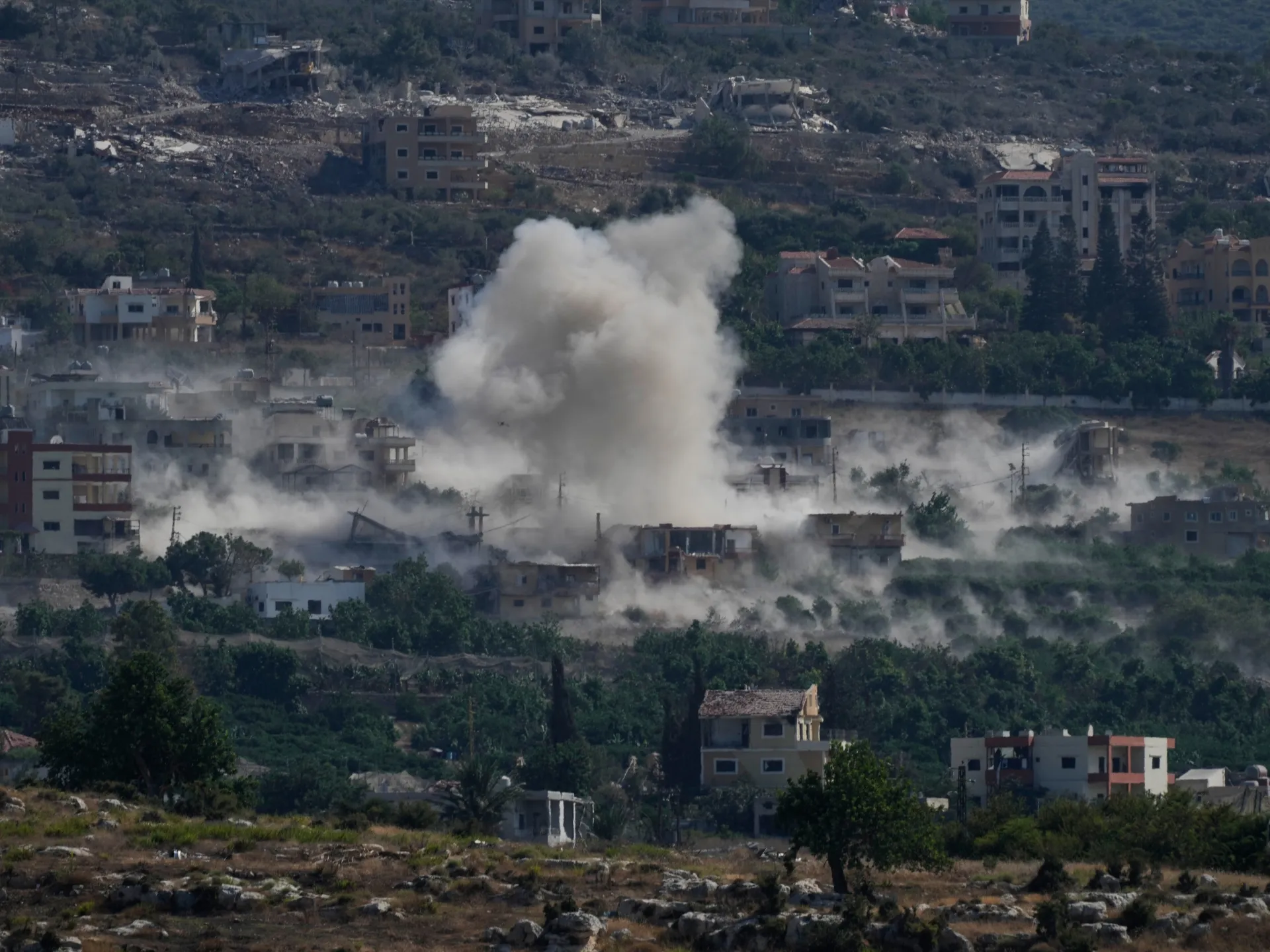
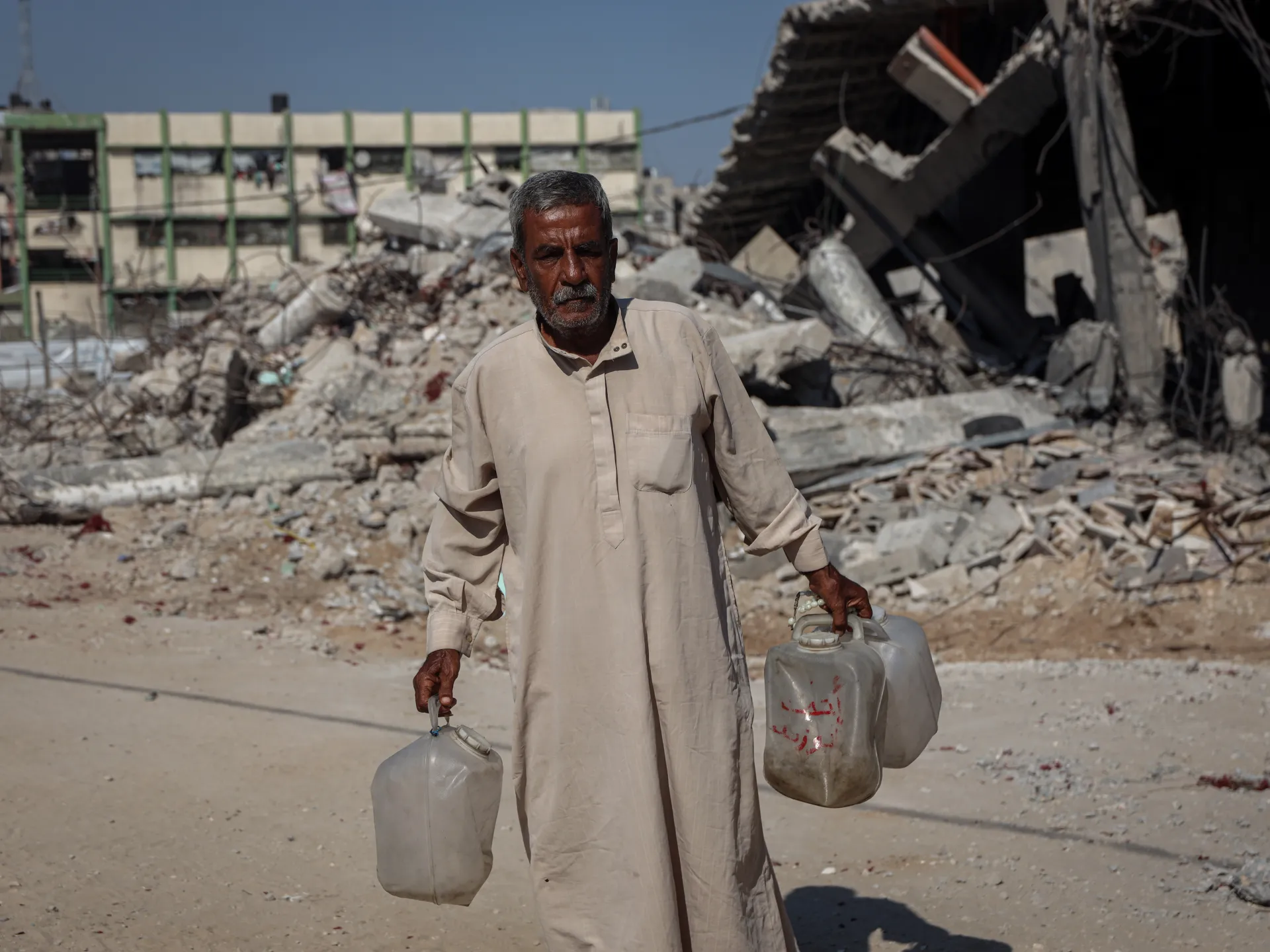
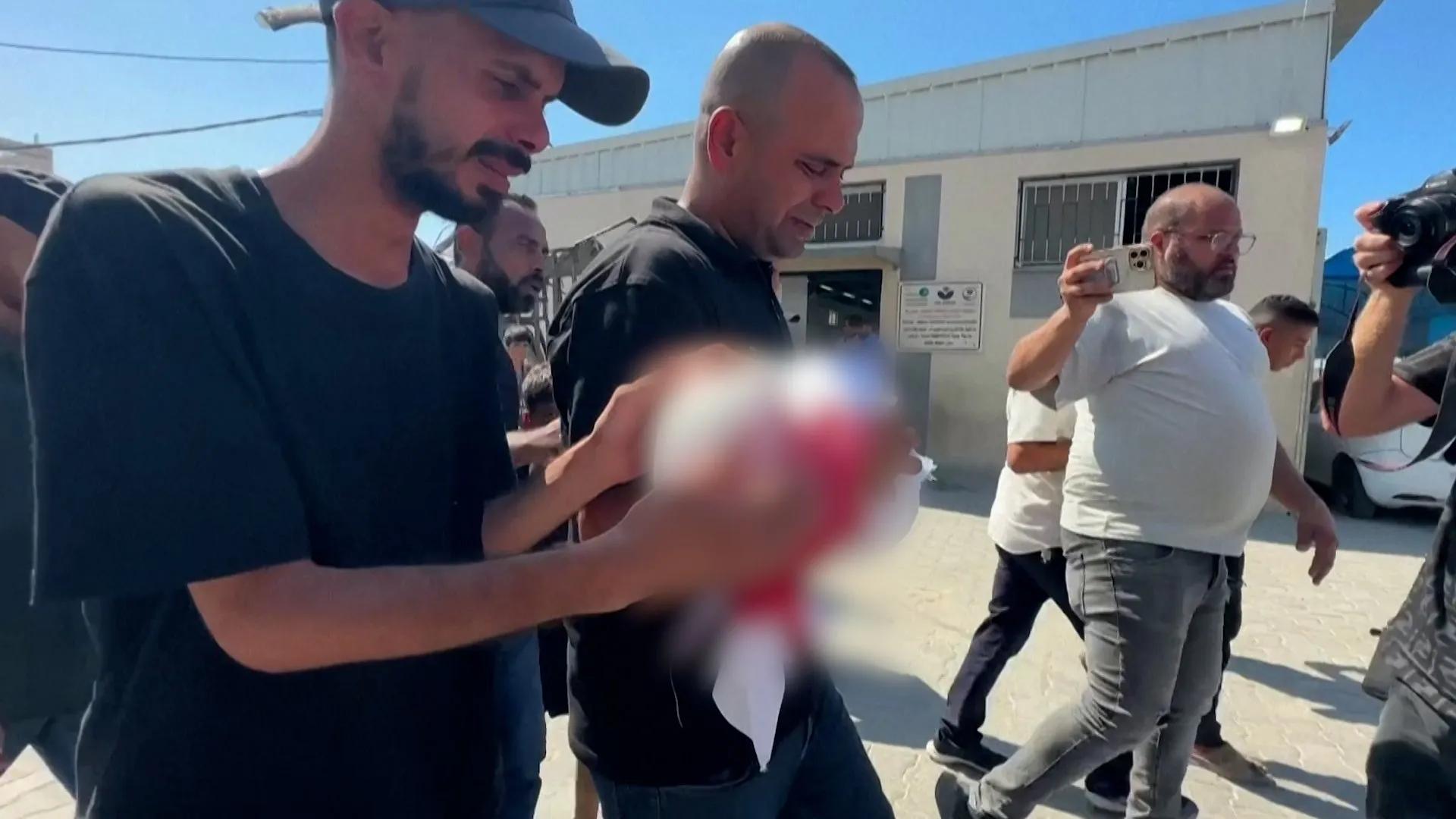
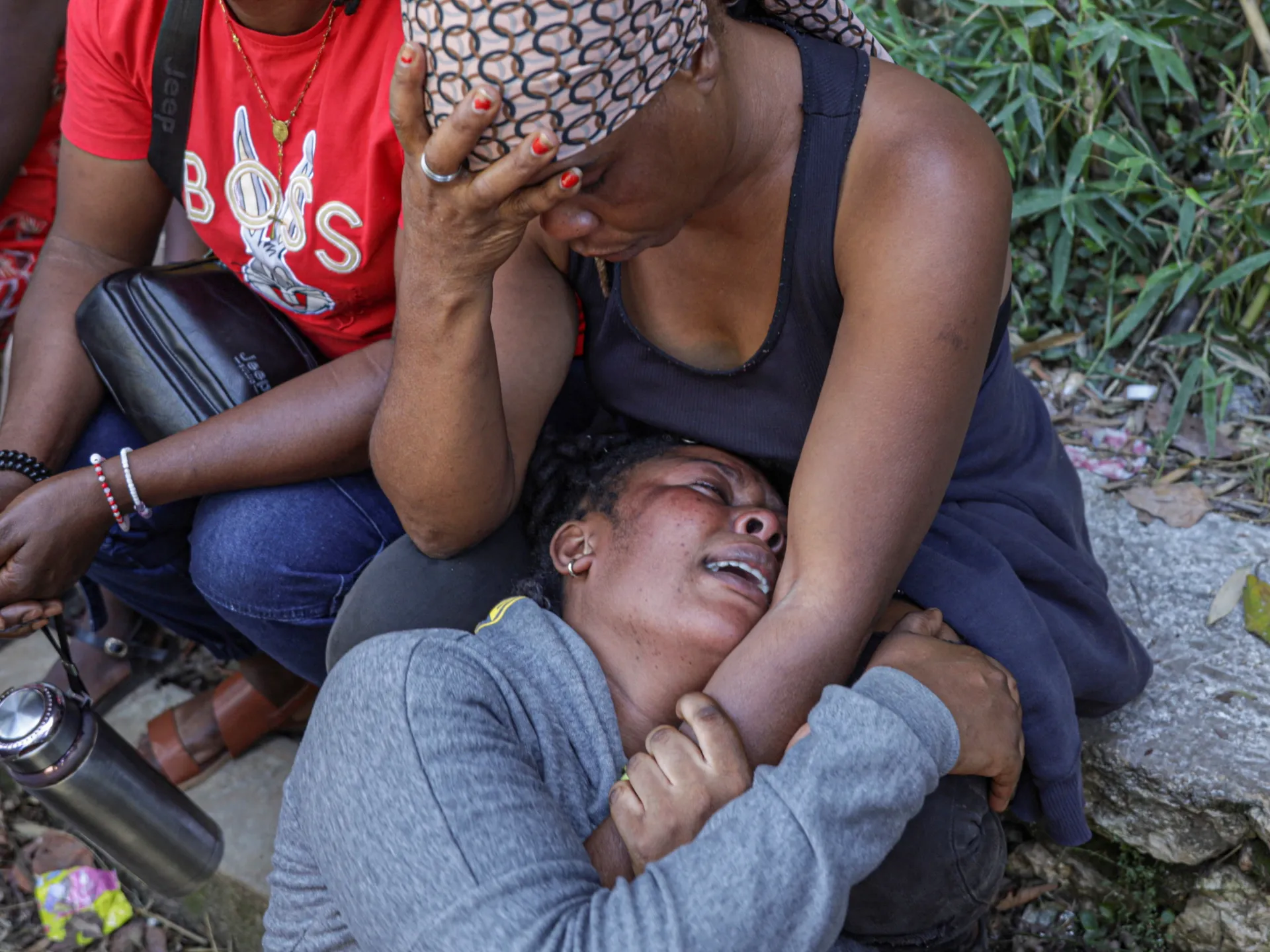
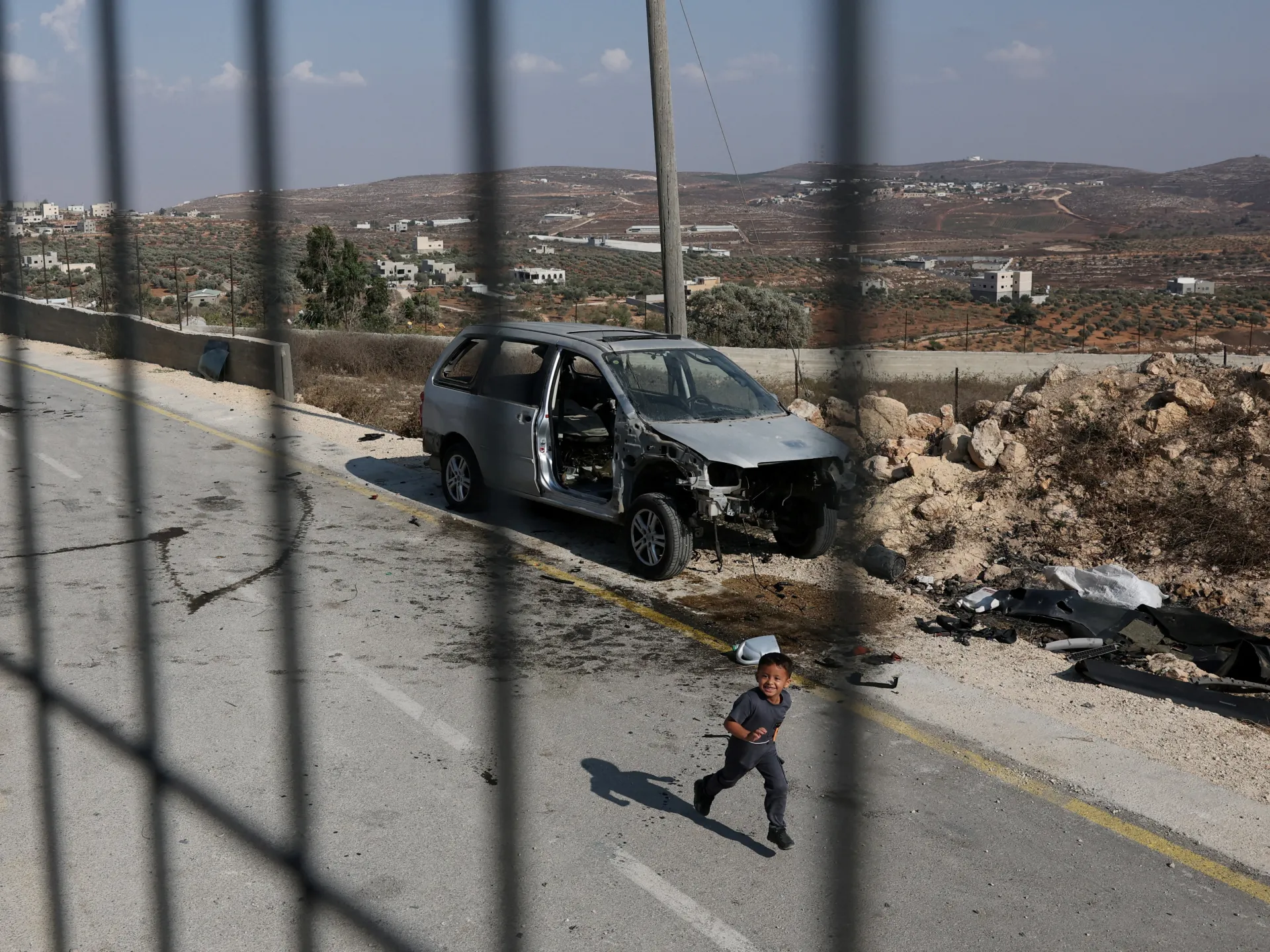
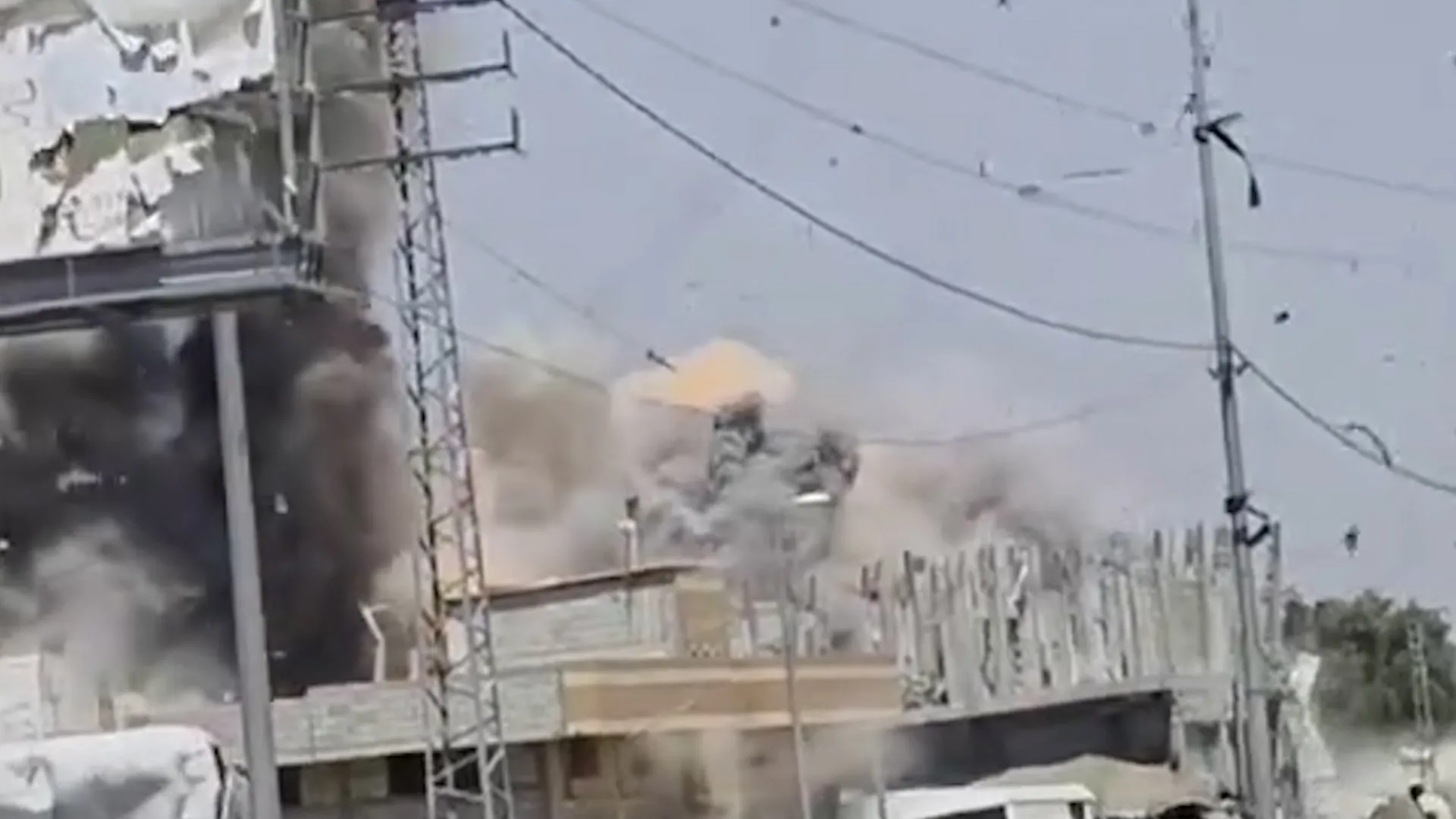
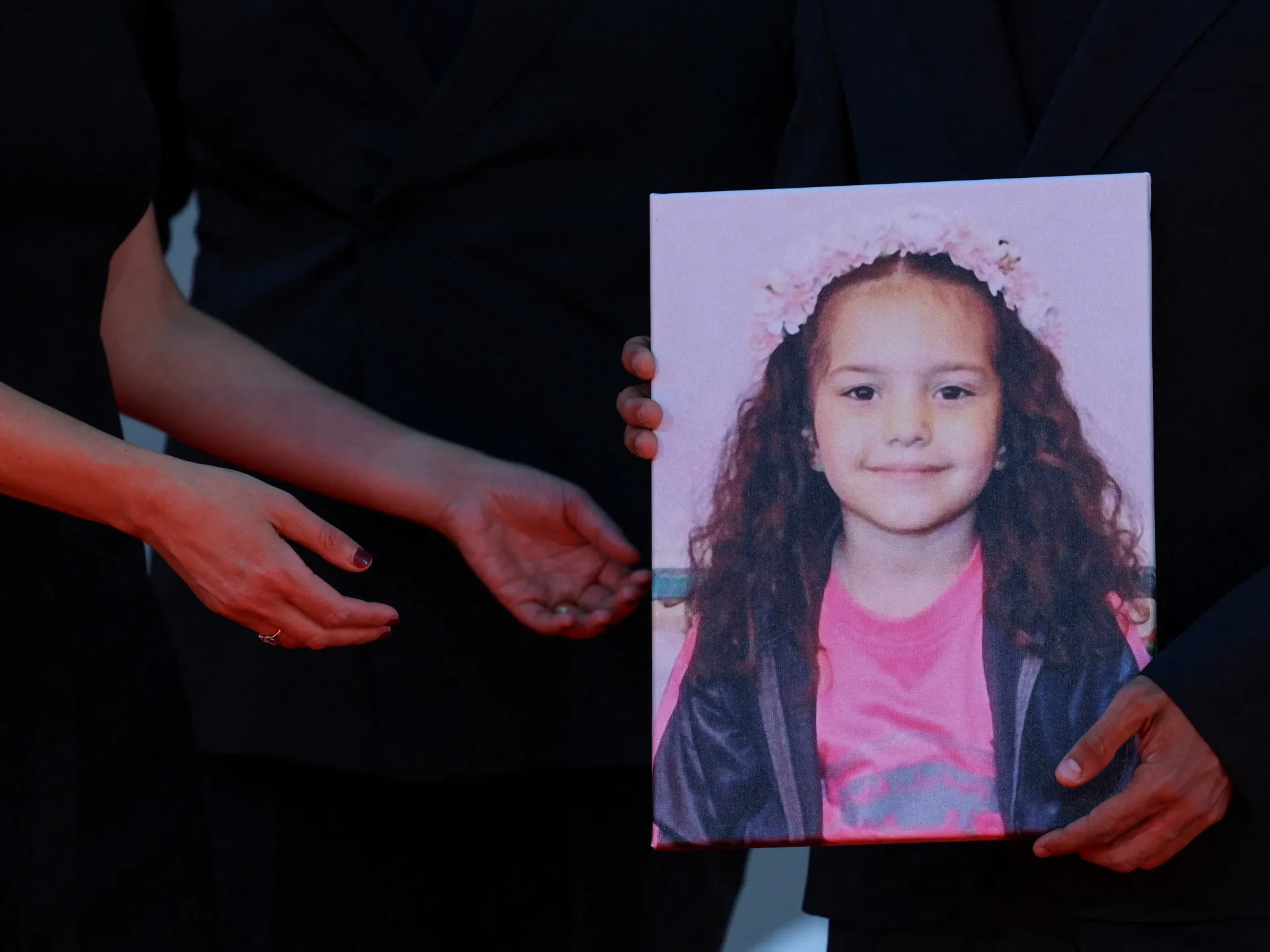
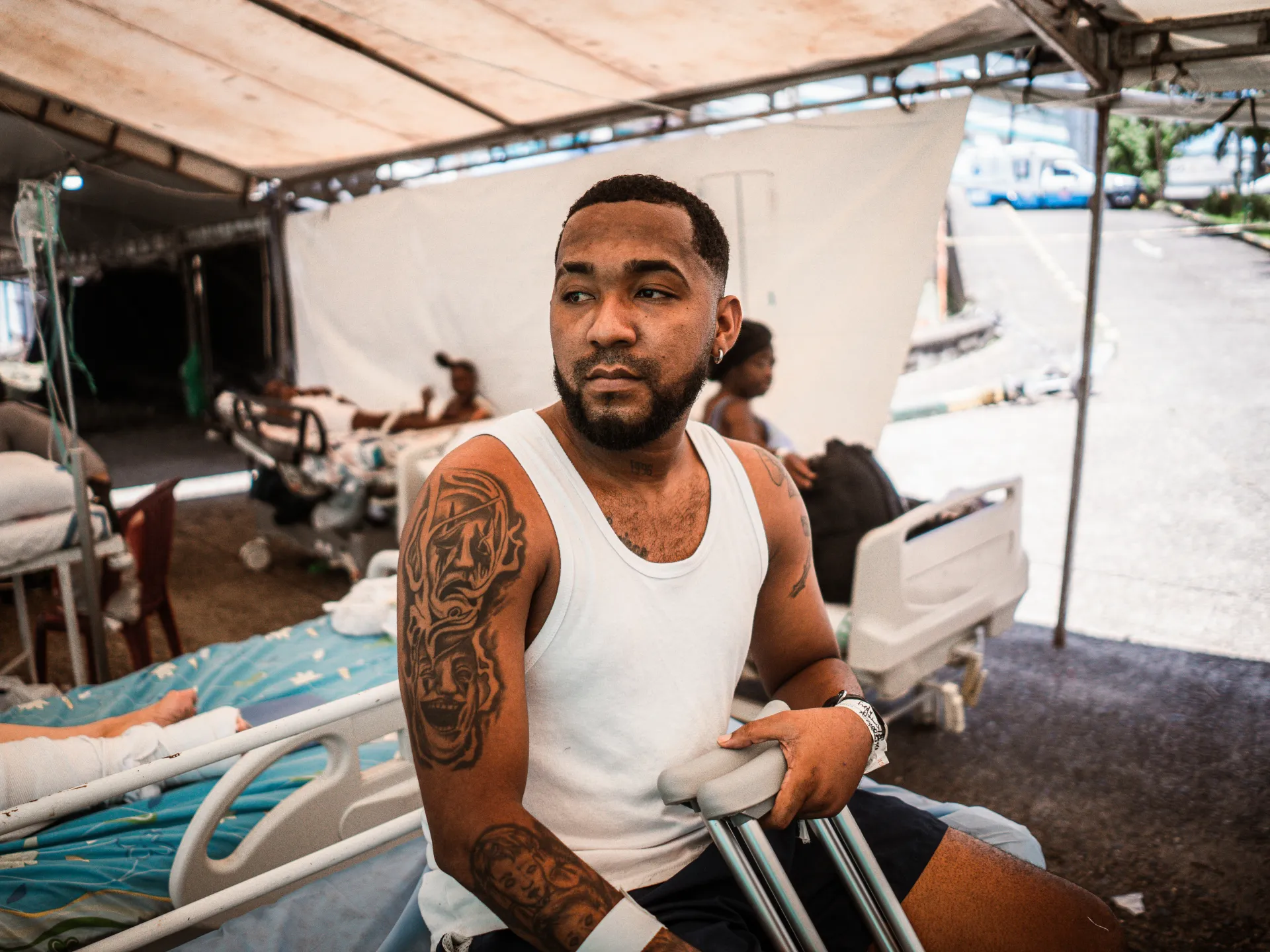
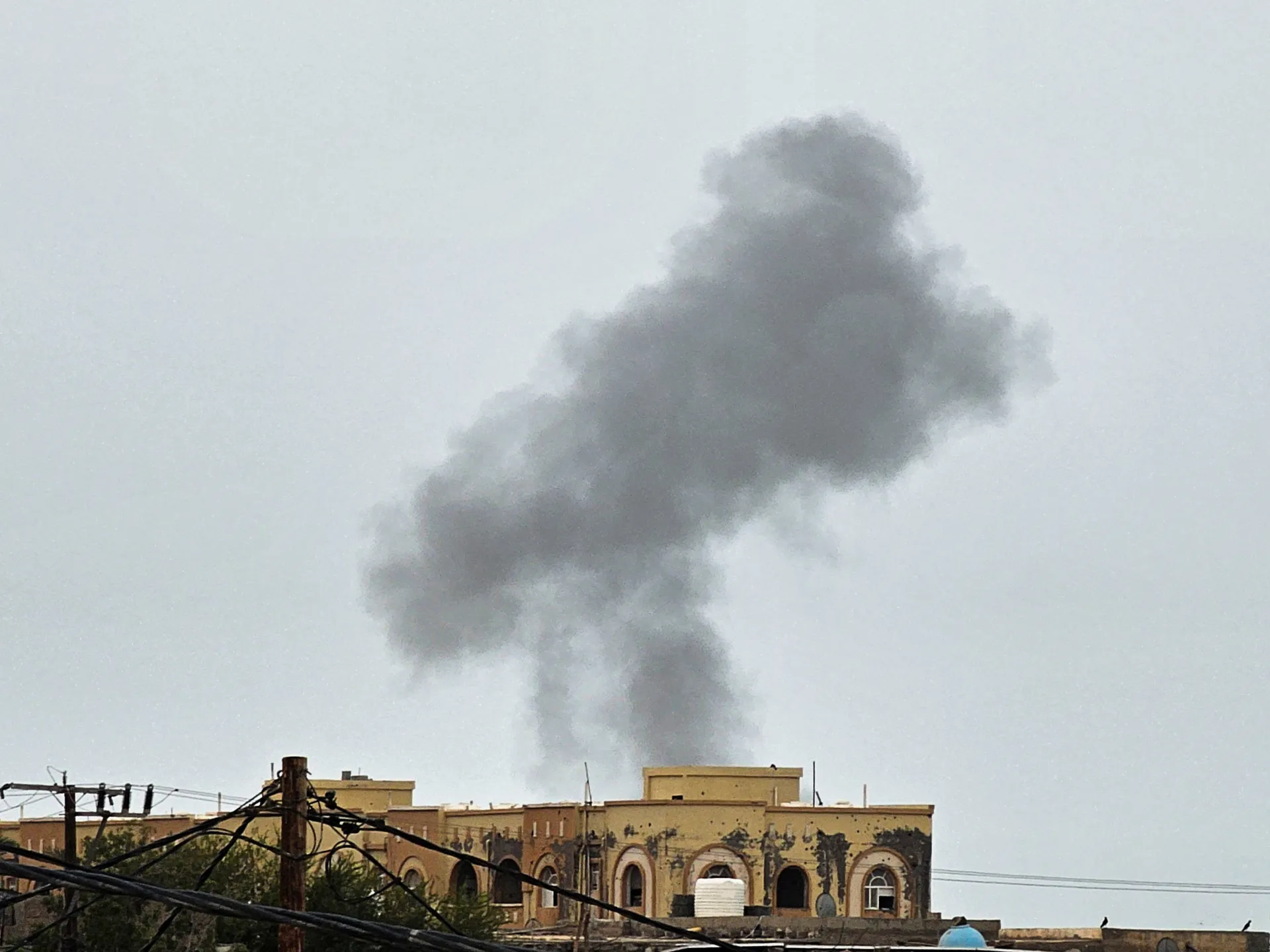
The urgency of Mladenov’s appeal is underscored local health ministry, over 1,300 Palestinians, including hundreds of children, have lost their lives in Israeli air strikes since the ceasefire was brokered. These figures have drawn international scrutiny, with representatives at the UN calling for immediate protections for the civilian population, who continue to face significant danger despite the existence of a formal agreement to halt combat operations.
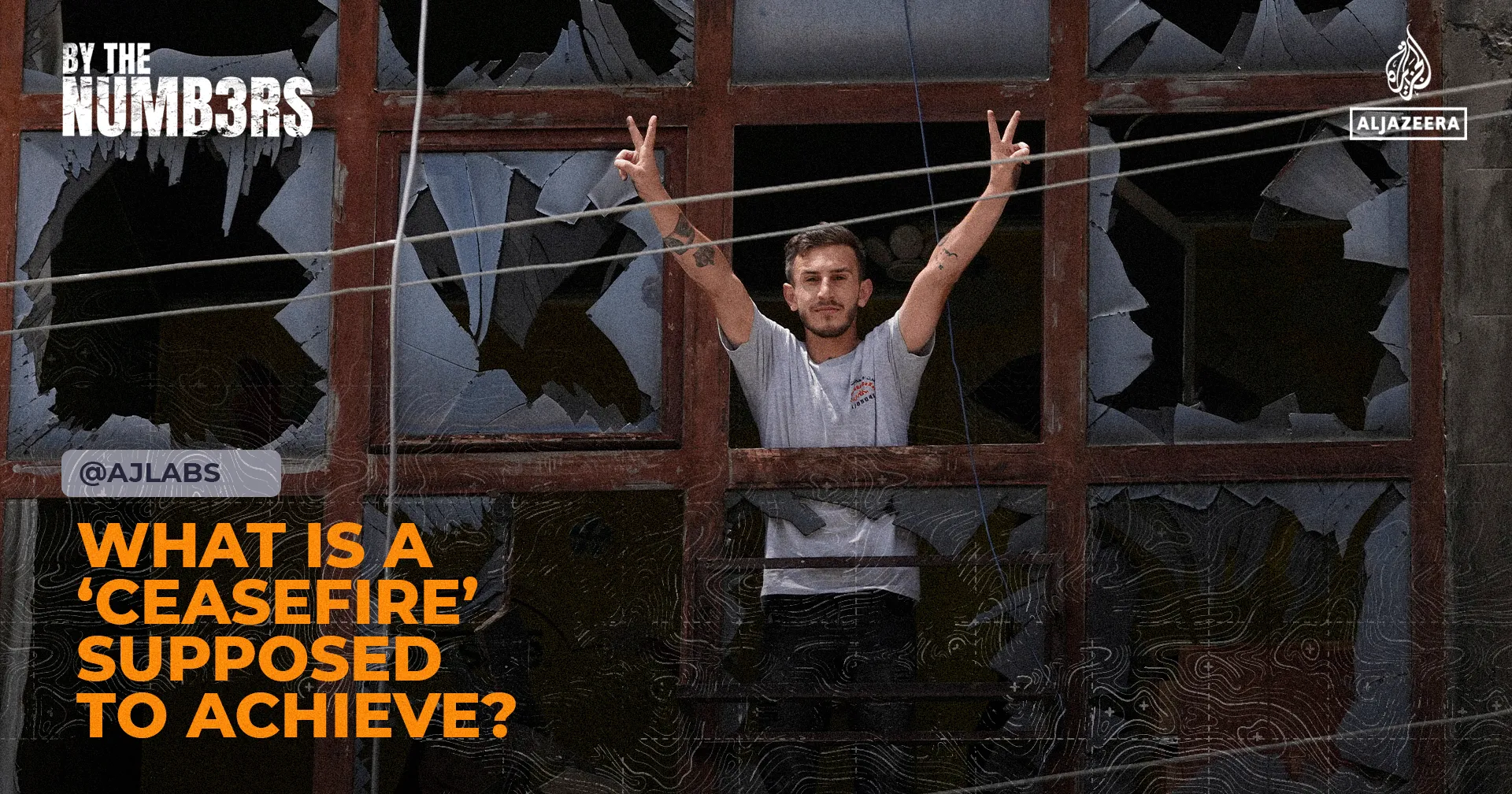
Mladenov expressed frustration at the continued loss of life, noting that a ceasefire is essentially meaningless if civilians remain vulnerable to ongoing military actions. He criticized the use of force that does not directly address an immediate threat, arguing that each incident undermines the fragile trust necessary for long-term stability. While acknowledging the progress made through established deconfliction mechanisms, he warned that every instance of violence erodes the political capital required to maintain the current roadmap.
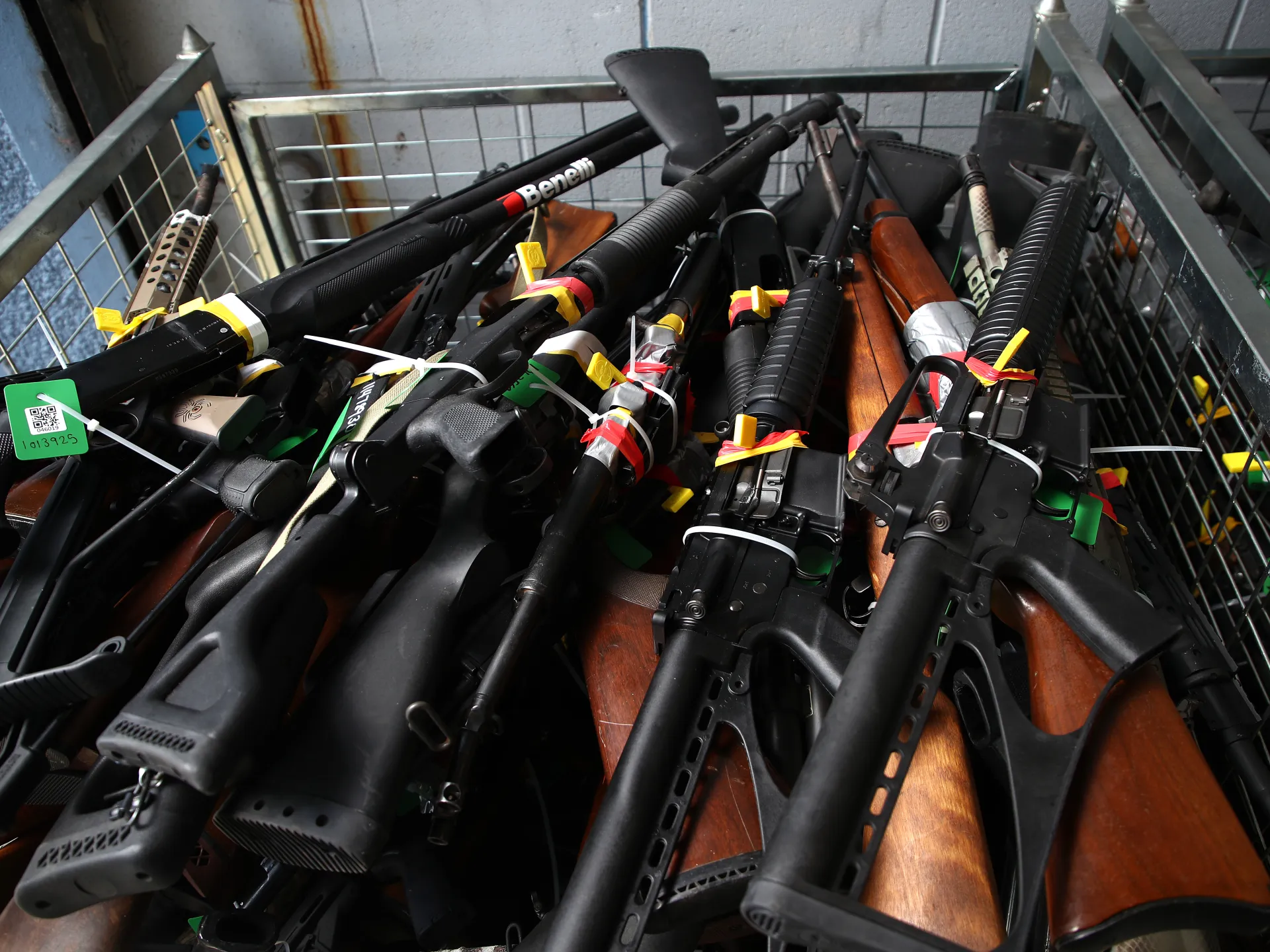
A central pillar of the peace plan is the sequenced and reciprocal nature of the proposed transition. Under this model, Israeli troop movements are meant to follow the verified decommissioning of Hamas weaponry, which would be transferred to a technocratic committee supervised point of contention. While Mladenov maintains that the process is designed to be step-by-step and mutual, Israeli officials continue to demand that demilitarization be fully realized before they initiate any pullout of their military assets.
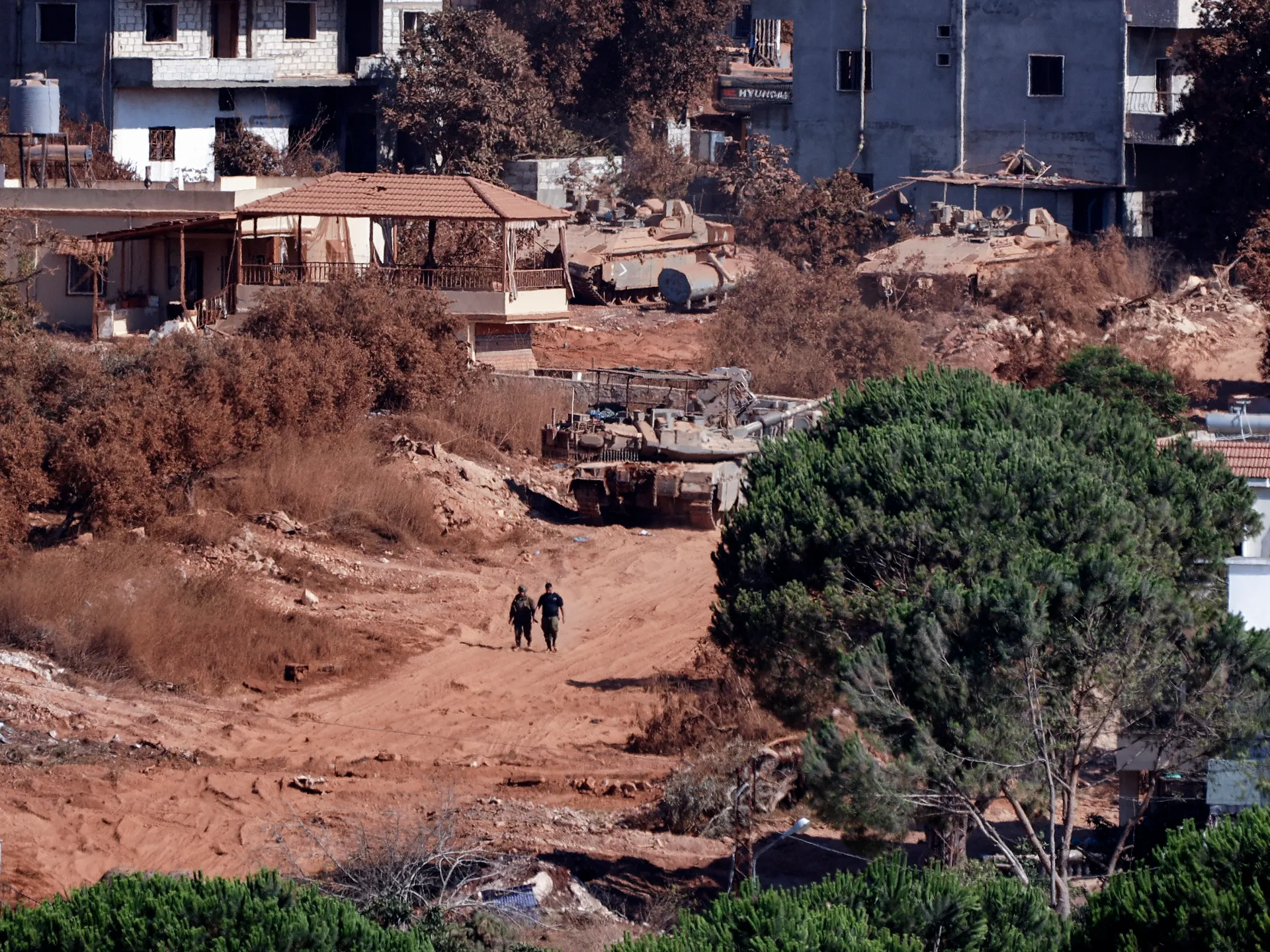
The Israeli delegation to the Security Council has reaffirmed its commitment to the US-brokered plan in principle but remains adamant that the presence of tunnels, stockpiled weapons, and other military infrastructure held e guaranteed while these assets remain active. This insistence on "disarmament first" stands in direct opposition to the phased approach preferred ual distrust.
The path forward depends on both sides adhering to their commitments, a task that remains difficult as both parties continue to accuse the other of violating the peace terms. Mladenov noted that Hamas has yet to fully honor its obligations to cease all military activities, pointing to the movement of weapons and the continued operation of tunnels as evidence of bad faith. He warned that such actions provide fuel for those who wish to return to open warfare, potentially destroying the fragile architecture of the current peace process.
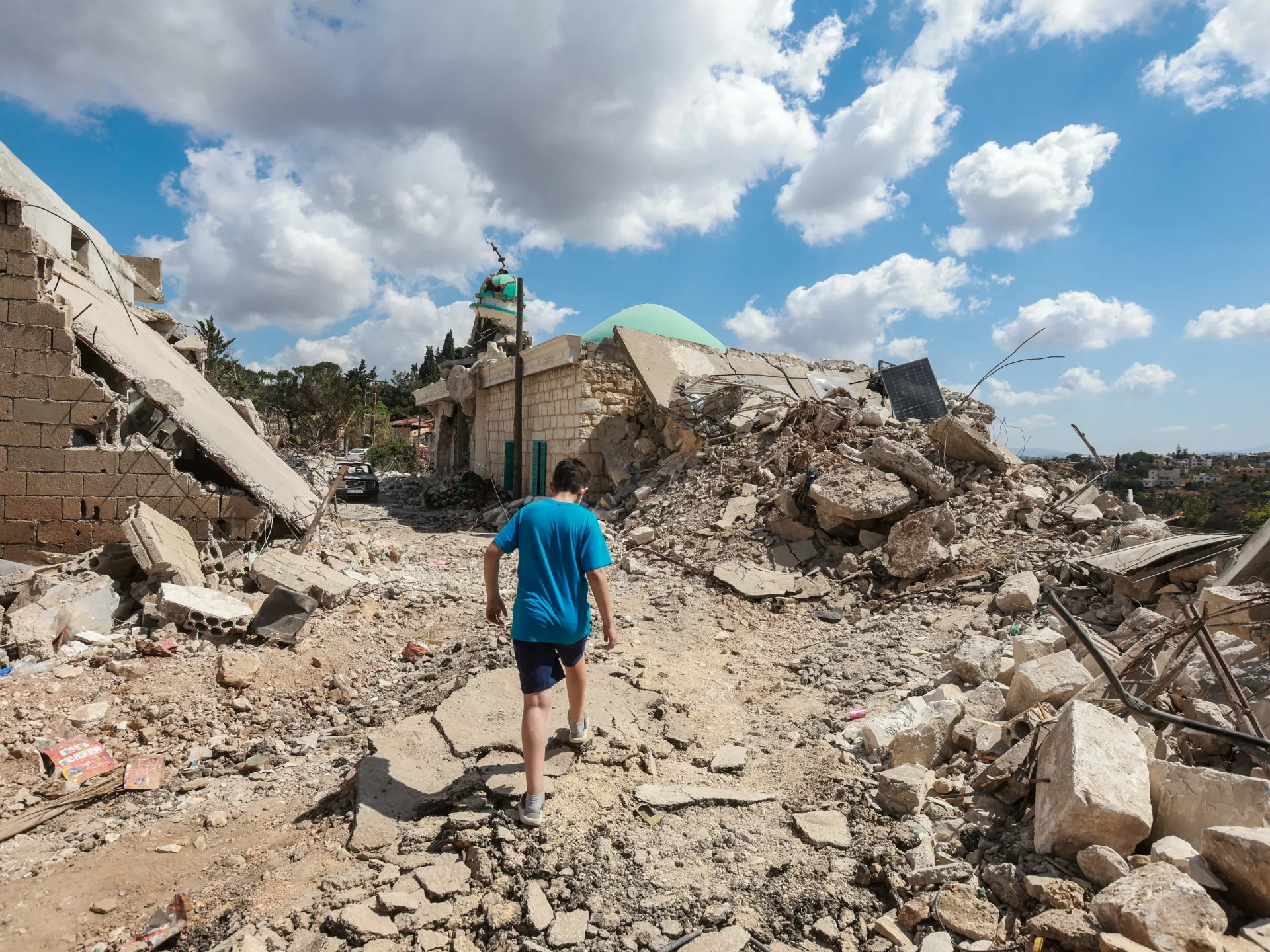
Ultimately, the Board of Peace envoy cautioned that if the current diplomatic efforts fail, the consequences would be catastrophic. He warned that a collapse of the ceasefire would not simply be a temporary setback but a permanent destruction of the foundations required for rebuilding Gaza. Without a functional roadmap or a stable administrative transition, the region faces the prospect of further instability and the loss of any viable path toward a lasting resolution. The international community now faces the difficult challenge of keeping both sides at the negotiating table before the opportunity for peace is permanently lost.