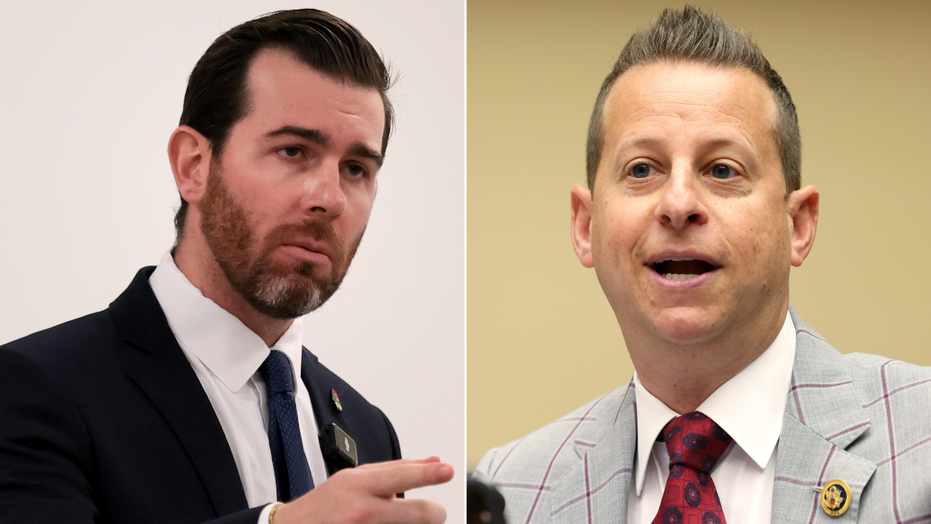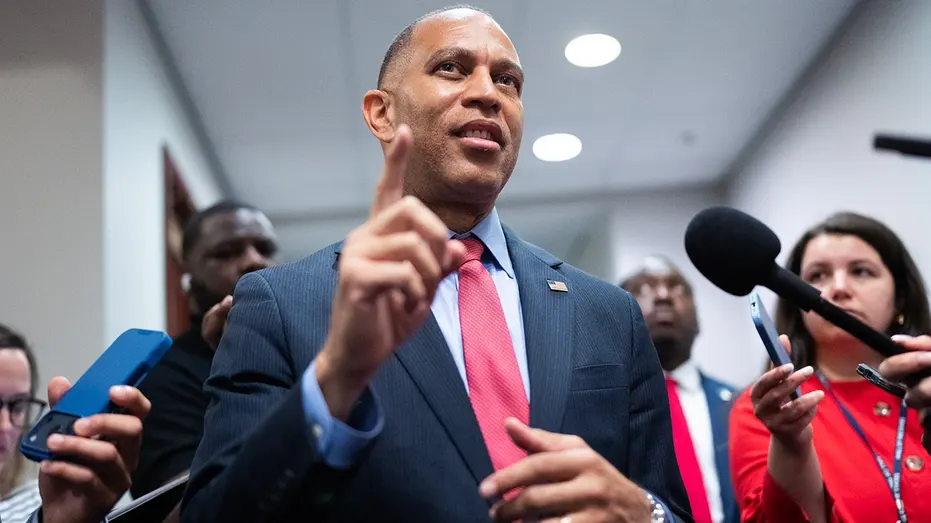
In an unprecedented bipartisan alignment, Senator Bernie Sanders and Steve Bannon have joined forces to voice concerns regarding the rapid, unregulated expansion of artificial intelligence.
In a development that has captured significant attention within the American political landscape, two figures who typically occupy opposite ends of the ideological spectrum have joined forces to address the burgeoning field of artificial intelligence. Senator Bernie Sanders, a prominent progressive voice, and Steve Bannon, the former strategist for Donald Trump, recently appeared together at the Pro-Human Assembly in Washington to voice shared concerns regarding the rapid development of AI technologies.
This unexpected collaboration underscores the growing anxiety surrounding the societal impacts of machine learning and autonomous systems. the risks posed political boundaries. Their appearance serves as a stark reminder that some technological challenges are viewed as universal threats, regardless of one’s economic or social philosophy.
The Pro-Human Assembly served as the platform for this unusual dialogue, where the participants emphasized the need for a more cautious approach to innovation. During the event, the speakers highlighted the potential for AI to disrupt labor markets, exacerbate inequality, and influence the fundamental structure of democratic discourse. The core of their argument focused on the idea that humanity must remain in control of its tools, rather than allowing algorithms to dictate the trajectory of society.
For Sanders, the concern often centers on the displacement of workers and the concentration of economic power in the hands of a few tech giants. Bannon, conversely, has frequently framed his concerns around the preservation of national sovereignty and the protection of cultural values against digital manipulation. Despite these differing motivations, the two reached a consensus: the current trajectory of AI development lacks sufficient oversight and requires a robust policy framework to protect the interests of the general public.
The decision to unite on this issue is being viewed cal bickering. he dangers of unchecked AI, the organizers of the assembly hope to catalyze a broader movement for regulatory reform. This coalition building suggests that the debate over artificial intelligence is shifting from a niche technical concern to a mainstream legislative priority.
Moving forward, the challenge for both Sanders and Bannon will be to translate this shared sentiment into actionable policy. While they have successfully identified a common enemy in the form of unregulated technological advancement, the actual implementation of guardrails will require navigating a complex web of corporate lobbying and global competition. Nevertheless, their public alignment serves as a powerful signal to legislators that the appetite for AI scrutiny is growing across the entire political spectrum.
As the conversation around AI continues to evolve, the consensus between such disparate political figures highlights the deep-seated uncertainty many feel regarding the future. Whether the focus is on economic stability, personal privacy, or the integrity of information, the message remains clear: the rapid pace of development is outstripping our current ability to manage the risks. This rare moment of unity acts as a clarion call for a more deliberate and human-centric approach to digital innovation.
Ultimately, the impact of this collaboration may be measured ather than reactive panic. ders and Bannon have brought a new level of urgency to the table. As Washington grapples with how to regulate the most transformative technology of the century, this bipartisan signal may prove to be a crucial turning point in domestic policy development.