

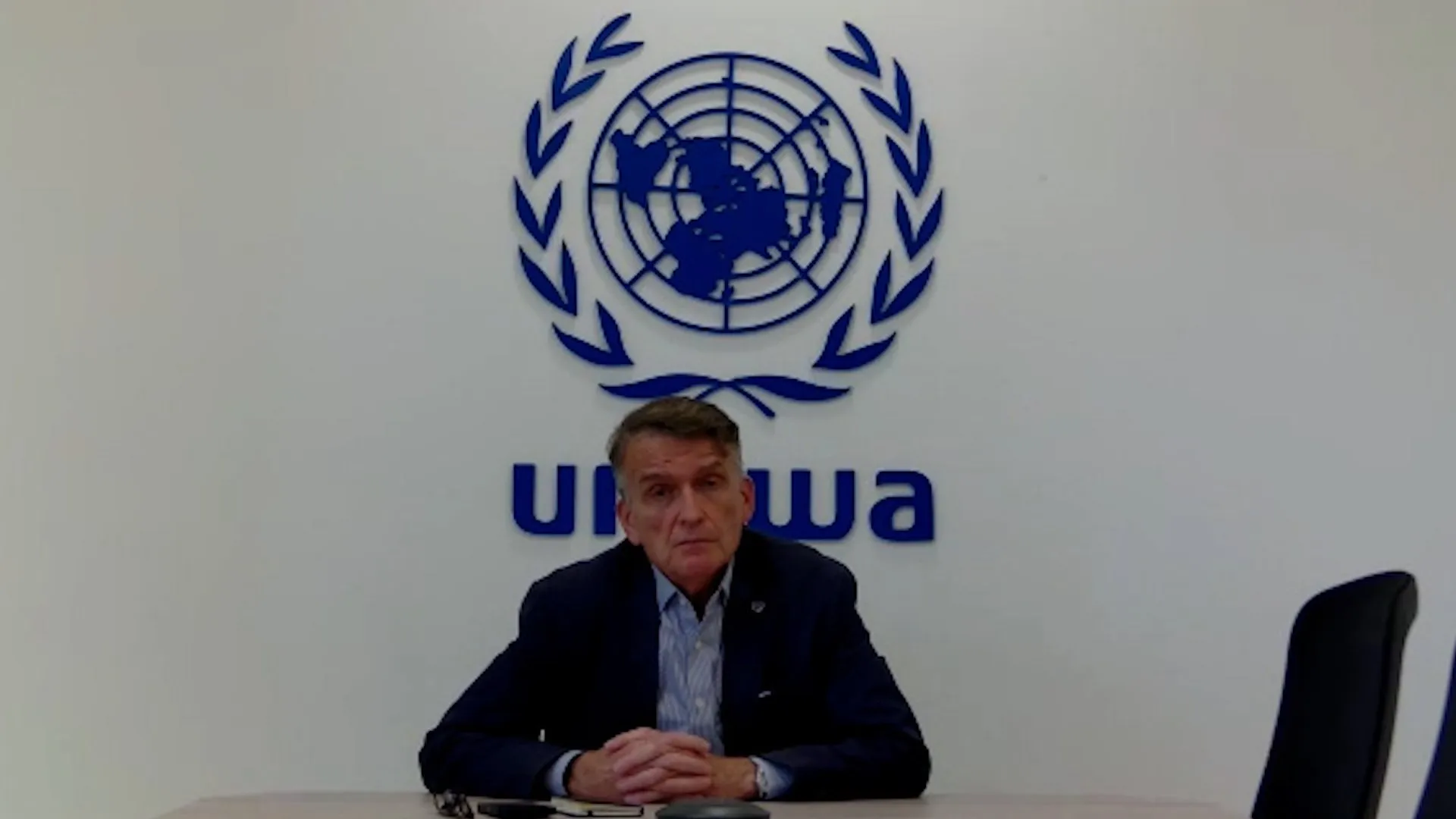
The head of the UN Palestinian refugee agency says recent property seizures in East Jerusalem are part of a broader, calculated attempt to dissolve the organization.
The leadership of the United Nations Relief and Works Agency for Palestine Refugees (UNRWA) has issued a stern warning regarding the long-term viability of its operations in the region. According to top officials, recent actions taken ated in occupied East Jerusalem, represent a calculated effort to undermine the organization. This move is viewed rk currently supporting millions of displaced individuals.
The tension between the agency and the Israeli government has reached a critical juncture, with UNRWA asserting that these administrative and physical interventions are not isolated incidents. Instead, they are described as part of a broader, sustained campaign designed to strip the agency of its operational capacity. n services that the agency has provided for decades, effectively forcing a cessation of its mandate on the ground.
Beyond the immediate logistical challenges, UNRWA officials contend that the ultimate objective of these measures is the total elimination of the Palestinian refugee issue as a political and humanitarian concern. uggest that the Israeli government intends to change the international perception of the refugee crisis. The agency argues that undermining its legitimacy is a direct path to nullifying the historical rights and status of those it serves.
This perspective posits that the agency serves as a persistent reminder of the displacement of millions, a reality that the current administration in Israel appears eager to move past. e populations into local host communities or force them to relinquish their status as refugees, thereby simplifying the political landscape for future negotiations or territorial claims.
Despite the mounting pressure and the loss of critical facilities, UNRWA has maintained a firm stance regarding its future. High-level leadership has explicitly communicated that the organization has no intention of withdrawing from its responsibilities. Officials emphasize that the agency remains committed to its core mission of providing education, health services, and essential aid to Palestinian refugees, regardless of the political obstacles placed in its path.
The agency’s refusal to vacate its positions serves as a symbolic and practical resistance to the pressure campaign. ine to populations that are heavily dependent on its services. This commitment highlights the ongoing friction between international humanitarian mandates and the shifting political priorities of the state of Israel in the occupied territories.
The conflict surrounding the agency’s presence in East Jerusalem raises significant questions about the role of international organizations in occupied territories. When a host government actively seeks to impede the operations of a UN-mandated body, it creates a precedent that could impact humanitarian efforts globally. The situation underscores the fragility of international mandates when they conflict with the domestic security and political agendas of host states.
Moving forward, the international community faces the challenge of balancing support for the agency with the realities of the current geopolitical climate. As the agency continues to face threats to its infrastructure and funding, the support of member states will be vital. The outcome of this standoff will likely serve as a litmus test for the UN’s ability to maintain its presence in contested regions and protect the rights of vulnerable populations under its care.