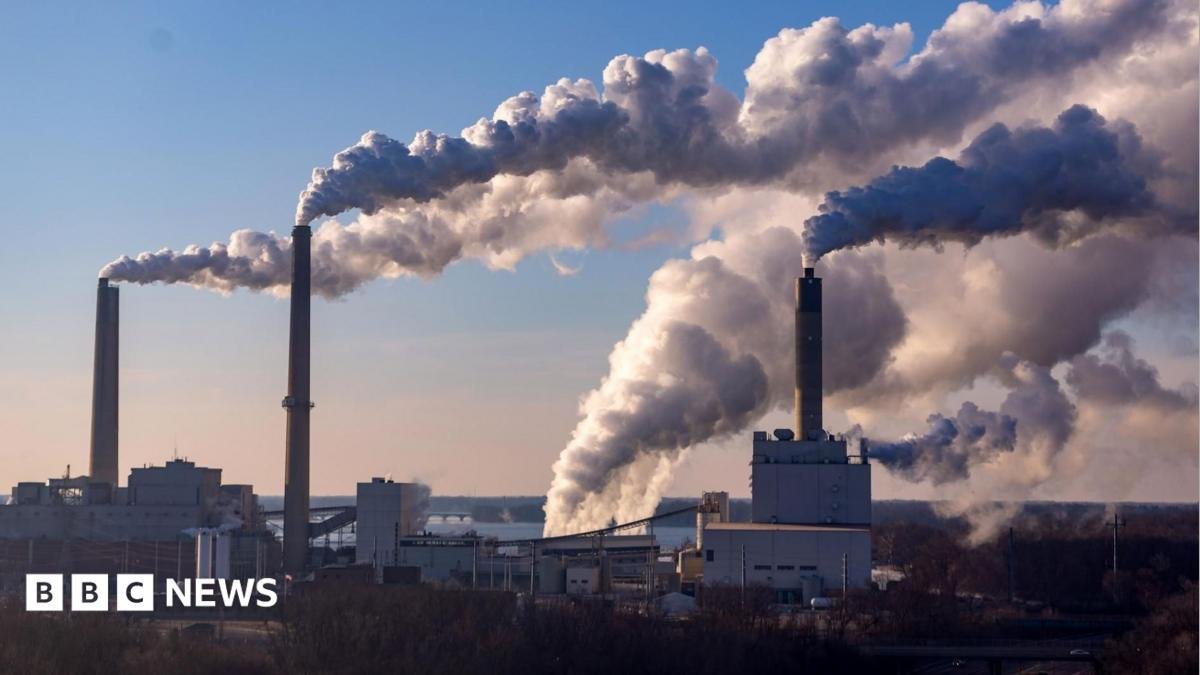
The US Environmental Protection Agency has officially repealed climate-focused emission rules for coal and gas plants, citing a need for lower energy costs.
The United States Environmental Protection Agency (EPA) has officially announced the removal of federal constraints regarding carbon emissions from domestic coal and gas-fired power plants. This regulatory pivot marks a significant departure from the previous administration's climate agenda, which aimed to drastically reduce the carbon footprint of the nation’s energy sector. The agency further stated its intention to implement preventative measures designed to limit the capacity of future administrations to impose similar greenhouse gas restrictions on utility providers.
Agency leadership justified the decision y granted to the EPA. Officials argued that the prior mandates forced the use of unproven carbon-capture technologies, which effectively compelled many power plants to cease operations rather than adapting to achievable standards. e economy approximately $310 billion while simultaneously lowering energy costs for households and industrial sectors alike.
The official statement from the EPA emphasized a commitment to energy independence and national security. mains affordable and reliable, which they argue will lower the cumulative costs of heating, transportation, and manufacturing across the country. According to the agency, while carbon emission limits are being scrubbed, safeguards concerning hazardous air pollutants will remain active to ensure that direct impacts on human health continue to be monitored.
The decision has triggered immediate backlash from environmental advocates and public health experts who argue that the rollback ignores both scientific consensus and economic realities. Critics contend that the policy change represents a significant regression in the global effort to mitigate climate change. tal responsibility to protect the public from the long-term consequences of a warming planet.
The previous administration’s regulations were projected to prevent roughly 4,500 premature deaths annually dismissed the direct link between domestic power sector emissions and specific public health outcomes as being too speculative or remote. This stance has drawn sharp criticism from organizations like the Center for Climate and Energy Solutions, which labeled the reversal a major step backward in environmental stewardship.
The debate highlights a stark divide in how the government approaches the nexus of energy production and climate risk. While the EPA characterizes the previous rules as an unfair burden on the energy sector, opponents maintain that the environmental cost will be far higher than any short-term savings achieved through deregulation. The move is expected to face a wave of legal challenges from a coalition of environmental groups and possibly individual states, setting the stage for a protracted court battle over the EPA's regulatory mandate.
As the second-largest emitter of greenhouse gases globally, the United States occupies a pivotal position in climate discussions. The power sector alone accounts for approximately one-quarter of total US emissions, releasing roughly 1.5 billion tonnes of carbon dioxide-equivalent annually. This volume is greater than the total yearly emissions of almost any other individual nation, making policy decisions regarding American power plants a matter of significant international concern.
Despite the rollback, some industry analysts suggest that the actual resurgence of coal may be limited enewable energy technologies, such as wind and solar, has plummeted, making them increasingly competitive compared to fossil fuels. Even without federal mandates, many energy providers have already begun shifting their portfolios toward cleaner energy sources due to economic viability and shifting investor priorities.