

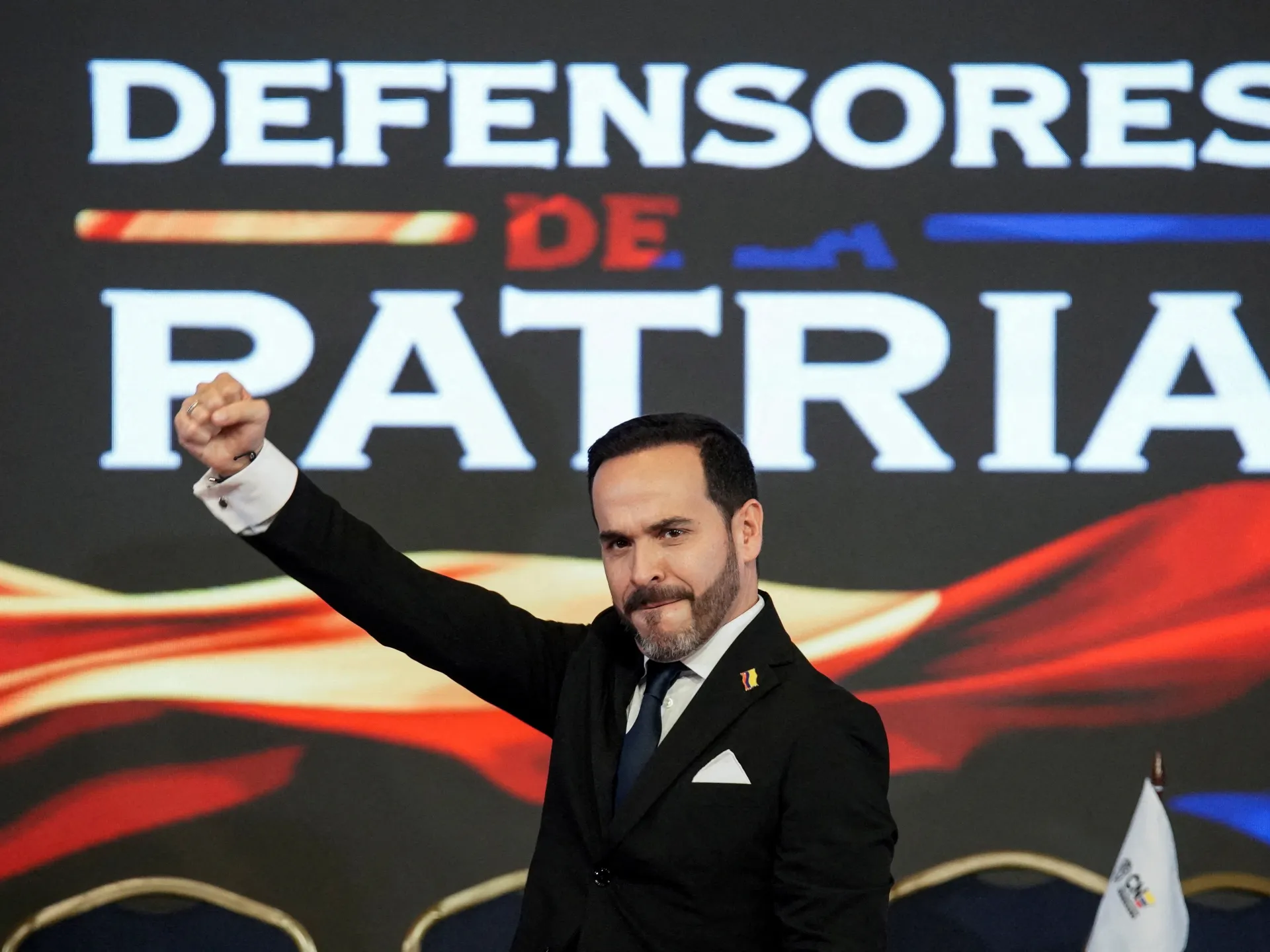
A surge of right-wing electoral victories across Latin America is fueling a shift in regional politics, characterized by aggressive security policies and increased US influence.
While President Donald Trump faces significant political headwinds within the United States, marked lures, his influence across Latin America appears to be on a distinct upward trajectory. Over the past eighteen months, the region has witnessed a wave of right-wing electoral victories that align closely with the administration's ideological framework. This shift has been characterized cting the president's desire to reassert American hegemony through a network of ideologically aligned regional leaders.
This political realignment is not merely a matter of diplomatic alignment but represents a fundamental pivot toward aggressive, security-focused governance. The resurgence of these right-wing figures, who often draw inspiration from Trump’s rhetoric regarding nationalism, crime, and migration, suggests a coordinated effort to reshape the political landscape of the Americas. For observers of regional history, this development evokes memories of past eras characterized h significant human rights implications.
The current regional landscape is dominated avored lawyer with a history of defending paramilitary figures, signals a return to a more militant approach toward internal security. De la Espriella’s platform, which prioritizes the expansion of the fracking industry and a confrontational stance toward leftist movements, represents a stark departure from the previous administration’s attempts at reducing social inequality.
Similarly, in Argentina, the administration of Javier Milei has implemented sweeping economic changes that have drawn both praise from the White House and significant criticism from domestic observers. tcomes, the US has effectively incentivized the dismantling of welfare provisions. This has resulted in a marked increase in poverty levels and homelessness, as the government prioritizes fiscal austerity over social safety nets, mirroring the broader trend of prioritizing corporate interests over public welfare.
Central to this new regional architecture is the "Shield of the Americas" security initiative, which is headquartered in Medellin, Colombia. This program is designed to consolidate military and intelligence cooperation across borders, ostensibly to combat transnational crime and narco-terrorism. However, critics argue that these initiatives often serve to reinforce the power of entrenched elites while providing a pretext for the suppression of political dissent. The move marks a return to a more militarized version of US-Latin American relations, focusing on security apparatuses rather than diplomatic or economic development.
The implementation of these policies is not limited to Colombia. In Honduras, the administration of Nasry Asfura has intensified its crackdown on criminal activity following pressure from the United States regarding aid packages. Meanwhile, Chile’s Jose Antonio Kast has prioritized border security through physical infrastructure, reflecting a regional obsession with migration management. These leaders, alongside figures such as Daniel Noboa in Ecuador and Keiko Fujimori in Peru, are increasingly adopting the rhetoric of xenophobia and security as a means of managing domestic unrest and maintaining political control.
The broader consequences of this political shift are becoming increasingly apparent across the region. dicates, these governments are effectively distracting from stagnant wages, eroding civil rights, and widespread environmental degradation. The focus on building mega-prisons and expanding internal security forces often comes at the expense of public health and education, leaving the most vulnerable populations without adequate support systems.
Ultimately, the current political trends in Latin America reflect a deeper, more systemic issue: the enduring susceptibility of the region to external influence that favors corporate capitalism and authoritarian stability. While the administration in Washington views these developments as a triumph of its foreign policy, the human cost of these policies suggests a darker reality. As these nations continue to align with the "Make America Great Again" model, the prospects for a more civil and equitable regional future remain increasingly uncertain.