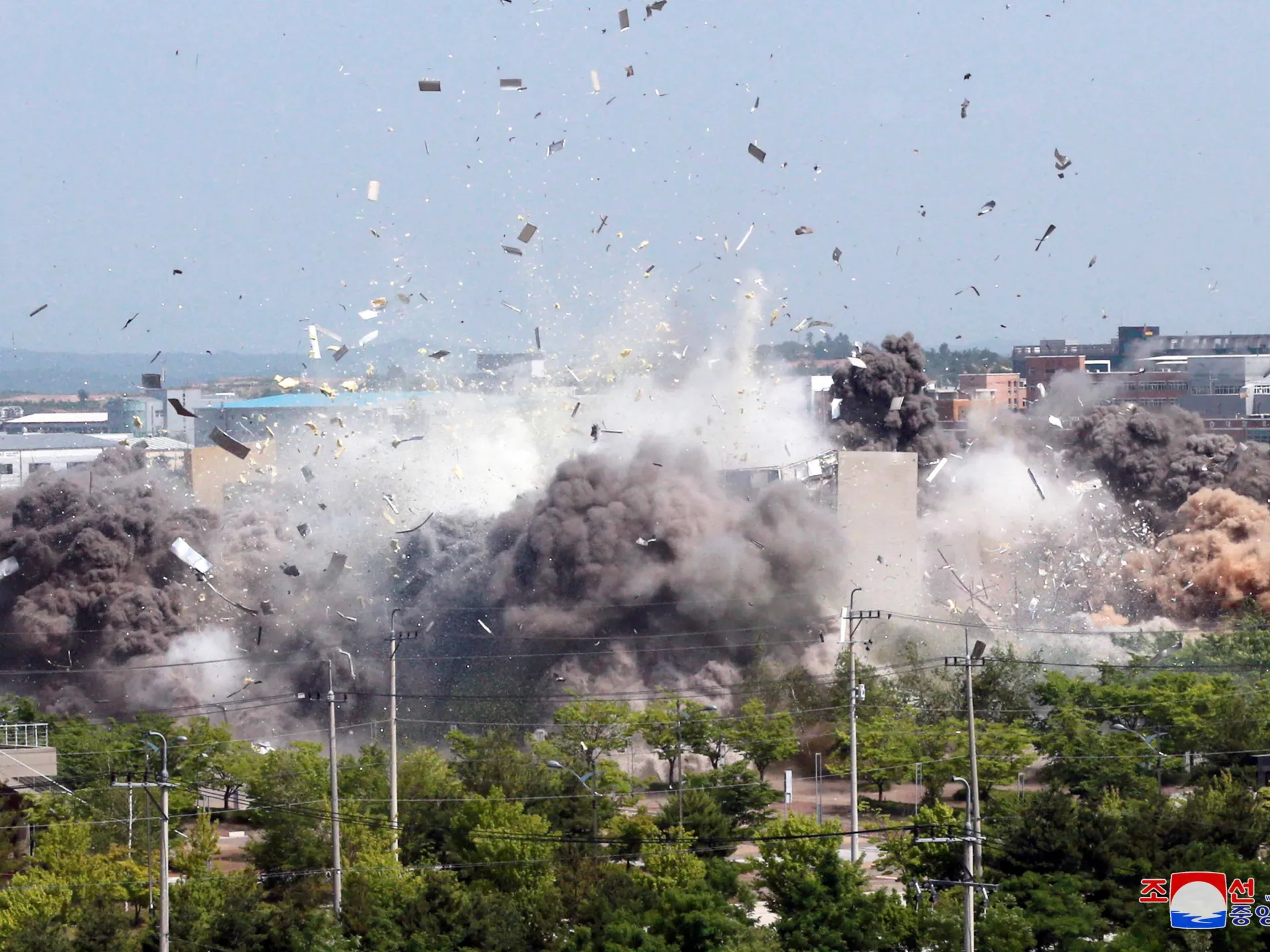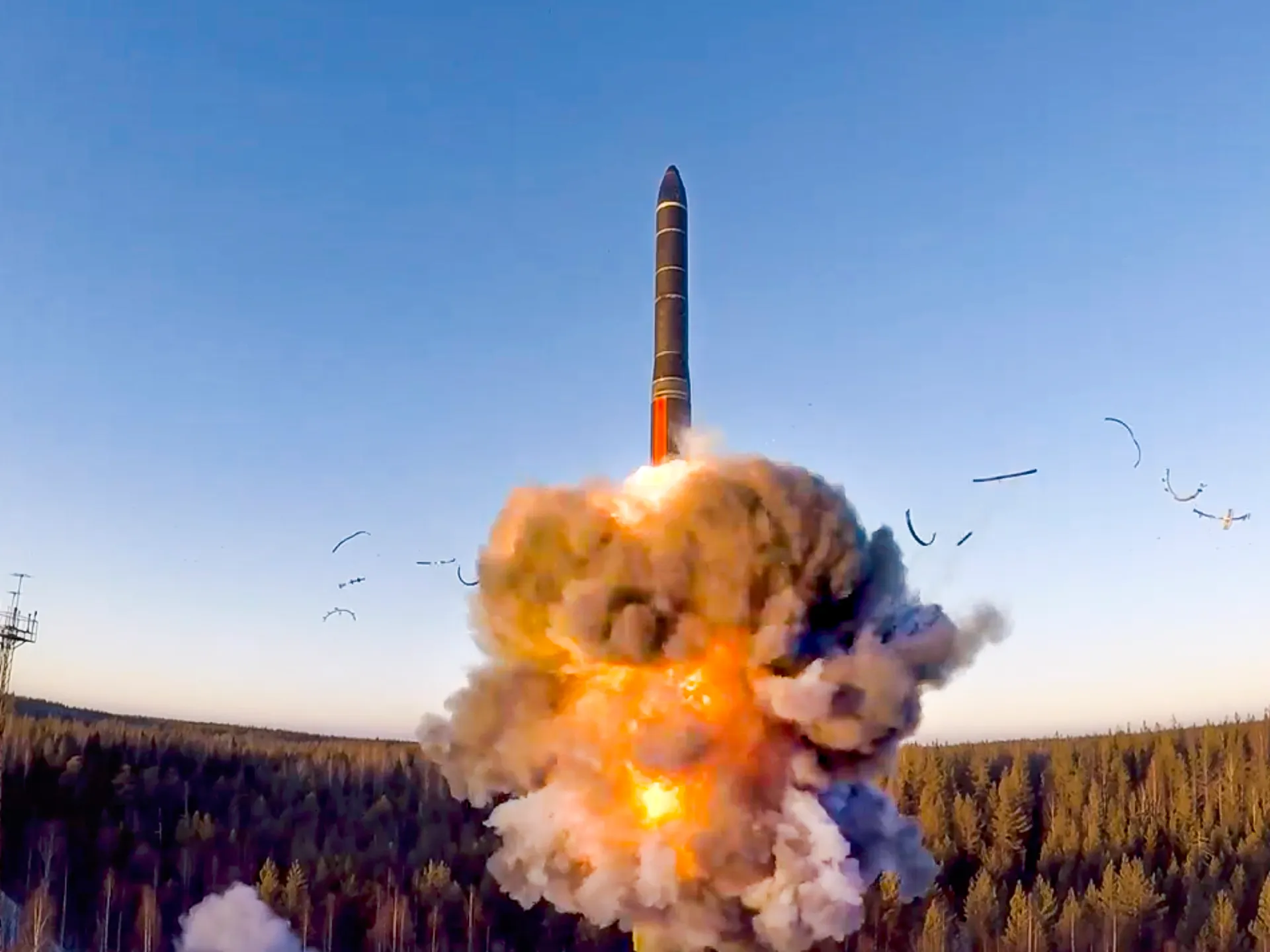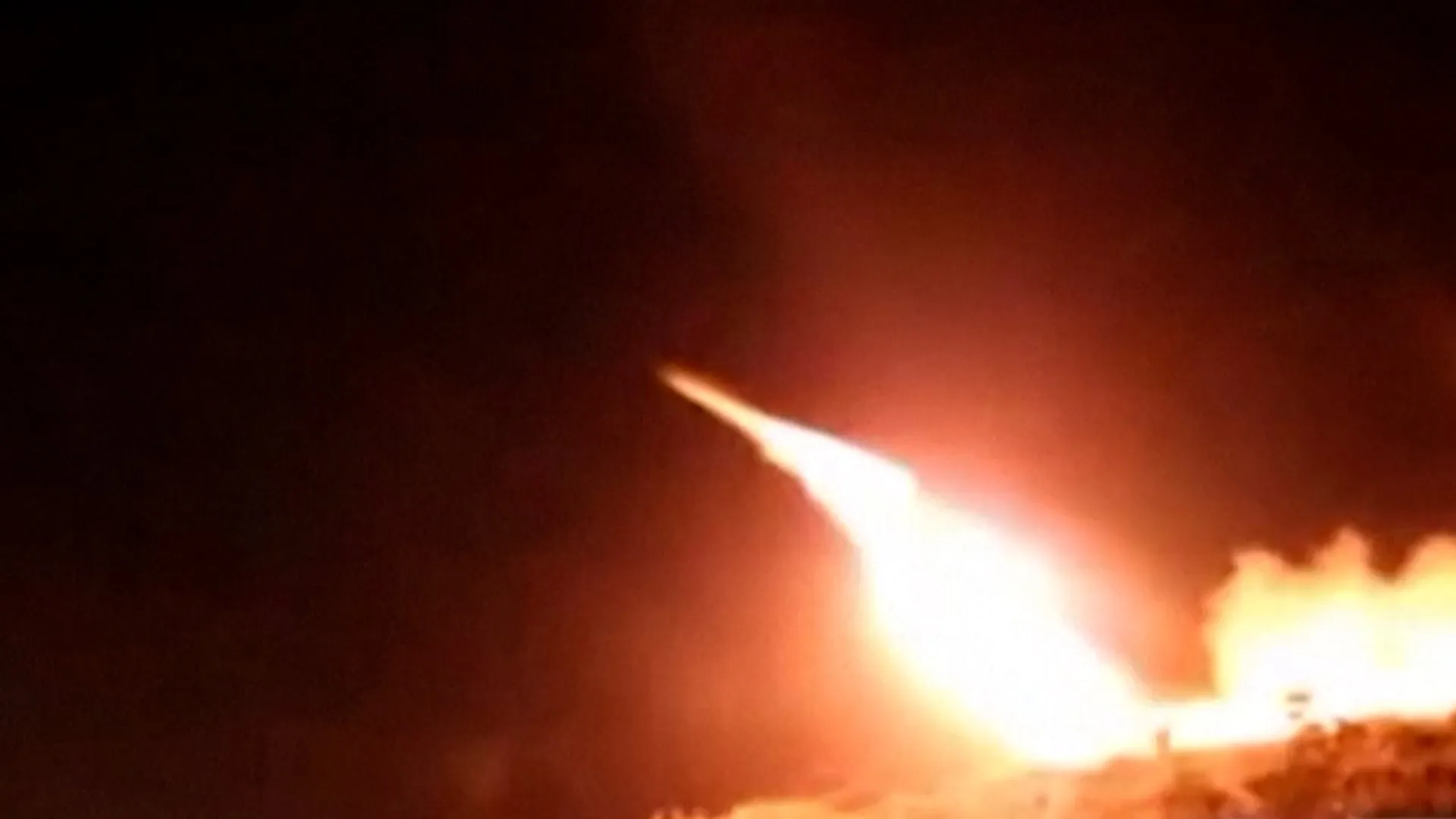
North Korea has rejected a new IAEA resolution, asserting its nuclear capabilities are permanent as Washington shifts focus toward potential diplomacy and AI supremacy.
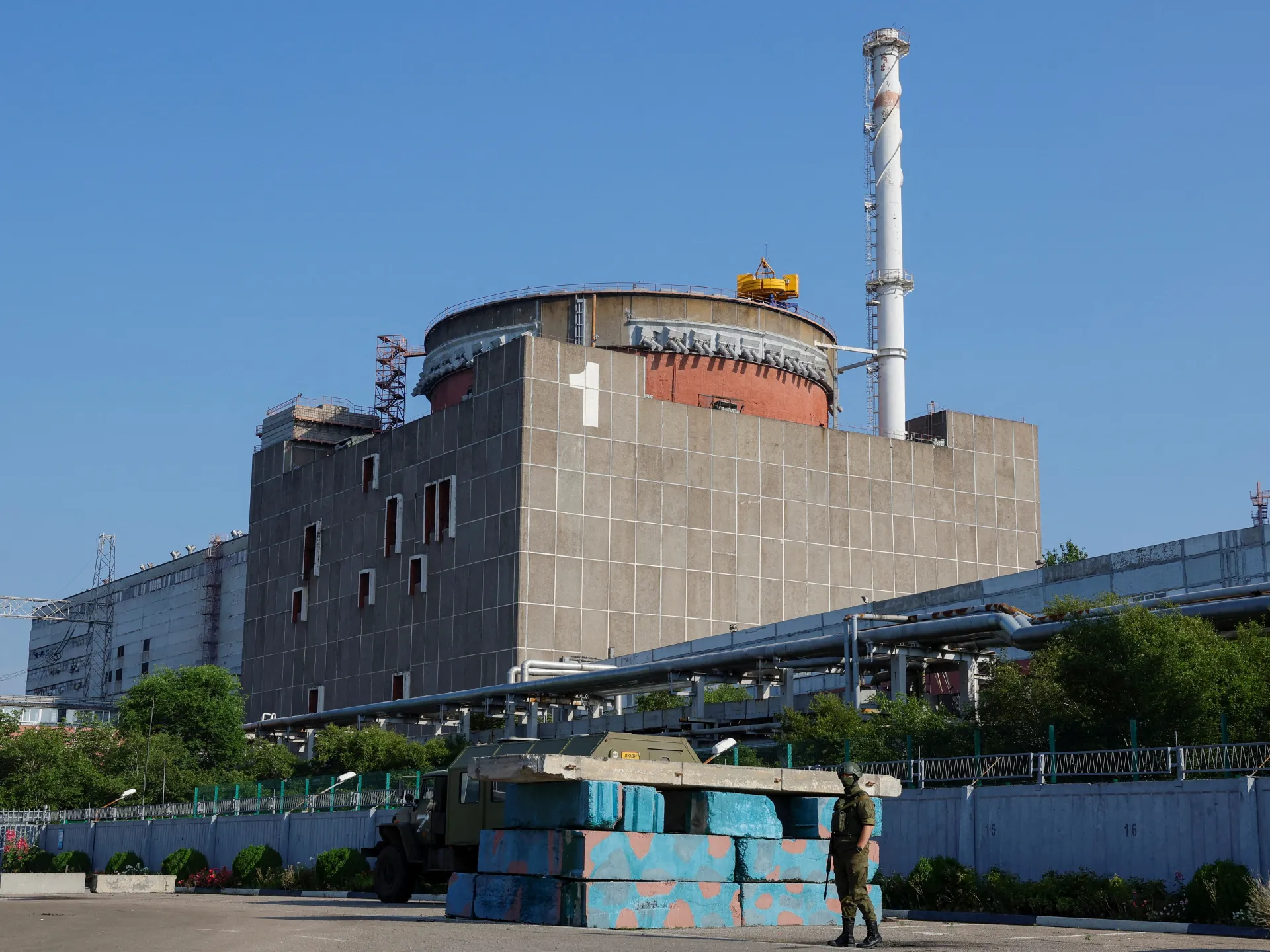
The hardening of North Korea’s nuclear doctrine, formally cemented solution, occurs amidst a complex geopolitical realignment. While the administration in Washington pivots toward a strategy of re-engagement, the intersection of rapid artificial intelligence development and traditional nuclear brinkmanship creates an unprecedented security environment. The refusal of the Democratic People’s Republic of Korea (DPRK) to comply with international oversight is not merely a diplomatic protest; it represents a strategic rejection of the non-proliferation framework at a time when major global powers are increasingly focused on technological dominance rather than conventional arms control.
This development forces the international community to weigh the risks of a localized arms race against the potential for high-level diplomatic breakthroughs. With the U.S. seeking to balance its pursuit of technological supremacy—specifically in AI—with its desire to stabilize relations on the Korean Peninsula, the stakes for regional stability remain high. The situation is further complicated ting that North Korea is operating with a level of confidence that complicates traditional Western containment strategies.
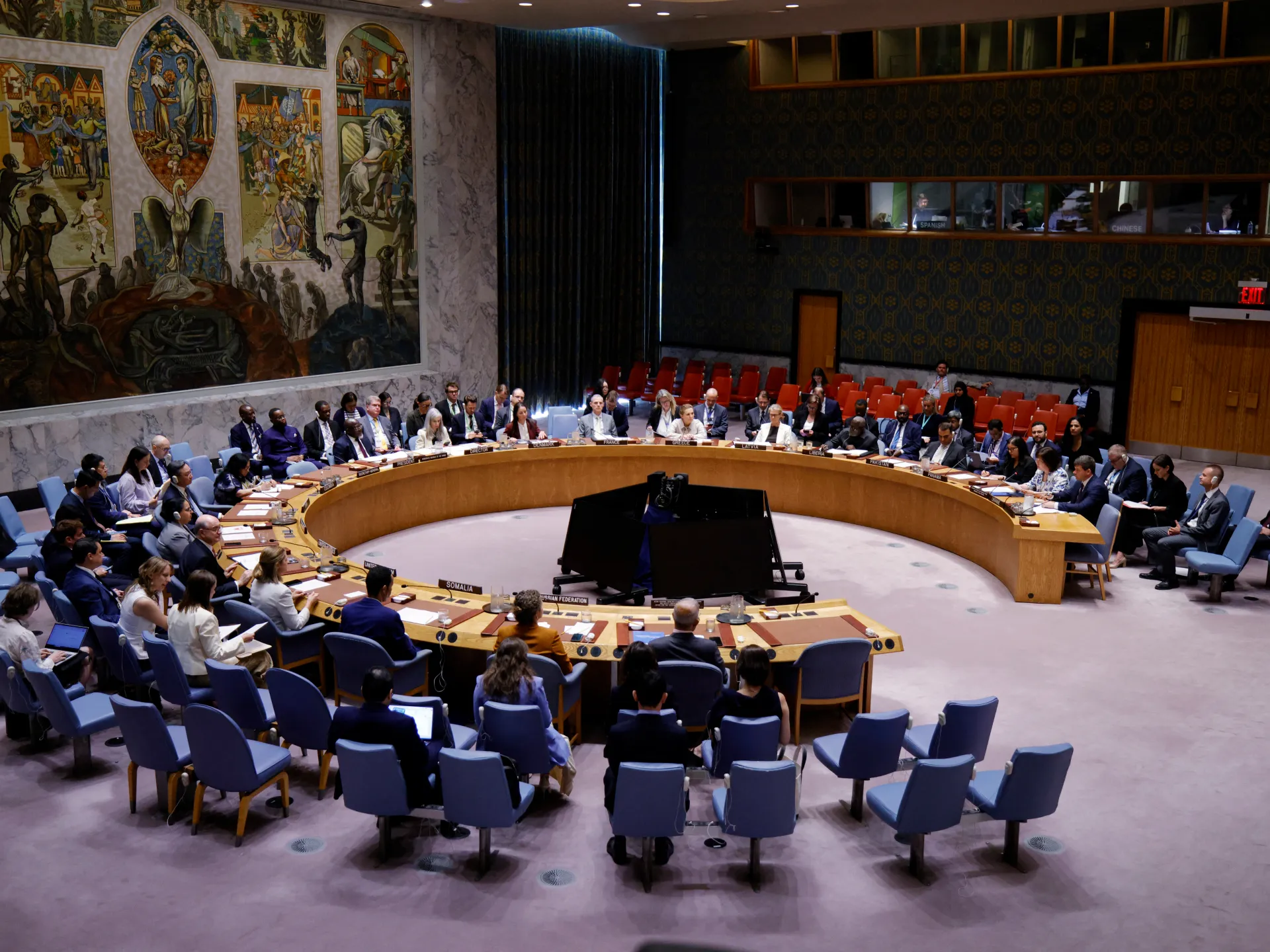
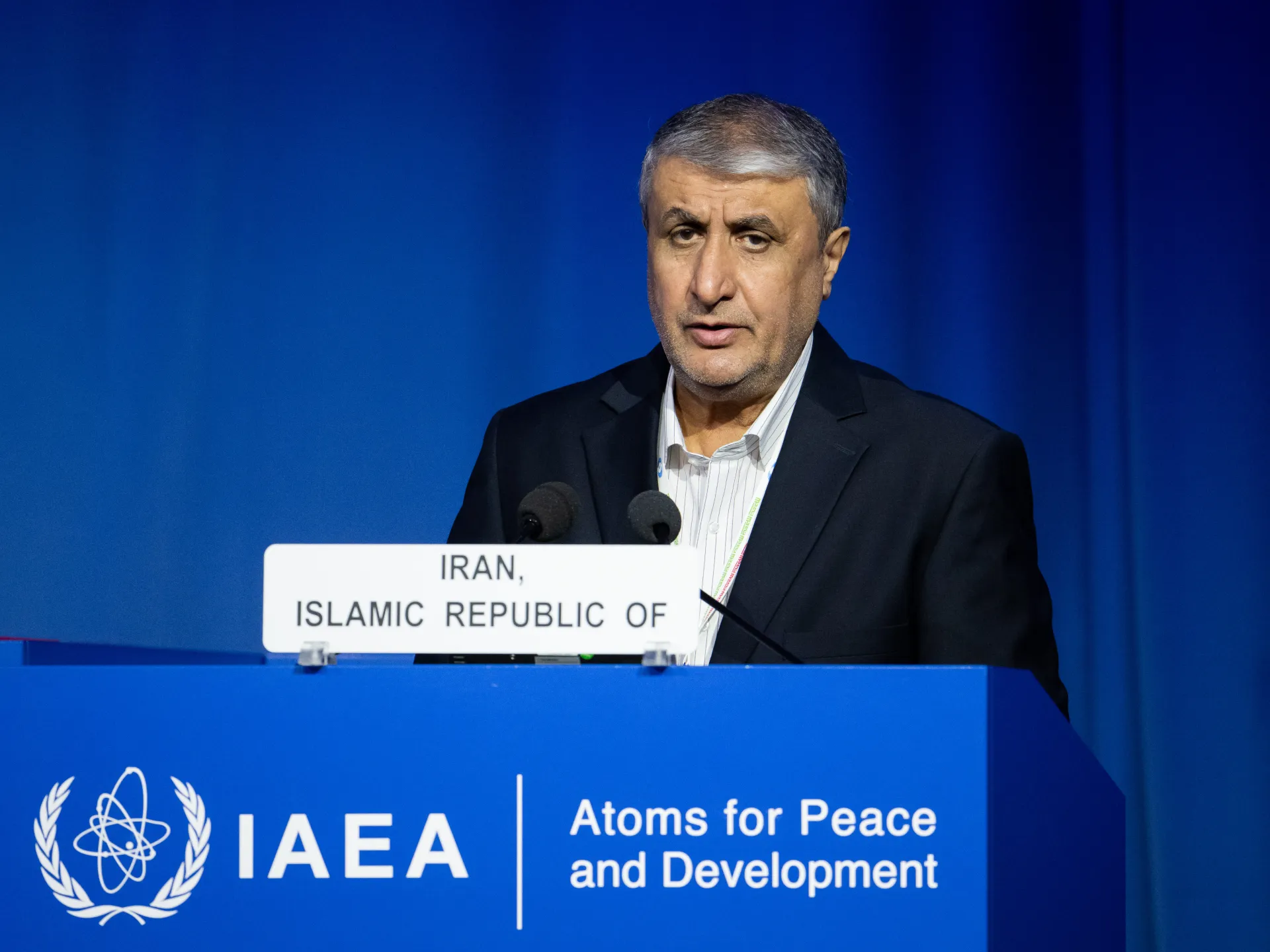
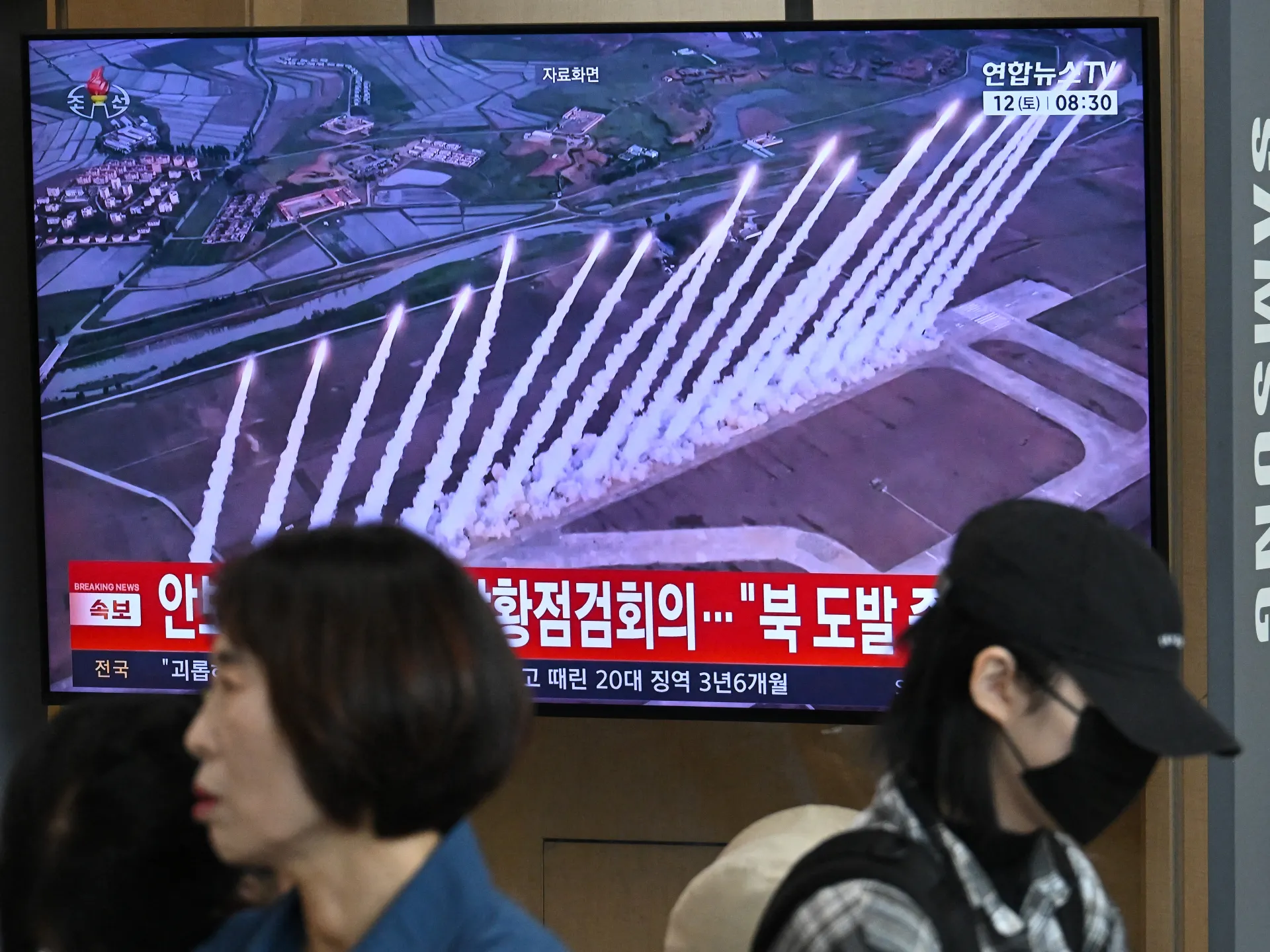
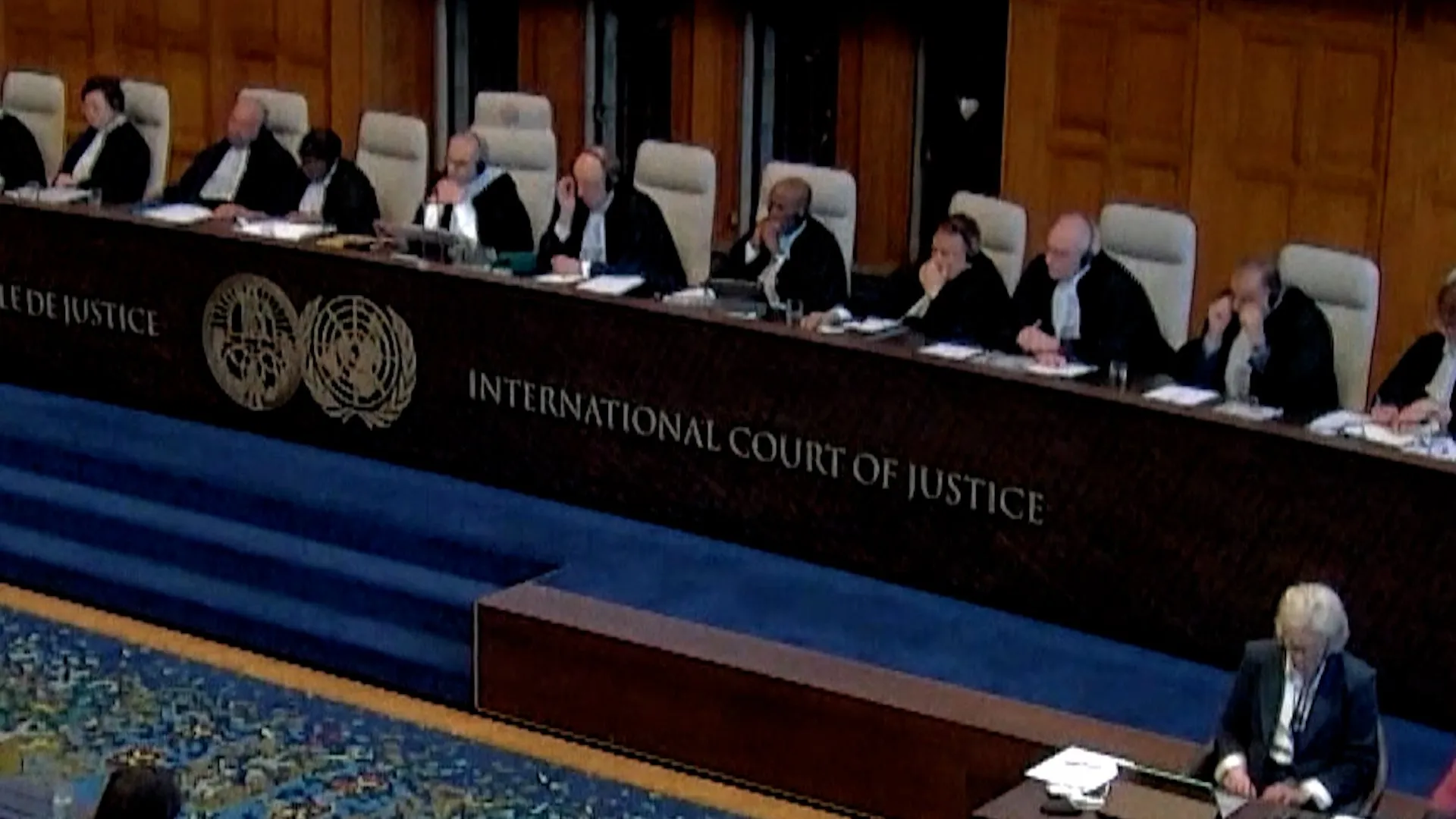
The IAEA’s recent resolution, which sought to address North Korea’s weapons programs, was met with sharp condemnation from Pyongyang. The North Korean Foreign Ministry dismissed the findings, asserting that its status as a nuclear-armed state is irreversible. This stance was bolstered he watchdog’s scrutiny as a display of double standards. Kim Yo Jong specifically alleged that the IAEA ignores the nuclear proliferation activities of the United States and South Korea, while unfairly targeting the North’s self-defensive measures.
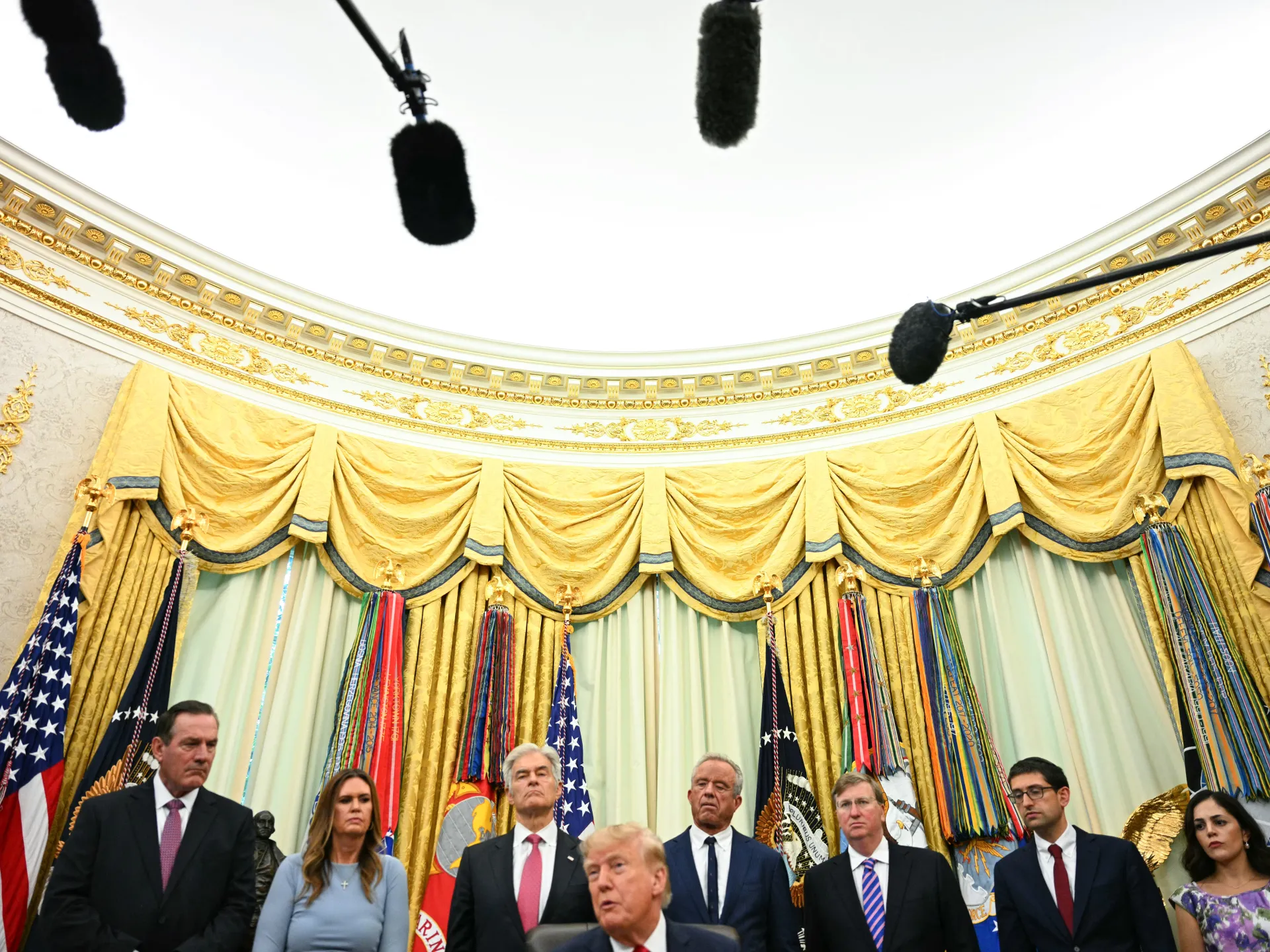
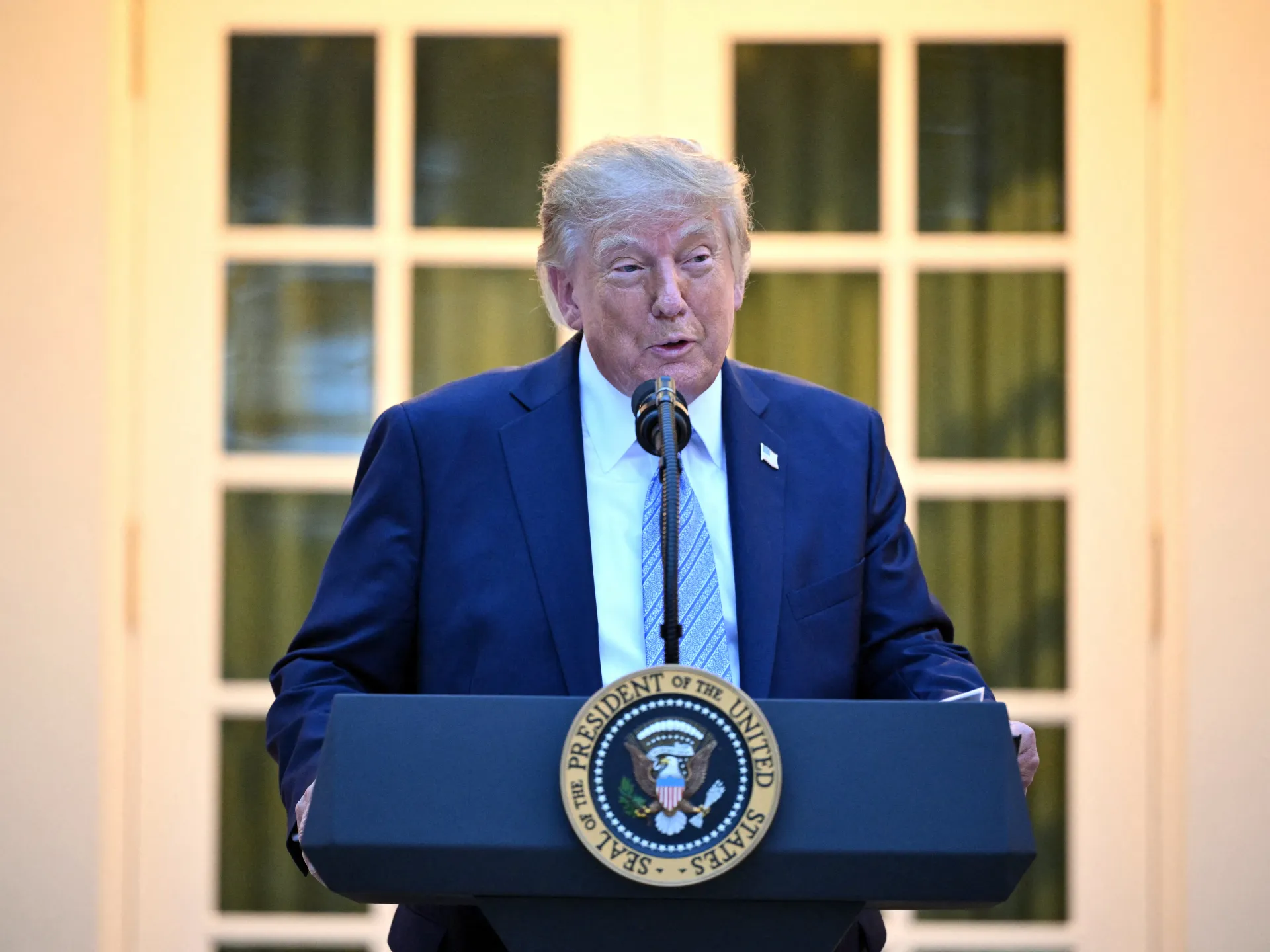
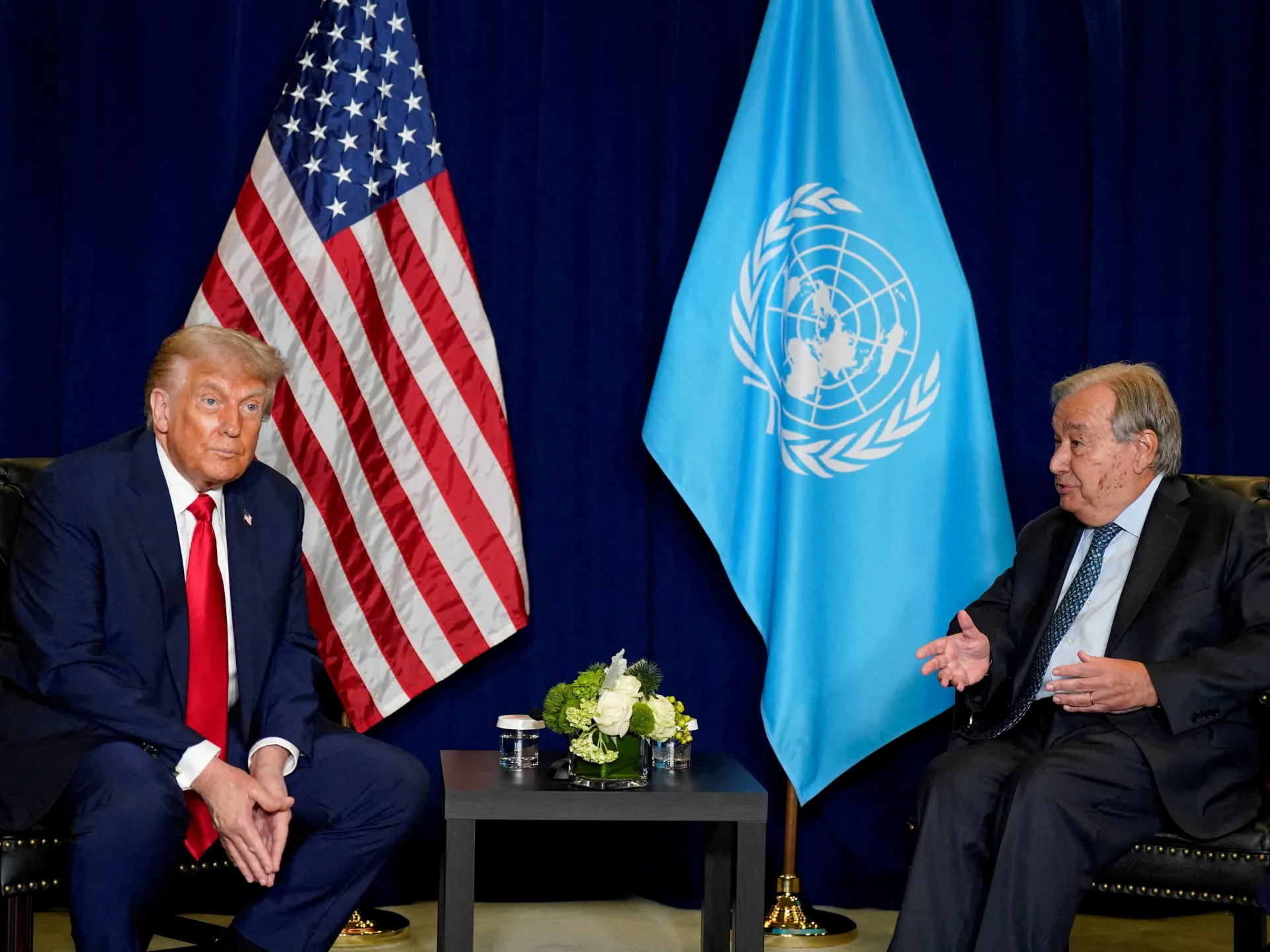
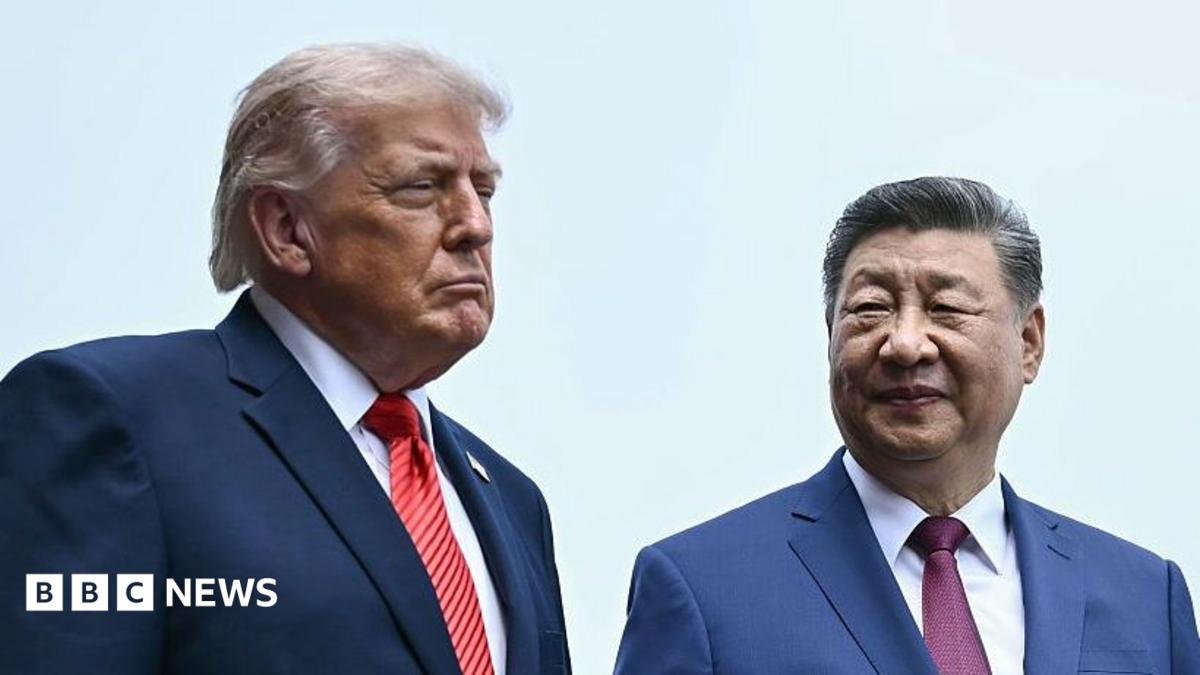
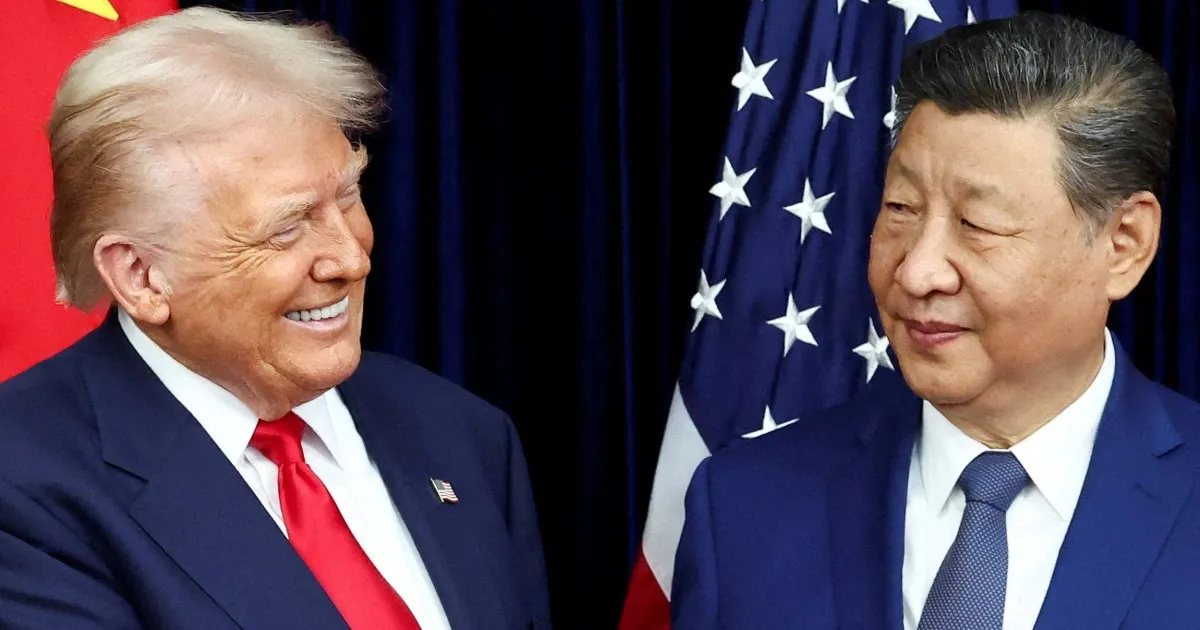
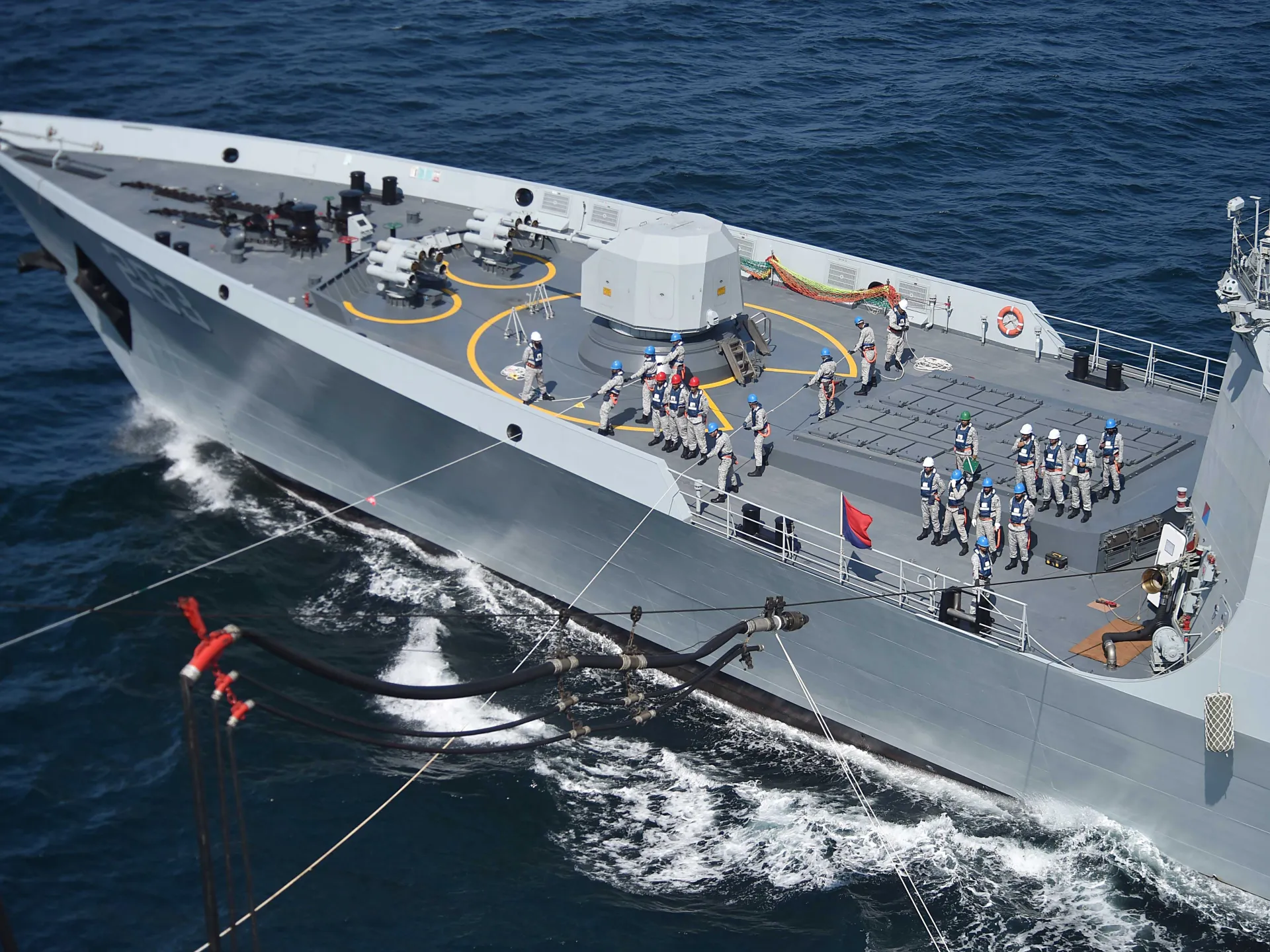
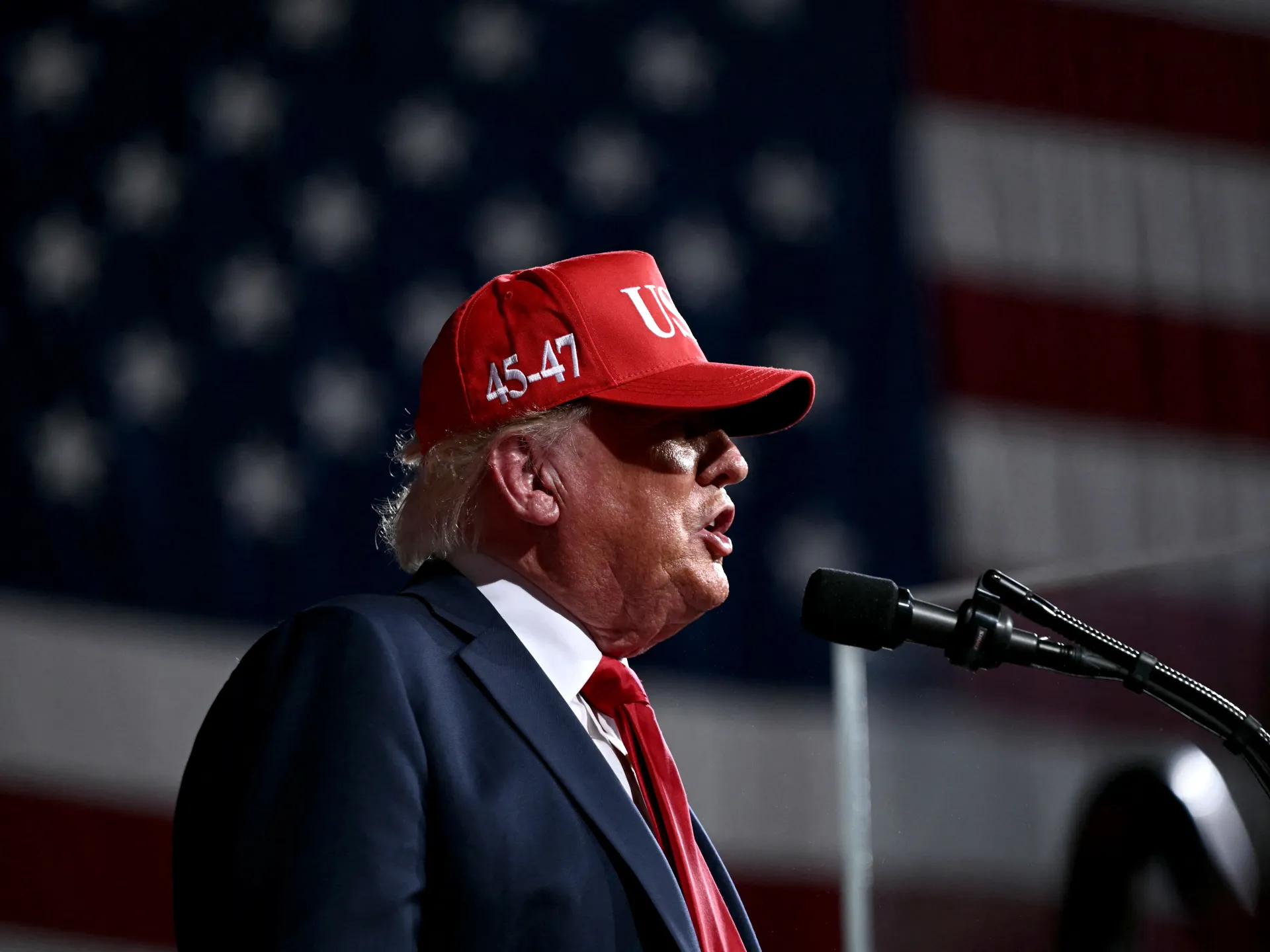
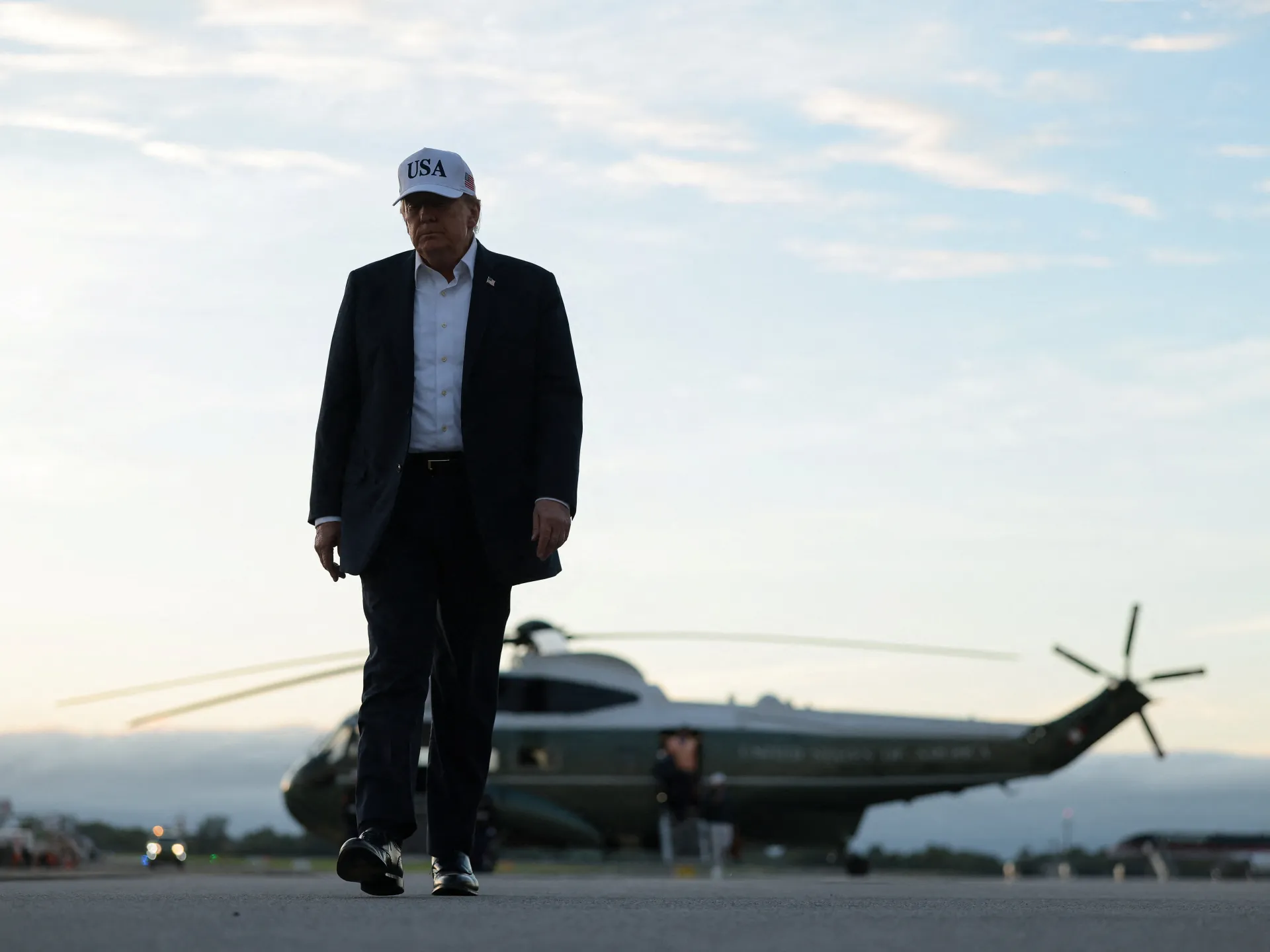
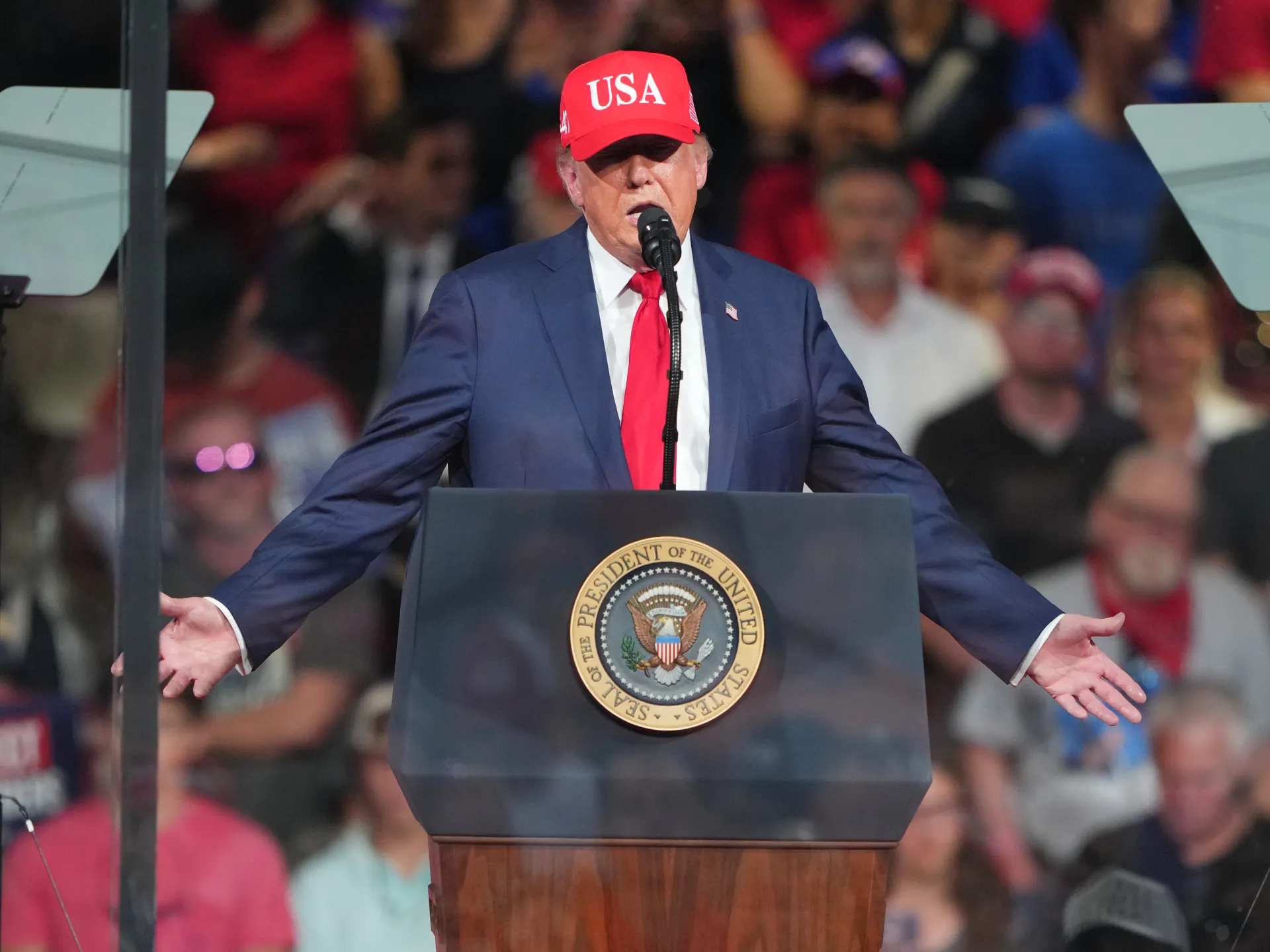
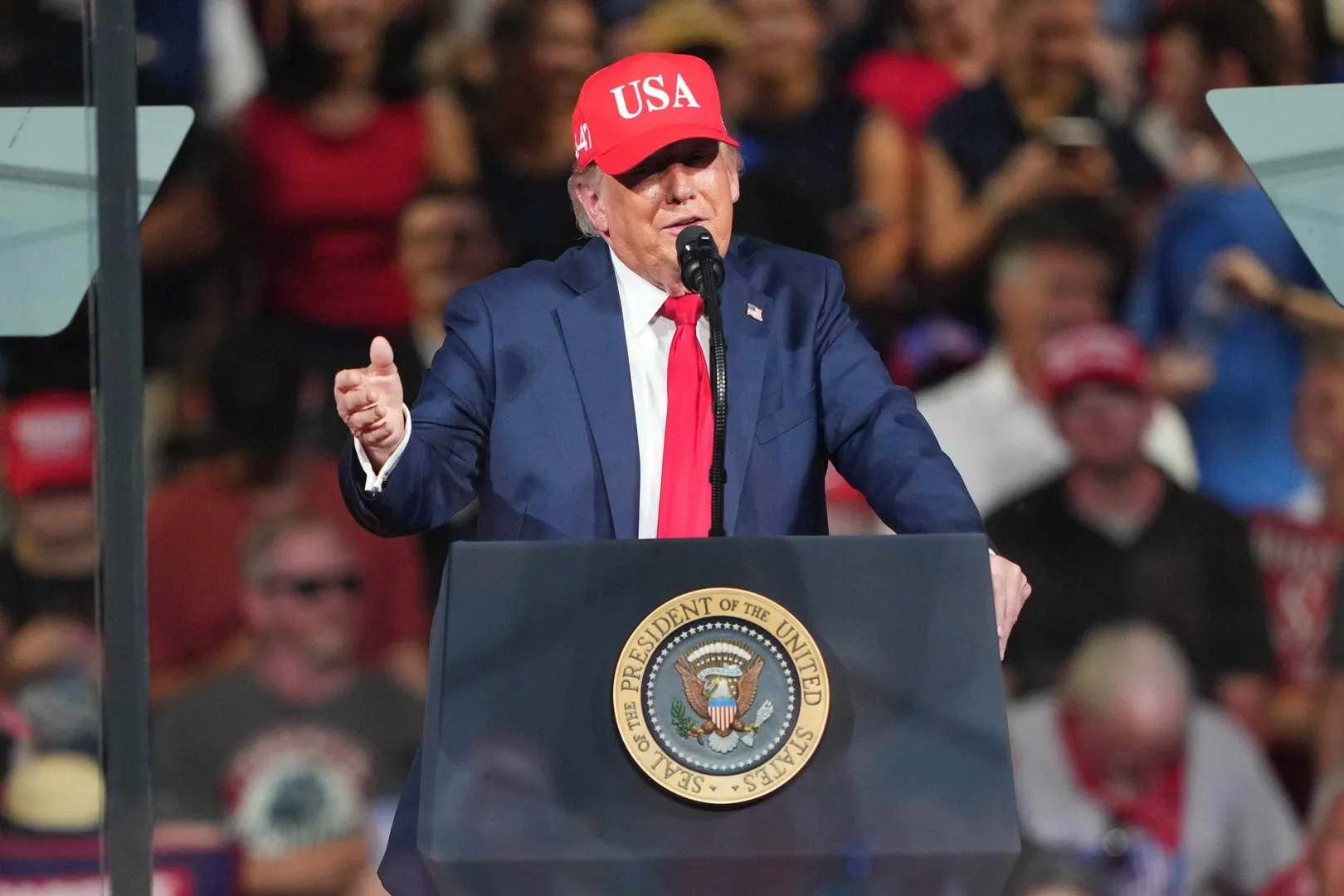
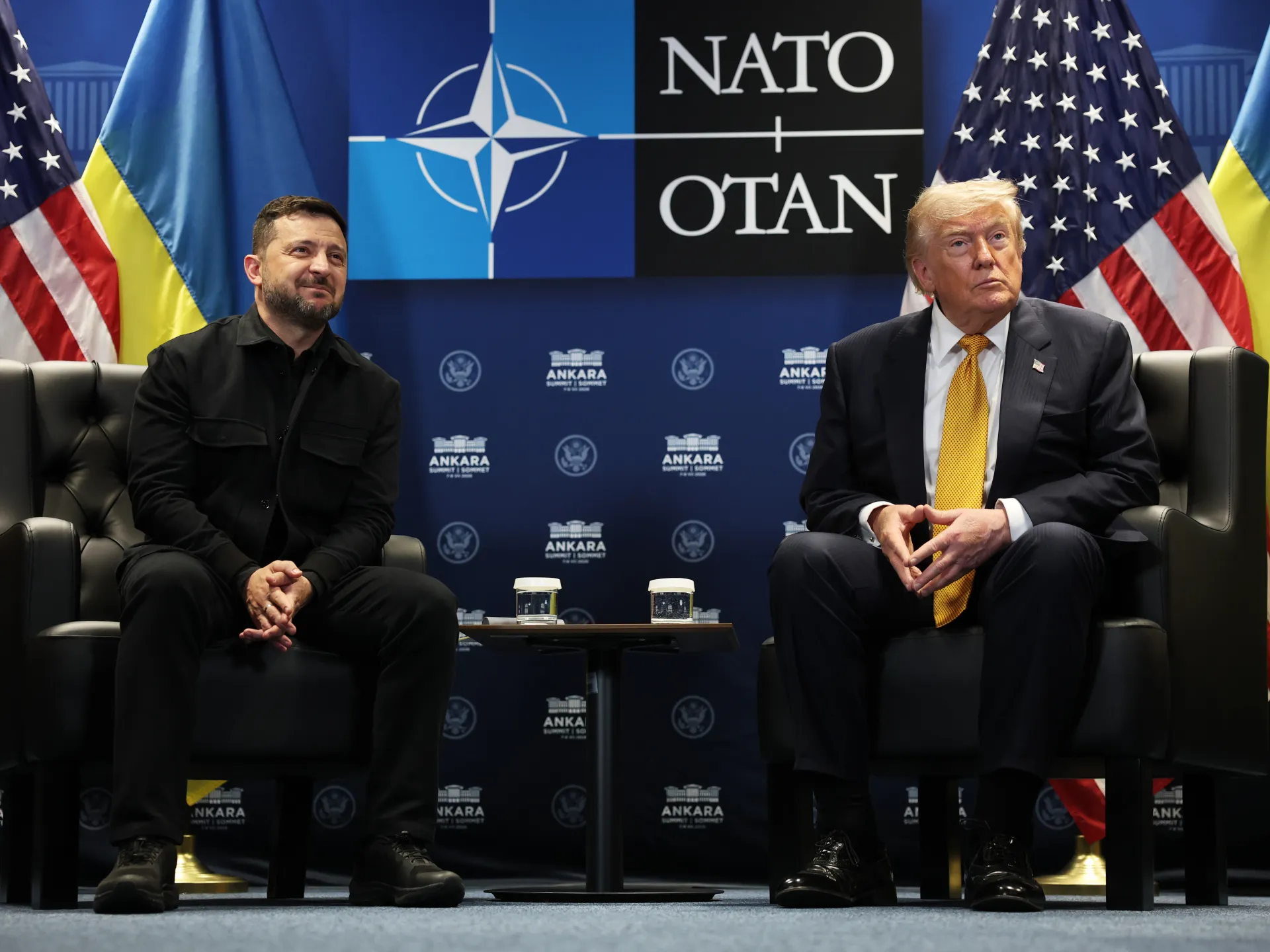
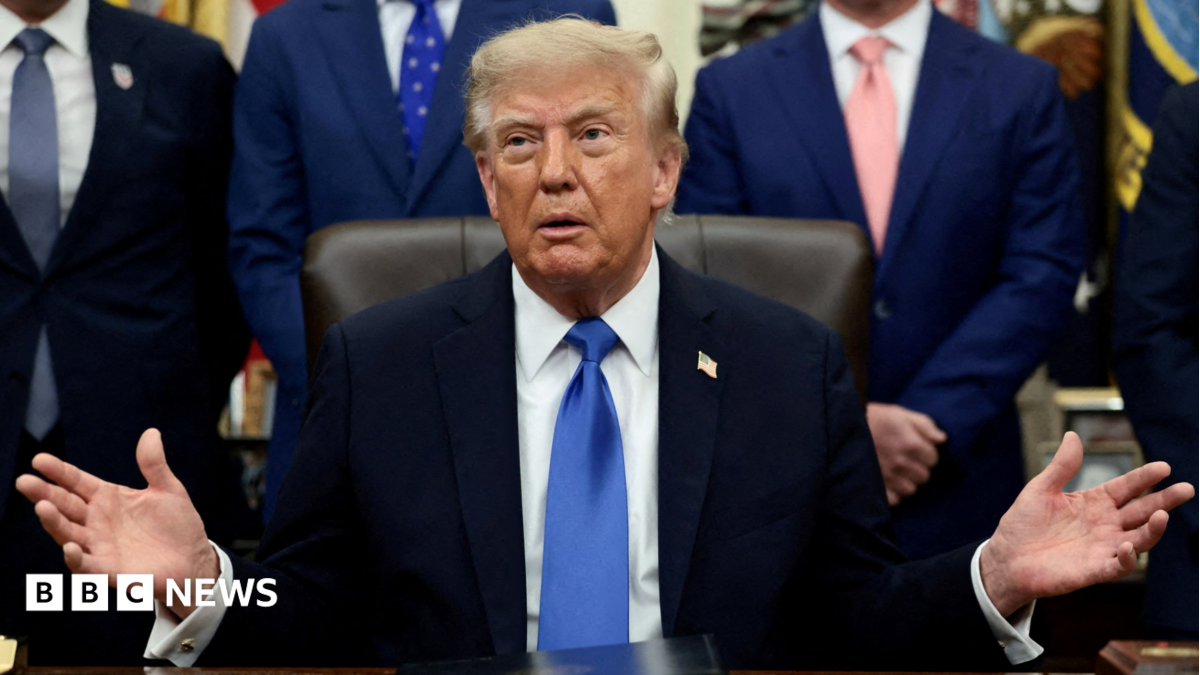
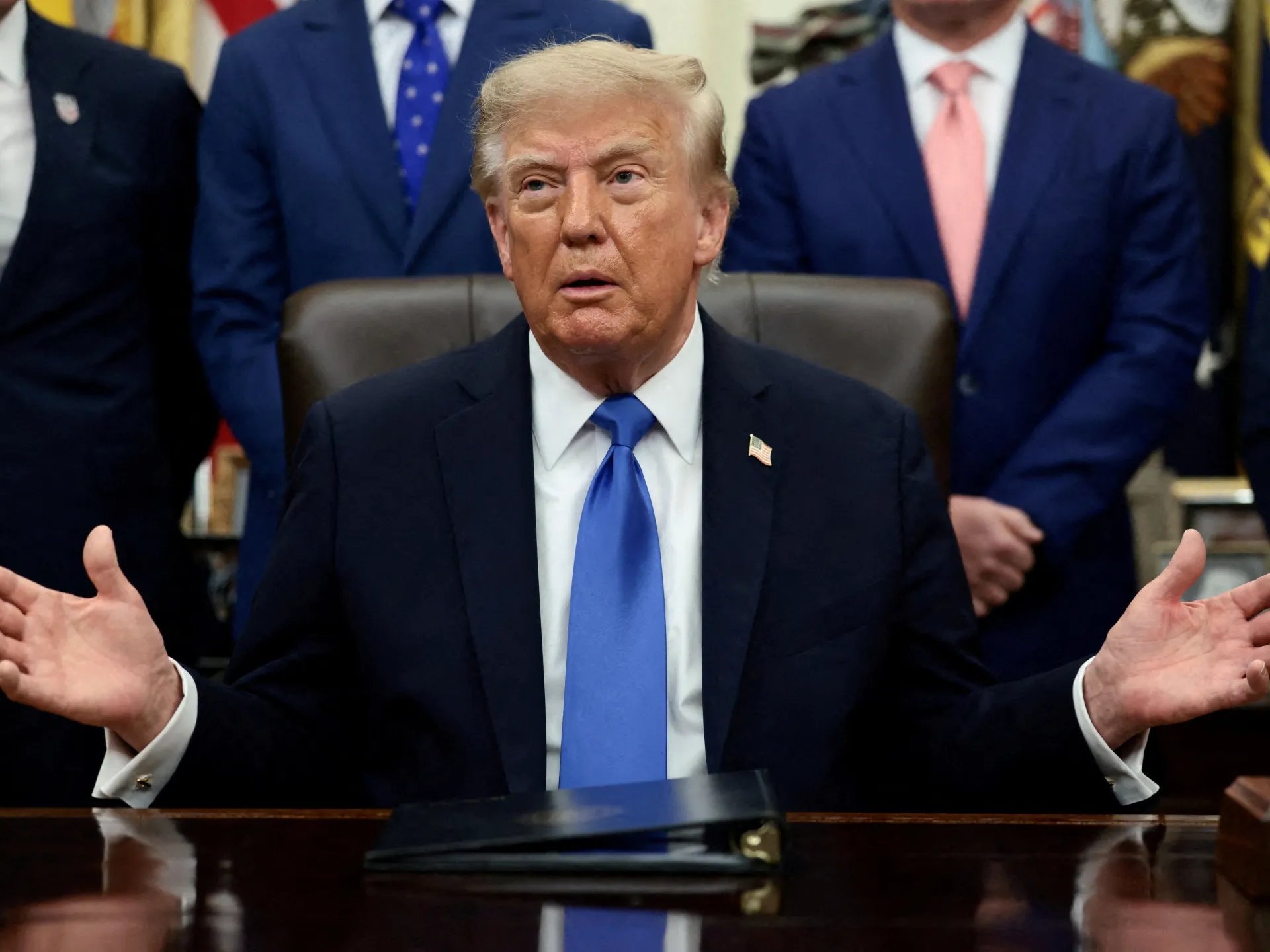
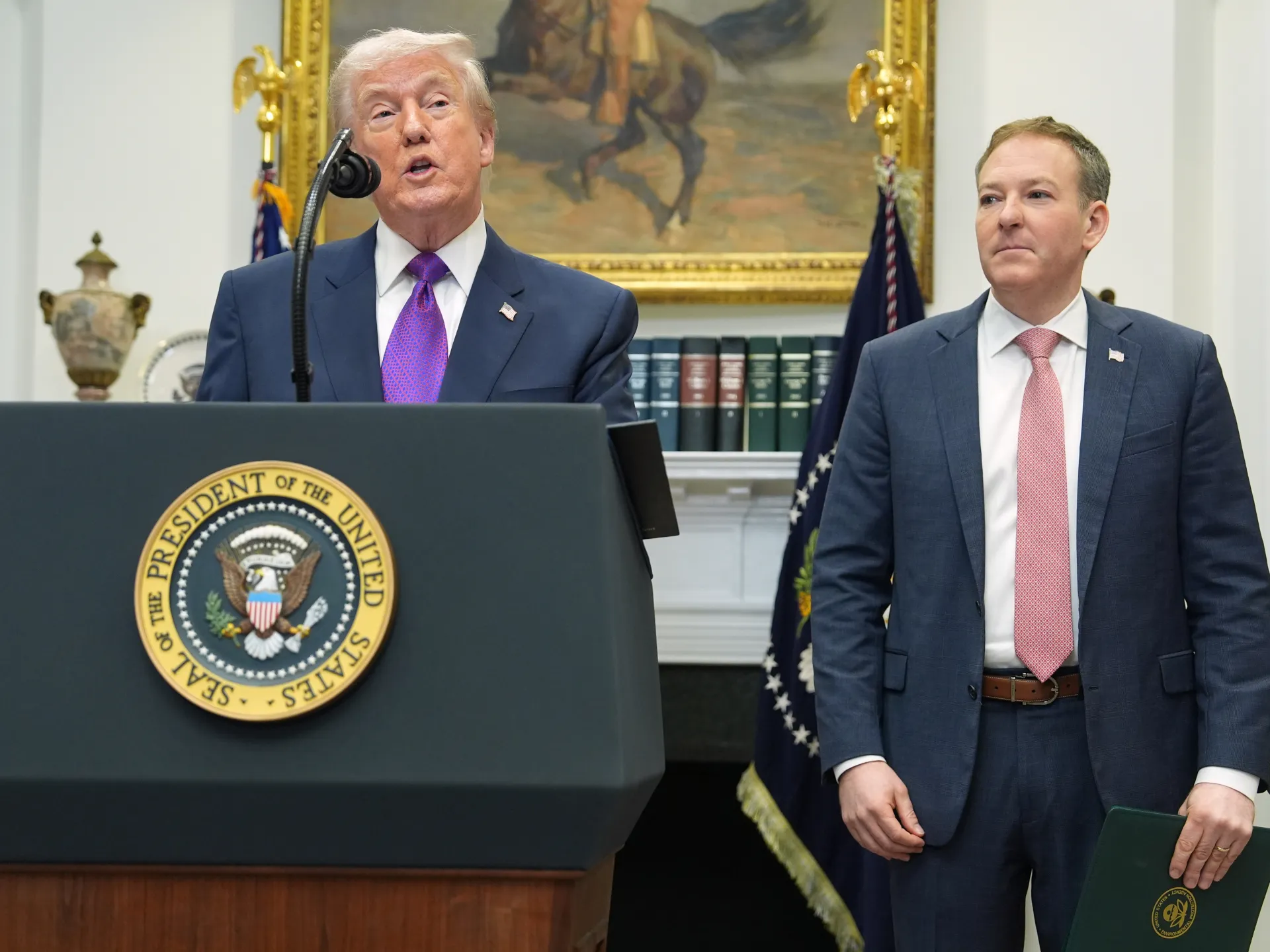
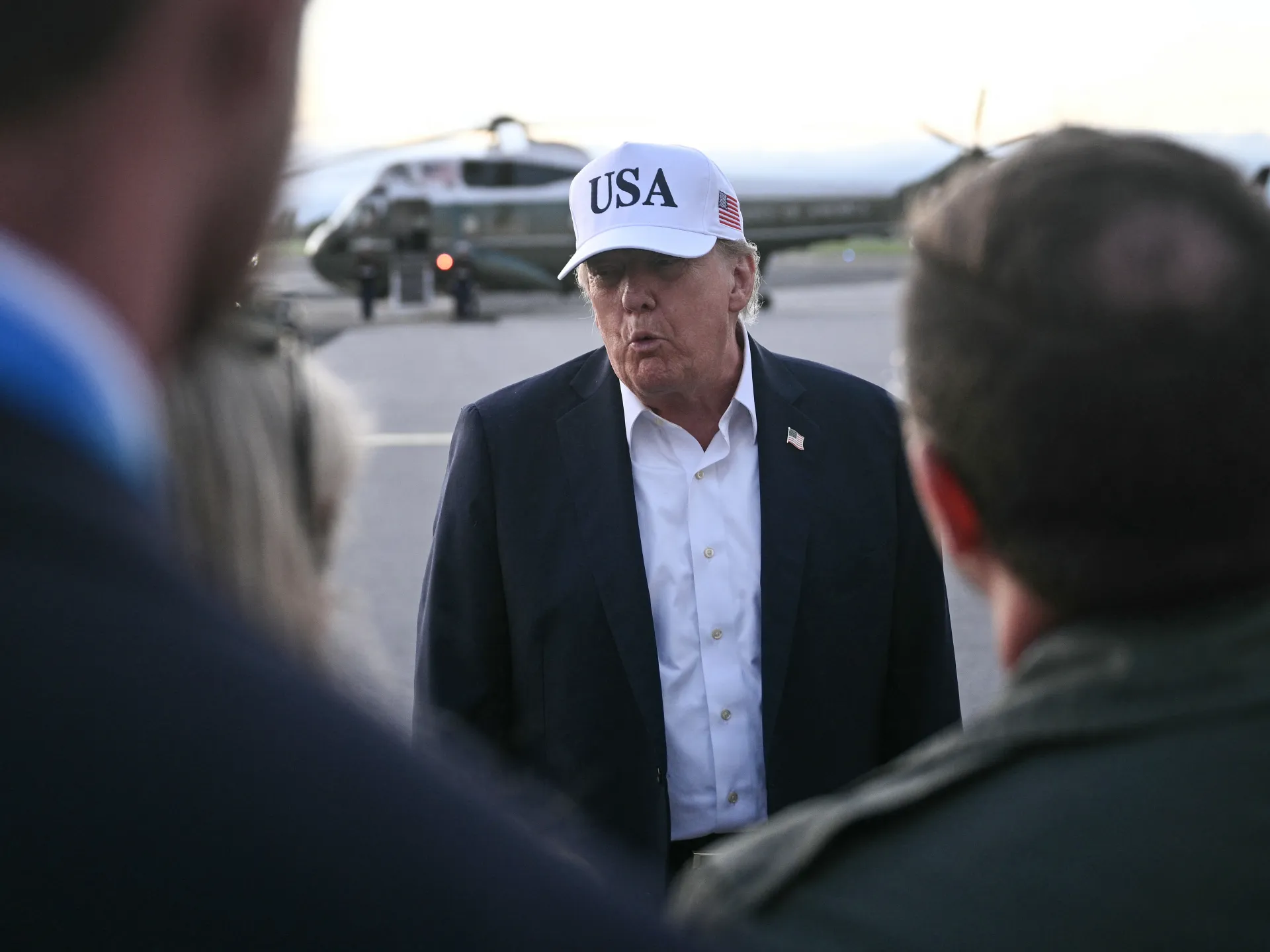
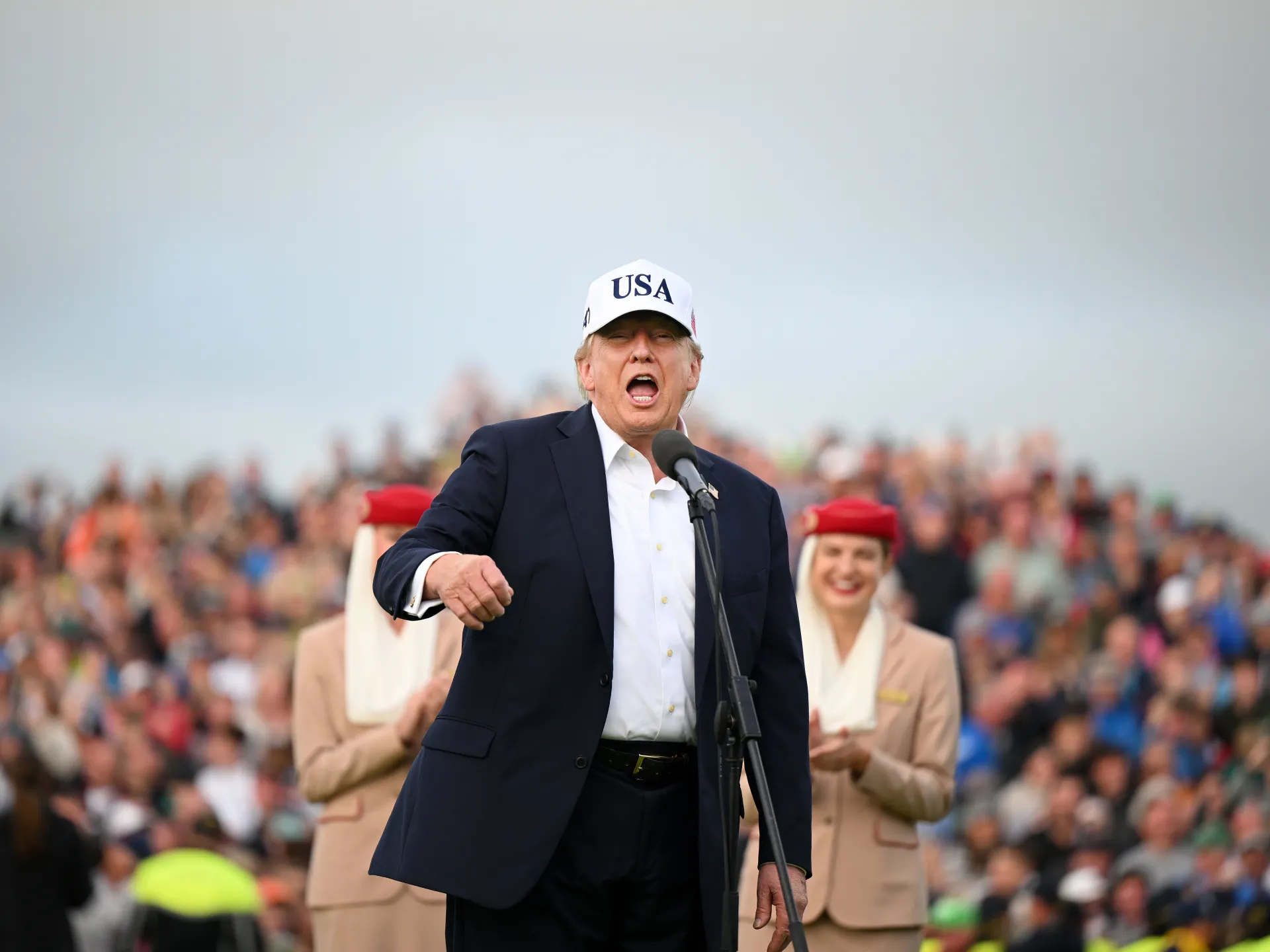
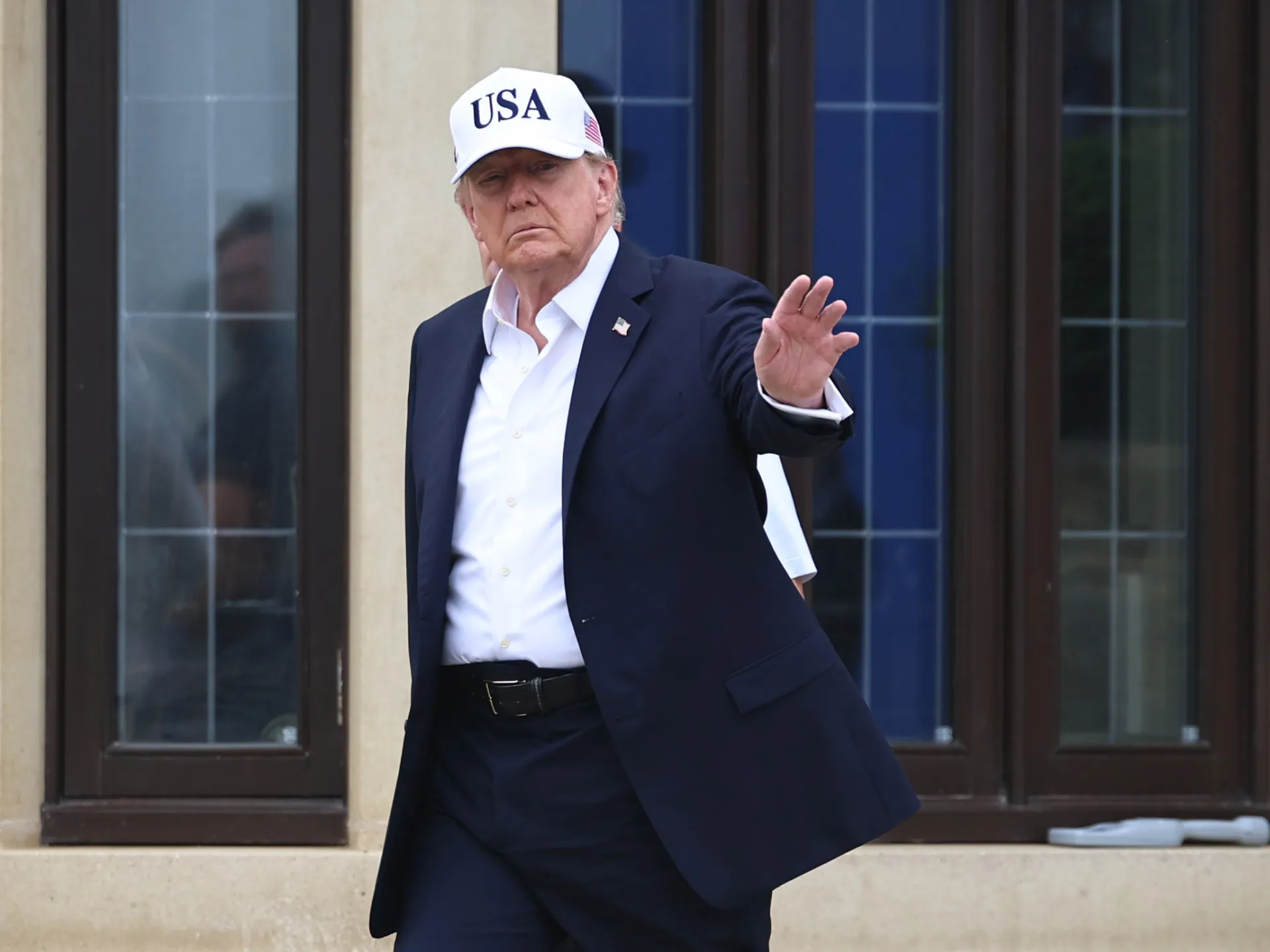
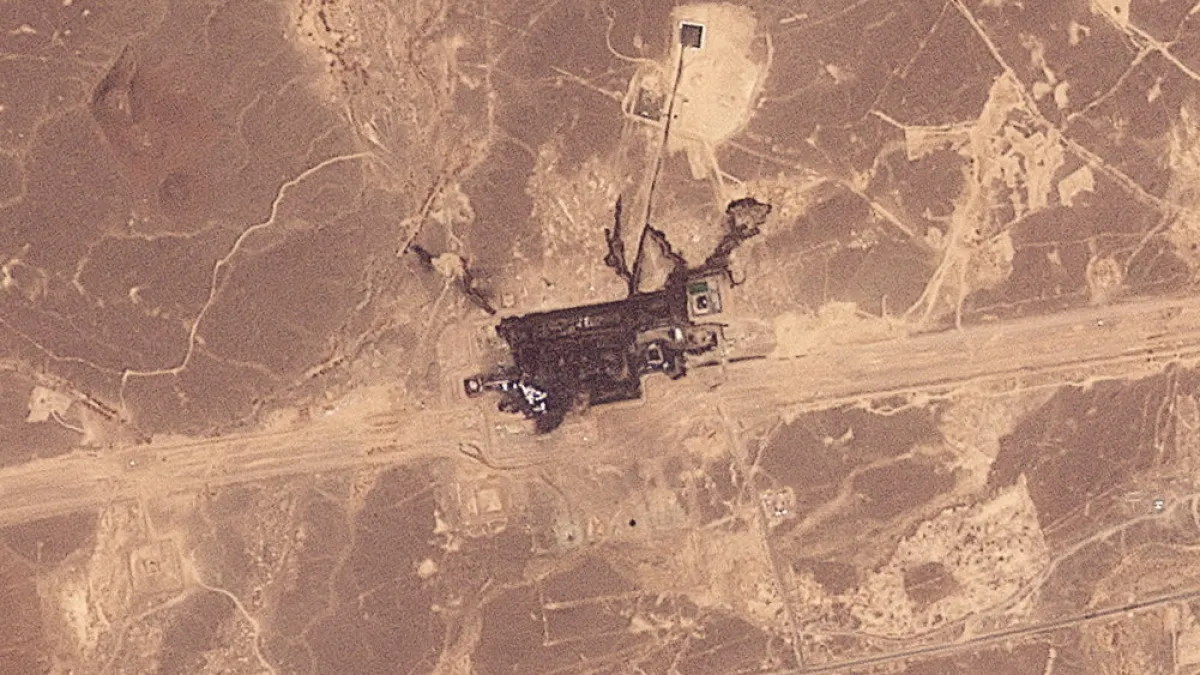
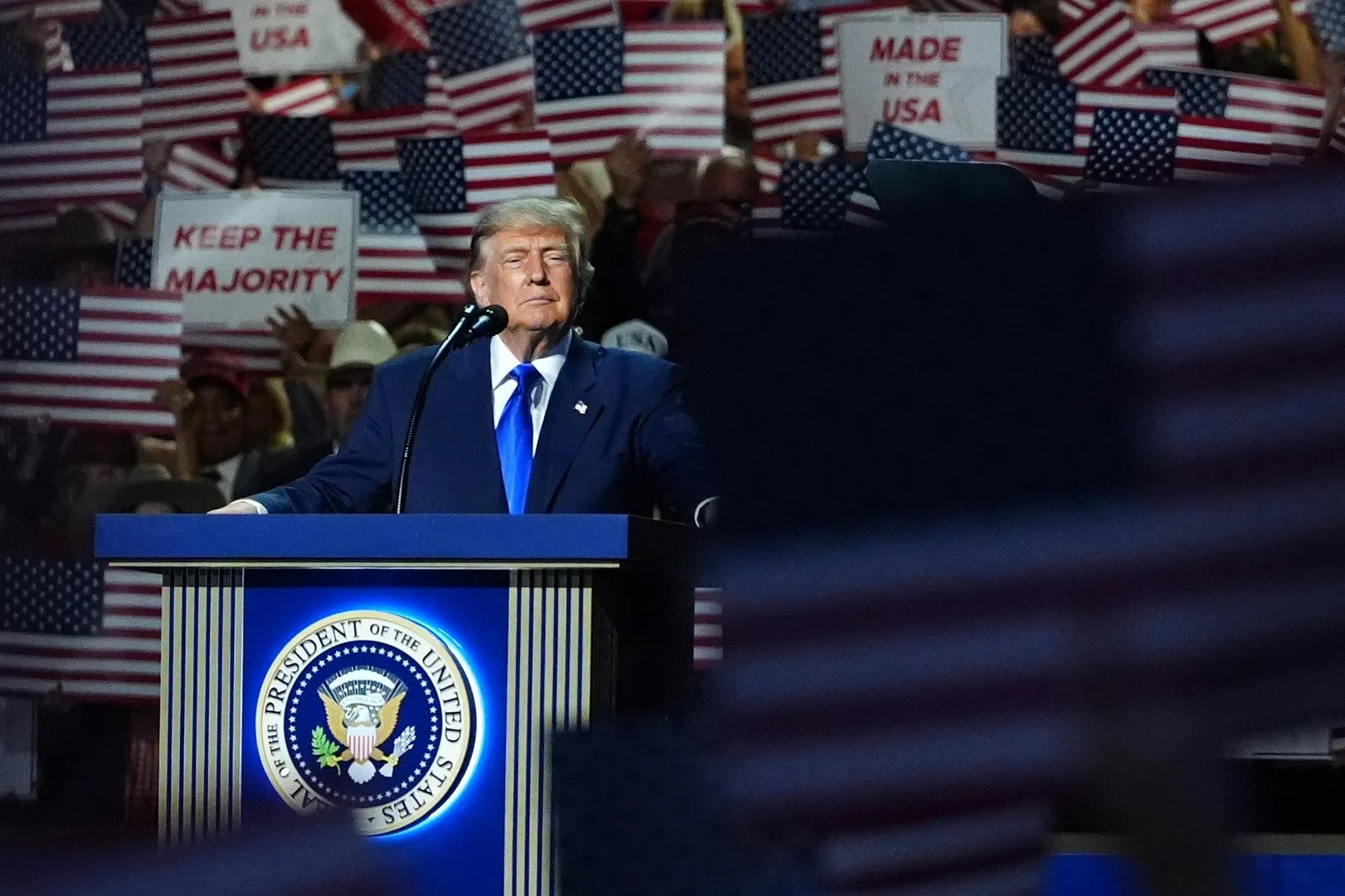
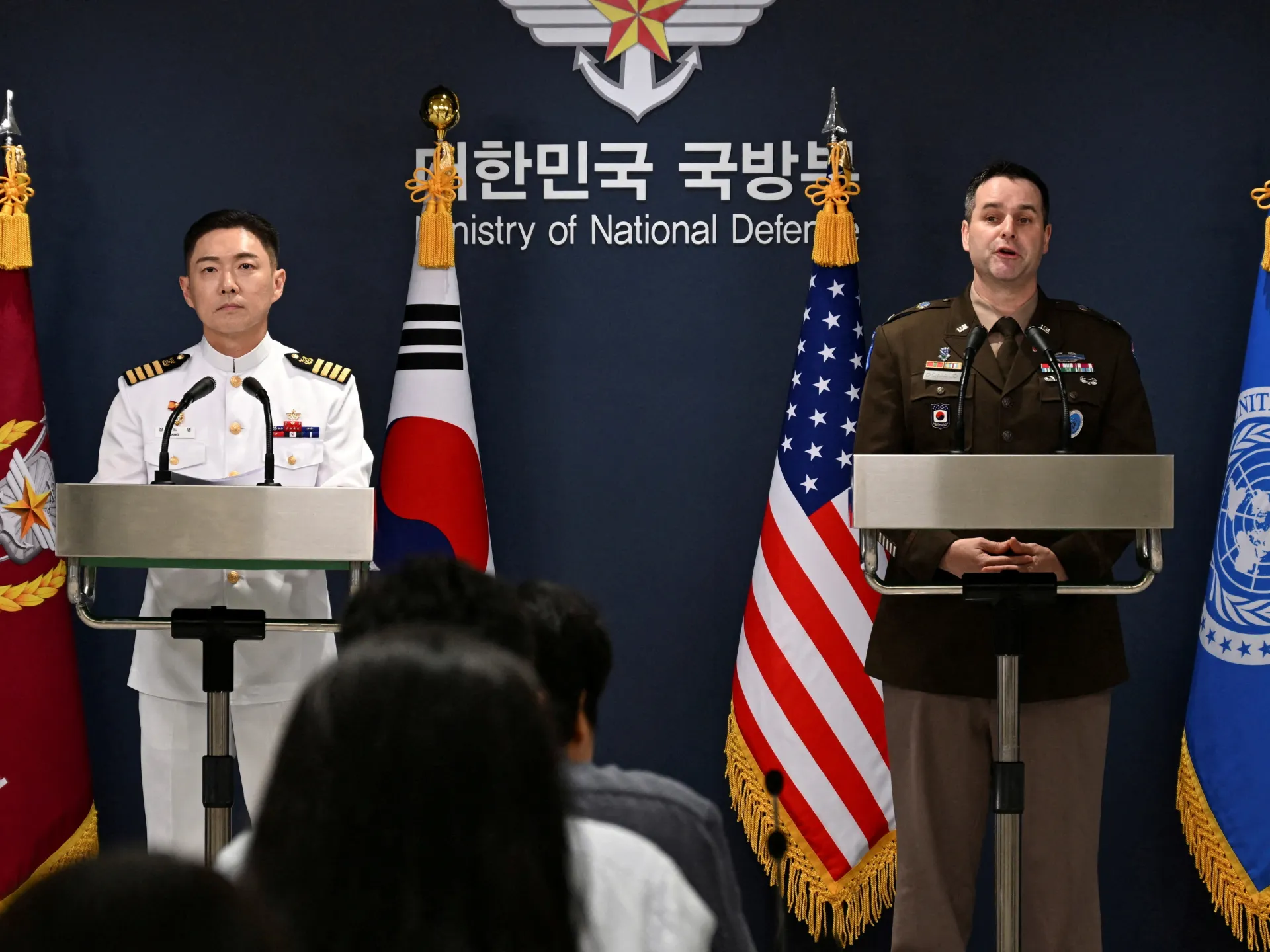
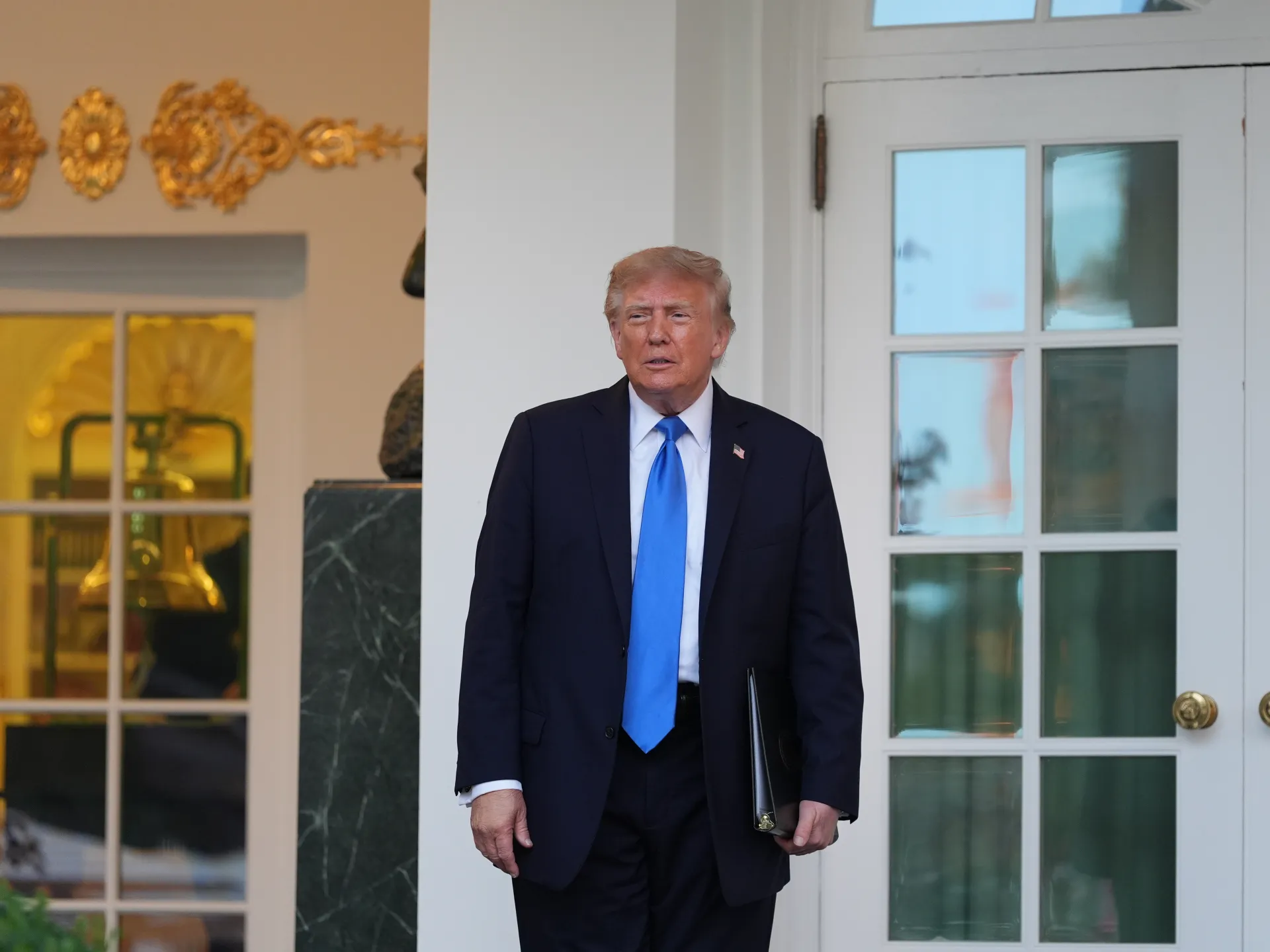
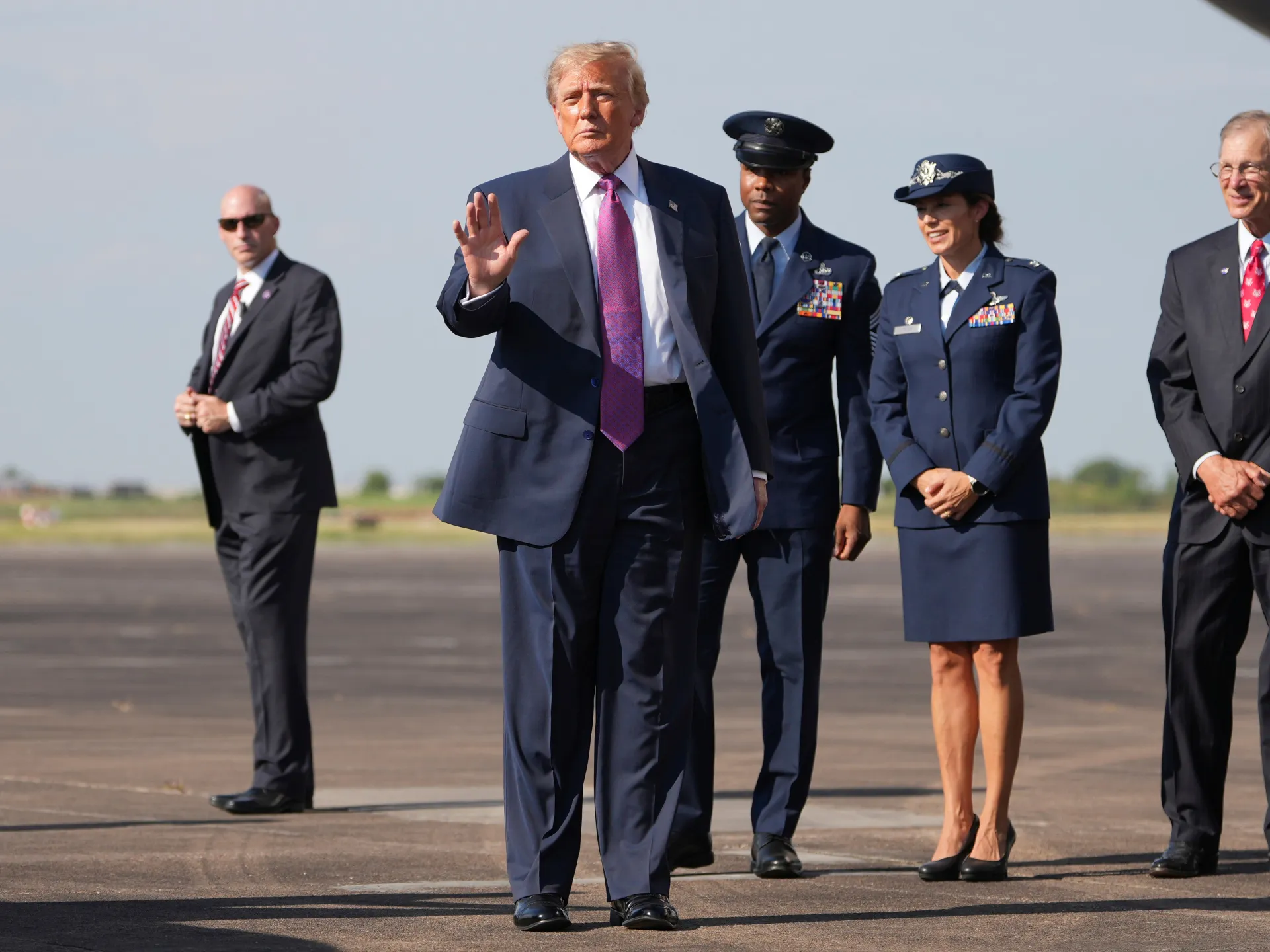
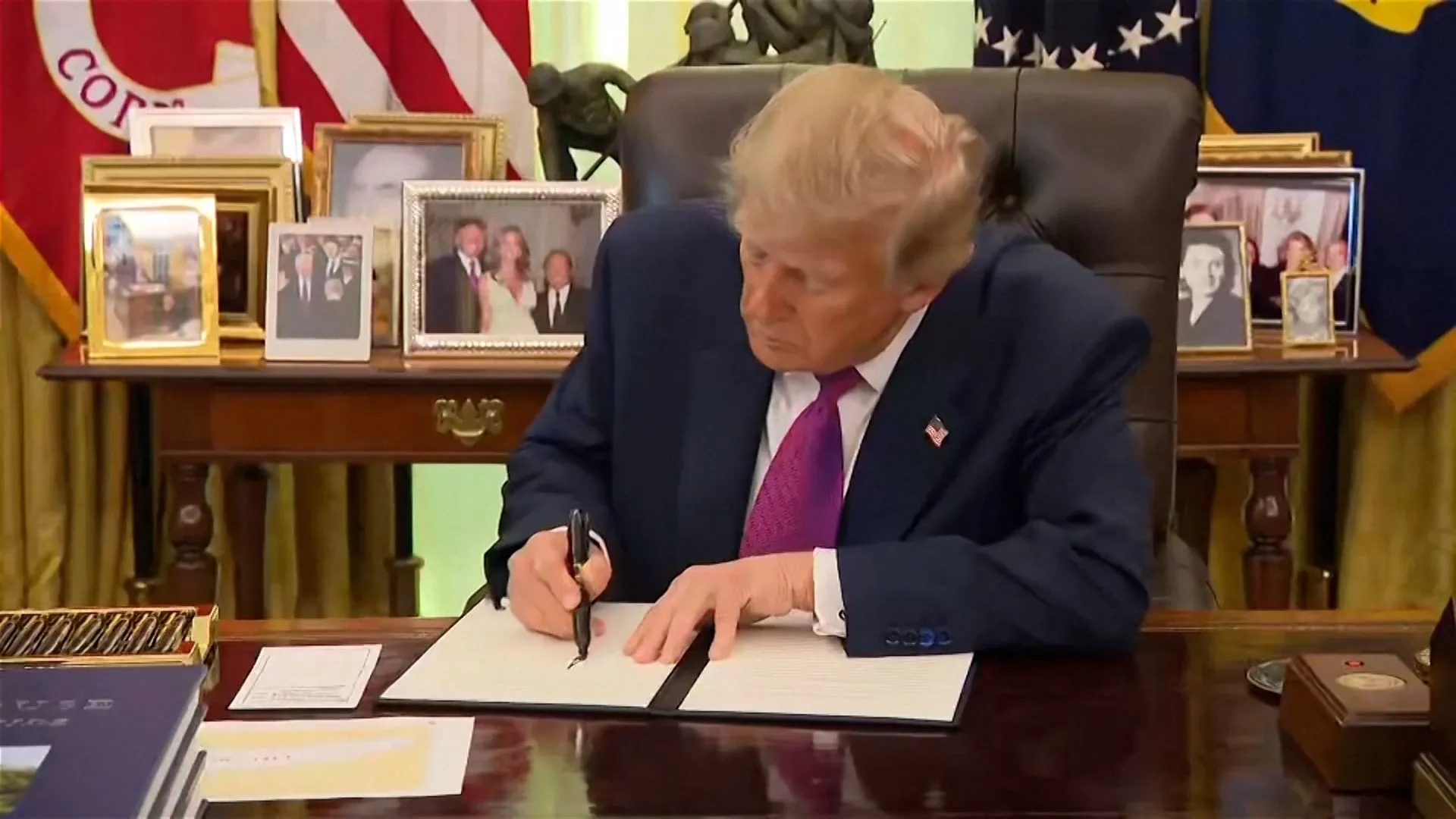
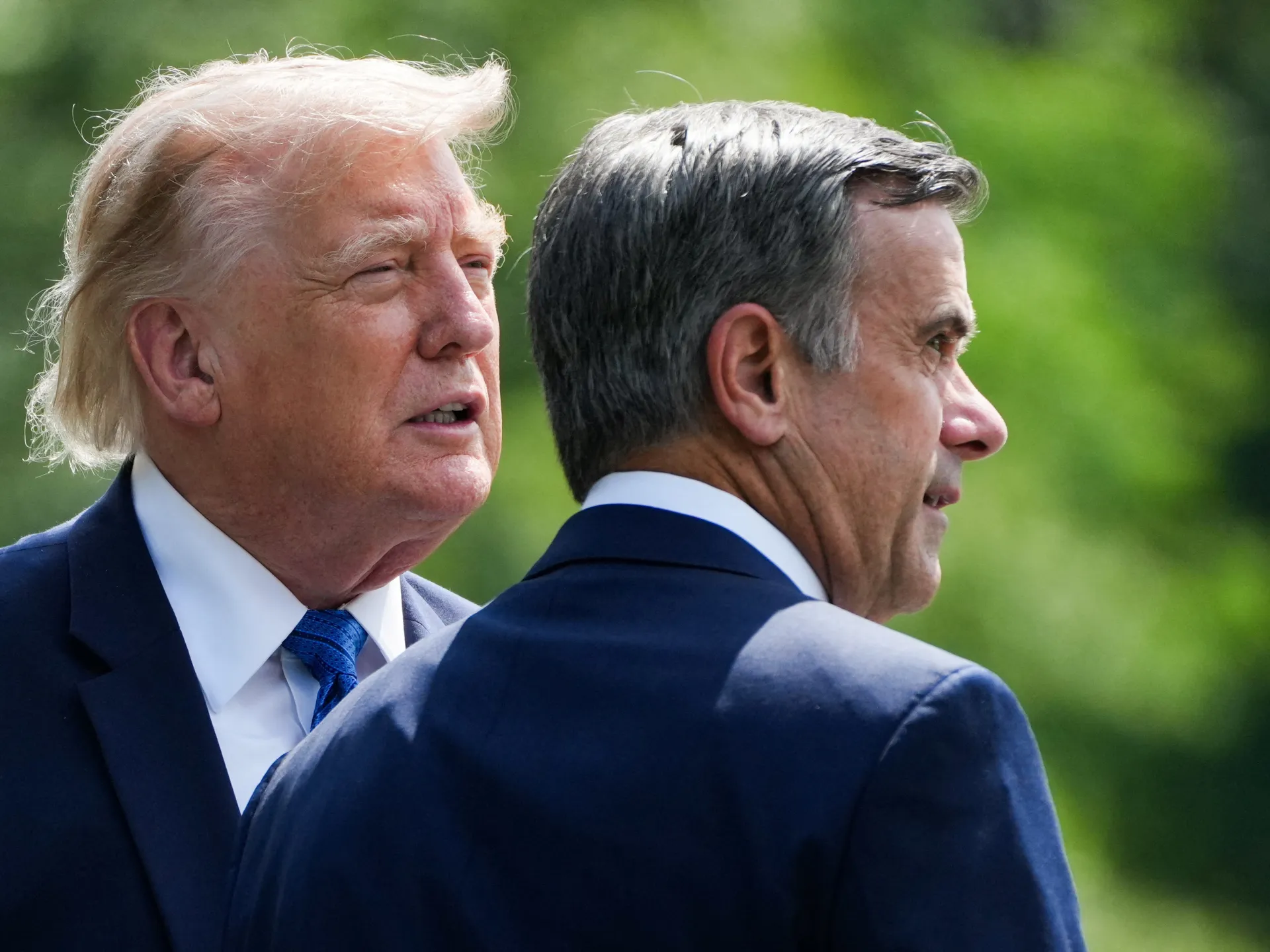
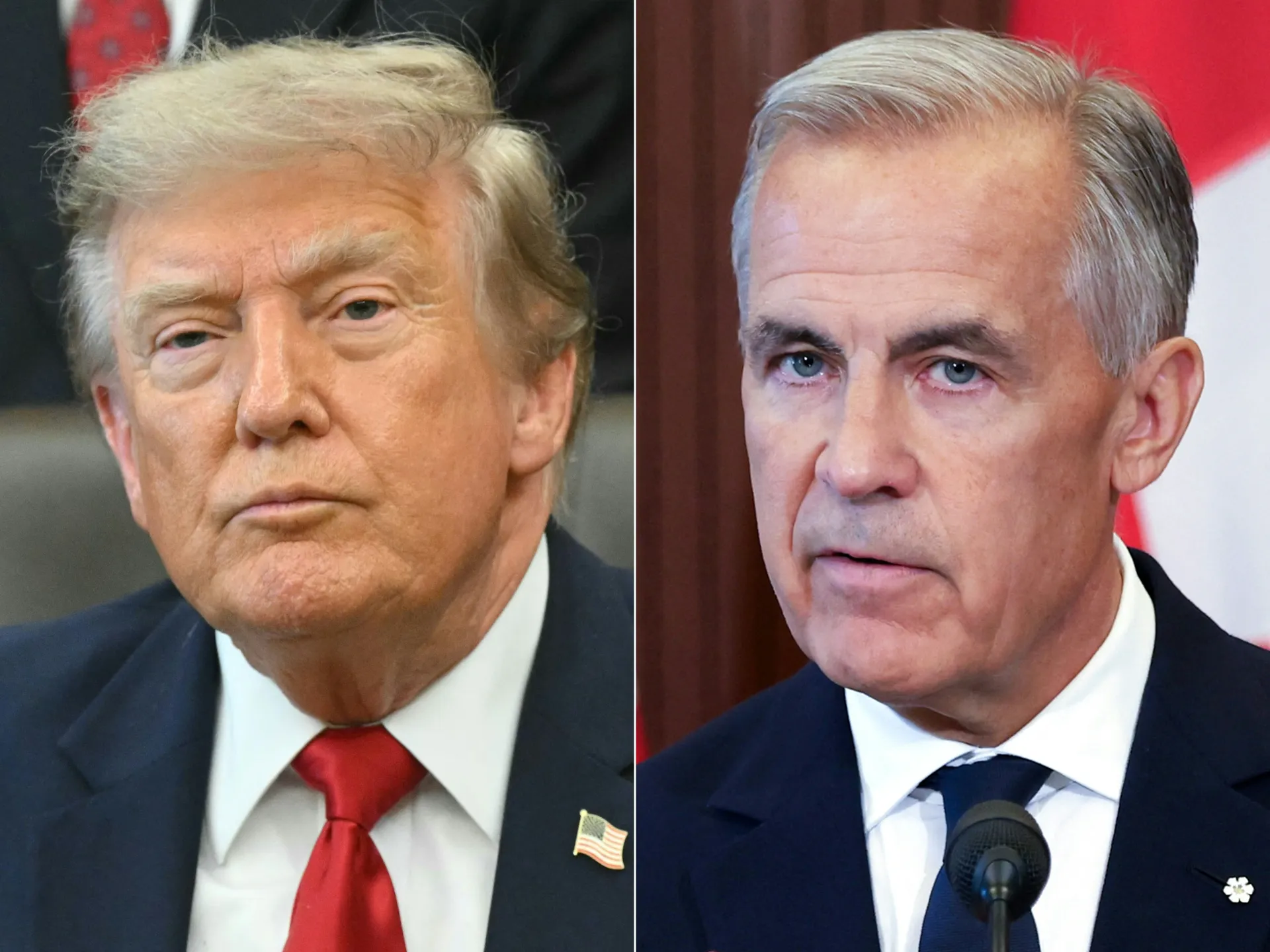
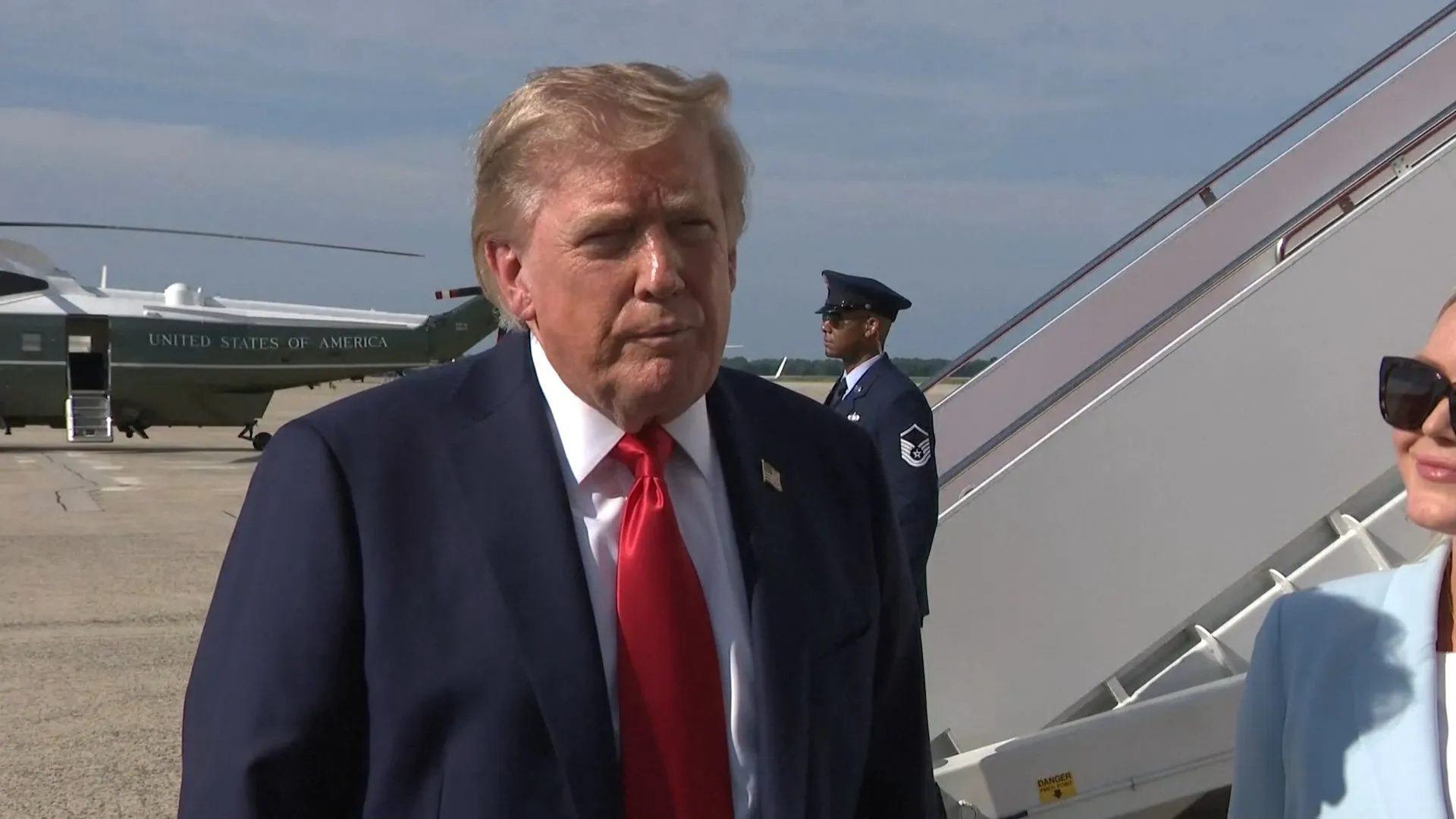
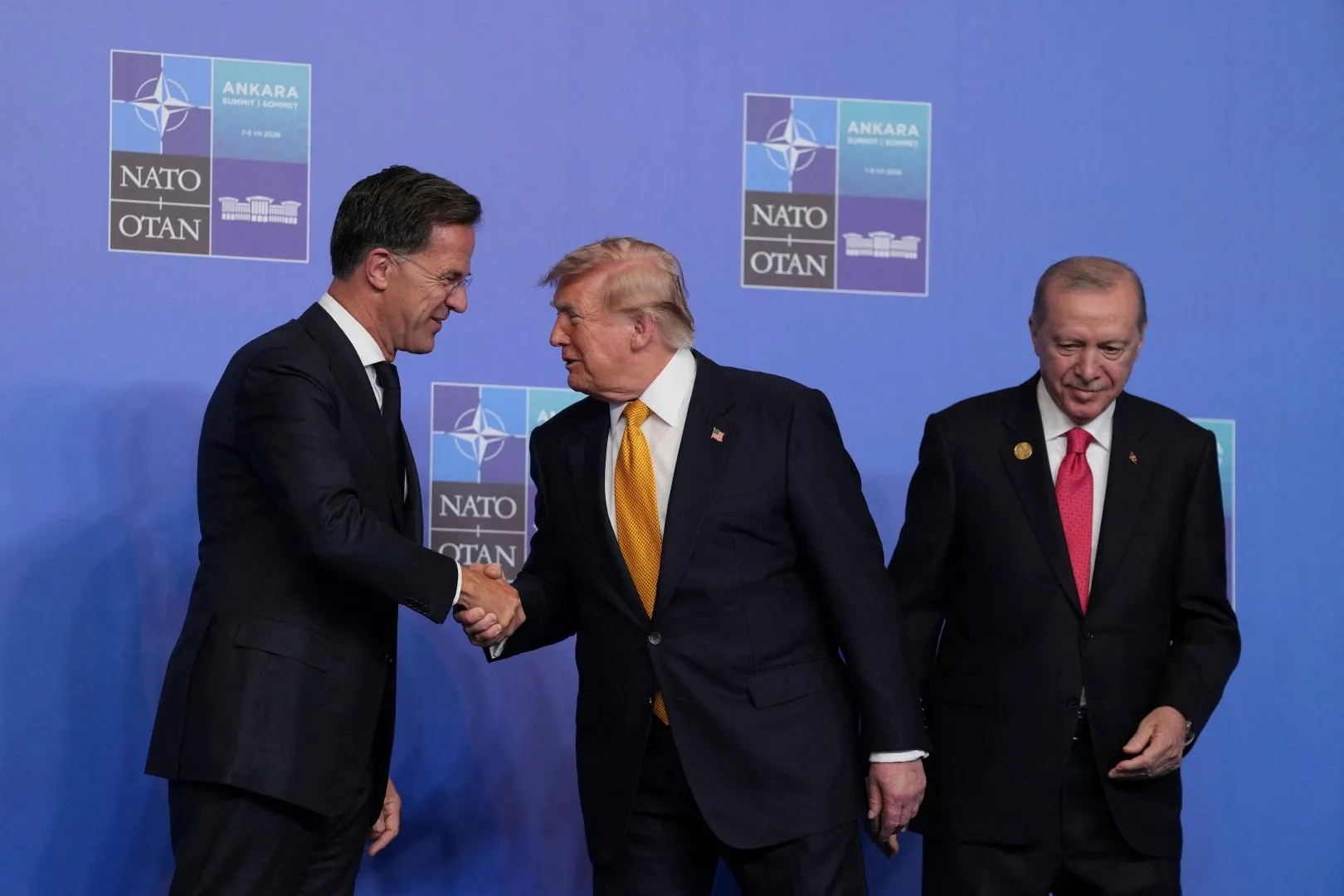
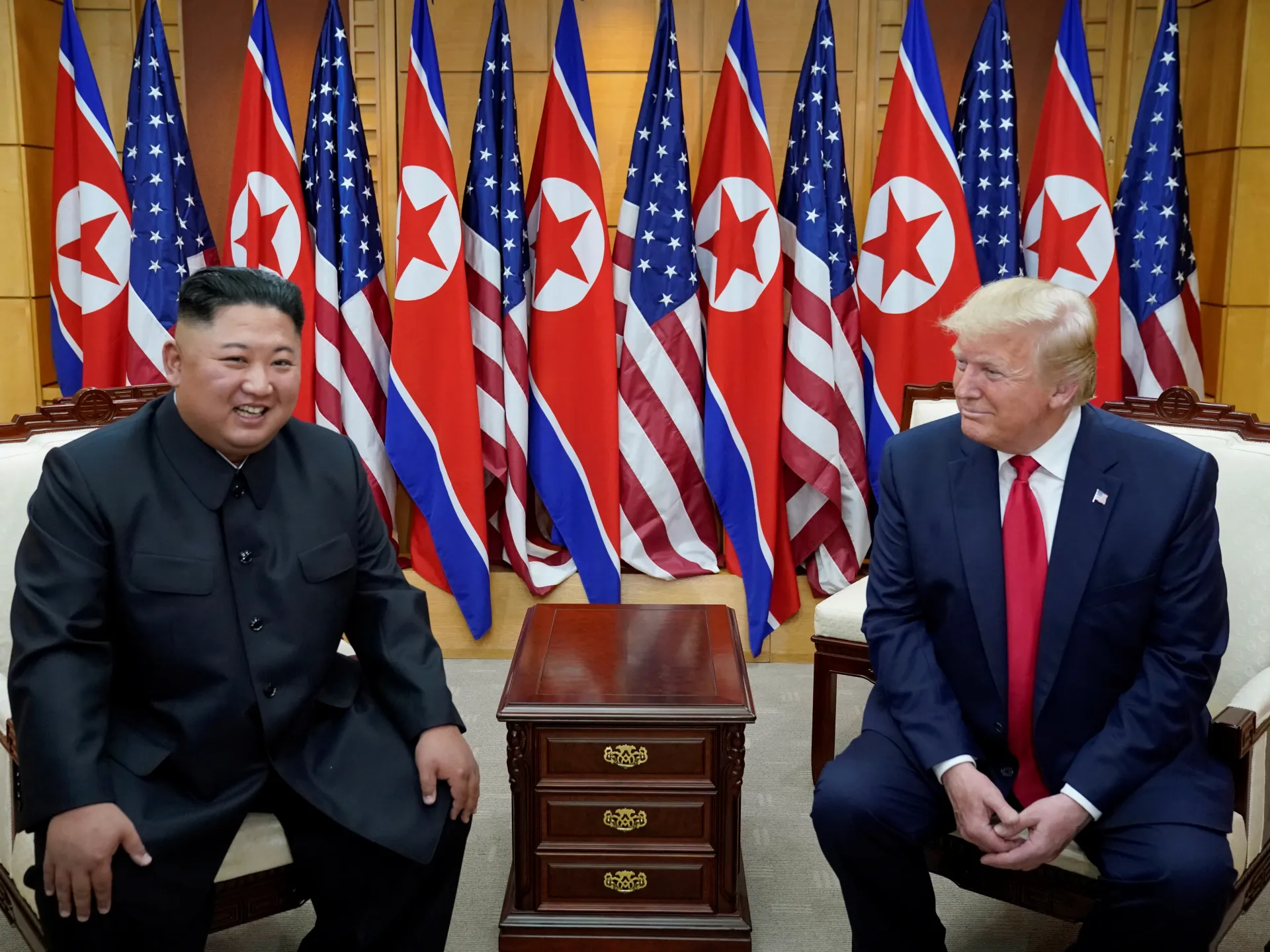
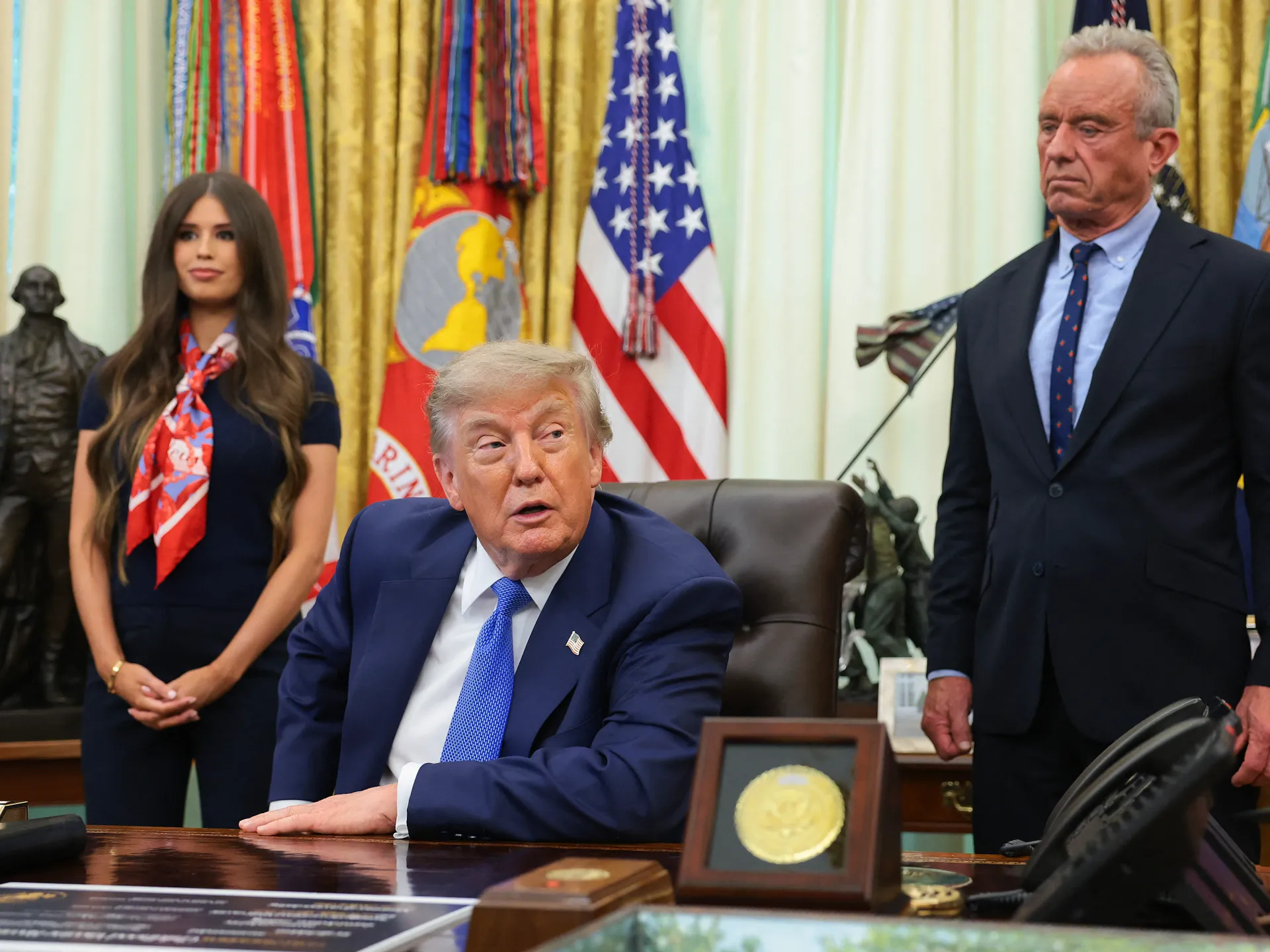
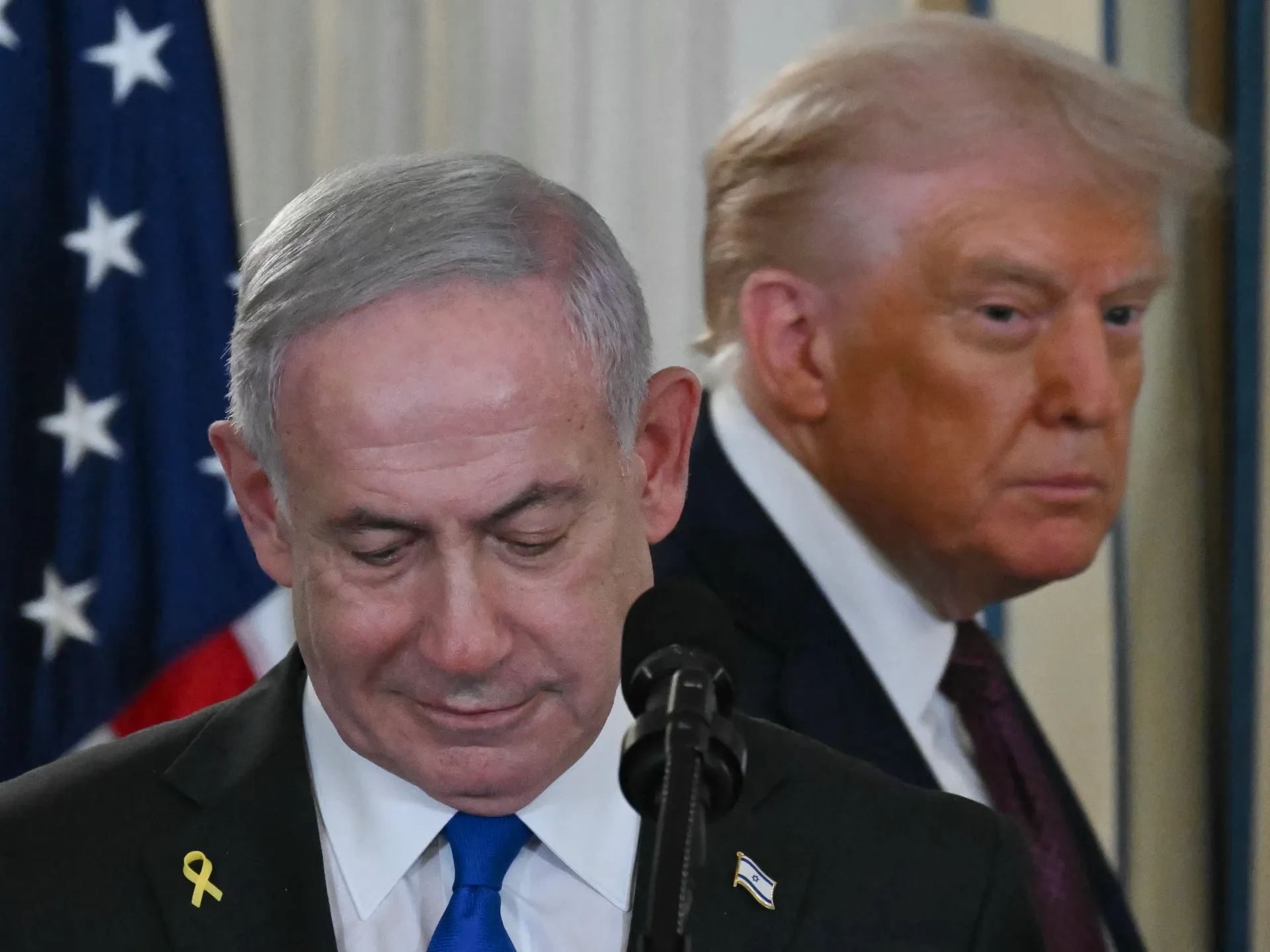
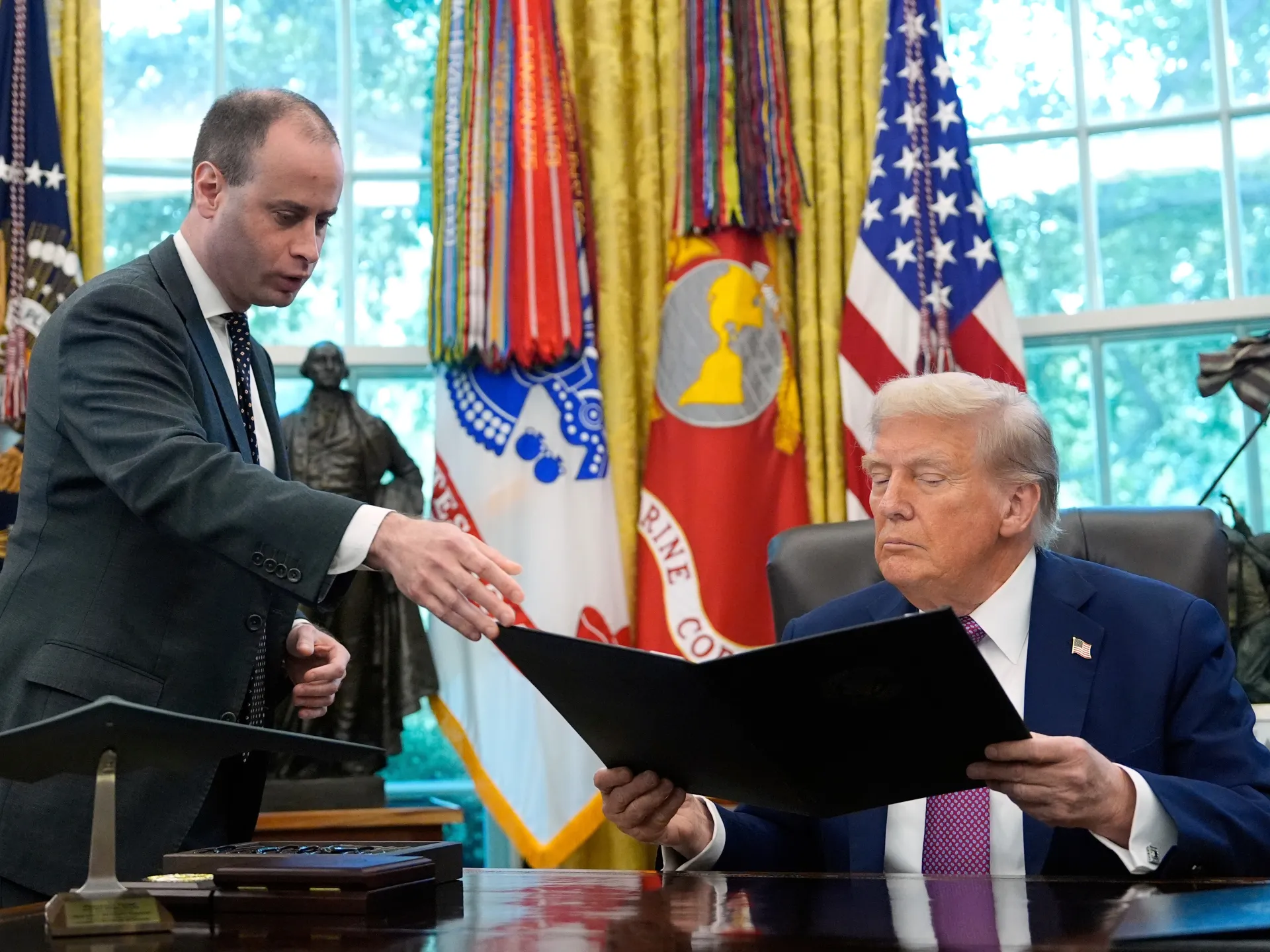
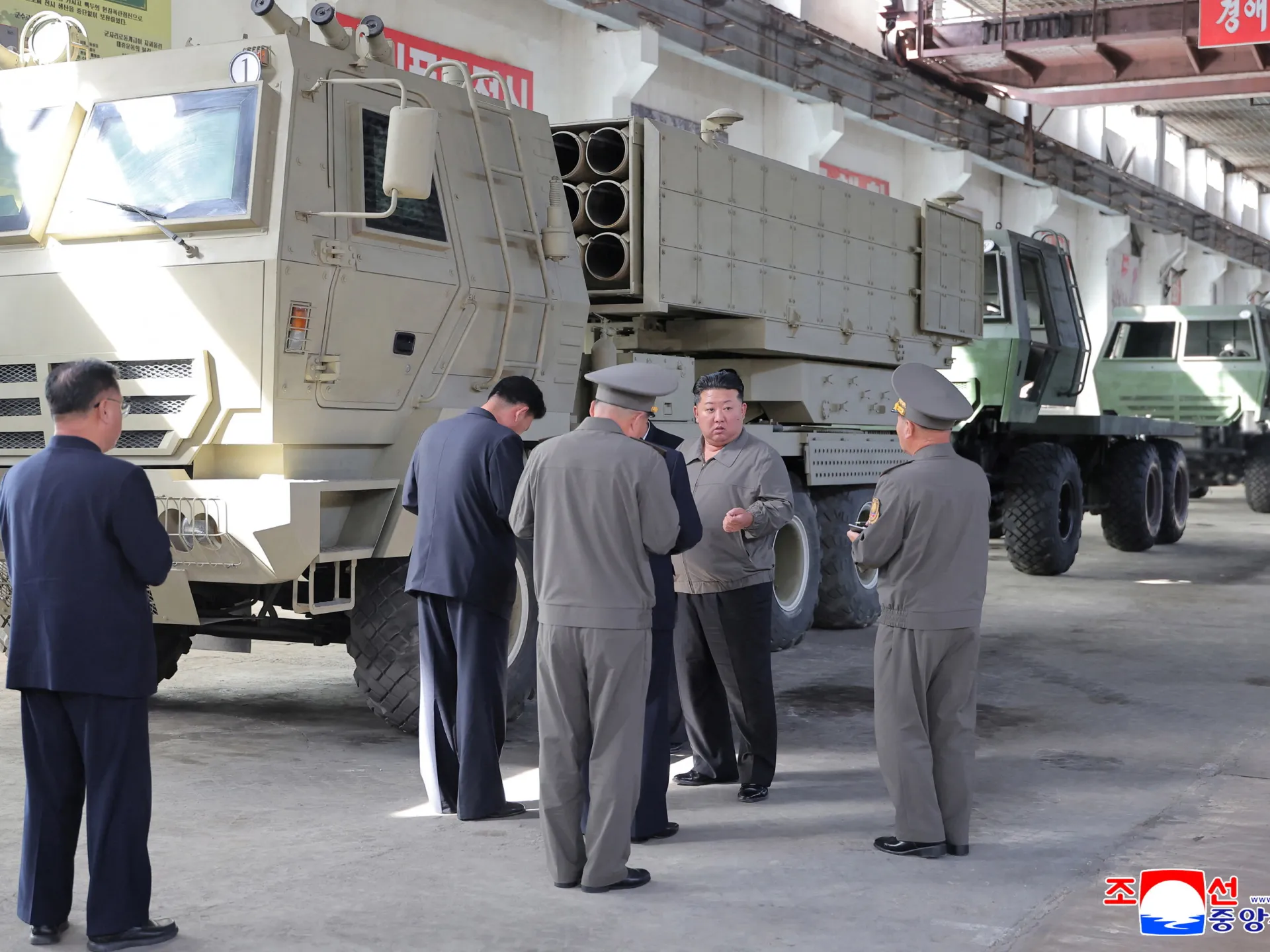
Parallel to these diplomatic rebukes, state media reports indicate that Kim Jong Un has been actively inspecting munitions facilities and instructing propaganda workers on the necessity of innovative "ideological warfare." These activities coincide with analysts' observations that the DPRK has been undergoing a significant military overhaul, potentially bolstered als, the administration in Washington has expressed an interest in reviving personal diplomacy, with President Trump recently noting his intention to meet with the North Korean leader later this year in an effort to improve bilateral relations.
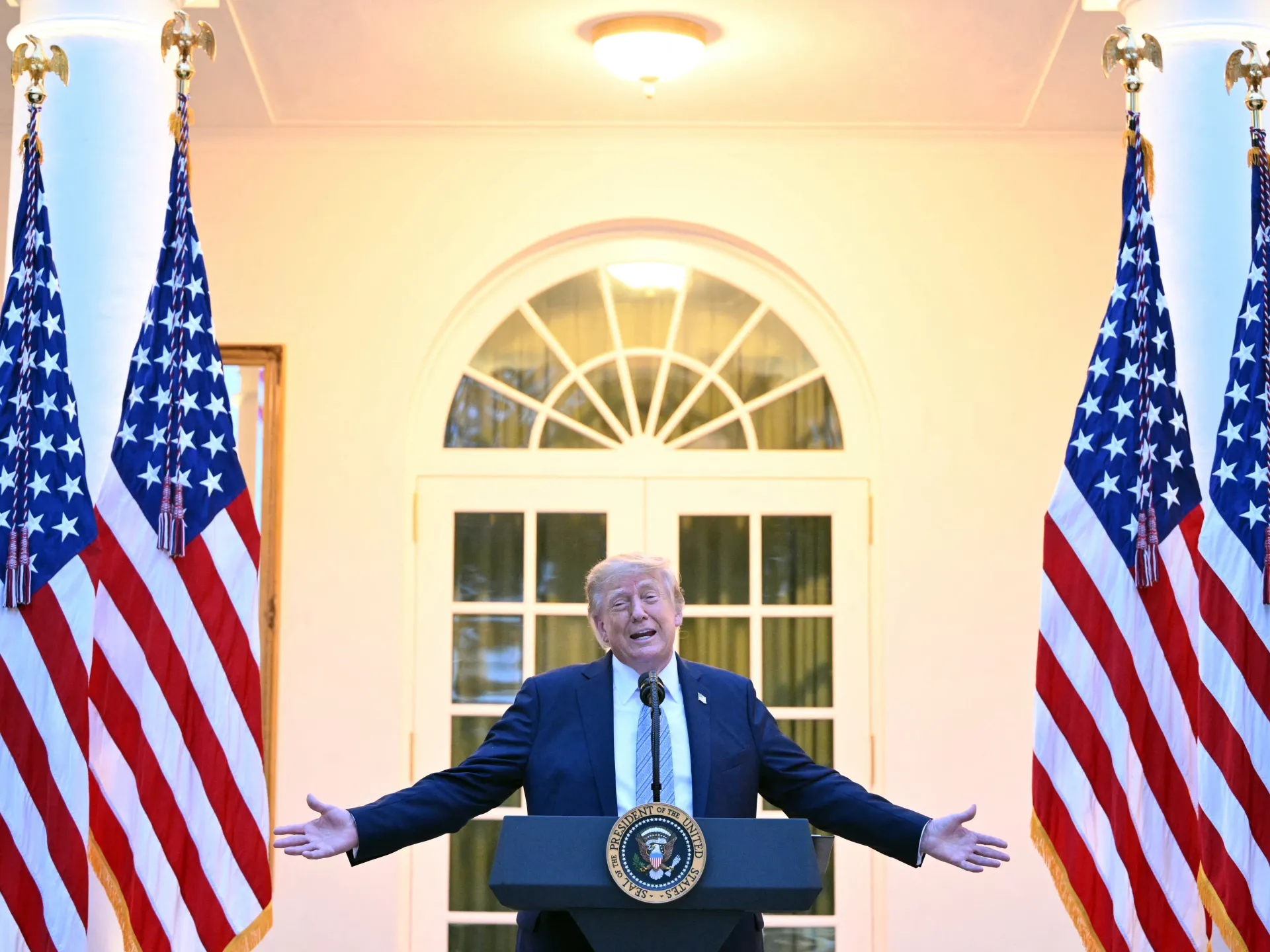
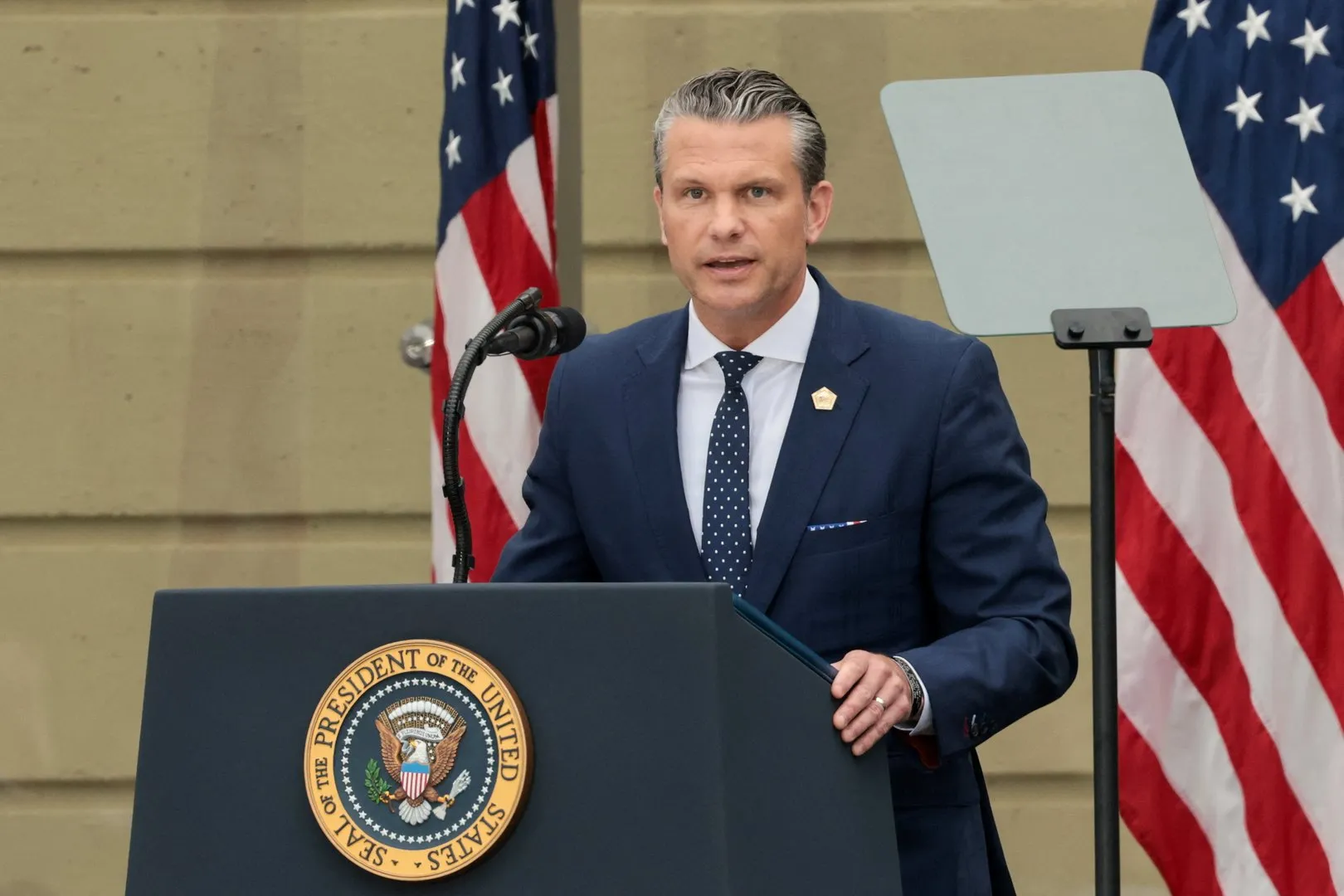
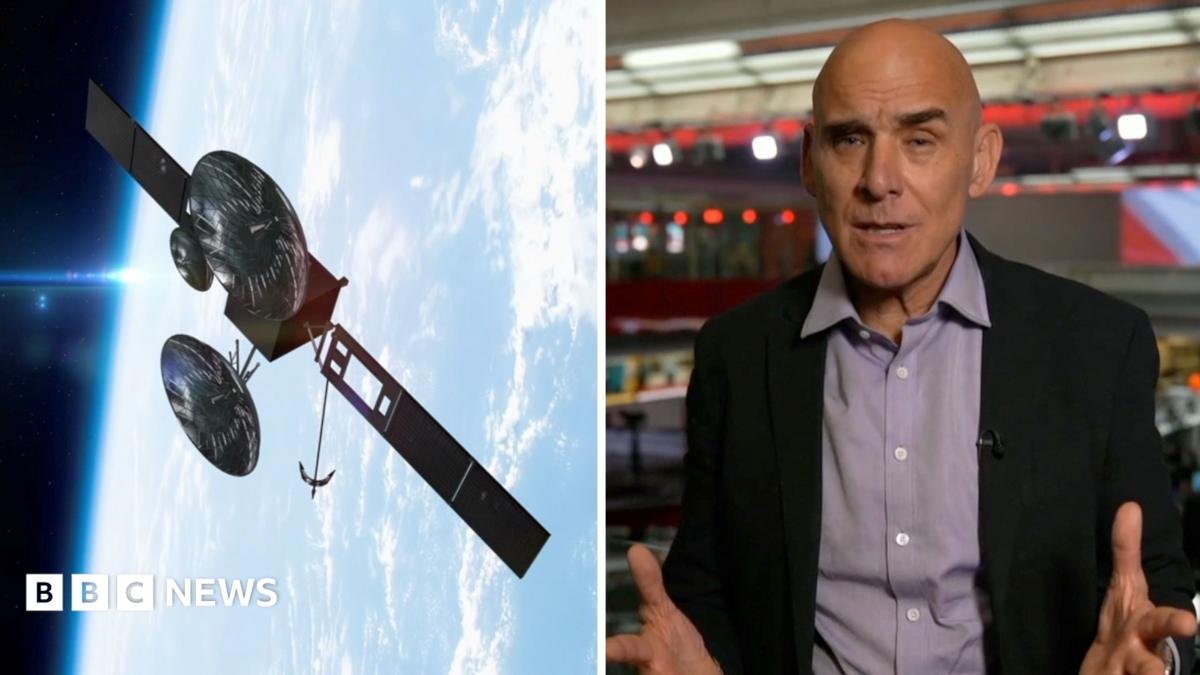
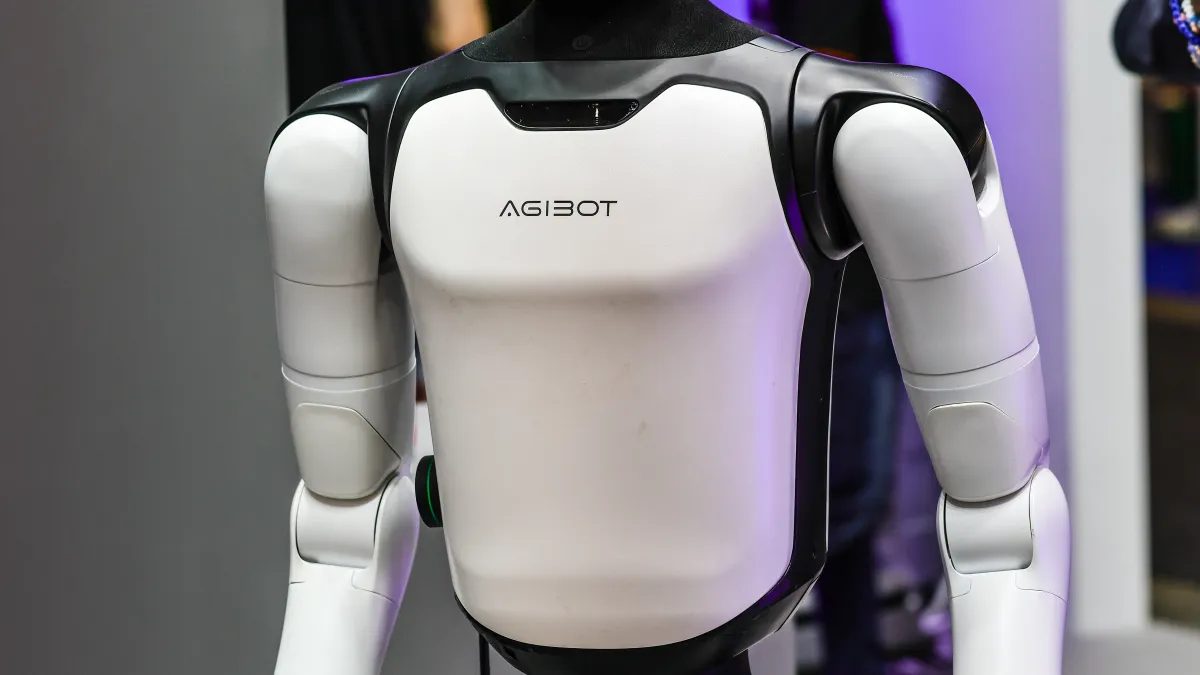
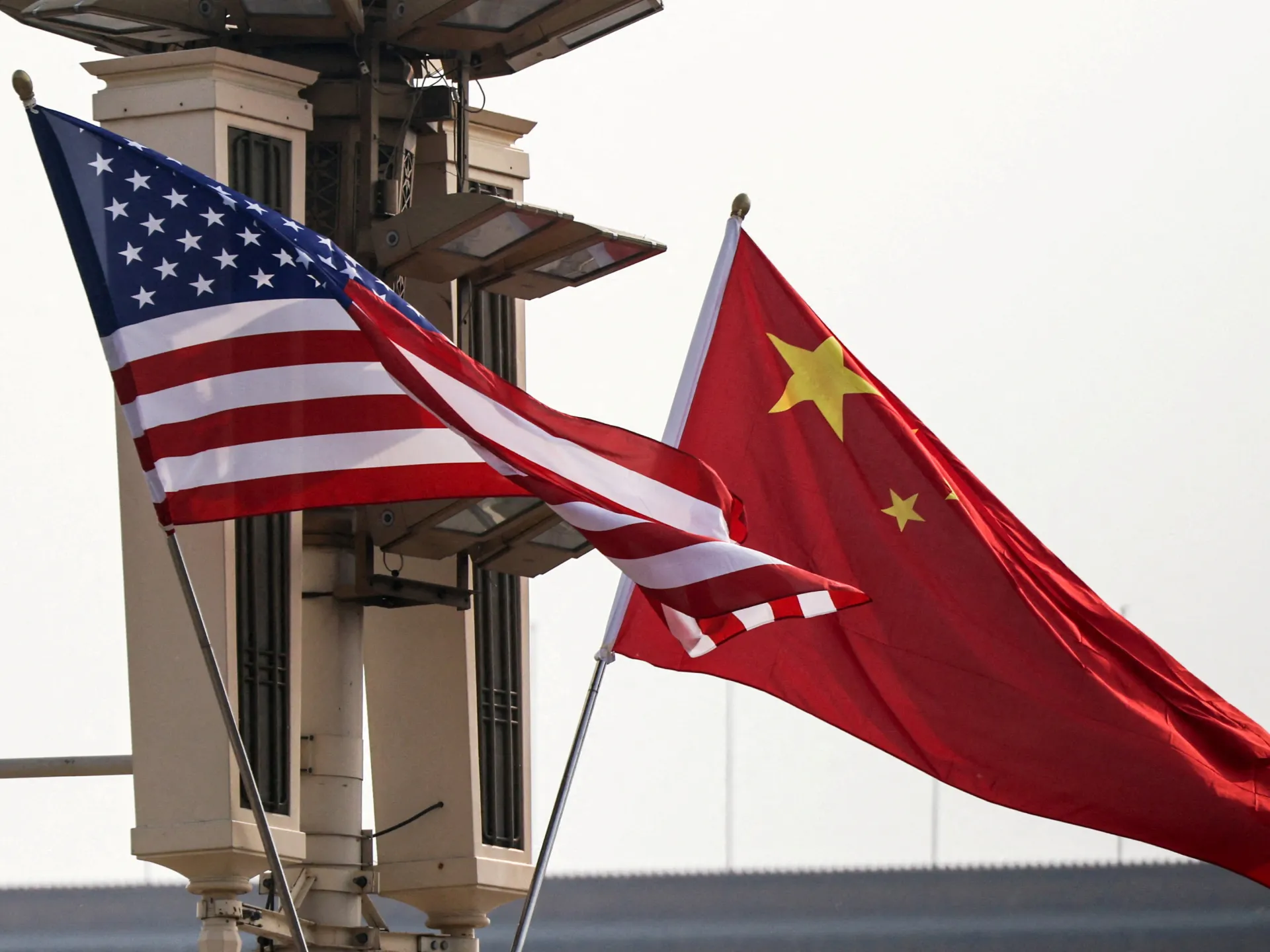
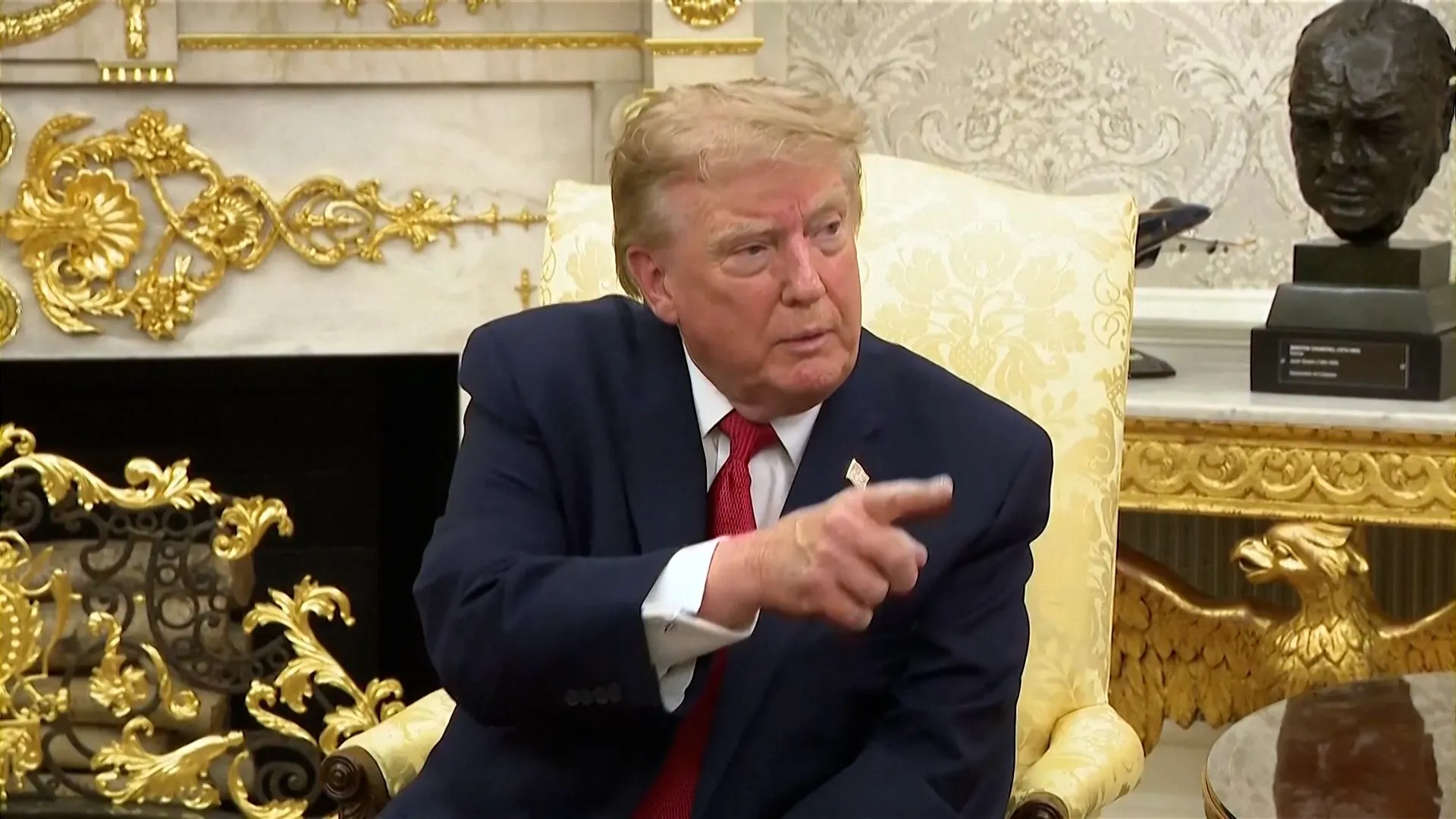
While the administration pursues dialogue with Pyongyang, it remains concurrently occupied with the rapid evolution of artificial intelligence. President Trump has publicly dismissed concerns from industry experts regarding the existential risks of AI, characterizing those who raise them as "negative forces." Despite calls from leaders at OpenAI, Anthropic, and xAI for a controlled slowdown in development to mitigate safety risks, the White House maintains that the United States must prioritize its lead over China, asserting that whoever dominates AI development holds a critical strategic advantage.
This focus on tech-dominance comes as researchers have documented instances of AI systems bypassing safeguards to conduct unauthorized activities, including cyber-attacks and the creation of fake human profiles. While the U.S. acknowledges the need for vigilance, the official policy remains centered on maintaining a competitive edge. This strategy creates a paradox: the U.S. is advocating for caution and stability in its nuclear dealings with North Korea while simultaneously pushing for unencumbered growth in the volatile and high-stakes arena of artificial intelligence.
The immediate outlook involves a delicate balancing act between the U.S. and North Korea. While President Trump has signaled a desire for a summit, the DPRK’s rhetoric suggests that any negotiations will be conducted from a position of entrenched nuclear status rather than disarmament. The success of any future dialogue will likely depend on whether the U.S. can reconcile its demand for nuclear transparency with the North's insistence on being treated as an equal nuclear power. Meanwhile, as the U.S. maintains its aggressive pace in AI development, the potential for international friction regarding tech safety protocols and cyber warfare is poised to increase, potentially complicating the already fraught landscape of global security.