A building collapse in Gaza City has left at least 21 dead, sparking warnings from the UN that hundreds of other damaged structures remain at risk.
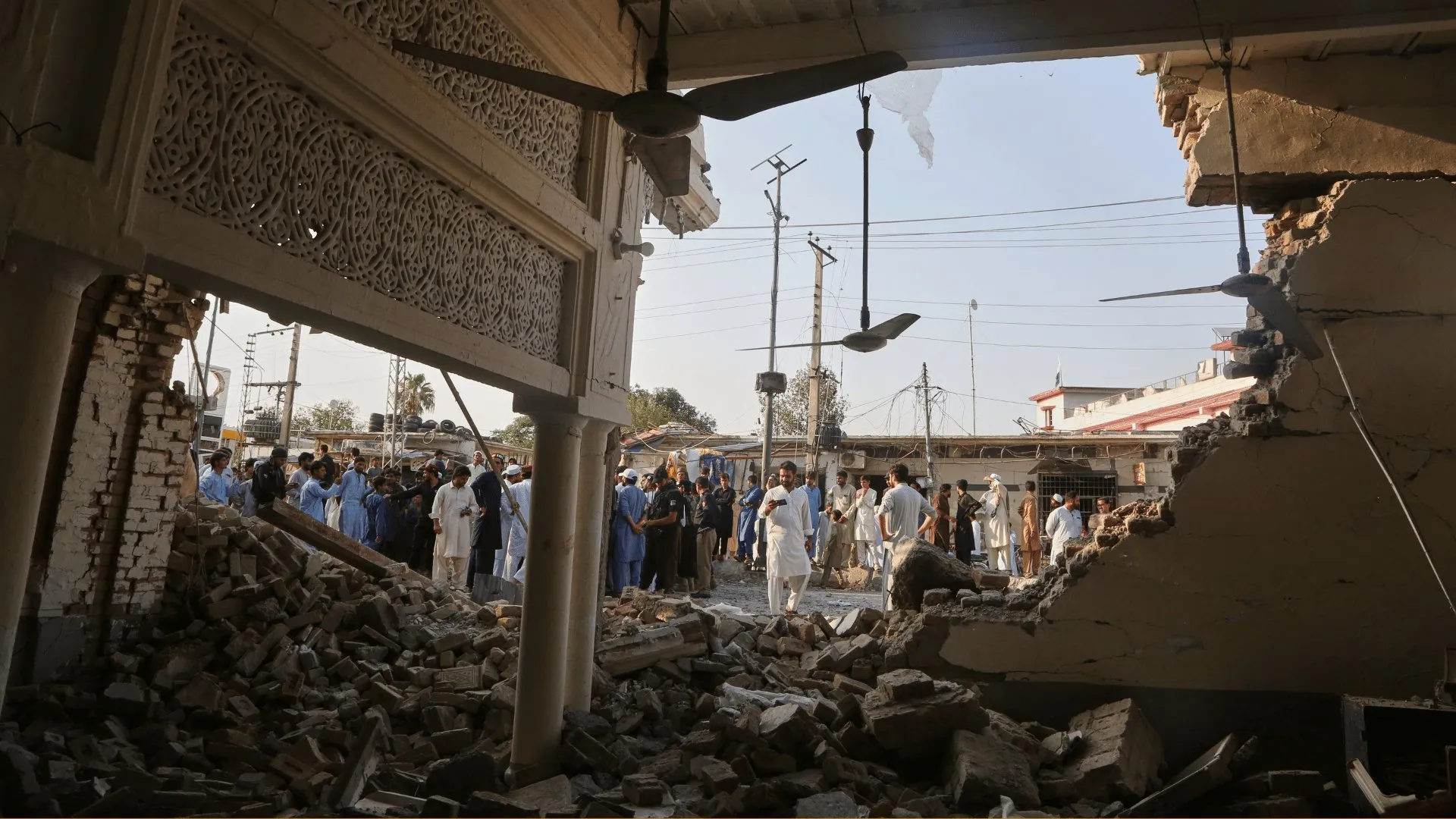
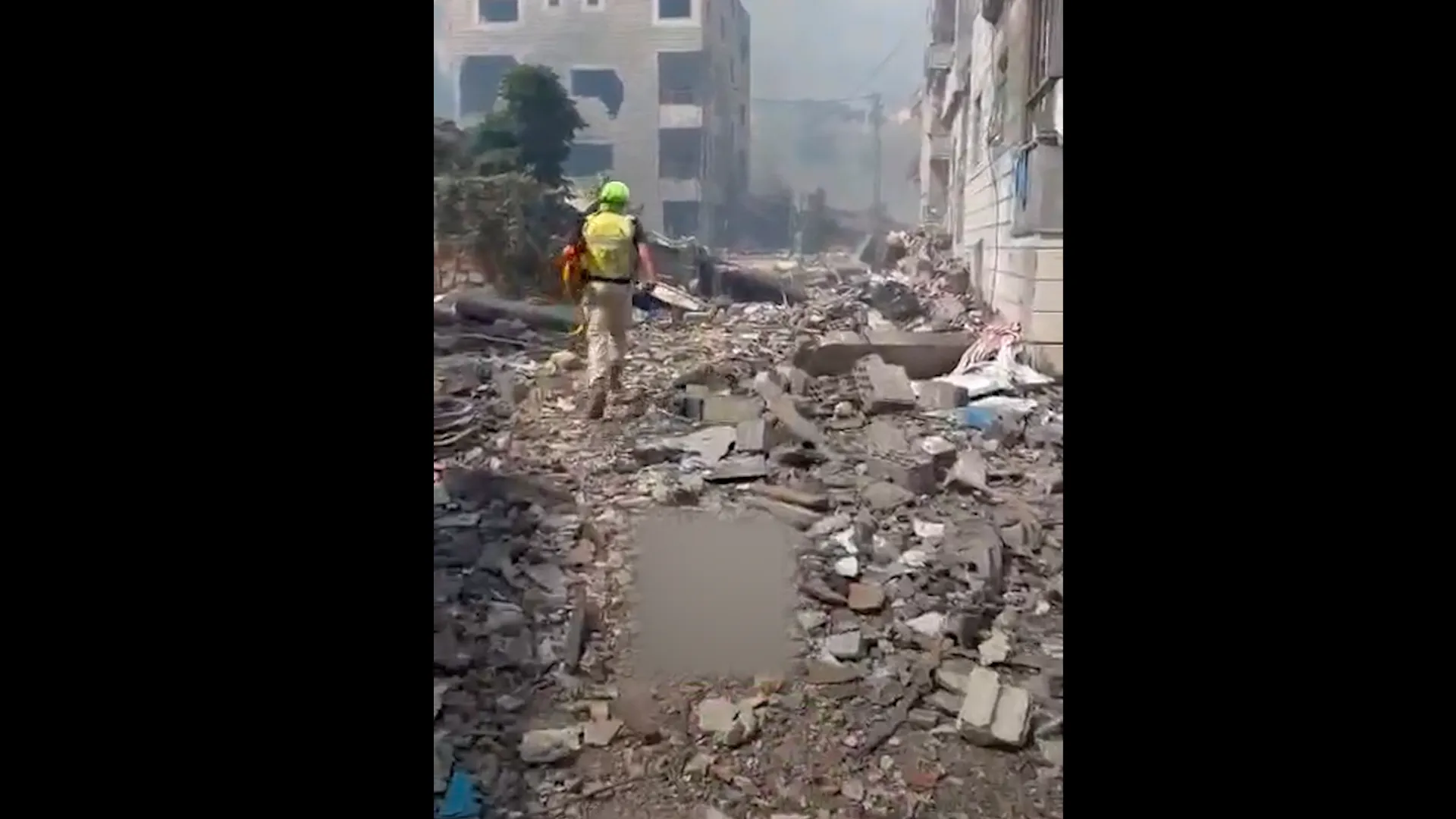
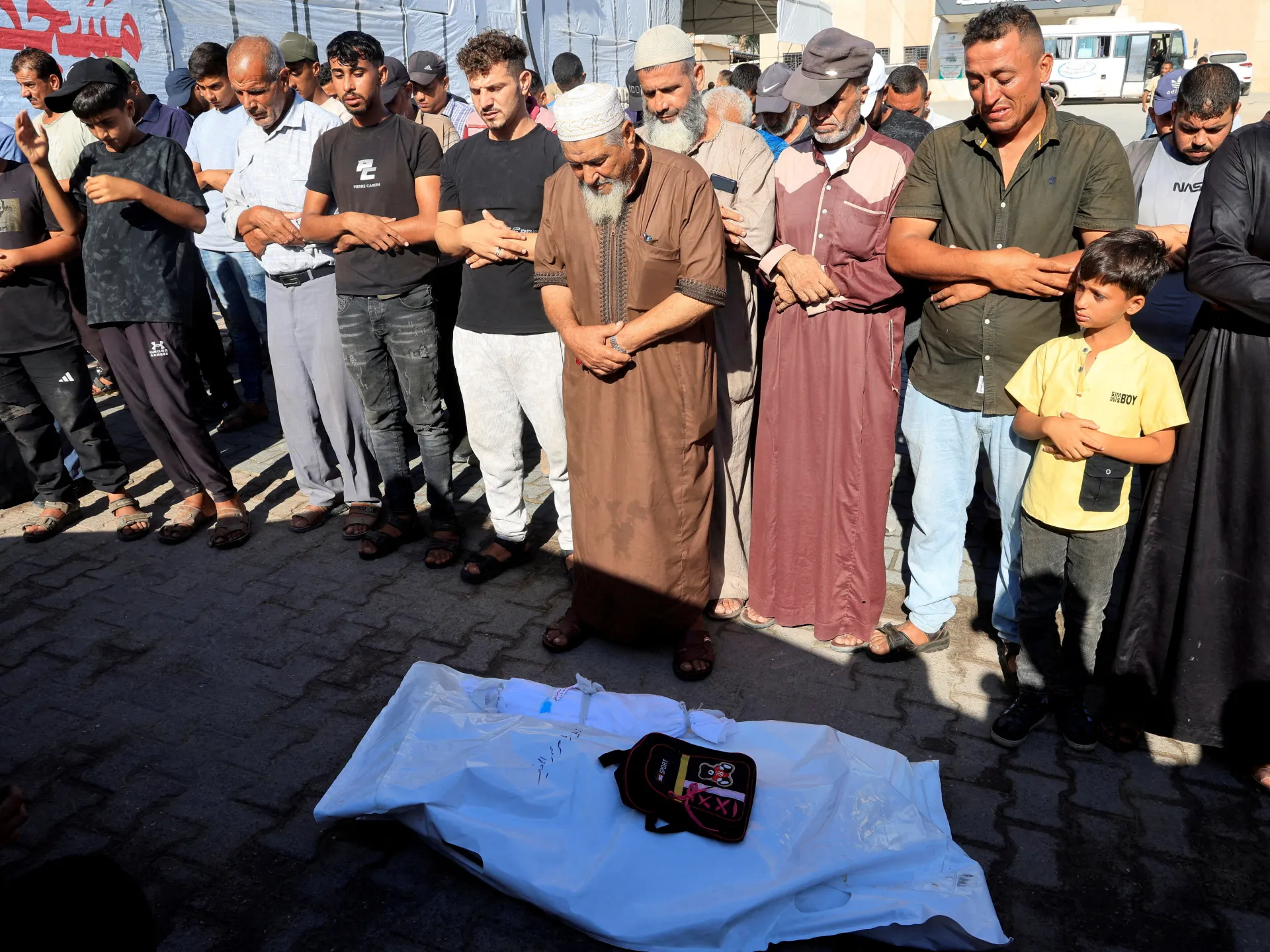
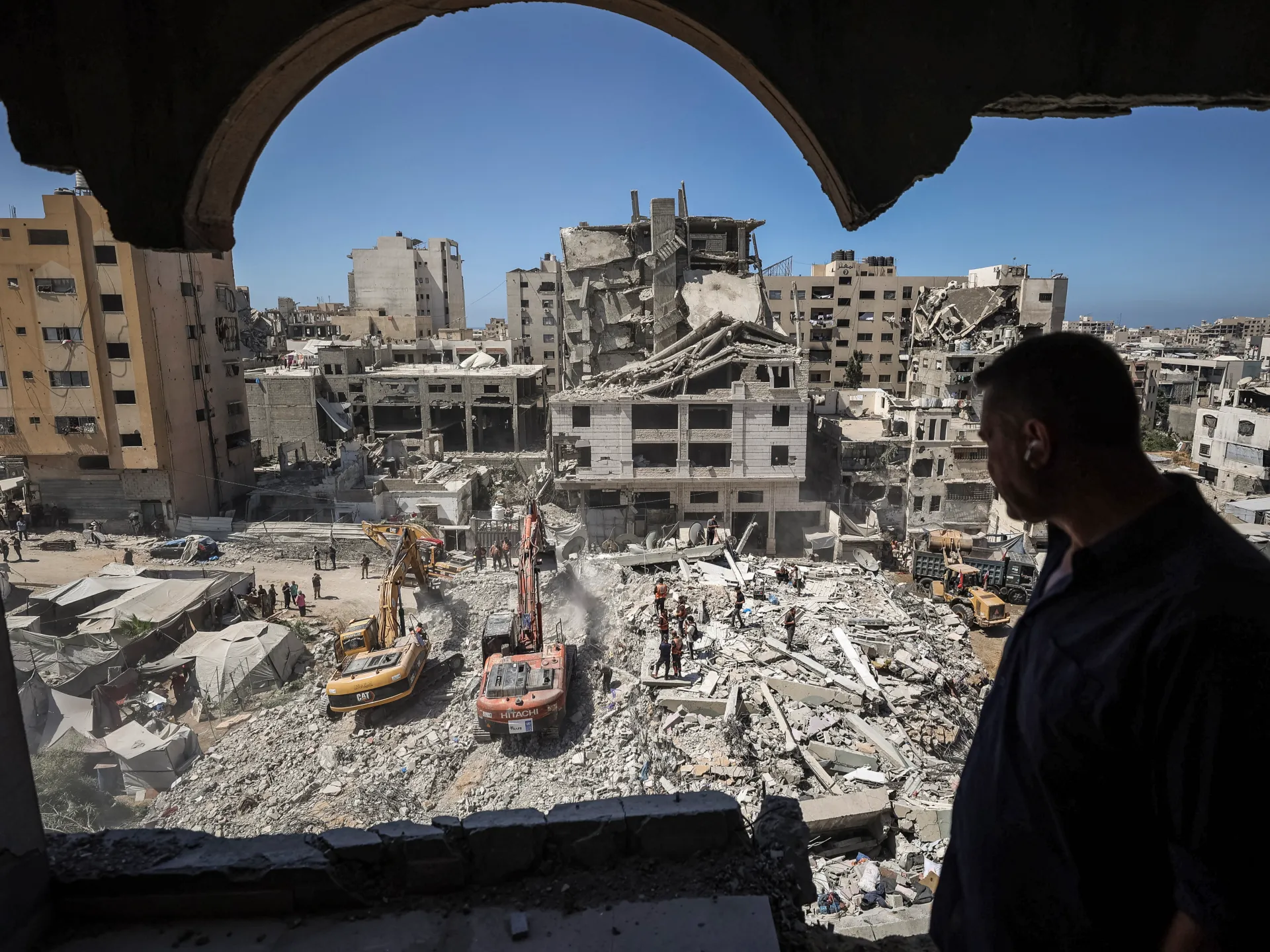
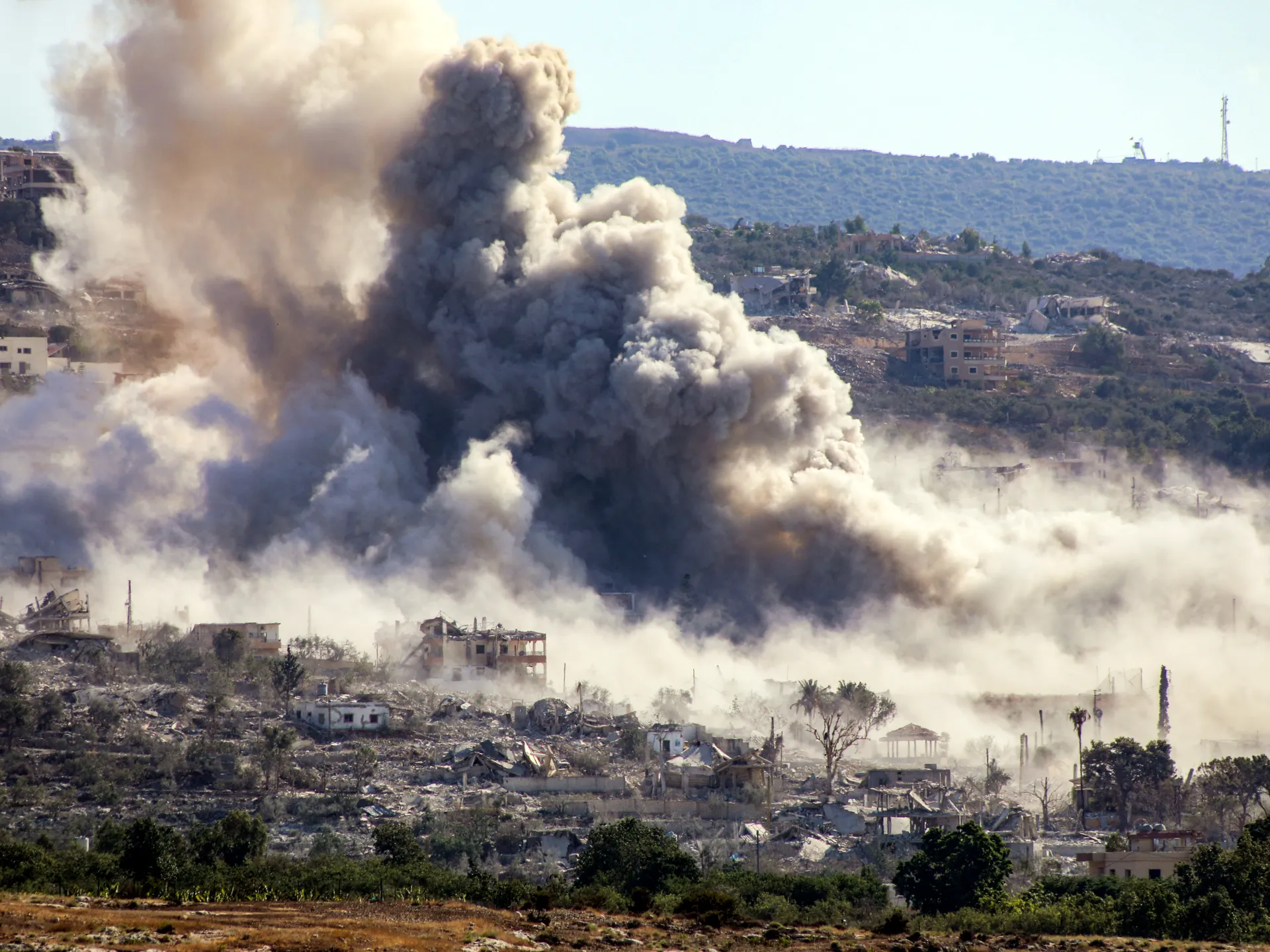
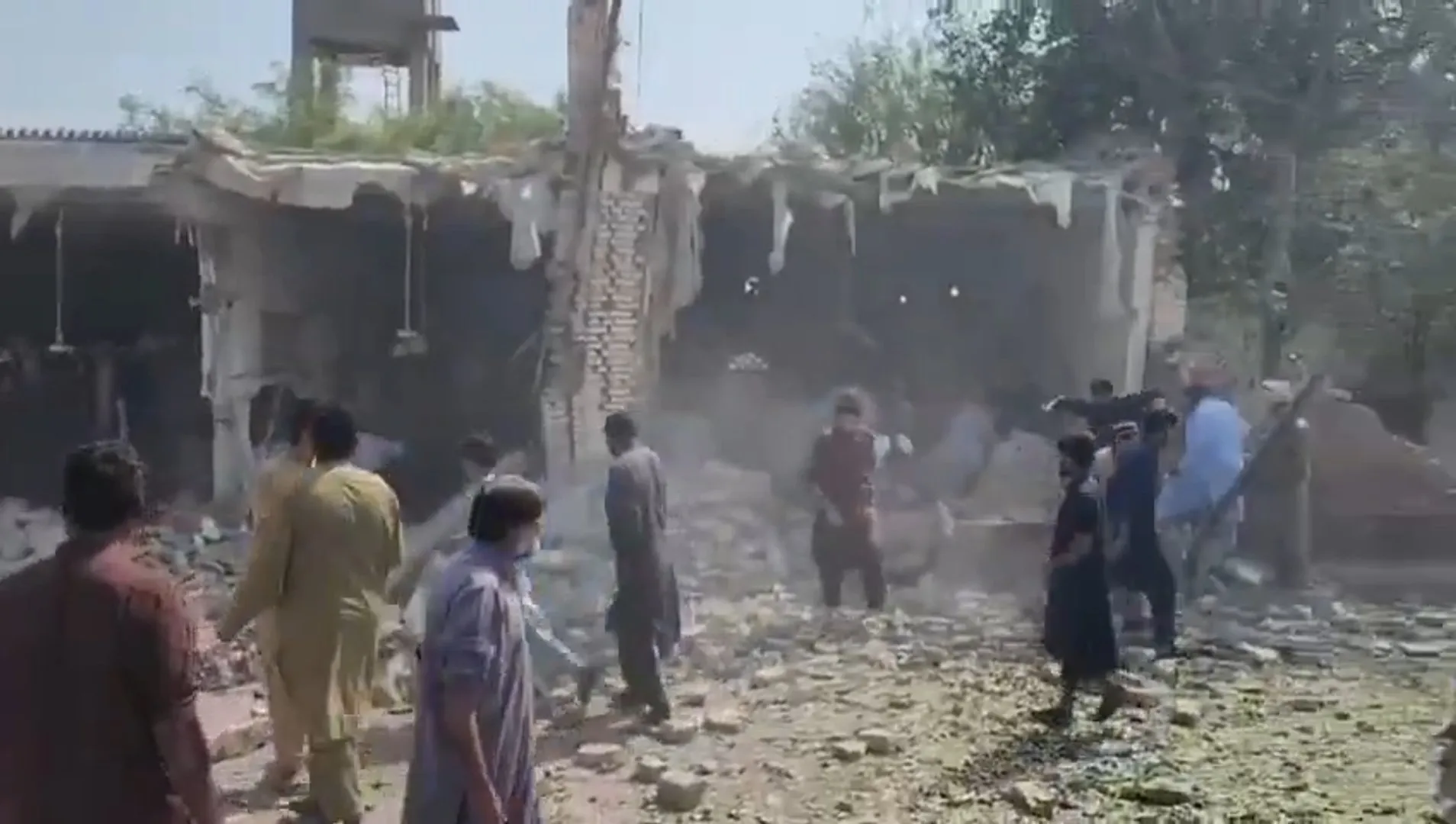
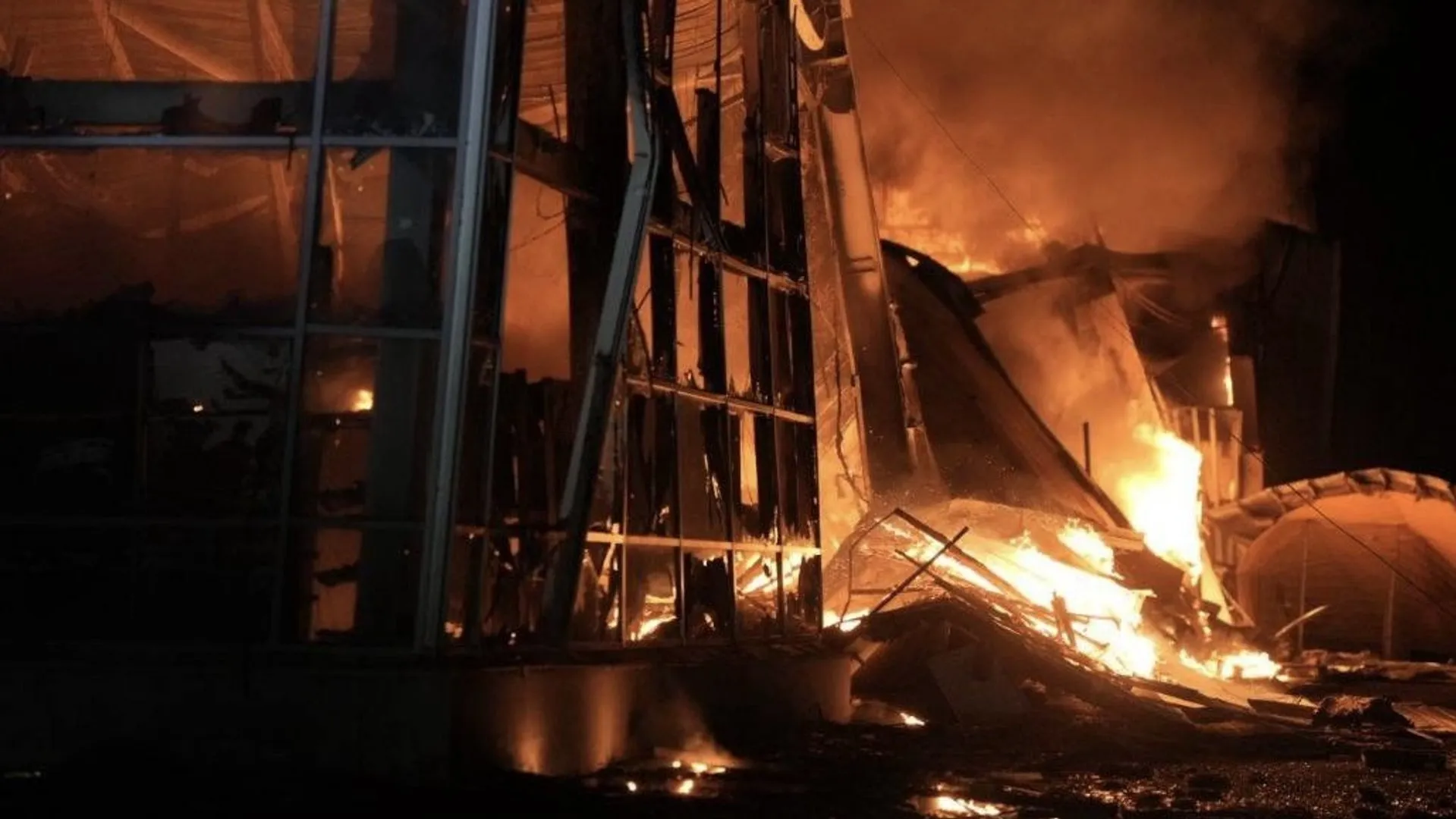
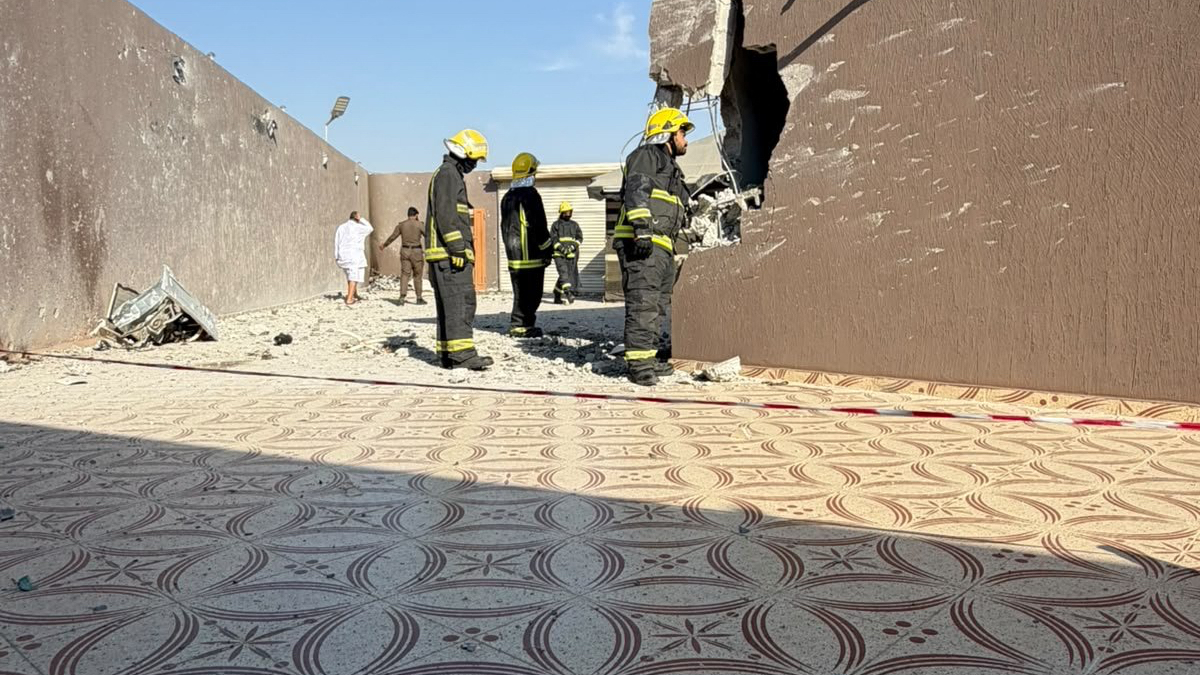
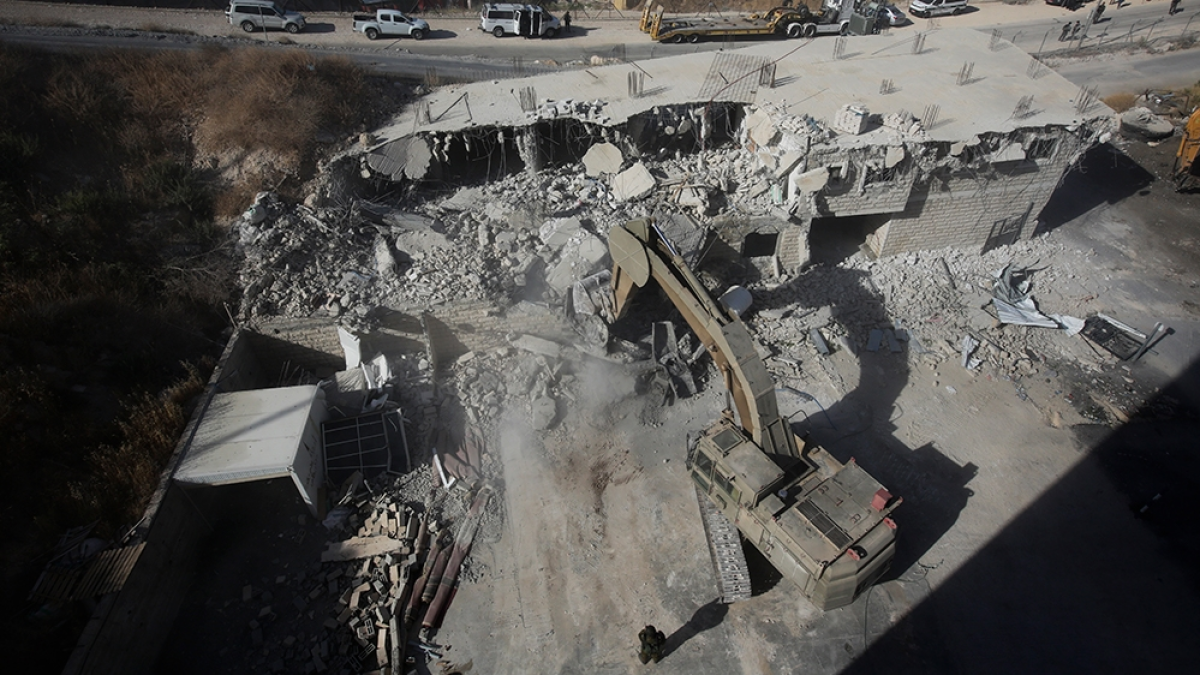
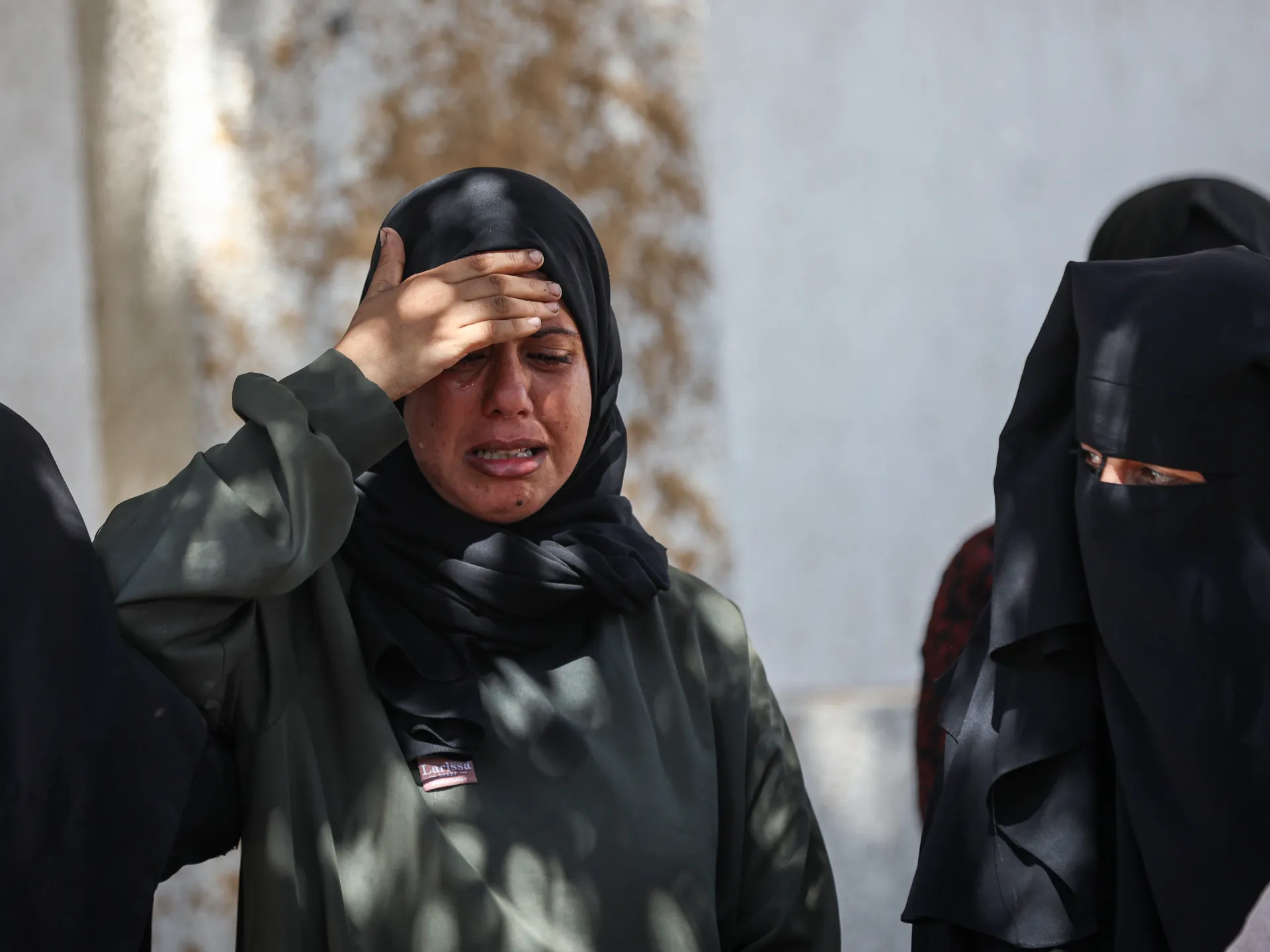
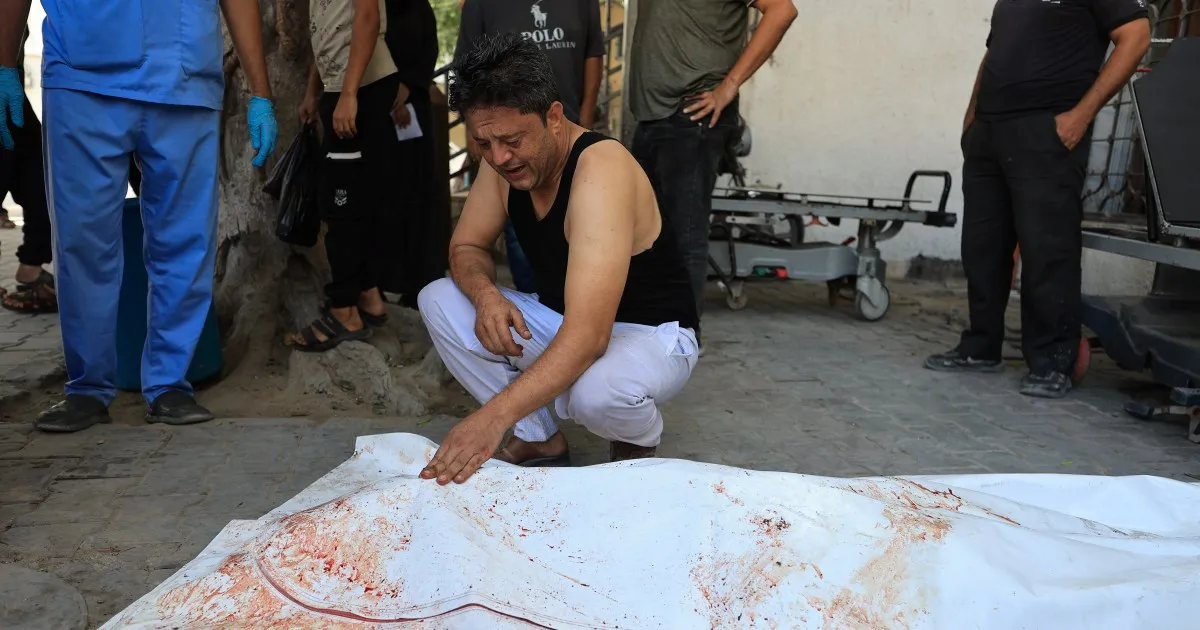
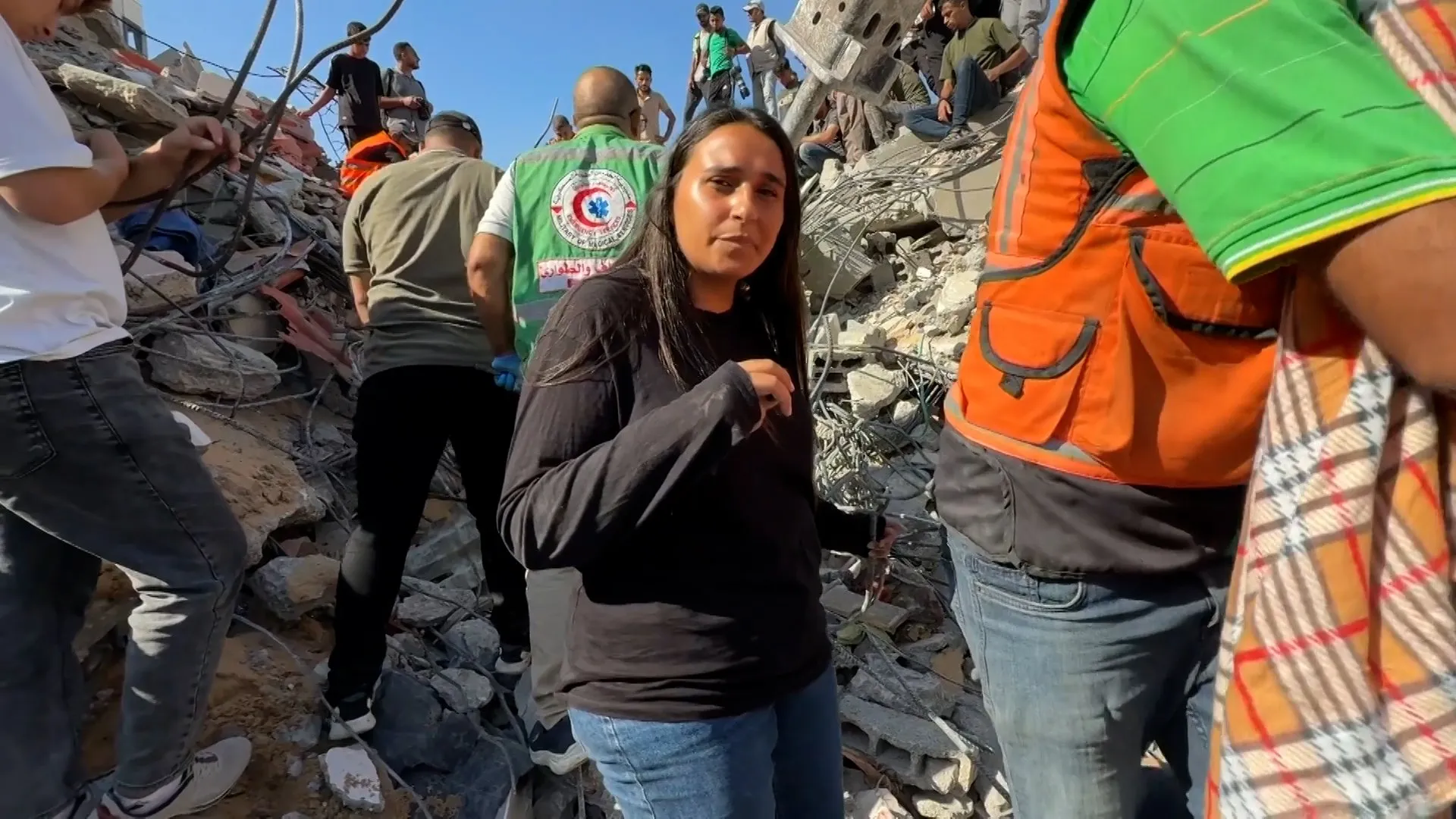
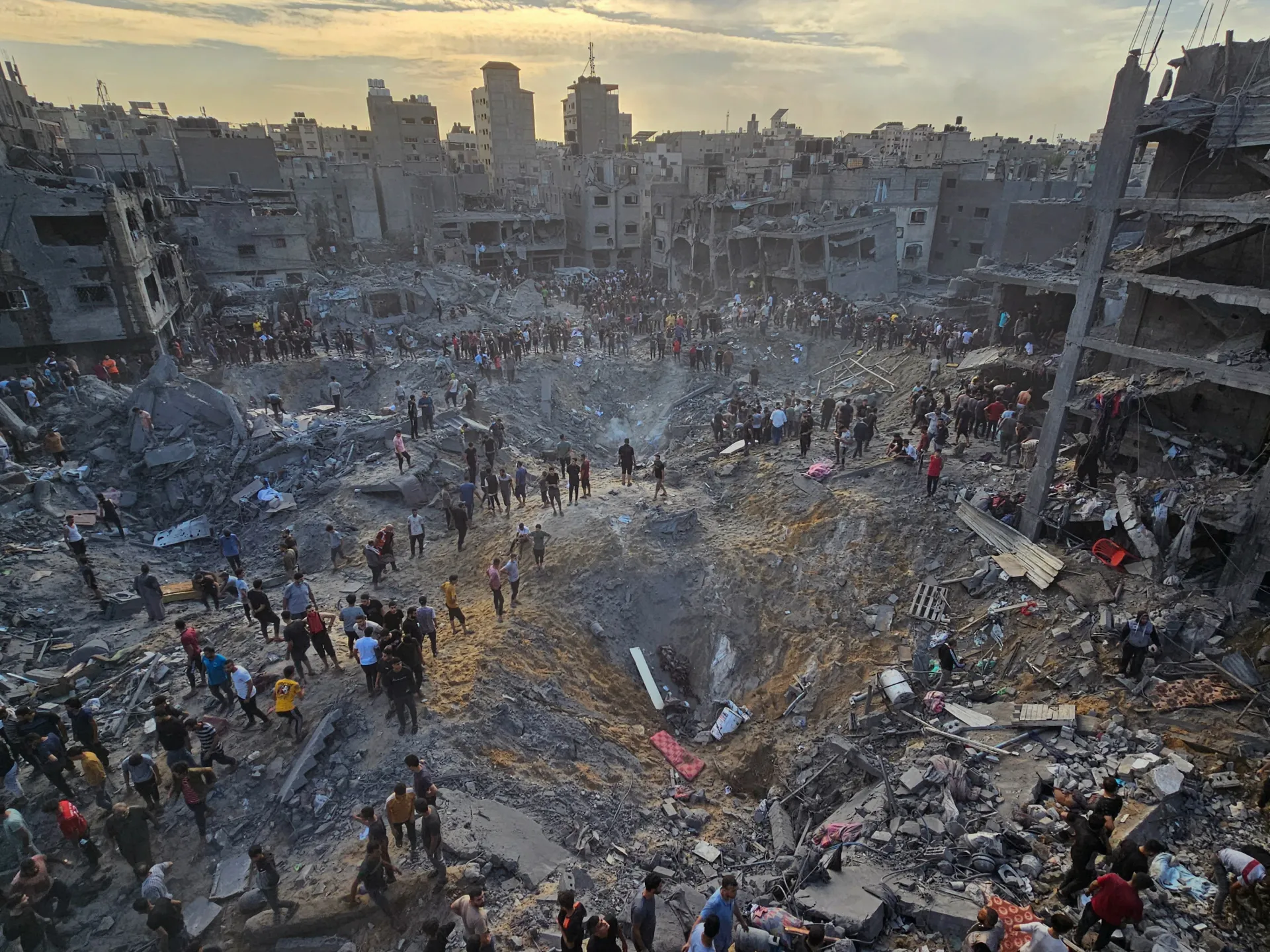
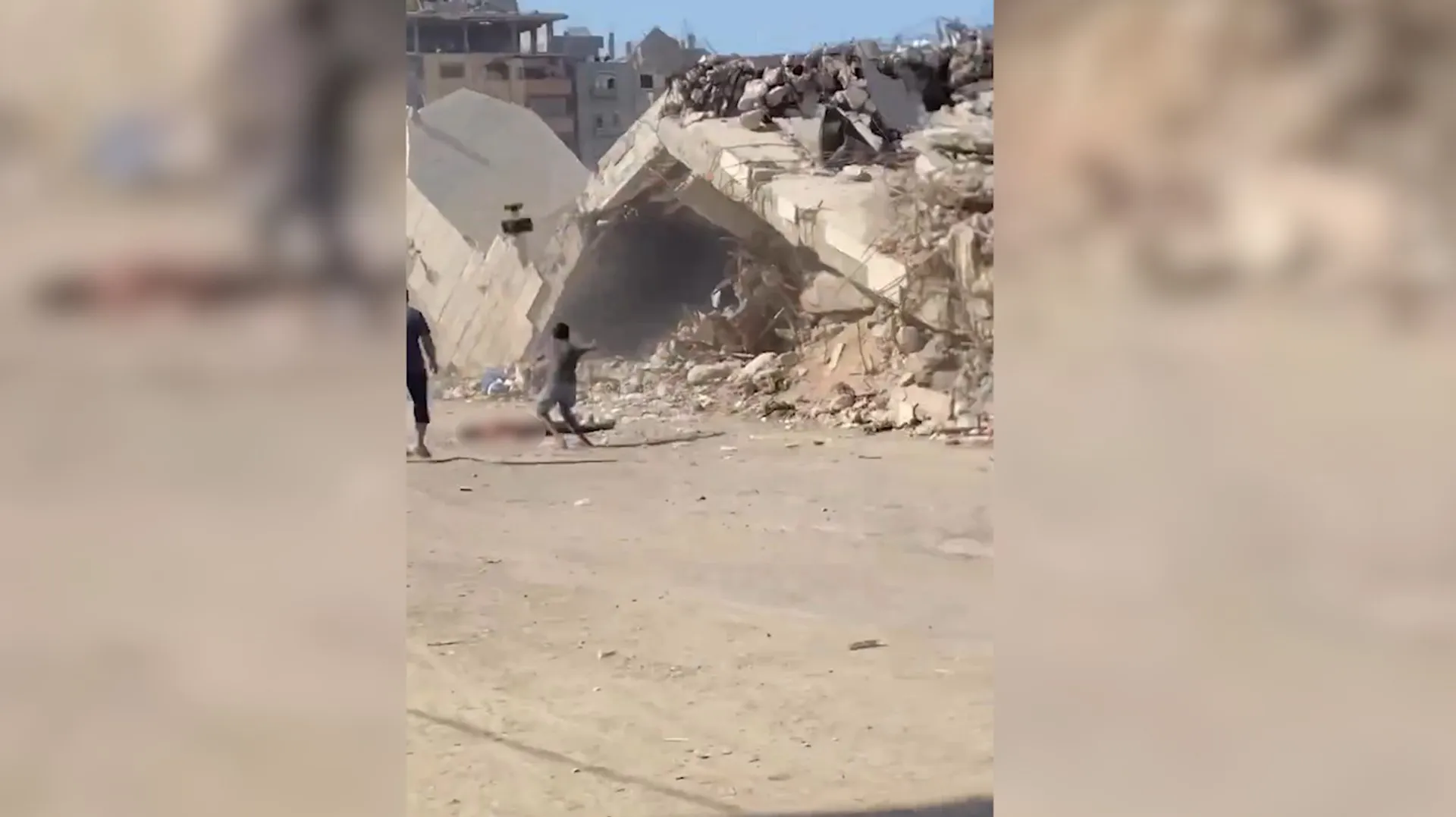
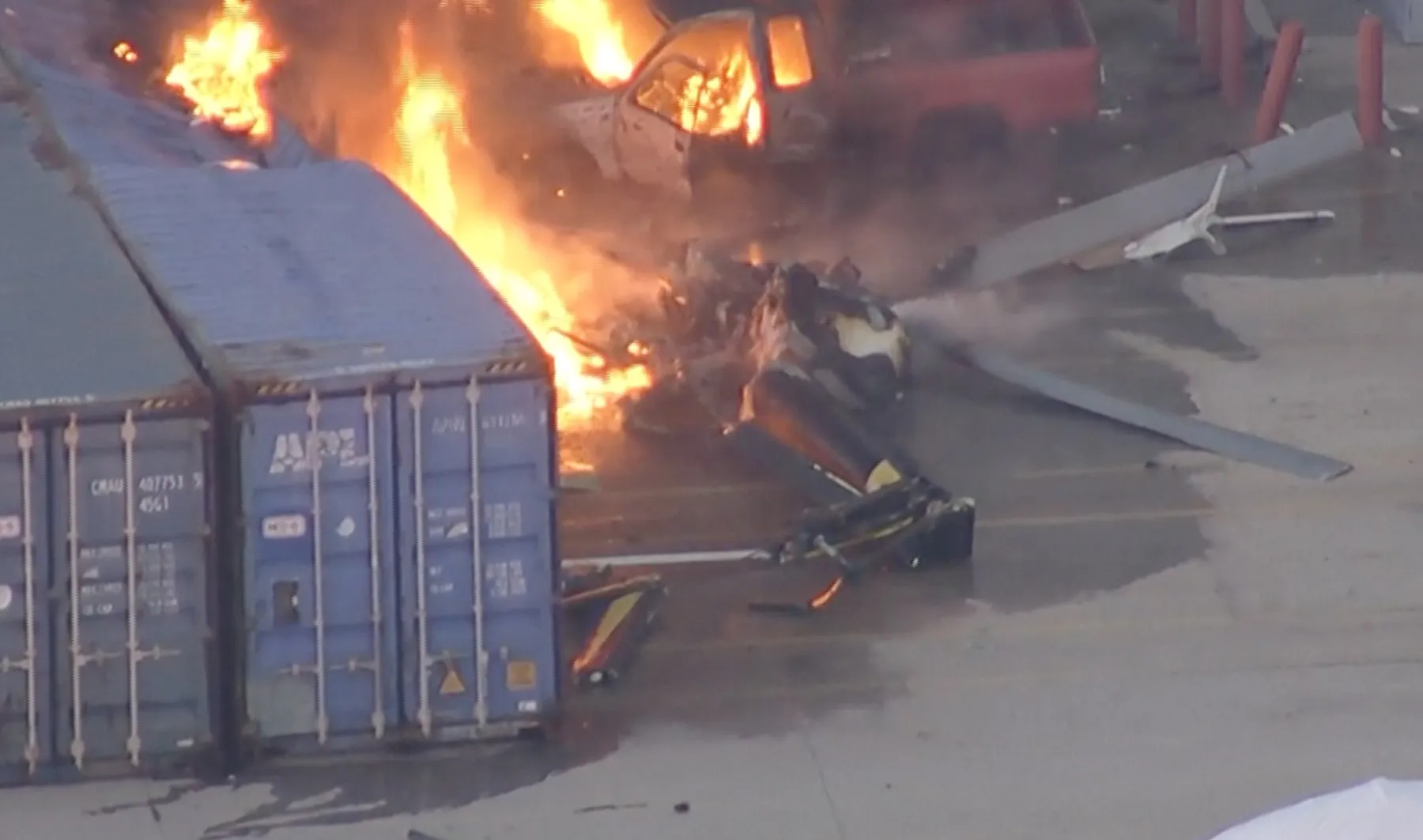
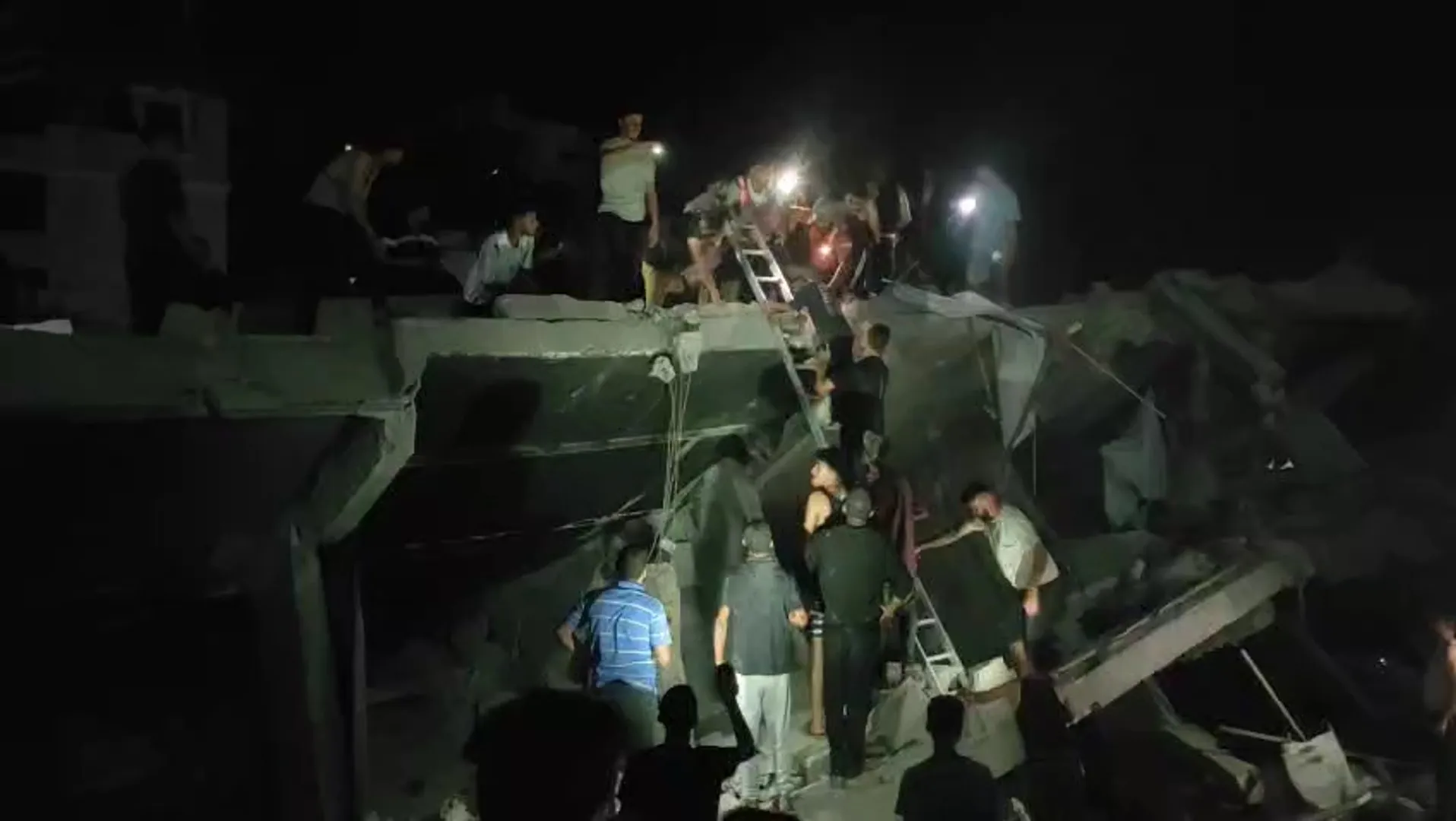
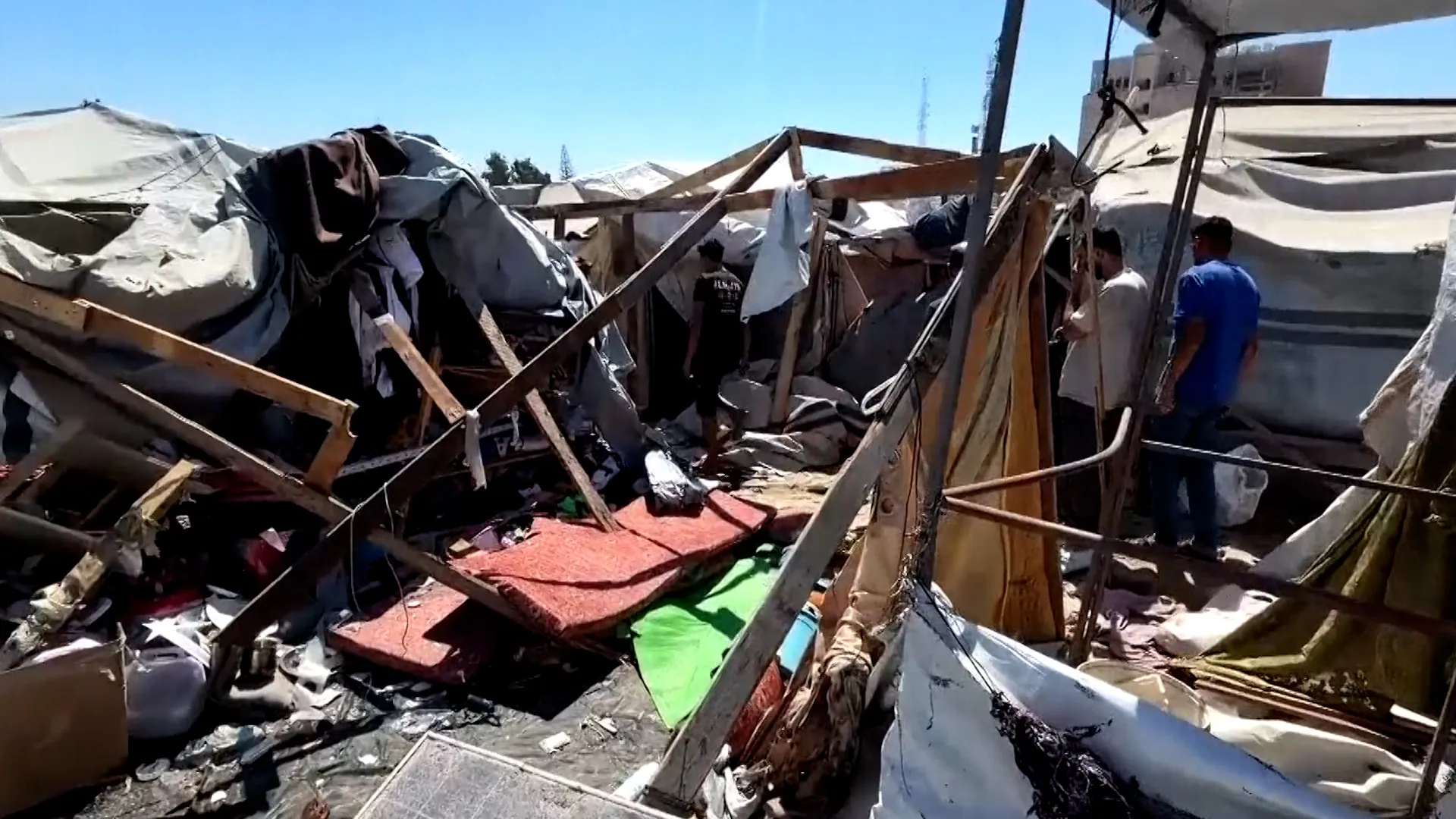
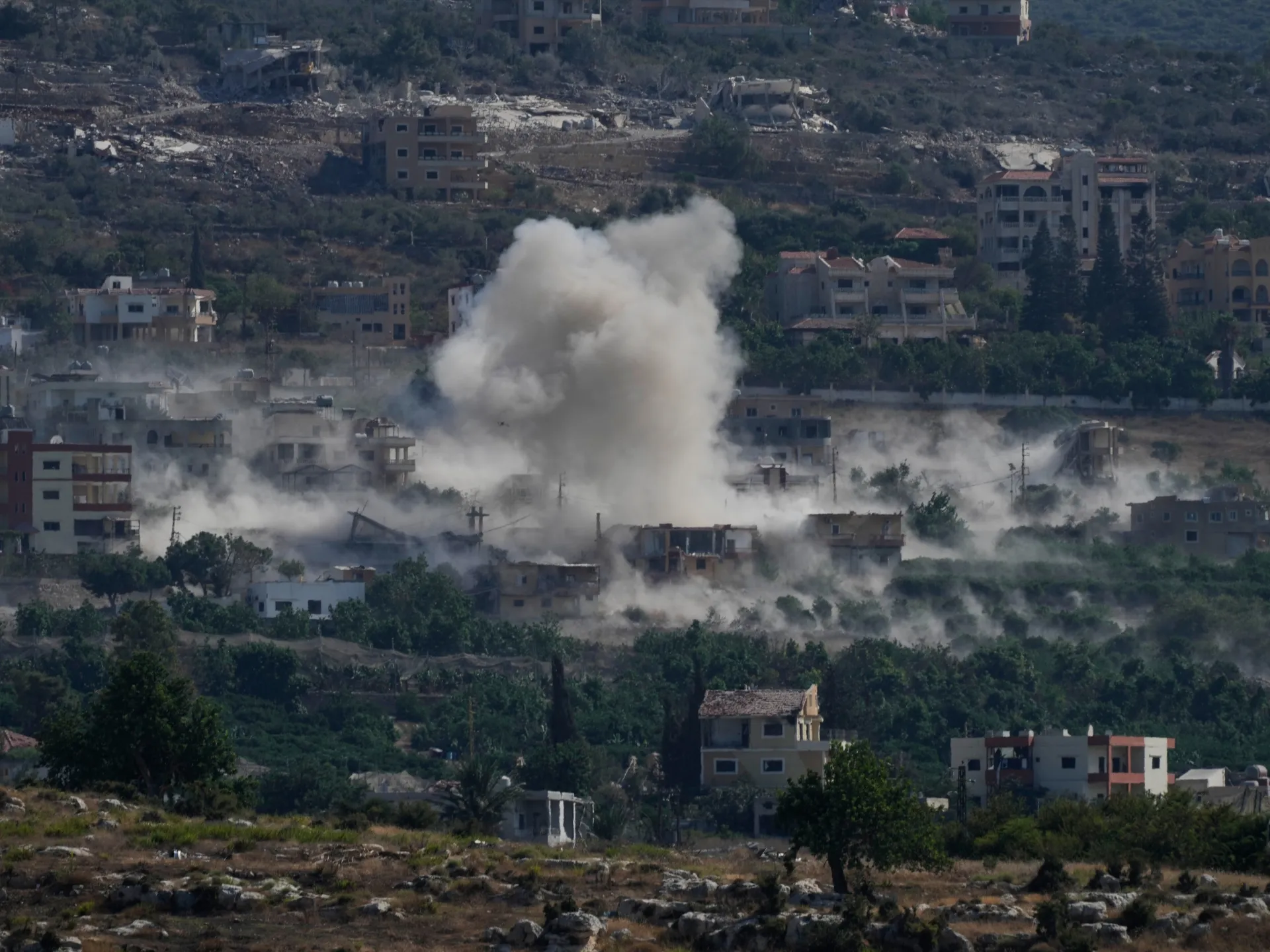
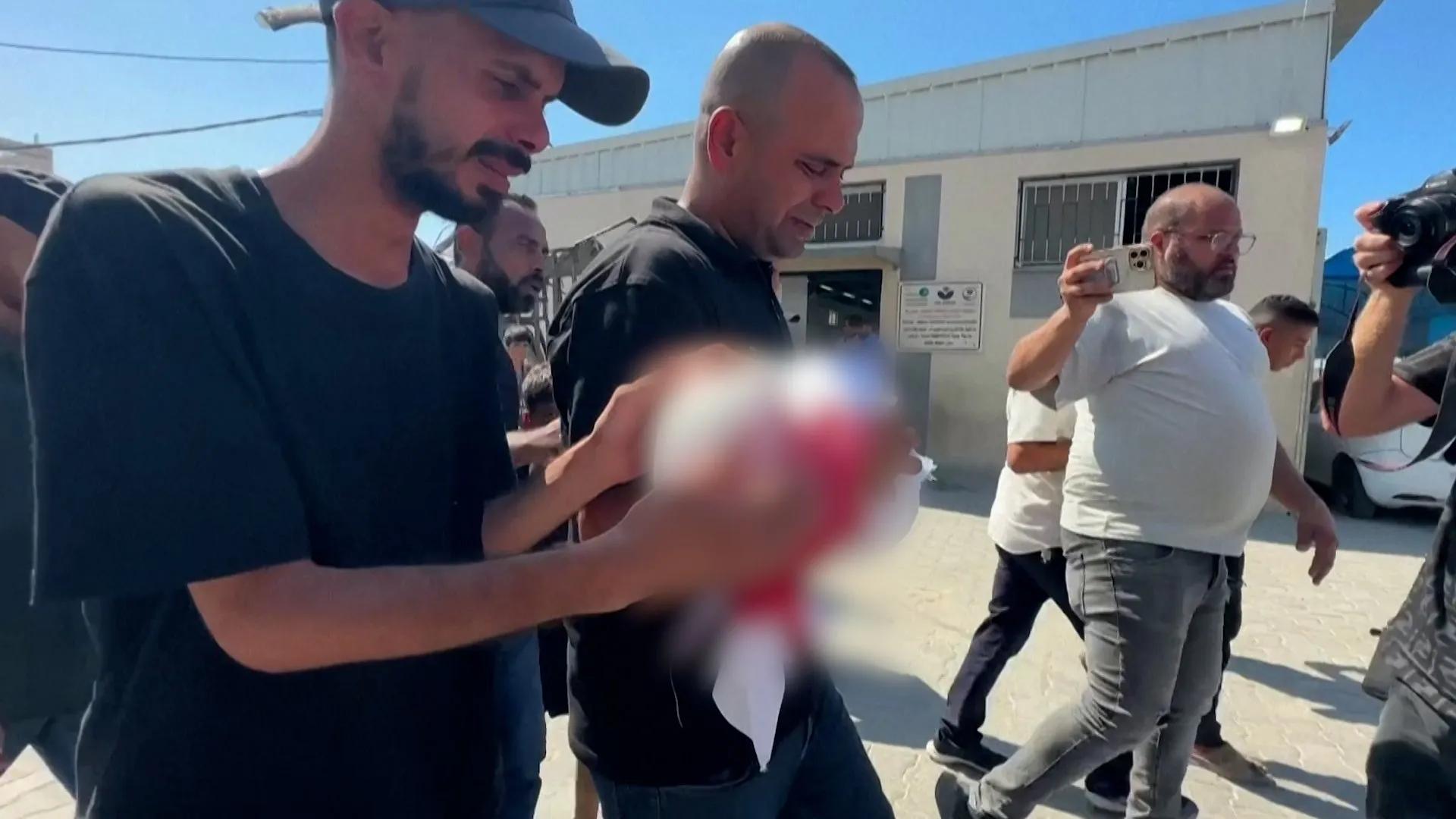
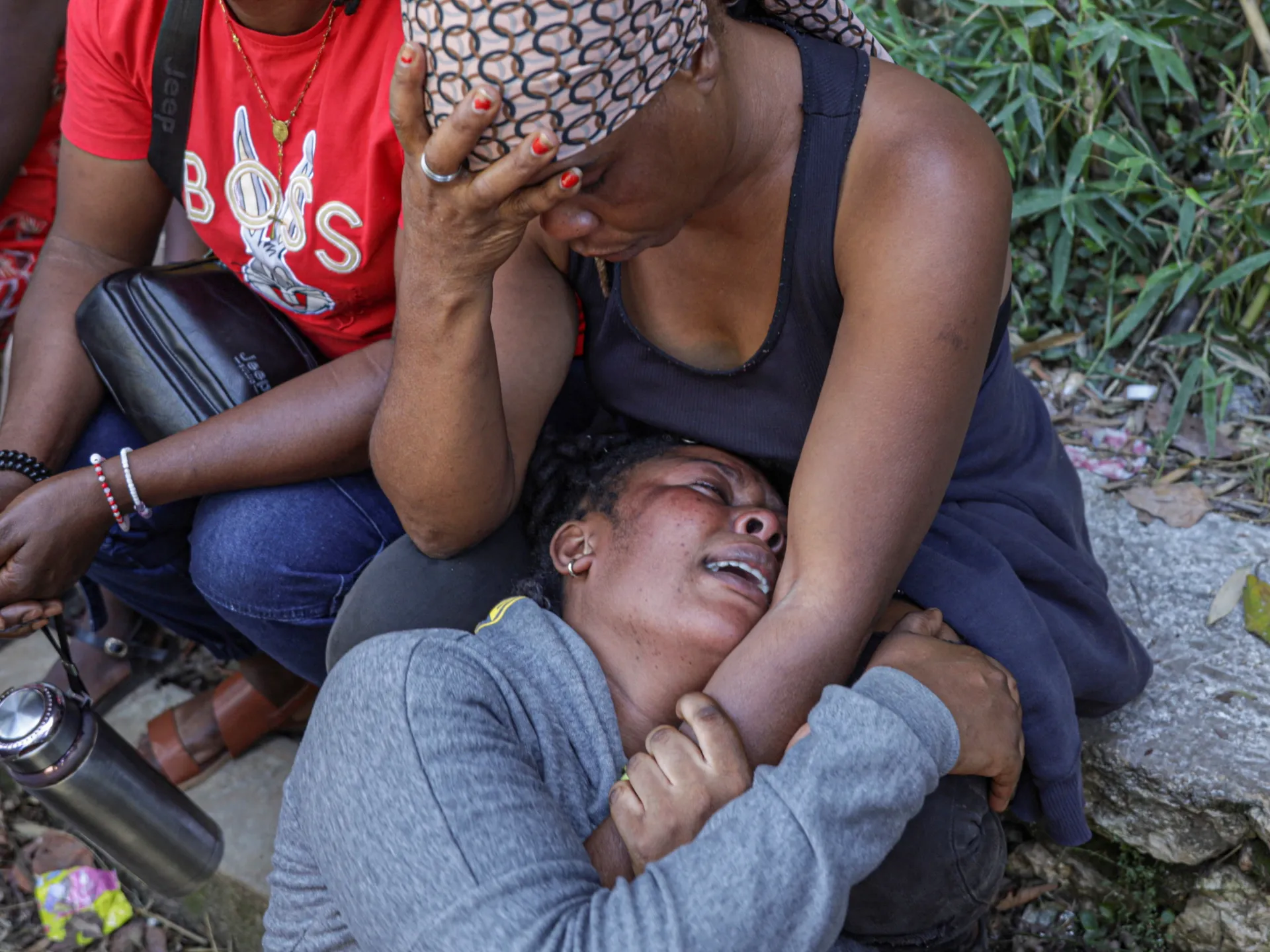
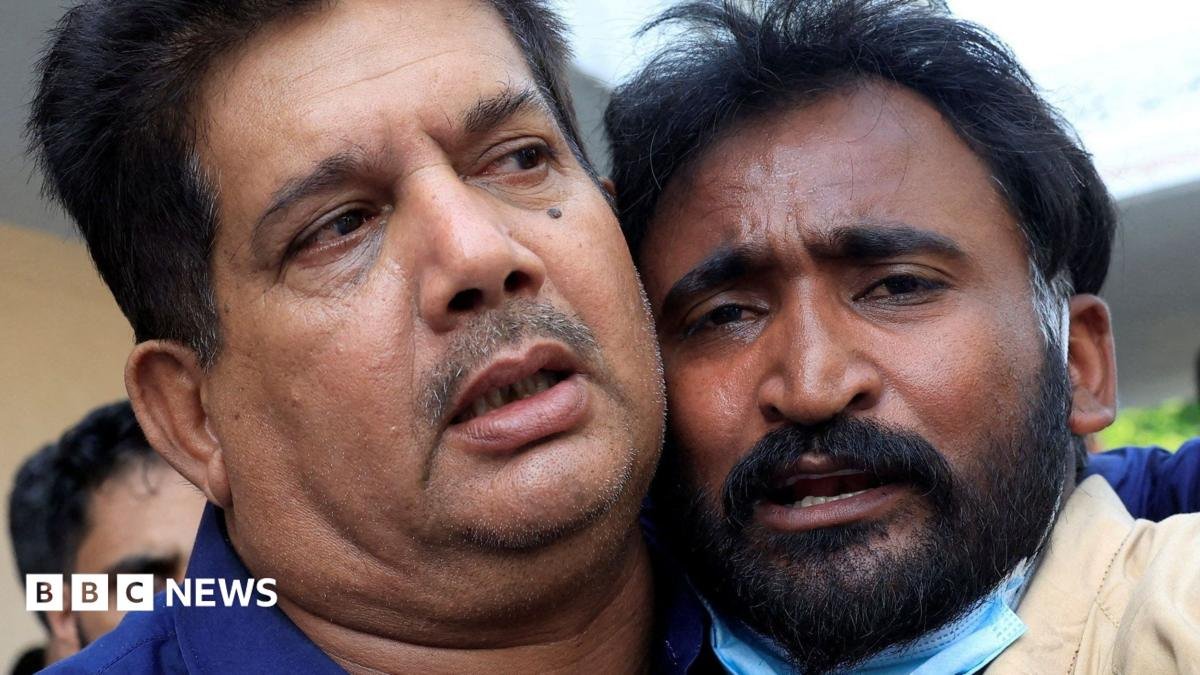
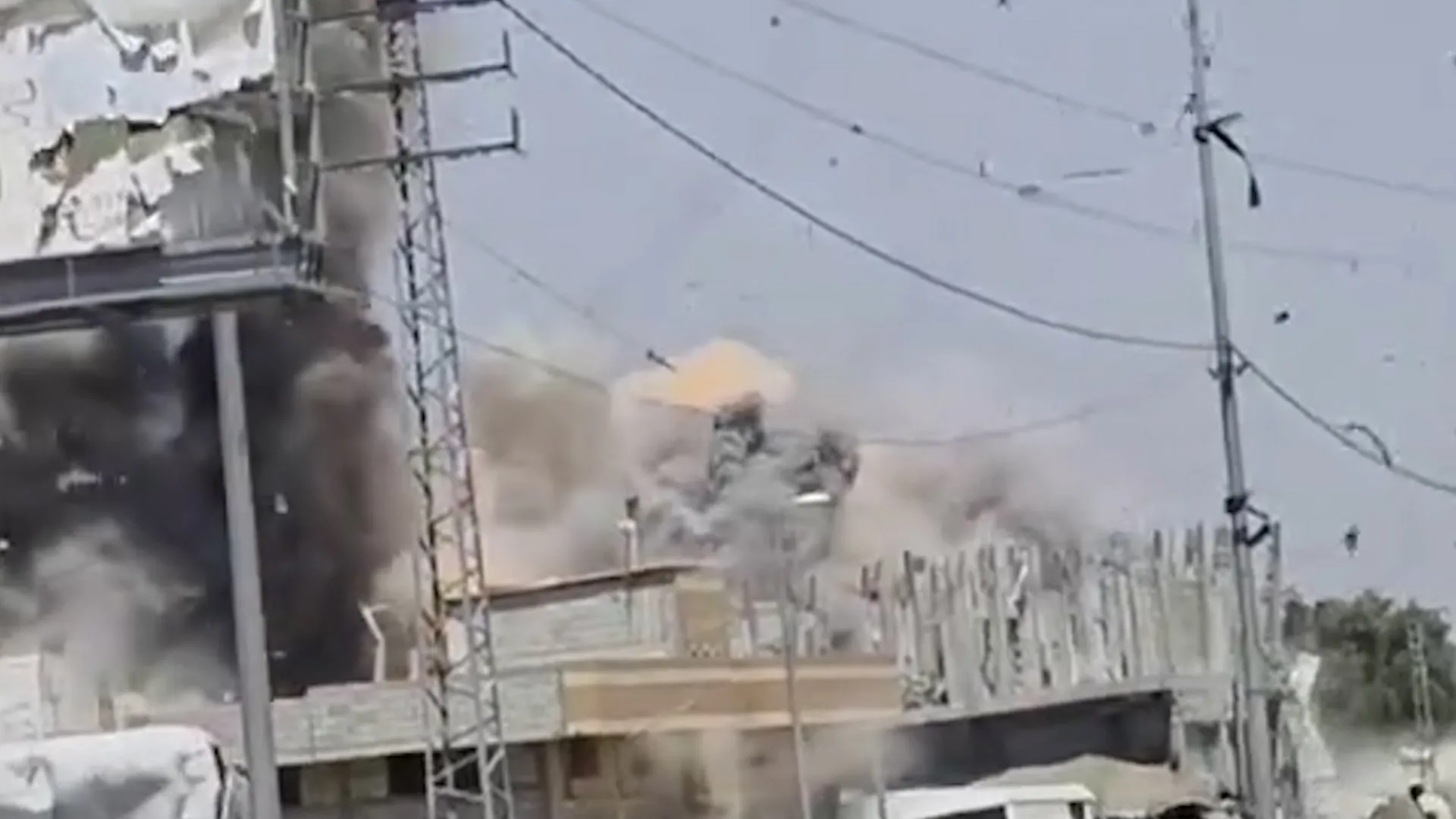
A harrowing reminder of the Gaza Strip's ongoing humanitarian and structural instability emerged this week when a multi-story building in the Tal al-Hawa district of Gaza City collapsed, resulting in at least 21 confirmed fatalities. Among those killed were eight children, according to reports from local medics and rescue teams. The collapse, which occurred in the early hours of Wednesday, serves as a grim indicator of the perilous conditions faced
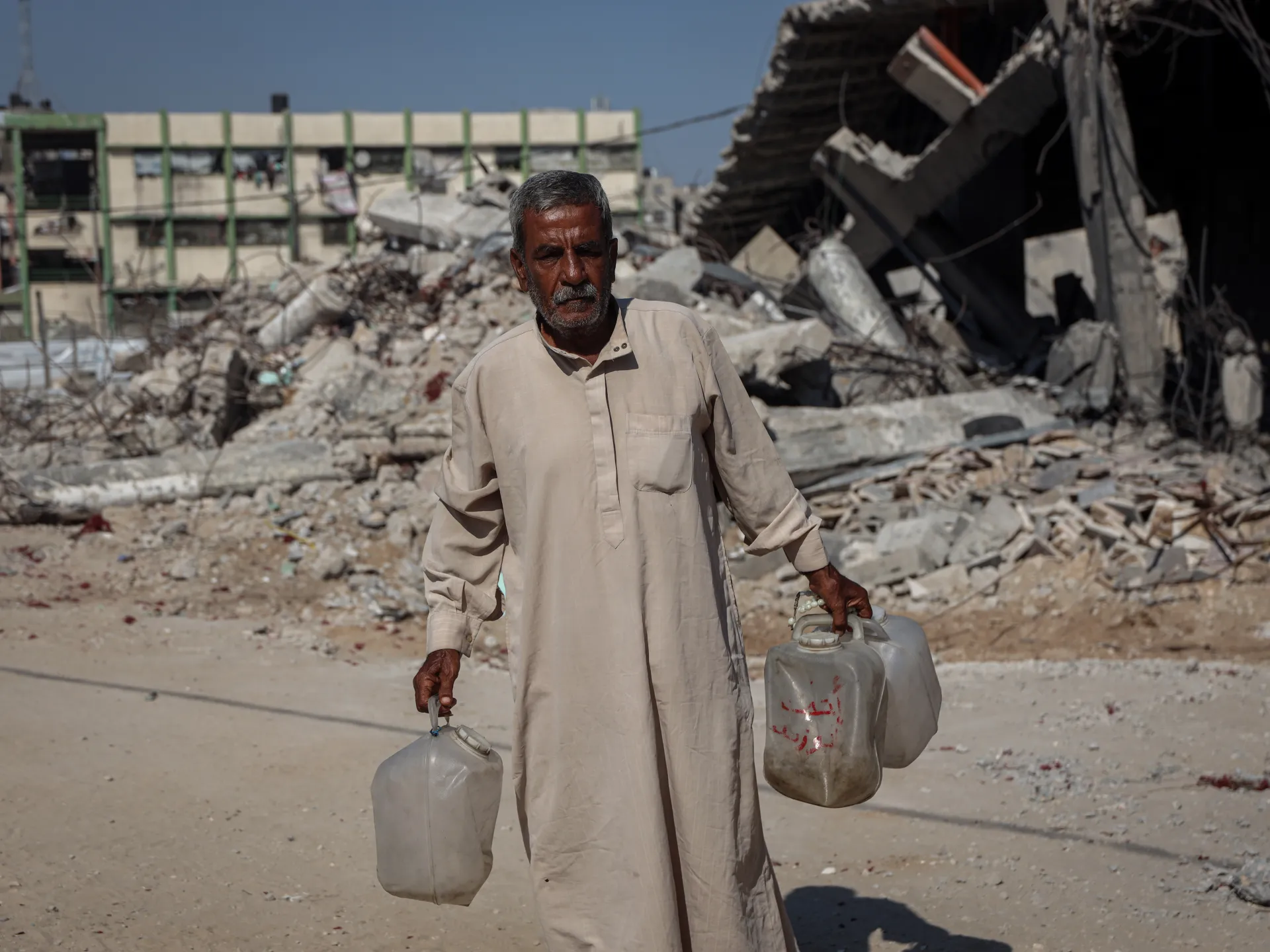
Witness accounts describe the building as having been in a precarious state for over a year following an Israeli airstrike. Despite visible structural tilting and frequent incidents of falling masonry, the desperate shortage of housing forced approximately 10 families to remain within the walls of the six-story structure. Survivors compared the sound and impact of the collapse to an earthquake, noting that the building surrendered to gravity within seconds, leaving residents nearby in a state of shock and surrounded
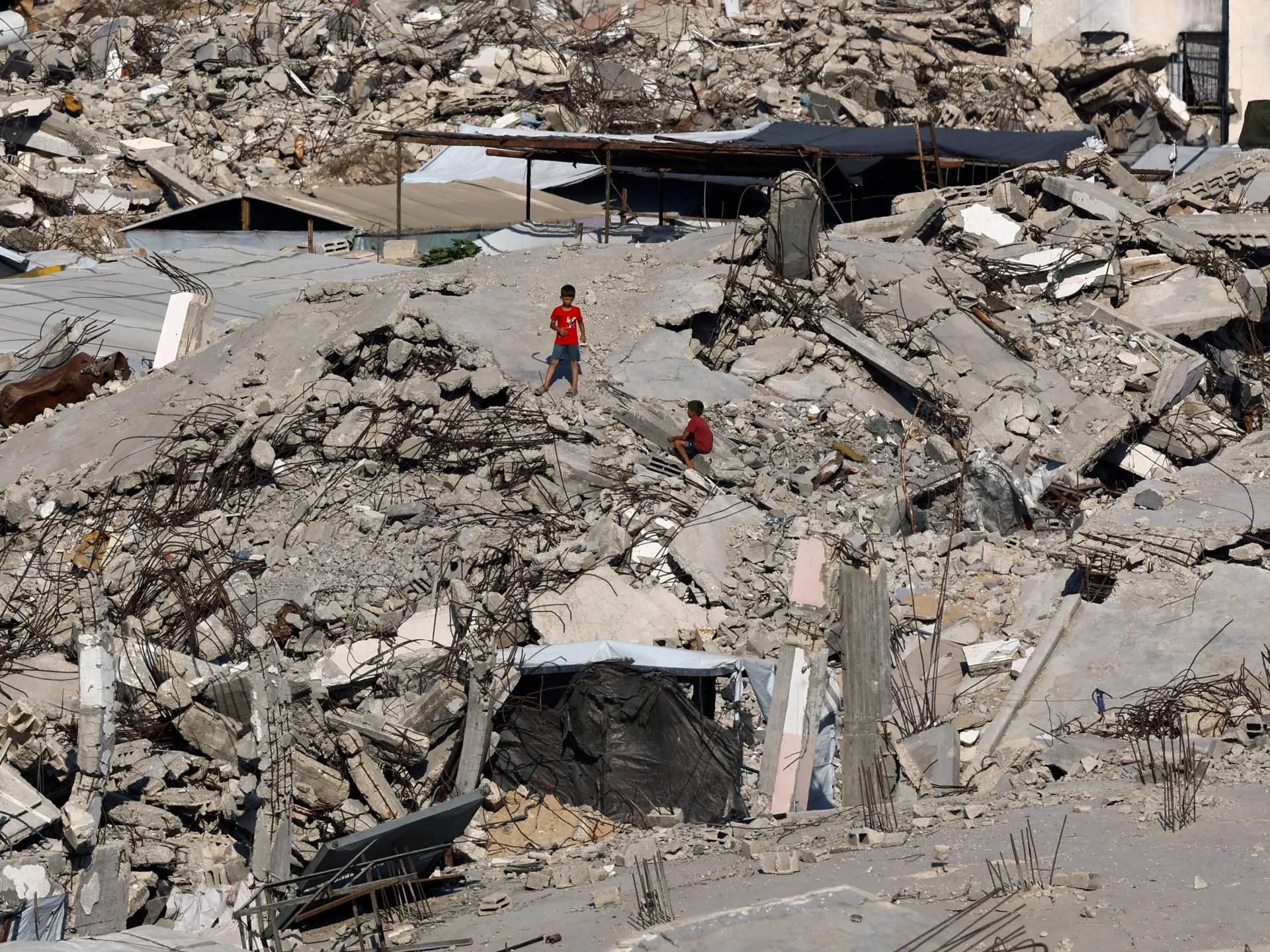
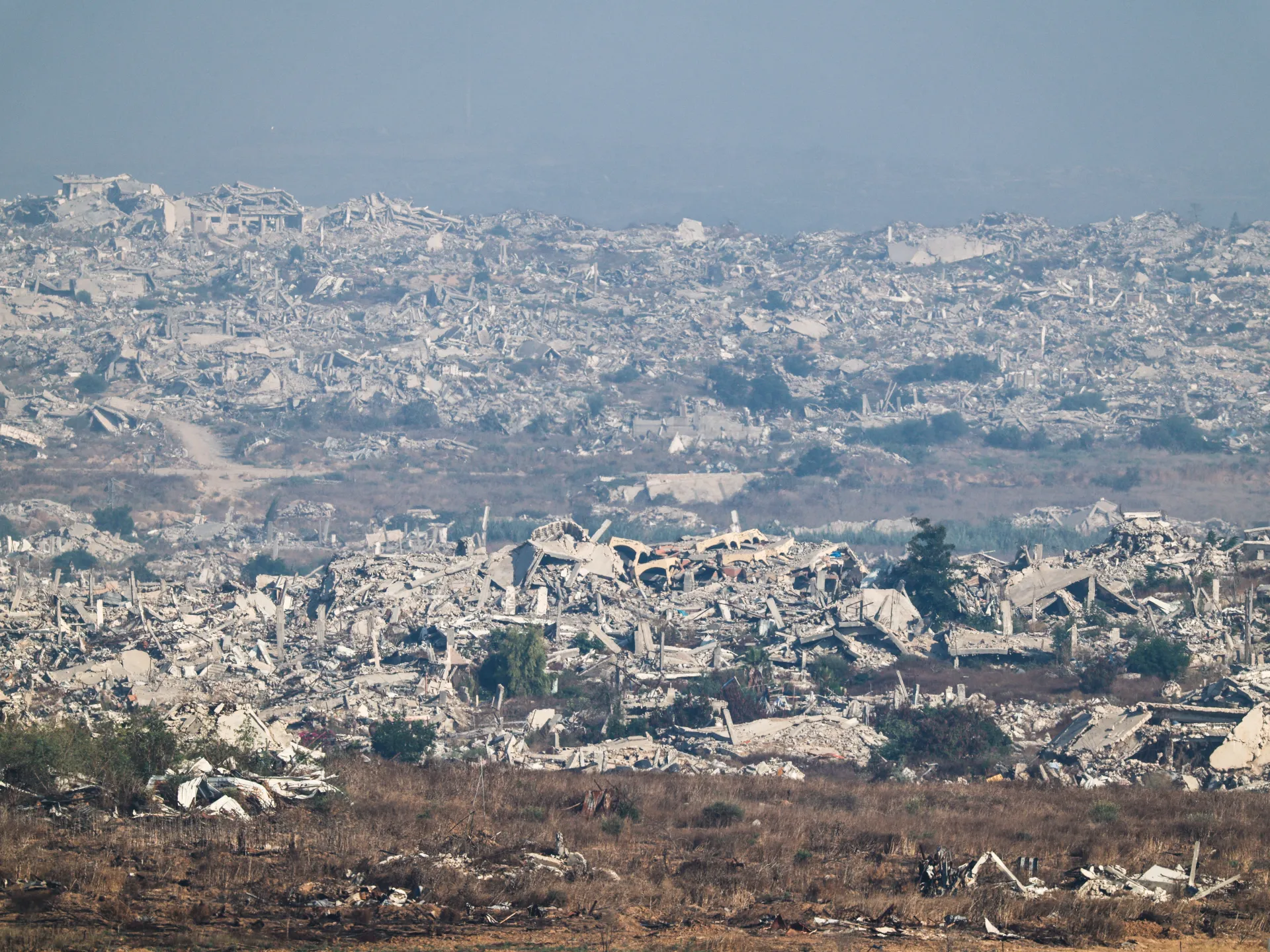
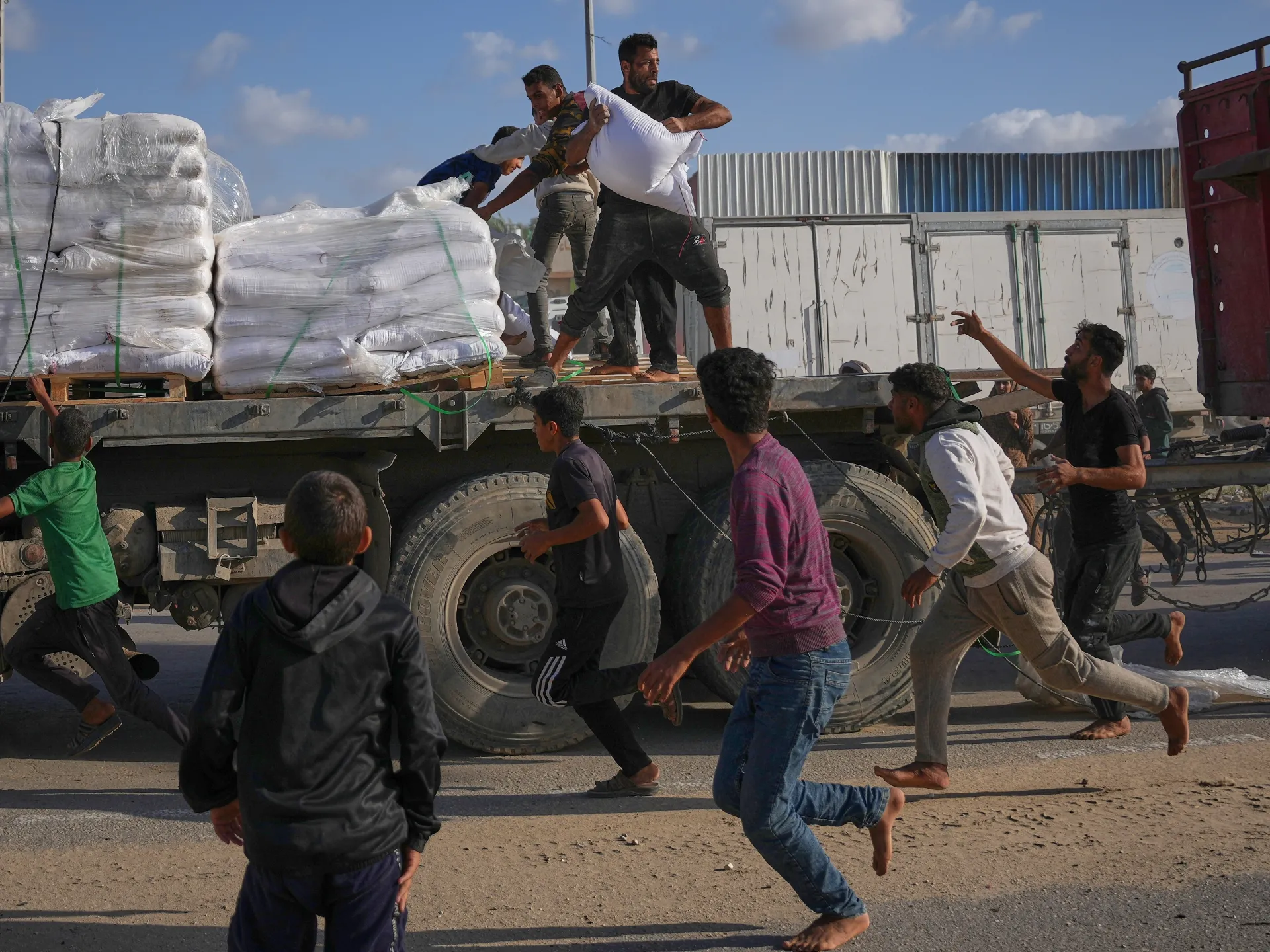
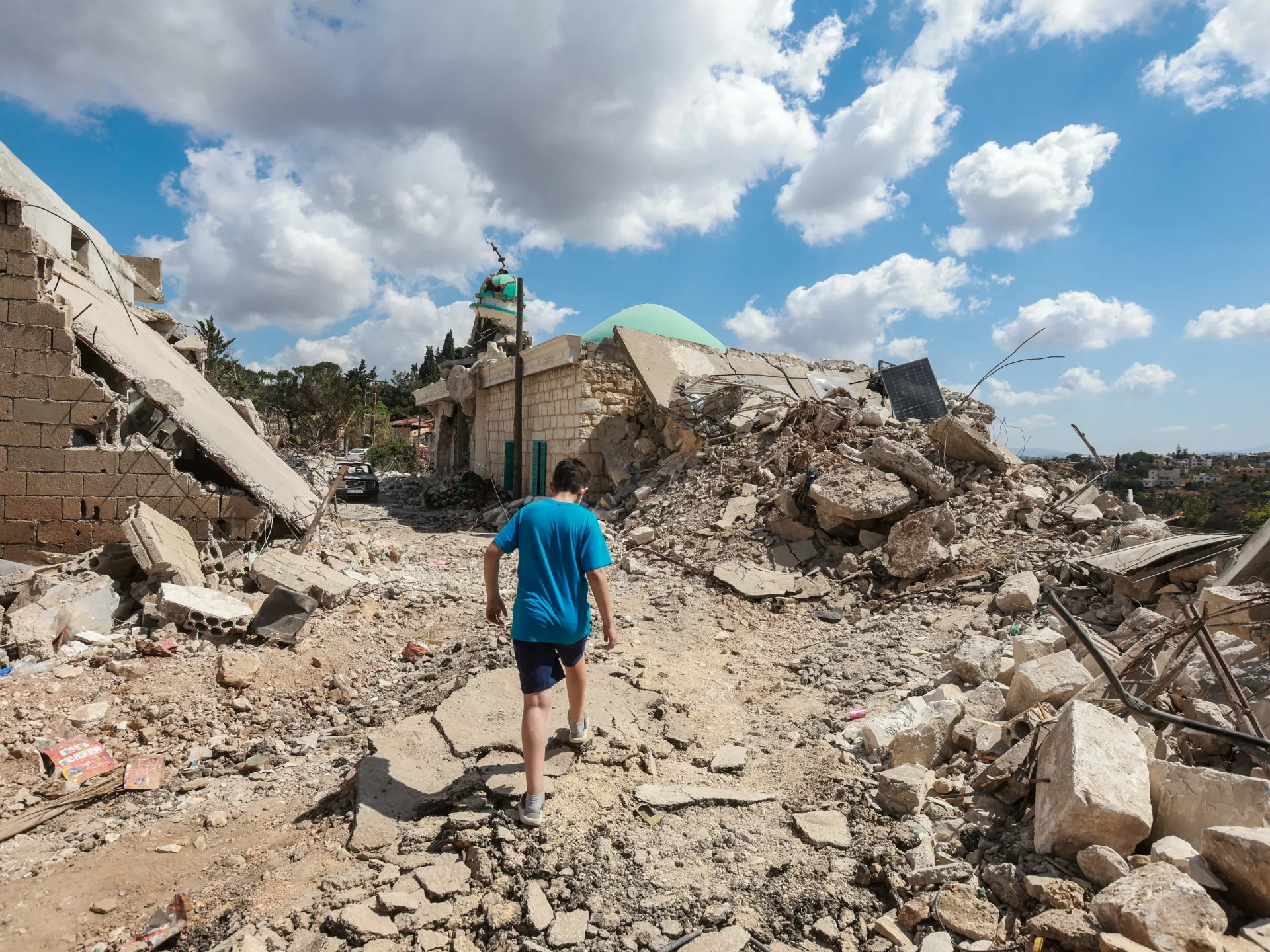
The tragedy in Tal al-Hawa is not an isolated incident but a microcosm of a broader, looming catastrophe. The United Nations Development Programme (UNDP) has issued a dire warning that approximately 400 other war-damaged buildings across the Gaza Strip are currently at risk of sudden collapse. As winter approaches, the integrity of these structures—already weakened his reality highlights a critical gap in humanitarian aid, which has focused heavily on food and medical supplies, often overlooking the massive logistical need for heavy machinery and engineering equipment required to clear debris or safely demolish condemned structures.
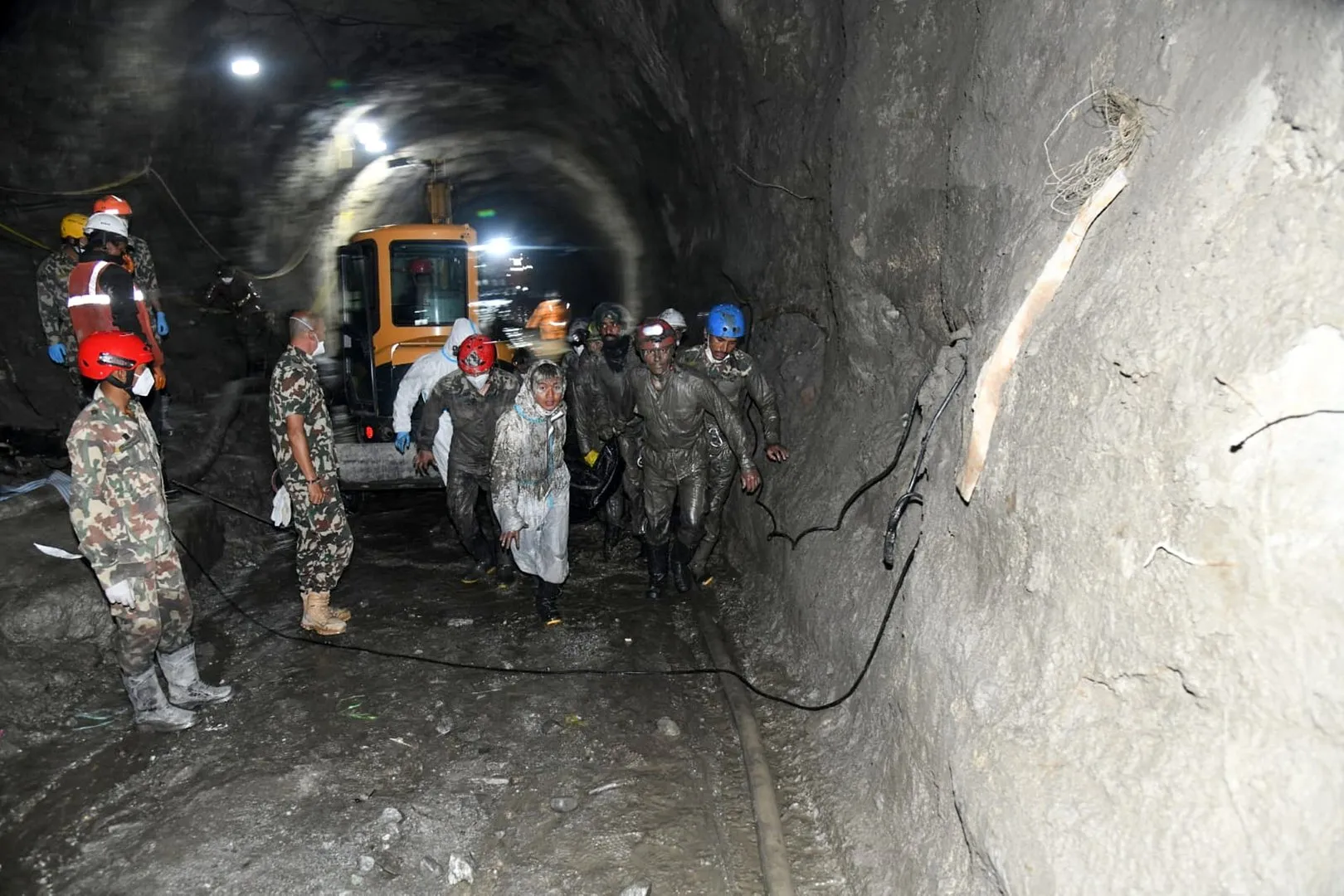
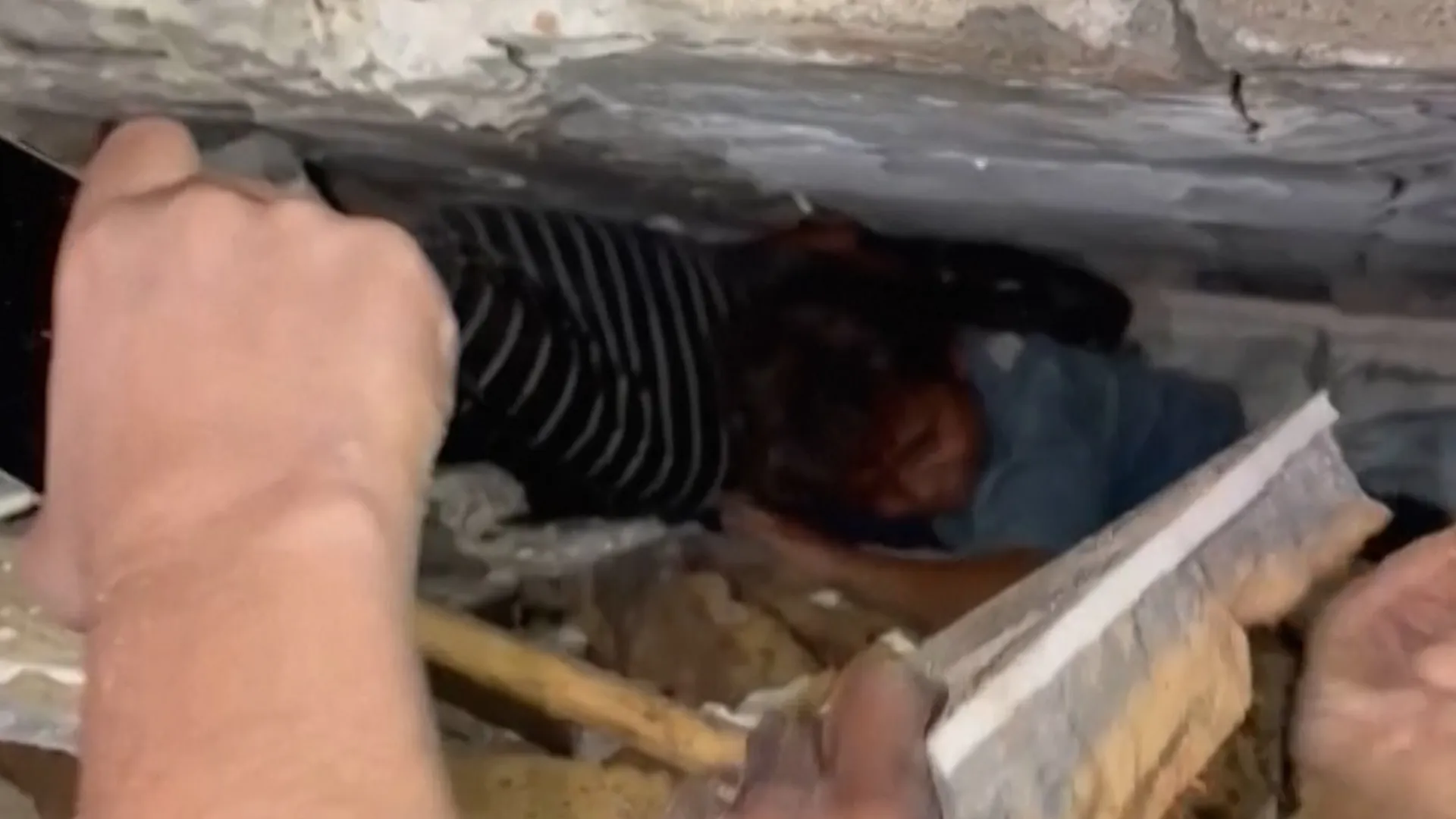
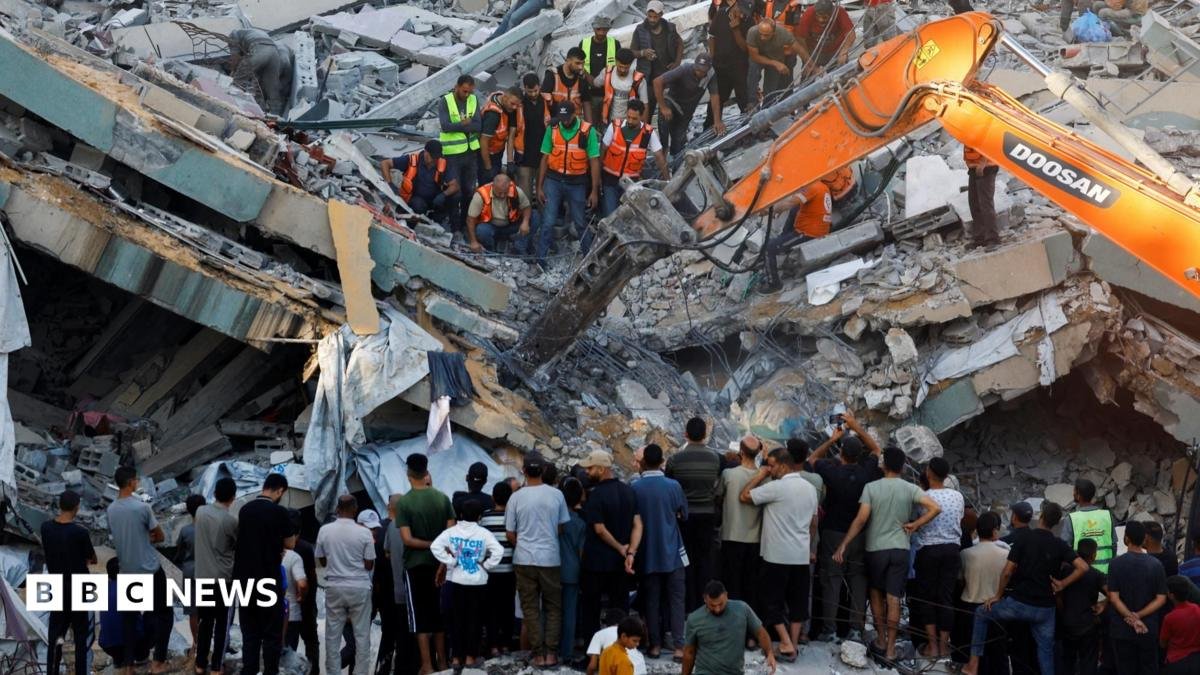
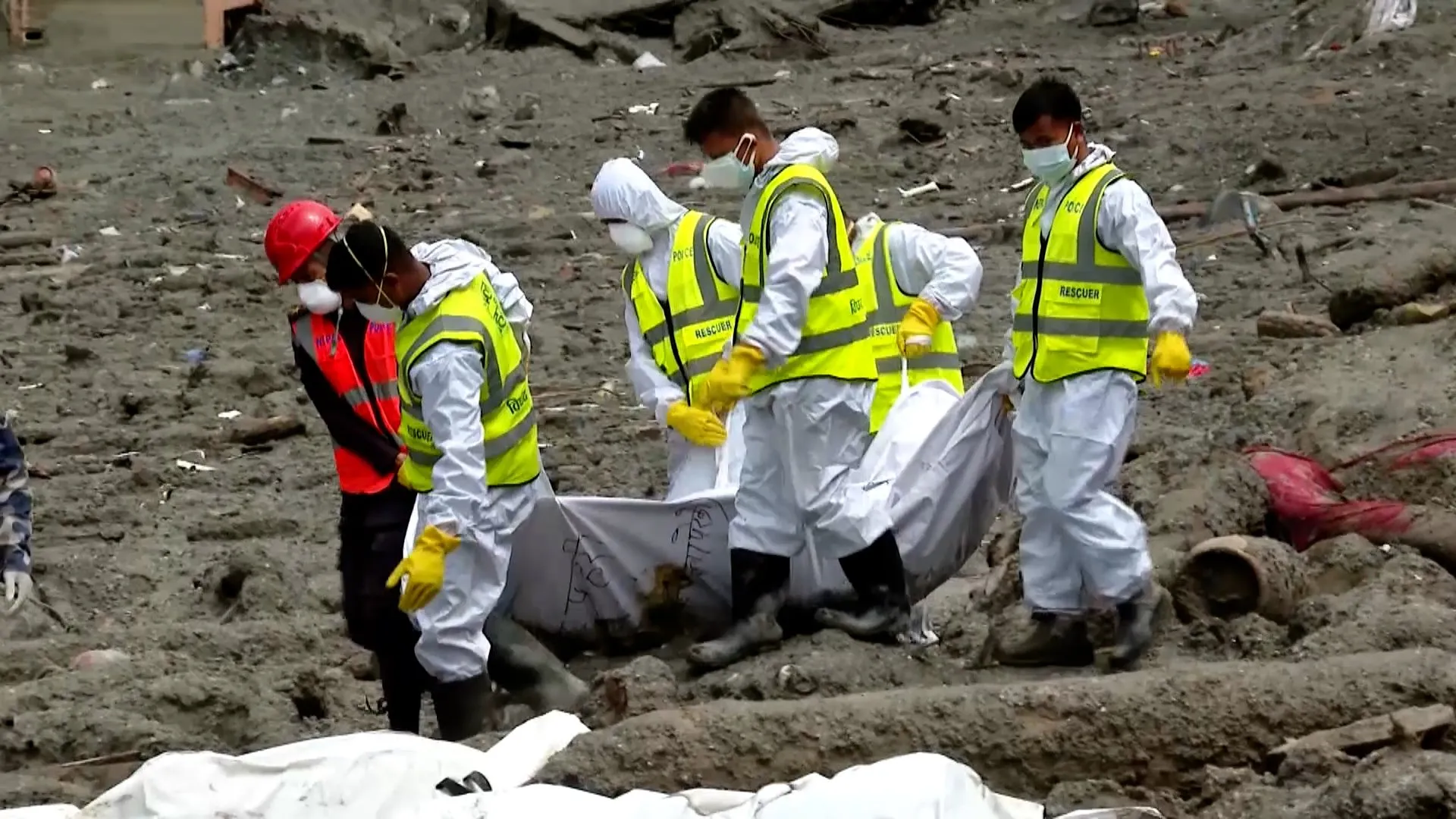
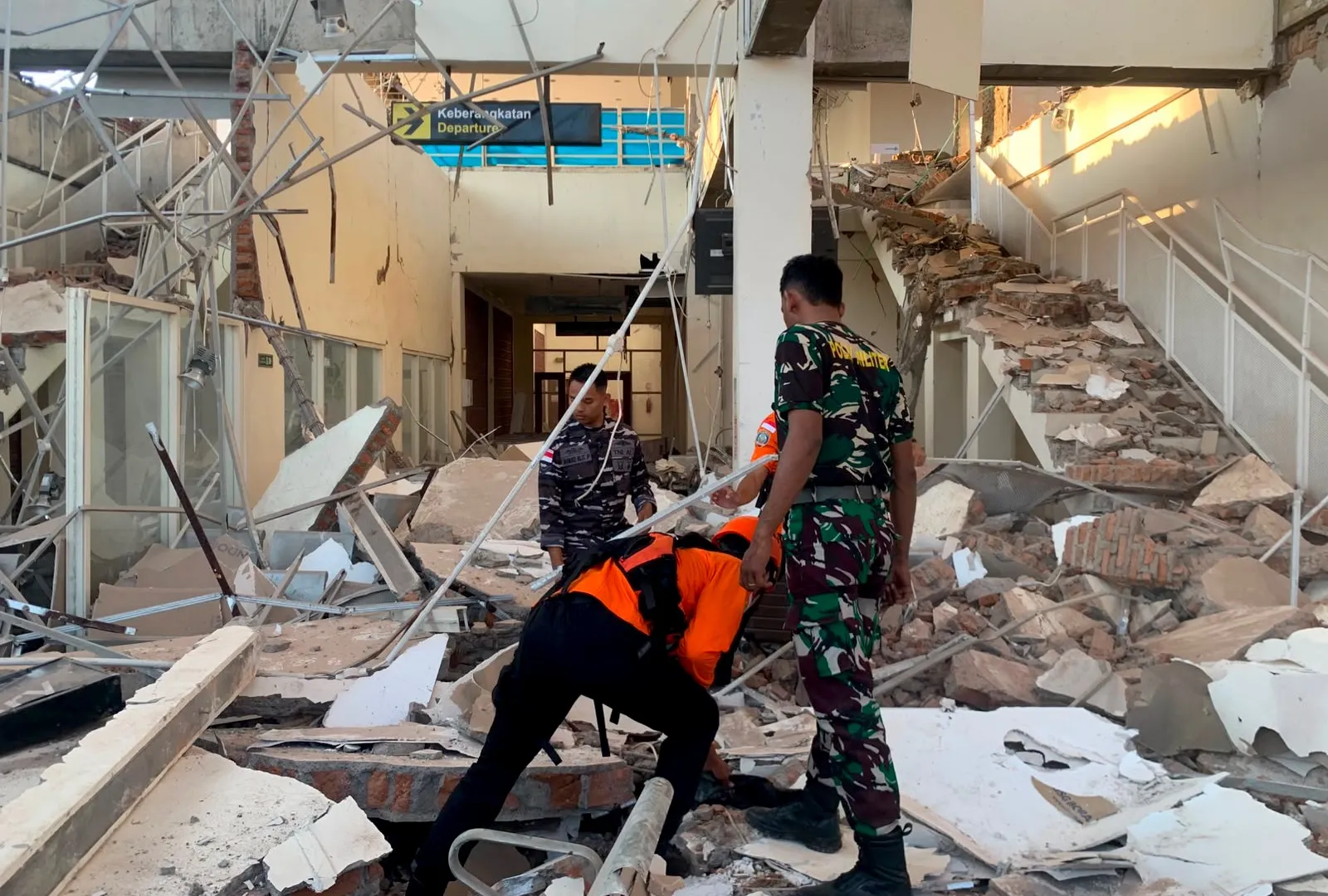
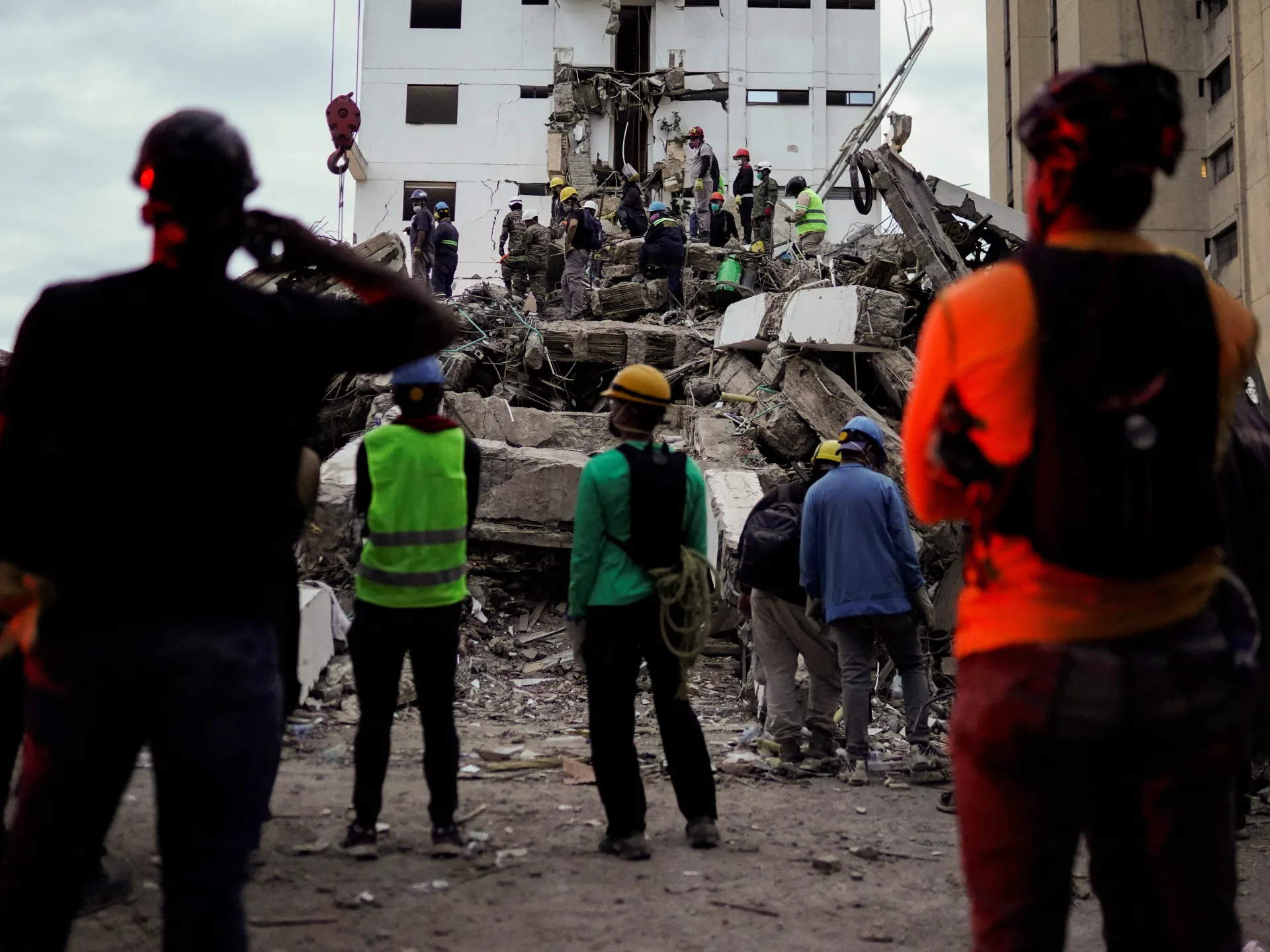
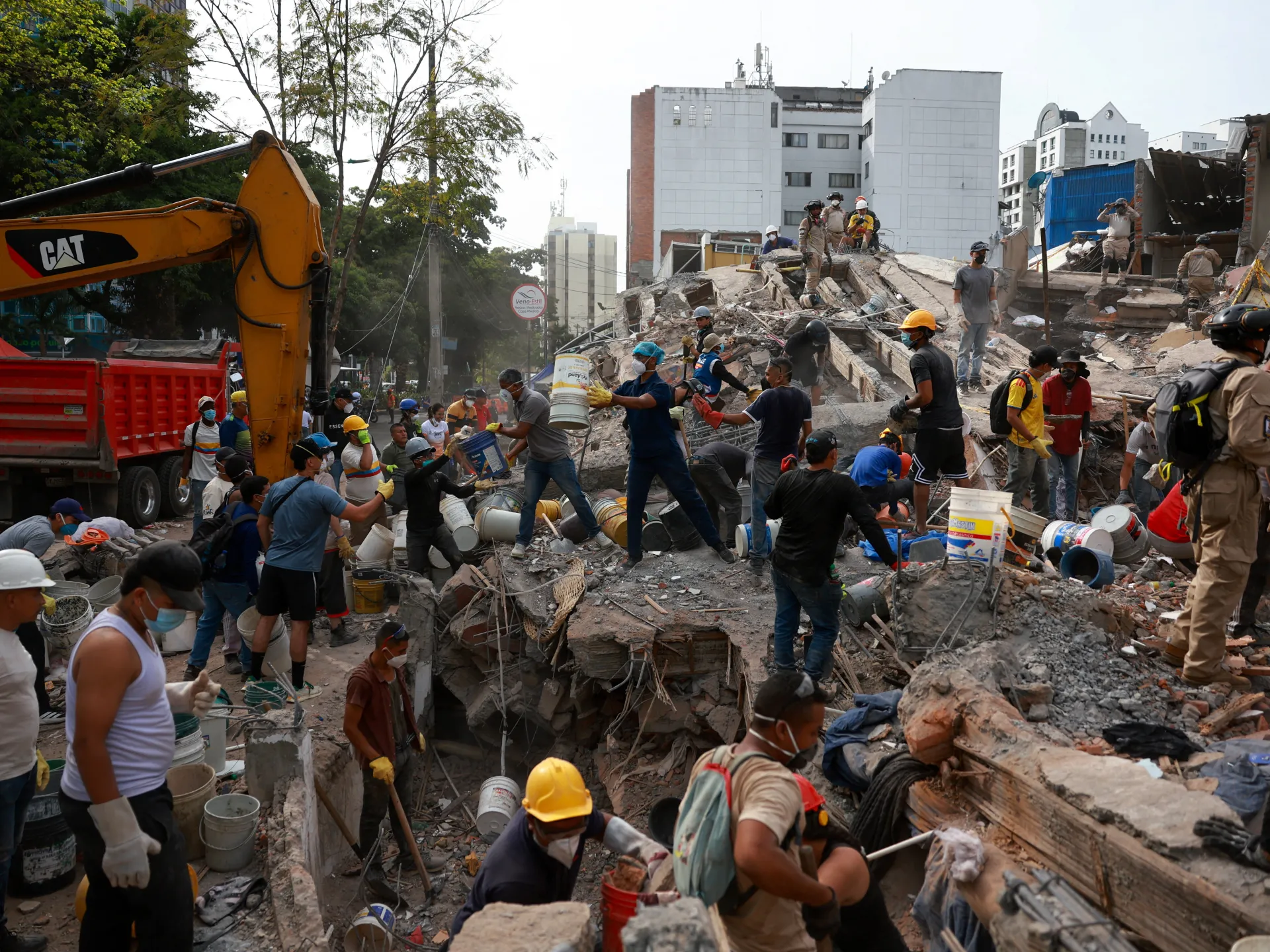
The aftermath of the collapse saw a desperate scramble for survivors, hampered severely initially forced to rely on their bare hands to sift through the rubble, a process that significantly slowed the recovery of survivors. While UN and Egyptian teams eventually arrived to assist, the operation remained constrained urban search and rescue.
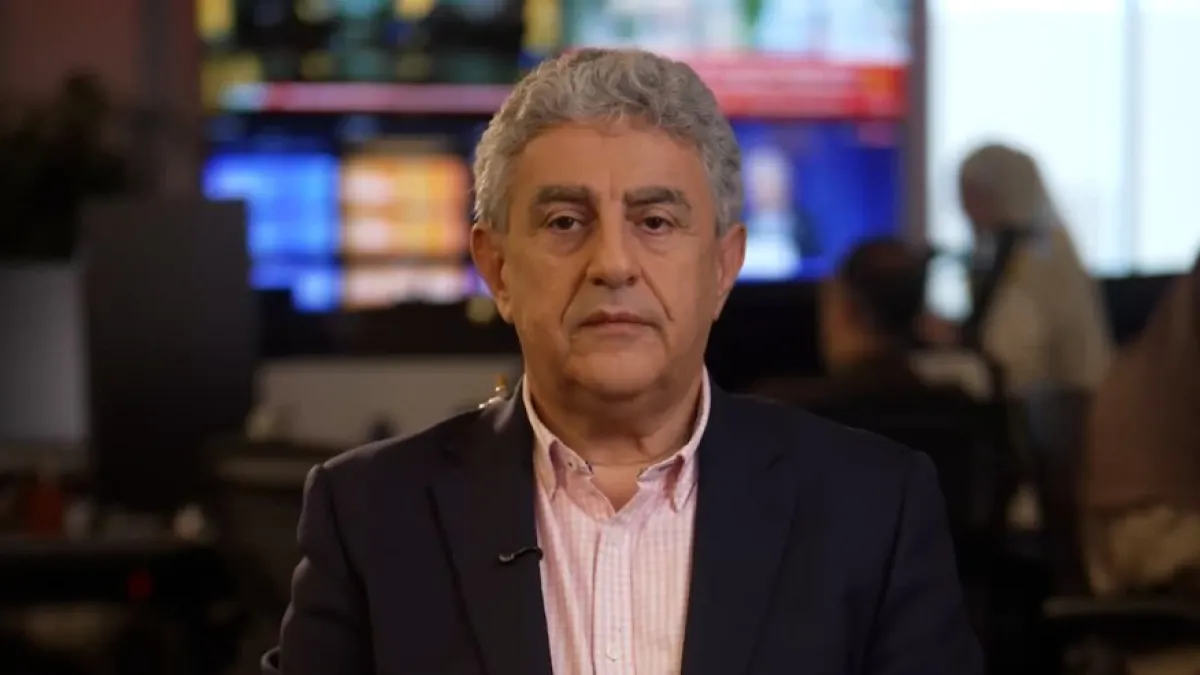
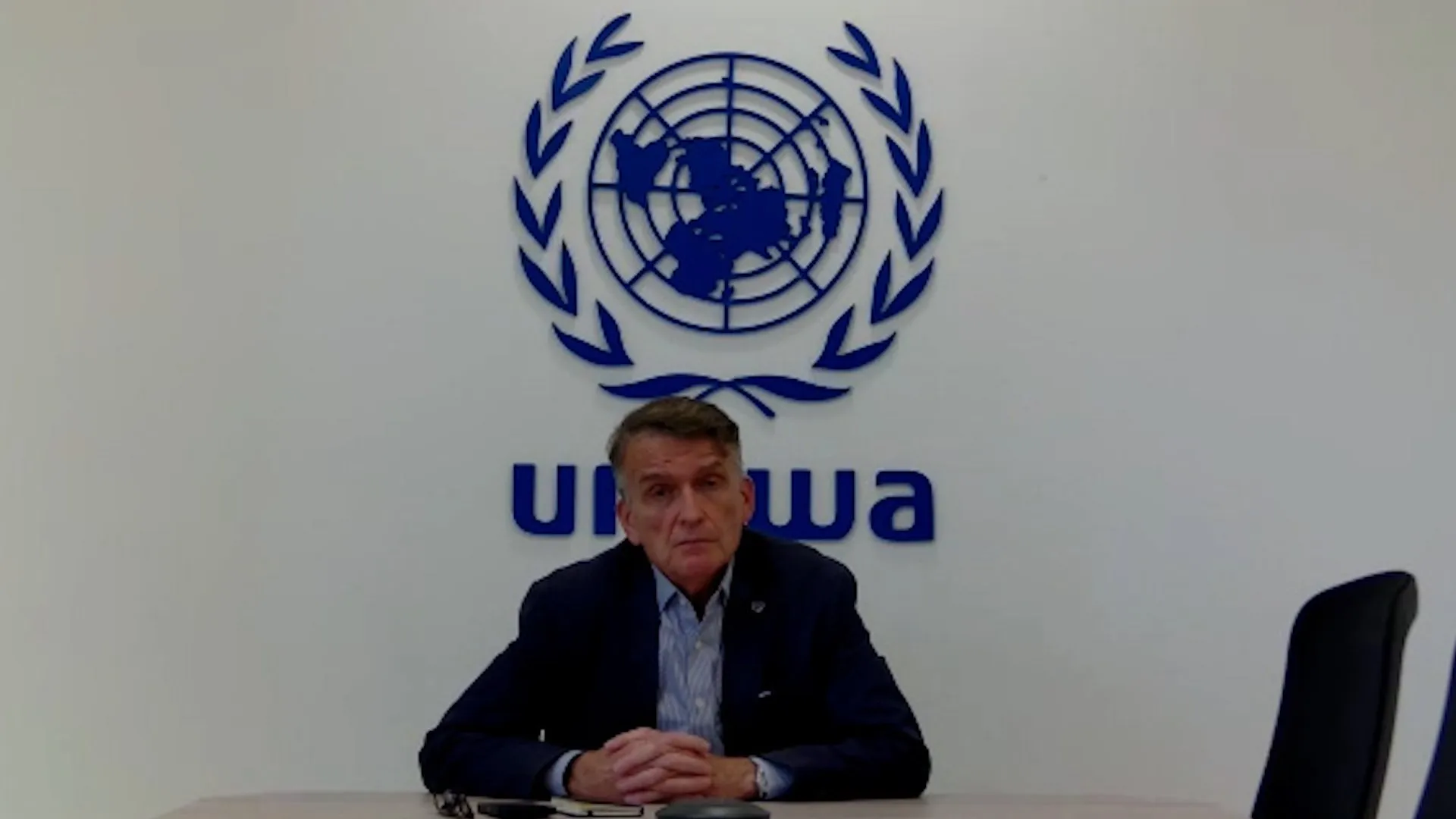
Alessandro Mrakic, head of the UNDP Gaza office, underscored the severity of the situation at the scene, stating that the inability to perform systematic, safe deconstruction is a direct result of the blockade on essential machinery. He noted that even existing equipment in the region is currently sidelined due to a total lack of engine oil and mechanical components. transported to local medical facilities, though the loss of life remains a sobering reminder of the hazards inherent in the region’s current living conditions.
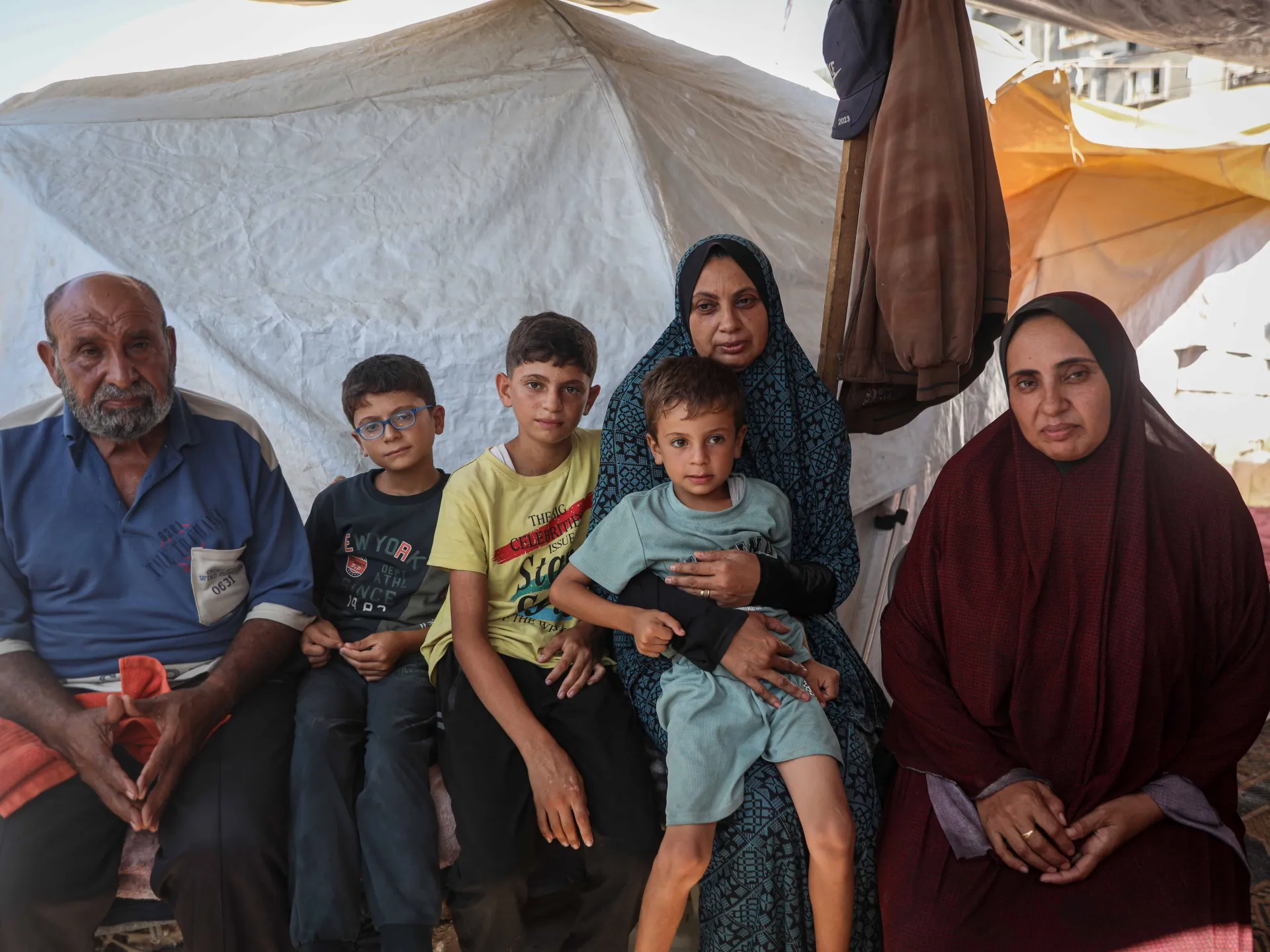
The immediate outlook involves a heightened risk of further structural failures as seasonal weather patterns intensify. Without a significant influx of heavy industrial equipment and engineering expertise, humanitarian organizations anticipate that the death toll from building collapses could rise. The focus for international aid groups is expected to shift toward identifying the most hazardous structures, though they face the difficult task of convincing displaced families to leave the only shelter they have access to. The event has reignited calls for the international community to prioritize the delivery of construction-related aid, emphasizing that the physical environment in Gaza is becoming increasingly uninhabitable for its remaining population.