Massive disruptions crippled the Dutch railway network this week as saboteurs placed debris on tracks, sparking investigations into potential links to agricultural protests.
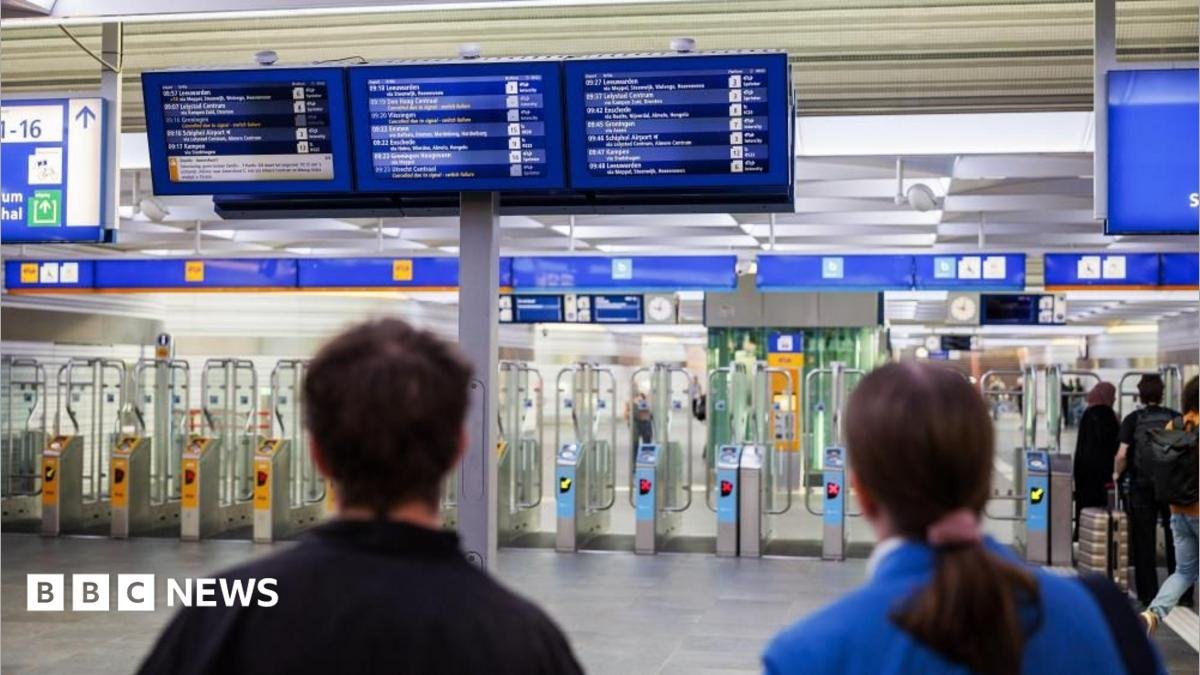
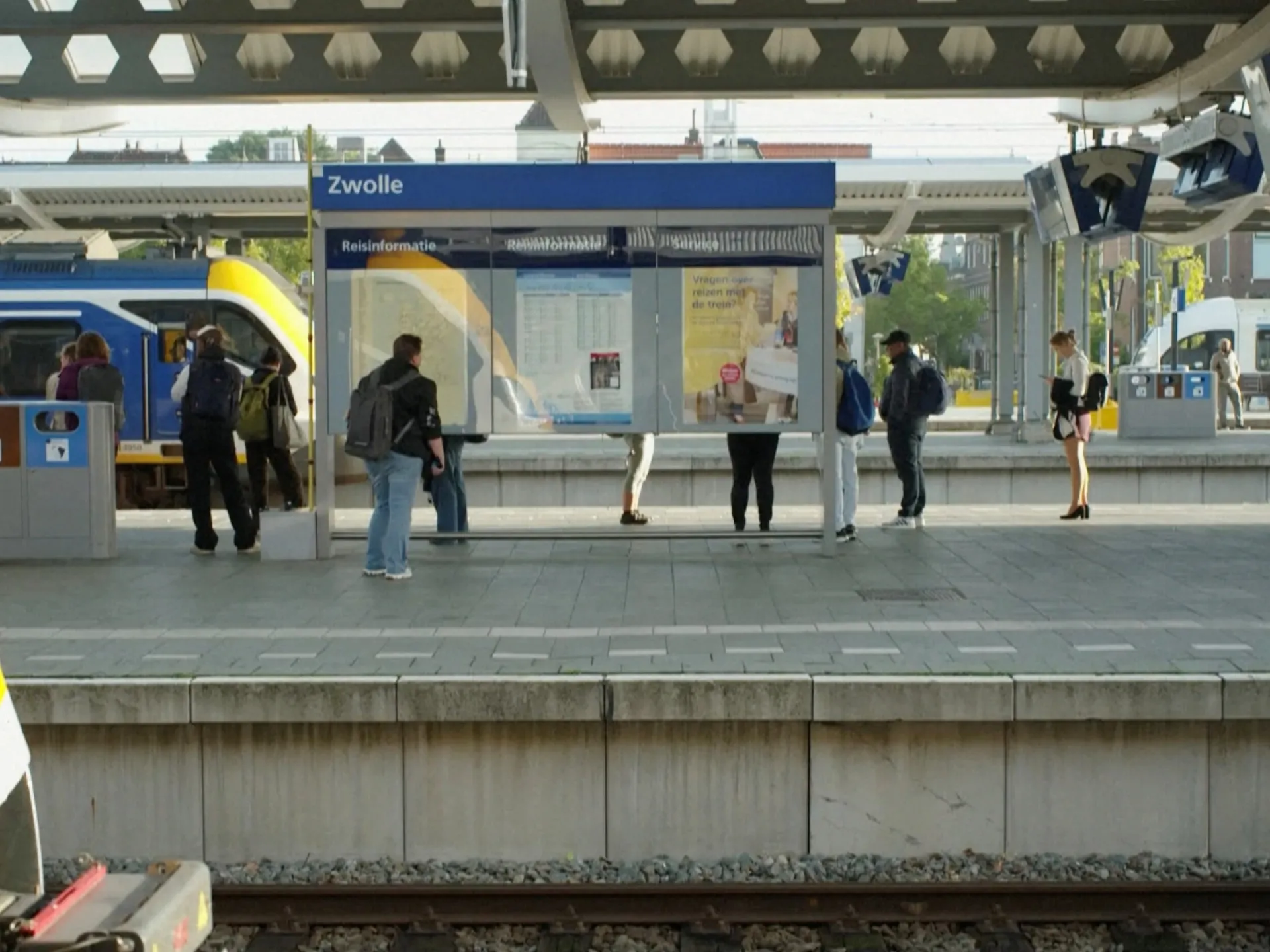
Commuters across the Netherlands faced significant travel chaos on Tuesday as the nation’s railway infrastructure was targeted still in the central and northern regions, leaving hundreds of thousands of passengers stranded or facing extensive delays. The disruption originated from the unauthorized placement of various materials, including pipes and cables, directly onto railway tracks.
ProRail, the organization responsible for managing the country’s rail infrastructure, officially confirmed the incident as a coordinated act of sabotage. According to the operator, these obstructions triggered widespread signal failures. The presence of foreign objects on the tracks misled the automated signaling system into detecting a phantom train, which automatically forced signals to red as a safety precaution. This effectively locked down segments of the network to prevent movement.
Interim CEO of ProRail, Mirjam van Velthuizen, emphasized the fragility of the nation's transportation systems in the face of such targeted interference. She highlighted the urgent need for enhanced contingency planning and increased investment in infrastructure resilience. While the disruption was massive, officials confirmed that no injuries were reported, noting that the incident was a dangerous escalation that could have resulted in much more severe consequences for passengers and crew.
Although official investigations are ongoing and no specific group has claimed responsibility, speculation has centered on agricultural protest movements. Dutch media outlets reported that prior to the disruption, there were online discussions among certain farmer groups regarding the potential for direct action against national infrastructure. These reports have drawn immediate scrutiny toward the agricultural sector, which has been engaged in long-standing disputes with the government over environmental policy.
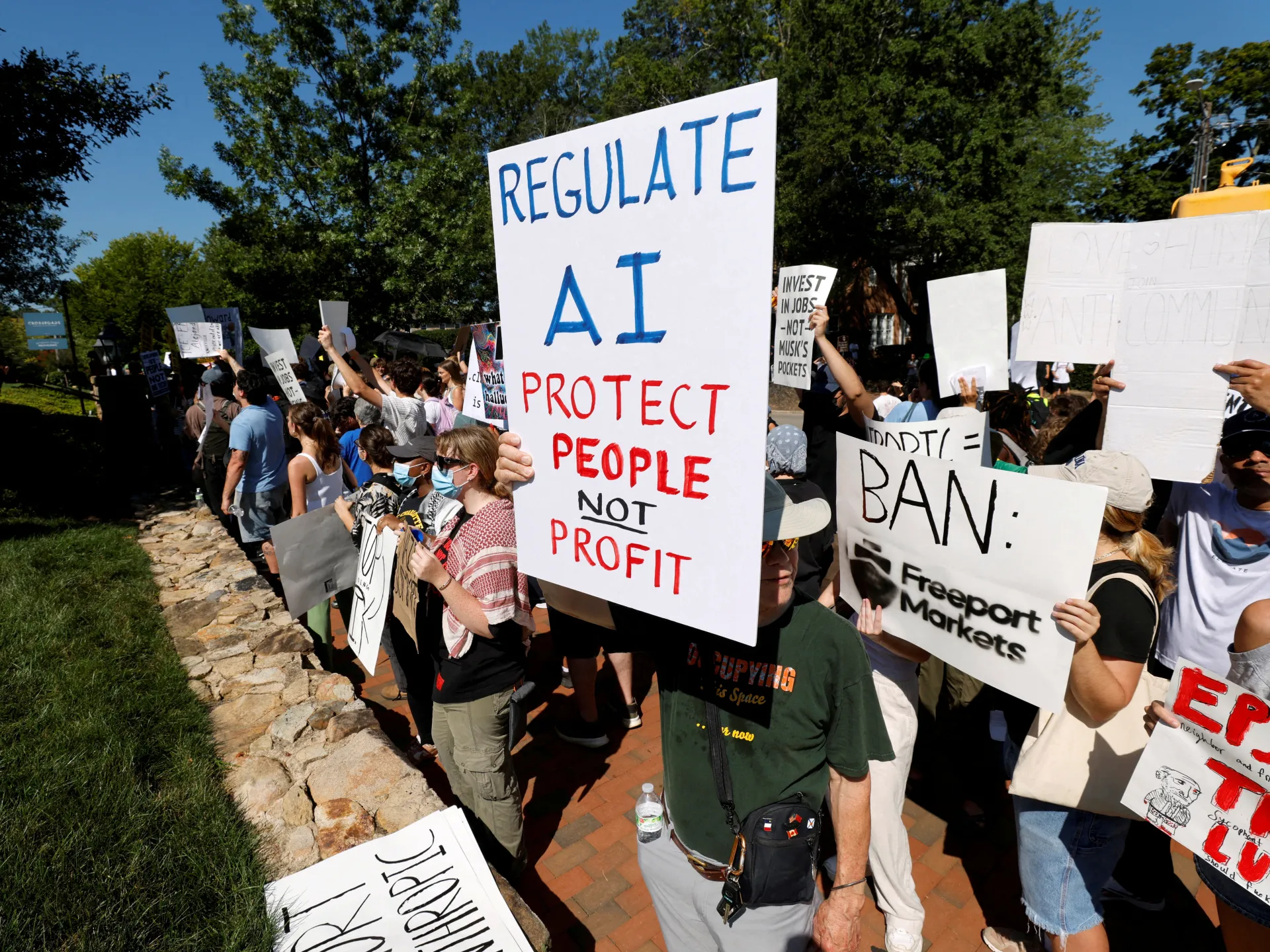
The Farmers Defence Force (FDF), a prominent advocacy group, has officially denied involvement in the railway sabotage. However, the organization did not rule out the possibility that individual farmers might have acted independently. The group simultaneously confirmed that its members were involved in other protest activities across the country, including the lighting of hay bales and car tires along roadways to coincide with Prinsjesdag, the annual national budget day.
The tension stems from government-mandated policies requiring farmers to significantly reduce nitrogen emissions. Agricultural workers argue that these regulations are unfairly punitive and threaten the viability of their livelihoods. While the government has pledged financial compensation to assist those impacted rastically increase operational costs, fueling a sense of desperation that some believe may be manifesting in civil disobedience.
Targeting railway infrastructure is a tactic often employed rom the Mineta Transportation Institute indicates that while derailments are intended to cause physical harm, attacks on signaling and track equipment are primarily designed to cause economic and social disruption. Because railway networks are expansive and difficult to secure fully, they remain a vulnerable target for those looking to force their political grievances into the public eye.
Historically, Europe has seen various groups utilize such methods to protest environmental policies or industrial practices. In recent months, other parts of Western Europe have experienced similar incidents. Authorities in France are investigating a recent derailment in Normandy suspected to be linked to sabotage, and in Germany, radical groups have previously claimed responsibility for placing incendiary devices on rail lines to protest industrial technology.
These incidents underscore a growing trend in which public transport infrastructure is treated as a lever for political leverage. As investigators continue to process evidence from the more than 20 locations where materials were recovered in the Netherlands, the incident serves as a stark reminder of the ease with which critical national infrastructure can be compromised. For now, the focus remains on restoring full service and identifying the individuals responsible for the coordinated interference.