

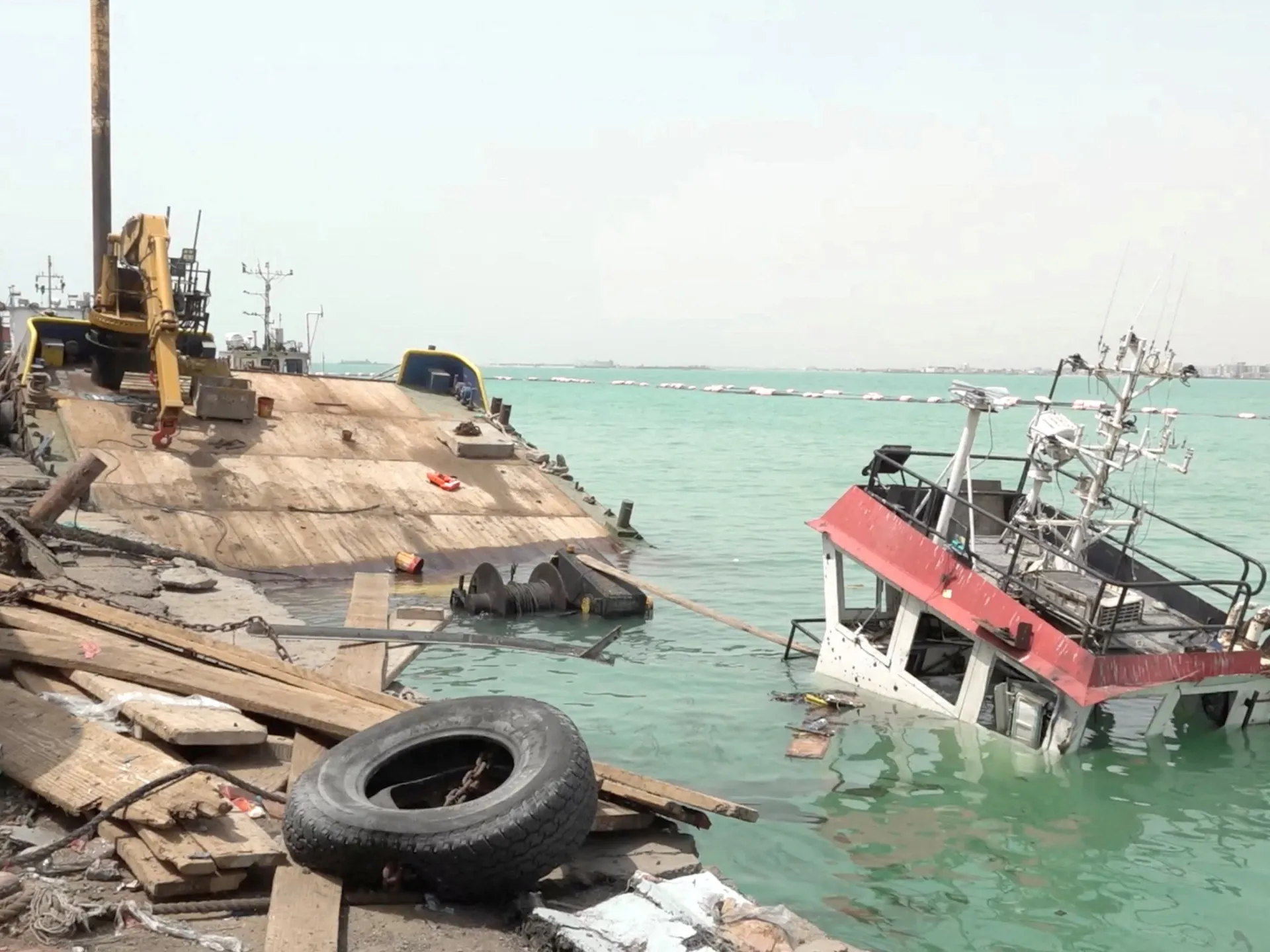
A sudden surge in Houthi attacks on government sites and commercial shipping has sparked concerns that Yemen could return to full-scale war.
Yemen is facing a precarious moment as a surge in Houthi-led attacks threatens to dismantle the 2022 truce that had significantly curtailed large-scale hostilities. After years of relative, albeit fragile, calm following the onset of conflict in 2014, the recent uptick in violence is stoking fears of a return to all-out war. This escalation does not occur in a vacuum; it is deeply intertwined with the broader geopolitical tensions spreading across the Middle East, particularly involving regional powers and international shipping corridors.
The latest wave of aggression has targeted both civilian infrastructure and military installations. Houthi forces have conducted strikes on the government-held port of al-Makha (Mocha) and launched drone and rocket attacks against Yemeni government military sites in the eastern part of the country. These military engagements have already resulted in significant casualties, including dozens of government soldiers. Furthermore, the targeting of a commercial vessel in the Bab al-Mandeb Strait, which resulted in multiple fatalities, underscores the increasing threat to international maritime security.
The Bab al-Mandeb Strait serves as a vital maritime artery connecting the Red Sea to the Gulf of Aden and the Indian Ocean. For Saudi Arabia, this route has become increasingly critical as conflicts elsewhere, such as those impacting the Strait of Hormuz, have forced the kingdom to rely more heavily on its Red Sea infrastructure. The Houthis’ willingness to disrupt these shipping lanes has prompted a strategic pivot in Riyadh’s approach, moving away from previous de-escalation efforts toward a more proactive security posture.
In response to these threats, Saudi Arabia has spearheaded the formation of a new international alliance dedicated to safeguarding Red Sea shipping. The move reflects a broader realignment of regional security, characterized partners like Pakistan and Turkiye. Analysts suggest that the Saudis have concluded that the policy of accommodation toward the Houthi movement is no longer viable, leading to a shift in focus toward securing coastal areas and protecting critical energy transit routes.
The current instability is inextricably linked to the ongoing confrontation between Iran and the United States. As a key member of the so-called “axis of resistance,” the Houthis have consistently aligned their operations with Iranian strategic objectives. There are reports that the group has positioned weaponry, including missiles and drones, in high-altitude areas overlooking the Bab al-Mandeb Strait, potentially serving as a deterrent or a tool for blockade should the broader regional conflict intensify.
While the Houthis frame their actions as a response to perceived threats from the Yemeni government and its Saudi backers, experts point out that the group is also attempting to shape the battlefield on their own terms. f government forces, which have recently made strides in unifying their command structures and improving their aerial defense and strike capabilities. This tactical maneuvering suggests that the Houthis are preparing for a potential ground confrontation, even as the international community urges restraint.
Despite the military posturing, the prospect of a full-scale ground invasion remains a complex and dangerous proposition. Yemen’s rugged, mountainous geography has historically proven to be a significant obstacle for any occupying force, and there is little appetite among regional players for a return to a prolonged, costly war of attrition. However, the lack of a comprehensive political settlement leaves the door open for continued, intermittent violence that could easily spiral out of control.
Ultimately, it is the civilian population of Yemen that bears the highest toll of this instability. Having endured one of the most severe humanitarian crises since the Second World War, the country remains in a state of profound vulnerability. Further military escalation threatens to undo the limited progress made in recent years, potentially plunging millions back into a cycle of displacement, food insecurity, and economic collapse. The international community now faces the challenge of curbing these escalations before the fragile situation shifts into an irreversible humanitarian catastrophe.