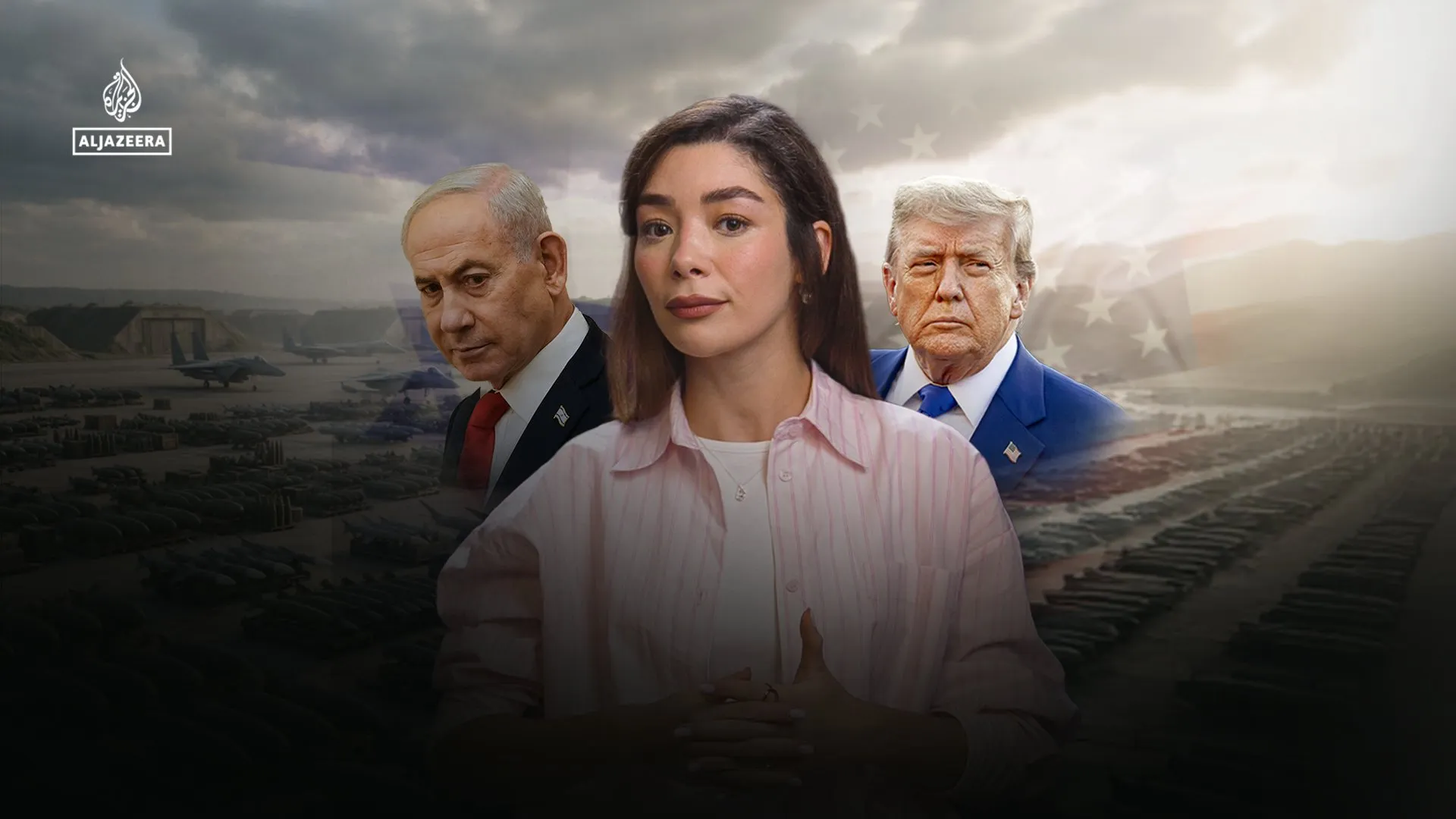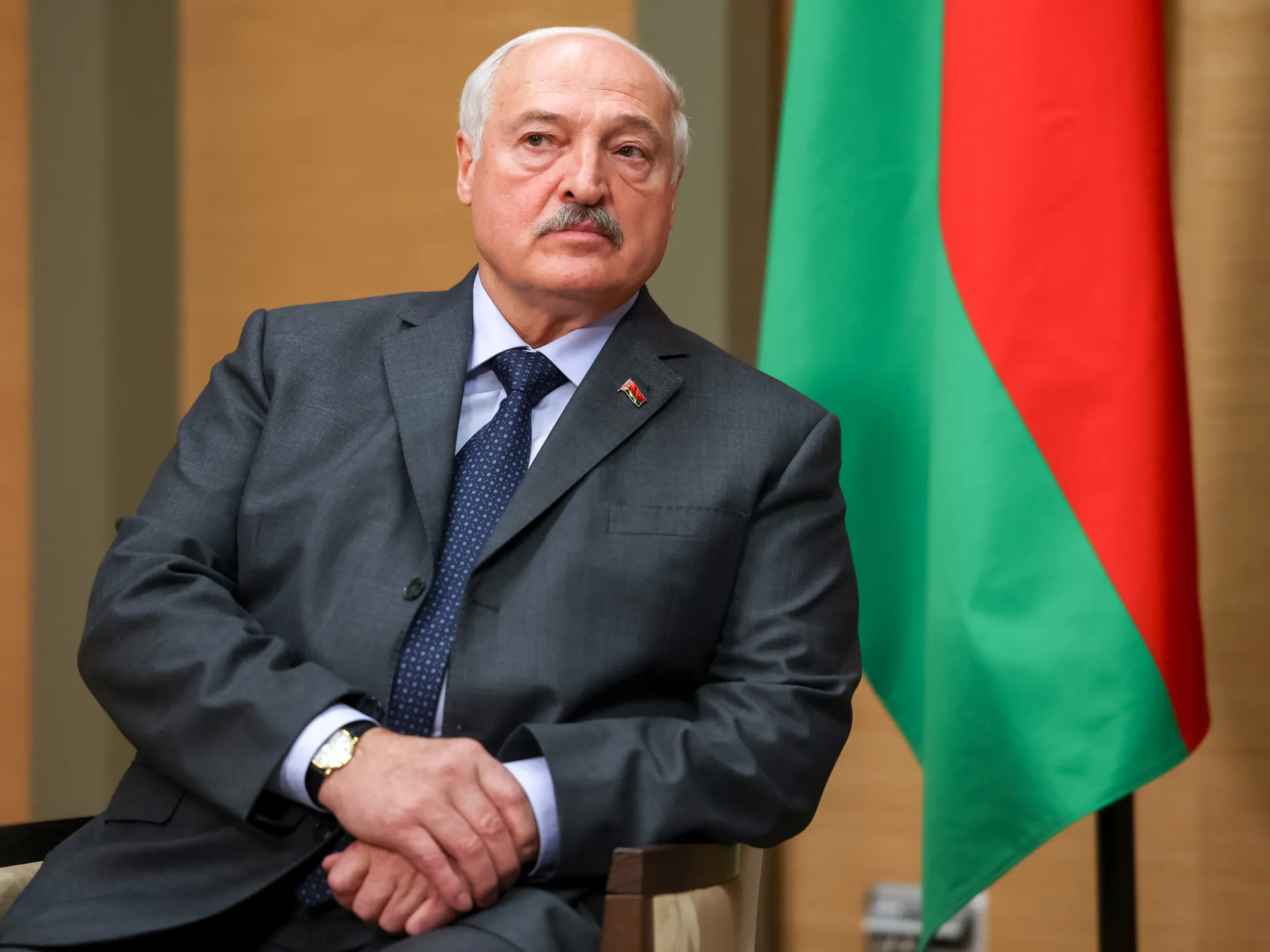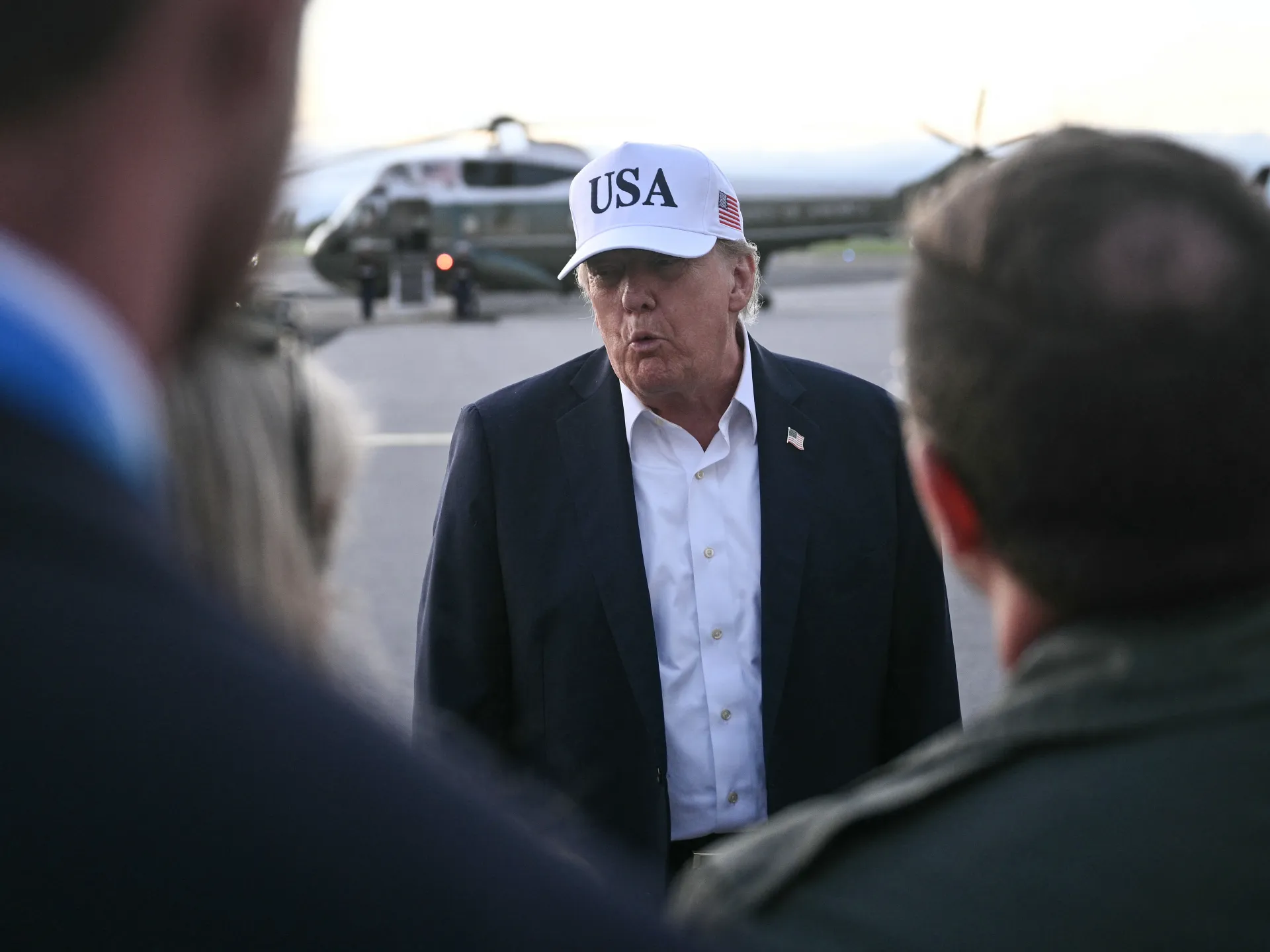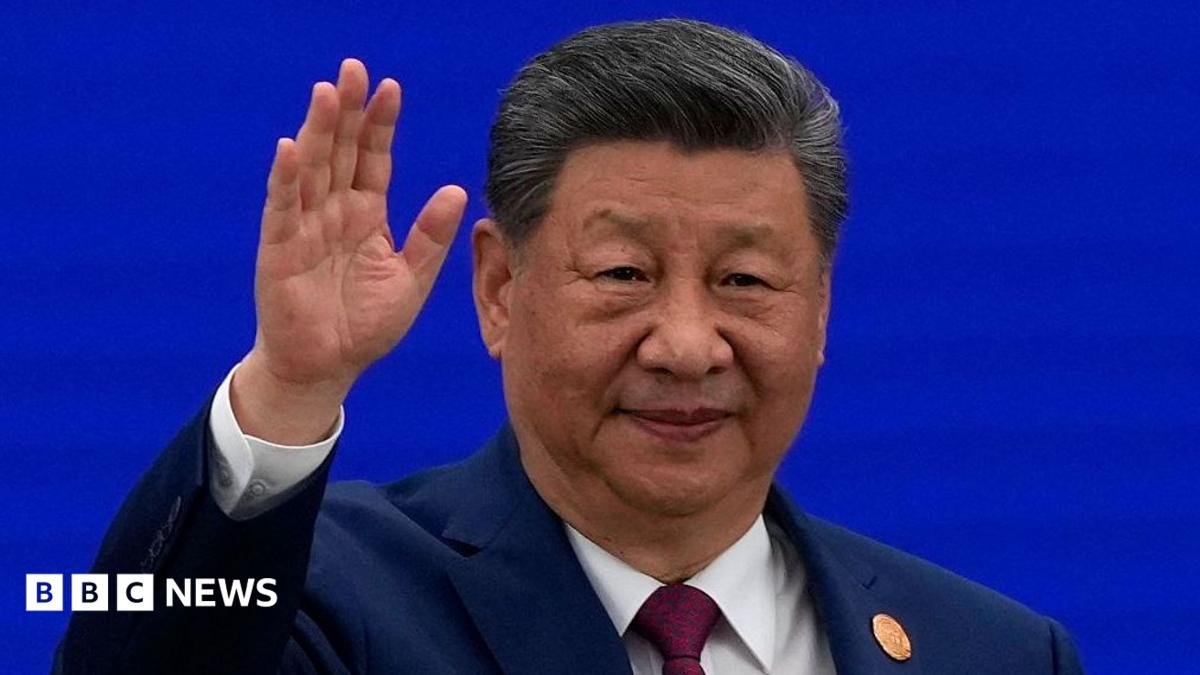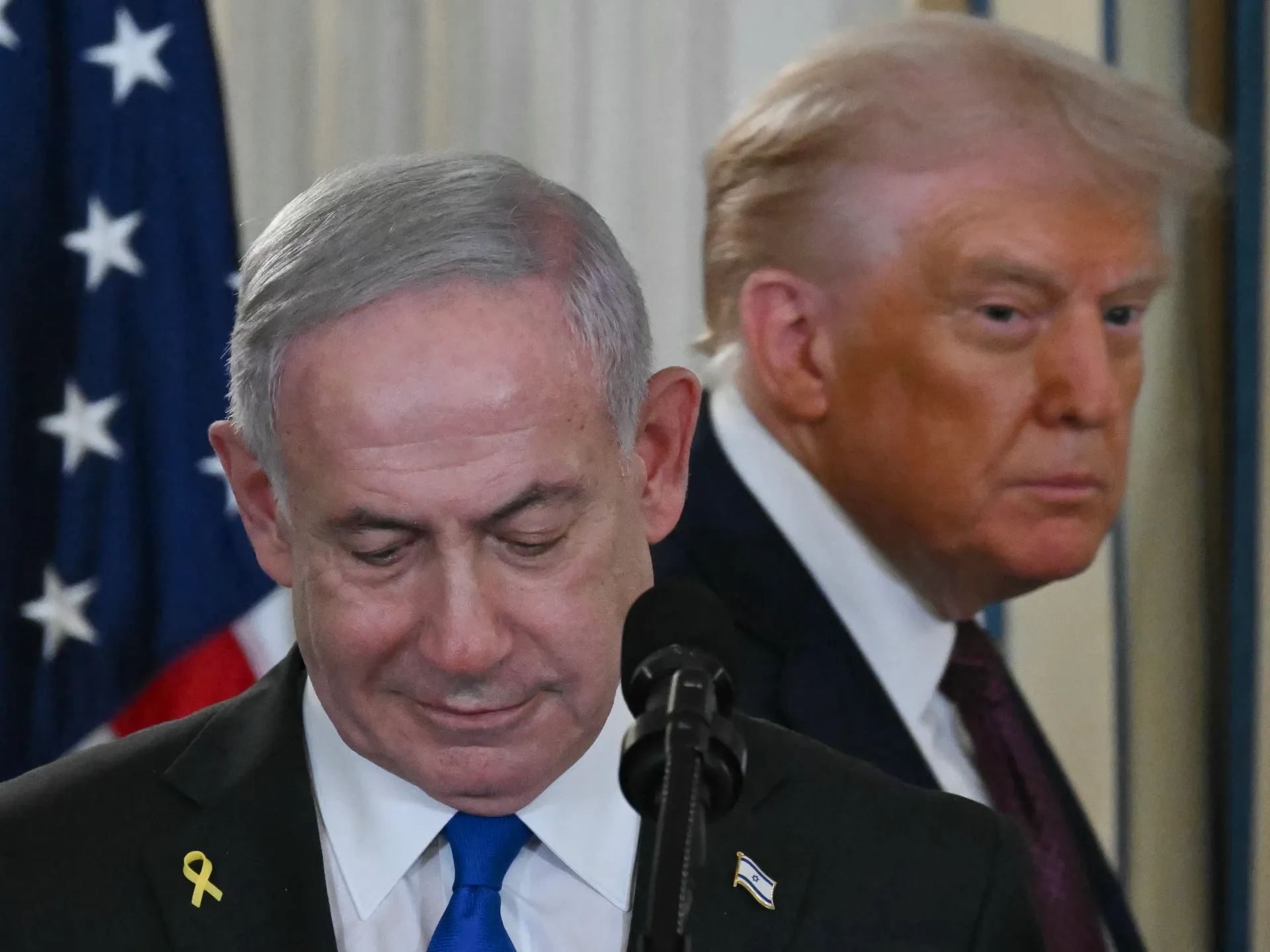
Prime Minister Benjamin Netanyahu faces domestic political turmoil as he initiates legal action over intelligence leak claims while asserting his presence in Jerusalem's sensitive Old City.
Prime Minister Benjamin Netanyahu’s administration is currently navigating a period of intense domestic pressure, characterized g to explosive allegations regarding his security briefings prior to the October 2023 conflict. While the Prime Minister recently sought to project a message of religious continuity e remains tethered to a contentious debate over whether he ignored specific intelligence warnings from the United Arab Emirates.
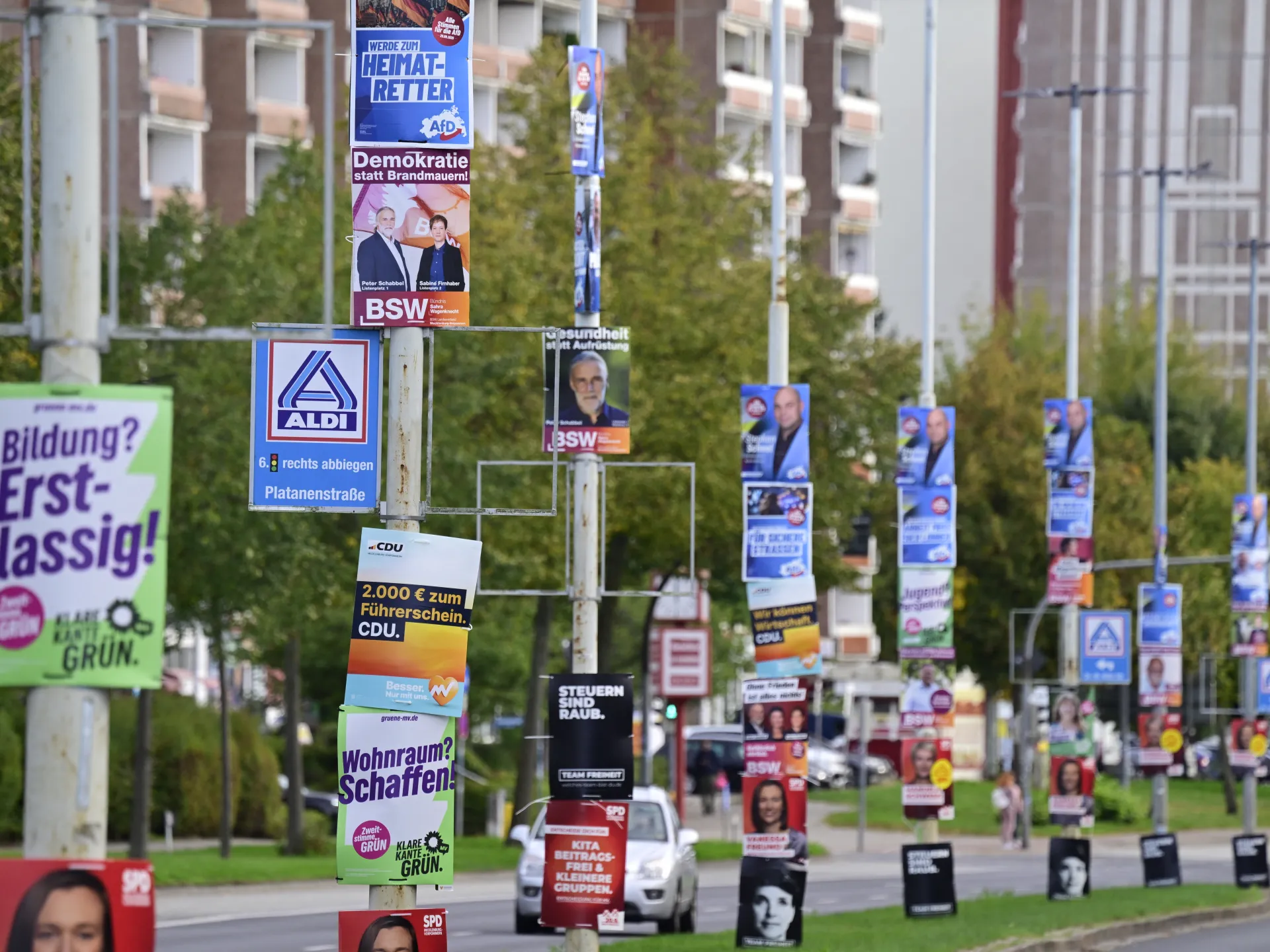
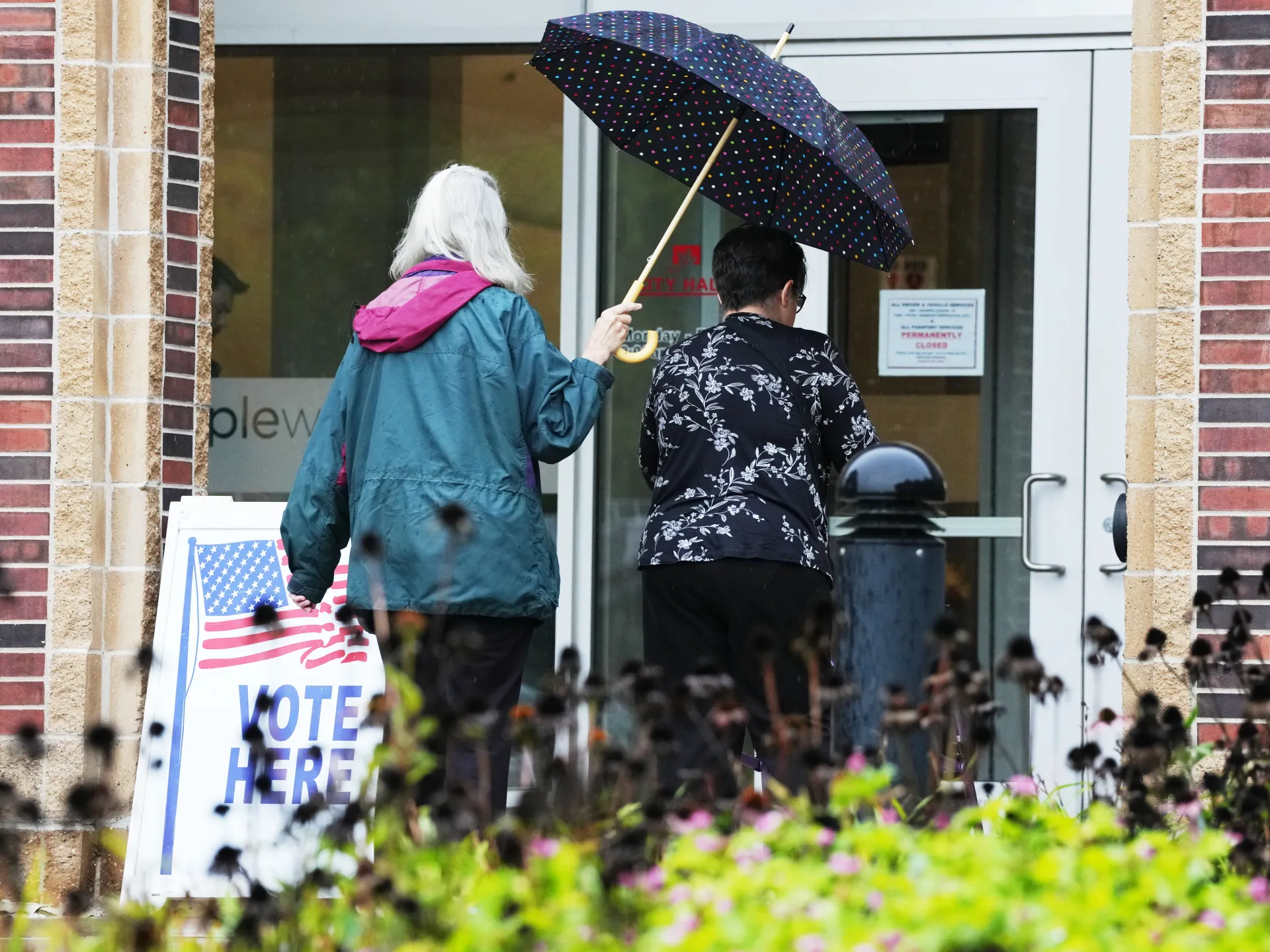
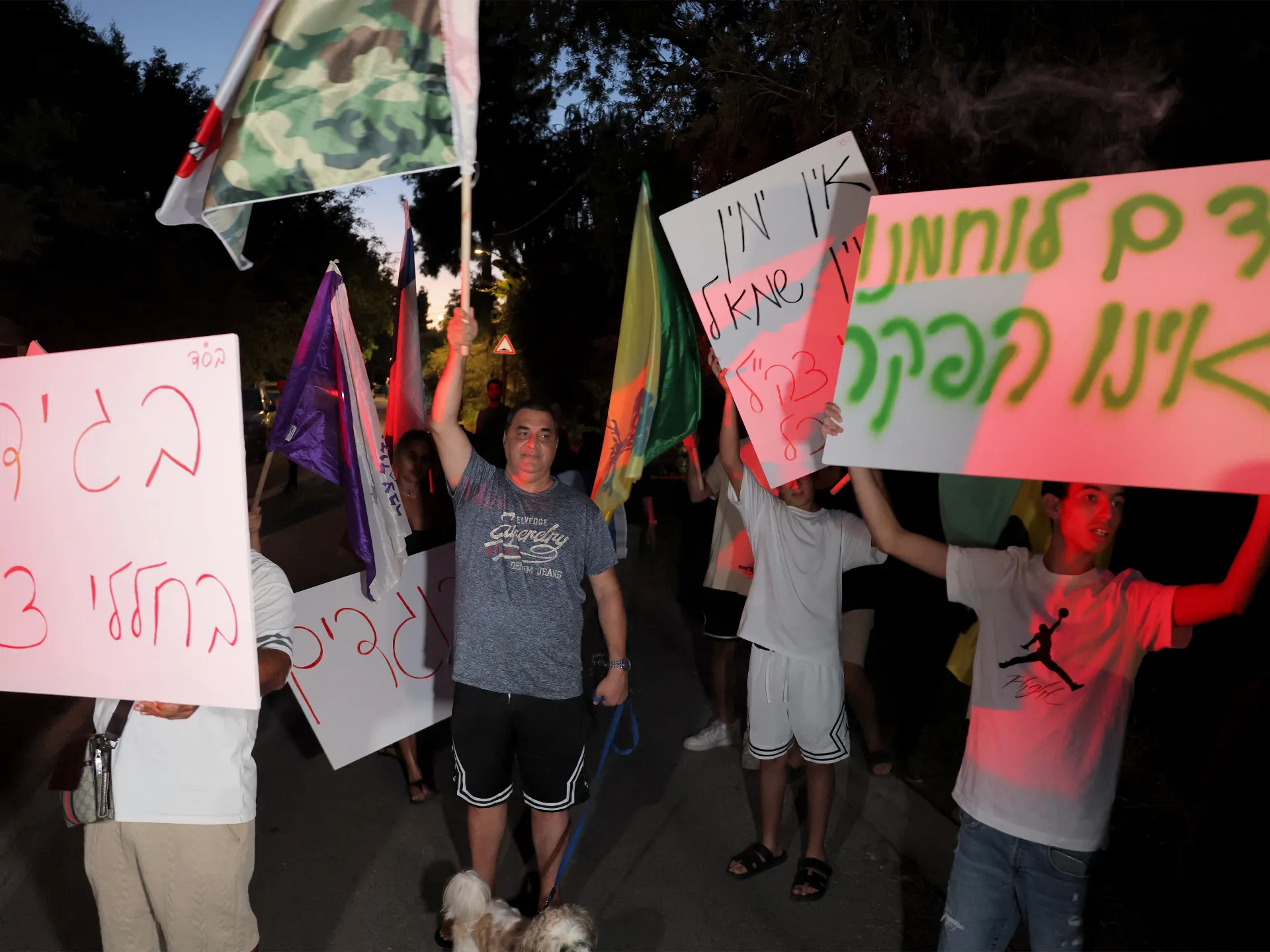
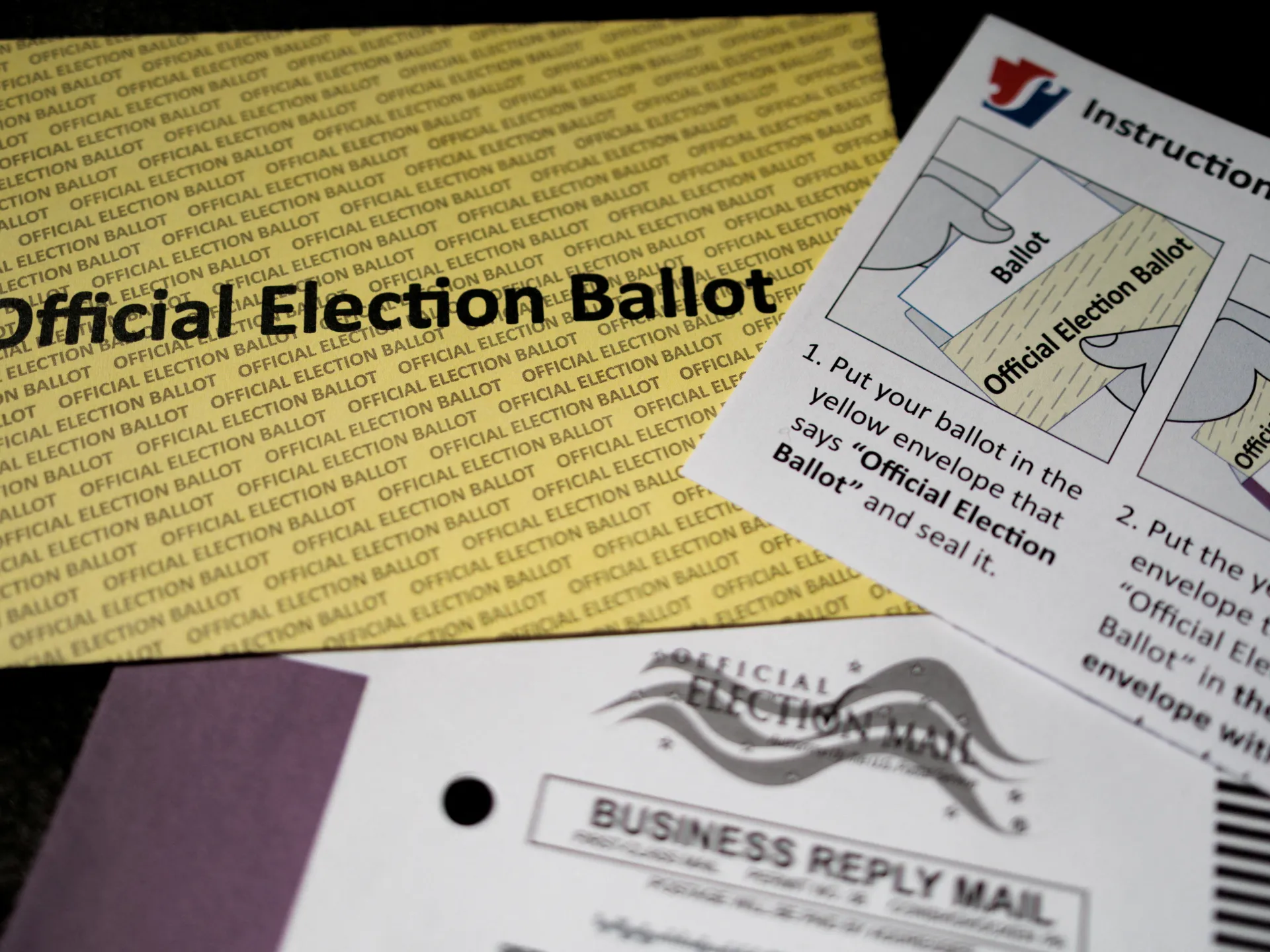
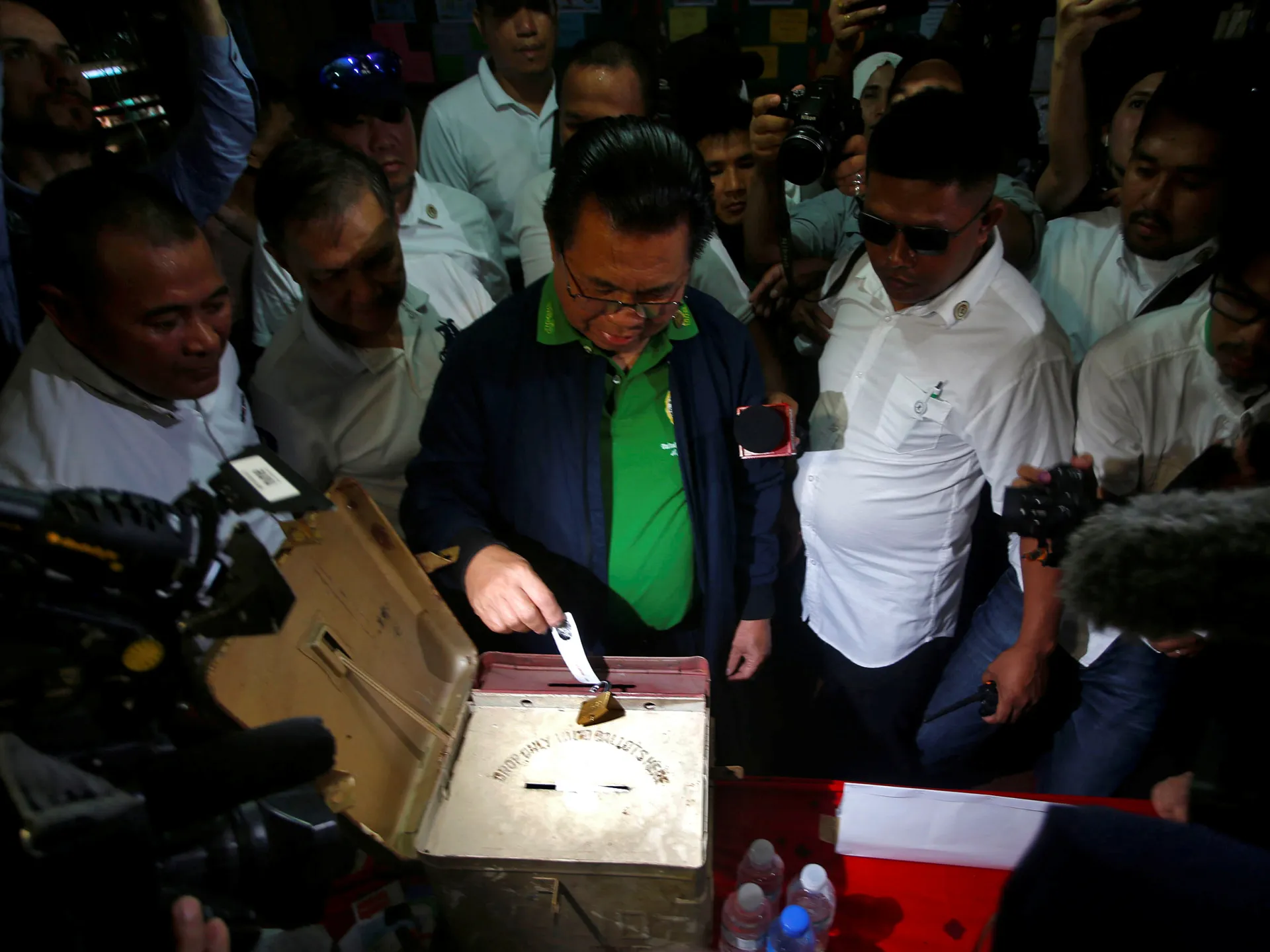
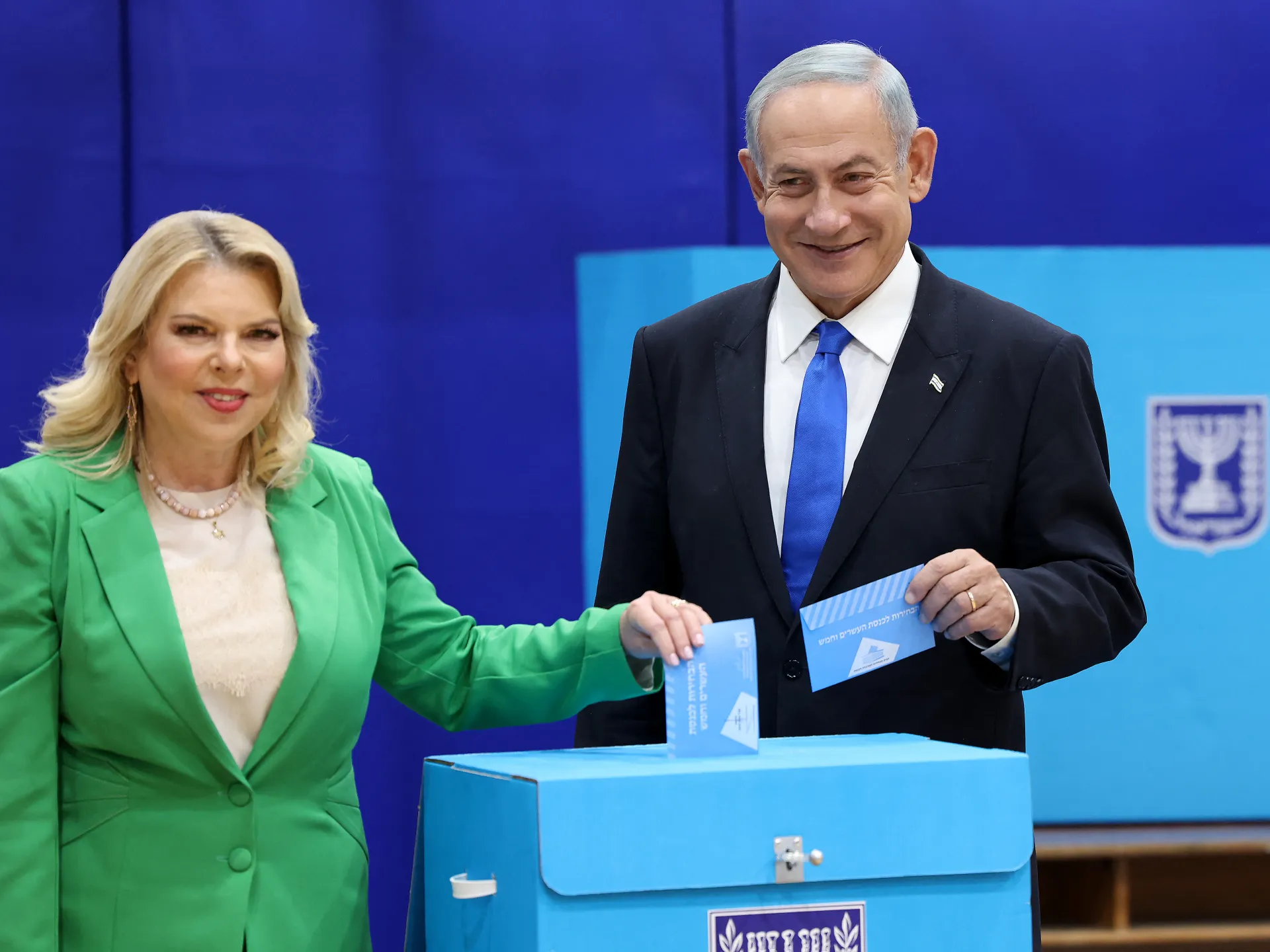
The convergence of these events—a high-profile public appearance in one of the world's most sensitive religious sites and a burgeoning legal battle with the press—highlights the precarious nature of the upcoming October 27 general election. As voters prepare to cast ballots in what many observers describe as a referendum on his leadership, Netanyahu is simultaneously fighting to maintain his authority in the face of both long-standing architectural disputes in the Old City and serious accusations that he failed to heed an explicit "earthquake" warning from regional partners.
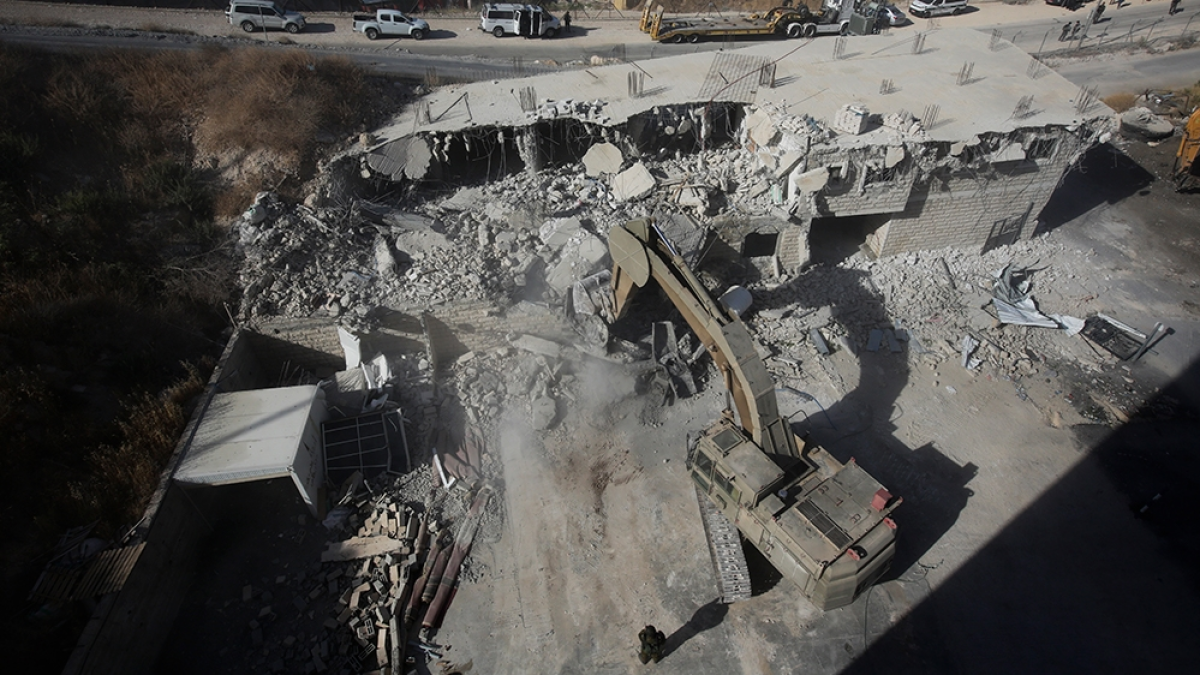
The intersection of subterranean archaeological activity in Jerusalem and the high-stakes political discourse regarding the October 7 intelligence failures represents a critical inflection point for the Israeli electorate. The decision carries significant diplomatic weight; such actions are frequently perceived Holy City. ng his conservative base, yet he risks further alienating international stakeholders already wary of his government's trajectory.
Simultaneously, the defamation proceedings against Haaretz signal a broader strategy to exert control over the national security narrative. The stakes are immense: if the report regarding a pre-conflict warning from the UAE is substantiated, it would fundamentally undermine Netanyahu’s "security-first" platform, which has been the cornerstone of his political longevity. The tension between the state's security apparatus and the independence of the media is now the primary theater of the election cycle, turning the ballot box into a binary choice on trust and accountability.
The core of the current political friction lies in a report published sonally warned Netanyahu of an impending "earthquake" operation being planned cited three foreign senior sources and a Palestinian adviser, the warning was delivered via a secure, dedicated line to ensure total confidentiality. The account suggests that the UAE leader expressed profound concern that the planned operation would trigger large-scale violence and regional destabilization.
Netanyahu’s office has dismissed these claims in their entirety, labeling the report a "sinister plot" designed to influence the upcoming election. Government spokespeople maintain that no such warning was ever communicated to the Prime Minister Haaretz, for its part, has forcefully defended its reporting, asserting that the story was the result of extensive research and maintains that the Prime Minister’s legal action is a transparent attempt to silence essential journalistic criticism.
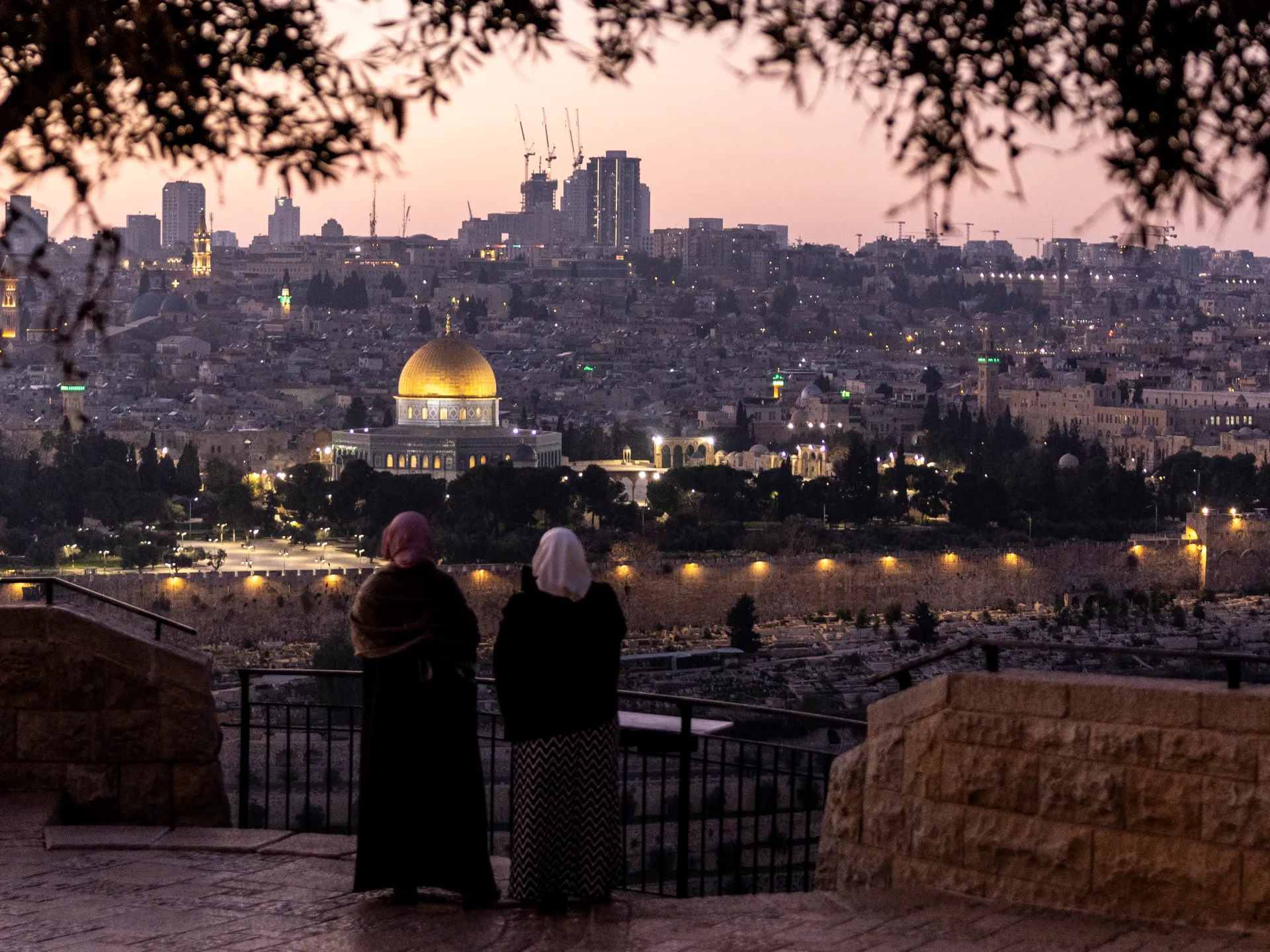
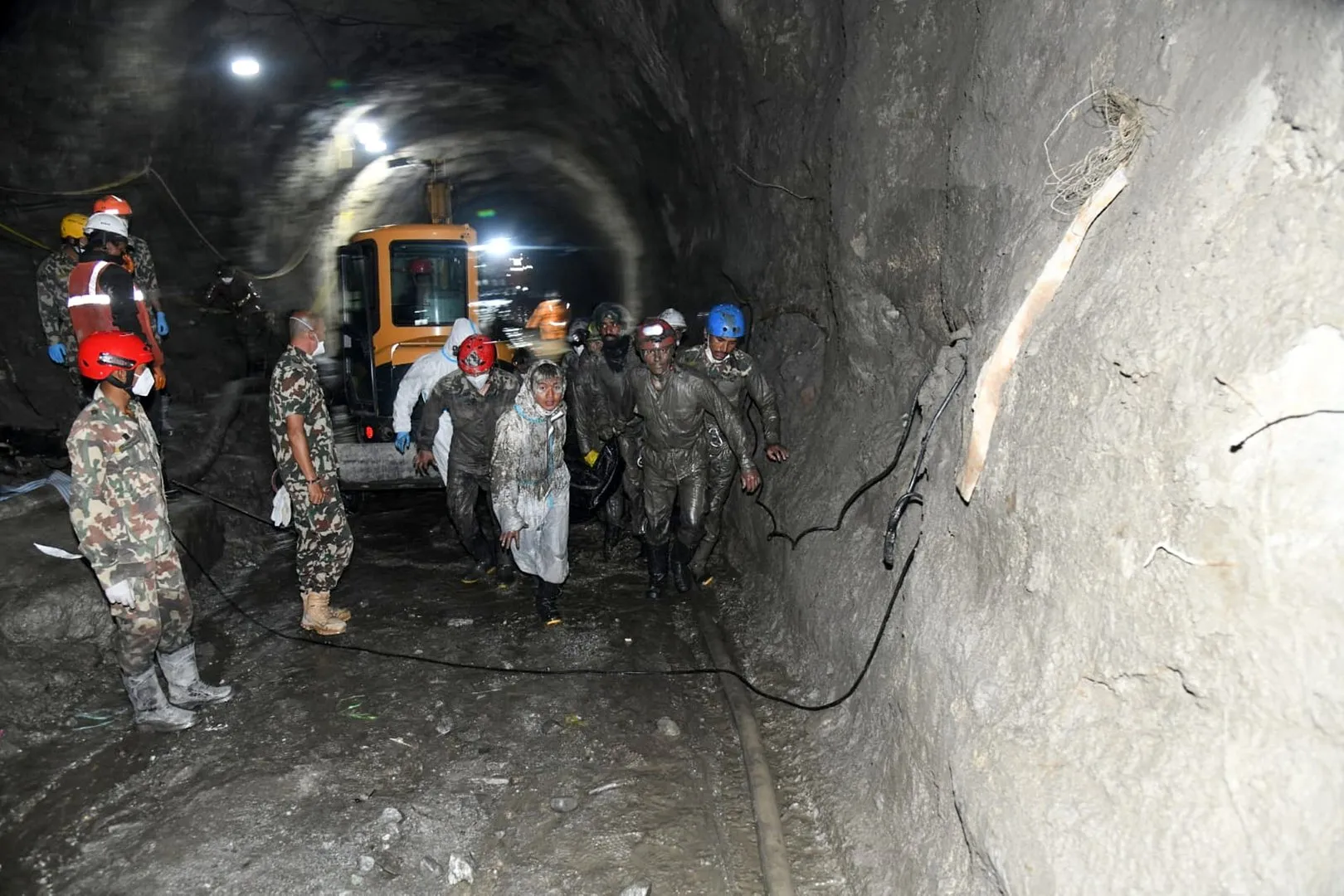
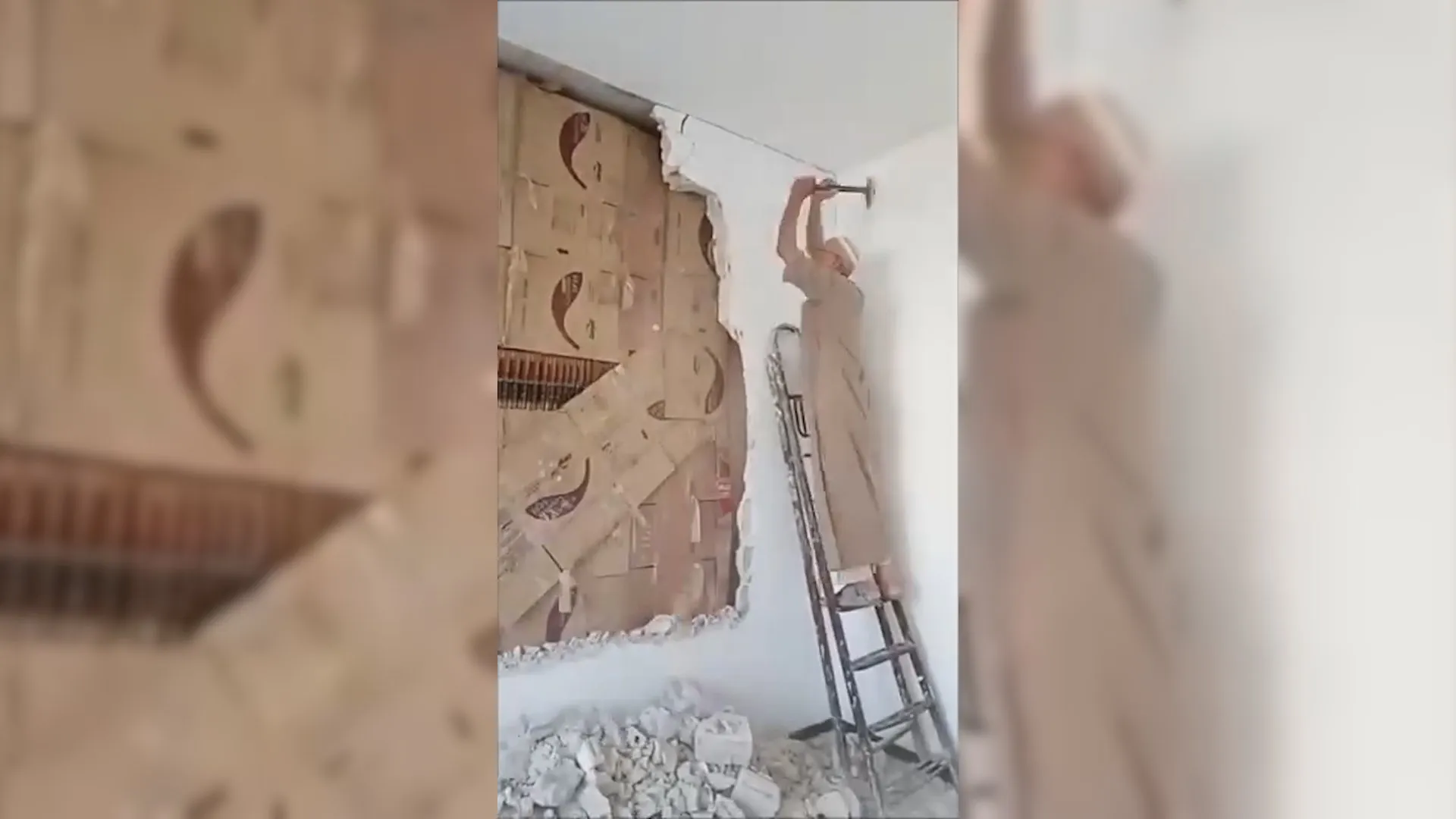
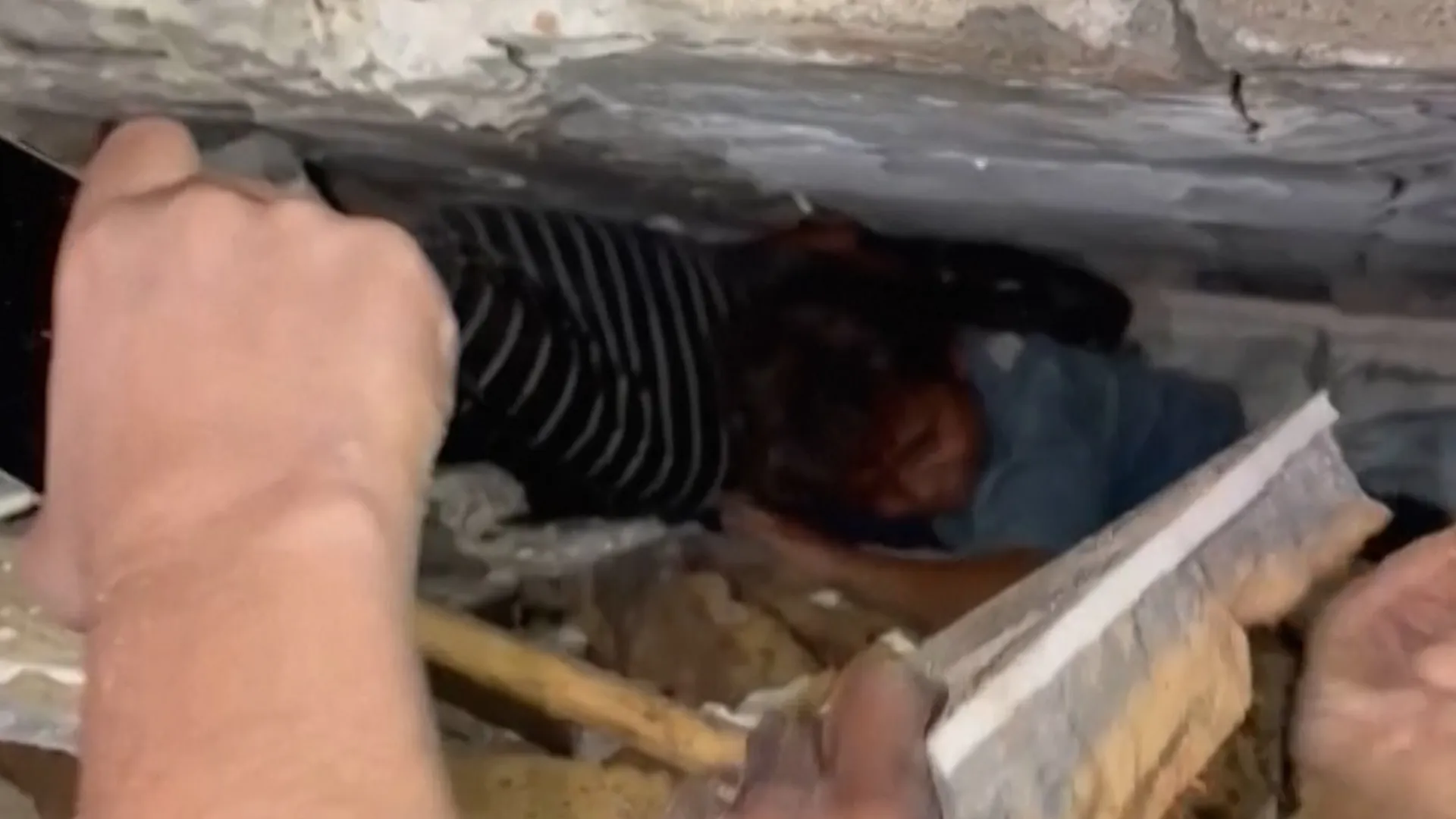
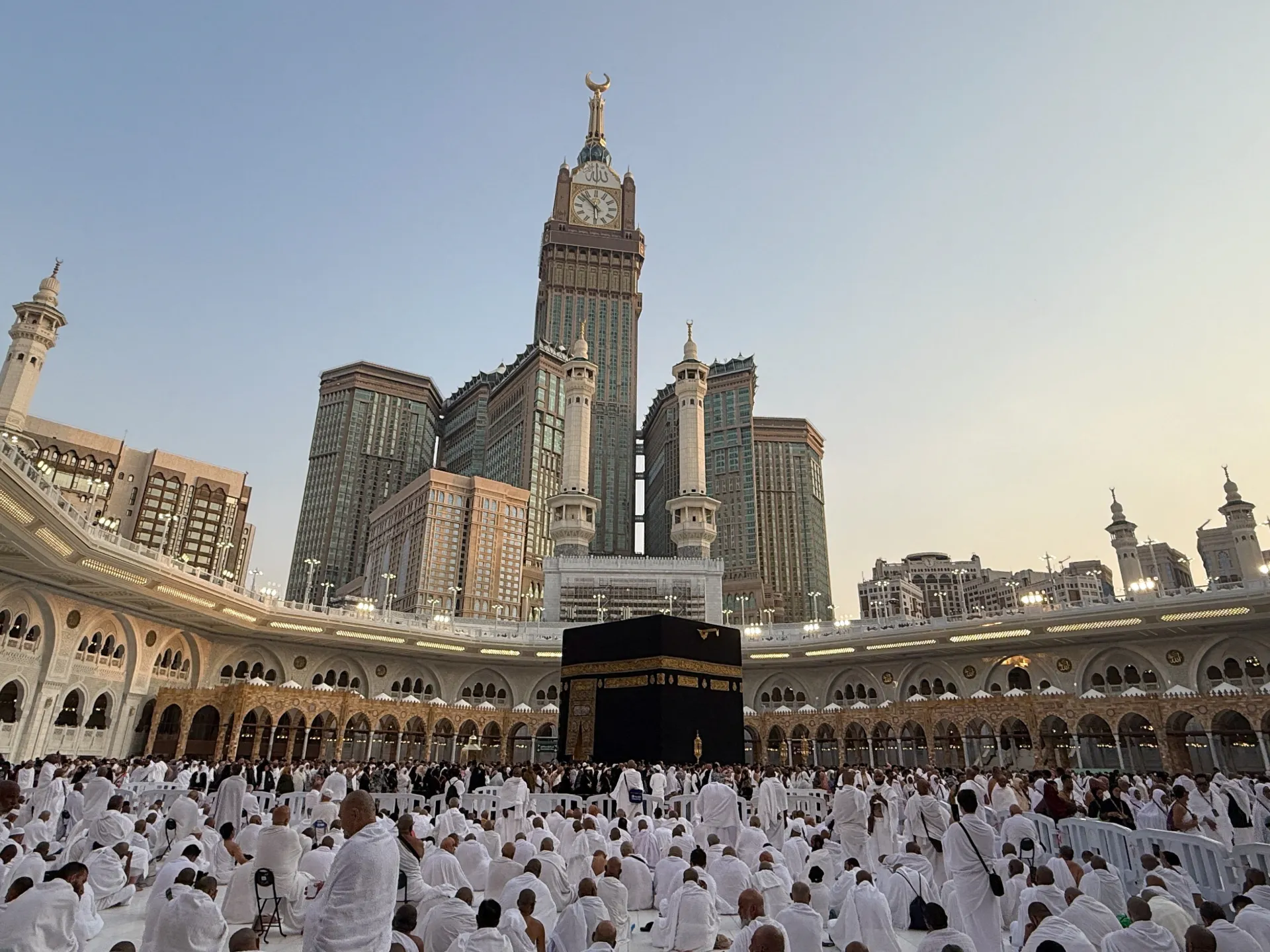
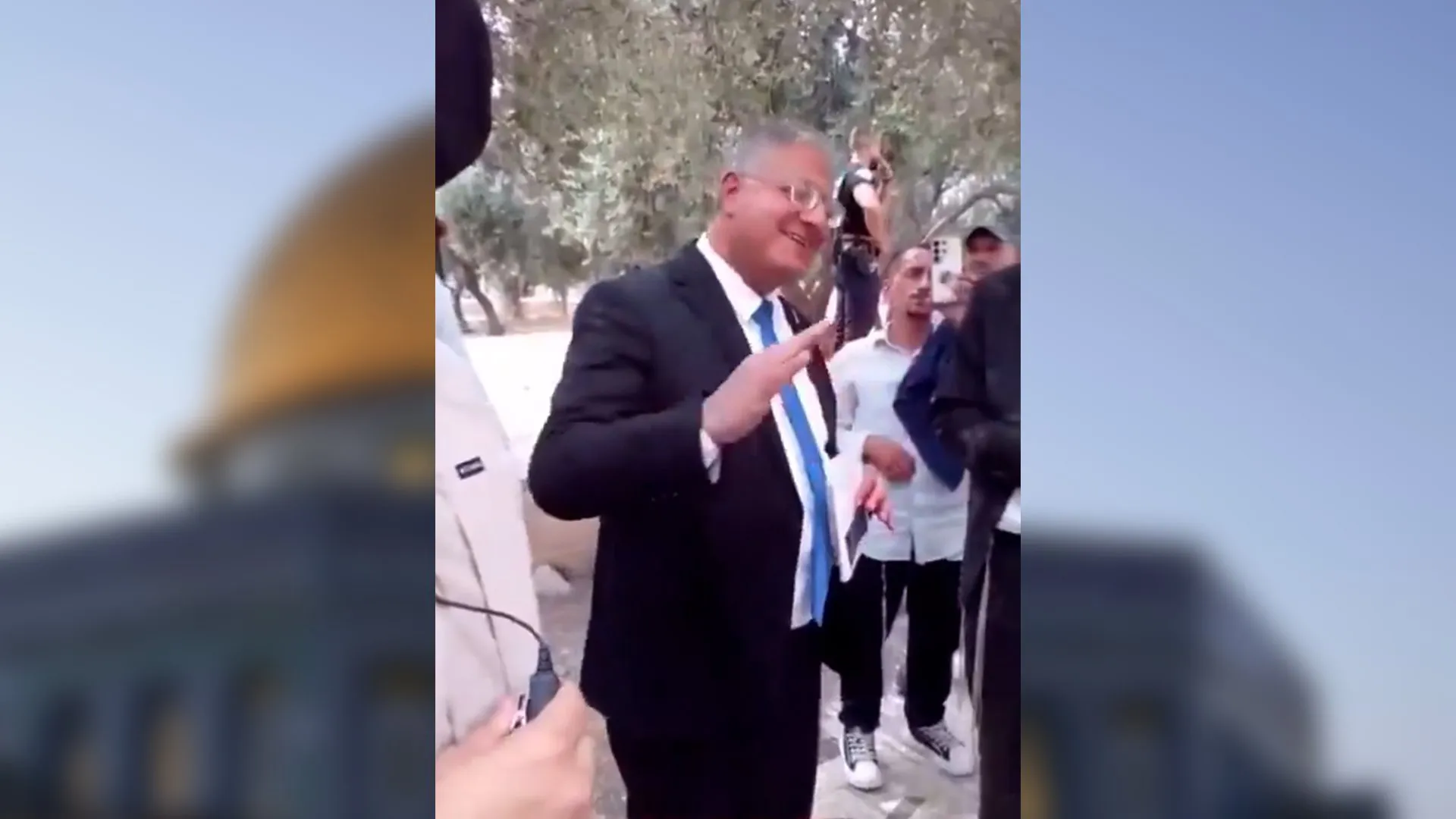
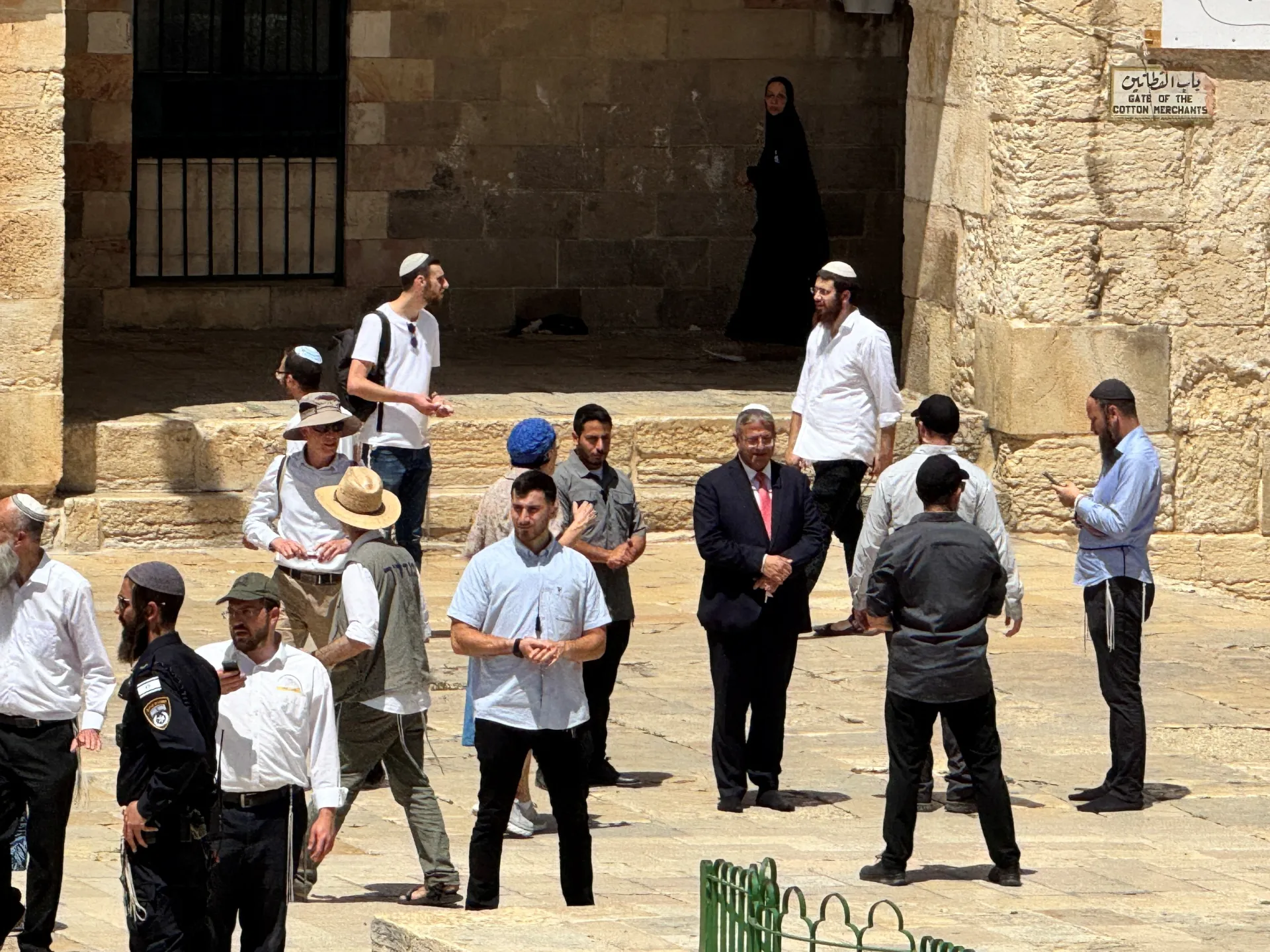
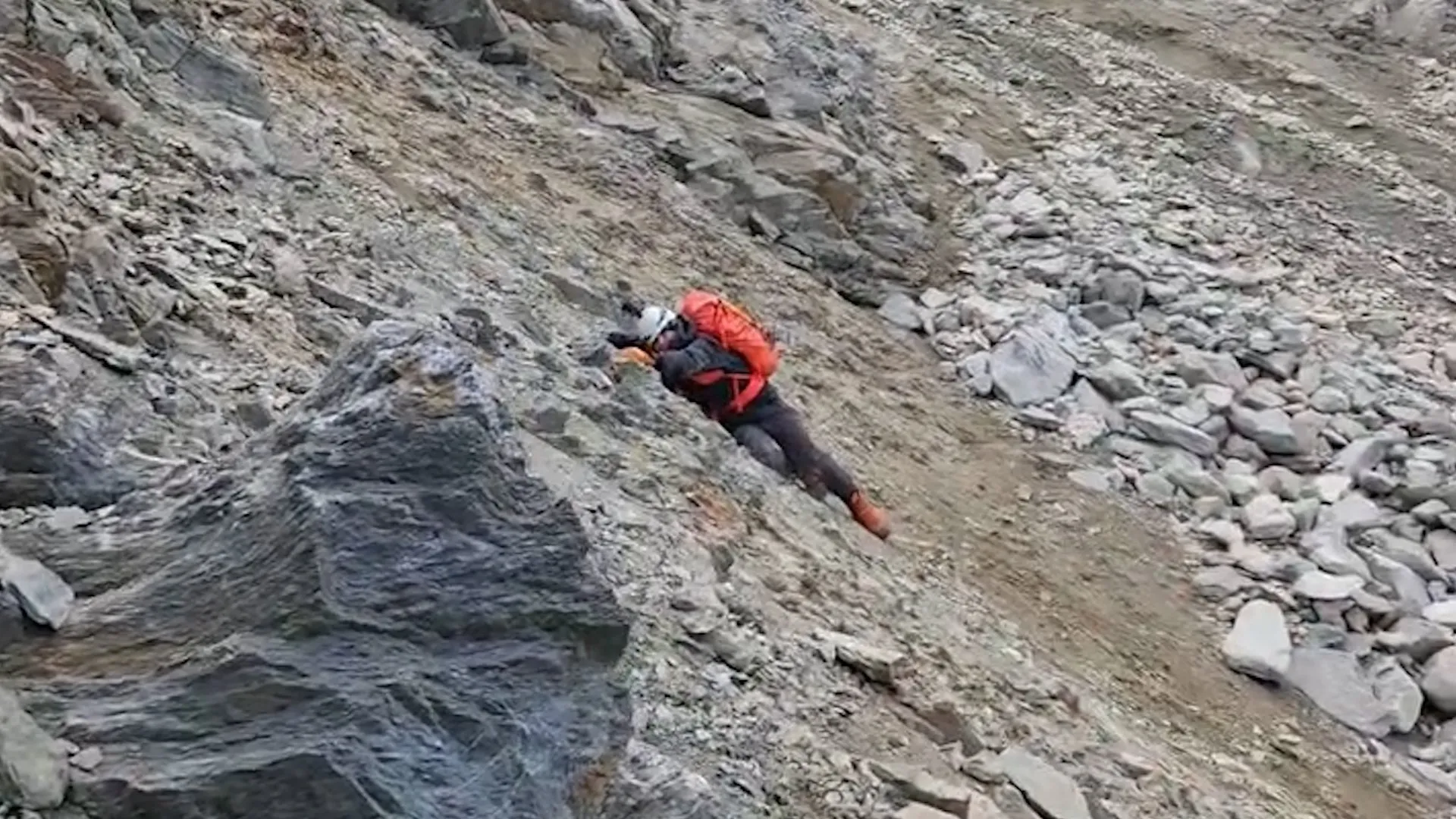
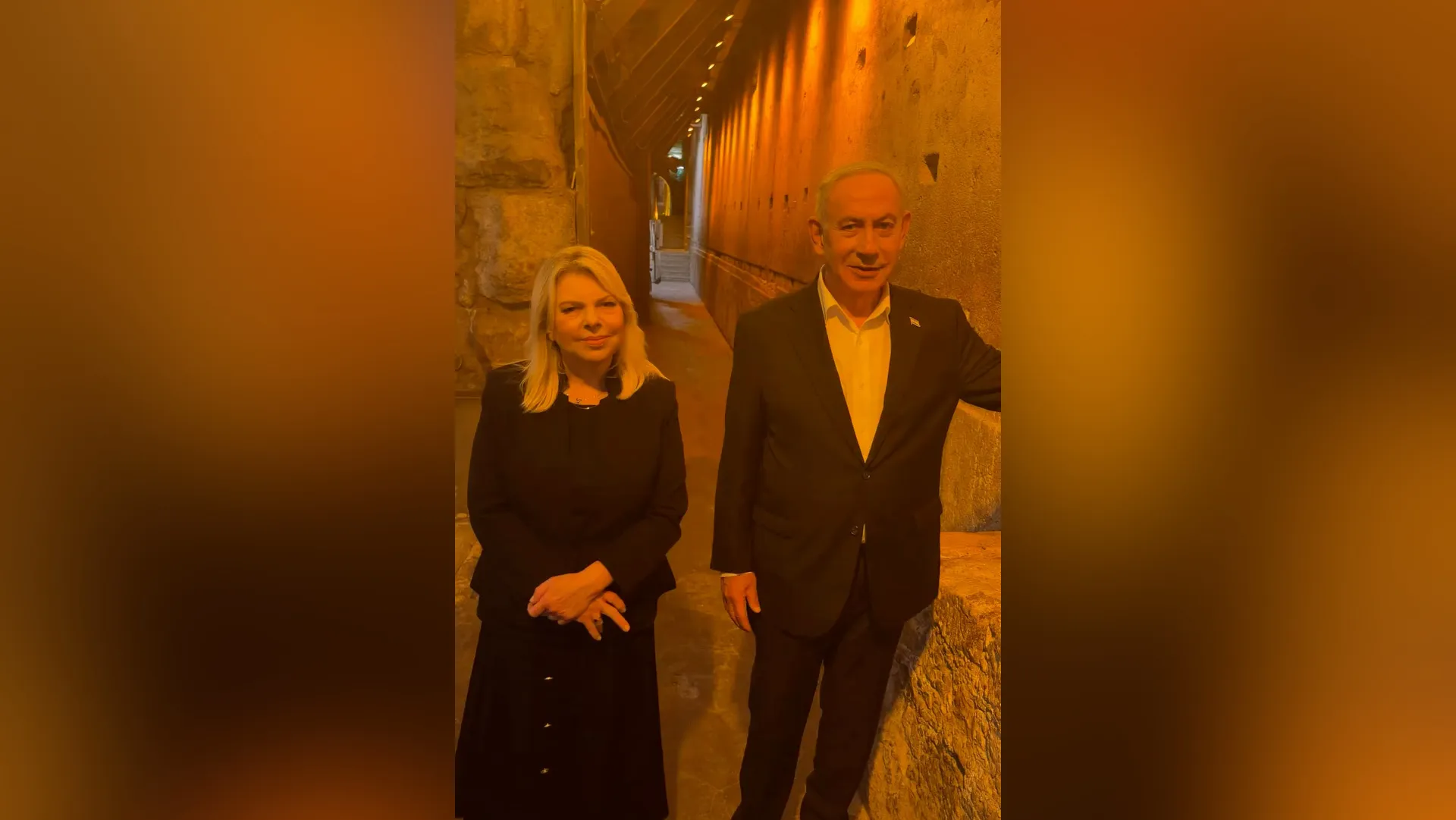
While battling these allegations, Netanyahu was filmed accompanying his wife, Sara, through tunnels located beneath the Old City and the Al-Aqsa compound. The visit took place shortly before the pair attended 'Selichot' prayers at the Western Wall. These tunnels have long been a focal point of religious and political contention, as they run directly under areas of profound significance to both Muslims and Jews. ng a firm stance on Israeli sovereignty in East Jerusalem, a move that resonates deeply with his core supporters but continues to be a source of friction in regional diplomatic circles.
The path forward for Netanyahu will likely be dictated . If the legal process yields evidence of internal communication logs or witness testimony that contradicts the Prime Minister's public denials, his electoral prospects could diminish rapidly. Conversely, if the court proceedings remain protracted or inconclusive, the Prime Minister may succeed in framing the debate as a conflict between his administration and a "hostile" media, potentially rallying his base against perceived external interference.
Regardless of the legal outcome, the incident has cemented the intelligence failures of 2023 as the central theme of the October 27 polls. The electorate will face the challenge of reconciling the government’s stated commitment to security with the persistent, unverified allegations of prior warnings. Meanwhile, activity in and around the Jerusalem tunnels remains a volatile variable; any shift in the status quo of that site could trigger broader civil unrest, further complicating an already volatile election environment.