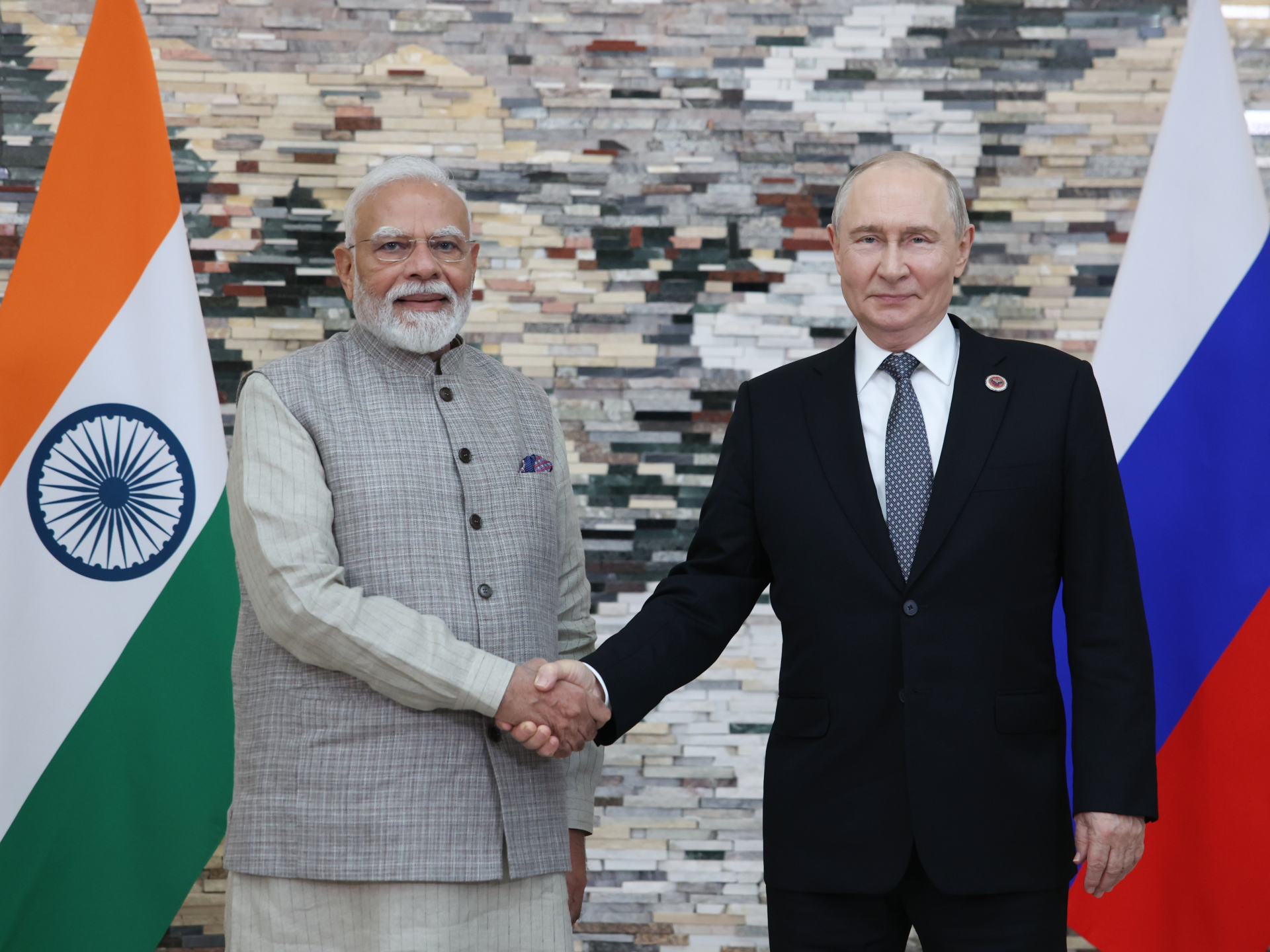
India has warned that new U.S. legislation authorizing tariffs on countries importing Russian oil could strain bilateral relations and disrupt energy markets.
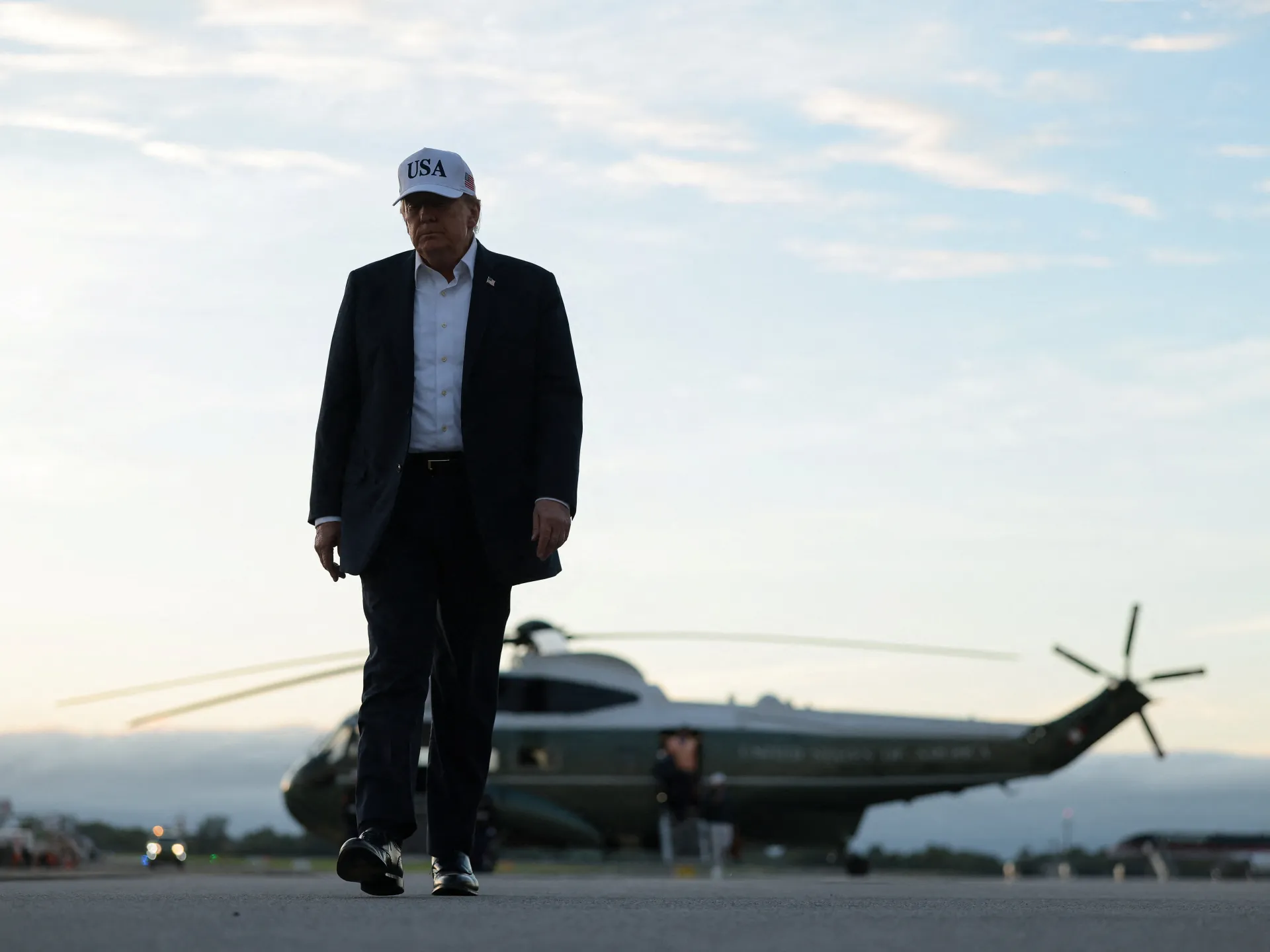
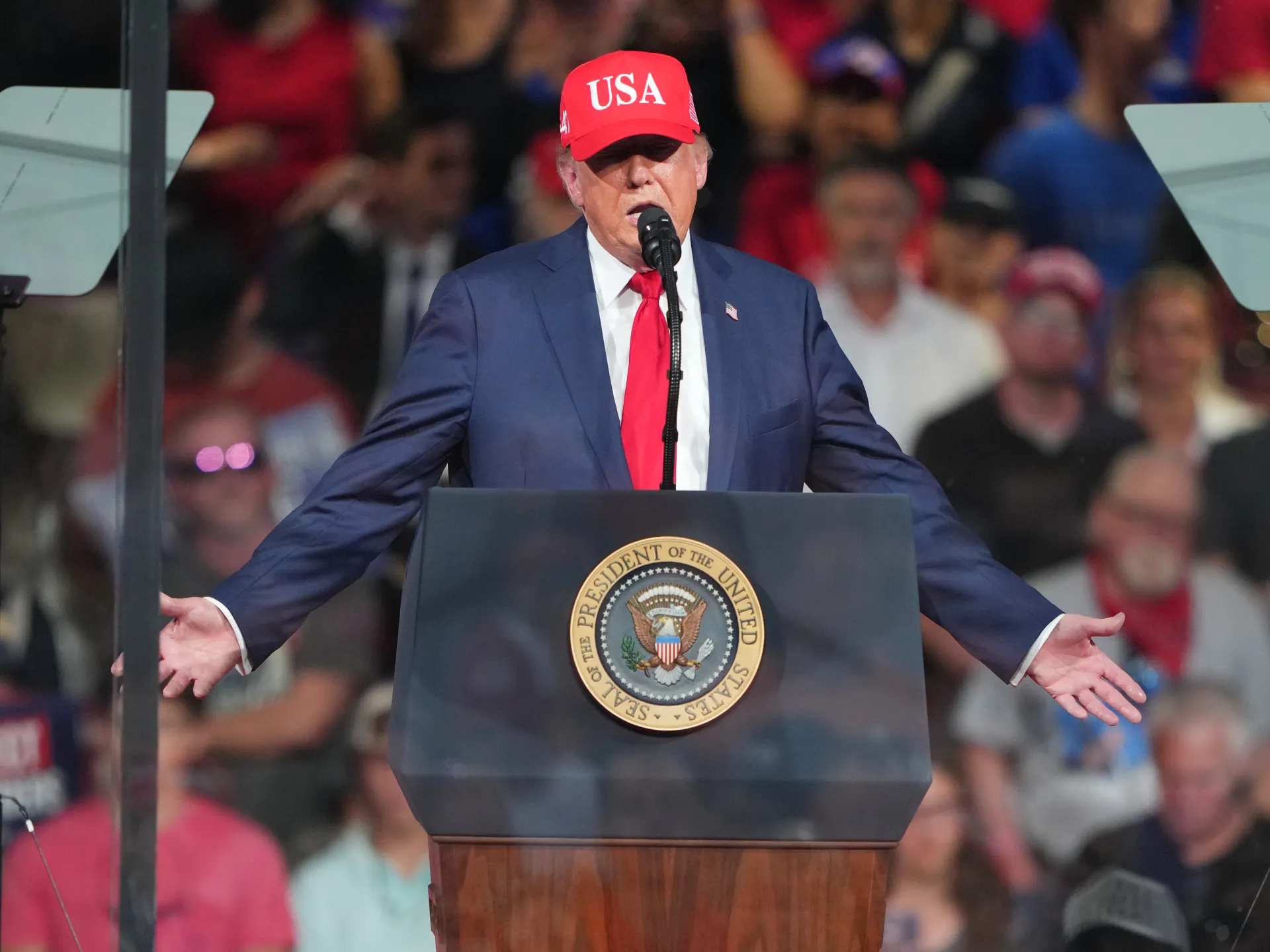
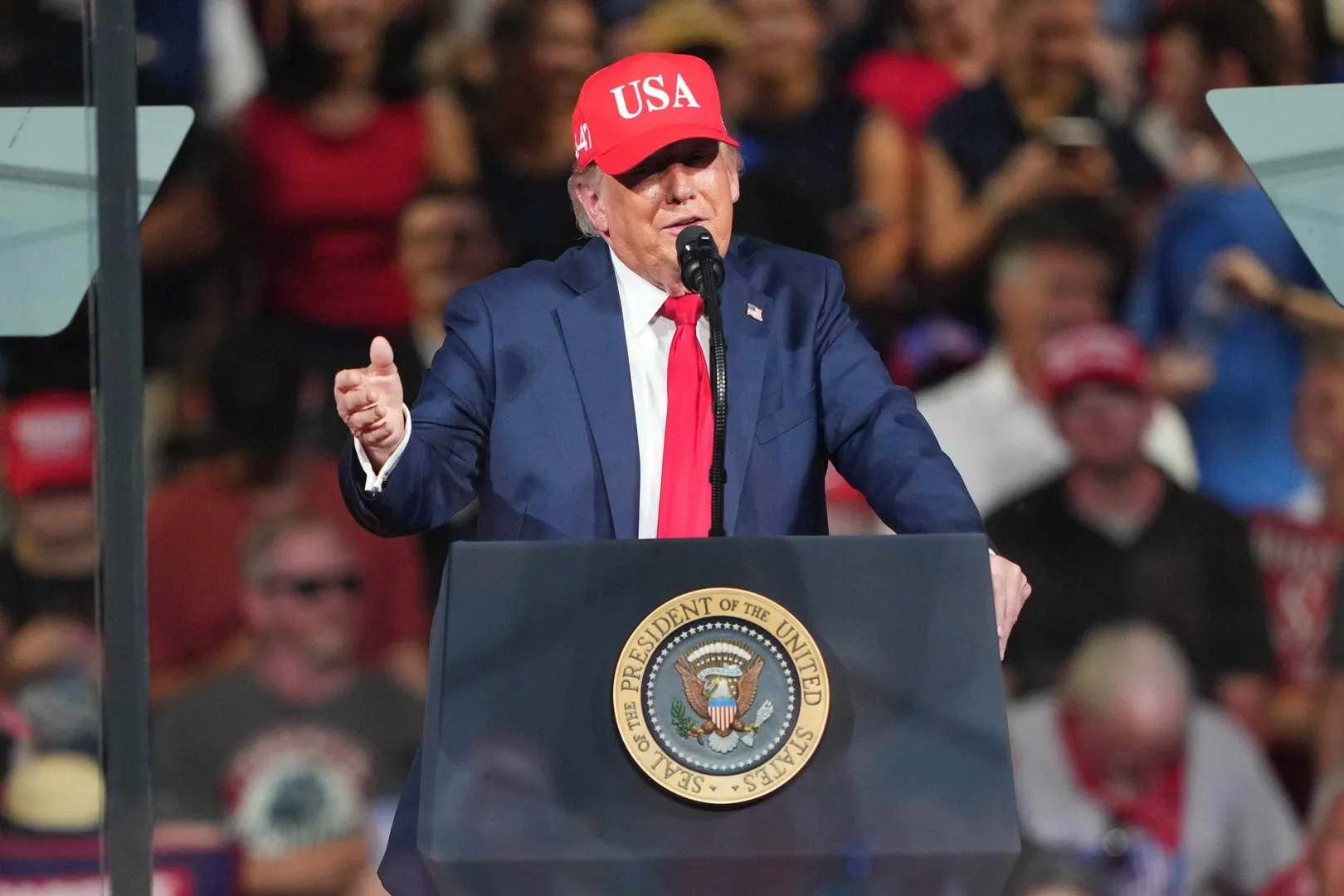
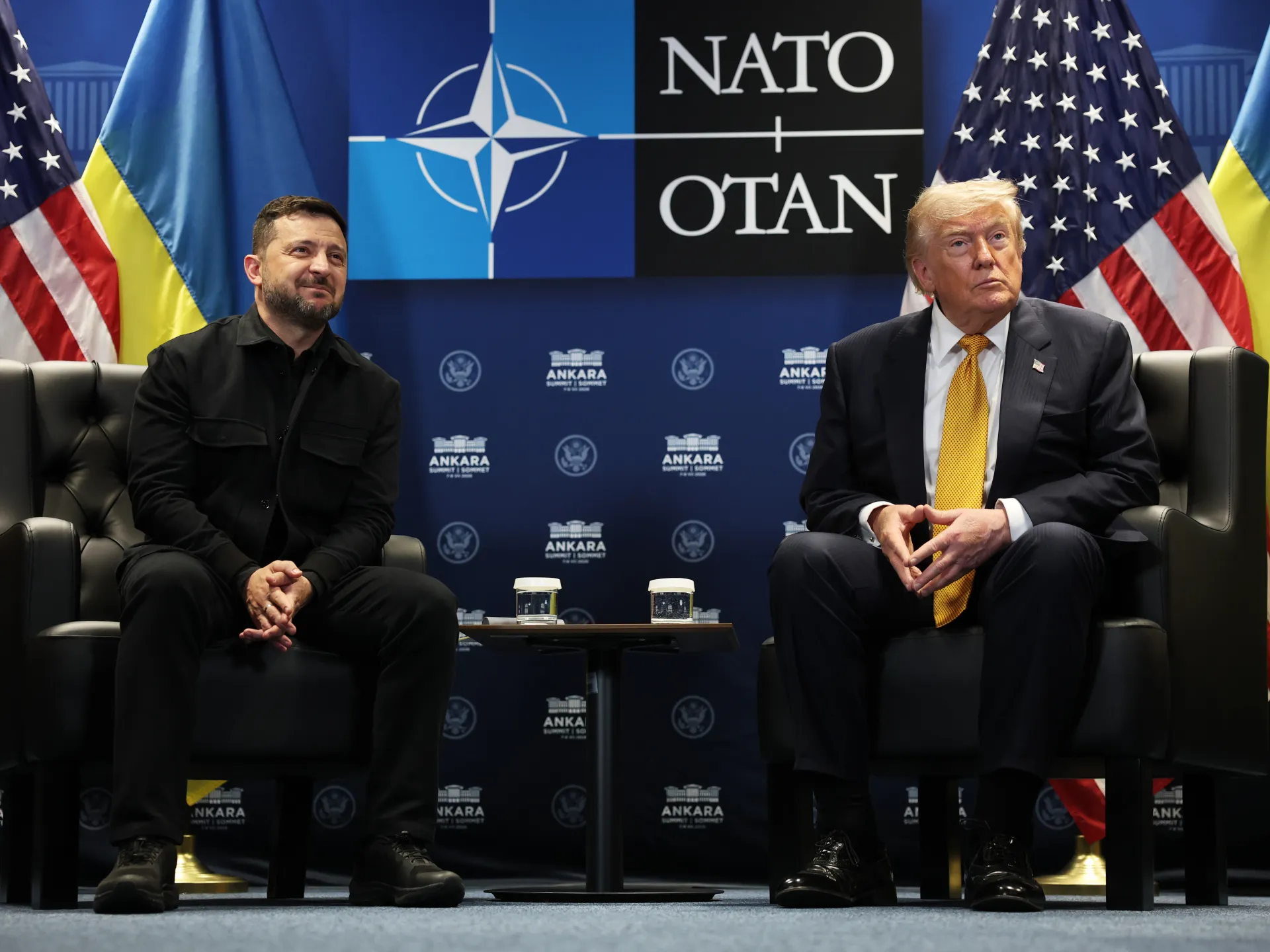
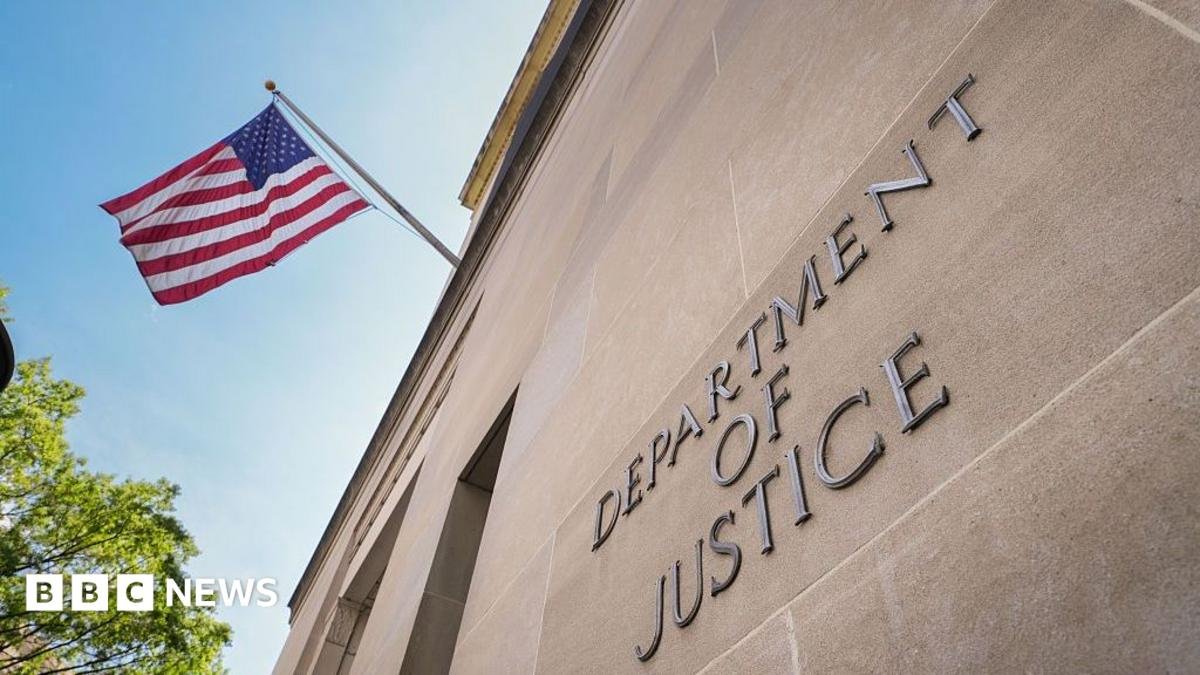
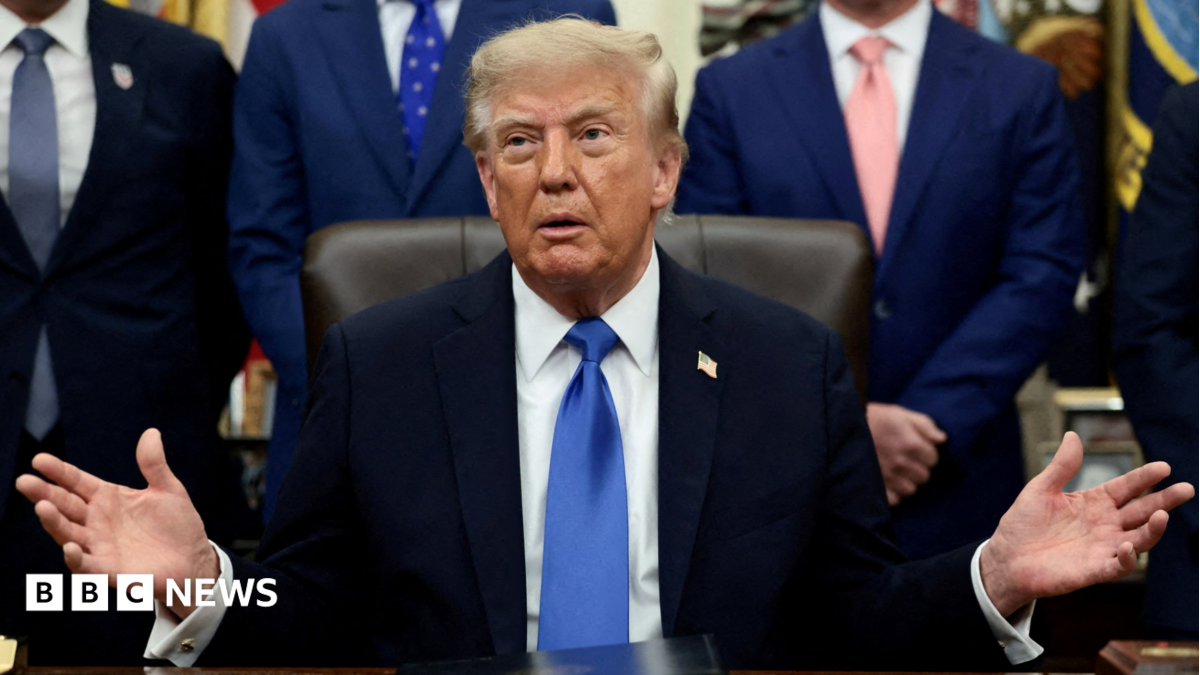
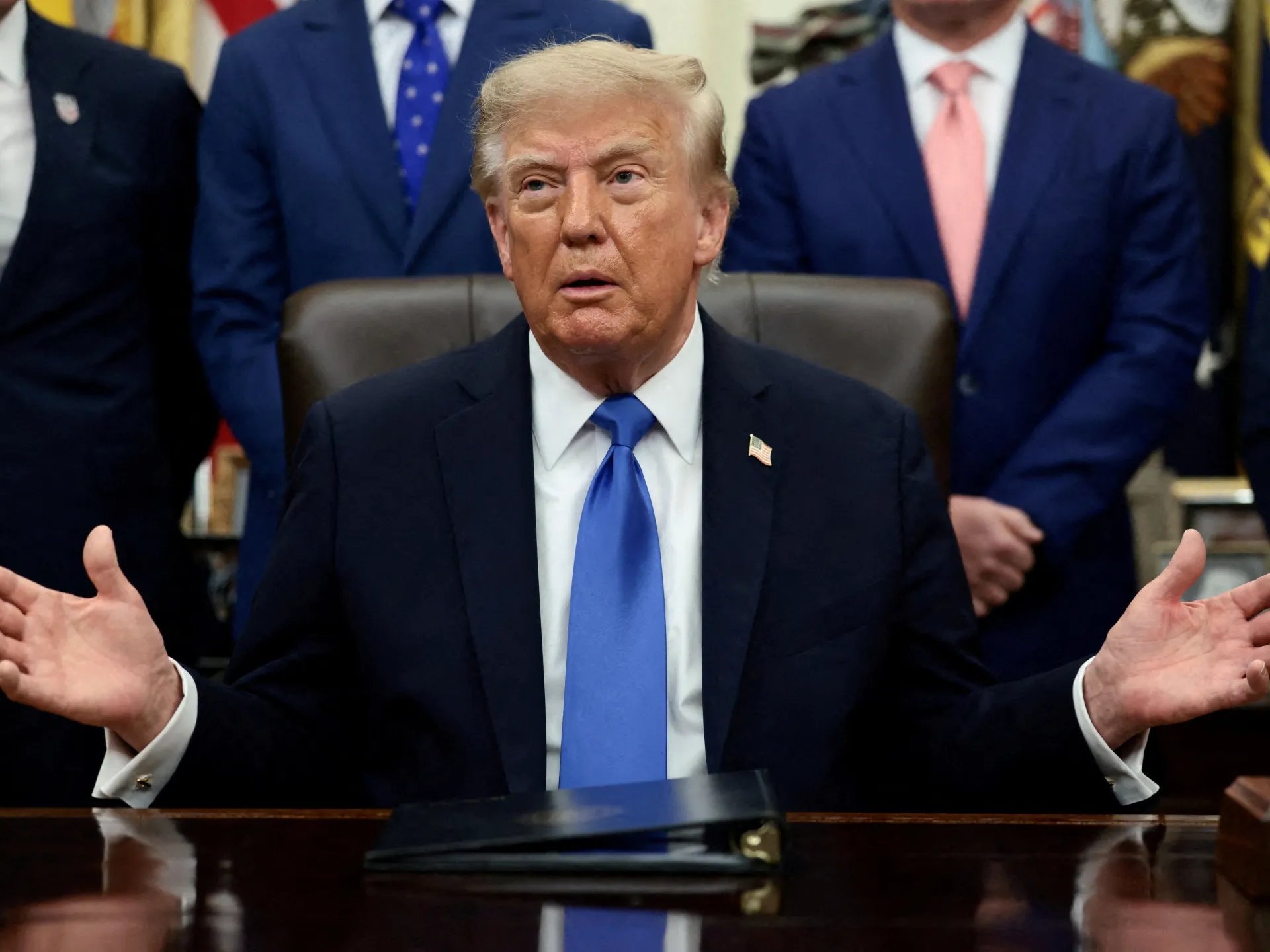
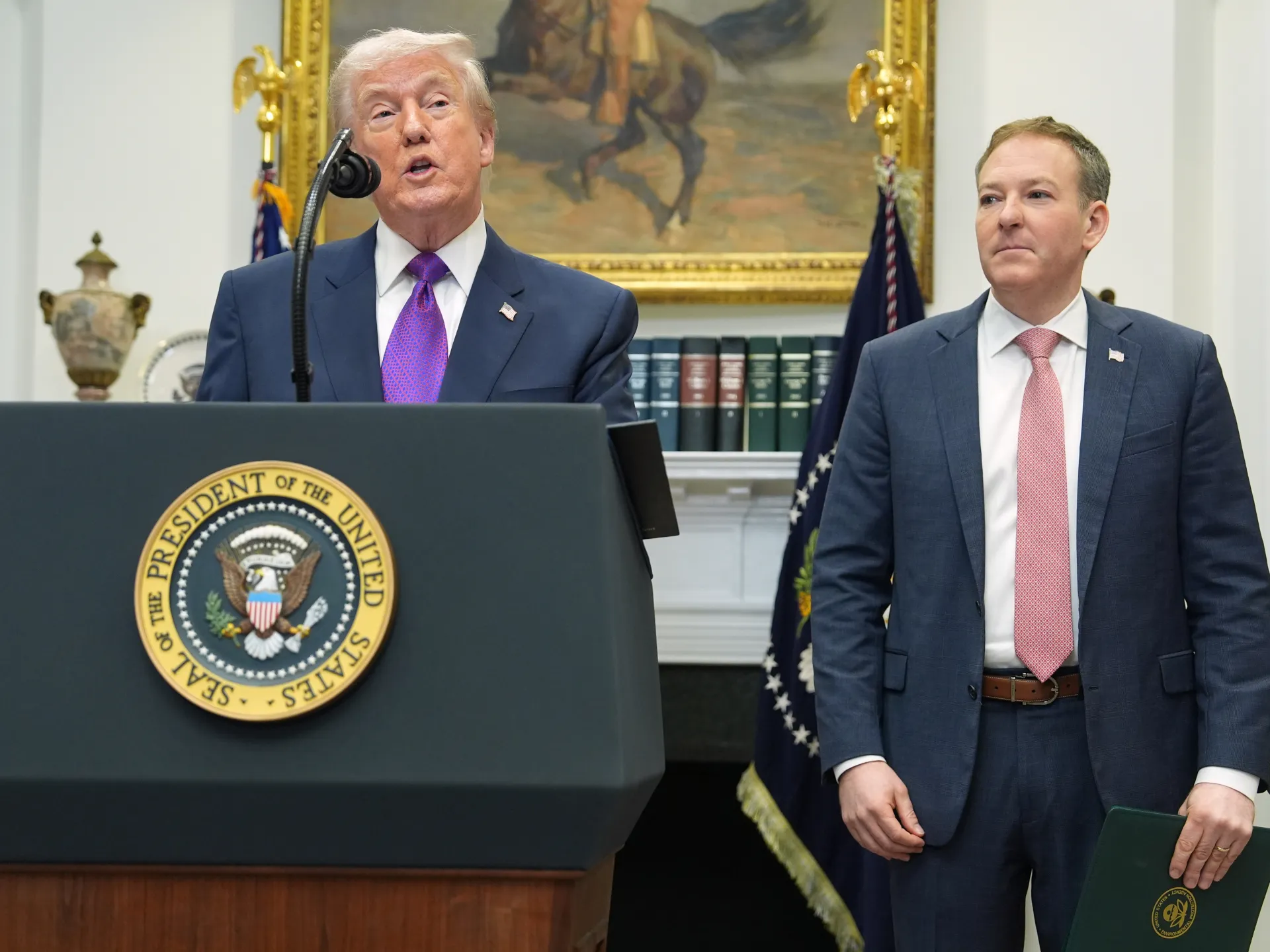
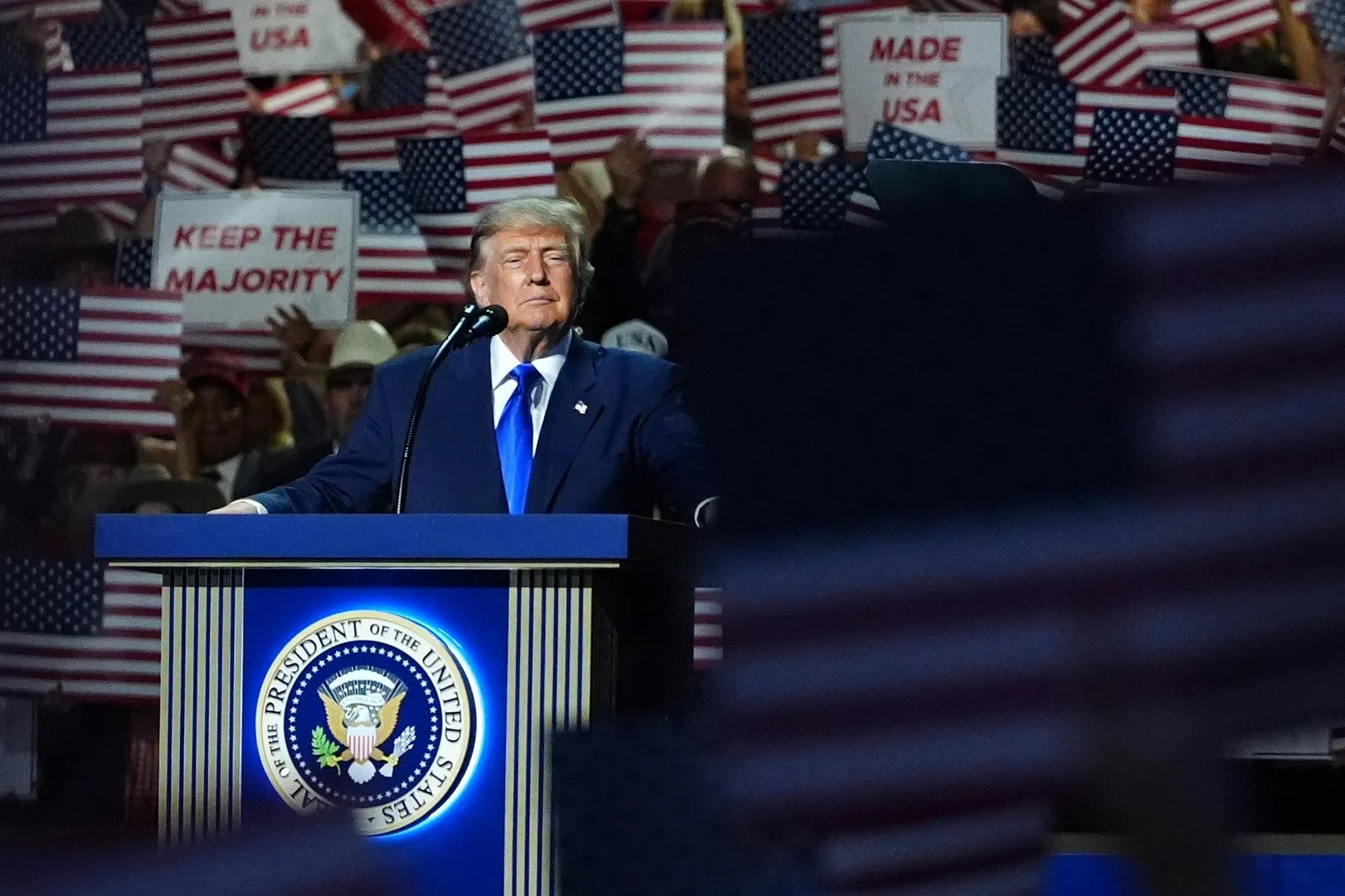
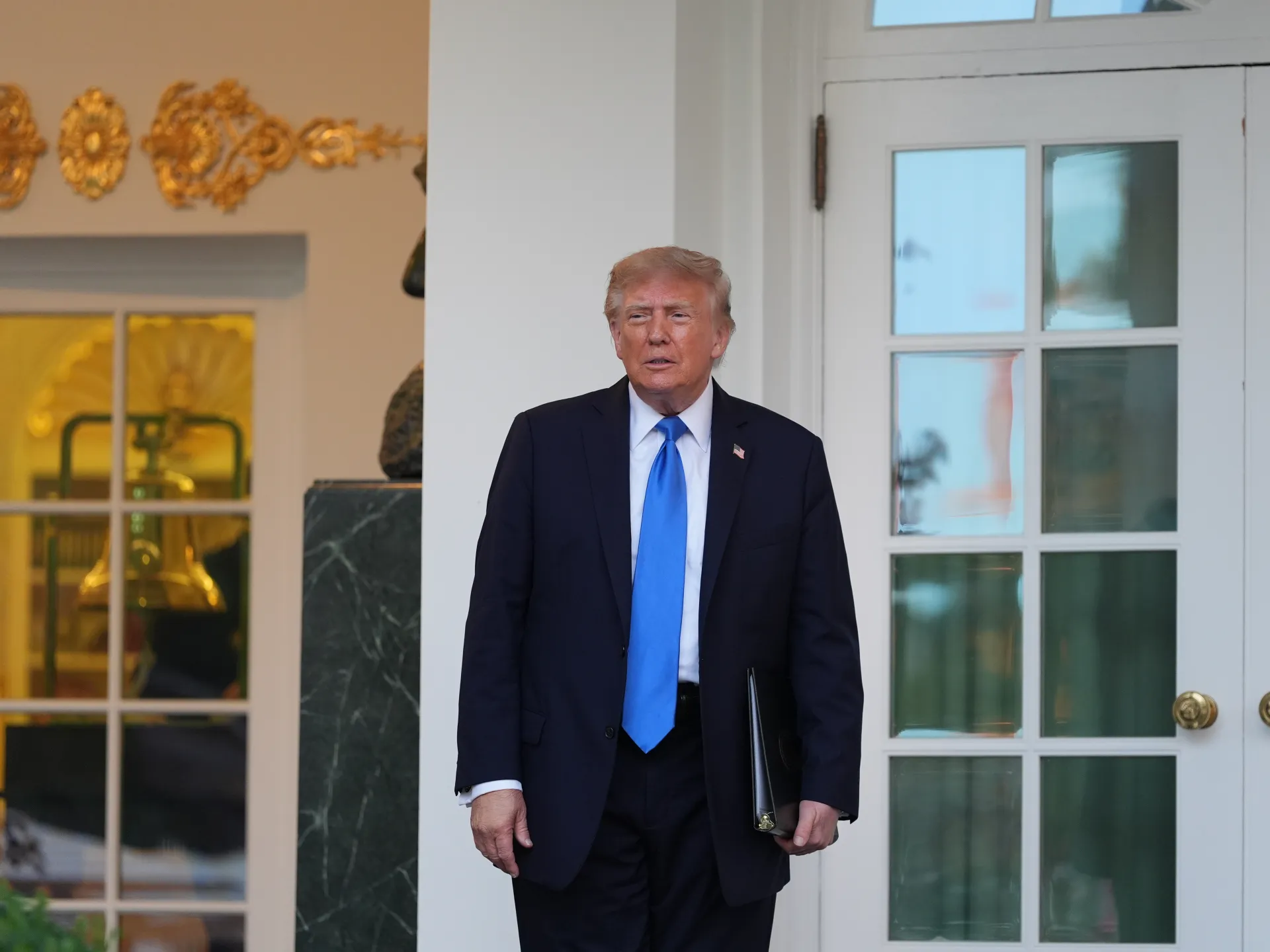
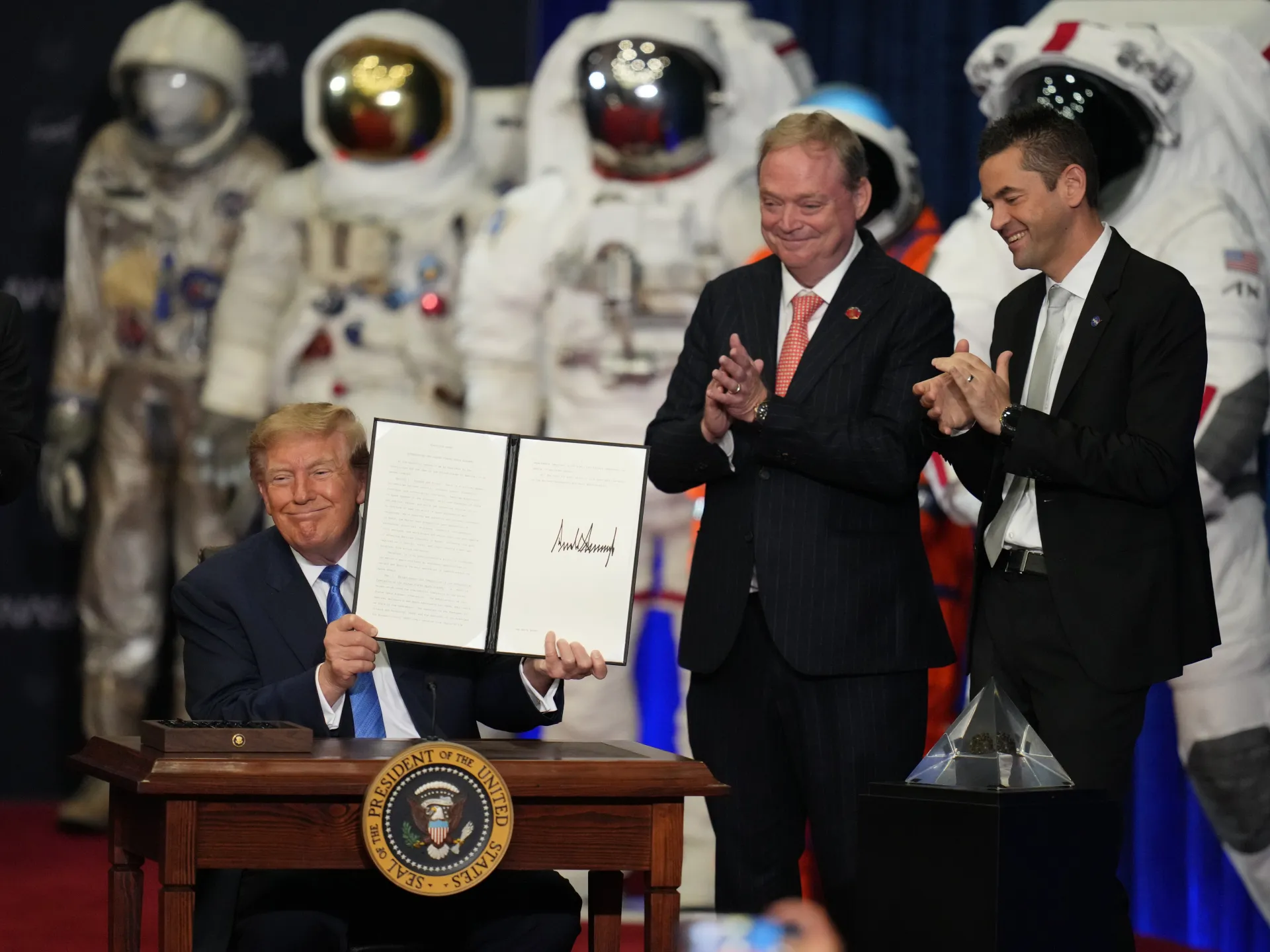
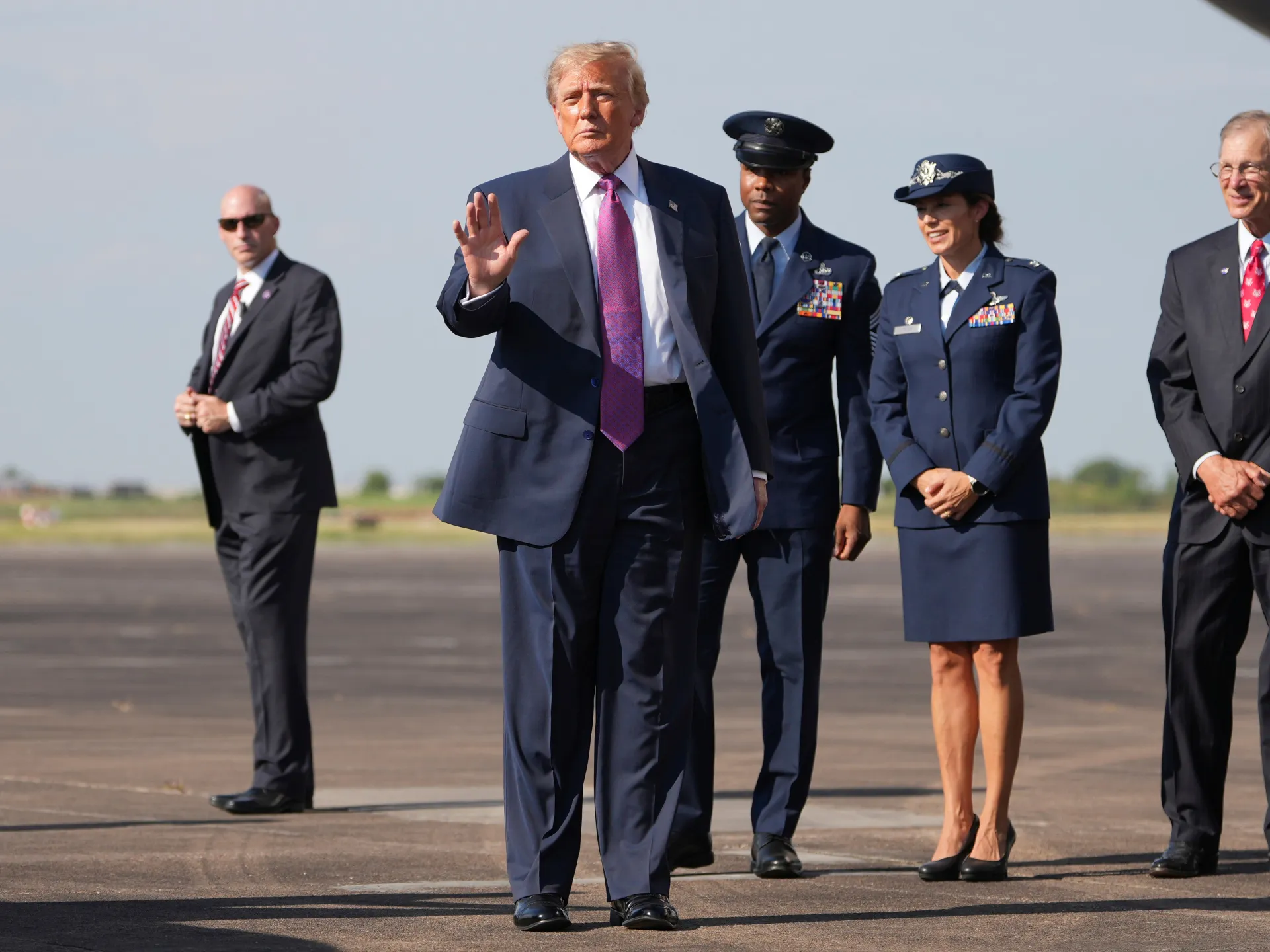
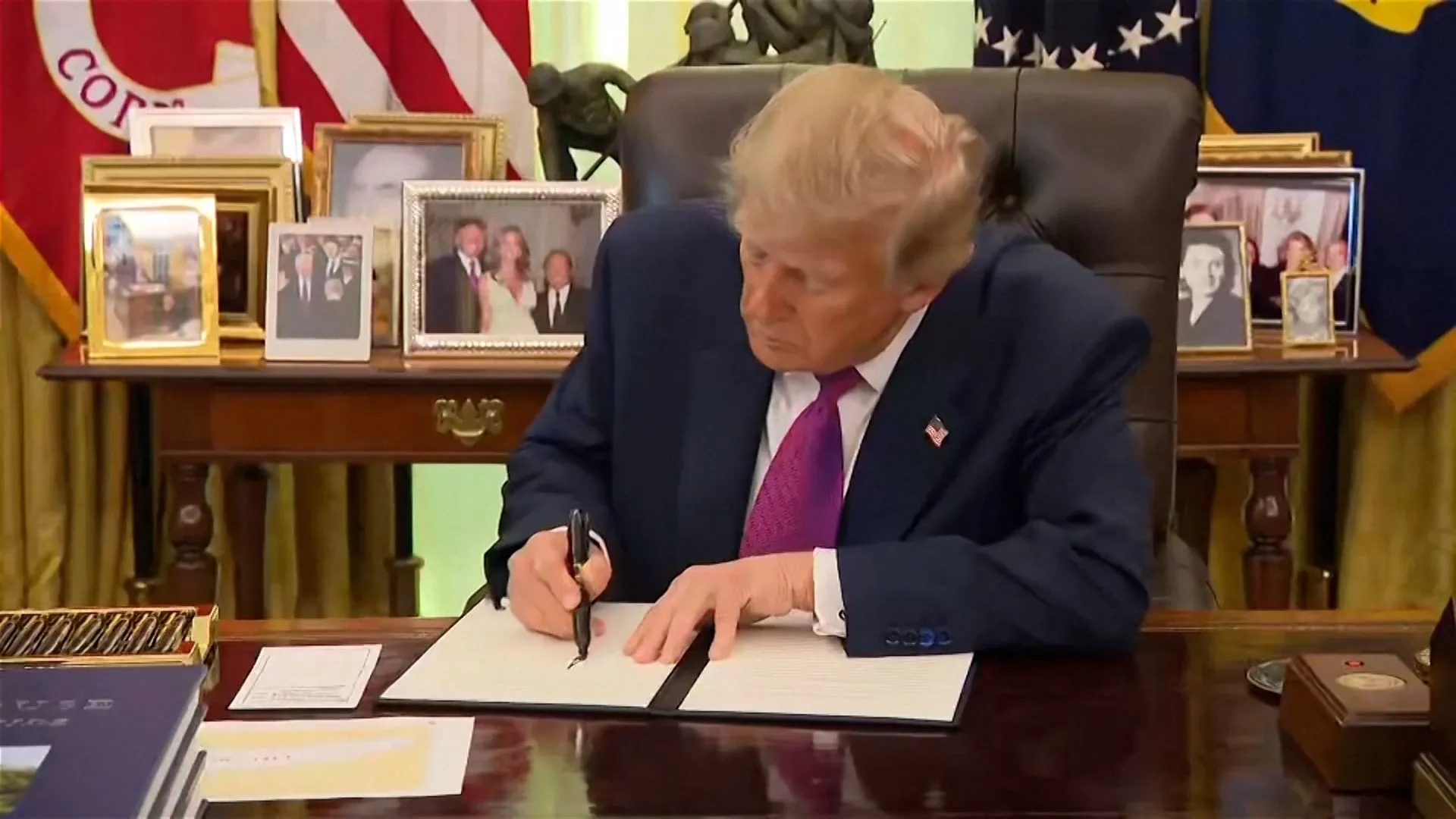
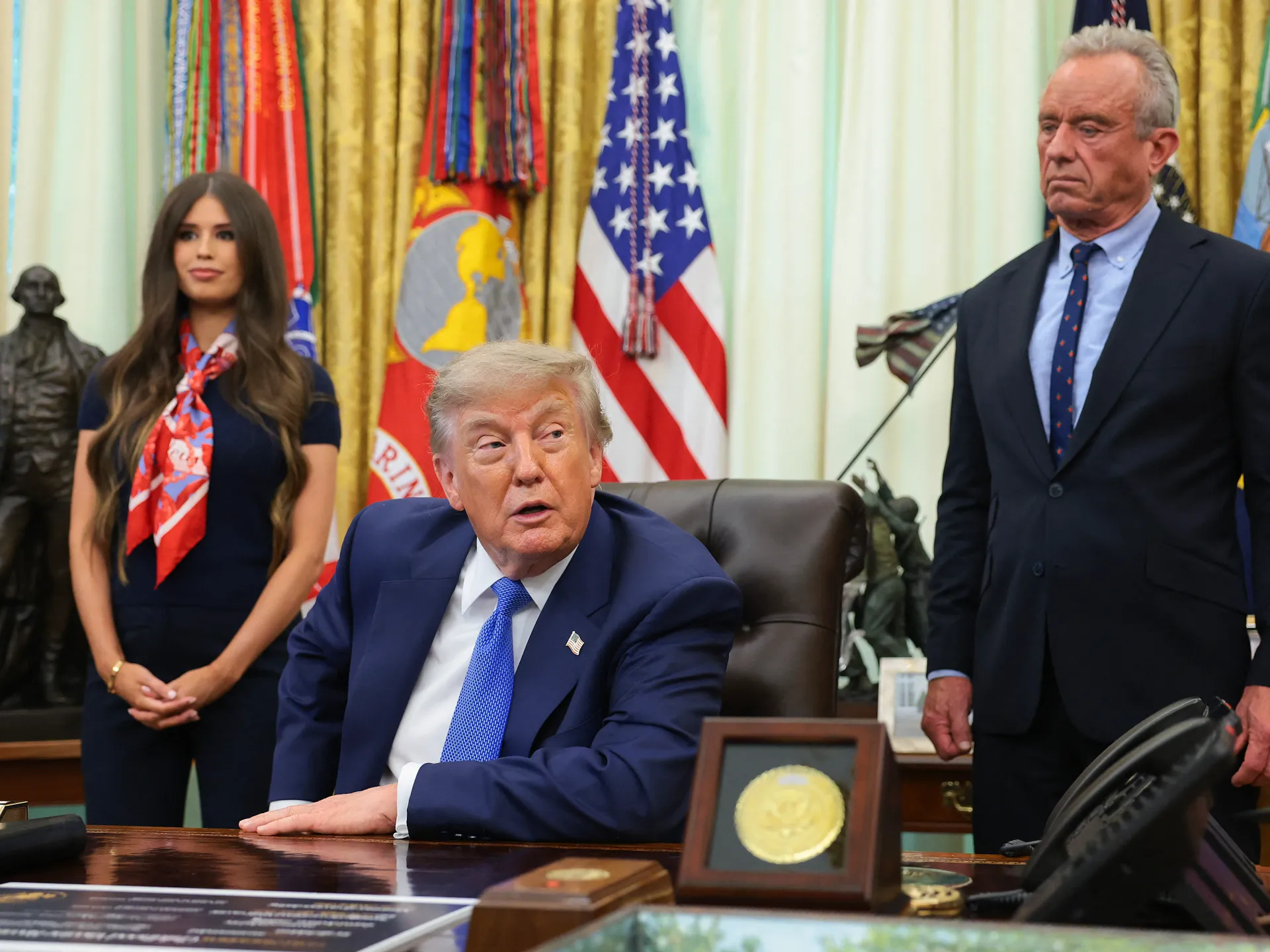
The United States Congress recently passed a comprehensive piece of legislation aimed at intensifying economic pressure on the Russian Federation. This new bill, which has been forwarded to President Donald Trump for his signature, grants the administration expanded authority to target foreign nations that continue to procure energy resources from Moscow. rther isolate the Kremlin in response to the ongoing conflict in Ukraine.
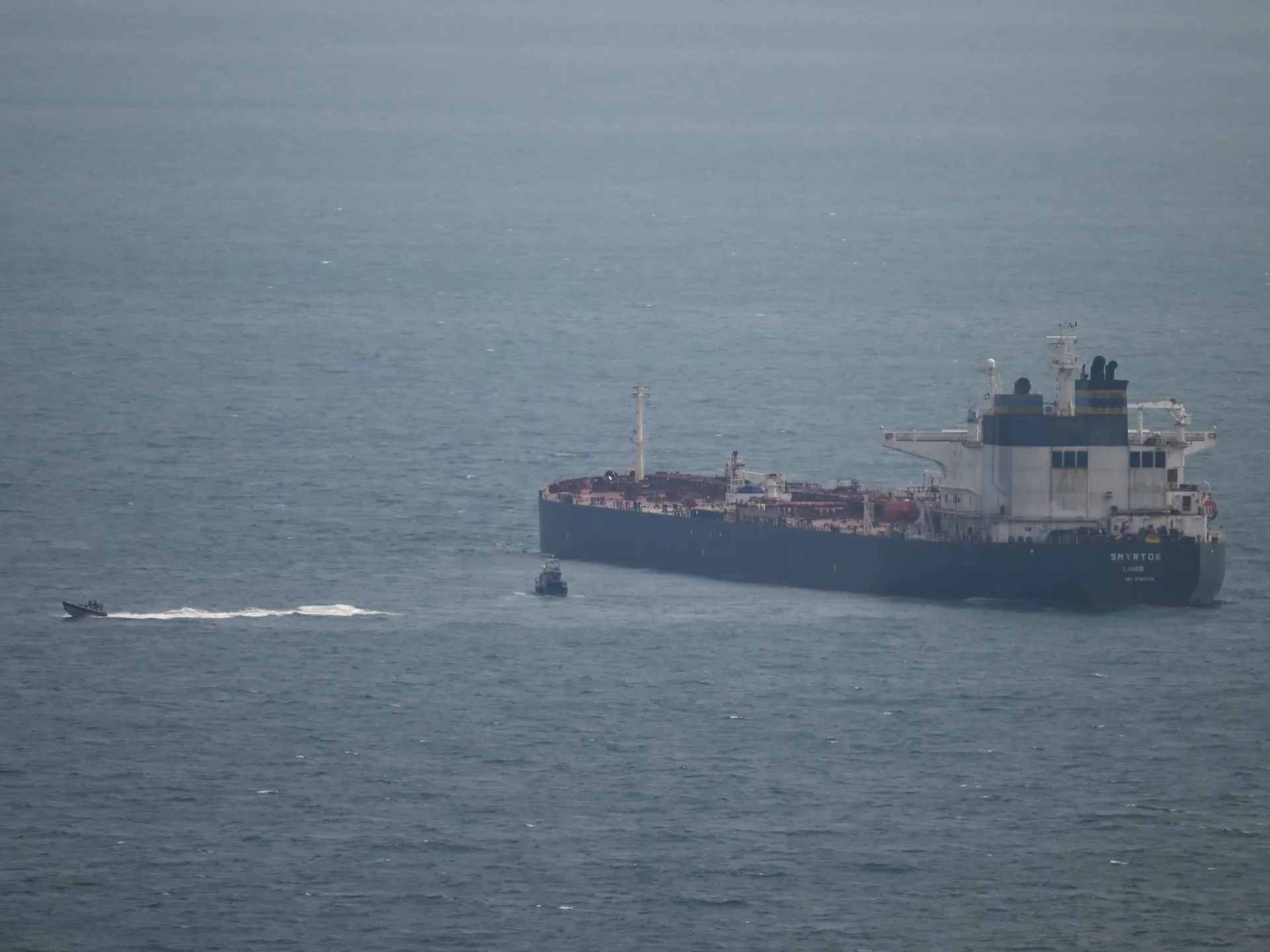
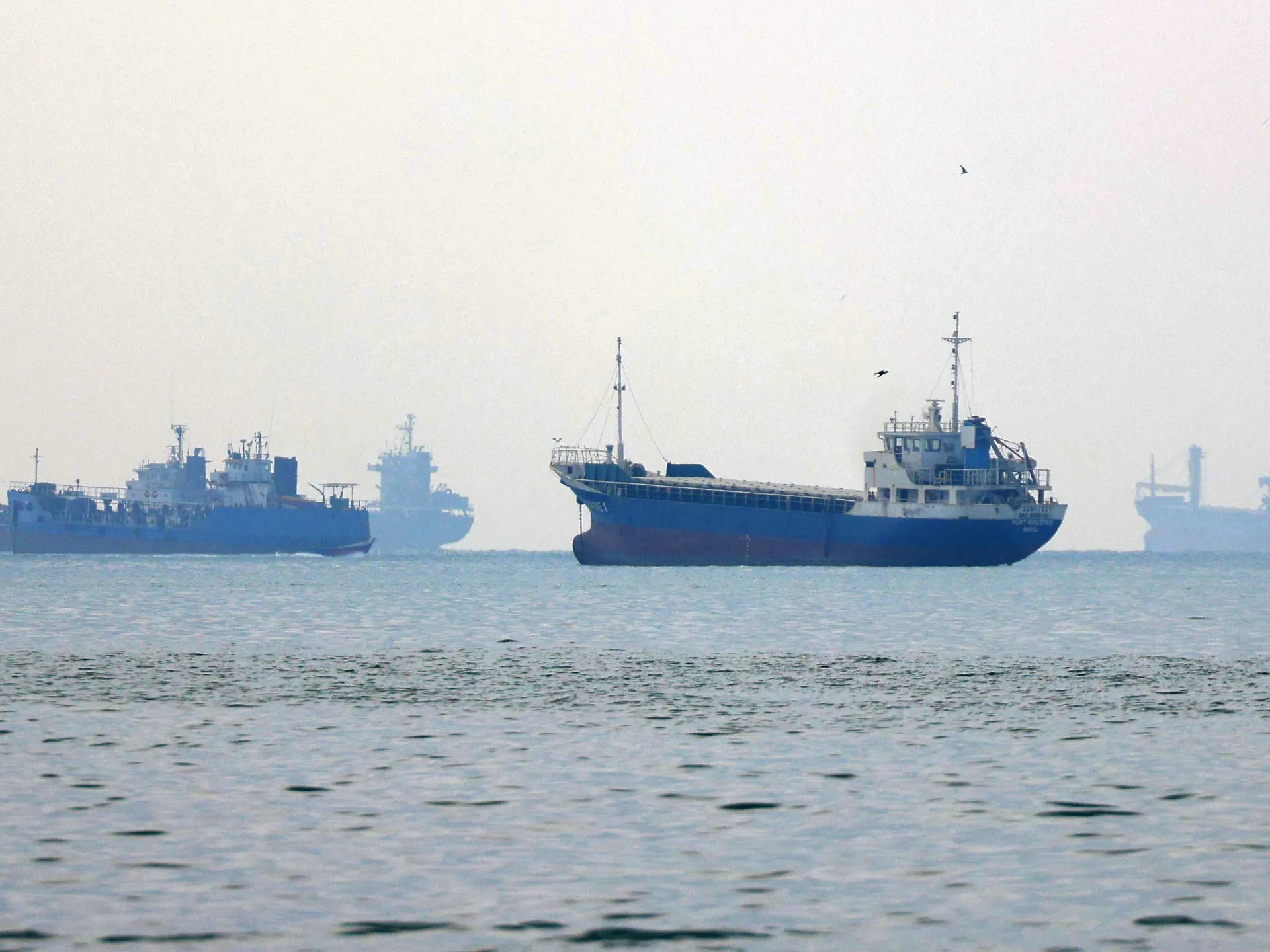
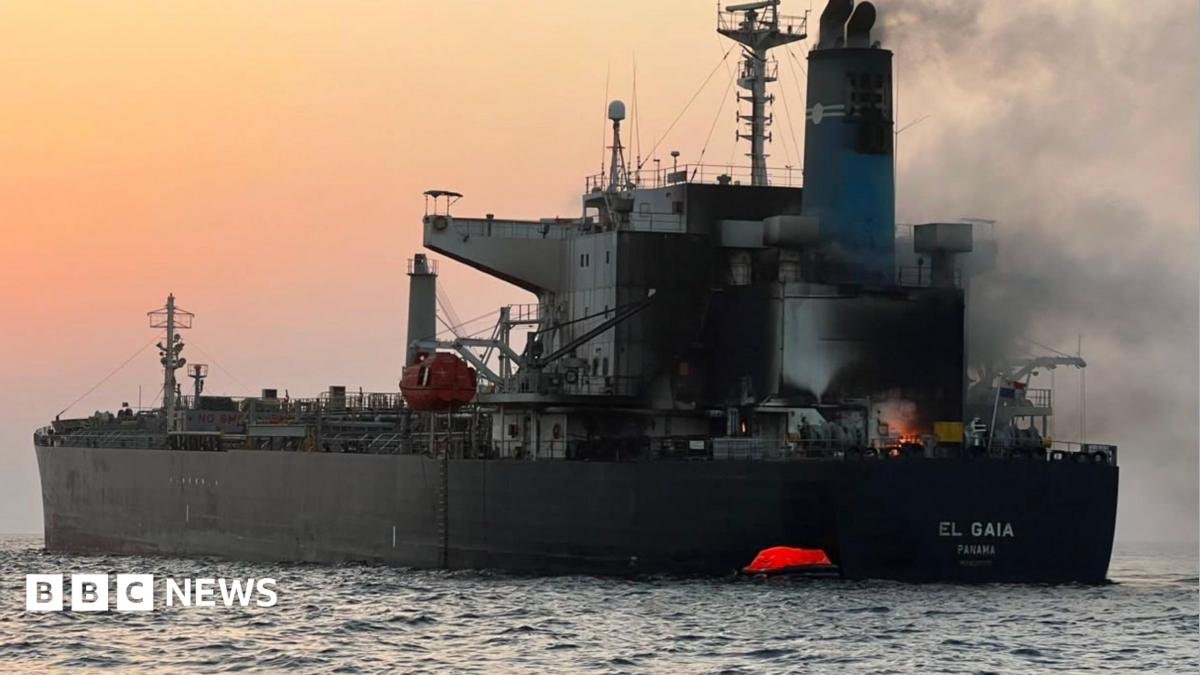
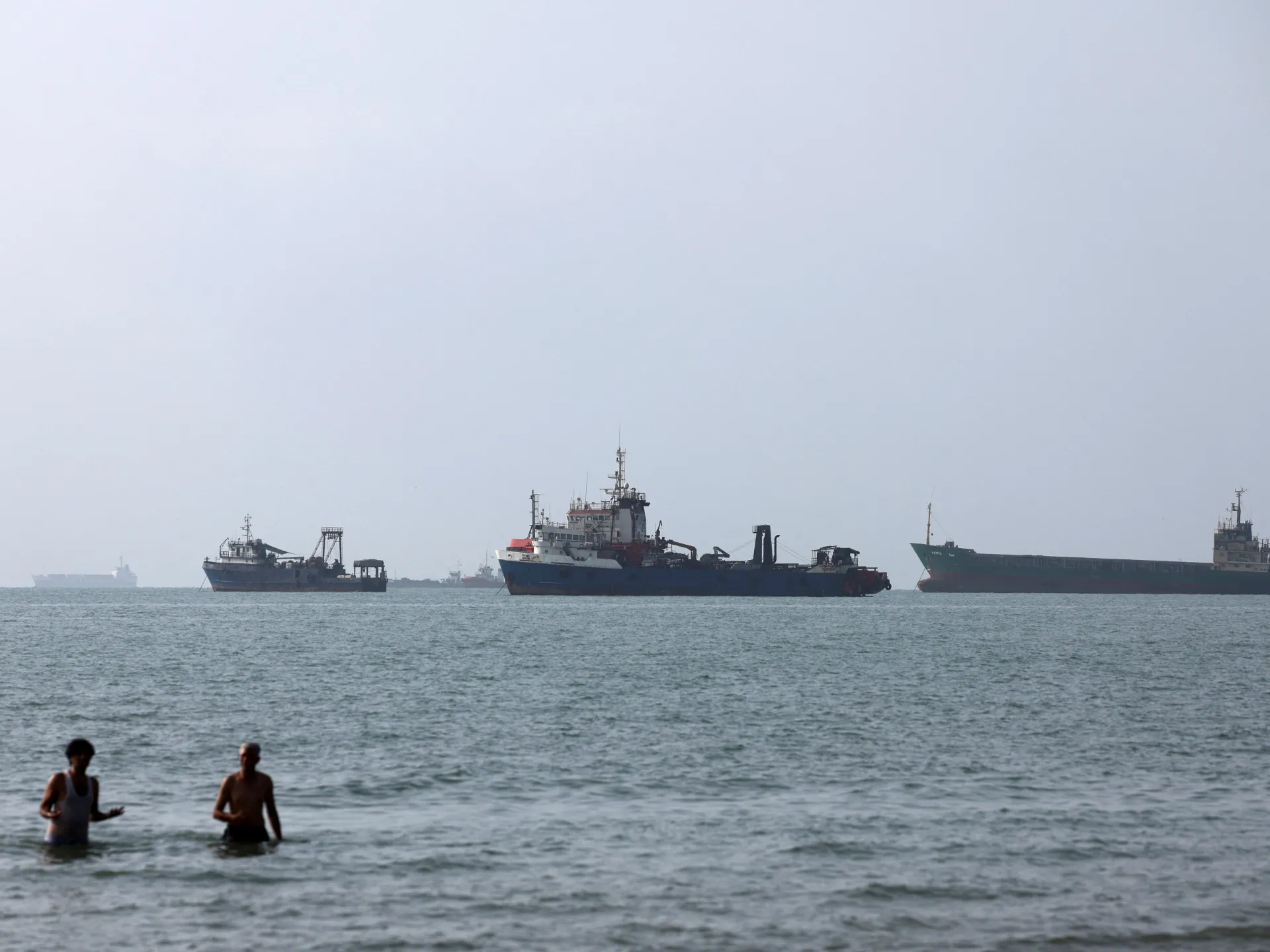
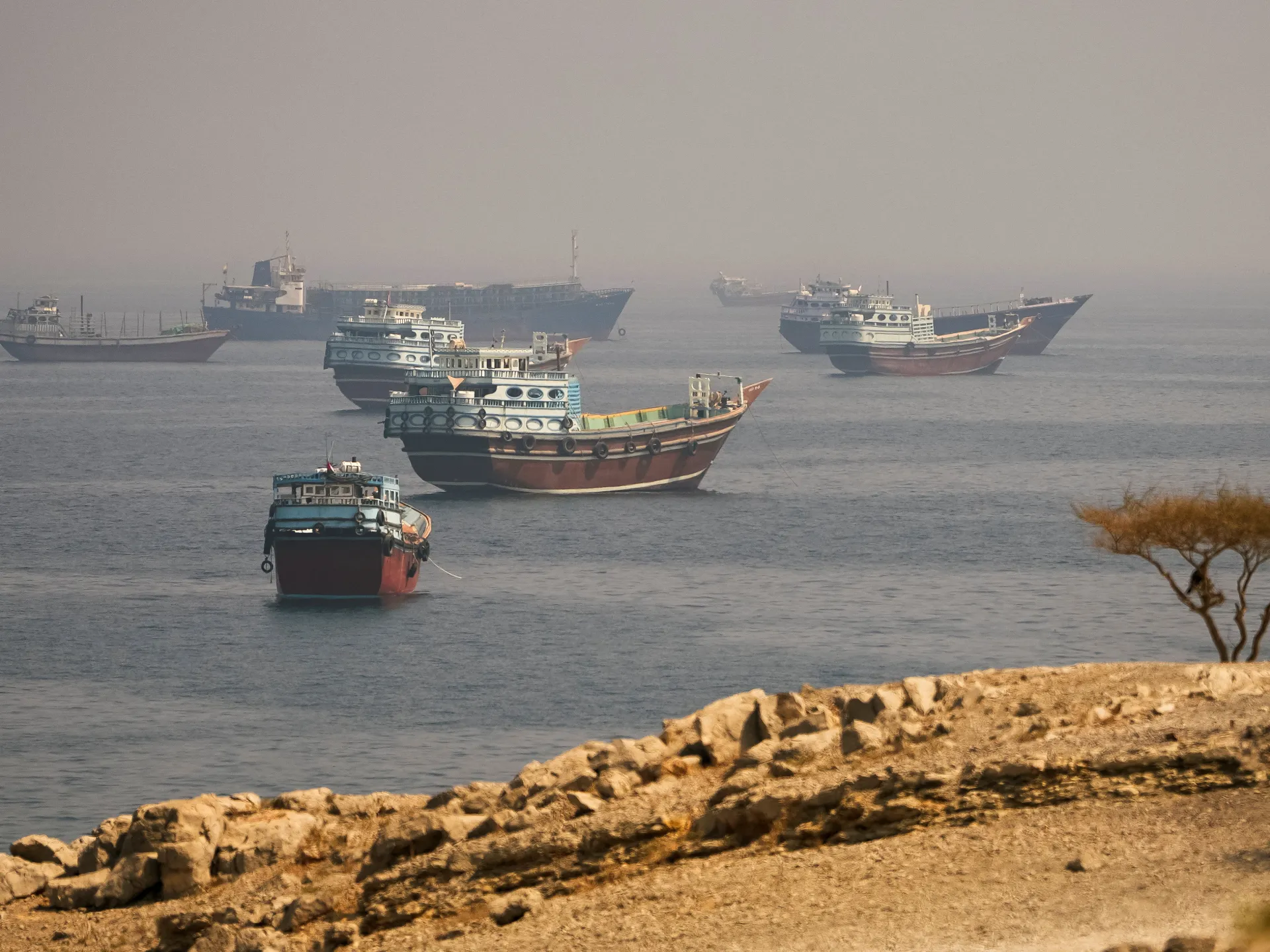
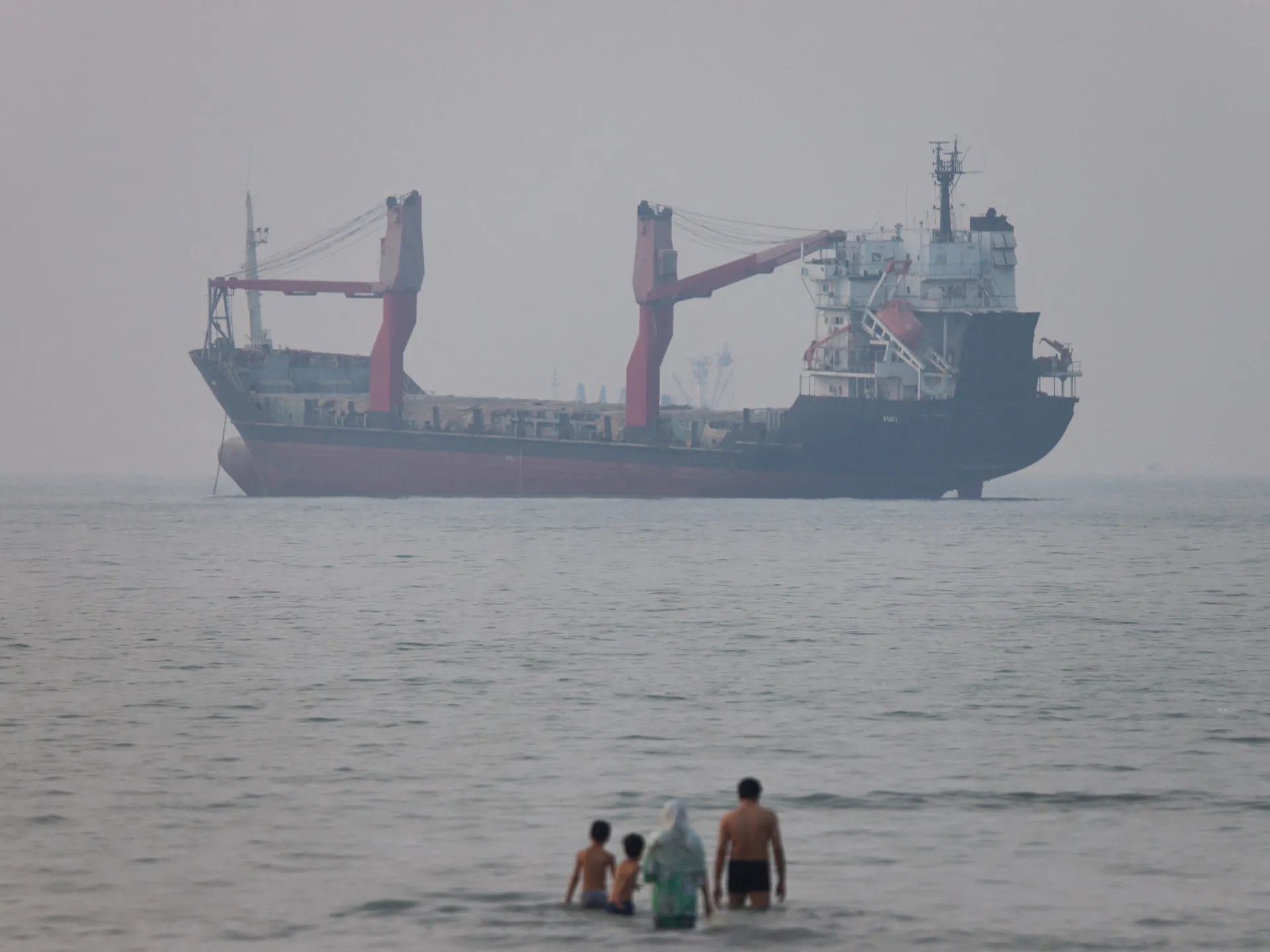
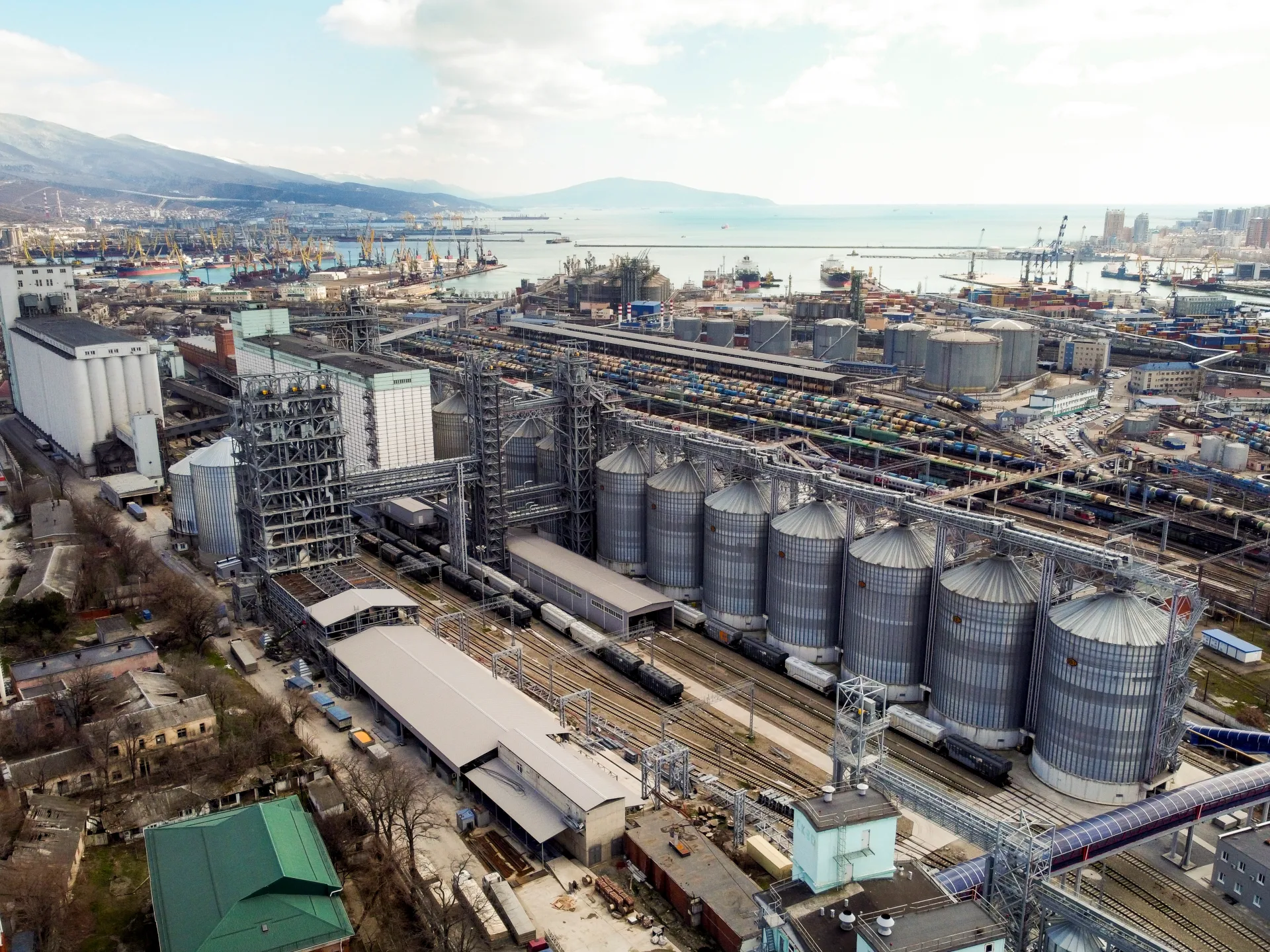
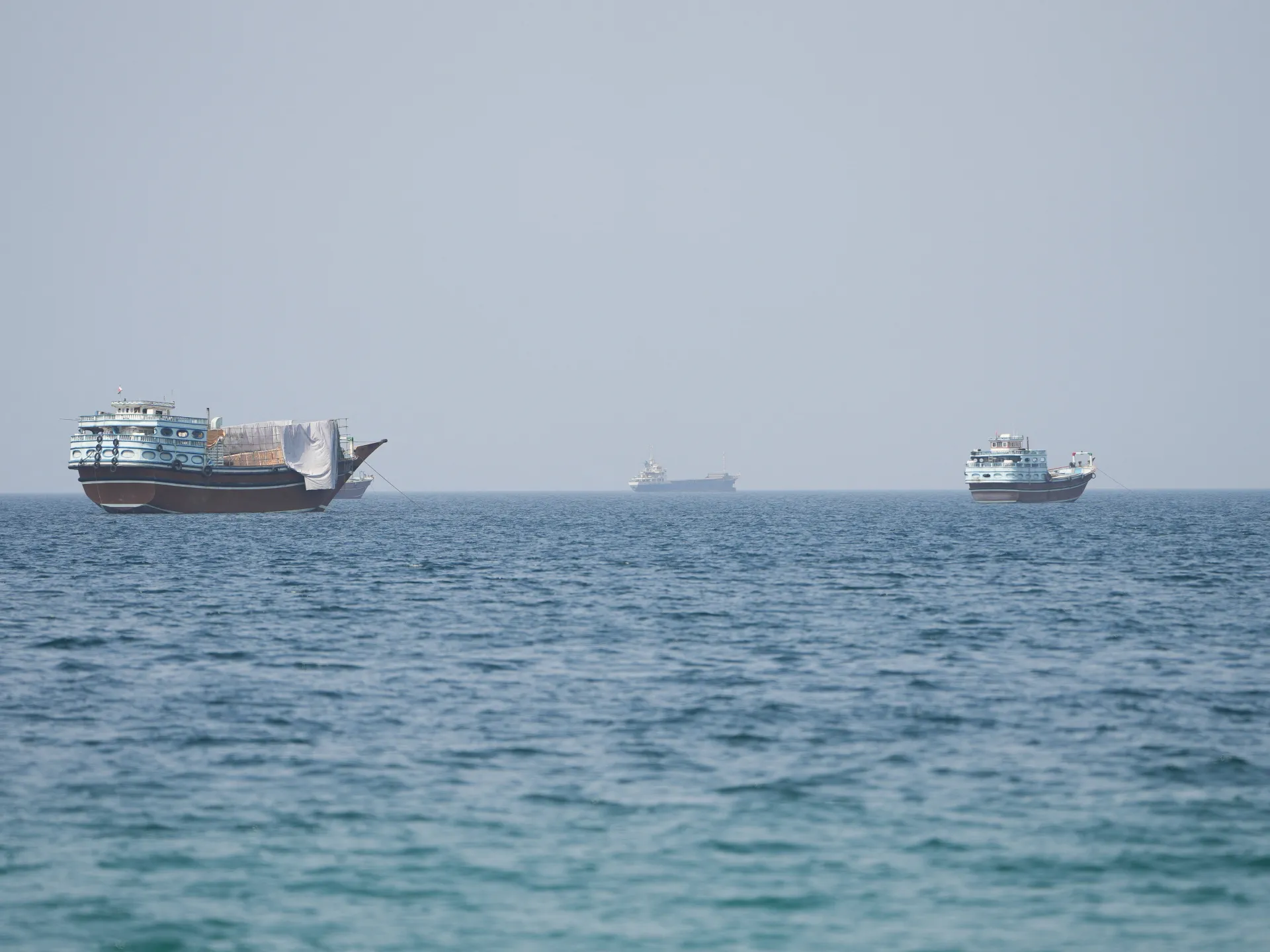
Beyond traditional sanctions, the bill introduces a significant mechanism for punitive trade measures. Under this new framework, the President is authorized to levy tariffs as high as 100 percent on nations that maintain energy dependency on Russia. This move is specifically designed to disrupt the so-called shadow fleet of tankers that has allowed Moscow to bypass existing Western limitations, thereby closing a critical loophole in the global sanctions regime.
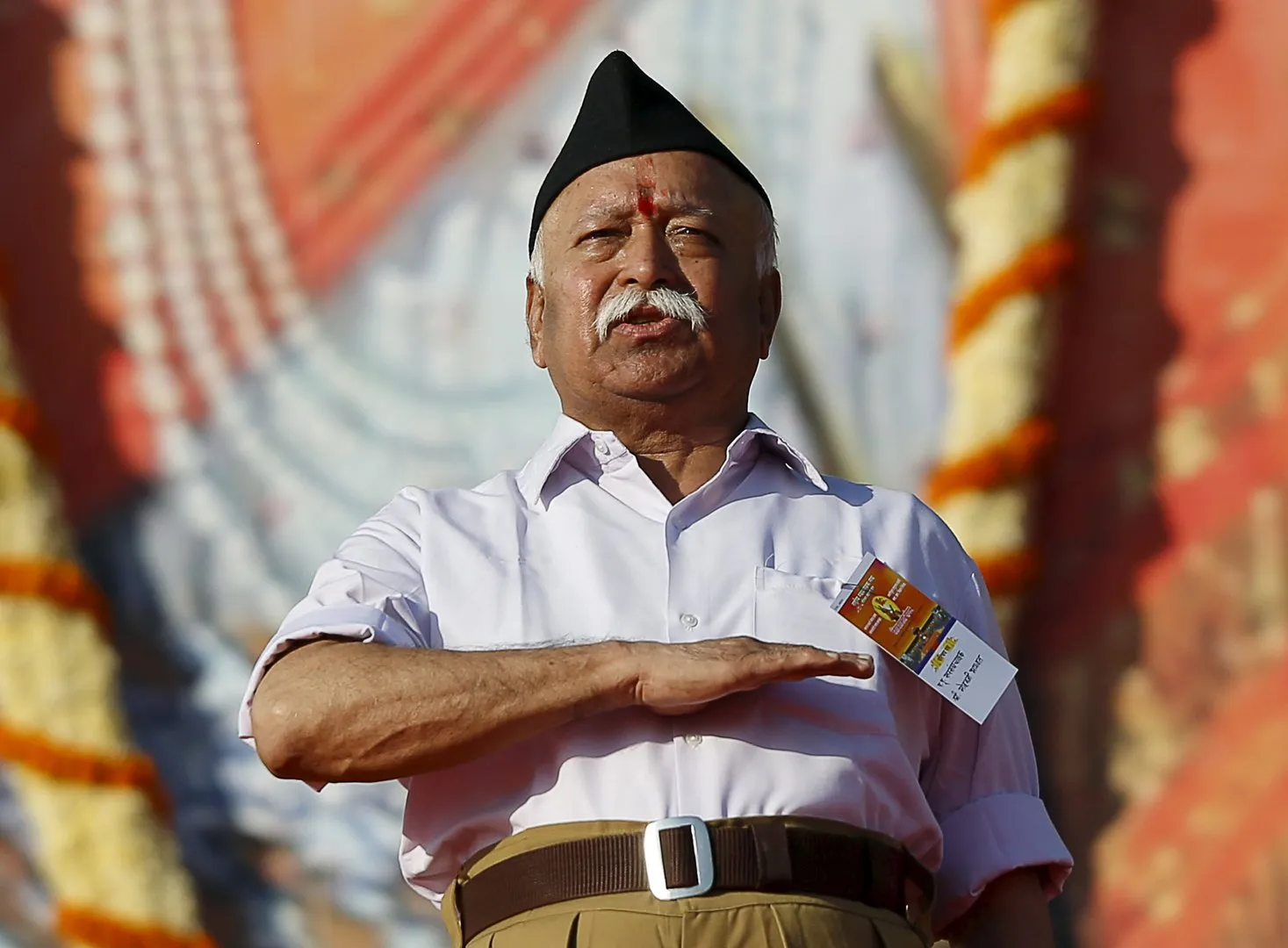
In response to the legislative developments in Washington, the Indian government has issued a firm statement emphasizing its commitment to the energy security of its 1.4 billion citizens. As the third-largest oil importer globally, India has maintained that its purchasing decisions are dictated ws the procurement of Russian oil not as a political alignment, but as a pragmatic necessity for its growing economy.
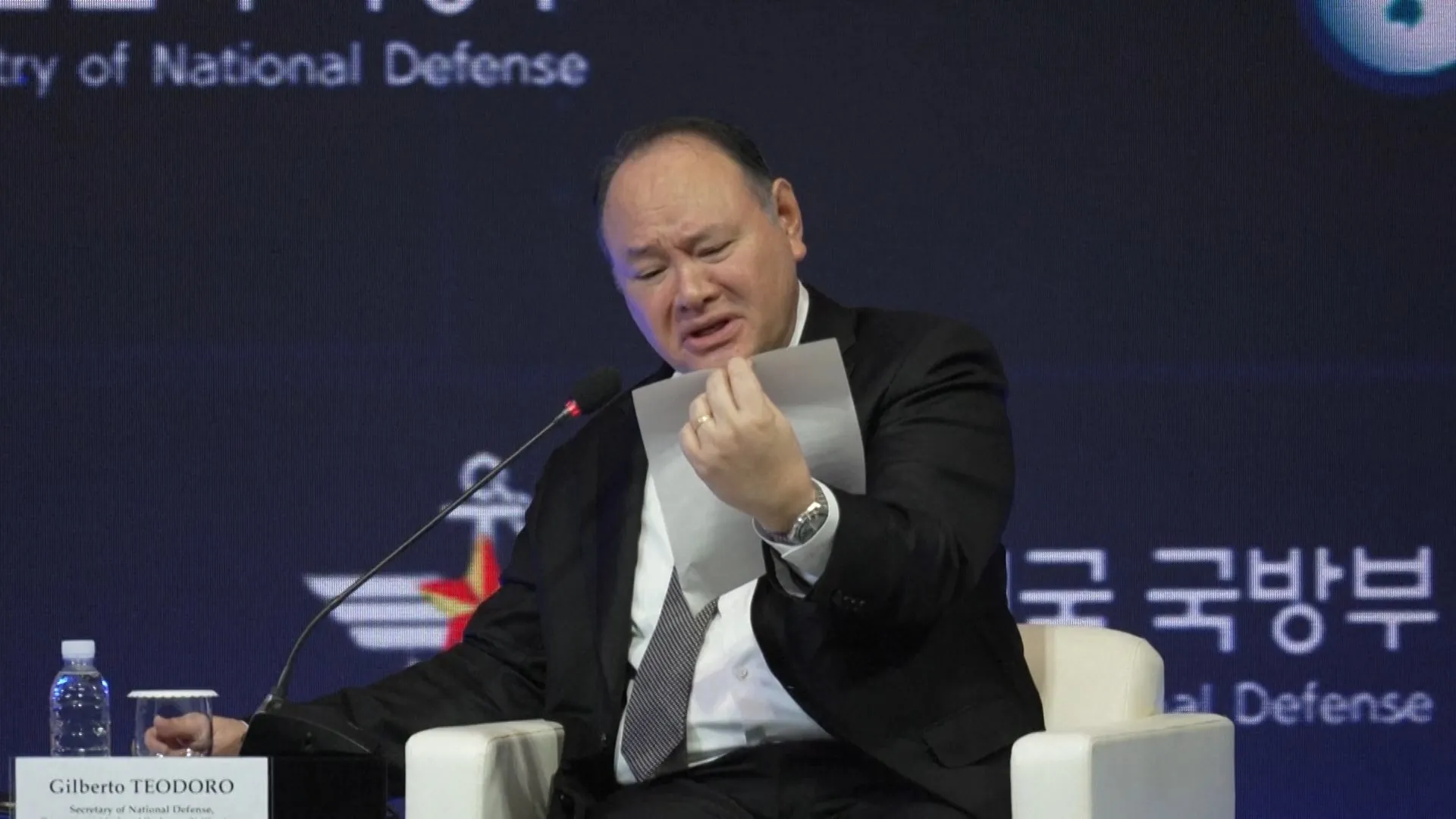
The Indian Ministry of External Affairs confirmed that it has communicated its concerns to U.S. officials repeatedly over the past several months. These discussions were intended to clarify how aggressive trade restrictions might adversely affect the bilateral relationship and cause unnecessary volatility in the international energy markets. The government has signaled that while it values its strategic partnership with the United States, it will not compromise on its fundamental economic interests.
The warning from New Delhi suggests that the implementation of these tariffs could lead to a cooling of diplomatic ties. India has consistently resisted pressure from Western allies to abandon its oil trade with Russia, arguing that its domestic requirements take precedence. States risks alienating a key strategic ally in the Indo-Pacific region.
To navigate the potential fallout, Indian authorities have announced plans to coordinate closely with domestic trade and industry organizations. This collaborative approach aims to mitigate the adverse effects of the impending U.S. legislation. Officials have stated that they are prepared to take all necessary steps to safeguard national economic interests, reflecting a broader shift toward protecting internal autonomy against external geopolitical pressures.
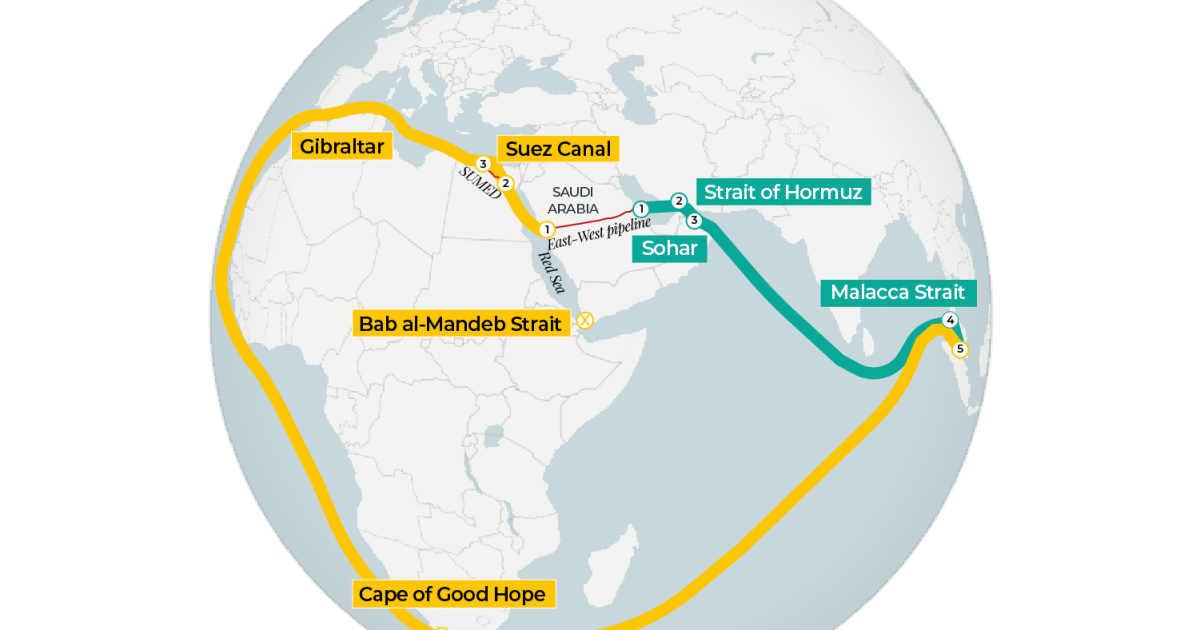
The broader implications of this policy extend beyond the immediate U.S.-India dynamic. pting to reconfigure global energy trade routes. However, analysts suggest that such moves could have unintended consequences, including spikes in global energy prices and supply chain disruptions that could negatively impact developing economies that rely heavily on affordable imports.
As the situation develops, the international community will be watching to see if the U.S. exercises its new powers with restraint or if it proceeds with the maximum tariff levels outlined in the bill. For India, the primary objective remains the stability of its energy supply chain. The coming months will likely see intensive diplomatic efforts as both nations attempt to balance their respective geopolitical goals with the realities of global energy dependence.