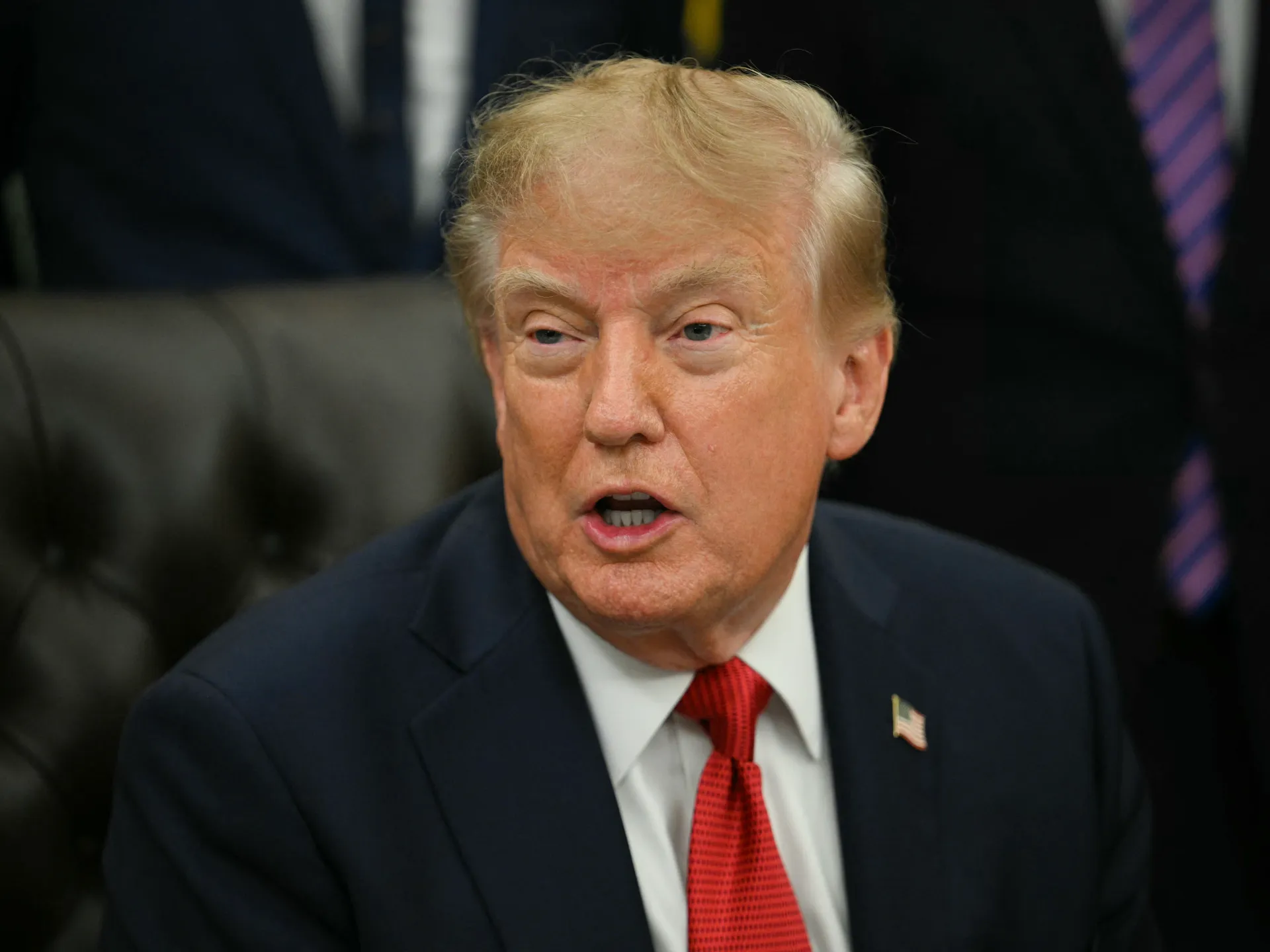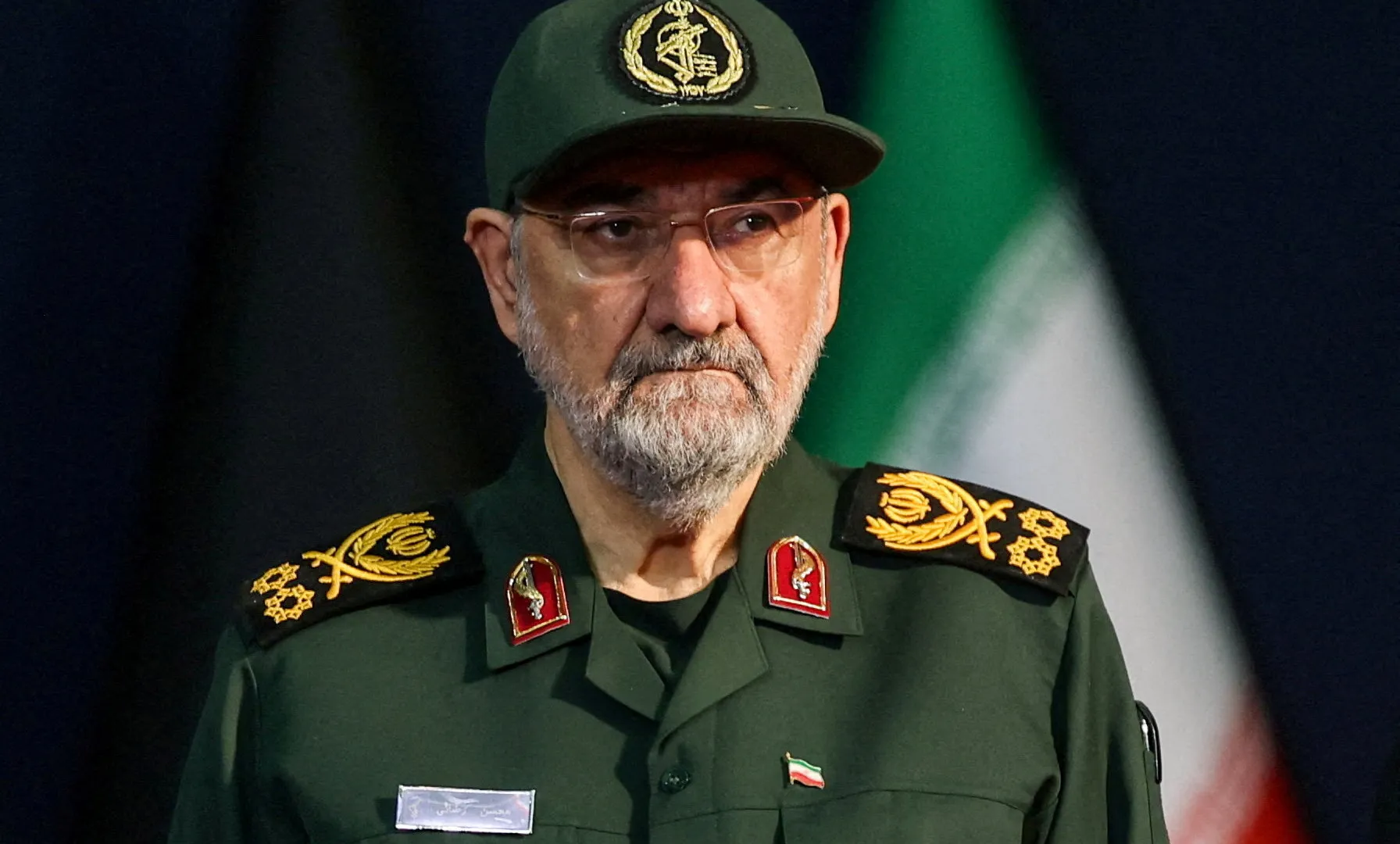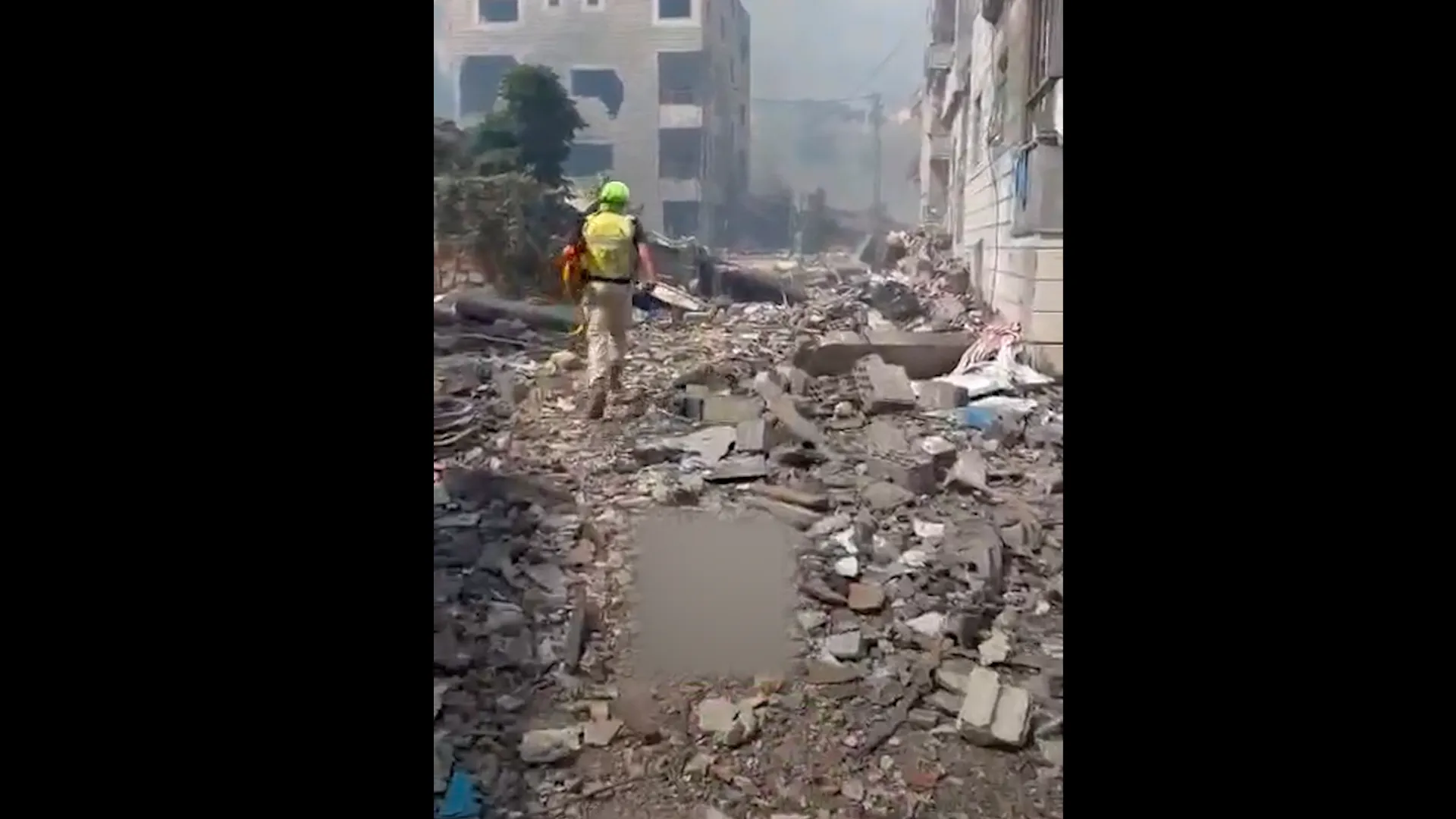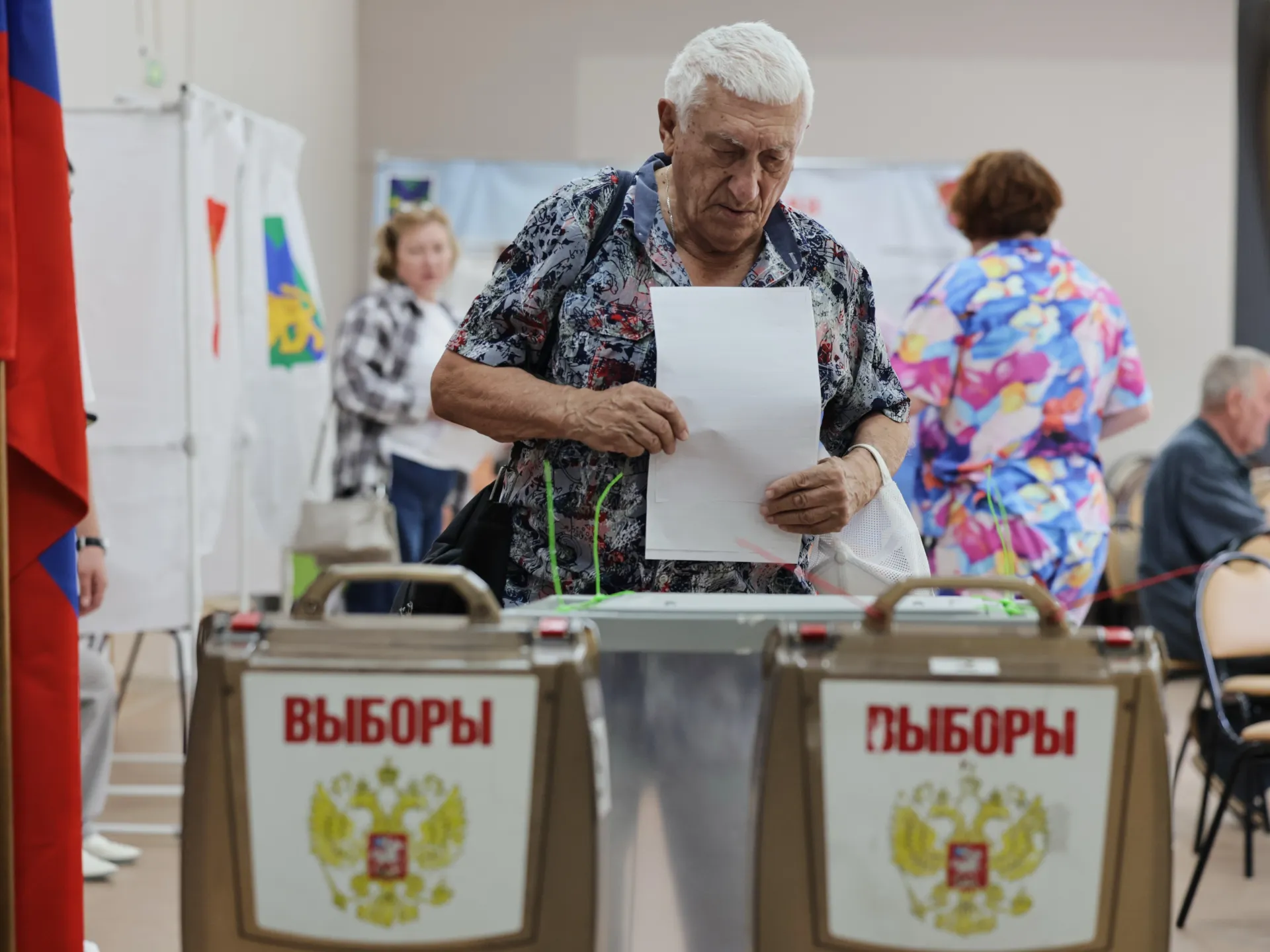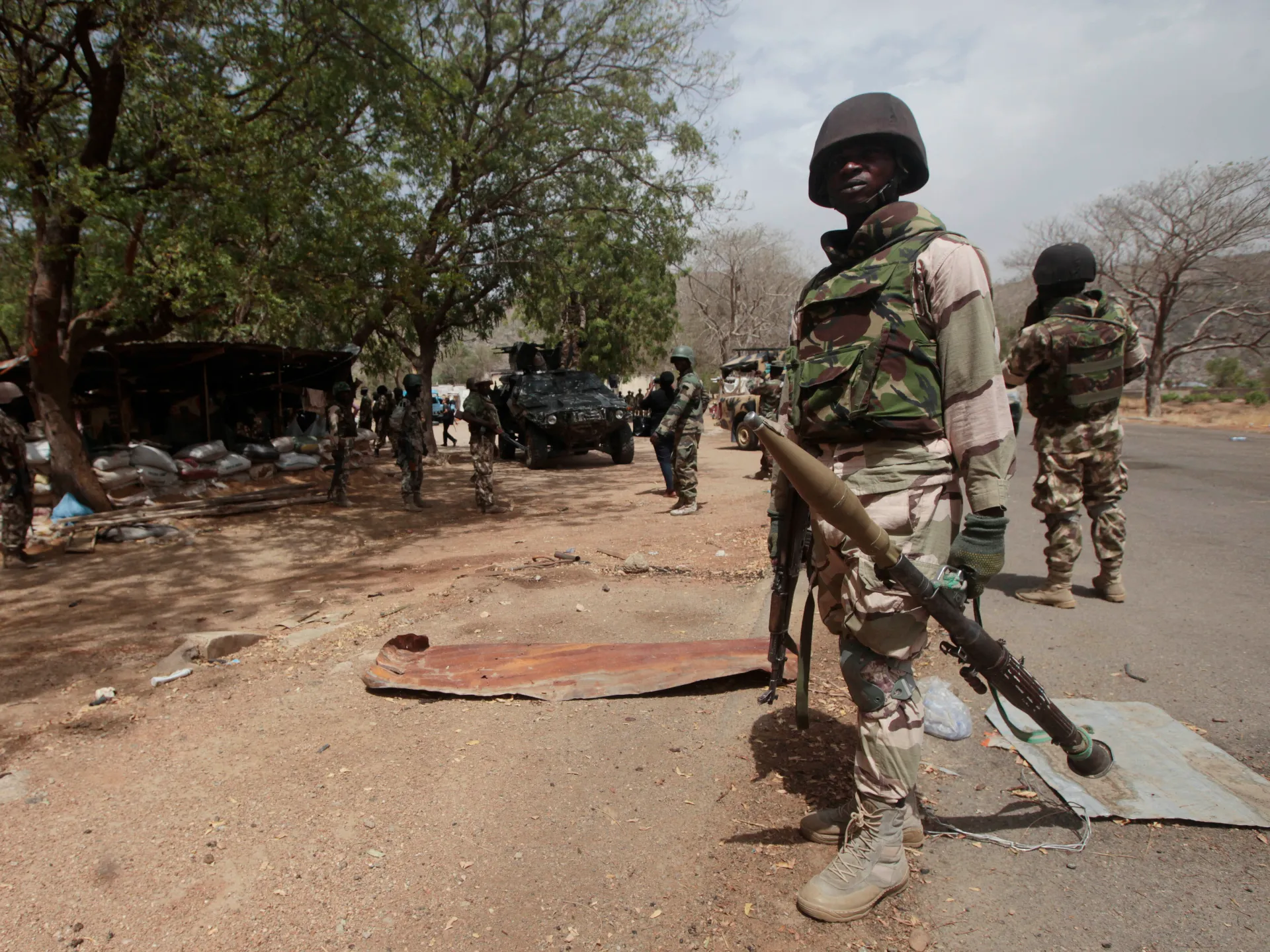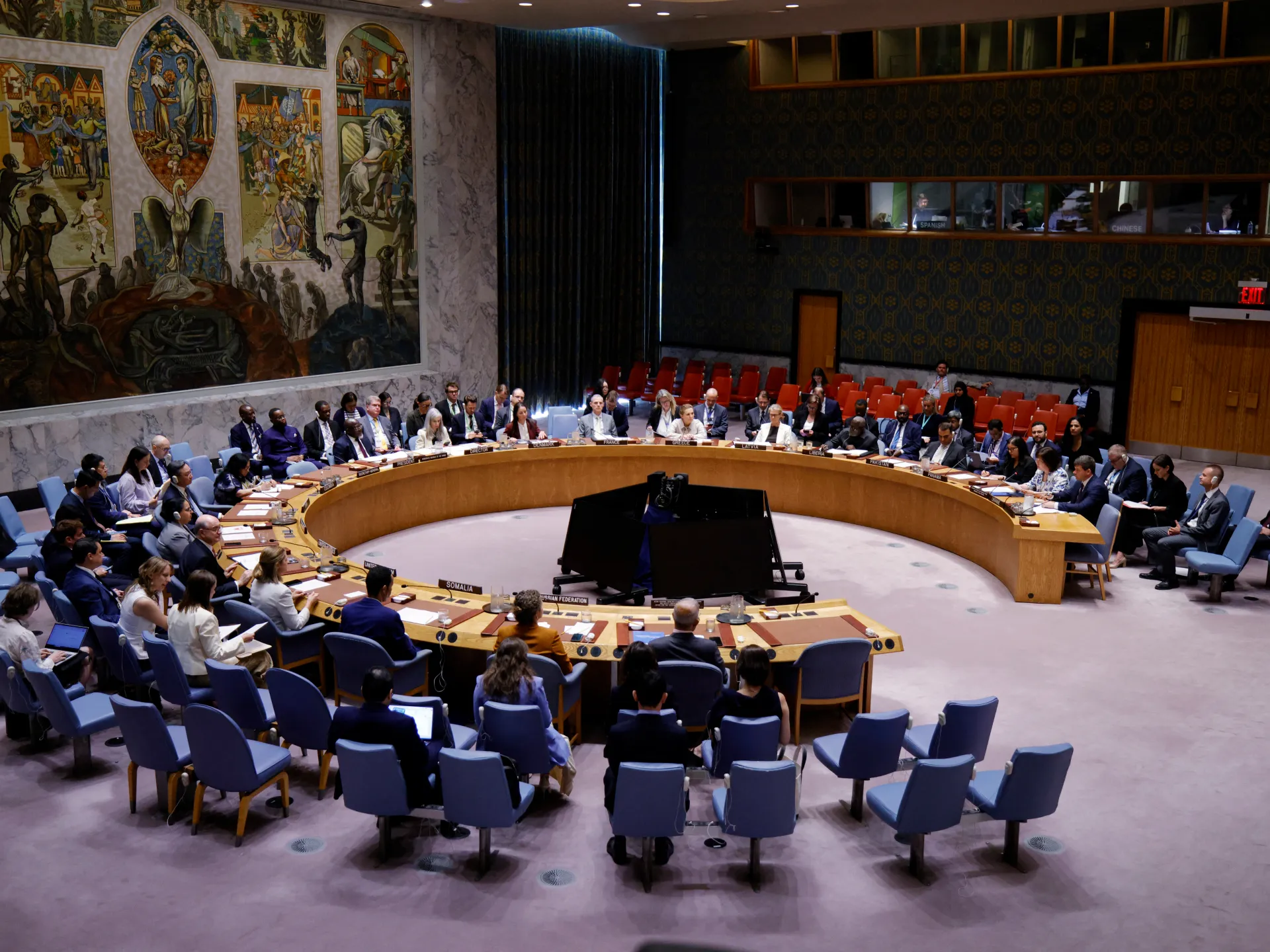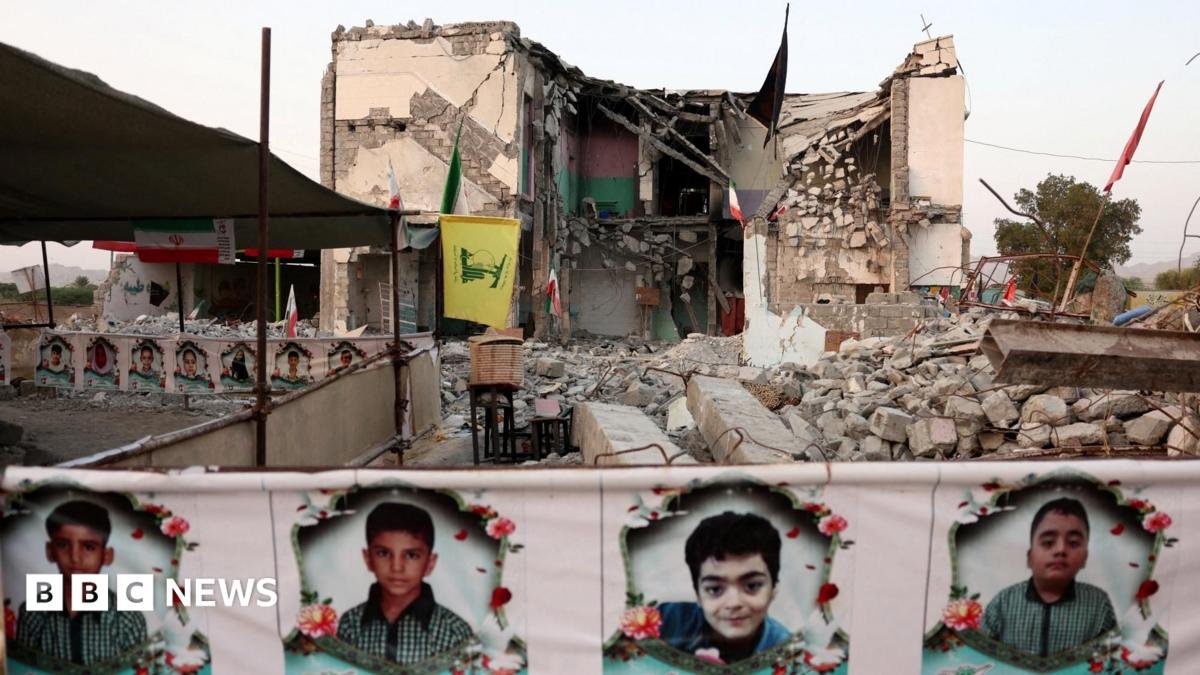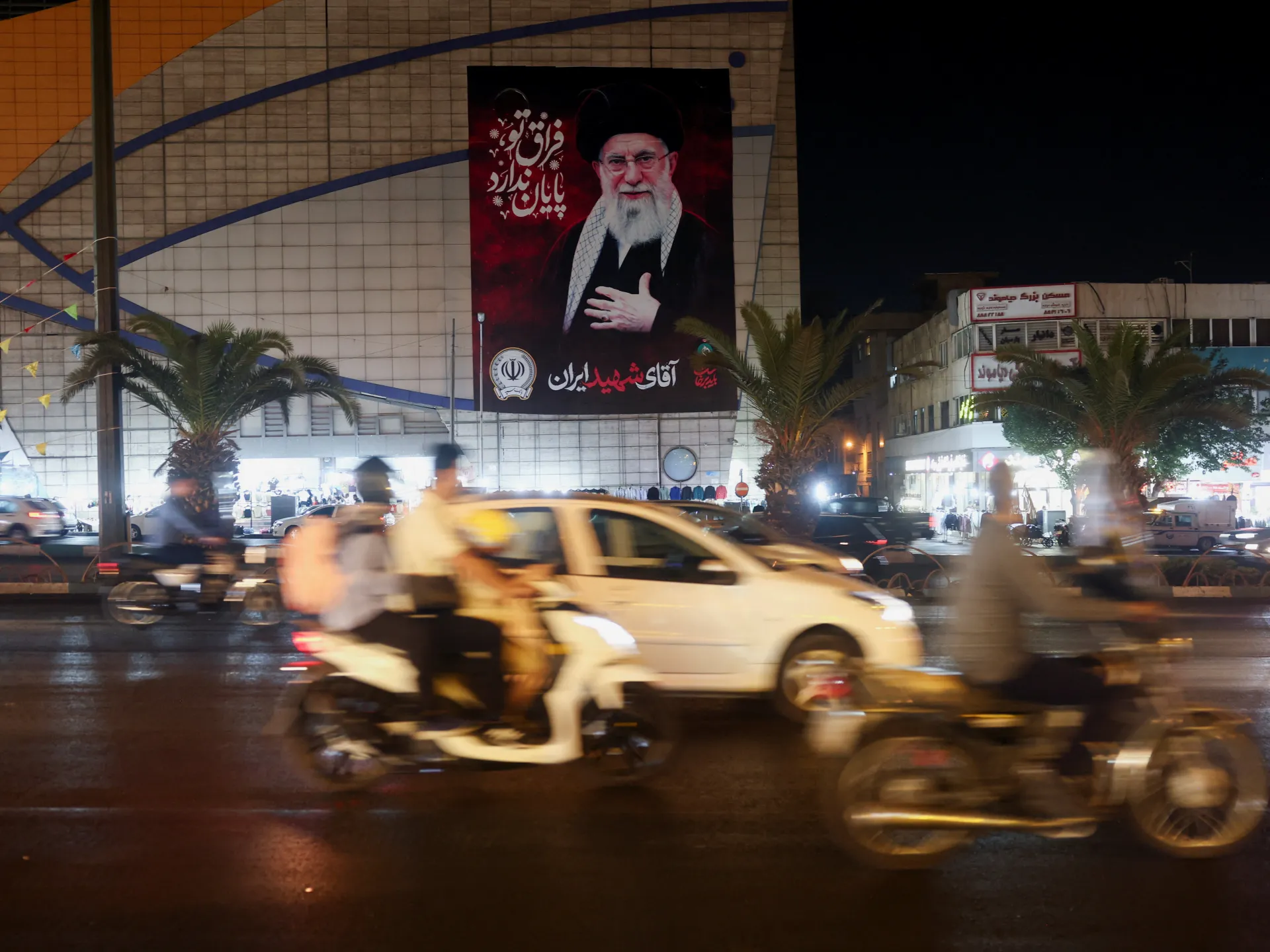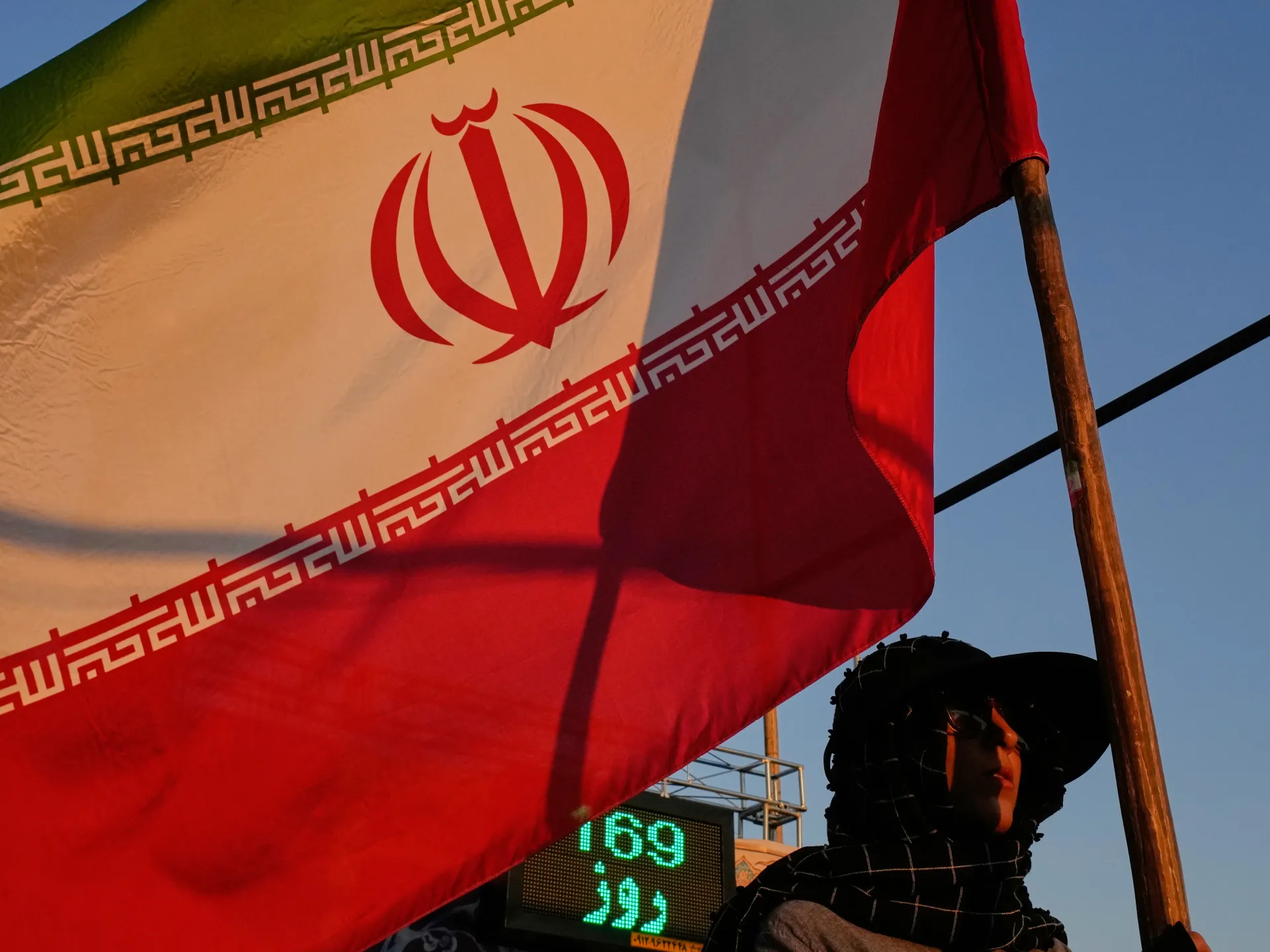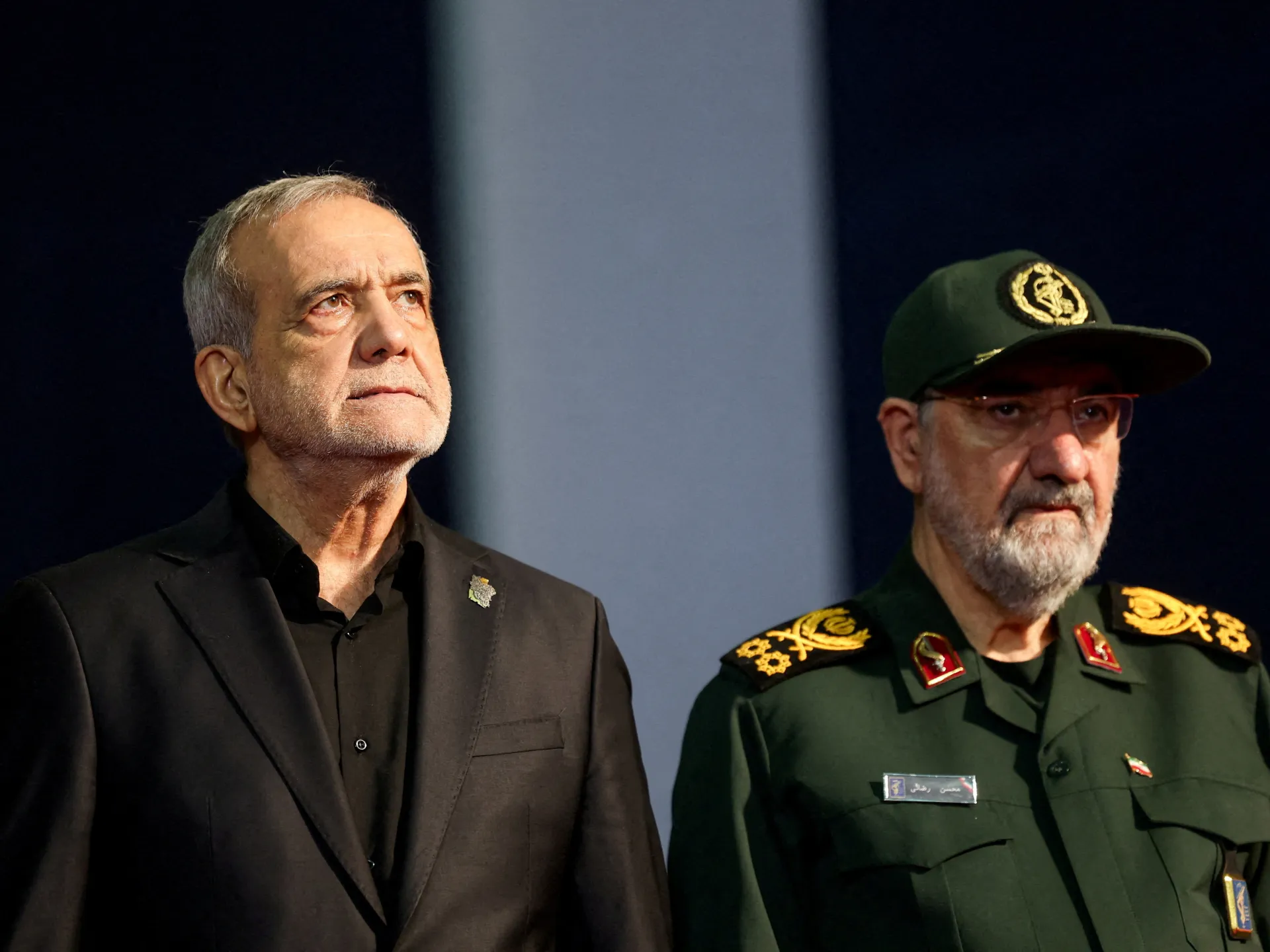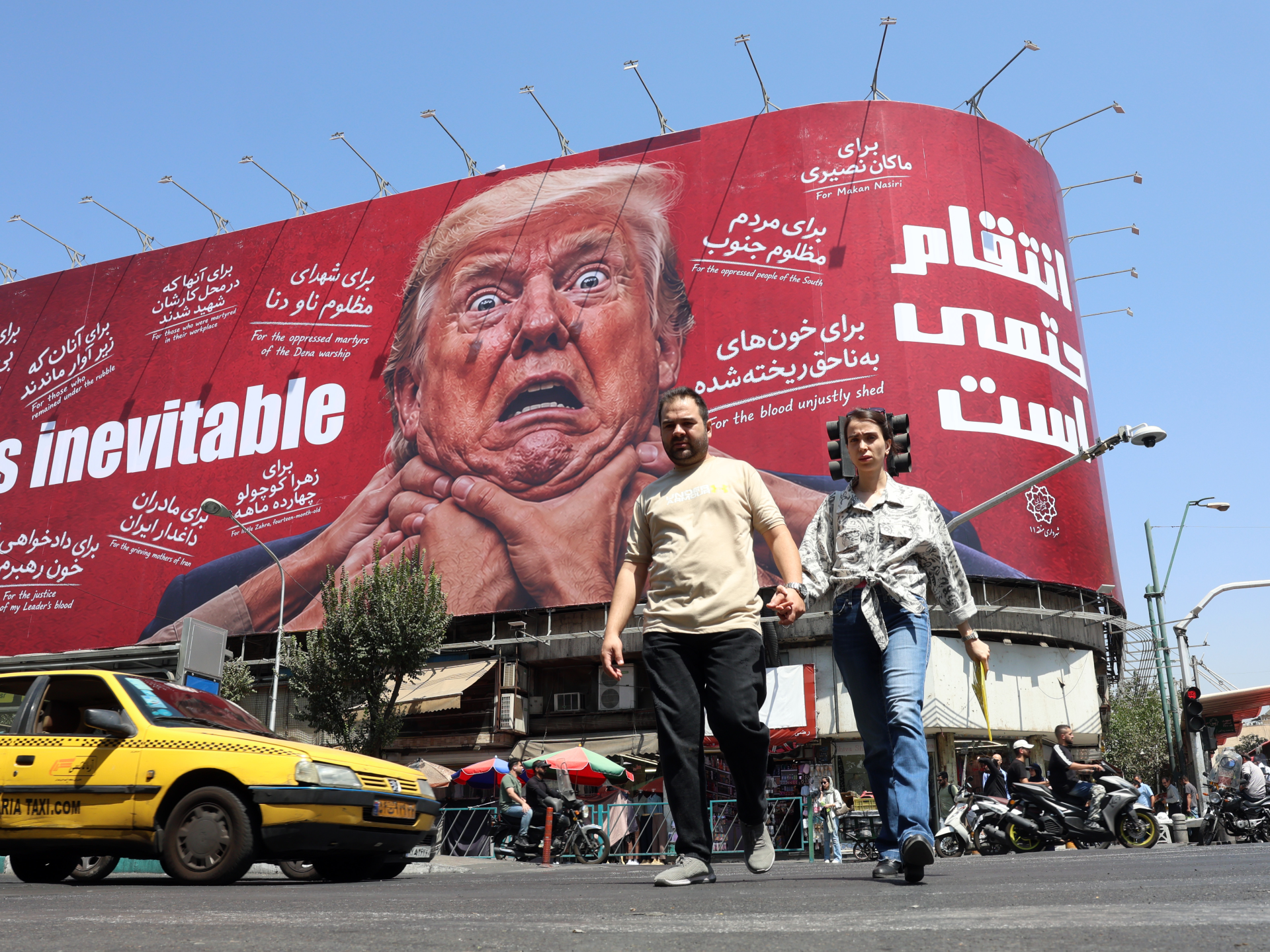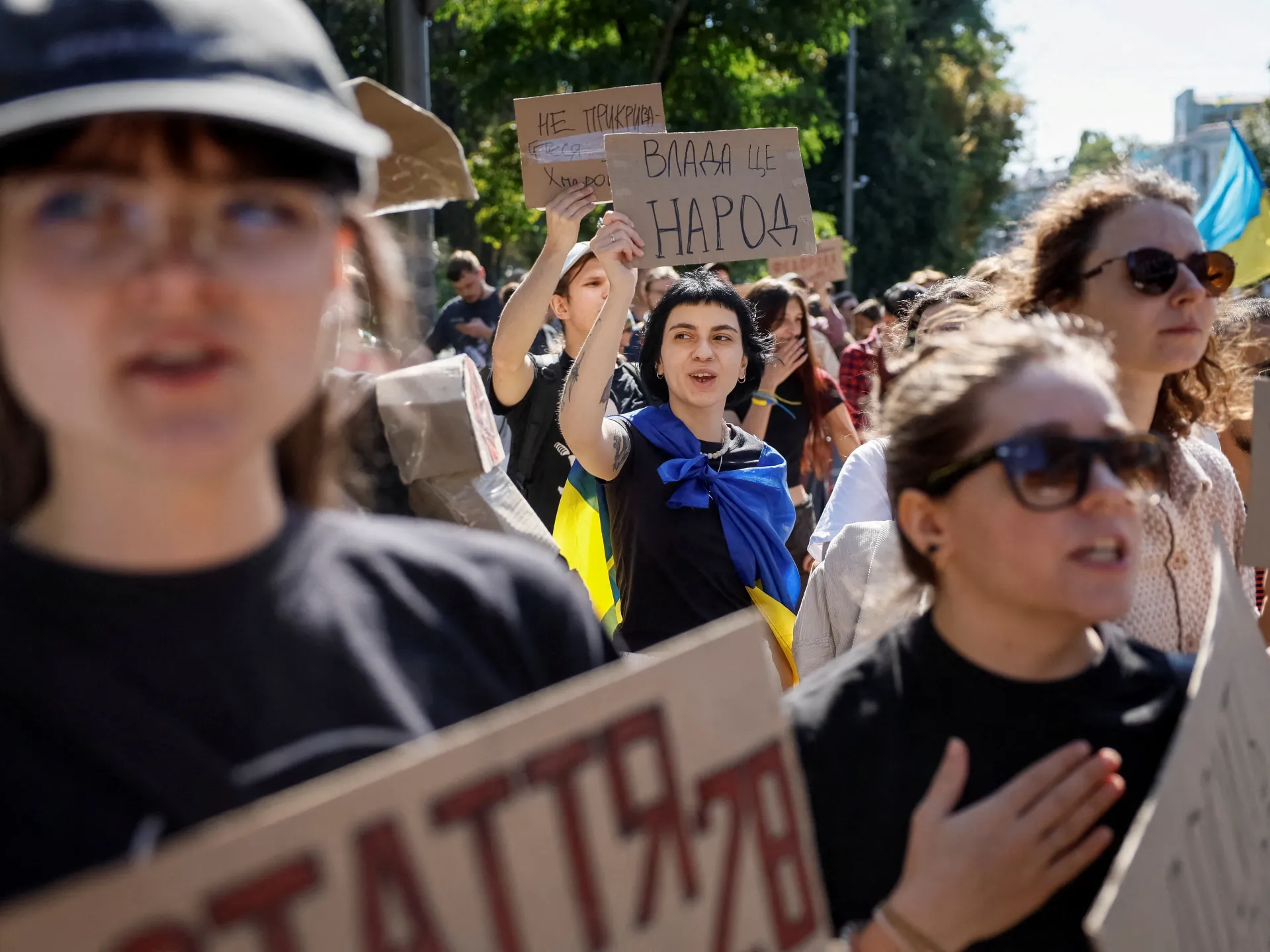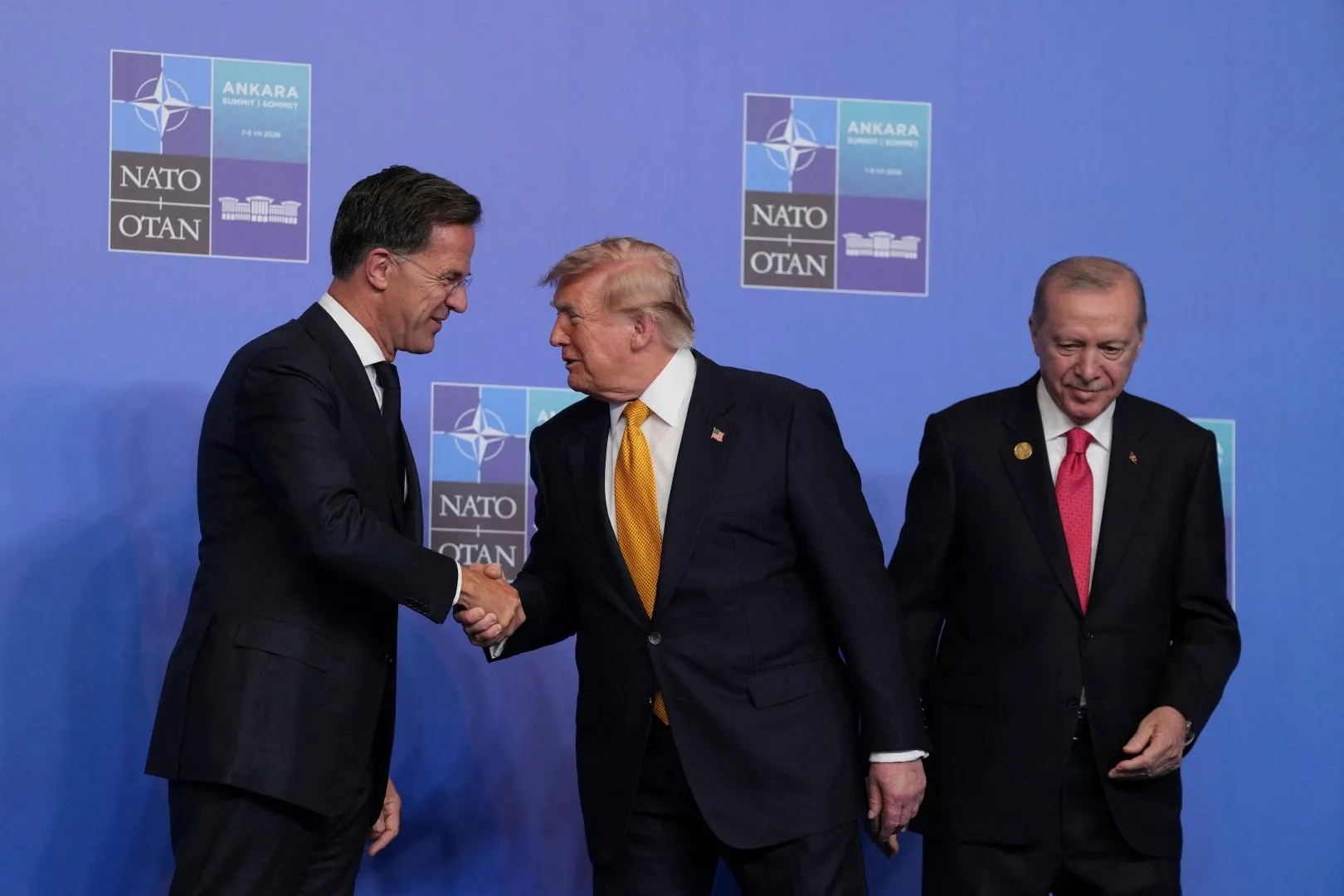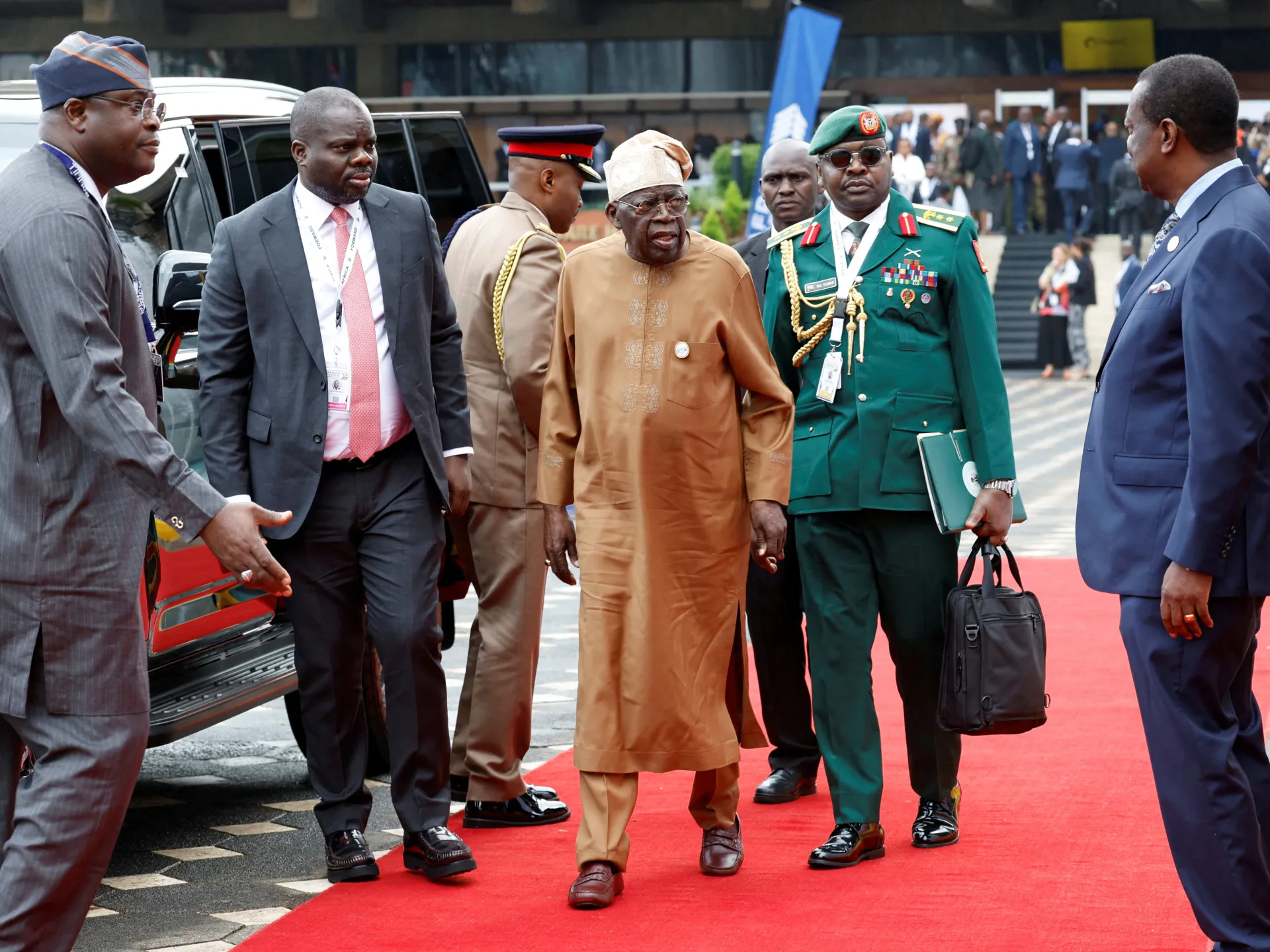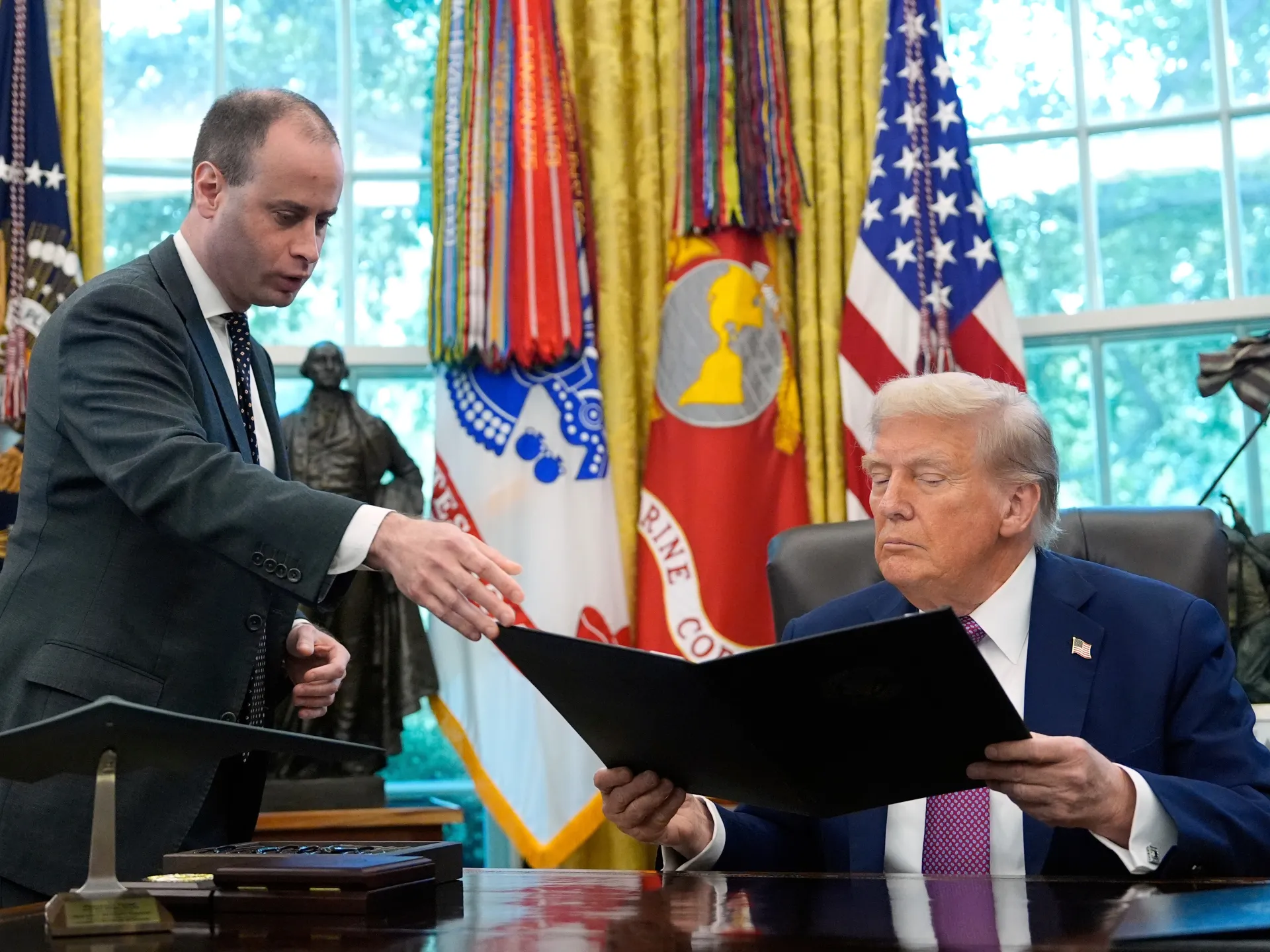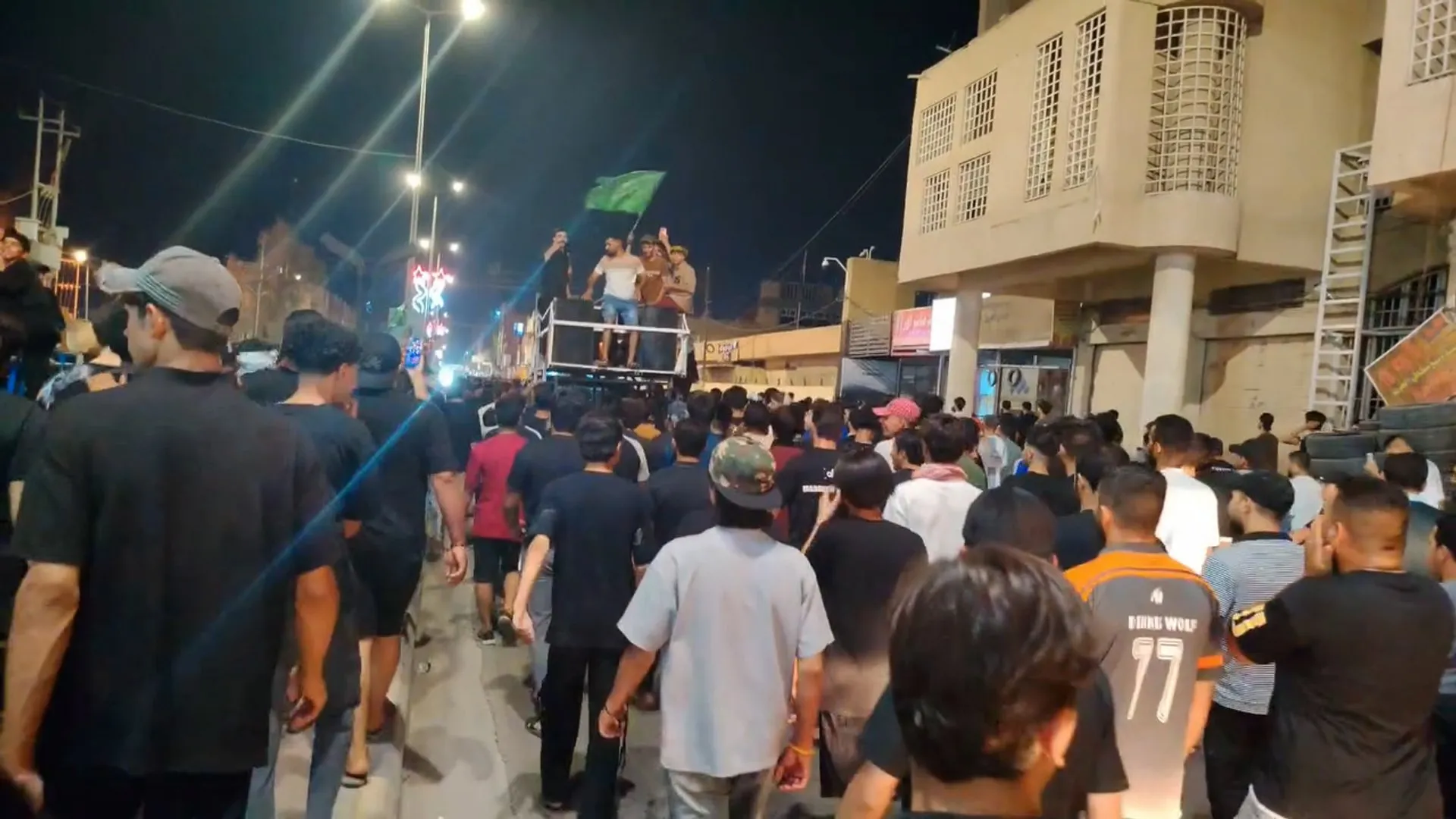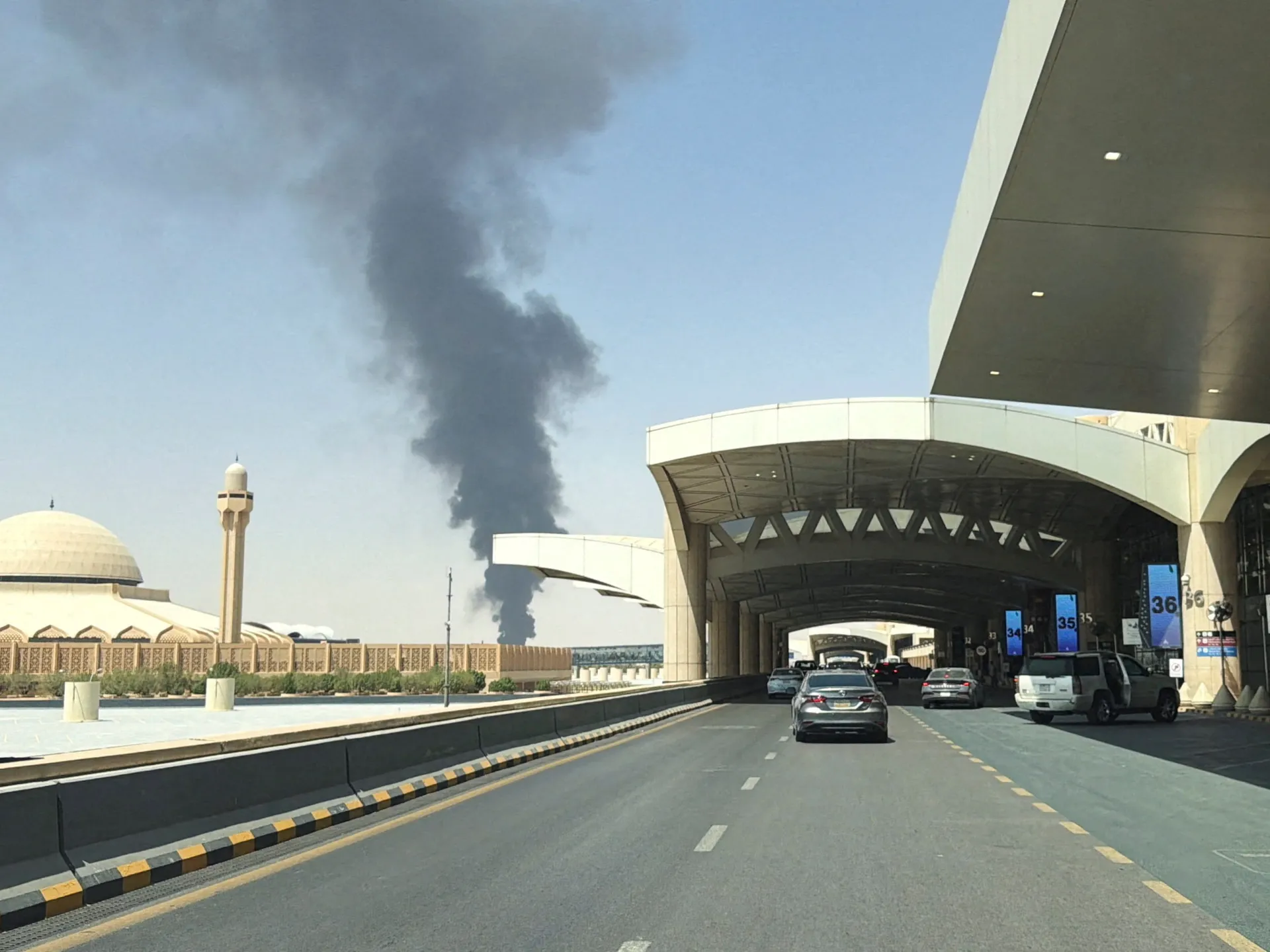
The U.S. has cleared Iranian officials to attend the upcoming UN General Assembly, even as the two nations remain locked in a seven-month conflict.
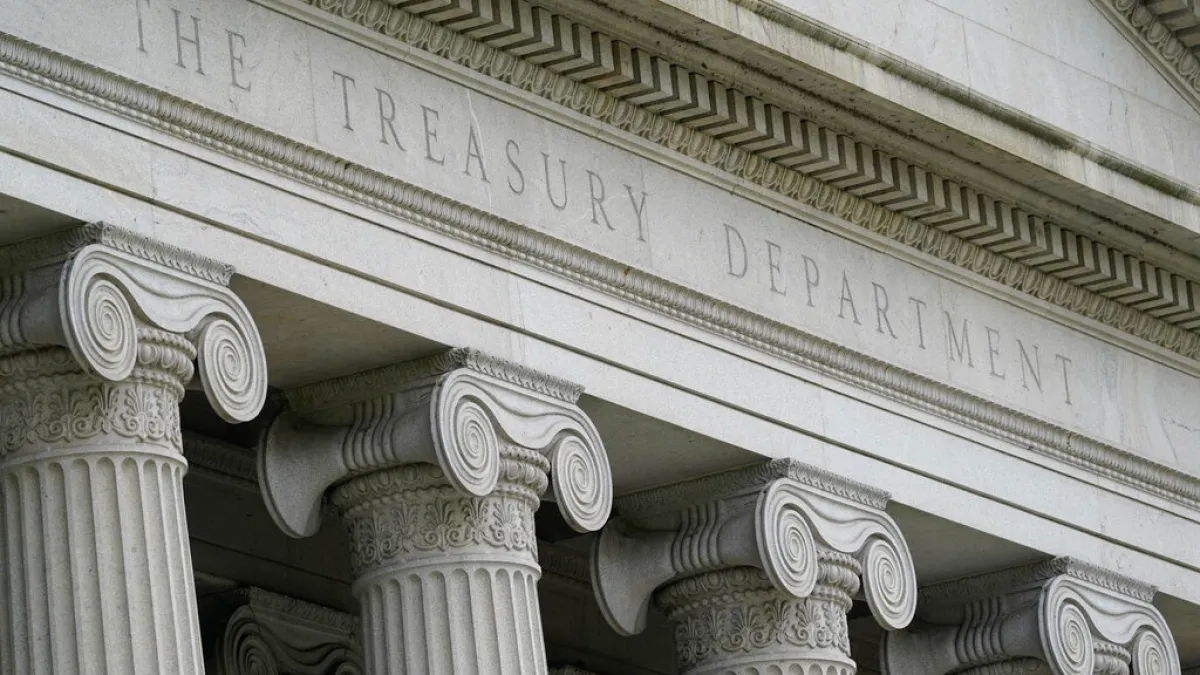
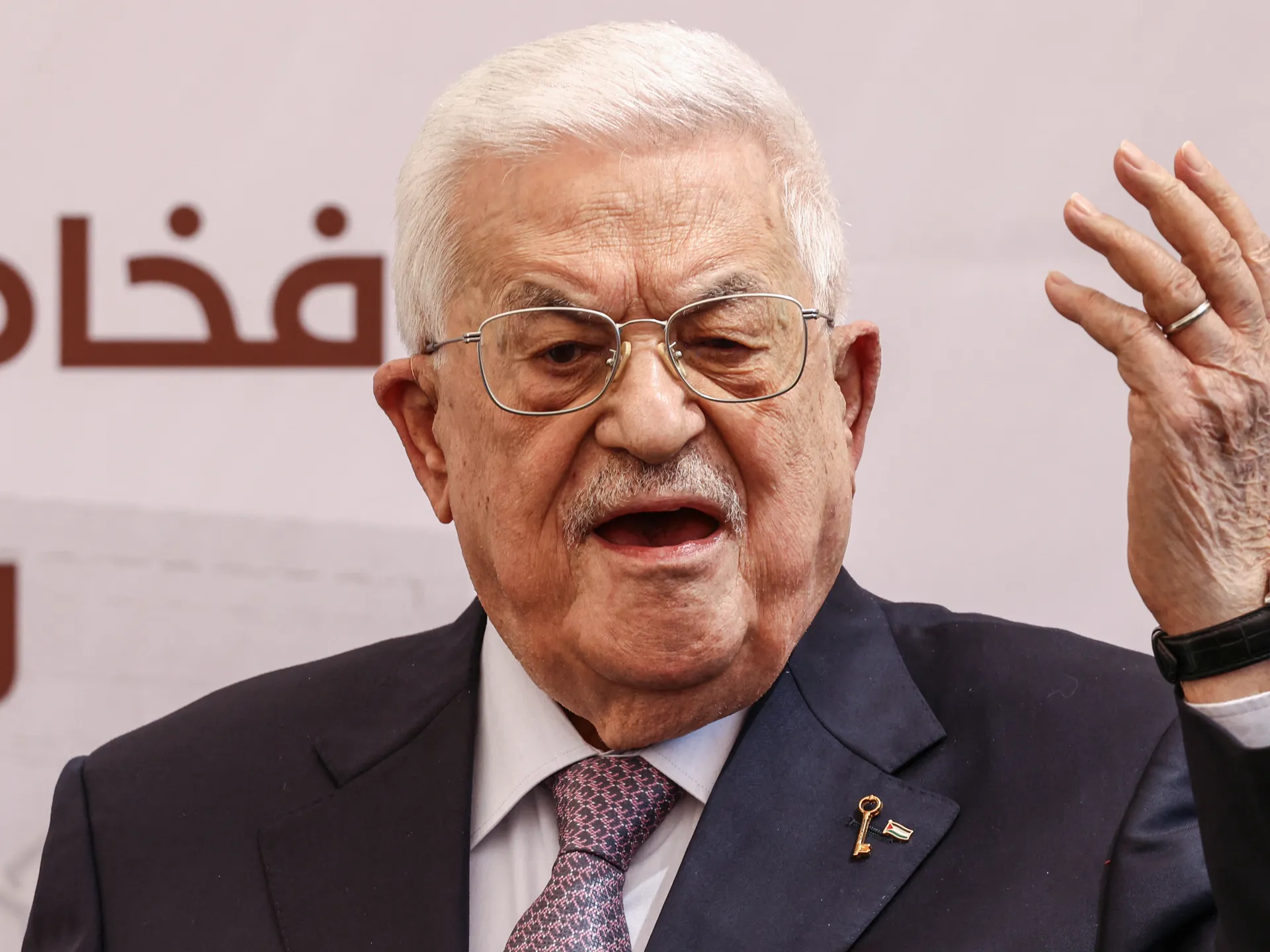
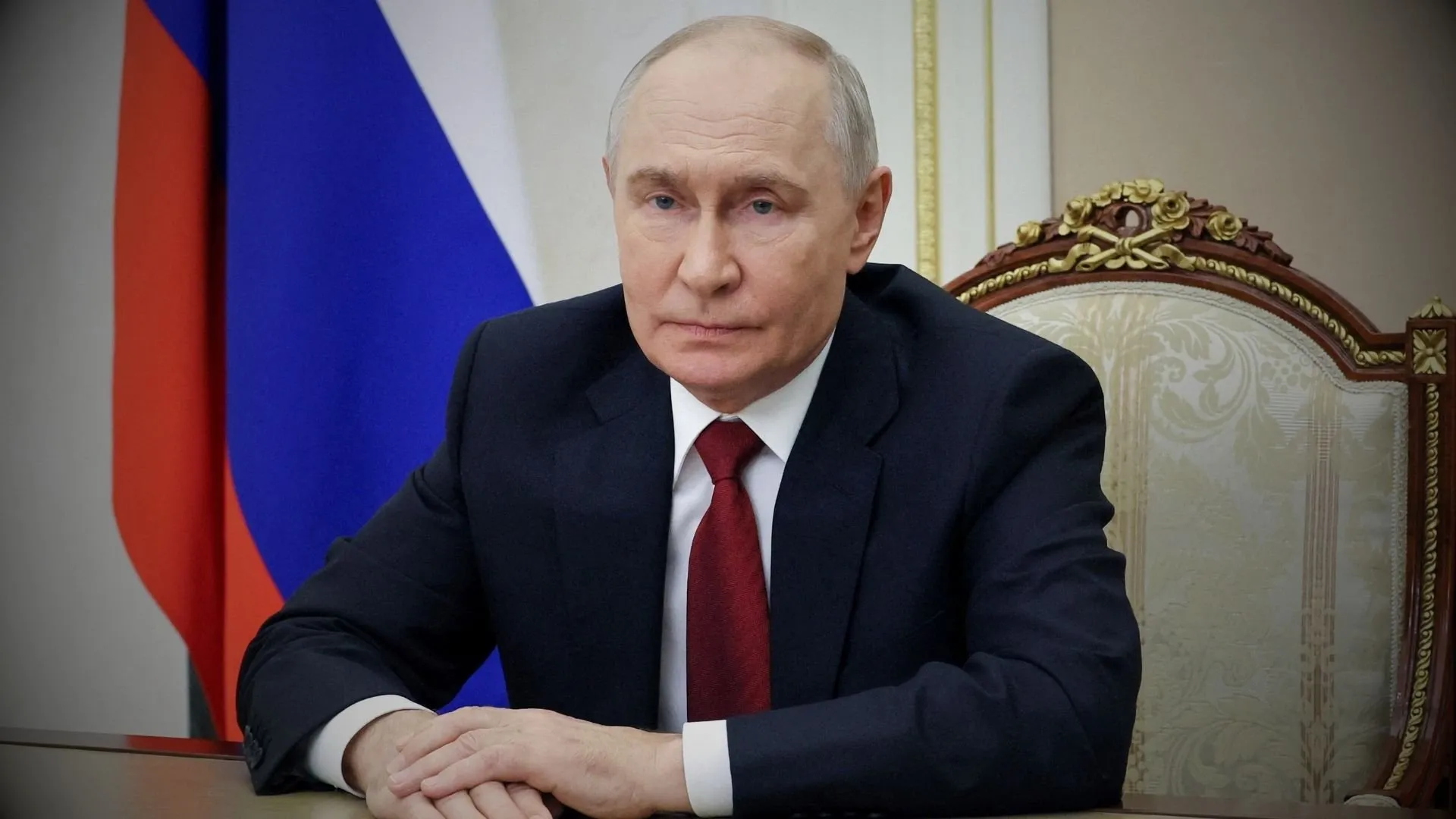
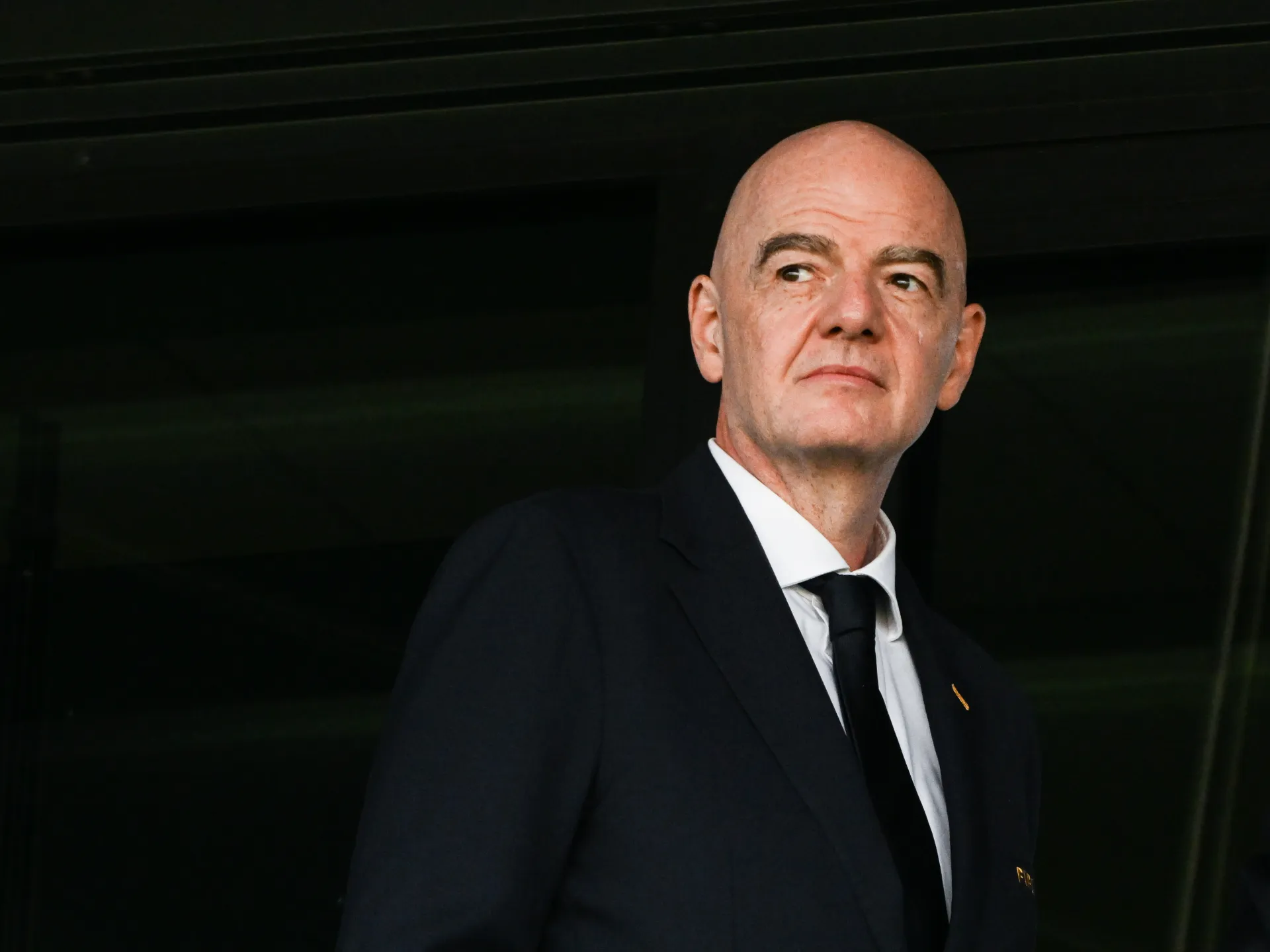
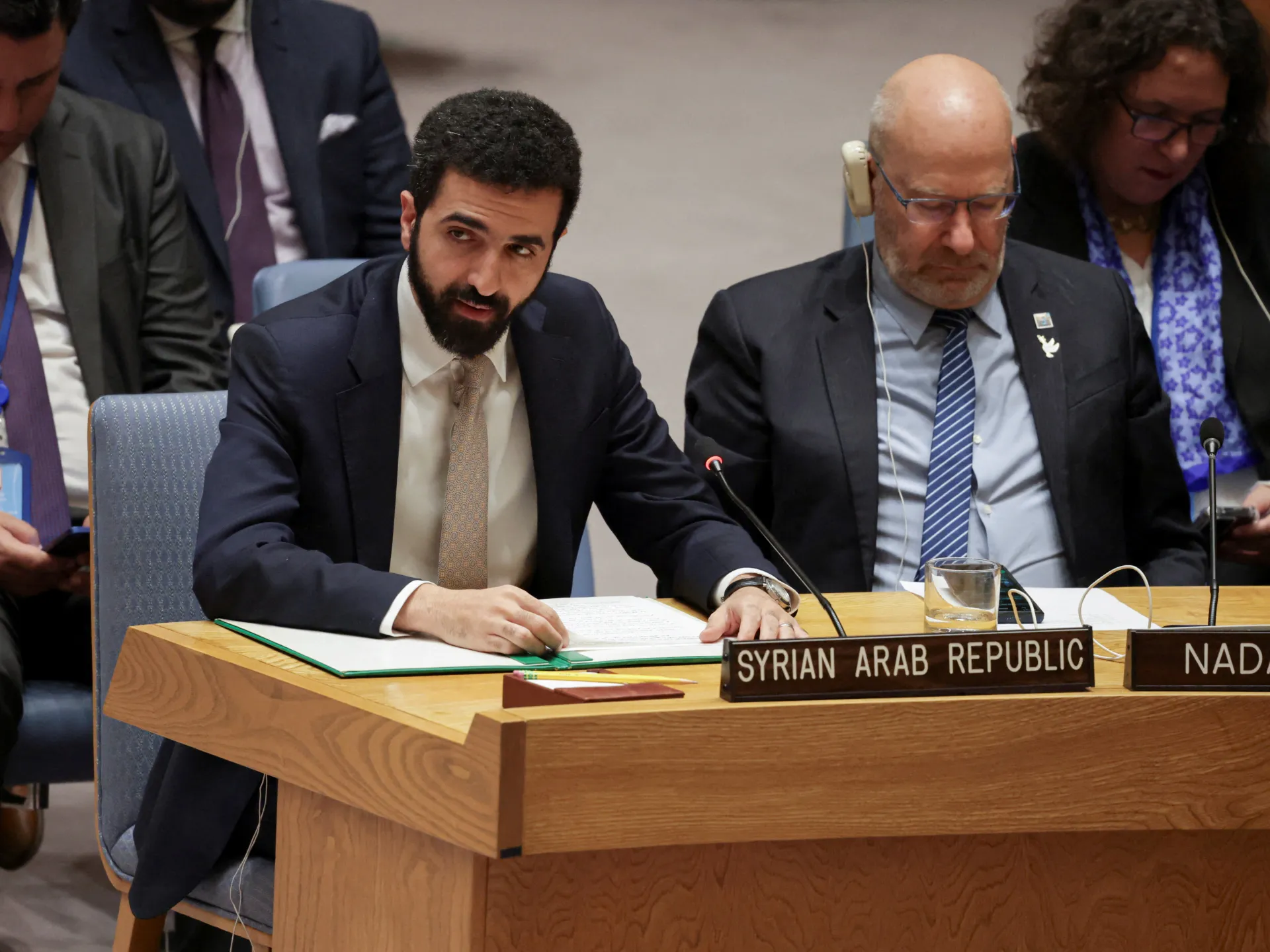
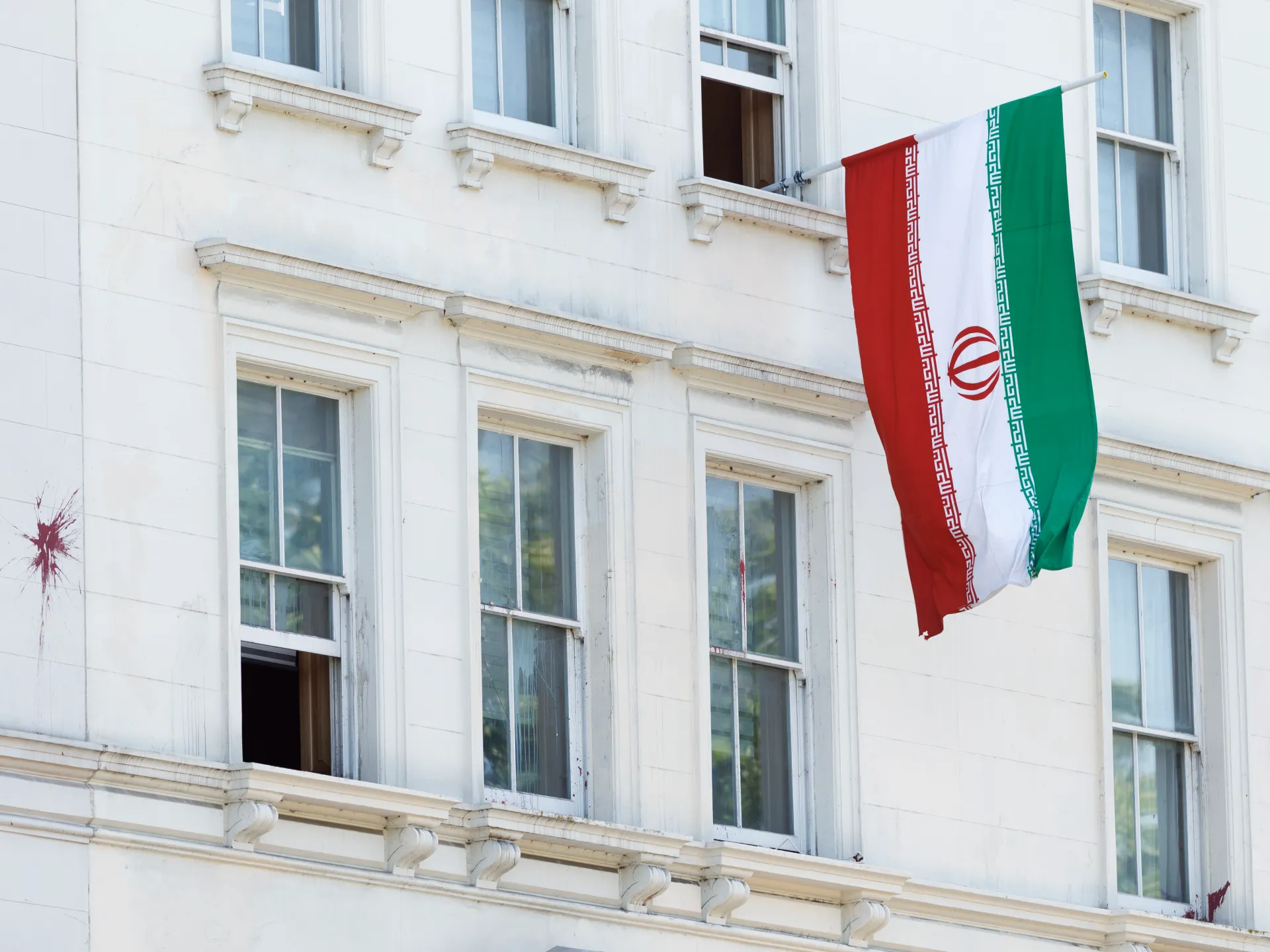
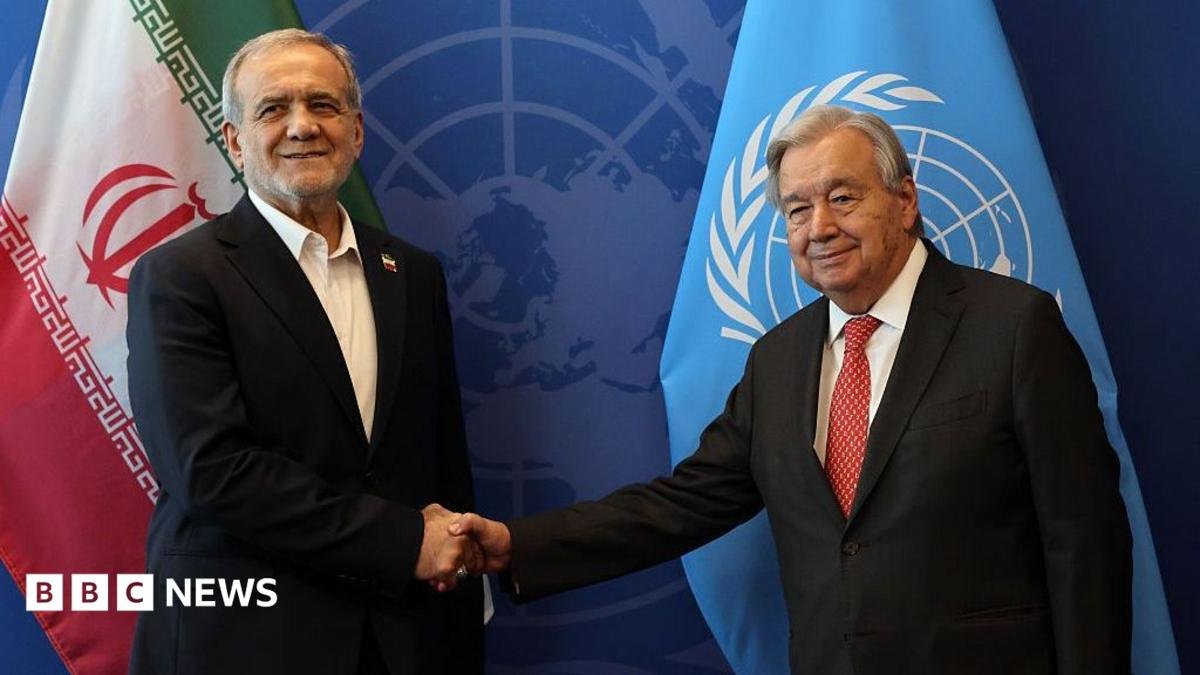
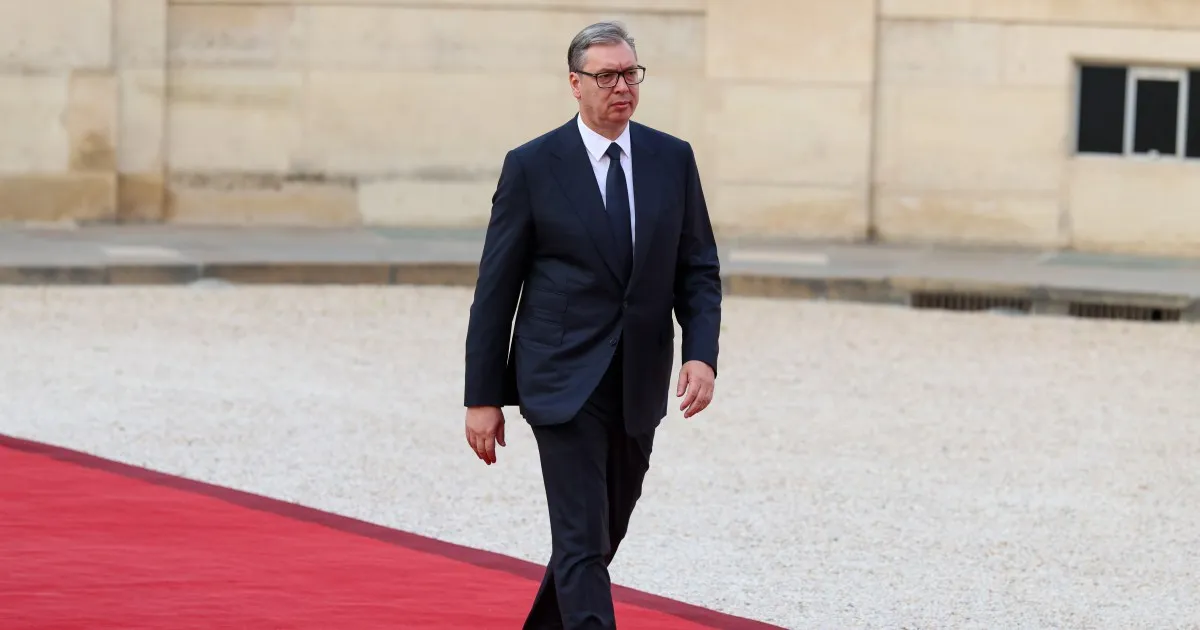
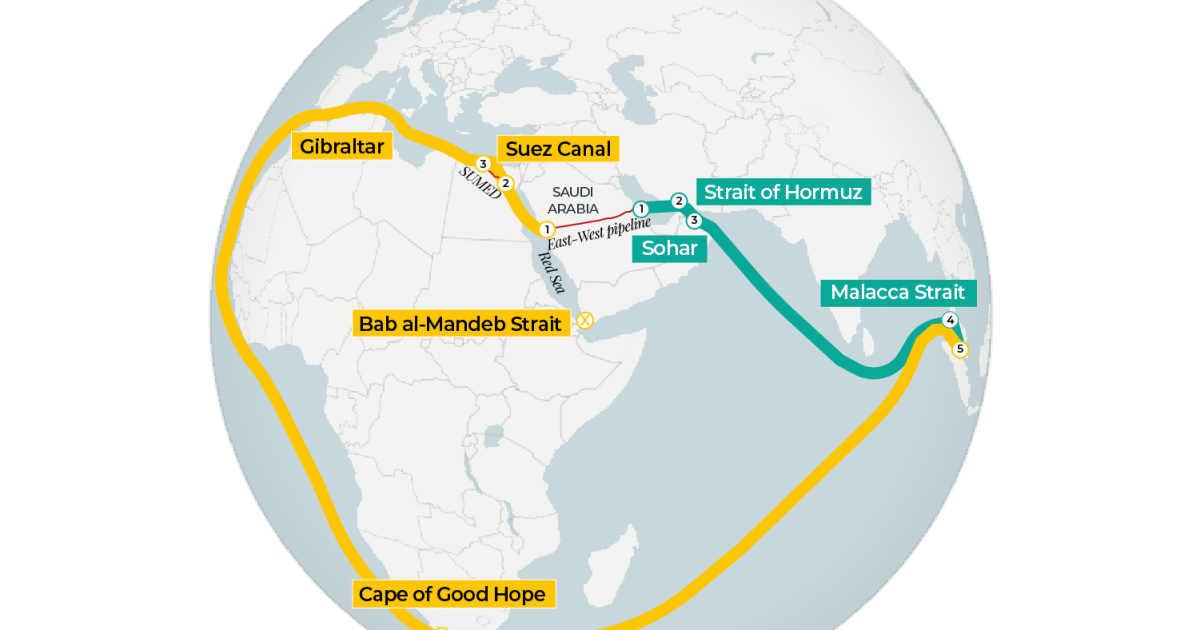
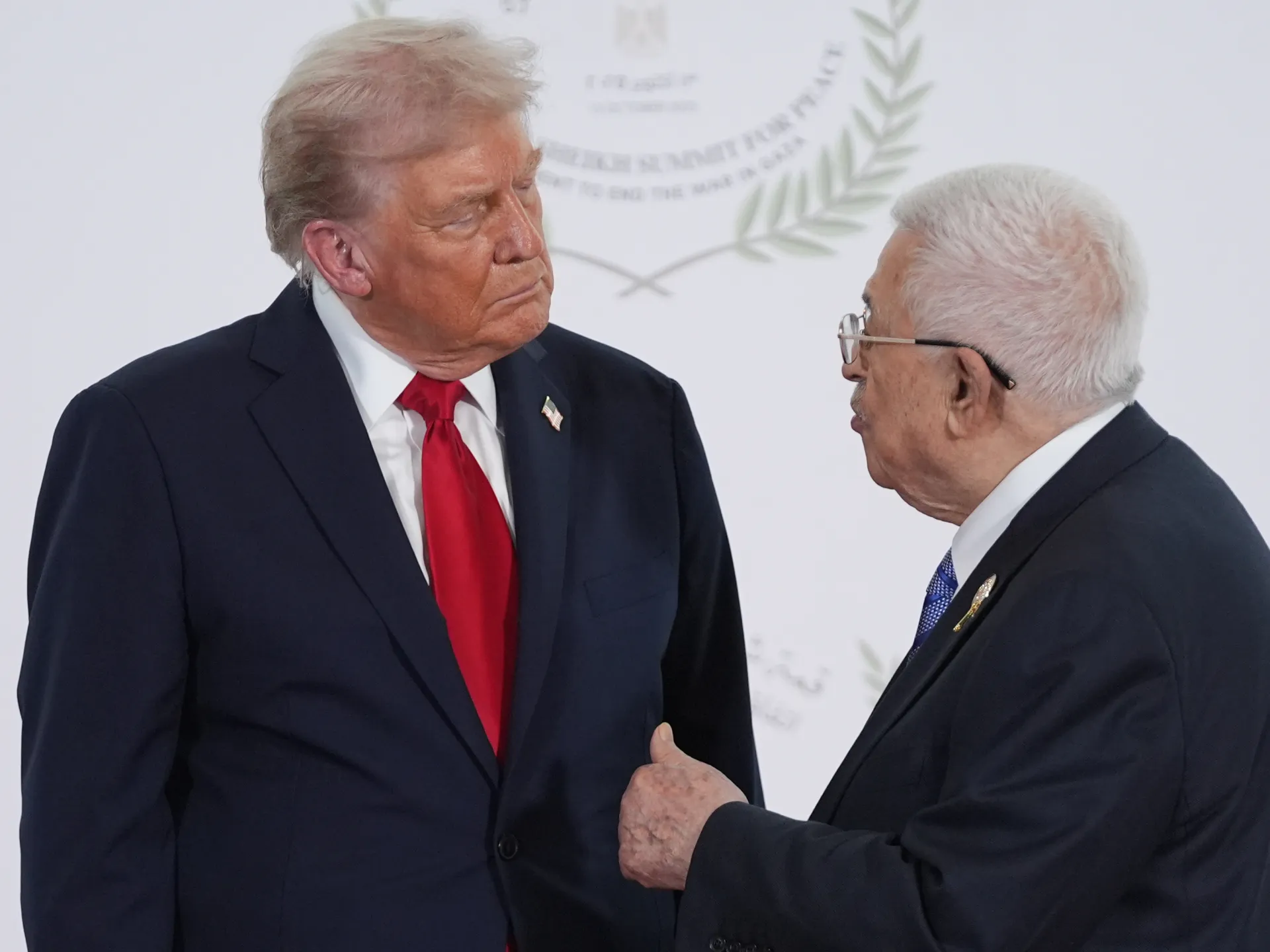
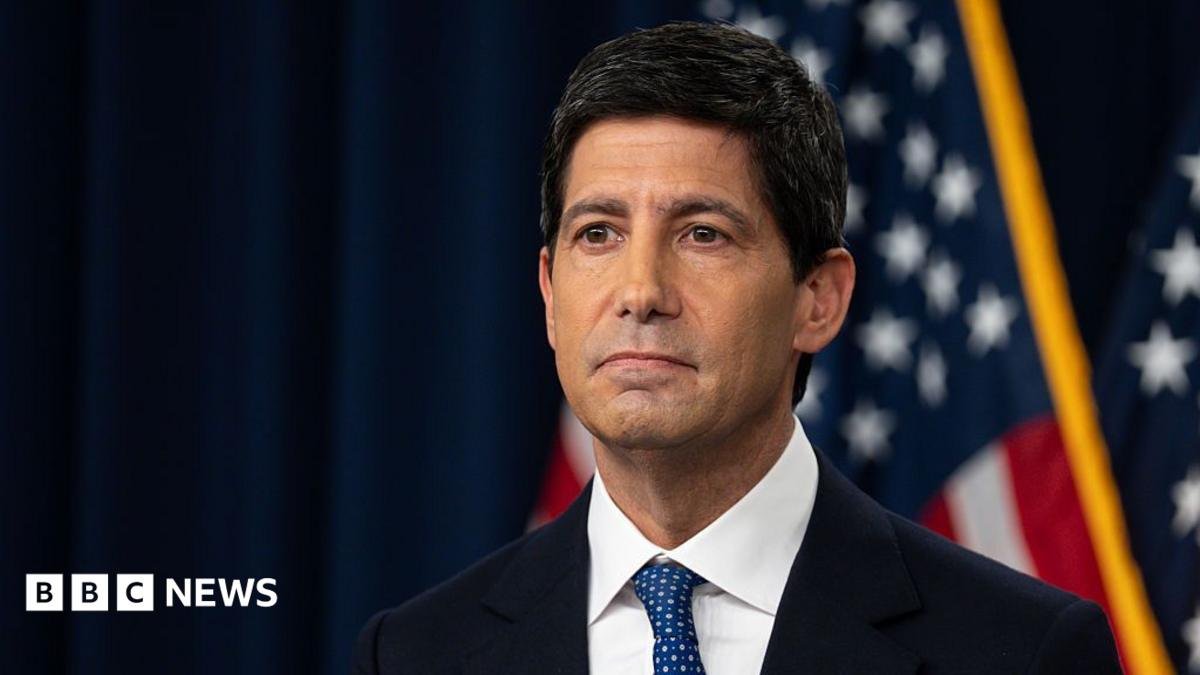
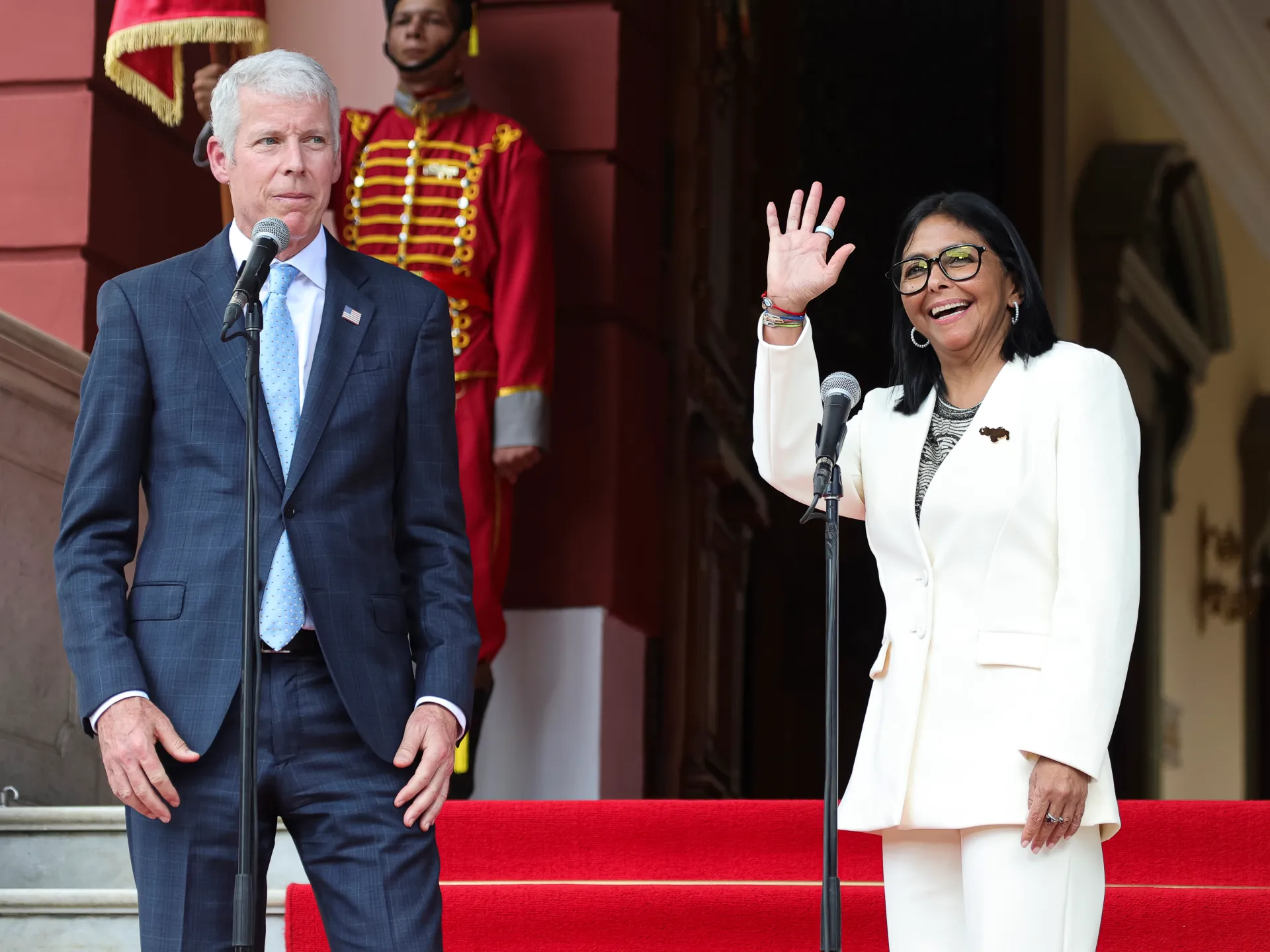
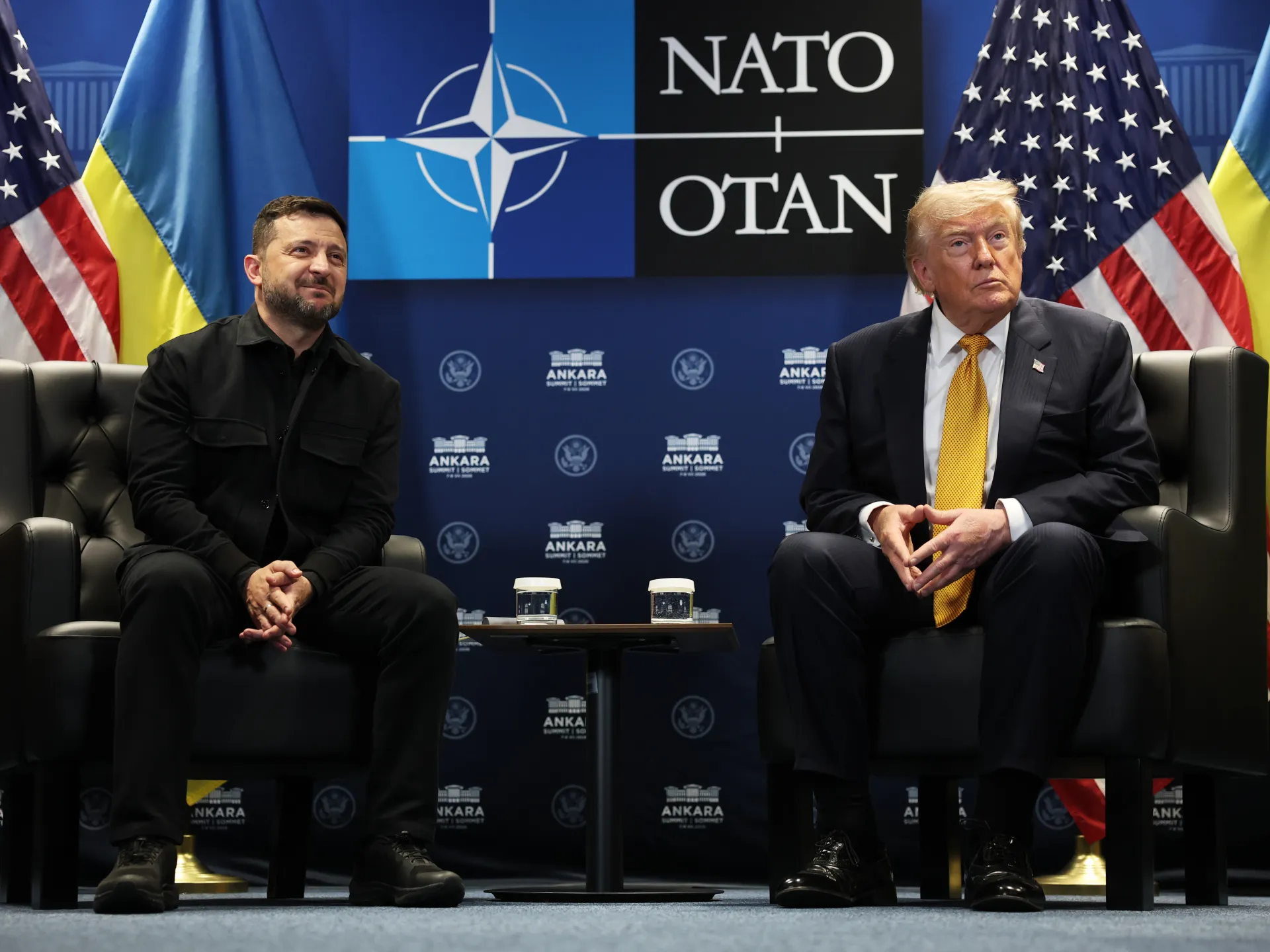
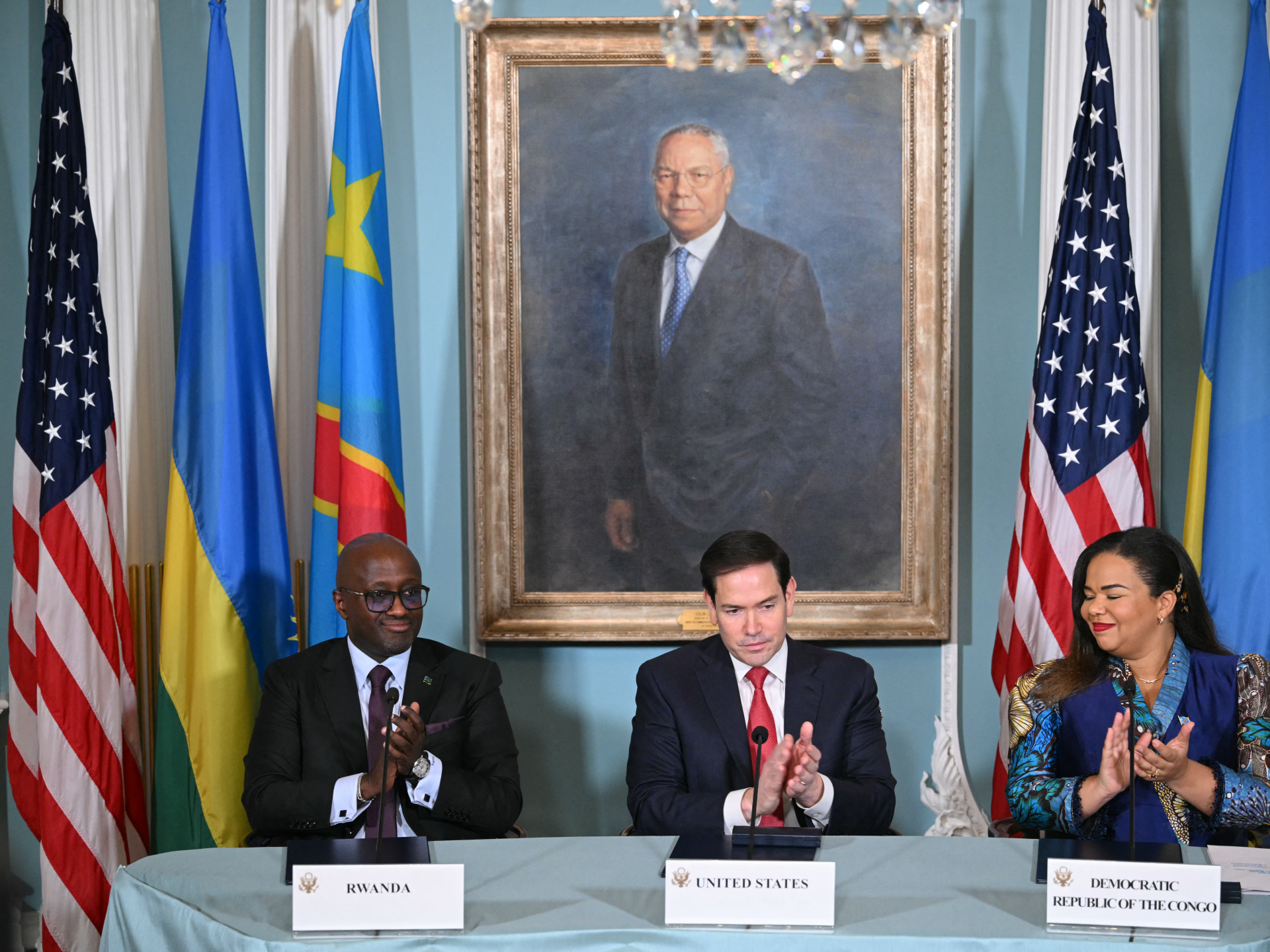
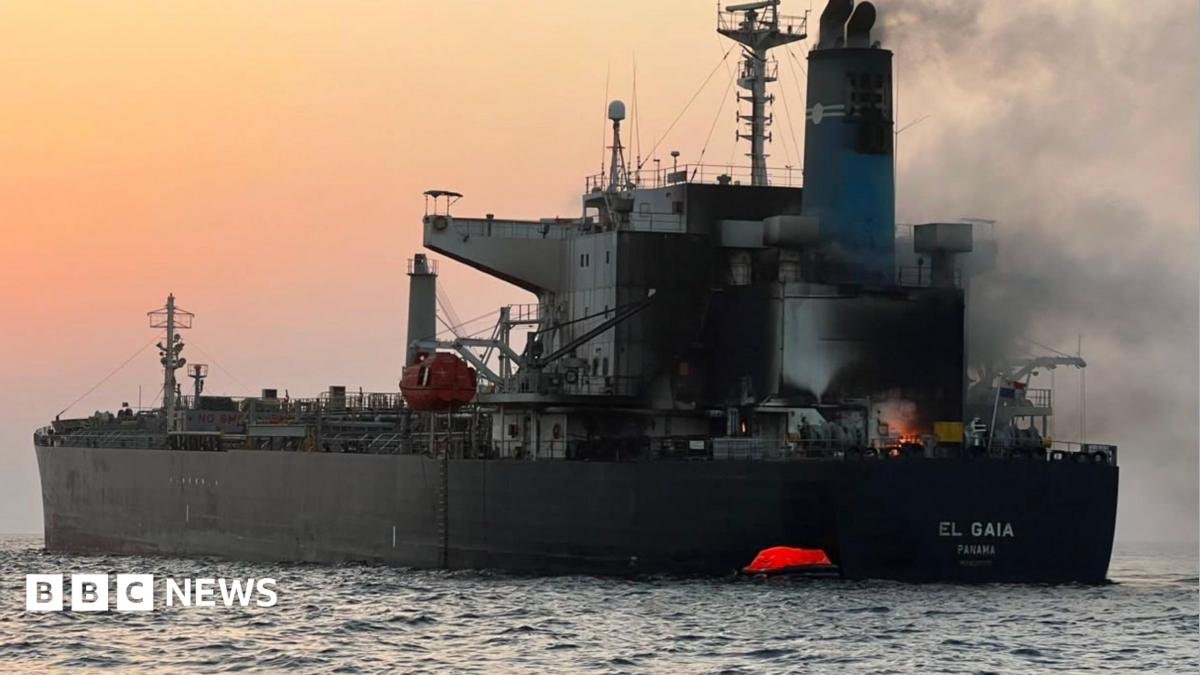
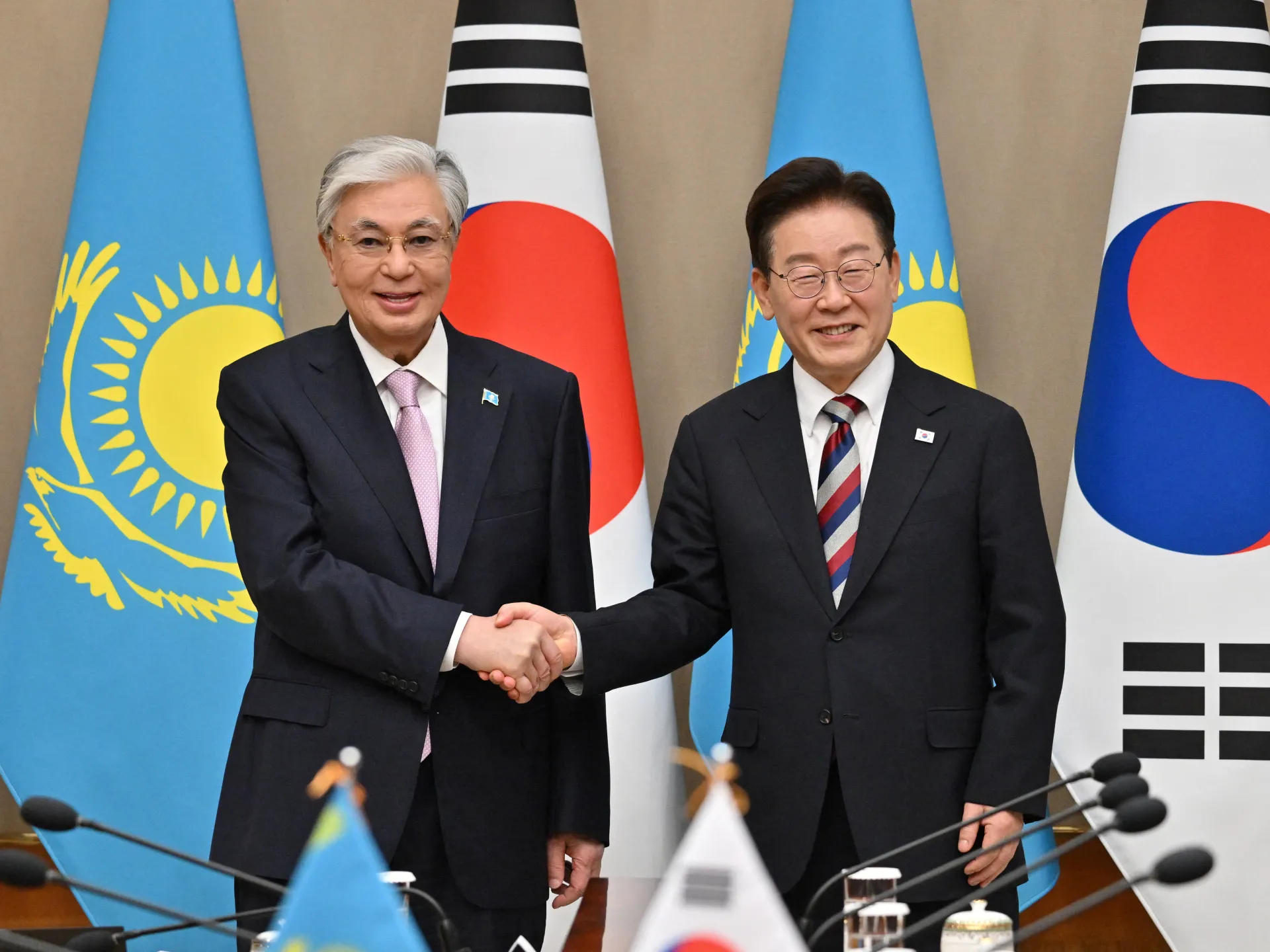
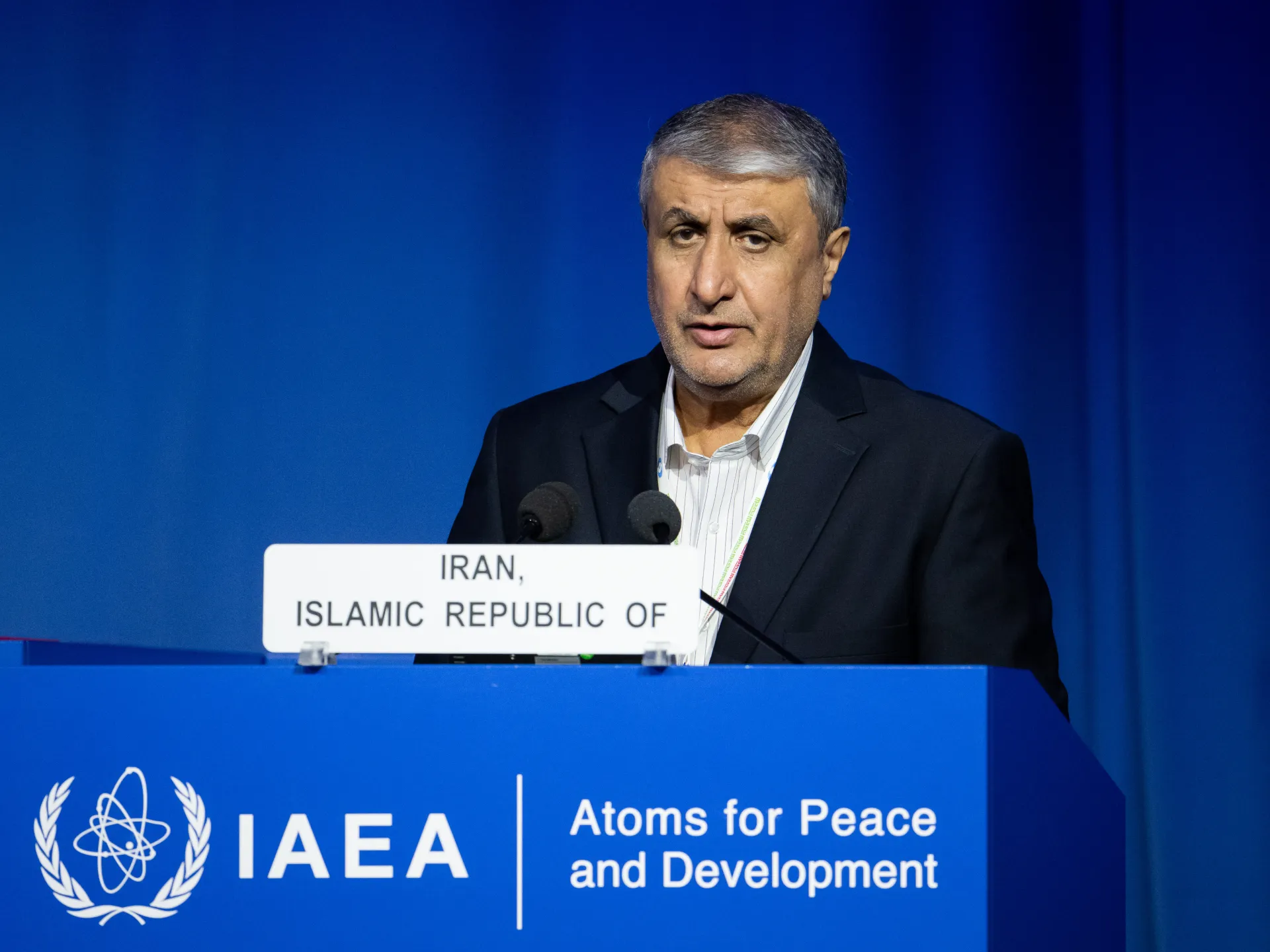
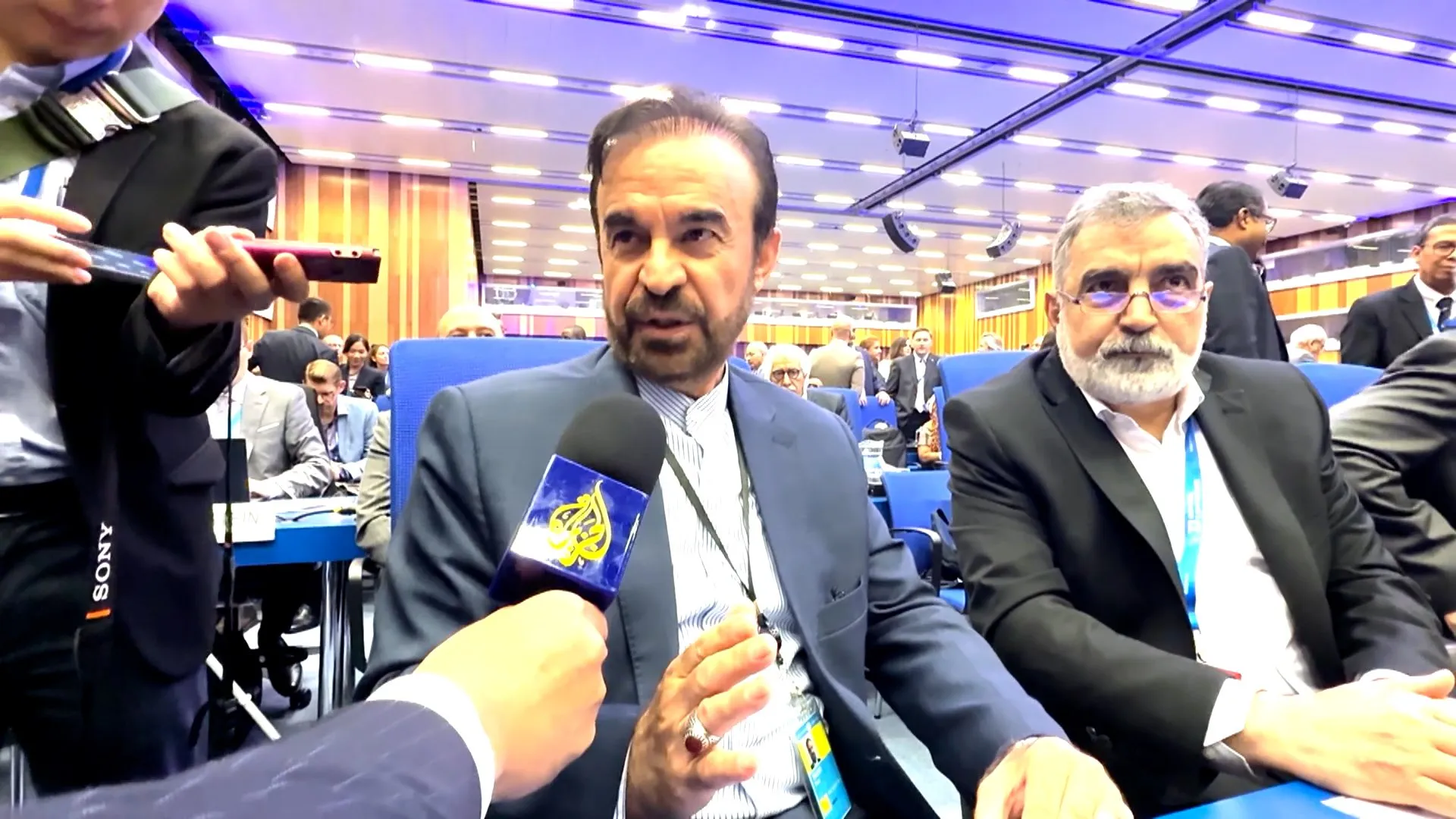
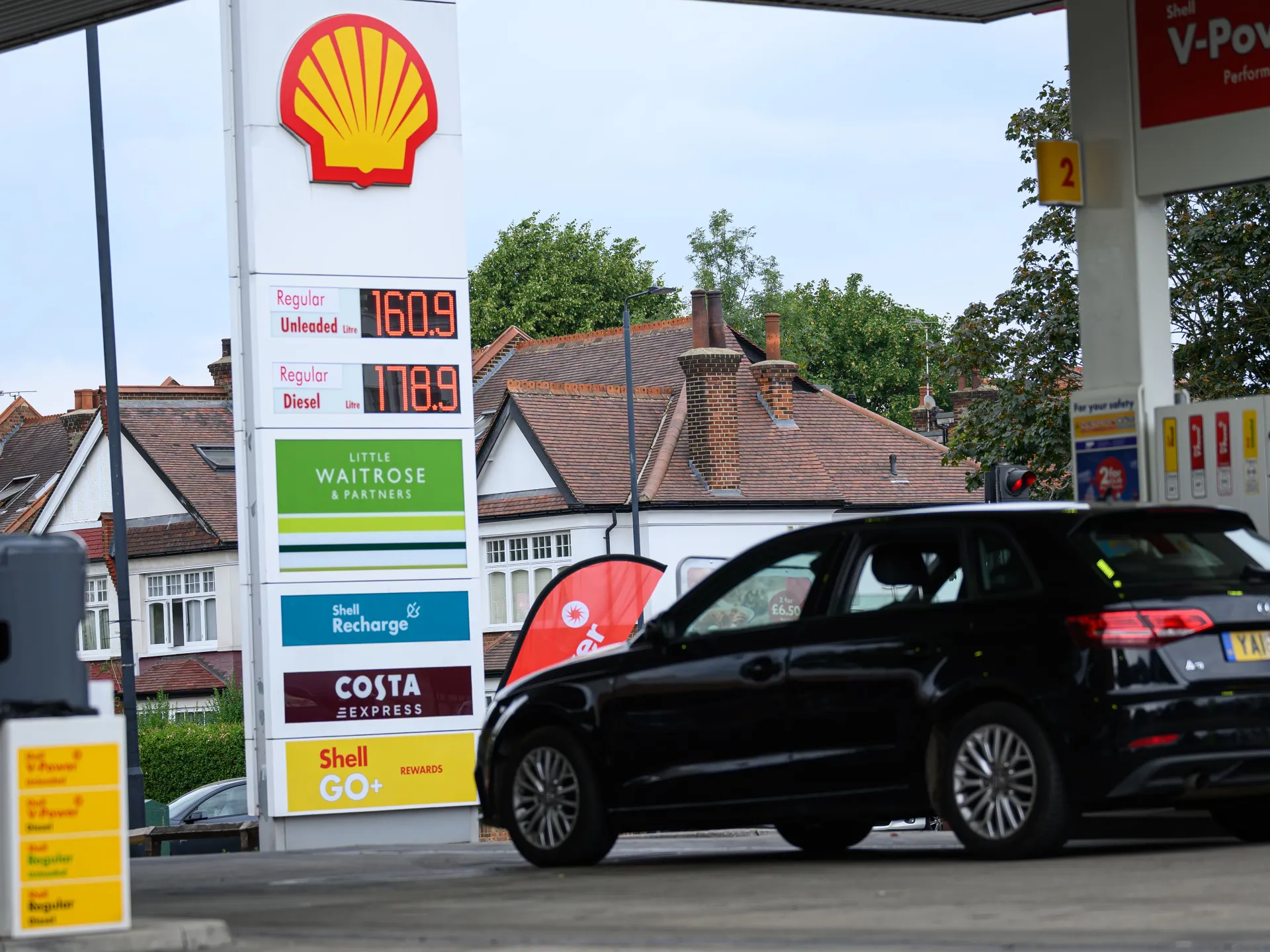
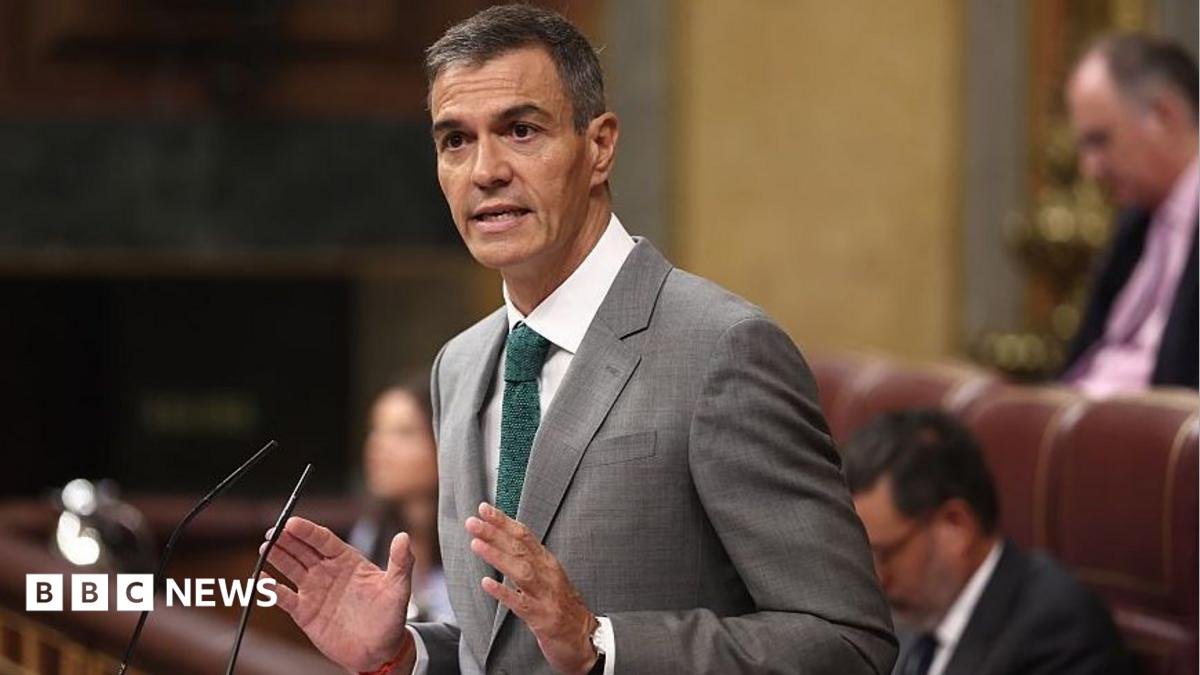
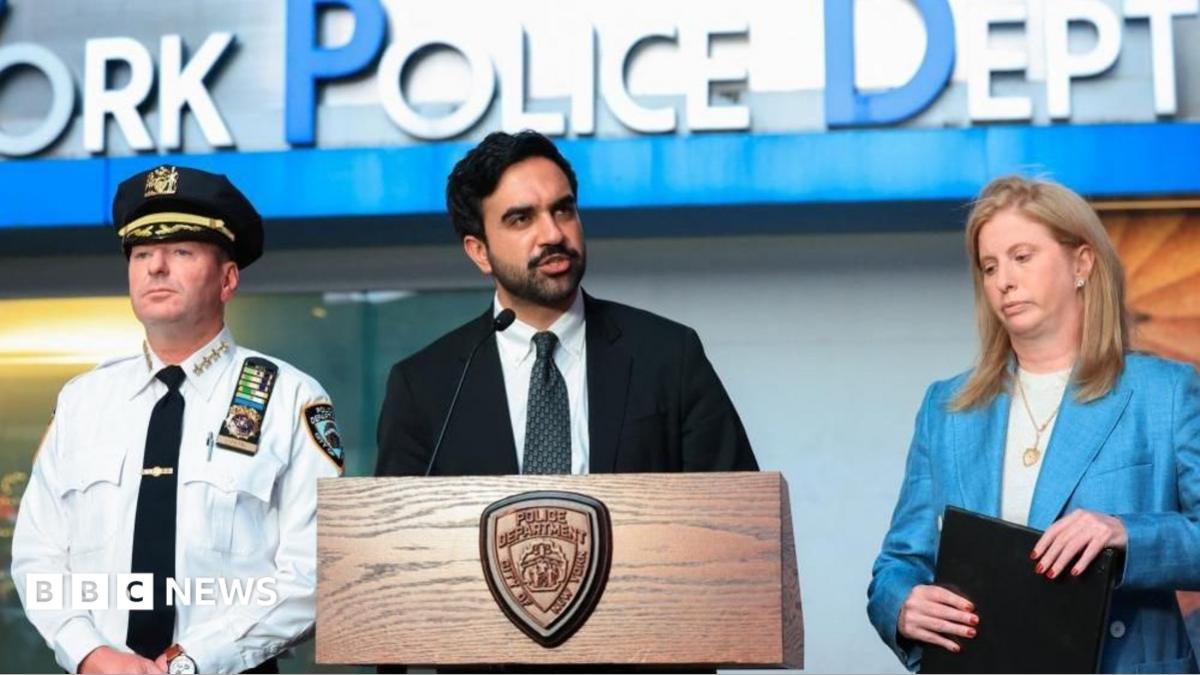
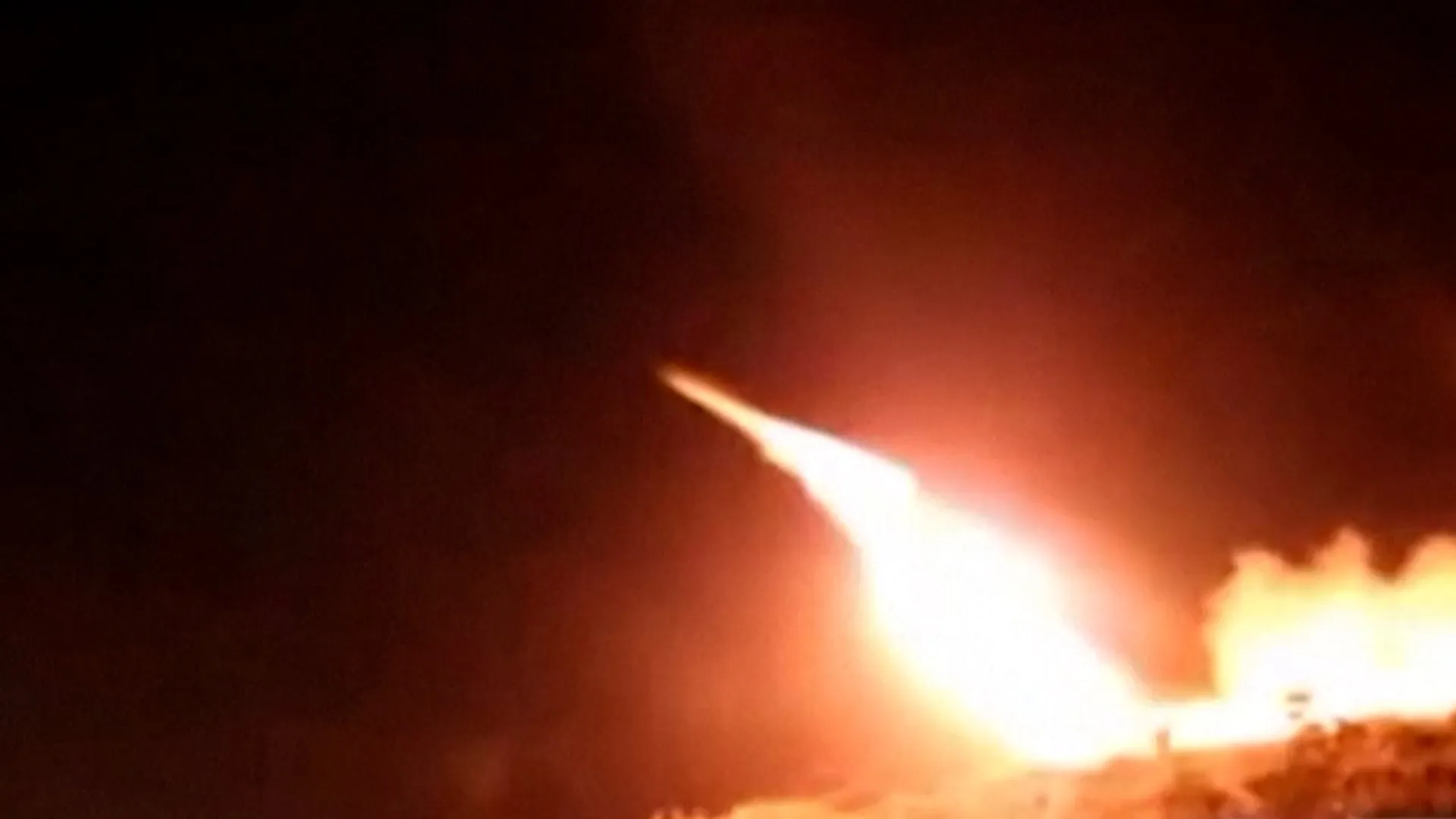
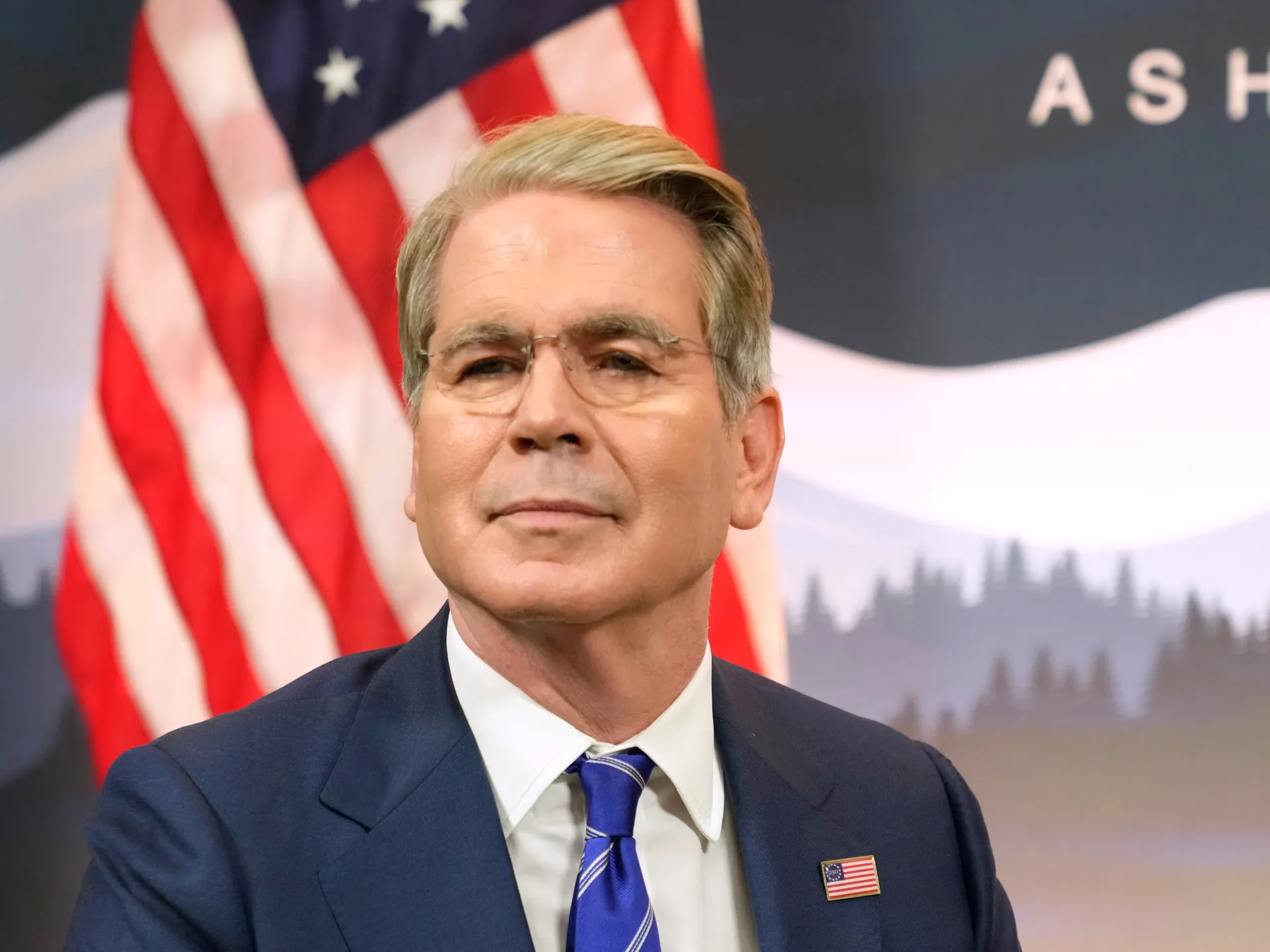
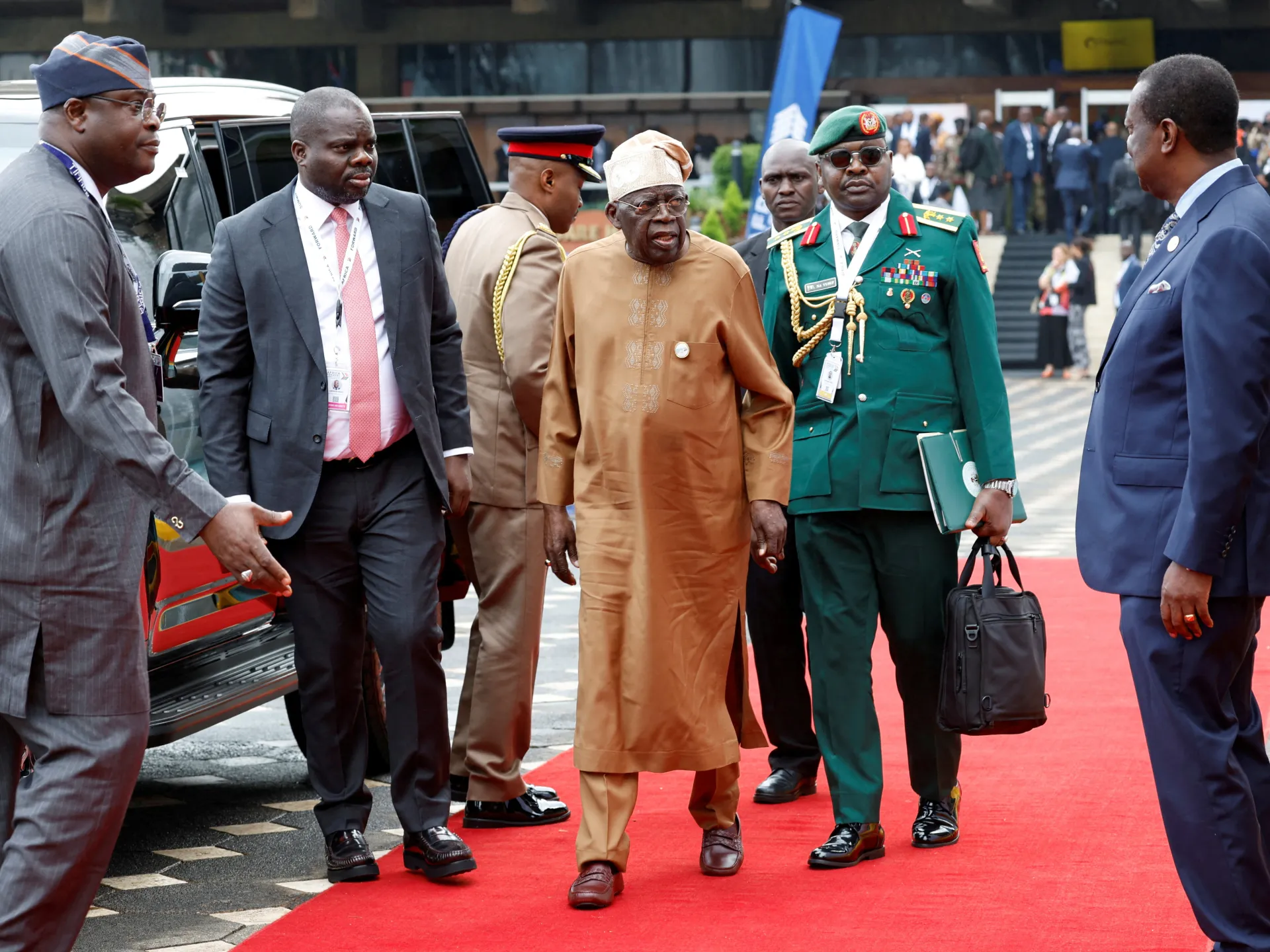
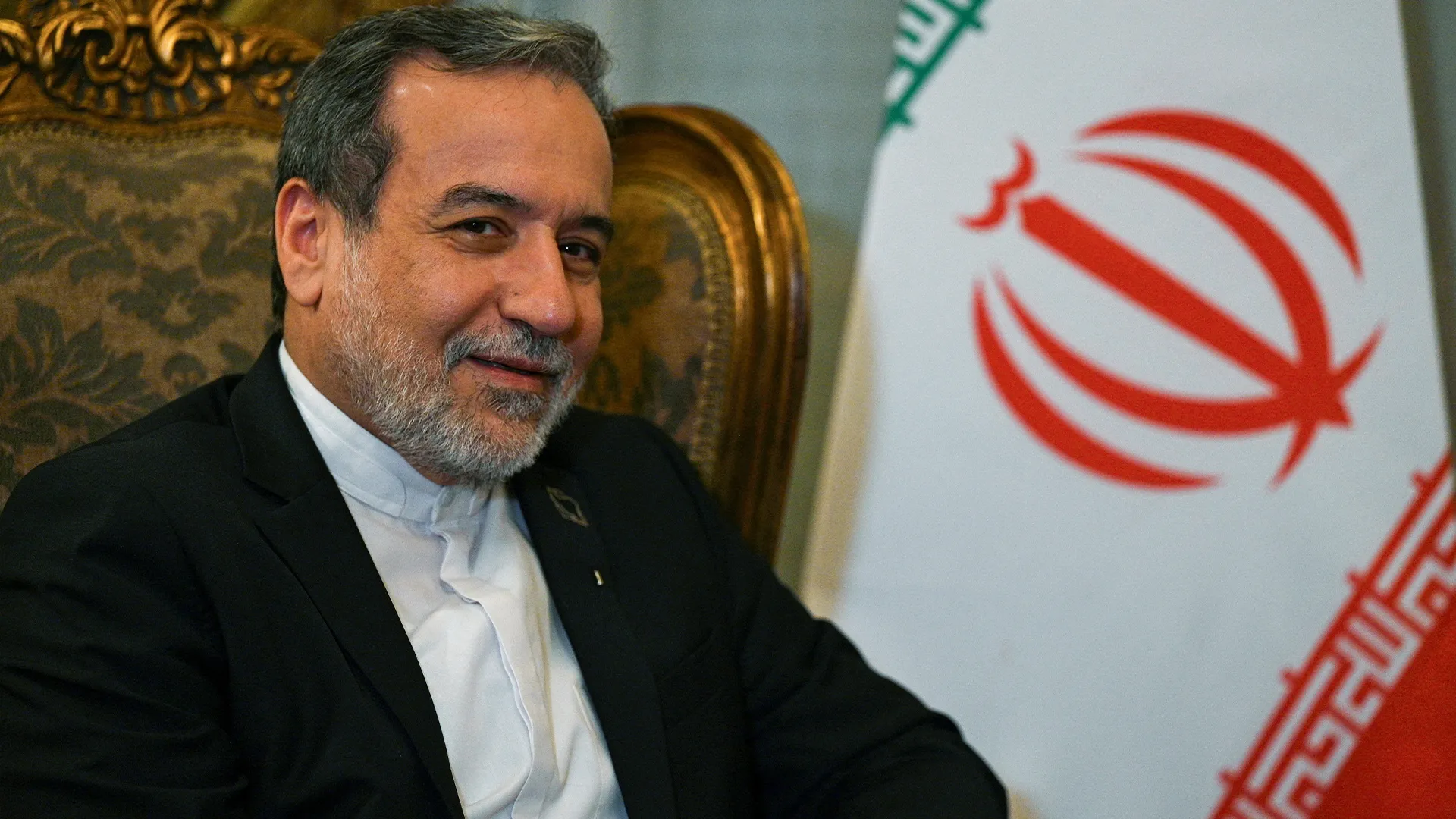
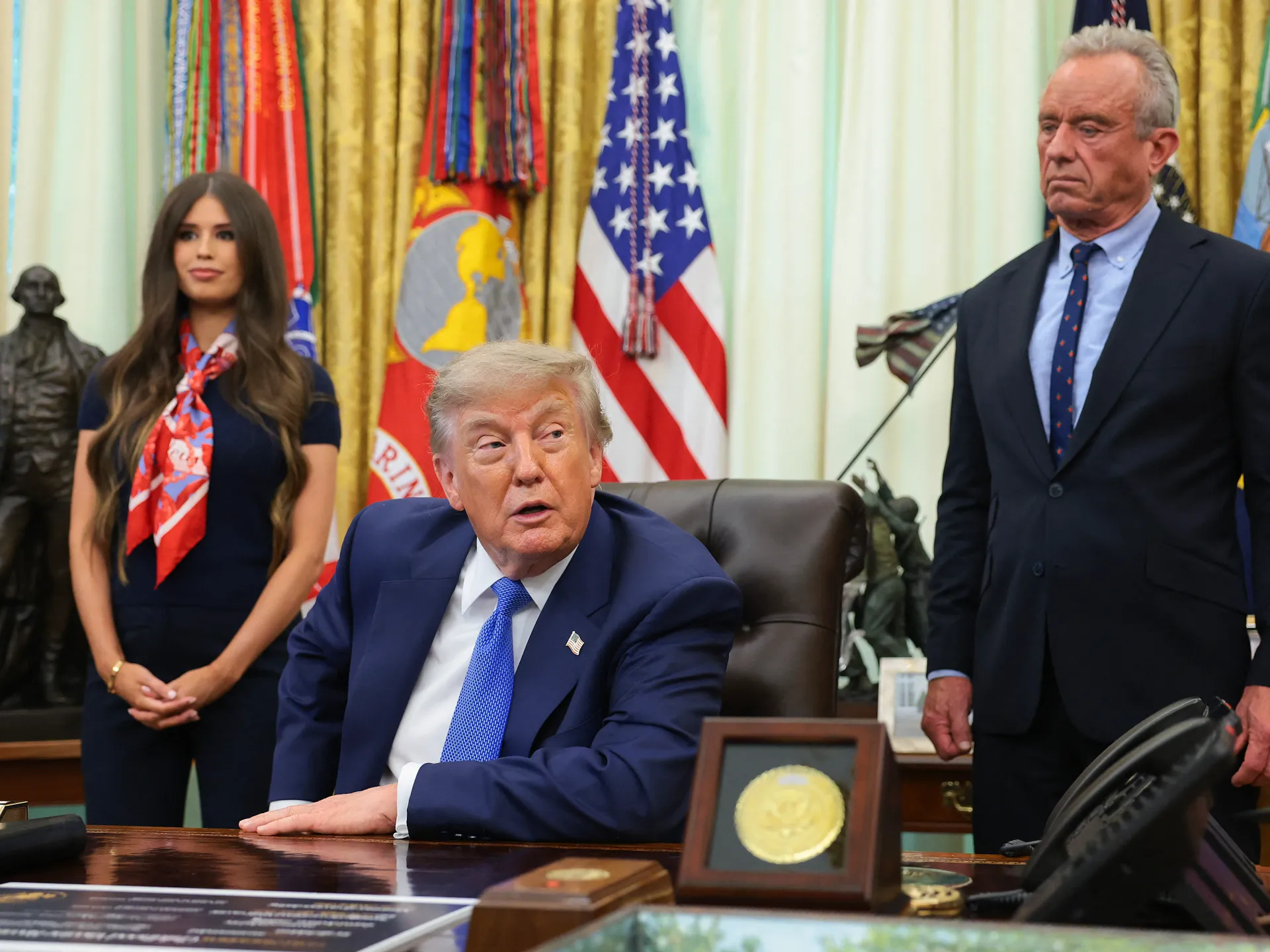
As the conflict between the United States and Iran enters its seventh month, the Biden administration has confirmed it will grant visas to an Iranian delegation, including President Masoud Pezeshkian and Foreign Minister Abbas Araghchi, for the upcoming United Nations General Assembly (UNGA) in New York. This decision, aimed at fulfilling host-country obligations, highlights the delicate tension between maintaining international diplomatic channels and managing a kinetic military engagement that has significantly disrupted global energy markets and regional stability since late February.
While the delegation has been cleared to attend the High-Level Week, the State Department has imposed strict travel limitations. Officials noted that the group will face prohibitions on the purchase of various goods, including luxury items, and will be subject to movement restrictions within the city. This move serves as a stark reminder of the bifurcated reality of modern statecraft, where parties remain locked in active combat while simultaneously participating in the forum intended to resolve such disputes through dialogue.
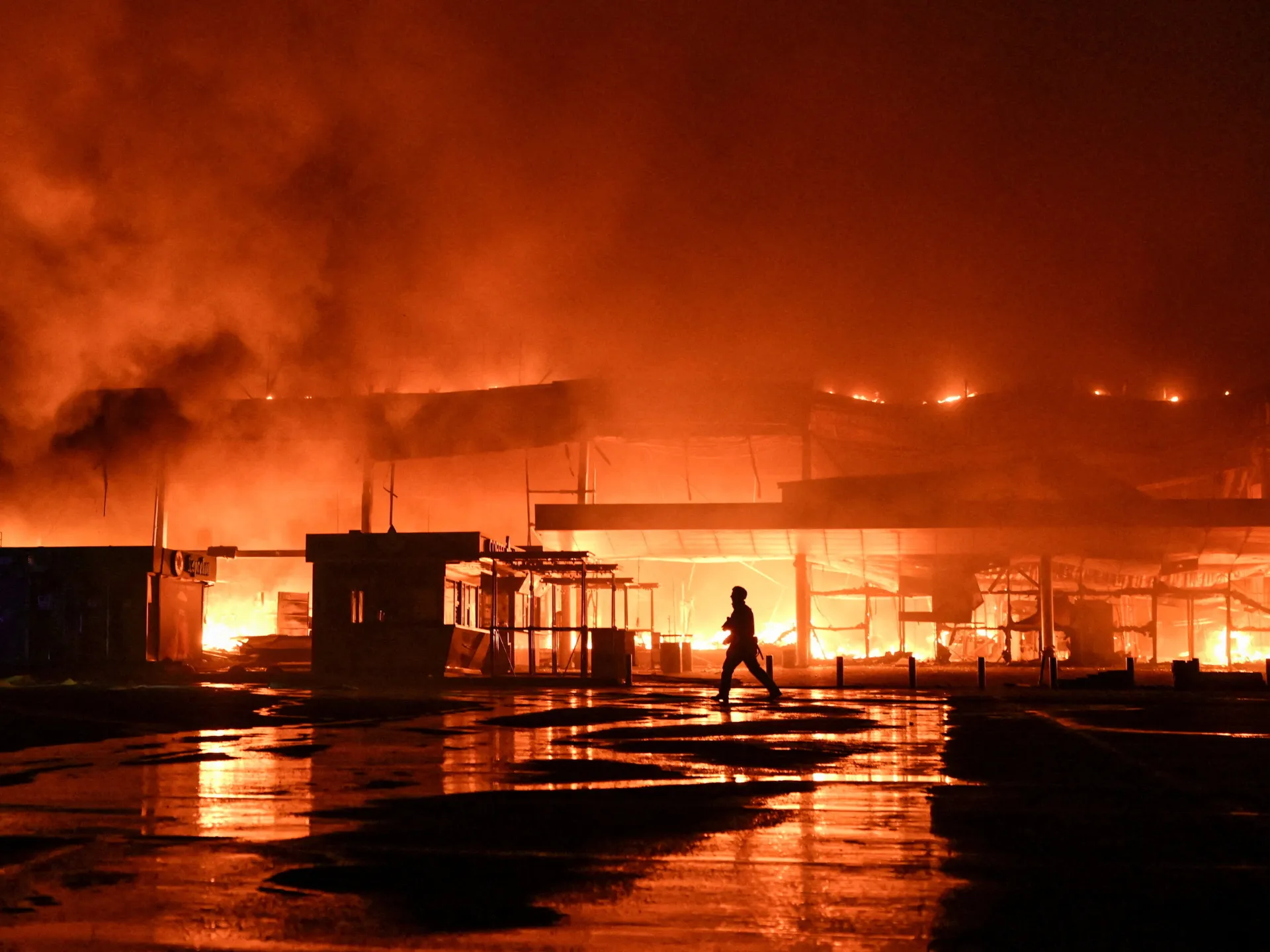
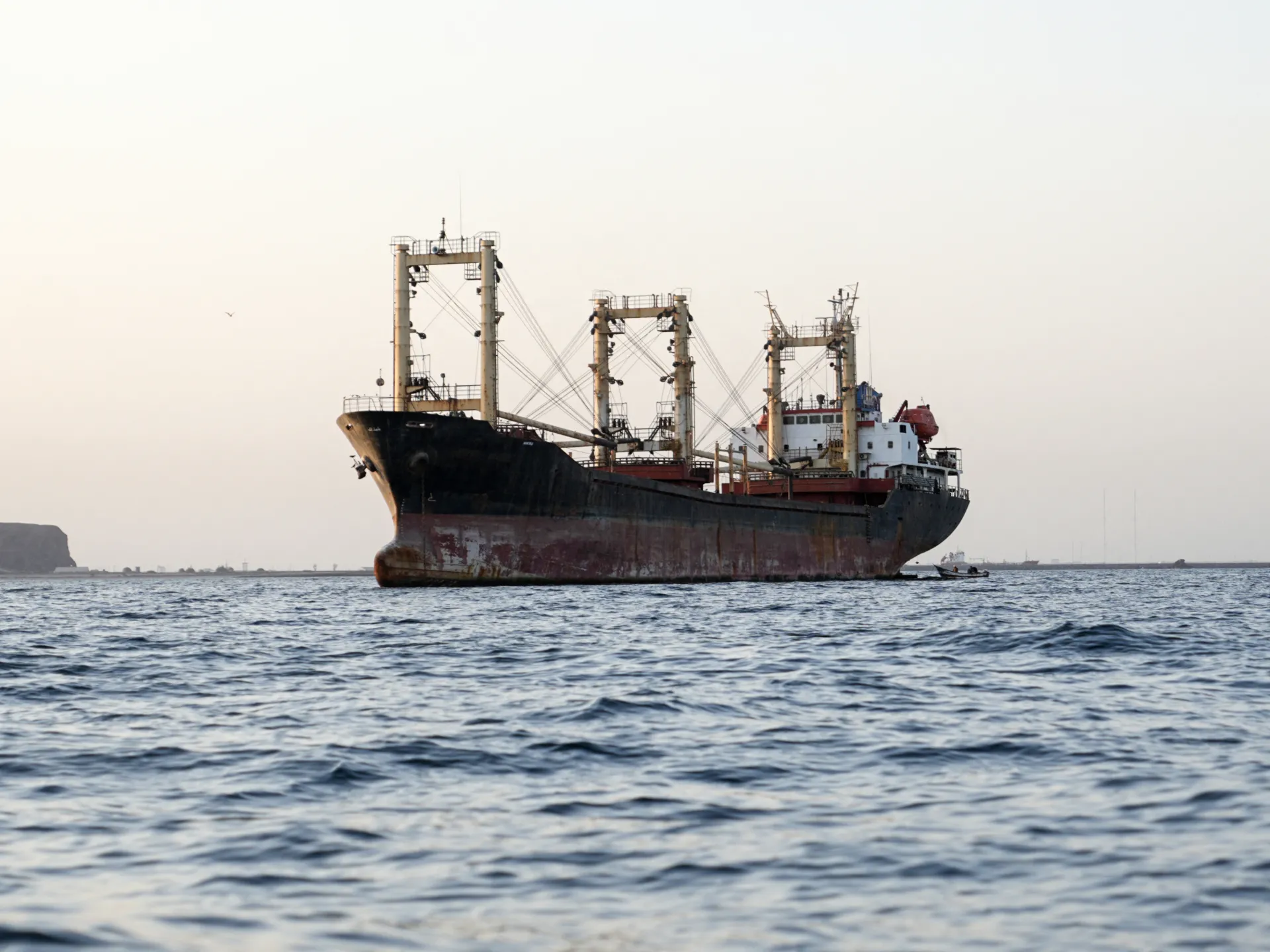
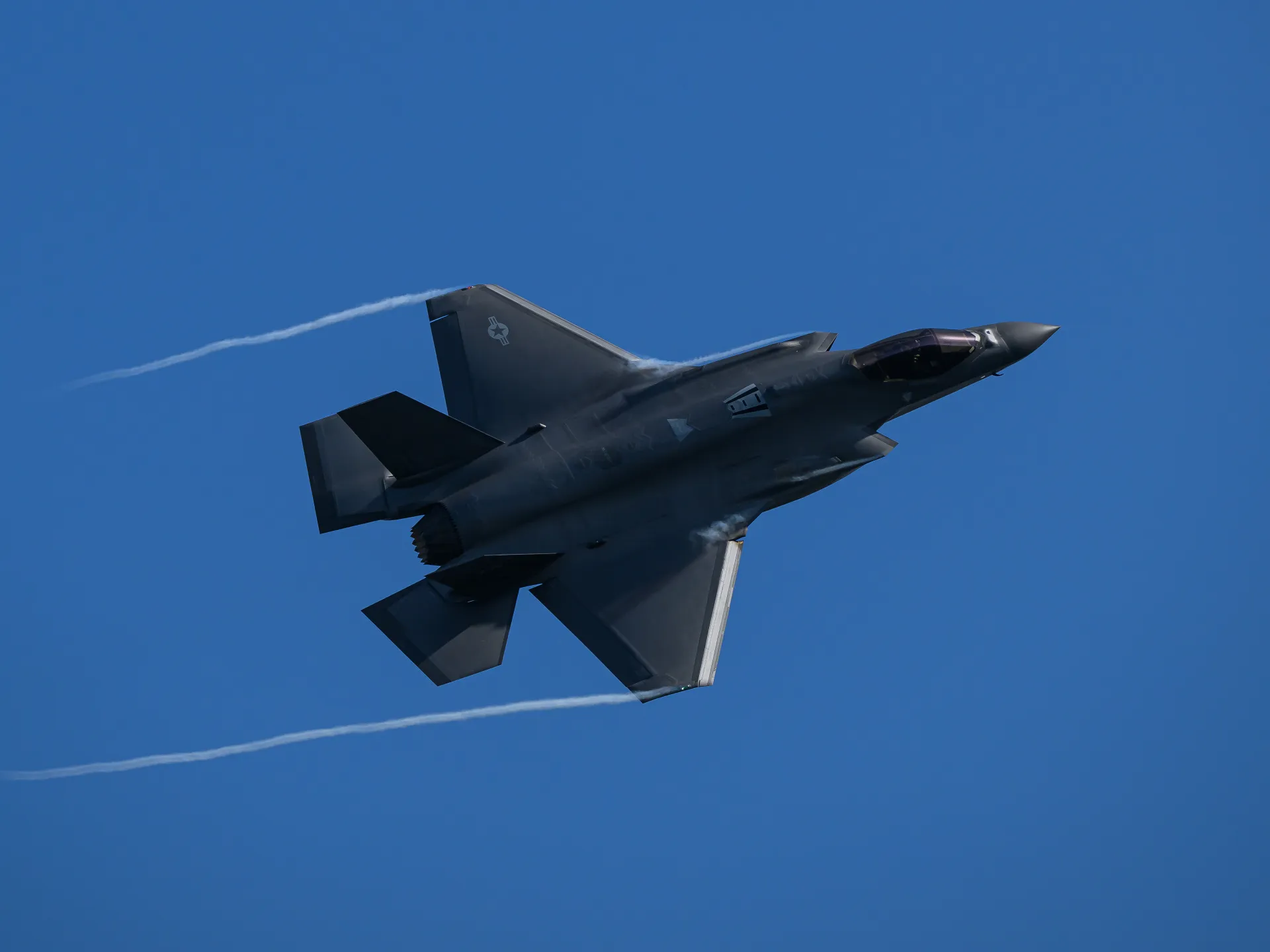
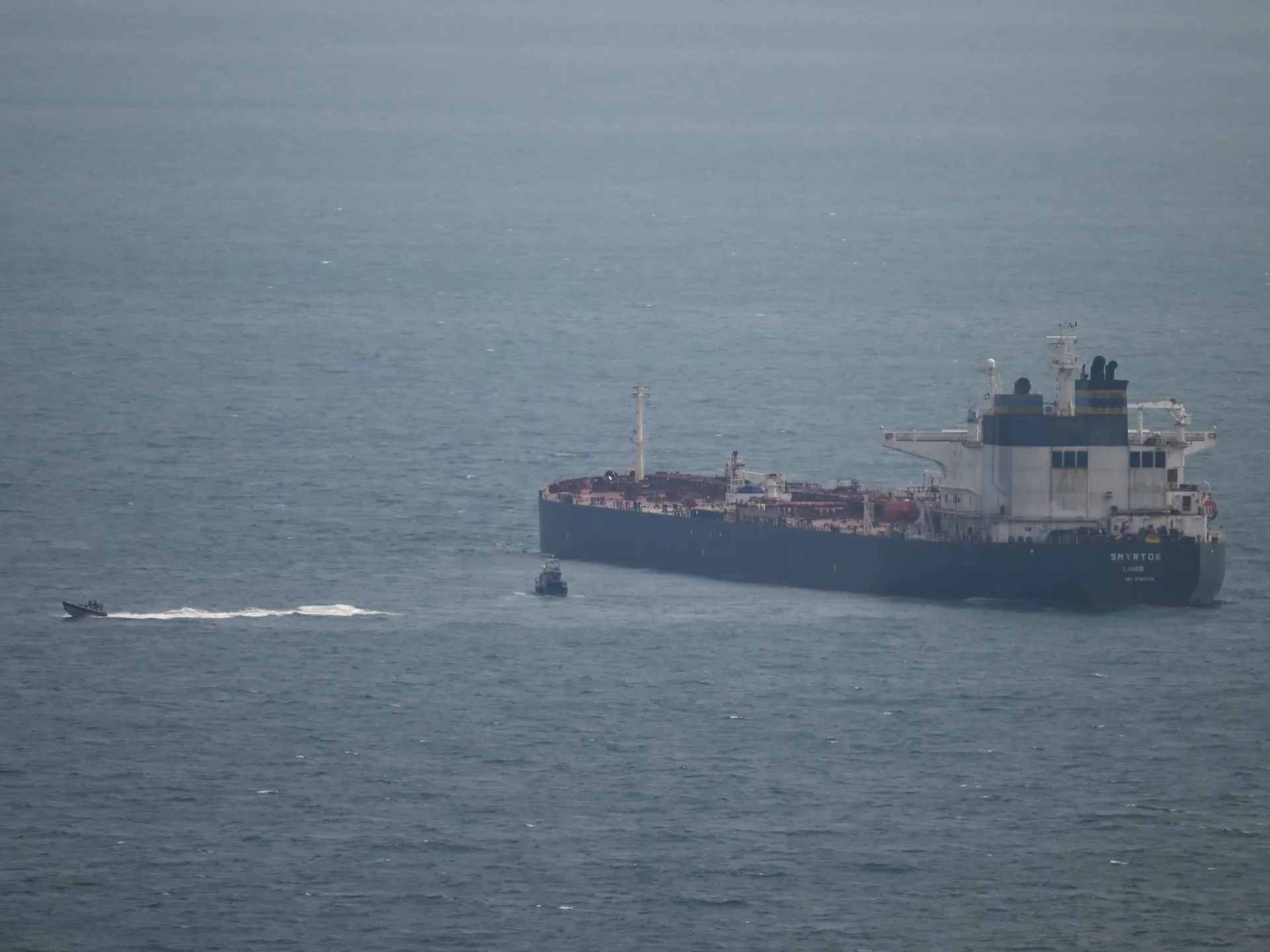
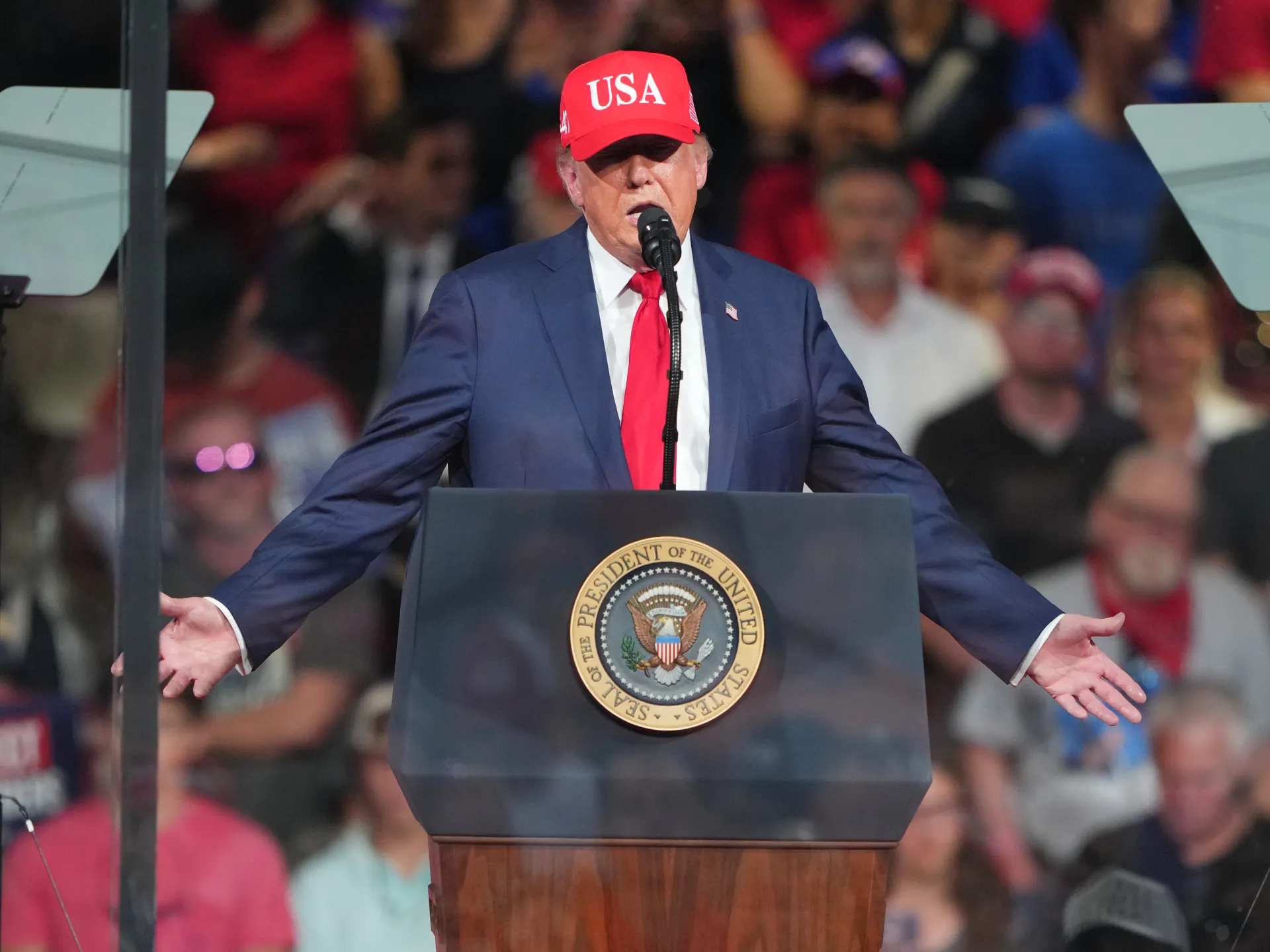
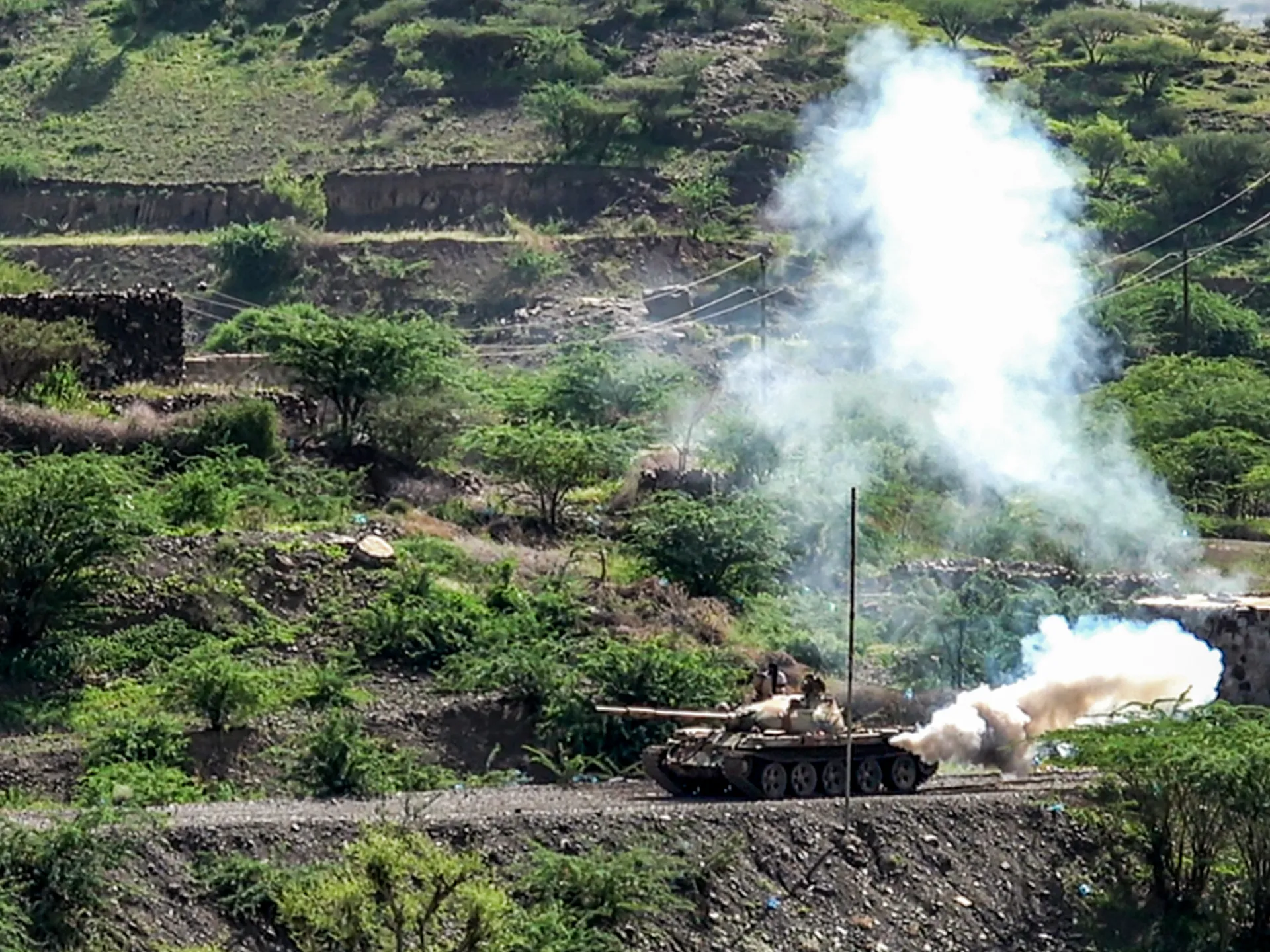
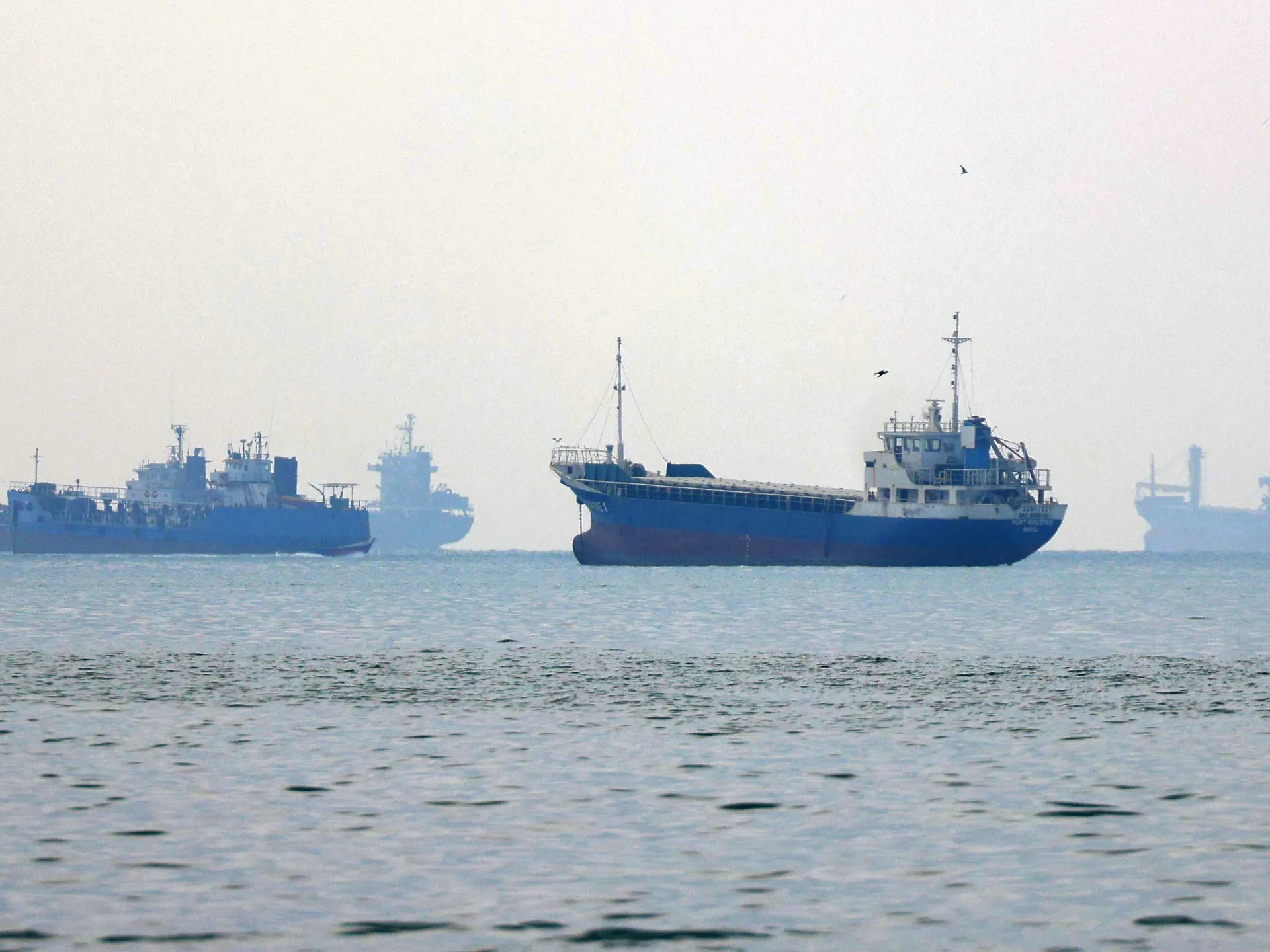
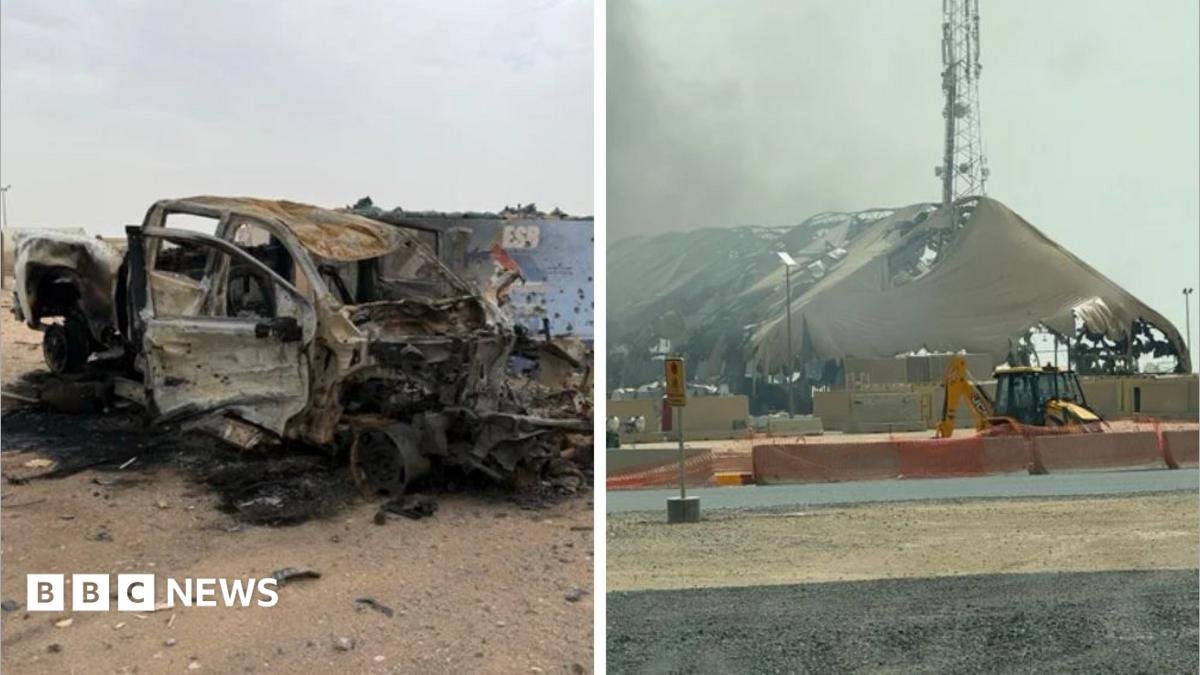
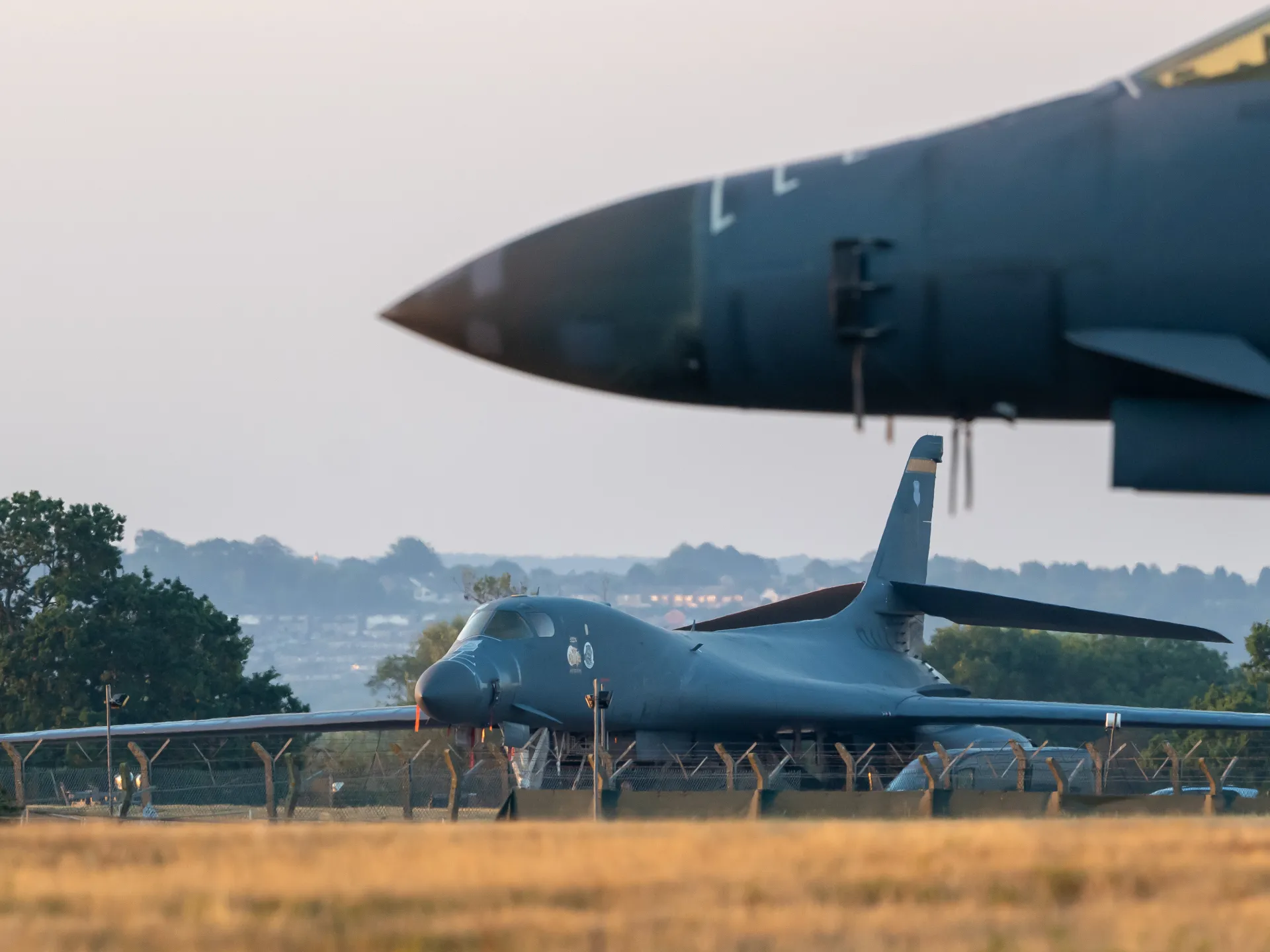
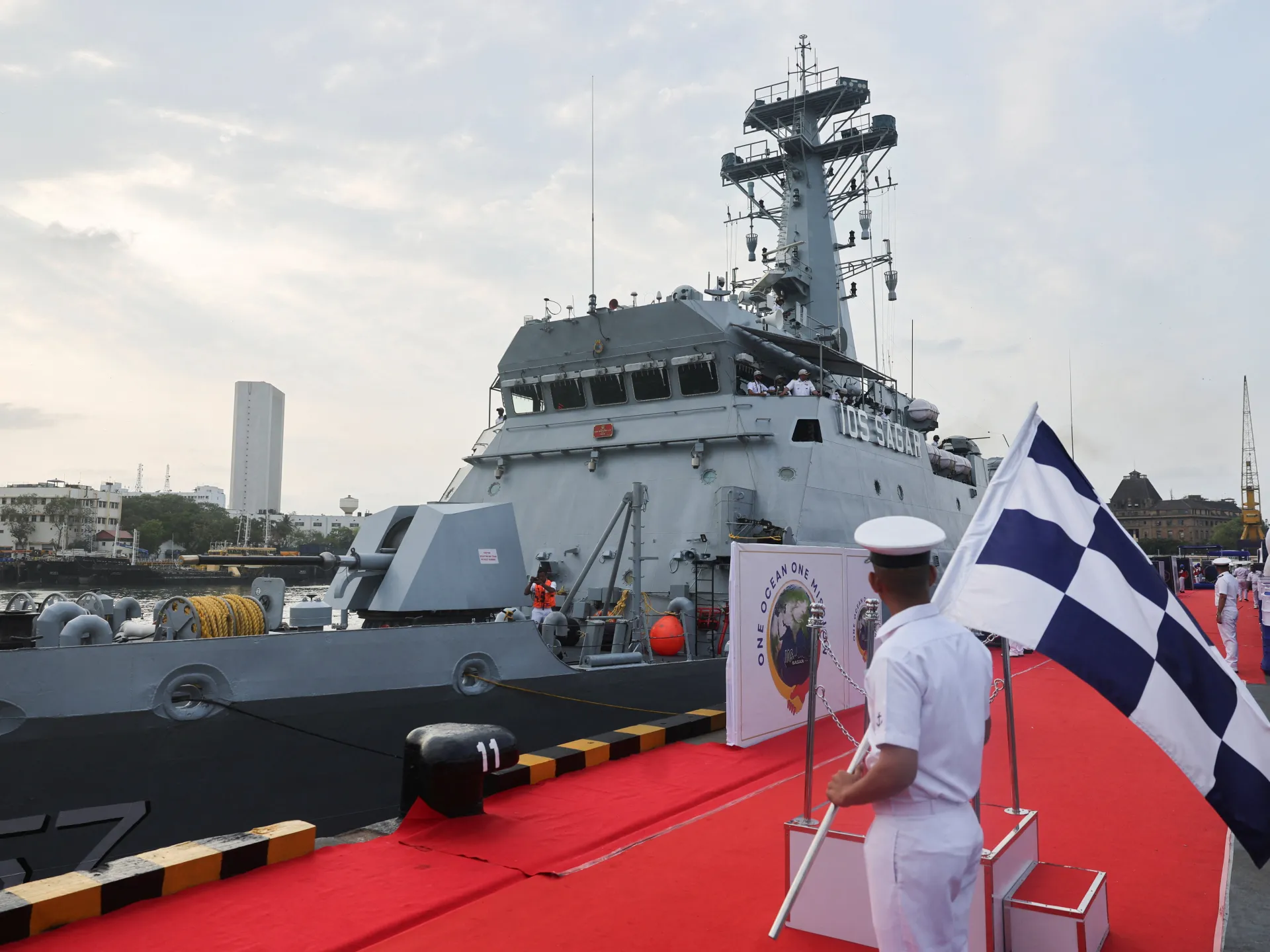
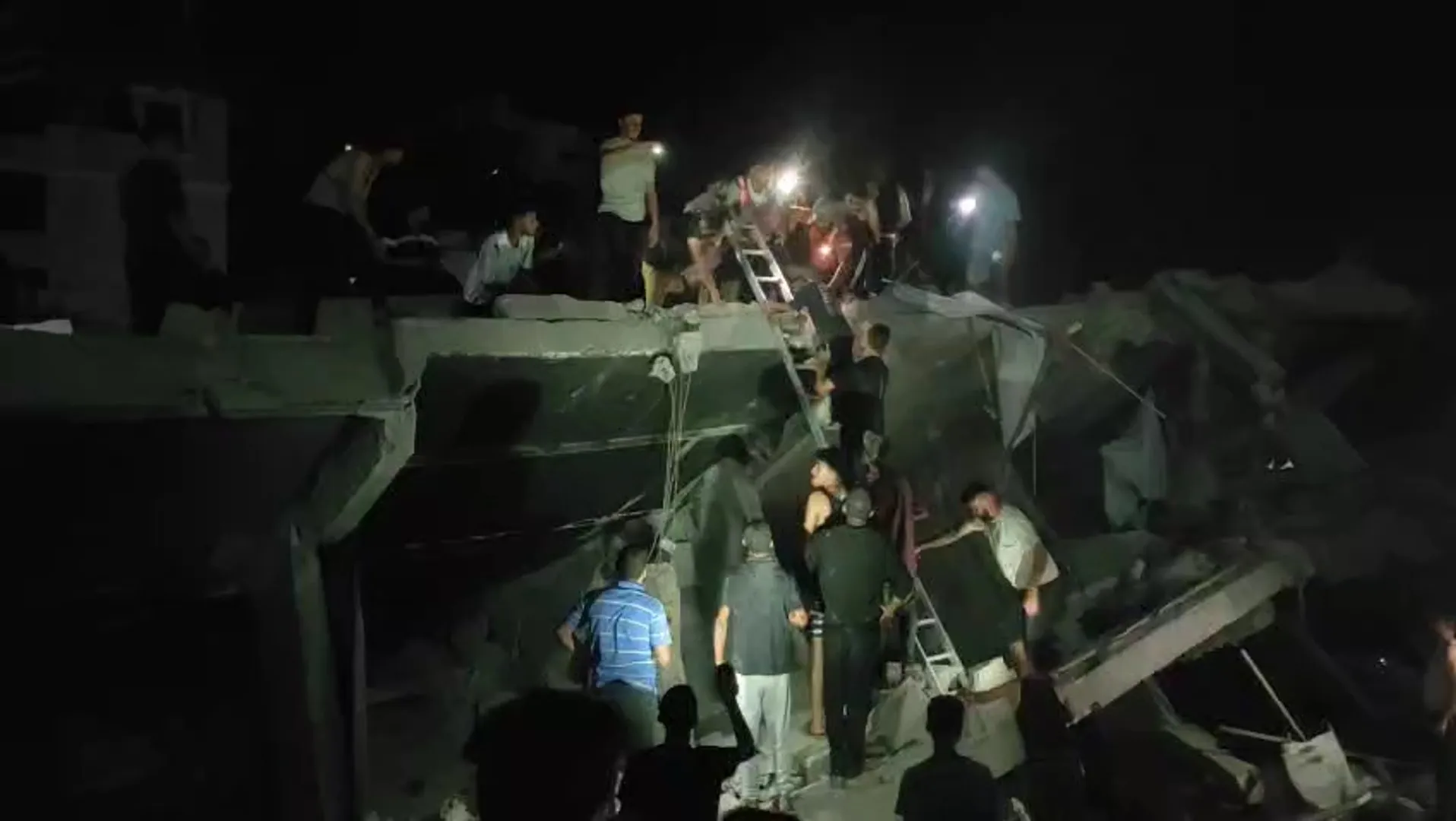
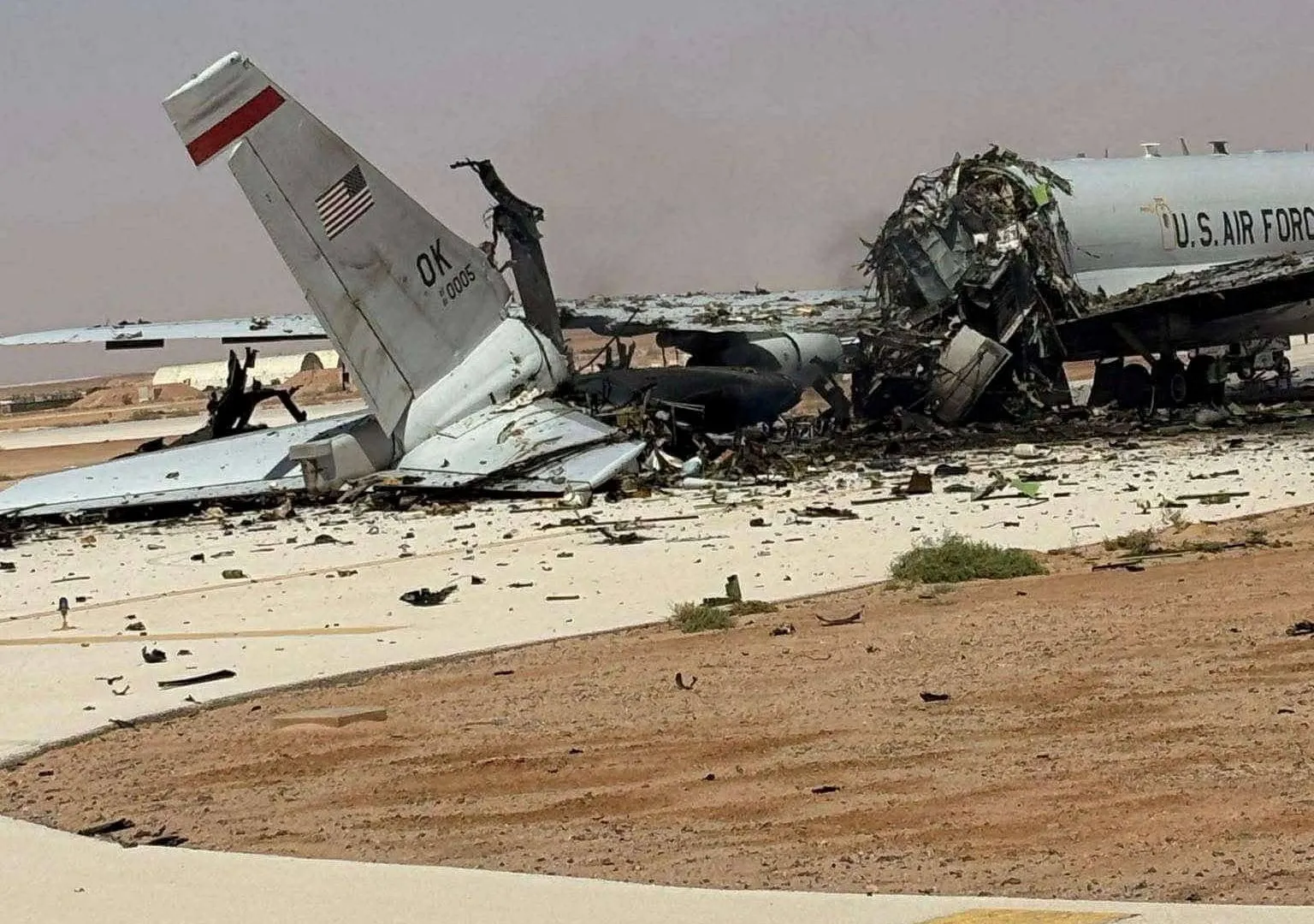
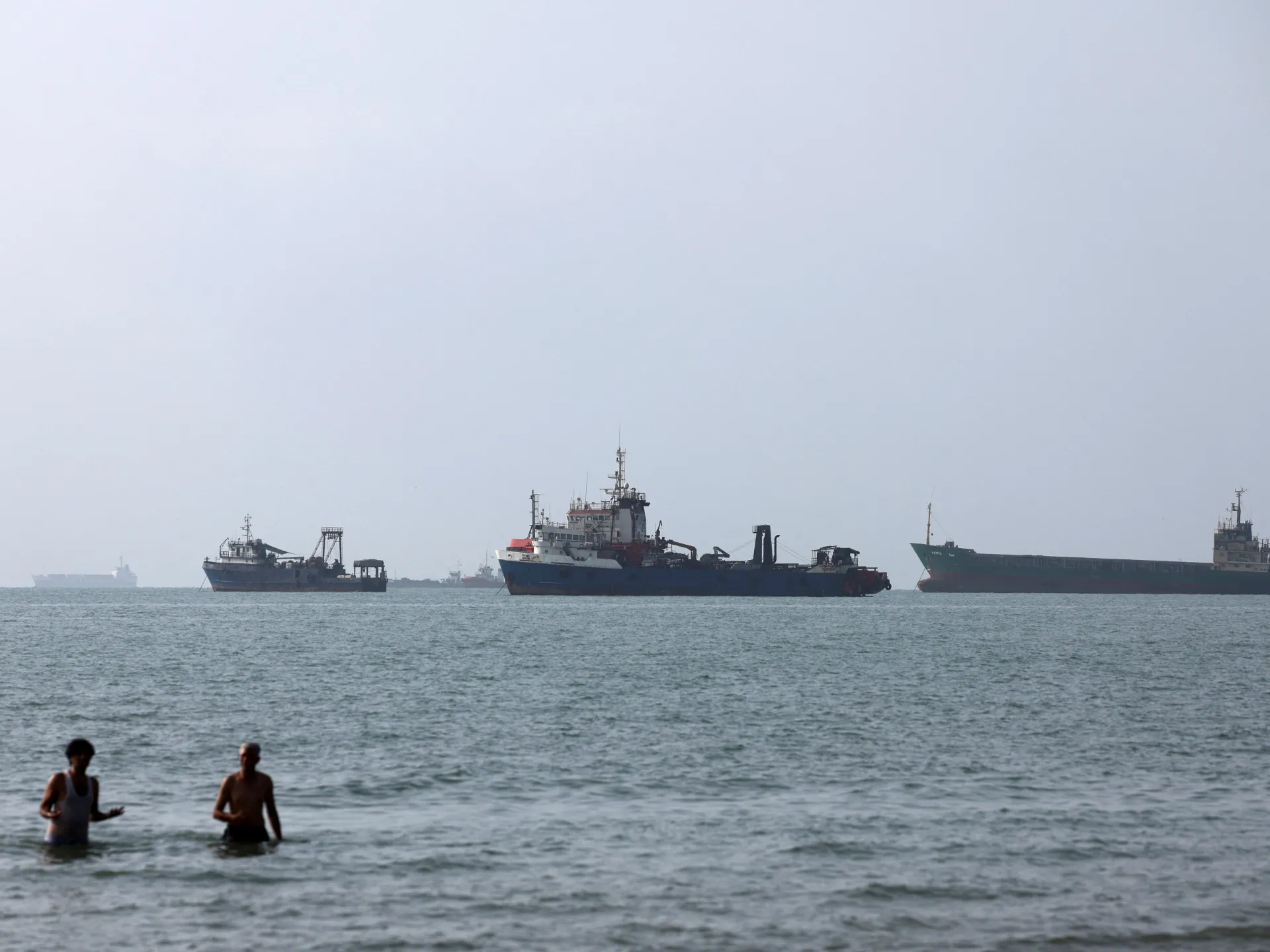
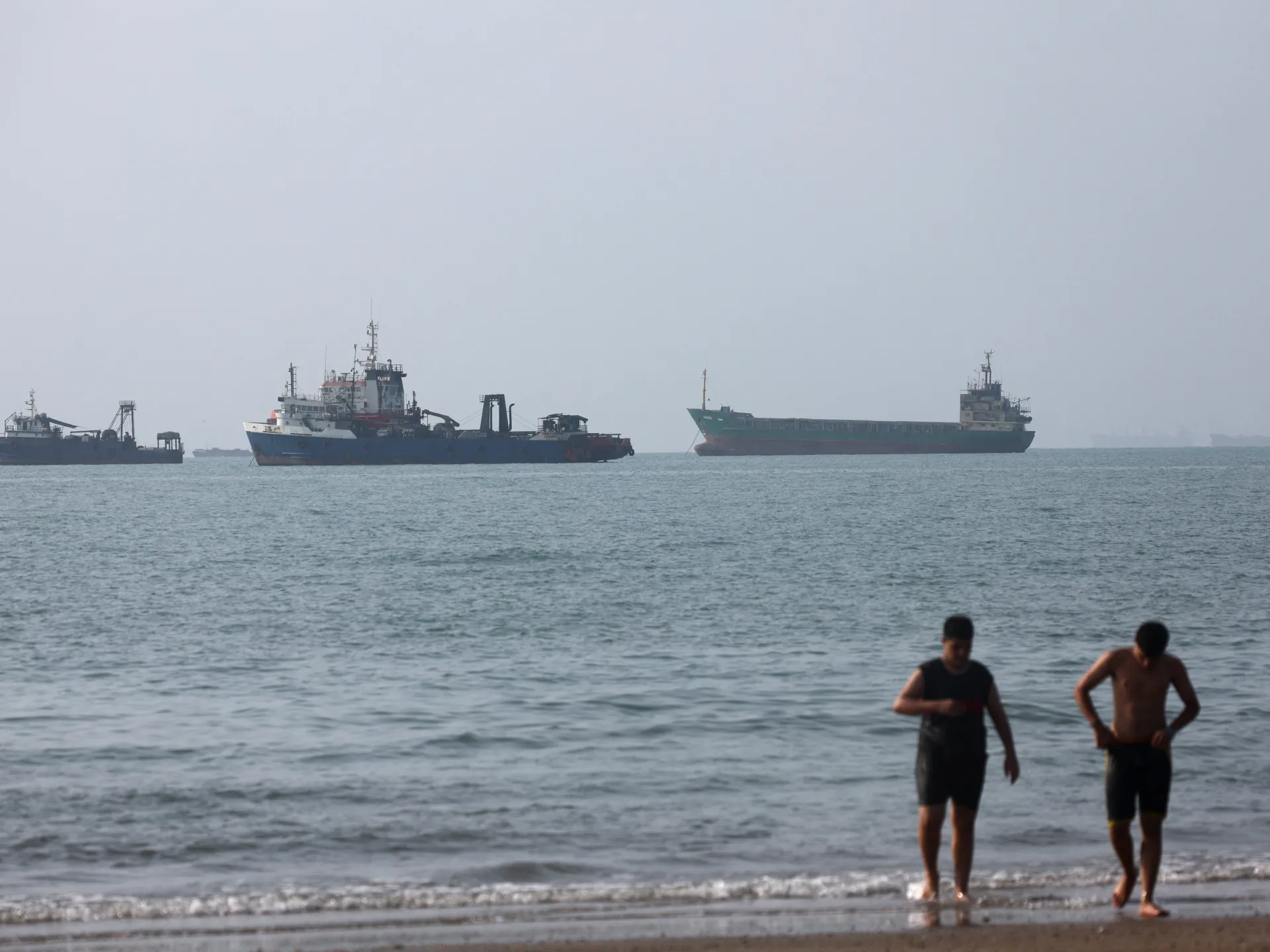
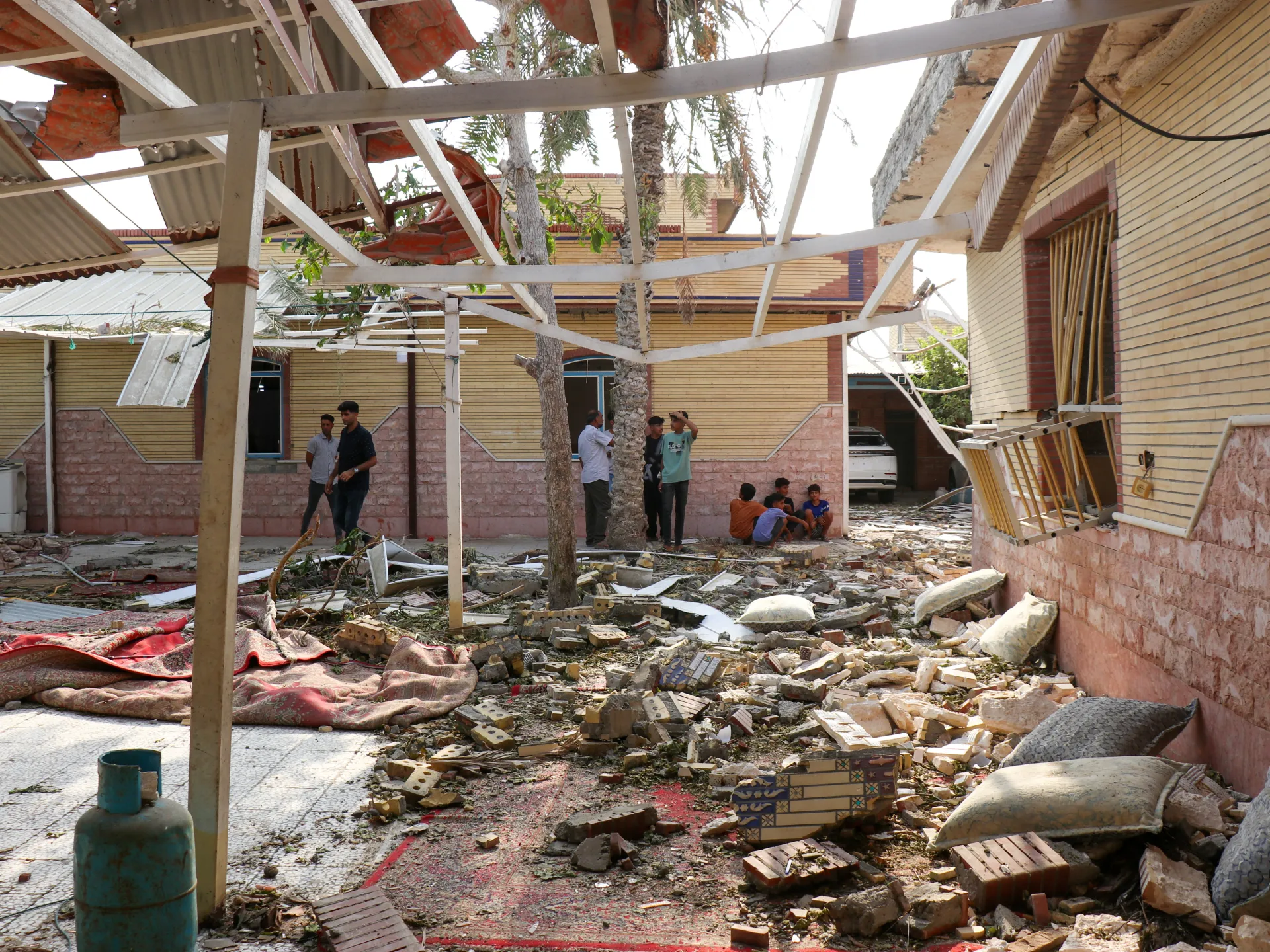
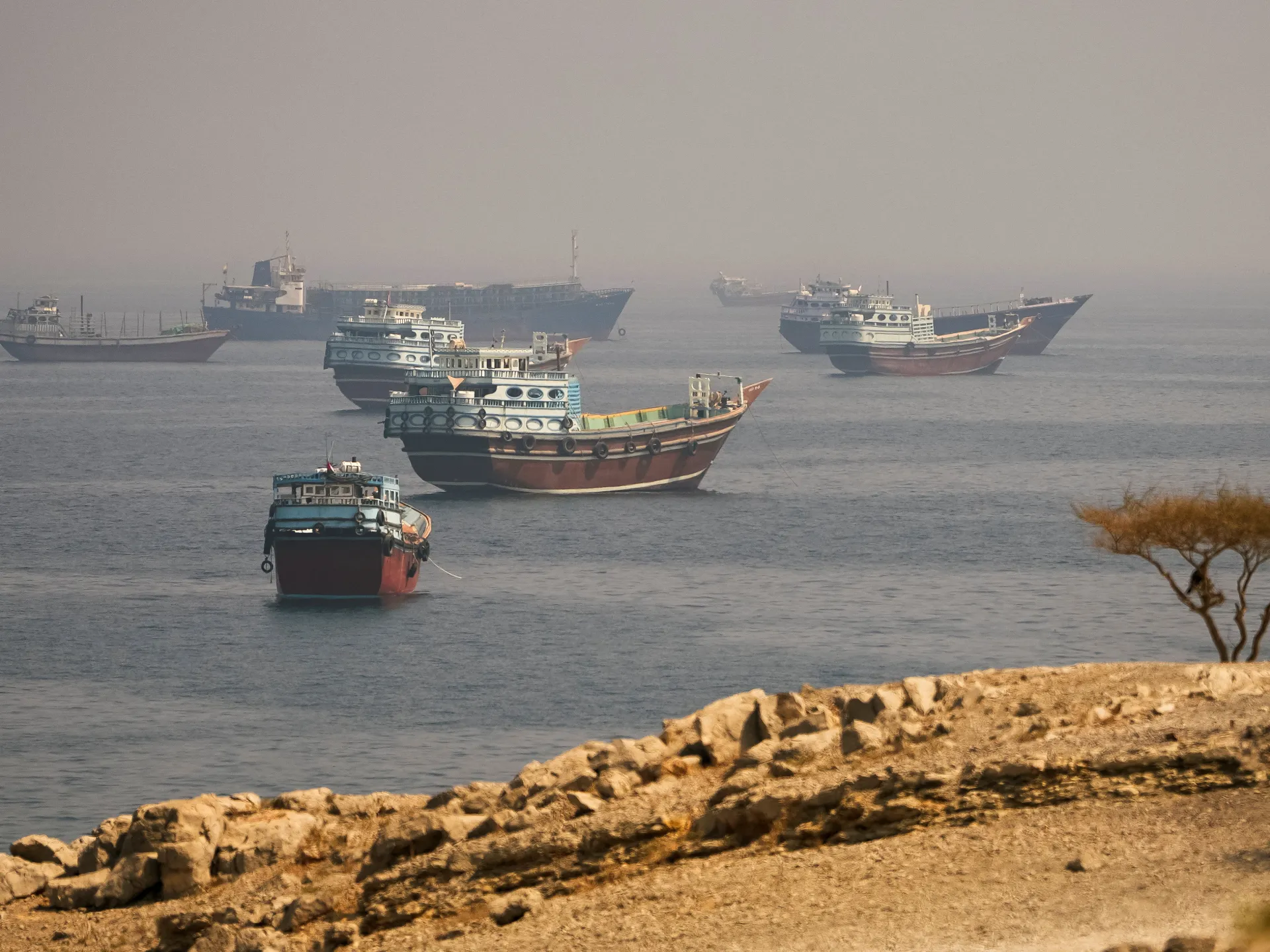
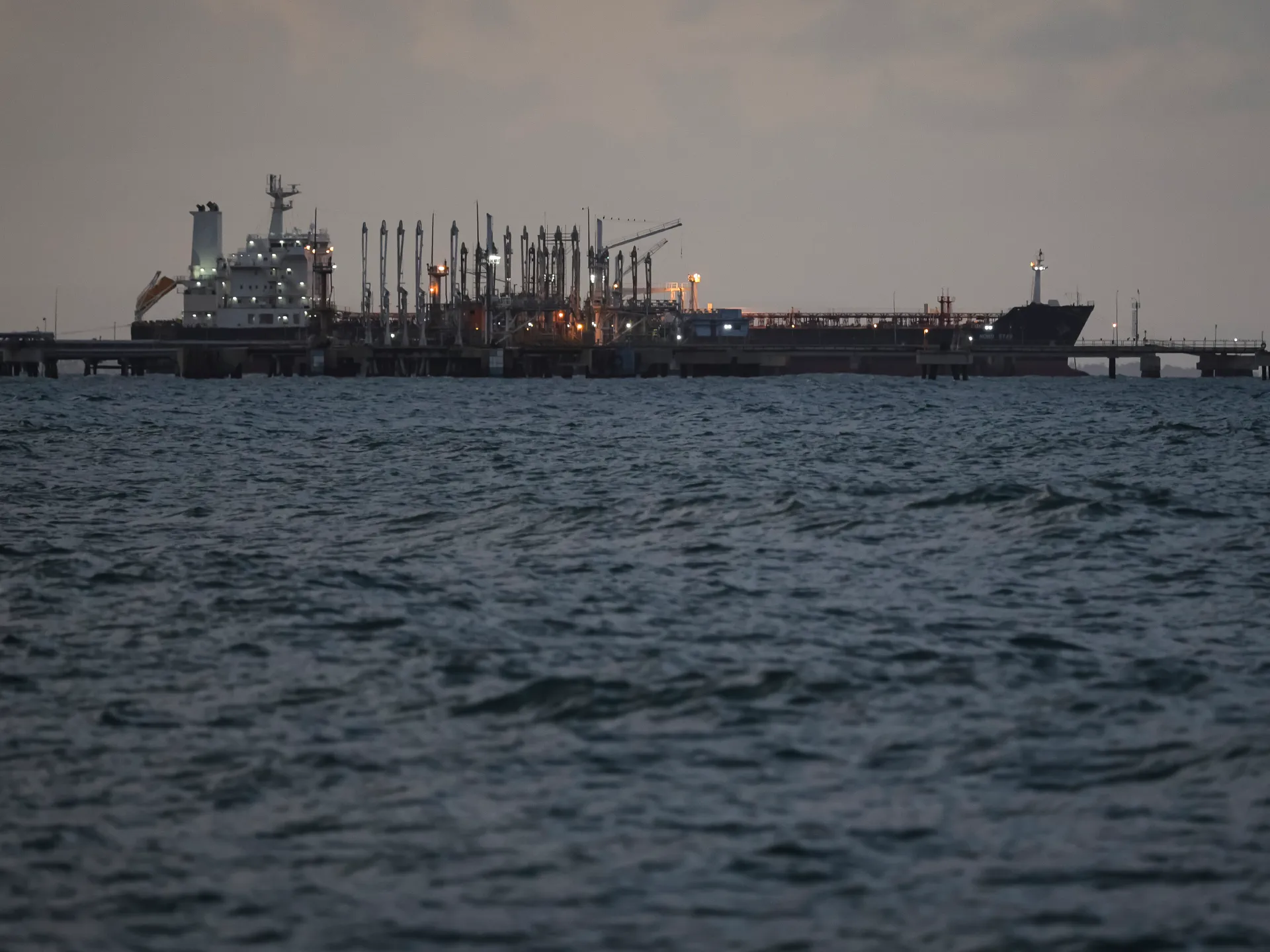
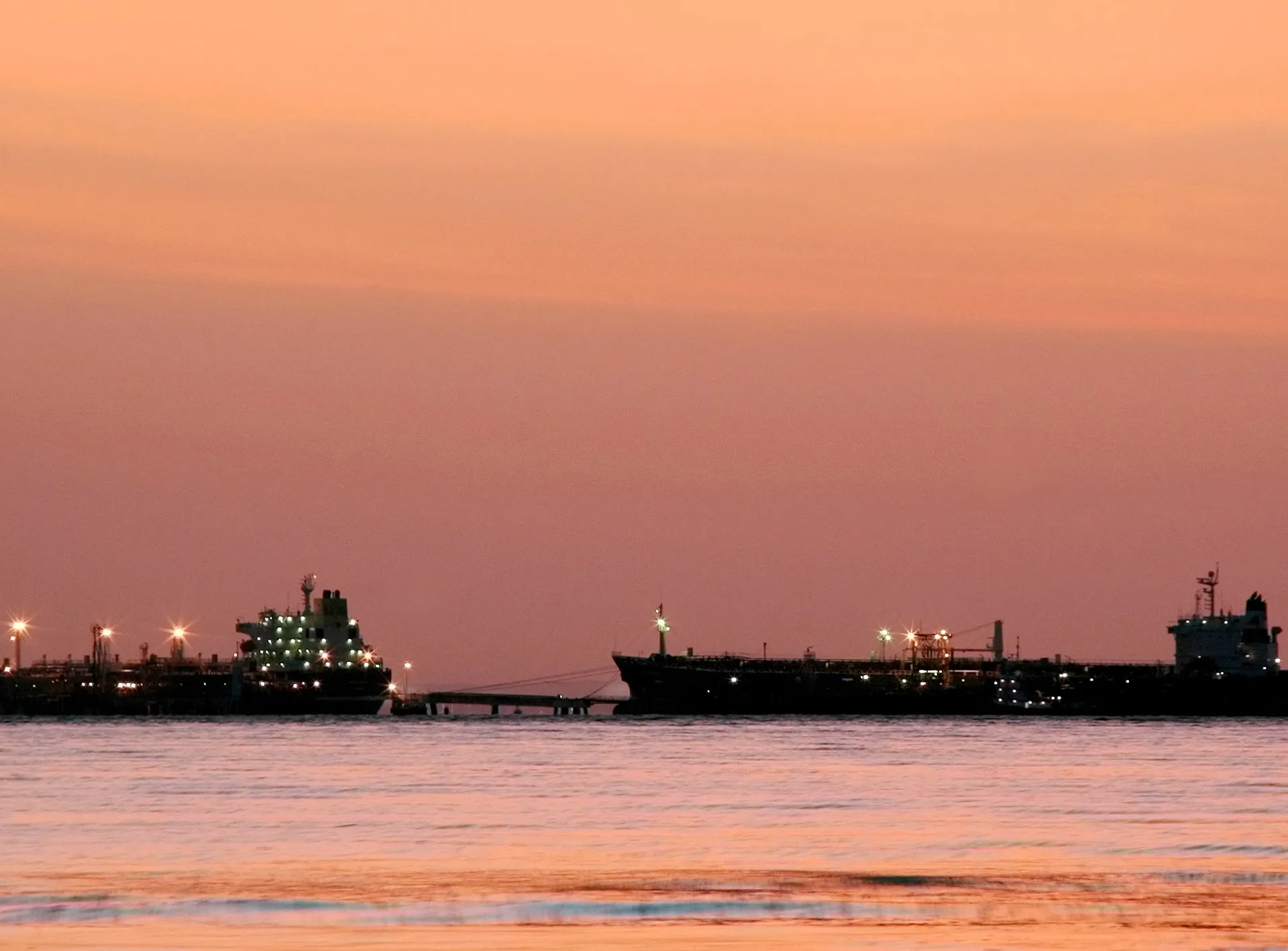
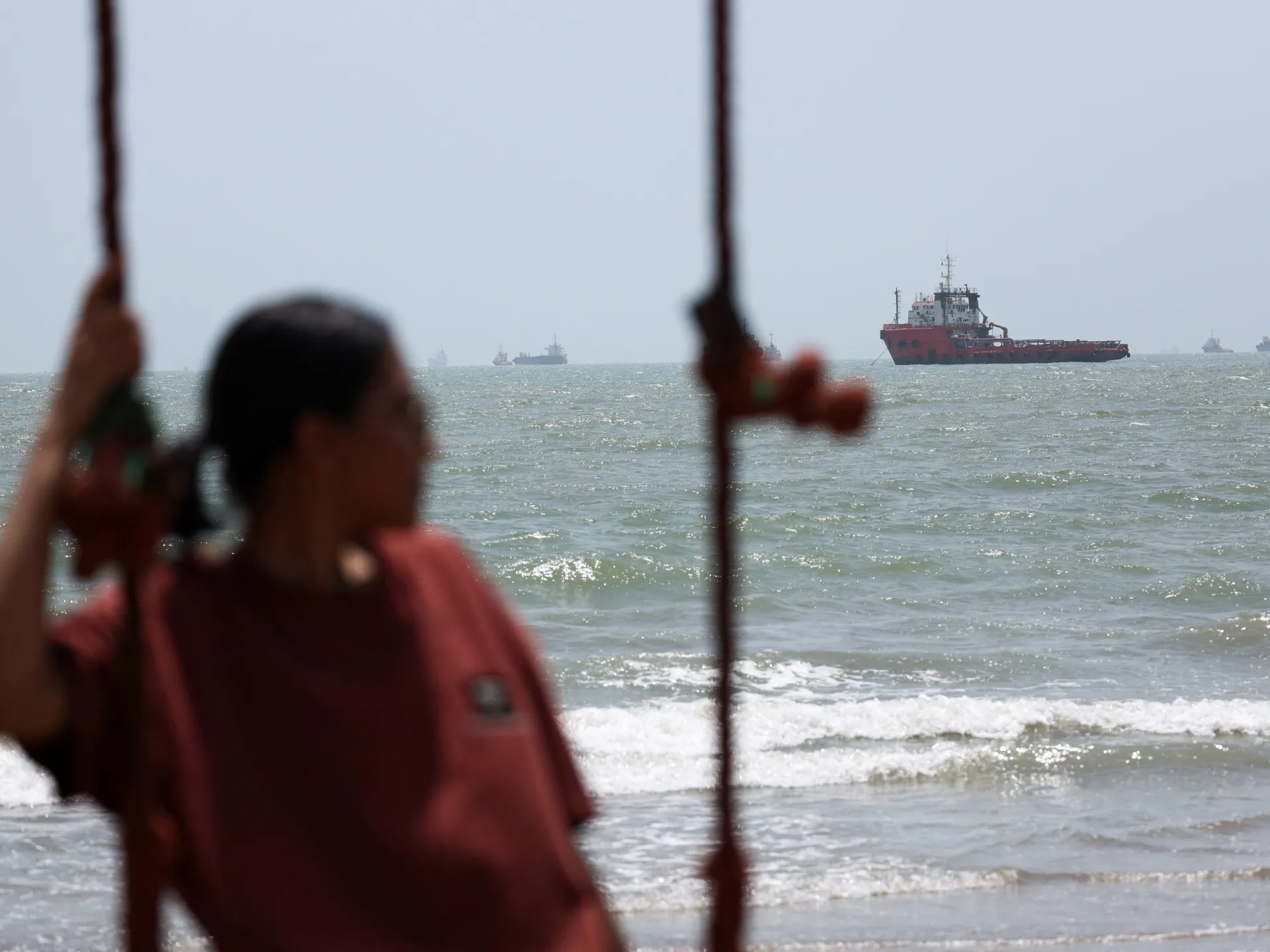
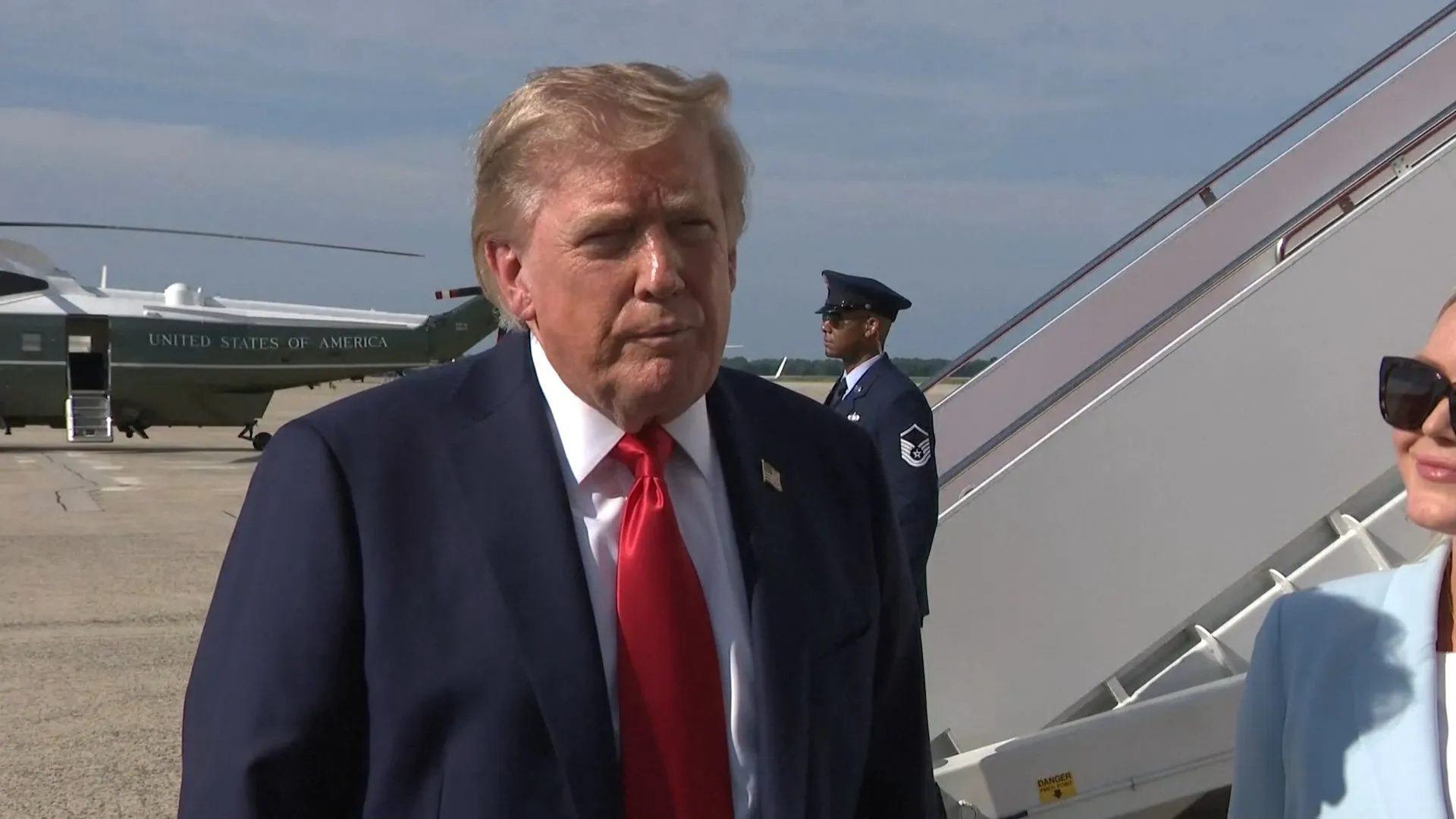
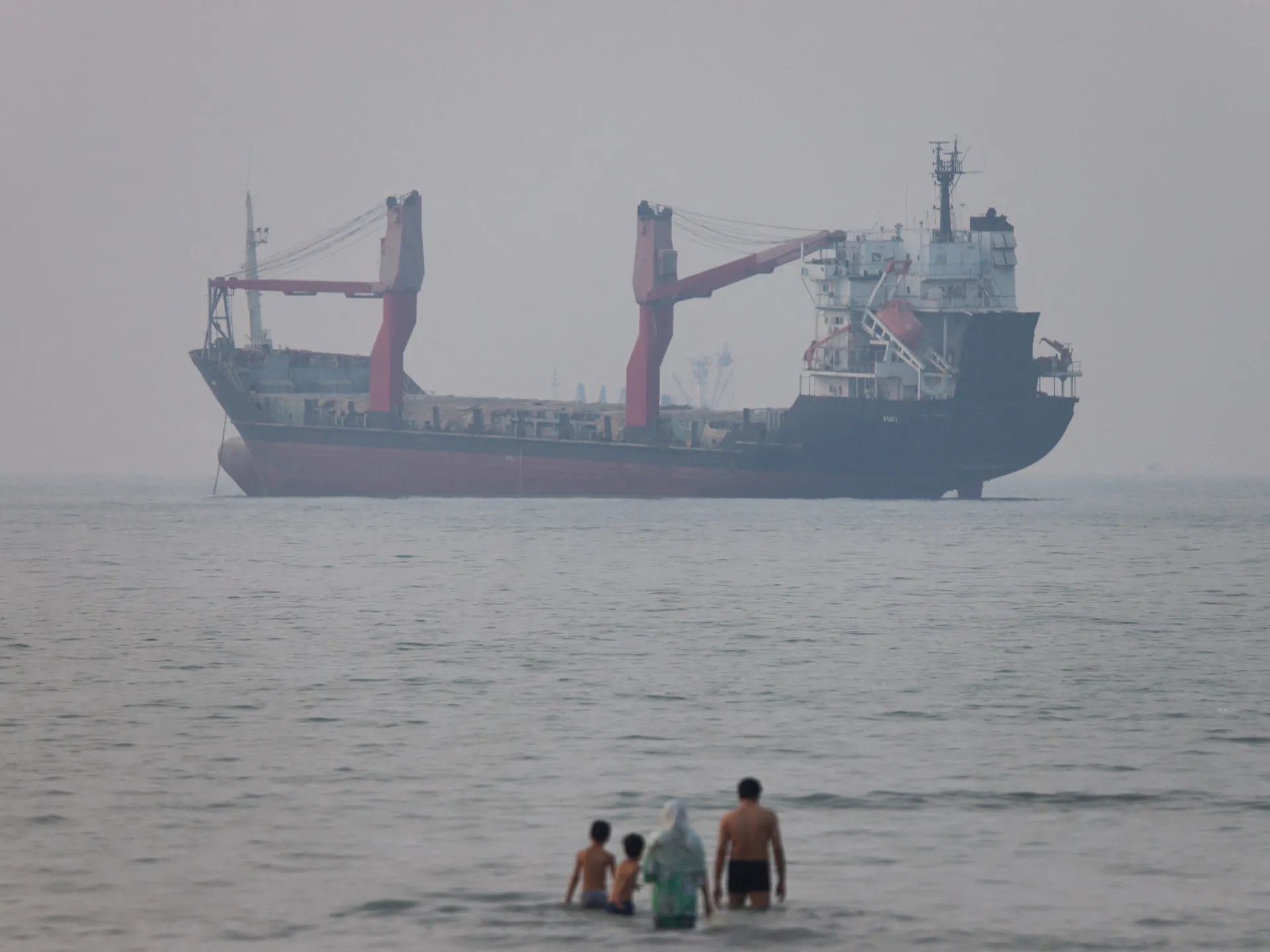
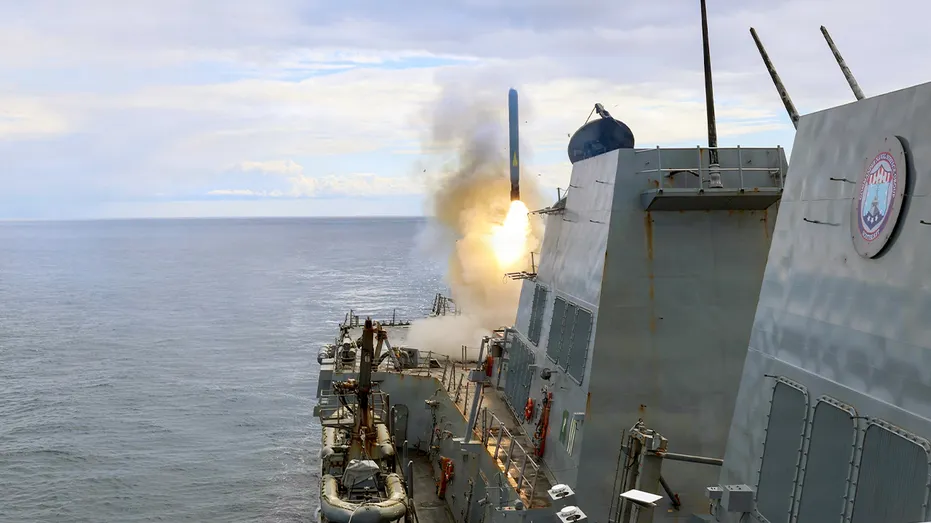
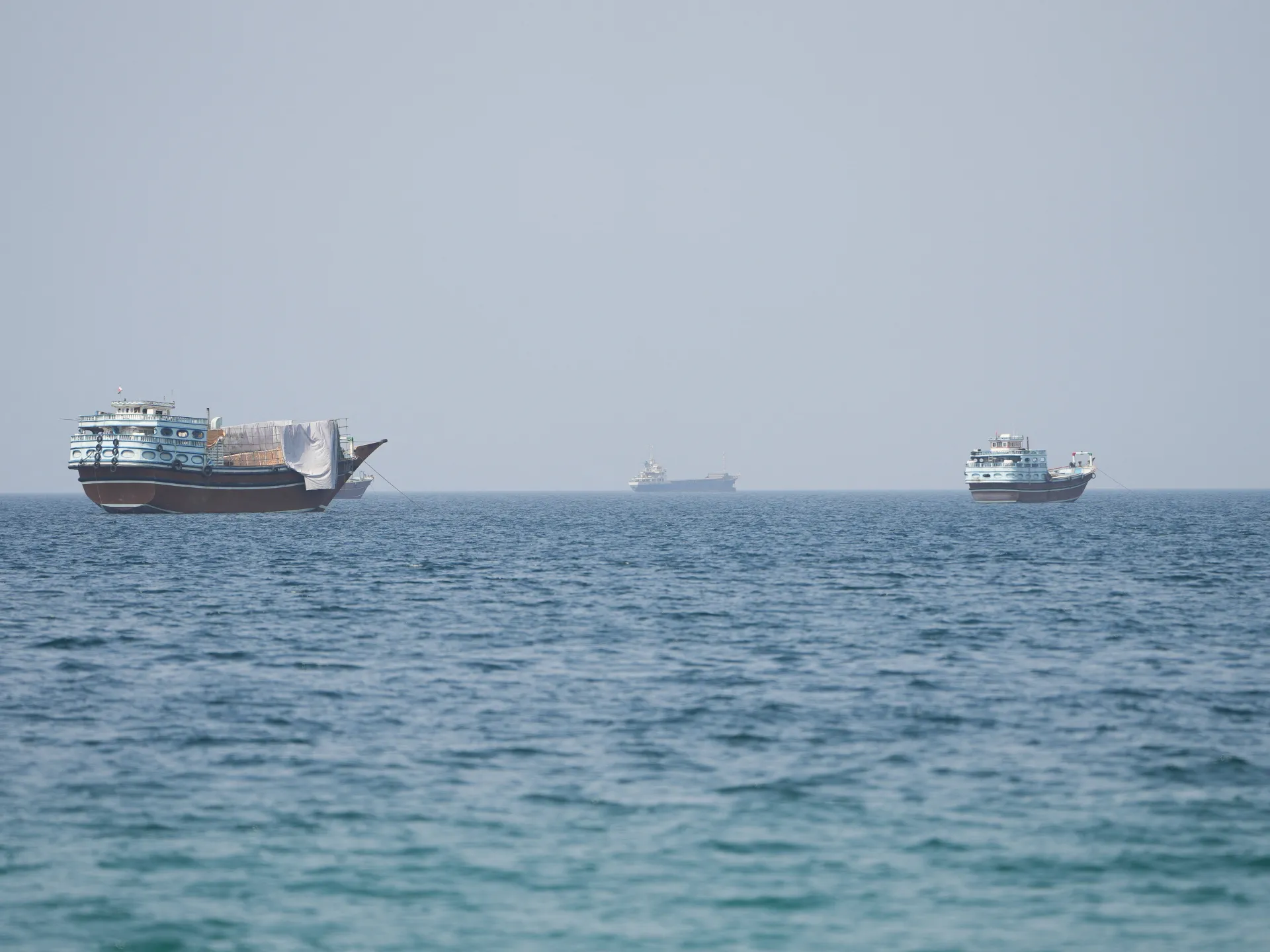
The decision to grant visas to the Iranian leadership is more than a procedural nod to the United Nations; it represents a critical stress test for the efficacy of multilateral institutions during wartime. For the international community, the physical presence of President Pezeshkian in New York creates an unprecedented opportunity for back-channel diplomacy that is otherwise impossible under the current conditions of a naval blockade and frequent cross-border strikes. However, the move also carries significant domestic political weight in Washington, as the White House attempts to balance the necessity of global mediation against the optics of hosting leaders of a nation currently targeting U.S. bases in the Gulf.
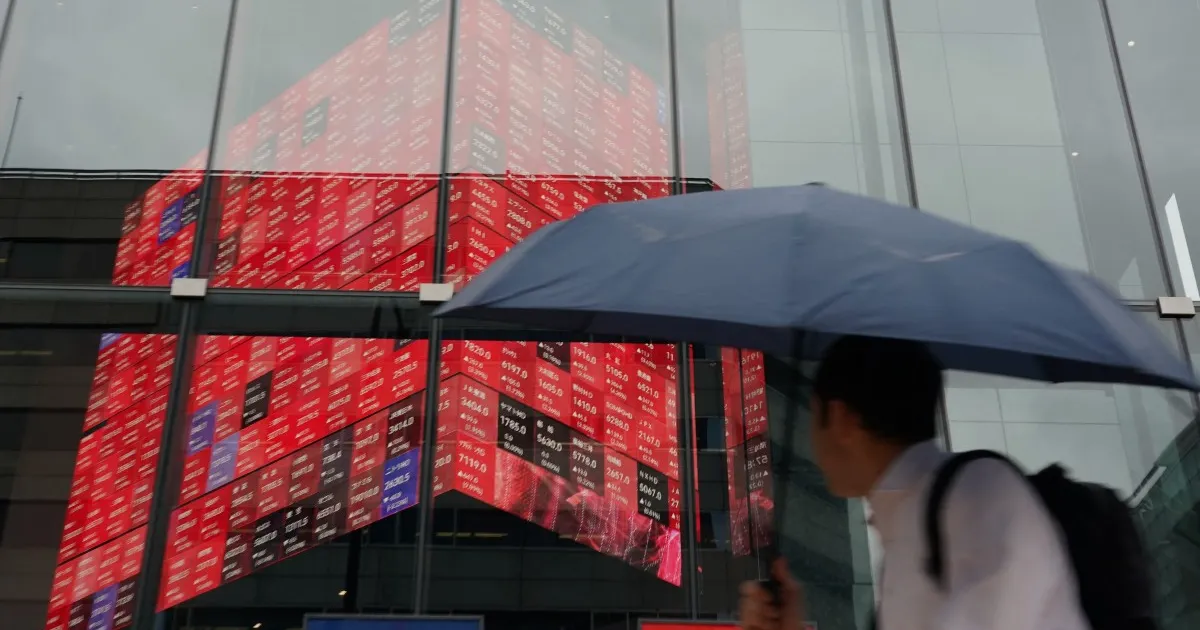
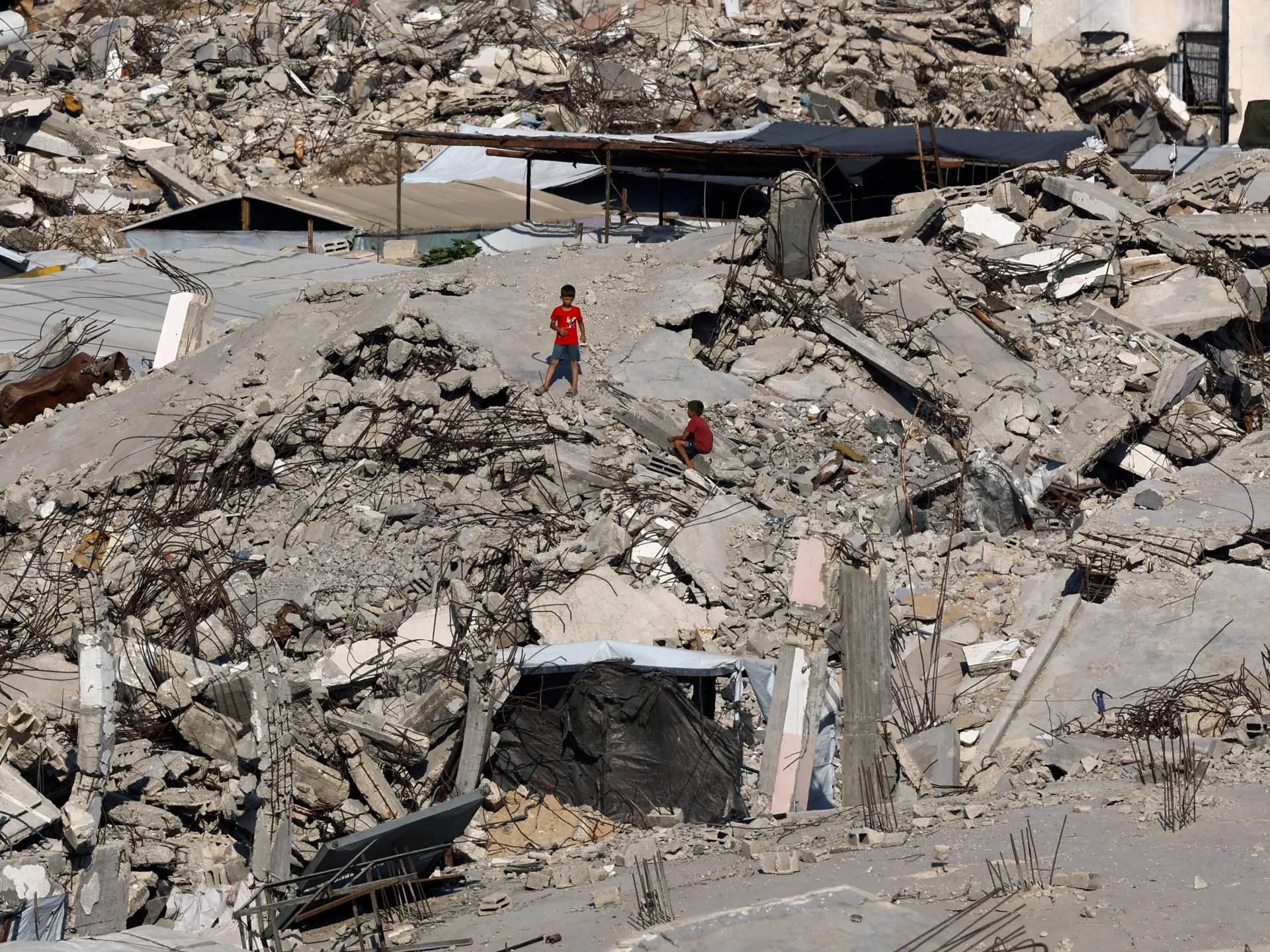
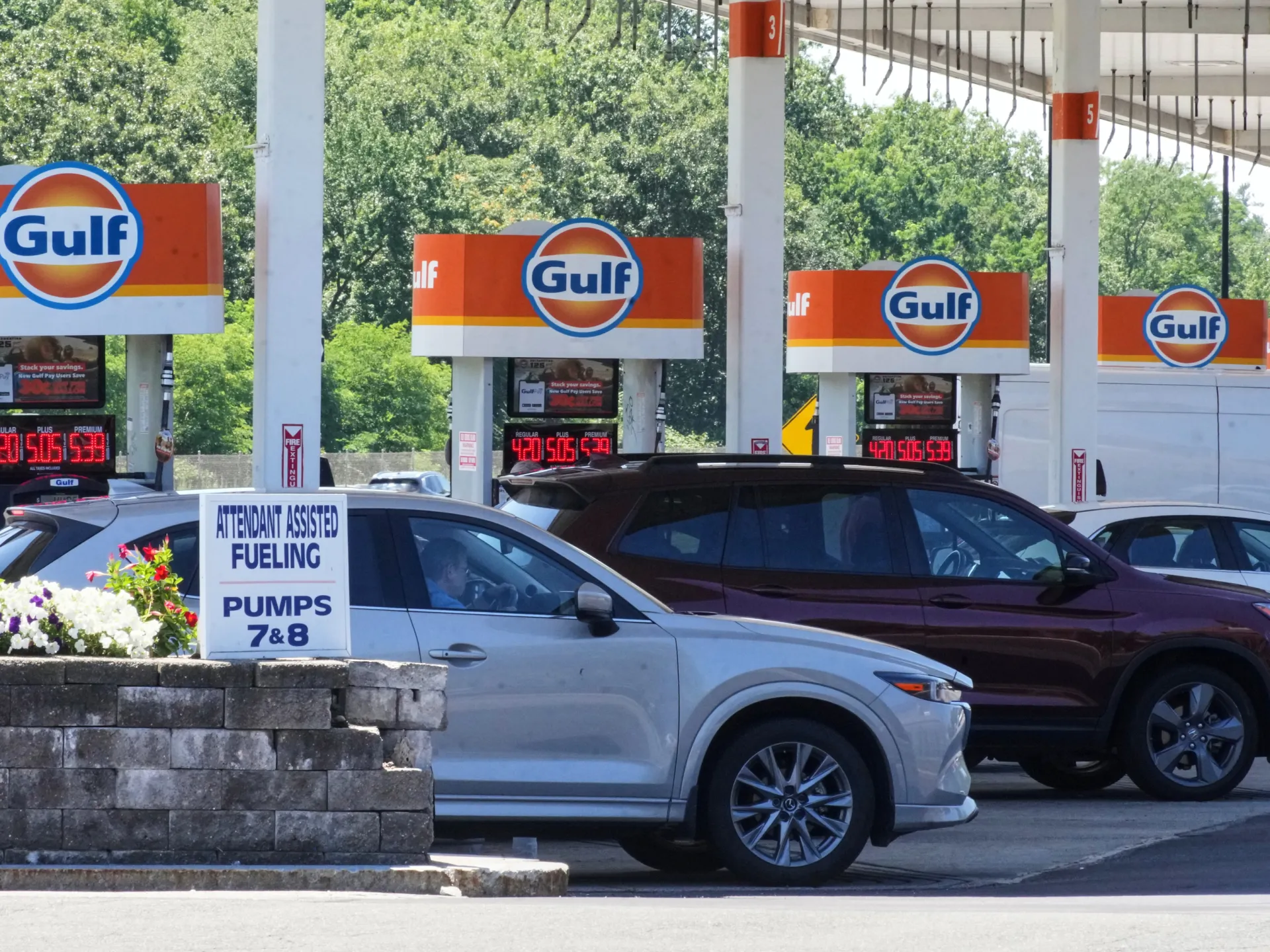
Furthermore, the conflict has moved beyond purely bilateral grievances. The inclusion of Iranian leadership at the UNGA forces the assembly to confront the economic fallout of the war, specifically the sustained impact on global energy prices. rsation toward a potential ceasefire, although the gap between Iranian demands—such as the total lifting of the naval blockade—and U.S. security requirements remains substantial.
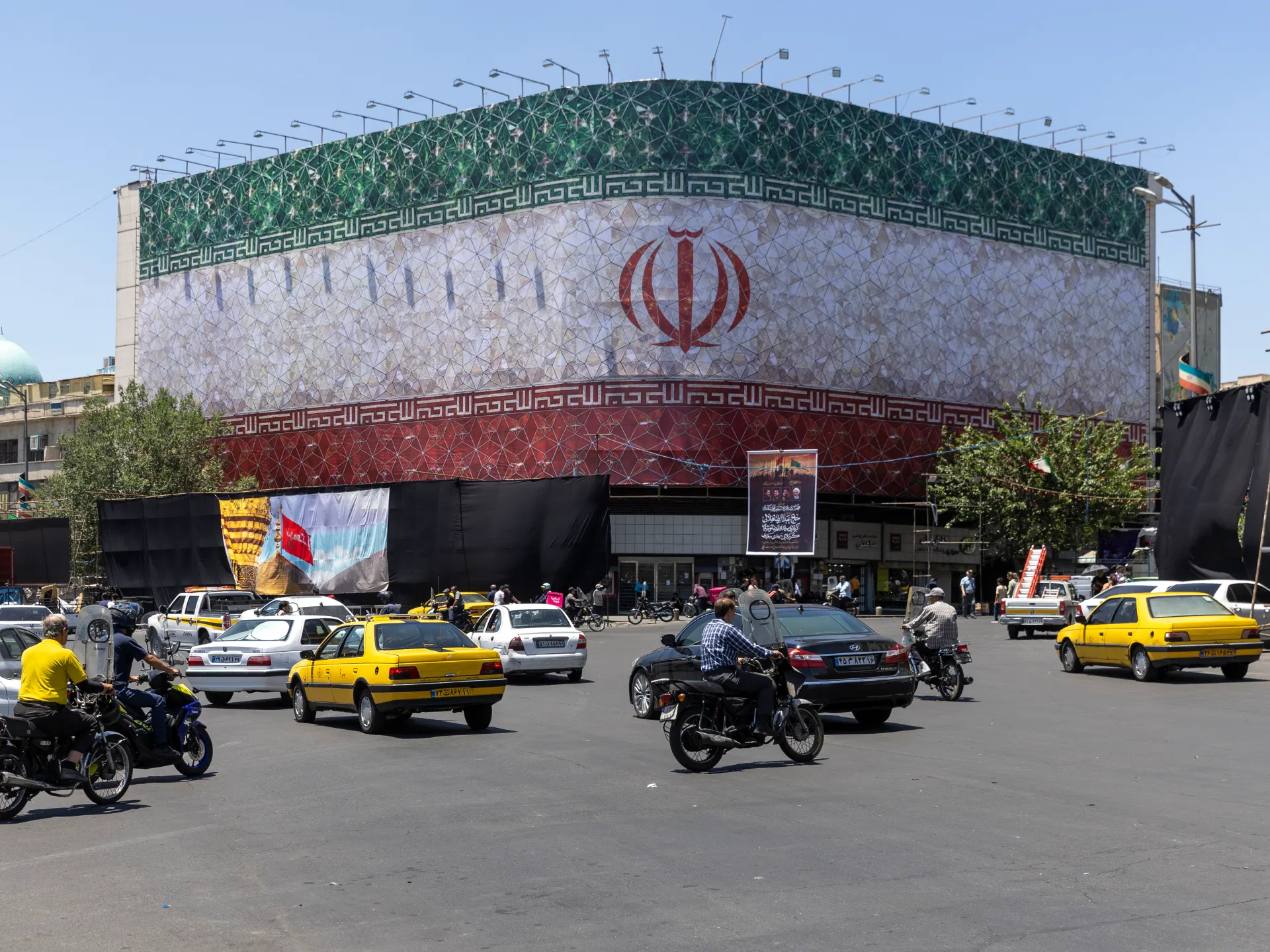
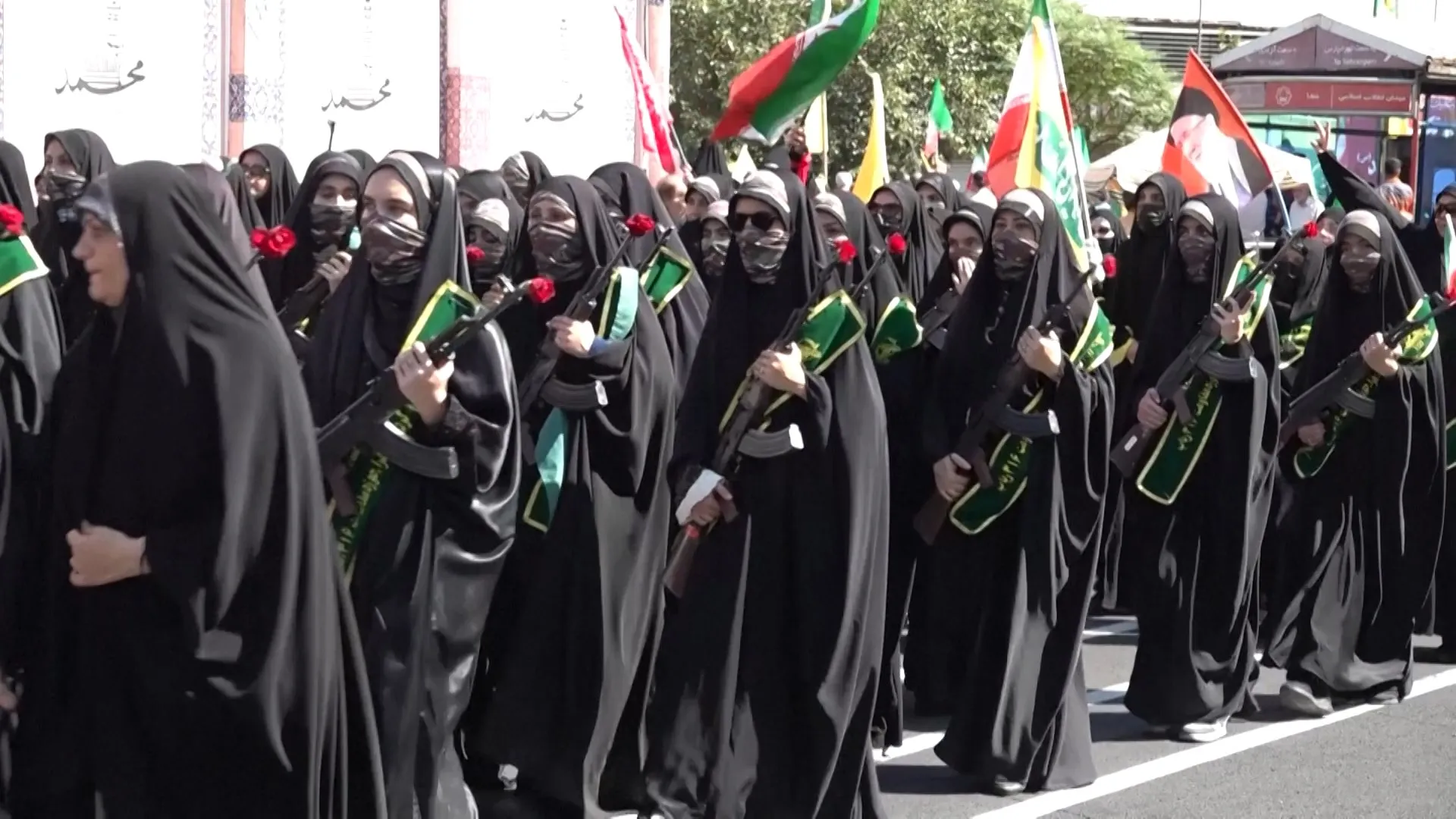
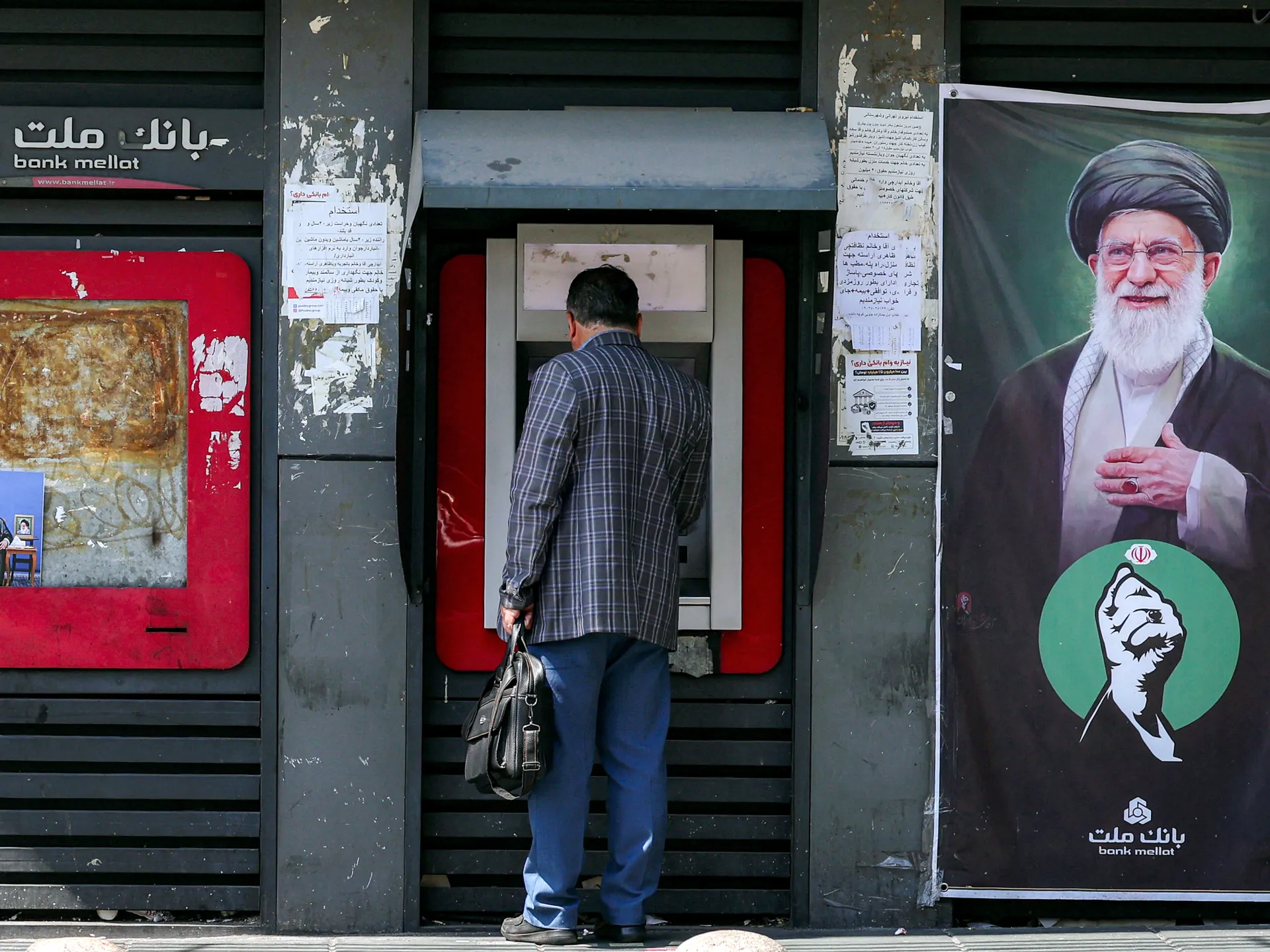
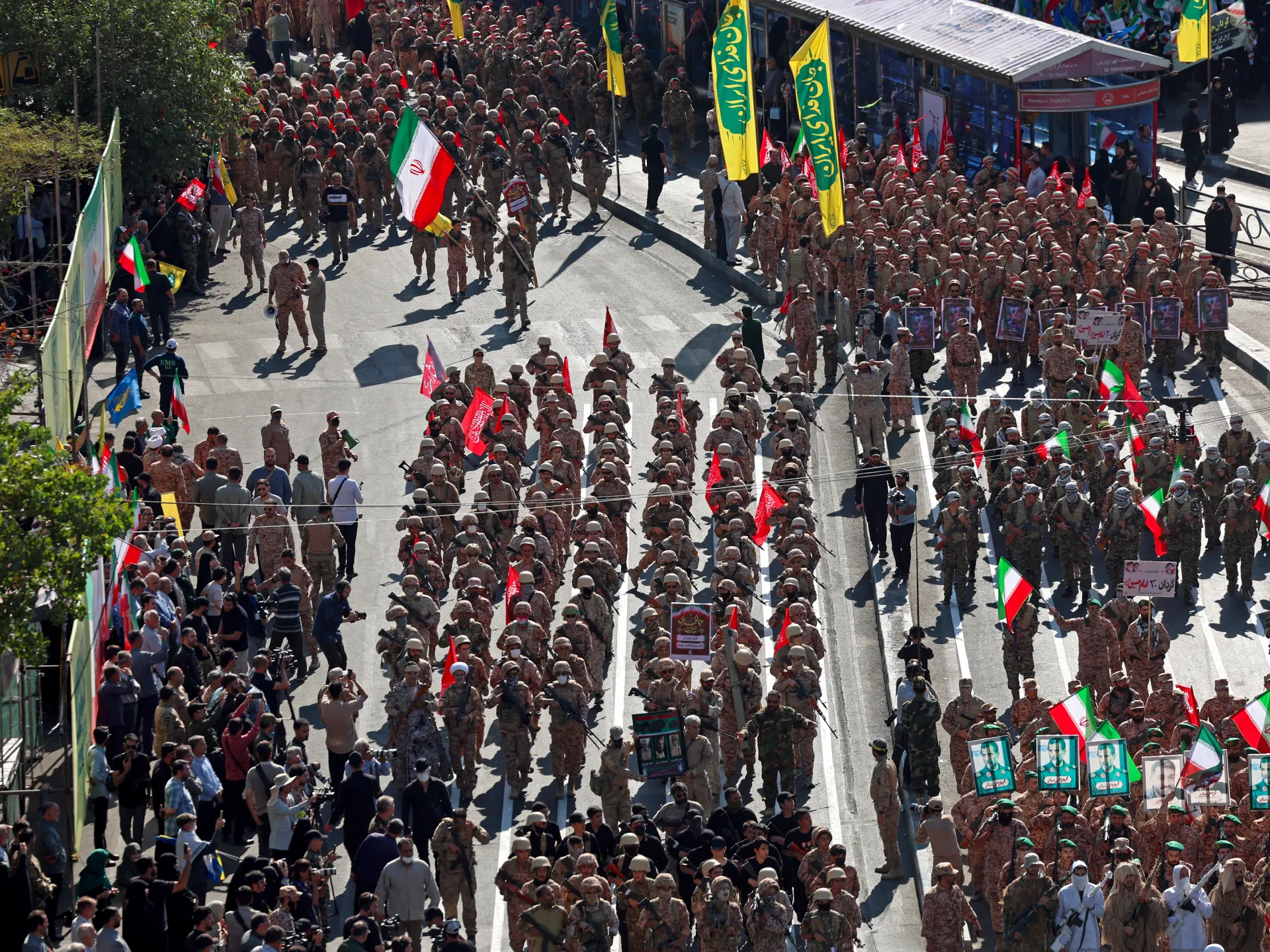
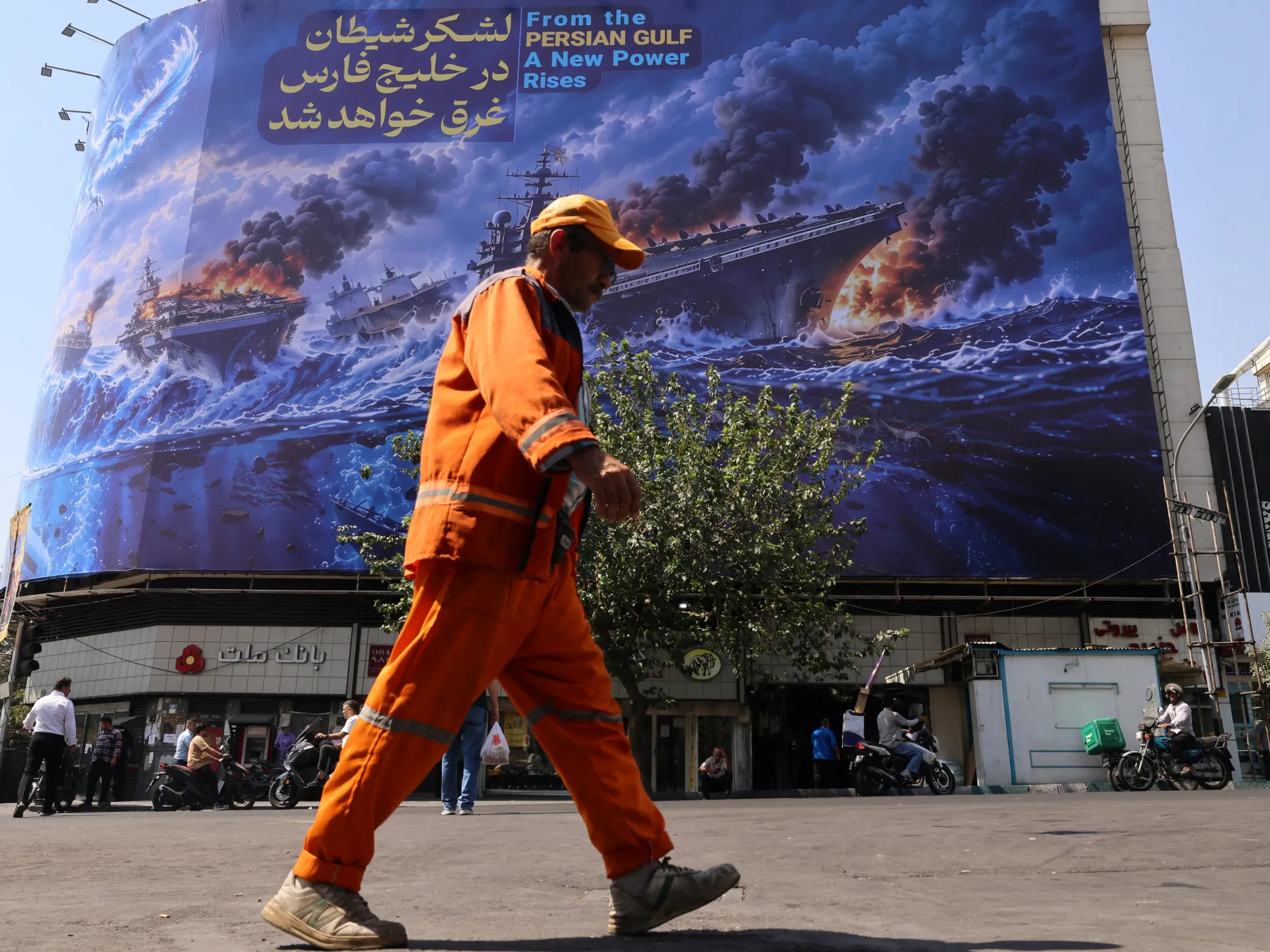
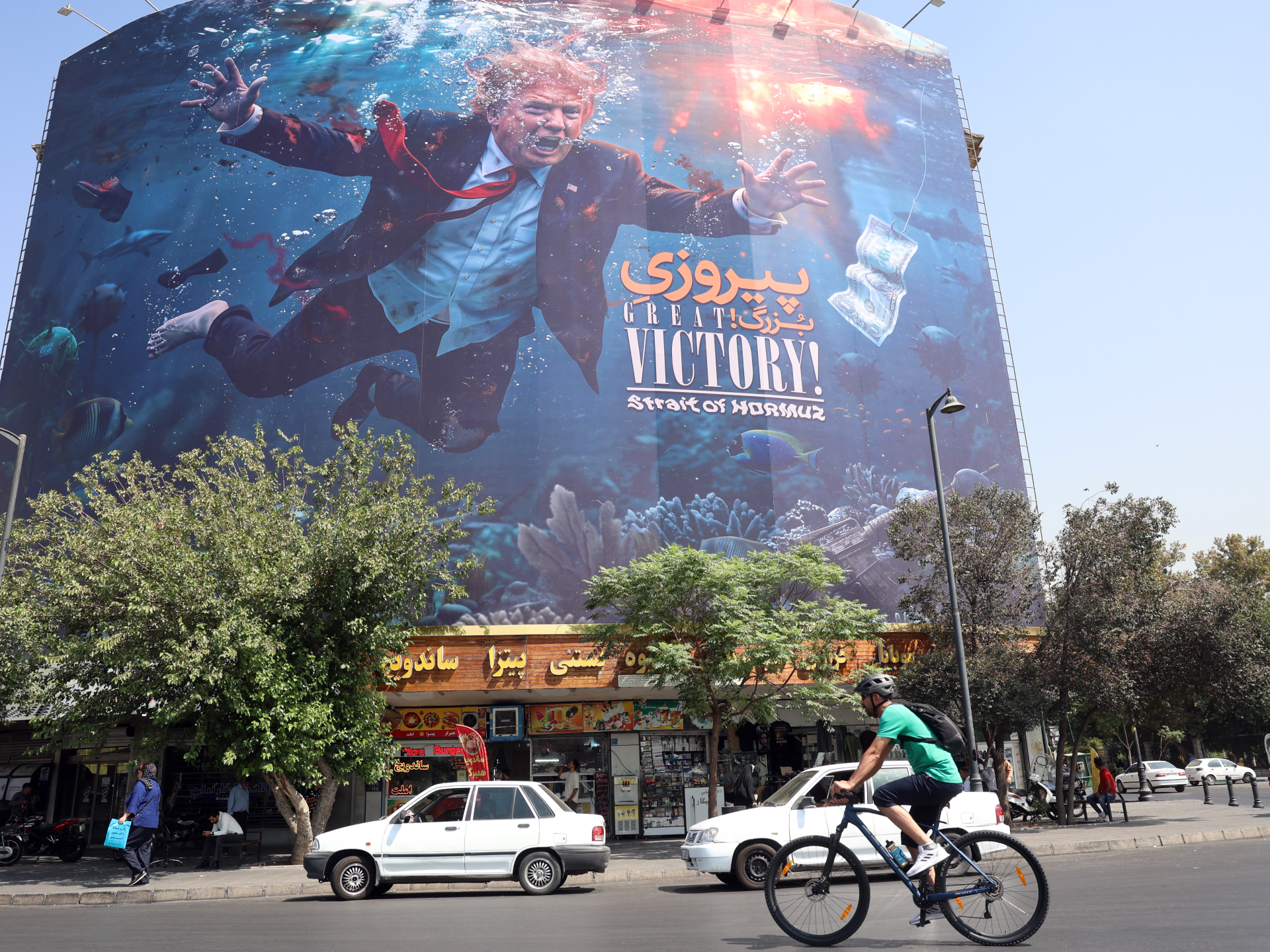
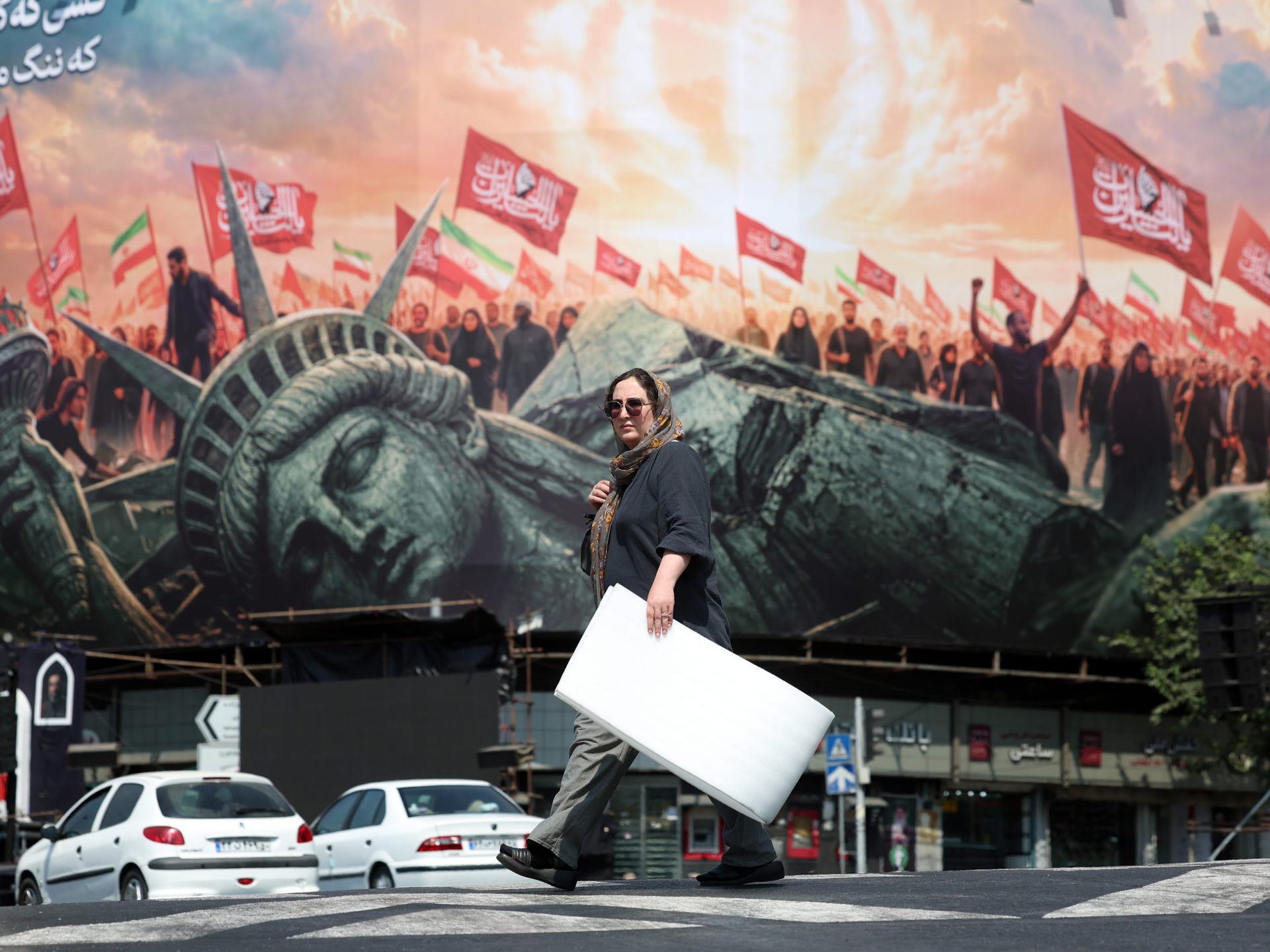
Tehran’s security apparatus has begun to articulate a clearer set of preconditions for a potential de-escalation. Officials in the Iranian capital have publicly stated that any path to peace must involve an immediate cessation of the war on all fronts and the total removal of the United States' naval blockade. This posture, while consistent with Iran’s long-standing strategic positions, is being presented as a formal mandate for upcoming negotiations, suggesting that the regime is looking to leverage the global stage of the UNGA to apply pressure on the White House.
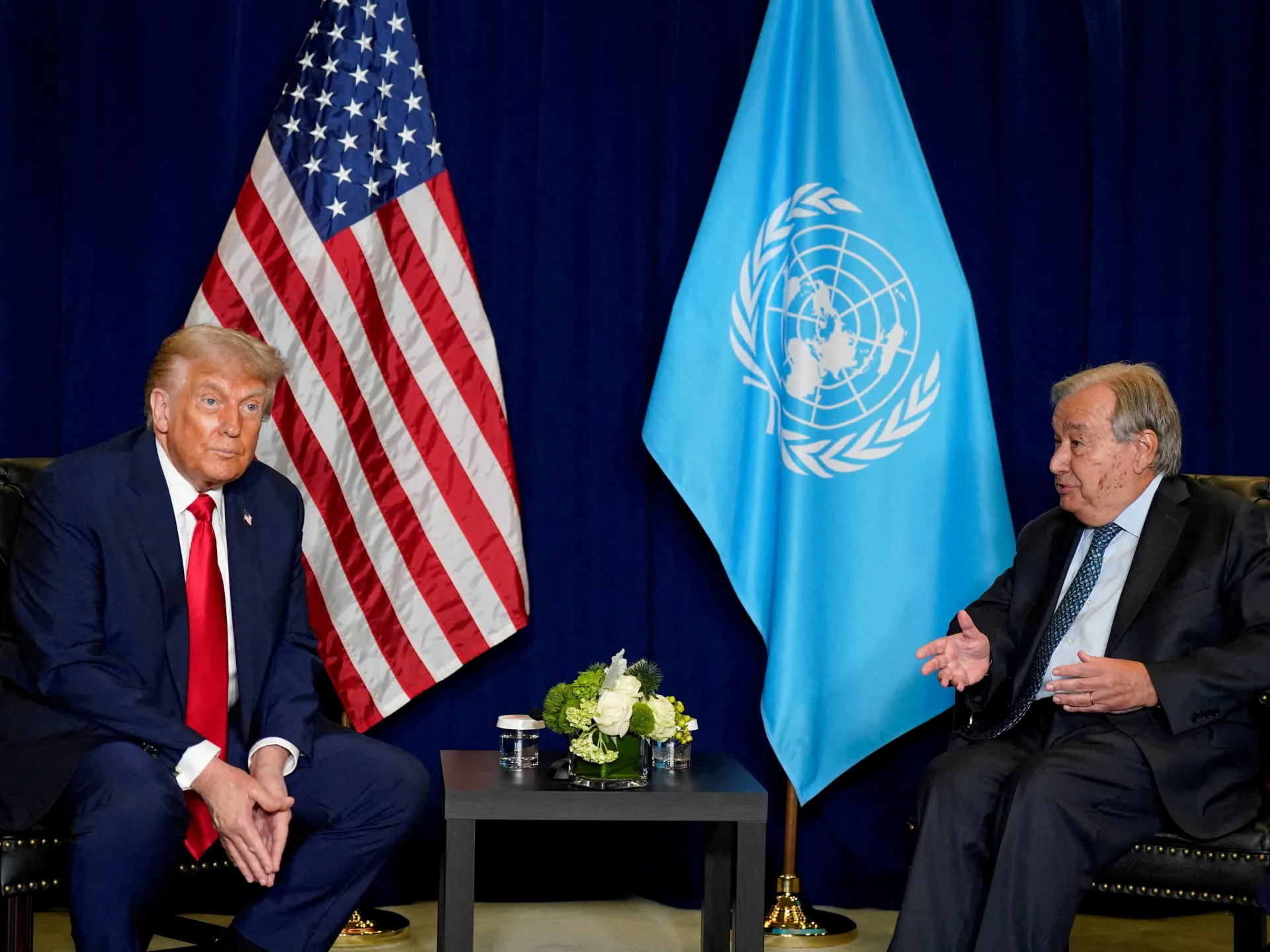
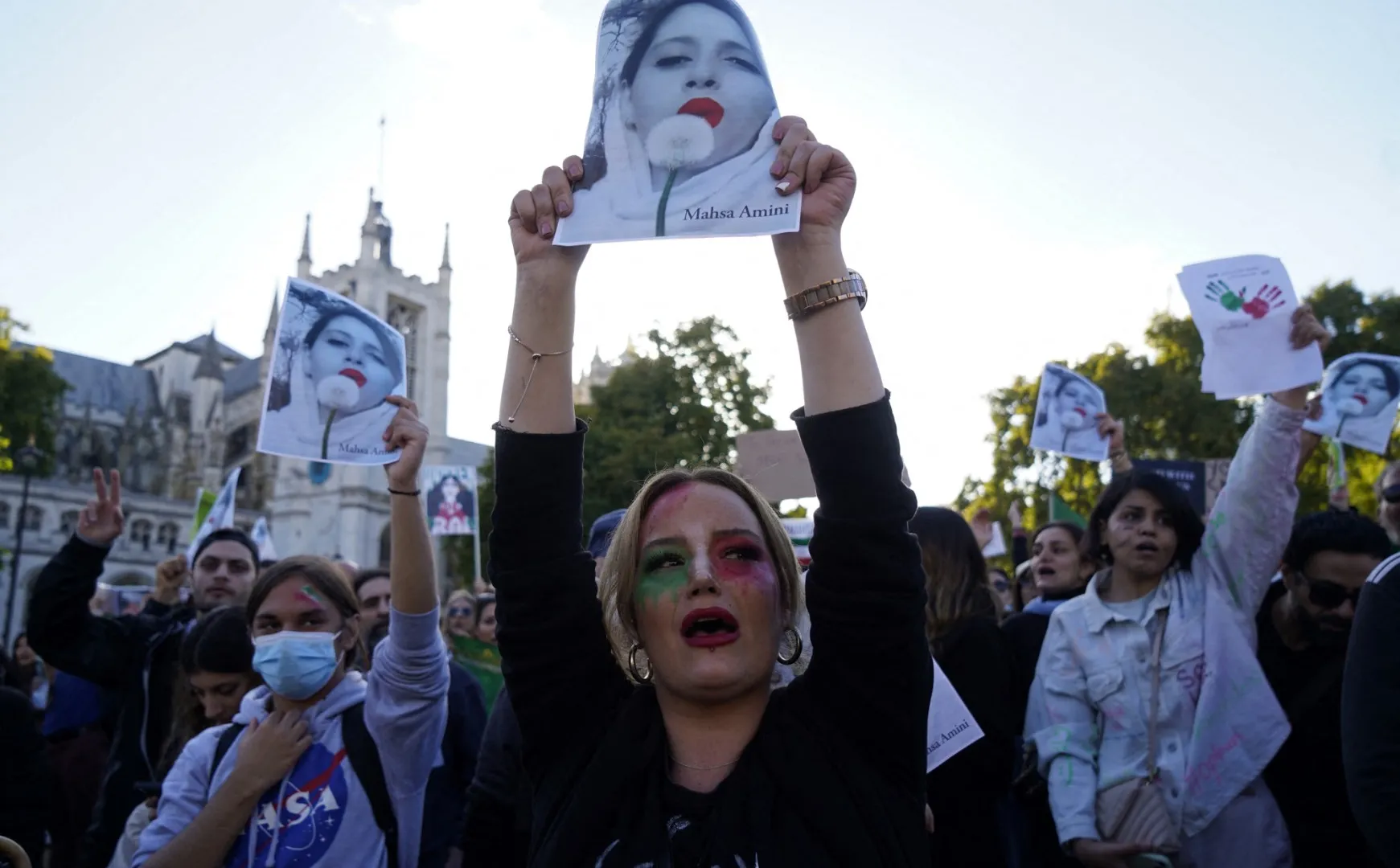
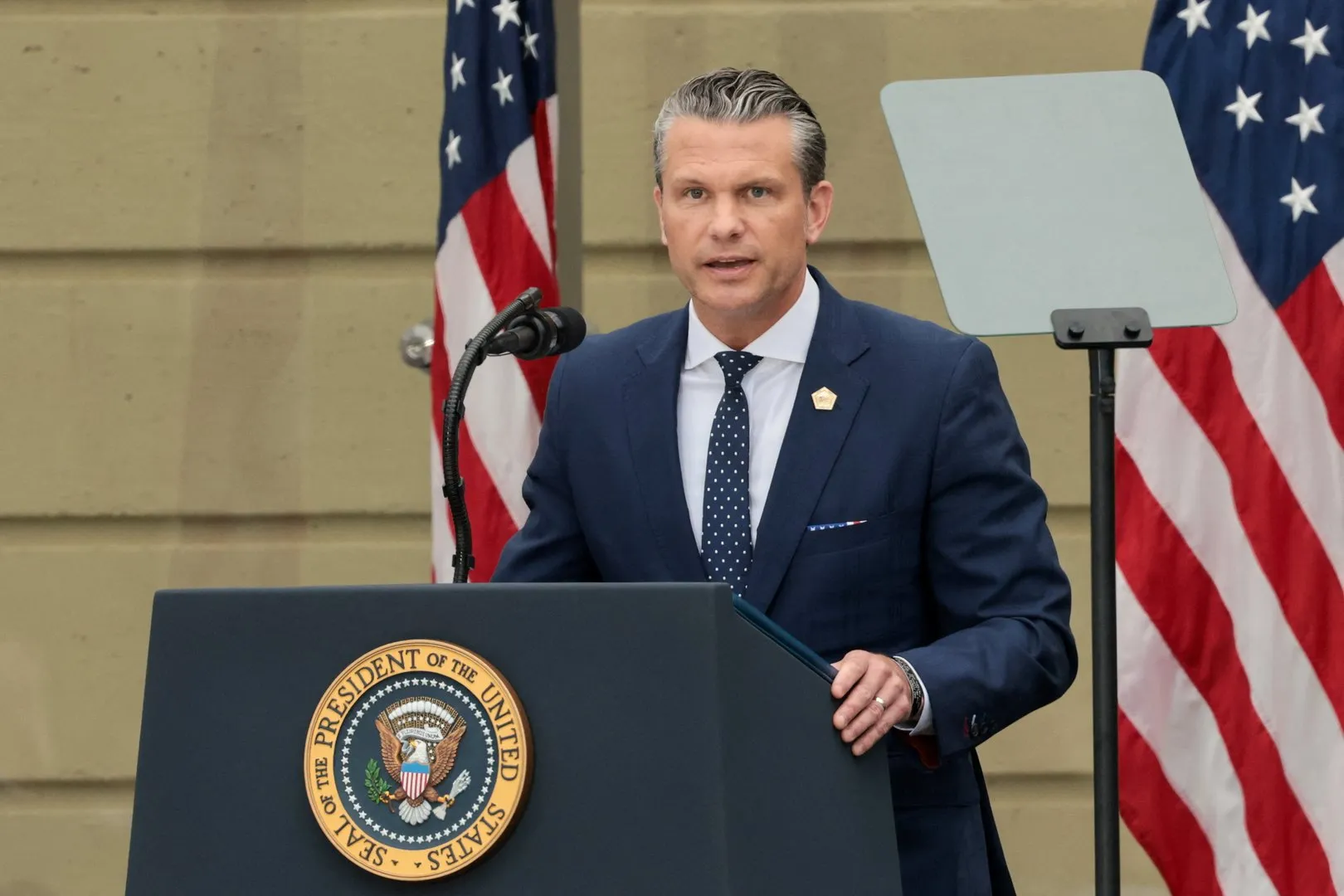
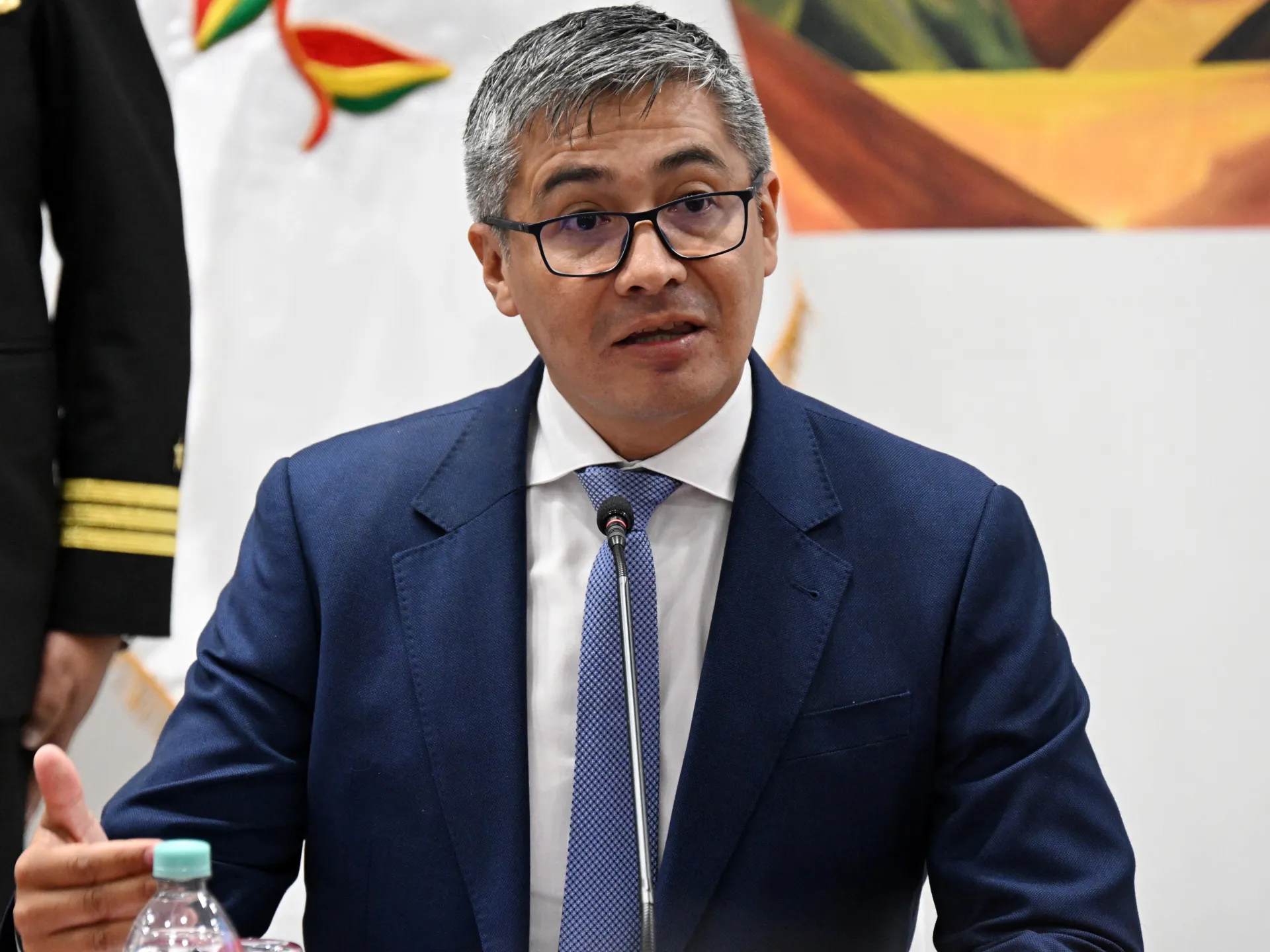
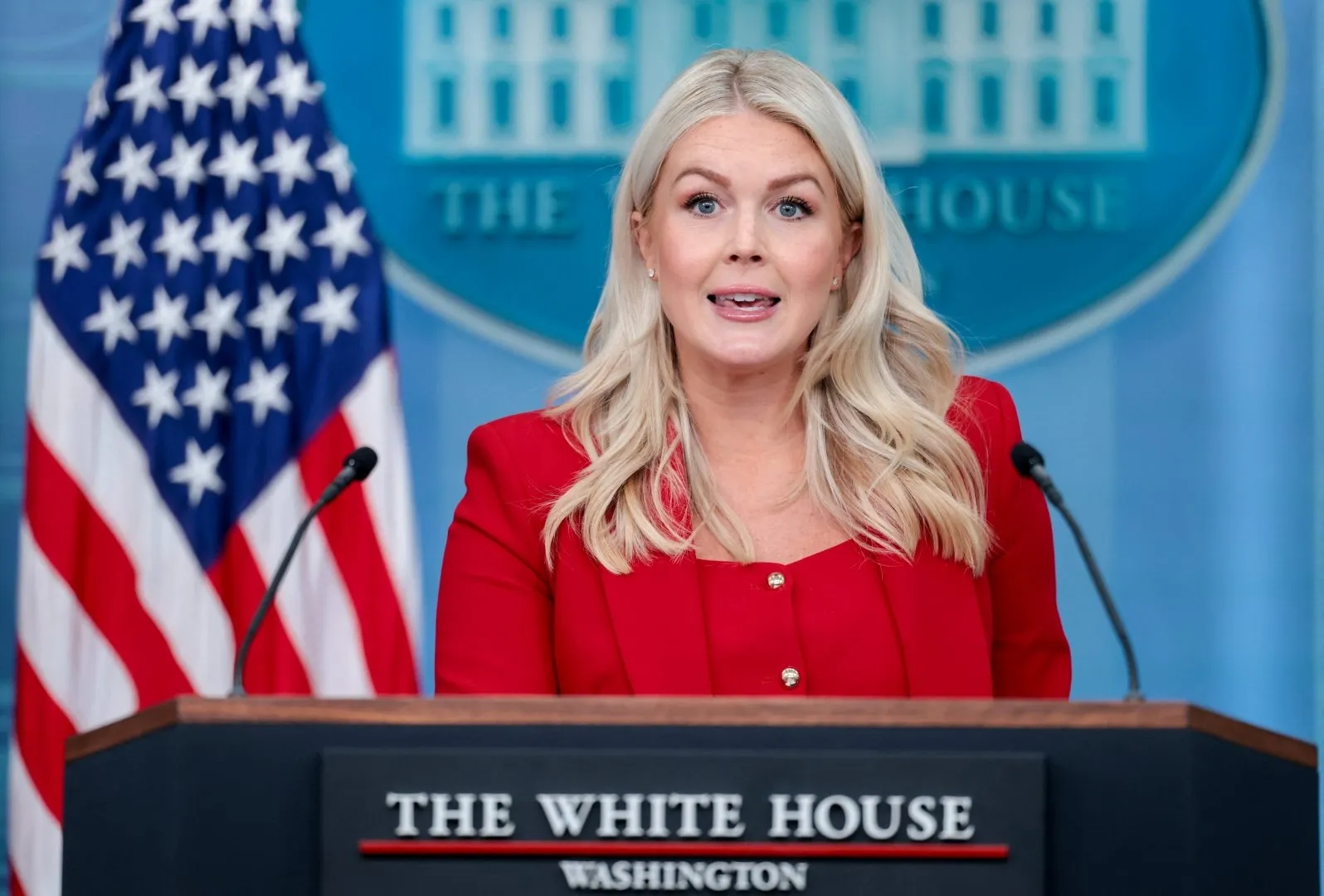
Conversely, the United States continues to emphasize that while it respects the sovereignty of the UN forum, it will not allow the Iranian delegation to operate without oversight. State Department spokespeople have explicitly linked the restrictive measures on the delegation to the internal conditions in Iran, citing ongoing human rights concerns and the economic hardships facing the Iranian populace. This rhetoric highlights that the war is being fought on multiple levels: militarily through strikes in the Gulf, and rhetorically through the branding of the regime as an entity that exploits its own people while funding regional proxies.
The upcoming High-Level Week at the UN is unlikely to produce an immediate ceasefire, given the fundamental disparity between the combatants' stated goals. The primary indicator of progress will not be the formal speeches delivered from the podium, but rather the intensity and frequency of informal, off-the-record meetings between the Iranian delegation and international intermediaries. If these discussions gain traction, we may see a temporary reduction in the intensity of strikes as both sides test the waters for a more formal truce.
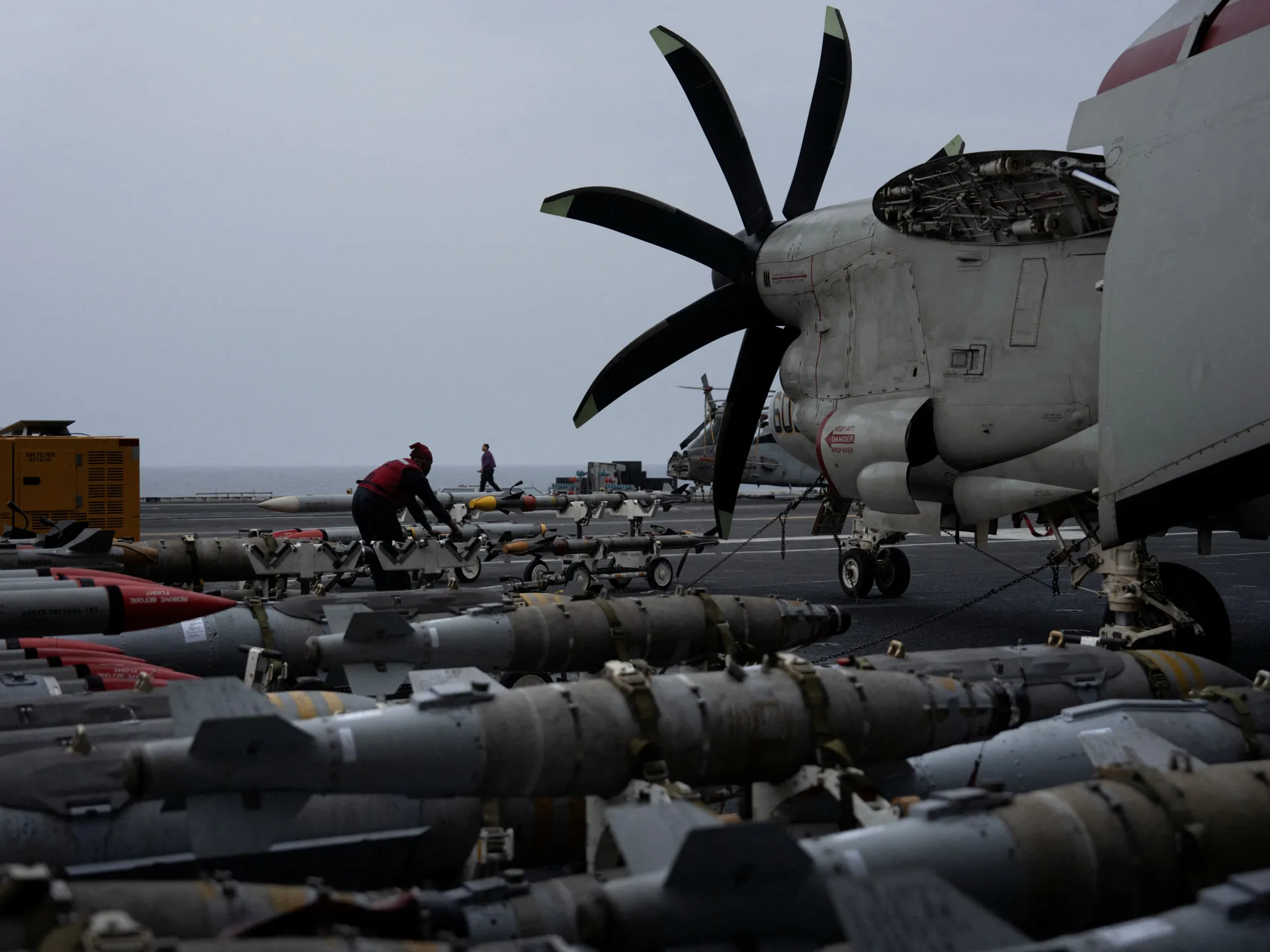
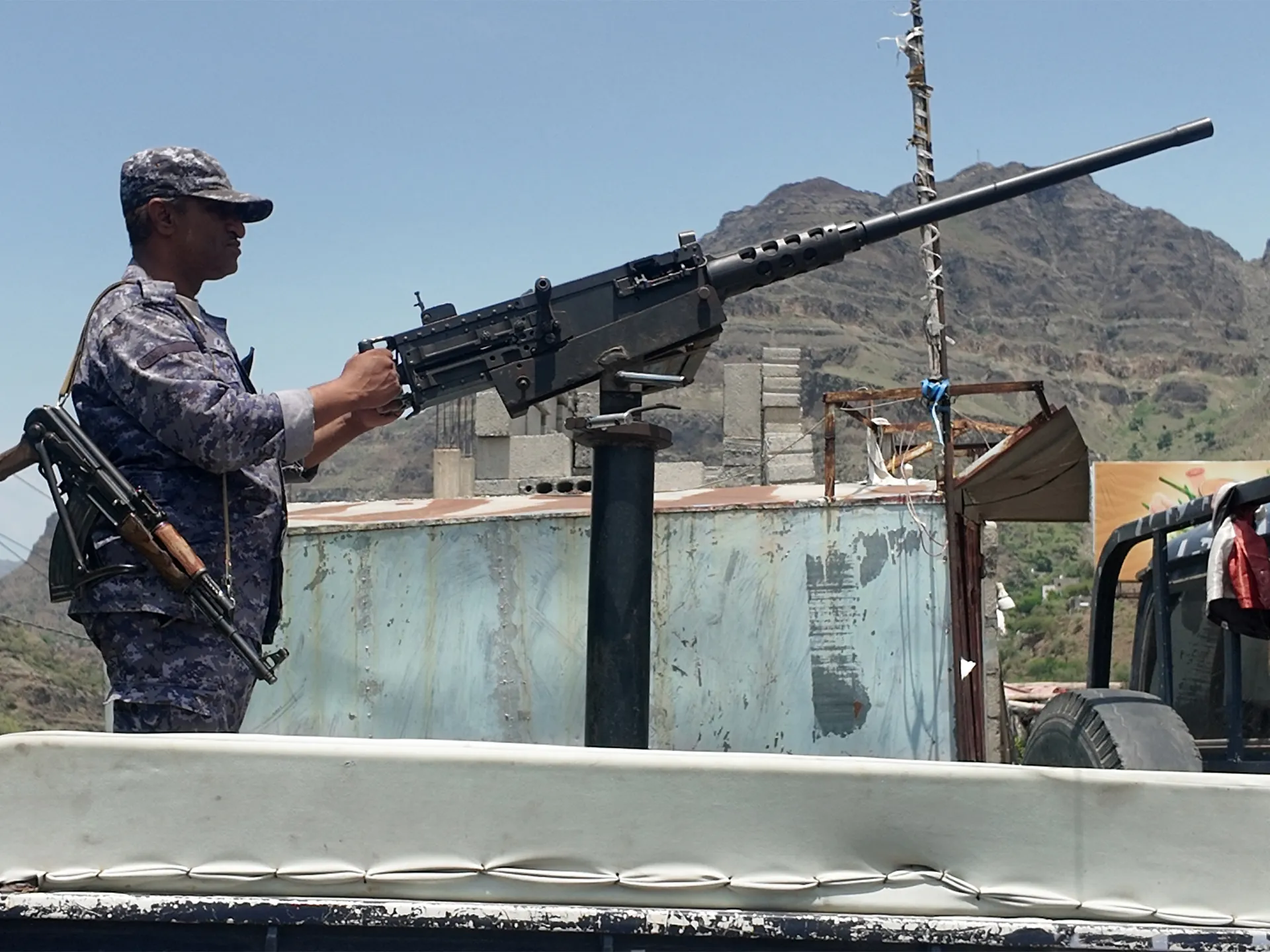
However, the military reality on the ground—characterized hould the UNGA talks fail to yield a tangible framework for de-escalation, the probability of an escalation in the intensity of the naval blockade or a change in the nature of Iranian-backed proxy attacks remains high. The international community will be watching closely to see if the presence of President Pezeshkian leads to a cooling of tensions or if the event merely serves as a venue for further diplomatic polarization.