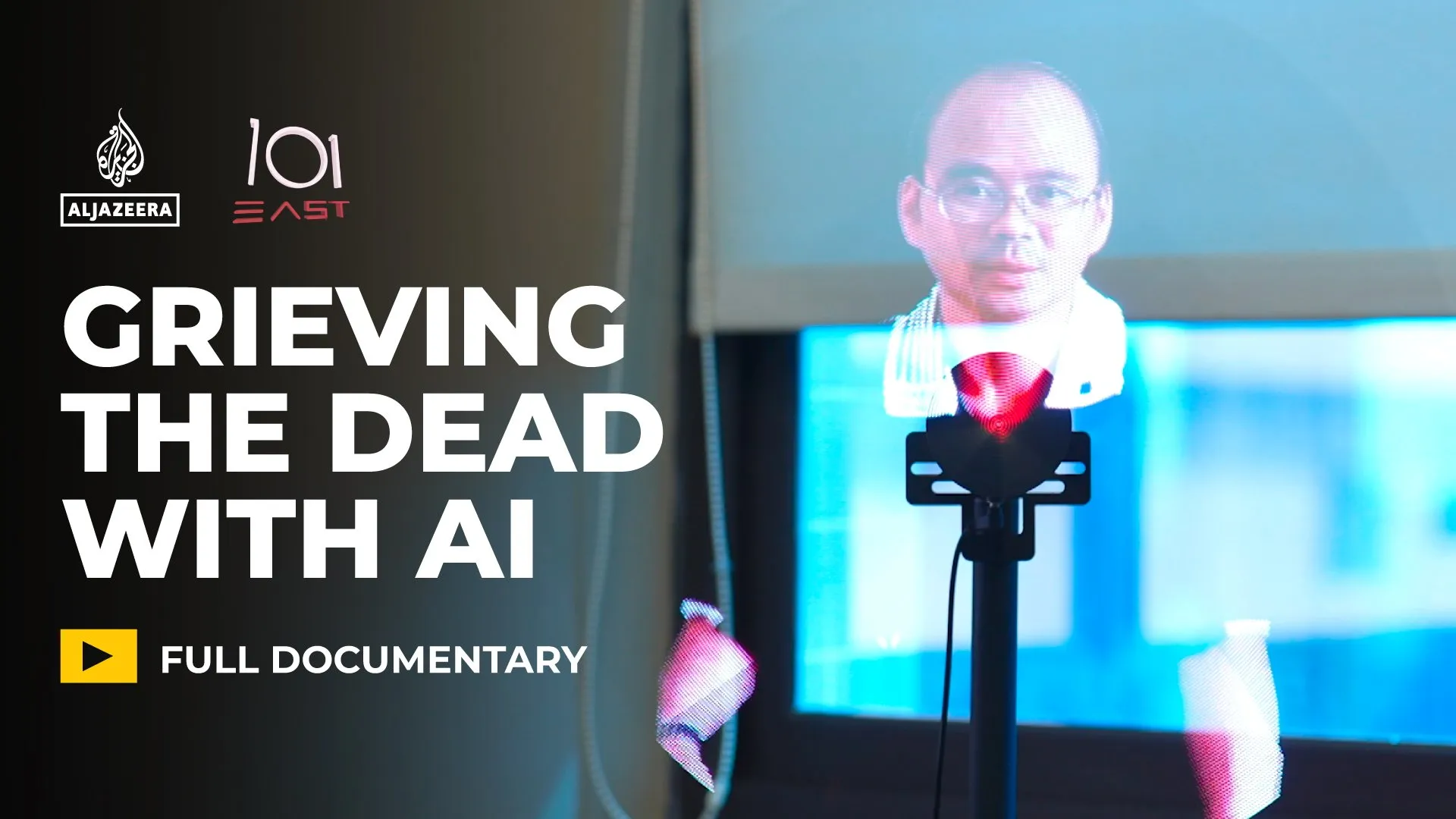
As Japan hosts the Asian Games amidst severe housing complaints, the broader region is simultaneously embracing AI technology to reshape the experience of grief.
As East Asia maneuvers through a complex period of rapid demographic shifts and high-profile international hosting duties, the region has become a global laboratory for the intersection of human necessity and technological intervention. The convergence of a severe housing crisis for the Aichi-Nagoya Asian Games and the burgeoning adoption of AI-driven grief technologies reflects a society increasingly willing to trade traditional infrastructure for temporary, high-tech, or virtual solutions. These developments underscore a broader challenge: how to maintain legacy and dignity—whether for an international sporting event or a departed loved one—when physical resources are exhausted or outdated.
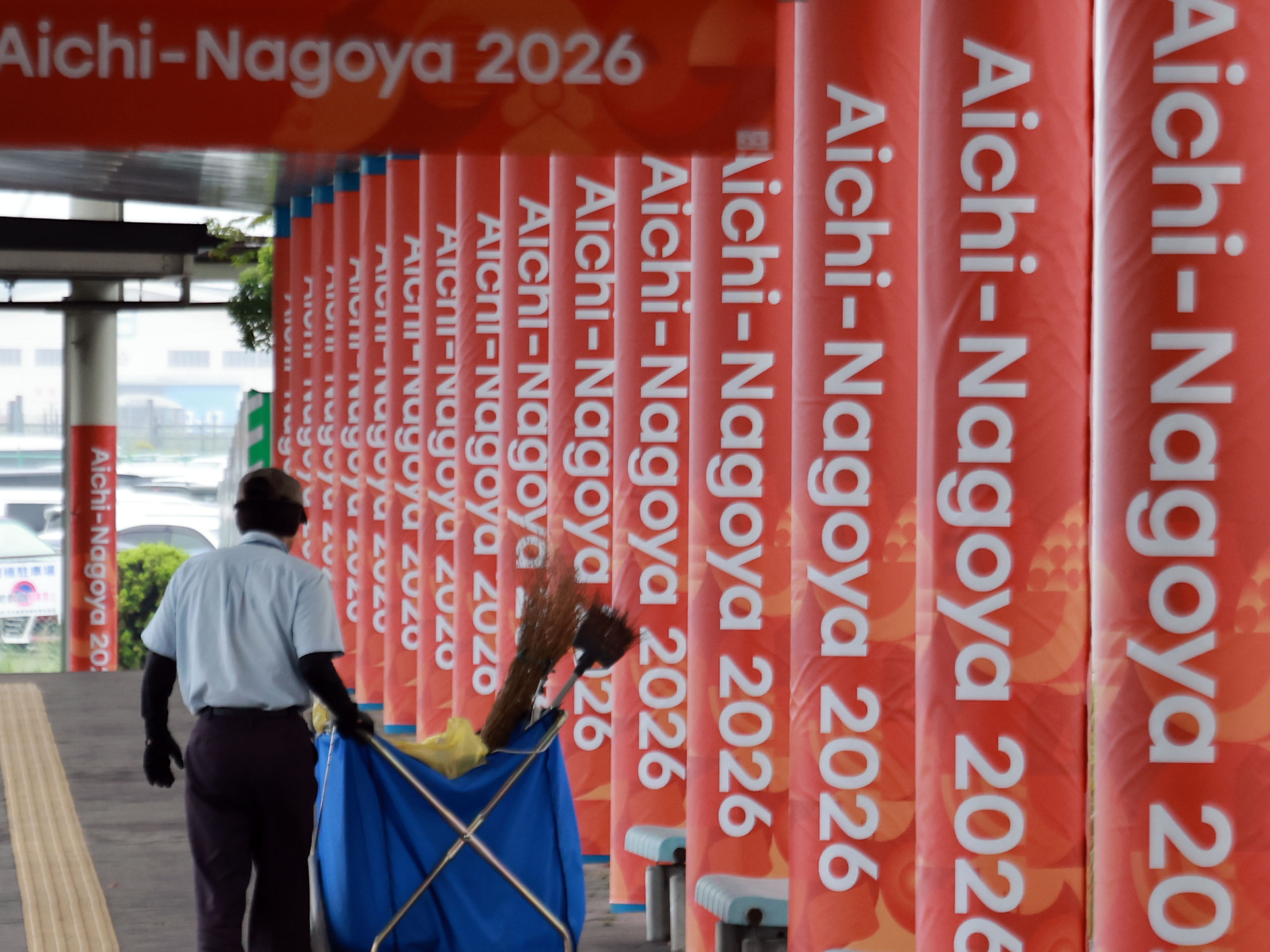
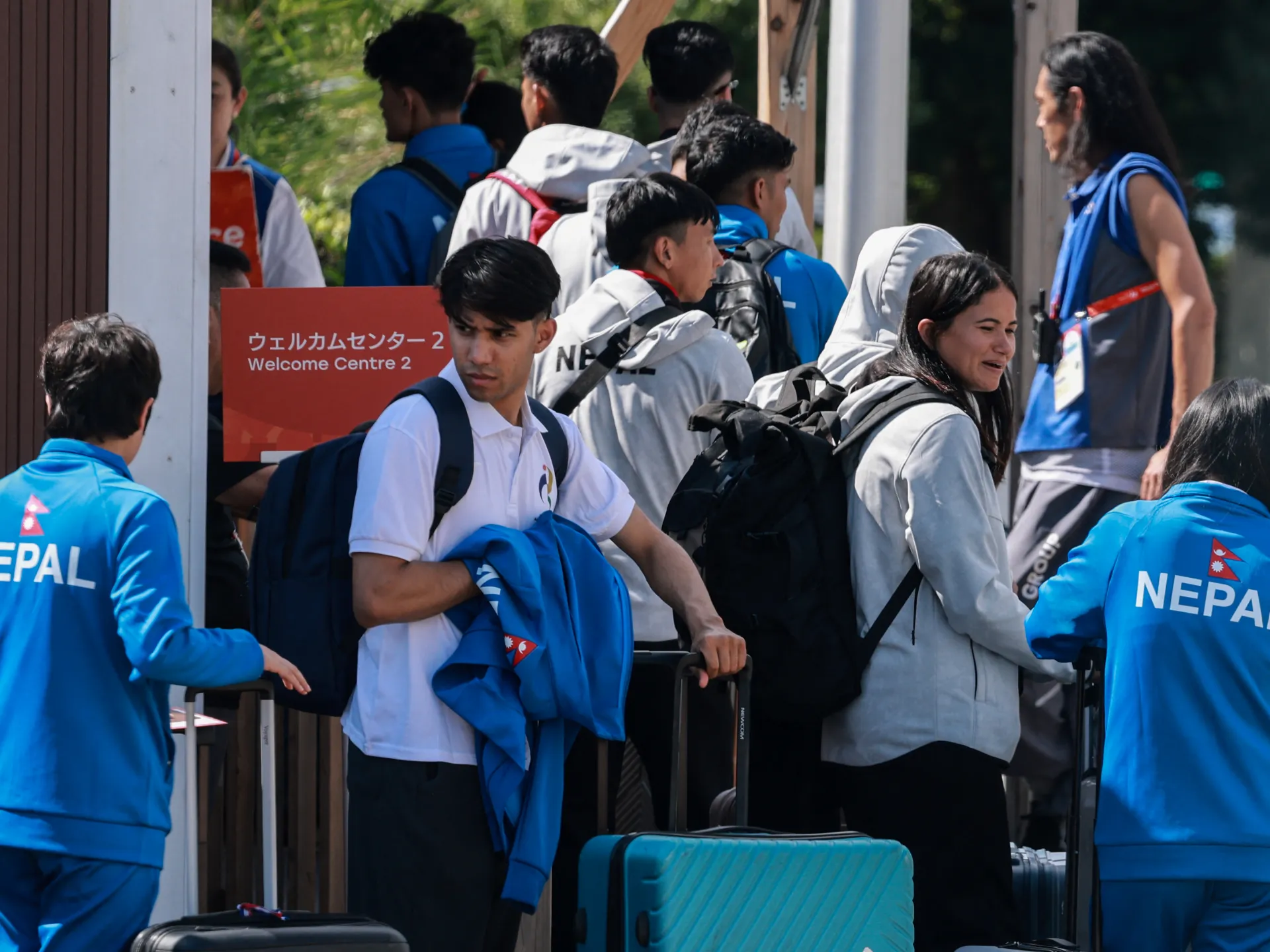
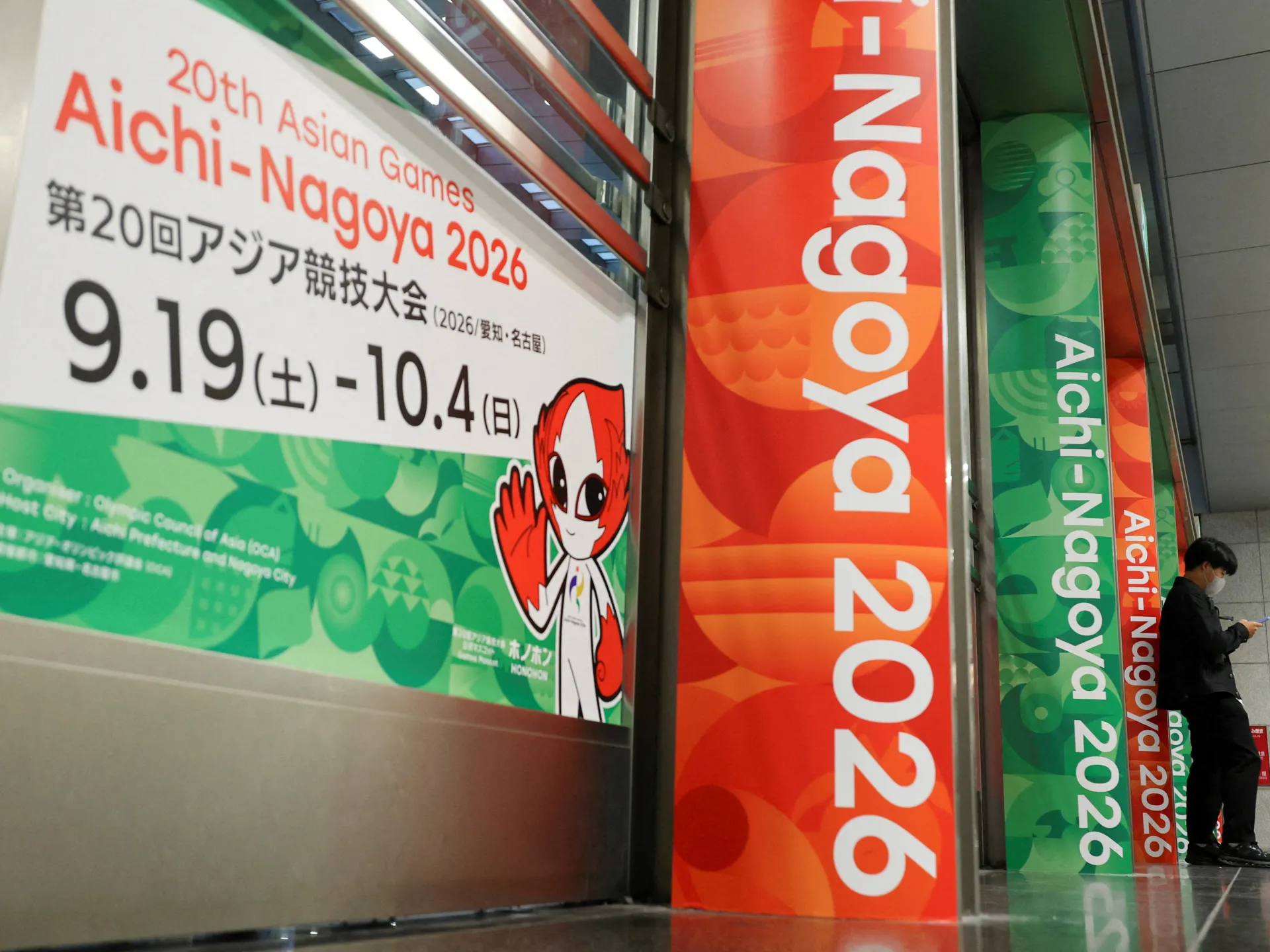
The Aichi-Nagoya Asian Games have descended into a logistical crisis as organizers grapple with an influx of participants that has far exceeded initial projections. While planners originally accounted for 15,000 attendees, the late inclusion of sports such as teqball and padel pushed that figure to 17,000, leaving officials struggling to secure adequate housing. Hideaki Omura, the Aichi Prefecture Governor and president of the organizing committee, has candidly admitted that local authorities lack the budget and manpower to meet the surge in demand, noting that resources were strictly allocated for the original, lower estimate.
To bridge the gap, organizers have deployed experimental modular housing, specifically wooden container huts intended for eventual use as disaster relief shelters. The reception has been overwhelmingly negative. Jung Jae-yong, vice-president of the Korea Basketball Association, described the facilities as the “worst” he has encountered, highlighting that the beds are insufficient for athletes over two meters tall. Compounding these comfort issues, the structures proved inadequate during recent record-breaking rainfall, which caused interior flooding and forced temporary evacuations. While thousands of other attendees have been diverted to hotels or a docked Italian cruise ship, the reliance on these temporary facilities has sparked an international debate regarding the standard of care required for modern professional athletes.
While the sporting world faces physical space constraints, other segments of East Asian society are confronting the existential challenges of a rapidly aging population through the lens of artificial intelligence. In Japan, South Korea, and Taiwan, innovators are pioneering tools that allow the living to maintain a persistent connection with the deceased. These digital legacies, ranging from interactive AI avatars to memorial objects like DNA-integrated gems, are being marketed as tools for healing during the grieving process, though they also raise profound questions about the psychological implications of replacing human presence with machine-generated likenesses.
The movement toward AI-driven remembrance is not merely a niche hobby but a response to a genuine demographic reckoning. With burial space at a premium and aging populations looking for new ways to honor ancestors, the technology sector has identified a lucrative market for digital immortality. Proponents argue that these tools provide a sense of comfort on whether such deep integration of AI into mourning habits will ultimately hinder the natural emotional arc of grief or provide a necessary support system in increasingly isolated societies.
For the organizers of the Asian Games, the coming days will be defined likely involve retrofitting the existing accommodation or accelerating the transition of athletes to the cruise liner and hotel infrastructure to avoid further reputational damage. The admission sts that host nations are under intense pressure to improve conditions rapidly. However, given the lack of remaining budget and manpower identified ident will almost certainly trigger a formal review of how regional games are hosted, likely mandating stricter infrastructure requirements and more flexible contingency budgets for future events. Meanwhile, the societal experiment with AI grief is expected to continue growing as the demographic trends that necessitated these technologies—aging populations and urbanization—show no signs of reversing.