

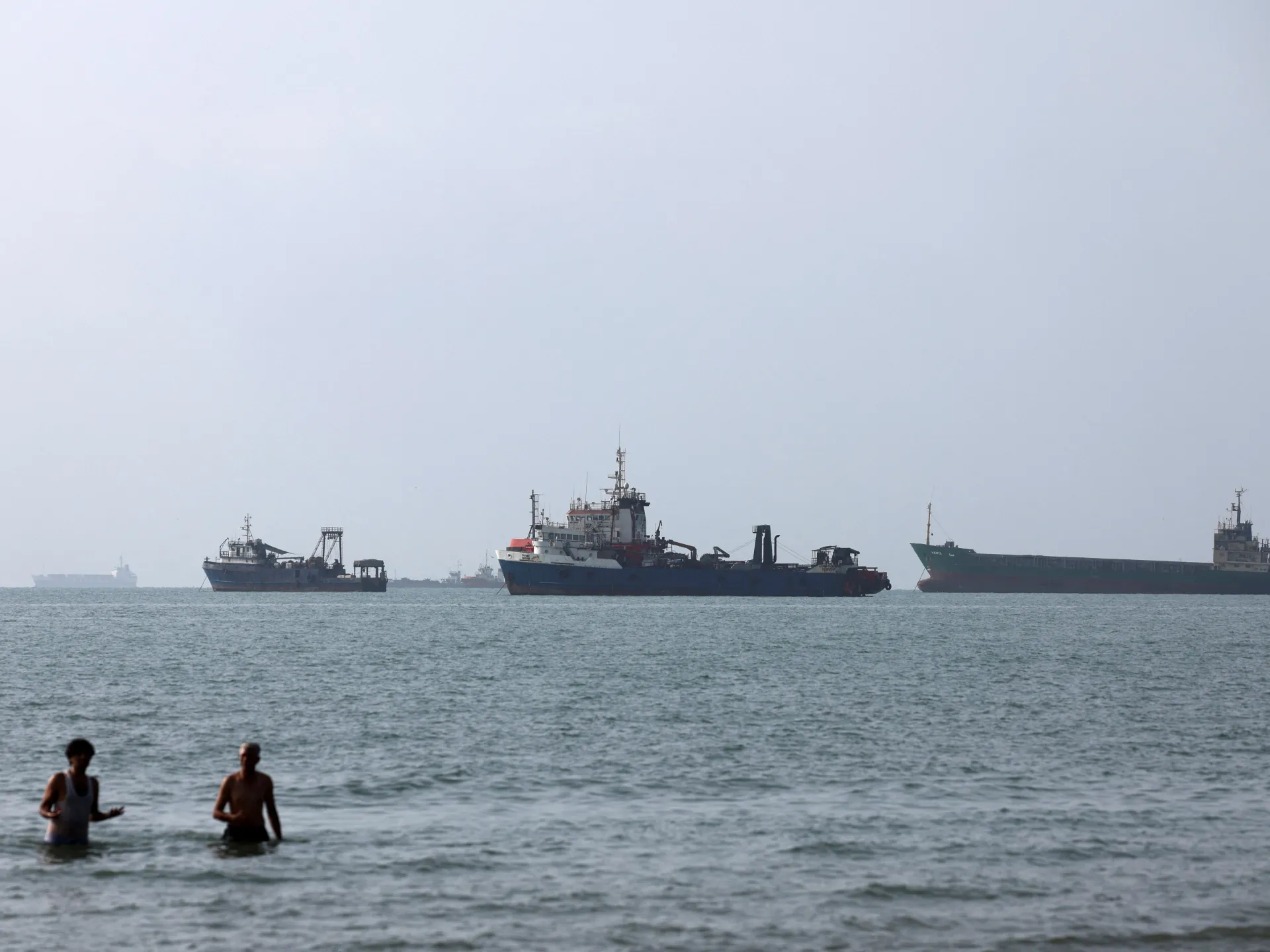
Oman has delayed high-level discussions between Iran and Gulf nations regarding the Strait of Hormuz, citing a need to foster greater consensus among participants.
The Sultanate of Oman has officially announced the postponement of critical diplomatic discussions aimed at addressing security concerns within the Strait of Hormuz. These talks, which were intended to bring together representatives from Iran and various Gulf Cooperation Council (GCC) member states, have been shelved indefinitely. The move comes as a significant blow to regional de-escalation efforts, as the waterway remains one of the most sensitive maritime chokepoints in the global economy.
Omani officials cited the need for building stronger consensus among the participating nations as the primary driver behind the delay. lead to further friction rather than a unified security framework. This decision reflects the delicate nature of current geopolitical tensions, where conflicting interests often undermine attempts at formal multilateral engagement.
The Strait of Hormuz is arguably the world’s most vital maritime oil artery, facilitating the transit of a substantial portion of global petroleum exports. Any instability in this narrow passage has immediate, far-reaching consequences for international energy prices and supply chains. Consequently, diplomatic initiatives involving the states bordering this waterway are viewed as essential for maintaining global economic equilibrium.
Historically, Oman has positioned itself as a neutral mediator in Middle Eastern affairs, frequently acting as a bridge between Iran and its regional rivals. time safety, reducing the risk of accidental skirmishes or deliberate disruptions. The postponement highlights the difficulties inherent in balancing the competing security strategies of regional powers who often view each other with deep-seated suspicion.
Achieving a regional consensus on maritime security is complicated ze an integrated defense strategy involving international partners, others are wary of foreign military presence and prefer a localized security arrangement. These fundamental disagreements often manifest as delays in high-level diplomatic forums, such as the one recently canceled
The current climate of instability in the broader Middle East has only served to exacerbate these divisions. With various proxy conflicts and heightened military posturing, the threshold for participating in collaborative dialogues has risen. For a consensus-based approach to succeed, all involved parties must perceive a tangible benefit to cooperation, a threshold that has yet to be met in the current round of pre-talk negotiations.
Despite the current setback, the decision to postpone rather than cancel the talks suggests that Oman remains committed to its role as a diplomatic facilitator. The international community will be watching closely to see if a new window for engagement emerges in the coming months. Observers suggest that while the immediate path to resolution is blocked, the necessity of securing the Strait of Hormuz remains a powerful incentive for eventual dialogue.
Moving forward, the success of any renewed effort will likely depend on the willingness of Iran and its neighbors to engage in confidence-building measures outside of the public eye. Should the regional powers fail to establish a functional security architecture, the risk of miscalculation in the Strait will persist. For now, the postponement stands as a reminder of the fragility of peace in one of the world’s most critical maritime corridors.