
Escalating geopolitical tensions in the Middle East have pushed oil prices past $105 per barrel, triggering fears of persistent inflation and a potential Federal Reserve interest rate hike.
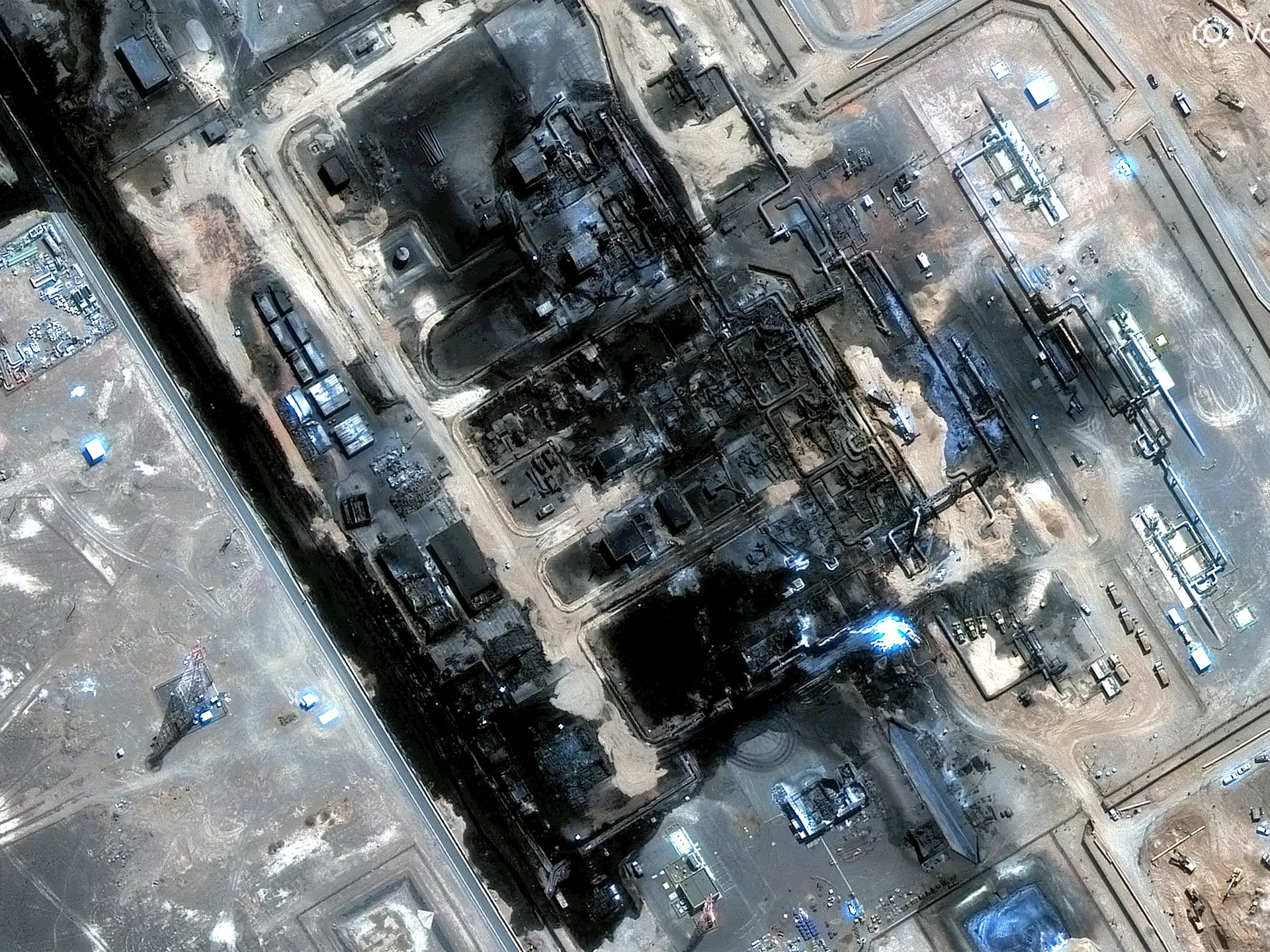
The global energy market is currently navigating a period of significant volatility as crude oil prices have breached the $105 per barrel threshold. This sharp upward trajectory is primarily driven olving Iran. The resurgence of fighting has effectively neutralized previous hopes for a lasting ceasefire, leading traders to anticipate prolonged supply chain disruptions. As shipping lanes become increasingly compromised, the market is reacting with heightened sensitivity to news of tanker attacks and port seizures.
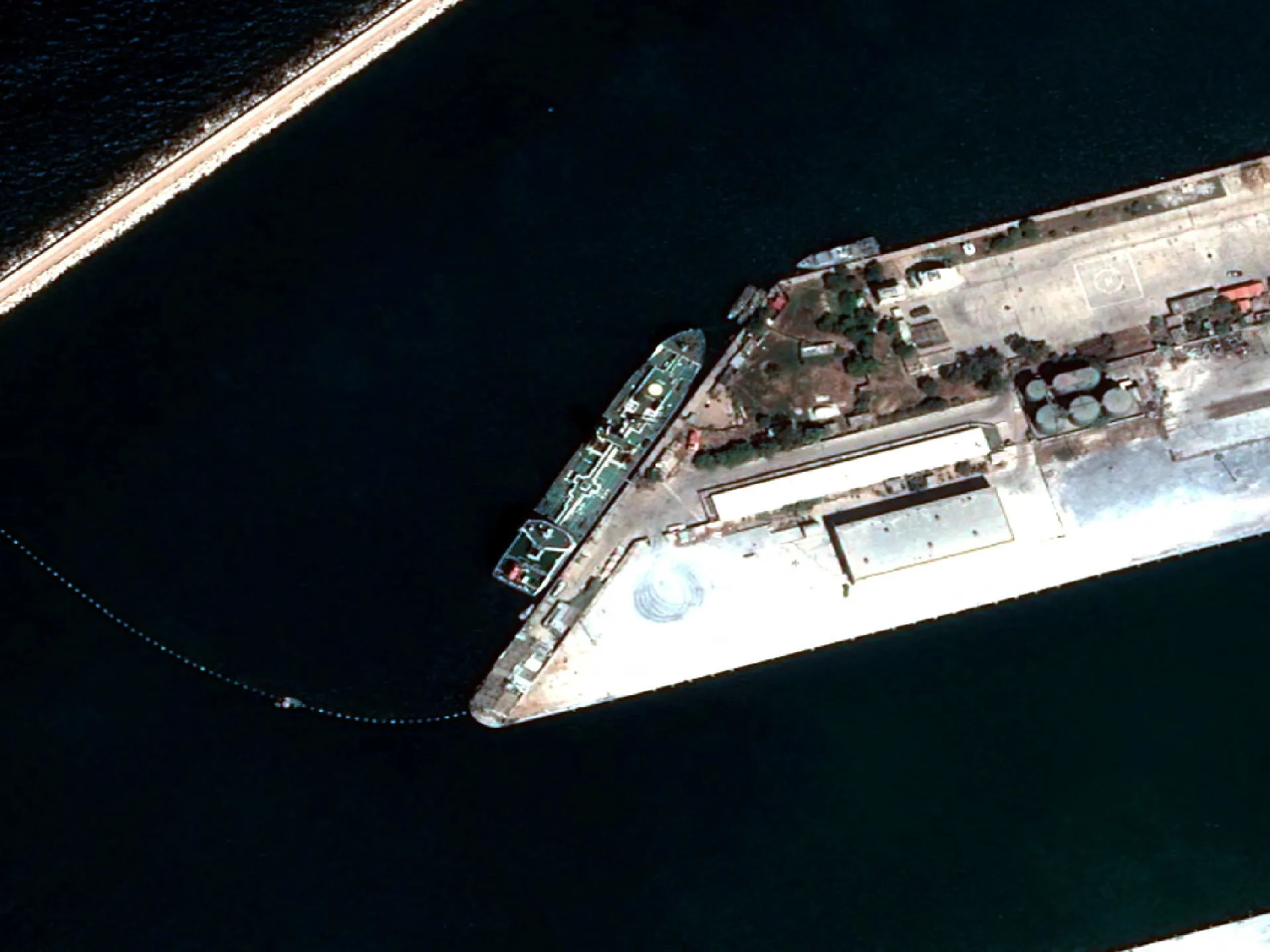
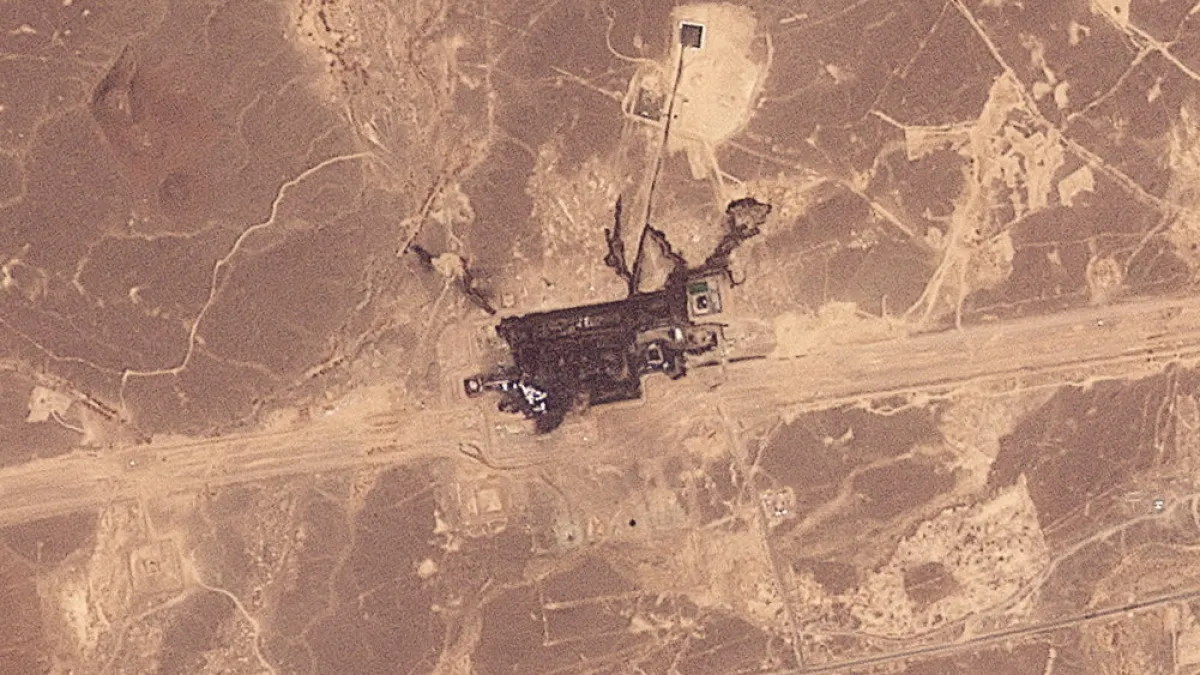
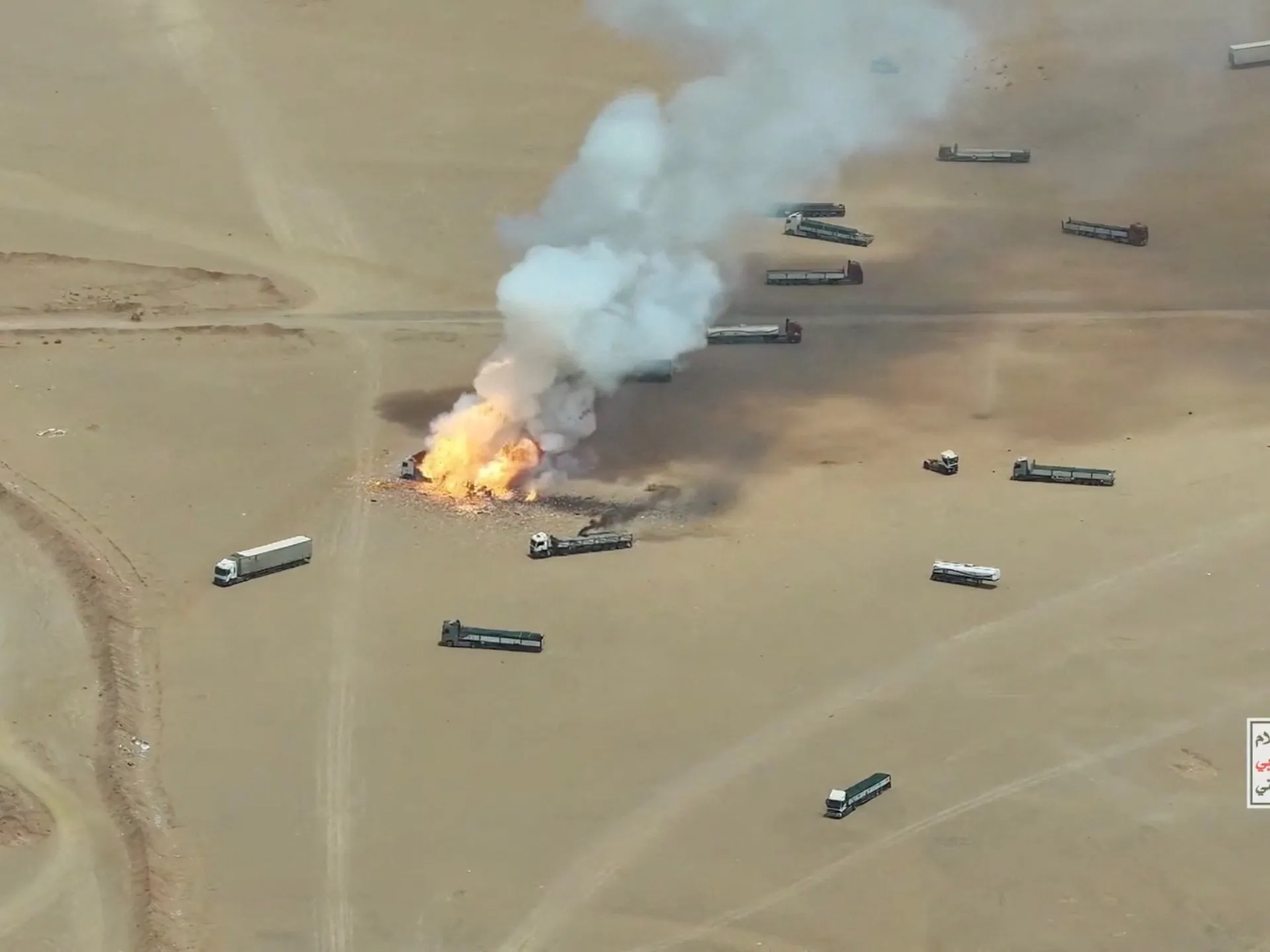
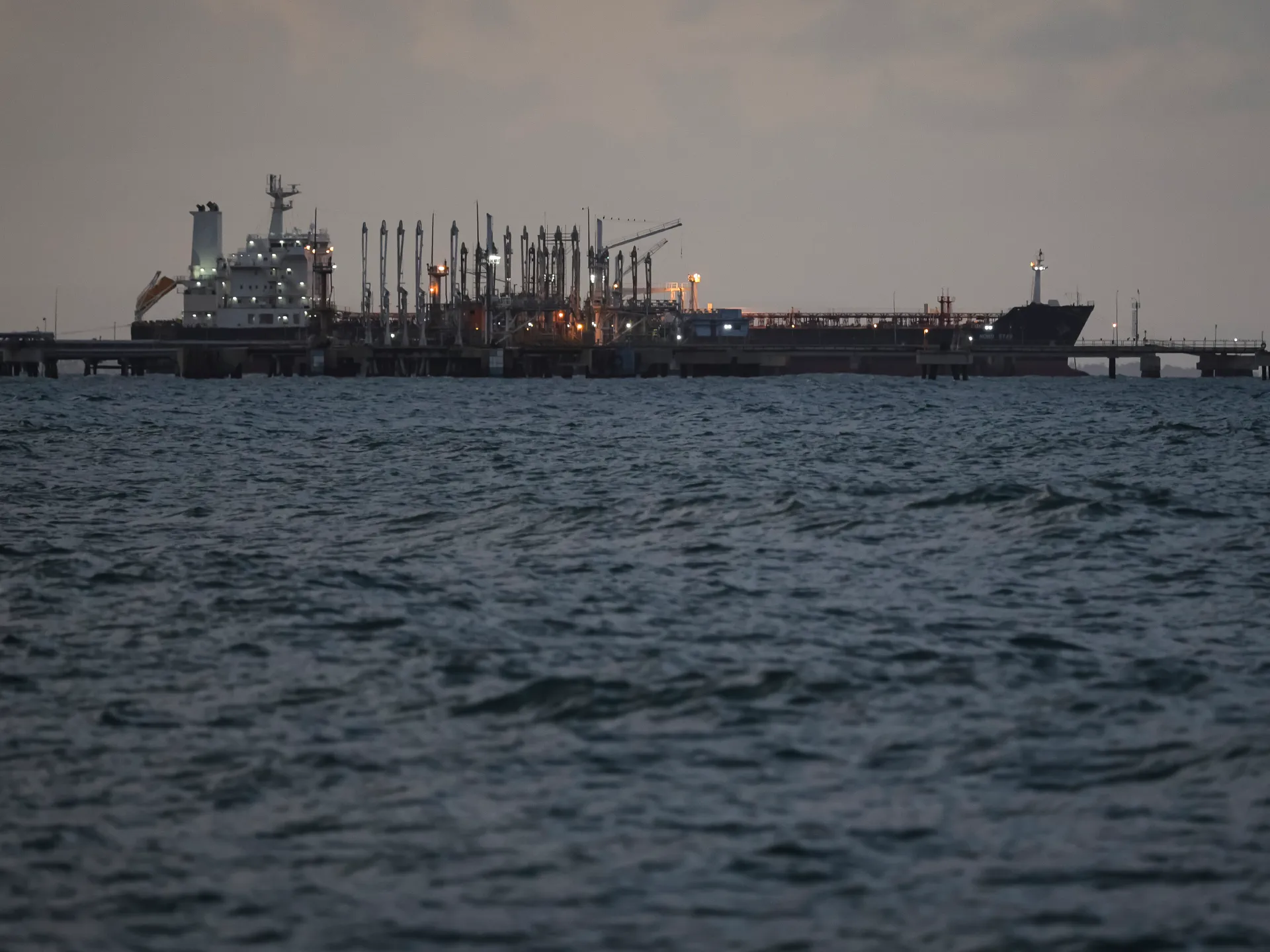
The strategic importance of maritime chokepoints has never been more apparent. Recent reports indicate that Iran-aligned forces have seized control of the port of Mocha in Yemen, casting a shadow over traffic in the Red Sea. Concurrently, the Strait of Hormuz—a vital artery for global oil transport—remains under heavy restriction following a series of intensified tanker attacks. These events have forced industry analysts to revise their expectations, acknowledging that the current conflict is likely to persist far longer than initial summer projections suggested.
The impact of these supply-side pressures is compounded Corps signaling a commitment to escalate responses against further western intervention, the risk of a sustained supply shock remains high. Analysts note that as long as export capacities remain threatened, the market will likely maintain its elevated price floor, leaving little room for a near-term correction.
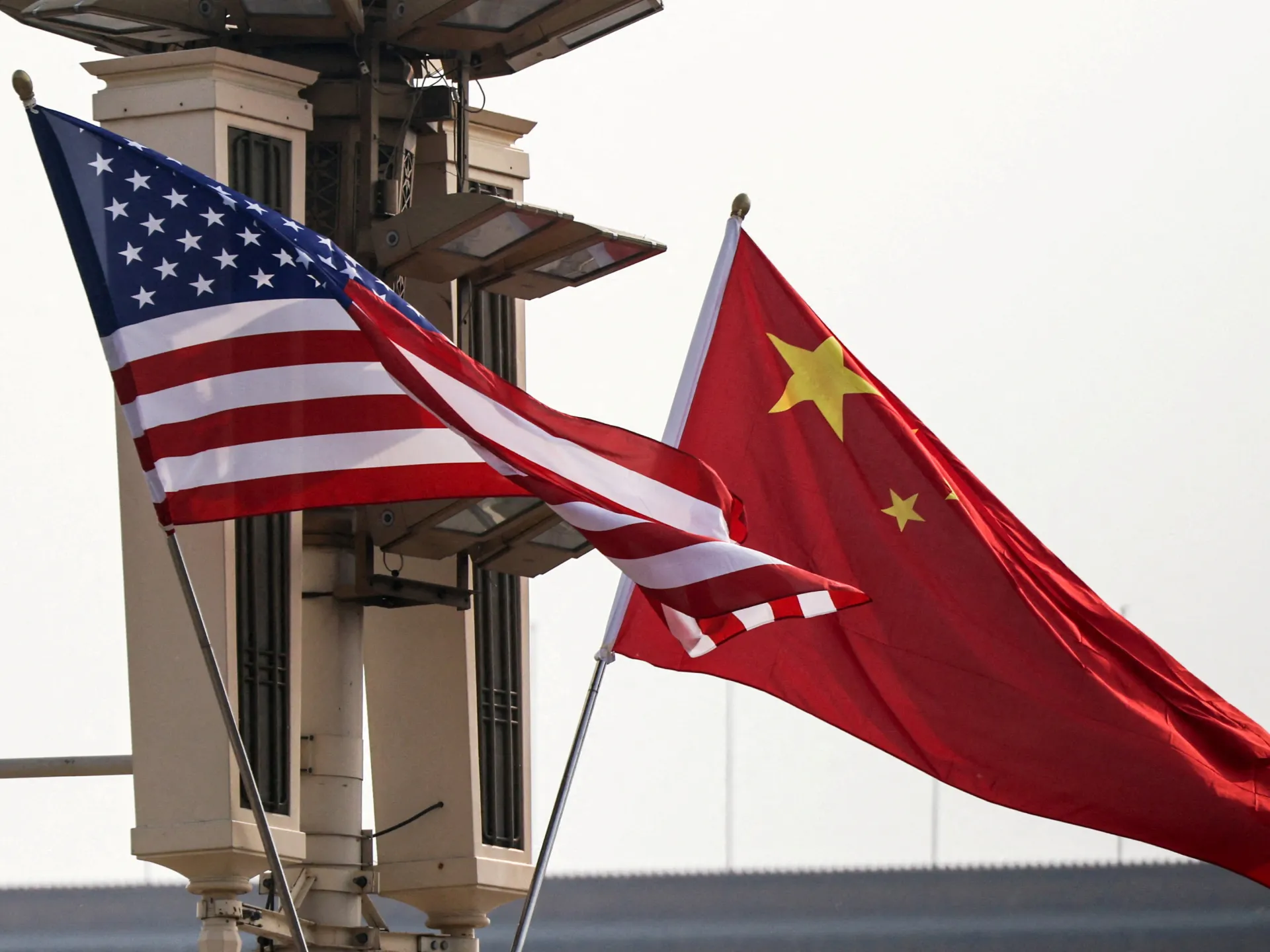
While geopolitical tension provides the primary catalyst for the current rally, the long-term sustainability of high oil prices is deeply tied to the recovery of Chinese demand. As the world’s largest importer of crude, China’s purchasing behavior serves as a critical barometer for the global commodities market. After months of subdued activity, recent weeks have seen a notable increase in Chinese buying, which has effectively tightened physical crude markets and reinforced the upward price momentum.
Commodity experts suggest that this shift in Chinese consumption is a pivotal factor in current market dynamics. For a significant portion of the year, the prevailing bearish sentiment in the oil sector was largely attributed to weak demand from Beijing. The recent reversal of this trend has provided a buffer against potential market corrections. If China continues to ramp up its imports, the resulting pressure on supply could lead to further price appreciation, overshadowing any potential cooling effects from other global economic factors.
Market participants remain divided on how long this demand surge will last. Should China face internal economic headwinds that necessitate a pullback in imports, the current rally could lose its momentum. However, for now, the synergy between supply-side constraints in the Middle East and a recovering appetite for energy in the East has created a formidable environment for sustained high oil prices.
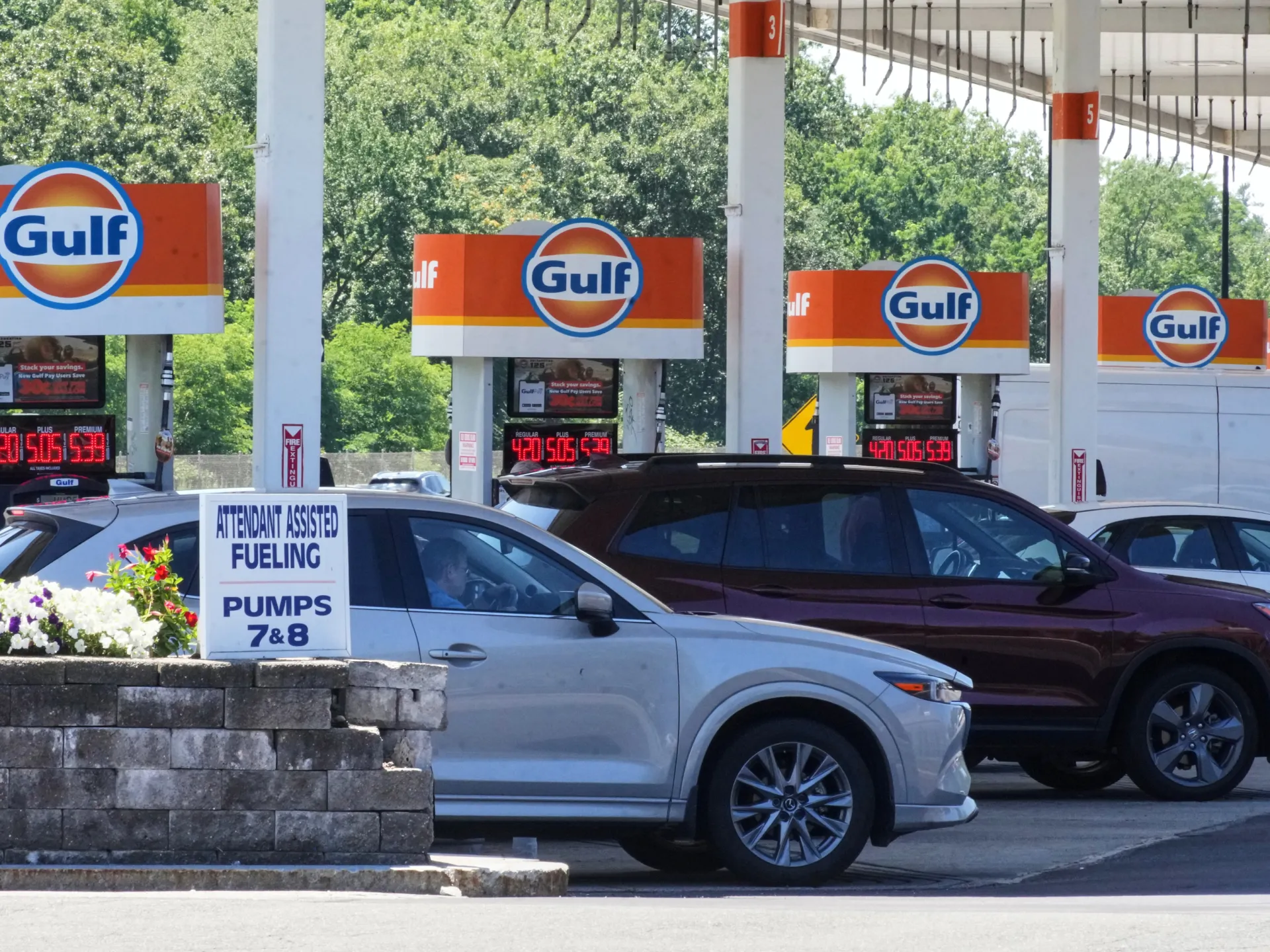
The ripple effects of rising oil prices are being felt acutely across the American economy. With the average cost of a gallon of regular gasoline climbing toward $4.28, consumers are facing renewed inflationary pressure. This rise in energy costs acts as a hidden tax, impacting not only personal transportation budgets but also the broader cost of goods as logistics and shipping expenses are passed on to the final consumer. This inflationary environment has created a challenging backdrop for the domestic equity markets, with the S&P 500 experiencing consecutive losses as investor confidence wanes.
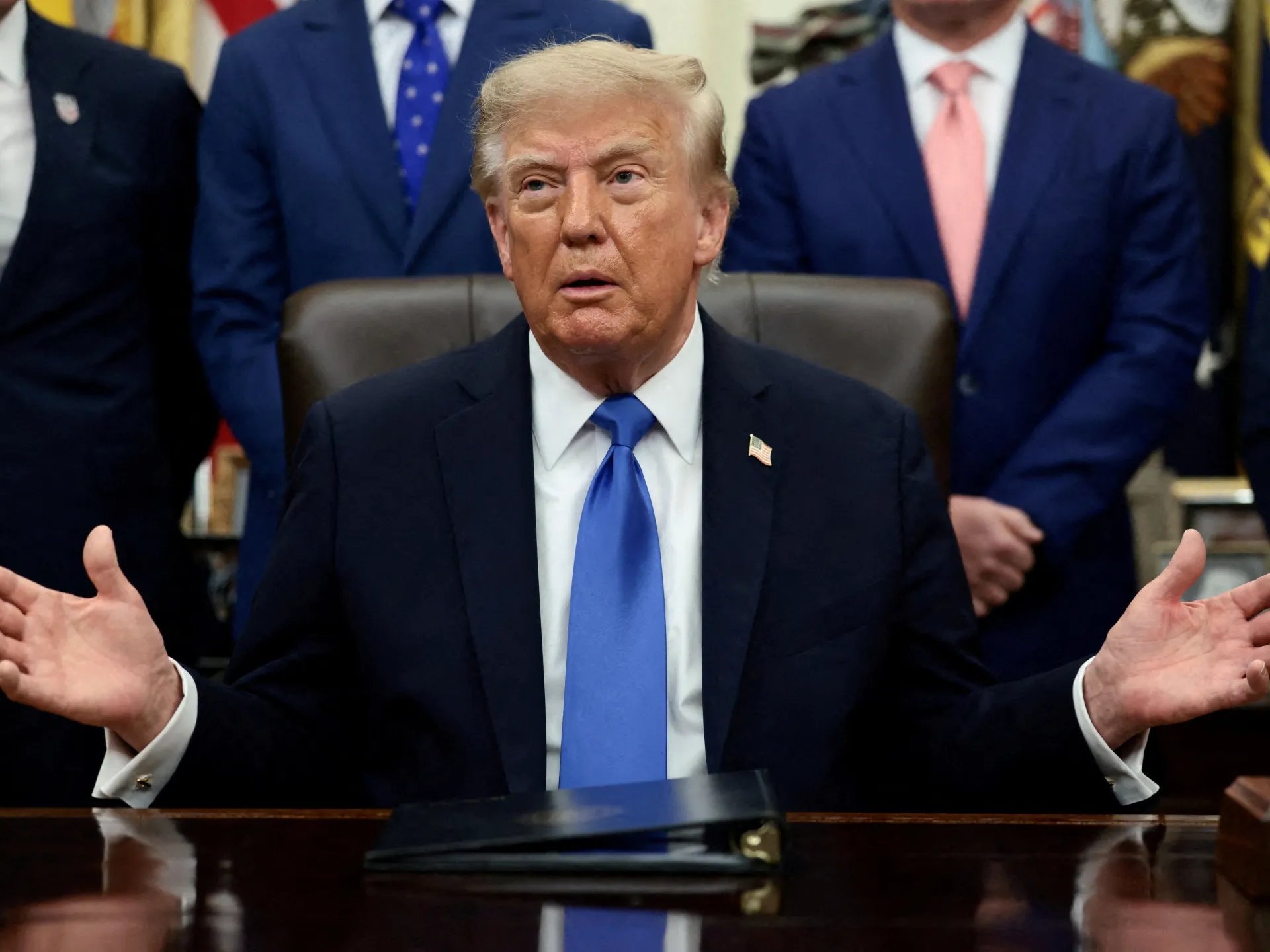
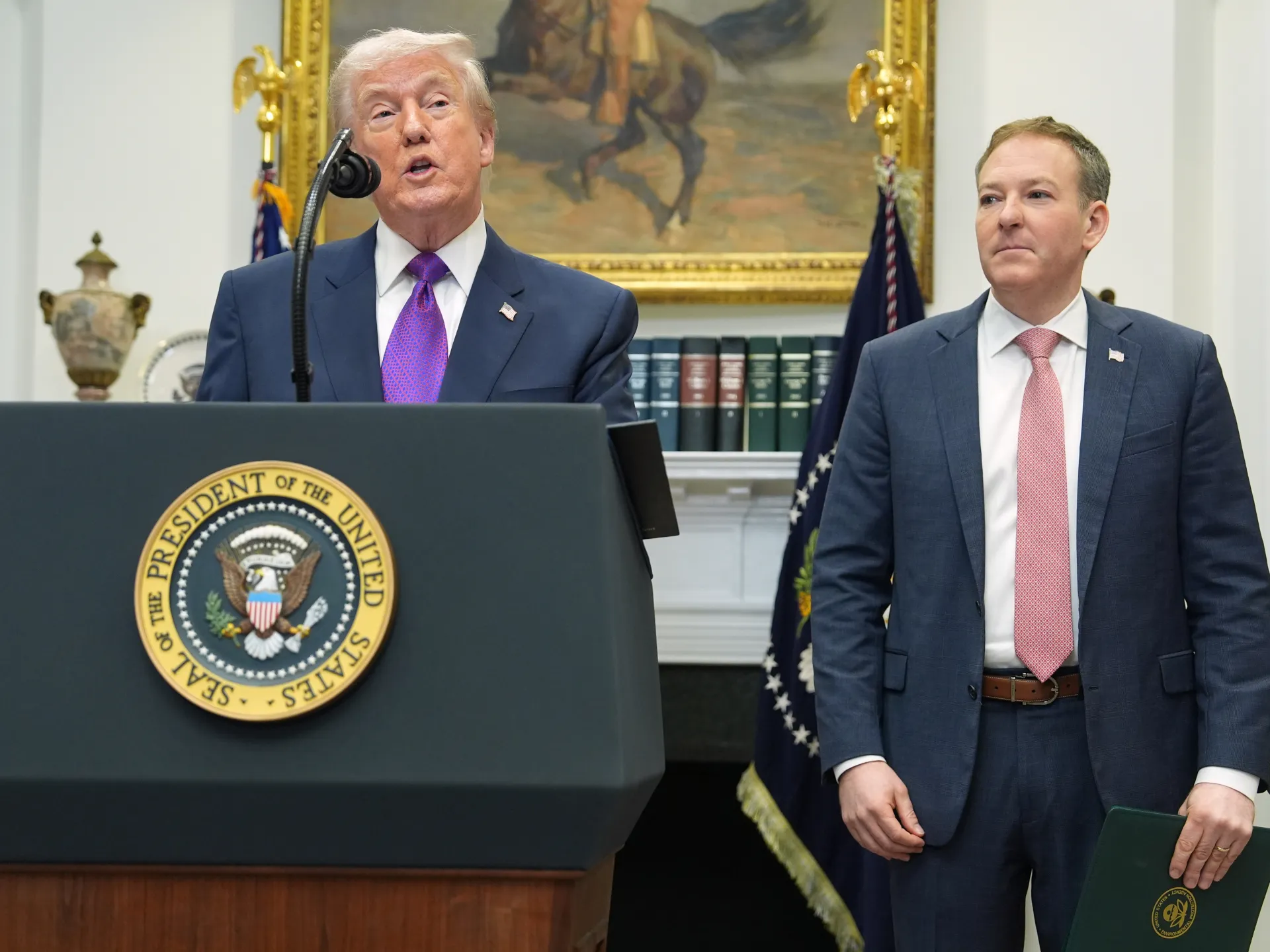
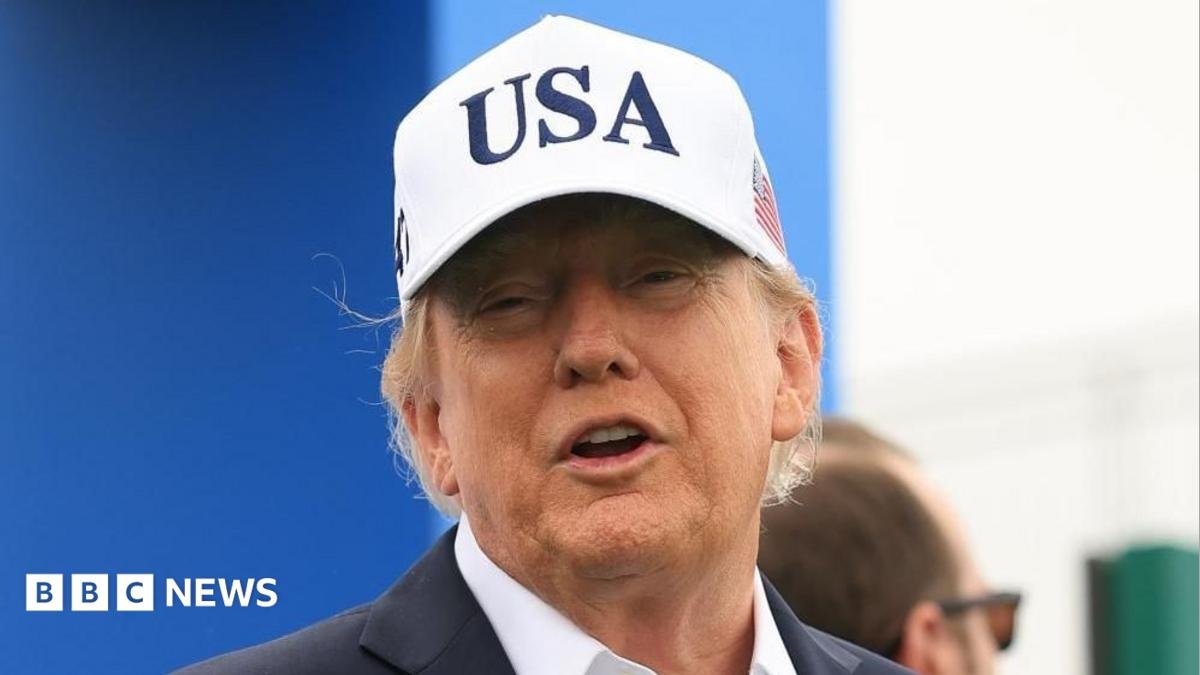
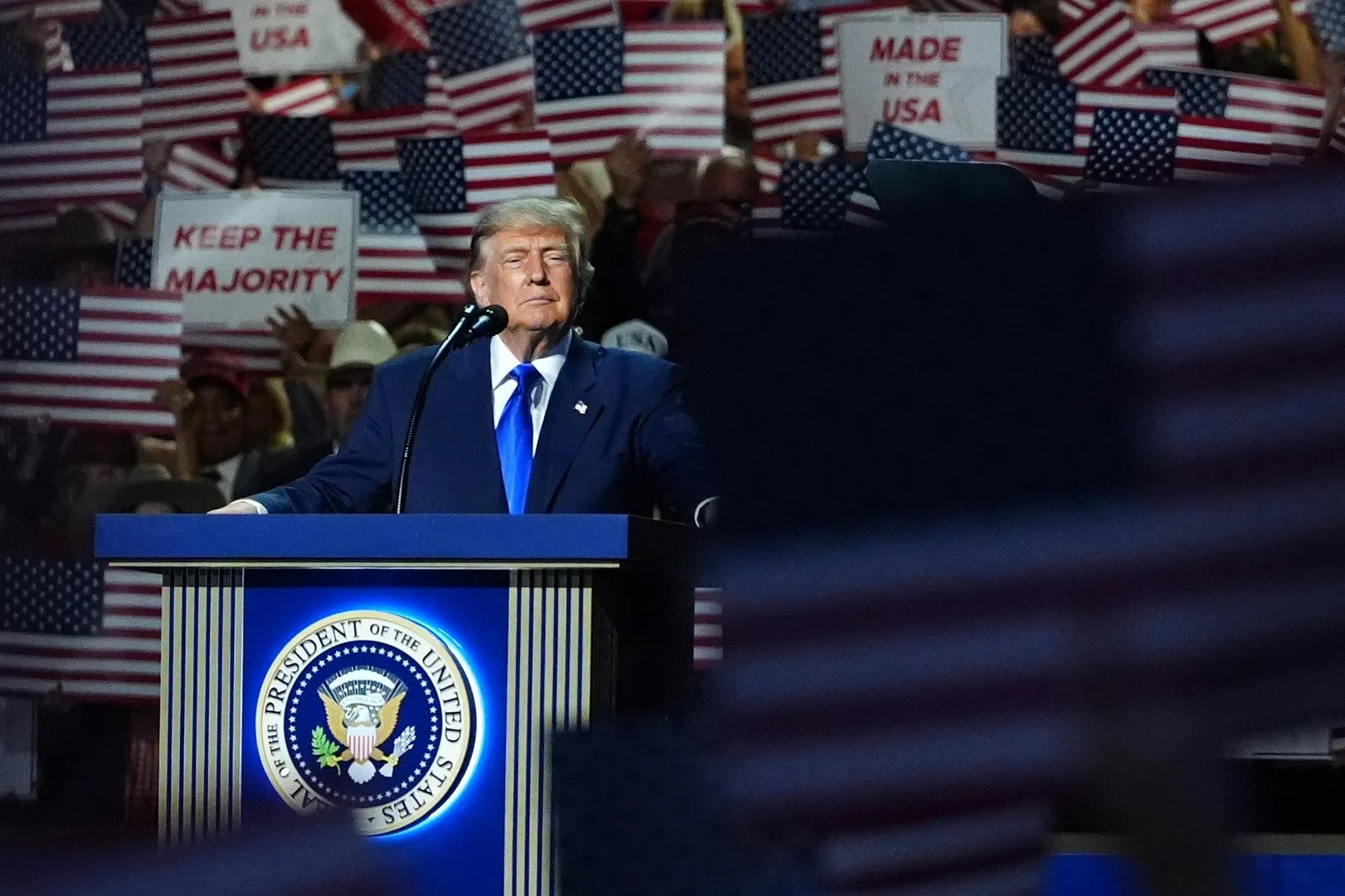
This economic pressure has shifted the focus toward the Federal Reserve’s upcoming monetary policy decisions. Market participants are now pricing in a roughly 70 percent probability of an interest rate hike at the next meeting, a significant jump from previous estimates. This sentiment persists despite political pressure from the White House, where leadership has consistently advocated for lower borrowing costs to stimulate growth. The Fed, however, appears increasingly concerned that persistent energy inflation could become entrenched if left unaddressed.