A school principal in Nepal successfully led the evacuation of 900 students just before his school was destroyed by catastrophic floods that have left thousands missing.
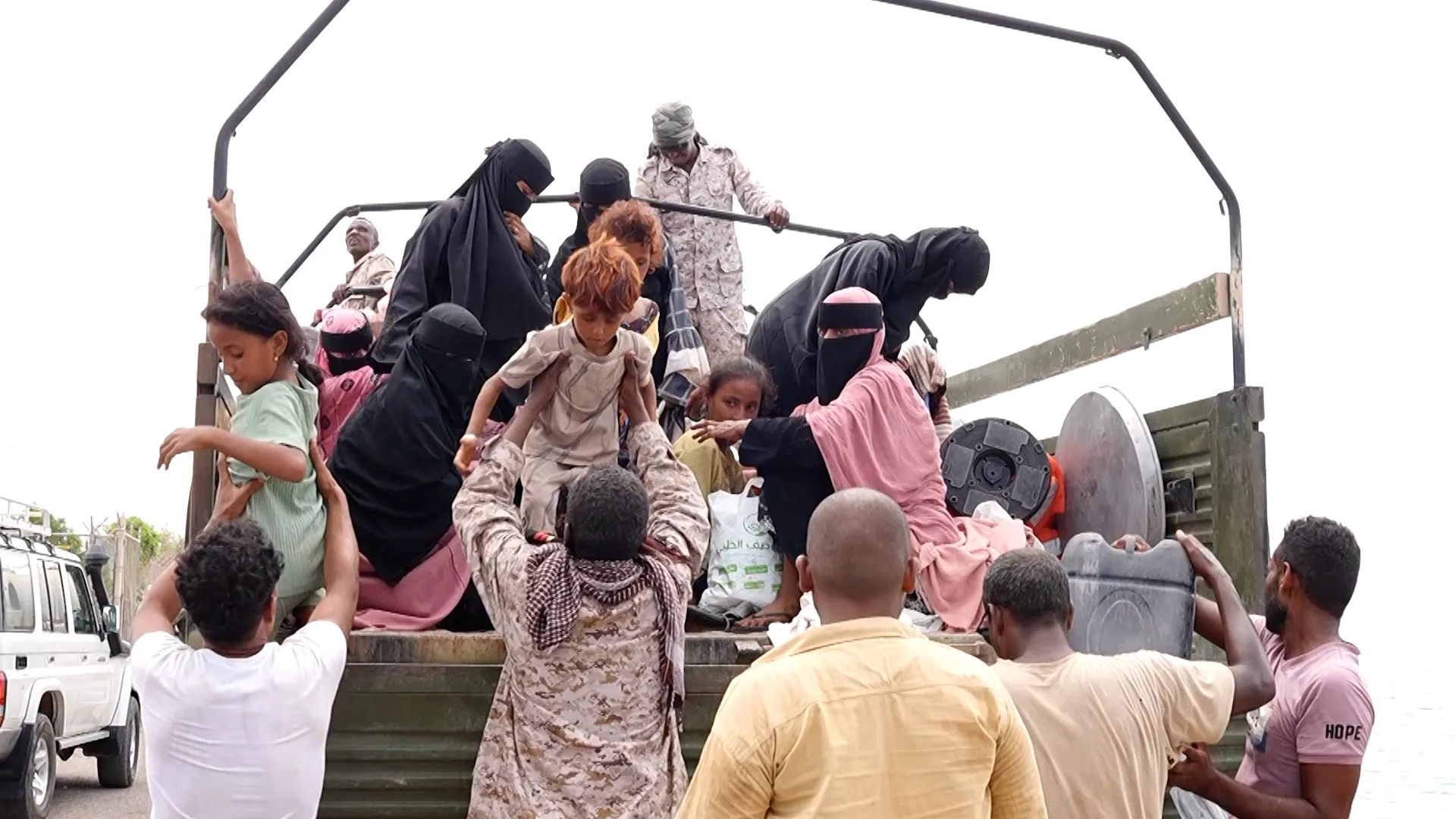
In a moment of profound crisis, Rajendra Dawadi, a school principal in Nepal, faced a harrowing decision that would ultimately determine the survival of hundreds of children. As heavy rainfall triggered catastrophic flooding, Dawadi recognized the imminent threat the rising water levels posed to his institution. With little time to spare, he orchestrated a coordinated evacuation effort, ensuring that every one of the 900 students under his care reached higher ground before the full force of the disaster struck the school premises.
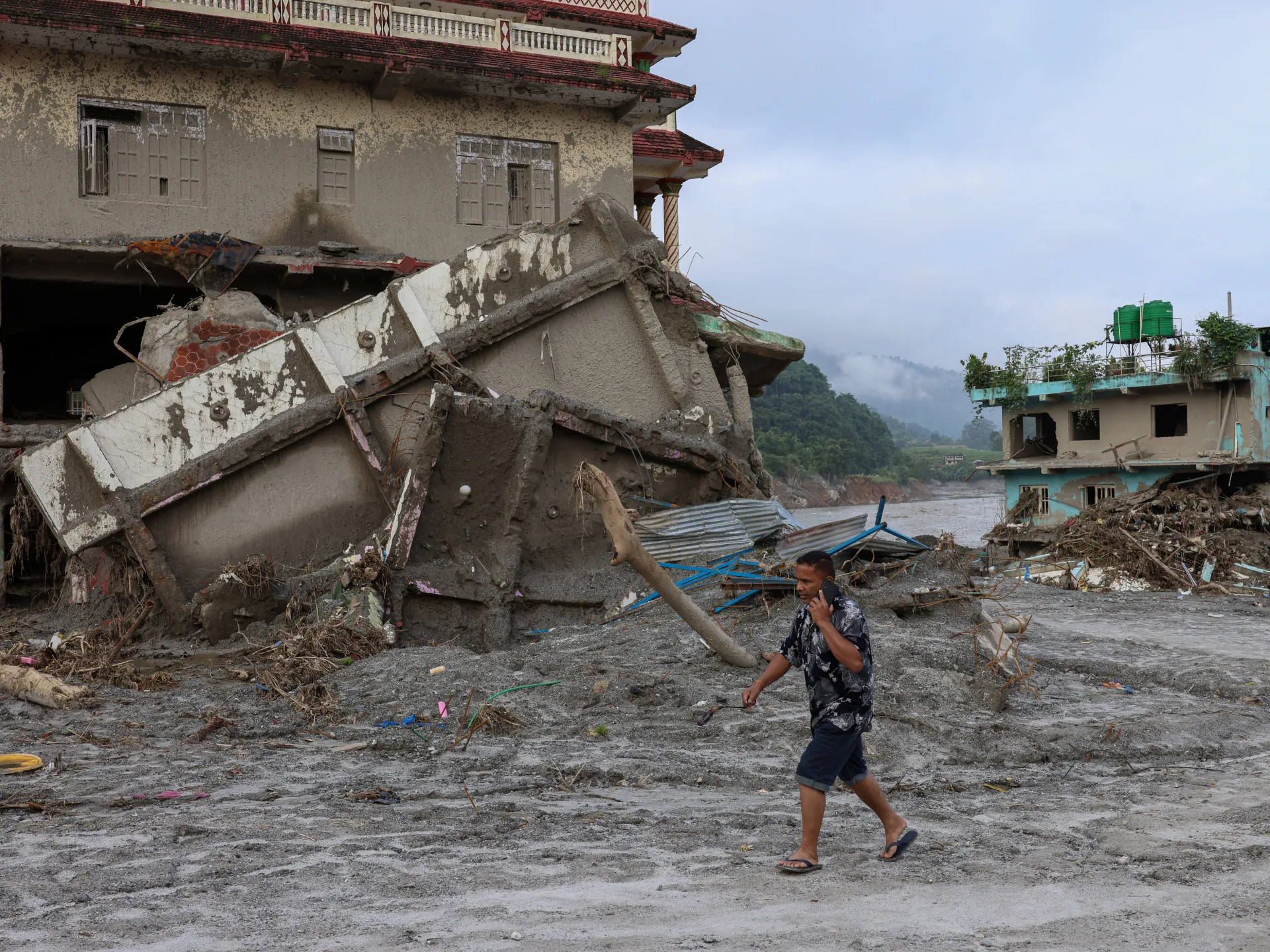
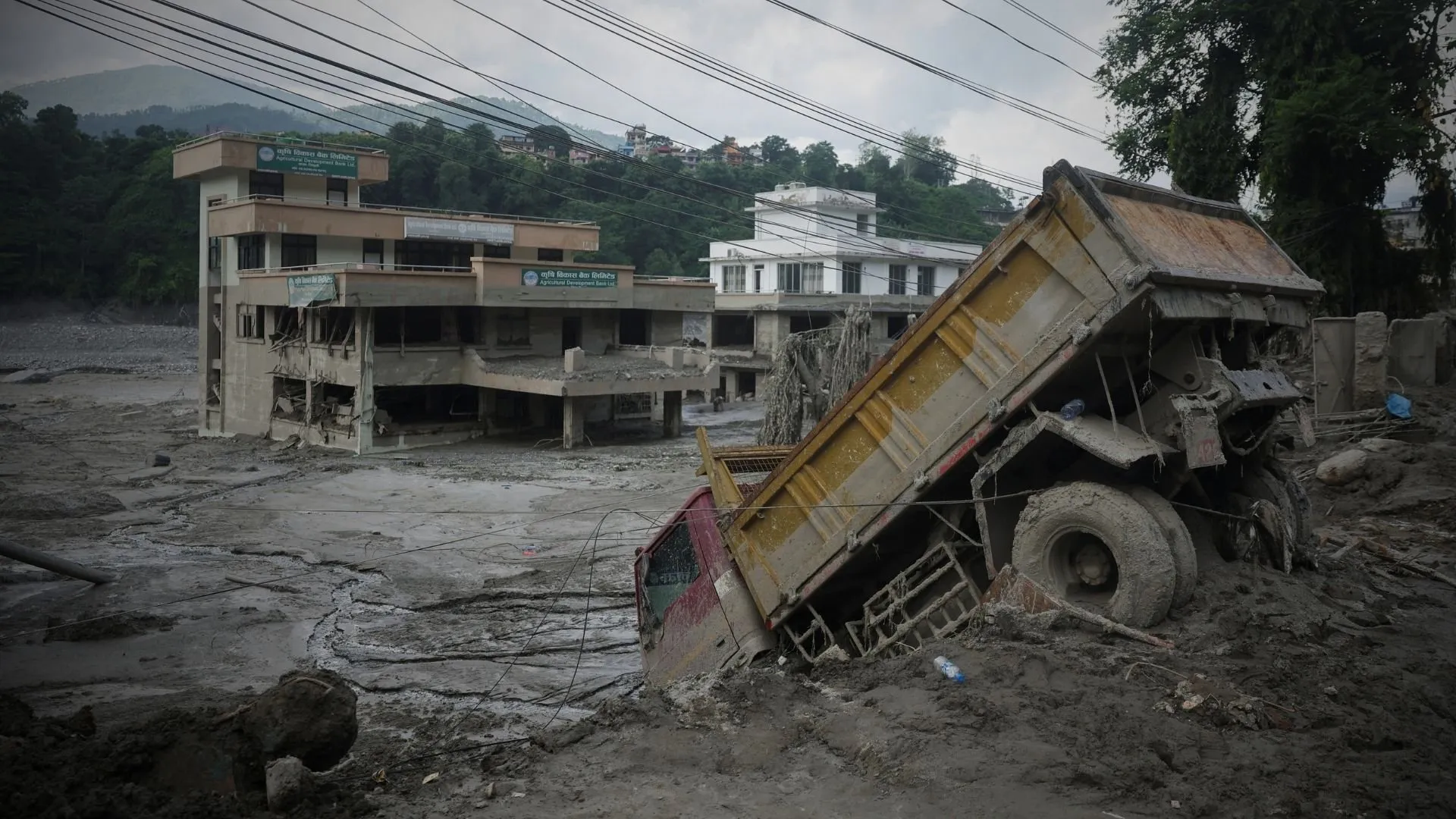
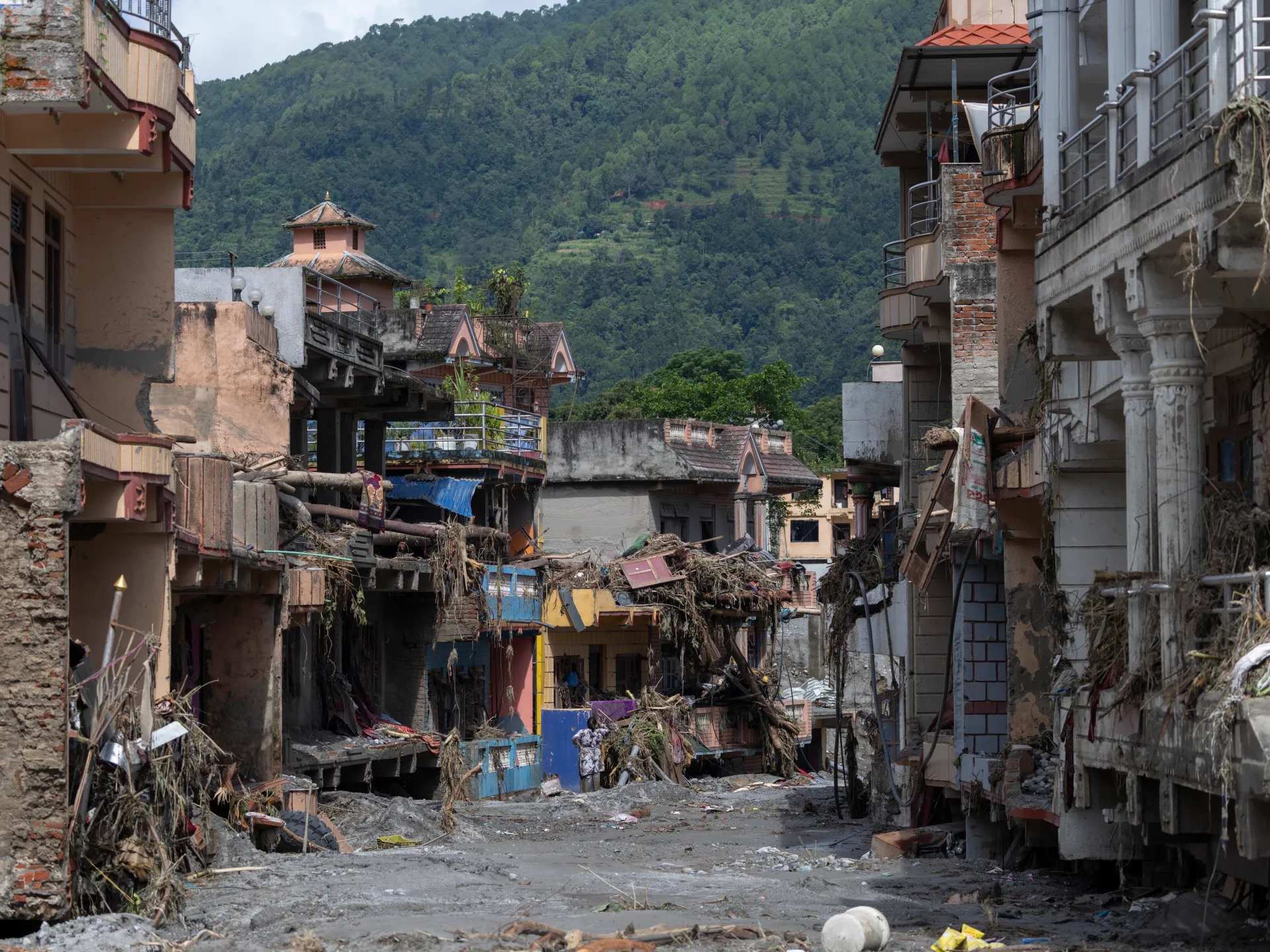
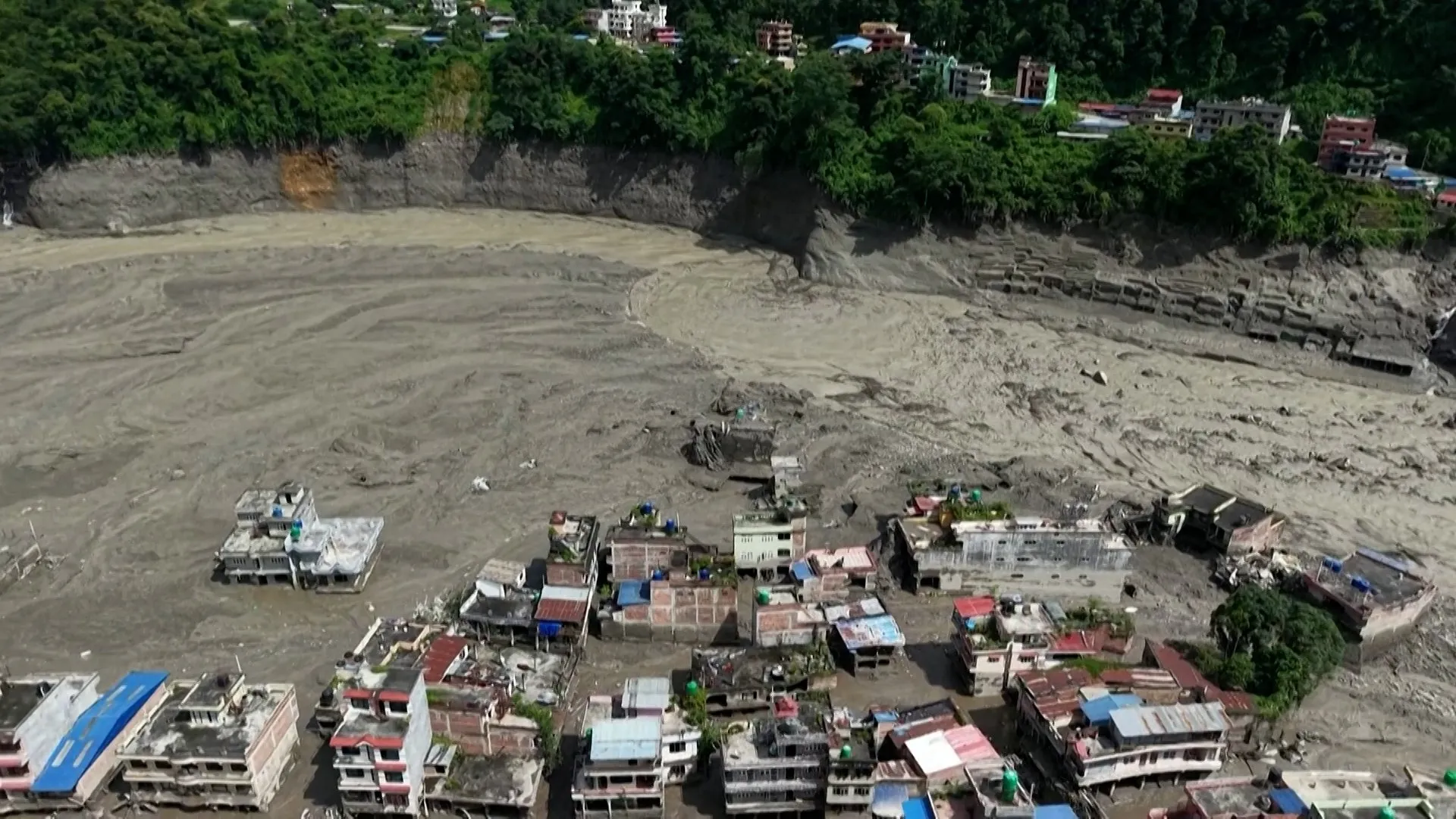
The evacuation was a race against time, requiring calm leadership amidst chaos. Dawadi’s ability to remain focused while the environment around him became increasingly volatile proved to be the difference between safety and tragedy. As the students were ushered to secure locations, the principal witnessed the horrifying reality of the water overtaking the structures where the children had been learning only hours prior. The school, once a hub of education, was quickly submerged and eventually lost entirely to the rushing floodwaters.
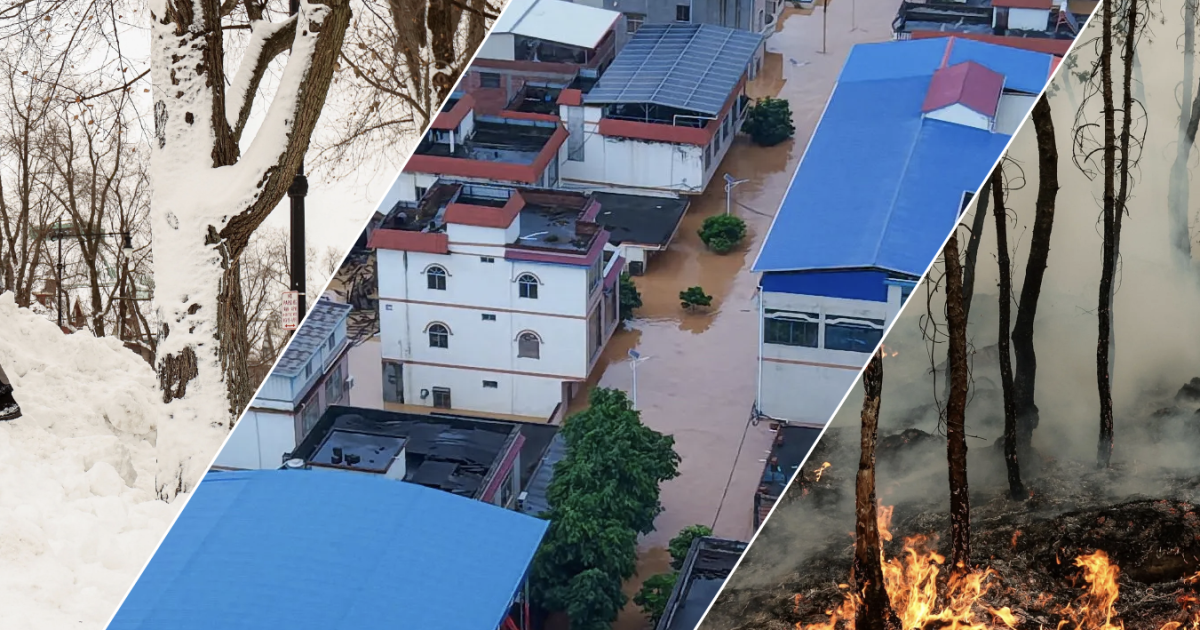
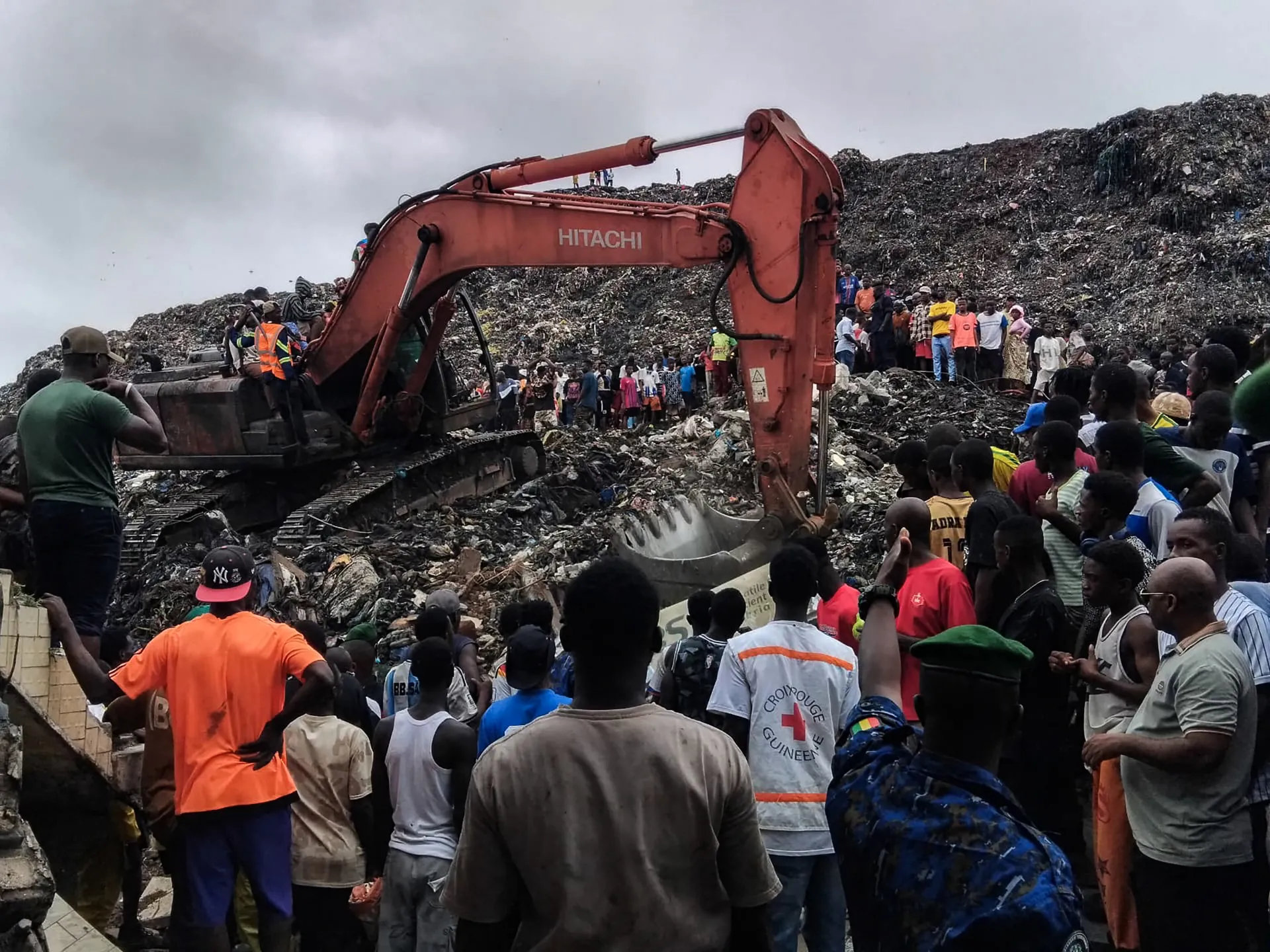
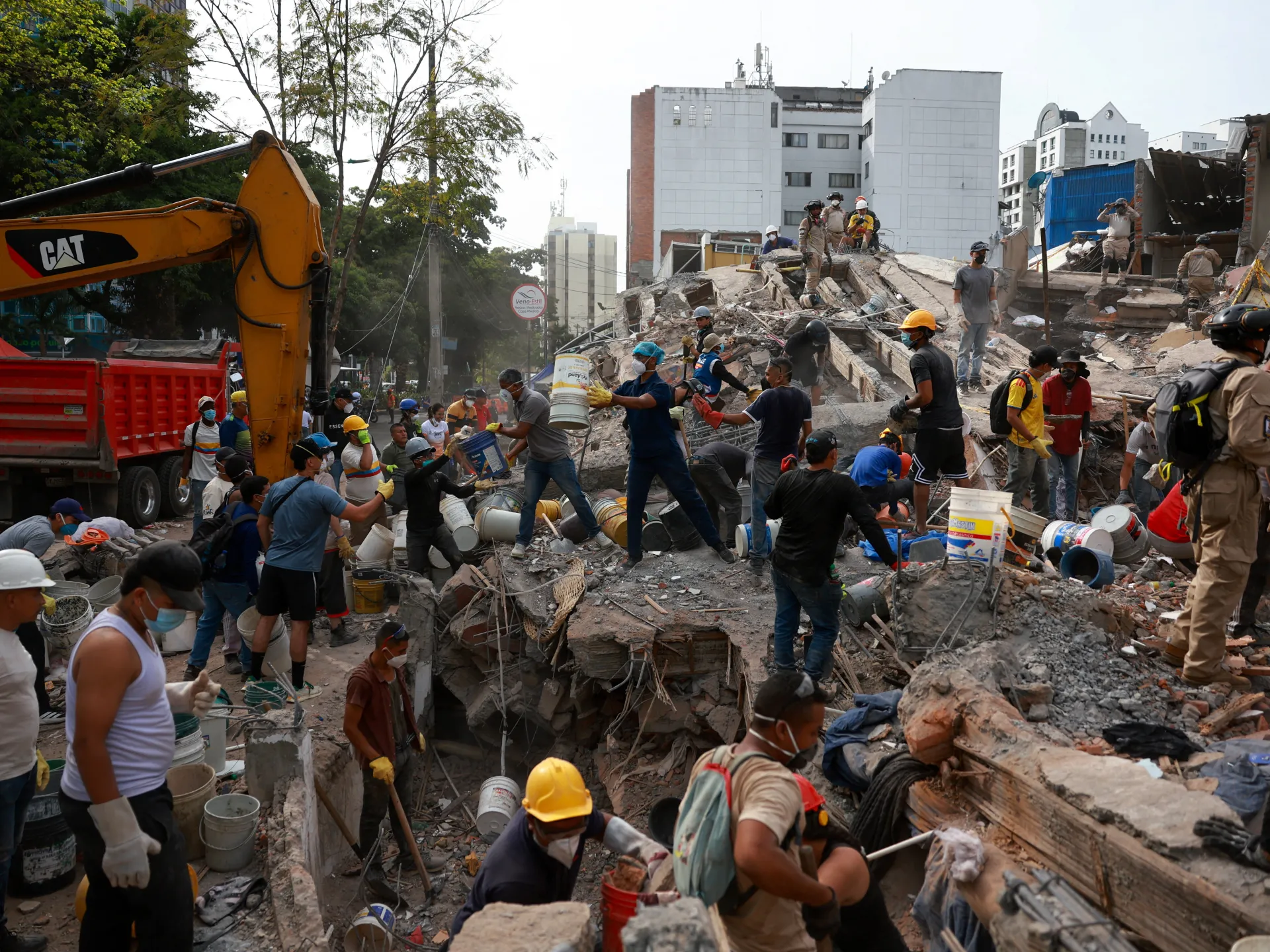
The events surrounding the destruction of the school are part of a much broader and more devastating environmental disaster currently unfolding across Nepal. The floods have claimed the lives of over 900 individuals, marking this as one of the most significant natural catastrophes in the region's recent history. The loss of life and property has left communities grappling with the profound trauma of sudden displacement and the erasure of essential infrastructure.
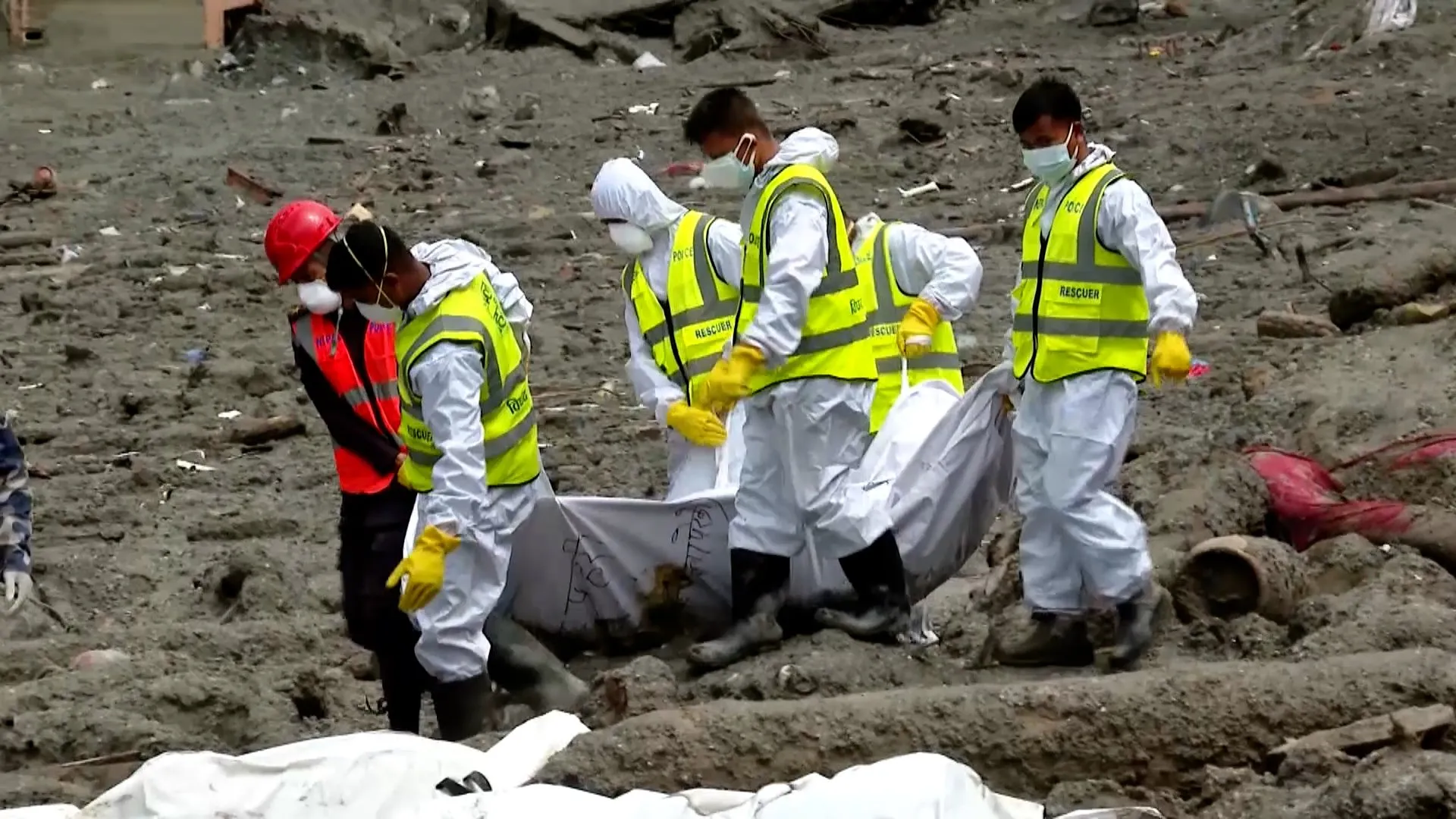
Beyond the confirmed fatalities, the situation remains dire due to the high number of missing persons. Official reports indicate that nearly 5,000 people are still unaccounted for, fueling fears that the death toll will continue to rise as search and rescue teams navigate the treacherous, mud-covered terrain. The scale of the disappearance highlights the sheer intensity of the flooding, which has washed away entire settlements and severed communication lines in many affected districts.
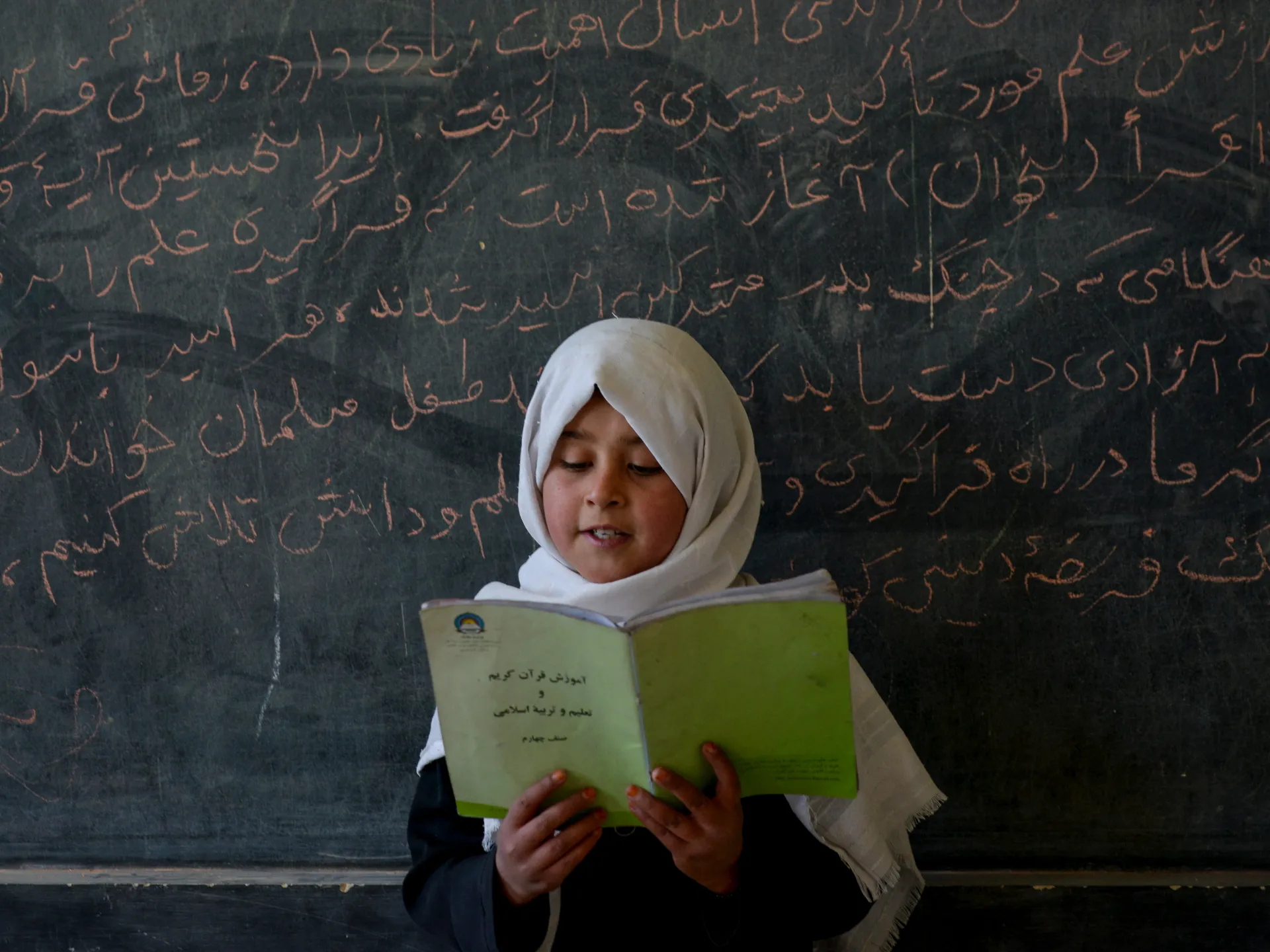
For individuals like Dawadi, the aftermath of the flood is a period of intense reflection. While the successful evacuation of his student body is a testament to his quick thinking and dedication, the emotional weight of seeing his school vanish is significant. The destruction of educational facilities poses a long-term challenge for the community, as the loss of buildings and learning materials creates a vacuum that will take years of reconstruction to fill.
The resilience shown rimary focus for recovery efforts. However, the sheer magnitude of the displacement requires sustained support. As the waters begin to recede in some areas, the focus is shifting toward providing emergency aid, shelter, and medical assistance to the thousands who have been left homeless. The story of the 900 rescued students serves as a singular spark of hope within a landscape currently defined
As the nation grapples with the aftermath, the environmental and economic impacts of the flooding are becoming increasingly clear. The destruction of schools, homes, and vital infrastructure will necessitate a massive, multi-sectoral recovery plan. International and local organizations are coordinating efforts to reach the most isolated regions where the need for food, clean water, and sanitation remains critical.