Western nations have moved to sanction Israeli settlement goods, triggering a sharp diplomatic retaliation from Israel as the humanitarian crisis in Gaza deepens.
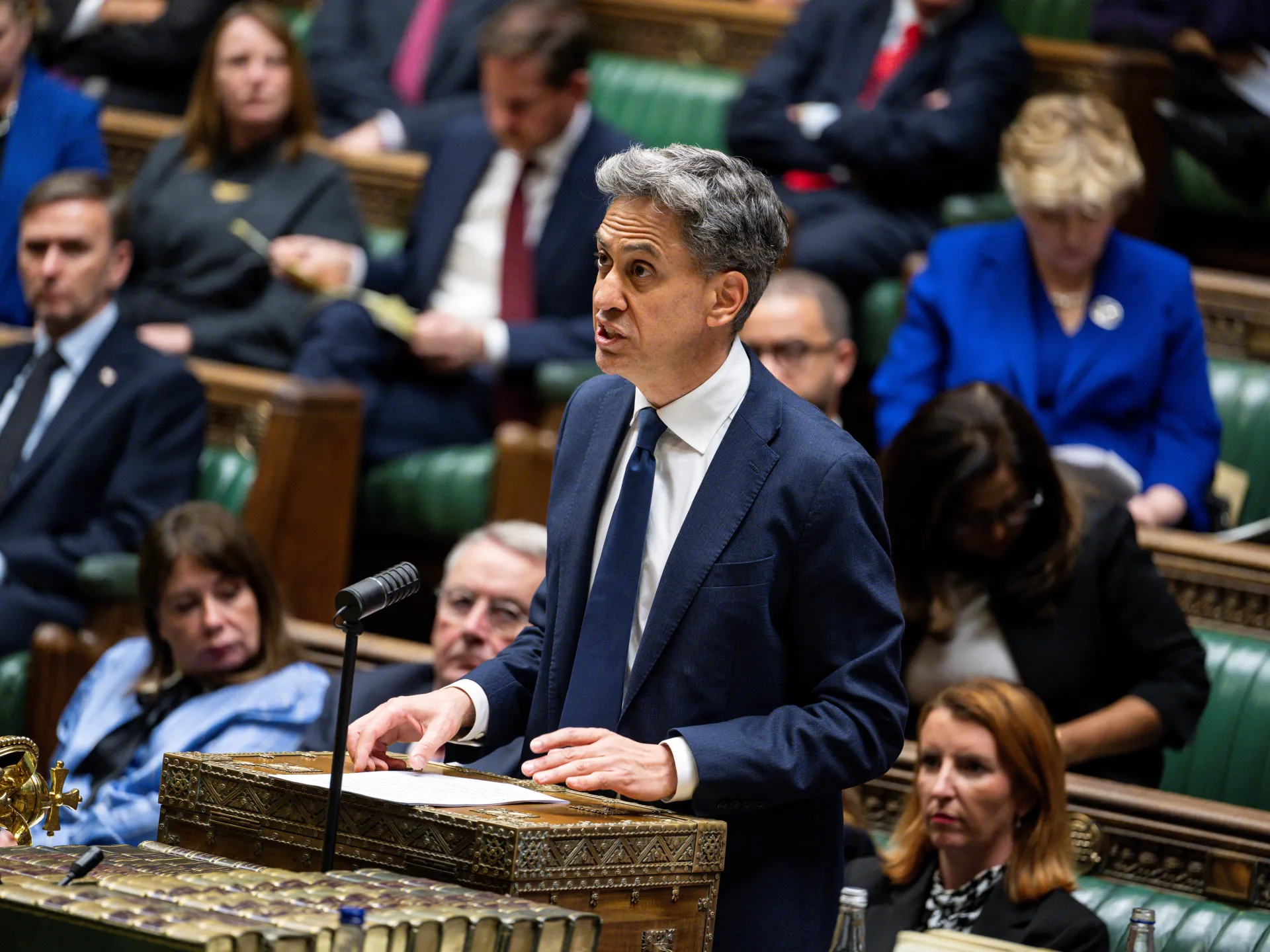
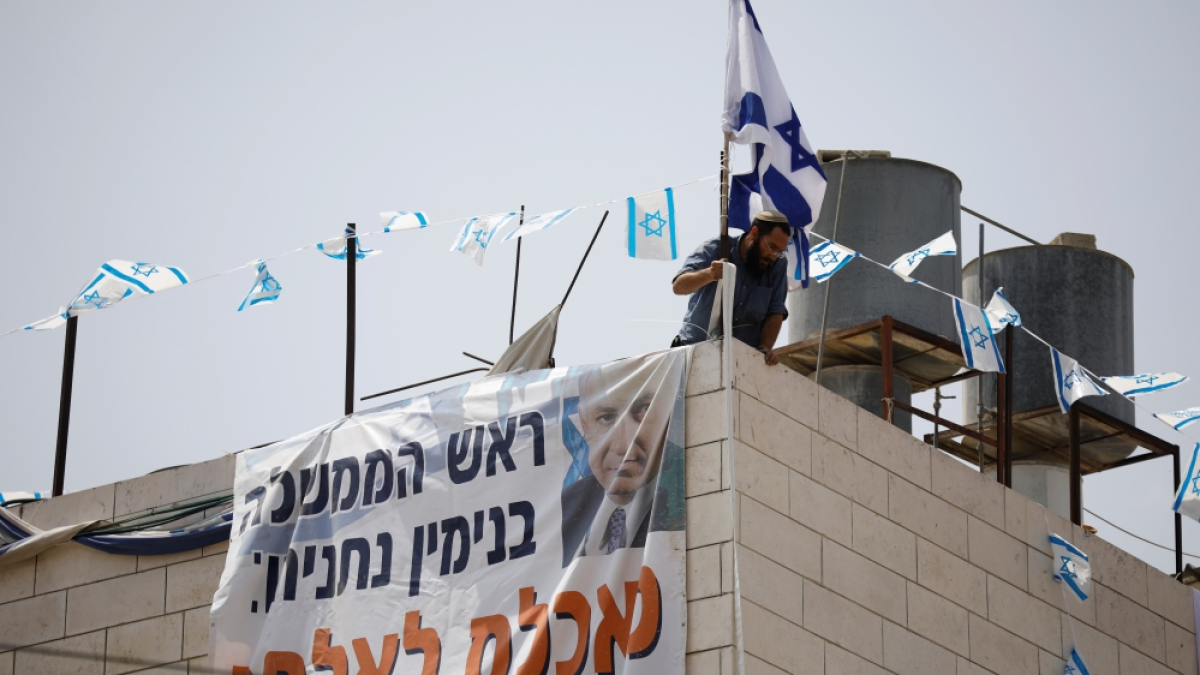
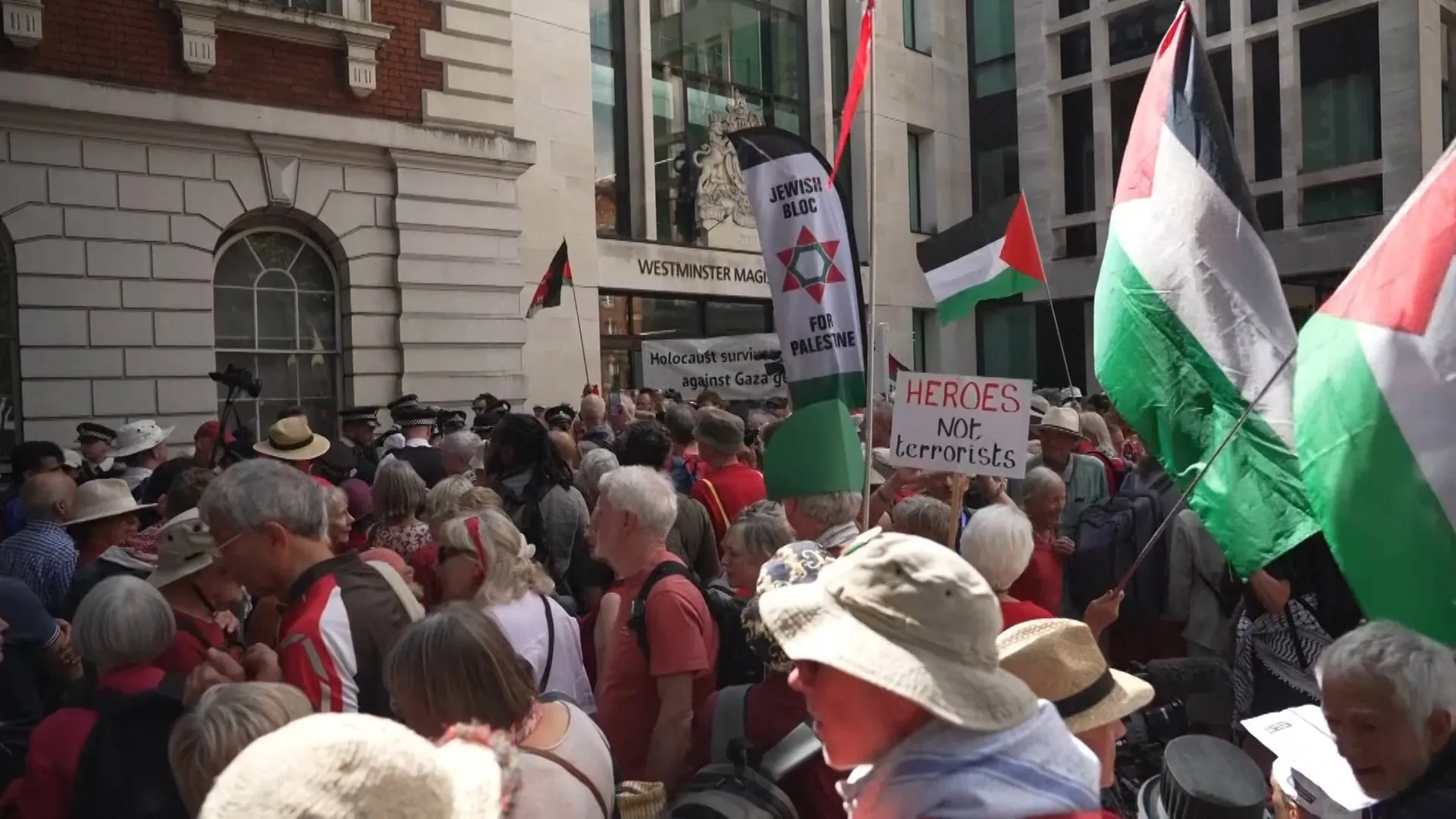
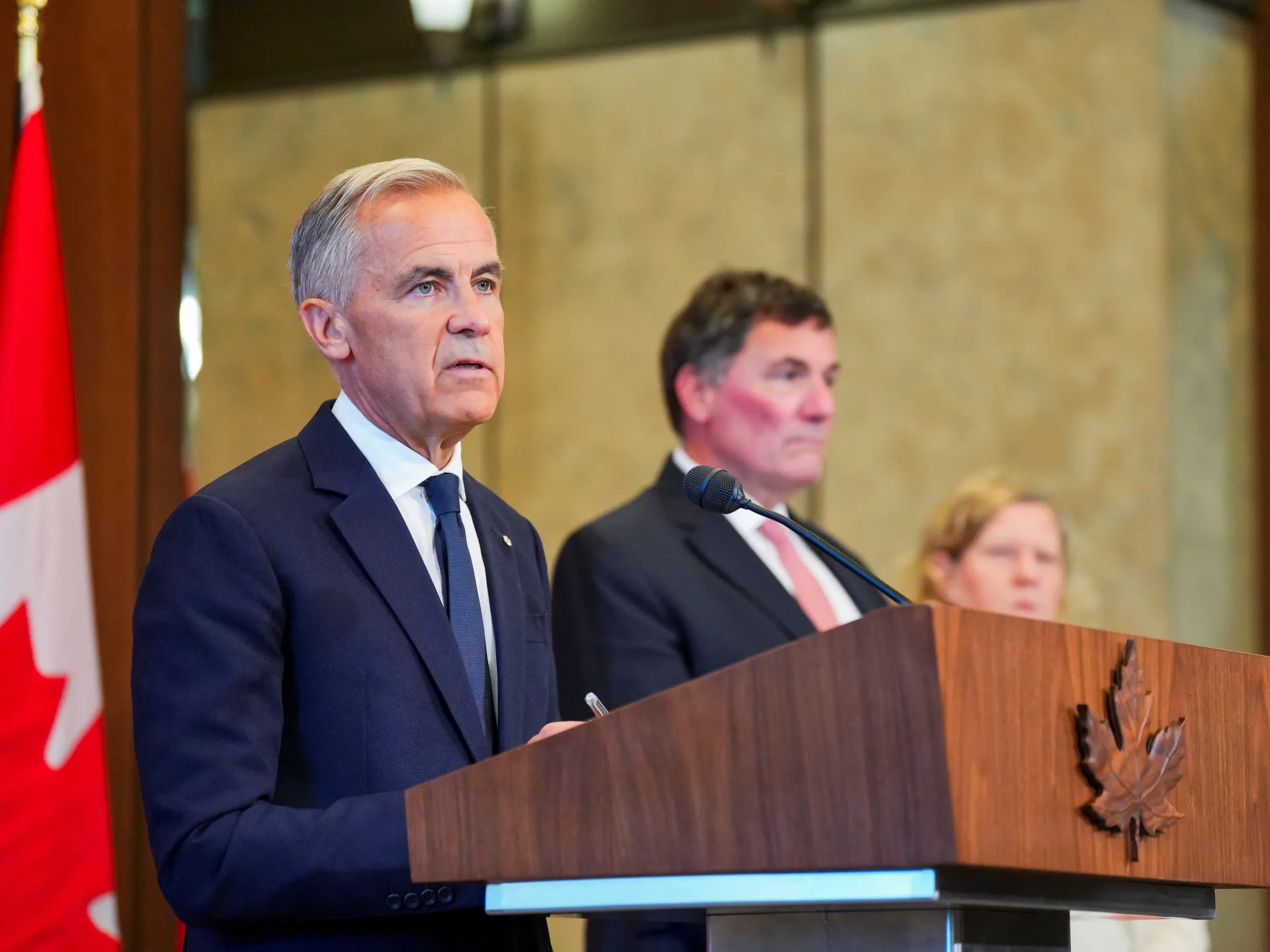
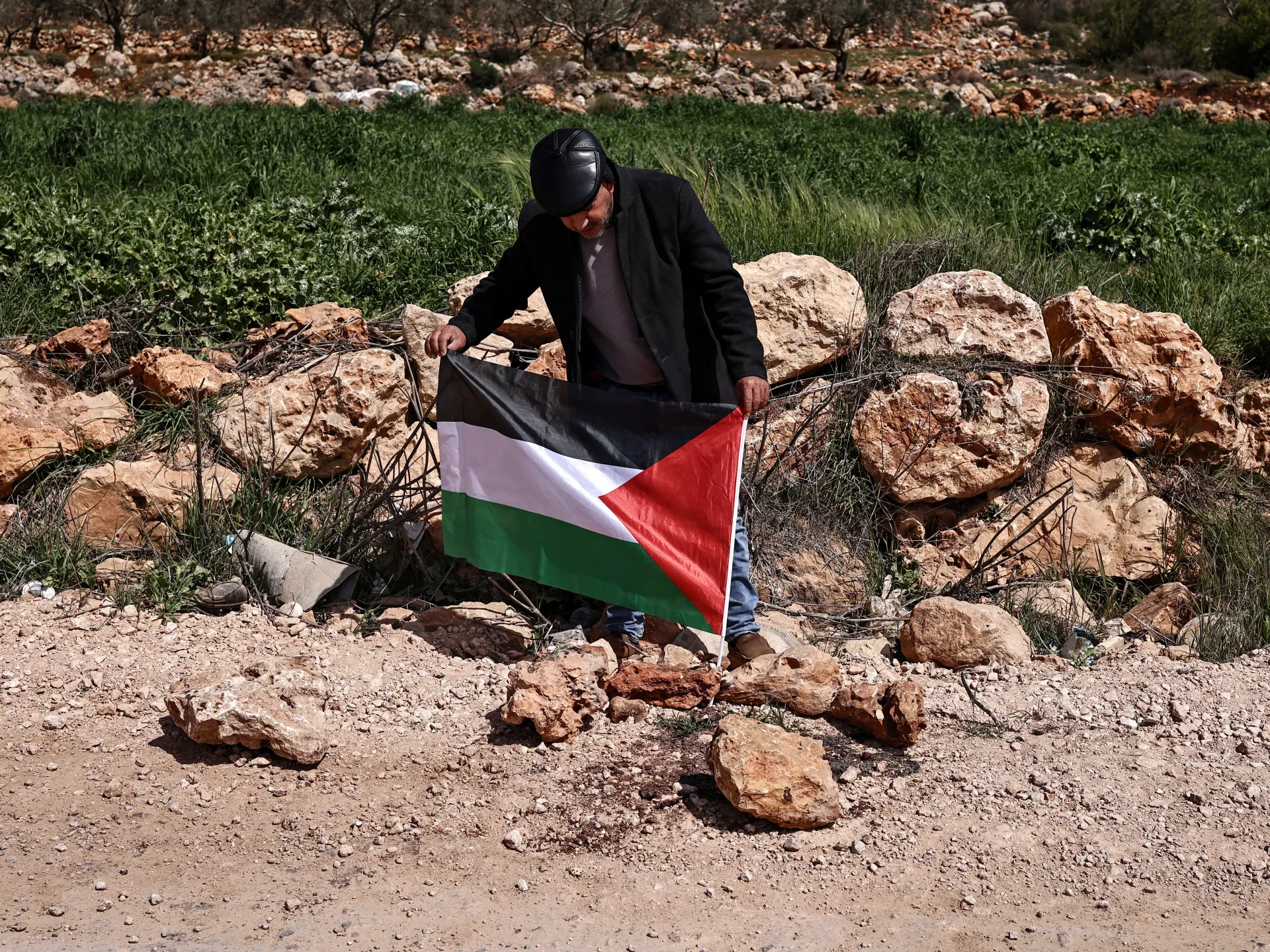
A significant shift in international policy occurred this past week as a coalition of twelve Western nations, including the United Kingdom, France, and Canada, announced plans to implement or consider restrictions on goods originating from Israeli settlements in the occupied West Bank. This move marks a departure from previous diplomatic caution, as several governments indicated they could no longer remain passive regarding the ongoing expansion of settlement infrastructure. The announcement prompted a swift and severe reaction from the Israeli government, which has long resisted international efforts to link trade or diplomatic relations to its settlement policies.
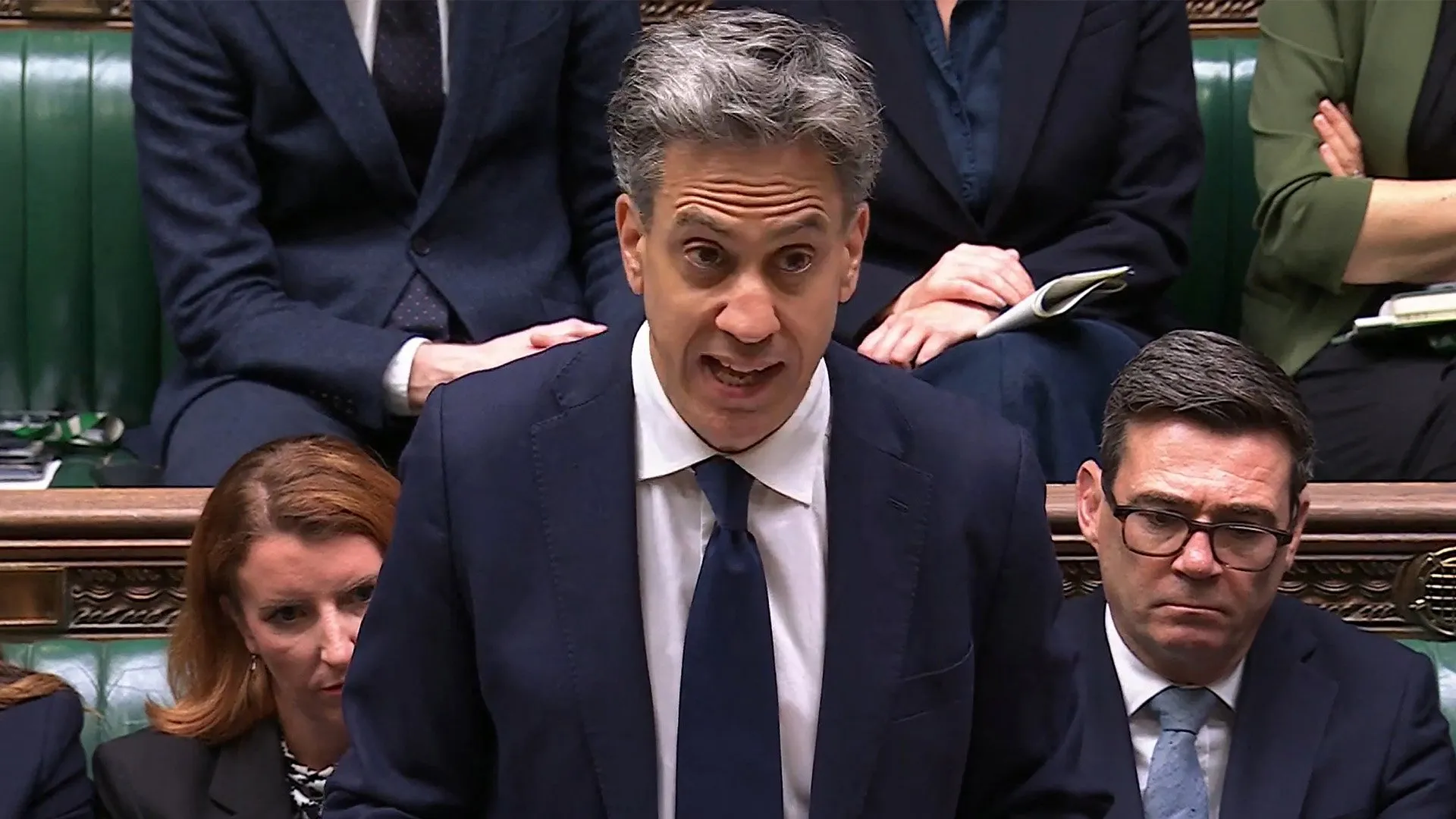
Within 24 hours of the announcement, Israeli authorities took aggressive retaliatory steps against the United Kingdom. These measures included an order for the British consulate in occupied East Jerusalem to close within 30 days, the cessation of British training programs for Palestinian Authority security forces, and the removal of British personnel from a key coordination center in Kiryat Gat. Furthermore, Israel imposed travel restrictions on twelve prominent British figures, including eleven members of parliament, signaling a profound rupture in bilateral relations.
Beyond the international stage, the Israeli government has intensified its scrutiny of internal dissent. Cultural officials have signaled an intent to challenge the citizenship of prominent filmmakers Yuval Abraham and Rachel Szor following the success of their documentary, "NAZA." The film, which explores the integration of artificial intelligence in military targeting systems within Gaza, received significant acclaim at the Venice Film Festival. Despite this international recognition, government ministers labeled the filmmakers' work as "treasonous," highlighting an increasingly polarized environment for those who critique state military or administrative policies.
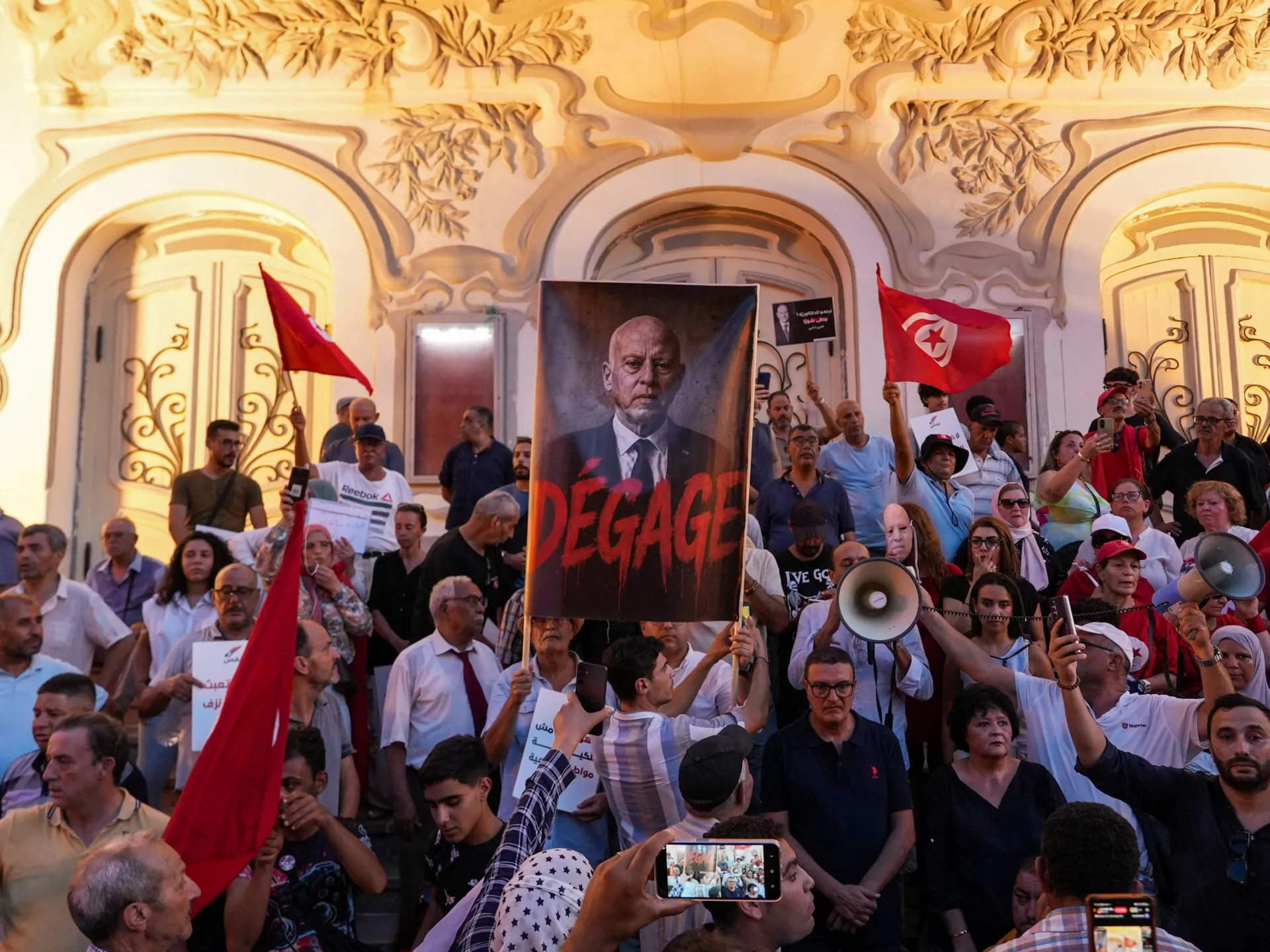
This internal pressure is reflective of a broader strategy to minimize opposition to state directives. ecurity concerns, the government seeks to consolidate a unified front against mounting international pressure. These actions have drawn criticism from human rights advocates who argue that the shrinking space for dissent undermines democratic principles and obscures the reality of the ongoing humanitarian crisis in the occupied territories.
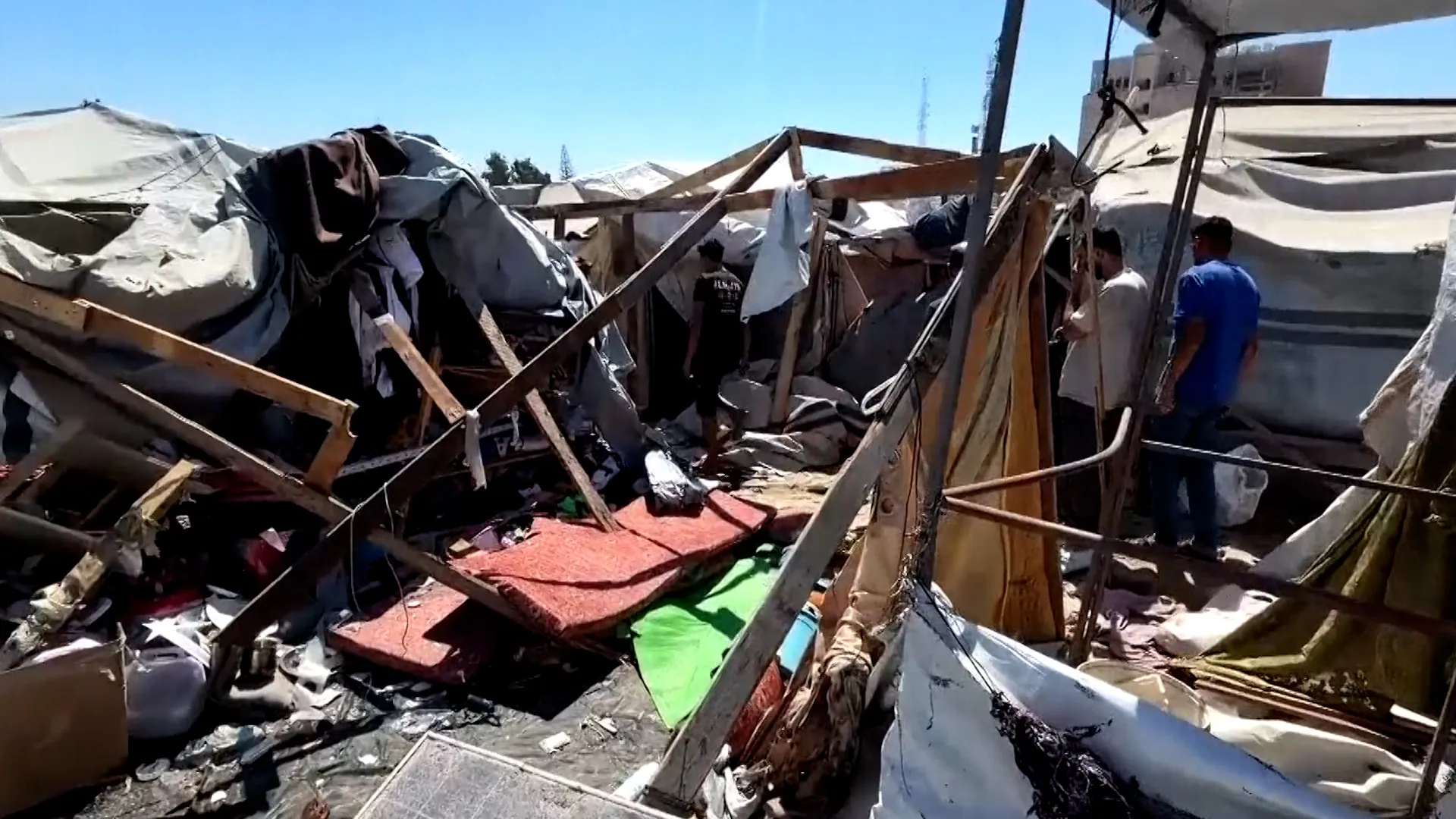
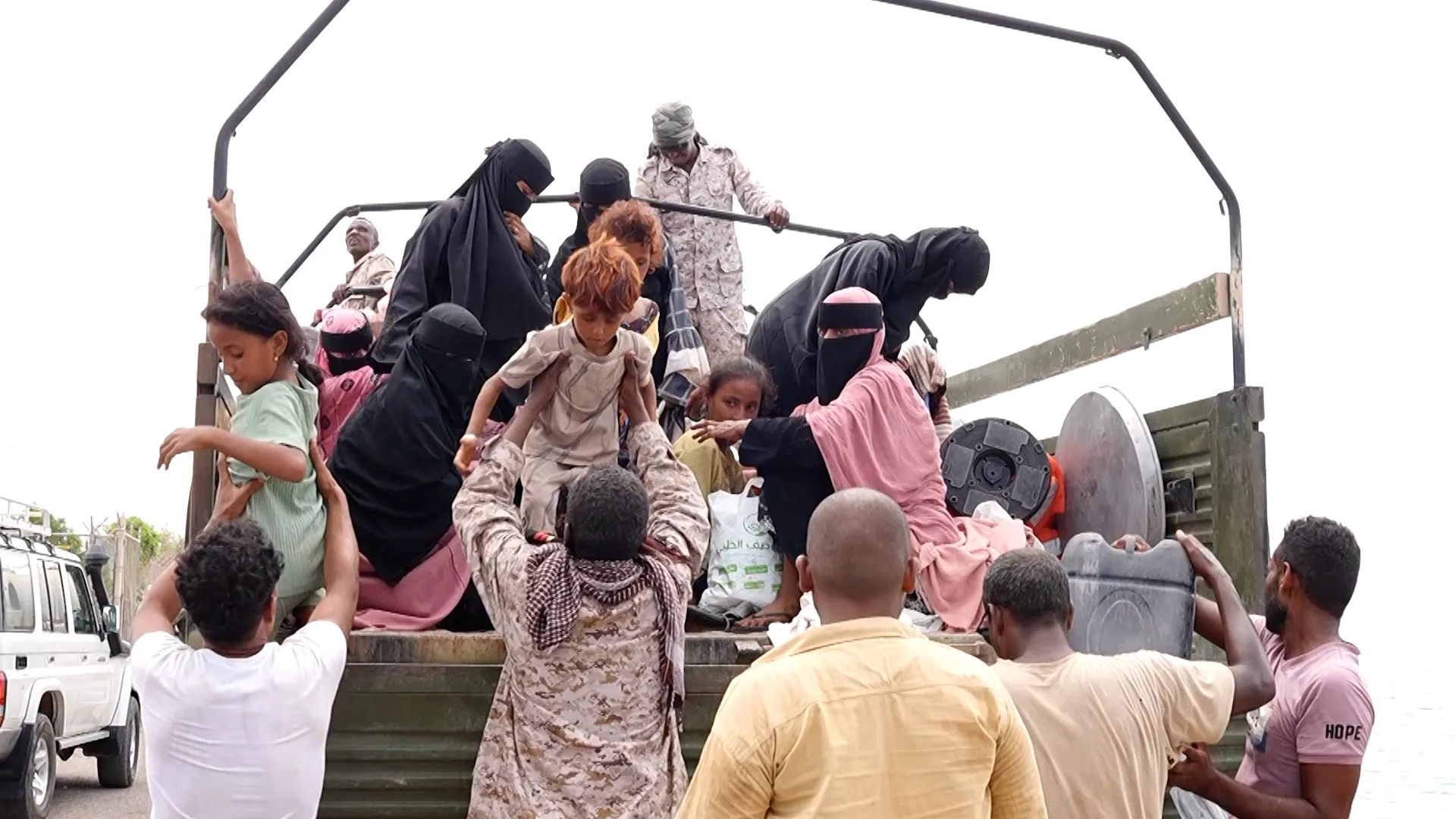
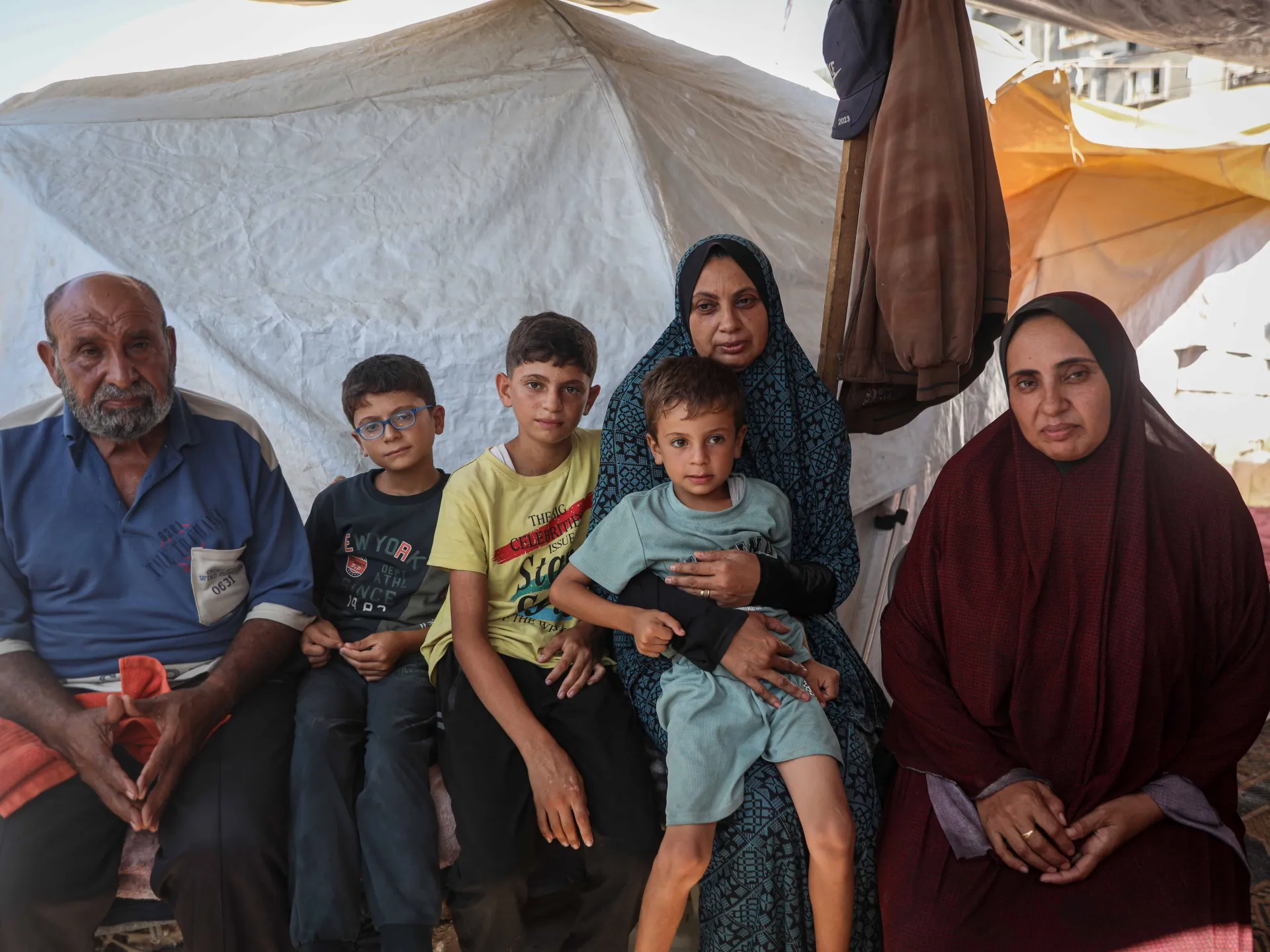
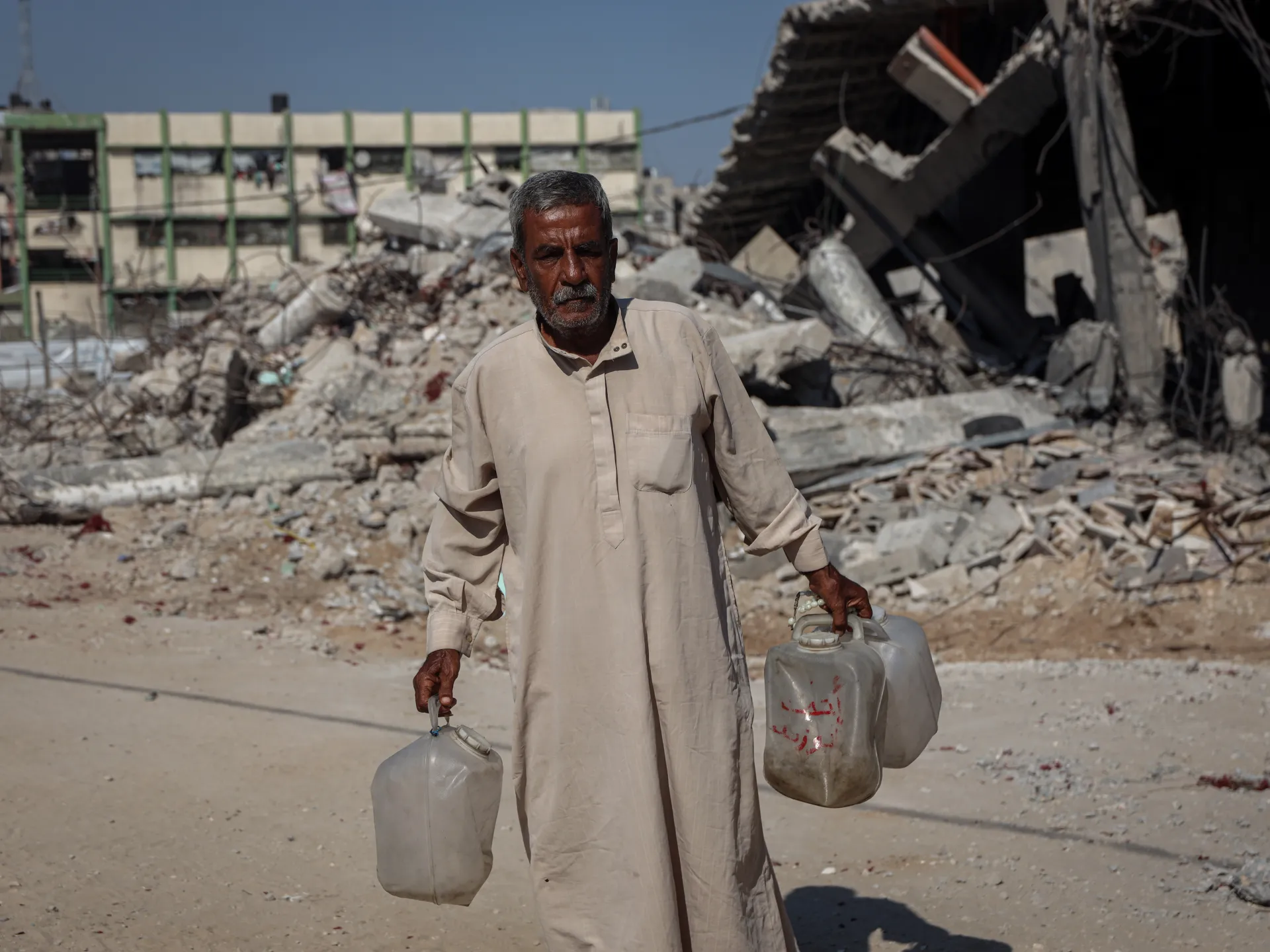
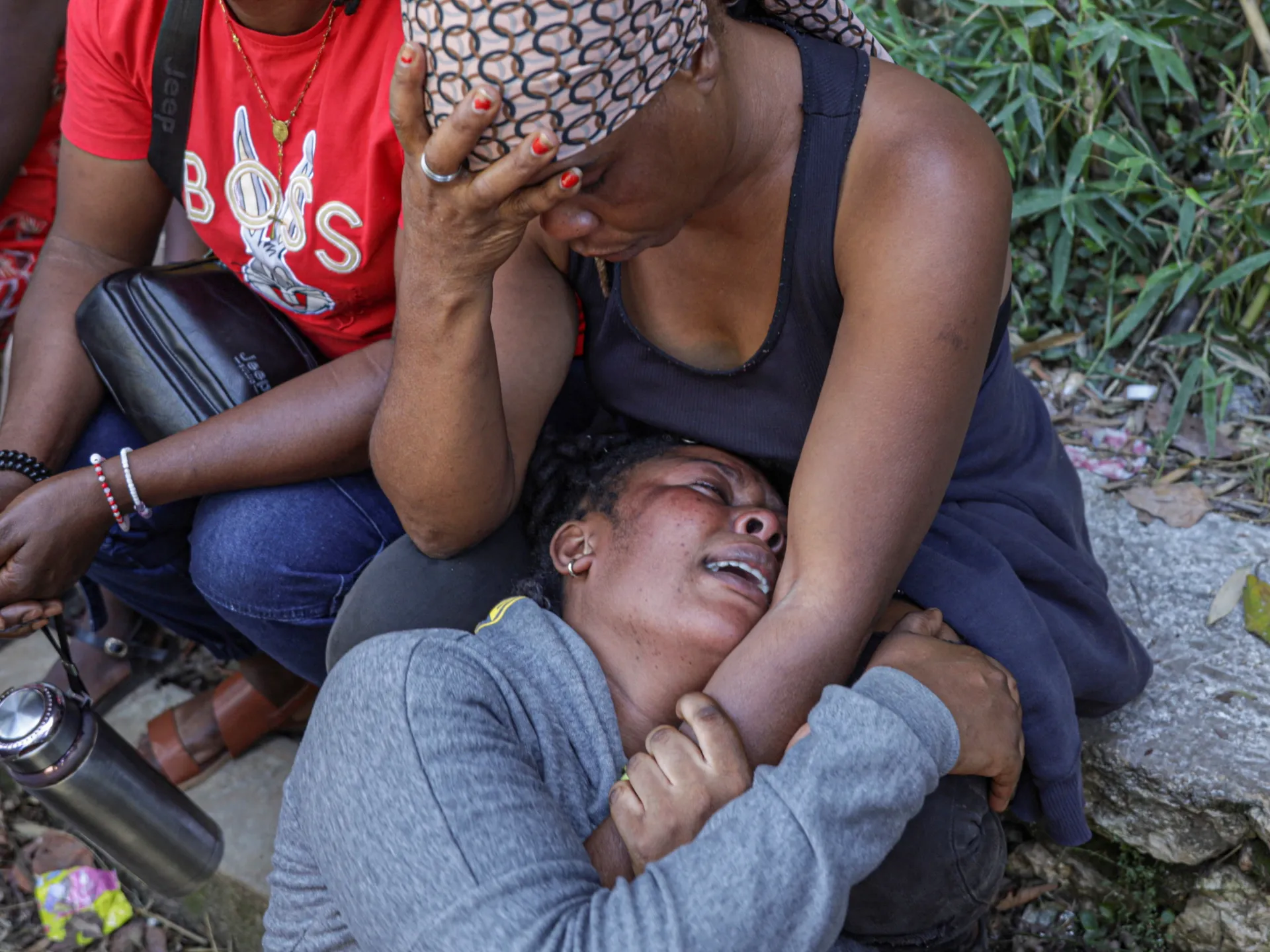
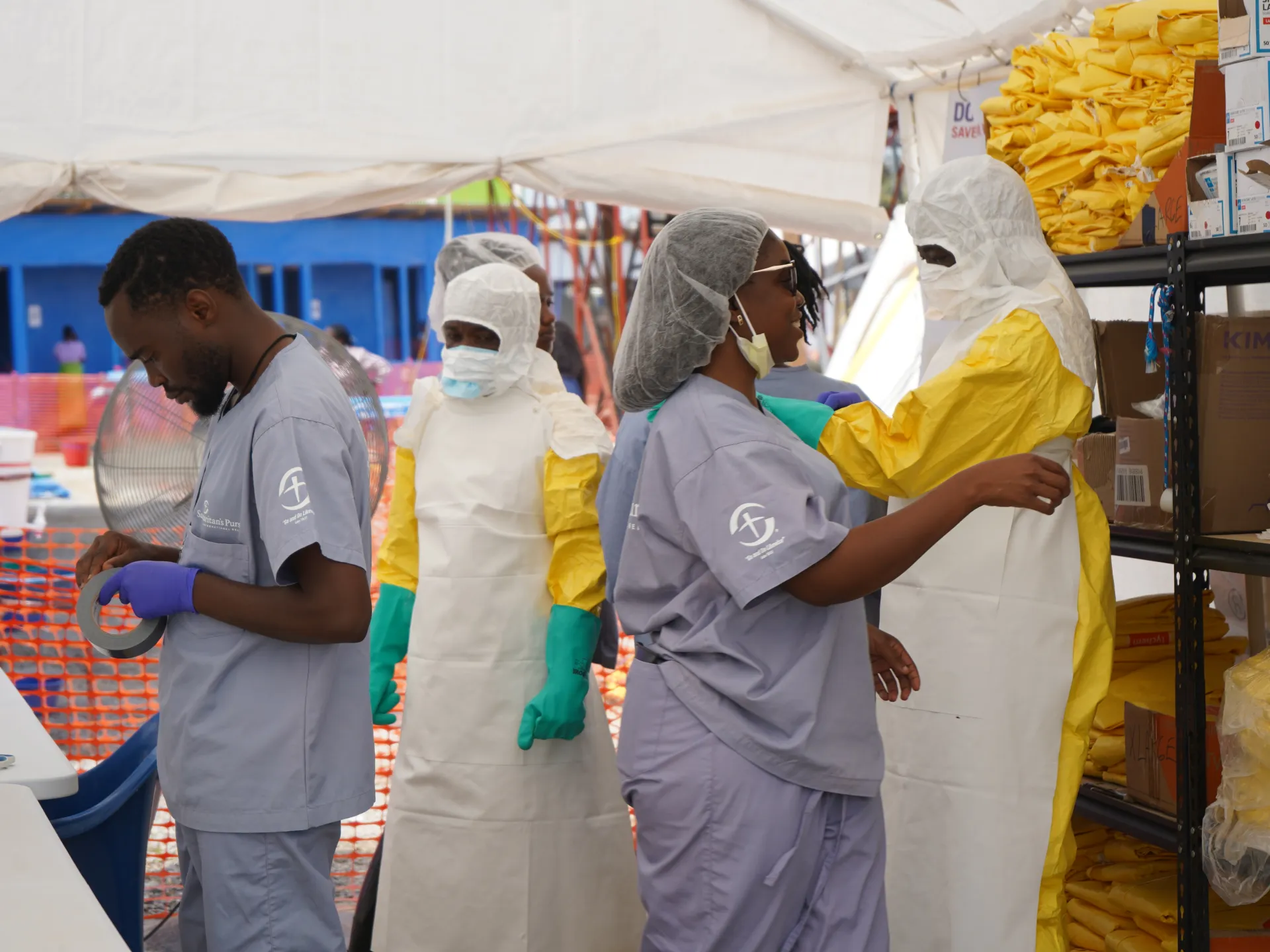
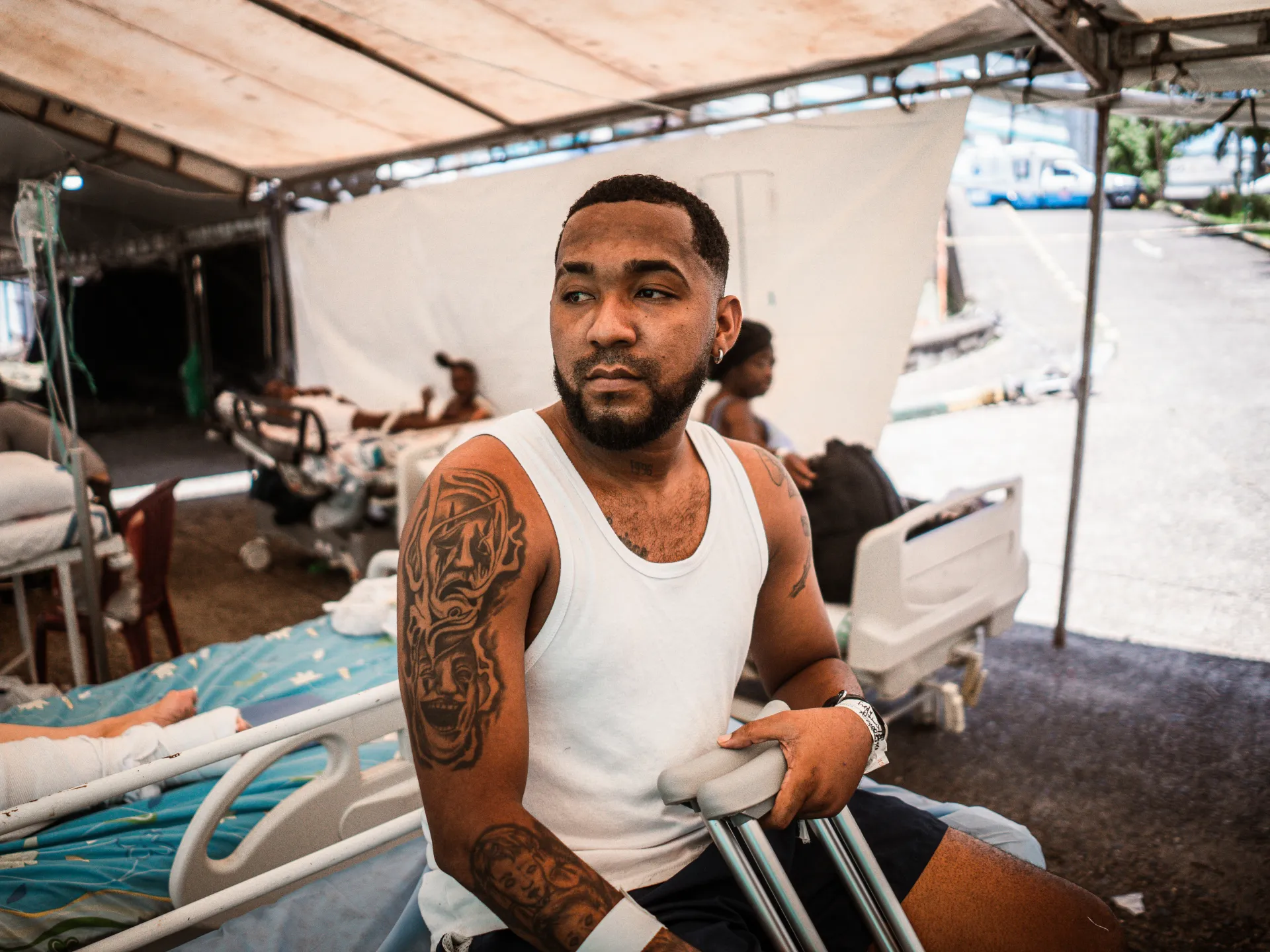
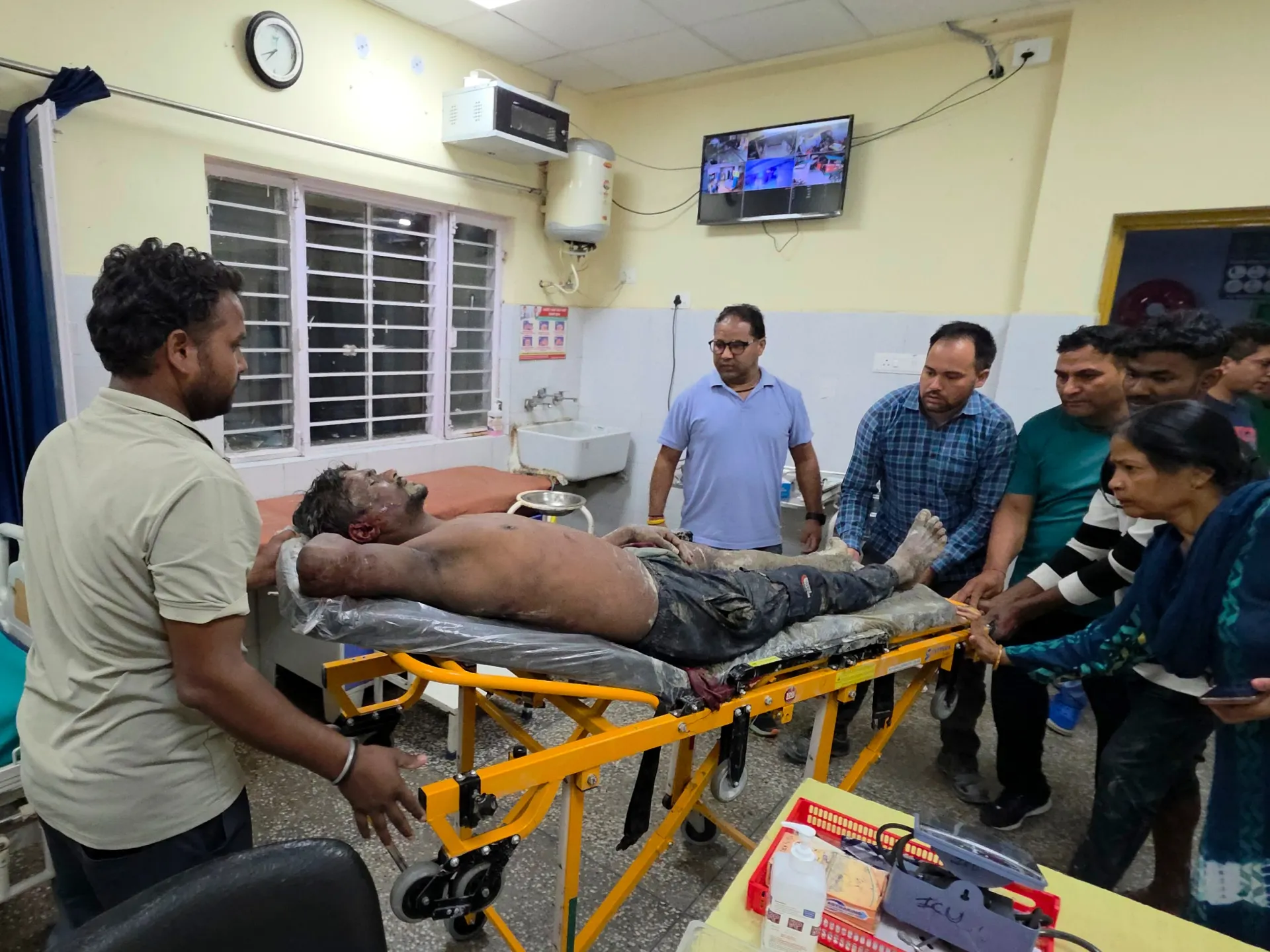
While diplomatic spats dominate headlines, the situation on the ground in Gaza remains dire as the health and transport systems face total collapse. Reports indicate that hospitals are struggling to maintain basic services, with the Al-Ahli Arab Hospital forced to suspend its imaging department, including its only functioning CT scanner, due to a critical shortage of fuel and spare parts. The public transport system for medical staff is also on the brink of failure, as unions warn that the lack of fuel will prevent doctors and nurses from reaching their places of work, potentially resulting in further loss of life.
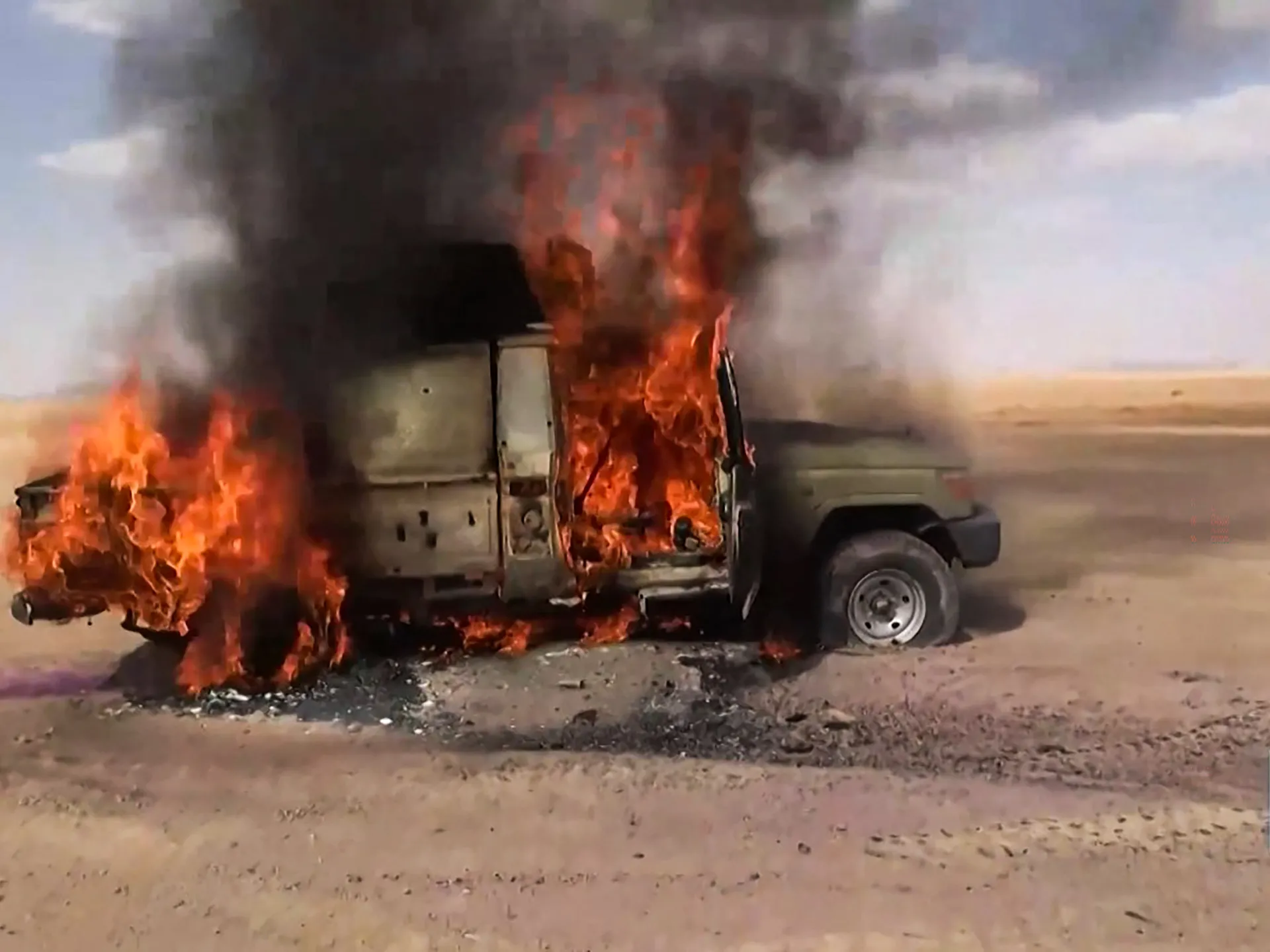
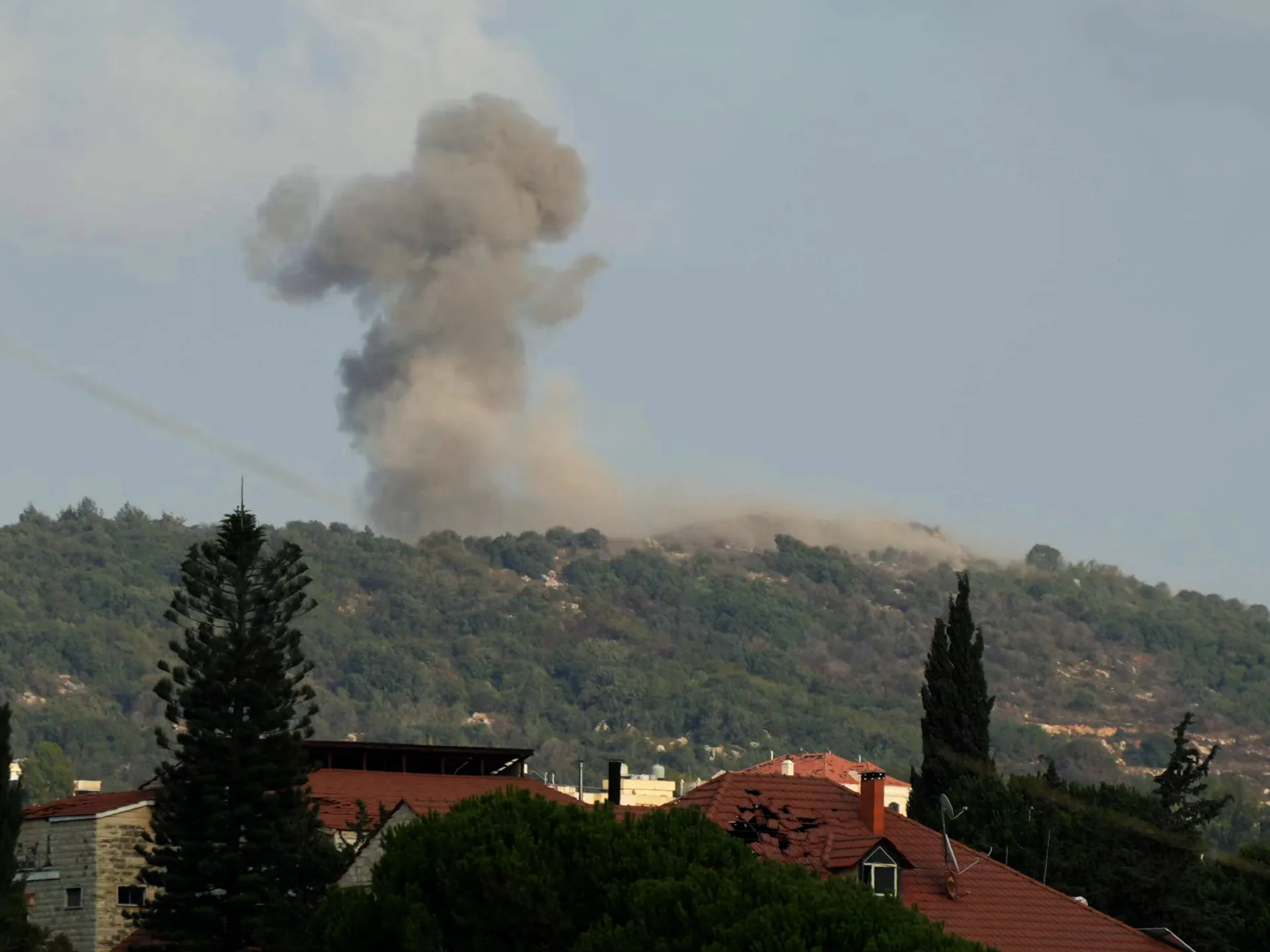
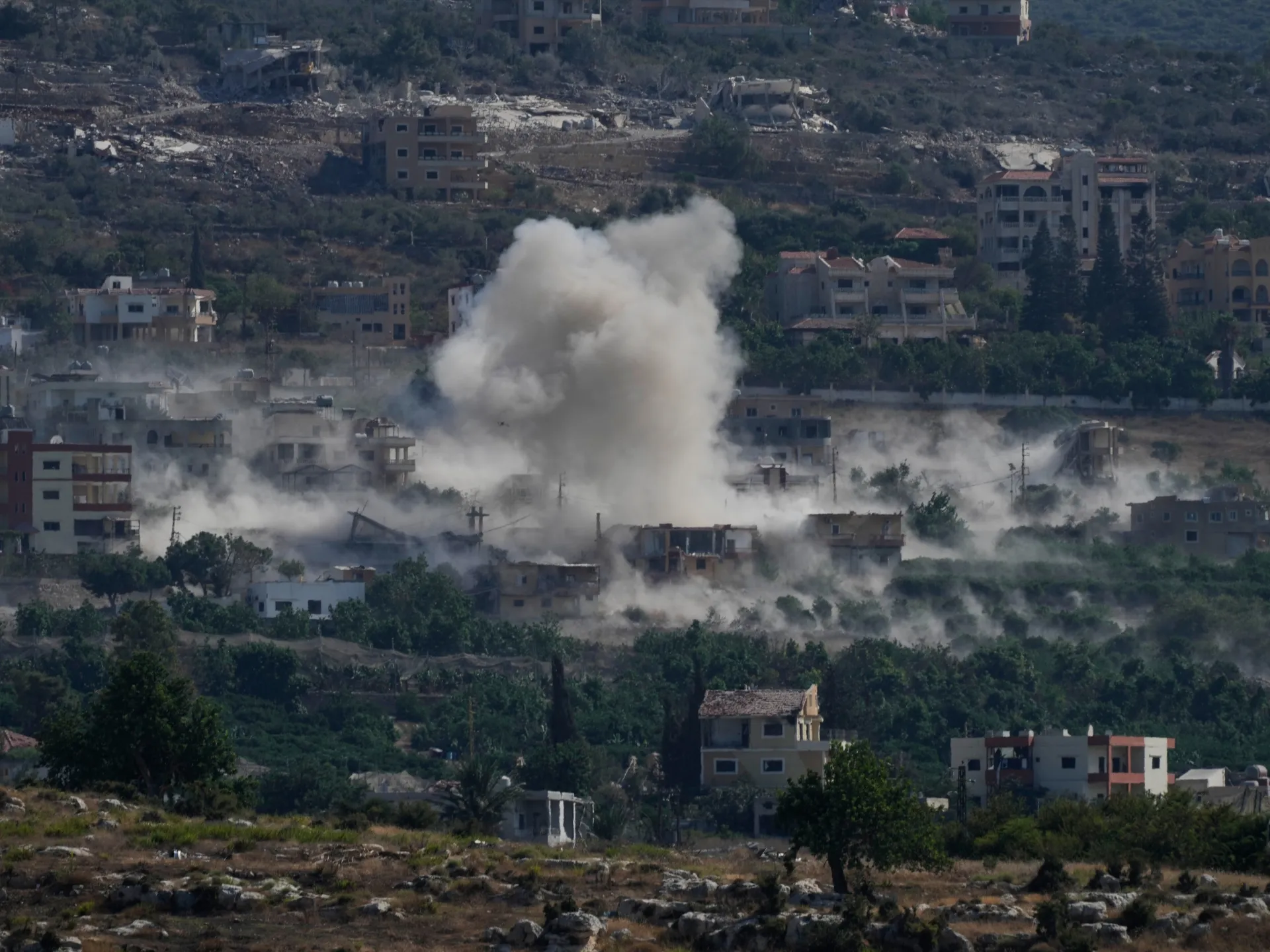
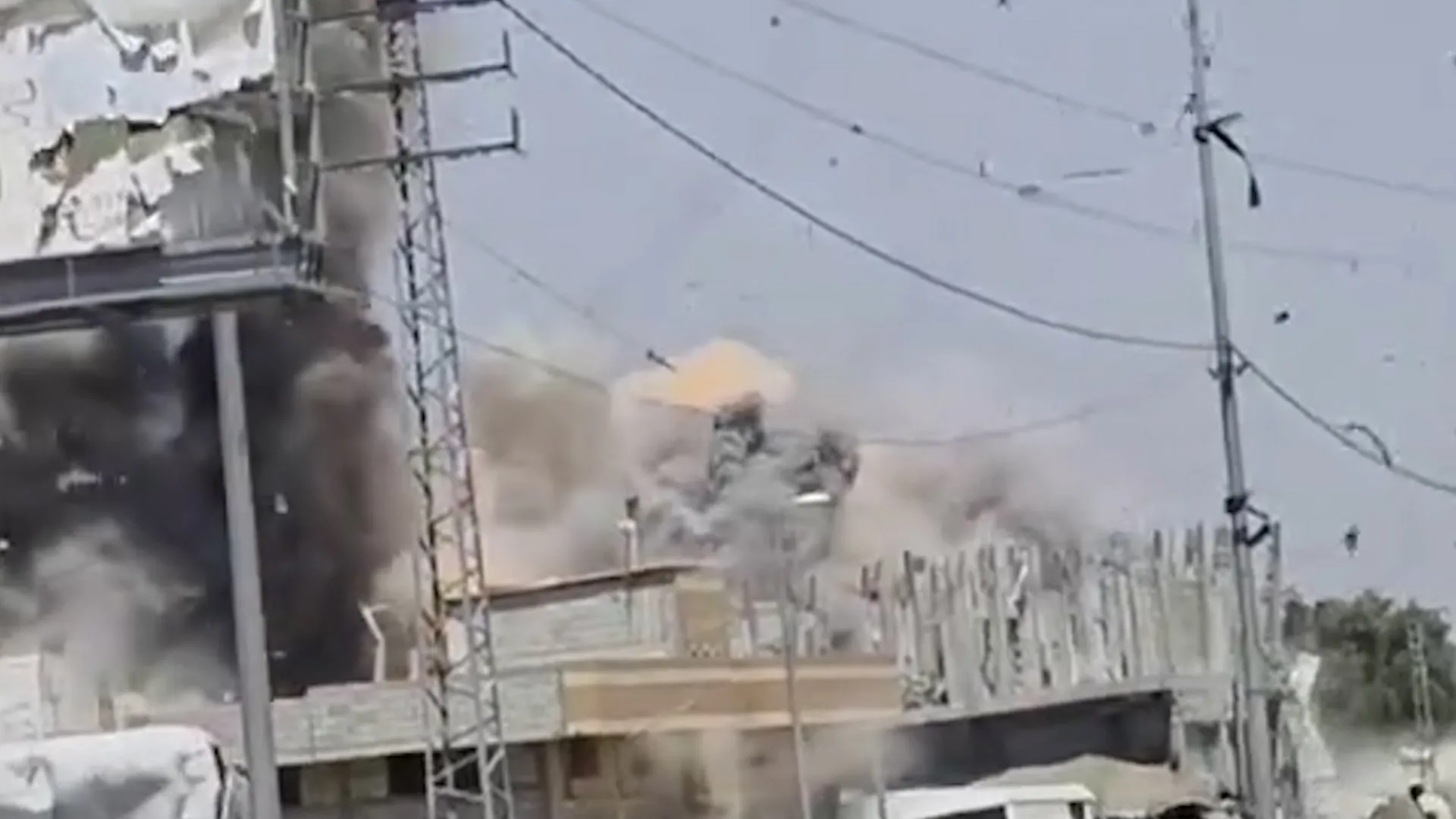
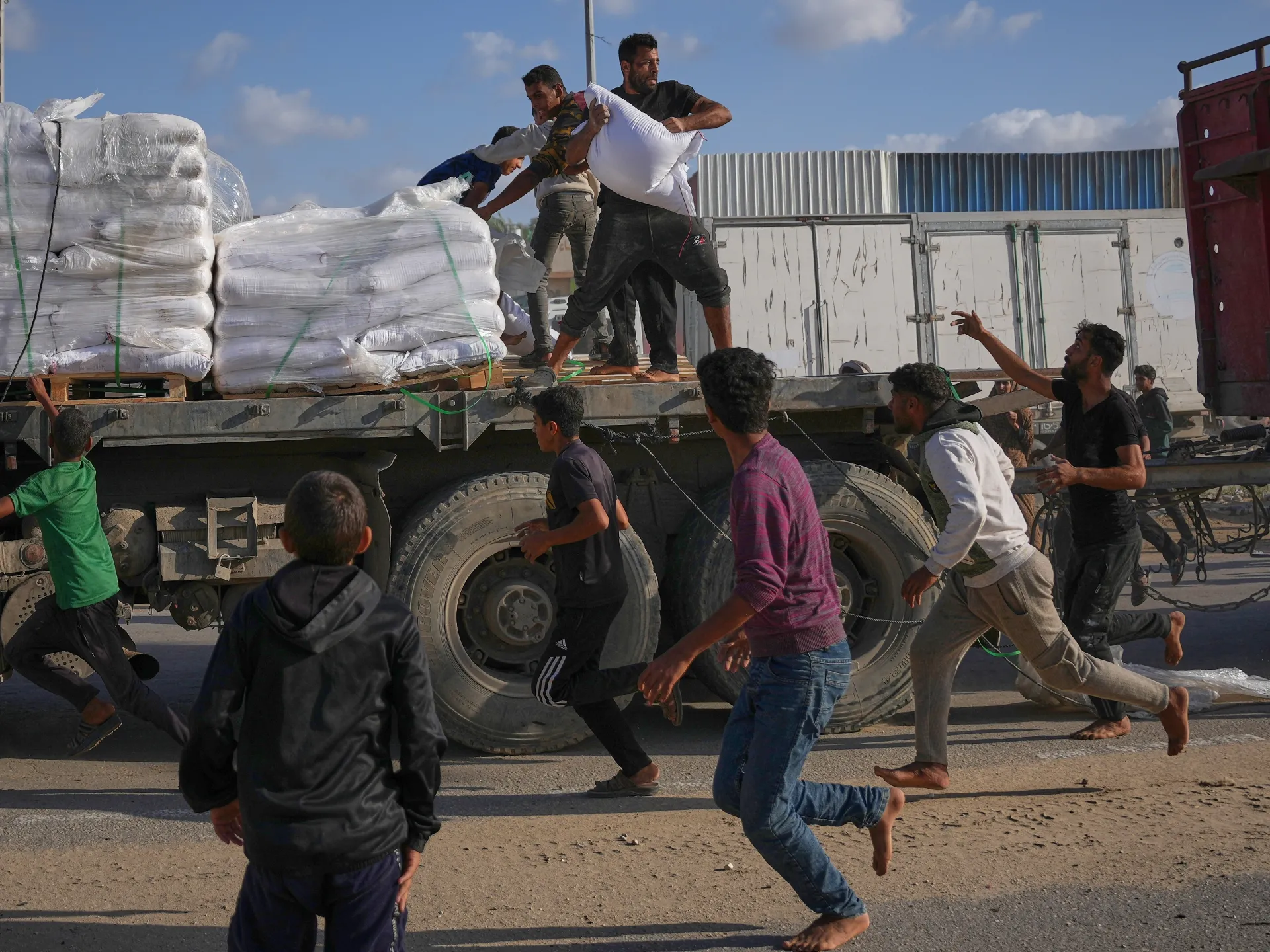
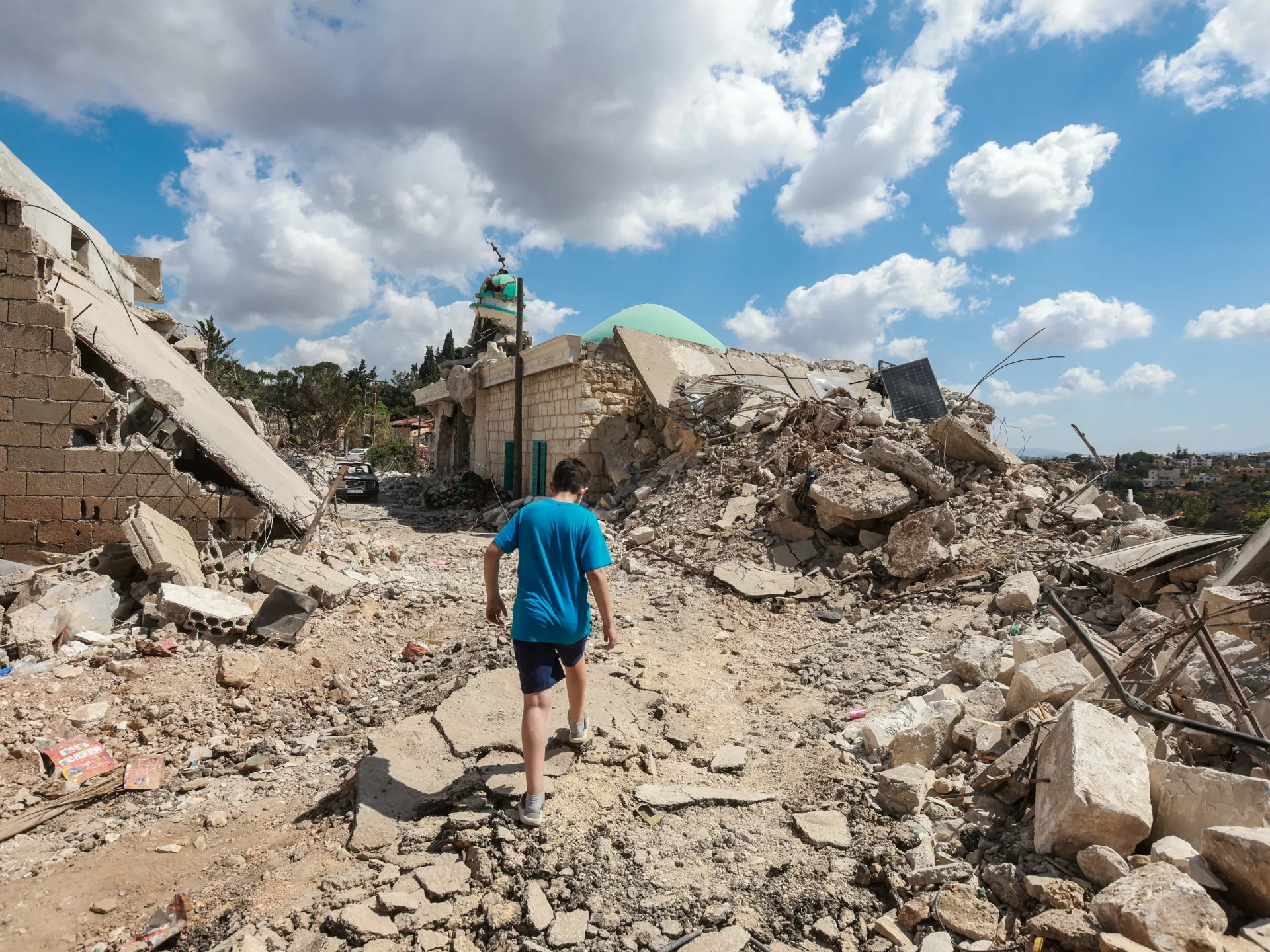
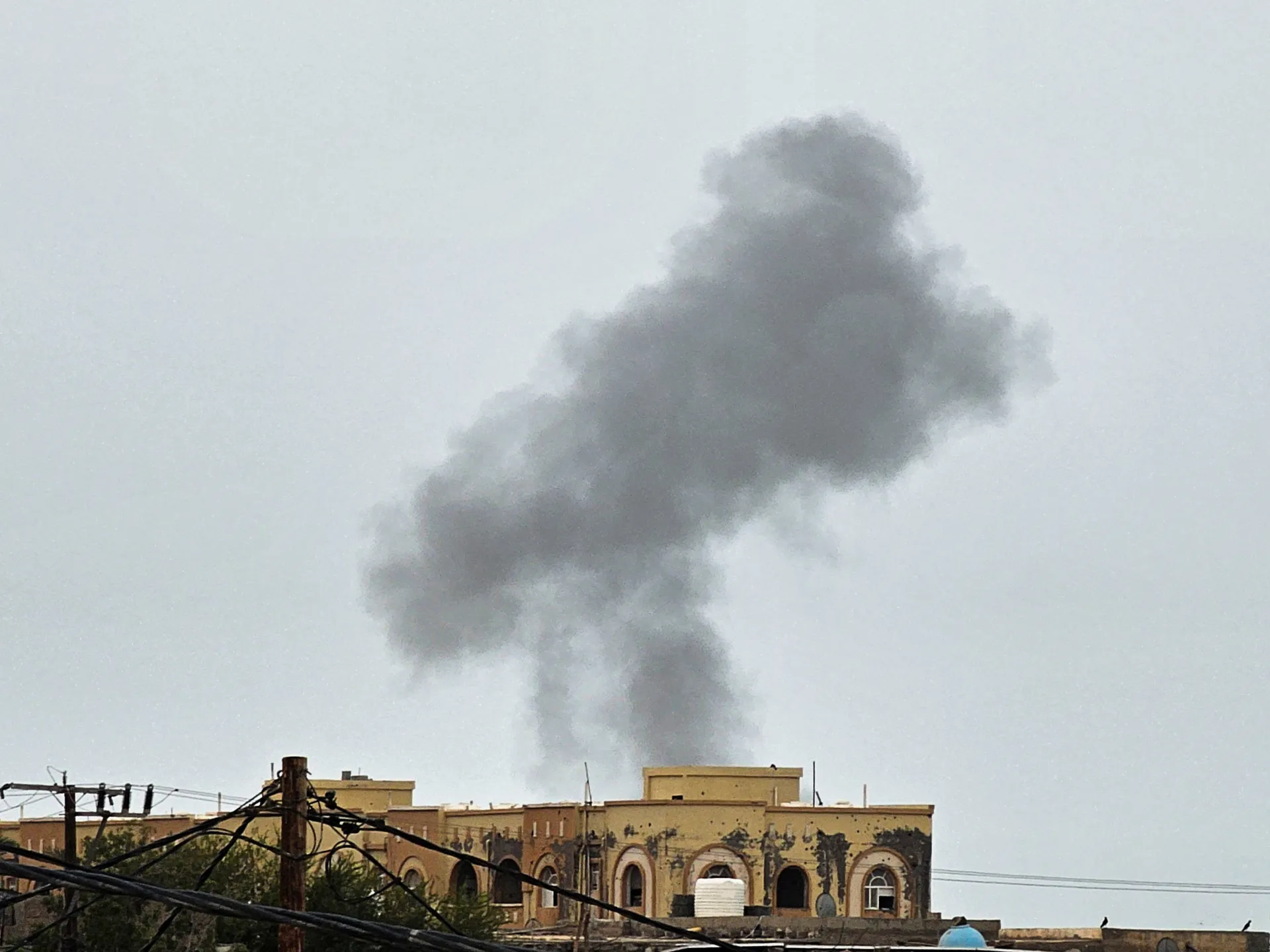
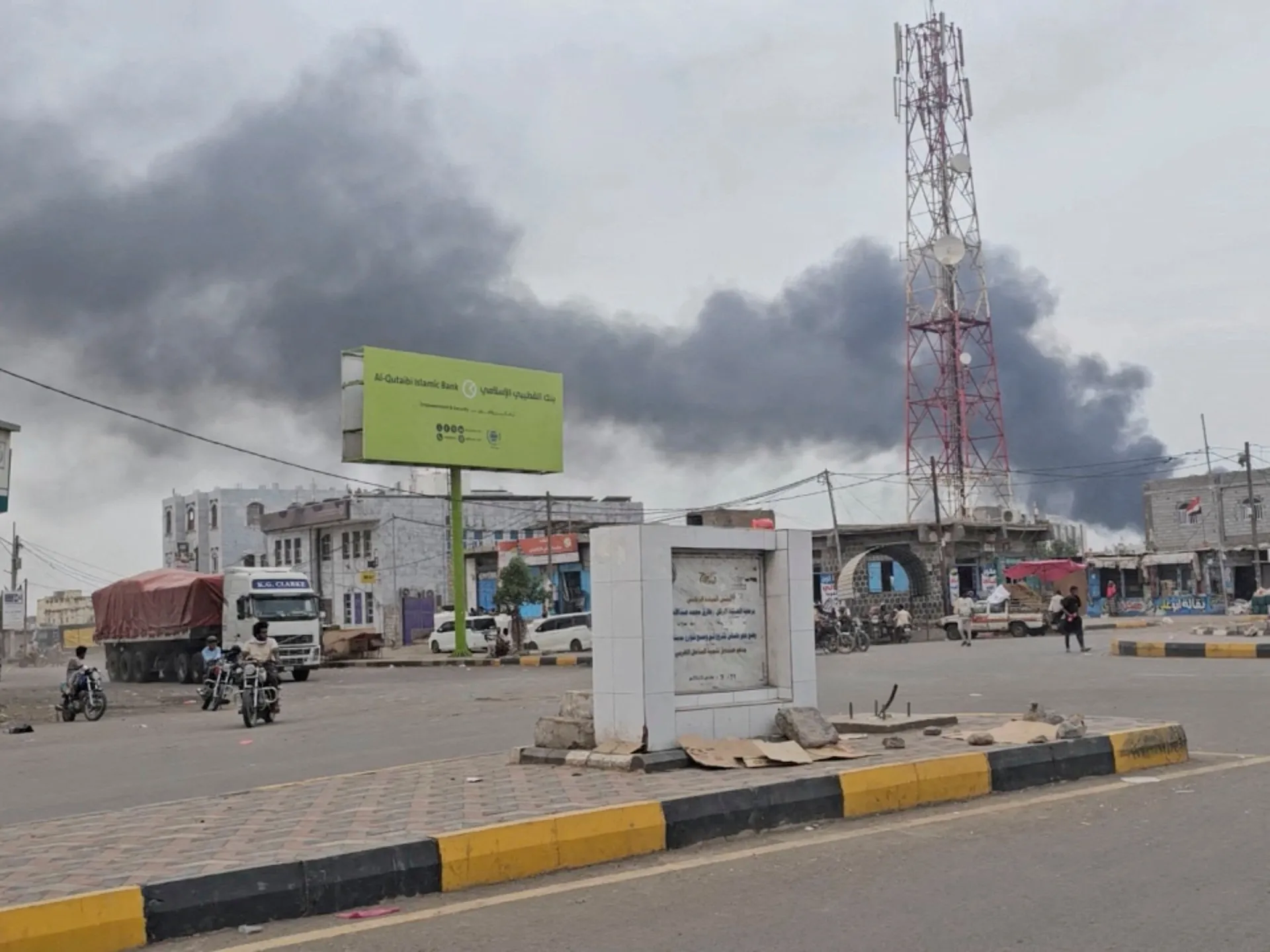
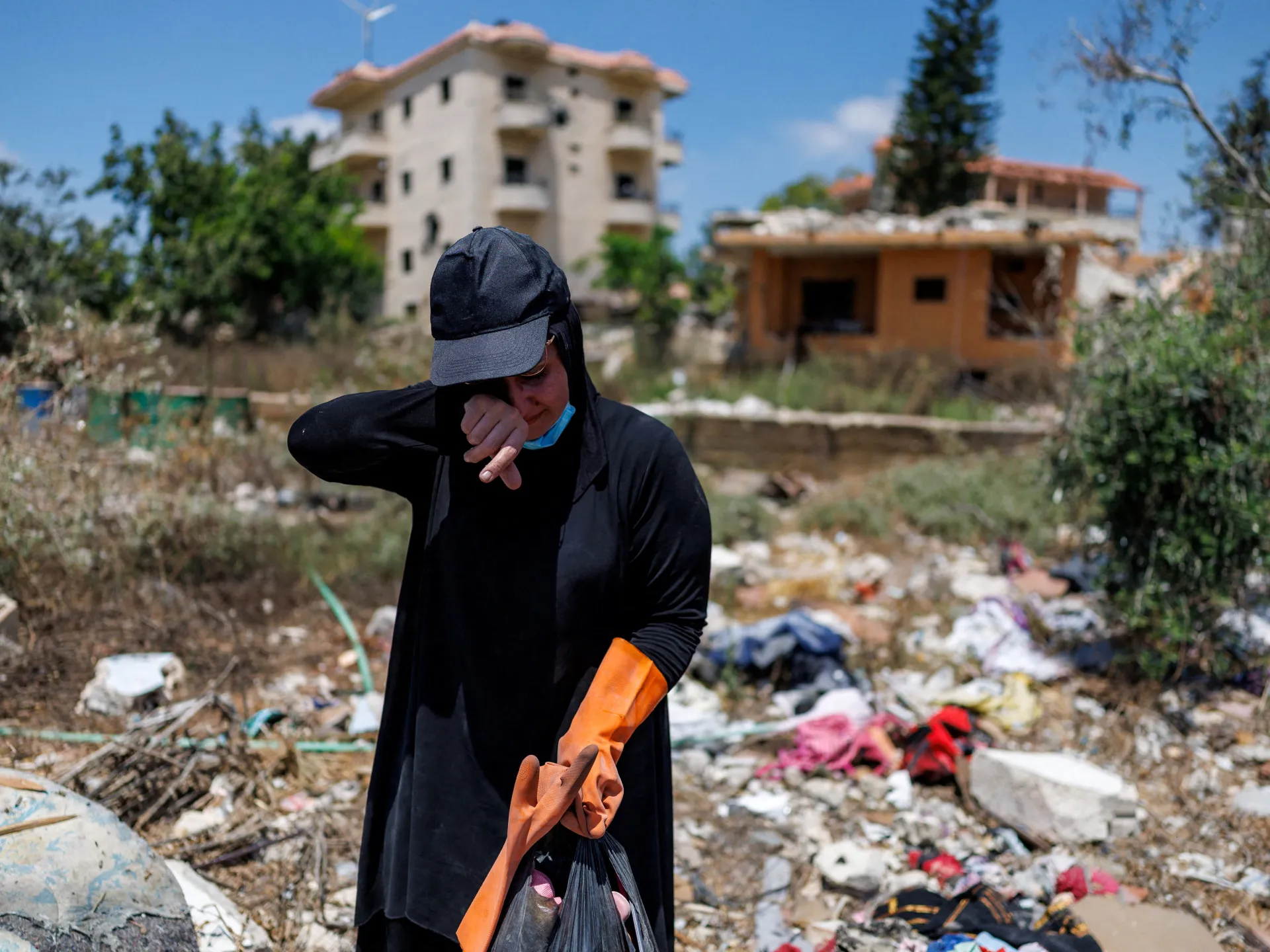
The humanitarian toll continues to rise, with daily airstrikes reported across various sectors of the Strip. Recent incidents have claimed the lives of entire families and caused numerous casualties in densely populated areas. According to official data, the cumulative death toll since the escalation of hostilities in late 2023 has reached staggering levels, with hundreds of thousands wounded. Despite international appeals for relief, the flow of essential supplies, such as engine oil for sanitation and hospital generators, remains severely restricted, exacerbating the already catastrophic conditions for the civilian population.
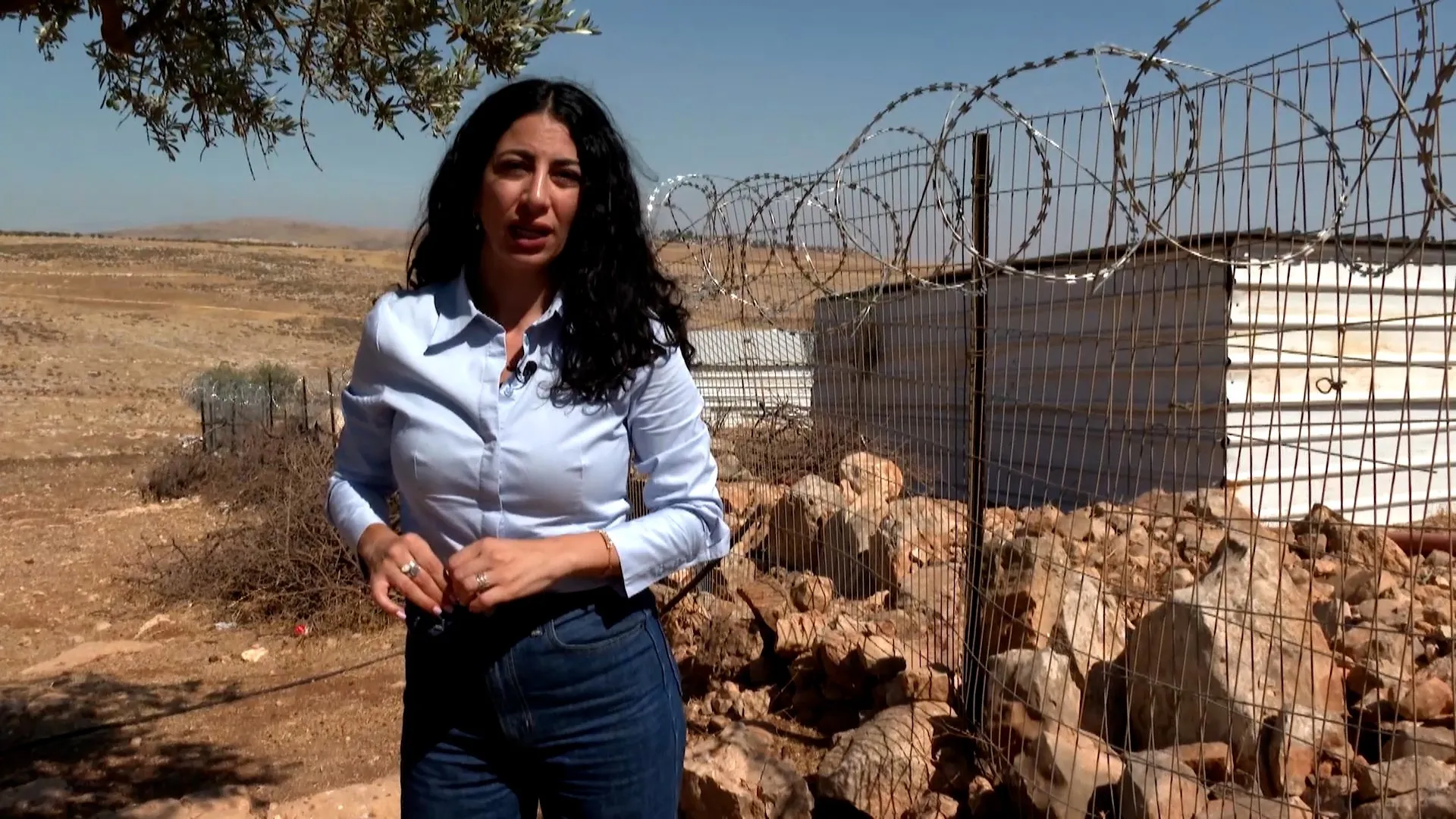
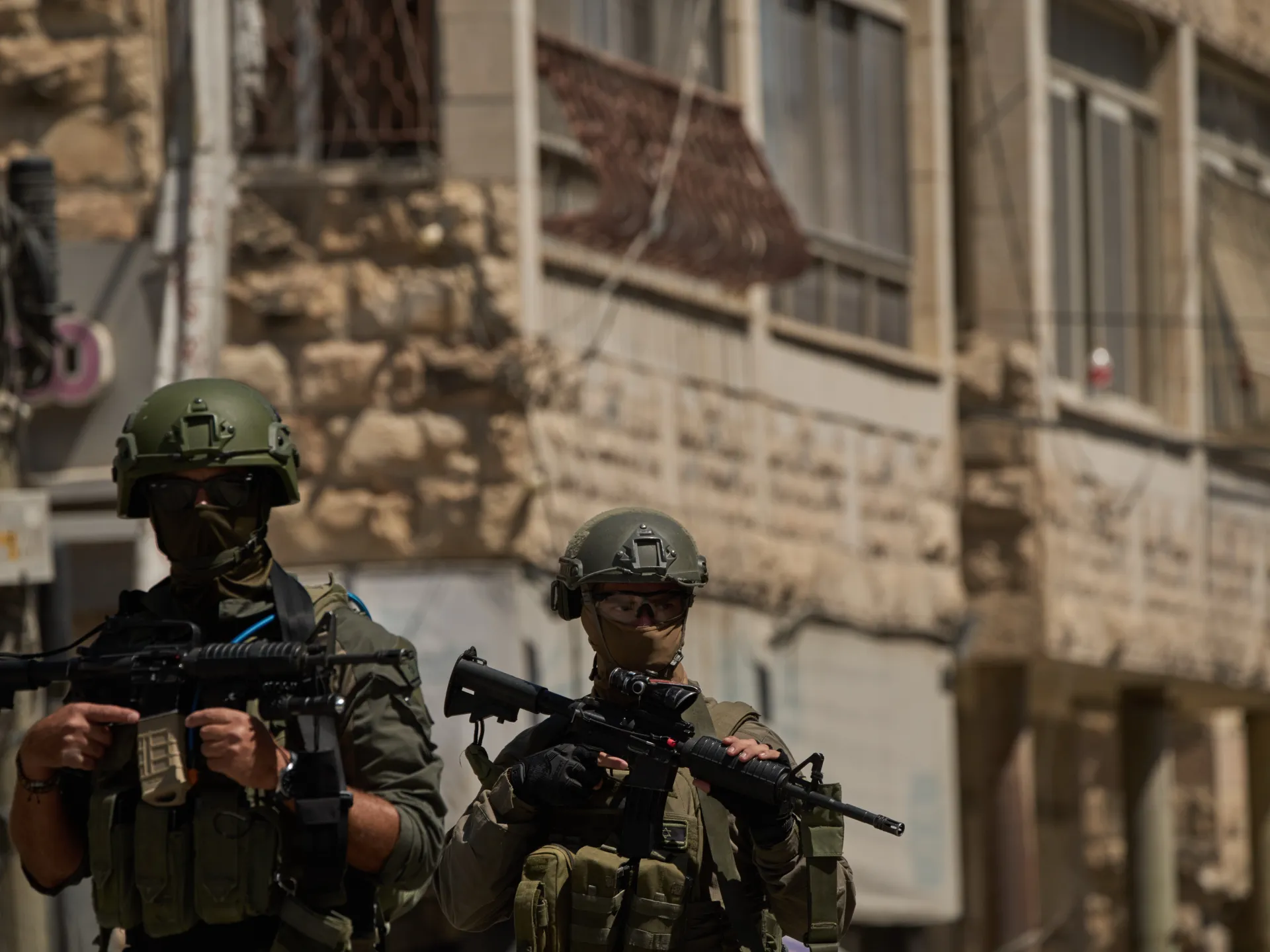
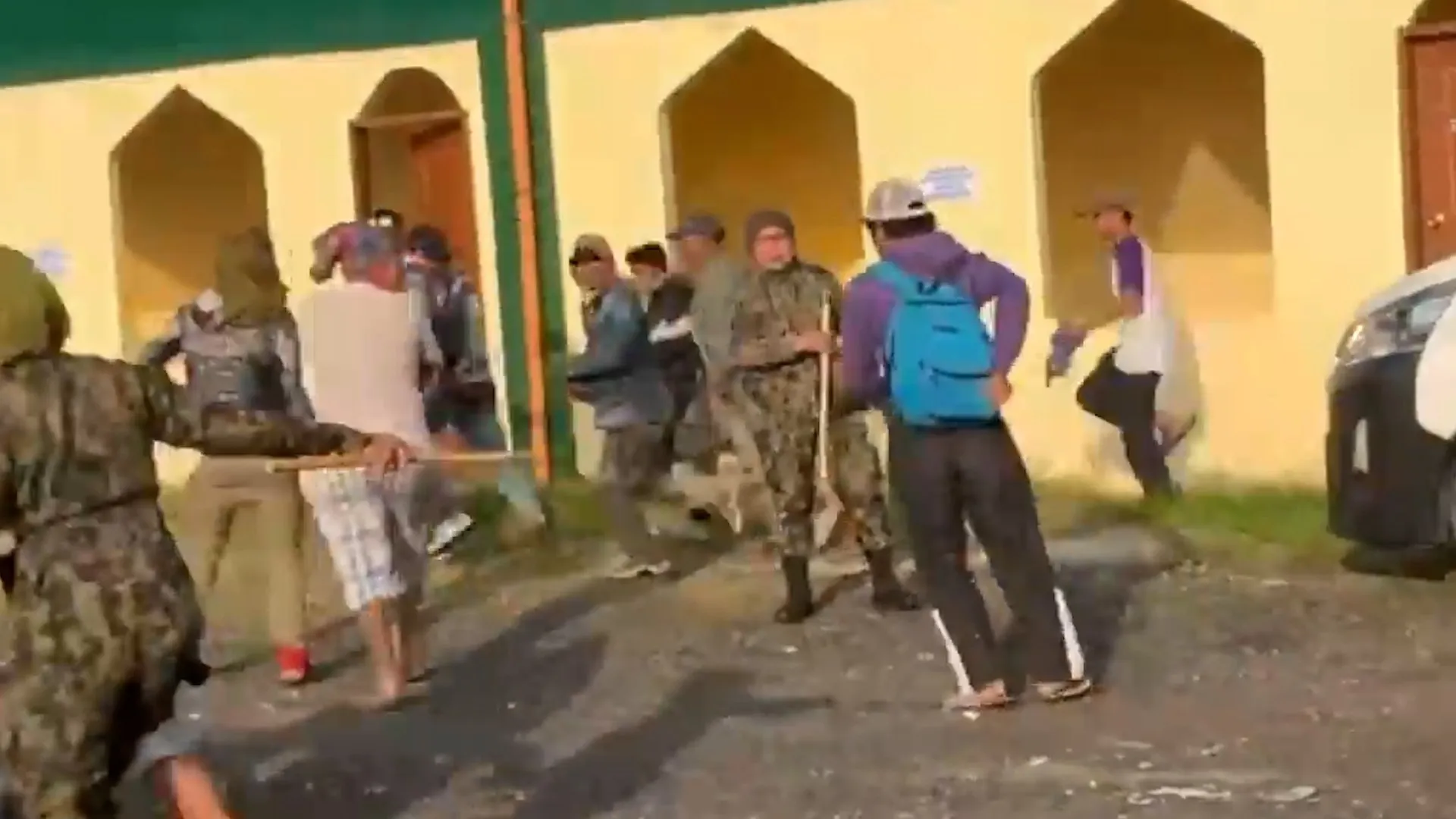
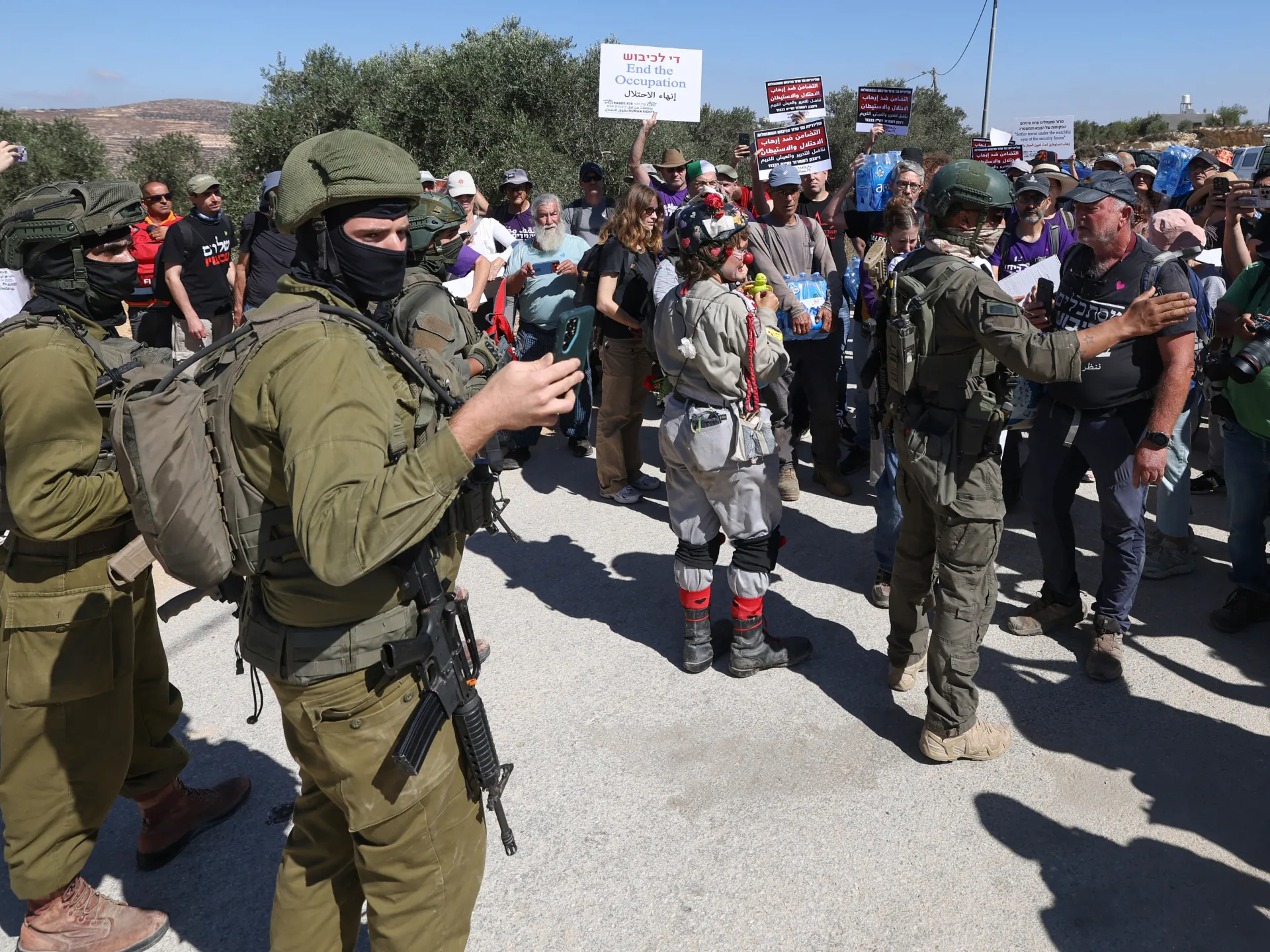
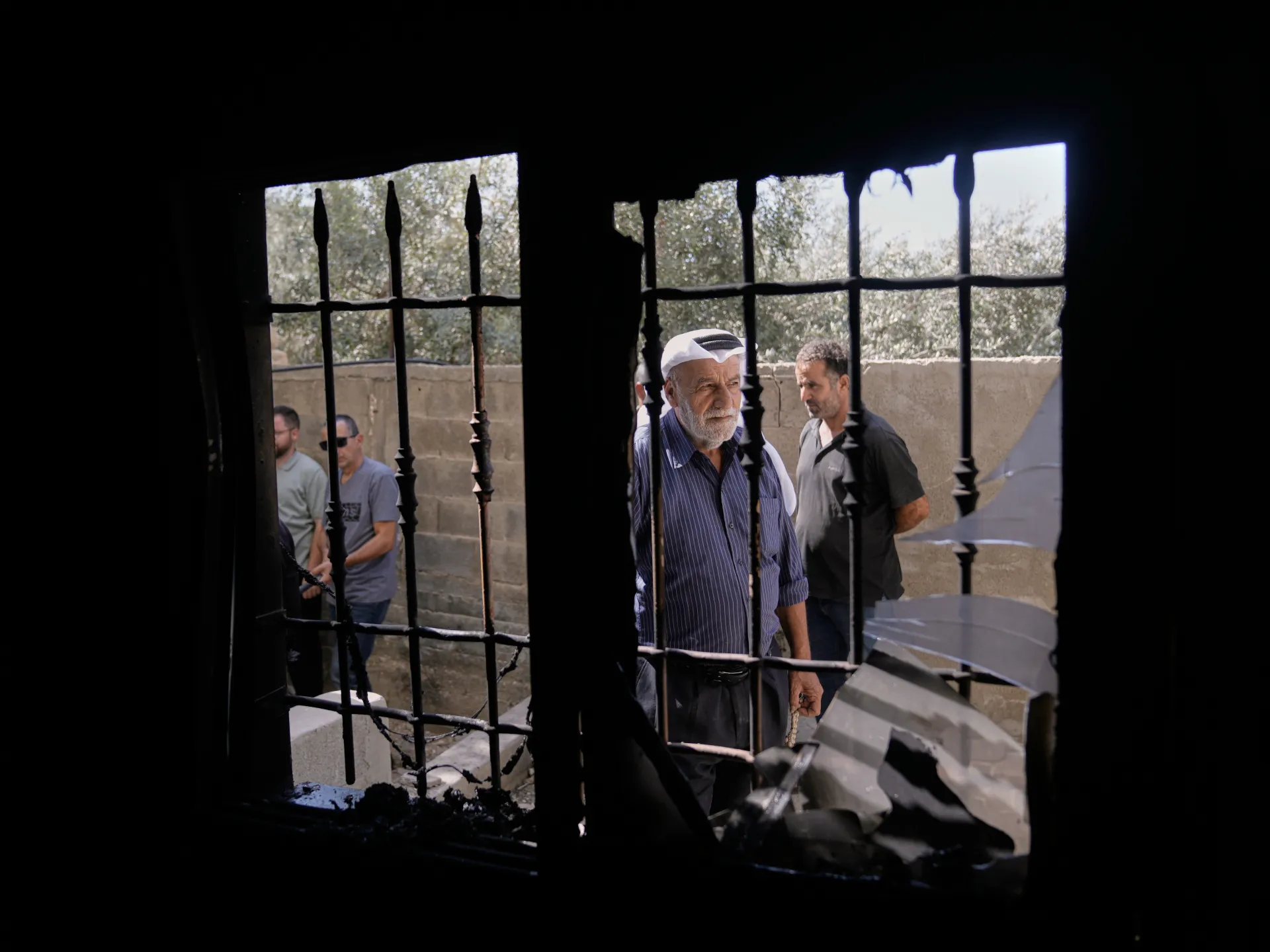
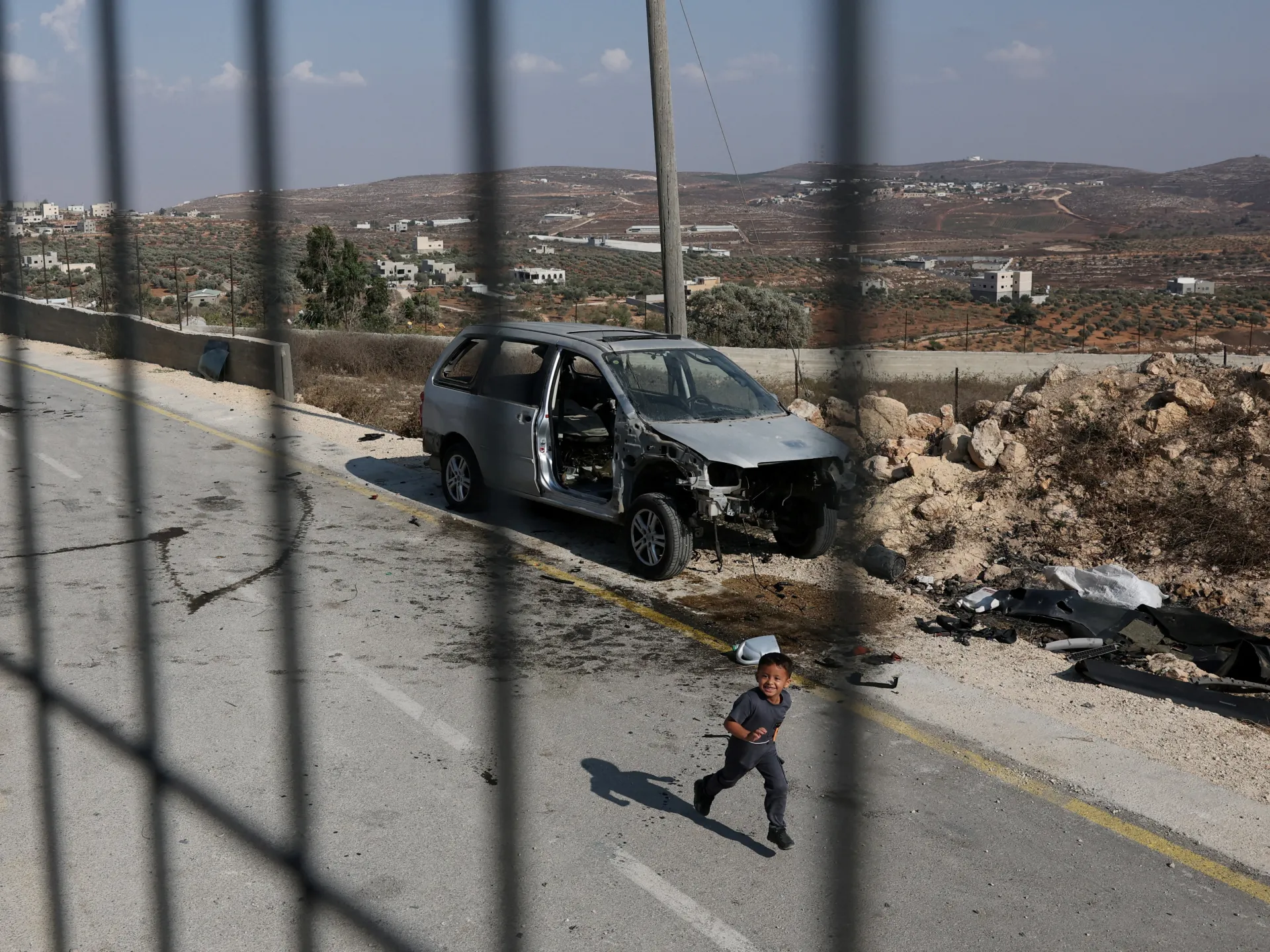
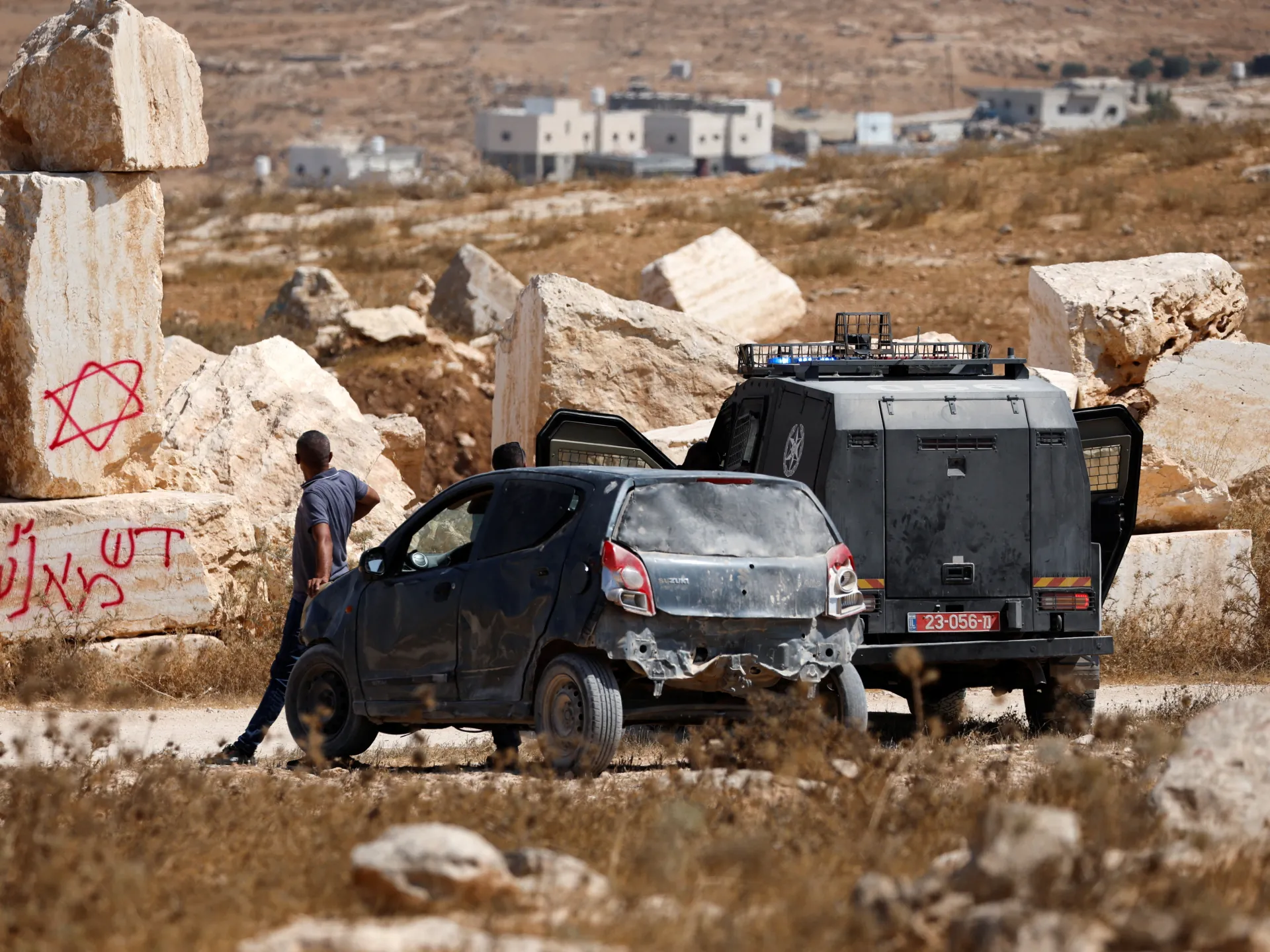
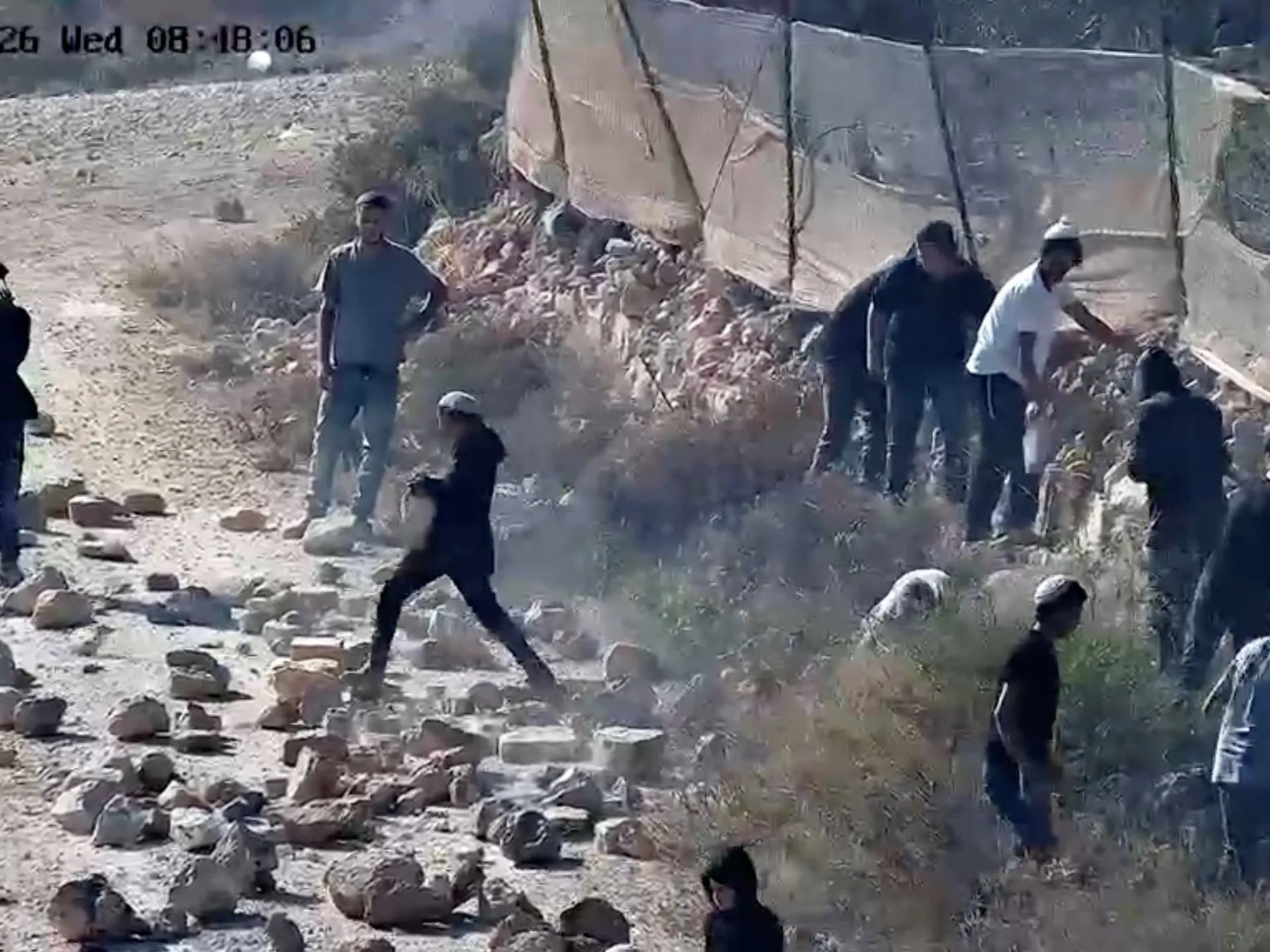
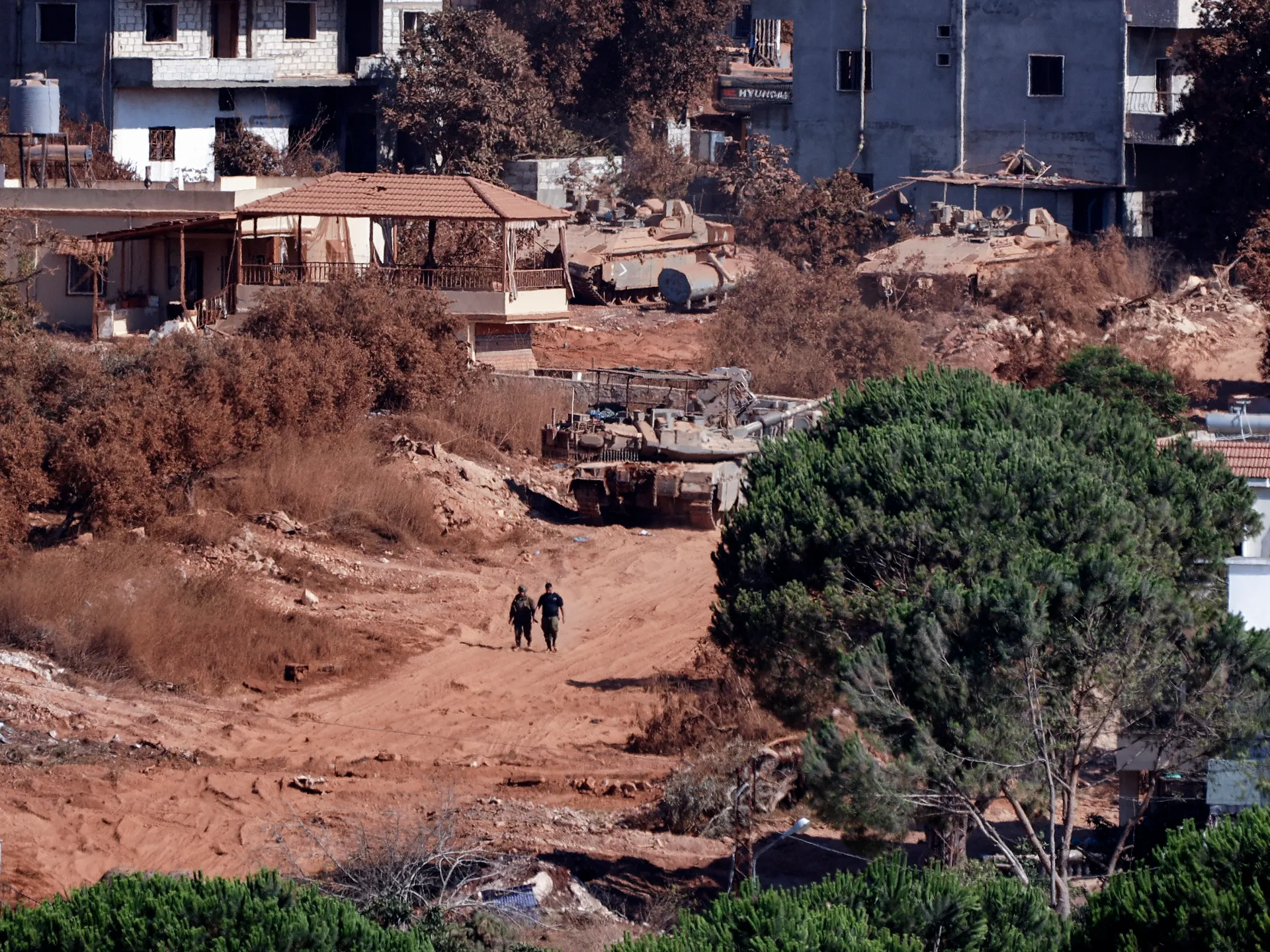
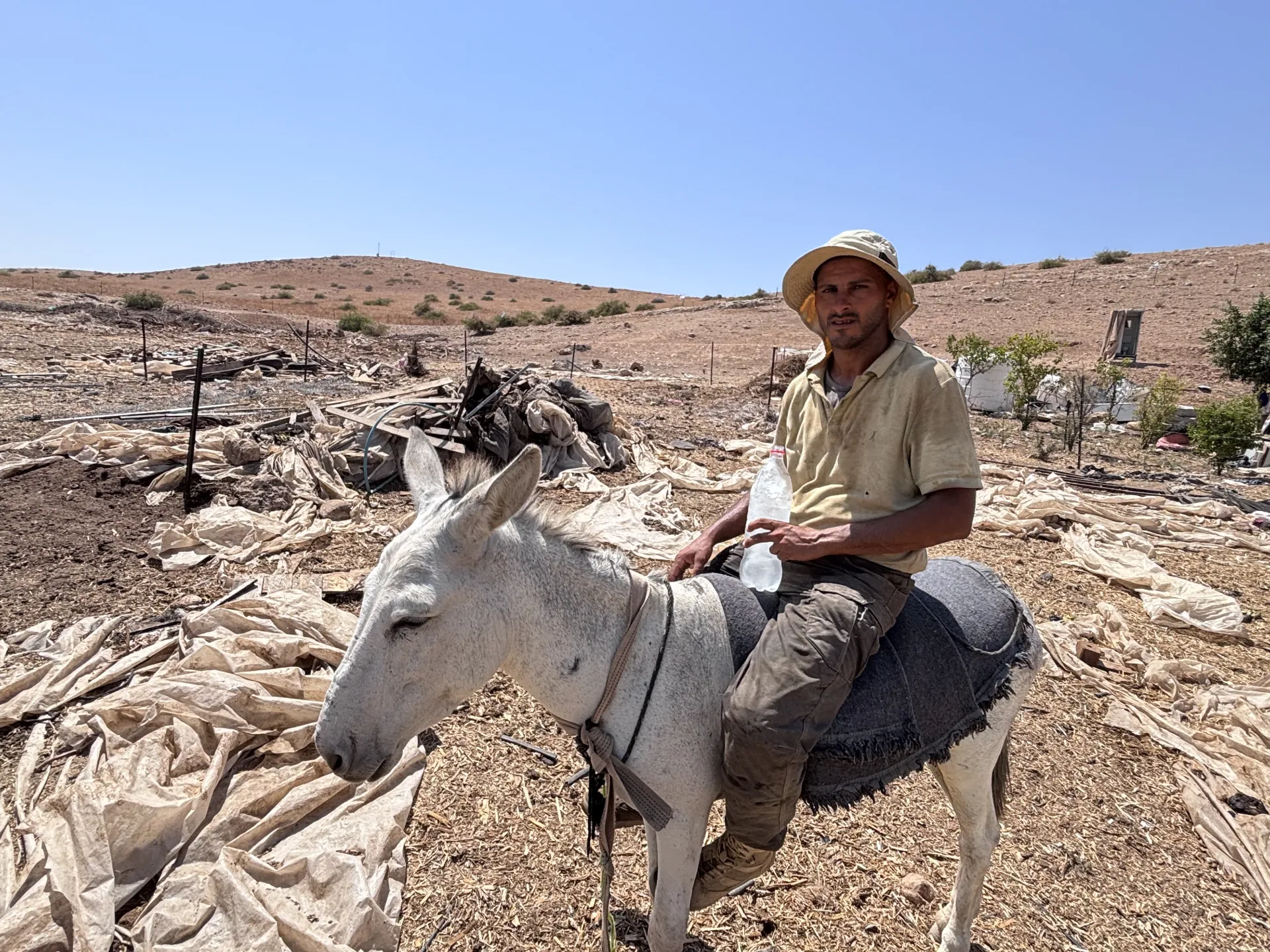
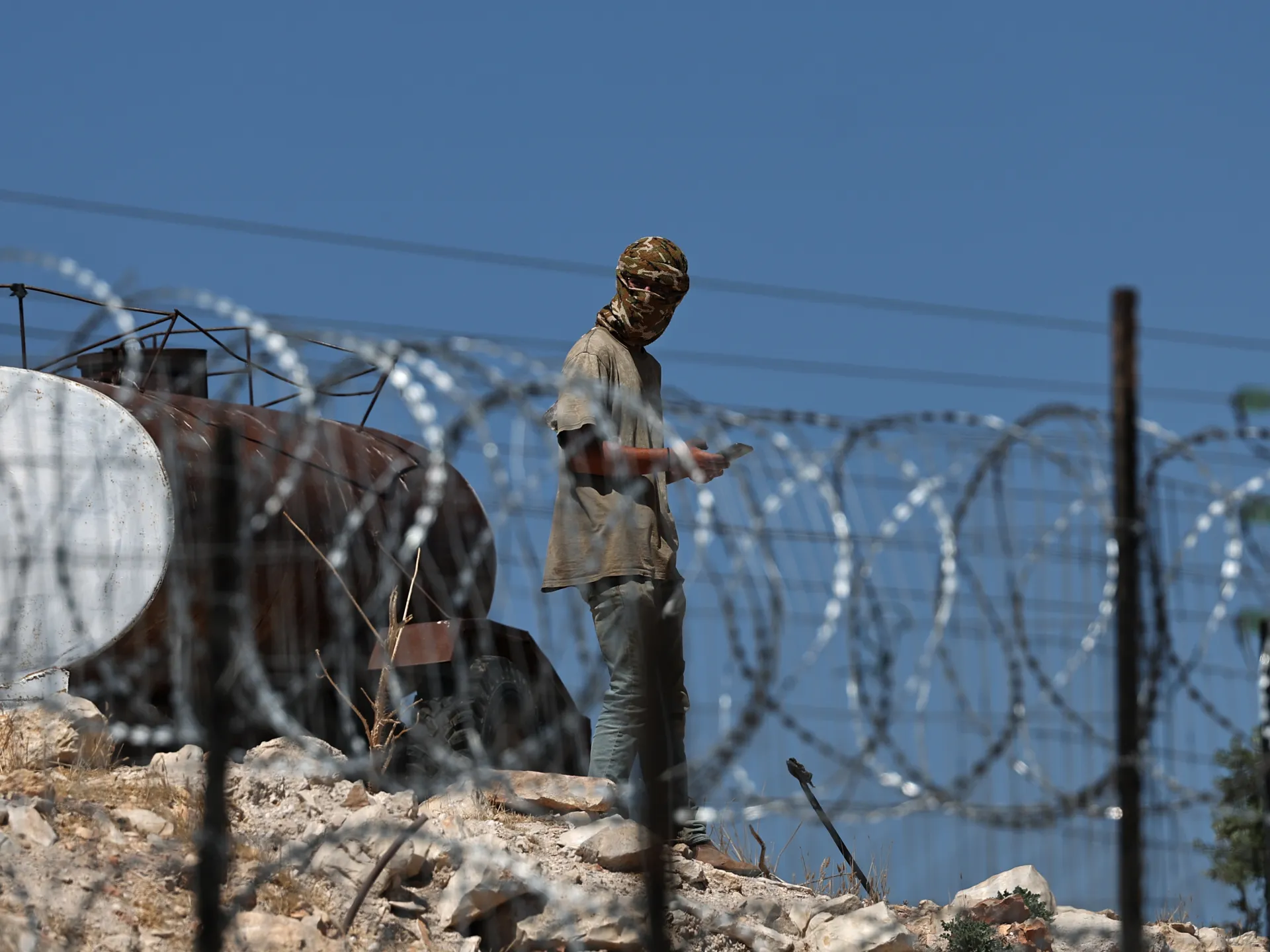
Recent reports from prominent rights organizations have shed light on the structural nature of the occupation, describing a systematic process of "de facto annexation." These findings suggest that land seizures, the proliferation of settler militias, and stringent movement restrictions are not isolated incidents but rather part of a coordinated colonial strategy. The collaboration between official military forces and settler groups has created an environment where Palestinian communities face constant insecurity, with frequent reports of violence occurring in areas under heavy military surveillance.
The cumulative effect of these policies is the systematic dismantling of Palestinian social, political, and economic institutions. Whether through direct military action or the enabling of settler violence, the overarching goal appears to be the prevention of any independent collective existence. As these dynamics continue to play out, the international community faces the challenge of reconciling its stated commitment to human rights with the reality of an evolving, entrenched system of control that shows few signs of slowing down.