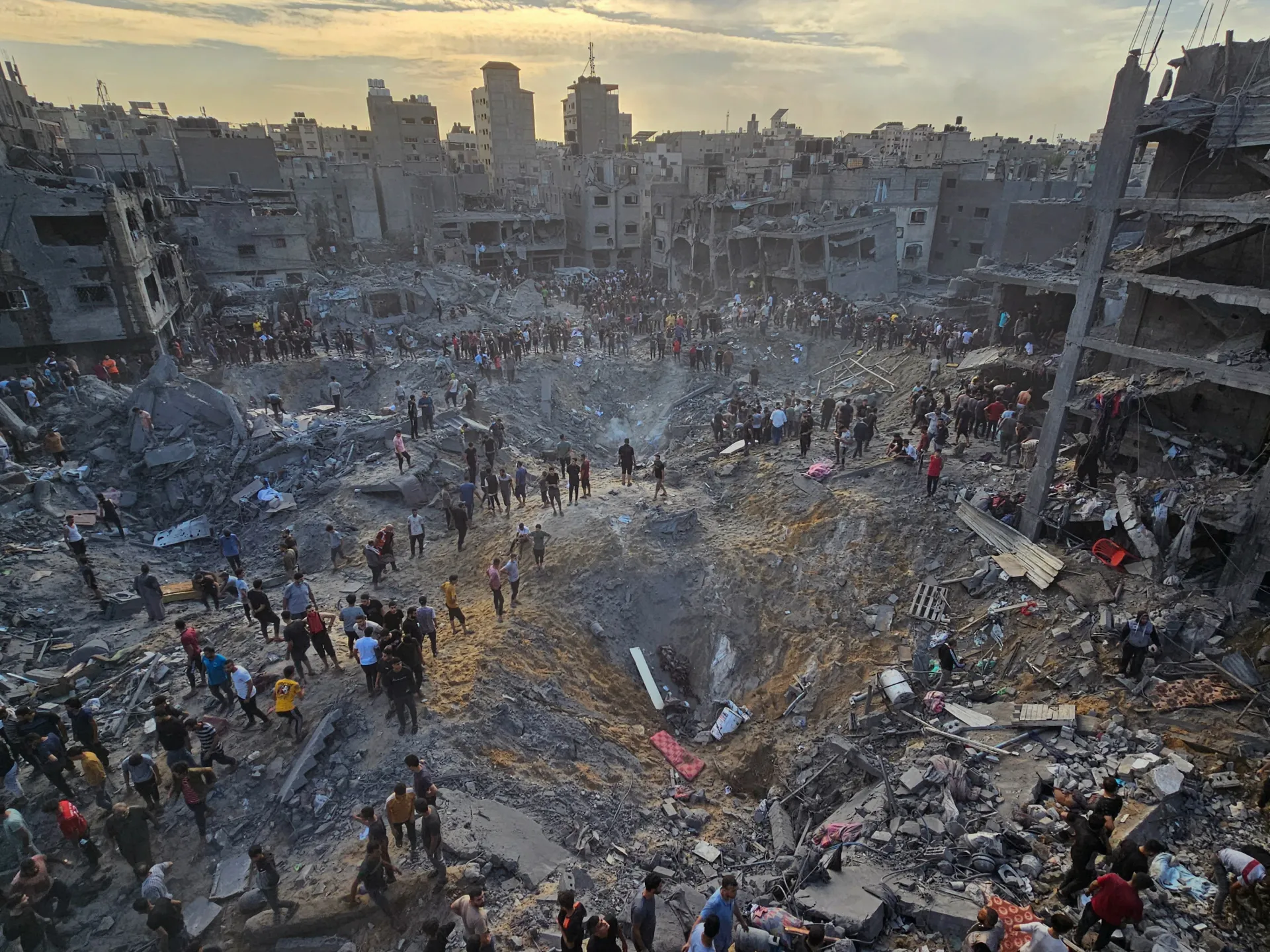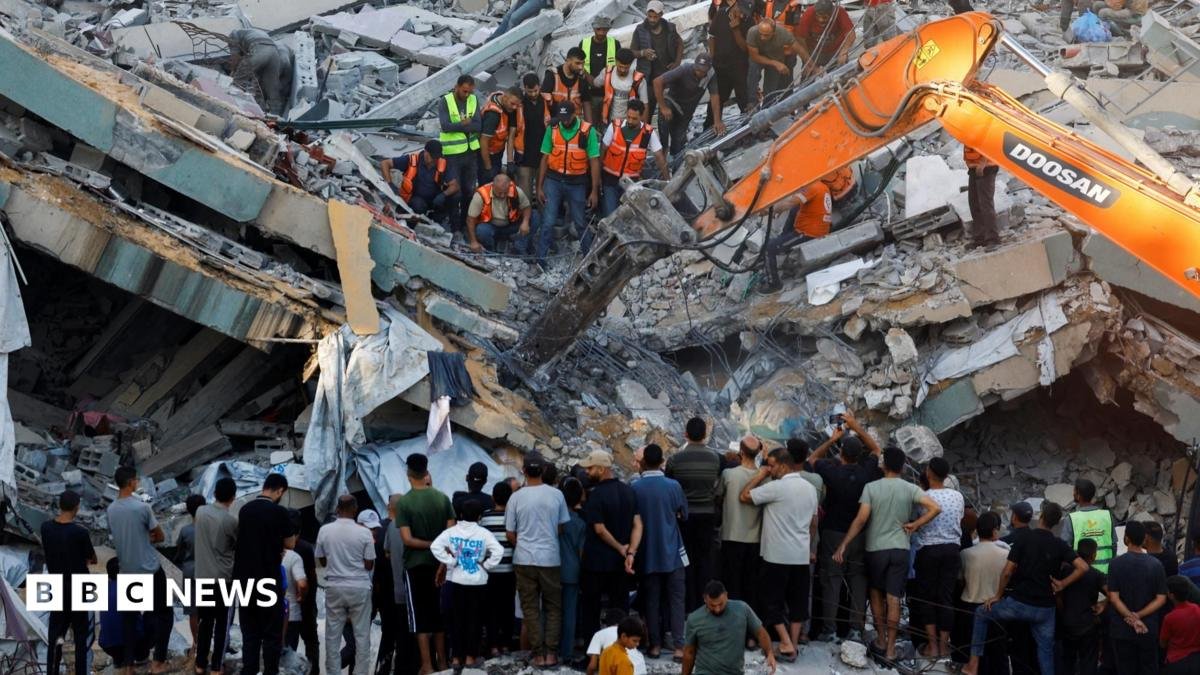
A surge in religious site incursions and military raids across the West Bank has fueled instability as Israel nears its October elections.
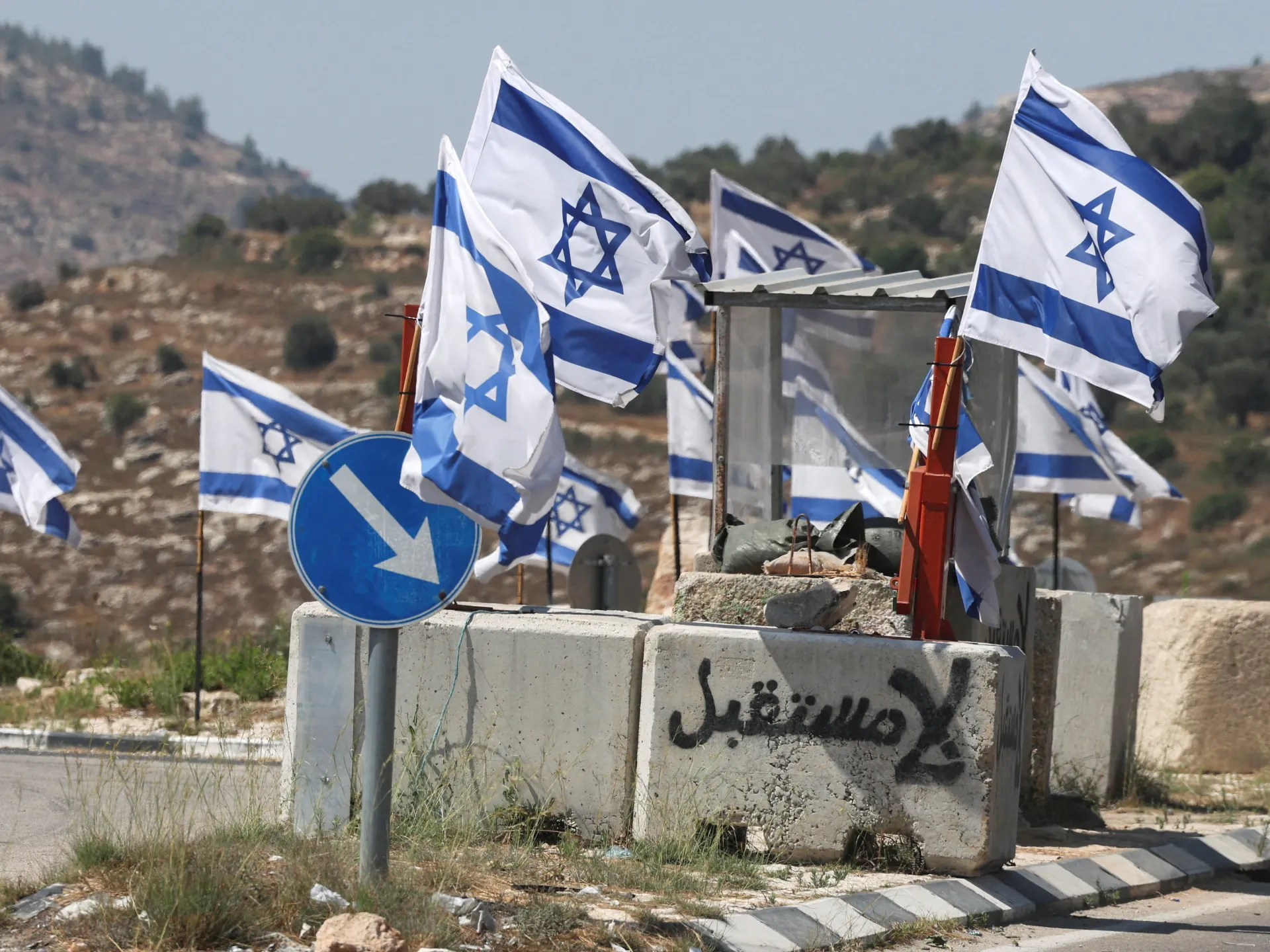
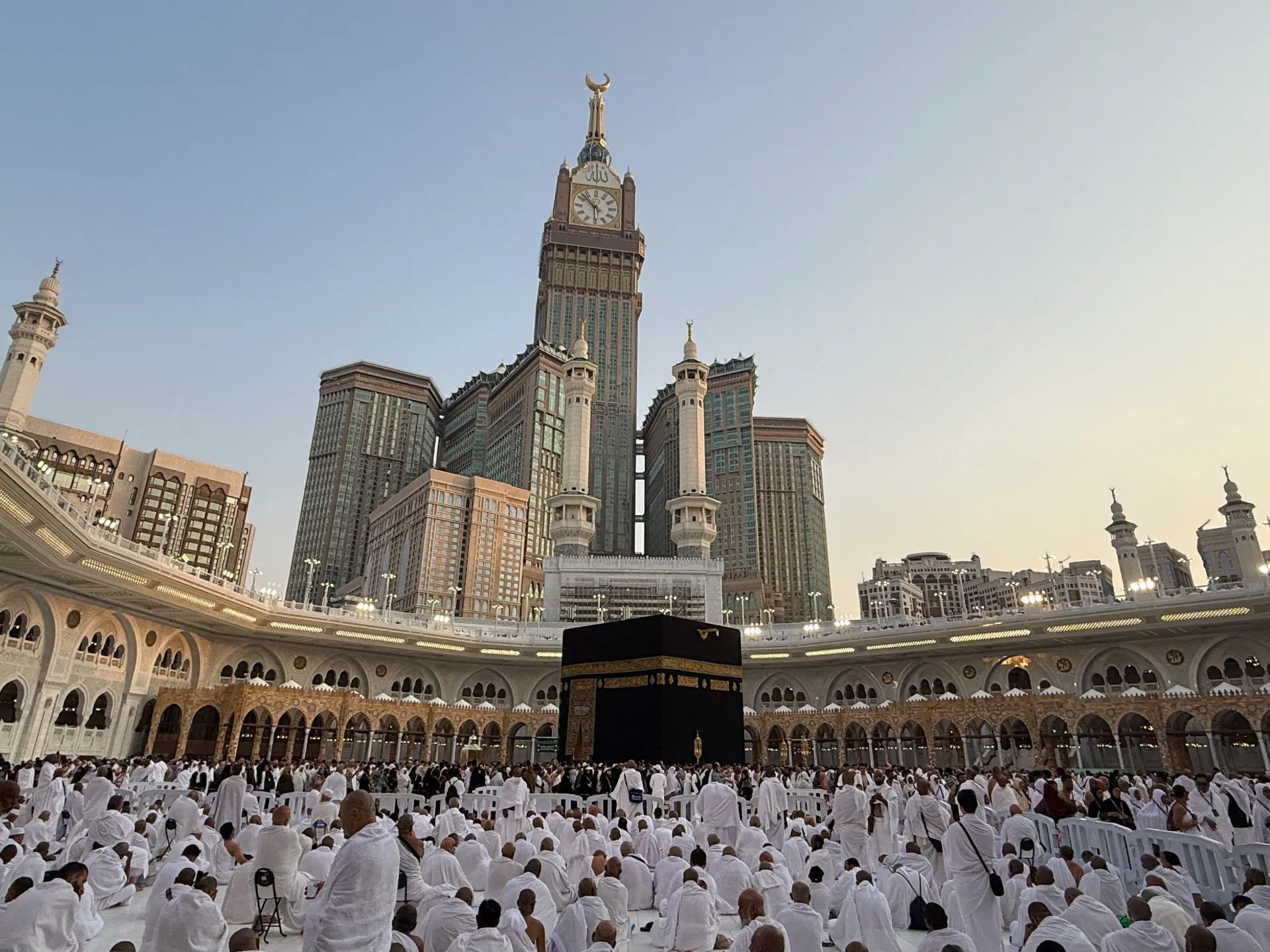
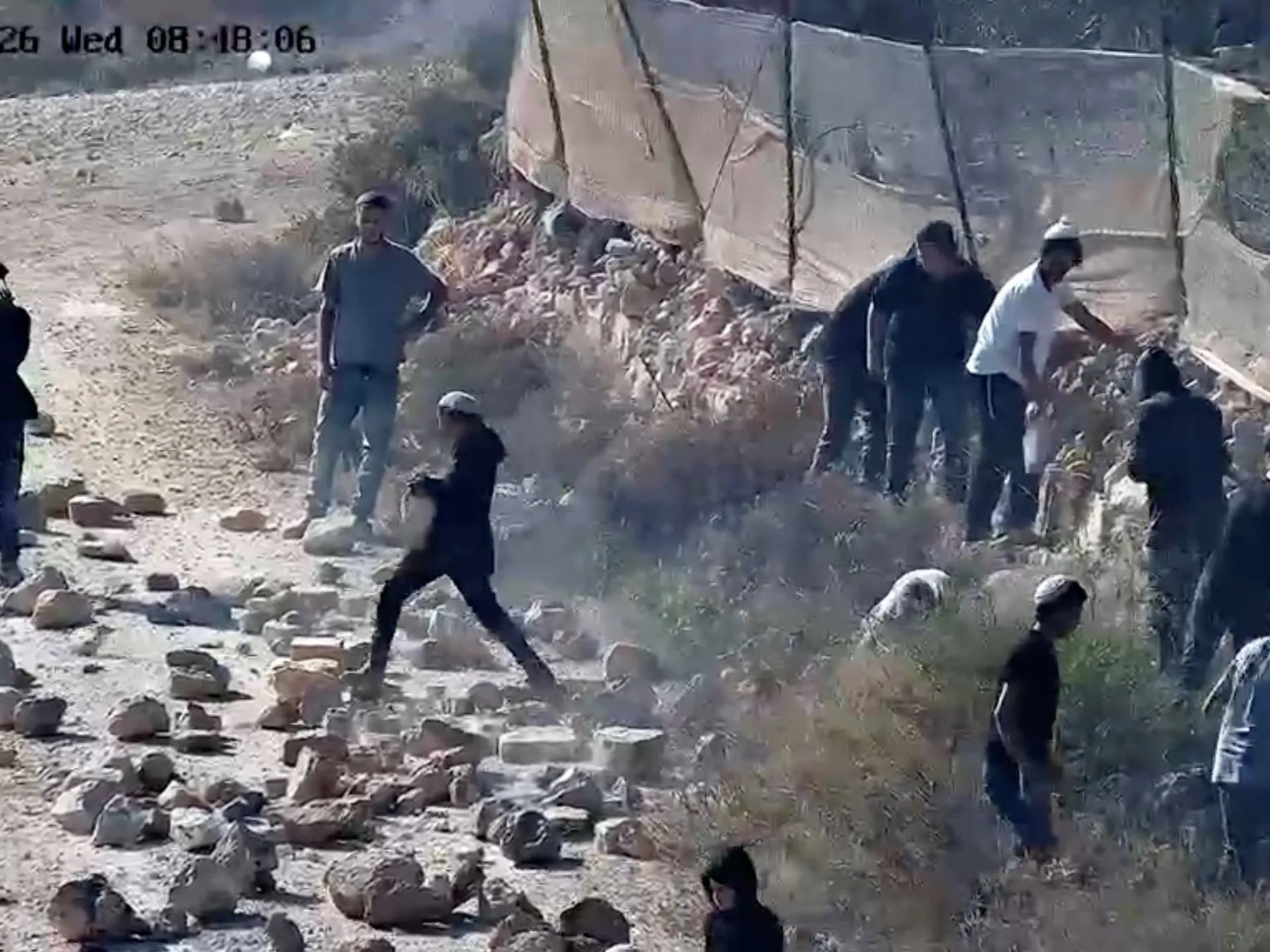
A volatile confluence of religious observances and political posturing has triggered a wave of unrest across the occupied Palestinian territories this week, signaling a precarious autumn period. As the region marks Judaism’s holiest days, the intersection of ministerial visits to sensitive sites, state-sanctioned military actions, and ongoing settlement expansion has strained an already fragile status quo, drawing sharp condemnation from international custodians of these sacred locations.
The current climate of instability is defined legal settlements to the state-mandated closure of religious sites. These developments occur under the backdrop of an impending national vote, heightening the intensity of rhetoric and action from political figures who appear to be leveraging the holiday season to solidify their influence over contested territories.
The recent events highlight a dangerous feedback loop where domestic political cycles directly correlate with localized violence. o the October 27 elections, policymakers are effectively turning religious observance into a platform for territorial assertion. This tactic not only risks immediate civil unrest but also erodes the long-standing status quo arrangements that have historically prevented all-out conflict at sites like the Al-Aqsa Mosque compound and the Ibrahimi Mosque. The normalization of such incursions—supported rity offenses—suggests a strategic shift toward permanent disruption rather than temporary political grandstanding.
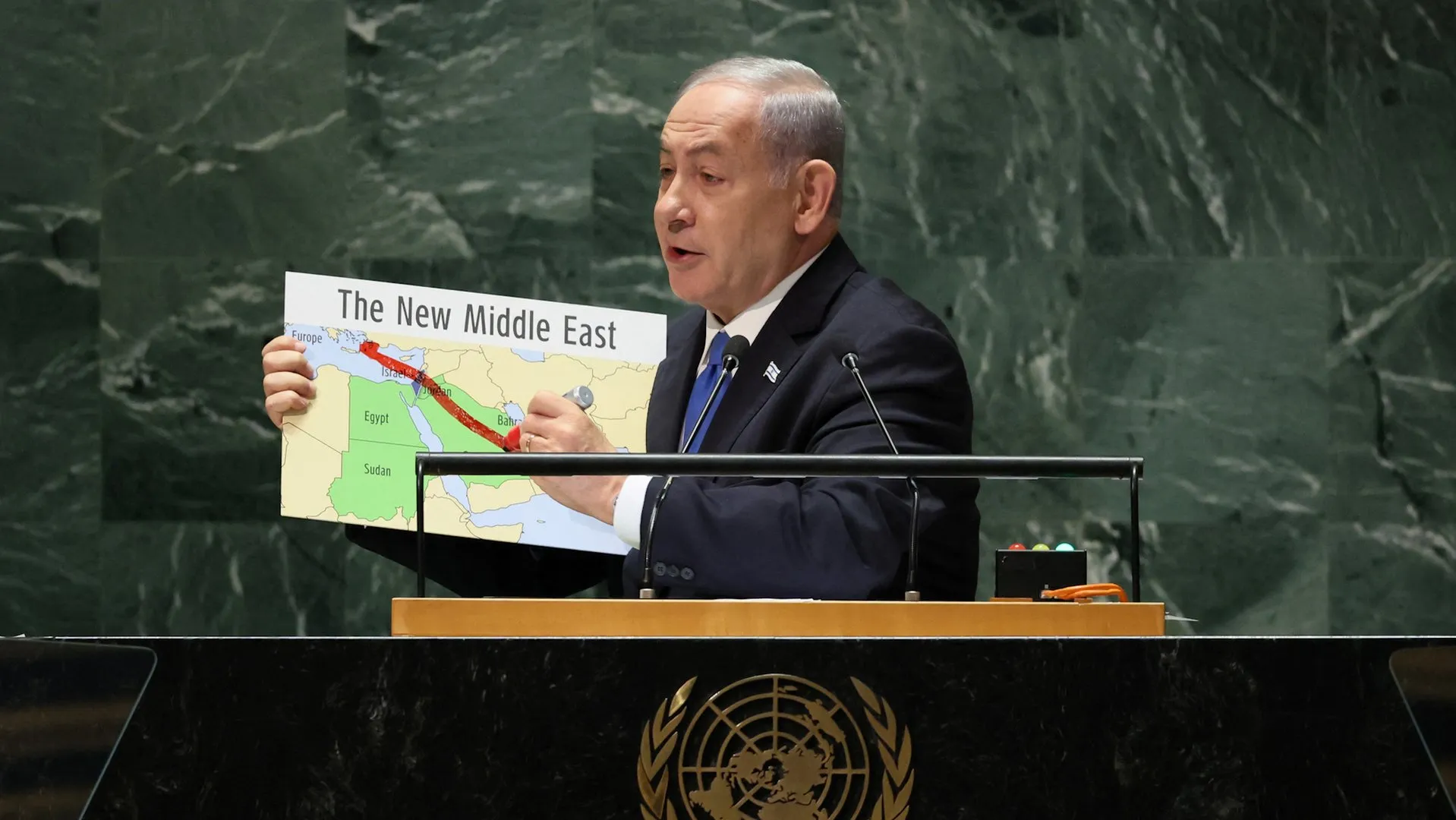
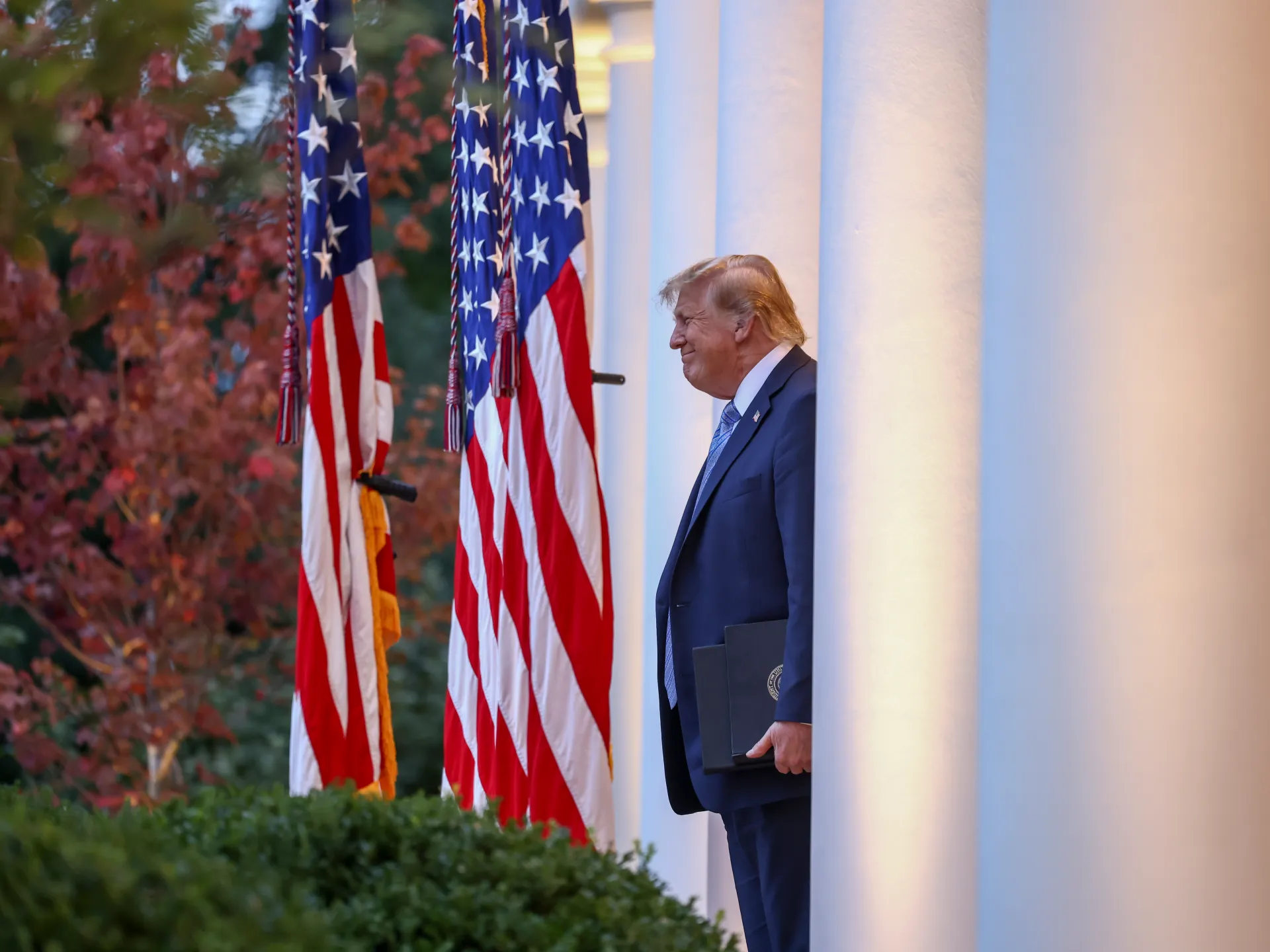
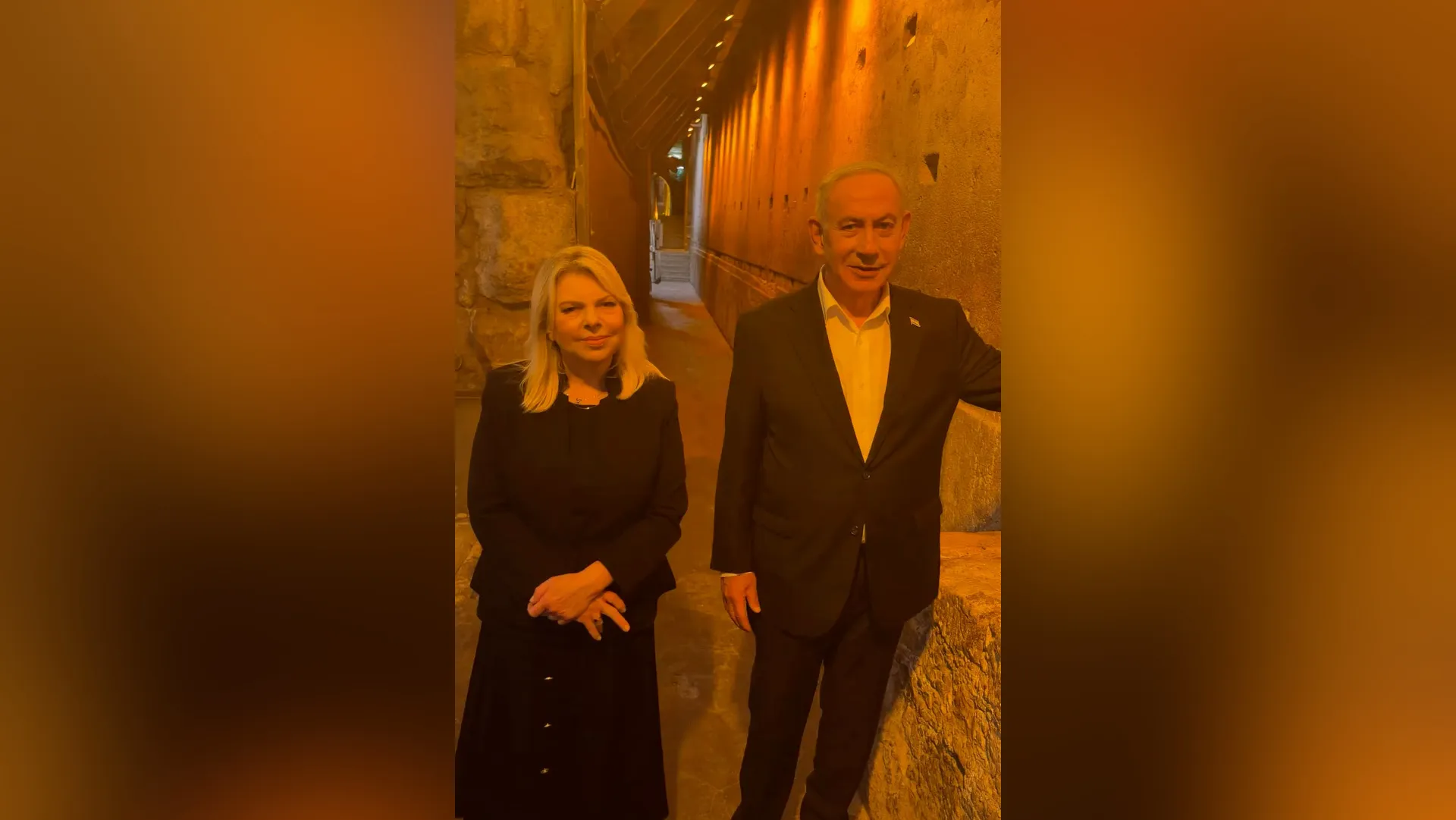
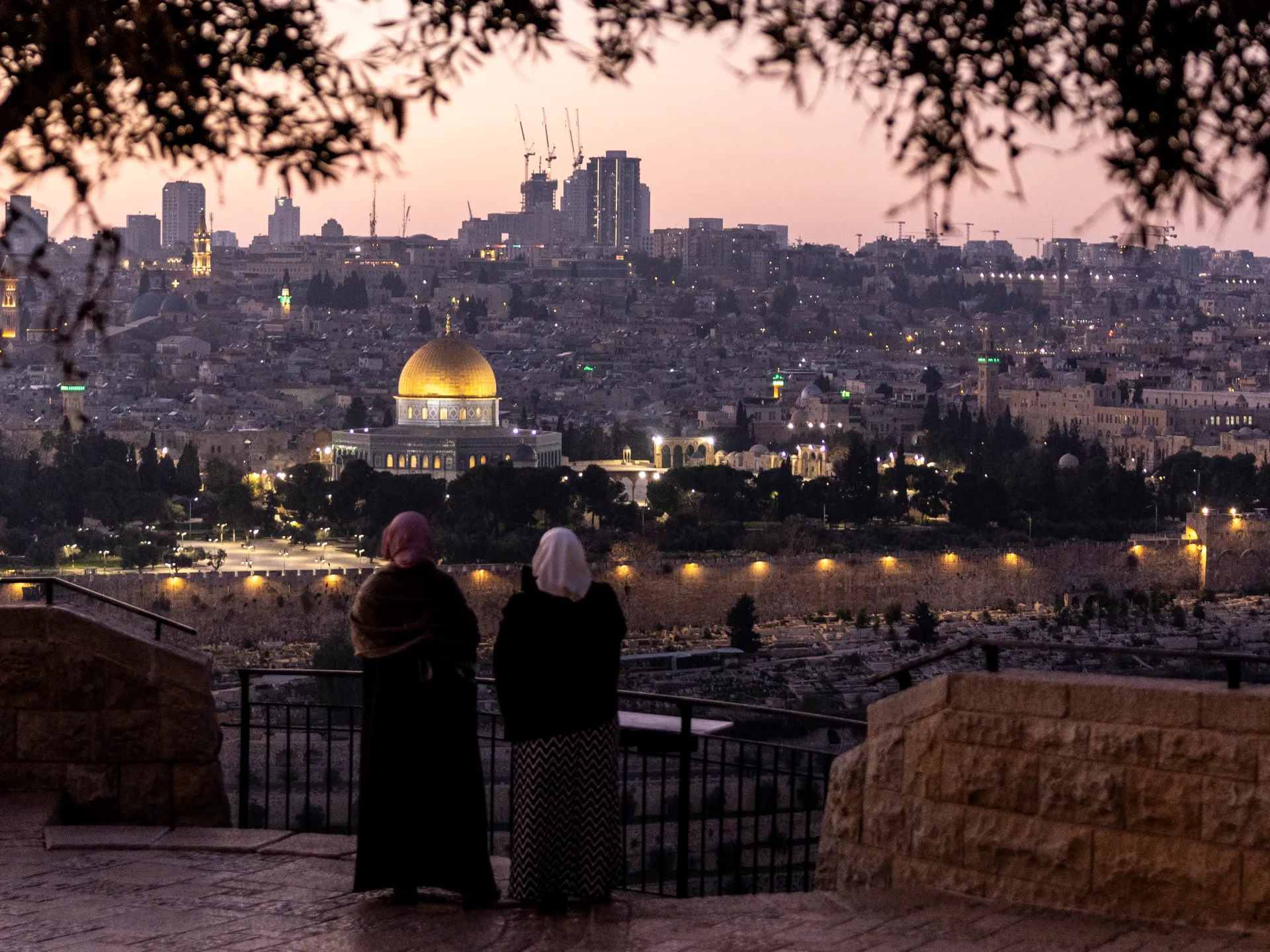
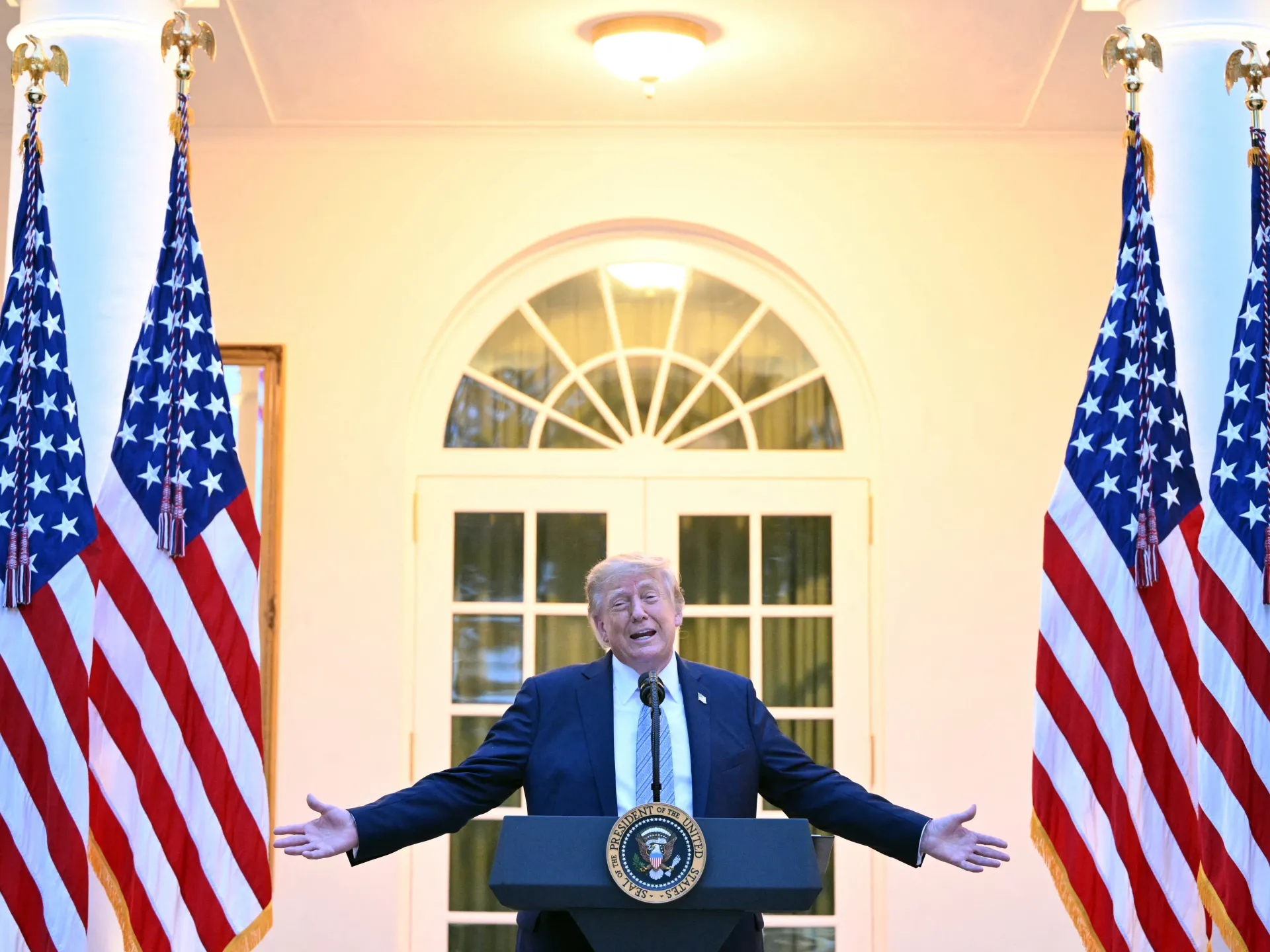
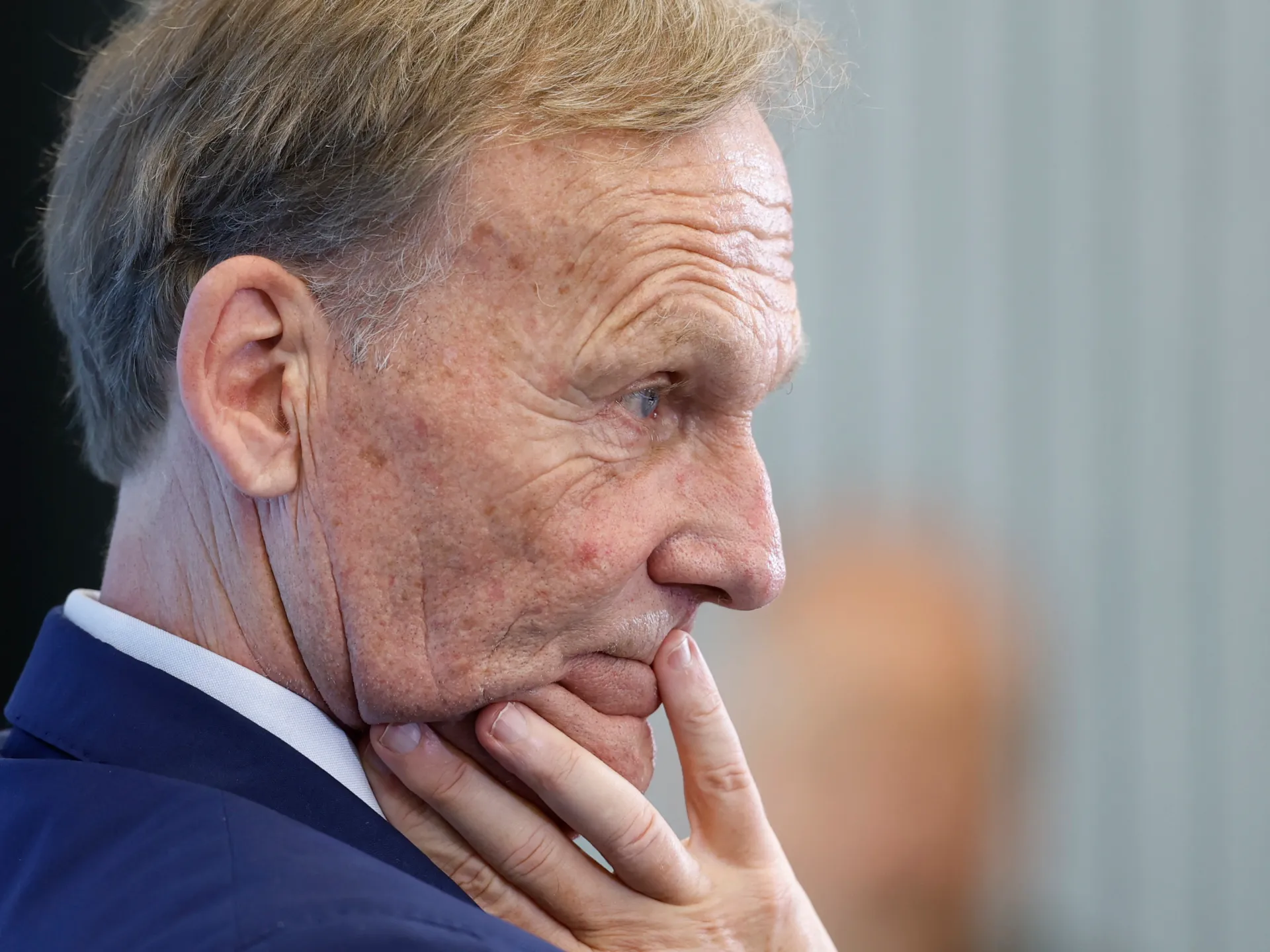
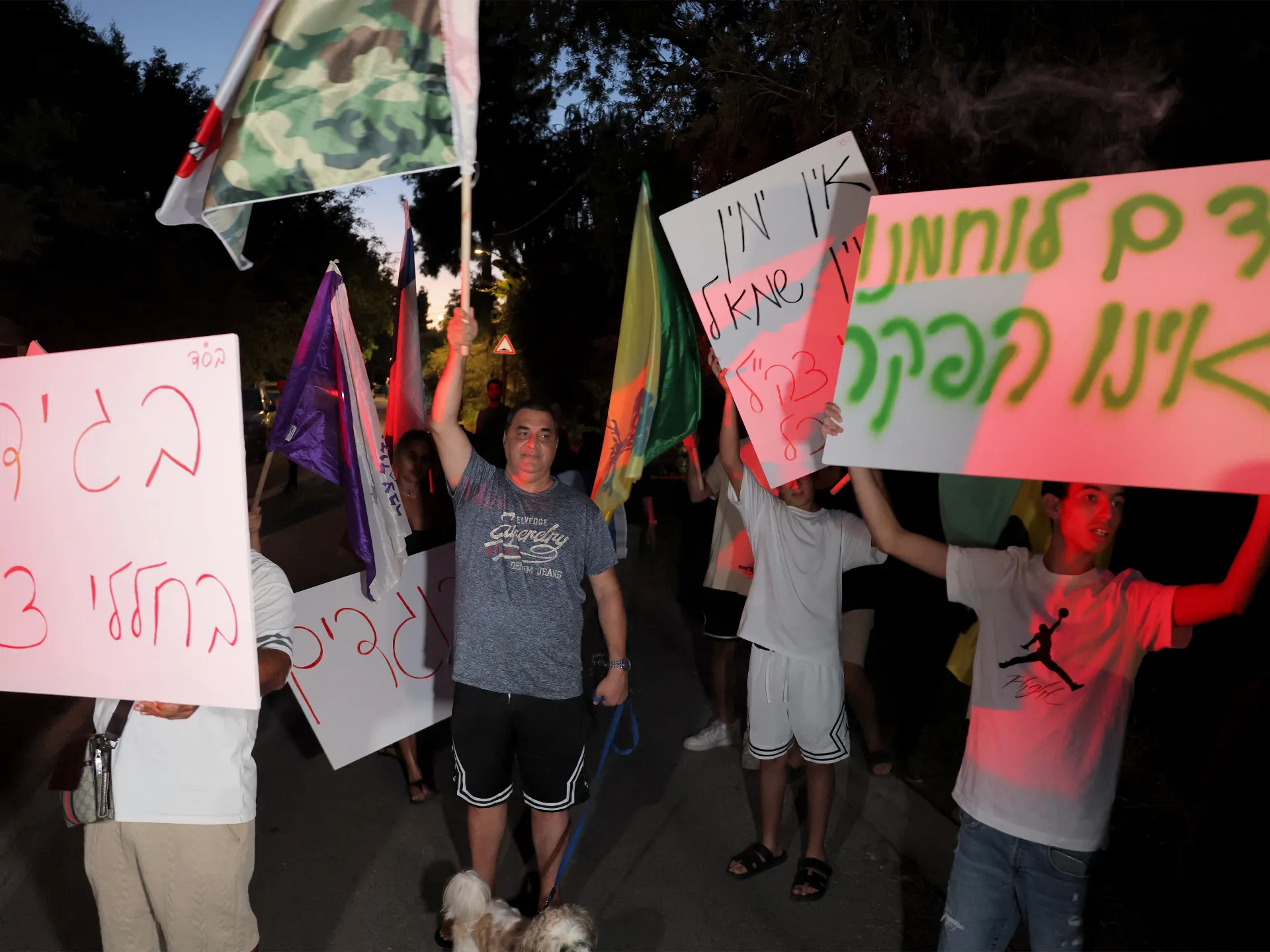
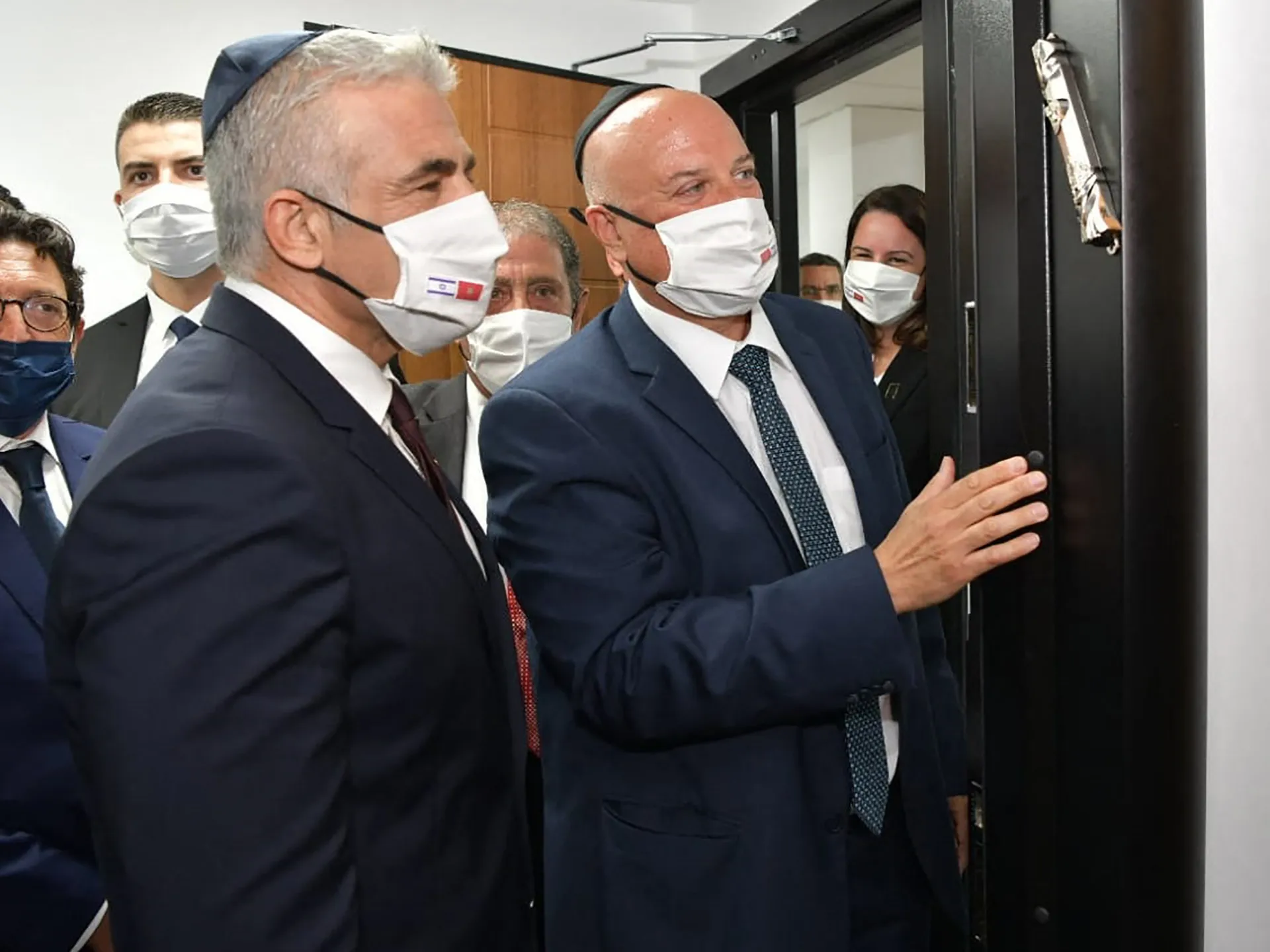
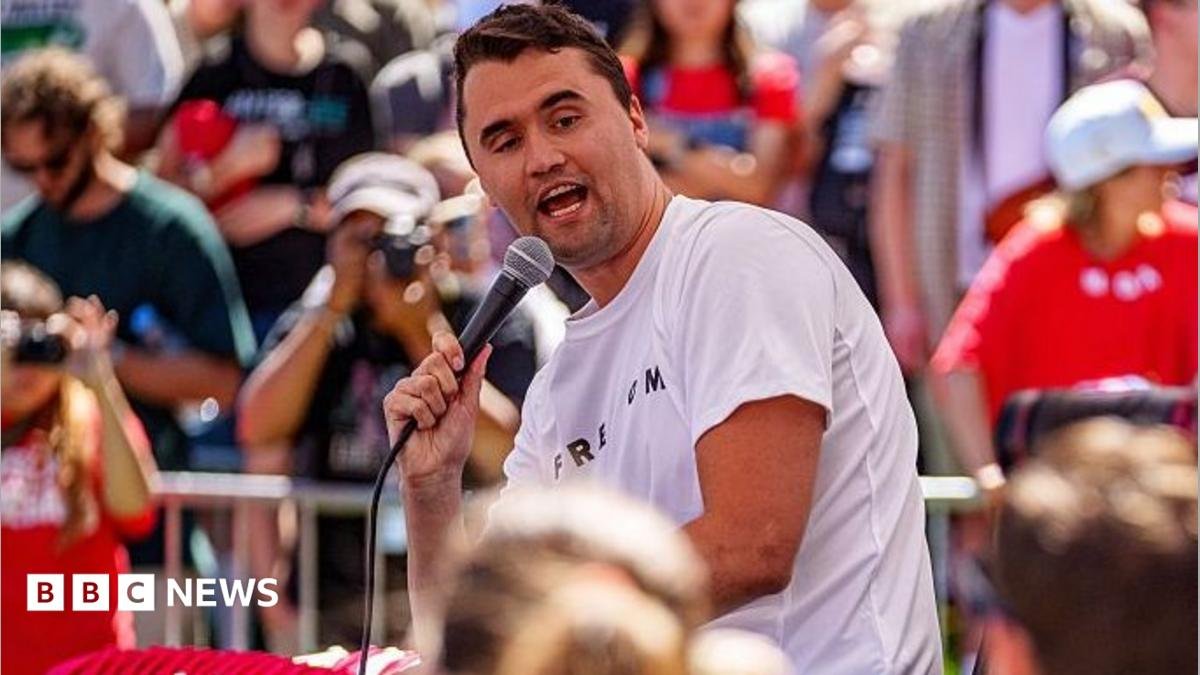
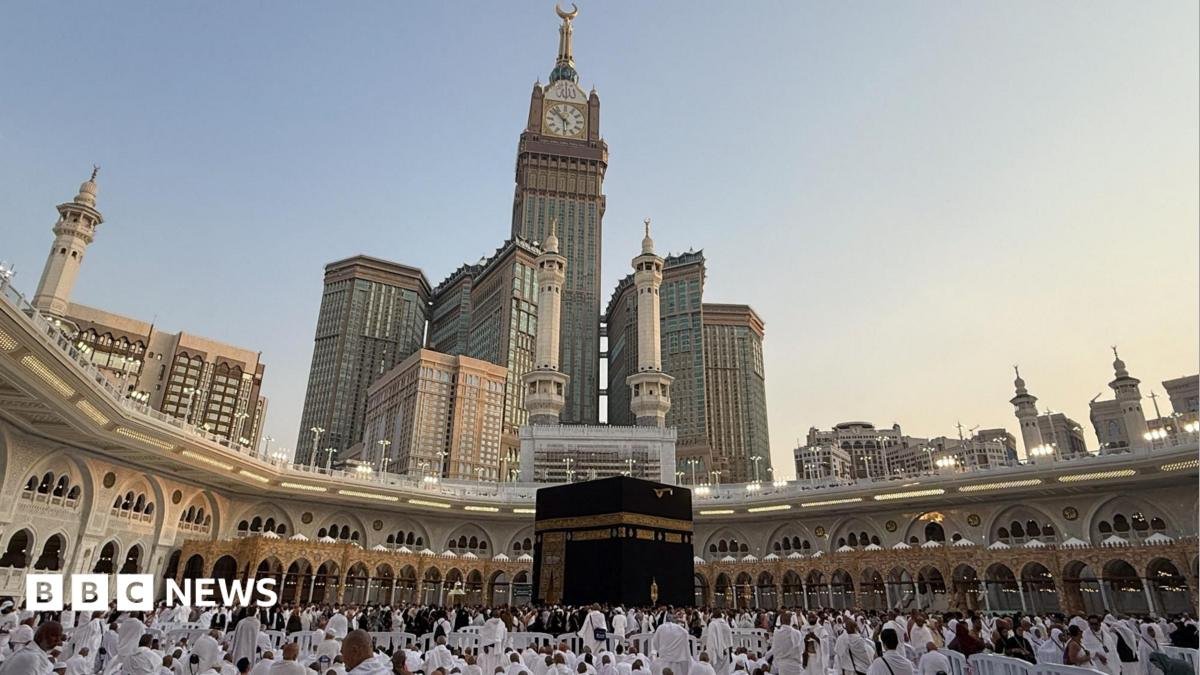
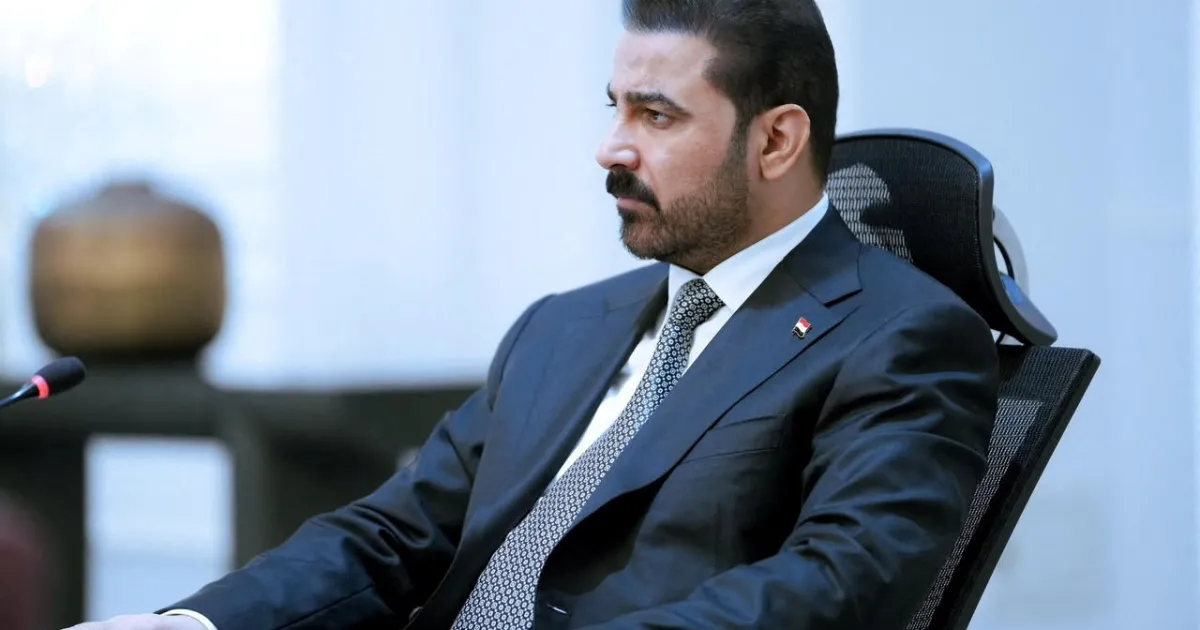
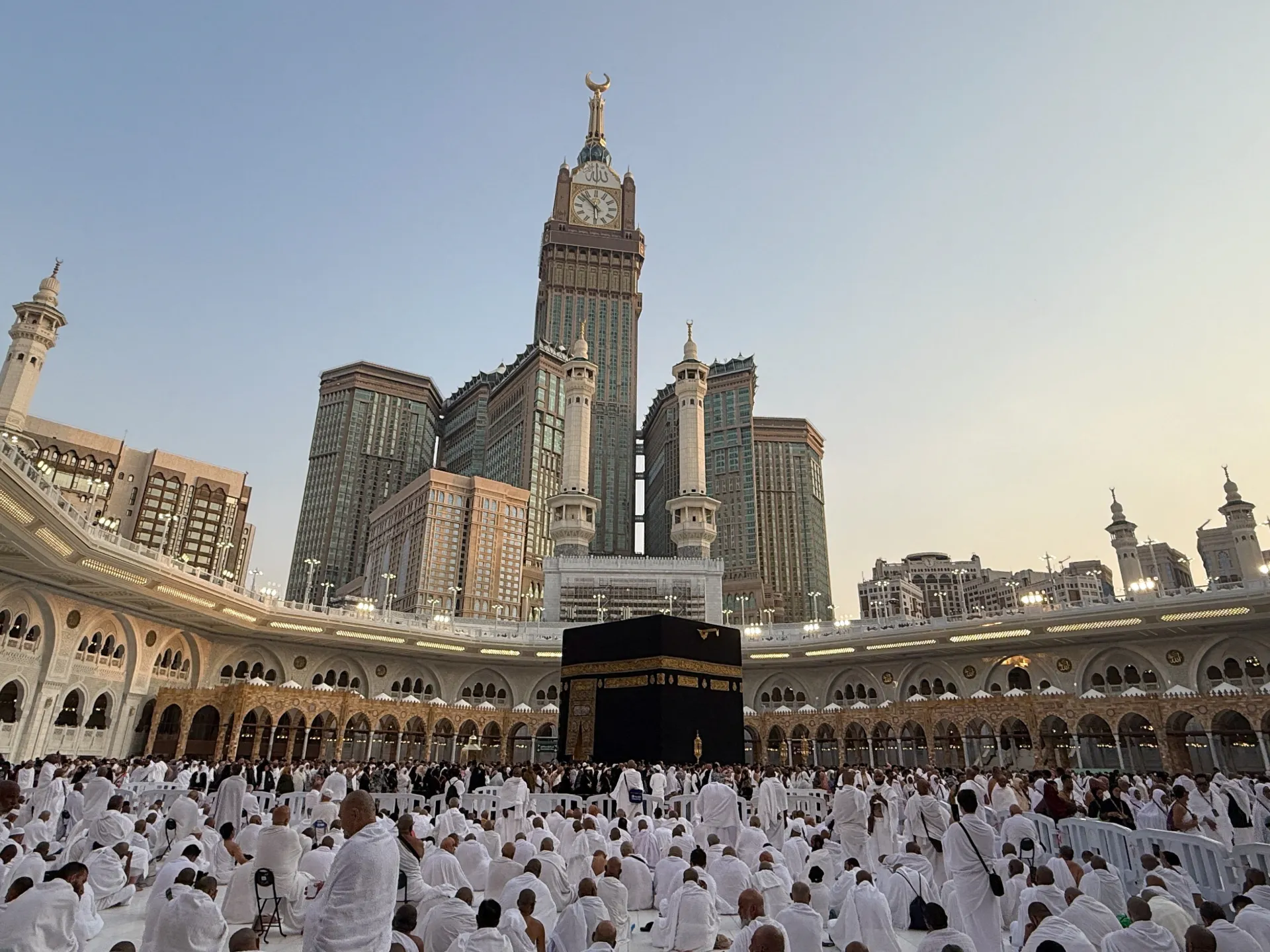
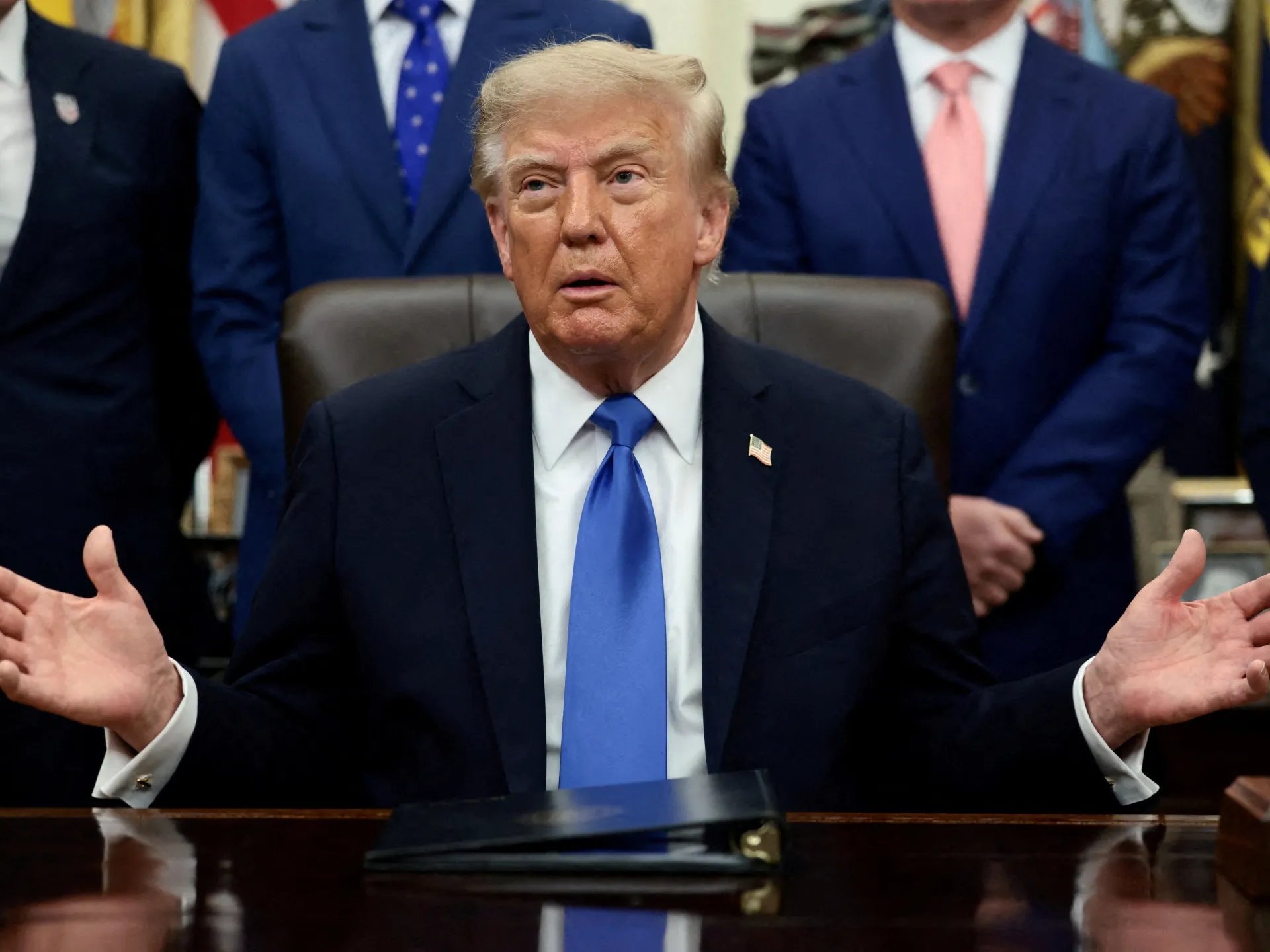
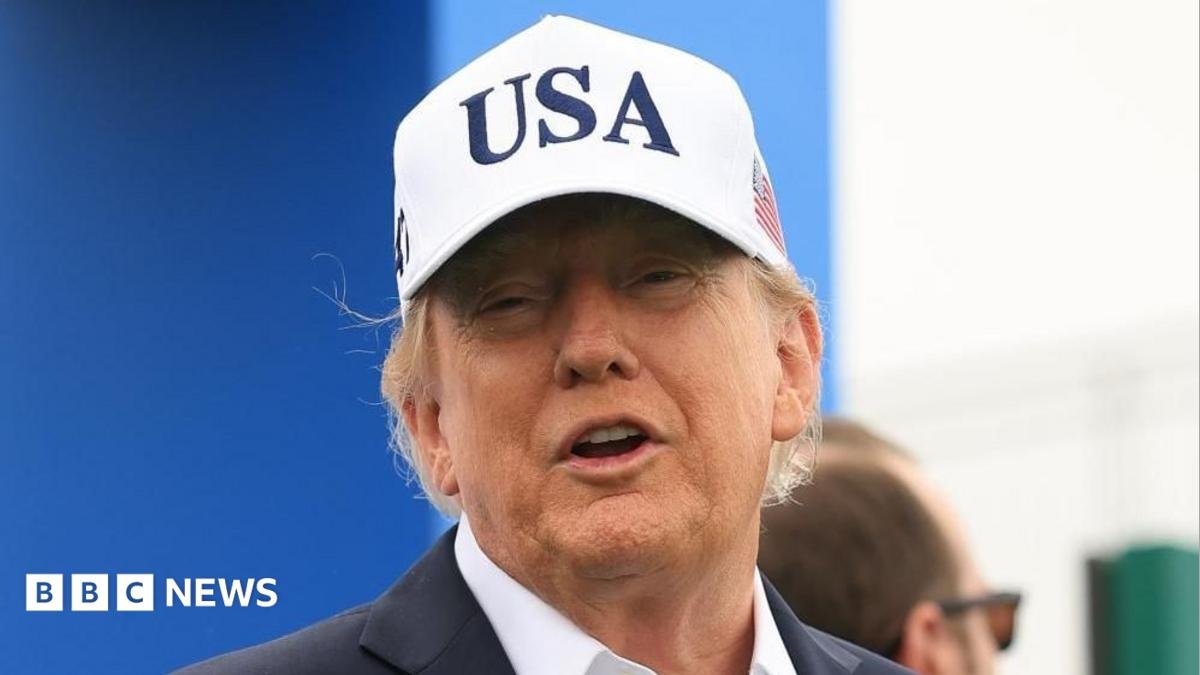
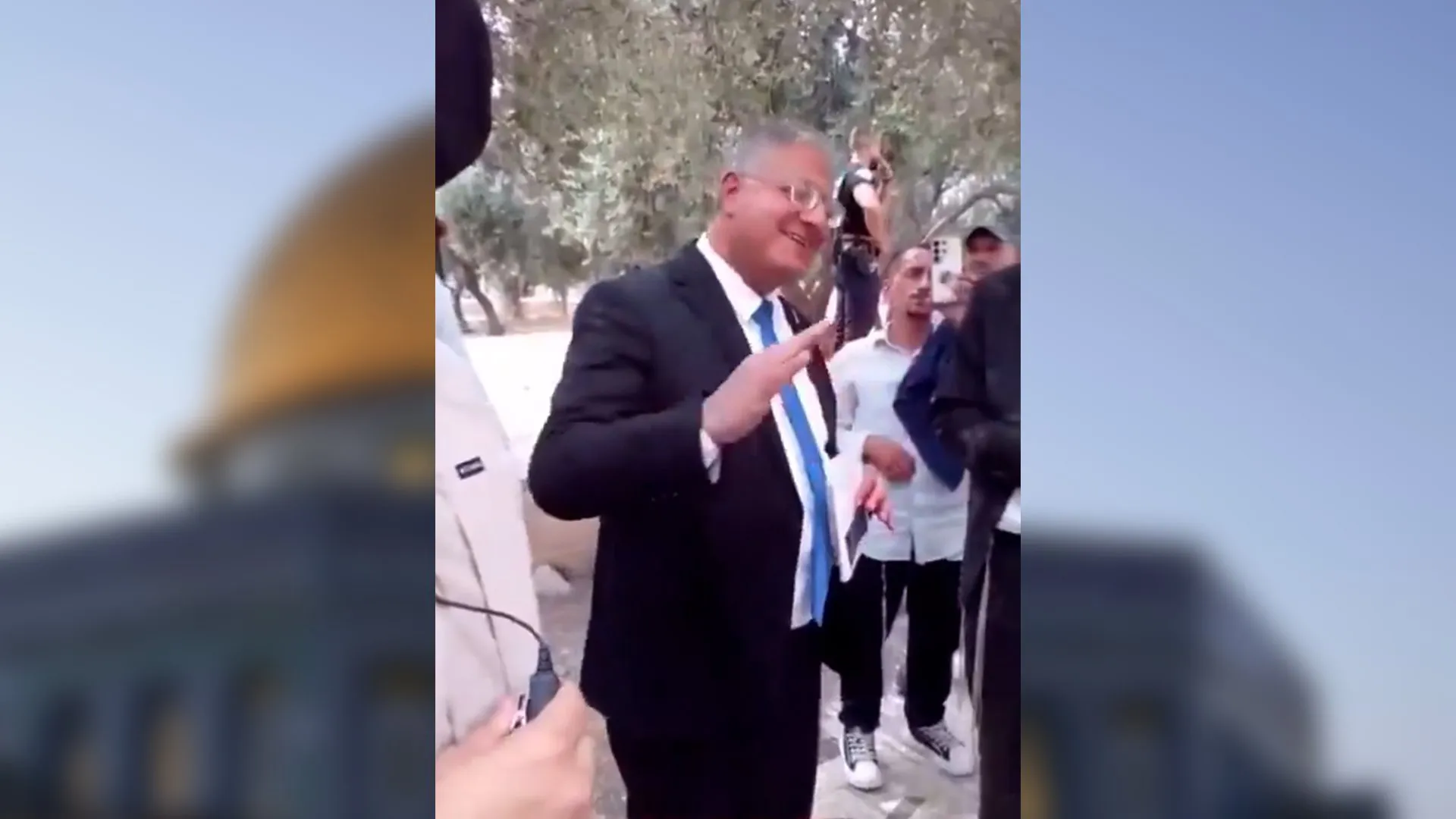
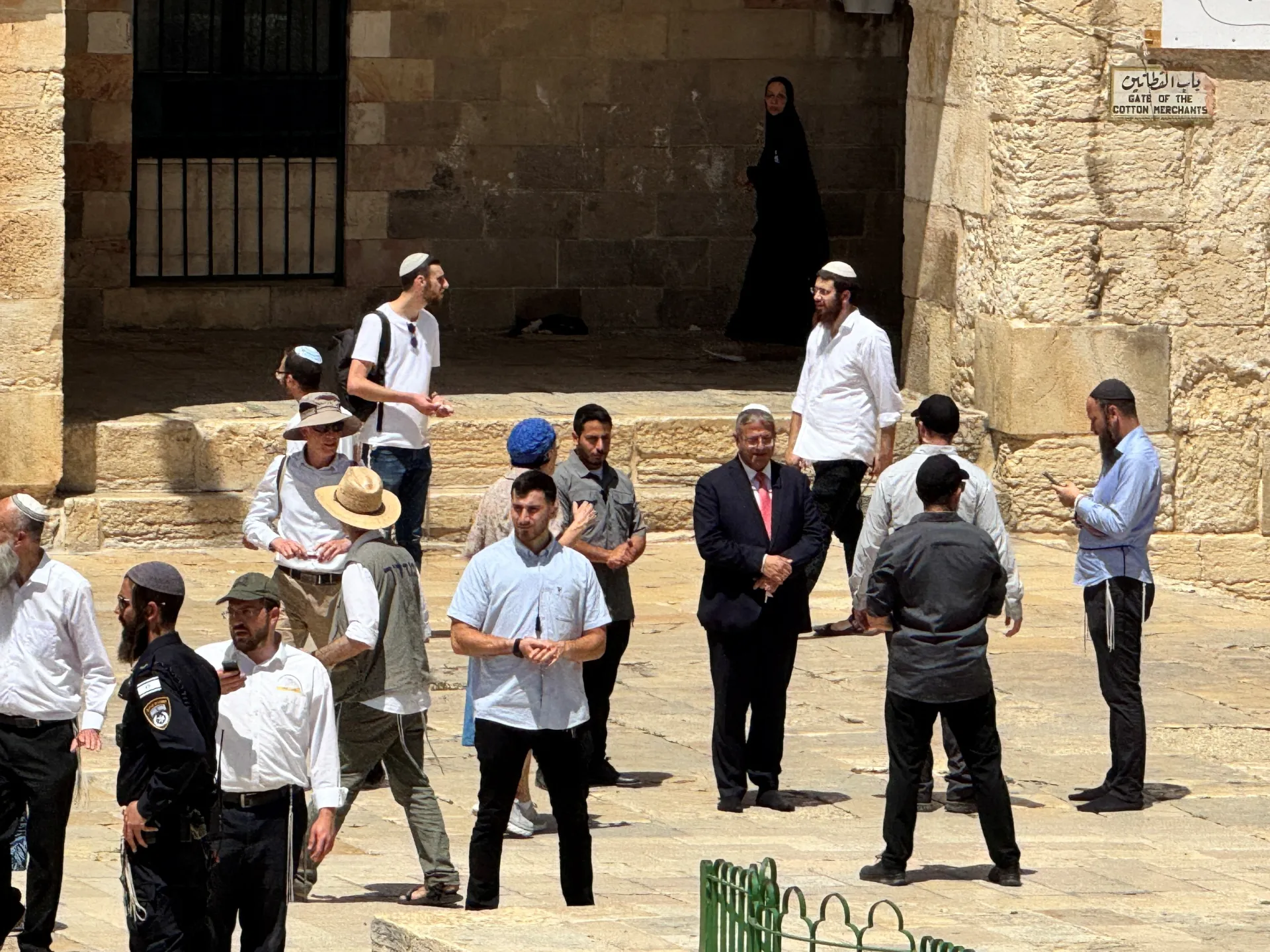
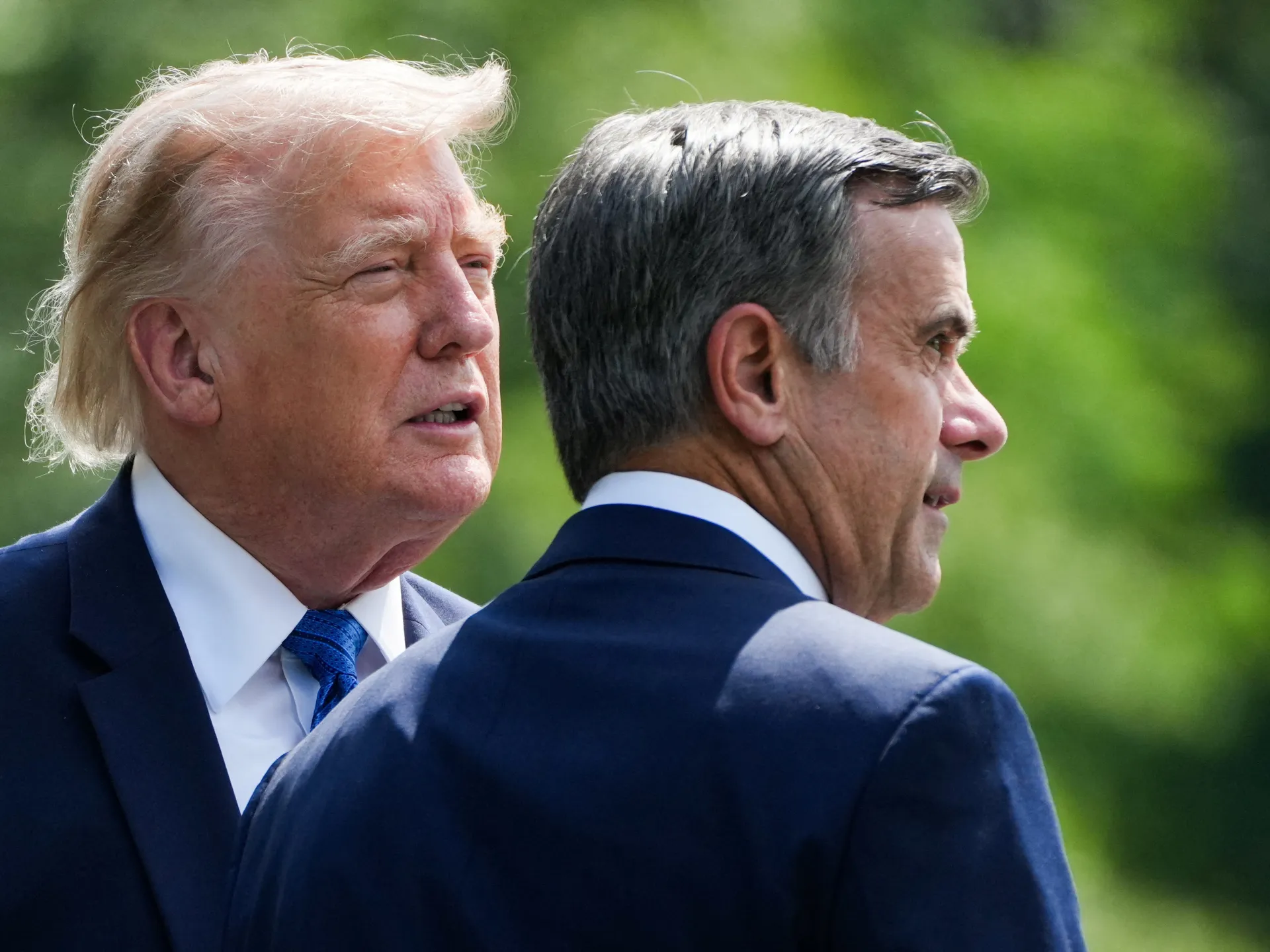
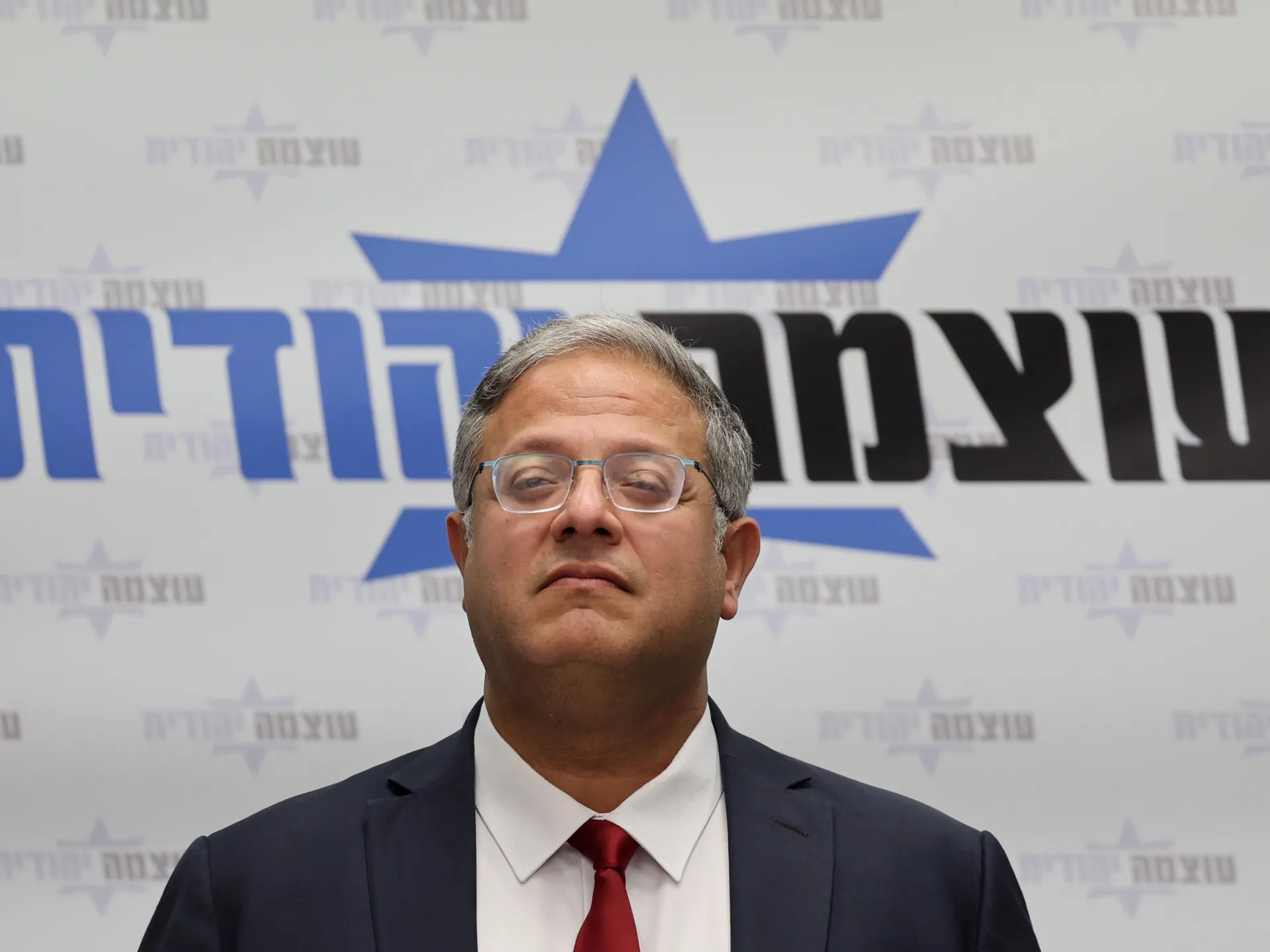
In a move that drew swift rebuke from the Jordanian Foreign Ministry, Israeli National Security Minister Itamar Ben-Gvir led a group of approximately 570 settlers into the Al-Aqsa Mosque compound to conduct religious rituals, a practice widely viewed as a violation of the site's established status quo. The following morning, an additional 450 individuals entered the compound under heavy police escort. These actions were preceded ity and the mosque compound, an event that occurred just before the onset of Yom Kippur.
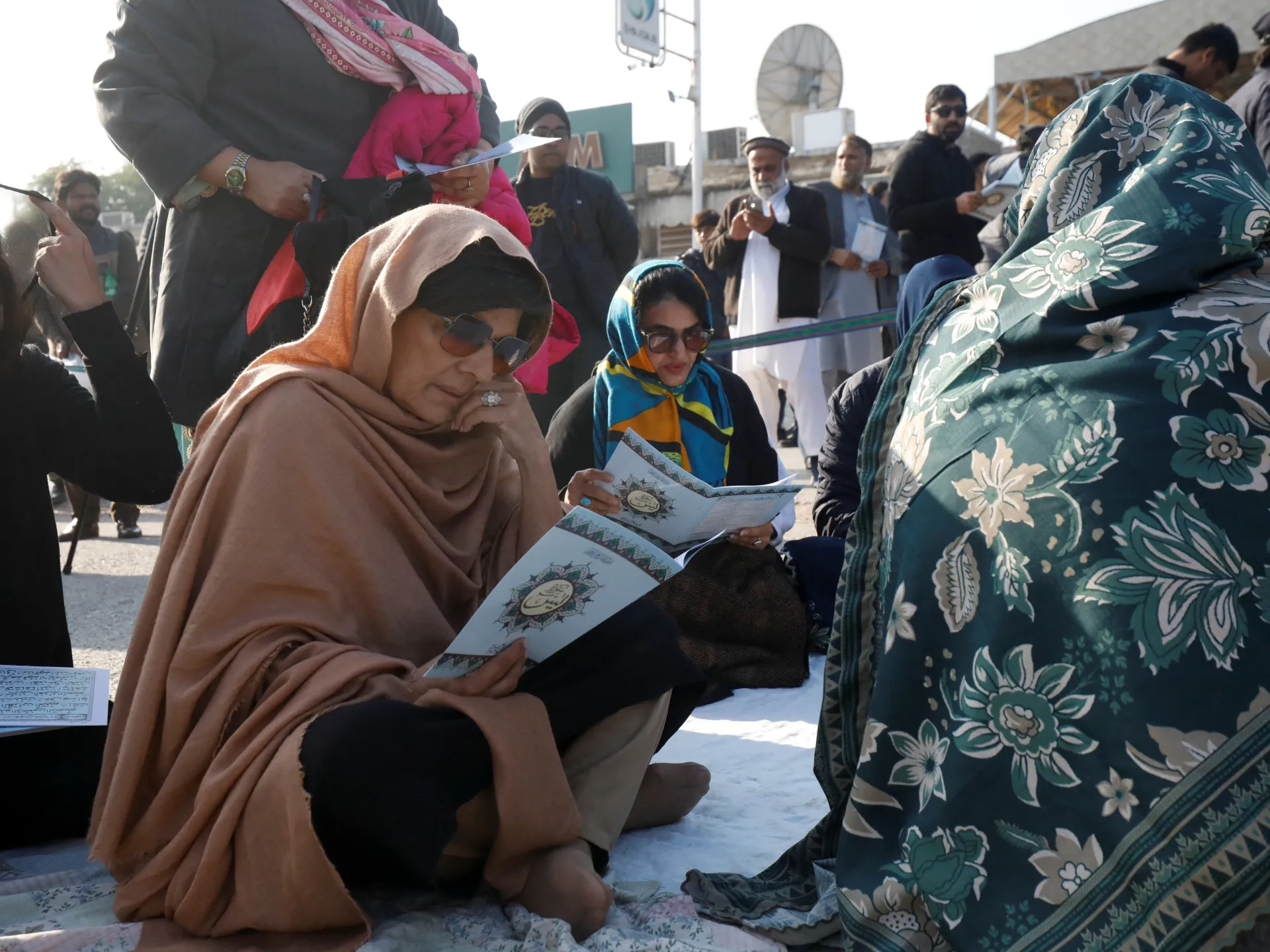
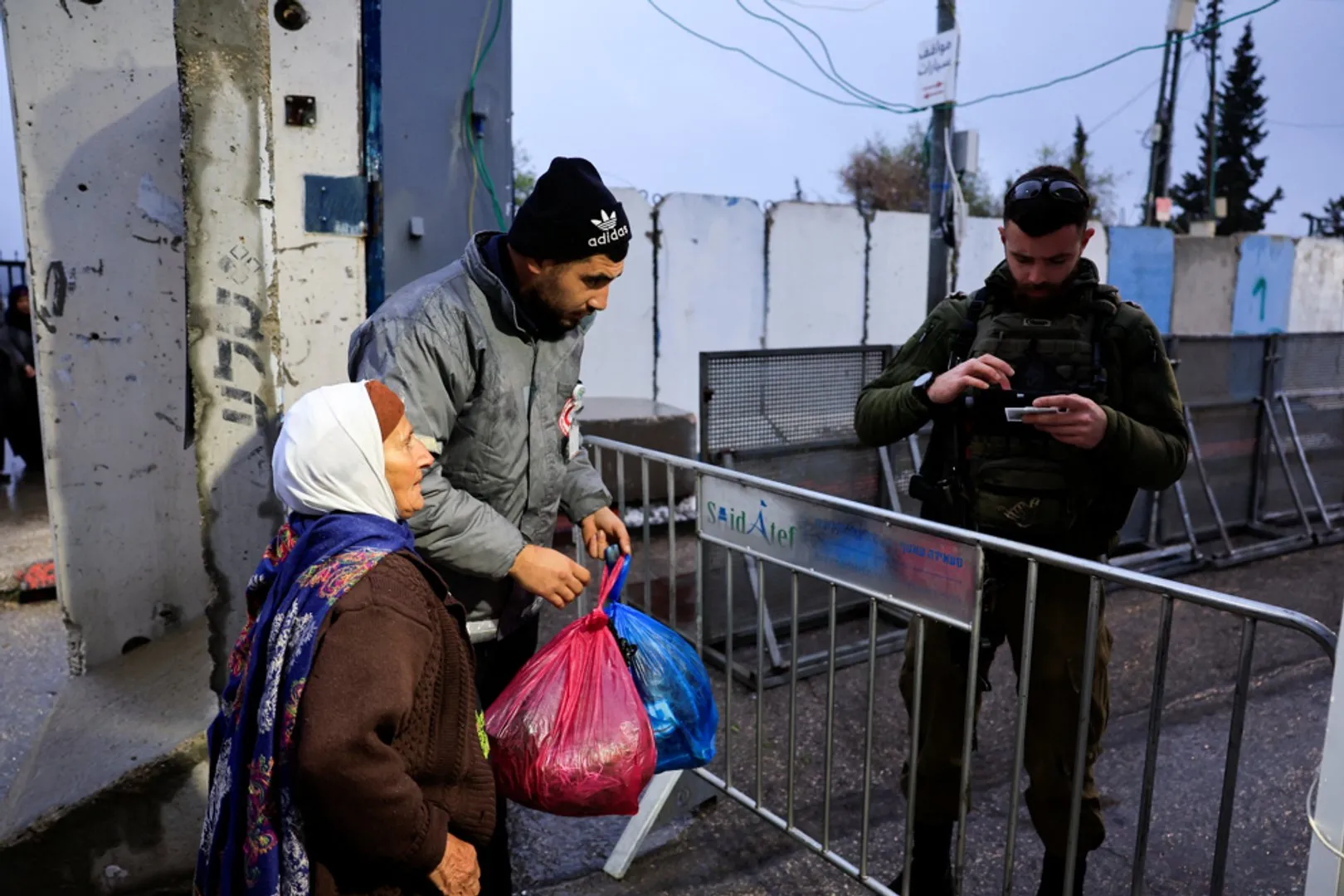
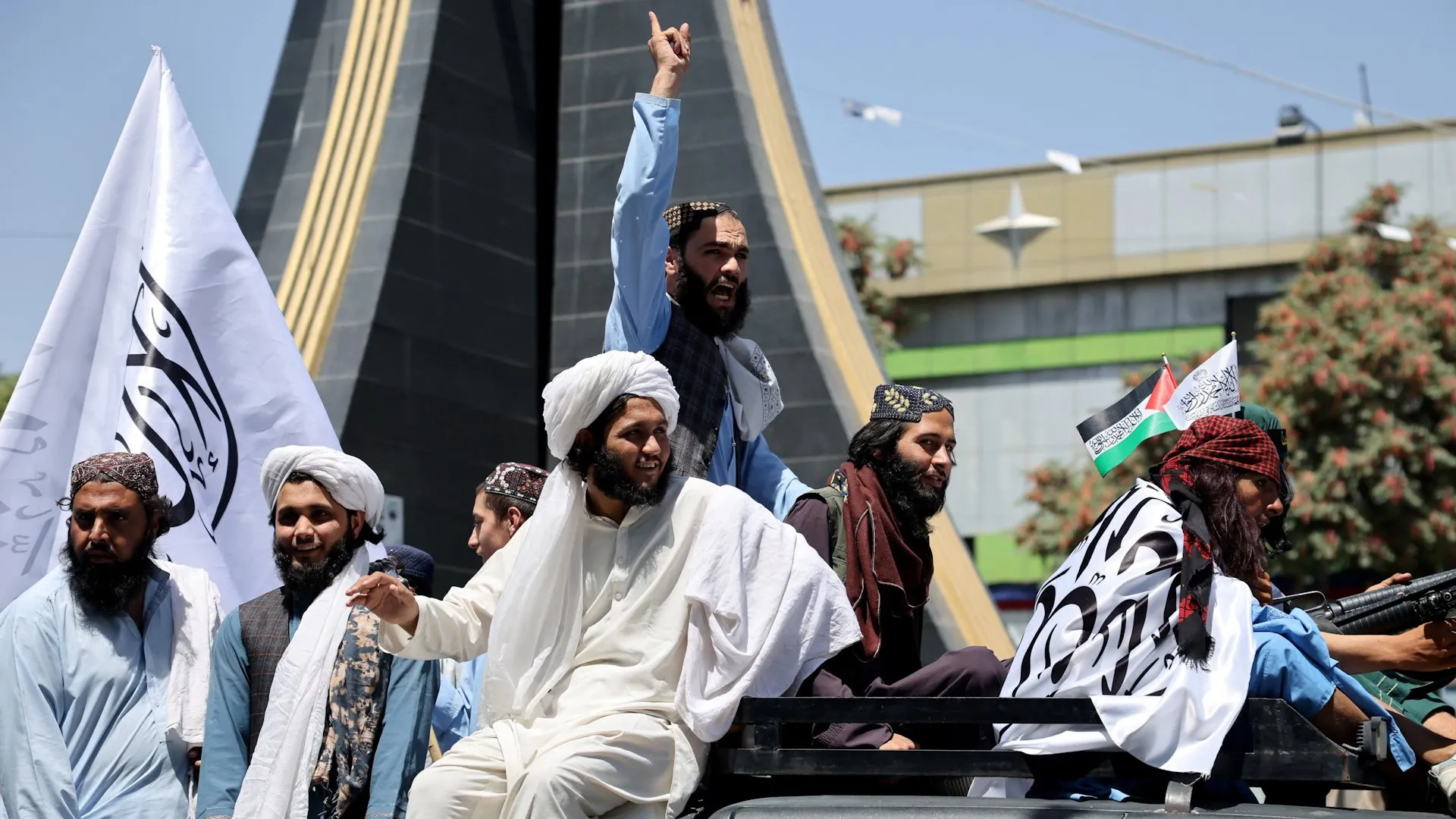
Simultaneously, the Ibrahimi Mosque in Hebron faced a complete lockdown for Muslim worshippers starting Sunday afternoon and continuing through Monday night. During this window, settlers were granted unfettered access to the site. This closure is part of a broader trend of restricted access; local reports indicate that the mosque’s call to prayer has been effectively silenced for 90 consecutive days, marking a significant departure from previous years' religious coexistence protocols.
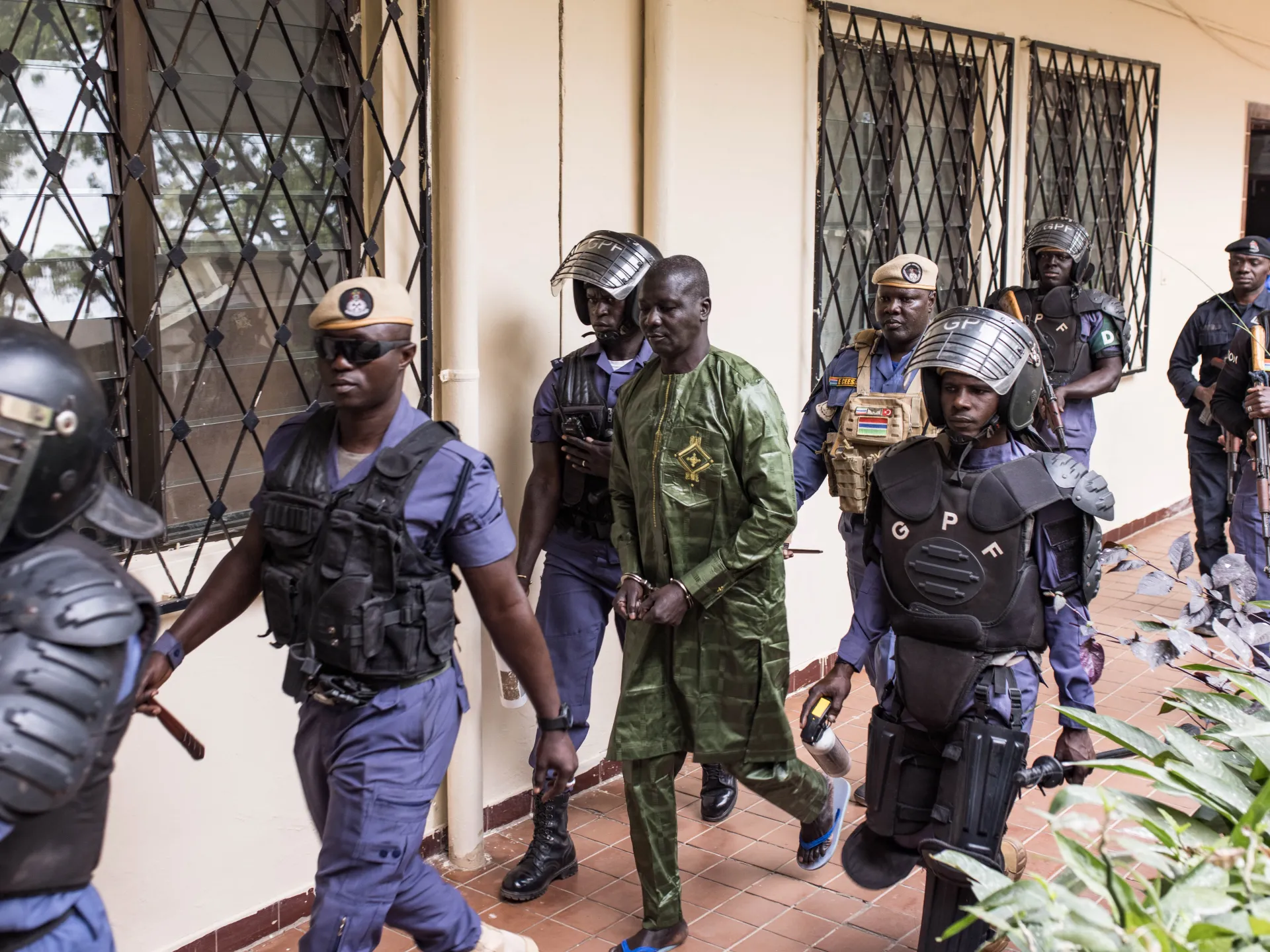
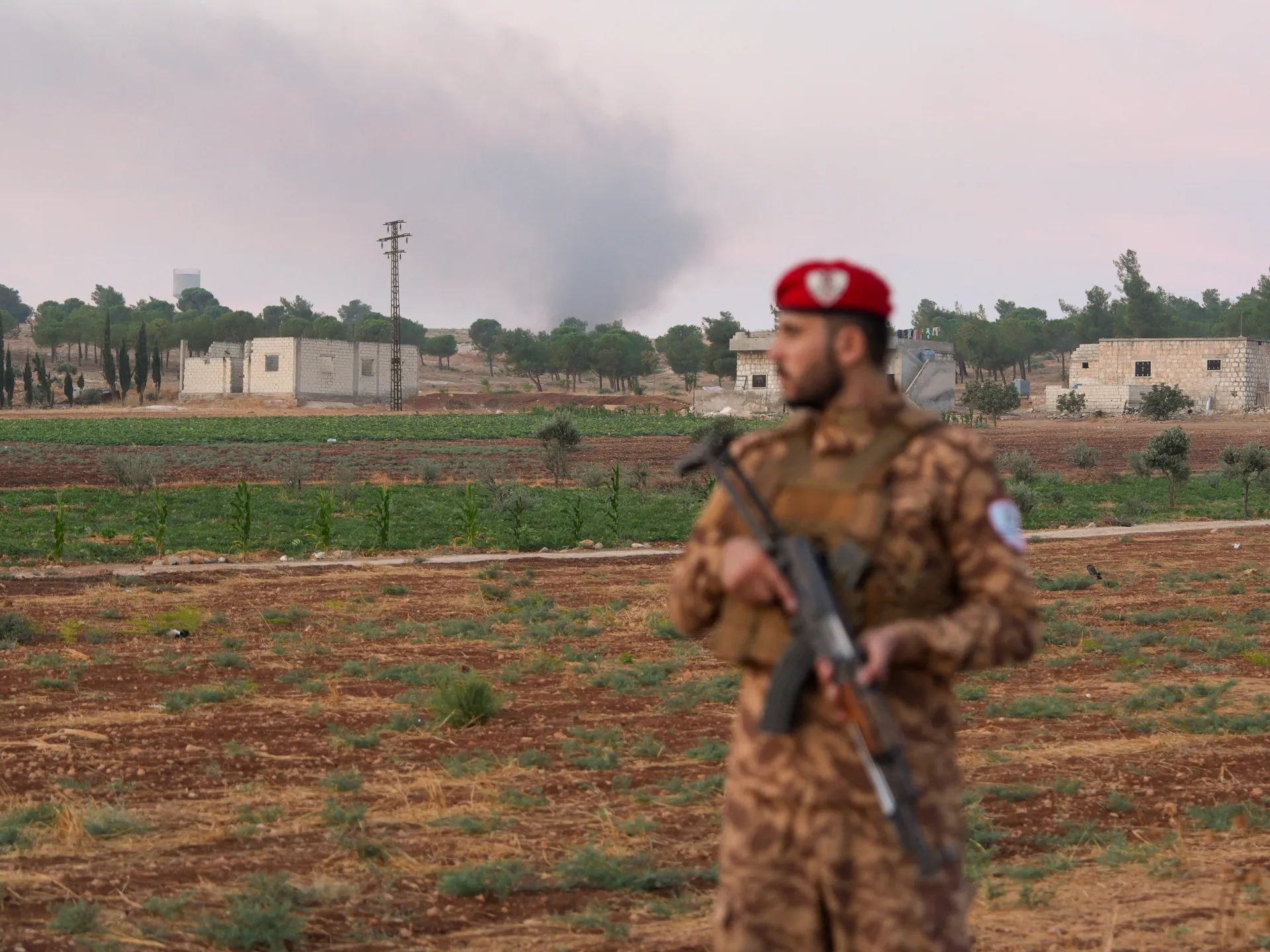
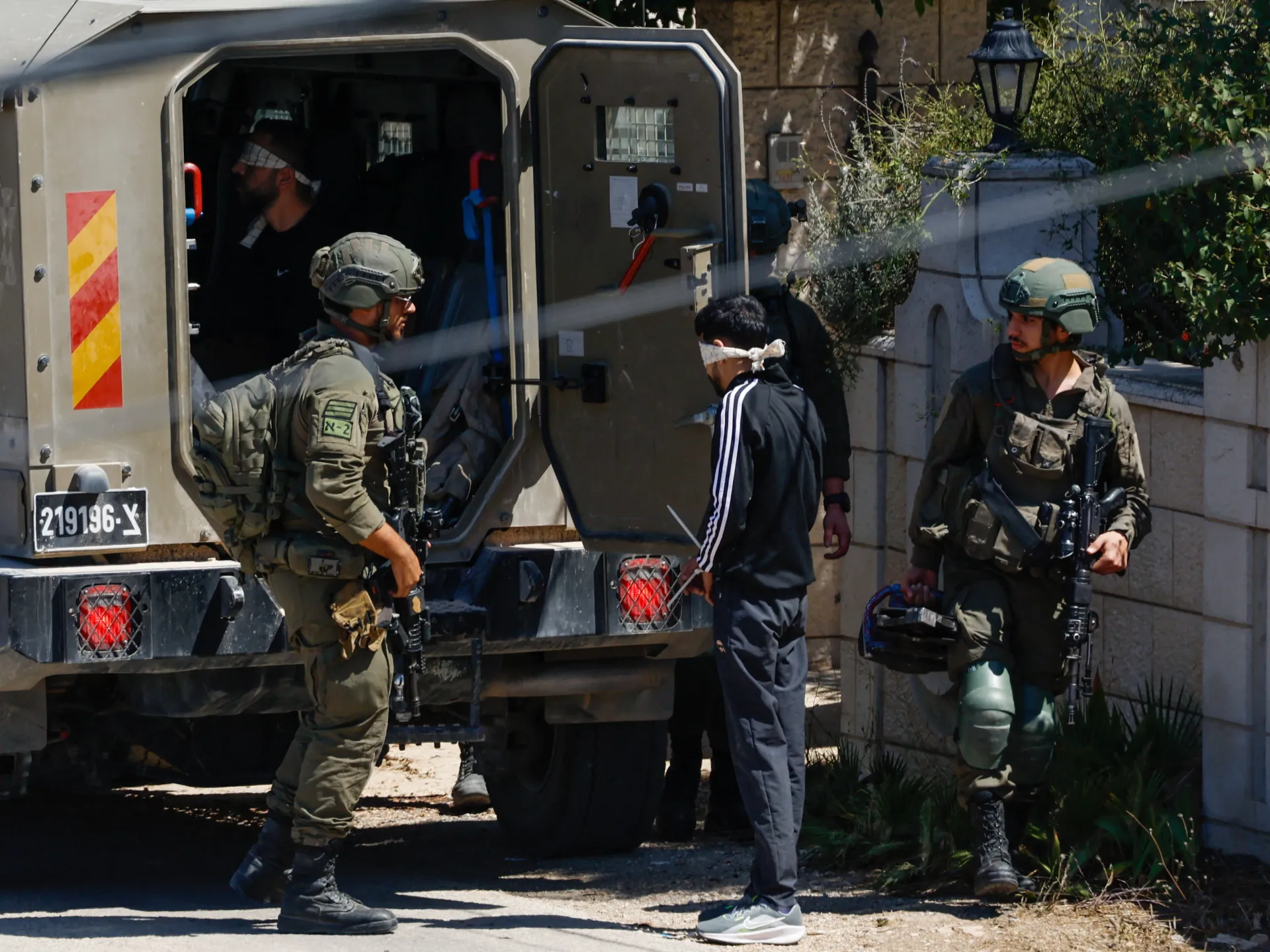
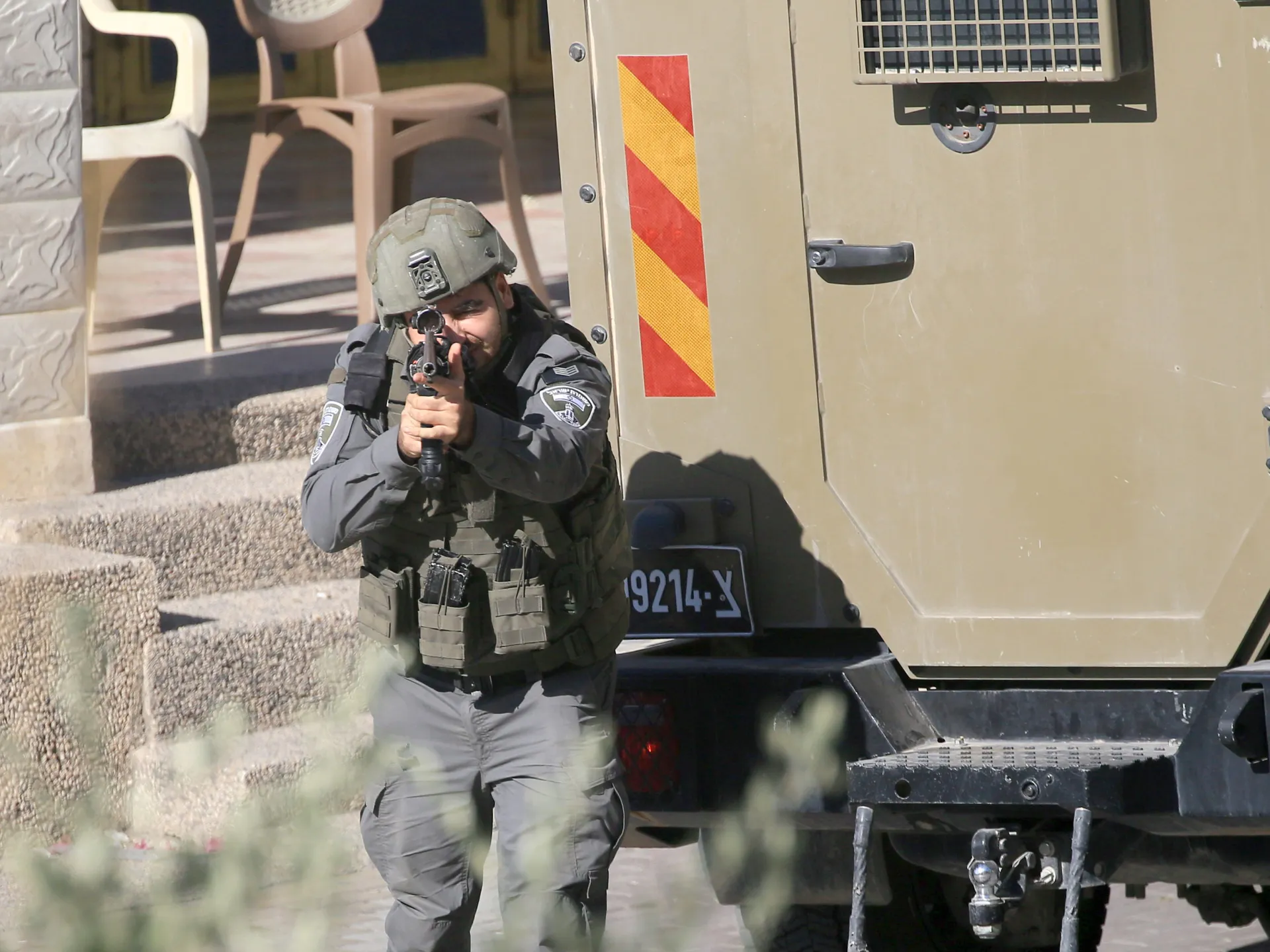
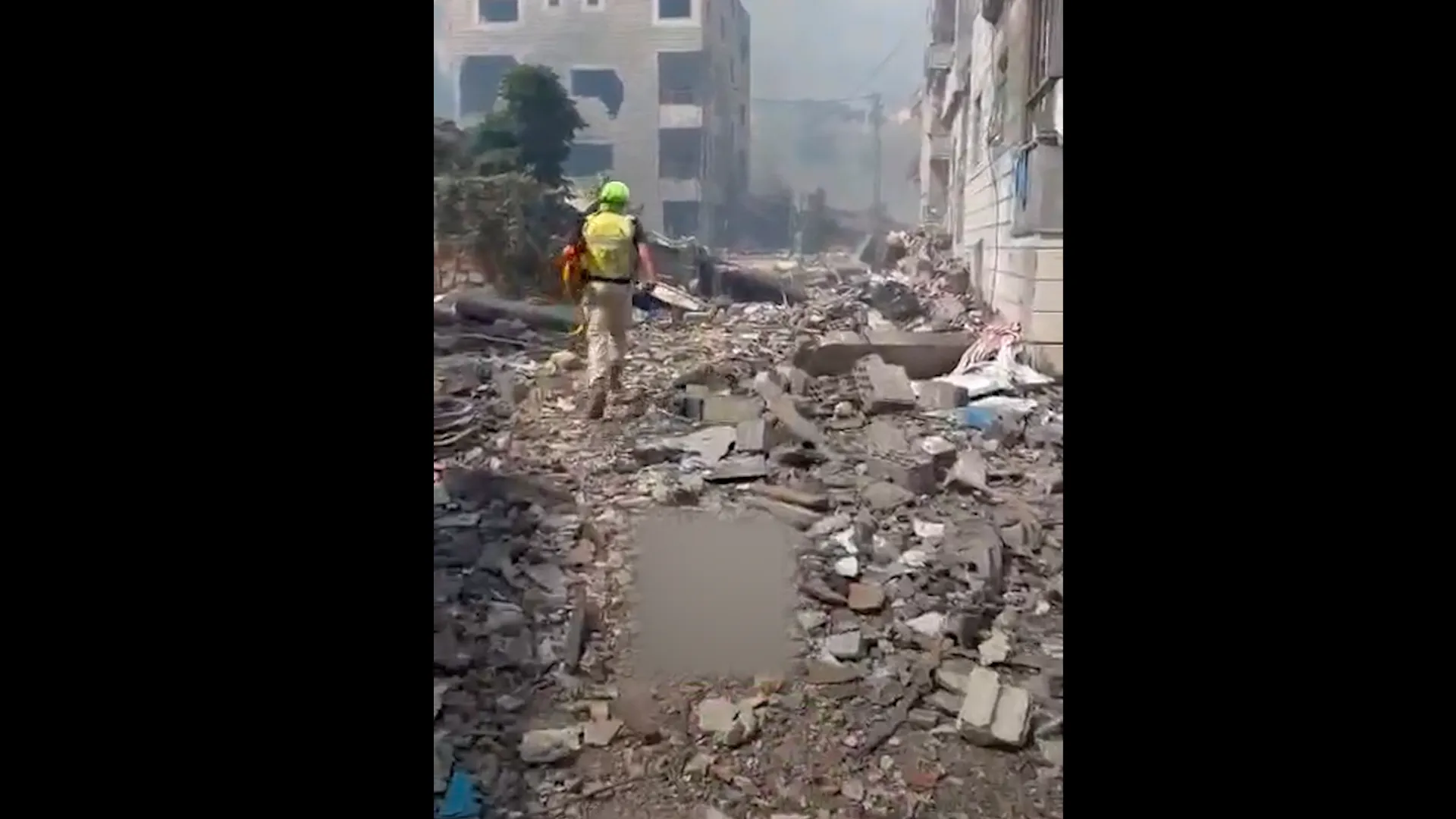
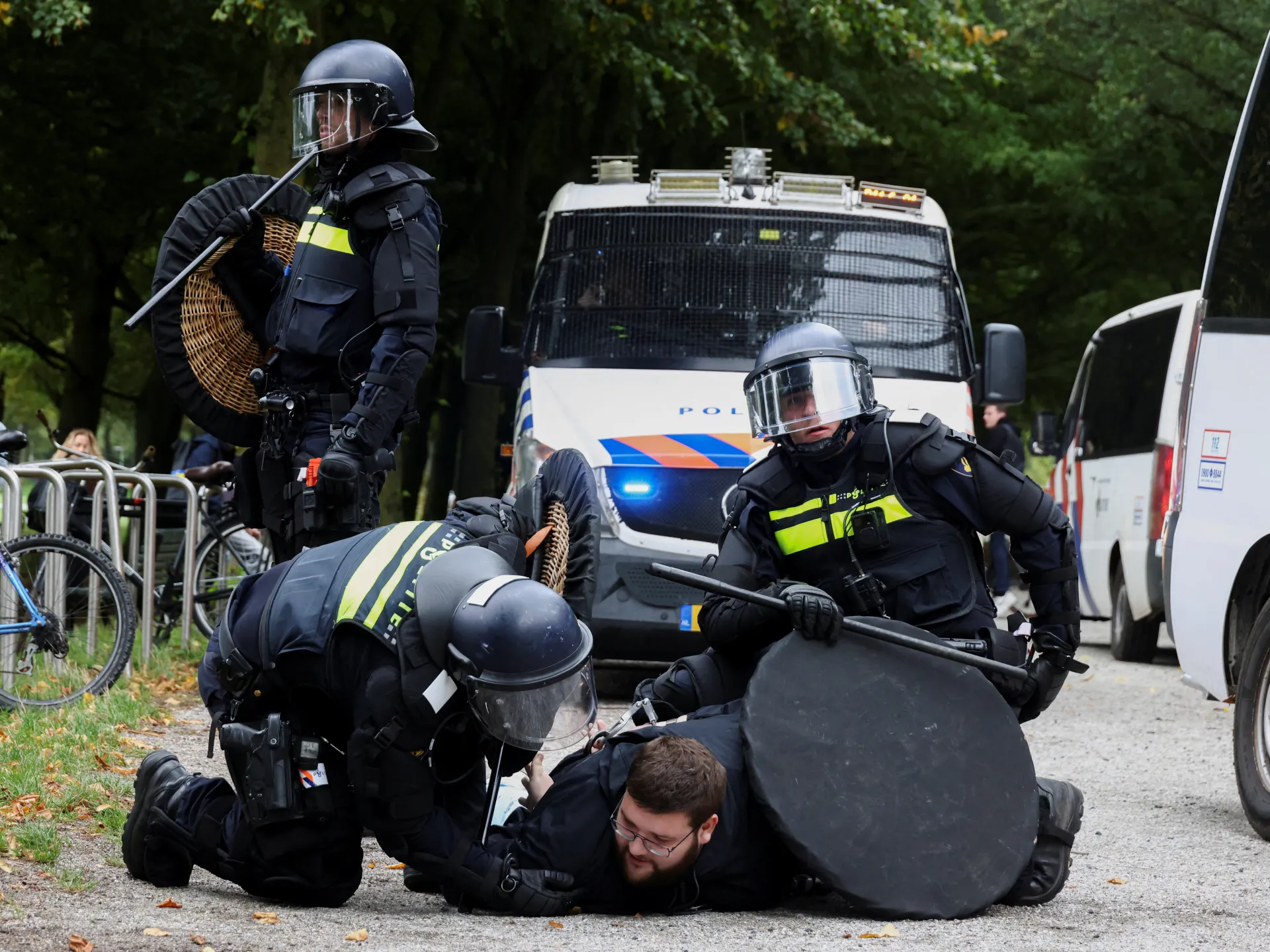
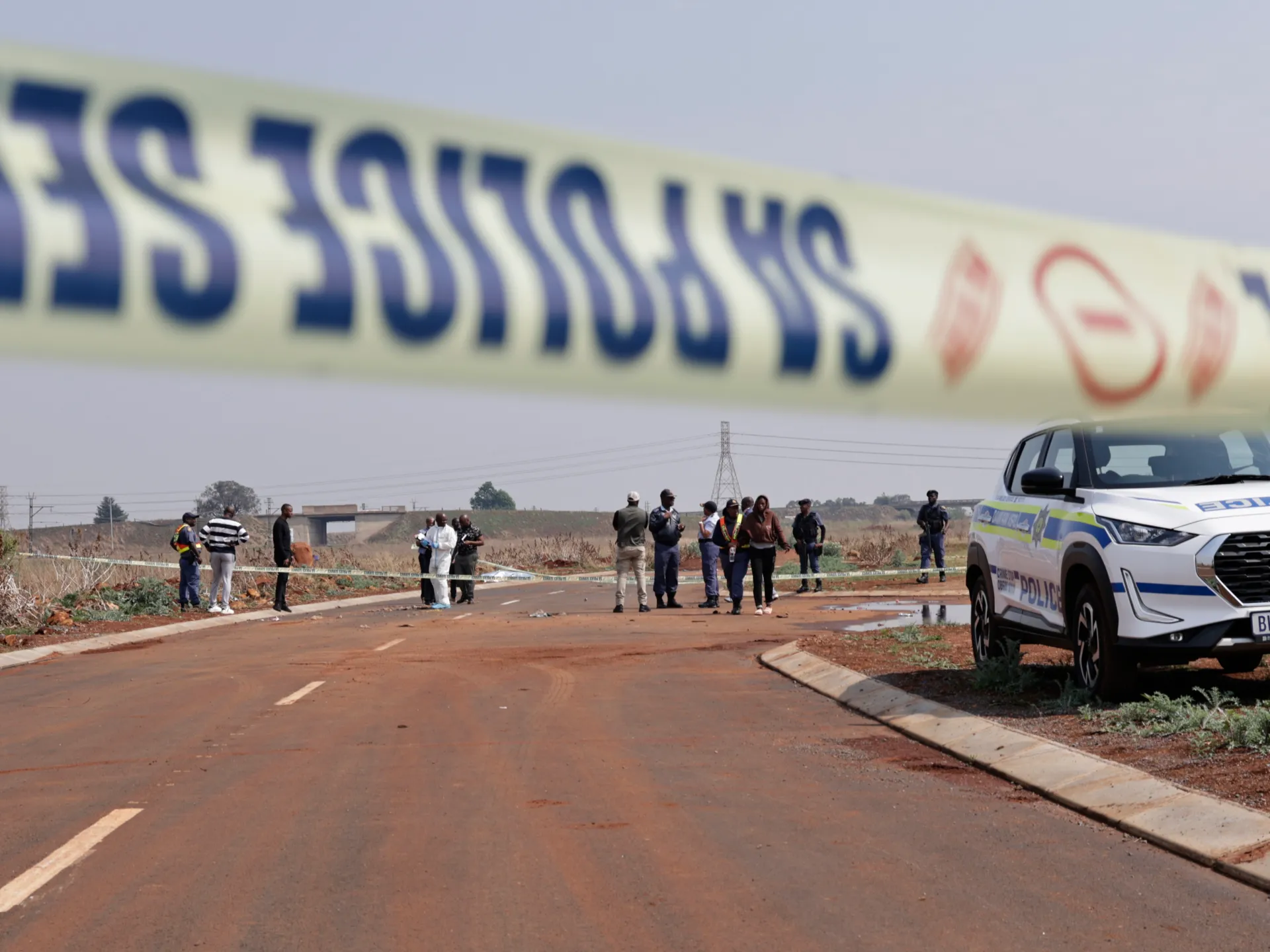
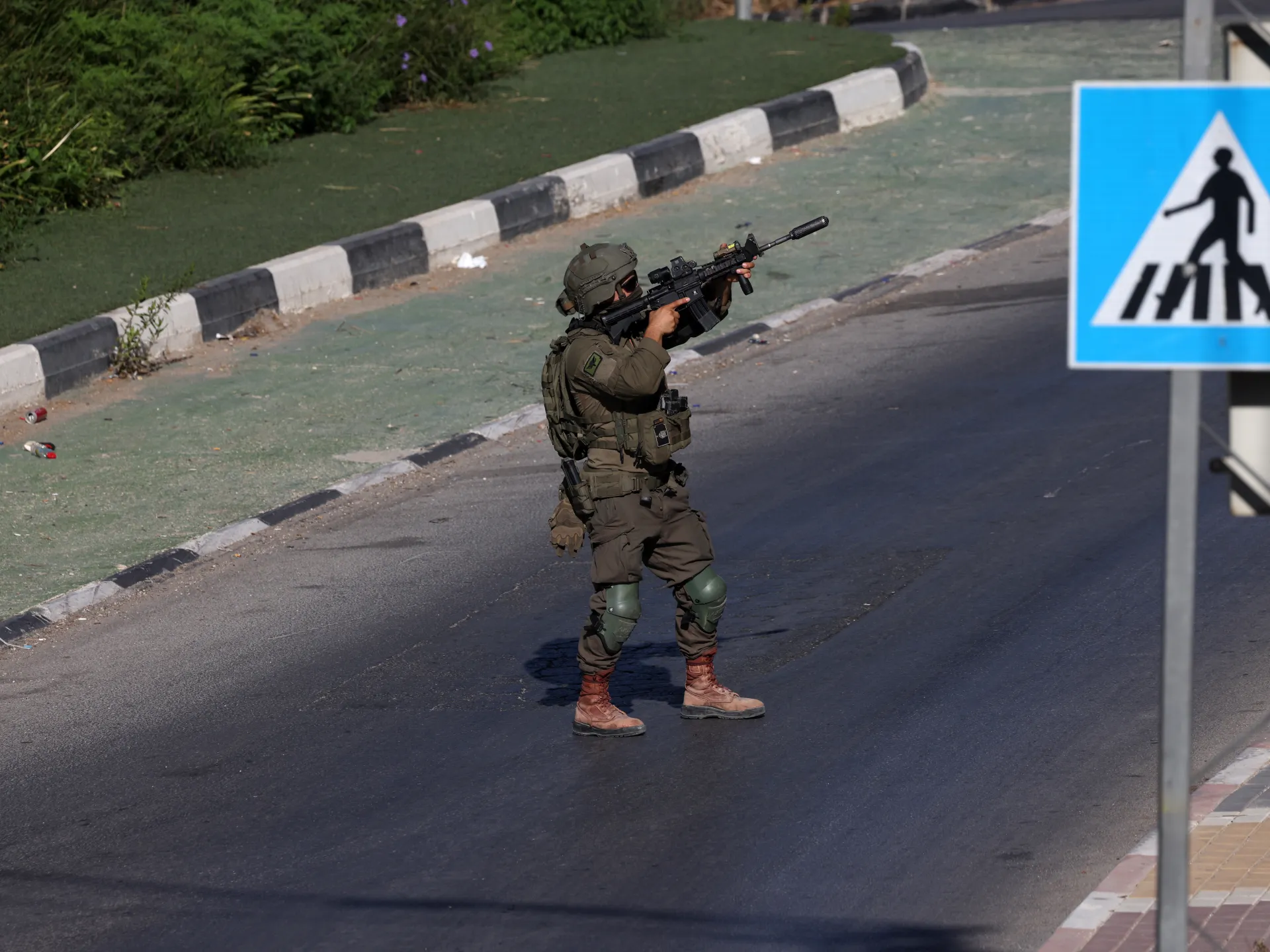
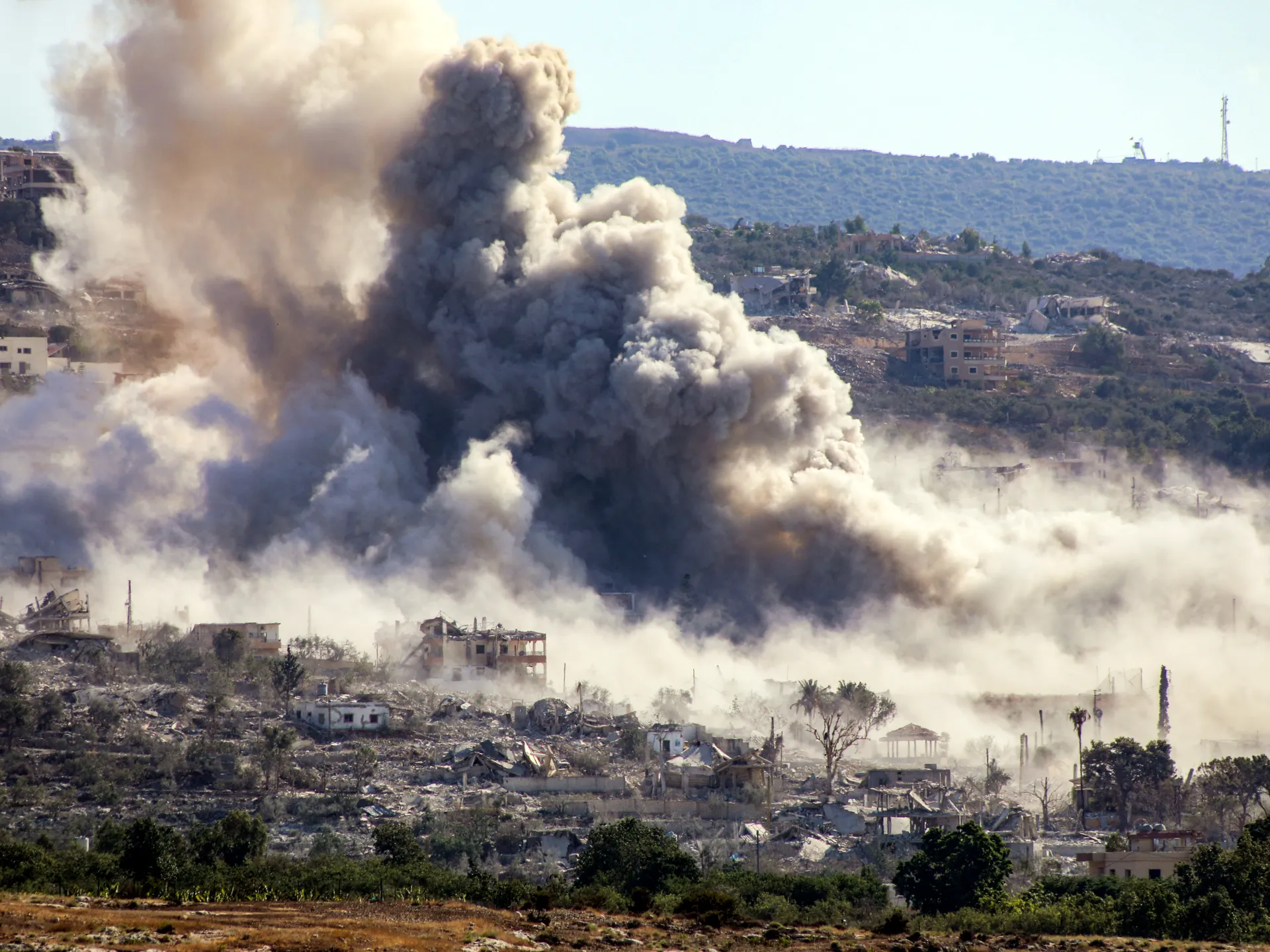
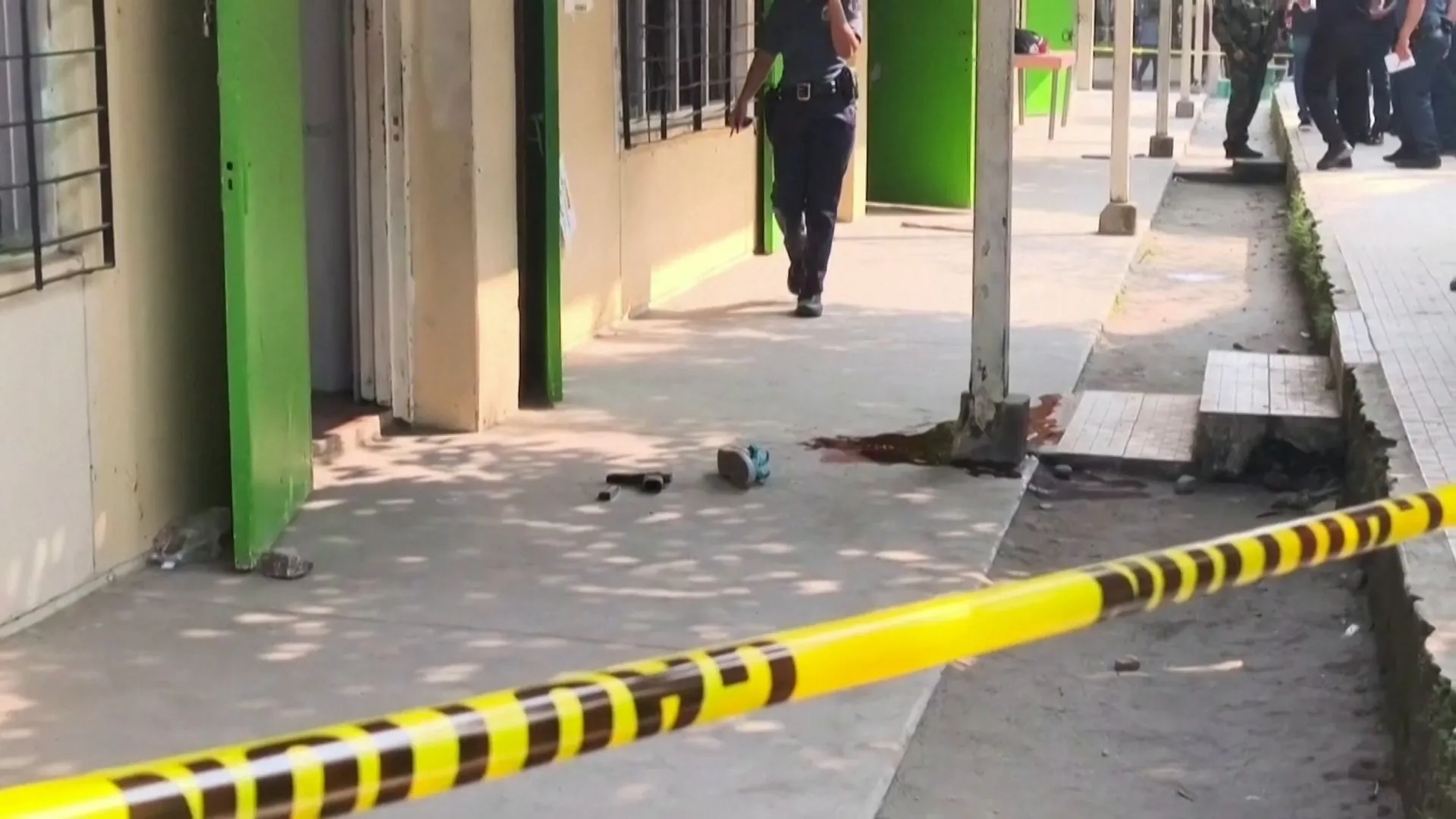
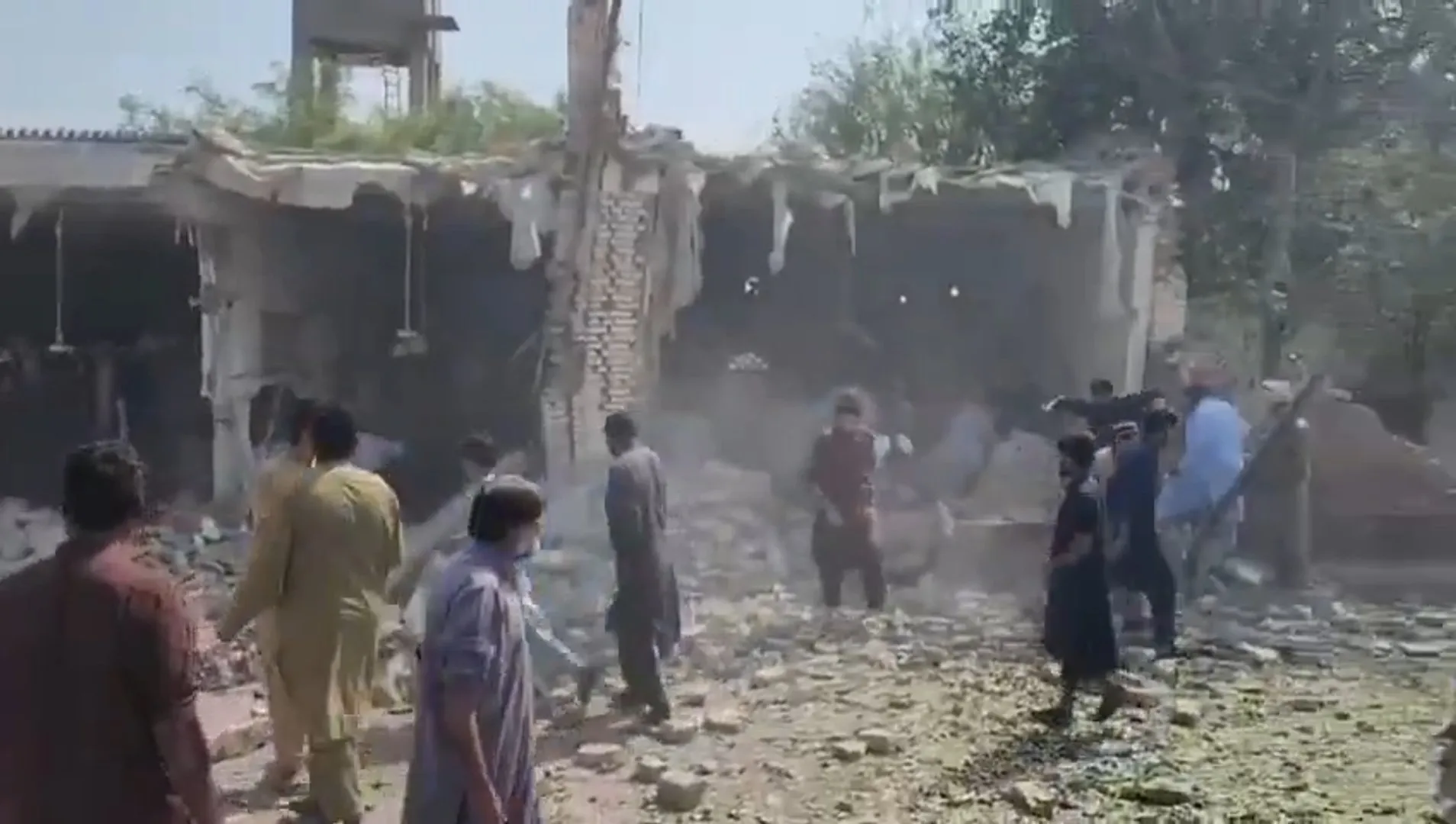
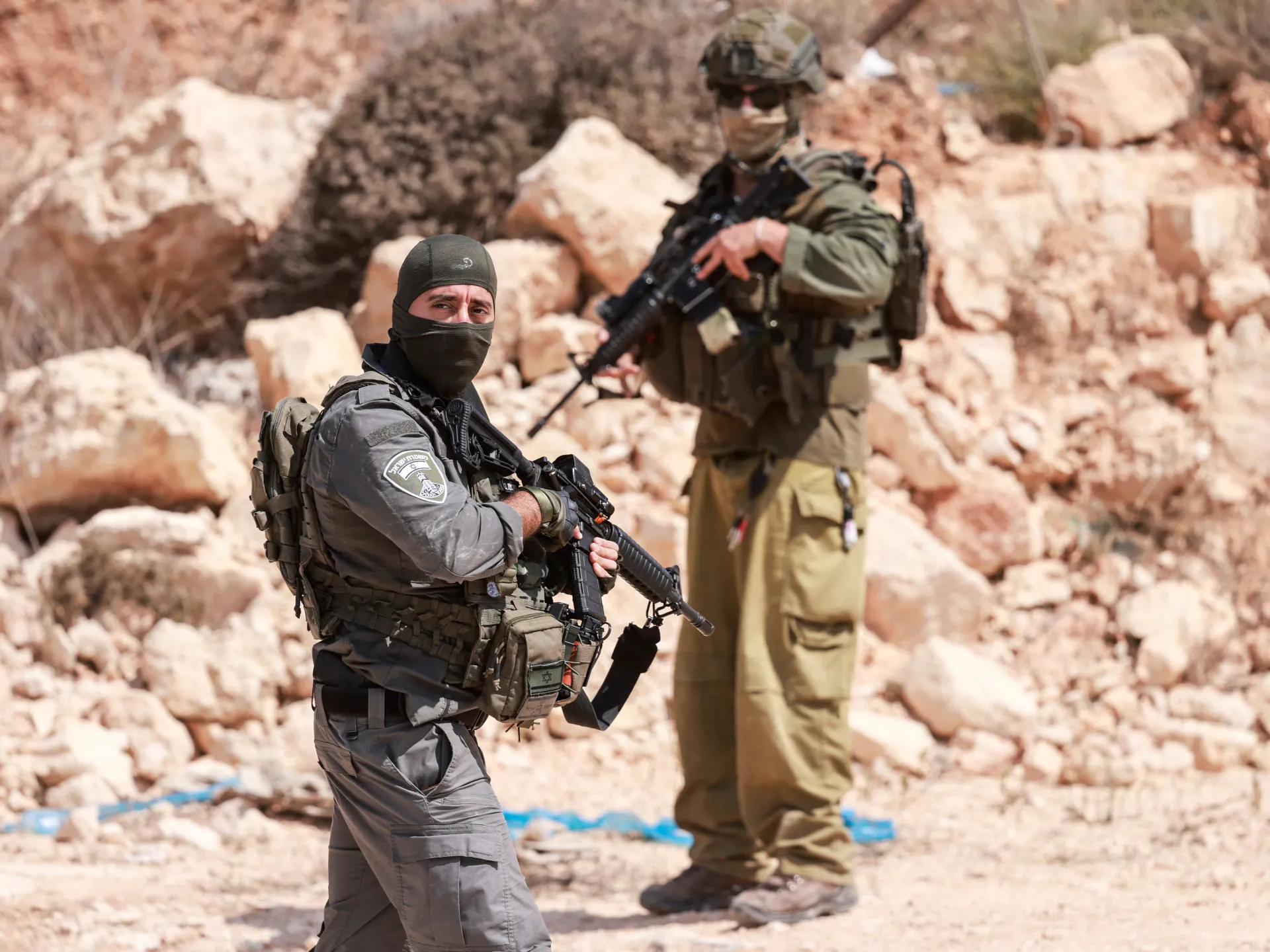
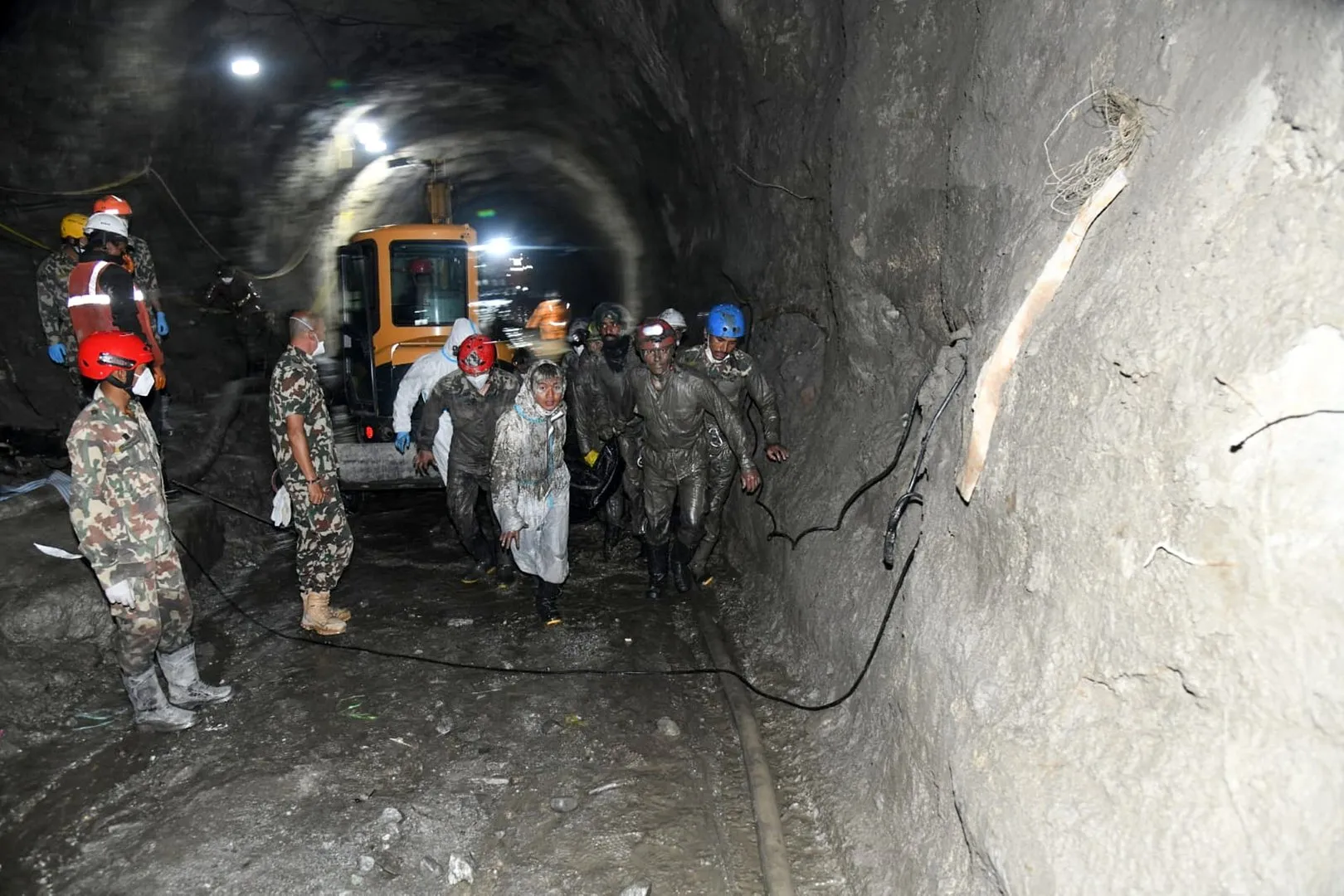
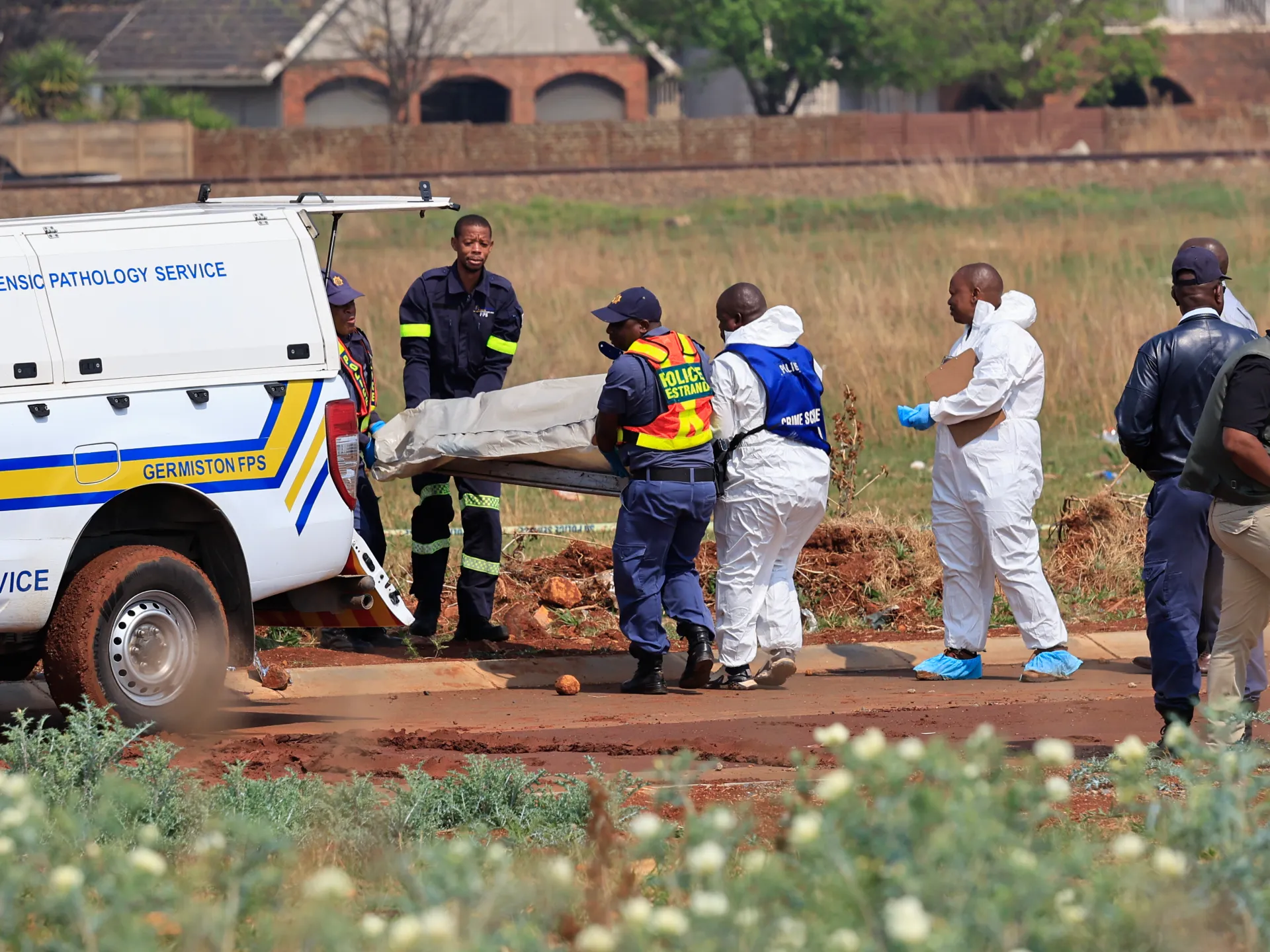
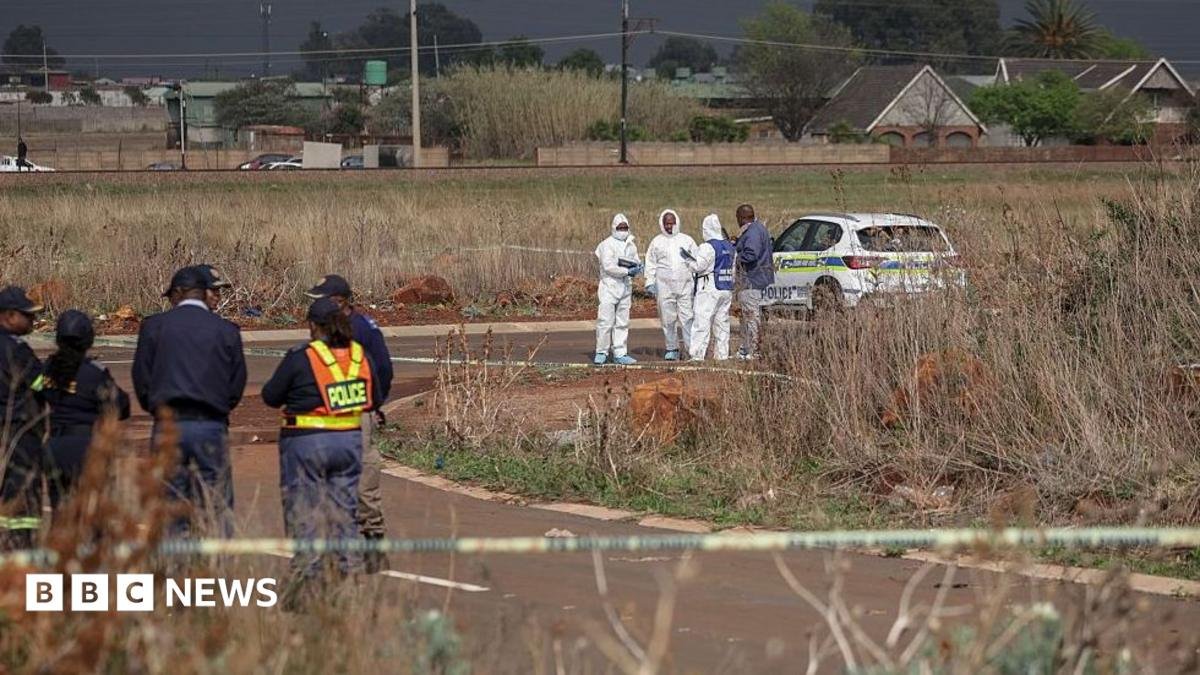
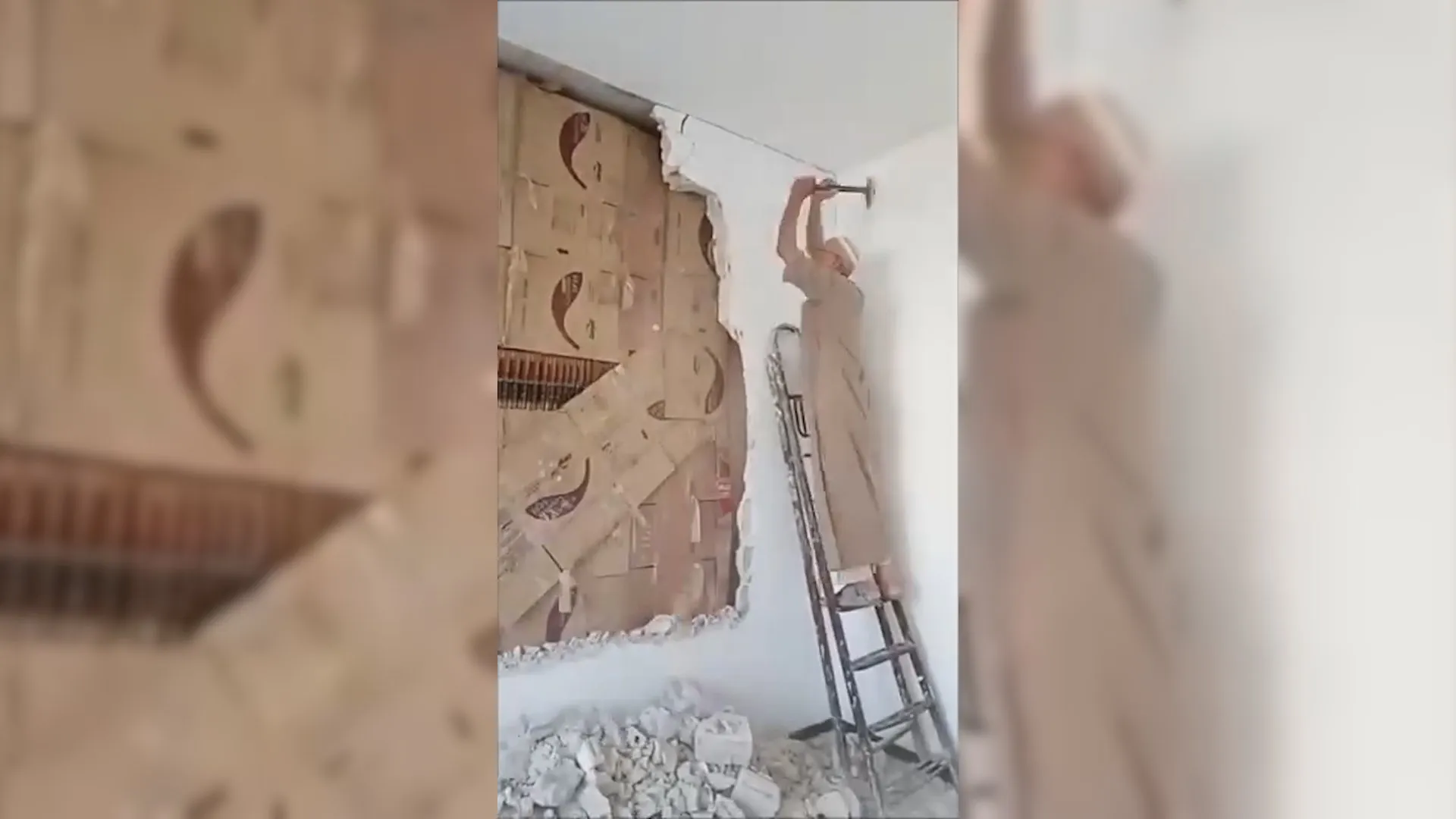
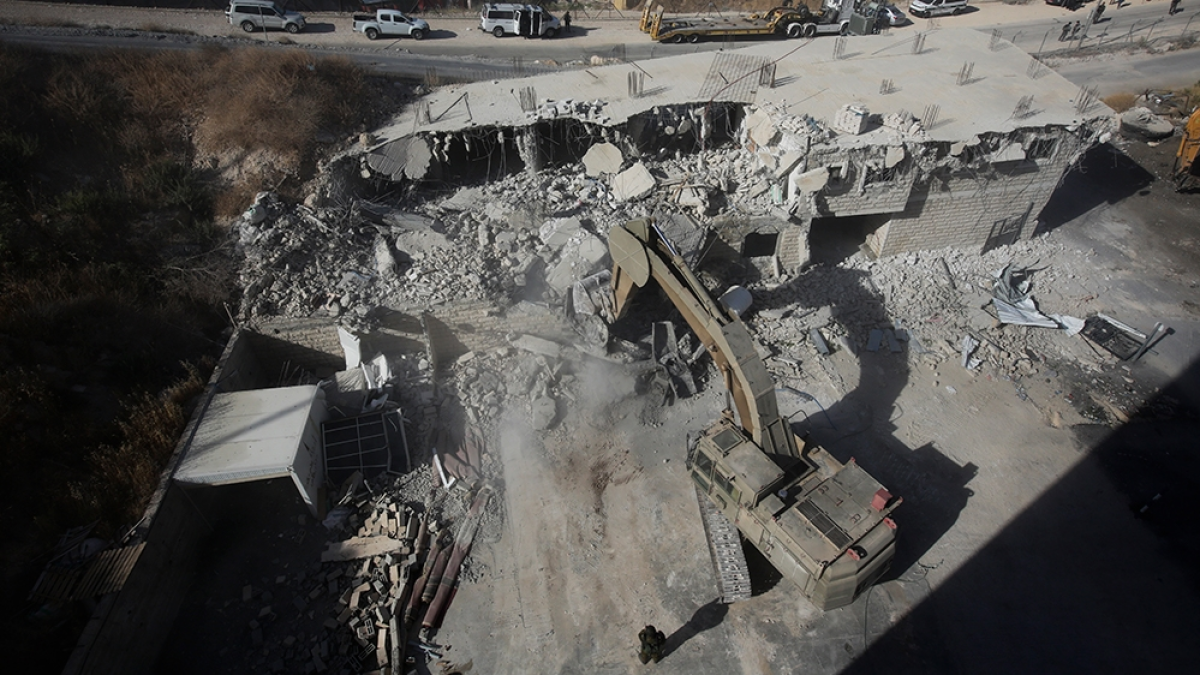
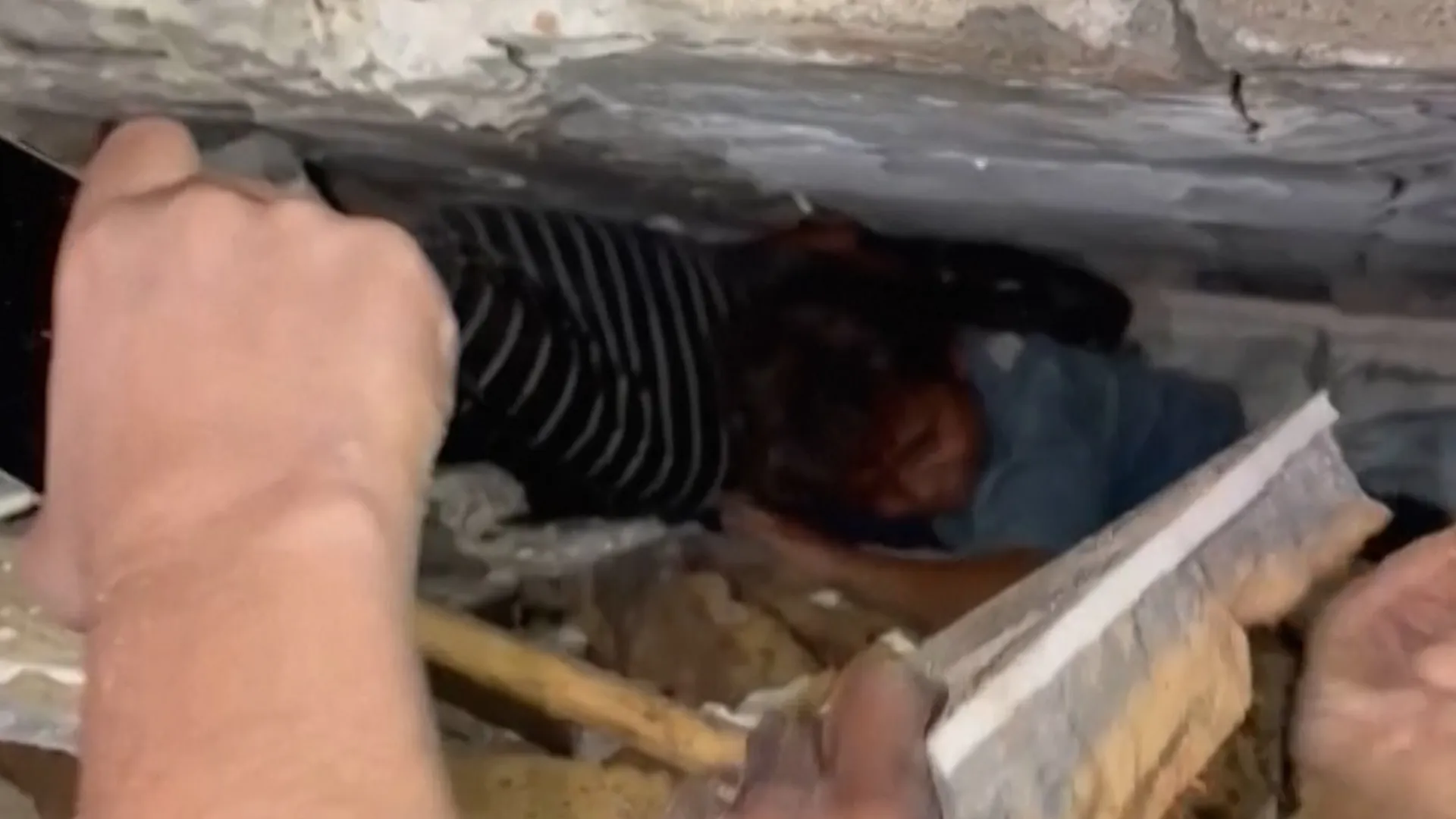
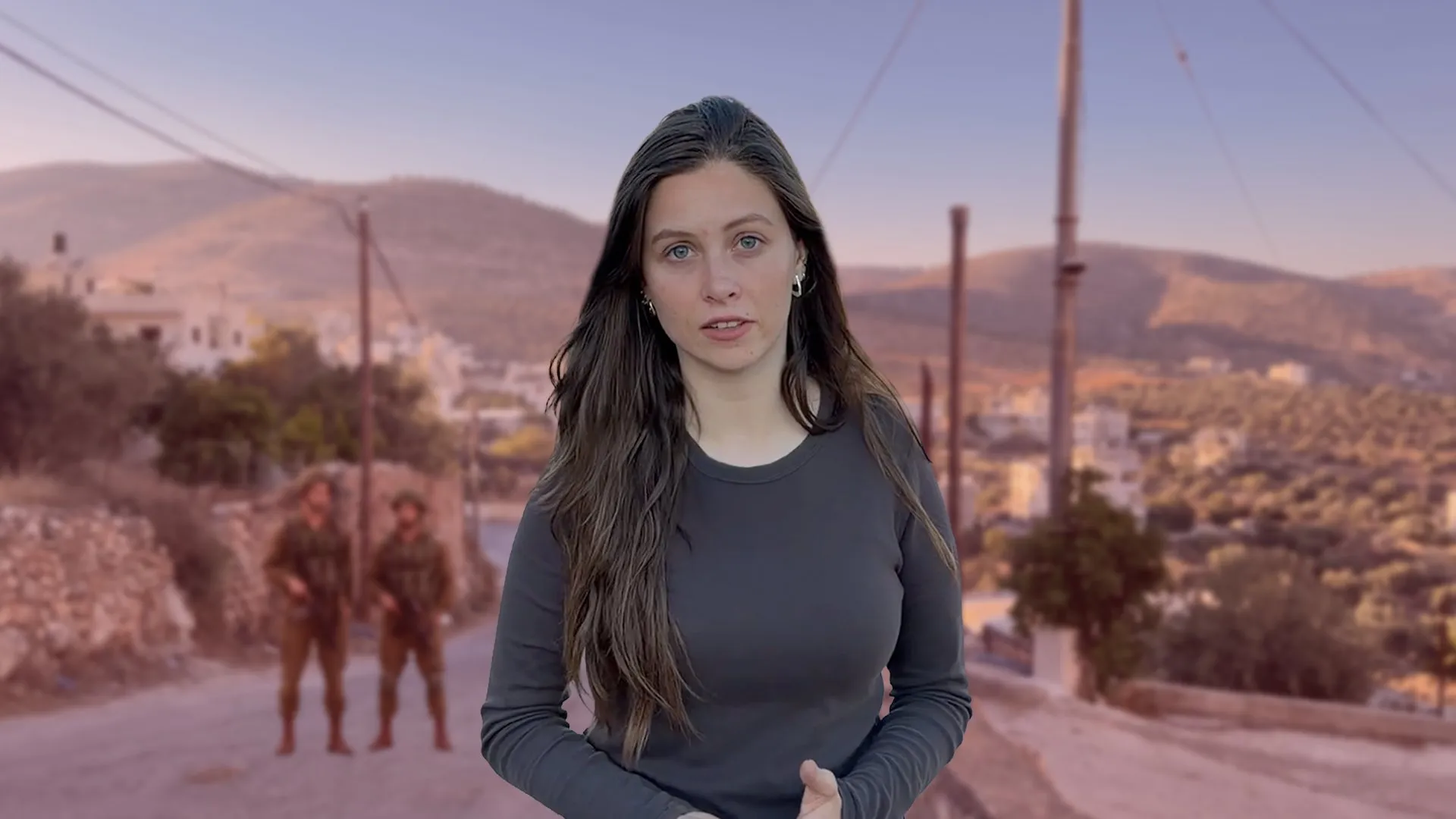
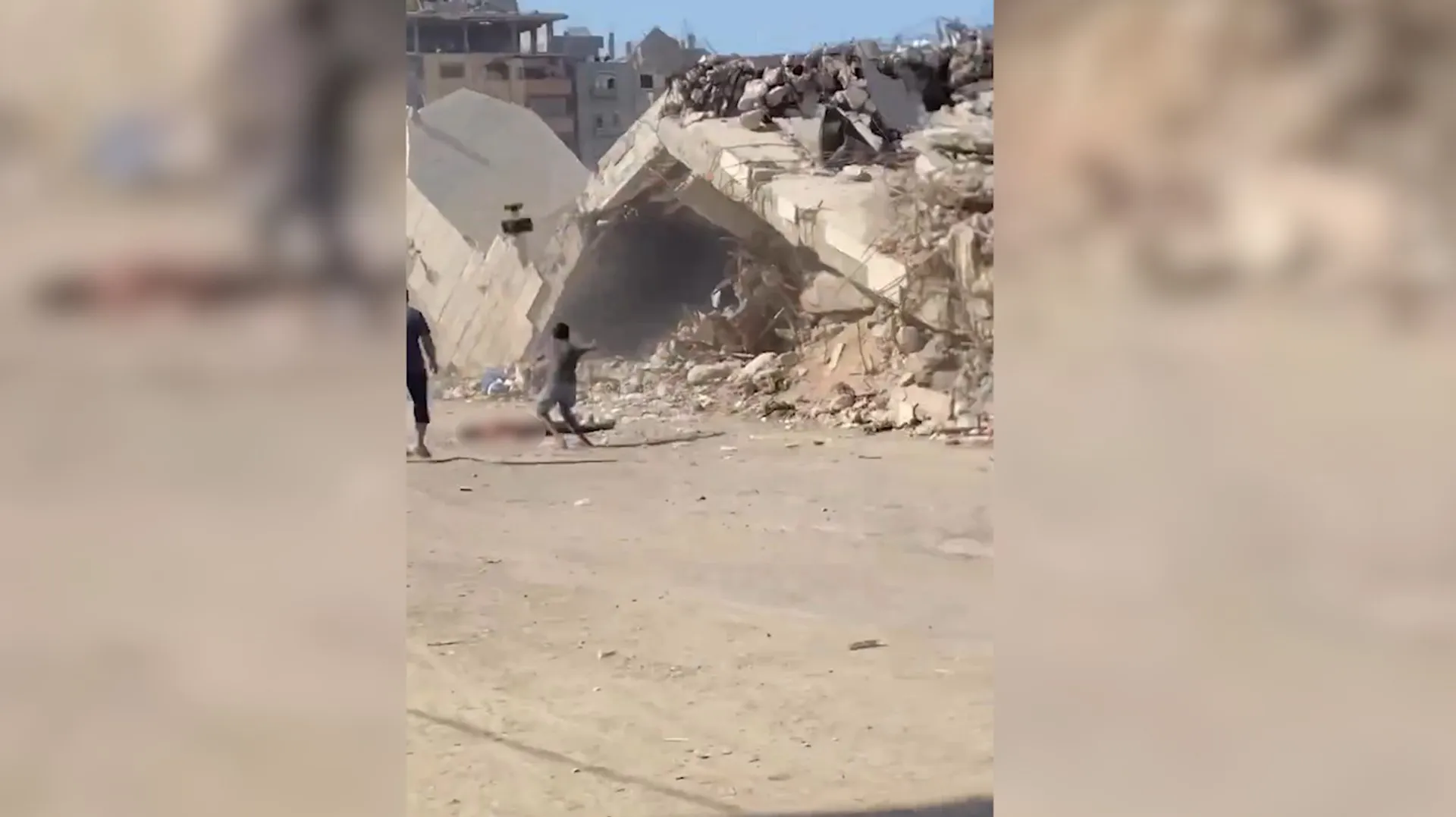
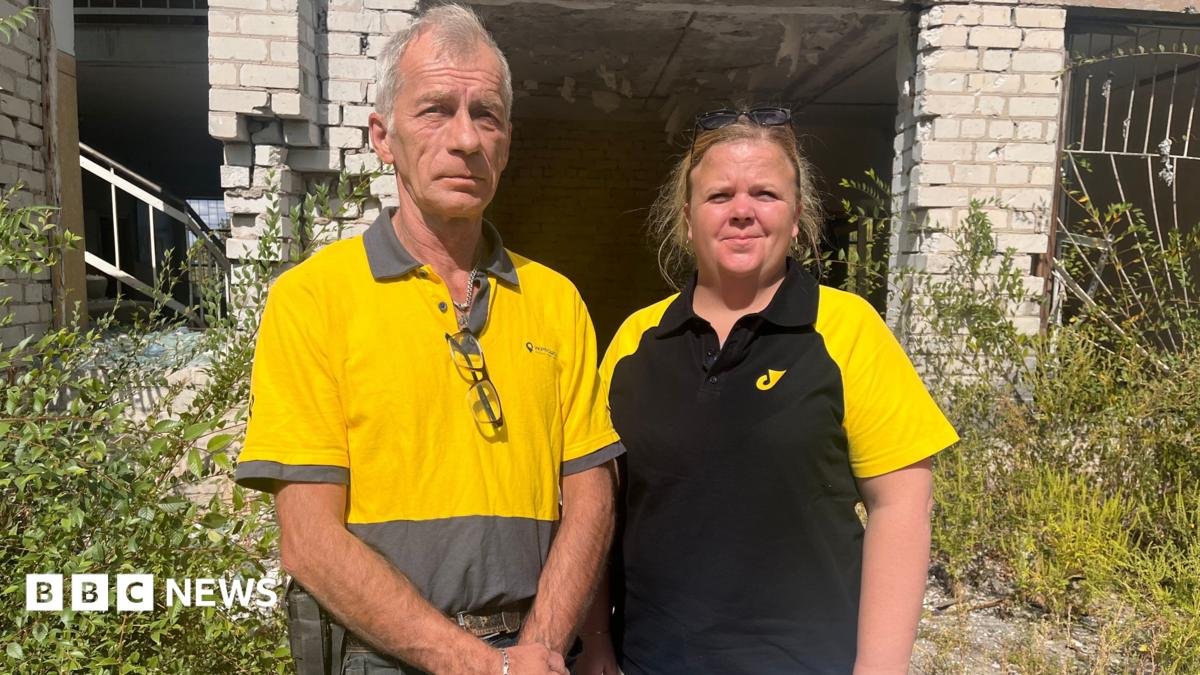
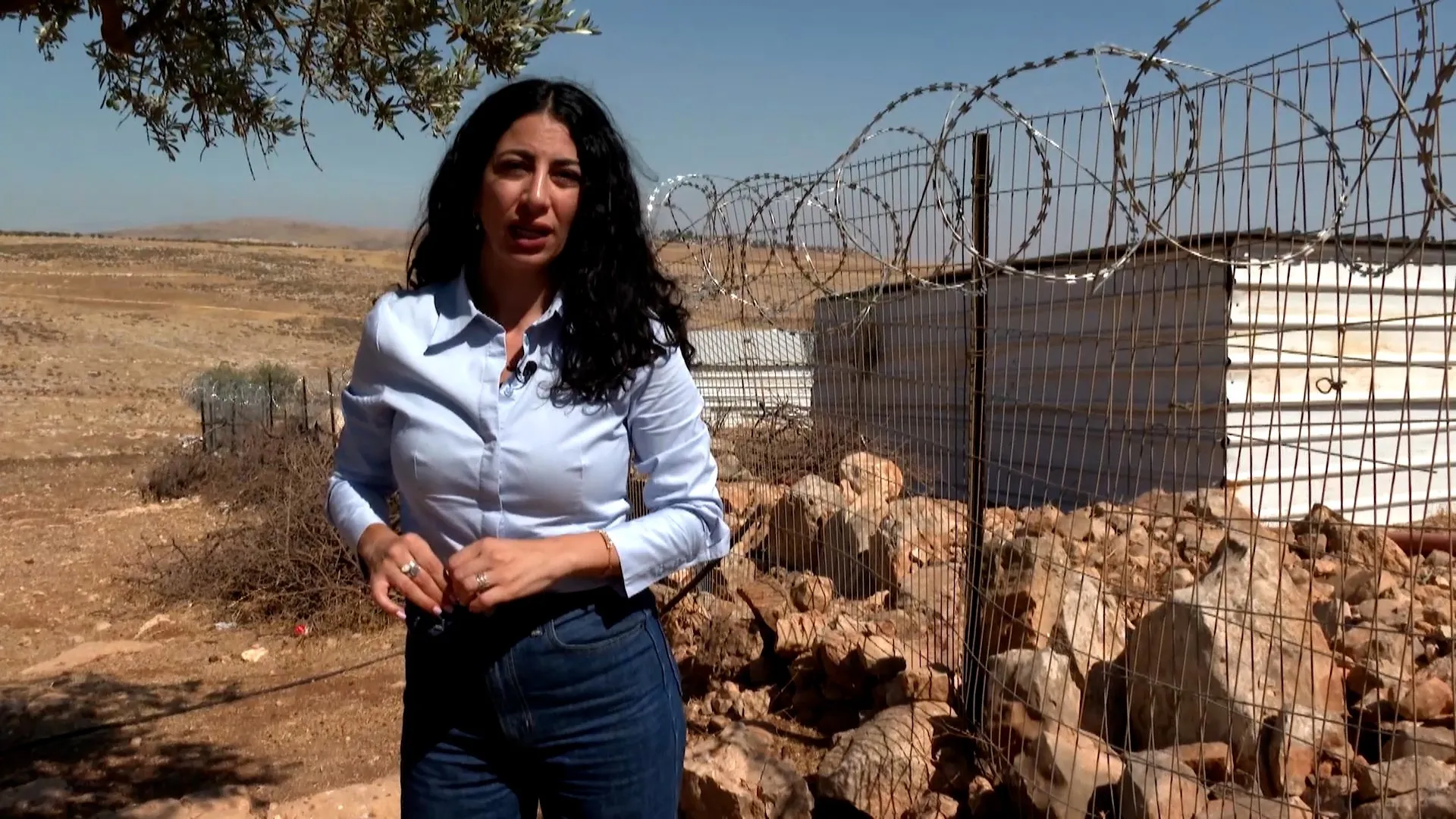
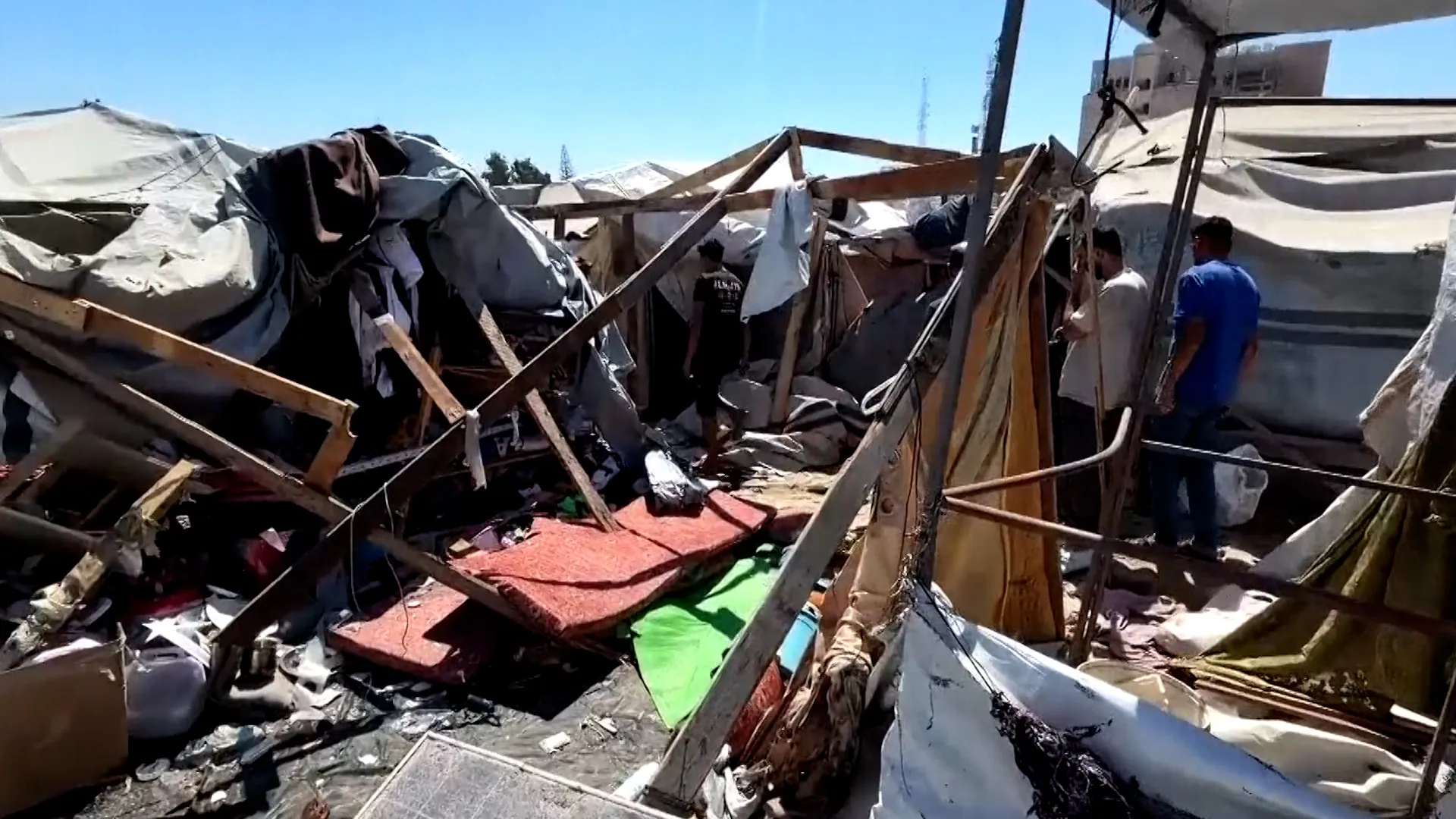
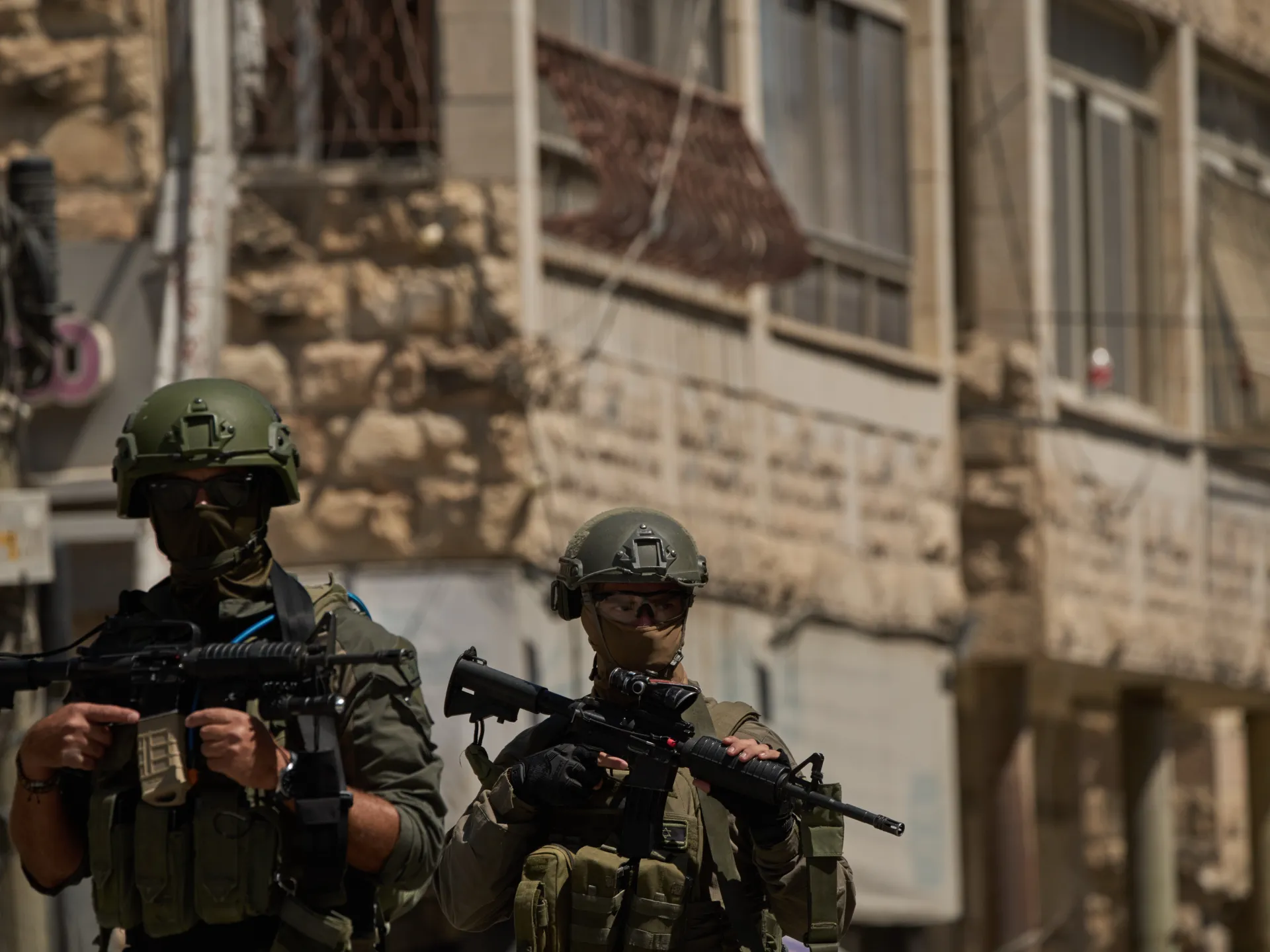
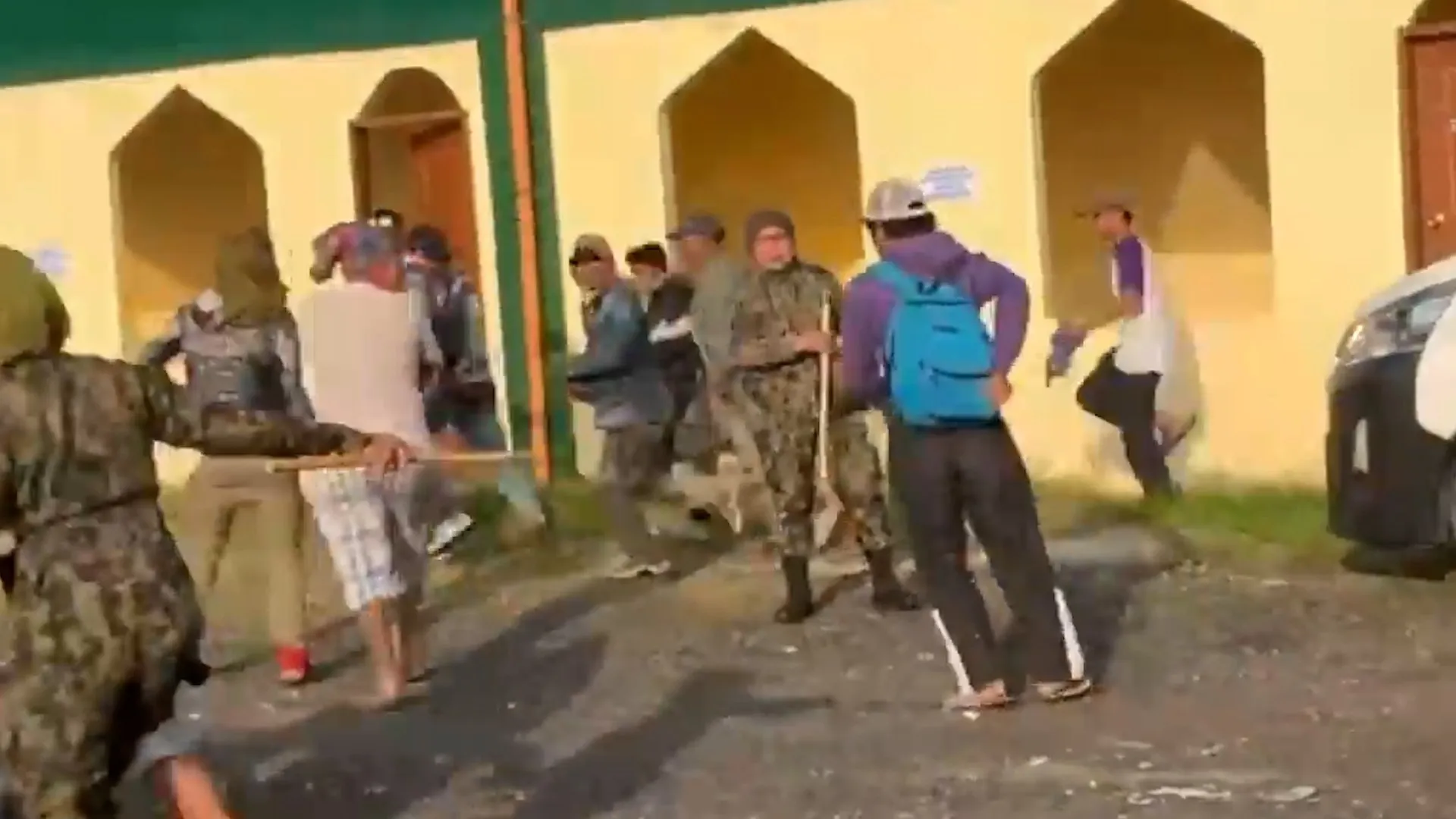
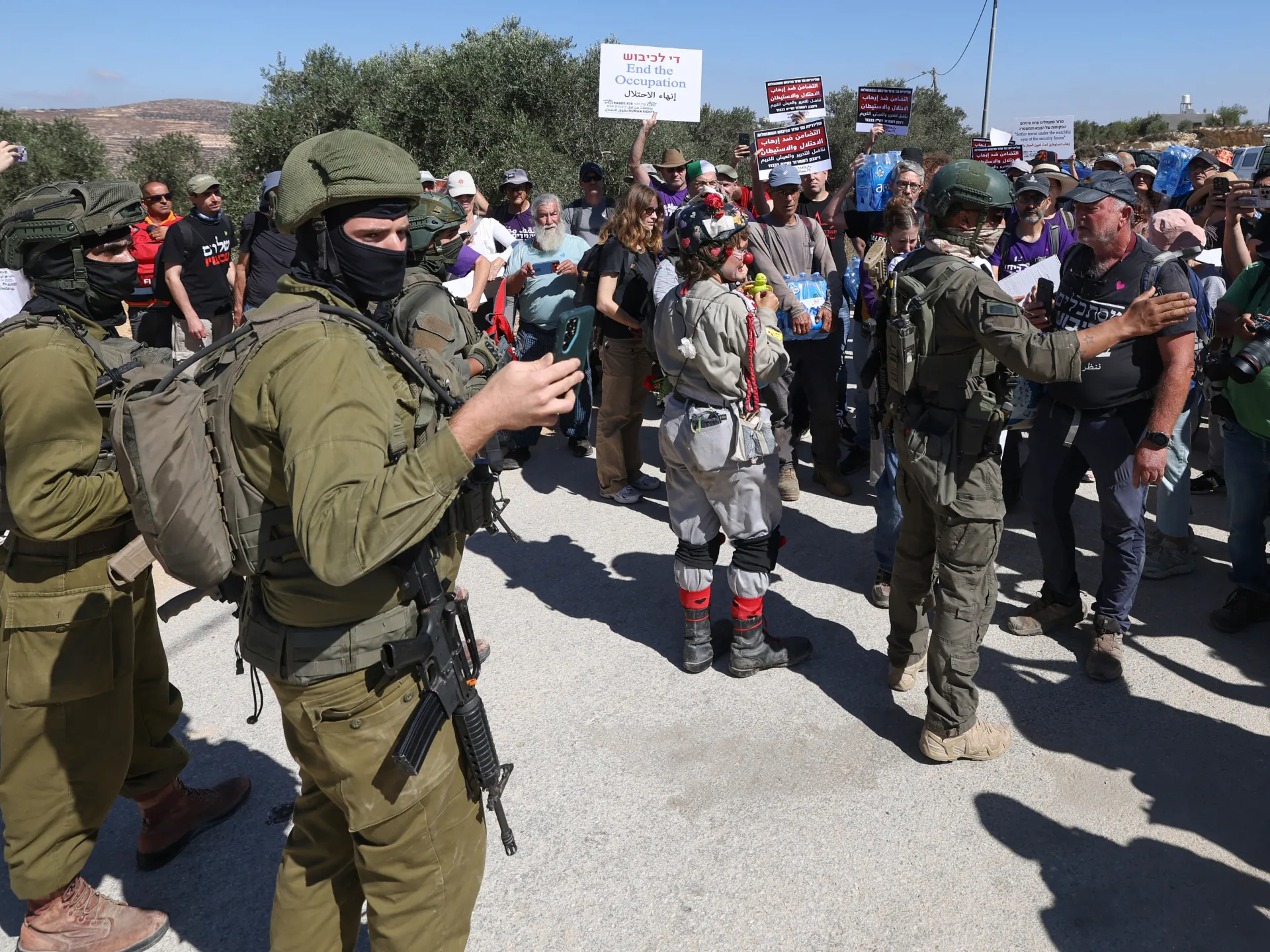
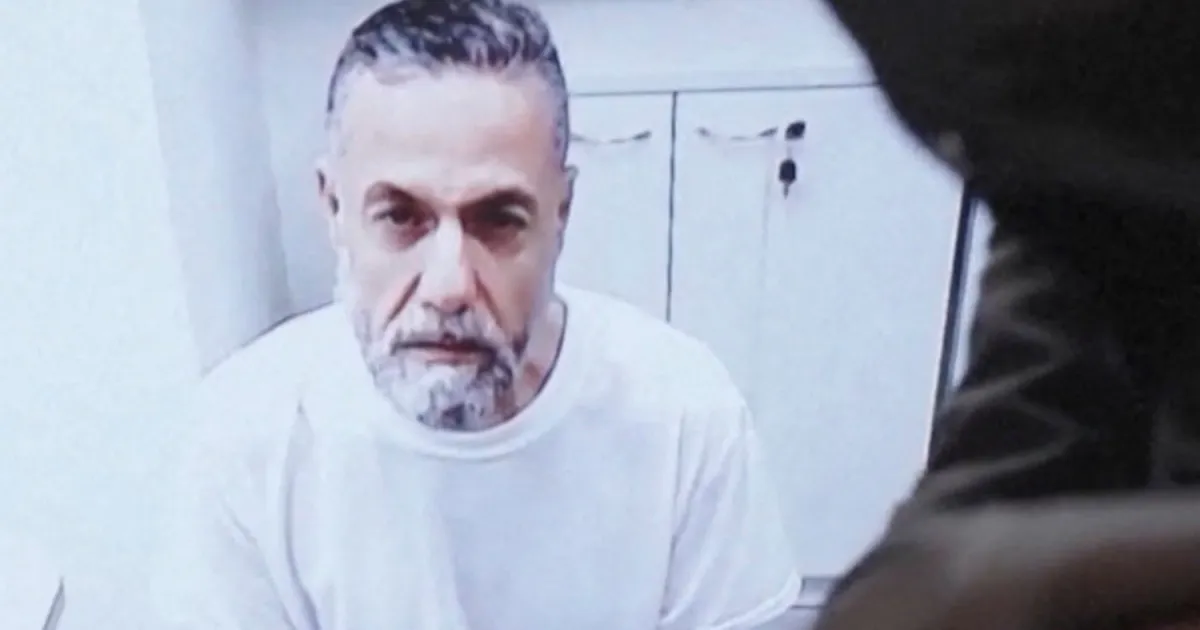
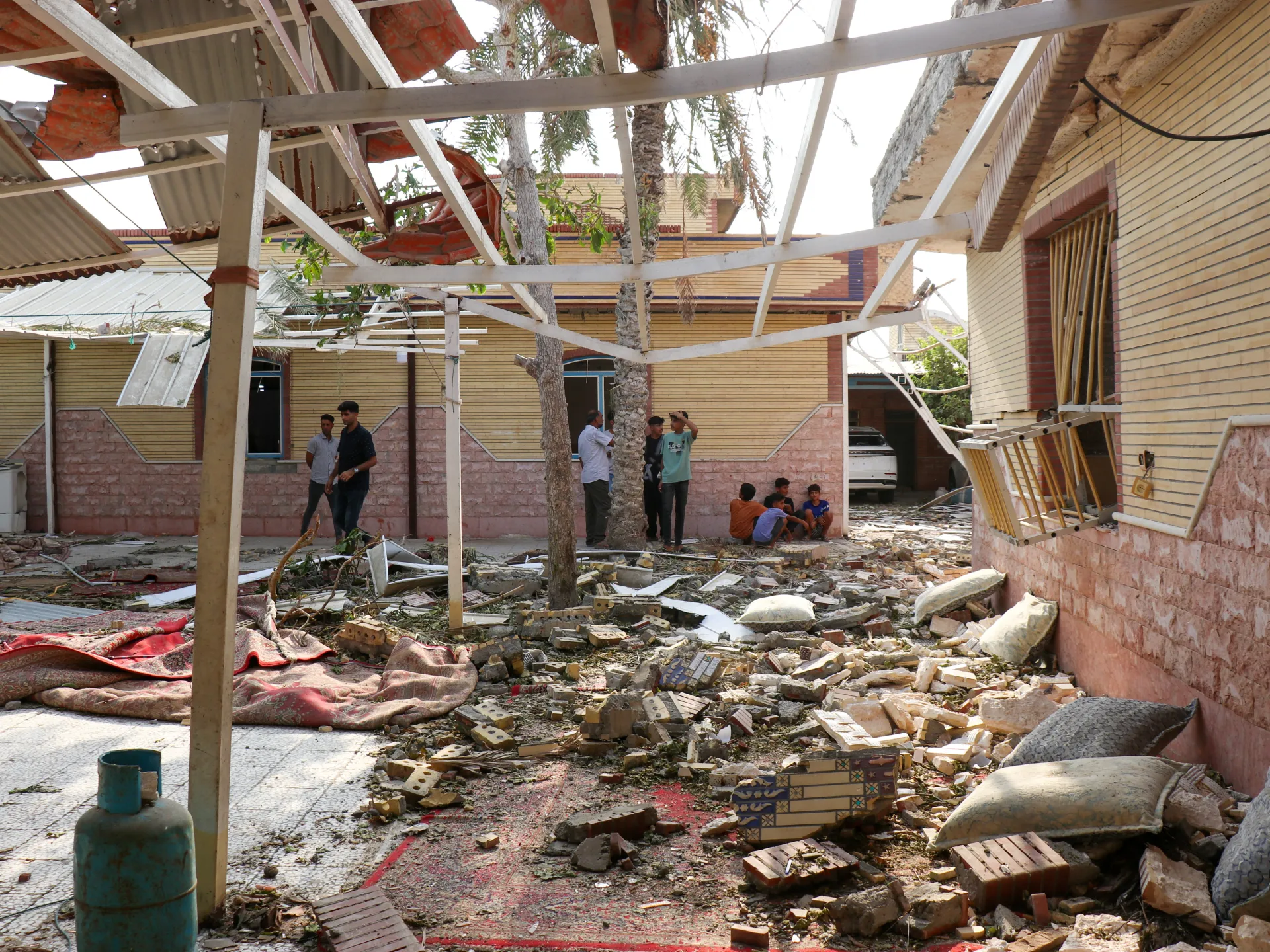
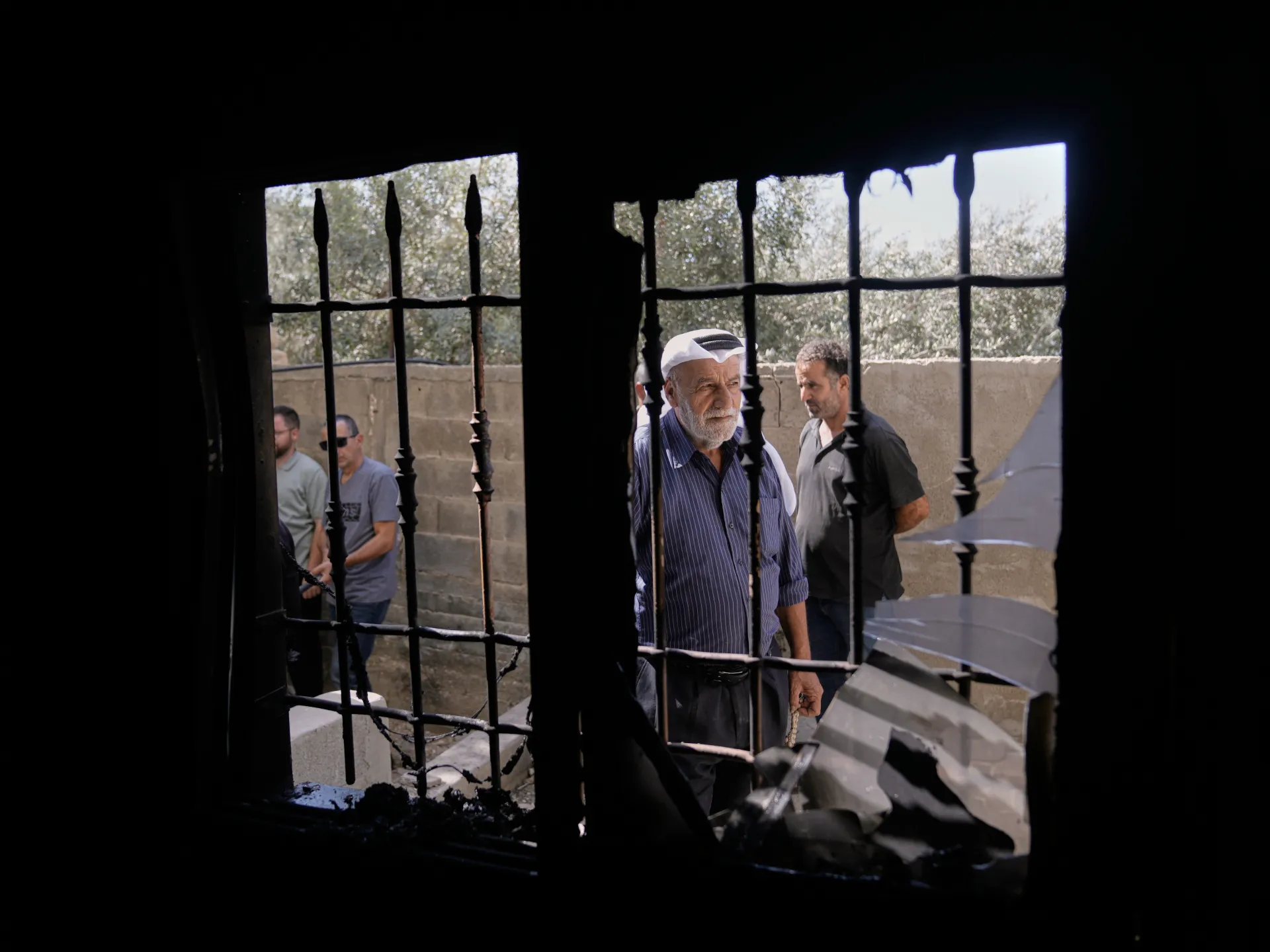
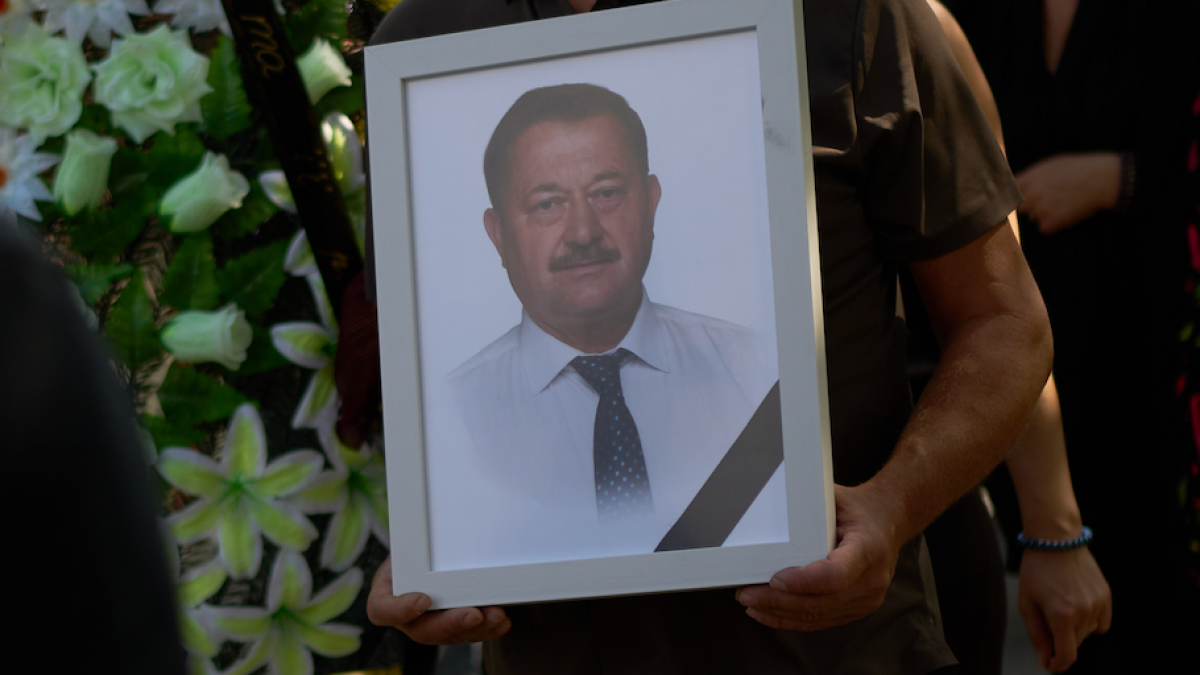
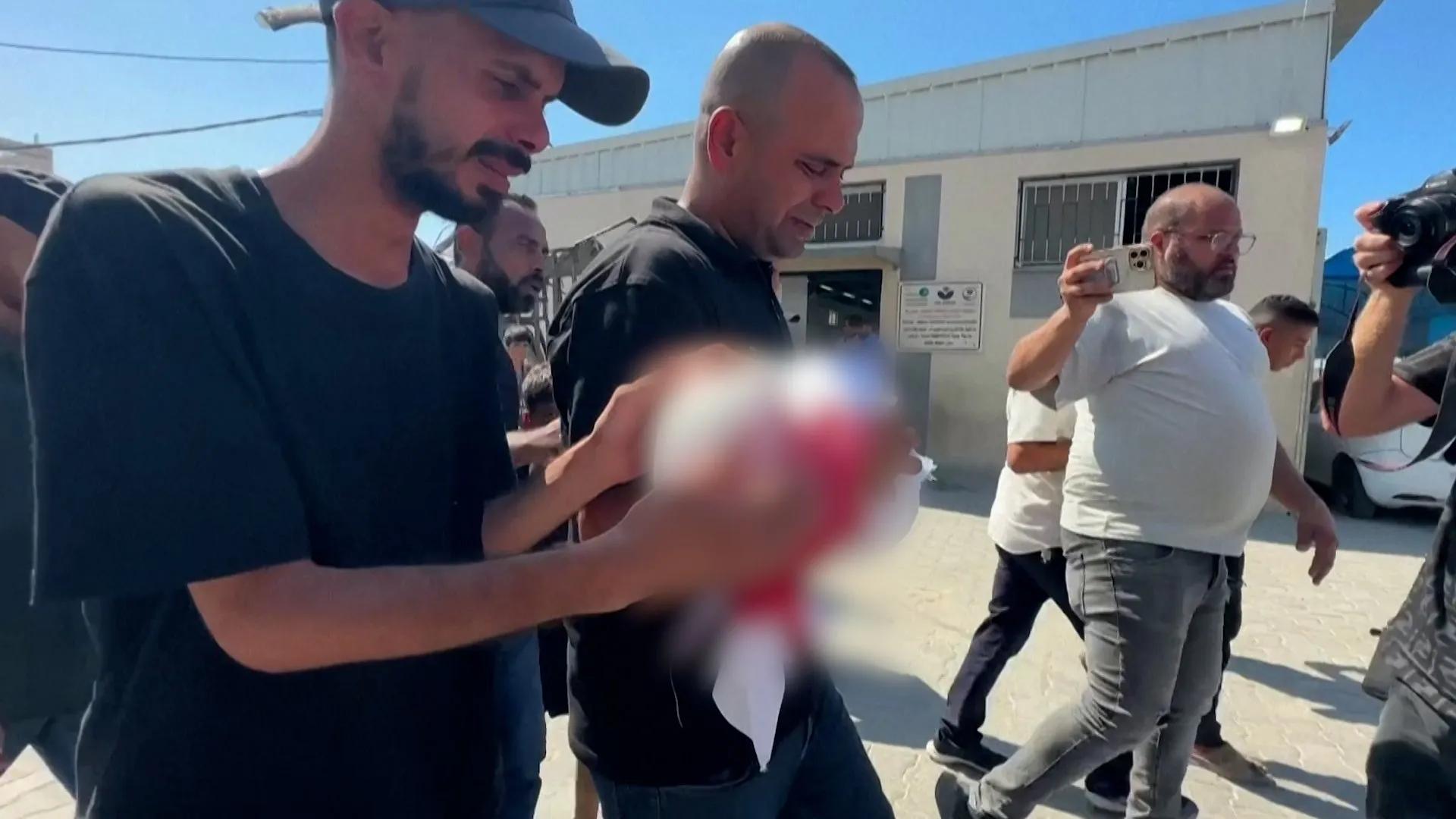
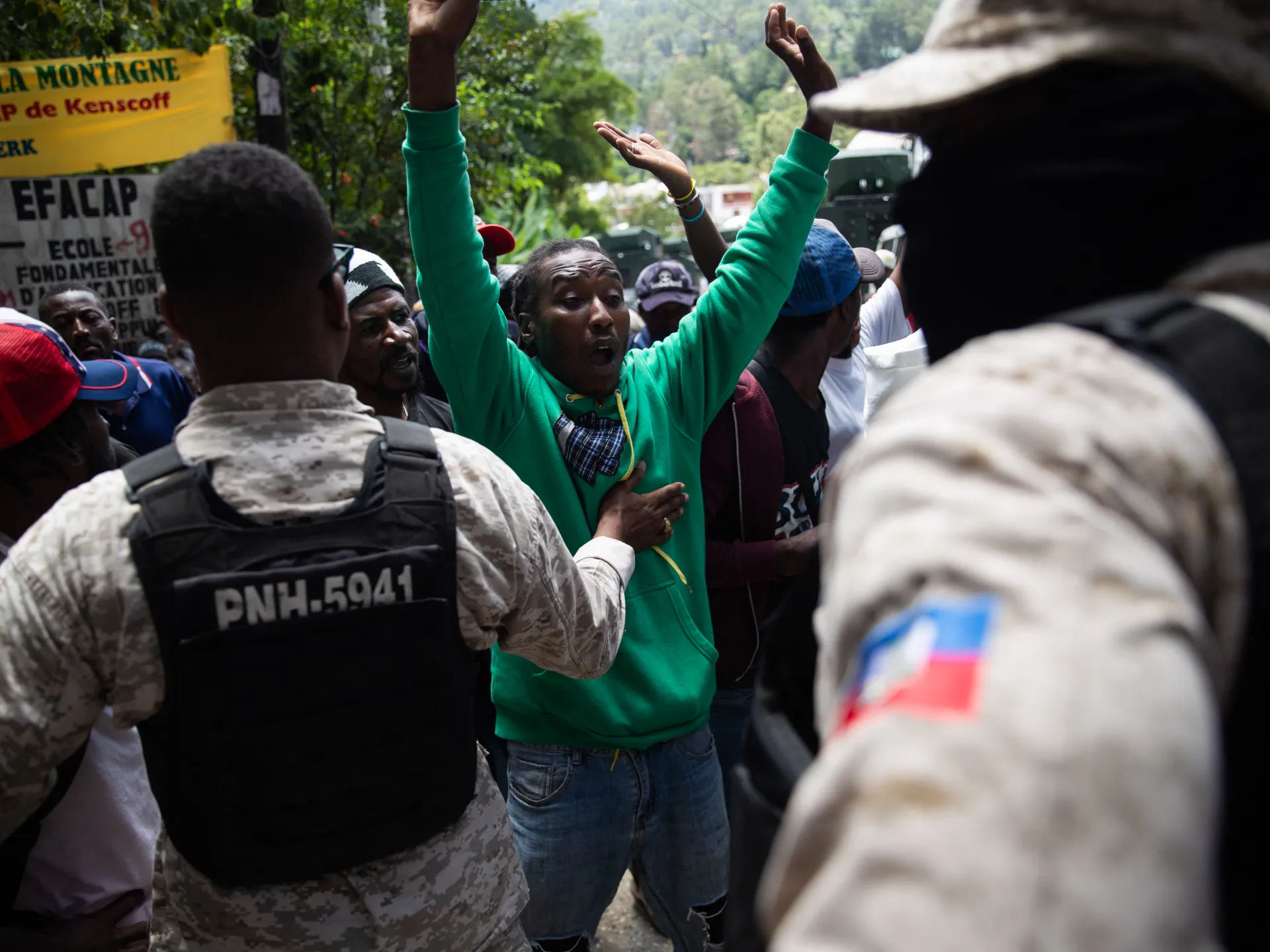
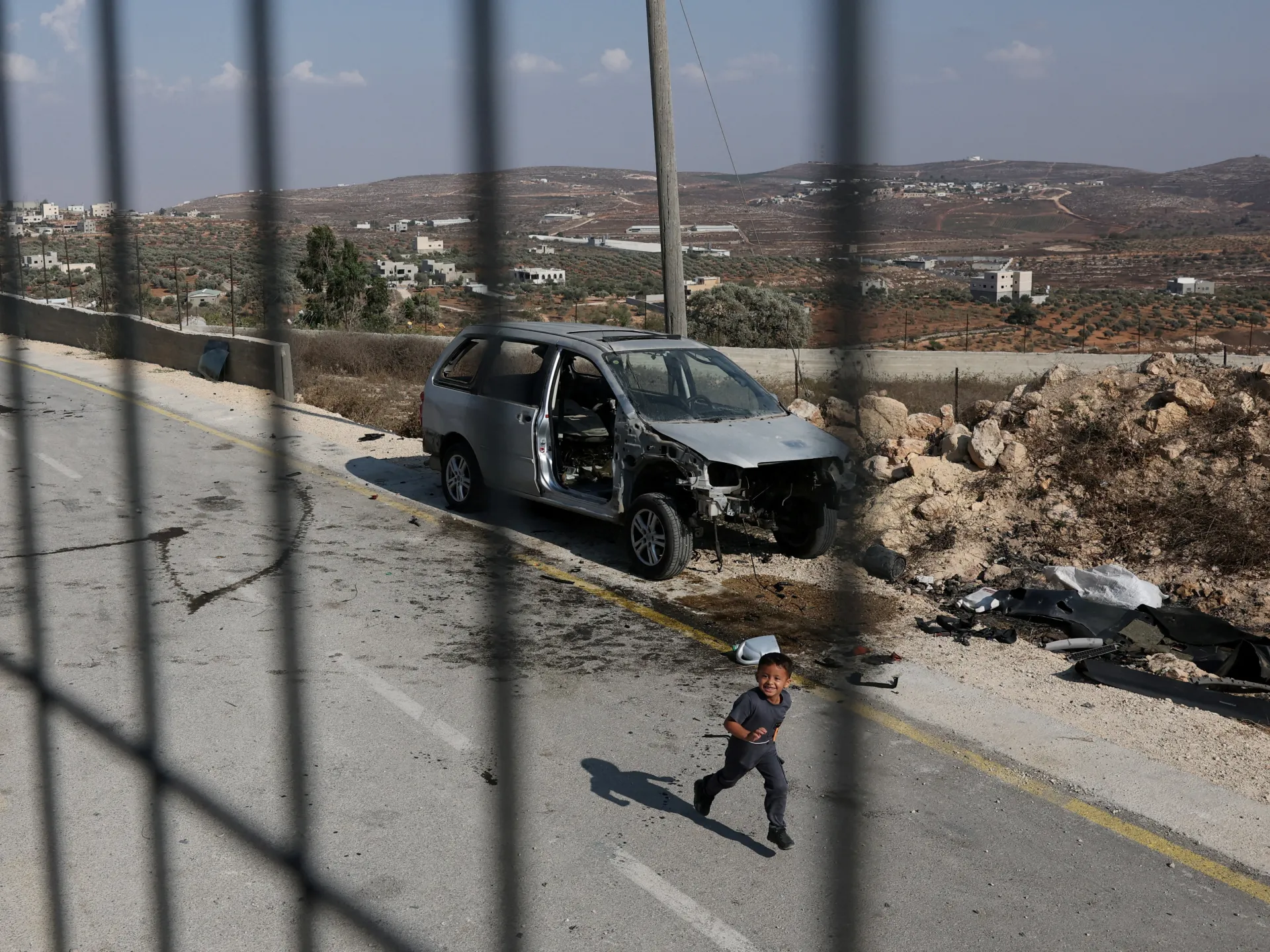
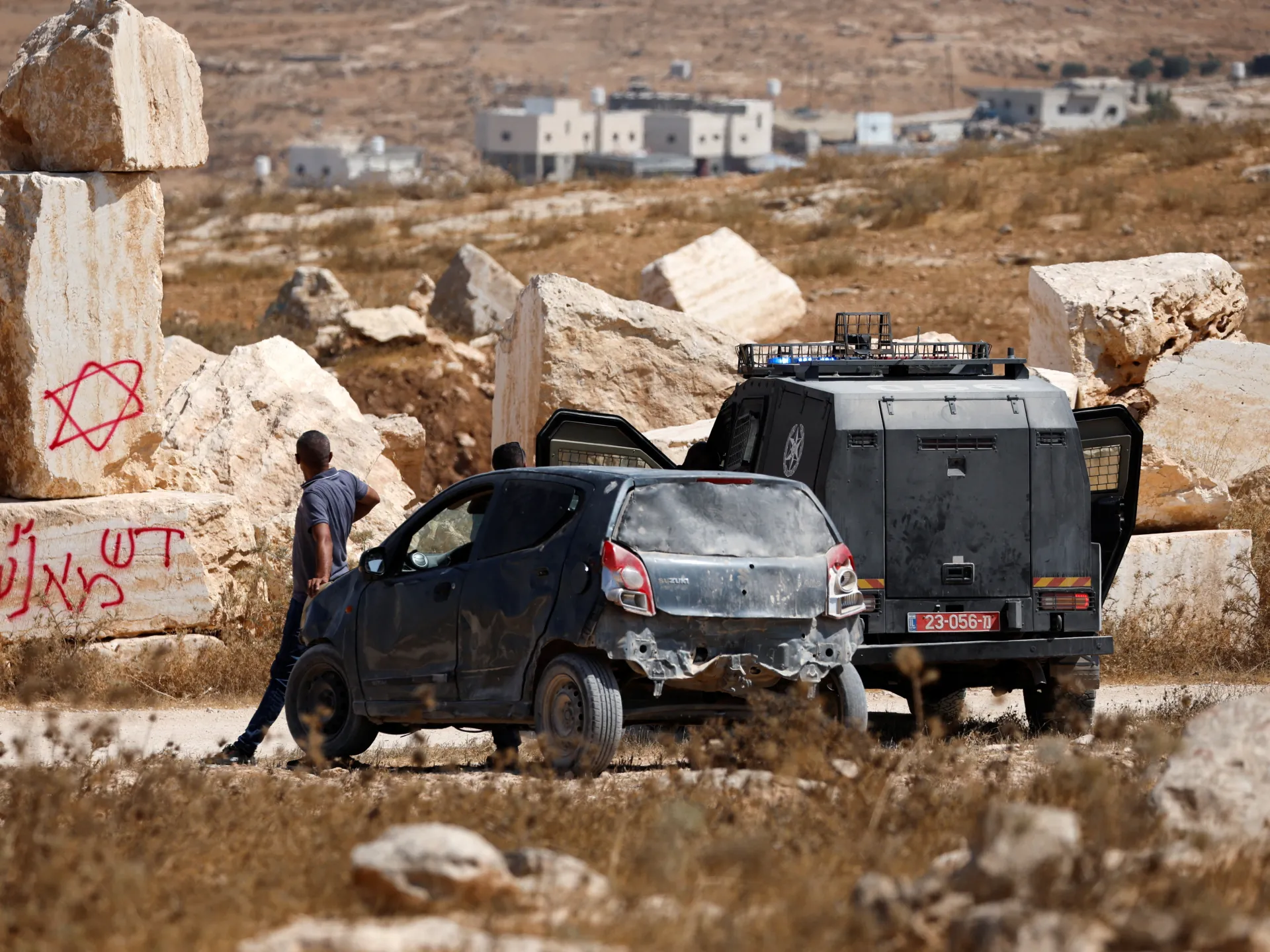
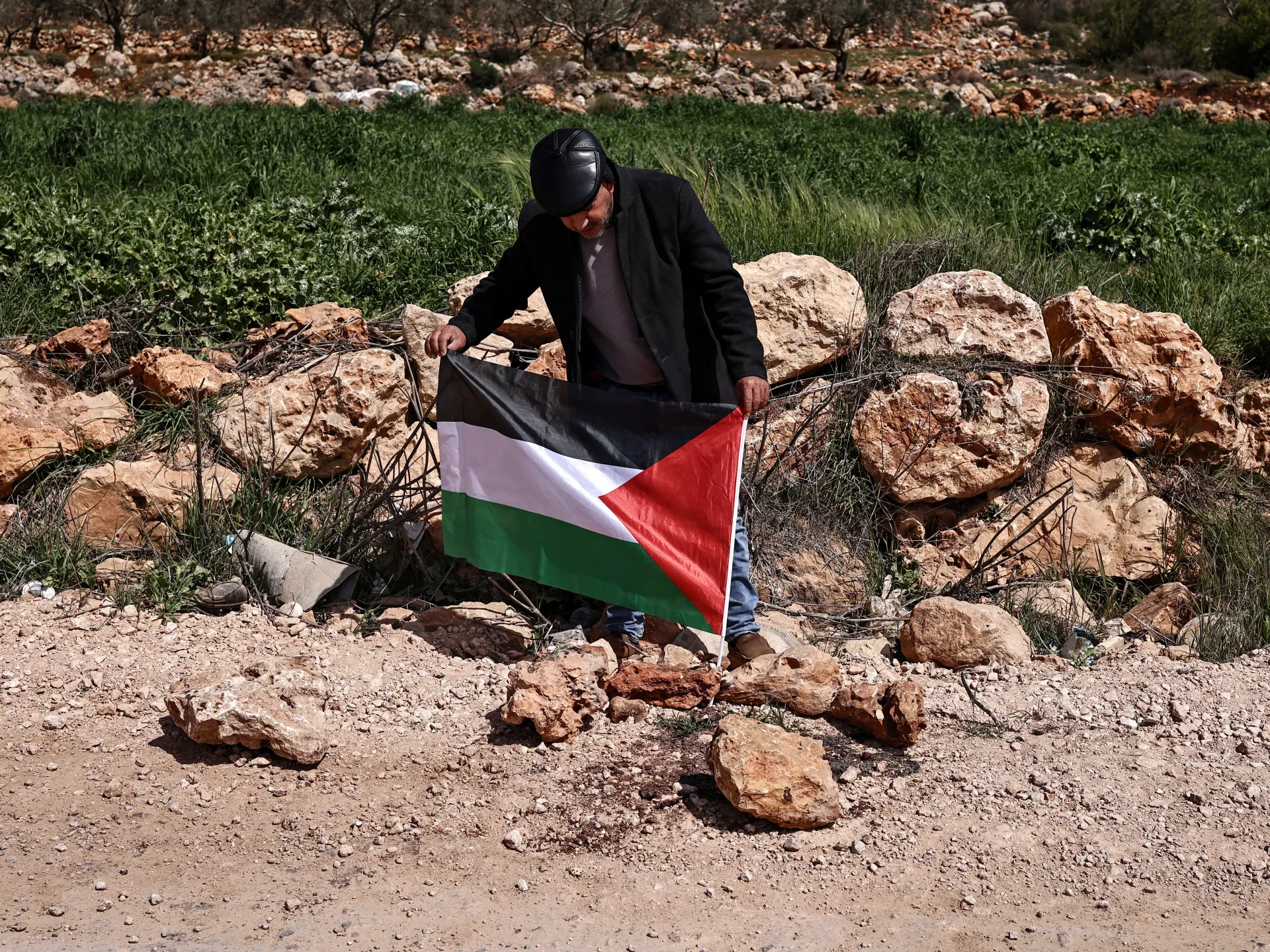
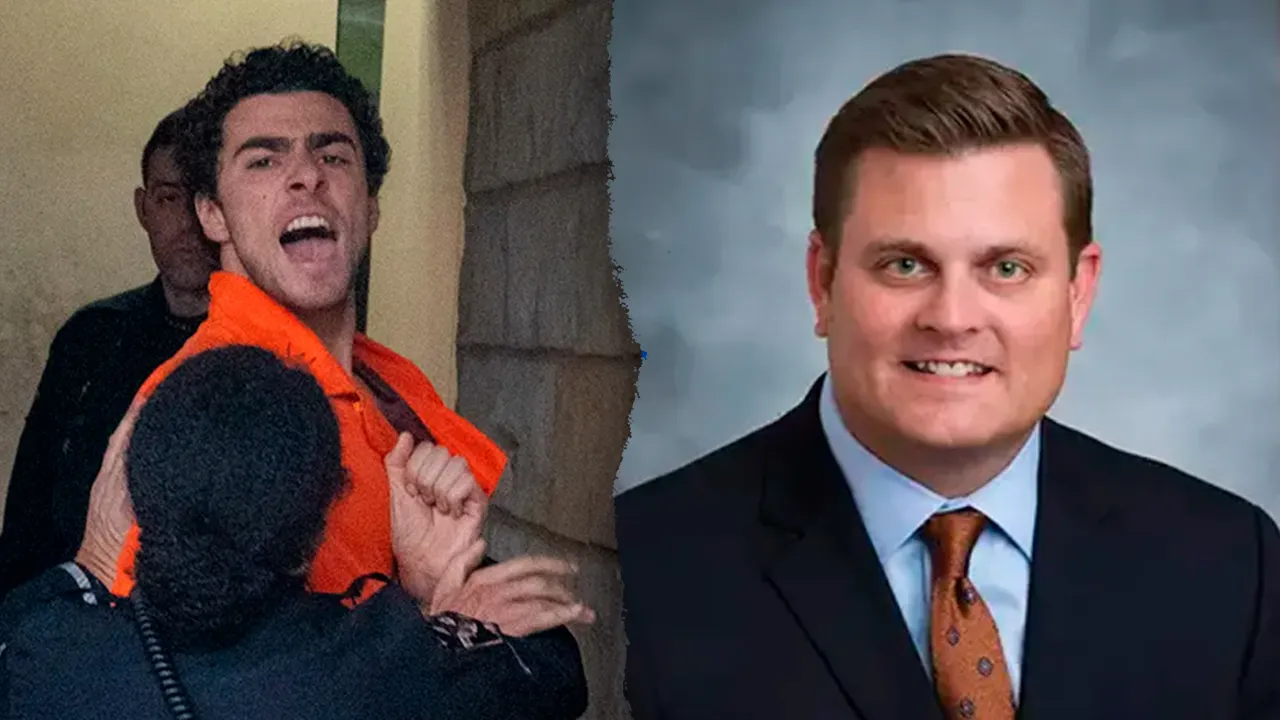
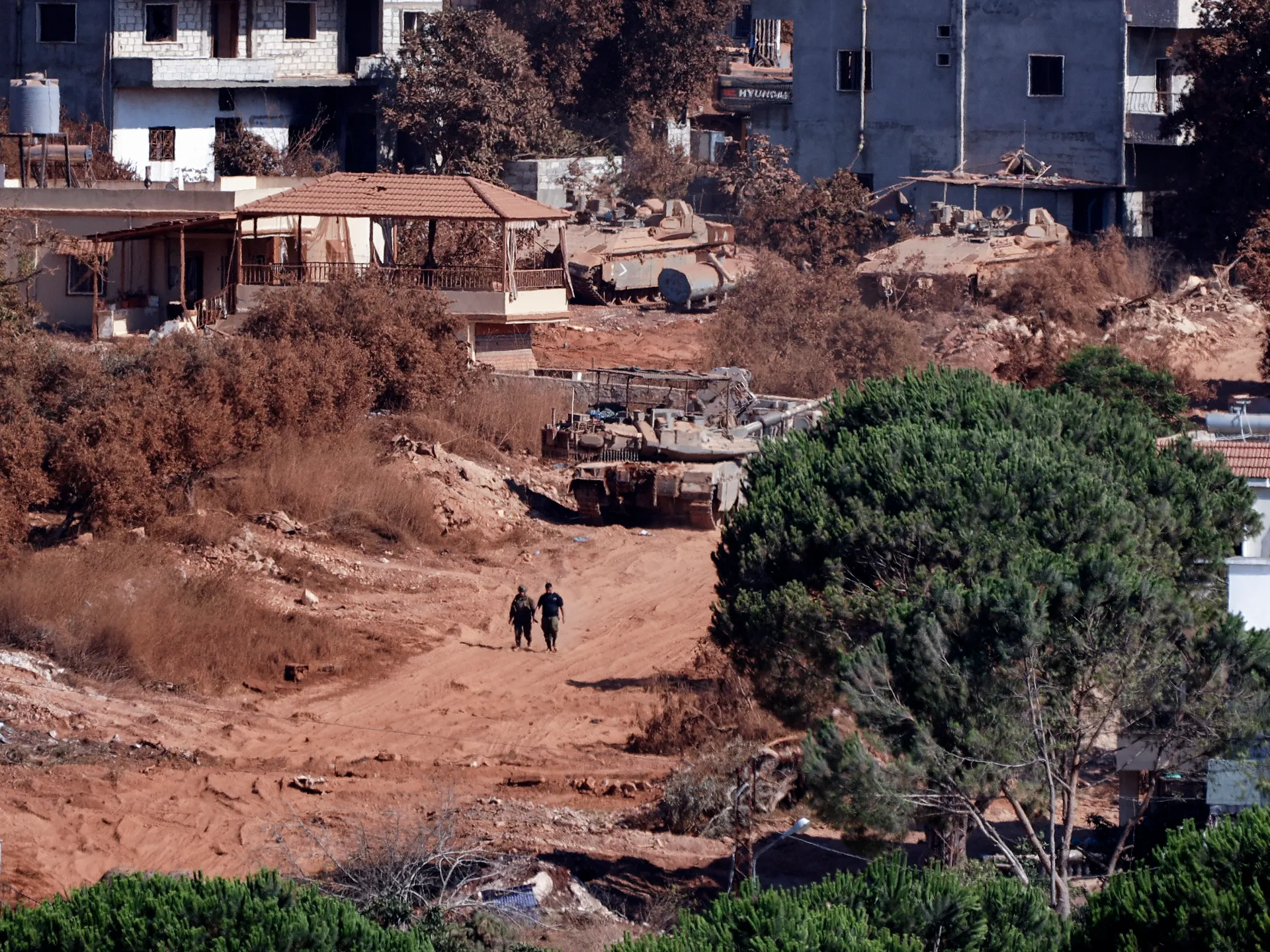
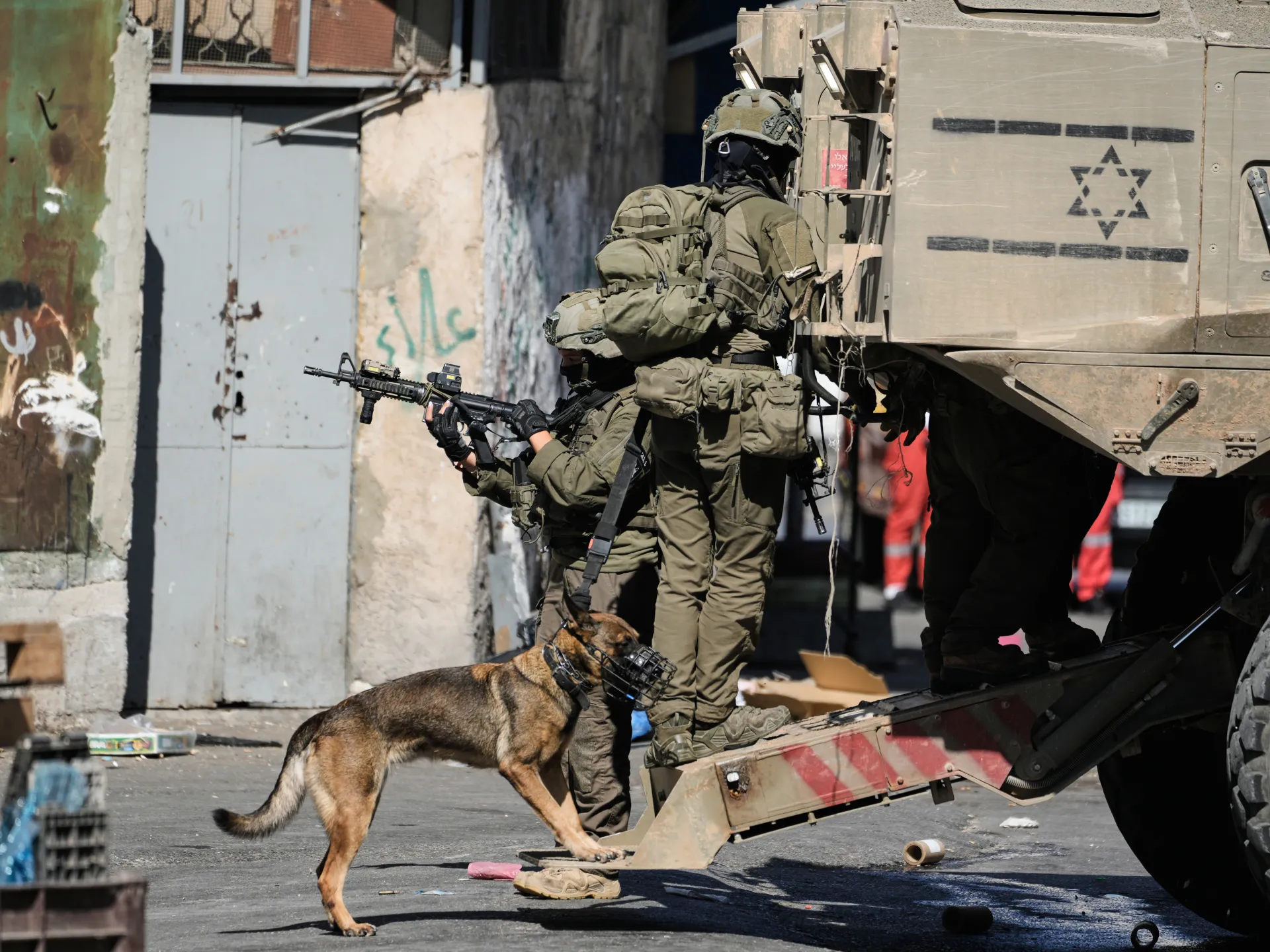
The security situation in the West Bank saw a marked deterioration following the fatal shooting of an Israeli settler near the Halamish settlement. In the aftermath, Israeli forces apprehended a suspect, Qadri Muhammad Samara, at a hospital where he was undergoing medical treatment. The subsequent military raid on Samara’s home village in Biddu involved the forced detention of three families into a single residence, where four men were reportedly assaulted
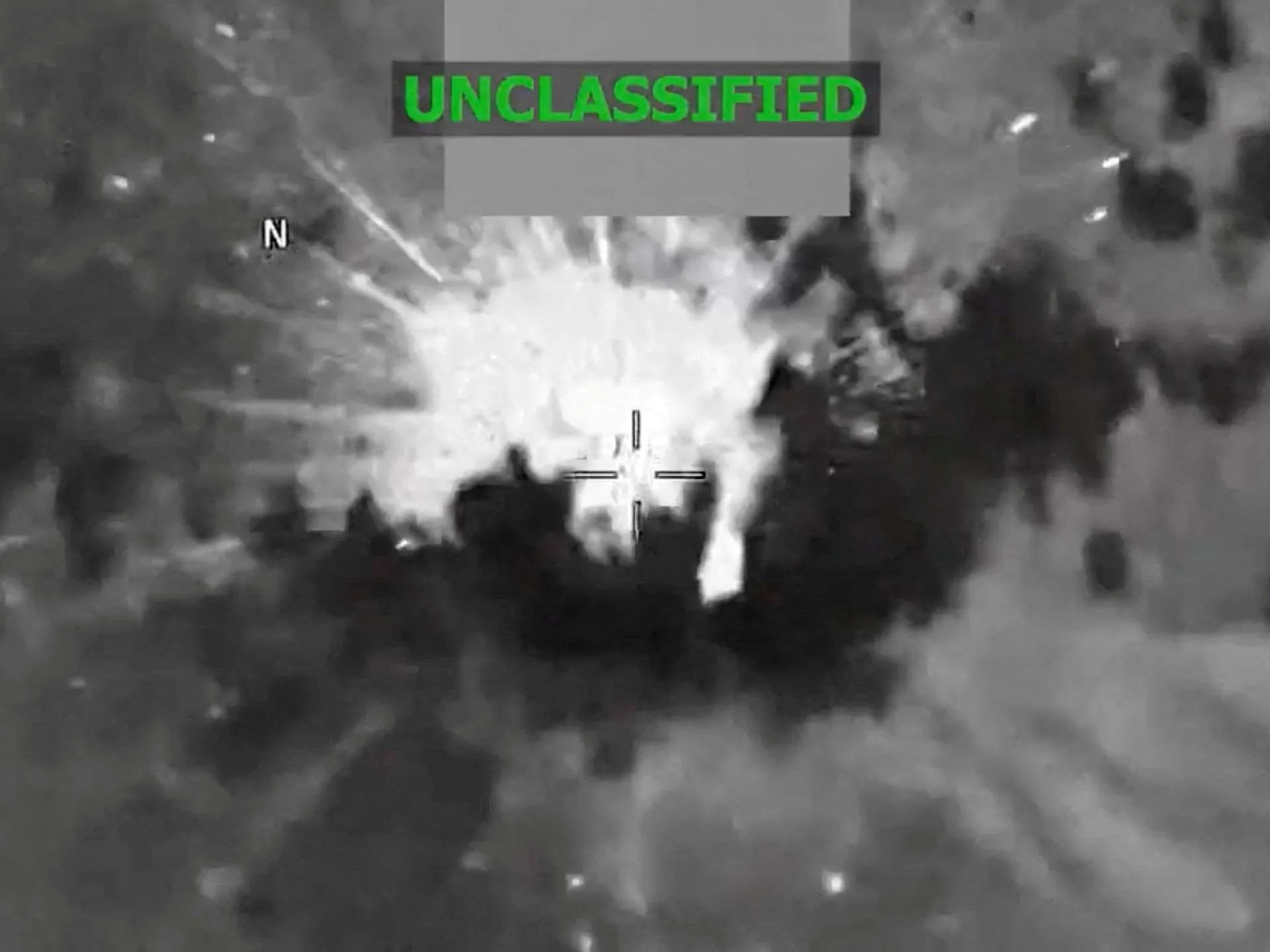
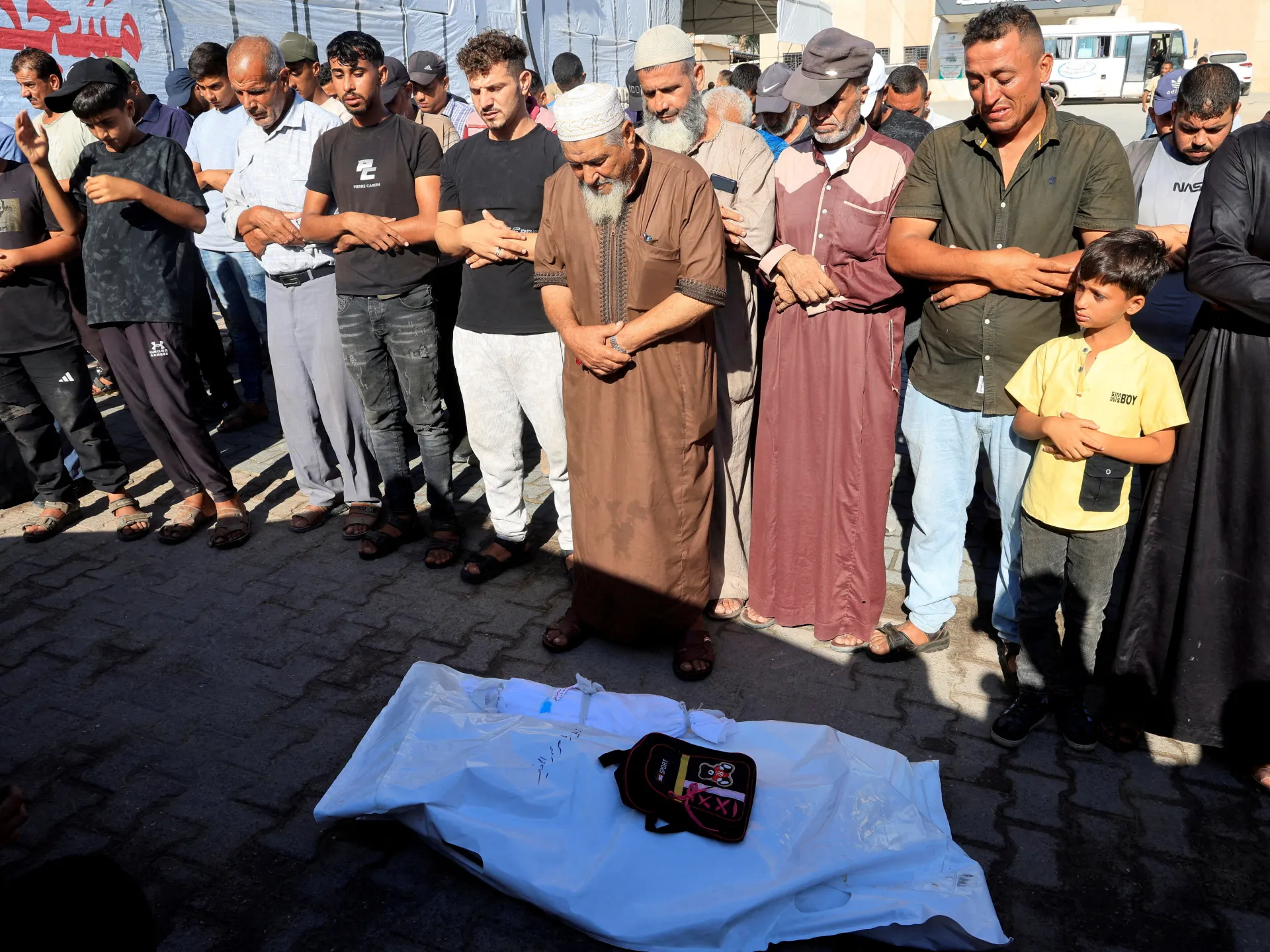
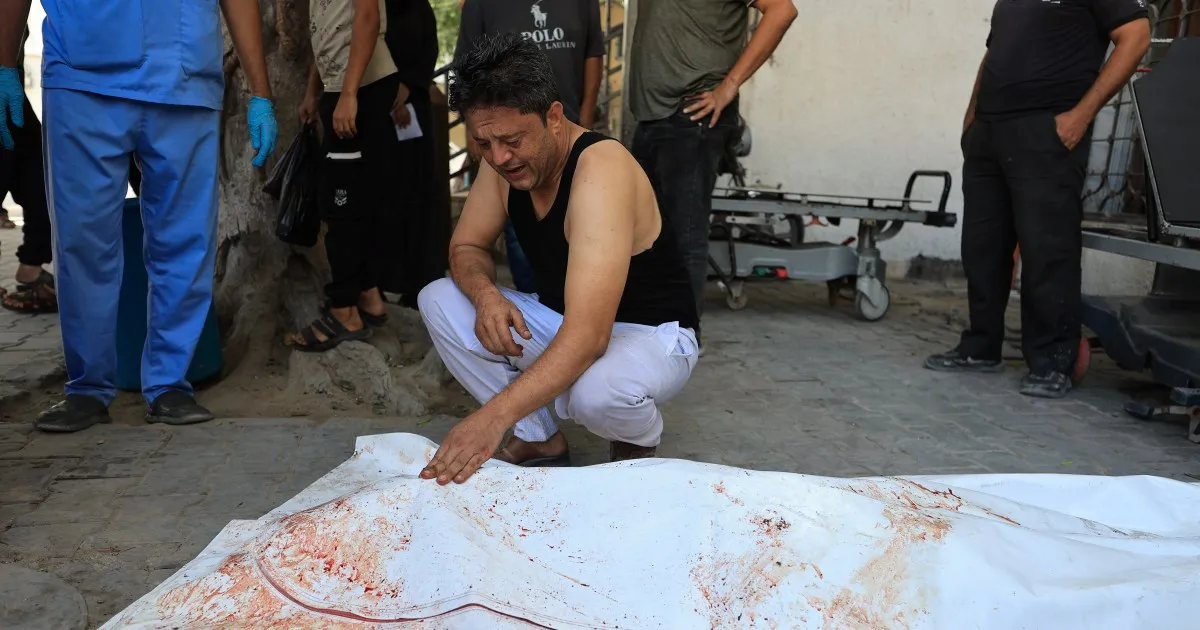
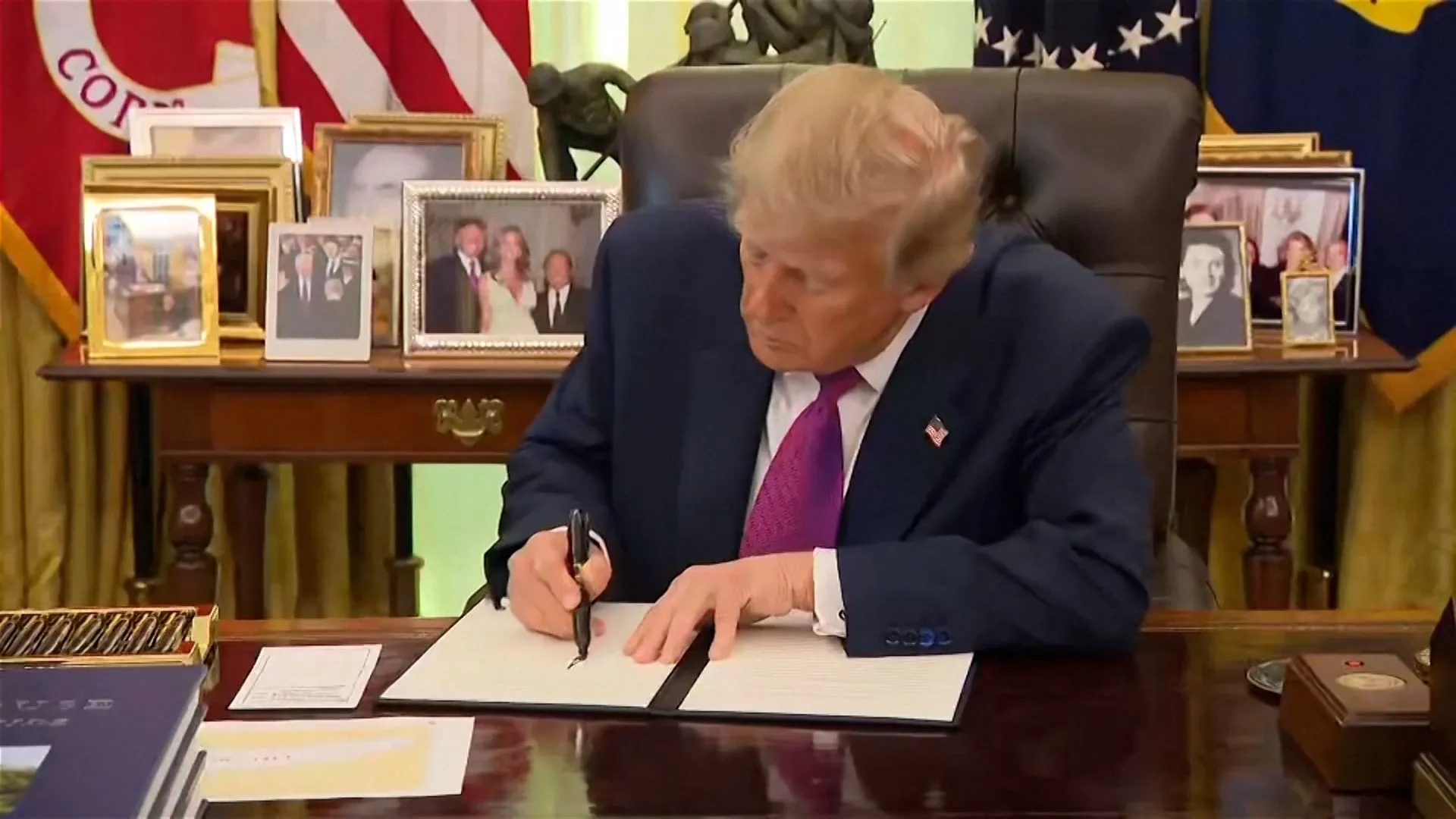
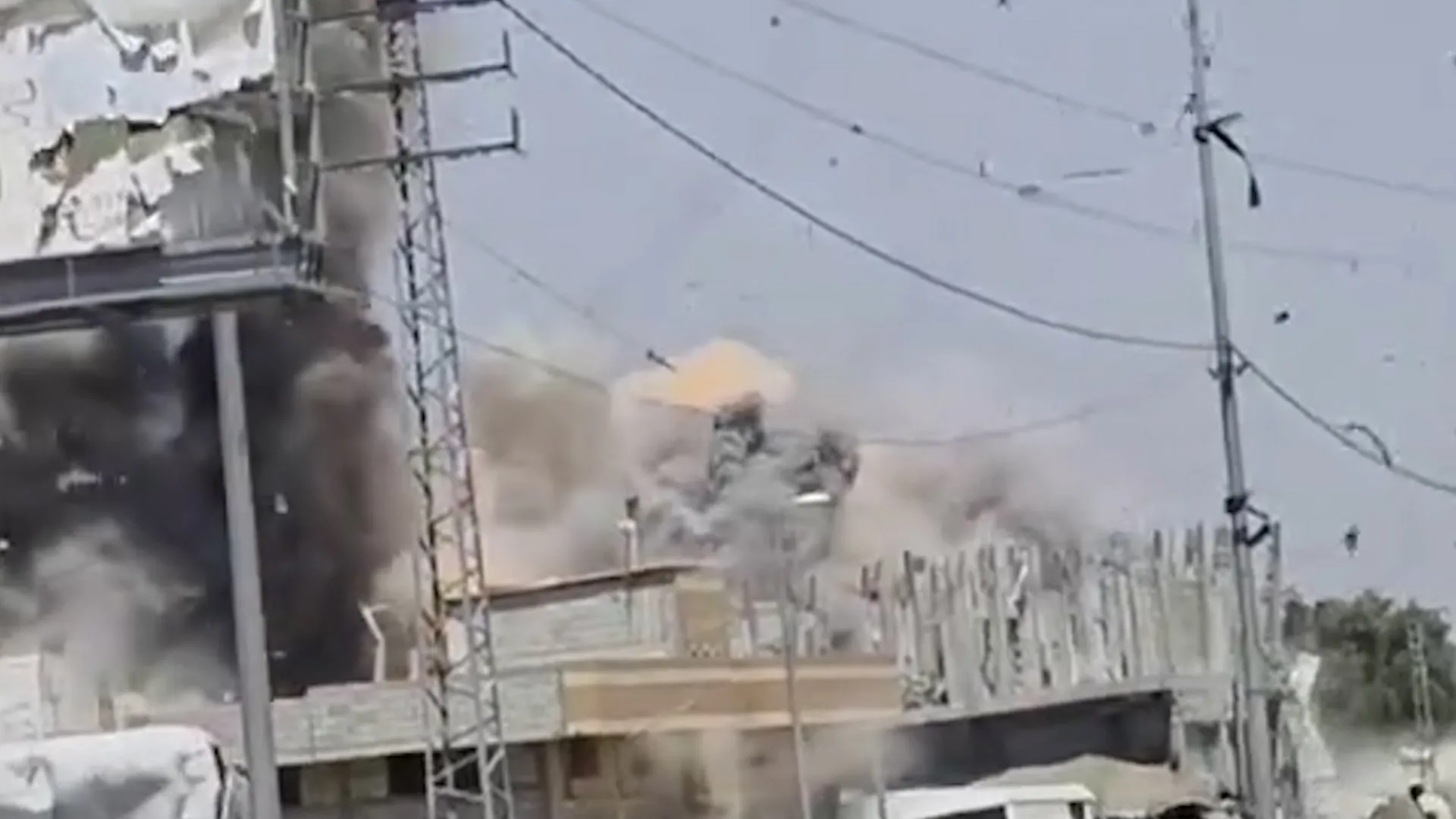
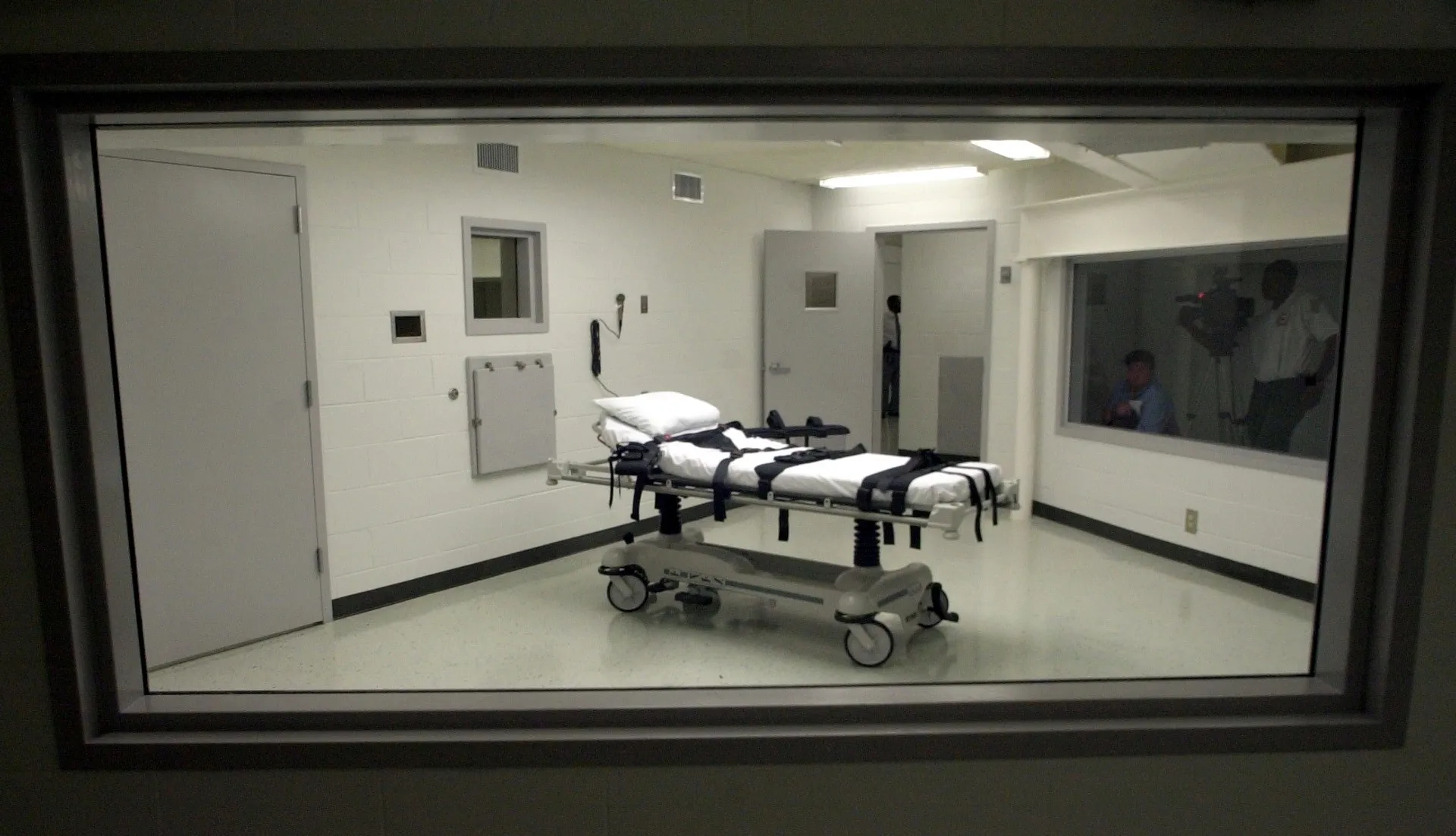
Separately, Israeli forces killed a Palestinian man near the Ganim settlement, citing a thwarted vehicular attack. In response to the Halamish incident, Minister Ben-Gvir has publicly advocated for the application of a March Knesset law that allows military courts to impose the death penalty on Palestinians convicted of killing Israelis. Ben-Gvir claimed this case meets the necessary legal criteria, despite the law lacking an equivalent provision for cases involving Israeli perpetrators.
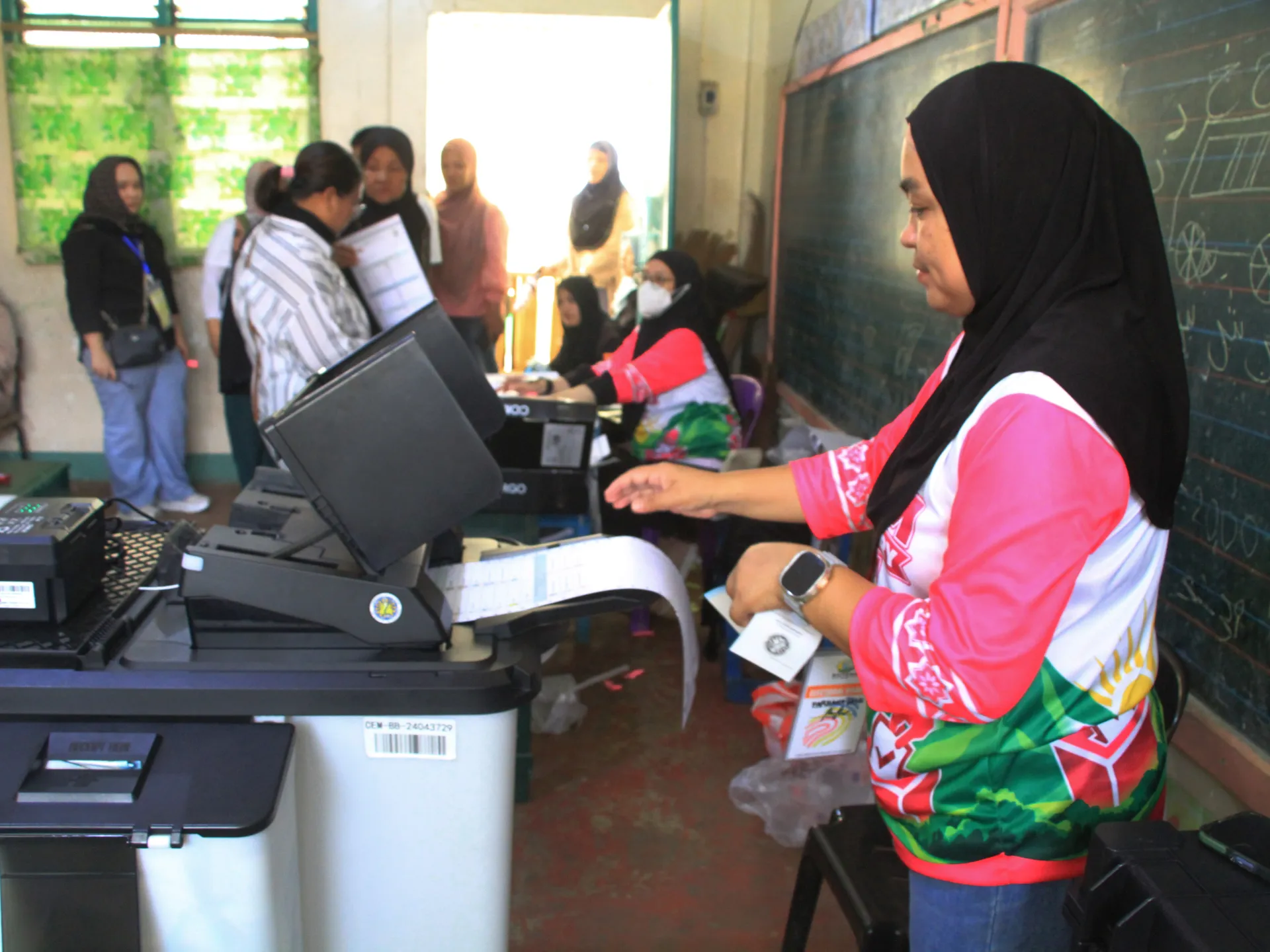
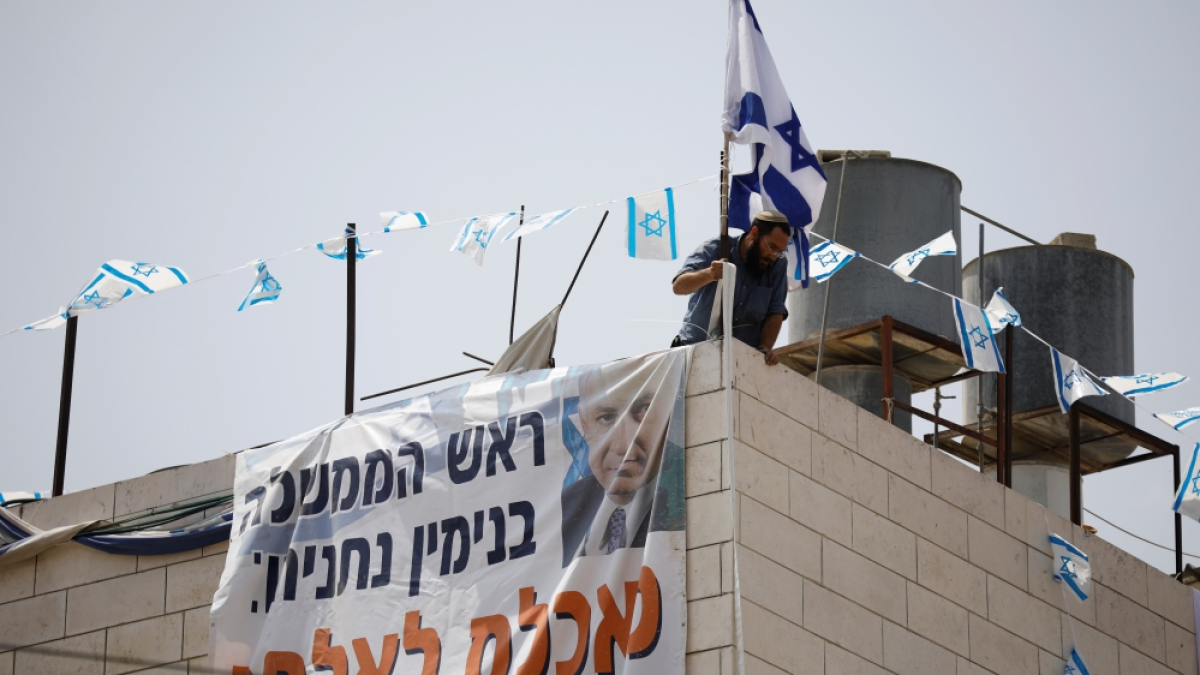
Given the proximity to the October 27 elections, it is highly probable that tensions will continue to escalate rather than de-escalate. The move to advance tenders for new settlement projects, combined with the continued push for death penalty applications in military courts, suggests that the current government is prioritizing base mobilization over security stability. Observers should expect further challenges to the status quo at holy sites, as such incursions have proven to be reliable triggers for both domestic public outcry and international diplomatic friction. The trajectory suggests that until the electoral process concludes, security forces will likely maintain a heavy presence in the West Bank, increasing the likelihood of further violent confrontations and subsequent retaliatory measures.