The Bank of Japan has increased its benchmark interest rate to 1.25%, the highest level since 1995, as it moves away from decades of ultra-low borrowing costs.
The Bank of Japan (BOJ) has officially raised its benchmark interest rate to 1.25%, marking a significant 31-year high for the nation. This latest adjustment, moving up from the previous 1% mark, represents the sixth increase in just two and a half years. The move signals a definitive departure from the country's long-standing era of ultra-loose monetary policy, which had defined the Japanese economic landscape for decades.
For much of the last thirty years, Japan operated with near-zero or even negative interest rates in an attempt to stimulate growth and combat persistent deflation. However, the recent shift reflects a broader global trend where major central banks are tightening financial conditions to stabilize their respective currencies and manage rising costs. re closely with the monetary frameworks of other major global economies.
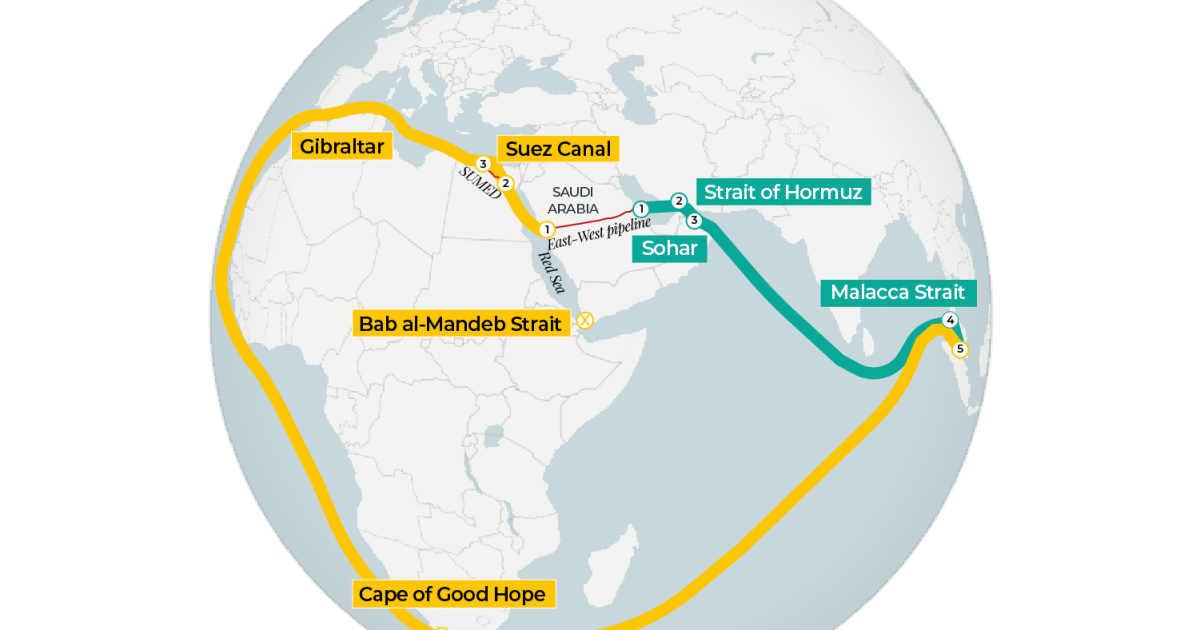
The decision to hike rates comes as Japan grapples with a complex set of economic variables. While the nation has historically struggled with stagnant prices, recent global supply chain disruptions—particularly those affecting energy shipments through the Strait of Hormuz—have introduced new inflationary pressures. Japan’s heavy reliance on imported energy from the Middle East makes its economy uniquely sensitive to geopolitical instability and fluctuating oil prices.
Recent data indicates that core inflation in Japan stood at 1.7% in August, showing a slight cooling from the previous month's 1.8%. Despite this marginal decline, the figure remains close to the central bank's established 2% target. Policymakers are attempting to navigate a delicate balance: providing enough tightening to support the yen and manage inflation, while avoiding an overly aggressive approach that could stifle domestic growth or trigger a rapid economic slowdown.
A primary driver for the current rate hikes is the persistent weakness of the Japanese yen, which has faced significant downward pressure in international currency markets. In an effort to stabilize the yen, Tokyo has engaged in coordinated interventions with international partners, including the United States. Such efforts highlight the global importance of the yen’s health and the potential ripple effects of its volatility on international trade.
The intervention, which marked the first joint effort since 2011, underscored the urgency felt ward, the Bank of Japan faces continued scrutiny from both domestic government officials and international financial leaders. The expectation is that higher interest rates will make the yen more attractive to investors, thereby curbing the depreciation that has plagued the economy throughout the year.
As the era of ultra-cheap money draws to a close, analysts are closely monitoring the speed at which the BOJ intends to continue its tightening cycle. The pressure to act remains high, as a weak currency continues to drive up the cost of essential imports, further fueling the inflation that the central bank is mandated to control. Market experts suggest that if the yen does not show signs of sustained strength, the bank may be forced to accelerate its schedule for further rate hikes.
The transition is not without risk, particularly for a nation facing a shrinking workforce and long-term structural economic hurdles. The Bank of Japan’s ability to manage these interest rate adjustments will be critical in determining whether the country can achieve a stable economic environment without falling into recession. For now, the focus remains on navigating the immediate inflationary environment while slowly normalizing the nation's financial policy framework.