

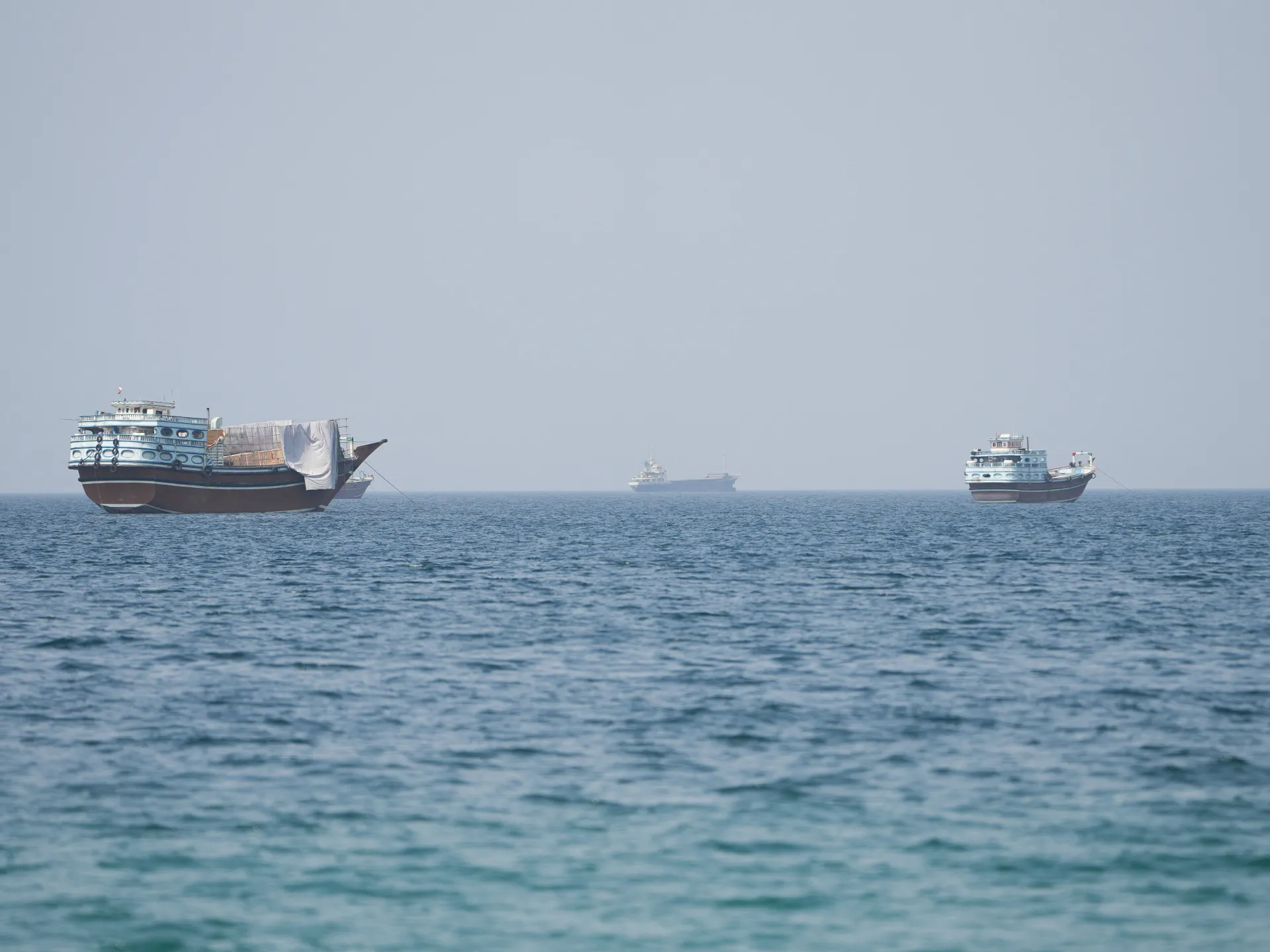
Despite rising danger in conflict-heavy shipping lanes, Filipino seafarers continue to head back to sea, driven by the need to support their families.
Despite the intensifying volatility in global shipping lanes, thousands of Filipino seafarers are continuing to line up at recruitment agencies and shipping firms in Manila. Even as monsoon rains disrupt daily life in the capital, the urgency to secure employment outweighs the weather and the growing reports of maritime danger. For many, these recruitment lines are the first step toward high-risk deployments in areas currently defined
The Philippines remains a critical pillar of the global maritime industry, supplying more than 25 percent of the world’s seafaring workforce. This demographic dominance means that when global tensions erupt in vital trade corridors, the impact is disproportionately felt e situation, the economic necessity for these workers remains the primary driver for their continued participation in the global maritime trade.
The risks faced ve recently served in the Strait of Hormuz, the experience of witnessing aerial combat is a haunting reality. During the height of recent hostilities in the region, thousands of sailors found themselves stranded as crossfire between major powers turned commercial corridors into potential war zones. Many crew members reported watching missiles and projectiles intercepted mid-air, with shrapnel raining down near their vessels.
The psychological toll of these experiences is significant, yet it rarely leads to a permanent departure from the industry. Sailors describe harrowing conditions where they were unable to receive standard supplies, forcing them to rely on fishing from the deck to survive while waiting for safe passage. Despite these traumatic encounters, the commitment to their career path remains unshaken, largely due to the financial stability that seafaring offers compared to local alternatives in the Philippines.
For many Filipino sailors, the choice to return to sea is a calculated decision based on the financial future of their families. A career in the maritime sector has historically been a reliable path to homeownership and long-term financial security. Having grown up in fishing villages or modest backgrounds, many mariners view the maritime industry as their only viable means of providing a standard of living that would be otherwise unattainable through local agriculture or domestic business ventures.
The insurance protocols associated with maritime employment provide a morbid but practical incentive for some. With life insurance policies that promise to support families in the event of a tragedy, some sailors have reconciled with the reality of their profession. This perspective—that their death could at least secure their family’s future—highlights the extreme economic pressures that drive individuals to accept positions in dangerous waters, including the volatile Black Sea and the Middle East.
While the Philippine government has issued reminders to sailors regarding their right to refuse deployment to high-risk zones, the practical application of this right is complicated to bypass conflict-ridden waters or allow for the disembarkation of crews in safer ports, but the flow of personnel continues. Even after temporary truces or diplomatic shifts, the majority of crews remain on their vessels, committed to their contracts.
The statistics from the International Maritime Organization reflect the scale of the challenge, with thousands of Filipino crew members remaining in active conflict areas despite the heightened risk of strikes. As long as the global economy relies on the transit of goods through these unstable regions, the reliance on the Filipino seafaring workforce will persist. For these workers, the sea remains both a source of their greatest danger and the primary vehicle for their family’s prosperity.