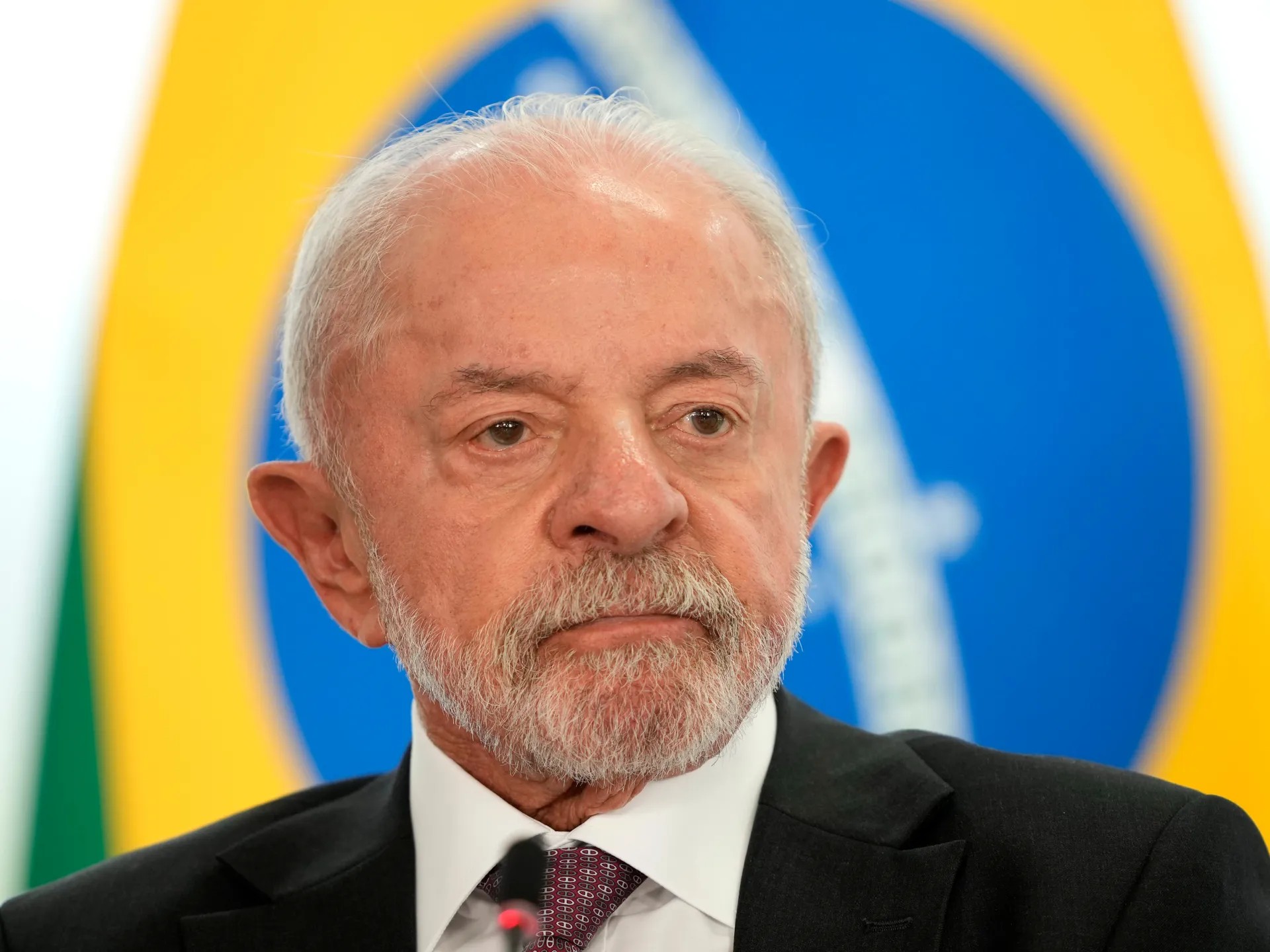
President Lula has announced a 15 percent increase in Bolsa Familia welfare benefits, aiming to combat inflation ahead of the upcoming October presidential election.
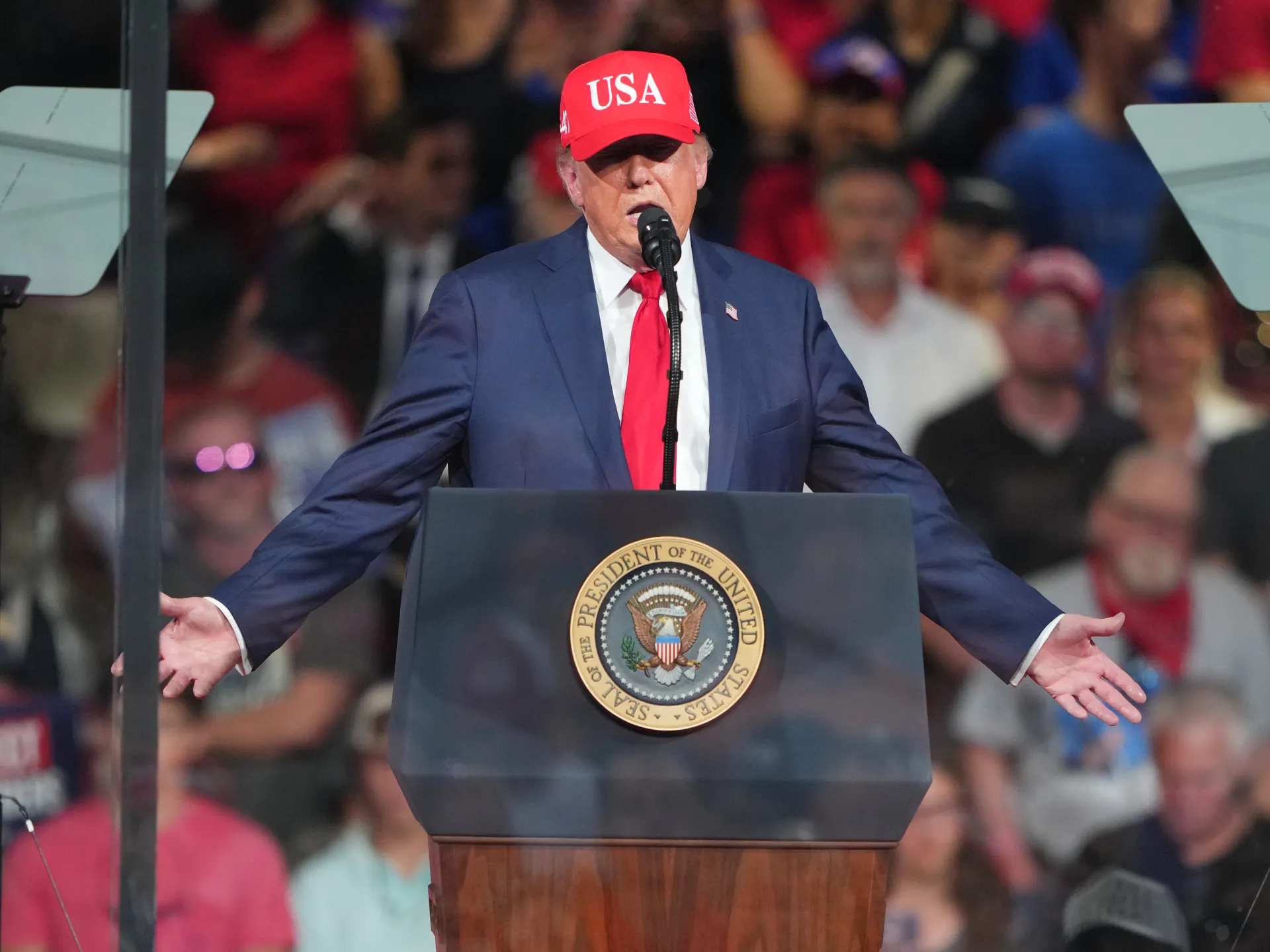
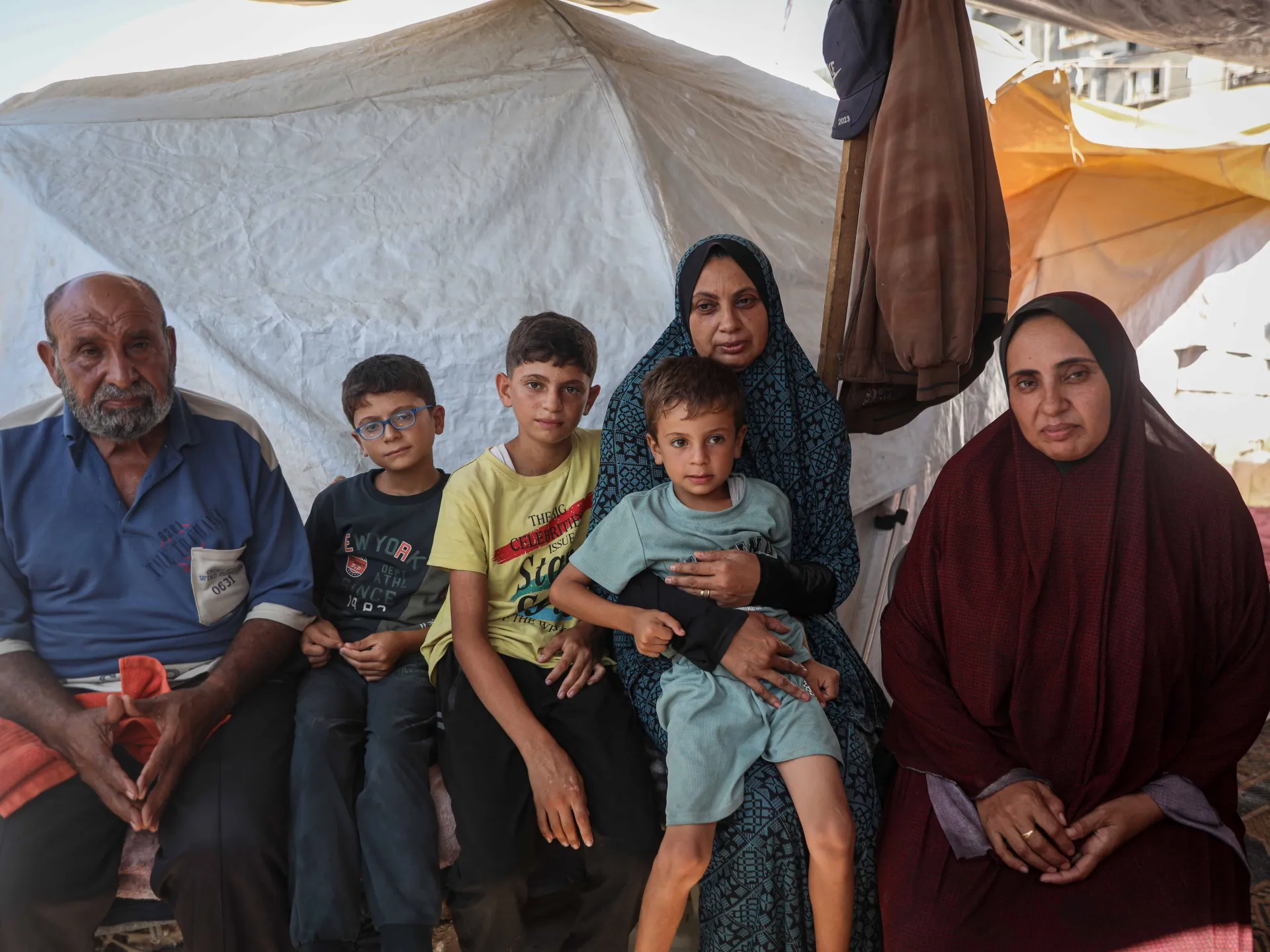
The Brazilian government recently unveiled a significant expansion of its flagship poverty alleviation initiative, Bolsa Familia, as the nation approaches a pivotal presidential election. President Luiz Inacio Lula da Silva confirmed that the program will see a 15 percent increase in monthly benefits starting next month. This adjustment raises the minimum payout from 600 reais ($116) to 691 reais ($134), a move designed to provide immediate relief to the country's most vulnerable populations.
President Lula highlighted the initiative as a transformative force for millions of Brazilian households. impact of inflation, which has steadily climbed since early 2023. The president emphasized that this policy is not merely about social support but is also an essential mechanism for ensuring food security and stimulating local economic activity
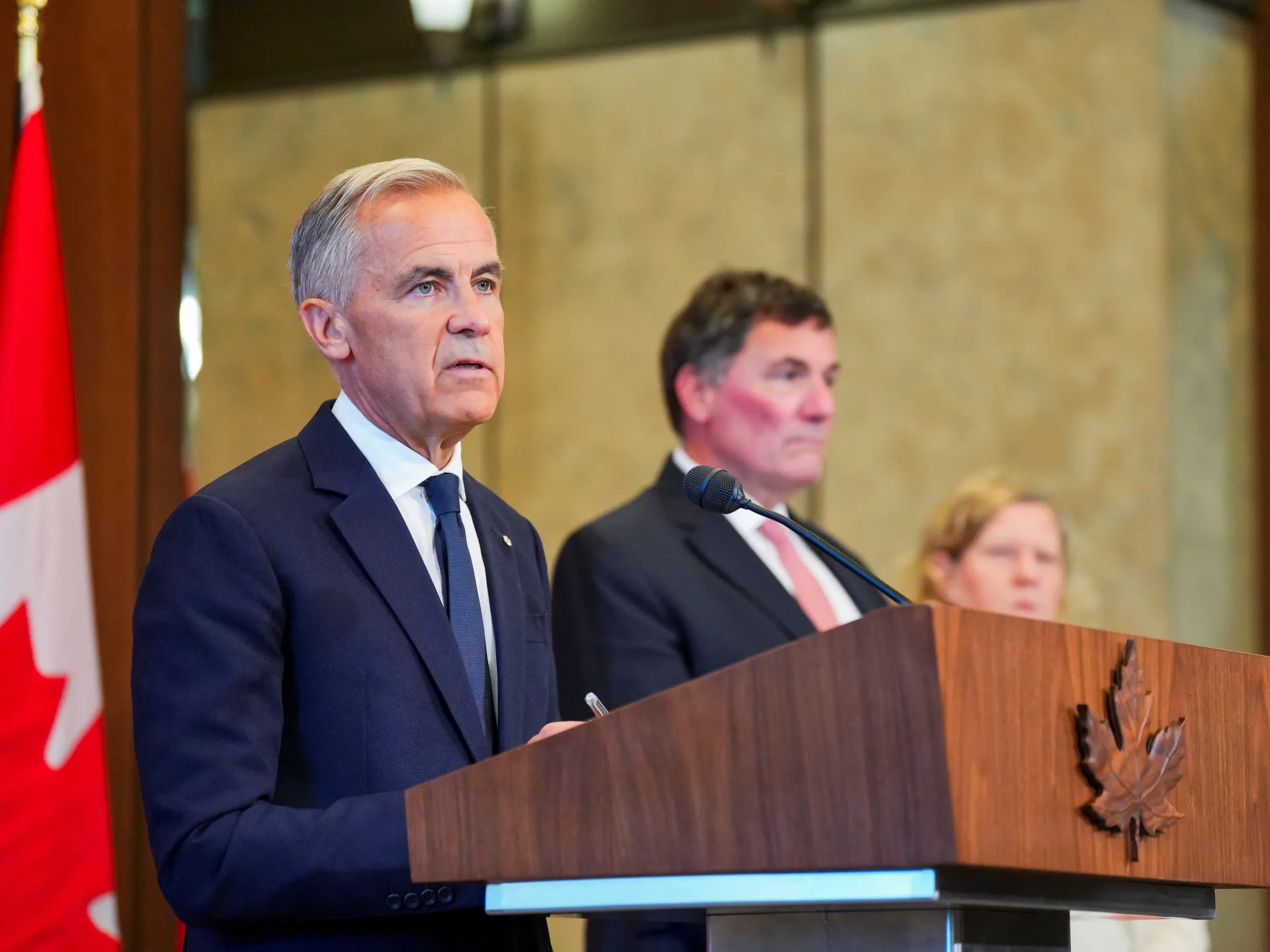
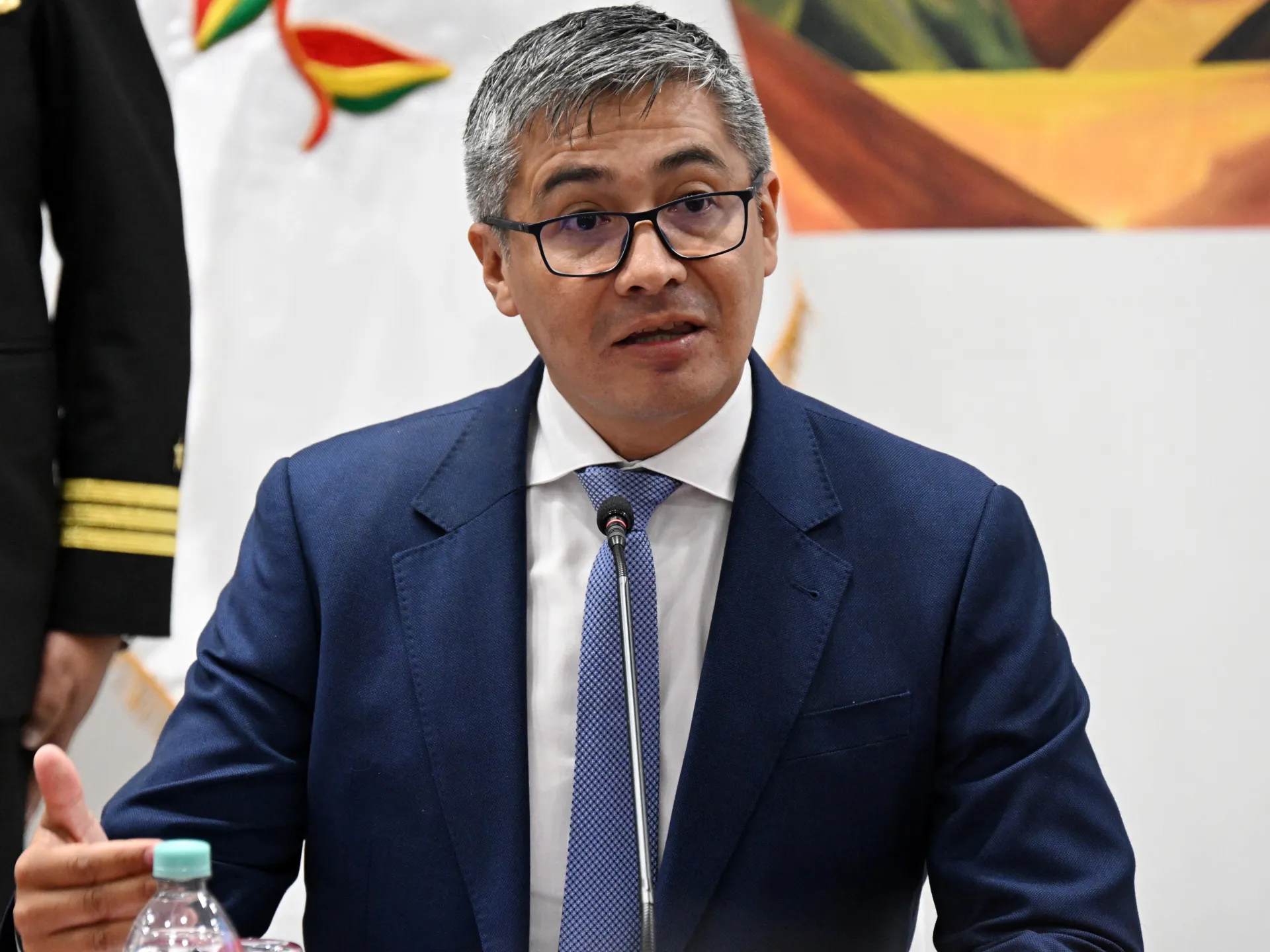
The decision to expand welfare benefits has sparked discussions regarding the country's fiscal health, particularly as the administration navigates rising debt servicing costs. Finance Minister Dario Durigan addressed these concerns e increased payouts. According to government officials, the adjustment will be implemented without necessitating additional expenditures, maintaining a balance between social obligations and fiscal discipline.
Planning Minister Bruno Moretti provided further context for the adjustment, noting that the 15 percent increase directly correlates with inflation data recorded between the program's relaunch in March and the end of August. ds to protect the purchasing power of low-income families. This proactive approach serves as a cornerstone of the current administration’s broader economic strategy to maintain stability during a period of global financial volatility.
The announcement arrives at a critical juncture in Brazilian politics, with the presidential election scheduled for October 4. Recent polling data indicates a dead heat between President Lula and his primary challenger, Flavio Bolsonaro, the son of former President Jair Bolsonaro. As the two candidates prepare for the first round of voting, social spending policies have once again become a central point of contention and a key metric for gauging voter support.
While the timing of the welfare increase has drawn attention from political analysts, it is not an unprecedented move in the Brazilian electoral landscape. Historically, both left-wing and conservative administrations have implemented adjustments to social programs in the months preceding national elections. For example, the previous administration led the enduring importance of direct financial assistance in the nation’s political discourse.
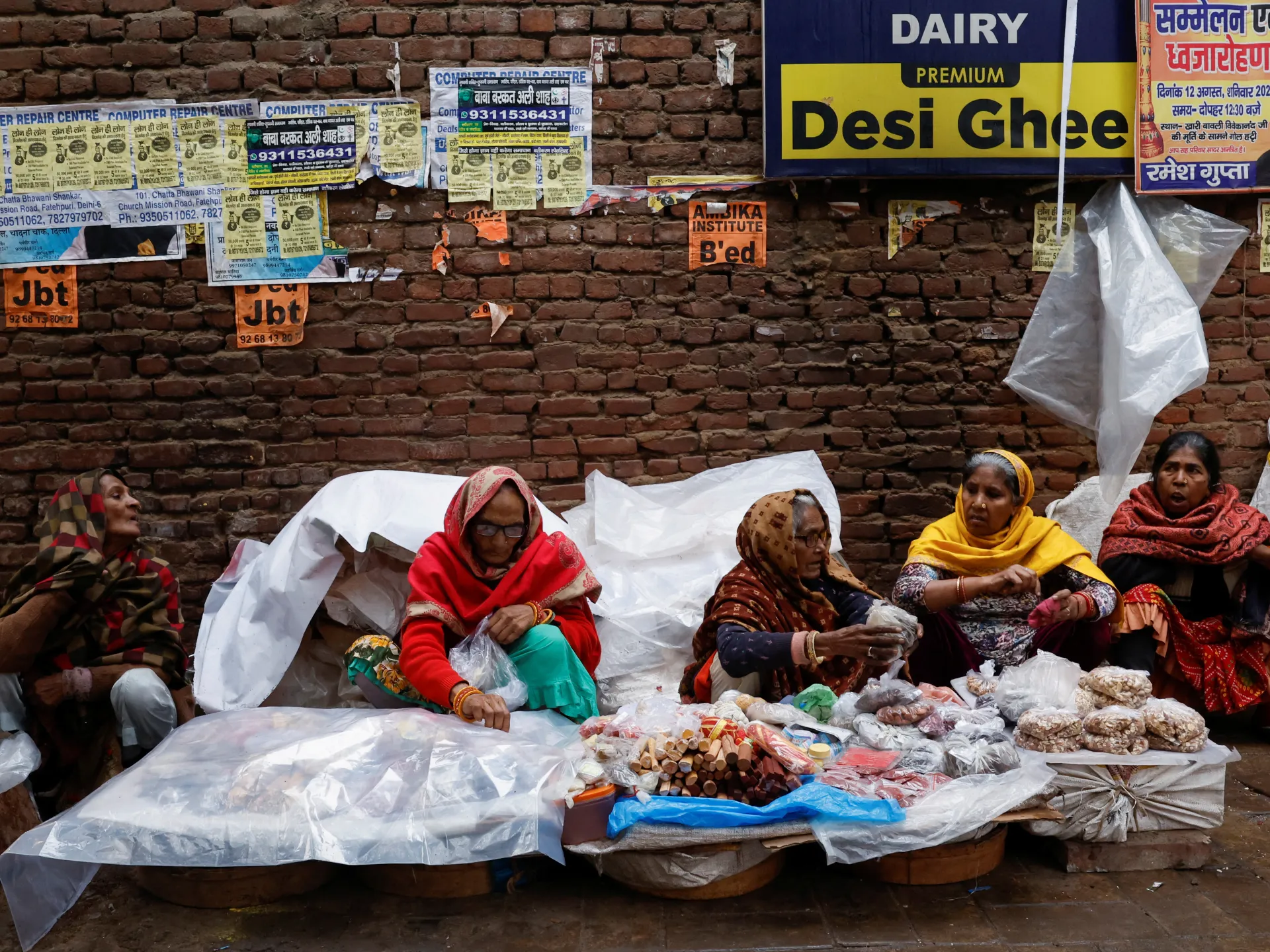
The Bolsa Familia program remains a primary legacy of the Workers’ Party and a reflection of President Lula’s long-standing vision for Brazil. The program is specifically targeted at households with a monthly income of 218 reais ($42) or less, providing a critical safety net for millions of families. The government estimates that this current expansion will cost approximately 5.8 billion reais ($1.13bn) for the remainder of 2026, with costs rising to 22 billion reais ($4.27bn) in 2027.
Beyond direct welfare payments, the administration is exploring additional measures to support the financial well-being of the population. Finance Minister Durigan noted that the government is evaluating a debt relief proposal aimed at alleviating the burden on borrowers. o foster an environment where individuals can better access quality services and participate more fully in the national economy.