New developments in legal enforcement and digital policy are radically altering the landscape for teenagers, from the English Channel to the American suburbs.
The convergence of physical safety crises and digital existential threats has created a volatile landscape for the modern adolescent. Whether it is the desperate, life-threatening choices made intelligence and domestic violence in Massachusetts, society is struggling to calibrate its response to teenagers who are caught in high-stakes, adult-level circumstances. The trend of holding minors legally and socially accountable for complex, systemic issues—such as the legal prosecution of asylum seekers for boat steering or the scrutiny of teenage software interaction—marks a departure from traditional juvenile justice and welfare-based approaches.
These developments suggest an industry-wide pivot toward restrictive oversight. As global tech giants like Snap Inc. consider following Meta’s lead in imposing rigid usage limits to combat perceived digital addiction, and as judicial systems increasingly treat minor offenders with adult-level severity, the autonomy of the youth is being radically redefined. We are witnessing a shift where the state and private corporations are effectively outsourcing the burden of public safety and moral regulation directly onto the shoulders of the youngest members of society.
In the United Kingdom, the judicial response to the migration crisis has intensified, with authorities increasingly relying on specific, stringent statutes to prosecute those who pilot migrant boats. Chan Mathok Atak, a 19-year-old South Sudanese asylum seeker, was sentenced to two years and three months in prison after a Canterbury court found him guilty of endangering passengers. Prosecutors highlighted that Atak piloted a 14-meter, overcrowded dinghy carrying 165 people, including 31 minors, across the Channel. While the defense argued that Atak was merely a passenger-turned-pilot with no role in organizing the transit, the presiding judge maintained that the severity of the risk necessitated an immediate custodial sentence, signaling a firm policy of deterrence regardless of the defendant’s personal migration circumstances.
Simultaneously, in the United States, the role of artificial intelligence in youth behavior has become a focal point of criminal investigations. In Acton, Massachusetts, 17-year-old Arjun Aravind faces murder charges following the deaths of his mother and younger brother. The case has gained national attention because investigators uncovered evidence that the teenager allegedly used ChatGPT to explore violent fantasies prior to the incident. Middlesex District Attorney Marian Ryan emphasized the disturbing nature of this digital history, framing the AI interaction as a pivotal component of the pre-crime behavior. This case underscores a growing concern regarding how generative AI might intersect with pre-existing mental health struggles, potentially acting as a catalyst in tragic domestic scenarios.
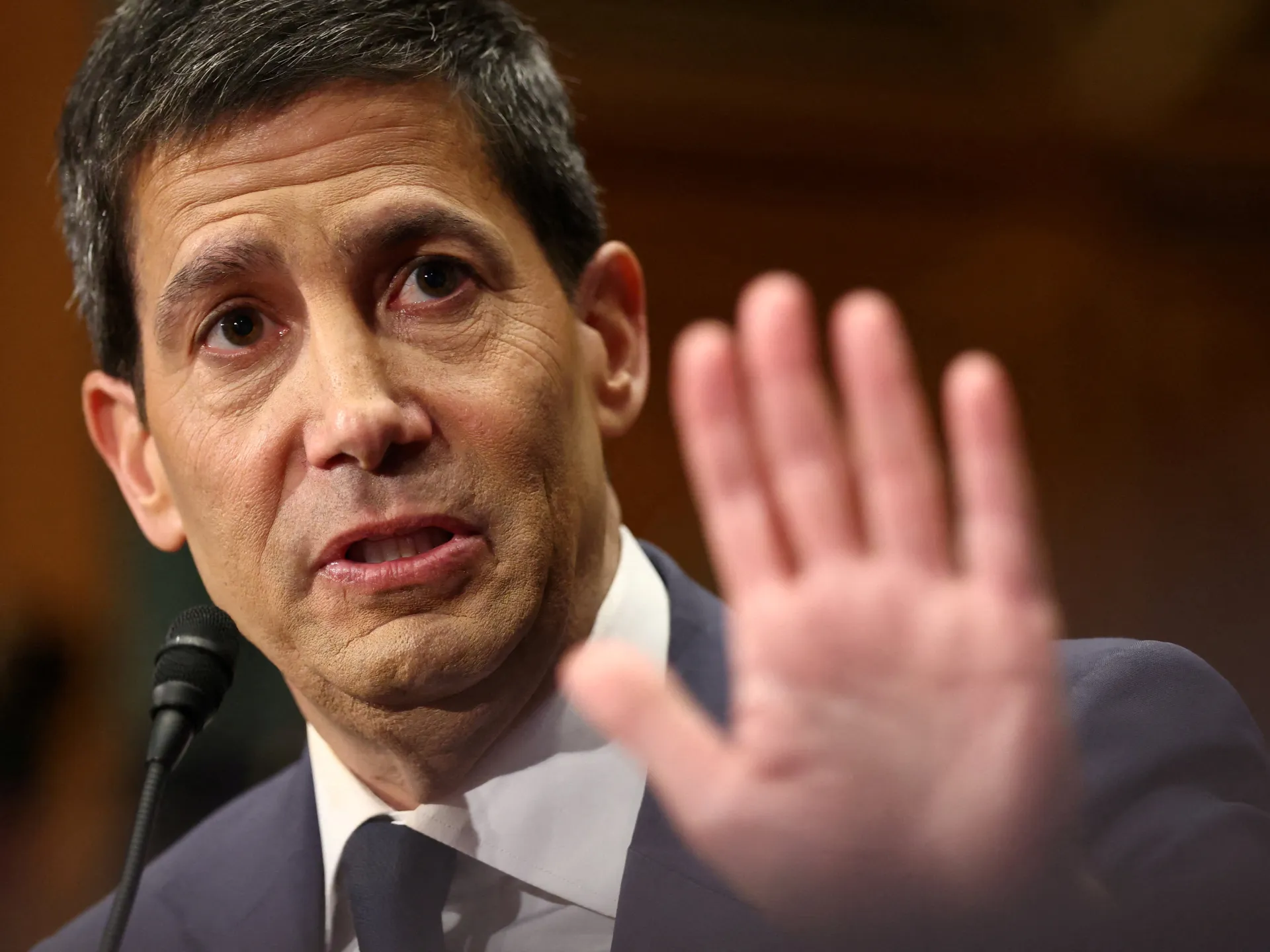
The push for safer digital environments is manifesting in the corporate boardroom as well. Evan Spiegel, CEO of Snap Inc., has indicated an openness to implementing mandatory time limits for teenage users, mirroring measures adopted erous US states, which required the implementation of default two-hour daily caps and notification restrictions for younger users. Spiegel’s admission that such limits are a "good example" of necessary industry norms highlights the pressure tech firms face to mitigate the impact of addictive design features on youth mental health.
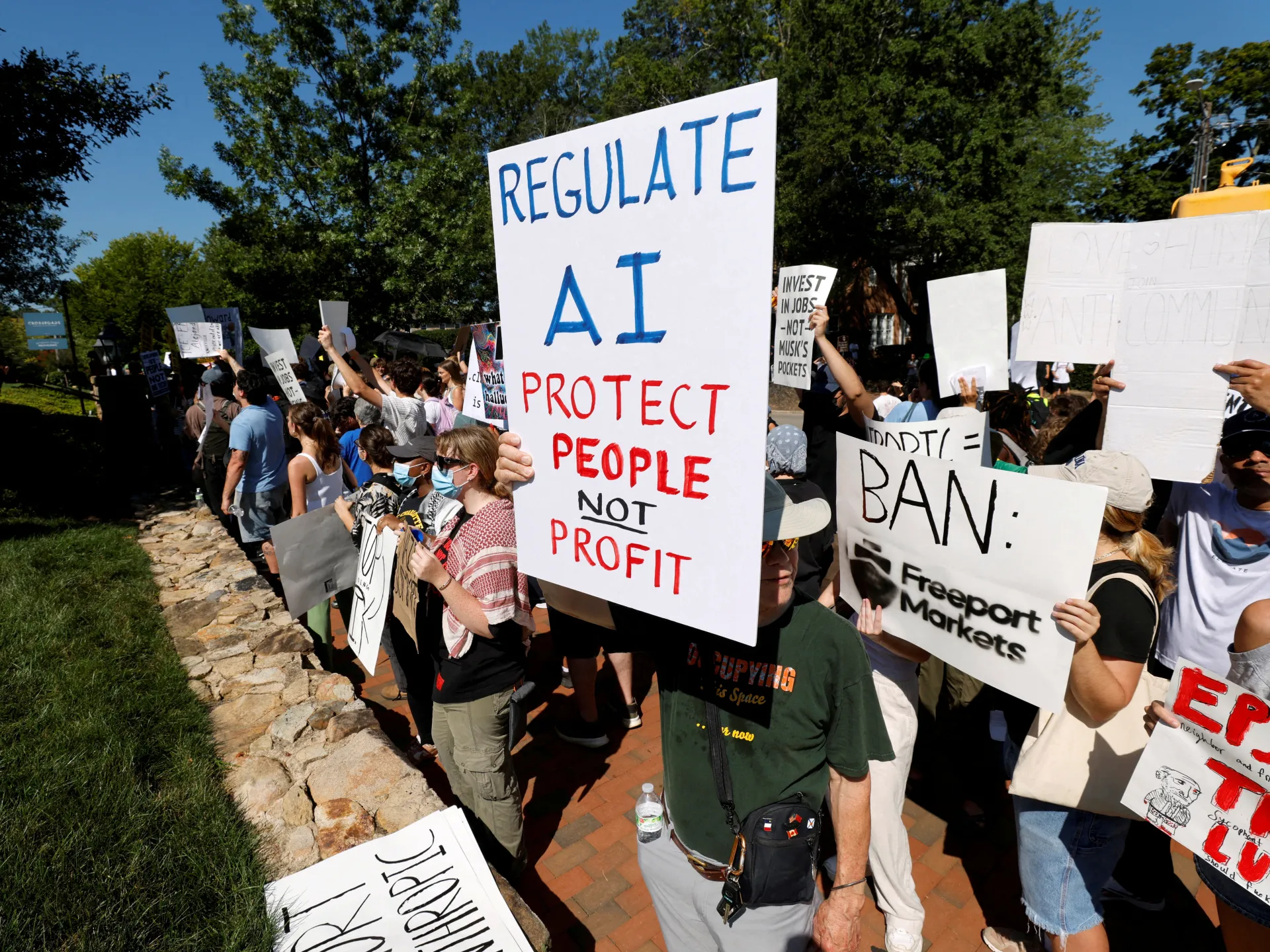
While these tech companies face litigation ranging from drug-related accusations to claims of spawning a mental health crisis, the industry remains fragmented. While Meta and Snap appear to be moving toward a more regulated framework, other giants like Google—the parent of YouTube—have remained largely silent on whether they will adopt similar, restrictive protocols. This uneven application of safety standards continues to leave parents and advocates concerned about the efficacy of voluntary industry changes versus mandated governmental oversight.
Looking ahead, the legal and technological landscape for youth is likely to become more rigid. In the UK, the focus will remain on the "deterrence" model for Channel crossings, meaning more young asylum seekers will likely face incarceration as the government attempts to suppress migration figures. The effectiveness of these jail terms as a deterrent remains a subject of intense debate among human rights organizations.
In the tech sector, the move toward "default" restrictions is expected to accelerate. As legal threats against platforms grow, companies will likely favor pre-emptive regulation to avoid further court-mandated settlements. However, the use of AI in criminal cases will likely face significant scrutiny in the courts, particularly regarding how "digital fantasies" are interpreted as evidence of intent versus the symptoms of broader psychological distress. The precedent set n their tools are utilized to facilitate violent ideation.