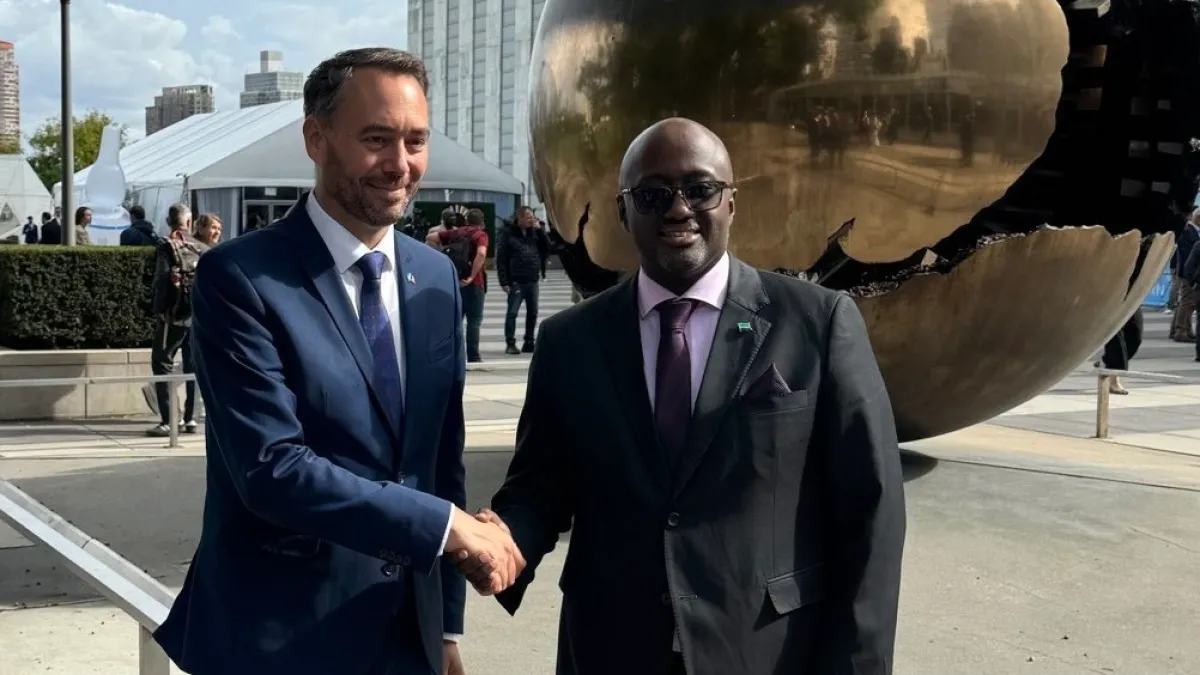
As international leaders convene at the 81st UN General Assembly, Hungary’s formal expulsion of Russian diplomats marks a definitive end to its pro-Kremlin era.
The convergence of a major European diplomatic rupture and the high-stakes environment of the United Nations General Assembly (UNGA) in New York signals a precarious moment for global stability. While the UN platform traditionally serves as a stage for aspirational rhetoric regarding multilateral cooperation, the reality on the ground is increasingly defined he Hungarian government away from its historical pro-Kremlin stance toward a policy of active confrontation serves as a microcosm for the broader fracturing of European consensus. As major powers and smaller nations convene to debate sustainable development and security, the growing isolation of Moscow from former allies suggests that the goal of international unity is being rapidly eclipsed
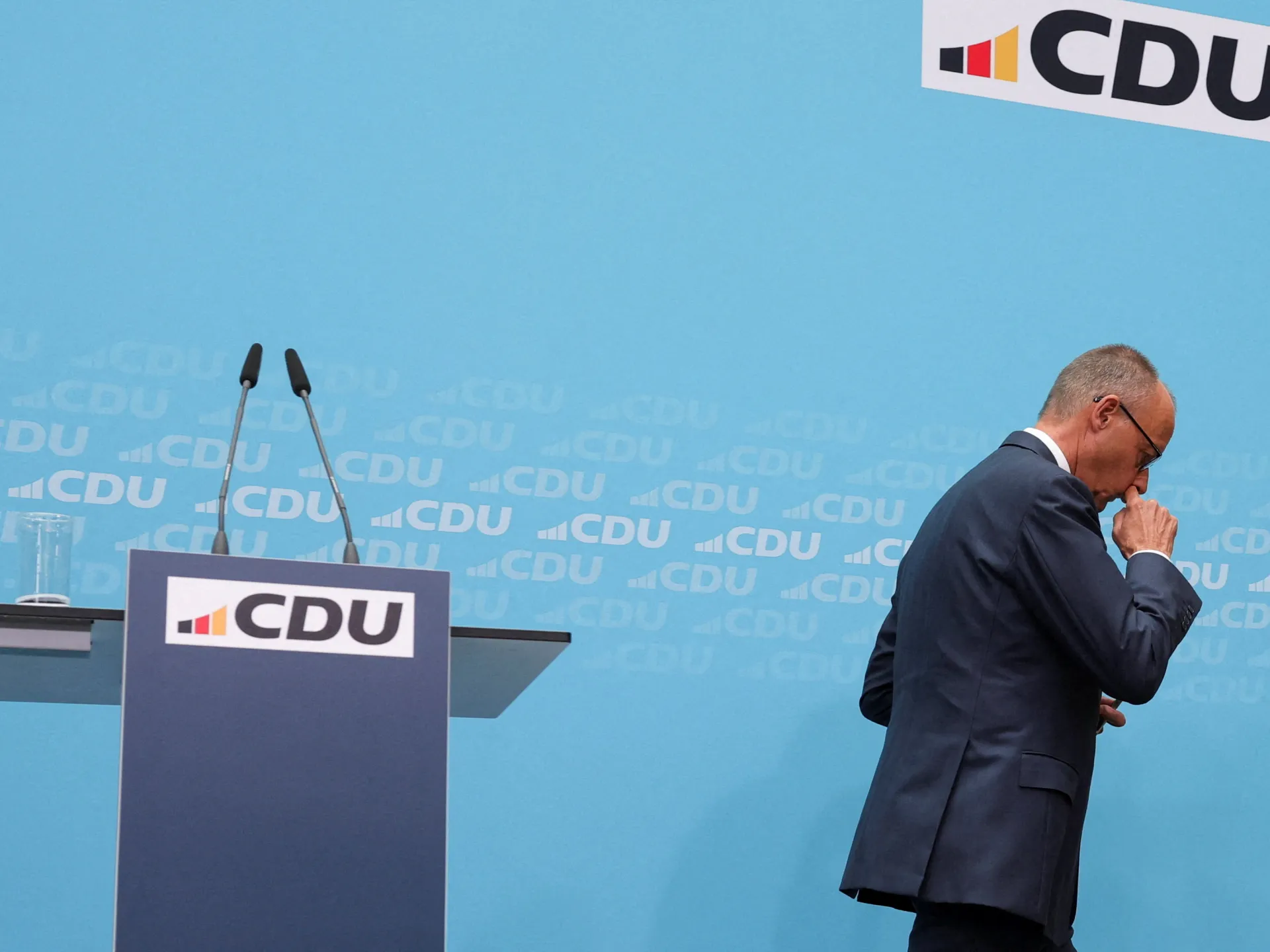
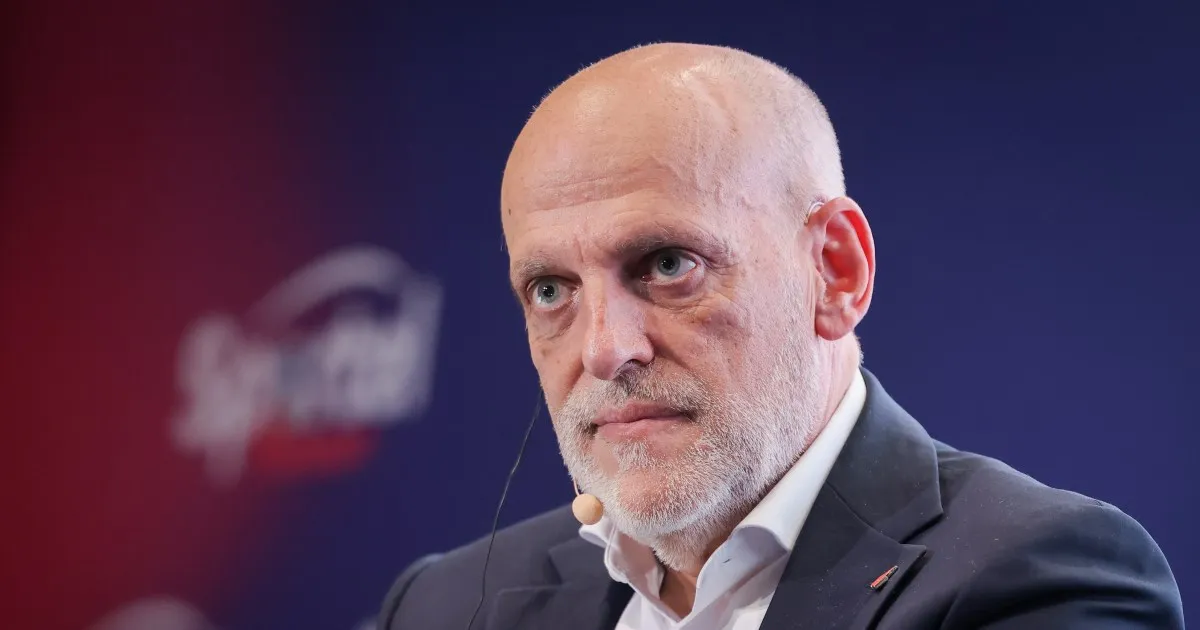
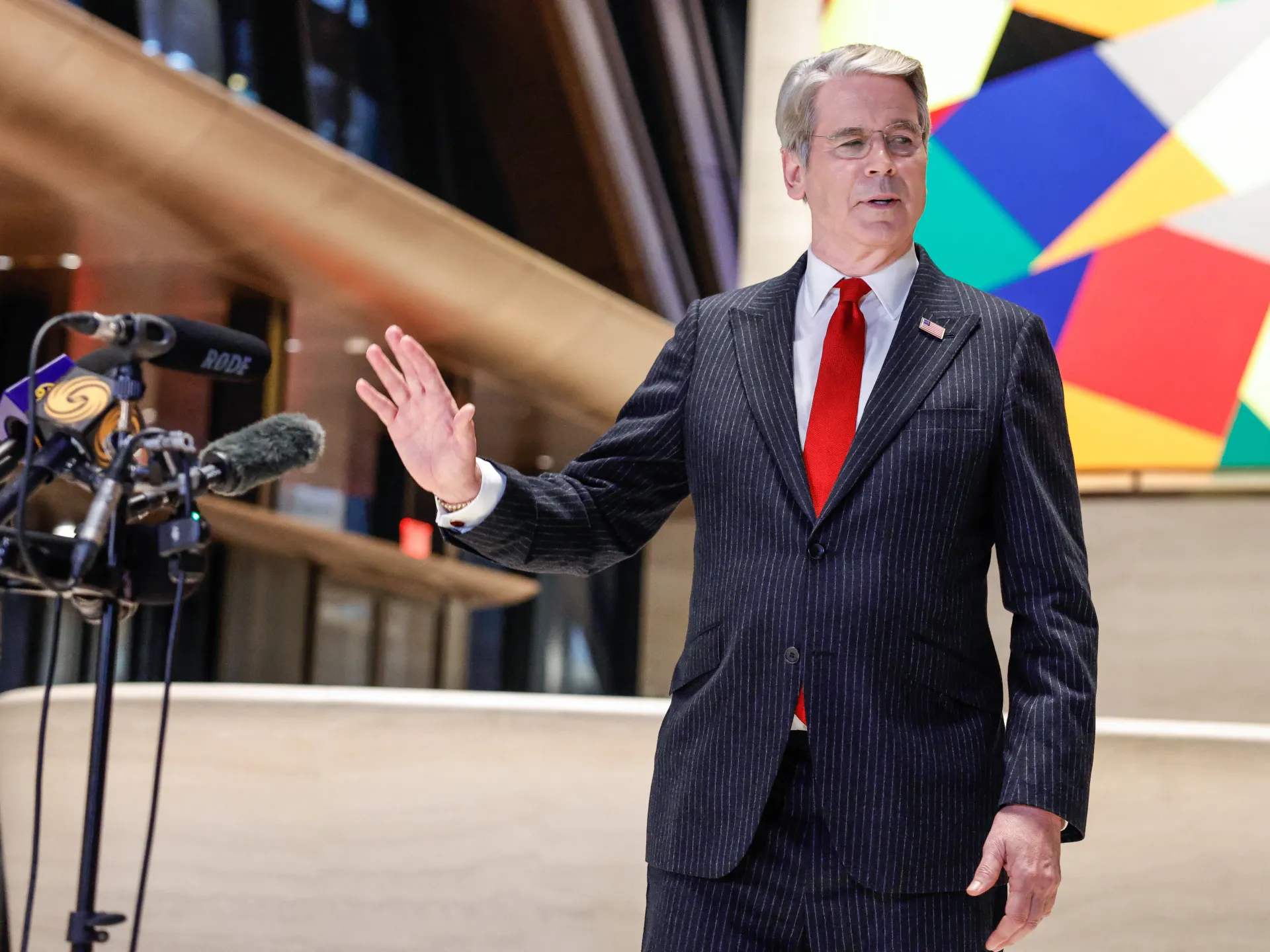
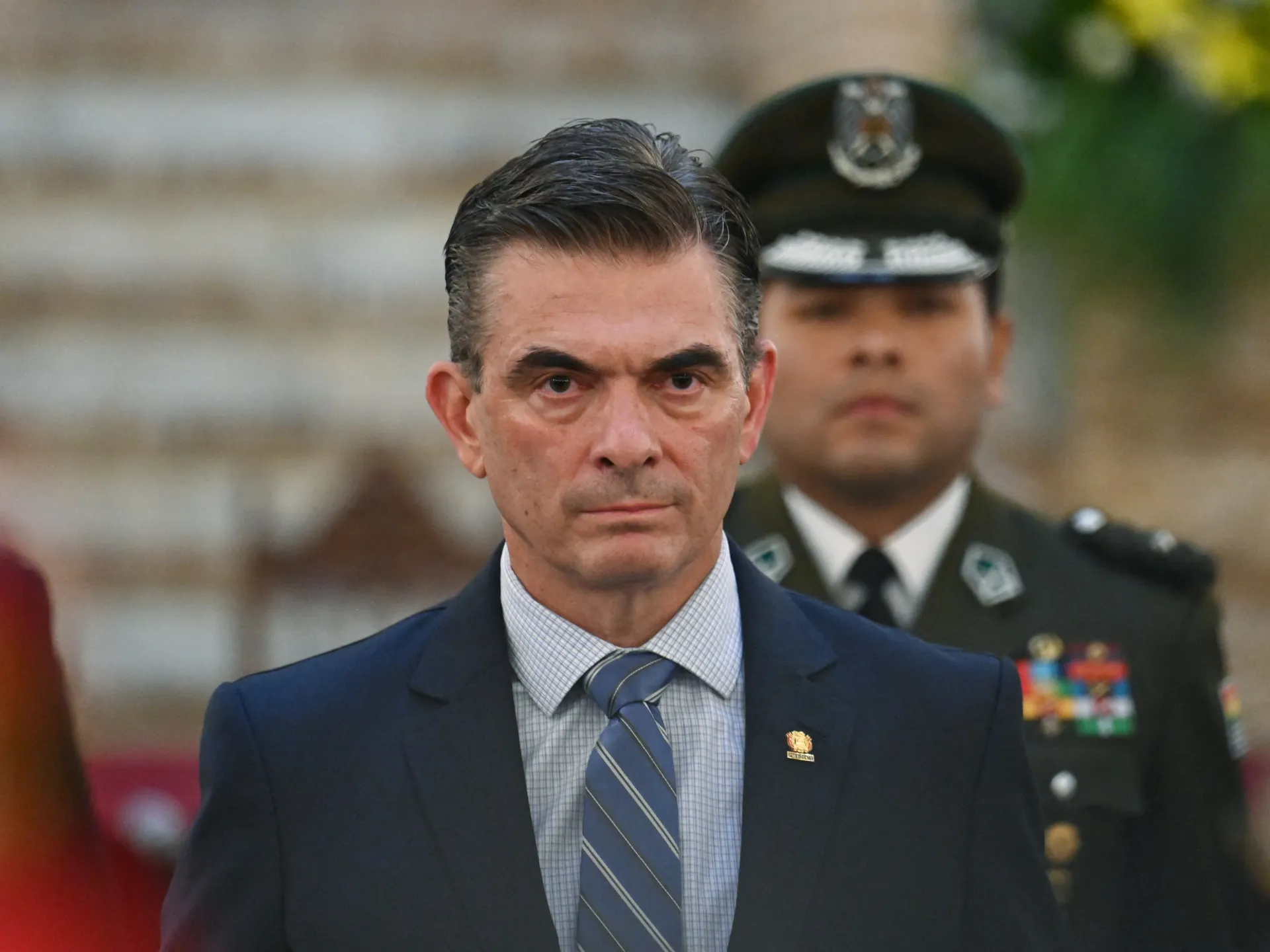
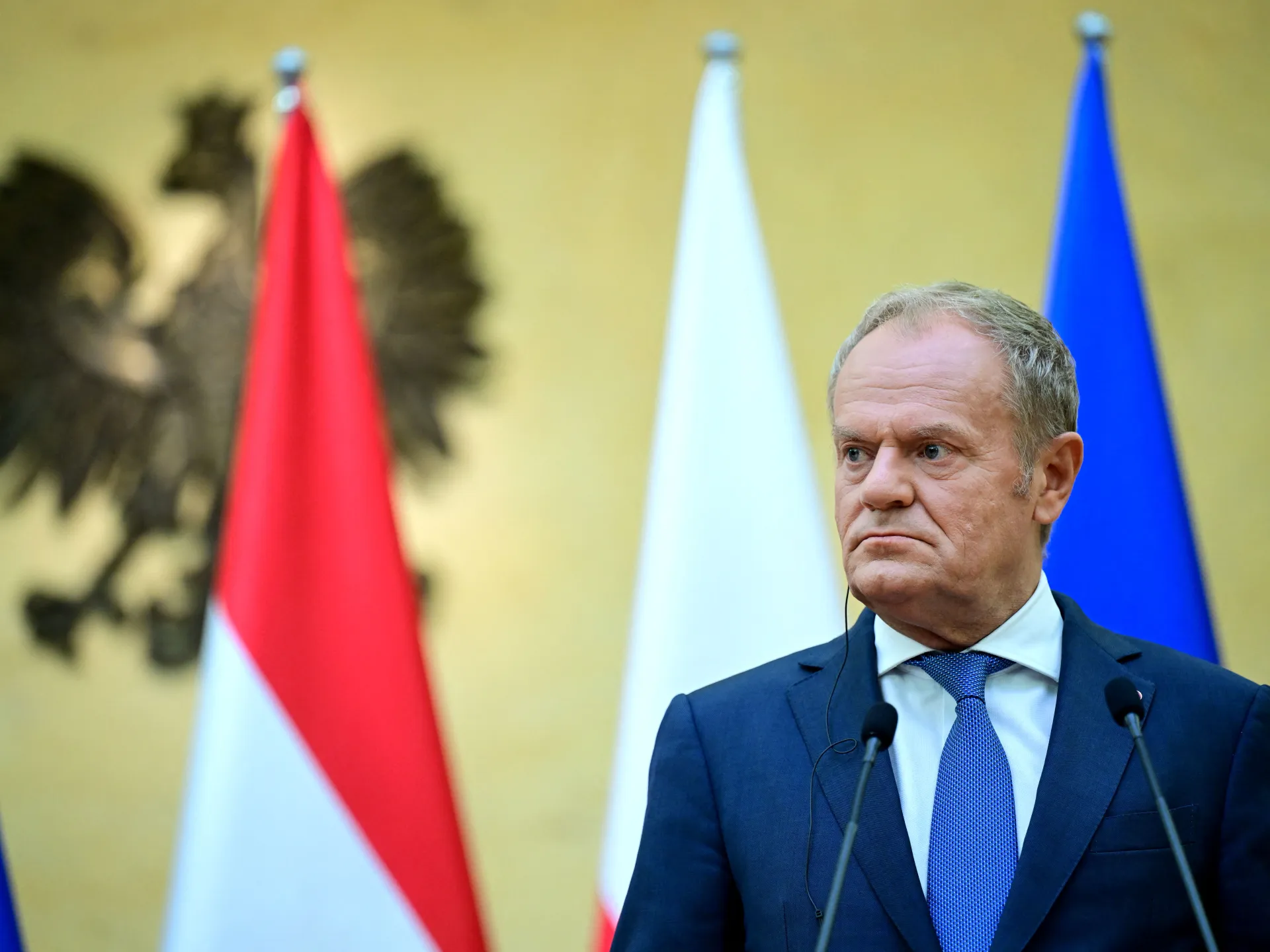
Hungary, long considered Russia’s primary ally within the European Union, has solidified its departure from the Kremlin’s orbit. Foreign Minister Anita Orbán recently issued a directive ordering 10 Russian diplomats to depart Budapest, citing “unacceptable” activities that threatened the nation's sovereignty and security. This move marks a profound shift from the policies maintained tions and prioritized access to cheap Russian energy over continental solidarity.
The reaction from Moscow was swift and hostile. A spokesperson for the Russian foreign ministry characterized the expulsions as an “unprecedented and ungrounded escalation,” warning that the response from the “Russophobic lobby” would be both “harsh and painful.” Russian Ambassador to Budapest, Evgeny Stanislavov, explicitly rejected the notion that the expulsion was necessary for security, framing the move as a betrayal of the pragmatic dialogue he claimed to be pursuing. Despite the intensity of the rhetoric, the Hungarian foreign ministry has clarified that this action does not constitute a formal severing of diplomatic relations.
This shift follows a deliberate policy realignment under the administration of Prime Minister Péter Magyar. Since his election in April, Magyar has signaled that Russia’s ongoing conflict in Ukraine is a direct threat to the regional order, specifically citing the danger posed to the Hungarian minority residing in the Transcarpathia region. The government’s willingness to summon the Russian ambassador—a gesture avoided a newfound assertiveness in Budapest’s foreign policy.
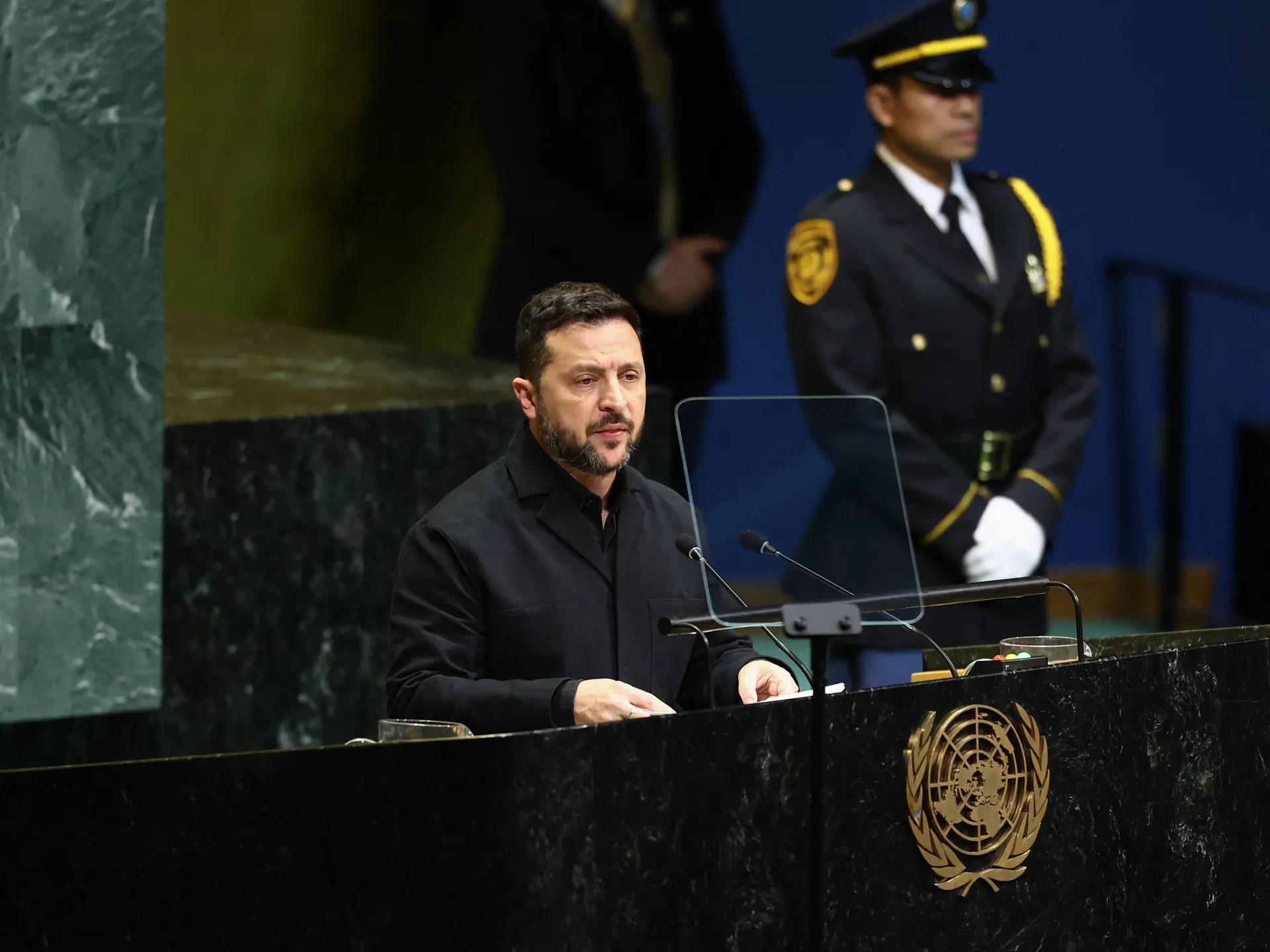
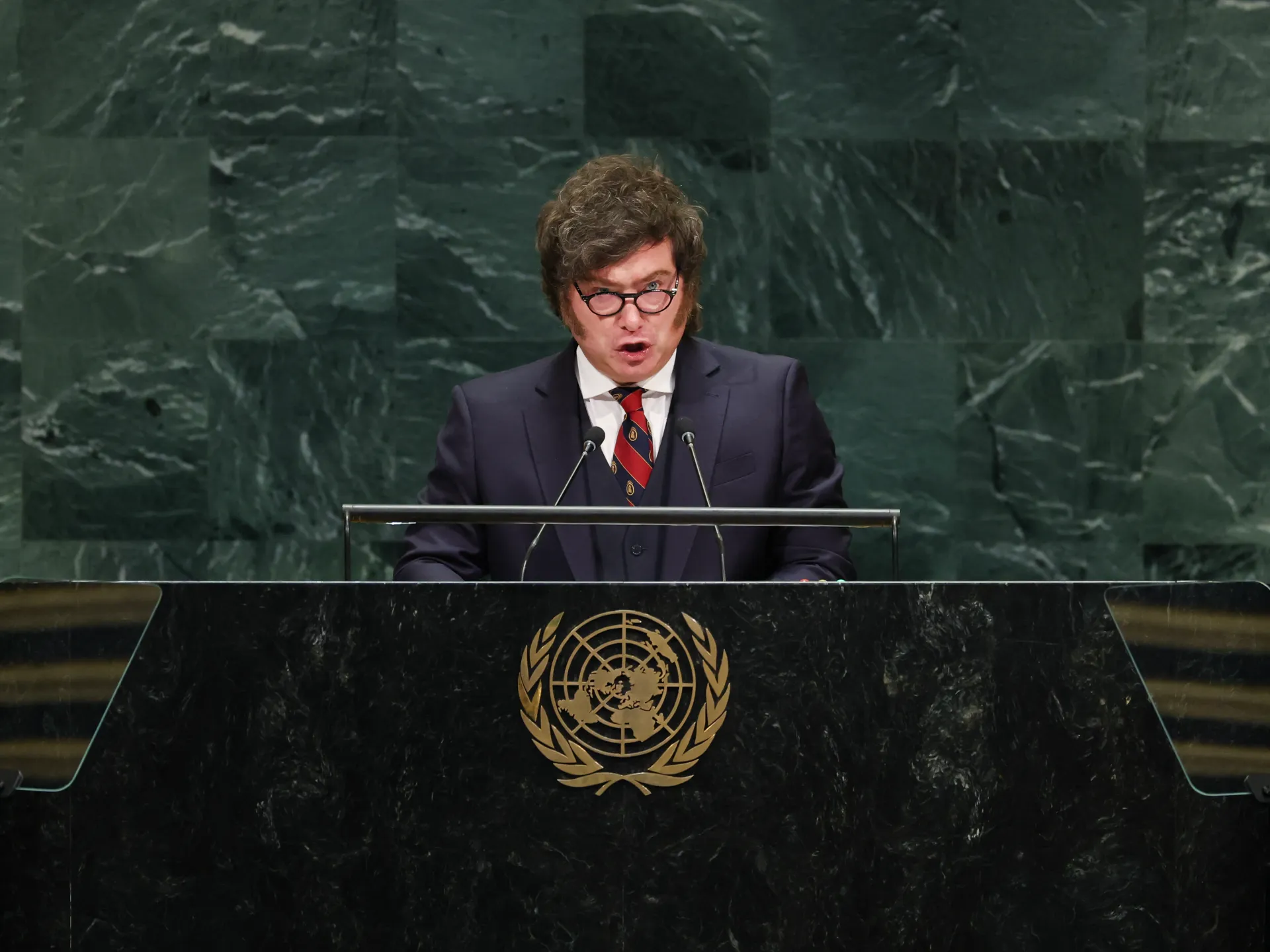
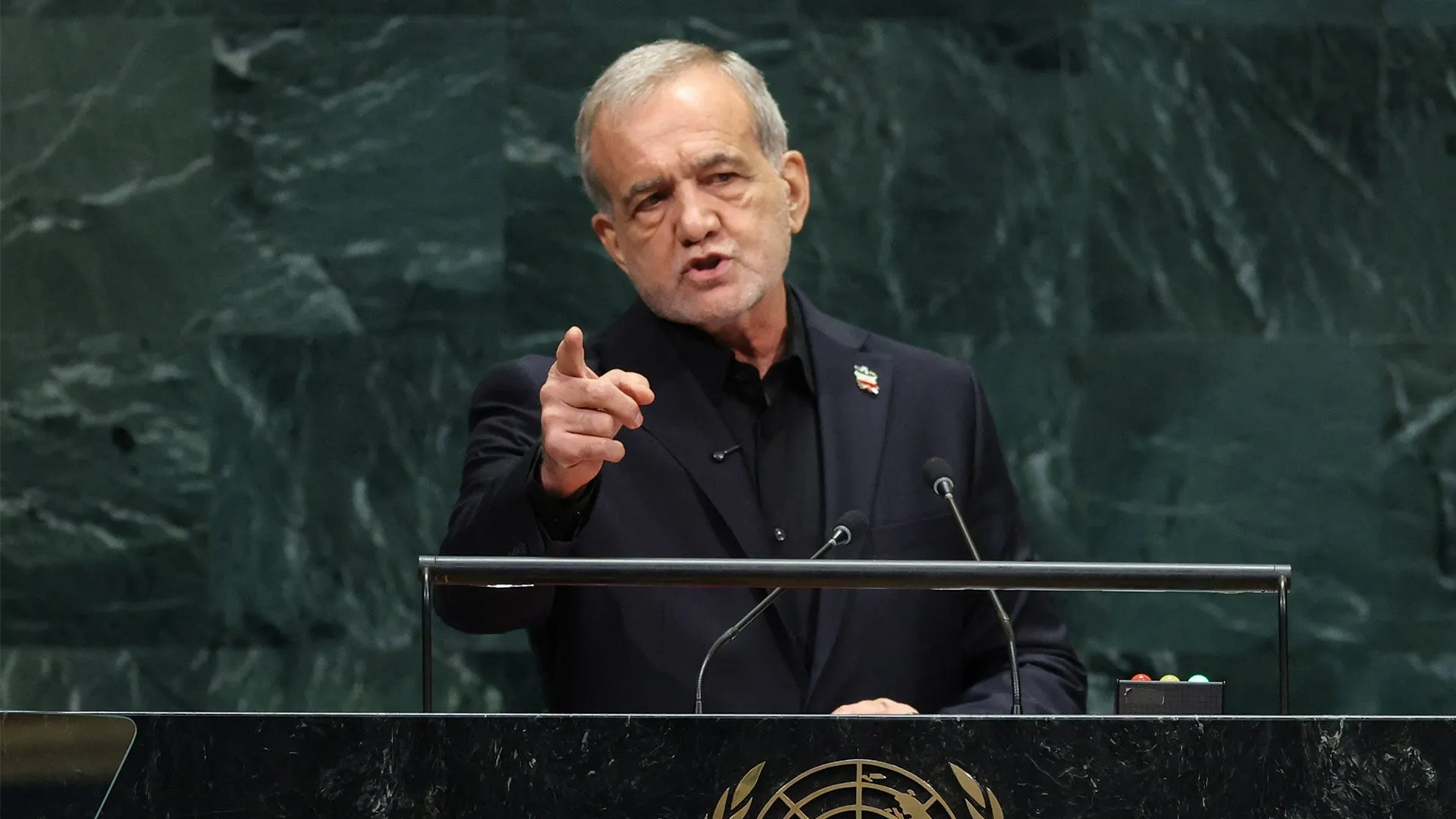
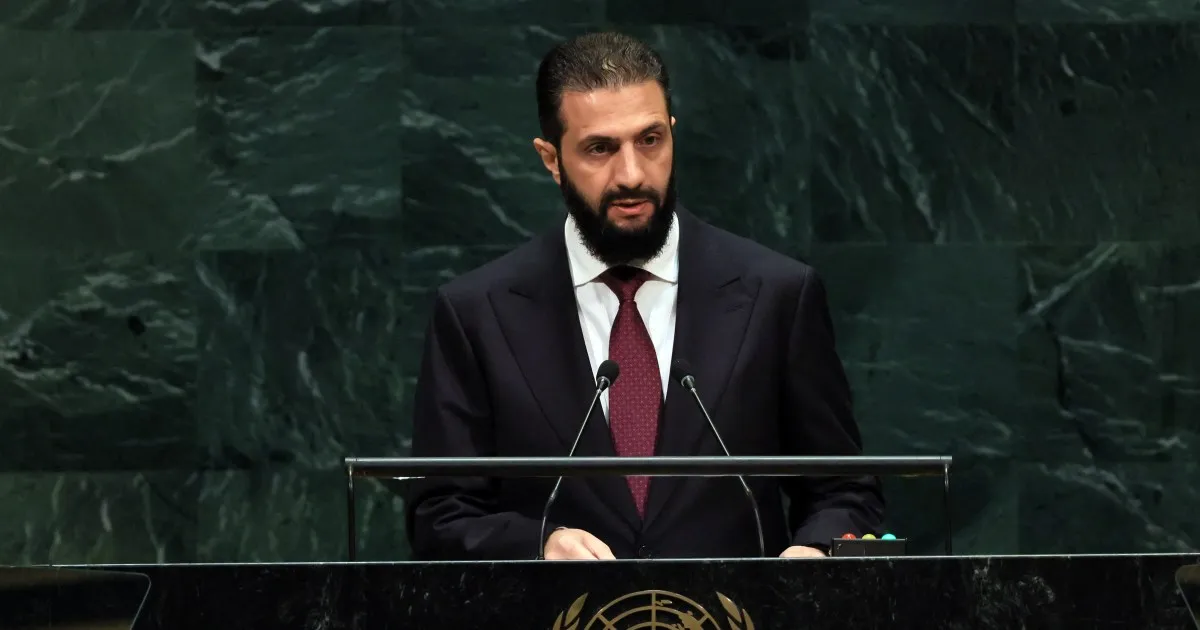
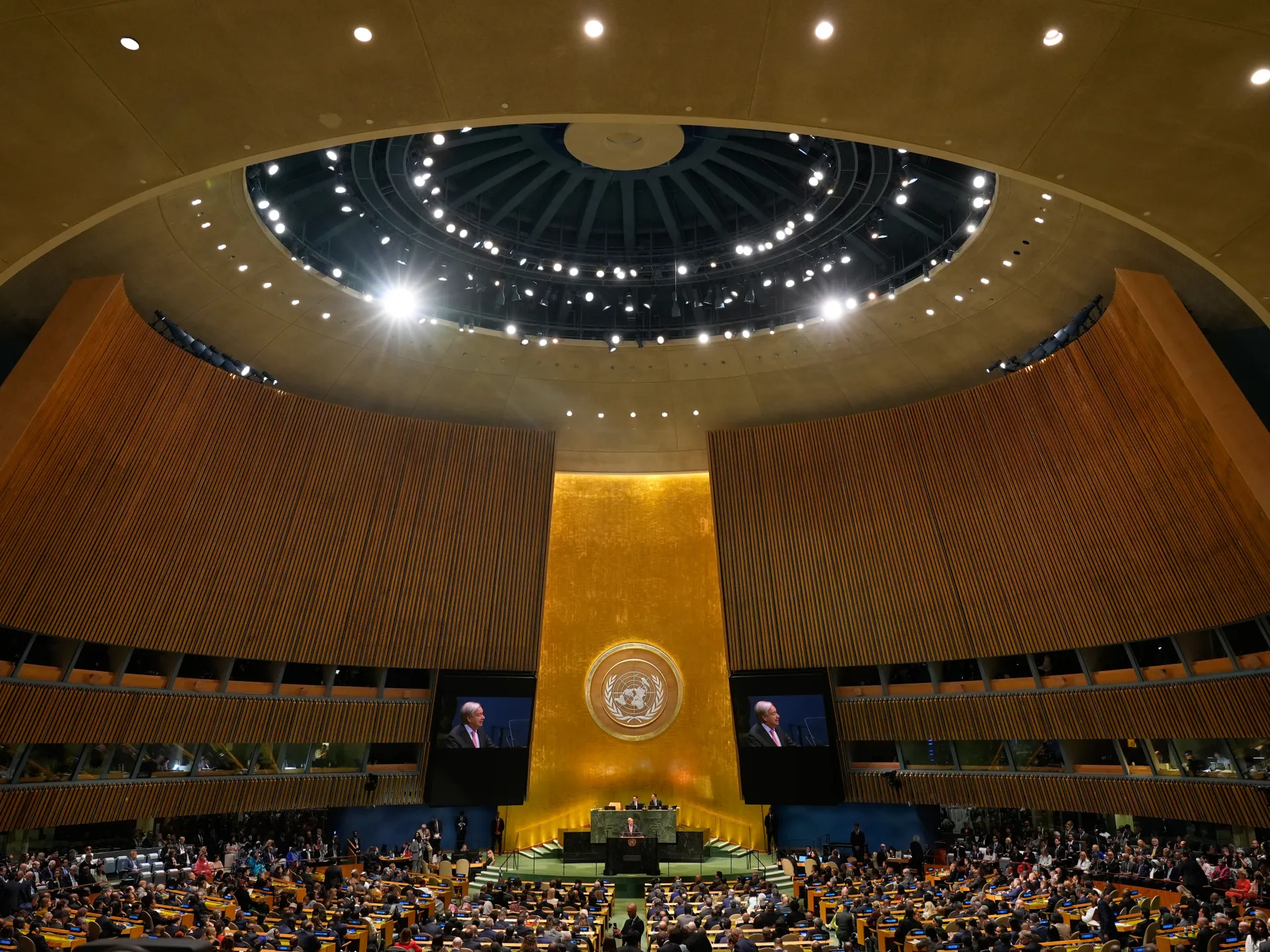
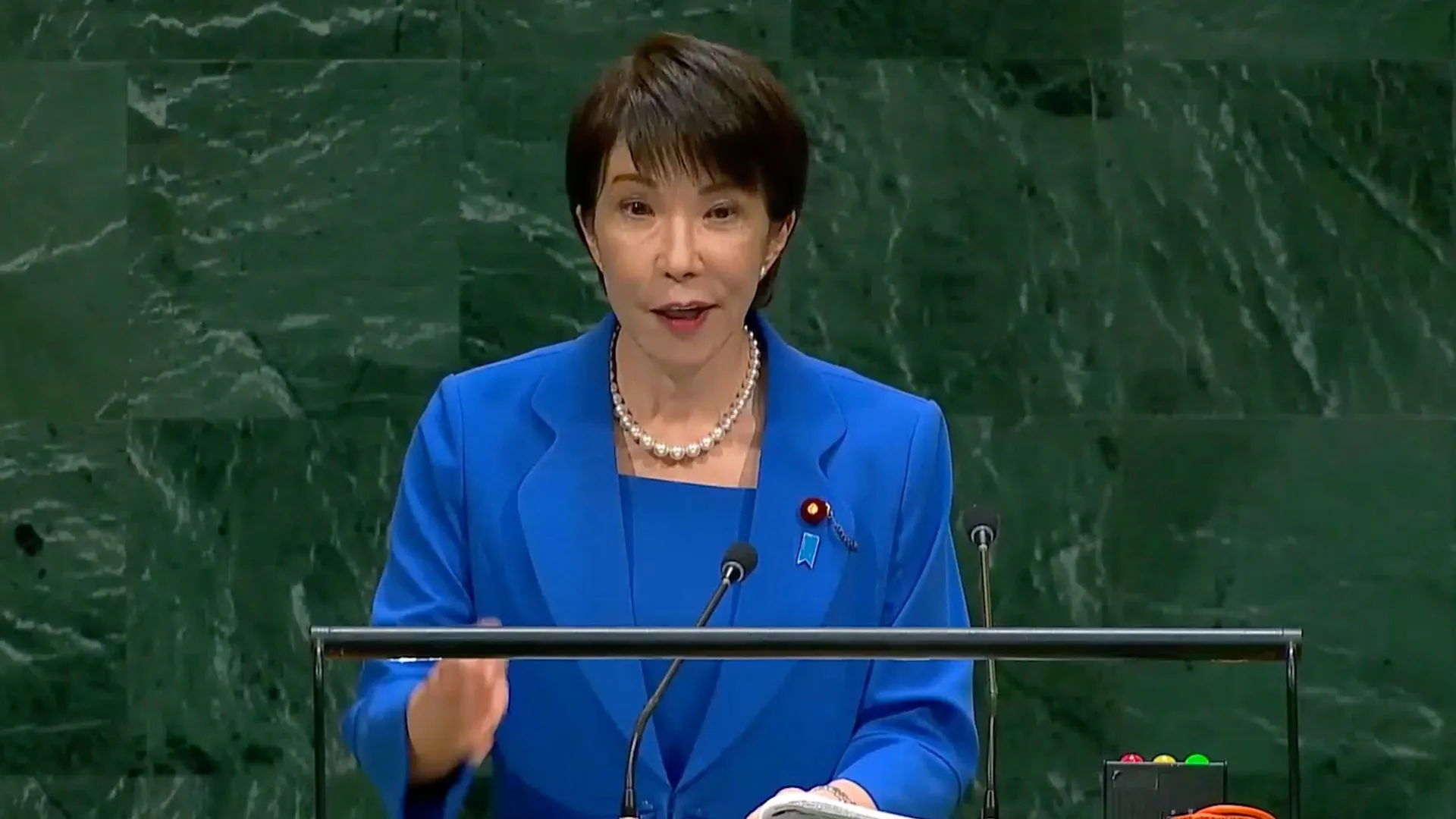
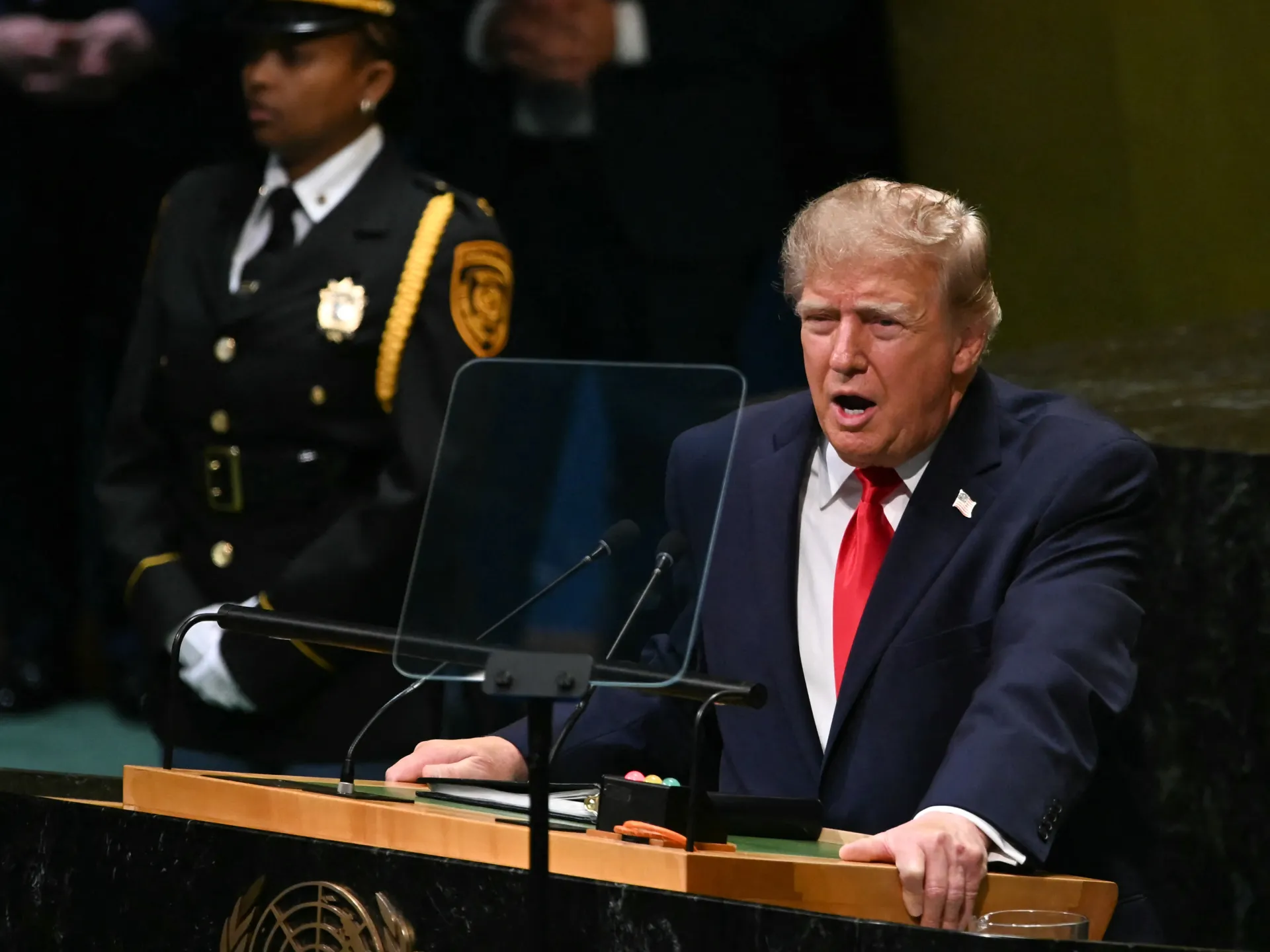
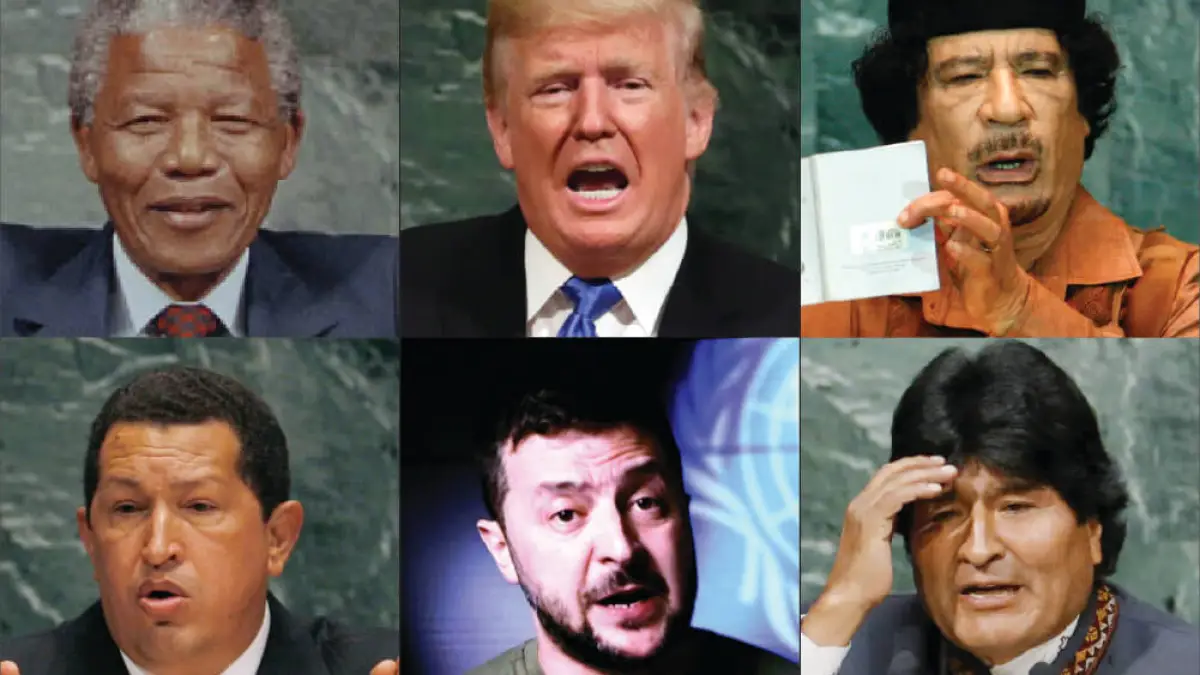
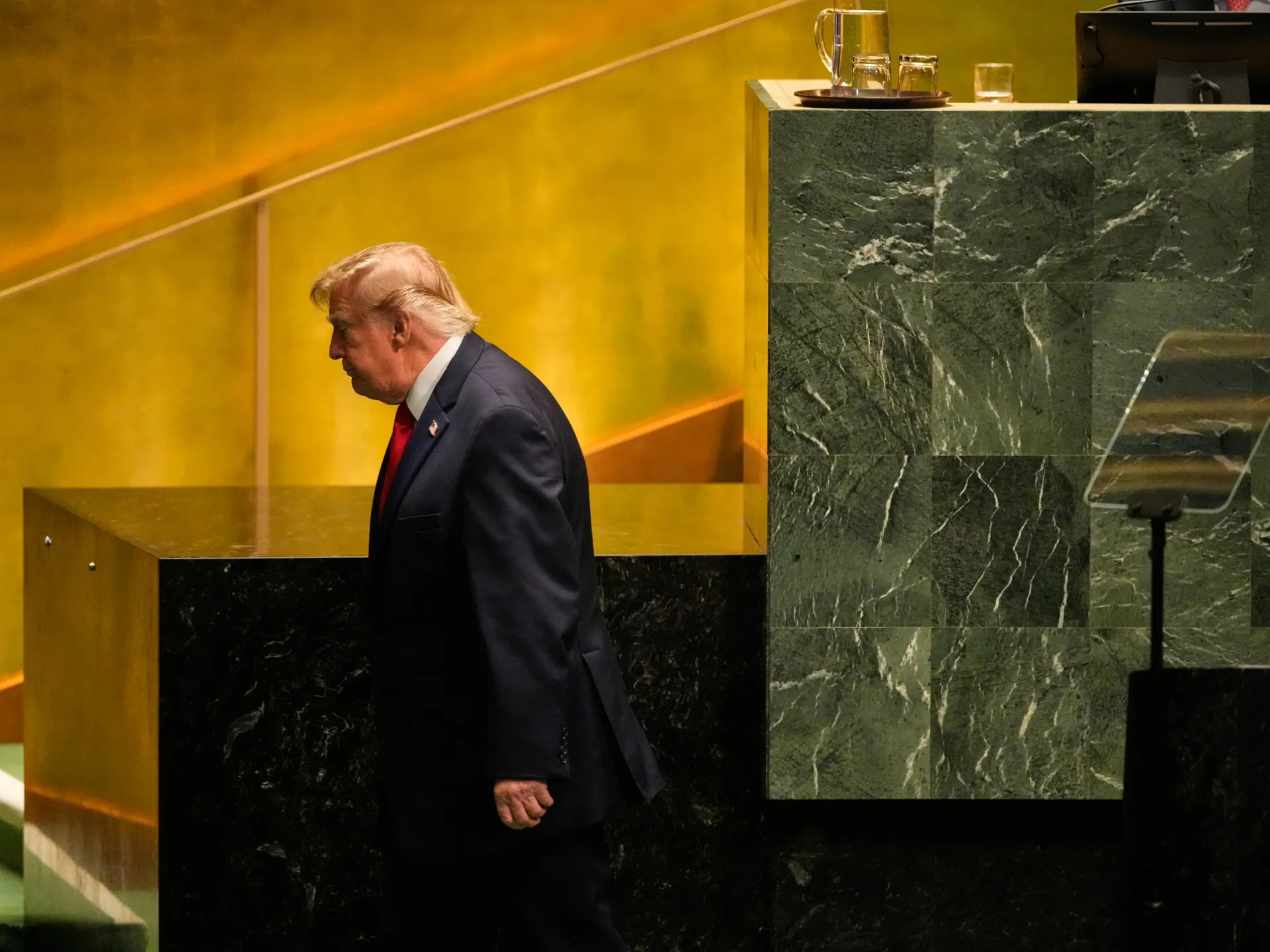
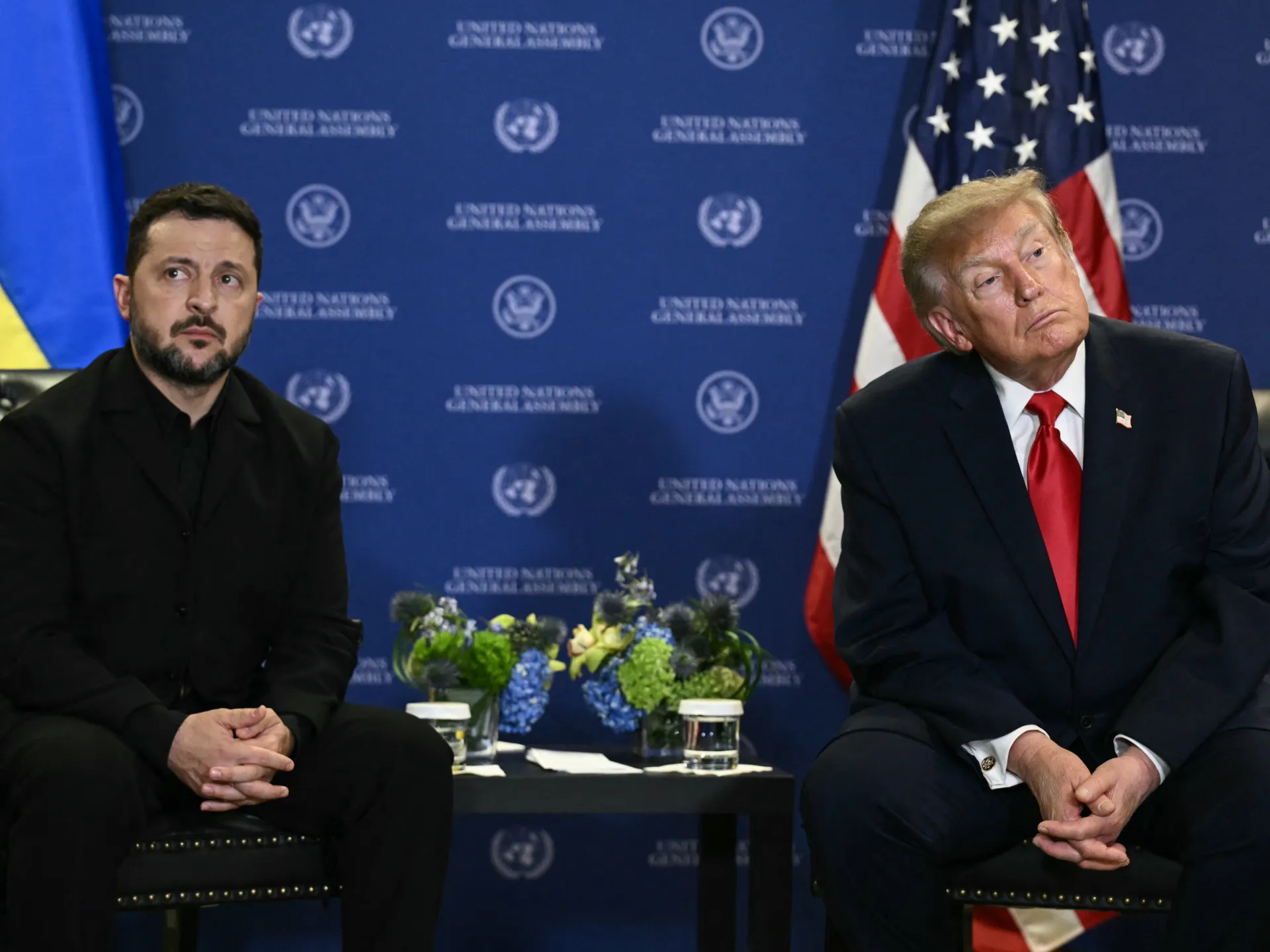
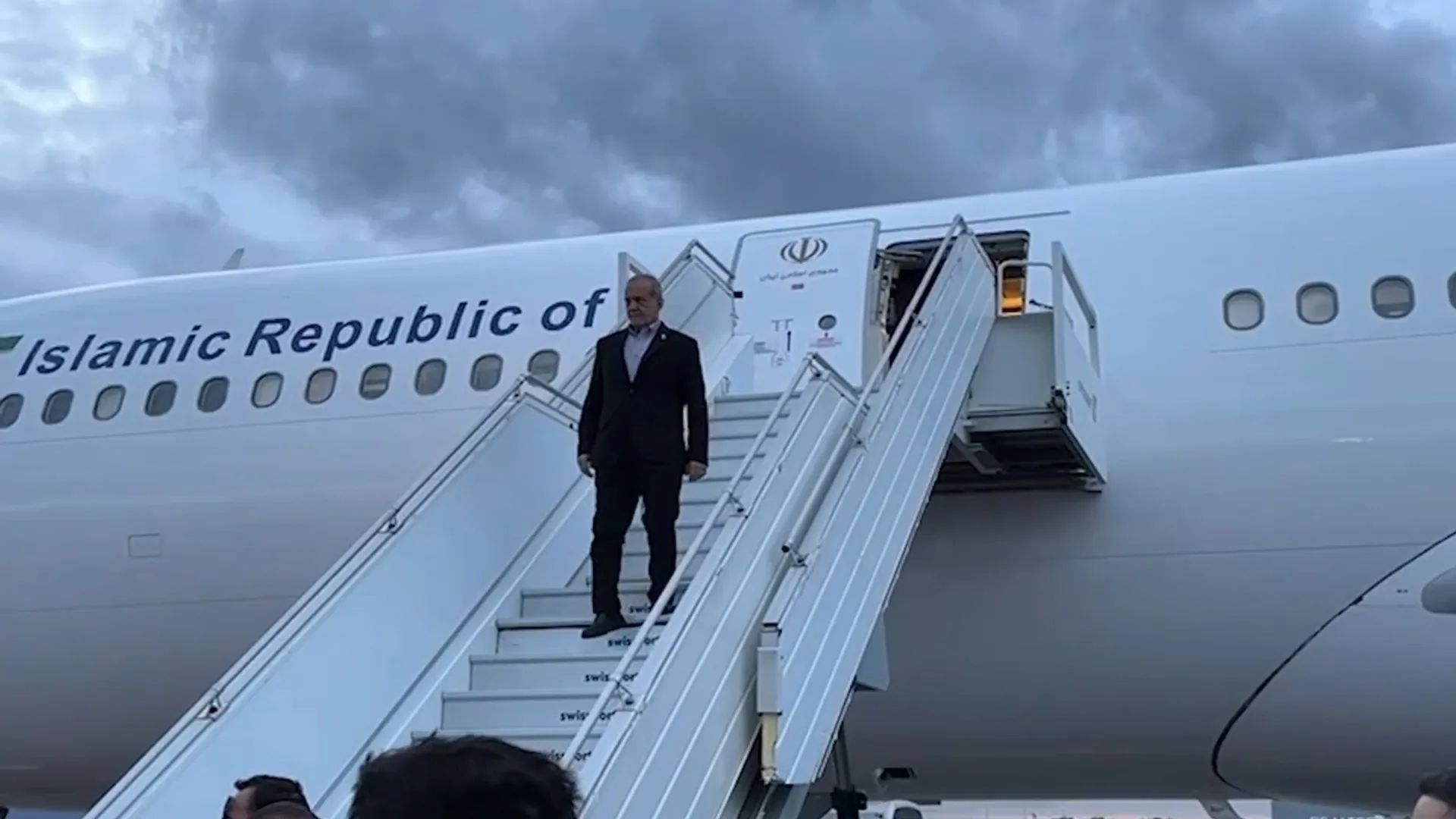
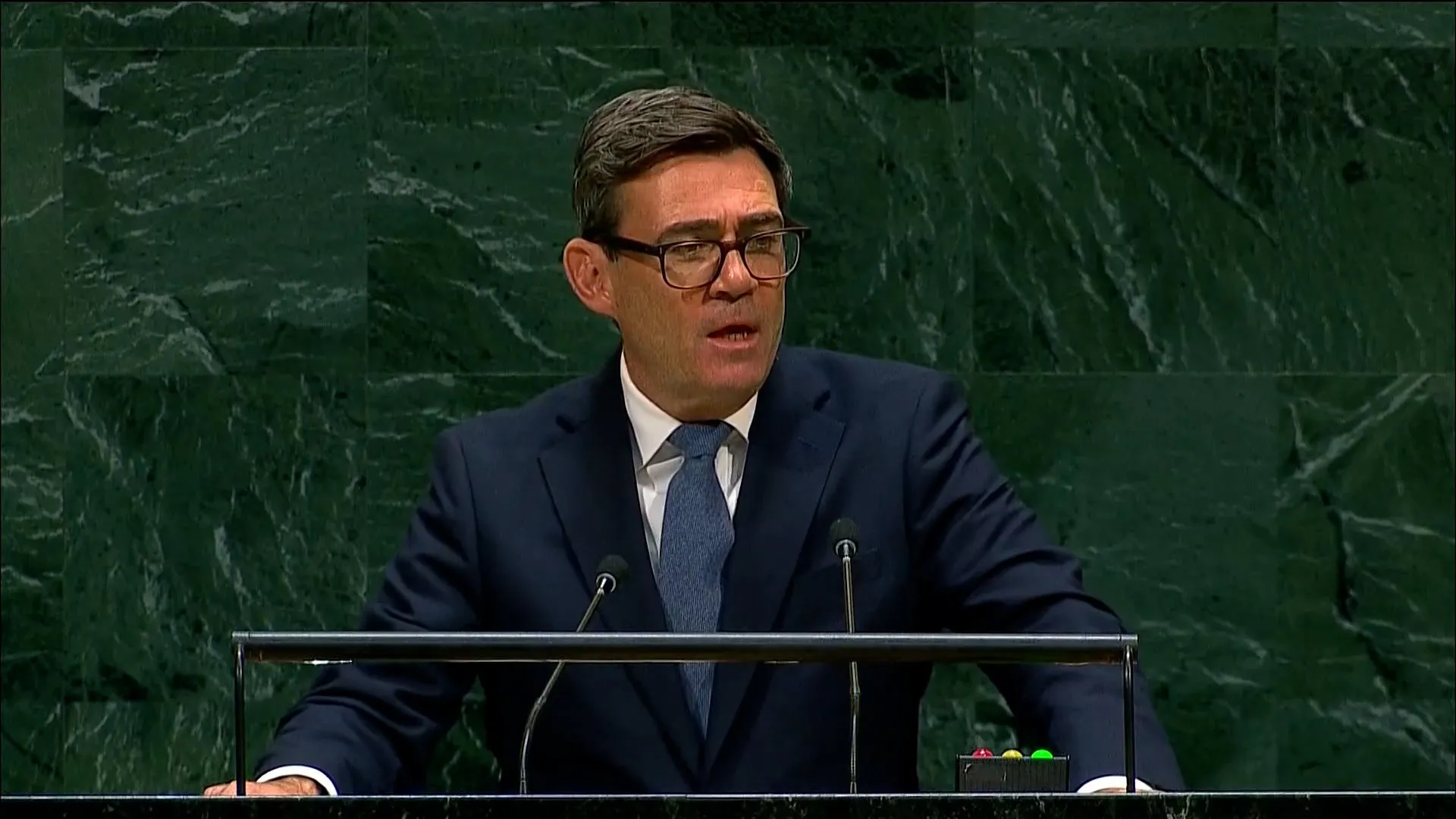
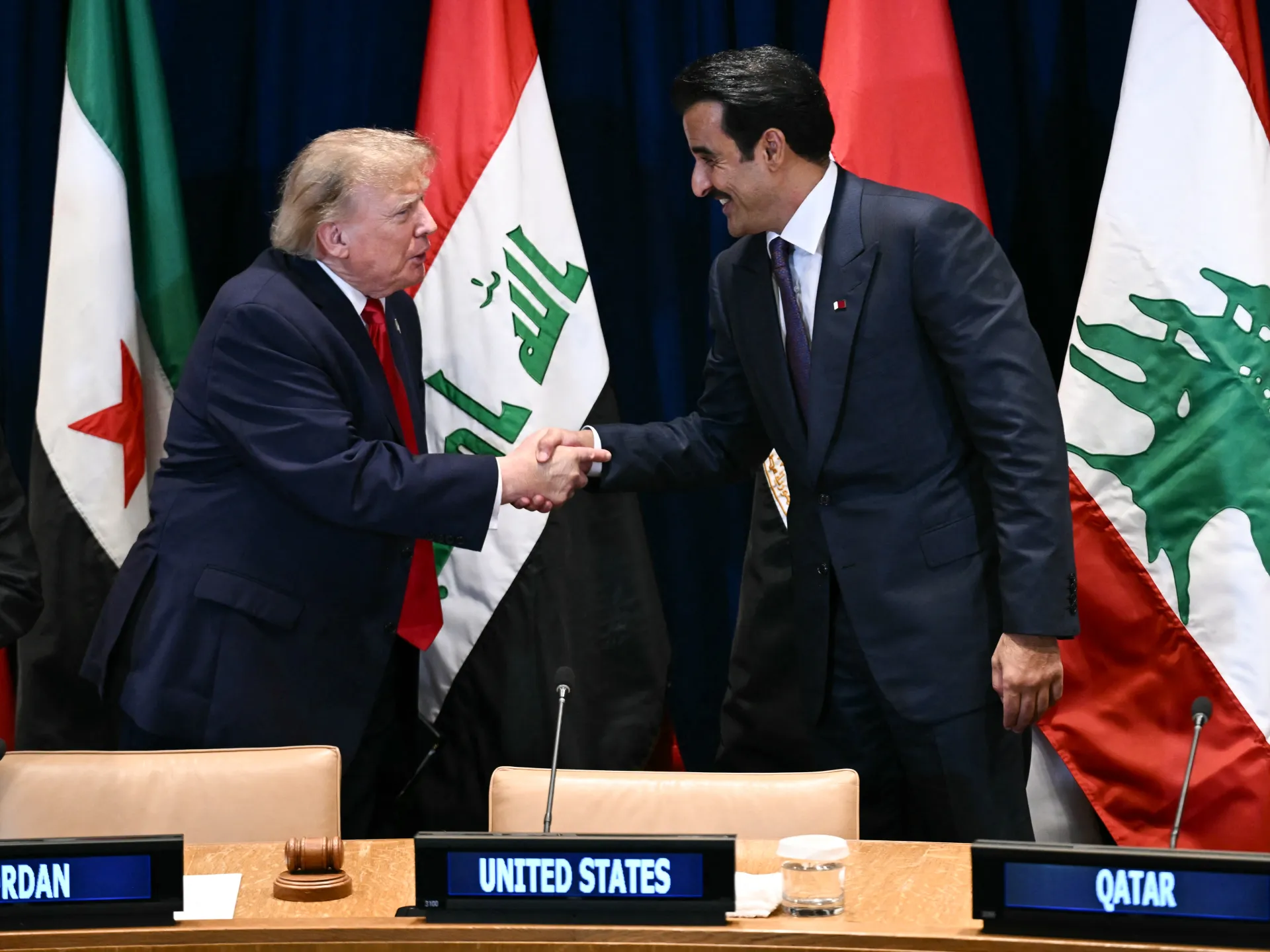
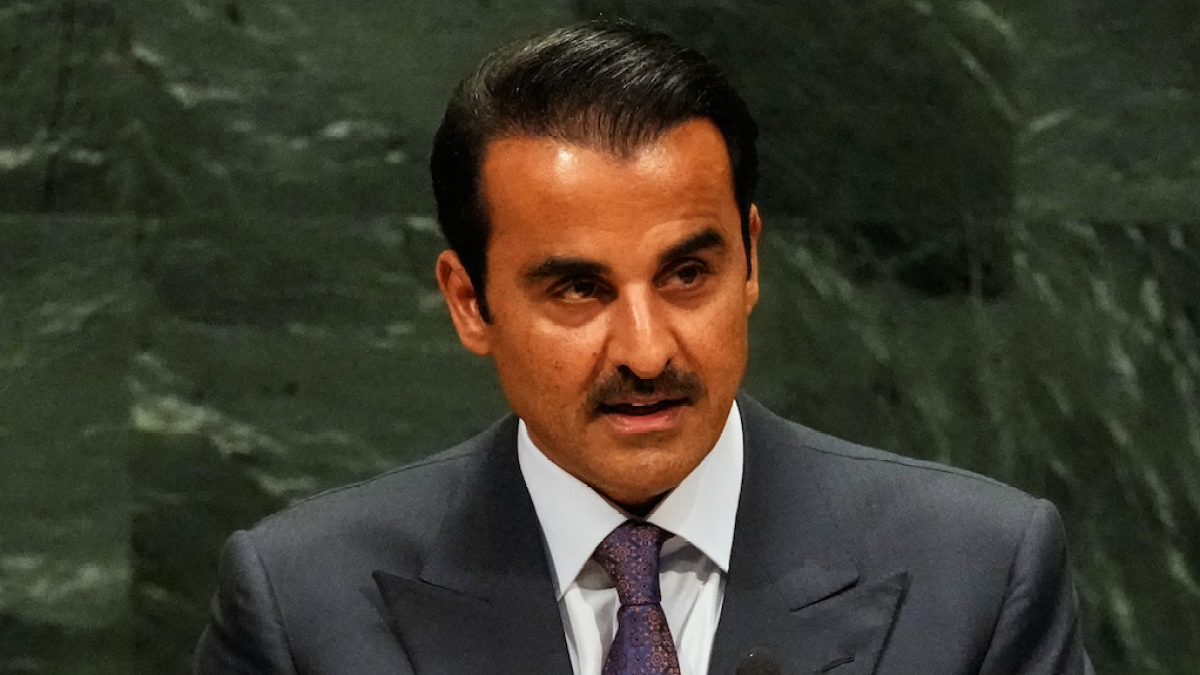
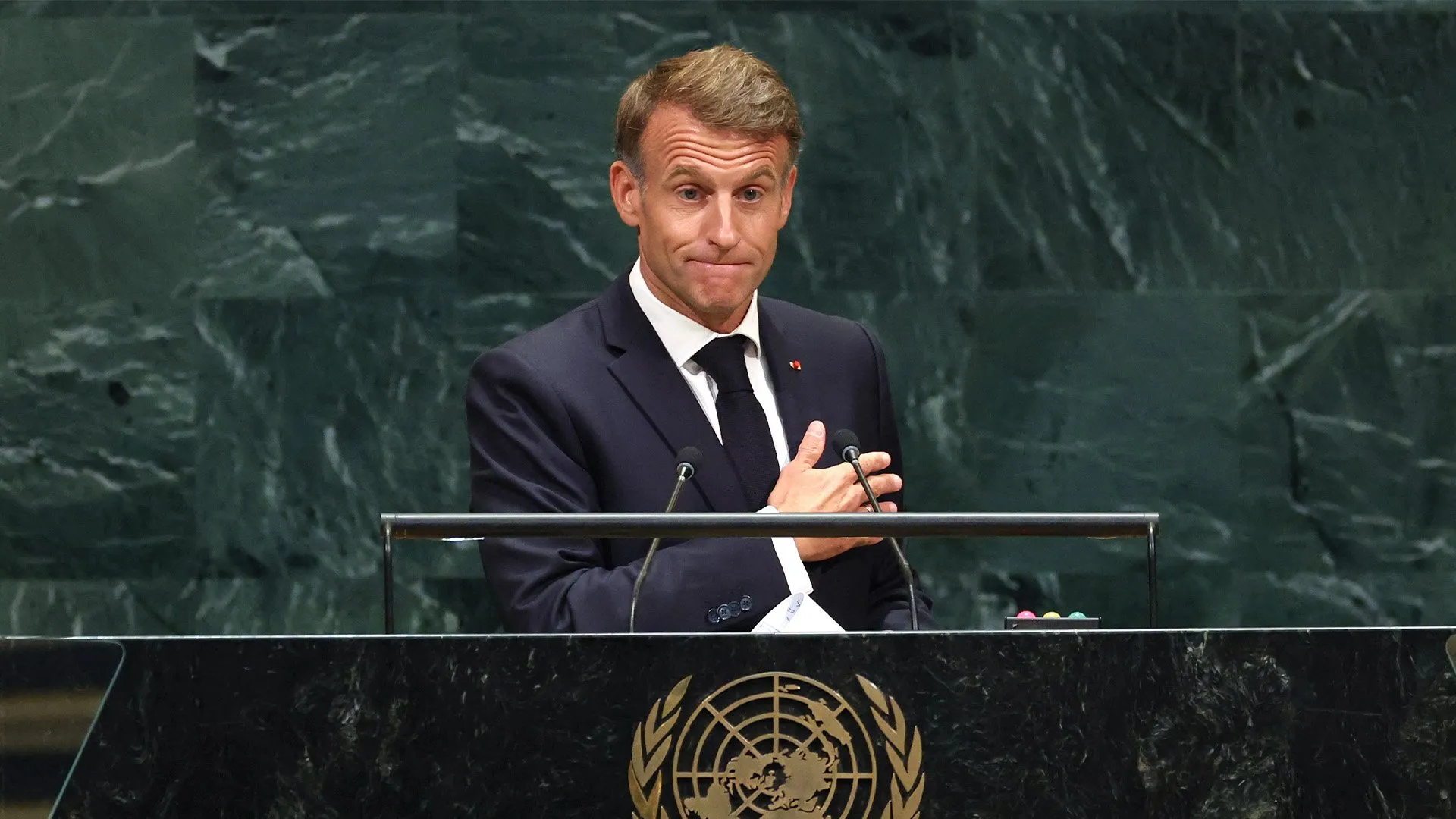
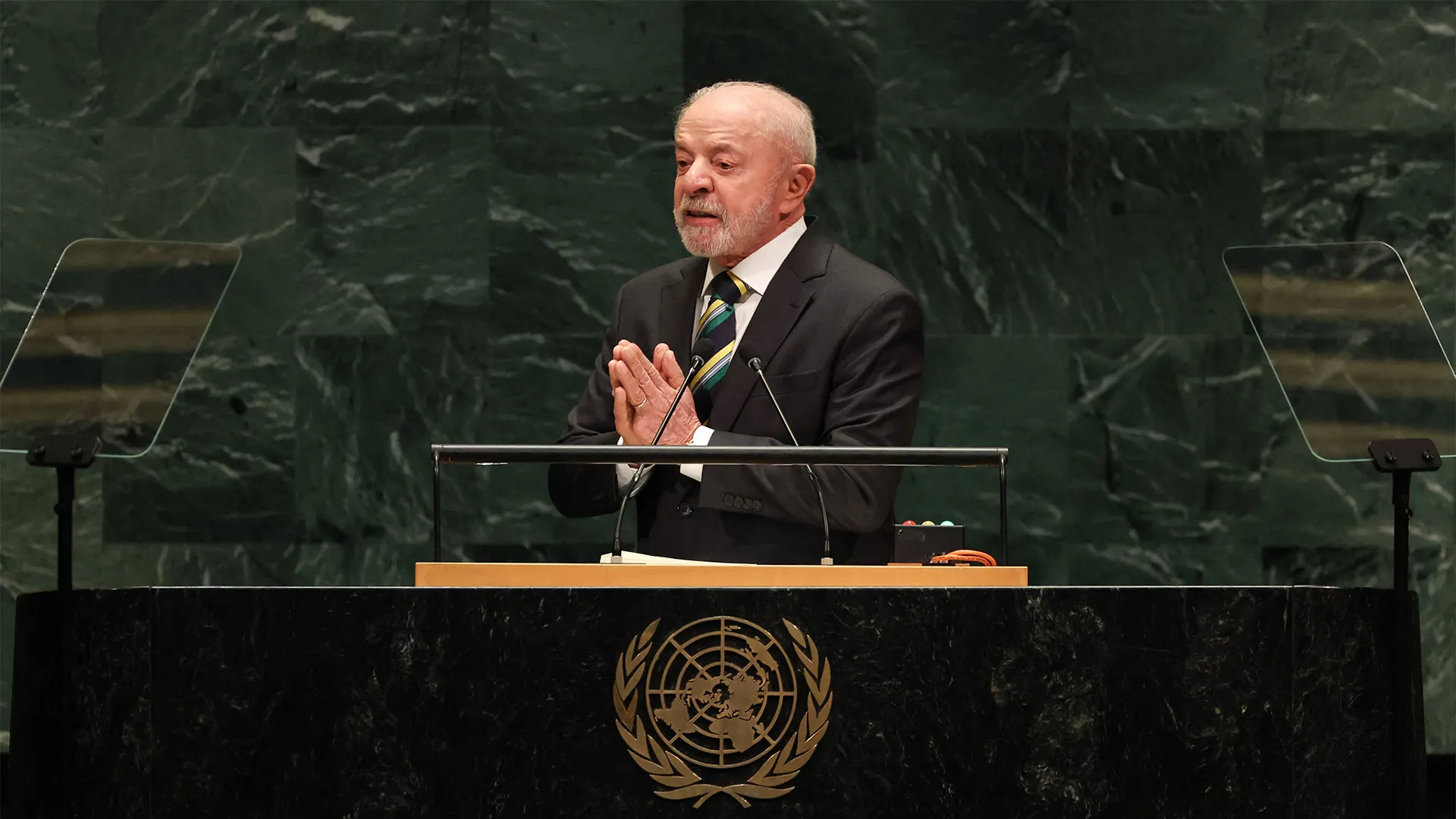
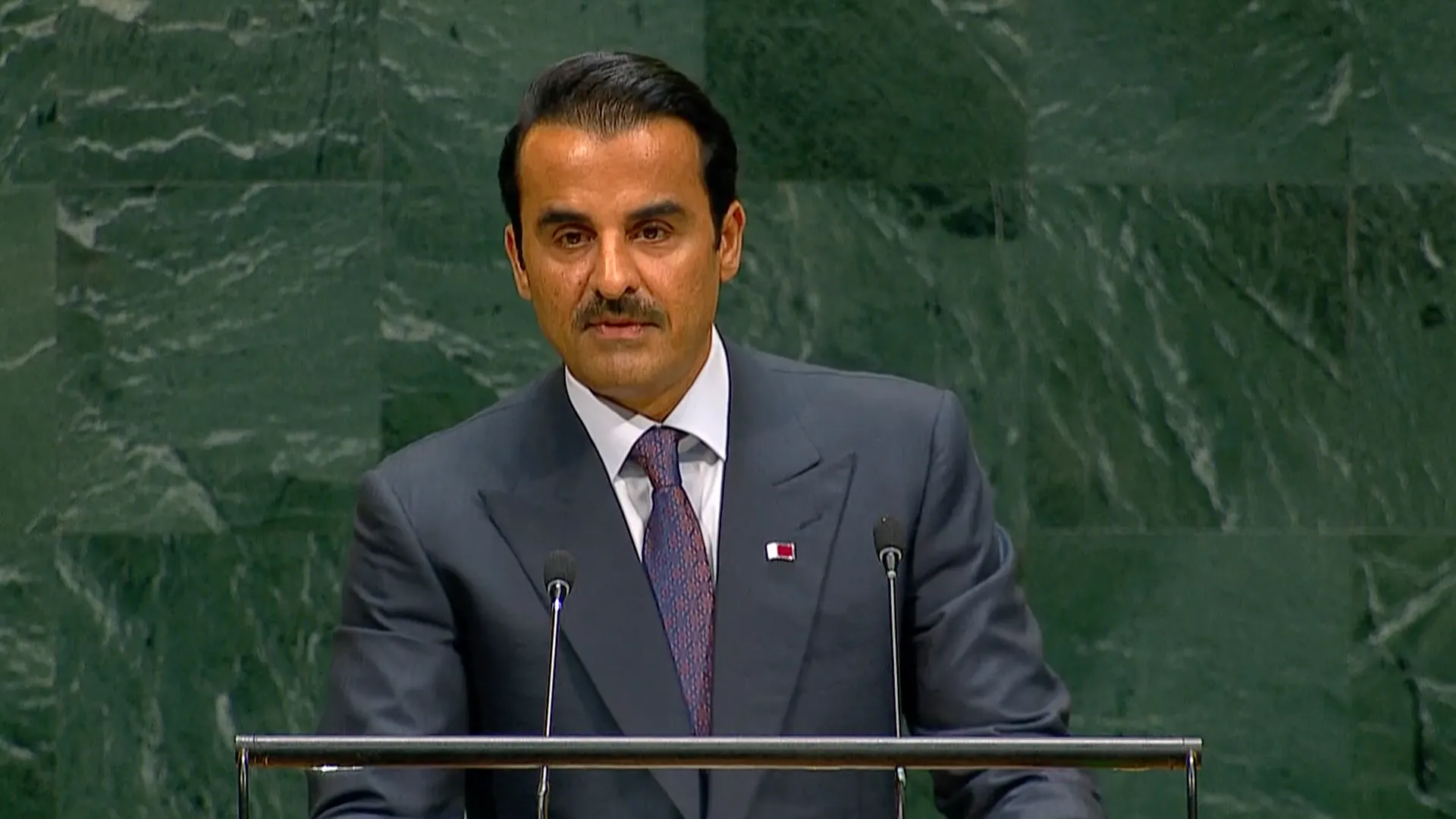
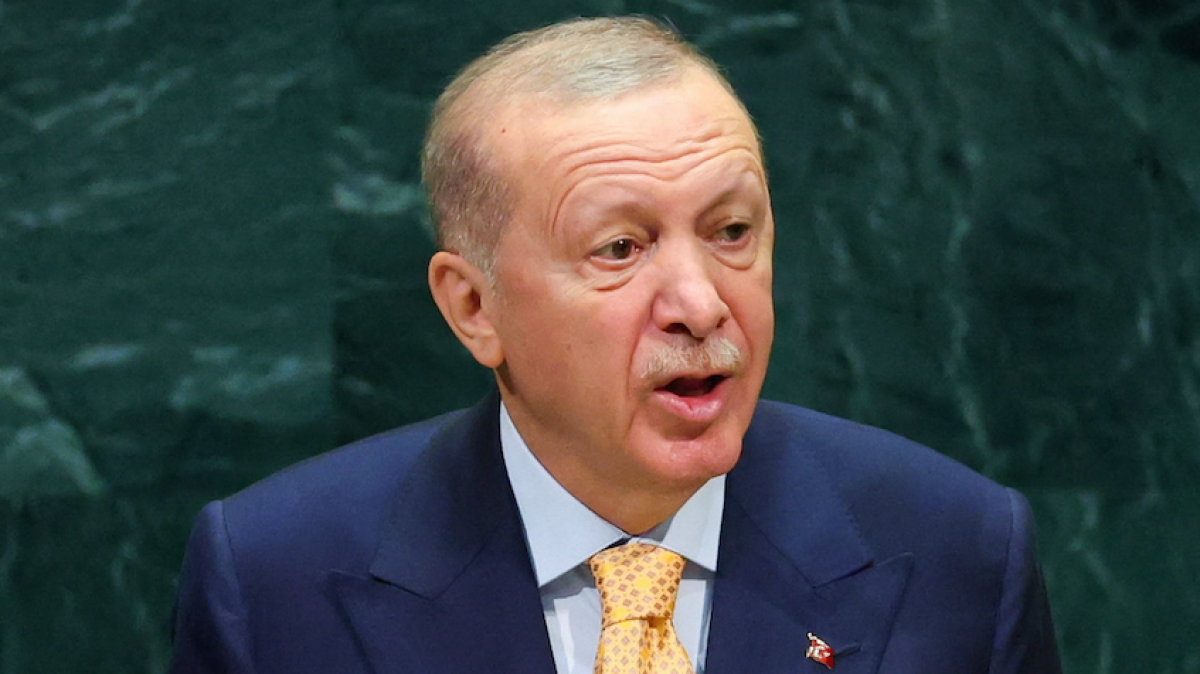
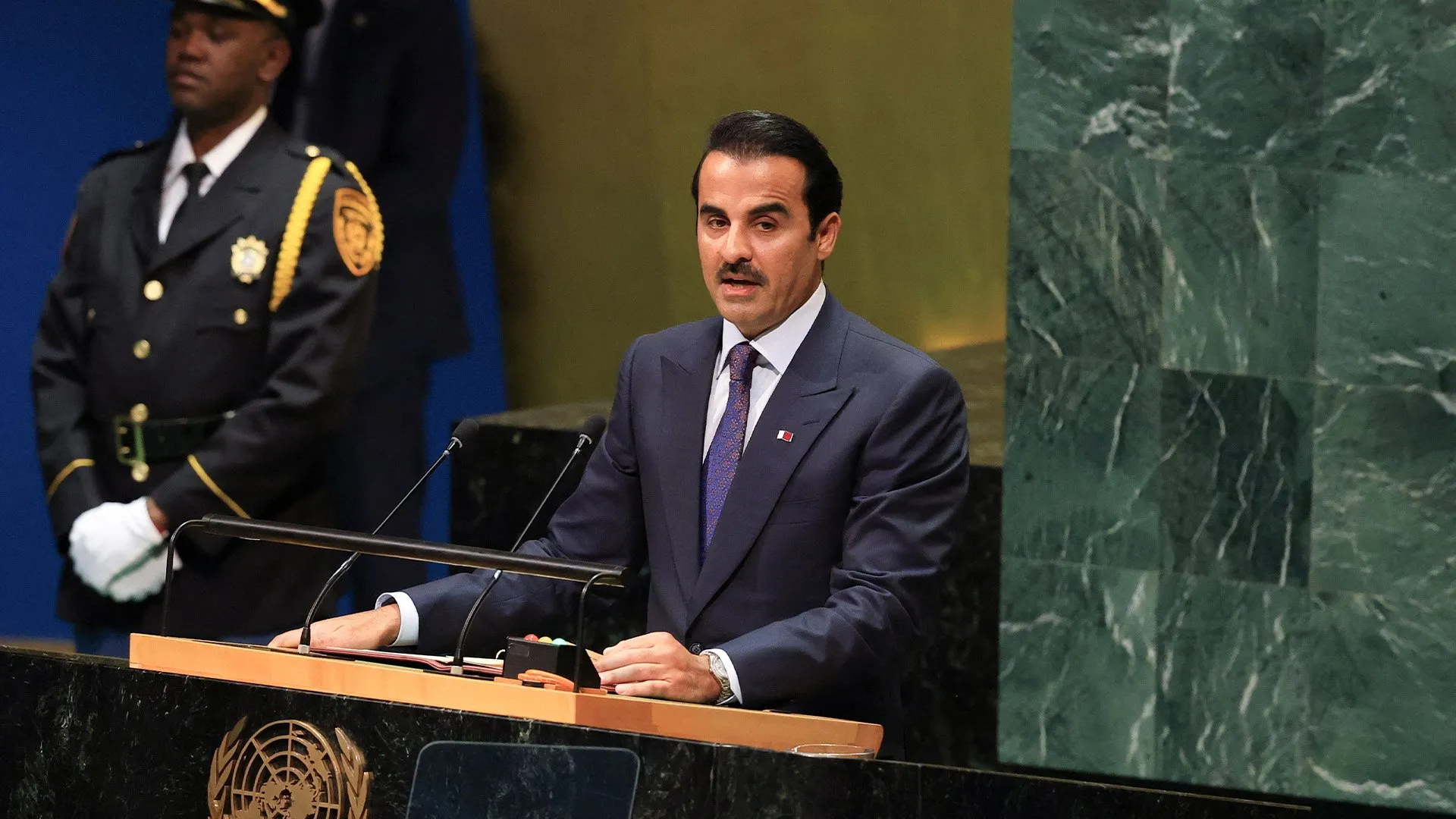
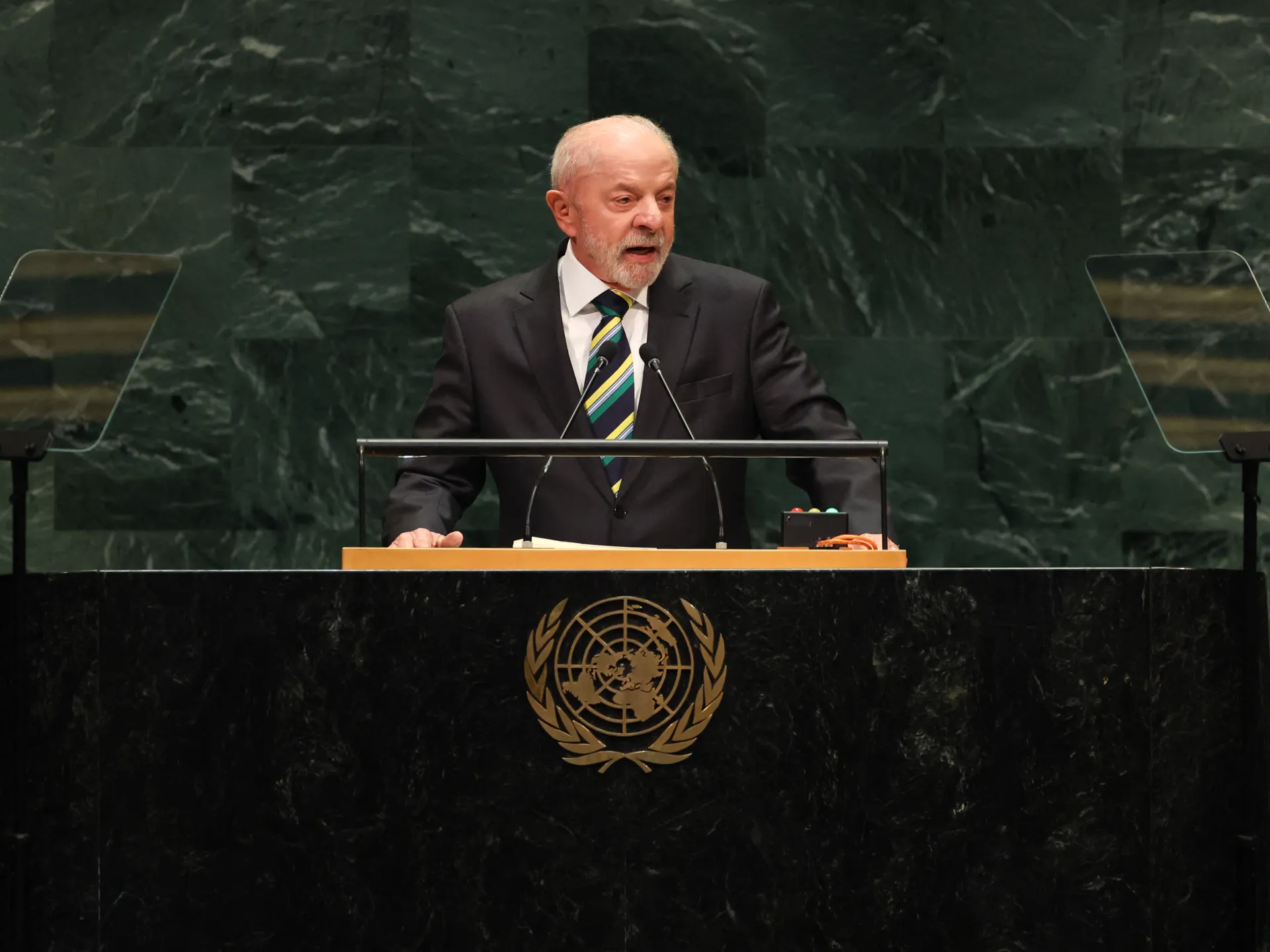
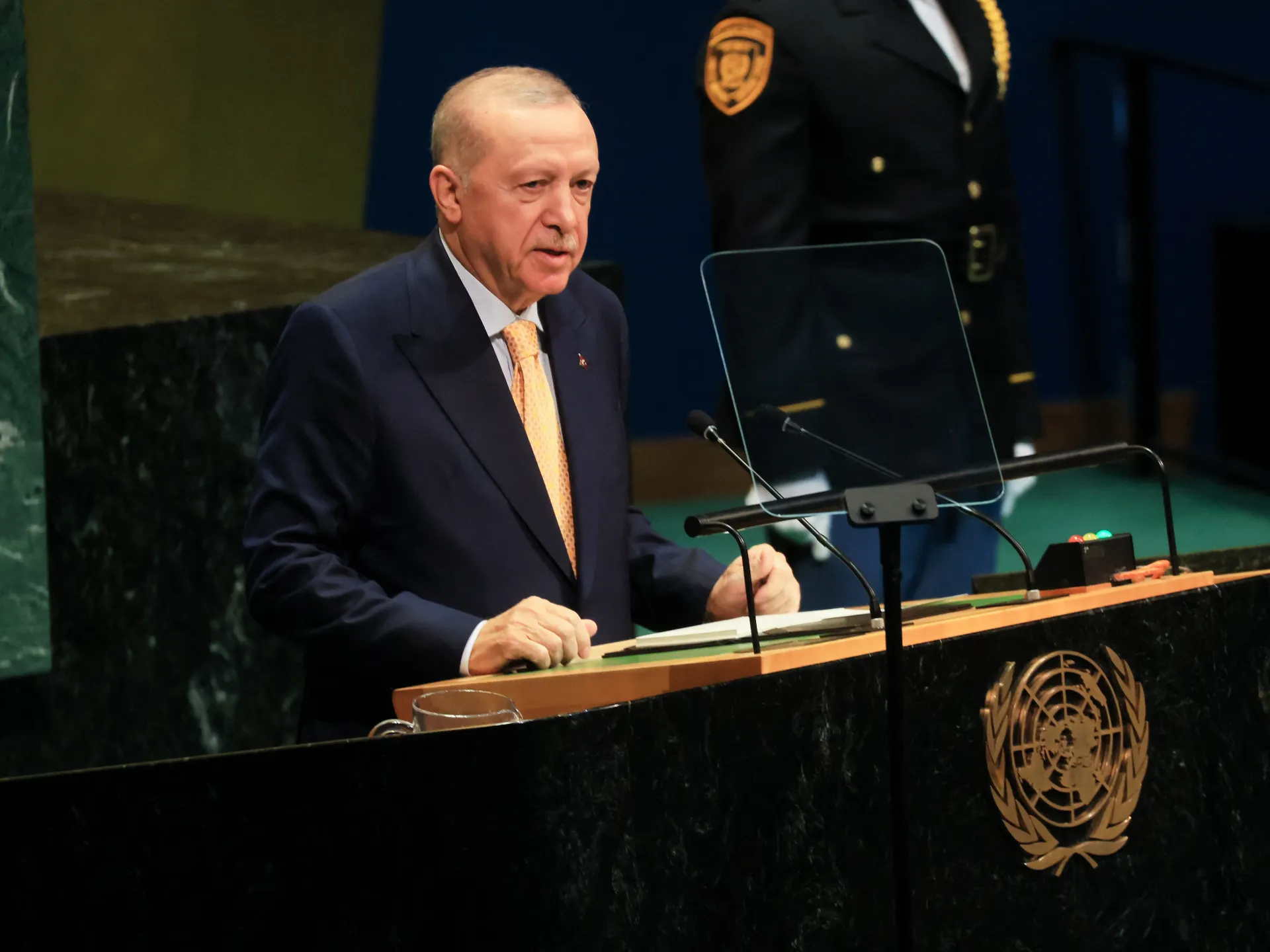
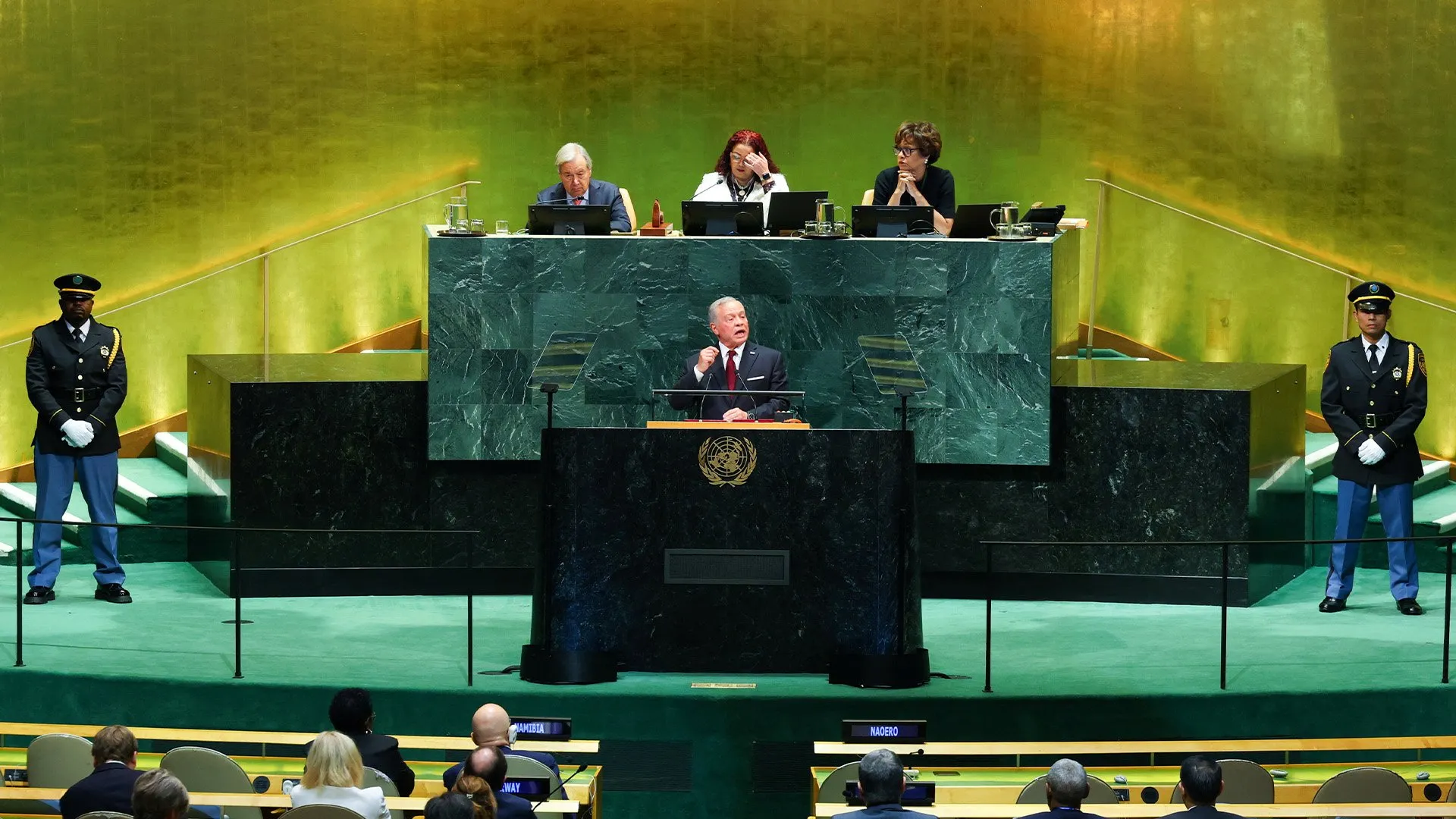
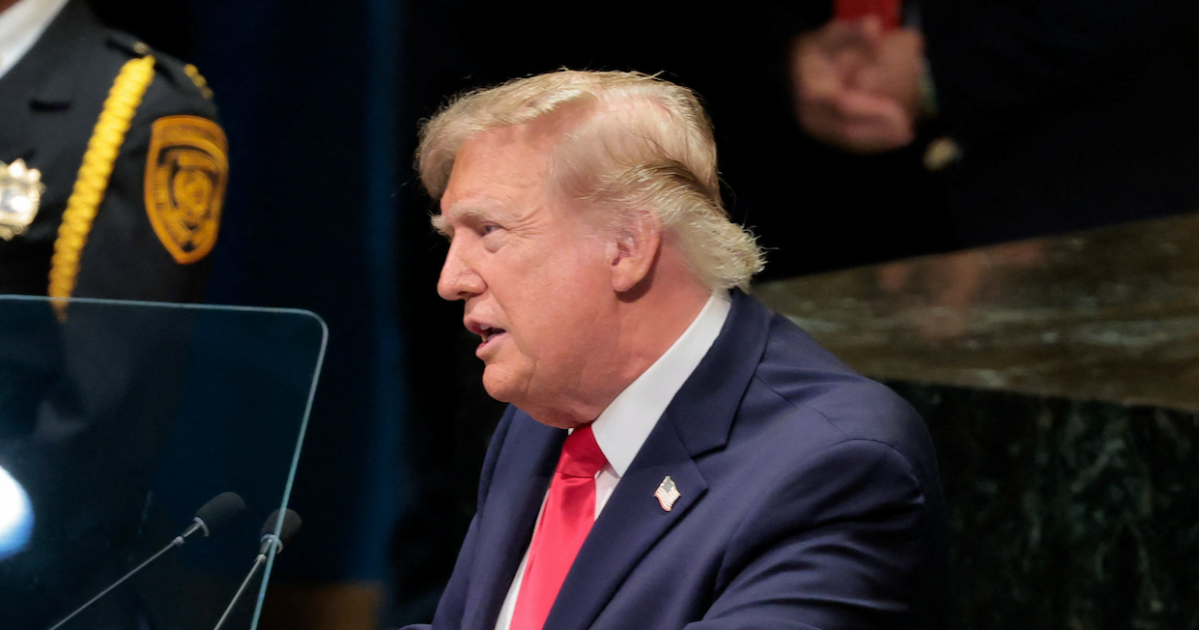
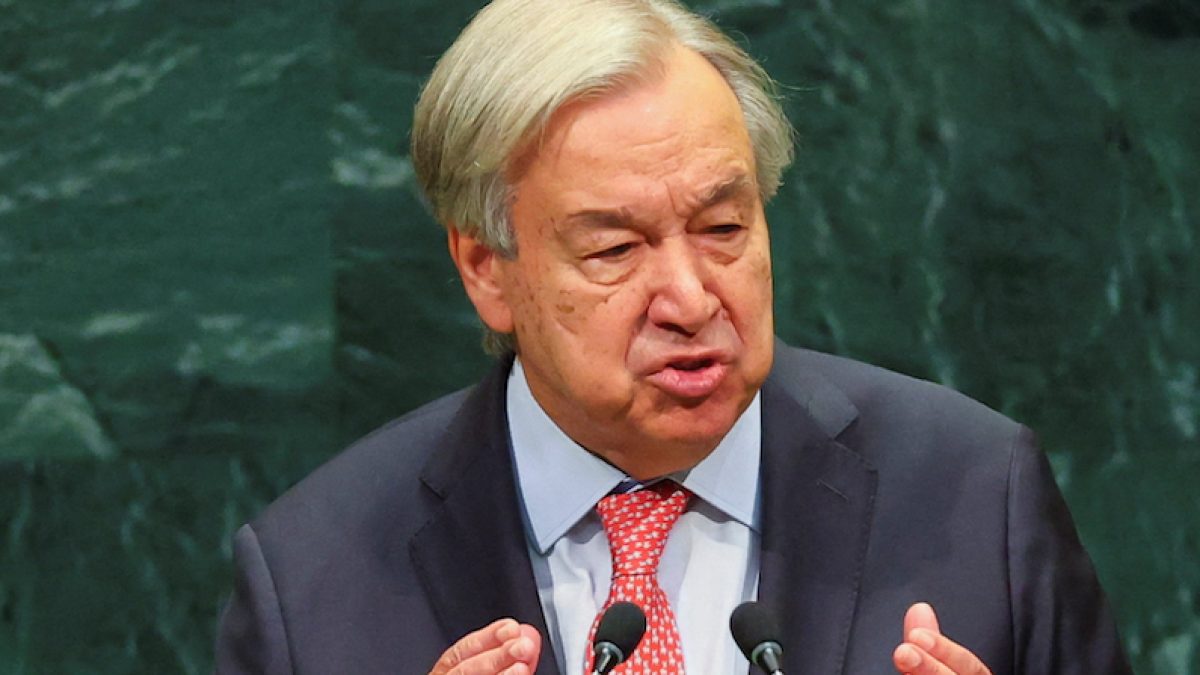
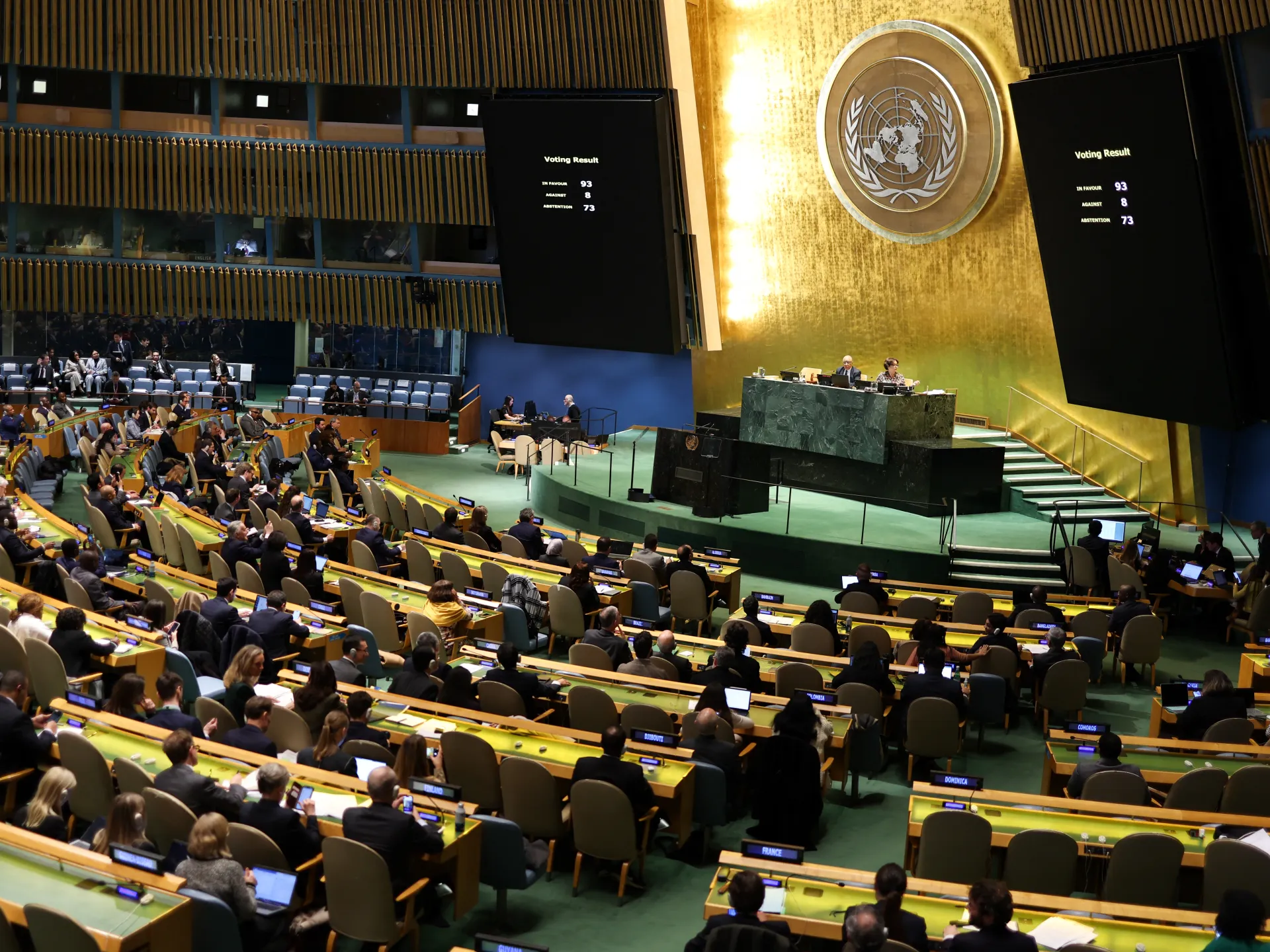
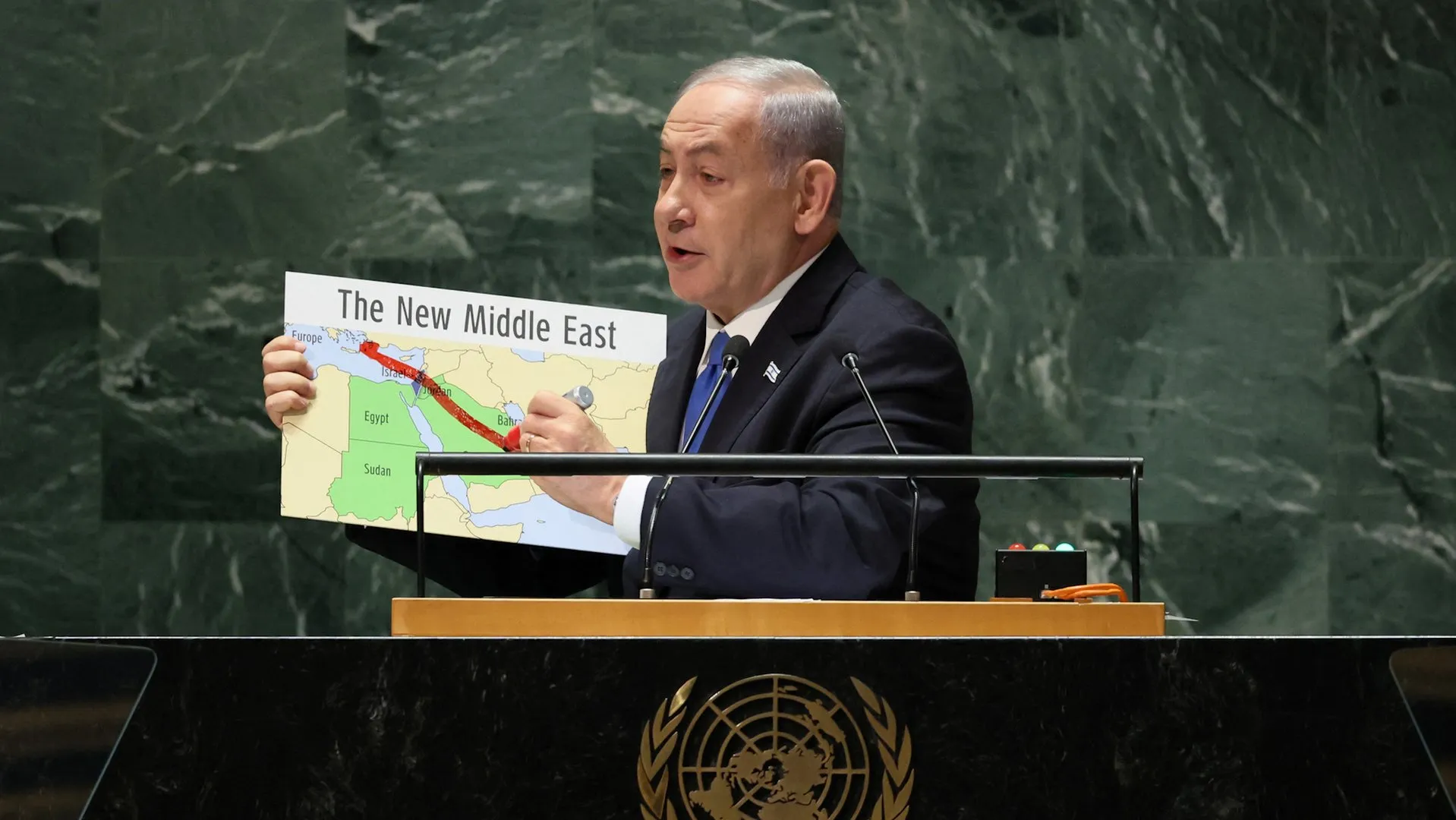
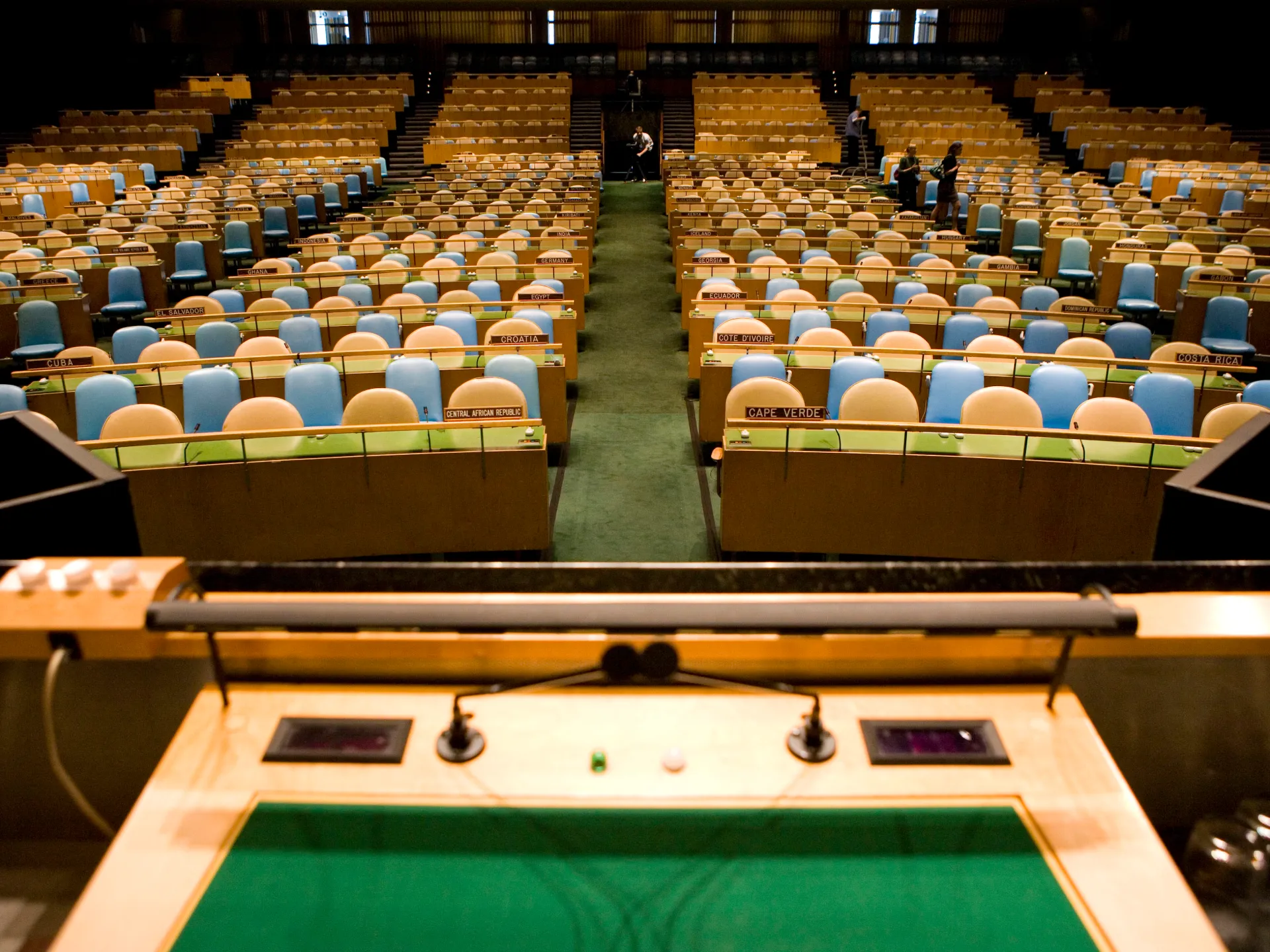
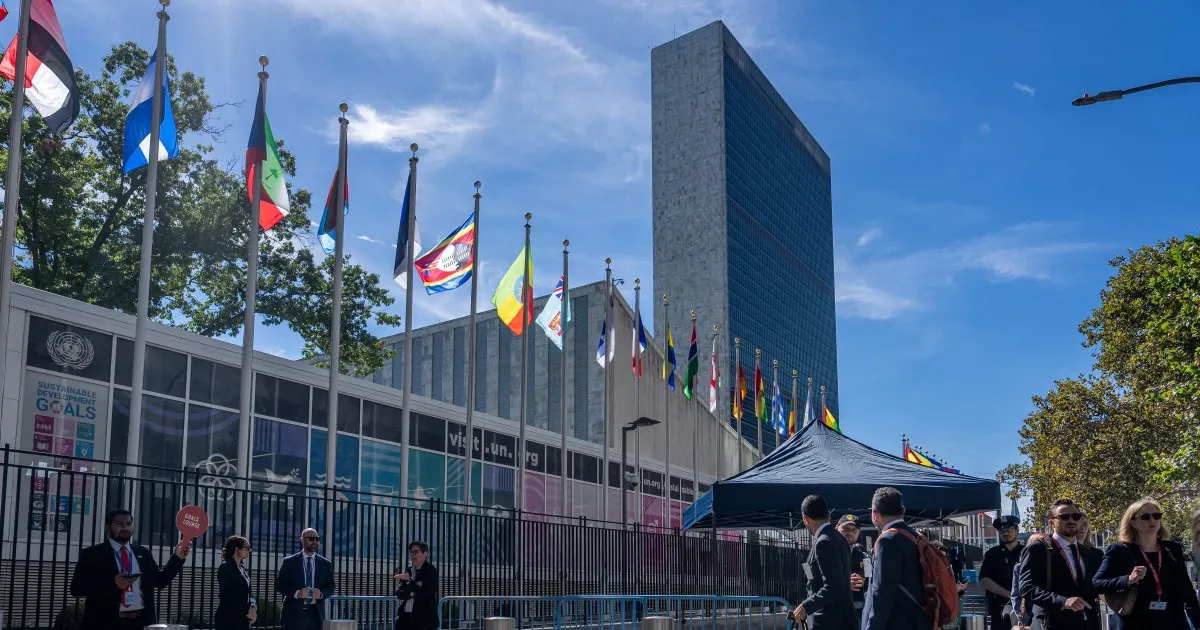
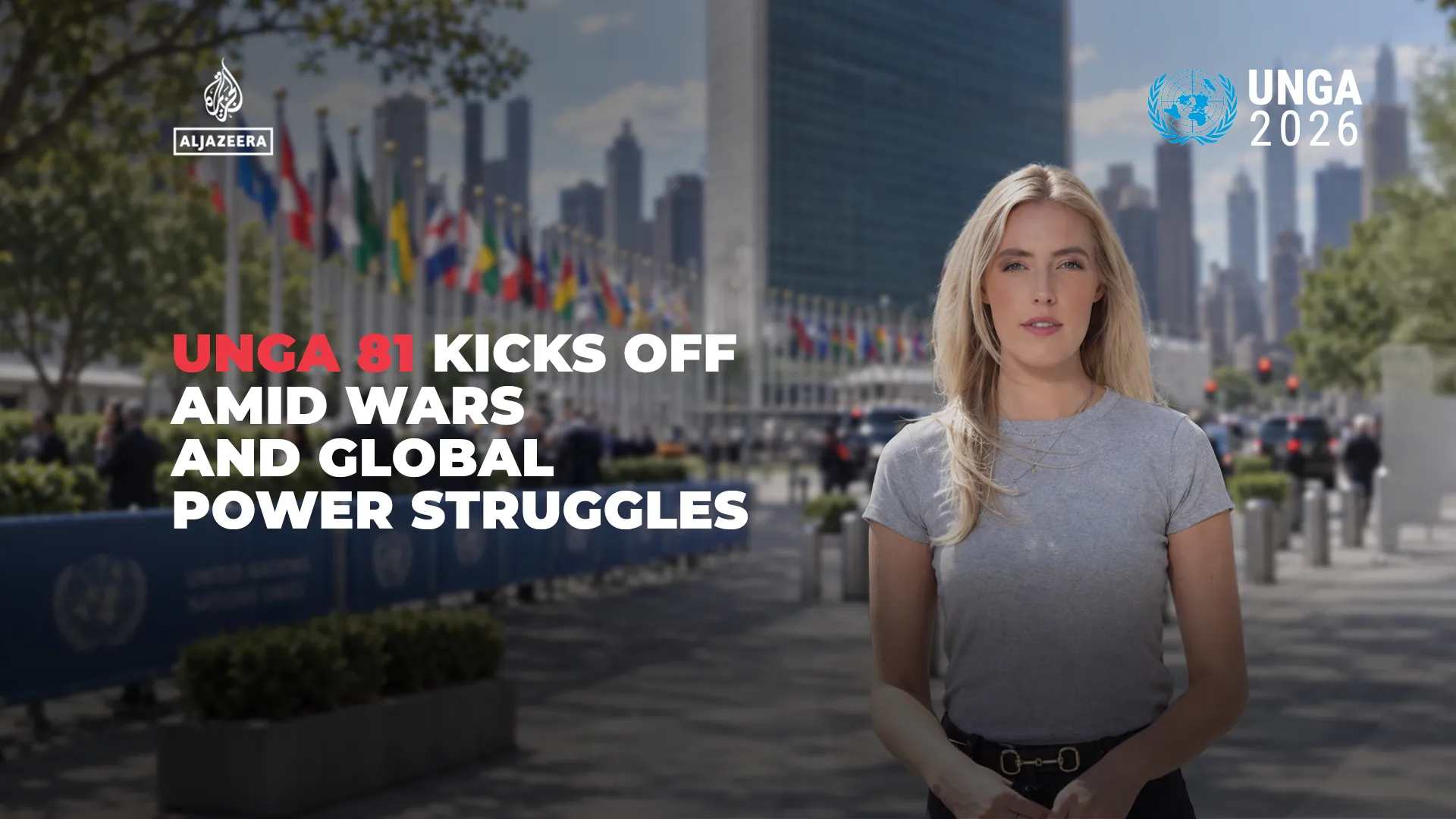
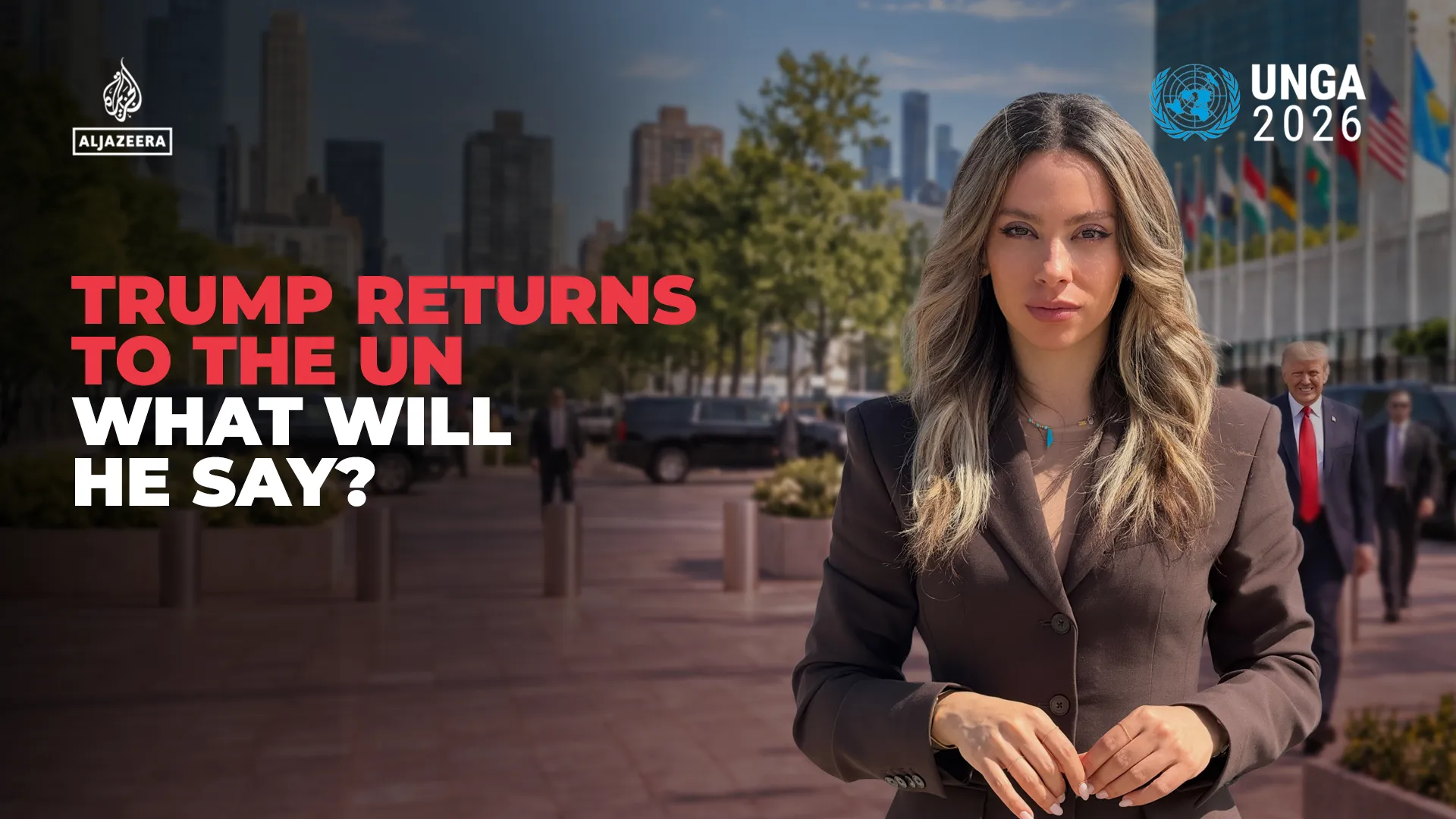
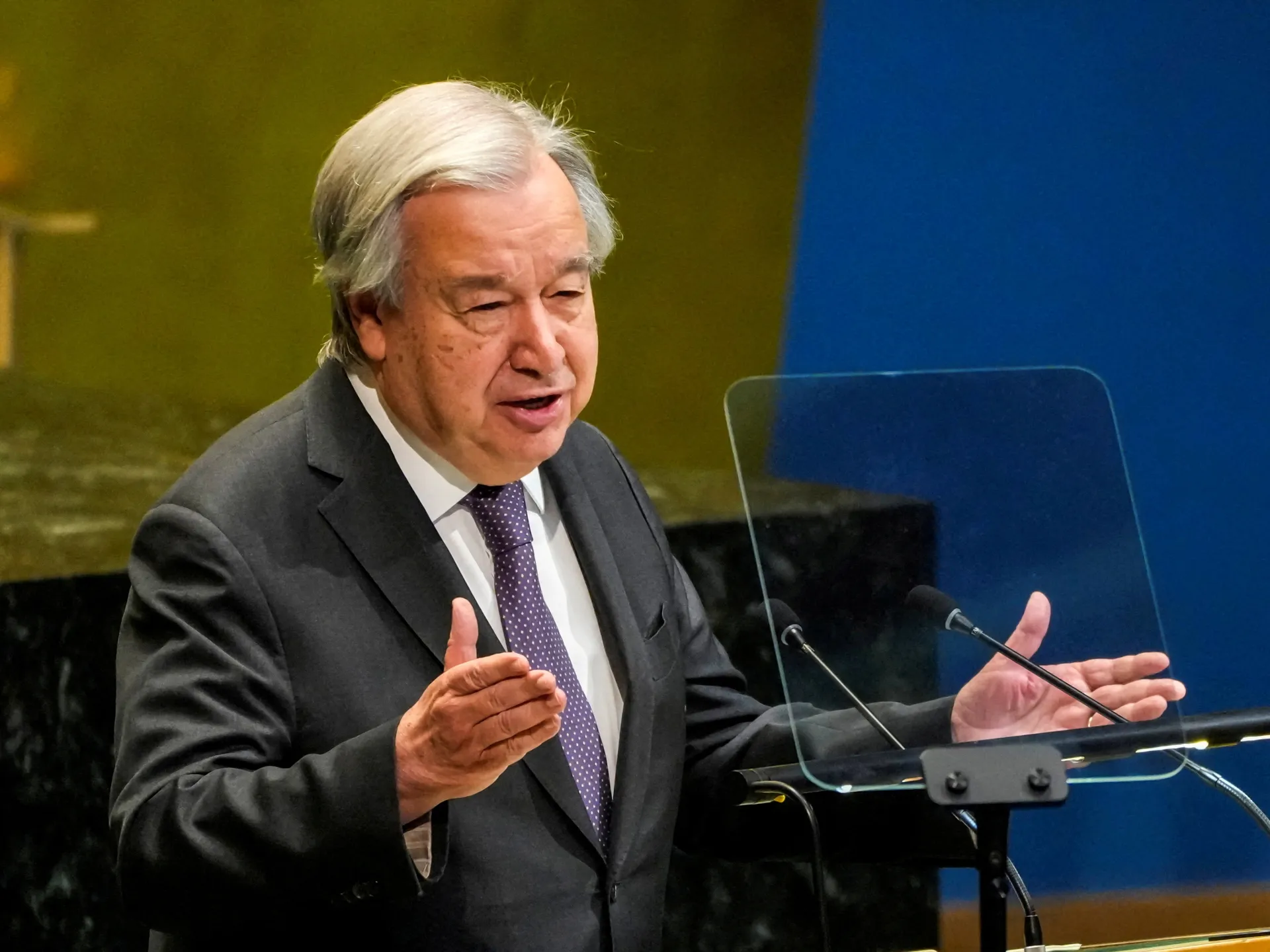
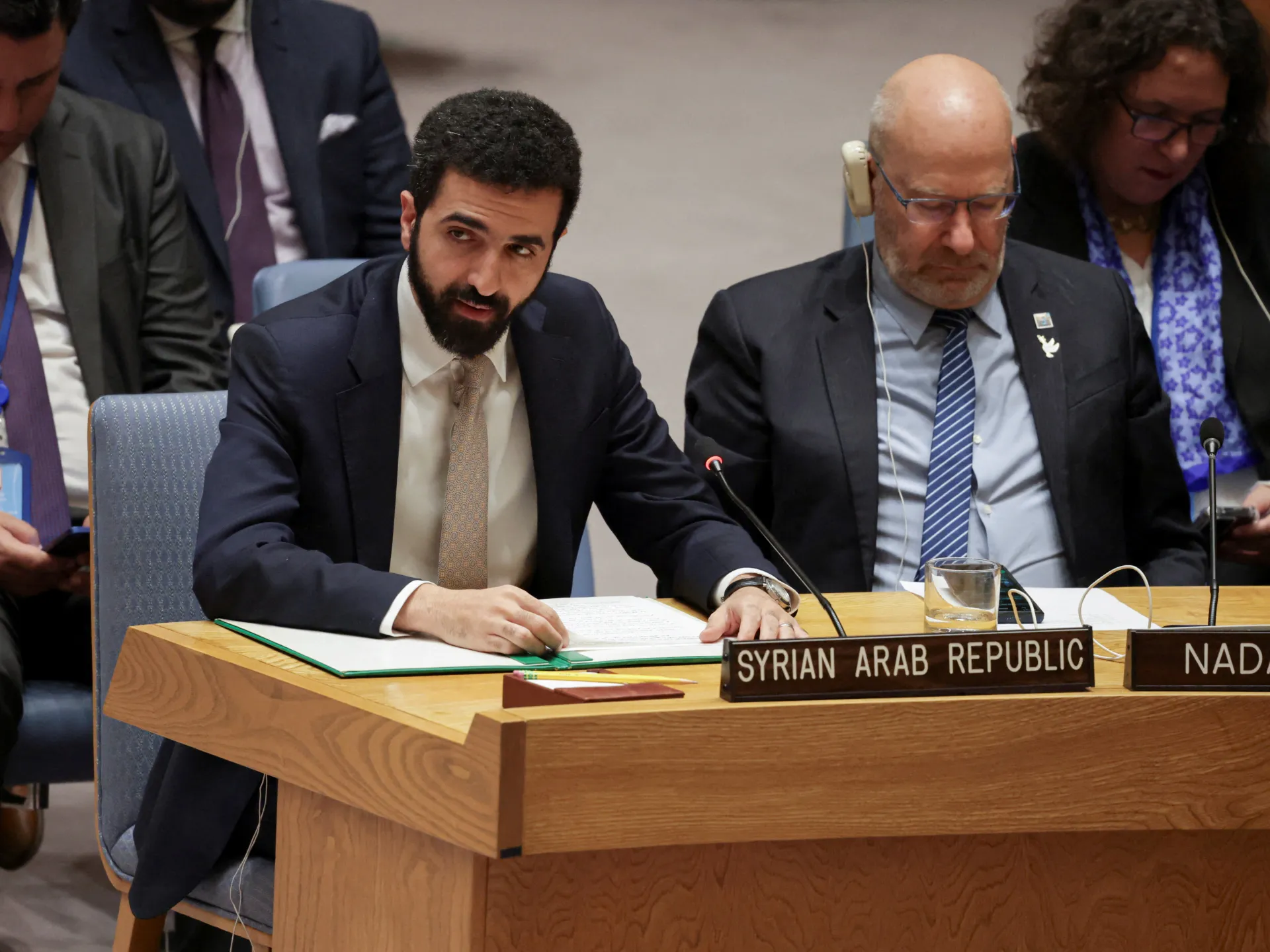
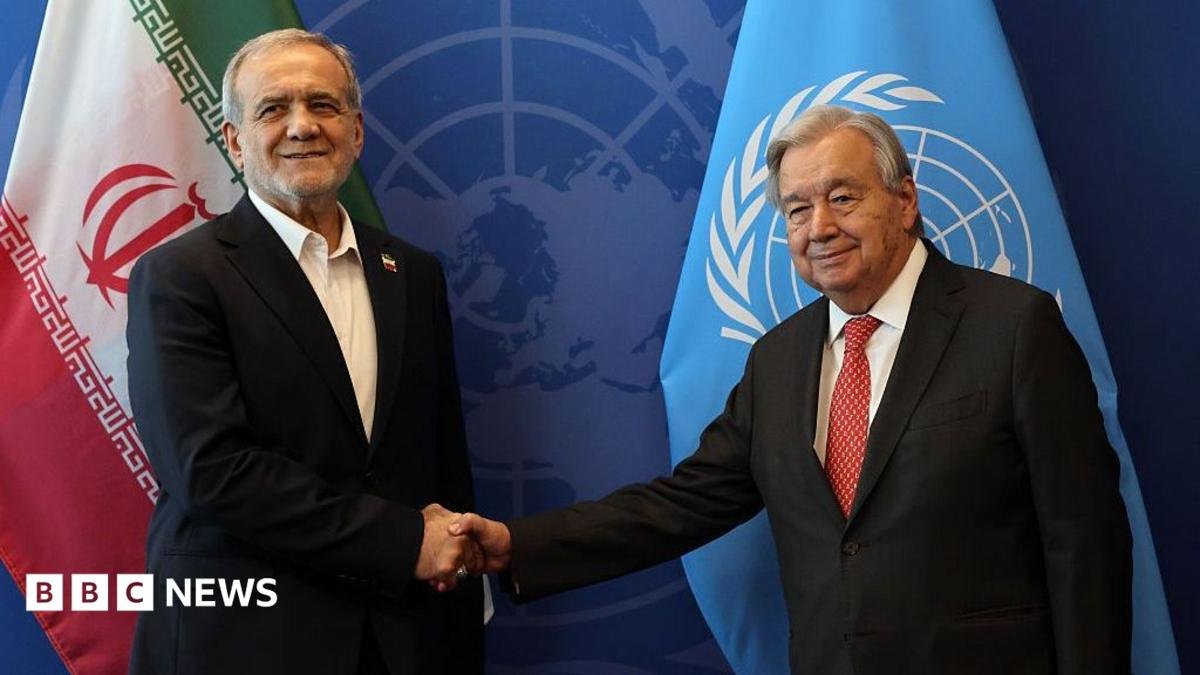
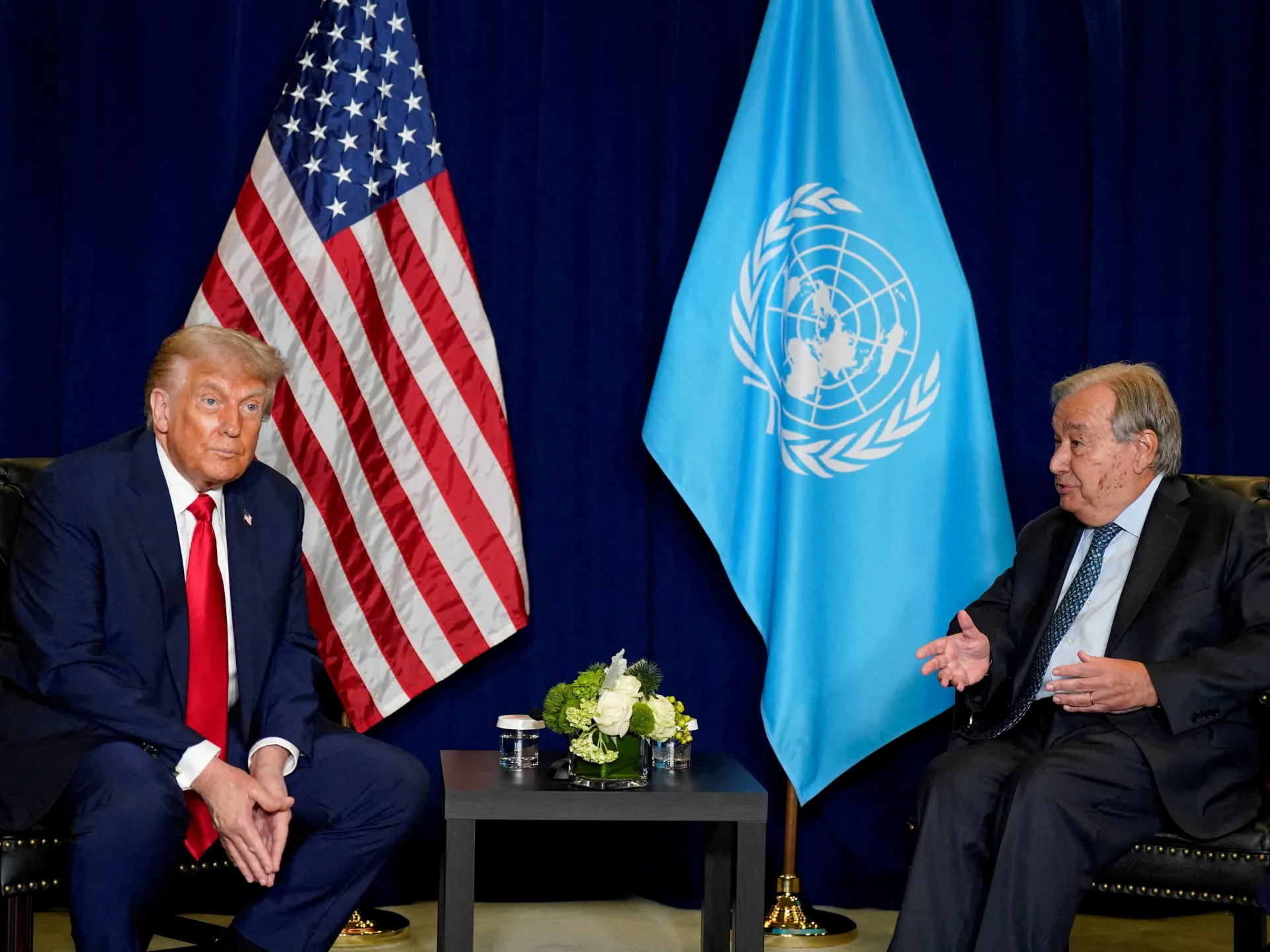
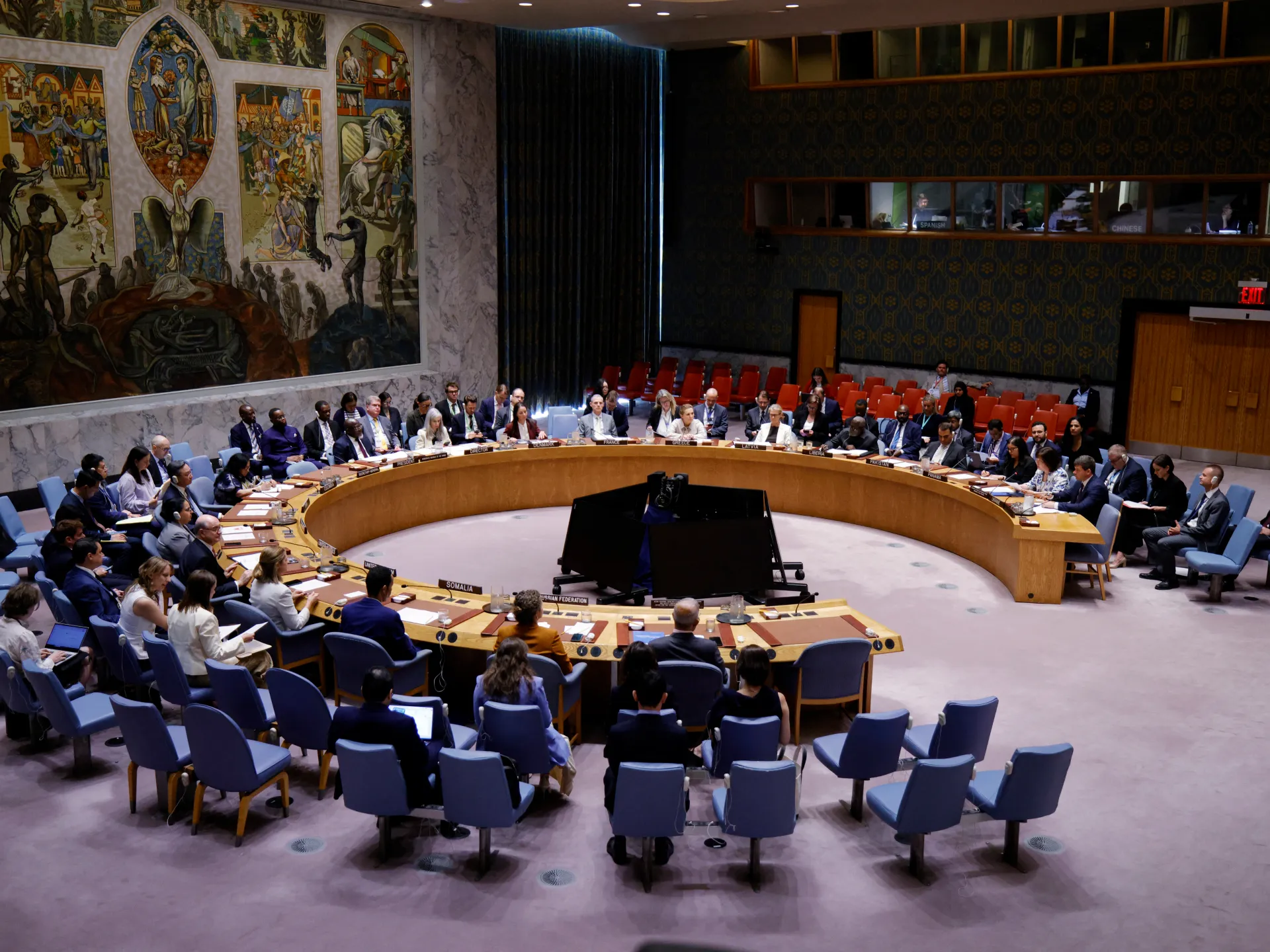
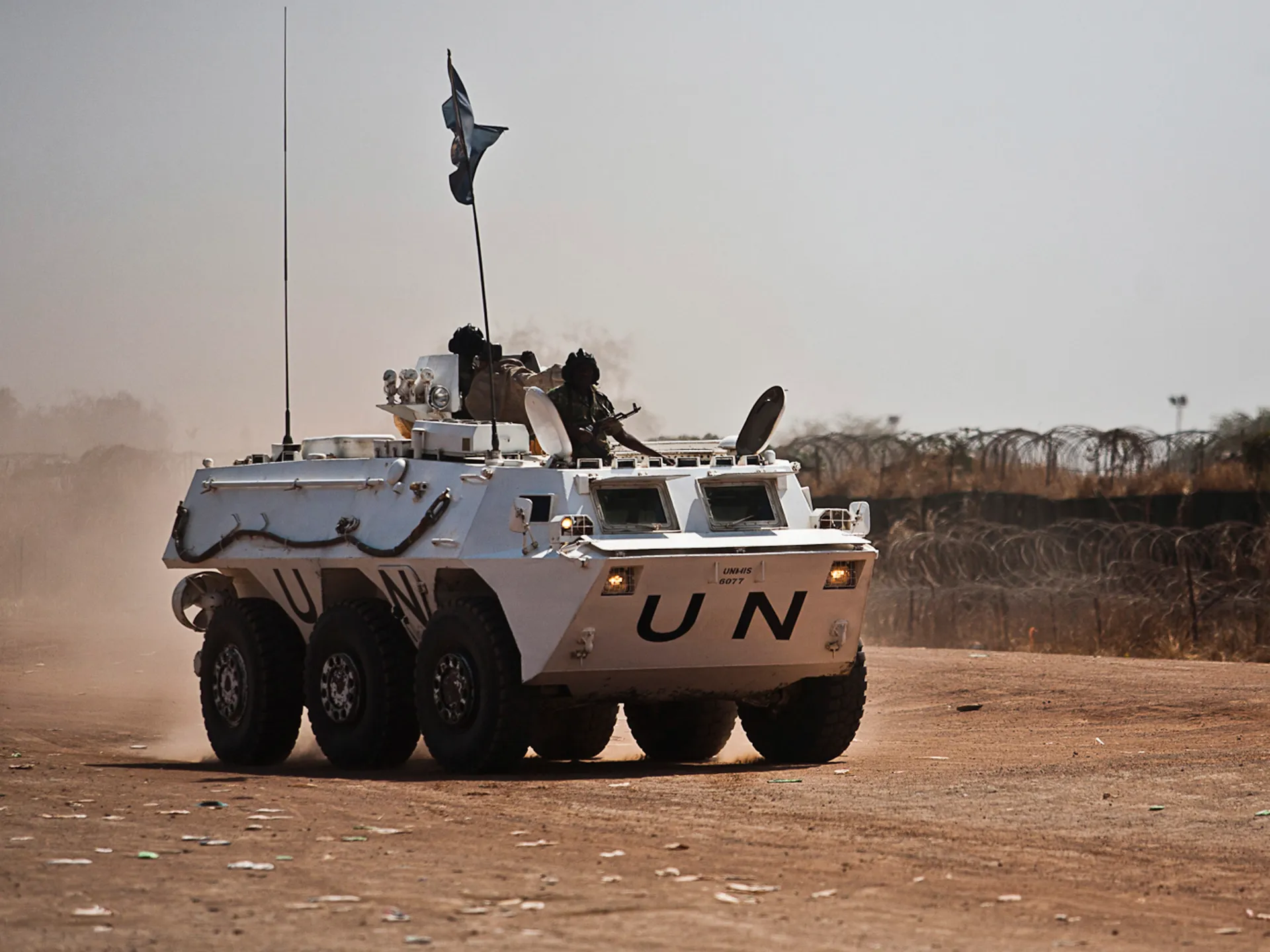
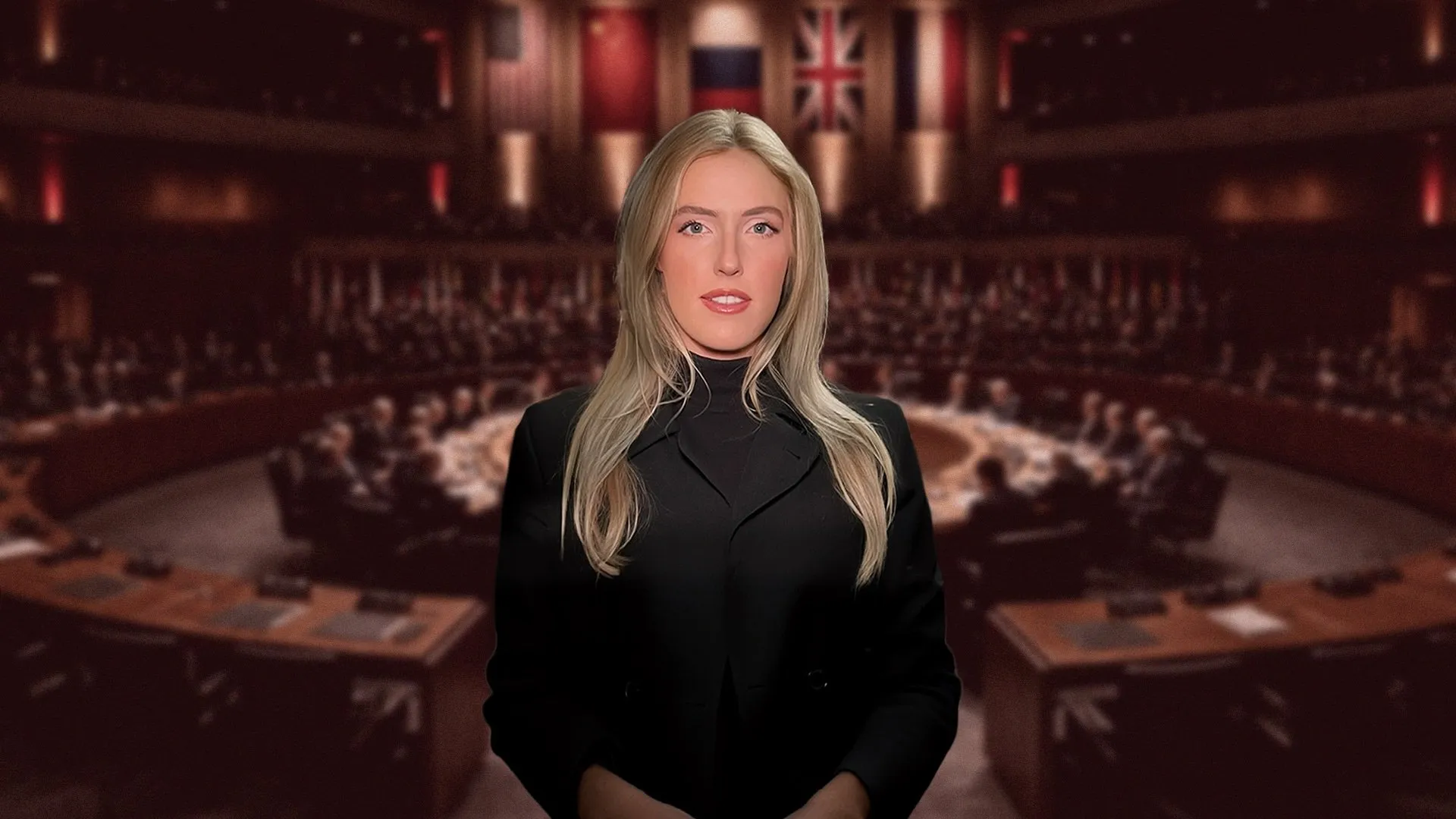
While European tensions simmer, the 81st session of the UN General Assembly has convened 193 member states in New York to address pressing global challenges, ranging from Sustainable Development Goals (SDGs) to the proliferation of regional conflicts. The rhetoric in the assembly halls remains focused on cooperation, yet observers note that the efficacy of the UN as a peacekeeping body continues to be tested inant group of nations that effectively dictate the international security agenda.
The Assembly, which commenced its high-level meetings on September 22, faces an environment fraught with competing security crises. Beyond the European theater, the assembly serves as a venue for back-channel communications and indirect talks between adversarial nations, highlighting the tension between public diplomatic decorum and the private efforts to prevent further escalation in hotspots like the Middle East.
The immediate outlook involves a likely period of retaliatory diplomatic friction between Budapest and Moscow. Given the Russian foreign ministry’s promise of a “harsh” response, observers should anticipate a reciprocal expulsion of Hungarian diplomats from Moscow in the coming weeks. Furthermore, the Hungarian government’s pivot to a more overtly pro-Western and security-conscious stance is expected to influence upcoming EU-wide debates on energy independence and long-term aid strategies for Ukraine.
At the UN level, the contrast between the high-minded themes of the assembly and the aggressive diplomatic maneuvering of individual states suggests that the upcoming sessions will likely result in symbolic resolutions rather than substantive breakthroughs. As the assembly continues, the focus will likely remain on whether these international forums can maintain relevance in an era where bilateral and regional actions are increasingly overriding multilateral diplomacy.