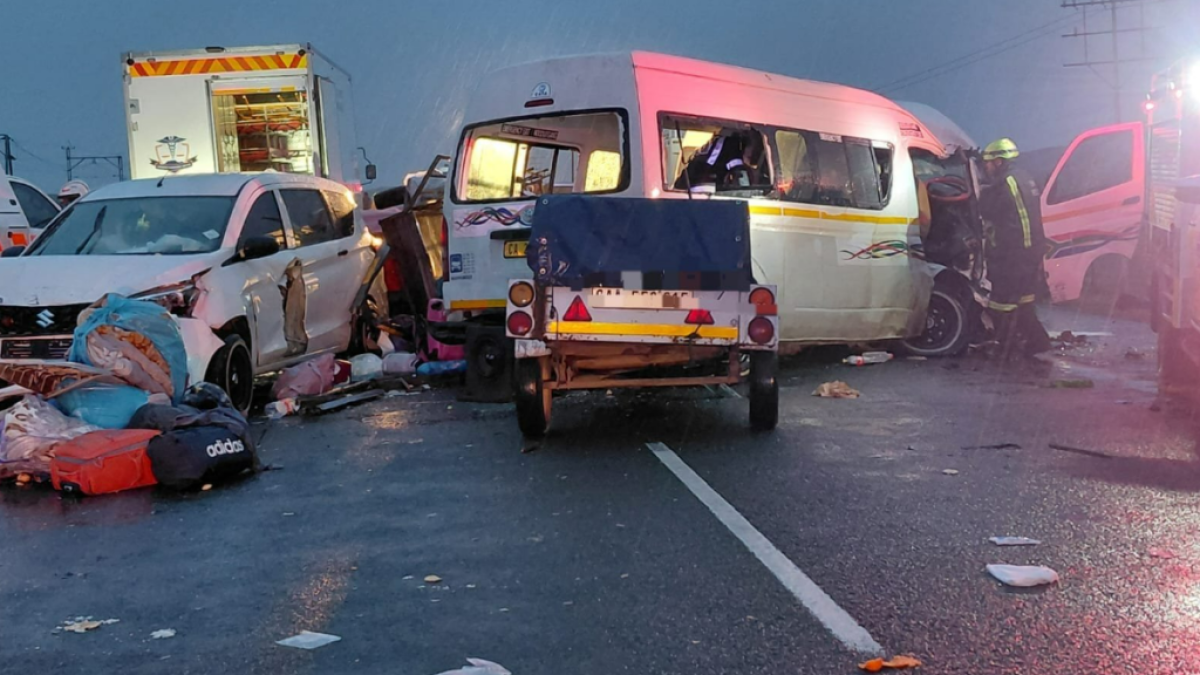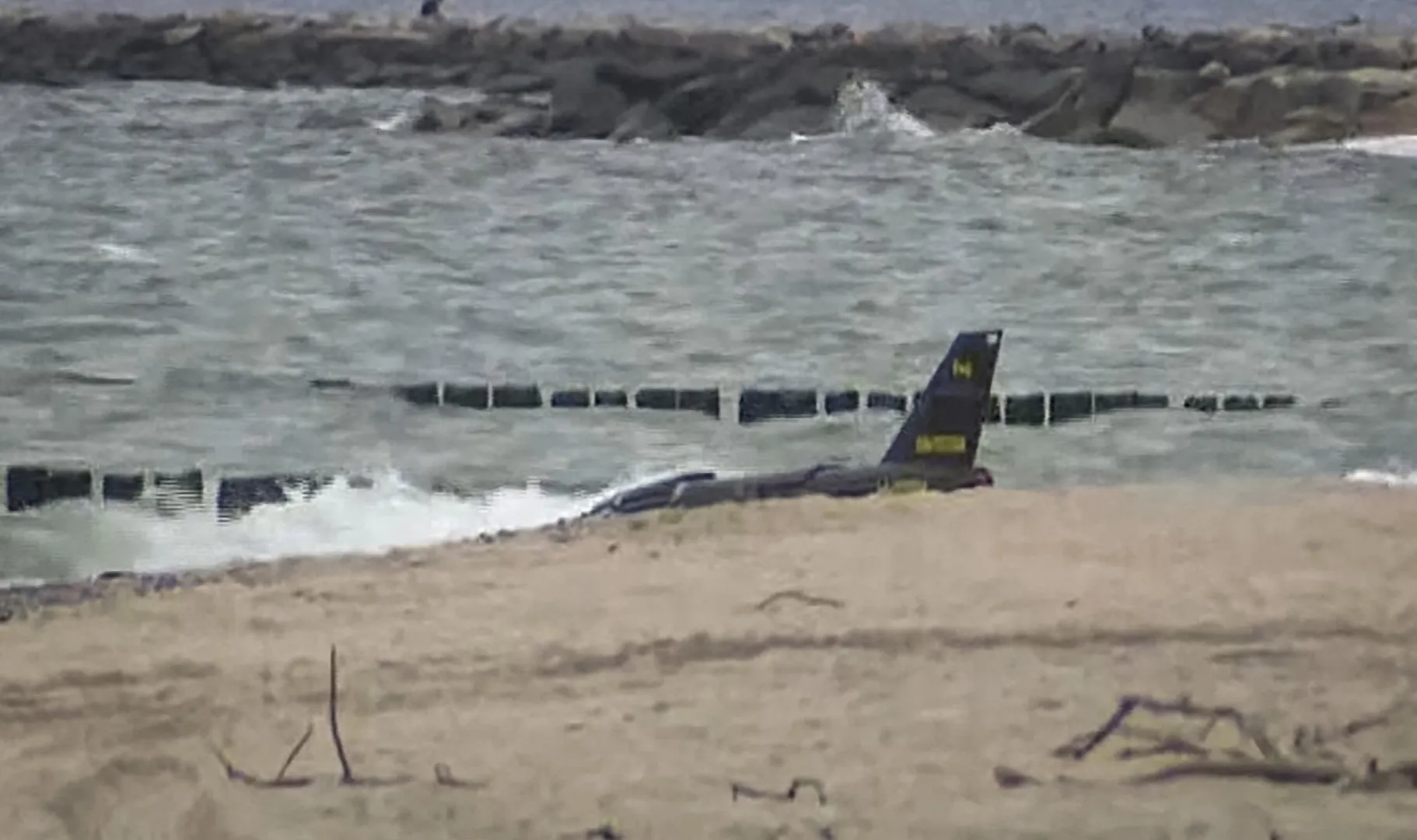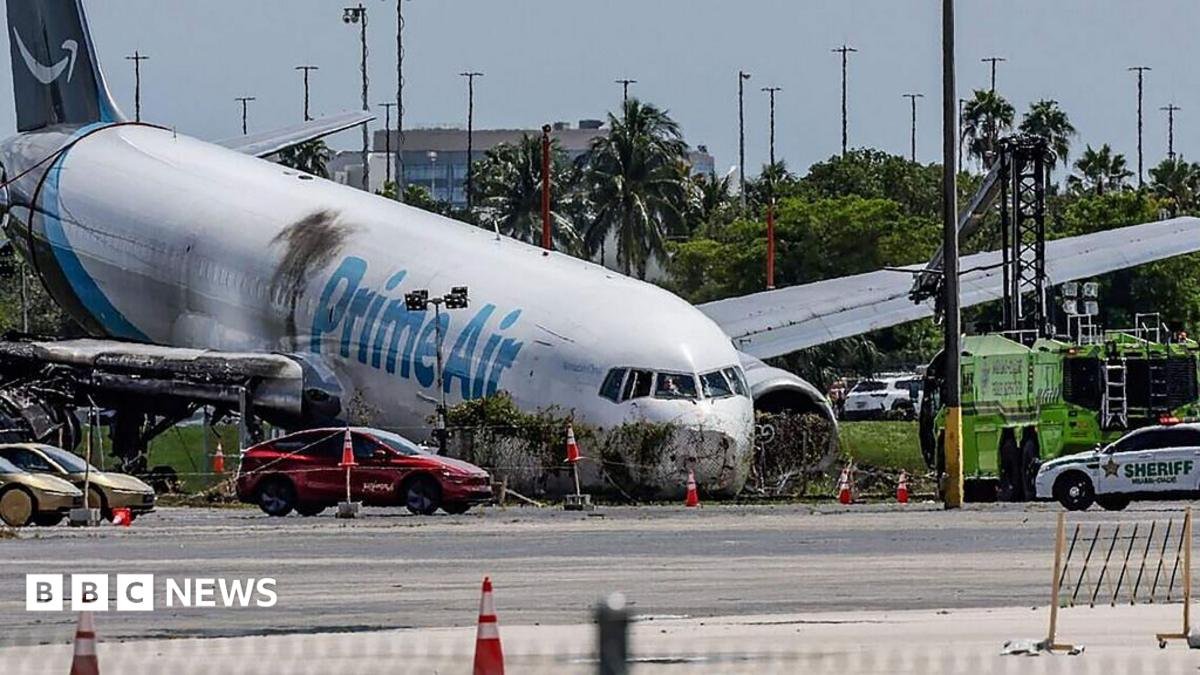

Five individuals were killed on the ground after a cargo plane overran a runway at Miami International Airport and collided with two vehicles.
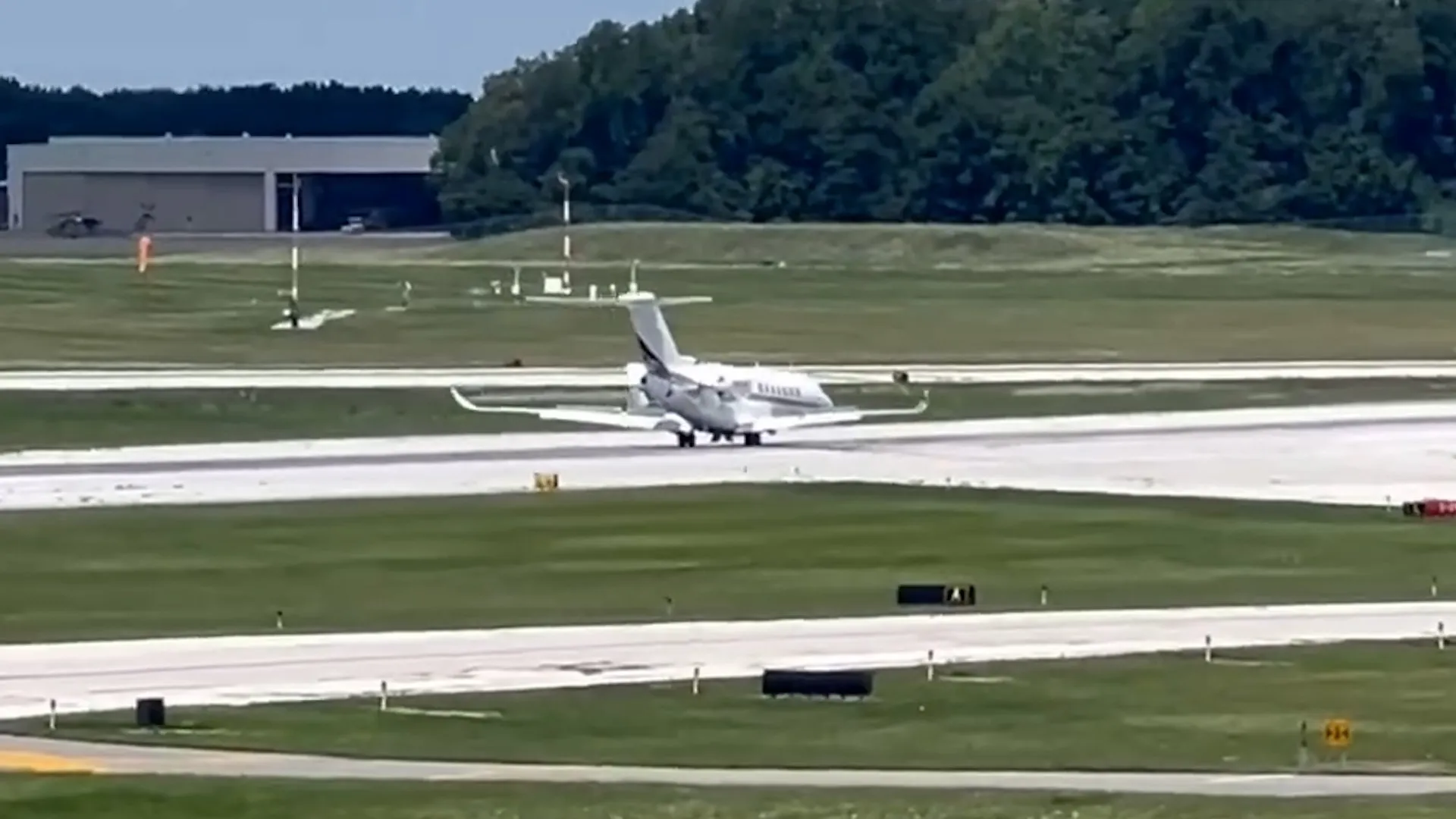
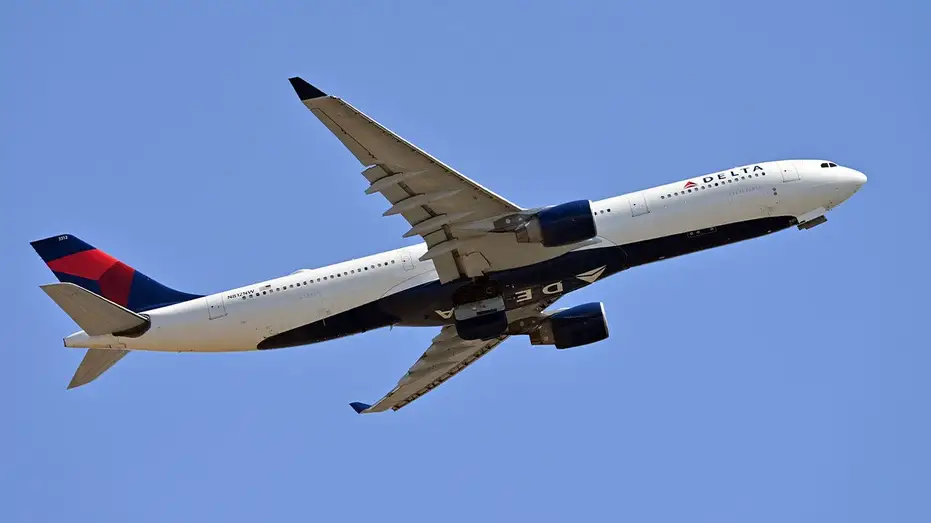
A devastating incident at Miami International Airport has resulted in the loss of five lives after a Boeing 767-300 cargo plane overran the runway during its landing sequence. Investigators from the National Transportation Safety Board (NTSB) have confirmed that all five fatalities occurred on the ground, as the aircraft struck two vehicles parked outside the airport perimeter. The plane, which was operating on behalf of Amazon, had arrived from San Juan, Puerto Rico, marking its third flight of the day.
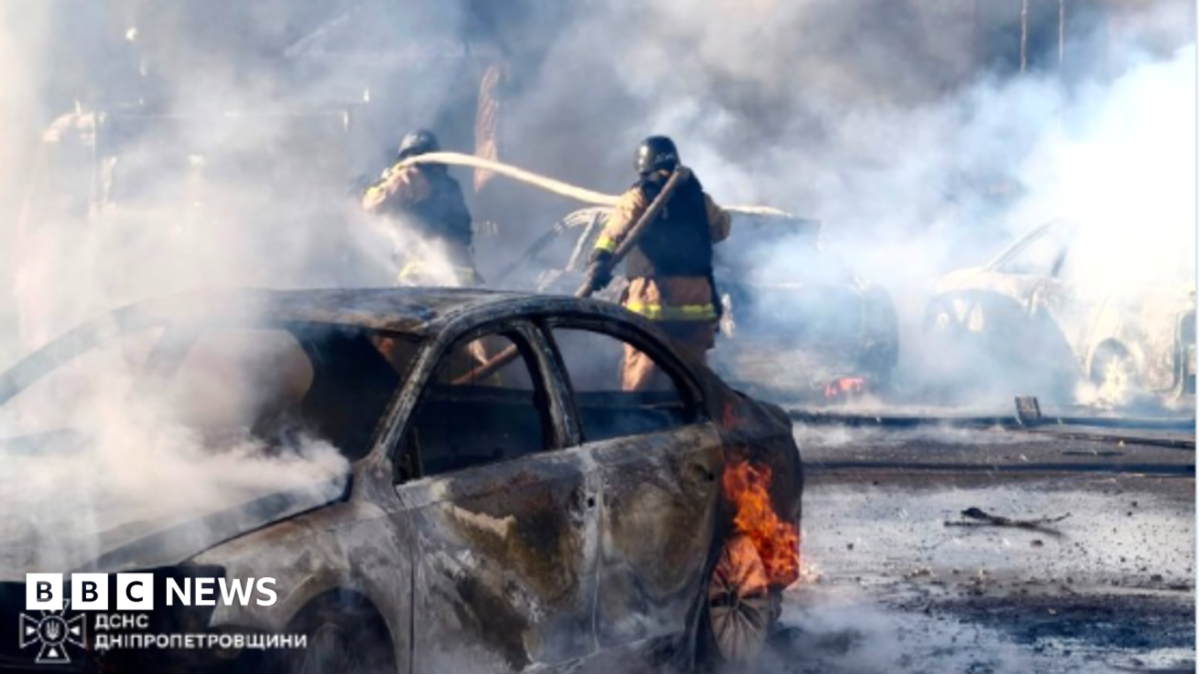
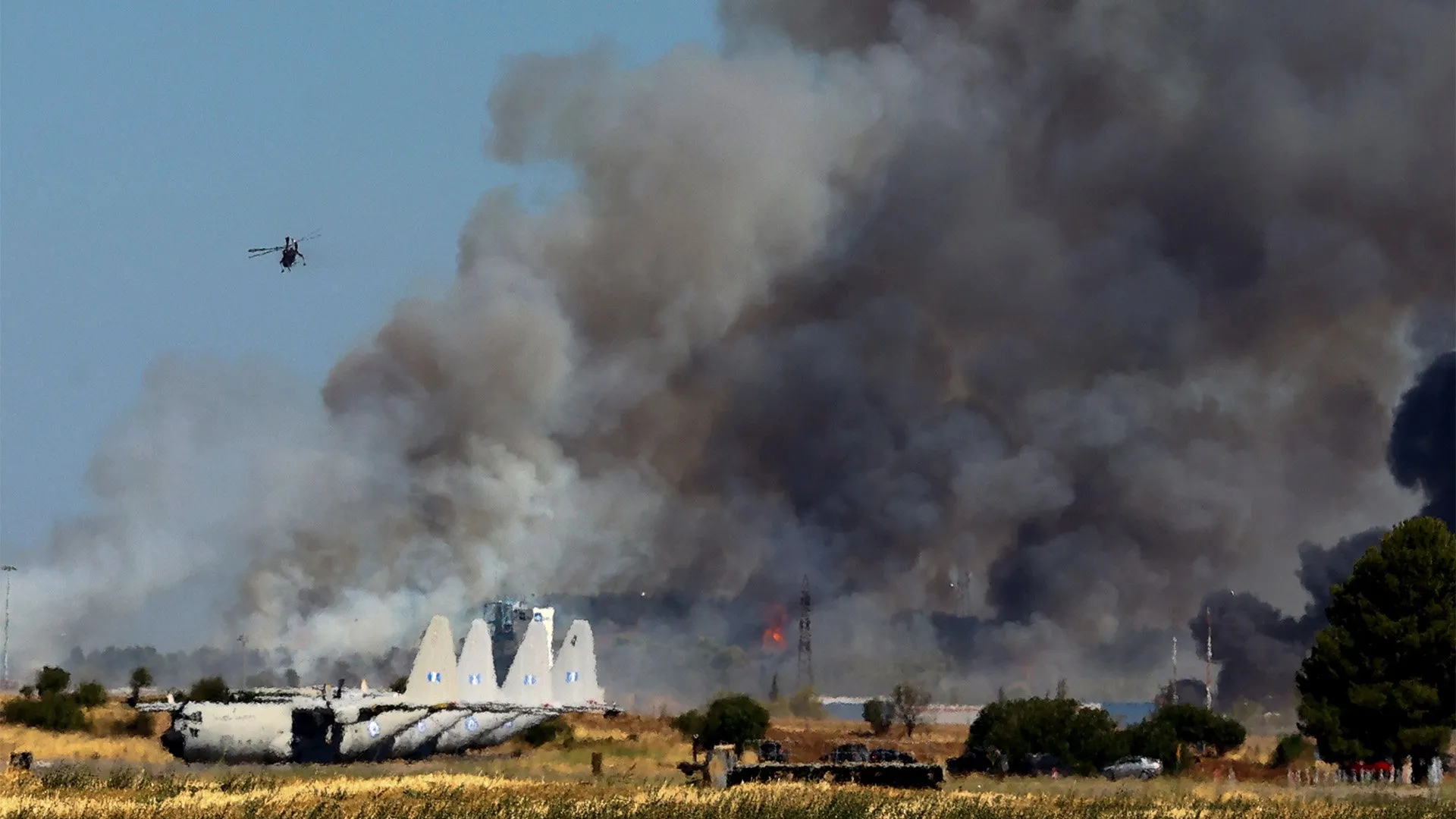
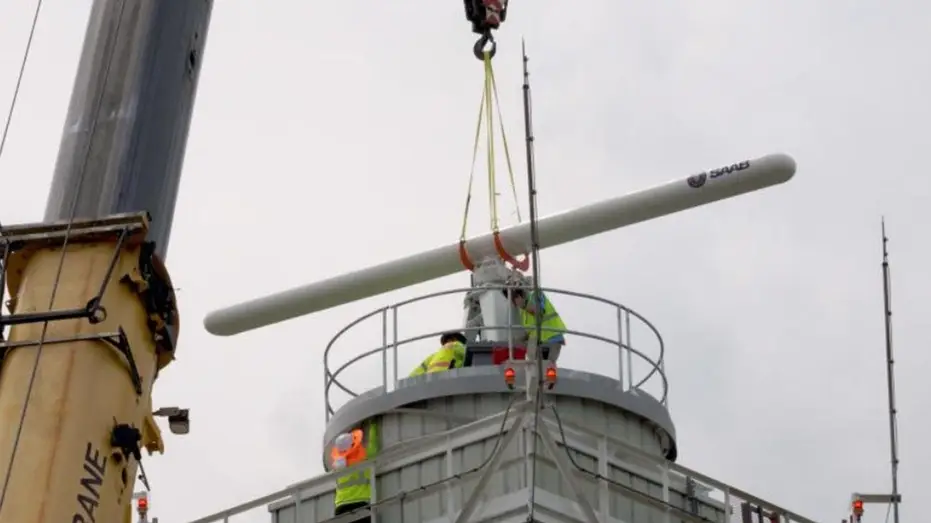
The sequence of events began when the cargo jet failed to come to a stop within the designated runway limits. According to preliminary reports, the aircraft collided with critical navigational equipment before breaking through a perimeter fence. The jet then struck a white Ford van and a Toyota Corolla, eventually coming to a stop approximately 1,300 feet beyond the runway threshold. In addition to the five people killed, five others sustained injuries, though the specific conditions of the two crew members operating the aircraft remain unconfirmed at this time.
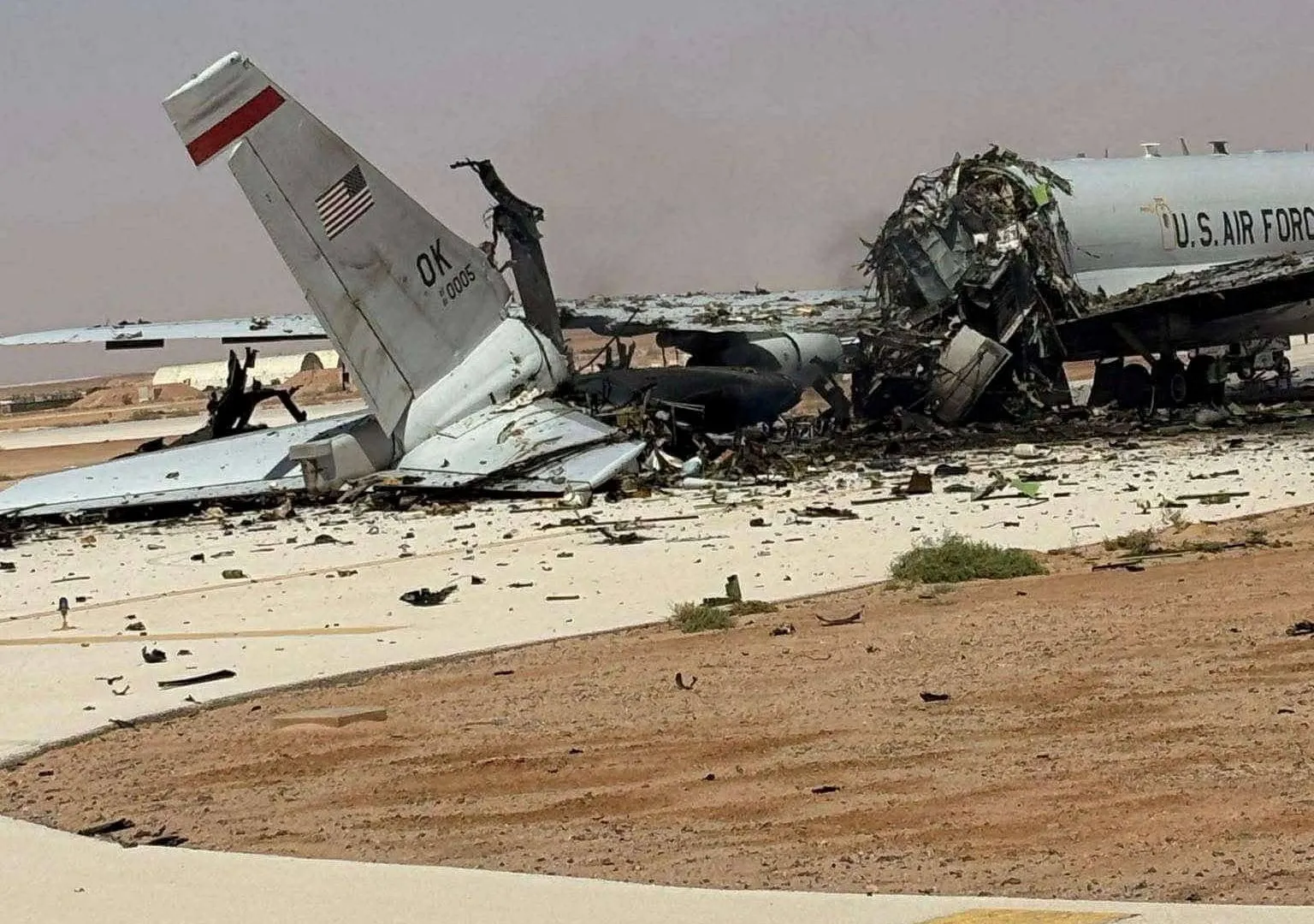
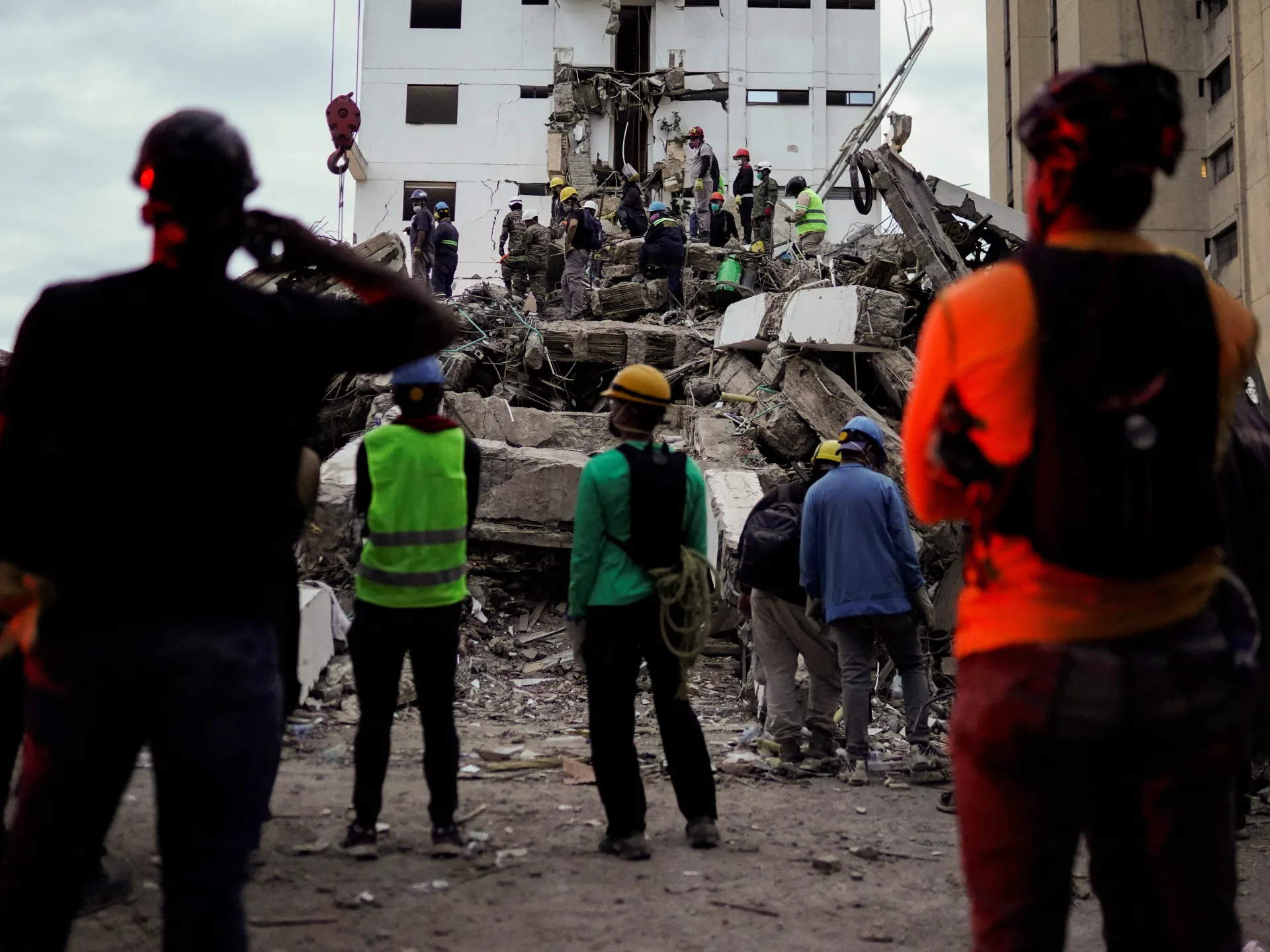
NTSB Chairwoman Jennifer Homendy described the crash site as a scene of "utter devastation," emphasizing that the primary focus remains on the humanitarian effort of recovering victims. While the wreckage of the aircraft and the mangled remains of the vehicles are significant, investigators have prioritized the needs of first responders and the families of those affected. The complexity of the scene has necessitated a methodical approach to gathering evidence, with officials stating that full access to the aircraft will follow the completion of recovery operations.
To assist in the technical investigation, authorities have successfully recovered both the flight data recorder and the cockpit voice recorder. These devices are currently being transported to NTSB headquarters in Washington, D.C., for comprehensive evaluation. The data extracted from these recorders will be vital in reconstructing the final moments of the flight and understanding the mechanical status of the Boeing 767 as it approached the airport.
As the investigation shifts into its analytical phase, experts are examining a broad range of variables. Teams are currently reviewing the aircraft’s maintenance history, the training and experience levels of the flight crew, and radar telemetry data. Furthermore, a meteorologist has been assigned to the case to assess weather conditions at the time of the incident, as reports indicated wind gusts reaching speeds of up to 26 knots during the landing window.
A critical component of the inquiry involves the assessment of airport safety infrastructure. The NTSB is specifically investigating whether the implementation of an Engineered Materials Arresting System (EMAS) could have mitigated the outcome. EMAS technology is designed to slow and safely stop aircraft that overrun a runway ecessity and potential impact of such systems at this location would be a "key" aspect of their final report.
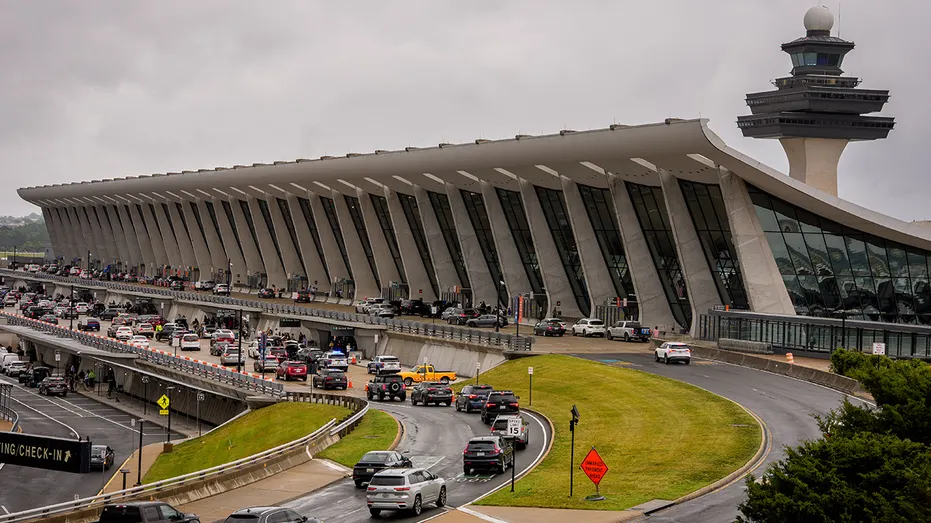
The aftermath of the crash has caused significant disruption at Miami International Airport, with two of the facility's four runways remaining closed for investigation. This incident occurred during the Labor Day weekend, a period characterized ities work to restore normal operations, travelers have been advised to expect ongoing delays and potential flight cancellations.