As Russia solidifies its legislative control through managed elections, Kazakhstan is aggressively pursuing an AI-driven economic modernization strategy.
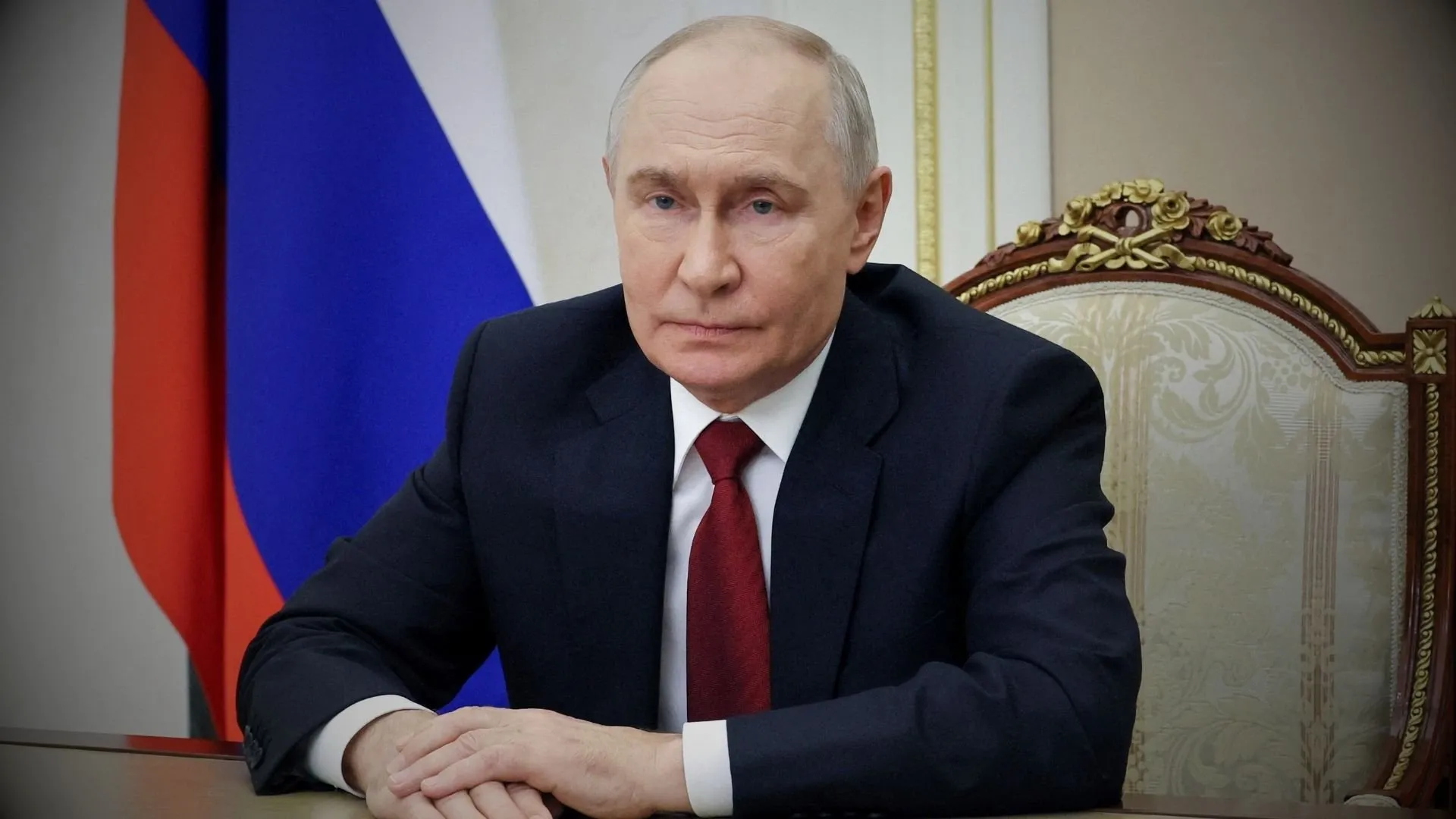
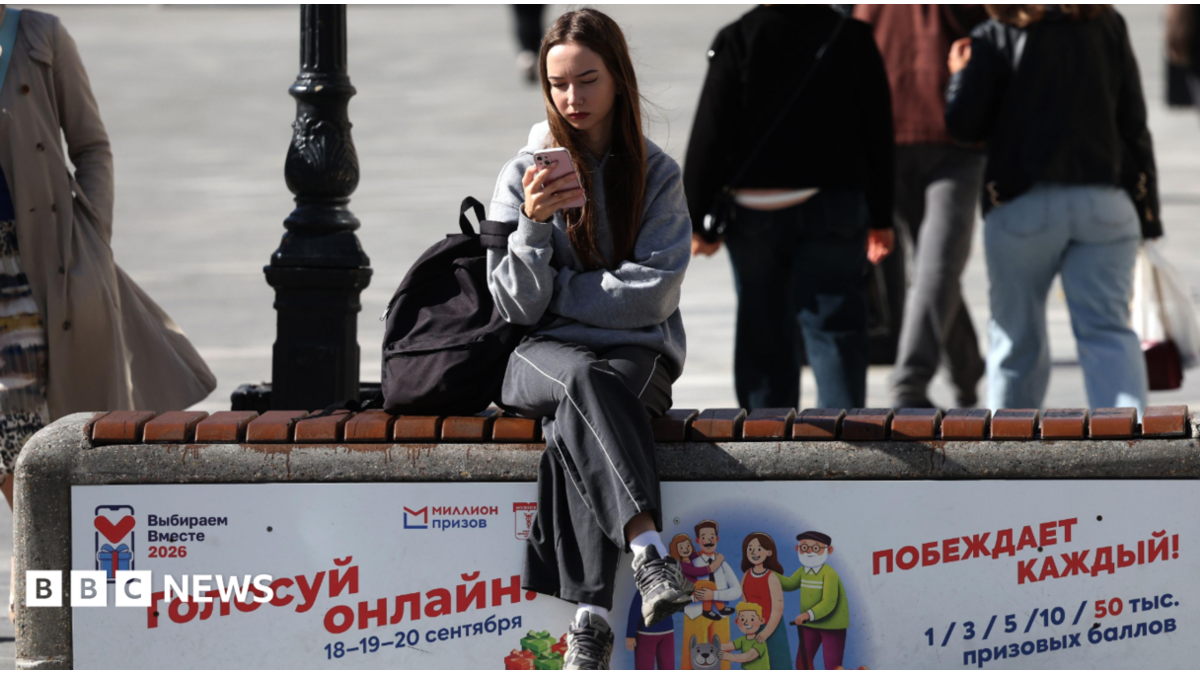
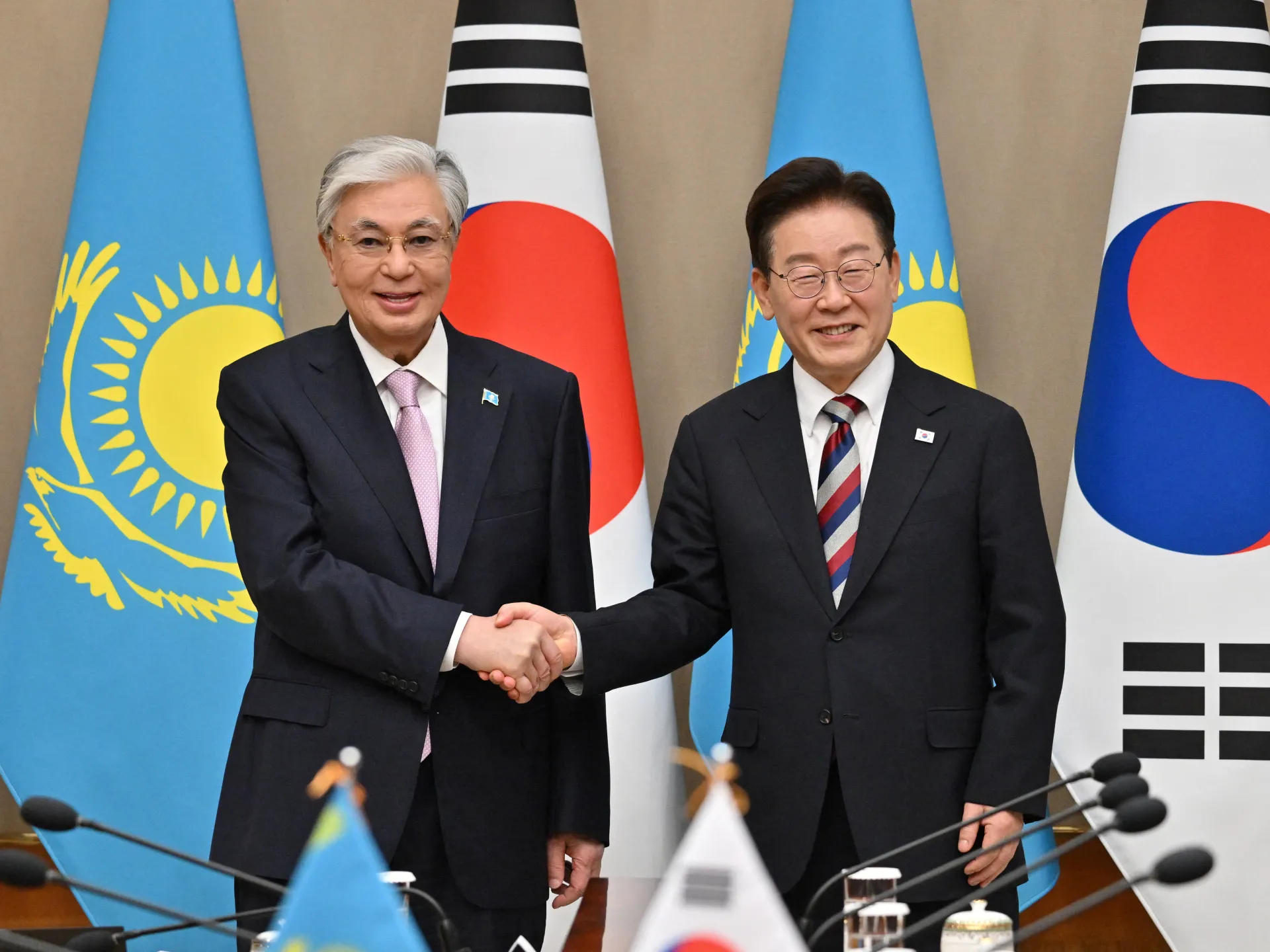
While the Kremlin solidifies its political grip through highly managed parliamentary elections, a distinct trend is emerging across the broader region. Kazakhstan is rapidly pivoting toward a state-led modernization program, centering its future economic development on the deployment of artificial intelligence. These divergent paths illustrate how neighboring nations are responding to the pressures of the late 2020s, with one focusing on the rigid control of domestic political institutions and the other attempting to engineer a high-tech transition to insulate its economy from historical resource dependencies.
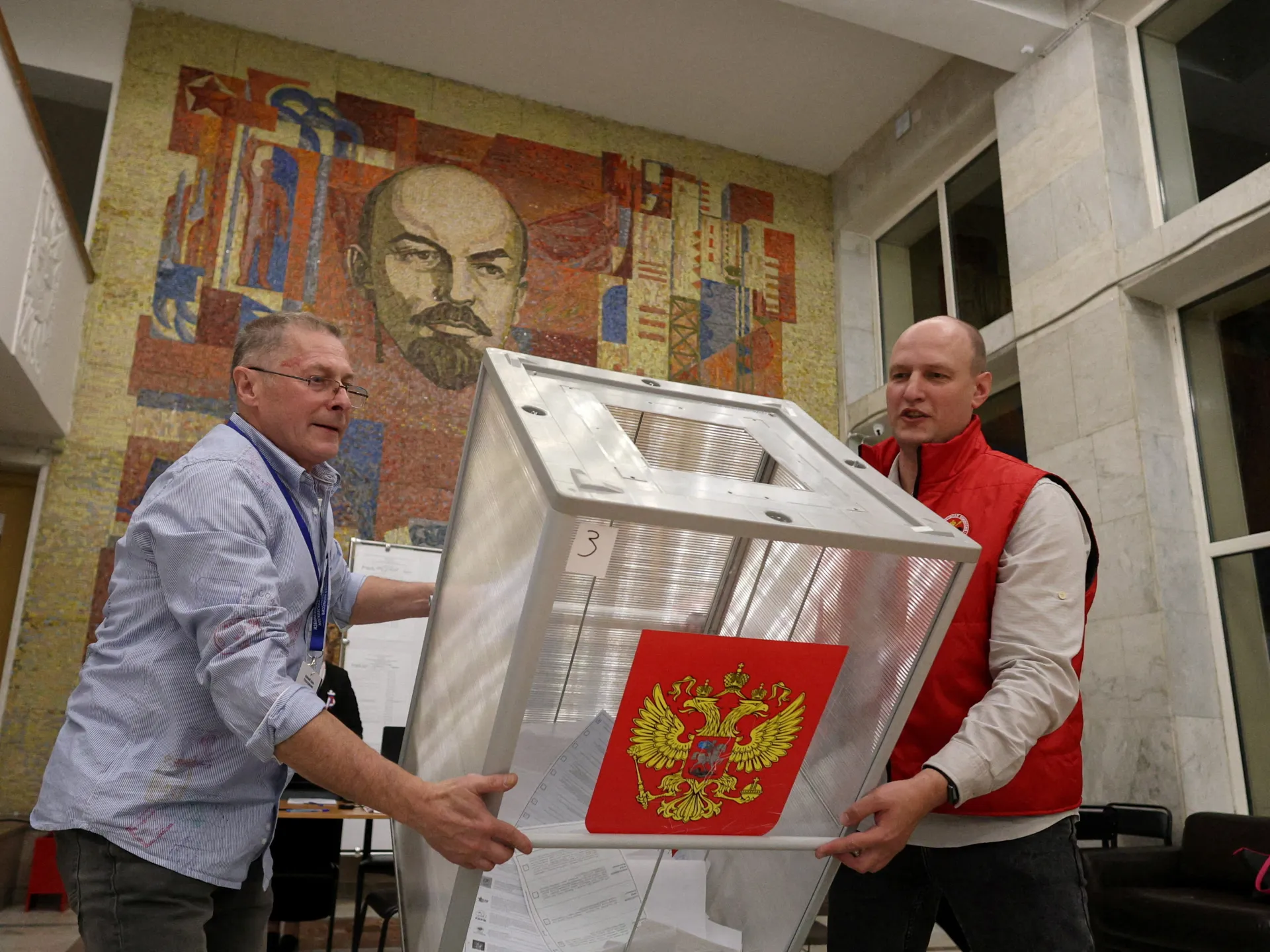
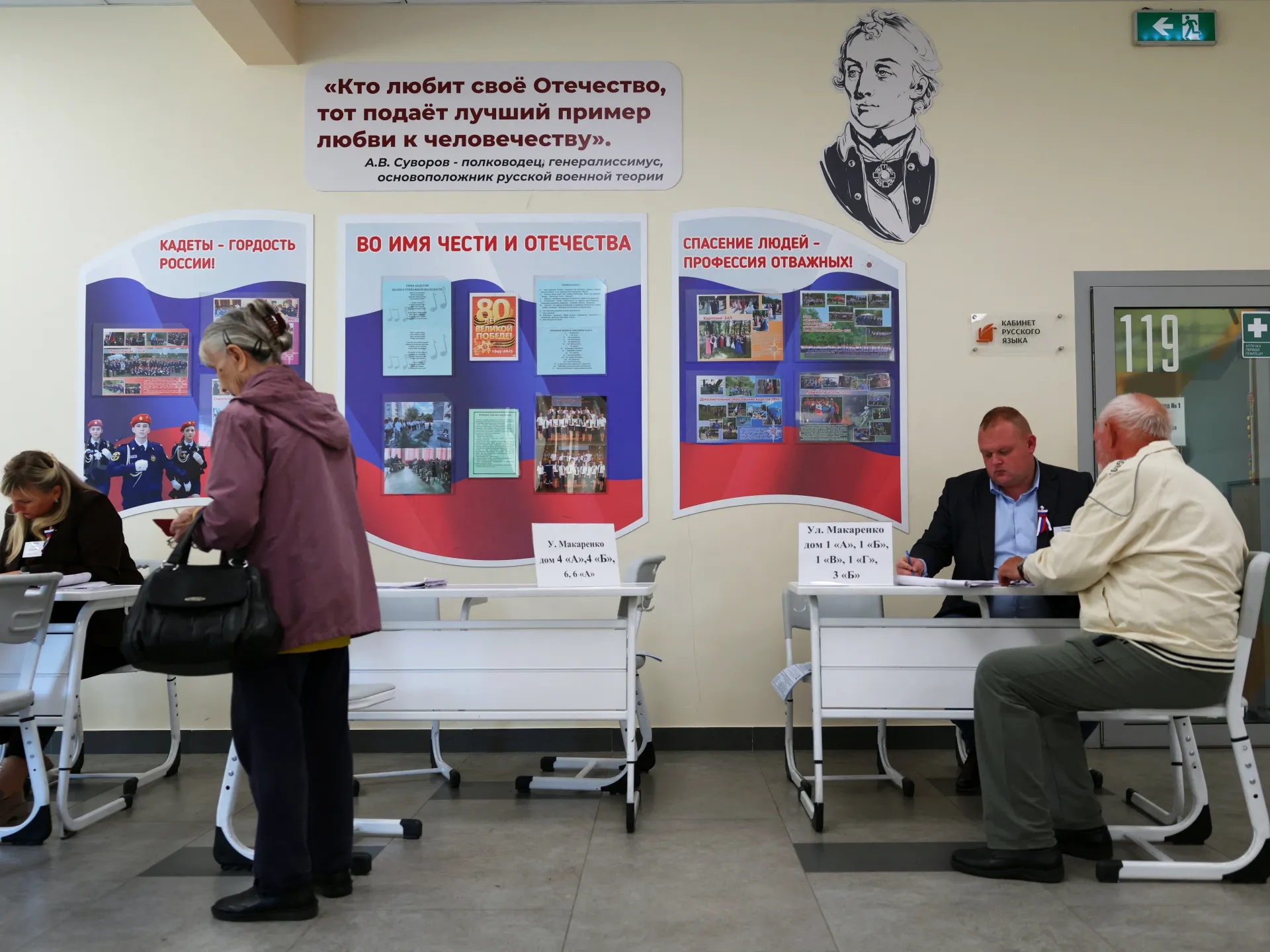
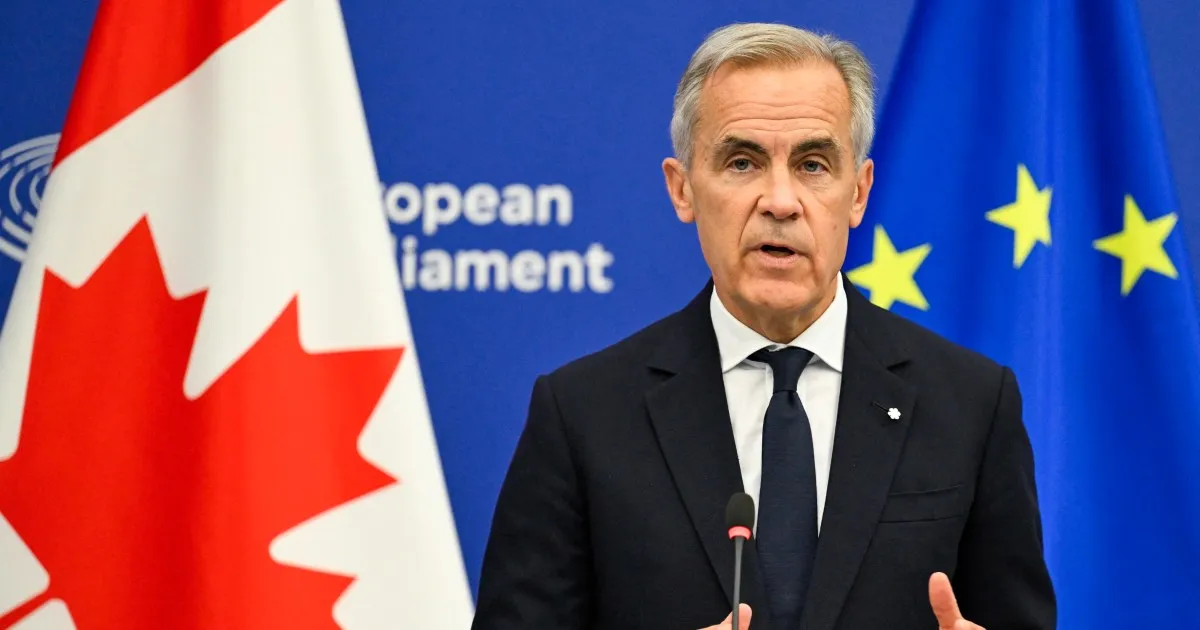
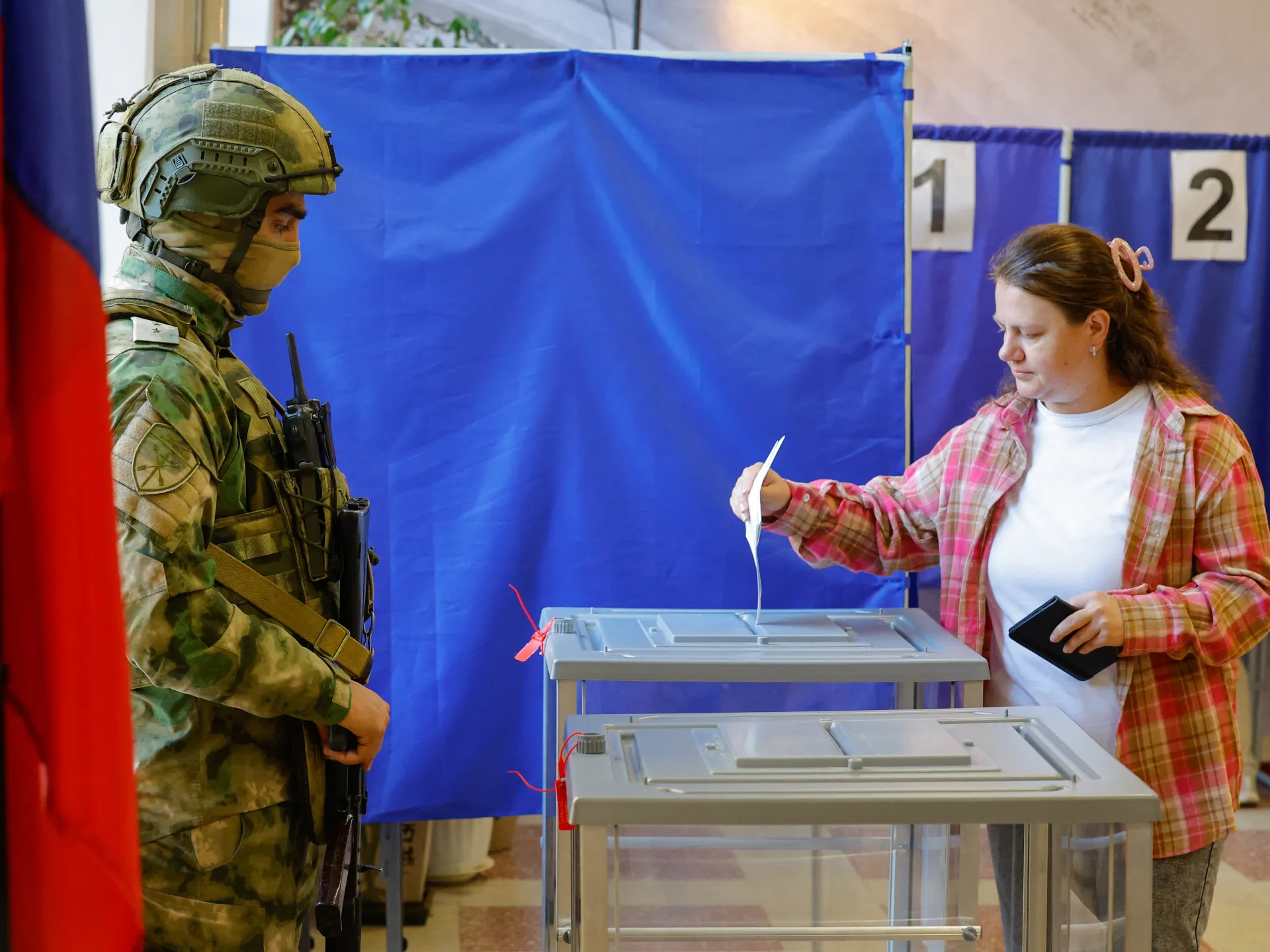
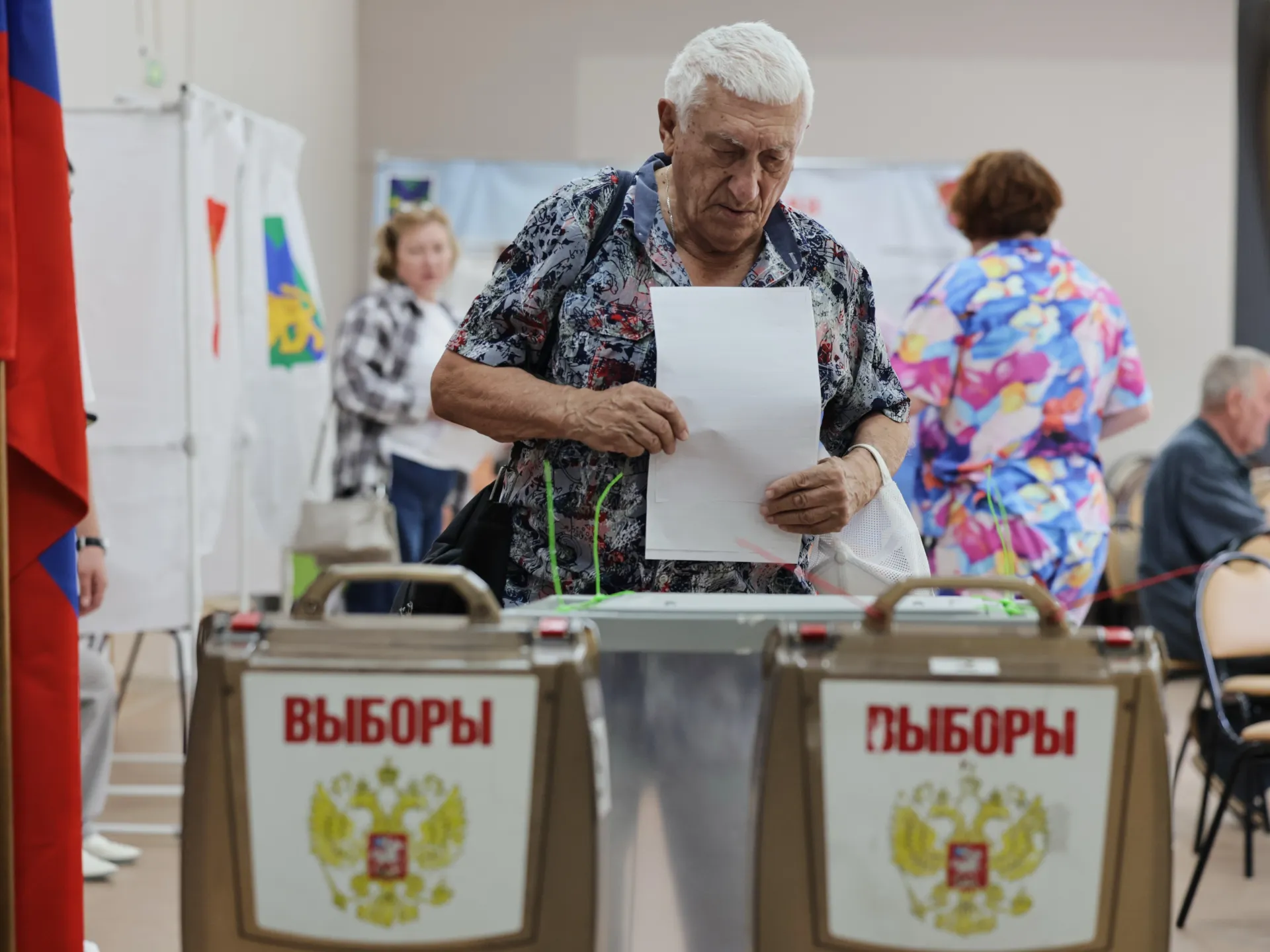
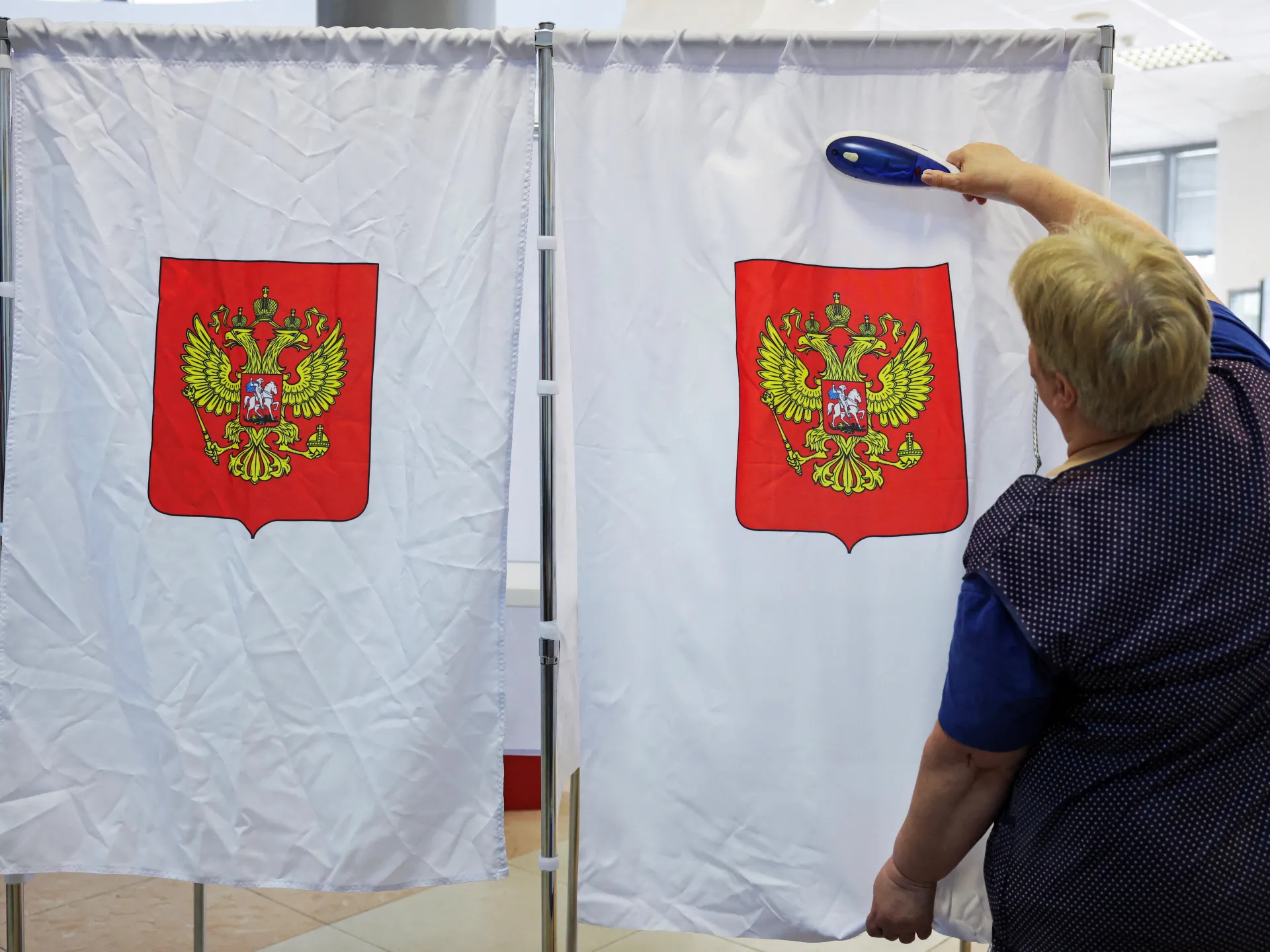
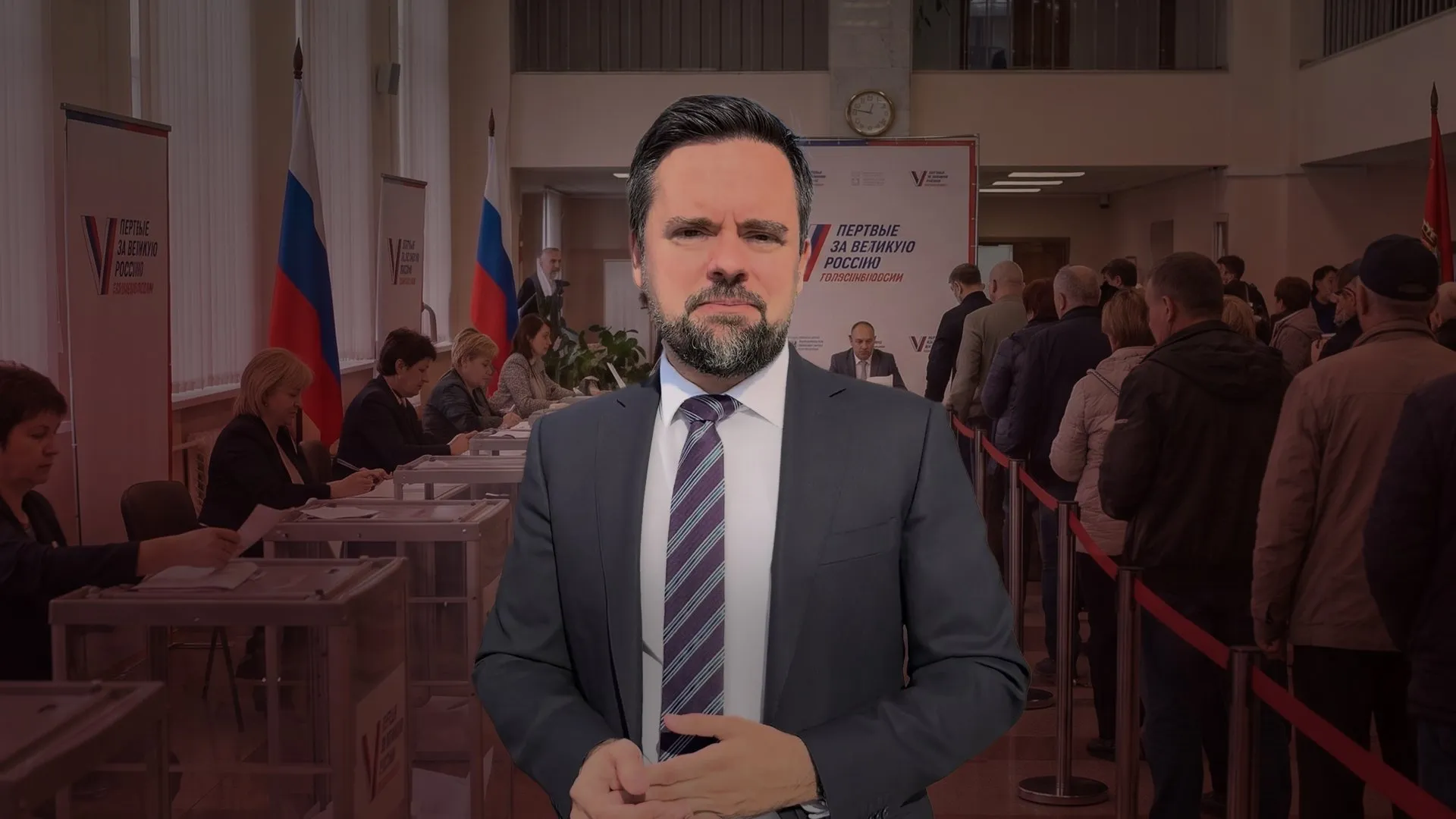
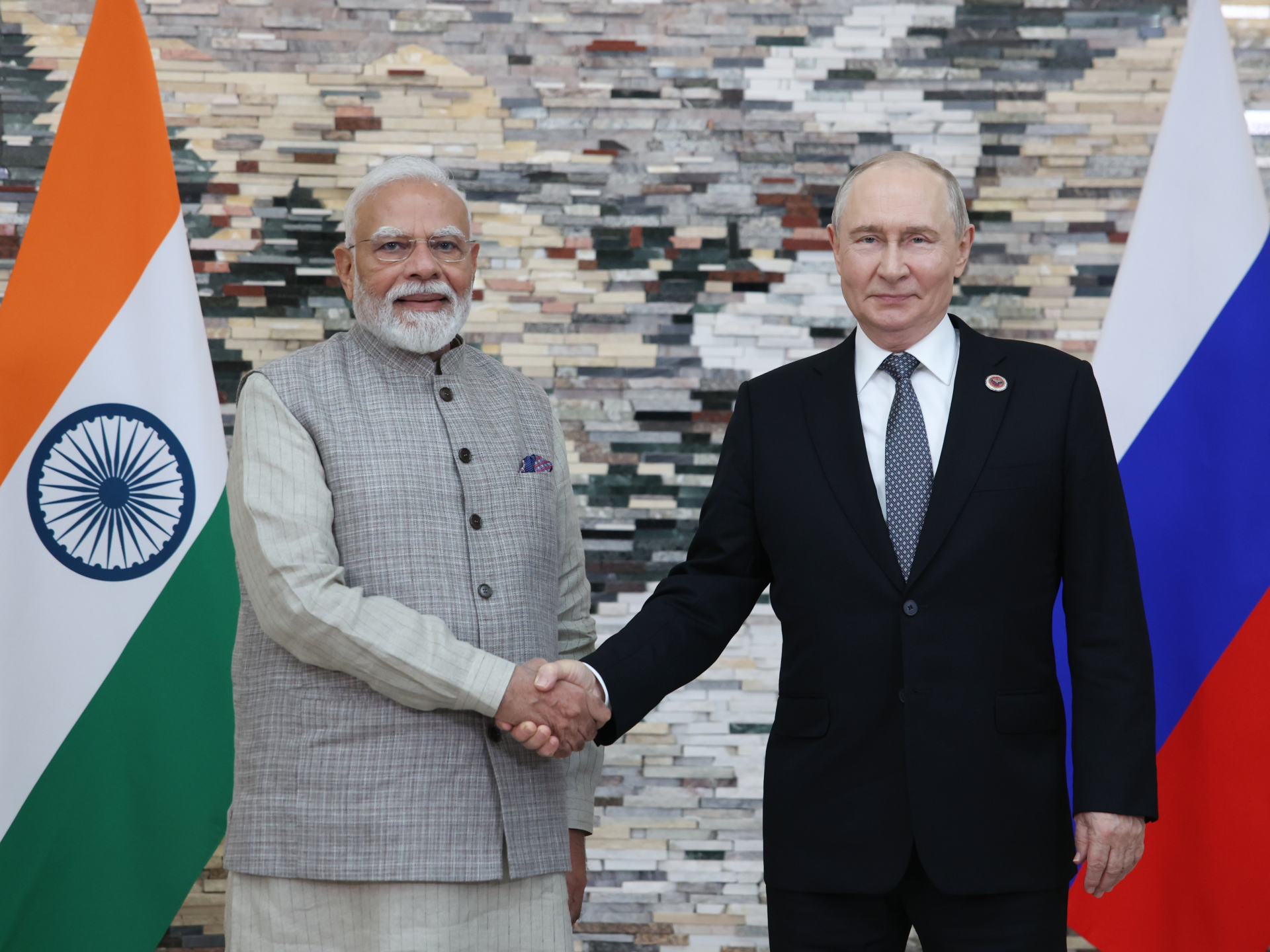
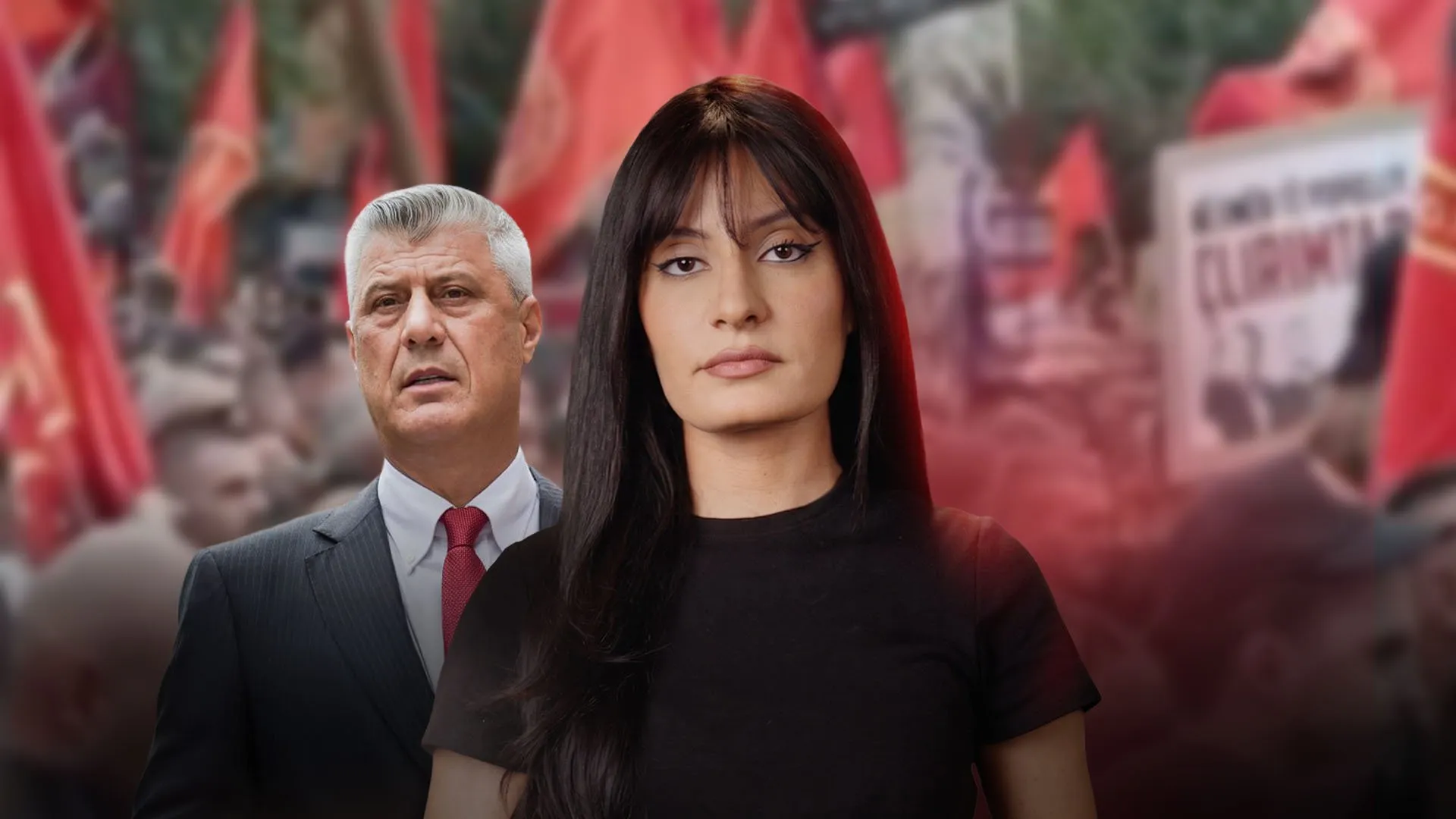
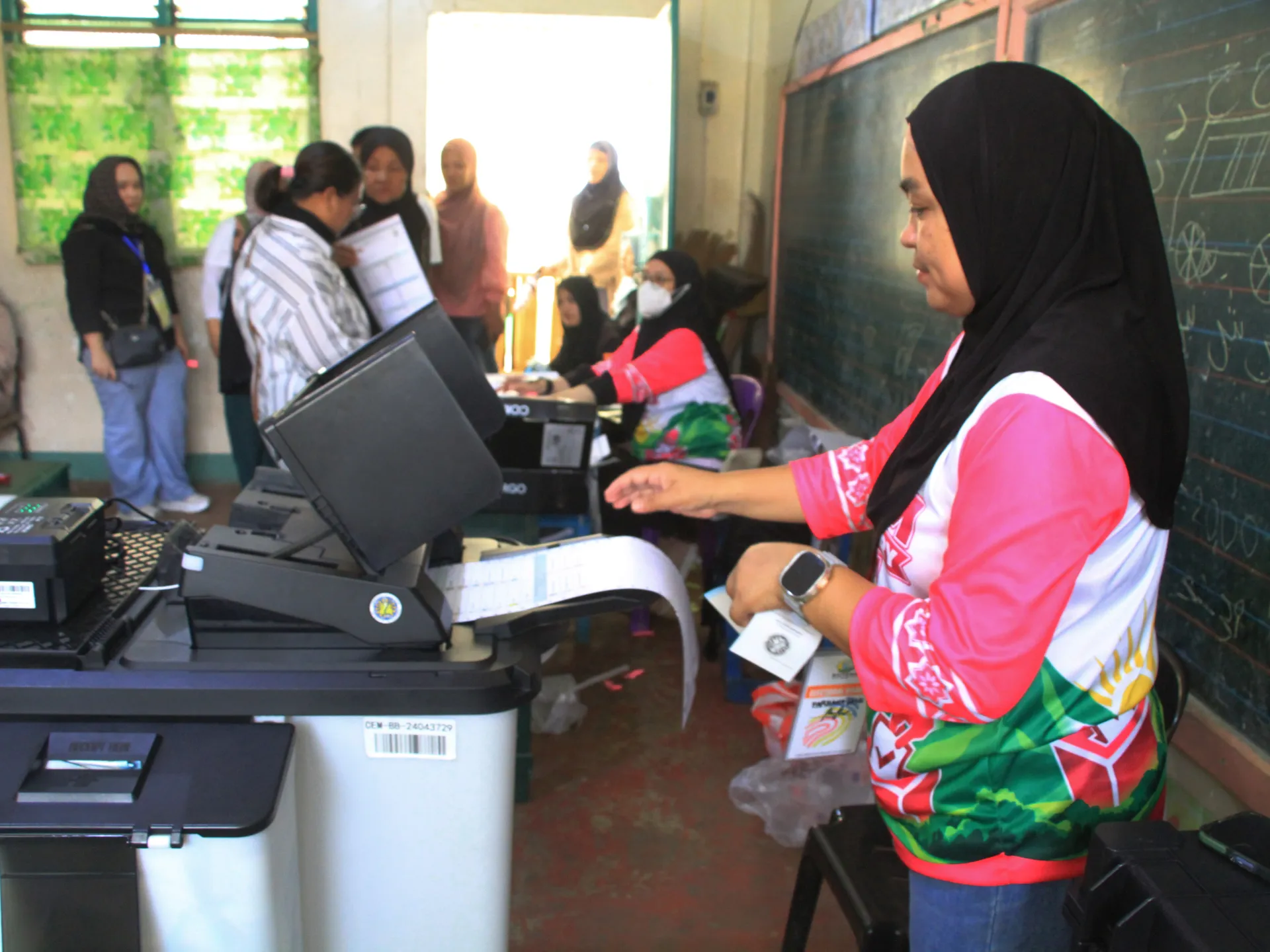
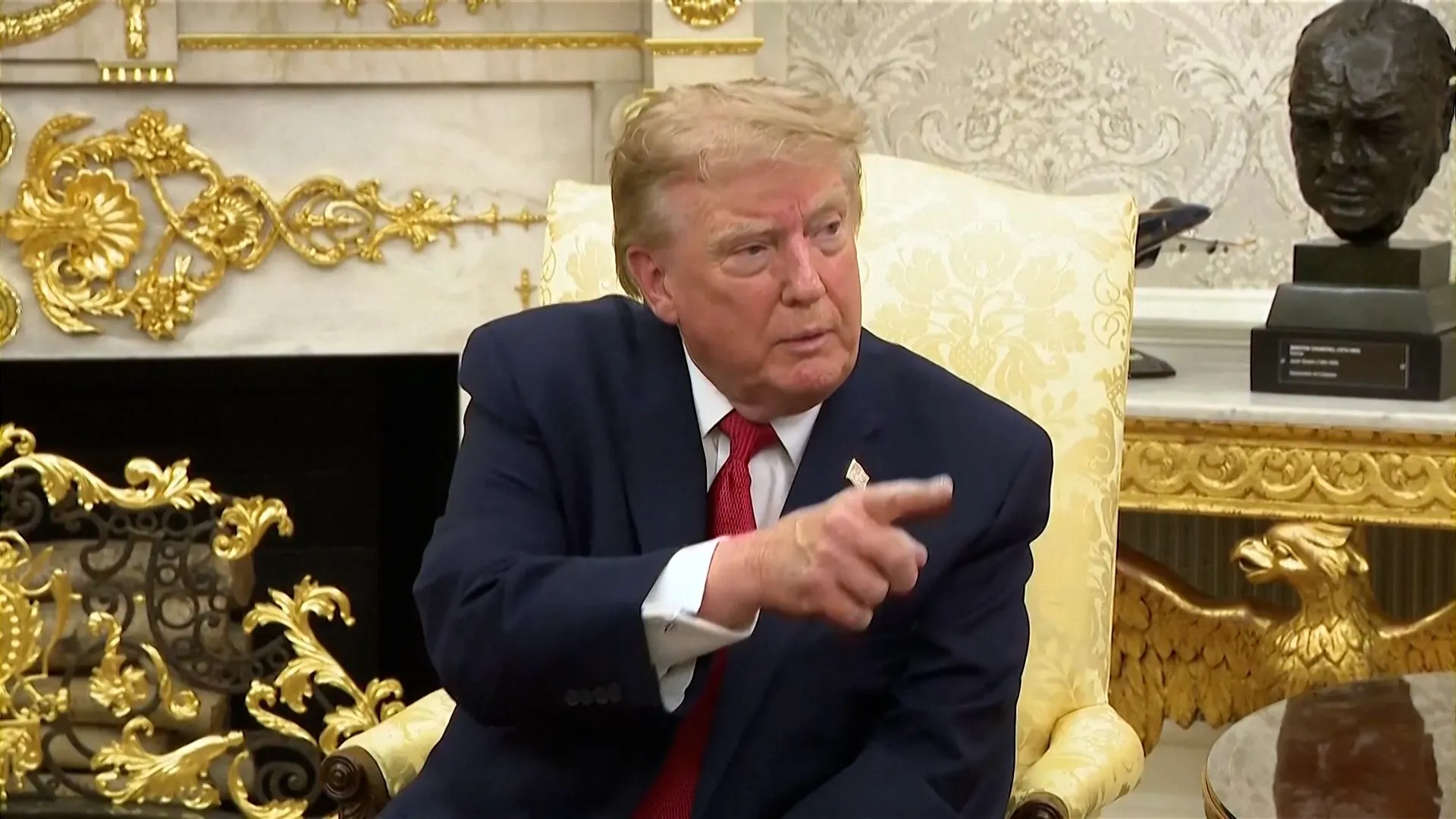
The contrast between these two trajectories is stark. In Russia, the upcoming Duma election serves as a tool for cementing wartime consensus, with the Kremlin utilizing the parliamentary body to showcase absolute support for the ongoing invasion of Ukraine. Conversely, in Astana, the government is framing 2026 as the "Year of Digitalisation and Artificial Intelligence," positioning the country as a burgeoning regional tech hub. While Moscow seeks to minimize political variables, Kazakhstan is actively inviting global investment and fostering a competitive digital workforce to diversify its economic base.
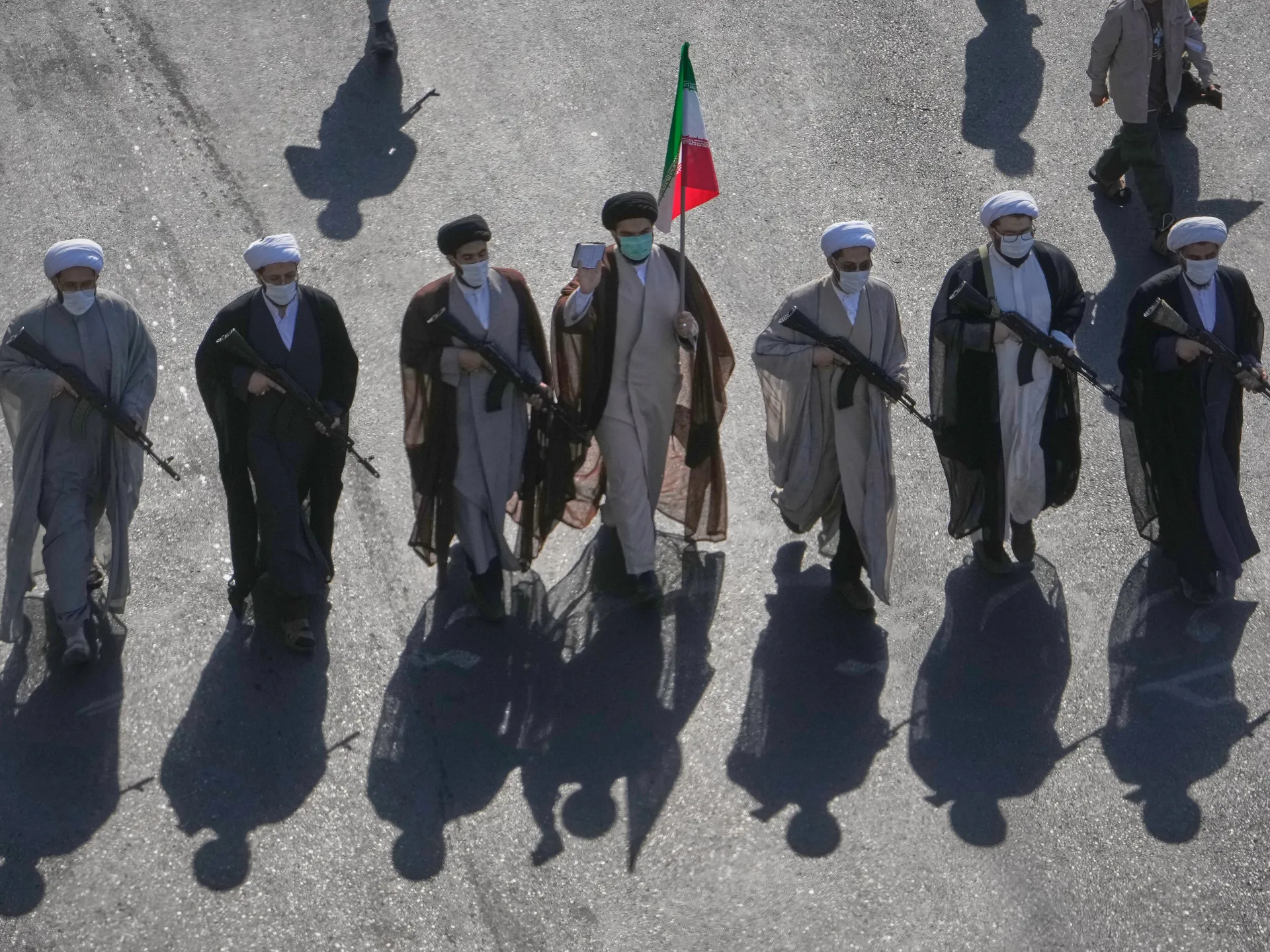
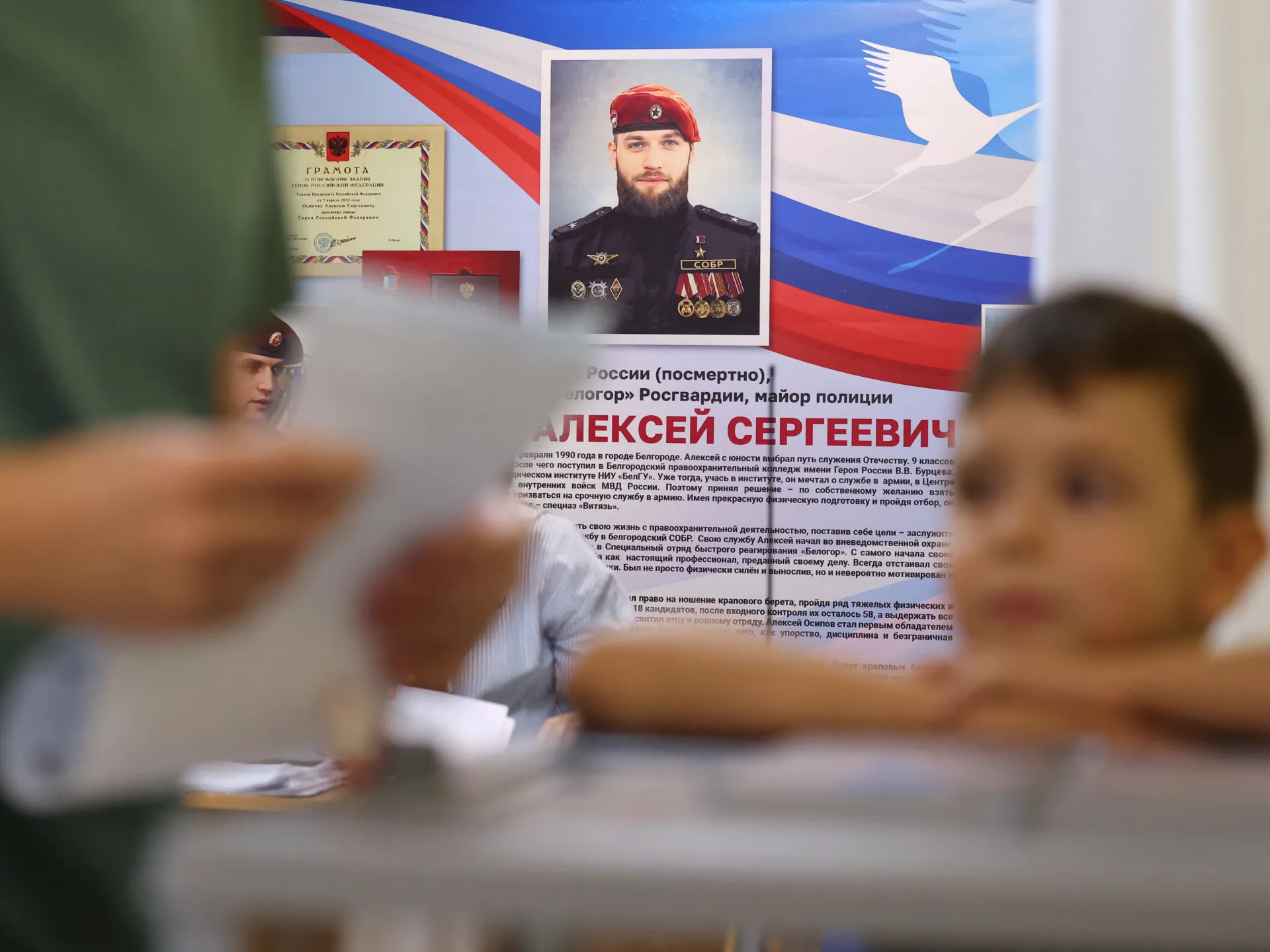
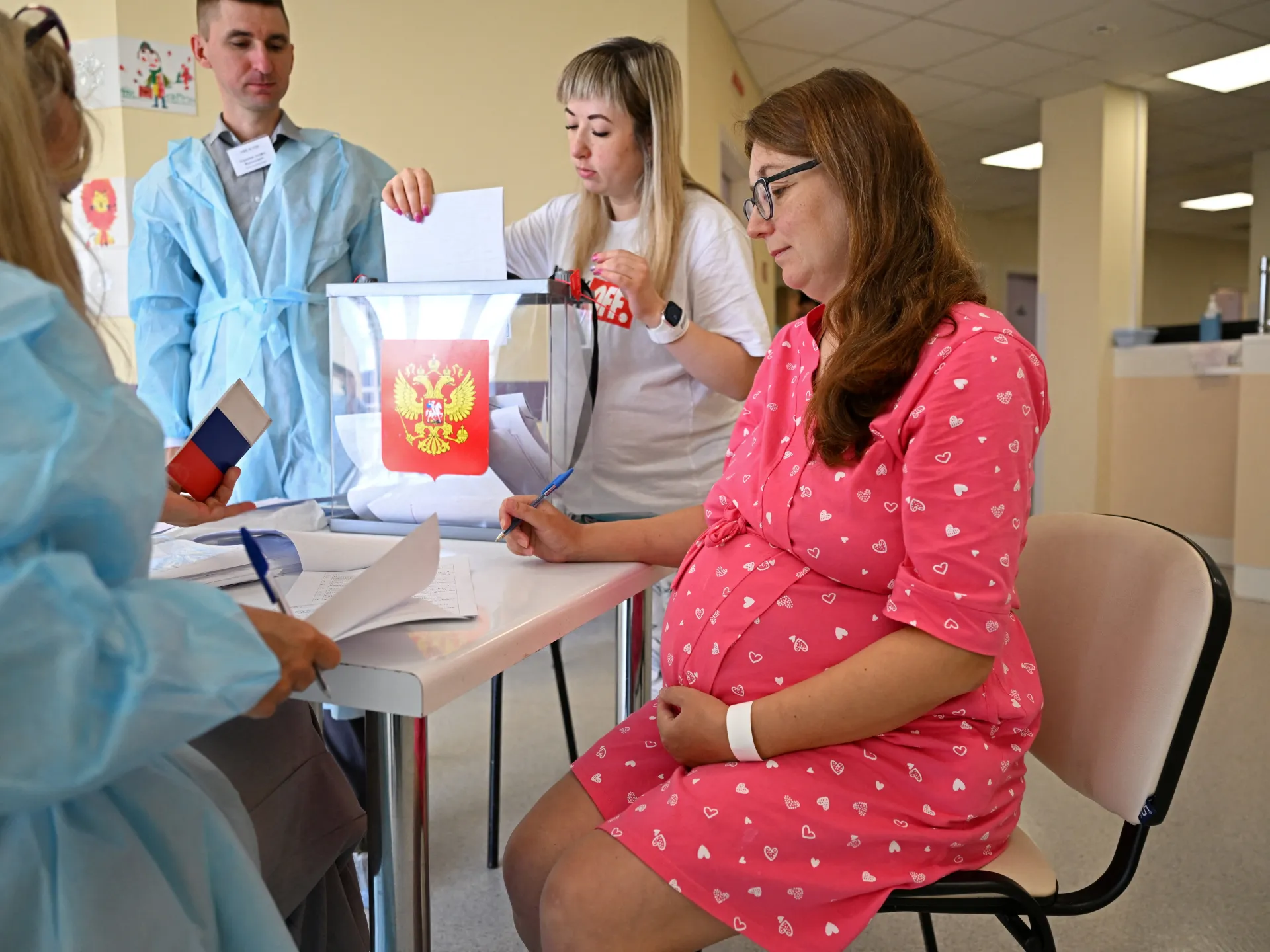
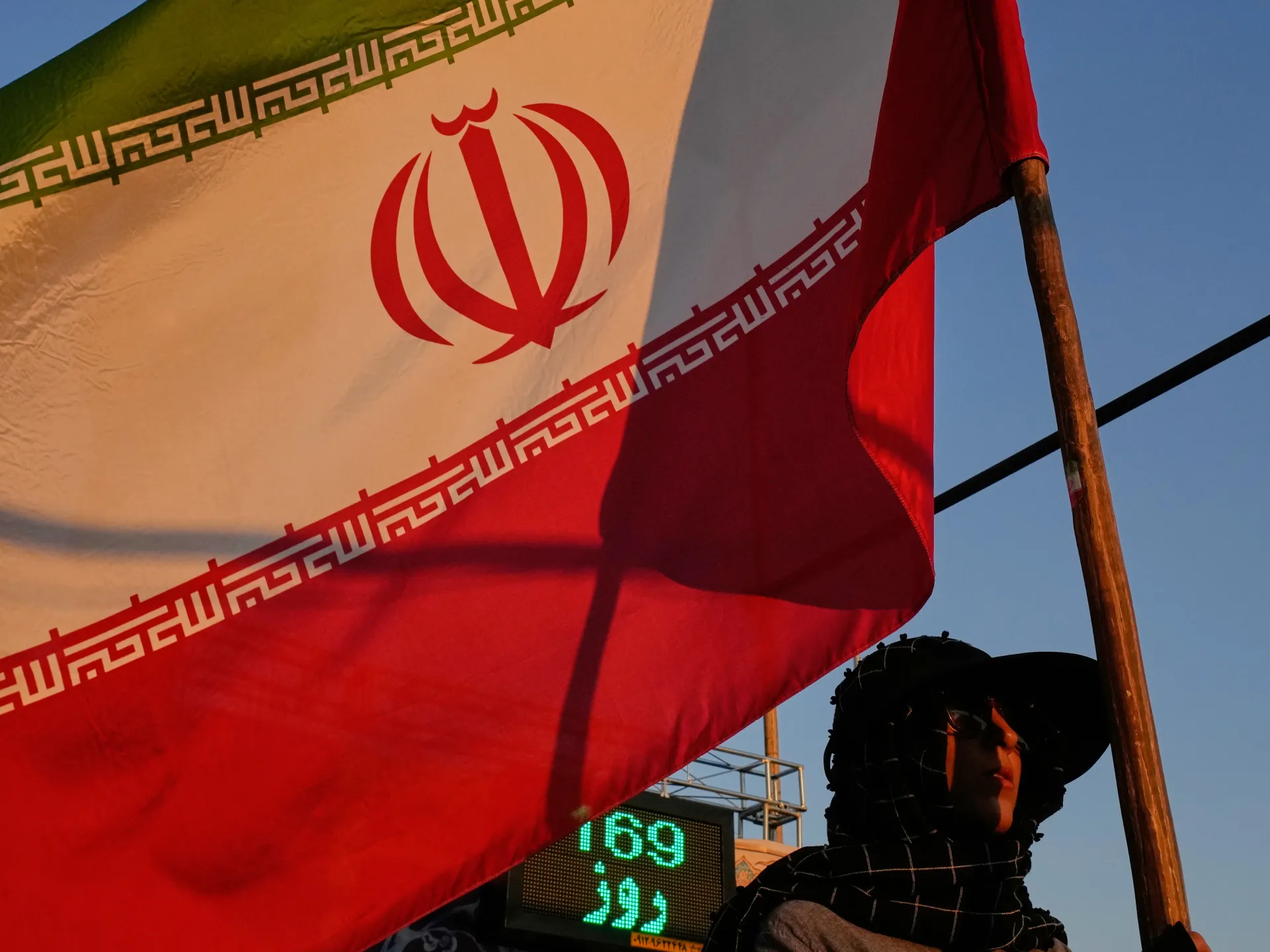
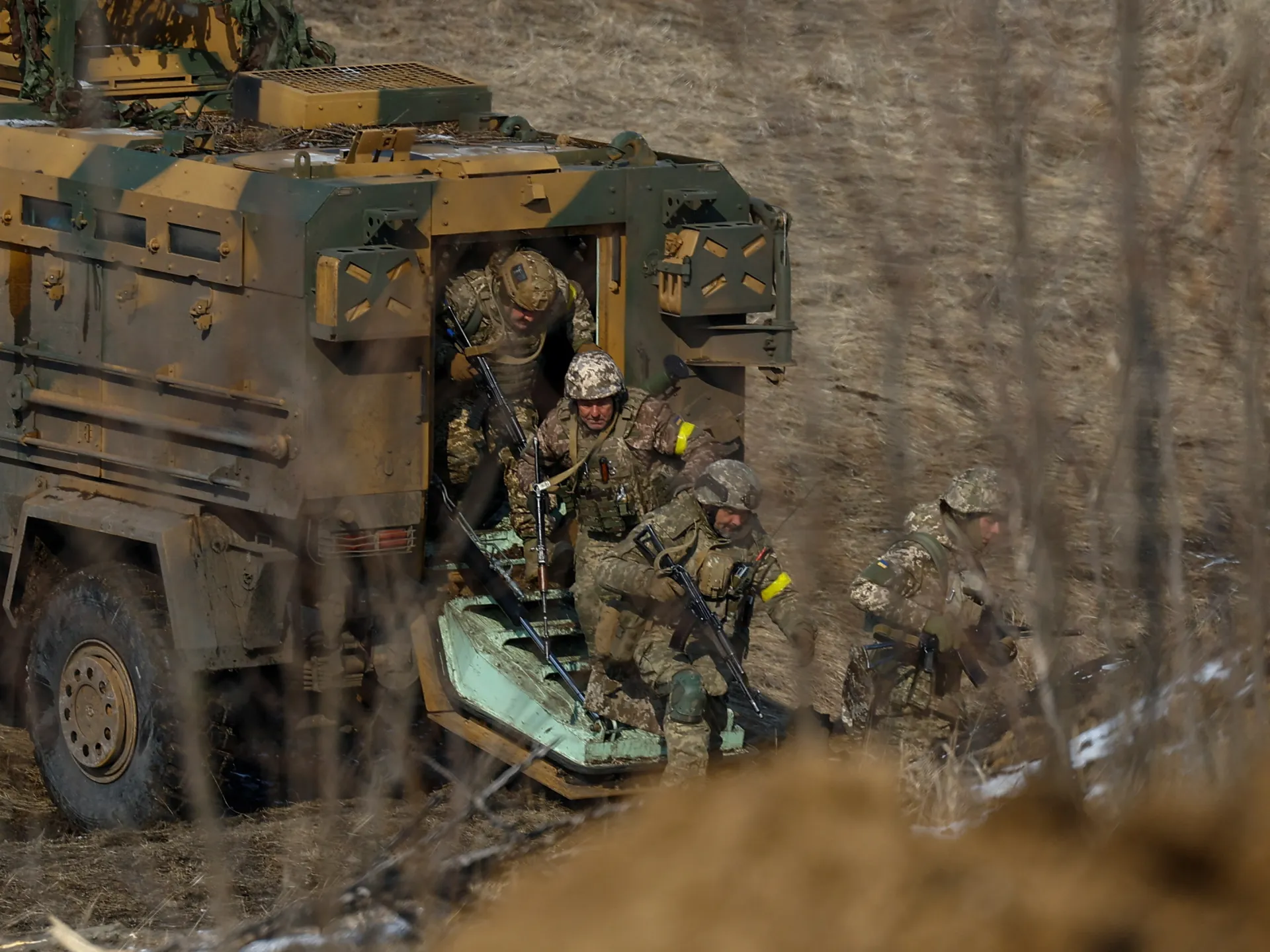
The simultaneous pursuit of extreme political centralization in Russia and aggressive digital disruption in Kazakhstan highlights a fundamental divergence in regional governance models. For Russia, the Duma acts as a performative stage for state loyalty; the inclusion of nearly 200 military veterans in the current election cycle signals a deliberate effort to institutionalize the culture of the "special military operation" within the legislature. This development suggests a long-term strategy to ensure that the political class remains tethered to the security state, leaving little room for dissent or policy variance.
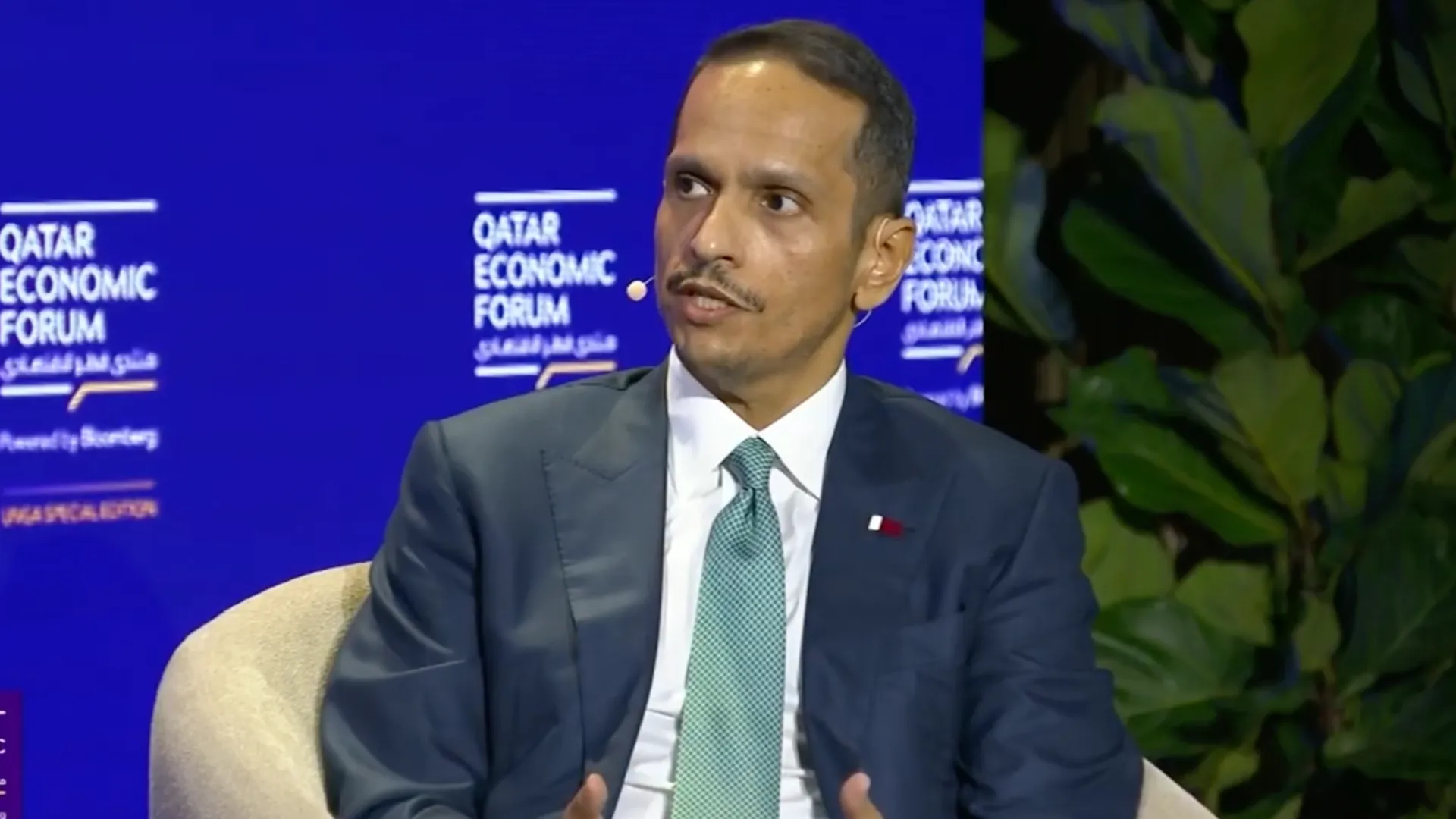
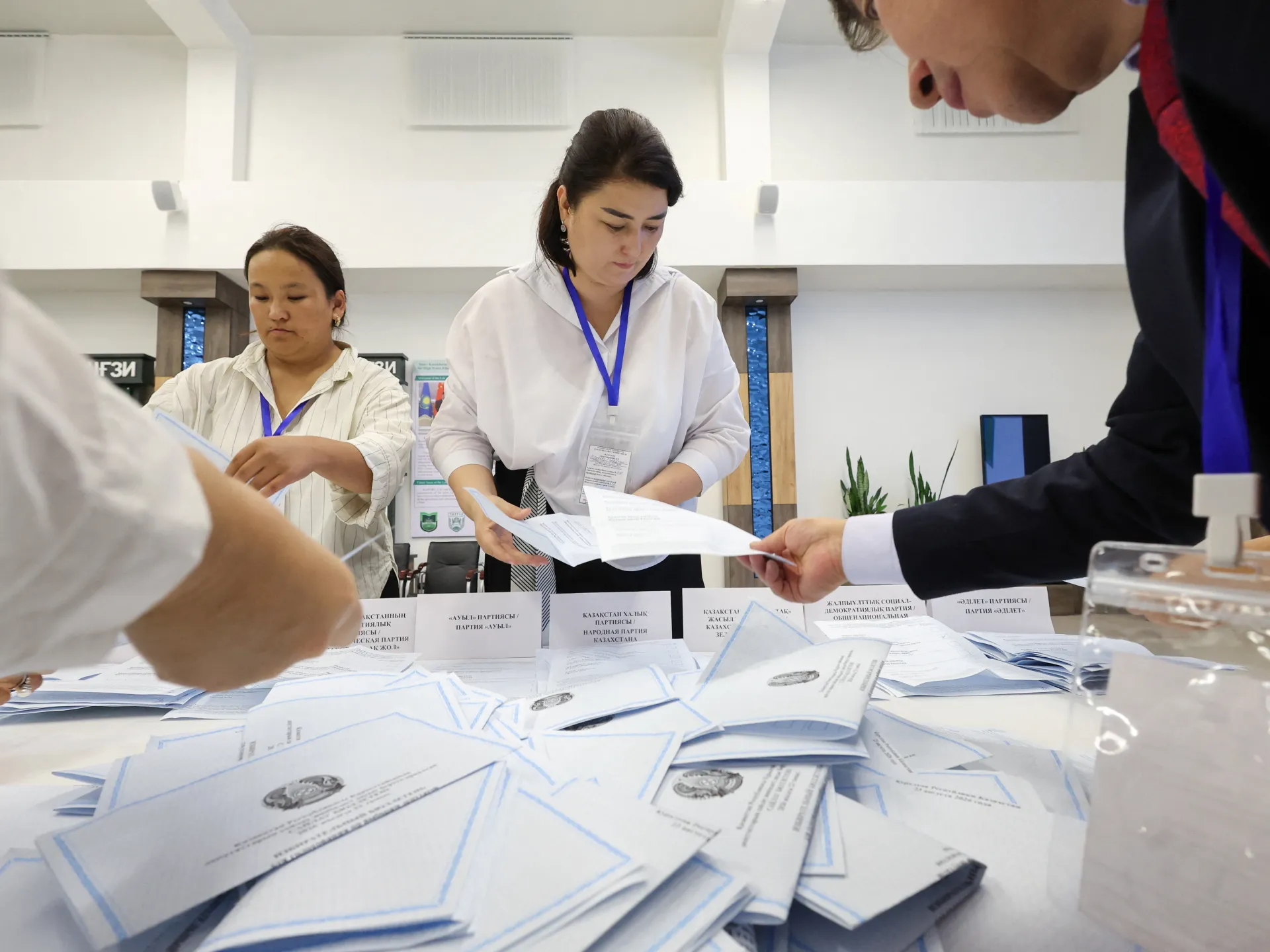
Kazakhstan’s approach, however, represents a calculated bet on technocracy as a form of state legitimacy. voting rights—the government is attempting to project an image of transparency and modernized governance. This "managed innovation" strategy serves a twofold purpose: it aims to attract foreign capital forward-looking narrative that appeals to a younger, digitally native demographic. The success of this model will largely depend on whether the state can maintain the balance between top-down control and the organic growth of the tech sector.
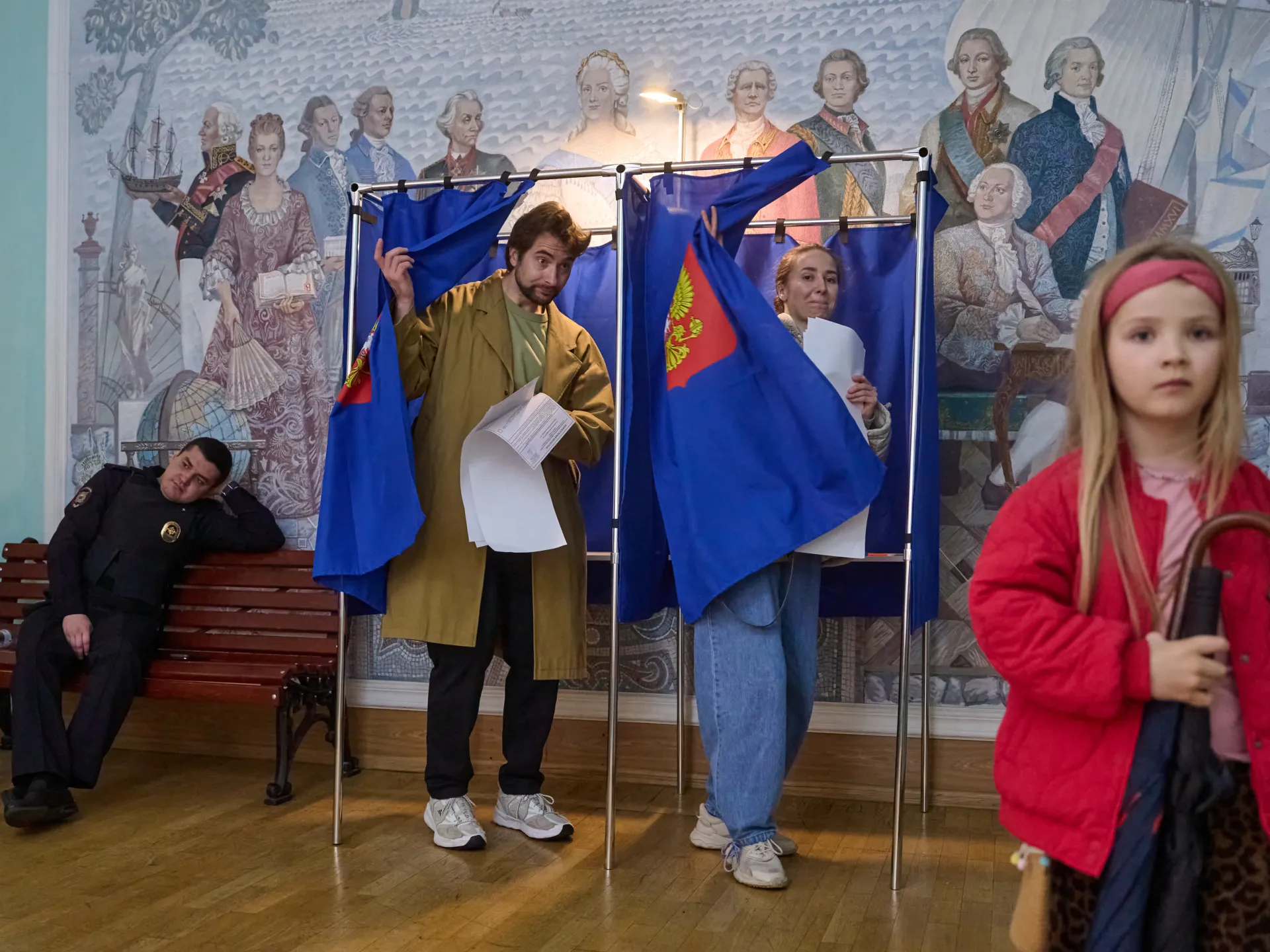
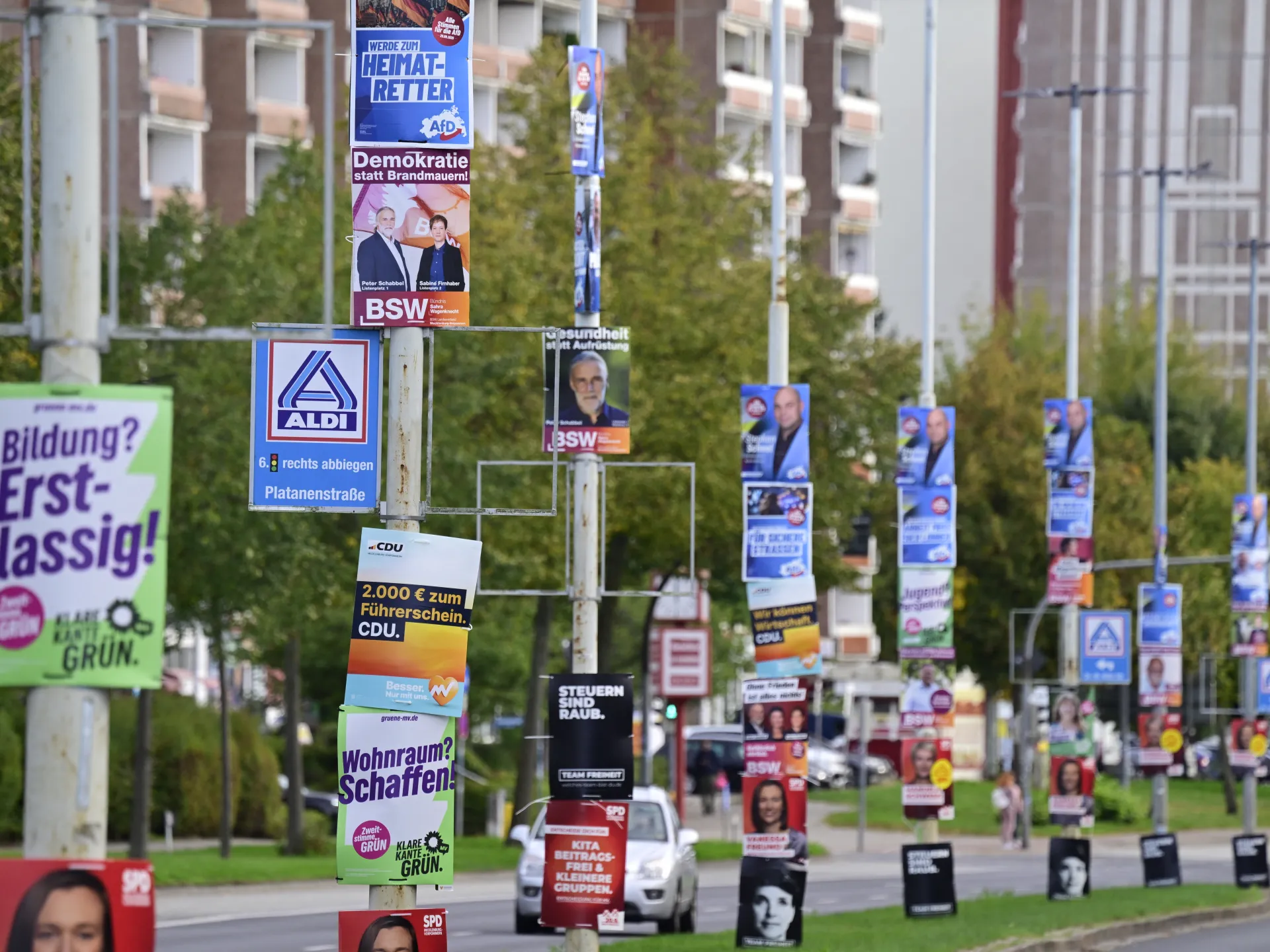
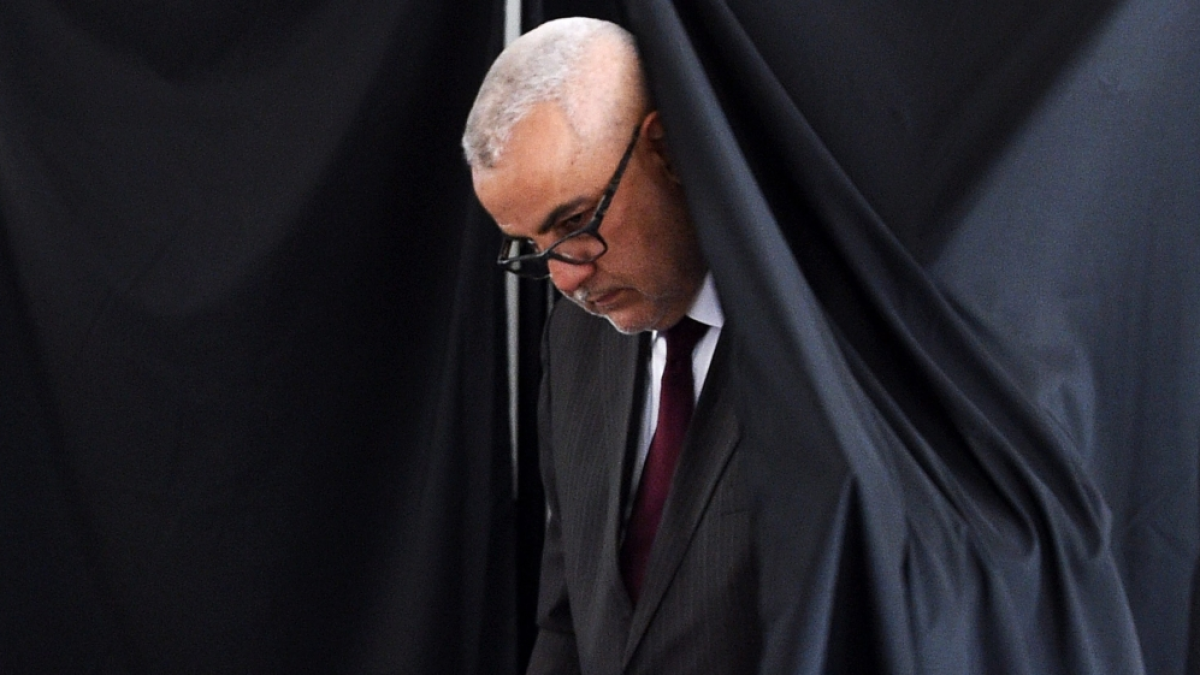
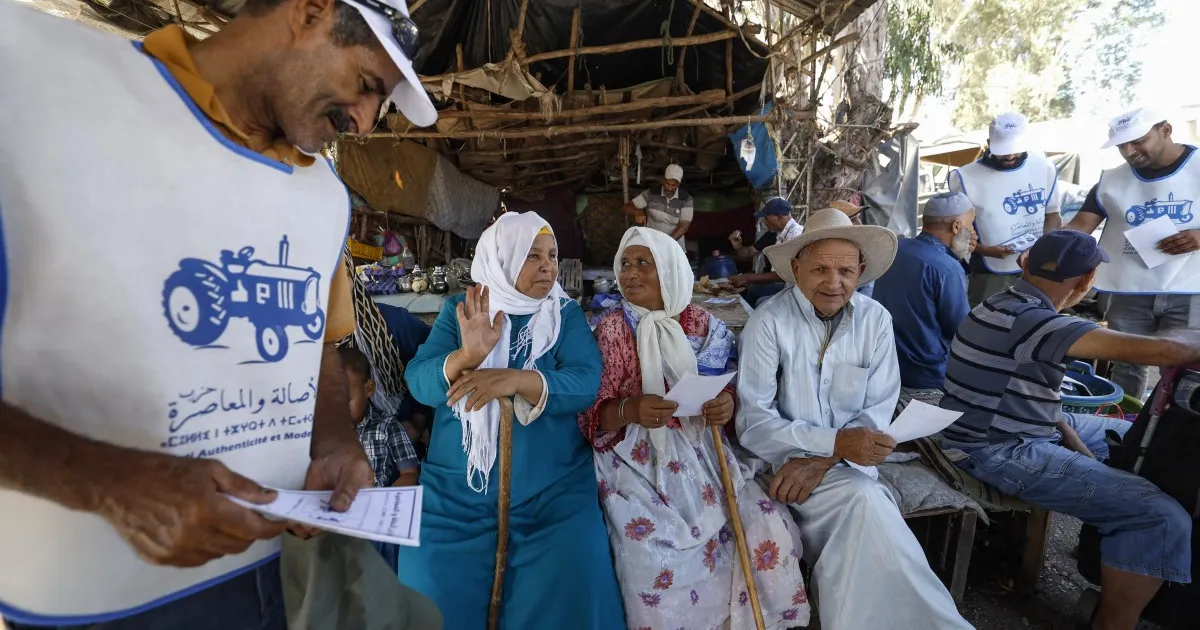
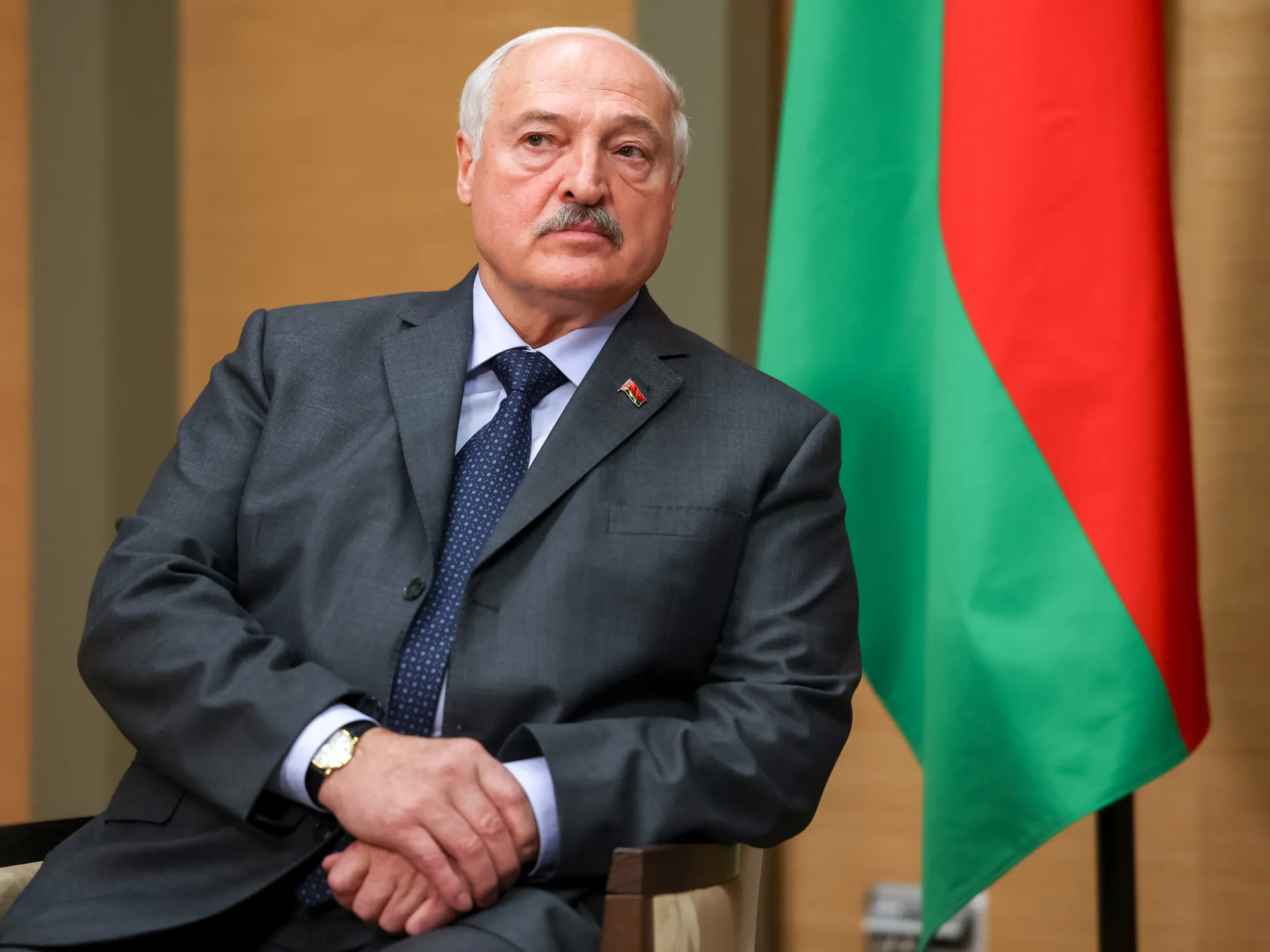
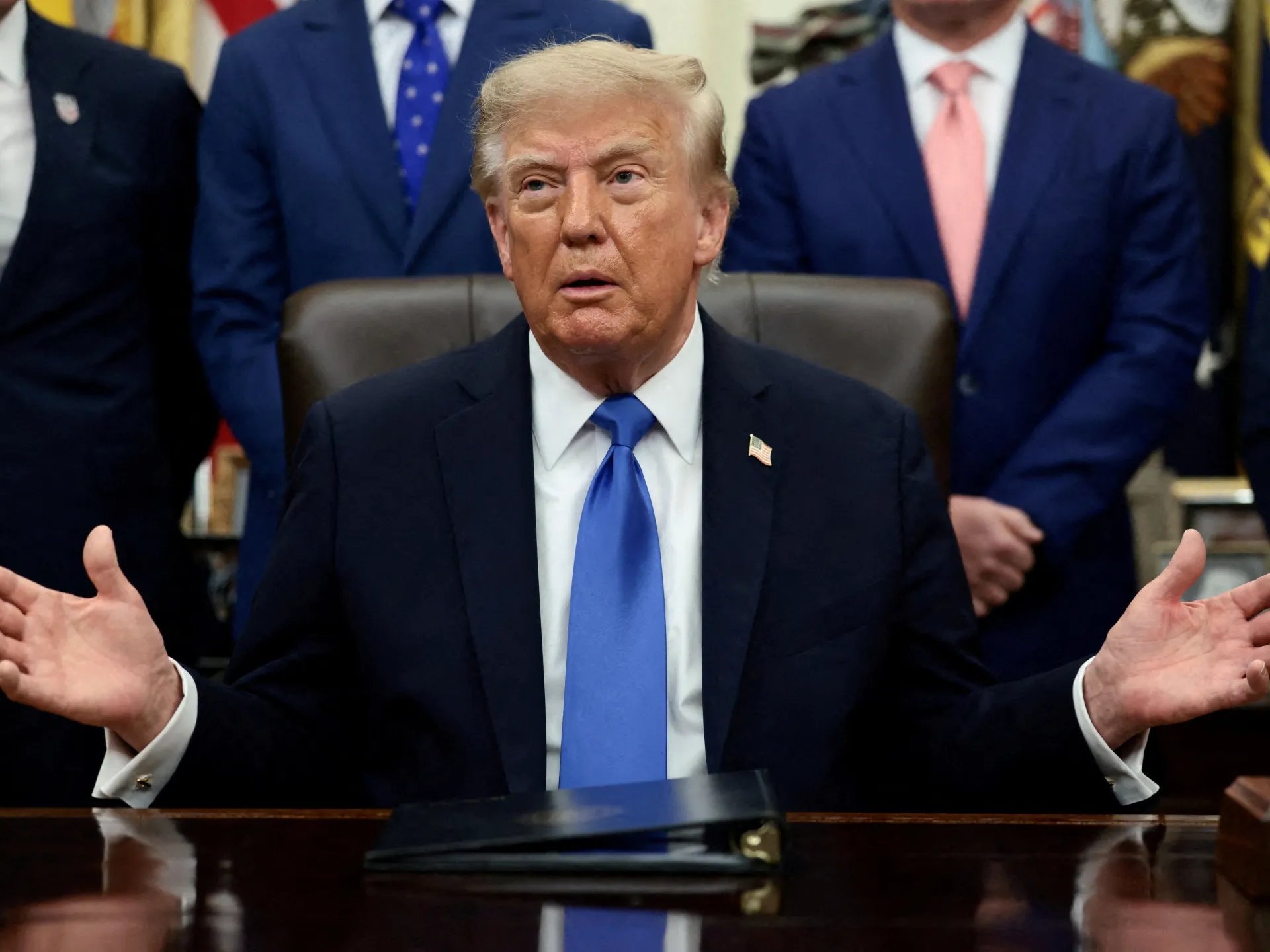
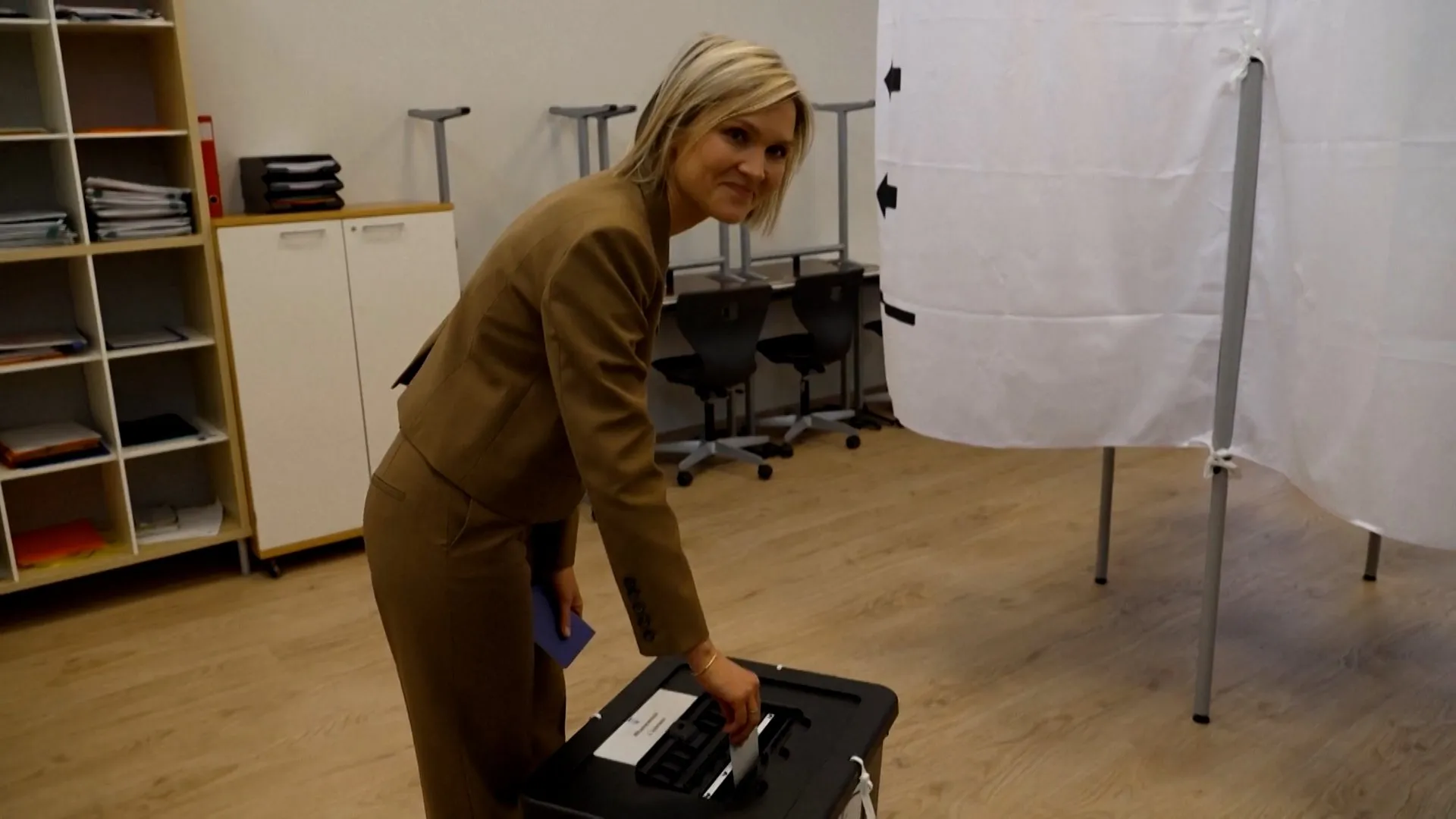
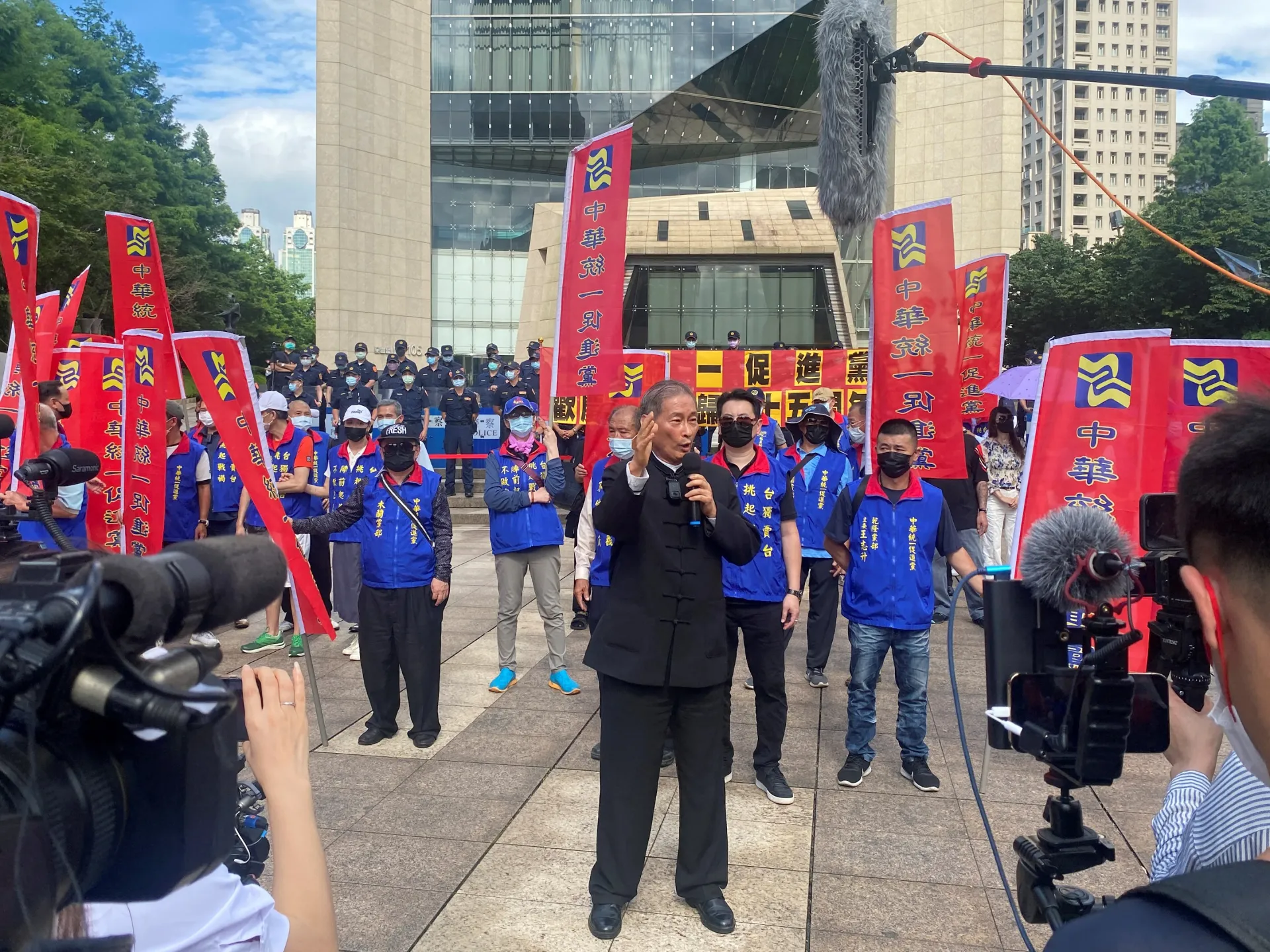
In the lead-up to the Duma vote, the Kremlin has maintained a environment where political surprises are effectively neutralized. Official rhetoric from spokespersons like Dmitry Peskov emphasizes that the nation possesses its own unique political process, one that functions independently of external critiques regarding the fairness of the proceedings. The result is a parliament characterized
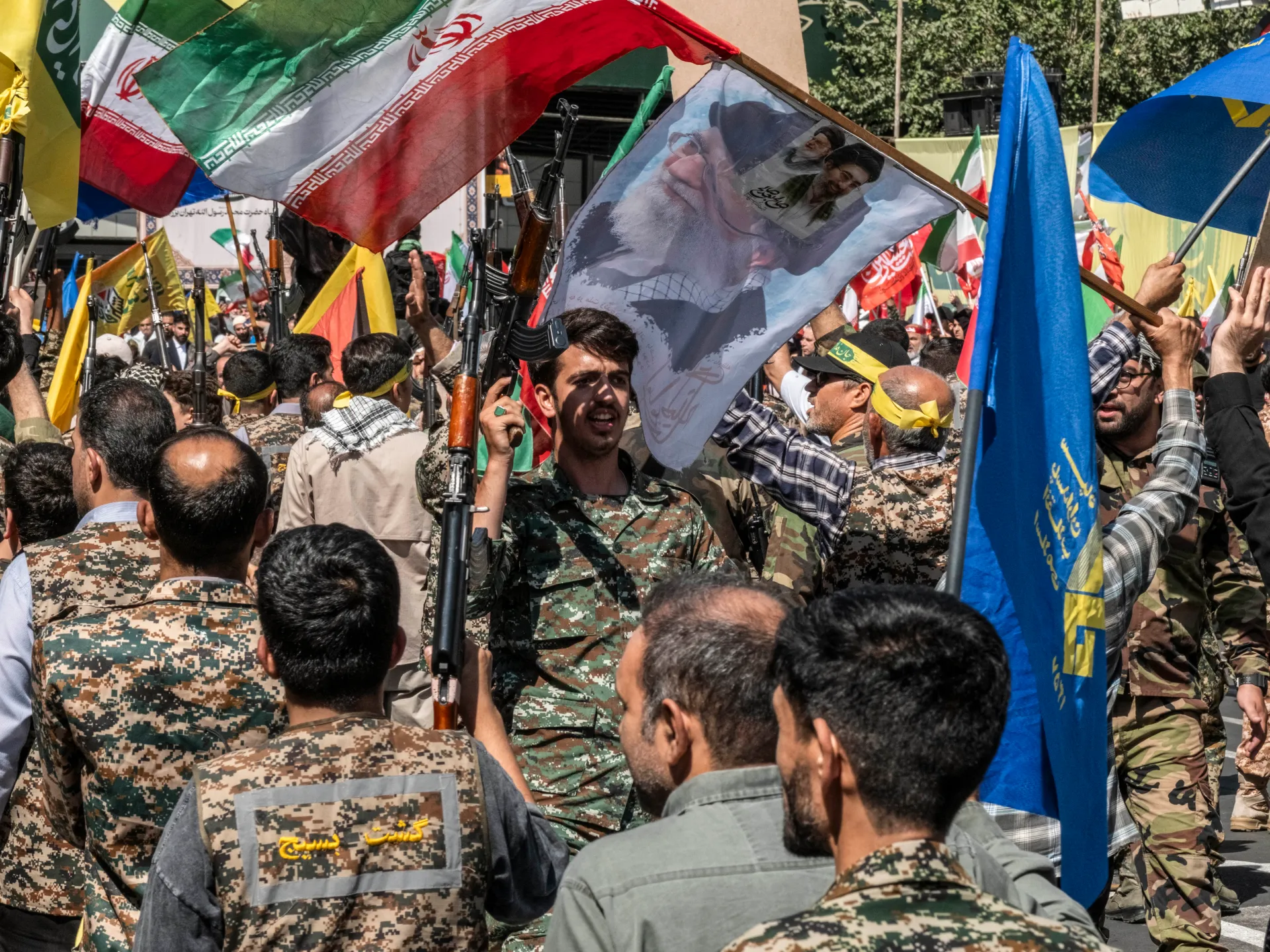
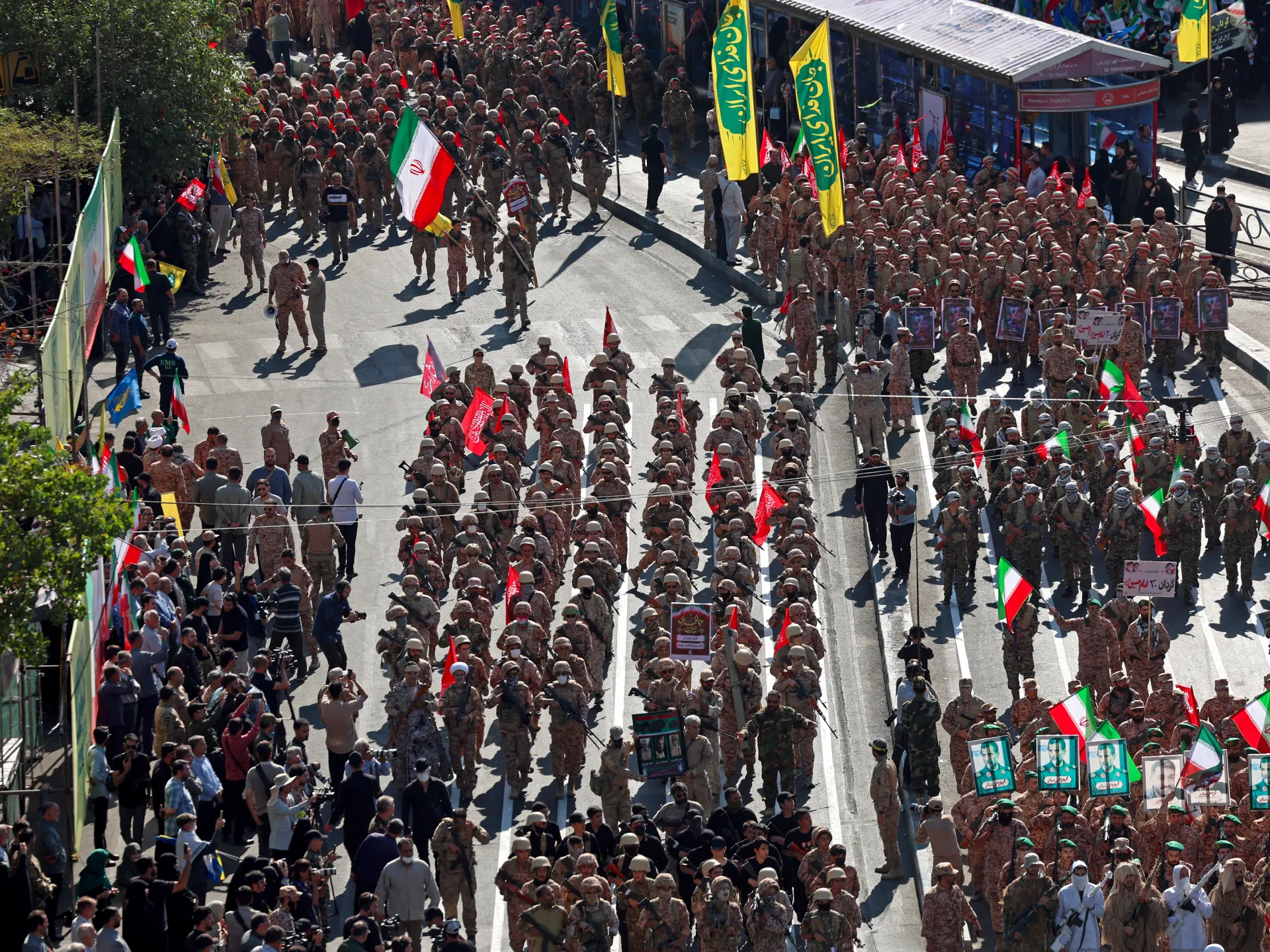
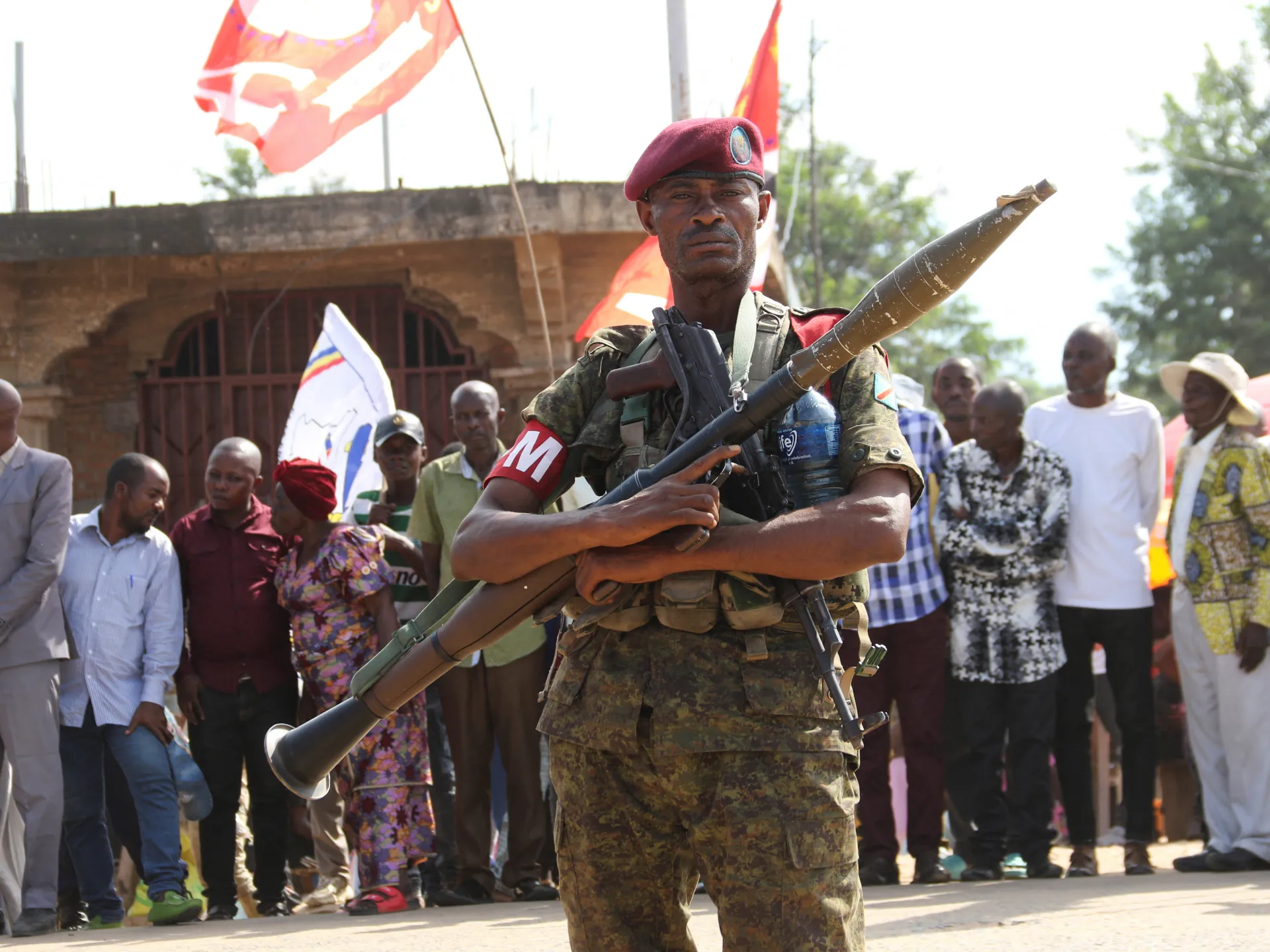
This uniformity was on full display during the final session of the previous parliament, where members chanted slogans pledging support for the president and the war effort. Even opposition-leaning factions, such as the Communist Party, have signaled full alignment with the Kremlin. Leaders have publicly touted their support for over 170 pieces of legislation directly facilitating military operations, underscoring that the electoral contest is less about policy competition and more about the symbolic reinforcement of the current leadership.
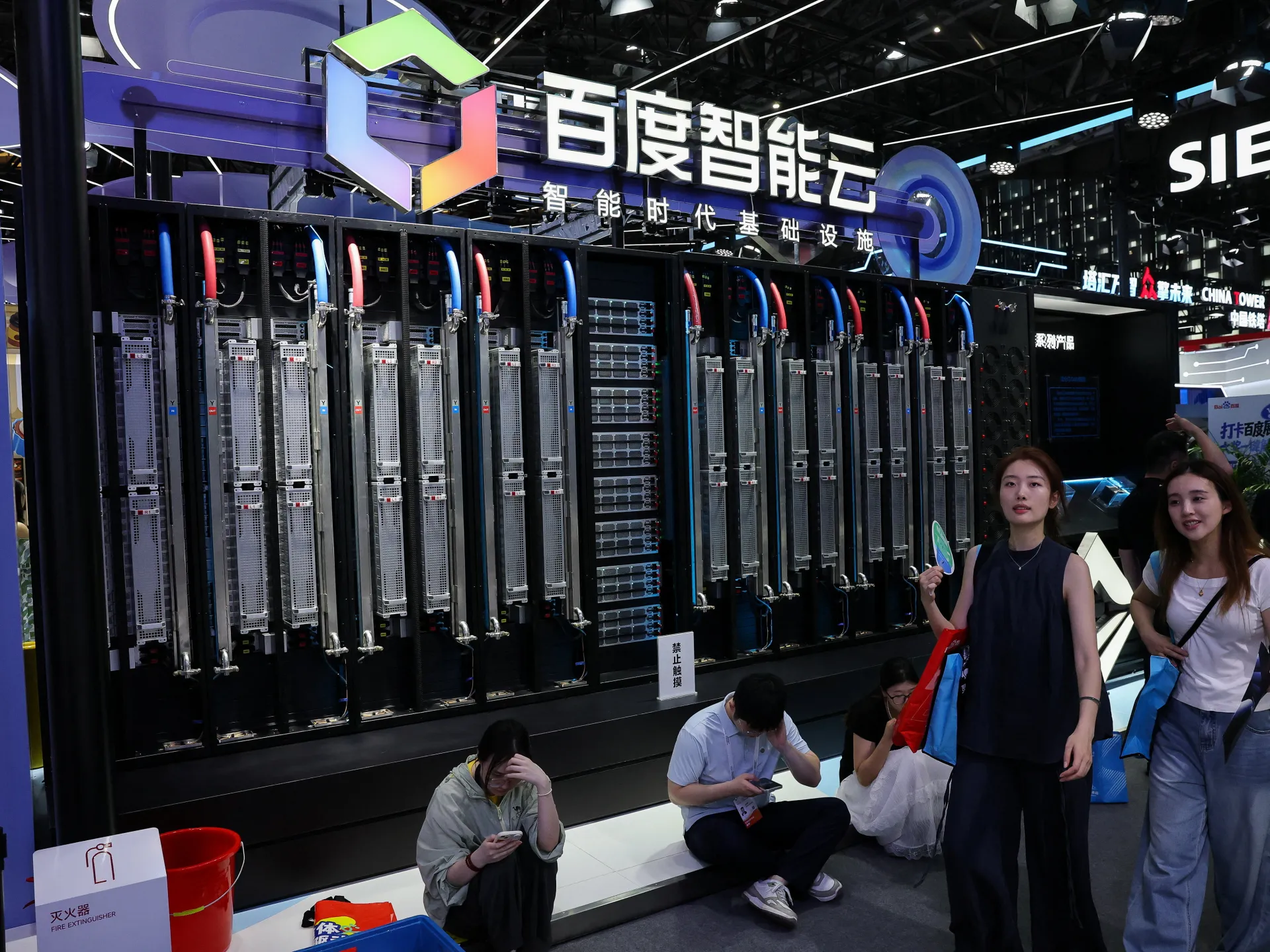
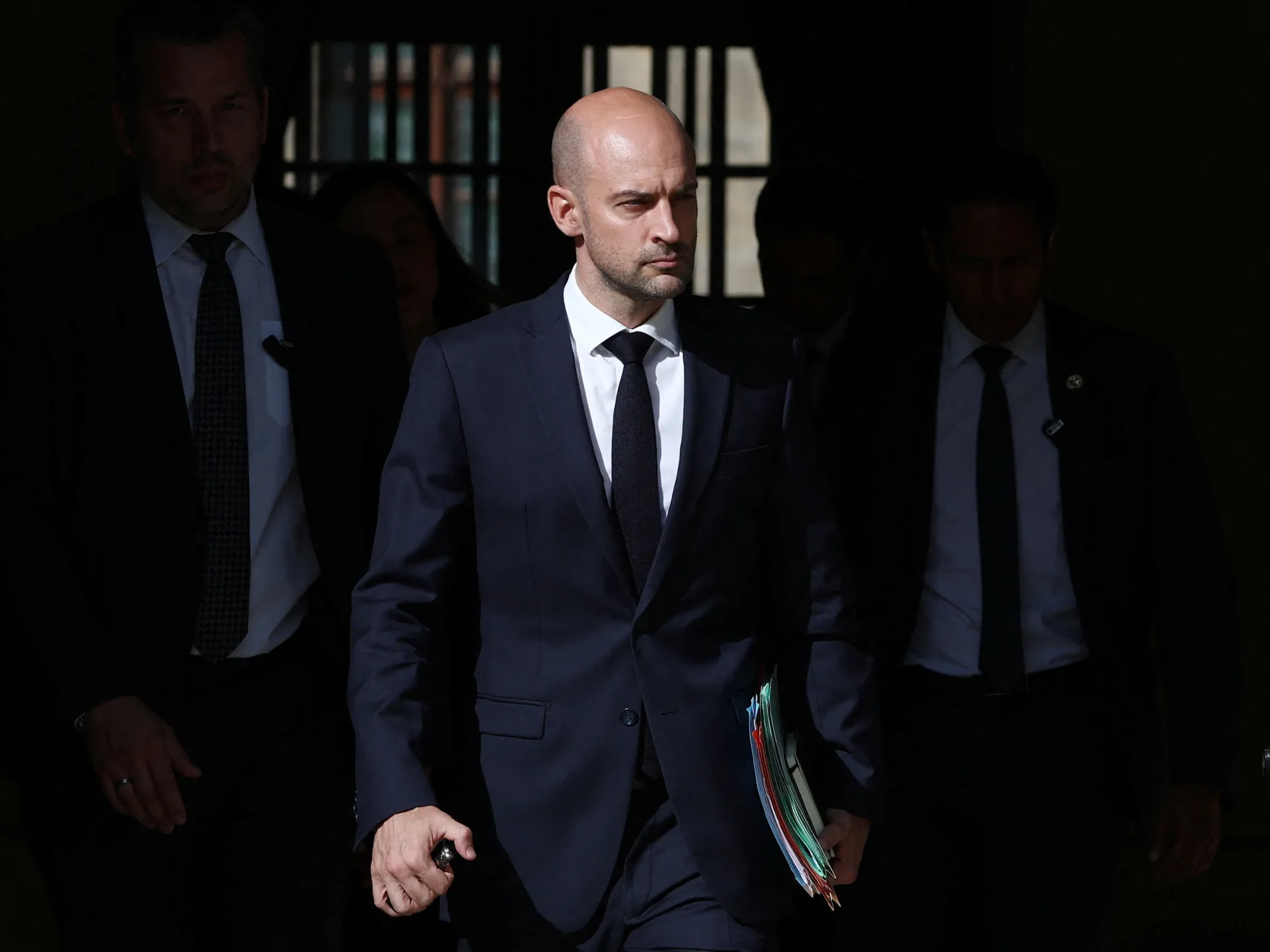
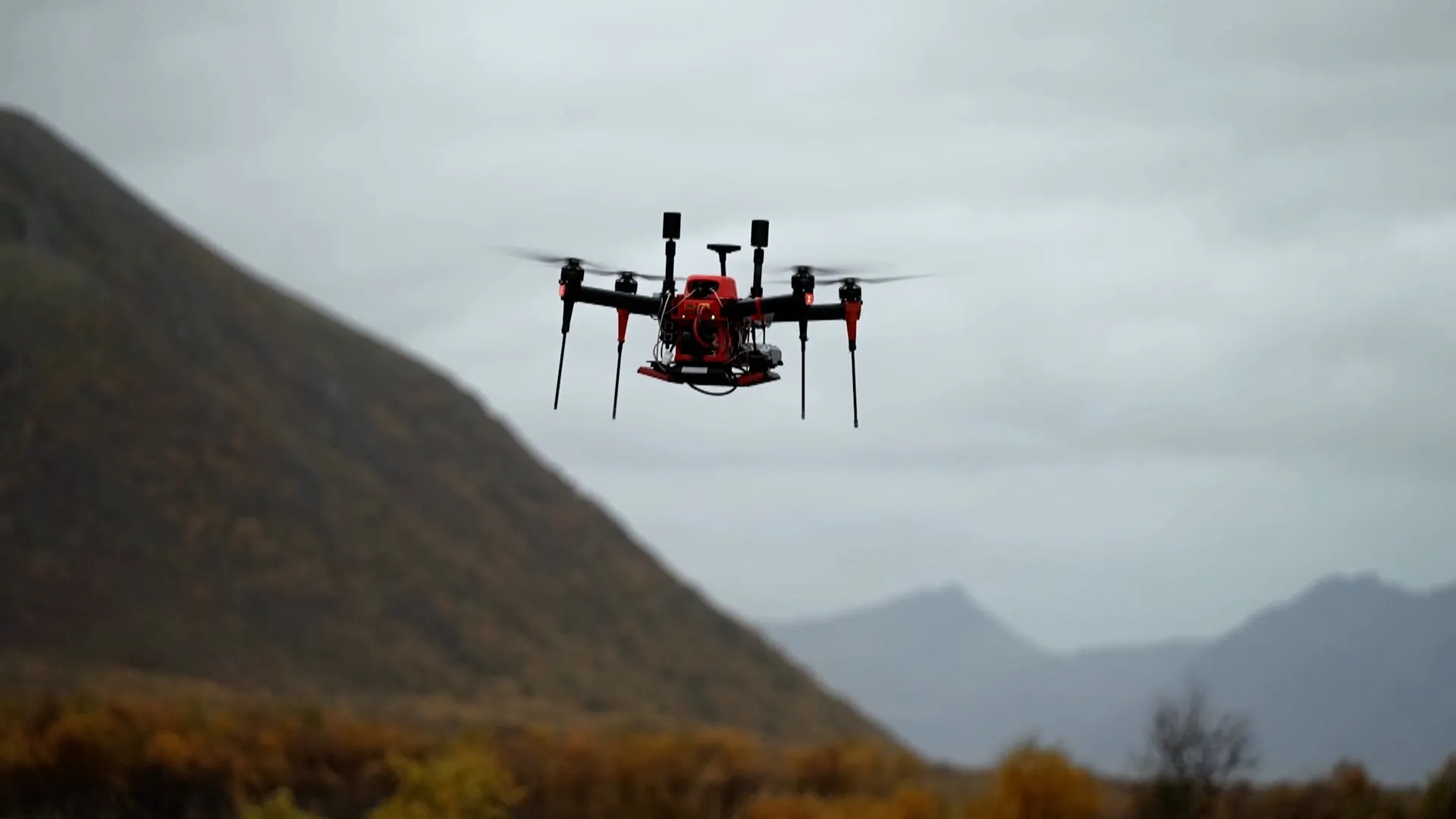
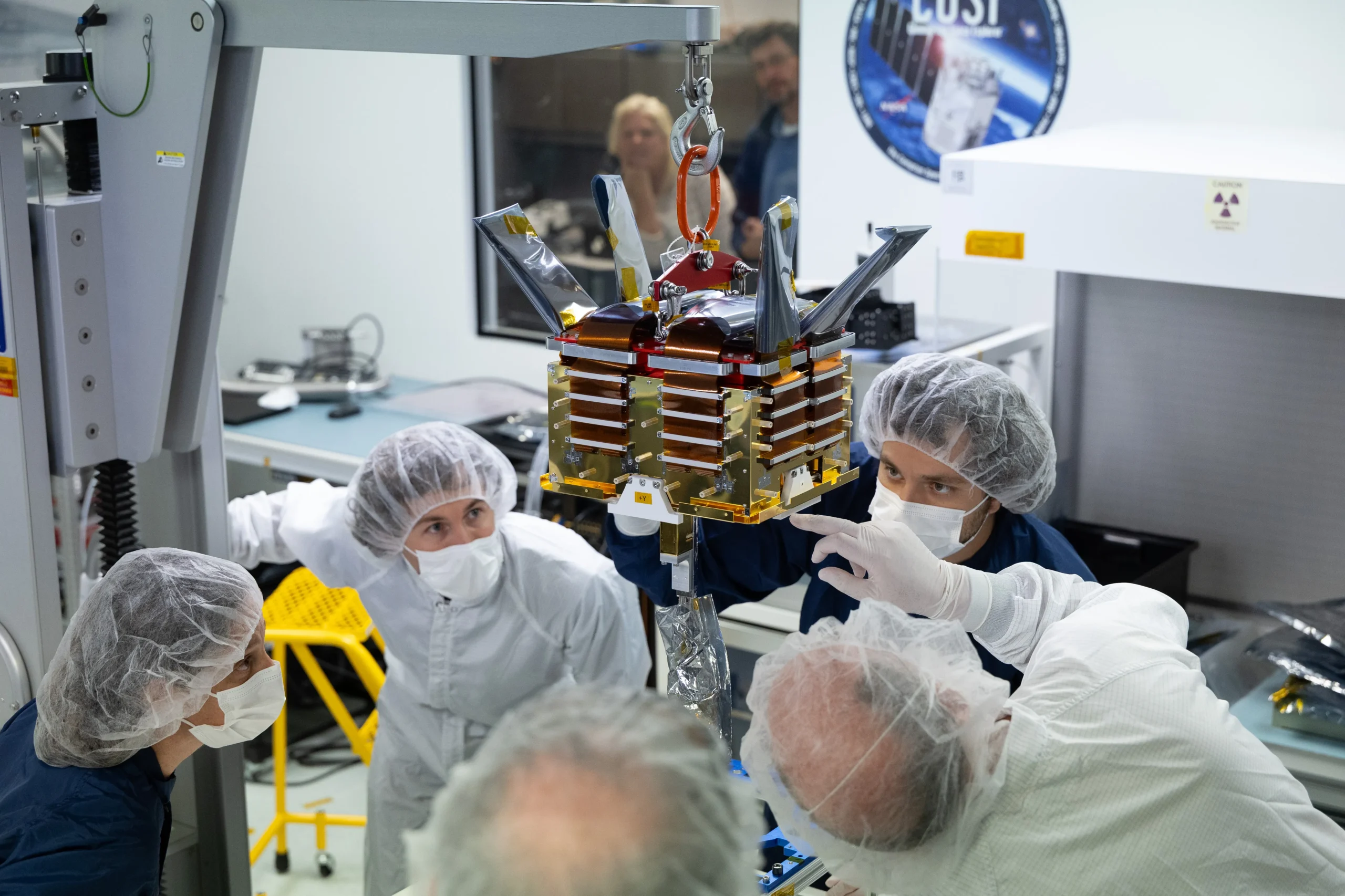
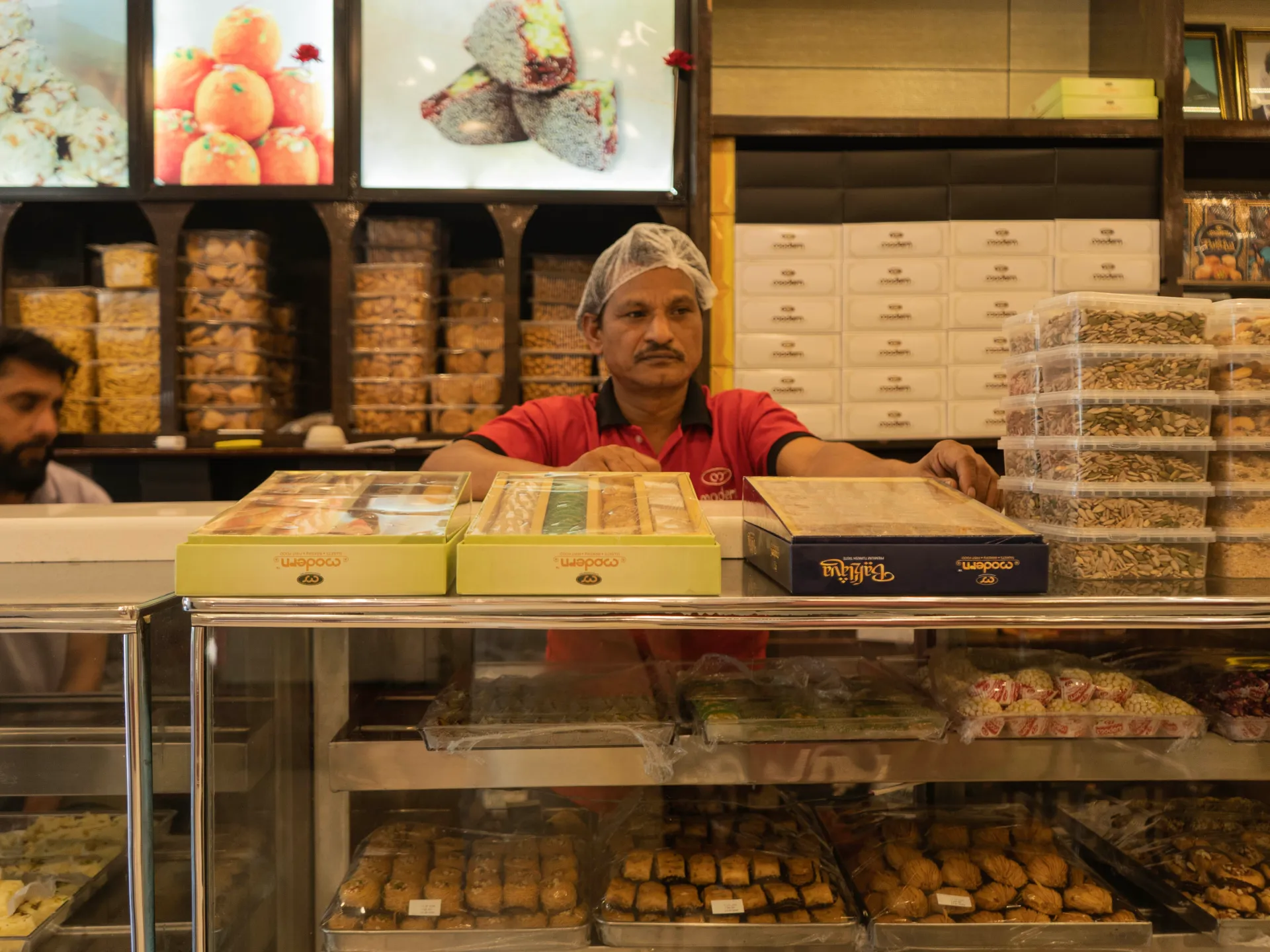
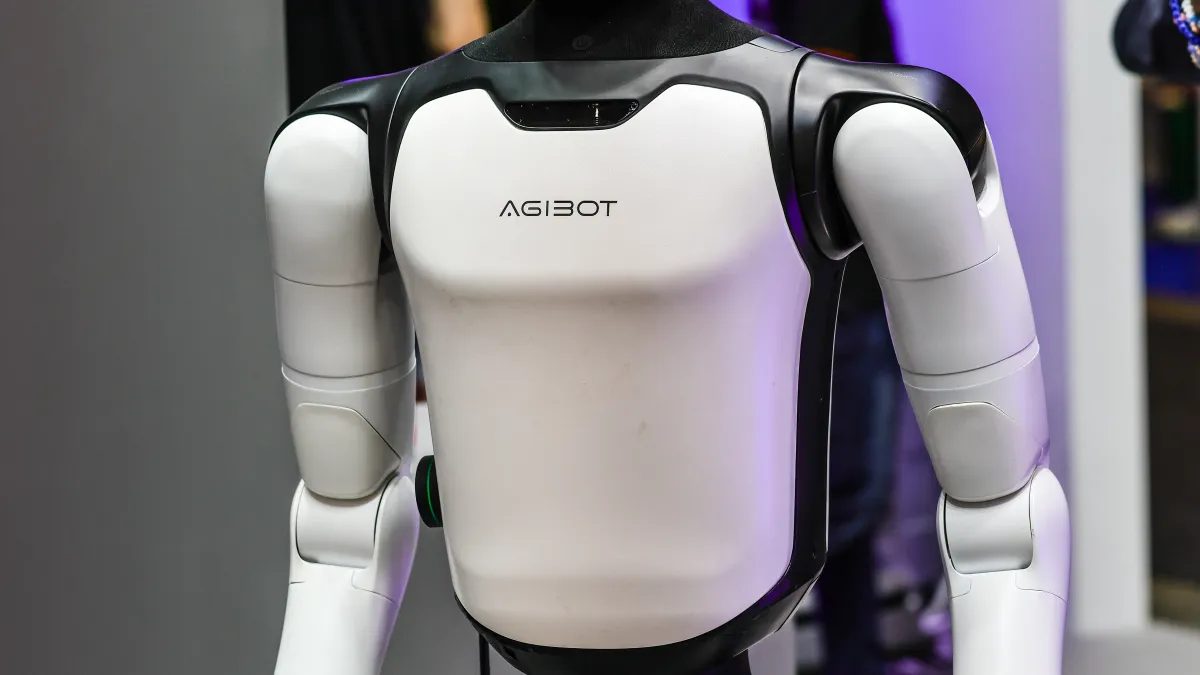
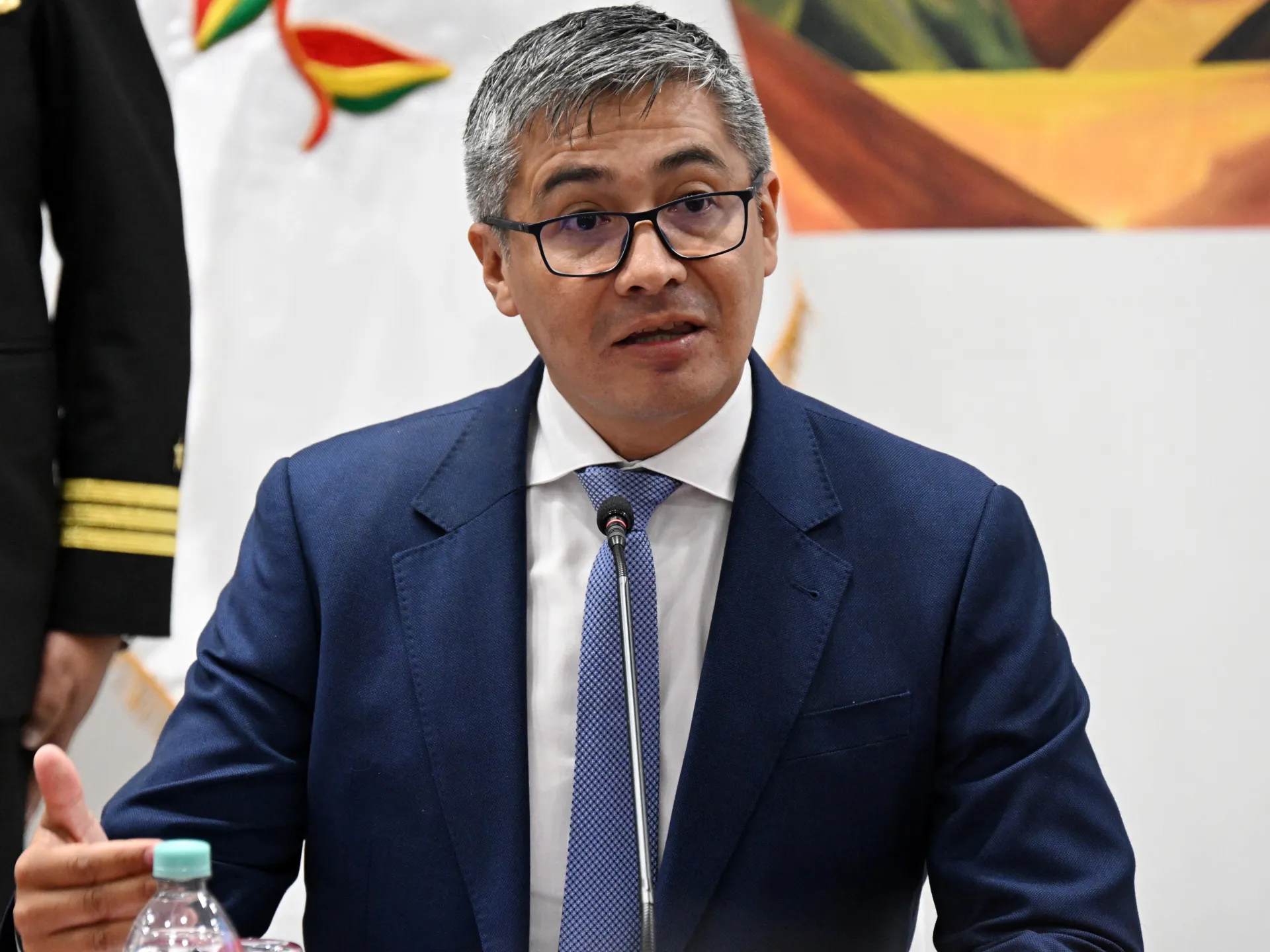
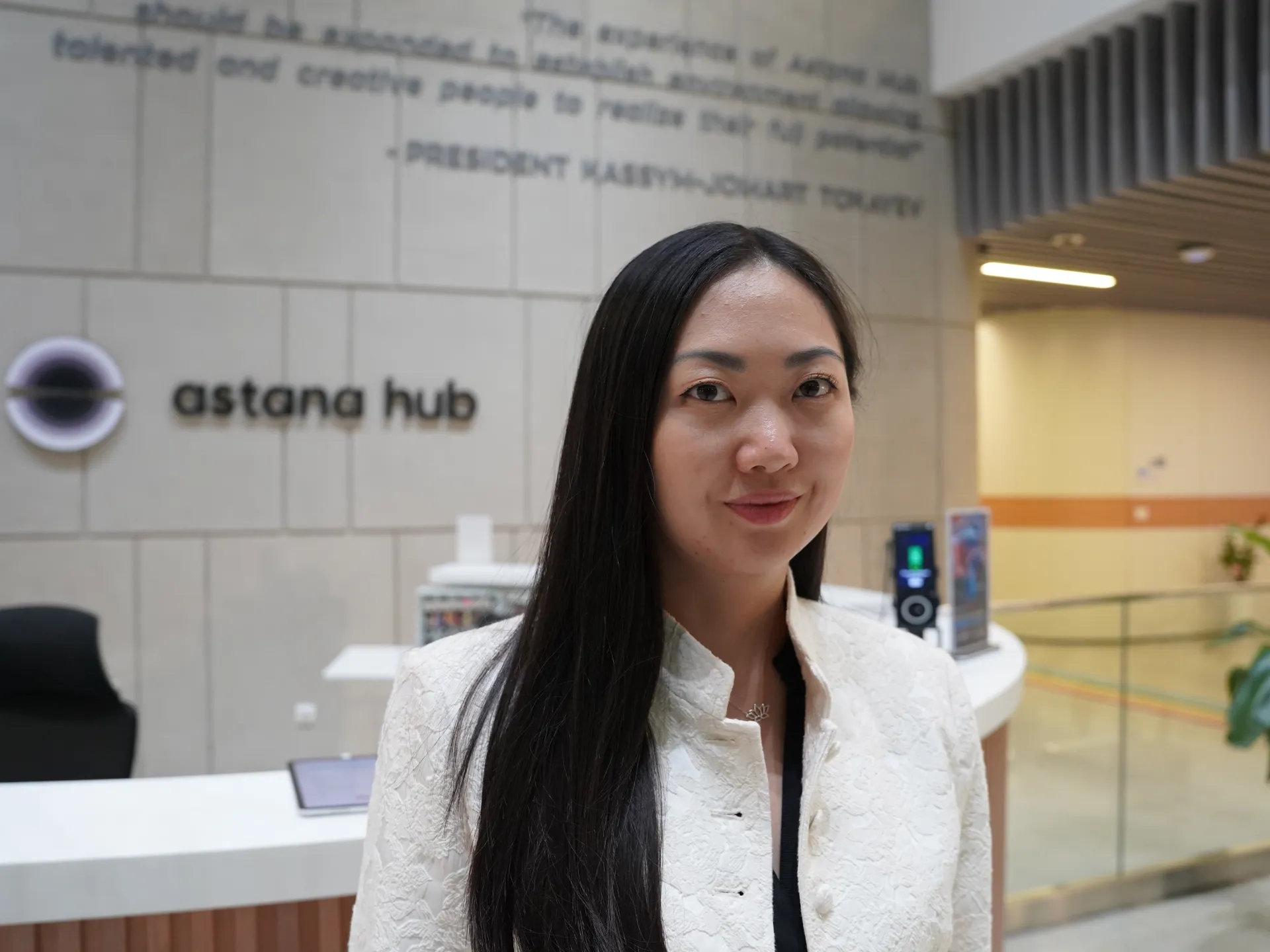
Kazakhstan’s strategy for regional dominance is anchored in the Astana Hub, which has become the epicenter of the nation’s digital infrastructure. The government has moved beyond mere rhetoric, establishing a dedicated Ministry of Artificial Intelligence and Digital Development to oversee a rigorous five-year action plan. This roadmap includes sweeping reforms in healthcare, tax collection, and energy, alongside a commitment to AI literacy in national education.
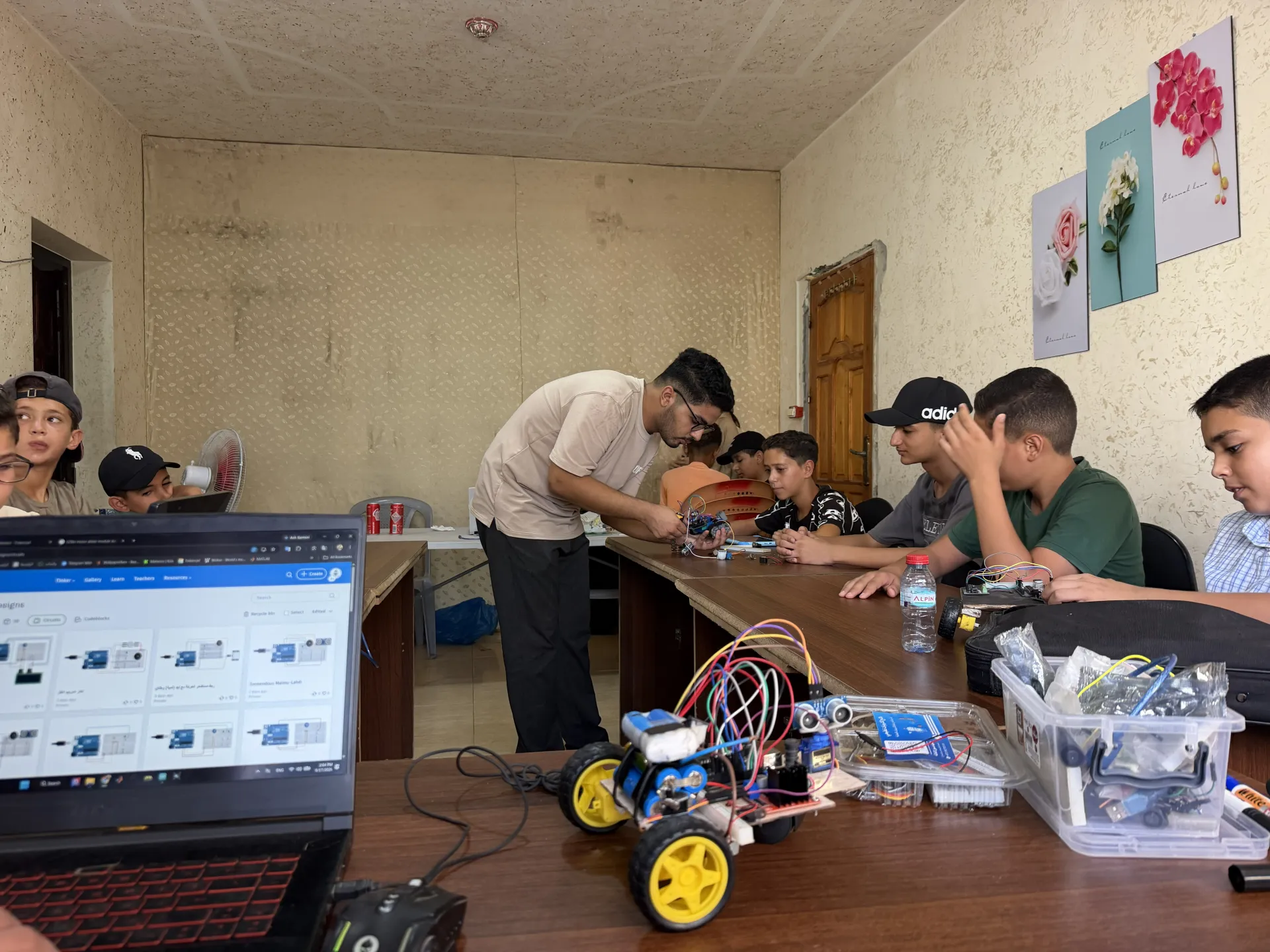
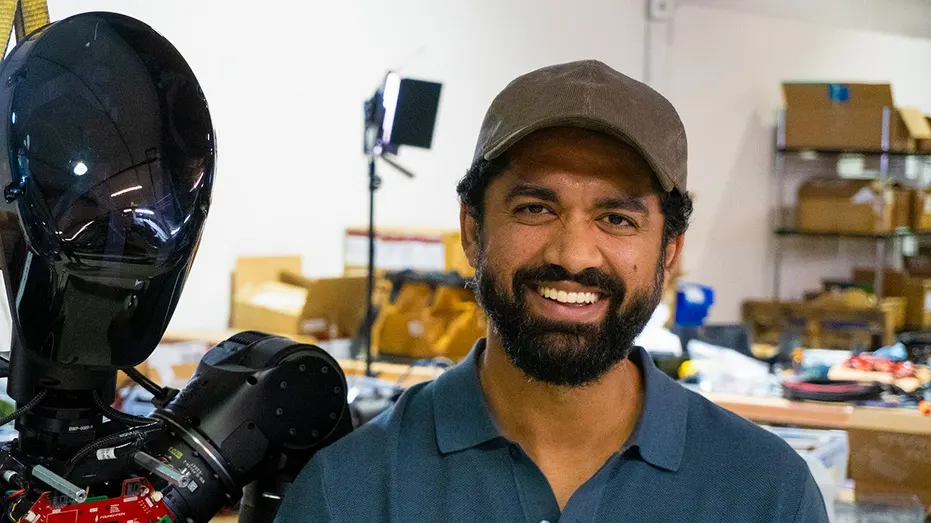
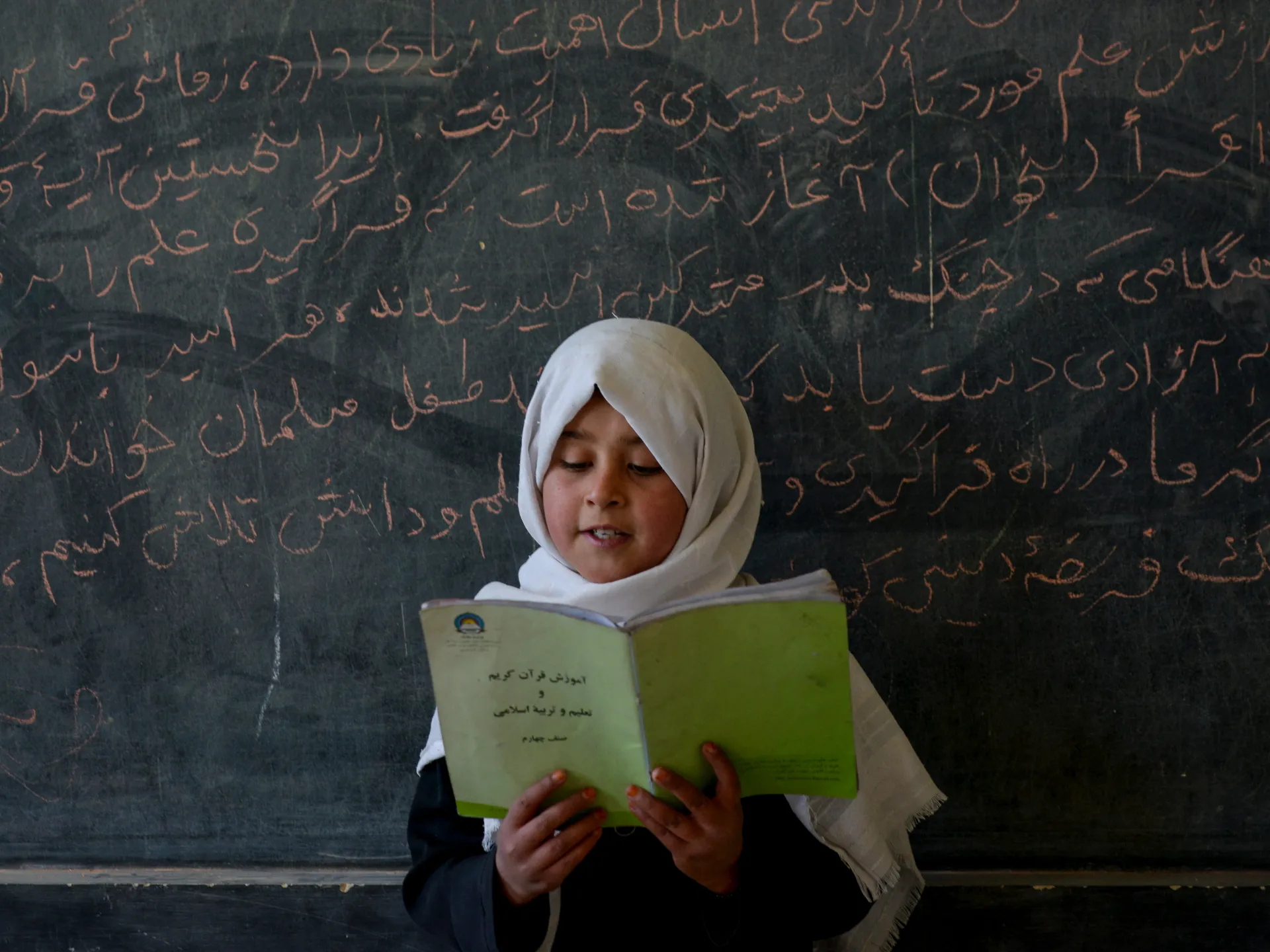
The effort to cultivate talent is equally aggressive. Through the "Tomorrow School" initiative, organizers have implemented a highly selective process, accepting fewer than 2 percent of the 25,000 applicants to ensure that the country’s human capital is optimized for high-level programming and generative AI. While experts acknowledge that Kazakhstan remains a significant distance from becoming a global tech powerhouse like Silicon Valley, the nation is systematically positioning itself as the primary regional authority for advanced technology, setting a standard for digital integration that its neighbors have yet to mirror.
In Russia, the post-election period will likely see the Duma transition from a legislative body into a more explicit instrument for the integration of wartime veterans into civilian bureaucratic posts. Analysis of current trends suggests that the state will continue to prune any remaining political independent thought, ensuring that the legislative agenda is entirely subservient to the Kremlin’s security objectives.
In Kazakhstan, the next phase of the digital strategy will test whether the infrastructure can sustain the ambitious goals set for 2029. Given the reliance on strict selection processes and state-led investment, the government will likely face pressure to either expand the pool of skilled workers or risk creating a digital elite that is disconnected from the broader workforce. Whether this tech-focused modernization can effectively insulate the economy from raw material price fluctuations remains the most significant long-term variable in the country's economic stability.