

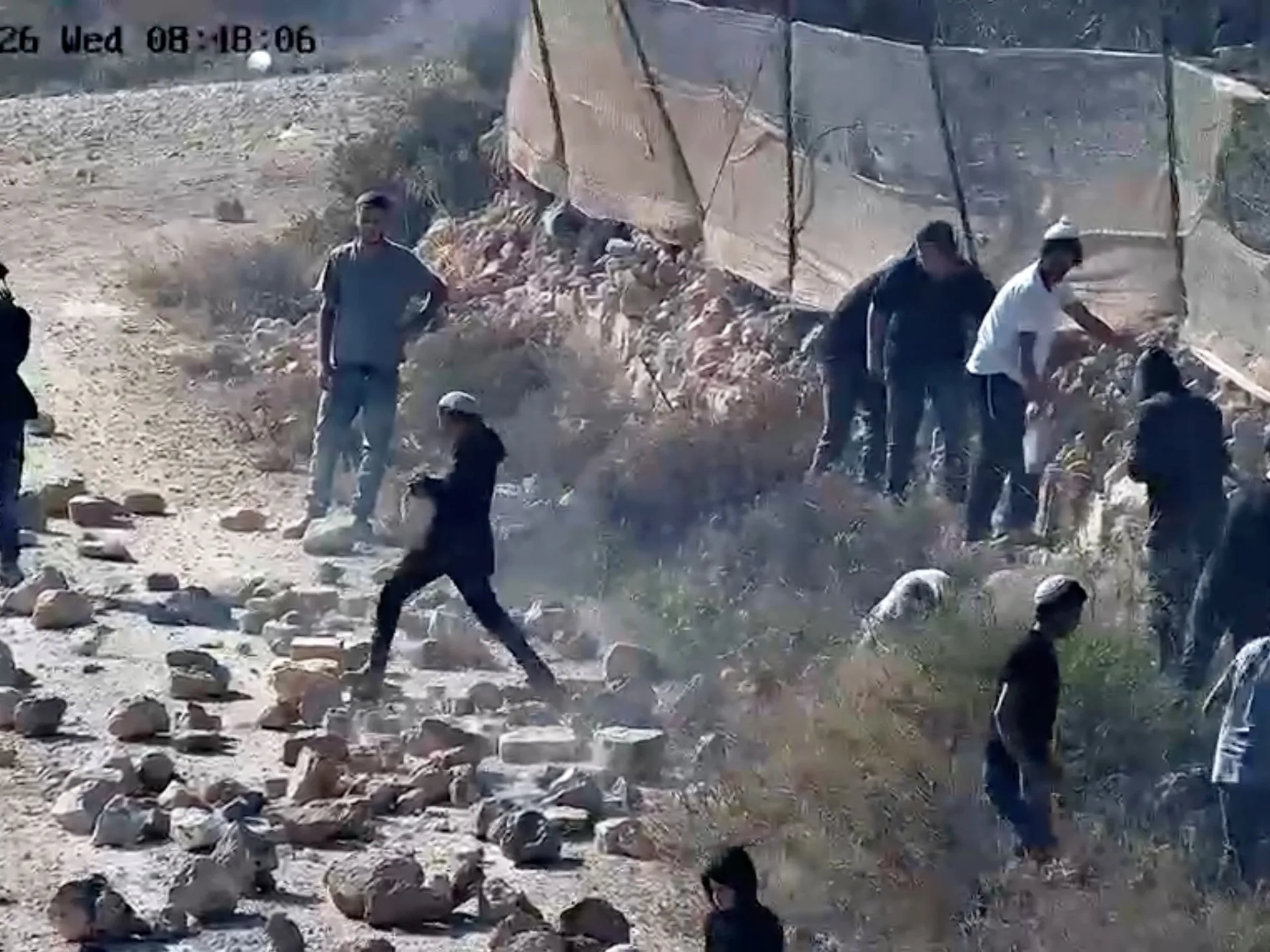
Palestinian families in the West Bank village of Qusra remain under siege as settlers block access to essential resources, drawing international condemnation.
The Palestinian village of Qusra, situated south of Nablus in the occupied West Bank, has spent the past week under intense pressure as Israeli settlers maintain a blockade around residential properties in the Ras al-Ain area. Since the siege commenced on August 9, dozens of settlers have effectively surrounded three homes belonging to the Abu Rida and Hassan families. The inhabitants, numbering approximately 15 individuals, have been subjected to severe restrictions, including the intentional cutting of water and electricity supplies. As the blockade enters its second week, the families, which include two children under the age of seven and a dual United States citizen, are facing a critical shortage of food and basic necessities.
Local residents report that this aggressive maneuver is the culmination of months of persistent efforts tensified significantly on Thursday when the Israeli military intervened, ordering the occupants of two homes to vacate their premises and consolidate into the final remaining house. This forced relocation has compounded the humanitarian distress of the families involved, who remain trapped within a shrinking perimeter while being denied access to external support or freedom of movement.
The siege has drawn sharp rebukes from high-level international figures and organizations. In a notable development, US Ambassador to Israel Mike Huckabee, typically known for his vocal support of West Bank settlements, publicly characterized the actions of the settlers involved in the blockade as “Israeli terrorists.” This description highlights the extreme nature of the incident, which has also been denounced stinian Ministry of Foreign Affairs. Both bodies have labeled the ongoing actions as both criminal and inhumane.
Despite these condemnations, the Israeli military has maintained a strict perimeter around the affected area. and Israeli activists from providing assistance or documenting the conditions of the besieged residents. While limited humanitarian aid was eventually permitted to reach the families on Sunday through coordinated efforts with the UN, the underlying security situation remains fragile. The continued presence of the military in a protective role for the settlers, rather than the residents, has become a point of contention for human rights monitors.
Qusra is located within Area B of the West Bank, a region comprising approximately 21 percent of the territory. Under the existing administrative framework, the Palestinian Authority oversees civil matters such as education and healthcare, yet Israel retains absolute security control, allowing its forces to enter the area at their discretion. Analysts observing the region note that the events in Qusra reflect a recurring tactical pattern observed throughout the West Bank: the deployment of military units followed ed in the initial encroachment largely evade legal consequences or arrest.
The situation in Qusra is not an isolated incident but rather part of a broader trend of escalating violence in the West Bank. Data from the United Nations Office for the Coordination of Humanitarian Affairs indicates that between January and June 2025, there were over 3,000 recorded incidents of settler attacks, averaging six per day. This atmosphere of instability has been exacerbated pansion of settlements. Recent events, such as the displacement of families in the neighboring village of Jalud and the burning of a mosque in Qusra just last month, underscore the growing vulnerability of Palestinian communities living in the shadow of illegal settlement outposts.