Japan hits a 31-year interest rate peak while Chinese teenage swimming sensation Yu Zidi dominates the Asian Games, as Australia's outback sees a rare floral boom.
The convergence of extreme financial tightening in Japan and record-breaking athletic performances at the Aichi-Nagoya Asian Games underscores a pivotal moment for the nation. As the Bank of Japan aggressively pivots away from decades of monetary stagnation, the resulting economic volatility creates a complex backdrop for international events. Simultaneously, the ecological phenomenon occurring in Western Australia serves as a stark reminder of how shifting global climate patterns—driven f biodiversity, providing a rare reprieve for threatened species in the process.
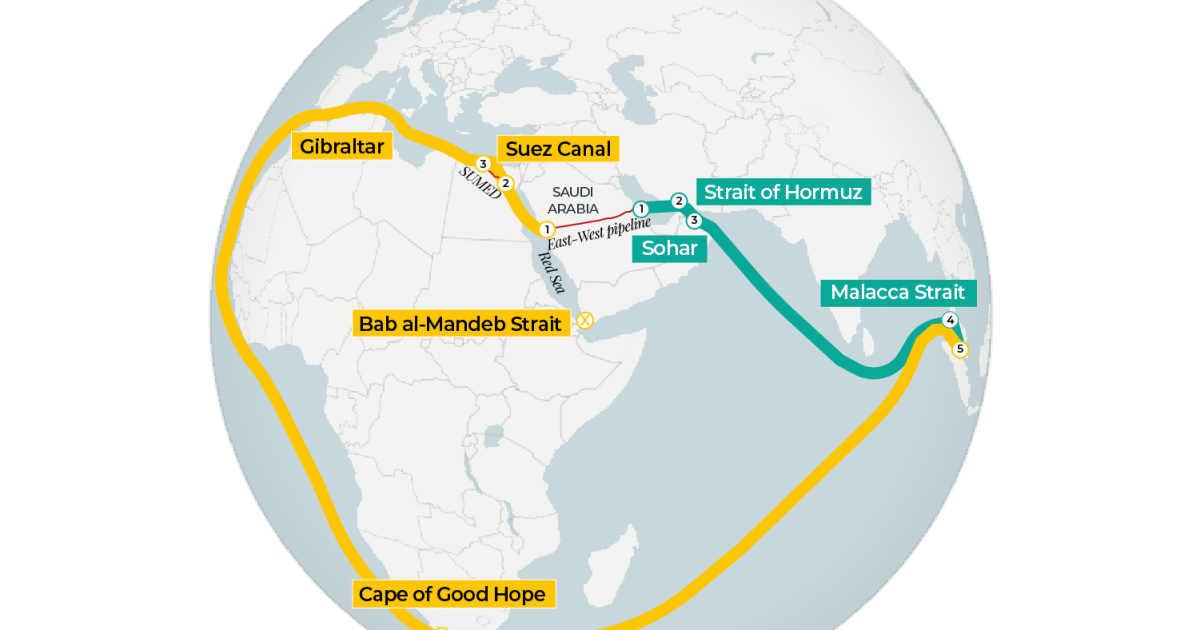
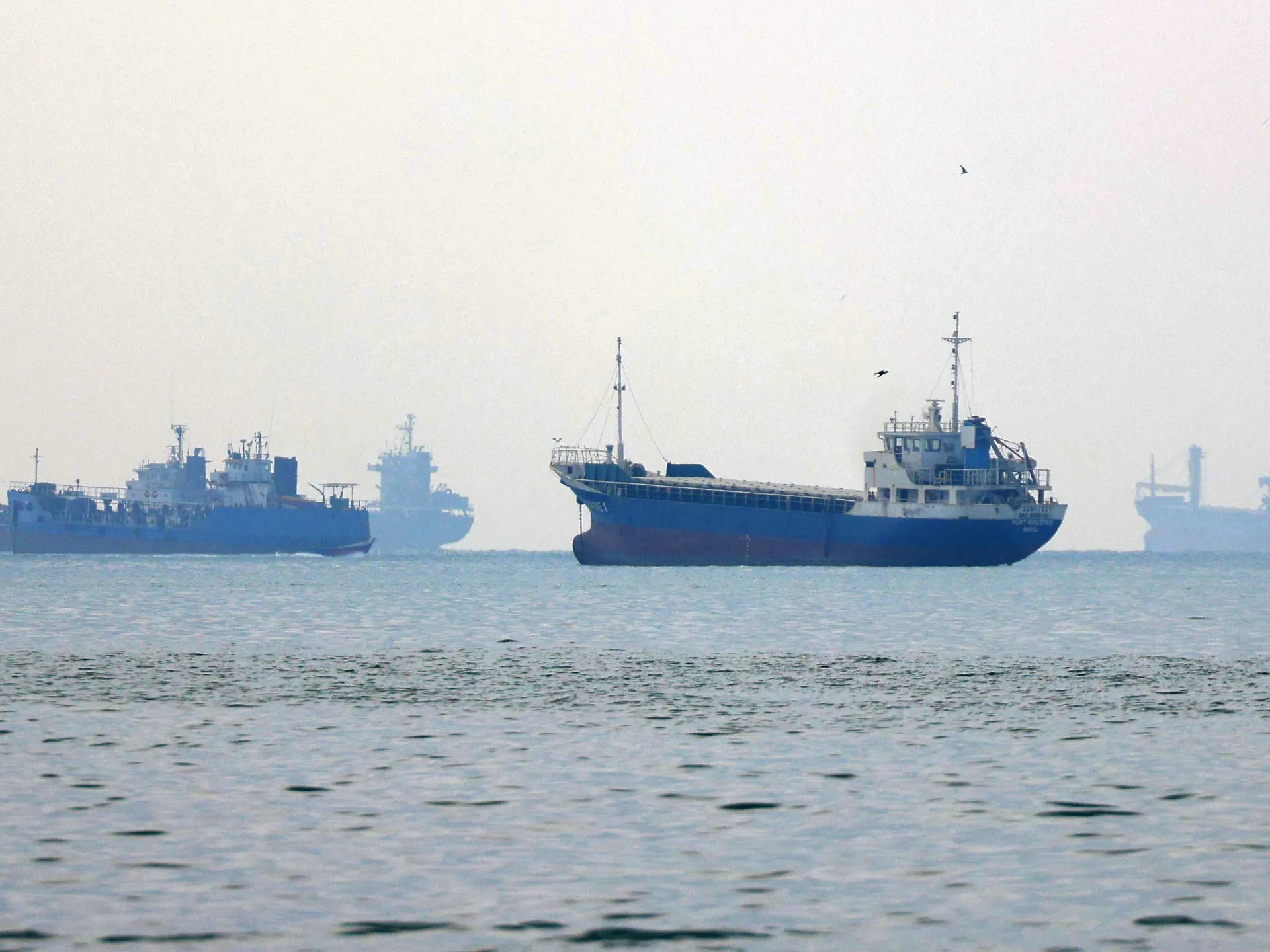
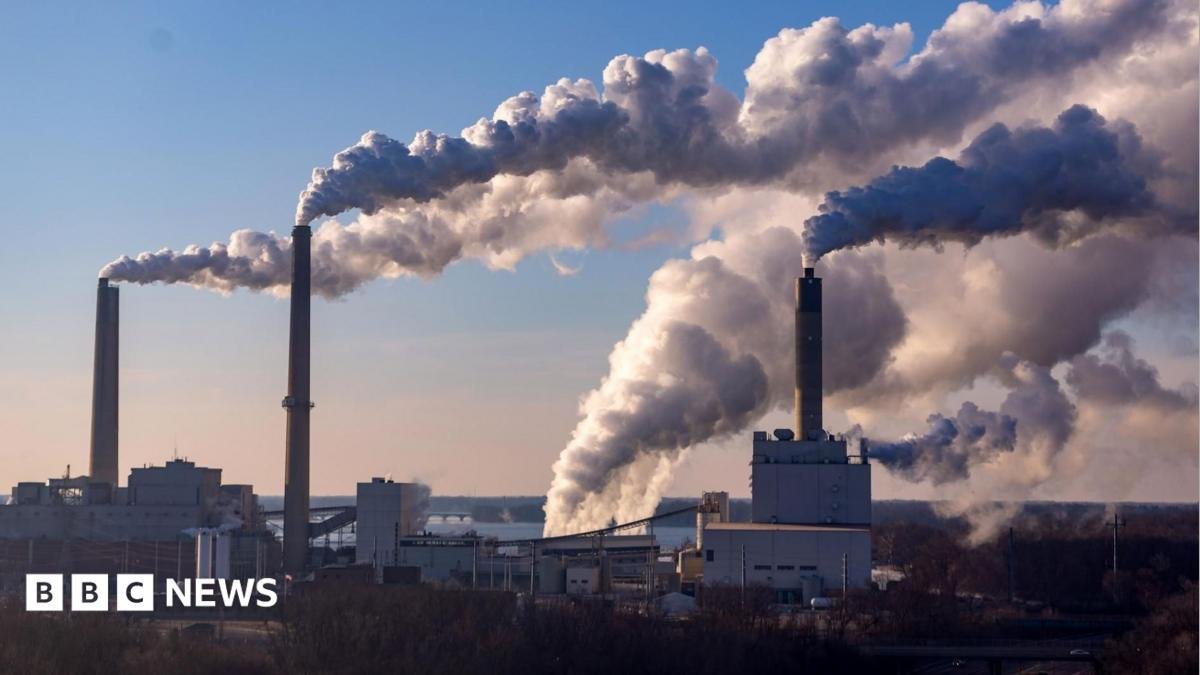
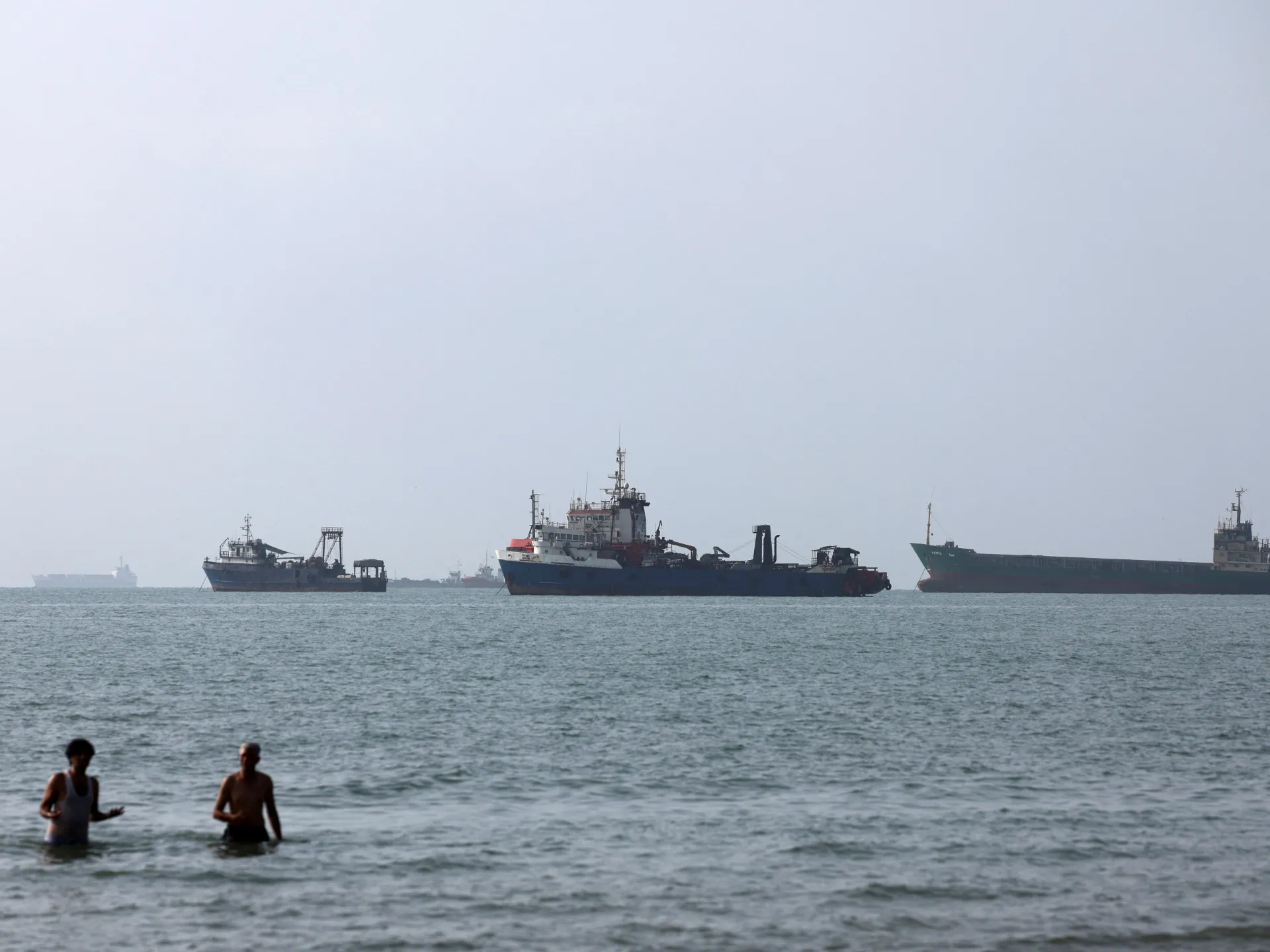
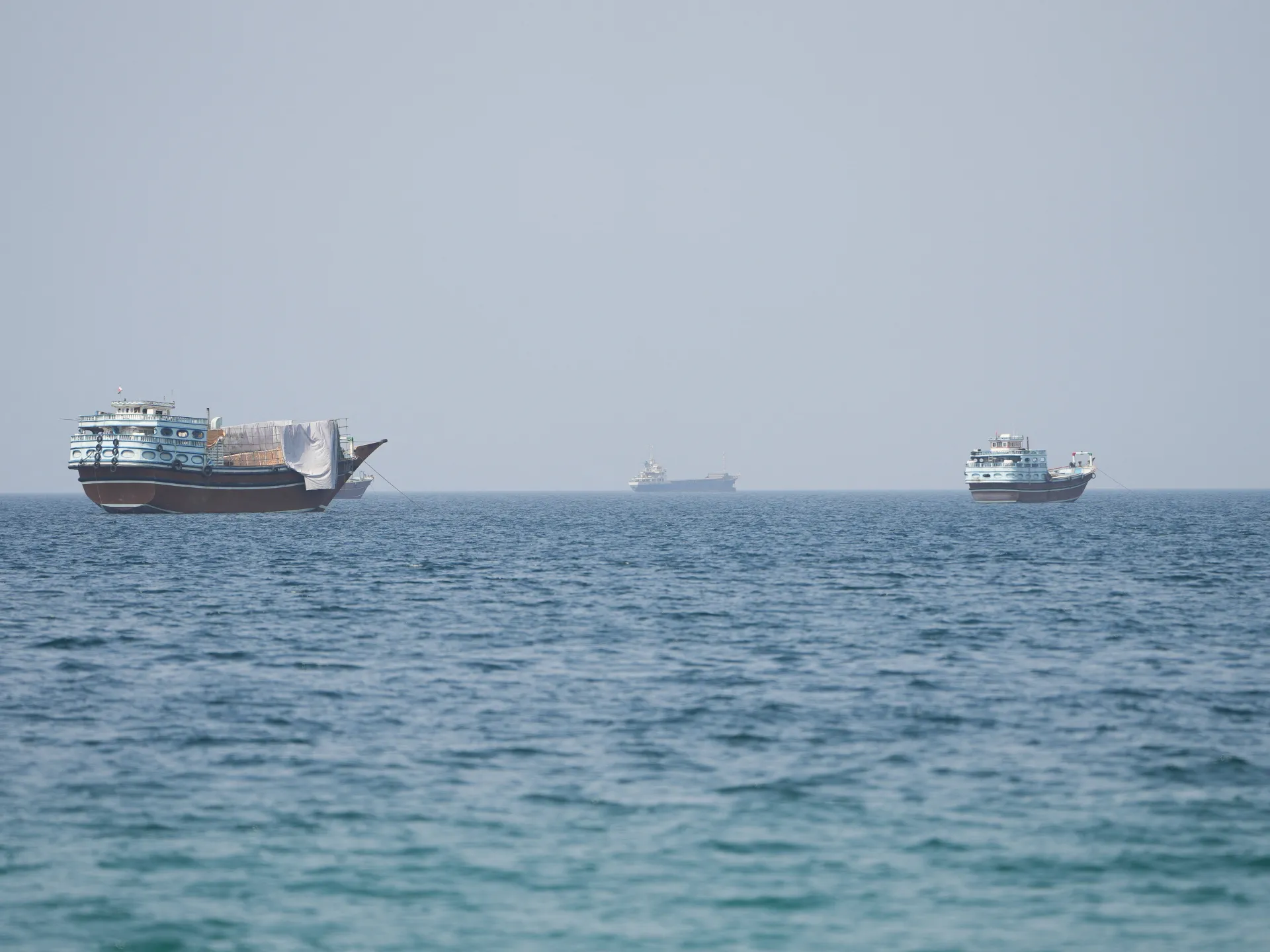
Japan’s fiscal landscape underwent a significant transformation this September as the Bank of Japan (BOJ) increased its benchmark interest rate to 1.25%. This move, marking a 31-year high, represents the sixth hike in just two and a half years, signaling a definitive end to Japan's era of ultra-cheap borrowing costs. The policy shift comes in response to persistent inflationary pressures and a weakened yen, which recently hit 40-year lows, prompting a rare joint intervention ons align with a broader global trend of monetary tightening, as central banks in the U.S. and Europe grapple with rising energy costs exacerbated Hormuz.
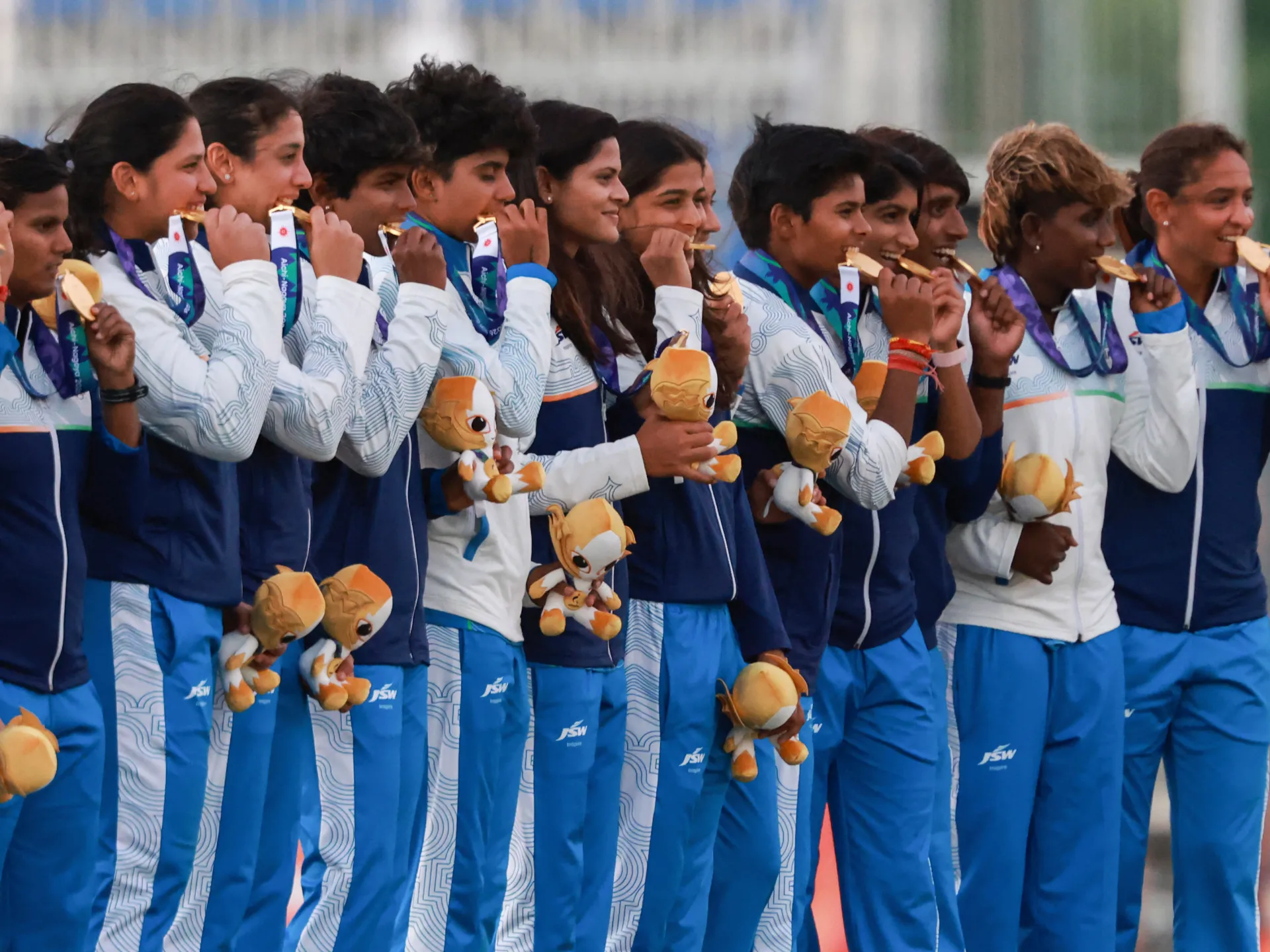
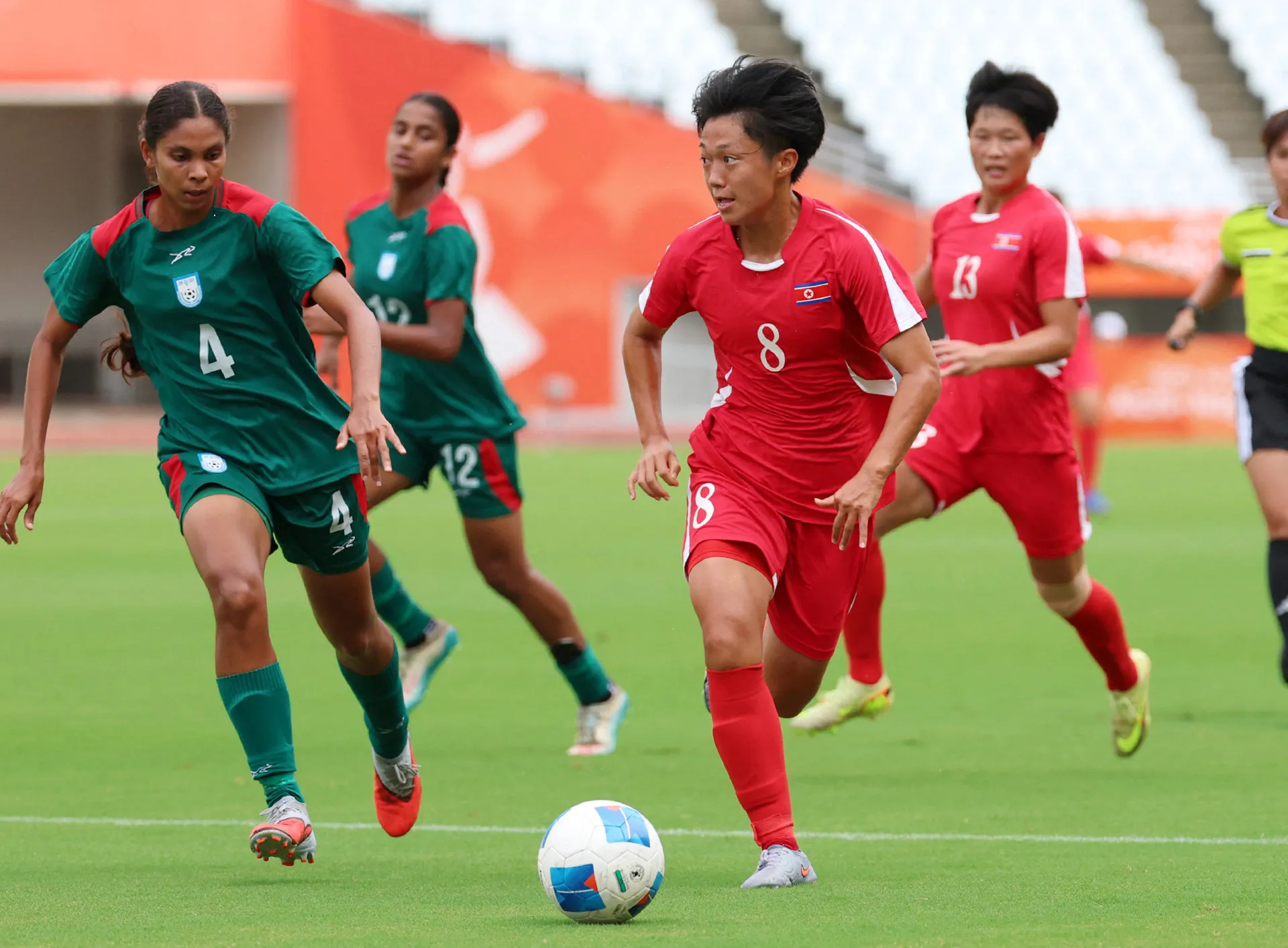
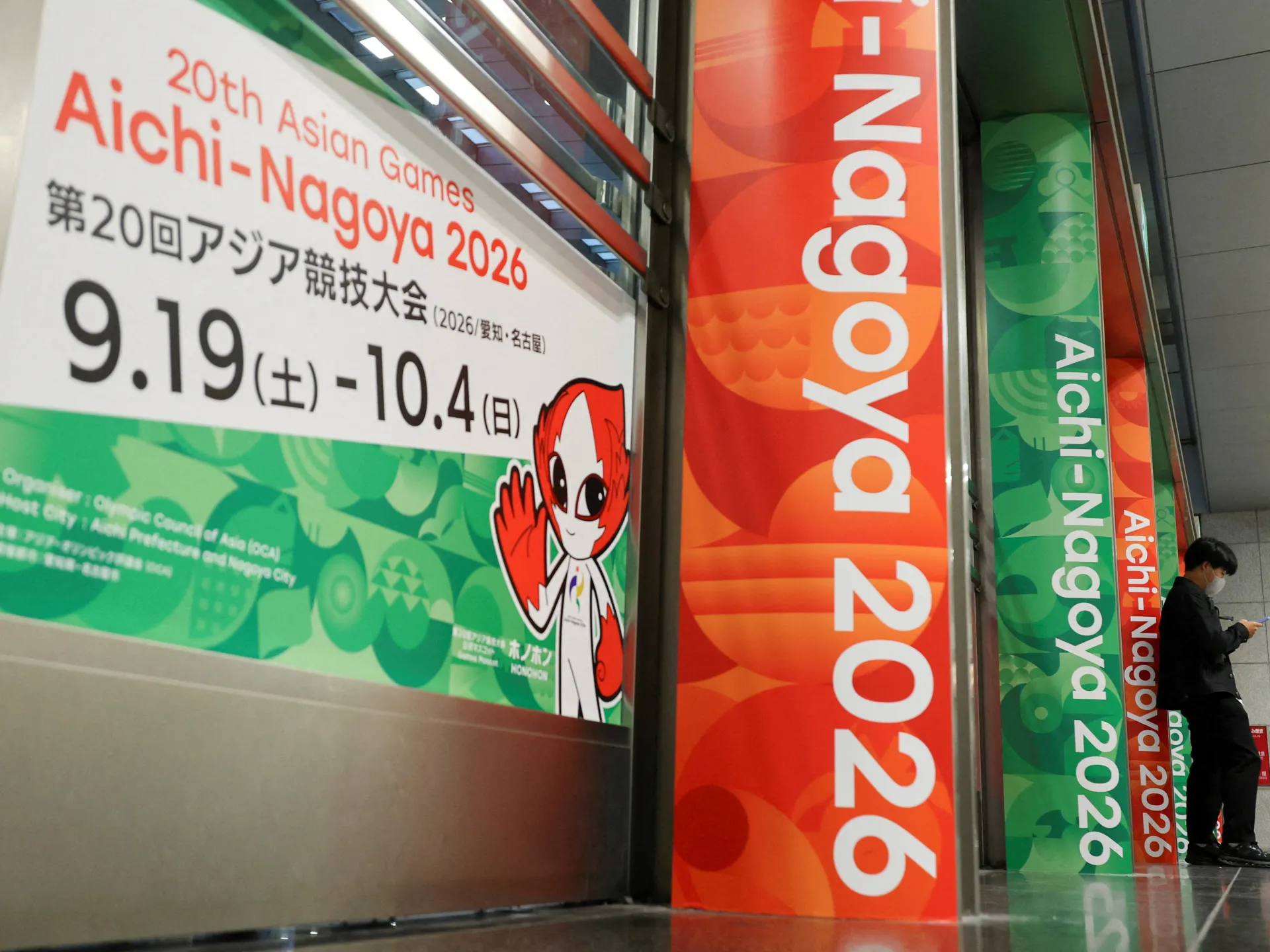
While financial analysts monitor the implications of these rate hikes, the sporting world has been captivated n Games, Zidi shattered her own Asian record in the 200m individual medley with a time of 2:06.10. This victory followed her gold-medal performance in the 200m butterfly, where she eclipsed the previous Games record. Zidi’s rapid ascent—having been noticed as a six-year-old in a local water park—has cemented her as a formidable force in international swimming, currently sitting just 0.40 seconds behind the world record held
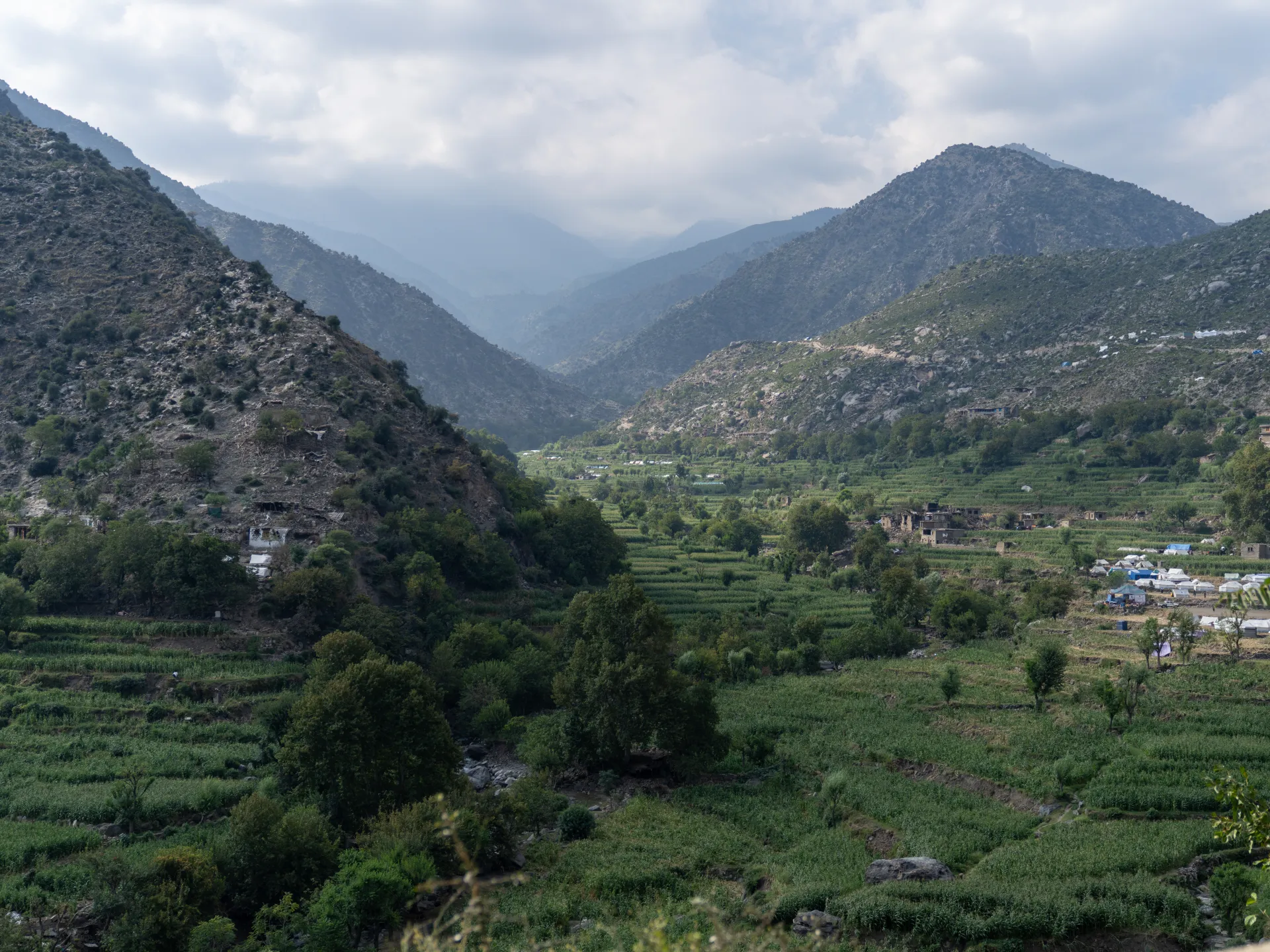
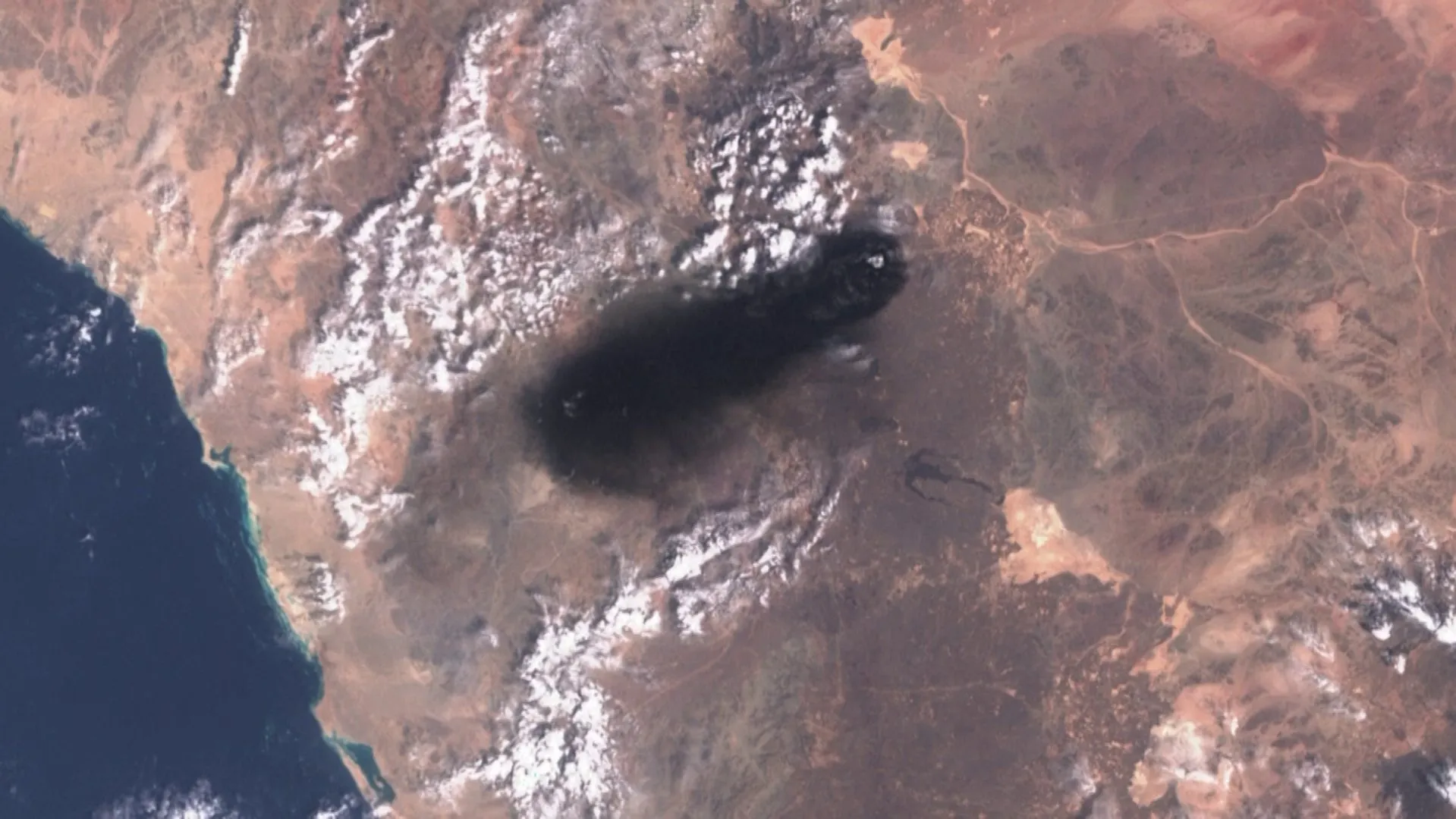
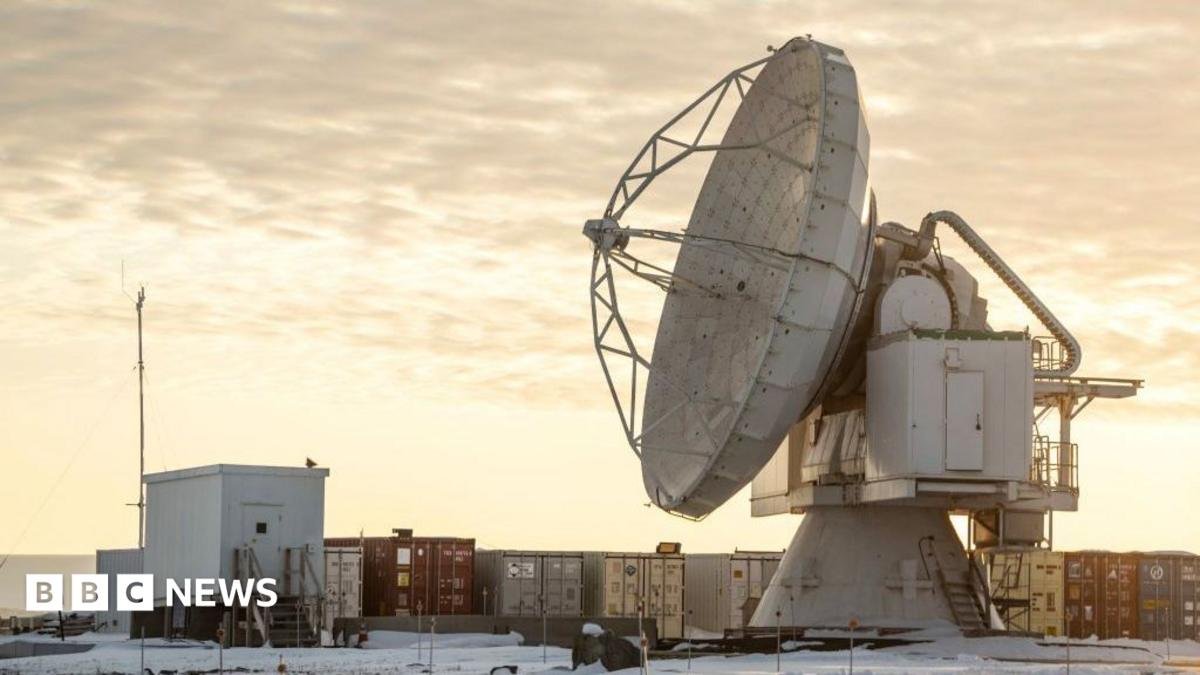
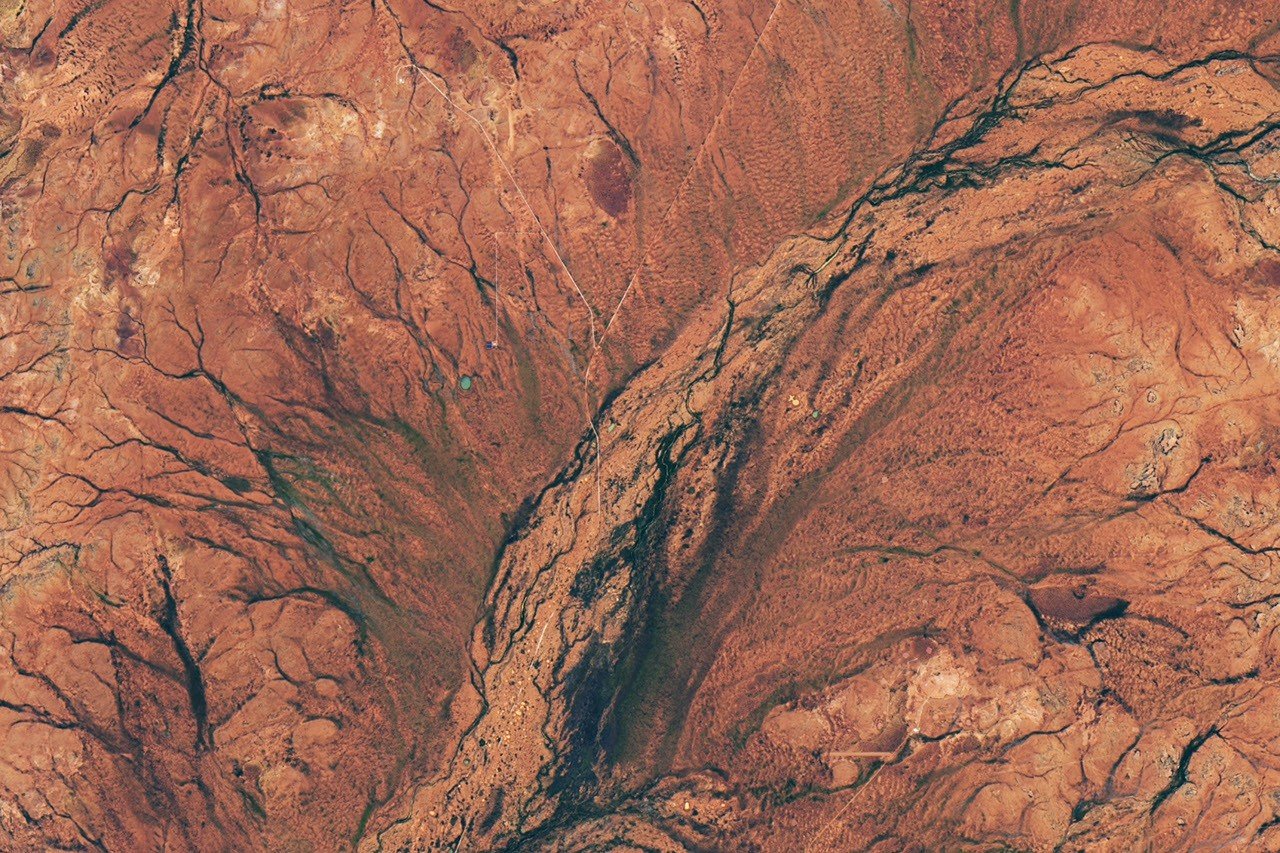
Far from the urban centers of Japan, the Murchison region of Western Australia experienced a rare botanical explosion throughout late August 2026. Following an unusually wet winter, the arid outback, typically defined GS Landsat 8 satellite imagery confirmed the dramatic shift, noting that the proliferation of plant life was spurred ts. Local observers suggest this display is the most significant in nearly two decades, providing a vital habitat for indigenous flora and fauna, including several threatened species found near the CSIRO Murchison Radio-astronomy Observatory.
The Bank of Japan is expected to maintain its hawkish stance as it attempts to bring inflation firmly in line with its 2% target, though the risk of economic contraction remains a concern for policymakers. Markets will likely remain sensitive to any further energy price fluctuations linked to the volatility in the Middle East. Meanwhile, the sporting community will shift its focus to the closing stages of the Asian Games, where the dominance of young athletes like Zidi will continue to test the endurance and experience of veteran competitors. In the Western Australian outback, the temporary biological boom will inevitably recede as the season changes, leaving behind dormant seeds that remain dependent on future climate patterns to repeat the display.