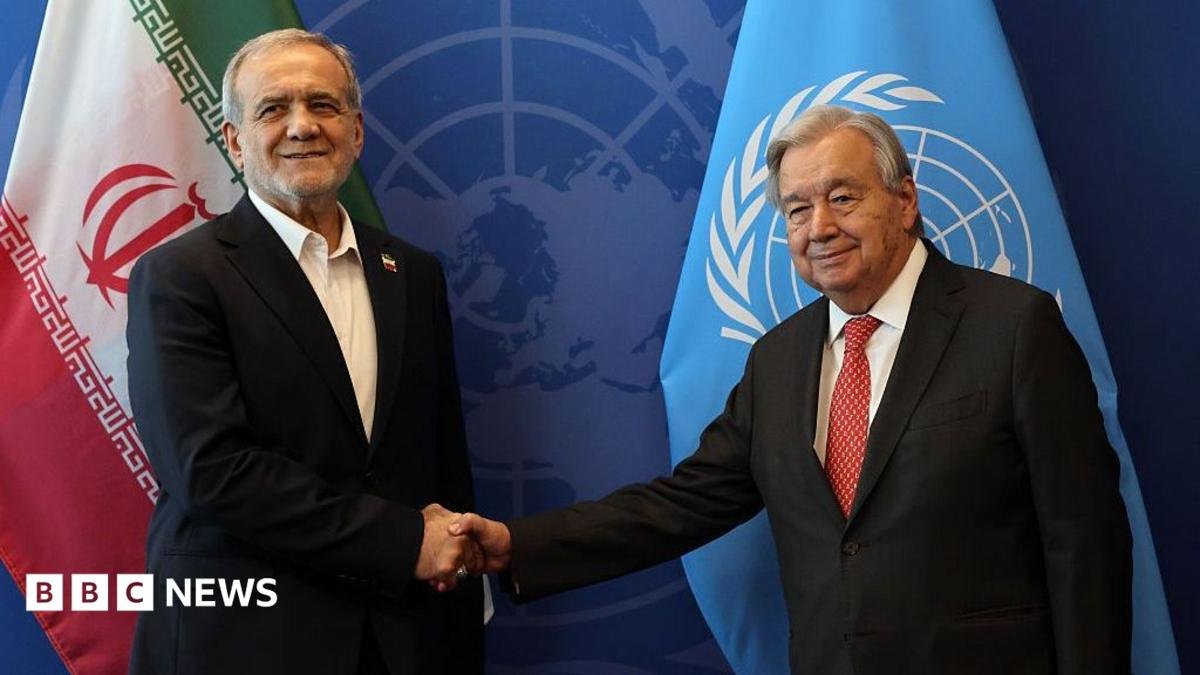
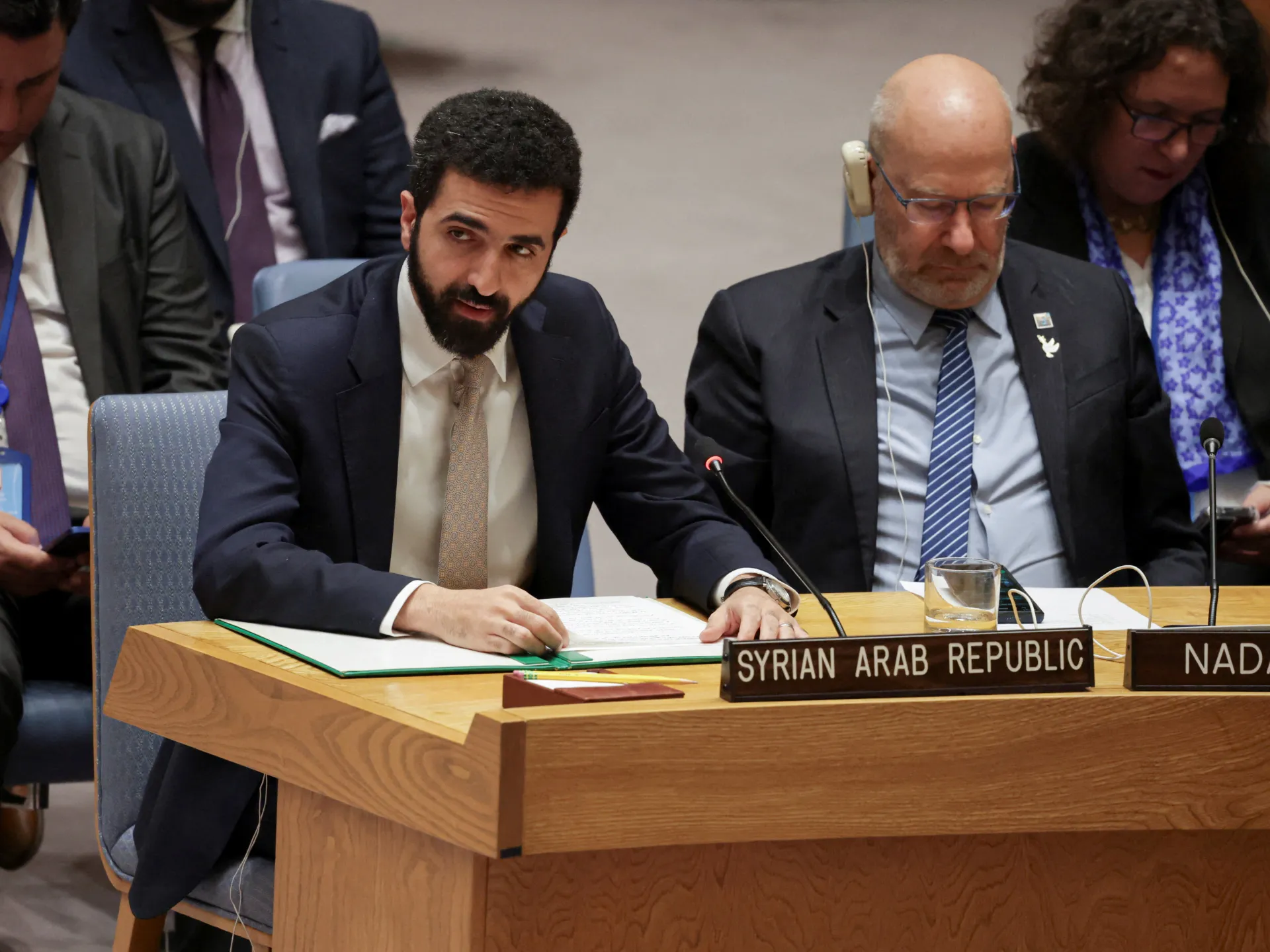
Syria’s UN representative labeled Israeli military activity as a major threat to regional stability during a tense Security Council meeting, while Israel and Turkiye traded accusations over their respective troop presence.
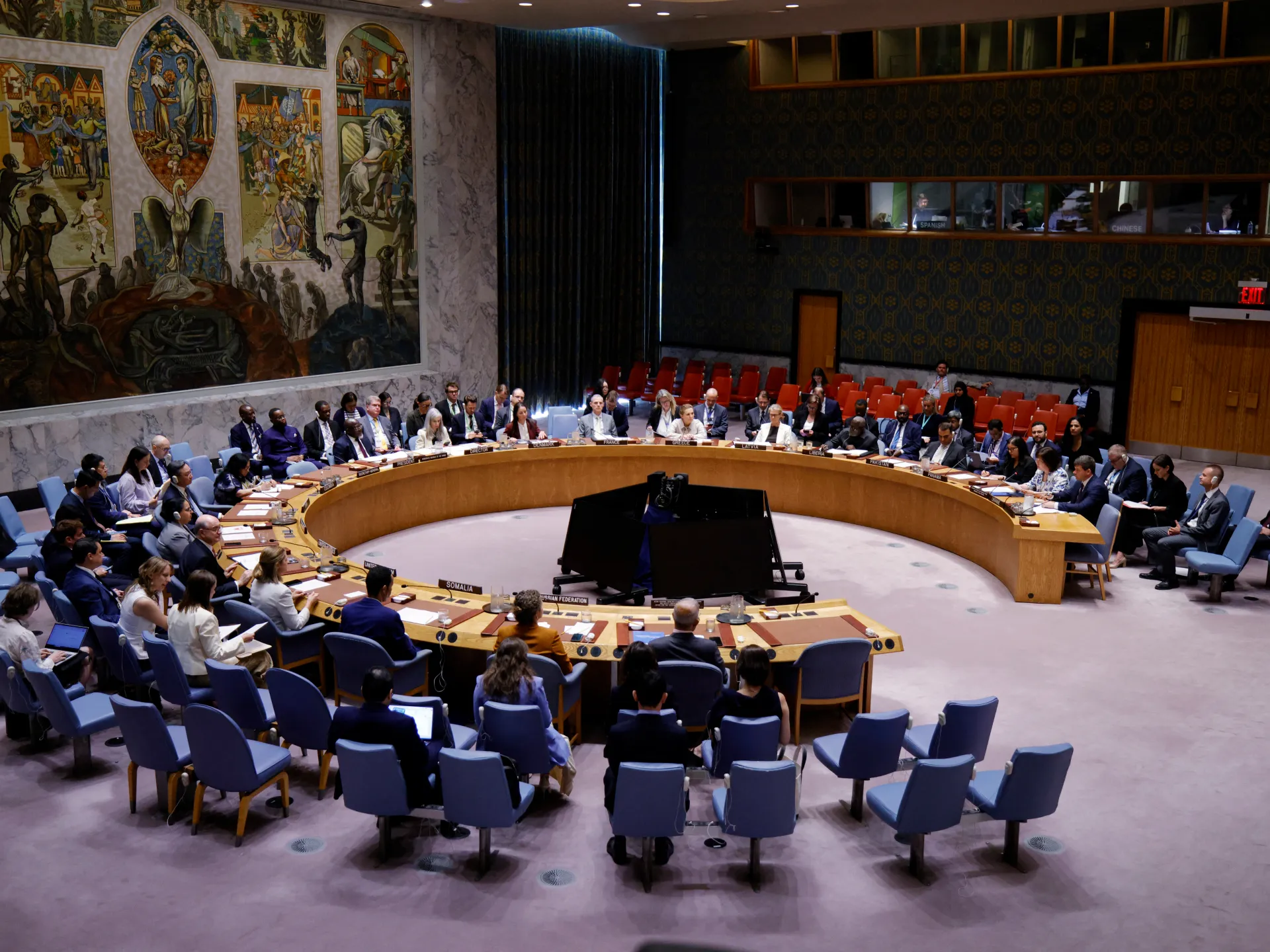
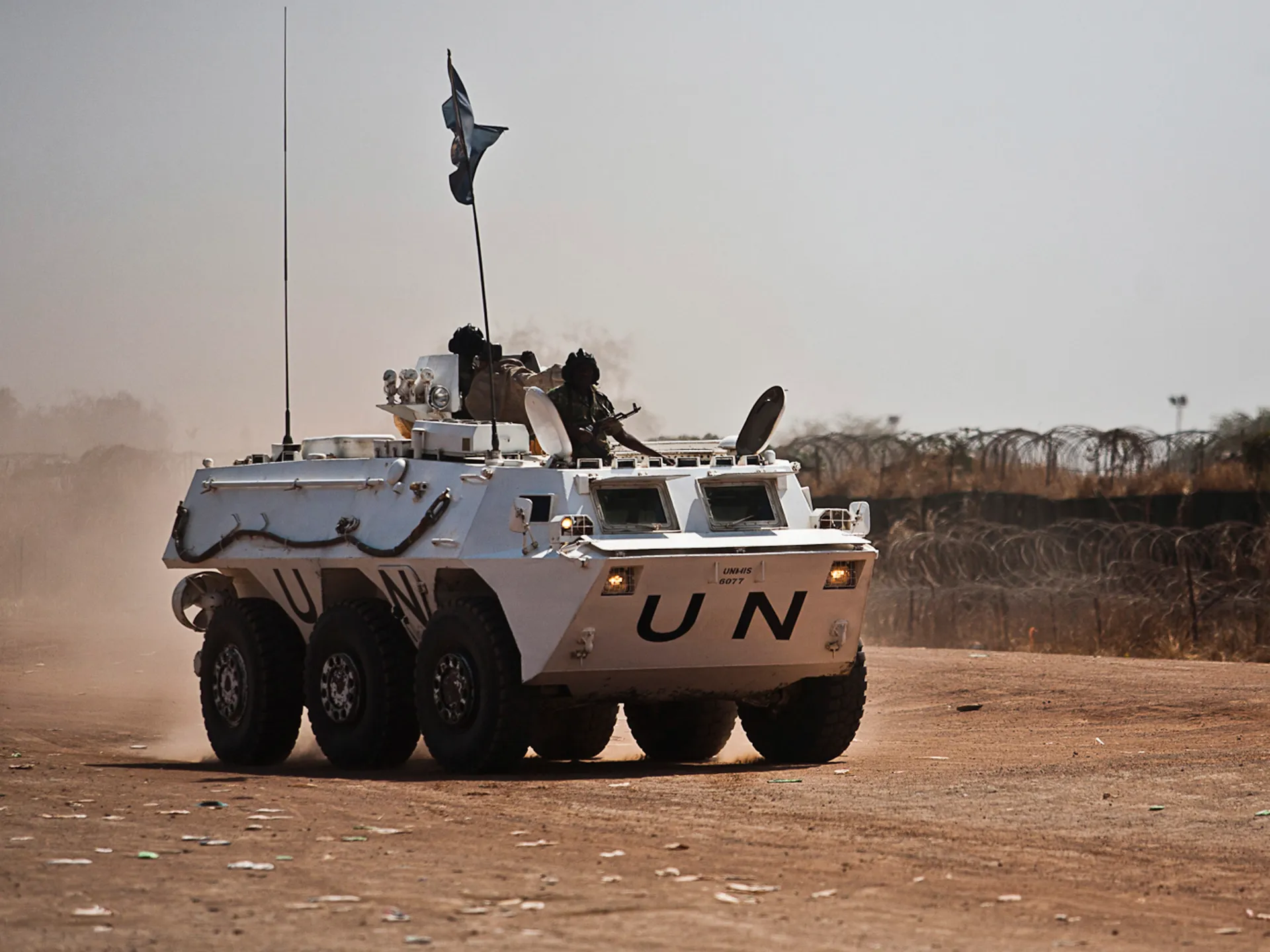
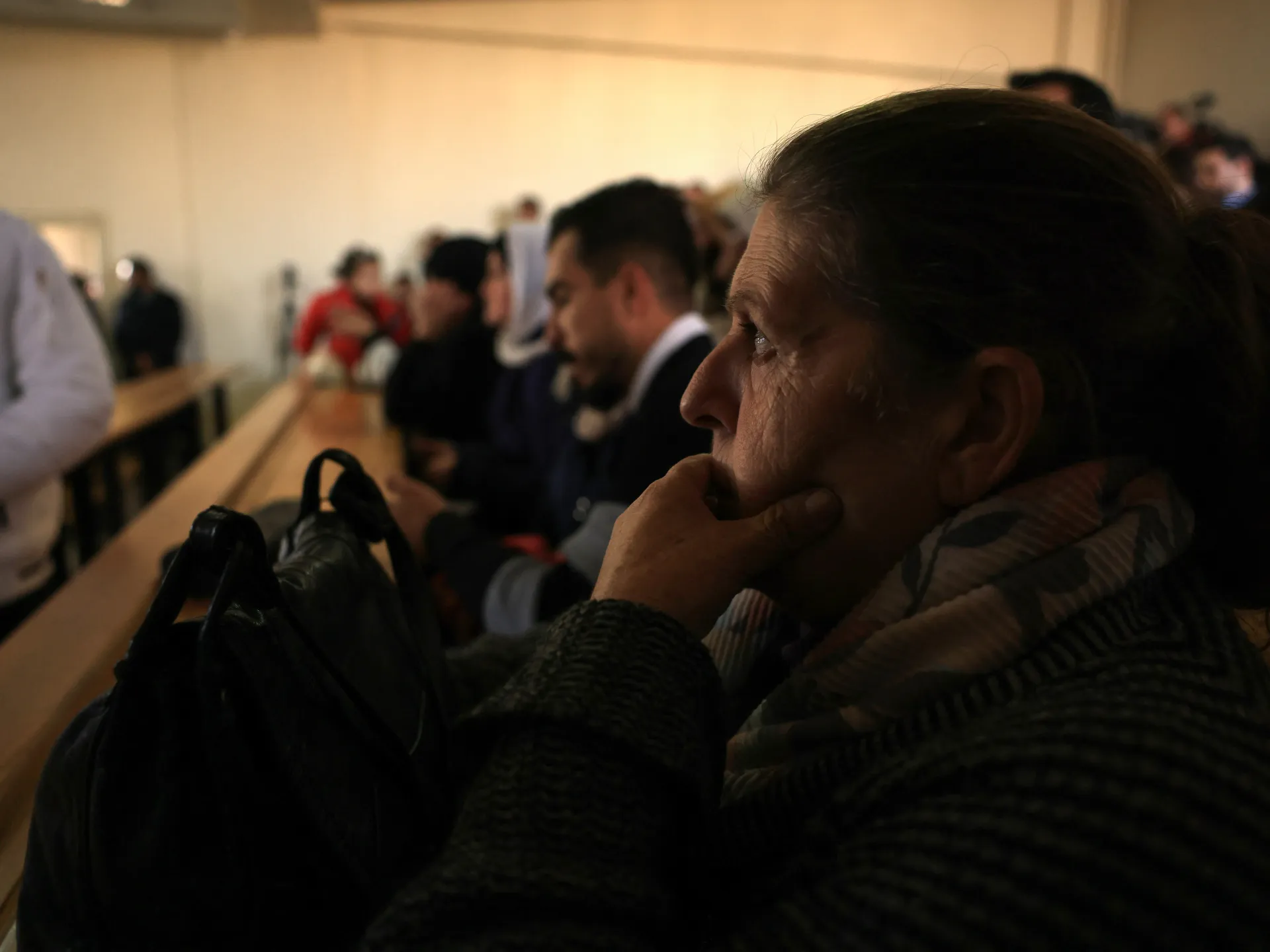
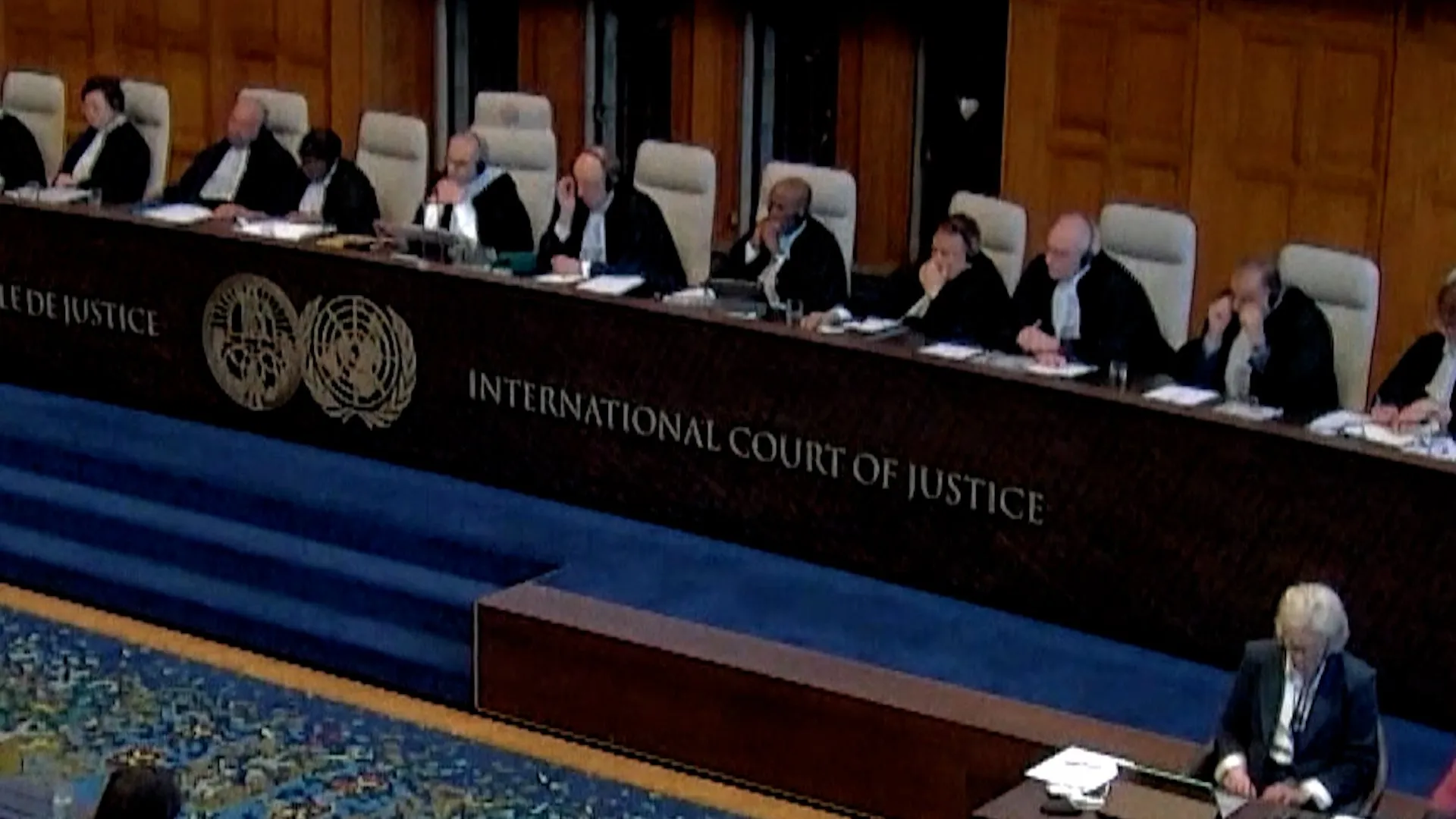
The United Nations Security Council recently convened for its monthly session dedicated to the post-Assad transition in Syria, an event intended to highlight progress in the nation’s political and social recovery. However, the meeting quickly shifted into a contentious arena as representatives from Syria, Israel, and Turkiye engaged in a heated exchange regarding military sovereignty and regional security. The discussion underscored the deep-seated mistrust that continues to define the Levant's geopolitical landscape.
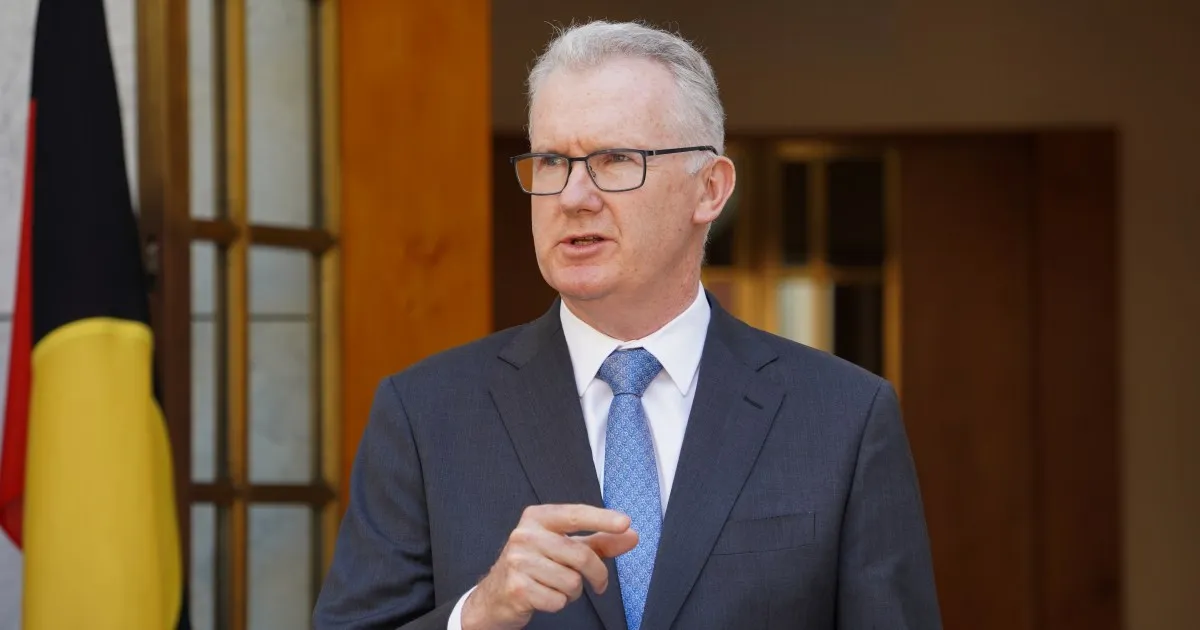
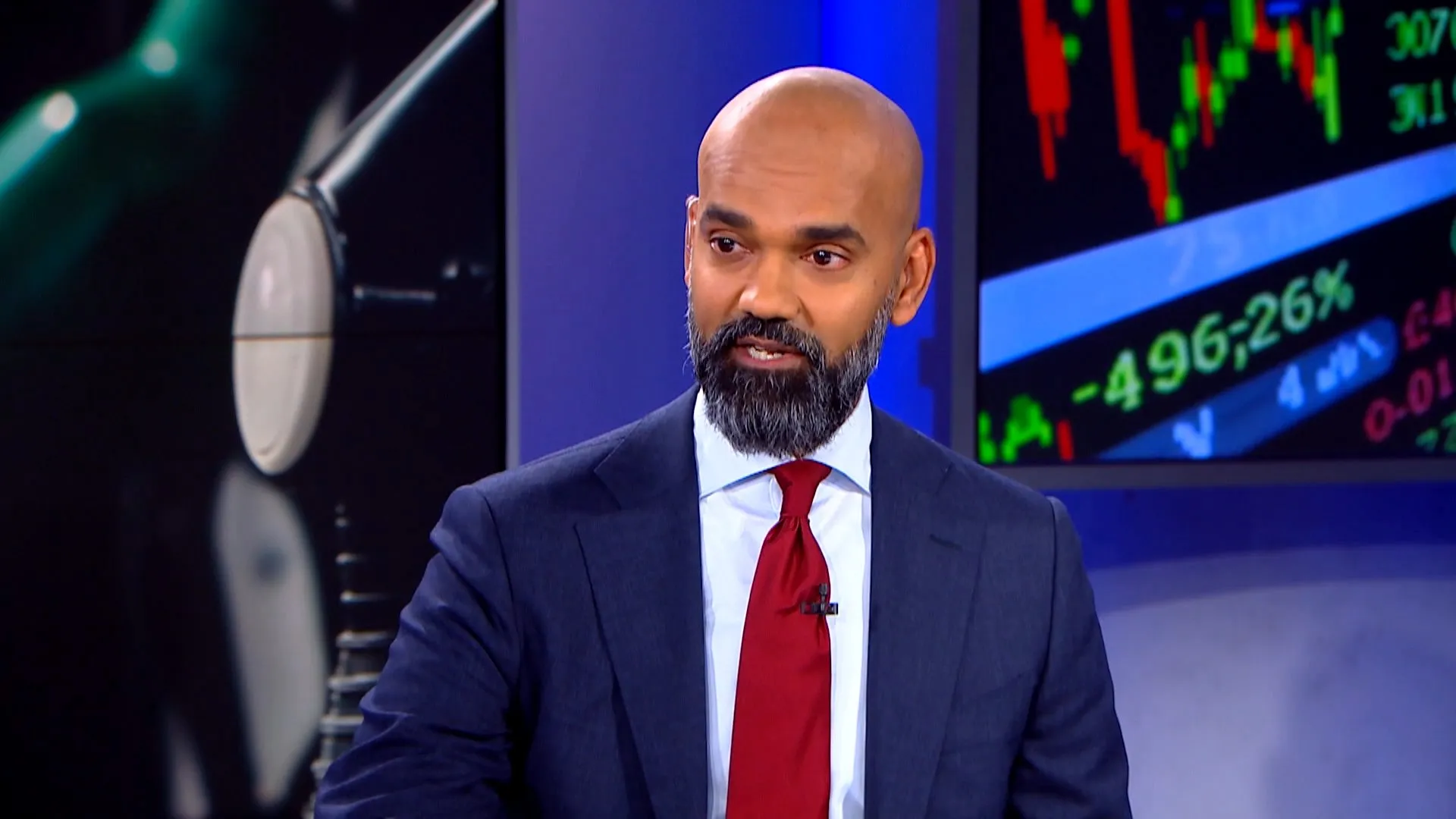
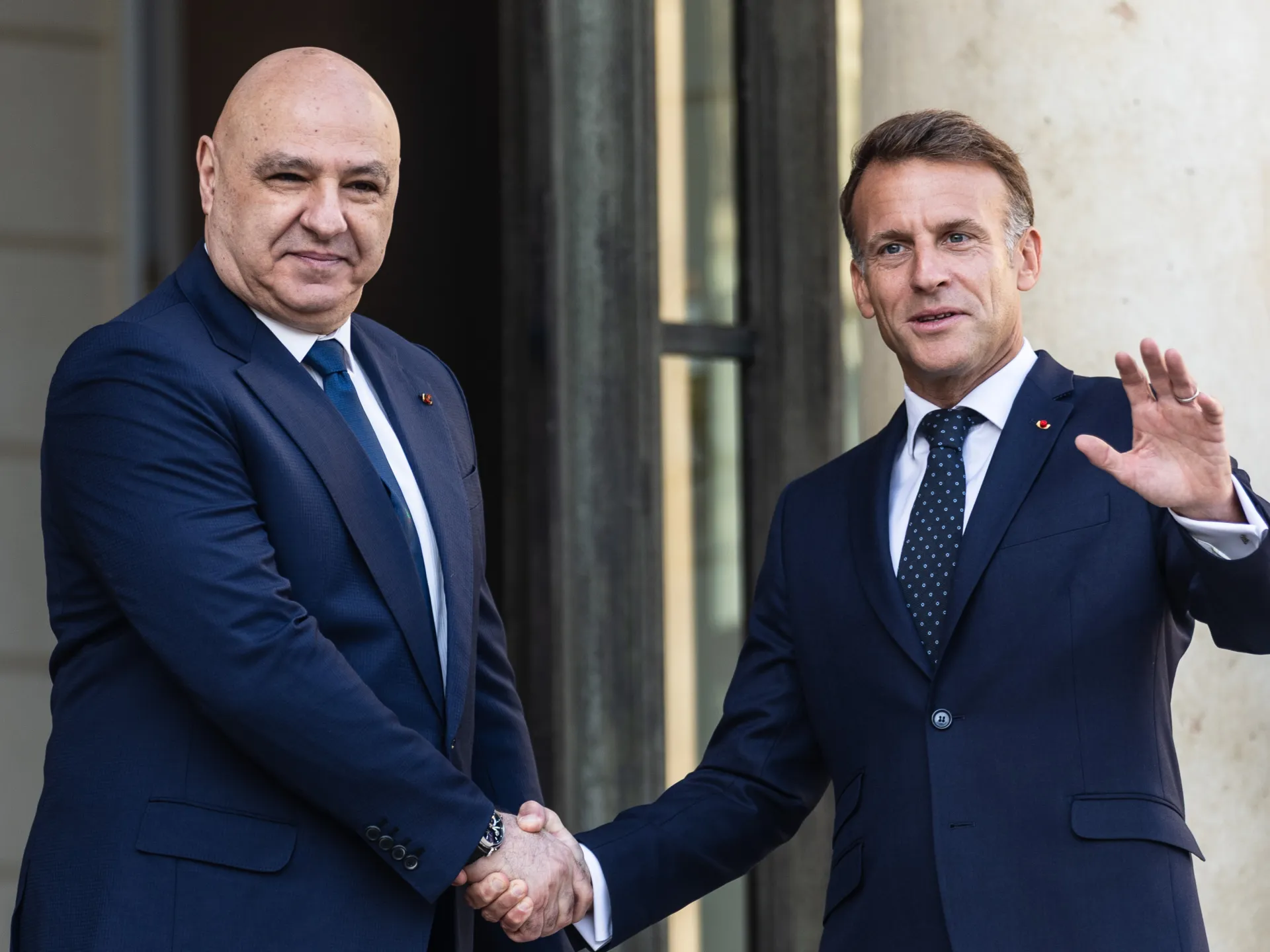
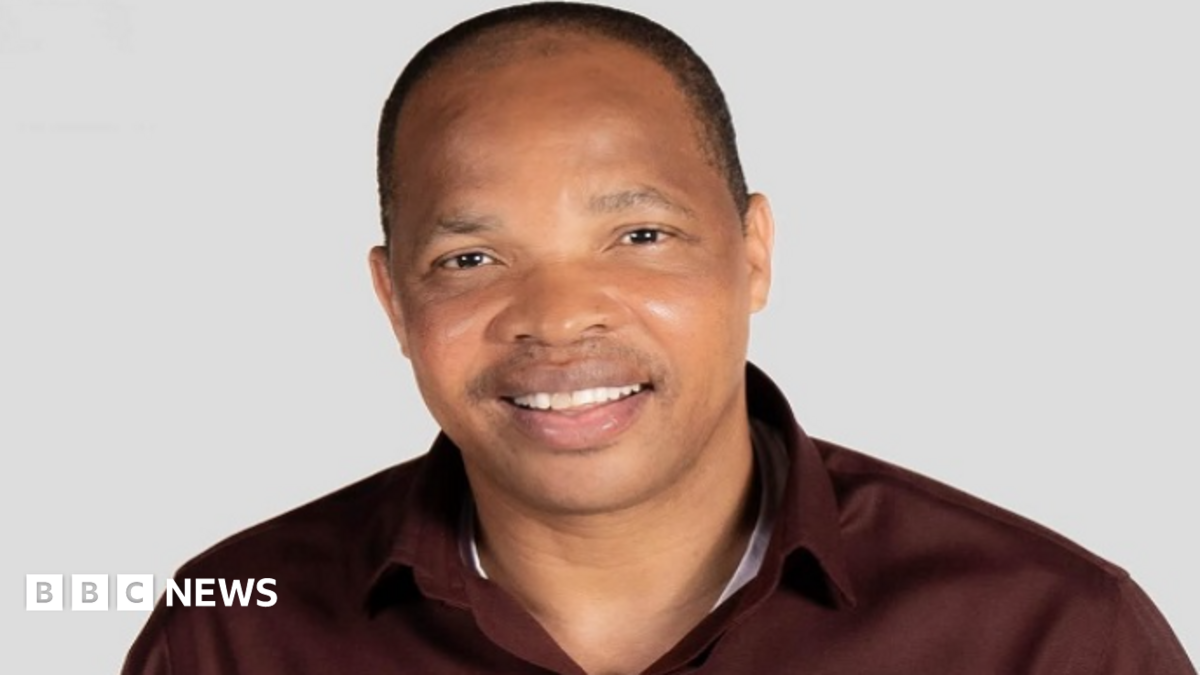
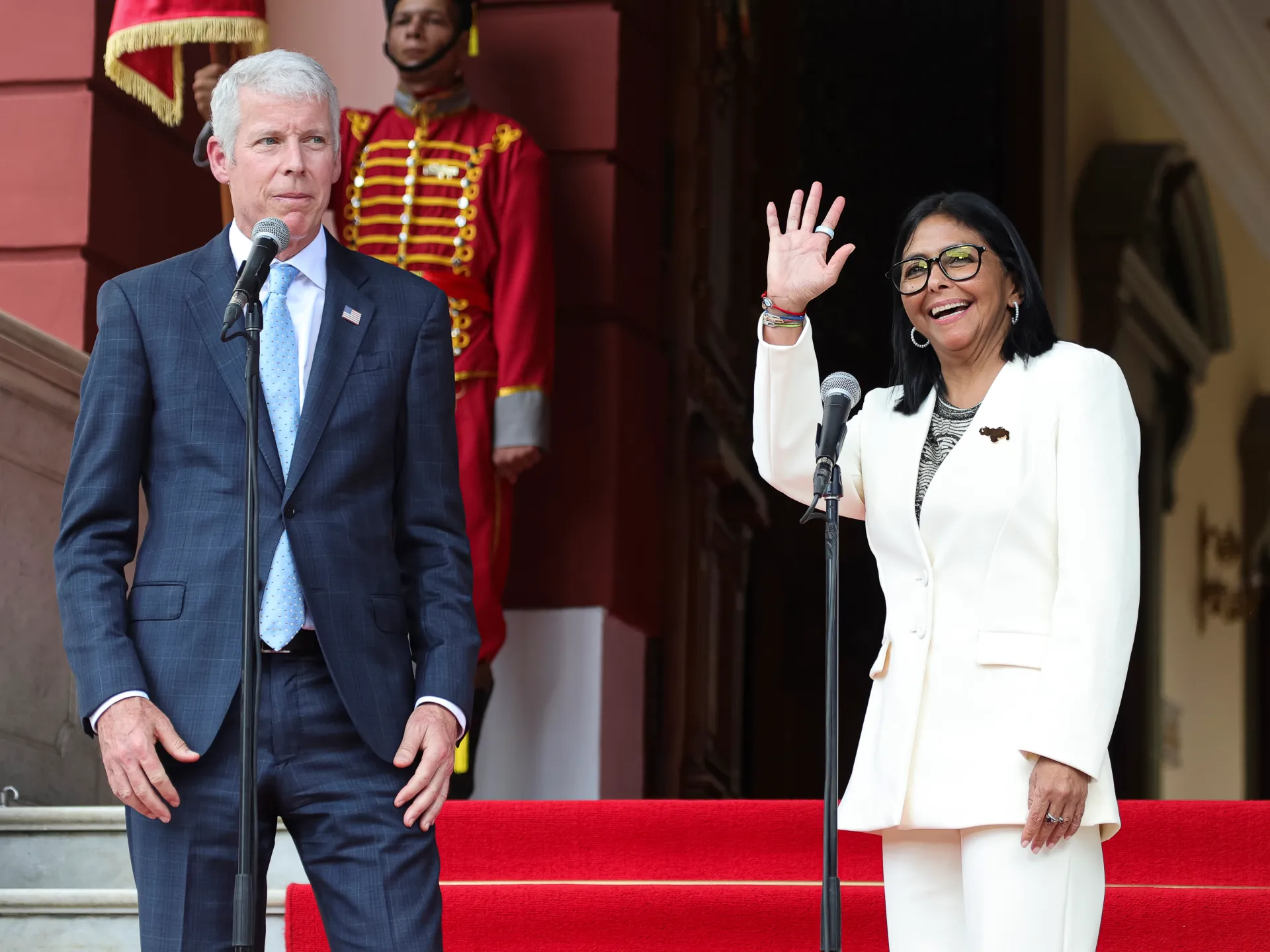
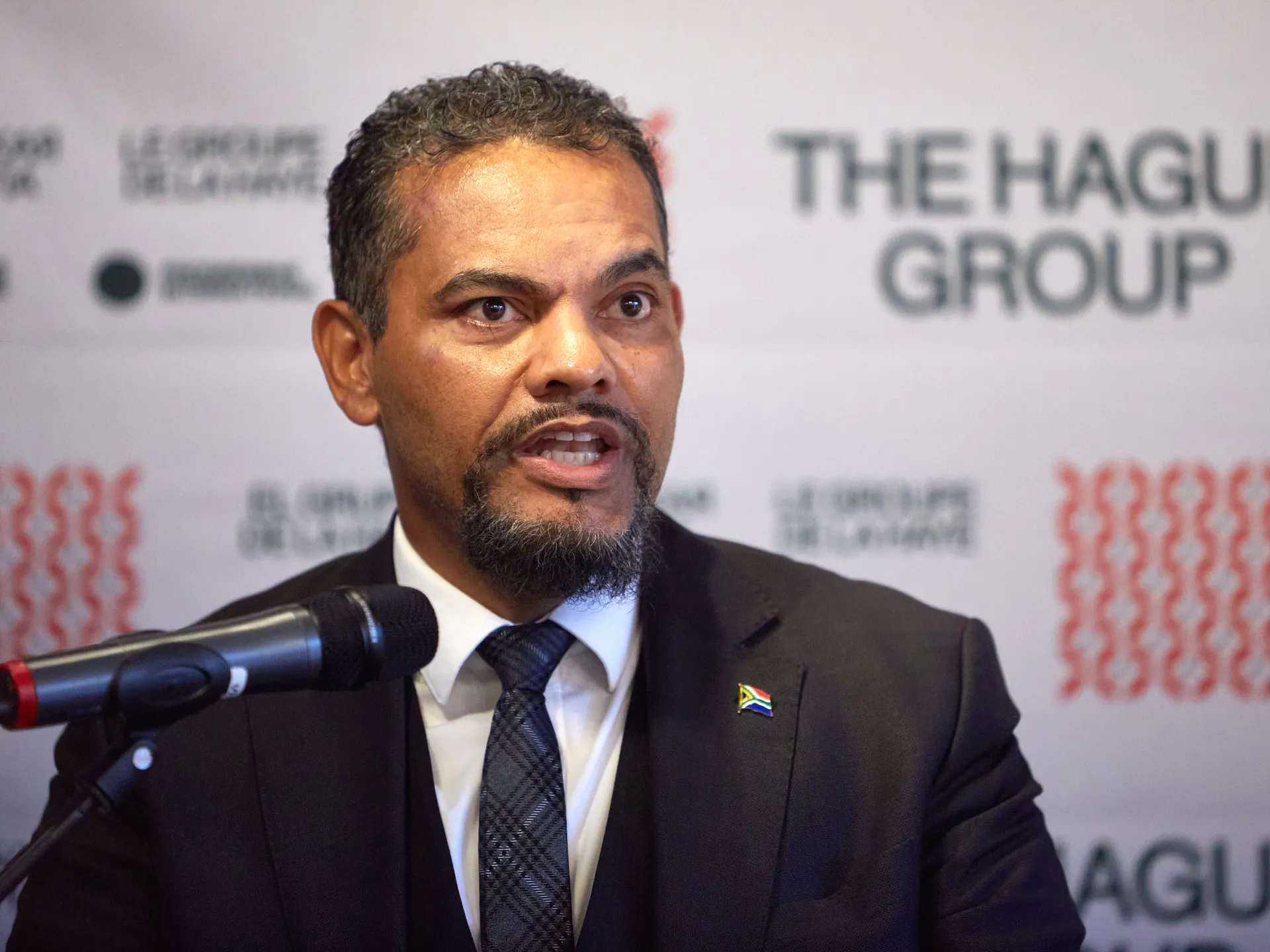
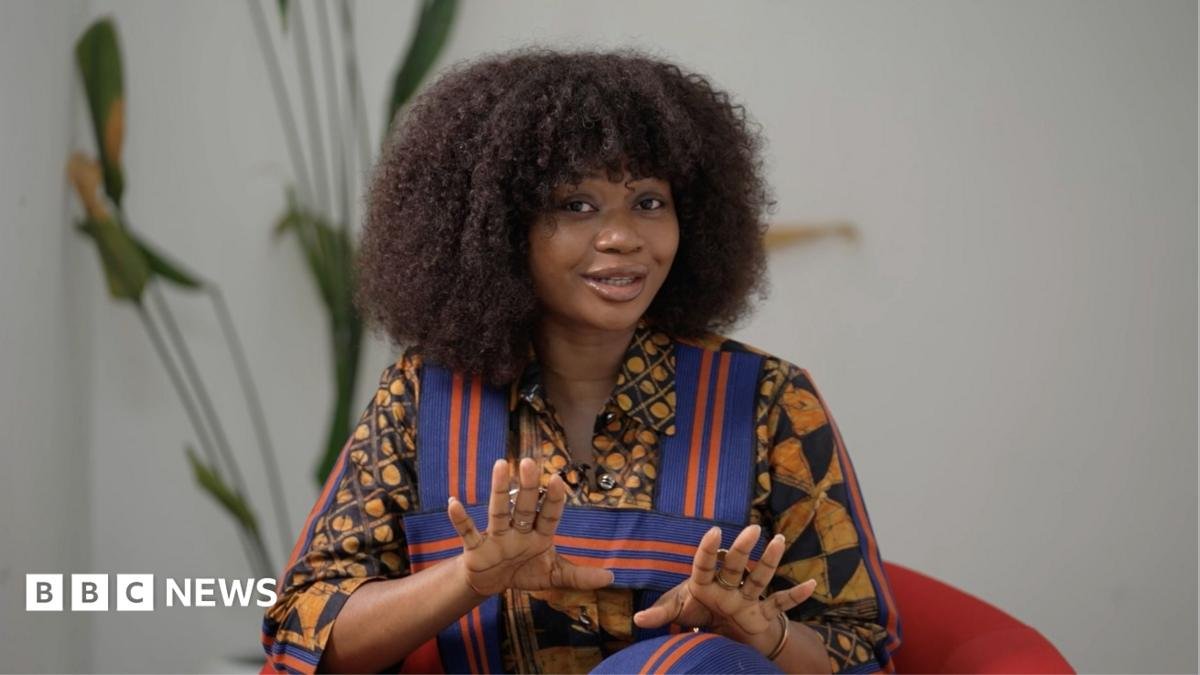
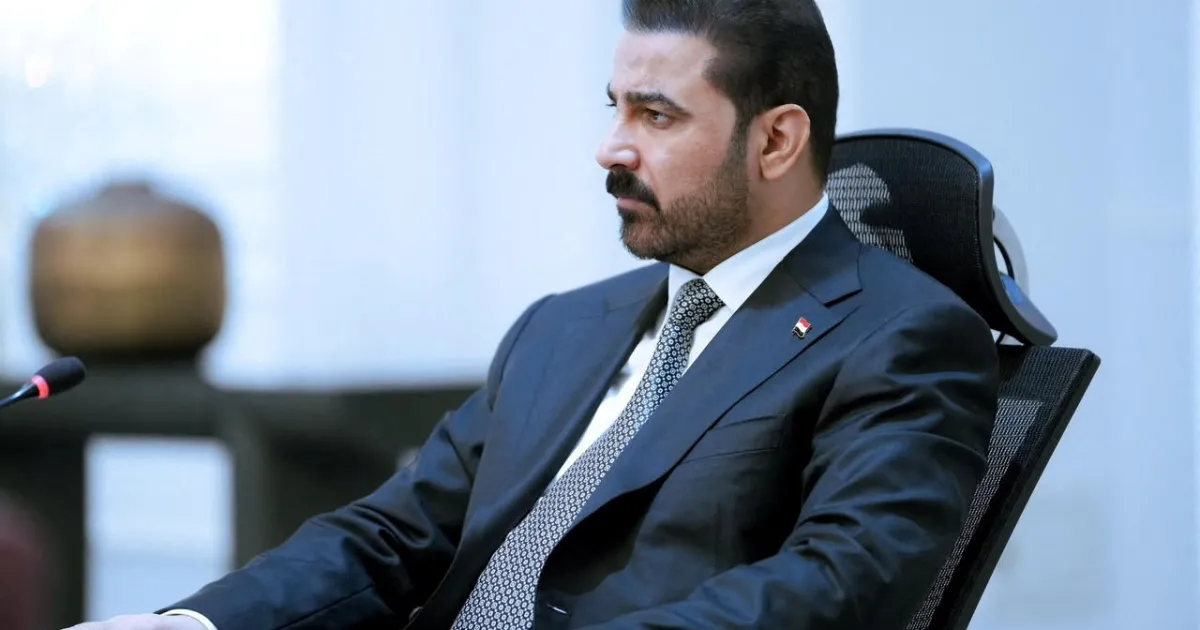
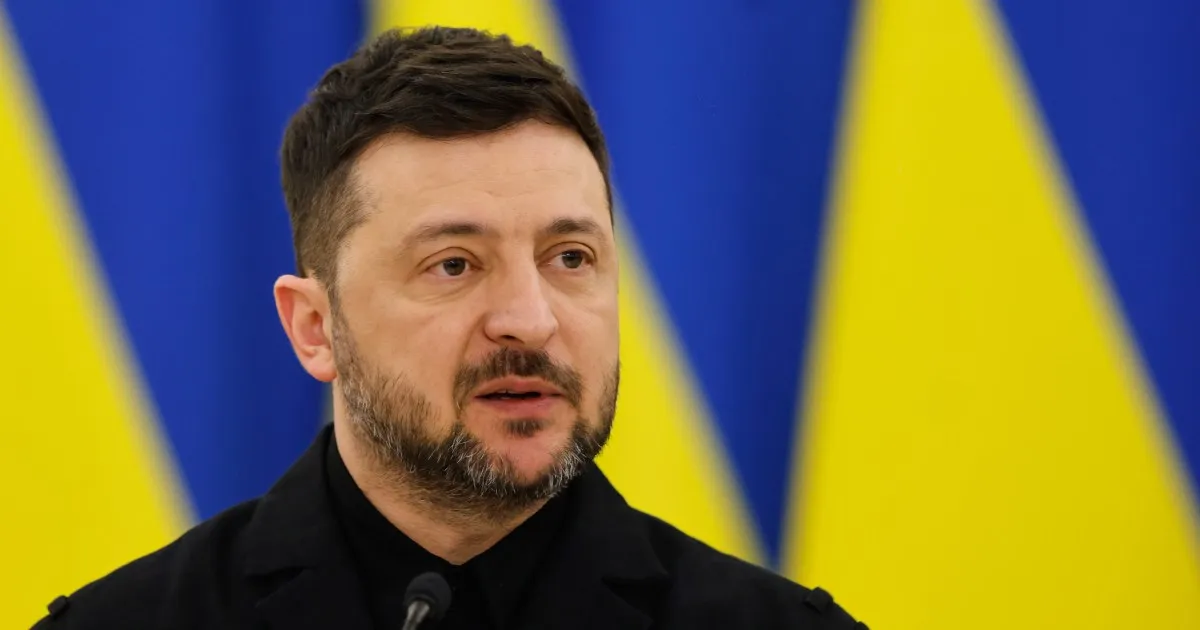
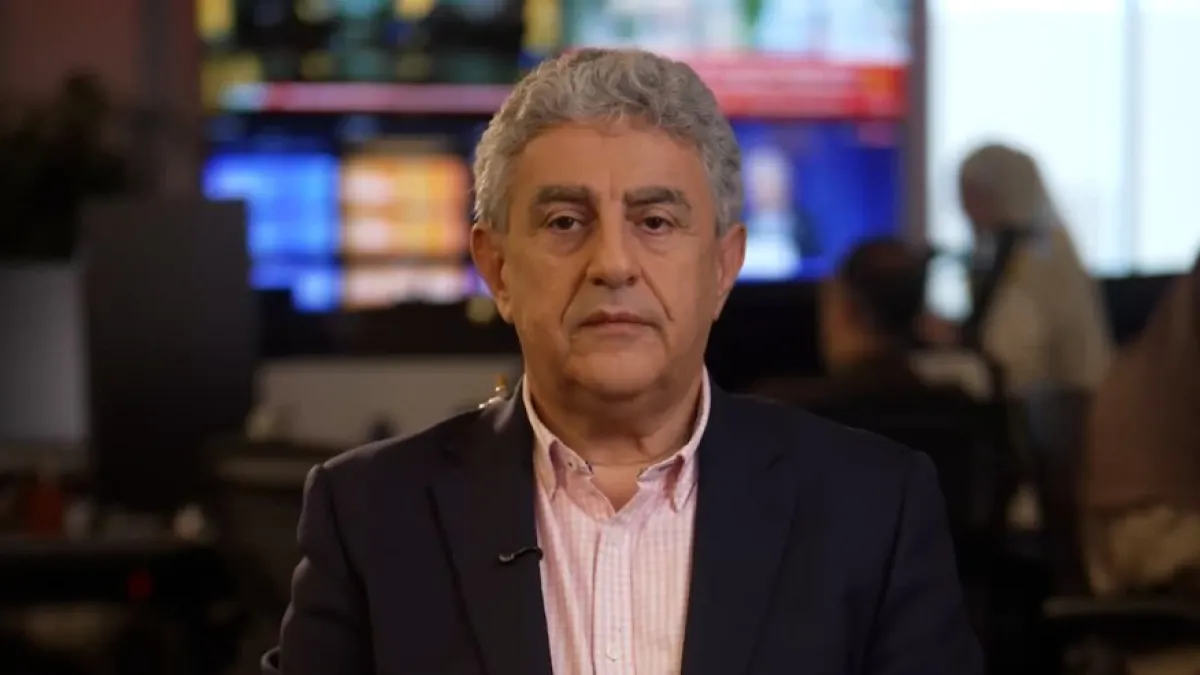
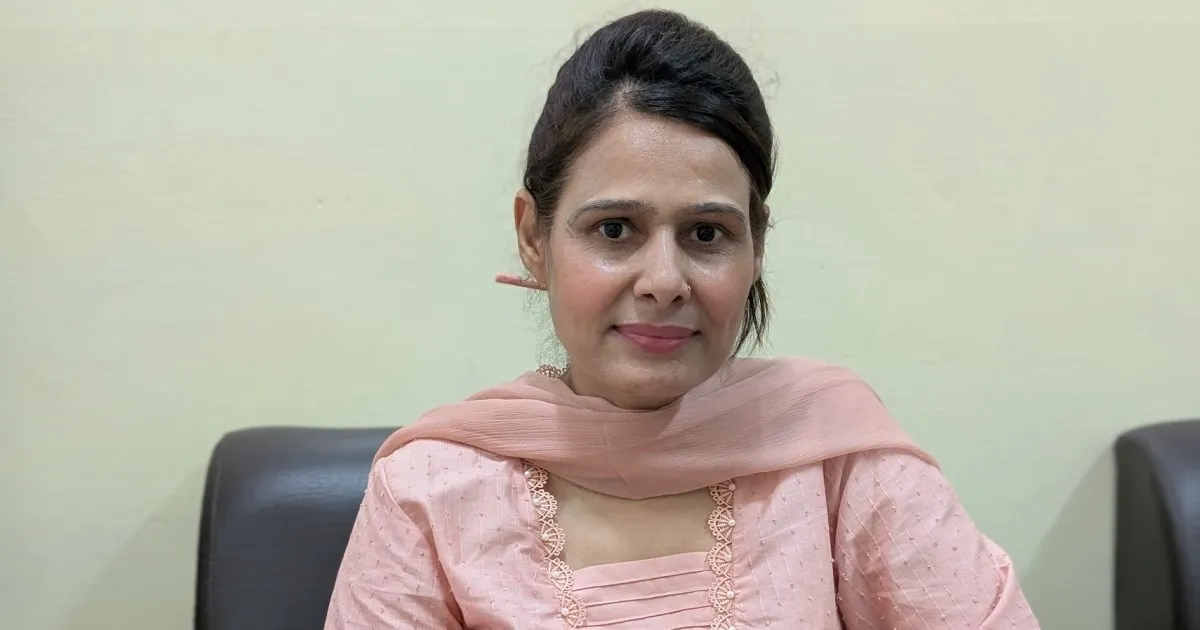
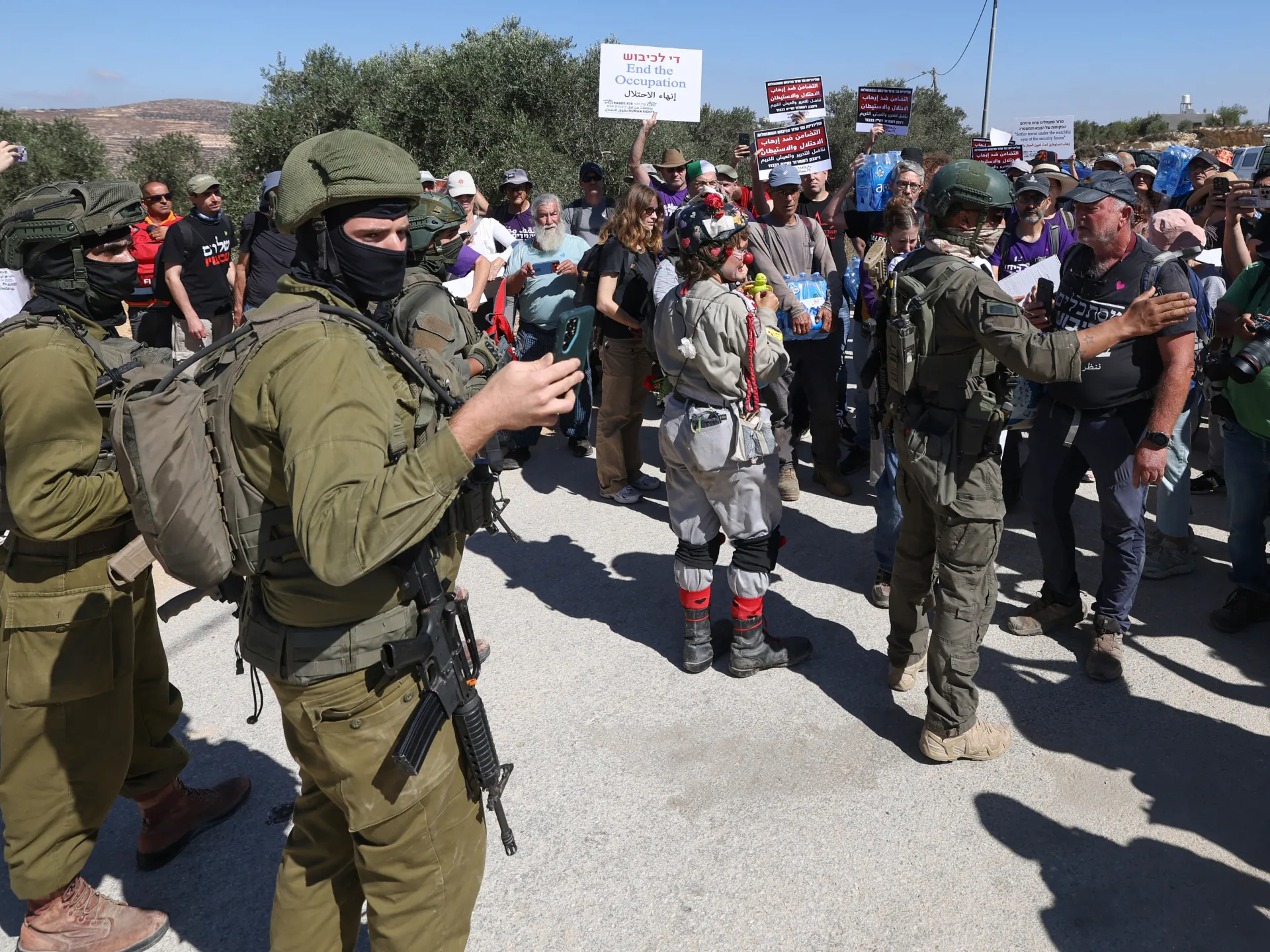
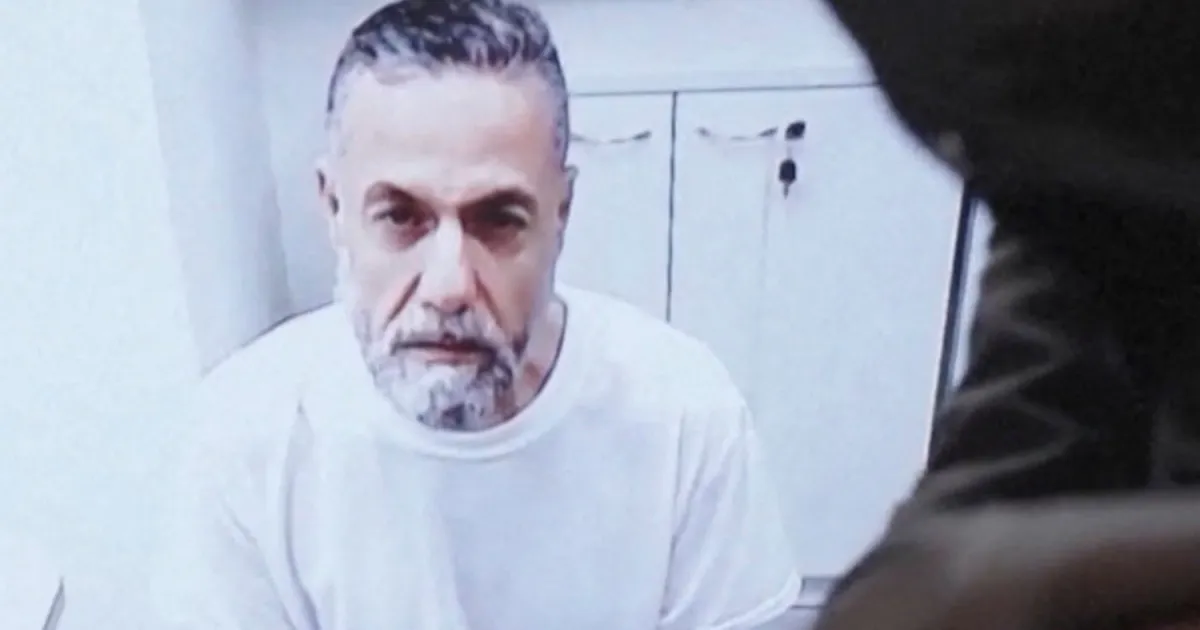
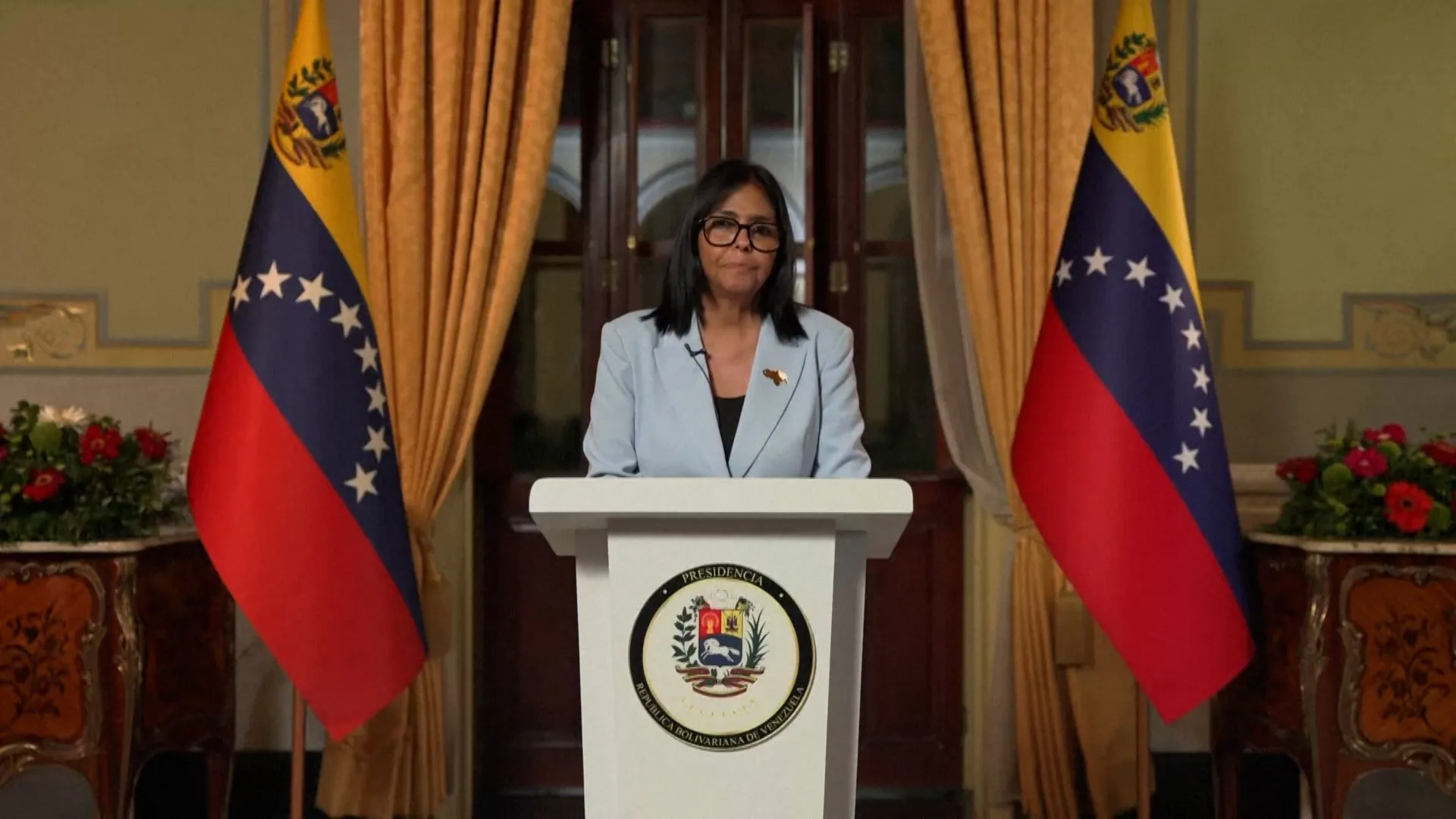
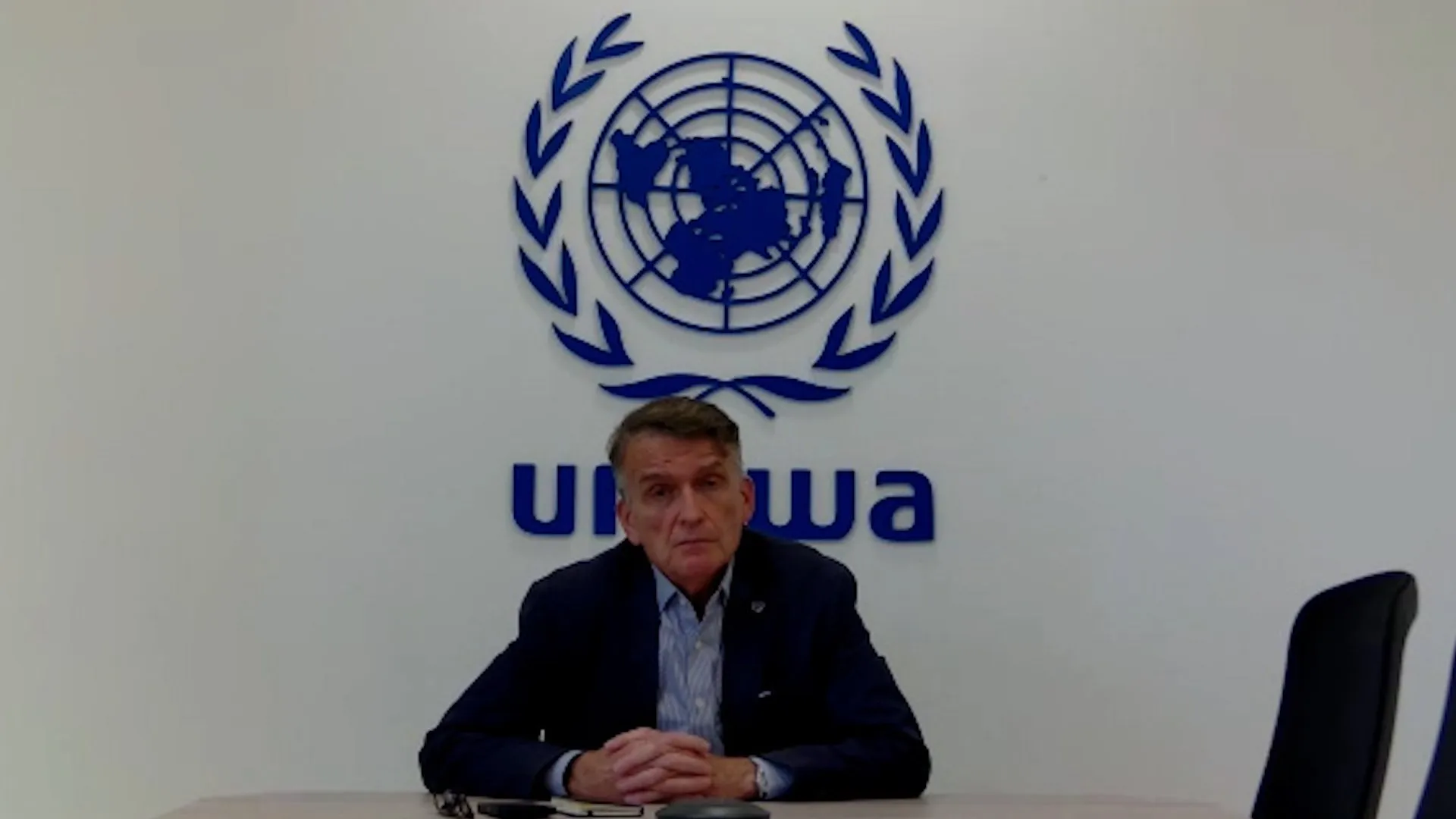
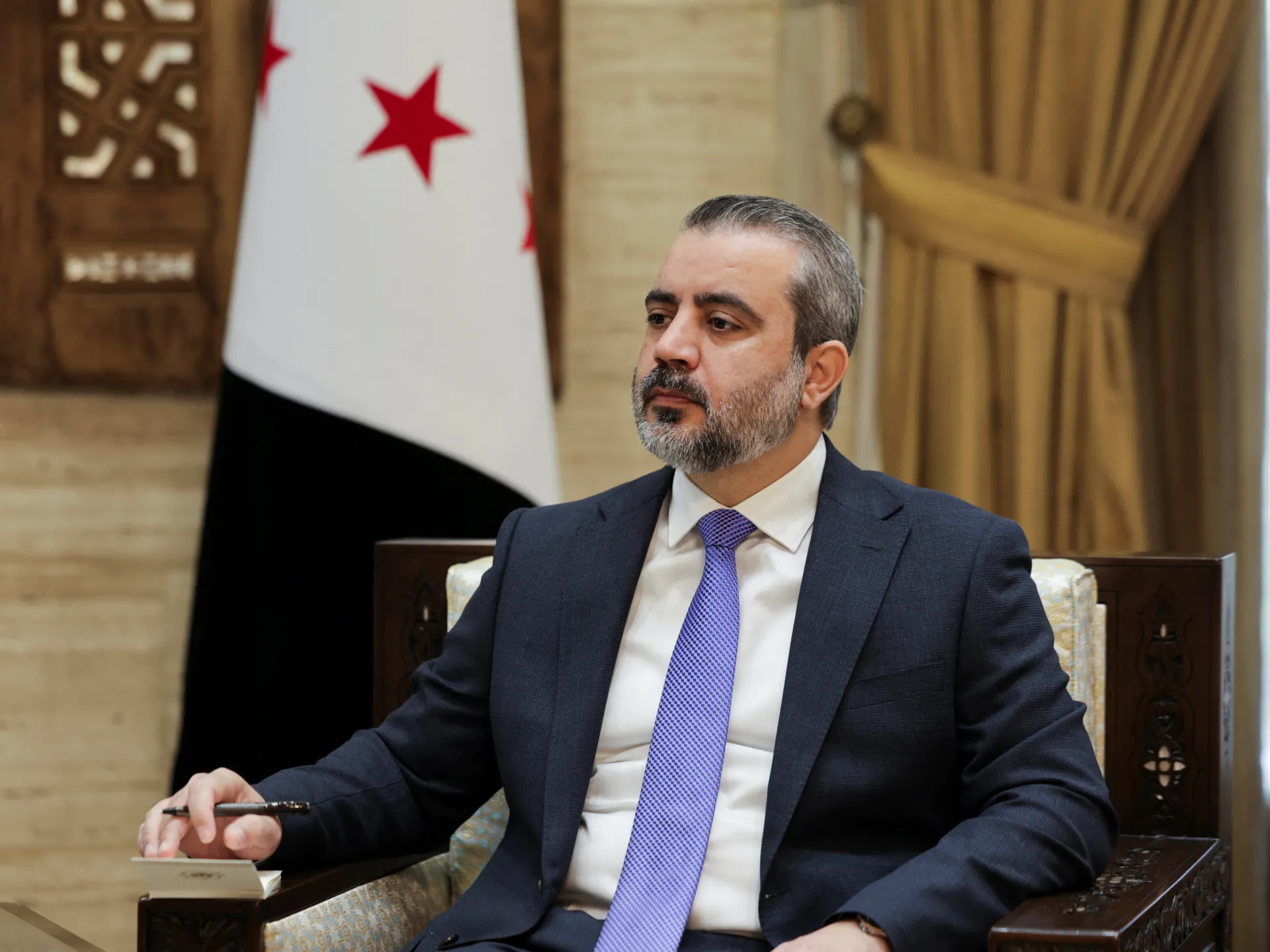
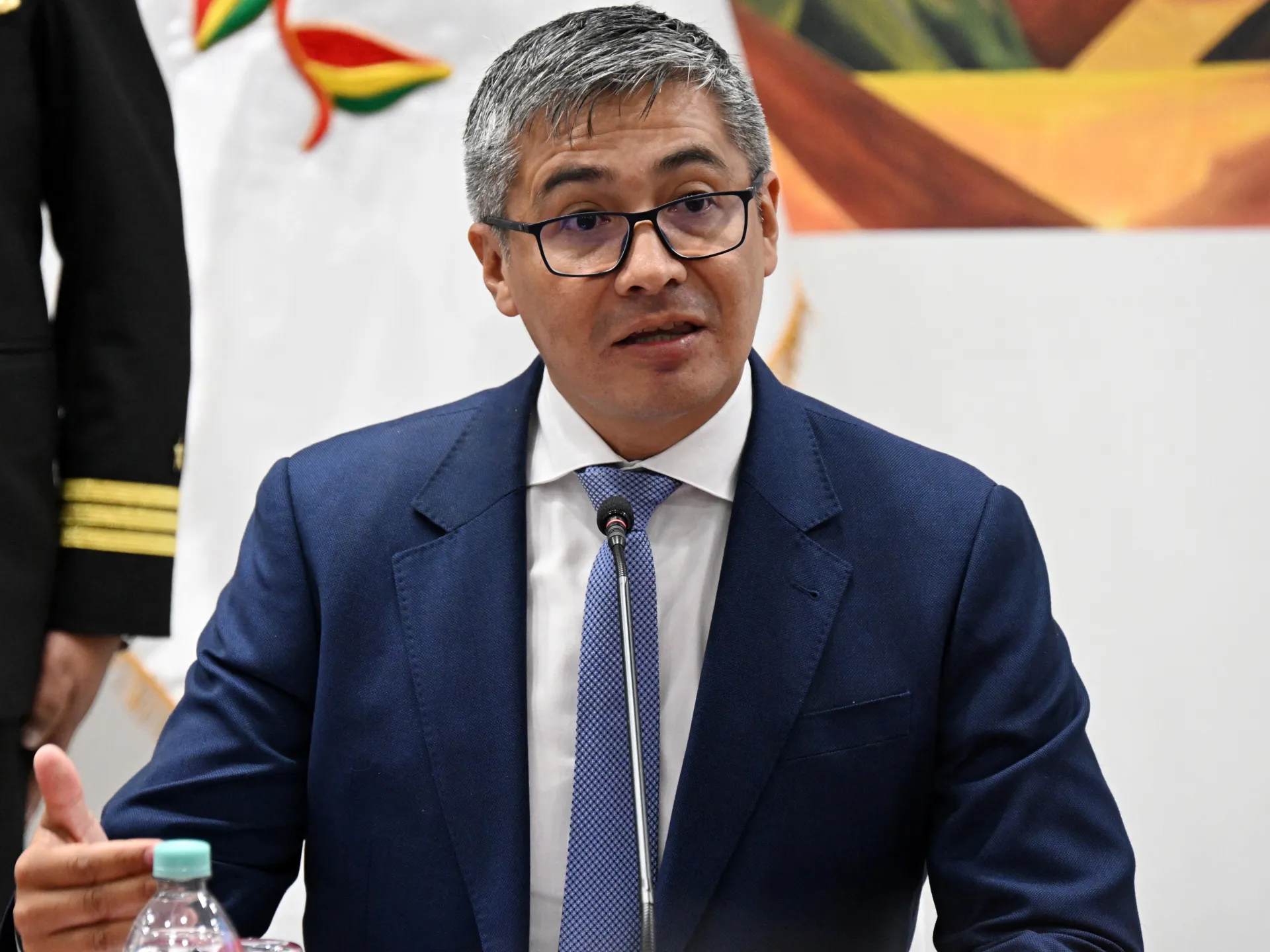
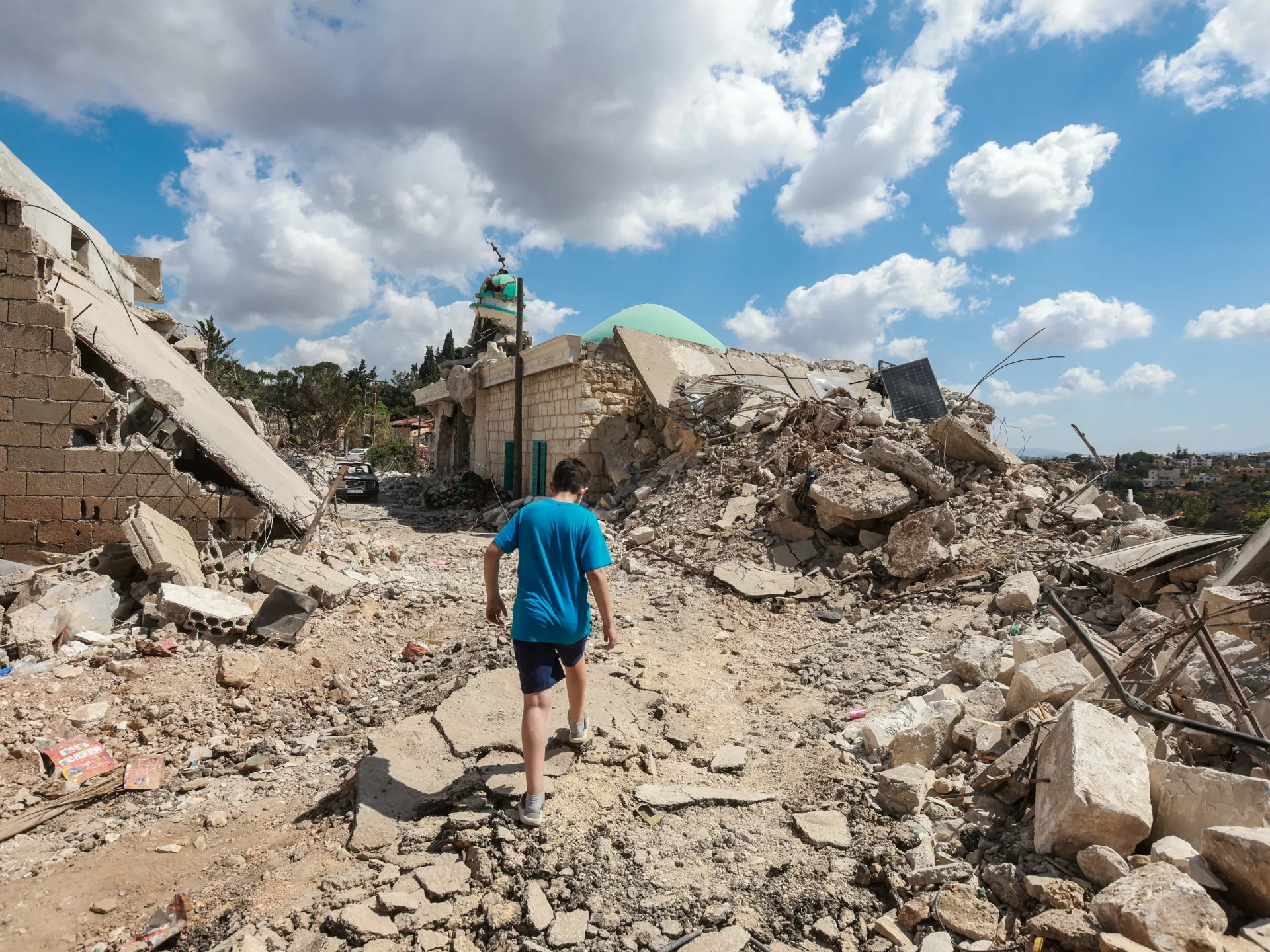
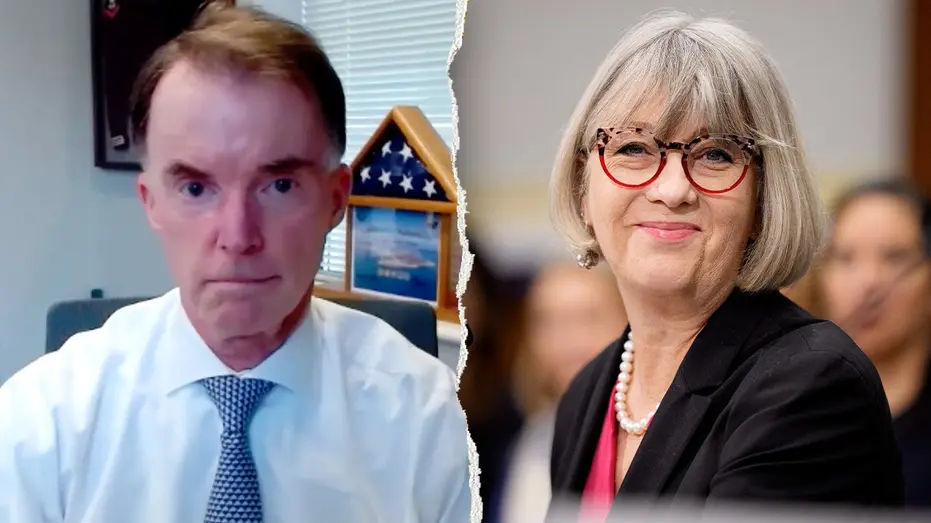
Ibrahim Olabi, the Permanent Representative of Syria to the UN, utilized his platform to voice strong condemnation of Israeli activities within Syrian borders. Olabi argued that while his government had sought to prioritize the nation's reconstruction and stabilization efforts, the ongoing military incursions zed these actions as a significant obstacle to peace and a direct challenge to the sovereignty of the Syrian state.
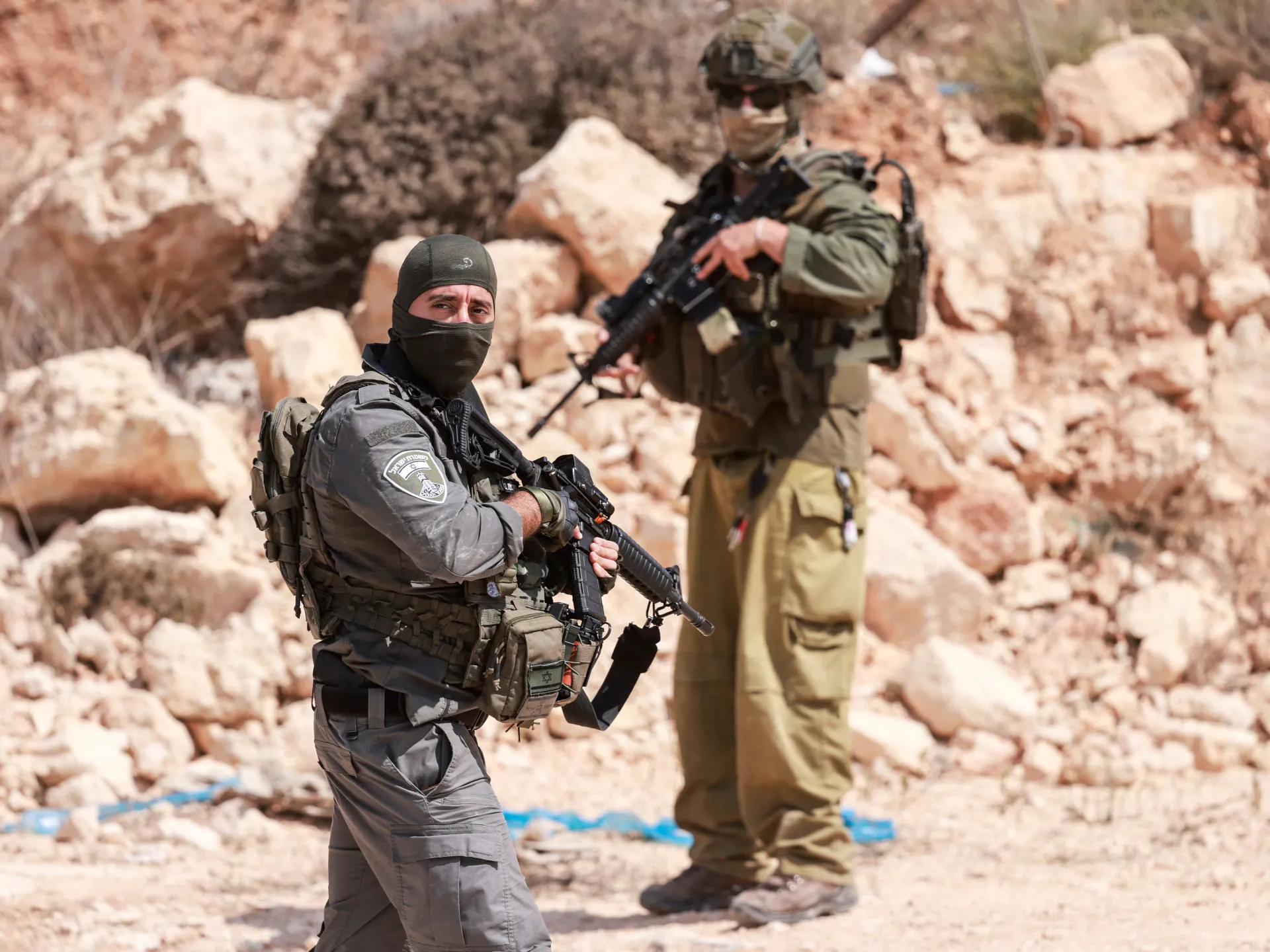
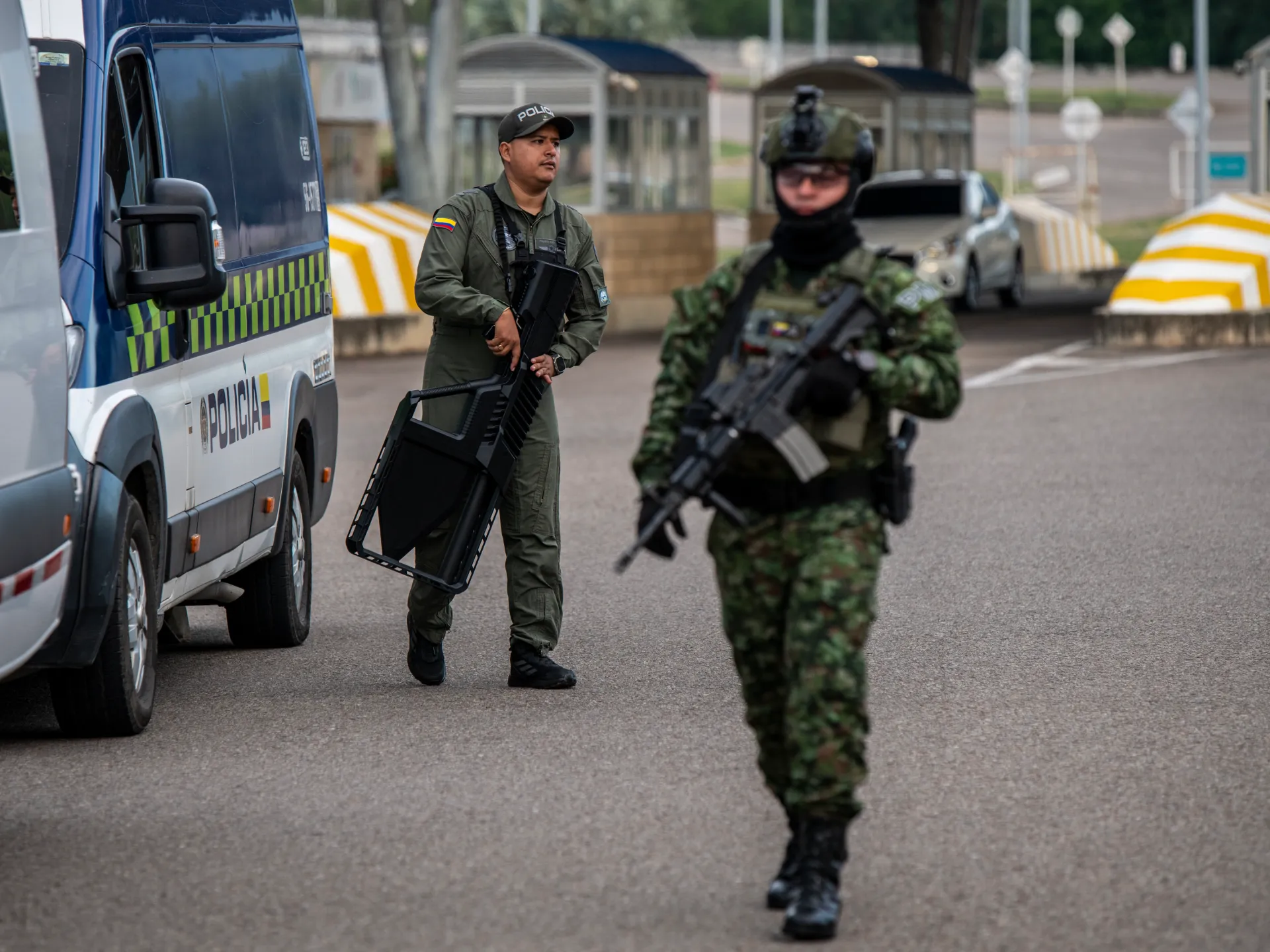
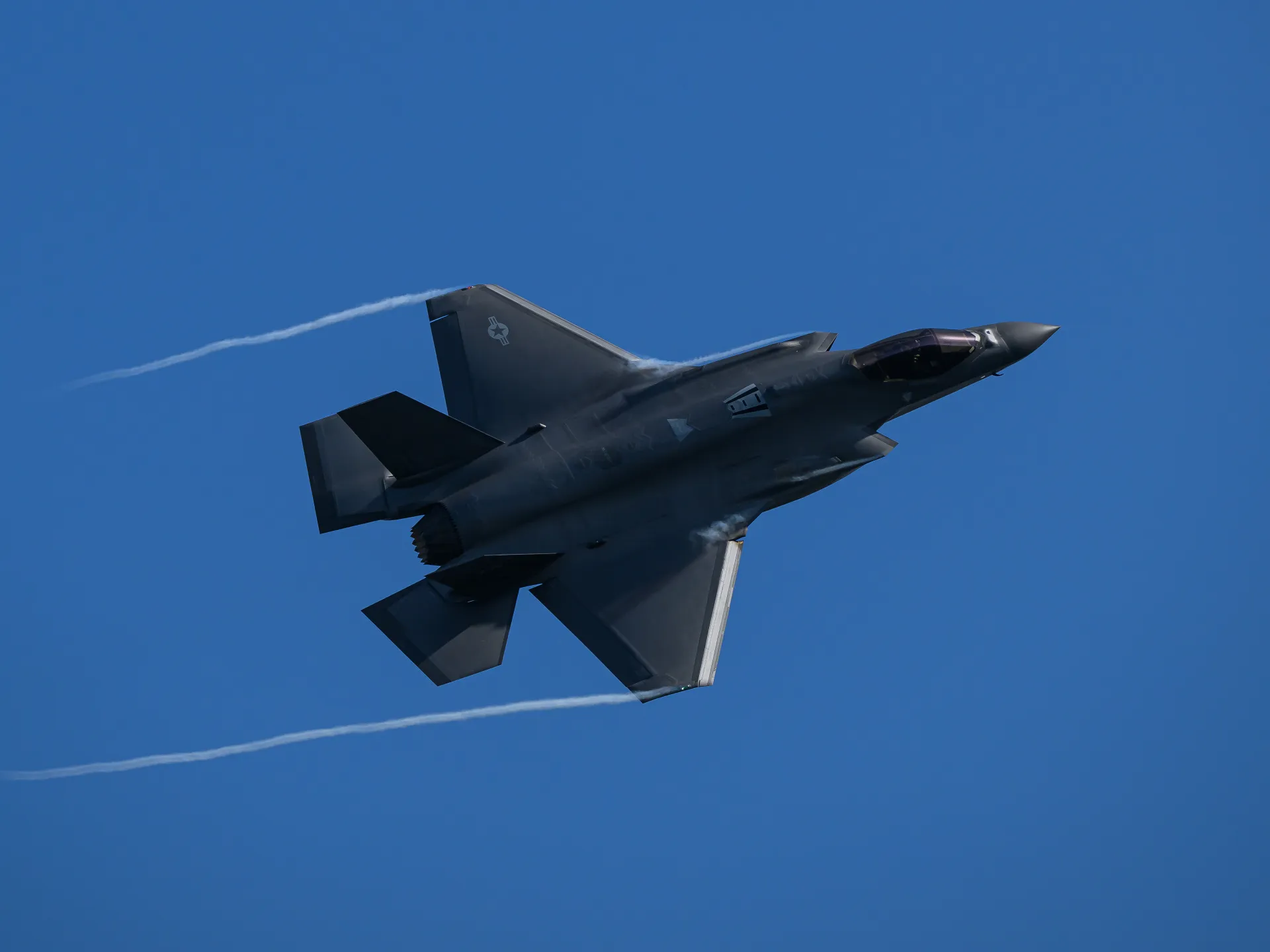
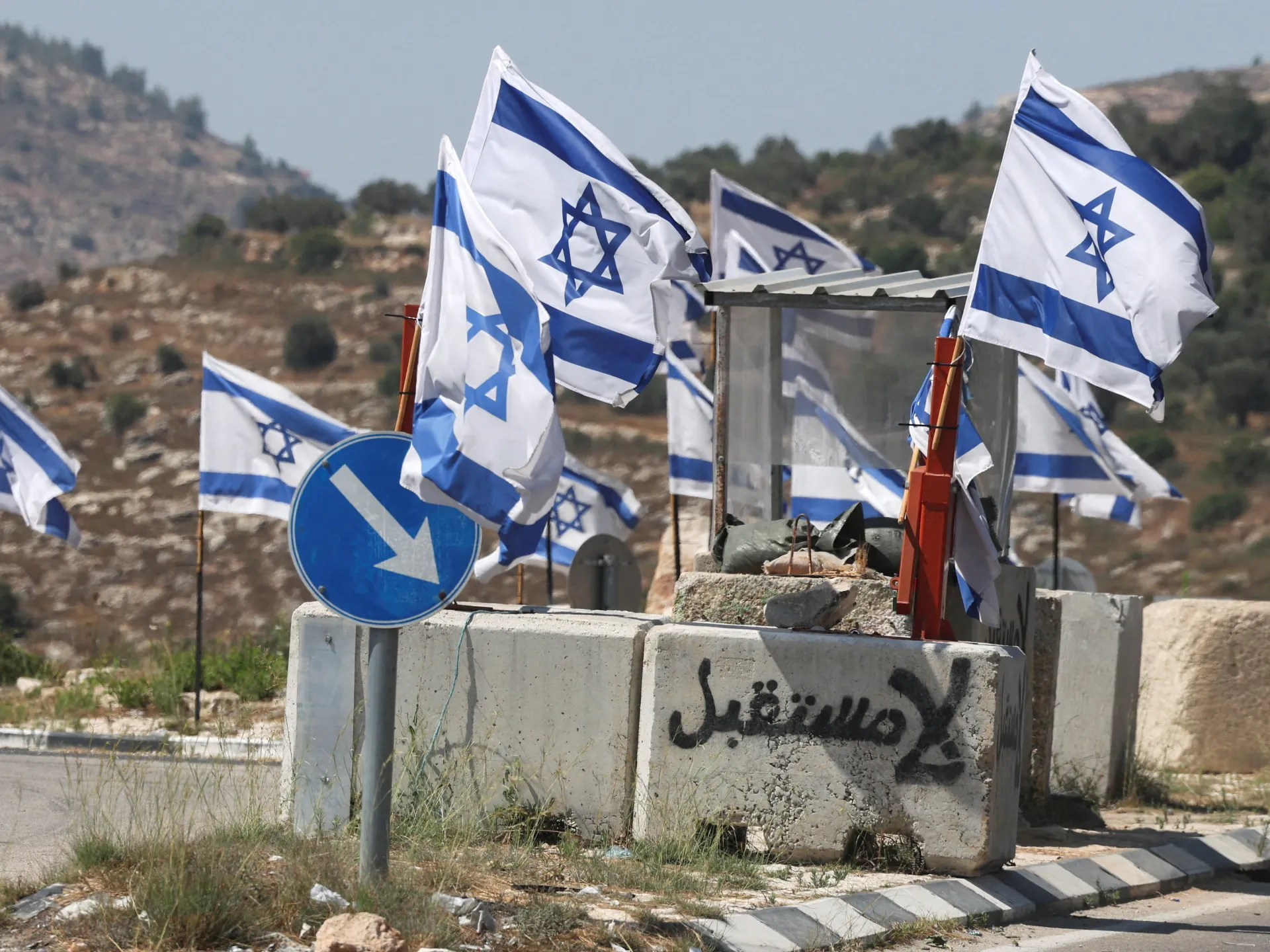
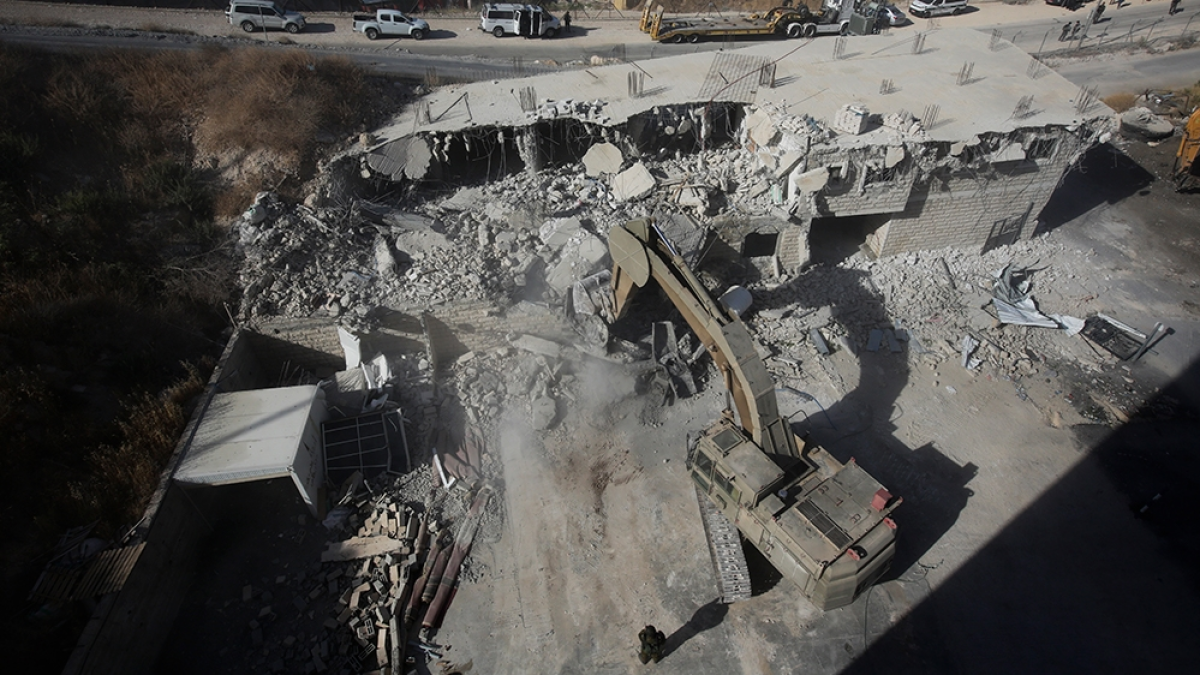
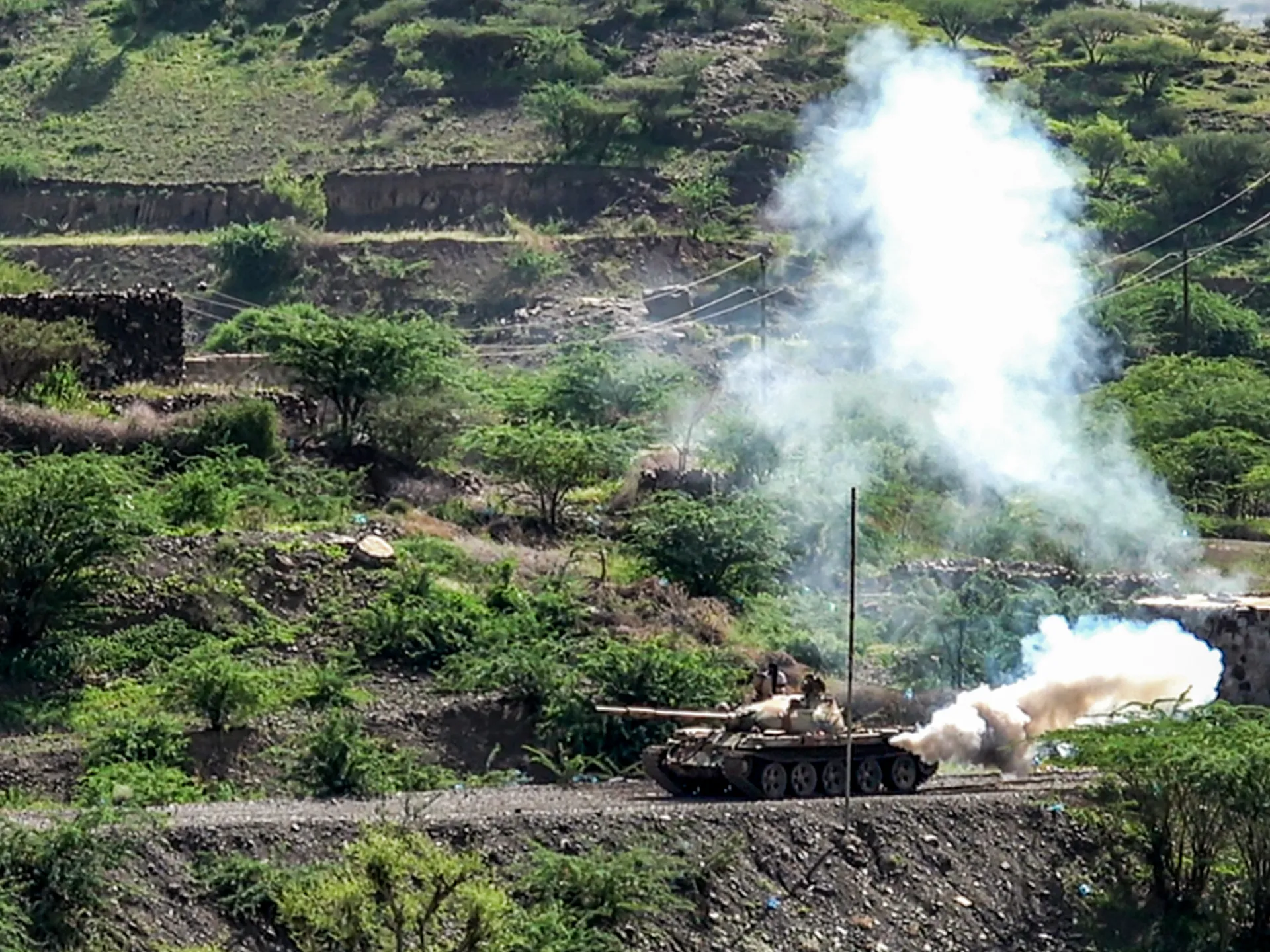
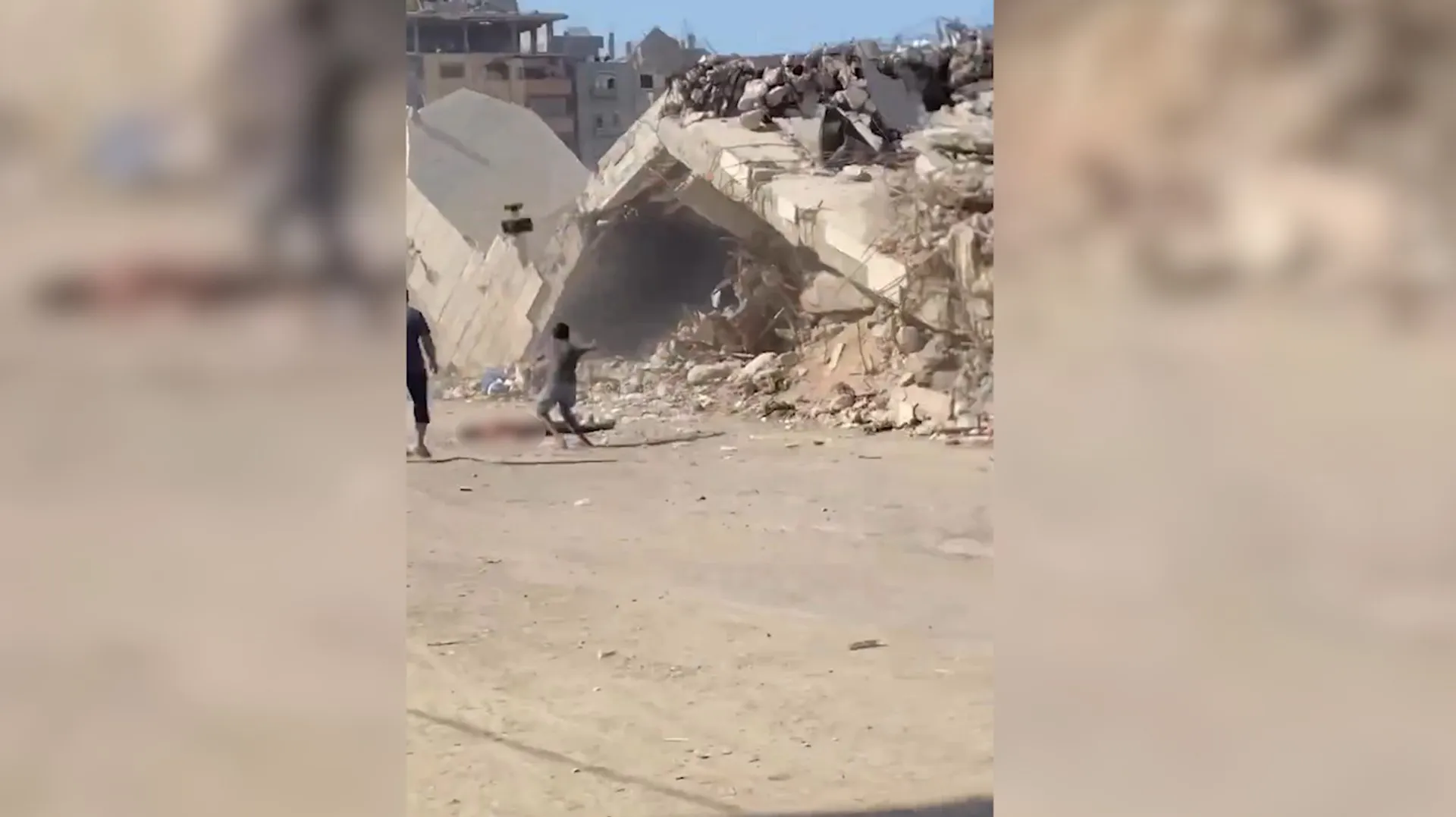
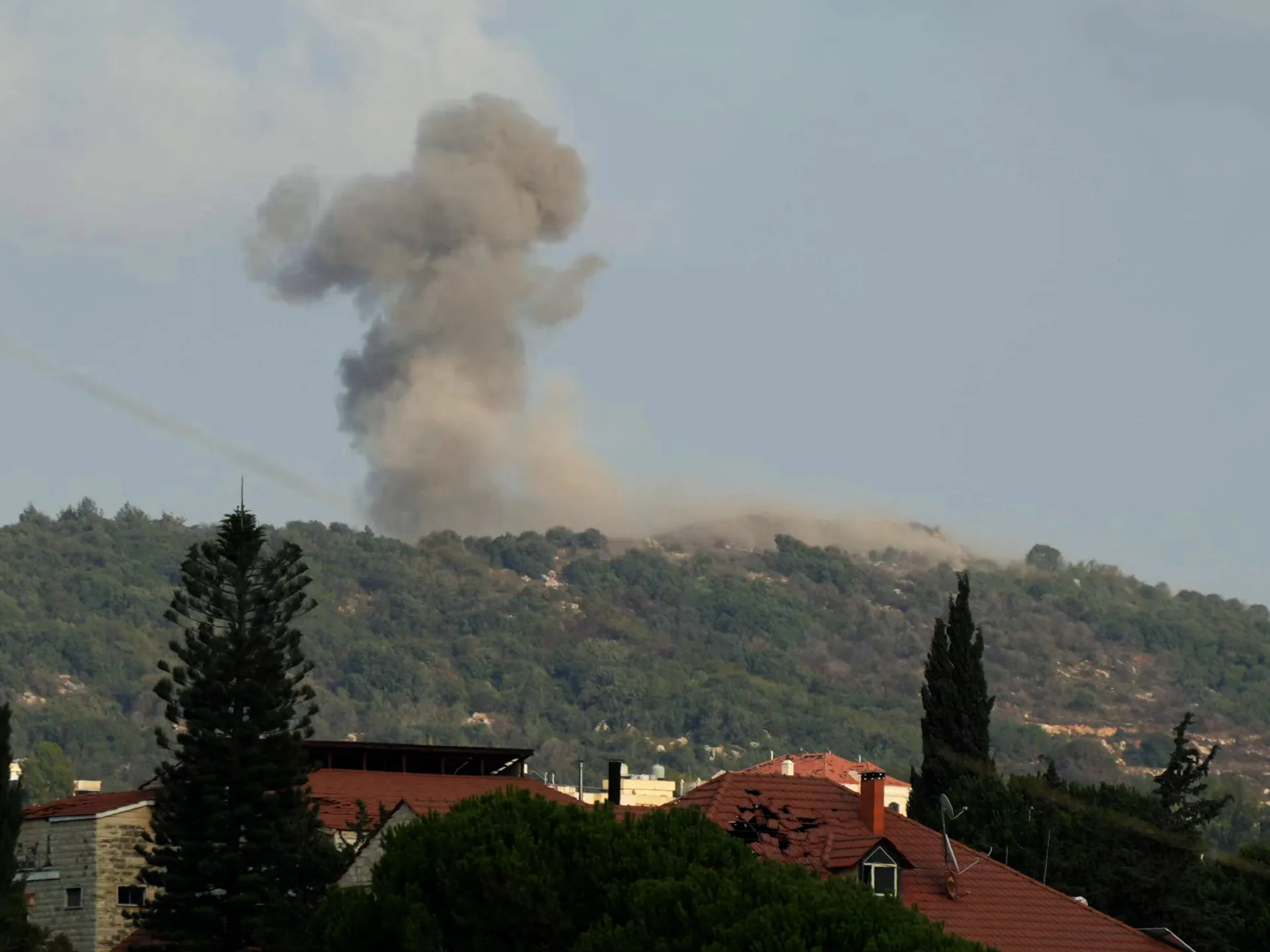
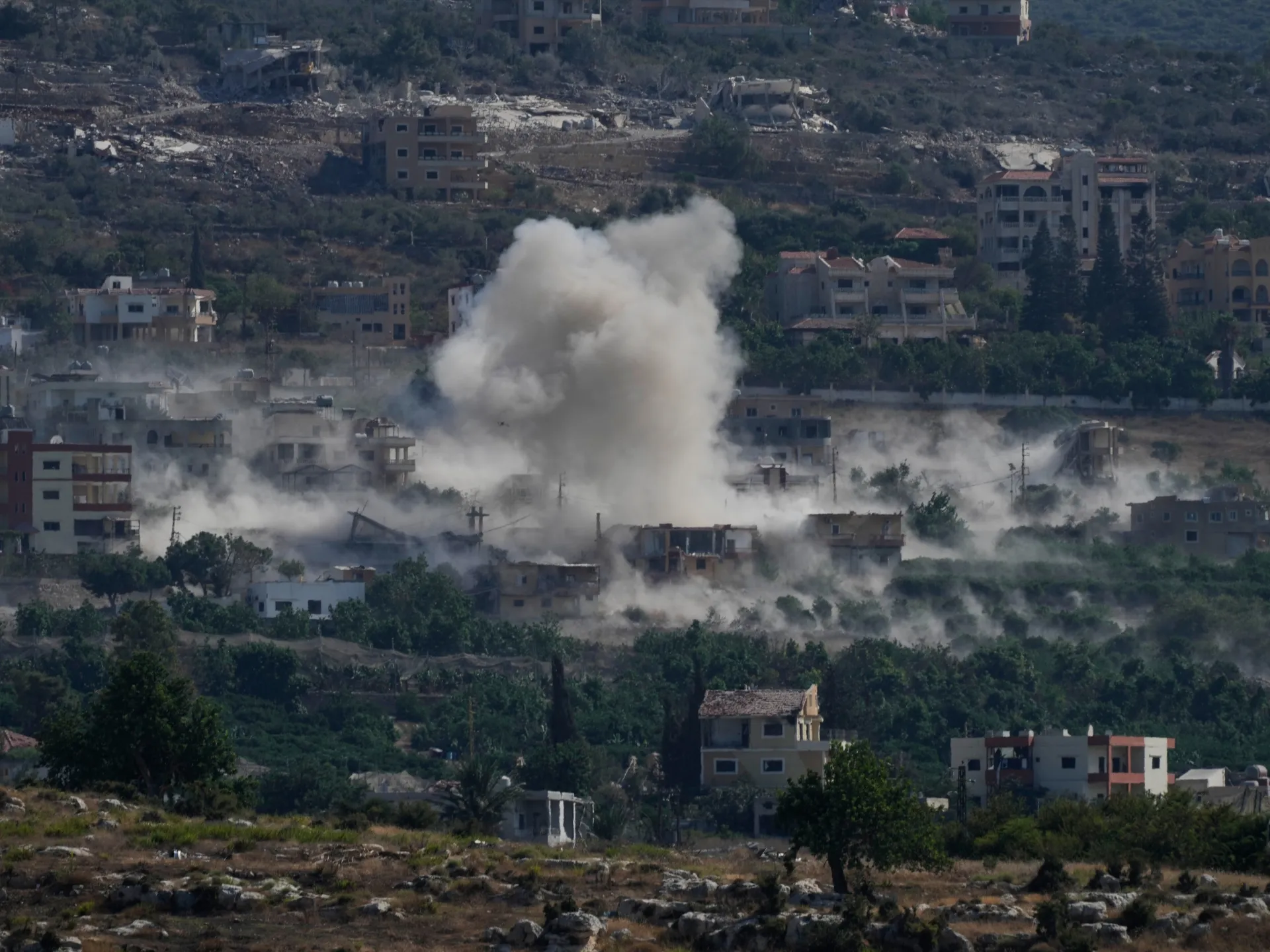
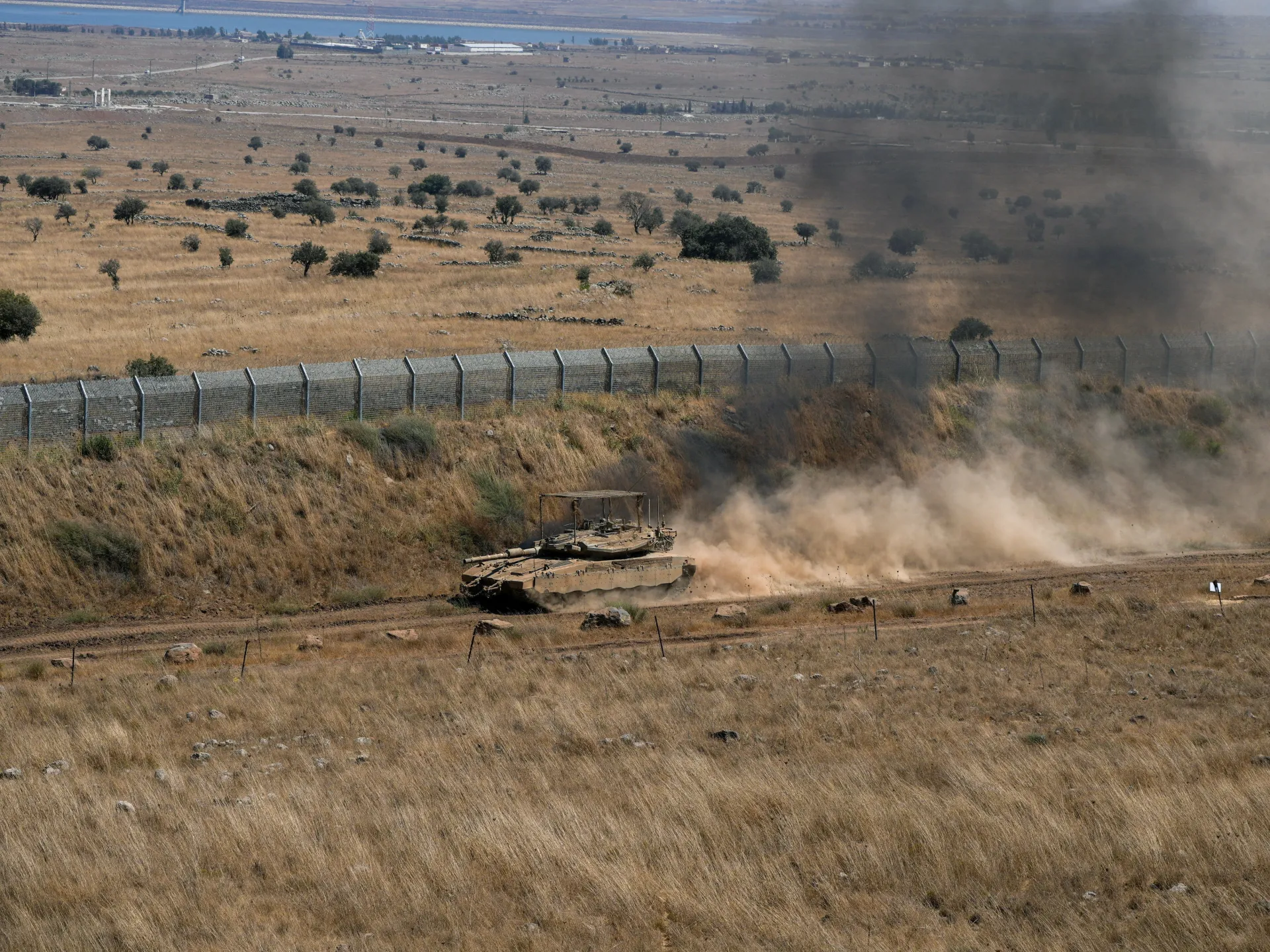
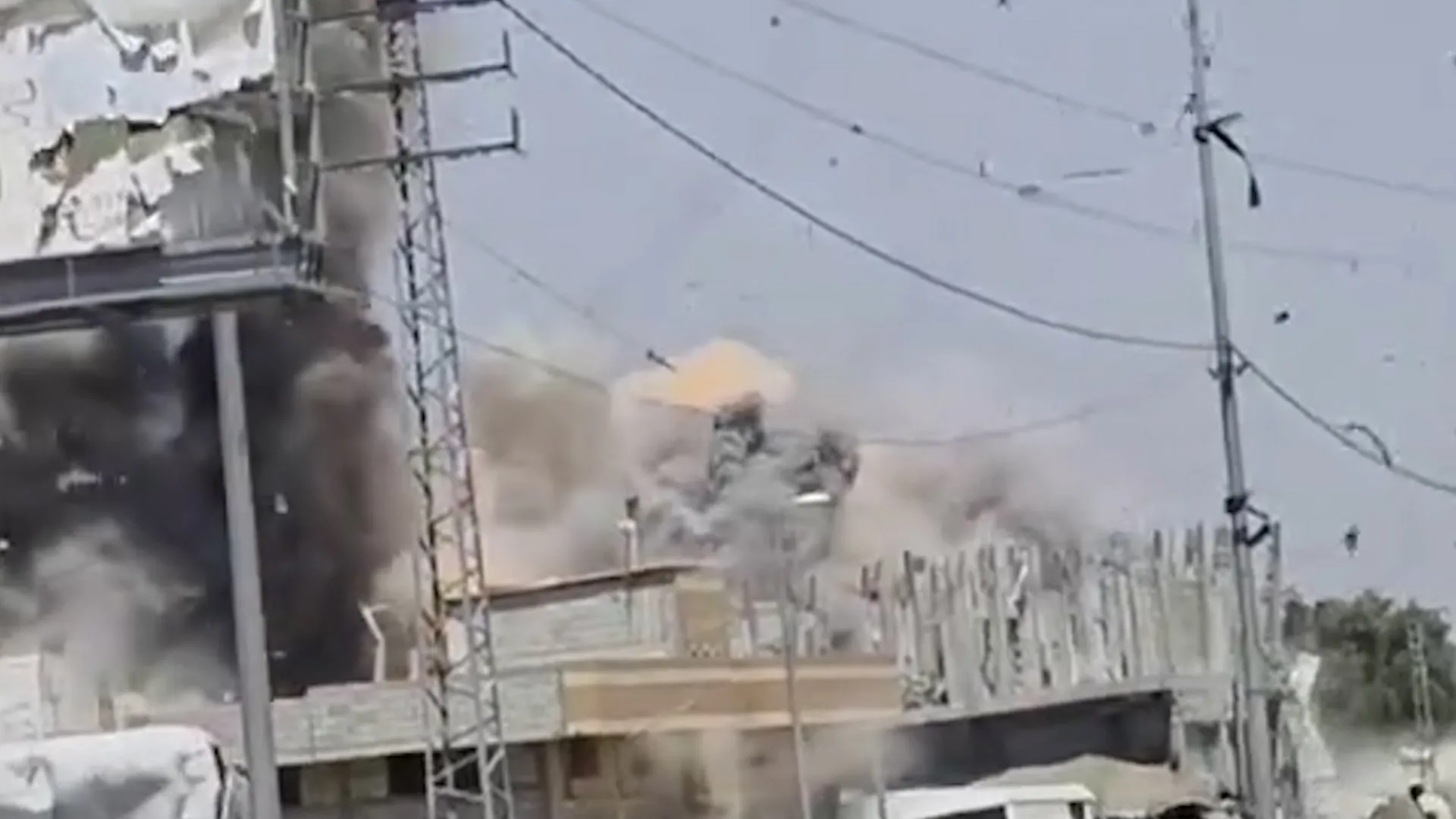
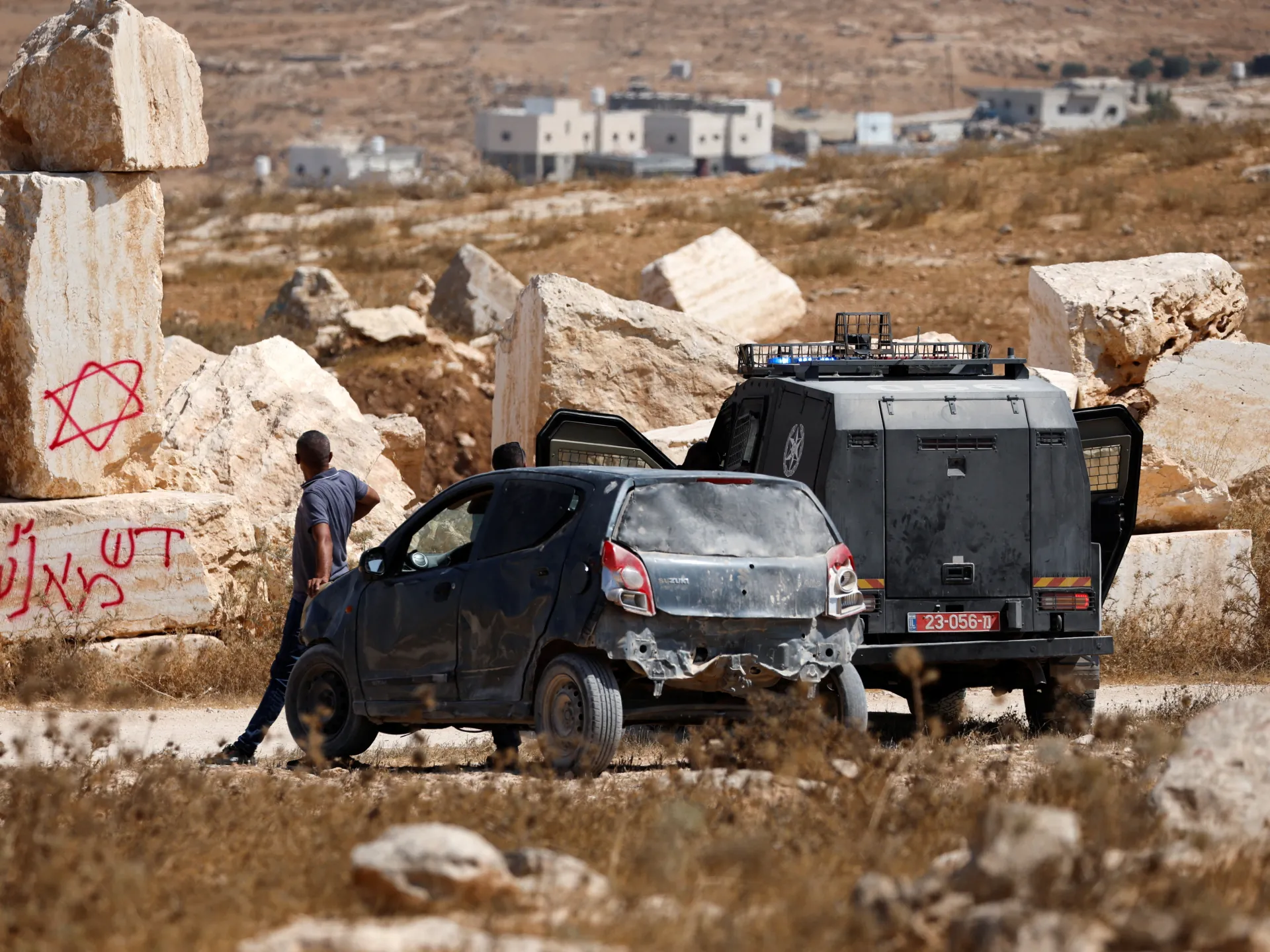
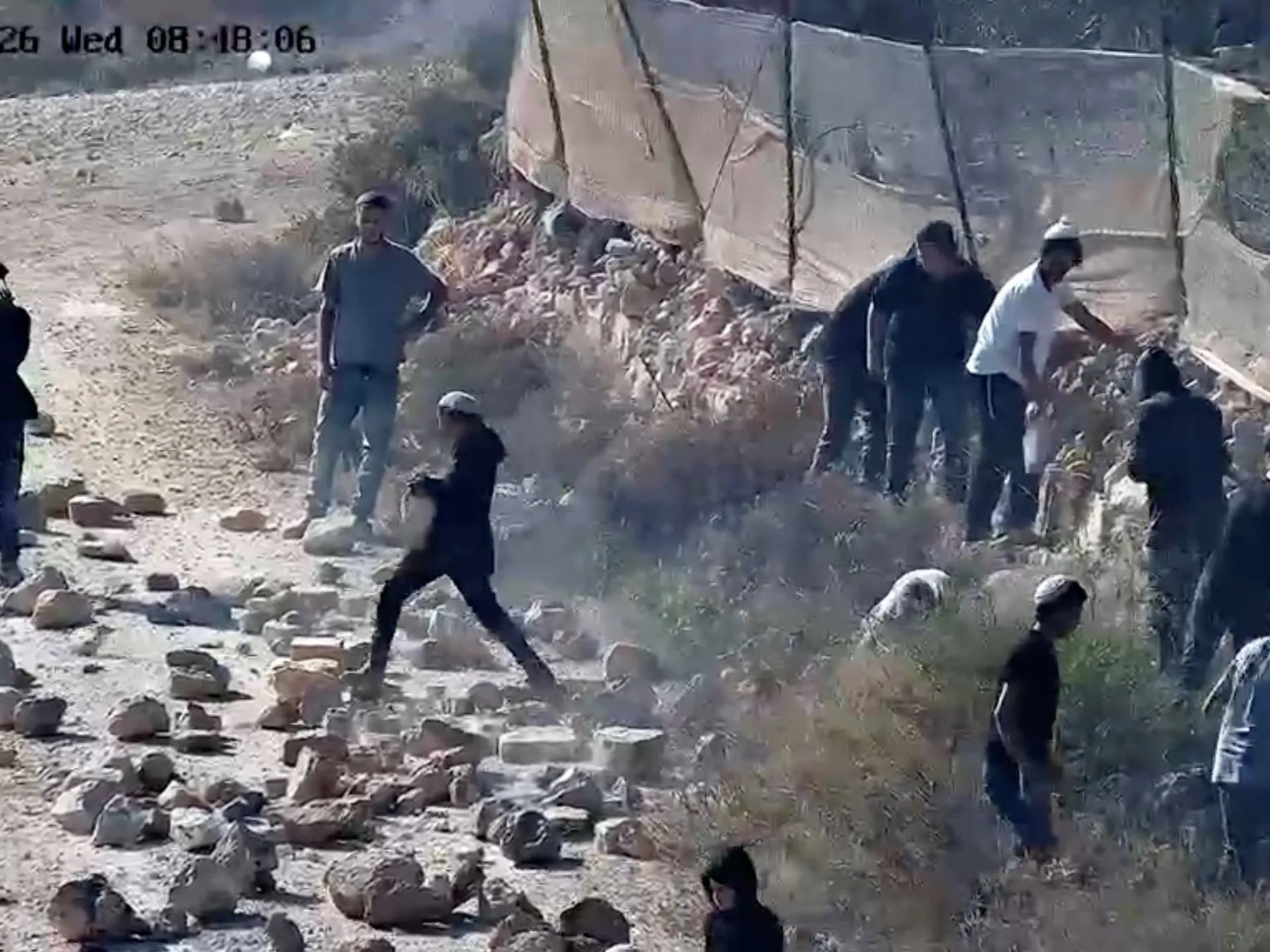
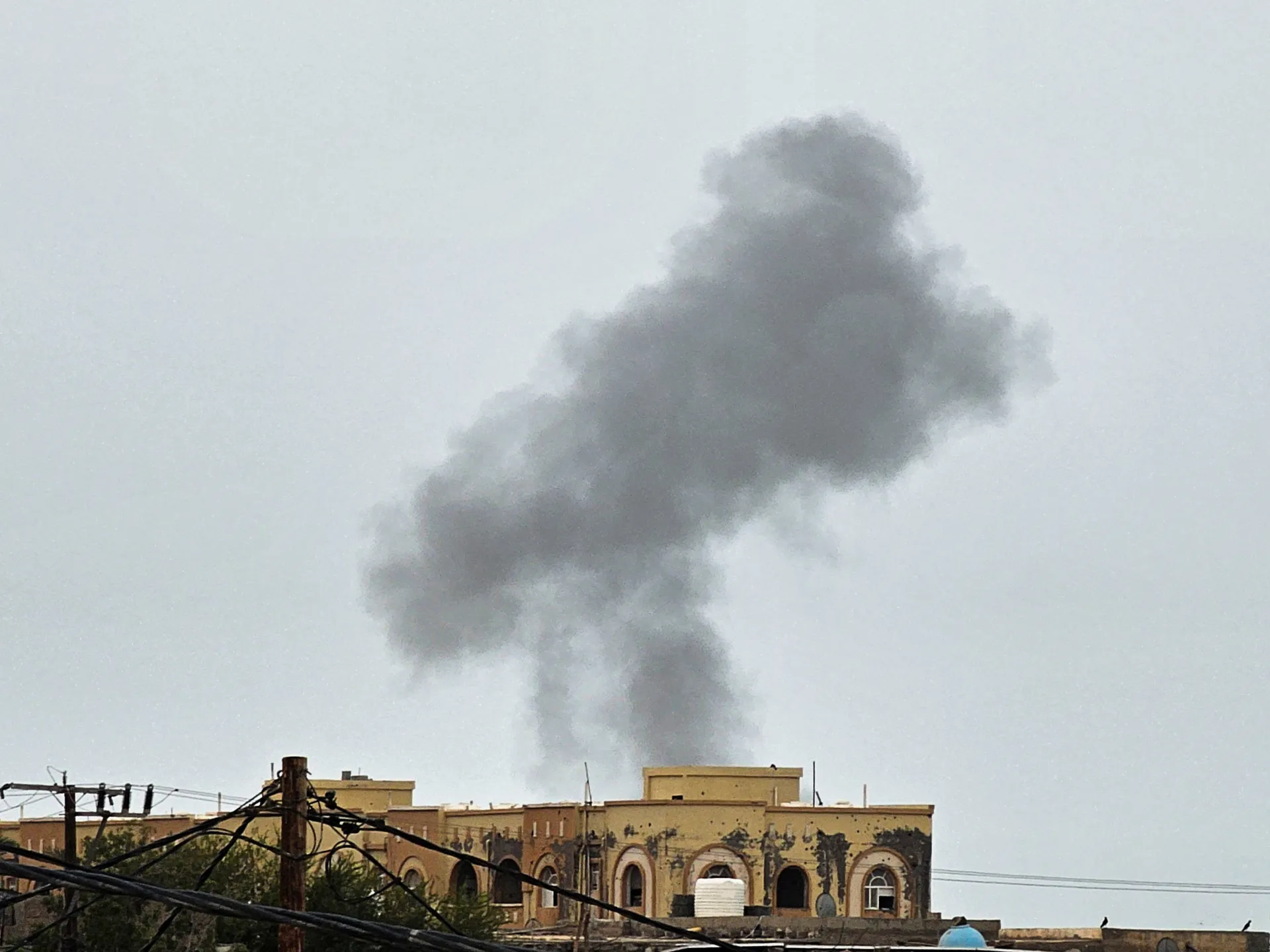
During the session, Olabi specifically pointed to events occurring on September 9, when an emergency declaration was issued regarding the Jabal al-Sheikh region. He labeled the Israeli military presence in this area as a blatant violation of international law. According to the Syrian representative, Israel has responded to various mediation and diplomatic overtures with a pattern of airstrikes and territorial incursions, which he claims serves to destabilize not only Syria but the broader Middle Eastern region.
The Syrian delegation emphasized that these actions go beyond mere border skirmishes. deliberately undermining the post-regime transition period. Olabi expressed clear frustration with the necessity of addressing these military disputes, arguing that such topics are relics of the past and that the international community should be focused on supporting Syria's future rather than debating foreign military intervention.
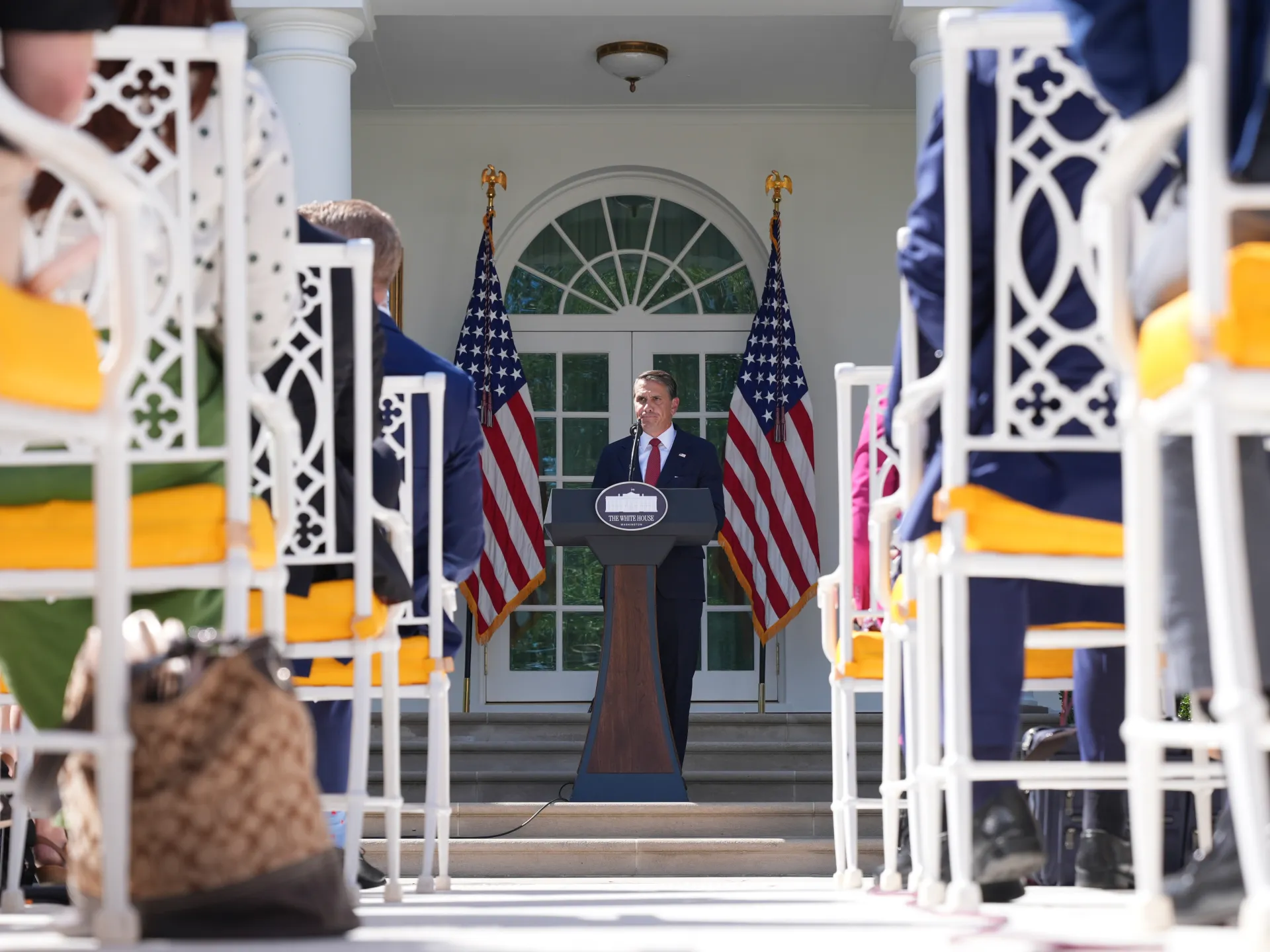
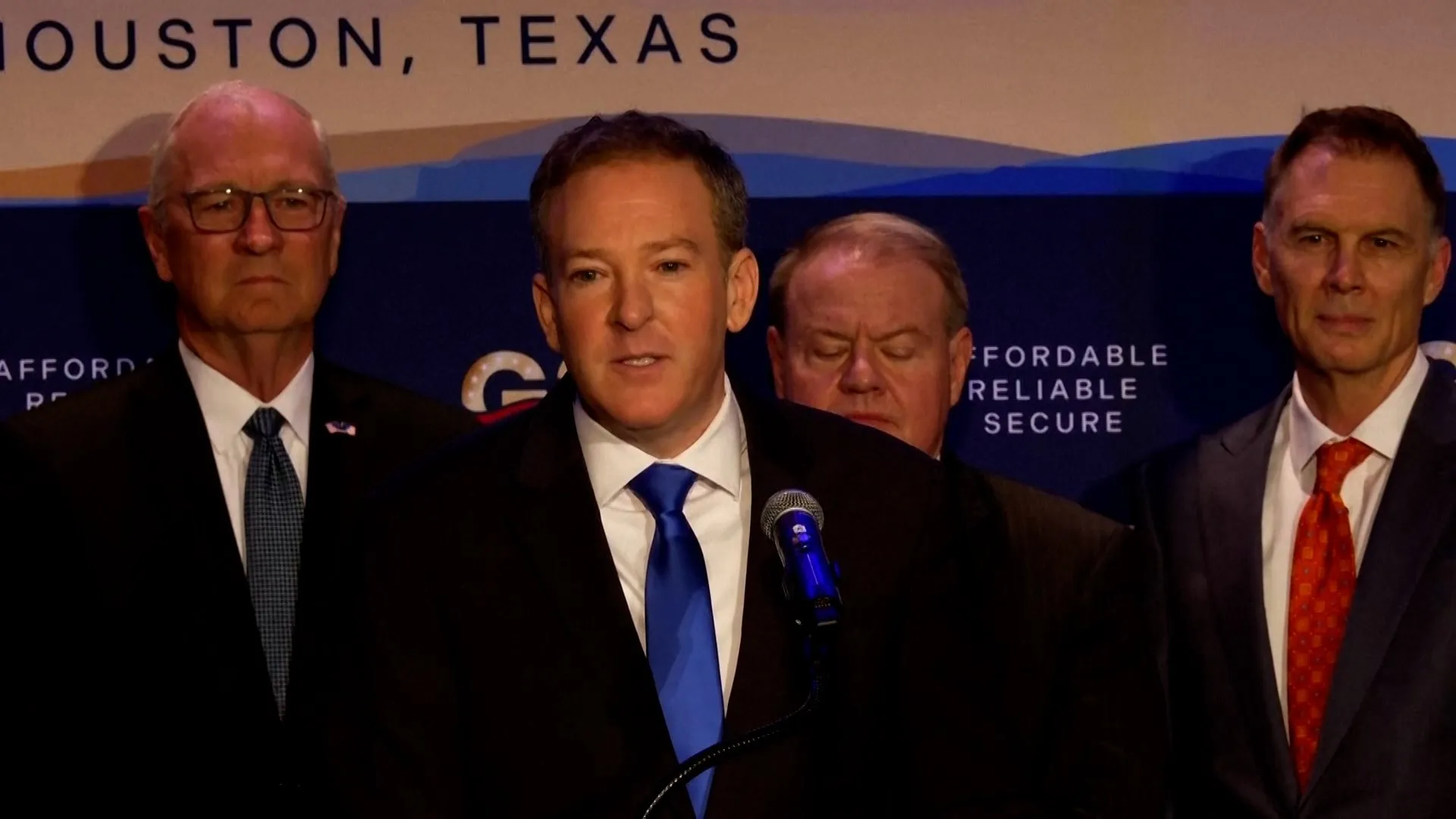
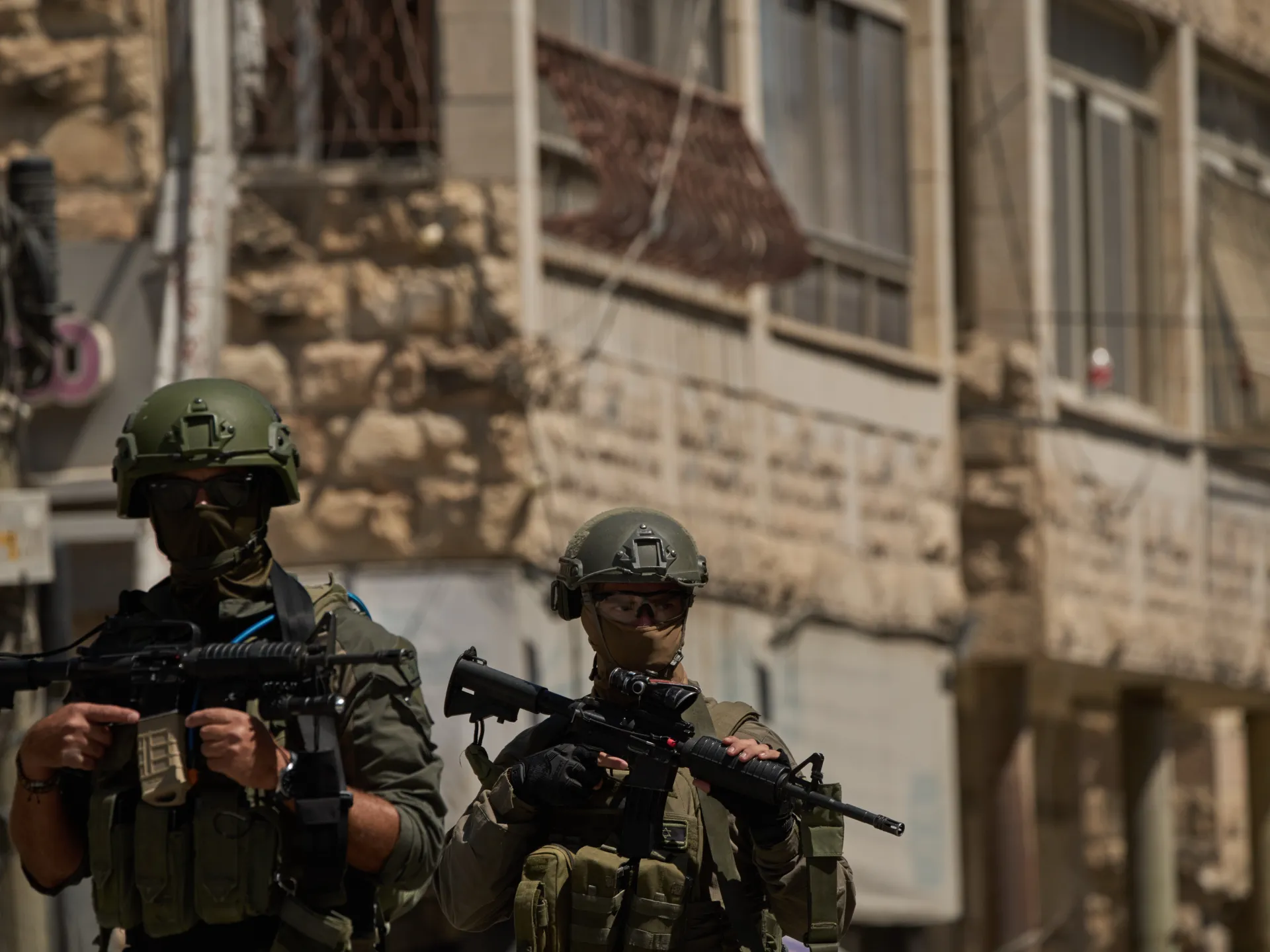
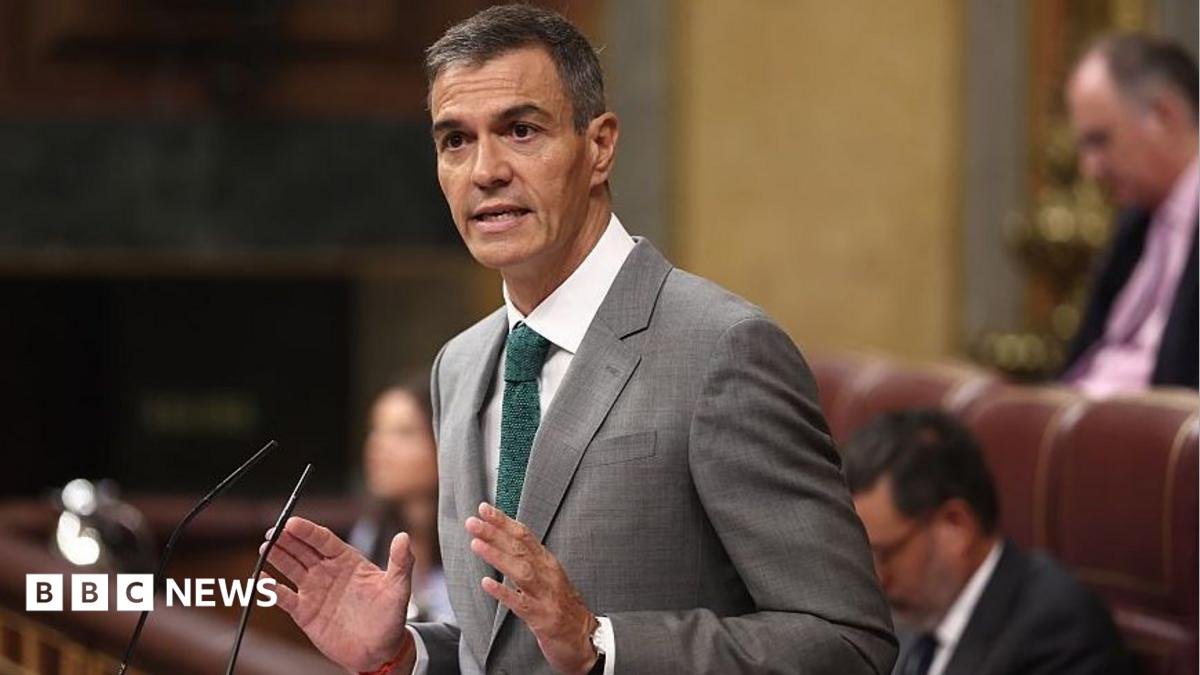
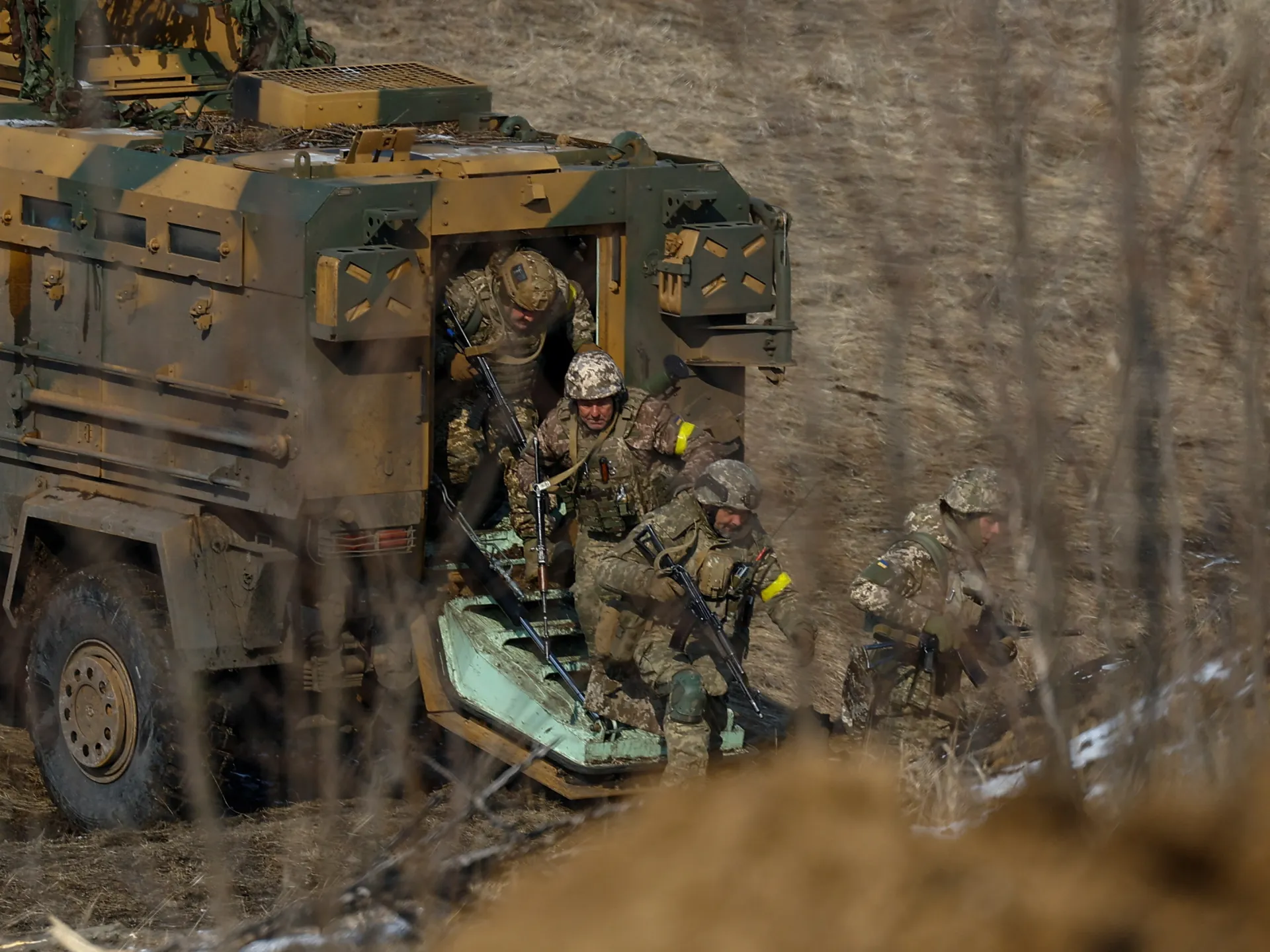
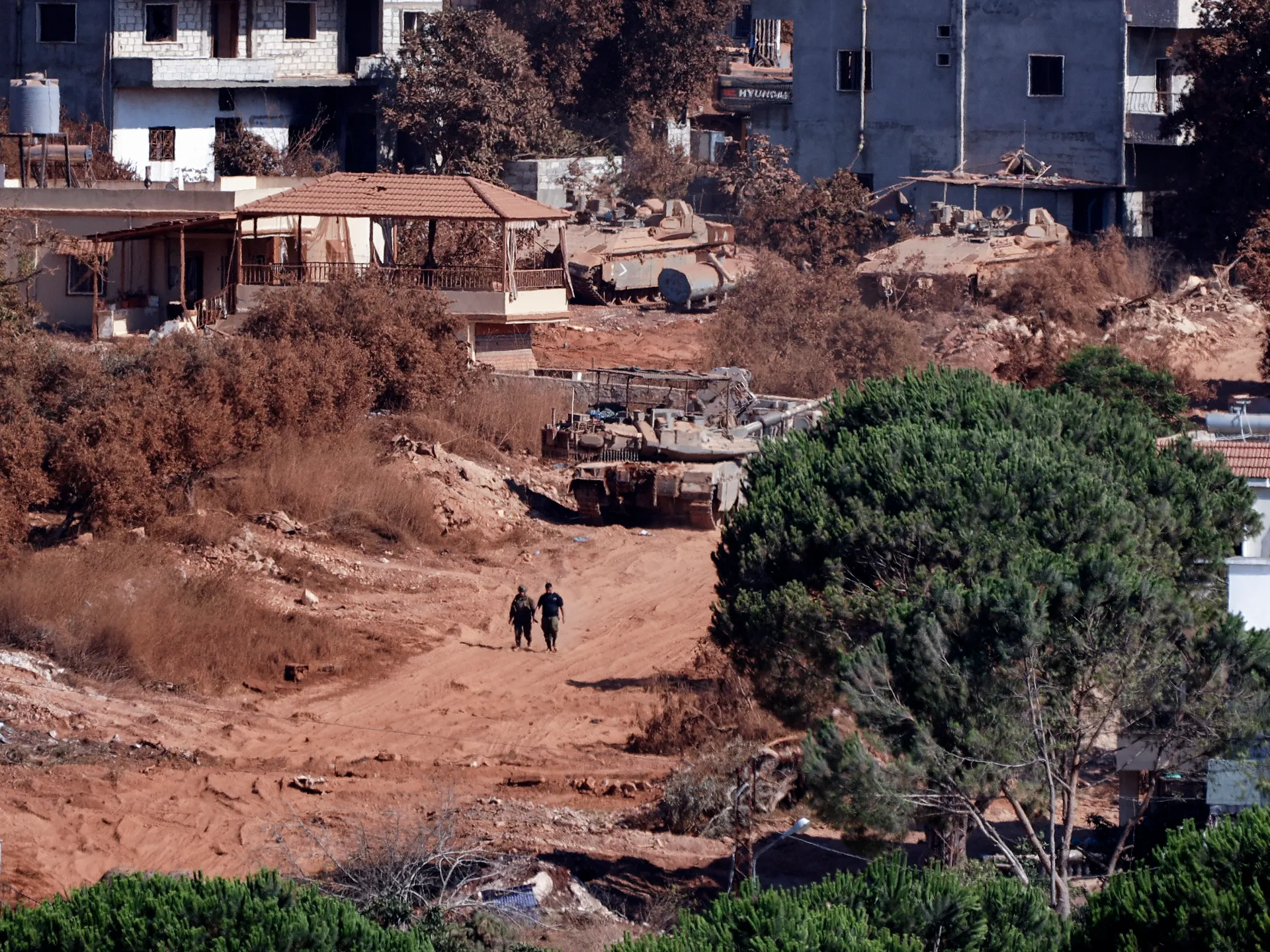
In response to the accusations brought forth fensive posture, attempting to pivot the conversation toward the role of Turkiye. Danon downplayed the scale of Israel’s military footprint in Syria, characterizing it as a small, defensive security buffer. Instead, he urged the Security Council to scrutinize the much larger presence of Turkish forces currently stationed within Syrian borders.
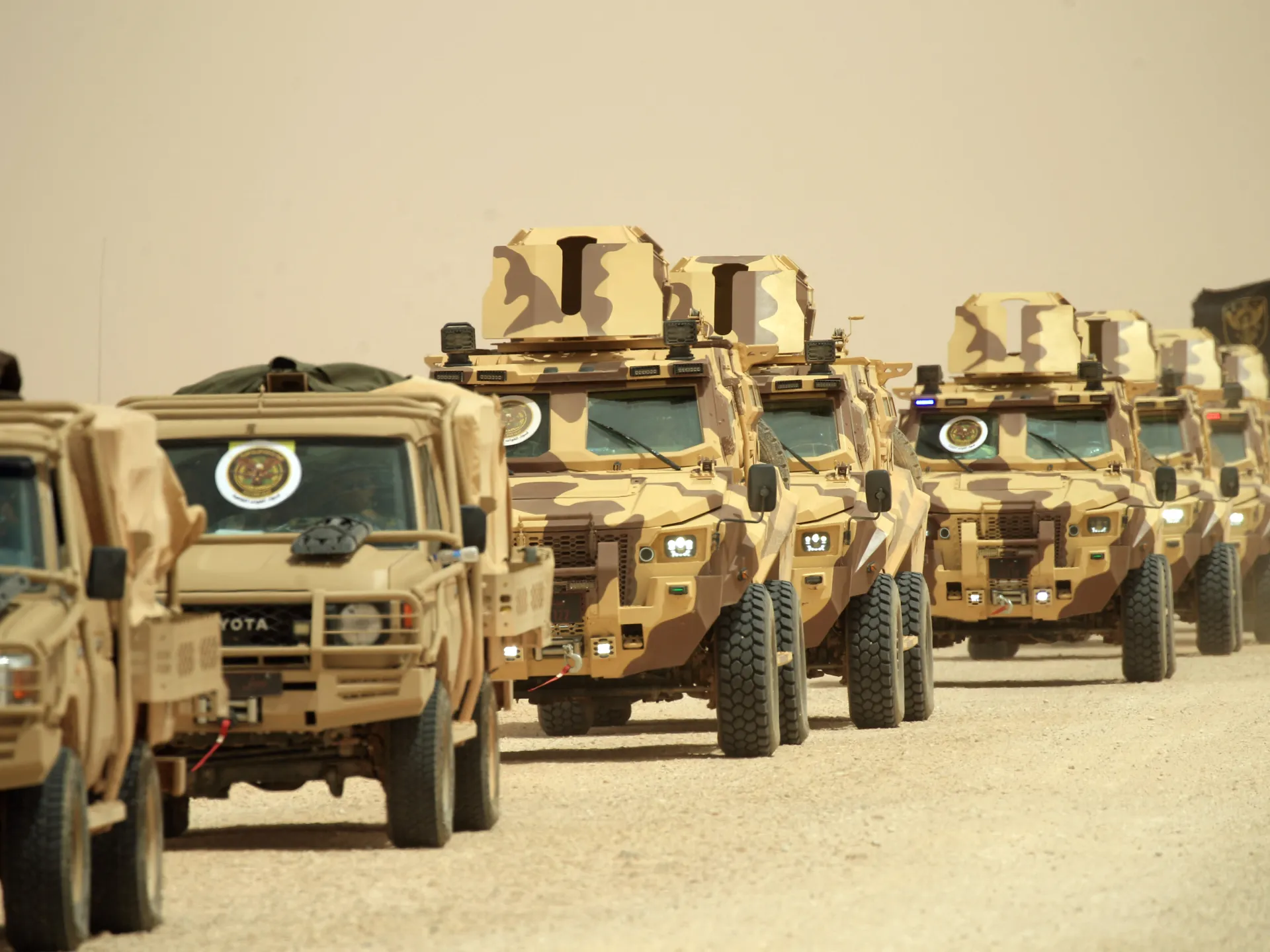
Danon alleged that Turkiye maintains a significant military apparatus in the region, including thousands of troops and over one hundred bases. The Israeli ambassador argued that this scale of presence is far more concerning than Israel’s limited operations. He further claimed that Turkiye is effectively adopting a strategy similar to that of Iranian proxies, suggesting that Ankara has long-term designs on controlling portions of Syrian territory, which he argued poses a far greater threat to the nation's integrity.
Turkish Ambassador to the UN, Ahmet Yildiz, swiftly rejected the claims made rces in Syria is entirely legitimate and carried out at the explicit invitation of the Syrian government. He dismissed Israel’s criticisms as a smear campaign designed to distract from Israel’s own alleged violations of international law and its history of aggressive actions in the region.