

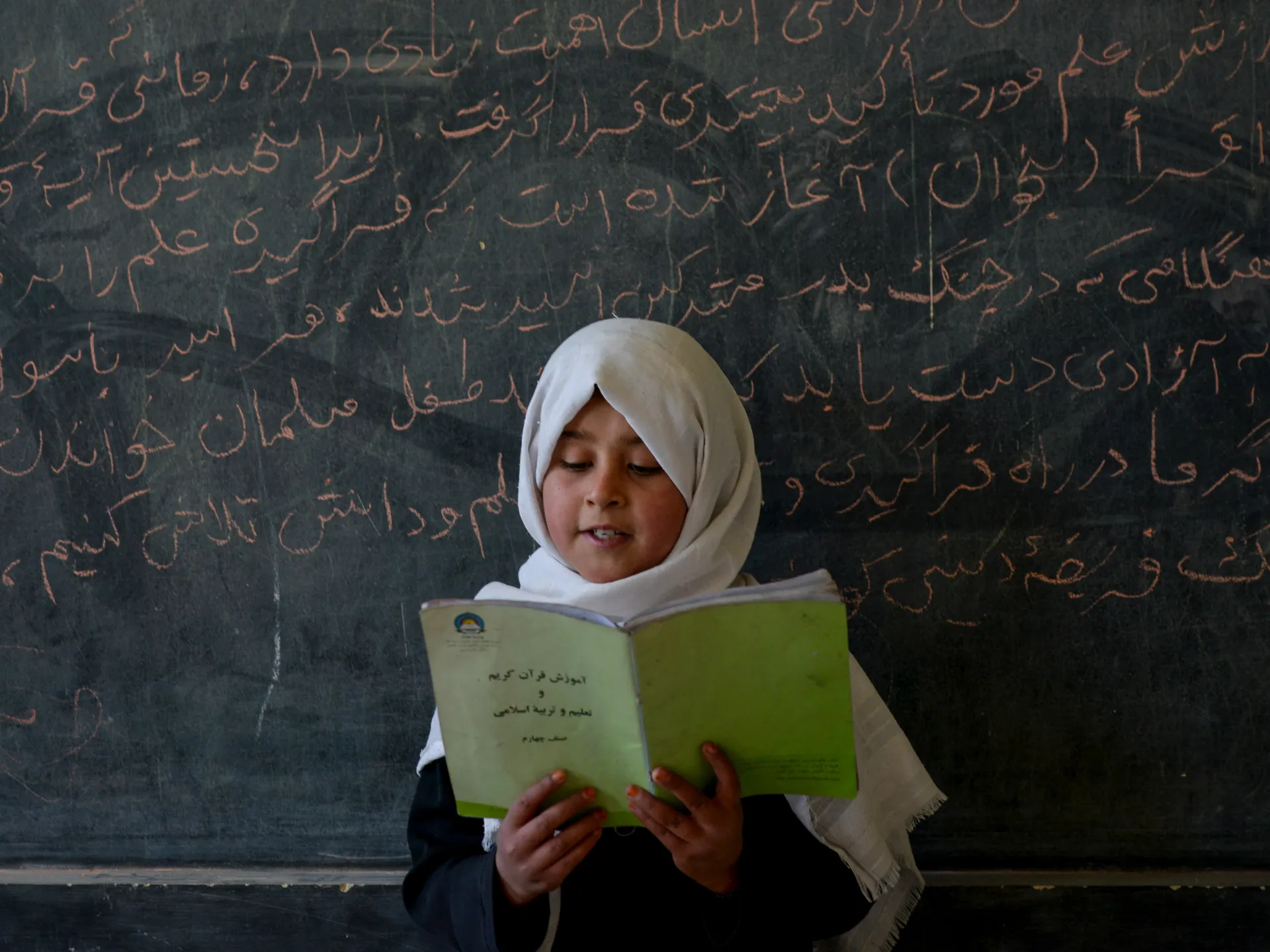
New data from UNESCO indicates that 2.4 million Afghan girls are now excluded from secondary education, deepening a crisis the UN describes as gender apartheid.
Recent data from UNESCO reveals a staggering humanitarian crisis within Afghanistan, where approximately 2.4 million girls are currently being denied access to secondary education. This figure highlights the deepening exclusion of female students from the classroom, a policy that has remained in place since the Taliban regained control of the nation. Afghanistan currently holds the unfortunate distinction of being the only country globally that prohibits its female population from attending secondary schools and universities.
The impact of these restrictions extends far beyond the immediate denial of learning. has effectively halted the progression of an entire generation of women. International observers and humanitarian organizations have frequently characterized these restrictive policies as a form of gender apartheid, noting the severe implications for the rights and future autonomy of Afghan women.
The systematic dismantling of female education began shortly after the withdrawal of international forces and the subsequent return of the Taliban to power. In March 2022, secondary schools were officially shuttered for female students, a move that dashed the hopes of millions of young women. This was followed om attending universities, effectively cutting off pathways to higher education and professional development.
These policy decisions have faced widespread condemnation from the international community, including various Muslim-majority nations that have urged the government to reconsider. Despite these external pressures, the Taliban leadership has consistently framed the prohibition as an internal policy matter. This stance continues to create a significant diplomatic rift, leaving millions of students in a state of limbo while the global community searches for ways to address the crisis.
The educational crisis is further exacerbated ed a ban preventing women from teaching boys, a policy that has stripped the education sector of its most qualified personnel. According to projections ified female teachers, leaving many male students to be instructed
Beyond the policy-driven restrictions, the physical infrastructure of the Afghan school system is in a state of deep decay. A substantial number of facilities operate without basic necessities such as heating, clean water, or sanitation. Furthermore, the country has faced significant environmental challenges, with natural disasters forcing the closure of approximately one thousand schools over the past five years. These compounding factors have made it increasingly difficult for any child to receive a consistent, high-quality education.
The long-term consequences of these developments are visible in the country's declining literacy rates. Currently, it is estimated that more than two million children are out of school at the primary level alone. The situation is particularly dire regarding foundational skills, with reports indicating that ninety percent of ten-year-olds are unable to read a simple text. This decline has dragged the national literacy rate down to just 37 percent, threatening the country's economic future and social stability.
As the education system continues to struggle under the weight of these bans and infrastructure deficits, the potential for future economic development remains severely constrained. Experts warn that without an urgent shift in policy to include girls in the classroom, the country faces a cycle of poverty and intellectual stagnation that will be difficult to reverse. The international community remains focused on the issue, though finding a resolution that complies with the current administration's internal directives remains a primary obstacle.