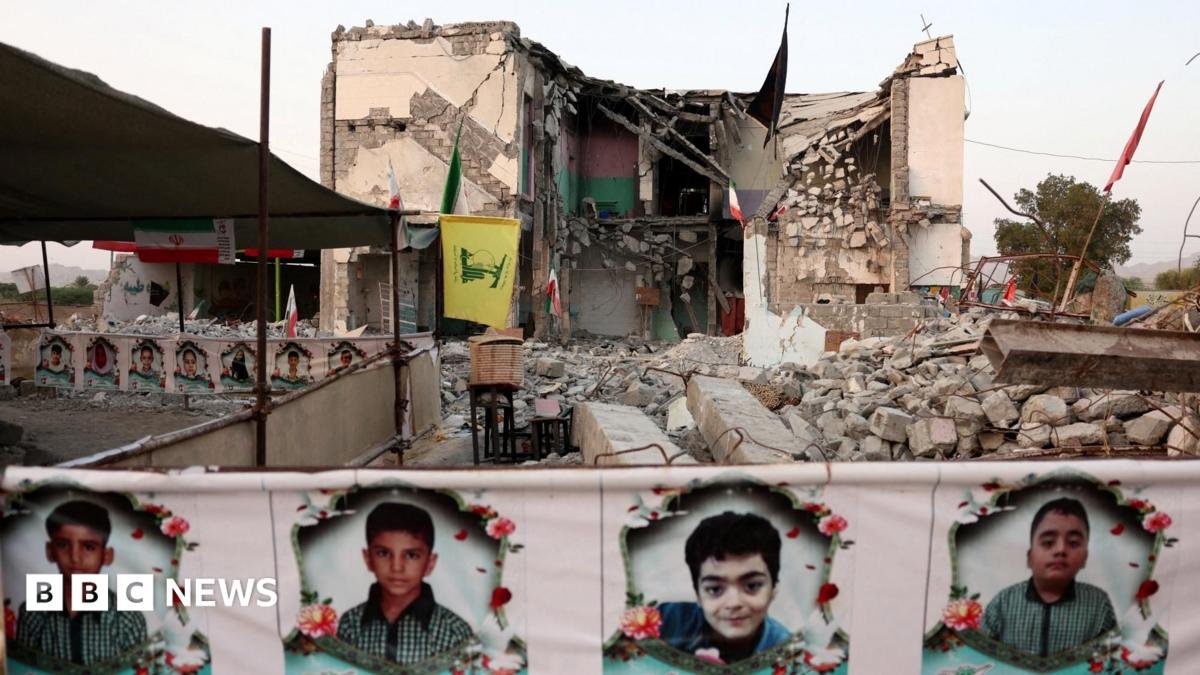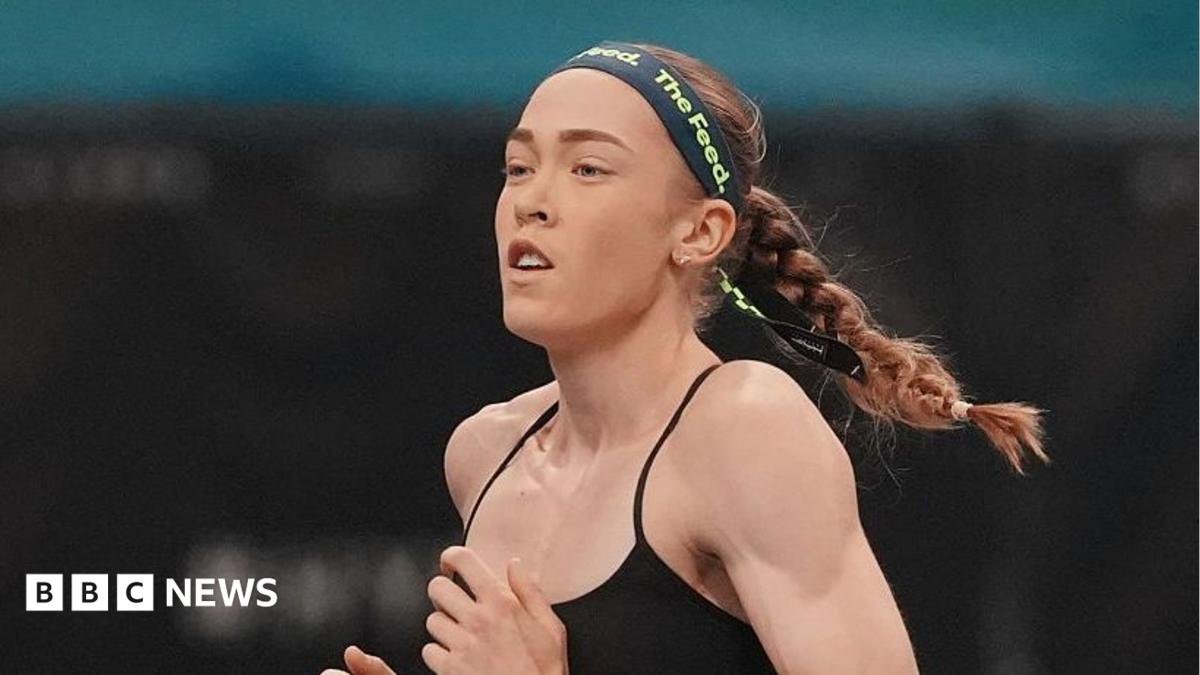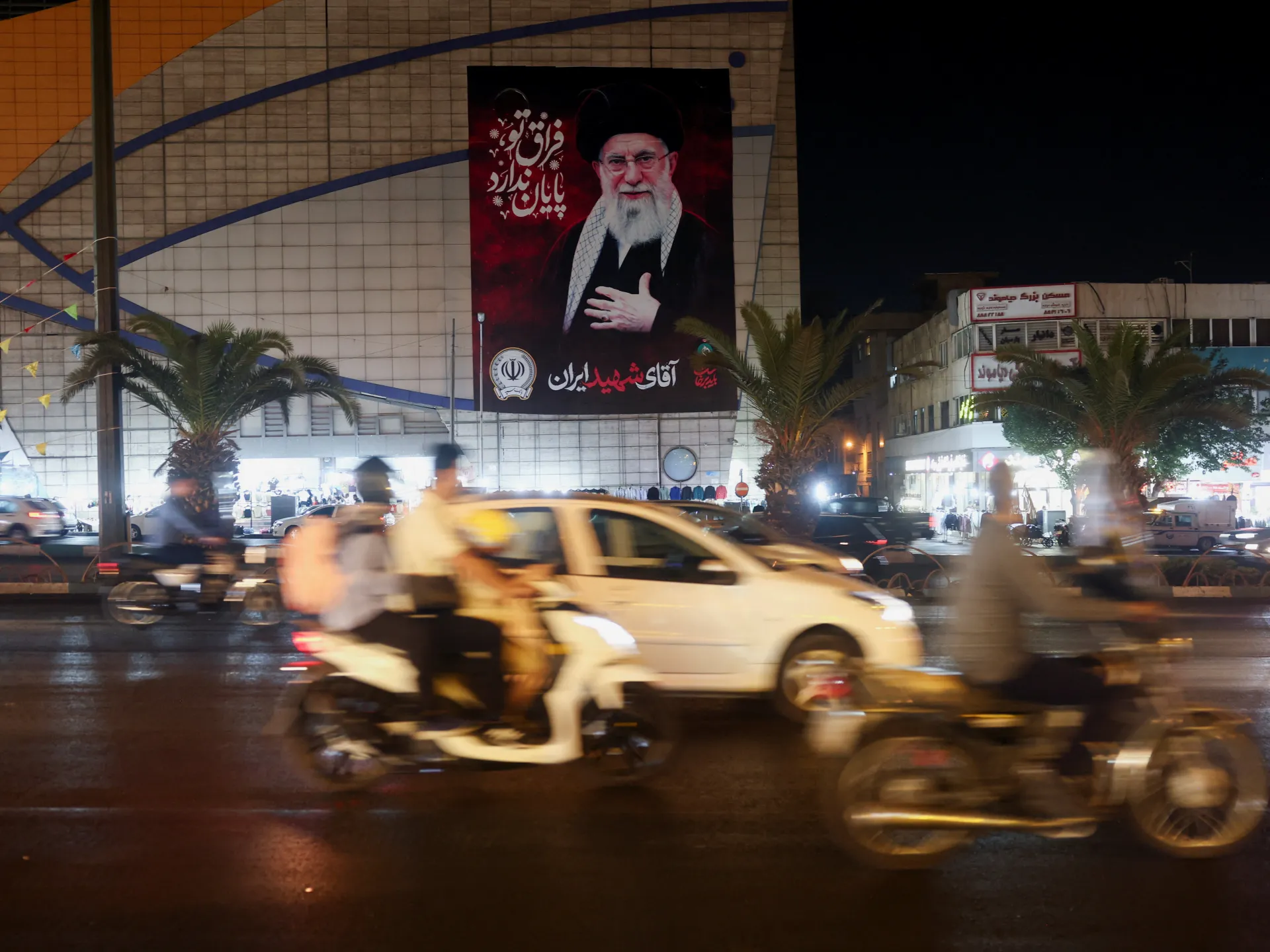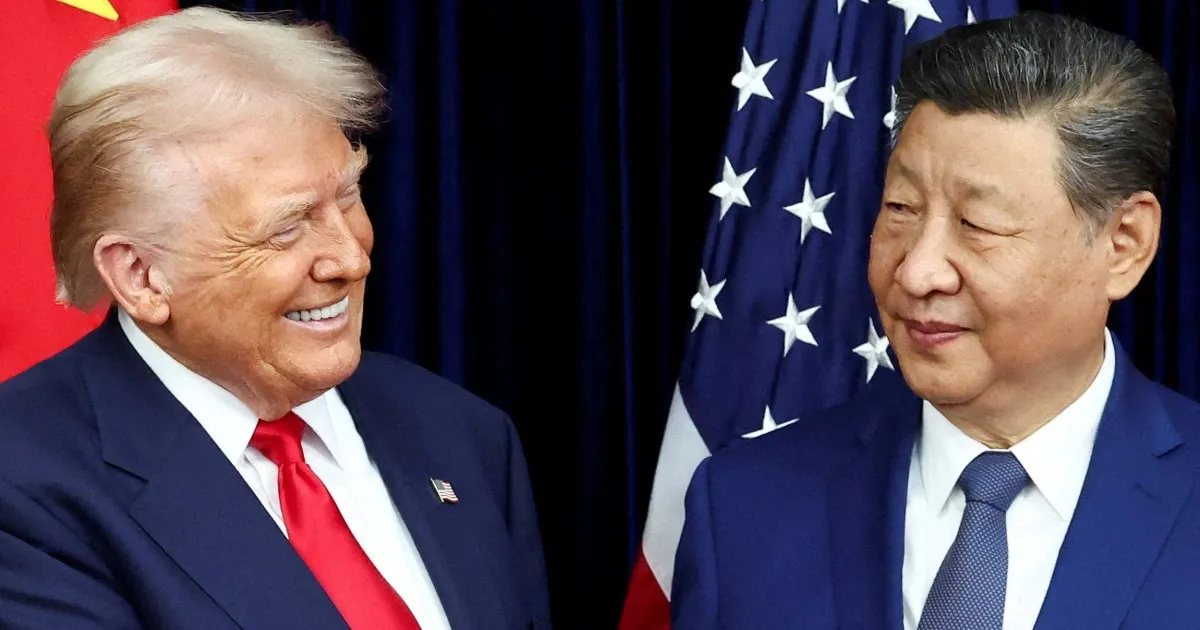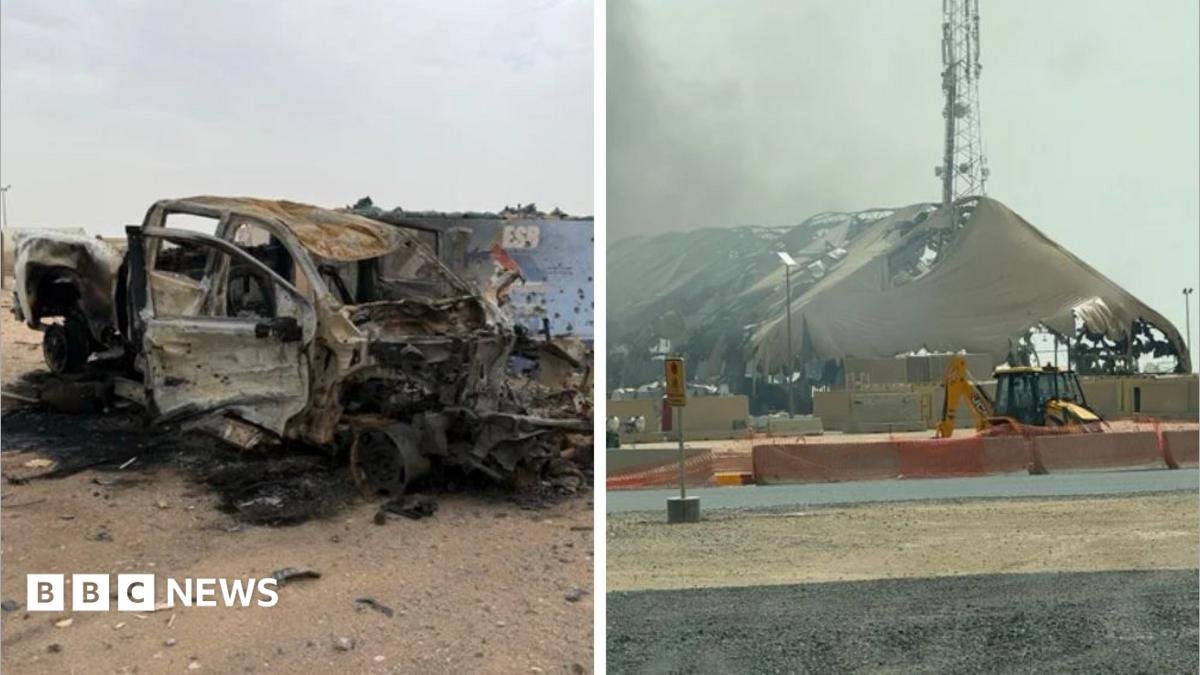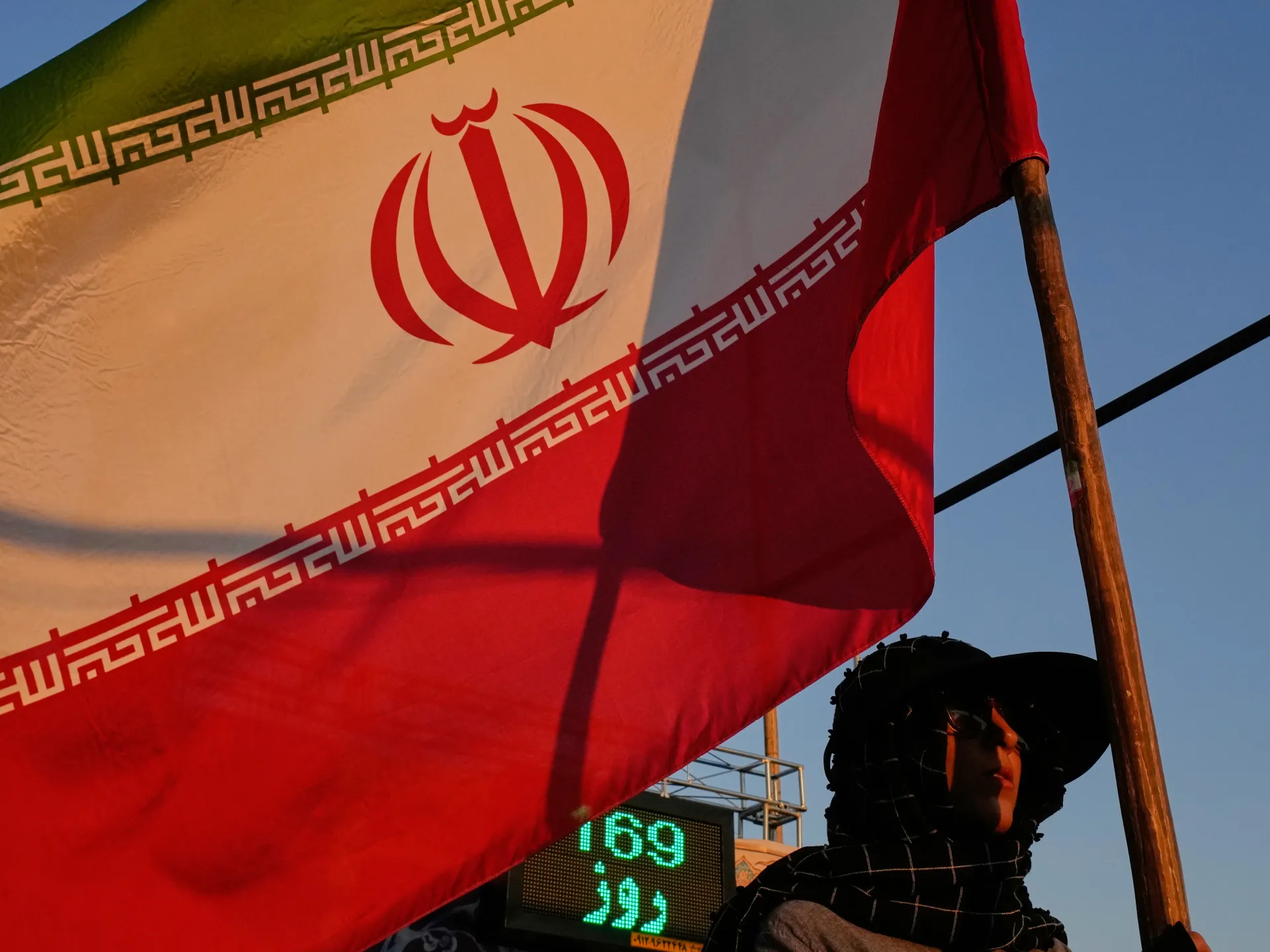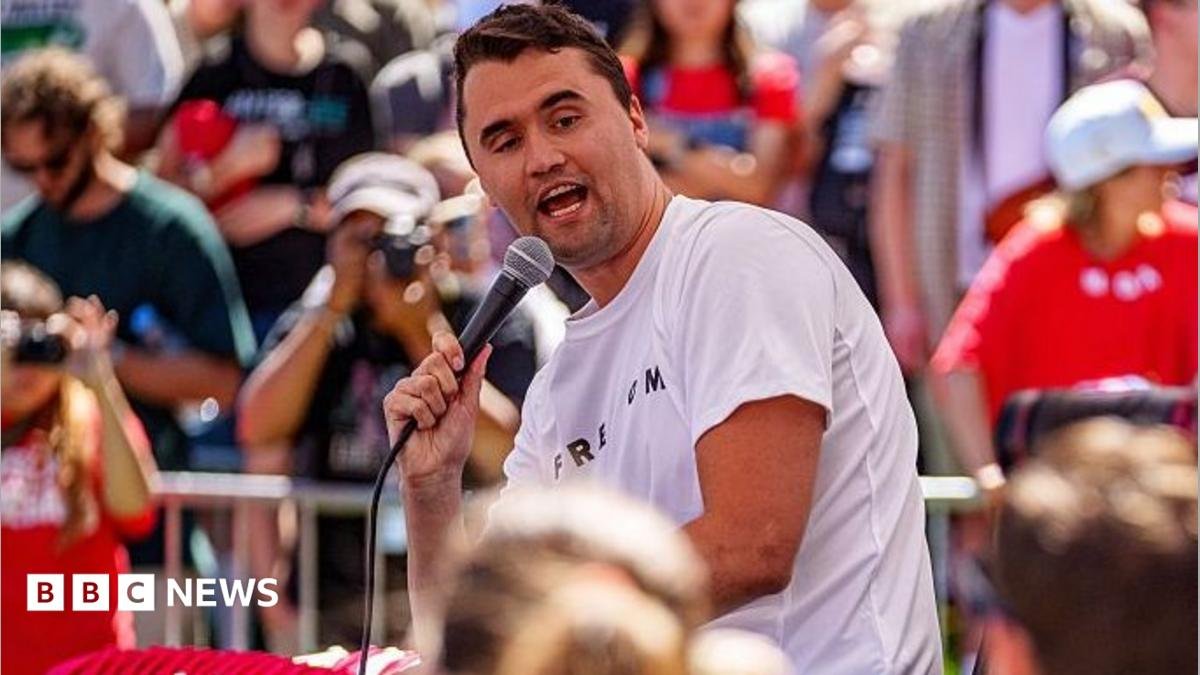
As the administration struggles with sinking approval ratings and internal dissent over Iran, a separate cultural crisis threatens to further divide the American public.
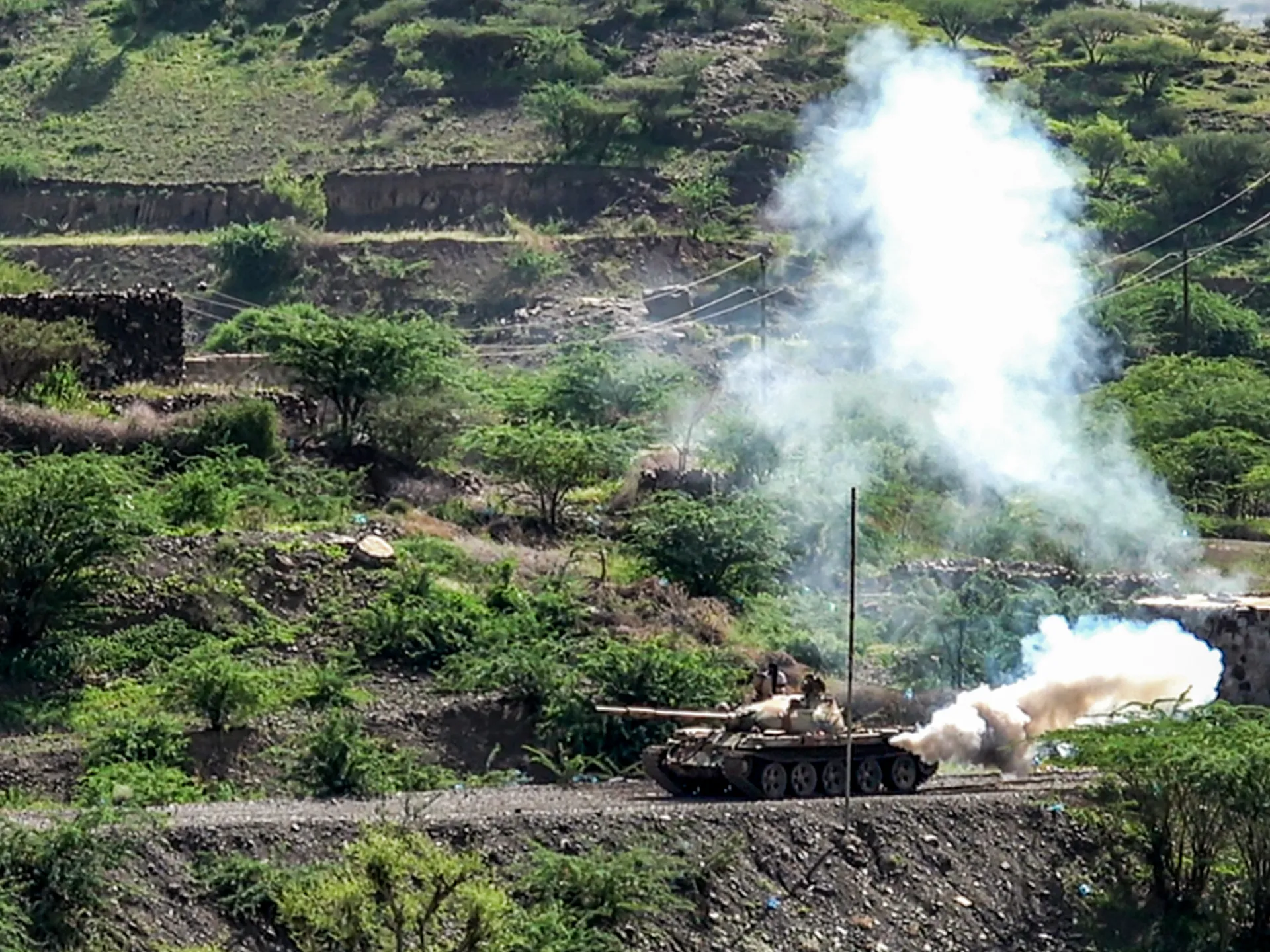
The current administration is navigating a period of profound turbulence, defined f the American cultural landscape. As Secretary of Defense Pete Hegseth attempts to revitalize public support for the government’s military posture, he faces a disillusioned electorate, while the White House simultaneously grapples with the fallout from confrontational rhetoric directed at global religious leadership.
These developments occur against a backdrop of increasing volatility, where the intersection of foreign policy objectives and domestic public opinion appears to be straining under the weight of recent decisions. From the halls of Camp David to the stages of major concert venues, the friction between institutional authority and public sentiment has become a defining feature of the current political moment.
The convergence of these events suggests a broader crisis of alignment between the executive branch’s strategic initiatives and the values held domestic “outreach tour” to address record-low favorability ratings, it indicates that the administration’s foreign policy goals—specifically regarding the ongoing conflict with Iran—are failing to secure a mandate from the citizenry. Simultaneously, the politicization of the entertainment industry highlights the fragility of national discourse; the pressure placed on artists to conform to corporate or promoter standards regarding sensitive geopolitical issues has created a vacuum of dialogue, where silence is increasingly perceived as complicity
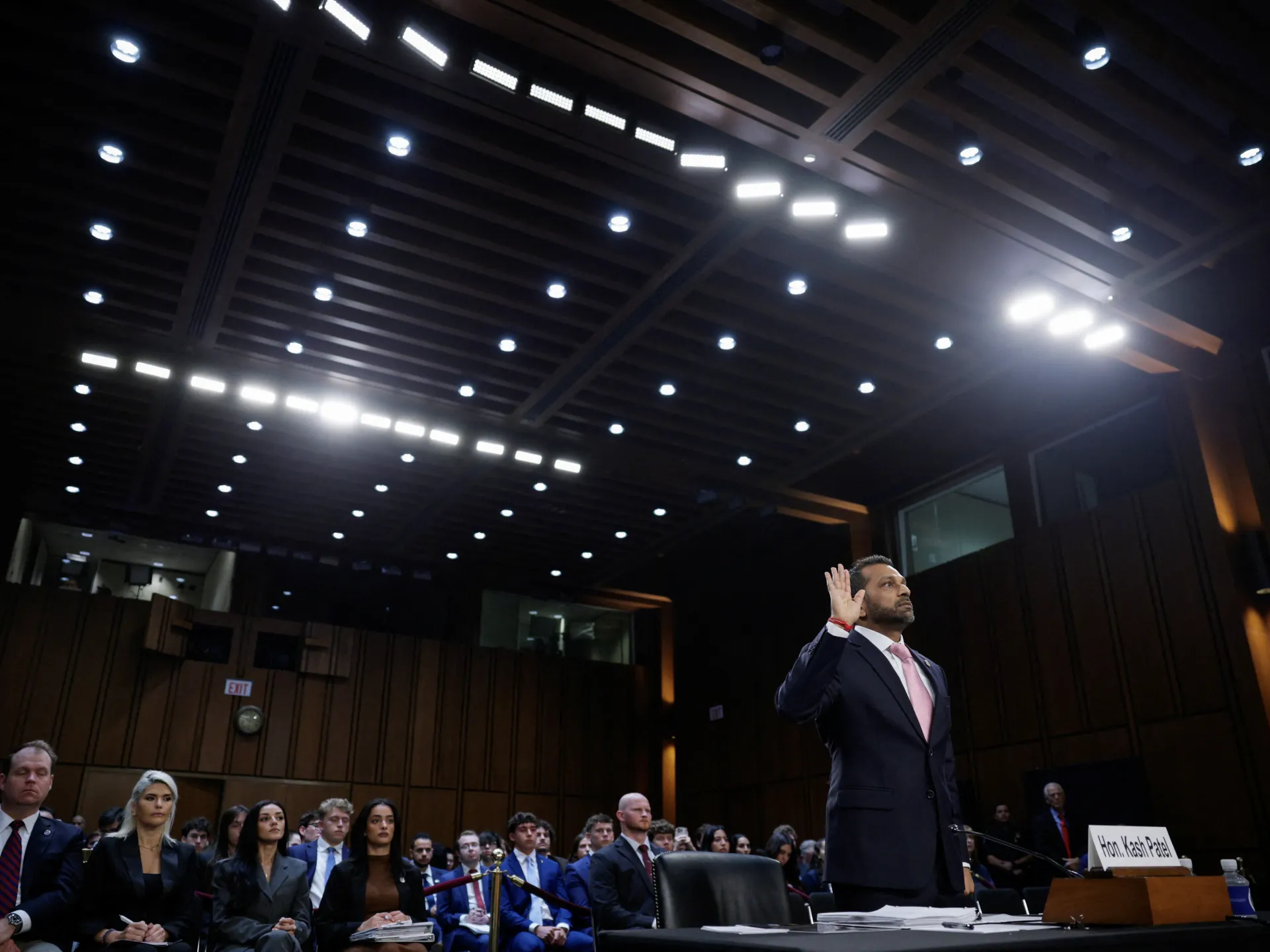
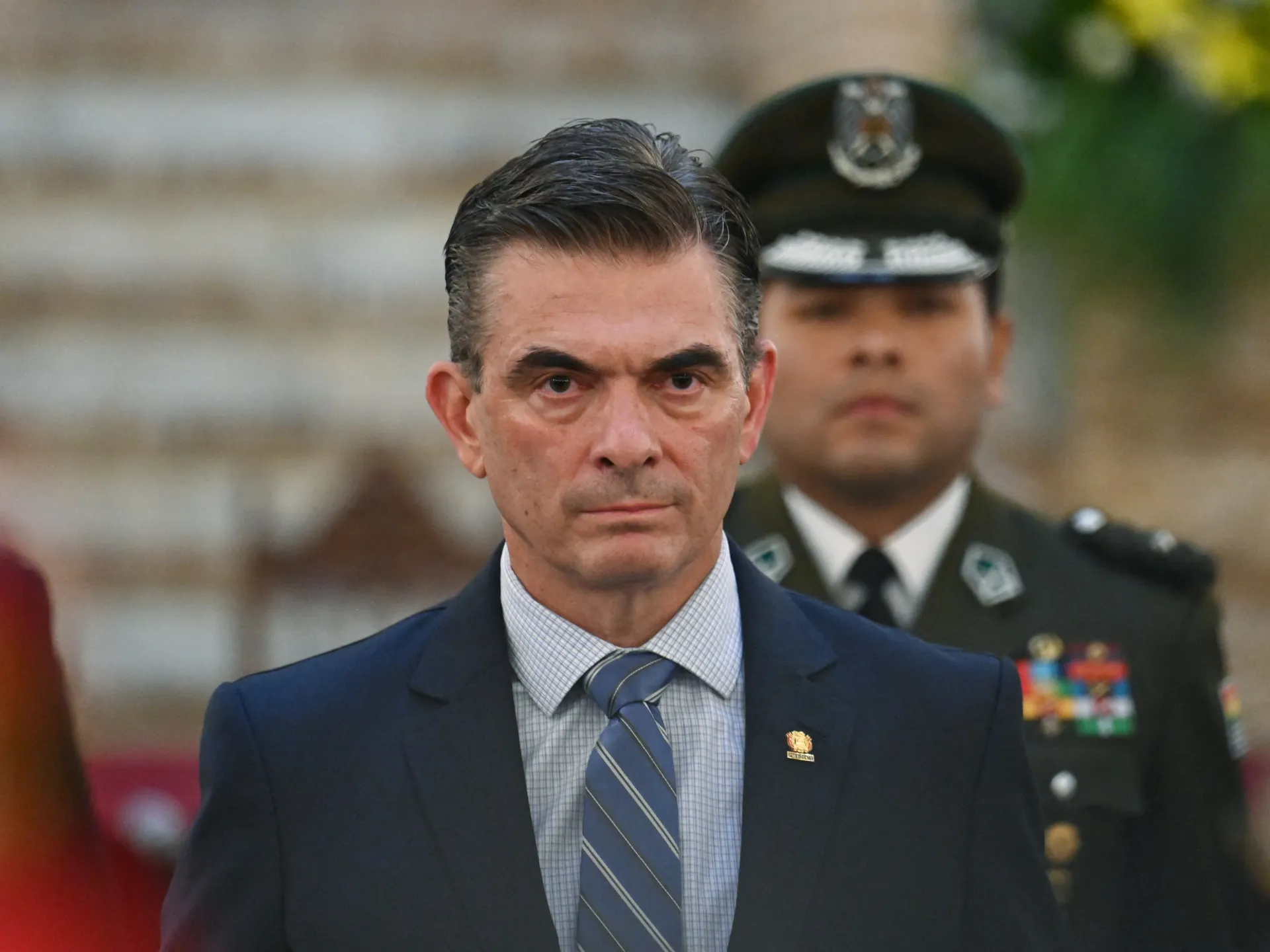
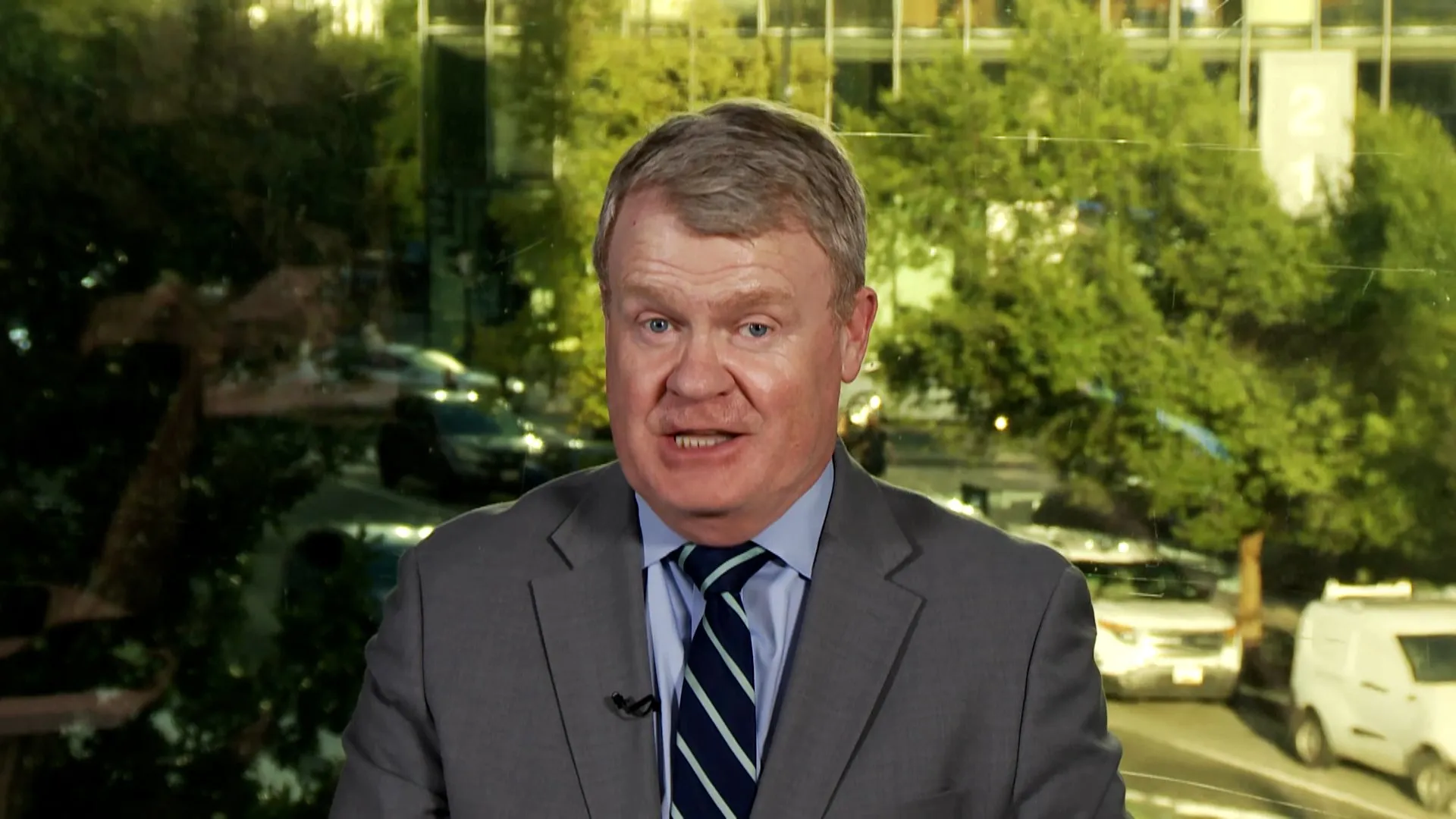
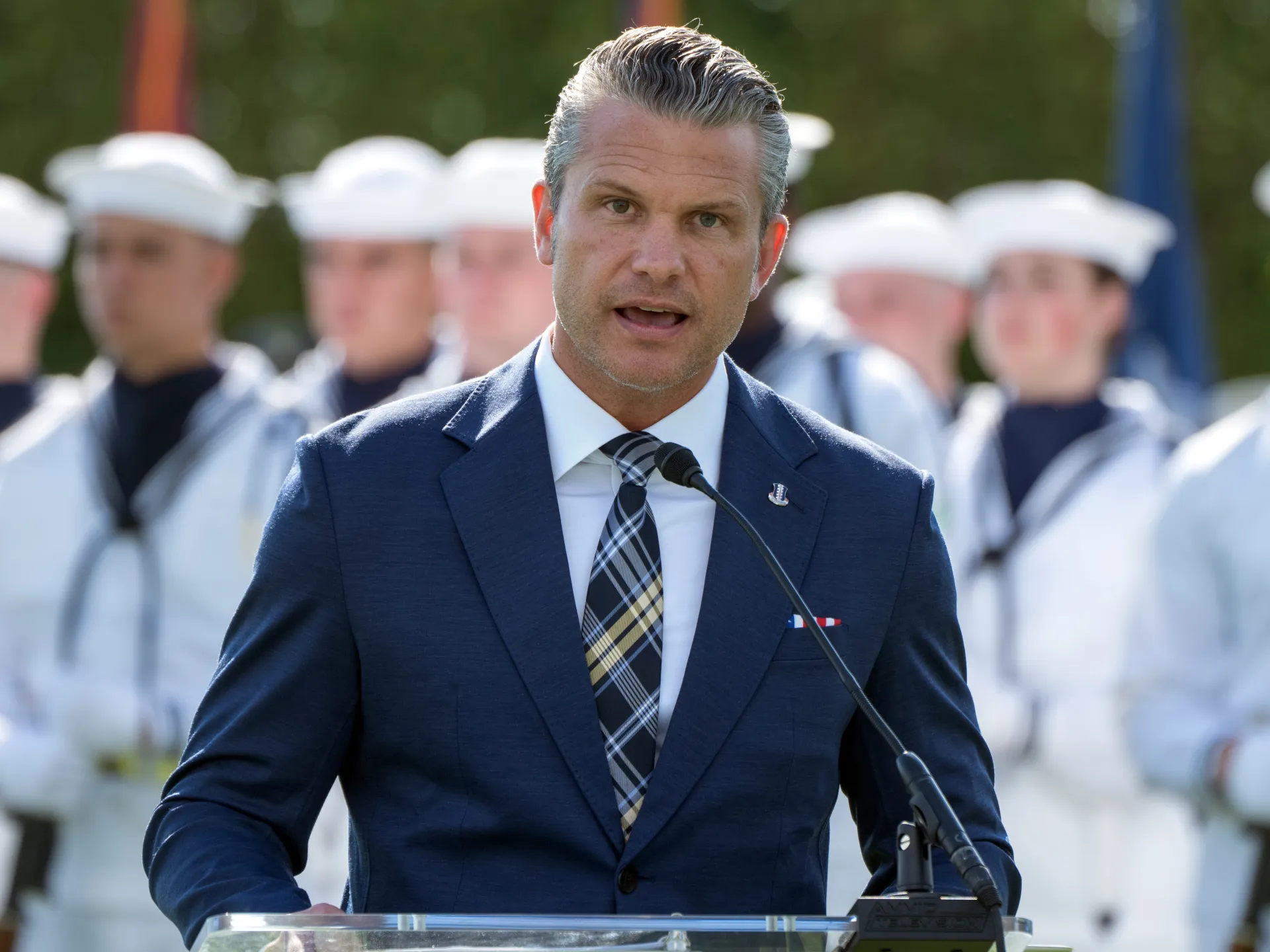
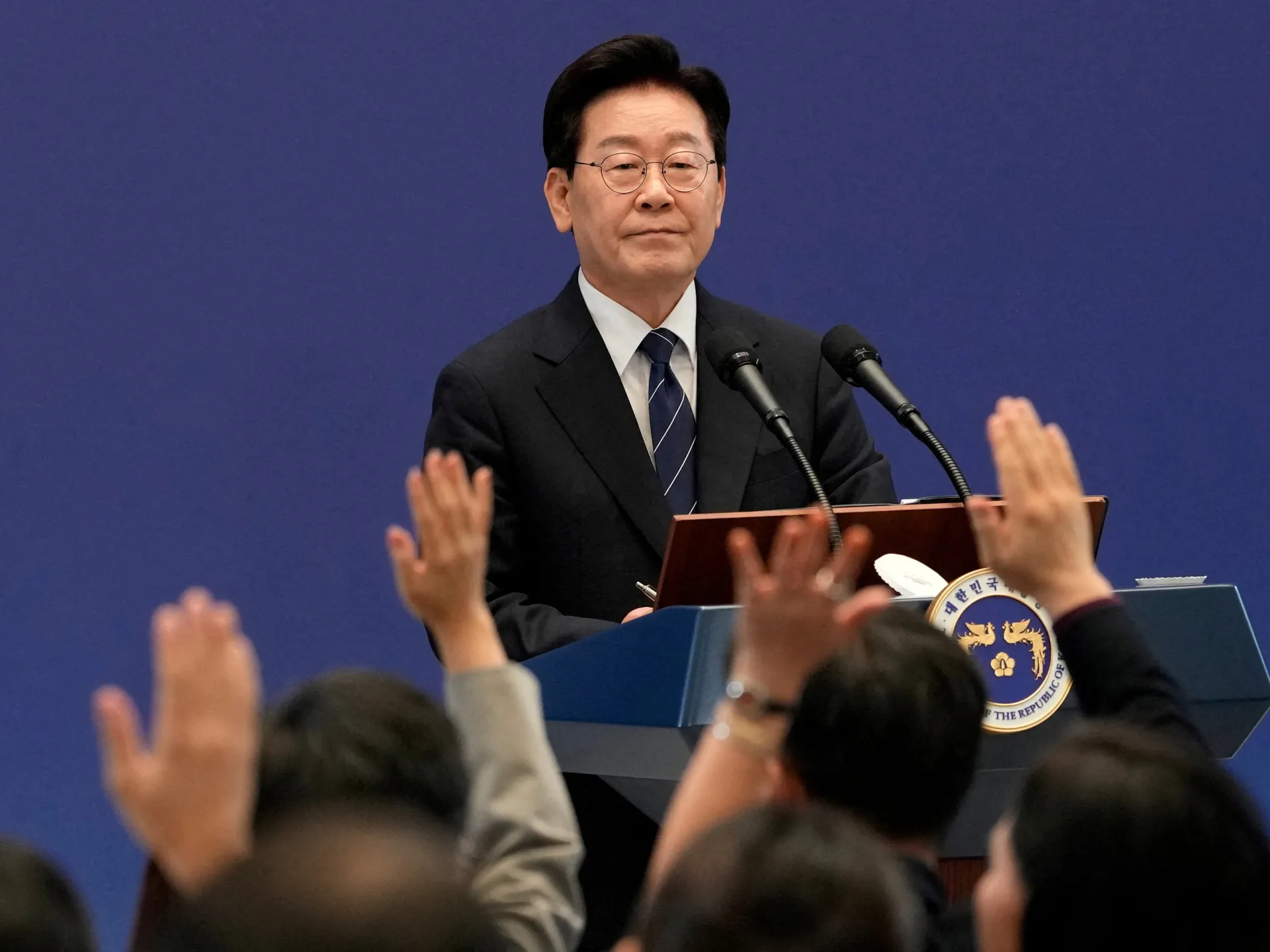
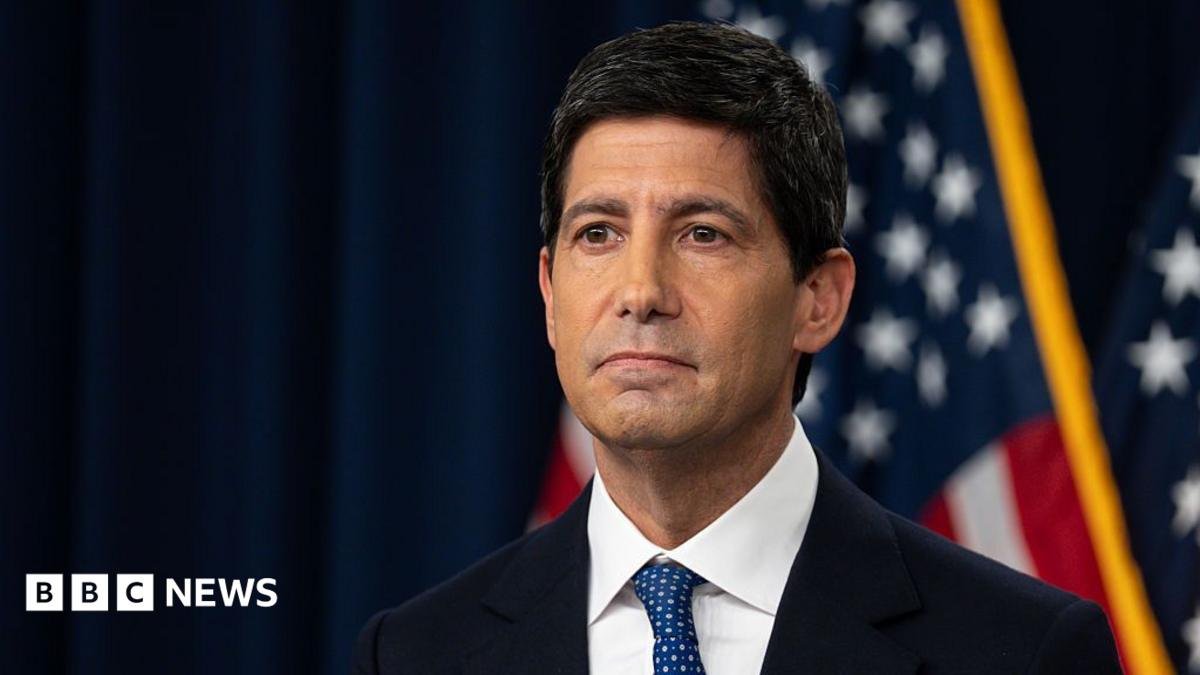
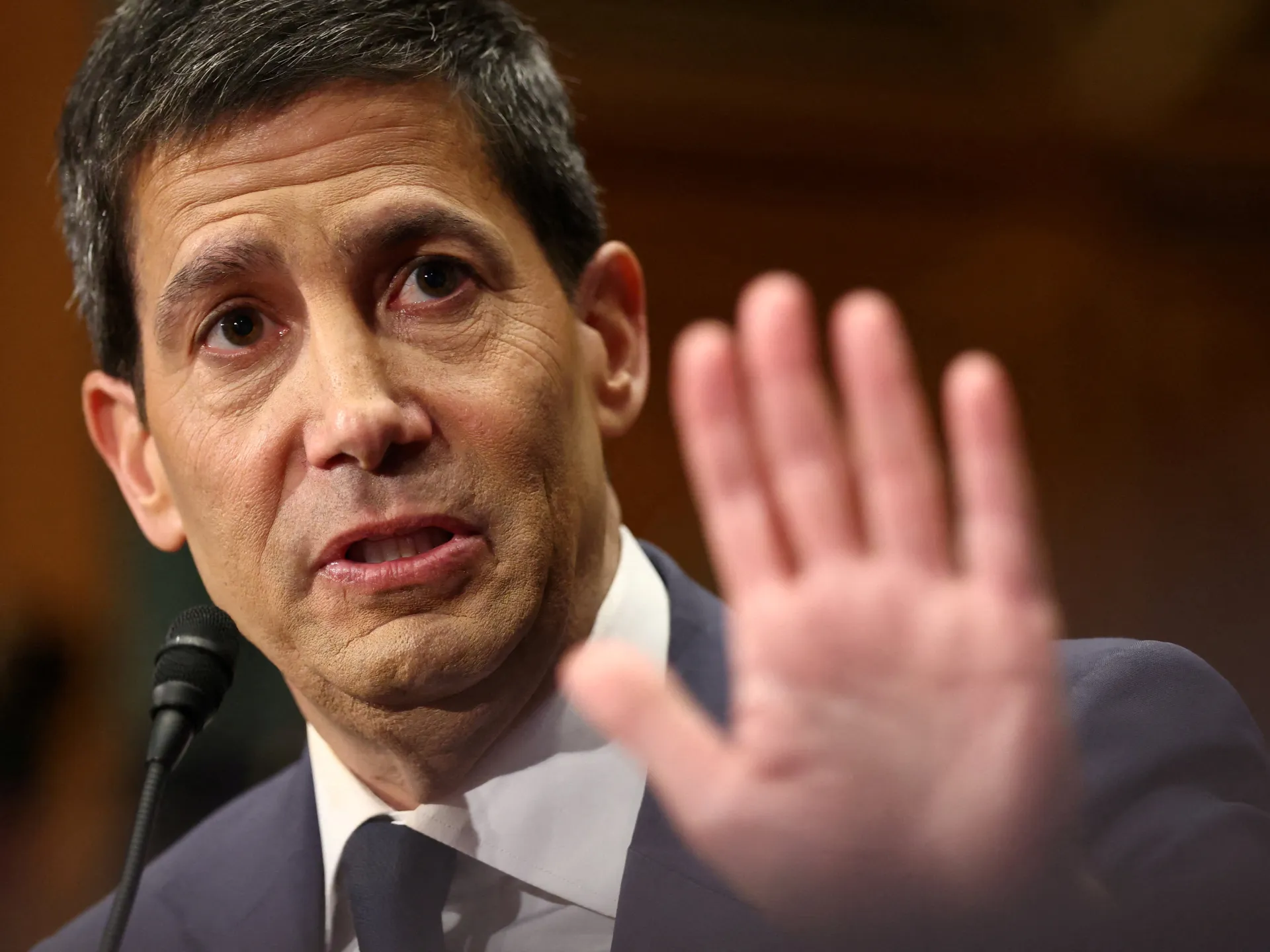
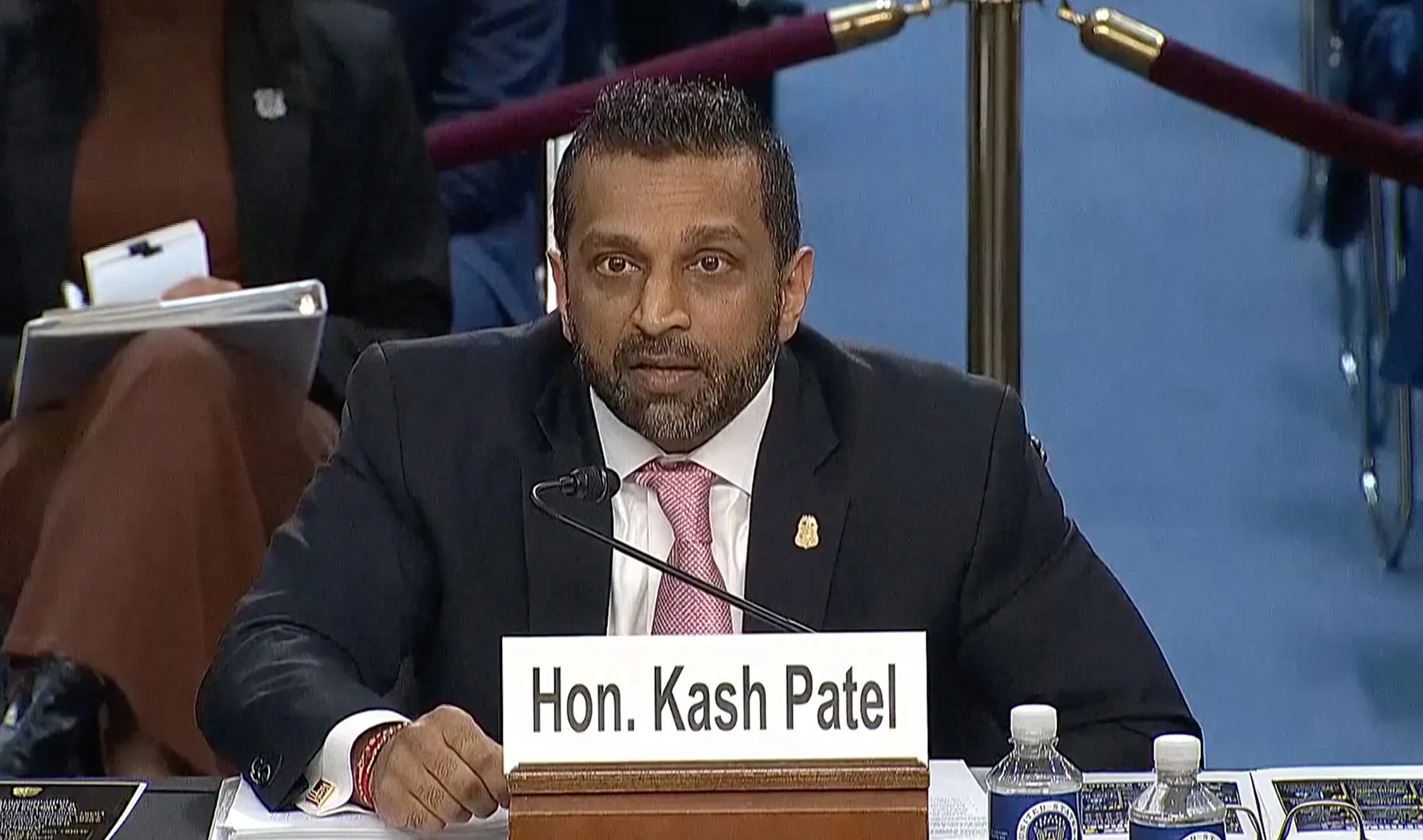
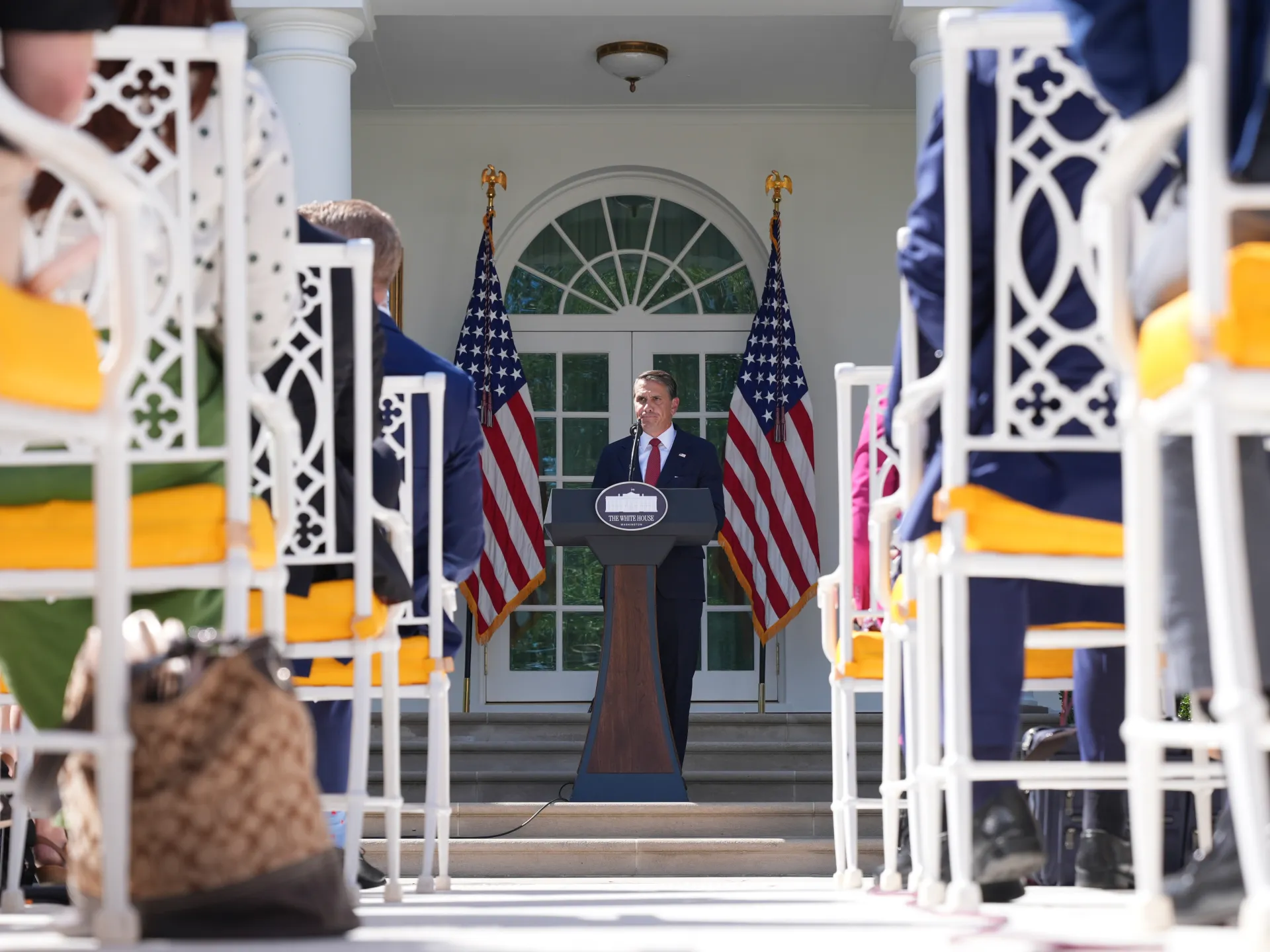
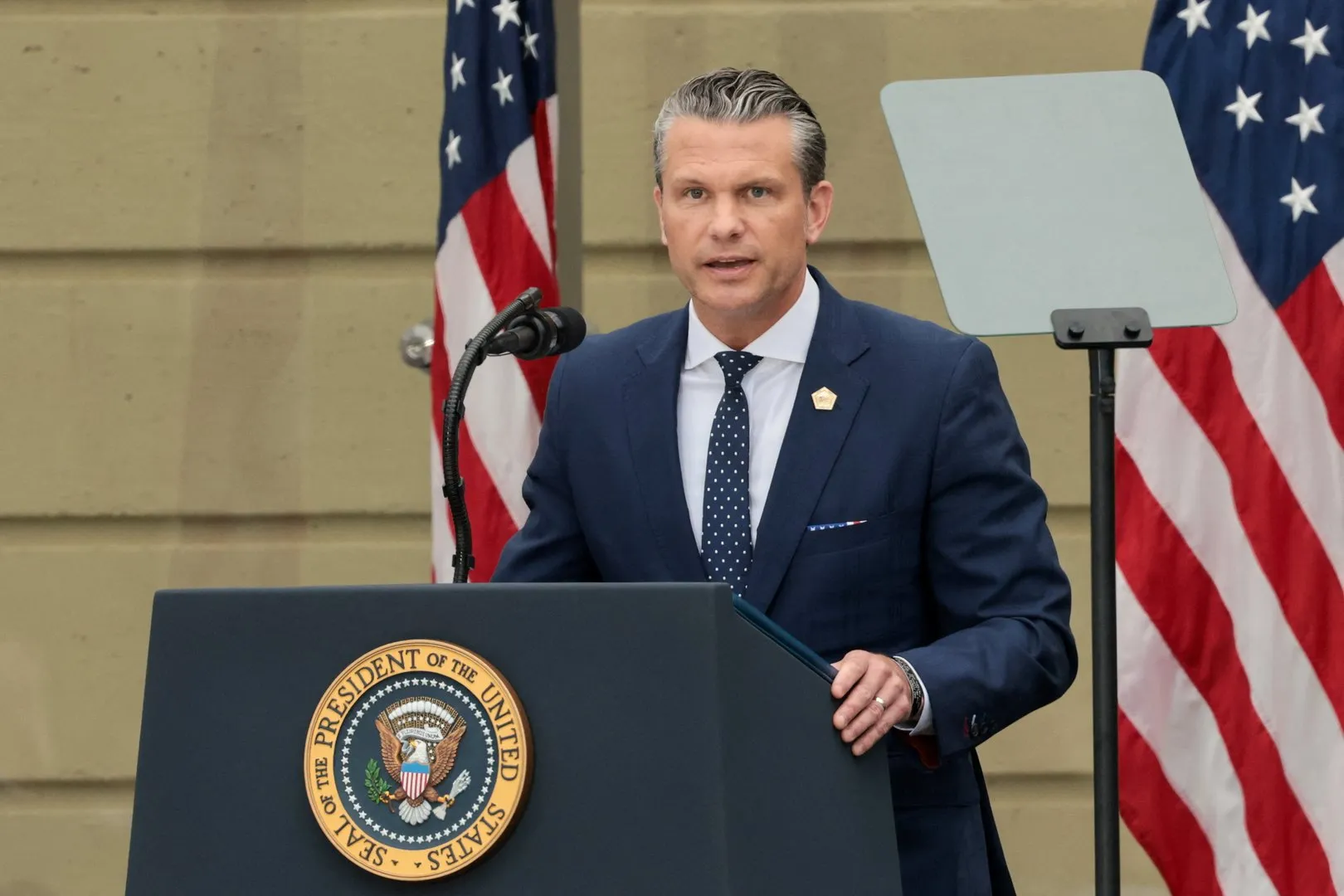
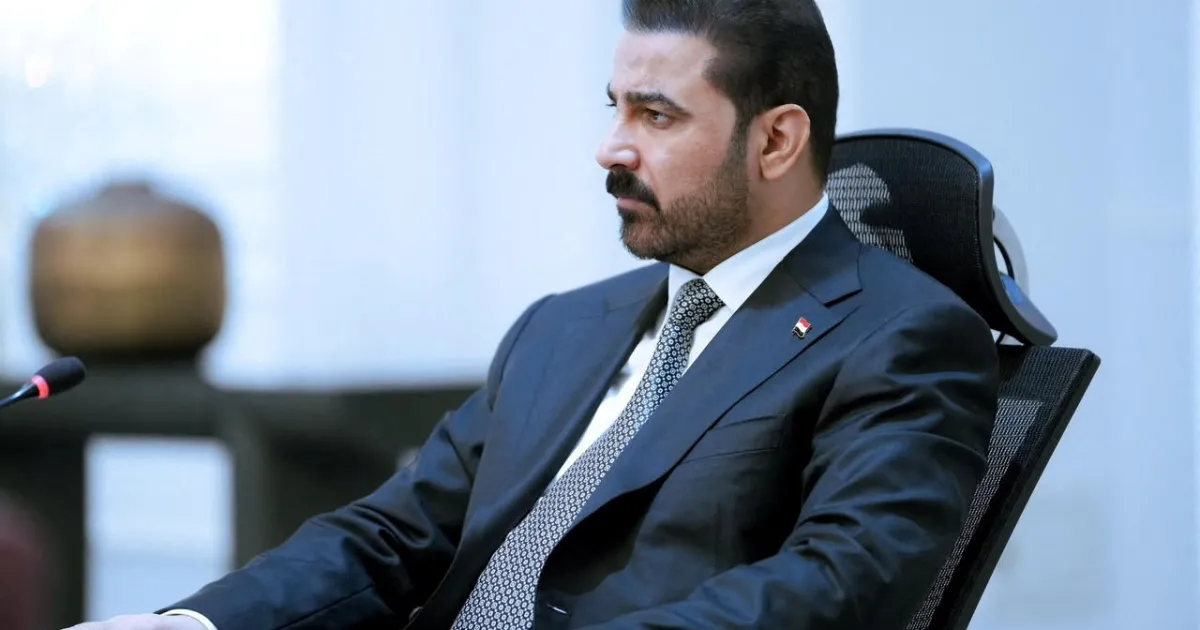
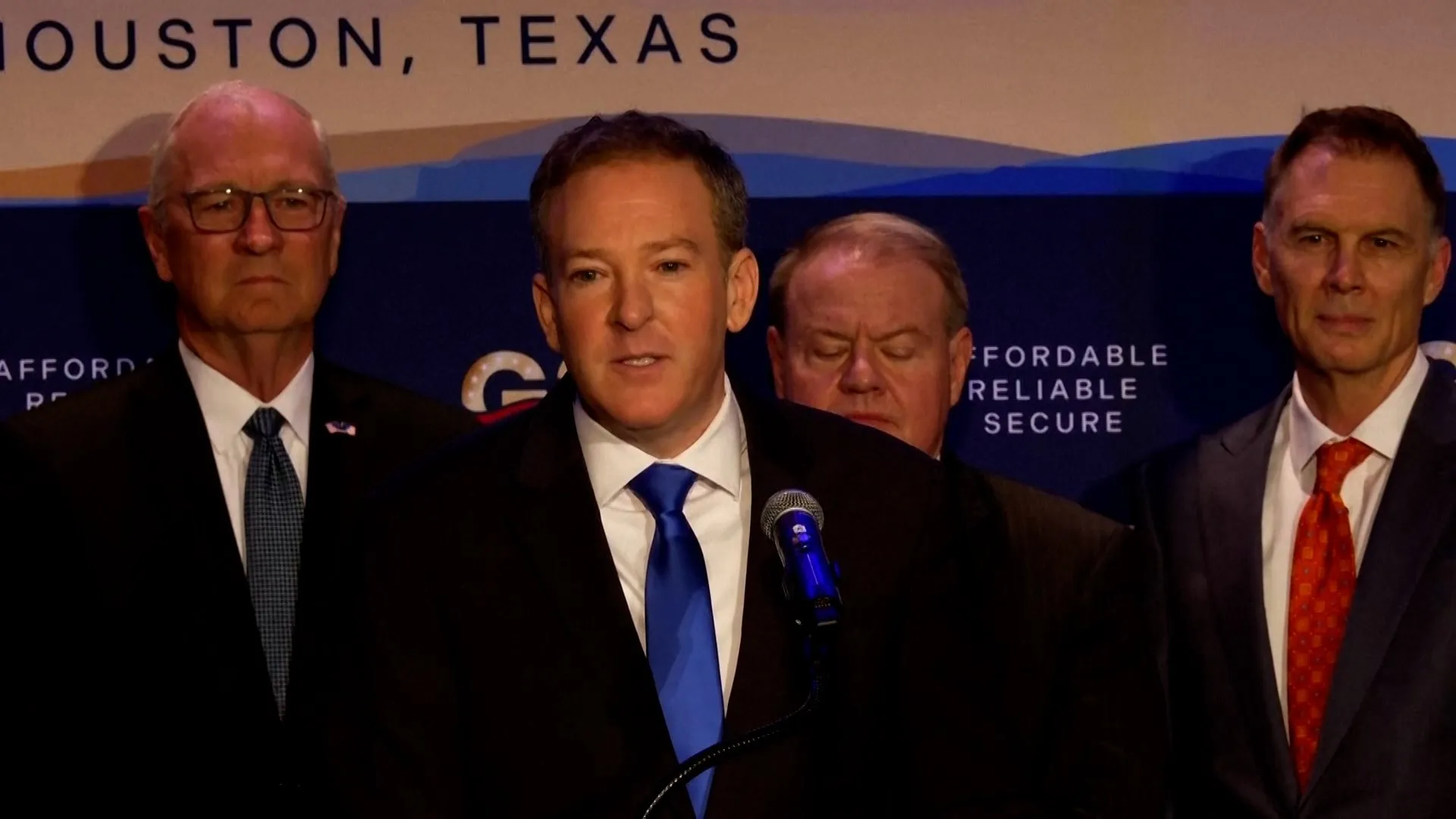
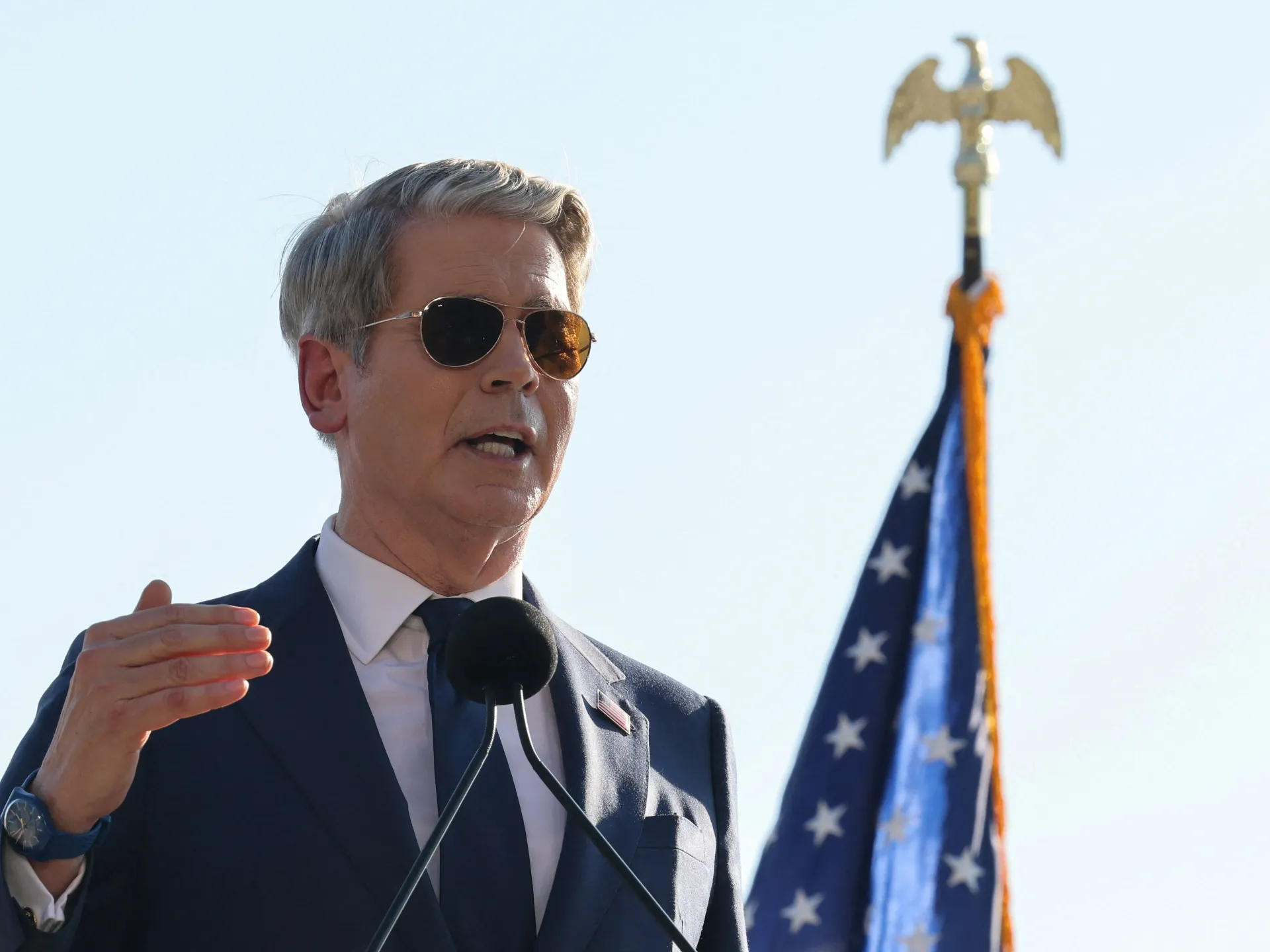
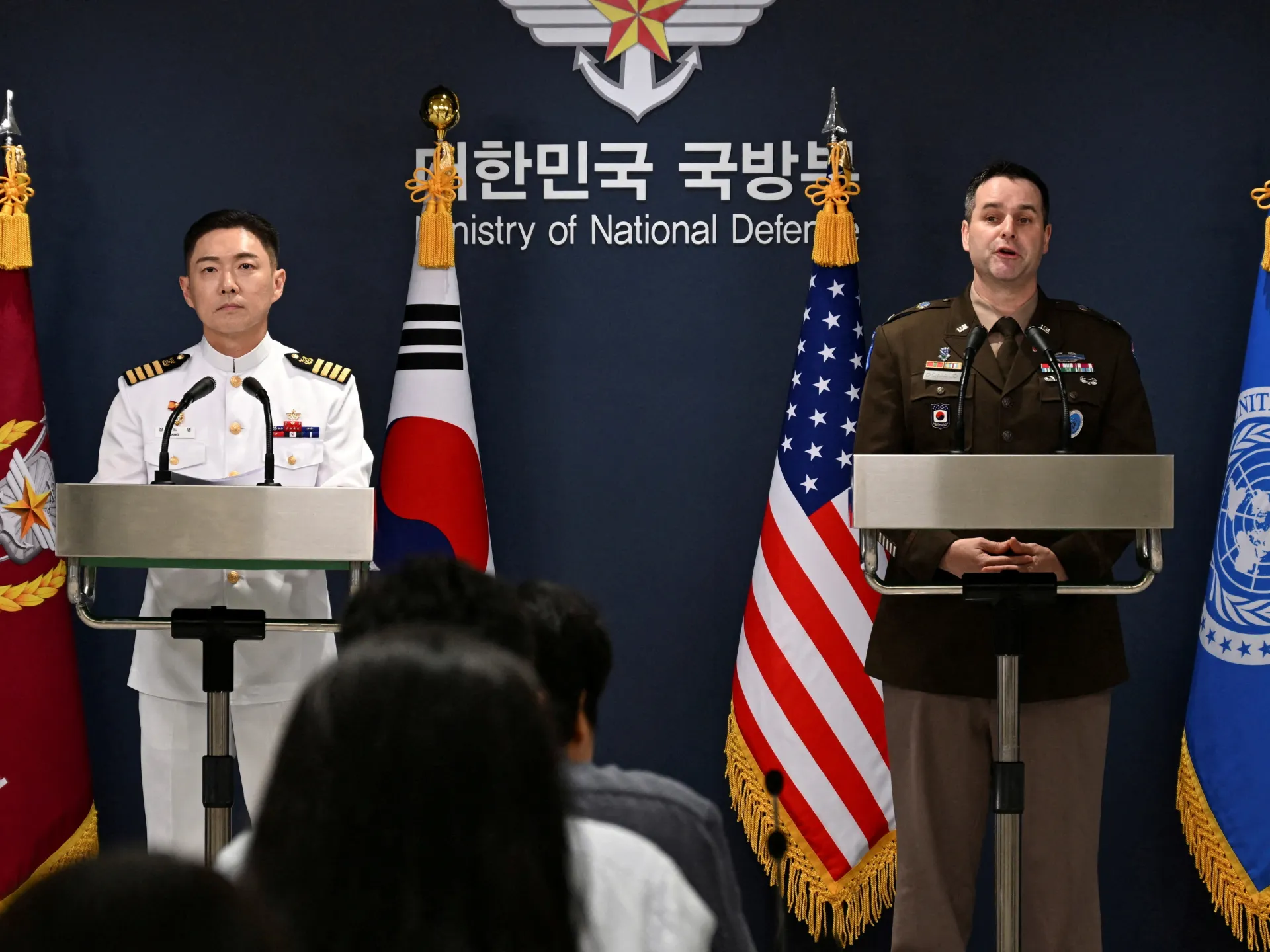
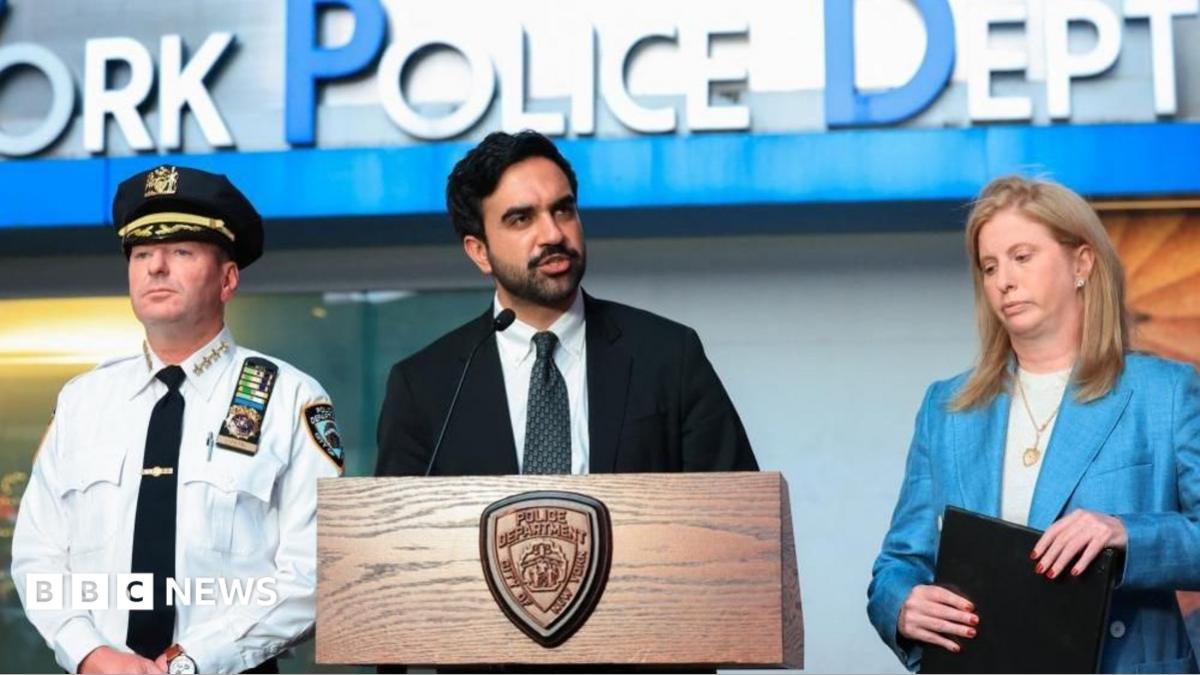
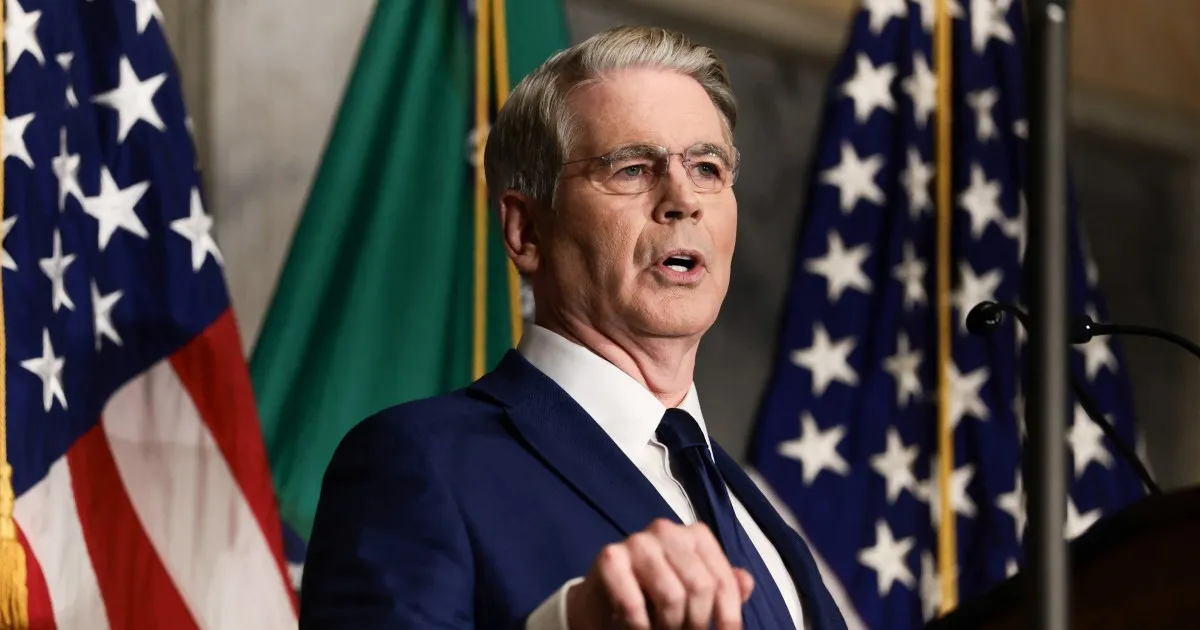
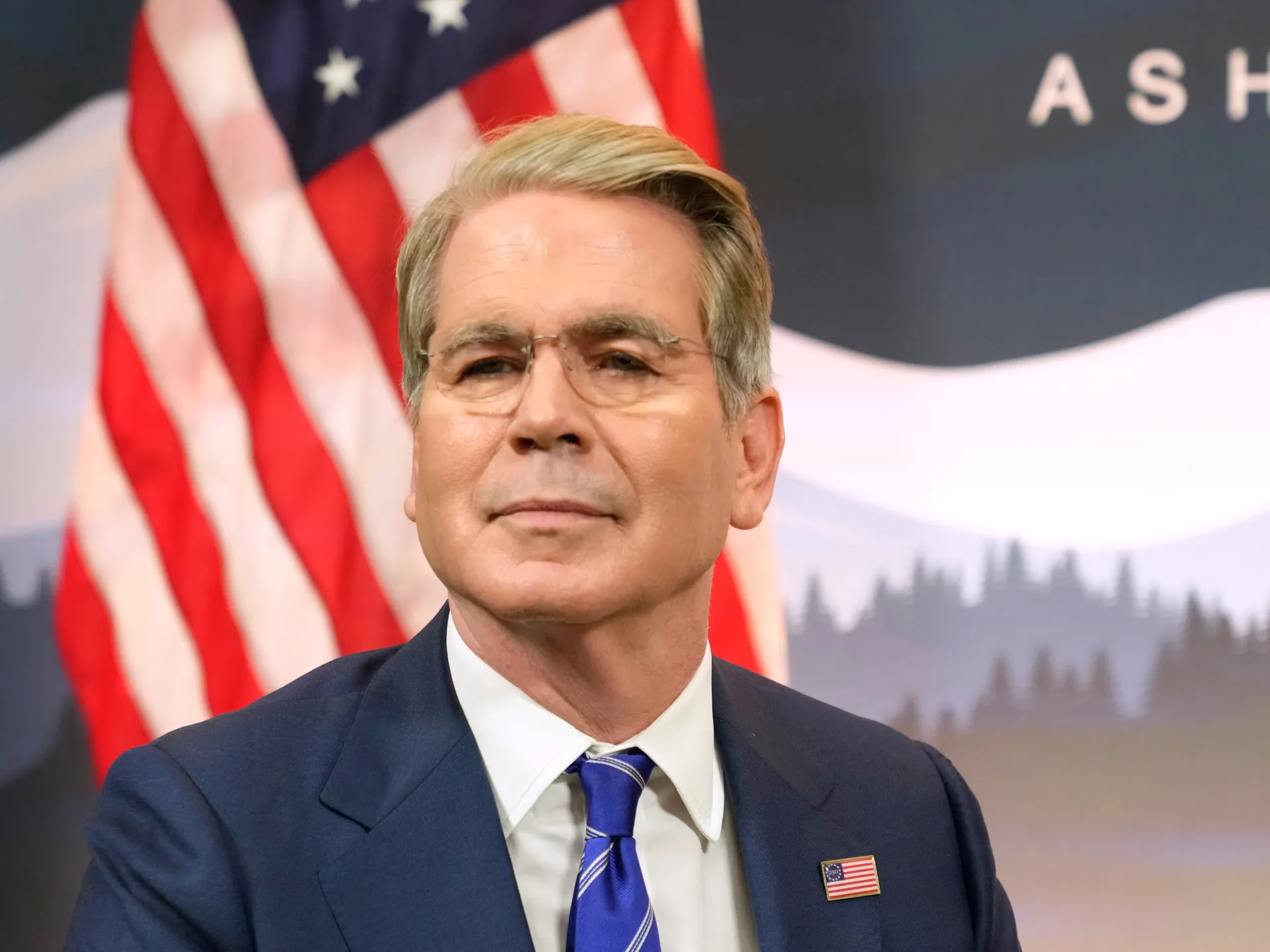
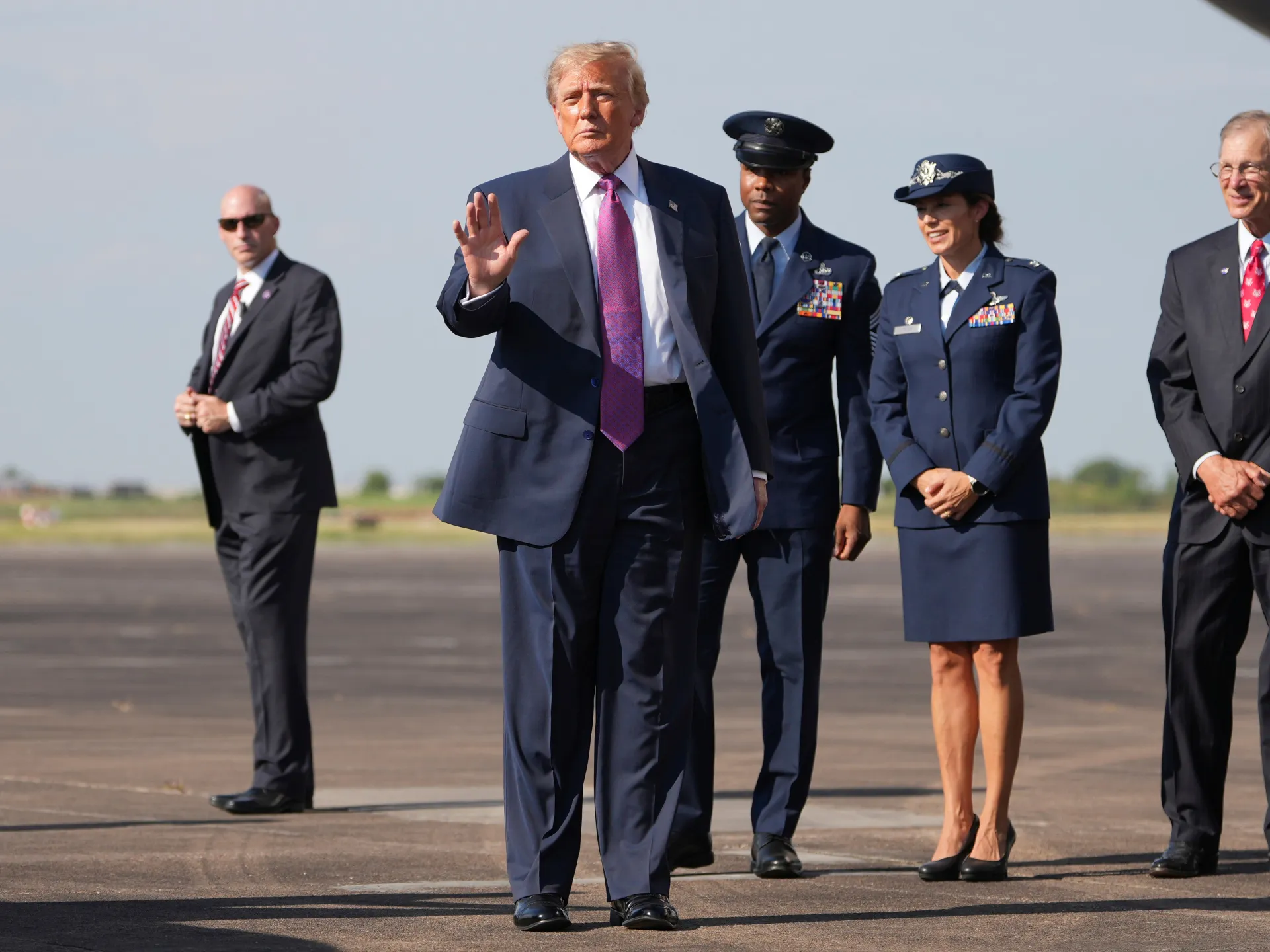
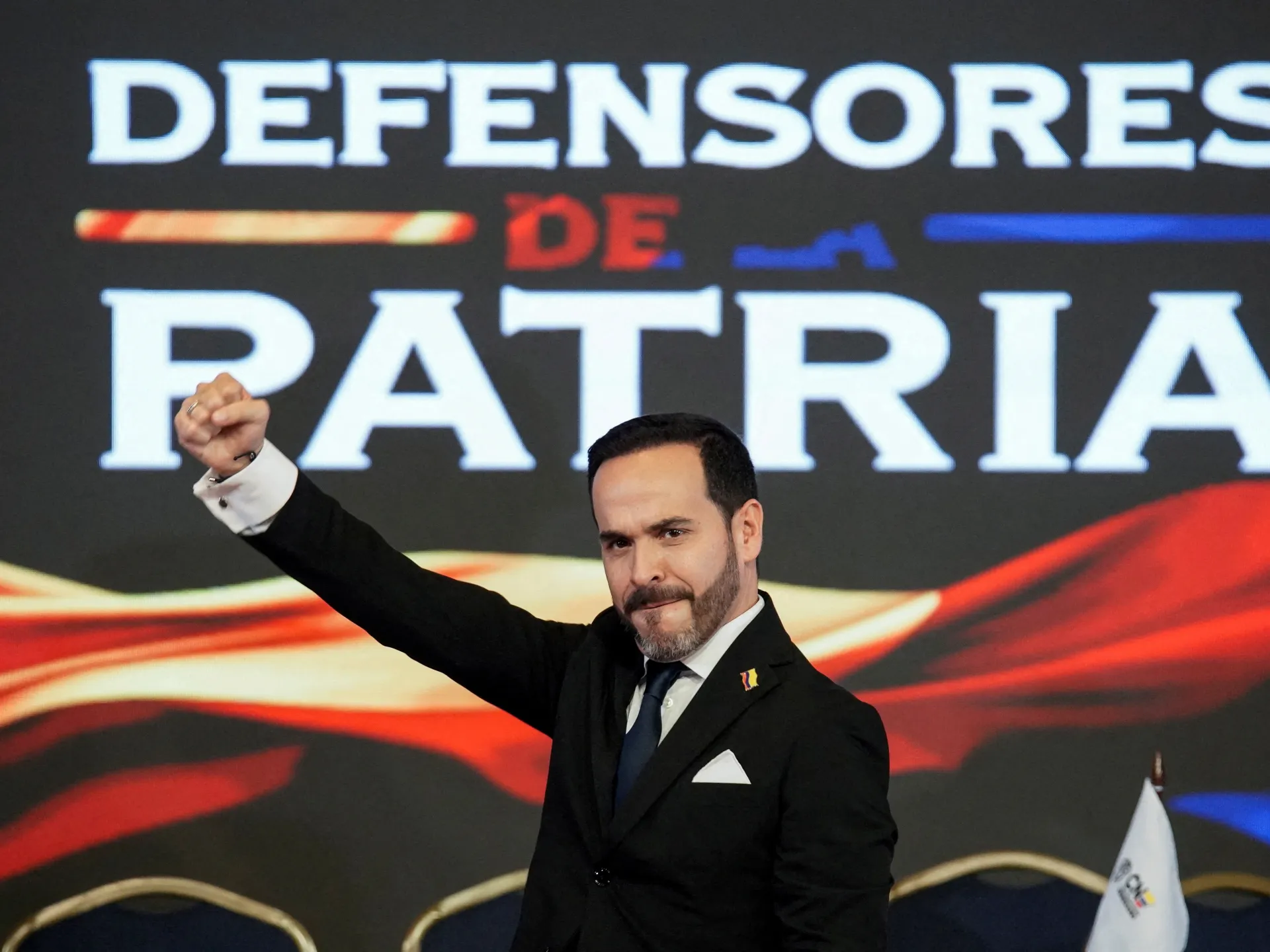
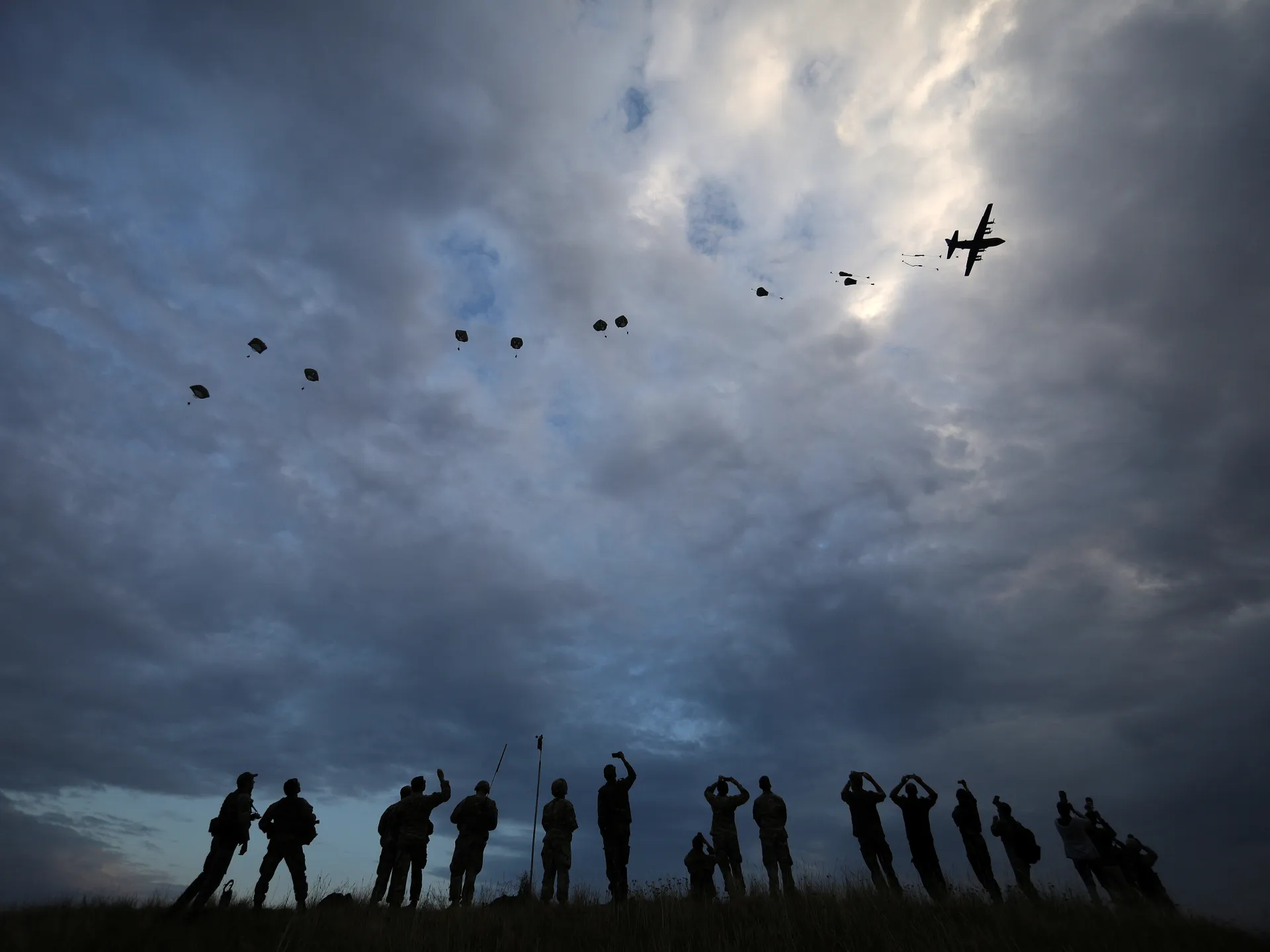
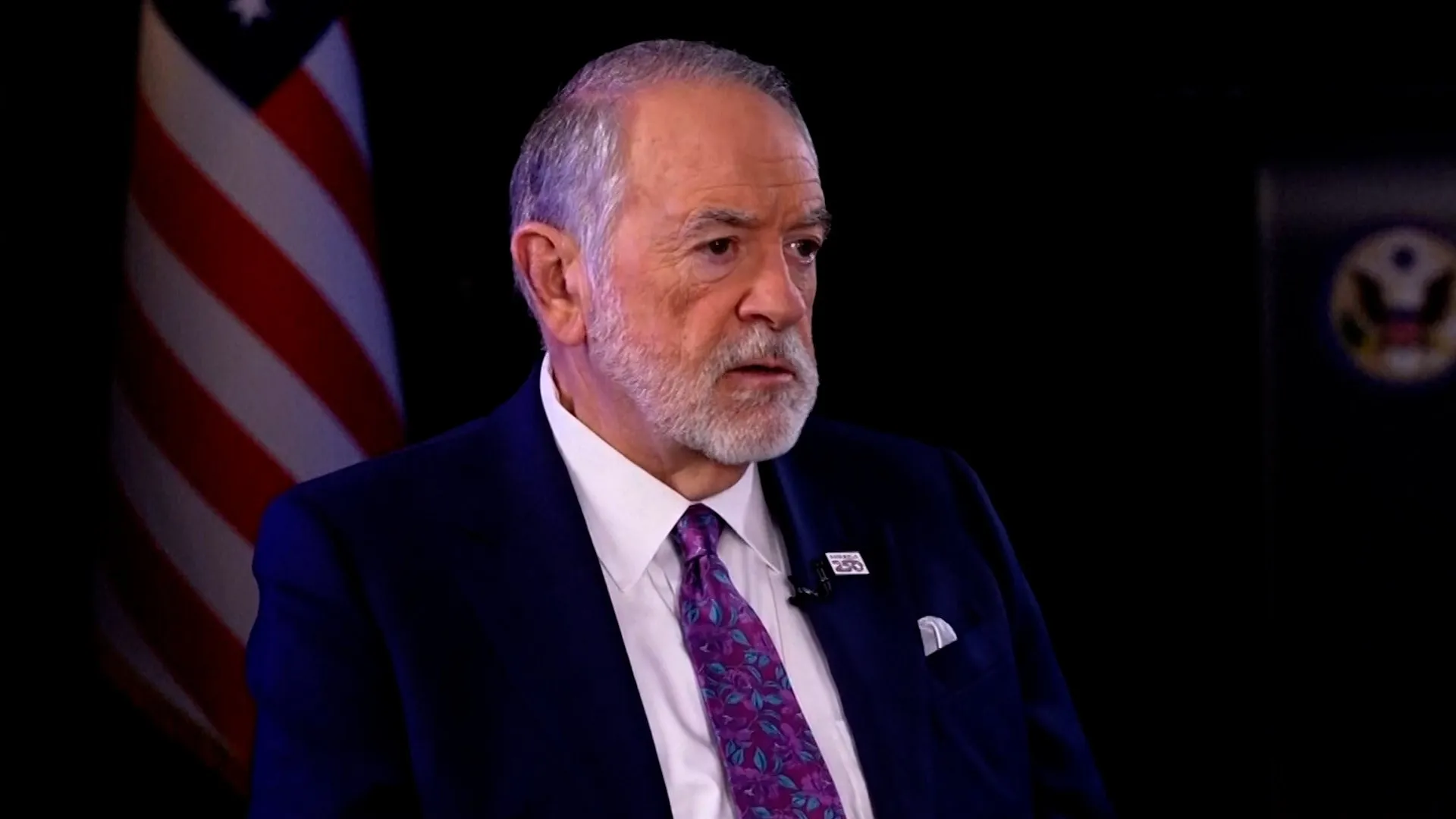
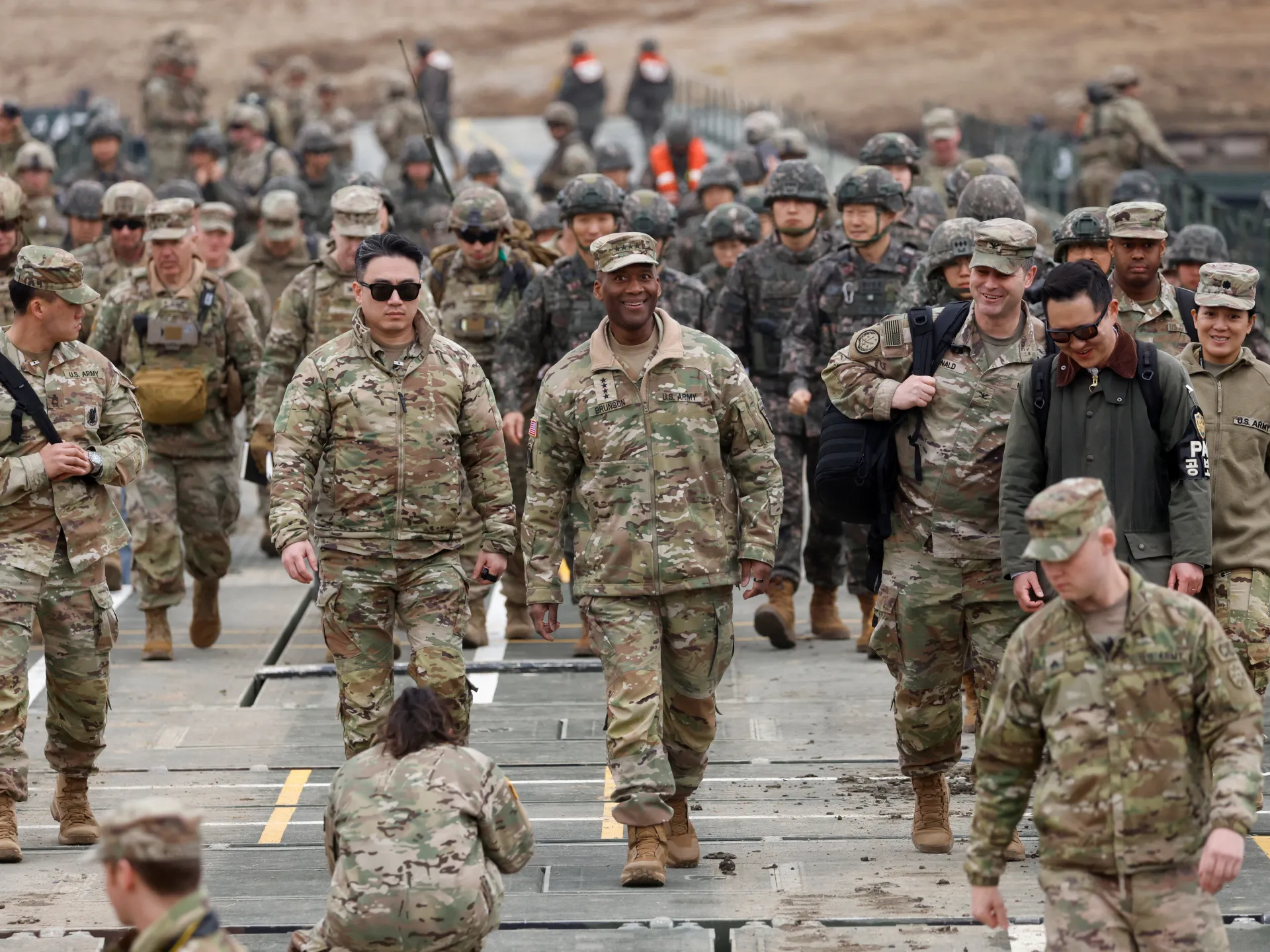
Secretary of Defense Pete Hegseth recently launched the “Send Me Tour” in Texas, a calculated effort to regain public trust and reframe the narrative around the administration’s military engagements. Utilizing the biblical invocation “Whom shall I send?”, Hegseth is attempting to foster a sense of patriotic duty among his base. However, this initiative comes as his personal favorability has plummeted to a record low of -24 points, largely attributed to widespread frustration over the escalating conflict with Iran.
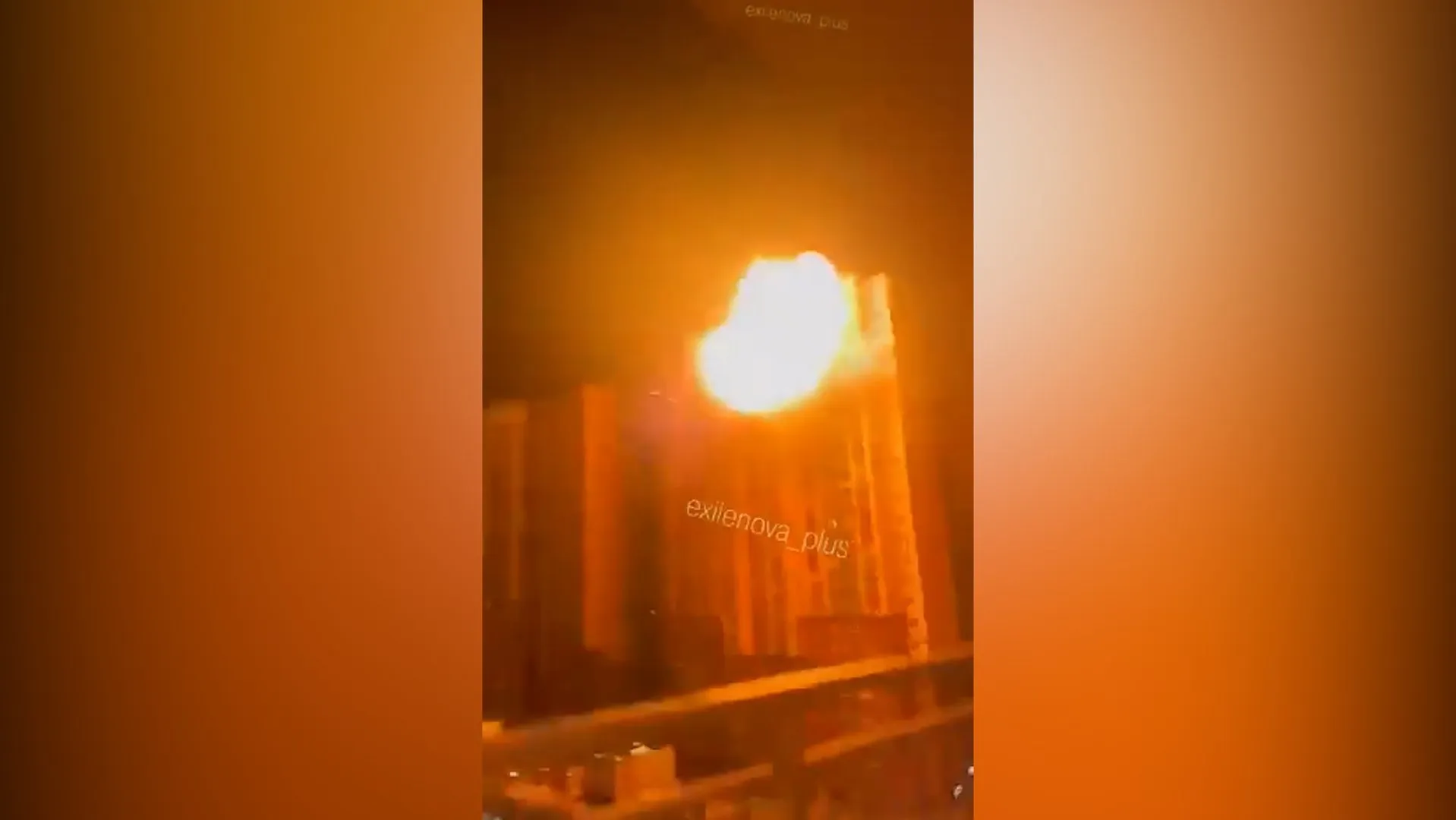
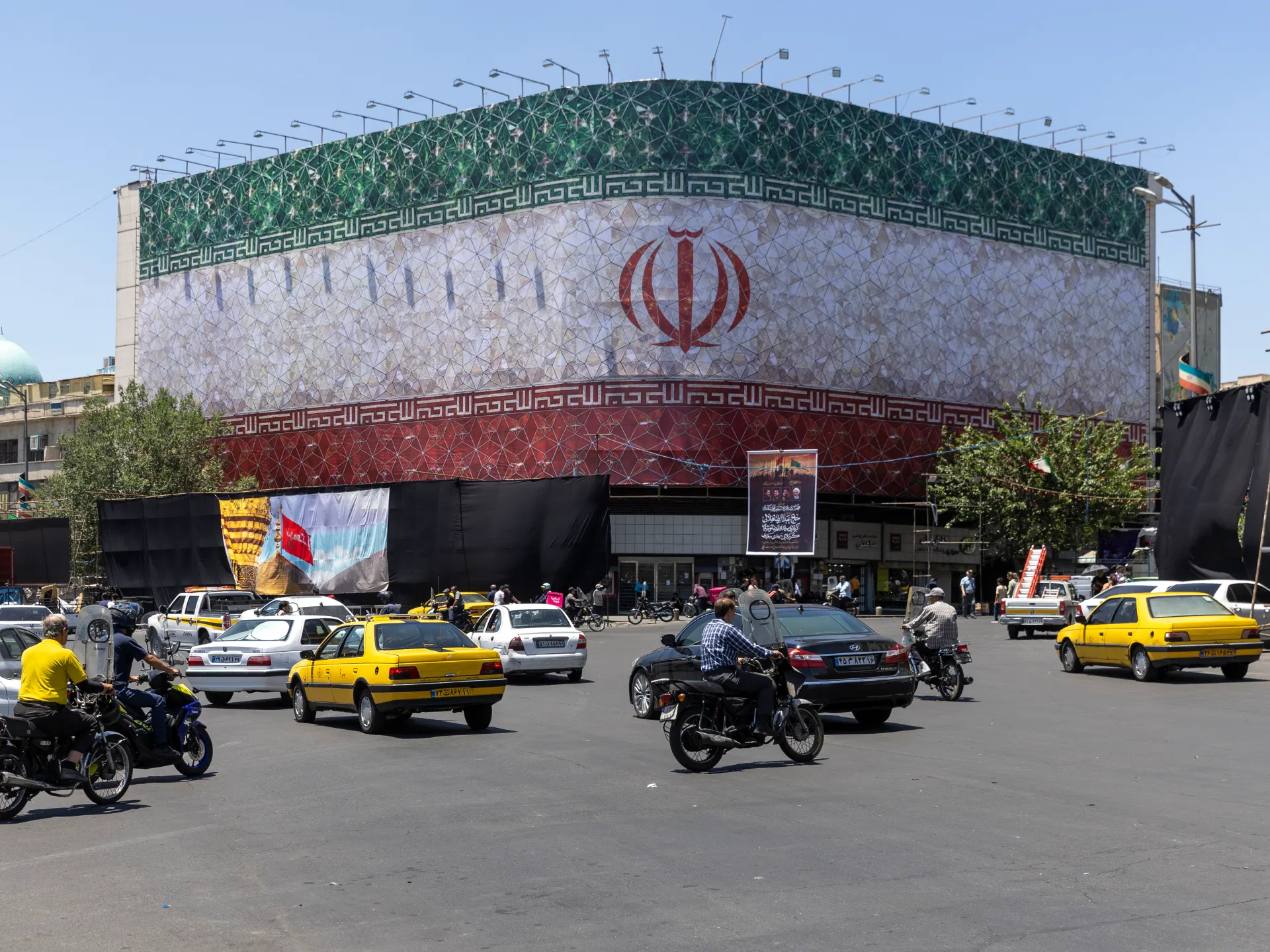
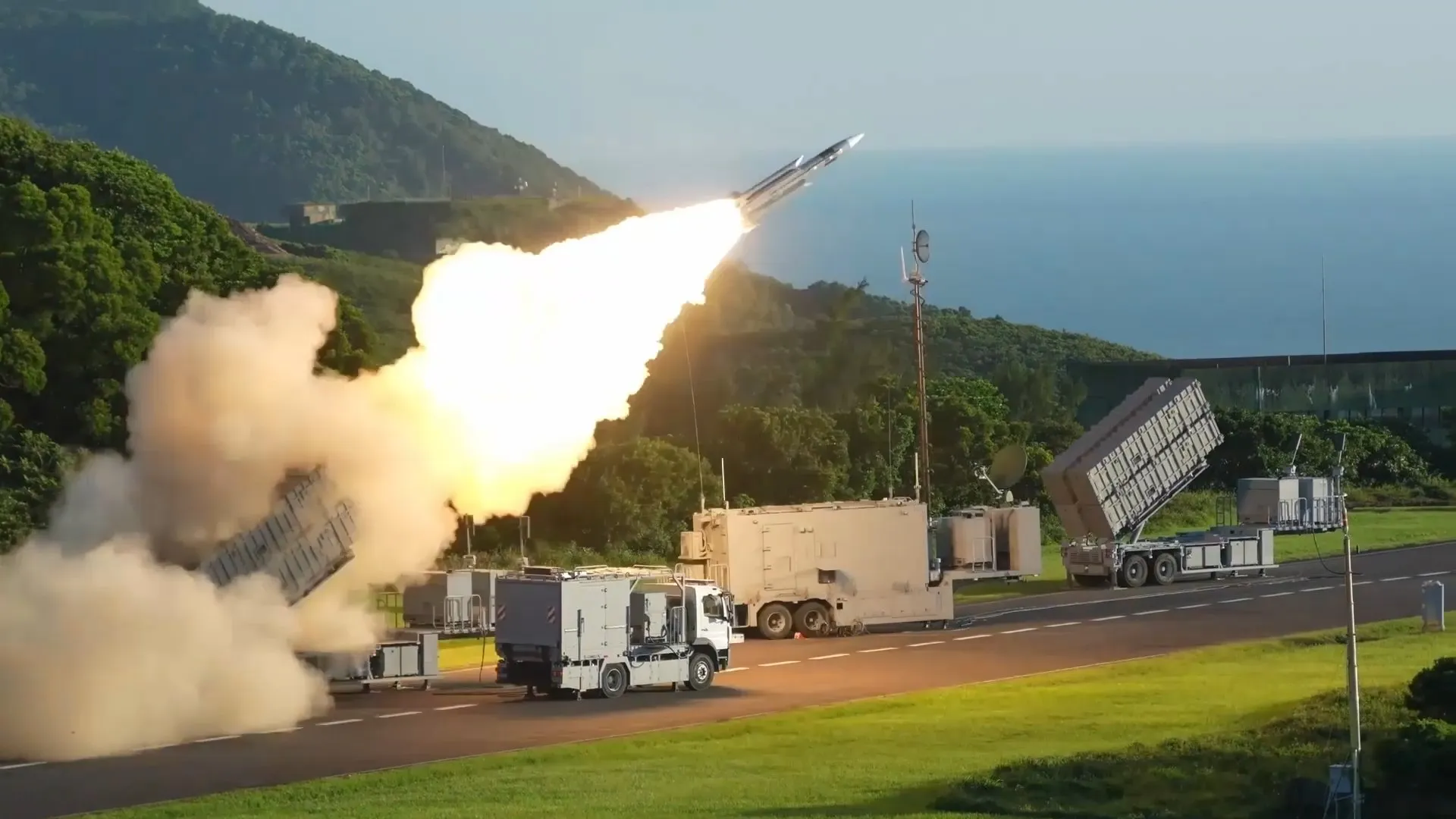
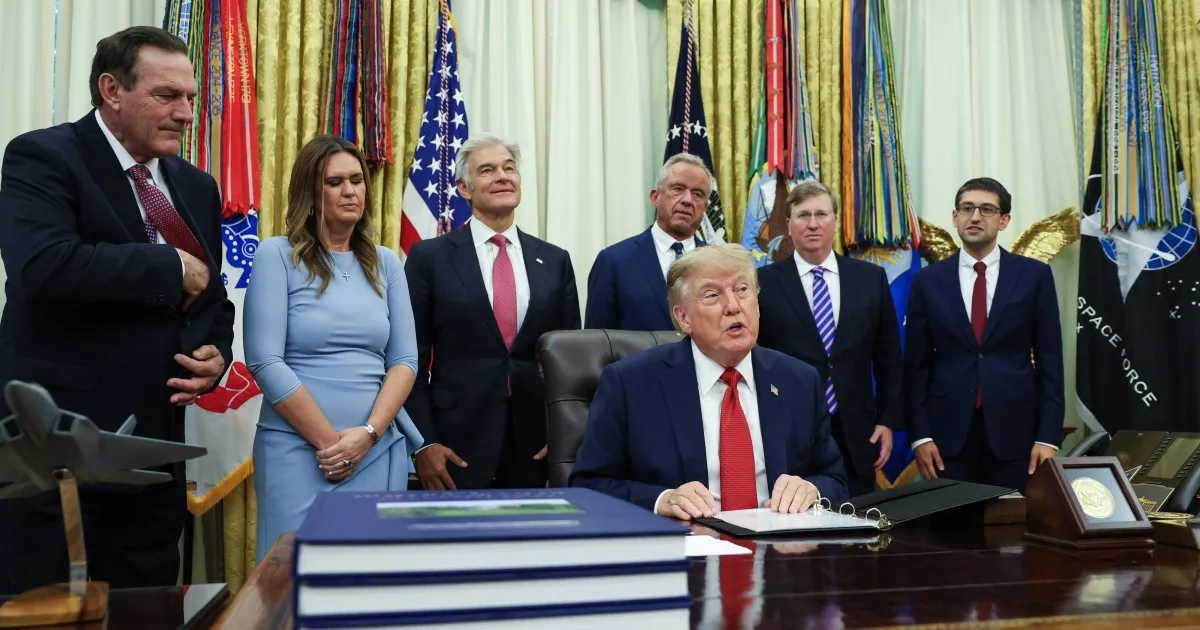
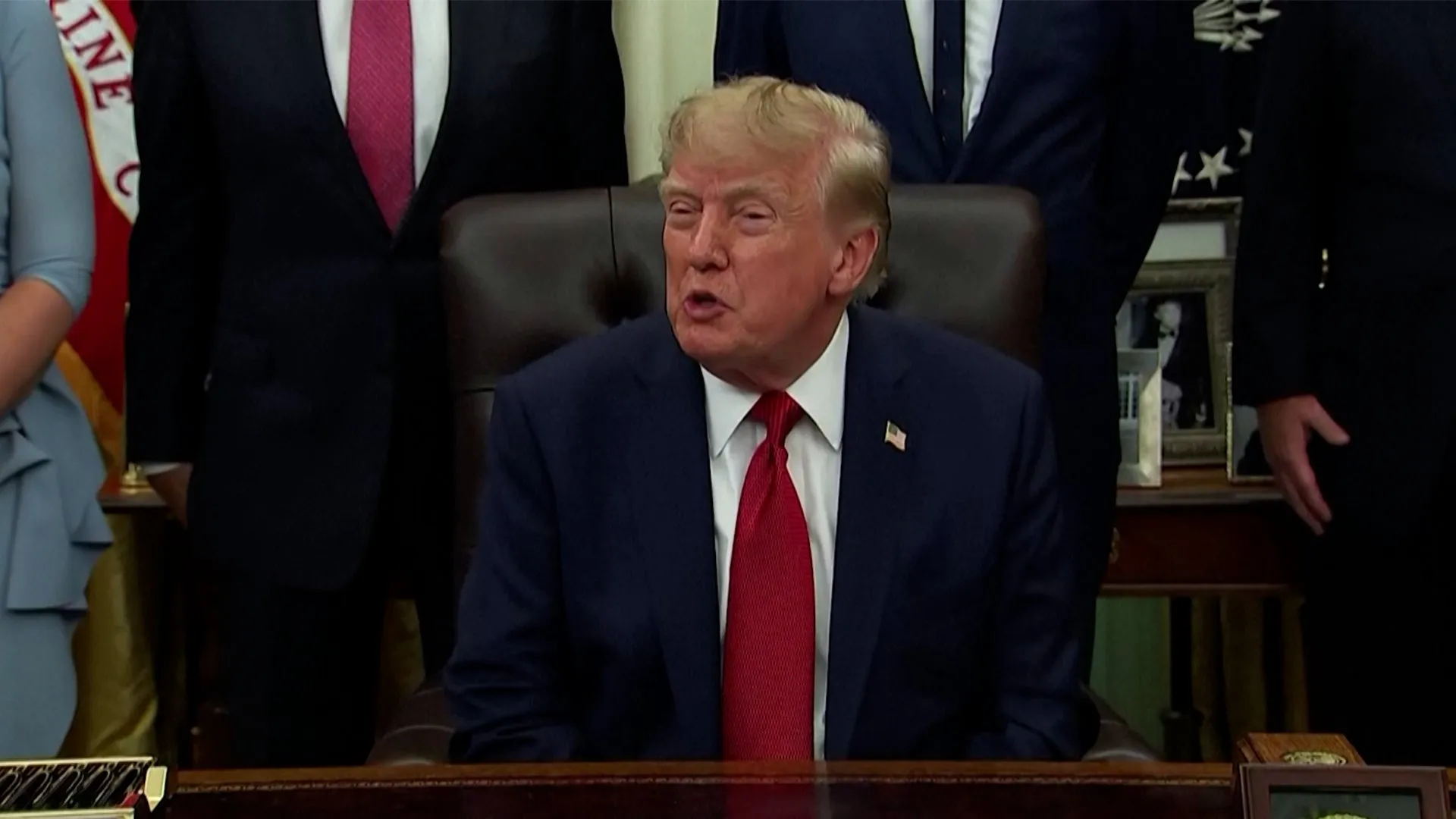
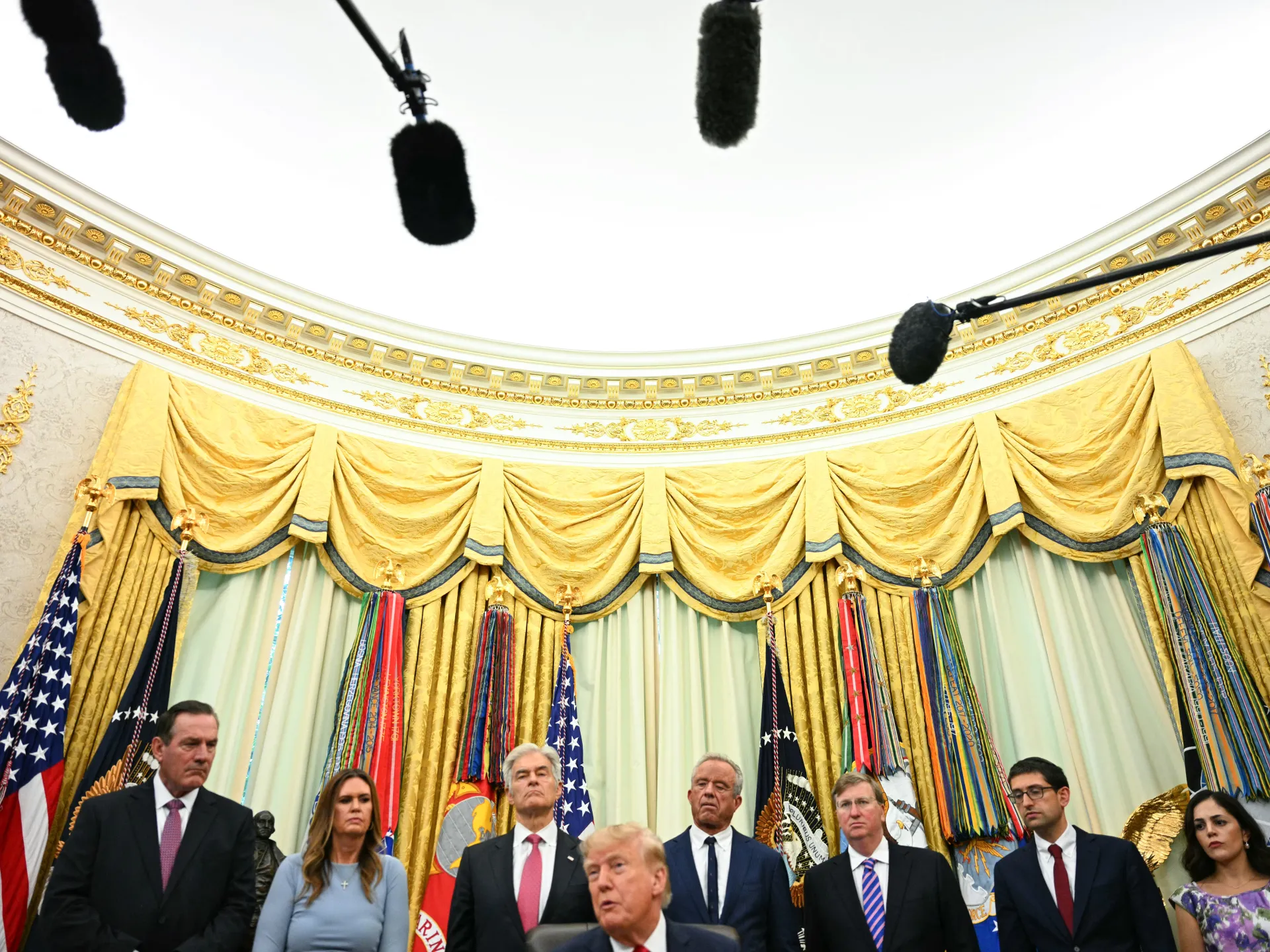
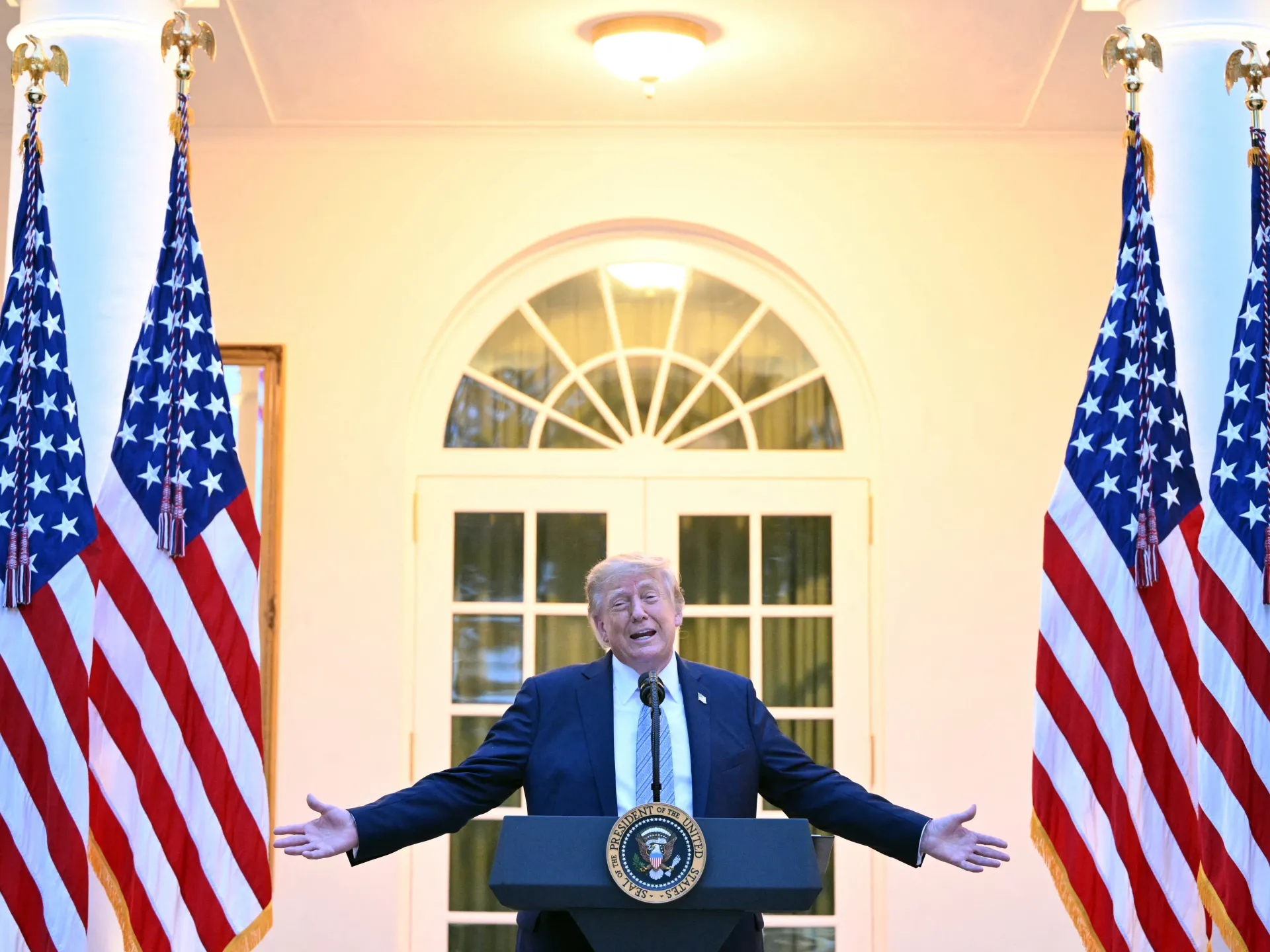
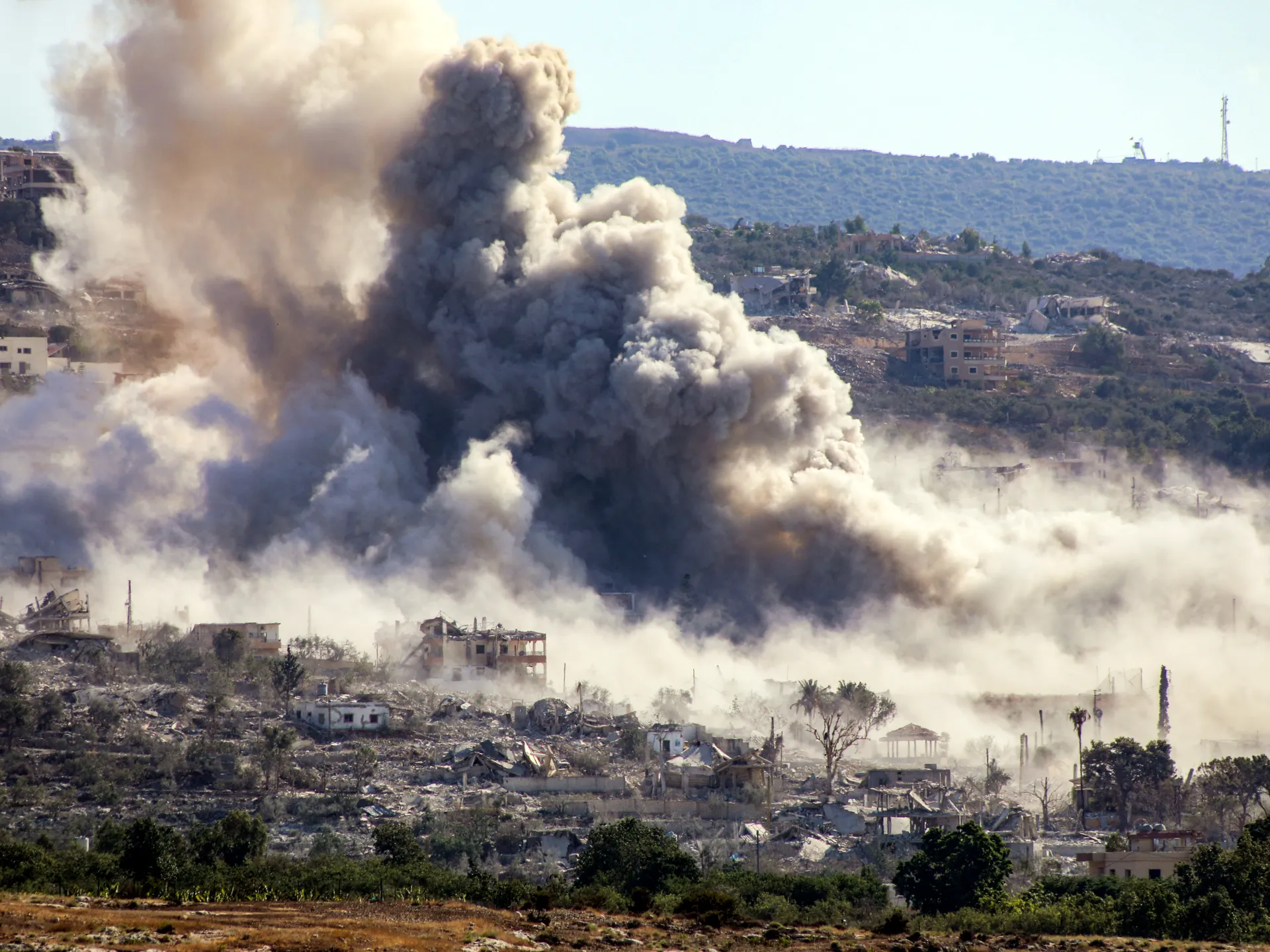
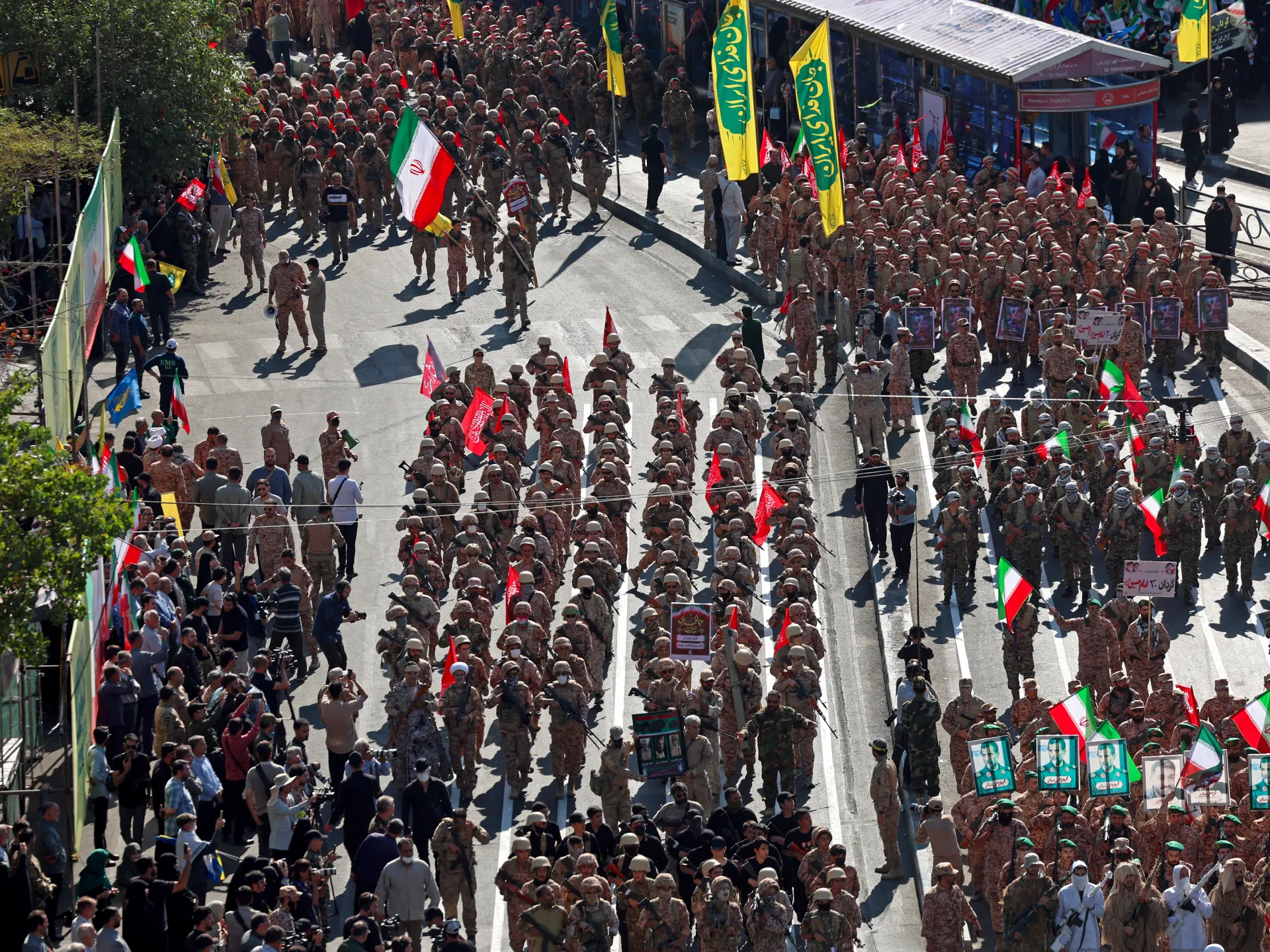
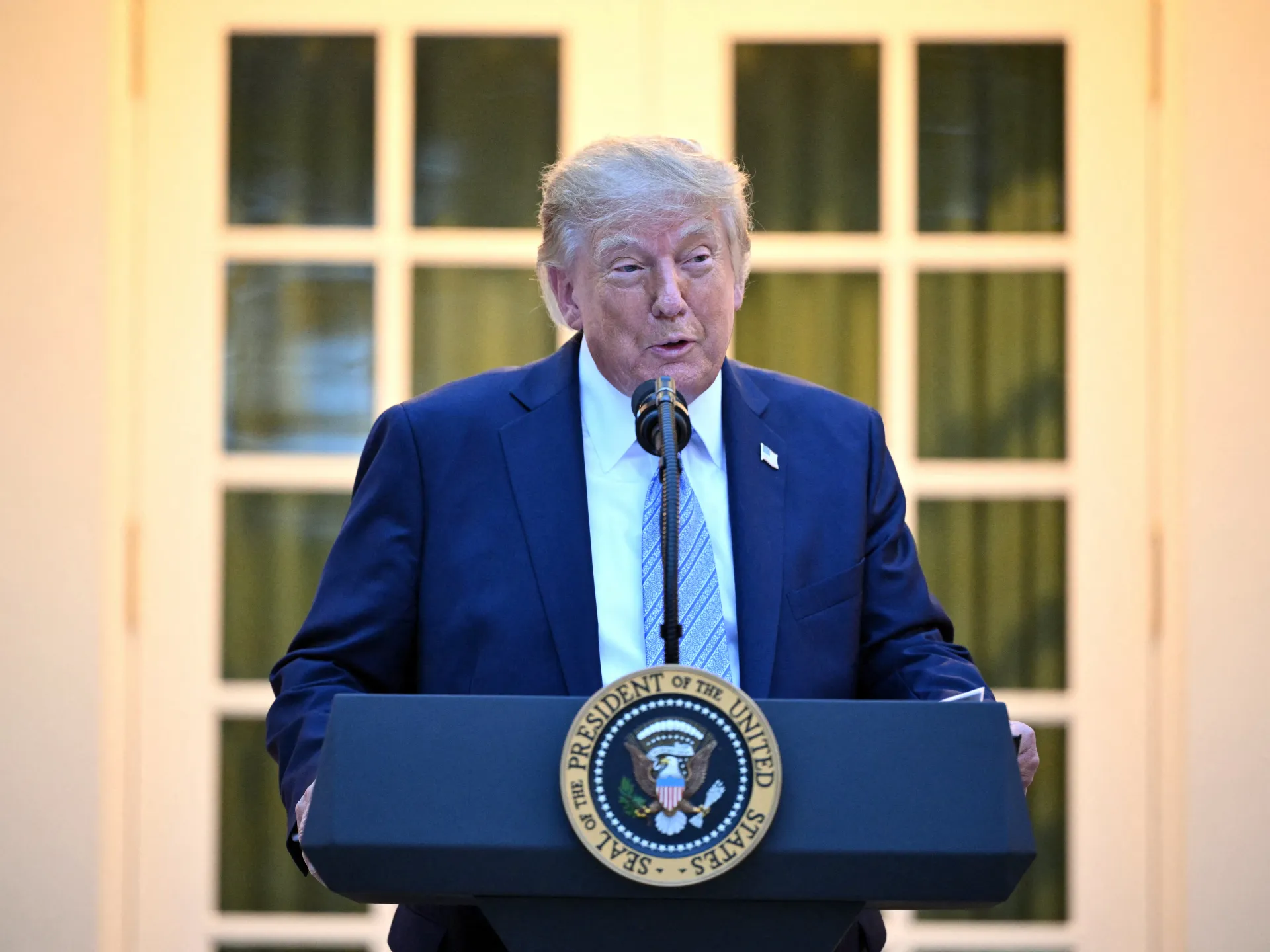
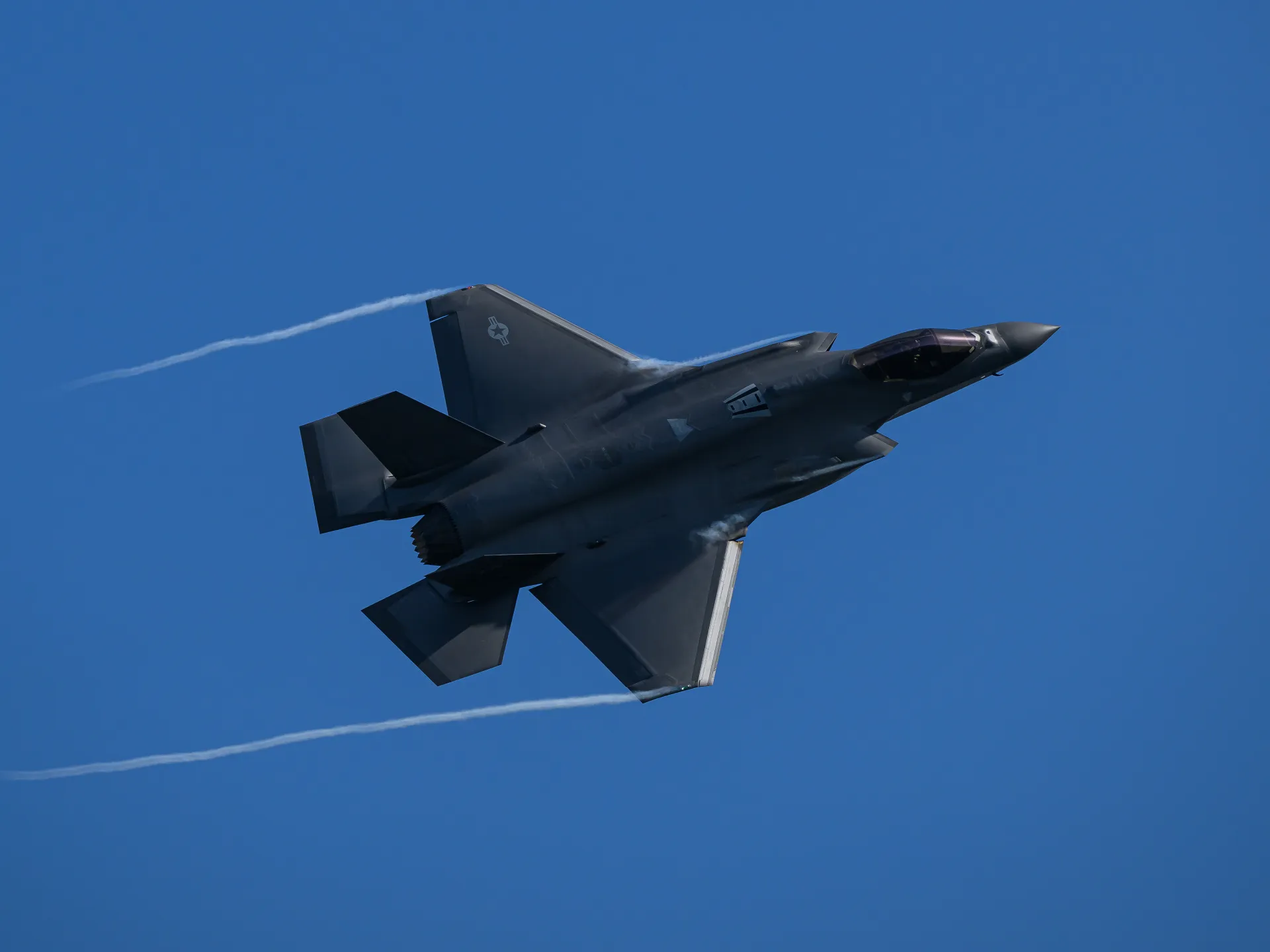
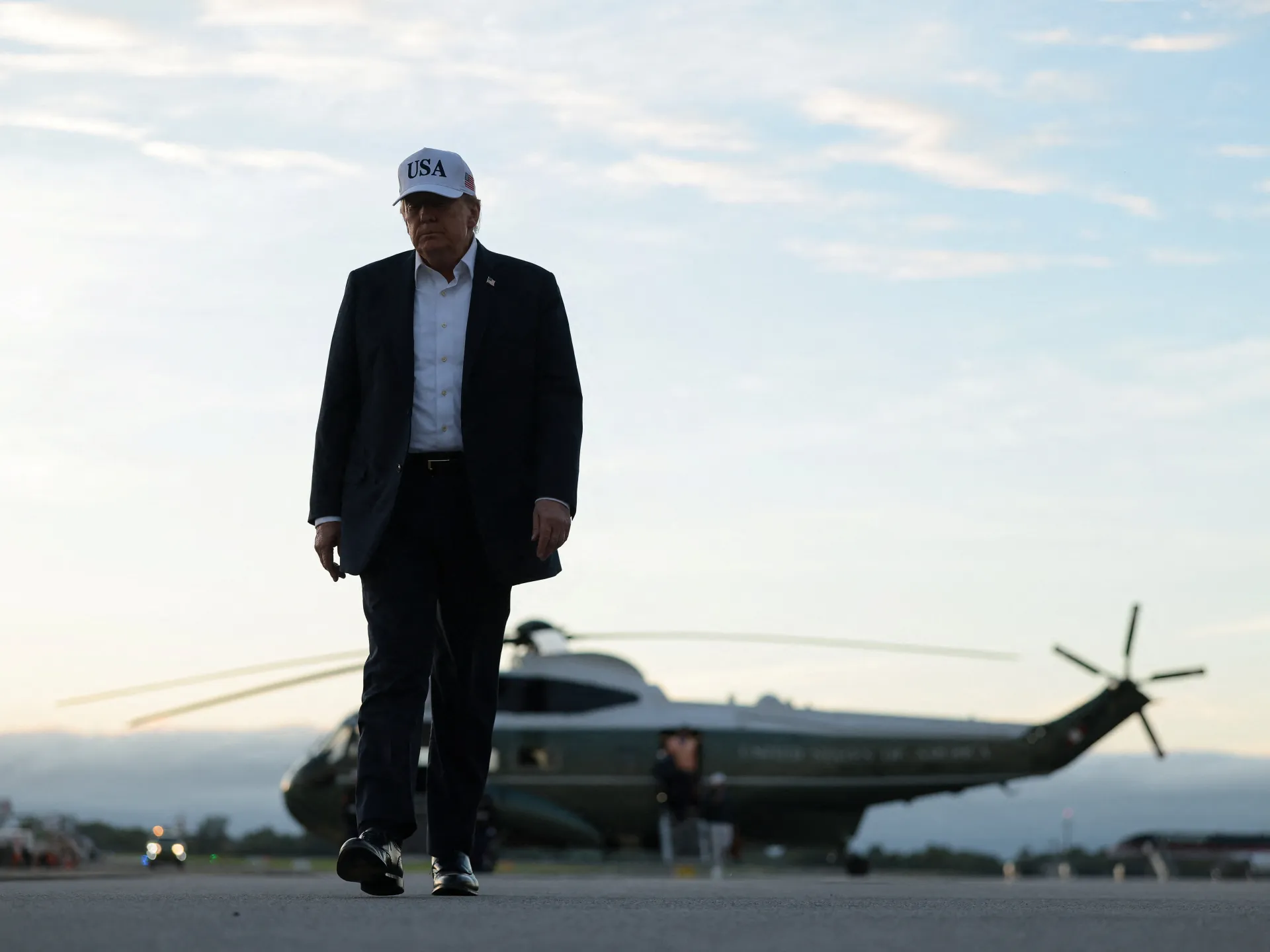
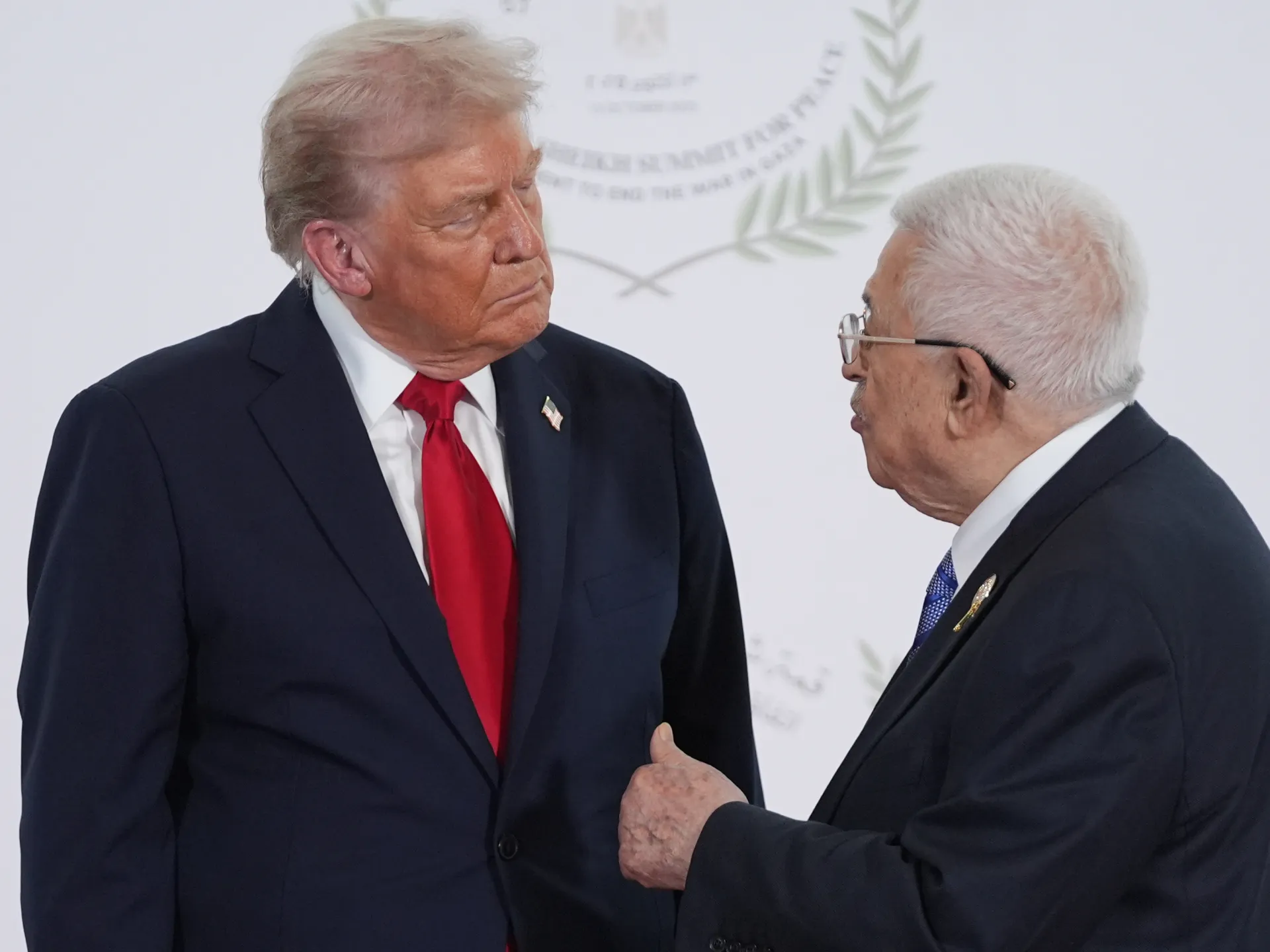
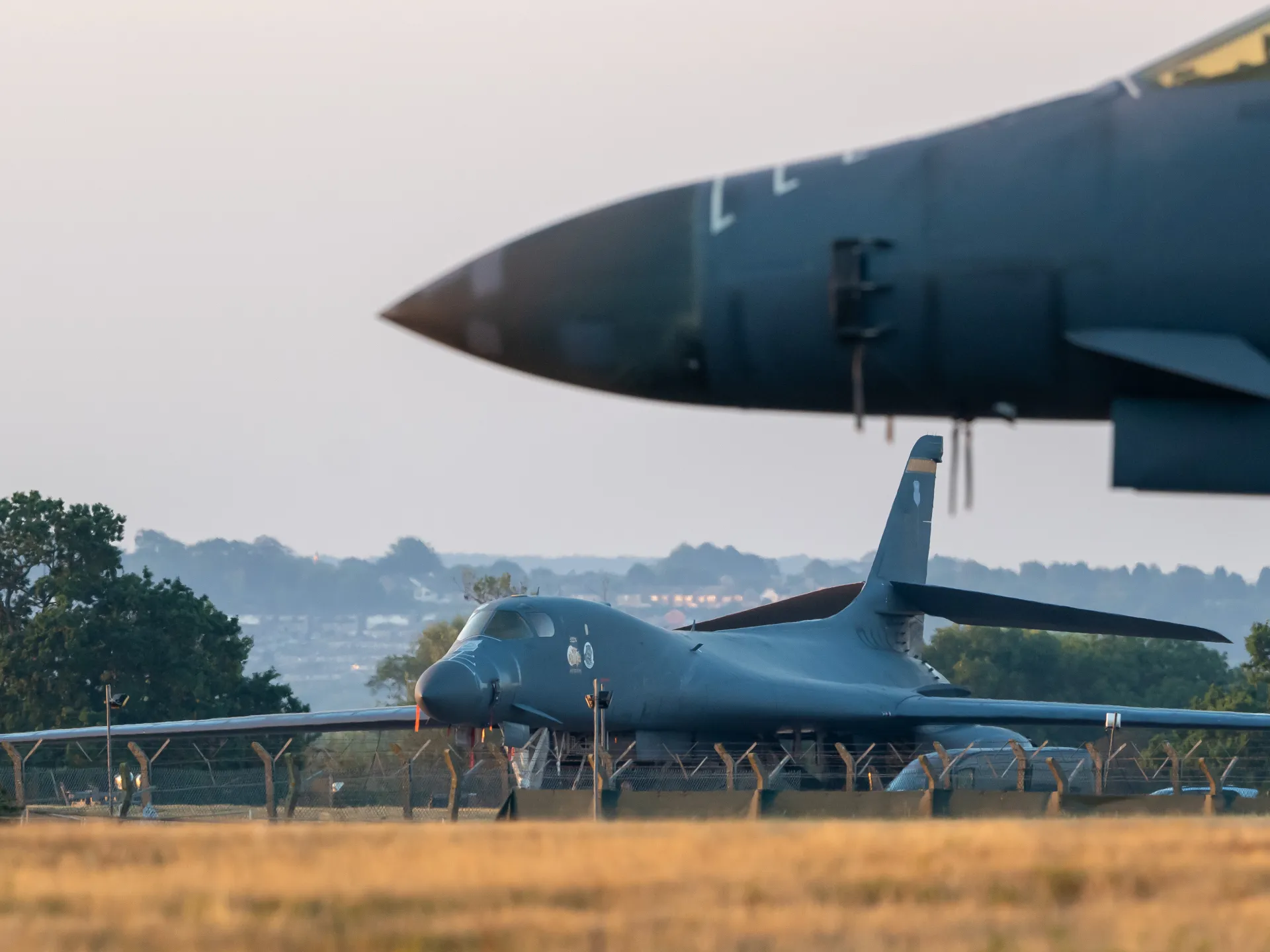
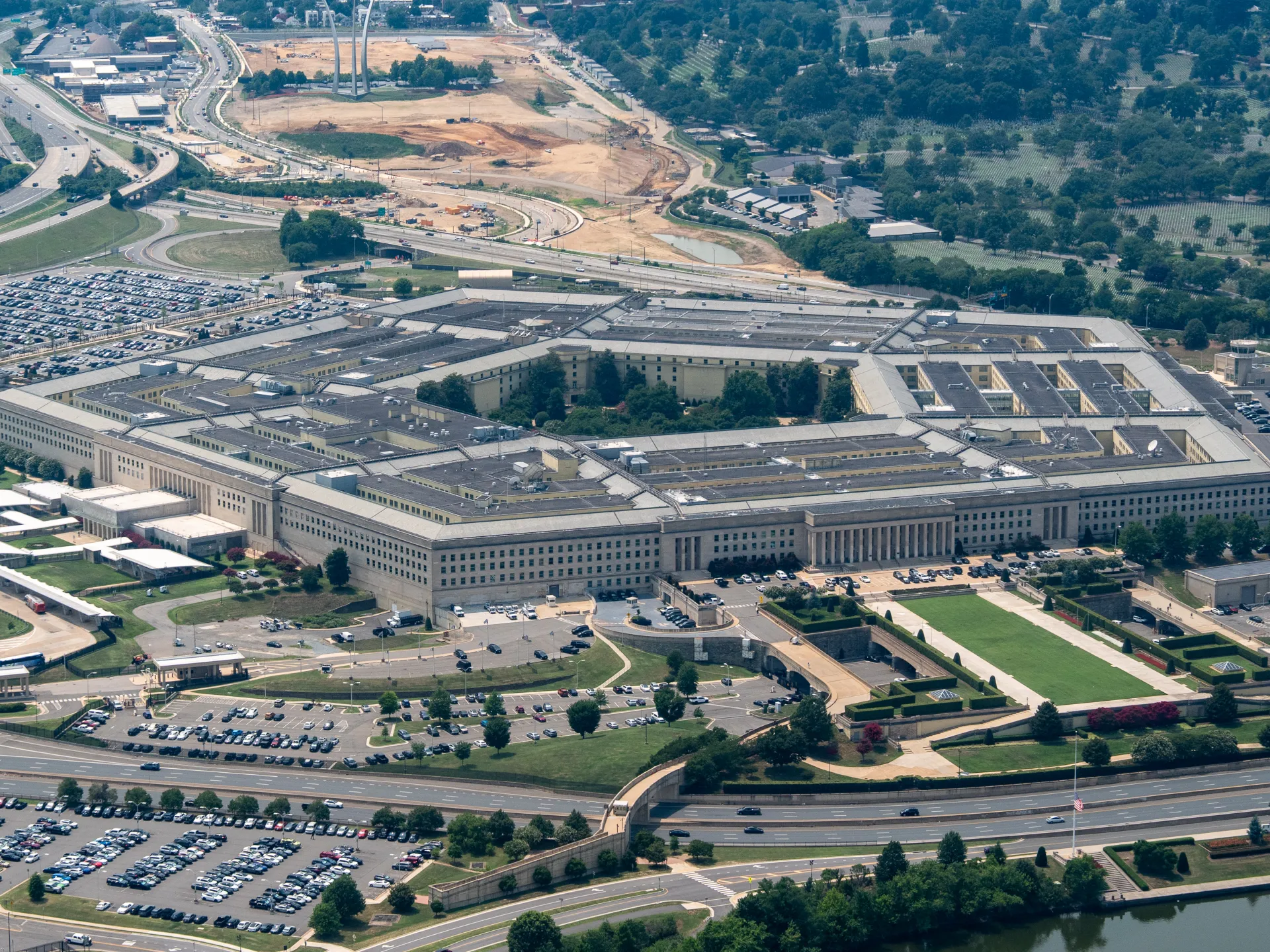
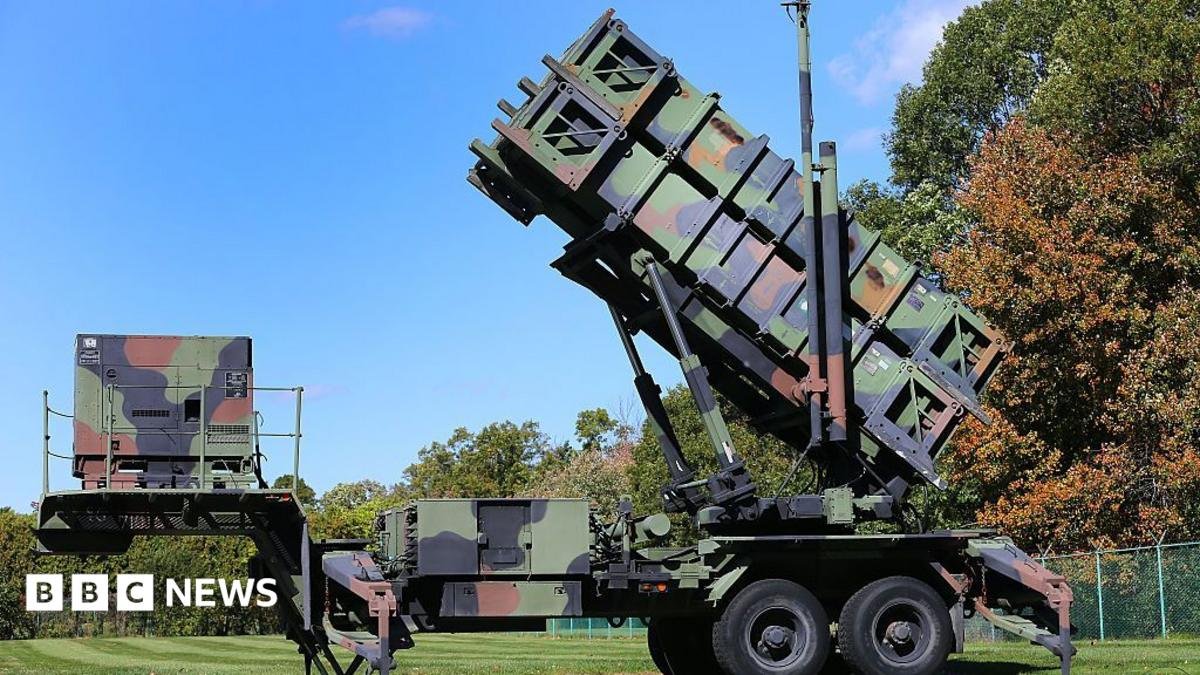
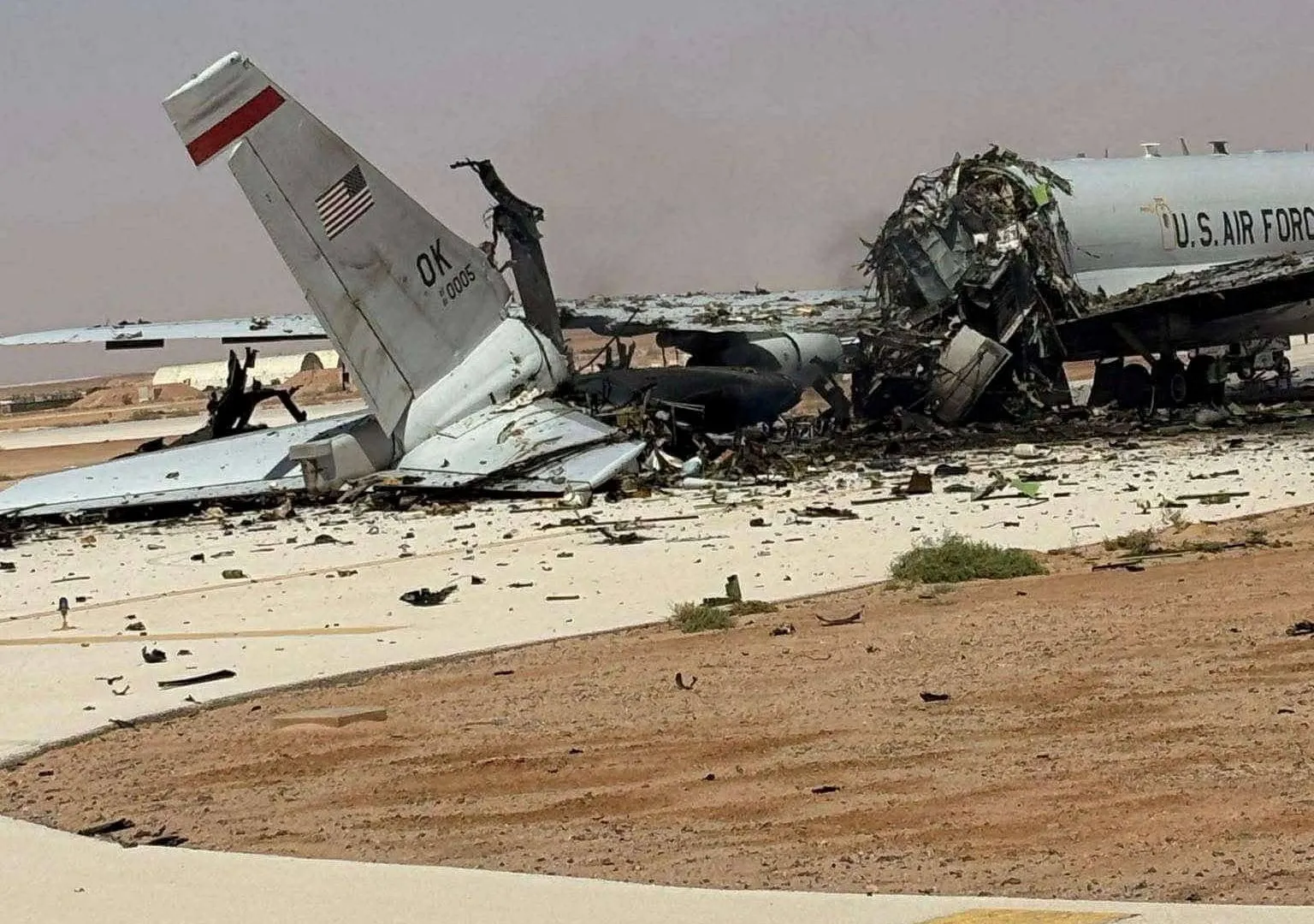
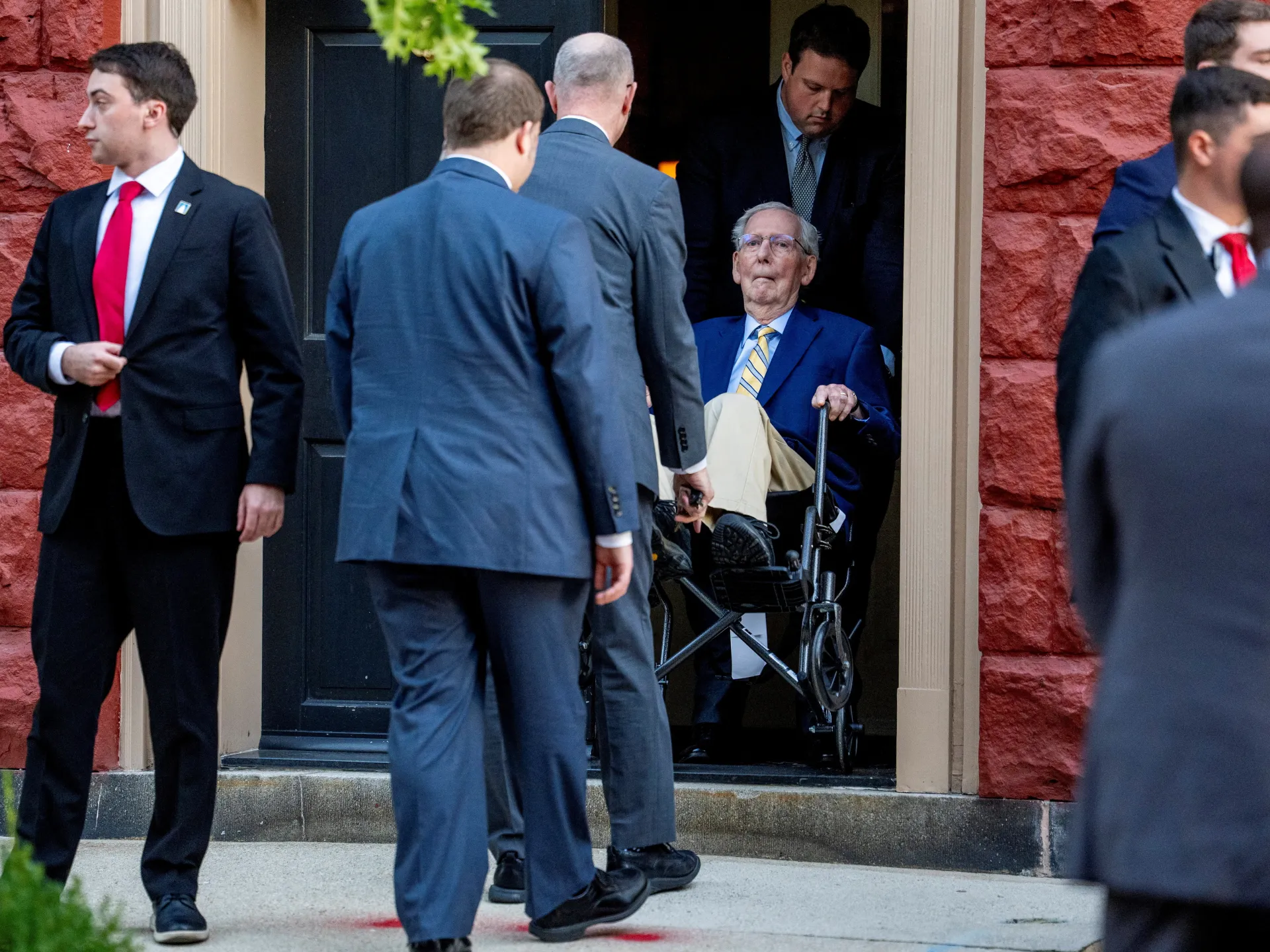
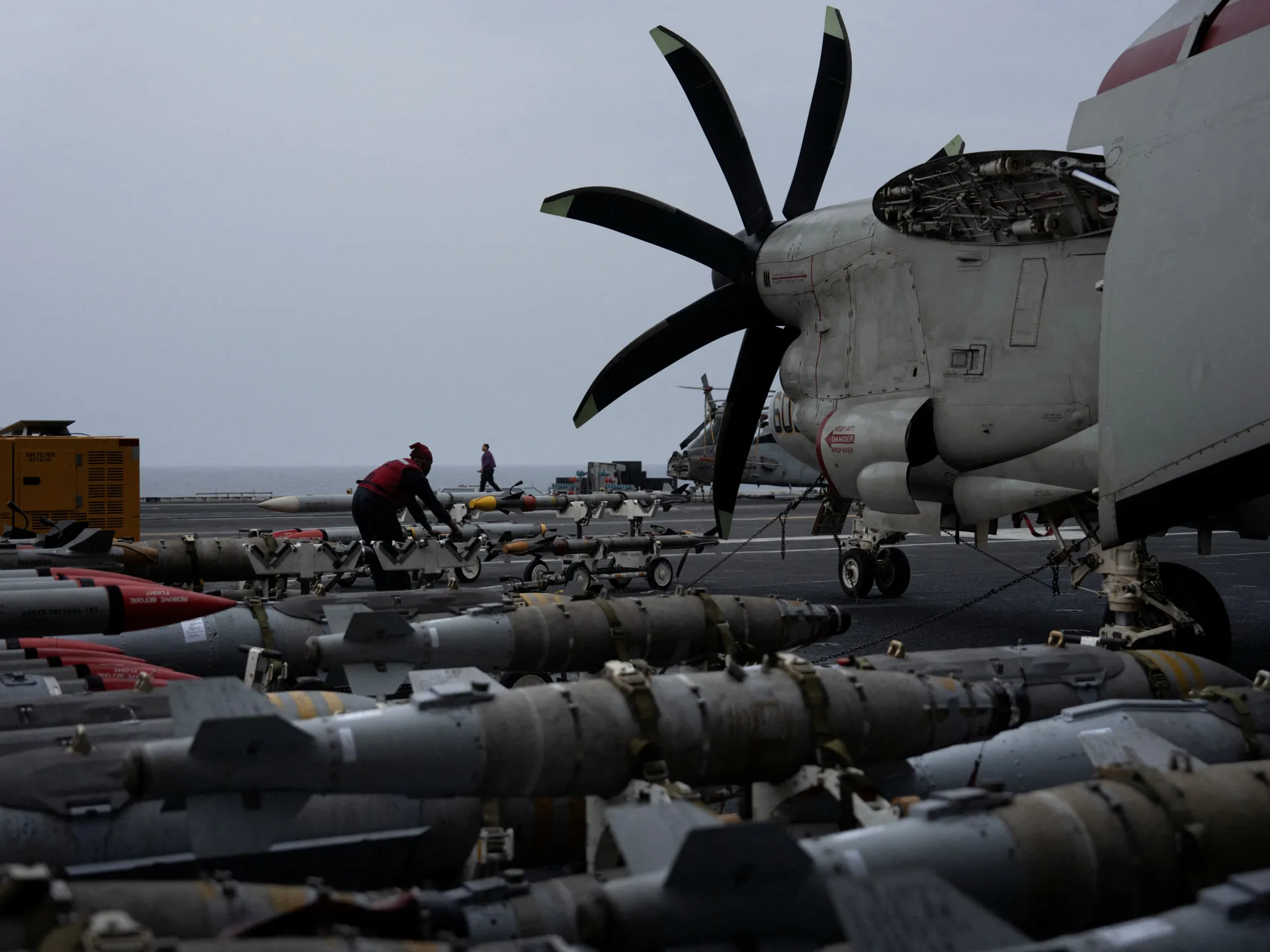
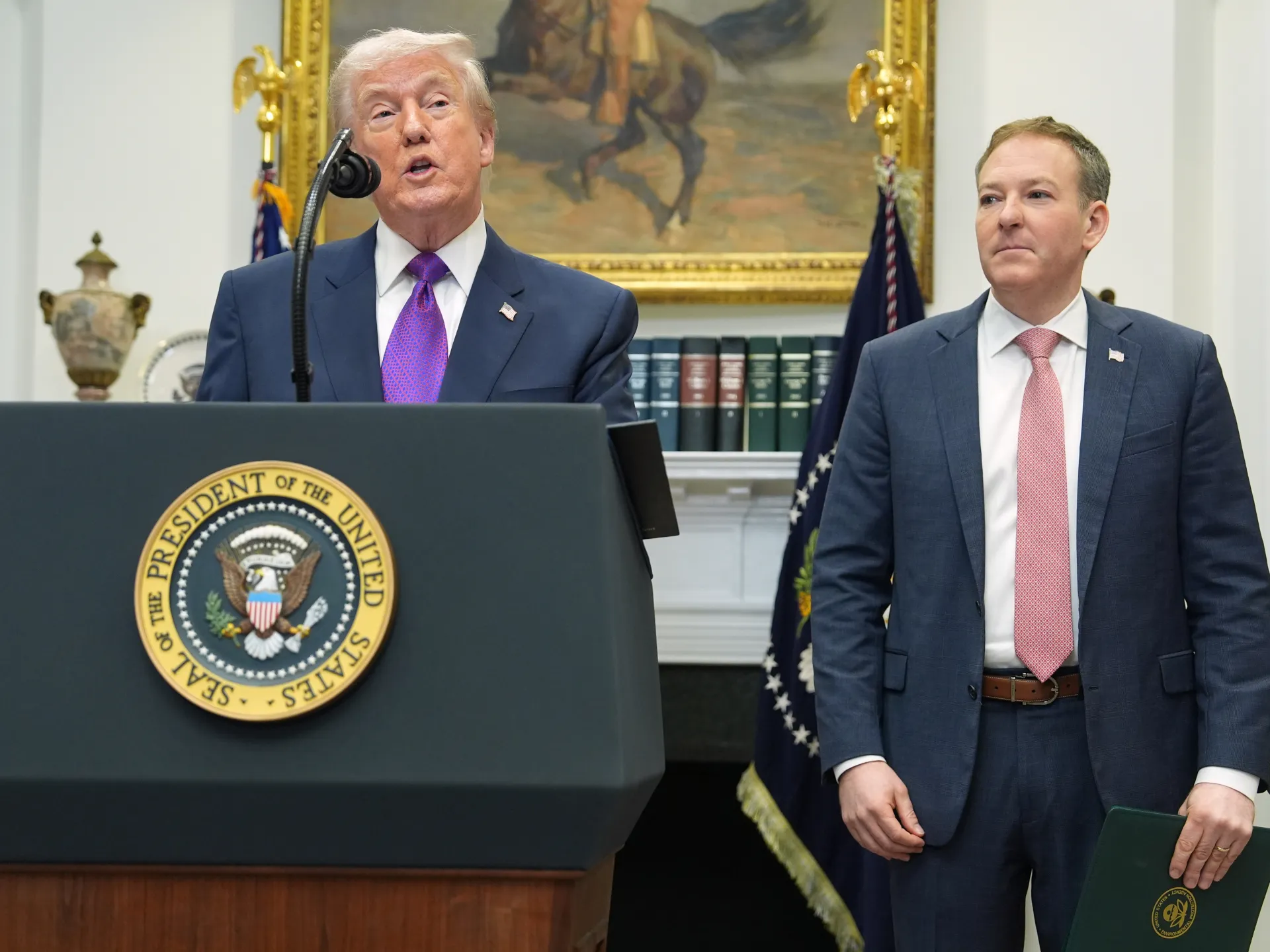
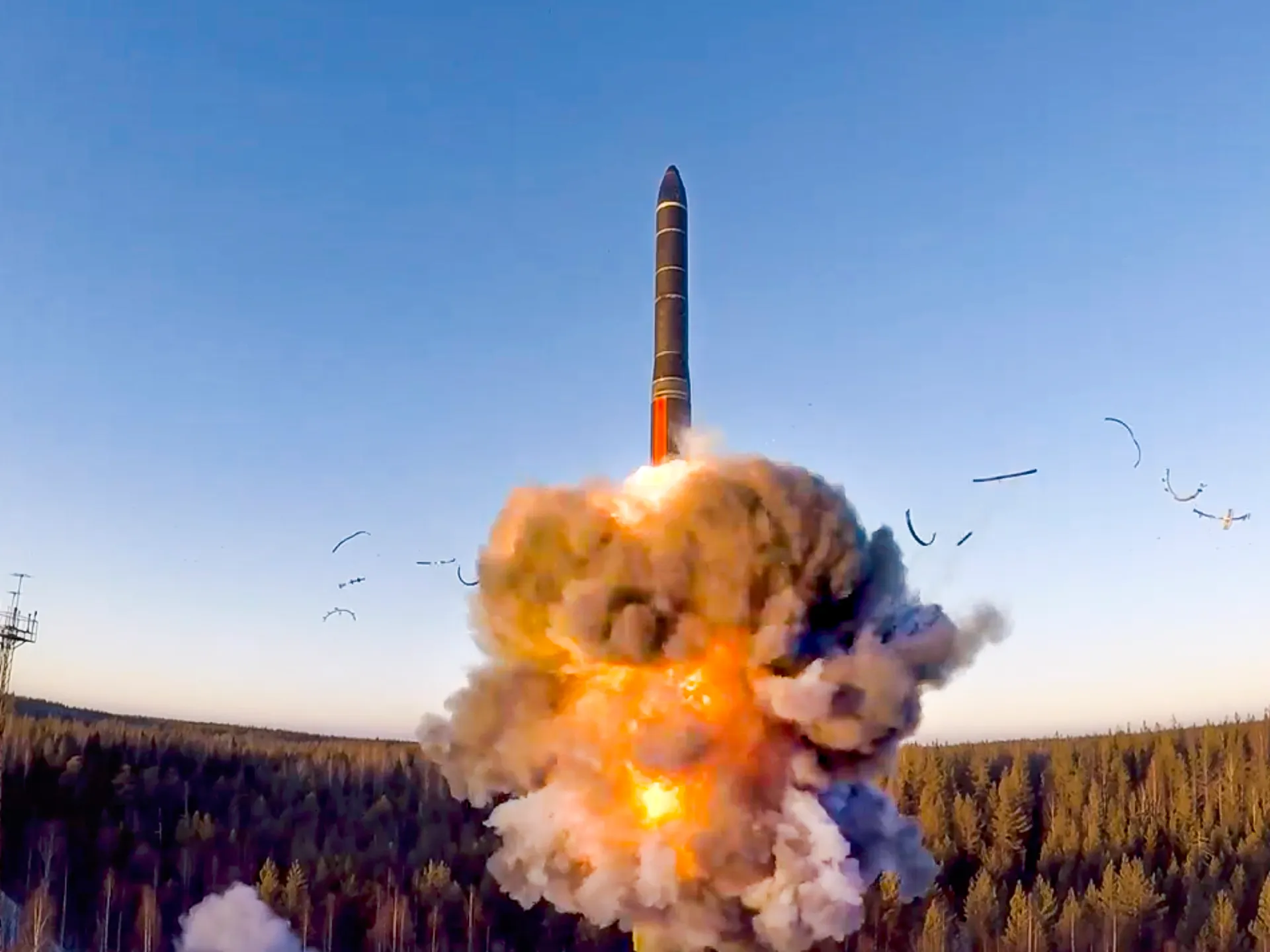
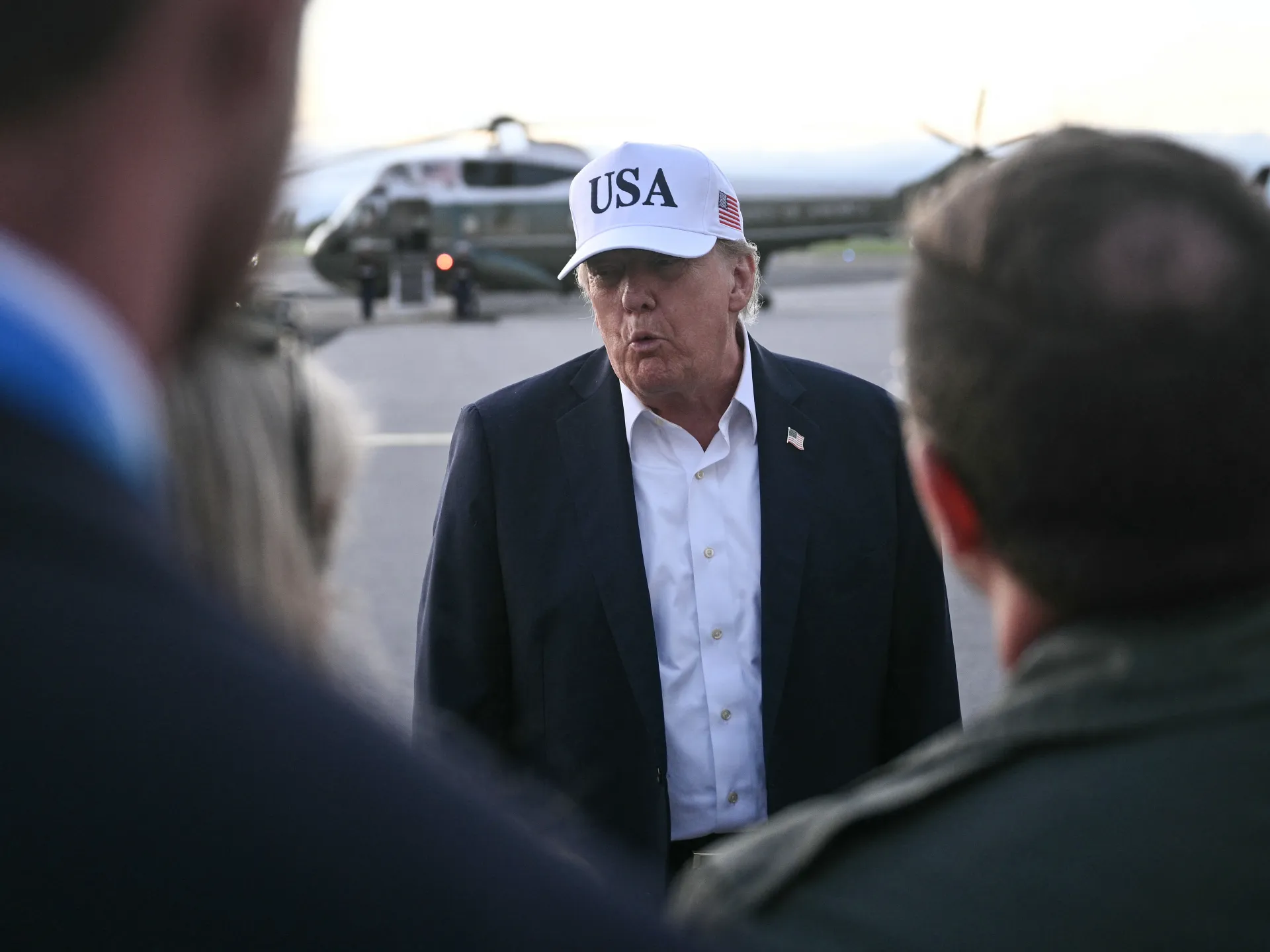
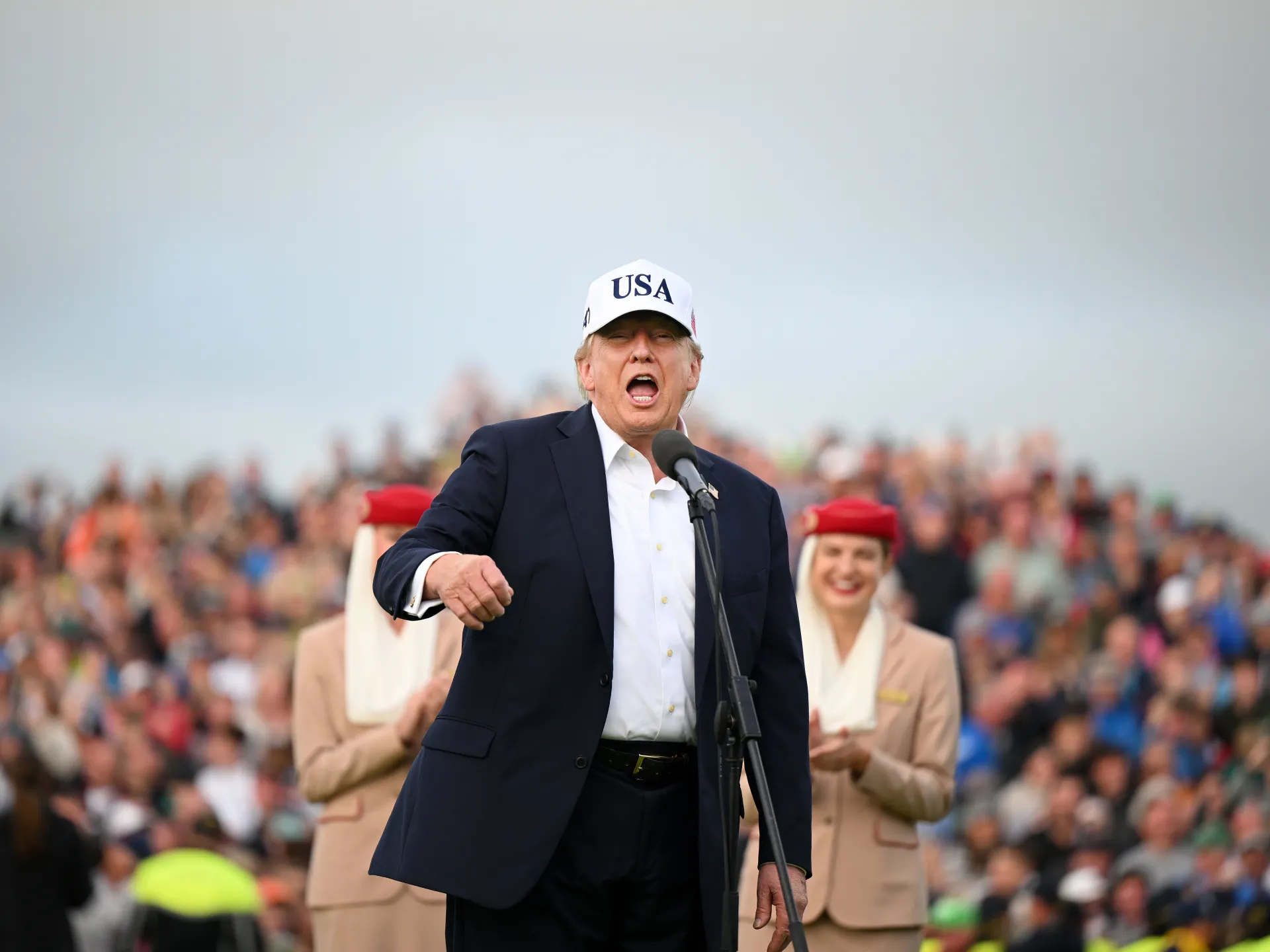
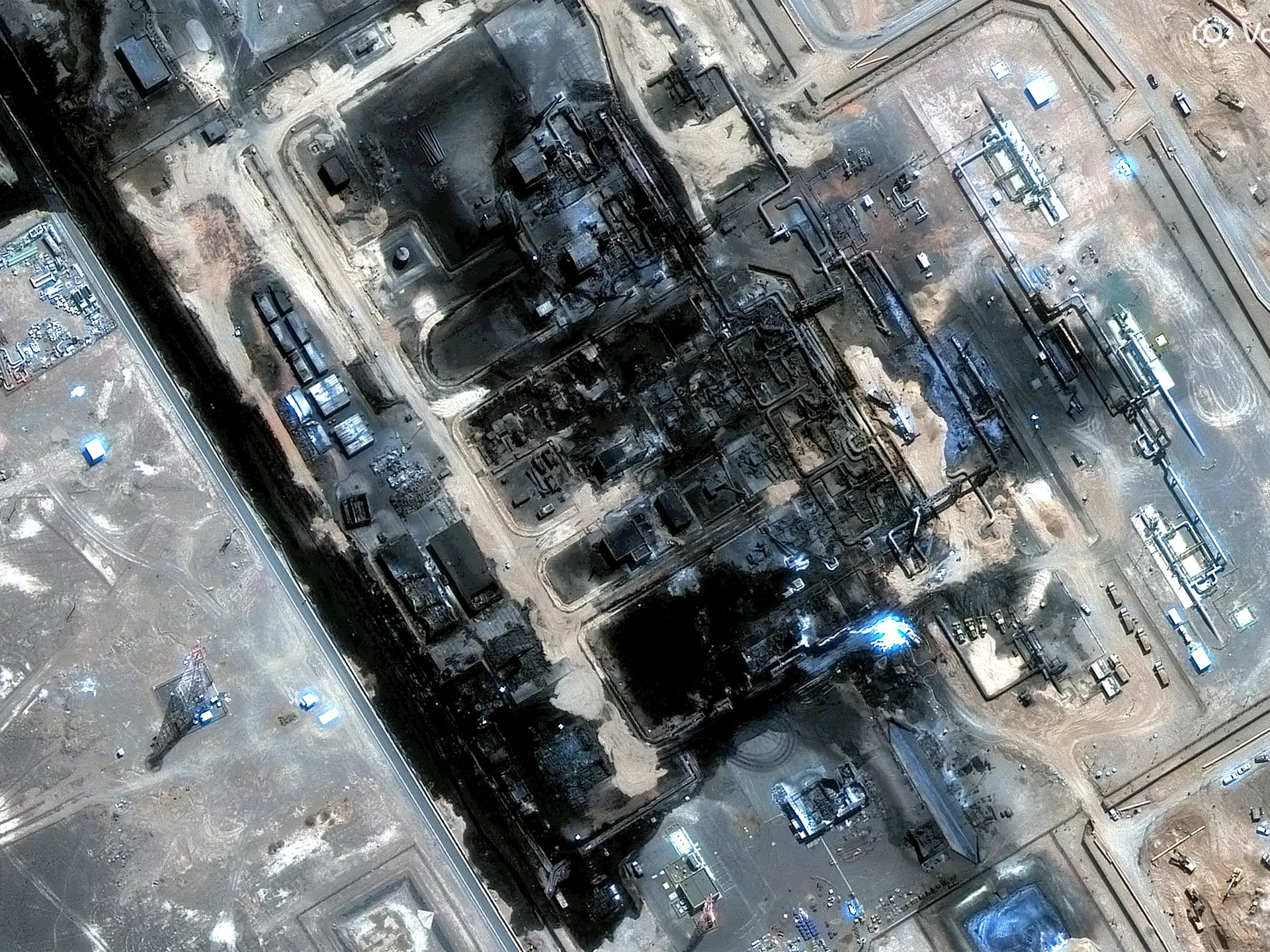
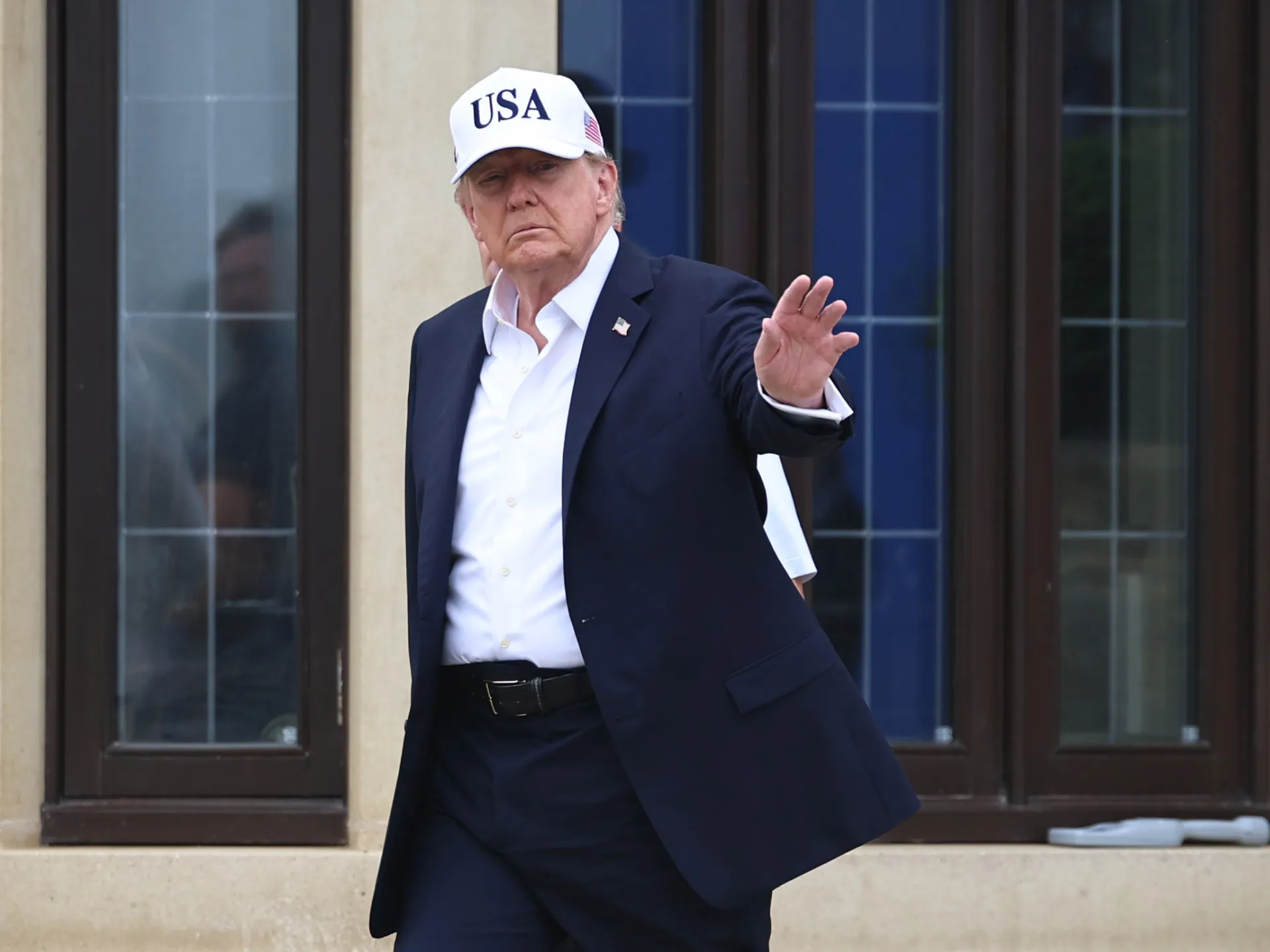
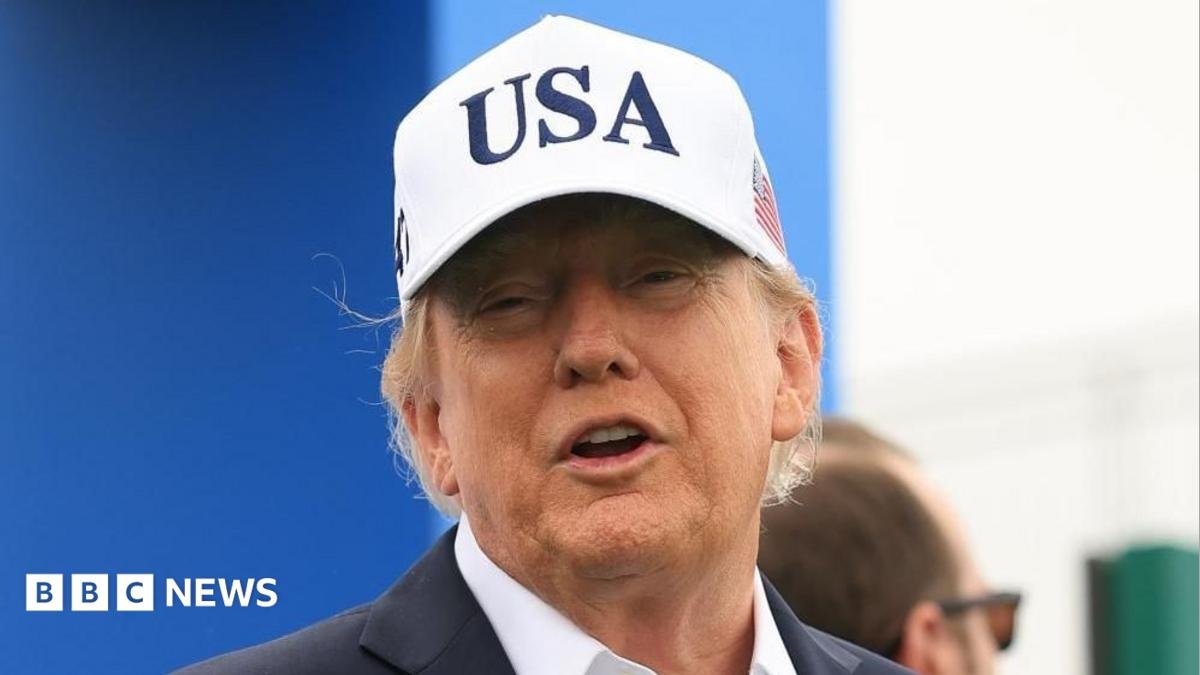
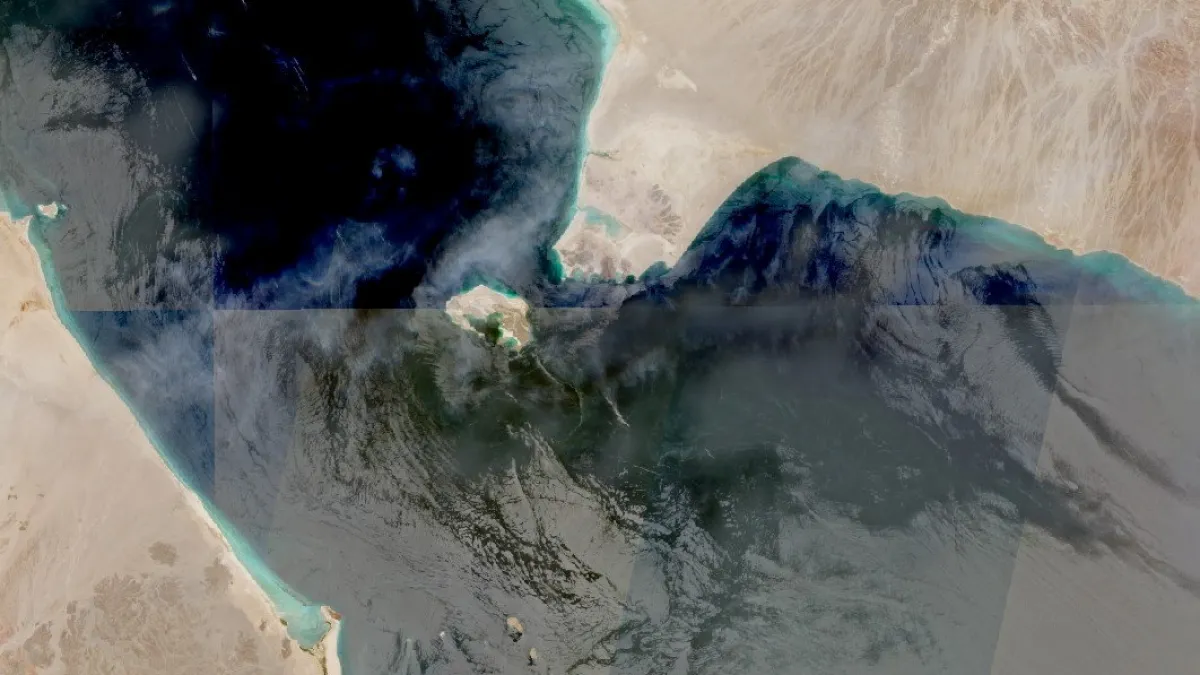
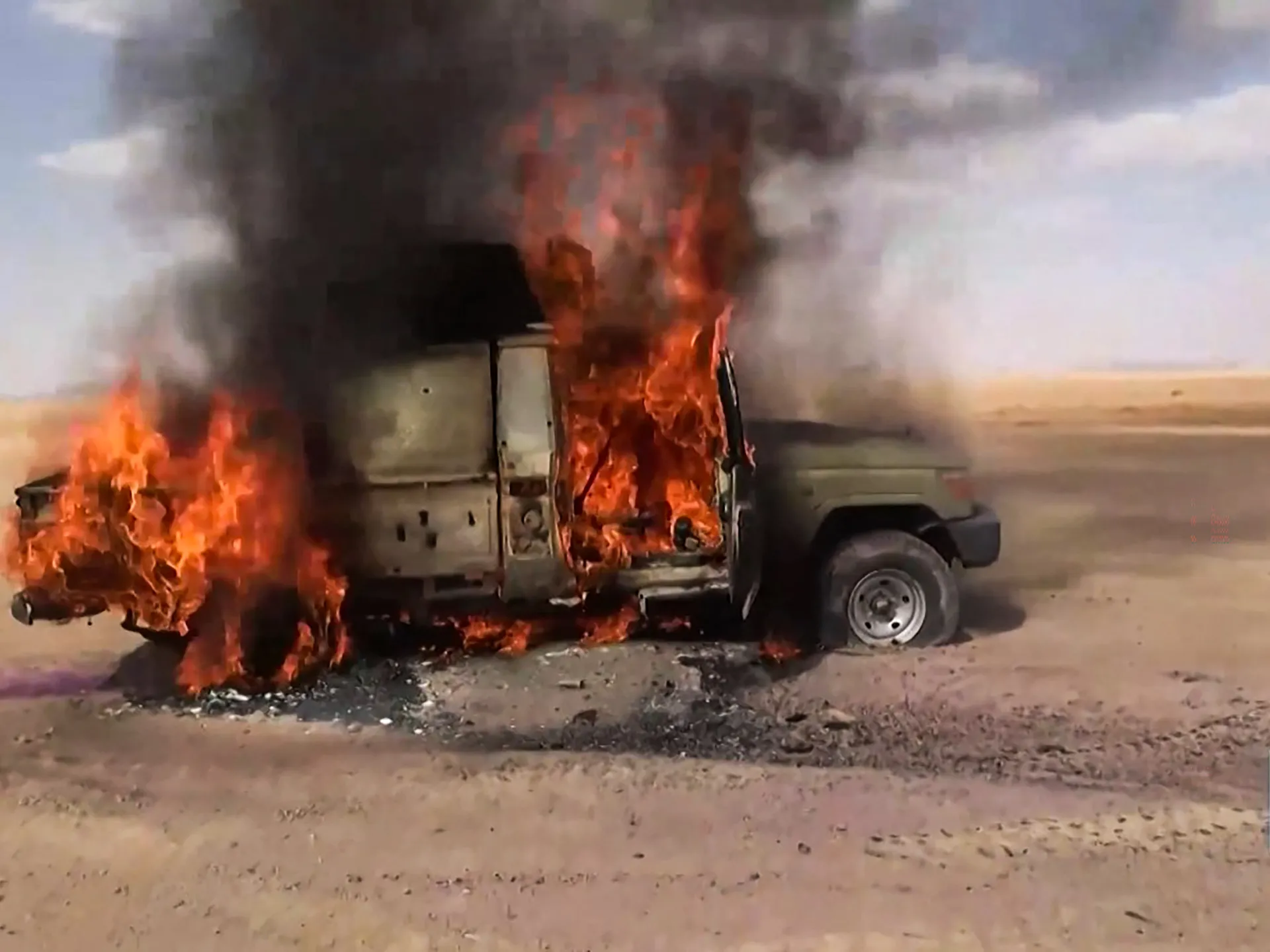
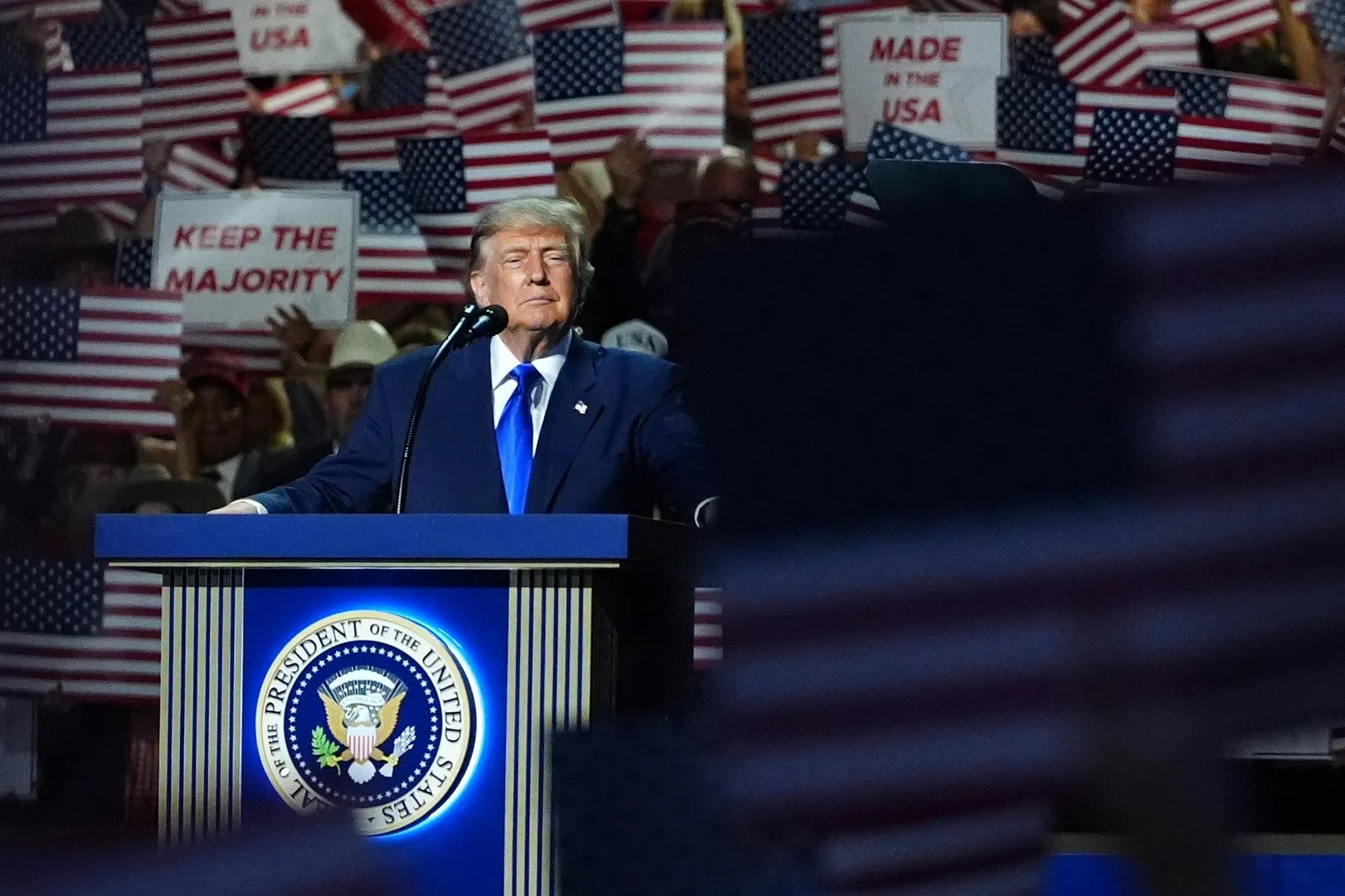
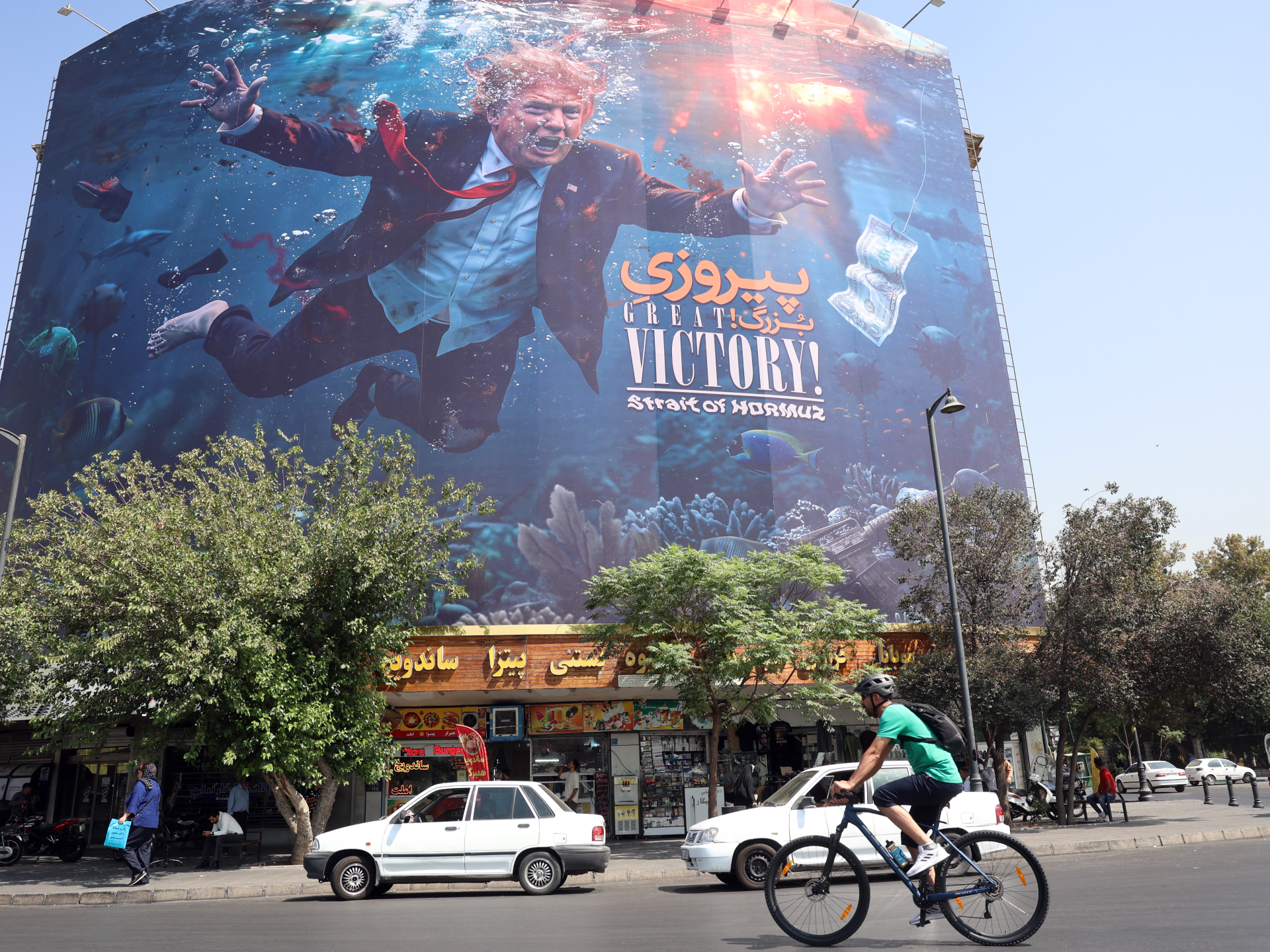
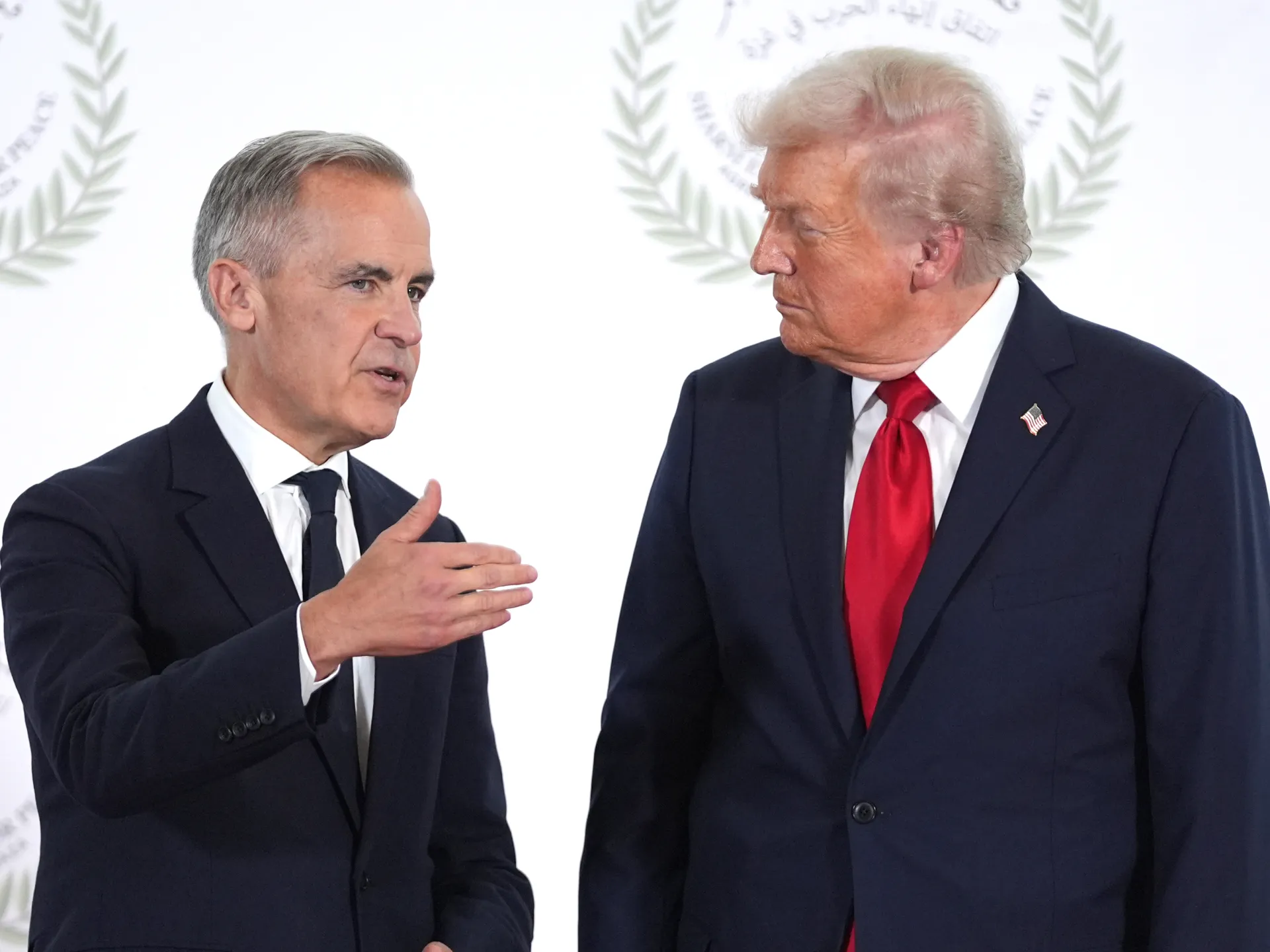
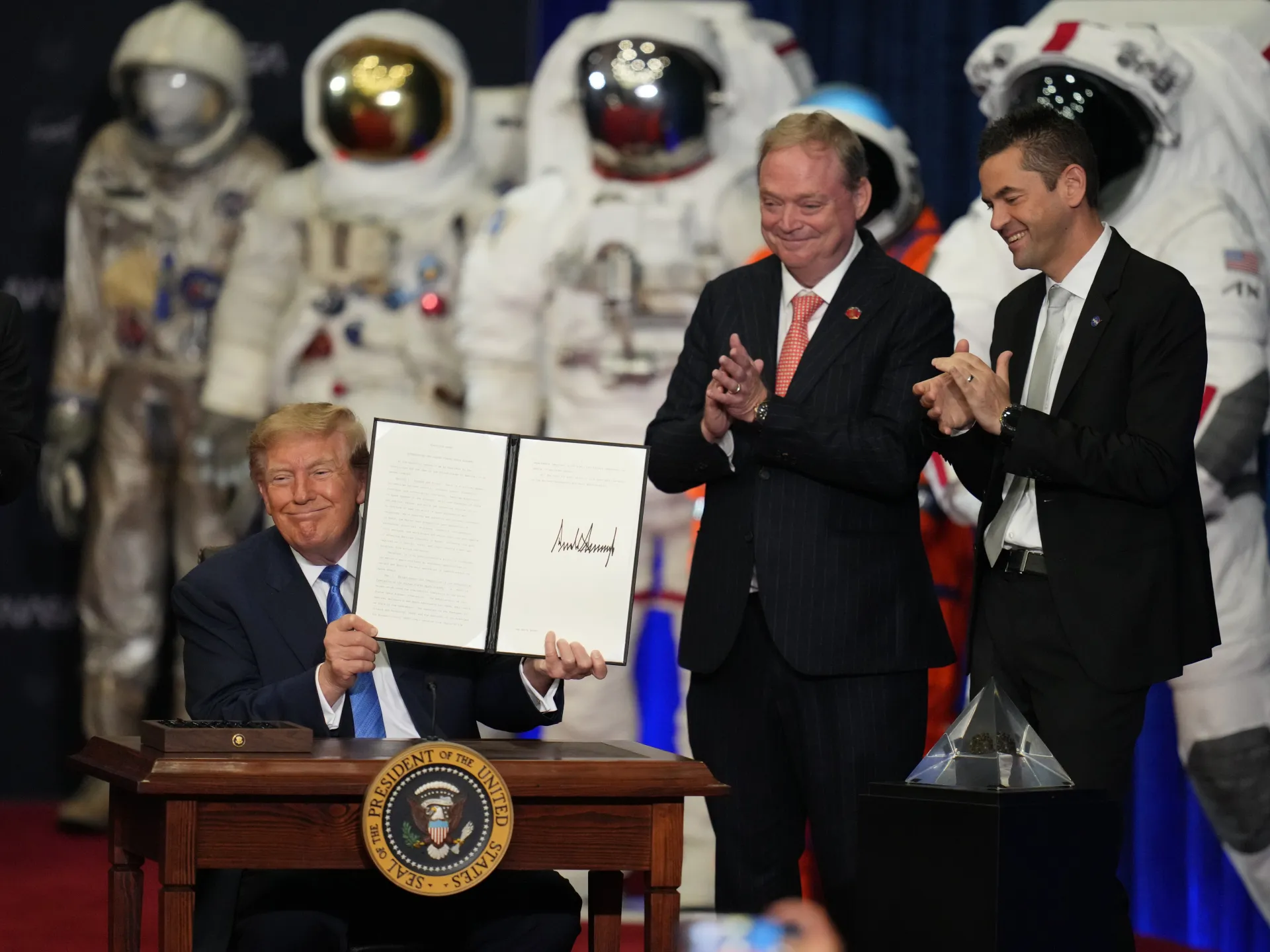
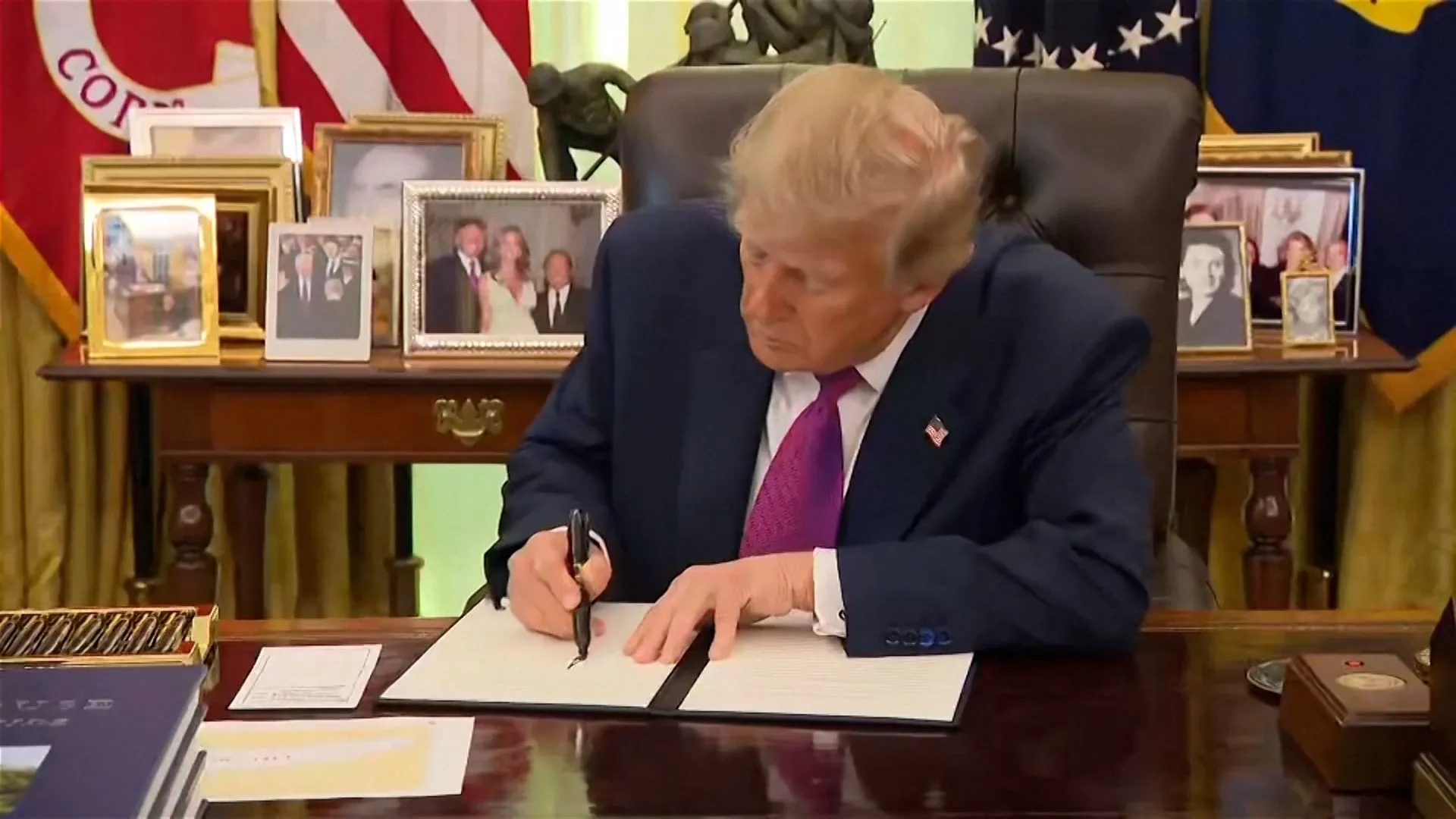
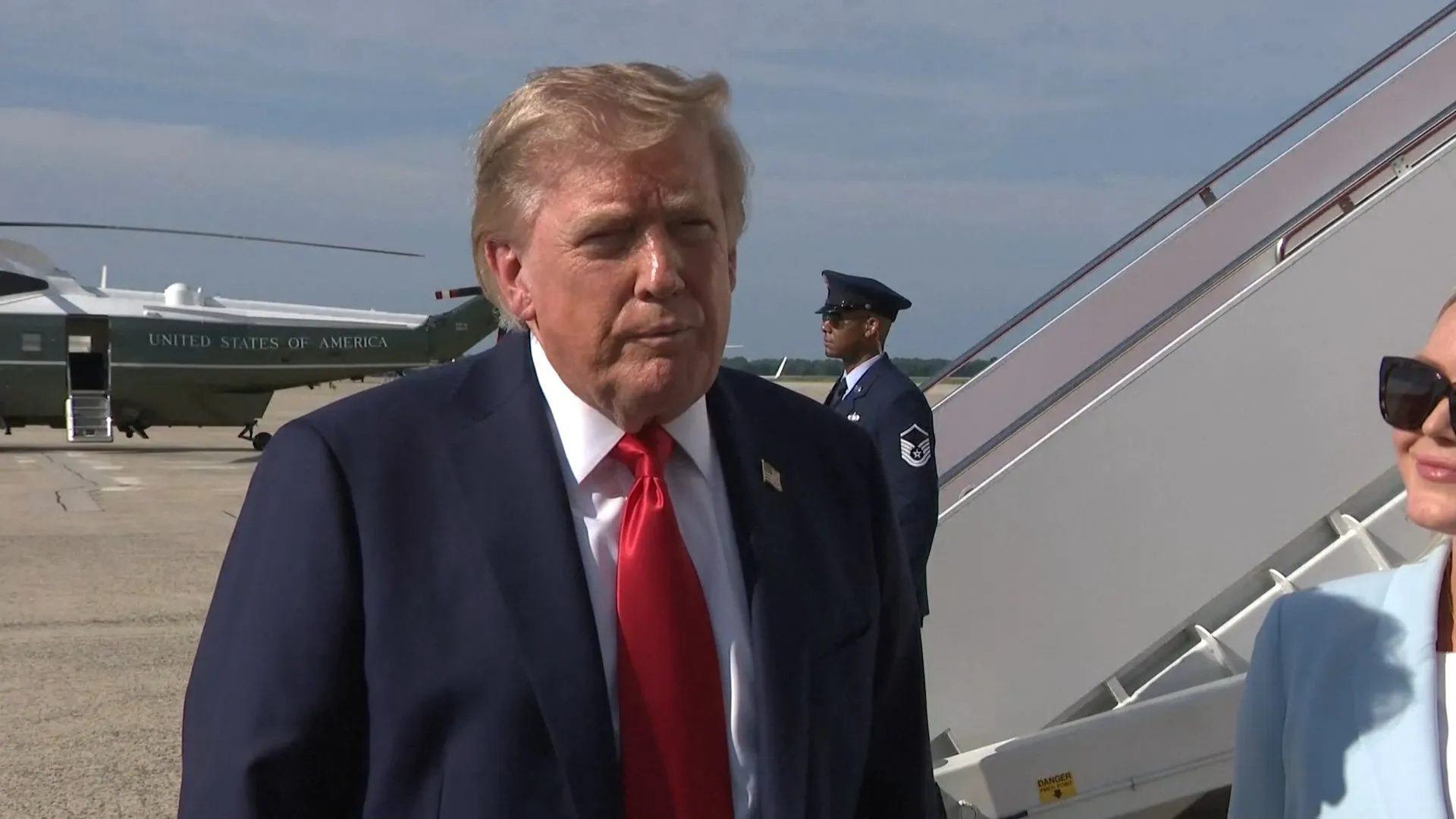
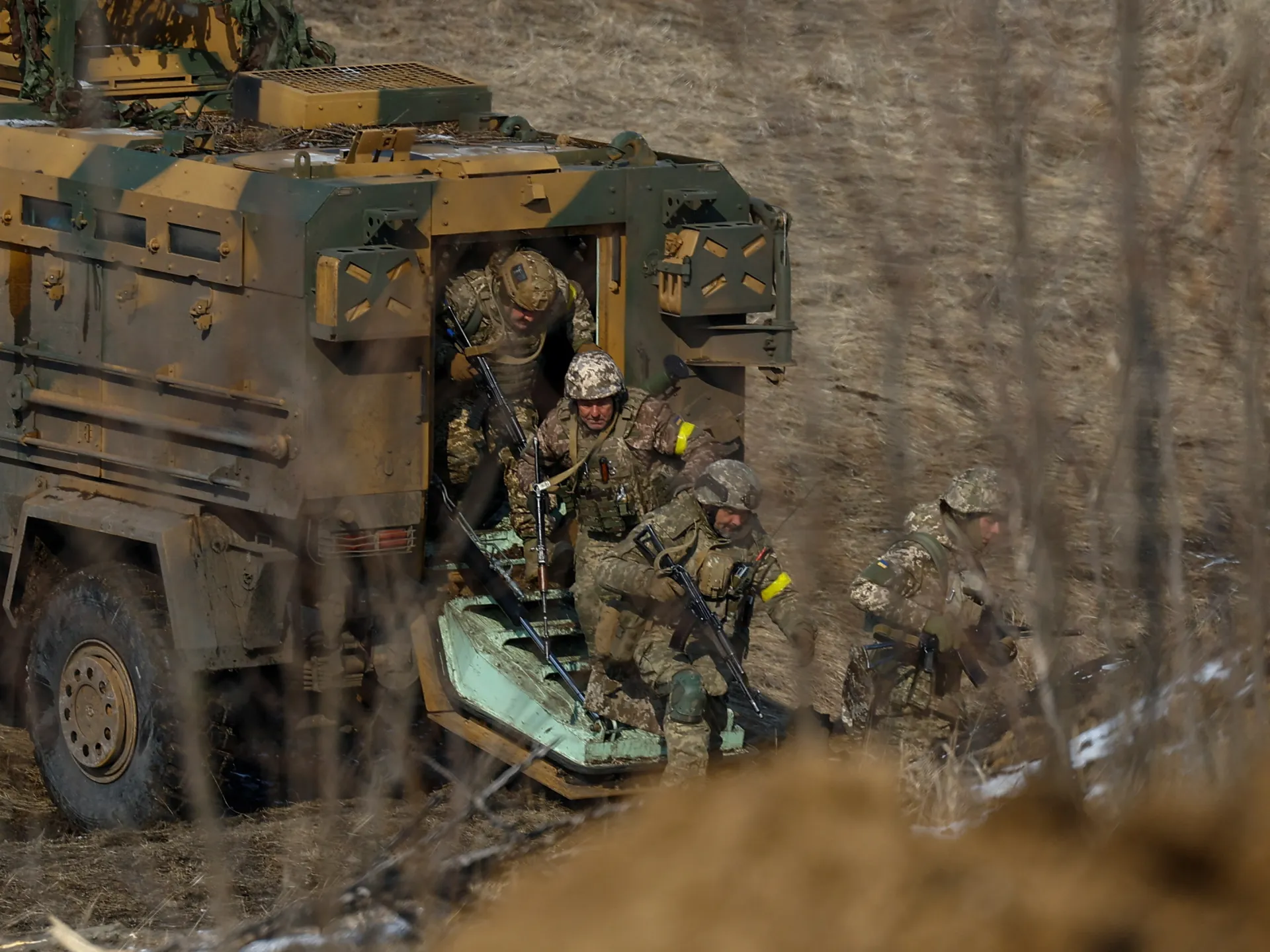
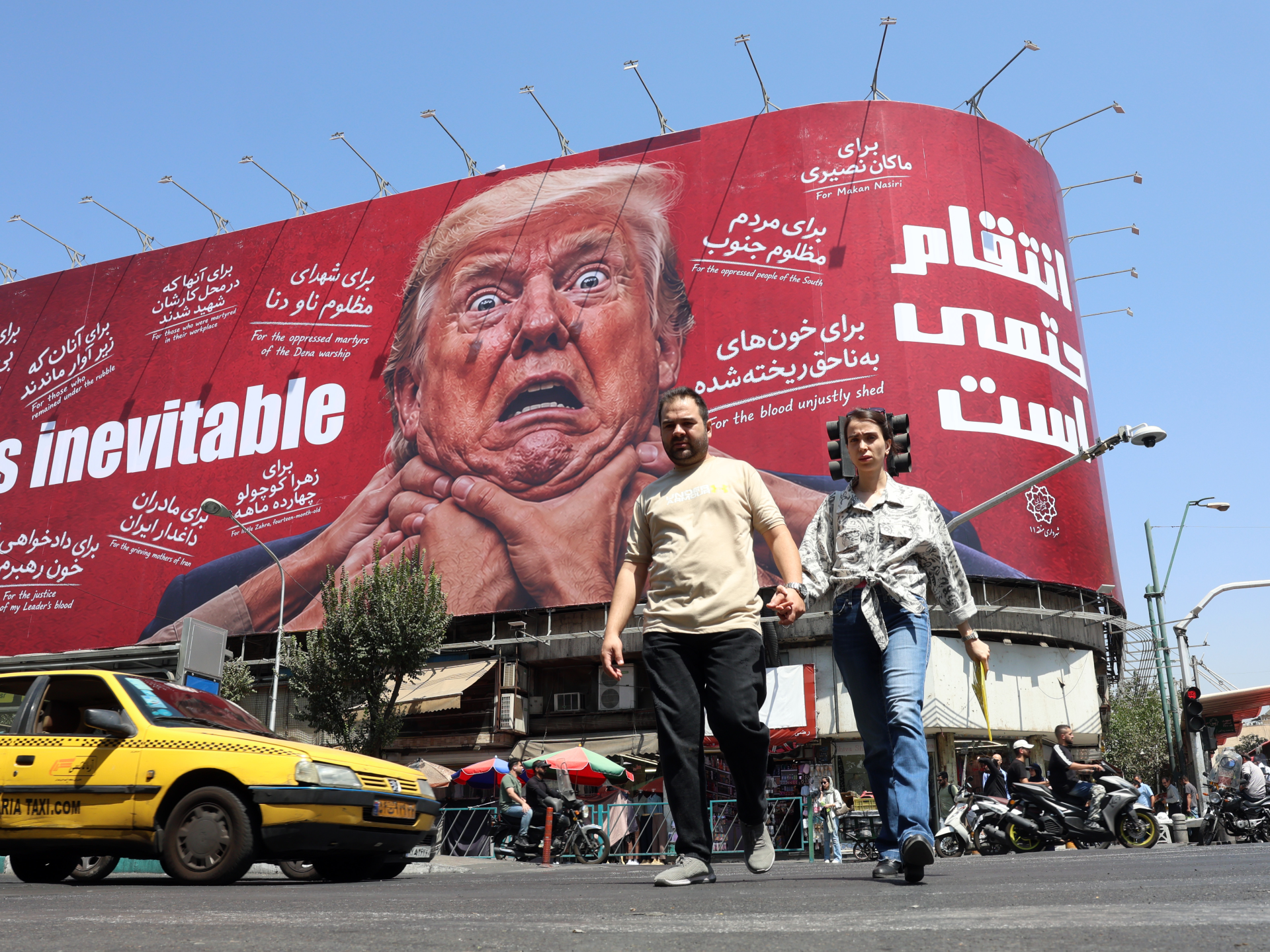
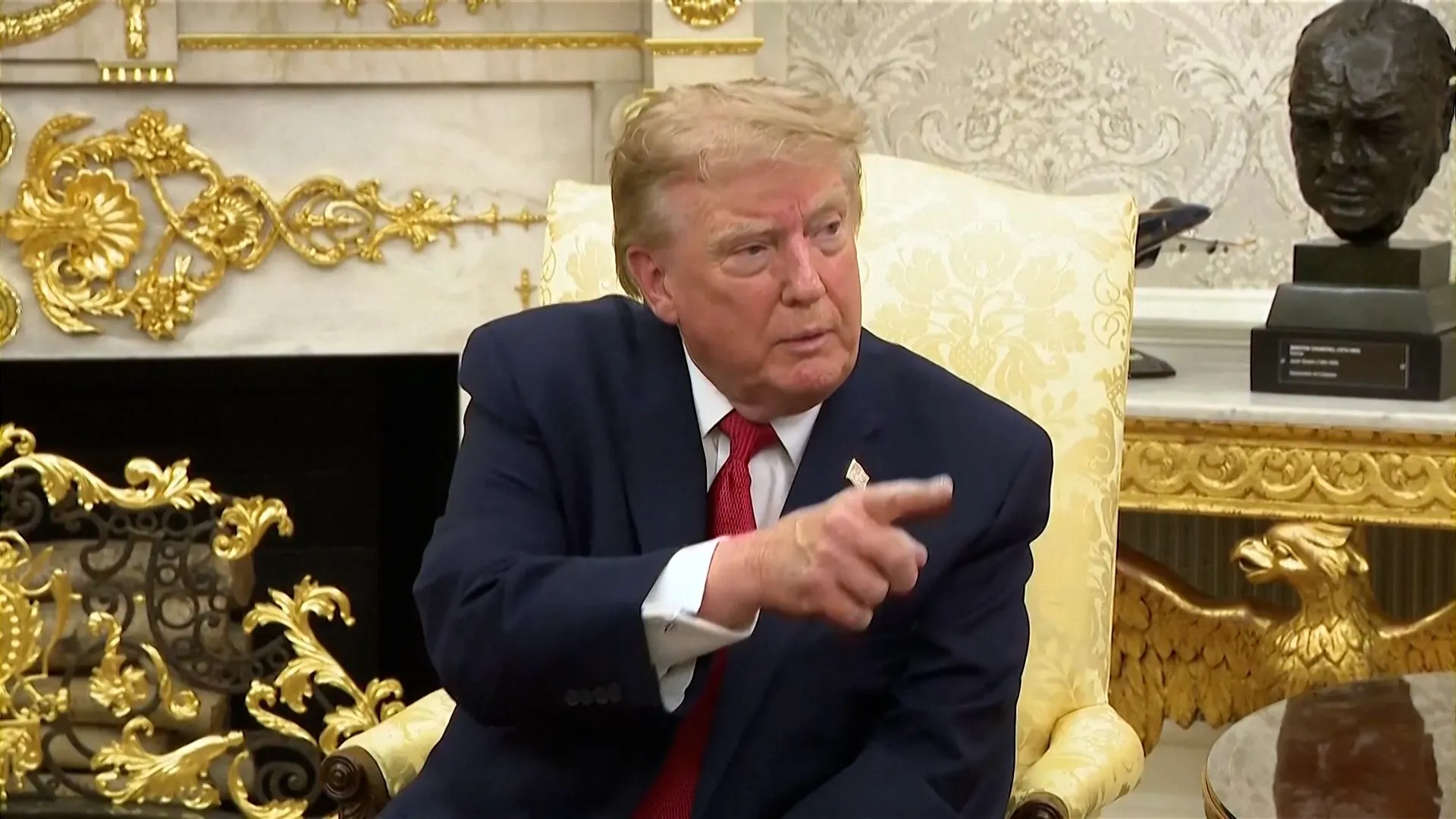
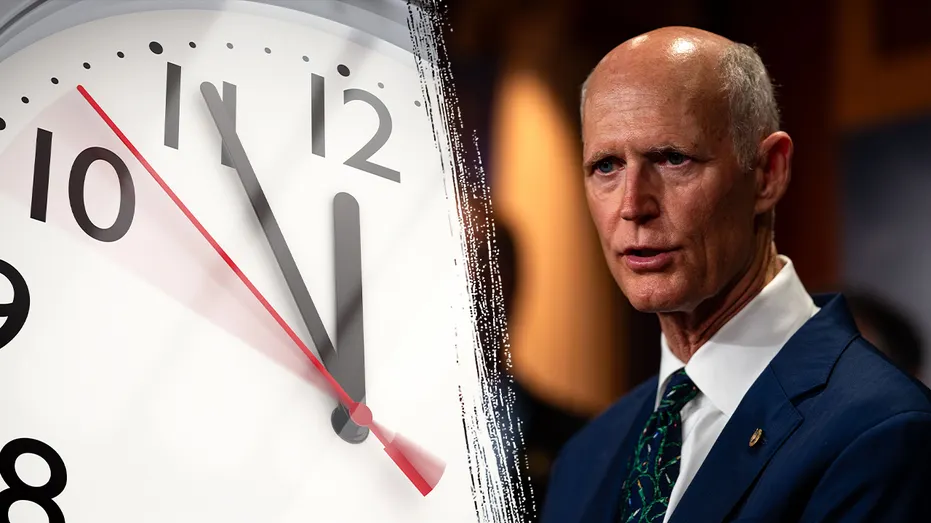
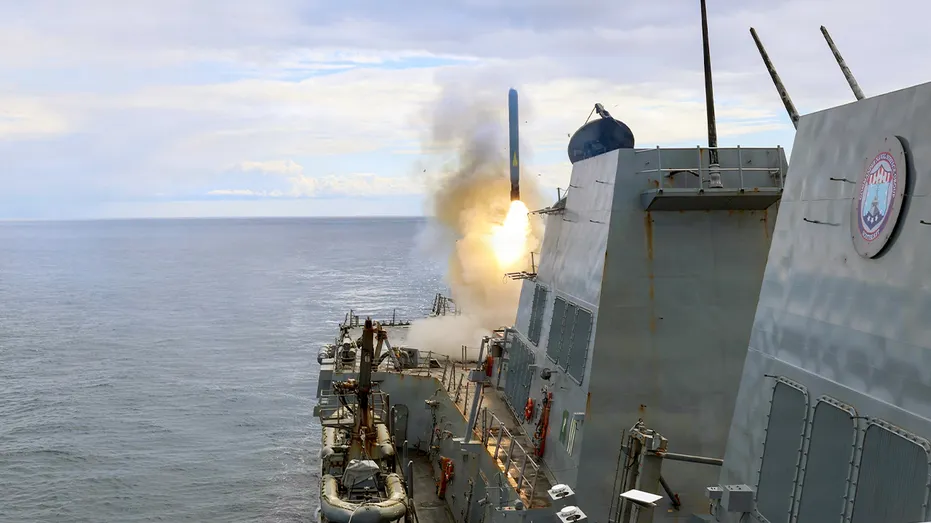
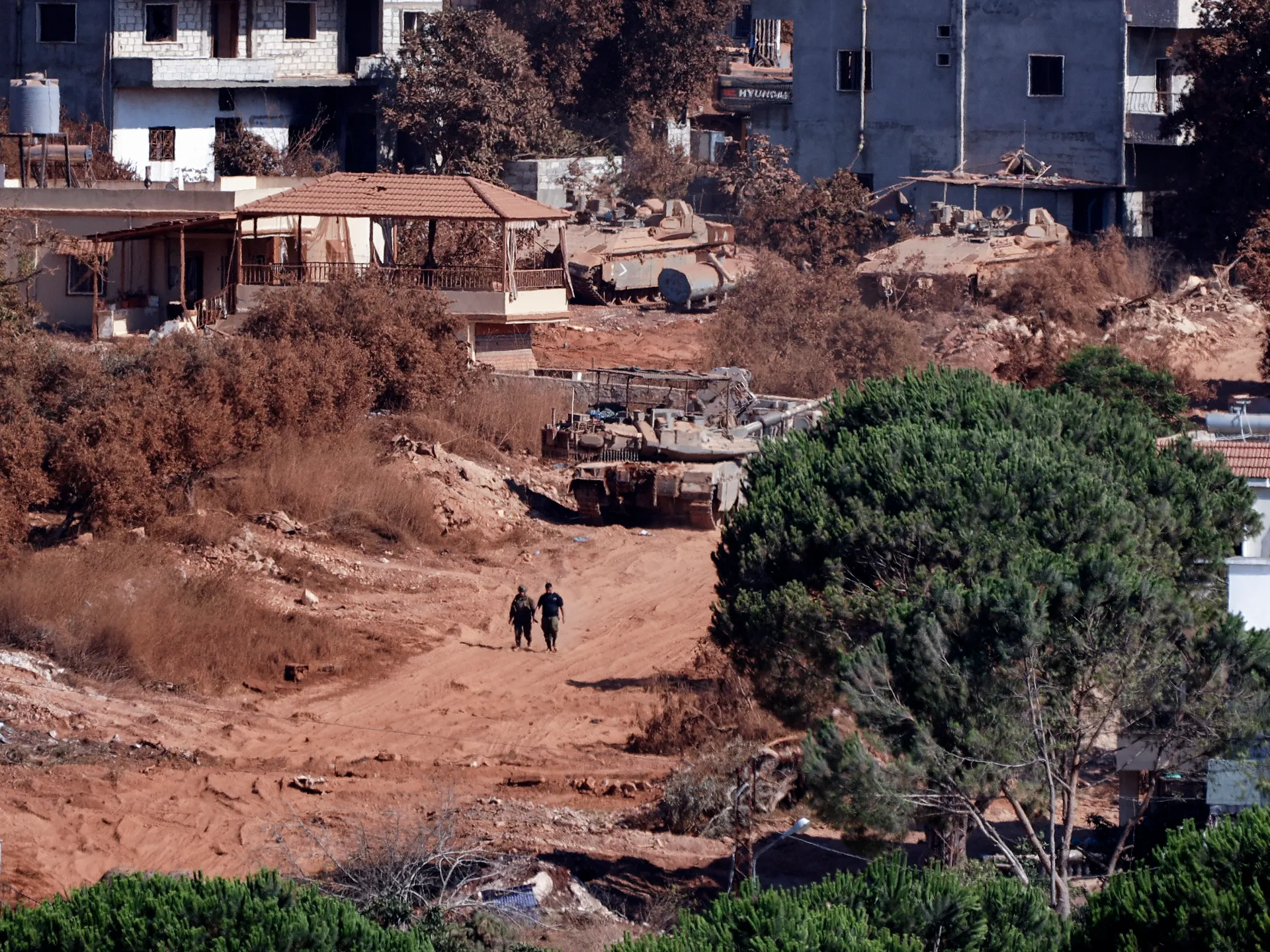
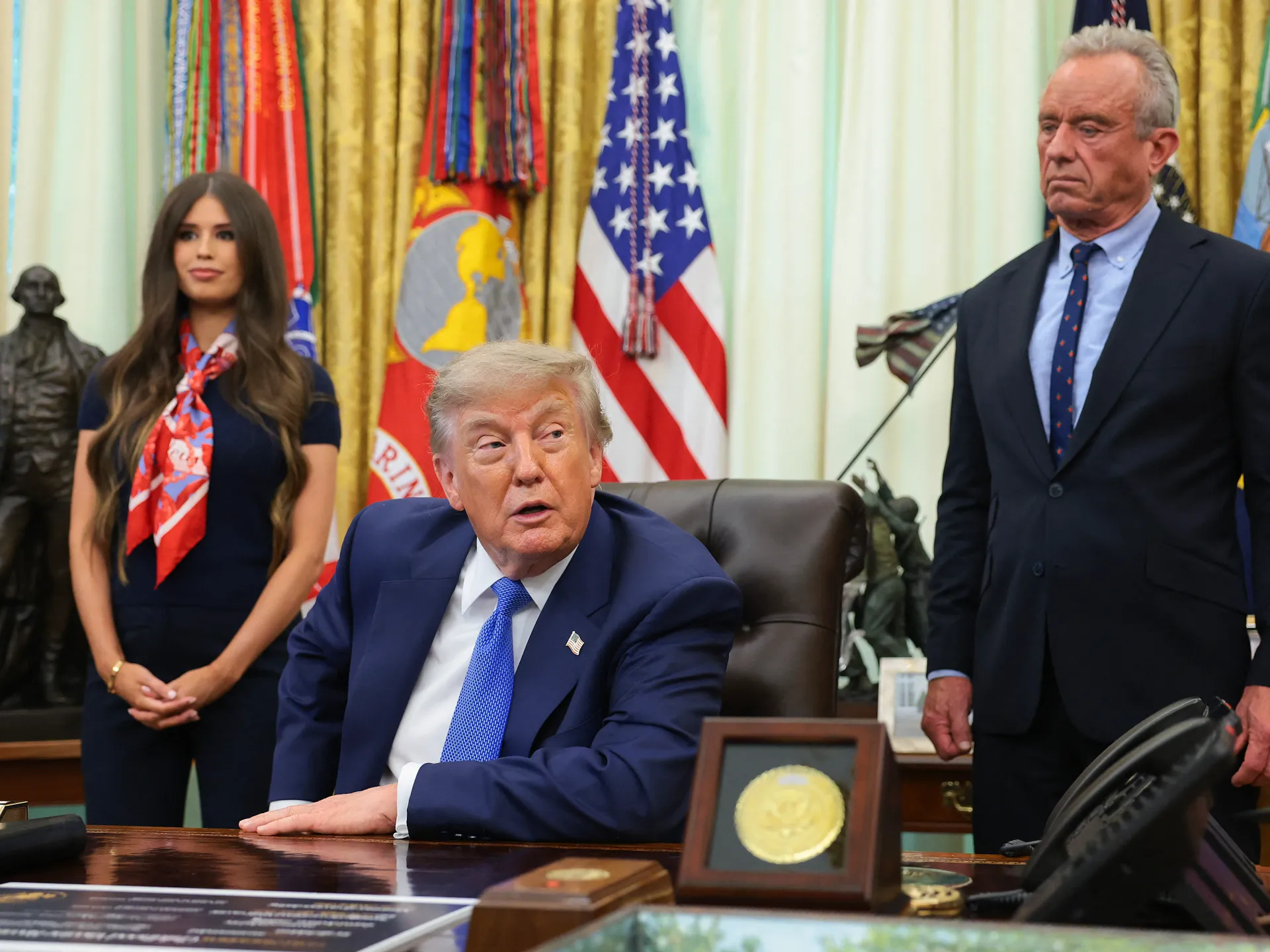
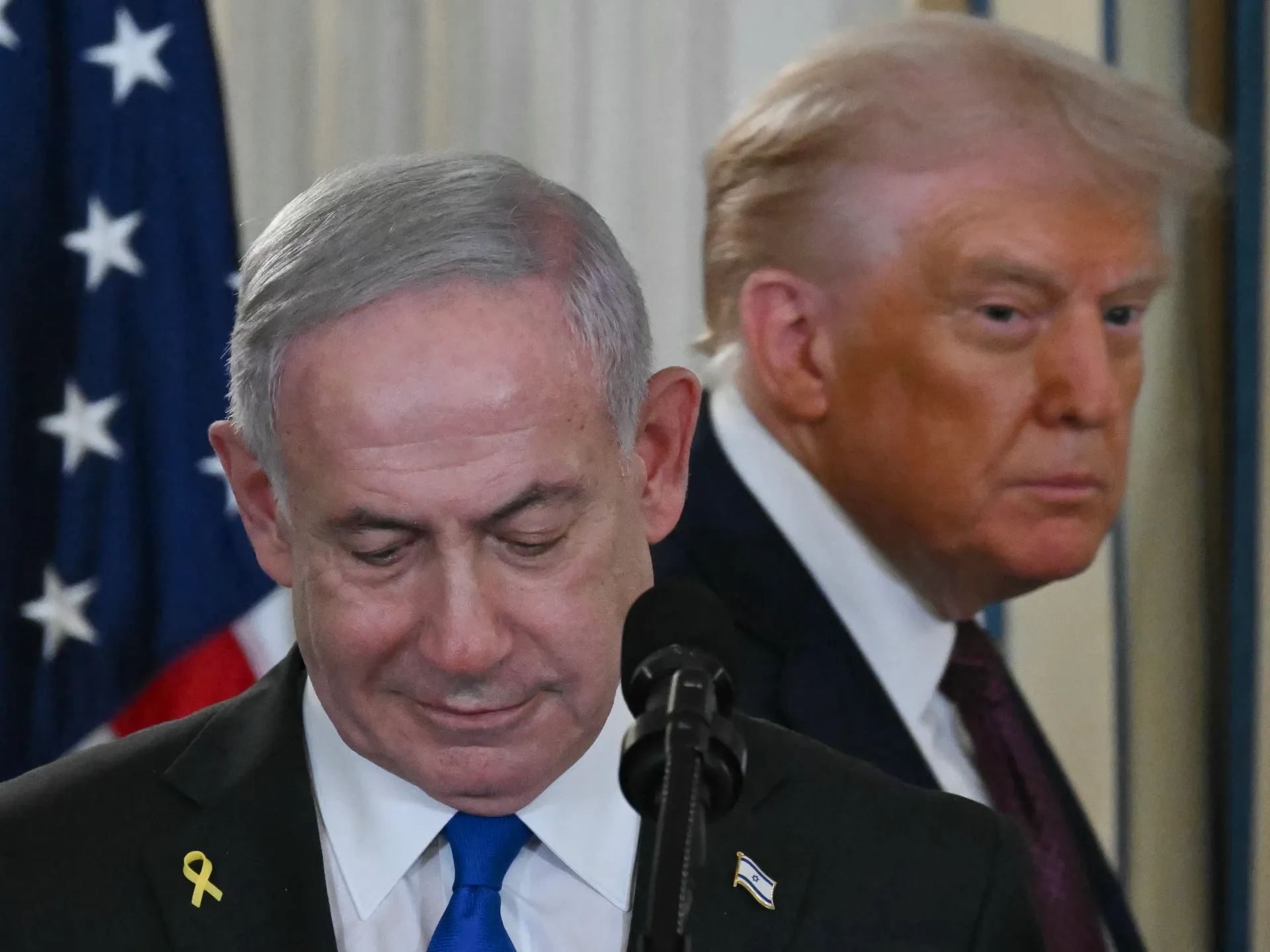
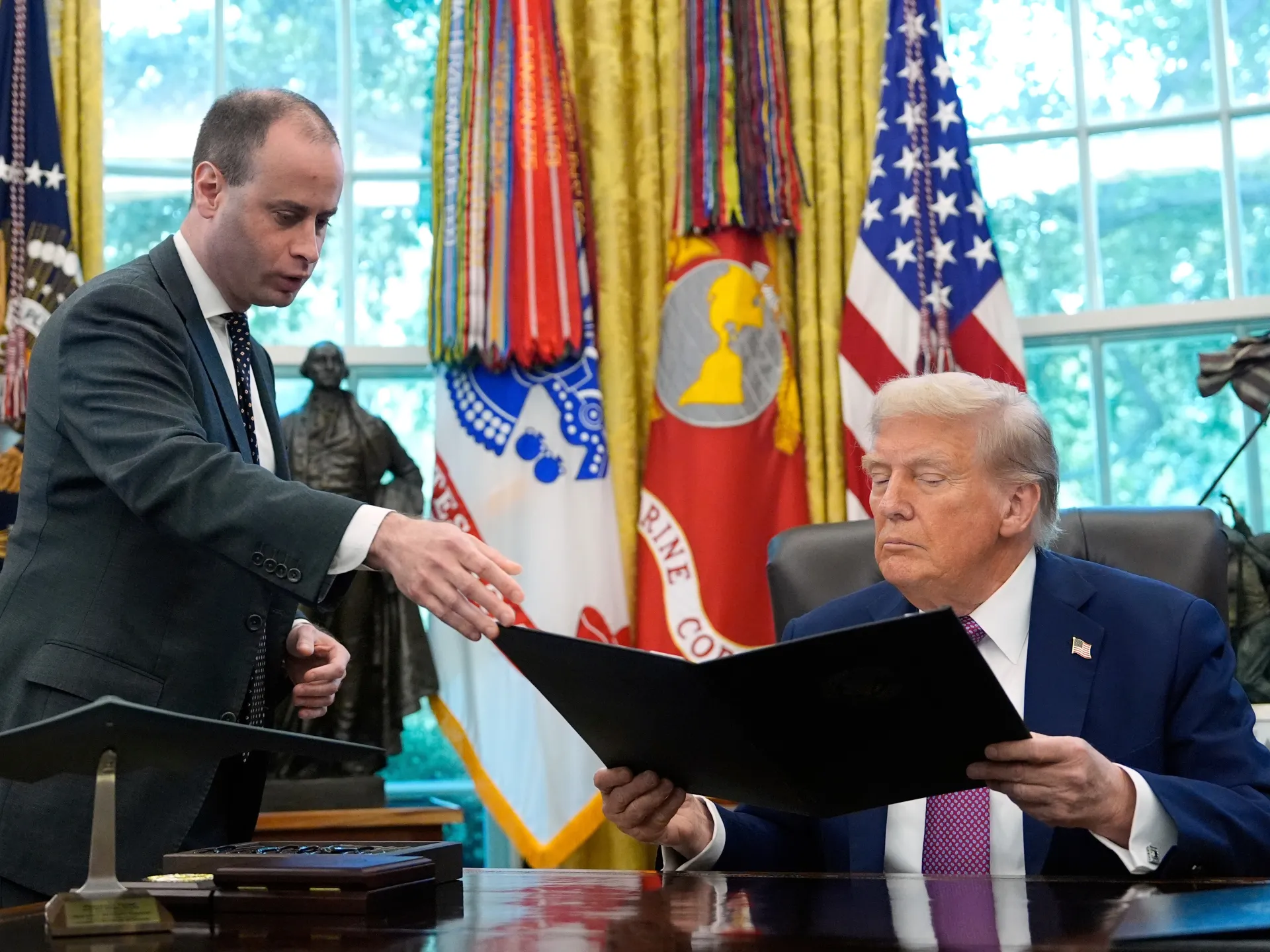
This public frustration mirrors tensions occurring within the executive branch itself. Recent reports indicate that President Trump and Secretary Hegseth engaged in a heated dispute at Camp David, centered on concerns regarding the depletion of critical missile stockpiles related to the Iran campaign. These internal rifts over military readiness suggest that the administration is struggling to maintain a unified front, even as it attempts to sell its strategic objectives to an increasingly skeptical American public.
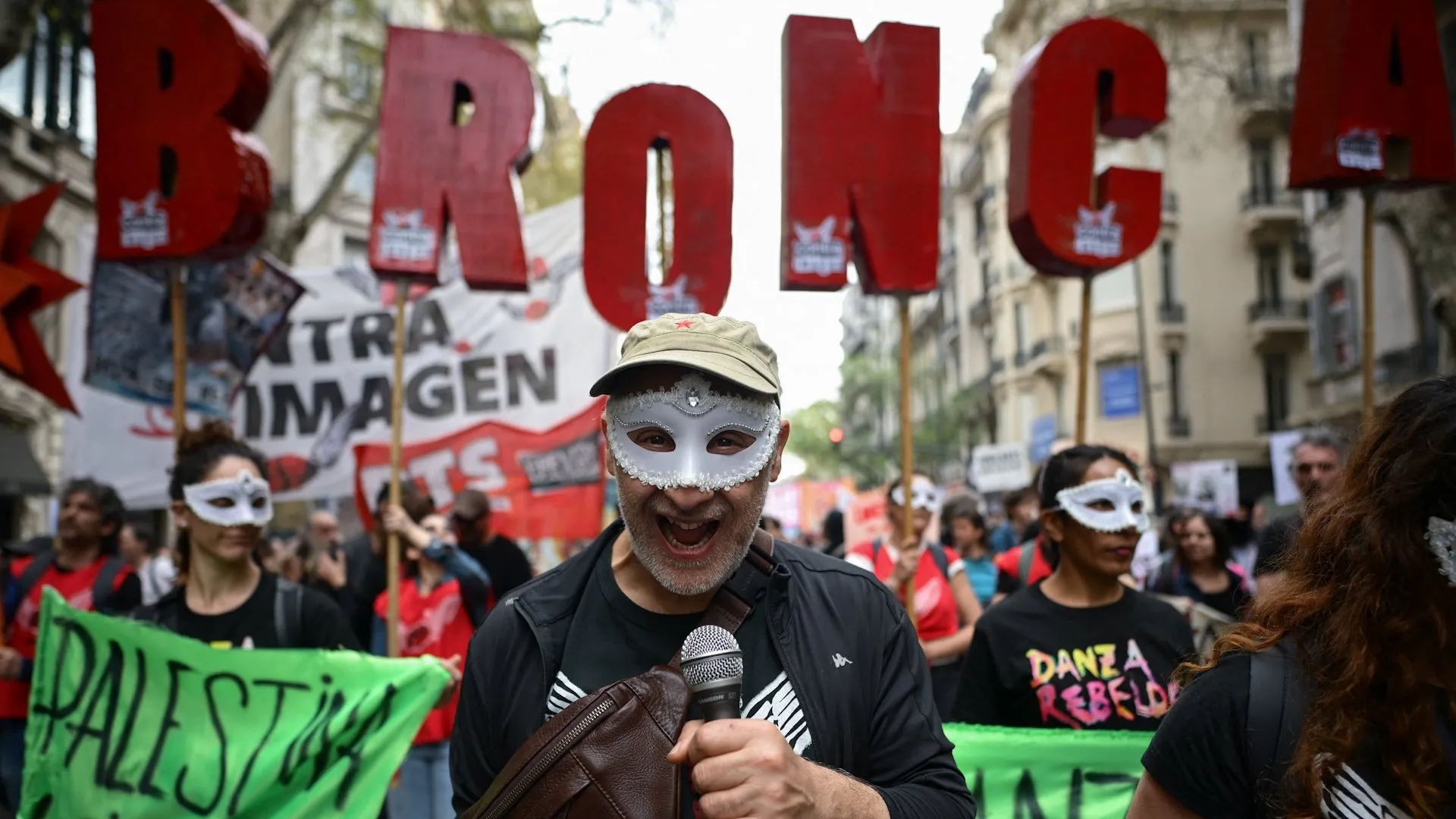
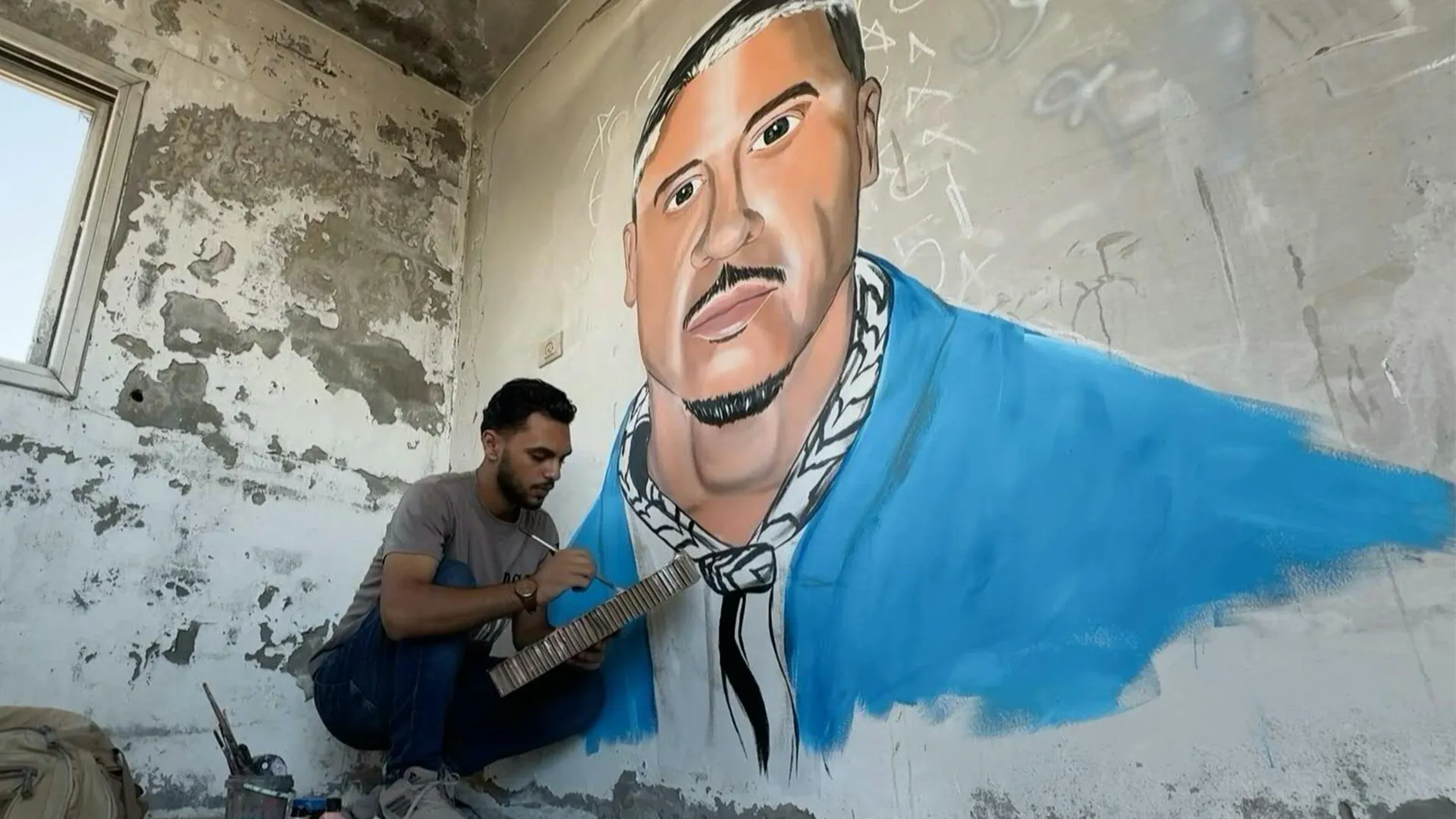
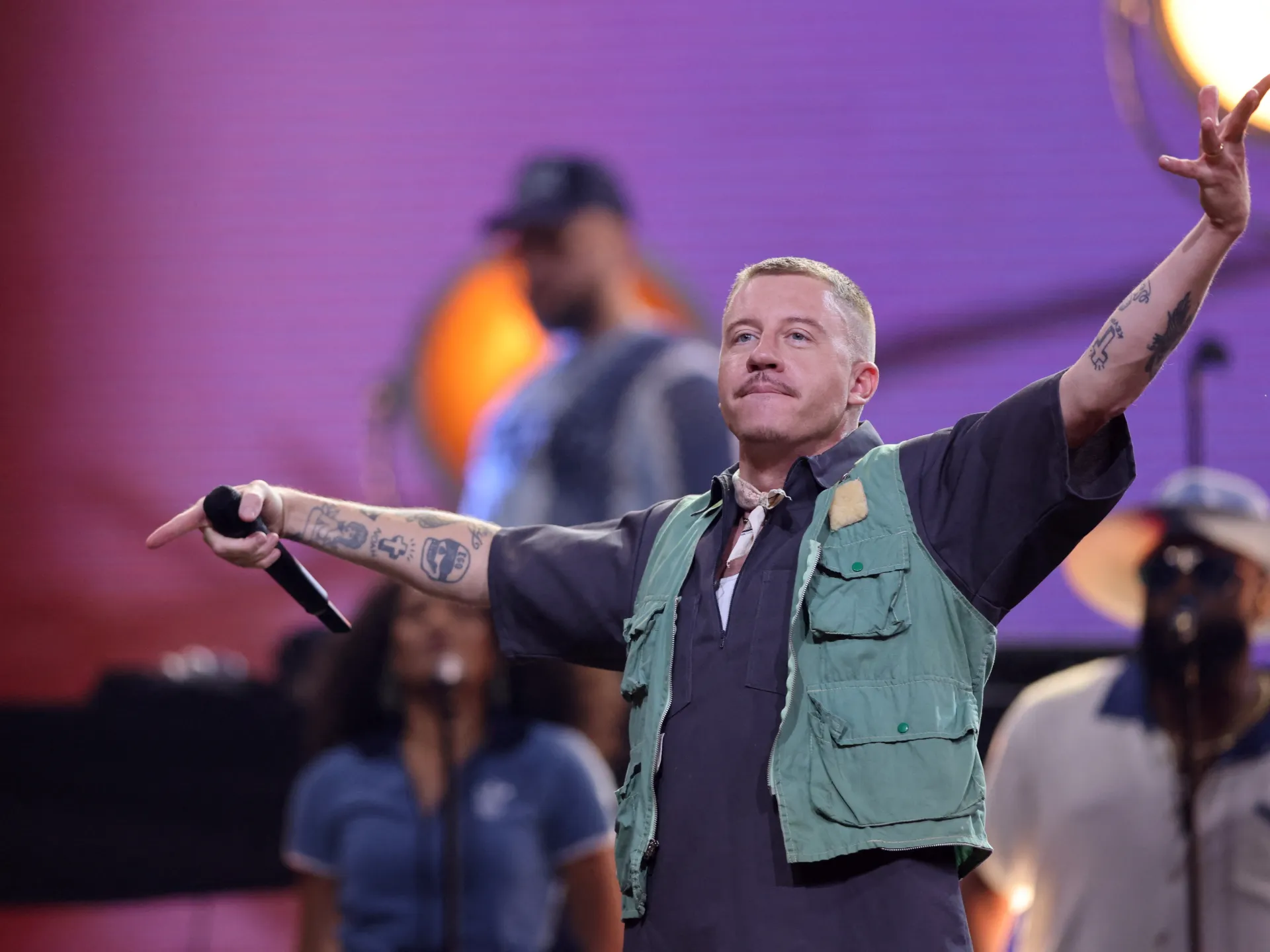
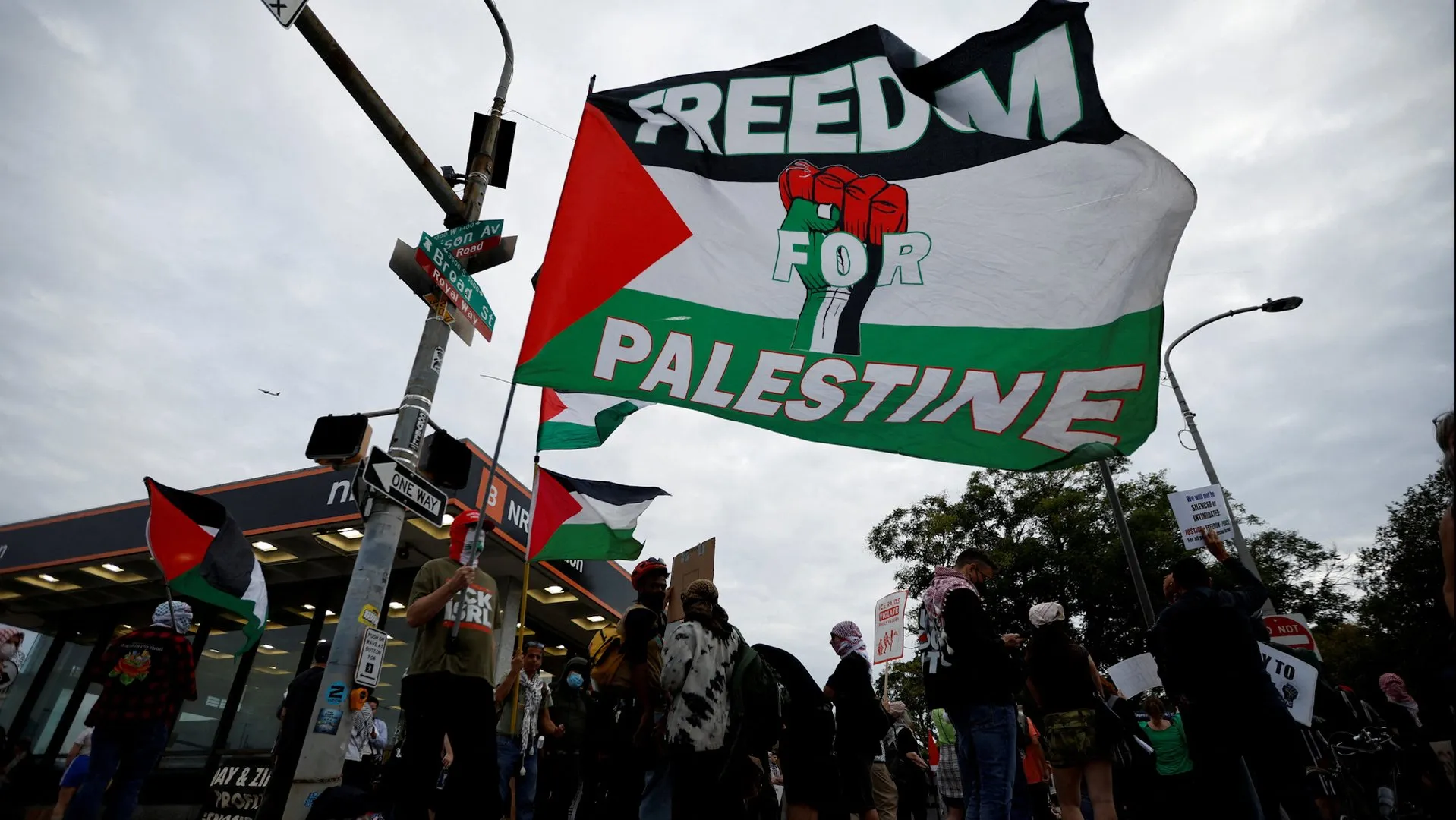
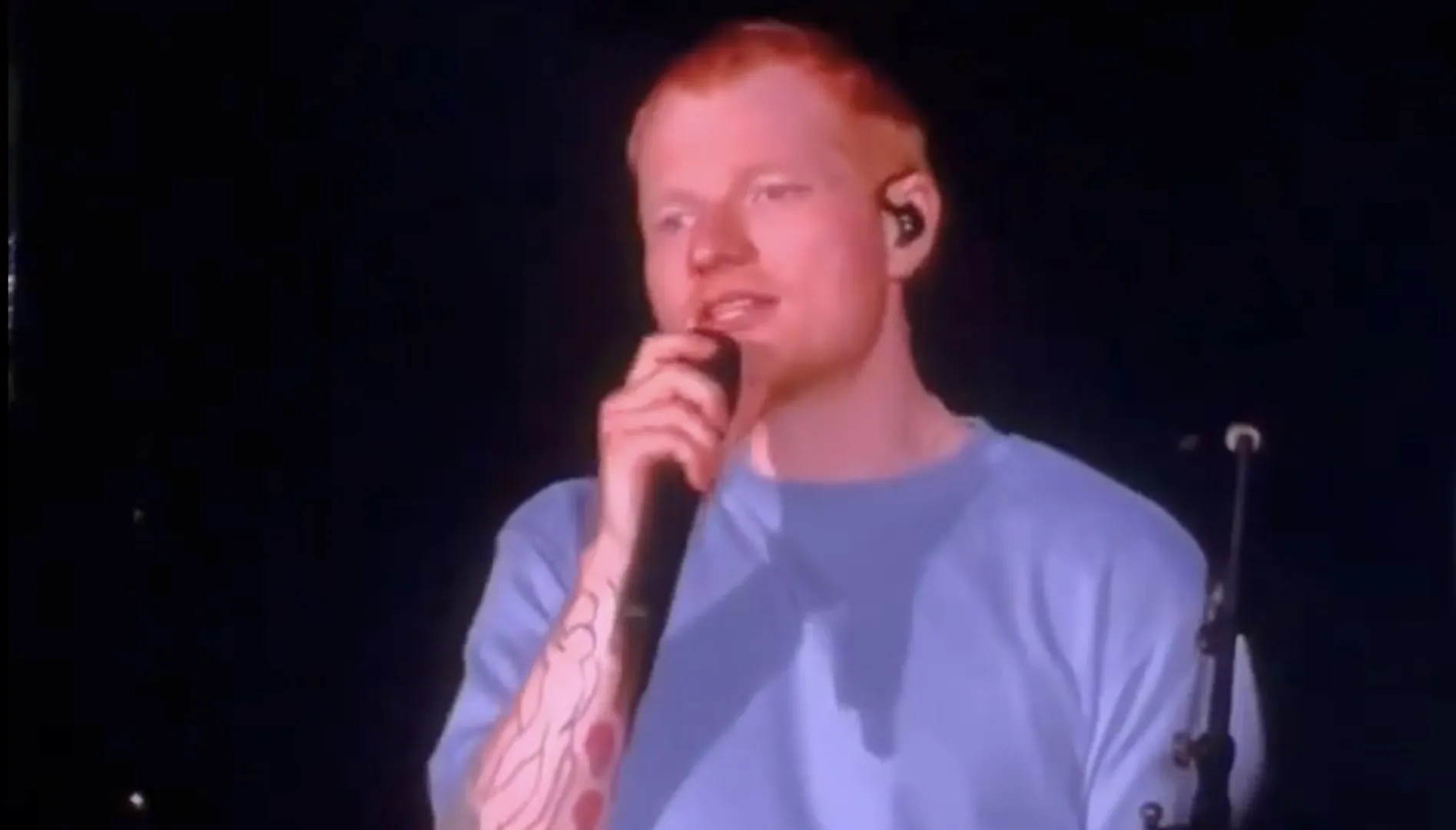
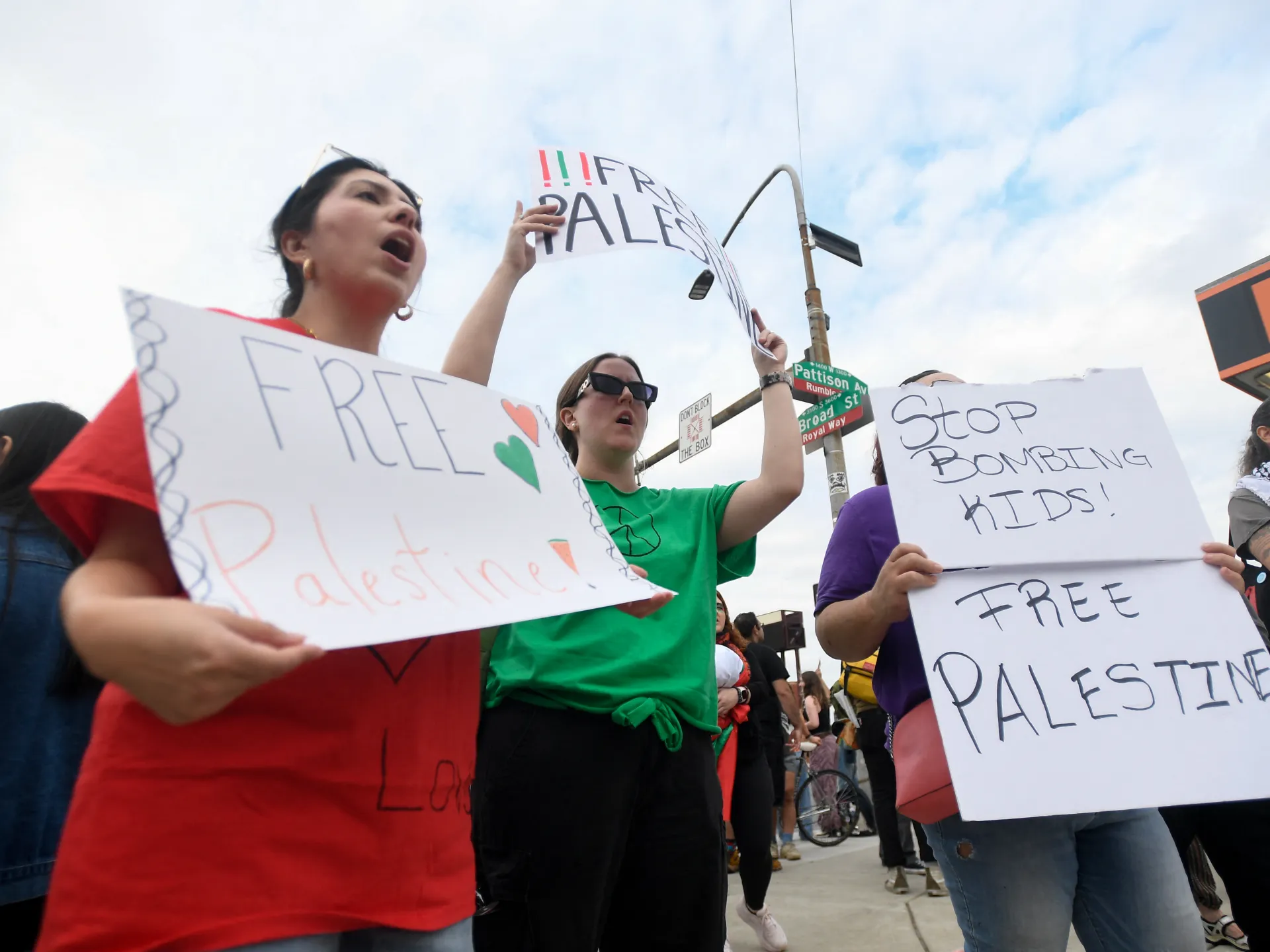
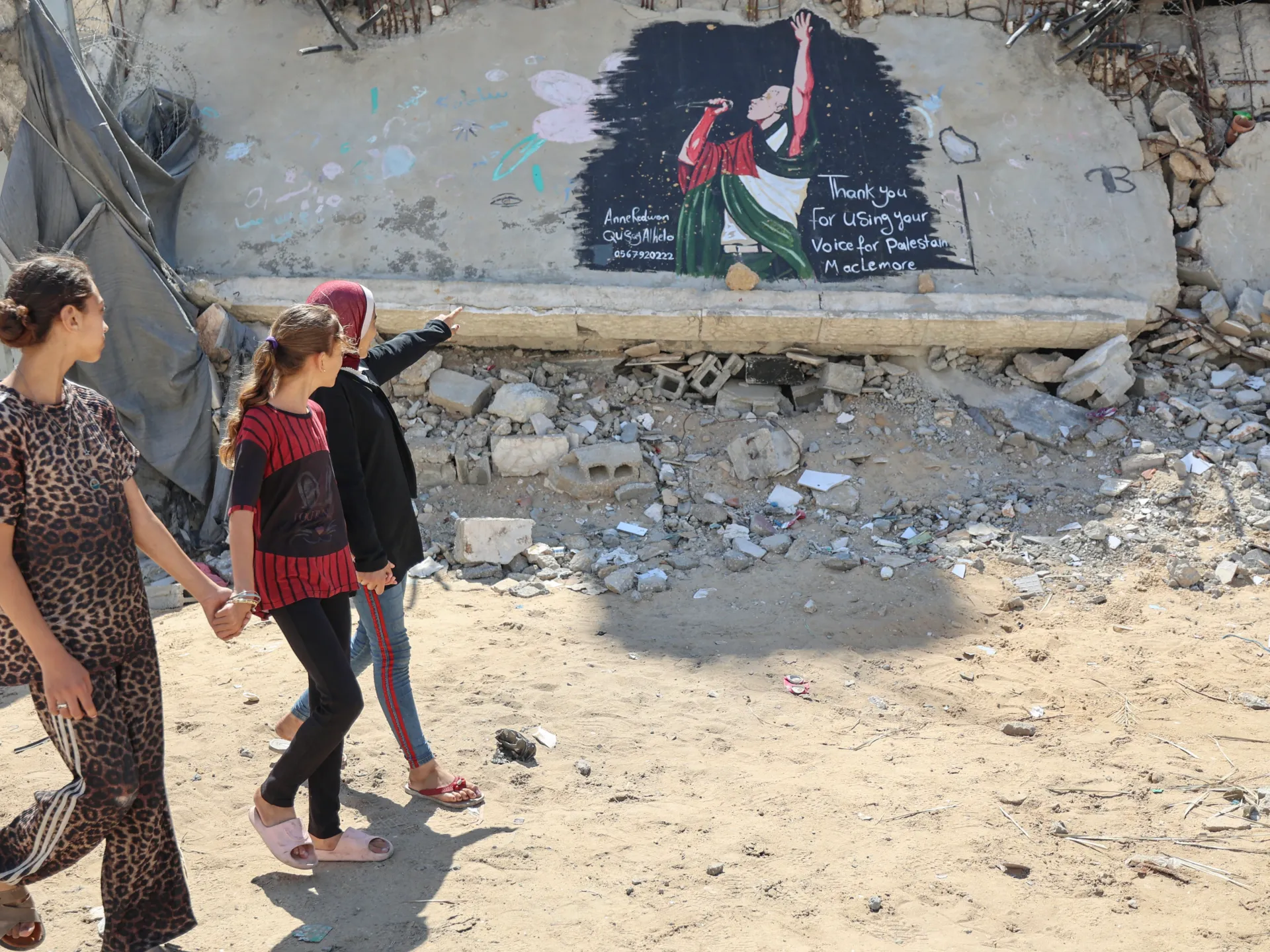
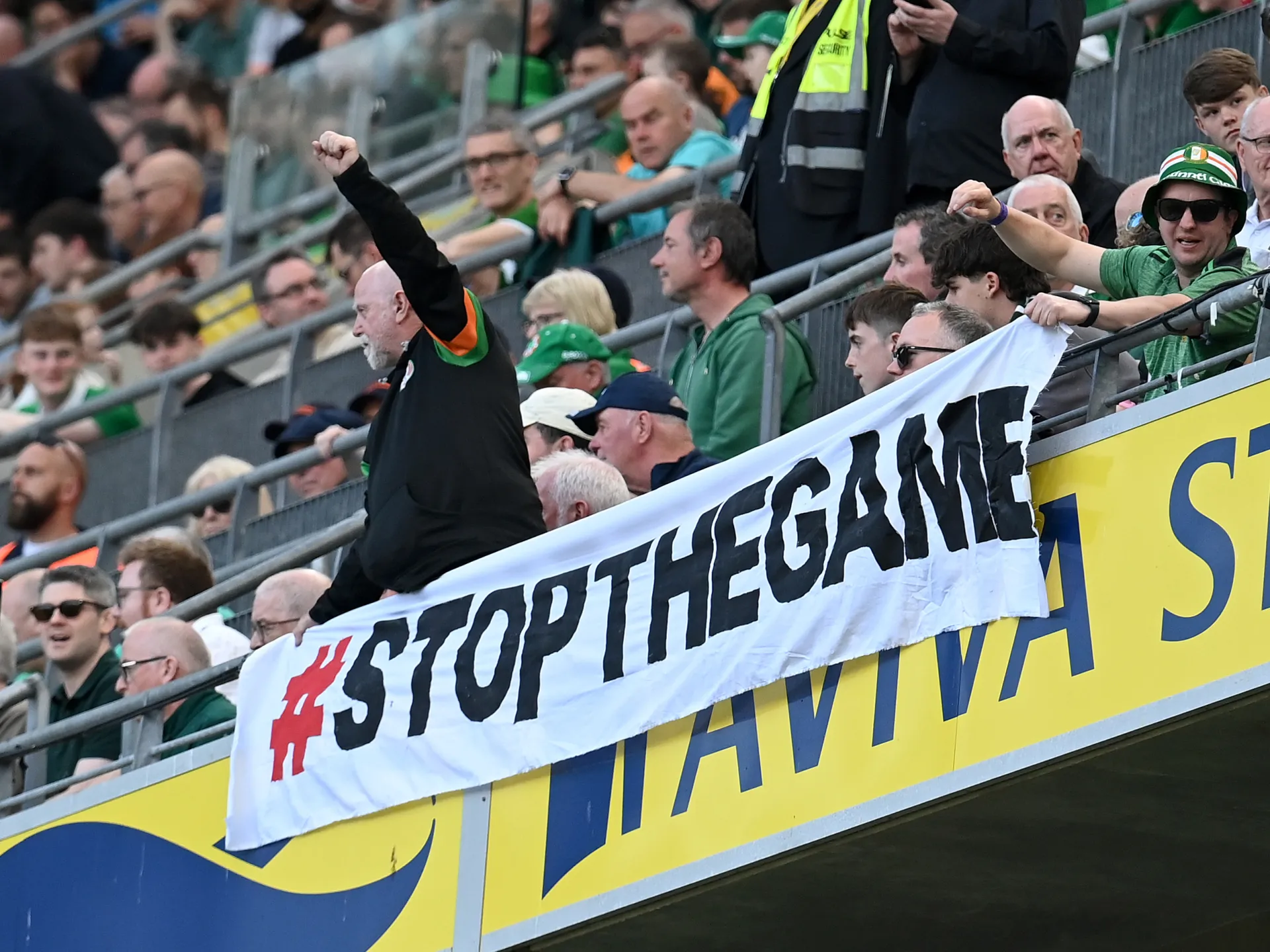
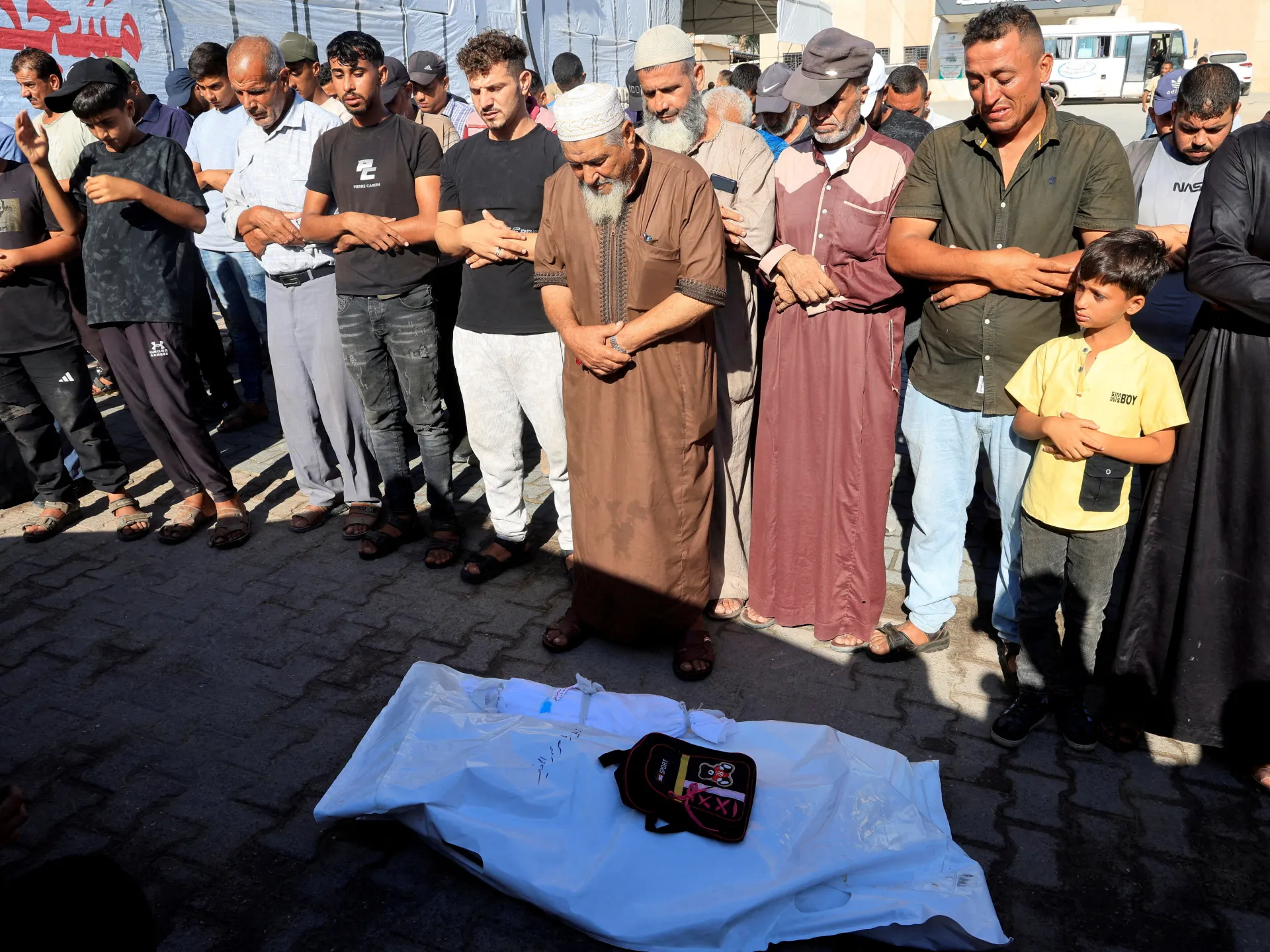
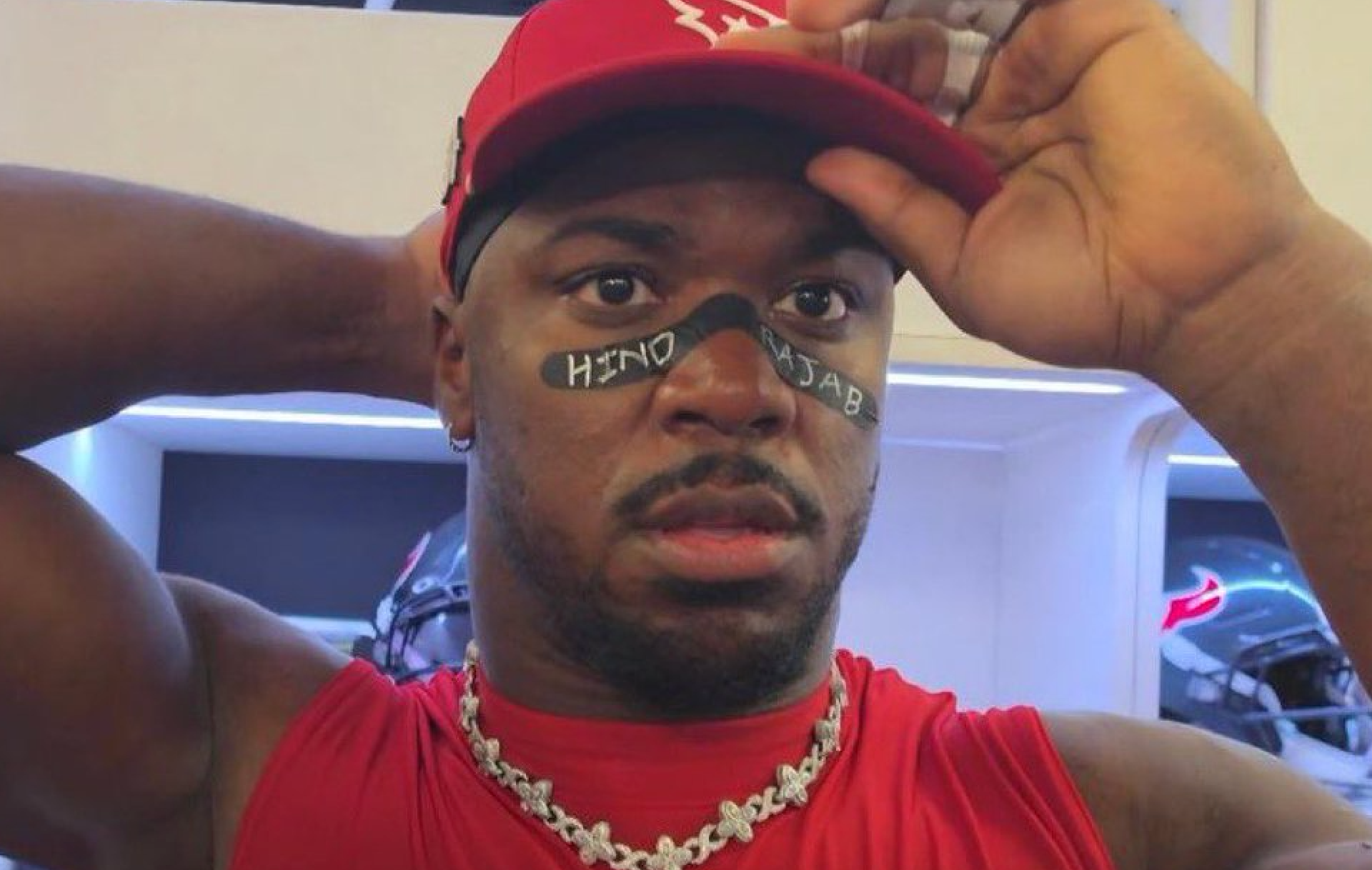
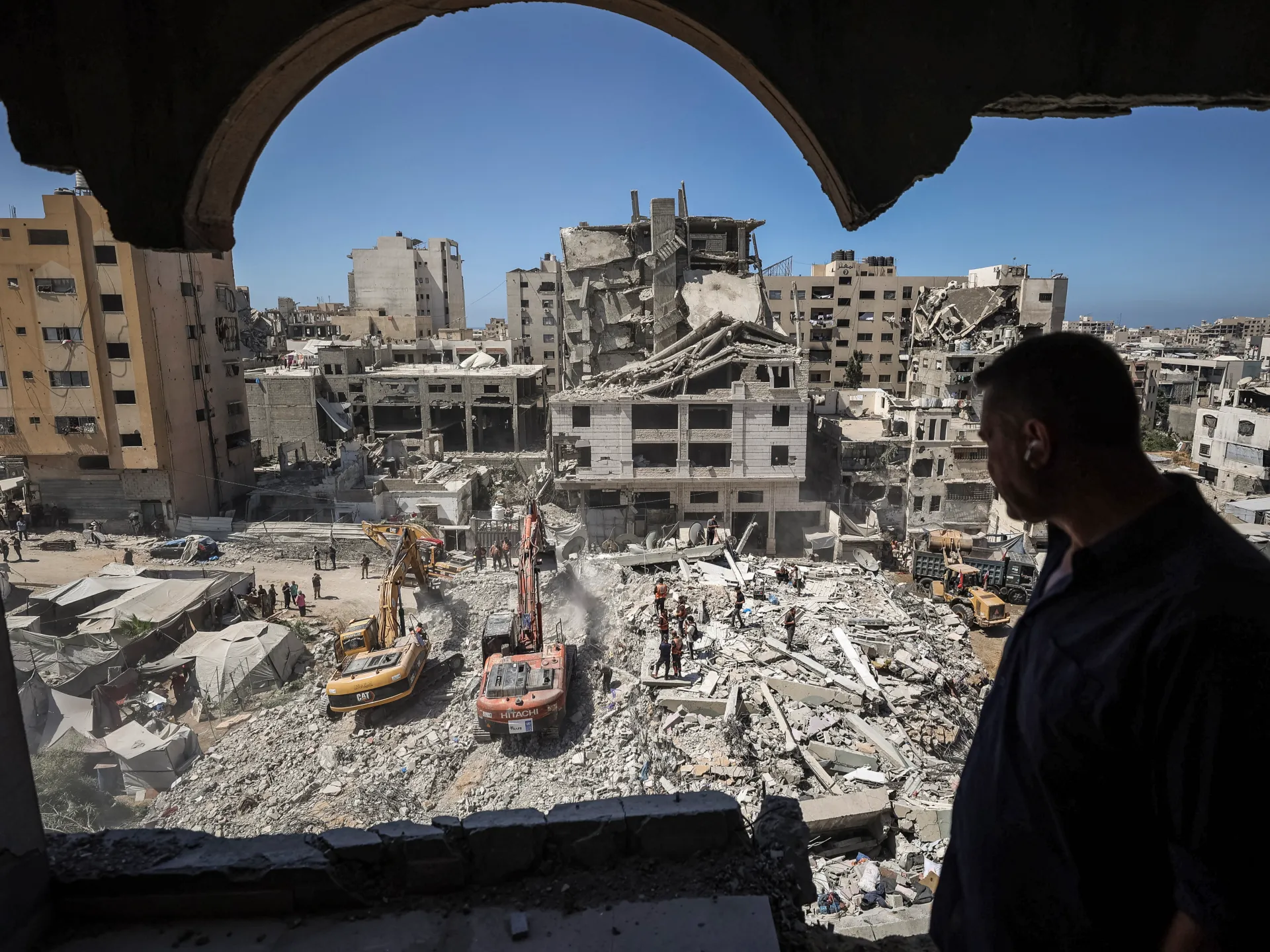
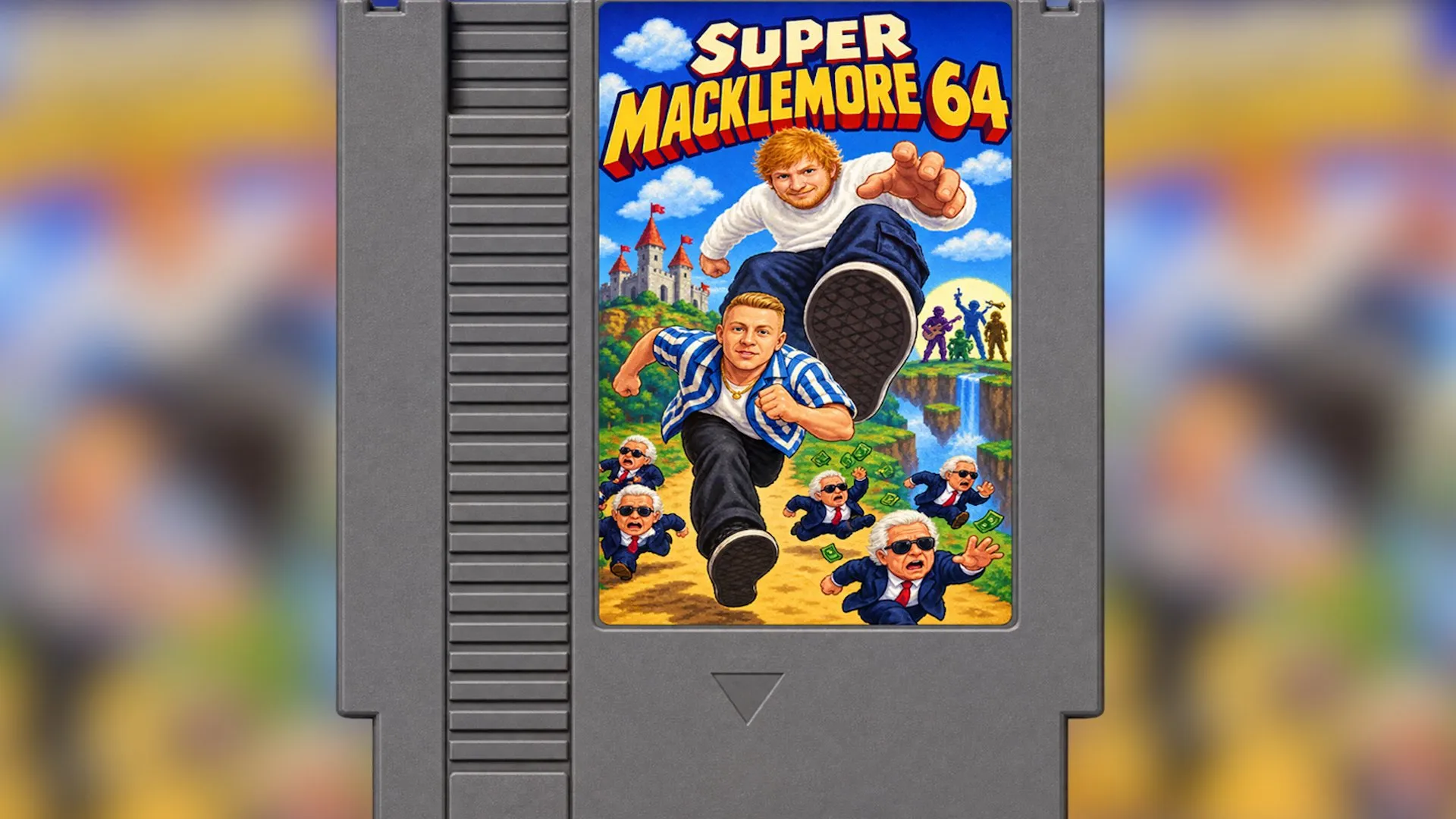
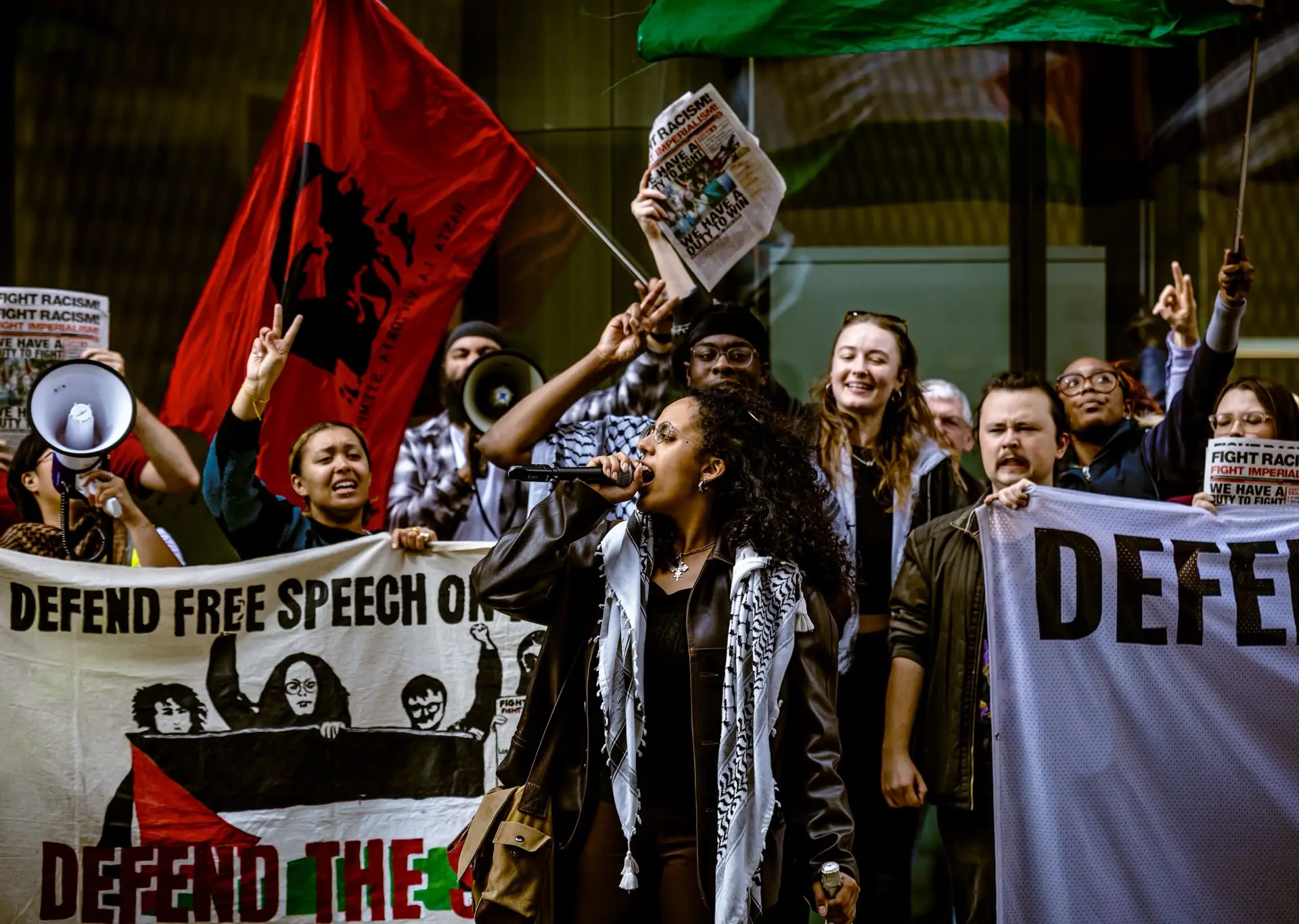
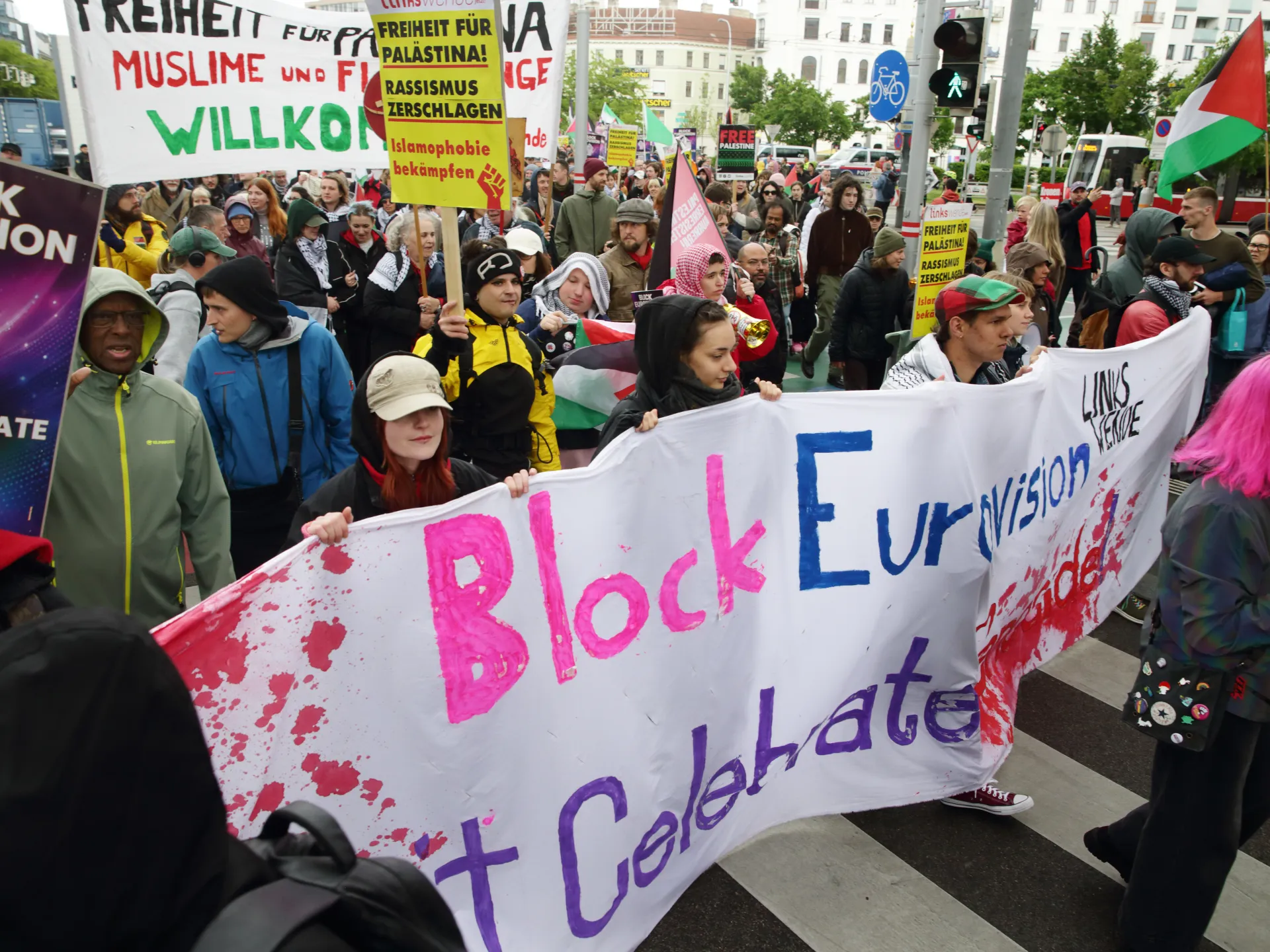
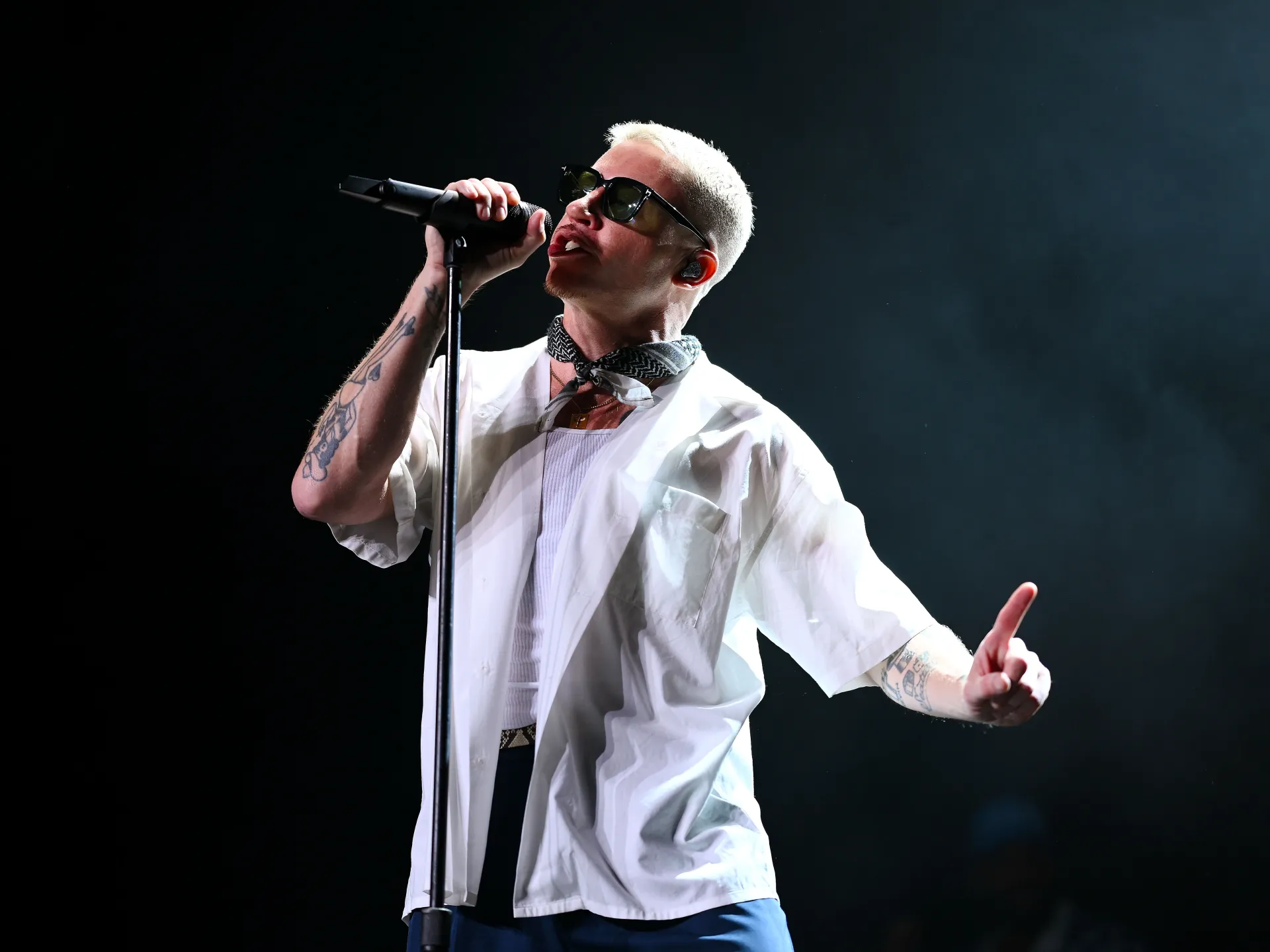
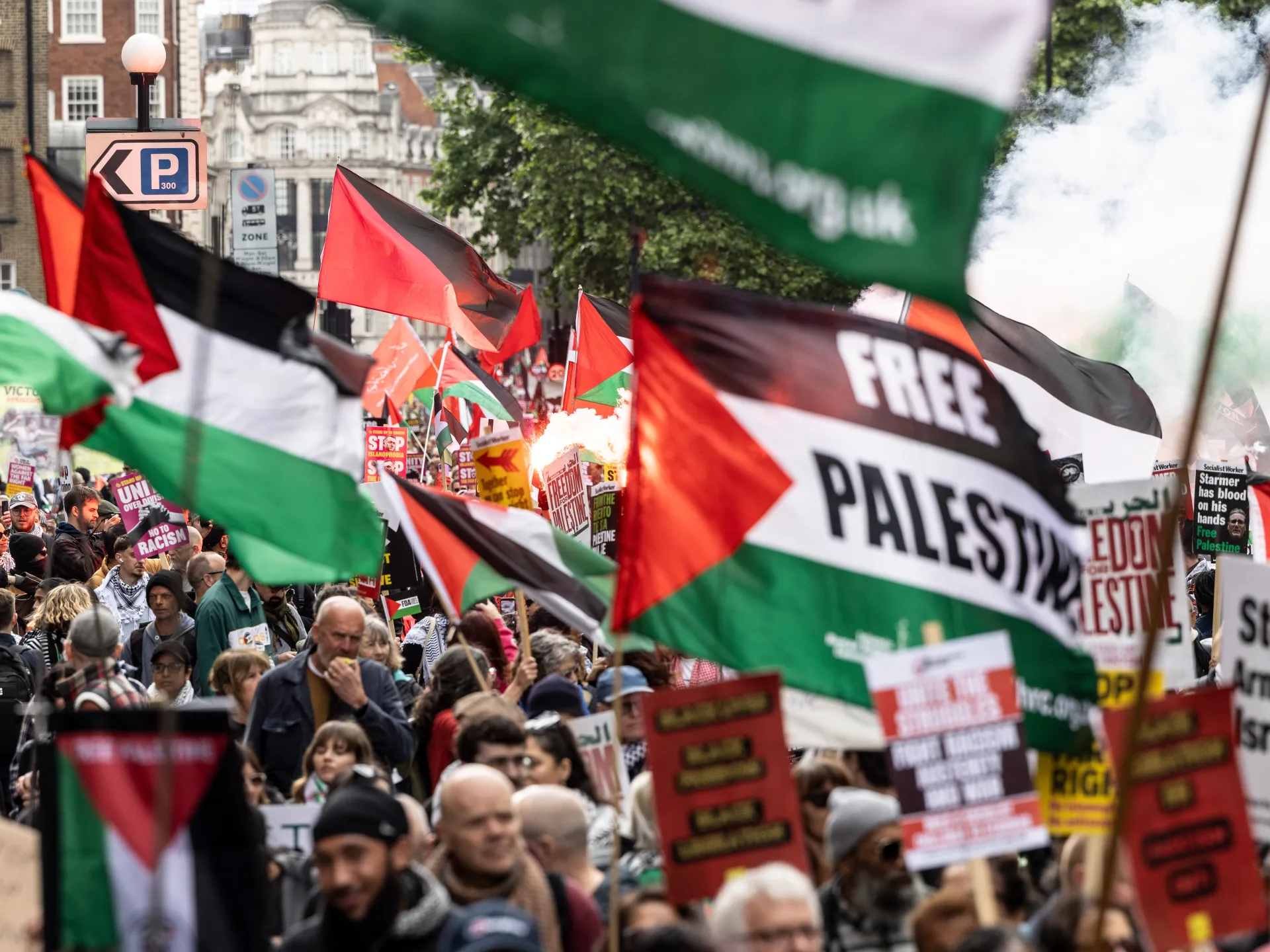
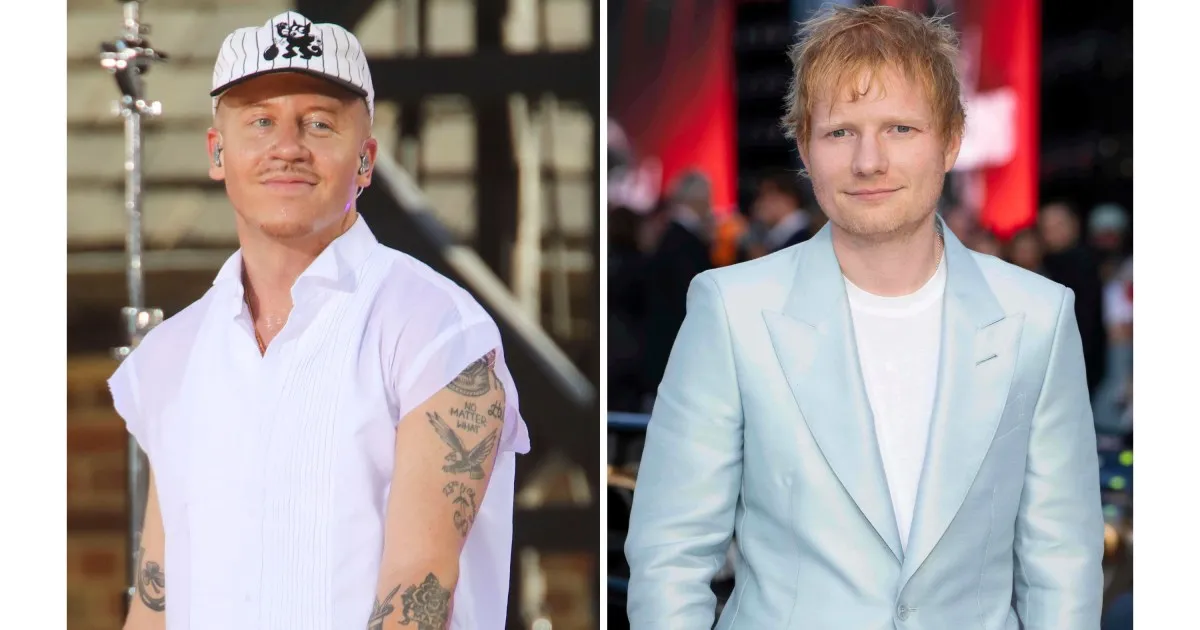
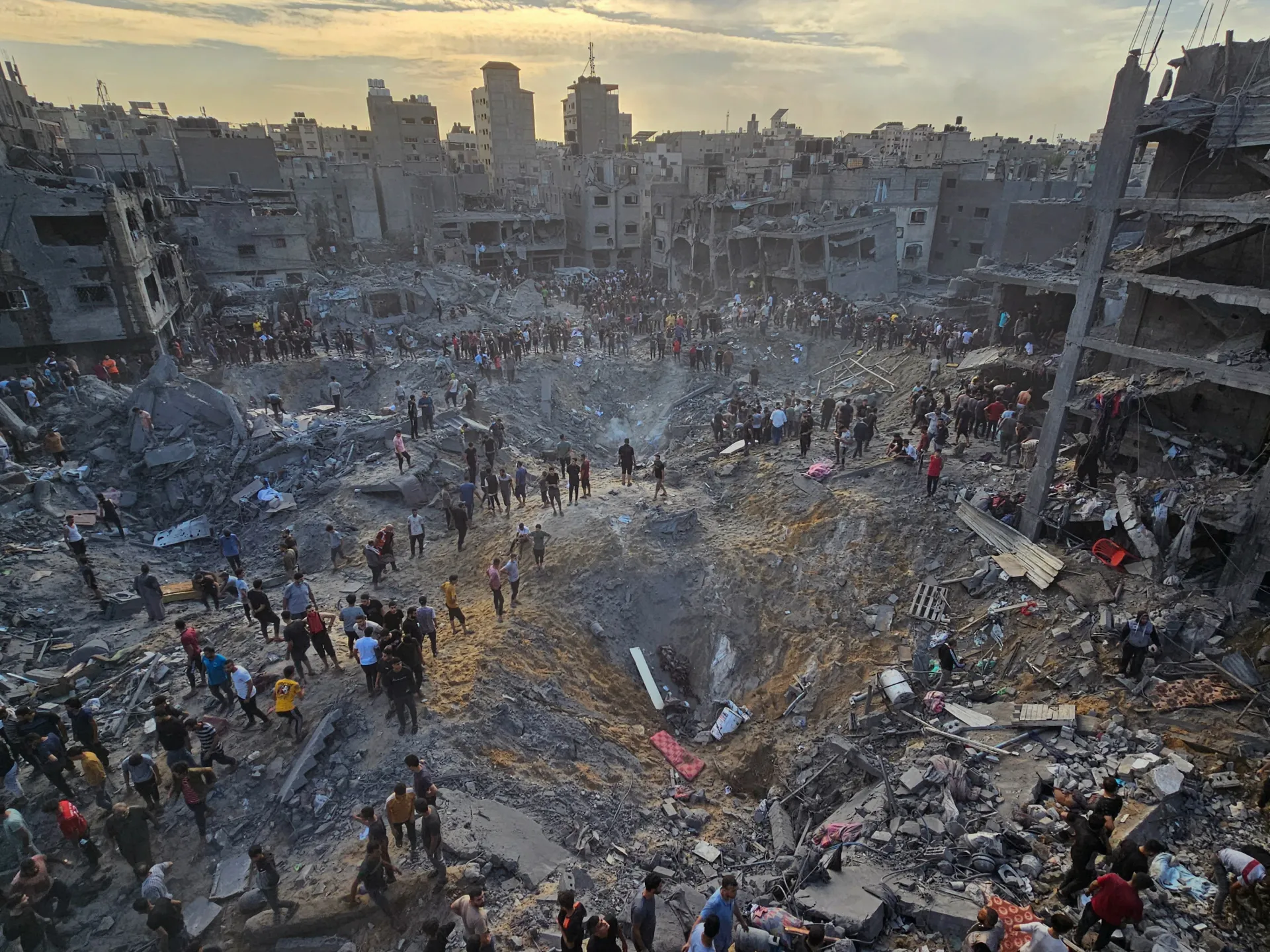
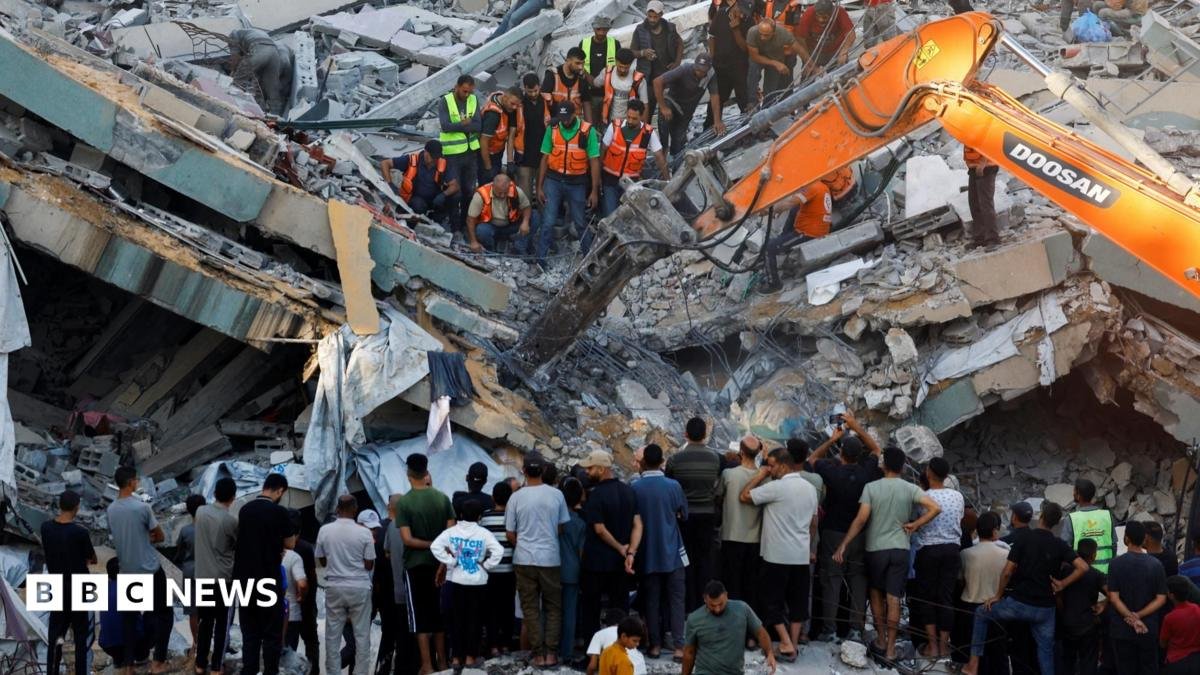
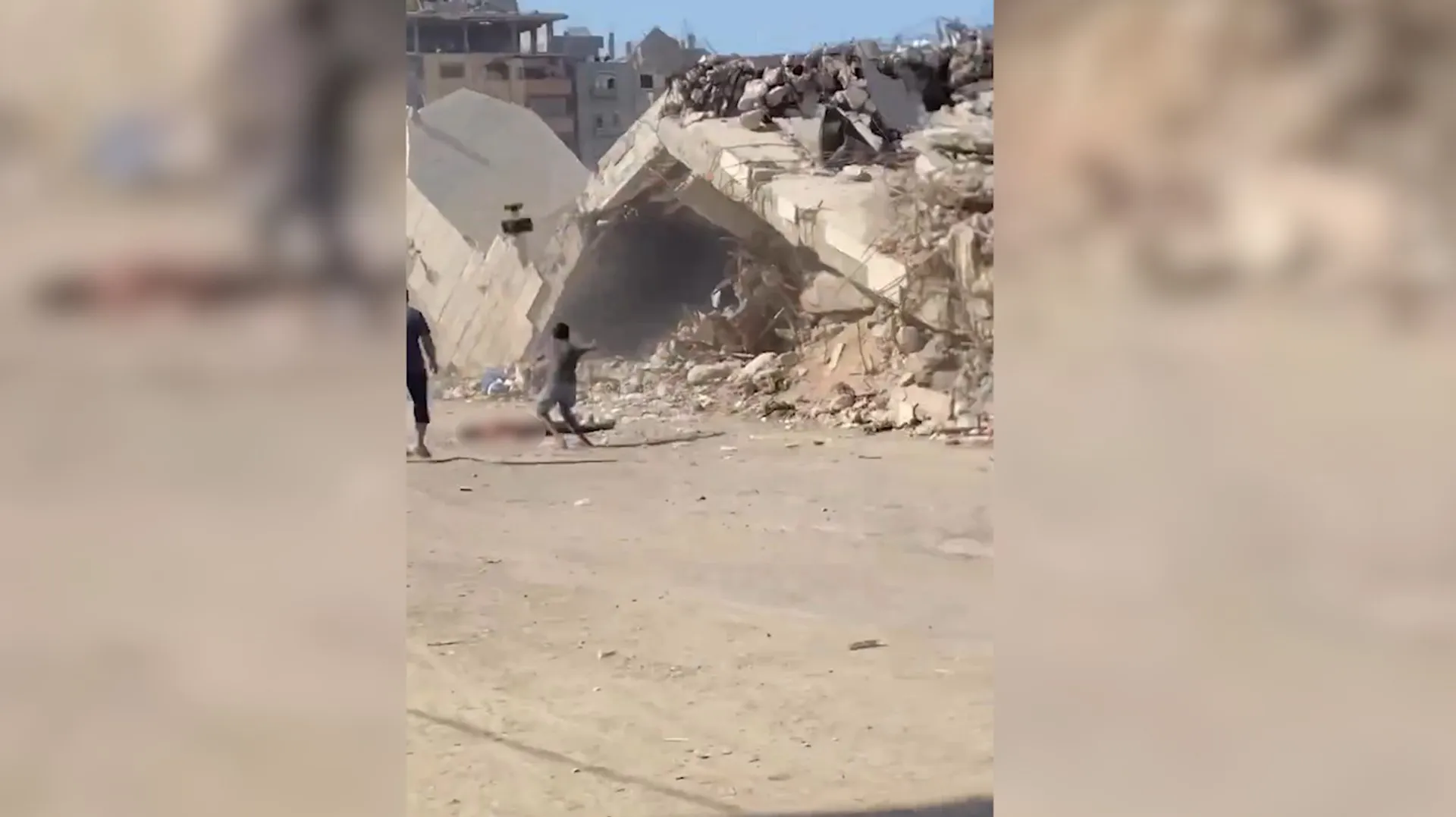
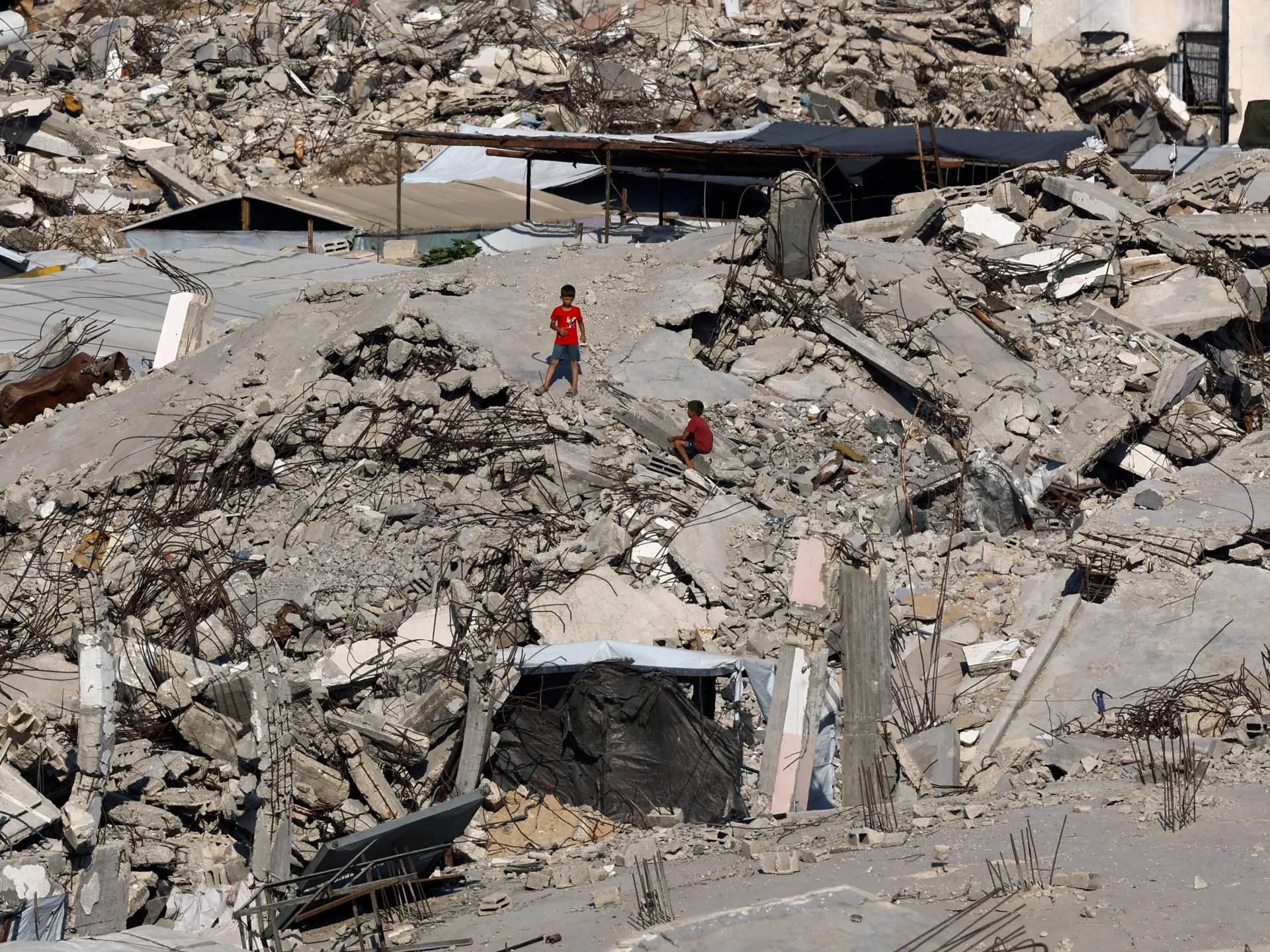
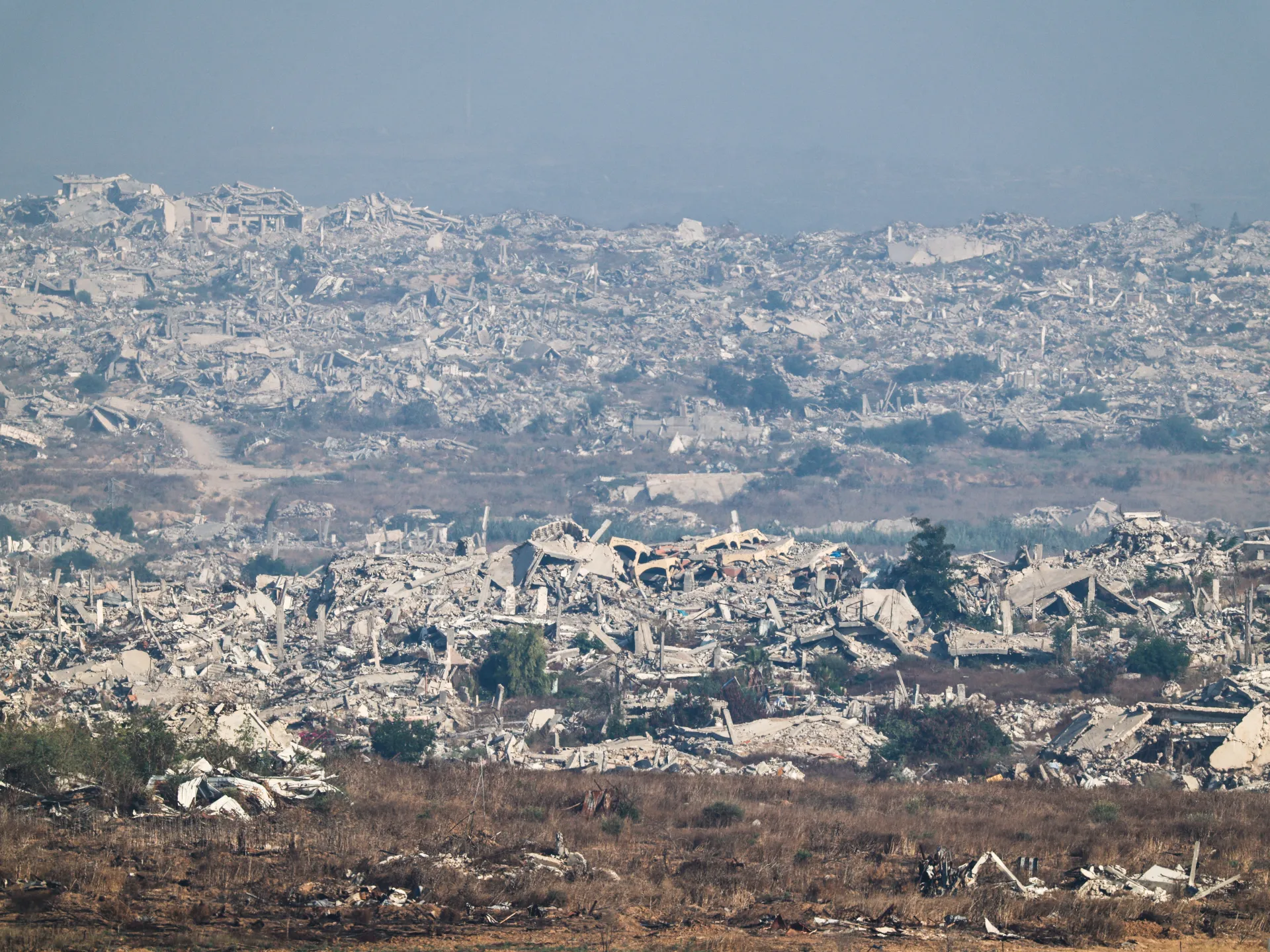
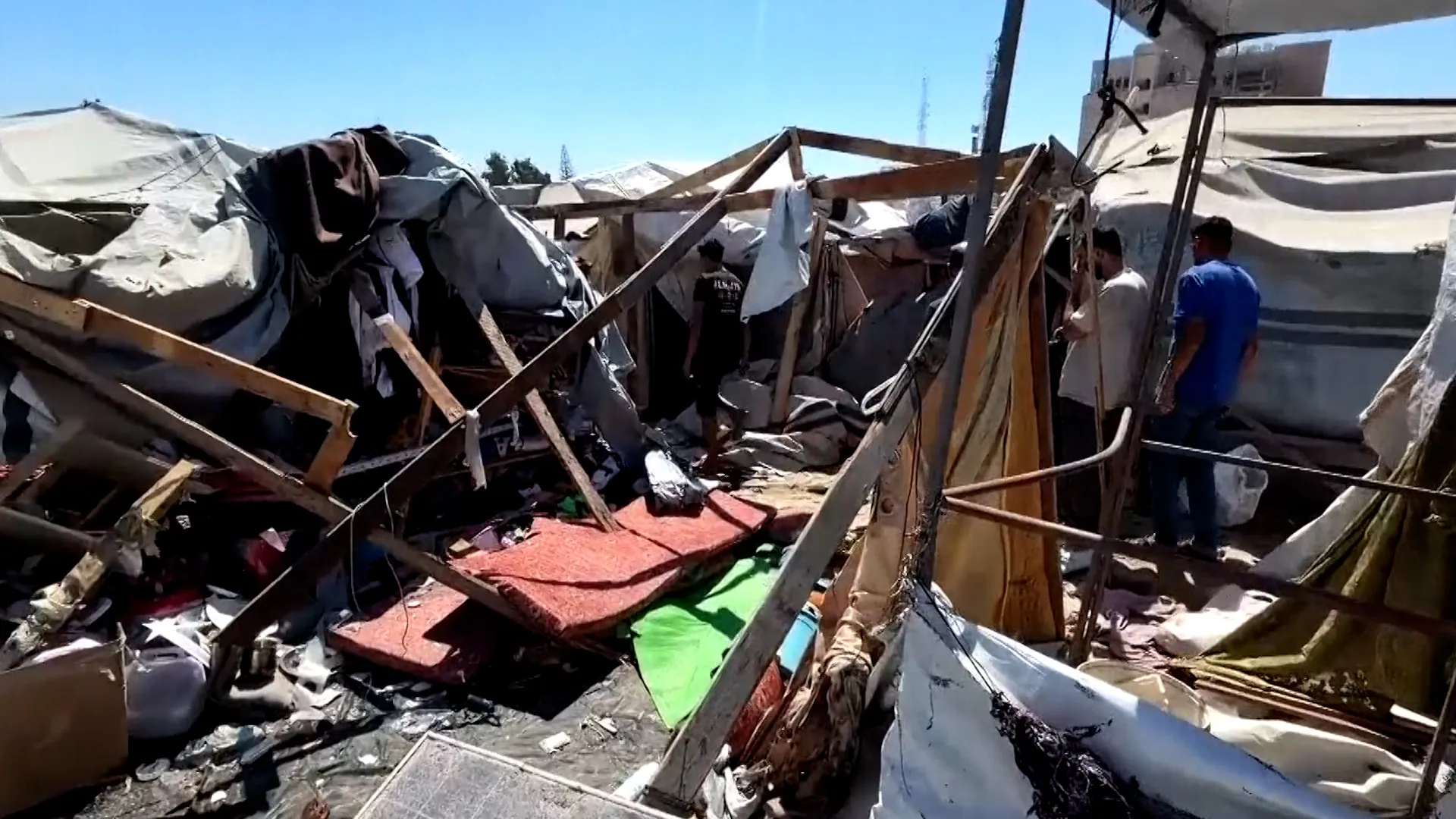
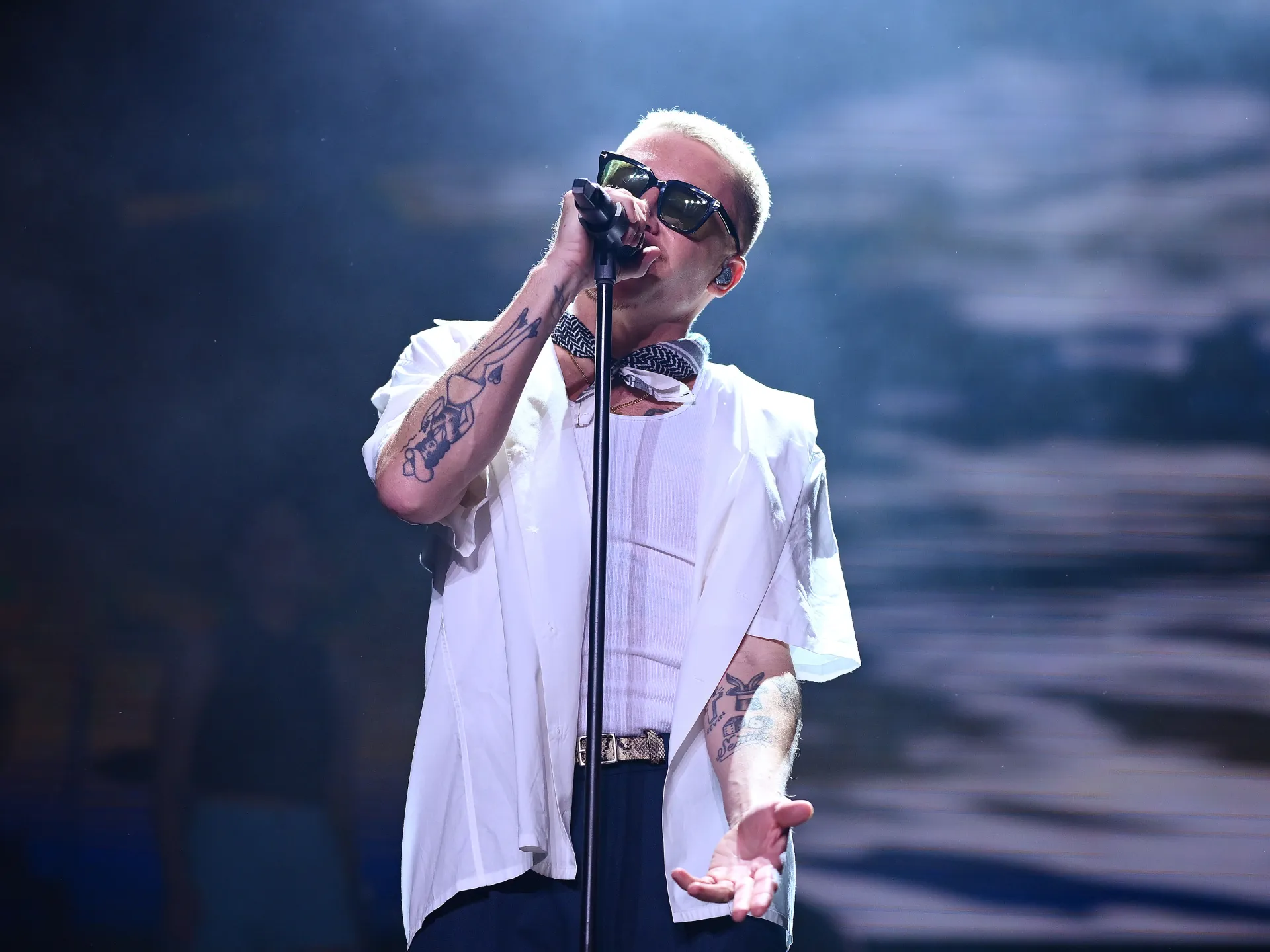
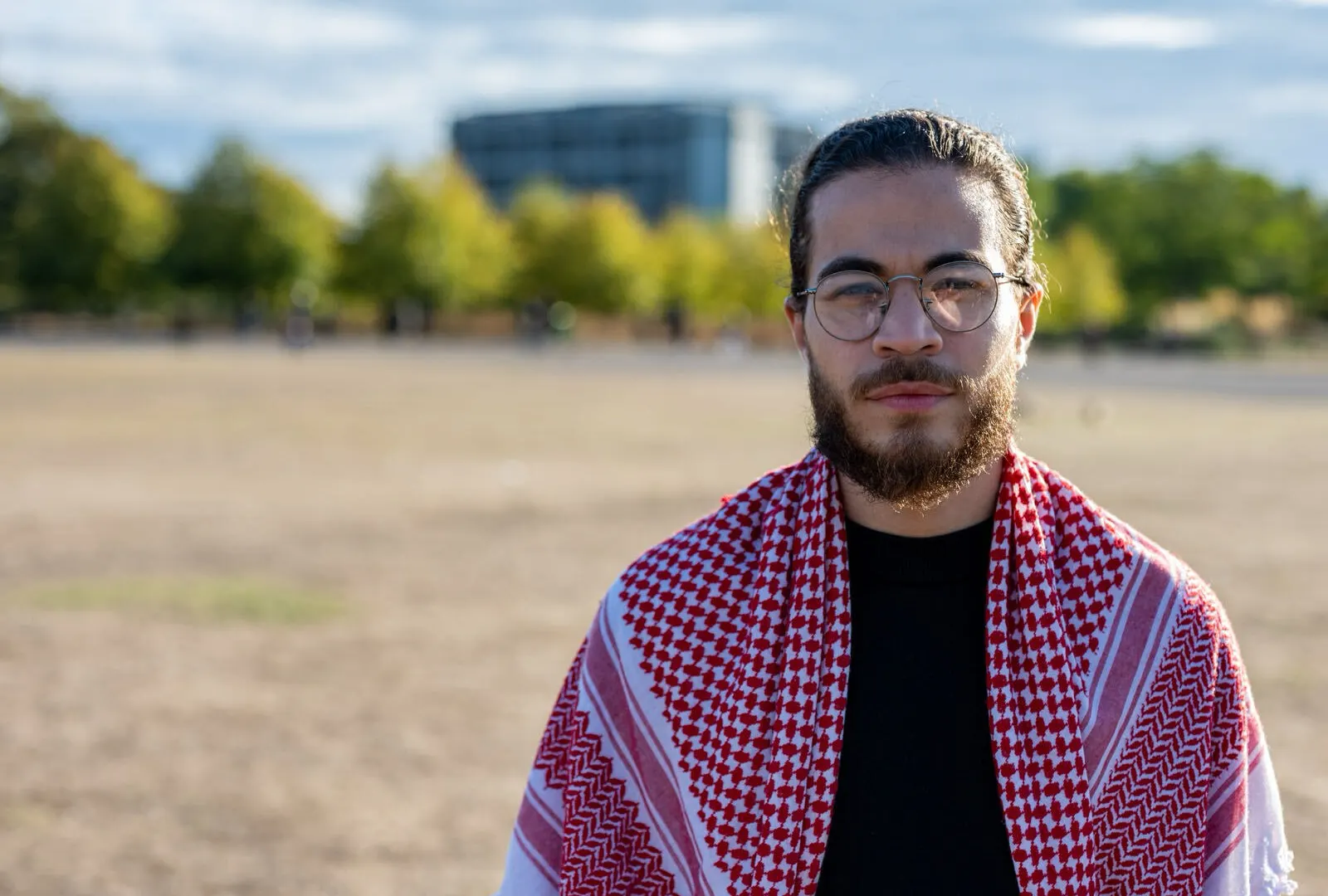
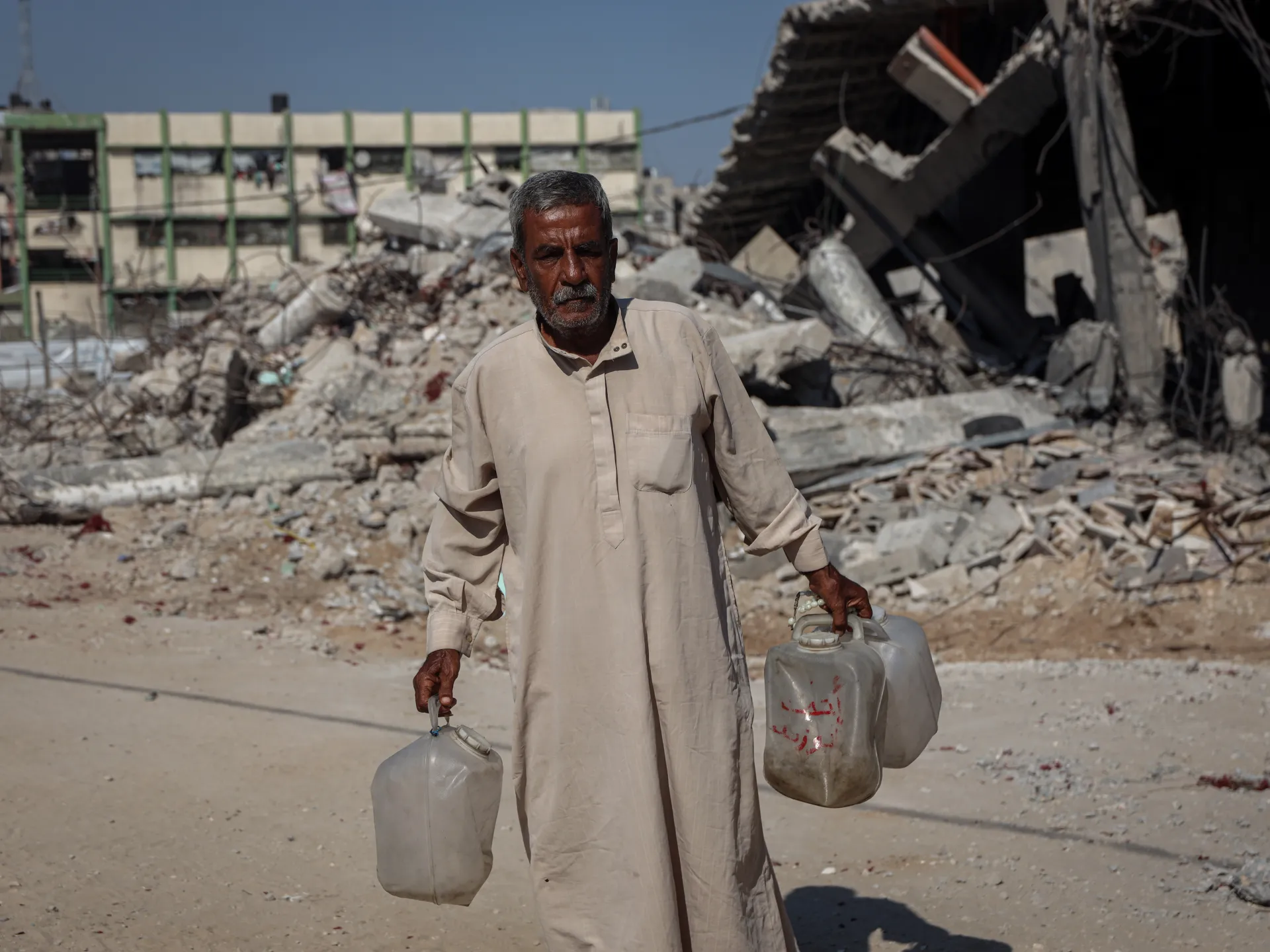
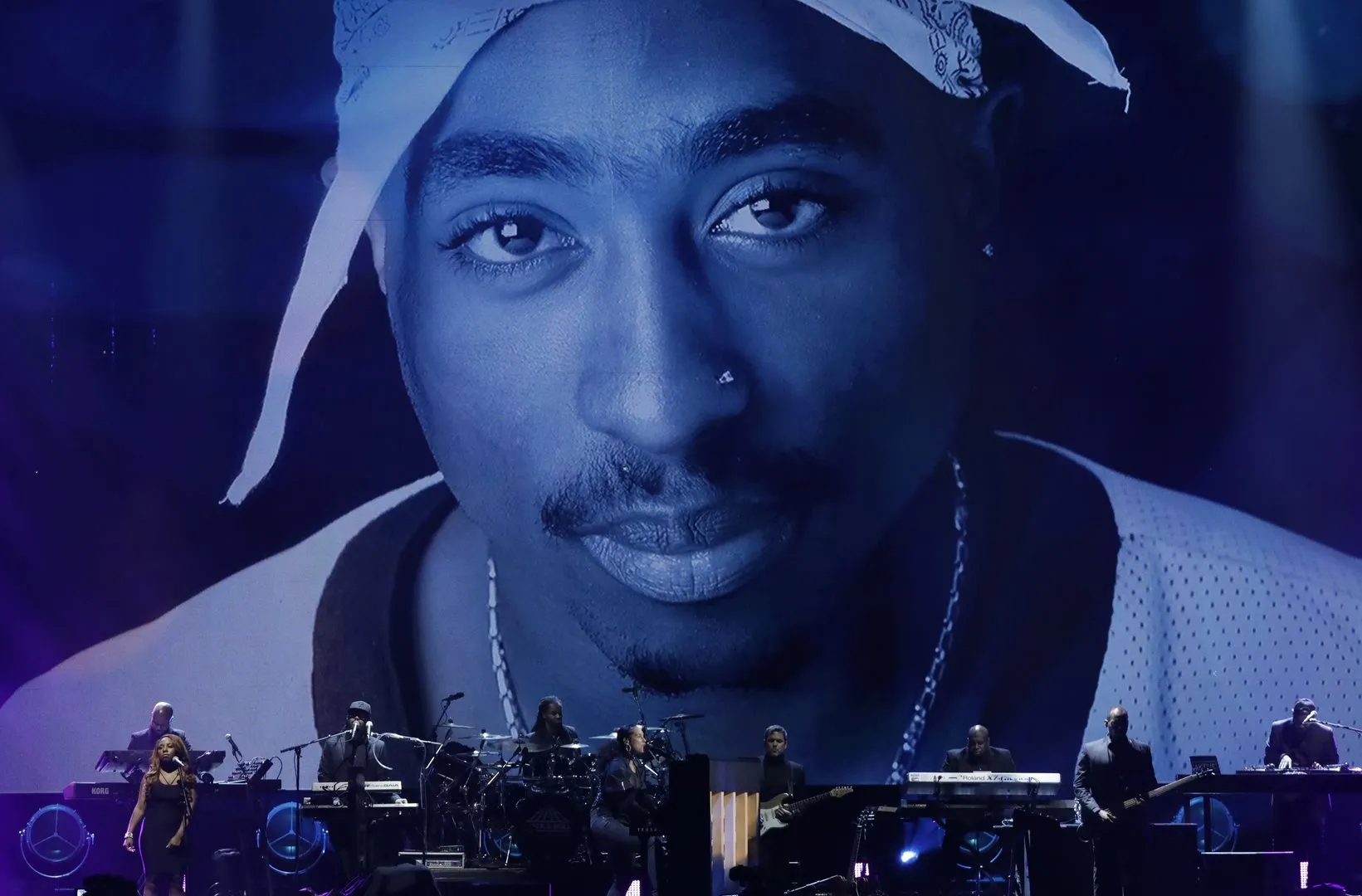
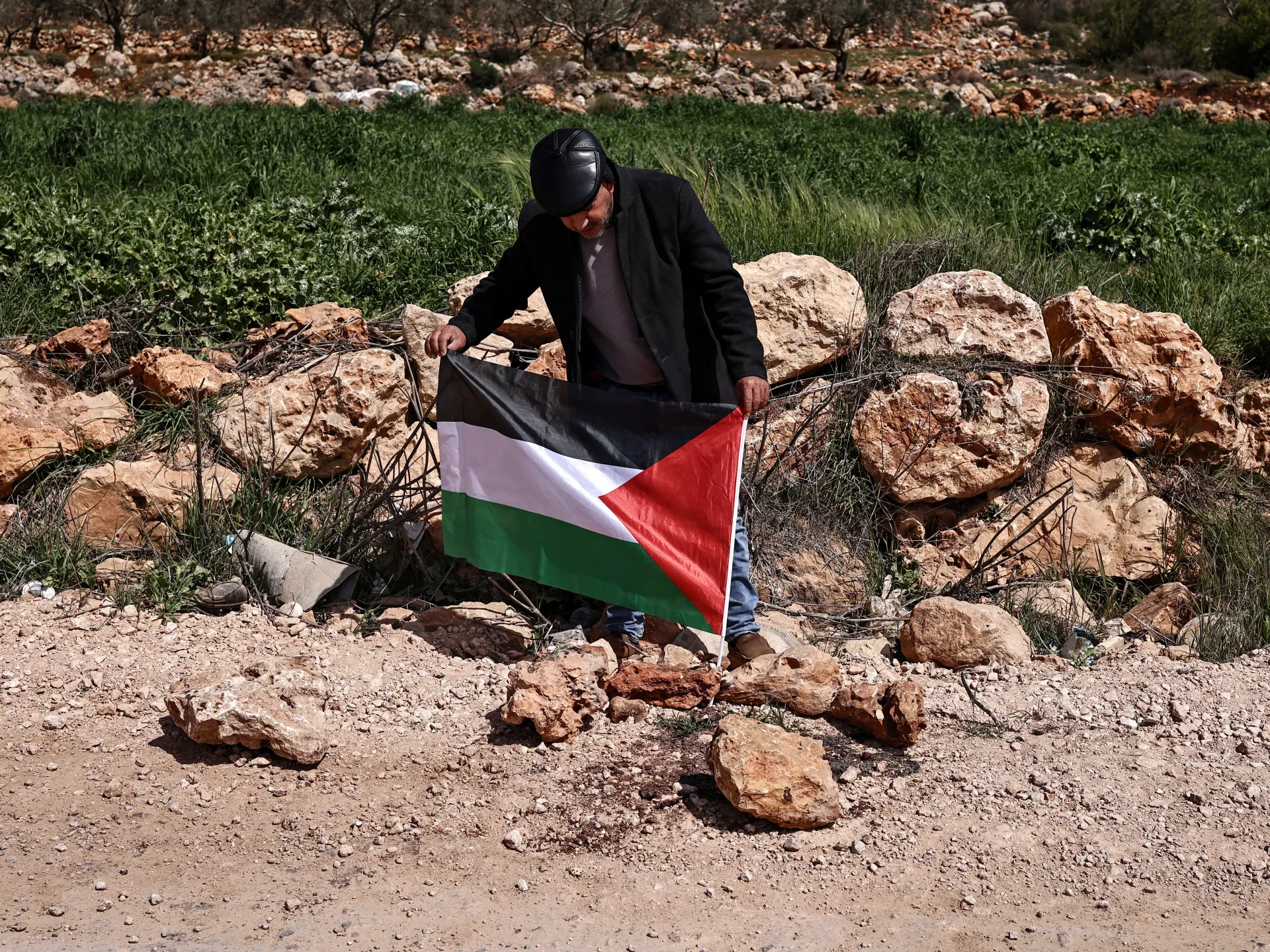
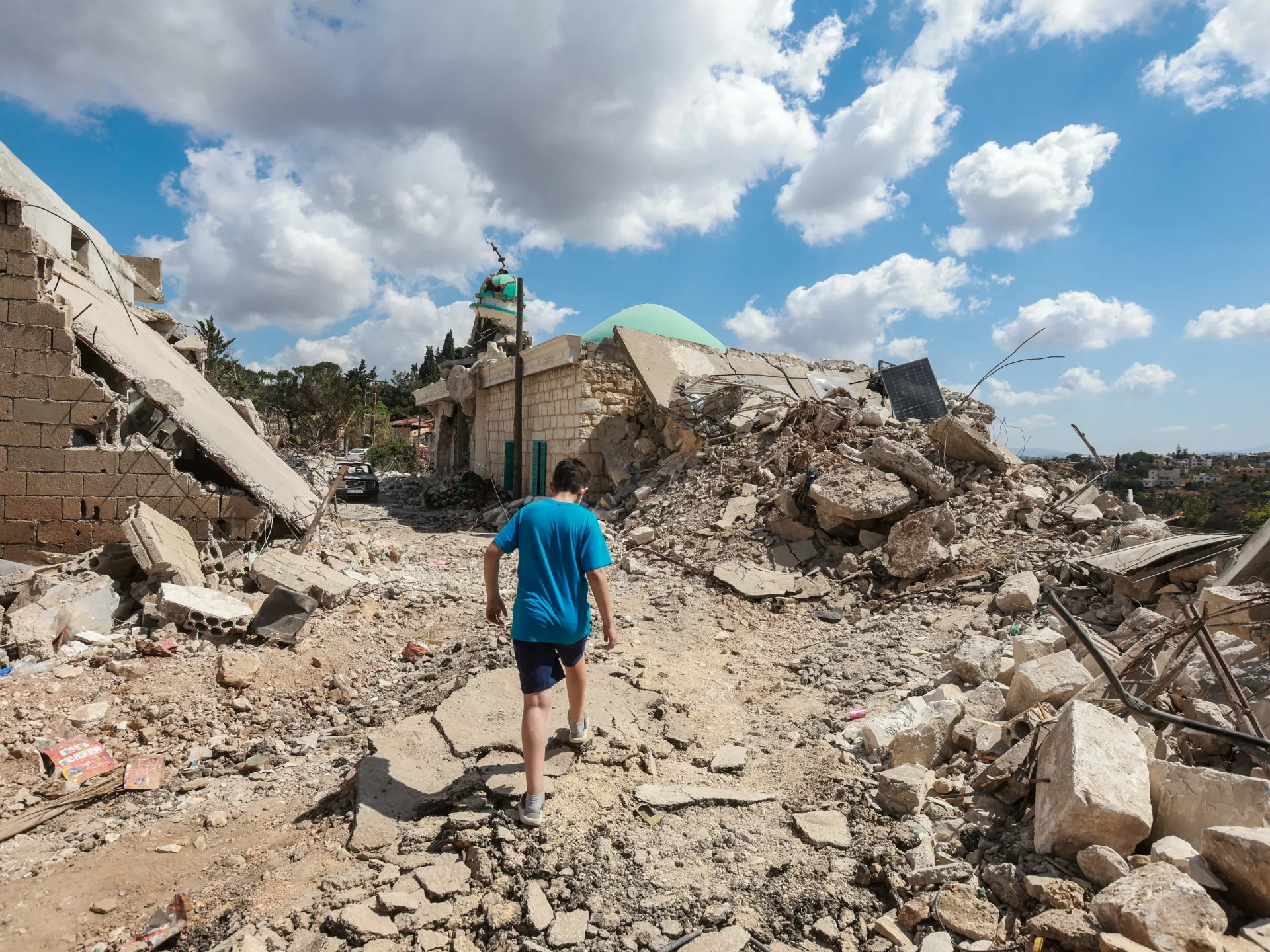
While the administration deals with defense policy, the broader cultural sphere is experiencing a similar fracture. The decision g the artist’s vocal support for a “free Palestine” and his display of imagery depicting the devastation in Gaza—has triggered a cascading effect of artist withdrawals. Supporting acts, including Finneas, Lukas Graham, and Aaron Rowe, have exited the tour, citing a refusal to participate in the silencing of political expression.
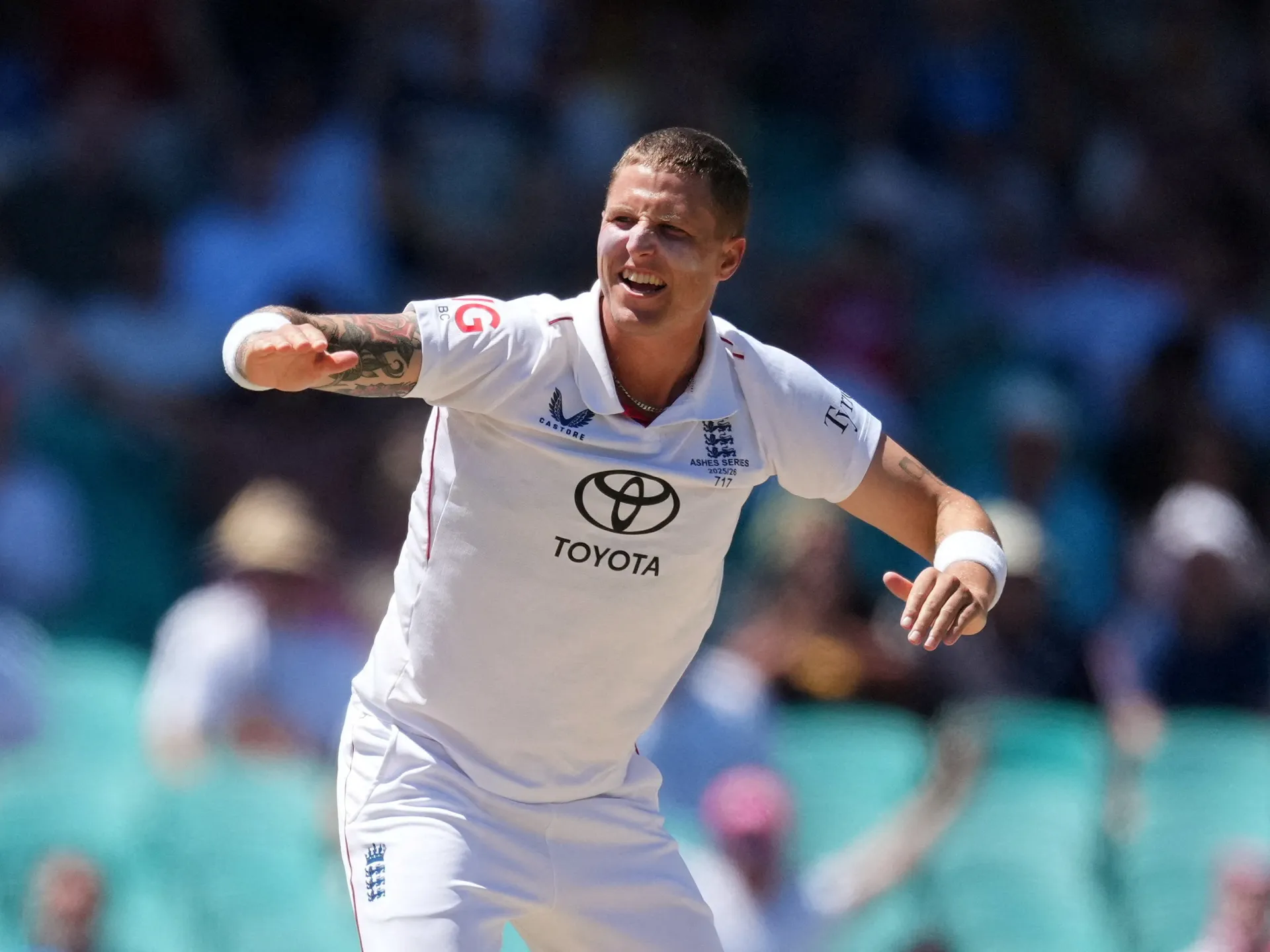
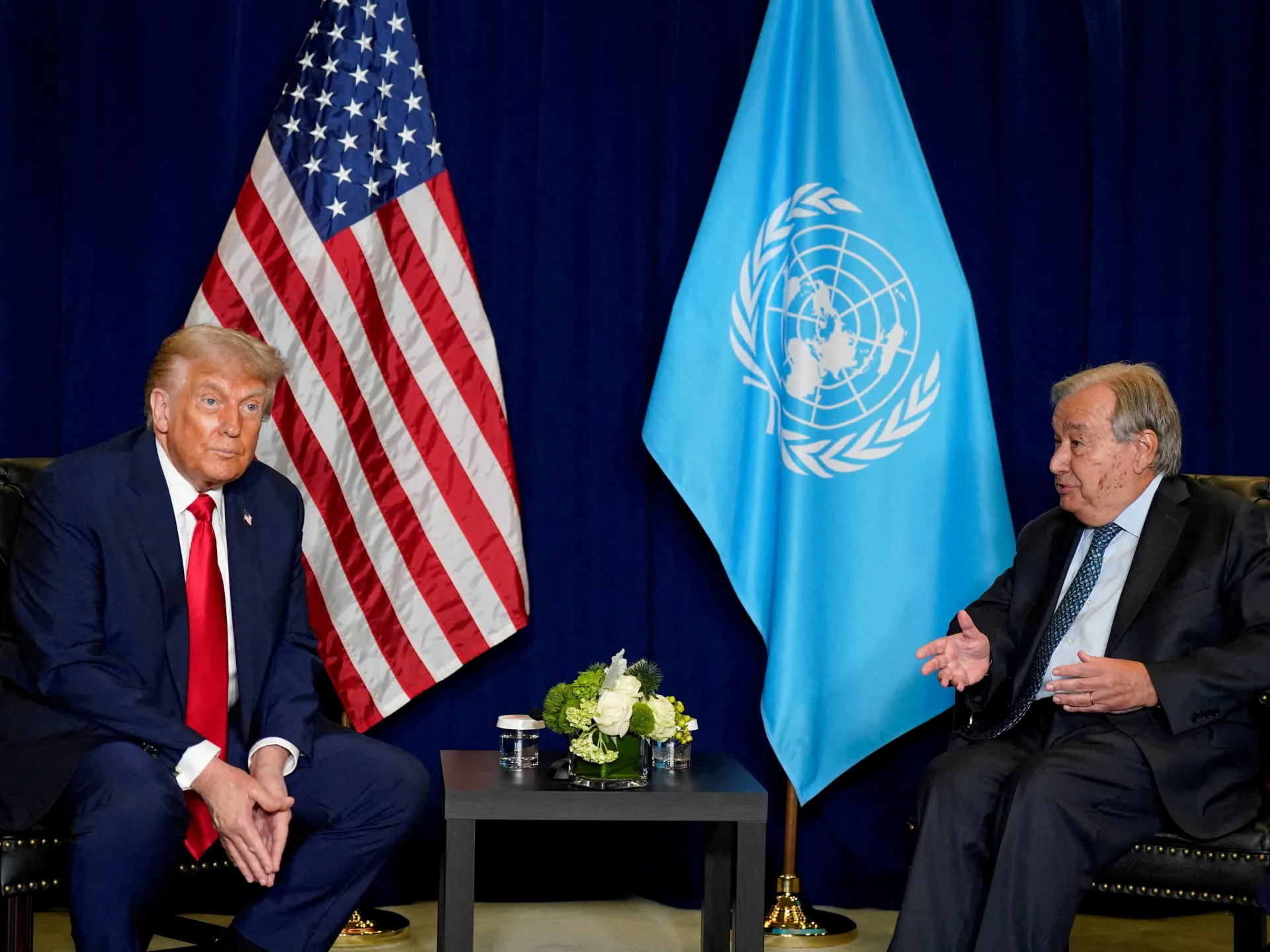
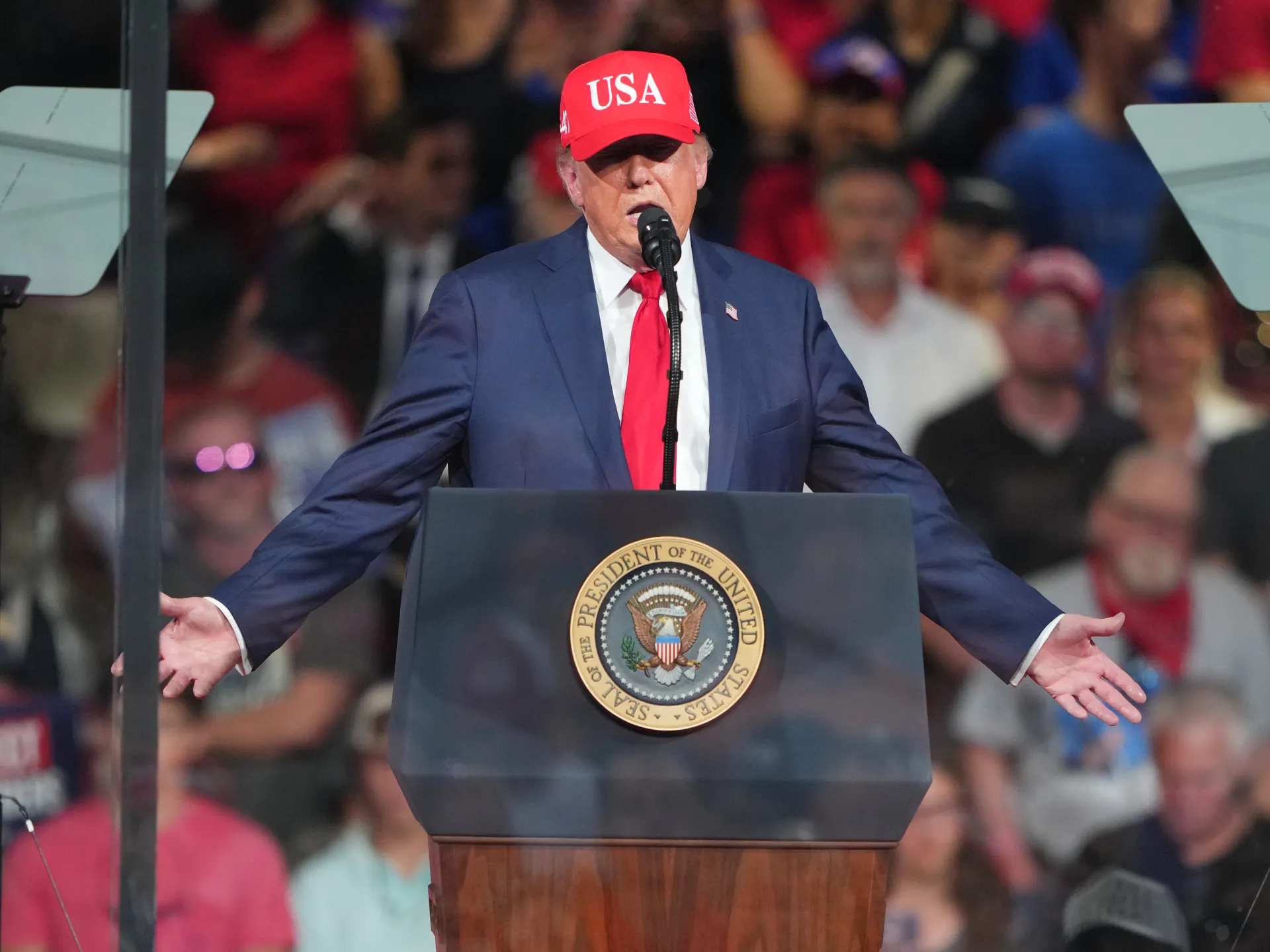
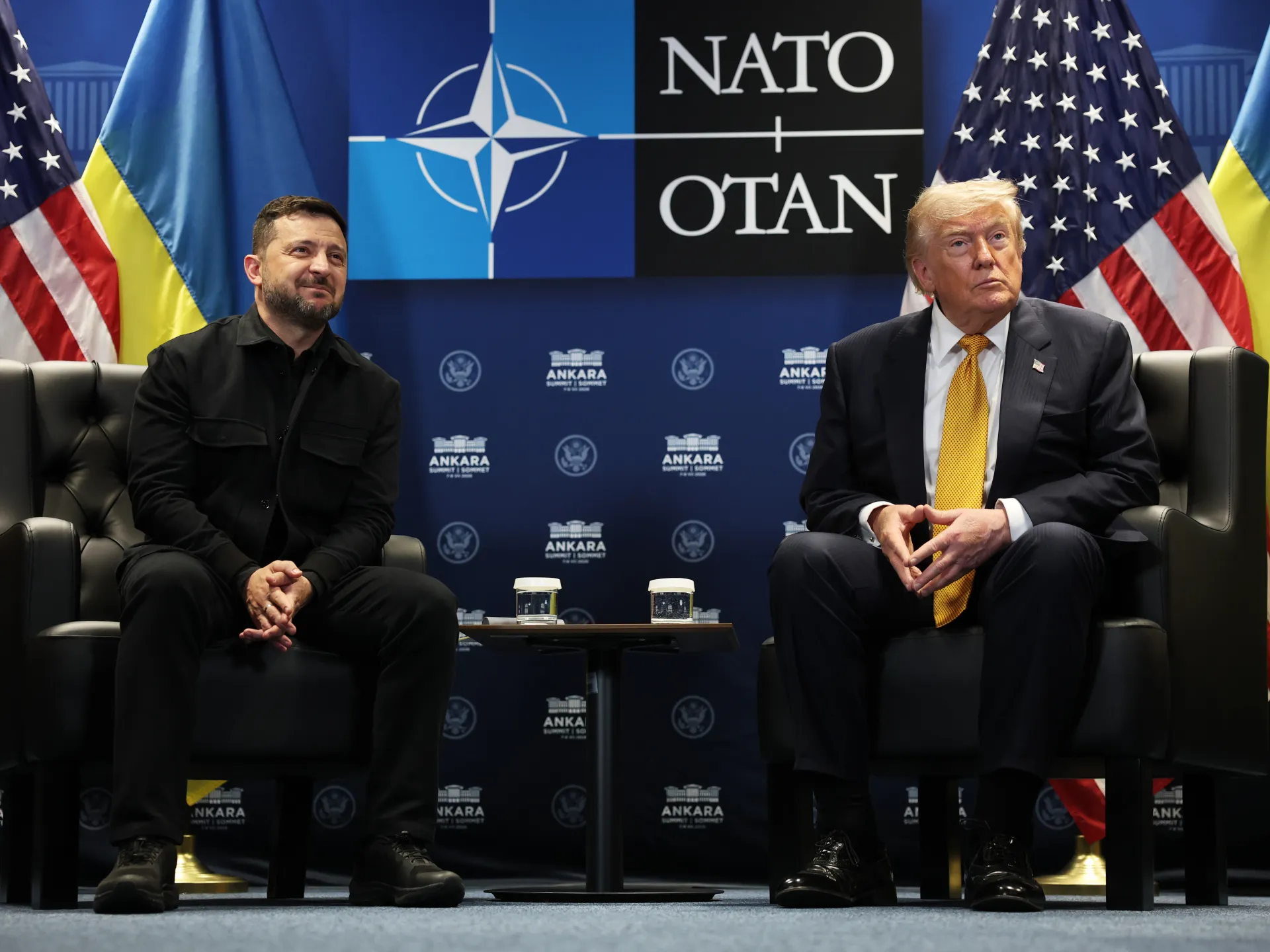
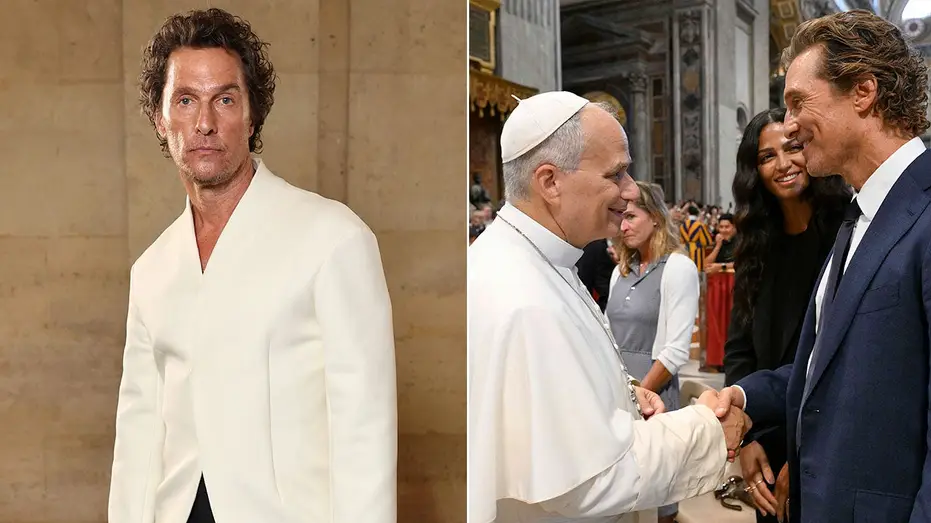
The controversy has placed Ed Sheeran in a precarious position, as he attempts to navigate the demands of his promoter, the Messina Touring Group, and the expectations of his audience. Sheeran has publicly stated that he was not responsible for the removal of Macklemore, emphasizing his desire to separate his professional platform from political debate. However, the mass departure of his support acts underscores a growing intolerance for what some artists characterize as the suppression of dissent, even as the President himself remains embroiled in a separate, high-profile diplomatic eruption following a public conflict with the Pope.
The administration’s path forward appears fraught with difficulty. If the “Send Me Tour” fails to stabilize Secretary Hegseth’s standing with the public, the White House may be forced to recalibrate its approach to the Iran conflict or risk further political isolation. Internally, the unresolved nature of the missile depletion concerns suggests that the President and his Secretary of Defense will continue to operate under a cloud of strategic uncertainty.
In the private sector, the tour boycott serves as a bellwether for the entertainment industry. Should the pressure on artists to remain apolitical persist, it is likely that future tours will face similar logistical and public relations crises. The administration, meanwhile, will continue to face scrutiny not only on its military outcomes but on its ability to navigate the complex diplomatic and social minefields that have come to define this legislative and cultural cycle.