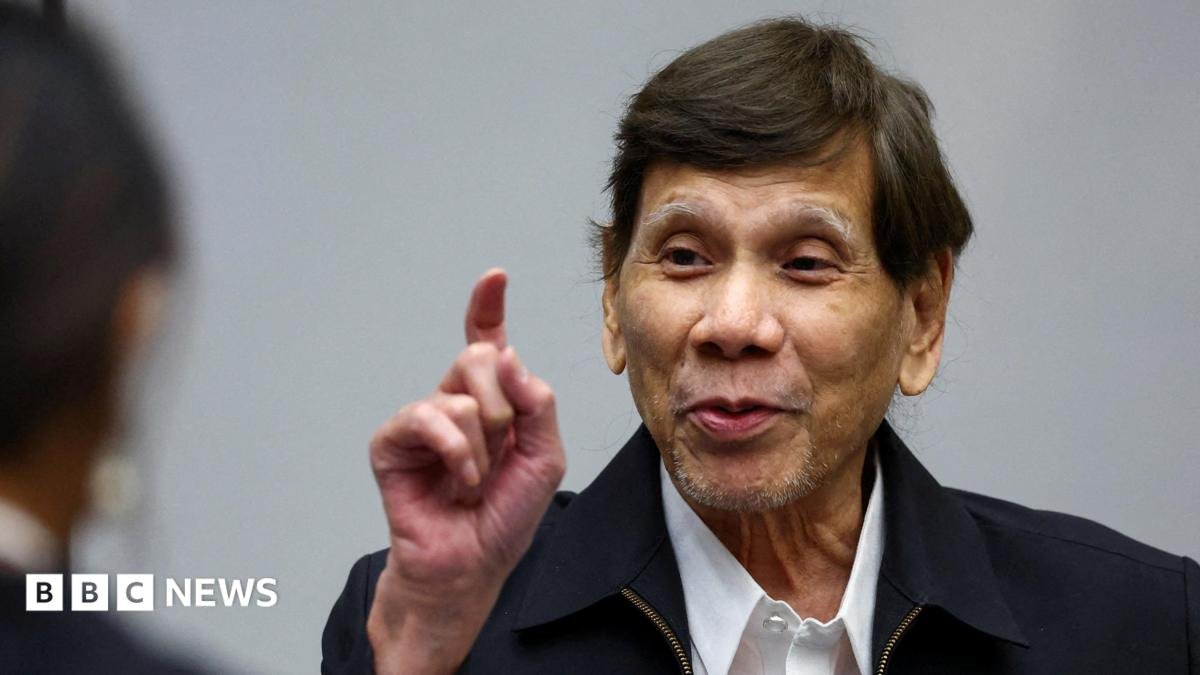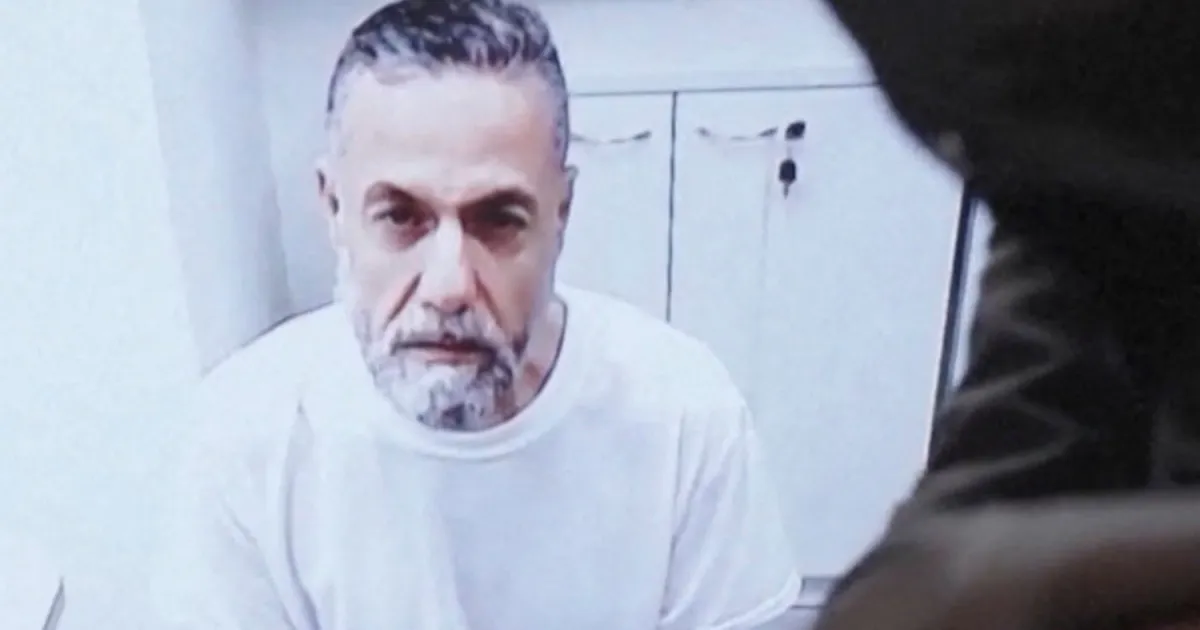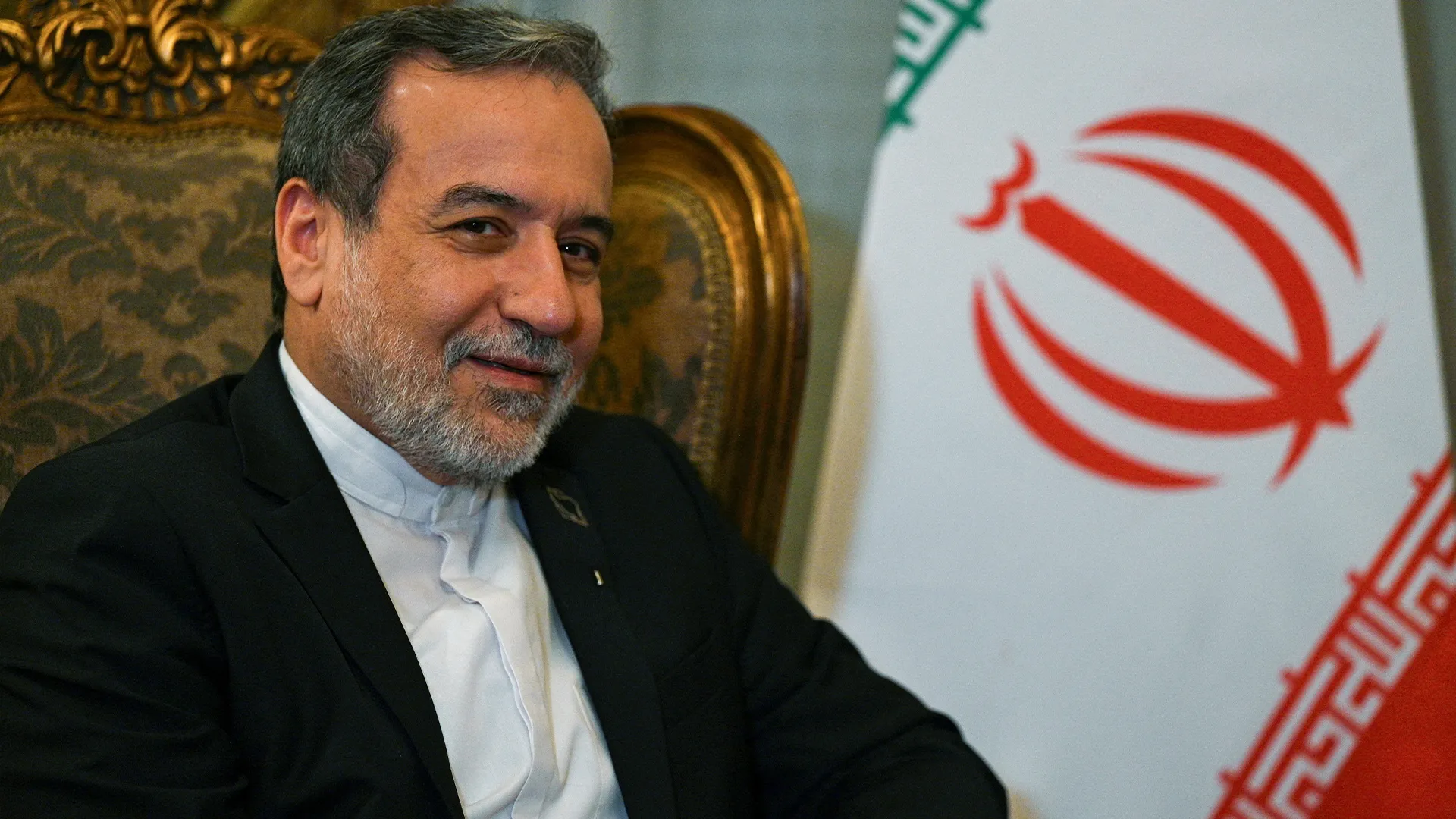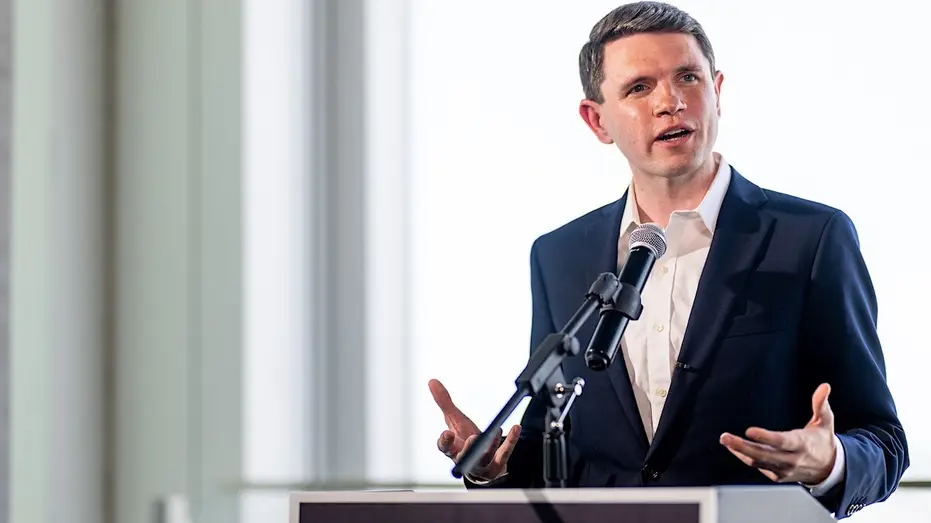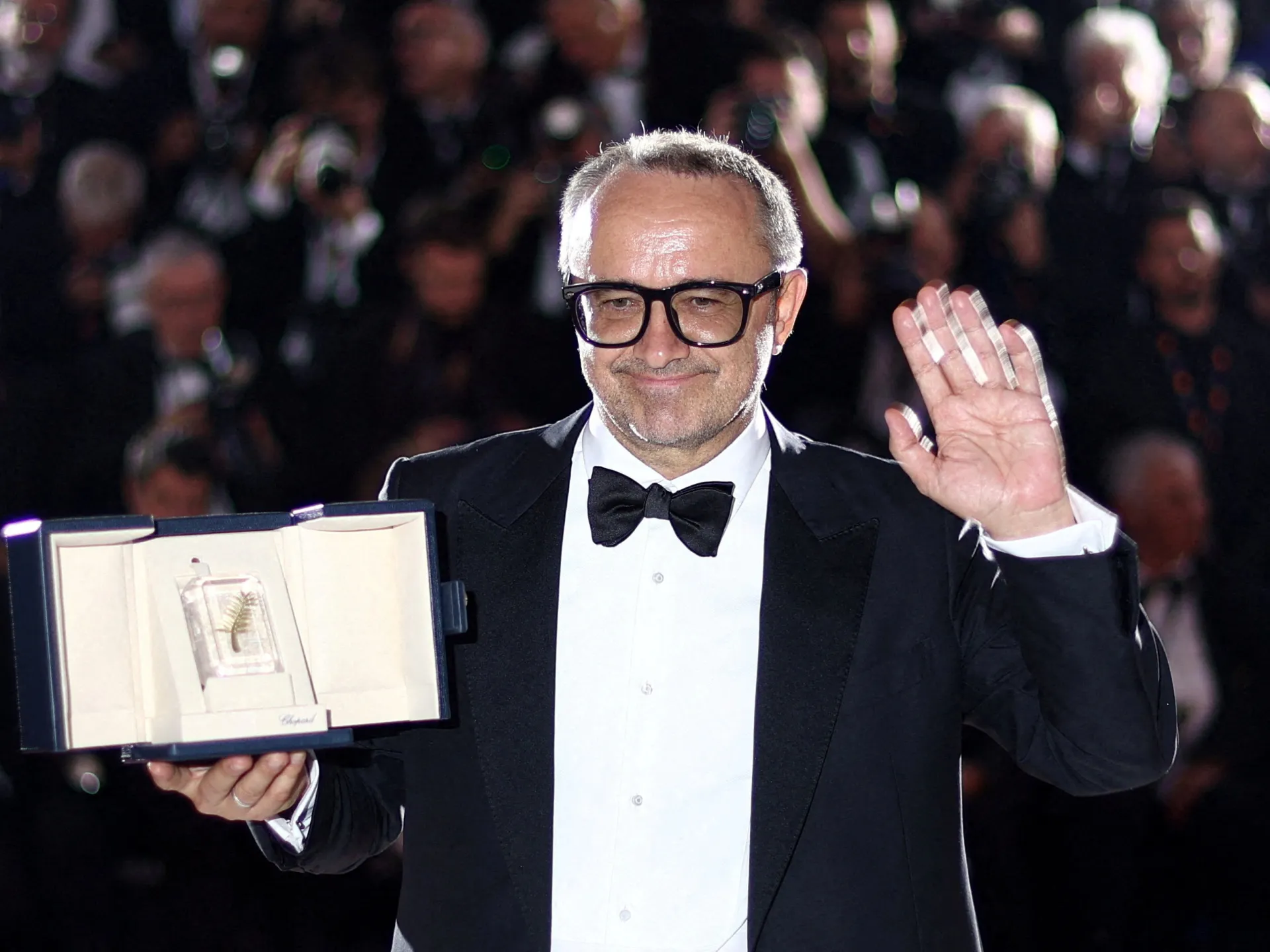
Russia’s Ministry of Justice has designated award-winning director Andrey Zvyagintsev a “foreign agent” as the nation approaches a tightly controlled parliamentary election.
The convergence of a high-profile cultural crackdown and a tightly orchestrated electoral process illustrates the dual-track strategy currently employed lebrated artist like Andrey Zvyagintsev a “foreign agent” while simultaneously staging a parliamentary election that effectively excludes dissenting voices, the state is signaling that there is no longer a neutral space in Russian public life. For the Kremlin, these maneuvers are not just about suppression; they are about manufacturing a mandate of national unity during an increasingly protracted conflict. The use of “foreign agent” designations acts as a psychological barrier, warning the intellectual elite that artistic recognition abroad provides no immunity from state-mandated loyalty at home.
This political environment creates a self-reinforcing cycle where institutions—such as the Duma—become performative rather than deliberative bodies. When the legislature acts as a rubber stamp for wartime mobilization and national security policy, individual agency is stripped away, forcing even opposition-leaning parties like the Communist Party to frame their platforms within the narrow confines of pro-war rhetoric. For the average citizen, the message is clear: the state defines both the boundaries of permissible culture and the acceptable parameters of political participation.
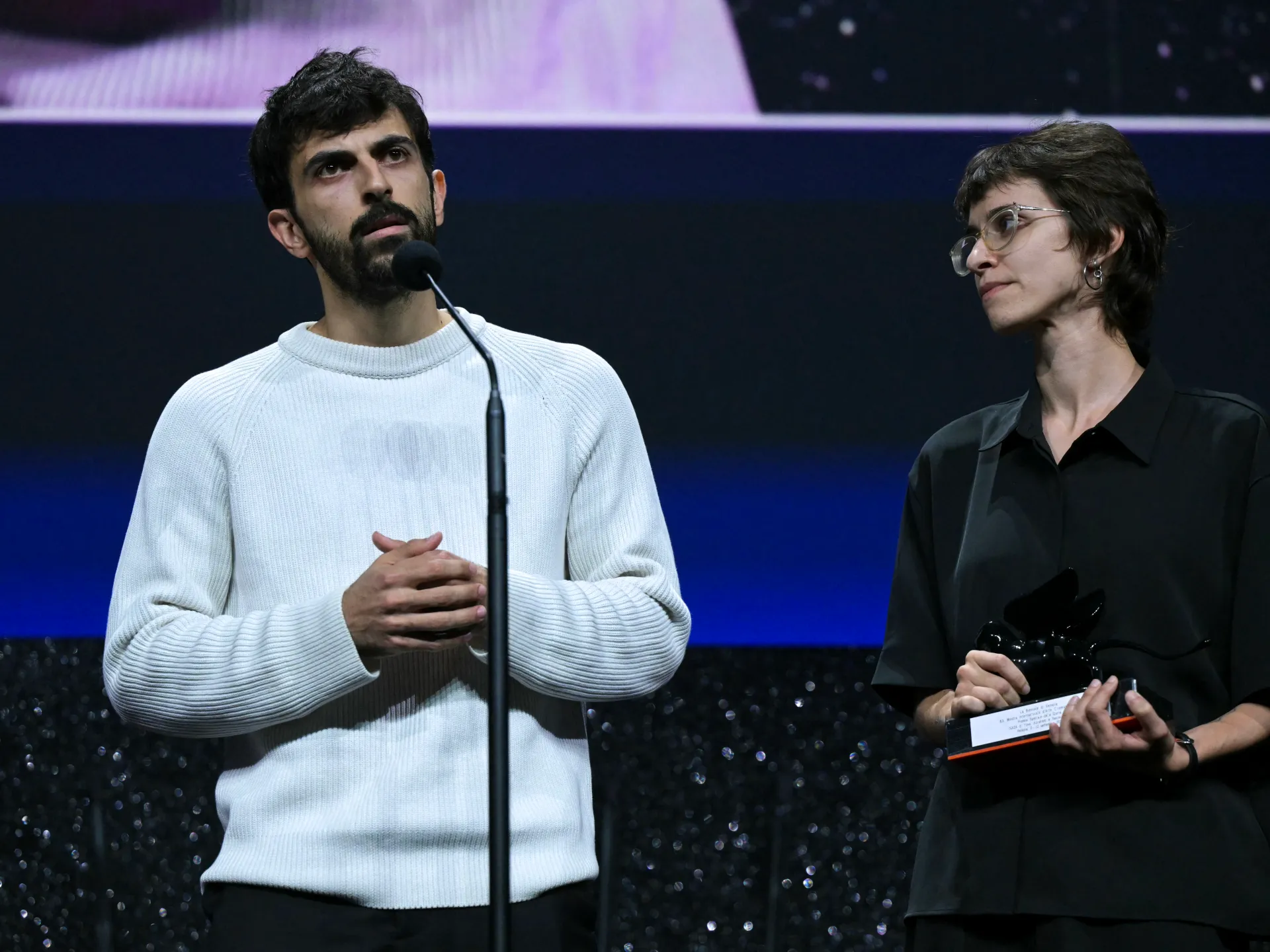
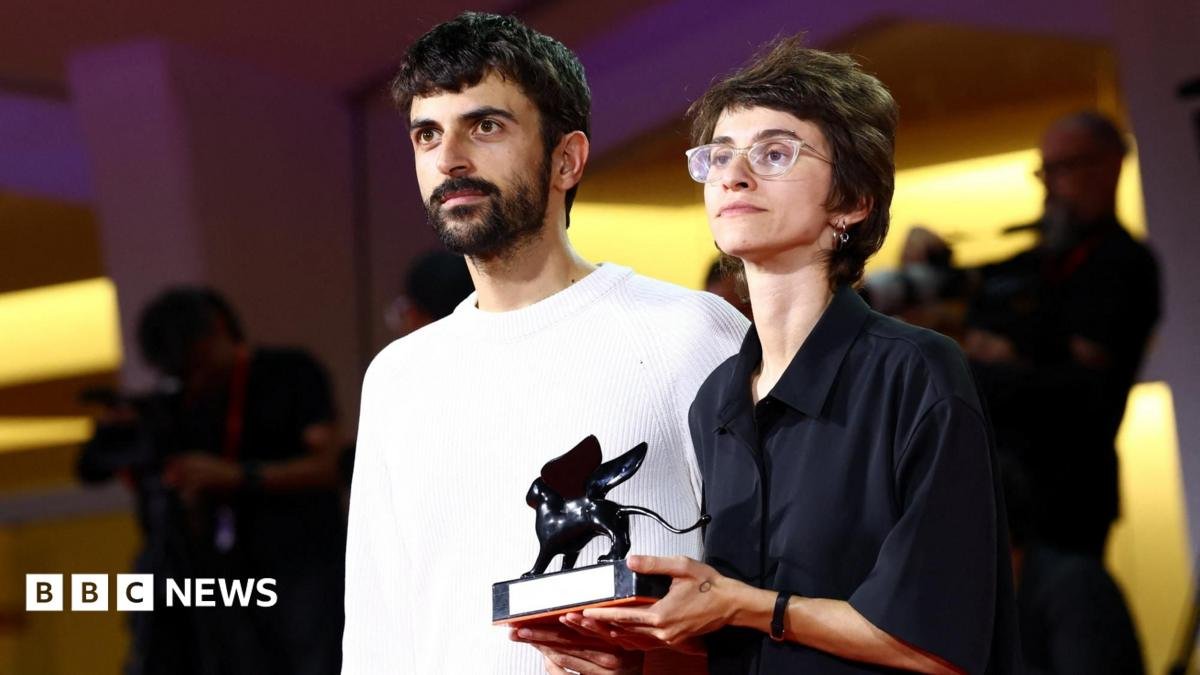
Andrey Zvyagintsev, whose career includes acclaimed works such as The Return and Leviathan, was officially designated a “foreign agent” marginalizes one of the country's most significant cultural figures. The Ministry justified the decision ecisions and had maintained interactions with existing foreign agents, all while residing outside the Russian Federation. The label requires the director to append mandatory warnings to all his public communications, including social media, and imposes severe restrictions on his ability to earn income or engage in public activities within Russia.
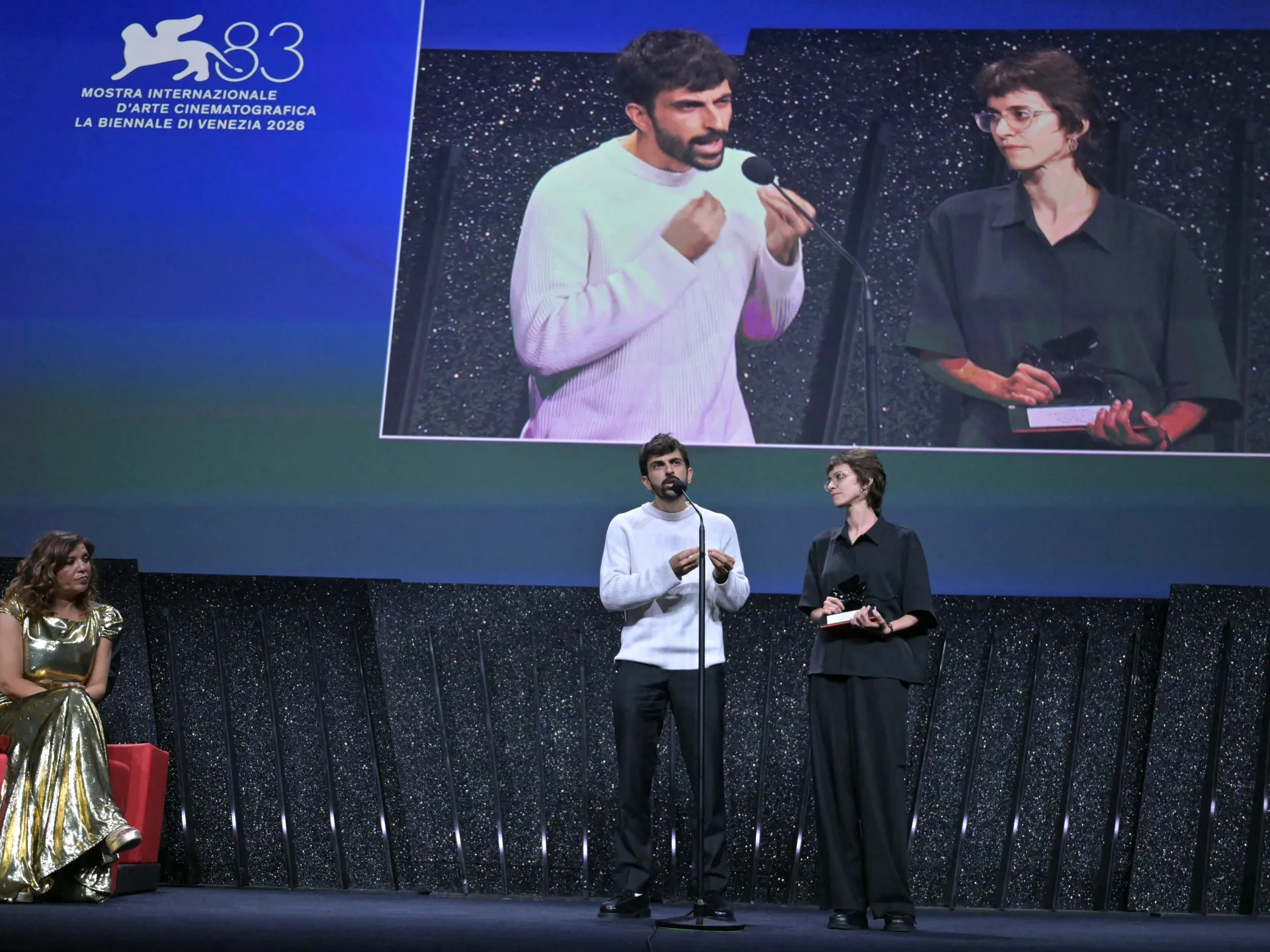
The timing of this designation follows Zvyagintsev’s recent success at the Cannes Film Festival, where he won the Grand Prix for Minotaur. The film serves as a somber reflection on the human toll of the ongoing conflict, focusing on a businessman forced to decide which of his employees must be sent to the front lines. During his acceptance speech, Zvyagintsev was explicit in his criticism of the war, remarking that millions on both sides of the front lines simply want the violence to end. He further stated that President Vladimir Putin is the only individual with the agency to bring the conflict to a close. Despite the accolades, the Russian state’s reaction emphasizes the widening chasm between the country’s globalized cultural output and the increasingly restrictive domestic political atmosphere.
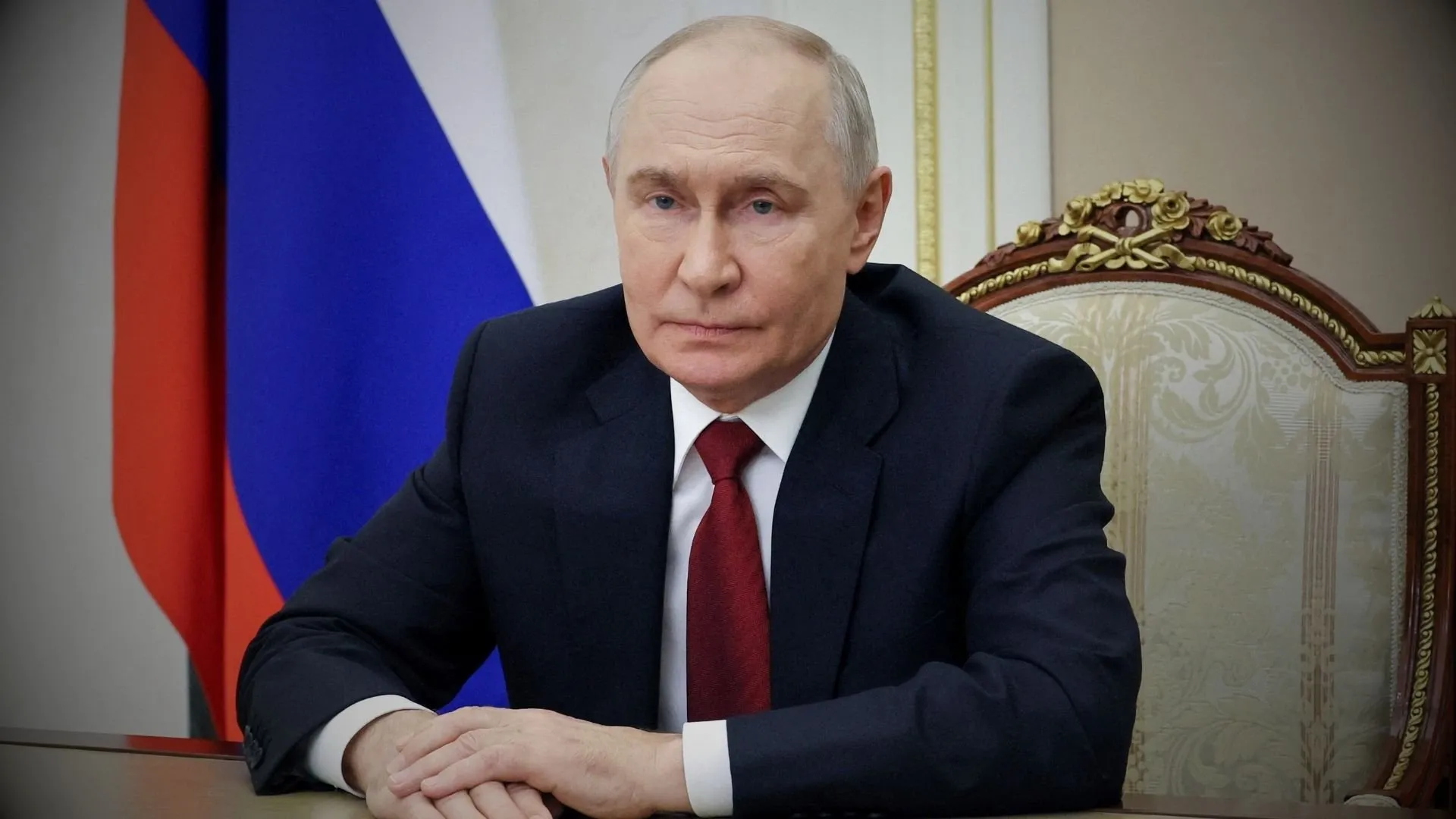
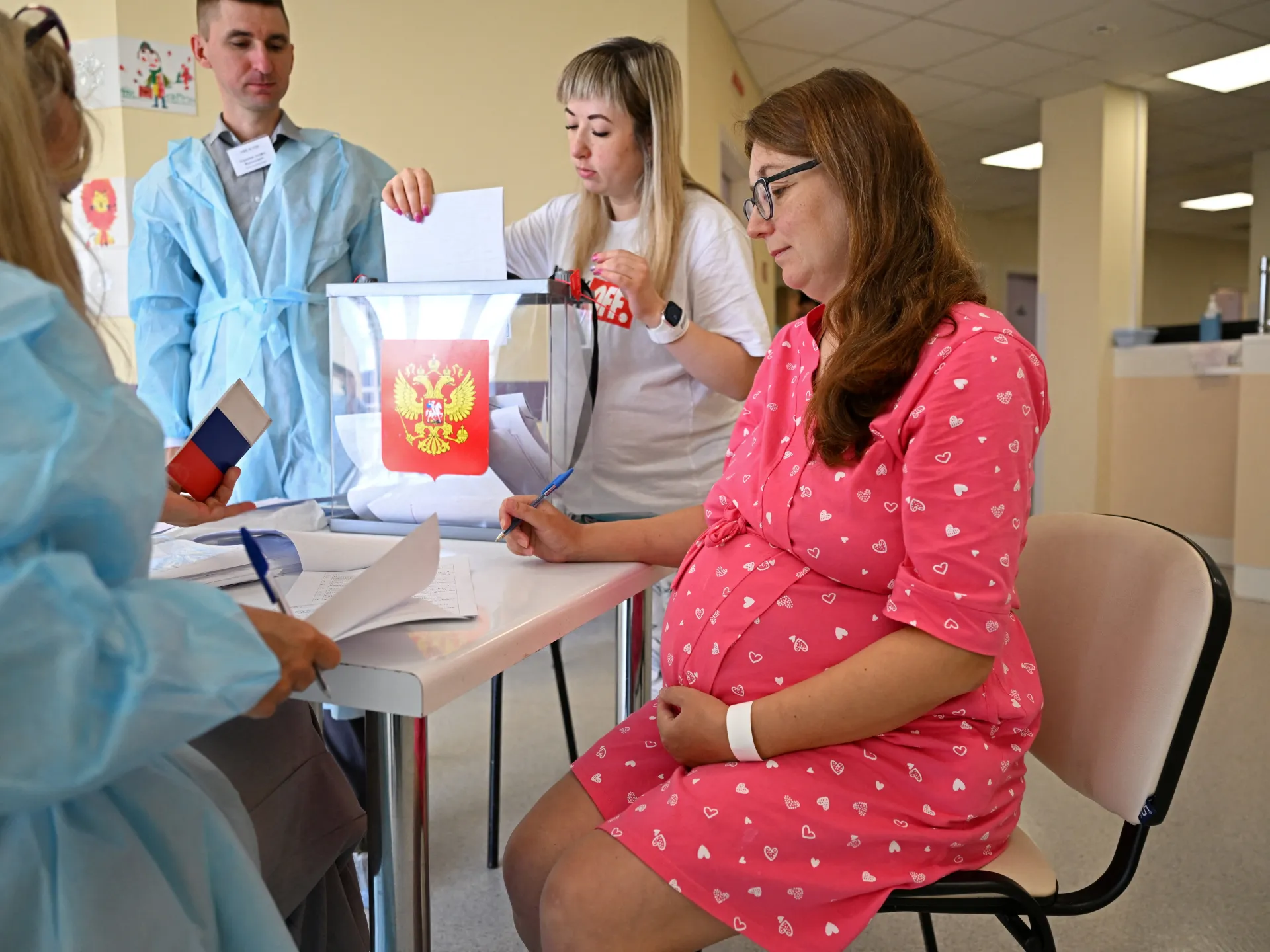
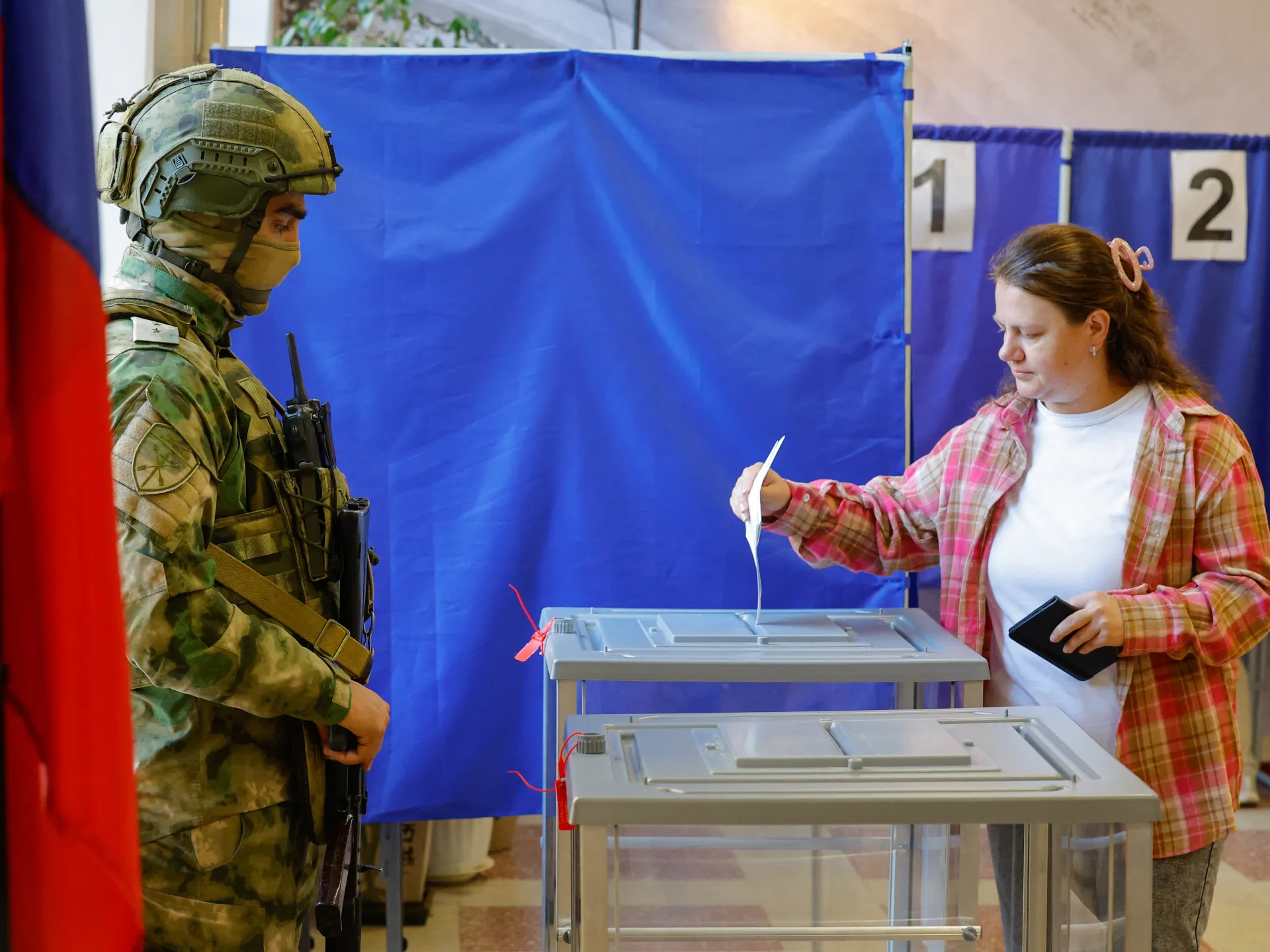
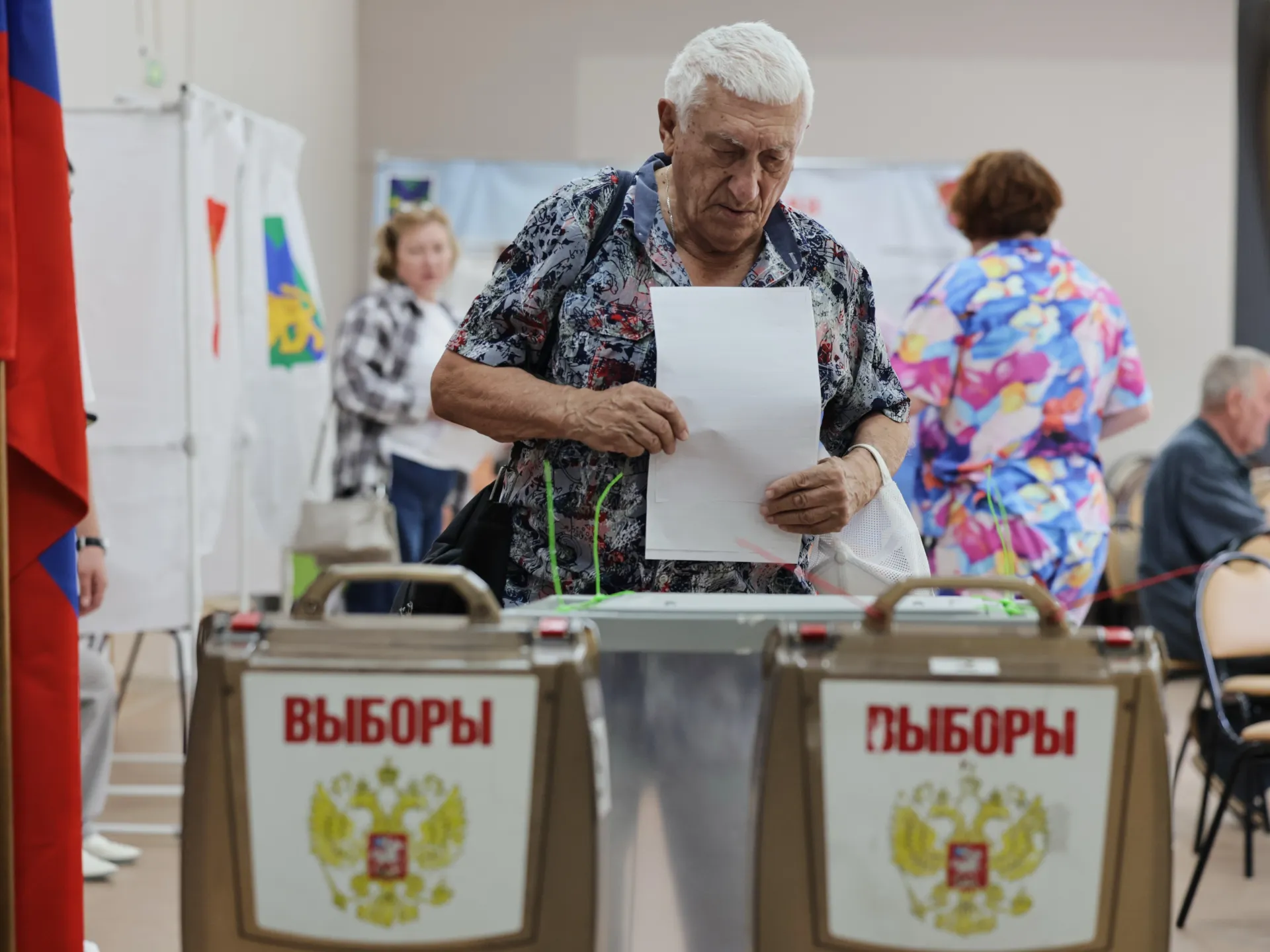
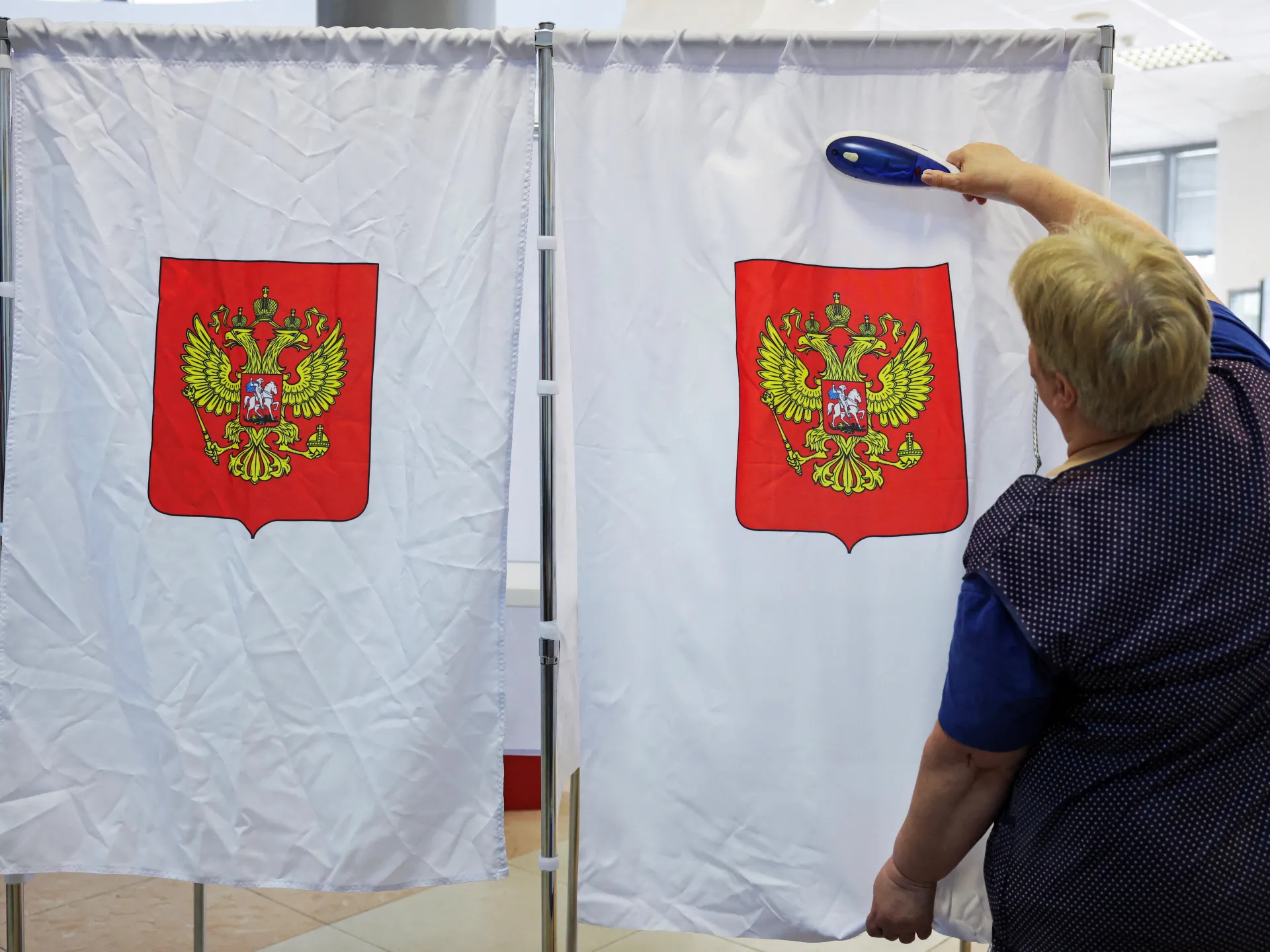
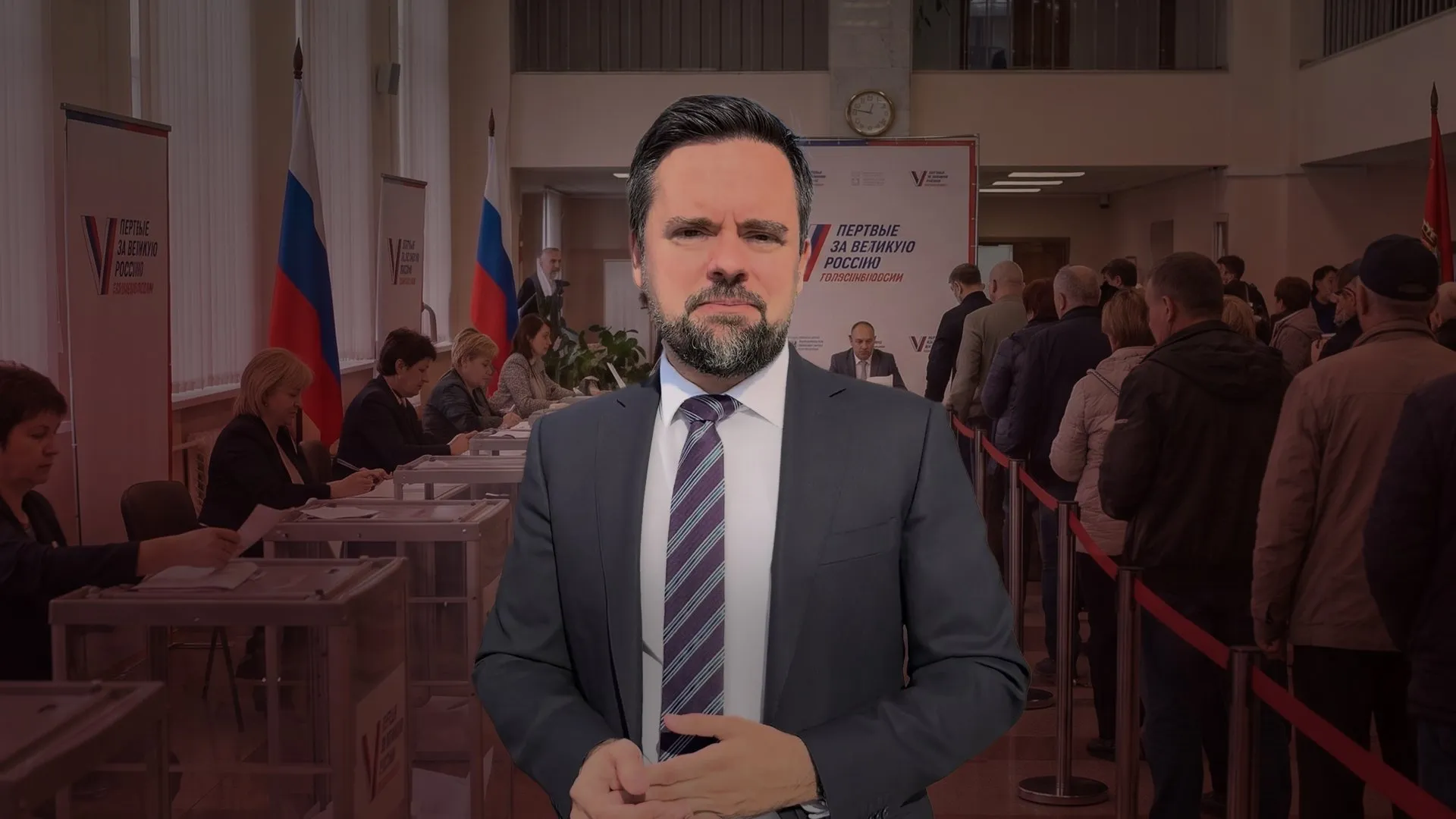
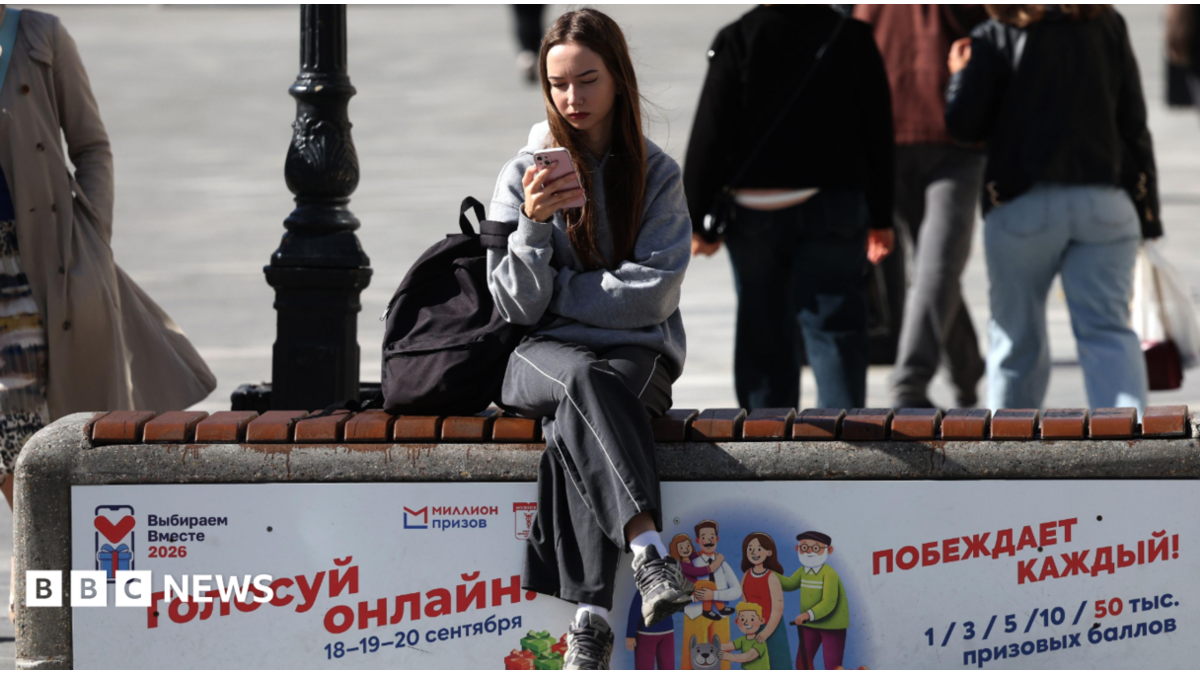
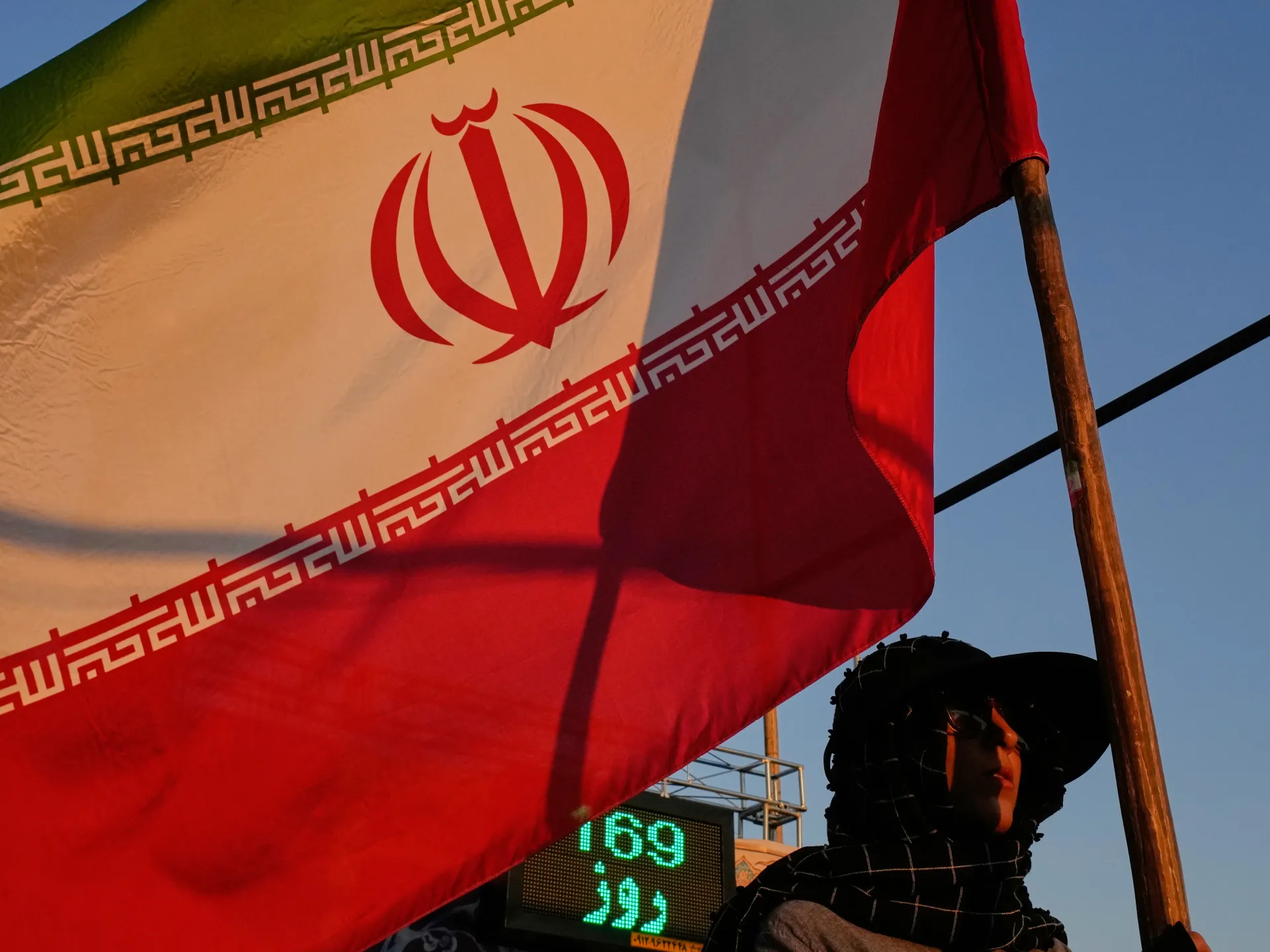
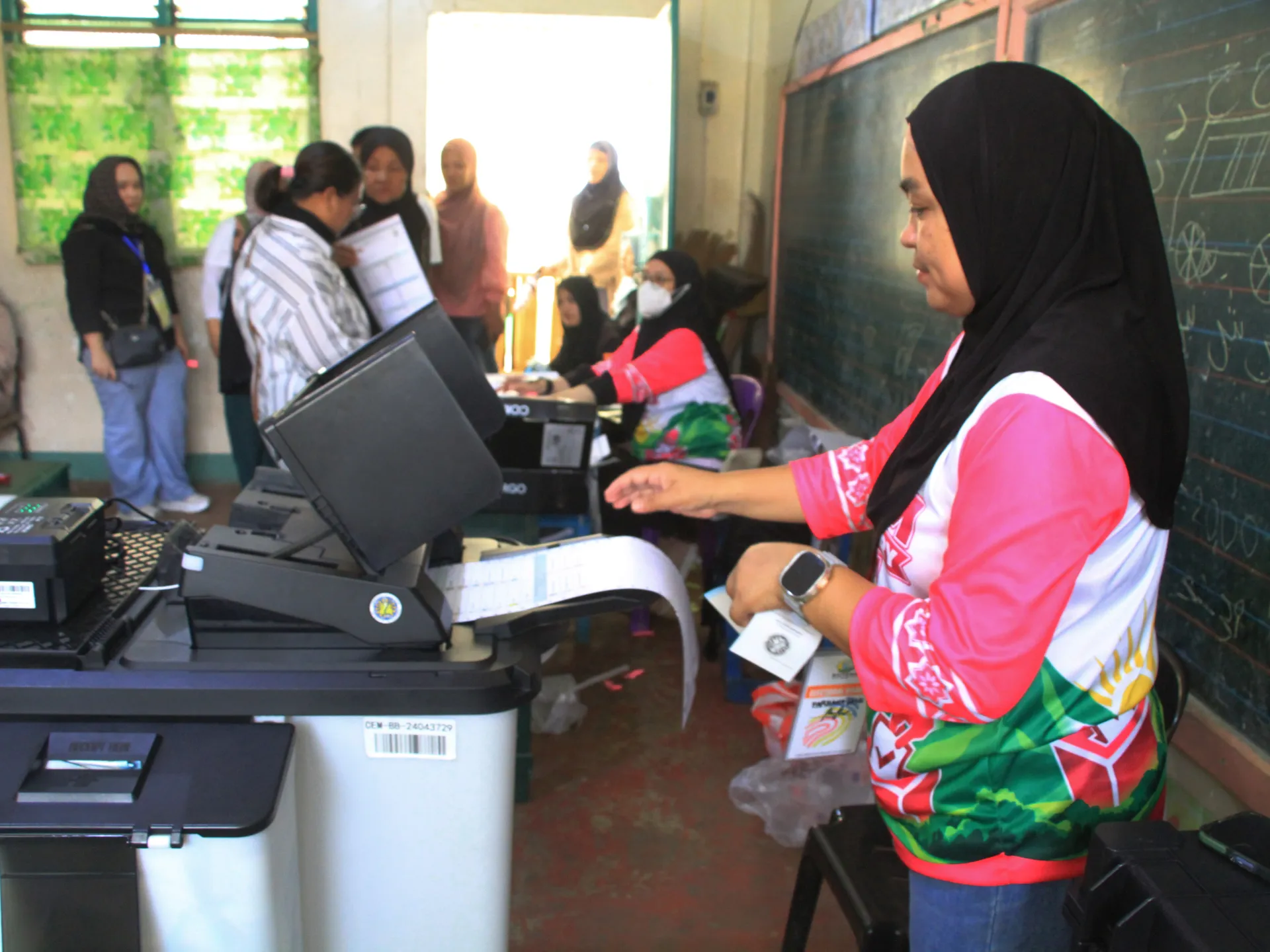
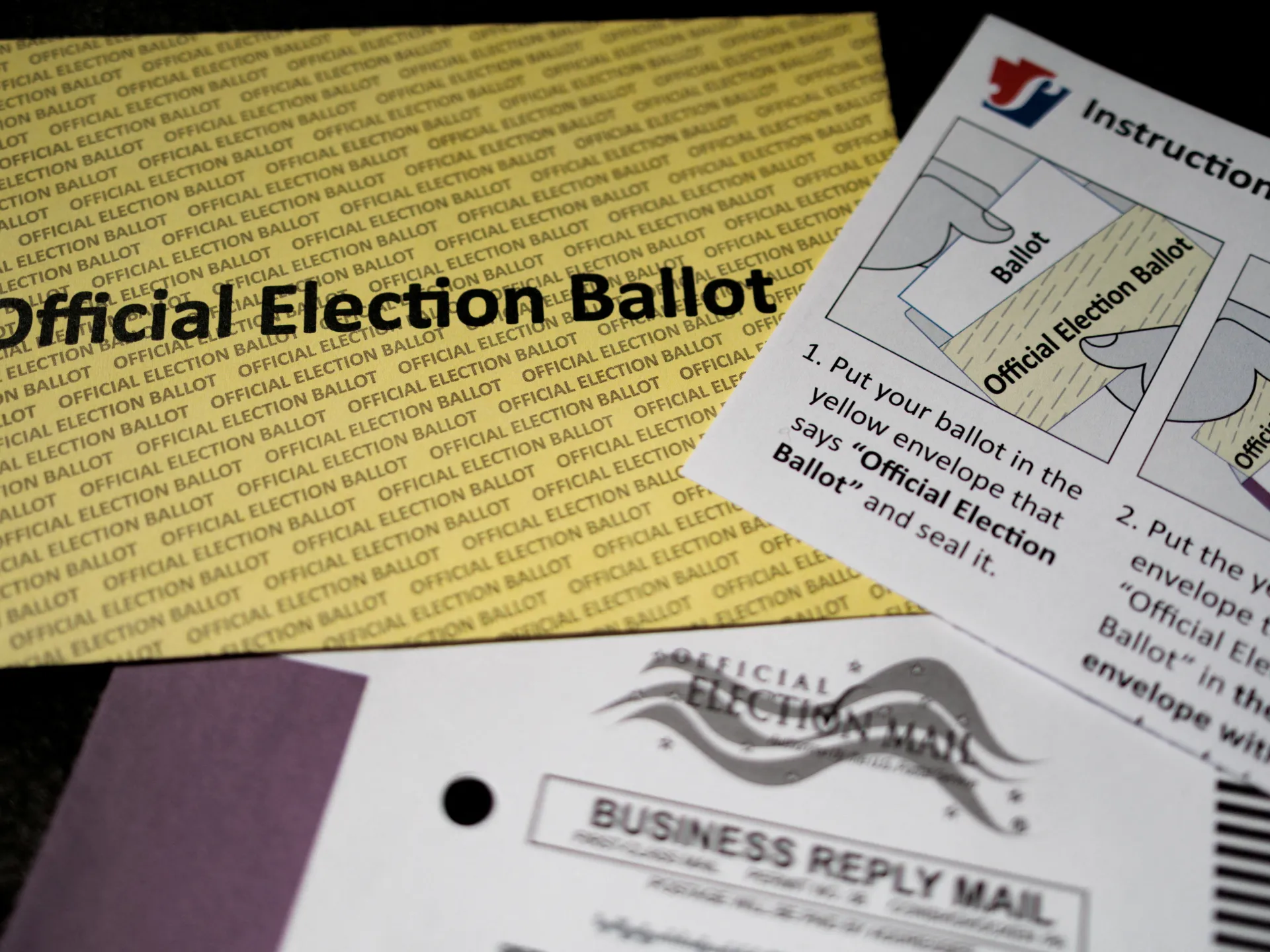
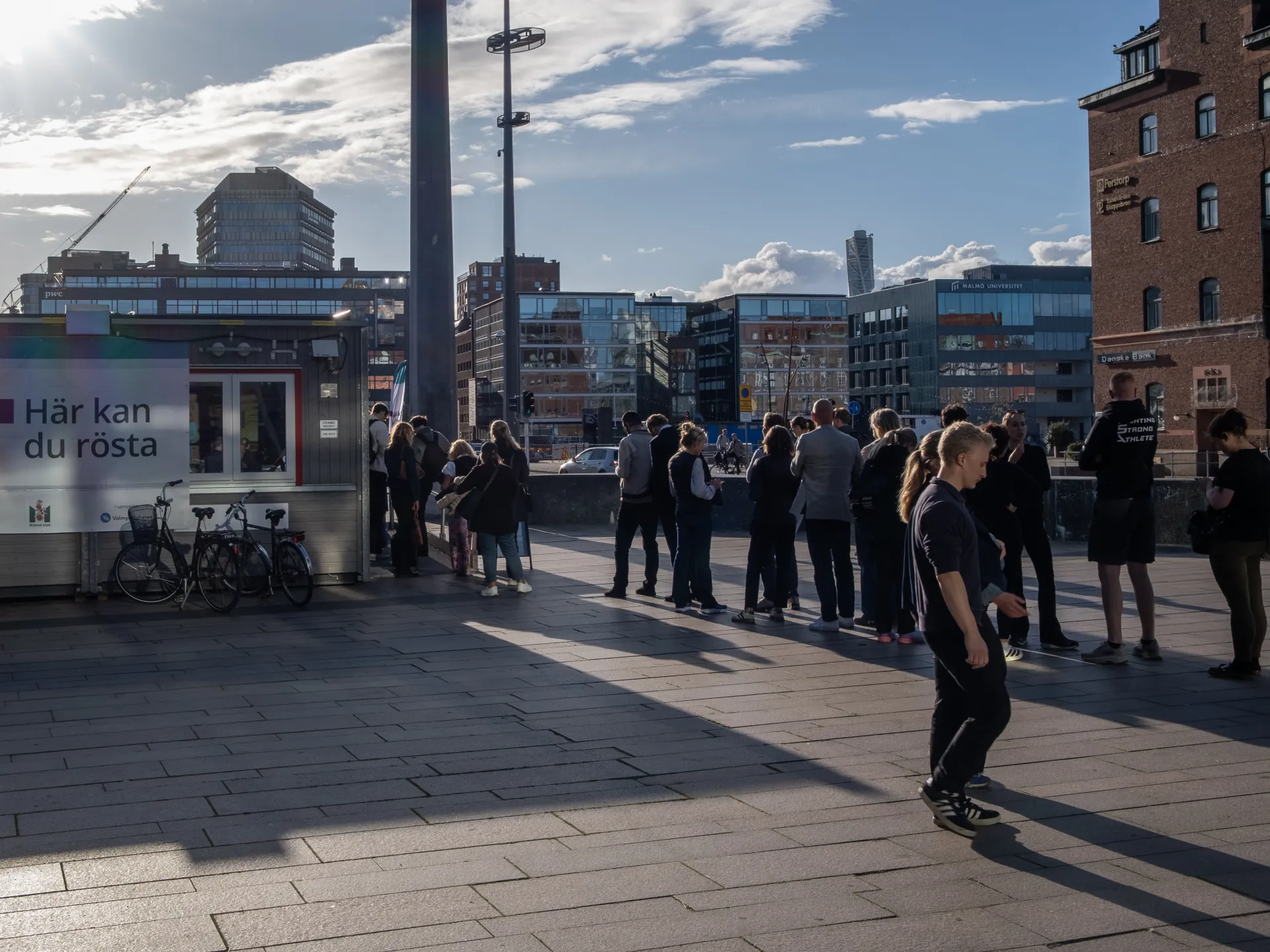
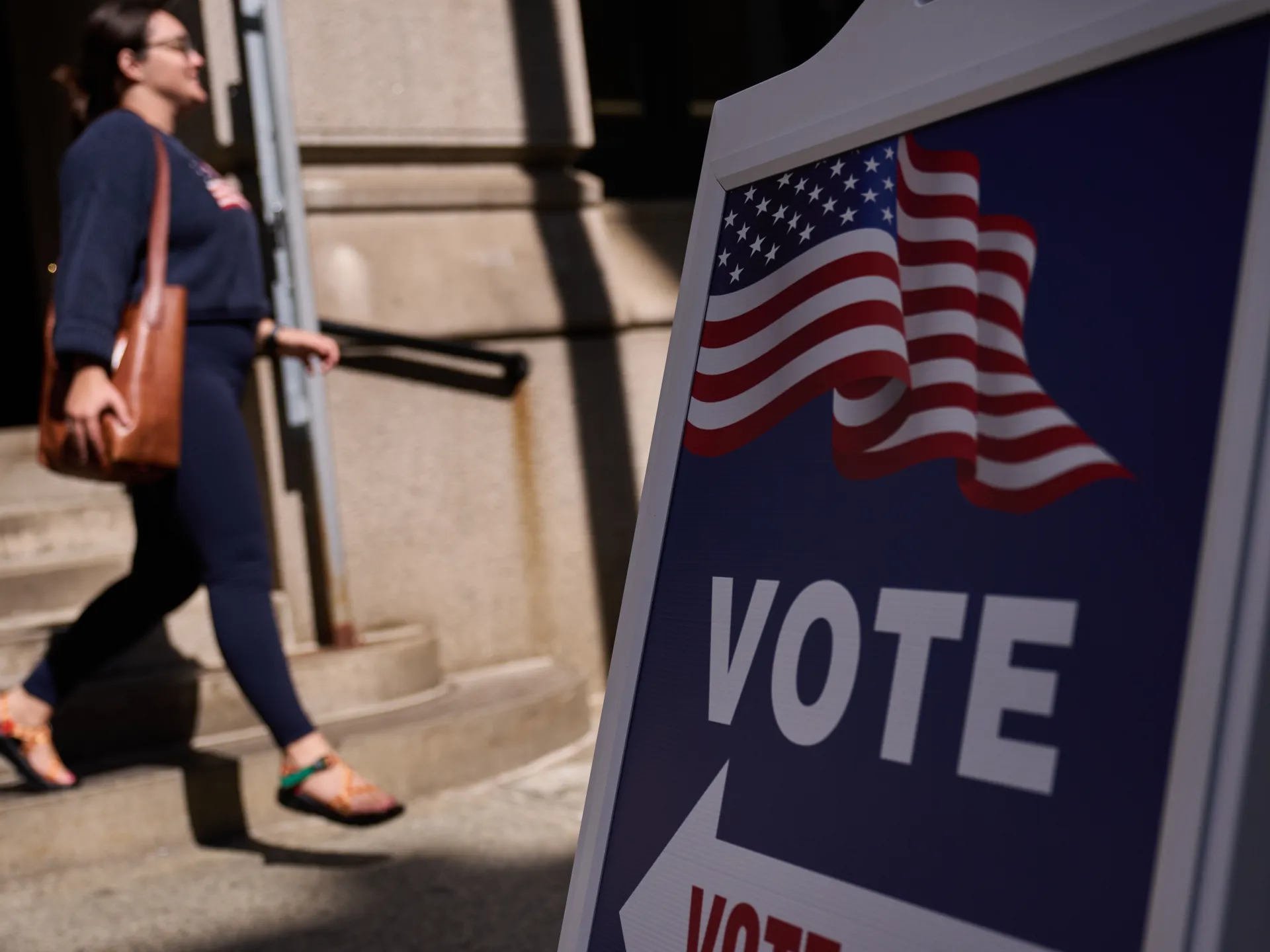
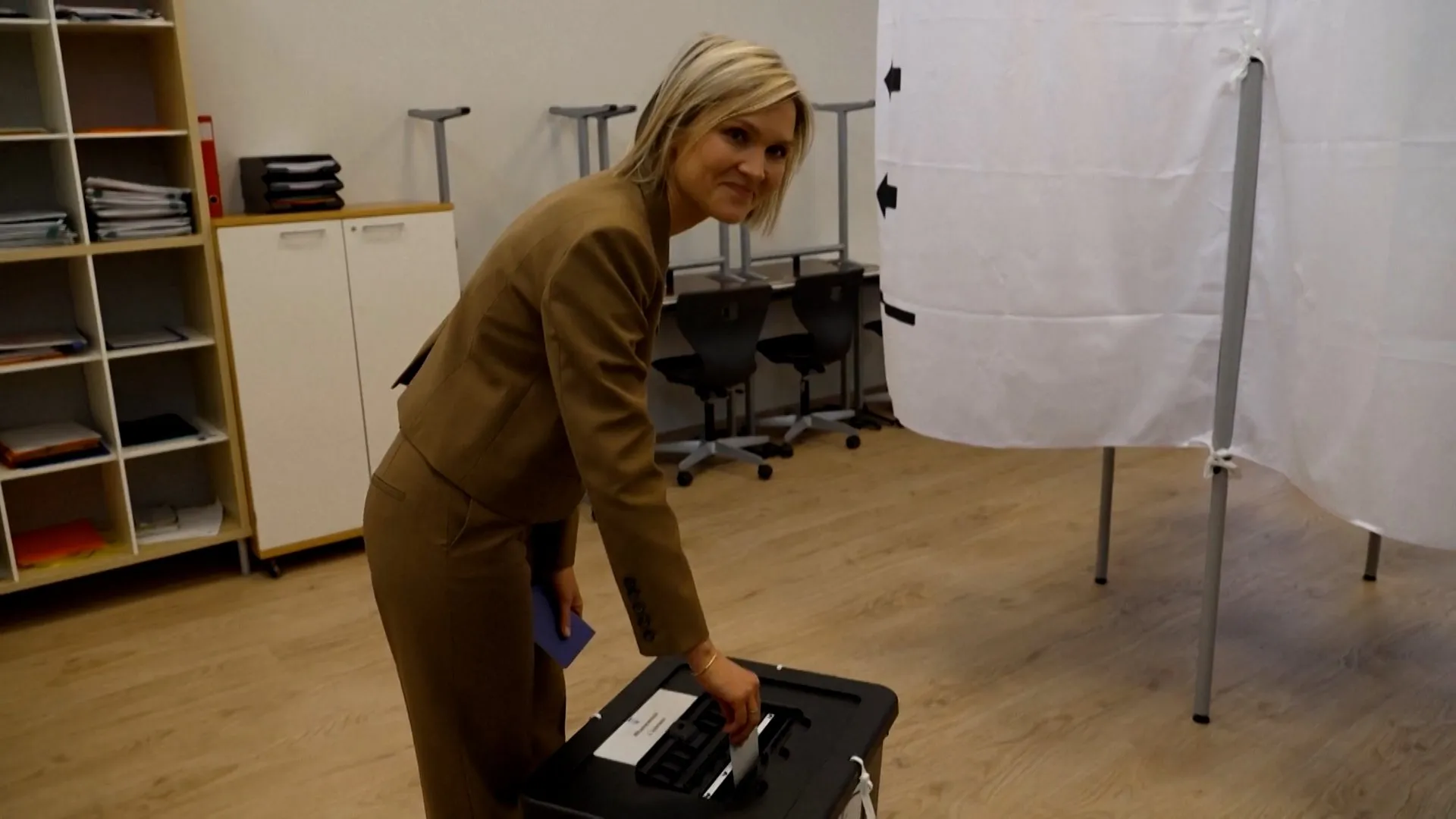
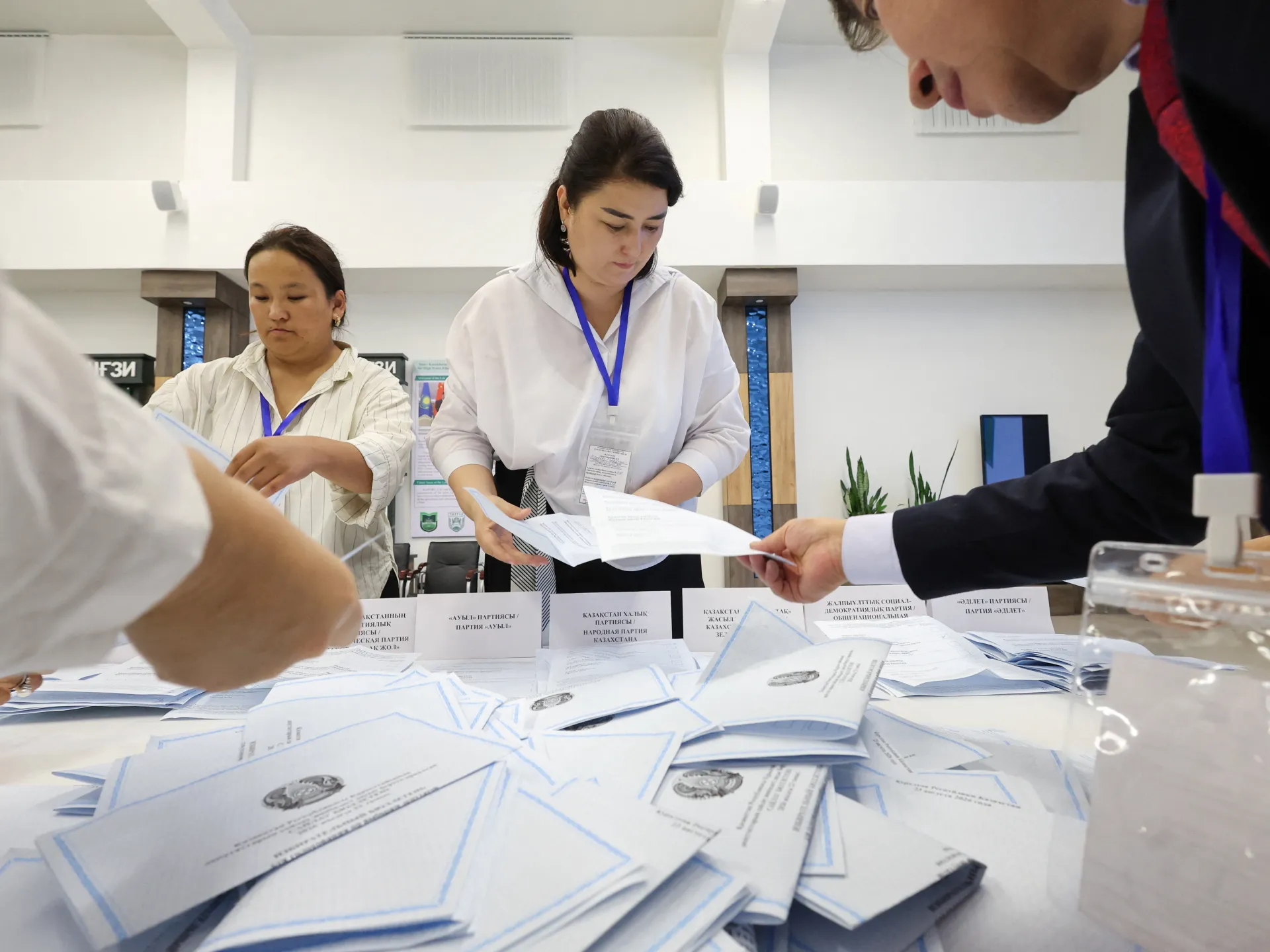
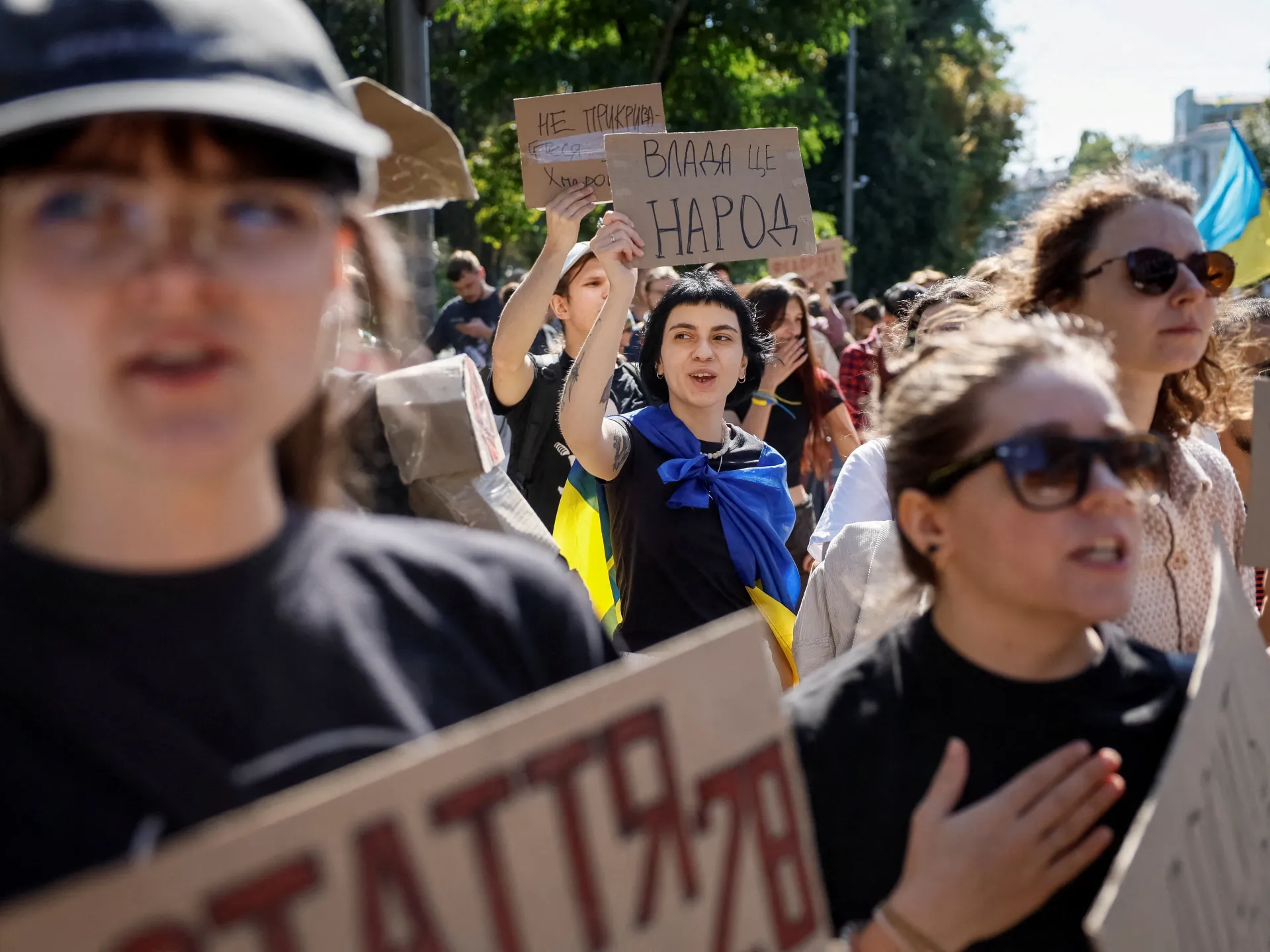
As the state intensifies its pressure on individual dissenters, it is simultaneously moving to solidify its control over the legislative branch. The upcoming election for the 450 seats in the State Duma marks the first parliamentary contest since the full-scale invasion of Ukraine. According to Kremlin spokesperson Dmitry Peskov, the election is a demonstration of the country’s “own political process,” emphasizing that the outcome will reinforce the current power structure. Observers note that the campaign environment is largely devoid of traditional political tension, with some televised debates featuring empty lecterns where candidates simply failed to appear, while others have devolved into musical performances rather than policy discussions.
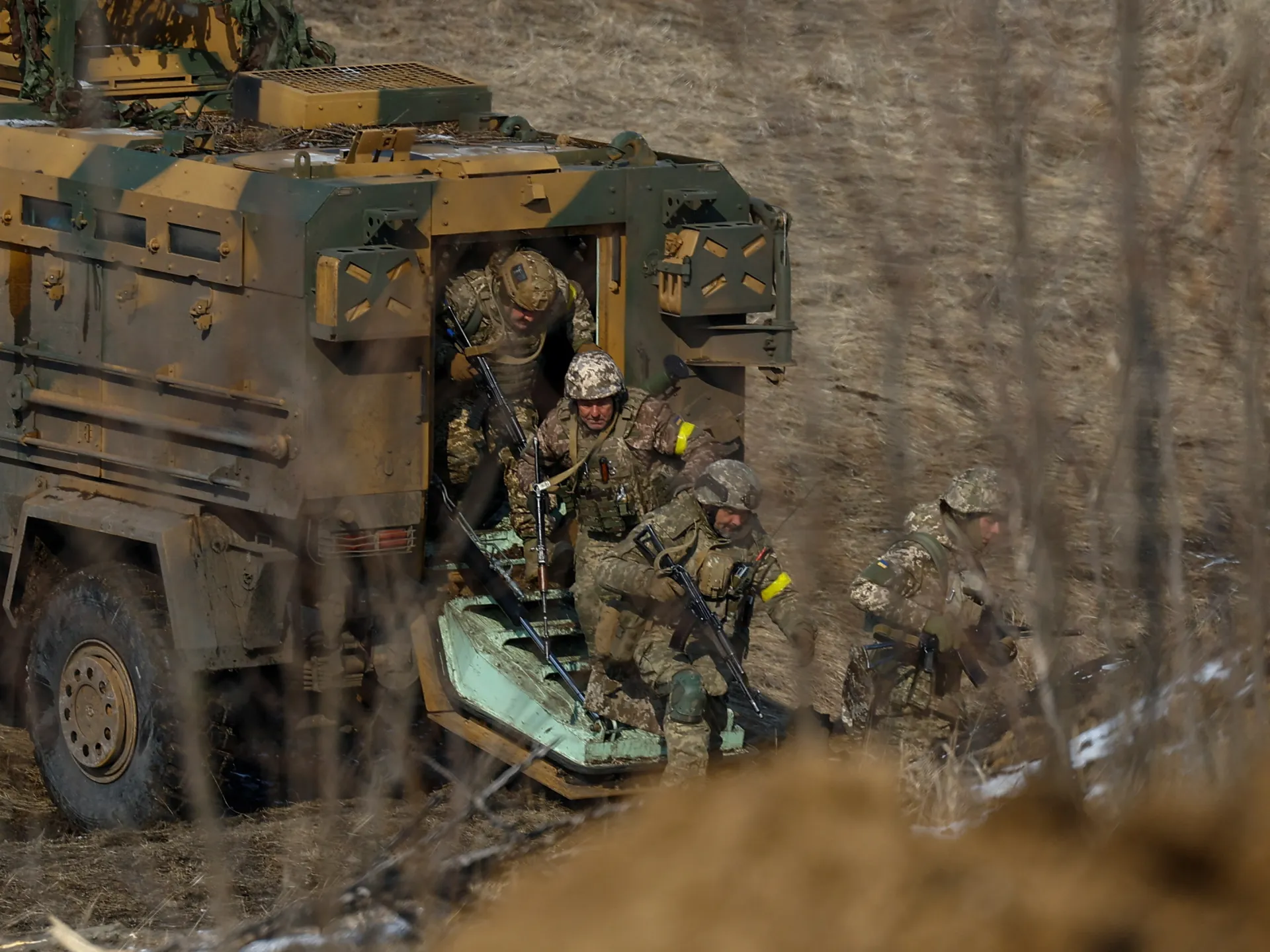
A critical component of this election cycle is the integration of military personnel into the political sphere. Government officials report that nearly 200 veterans of the conflict in Ukraine are standing for seats in the Duma. This move is designed to frame the election as a referendum on the war and to provide a platform for those who have served in the military to lead the country’s future legislation. The previous legislative session set the tone for this transition, as members of the Duma concluded their term among all parliamentary parties regarding the 170 laws passed to support the “special military operation,” as noted
The trajectory for Russia’s internal political and cultural sphere suggests a deepening insulation from external criticism. For the Duma, the likely outcome is an even more monolithic chamber, where the presence of military veterans will act as a structural guarantee against anti-war sentiment or legislative questioning of executive authority. The “foreign agent” designation for Zvyagintsev is likely not an isolated case but a harbinger of continued bureaucratic purging of the cultural sector. As the state moves to codify wartime loyalty as a prerequisite for professional survival, those residing outside the country—and those remaining within who express even moderate critique—will face increasing difficulty navigating the legal and financial restrictions mandated ts that future elections will continue to prioritize stability and the suppression of the unexpected over the promotion of genuine political alternatives.