Mysterious objects spotted in international airspace have triggered security alerts, while separate environmental shifts in the Alps continue to reveal long-lost history.
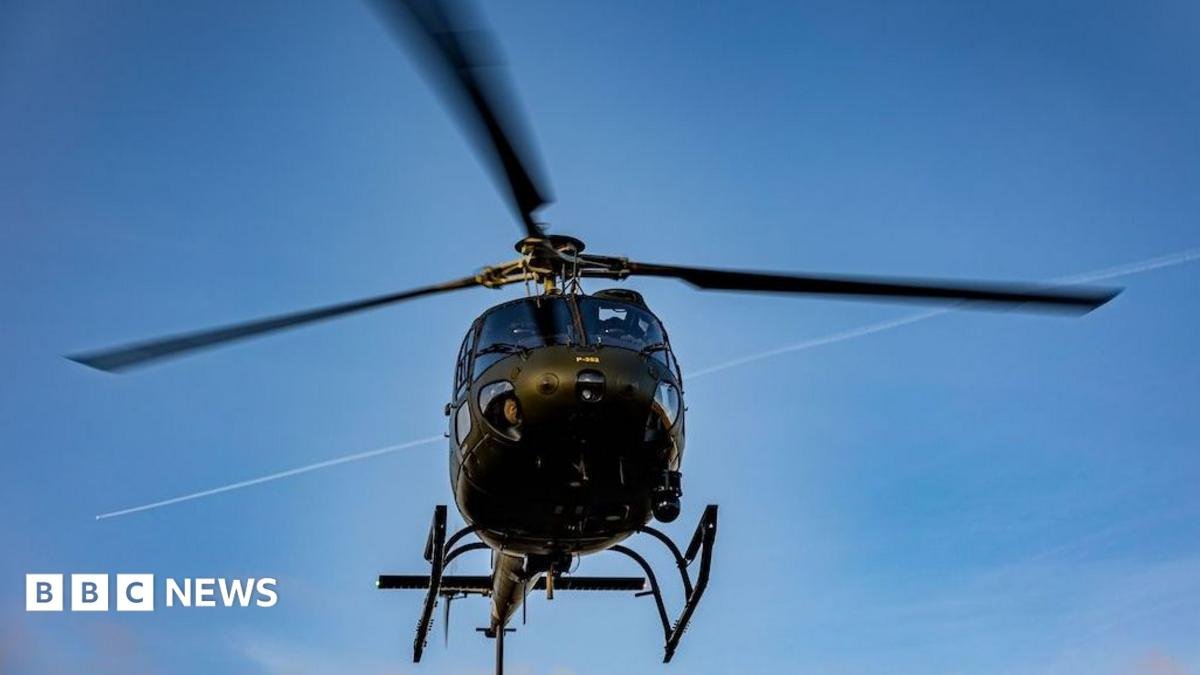
Recent days have brought a surge in international attention toward the skies, as reports of mysterious aerial objects emerge from both the Middle East and North America. While citizens and observers speculate on the origins of these sightings, authorities are grappling with the logistical and political challenges of identifying objects that defy immediate categorization, ranging from potential surveillance platforms to natural astronomical events.
These developments occur against a backdrop of increasing global volatility, where the intersection of advanced technology and atmospheric uncertainty creates a complex environment for both civil and military monitoring agencies. As officials work to secure airspace and differentiate between benign phenomena and genuine security threats, the public remains captivated
The sudden appearance of unidentified objects serves as a stark reminder of the limitations inherent in modern airspace surveillance. When governments encounter phenomena that cannot be immediately attributed to known commercial or military assets, the resulting information vacuum often breeds widespread public anxiety and political instability. The stakes go beyond mere curiosity; they touch upon national sovereignty and the readiness of defense systems to respond to non-conventional threats.
Furthermore, the increased focus on the atmosphere acts as a mirror for broader geopolitical tensions. In an era where technological competition is accelerating, the inability to quickly identify an object hovering over a capital city or crossing a national border exposes vulnerabilities in existing radar and detection protocols. This atmospheric uncertainty necessitates a more robust international dialogue on how countries manage shared airspace and, importantly, how they communicate the risks—or lack thereof—to their respective populaces during periods of heightenend alert.
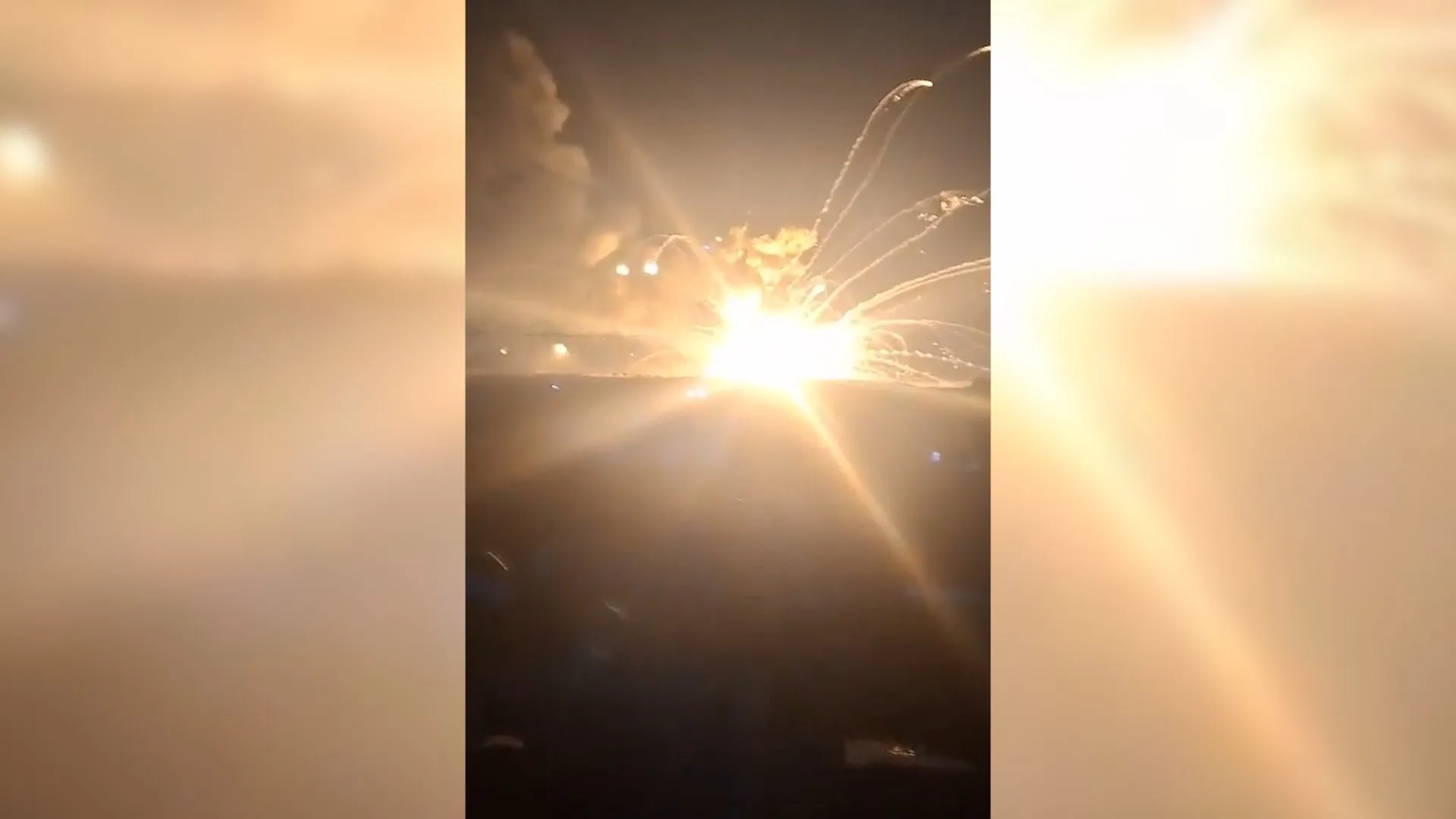
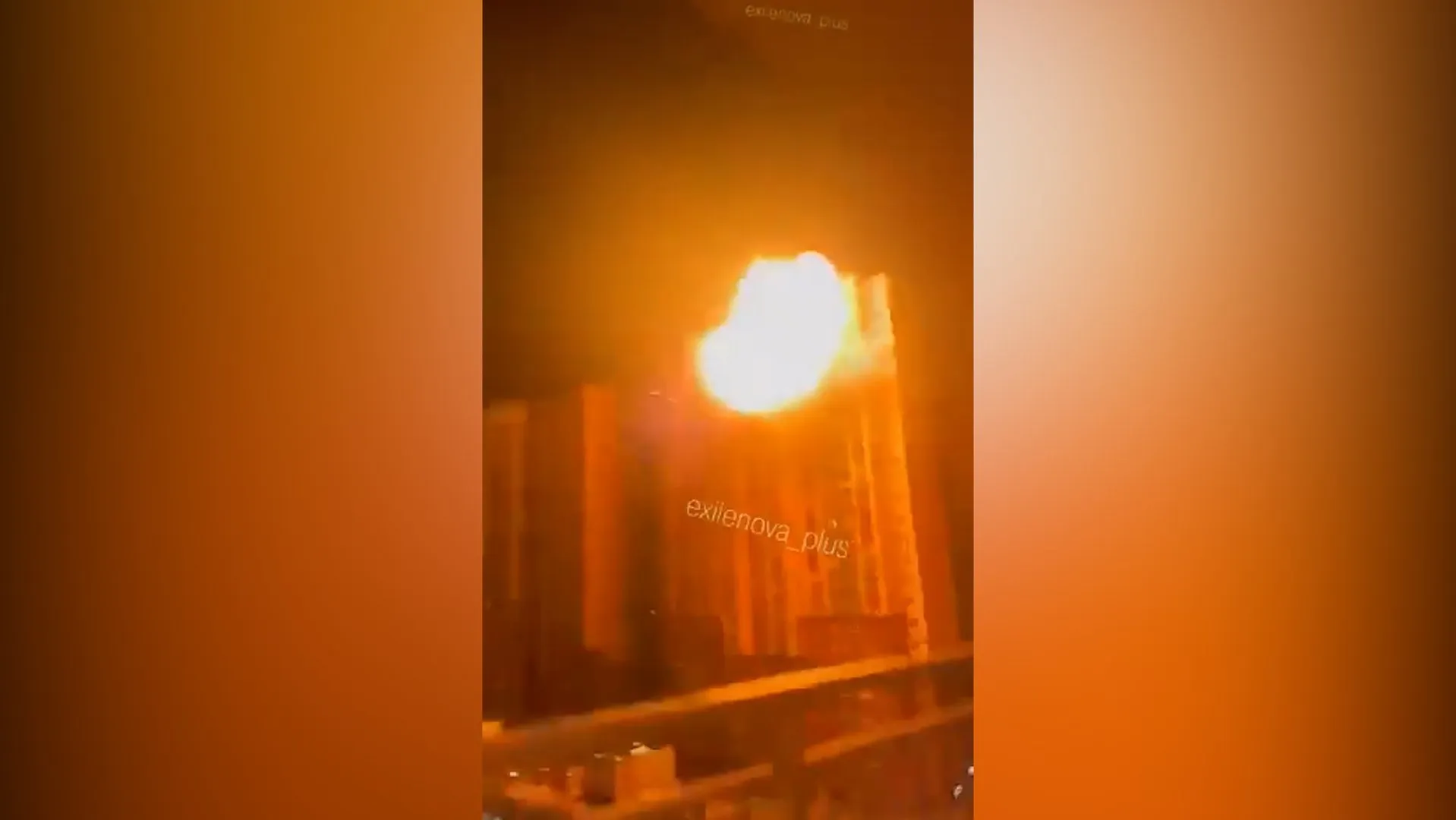
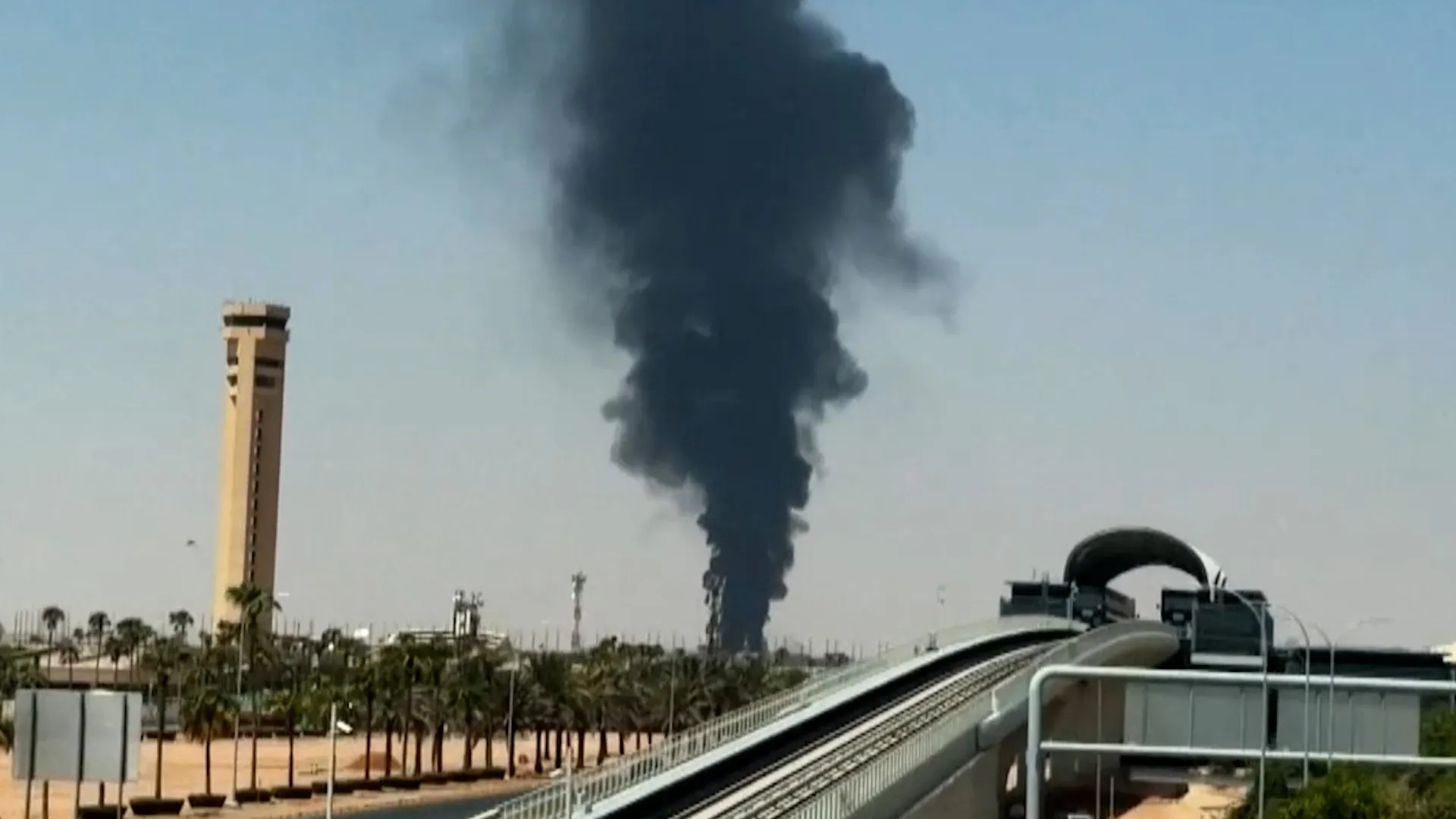
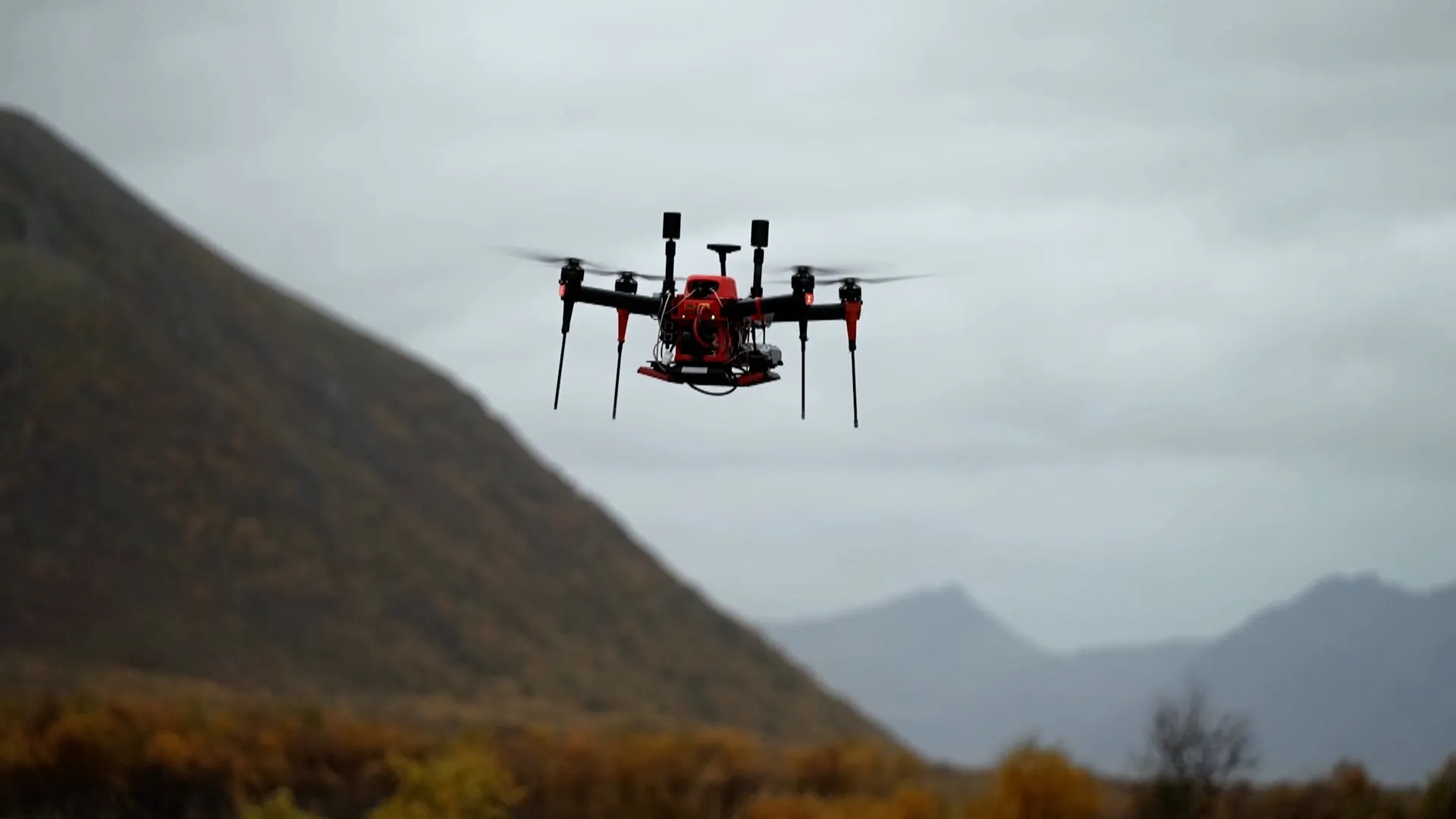
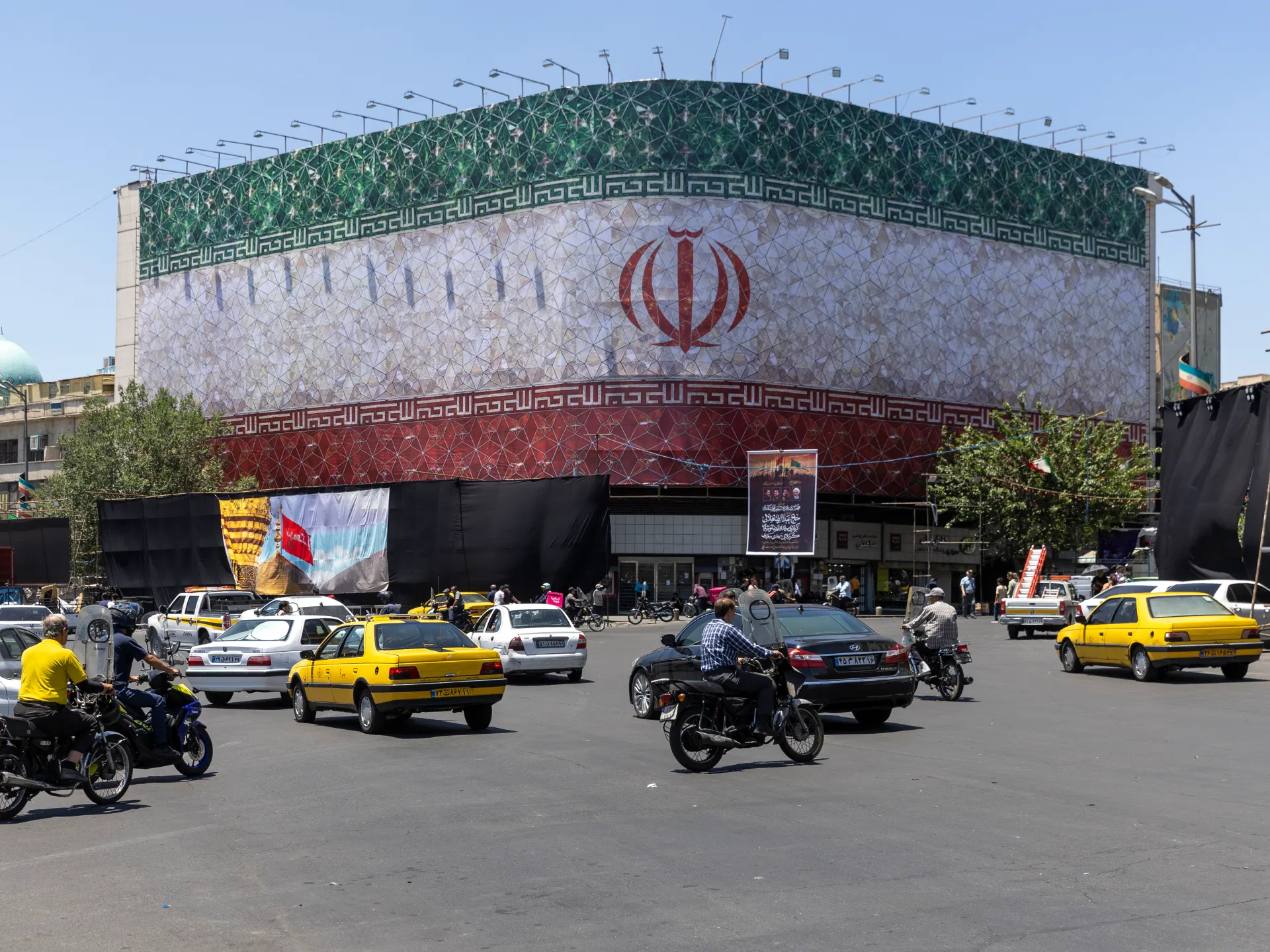
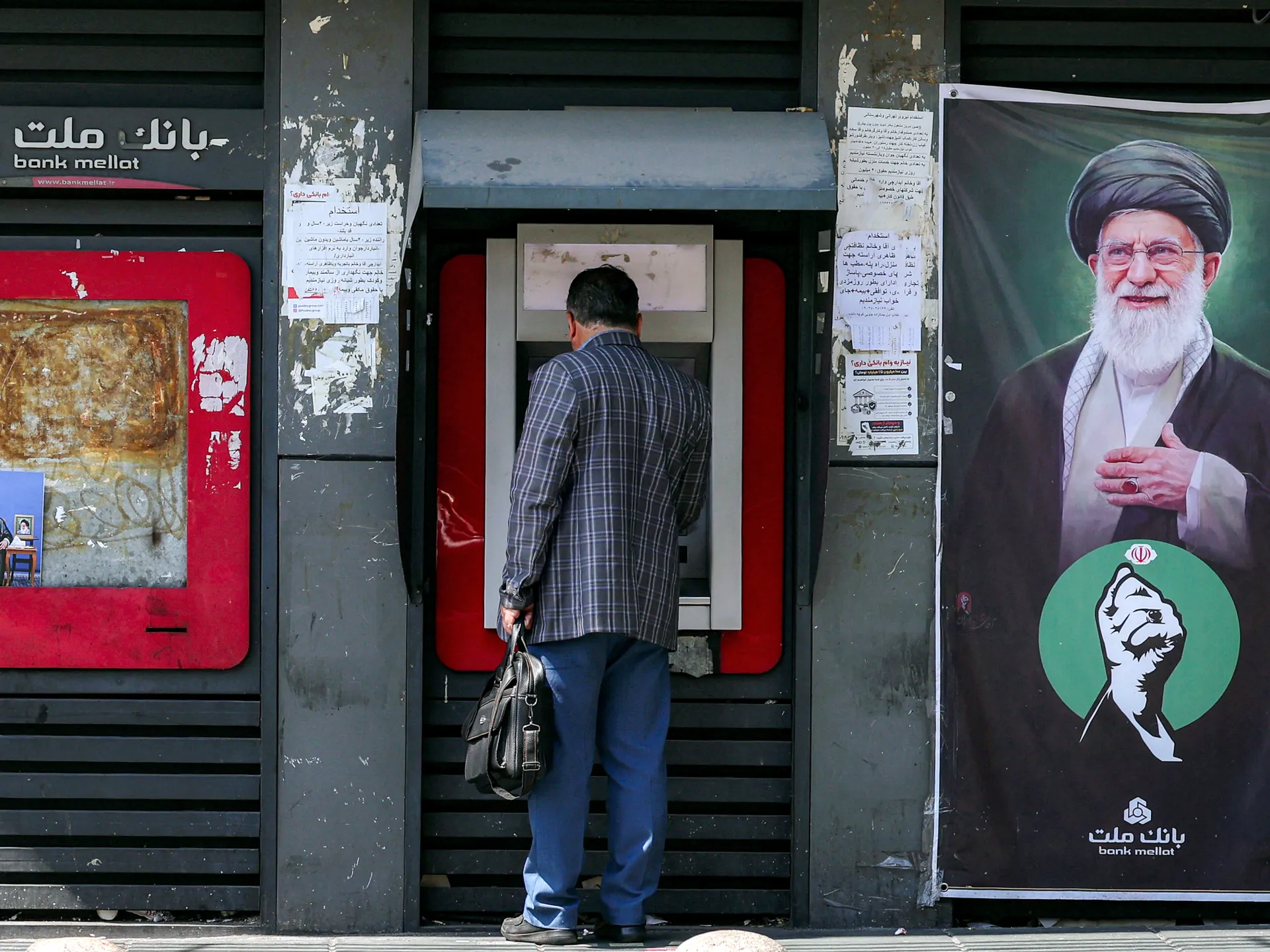
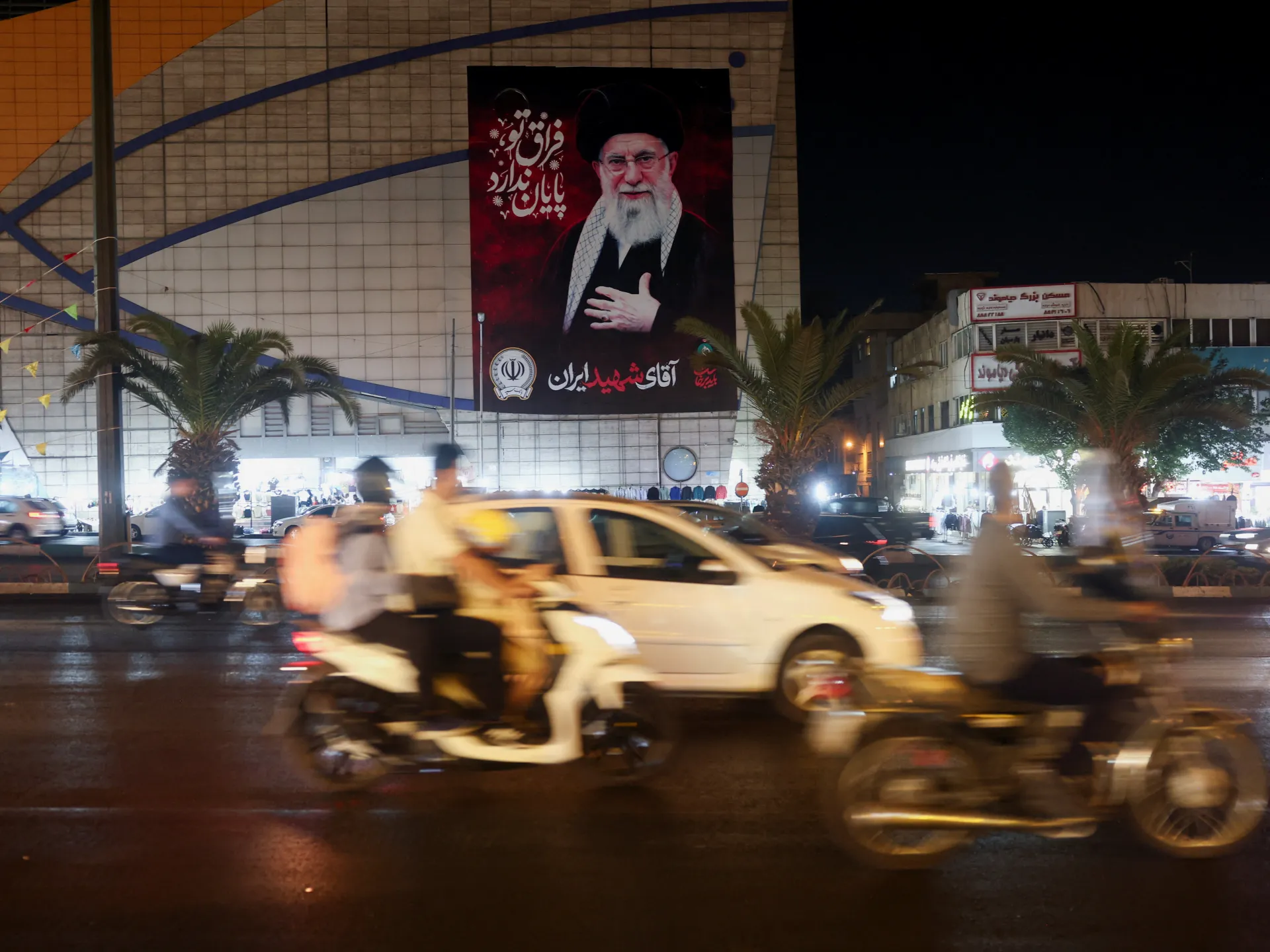
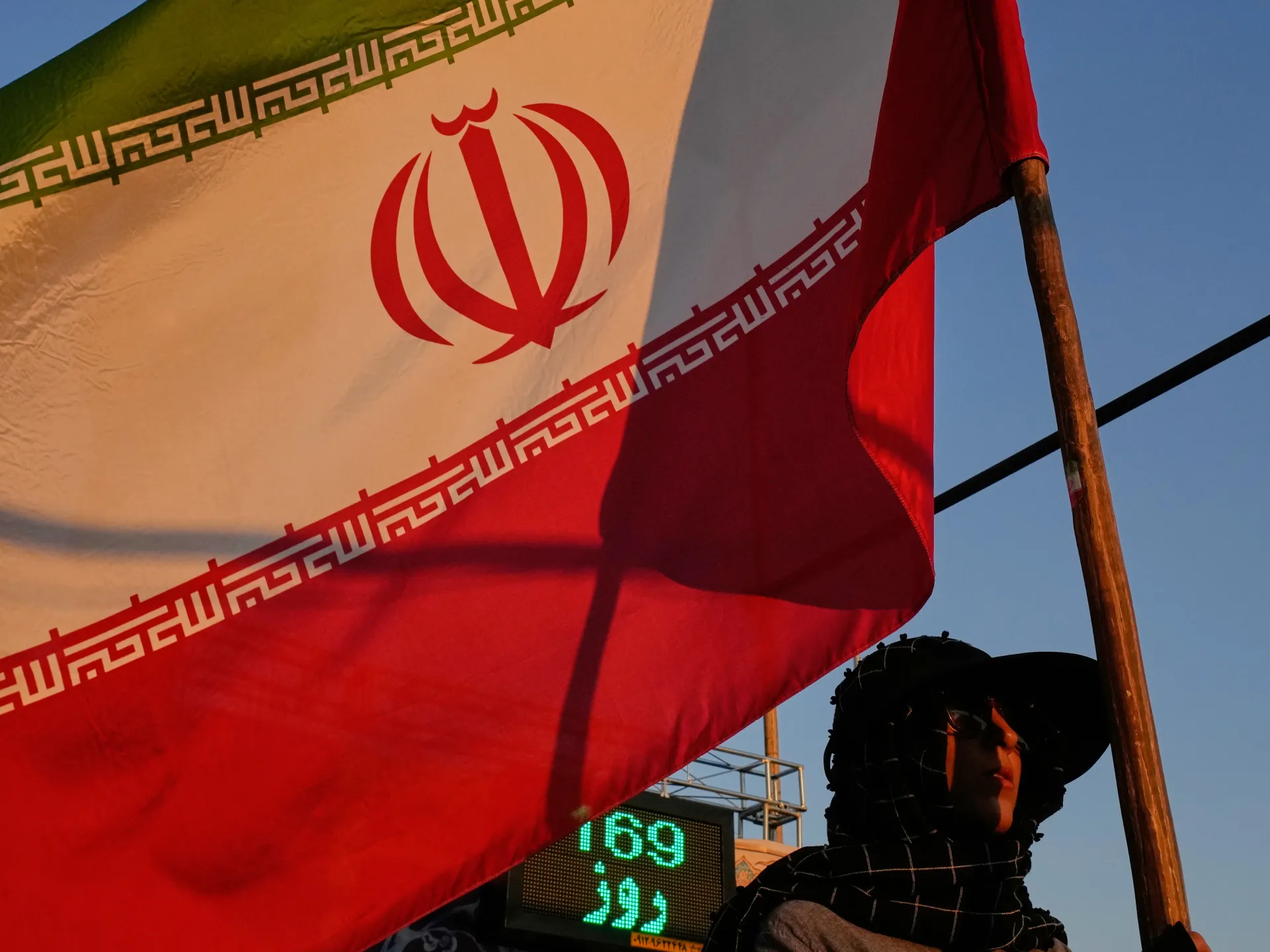
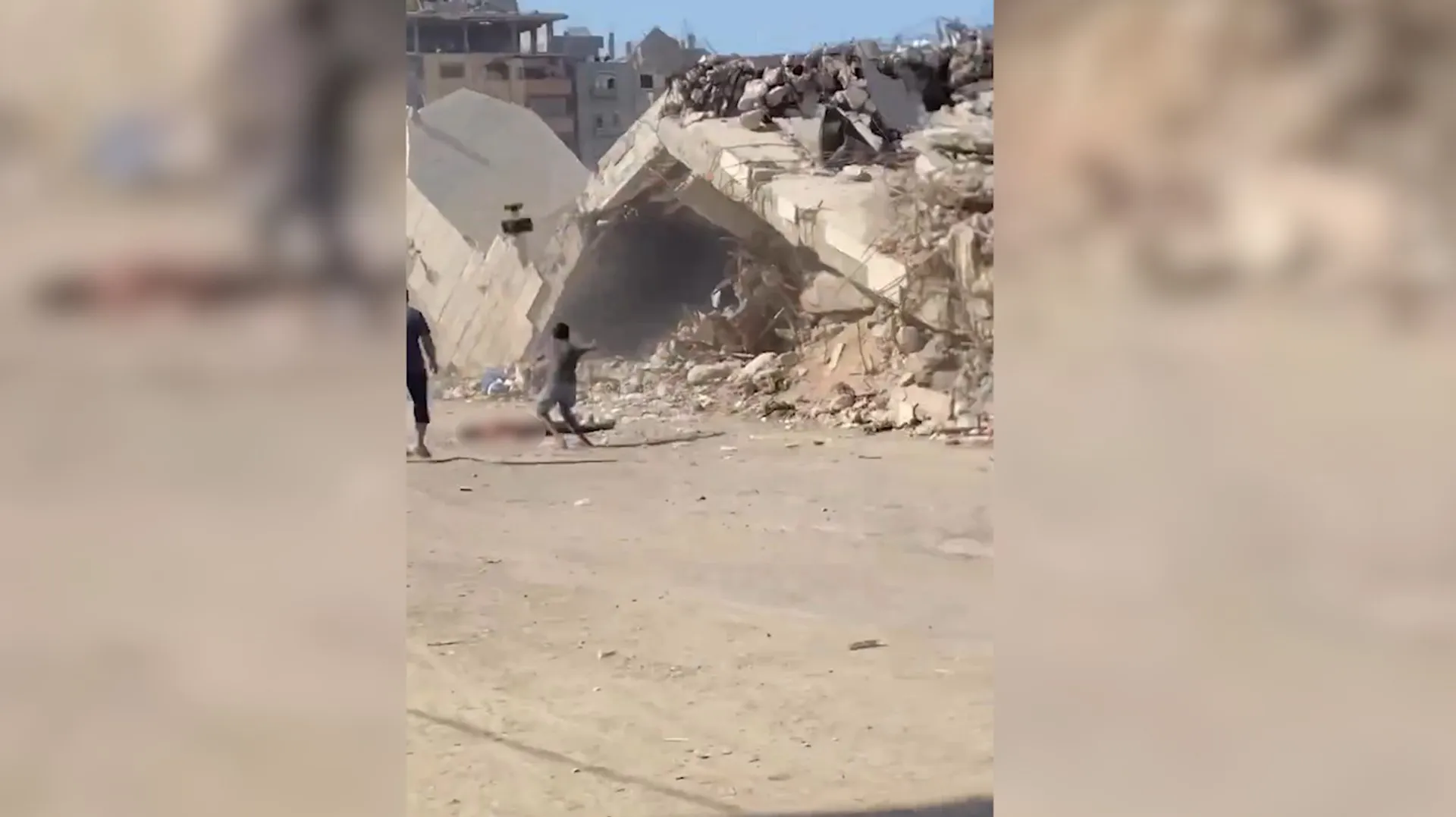
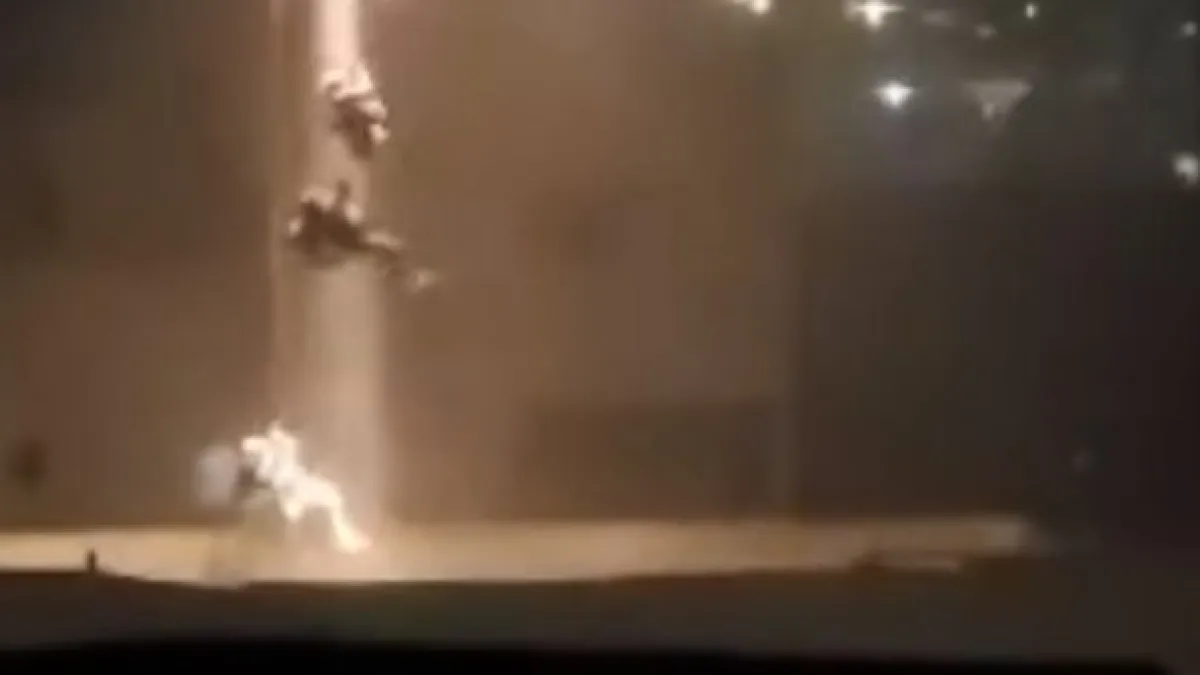
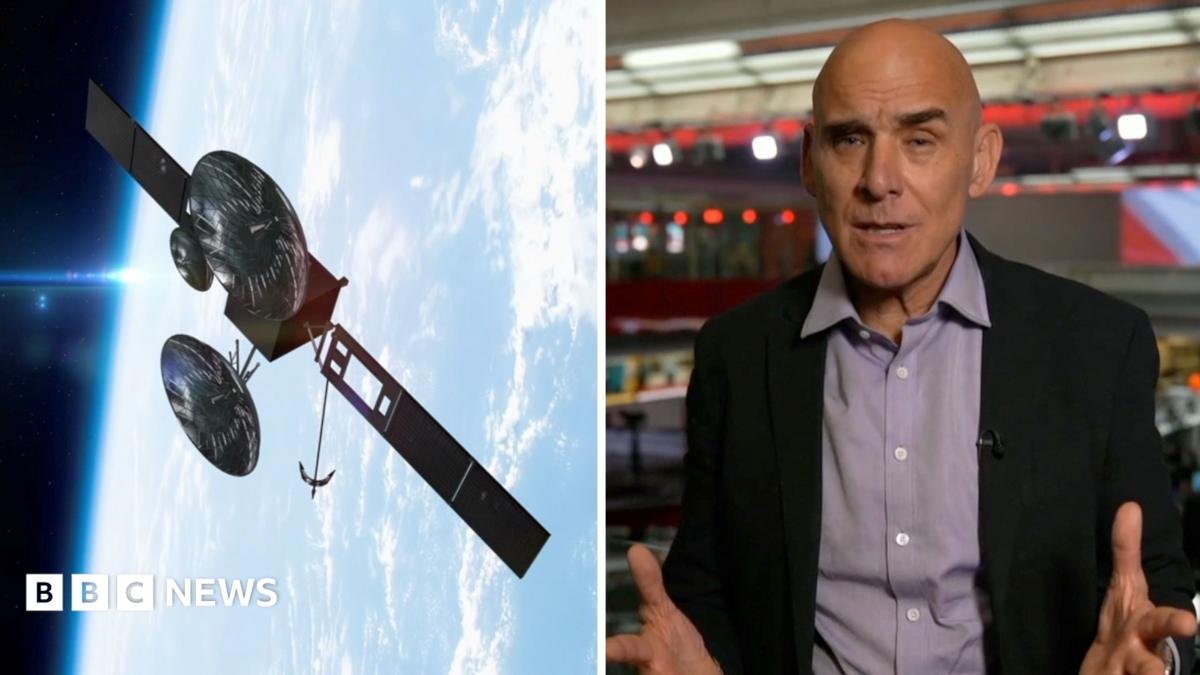
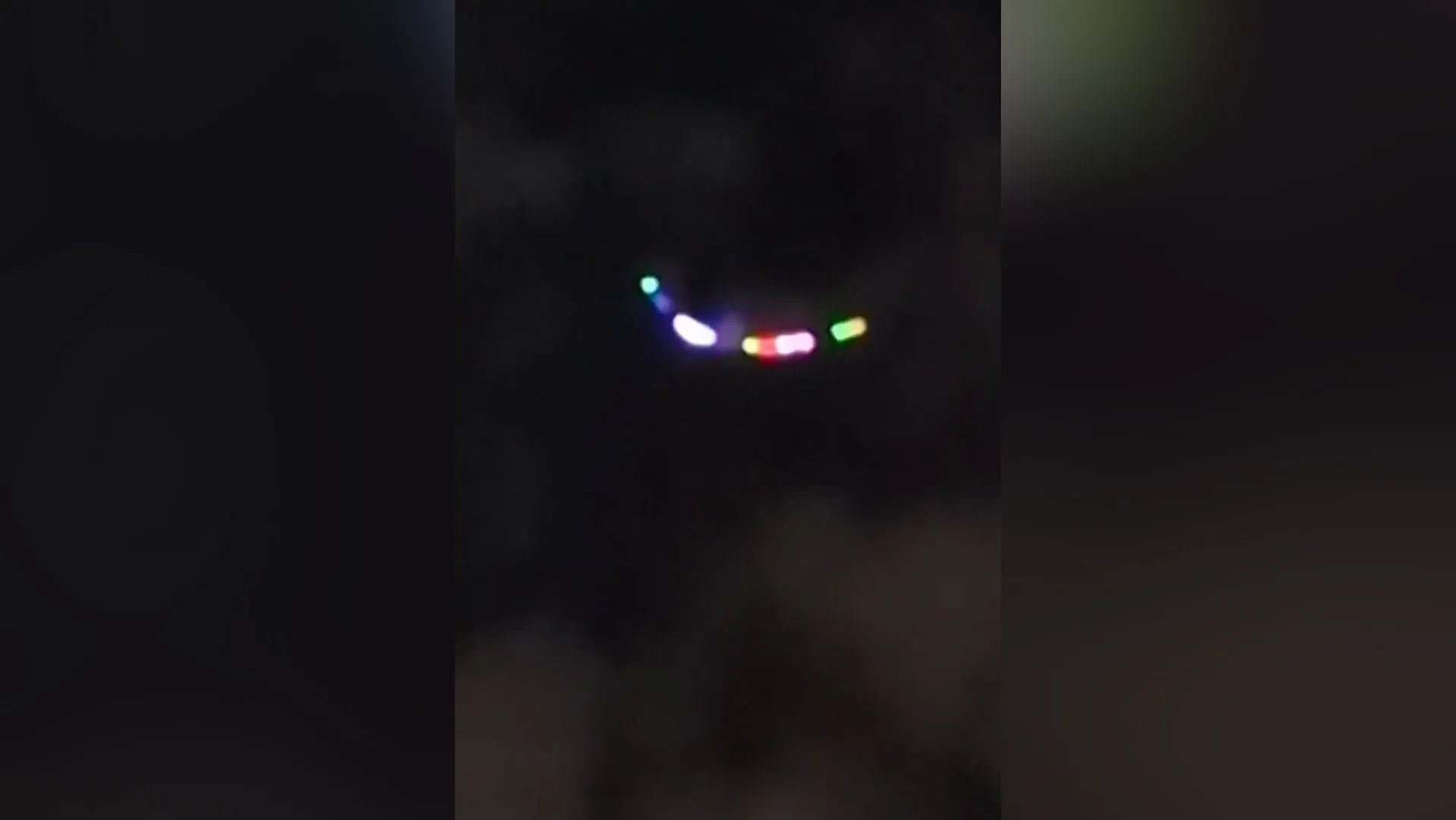
In Tehran, a mysterious object captured on video has sparked intense debate, with theories circulating among the public that span from simple children’s toys to sophisticated foreign surveillance drones. Iranian authorities have yet to provide a definitive identification of the craft, leaving the local population to interpret the sighting through the lens of their own security concerns. The lack of an official statement has only served to amplify speculation on social media, highlighting the tension between rapid-fire digital dissemination of information and the slower, more cautious pace of official state investigations.
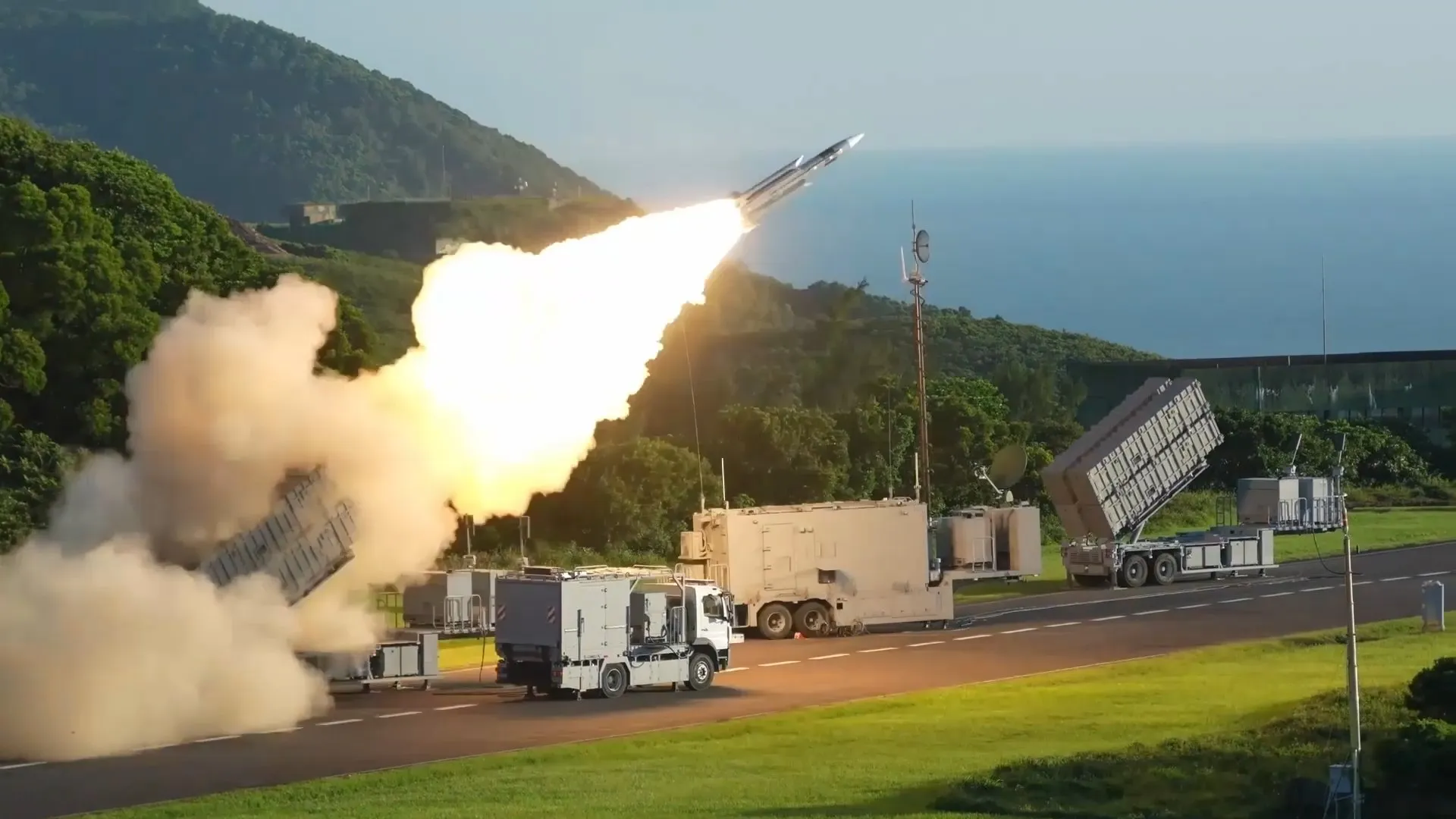
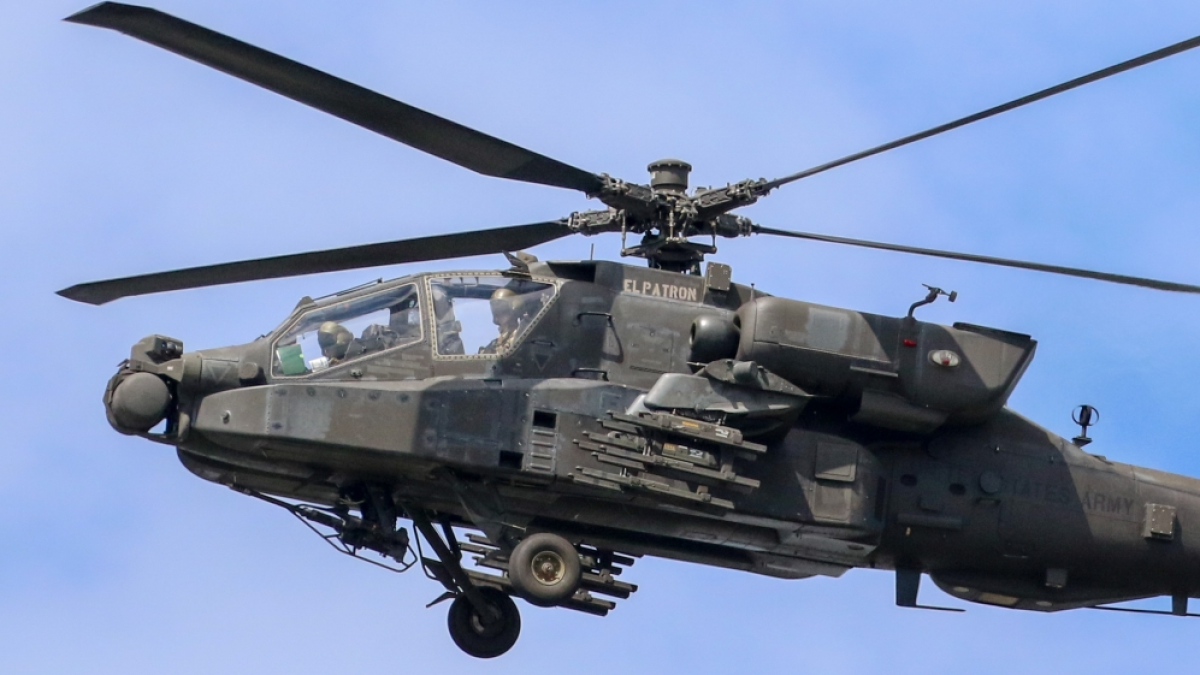
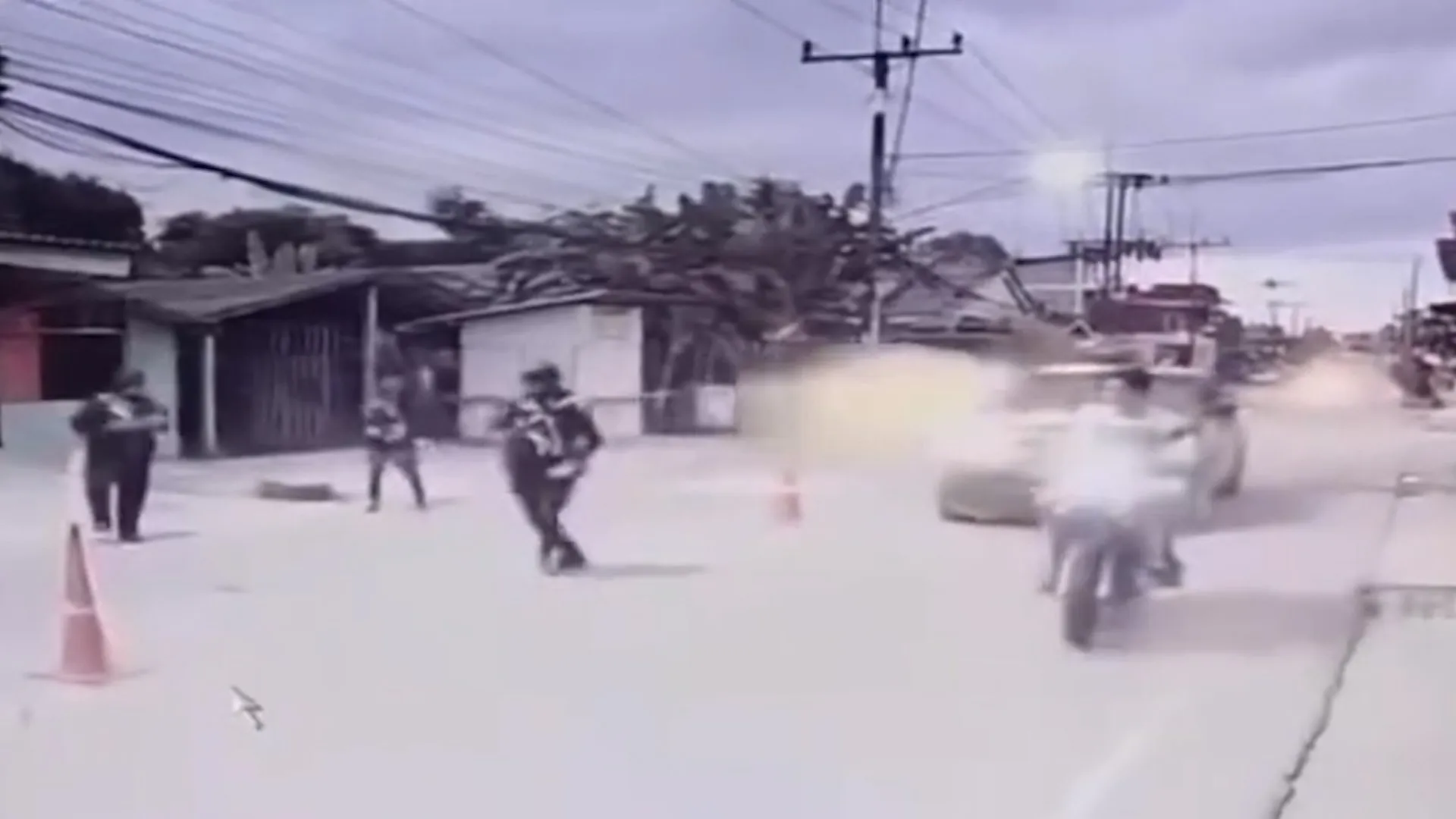
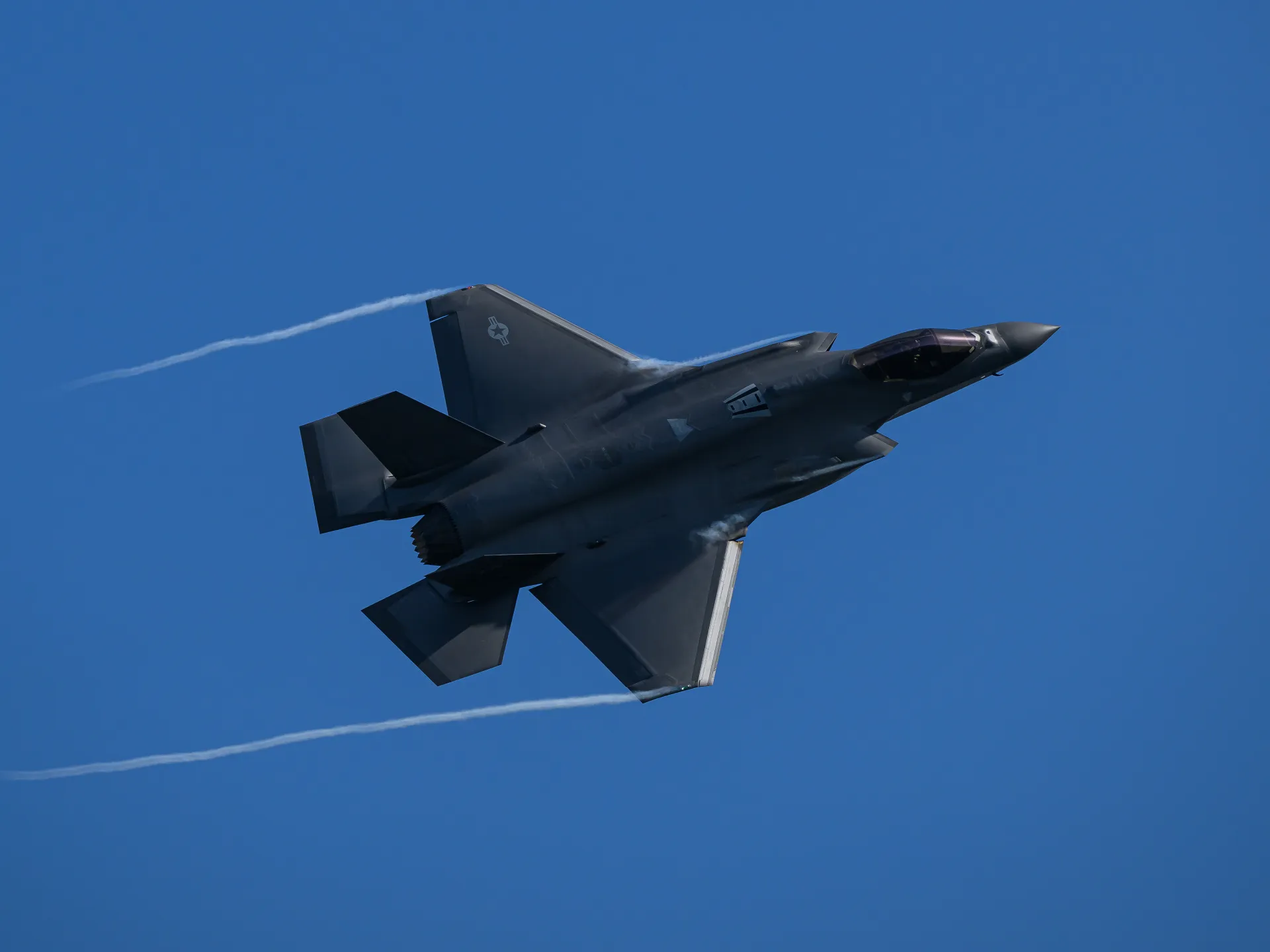
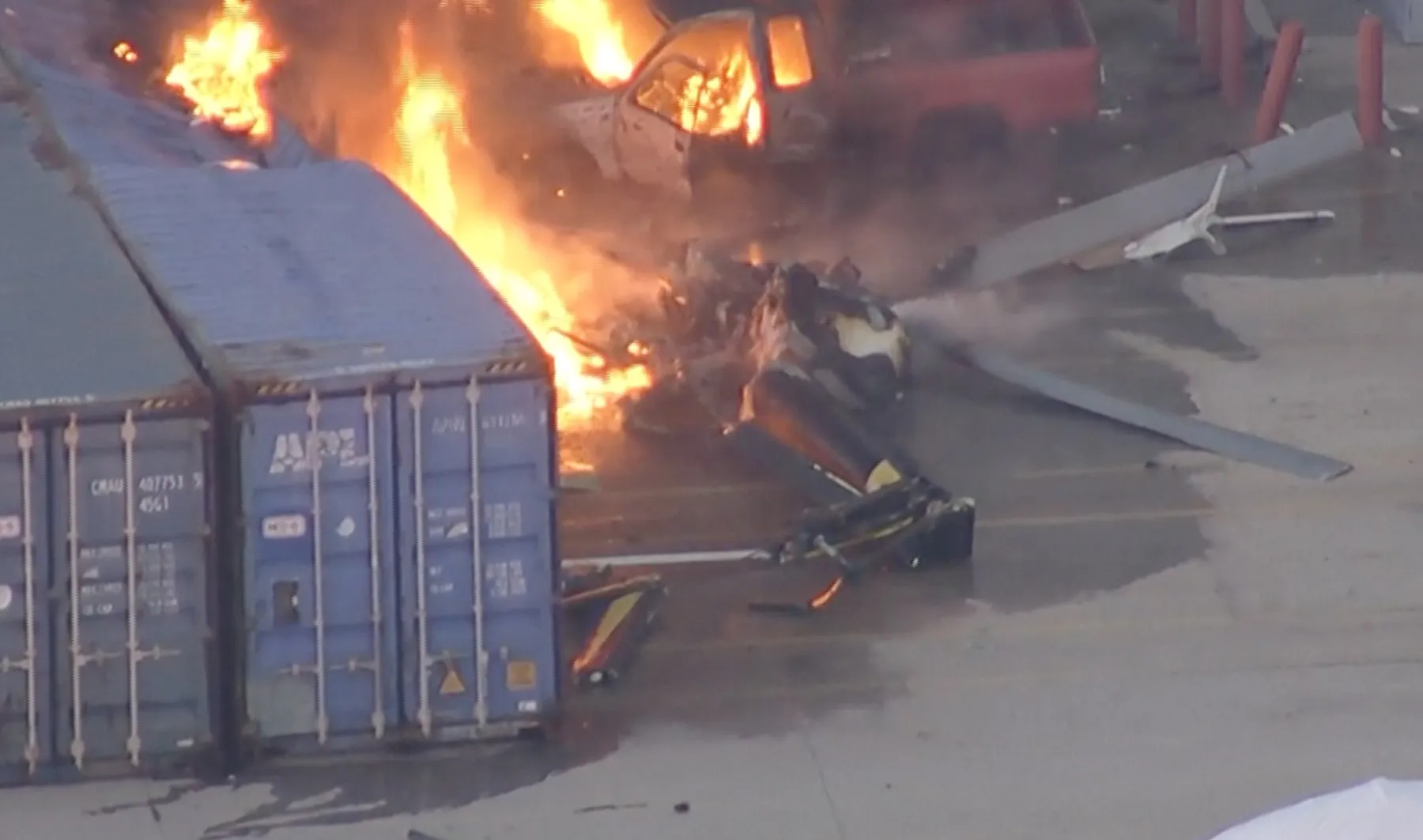
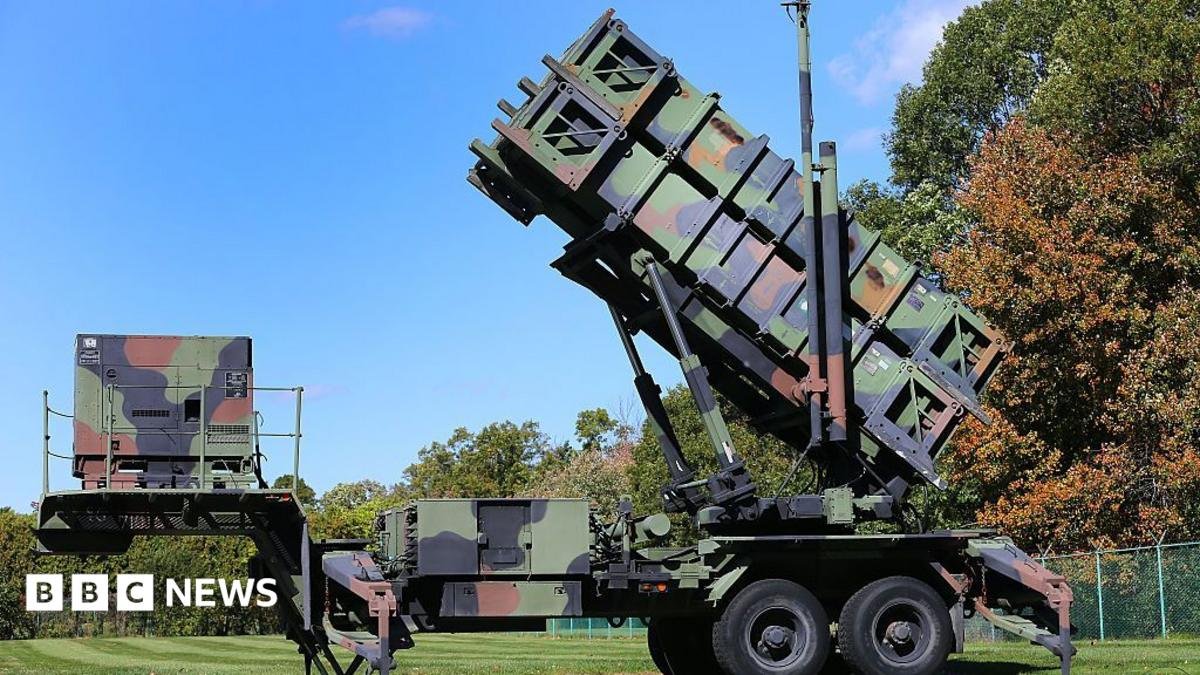
Meanwhile, across the Atlantic, the United States military took decisive action near the Canadian border, successfully shooting down an unidentified object. While the specific nature of the target remains under investigation, the incident reflects a hardening stance regarding the integrity of North American airspace. This move follows a broader trend of heightened sensitivity to aerial incursions, as global powers continue to recalibrate their responses to objects that appear without authorization, signaling a shift toward a more proactive, zero-tolerance approach to unidentified aerial activity.
The identification of the mountaineers on the Trift Glacier serves as a grim indicator of environmental shifts, and experts anticipate that as glacial retreat continues at its current accelerated pace, similar discoveries will become increasingly frequent. This serves as a long-term humanitarian challenge for Swiss authorities, who must manage the recovery and identification process for a growing list of historical disappearances.
Regarding the aerial sightings, the path forward remains dependent on forensic recovery and intelligence analysis. For the object shot down hether the craft was a piece of debris, a commercial drone, or a state-sponsored surveillance platform. Similarly, if the object observed in Tehran is not recovered or properly identified le to maintain security in an increasingly crowded and technologically complex atmosphere. The coming weeks will likely see renewed pressure on government agencies to provide more transparency regarding their detection capabilities and their criteria for engaging unidentified aerial objects.