

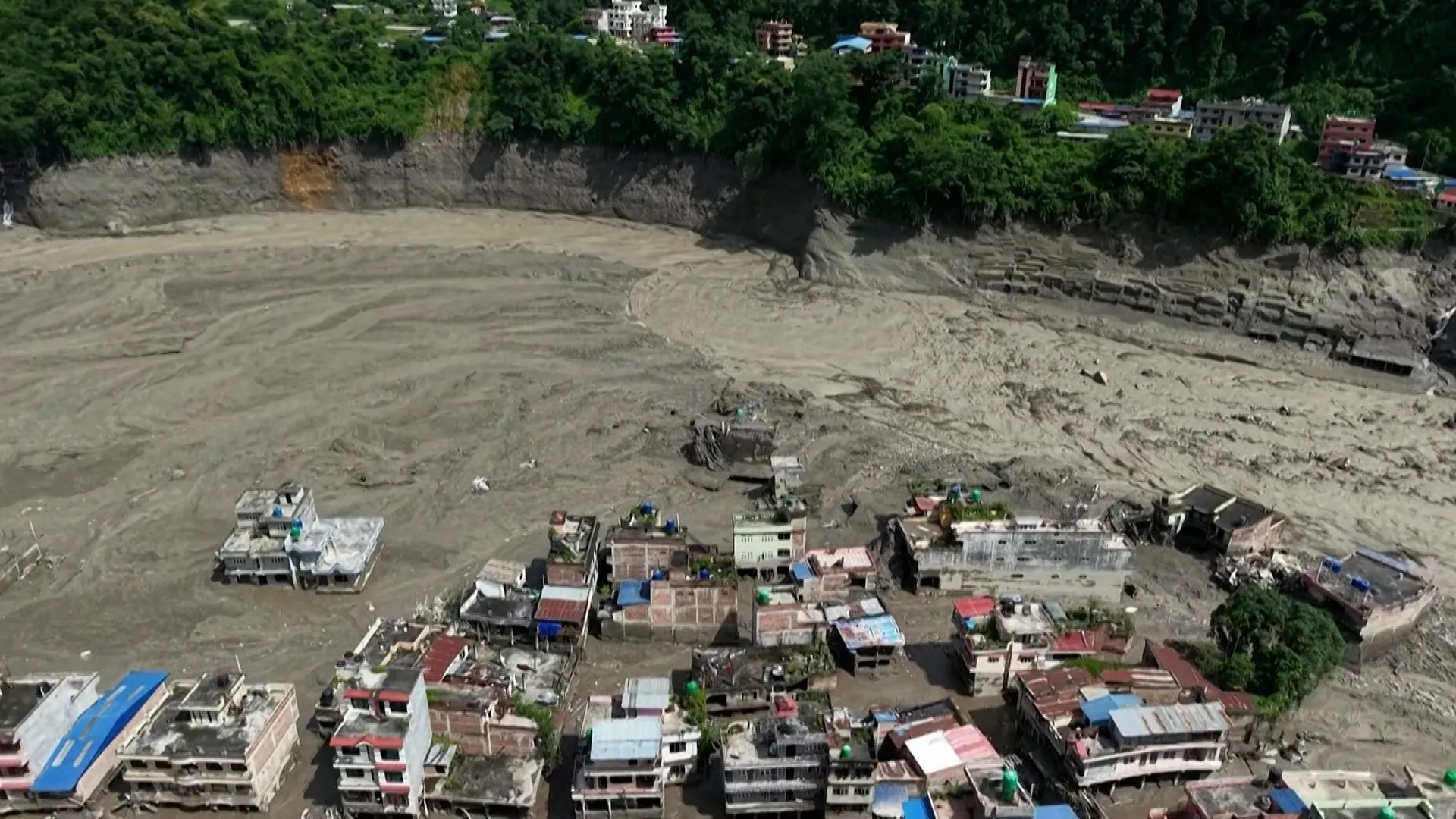
Survivors of the catastrophic flash floods in Nepal describe the terrifying moments their homes were destroyed, as search and rescue teams continue to recover victims.
The recent flash floods that tore through Nepal have left behind a trail of destruction, transforming once-vibrant communities into scenes of desolation. The sudden influx of water, coupled with massive mudslides, caught residents completely off guard as the deluge swept through villages with little warning. The sheer velocity of the debris-laden water decimated homes, shattered infrastructure, and fundamentally altered the local topography in a matter of minutes.
For those living in the affected regions, the disaster was not merely a physical event but a life-altering tragedy. Witnesses describe a terrifying sequence of events where the ground seemed to liquefy, pulling structures into the earth and carrying away everything in its path. The humanitarian impact is profound, as families struggle to comprehend the loss of their homes and the sudden disappearance of their neighbors and loved ones.
Survivors who narrowly escaped the path of the destruction have begun to harrowing accounts of the night the floods descended. Many residents recount the frantic attempts to reach safety as their homes were breached bing the agonizing moments when they realized they could no longer find or protect their family members amid the chaos.
One survivor's testimony highlights the speed at which the catastrophe unfolded, noting that loved ones were buried in an instant. These personal narratives provide a somber glimpse into the reality of the disaster, moving beyond the statistics to reveal the human face of the crisis. The psychological impact on the survivors, many of whom have lost their entire support systems, remains a significant concern for aid workers and local authorities.
As the immediate danger of the flooding subsides, the focus has shifted entirely to search and recovery efforts. Emergency responders, supported ng. The difficulty of the recovery process is compounded through the deep layers of mud and debris.
With hundreds of individuals still unaccounted for, the rescue teams are working against the clock. The recovery of bodies continues as officials attempt to account for everyone in the devastated villages. This phase of the operation is physically and mentally grueling, as responders comb through the remnants of homes in hopes of finding survivors, while simultaneously managing the somber reality of recovering the deceased.
The scale of this tragedy has prompted urgent discussions regarding disaster preparedness and climate resilience in Nepal. Given the country's mountainous terrain and vulnerability to extreme weather events, the recent floods serve as a stark reminder of the risks posed amage to essential infrastructure, including roads, bridges, and power lines, which are critical for the delivery of humanitarian aid.
Moving forward, the recovery process will require long-term commitment from both the government and international partners. Beyond the immediate need for shelter, medical supplies, and food, there is a pressing requirement for a comprehensive strategy to rebuild safer settlements and improve early warning systems. The lessons learned from this disaster will be vital in shaping policies aimed at protecting vulnerable populations from future weather-related catastrophes.