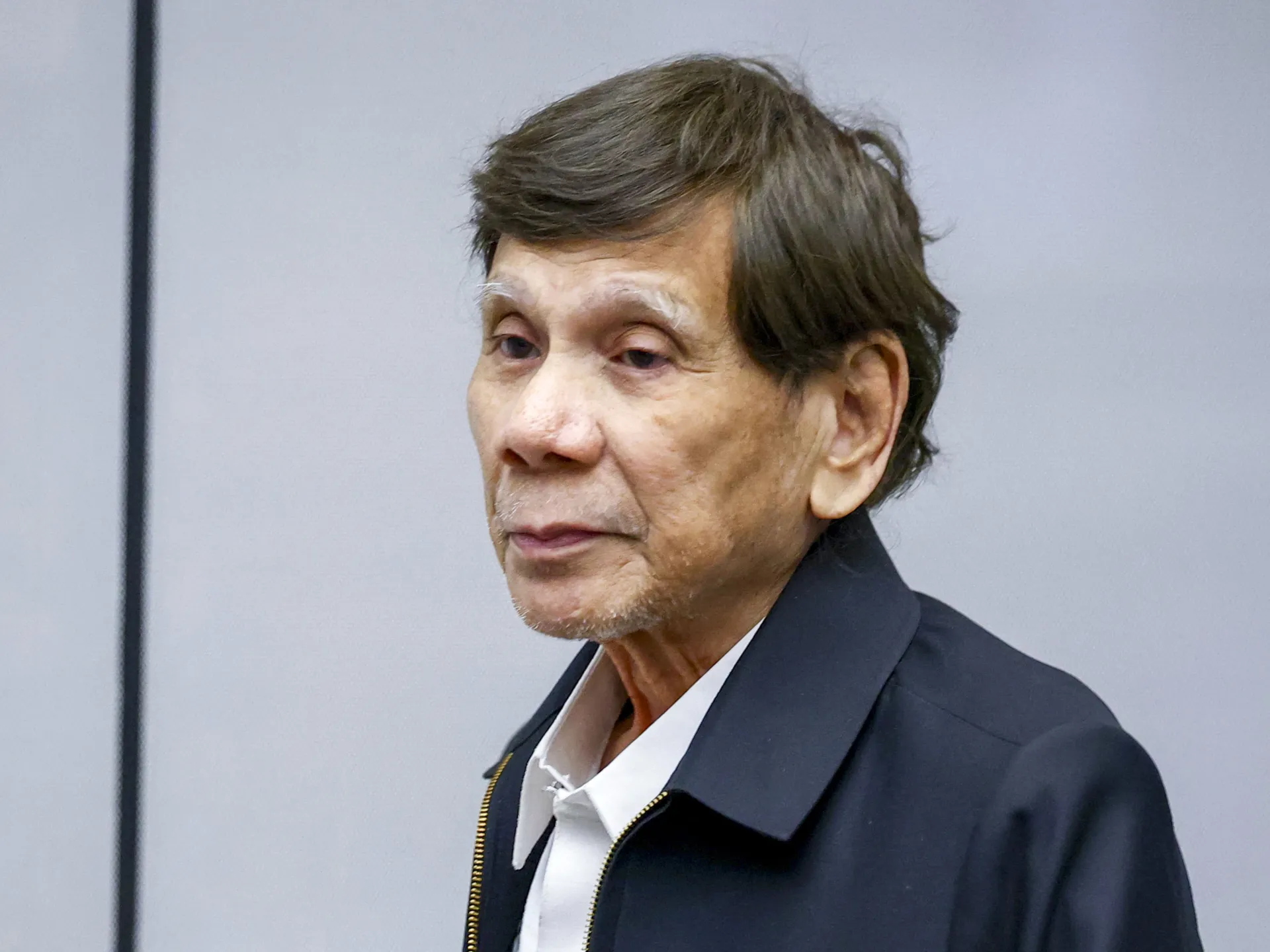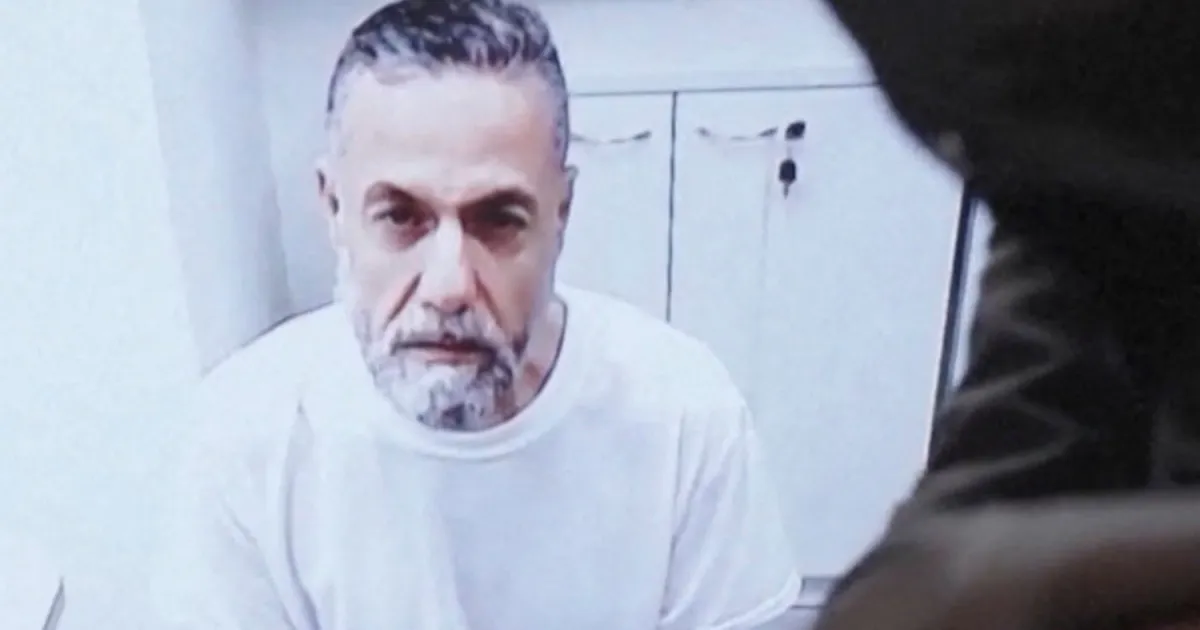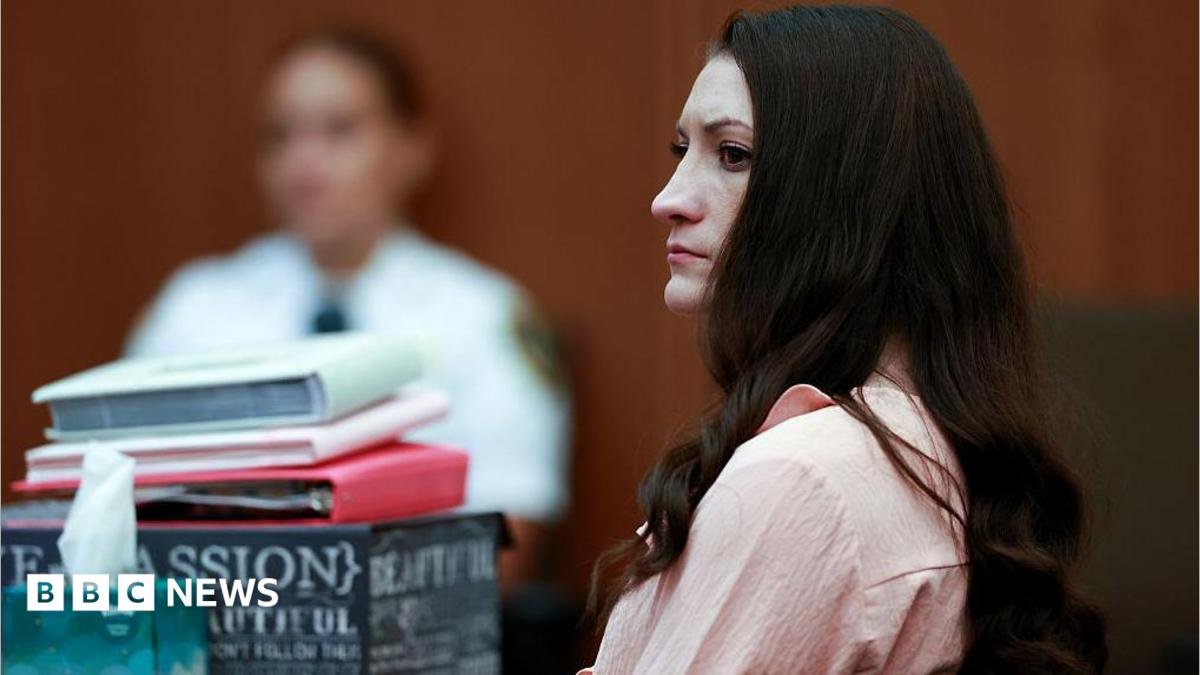
A federal judge has sentenced former Syrian prison official Samir Ousman Alsheikh to 60 years in prison for his role in torturing detainees between 2005 and 2008.
A federal judge in Los Angeles has delivered a significant 60-year prison sentence to Samir Ousman Alsheikh, a former high-ranking Syrian military official. The sentencing follows a March conviction o commit torture. These crimes were committed during his tenure as the official in charge of the notorious Adra Prison in Syria between 2005 and 2008, a period during which he actively sought to suppress political dissent through extreme violence.
During the sentencing hearing, the presiding judge characterized Alsheikh’s actions as unimaginably cruel and unspeakably brutal. The trial, which spanned two weeks, provided a harrowing look into the systemic abuse prevalent within the Syrian detention system under the former regime. Prosecutors highlighted that Alsheikh did not merely oversee these facilities but took an active role in the physical mistreatment of detainees, driven bility.
The evidence presented at trial included chilling testimony from survivors who described being subjected to prolonged physical agony. Victims recounted being suspended from ceiling pipes for extended periods, enduring beatings that lasted for days, and being forced into restrictive devices designed to fold the human body in half at the waist. In one particularly disturbing instance, a witness testified that Alsheikh himself stepped on one of these devices, intentionally increasing the pain inflicted upon the victim.
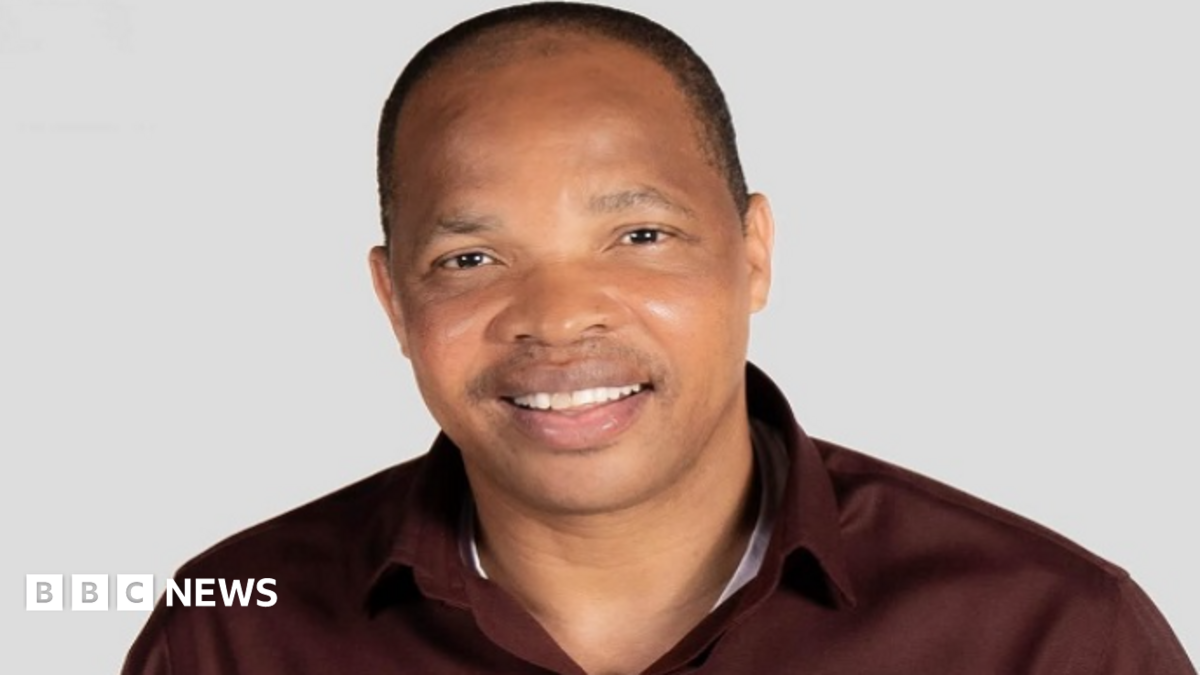
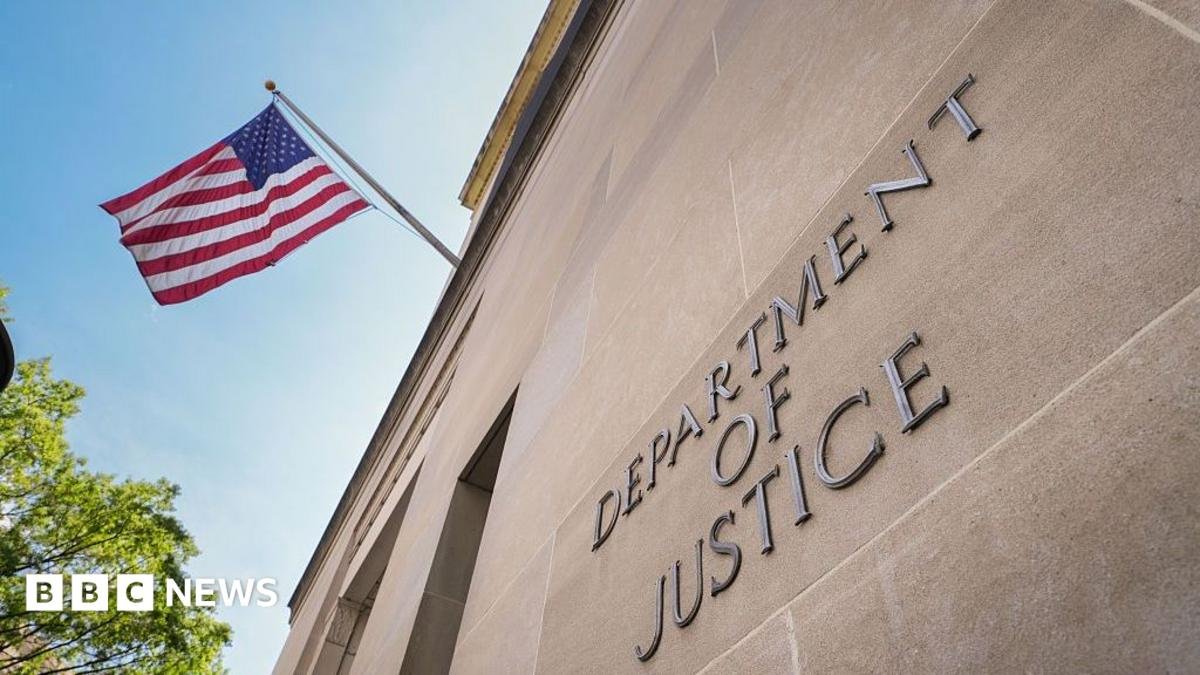
The U.S. Department of Justice emphasized that Alsheikh was fully aware of the moral and legal wrongness of his conduct. The court heard statements from survivors like Nidal Shikhani, whose testimony underscored the lasting psychological trauma caused llow prisoners begging for mercy while locked in the isolation wing of the prison. These accounts served as a focal point for the prosecution, who argued that such heinous acts demanded a lengthy prison term to reflect the gravity of the offenses.
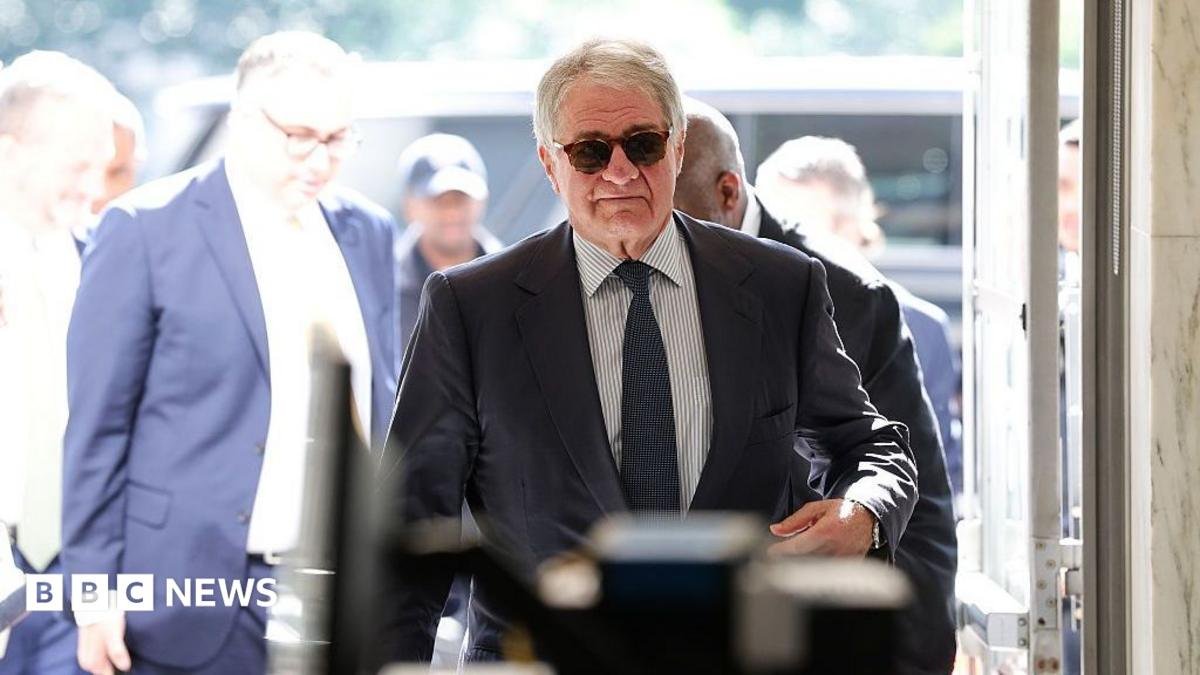
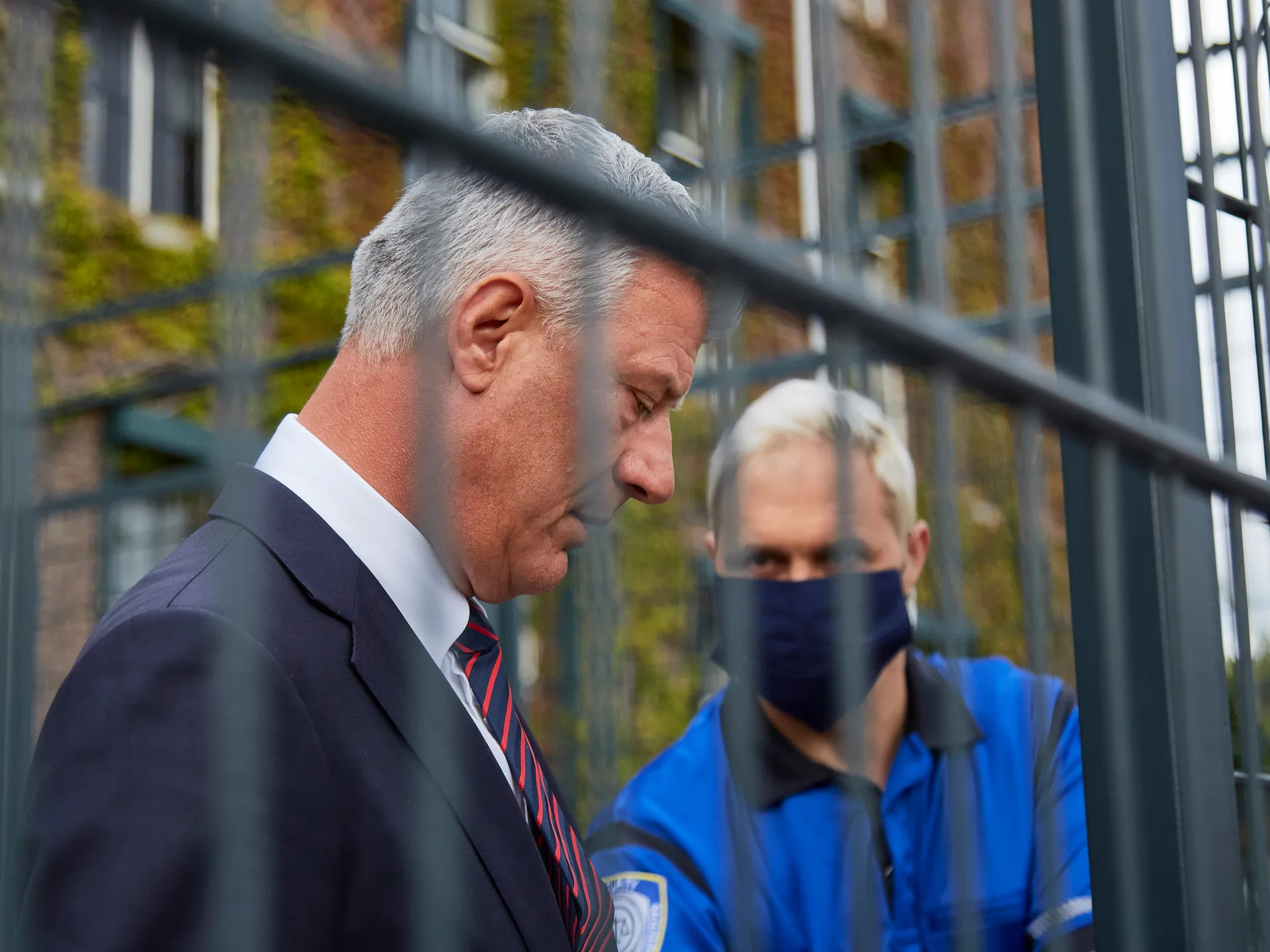
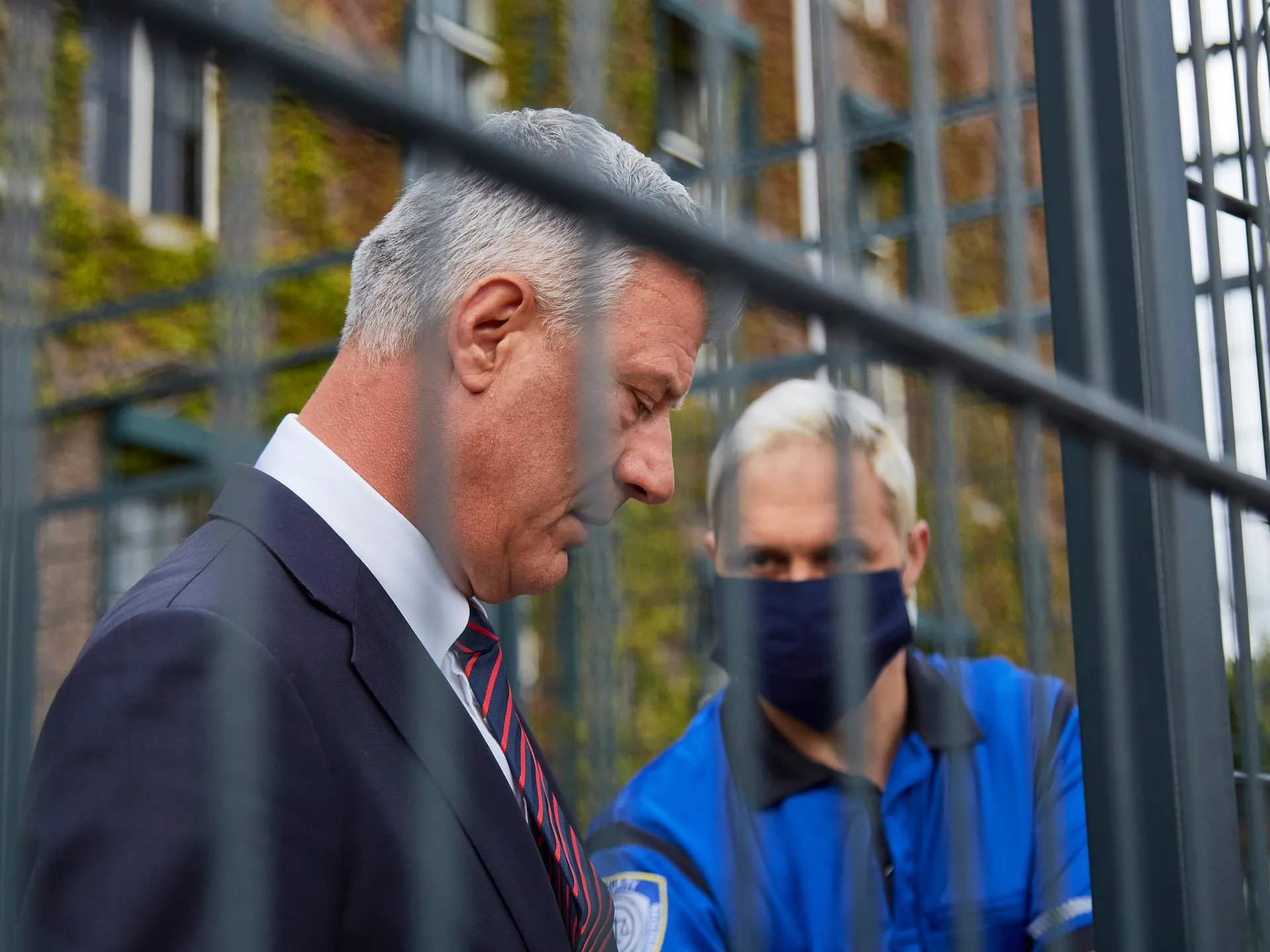
Alsheikh’s legal troubles began after he arrived in the United States in 2020 and attempted to secure citizenship. Federal investigators discovered that he had lied extensively about his background and his role in the Syrian military when applying for a green card. Following his arrest at Los Angeles International Airport in July 2024, he was additionally convicted of immigration fraud and attempting to naturalize under false pretenses, further complicating his legal standing in the United States.
Defense attorneys representing the 74-year-old former official had pushed for a significantly lighter sentence of five years, citing his advanced age and declining cognitive and physical health. They also suggested that Alsheikh could be deported to Syria, where a new administration has been pursuing accountability for former regime security officials. However, the court ultimately rejected these arguments, prioritizing the severity of the crimes over the defendant’s personal circumstances and health concerns.
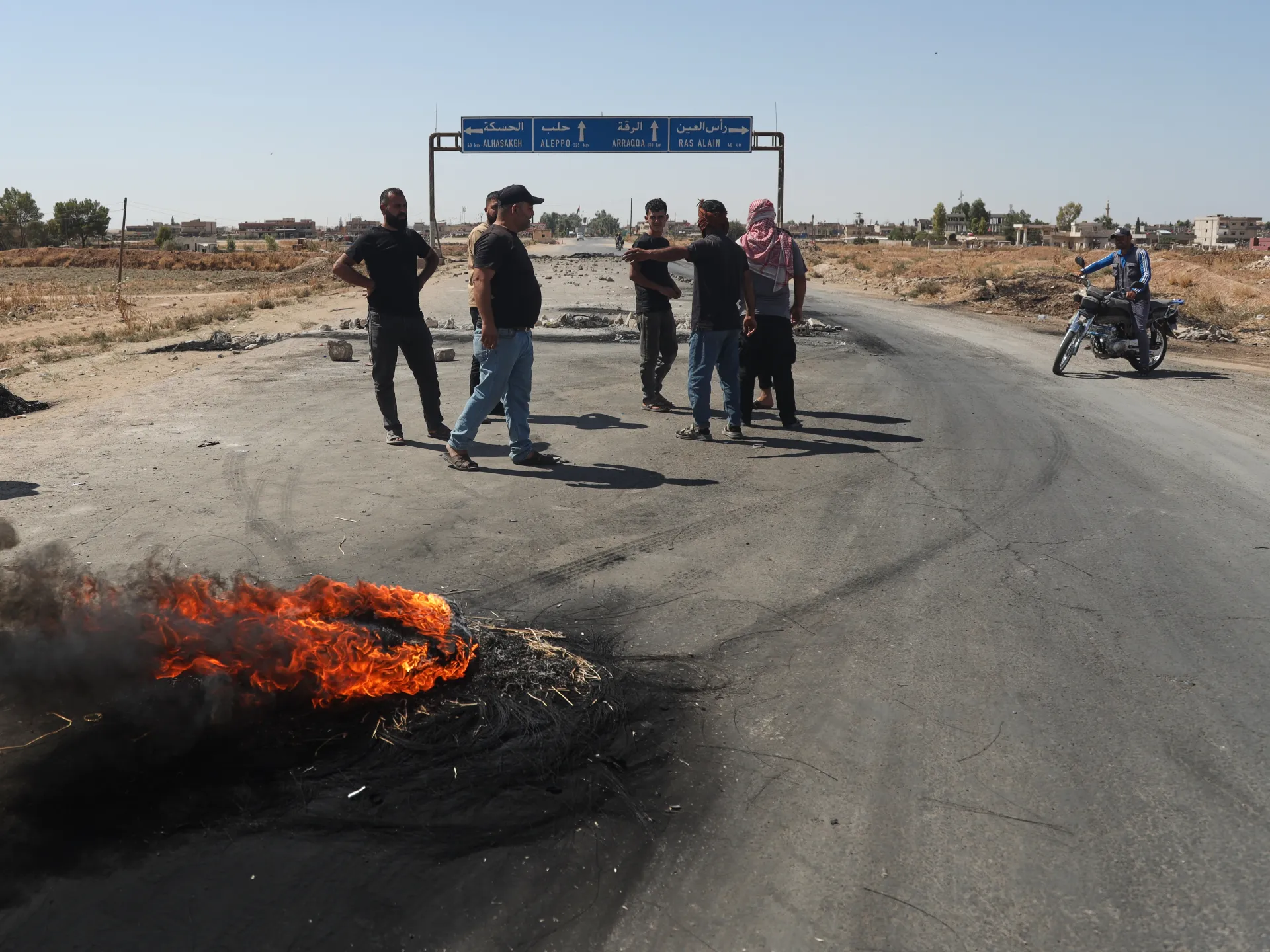
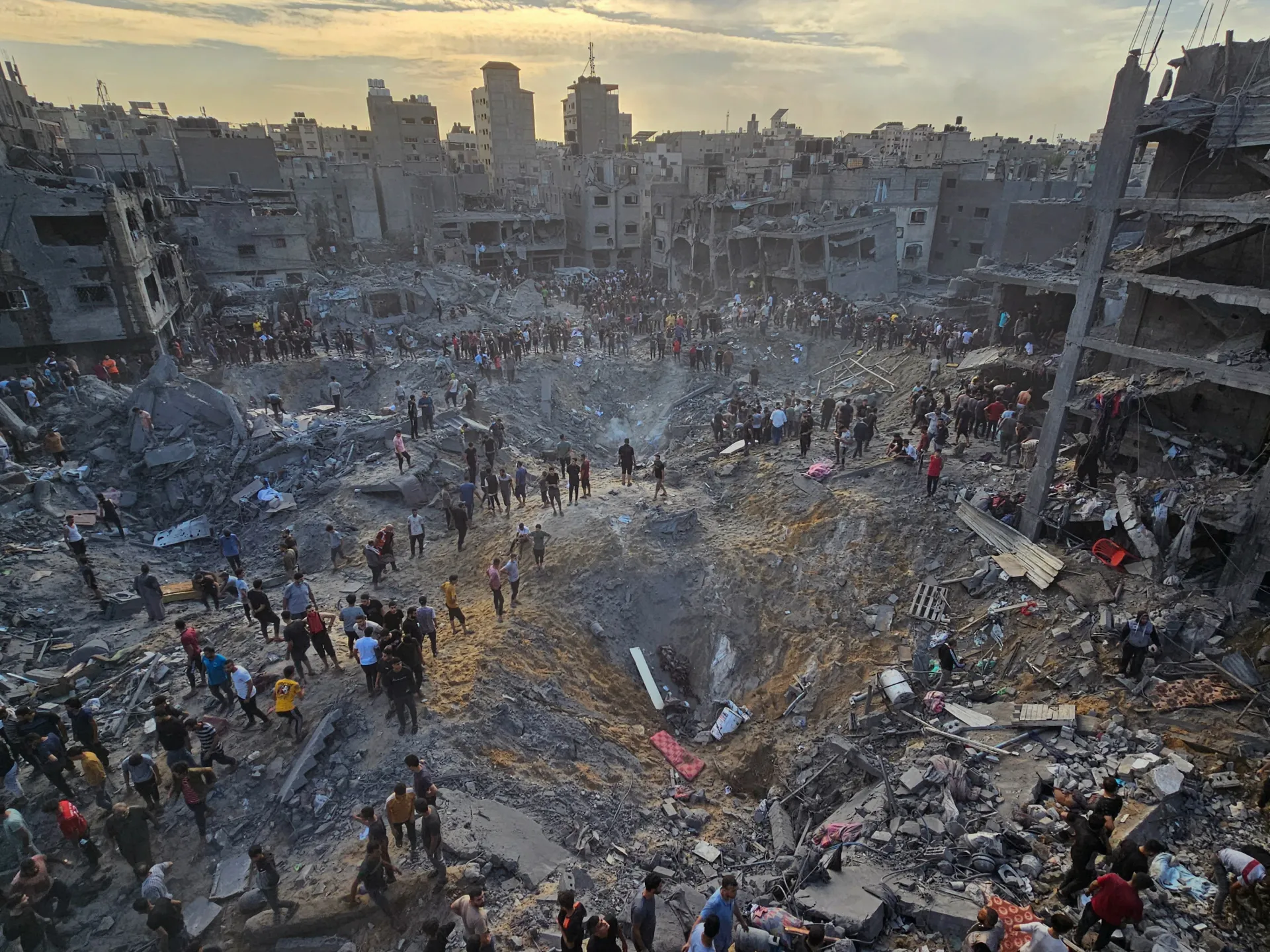
The sentencing of Alsheikh occurs against a complex backdrop of shifting political dynamics in Syria. Following the ouster of Bashar al-Assad in December 2024, which concluded a protracted 14-year civil war, the nation has struggled with ongoing instability and sporadic violence. While the new government has attempted to address past atrocities, sectarian tensions have remained a persistent threat, occasionally boiling over into mass violence and revenge attacks against minority groups.
As the international community continues to monitor the aftermath of the Syrian conflict, the U.S. federal case serves as a rare example of extraterritorial justice for war crimes. il, the American judicial system has underscored the principle that those who perpetrate torture cannot expect to find a safe haven. This case stands as a testament to the efforts of survivors who were willing to come forward, providing the evidence necessary to bring a perpetrator to justice long after the original crimes were committed.