As South African authorities investigate a surge in female homicides, a separate debate intensifies over the failure of industrial agricultural policies to protect Africa's food security.
As South Africa grapples with a deepening public safety crisis in the Ekurhuleni region, the broader continent is simultaneously embroiled in a contentious debate regarding the efficacy and ethical trajectory of agricultural development initiatives. These two disparate issues highlight the complex challenges facing modern Africa, where local communities are navigating both the immediate threat of violence and the long-term instability of their food systems.
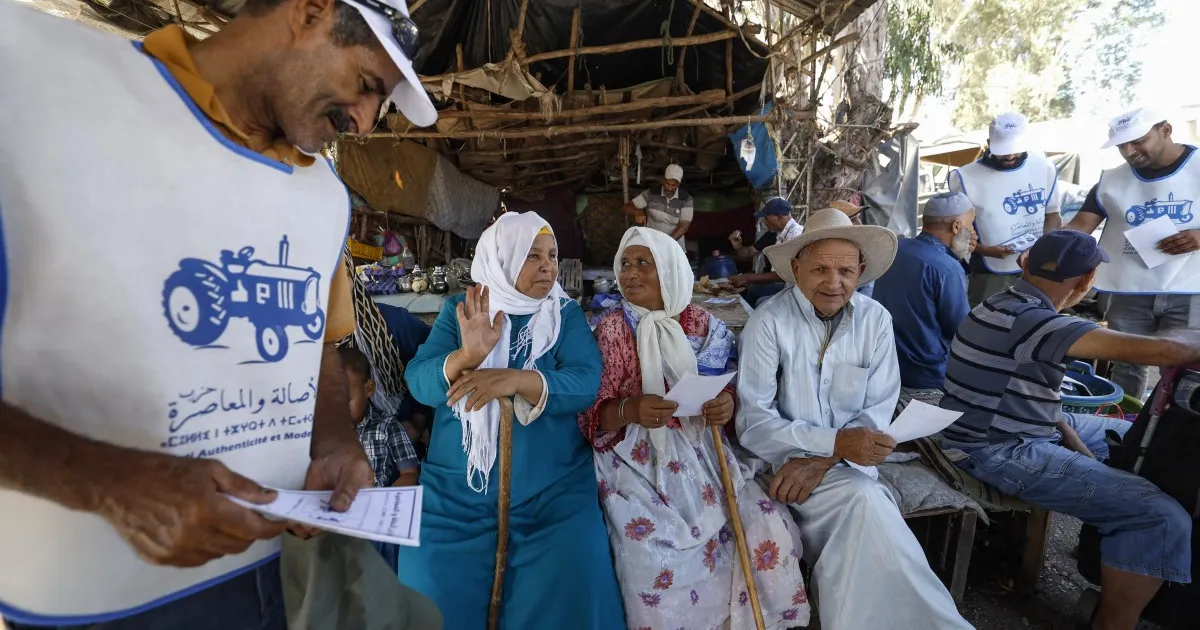
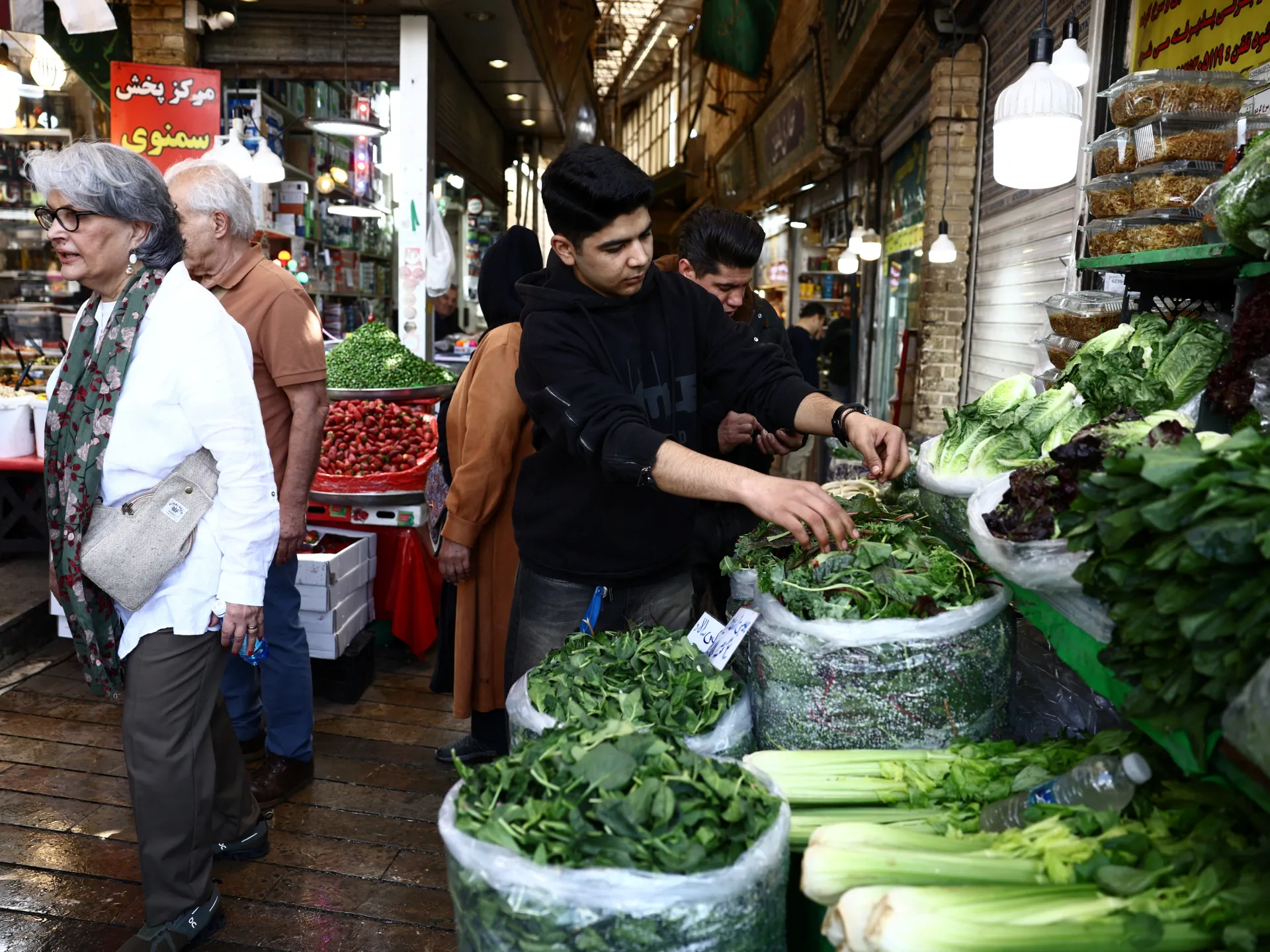
In the industrial heartland east of Johannesburg, authorities are currently investigating the discovery of nine bodies of women over the past eight weeks. Simultaneously, a coalition of faith leaders and agricultural researchers is increasingly vocal in criticizing the Alliance for a Green Revolution in Africa (AGRA) as it marks two decades of operation, claiming the initiative's focus on industrial monocultures has undermined the nutritional and environmental sovereignty of the continent.
The convergence of these stories underscores the vulnerability of African populations to systemic failures. In Ekurhuleni, the inability to ensure basic physical security for women highlights a breakdown in law enforcement and social protection, mirroring the broader socioeconomic frustrations expressed g on singular, high-input crop strategies—such as the massive expansion of maize production—creates a dependency that leaves rural populations less resilient to global shocks. Both the violent crimes in South Africa and the decline in indigenous, climate-resilient crops like millet represent a erosion of the traditional structures that provide stability to African families and communities. The common thread is a perceived lack of accountability; whether it is the state failing to protect its citizens from serial violence or international donor-funded initiatives failing to deliver the promised productivity gains to small-scale farmers, the burden of these failures falls disproportionately on those with the least institutional power.
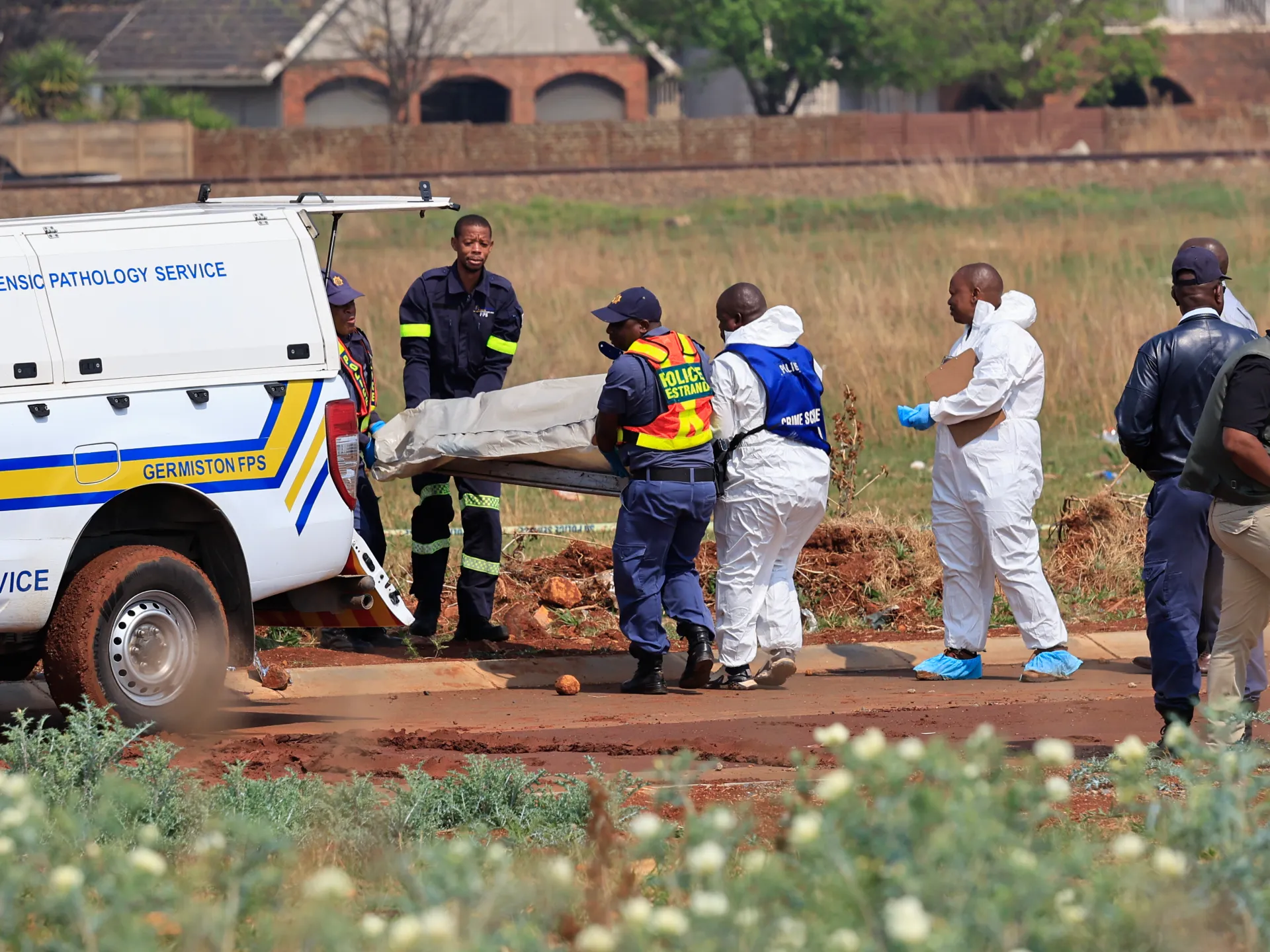
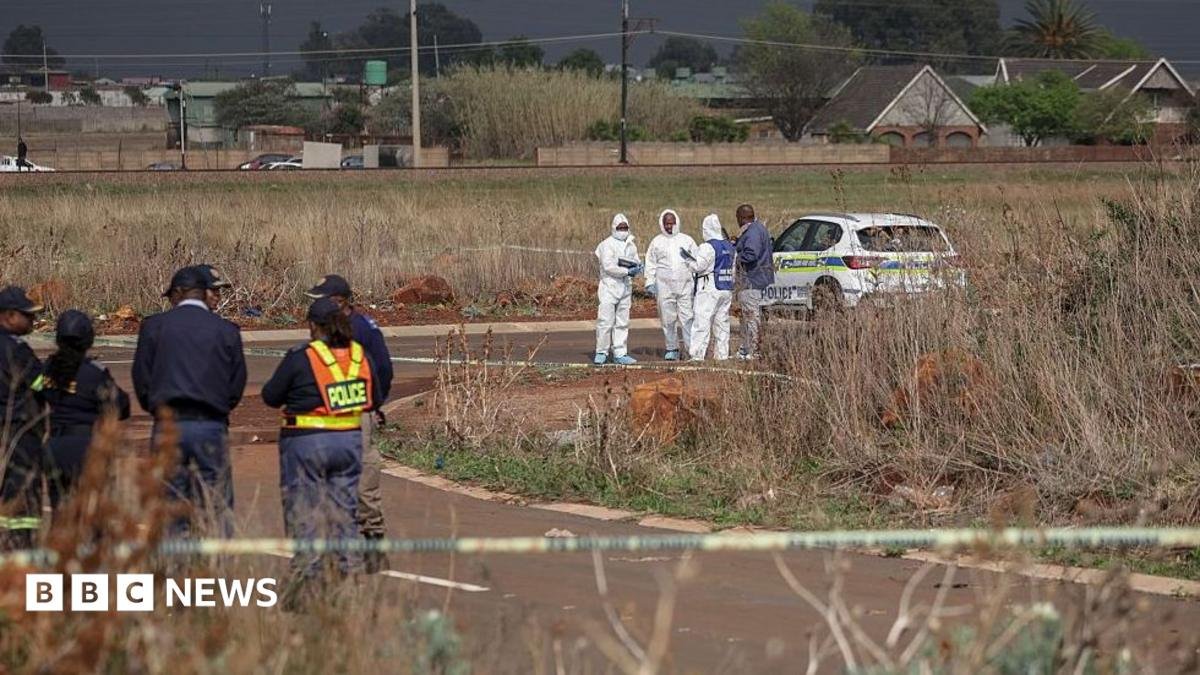
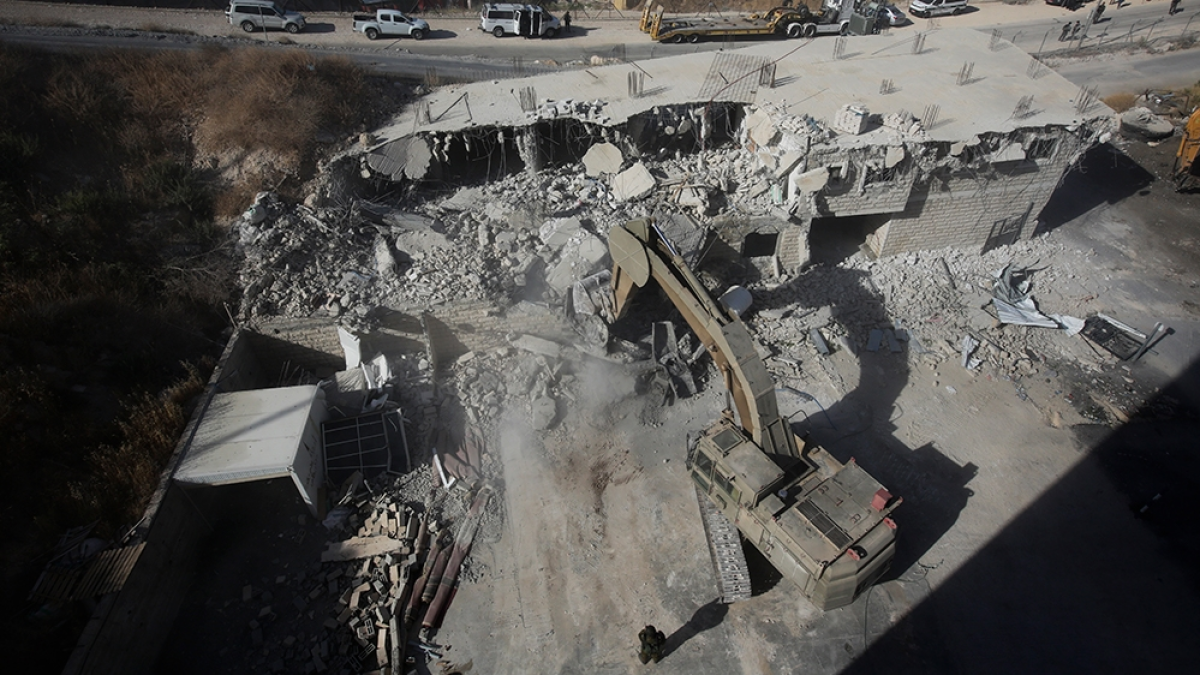
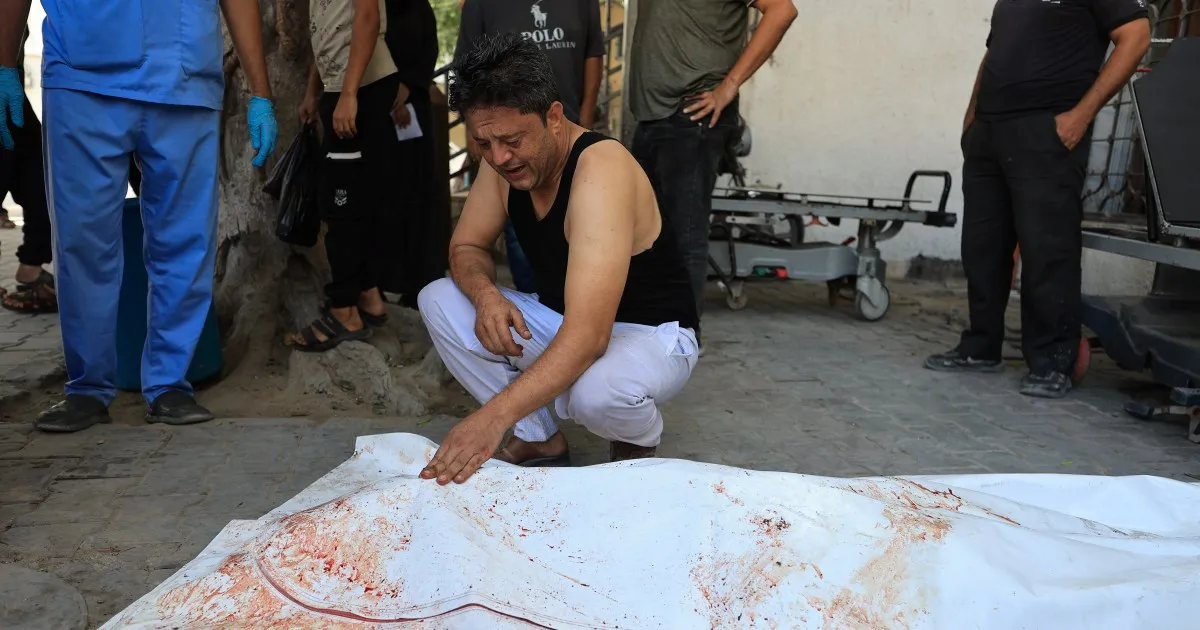
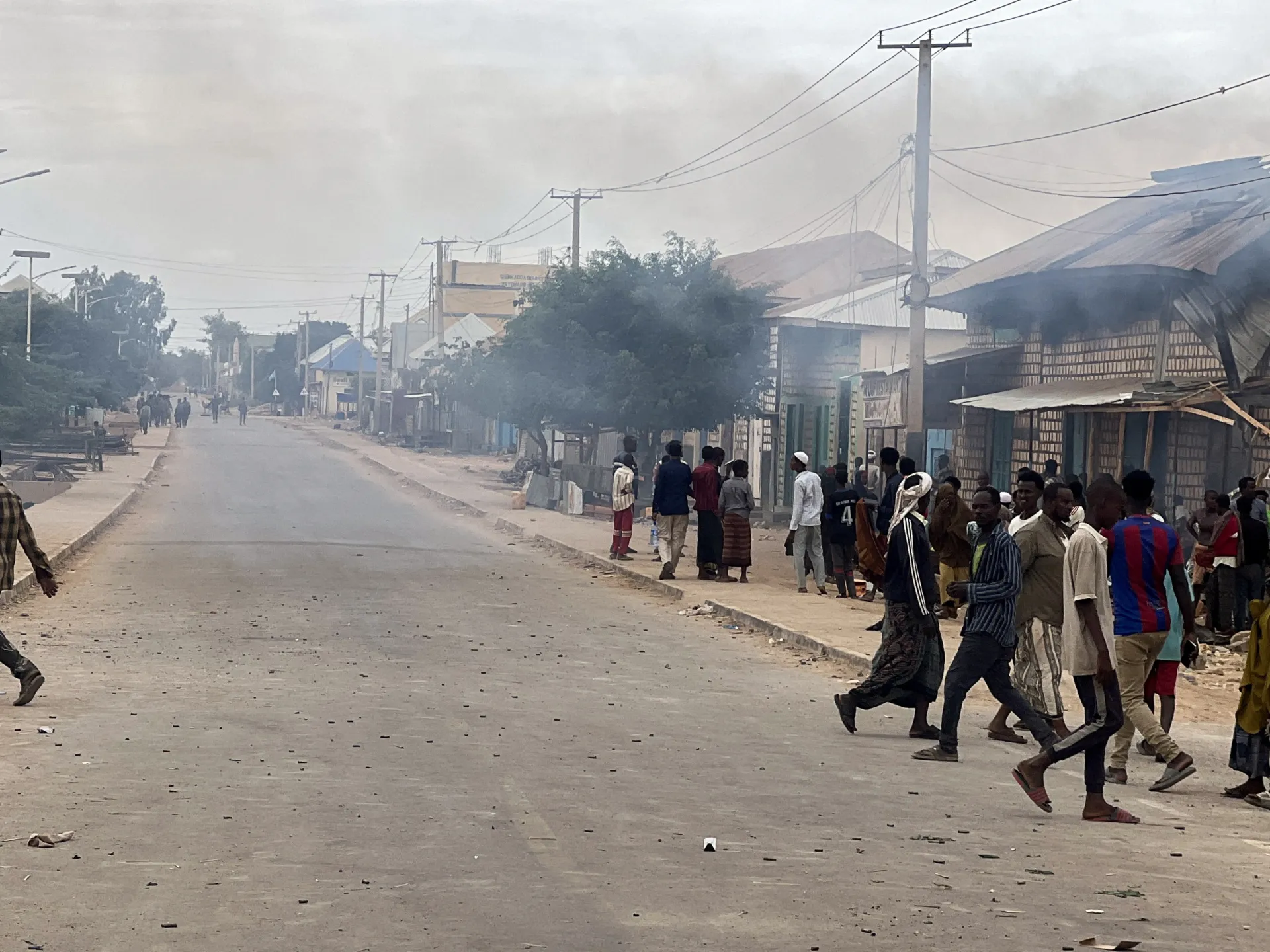
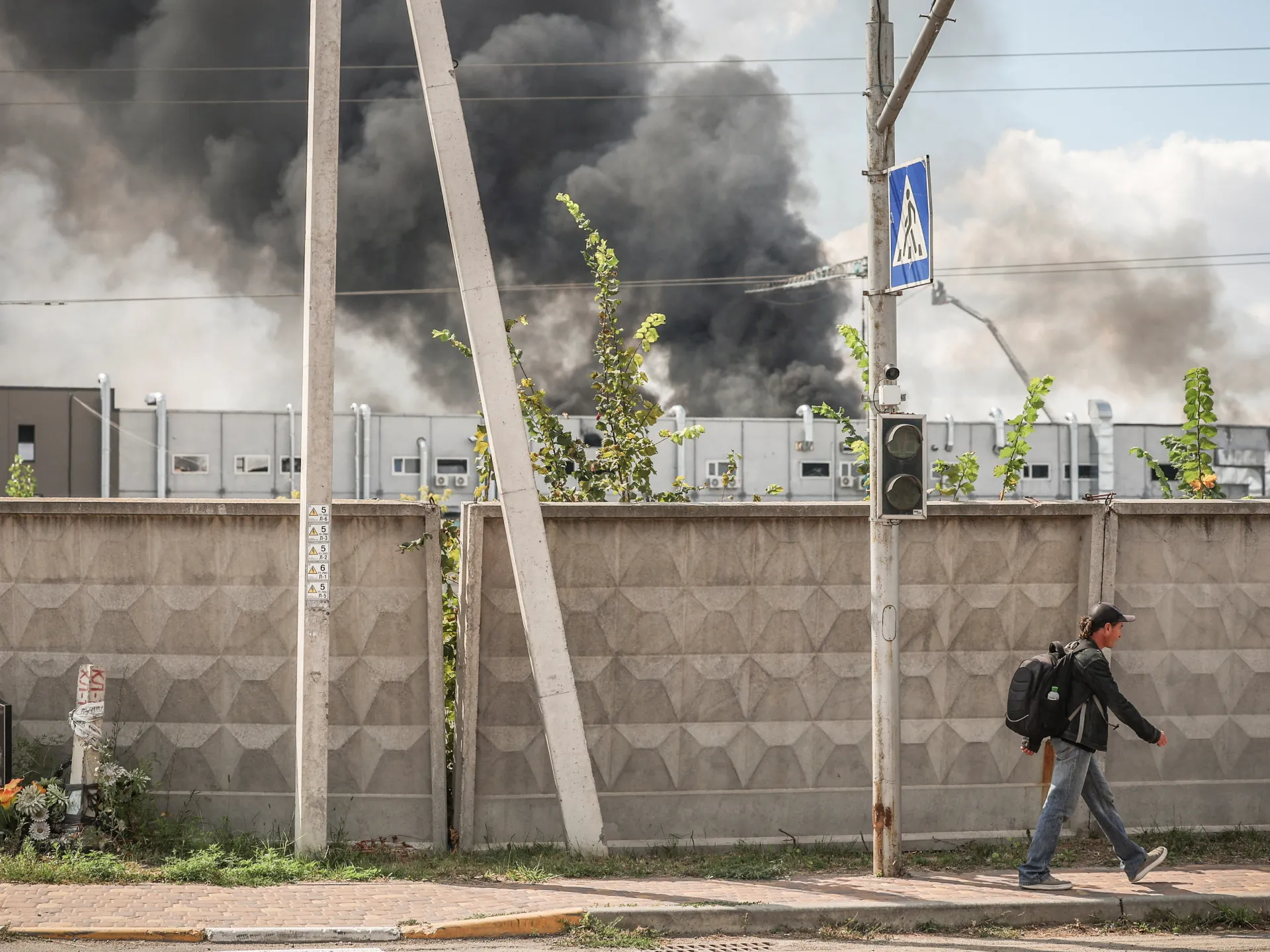
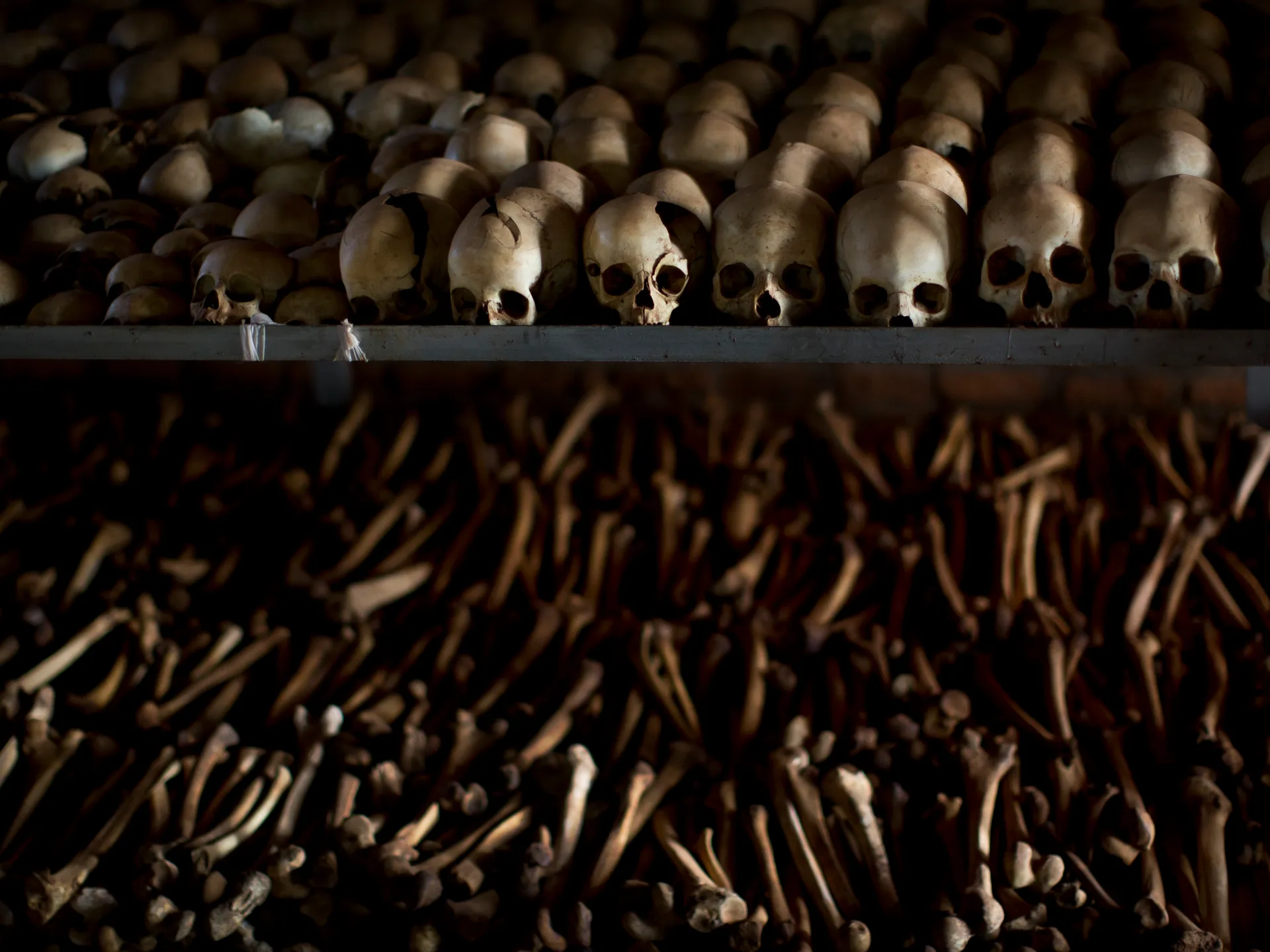
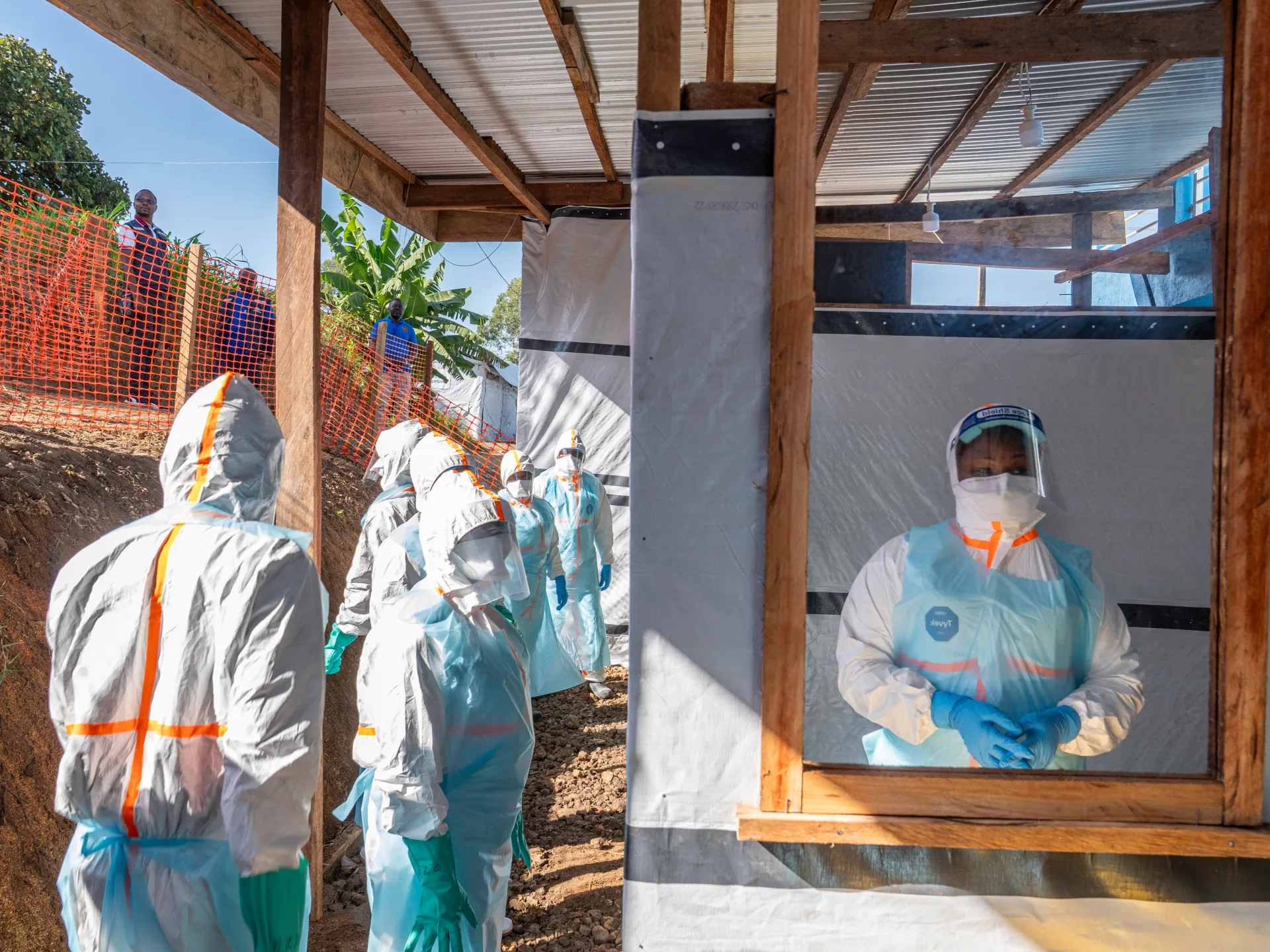
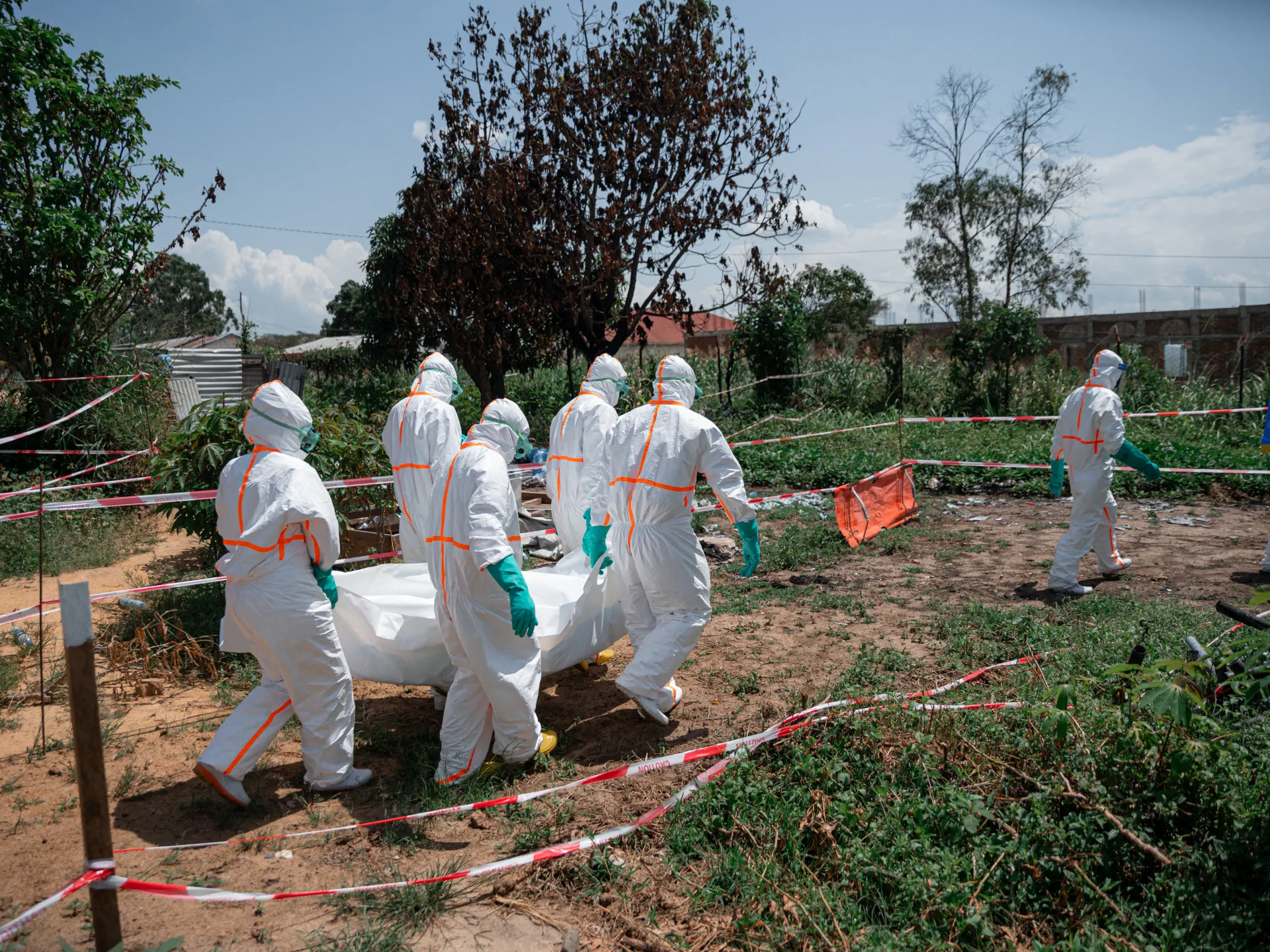
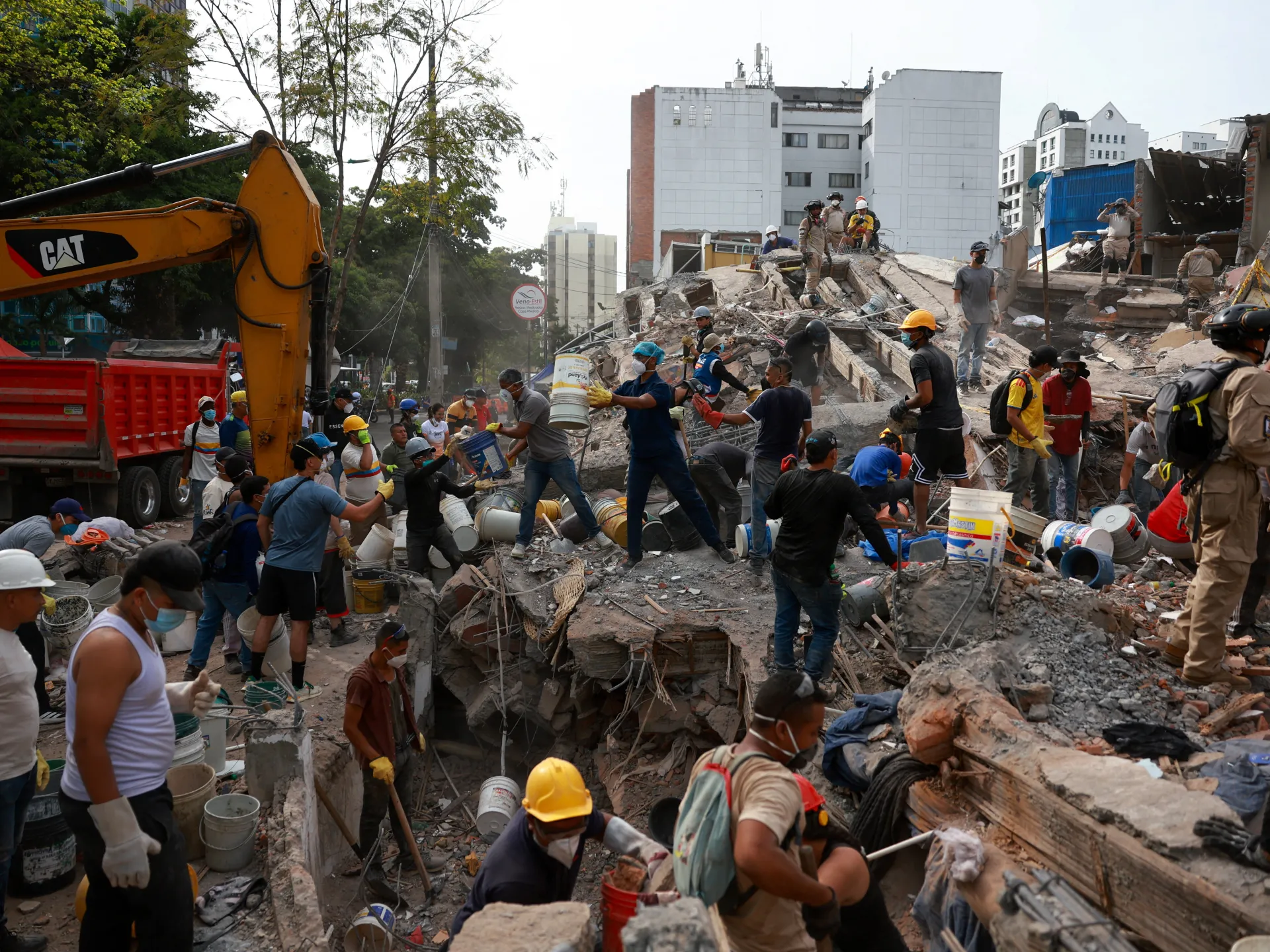
Police in South Africa have confirmed the grim discovery of a ninth body this week, found near a road in Dawn Park. The victim, estimated to be in her 30s, appeared to have sustained both stab wounds and bruising. This follows a pattern of findings since mid-July across the Ekurhuleni urban area, with locations spanning from Kempton Park to KwaThema and Olifantsfontein.
President Cyril Ramaphosa has publicly committed to a comprehensive investigation, promising that all resources will be utilized to bring the perpetrators to justice. A multidisciplinary task force has been established, incorporating forensic experts, intelligence officers, and specialized detectives. While one individual was arrested shortly after the discovery of the first body in July, police have cautioned that they have not yet established a formal link between that suspect and the subsequent eight cases, nor have they confirmed if a serial killer is responsible for the entire string of fatalities.
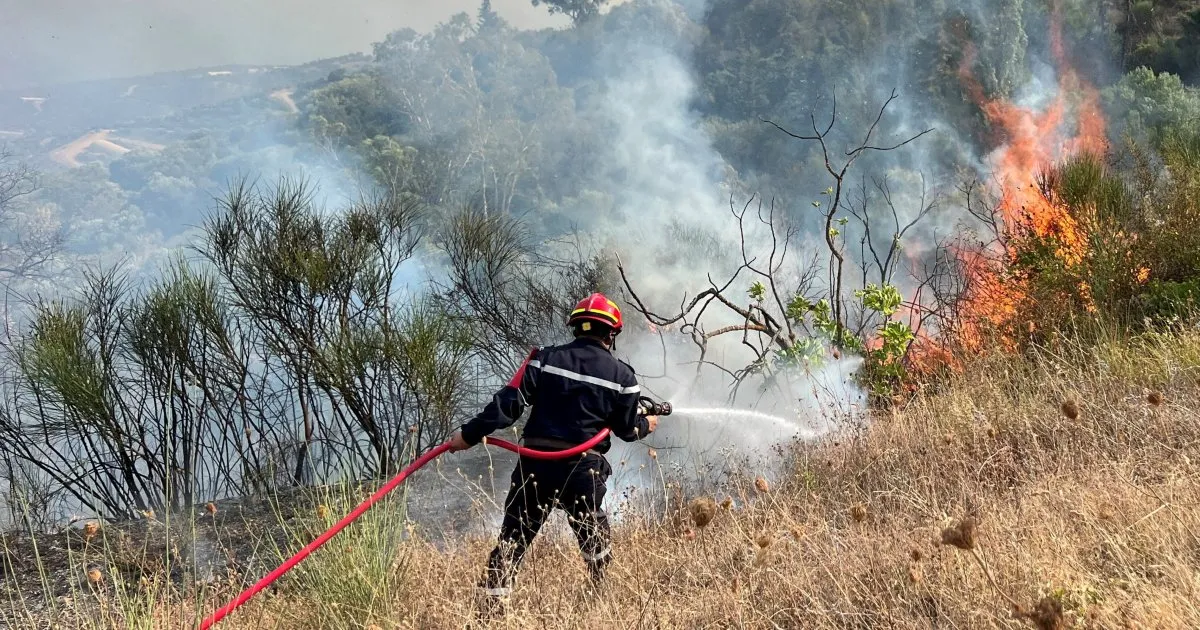
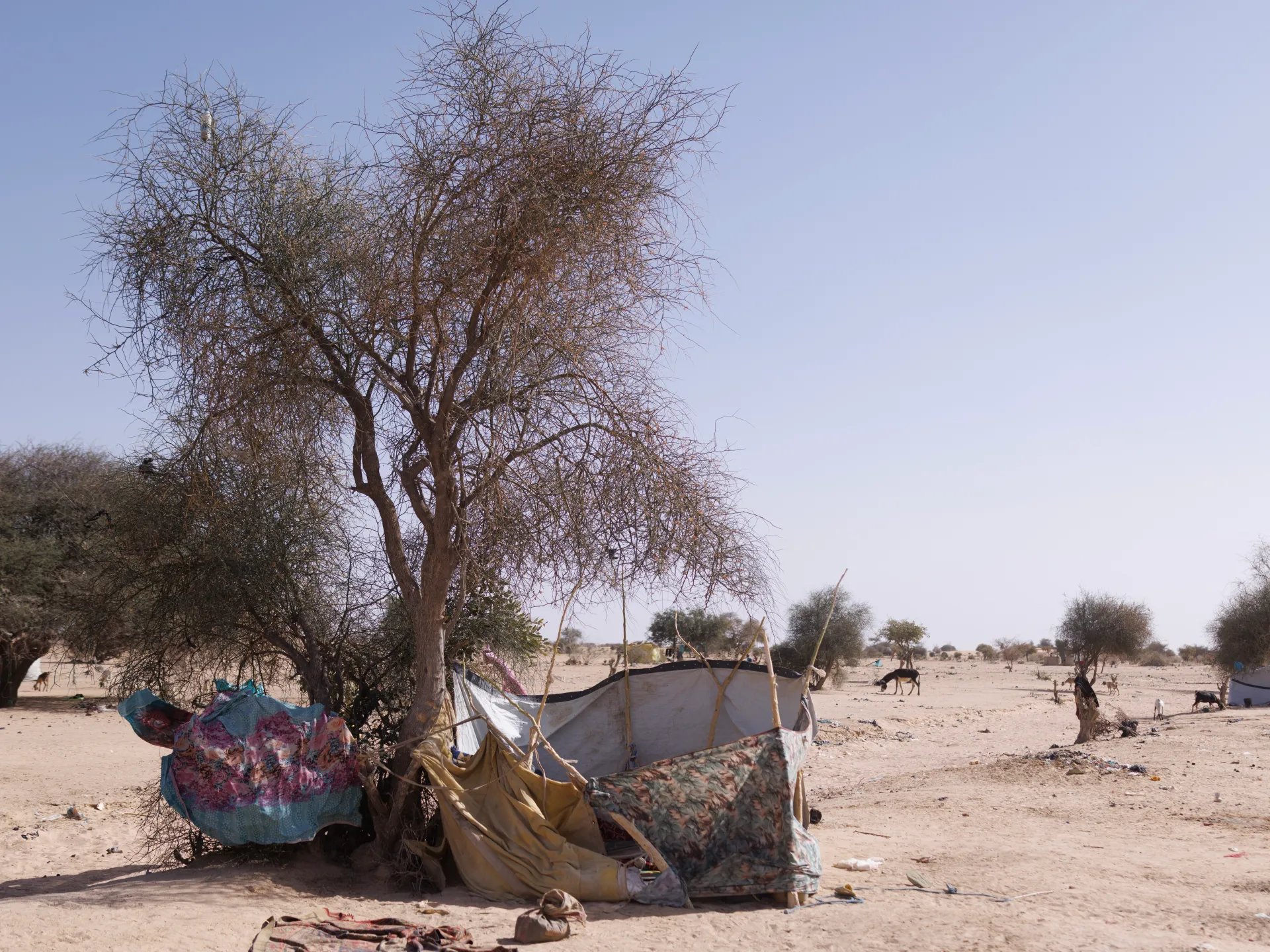
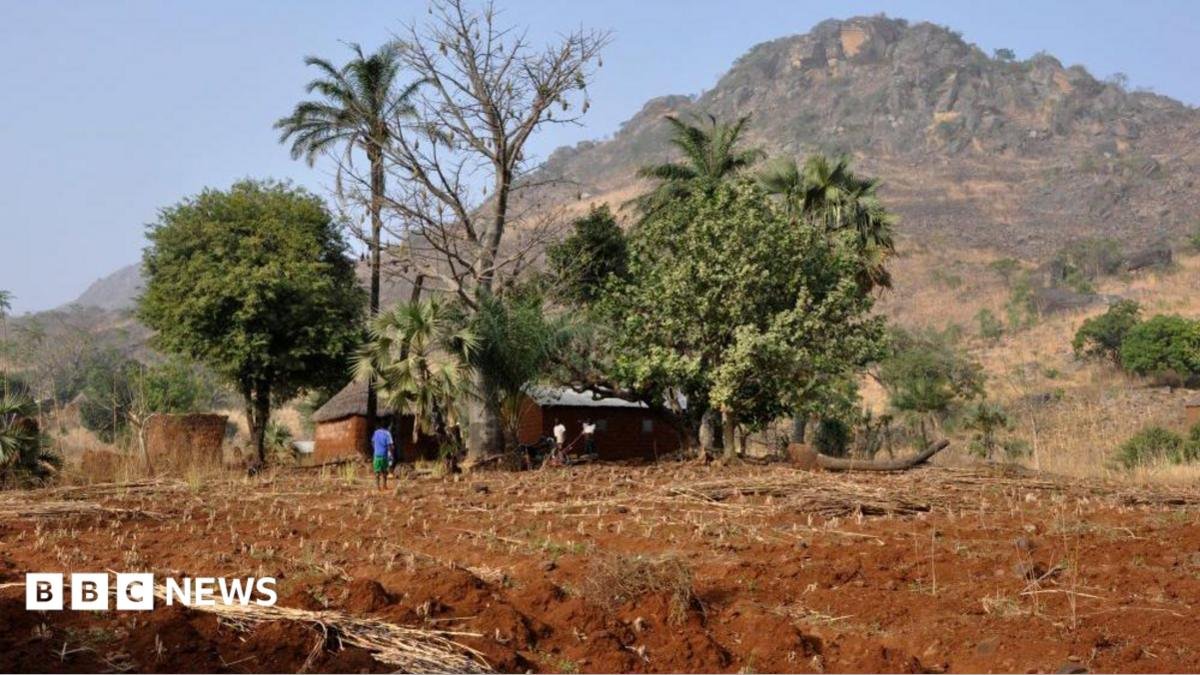
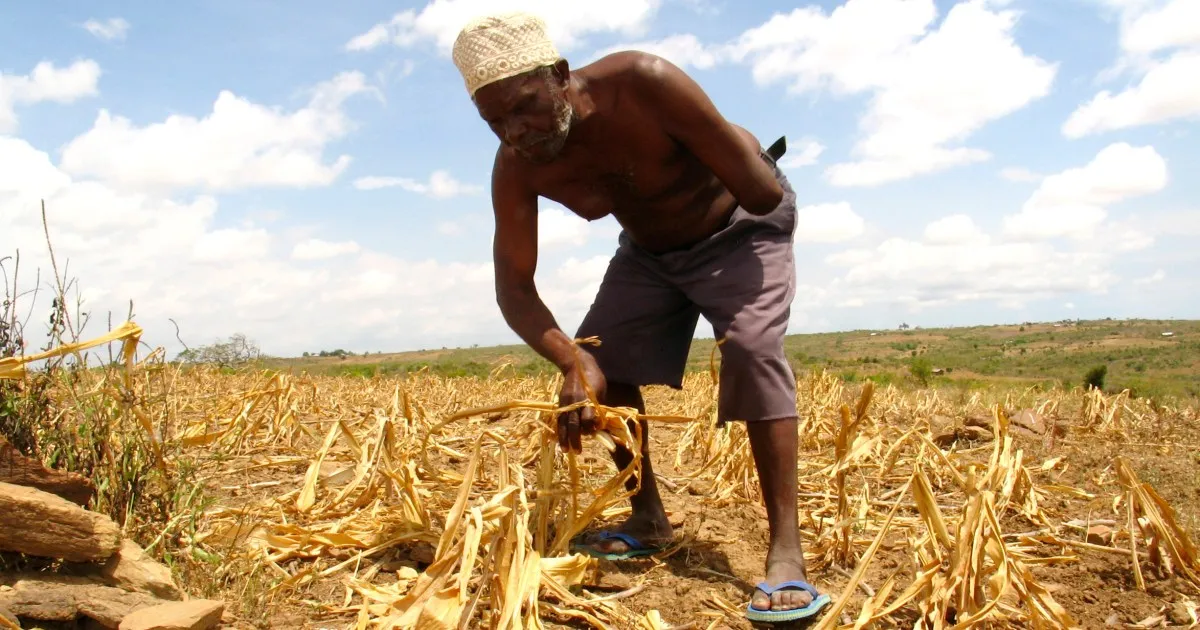
As the Ekurhuleni investigation continues, the agricultural sector faces a separate, structural crisis. Researchers Million Belay and Timothy Wise recently reported that despite the billions of dollars in subsidies poured into the “Green Revolution” model, the promised productivity gains have largely failed to materialize. Data suggests that in countries heavily influenced of farmland rather than significant yield improvements.
Conversely, traditional staples such as sorghum, cassava, and groundnuts have suffered significant losses in land allocation and investment. Millet, noted for its resilience in changing climates, has seen a 27% decline in production since 2006. Critics, including a growing movement of faith leaders, are now calling for a shift in priorities, demanding reparations and a move away from industrial inputs toward models that favor crop diversity and the needs of small-scale farmers over the promotion of monocultures.
The South African police are under immense pressure to unify their investigative approach as public fear in Ekurhuleni reaches a boiling point. The next logical step involves the forensic laboratory results of the most recent victims, which detectives hope will confirm whether a singular perpetrator or group is responsible for the string of homicides. Meanwhile, the debate surrounding agricultural policy is expected to intensify as the continent faces the dual pressure of food insecurity and climate change. It is likely that international donors will face increased scrutiny from faith-based organizations and agricultural activists who are demanding a seat at the table to redefine what “sustainable” growth means for African food systems in the coming decade.