

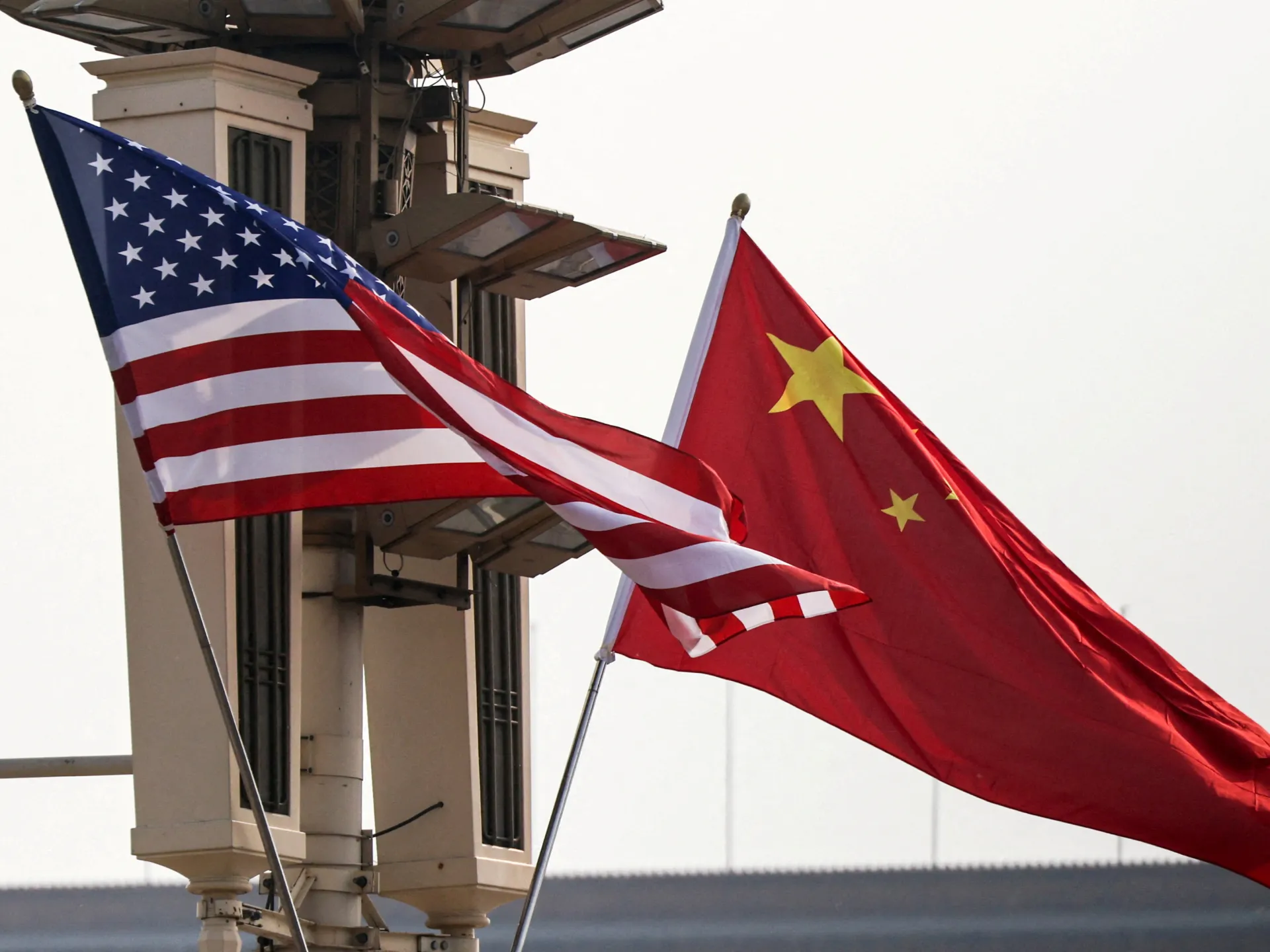
China has vowed to protect its economic interests following new US sanctions targeting Iran, signaling potential resistance to Washington's pressure campaign.
The Chinese government has issued a stern response to the latest round of economic measures introduced n. During a recent briefing in Beijing, the Foreign Ministry spokesperson emphasized that China intends to take all requisite actions to defend its legitimate rights and commercial interests. This statement follows Washington’s declaration of an intensified pressure campaign aimed at the economic isolation of Iran, a nation with which China maintains significant energy and trade ties.
Officials in Beijing have explicitly rejected the legal standing of these unilateral measures, arguing that they lack a basis in international law. wful, Chinese authorities are signaling that they view the US-led sanctions as an unwarranted interference in their sovereign economic affairs. The rhetoric from Beijing suggests that the nation is prepared to push back against policies that threaten its corporate entities and financial networks, particularly those operating within the energy sector.
Iran has navigated the landscape of international sanctions for decades, largely l market. A cornerstone of this strategy has been the consistent export of crude oil to international buyers, with China standing out as the primary recipient of these shipments. For Beijing, the steady flow of Iranian oil is not merely a commercial transaction but a vital component of its broader energy security strategy, which is designed to insulate the domestic economy from volatility.
The current geopolitical environment, compounded , and Beijing increasingly fraught. Analysts note that Washington’s attempt to extend secondary sanctions to Chinese banks and firms represents a major escalation. However, the efficacy of such measures remains a subject of intense debate, as the global economy is deeply intertwined. Beijing maintains that these sanctions are counterproductive and fail to address the root causes of regional instability, advocating instead for diplomatic solutions over economic coercion.
The prospect of the United States imposing penalties on Chinese companies faces significant diplomatic and legal hurdles. Experts suggest that the timing of these sanctions—occurring in the lead-up to high-level meetings between Chinese and American leadership—makes direct, aggressive enforcement unlikely. Such a move could derail essential diplomatic dialogues and exacerbate existing tensions between the world's two largest economies, creating a scenario where both sides have much to lose.
Furthermore, there is a pragmatic argument regarding the role China played in stabilizing the global economy during the peak of recent regional wars. vels that could have triggered a widespread economic recession. This intervention, while serving Chinese interests, also provided a buffer for the US economy, which would have been vulnerable to energy shocks. Consequently, any move to sanction Chinese entities could be met with substantial resistance, as Beijing is unlikely to remain passive while its economic interests are targeted.
The rhetoric surrounding these developments has intensified, with some observers characterizing the current situation as a new phase of economic warfare. The Iran-China Chamber of Commerce and Industries has been particularly vocal, suggesting that Washington’s aggressive stance has transformed economic policy into an extension of security and military strategy. This perspective warns that y altering the rules of global engagement.
As the situation continues to evolve, the international community is watching closely to see if the US will proceed with its threats to sanction Chinese firms or if diplomatic pressure will lead to a more tempered approach. Beijing’s commitment to safeguarding its interests suggests that any escalation will be met with a calculated response. Ultimately, the standoff highlights the limits of unilateral economic power in an era where global supply chains and energy markets are deeply interdependent and resistant to simple isolationist tactics.