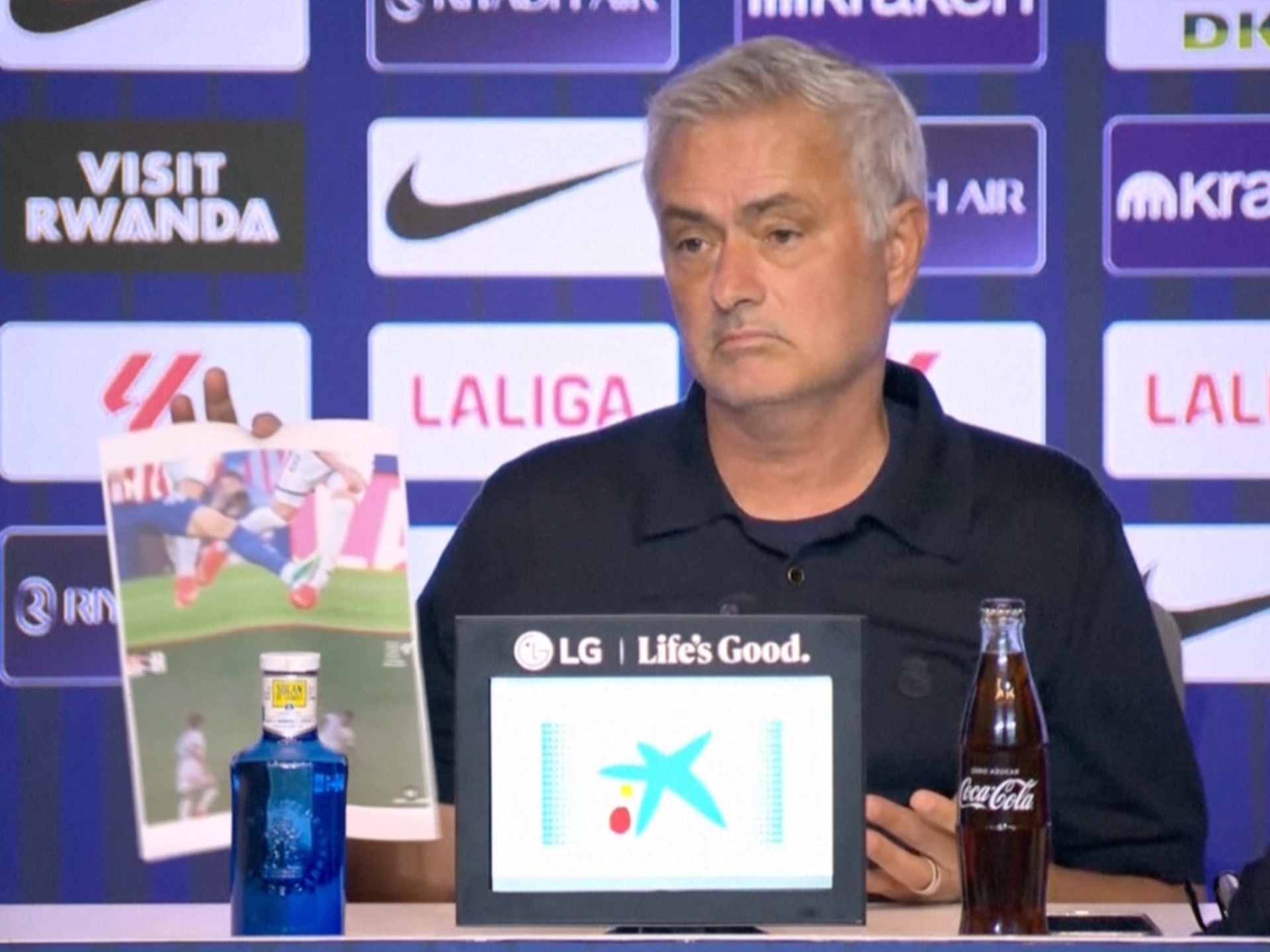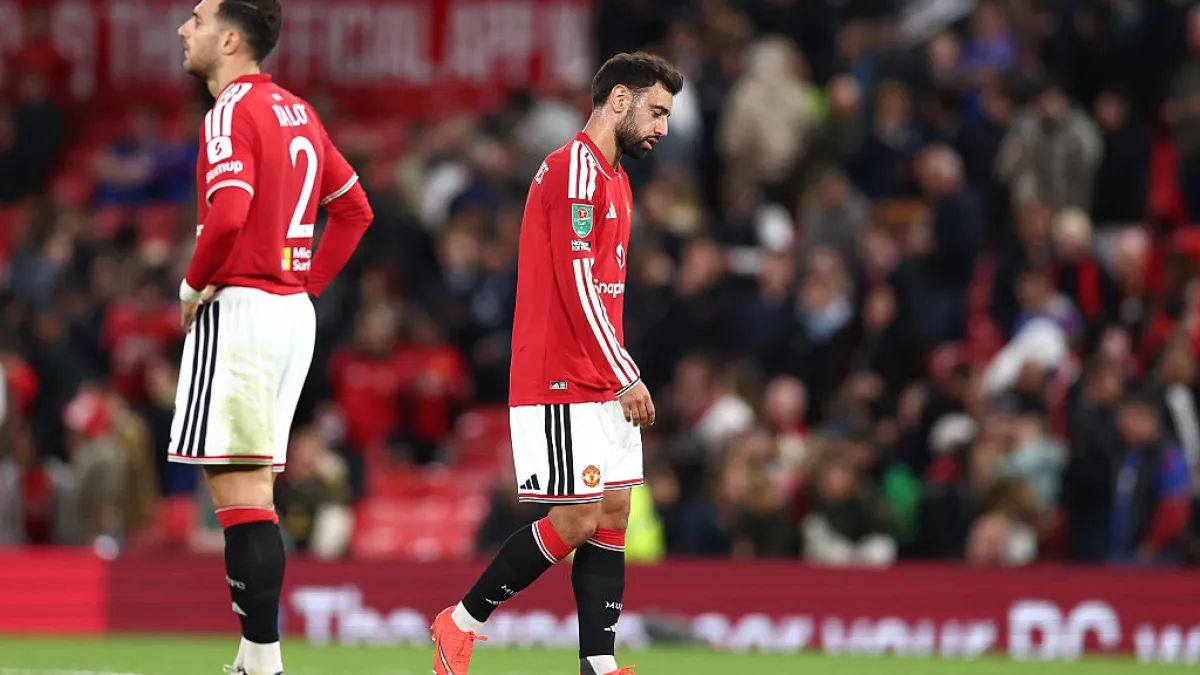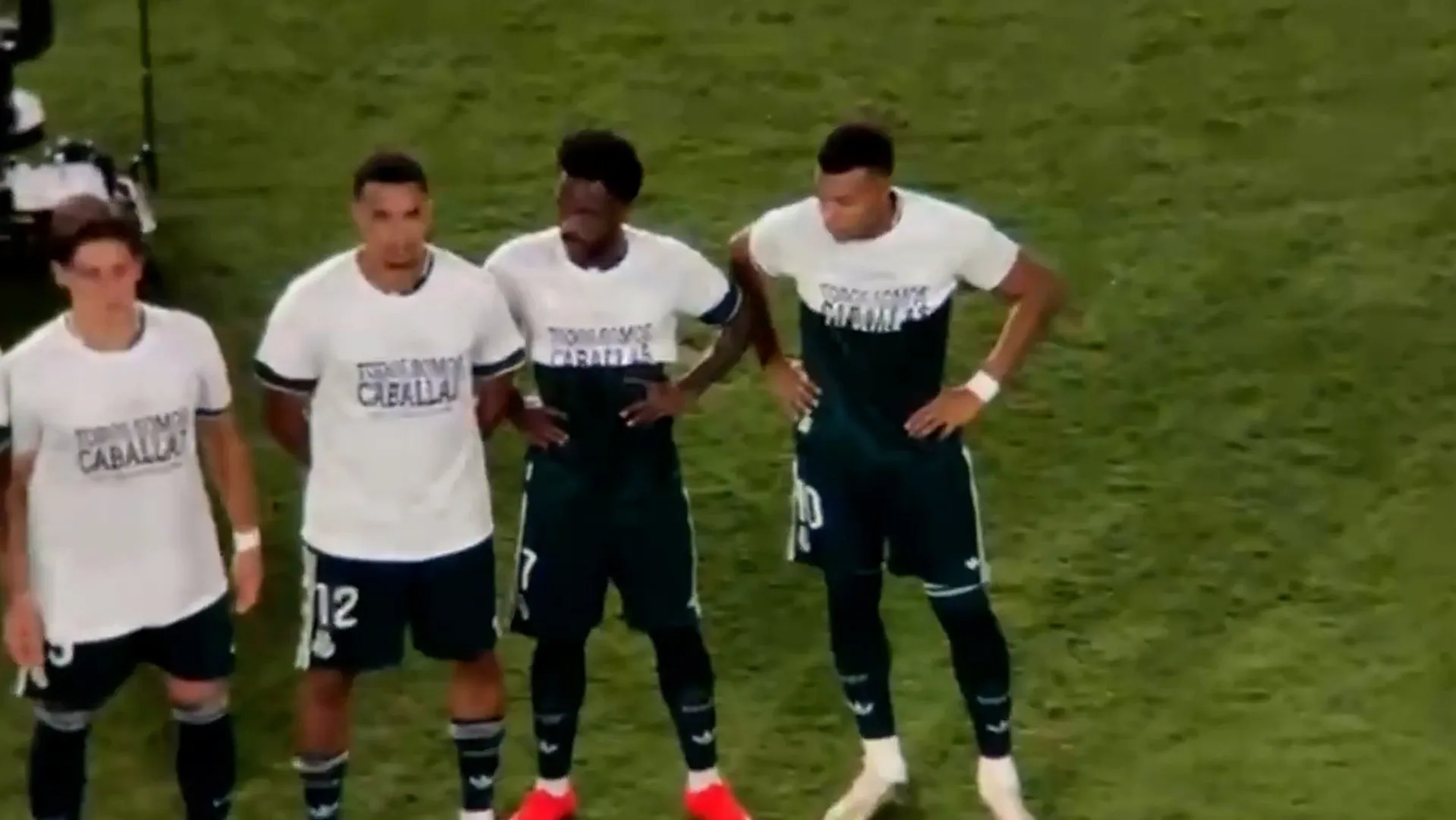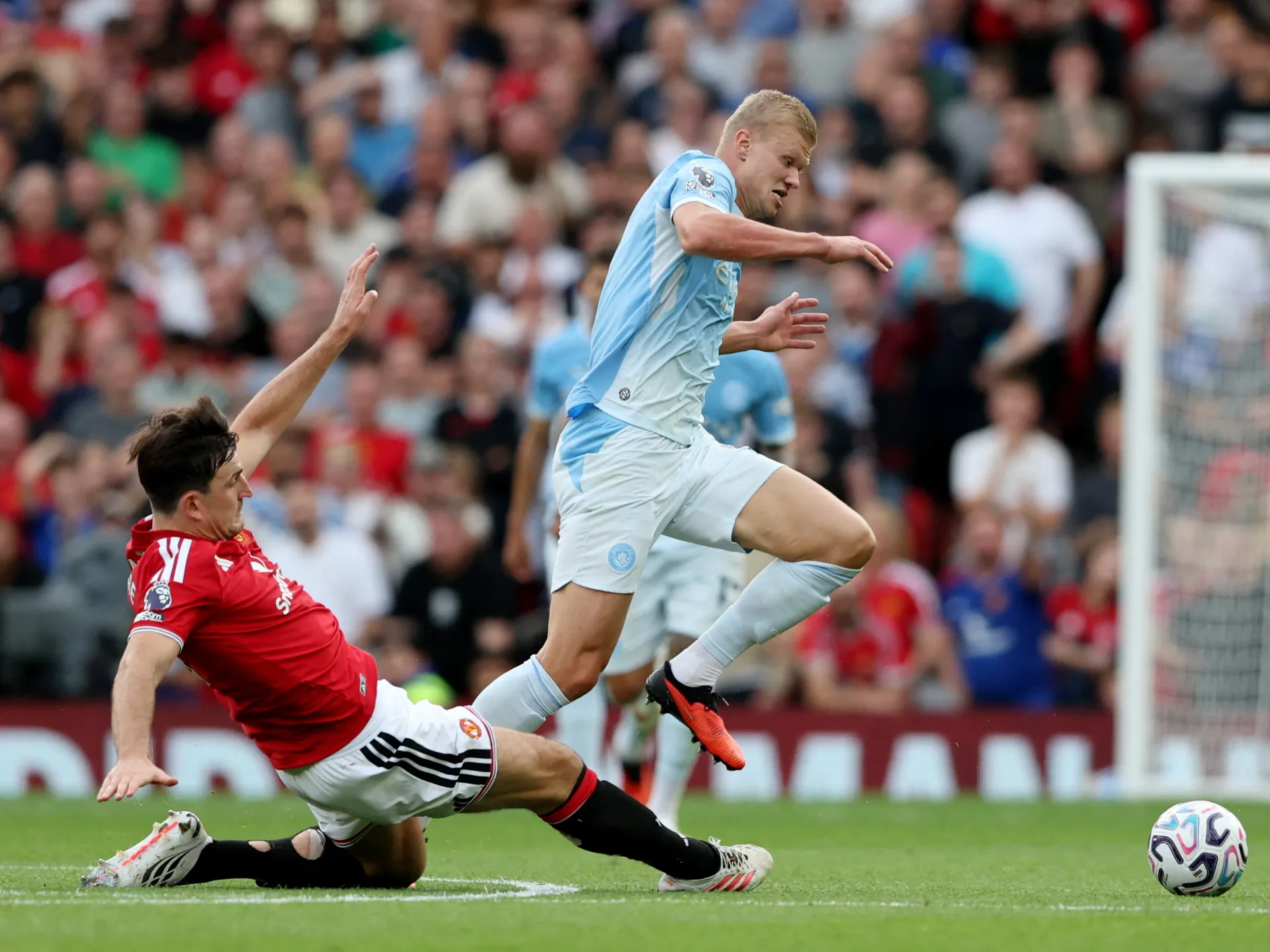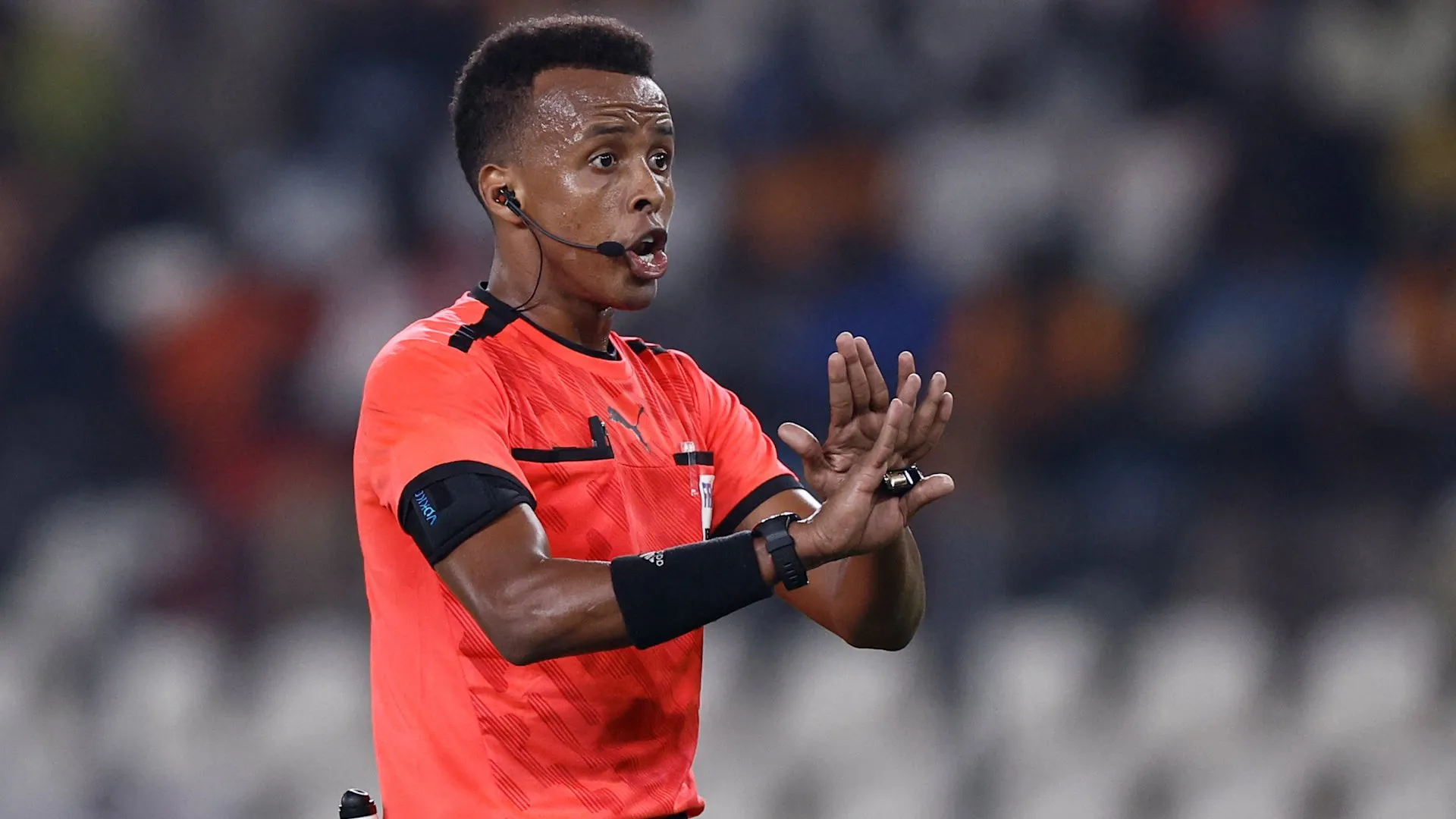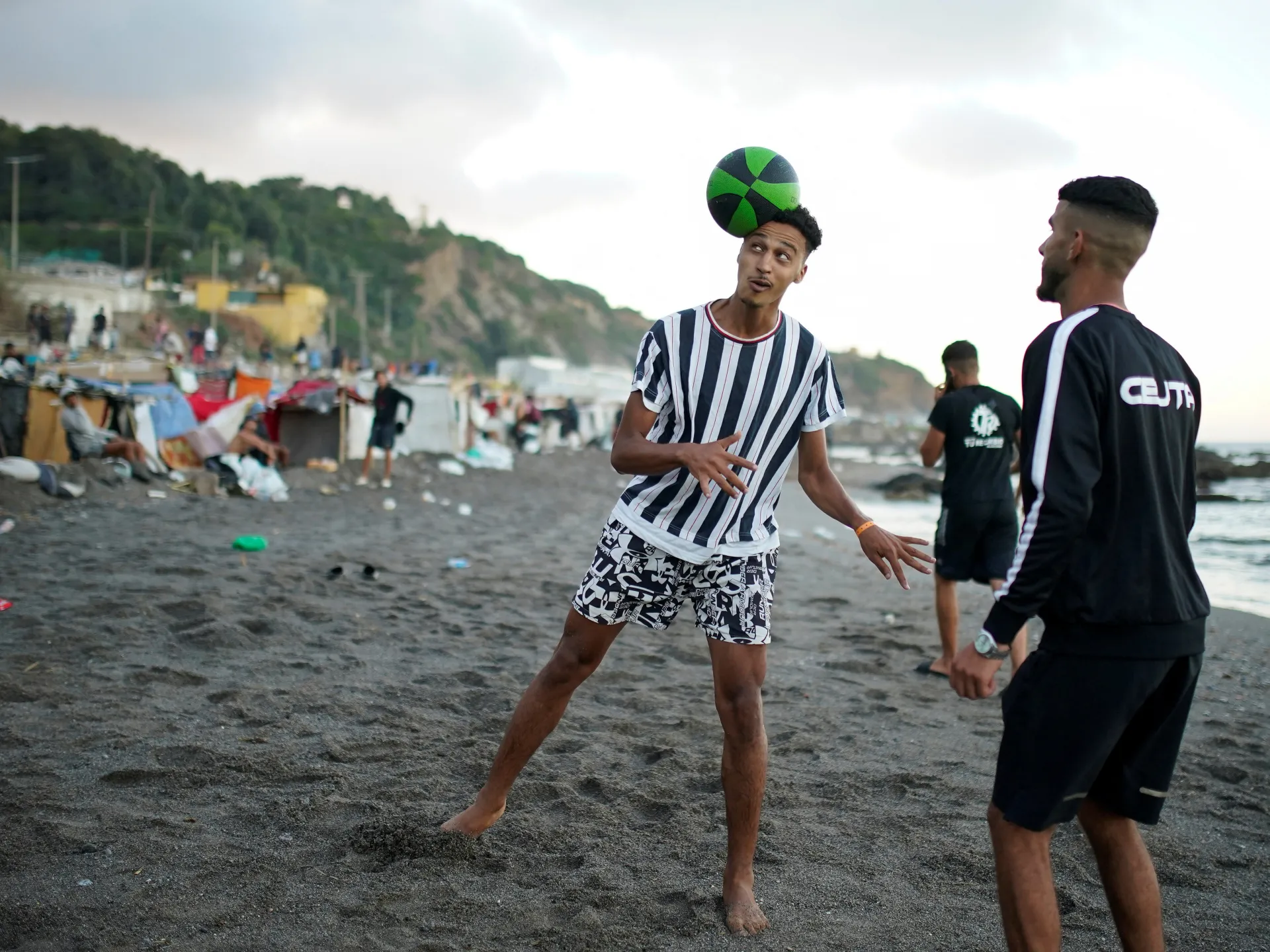
A solidarity campaign in Spain's top football league has triggered a fierce backlash, as star players face scrutiny for their handling of a protest regarding the Ceuta enclave.
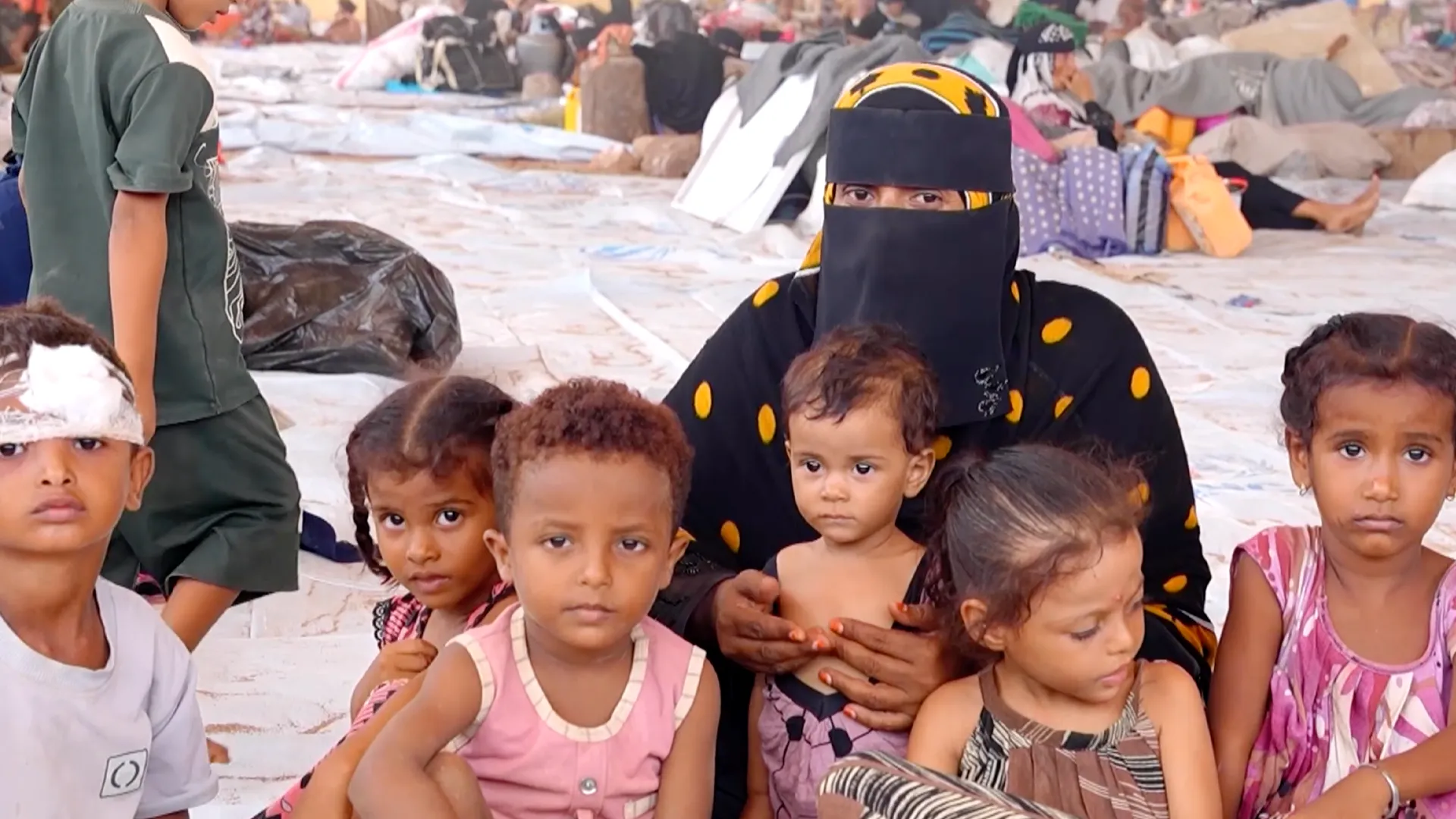
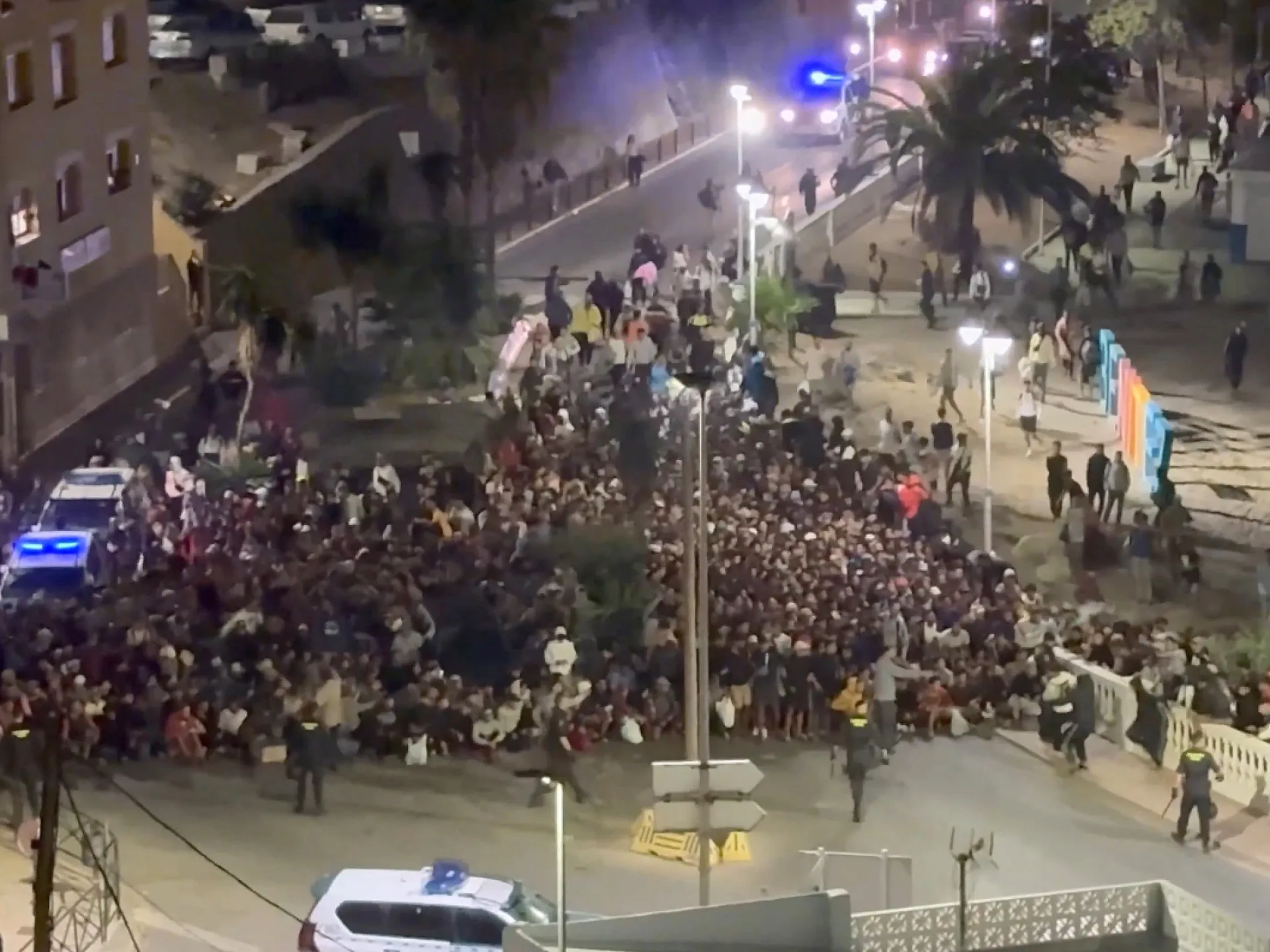
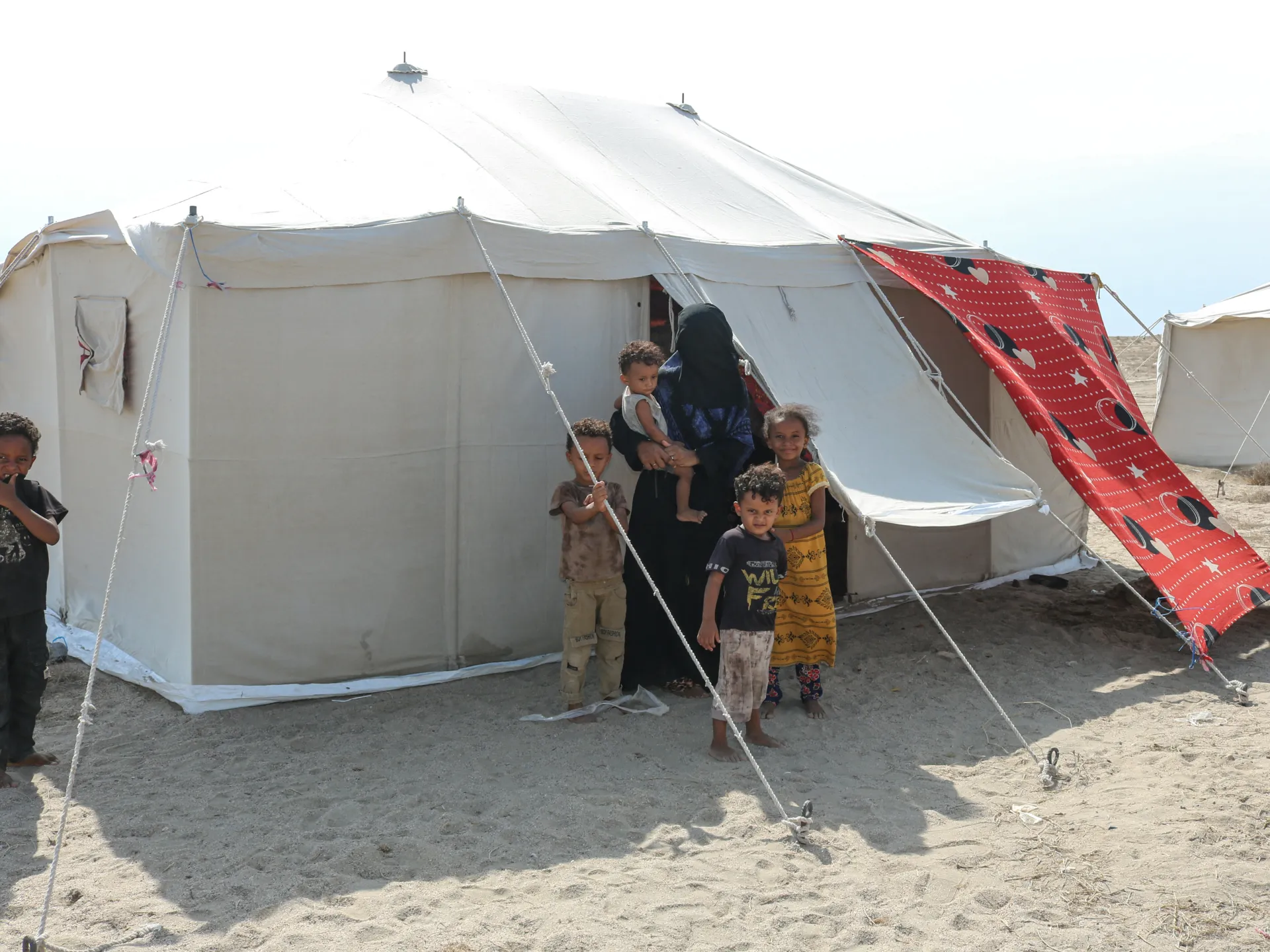
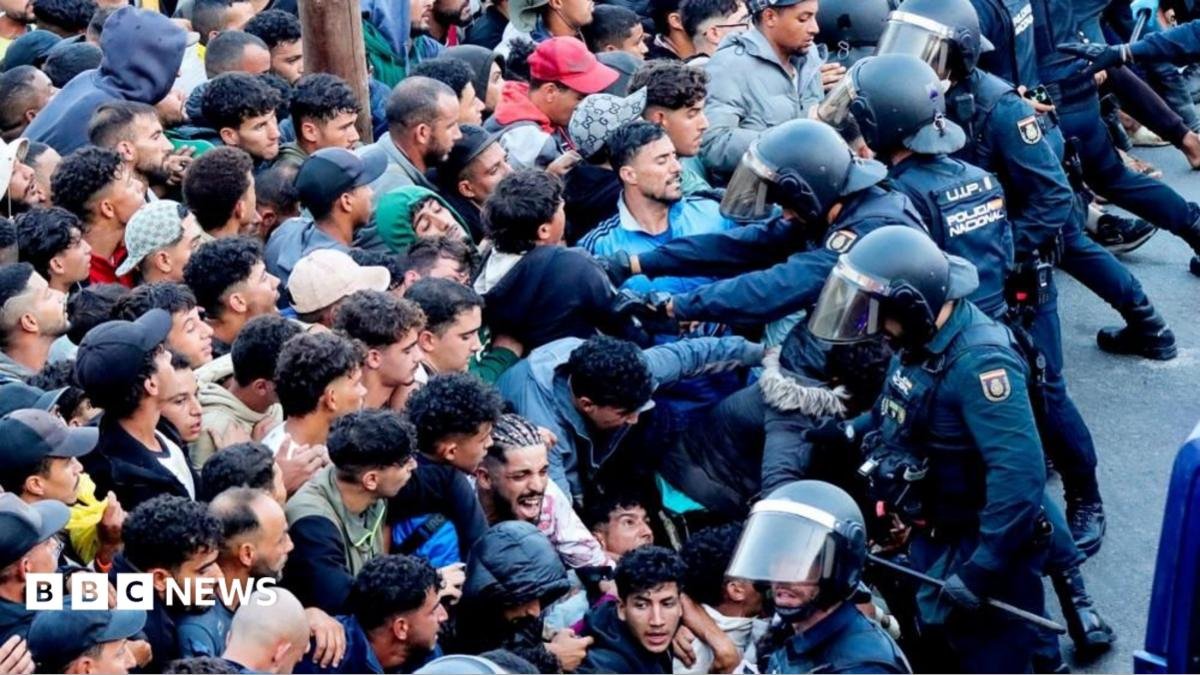
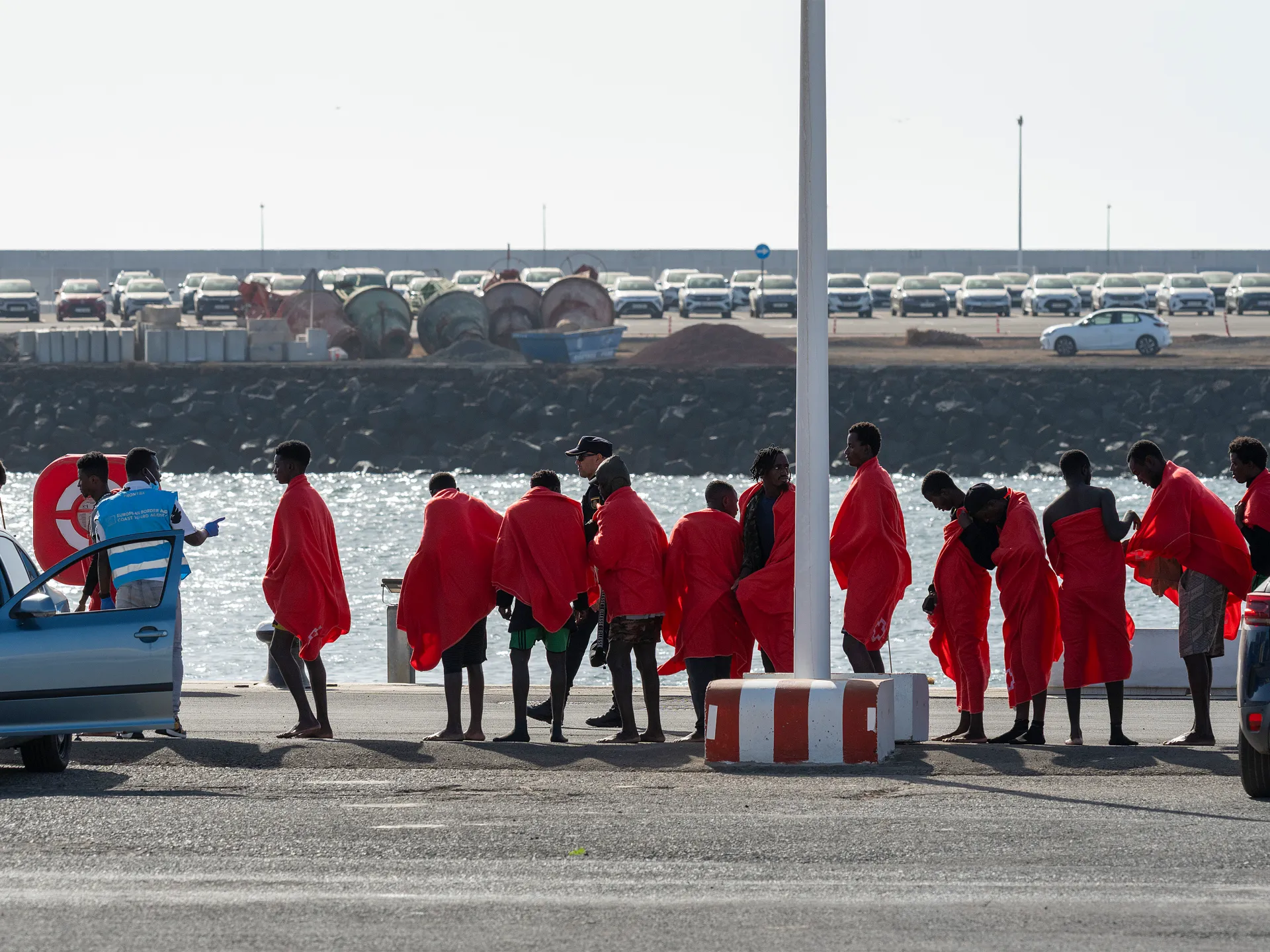
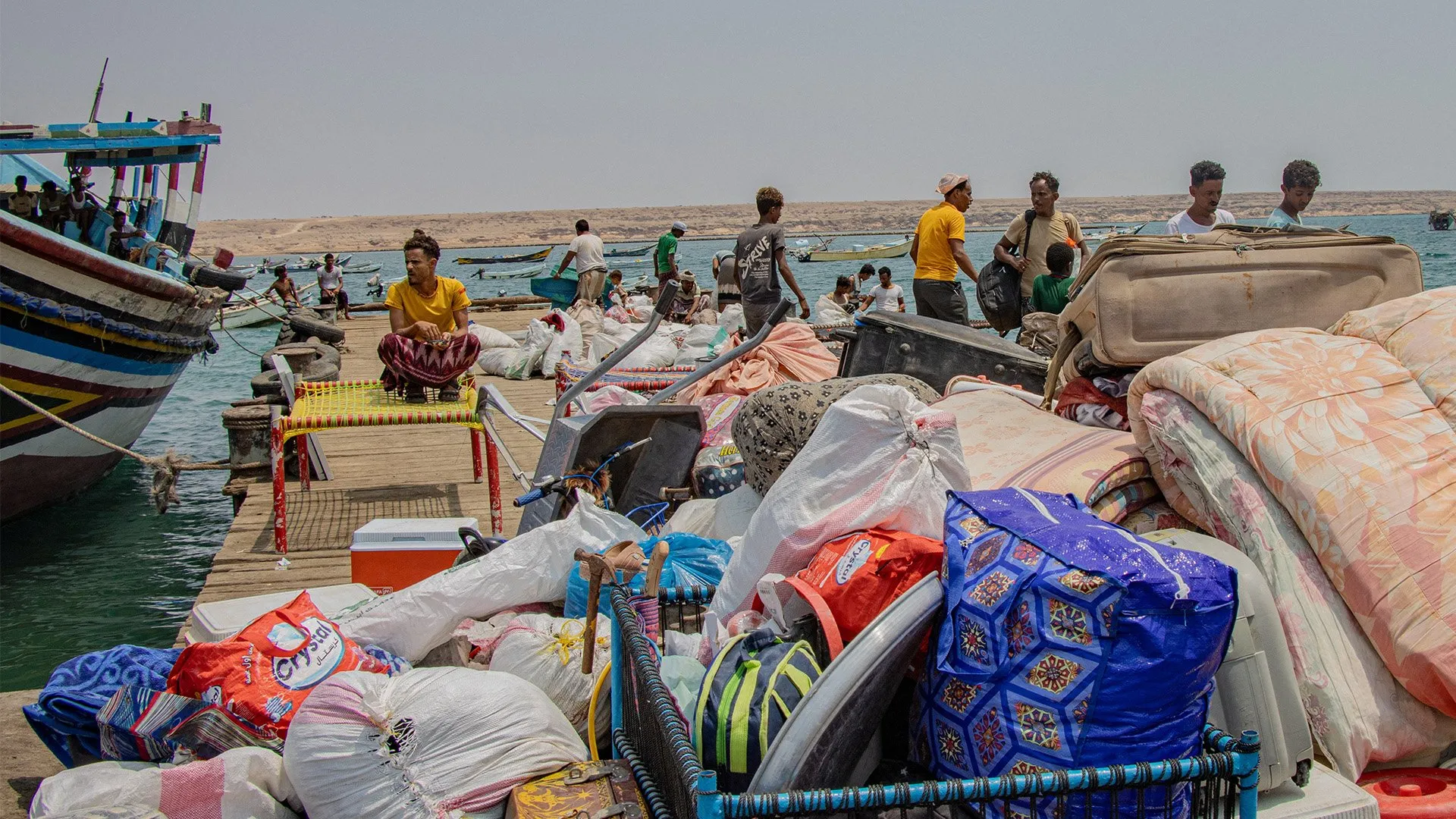
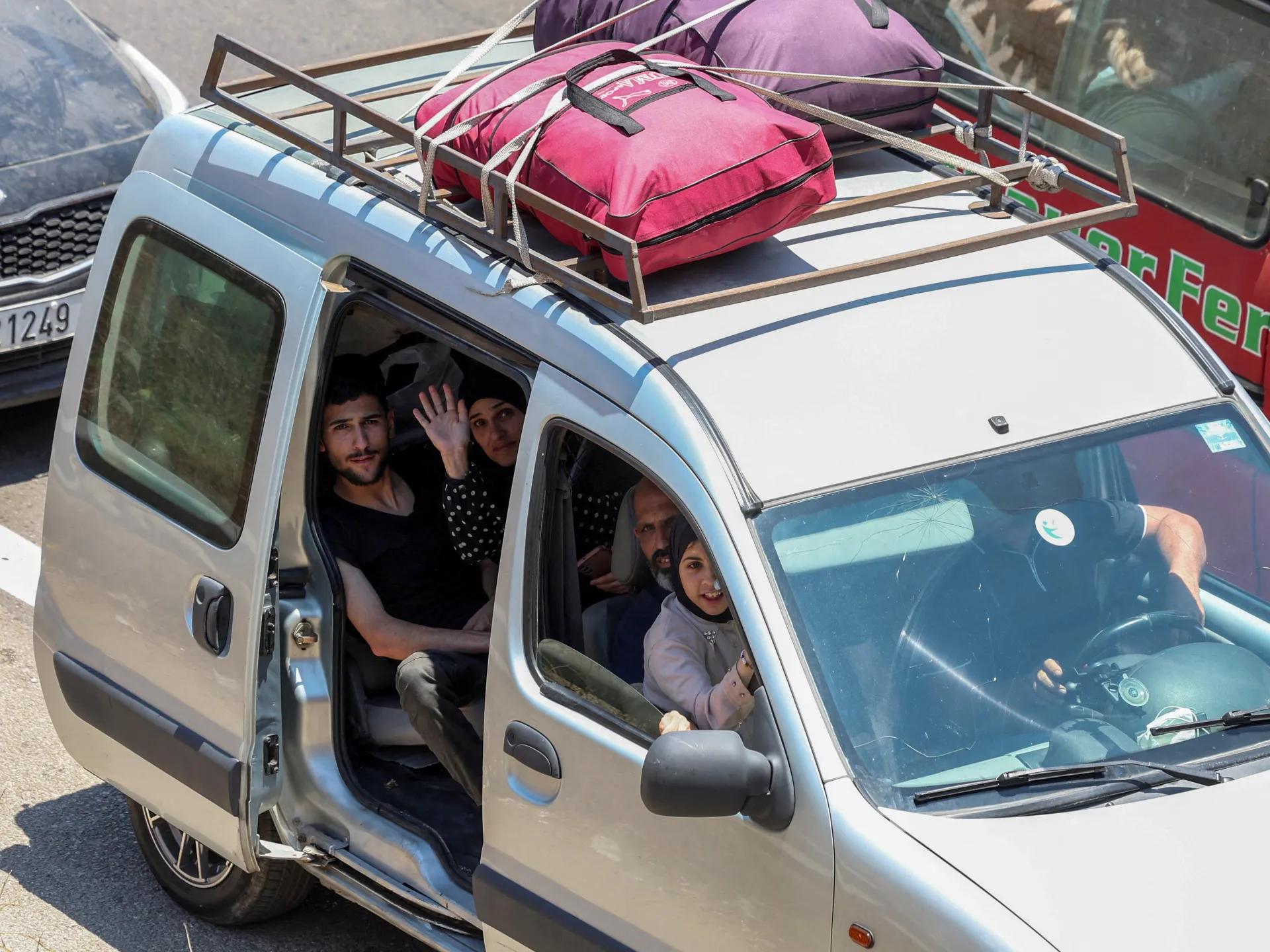
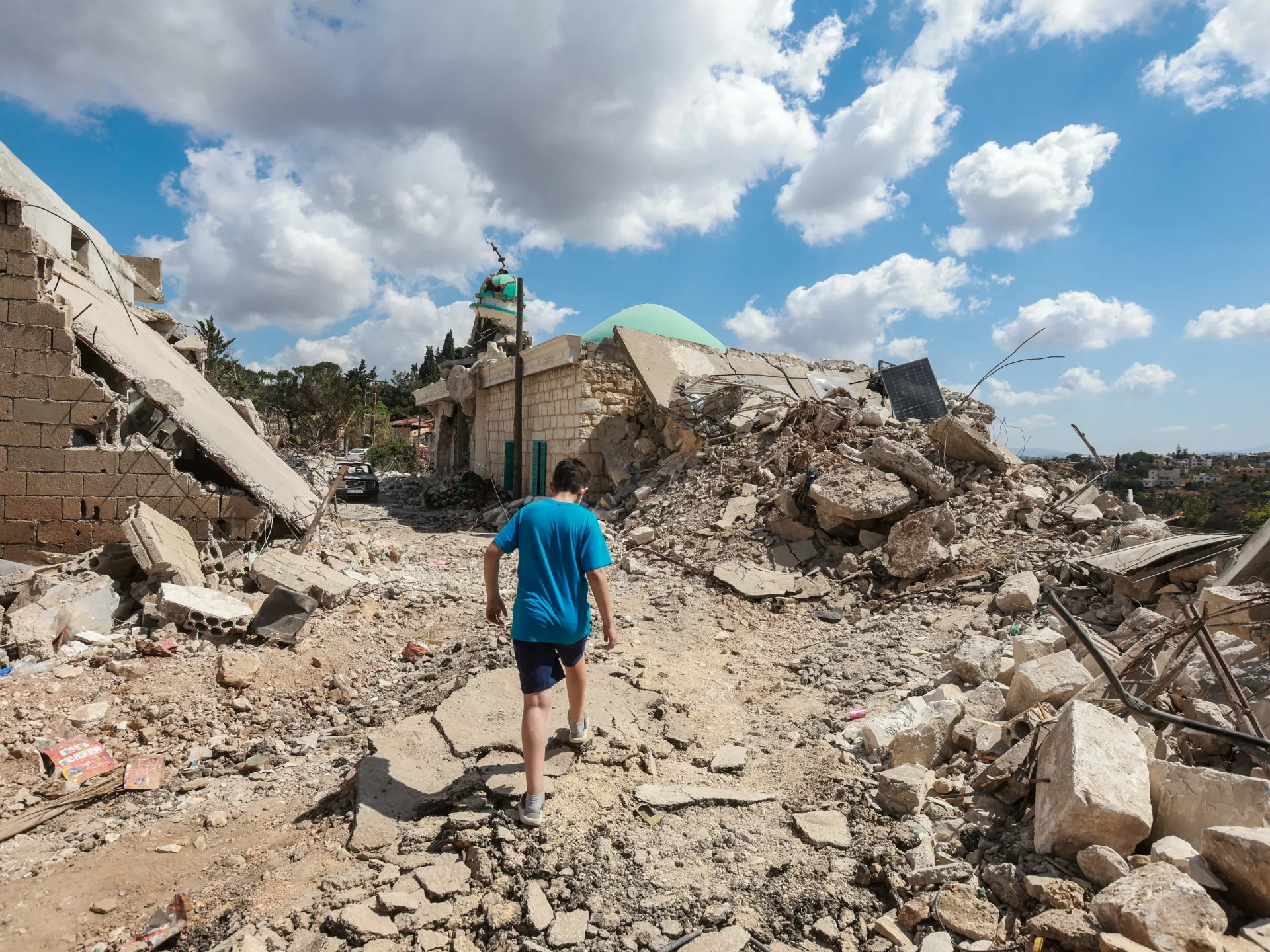
The intersection of international migration, national sovereignty, and professional athletics has reached a boiling point in Spain, as the country’s top-flight football league becomes the unlikely stage for a heated debate over the status of the Ceuta enclave. A solidarity campaign intended to highlight the plight of the Spanish territory—which saw a record 72,000 migrant arrivals in late July—has instead fractured the sport, pitting star players against vocal sections of the fan base and sparking a broader conversation about the limits of athlete activism.
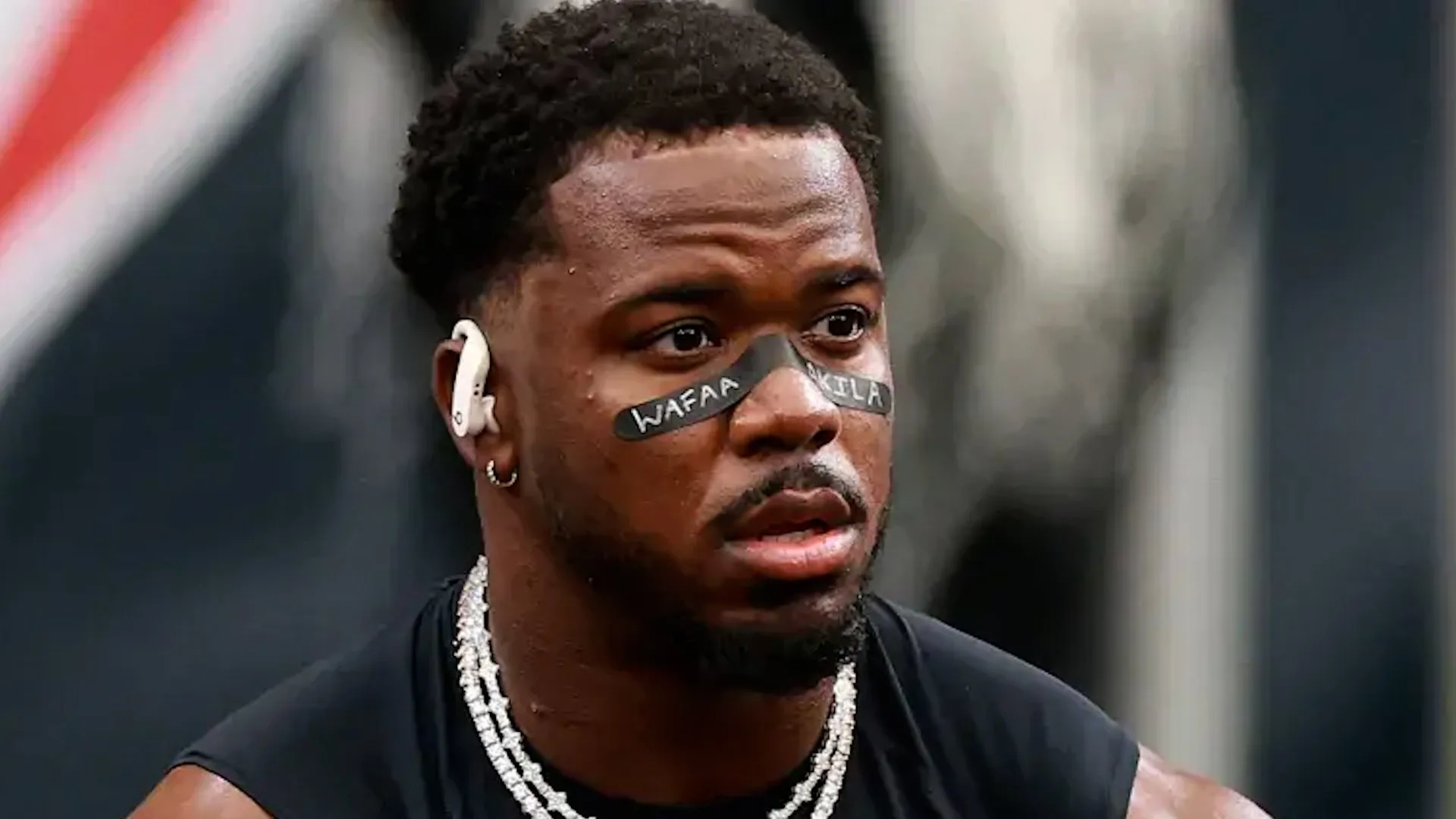
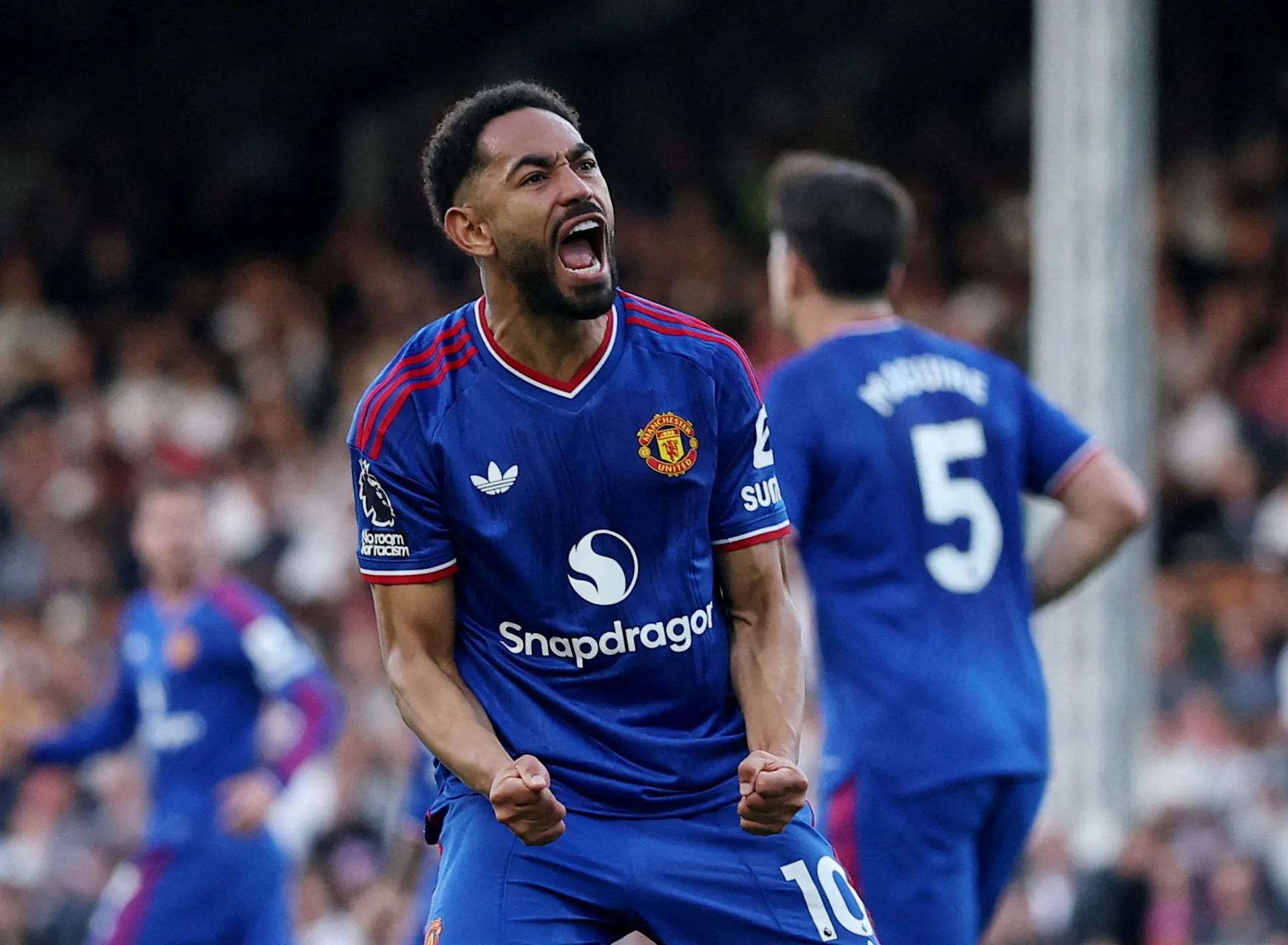
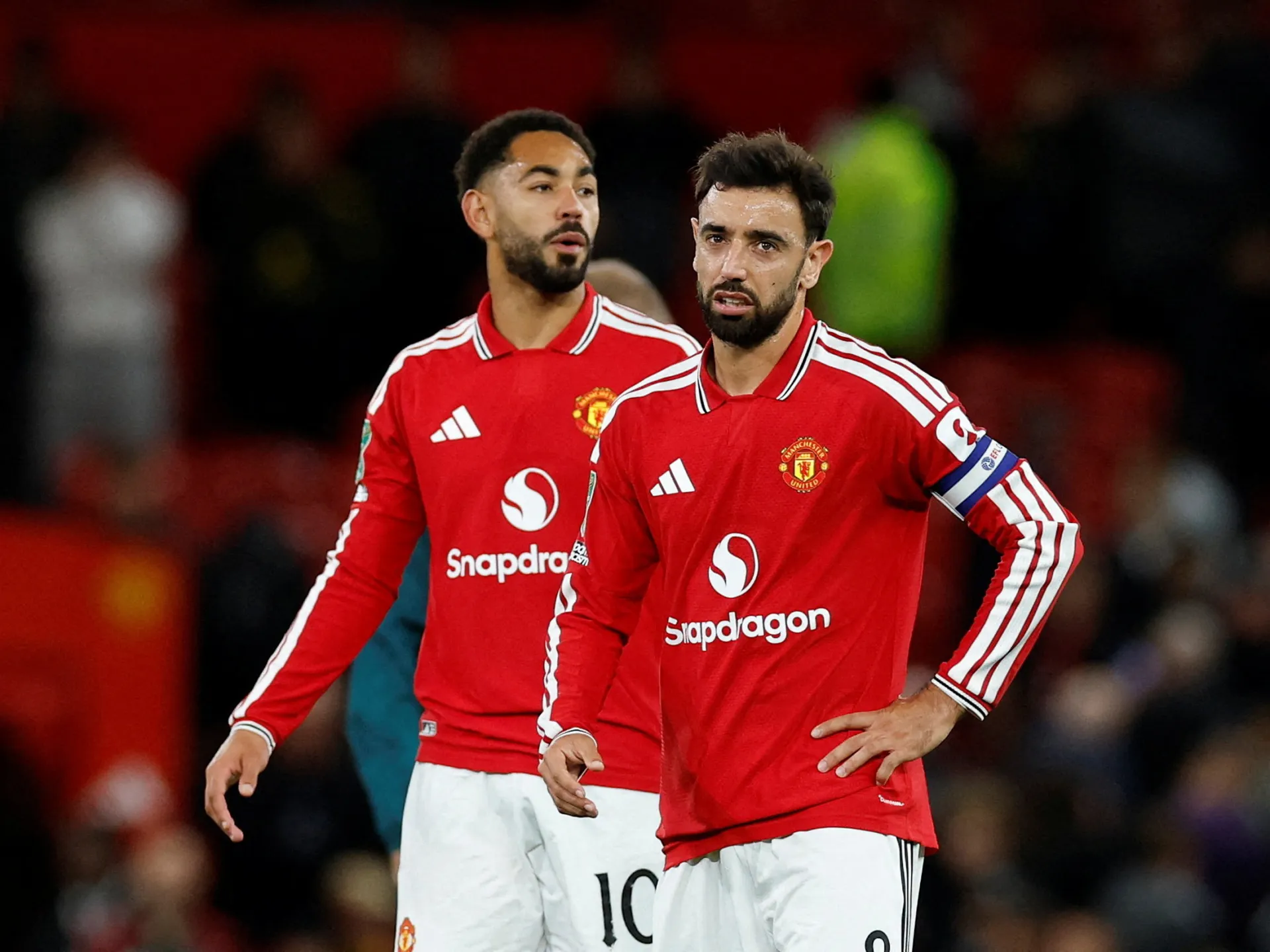
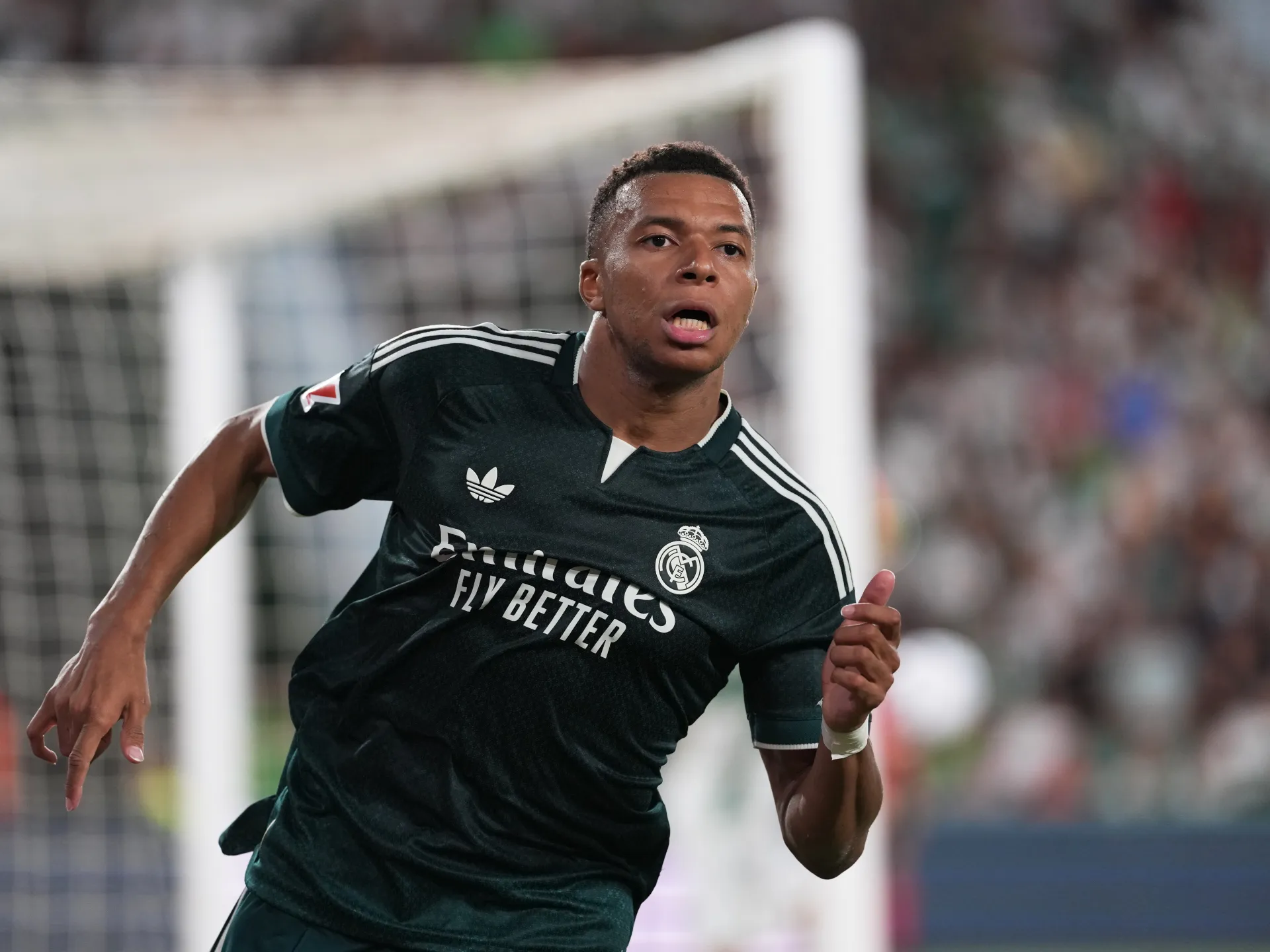
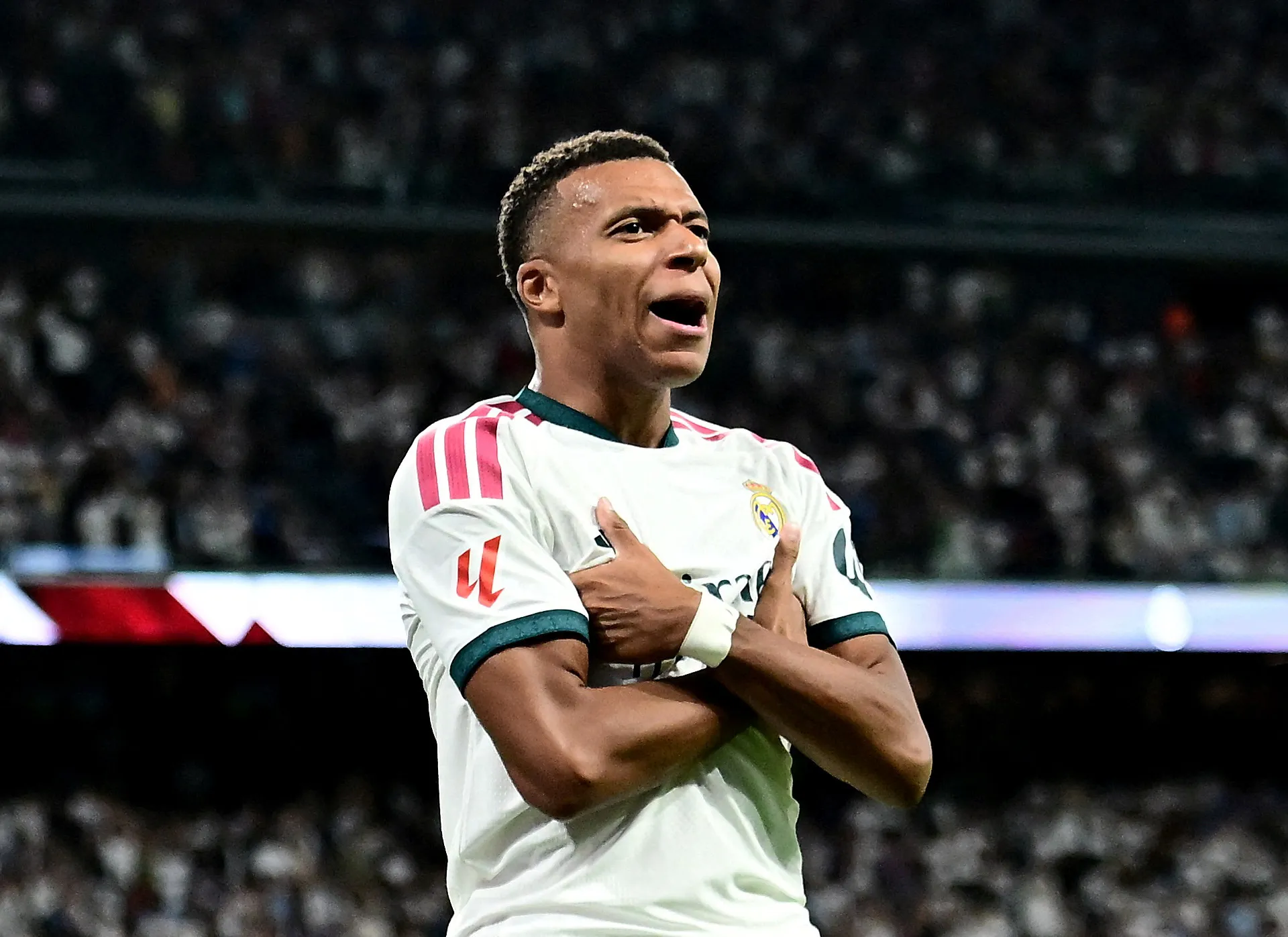
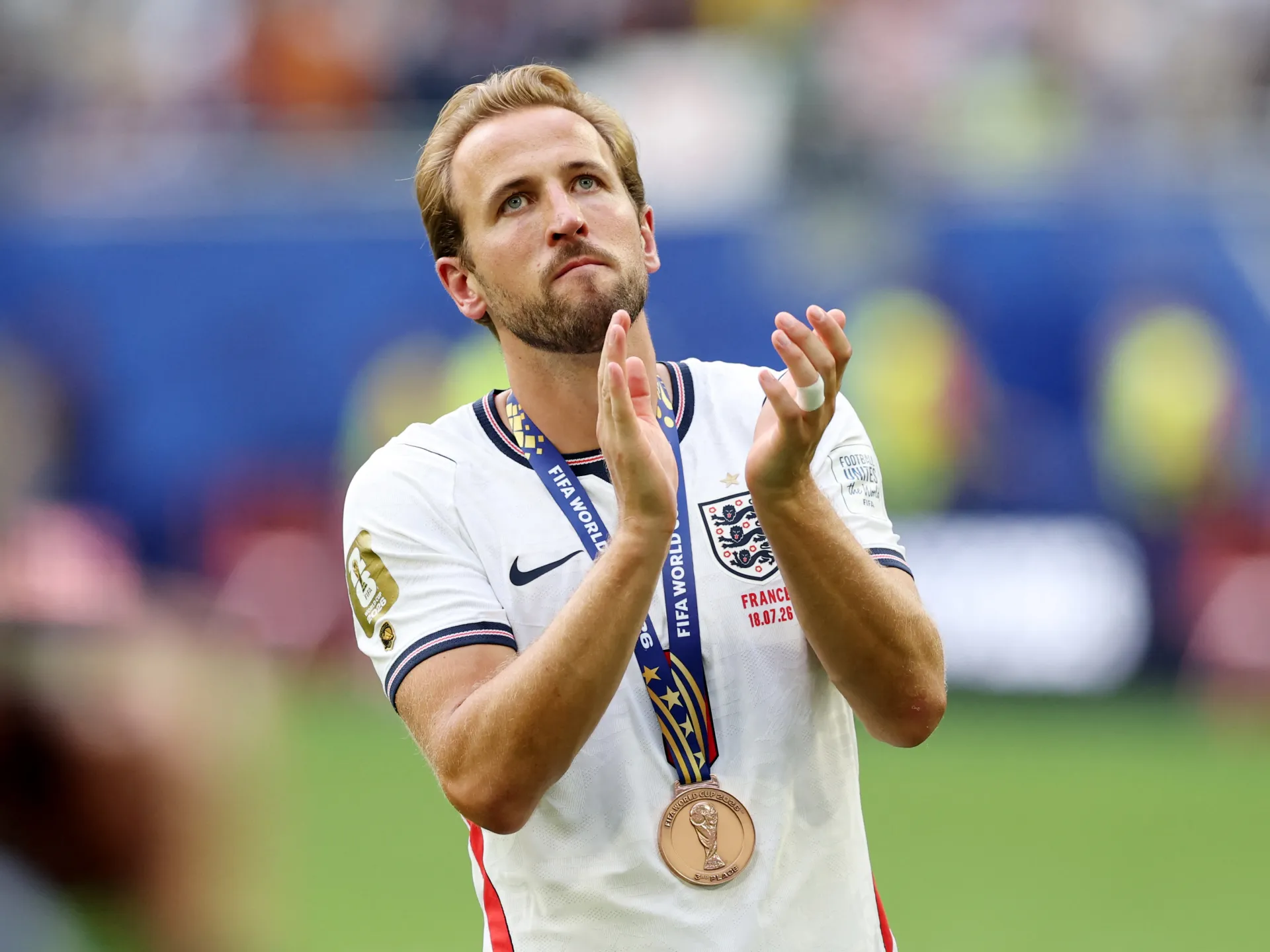
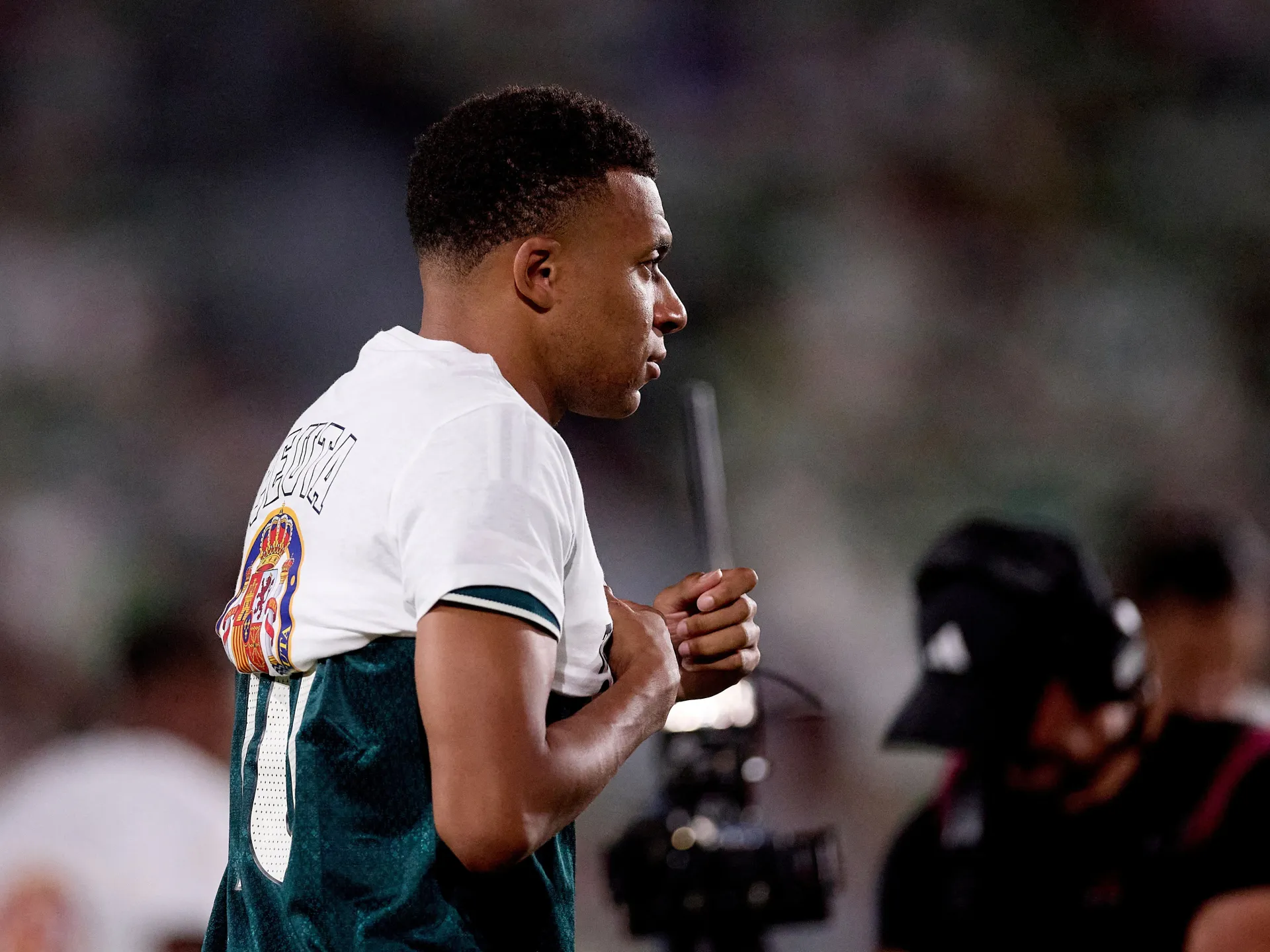
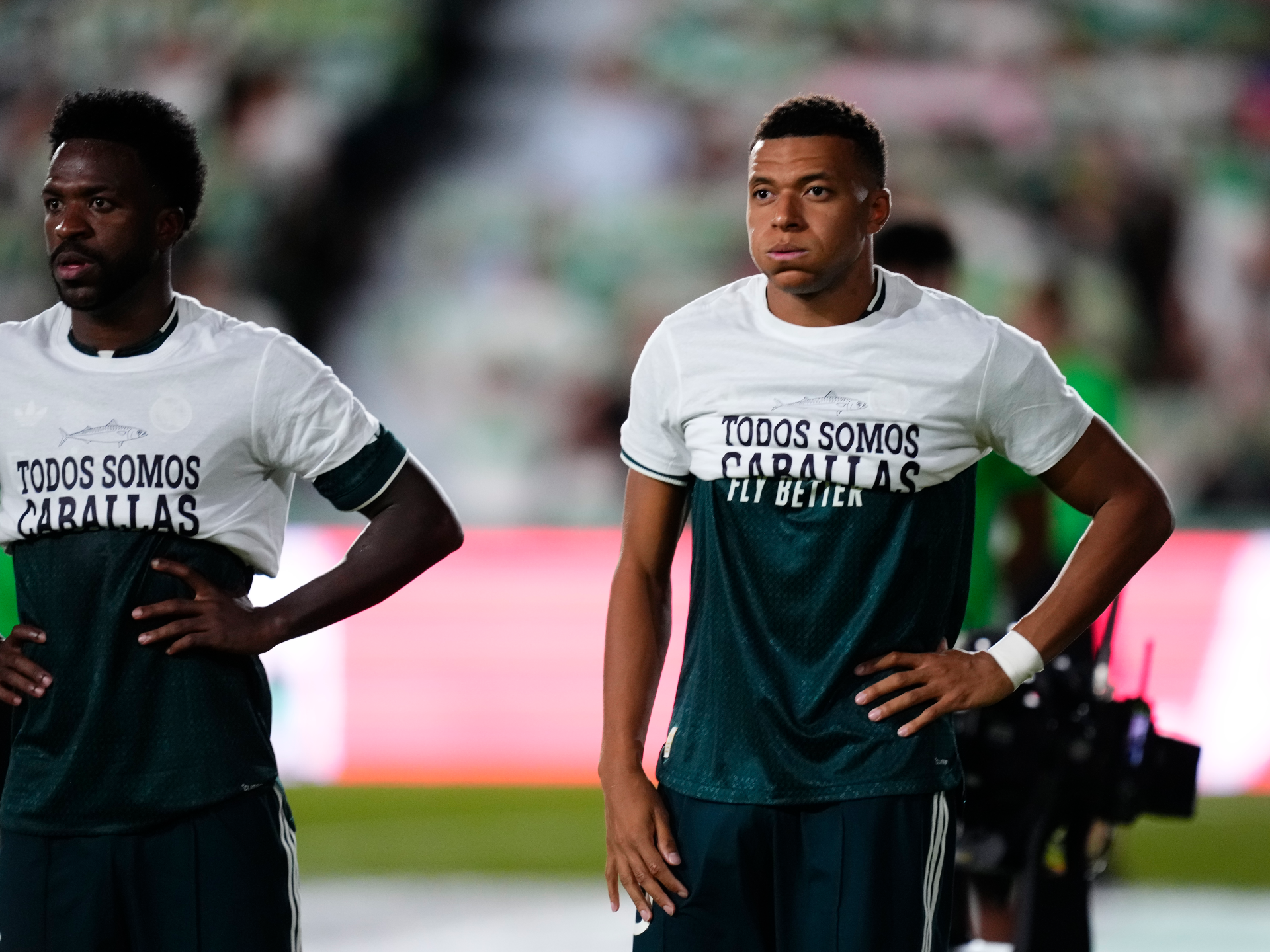
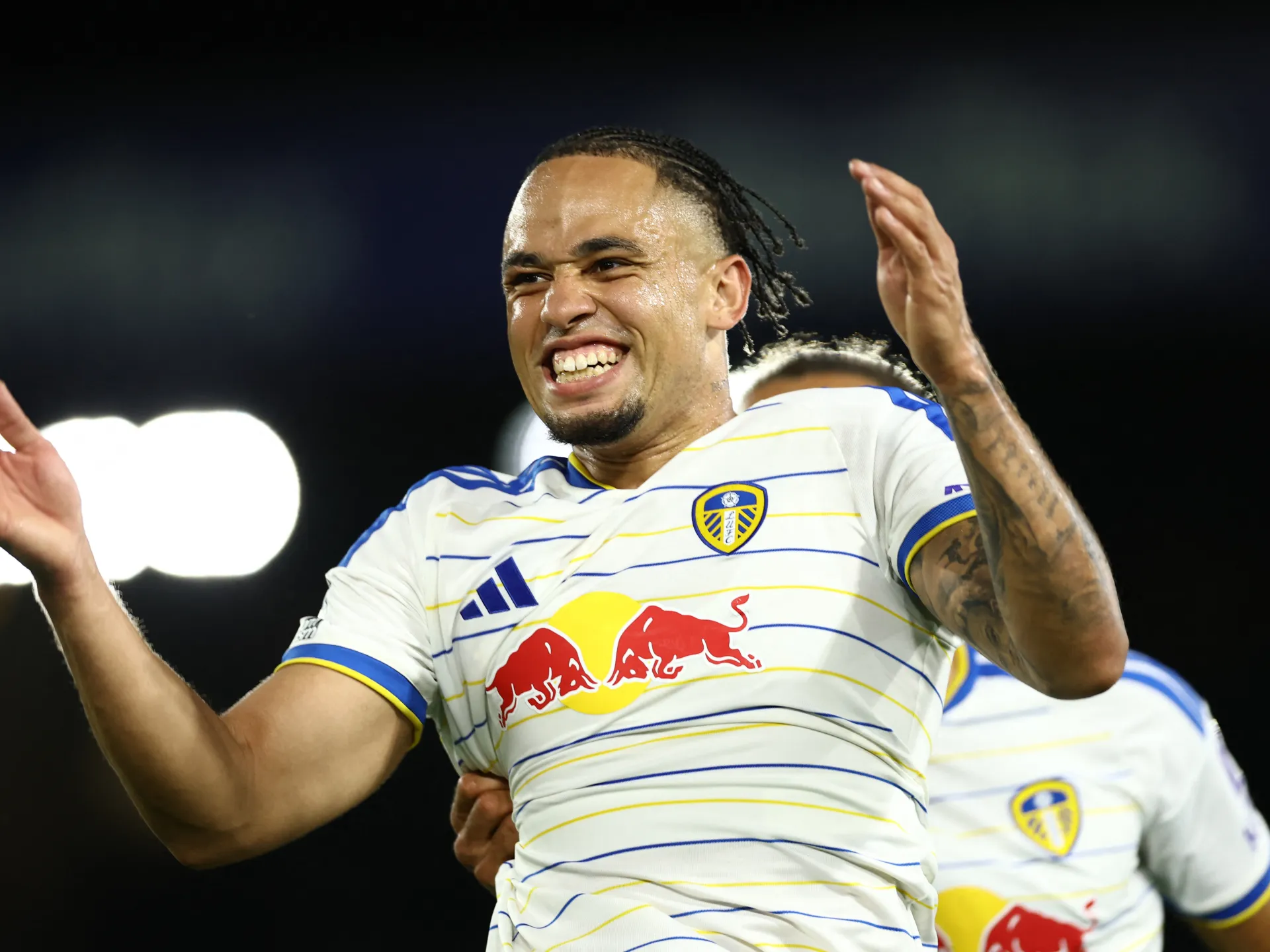
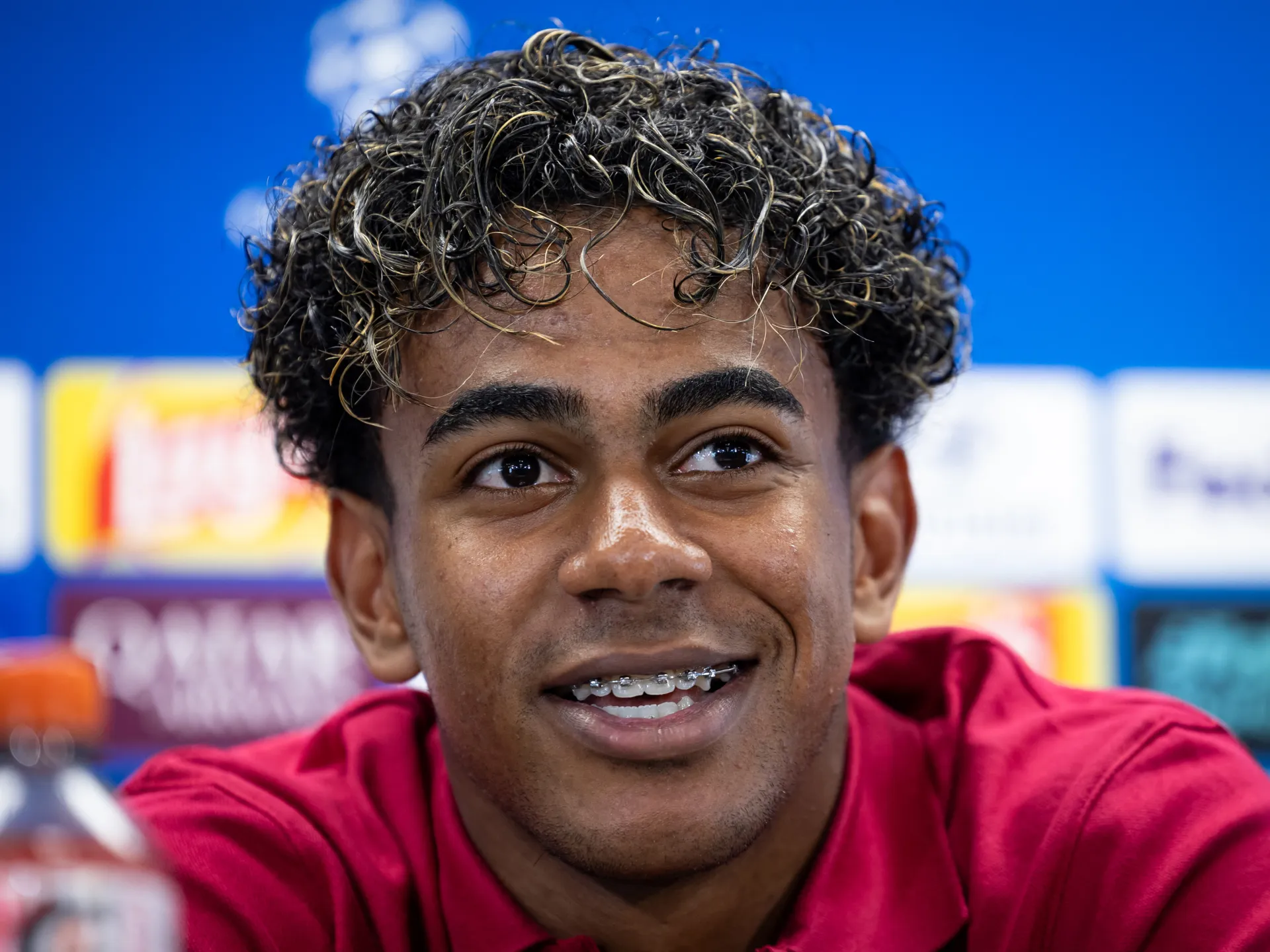
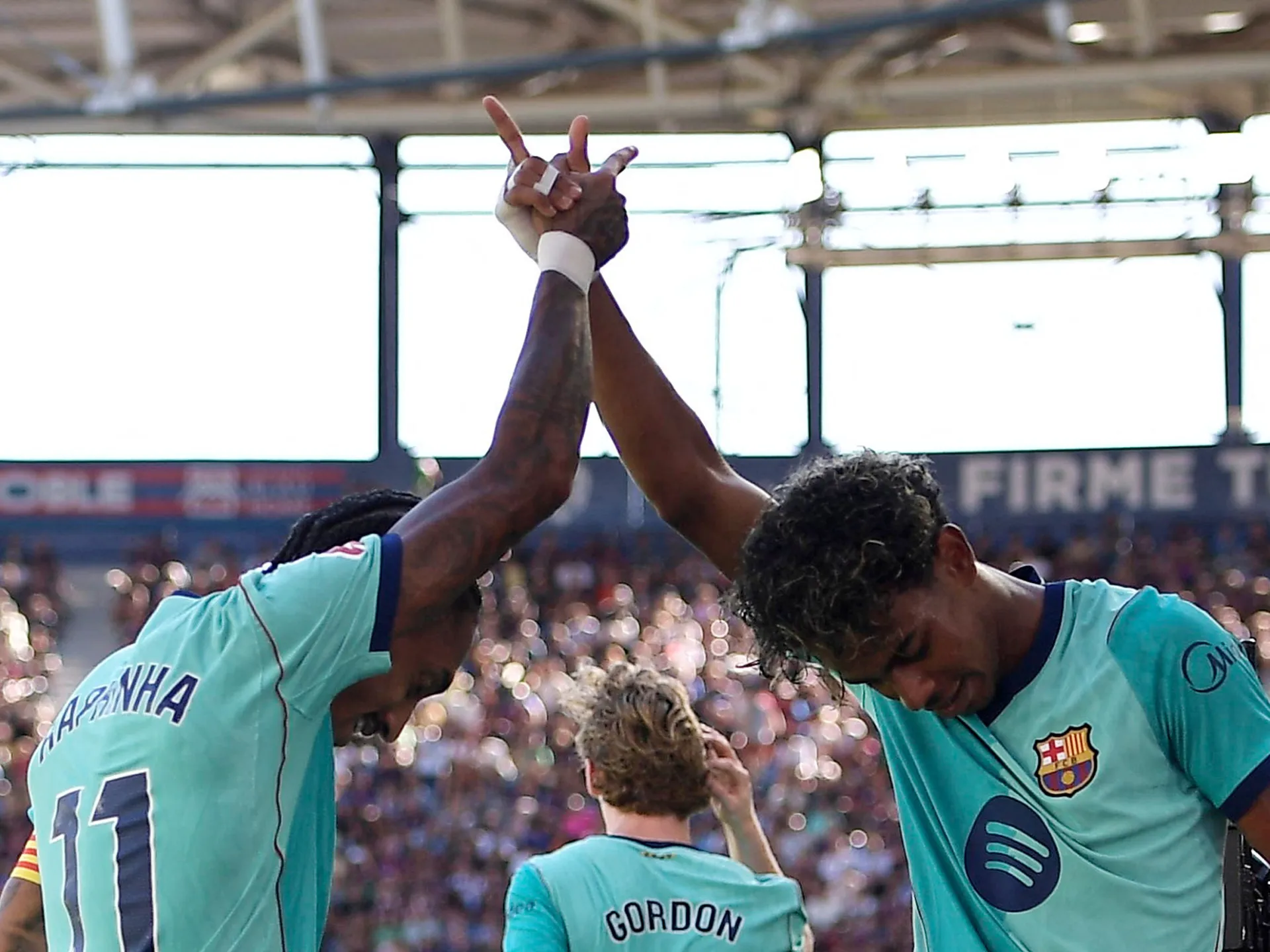
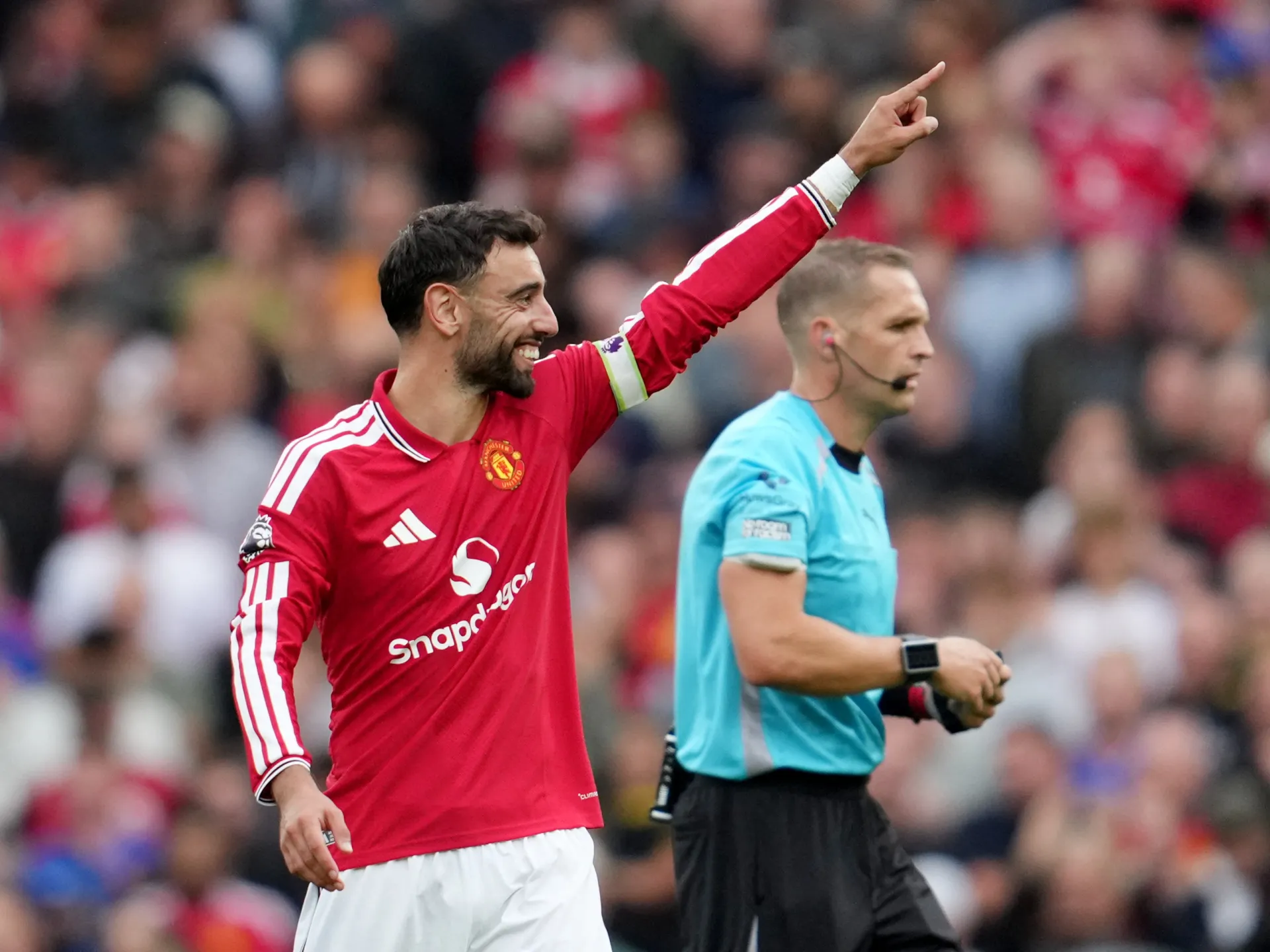
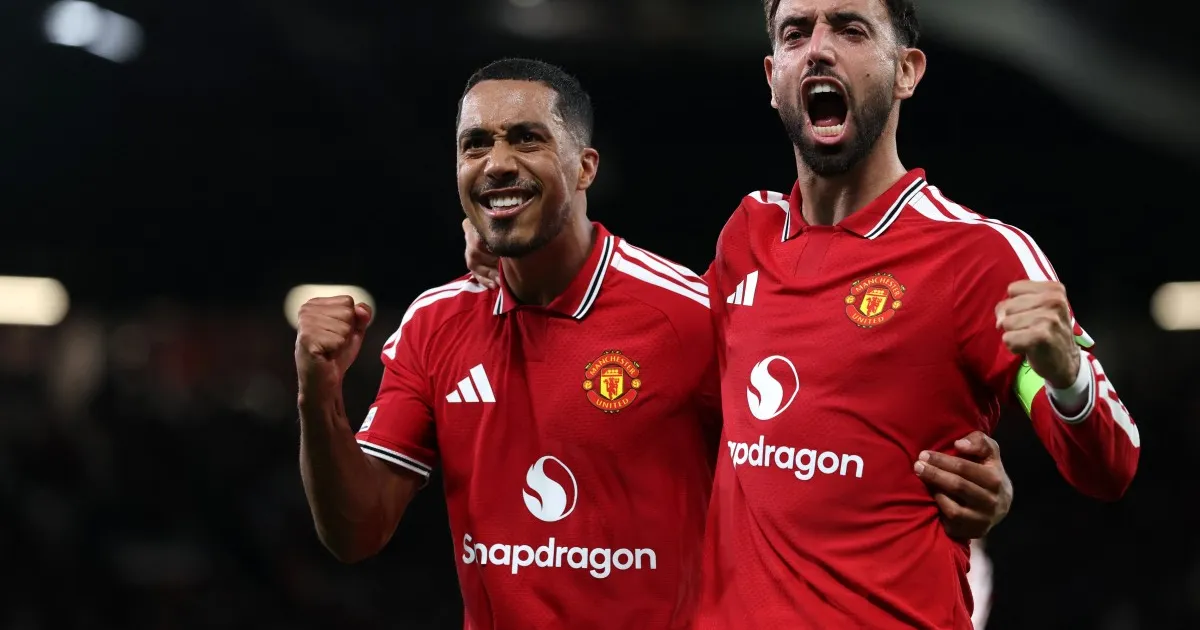
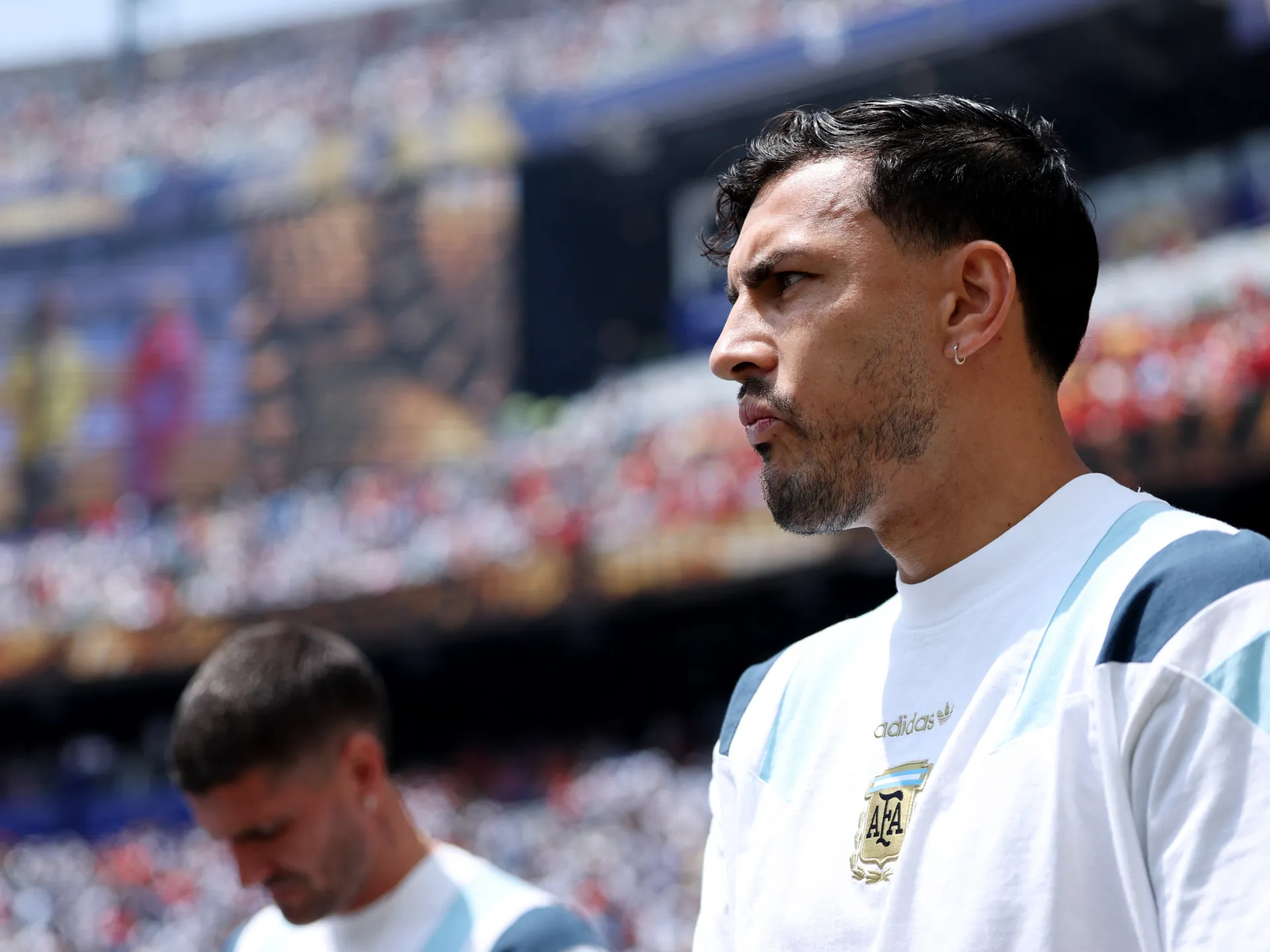
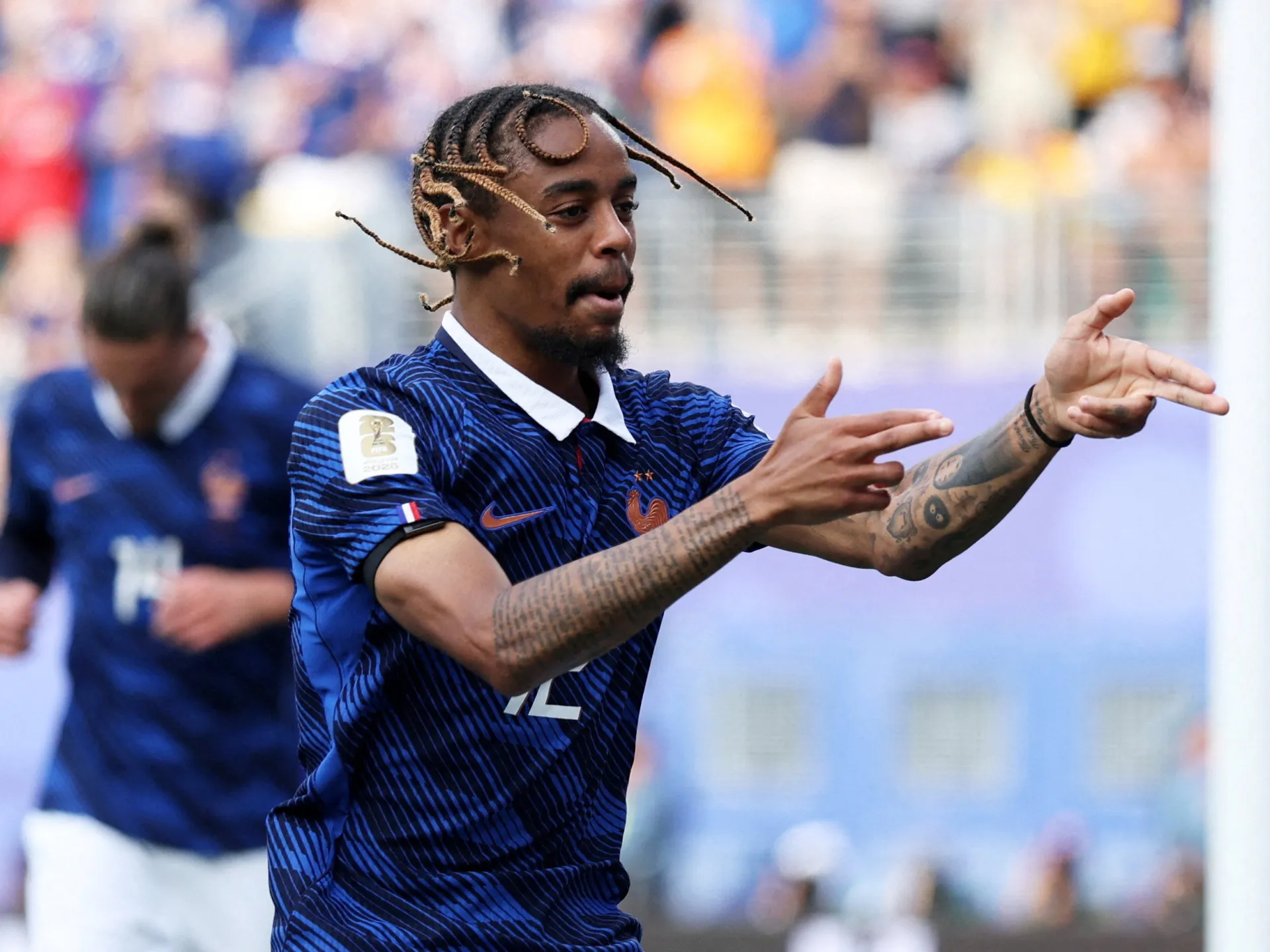
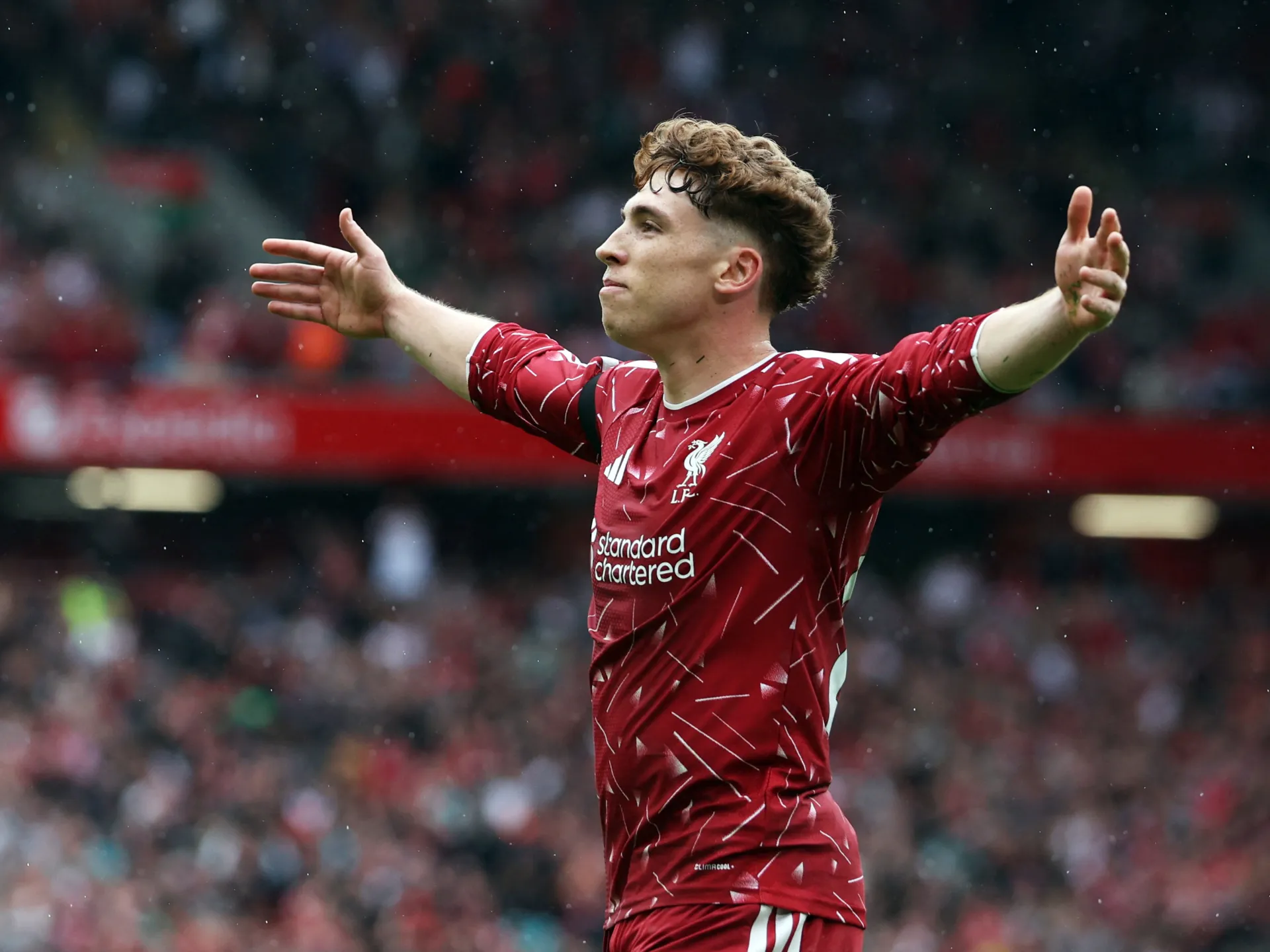
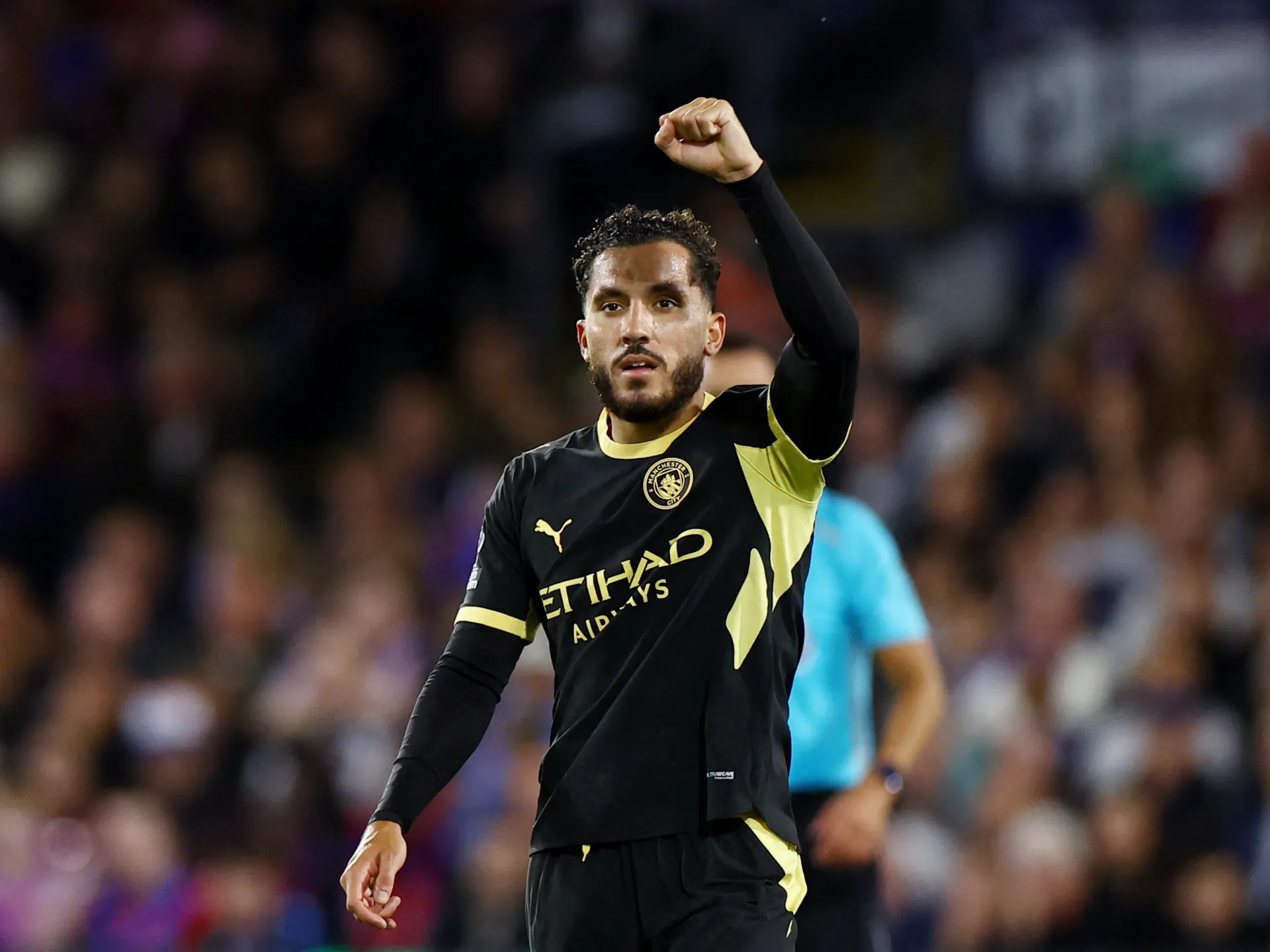
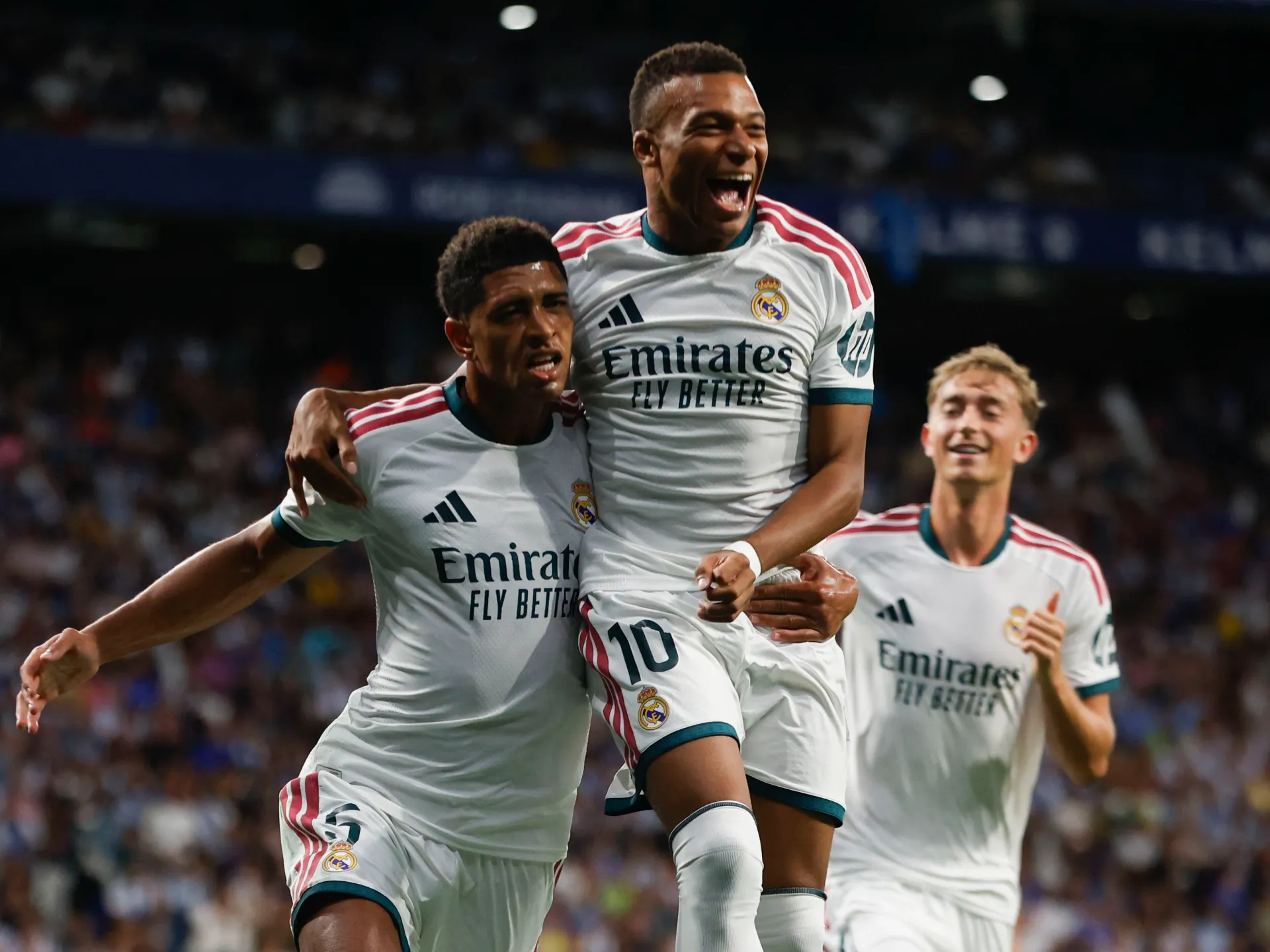
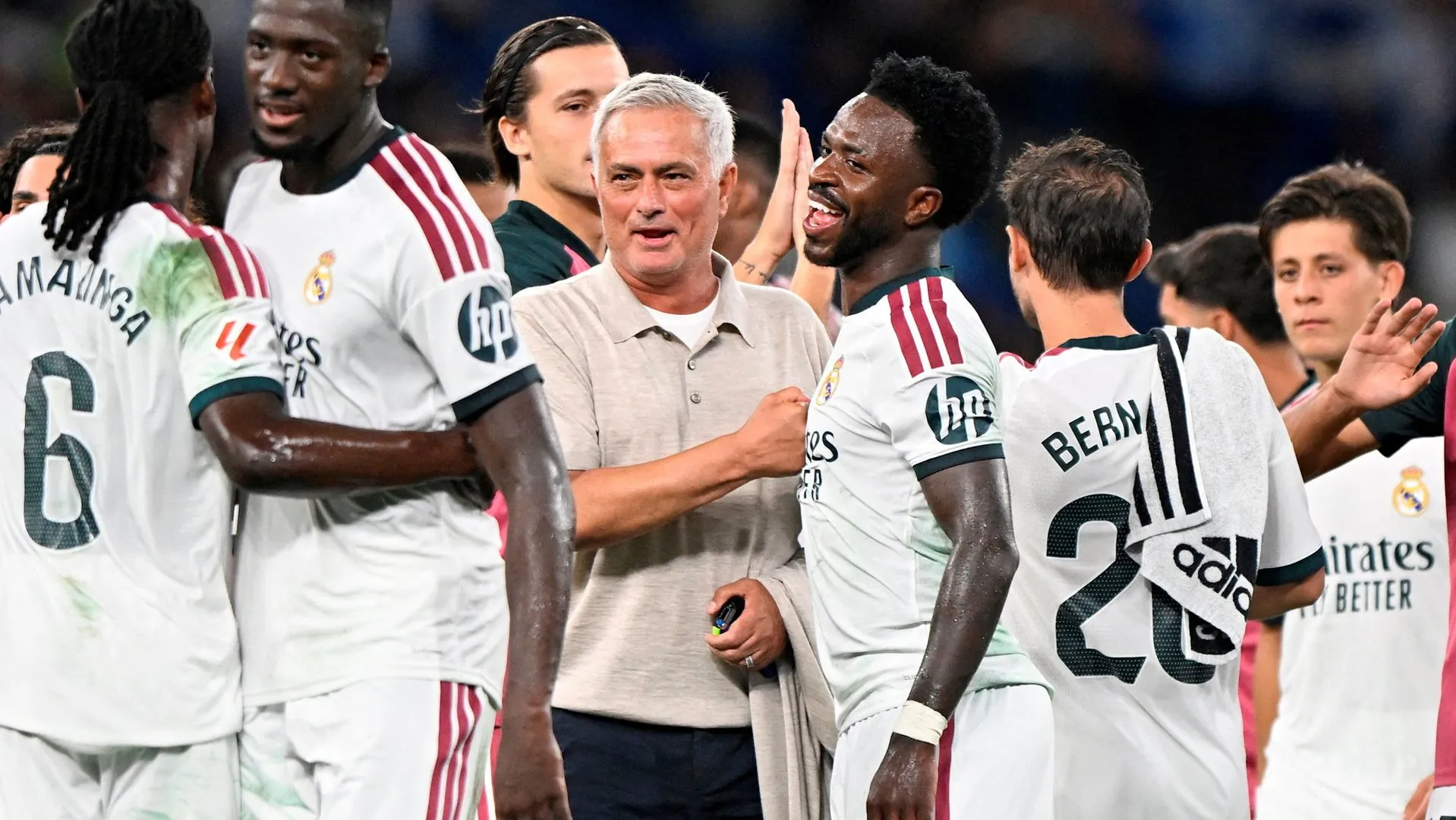
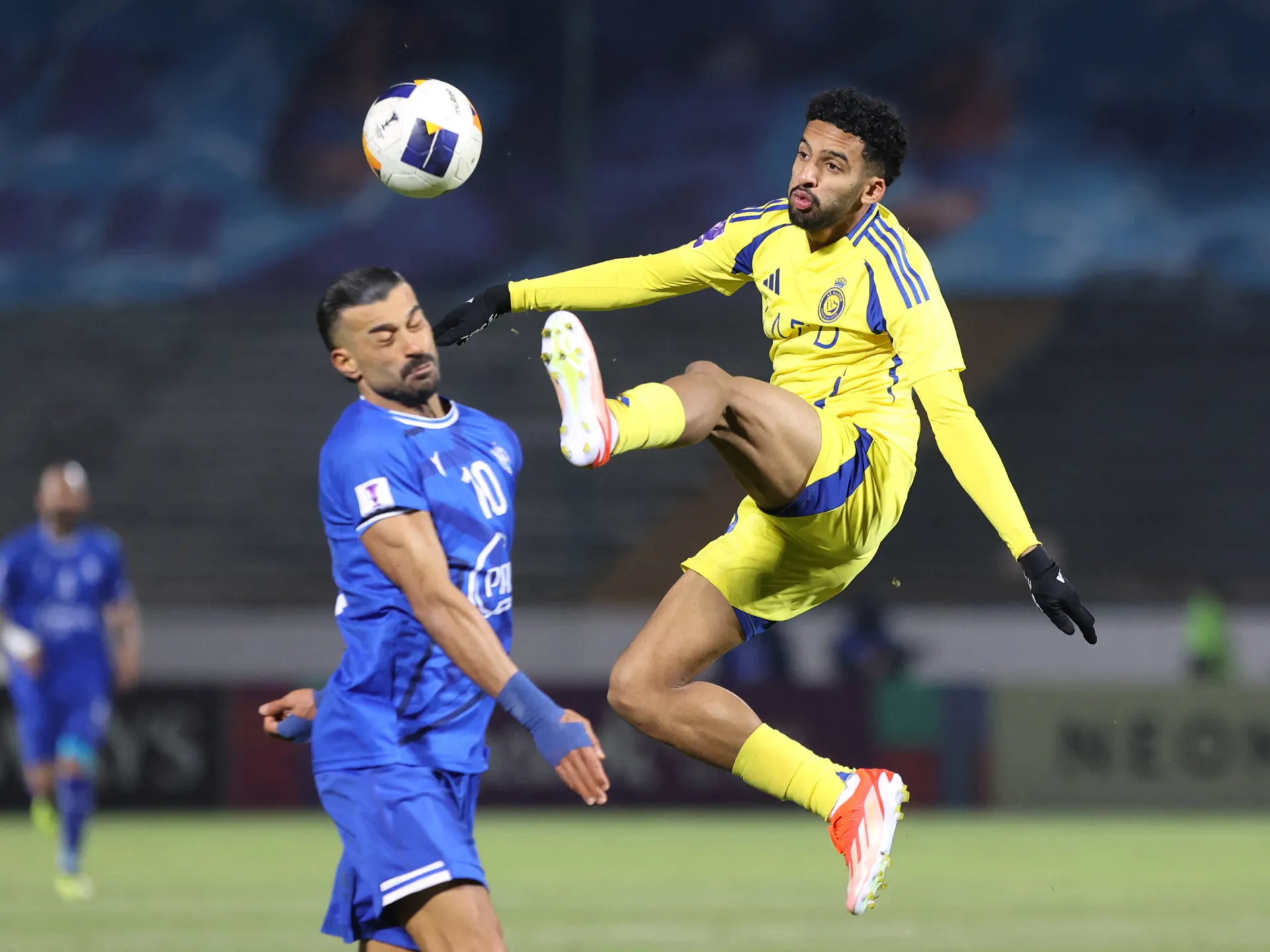
While Real Madrid players Kylian Mbappe, Vinicius Junior, and Ibrahima Konate initially participated in the initiative er the garments before a match against Elche triggered a firestorm. The resulting controversy has spilled out of the dressing room and into the stands, culminating in a visible display of tension during the recent Madrid derby at the Metropolitano Stadium.
The controversy in La Liga highlights a critical shift in how European sports leagues navigate the friction between humanitarian crises and domestic political identity. In this instance, the dispute centers on the unique geopolitical position of Ceuta, a Spanish territory on the African coast that acts as a primary flashpoint for migration policy. c slogans, players have inadvertently become symbols in a deep-seated argument over territorial integrity versus humanitarian empathy. This incident sets a precedent for how Spanish football authorities may choose to regulate political expression on the pitch, balancing the commercial necessity of neutrality against the individual rights of athletes who represent diverse cultural backgrounds.
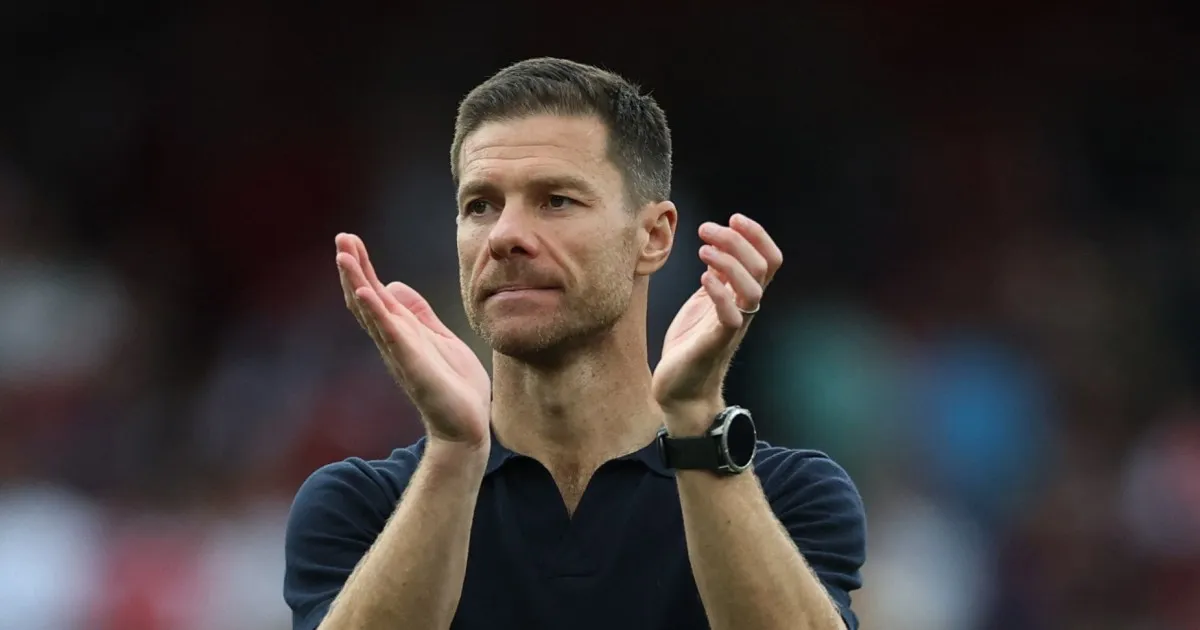
The sentiment within the stadiums reflects a stark divide between those who view the solidarity campaign as a patriotic imperative and those who, like Mbappe, advocate for a more universalist approach to humanitarianism. Mbappe, whose own heritage involves strong ties to the African continent, noted that his actions were not intended to diminish the status of Ceuta, but rather to ensure that the suffering of migrants and refugees was not overlooked in the broader discussion. He emphasized his desire to avoid prioritizing one group’s hardship over another, a sentiment that has failed to appease critics who view the protest as a slight against Spanish unity.
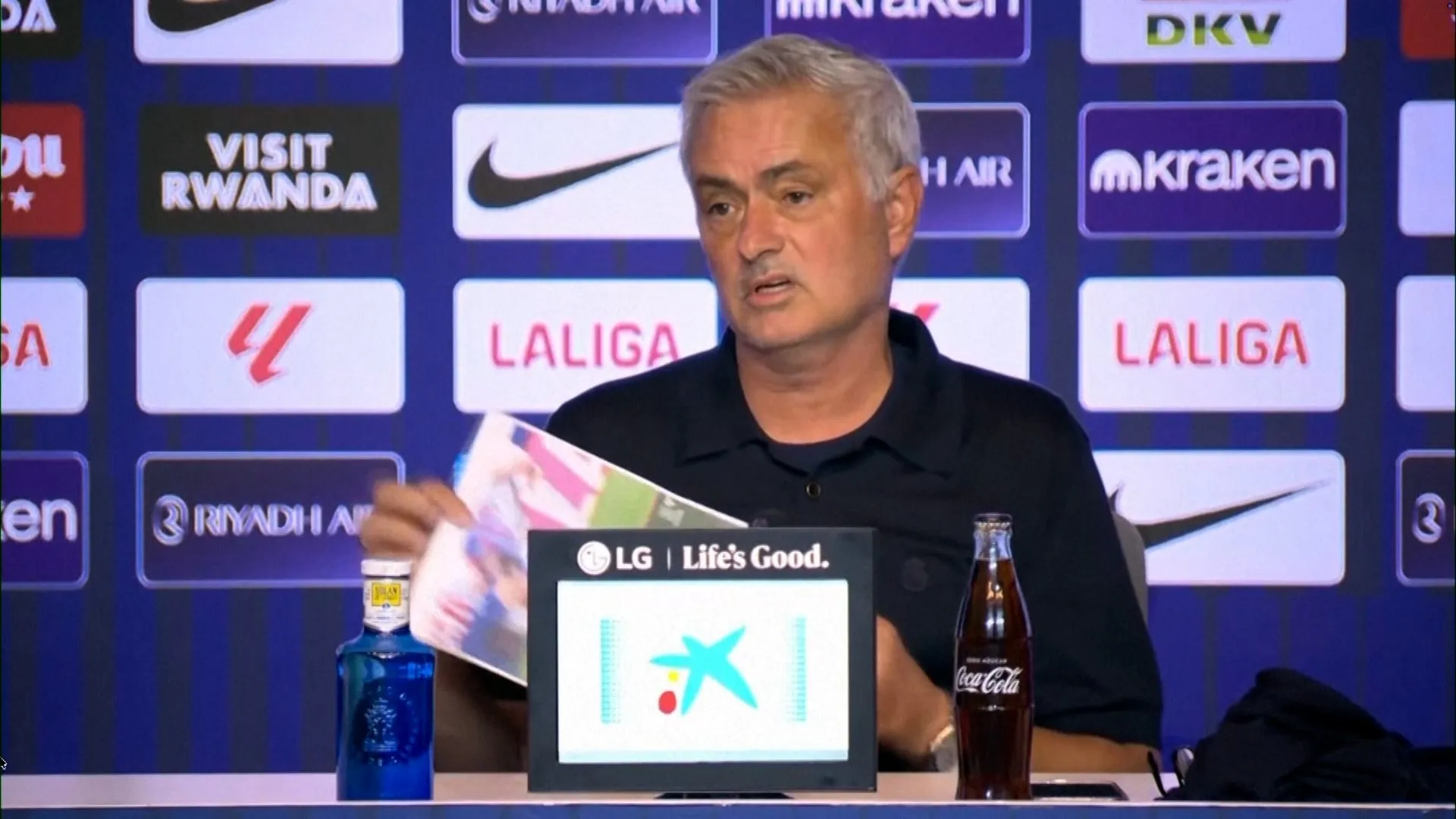
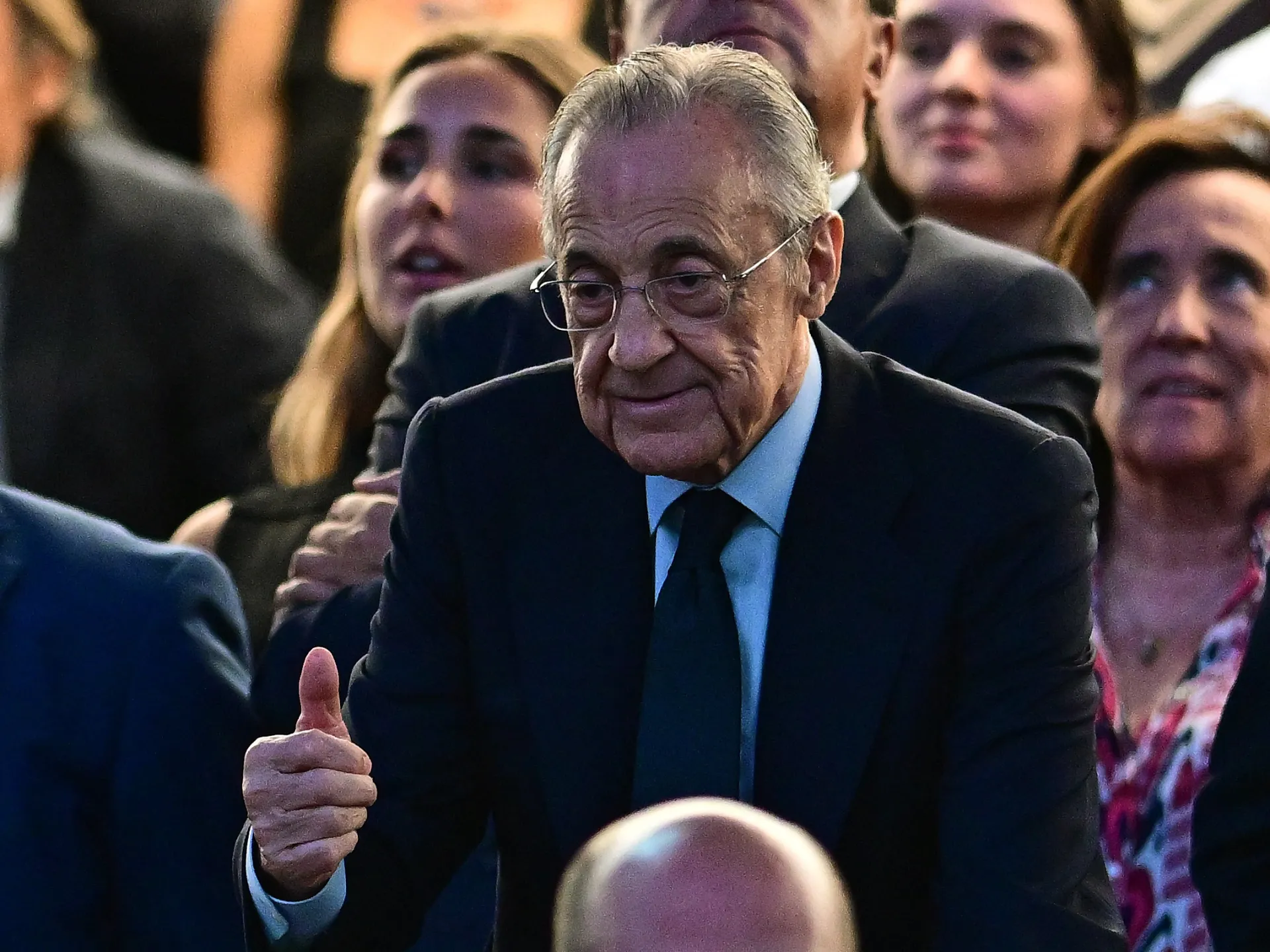
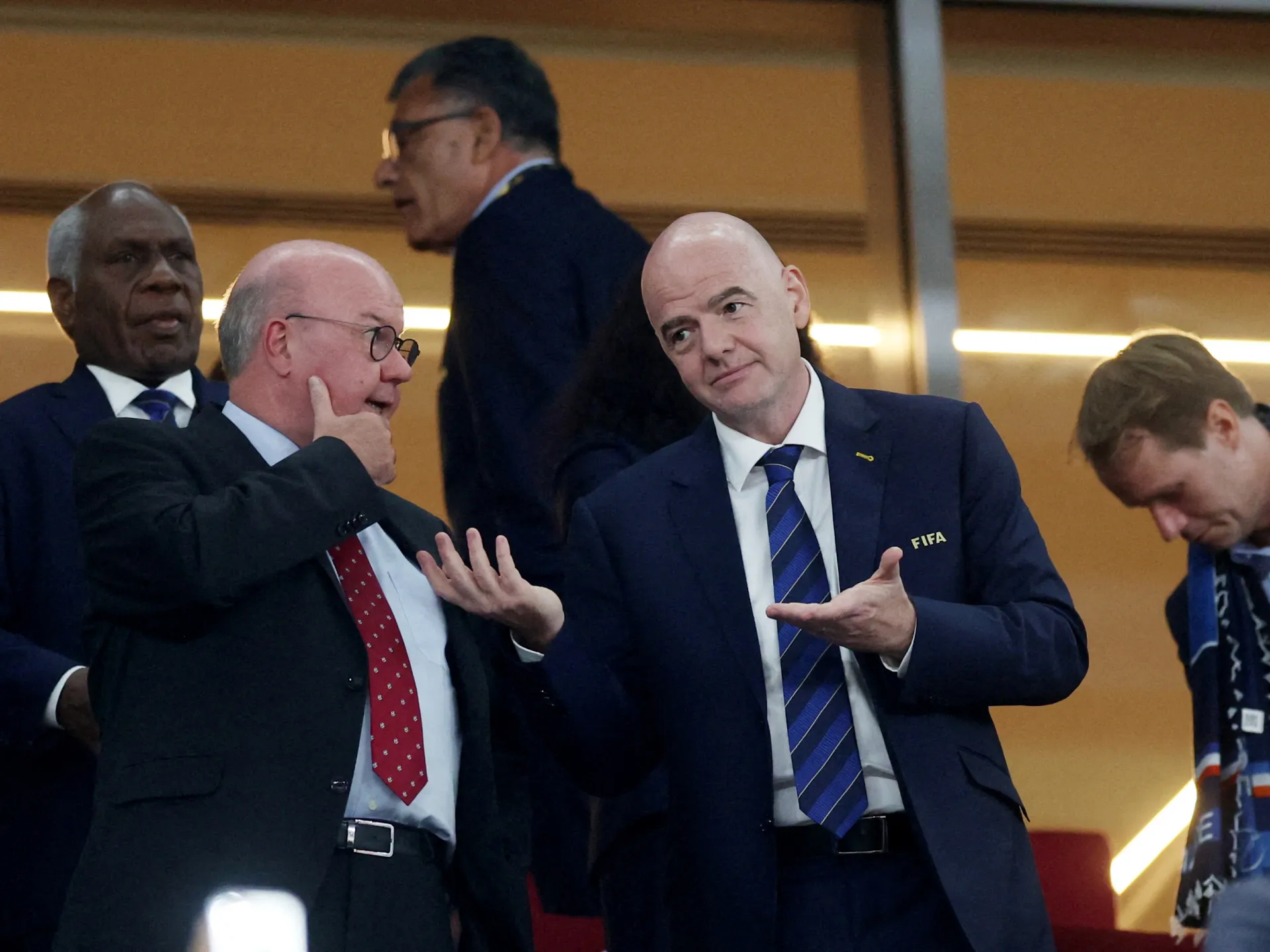
The administrative response has been similarly divided. La Liga President Javier Tebas has publicly criticized the three players, though he stopped short of labeling the campaign itself as strictly political. Conversely, the Spanish footballers’ union, AFE, led that players were not adequately briefed on the implications of the campaign before being asked to participate. Meanwhile, the silence from other clubs, such as Barcelona—who opted out of the shirt initiative entirely—suggests that league stakeholders are wary of being dragged into a polarizing debate that risks alienating global fan bases.
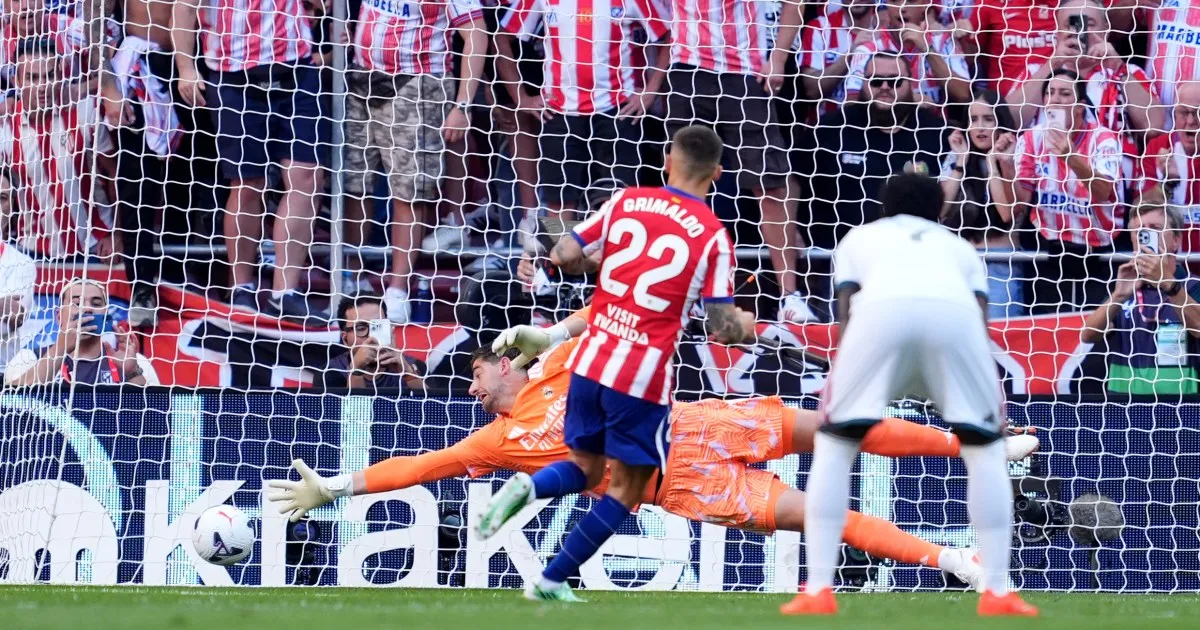
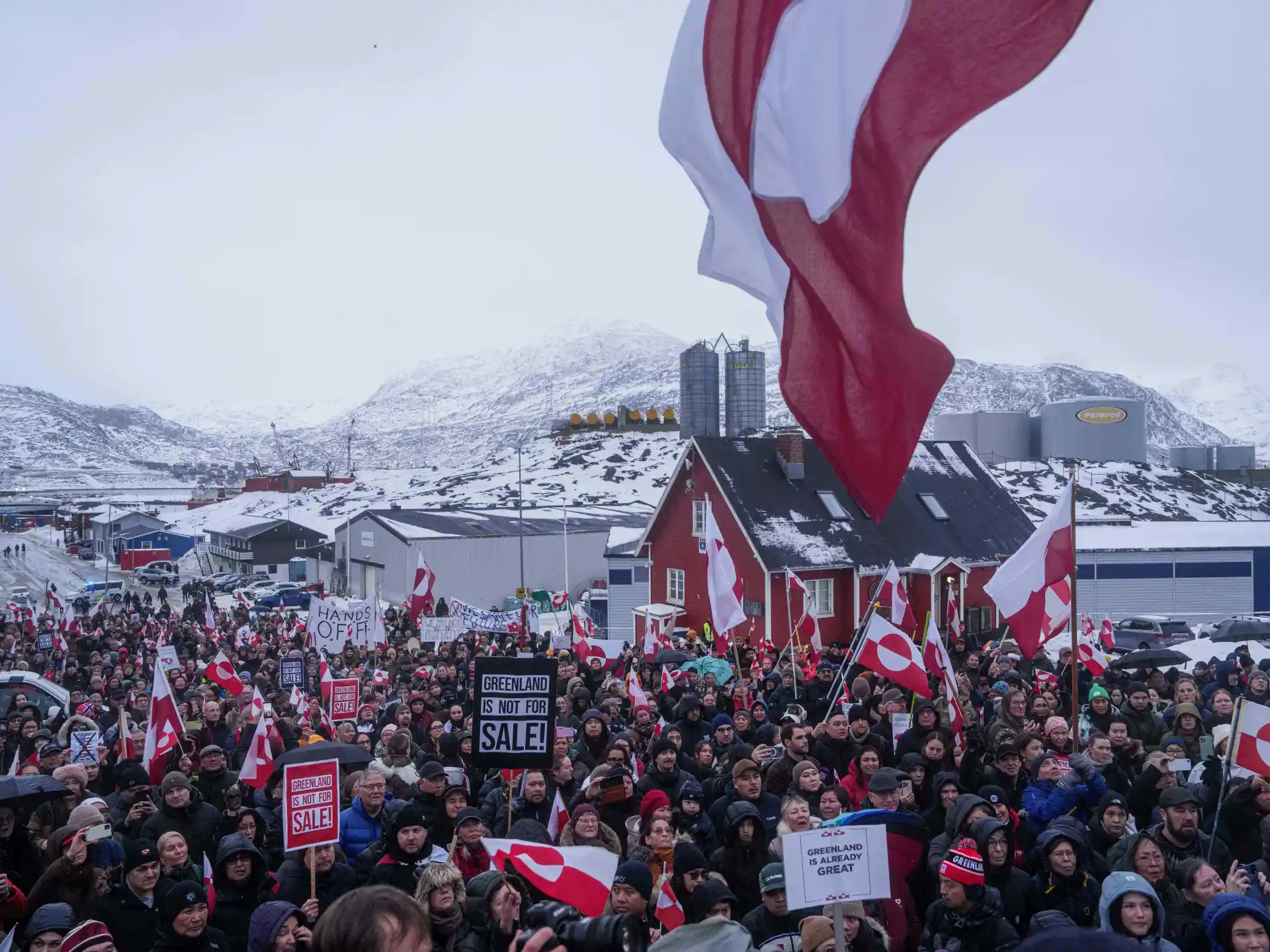
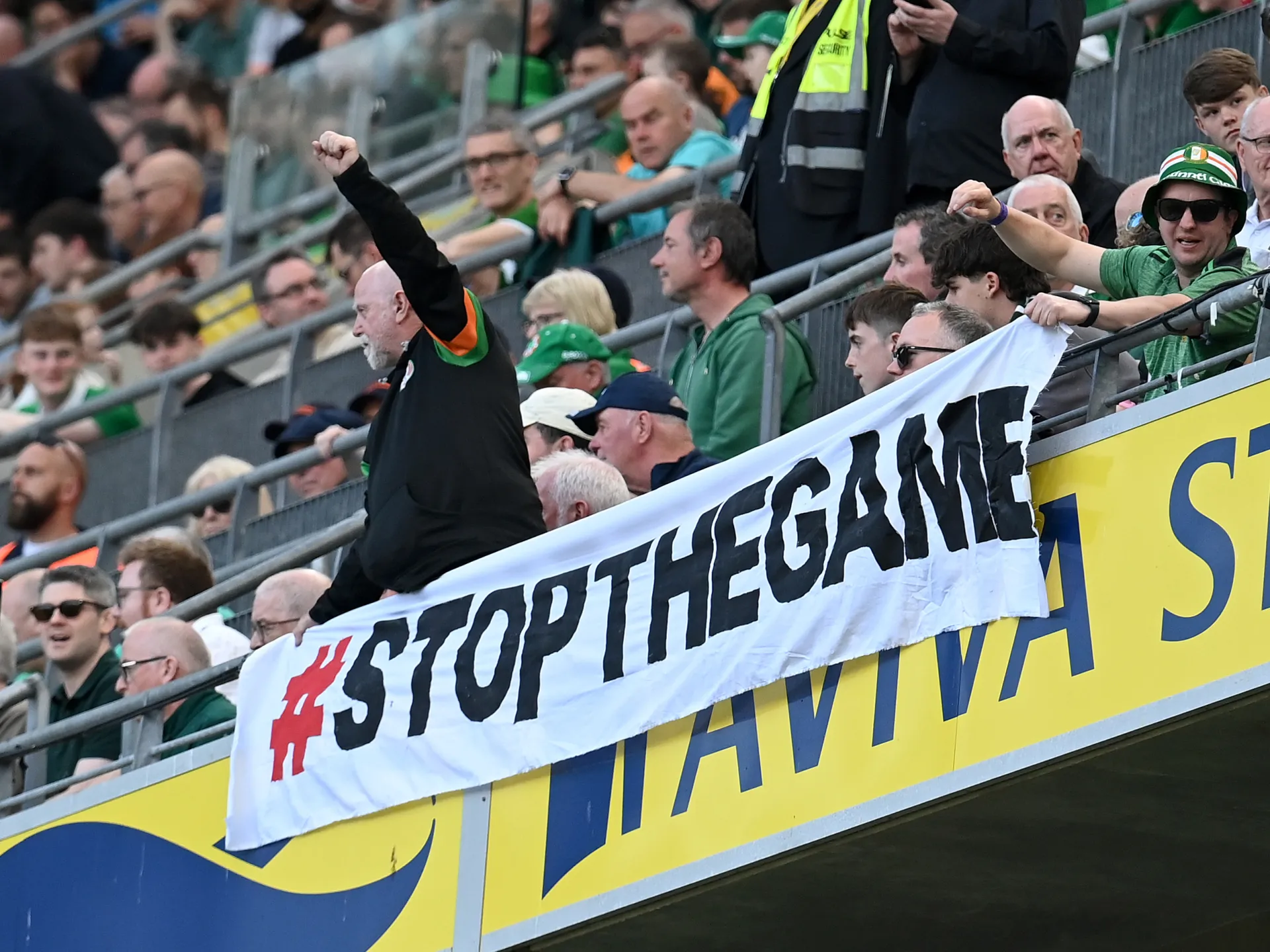
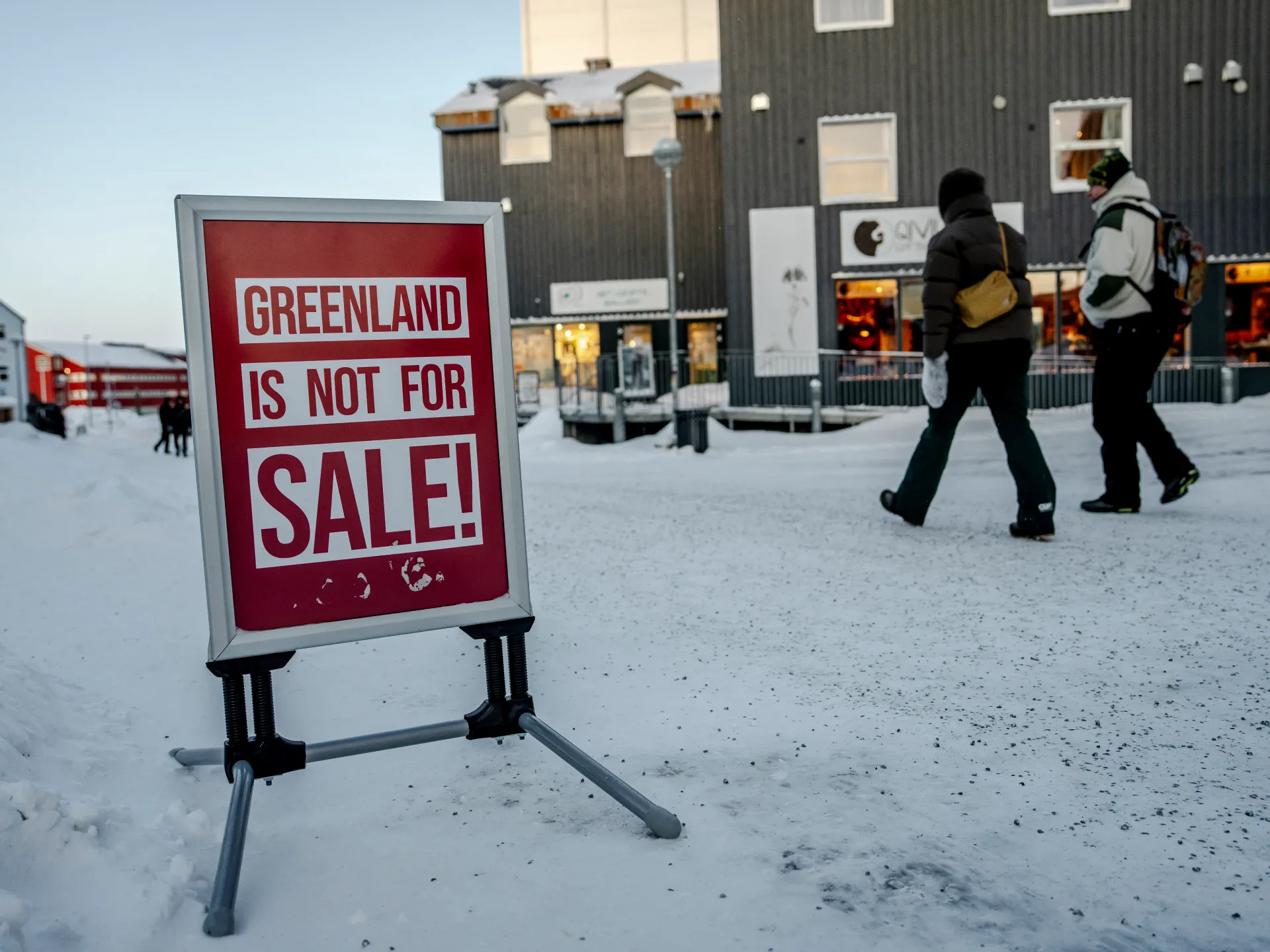
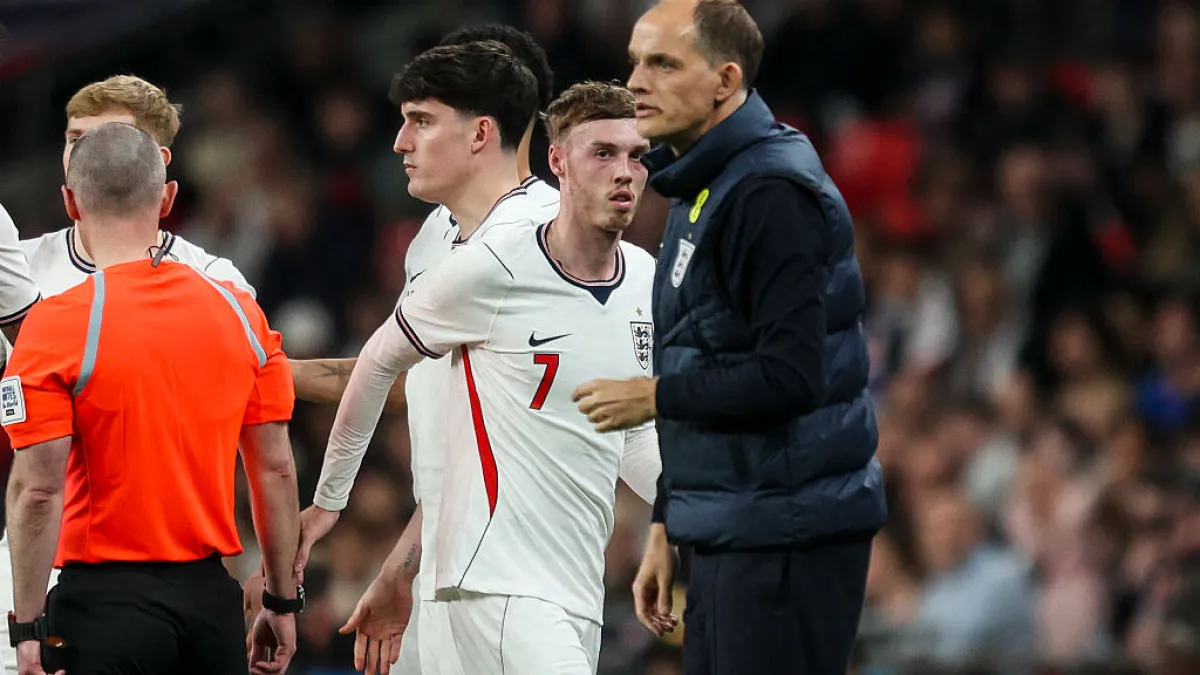
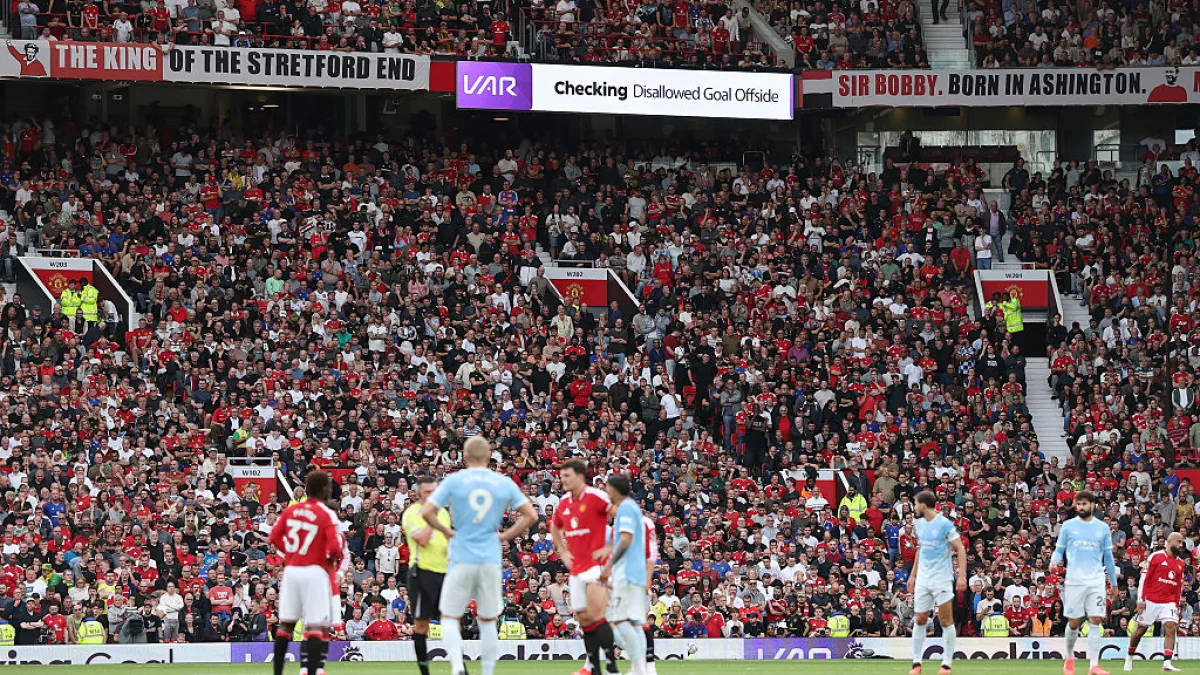
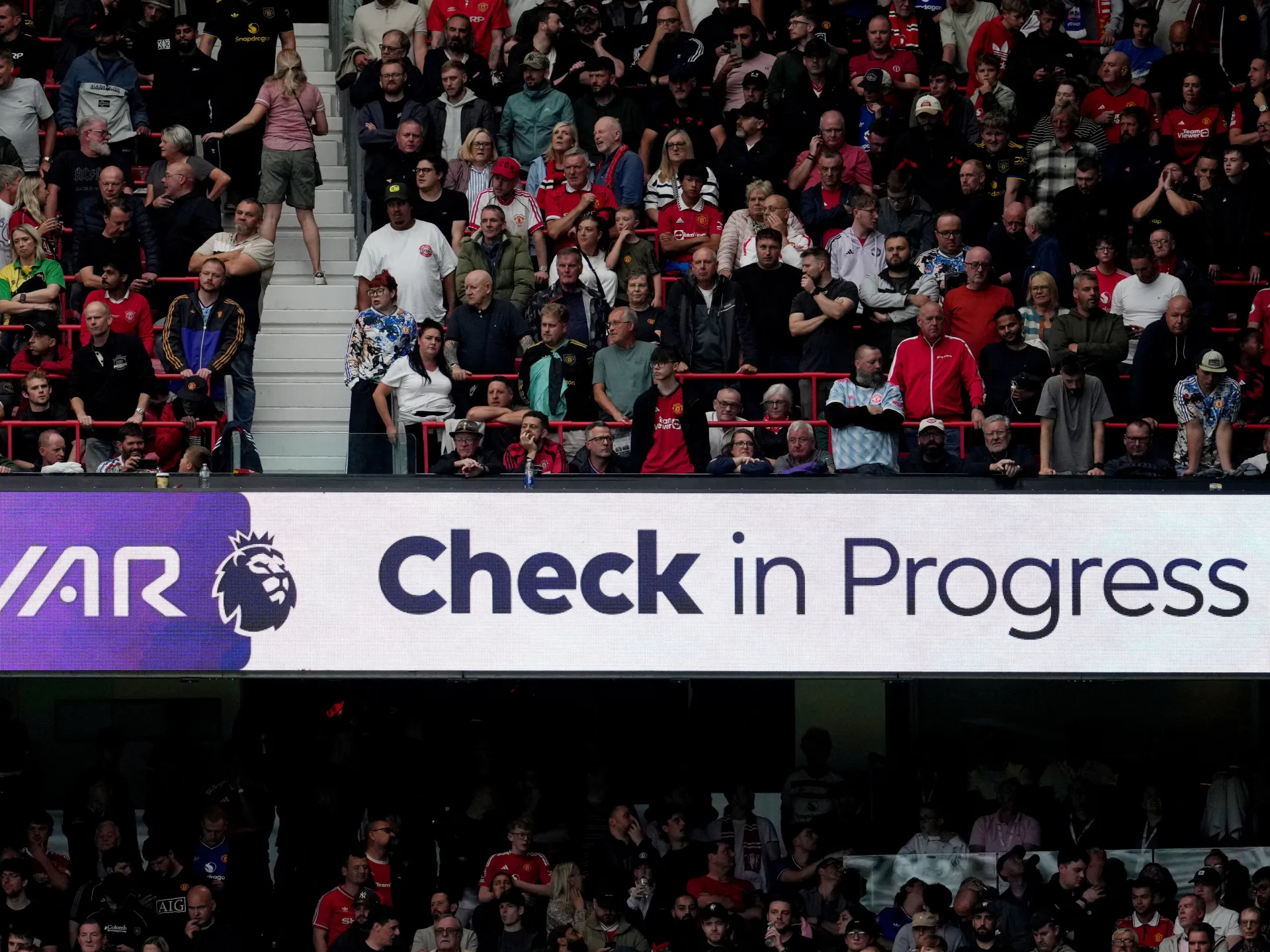
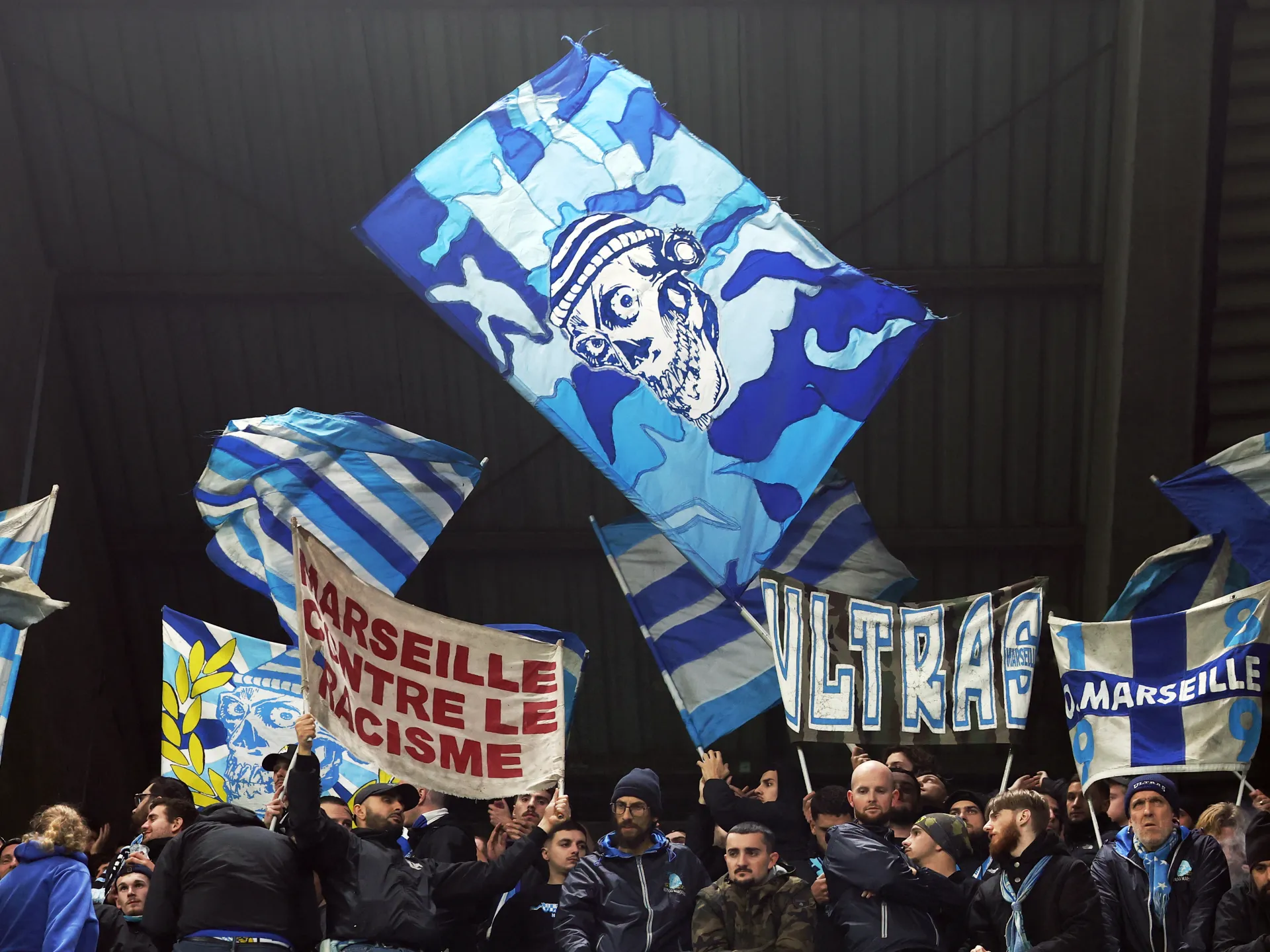
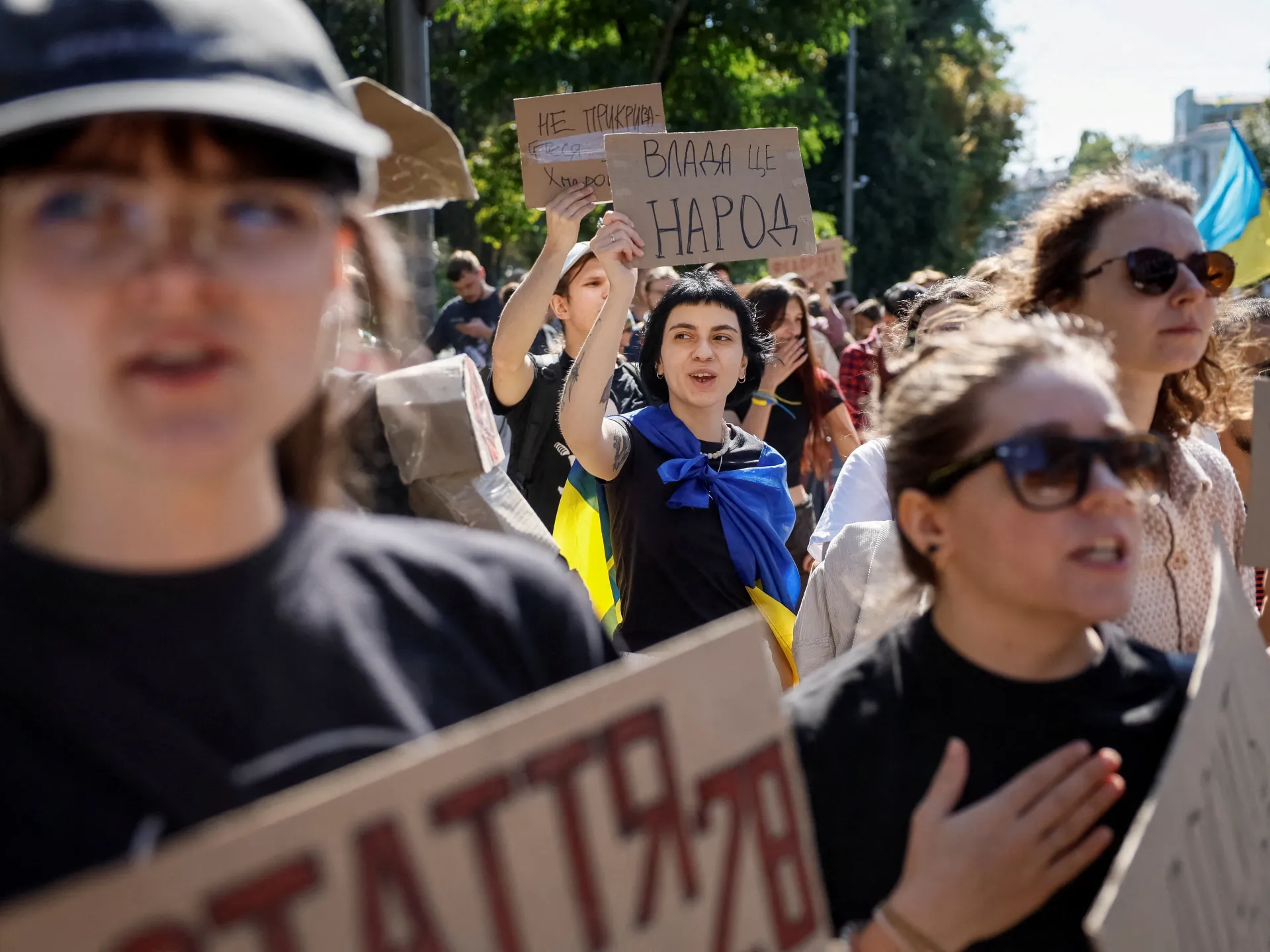
The intensity of the public reaction reached a zenith during the Madrid derby. Despite the historical rivalry between Atletico Madrid and Real Madrid, supporters found common ground in their opposition to the players' perceived lack of support for the enclave. Chants of “Ceuta is not for sale, Ceuta must be defended” echoed through the Metropolitano Stadium, marking a rare moment of unity among opposing supporters. Both Mbappe and Vinicius Junior were subjected to audible whistles and jeers, a clear signal that a significant portion of the Spanish football public views the players' actions as a direct affront to national interests.
The fallout from this campaign suggests that La Liga will likely face increased pressure to implement stricter guidelines regarding pre-match attire and political displays. As clubs look to protect their commercial interests and maintain order in the stands, it is probable that we will see a move toward more sanitized, league-mandated messaging to avoid future controversies. However, the players themselves remain in a difficult position; given the global nature of their platforms, further instances of individual activism regarding humanitarian or geopolitical issues appear inevitable. The coming weeks will likely see individual clubs or the league office issuing formal clarifications on the scope of player participation in future civic campaigns, likely aimed at de-escalating the public rift between the athletes and the fans.