

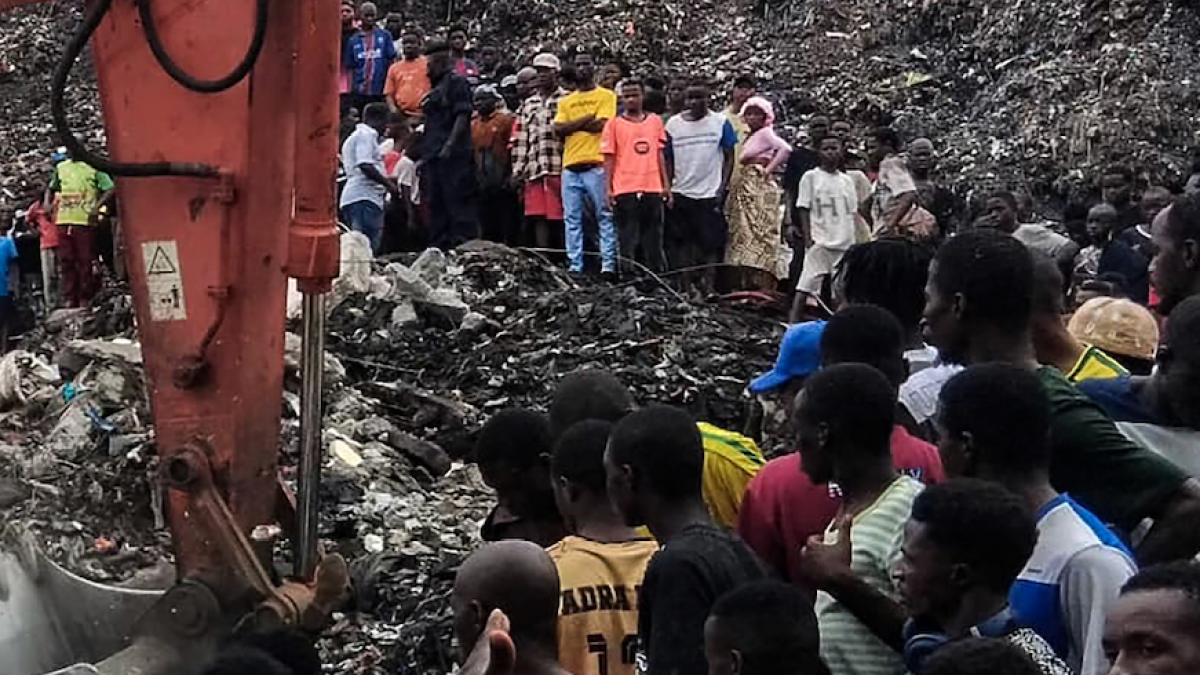
At least 30 people have died after a massive waste mound collapsed in Conakry, Guinea, following heavy rainfall that buried nearby homes.
A catastrophic collapse at a major landfill in Conakry, the capital of Guinea, has resulted in the deaths of at least 30 individuals. The incident occurred following a period of intense, sustained rainfall that saturated the massive mounds of accumulated waste, compromising the structural integrity of the site. As the debris gave way, it surged forward, directly impacting residential structures situated in the immediate vicinity of the facility.
Local authorities and emergency services were quick to respond to the disaster, arriving at the scene to find homes buried under tons of refuse. The scale of the collapse has presented significant challenges for search and rescue teams, who have been working tirelessly through difficult conditions to locate survivors. Beyond the confirmed fatalities, dozens of residents have been reported as injured, with many requiring urgent medical attention for trauma and other related complications.
The collapse serves as a stark reminder of the vulnerability of informal settlements located near industrial or waste disposal sites in rapidly growing urban centers. In Conakry, like many other expanding metropolitan areas, housing often encroaches upon zones designated for waste management. When extreme weather events occur, such as the heavy overnight rains that triggered this tragedy, the proximity of these homes to unstable waste heaps creates a lethal environment for local inhabitants.
Meteorological patterns in the region have become increasingly unpredictable, with heavy downpours frequently putting pressure on existing infrastructure. The saturation of the ground and the added weight of water-logged waste can turn stable landfill slopes into dangerous landslides. This event highlights the urgent need for better urban planning and the enforcement of safety buffers between waste disposal facilities and residential neighborhoods to prevent future loss of life.
As the recovery operation continues, the focus remains on finding any remaining survivors trapped beneath the debris. Rescue workers are utilizing heavy machinery and manual labor to clear paths through the waste, though the instability of the terrain remains a constant threat to their safety. The local medical system has been mobilized to handle the influx of wounded individuals, with hospitals in Conakry bracing for the continued arrival of those affected
Beyond the immediate medical and search requirements, the incident has left many families homeless and without basic necessities. The loss of life and property has sent shockwaves through the community, prompting calls for more rigorous oversight of waste management practices in the country. As the dust settles, authorities are expected to launch a formal investigation into the structural safety of the site and the circumstances that allowed residential housing to persist in such a high-risk zone.
Moving forward, the Conakry landfill disaster is likely to serve as a catalyst for a broader national conversation regarding waste disposal and urban safety. The incident exposes the systemic risks associated with improper waste management and the lack of oversight regarding residential encroachment. Addressing these issues will require a multifaceted approach, including improved infrastructure, stricter land-use regulations, and the relocation of communities residing in high-risk areas.
The international community and local stakeholders will be watching closely to see how the Guinean government addresses the aftermath. The recovery process will be lengthy, and the rebuilding efforts will need to account for both the immediate humanitarian needs and the long-term goal of creating safer living conditions for all citizens in the capital. Ensuring that such a disaster does not repeat itself will require sustained investment in urban resilience and a commitment to prioritizing public safety over the convenience of proximity to industrial facilities.