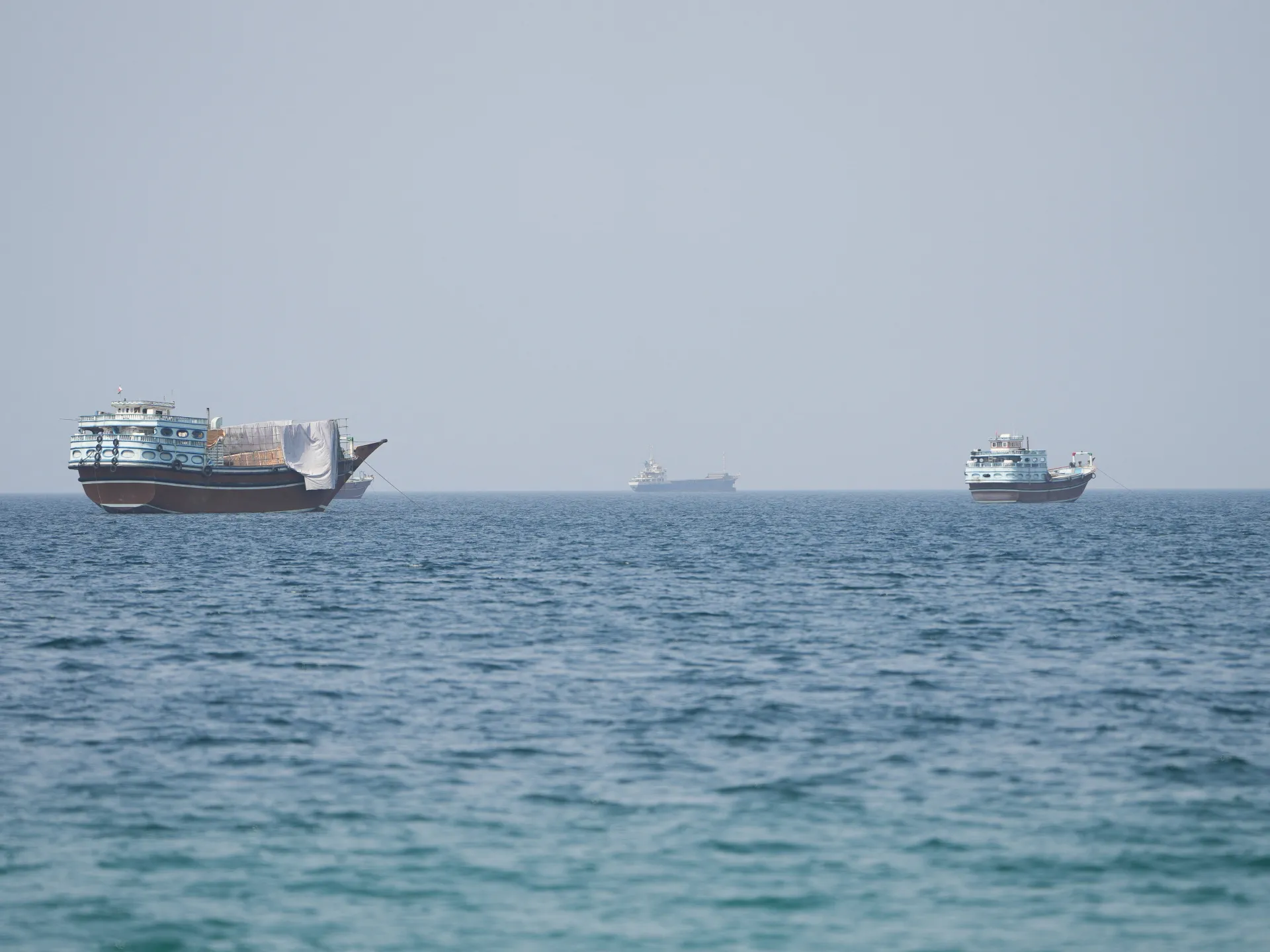

Asian nations are rapidly expanding strategic oil reserves and infrastructure to mitigate the impact of supply disruptions following the Strait of Hormuz crisis.
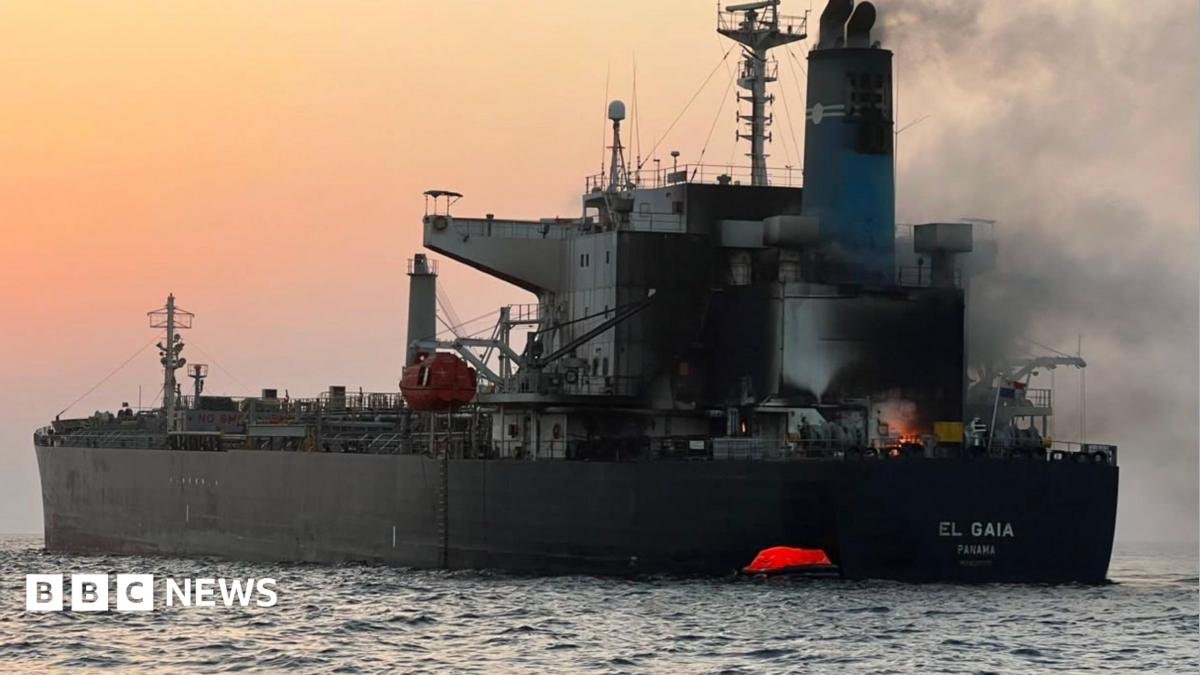
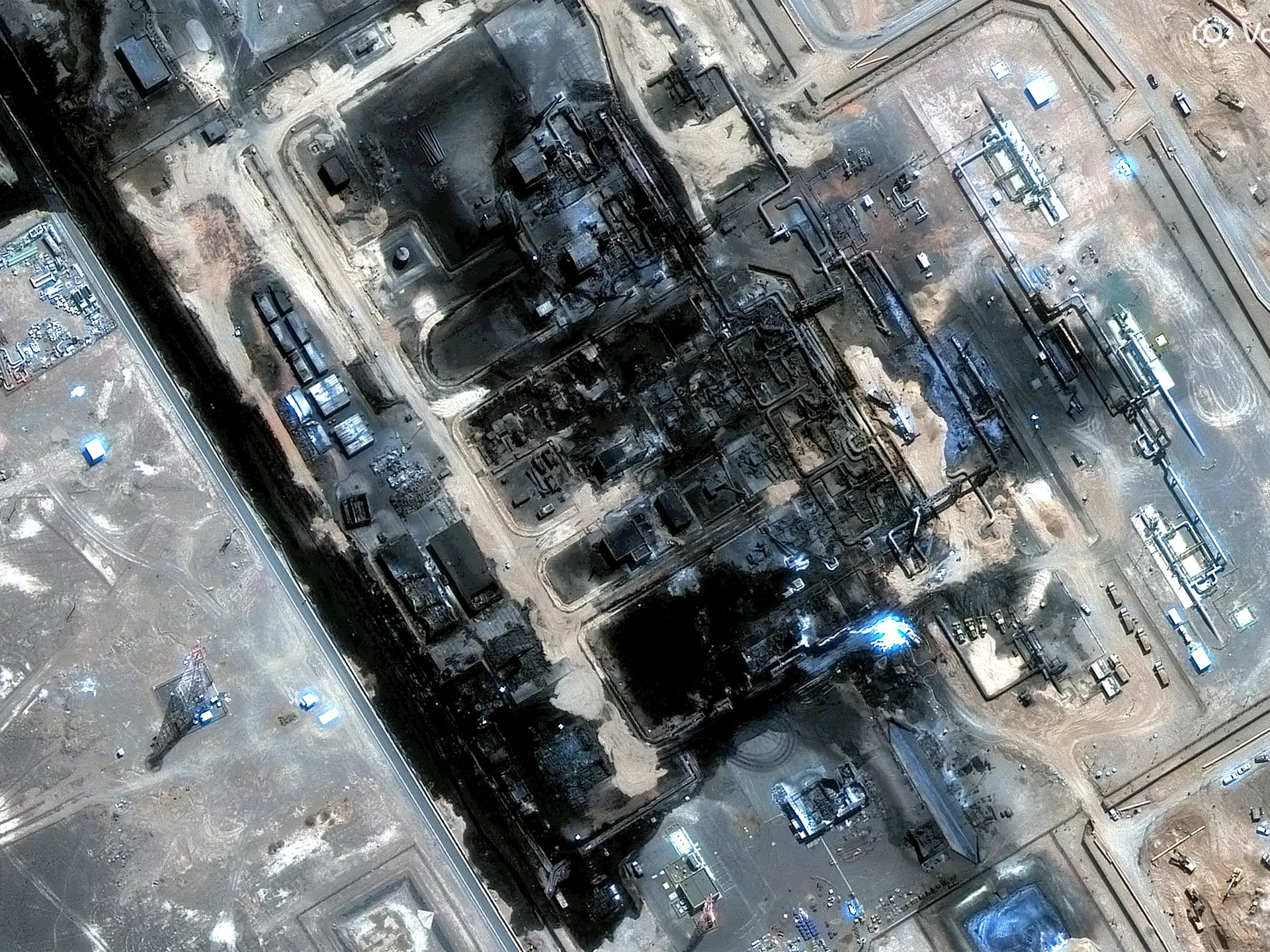
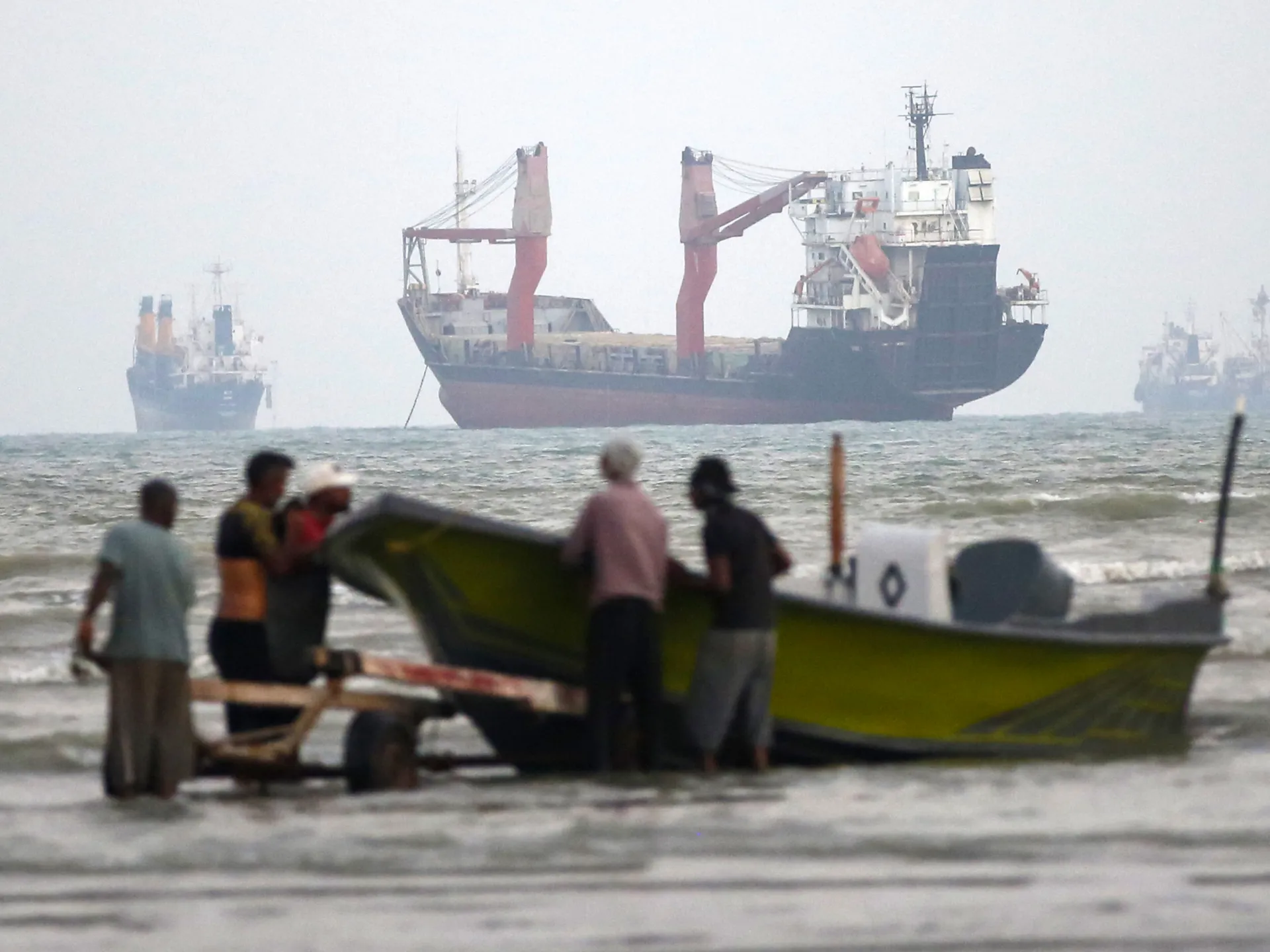
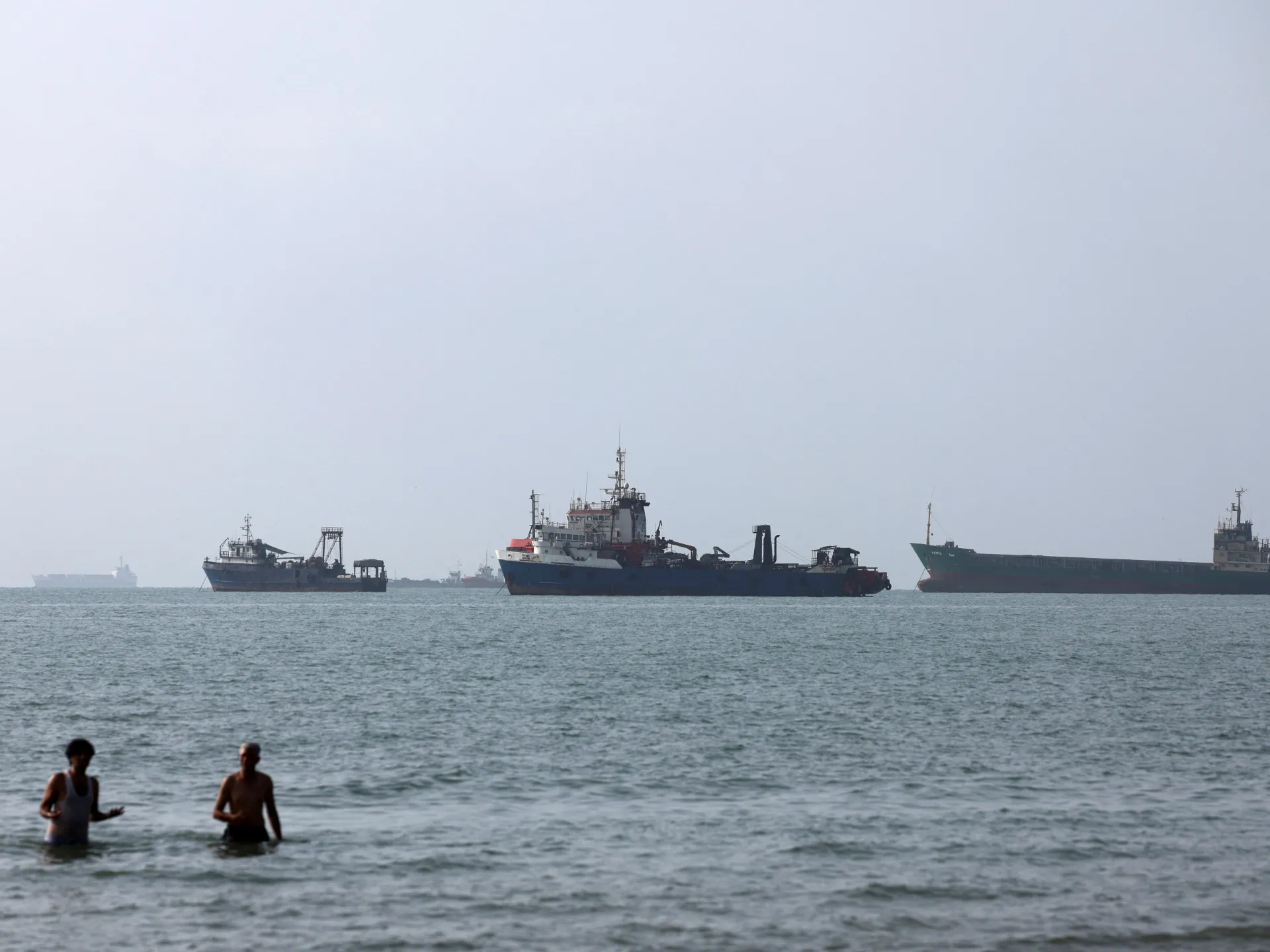
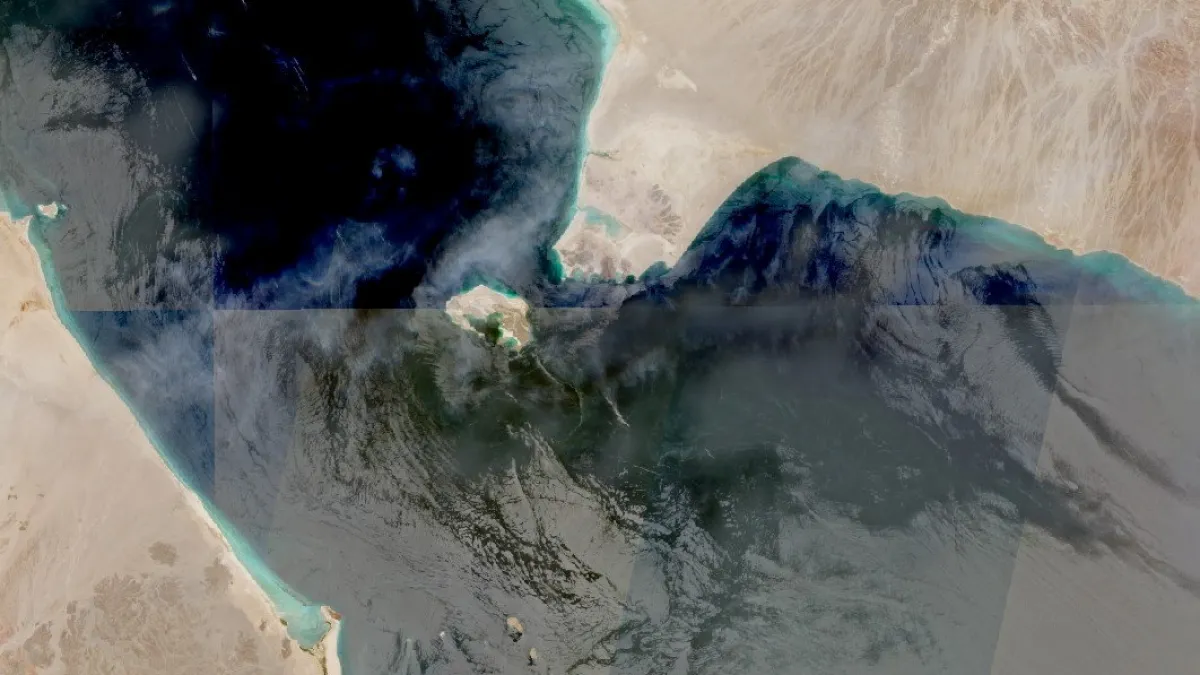
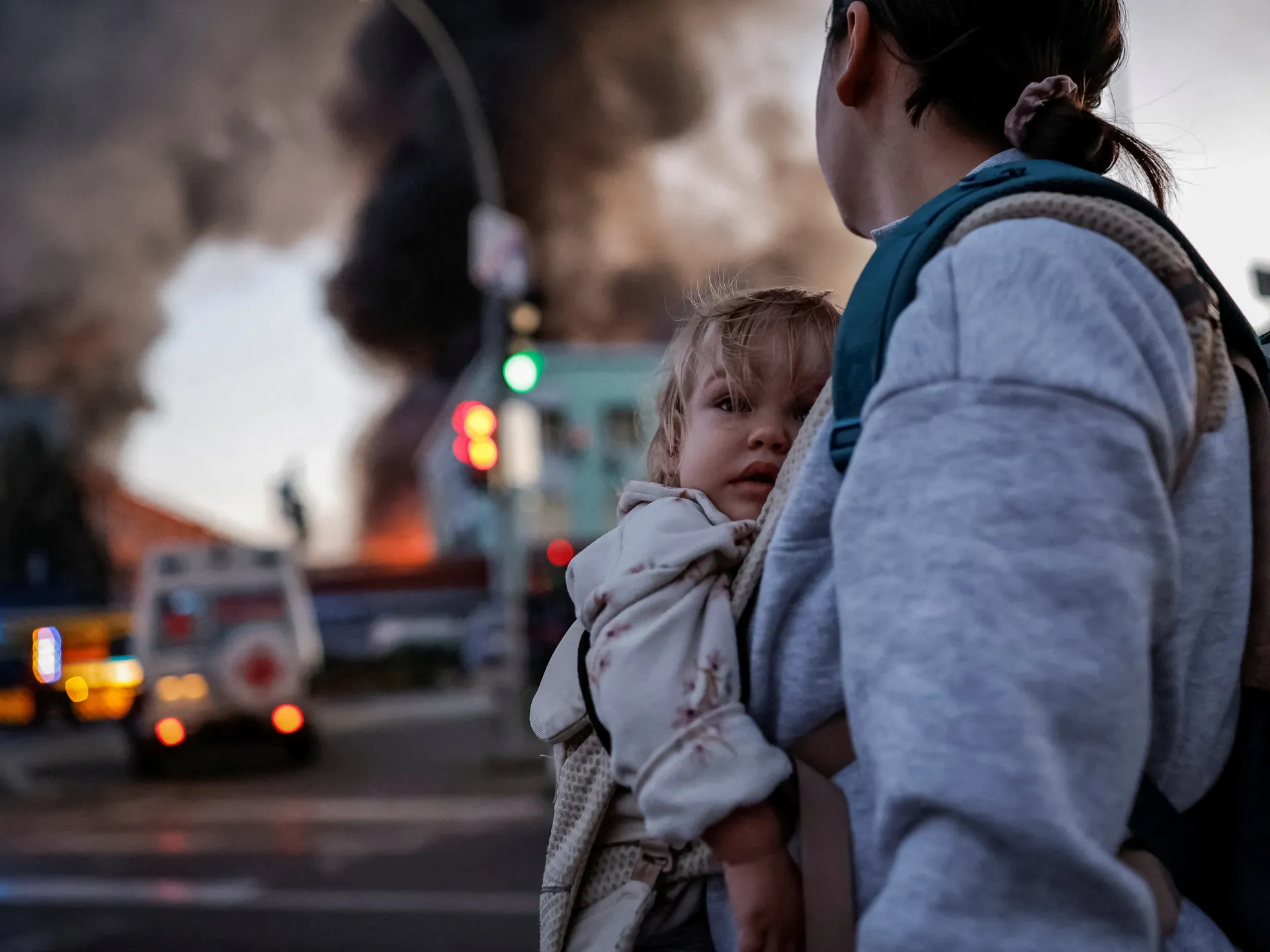
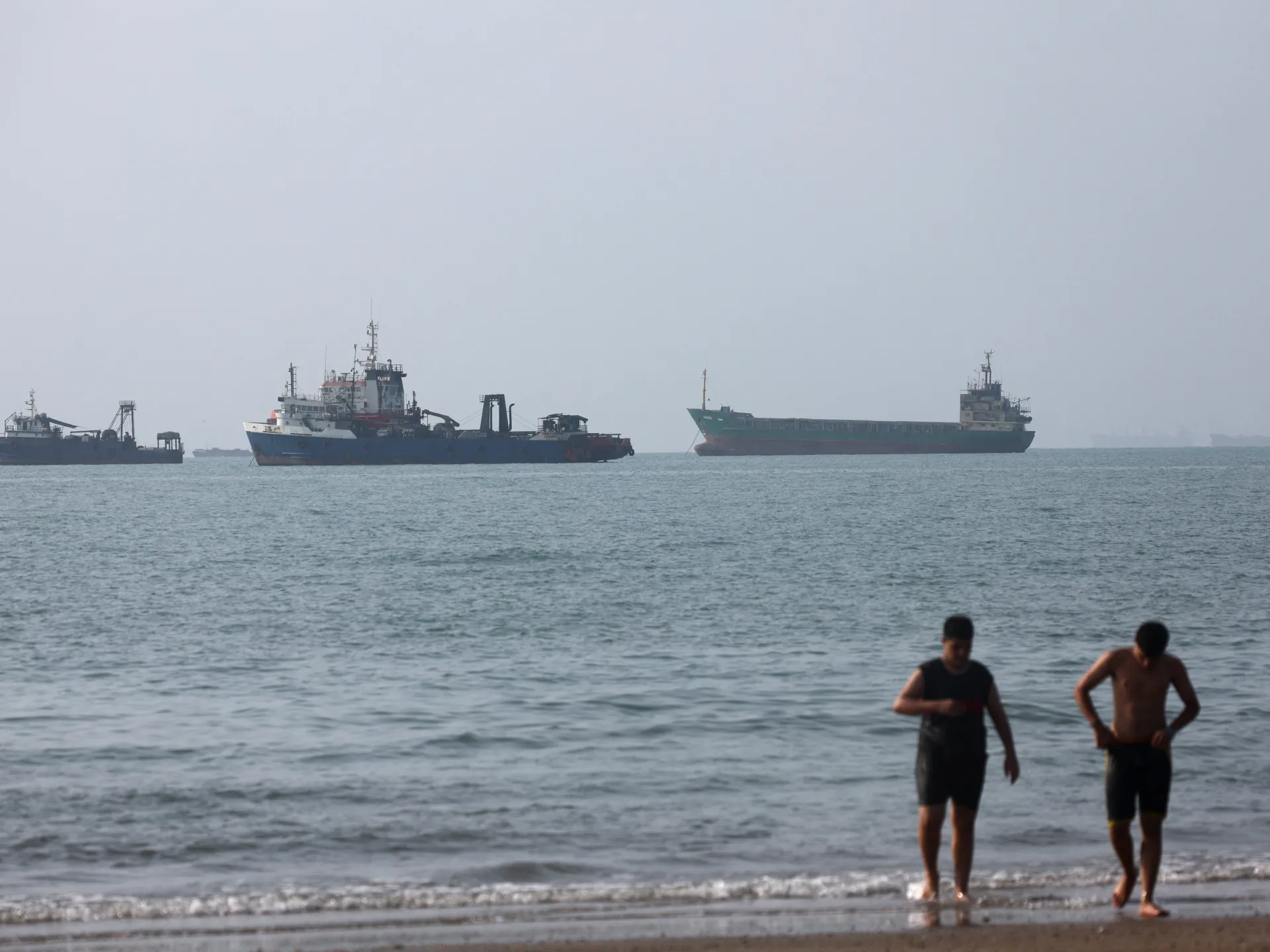
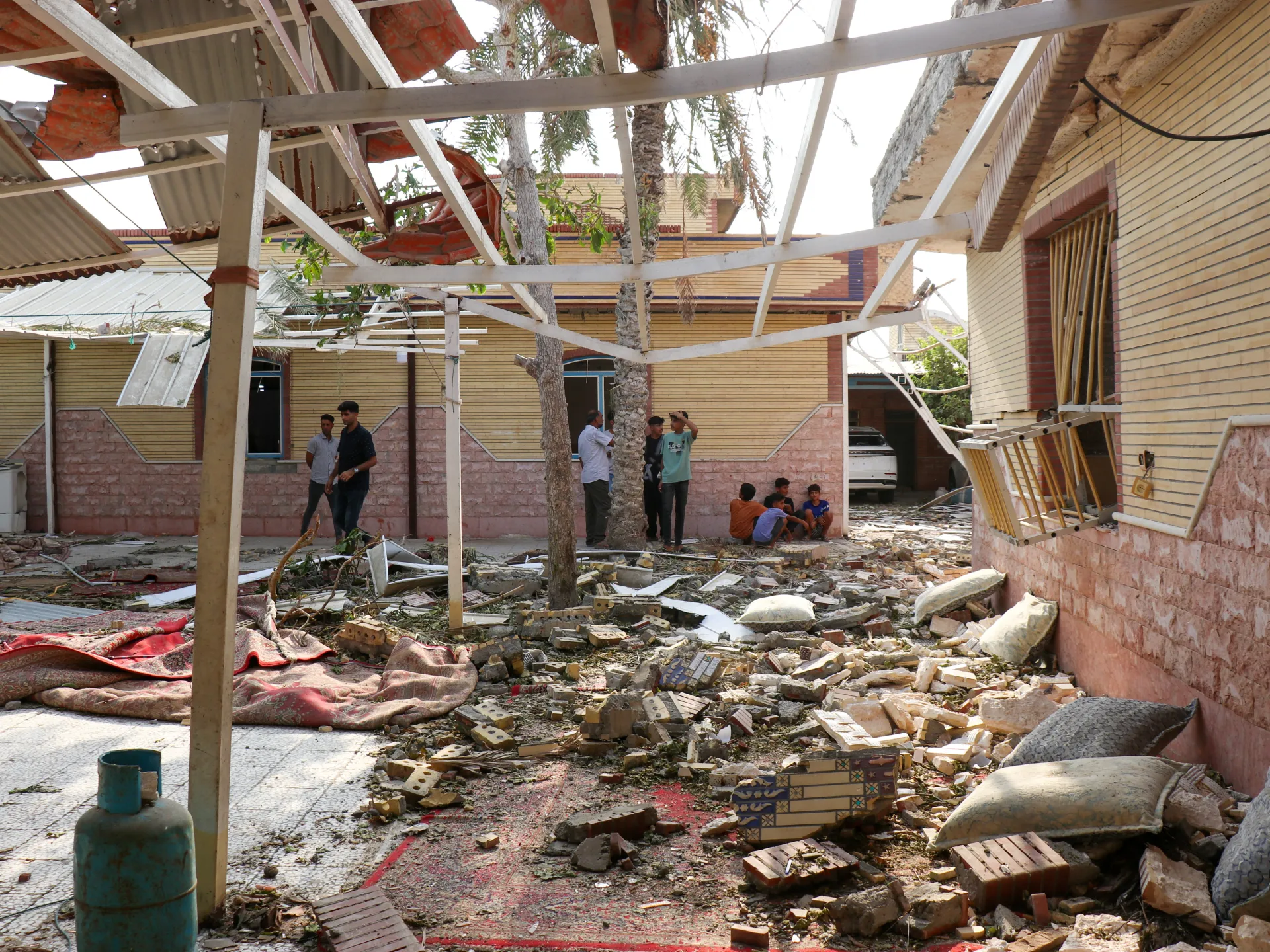
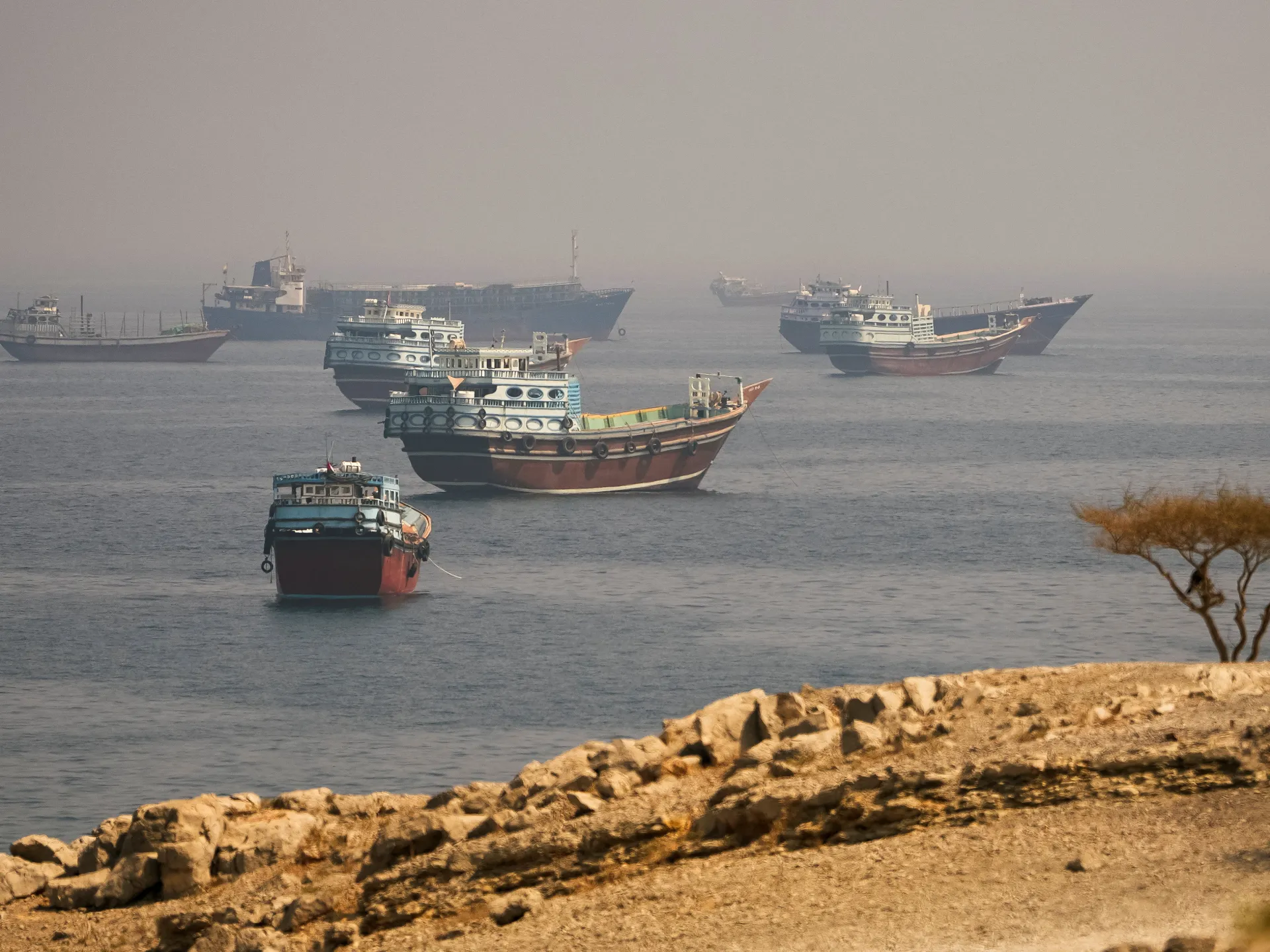
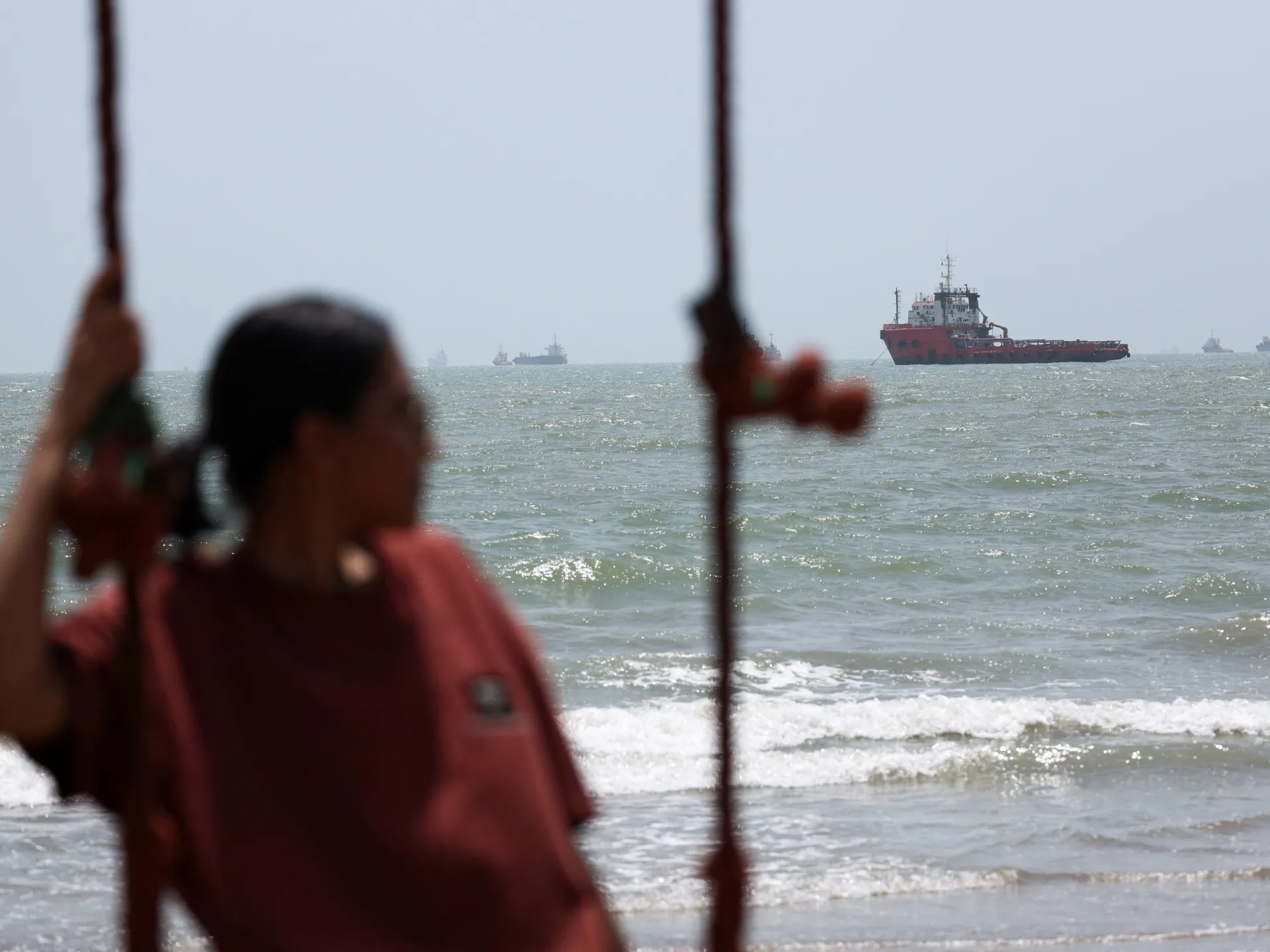
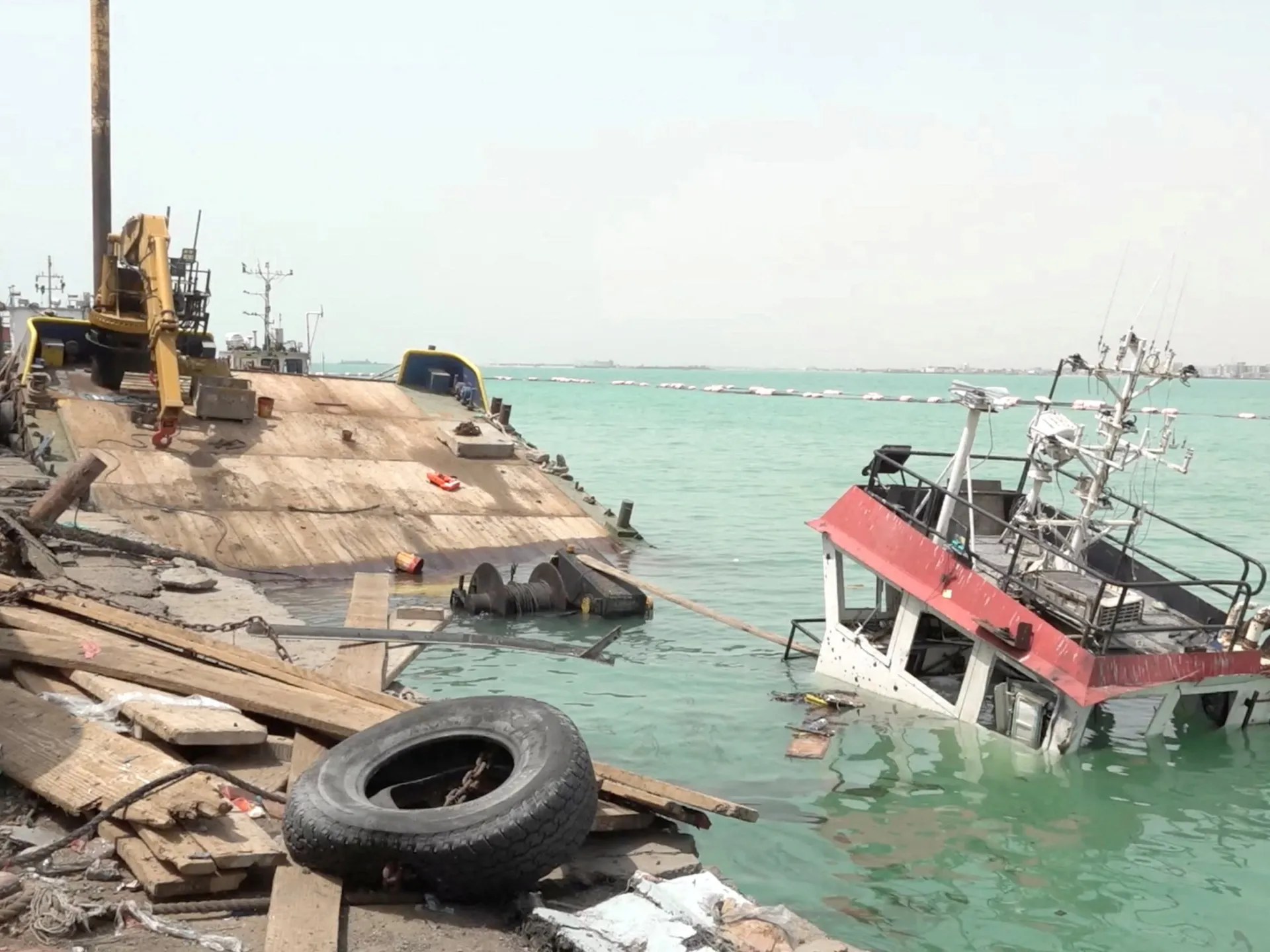
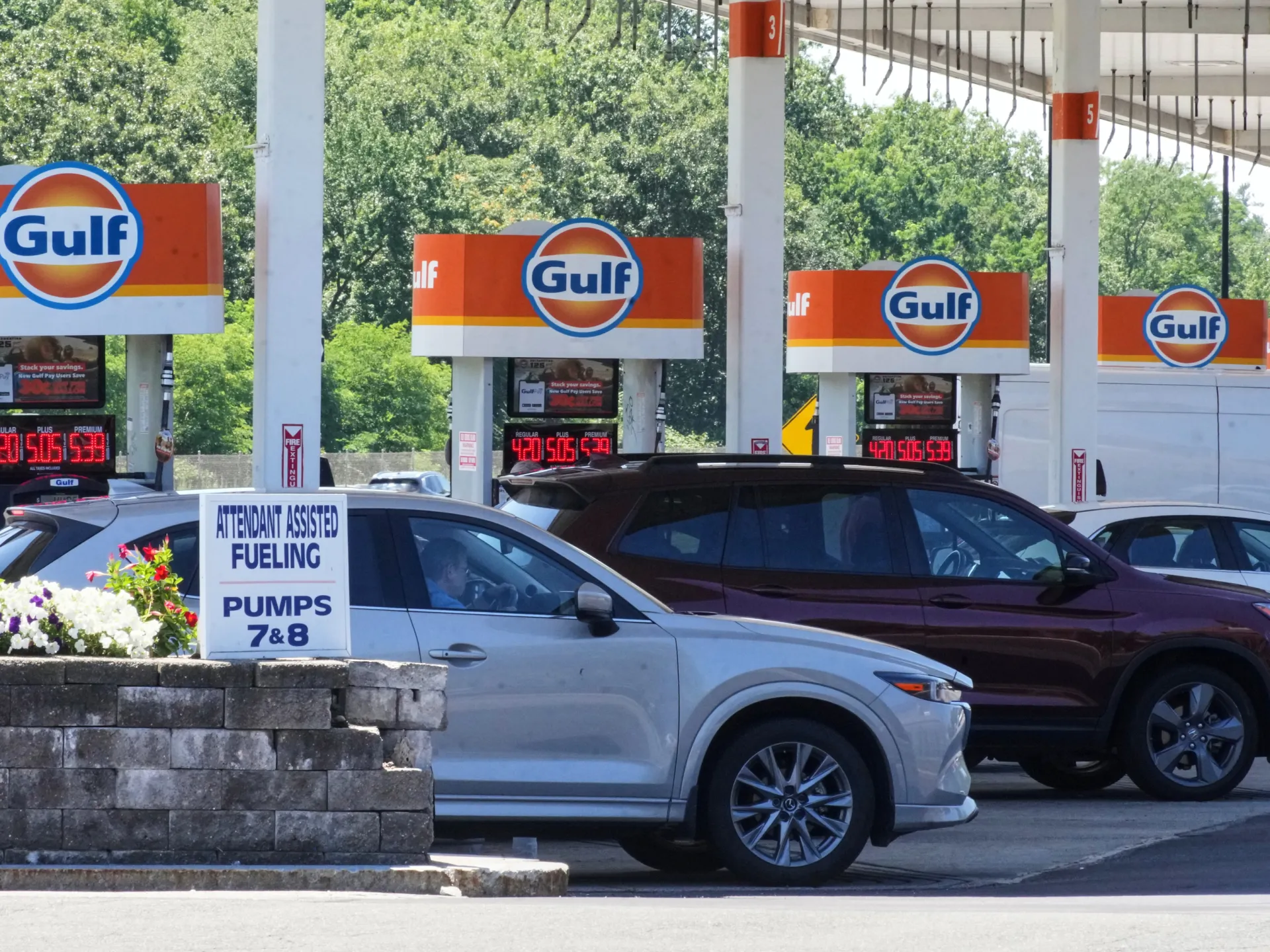
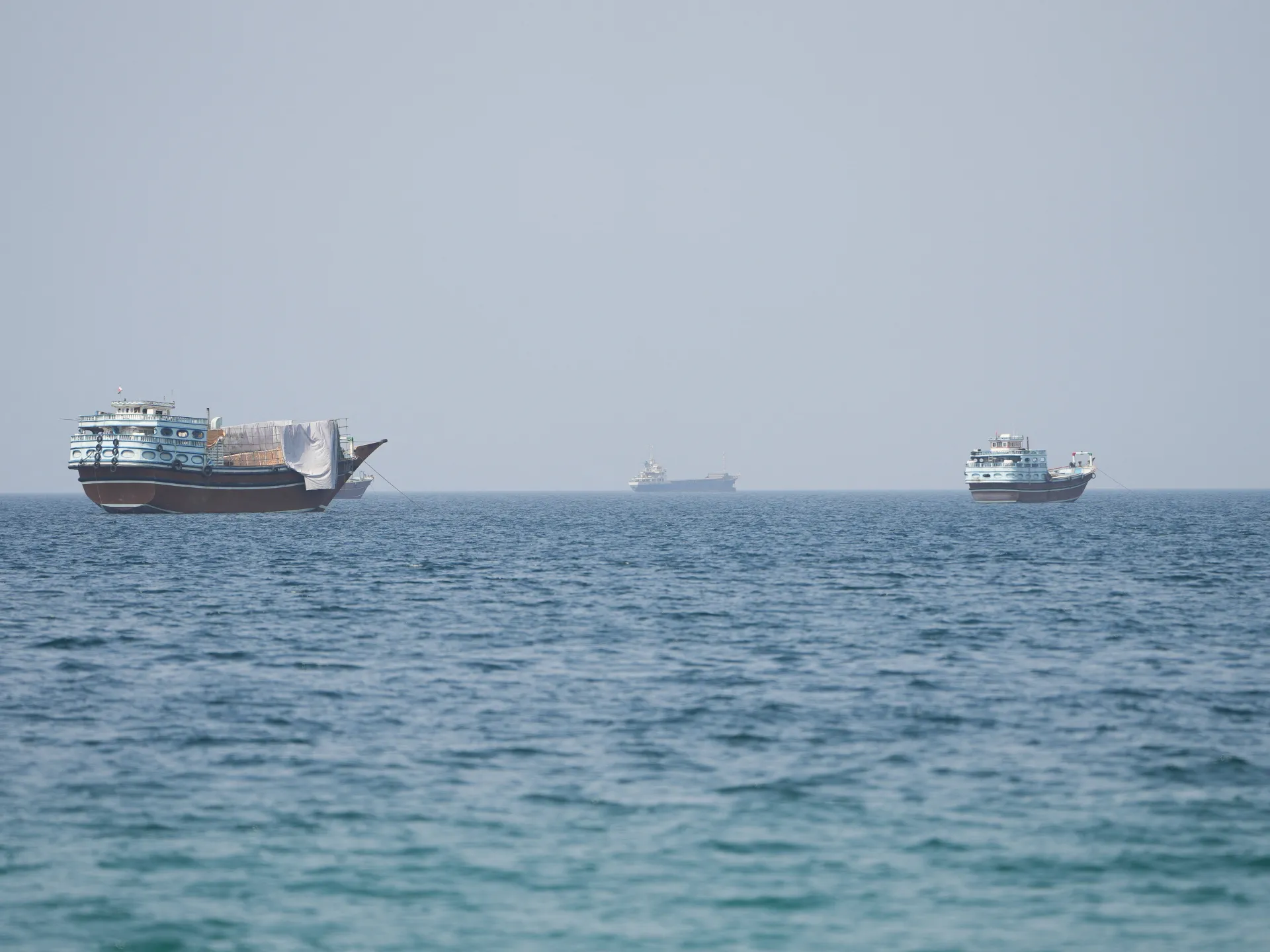
The recent geopolitical escalation involving the United States, Israel, and Iran has served as a wake-up call for Asian economies heavily dependent on energy imports. With the conflict effectively restricting shipping through the vital Strait of Hormuz, the region experienced severe economic repercussions, forcing governments to implement emergency measures such as fuel conservation mandates and work-from-home orders. This historic disruption has catalyzed a fundamental shift in how Asian nations approach energy procurement and storage.
Energy analysts suggest that the crisis is driving two distinct investment paths: the development of infrastructure that circumvents traditional geopolitical chokepoints and a broader move toward total independence from imported fuels. the continent are attempting to insulate their industrial bases from future regional instability in the Middle East.
Japan, long a leader in energy security due to its extensive strategic reserves, is now spearheading regional cooperation efforts. Through the $10 billion POWERR Asia initiative launched bors in building their own national stockpiles. This is a critical development for nations like Vietnam, Thailand, and the Philippines, many of which held reserve levels significantly lower than the International Energy Agency’s 90-day benchmark when the conflict first erupted.
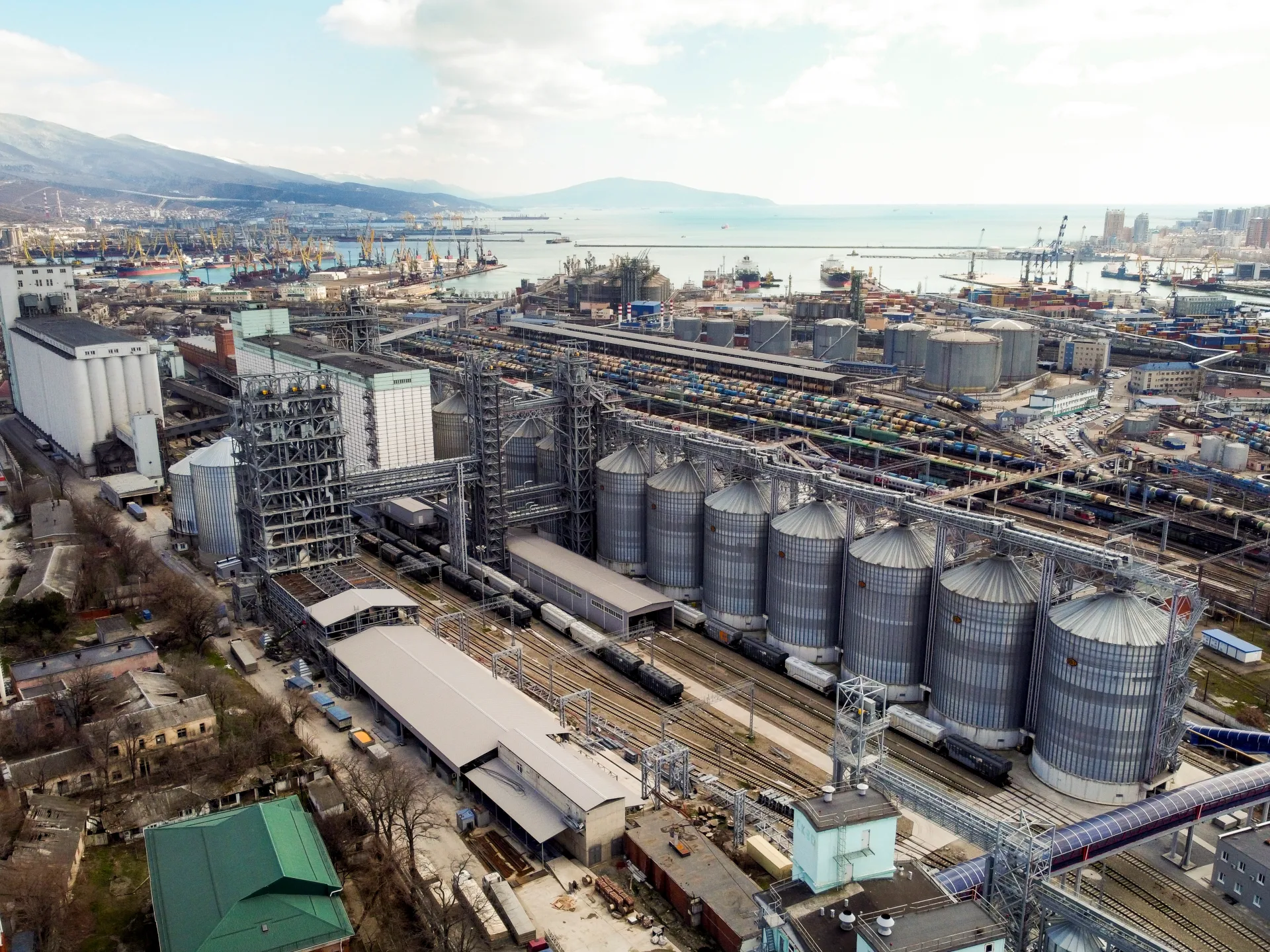
Legislative bodies in Manila and Bangkok are responding with urgency. The Philippines has moved to establish a 60-day government-held reserve, while Thai officials are exploring the construction of cross-peninsula crude pipelines and expanded tank farms. These projects are designed to transform Thailand into a regional storage hub, potentially positioning the nation to compete with Singapore for the management of Gulf crude supplies.
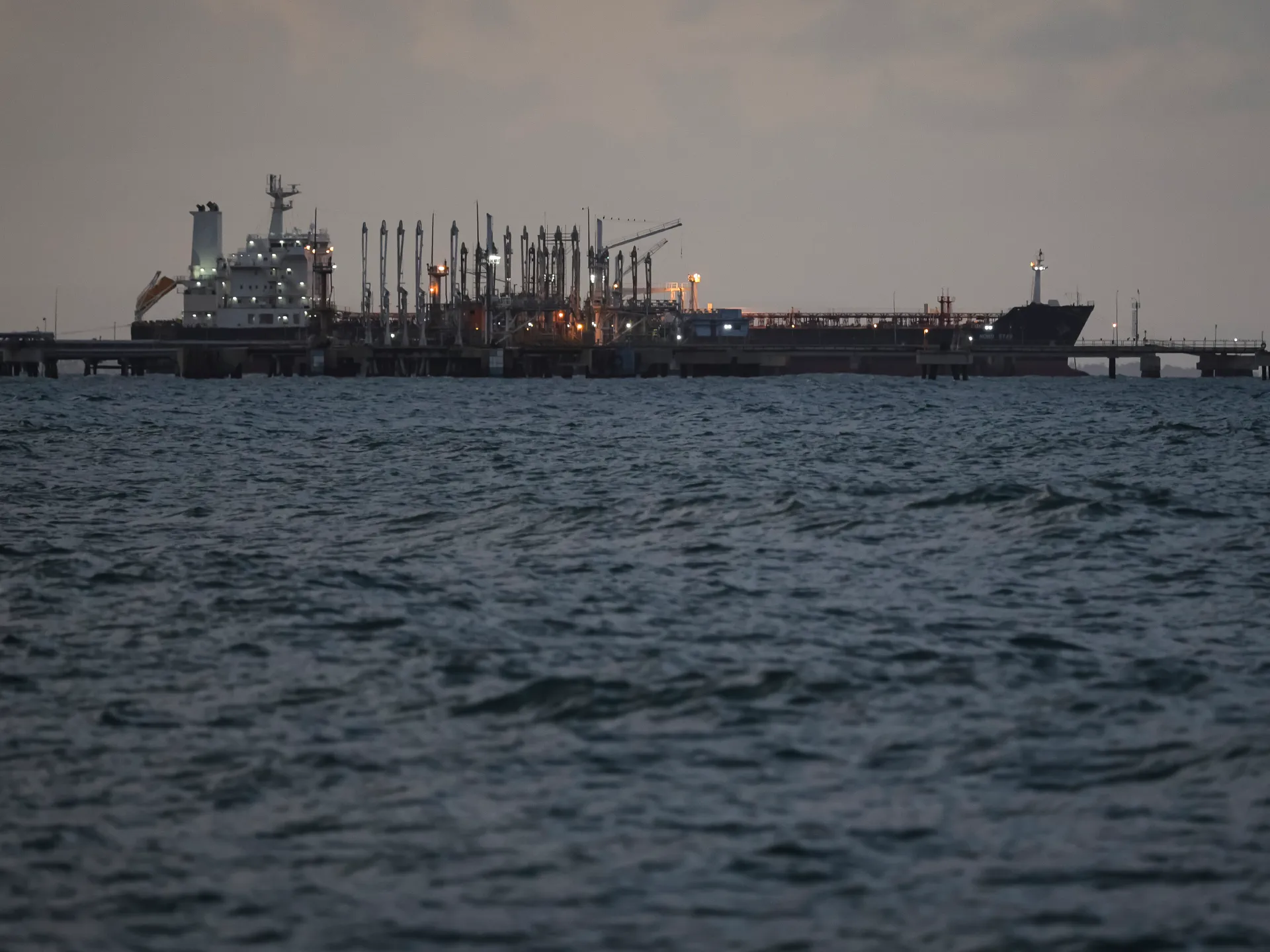
Beyond increasing domestic storage capacity, Asian powers are formalizing deeper partnerships with Gulf suppliers to ensure continuous access to energy. Nations like South Korea, India, and Japan have long-standing arrangements to store Middle Eastern oil on their own soil. These existing agreements are now being expanded, with entities like the Abu Dhabi National Oil Company (ADNOC) working to increase its crude storage footprint in India to 30 million barrels.
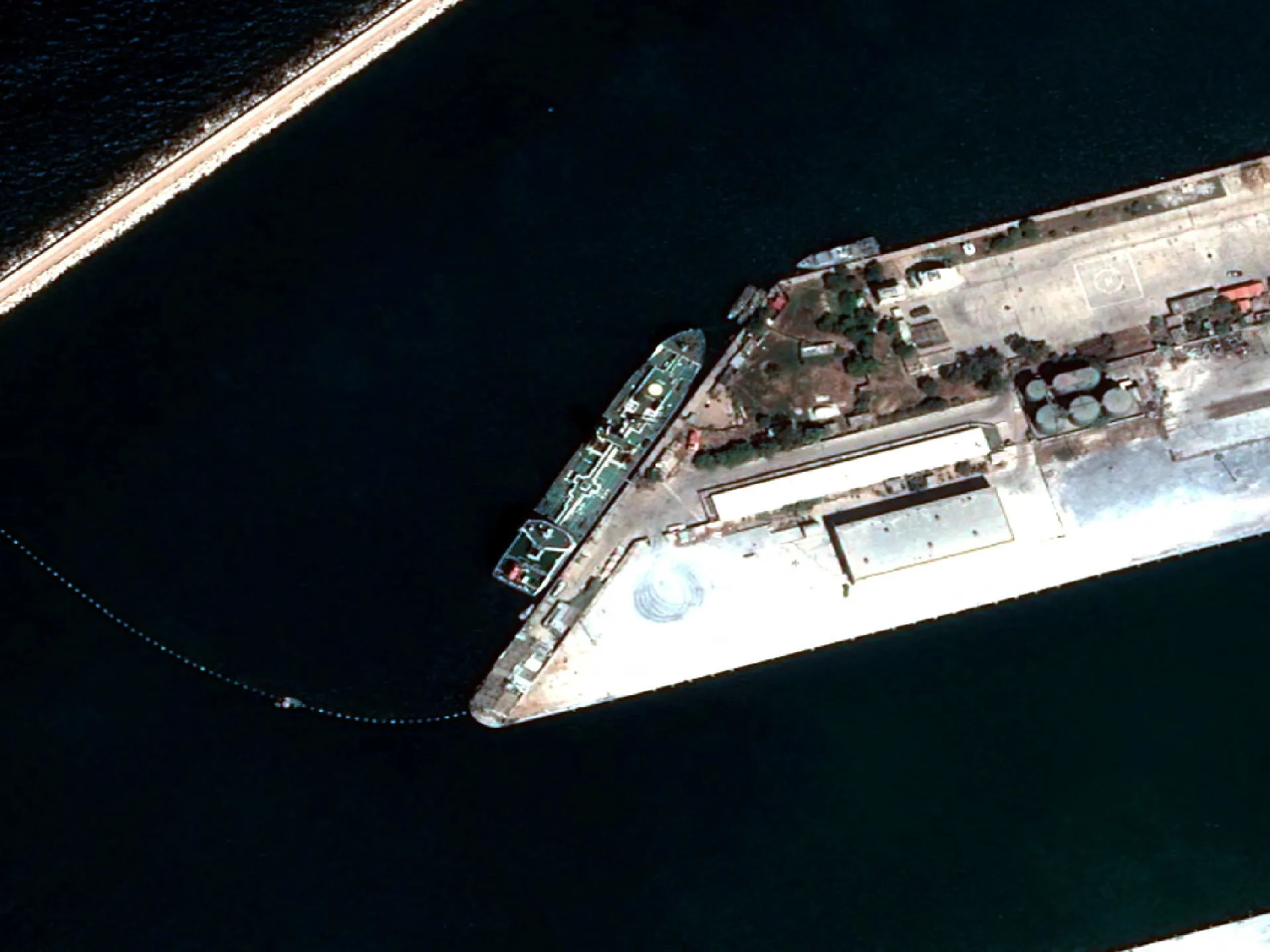
Conversely, New Delhi is evaluating a strategic move to store a portion of its national reserves at the UAE port of Fujairah. This location is particularly advantageous as it sits on the Gulf of Oman, effectively bypassing the logistical bottleneck of the Strait of Hormuz. Such reciprocal storage arrangements allow producers to stay close to their primary markets while giving consumers the assurance of a buffer against sudden maritime transit closures.
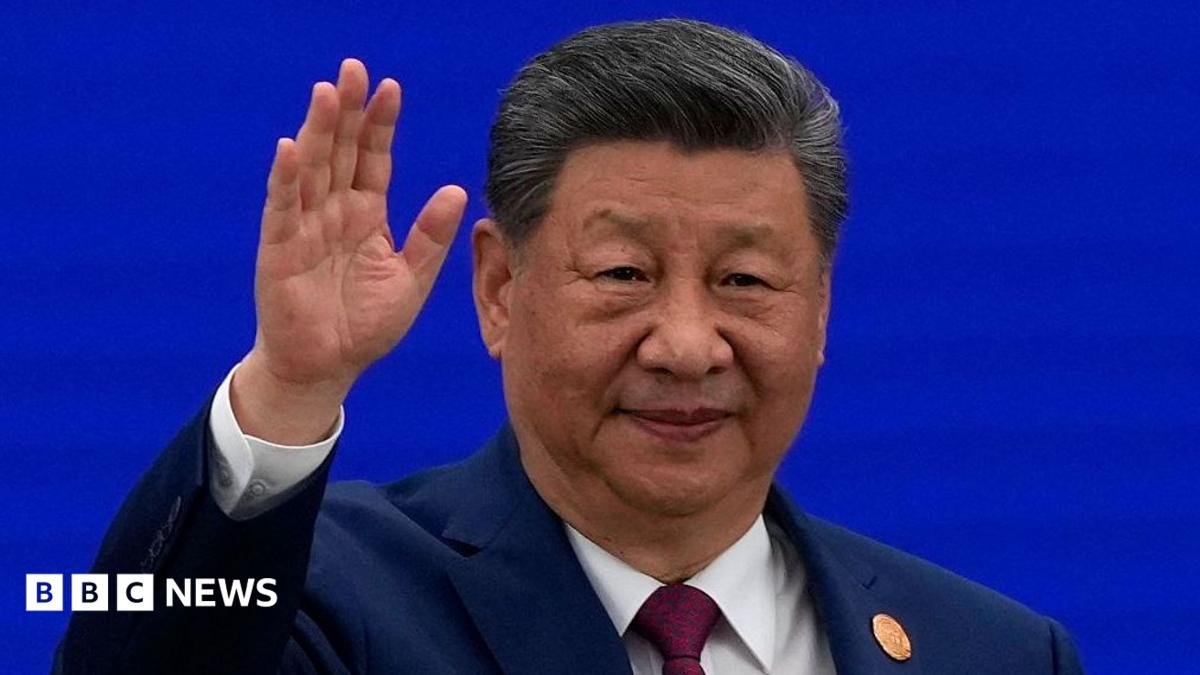
China is also accelerating its energy independence agenda. Although its current five-year plan for oil and gas development was drafted prior to the conflict, the ongoing instability has solidified the government’s commitment to expanding domestic pipelines and liquefied natural gas (LNG) storage. State-owned operators are currently fast-tracking nearly 40 infrastructure projects, including thousands of kilometers of new pipeline systems aimed at securing the country's energy supply chain.
Ultimately, the consensus among energy experts is that the era of relying solely on the next incoming shipment is over. Policymakers are now focused on long-term resilience, prioritizing how energy is transported, how long operations can be sustained during a supply cut, and how to reduce overall dependency on single fuels or specific transit routes. As the region continues to adapt, the combination of domestic stockpiling and strategic international partnerships will remain the cornerstone of Asia’s energy security strategy.