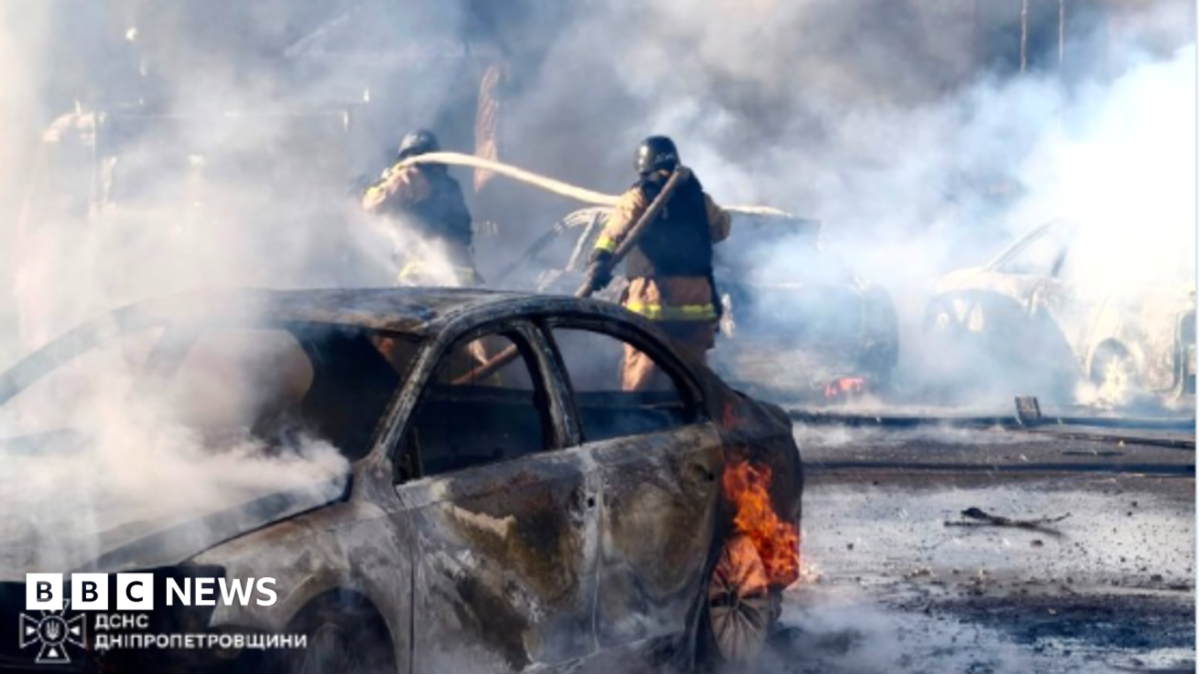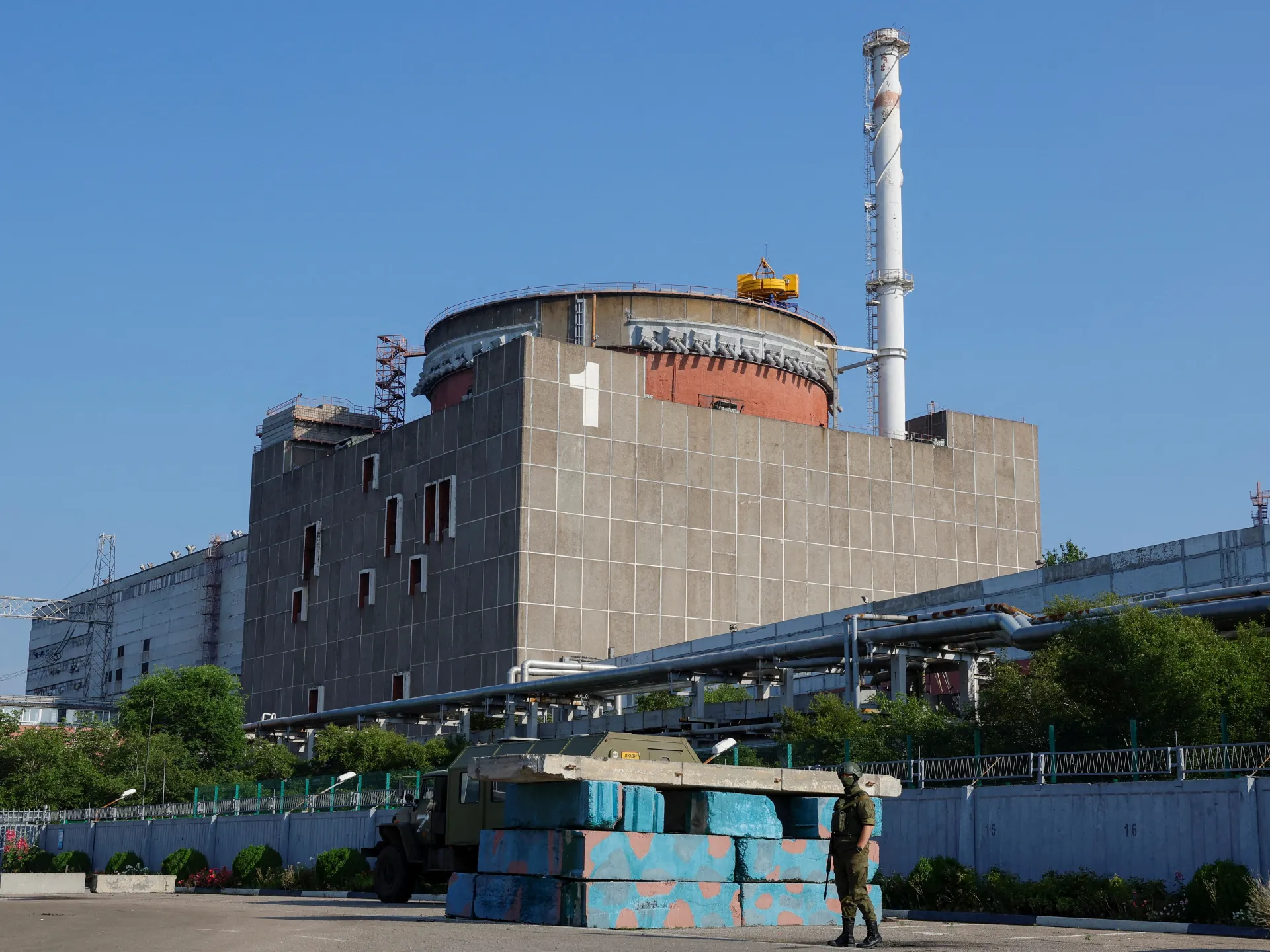
A new investigation by Greenpeace and McKenzie Intelligence Services suggests that Russia is intentionally sabotaging power lines at the Zaporizhzhia nuclear plant.
A recent investigation conducted ie Intelligence Services (MIS), has leveled serious allegations against Russian forces occupying the Zaporizhzhia nuclear power plant in southeastern Ukraine. The report asserts that the Russian military has been systematically sabotaging the facility's electrical infrastructure while simultaneously launching a coordinated disinformation campaign to shift blame onto Ukrainian forces. This strategy is reportedly designed to obfuscate the genuine threats posed
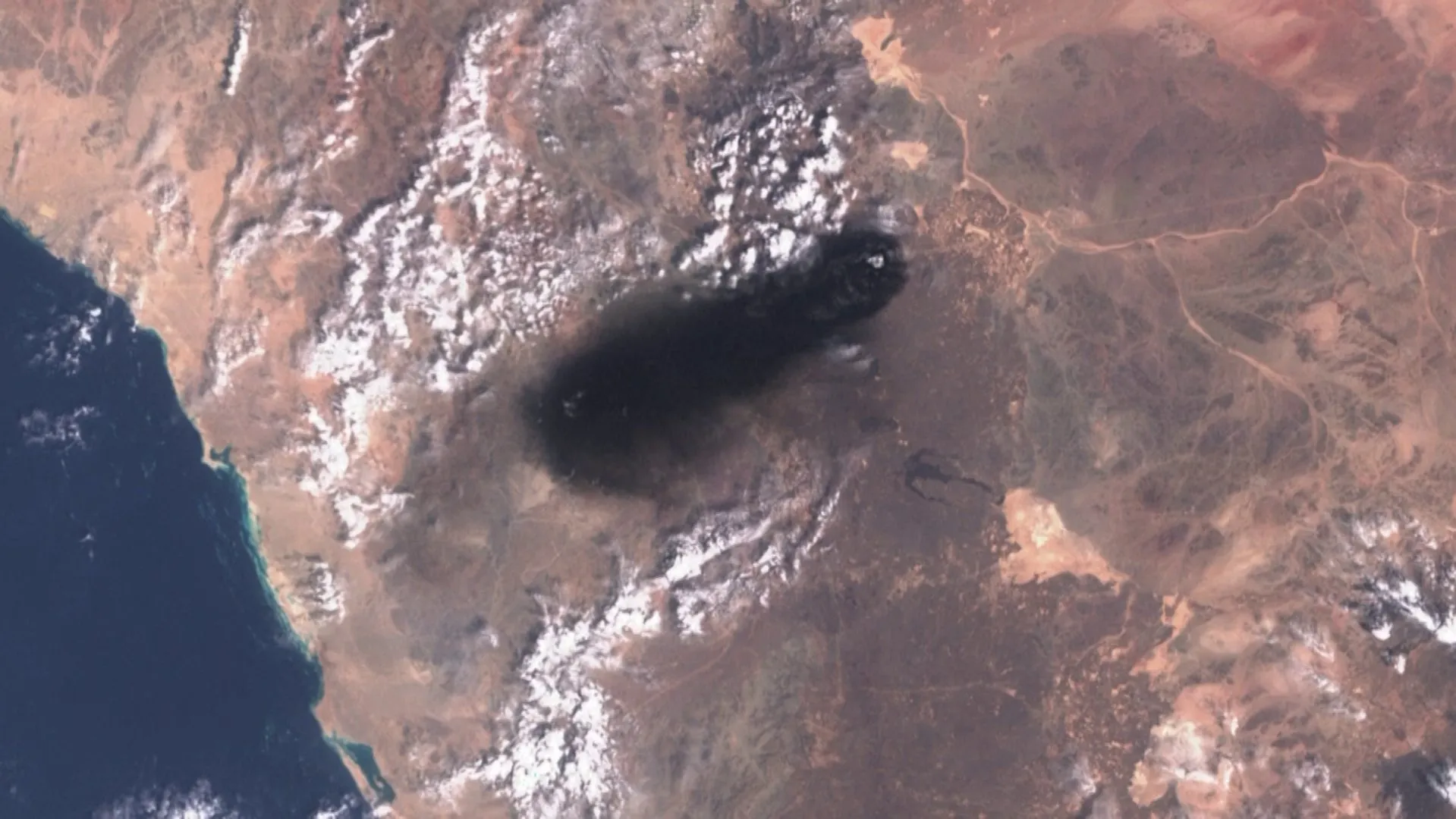
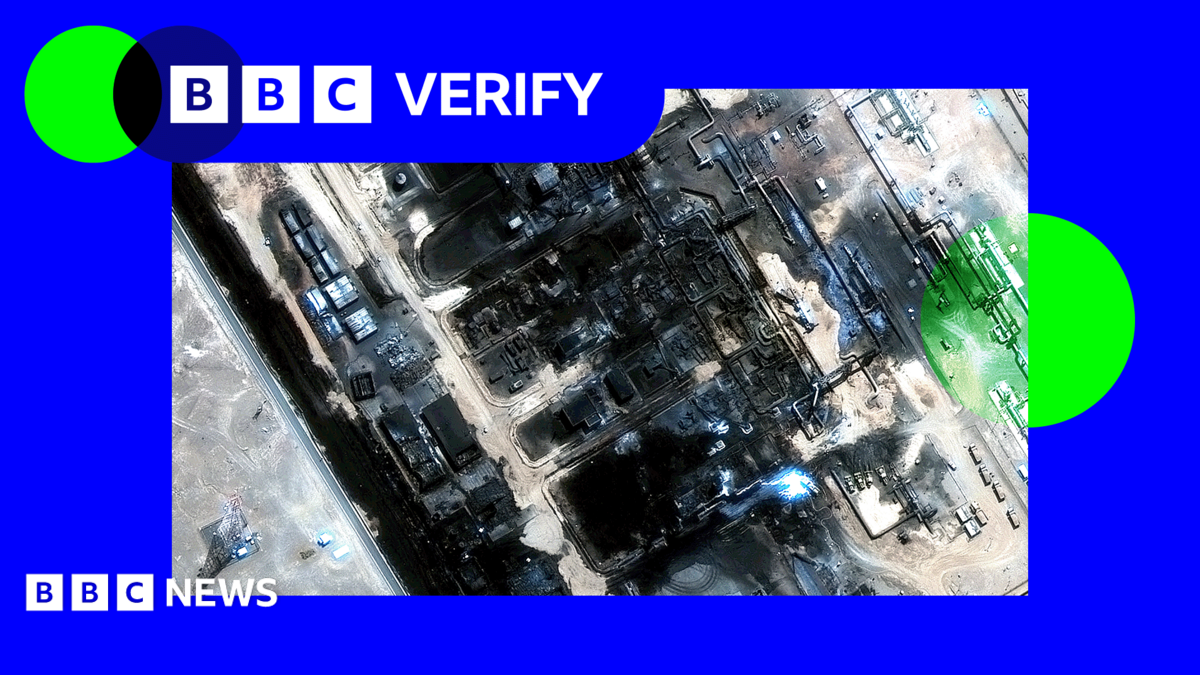
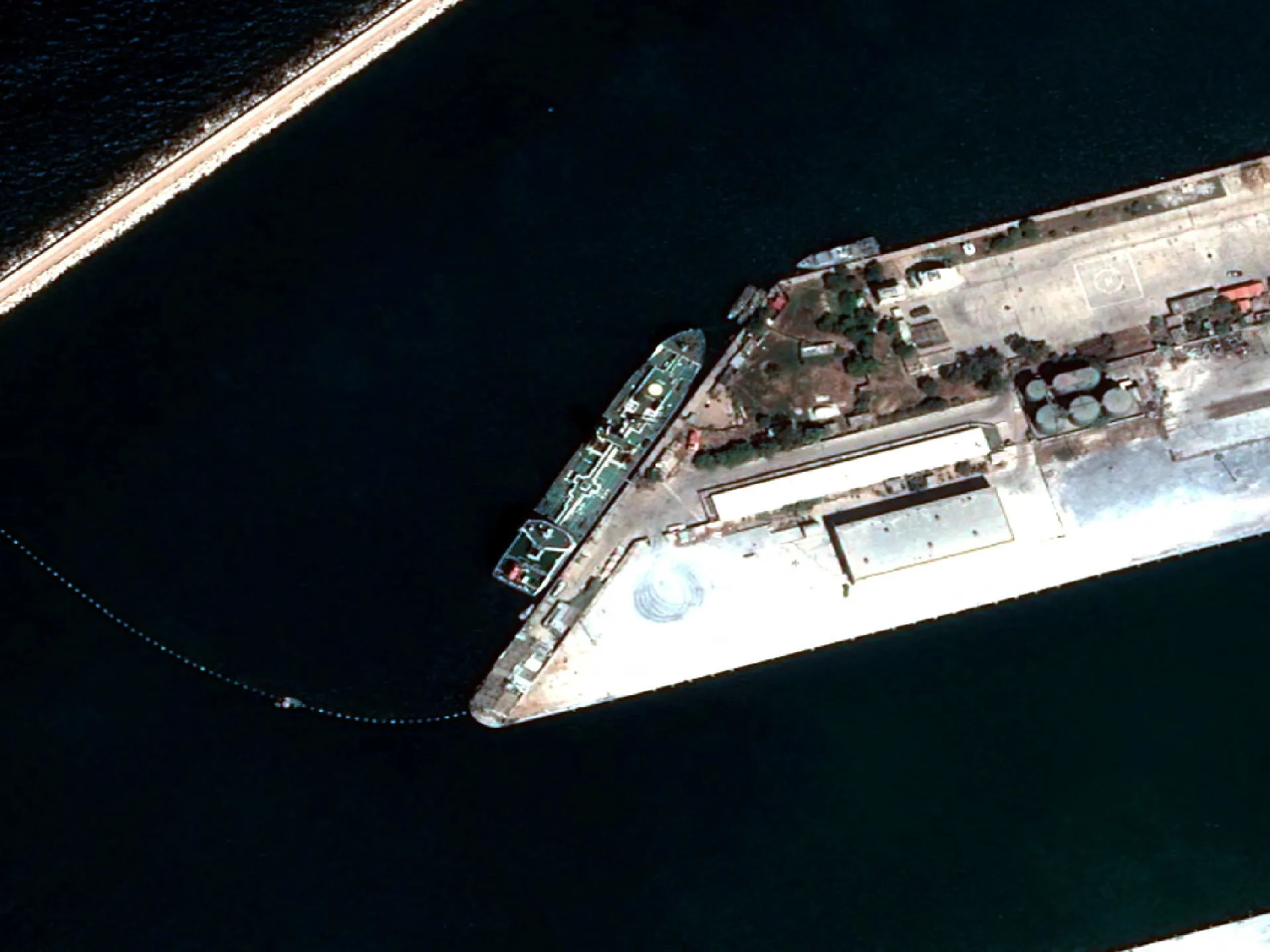
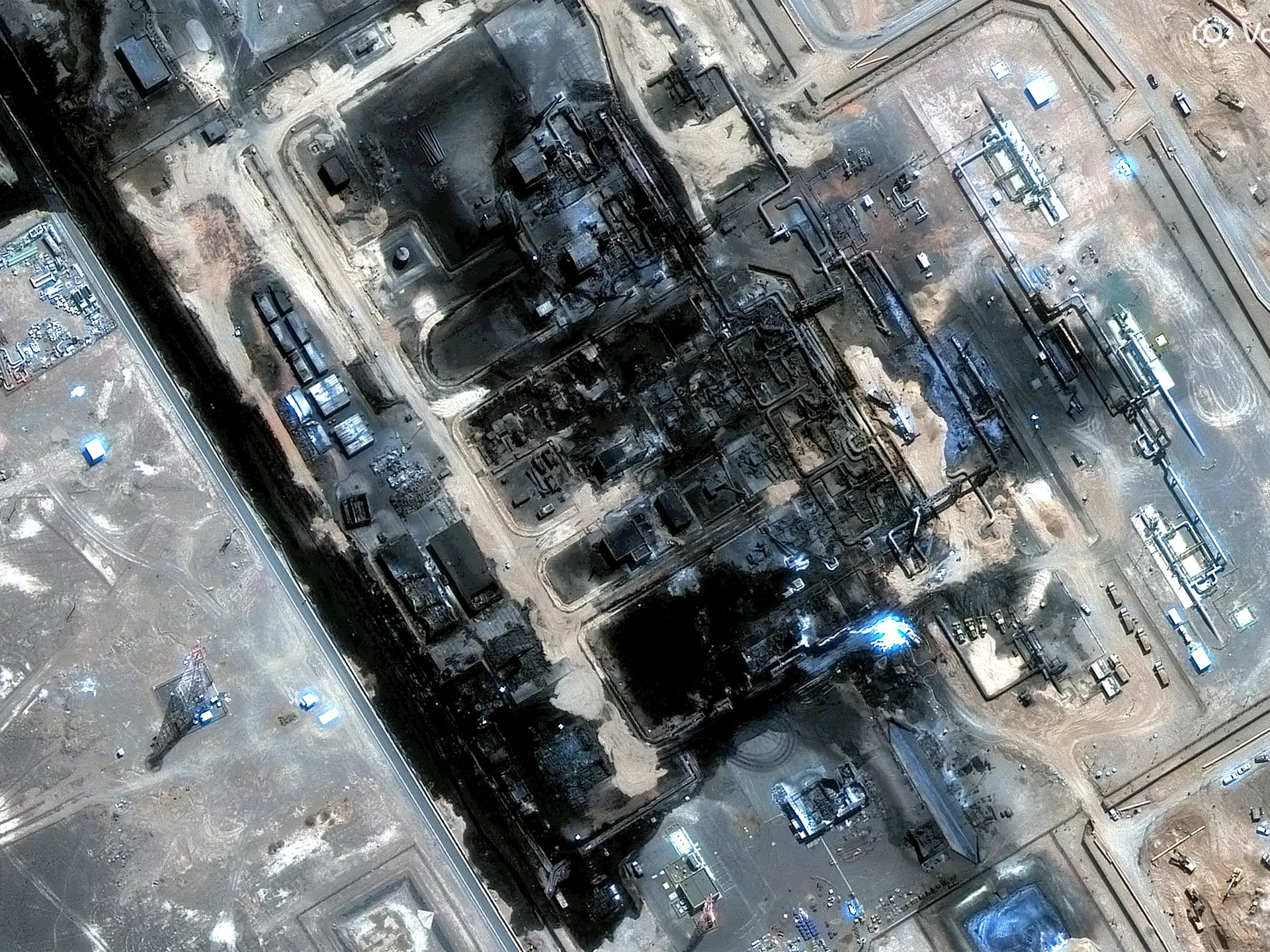
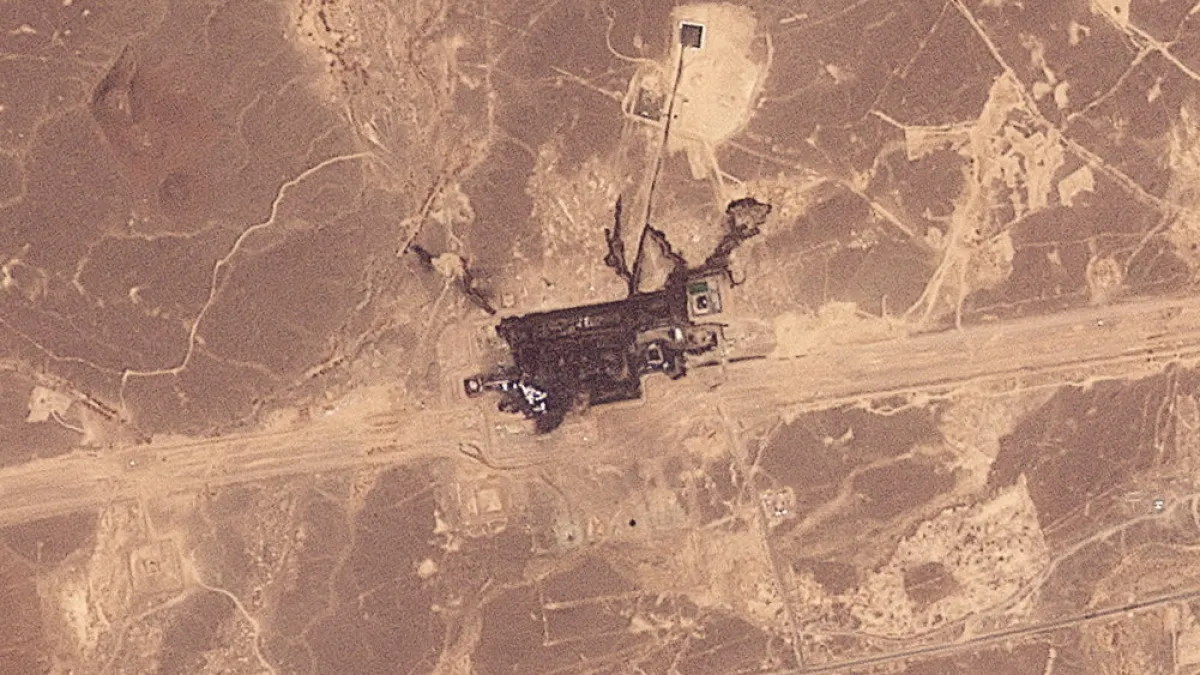
The core of the investigation focused on the Ferosplavna-1 power line, which currently serves as the only operational external electricity source for the nuclear complex. 26, experts at MIS were able to contrast the physical reality on the ground with official narratives disseminated ined lly expected from drone strikes or artillery fire.
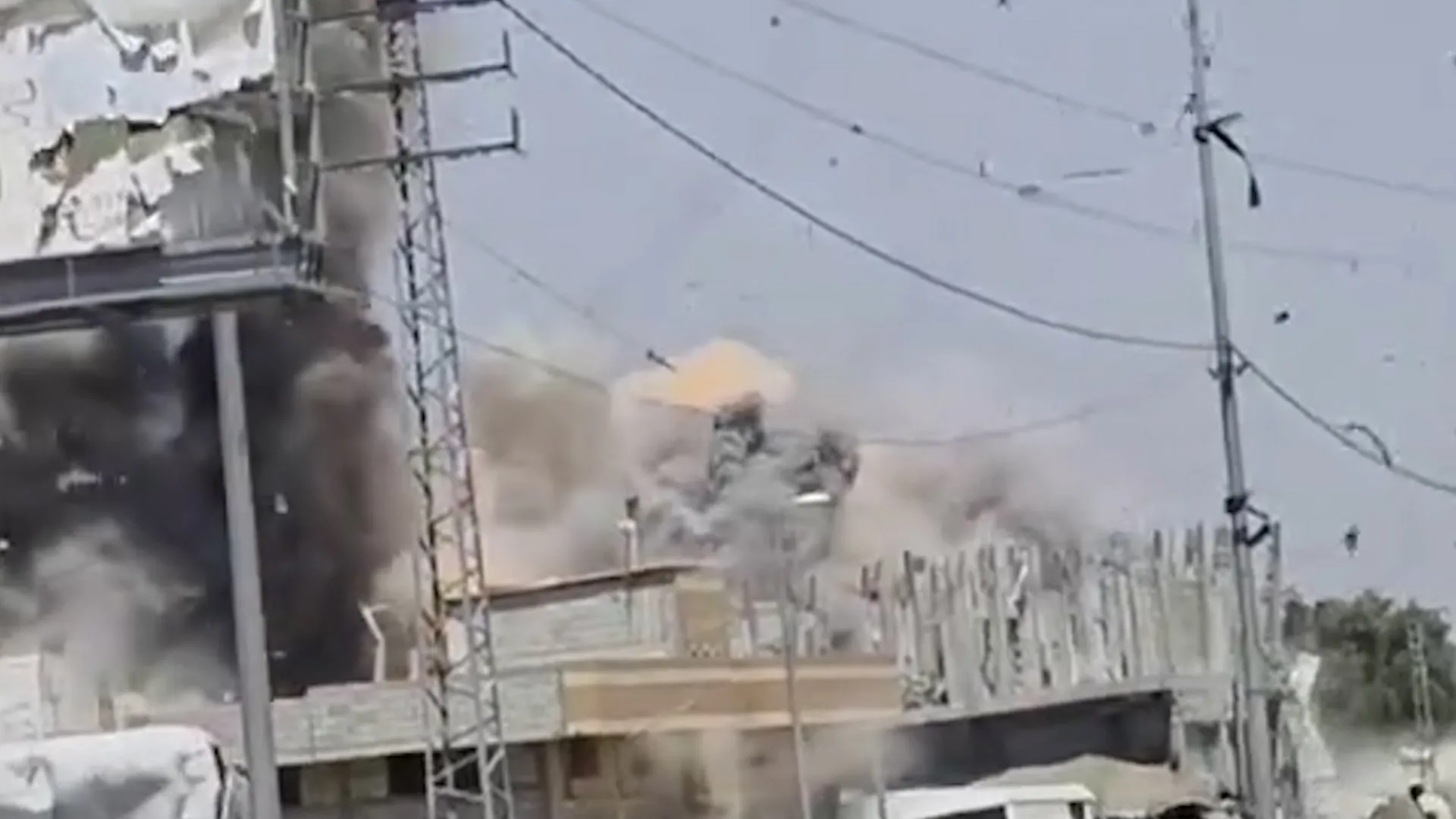
The forensic assessment conducted military. According to the report, a genuine artillery attack would logically result in a discernible pattern of impact craters and a wider dispersal of debris across the targeted area. However, the satellite evidence failed to show any such markings near the damaged switchyards or transmission lines. The absence of these indicators suggests that the damage was likely caused
Nuclear experts involved in the study emphasized that the stability of the power grid is not merely a logistical concern but a fundamental necessity for nuclear safety. The Zaporizhzhia facility, one of the largest nuclear power plants in Europe, requires a constant and reliable flow of electricity to power critical reactor safety systems. These systems are responsible for cooling the nuclear fuel located within the reactor cores and the spent fuel pools, both of which require continuous monitoring to prevent catastrophic overheating.
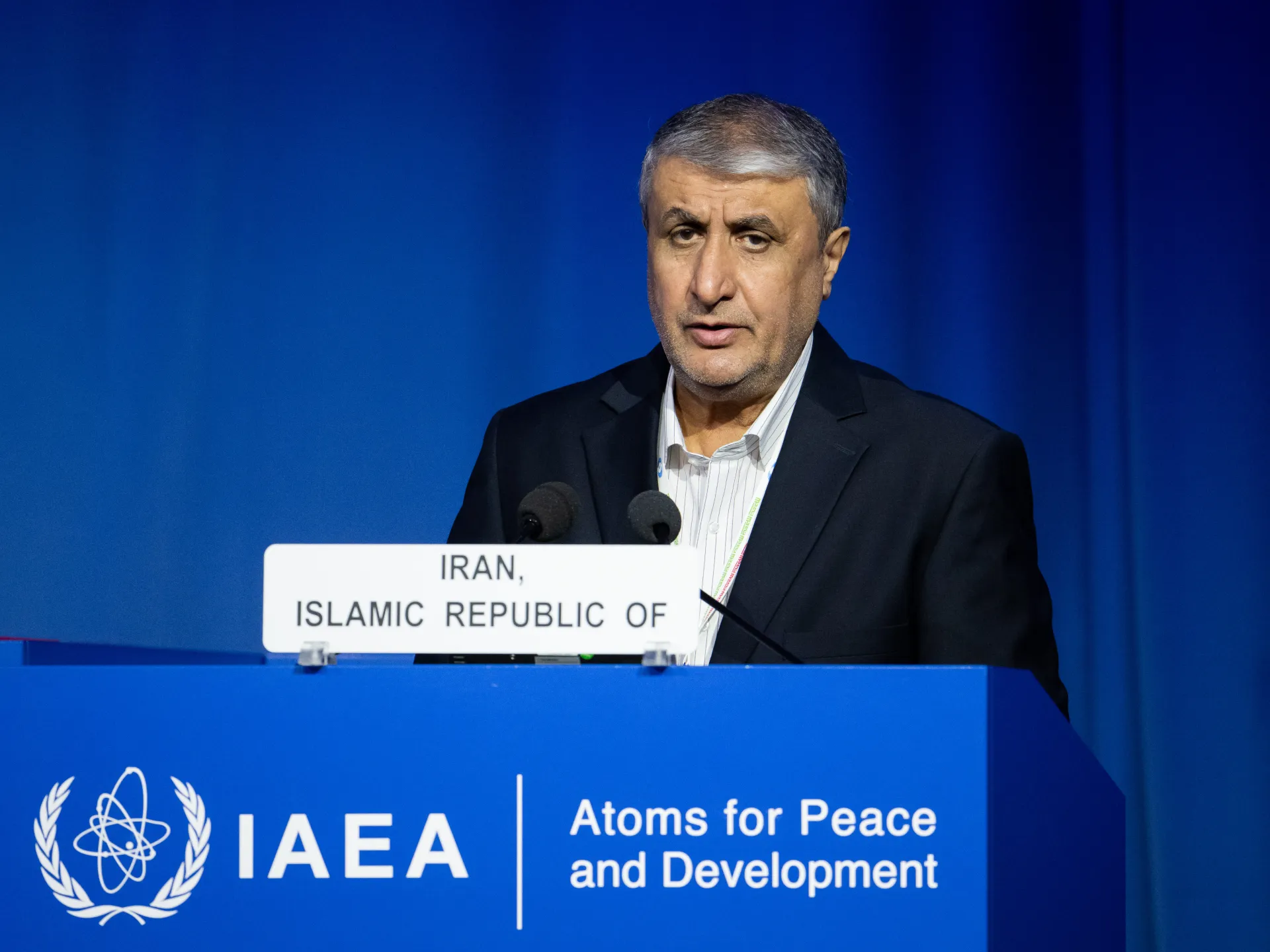
The International Atomic Energy Agency (IAEA) has repeatedly sounded the alarm regarding the fragility of the power supply at the Zaporizhzhia site. As the plant loses its external connections, it becomes increasingly reliant on backup generators, which are inherently less reliable for long-term safety operations. The IAEA has consistently maintained that a stable electricity supply is non-negotiable for maintaining the integrity of the facility and preventing potential radiological incidents.
Greenpeace has characterized the situation as a dangerous game of geopolitical maneuvering that ignores the environmental and human risks associated with nuclear power. g forces are accused of using nuclear safety as leverage in the broader conflict. The report highlights that this behavior is part of a wider strategy of disinformation, intended to confuse international observers and complicate the oversight efforts of global nuclear watchdogs.
The findings presented he vicinity of nuclear installations. The use of critical energy infrastructure as a target or a tool for psychological warfare represents a significant escalation in the risks associated with the war in Ukraine. Experts are now calling for heightened international scrutiny and a more robust presence of monitoring agencies to ensure that the facility remains insulated from the destructive nature of the ongoing hostilities.
As the international community grapples with the fallout of these allegations, the focus remains on the prevention of a nuclear disaster. The consensus among nuclear safety experts is that the continued occupation and the alleged sabotage operations represent an unacceptable threat to regional security. Moving forward, the reliance on independent satellite analysis and forensic investigation will likely play a more prominent role in verifying claims regarding the security of major industrial and nuclear sites in conflict zones.