New developments in robotic disassembly aim to solve mechanical waste issues, while defense manufacturing sites face escalating operational disruptions from activists.
The convergence of advanced industrial robotics and global political activism highlights a dual challenge for modern infrastructure. On one side, the push for automated, intelligent disassembly offers a technical solution to the growing crisis of end-of-life electronic and mechanical waste. As global manufacturers face pressure to automate production, the ability to reclaim materials through robotic intervention—rather than relying on manual labor in potentially hazardous conditions—represents a significant shift in sustainability and resource management. Conversely, the physical targeting of manufacturing facilities tical tensions.
When high-tech manufacturing sites become flashpoints for protest, the resulting operational disruptions force companies to weigh the necessity of secure facilities against the realities of public dissent. This friction point demonstrates how specialized industrial sectors are increasingly forced to grapple with both the physical constraints of aging, unpredictable machinery and the volatile pressures of public perception regarding their end-user contracts.
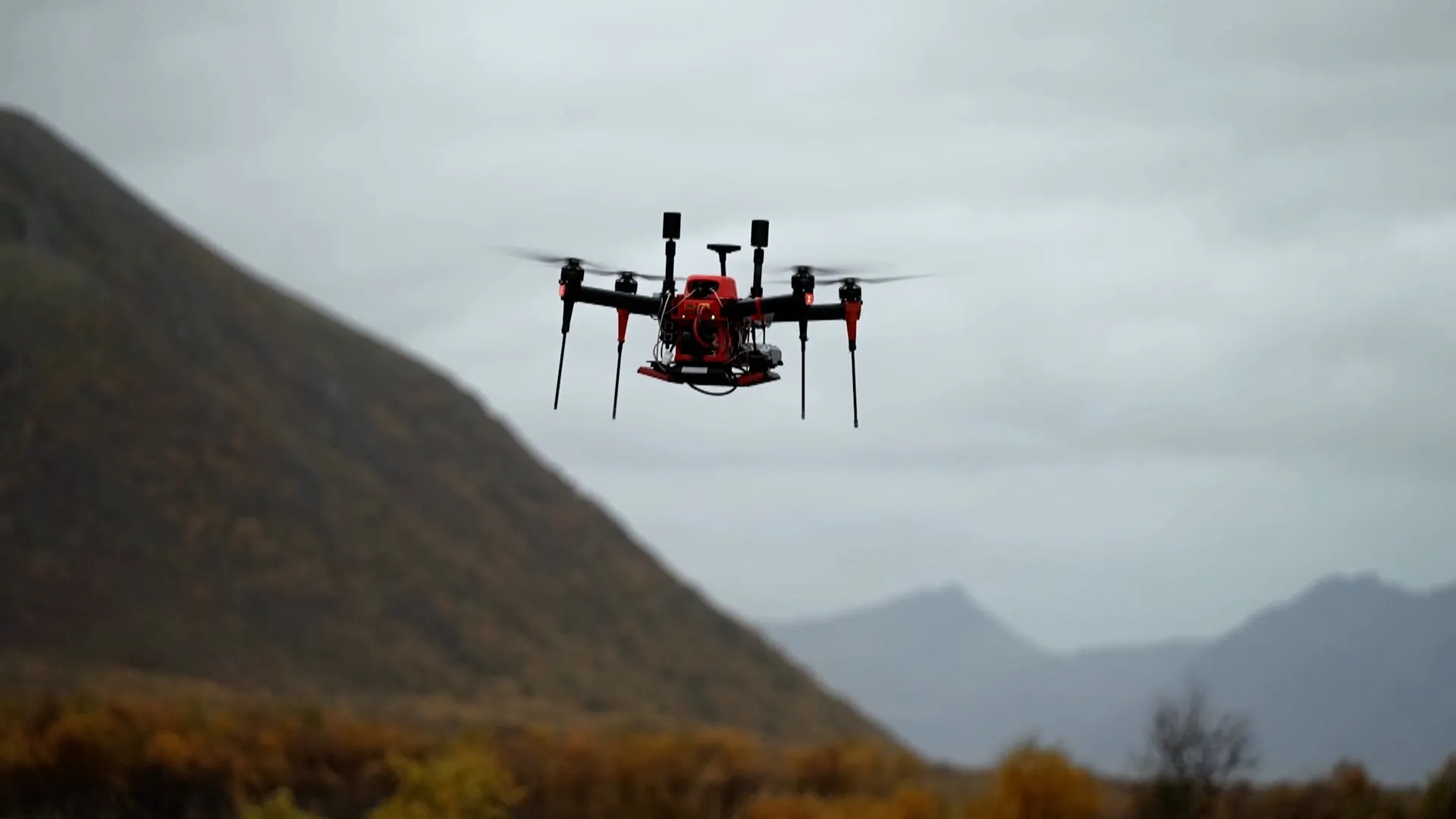
Technological advancement is currently focused on solving the "predictability gap" inherent in mechanical recycling. While industrial robots have historically thrived in the controlled environments of assembly lines, where every screw and bolt is placed with extreme precision, they have struggled with the degradation of used machinery. Researchers at the Karlsruhe Institute of Technology in Germany are addressing this onal factory automation that relies on rigid, pre-programmed sequences, these new systems are designed to adapt in real-time to the realities of wear, corrosion, and missing components.
The necessity for this evolution is driven its currently in operation. As these systems age, the cost and safety risks associated with manual dismantling have created a demand for robots capable of "thinking" on their feet. chines can process broken or unpredictable equipment, potentially revolutionizing how the manufacturing sector handles waste and maintenance.
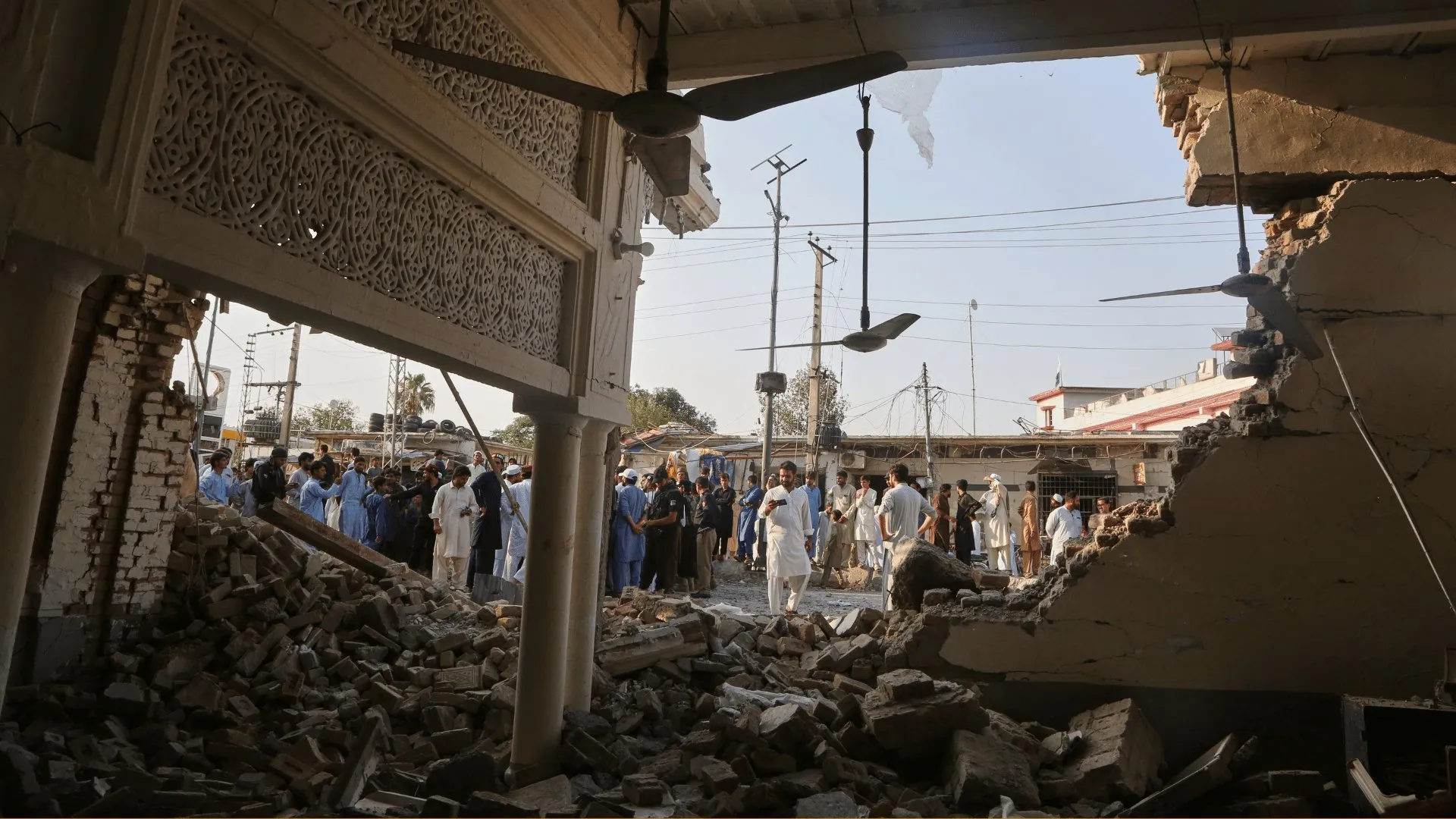
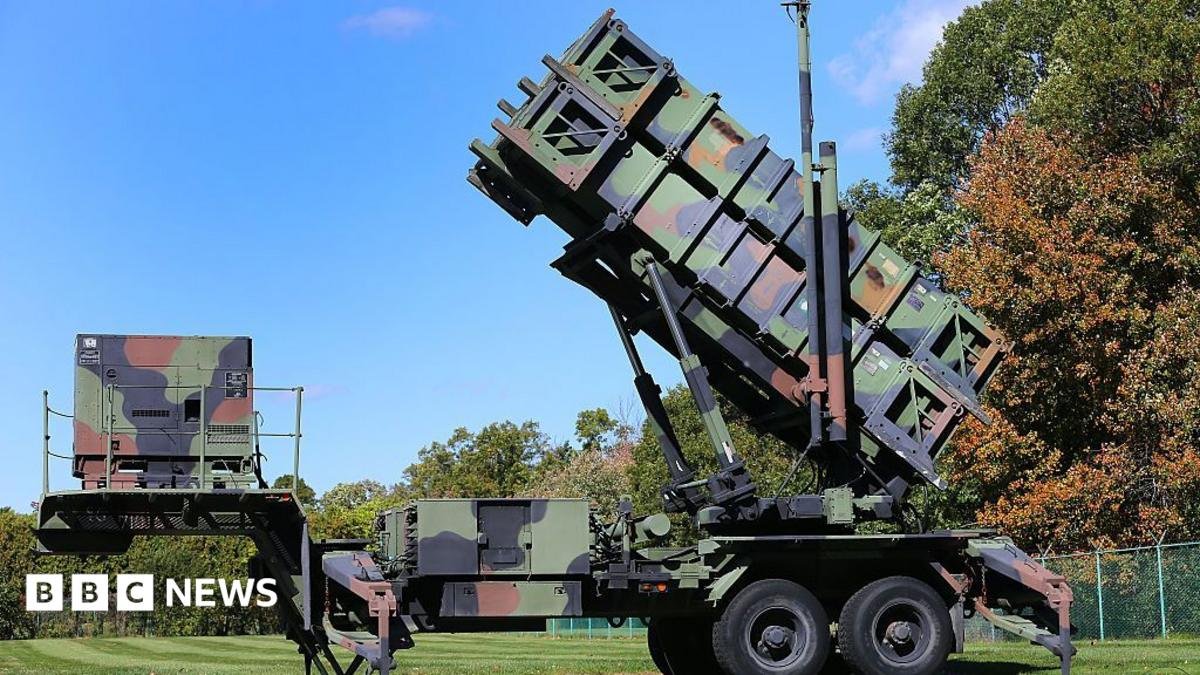
While robotics laboratories refine the mechanics of disassembly, the manufacturing sector itself remains under intense scrutiny, particularly regarding the defense supply chain. In the United Kingdom, operations at an Elbit Systems factory were recently brought to a standstill d access to the Staffordshire site, cited the company’s military equipment contracts with Israel as the primary motivation for their civil disobedience.
The blockade, which ultimately resulted in the facility's closure, highlights the increasing intersection between localized protest movements and international conflict. While reports differ slightly on the immediate aftermath of the demonstration—with some sources noting a total closure of the site and others highlighting specific arrests—it is clear that the company faced significant operational interference. Palestine Action, through spokespeople like Audrey Corno, has made it clear that their intent is to disrupt the manufacturing and distribution of military hardware, signaling a trend where physical manufacturing sites are increasingly becoming the focal point for international political grievances.
In the near term, the manufacturing industry will likely continue to face a dual-front challenge. On the technical side, the success of adaptive robotic disassembly will depend on scaling these experimental systems for broader industrial application. Should these robots prove effective at managing the "messy reality" of old machines, companies may find it easier to comply with international recycling regulations and sustainability goals. However, this will require significant capital investment beyond the initial research phase.
Simultaneously, the security landscape for defense contractors remains uncertain. The events in Staffordshire suggest that activist groups are increasingly sophisticated in their ability to target specific supply nodes. Companies in this sector may respond manufacturing footprints. Whether these security measures will suppress further civil disobedience or merely force groups to innovate their tactics remains a point of significant strategic concern for defense manufacturers globally.