

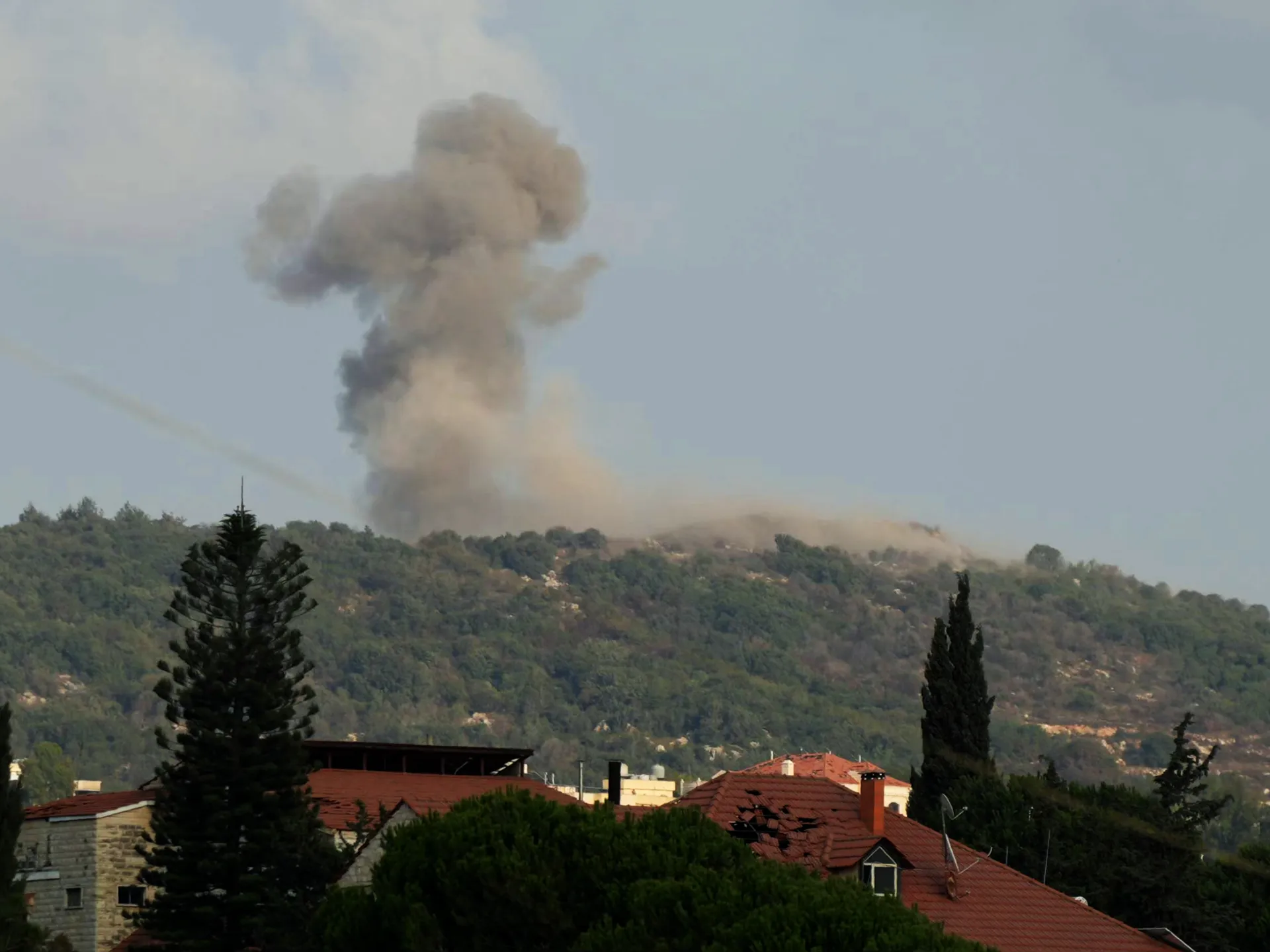
Israel has claimed operational control over the strategic Ali al-Taher ridge in southern Lebanon, a move intended to bolster security and pressure the Lebanese government.
The recent announcement r the Ali al-Taher ridge marks a significant escalation in the ongoing conflict in southern Lebanon. Rising to an elevation of 600 meters (1,970 feet), the ridge serves as a critical geographic vantage point located approximately 15 kilometers from the international border. that overlooks substantial portions of both southern Lebanon and northern Israel.
Defense Minister Israel Katz stated that the operation involved clearing a sophisticated network of underground tunnels previously utilized tivity in the region, which has seen Israel consolidate its presence through the creation of a declared security buffer zone. The occupation of this high ground is viewed ed surveillance and operational reach across the southern Lebanese theater.
Since the most recent intensification of hostilities, Israel has pursued a strategy aimed at establishing a deep buffer zone within Lebanese territory. This policy has resulted in extensive physical damage to civilian infrastructure, drawing sharp criticism from international observers and human rights organizations. The destruction of local villages and the displacement of hundreds of thousands of Lebanese citizens have raised serious questions regarding the humanitarian impact of these military tactics.
Analysts suggest that Israel's military successes in this region are underpinned straint. Unlike previous engagements, current operations appear to prioritize the neutralization of opposition positions regardless of the surrounding civilian environment. This approach has led to high daily casualty rates and the systematic dismantling of local communities, a strategy that observers describe as fundamentally altering the demographic and structural landscape of southern Lebanon.
The occupation of the Ali al-Taher ridge is not merely a tactical maneuver but a calculated instrument of political leverage against the government in Beirut. essuring the Lebanese authorities to confront Hezbollah directly. The message from Jerusalem is clear: the occupation is intended to persist until the Lebanese state takes definitive action to disarm the militant group and eliminate the threats posed to northern Israeli residents.
The silence from Hezbollah and its primary backer, Iran, regarding the loss of the ridge has created a complex diplomatic environment. While Tehran reportedly warned the United States against continued escalations, there has been no formal military response to the recent Israeli gains. Experts suggest that this restraint may be a strategic choice a broader confrontation to secure its domestic political standing ahead of upcoming elections.
As the conflict continues, the relationship between Israel's military objectives in Lebanon and its domestic political climate remains deeply intertwined. Prime Minister Benjamin Netanyahu faces a challenging electoral environment in October, and the outcome of the campaign in southern Lebanon could prove decisive for his political future. The potential for further escalation, particularly involving direct strikes on Iranian infrastructure, remains a point of intense speculation among international security analysts.
Ultimately, the control of the Ali al-Taher ridge serves as a microcosm of the wider regional struggle. While the military gain provides Israel with a clear tactical advantage, it also deepens the economic and diplomatic reliance on the United States. Whether this control will lead to a long-term shift in the balance of power or merely serve as a temporary pressure point remains to be seen, as the international community watches for any signs of a larger regional conflagration.