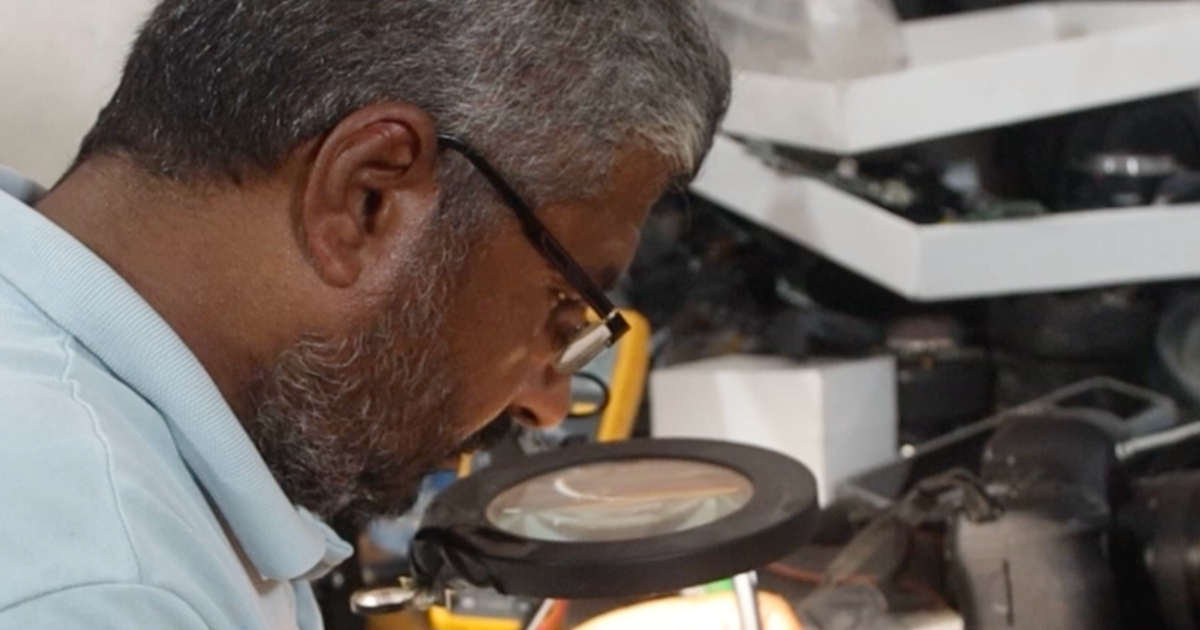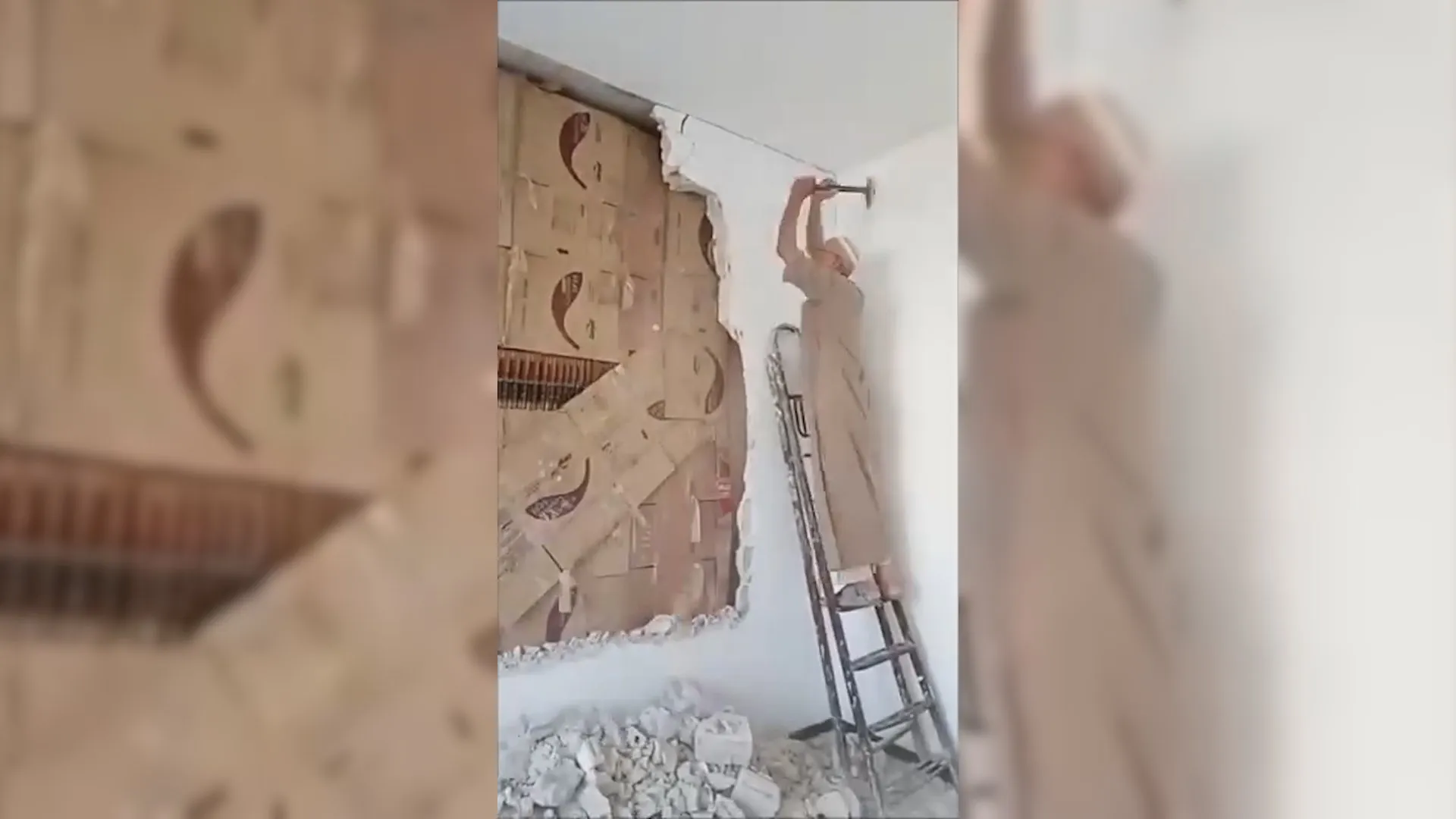
After fifteen years of hiding his private collection behind a wall to evade the former Assad regime, a Syrian man has finally recovered his books.
For fifteen years, a collection of literary works remained encased behind a makeshift wall within a Syrian home, shielded from the turmoil that engulfed the nation. Abu Bilal, the owner of the residence, had made the difficult decision to construct a concealment barrier to protect his personal library from the reach of the former Assad regime. During a period defined l property, this drastic measure served as the only viable path to ensure the survival of his cherished volumes.
The act of walling off his books was not merely a logistical challenge but an emotional sacrifice. wledge and stories contained within those pages, hoping that a future day would arrive when it was safe to reveal them once more. For over a decade, the wall stood as a silent witness to the changing political landscape, serving as a physical manifestation of the struggle to preserve culture amidst widespread conflict.
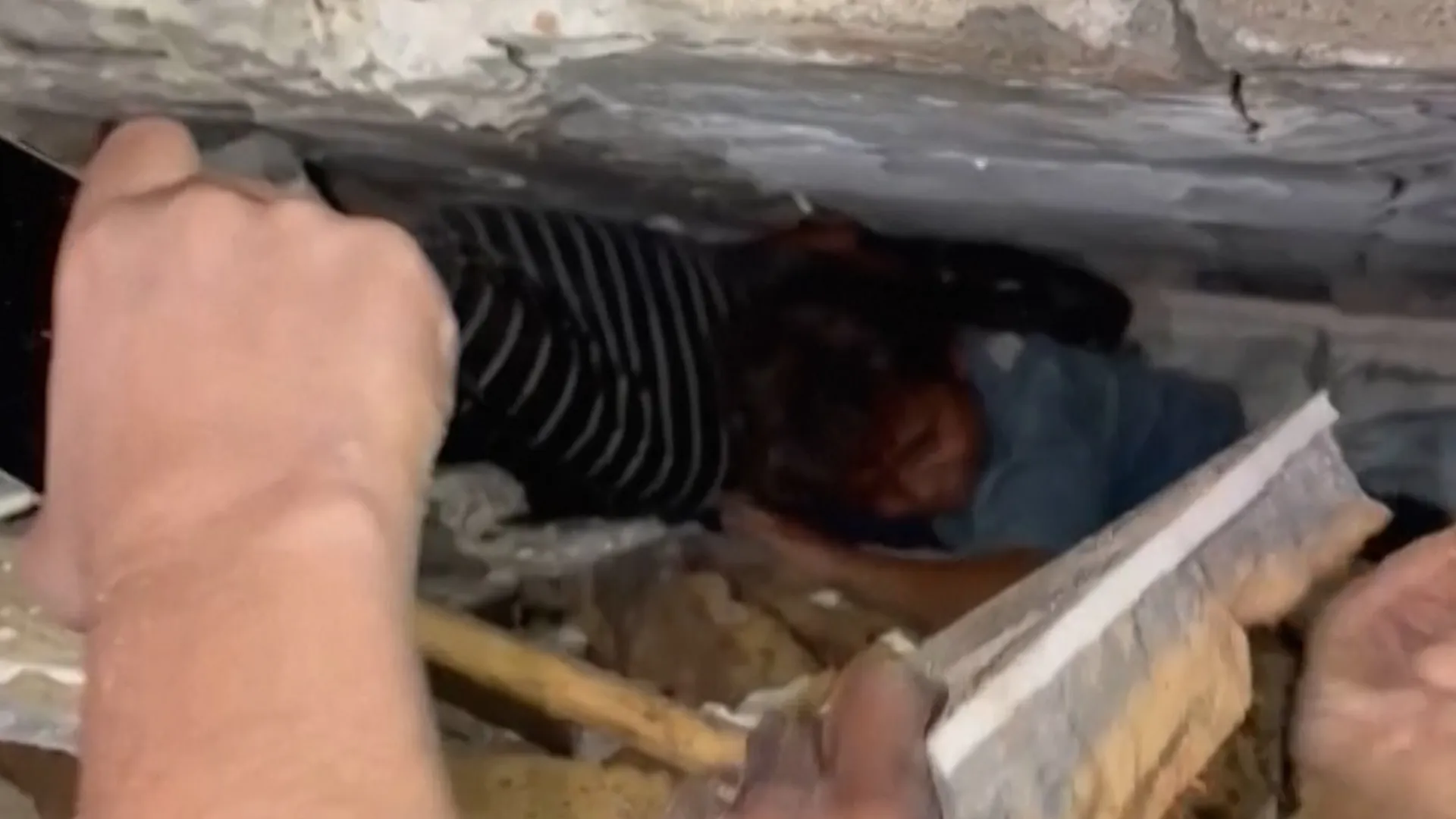
In mid-September 2026, the long-awaited moment of recovery finally arrived. Equipped with a hammer and a sense of profound anticipation, Bilal began the arduous process of dismantling the barrier he had erected years prior. As the bricks were removed one it, seemingly preserved
This discovery was a poignant reminder of the personal costs associated with the Syrian civil war. While infrastructure and historical sites throughout the country suffered significant damage, the survival of these private archives highlights the efforts of individuals to safeguard their identity and heritage. The sight of the books emerging from their tomb provided a rare, optimistic narrative, marking the end of a long period of uncertainty for the homeowner.
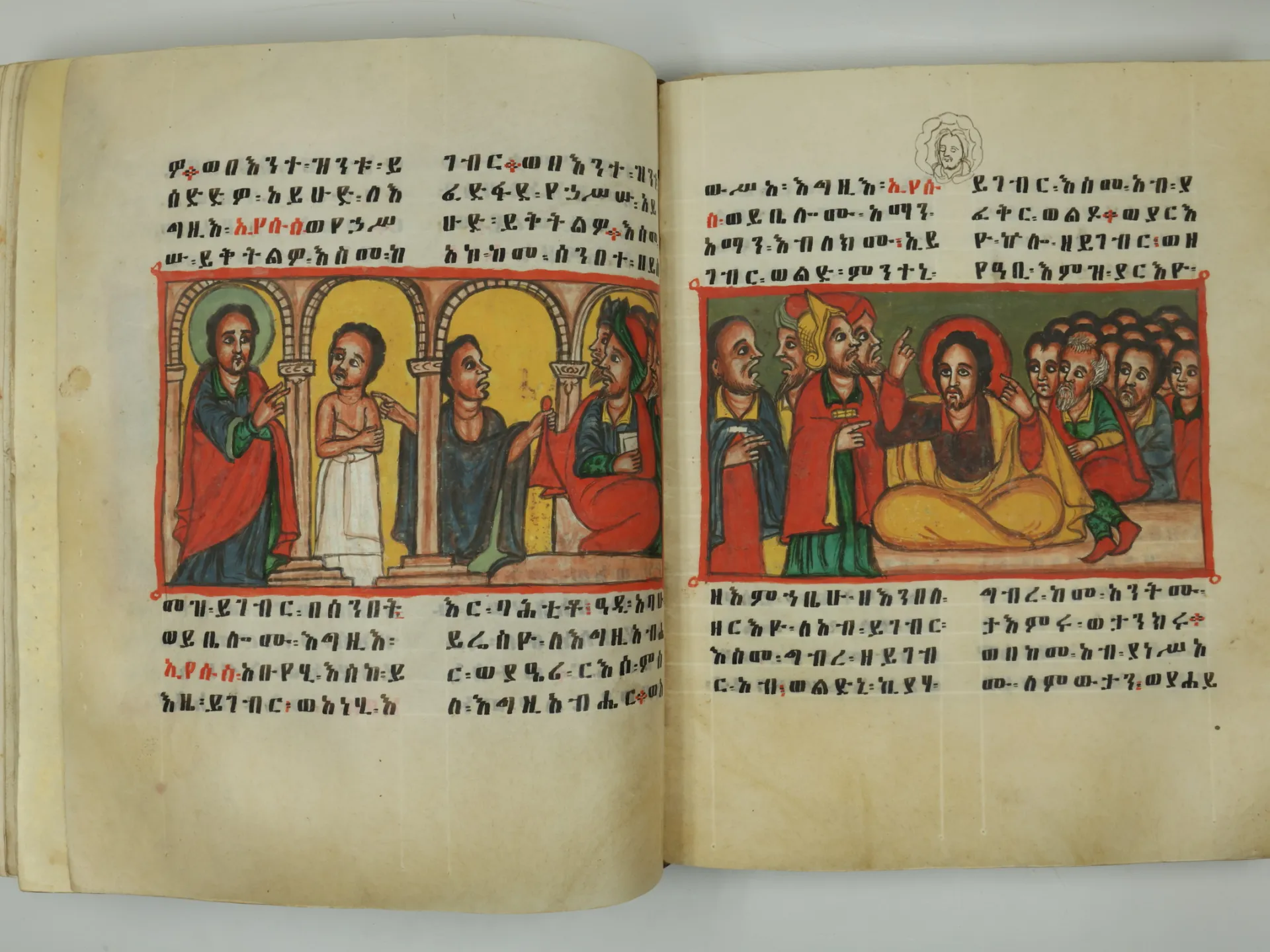
The story of this hidden library is part of a larger, ongoing effort war. Throughout the conflict, many individuals faced the impossible choice of abandoning their homes or leaving behind their most prized possessions. Libraries, both public and private, were often targets, leading to the loss of countless manuscripts, academic texts, and personal journals that are vital to the country's collective memory.
Bilal’s success in reclaiming his books serves as a testament to the resilience of the human spirit and the intrinsic value placed on literature. In times of extreme duress, the act of protecting one's library becomes an act of resistance. ithin were not permanently erased, allowing for the eventual restoration of his personal connection to literature and learning.
As the dust settles from the removal of the wall, the focus now shifts to the condition of the books and their place in the owner's life moving forward. While long-term storage in a confined space can pose risks to paper quality, the immediate relief of seeing the collection intact outweighs the potential for minor structural damage. The recovery represents a symbolic reopening of a chapter that had been forcibly closed for nearly half a generation.
The preservation of such private collections is essential for post-conflict recovery. As Syria looks toward future stability, the recovery of personal, cultural, and intellectual artifacts will play a crucial role in reconstructing the social fabric of the nation. For Abu Bilal, the return of his books is more than just a restoration of property; it is the reclamation of a piece of his own history that was held in stasis for fifteen long years.