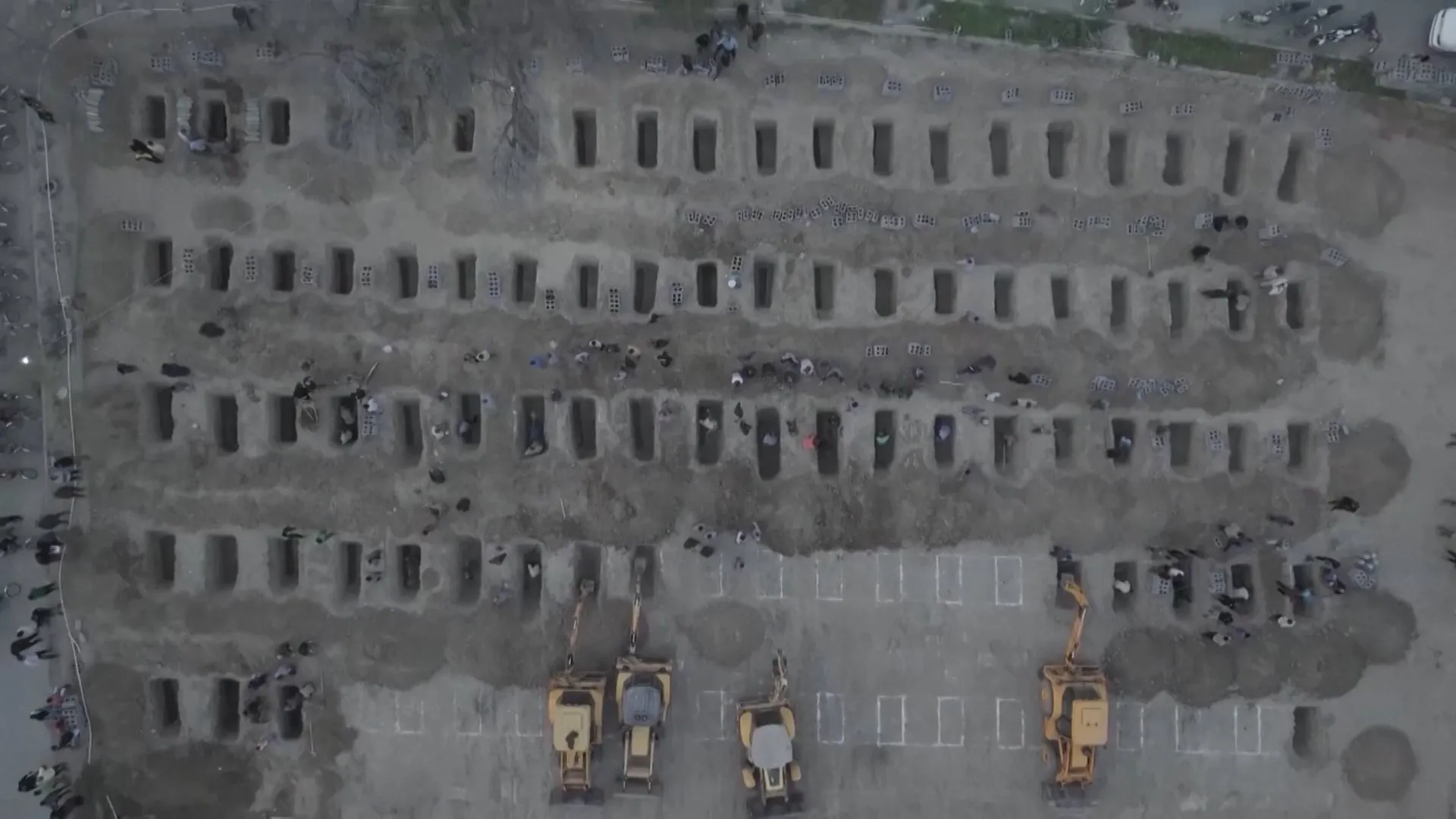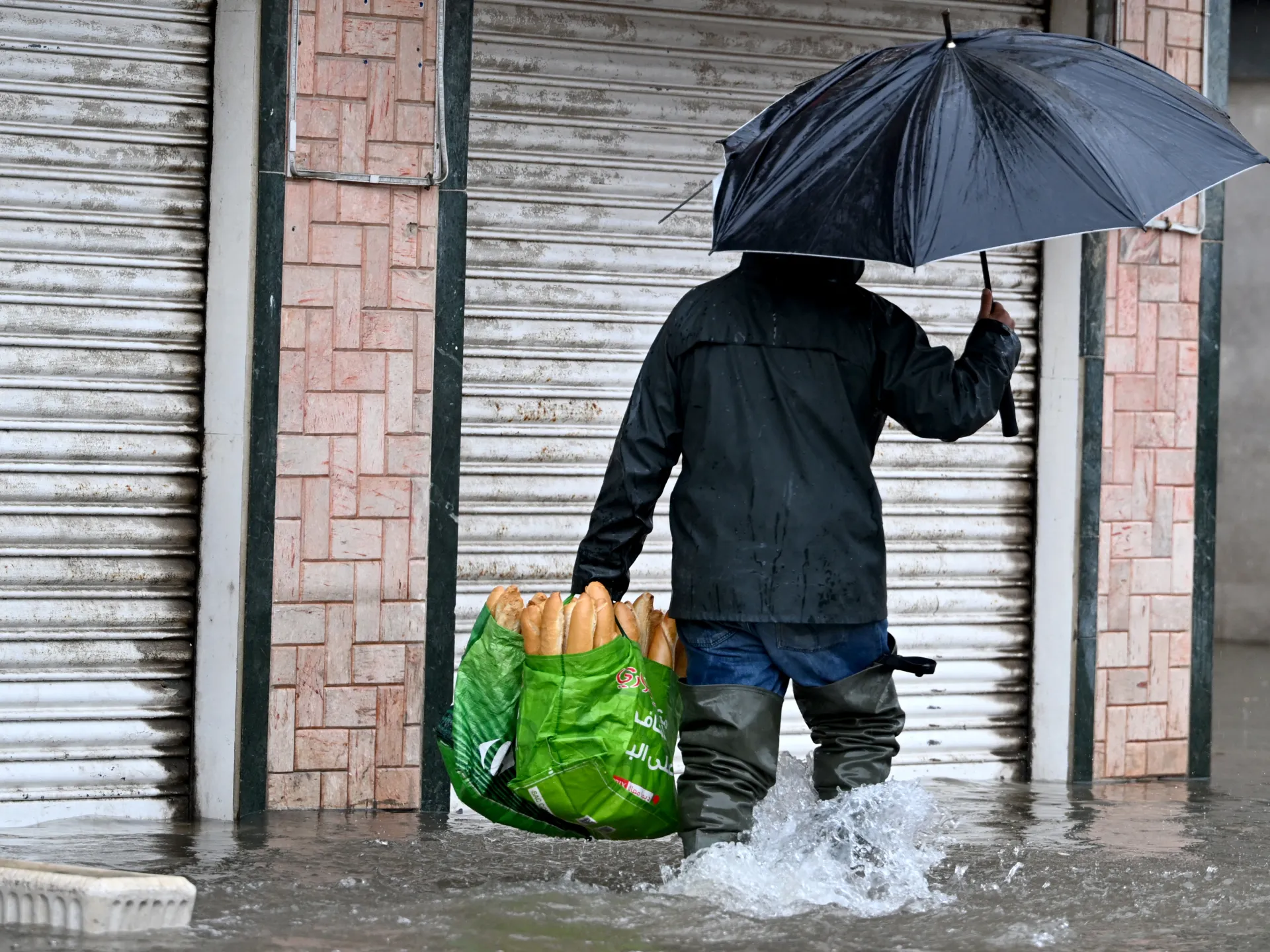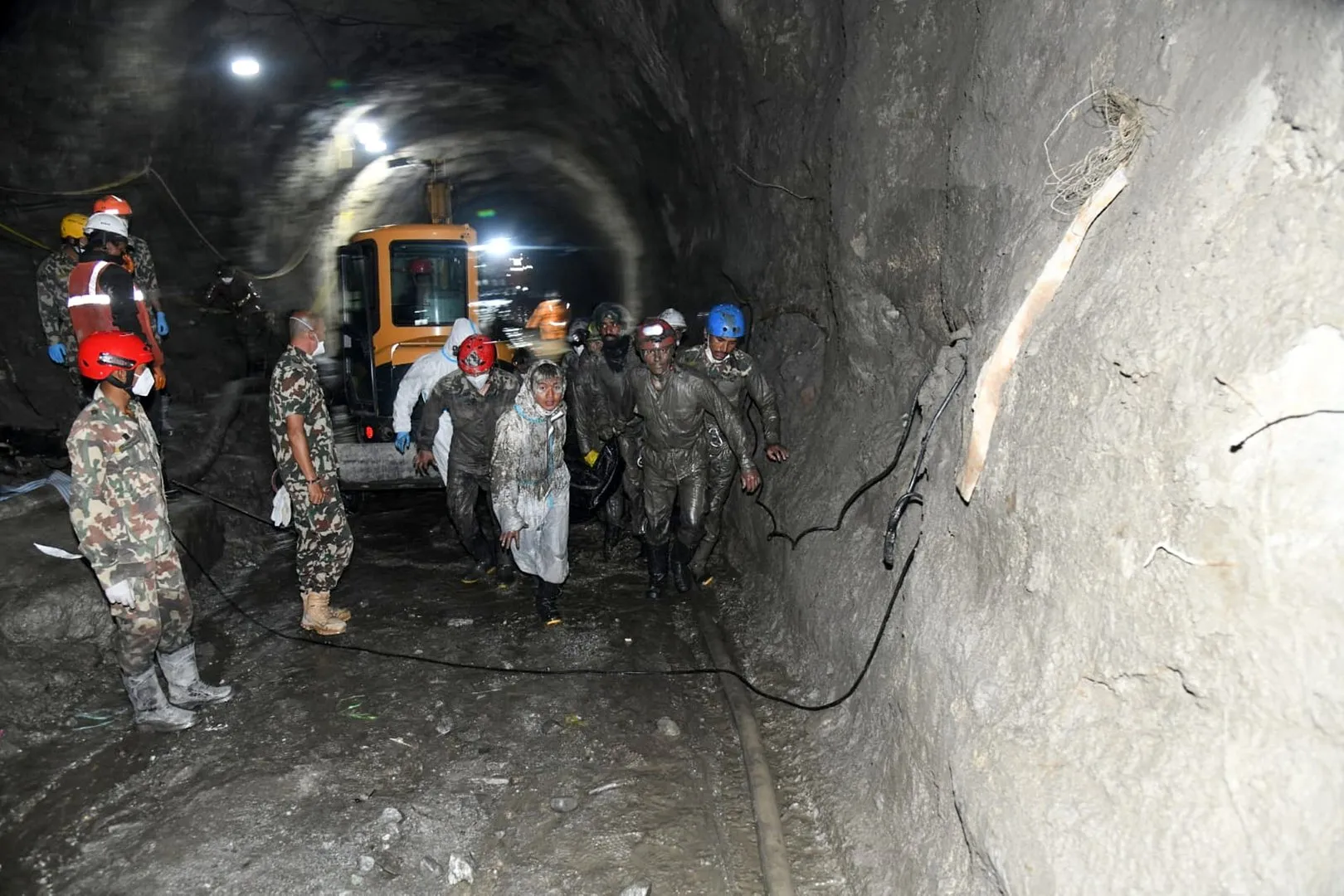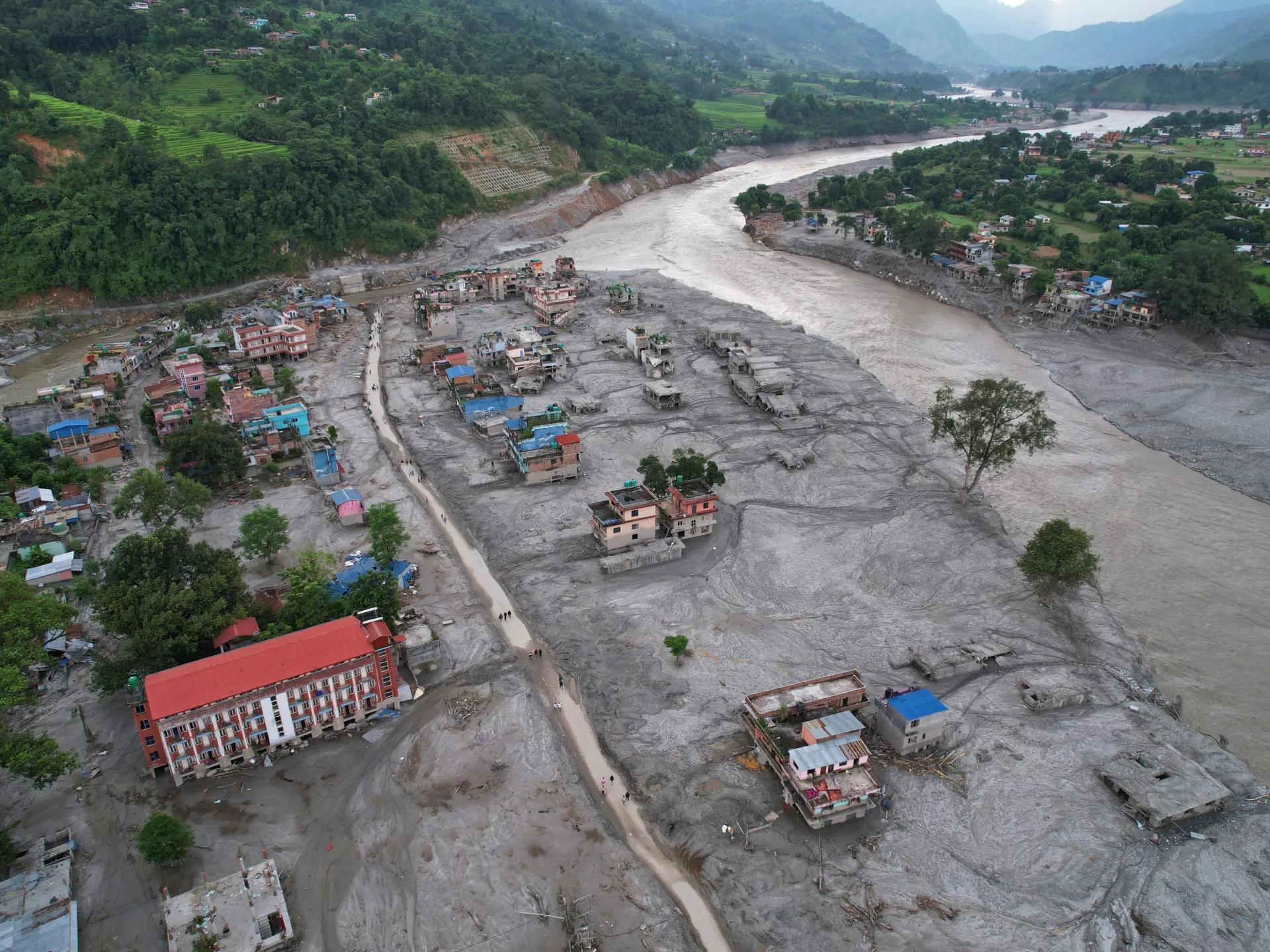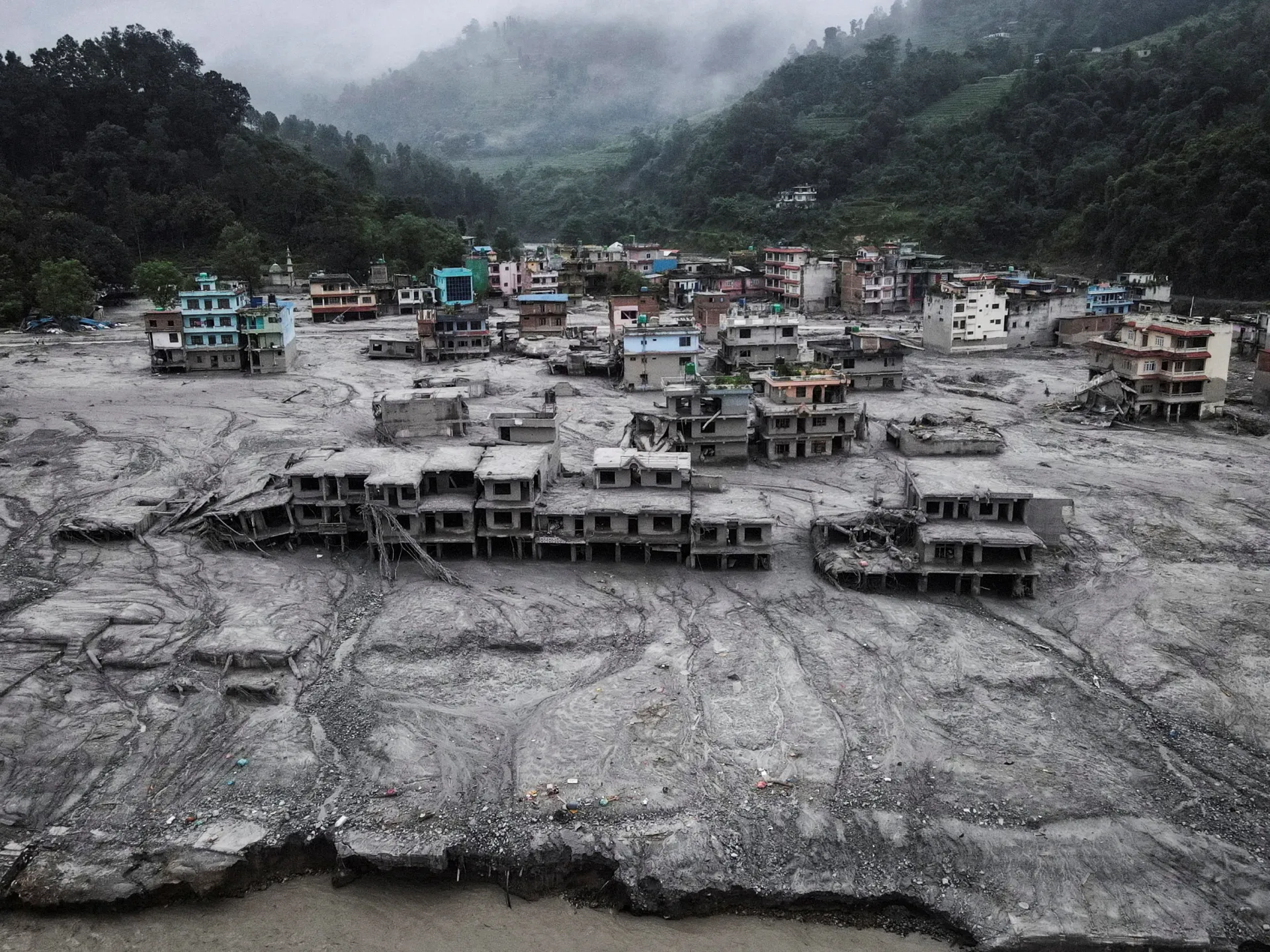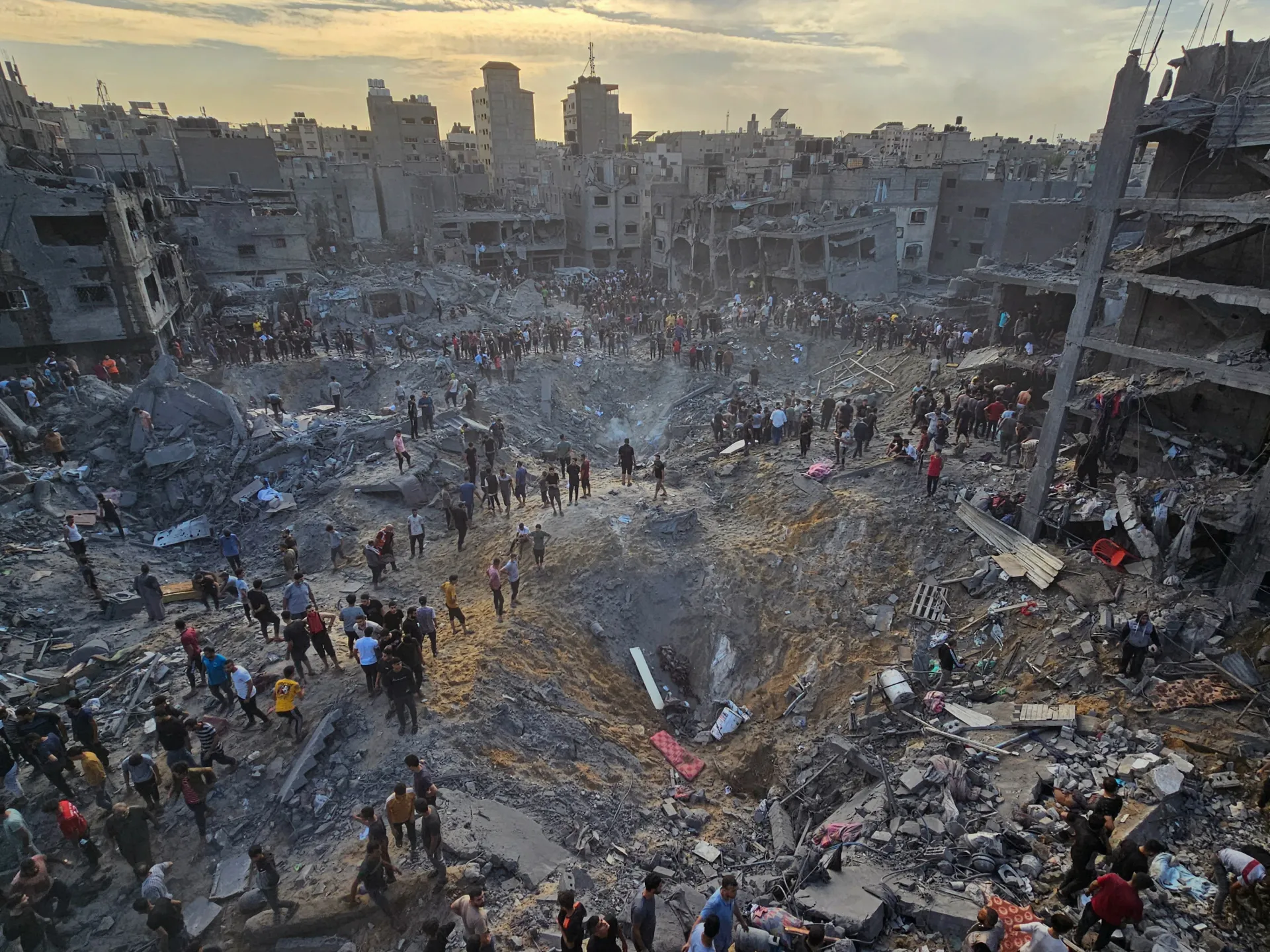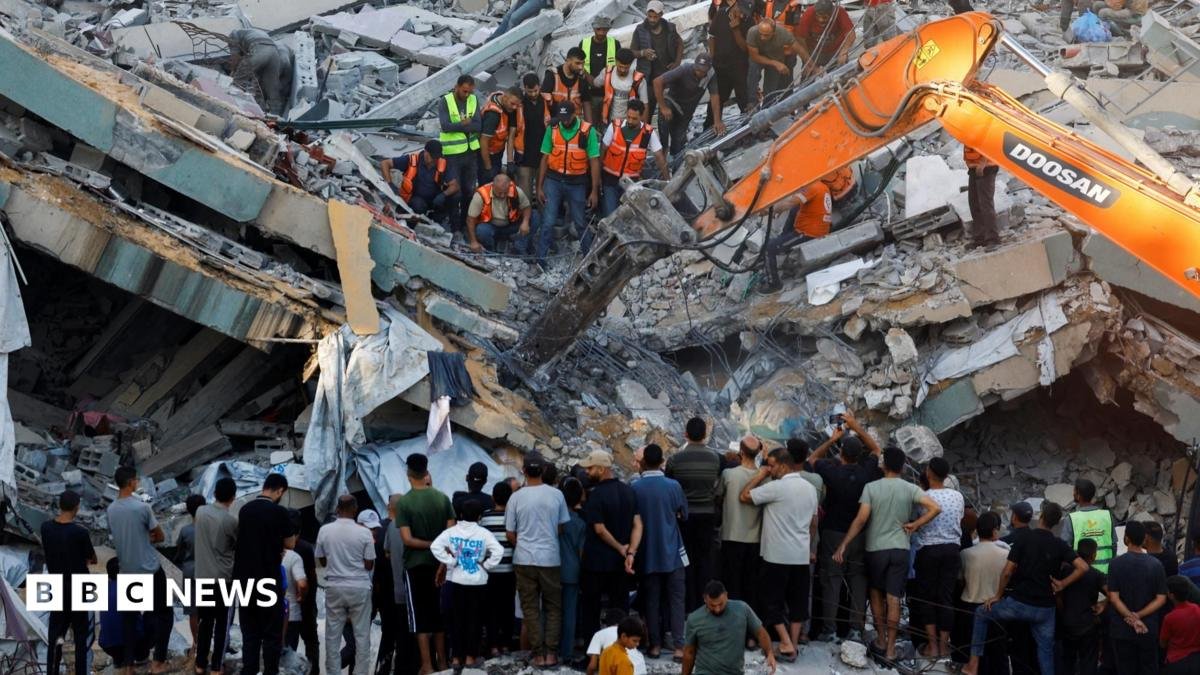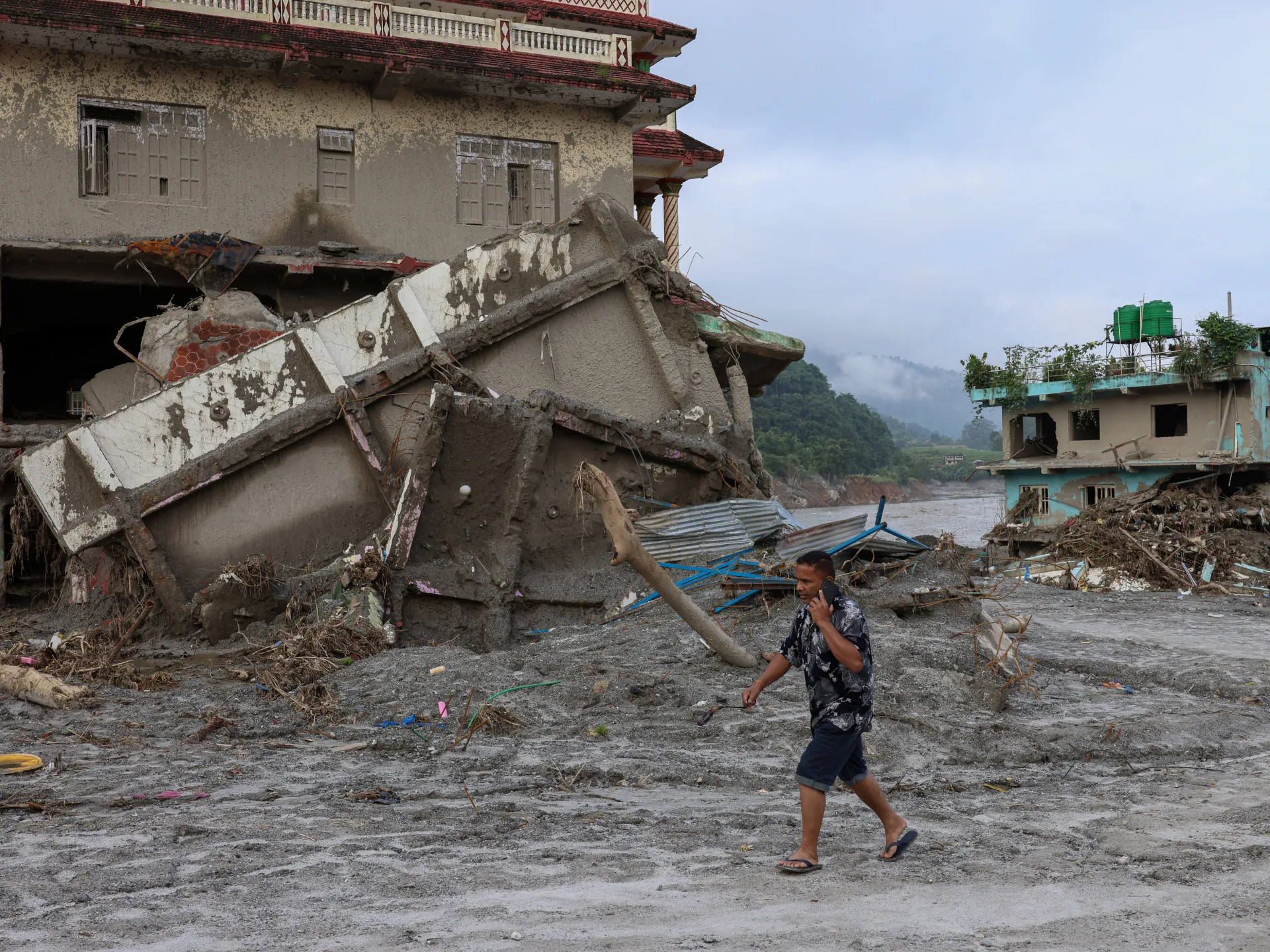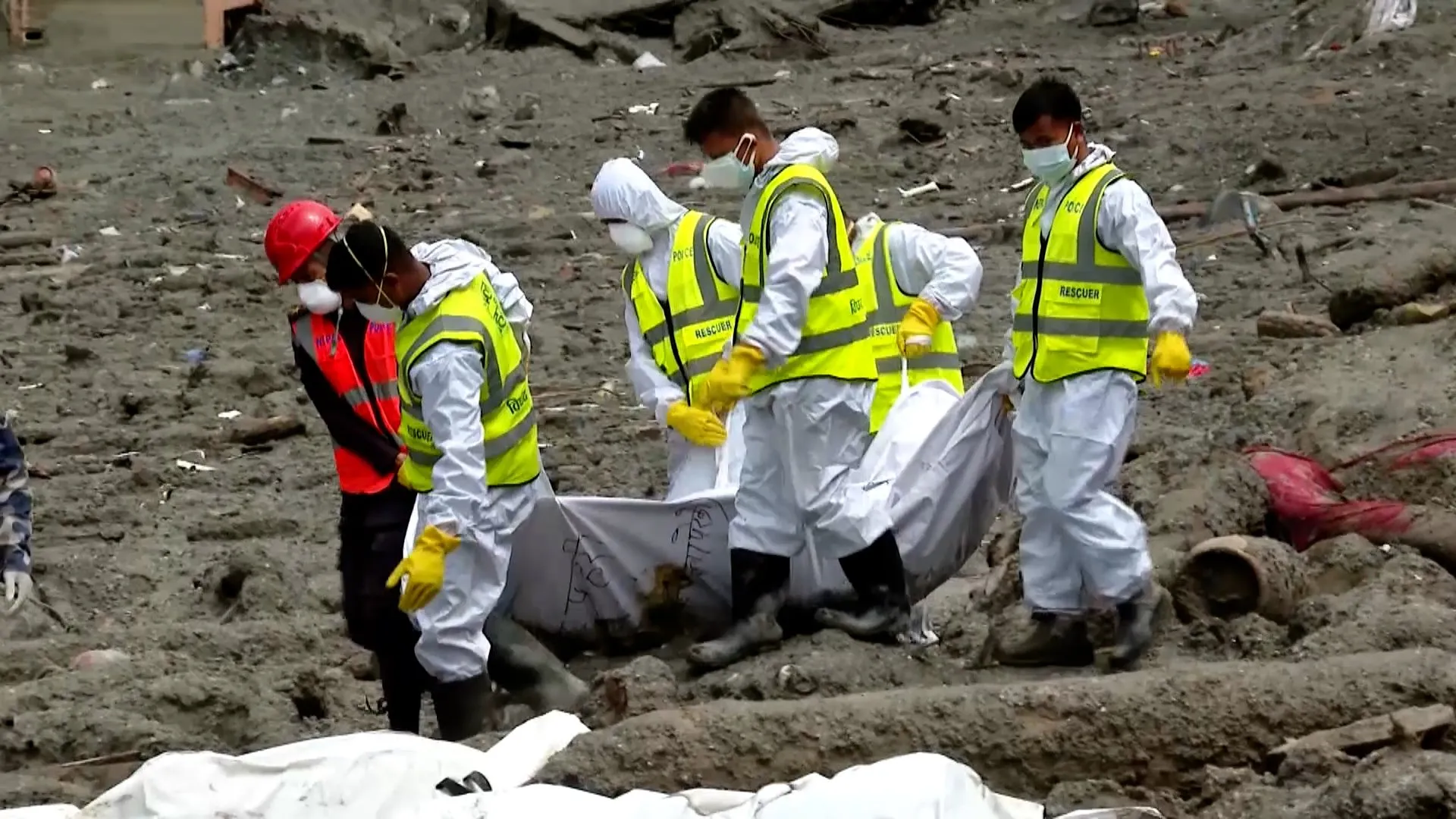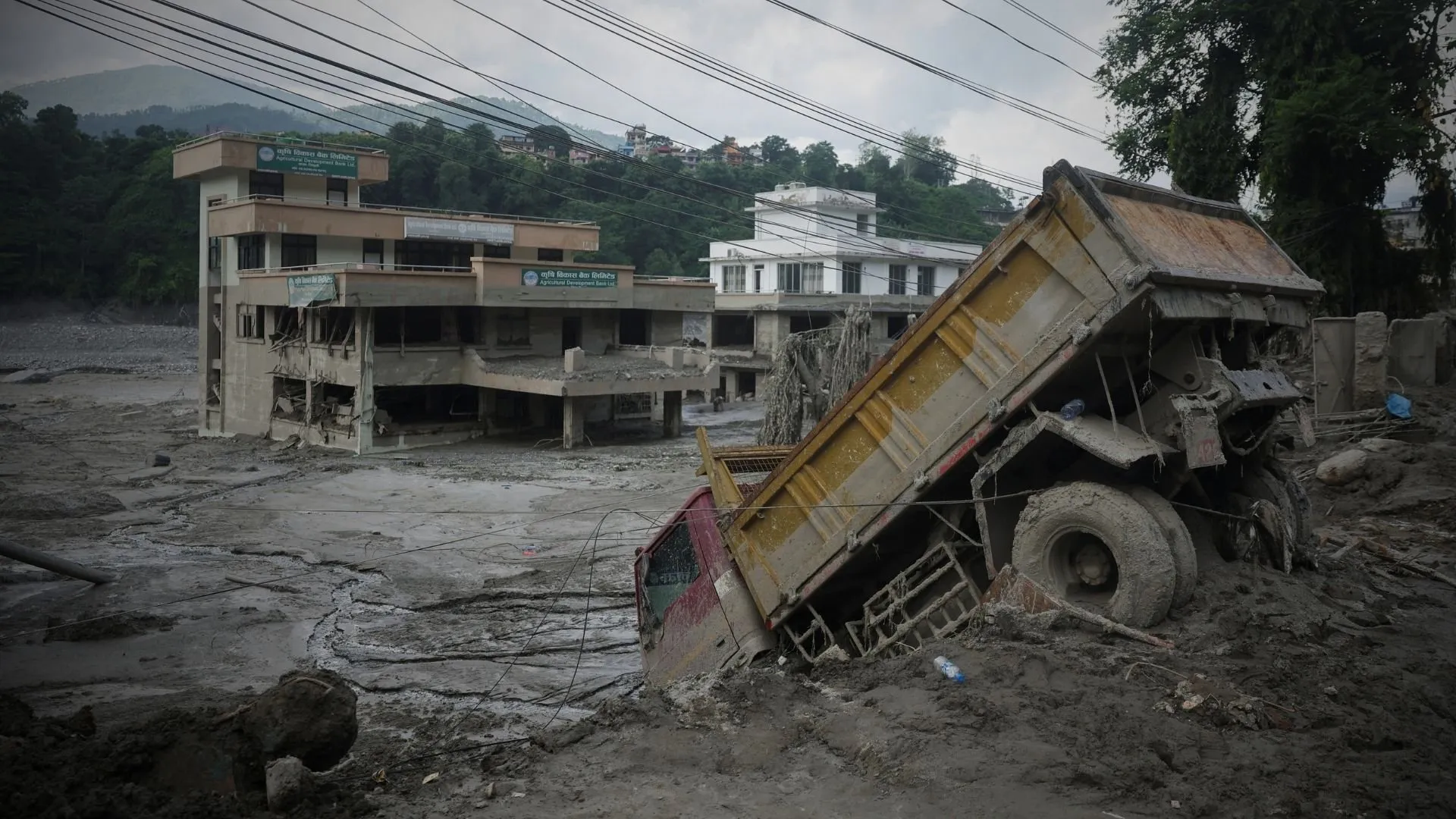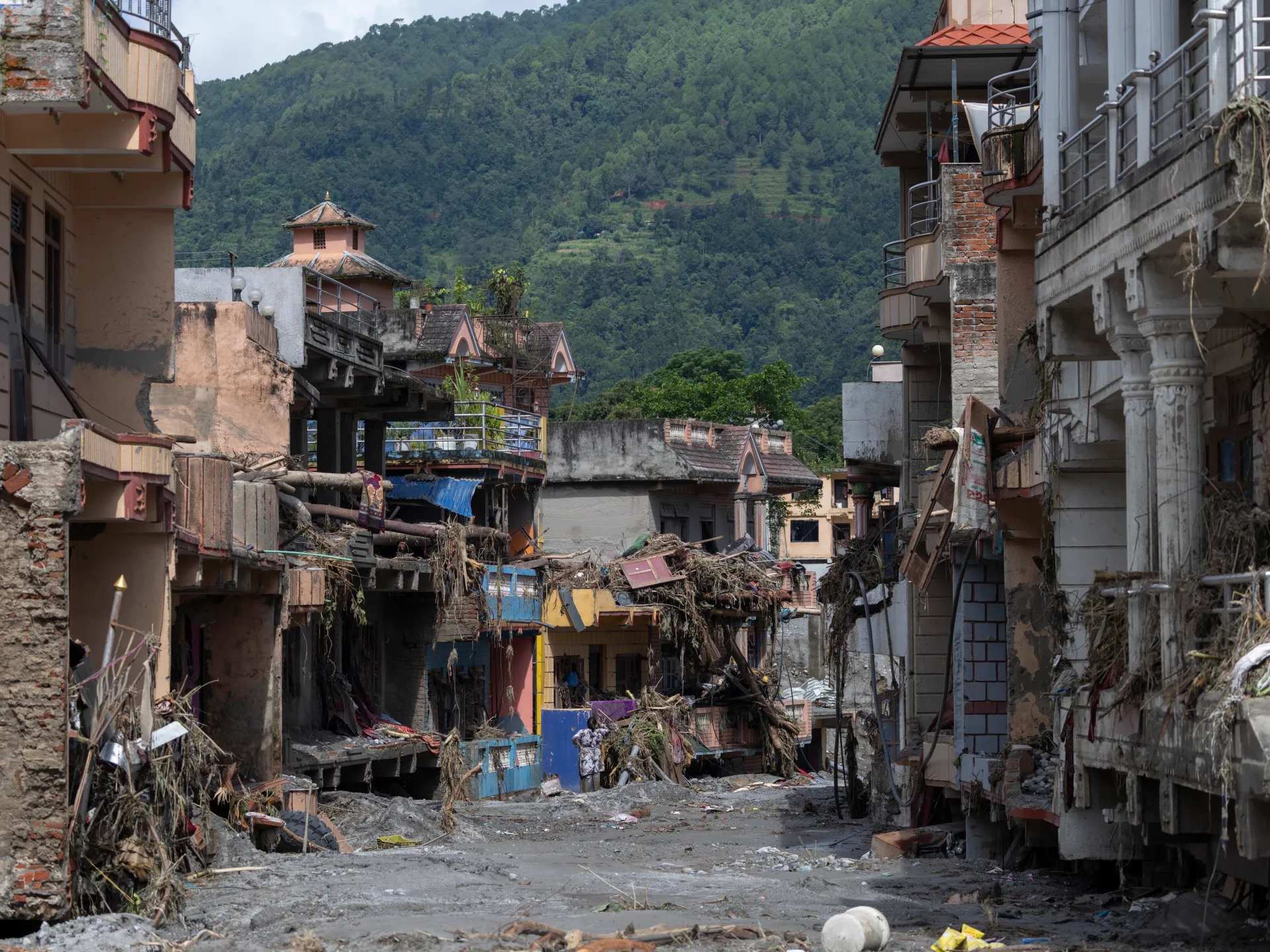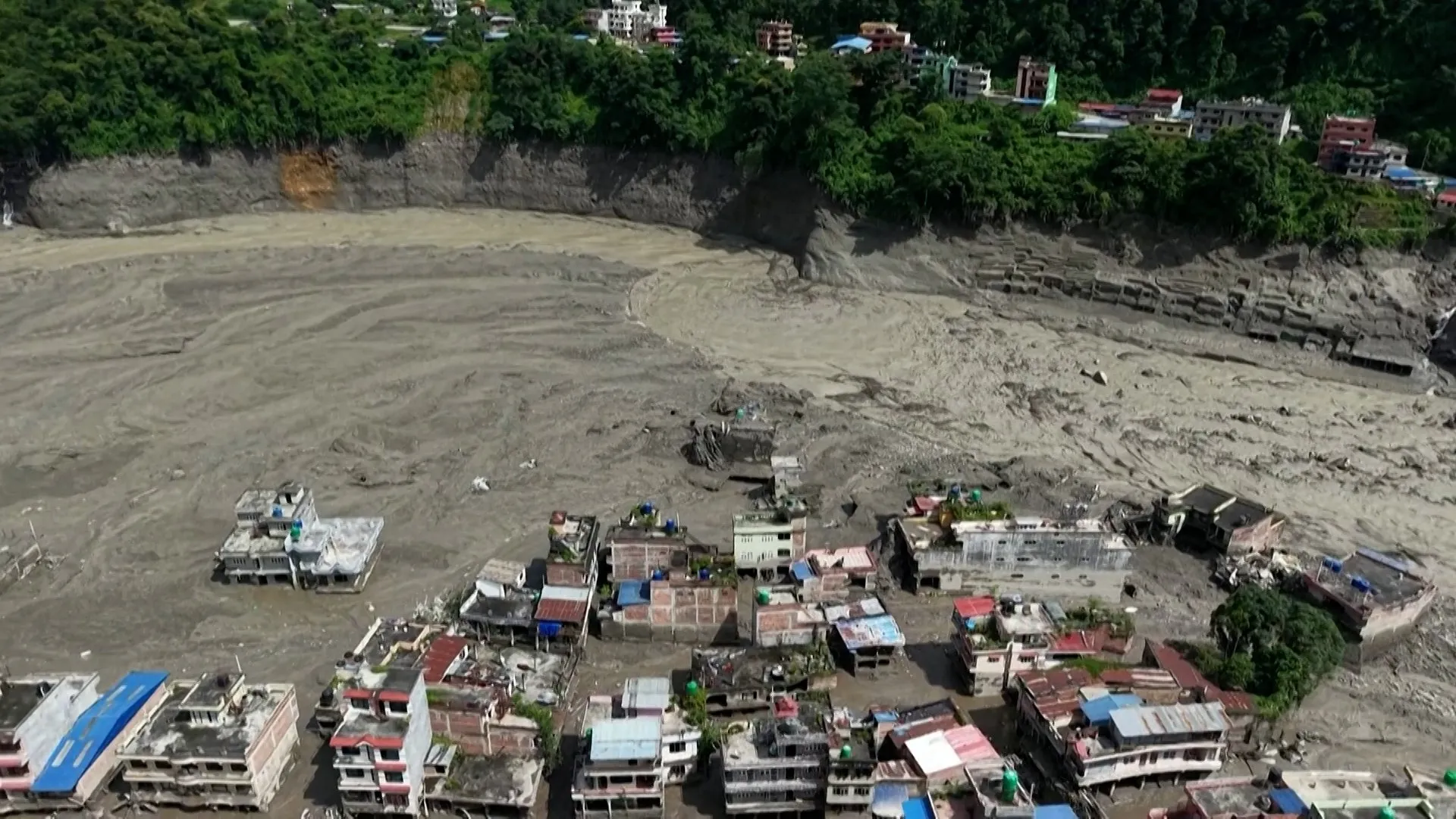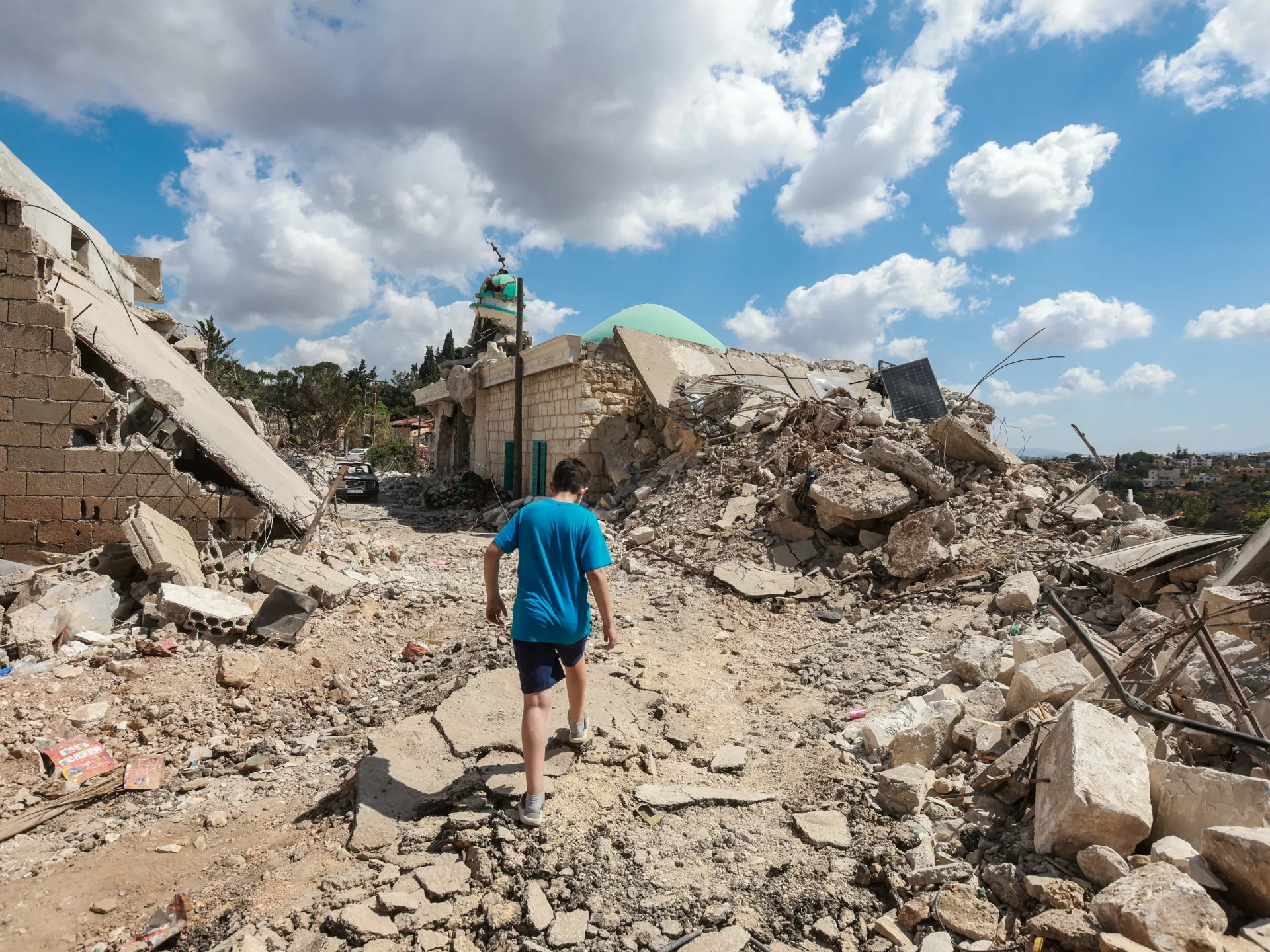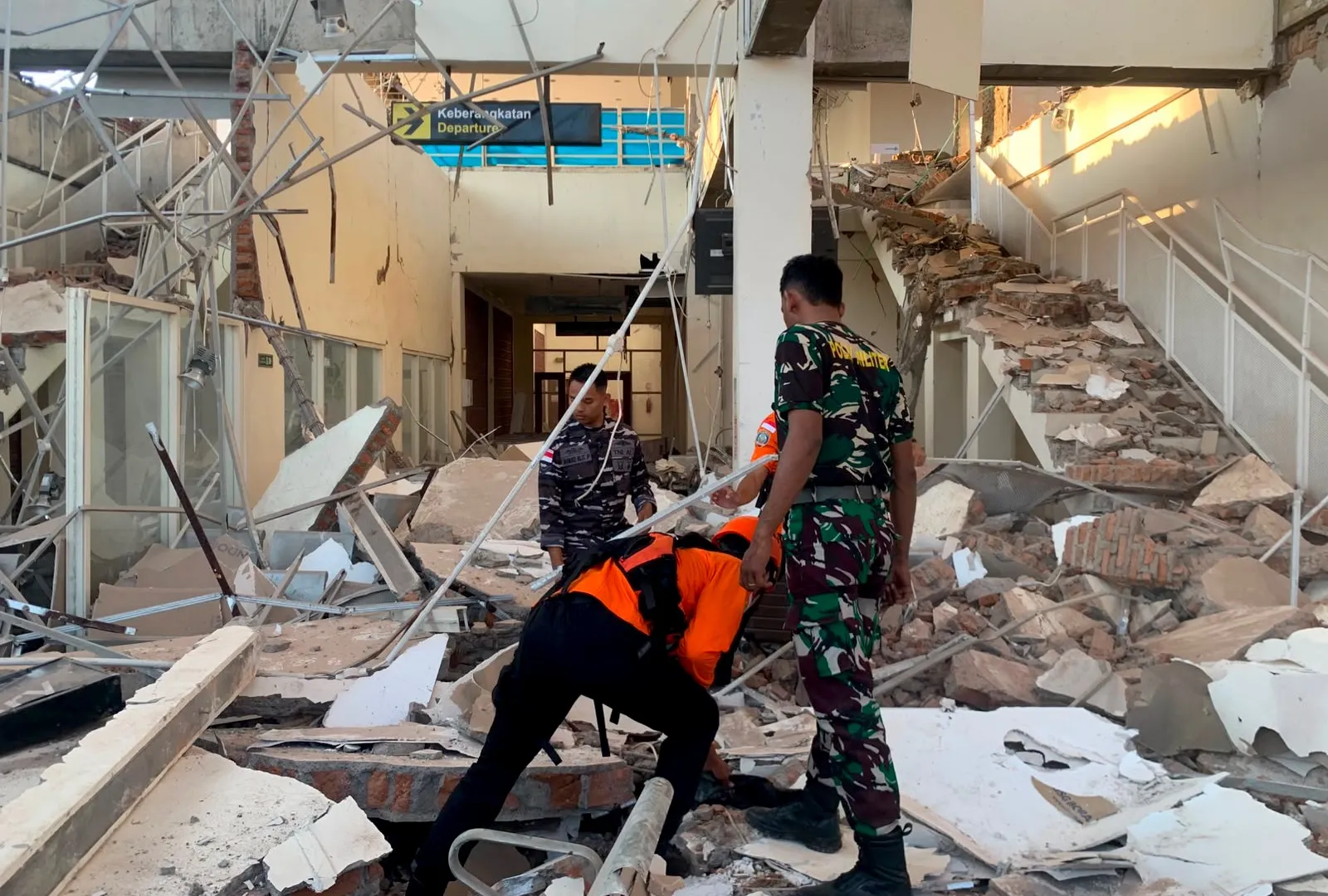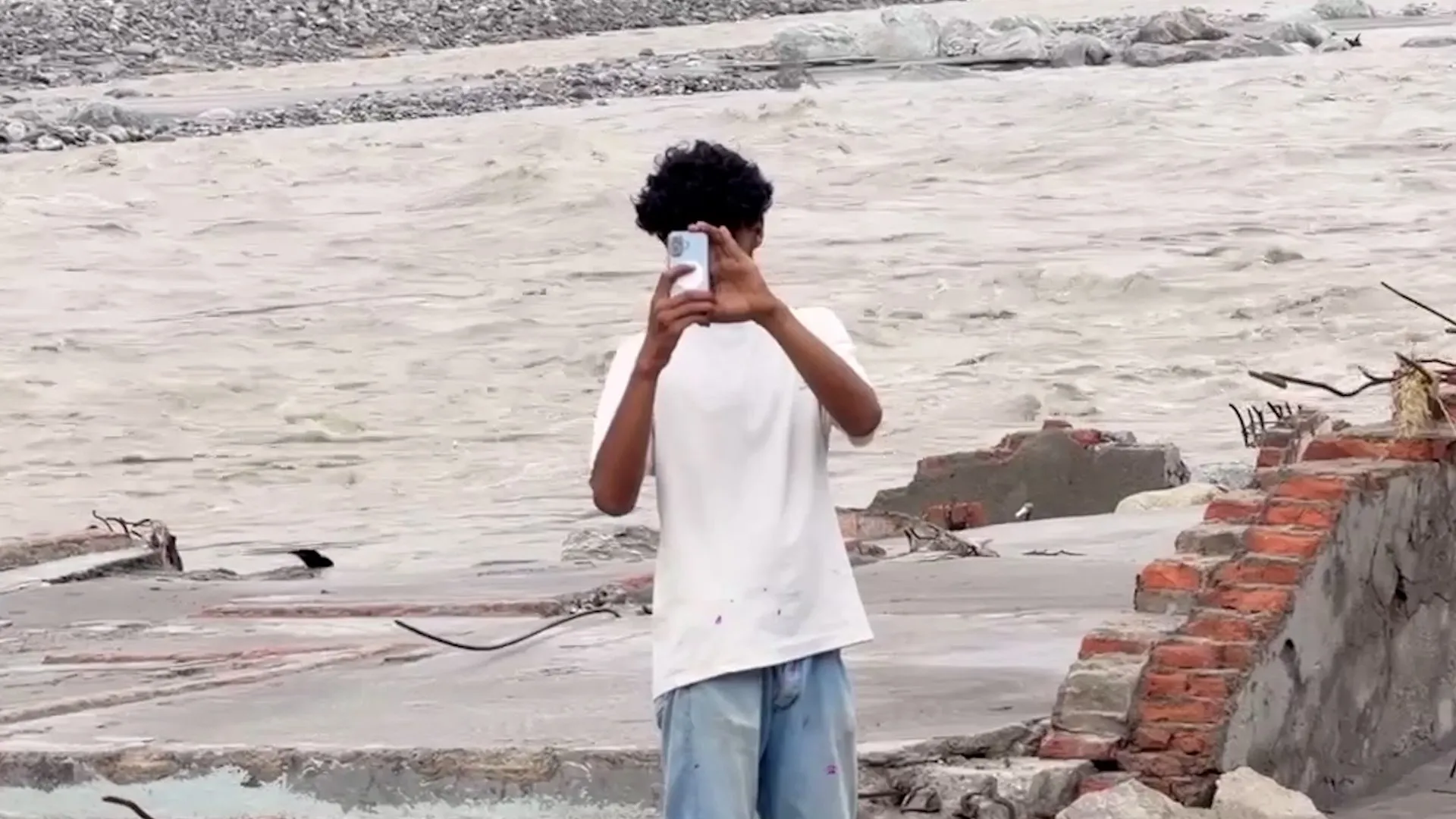
A surge in social media creators visiting Nepal’s flood-stricken regions has sparked controversy, with critics alleging that some influencers are prioritizing personal fame over genuine relief efforts.
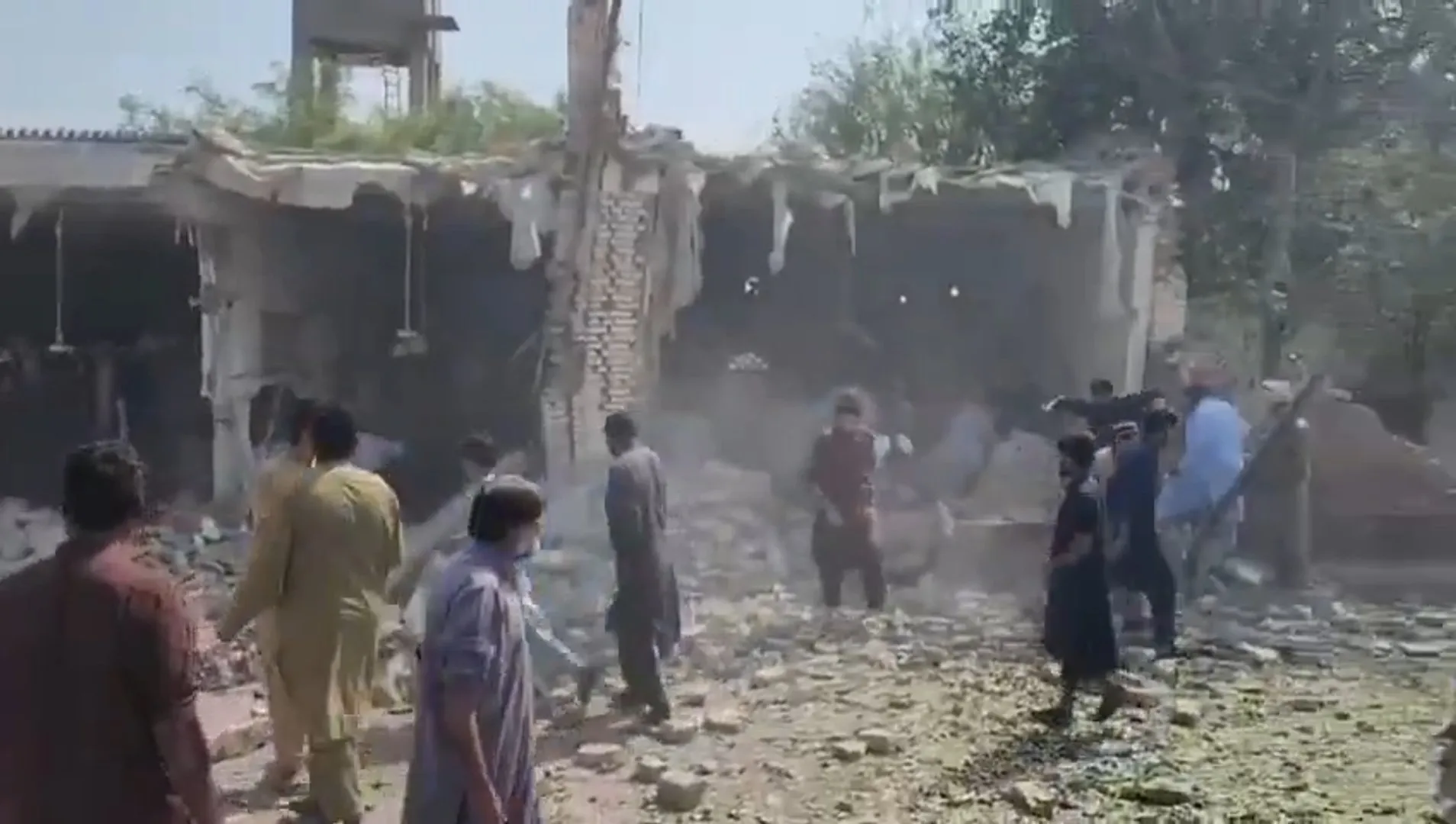
The digital age has fundamentally transformed how the public engages with humanitarian crises. In the wake of the devastating floods that recently struck Nepal, a growing trend of social media personalities traveling to disaster zones has prompted a heated debate regarding the ethics of digital storytelling. While these individuals often frame their presence as a method to garner awareness and attract necessary financial support for those in need, critics argue that the motivations behind such content are increasingly self-serving.
As these influencers document the wreckage and the plight of the survivors, the line between genuine aid and performative altruism has become blurred. Observers have noted that the focus of these videos often shifts away from the systemic issues caused sparked a broader conversation about whether the pursuit of likes, shares, and follower growth is overshadowing the dignity of those suffering from the catastrophe.
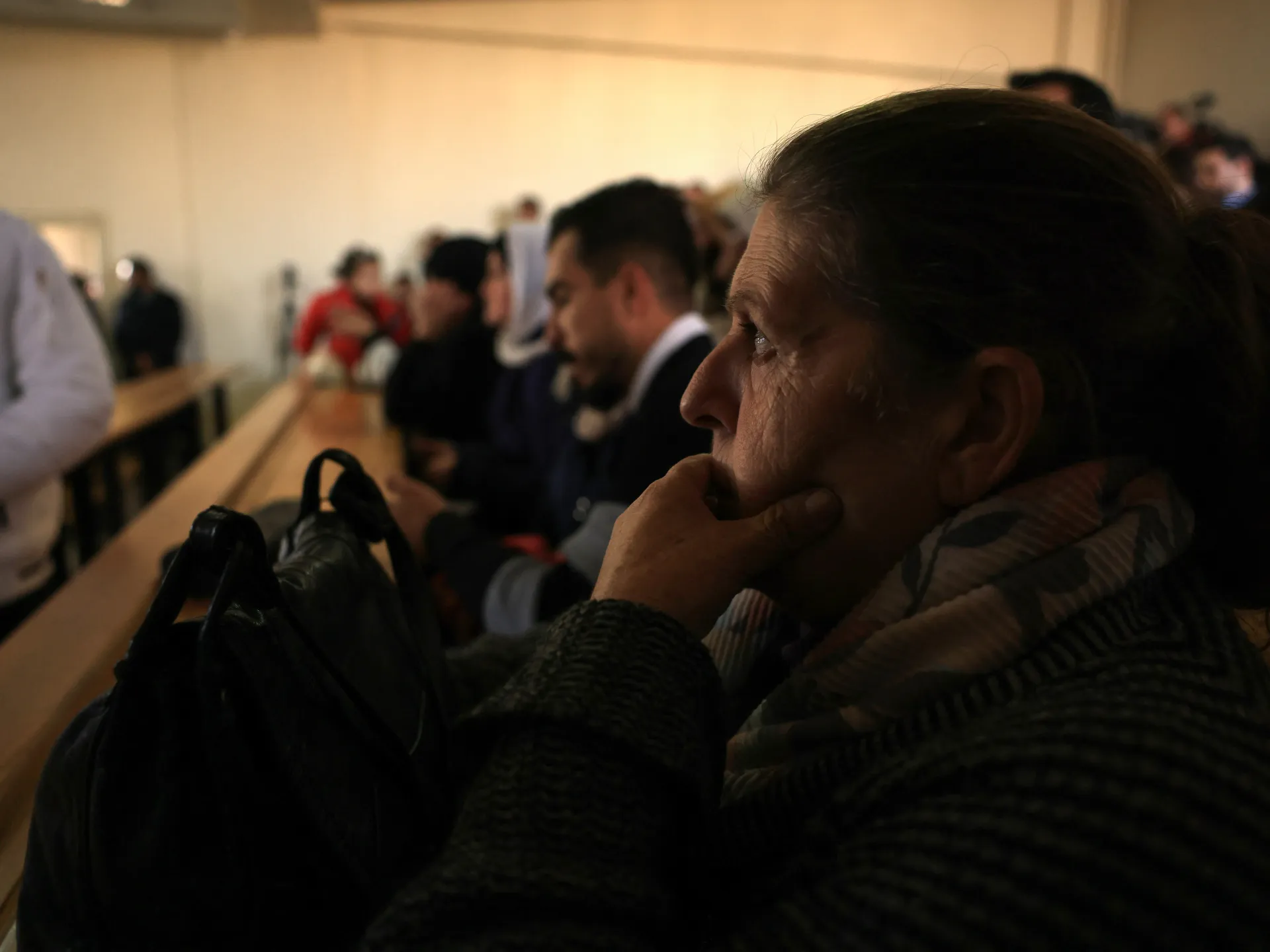
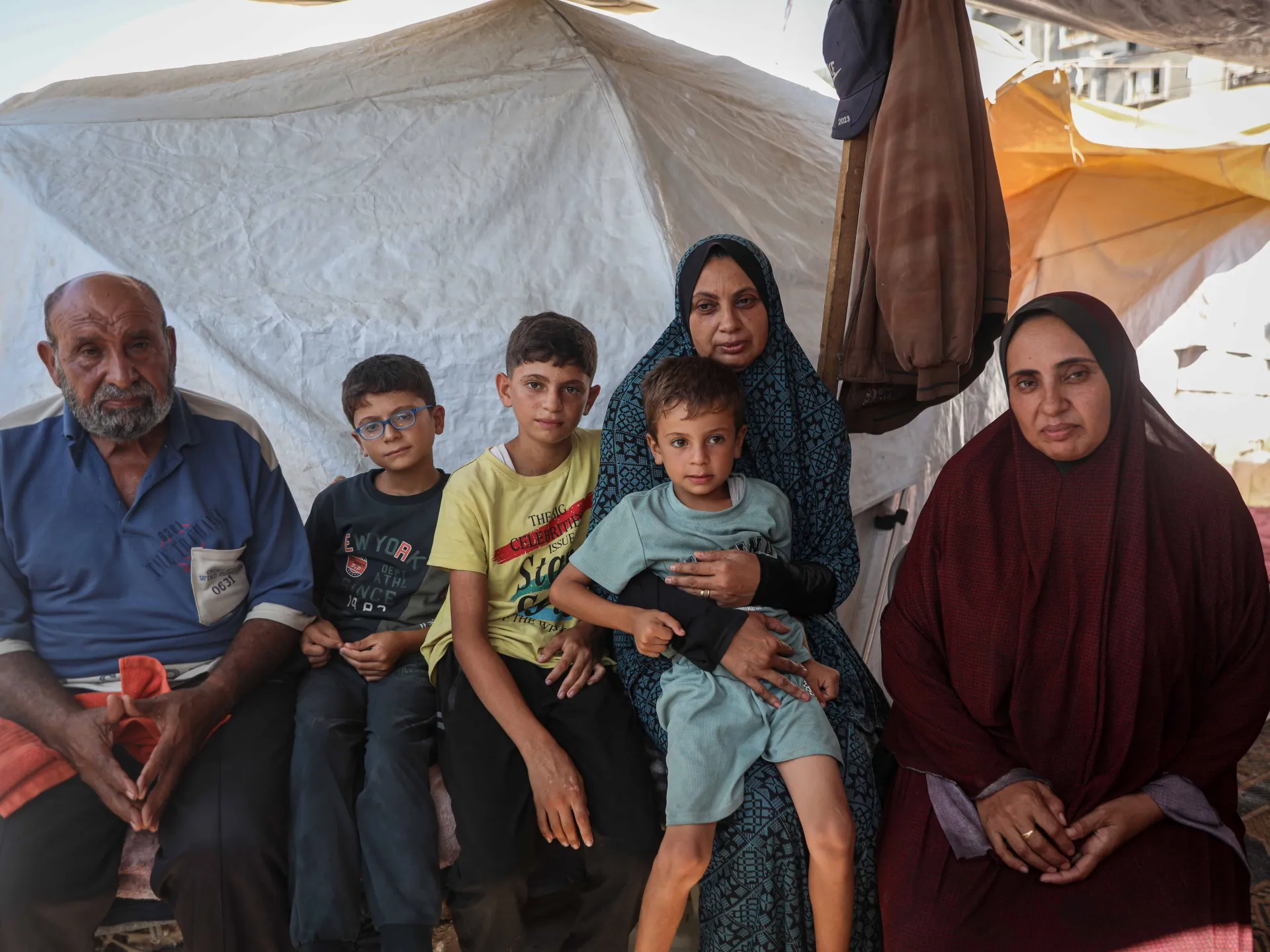
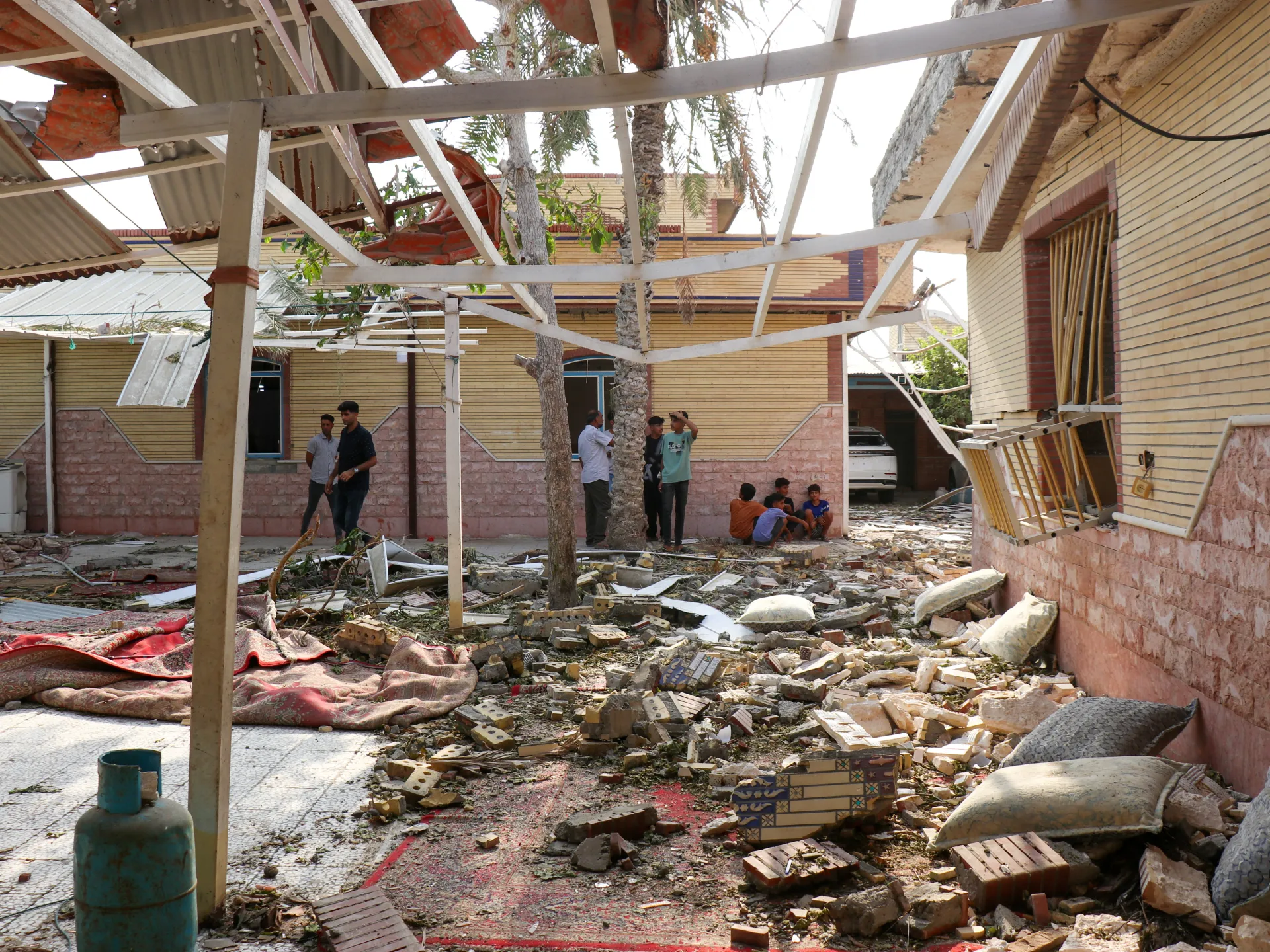
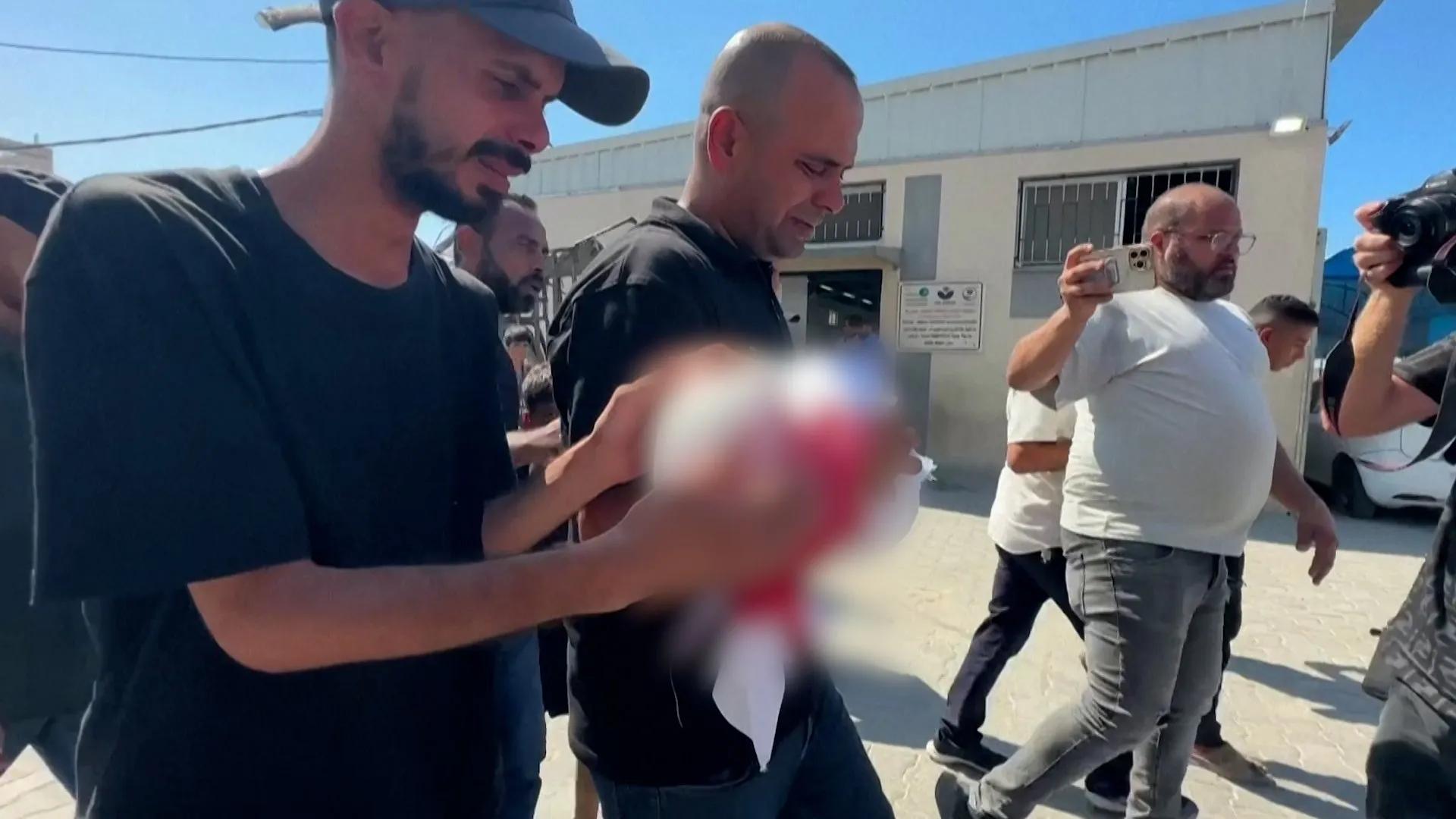
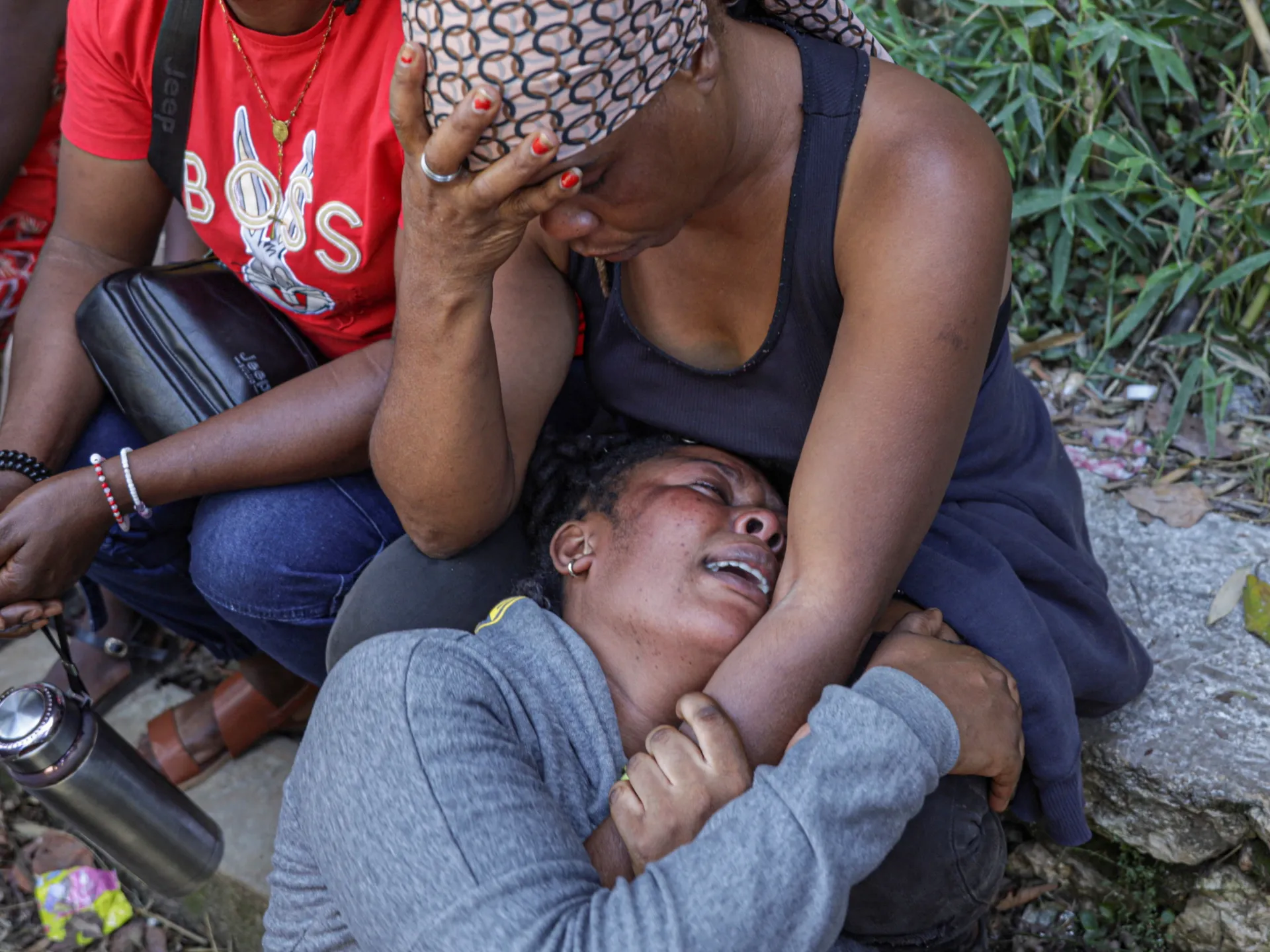
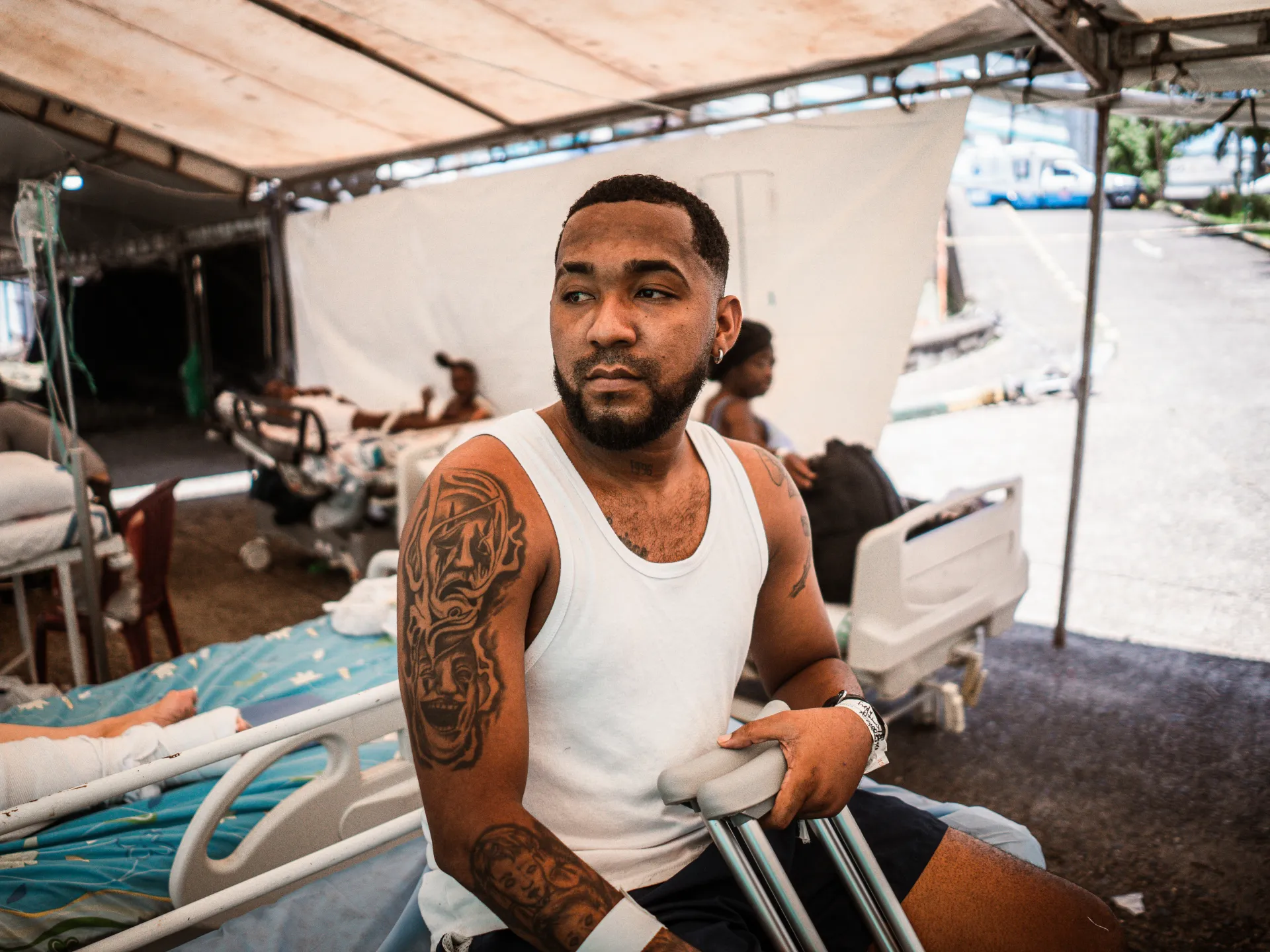
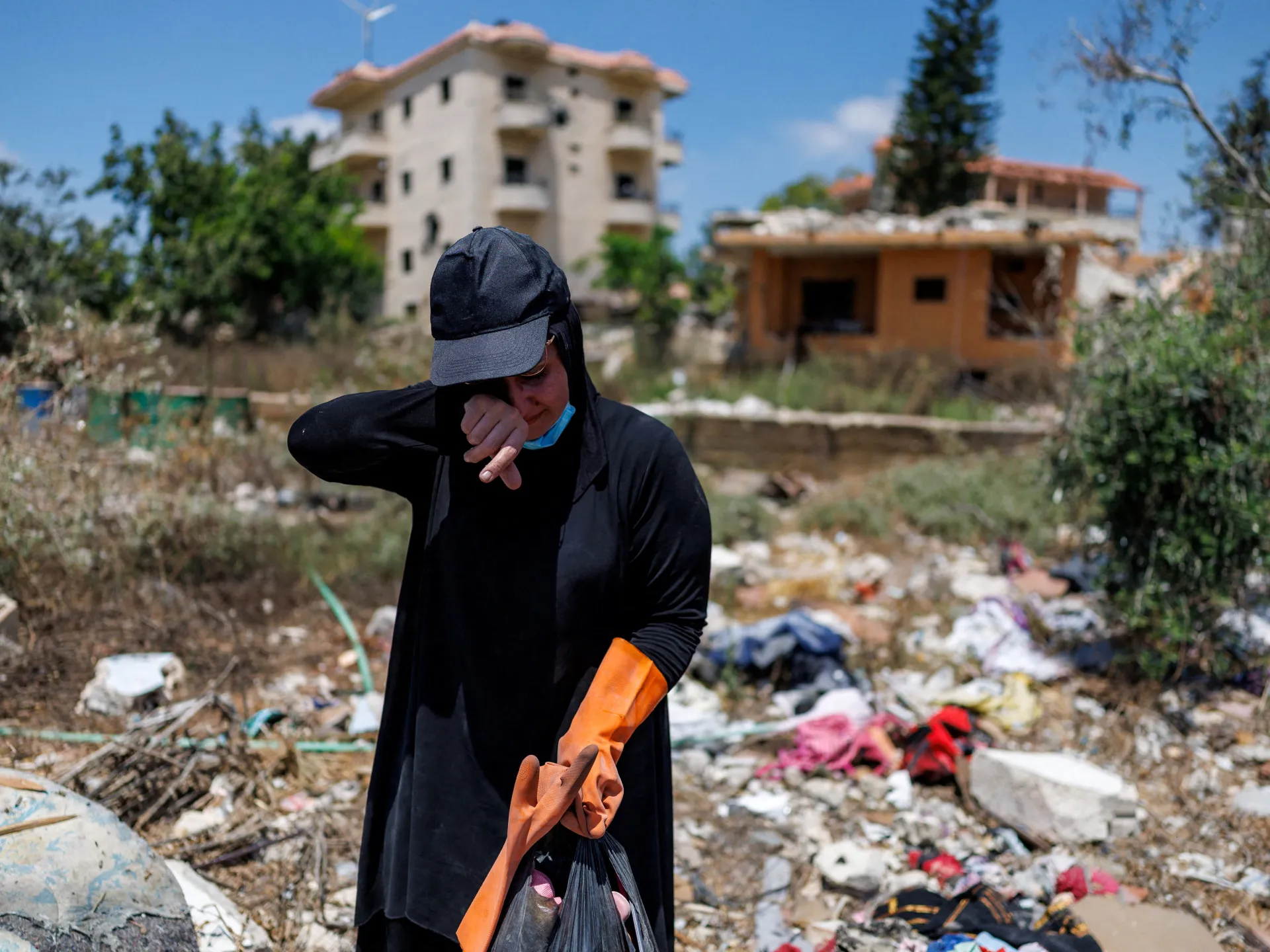
For the survivors of the Nepal floods, the sudden influx of camera-wielding visitors can be intrusive and distressing. Many families are dealing with the loss of their homes, livelihoods, and, in some cases, loved ones. When influencers approach these individuals to capture their most vulnerable moments for online audiences, the power imbalance becomes stark. Critics suggest that such interactions may inadvertently treat survivors as props for content rather than as individuals with a right to privacy during their darkest hours.
Furthermore, there is a growing concern regarding the lack of informed consent in these situations. Language barriers and the overwhelming nature of the disaster can make it difficult for survivors to fully understand how their images or stories will be utilized once uploaded to global platforms. As the digital footprint of these videos expands, the survivors often have no control over how they are portrayed or the narrative arc that influencers construct around their suffering.
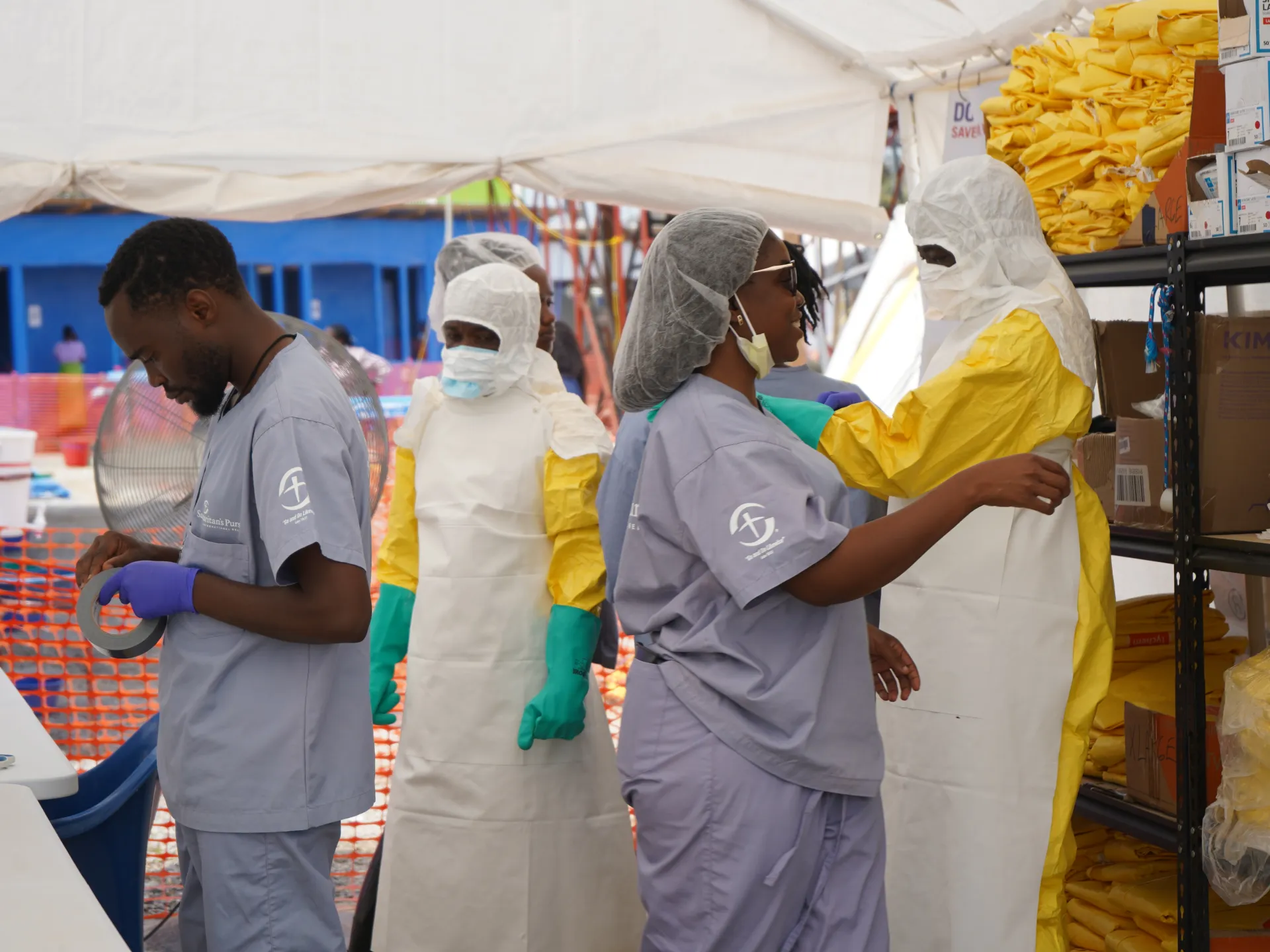
In response to these developments, professional aid organizations and humanitarian advocates are calling for stricter guidelines regarding how disasters are depicted on social media. There is an urgent need to distinguish between legitimate relief efforts and those that appear to prioritize personal branding over substantive assistance. Experts suggest that ethical reporting should center on the needs of the community and transparency regarding how funds raised through social media are actually distributed to the victims on the ground.
Moving forward, the accountability of digital creators remains a central challenge for the humanitarian sector. As influencers continue to play a role in shaping public opinion, the demand for higher ethical standards is growing. Whether these platforms will implement stricter policies to prevent the exploitation of vulnerable populations remains to be seen, but the current discourse indicates that the public is increasingly skeptical of content that feels exploitative rather than truly helpful.
To ensure that future relief efforts are conducted with integrity, it is essential for content creators to partner with established NGOs and local organizations that understand the cultural nuances of the affected regions. he community, influencers can ensure that their presence adds value to the recovery process rather than creating additional burdens. Collaborative efforts can transform the way aid is communicated, shifting the focus from the creator to the community's recovery journey.