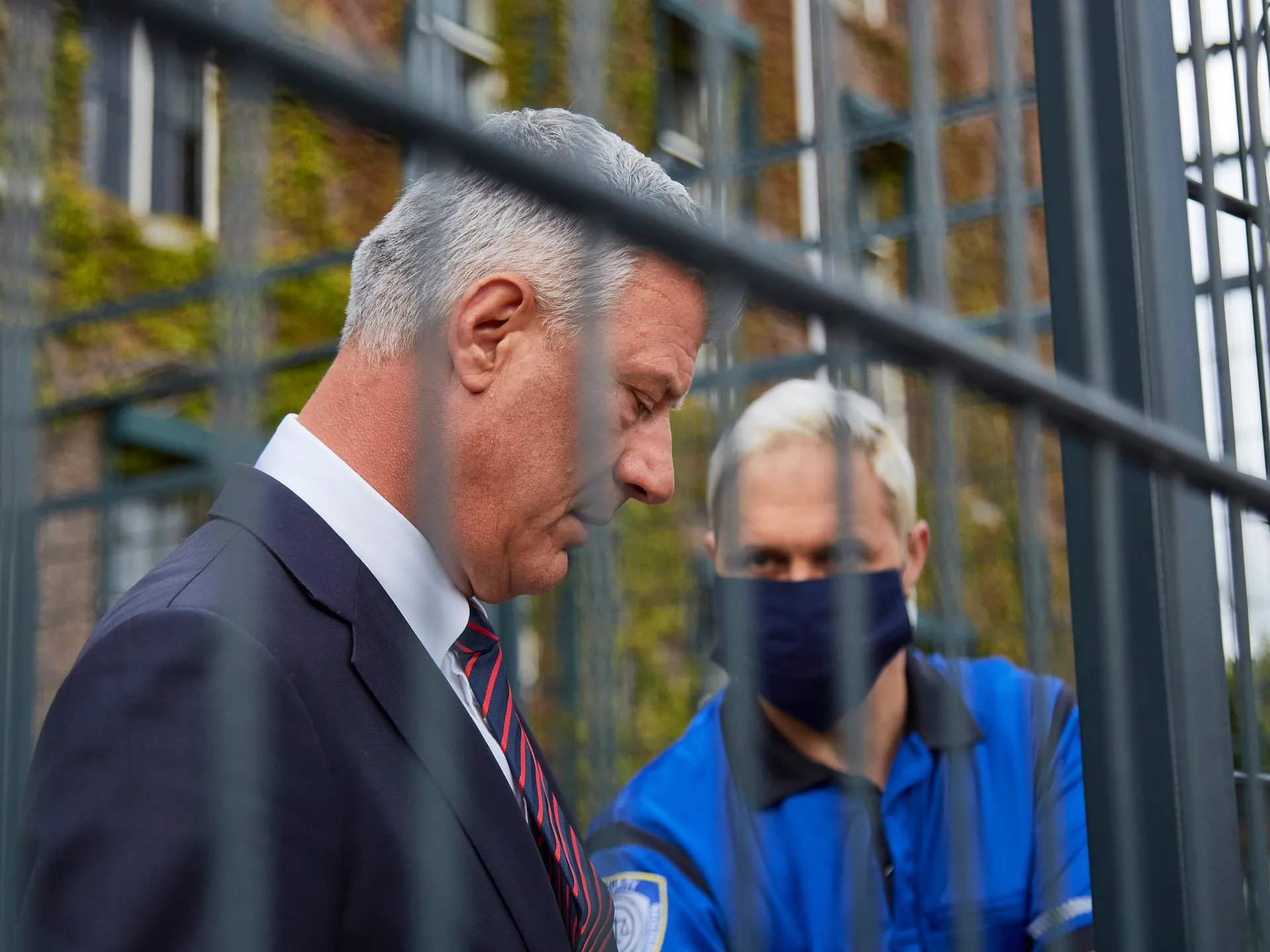
The Kosovo war crimes tribunal is nearing a verdict for former President Hashim Thaci and three other commanders accused of atrocities during the independence war.
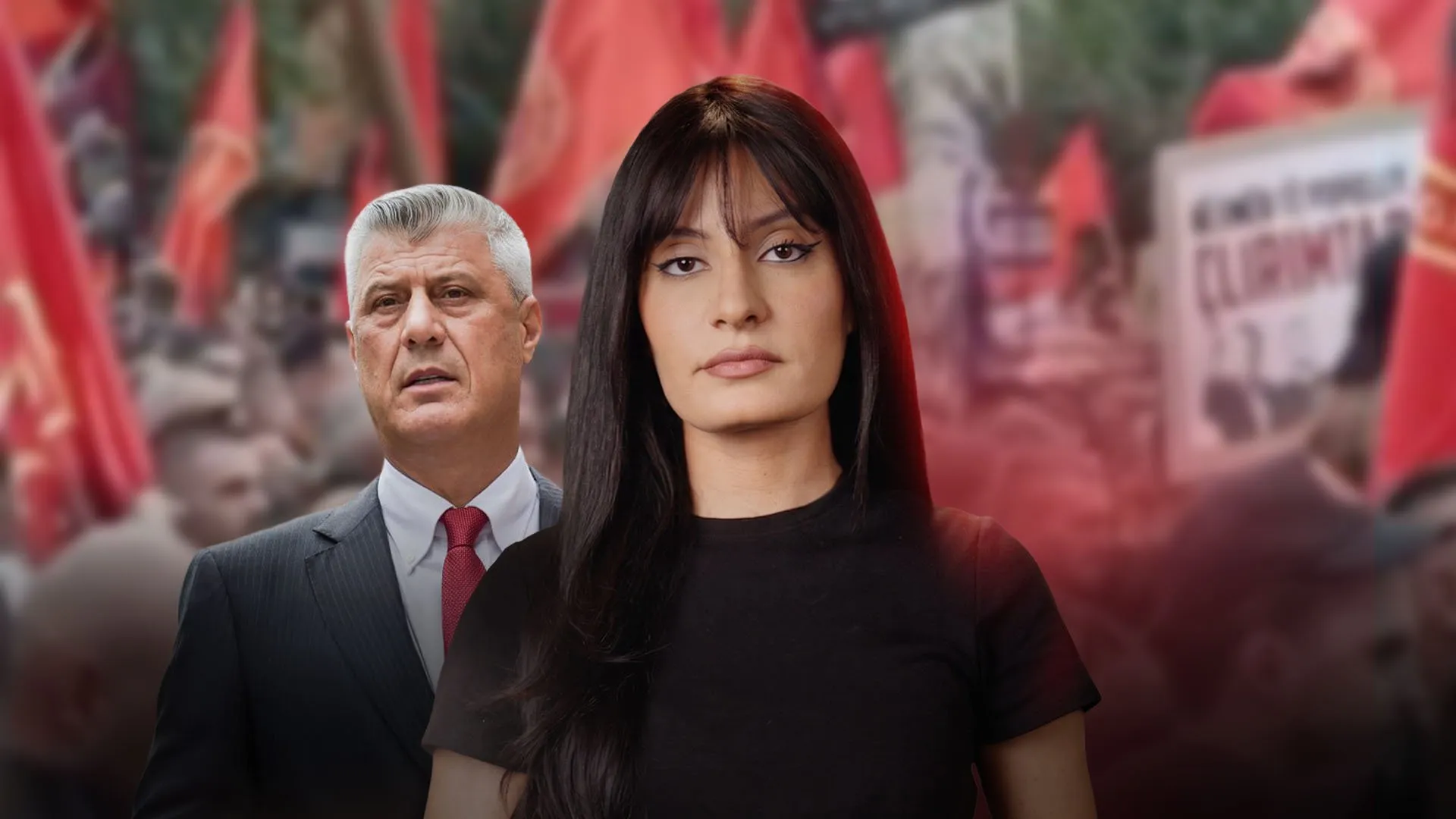
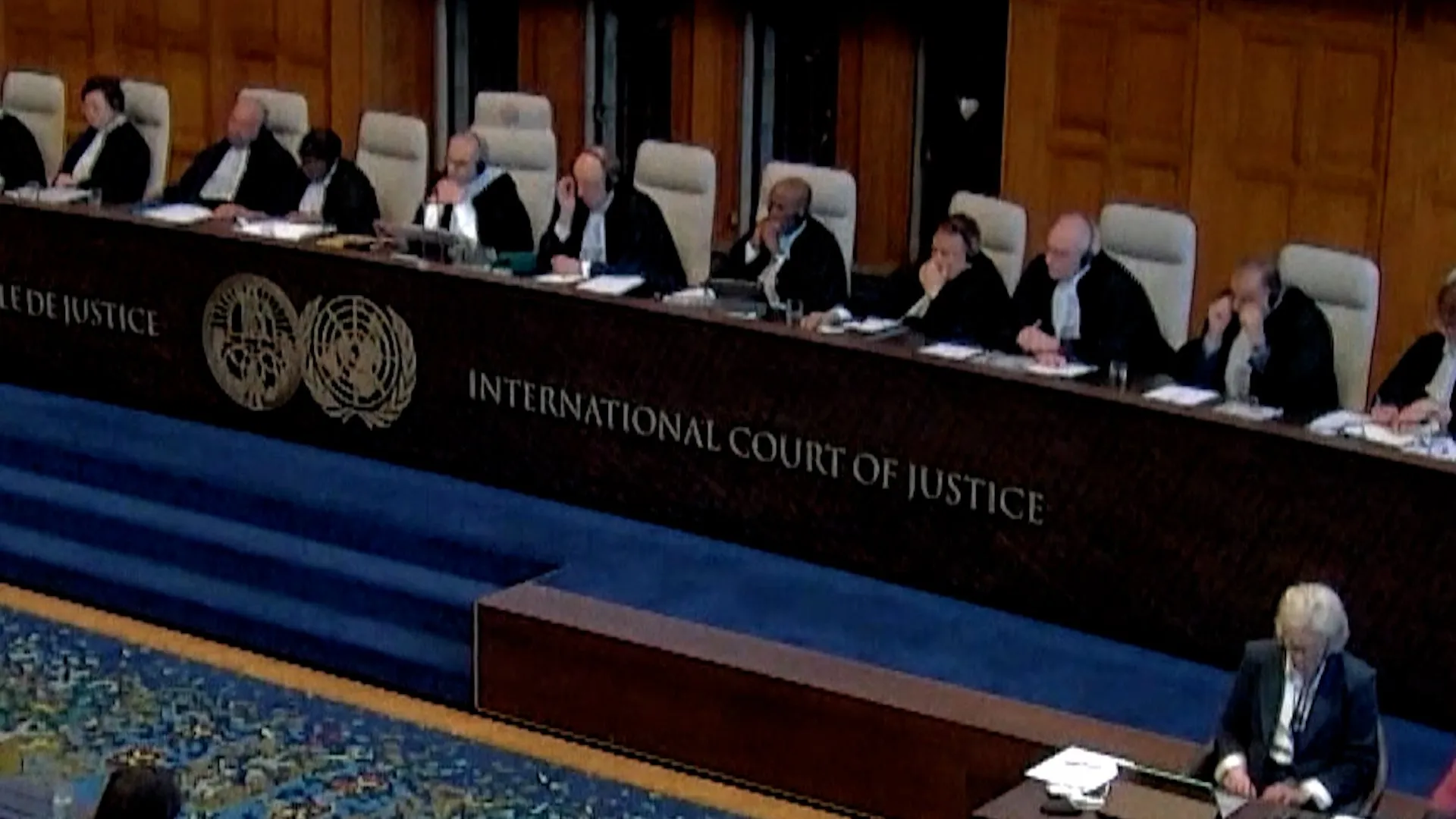
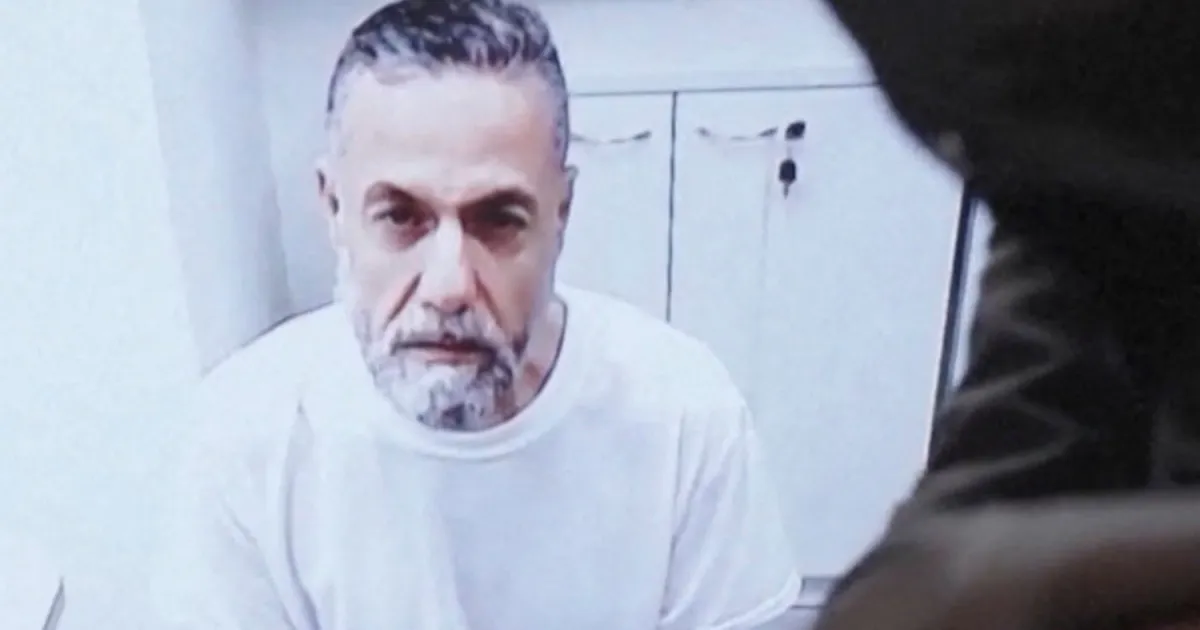
The Kosovo Specialist Chambers, a court based in The Hague, is set to deliver its highly anticipated verdict regarding former President Hashim Thaci and three other high-ranking commanders of the Kosovo Liberation Army (KLA). This landmark trial centers on accusations of war crimes and crimes against humanity purportedly committed during the intense conflict that saw Kosovo break away from Serbian rule in the late 1990s. The proceedings have drawn international attention as a test of the region's commitment to accountability for historical atrocities.
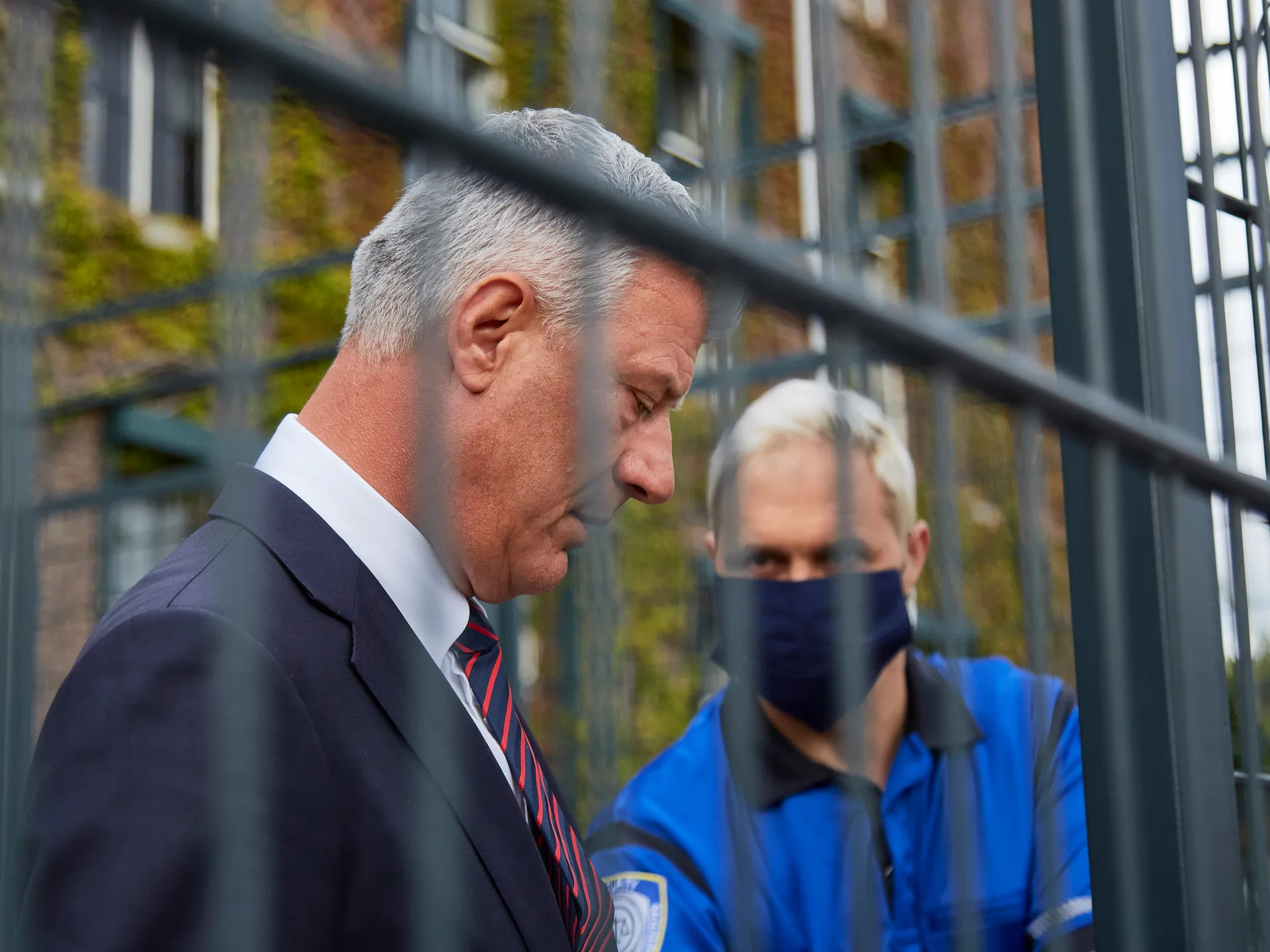
Alongside Thaci, the defendants include Jakup Krasniqi, Rexhep Selimi, and Kadri Veseli. Prosecutors have asserted that these men oversaw a systematic campaign involving murder, torture, and the persecution of individuals viewed as political rivals or collaborators during the chaotic period of the independence war. The prosecution has formally requested that the court impose 45-year prison sentences for each of the four men, citing the gravity of the alleged offenses.
The defense teams have mounted a vigorous rebuttal, consistently maintaining that the prosecution lacks direct evidence connecting the former leadership to specific criminal acts. During the trial, legal counsel for Thaci emphasized that no documented orders or reports exist to substantiate the claim that he directed the actions of subordinates who may have committed crimes. They contend that the case is built on circumstantial assumptions rather than concrete evidence of command responsibility.
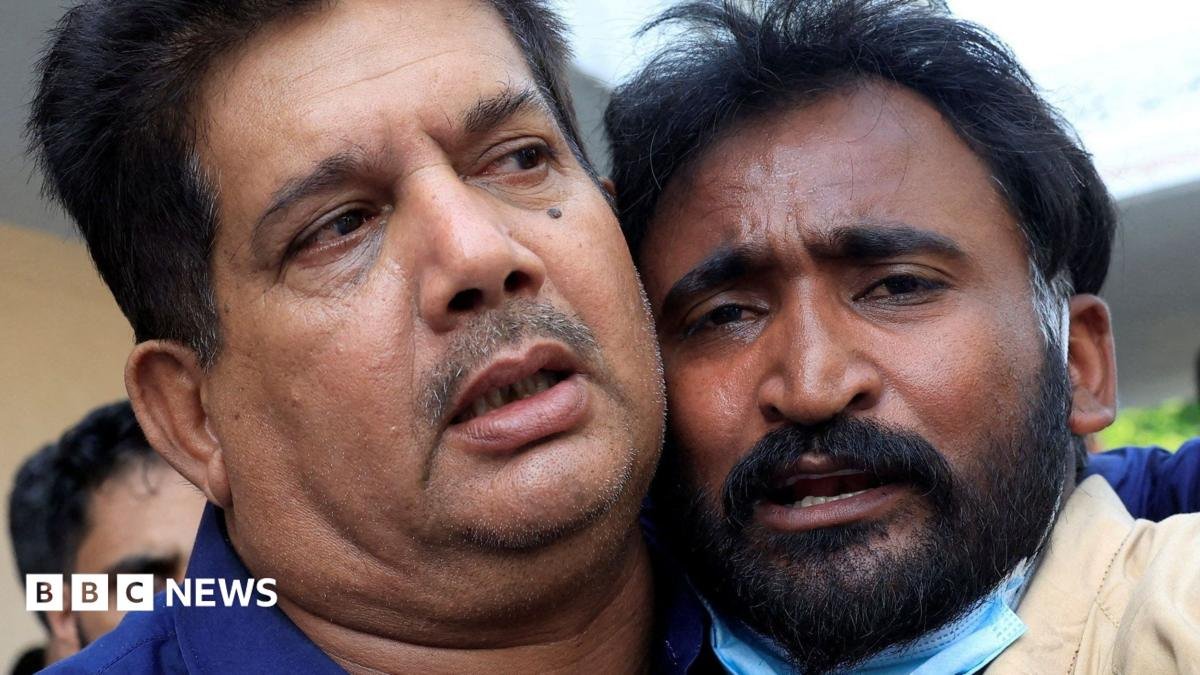
The trial has deeply divided public opinion, particularly within Kosovo, where Thaci is widely regarded as a national hero. For many ethnic Albanians, his leadership during the 1998-99 conflict remains synonymous with the struggle for independence. The prospect of a guilty verdict has ignited significant unrest, with supporters viewing the tribunal as an unfair mechanism that targets those who fought for the nation's sovereignty against Serbian forces.
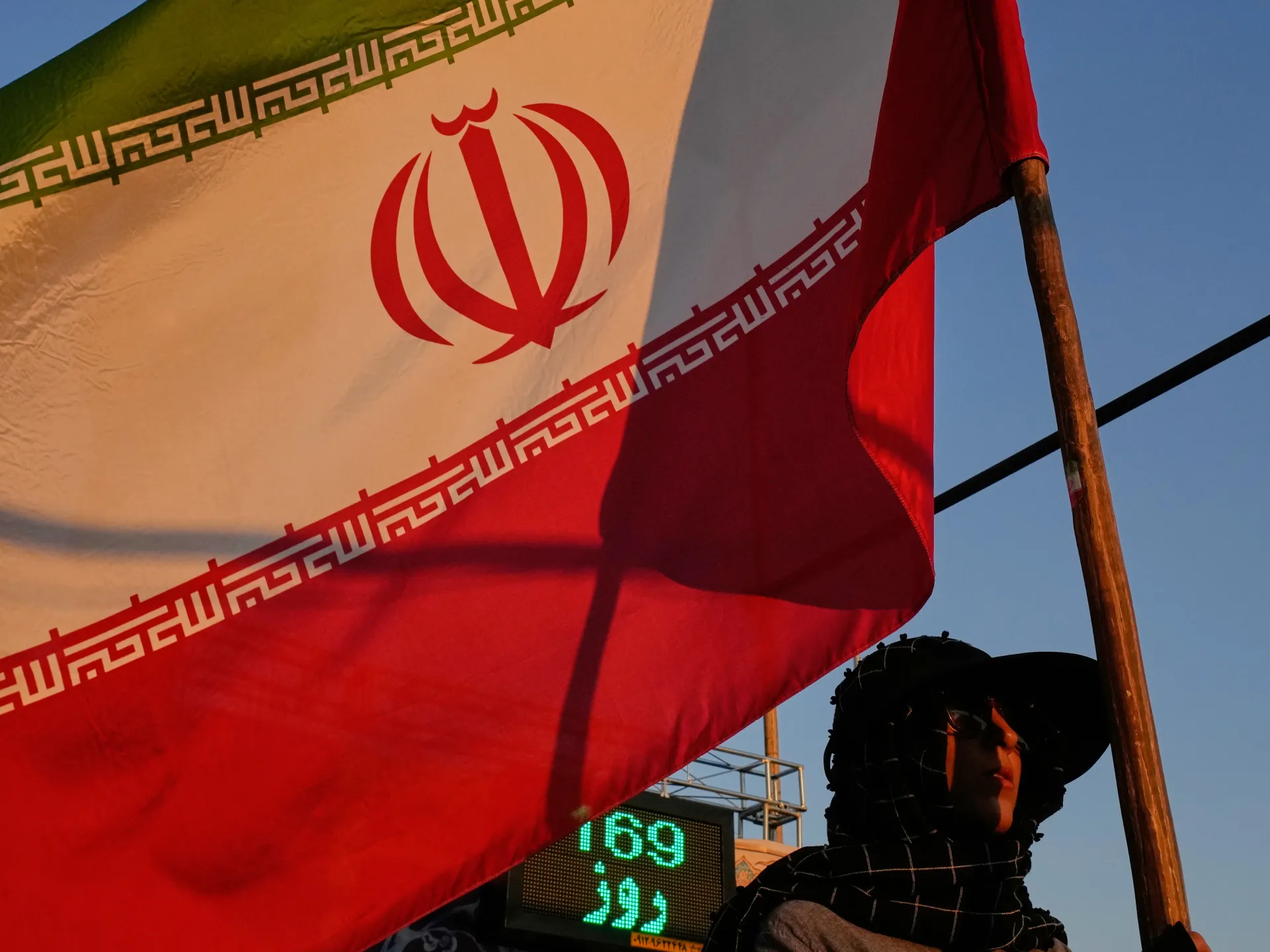
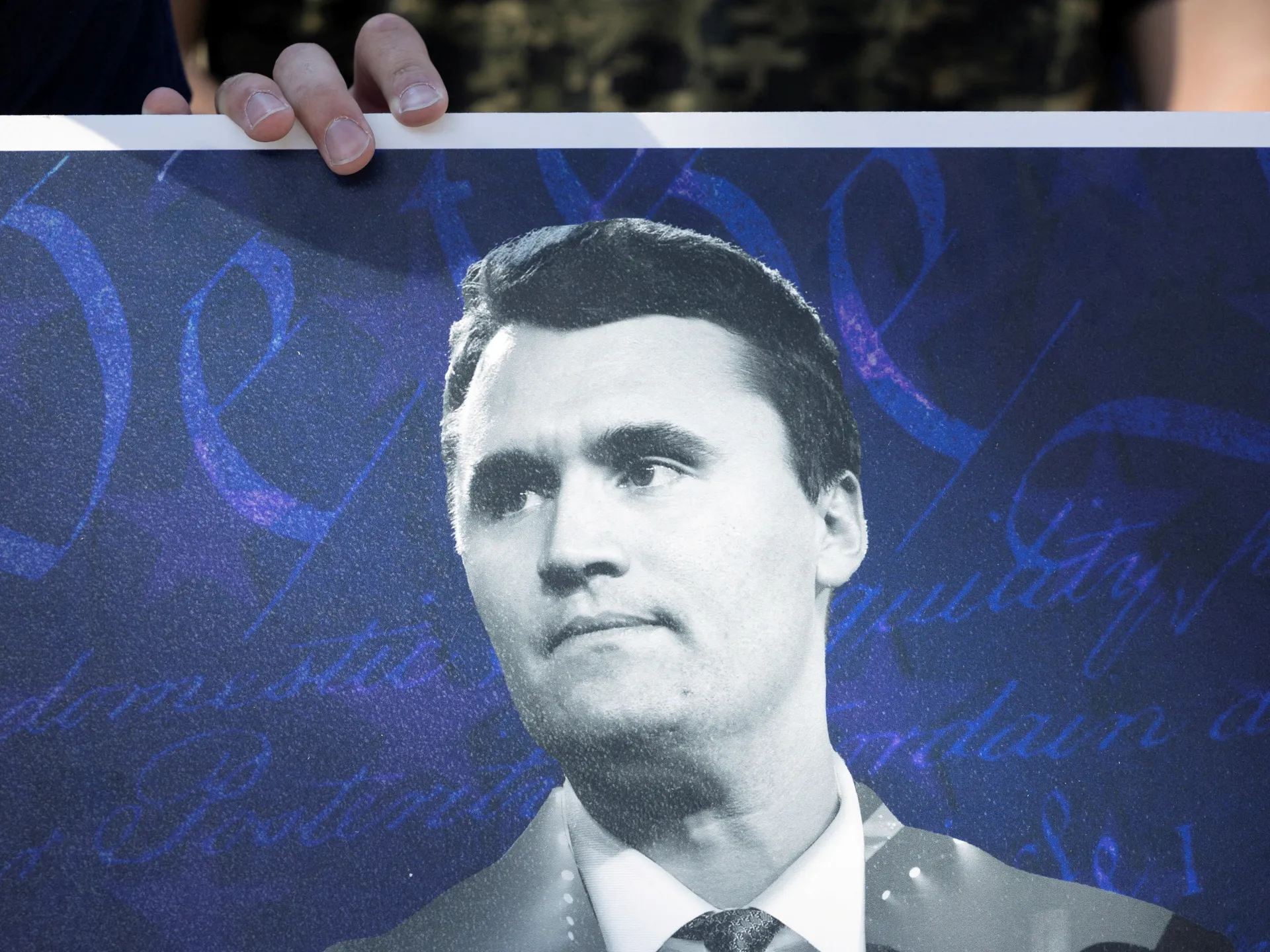
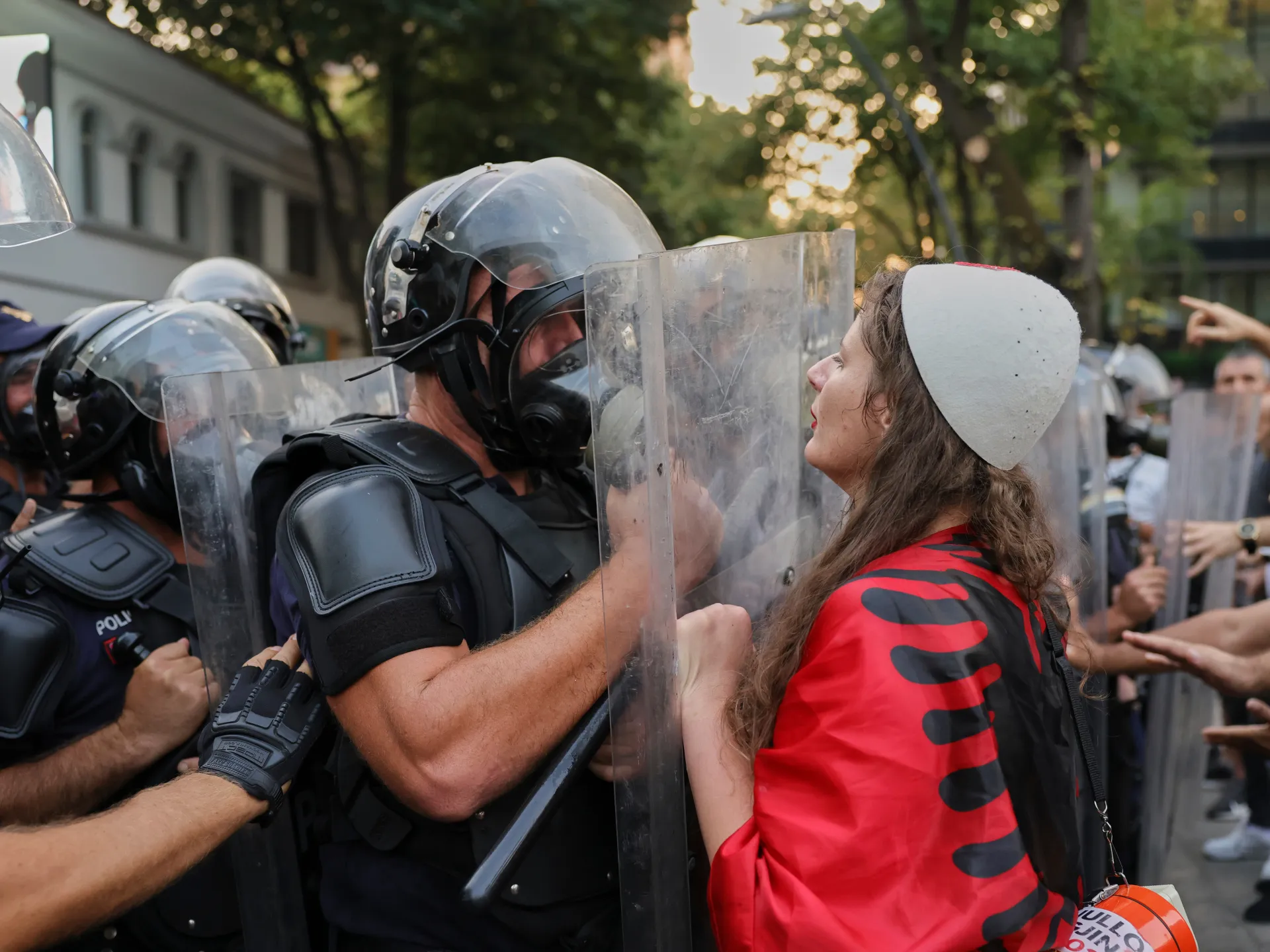
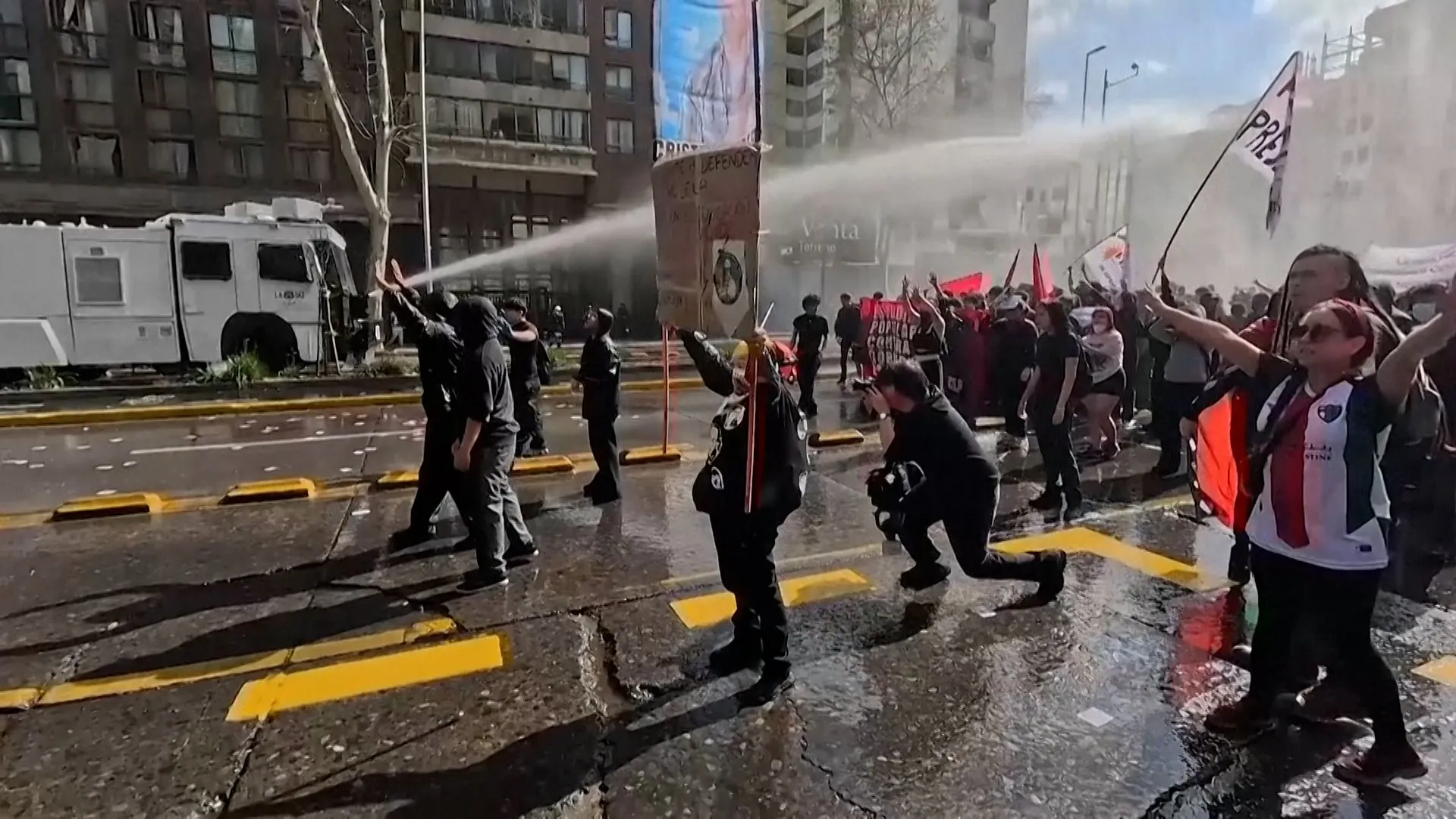
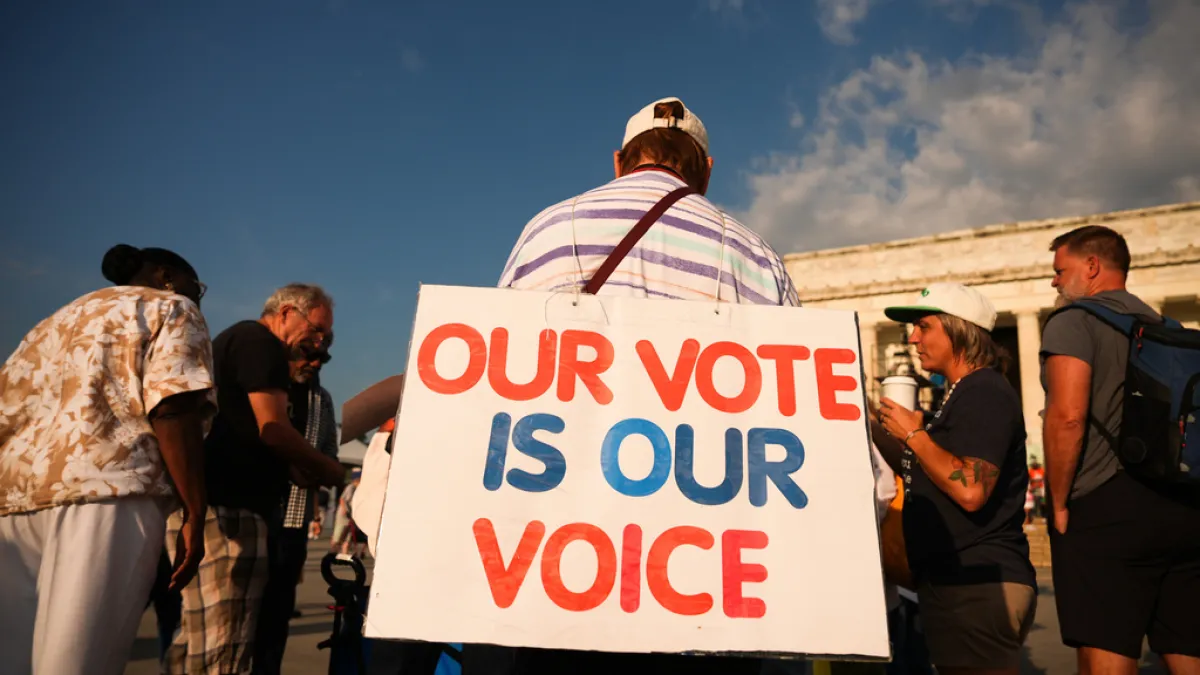
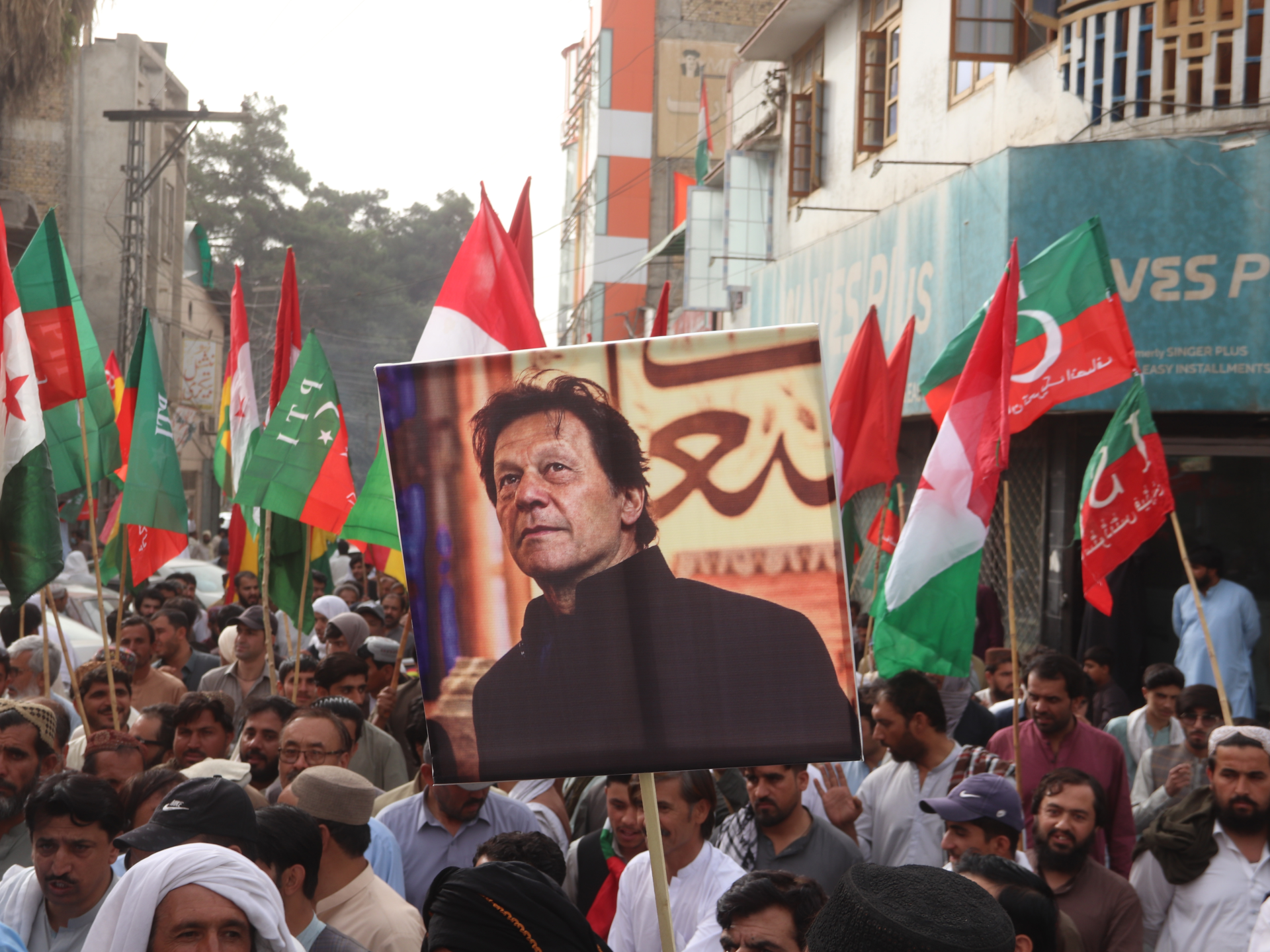
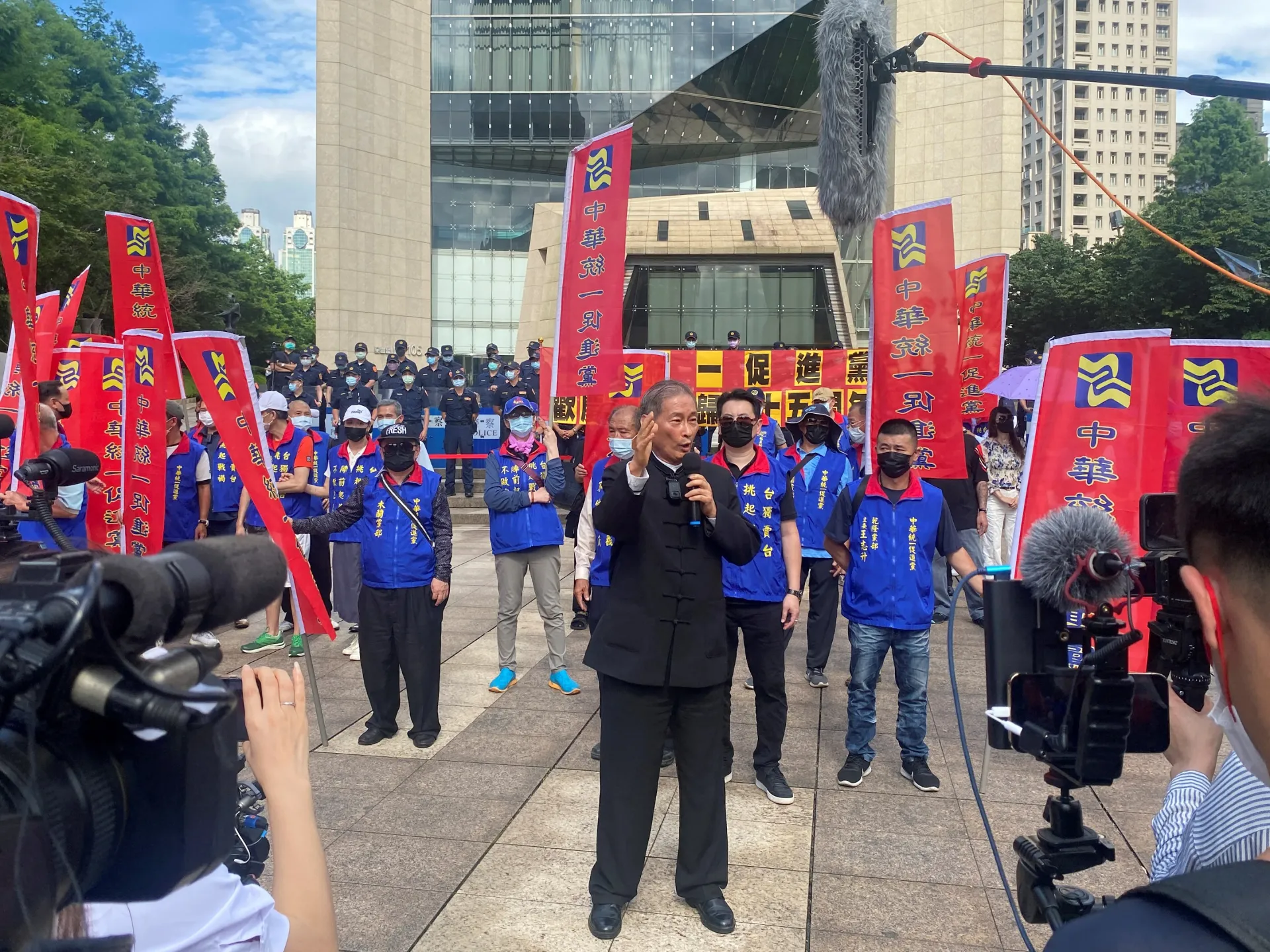
In the days leading up to the verdict, the capital city of Pristina became a focal point for public demonstrations. Tens of thousands of protesters gathered in a display of solidarity, demanding the acquittal of the four men. The city has been adorned with portraits of the defendants, and a prominent digital clock was installed to count down the final hours until the court’s decision, symbolizing the intense anxiety and anticipation felt across the country.
These rallies reflect the broader political climate in Kosovo, where the narrative of the war remains a defining element of national identity. While the international community views the tribunal as a necessary step toward justice and regional stability, many Kosovars feel that the court disproportionately focuses on the KLA while failing to adequately address the actions of Serbian forces during the period of conflict.
The 1998-99 war resulted in the deaths of approximately 13,000 individuals, the vast majority of whom were ethnic Albanians. The conflict saw the displacement of roughly one million people, creating a humanitarian crisis that eventually prompted a 78-day NATO air campaign against Serbian military assets. This intervention effectively ended the fighting, paving the way for the eventual declaration of Kosovo's independence in 2008.
Despite the passage of over two decades, the legacy of the war continues to complicate diplomatic relations between Kosovo and Serbia. Belgrade has consistently refused to recognize Kosovo’s independence, and tensions between the two nations remain a persistent feature of Balkan politics. International mediators have worked for years to normalize ties, but progress is frequently hampered
As the international community awaits the tribunal's decision, the outcome is expected to have lasting implications for both the internal stability of Kosovo and its future diplomatic trajectory. Regardless of the verdict, the case serves as a stark reminder of the complexities involved in reconciling the demands of international justice with the deeply held historical narratives of post-conflict societies.